

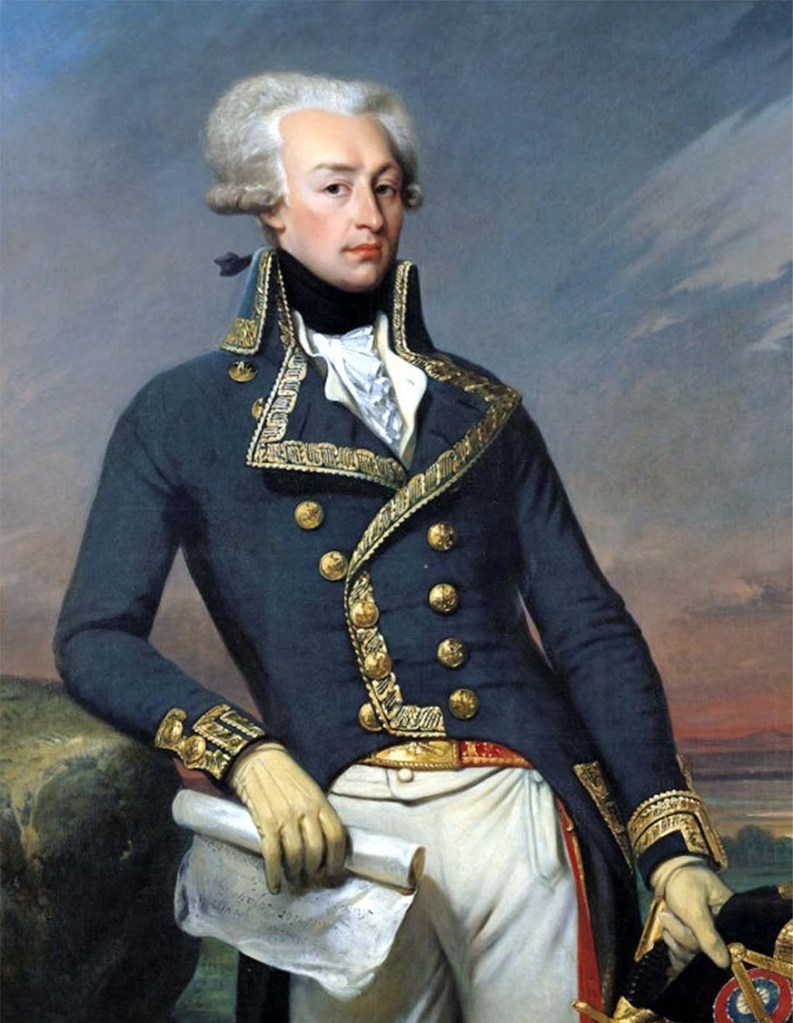
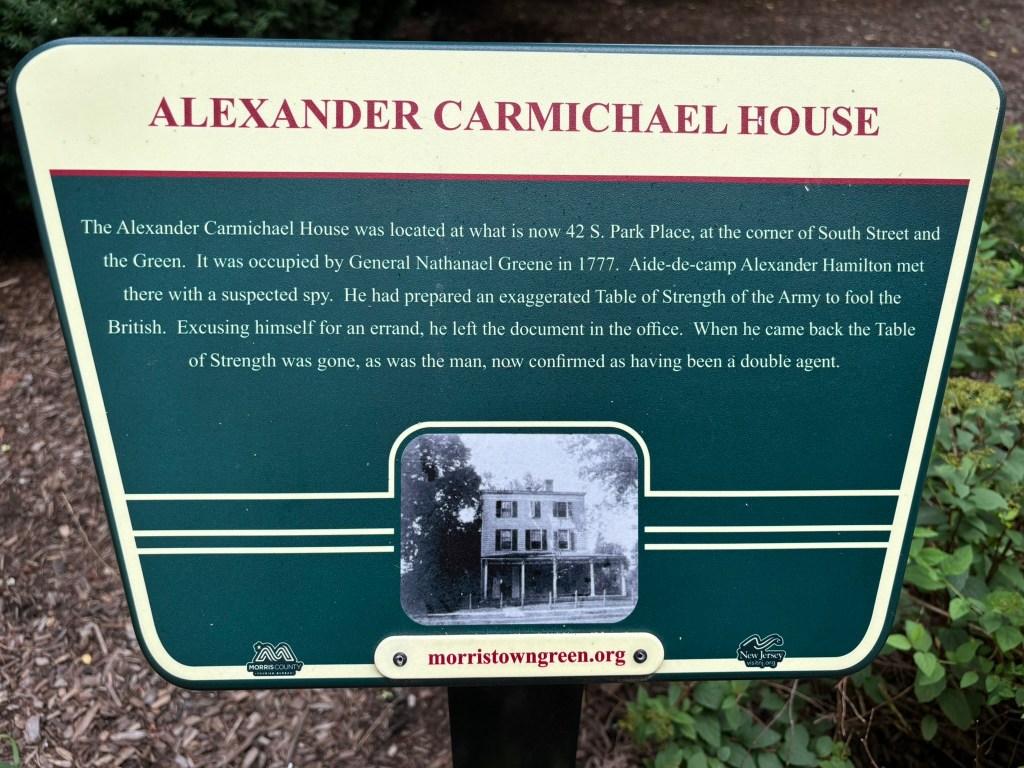
My family and I made it out to the Morristown Green in New Jersey on July 13th to celebrate the bicentennial of General Marquis de Lafayette’s visit to Morristown. In July 1825, Lafayette—the beloved French hero of the American Revolution—visited Morristown as part of his grand farewell tour of the United States. The tour, which came nearly 50 years after the country declared independence, brought Lafayette to towns and cities across the nation where he had once fought or held connections. In 1825, Morristown welcomed him with great fanfare, recalling his crucial role during the harsh winter encampments of the Revolutionary War. Crowds gathered in the town square, and a grand reception was held at Arnold’s Tavern—long a landmark of Morristown and closely tied to George Washington’s wartime presence in the area.
Lafayette’s visit was not only a moment of celebration but also a reminder of the deep bond between the United States and its French ally. For the citizens of Morristown, many of whom had family ties to the Revolution, his presence brought history to life. The general, then nearly 68 years old, was greeted by veterans and descendants of patriots who had served under him or alongside him decades earlier. His return to Morristown symbolized the enduring gratitude of a young nation and reinforced the town’s reputation as a cornerstone of Revolutionary heritage.

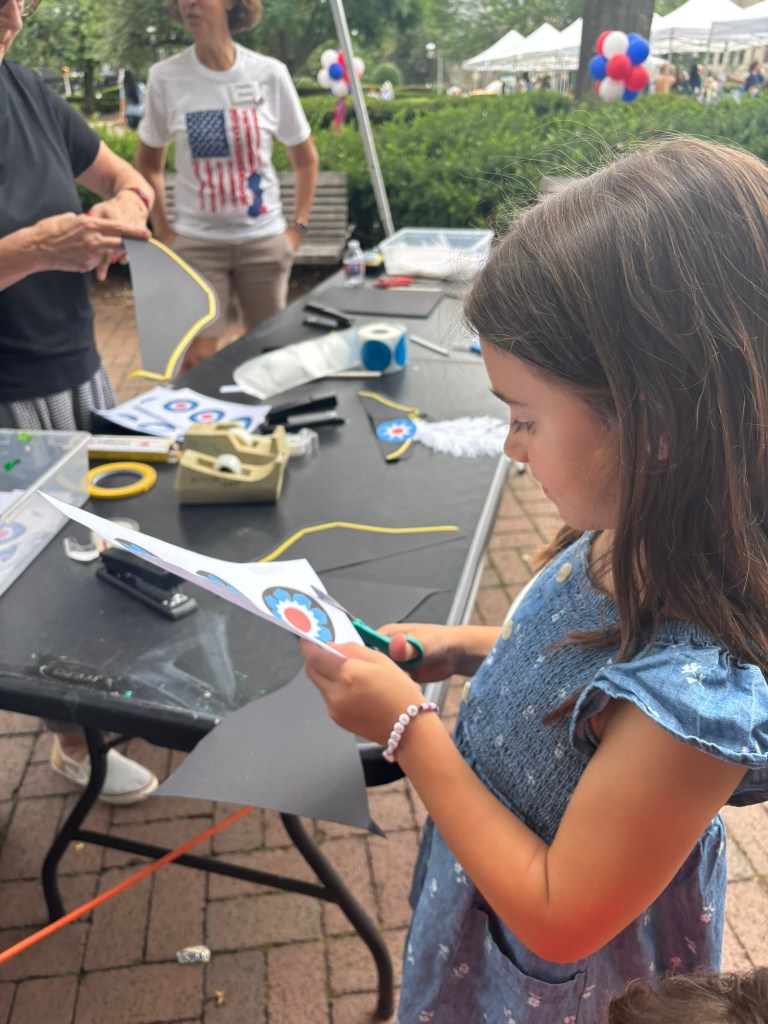
The event my family and I attended was organized by the American Friends of Lafayette in collaboration with the town of Morristown. When we arrived, we saw tents set up by local historical groups, including the Macculloch Hall Historical Museum, the Morristown National Historical Park, the Daughters of the American Revolution, the Sons of the American Revolution, and others. The event also featured exhibits, reenactors, and activities for families.
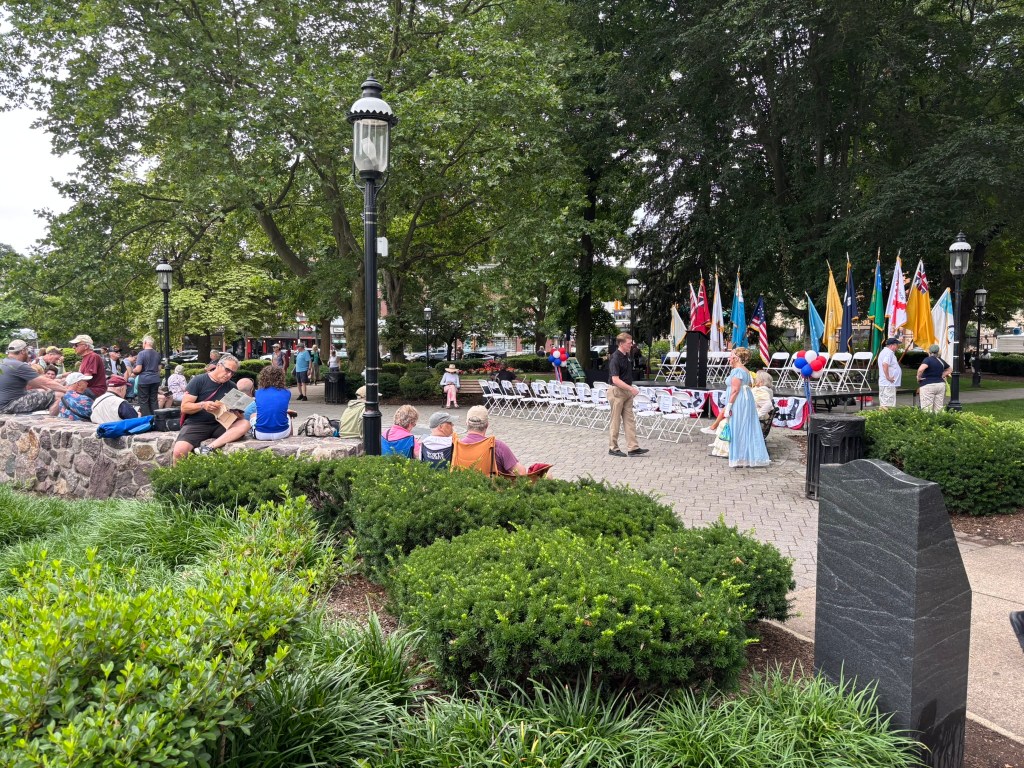
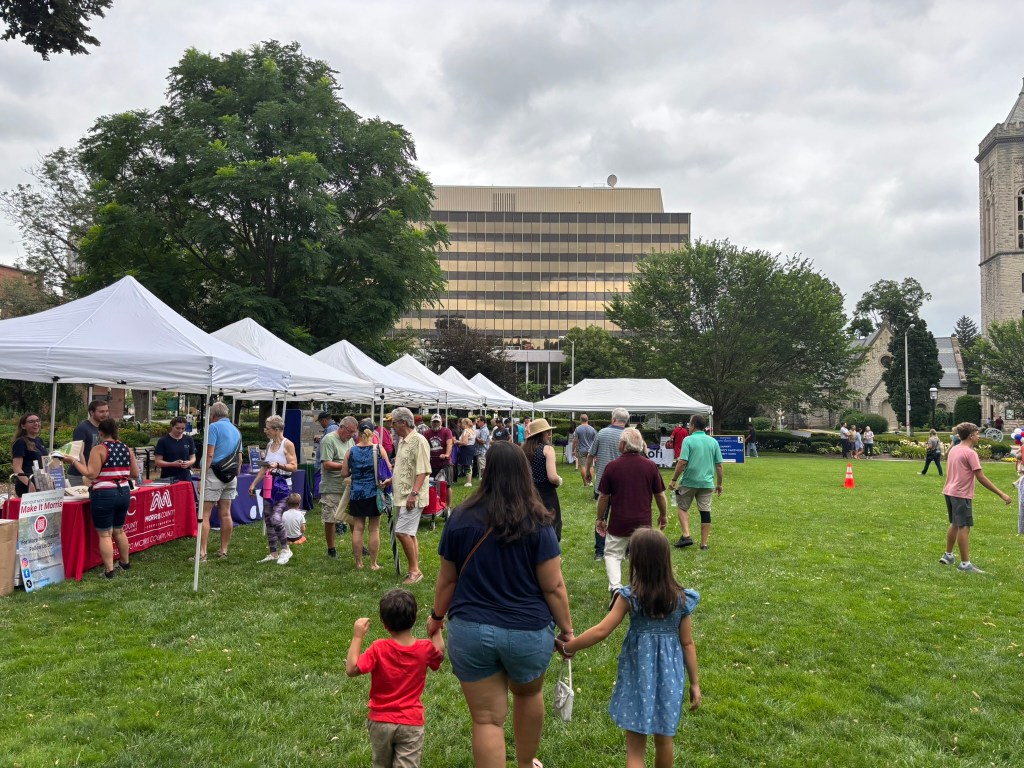


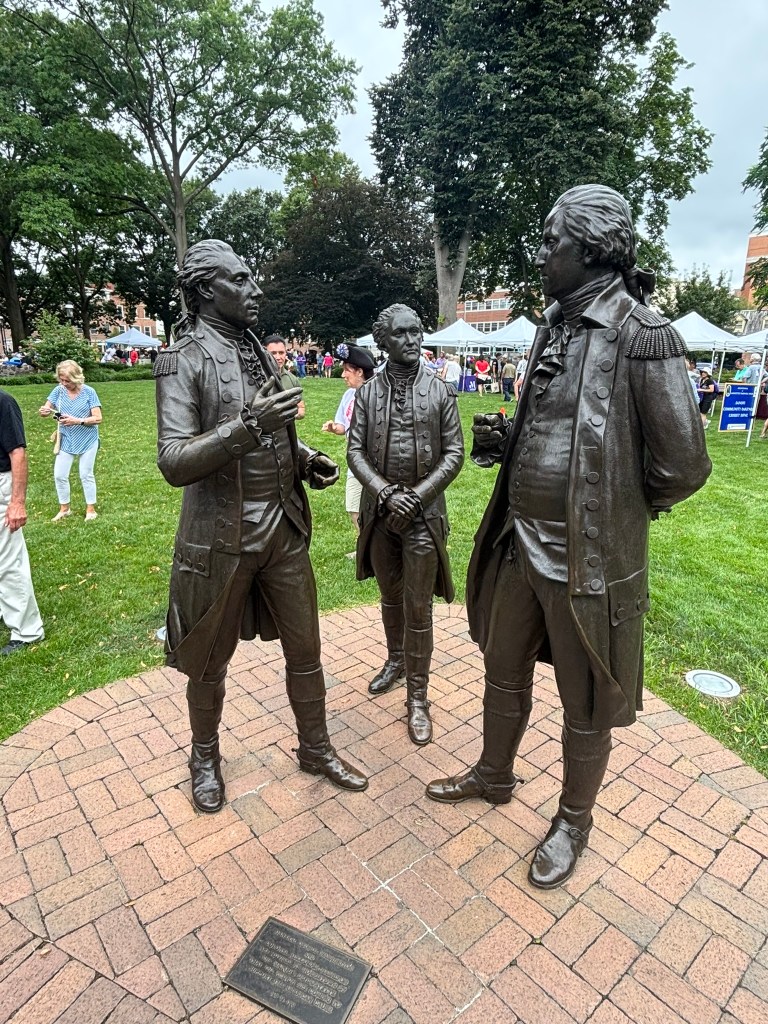
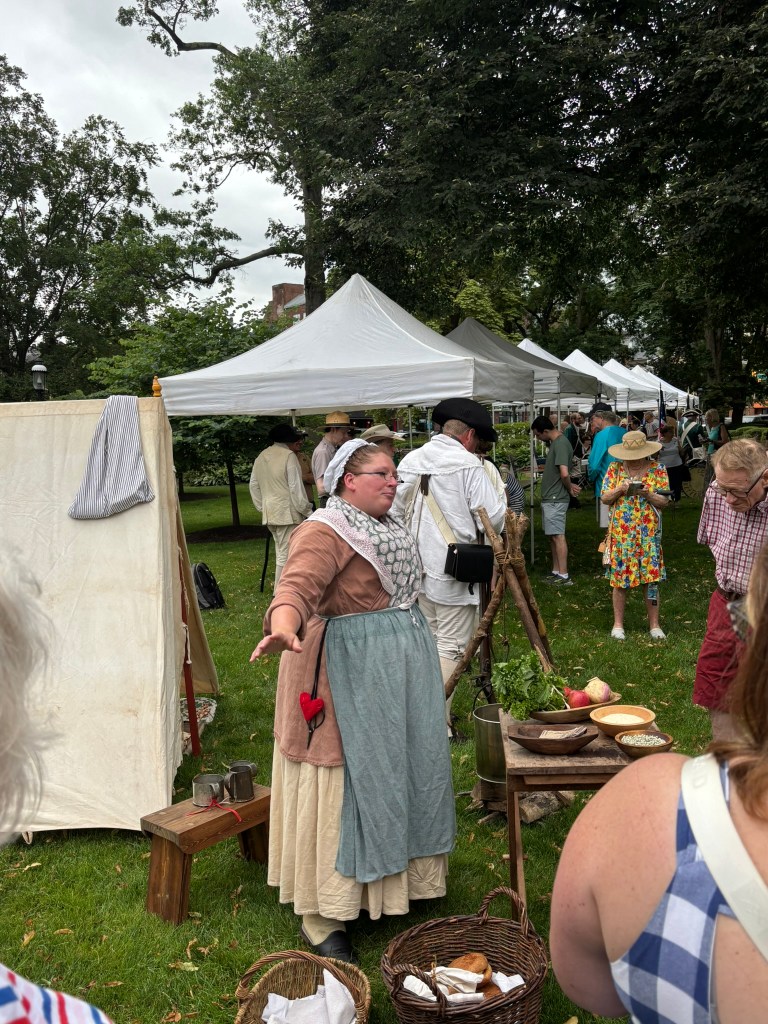

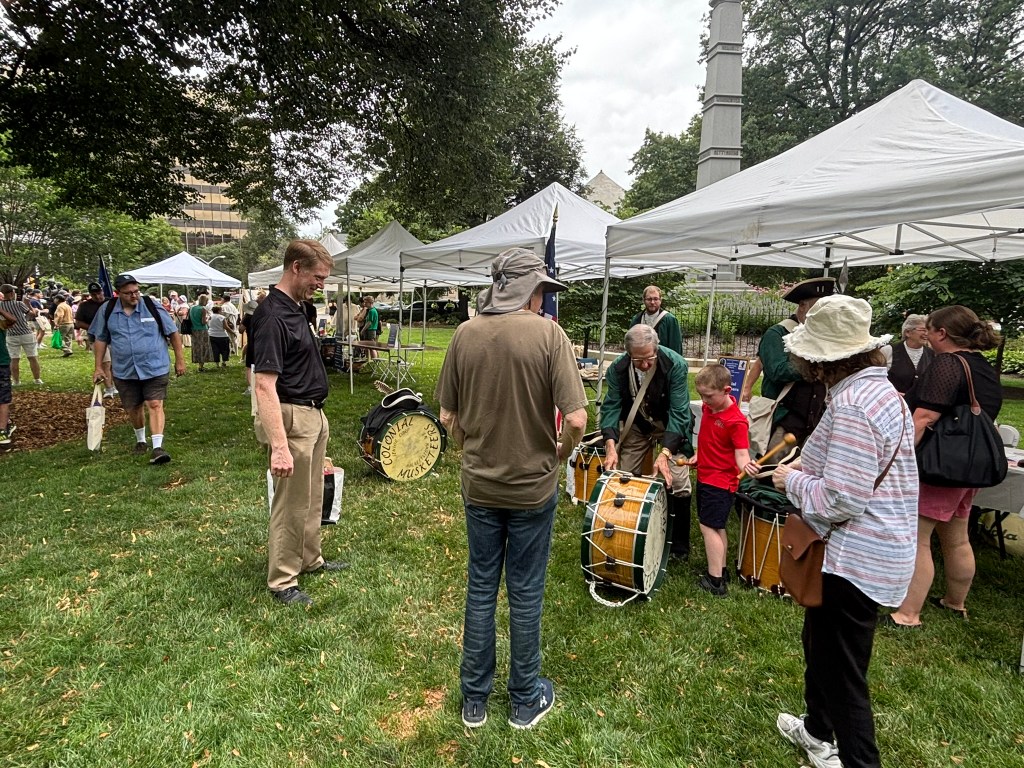
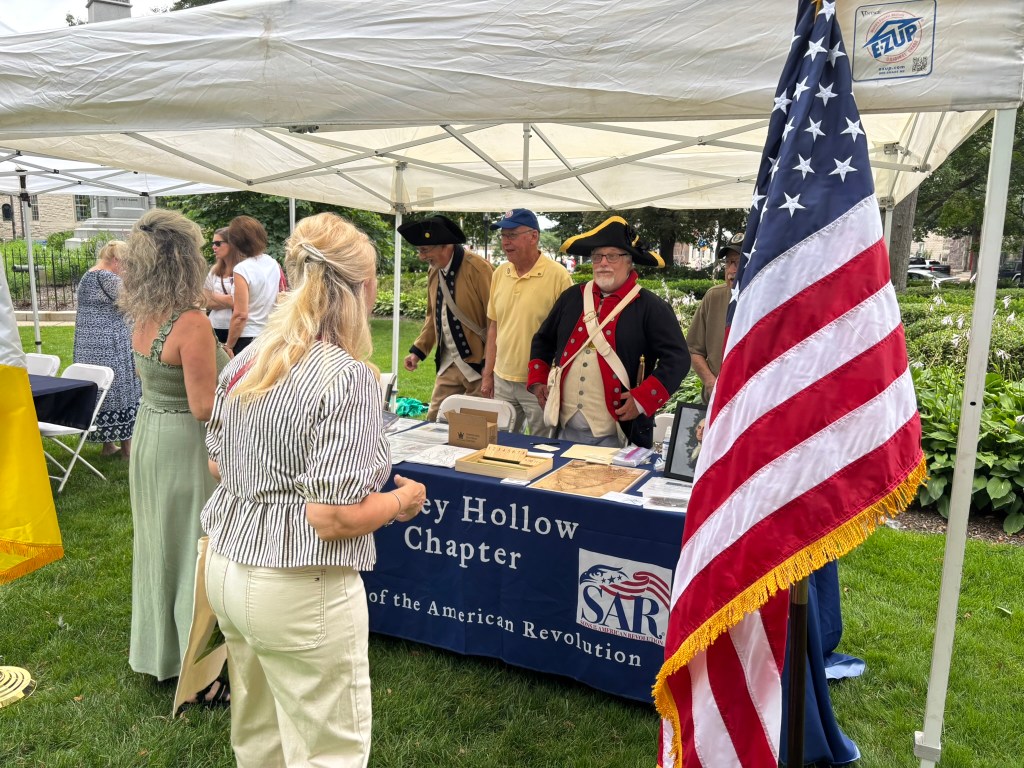
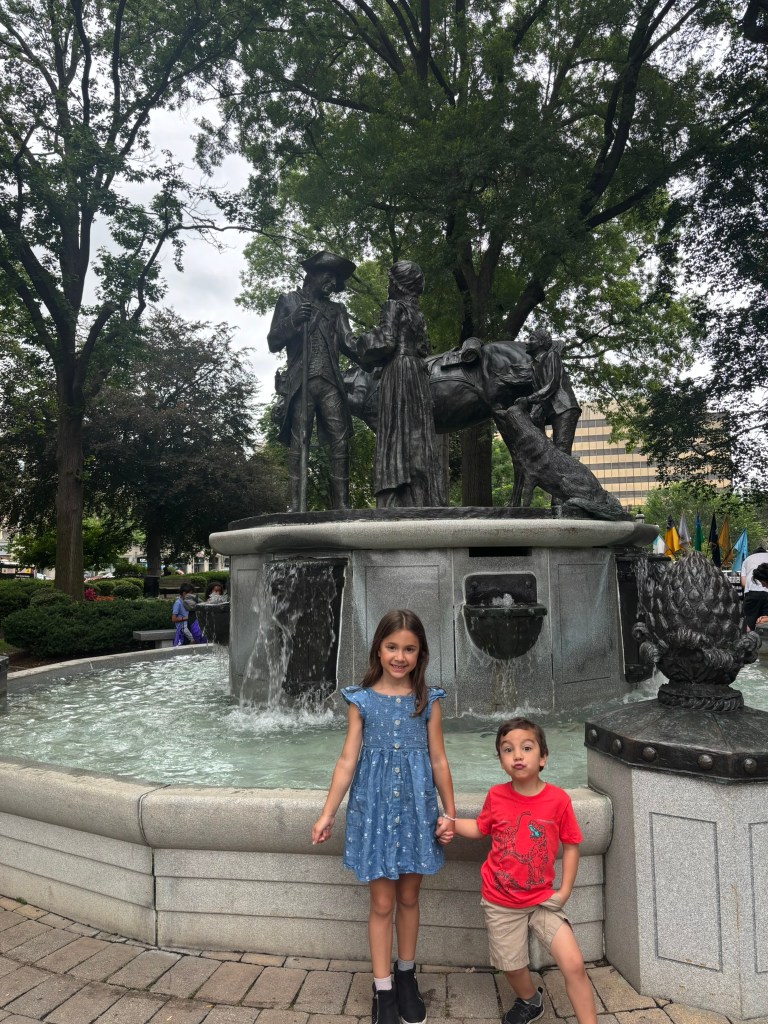

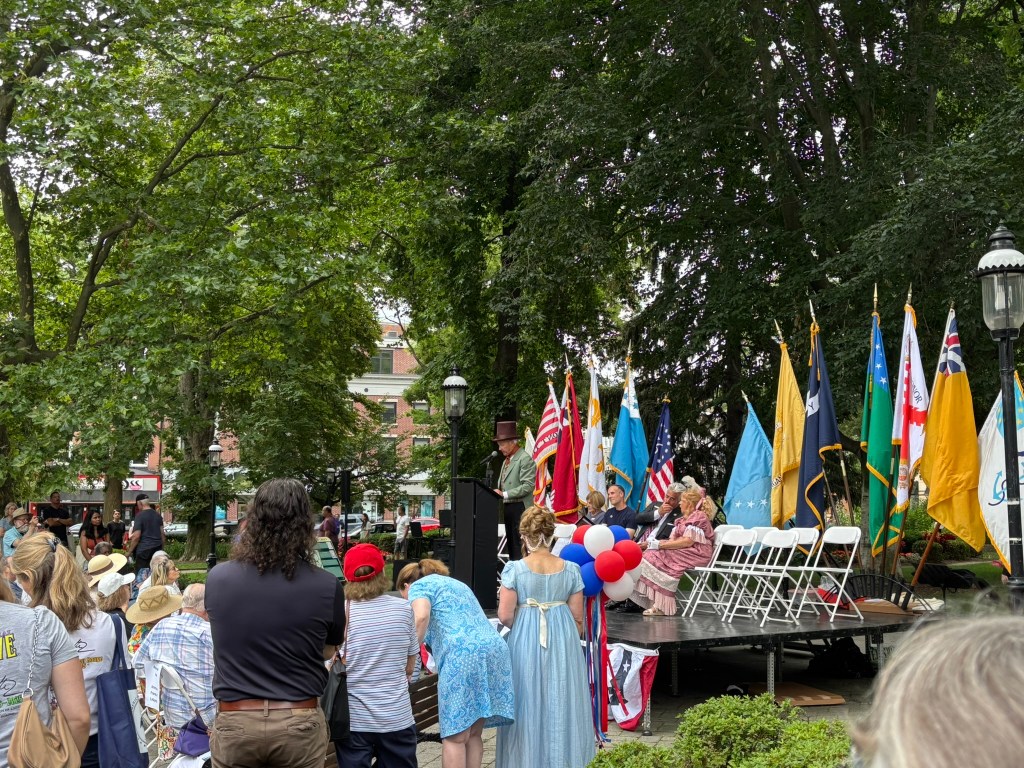
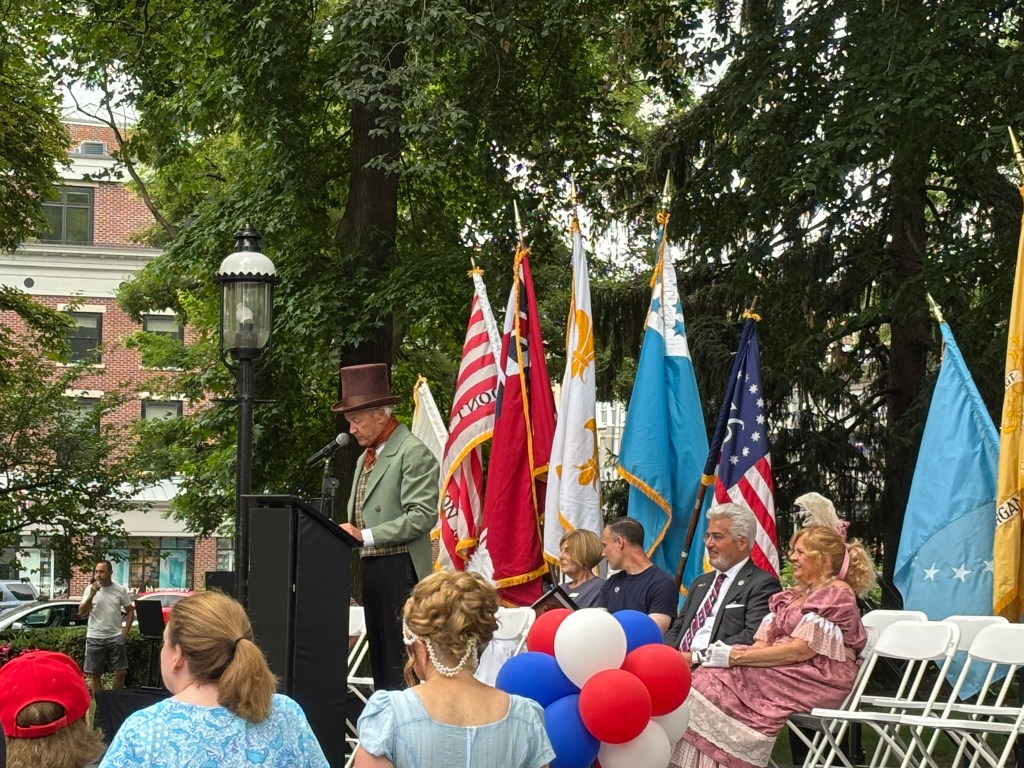
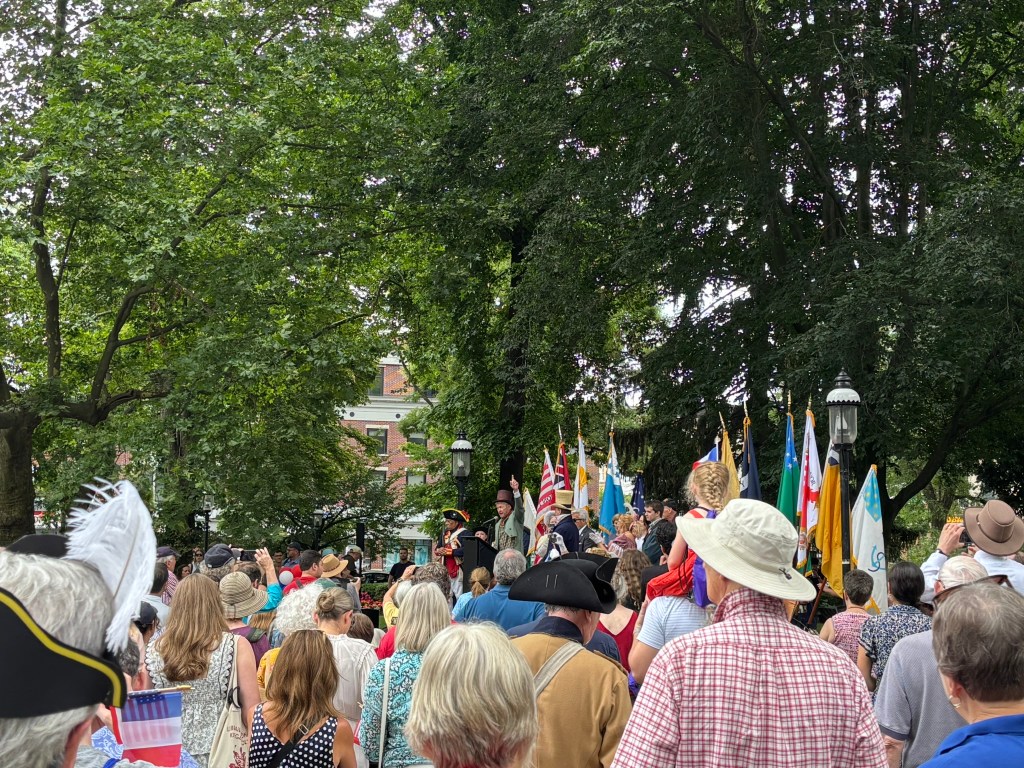
A welcome ceremony at 12:45 p.m. kicked off the program, with remarks from the mayor of Morristown, a representative of the American Friends of Lafayette, and other local historical organizers.
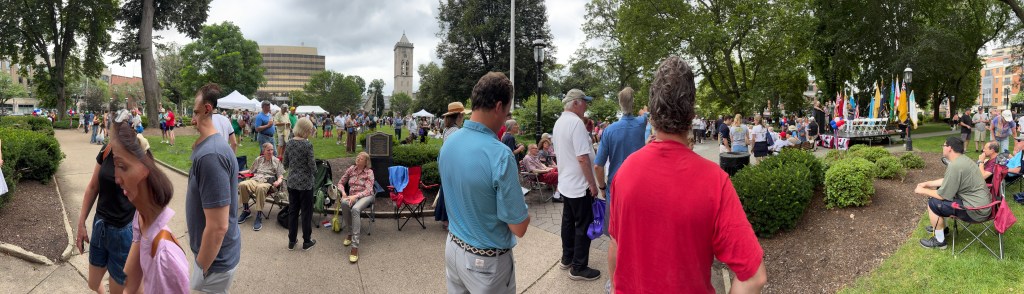
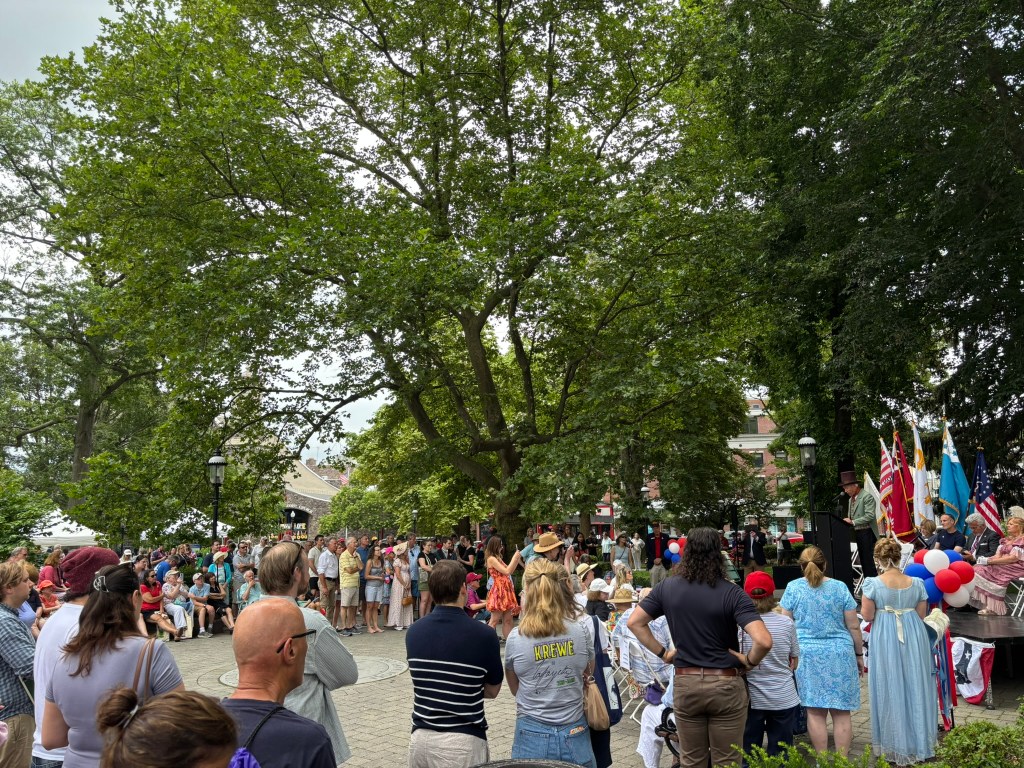
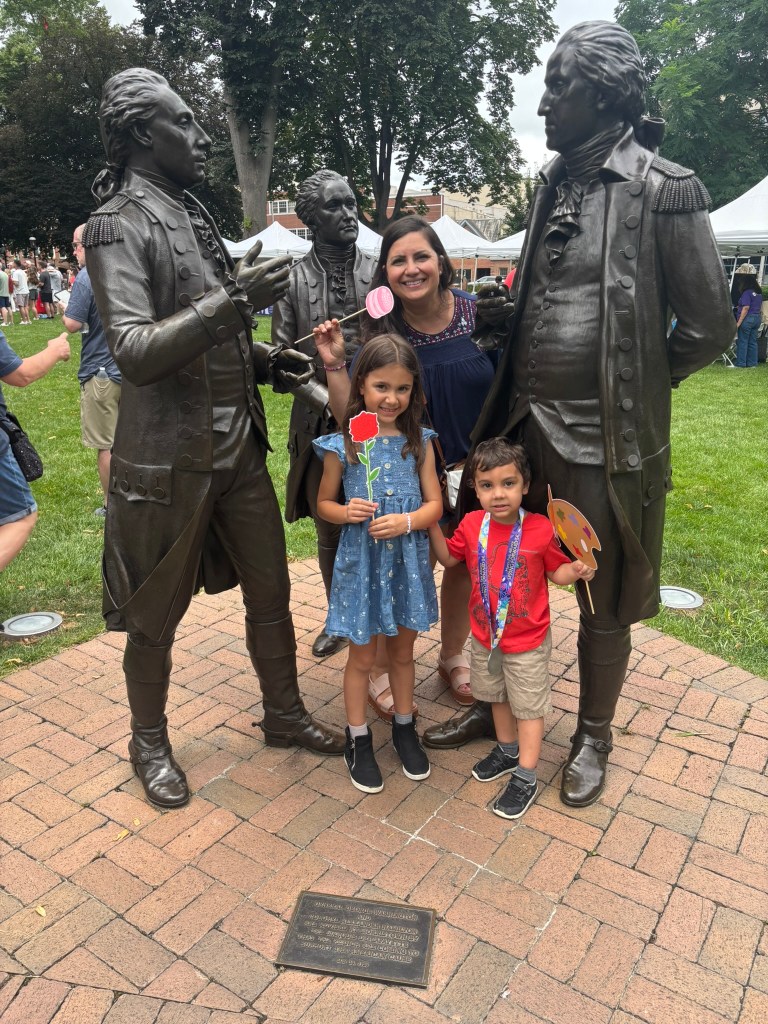
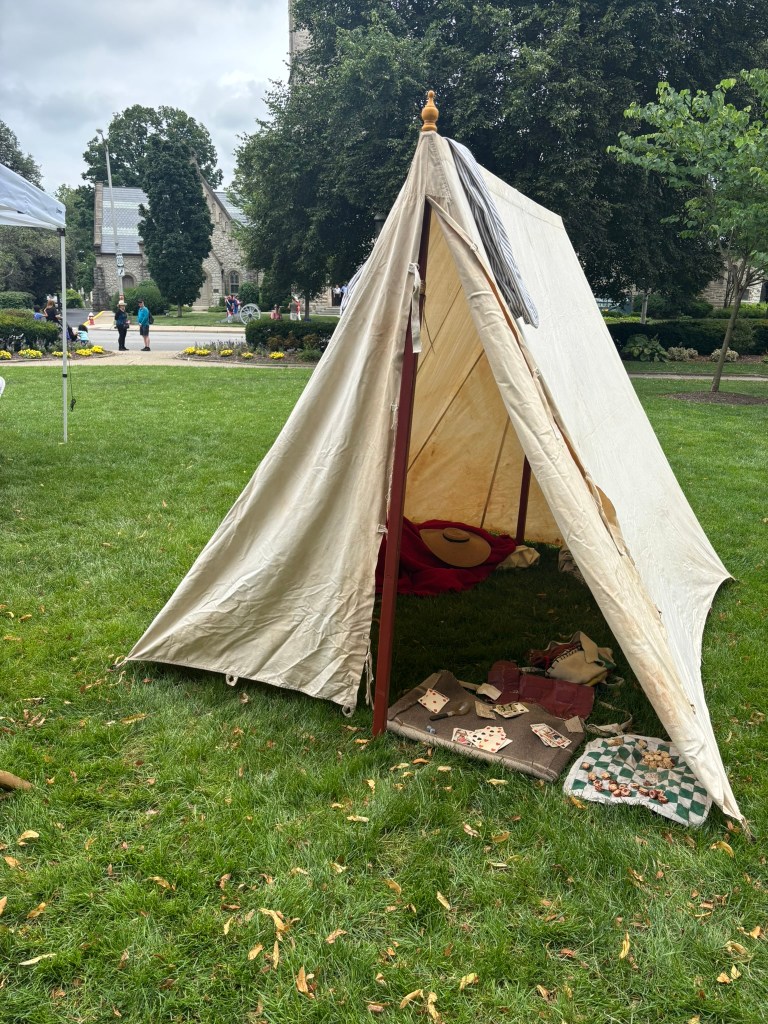
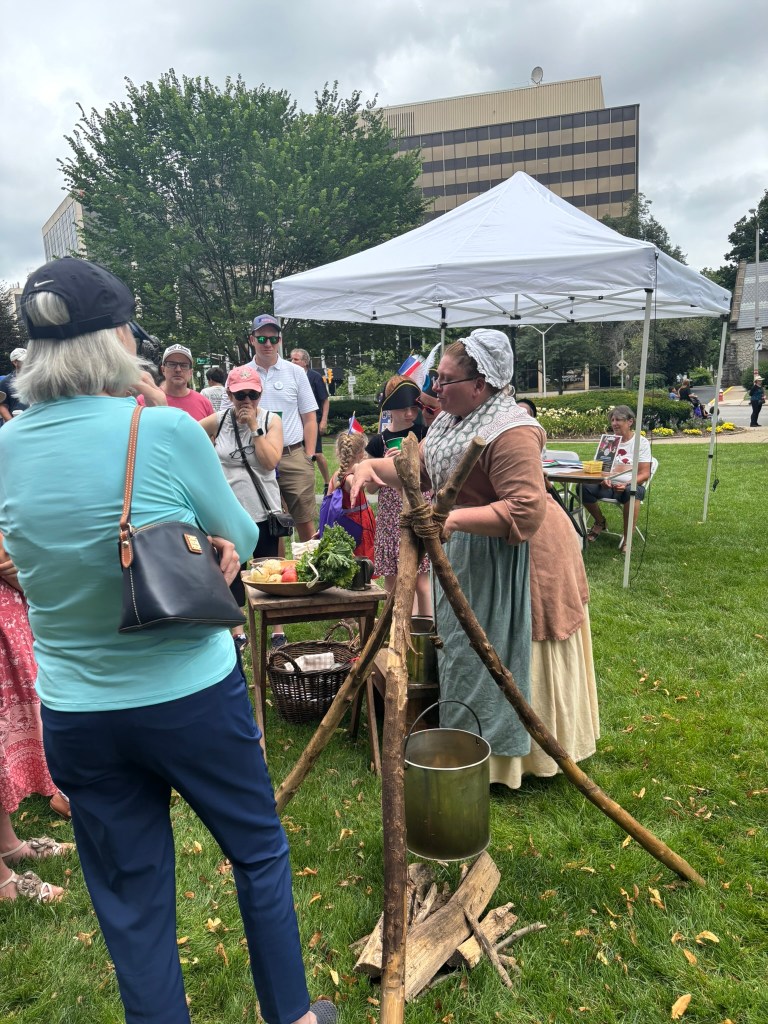
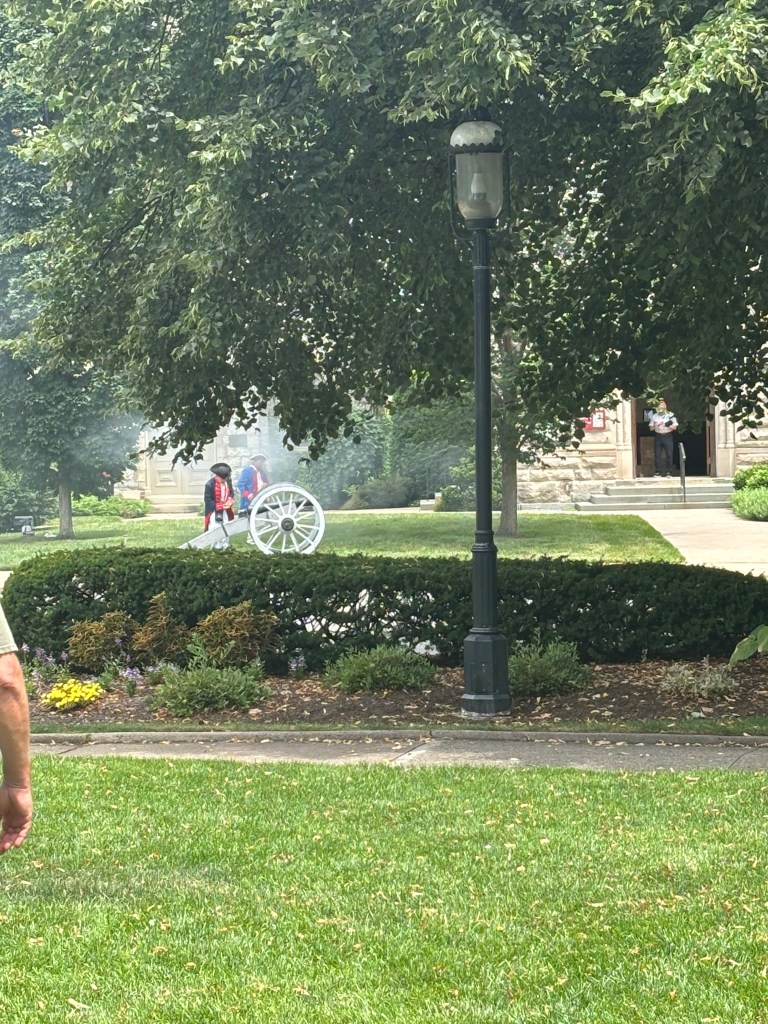
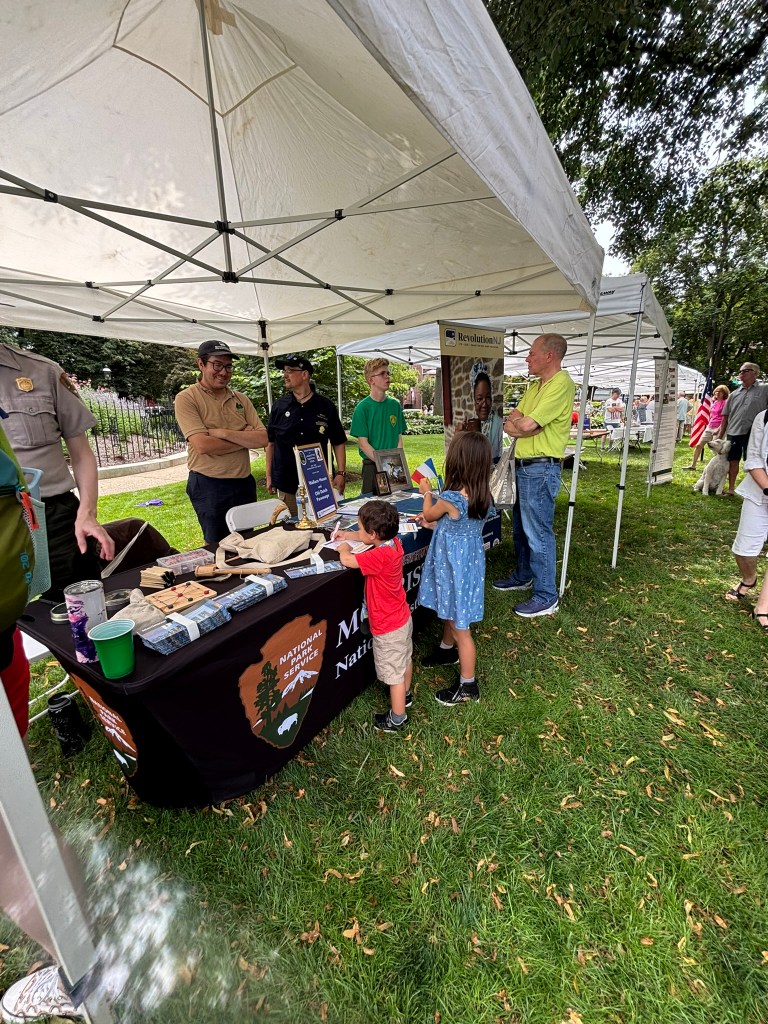
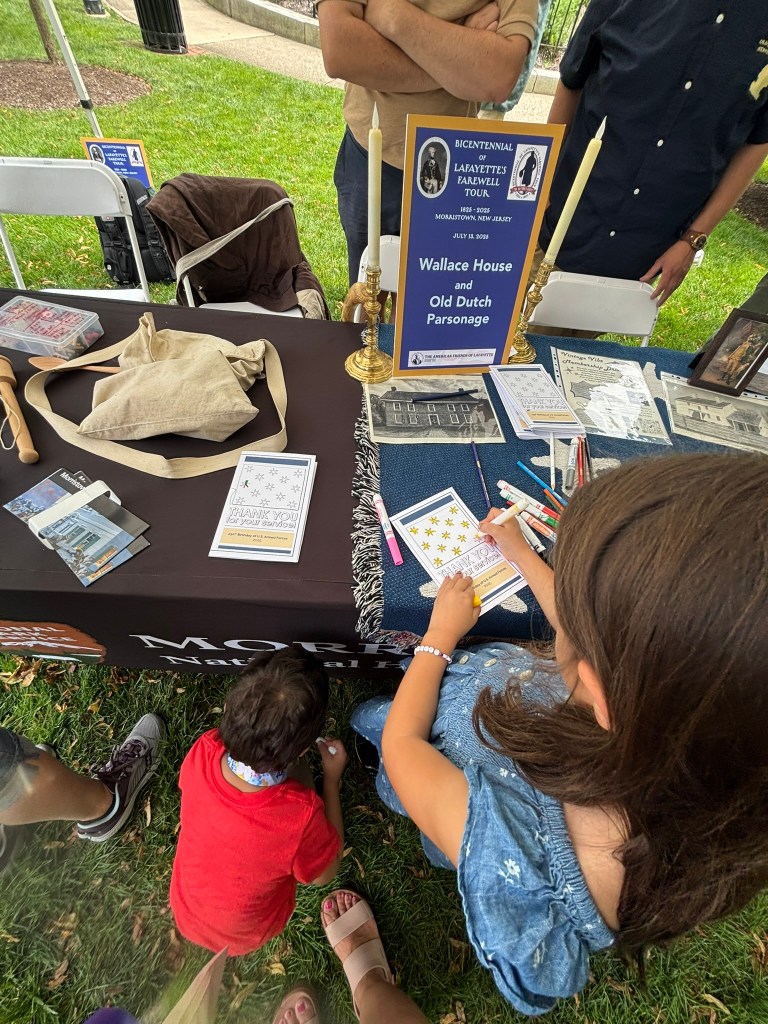
After the speeches, a cannon blast signaled the start of a reenactment of the 1825 parade, during which Lafayette was escorted around the Morristown Green. Crowds lined the Green to watch the procession of soldiers and catch a glimpse of the French hero.
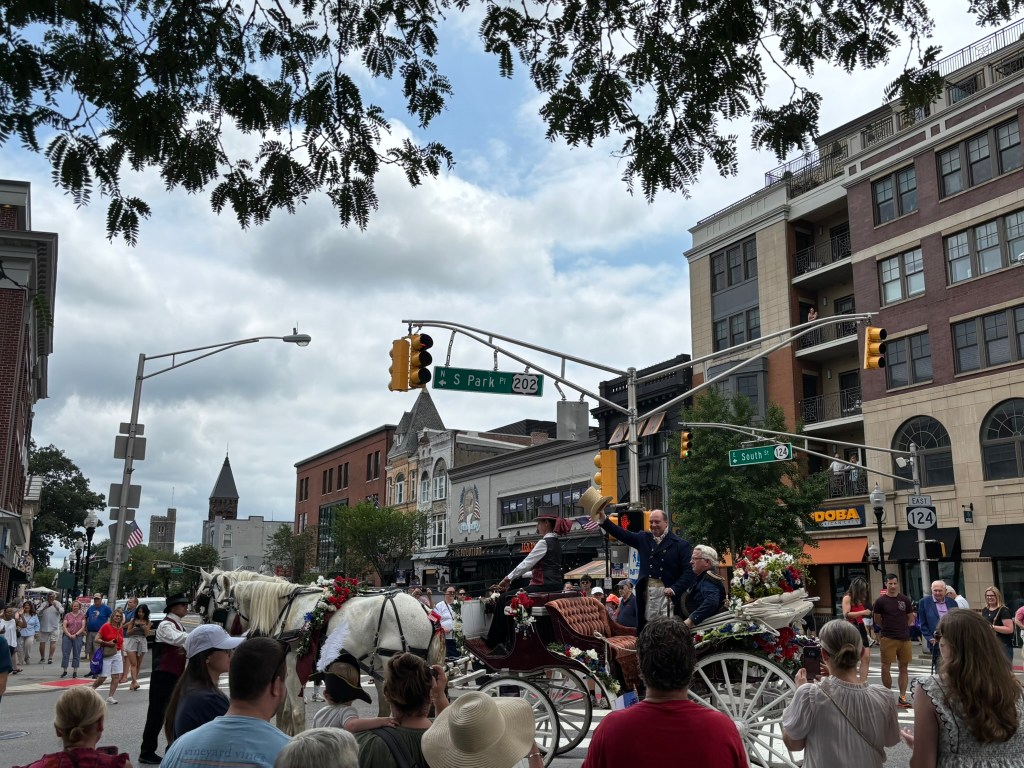
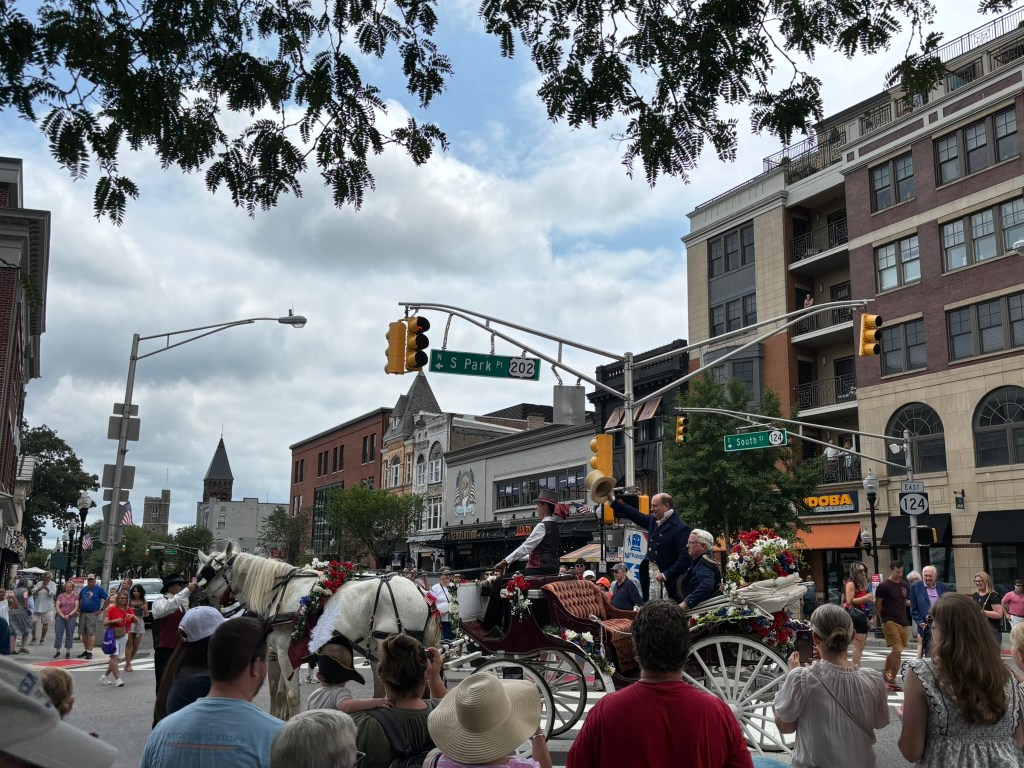
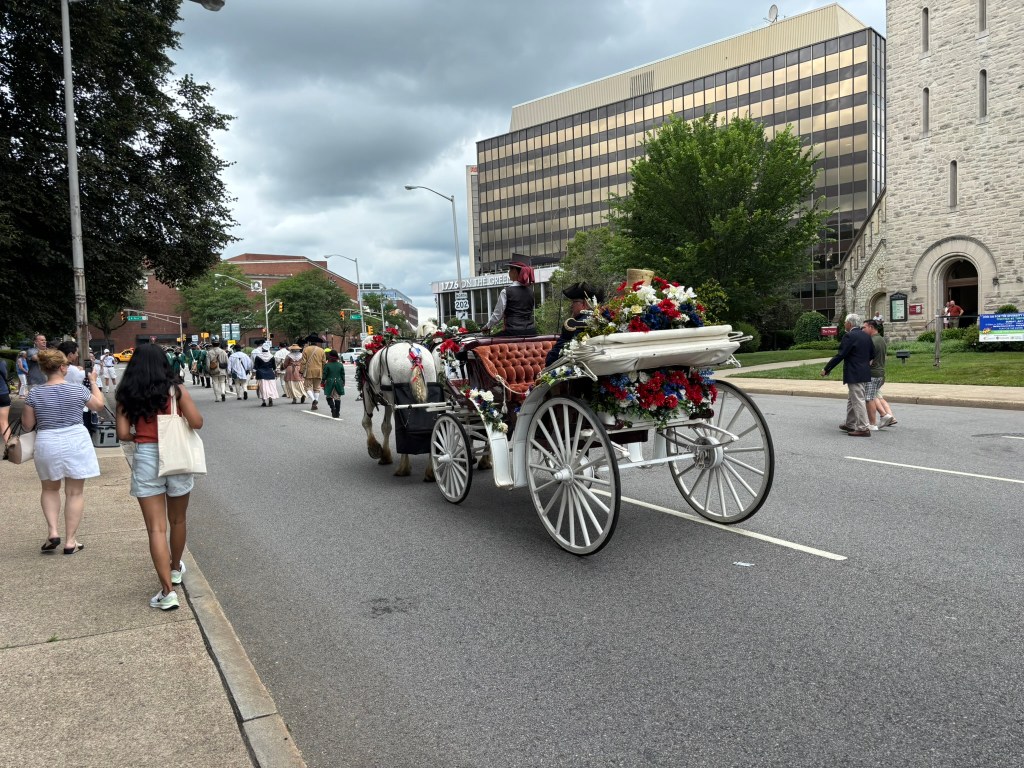

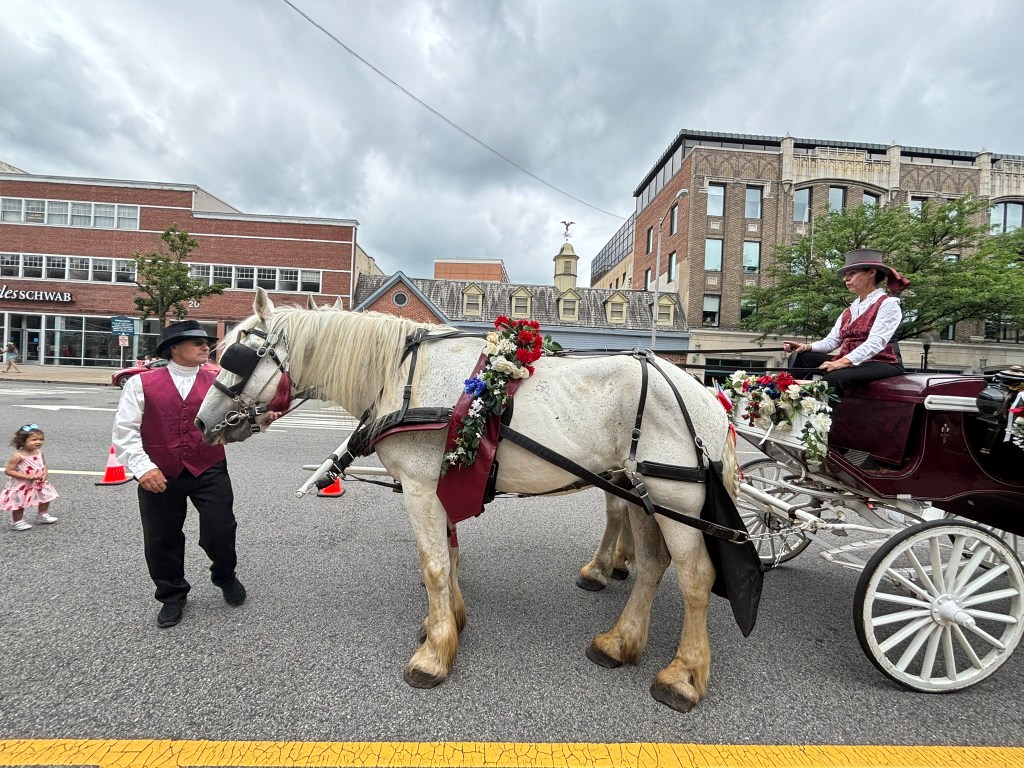

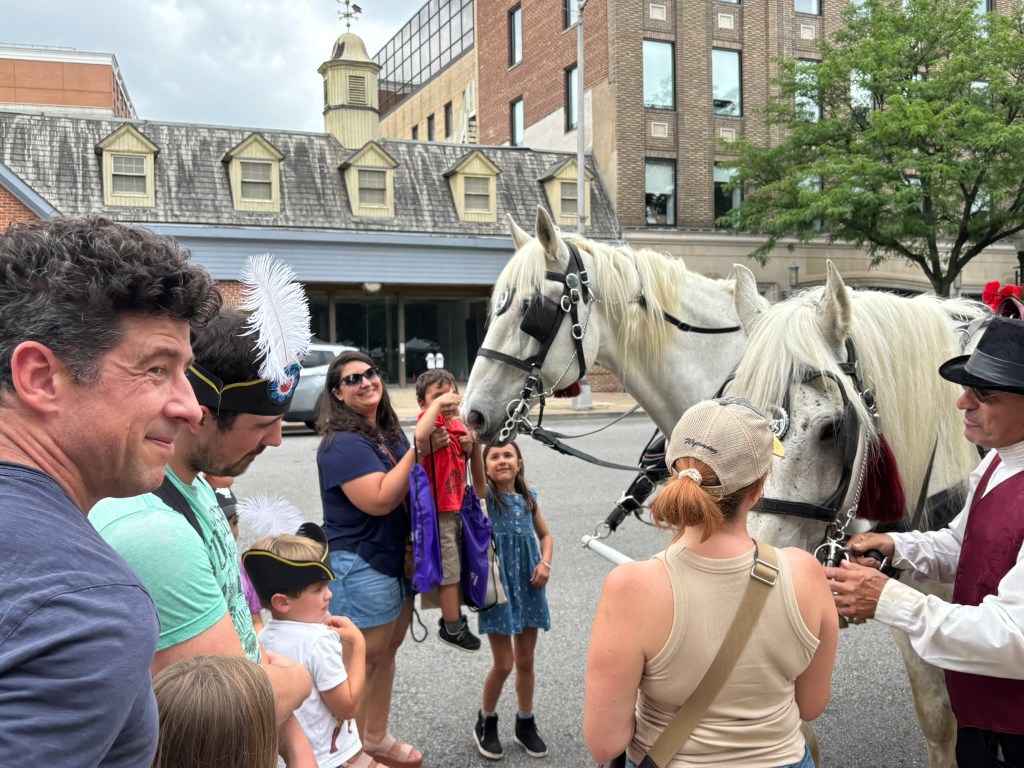
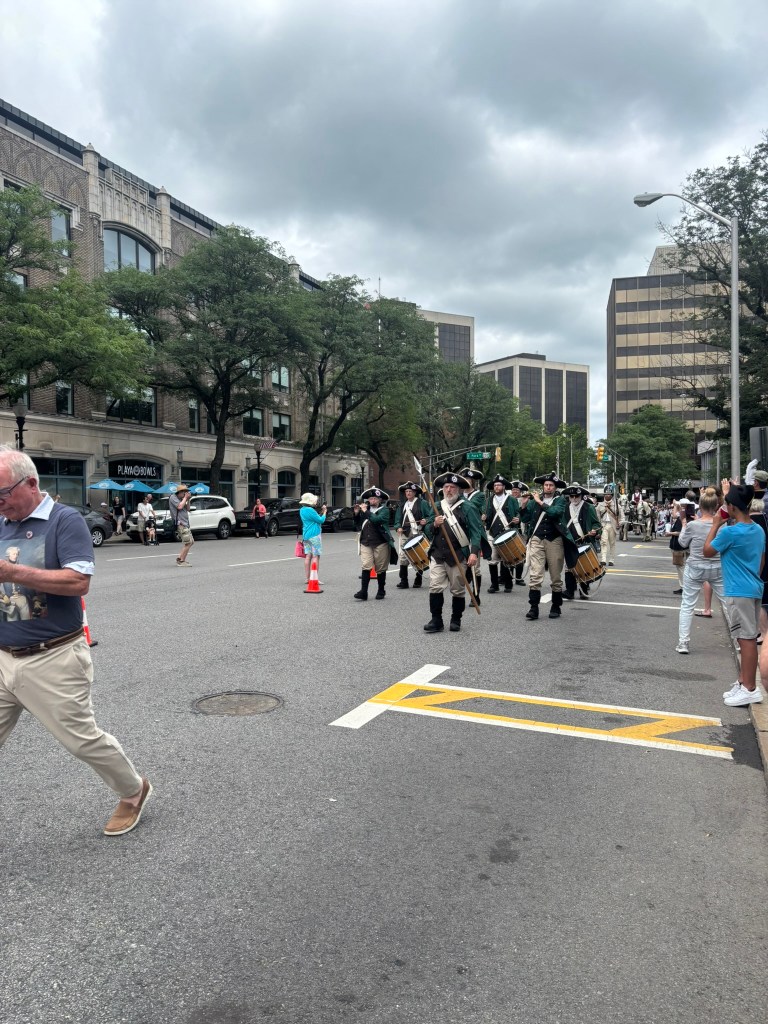
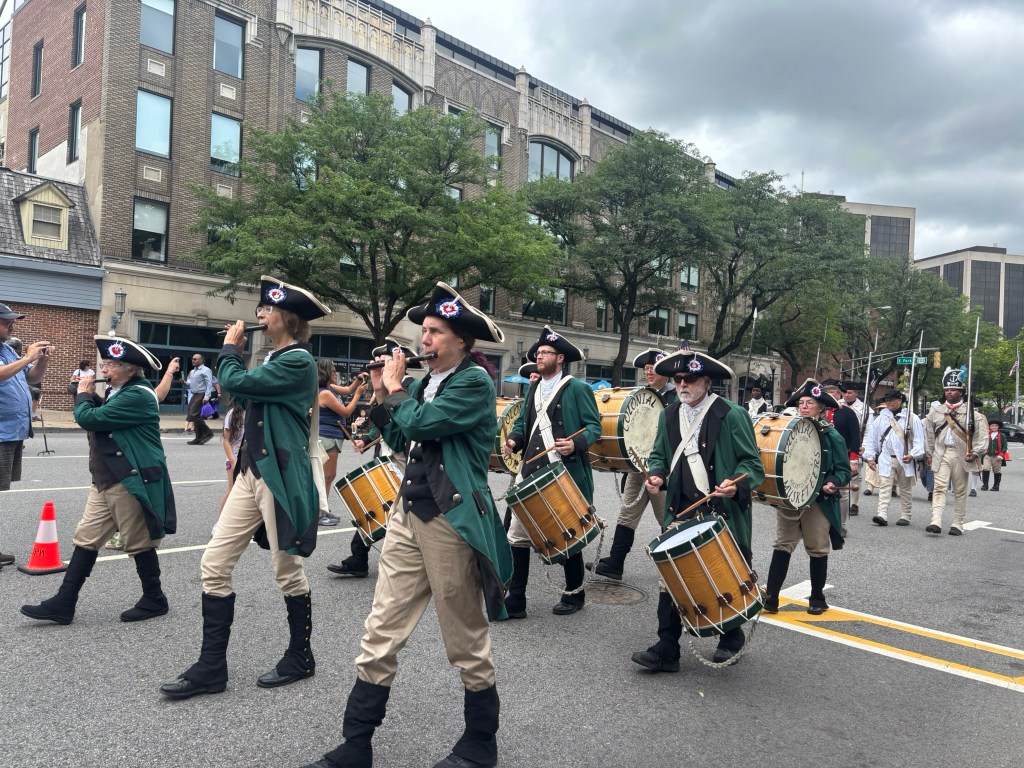
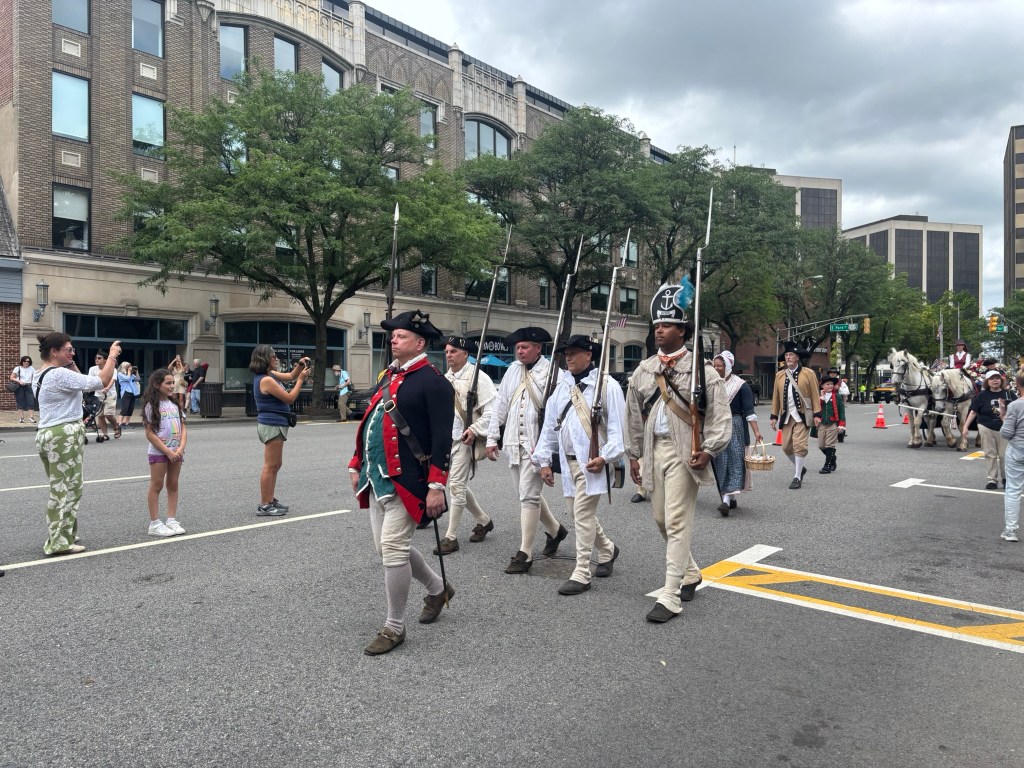
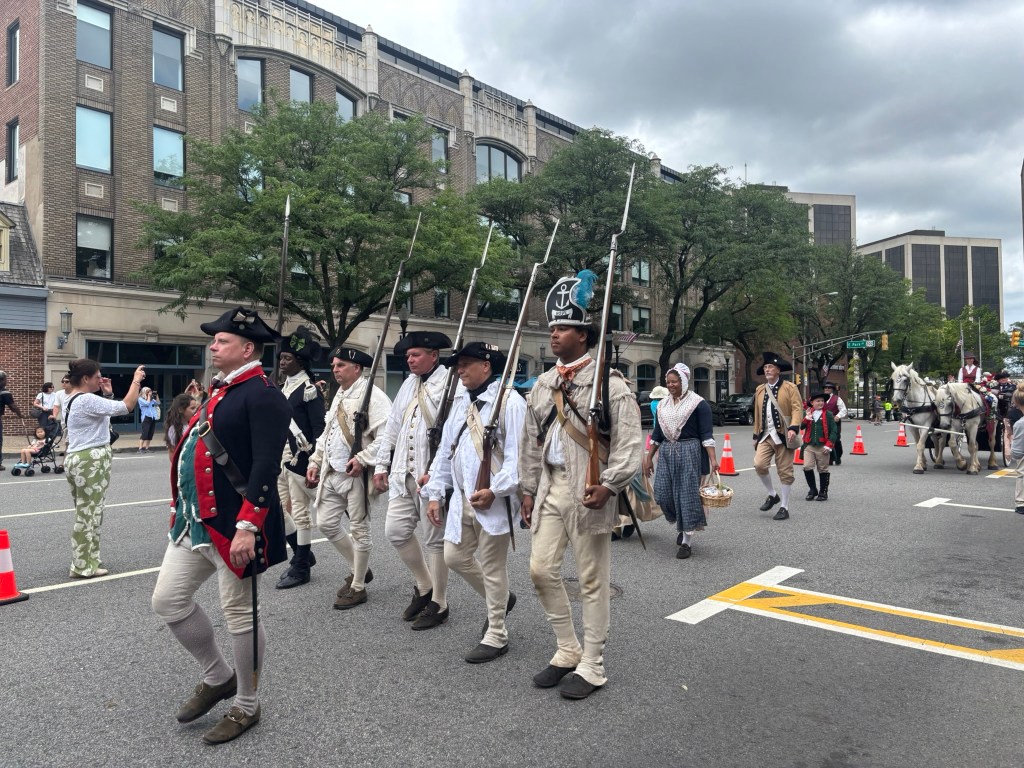
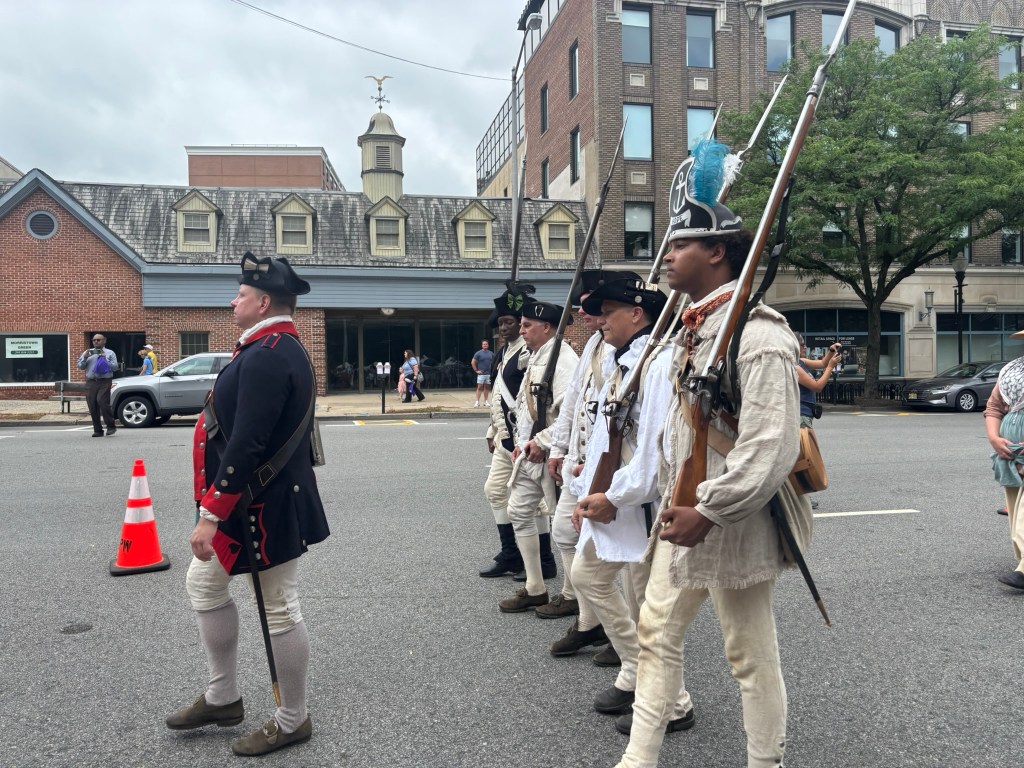
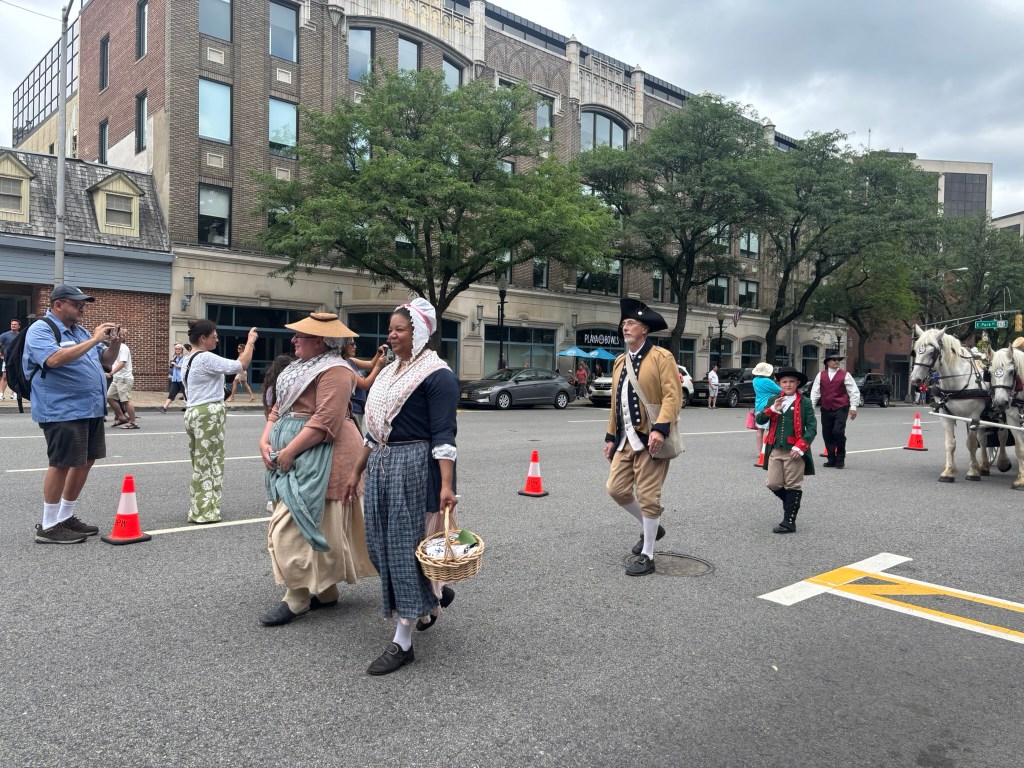
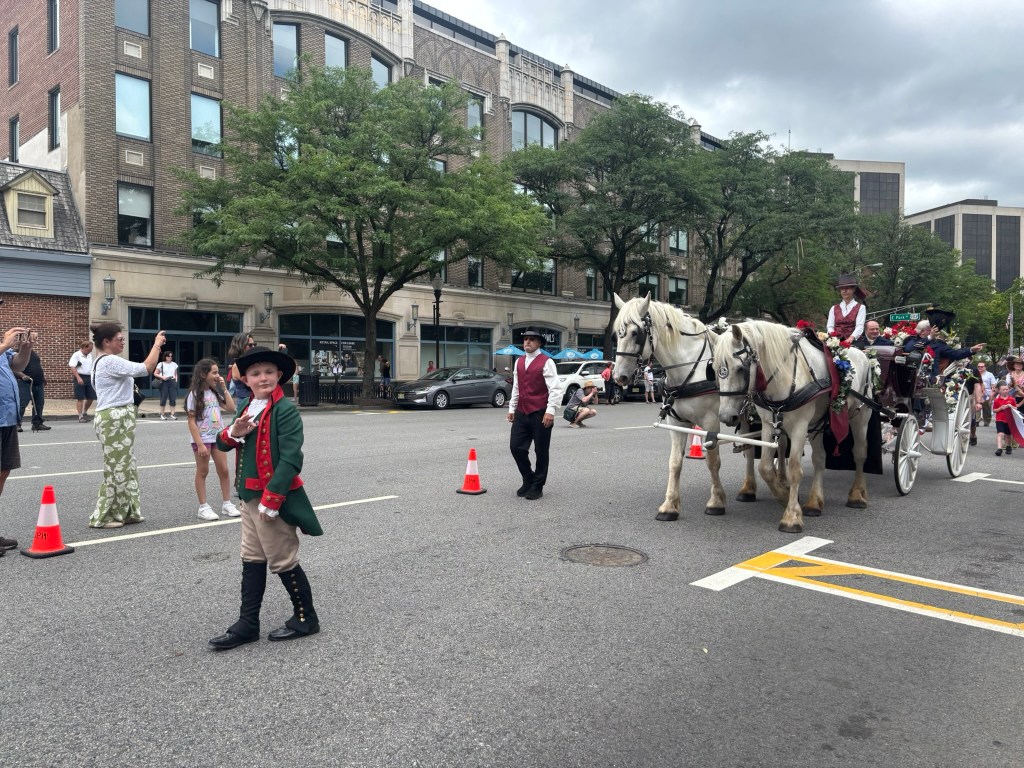
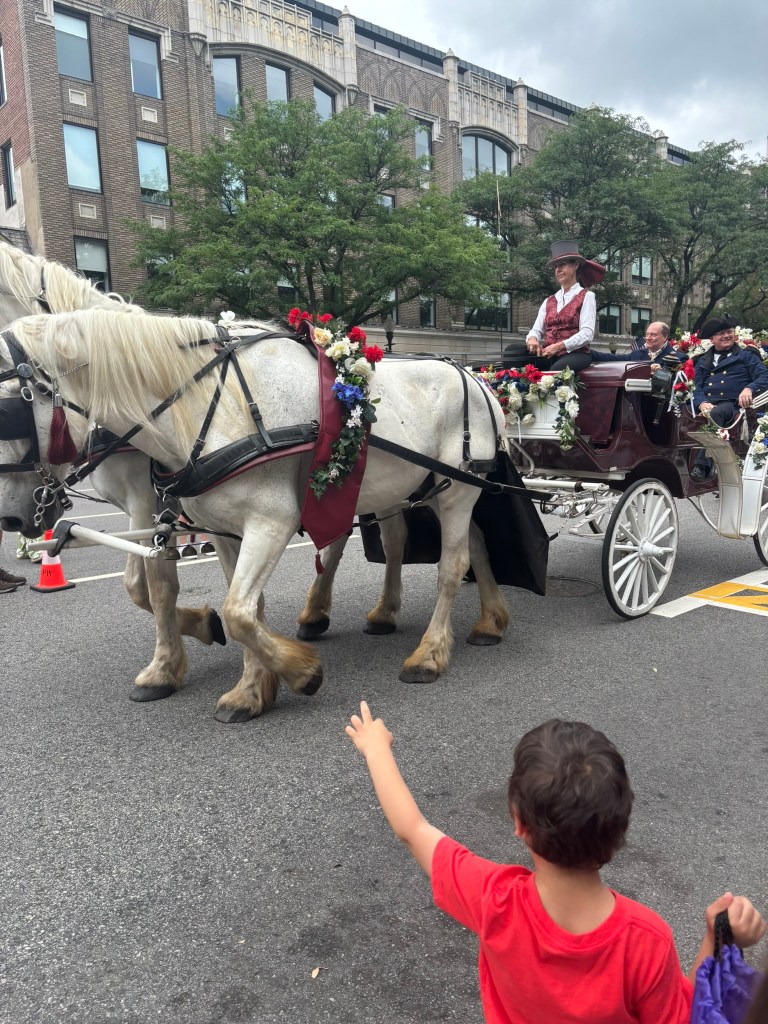

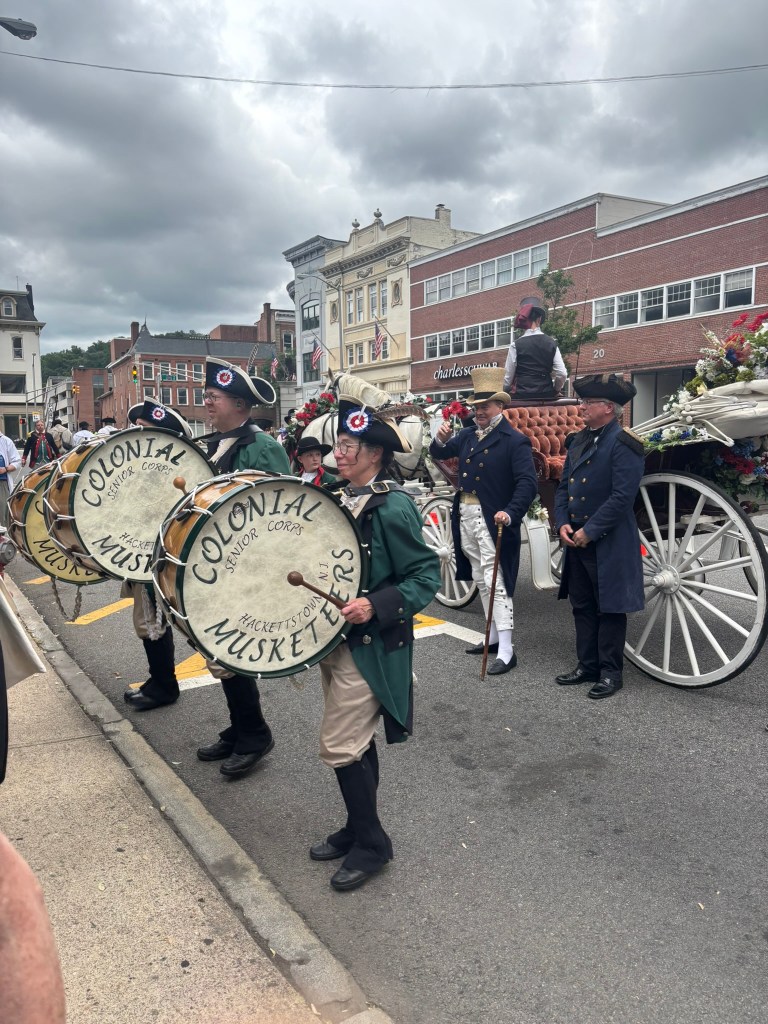
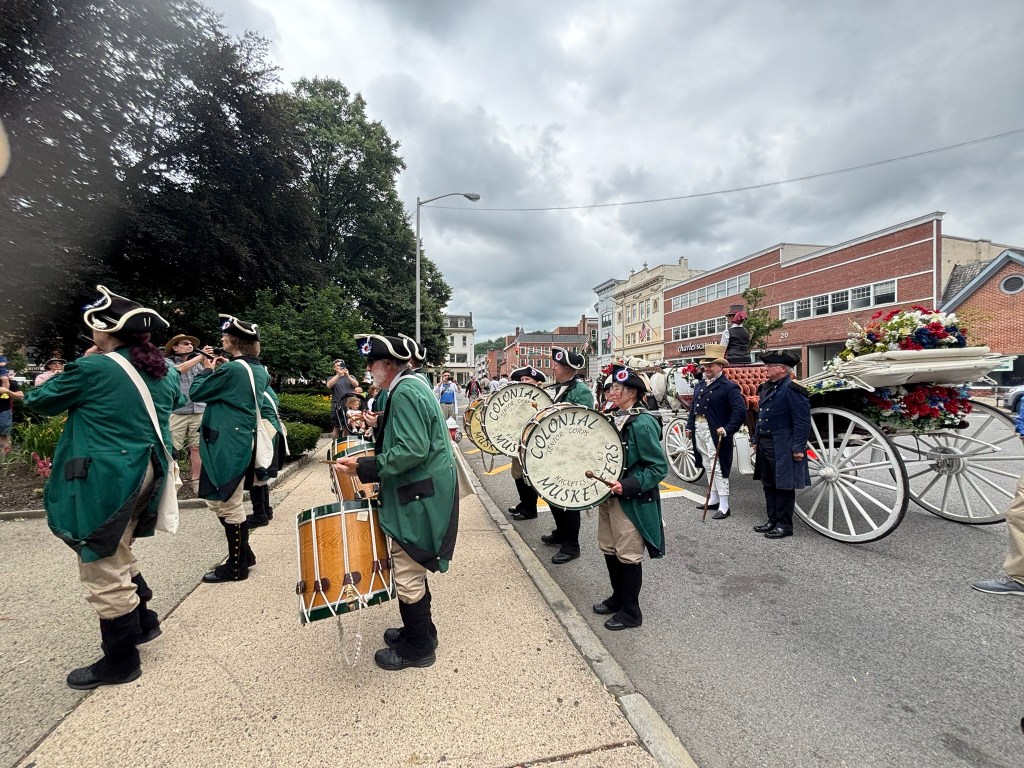
Following the parade, Lafayette was escorted to the stage for proclamations, speeches, toasts, and several hearty rounds of “HUZZAH!”

One highlight of the day was the world premiere of the Lafayette Suite, a new composition by Maestro Robert W. Butts. Members of the Baroque Orchestra of New Jersey (BONJ) performed the piece for the first time.
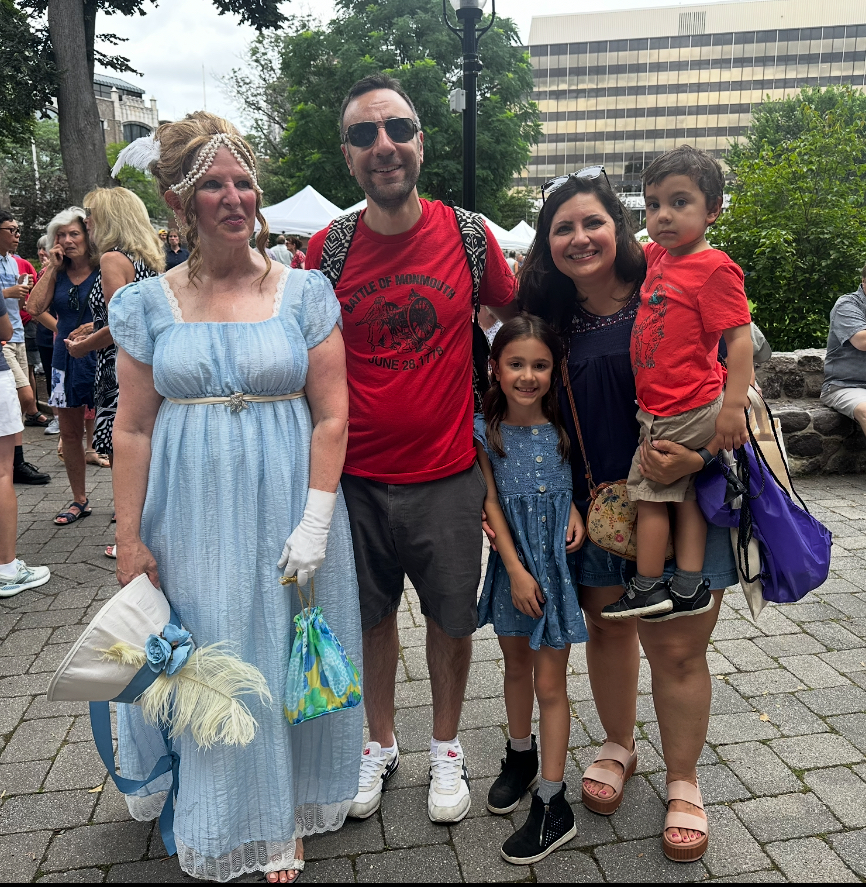
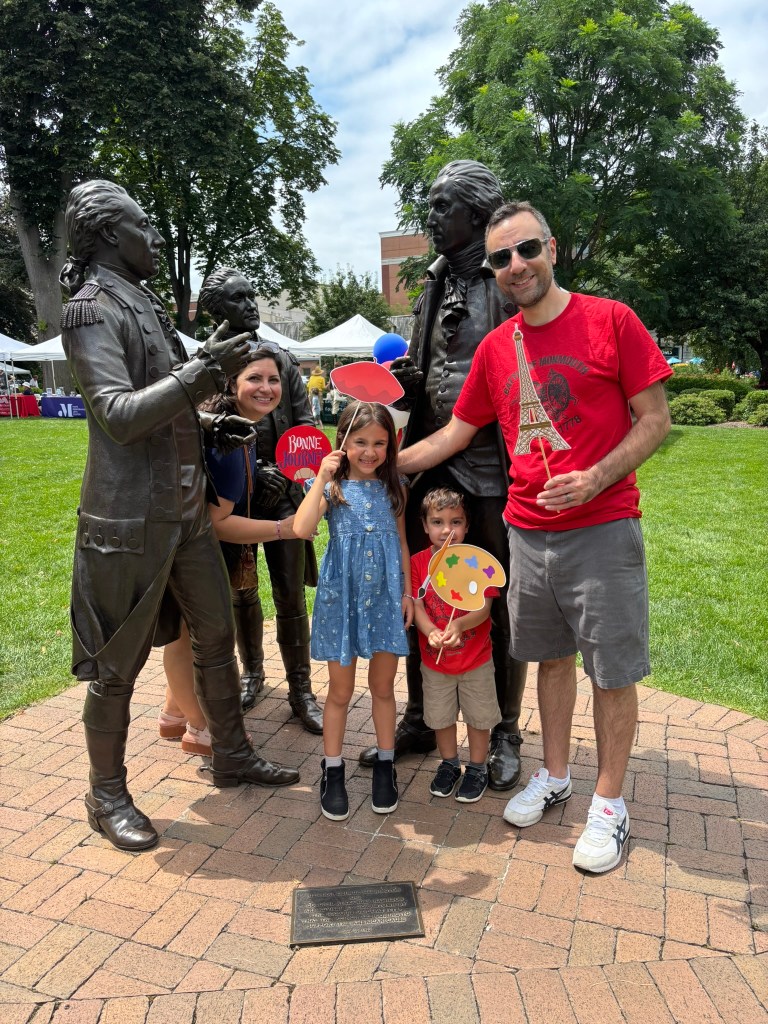


It was great to see so many people come out to Morristown for this event. Lafayette was truly a remarkable figure, often referred to as the “Hero of Two Worlds” for his role in both the American and French Revolutions. Lafayette first fought for the United States at the Battle of Brandywine in 1777. He endured the harsh winter at Valley Forge, led troops effectively at the Battle of Monmouth, played a crucial role in securing French reinforcements, held a leadership position in Virginia late in the war, and was instrumental at the Siege of Yorktown. George Washington considered Lafayette like a son and his impact on the American Revolution was profound.
Given all this, it’s easy to see why Lafayette was so widely celebrated during his return to the United States in 1824–1825. Having served in the Revolution at such a young age, it’s remarkable that he was able to return nearly 50 years later to revisit the nation he helped to shape.
Please stay tuned to my Instagram and Facebook accounts as I will be posting Reels of the event.
For more information on the American Friends of Lafayette, check out their website [HERE]. You can also check out other upcoming events celebrating Lafayette’s final tour of the United States [HERE]
Check out related blog posts below:
 Benevento's History Blog
One response to “Bicentennial of Lafayette’s Return To Morristown, NJ”
[…] to see Helm’s Company at several recent events, including the Battle of Monmouth Reenactment and Lafayette’s Visit to Morristown. After the demonstration, the reenactors answered questions from the audience and posed for […]
LikeLike