Social Media

Enter your email to stay updated on new blog posts.

Category: History

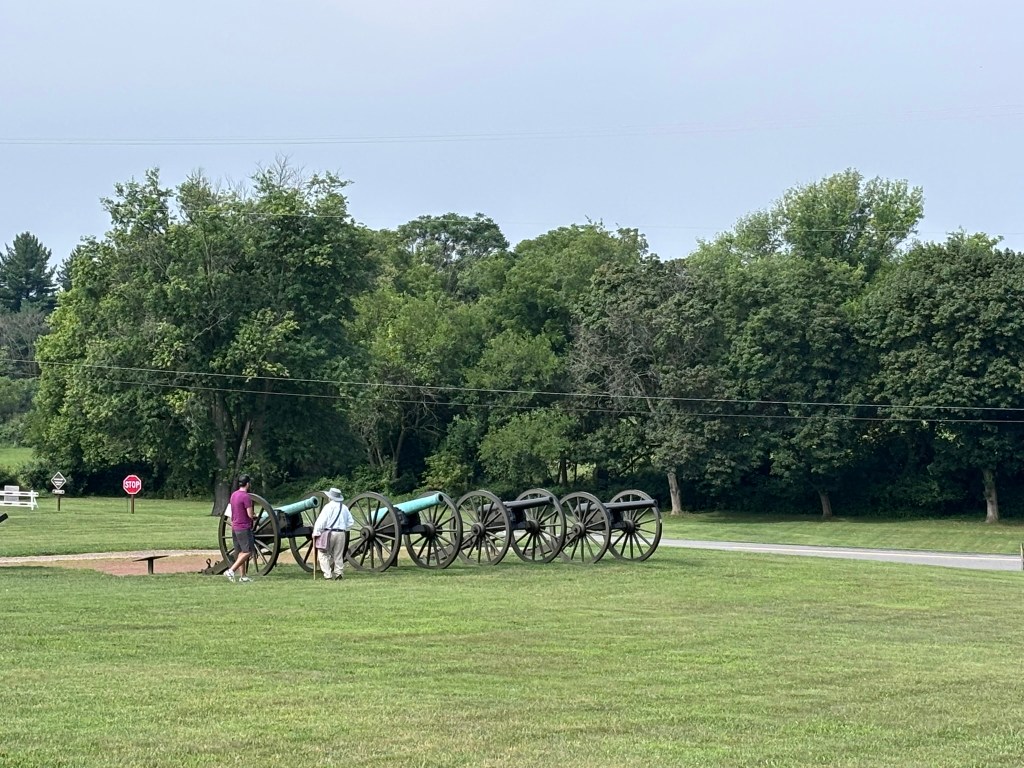
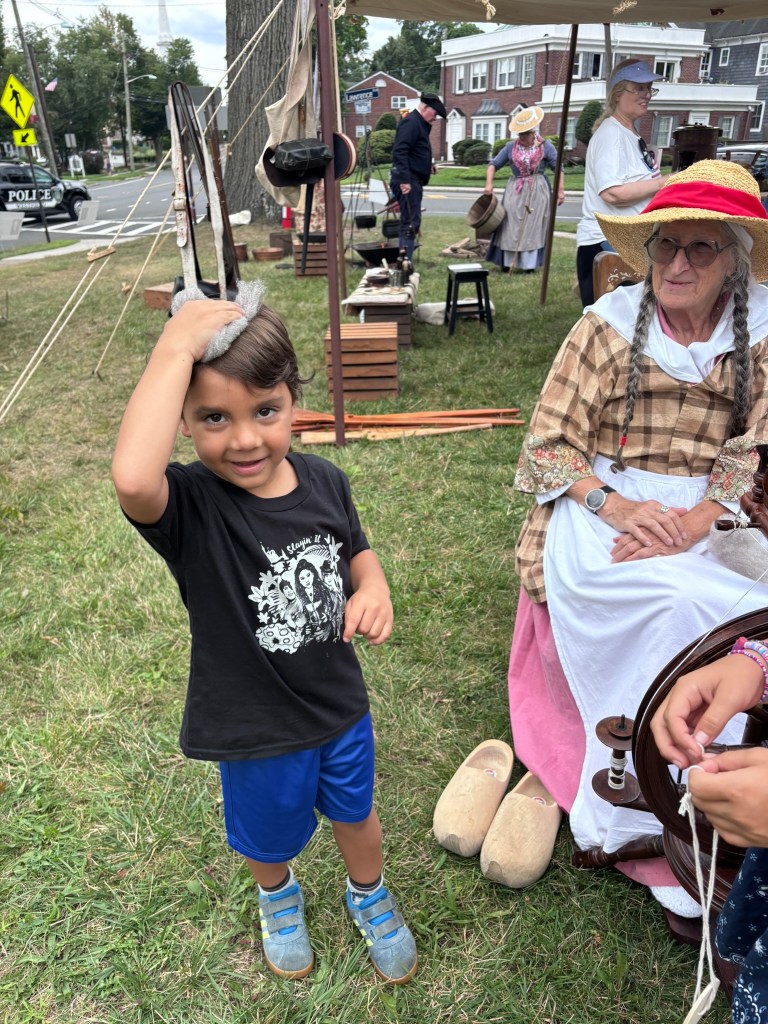
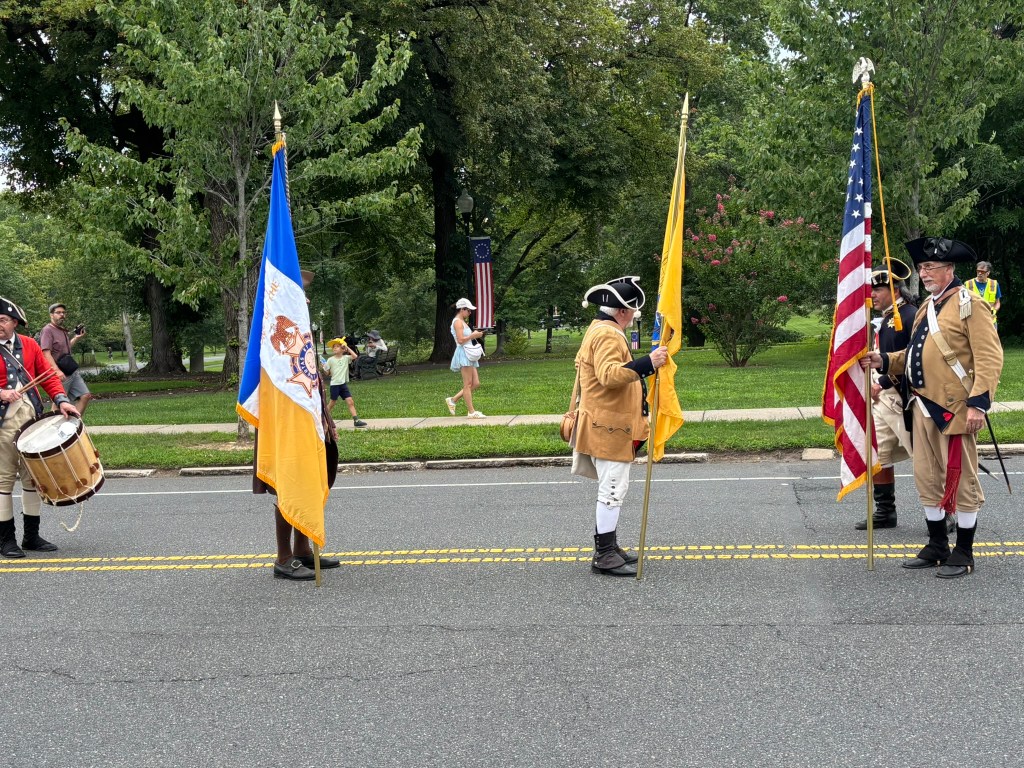
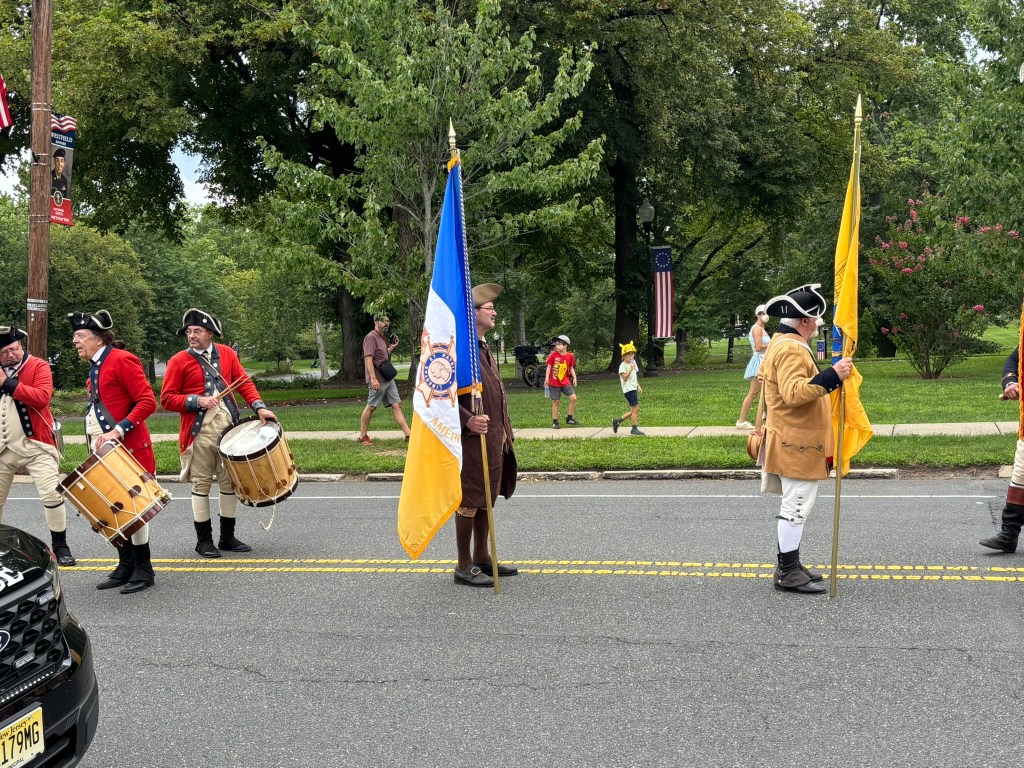
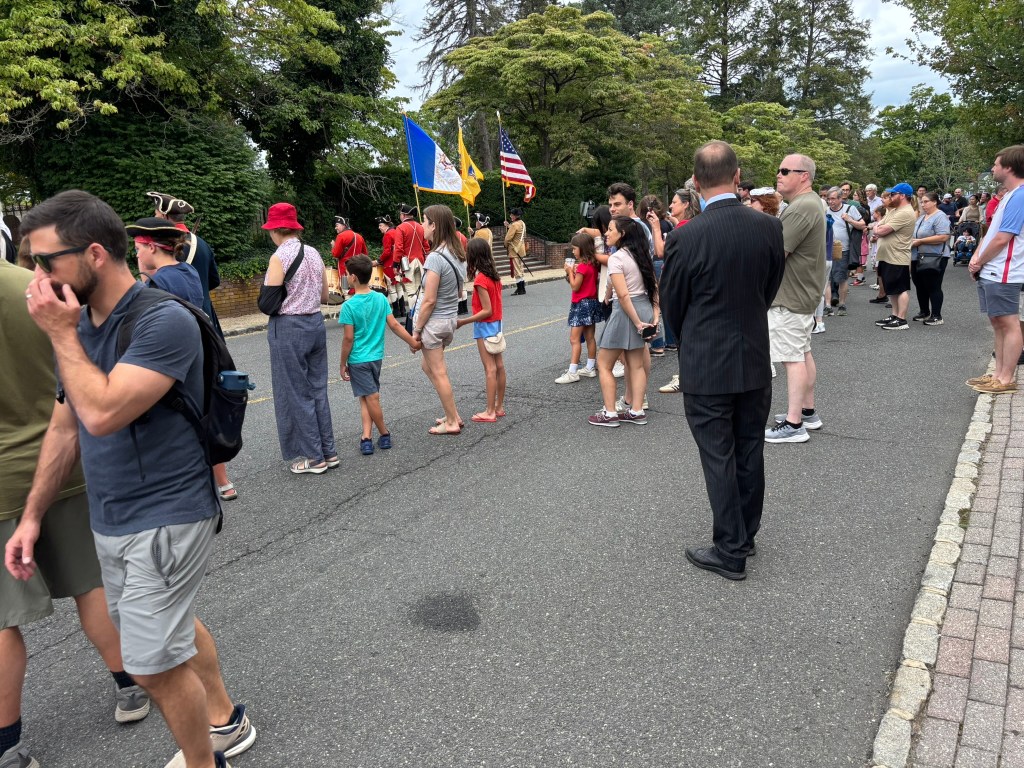
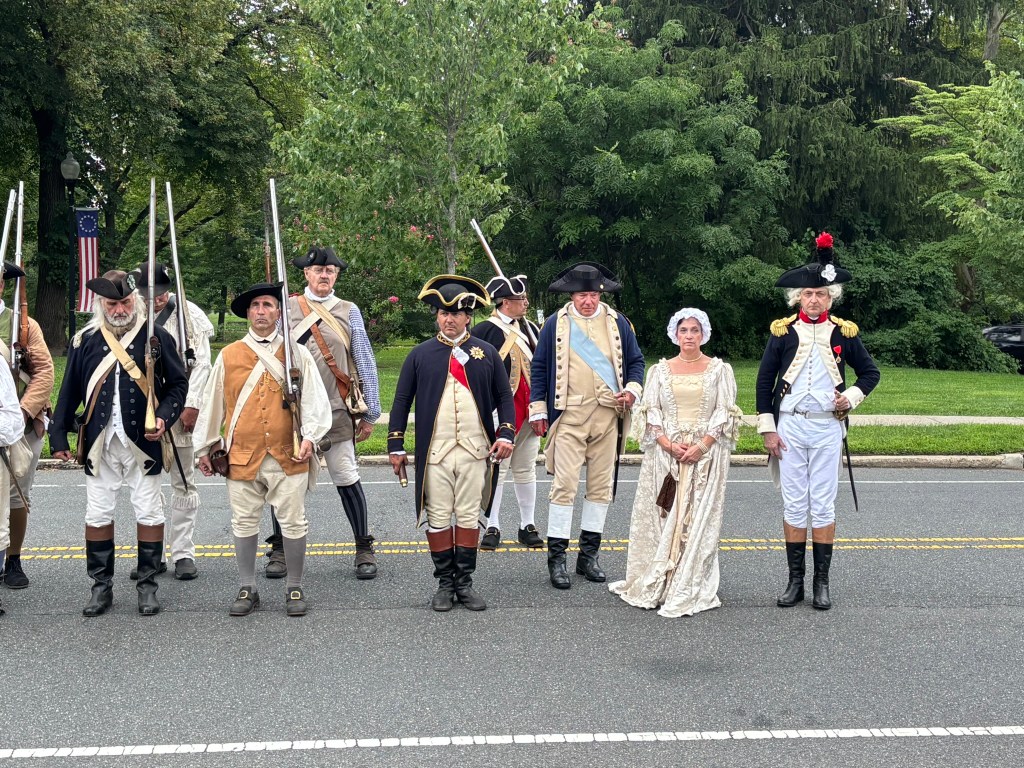
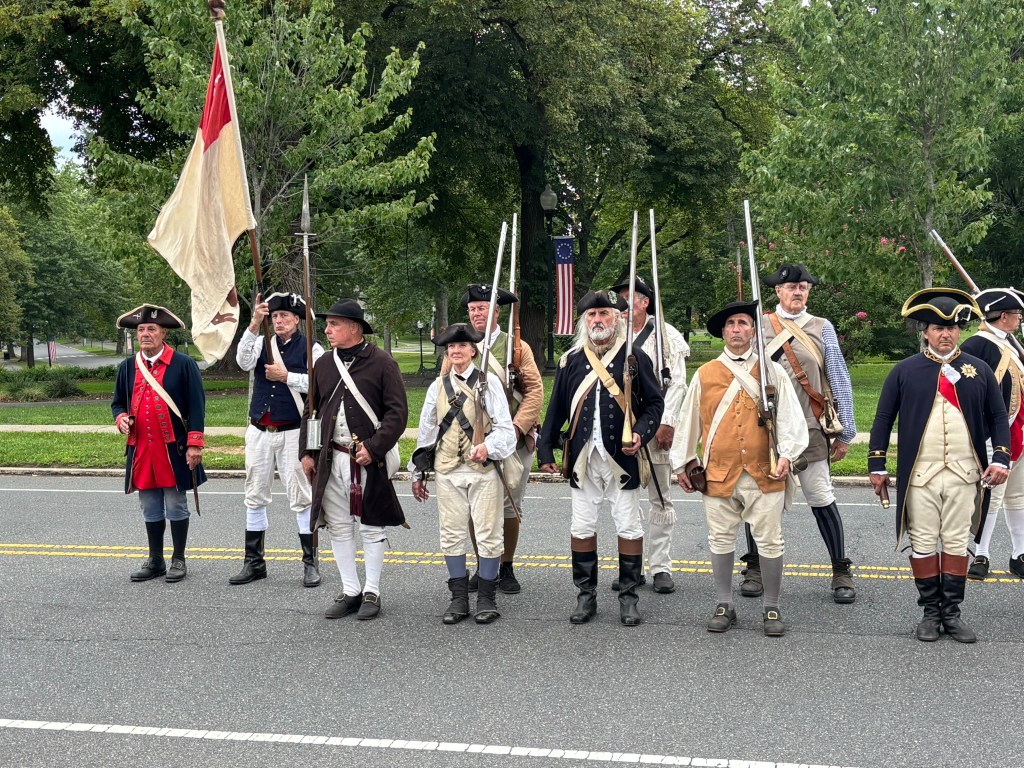
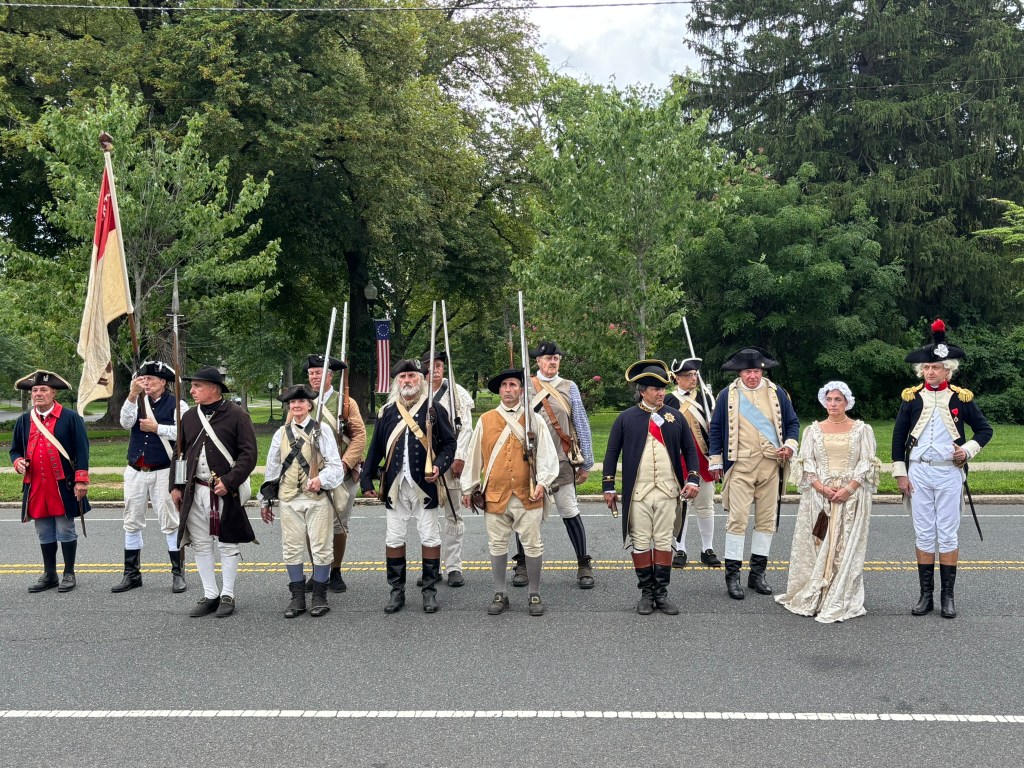
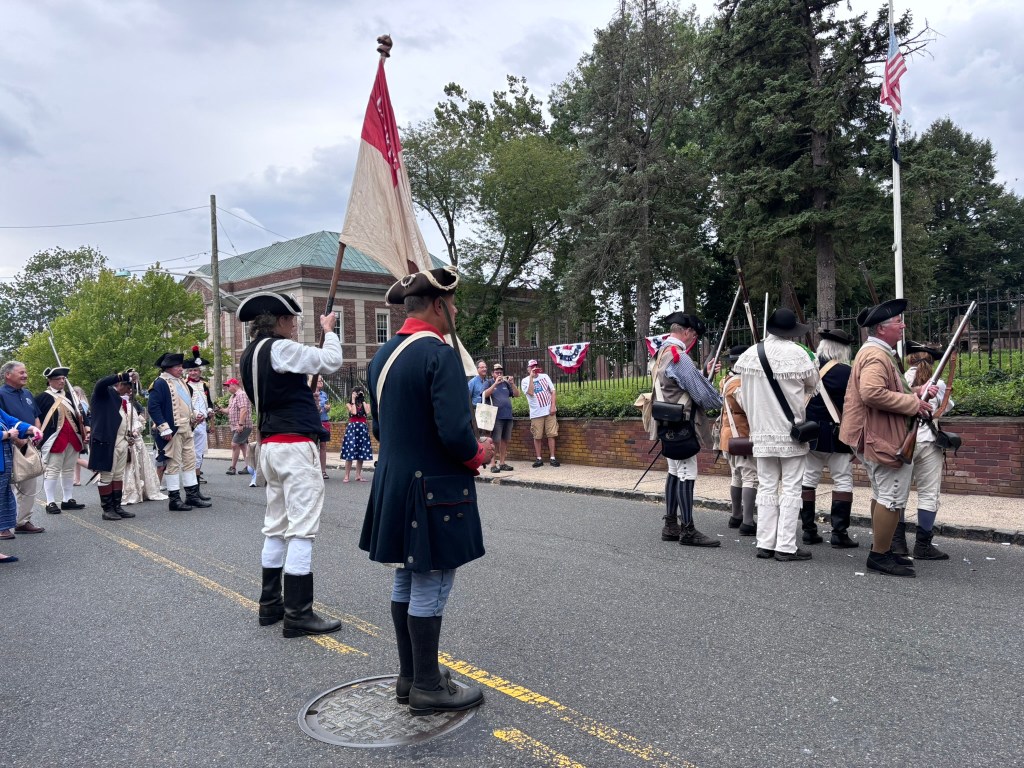
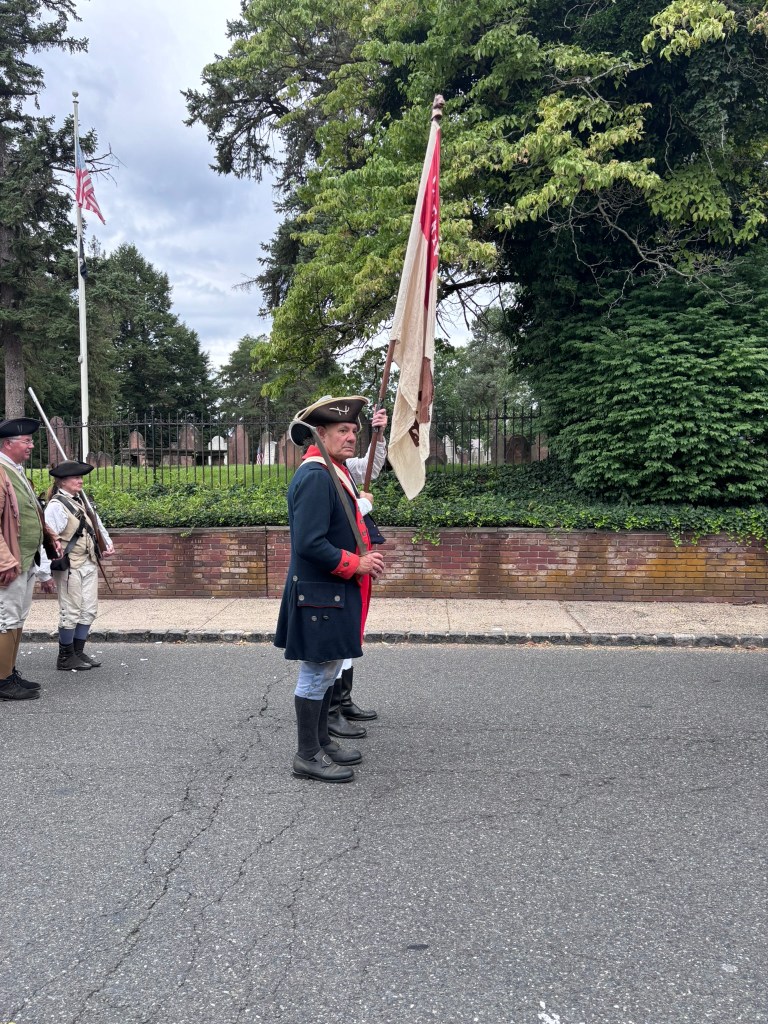
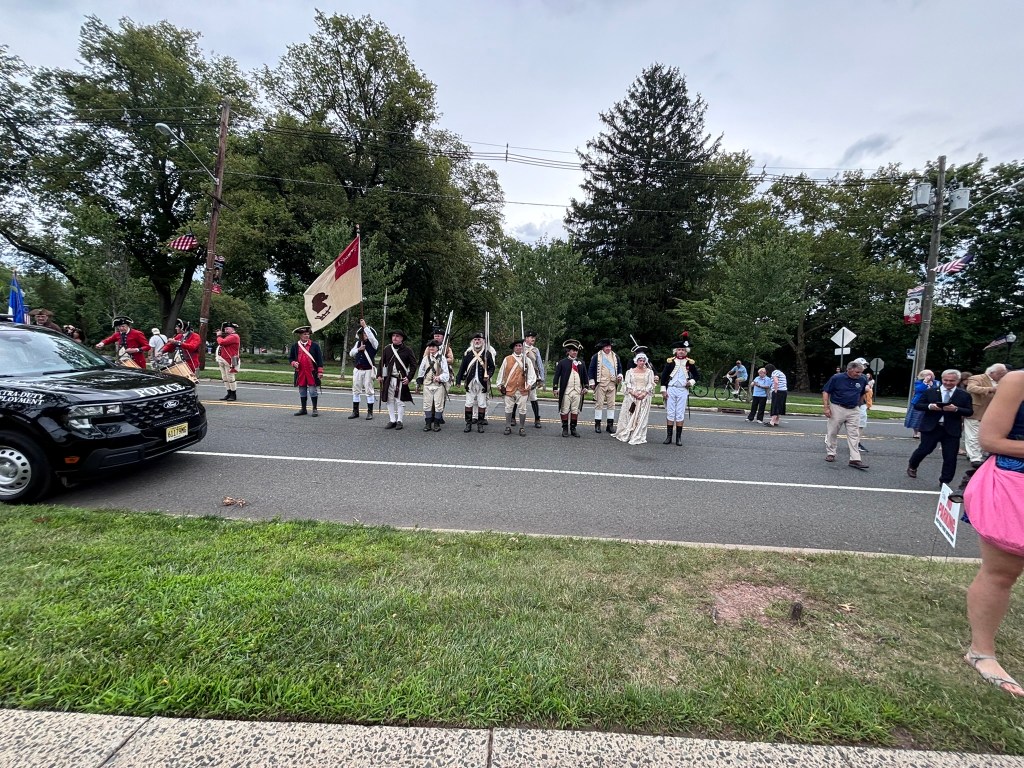
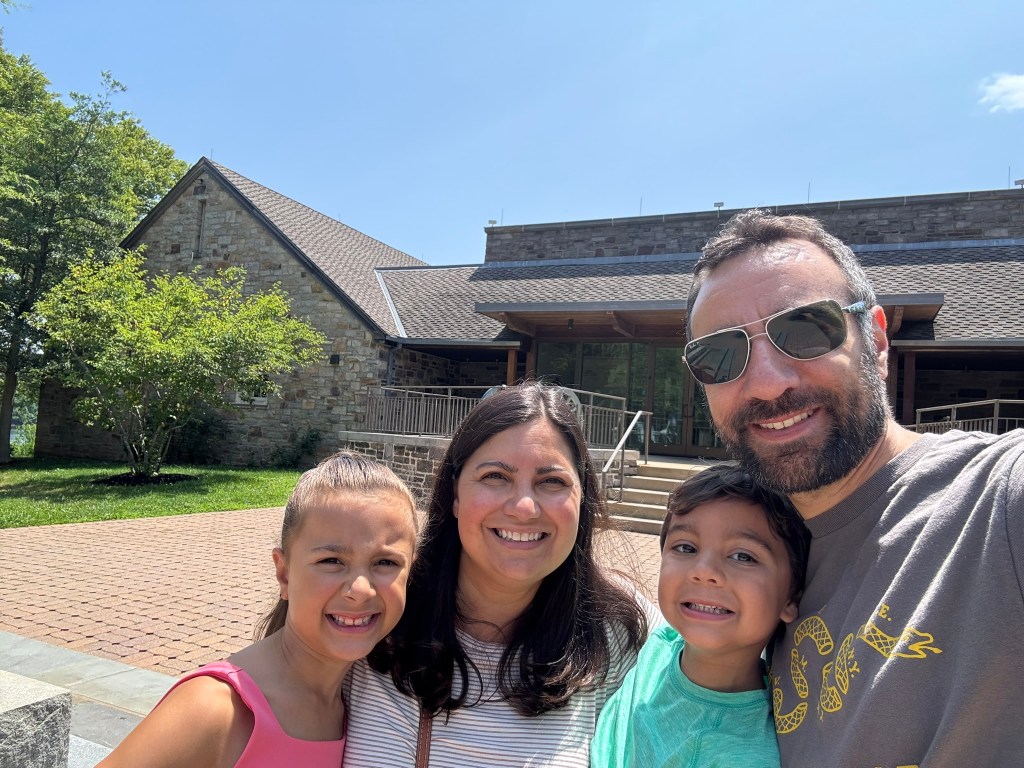
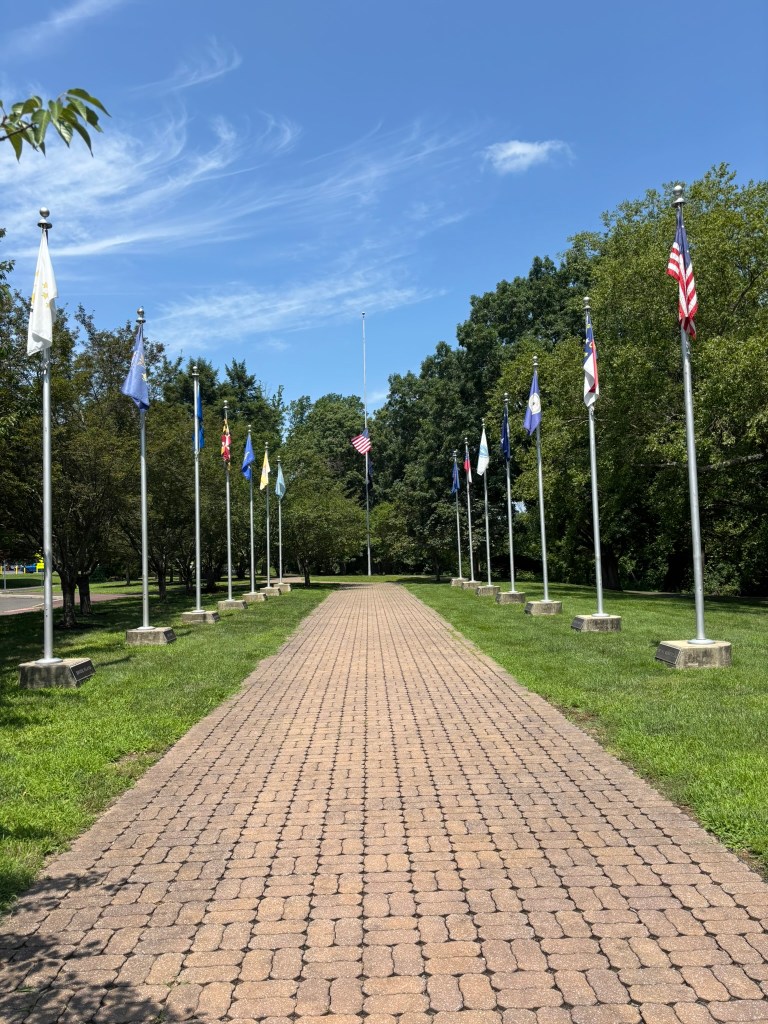
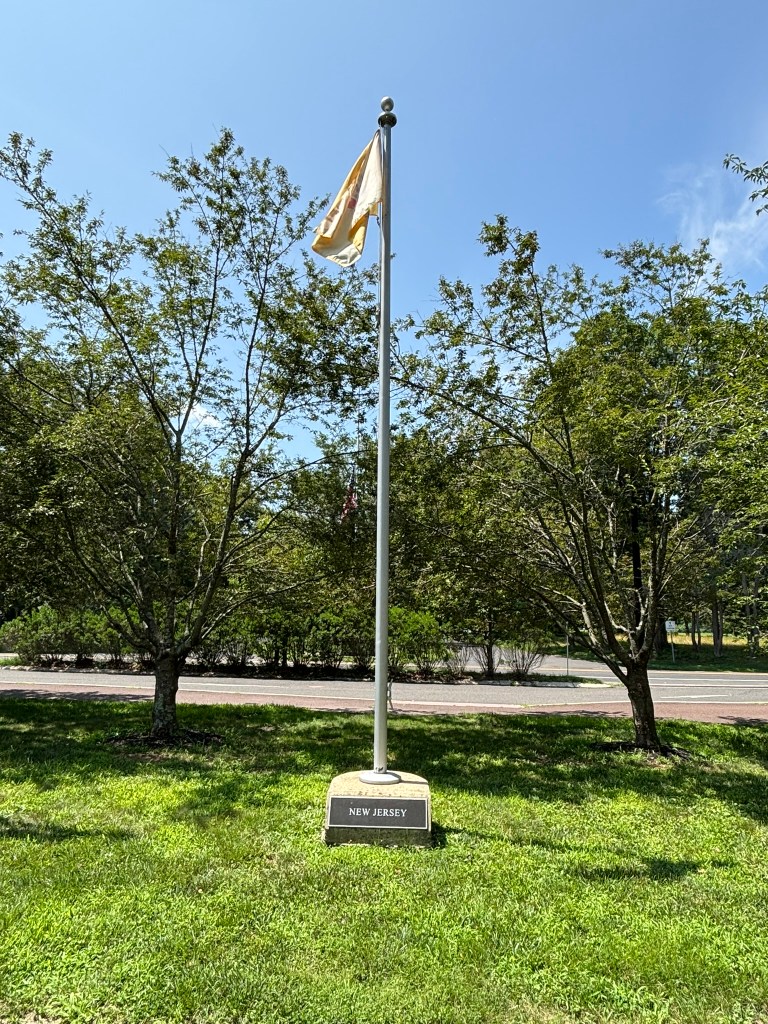
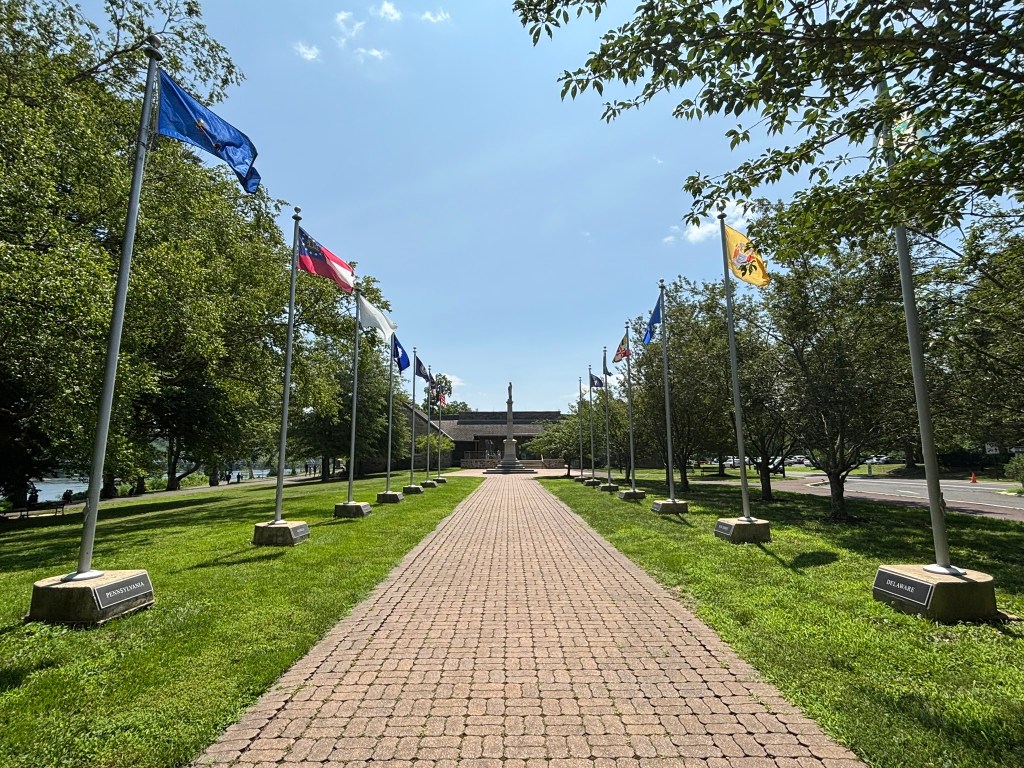
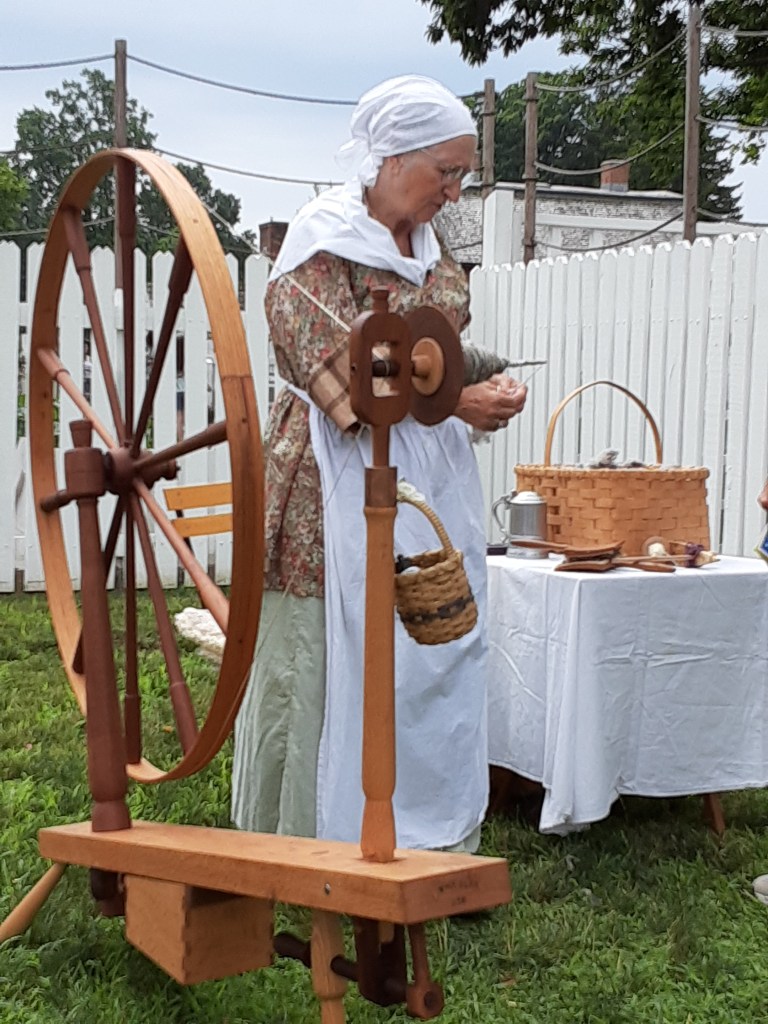
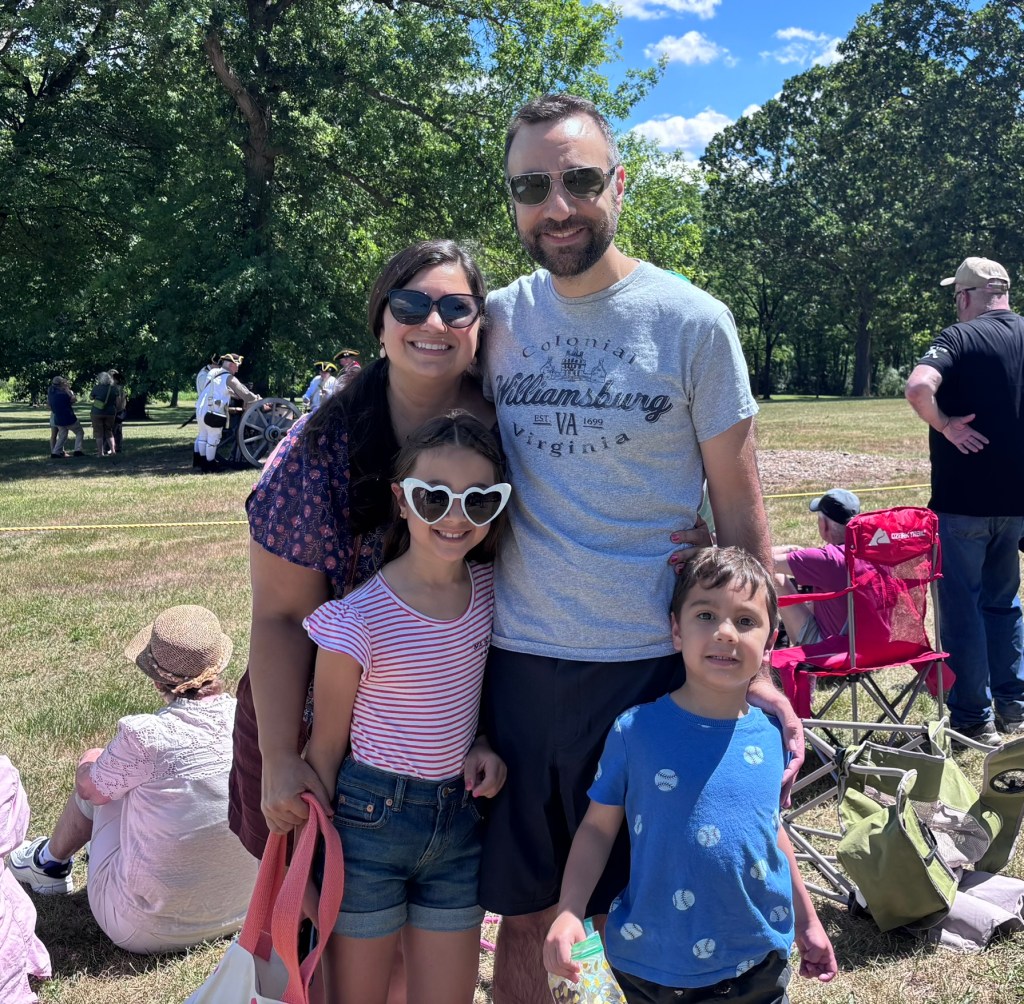
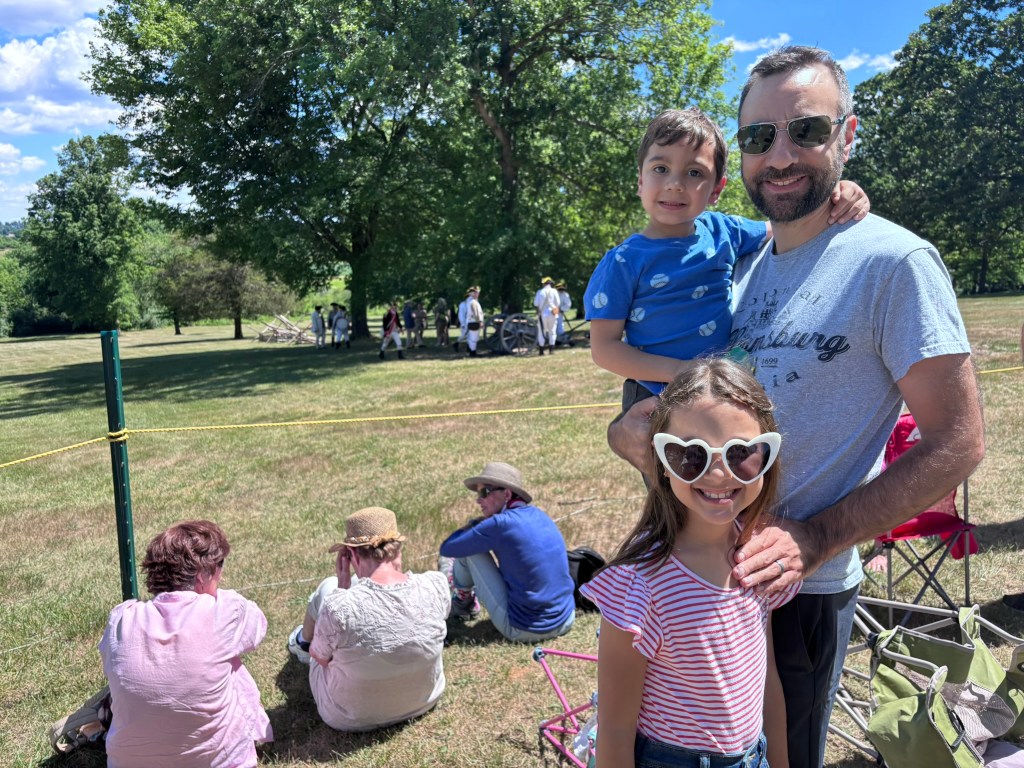
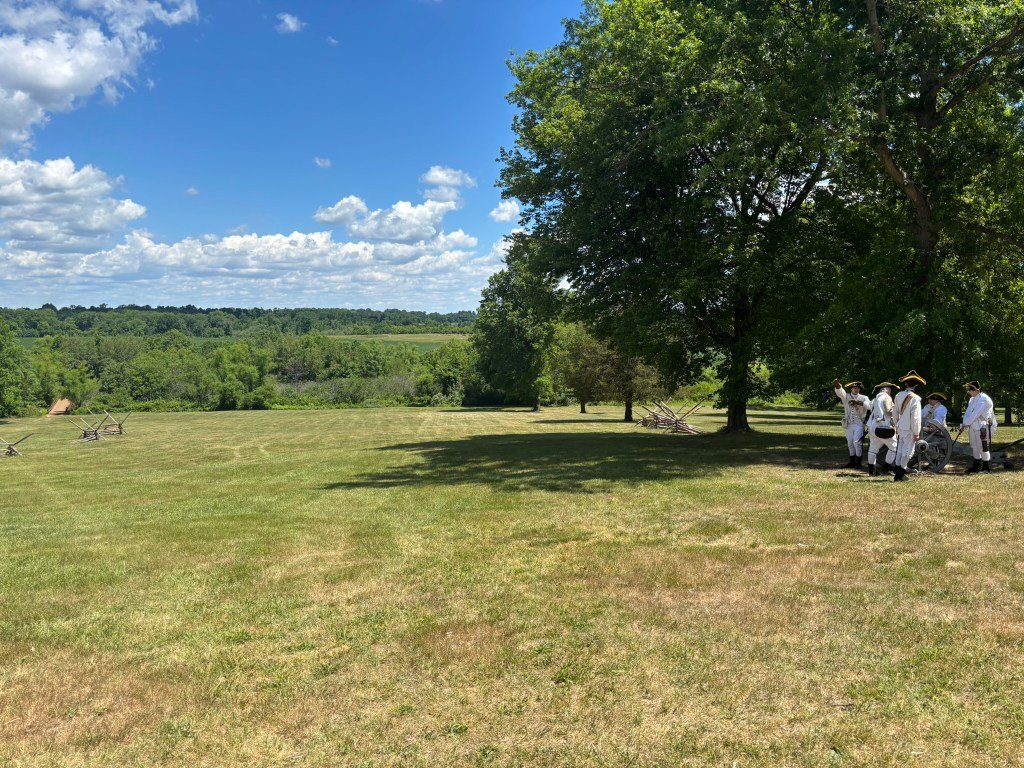
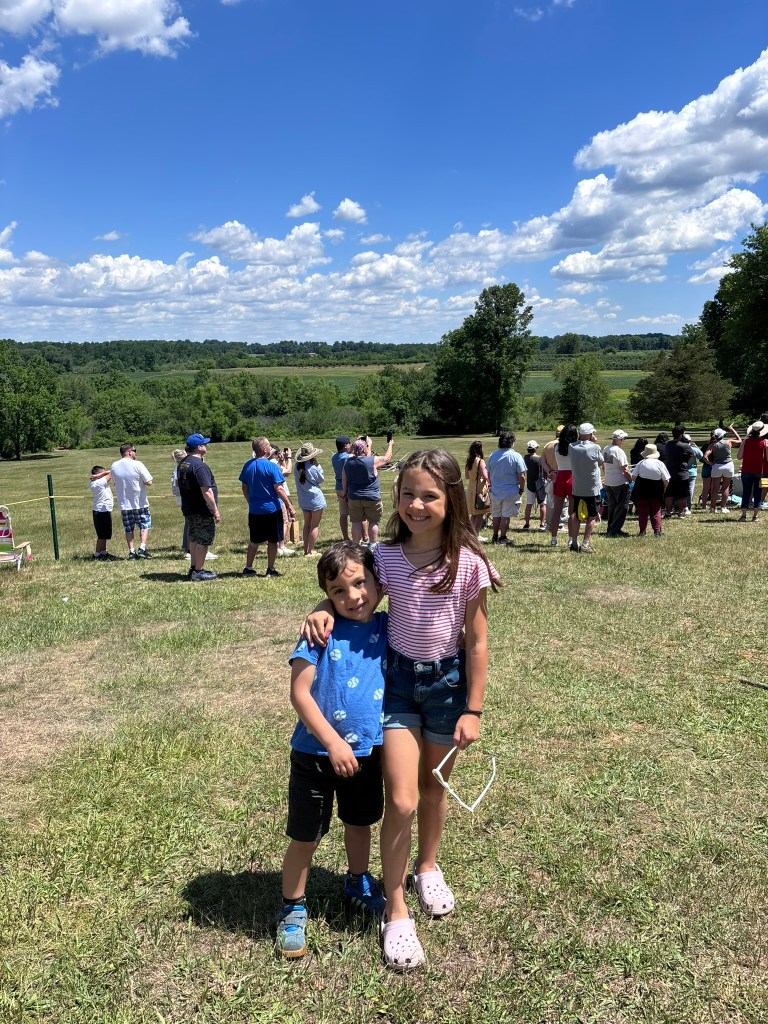
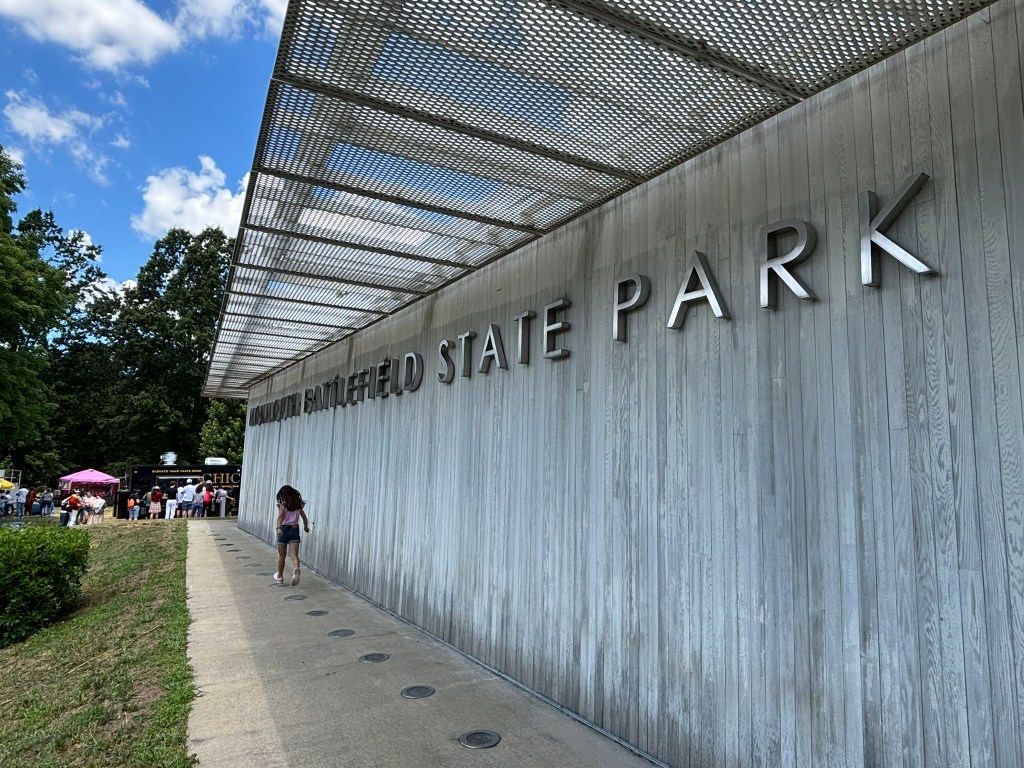
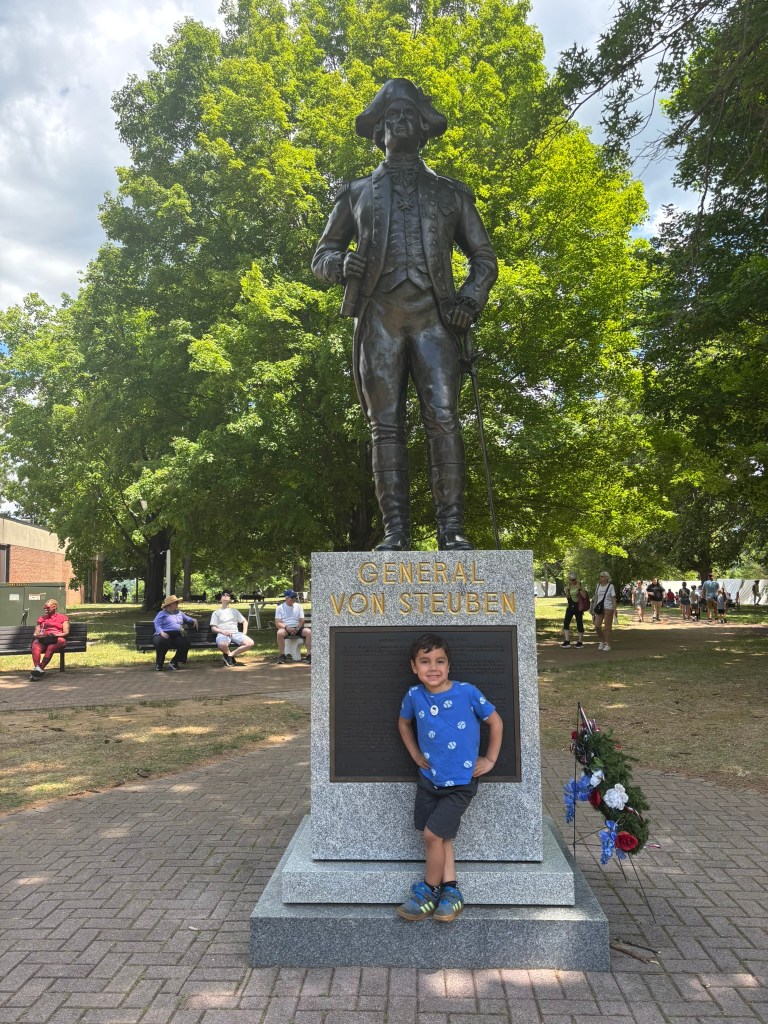
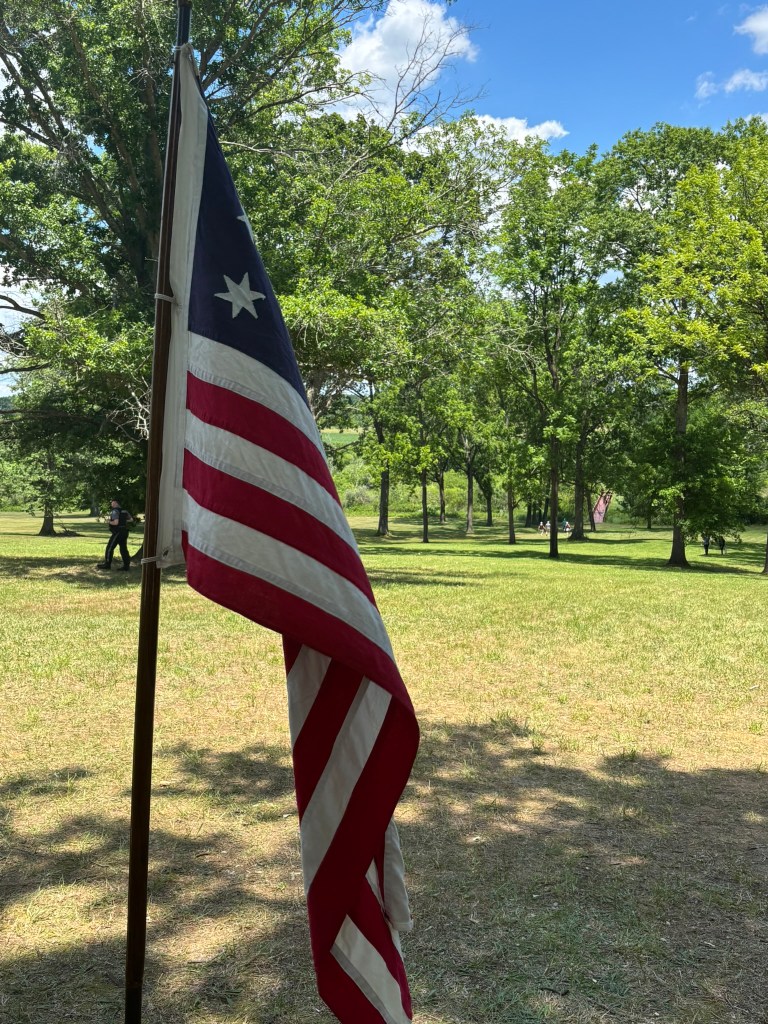
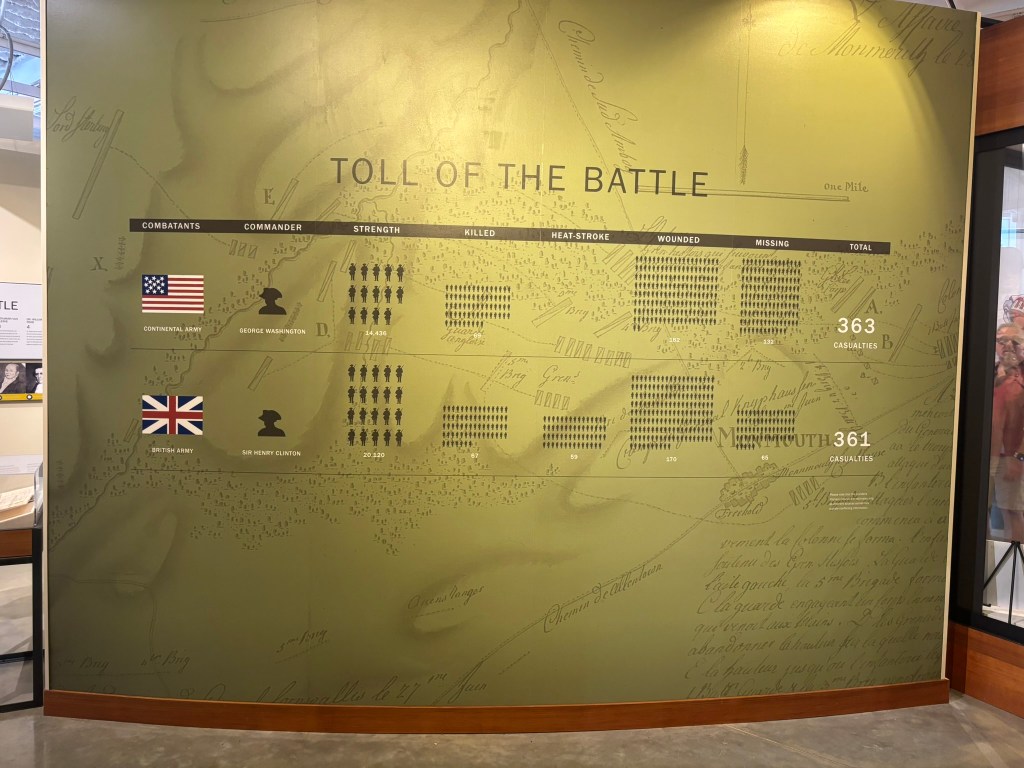
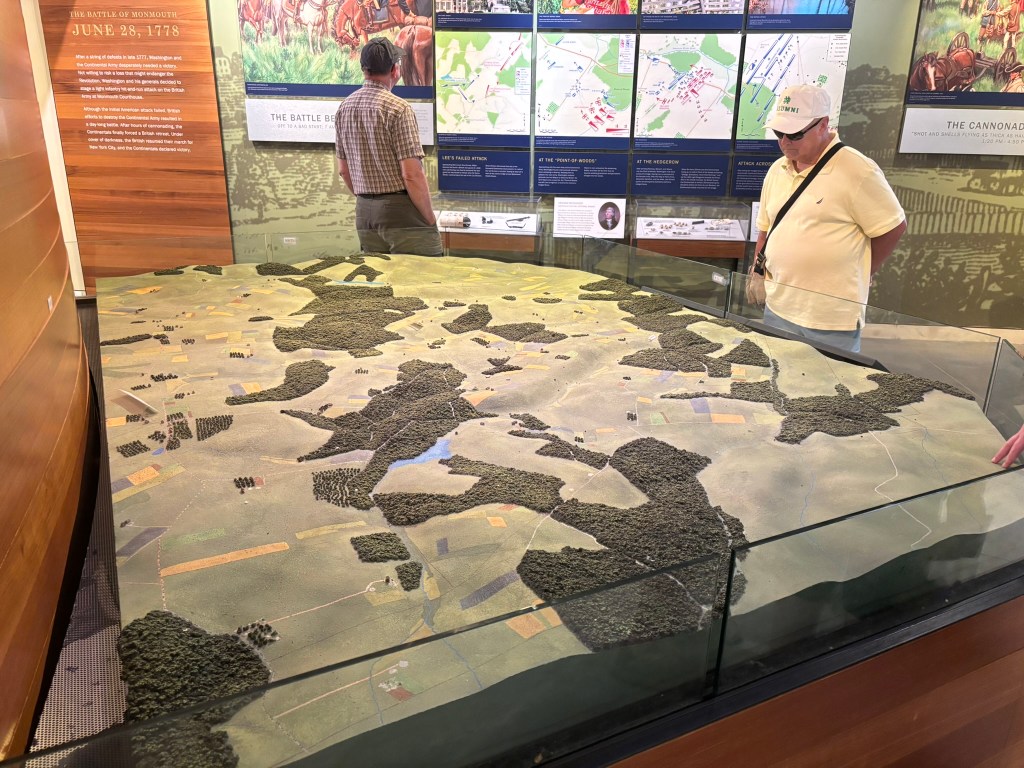
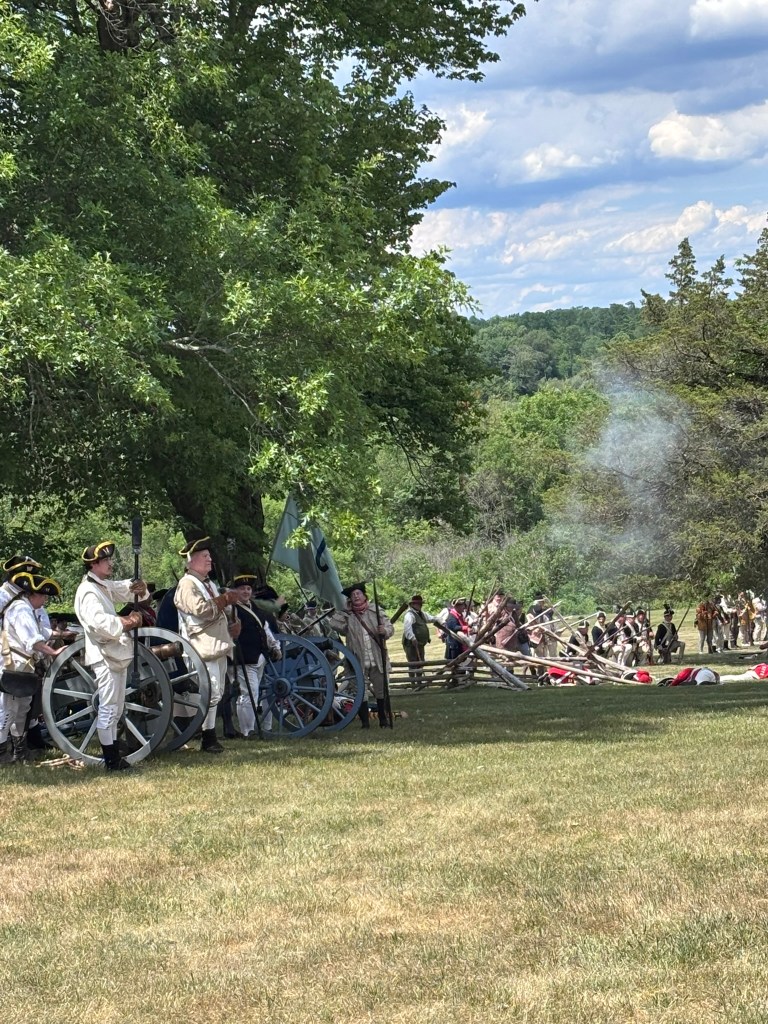
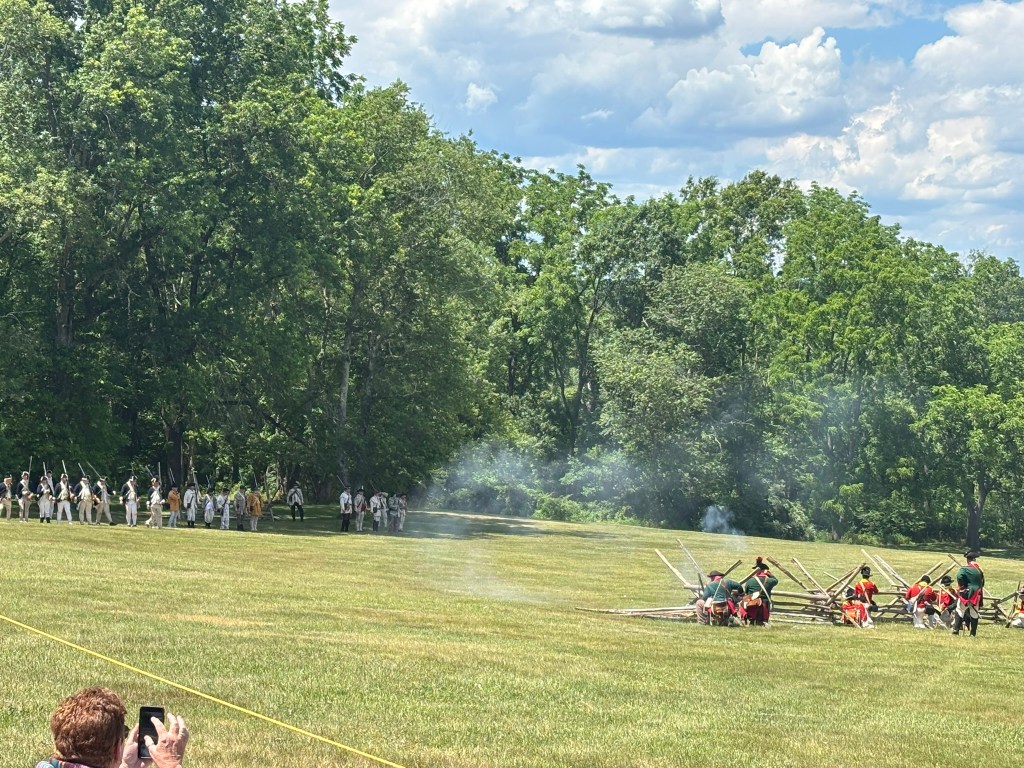
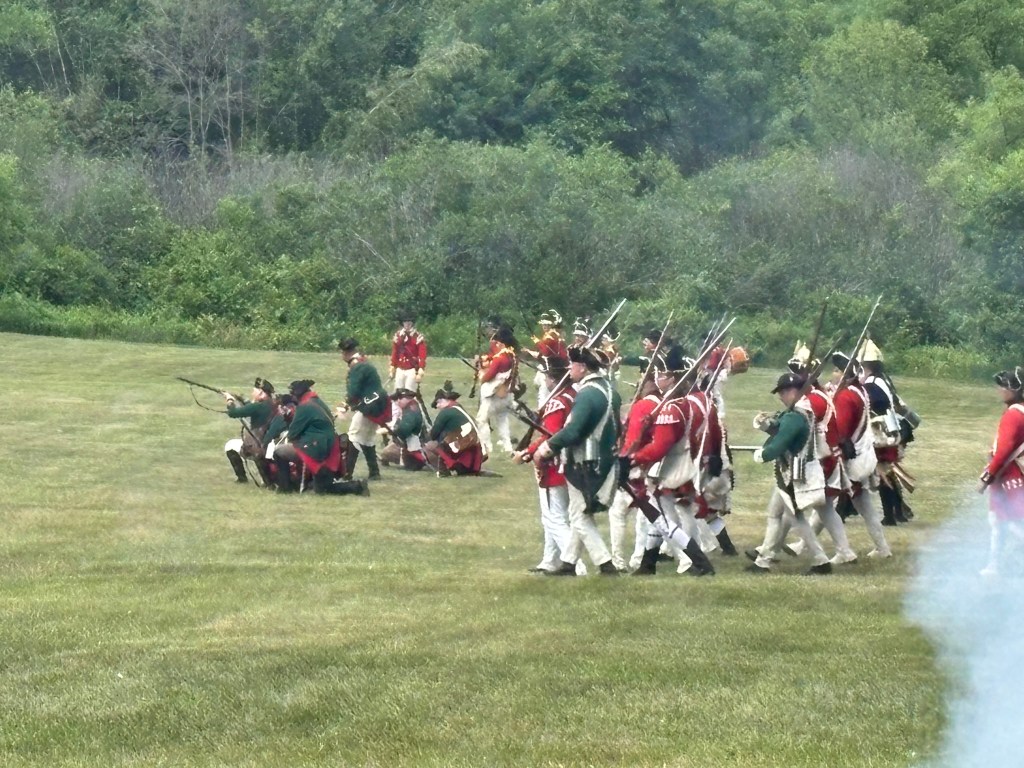
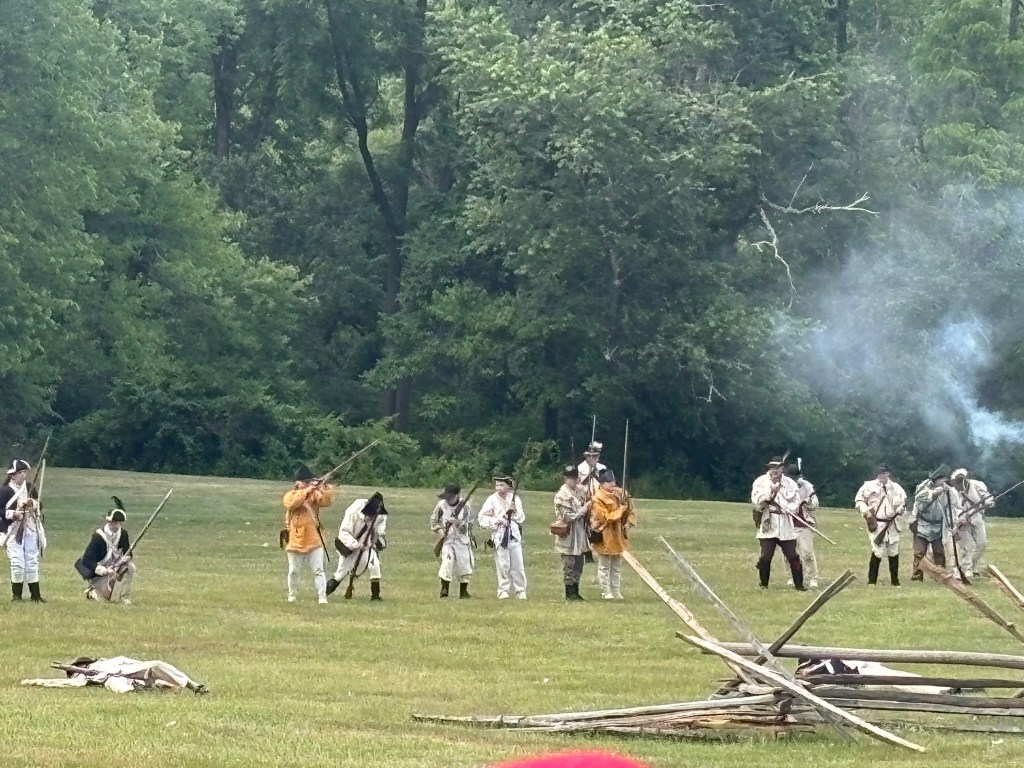
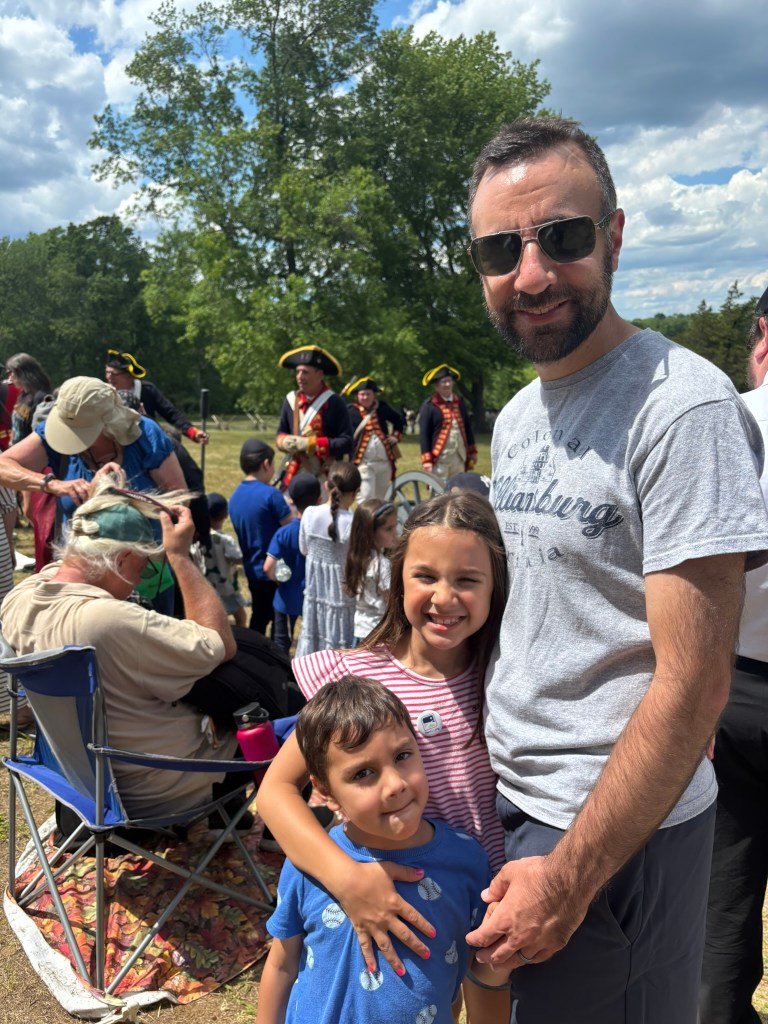
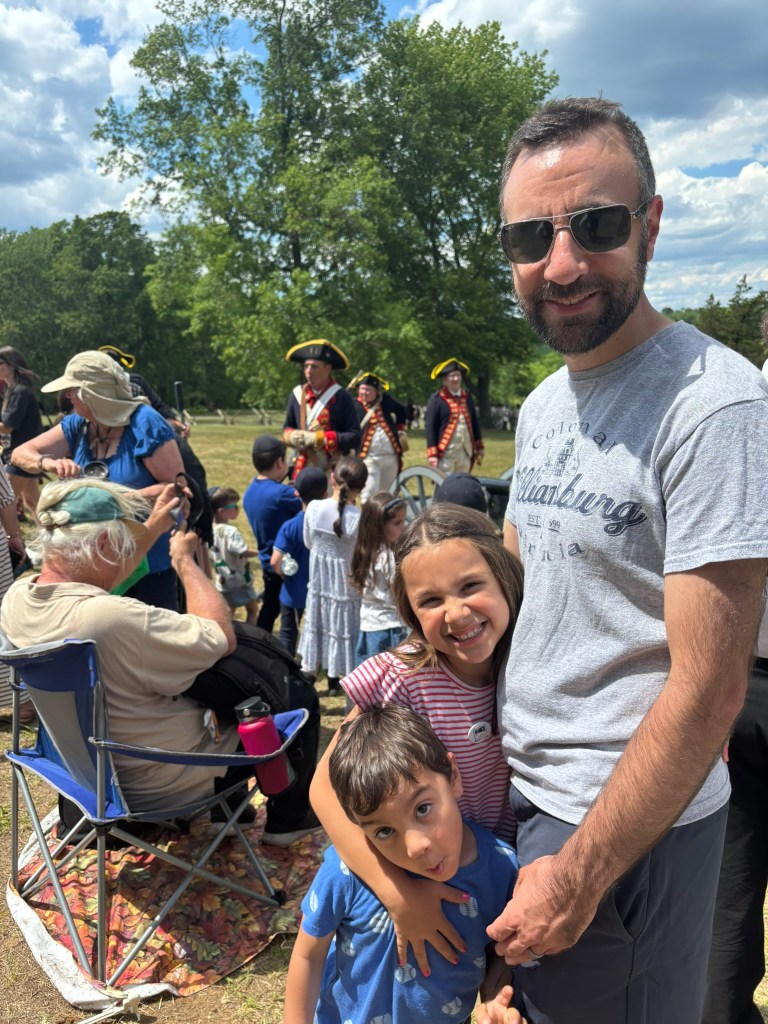
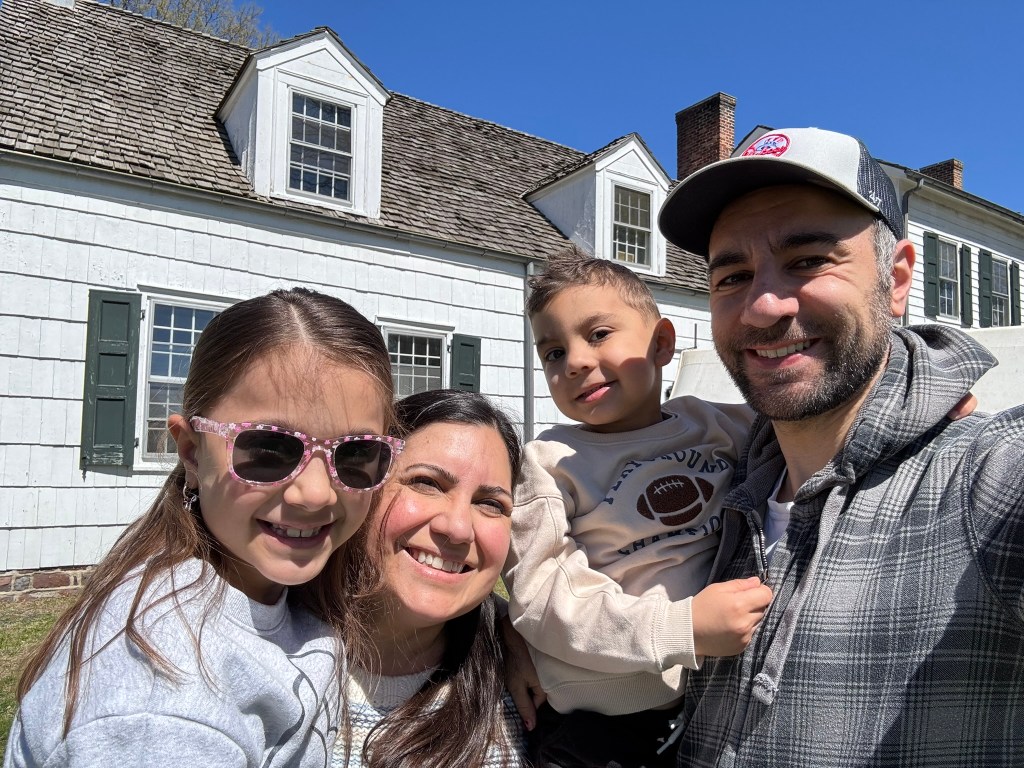
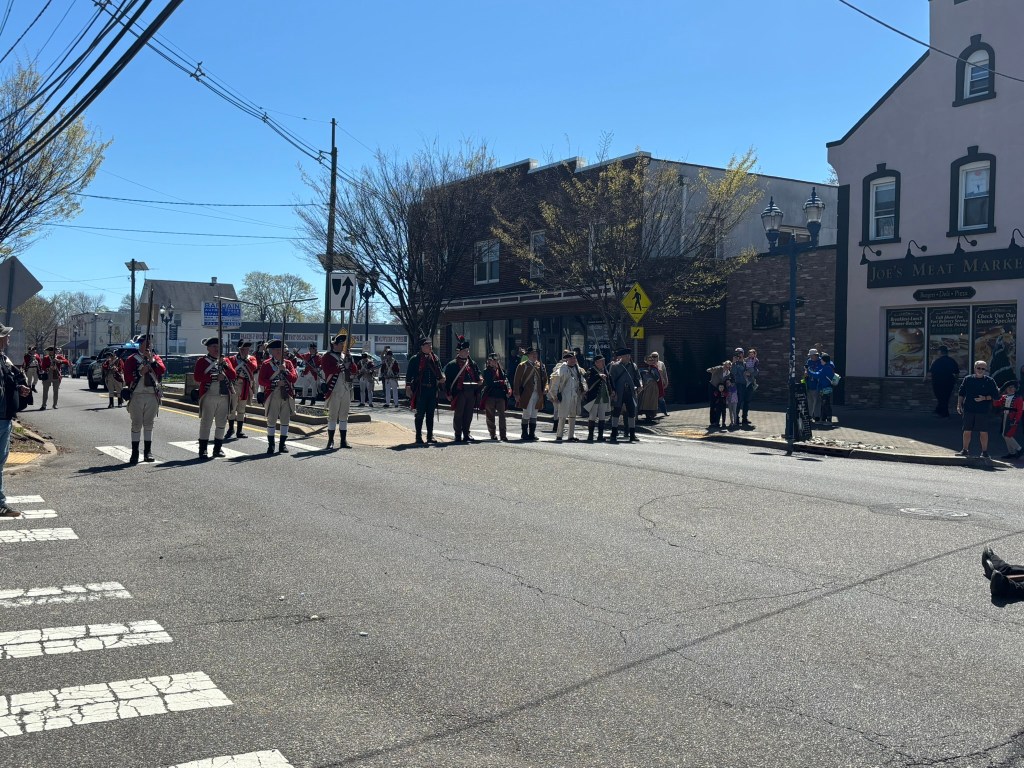
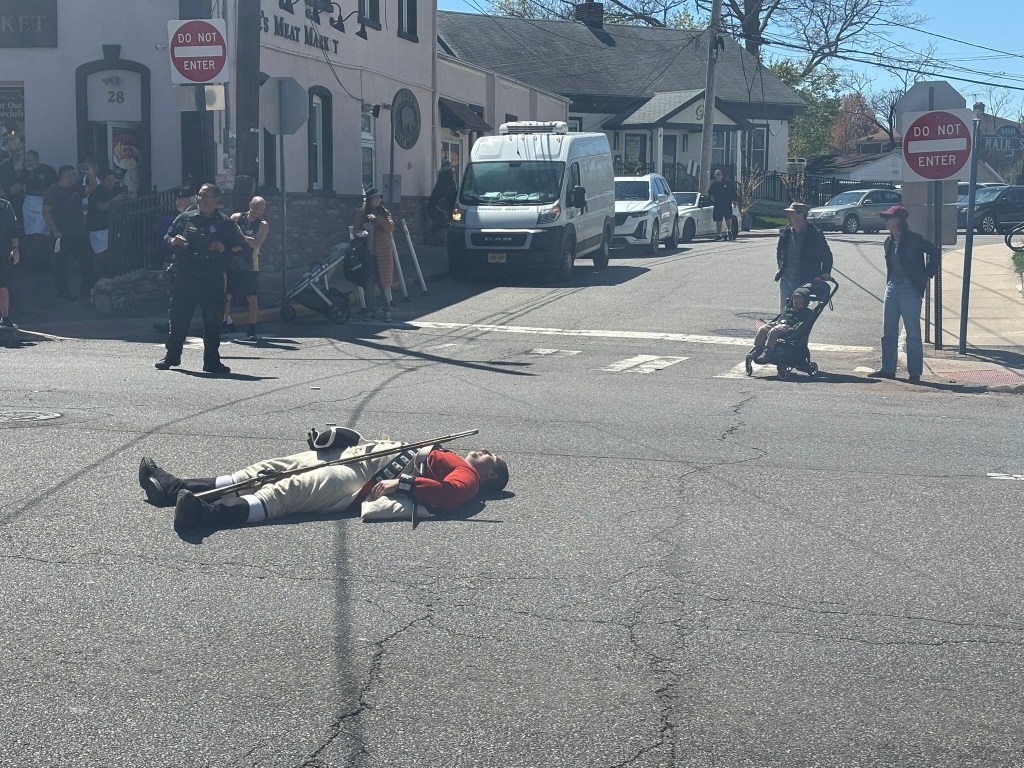
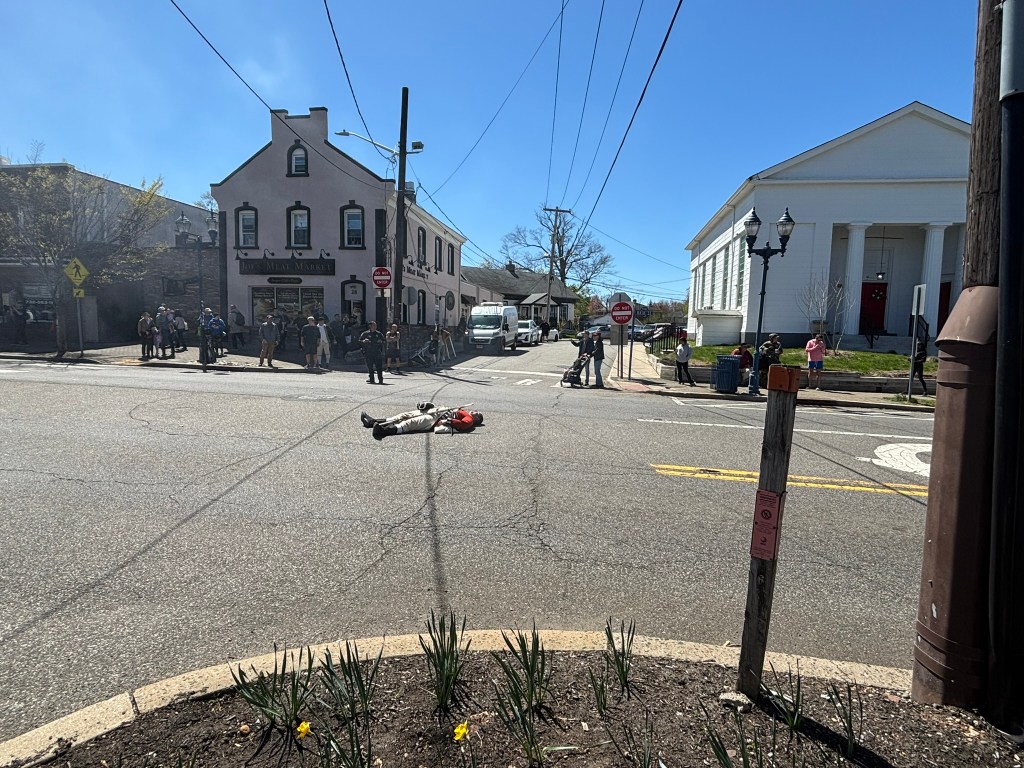
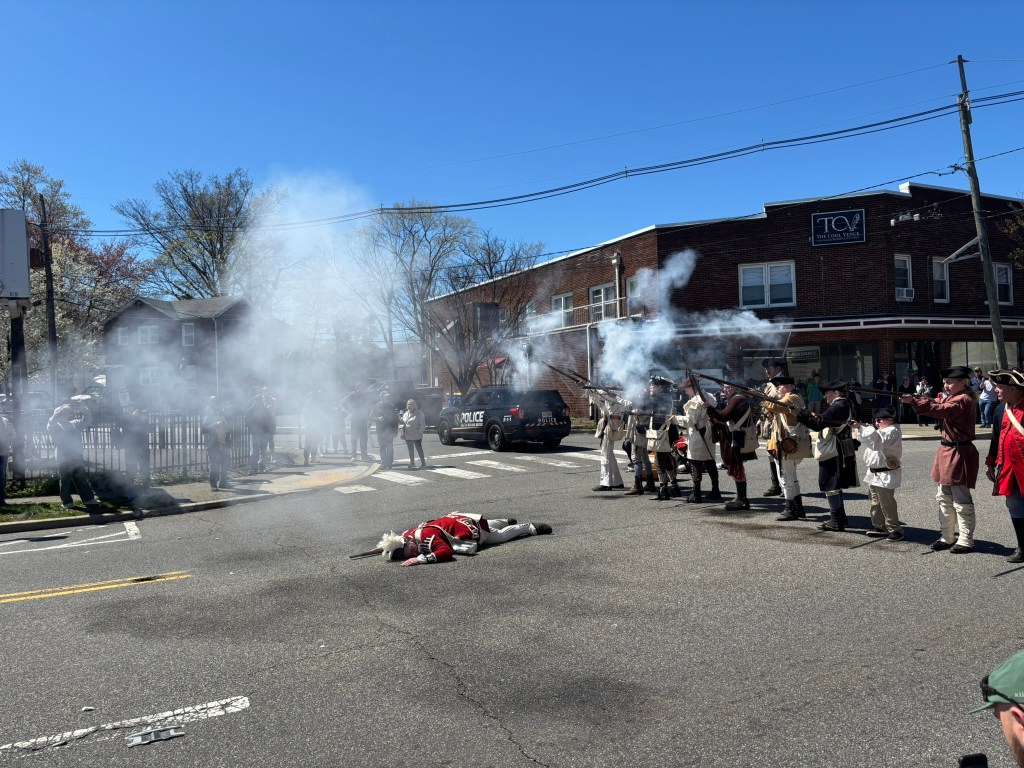
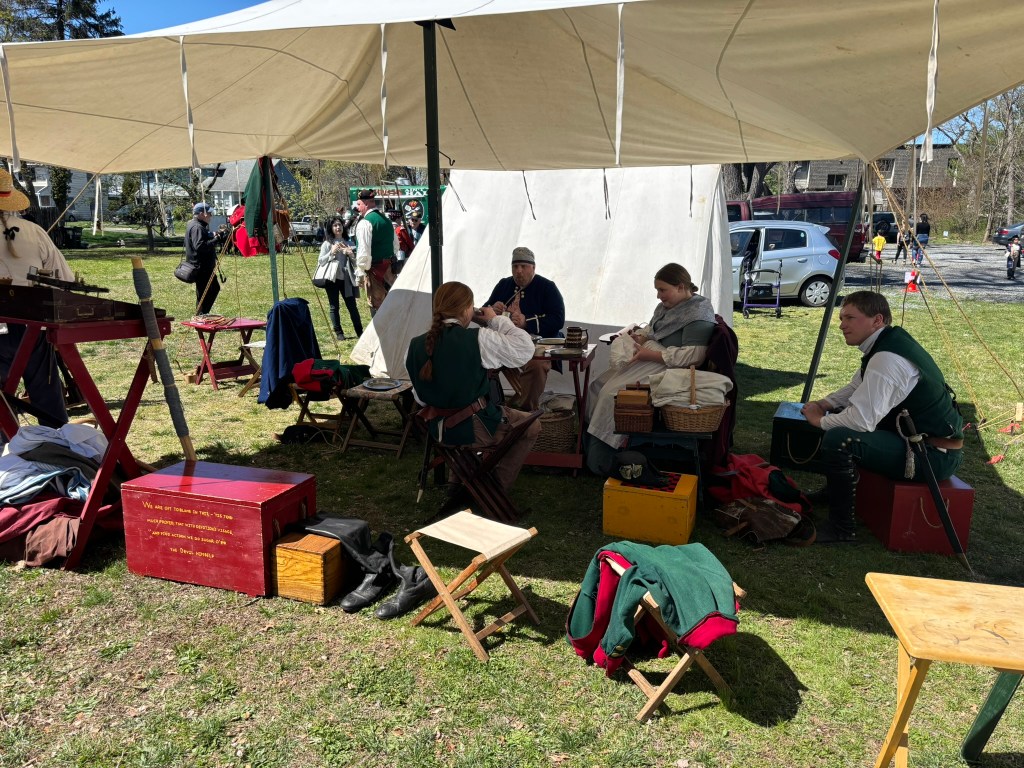
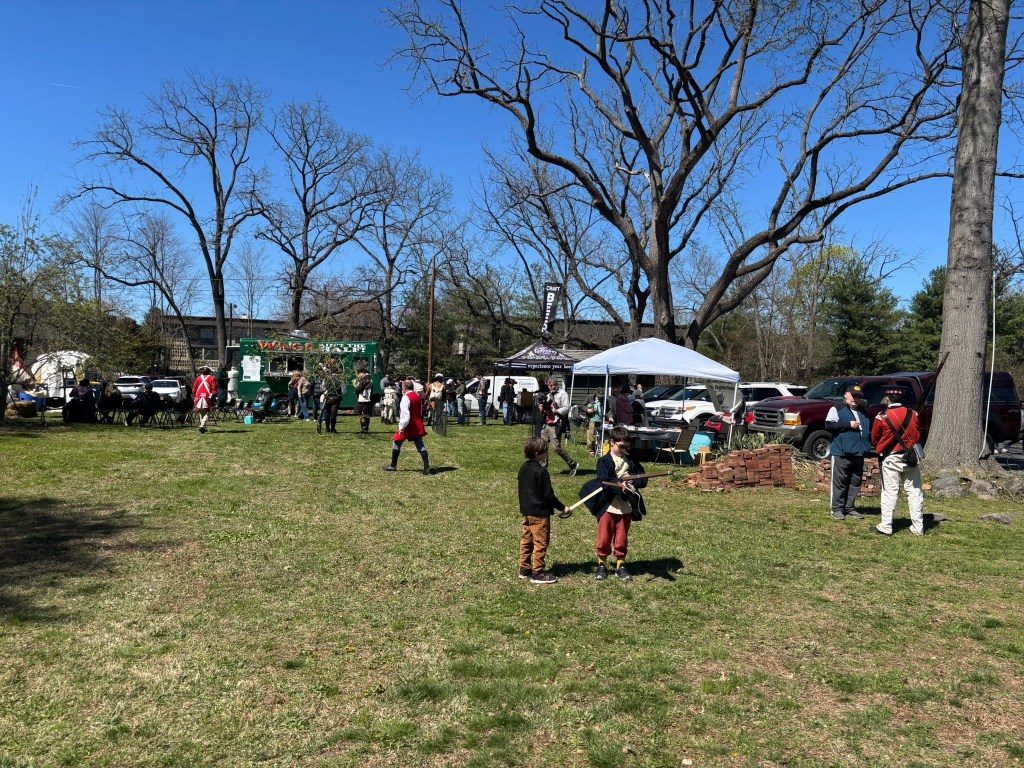
  • On Sunday, June 21st, my family and I attended the Annual Battle of Monmouth Reenactment at Monmouth Battlefield State Park. It just so happened to fall on Father’s Day, and of course this was my choice for how to spend the day. The annual event takes place each year on both Saturday and Sunday. This was our third consecutive year attending.

    The event commemorates the Battle of Monmouth, fought on June 28, 1778, between the Continental Army and the British Army. The reenactment did not disappoint and drew a tremendous crowd over both days. If you have any interest in the American Revolution, this is an event you should definitely add to your calendar.

    History

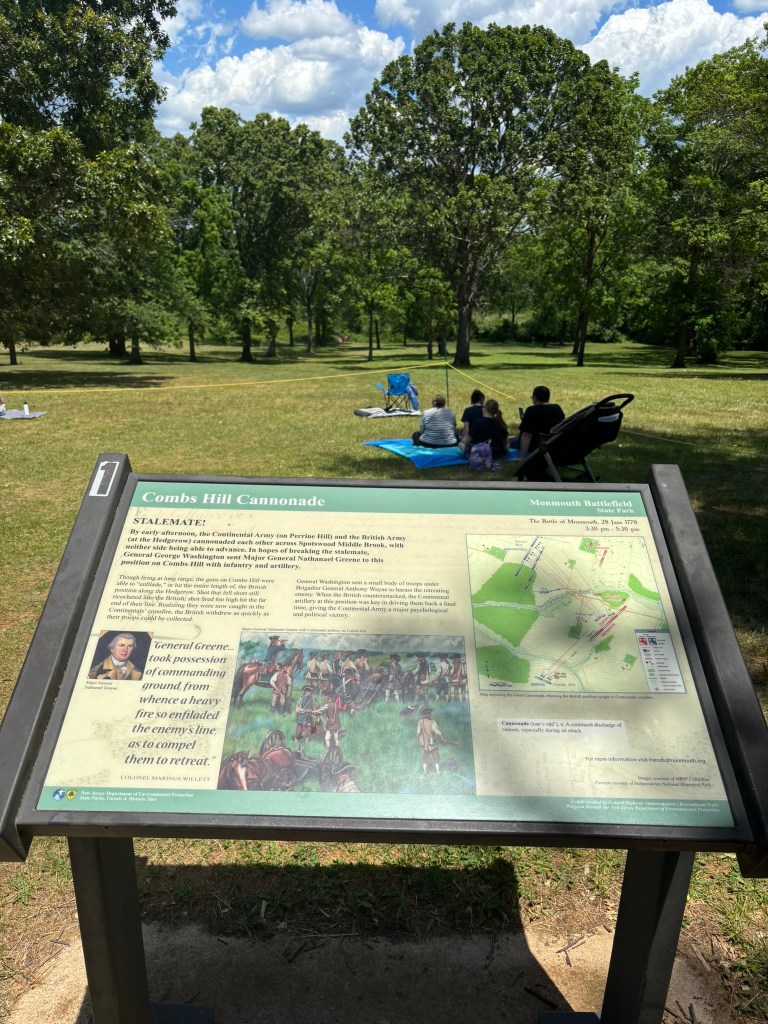
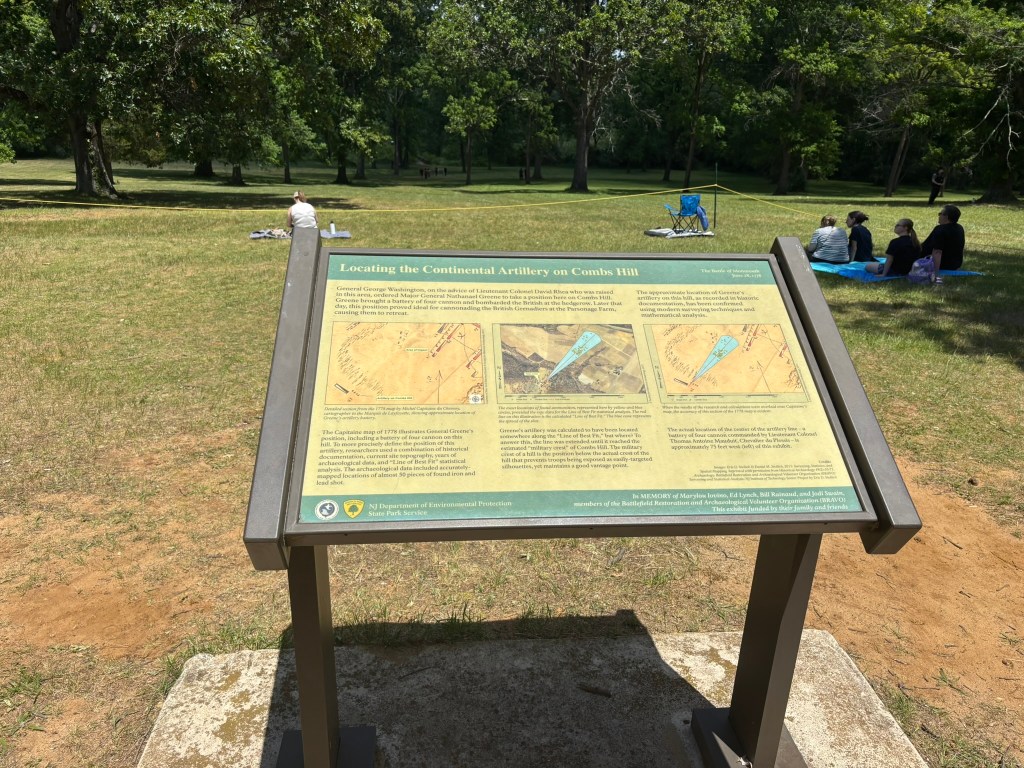
    While the Battle of Monmouth did not produce a major strategic victory for the Continental Army, it was one of the most significant engagements of the Revolutionary War in both scale and symbolism. As one of the largest battles of the war in terms of manpower, it demonstrated that the Patriot forces could stand toe-to-toe with the British Army in open combat. It also featured the largest artillery duel of the Revolution and marked a major turning point in the professionalism of the Continental Army.

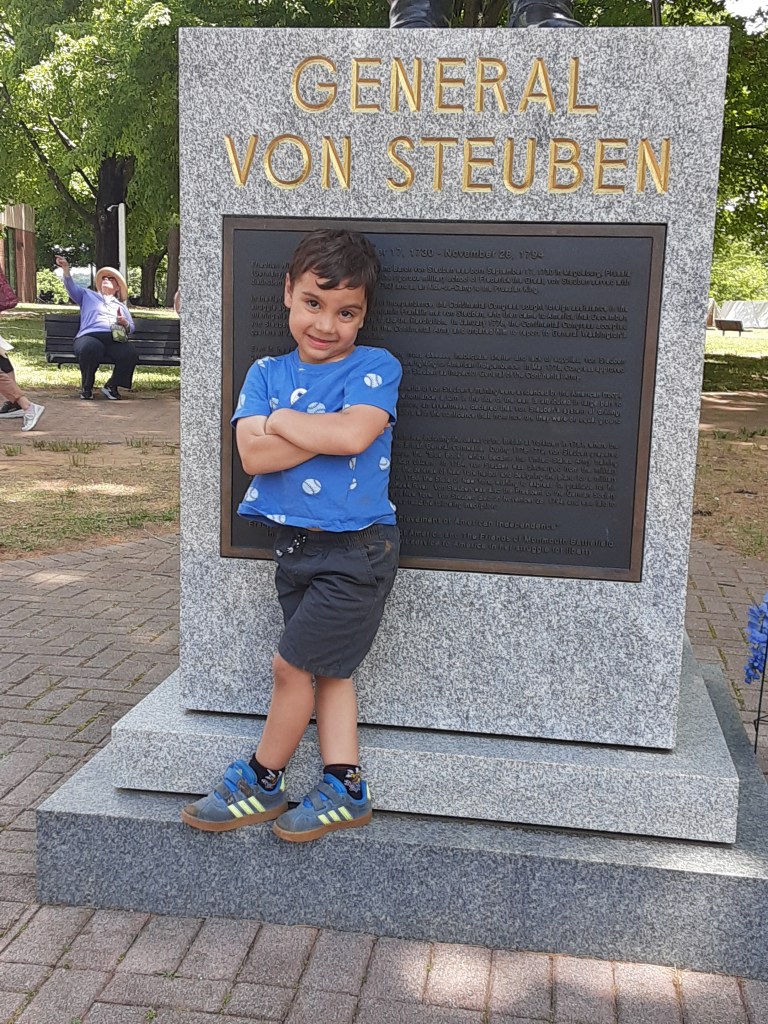
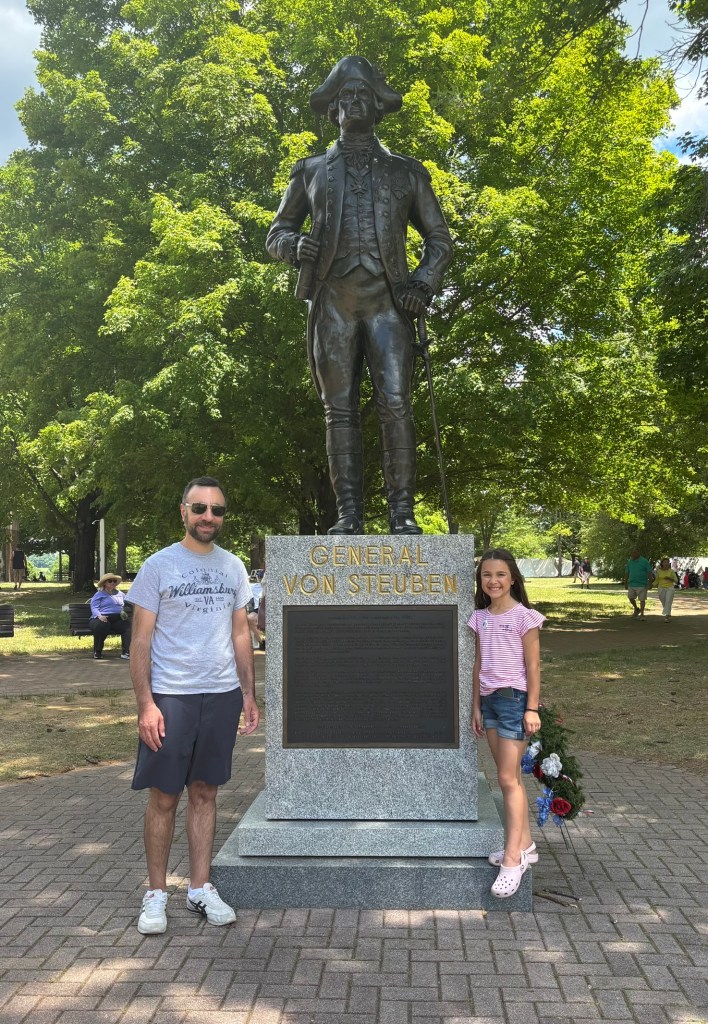
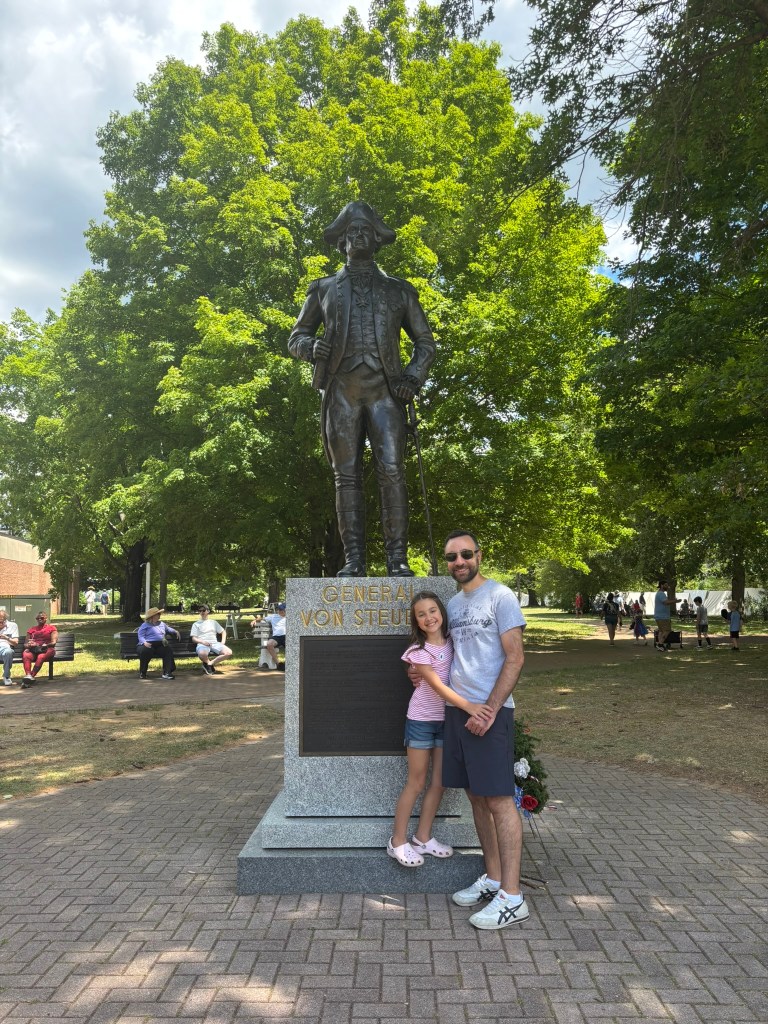
    After enduring the grueling winter at Valley Forge, where months of rigorous drilling under the Prussian officer Baron Friedrich von Steuben transformed Washington’s soldiers into a disciplined fighting force, the Continentals finally had the opportunity to prove themselves on the battlefield. At Monmouth, the results of that training were evident.

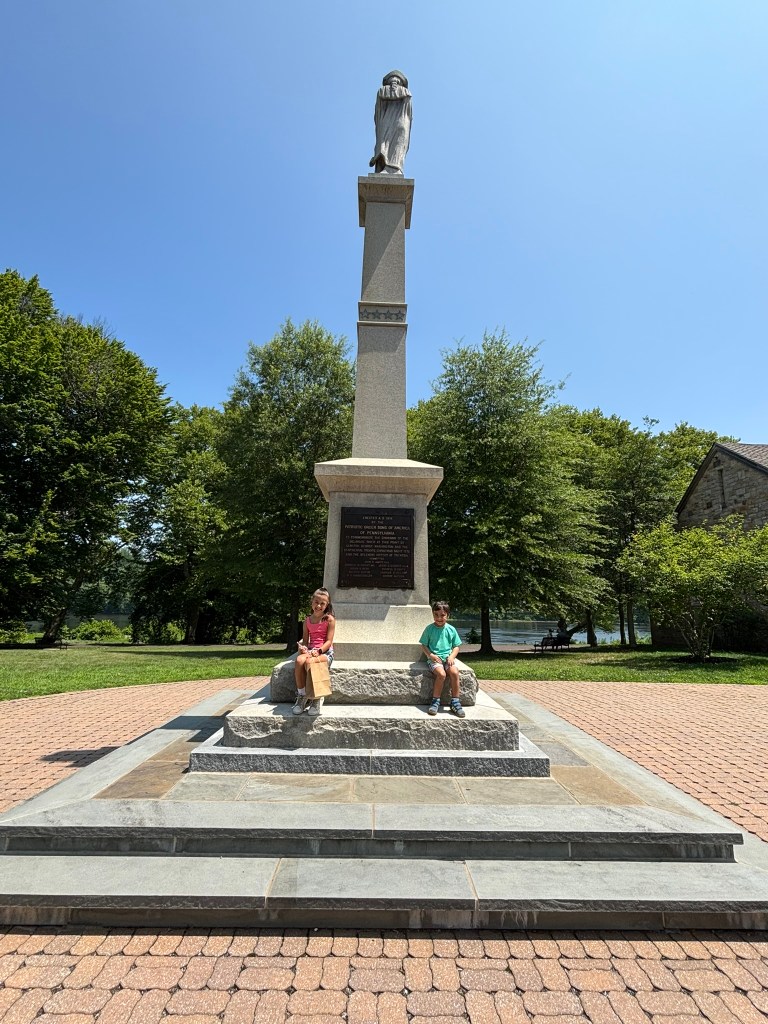
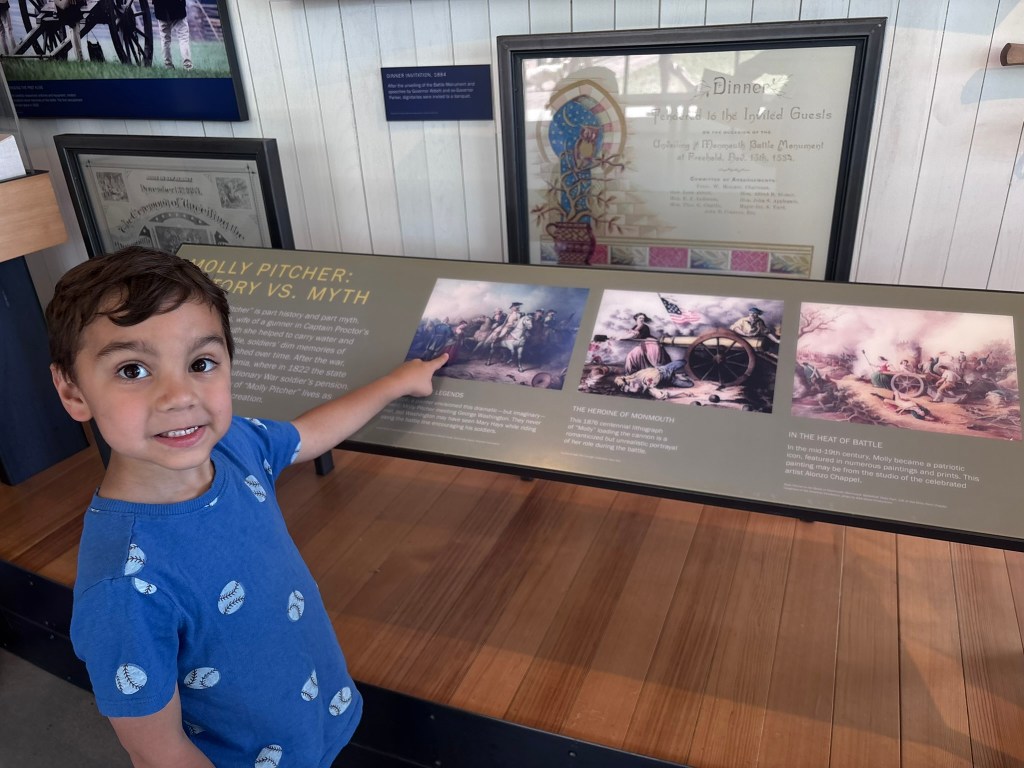
    The battle is also remembered for its brutal heat, with temperatures reportedly climbing to nearly 100 degrees. Despite the intensity of the fighting, the British resumed their planned march toward New York during the night, allowing General George Washington to claim the battle as a moral victory for the American cause. Monmouth is also famous for the legendary story of Molly Pitcher, who is honored throughout the battlefield for her courage during the fighting.

    Event

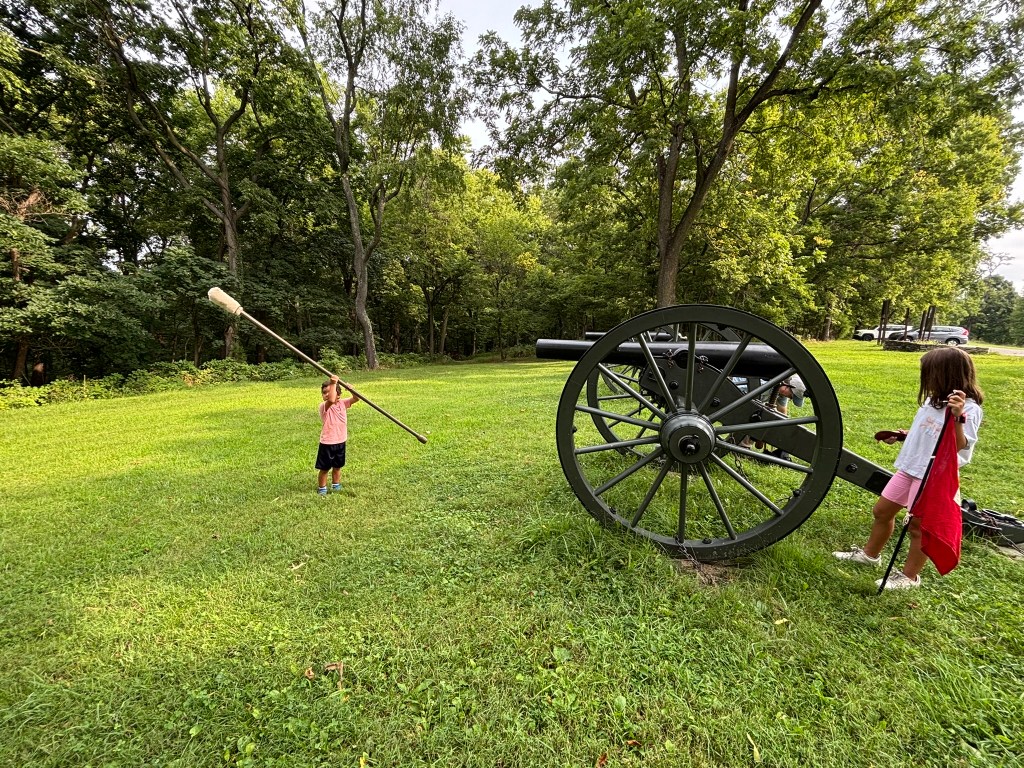
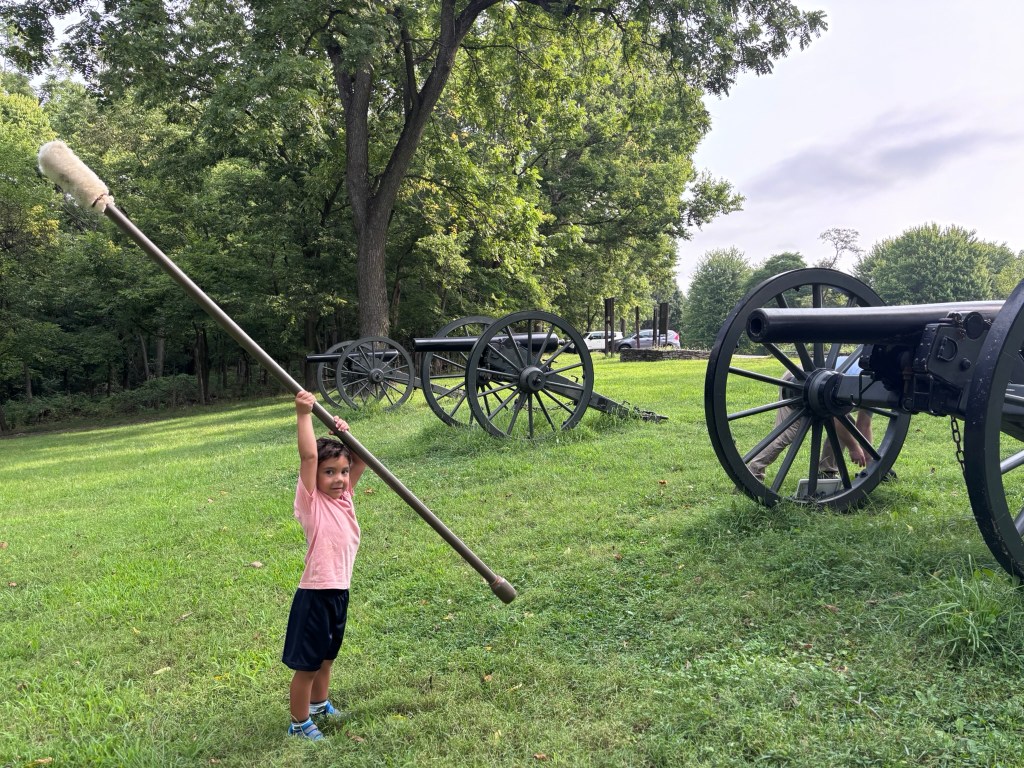
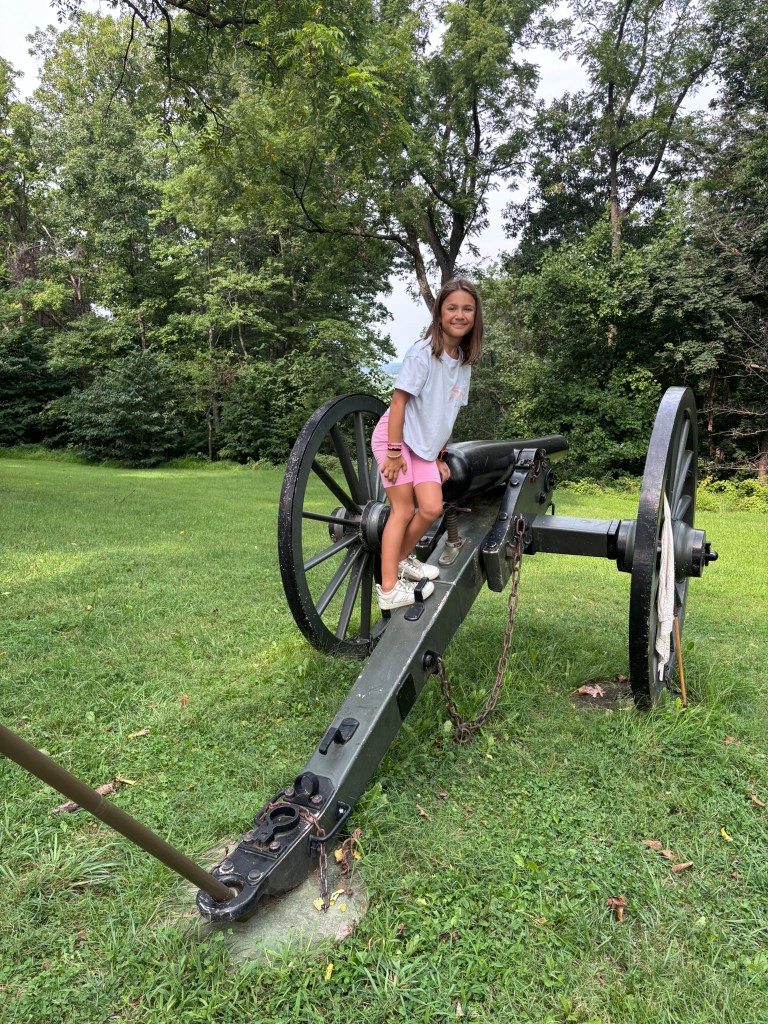
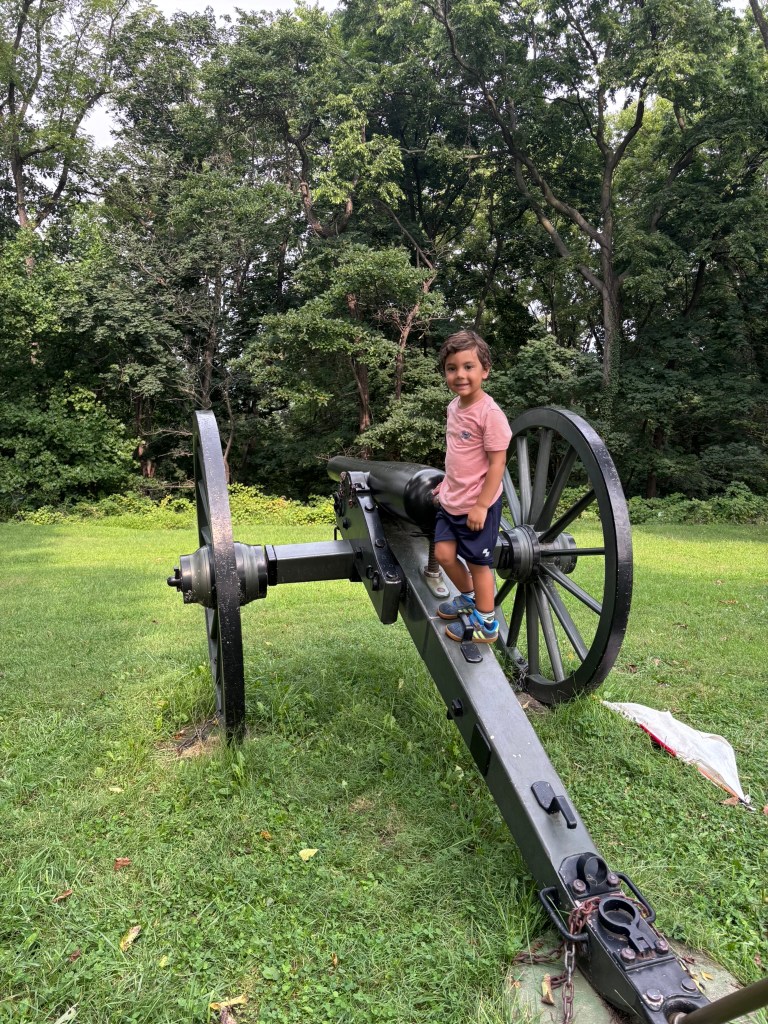
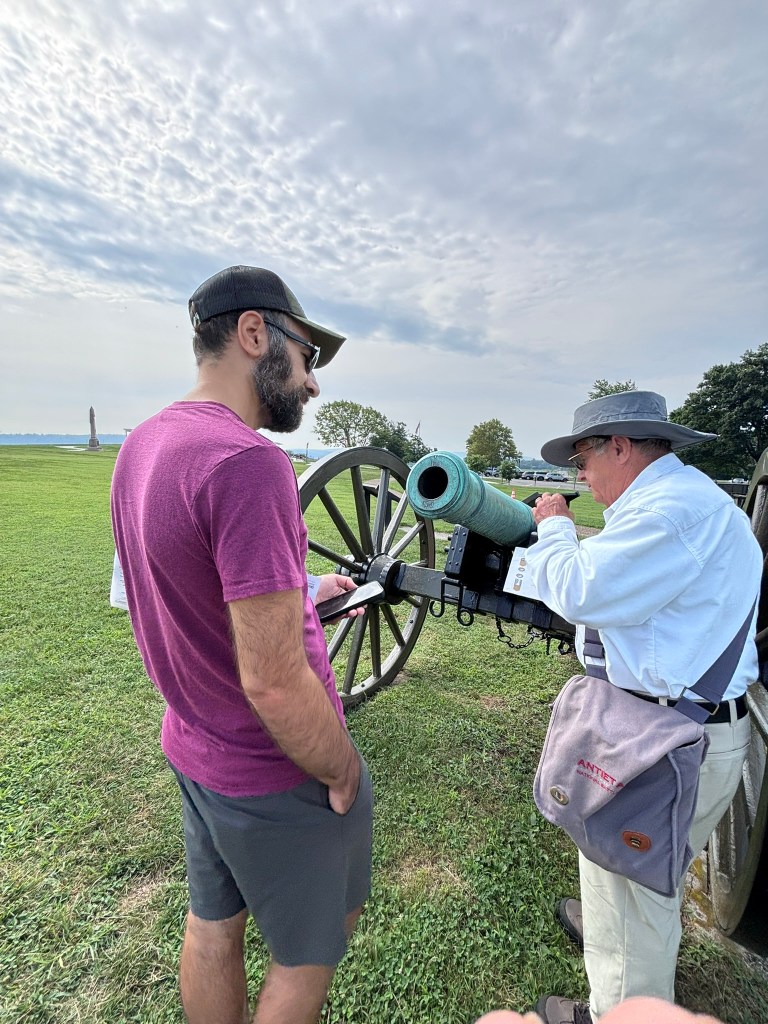
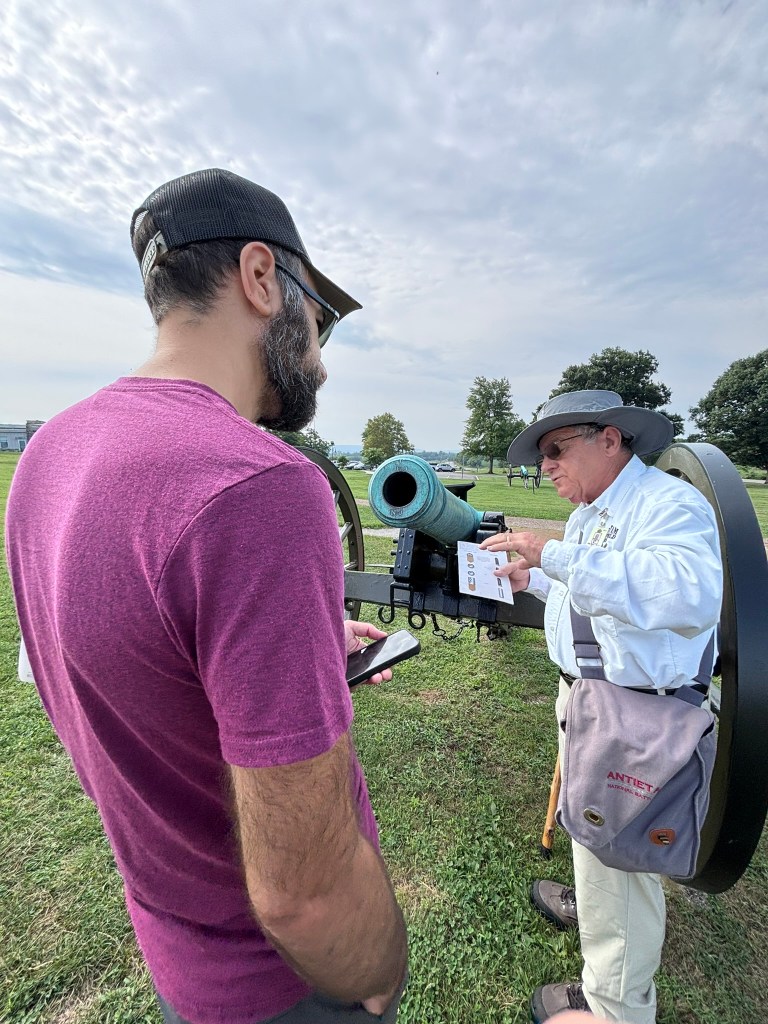
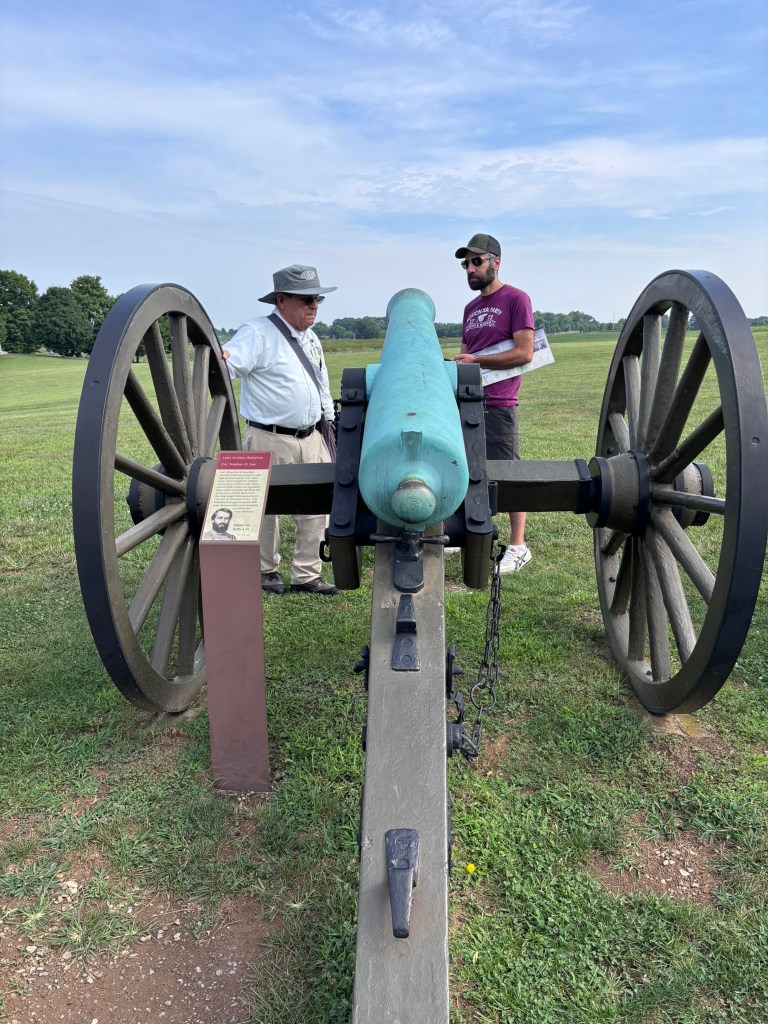
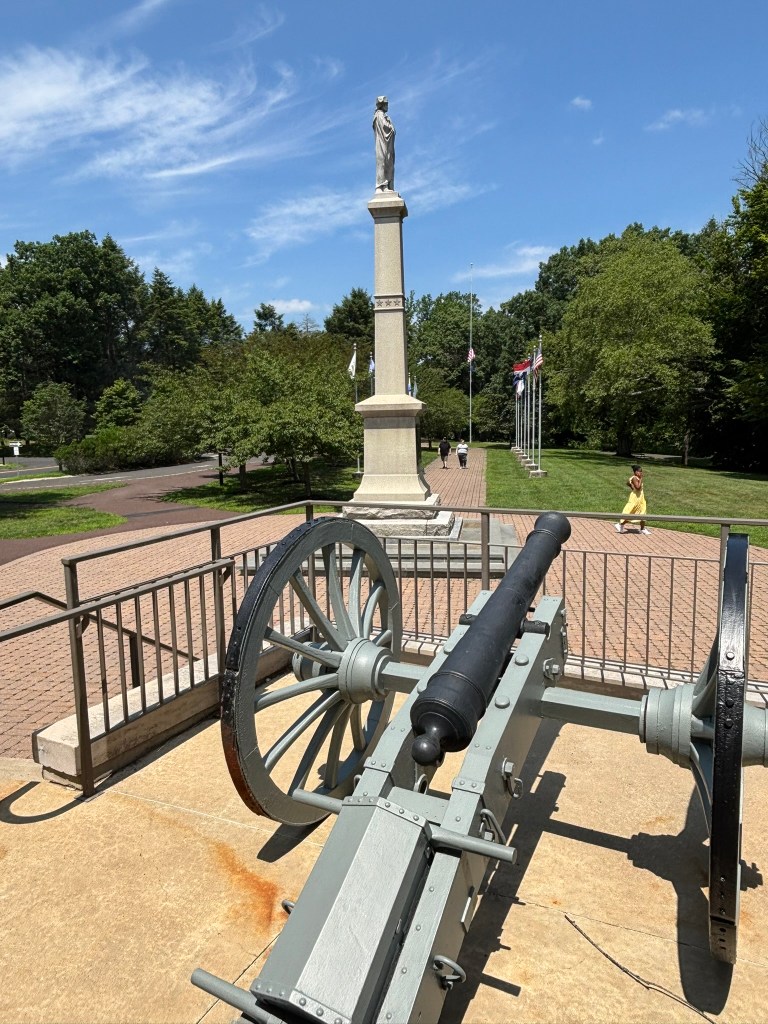
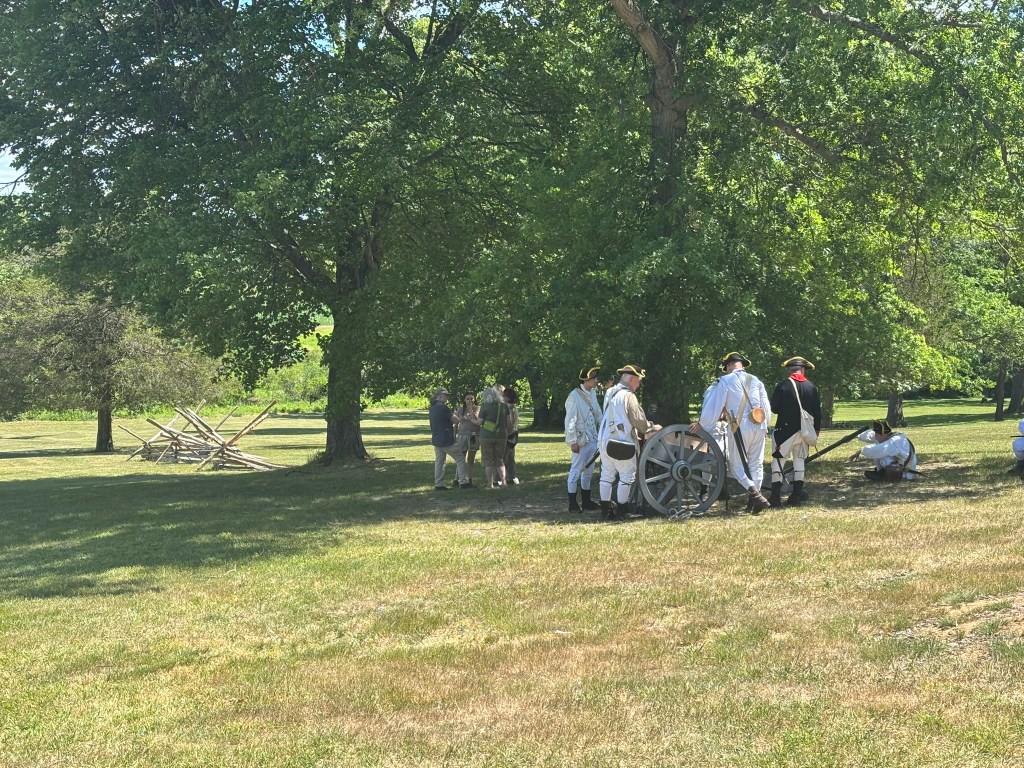
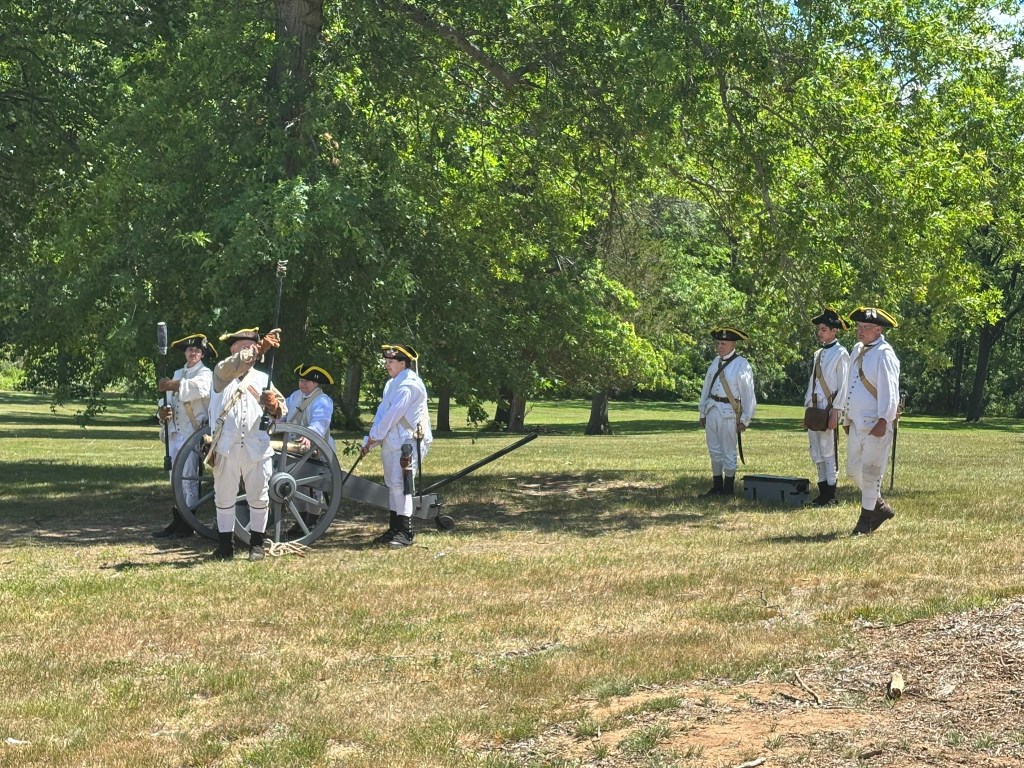
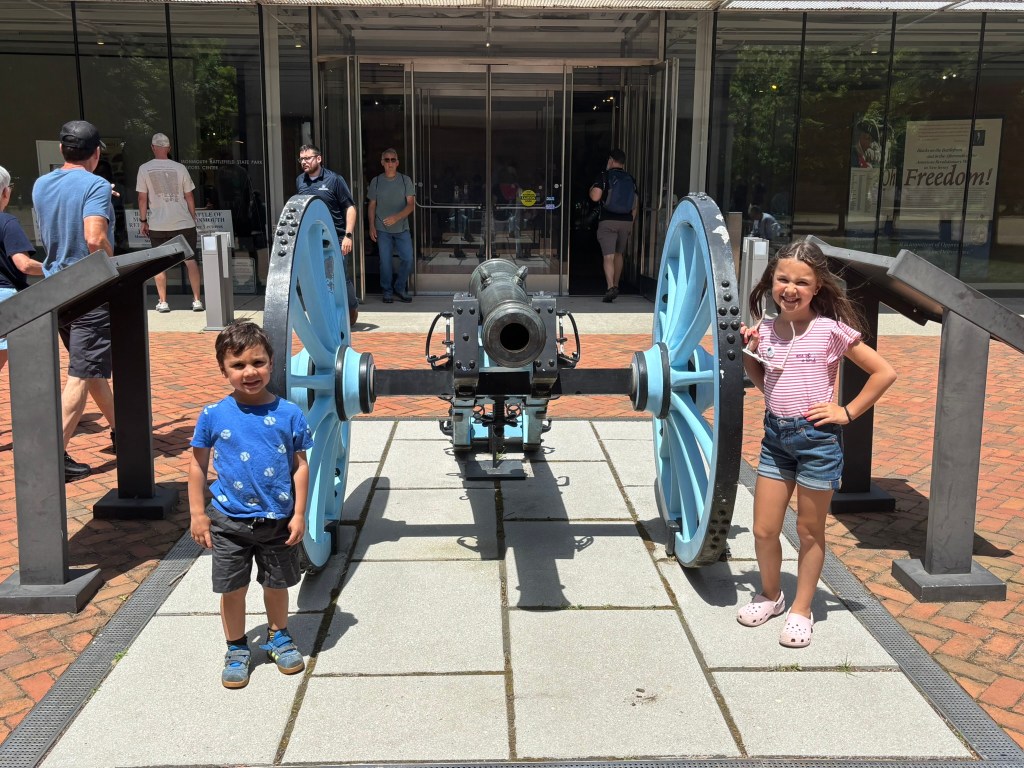
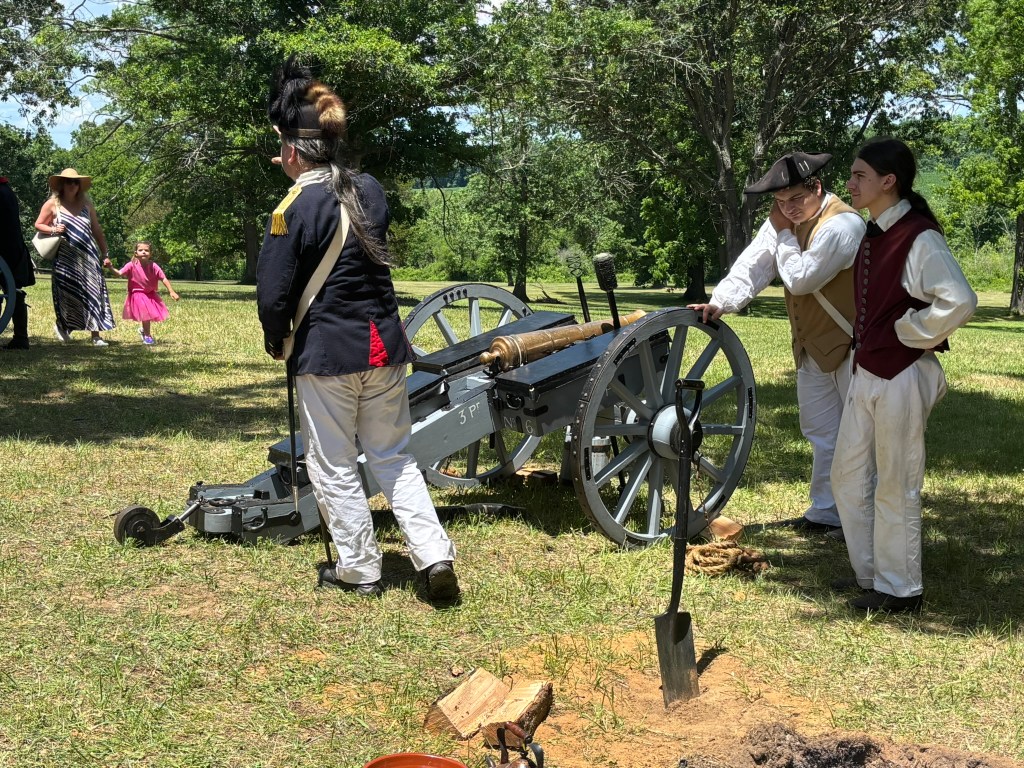
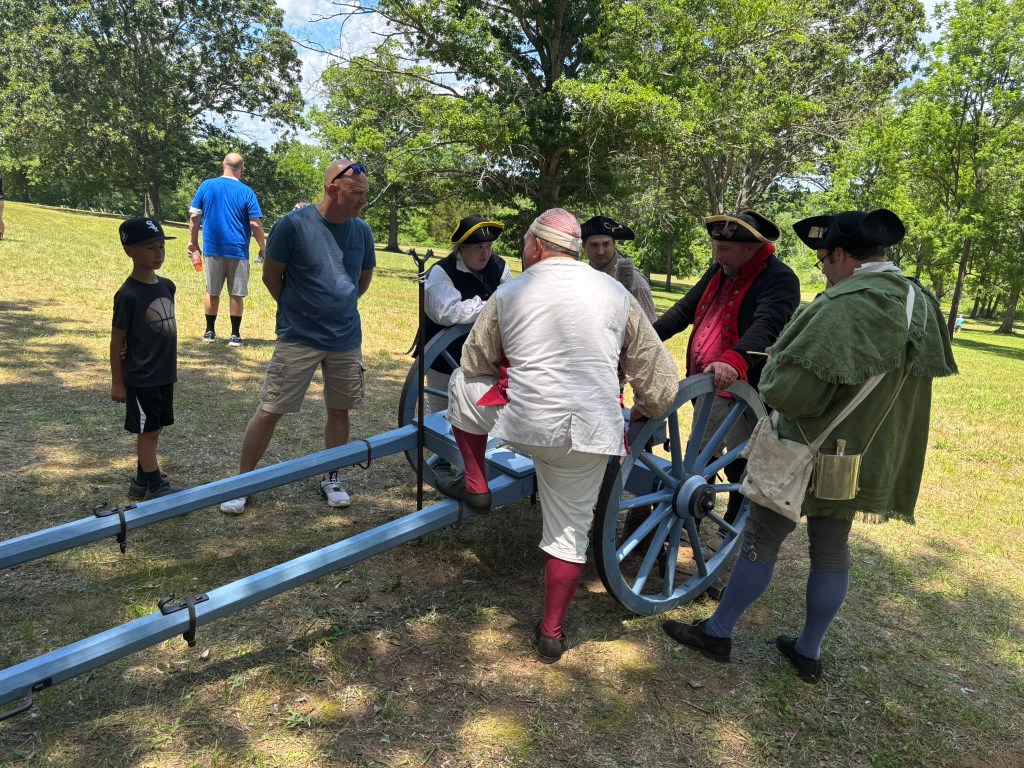
    My family and I arrived at the park just before 11:30 a.m., just in time for the cannon firing demonstration. The reenactor explaining the operation of the cannon and its role on an eighteenth-century battlefield was both entertaining and informative. If you’d like to see the demonstration in action—and especially the battle itself—be sure to check out the reels on my social media pages.

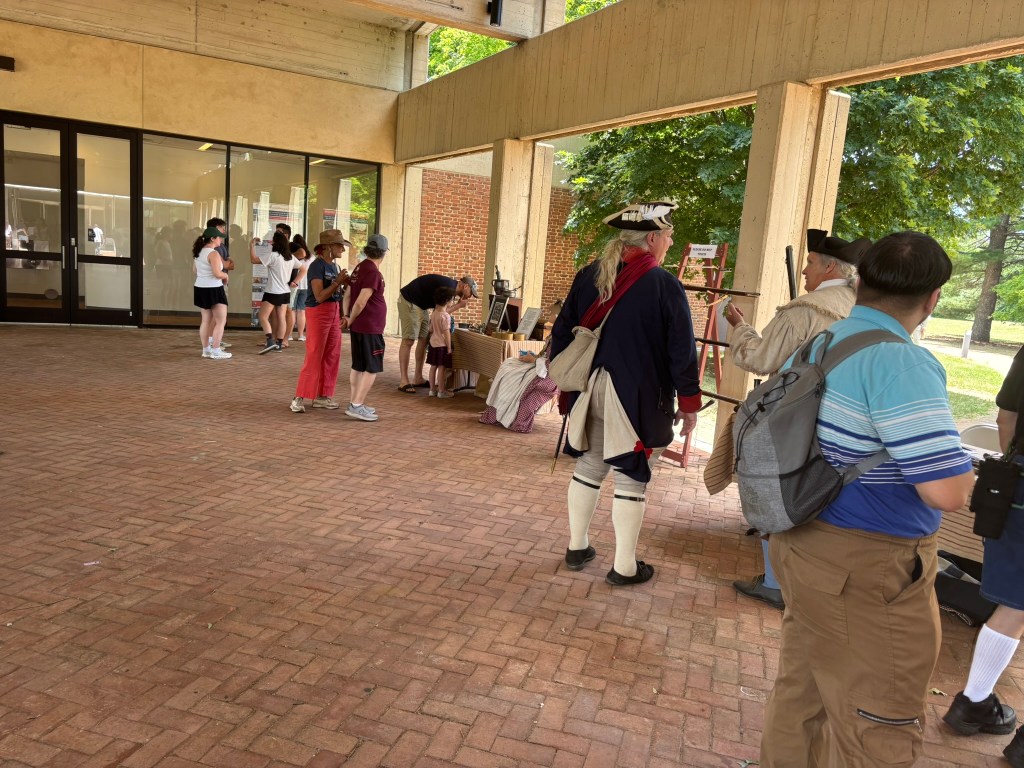
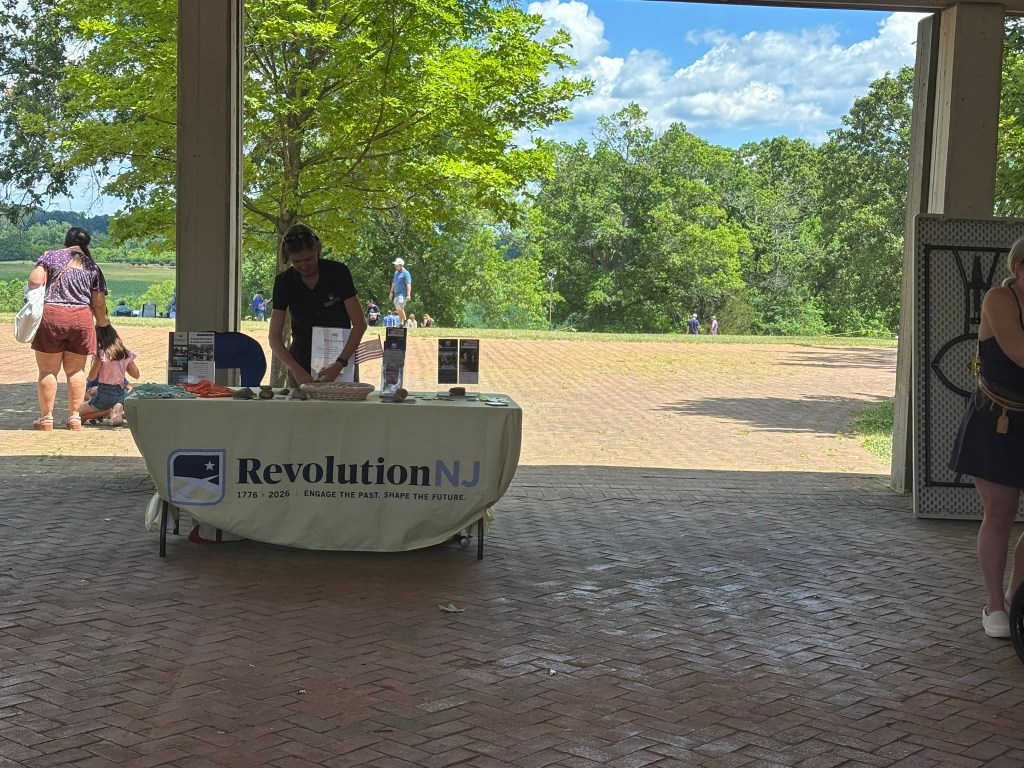
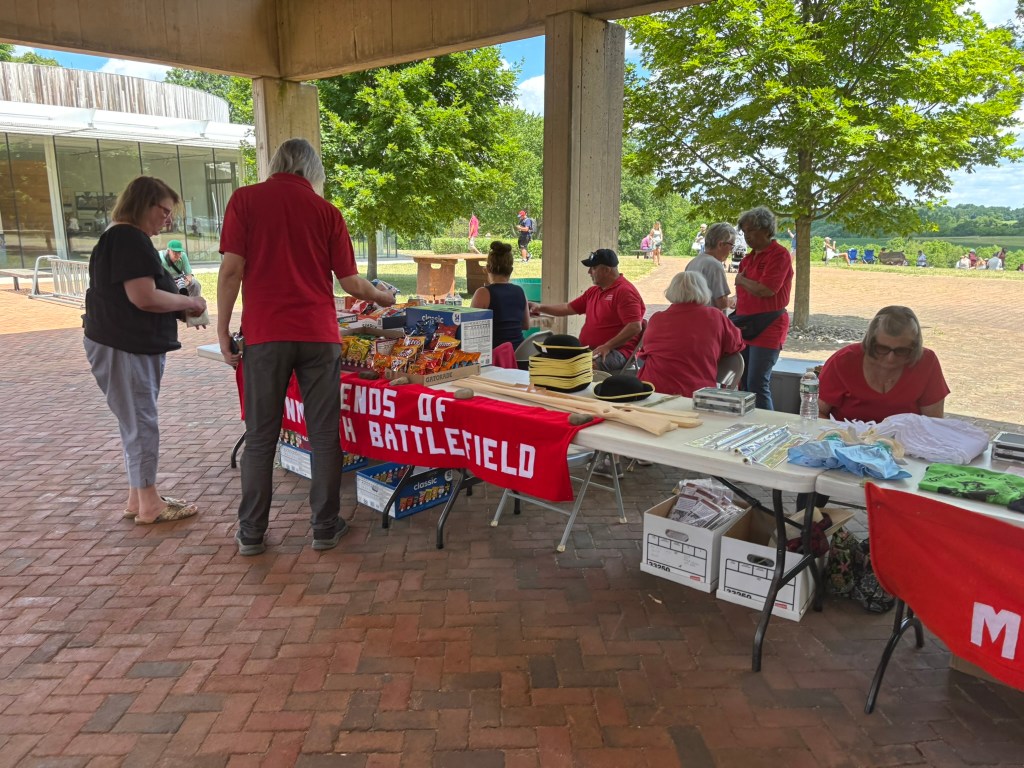
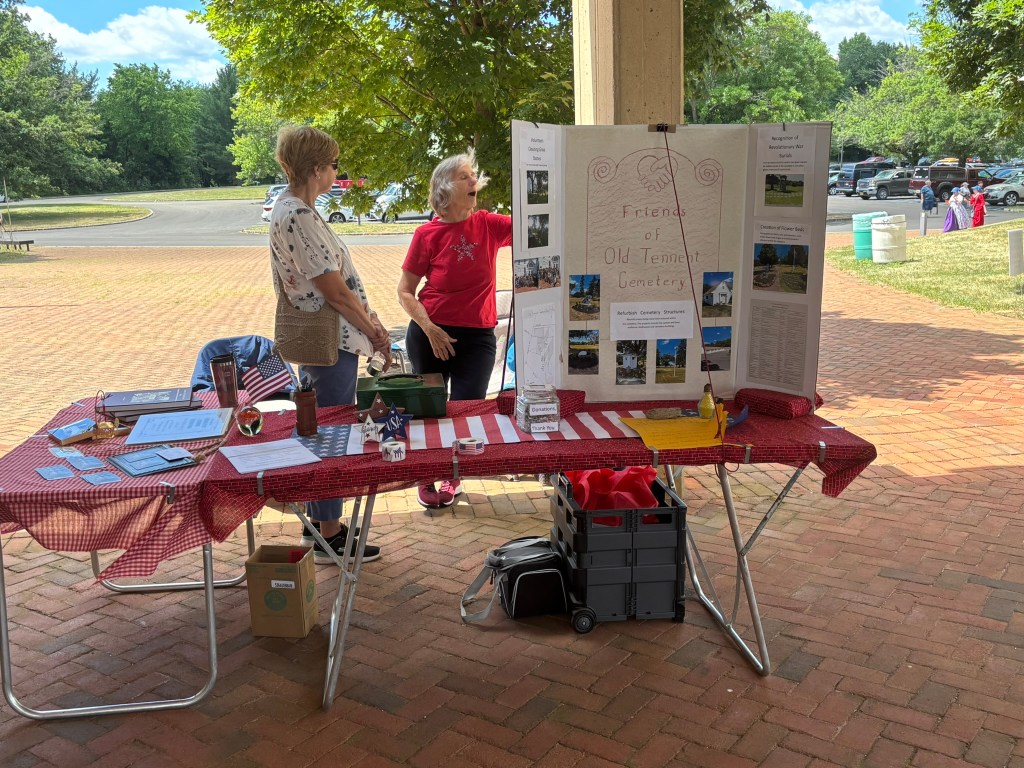
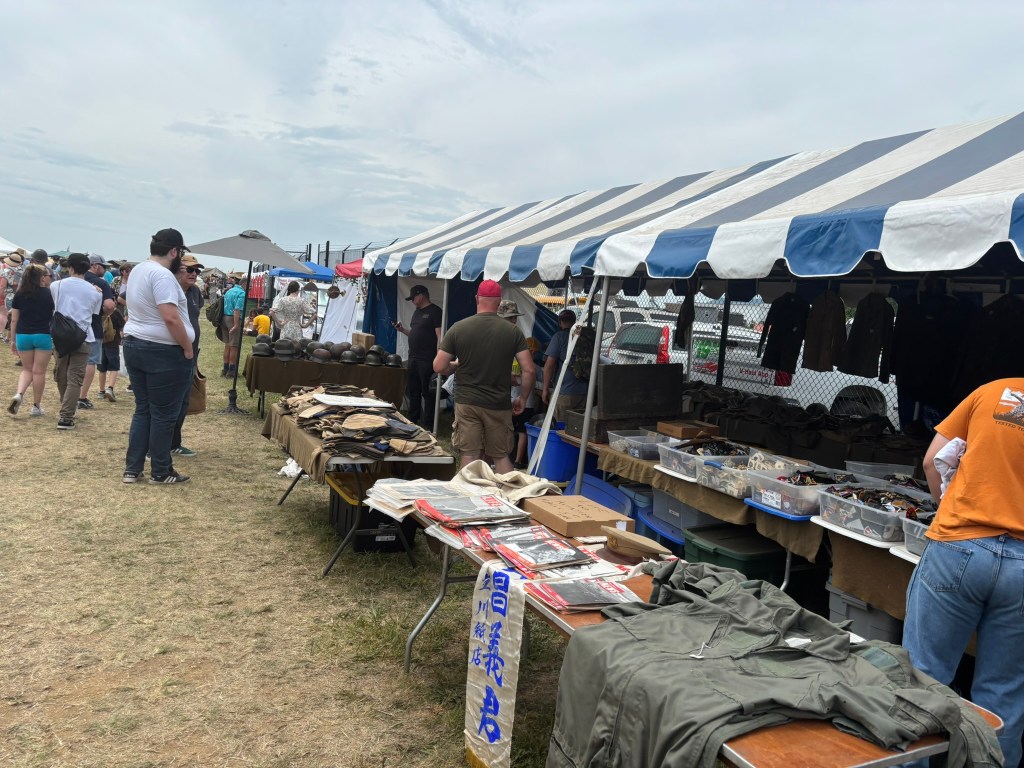
    After the cannon demonstration, I made a round to the vendors stationed on site. I was able to speak to a rep. from Revolution NJ whom I am a proud partner with. There were also tables from the Monmouth County Historical Society, Friends of Monmouth Battlefield, and Friends of Old Tennant Cemetery, among others.

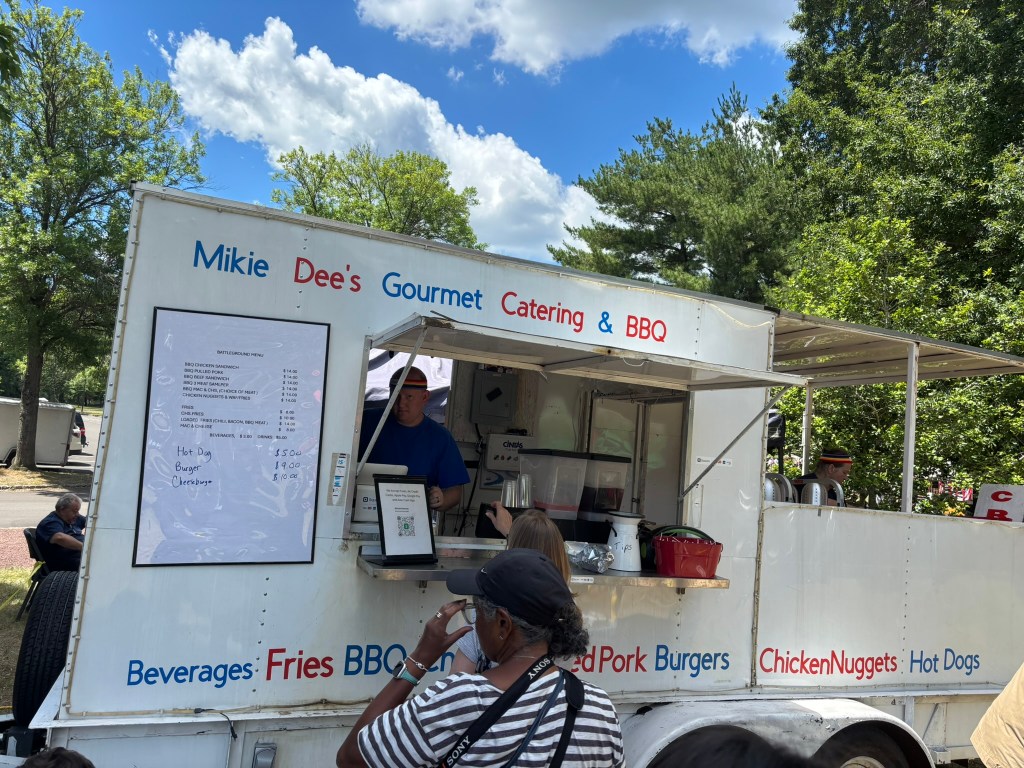
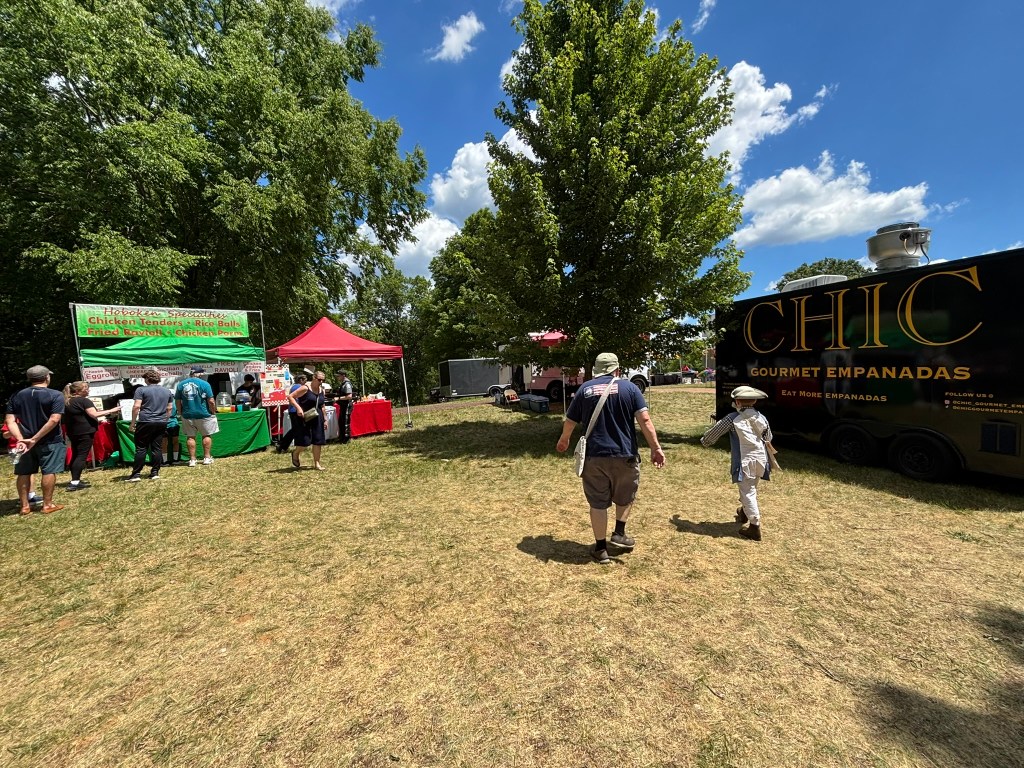
    My family and I headed over to the food trucks for lunch. The event offers a nice variety of food options, along with plenty of shaded picnic tables where families can relax and enjoy a meal.

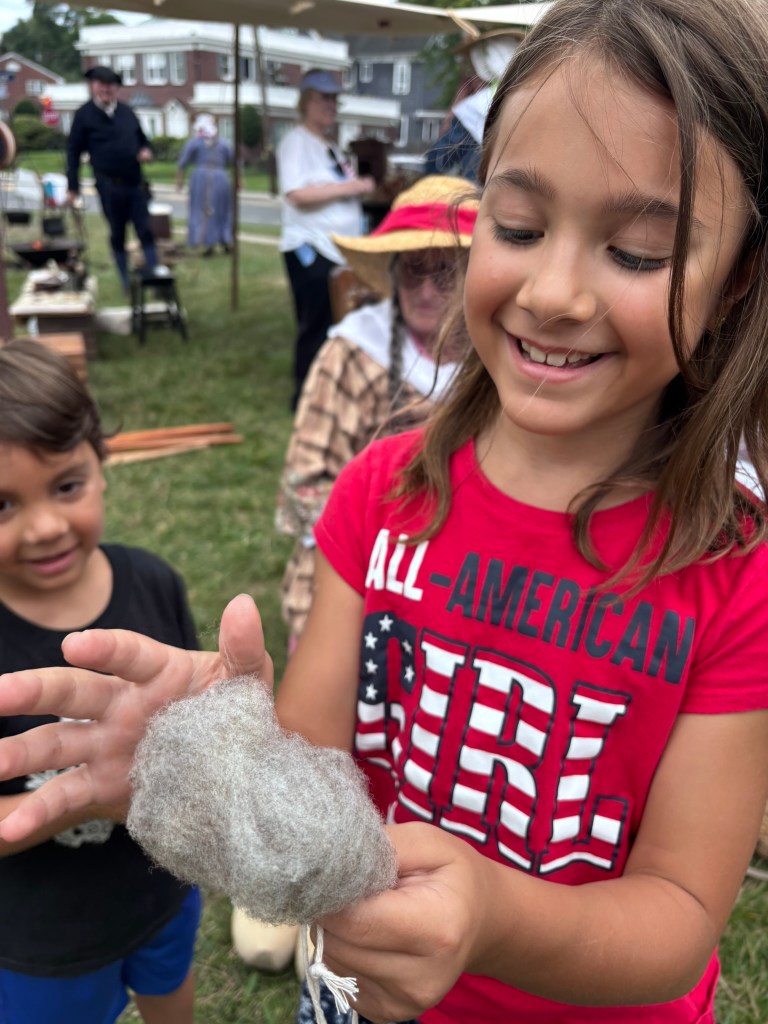
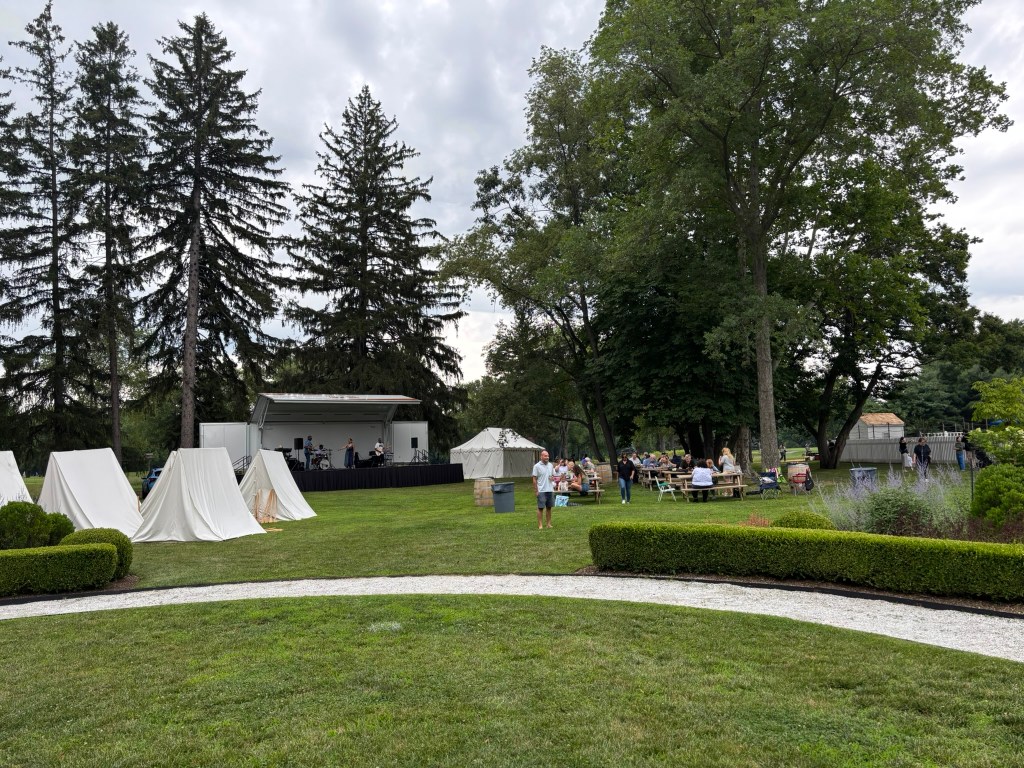
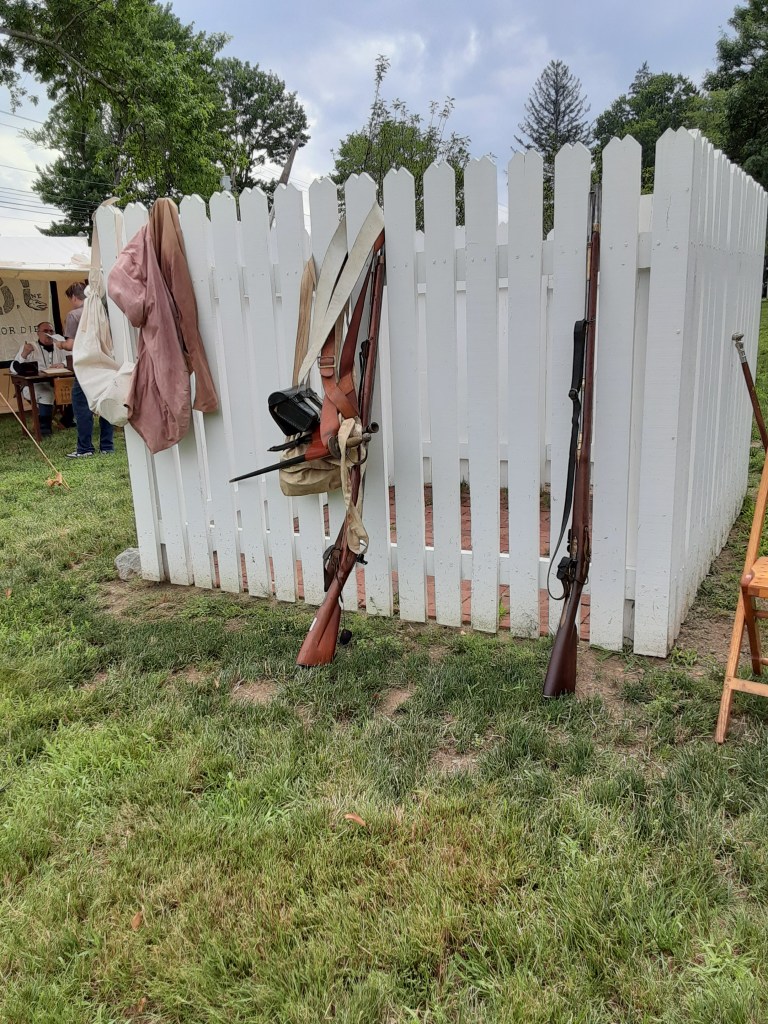
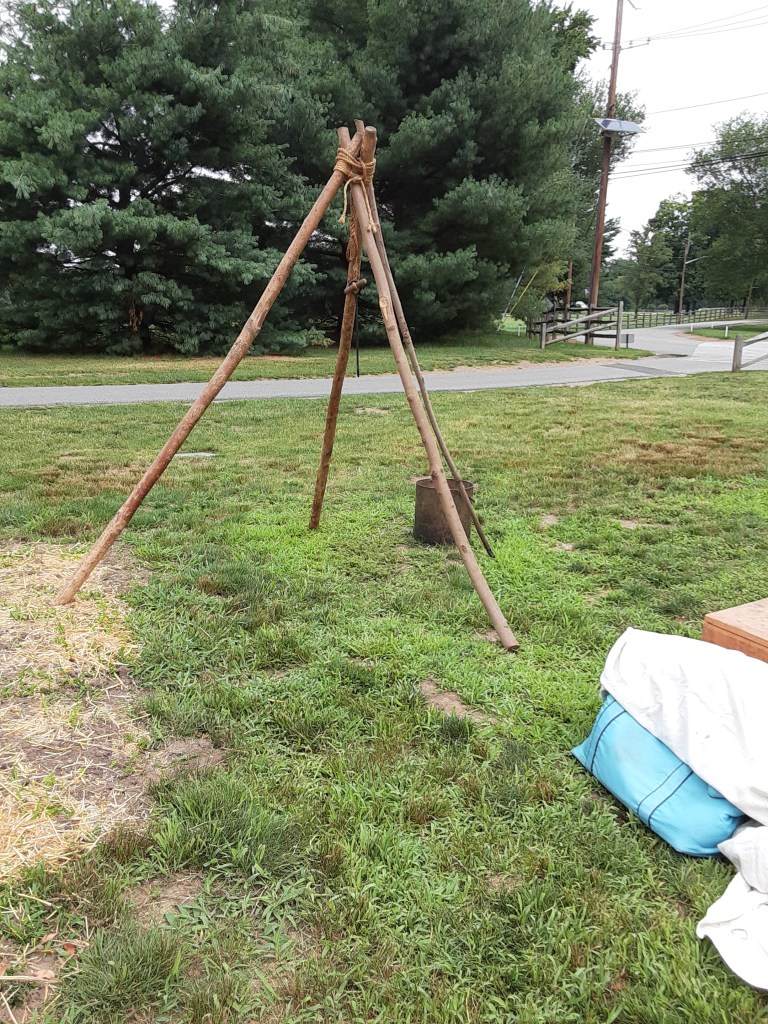
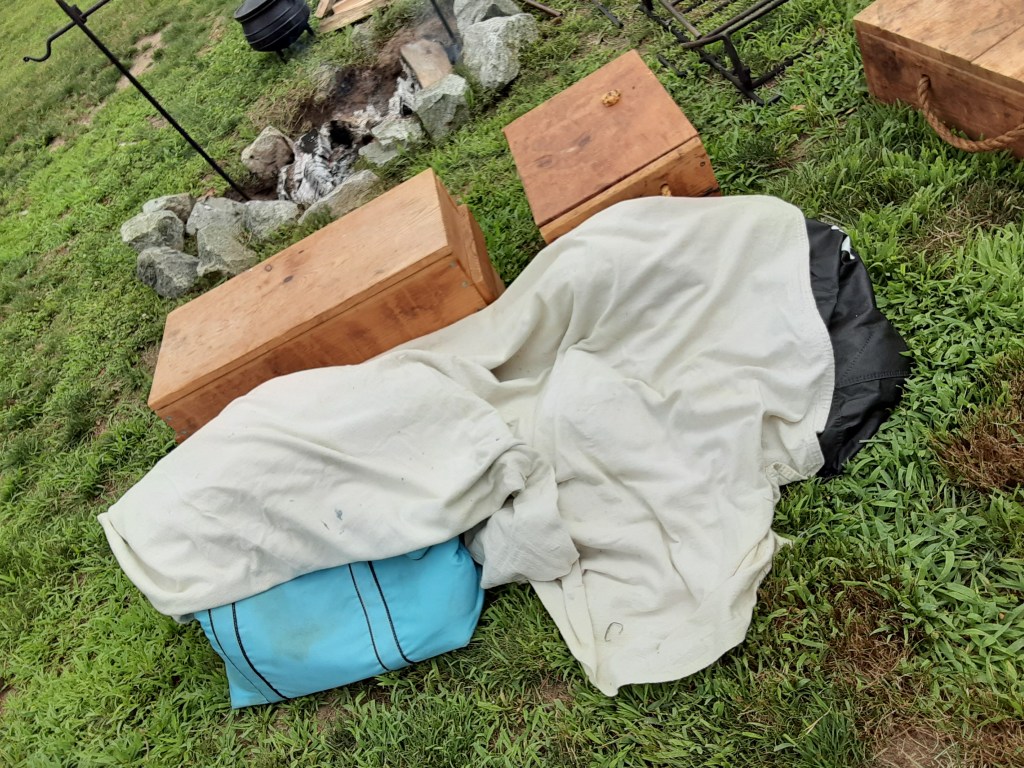
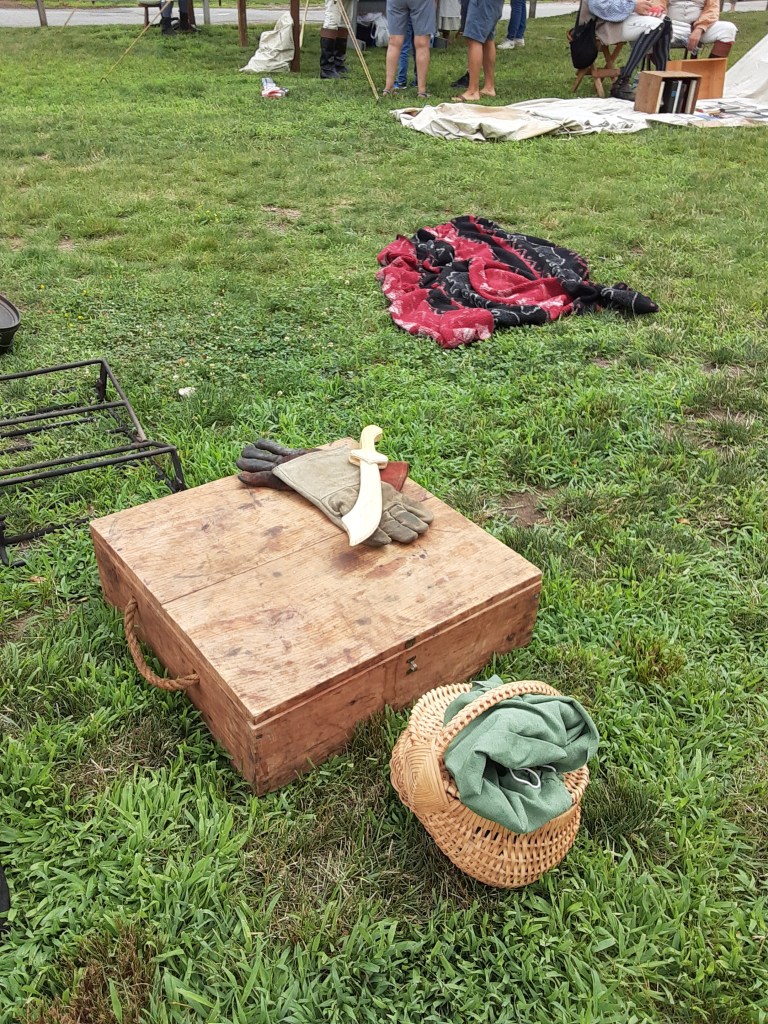
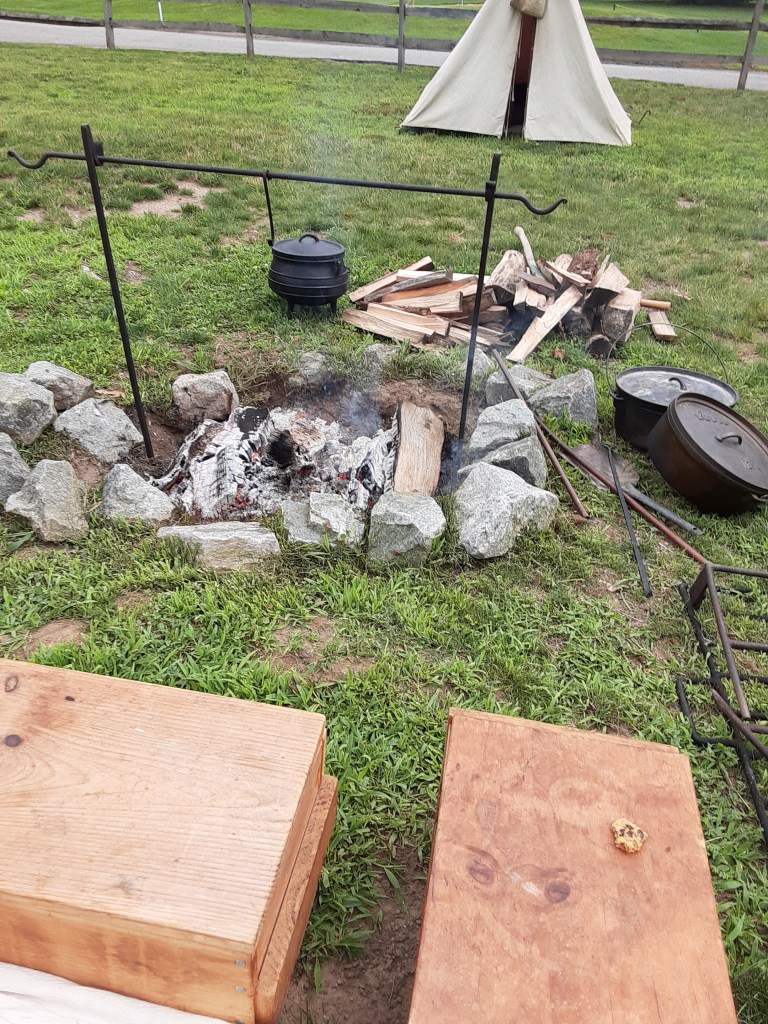
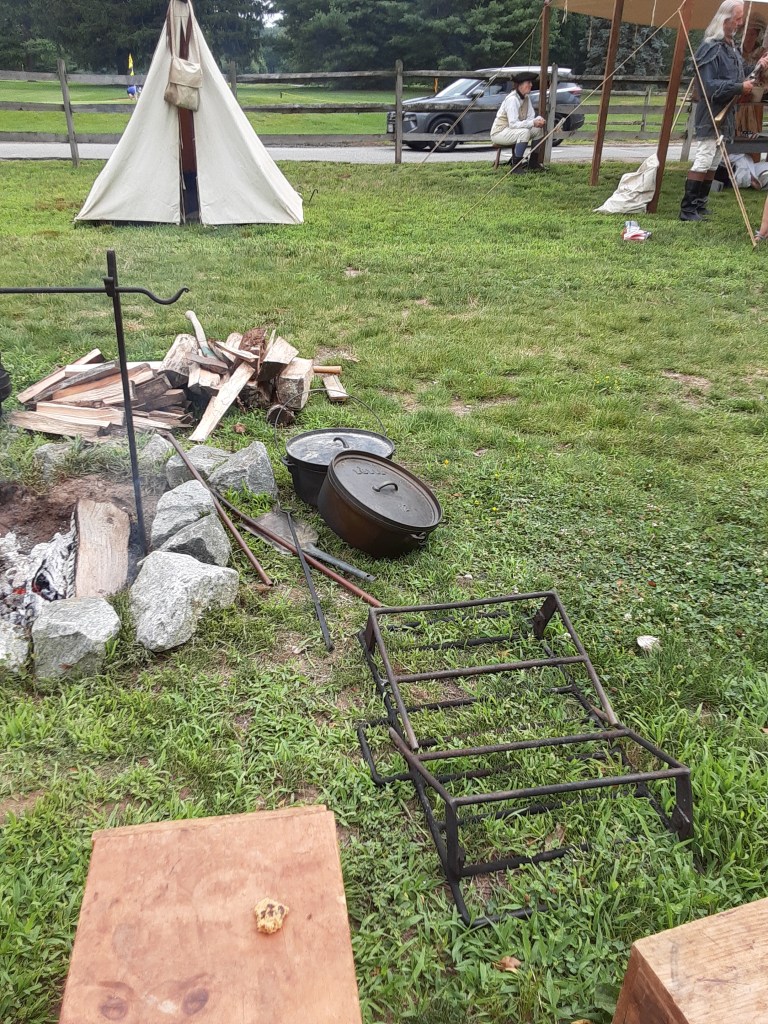
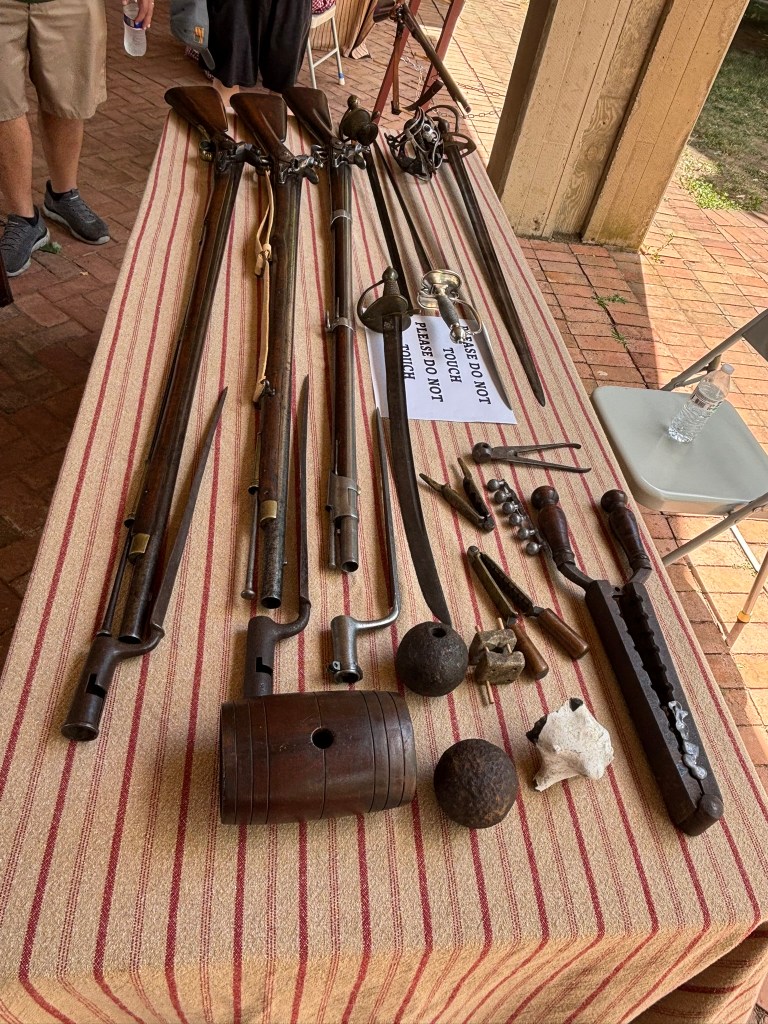
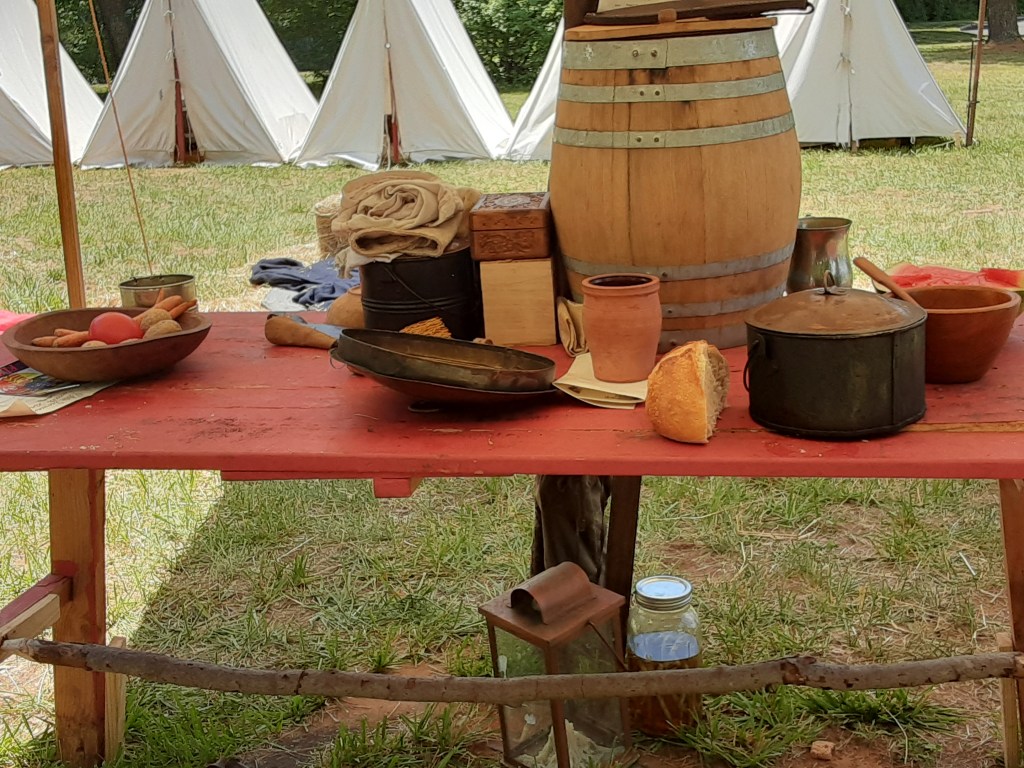
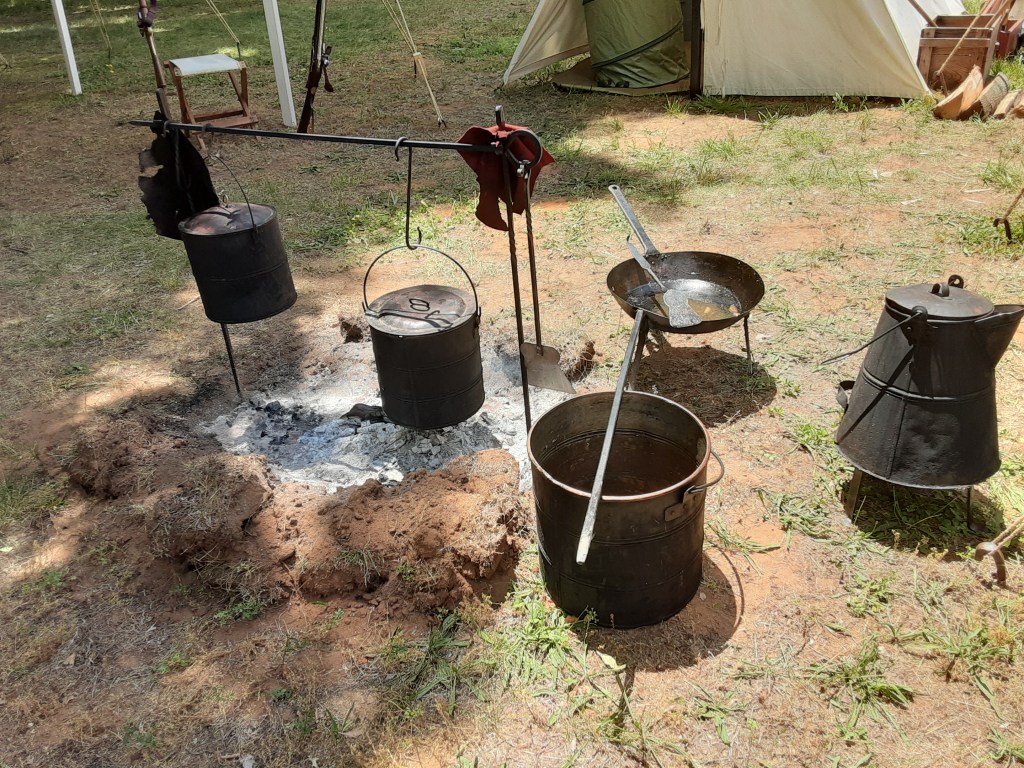
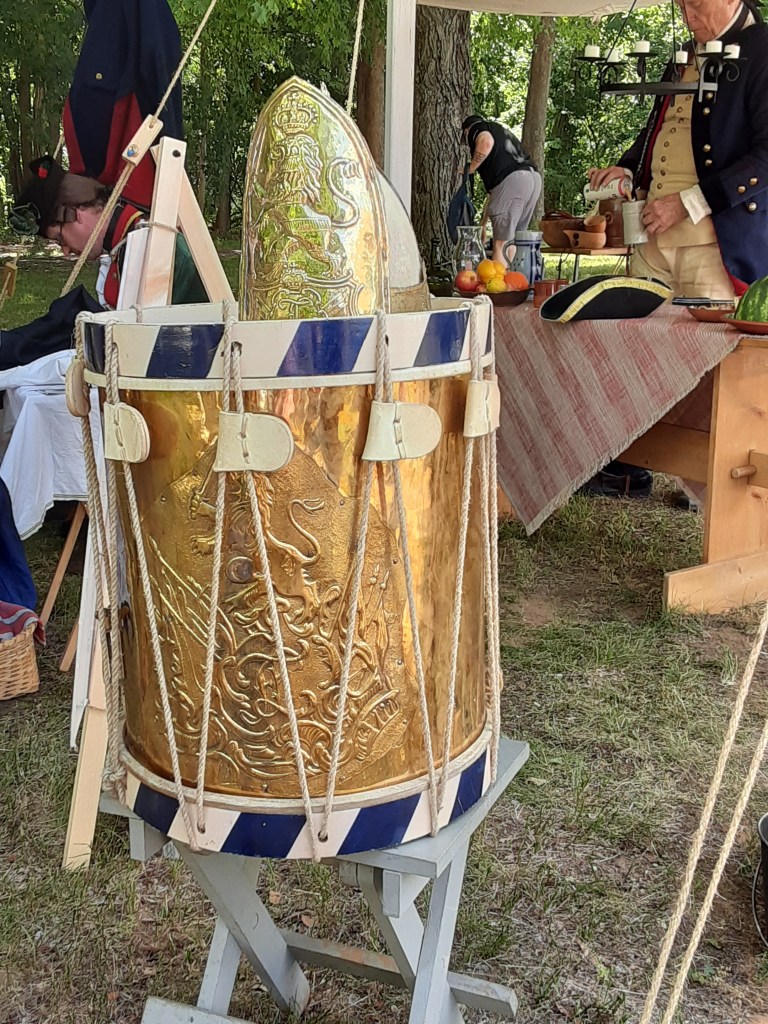
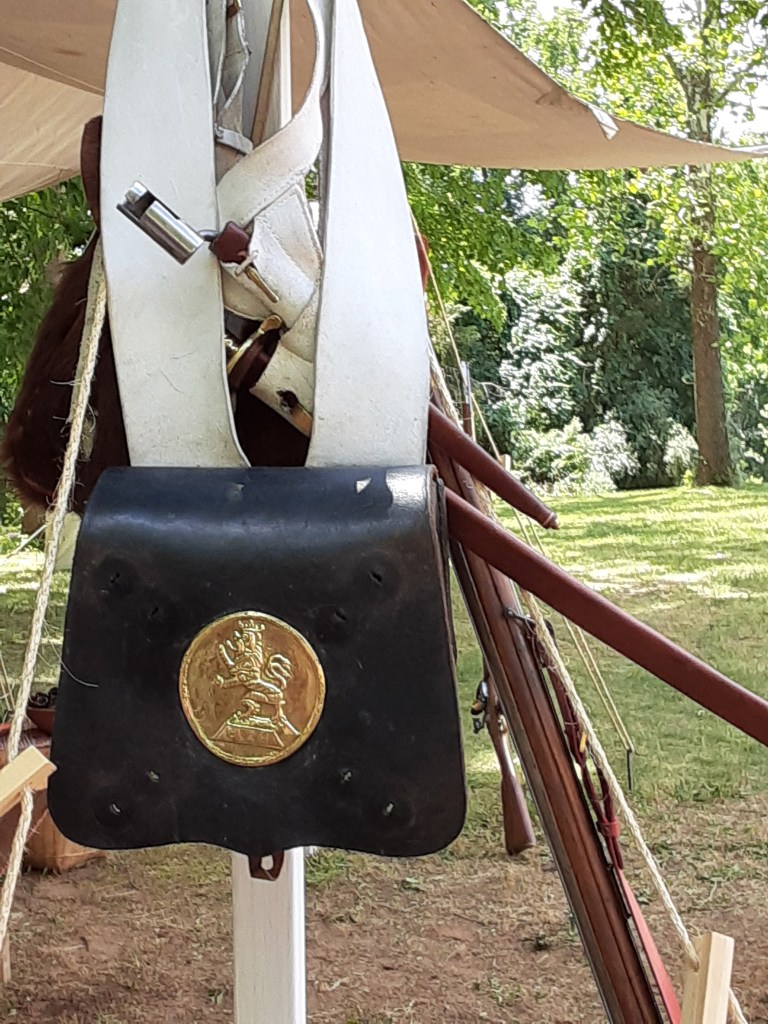
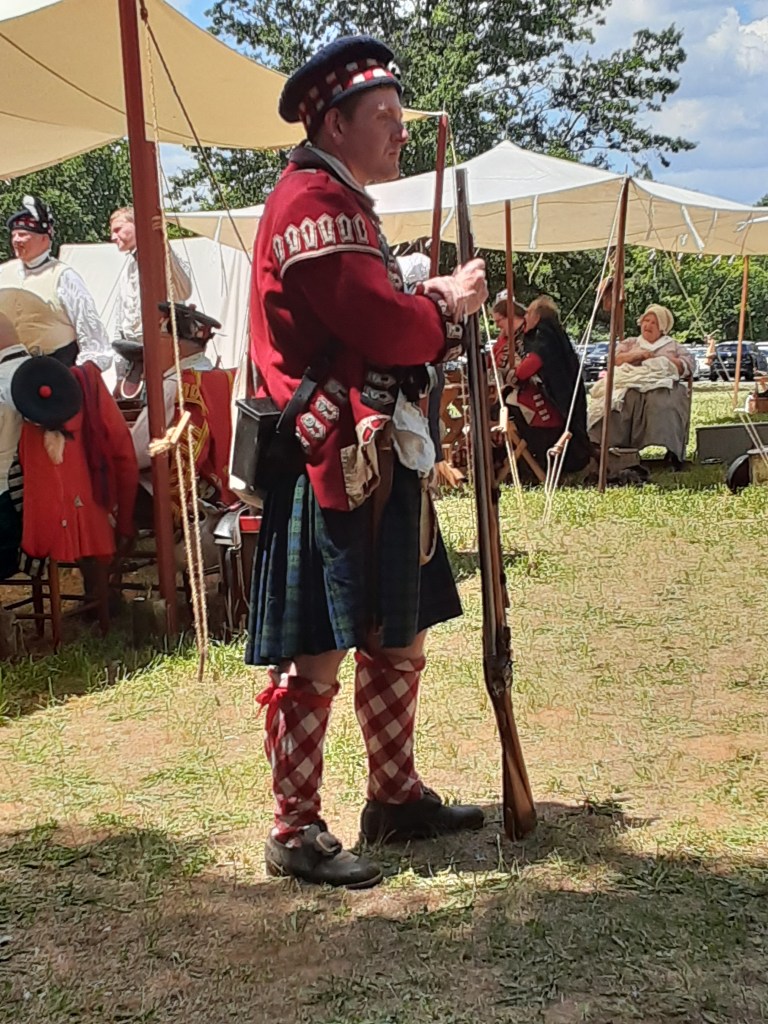
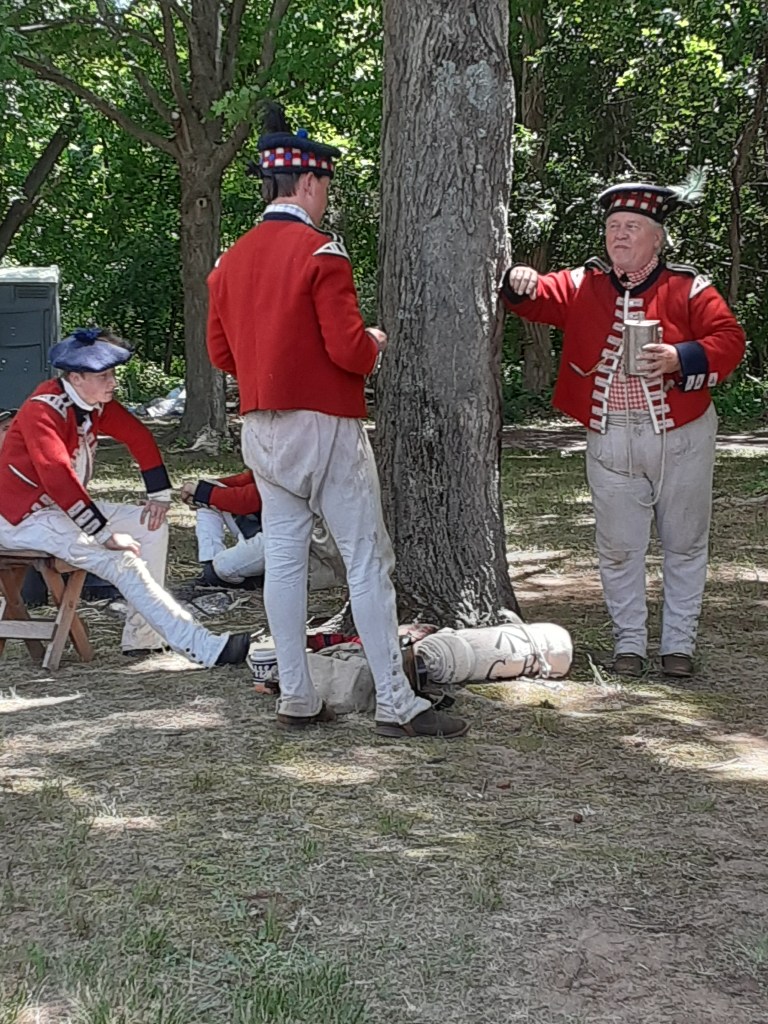
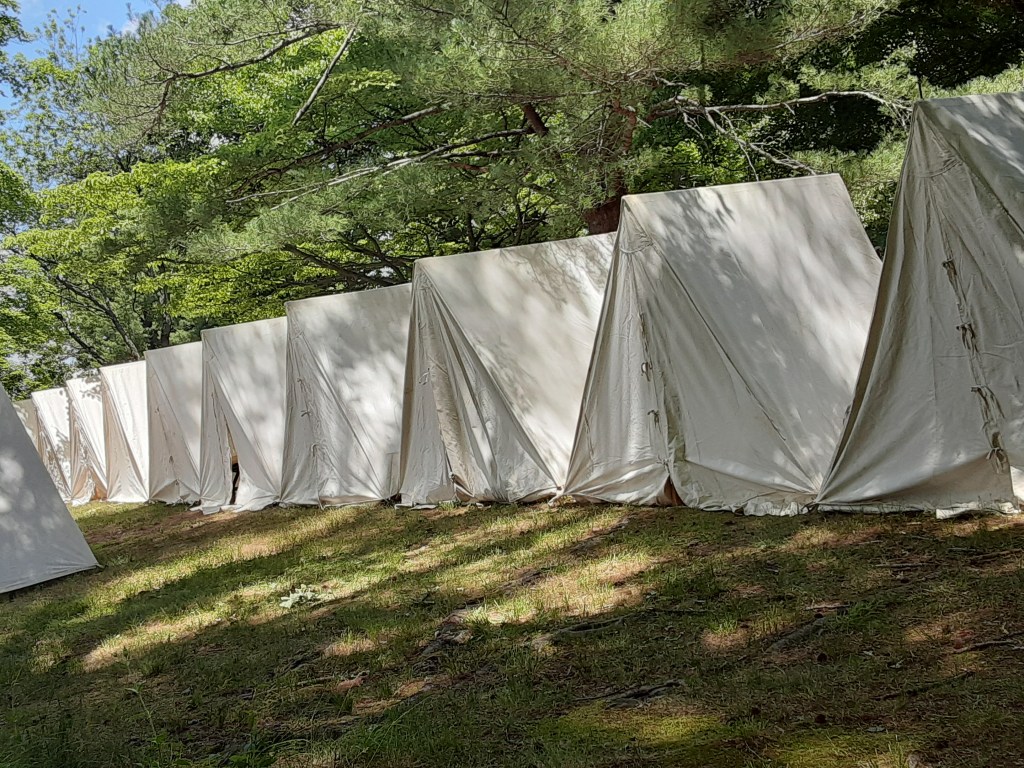
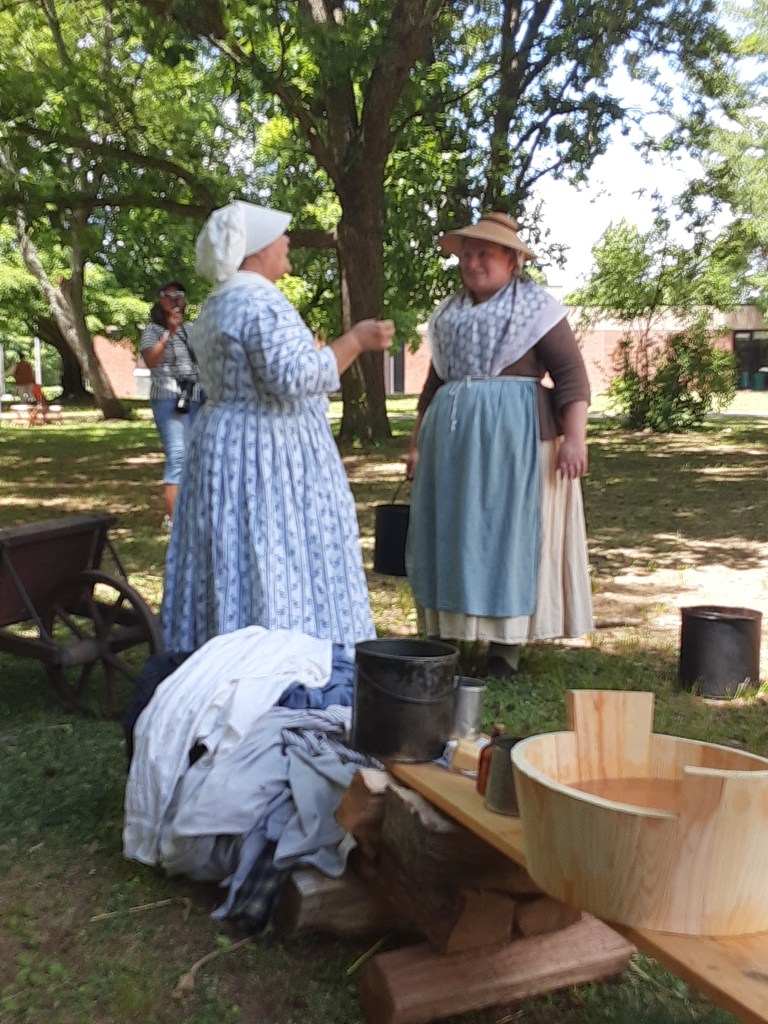
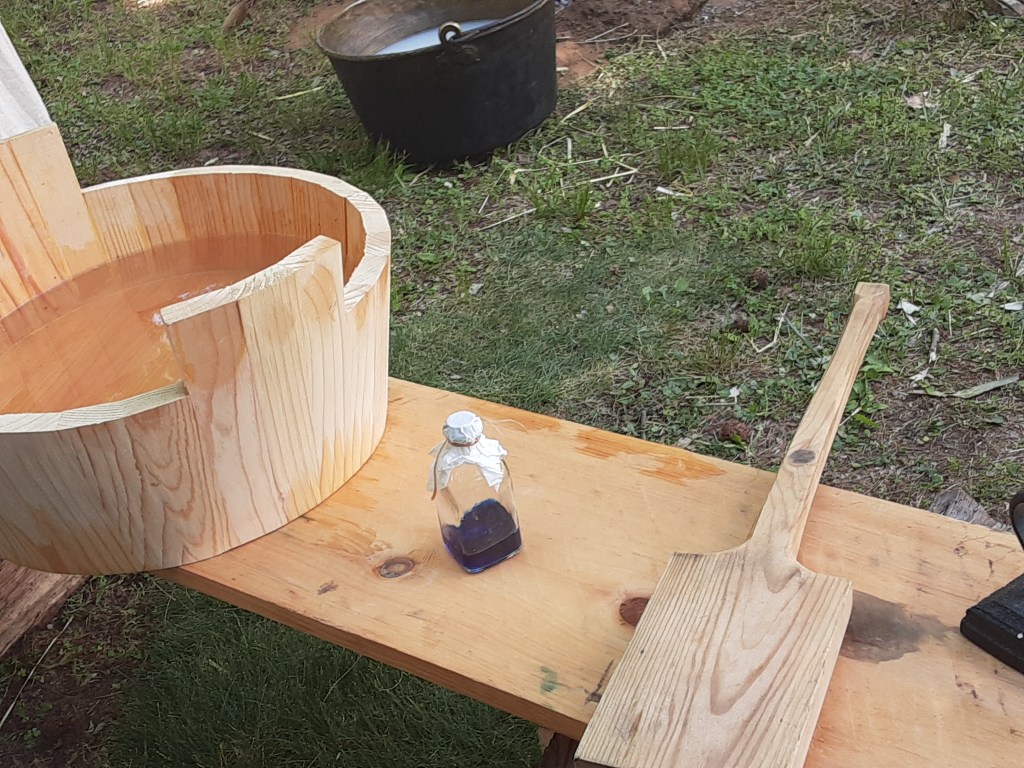
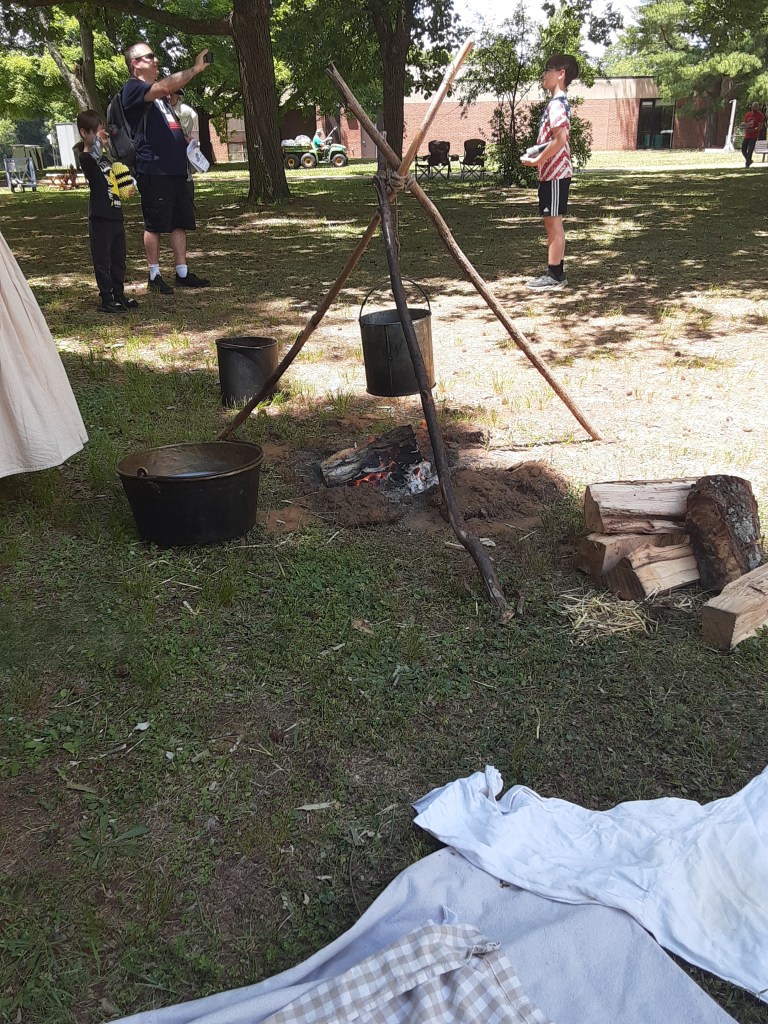
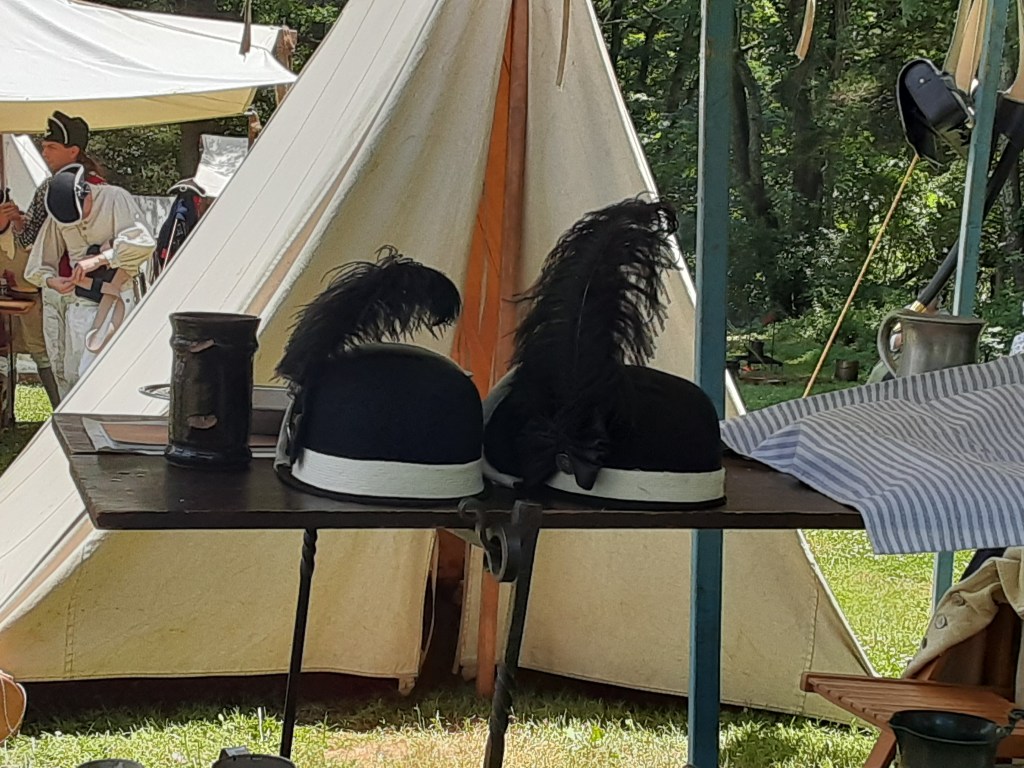
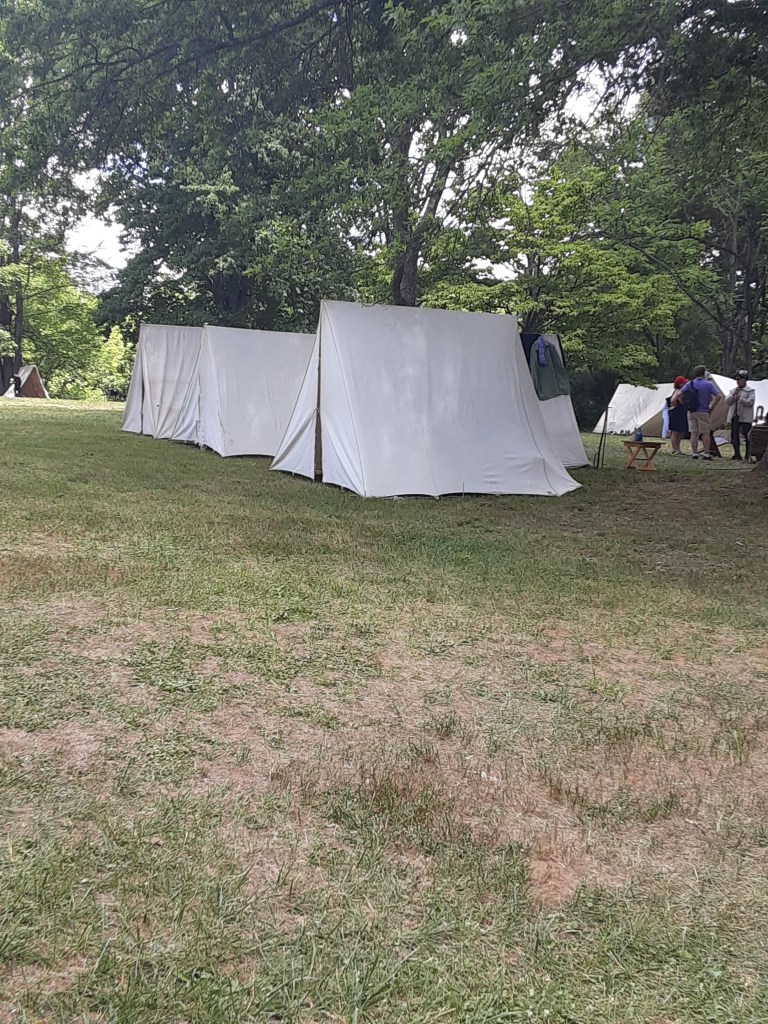
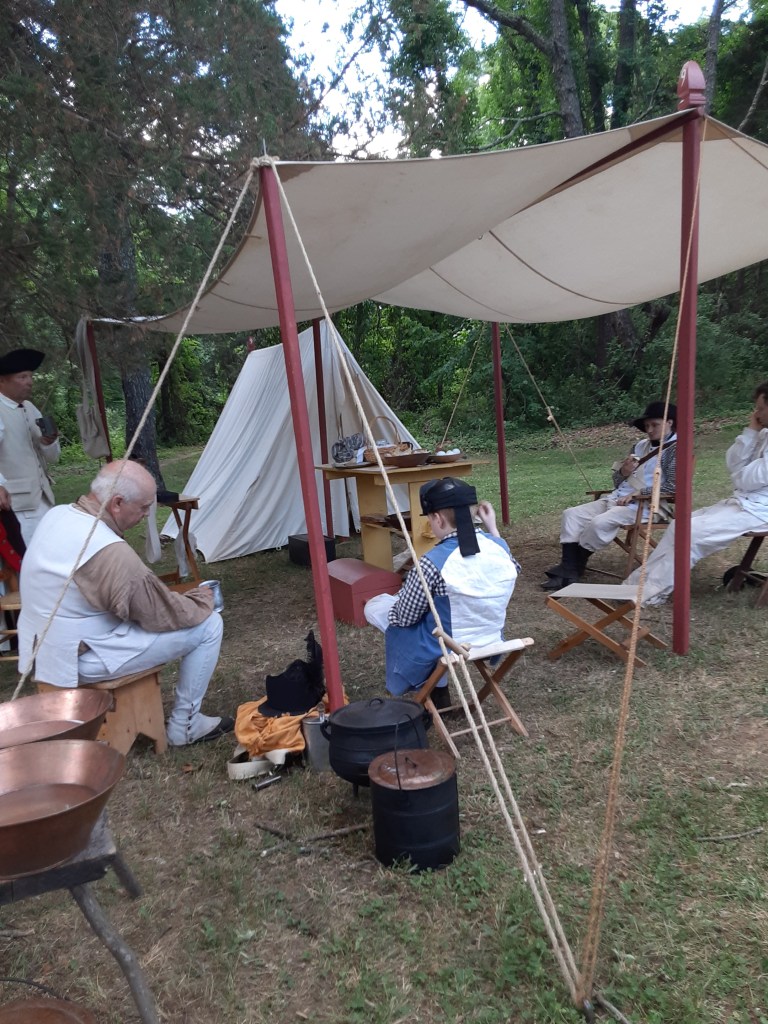
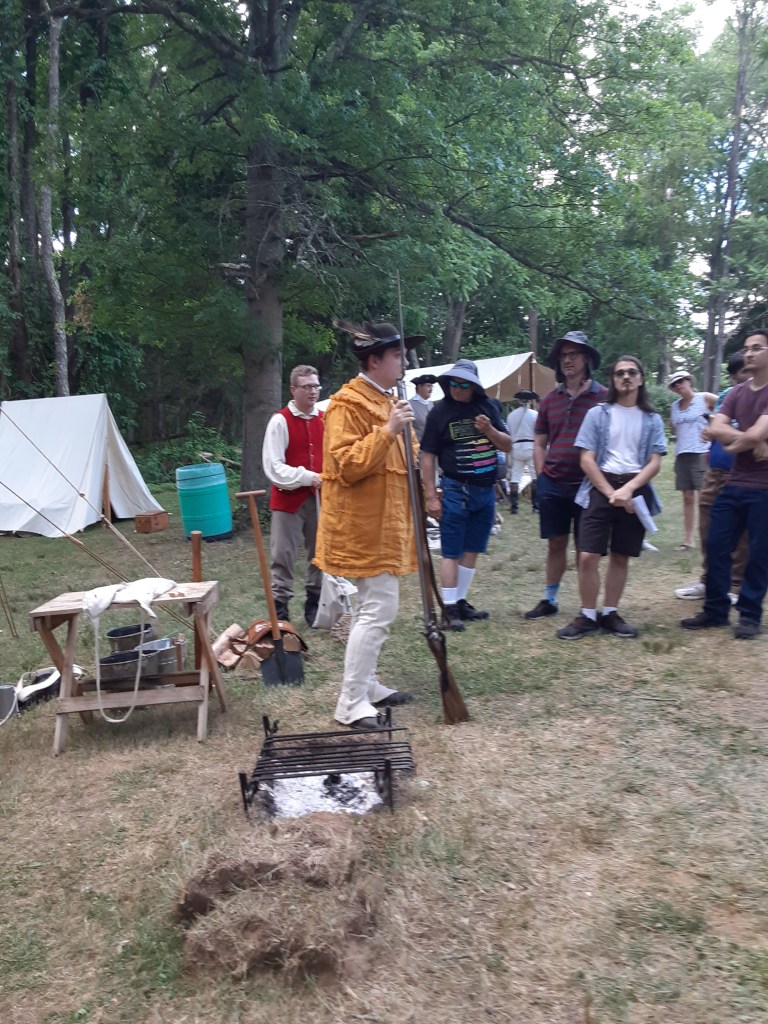
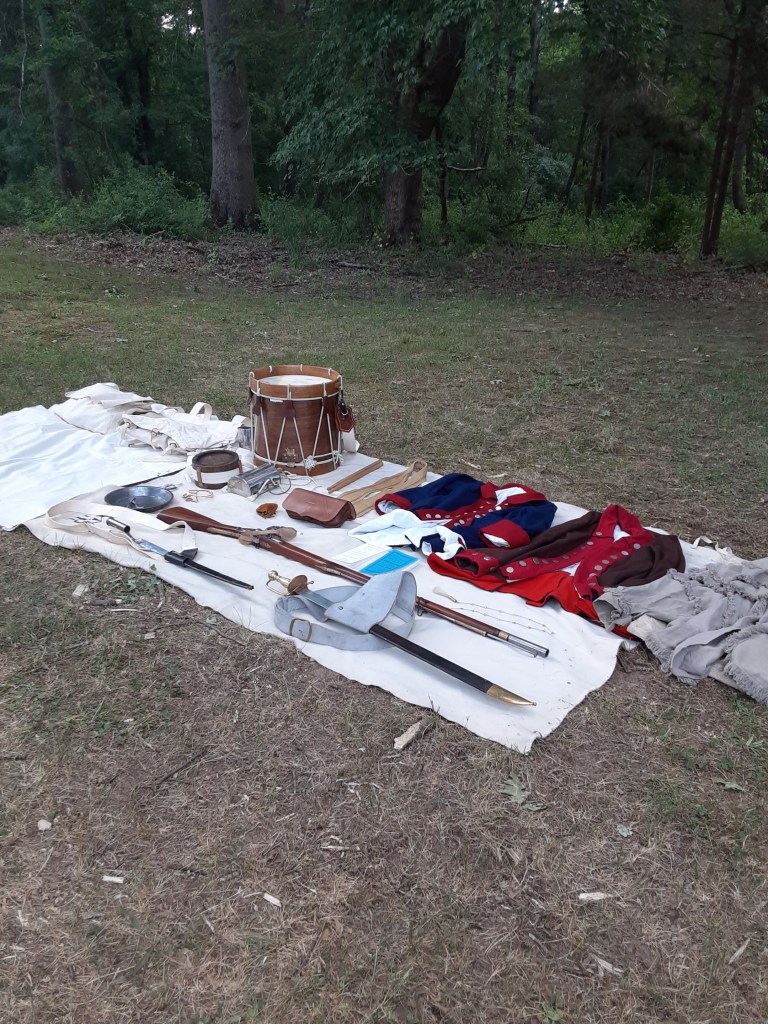
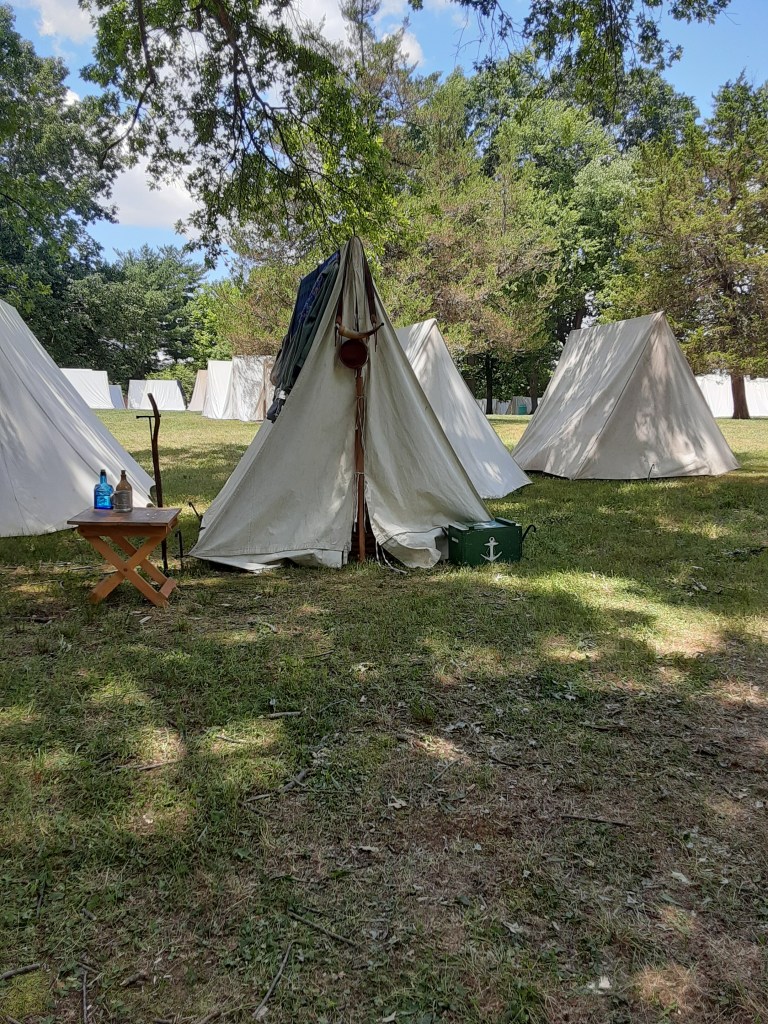
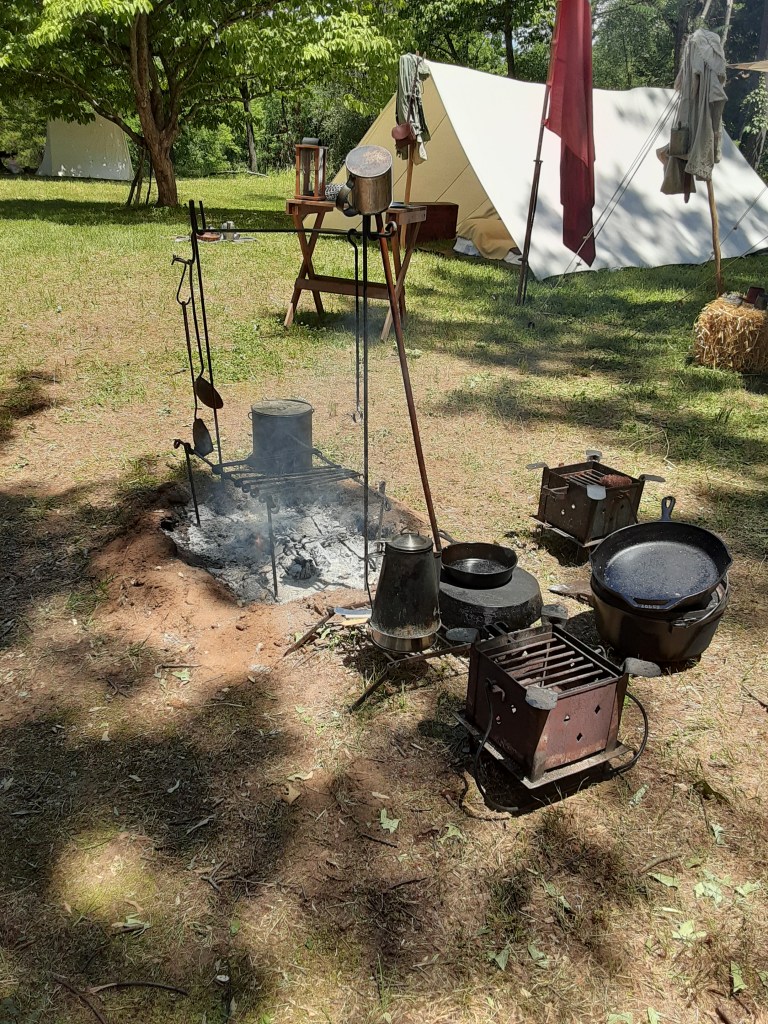
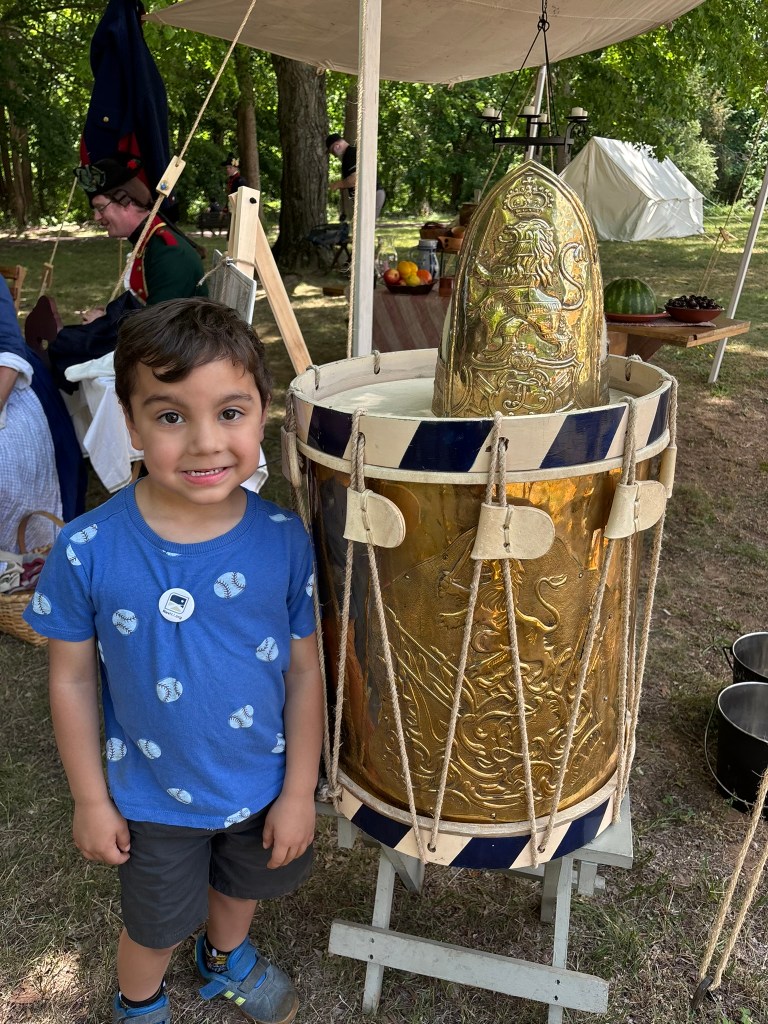
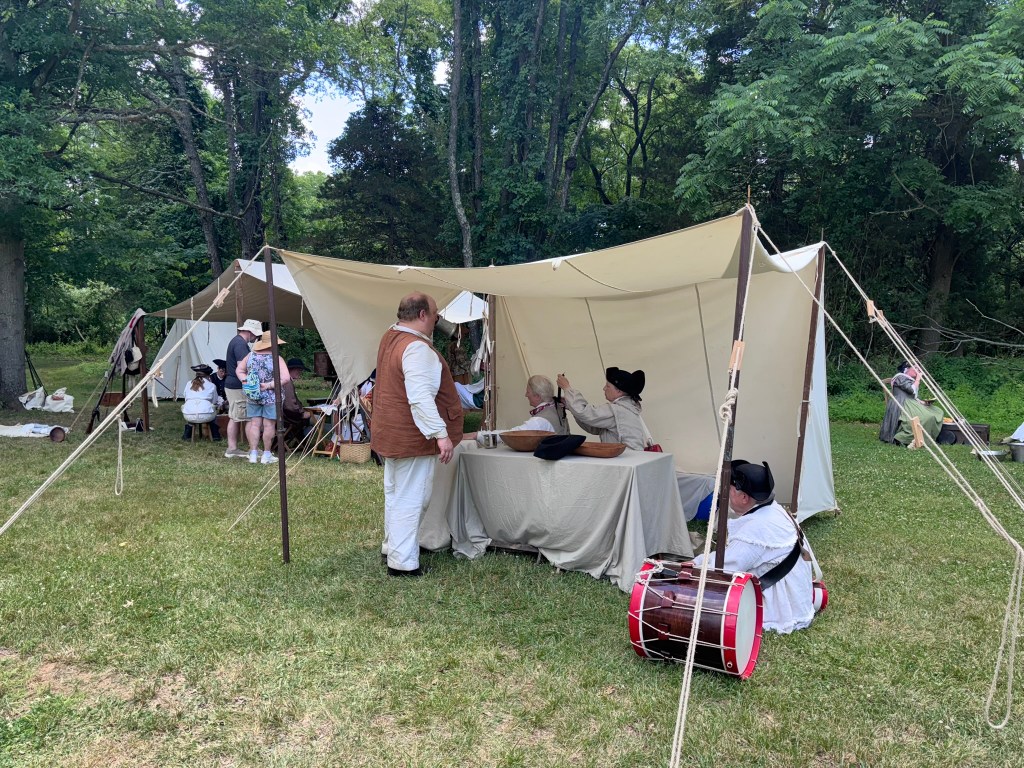
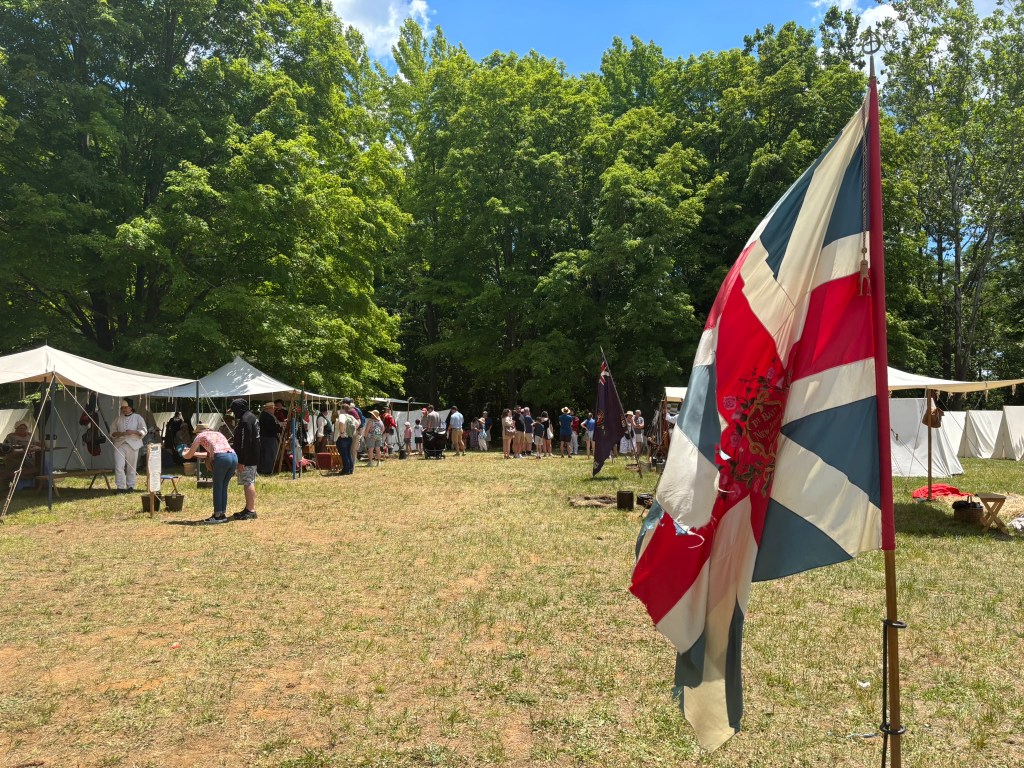
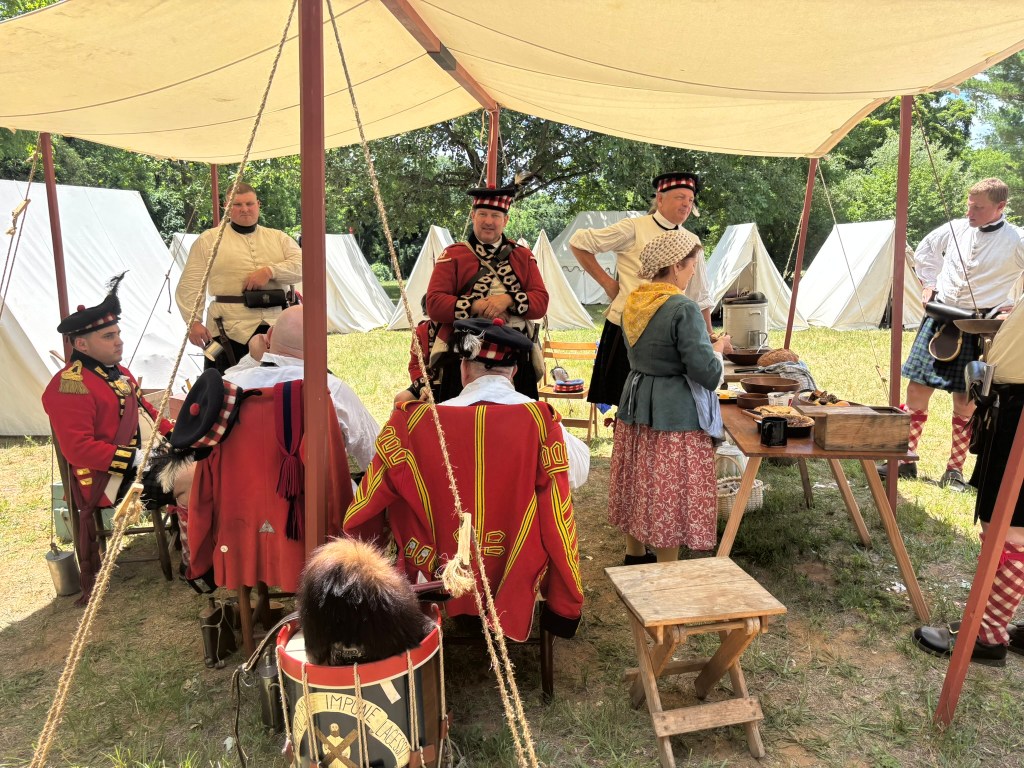
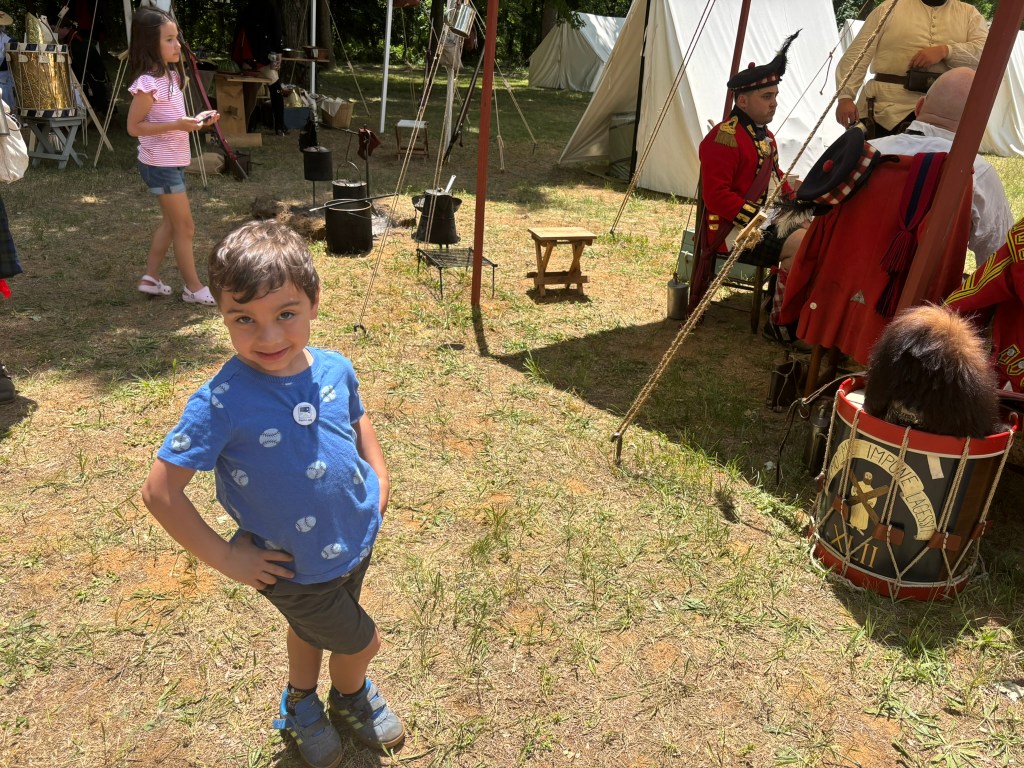
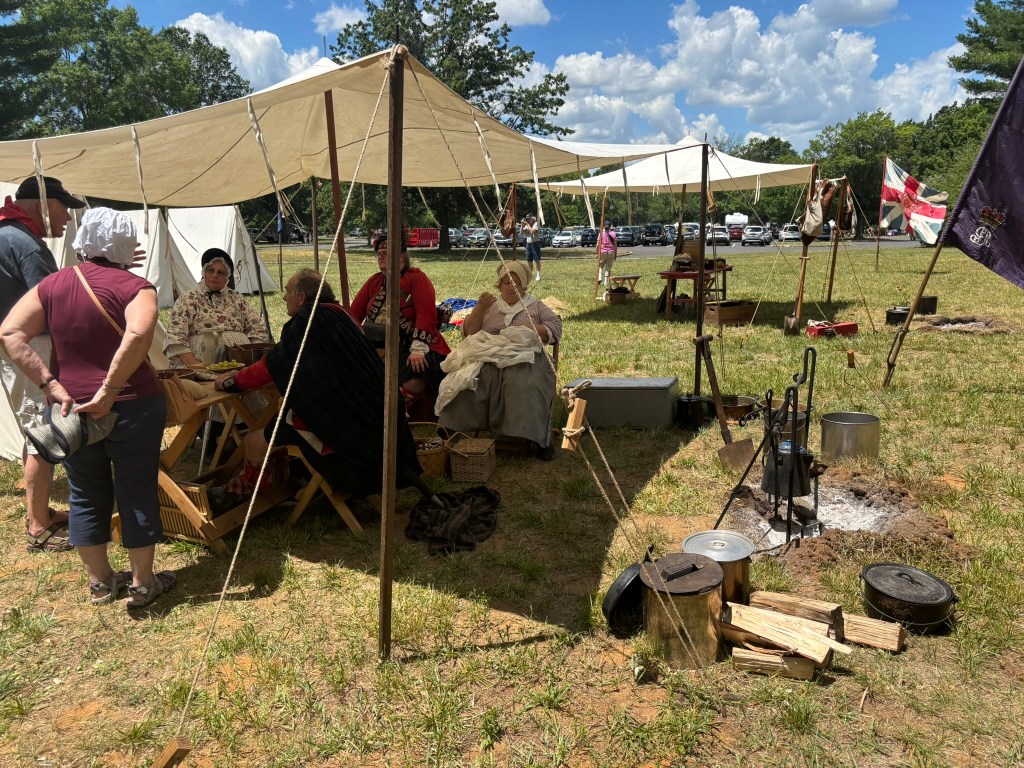
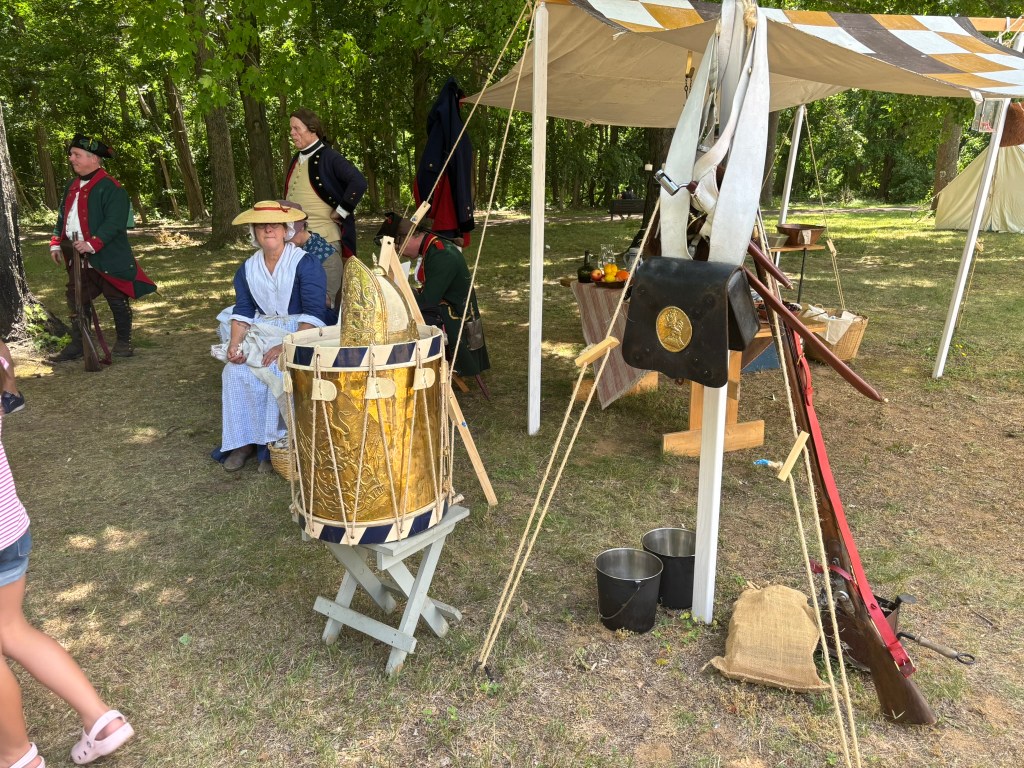
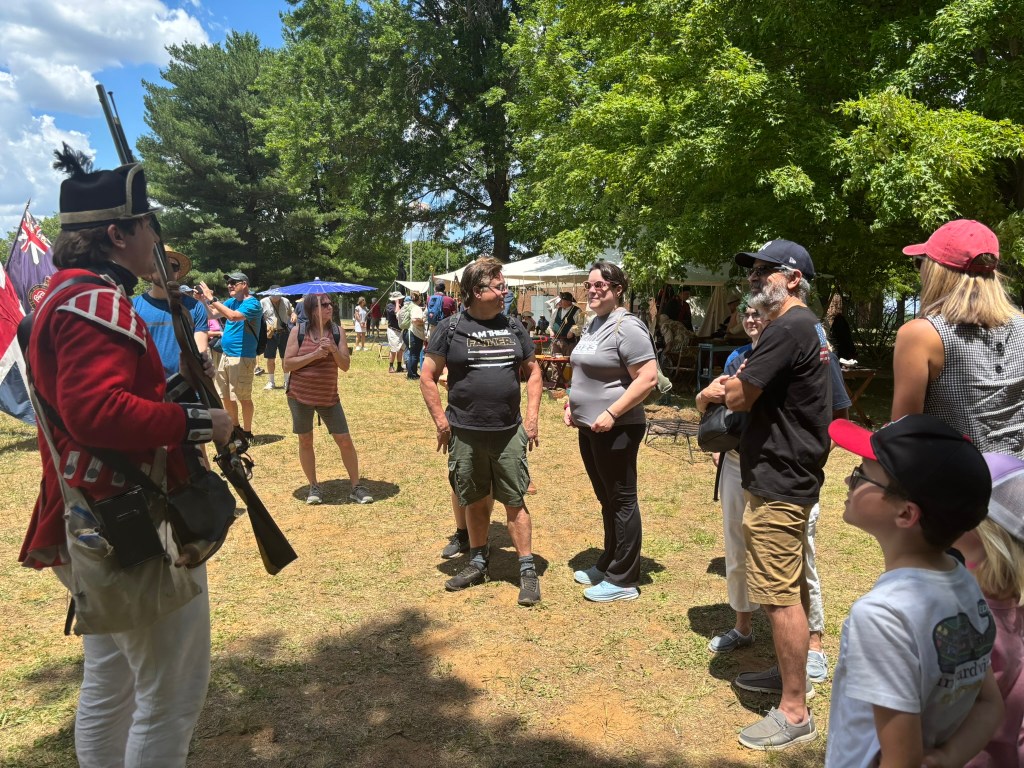
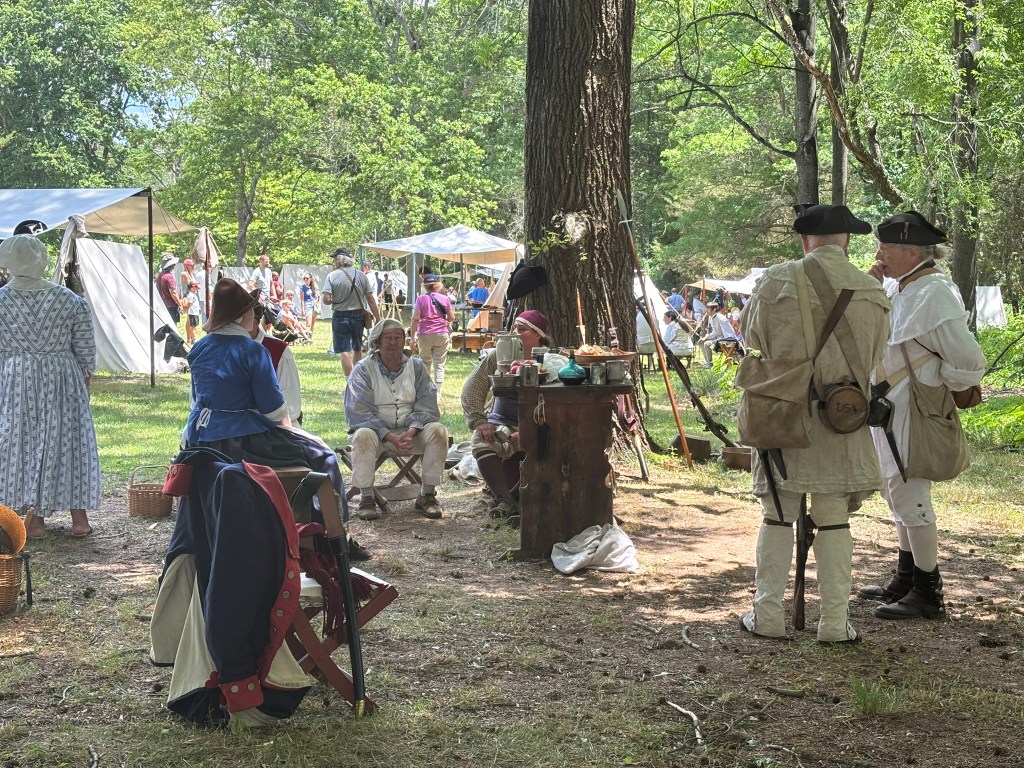
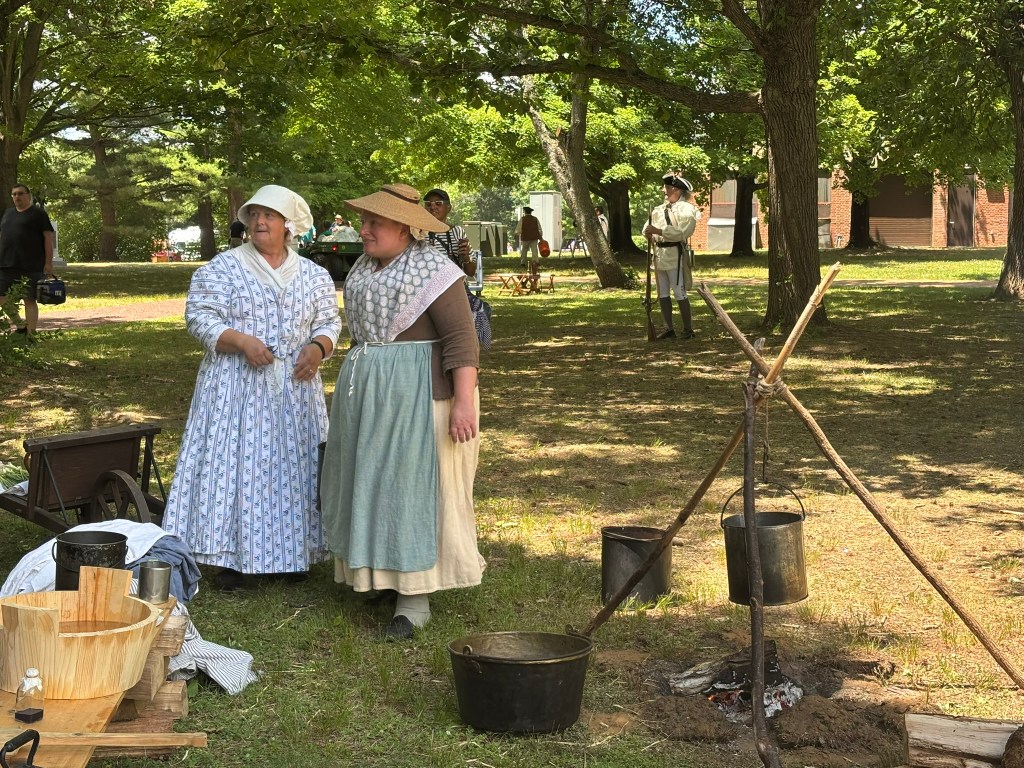
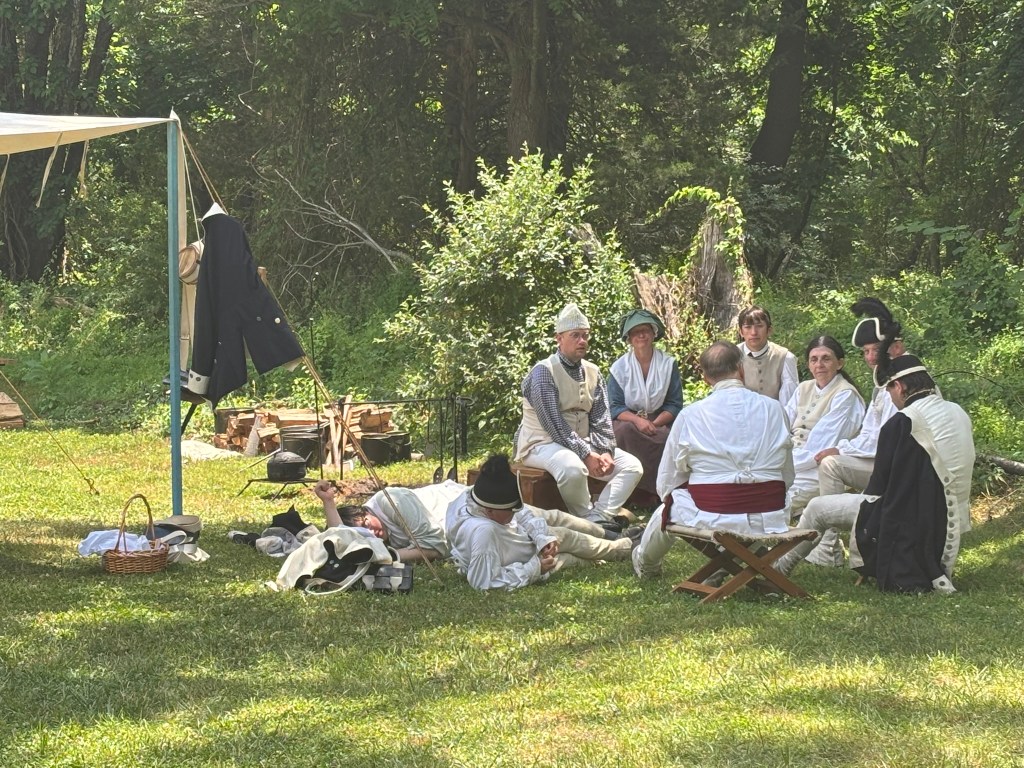
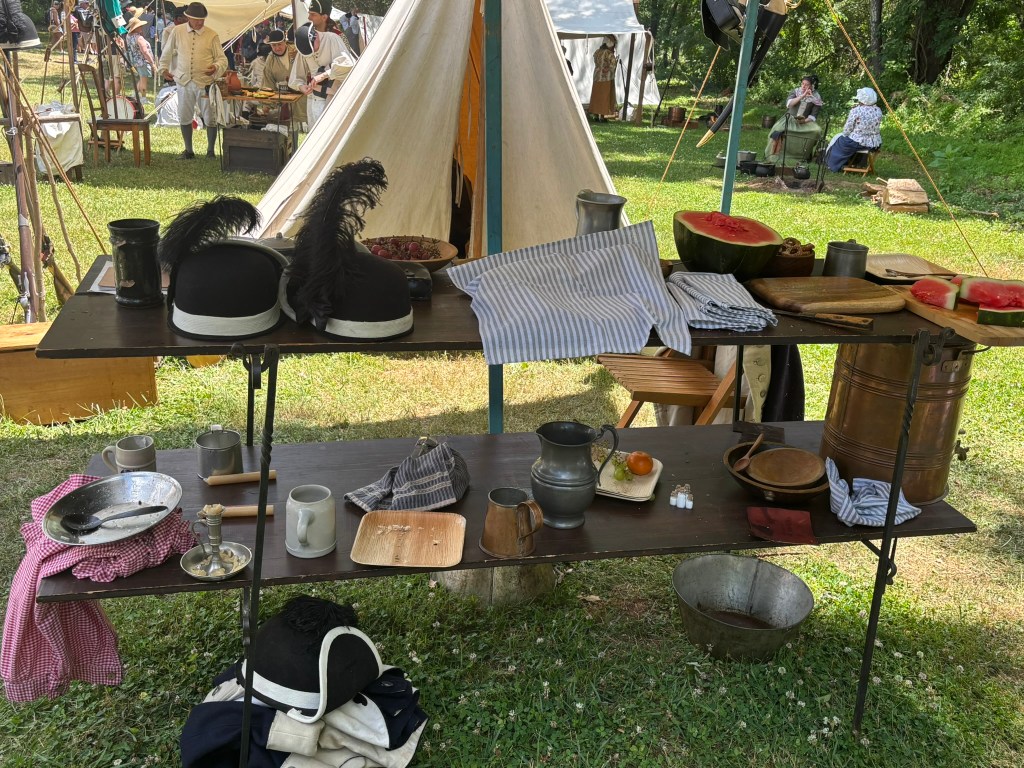
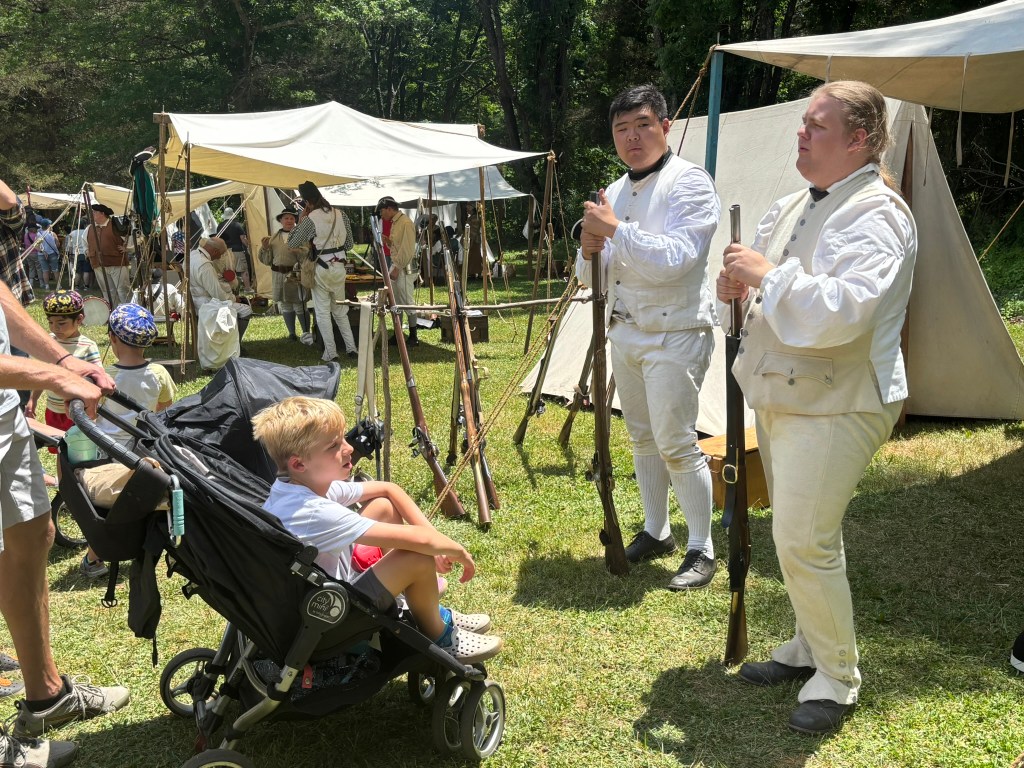
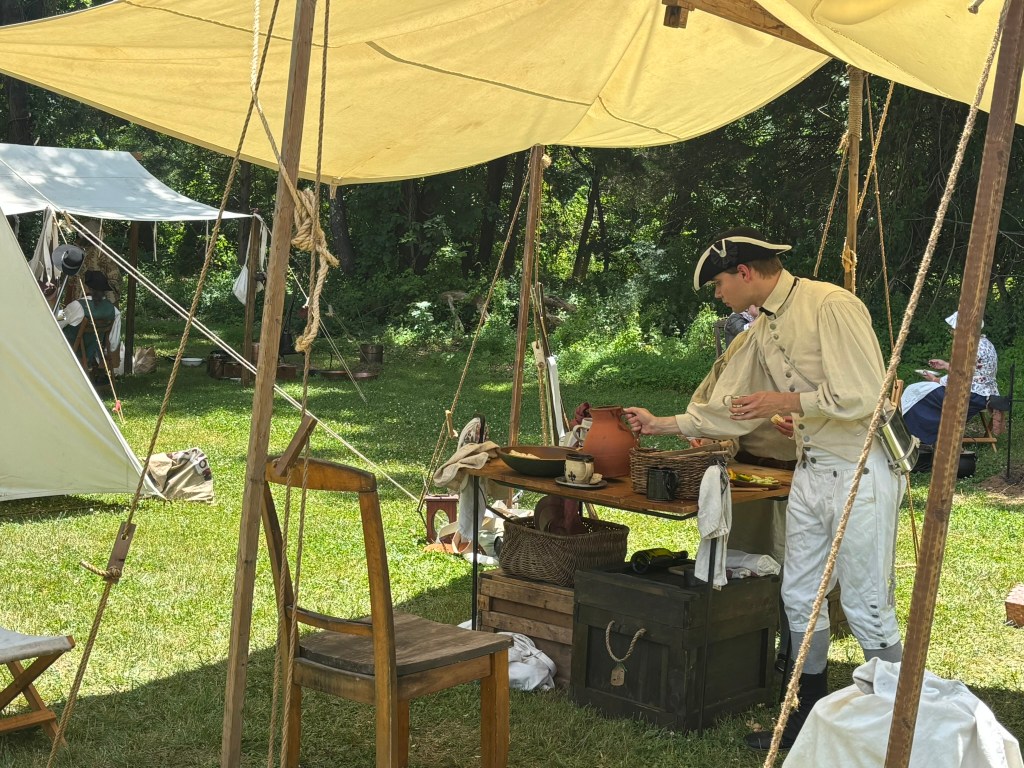
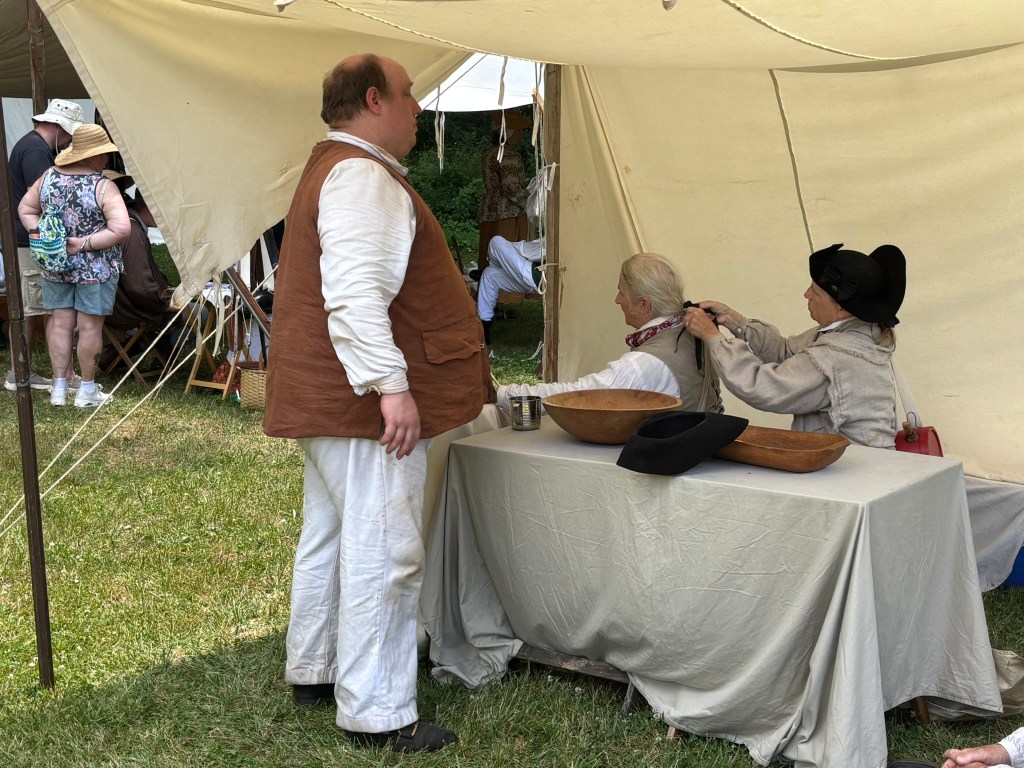
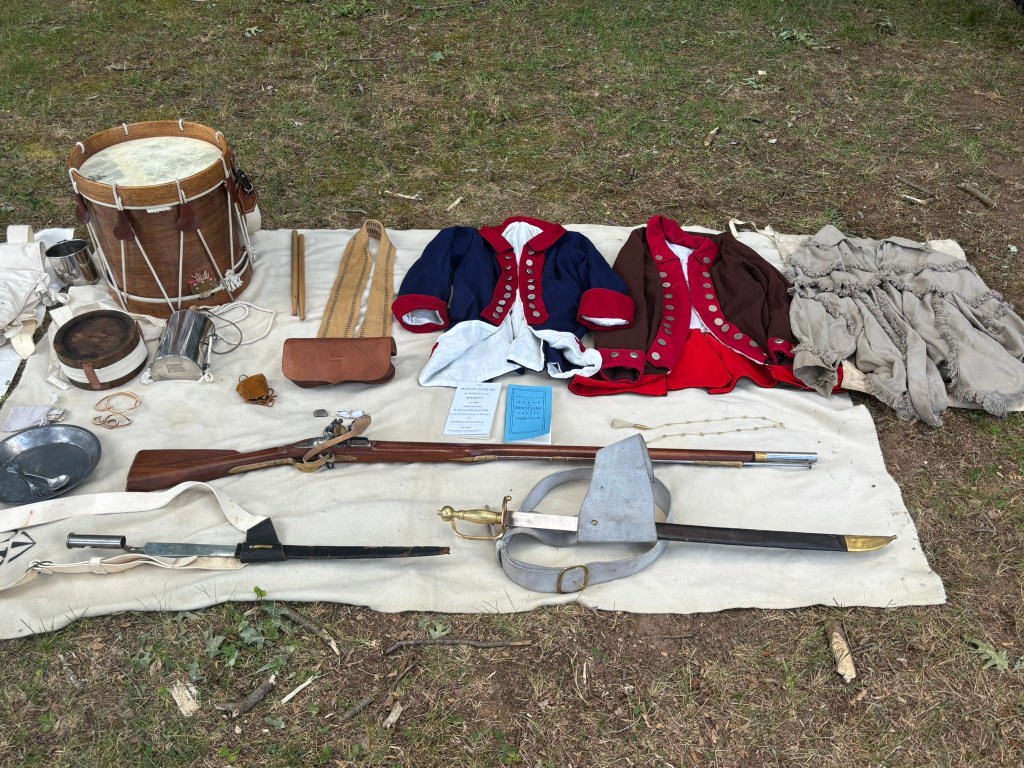
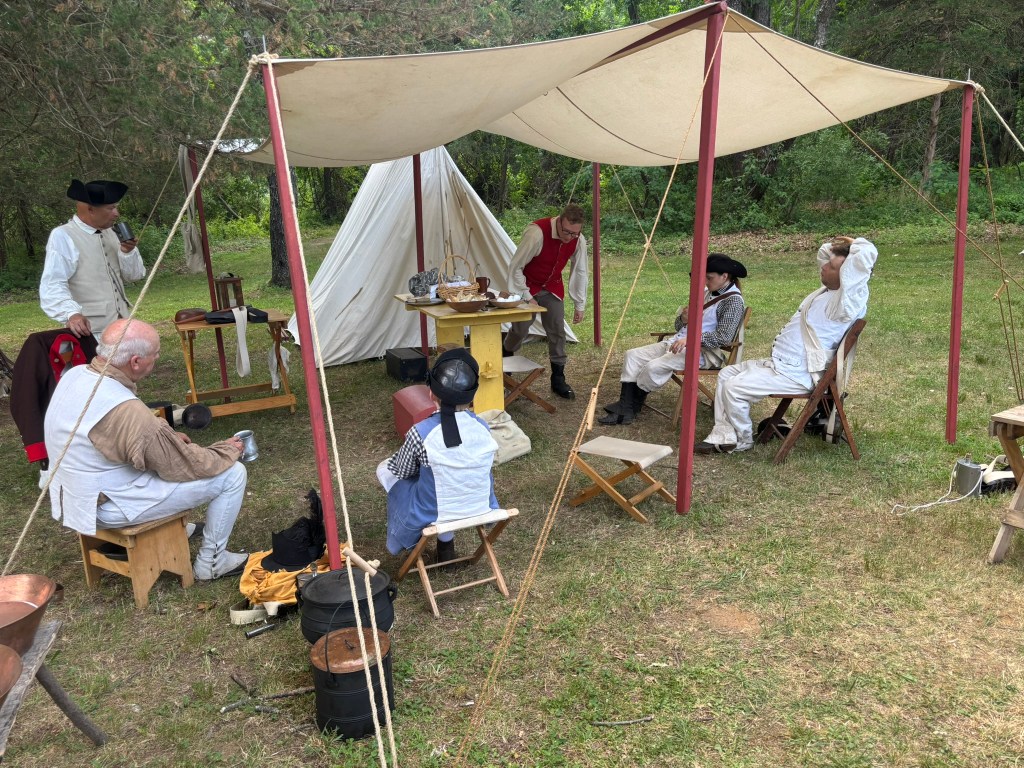
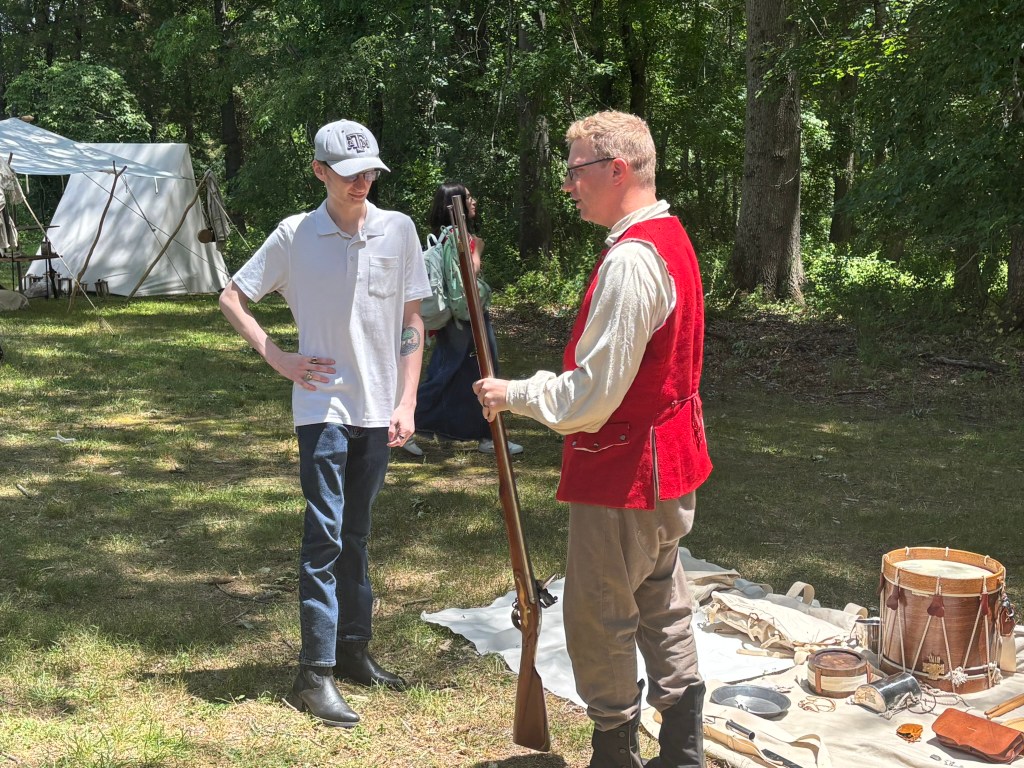
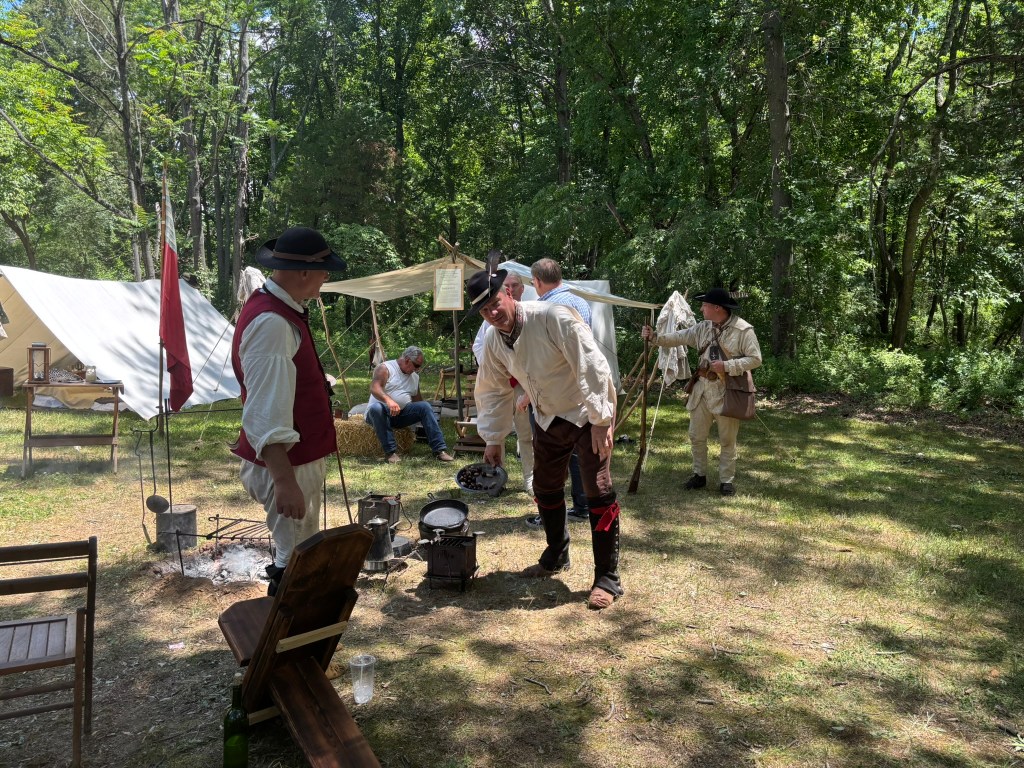
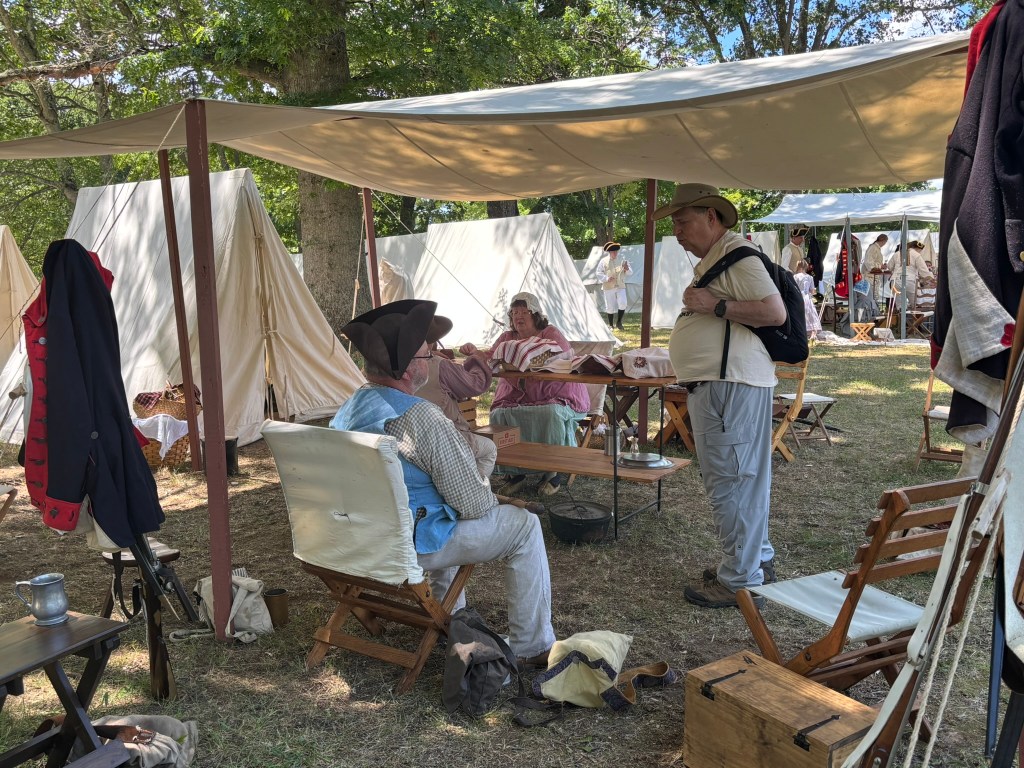
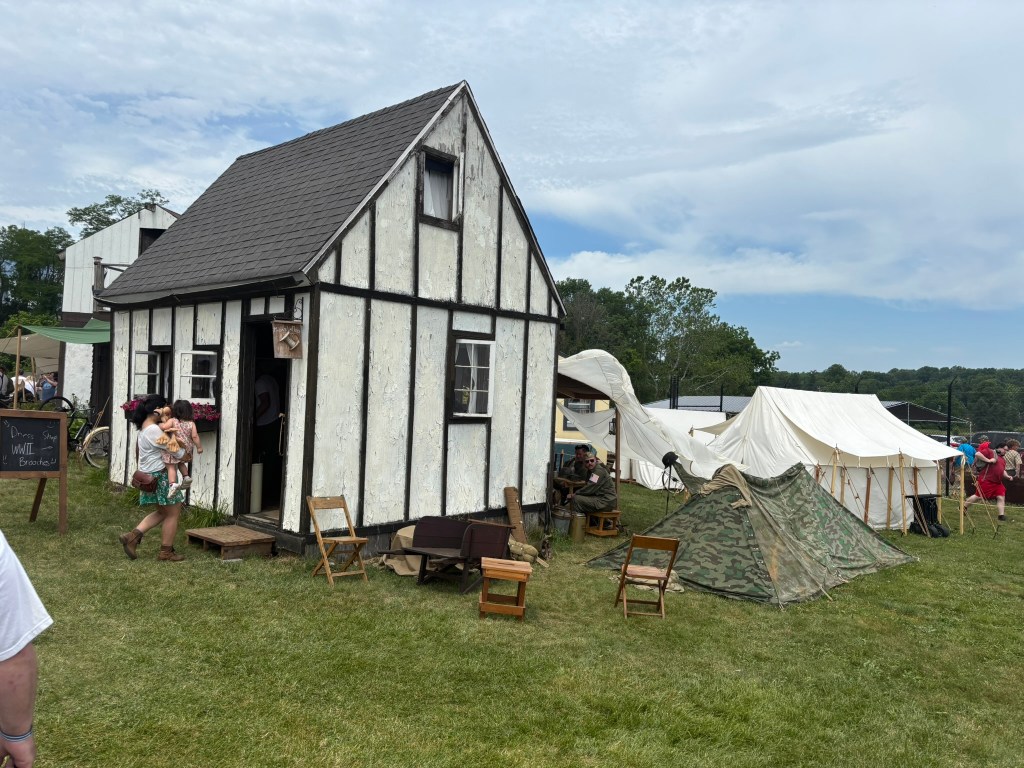
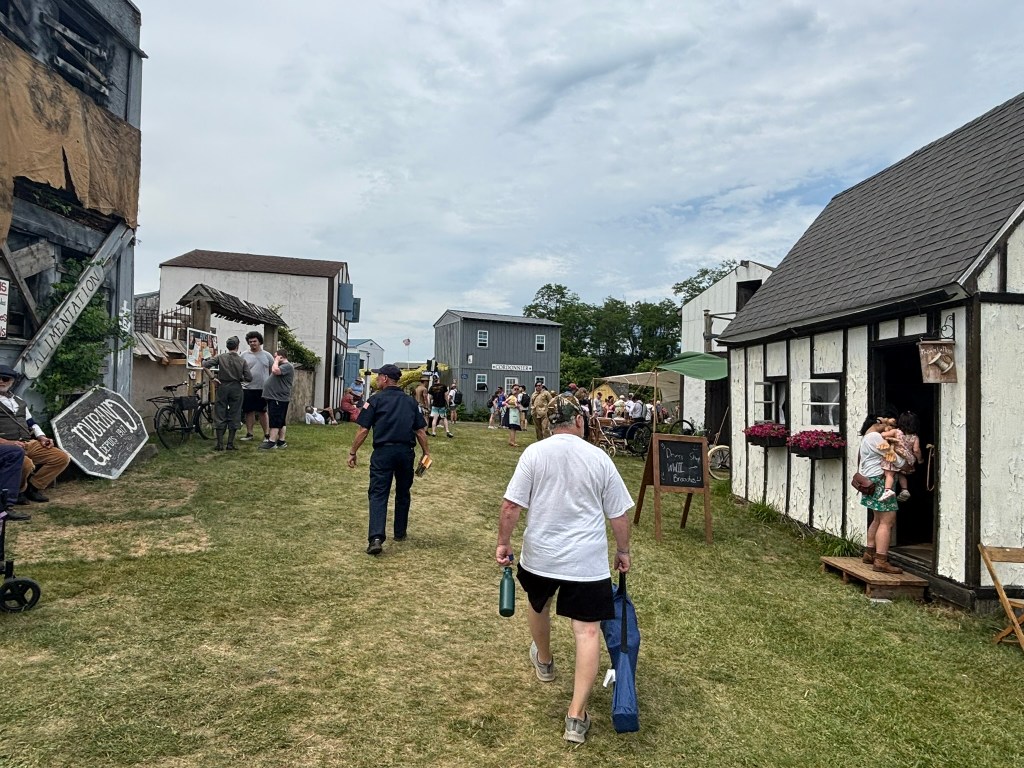
    After lunch, we made our way through the military encampments. The reenactors do an outstanding job recreating life in a Revolutionary War camp. Soldiers could be seen preparing equipment, cooking meals, tending campfires, and carrying out the many everyday tasks that kept an eighteenth-century army functioning. One of the best parts of visiting the camps is talking with the reenactors themselves. They are incredibly knowledgeable and always eager to answer questions about life during the Revolution.

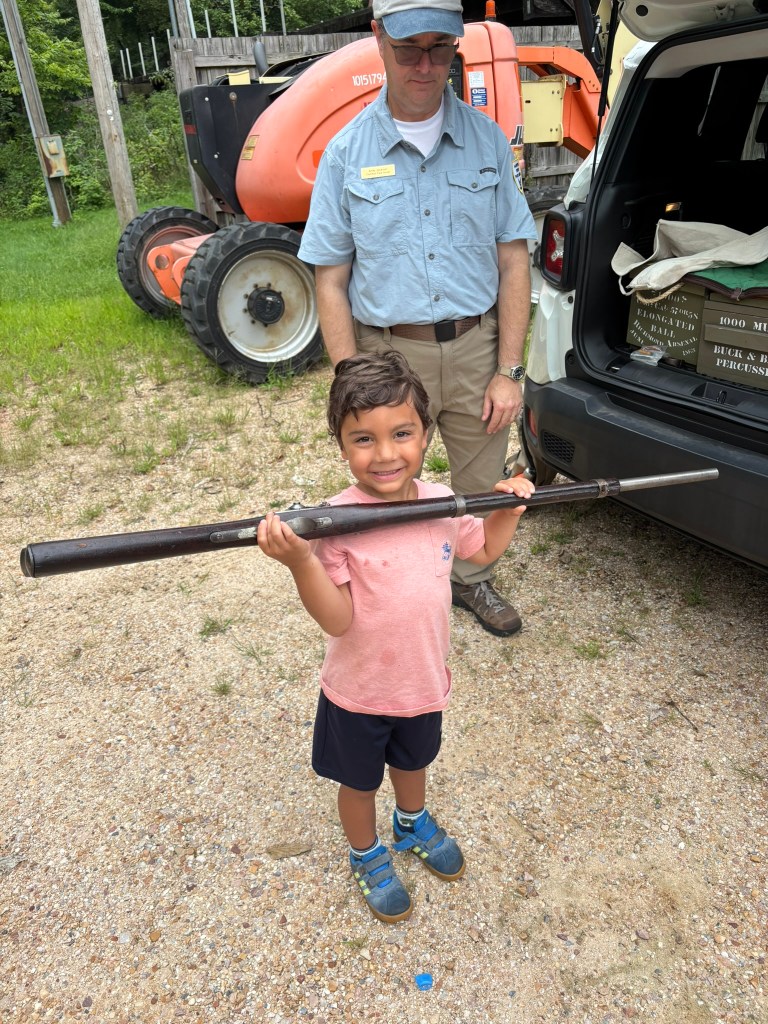
    During one conversation, my family and I learned about the role of the riflemen. Unlike the regular infantry, riflemen were often deployed ahead of the main army, using the cover of the woods to harass British troops and target officers from long distances.

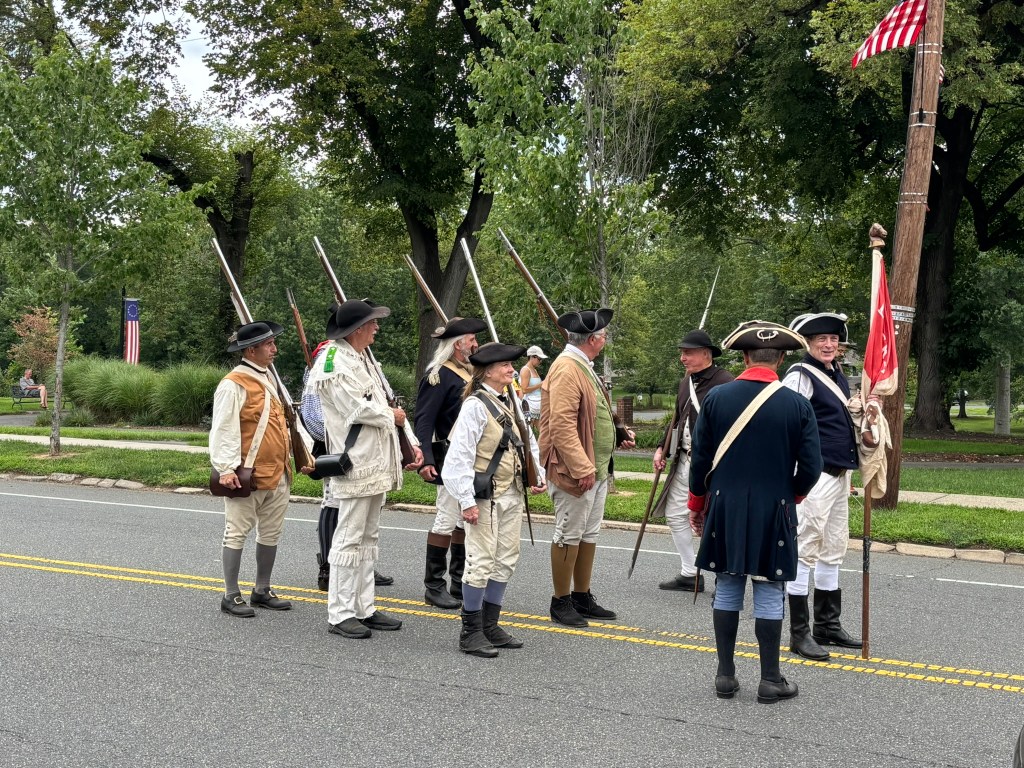
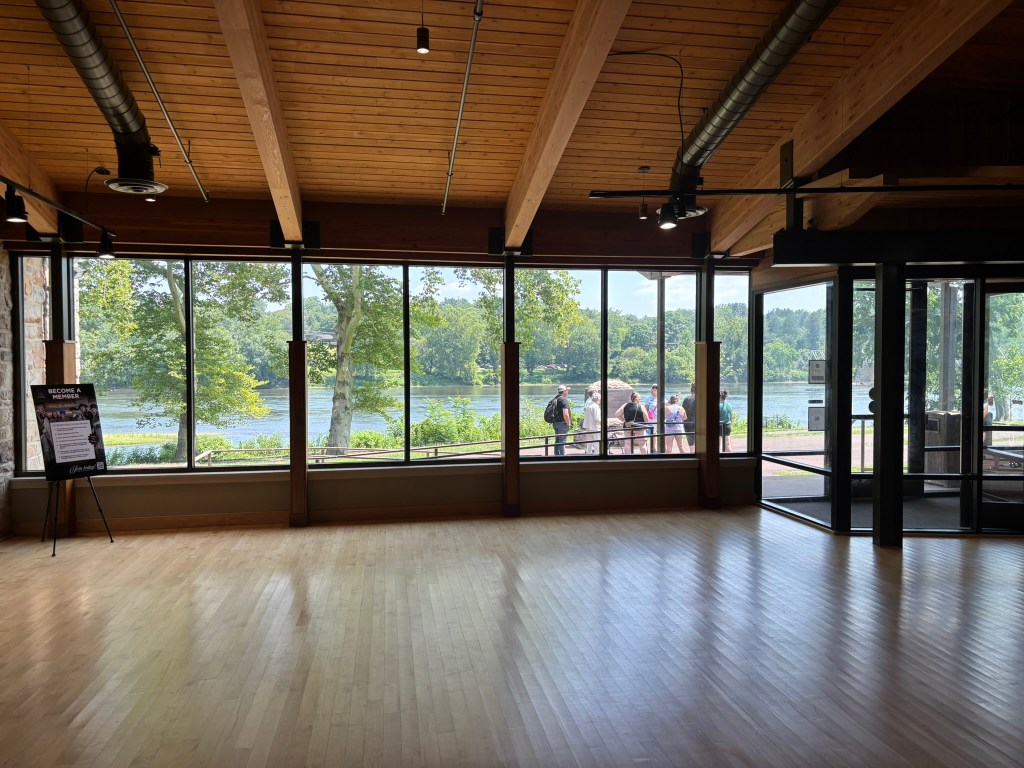
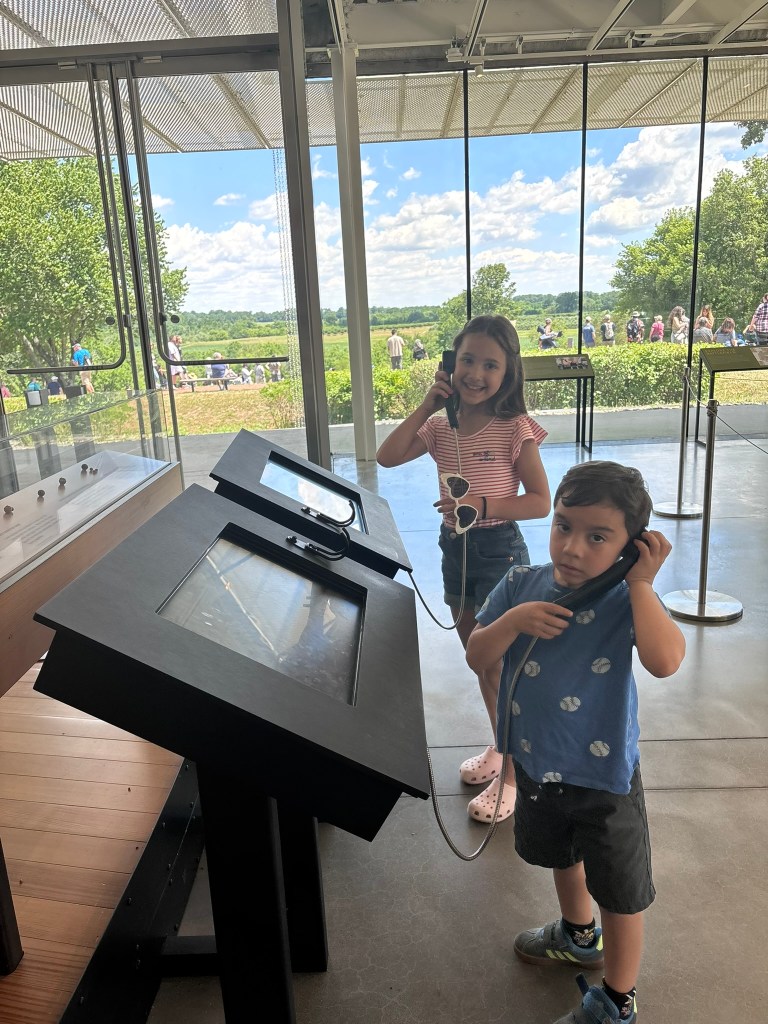
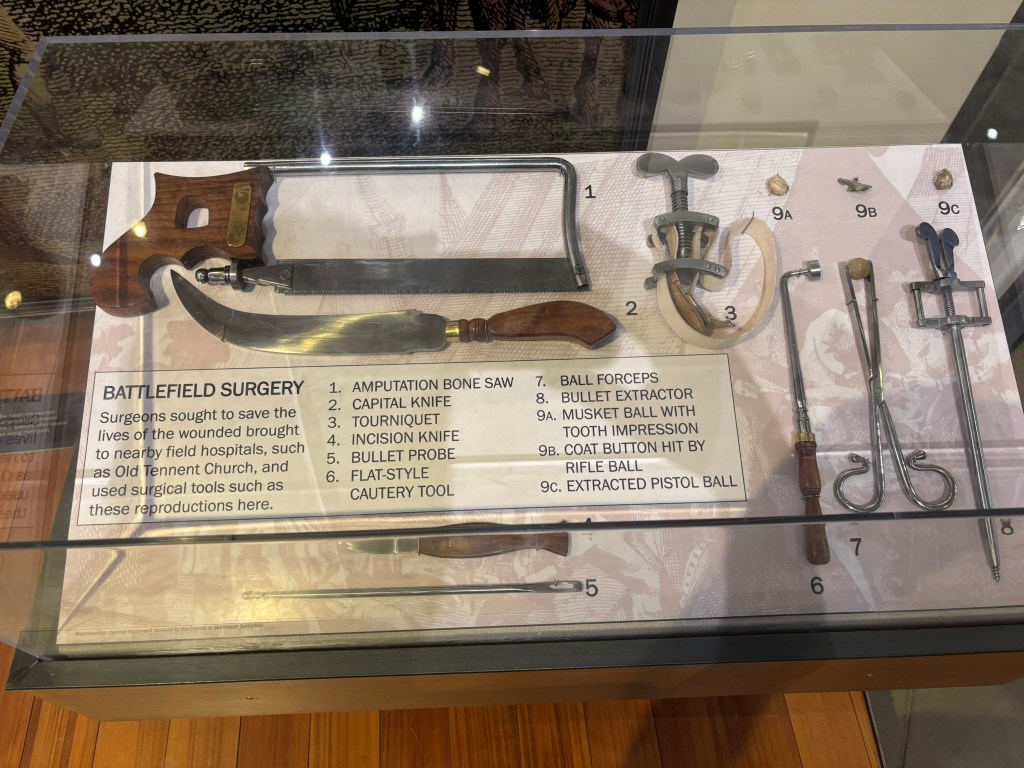
    My family went off for some ice cream while I spent a little time exploring the museum inside the visitor center. Around 1:30 p.m., I returned to the encampments to watch the soldiers prepare to march onto the battlefield.

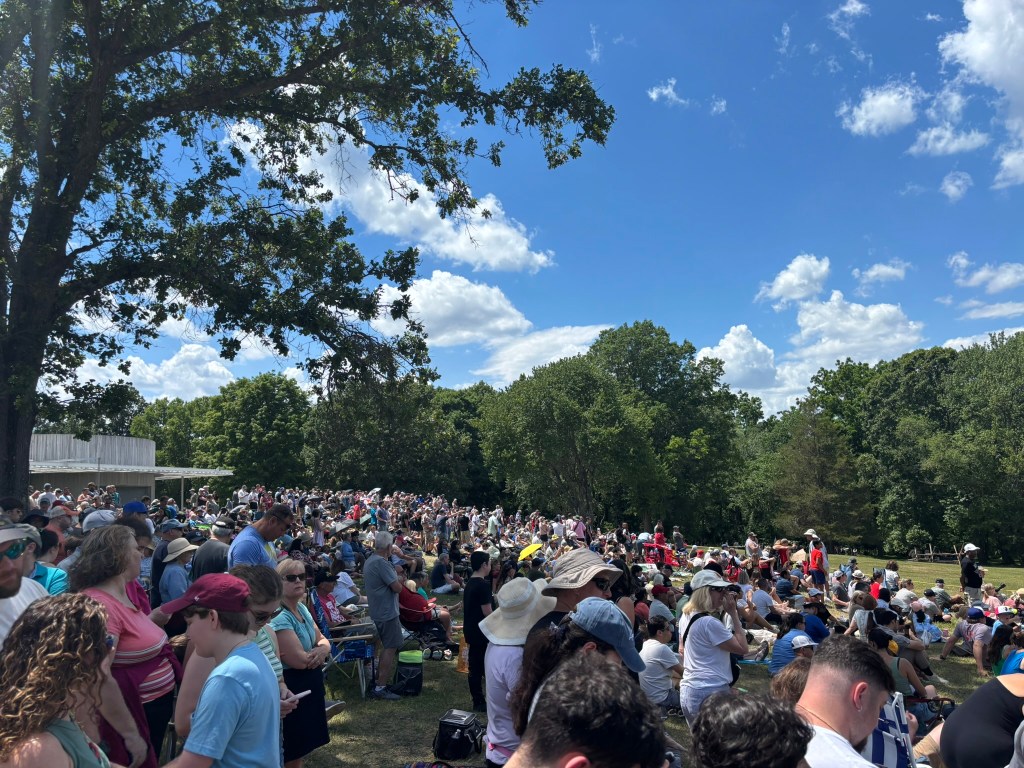
    The reenactment began promptly at 2:00 p.m. Once again, I was struck by the sheer size of the crowd that had gathered to watch. It was wonderful to see so many people come out to learn about and celebrate an important chapter of American history.

    I managed to find a great viewing spot near the battlefield. As I mentioned earlier, be sure to check out my social media pages for video clips of the action, as I was able to get quality footage of the battle. I continue to be impressed by the dedication of the reenactors. Despite the heat, they put on an outstanding performance each year and provide visitors with a vivid glimpse of what combat may have looked and sounded like on a battlefield in 1778.  The reenactment concluded at 2:30, with the Continental Army driving the British from the field.

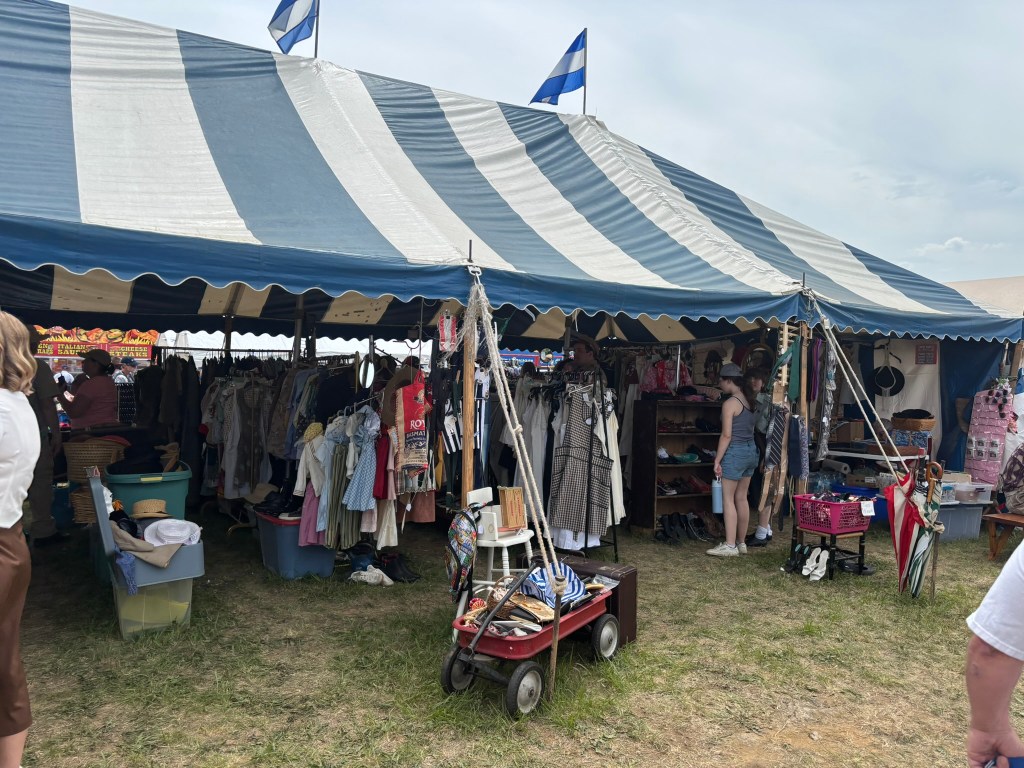
    Before heading home, my family and I stopped by the vendor tents near the parking area. I picked up a pocket-sized Declaration of Independence for display in my new classroom from Liberty & Co. Revolutionary Gifts. They have tons of great items associated with the revolution like signs, candles, hats, shirts and more!

    If you’ve never attended the Battle of Monmouth Reenactment, I can’t recommend it highly enough. Whether you’re a lifelong history enthusiast or simply looking for a fun family outing, there is something here for everyone. Between the authentic military camps, educational demonstrations, knowledgeable reenactors, museum exhibits, food vendors, and the impressive battle reenactment itself, the event does a remarkable job bringing the American Revolution to life.

    Reading about history in a book is one thing, but standing on the very ground where soldiers fought nearly 250 years ago offers a completely different perspective. Events like this help preserve our nation’s history while allowing a new generation to experience it firsthand.  For more information check out Friends of Monmouth Battlefield.

    Make sure to check out my Instagram and Facebook in the coming days for videos of the event.

    Also, check out similar blog posts below:

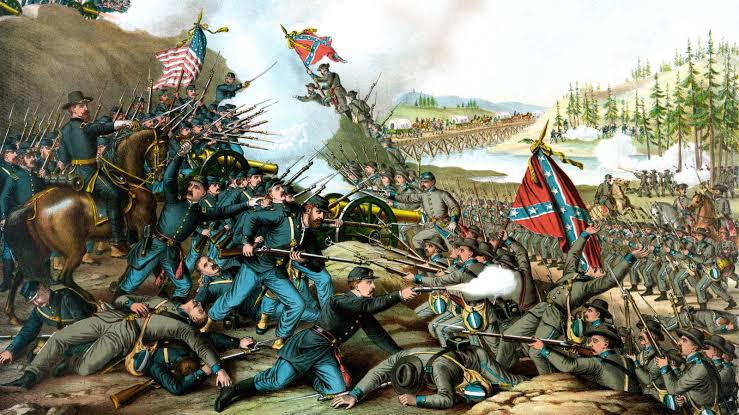
  • I recently finished teaching the Civil War, and for much of the beginning of the unit, we focus on the main causes leading up to the war between 1850 and 1860. While slavery was unquestionably the central cause of the Civil War, there were numerous interconnected causes that all revolved around the slavery debate. There were the states’ rights and nullification debates, the cultural and economic differences between North and South, the moral contradictions of slavery, and the repeated failure of political compromises. However, the sub-cause that I want to focus on in this blog post is the power struggle between the North and South—particularly the fight over western lands.

    Someone at a recent history event shared an analogy that I thought perfectly captured the causes of the Civil War. They described the causes as a bicycle wheel. Slavery is the hub in the center, while all of the other causes are like the spokes extending outward. While teaching this material this year, it struck me just how important the competition over western lands became in building the tensions between the North and South.

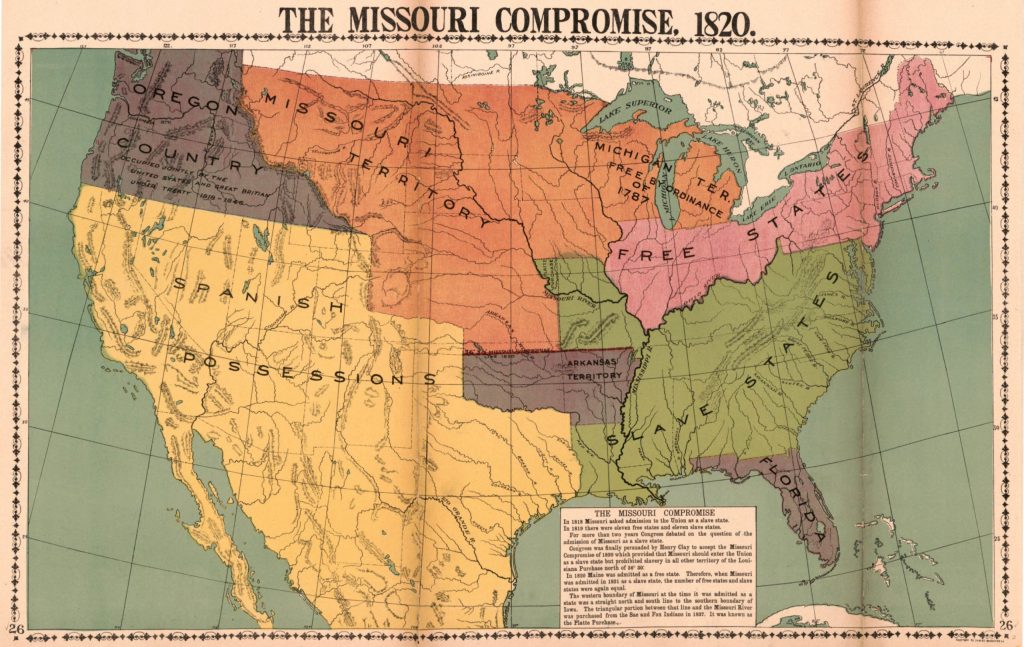
    When discussing the road to the Civil War, one of the earliest major developments was the Missouri Compromise of 1820. Although it was passed forty years before the Civil War began, it planted the seeds for future conflict. At the time, there were an equal number of free and slave states, meaning each side had equal representation in the Senate. Maintaining that balance became critically important because Southern leaders feared being outvoted by Northern senators, while Northerners feared growing Southern political influence—particularly over the issue of slavery.

    When Missouri sought admission to the Union as a slave state, many Northerners worried that the balance would be upset. The compromise allowed Missouri to enter as a slave state while Maine entered as a free state, preserving the balance in the Senate. Congress also drew a line across the Louisiana Purchase at 36°30′ north latitude, Missouri’s southern border. Slavery would be permitted in the Louisiana Purchase south of that line and prohibited north of it, with the exception of Missouri itself.

    What made the Missouri Compromise especially significant was not simply the solution it provided, but the heated debates that surrounded it. For the first time, Northerners and Southerners openly discussed ideas such as “secession,” “disunion,” and even “civil war.” Once the compromise was reached, it appeared that the crisis had been resolved. However, one lasting consequence remained: a physical boundary had now been drawn separating free and slave territories.

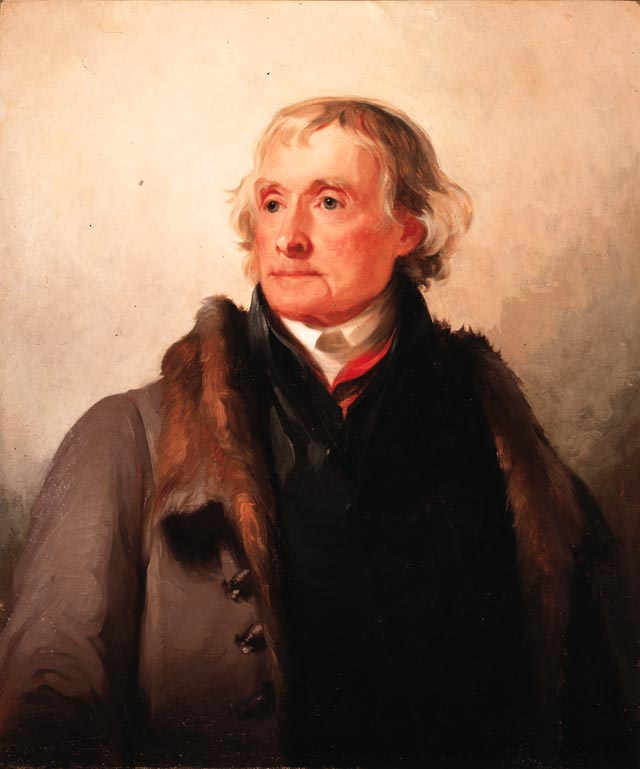
    Even Thomas Jefferson, at the age of seventy-seven, feared for the nation’s future when he wrote:

    “This momentous question, like a fire bell in the night, awakened and filled me with terror. I considered it at once as the knell of the Union. It is hushed, indeed, for the moment. But this is a reprieve only, not a final sentence. A geographical line, coinciding with a marked principle, moral and political, once conceived and held up to the angry passions of men, will never be obliterated; and every new irritation will mark it deeper and deeper.”

    Jefferson’s warning proved remarkably prophetic. He recognized that once Americans began dividing themselves along a geographical line tied to the issue of slavery, each new disagreement would only deepen the divide between North and South.

    When we think about the causes of the Civil War during the Antebellum Period, it becomes clear that a political power struggle developed between the two regions. Increasingly, many Northerners and Southerners viewed one another through an “us versus them” mentality. Although tensions did not erupt again on a large scale until the 1850s, the identities of the North and South continued to grow further apart.

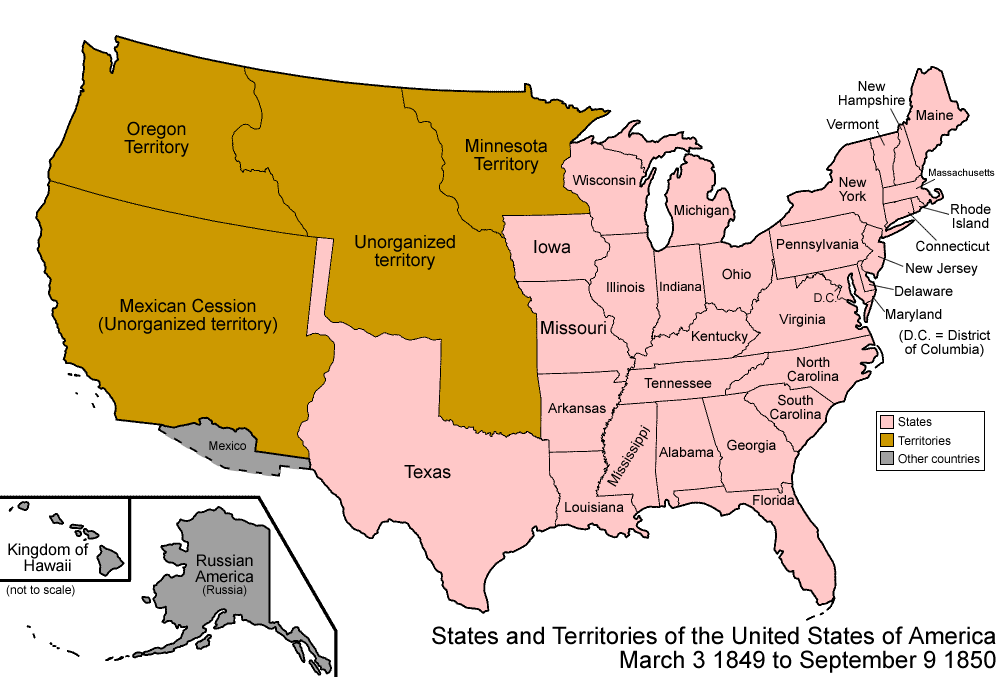
    In the nineteenth century, land represented wealth, opportunity, political power, and economic influence. Following the Mexican-American War, the United States acquired approximately 530,000 square miles of new territory. One often-overlooked sub-cause of the Civil War was the fierce competition between Northerners and Southerners over who would control that land.

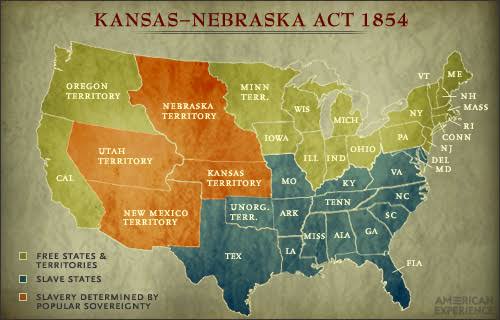
    The essential questions became: Would these new territories permit slavery? Which side would gain greater influence in the Senate? Attempts to settle the issue went terribly wrong, particularly with the Kansas-Nebraska Act of 1854. Under the principle of popular sovereignty, settlers in the territories of Kansas and Nebraska would vote to decide whether slavery would be allowed. Pro-slavery and anti-slavery supporters flooded into Kansas in an effort to influence the outcome, and violence soon erupted. By 1856, the territory had earned the nickname “Bleeding Kansas.”

    Northerners hoped that free laborers would settle these western lands, while many Southerners envisioned plantations worked by enslaved laborers. Each side understood that controlling the West meant expanding not only its economy but also its political power and influence over the future of the nation.

    By the 1850s, the North and South had begun to see themselves almost as separate nations. It is therefore understandable why each region sought to expand its influence into the western territories. At precisely the same time Americans embraced the idea of Manifest Destiny, Northerners and Southerners found themselves competing over what kind of nation would emerge in those new lands. Controlling western territory would strengthen each region’s economy, reinforce its way of life, and shape the future balance of political power.

    Many Northerners hoped slavery would gradually disappear by preventing its expansion into the western territories. Southerners argued that the Constitution protected slavery and that they had every right to bring enslaved people into the new territories. Land meant wealth. Land meant power. Neither side was willing to surrender either.

    As the decade progressed, tensions between the North and South continued to escalate. Compromises increasingly failed because neither side was willing to sacrifice its political influence or its vision for the nation’s future. Eventually, both sides became willing to fight for what they believed.

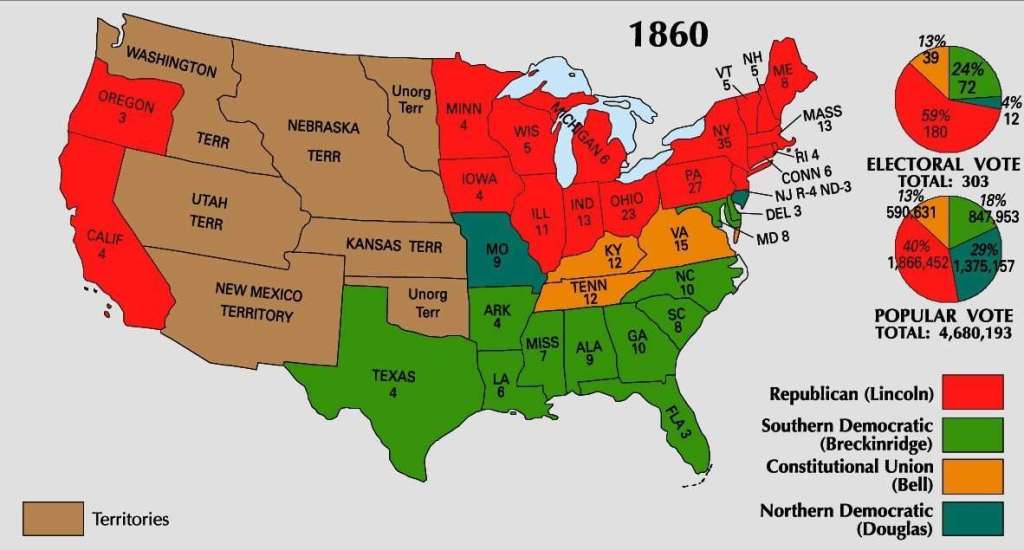
    The election of Abraham Lincoln in 1860 proved to be the final straw for many Southerners. Lincoln became the first president elected on a Republican platform opposing the expansion of slavery into the western territories. Many Southern leaders believed they would soon be permanently outnumbered politically and concluded that they would be better off forming their own nation to preserve slavery and their influence. Northerners, meanwhile, were determined to preserve the Union. They rejected both nullification and the right of states to secede from the United States.
    When compromise finally collapsed, war broke out in 1861, leading to the deadliest conflict in American history. The struggle over western lands had never been simply about geography. It was ultimately a struggle over political power, economic systems, and the future of slavery itself. By the end of the war in 1865, the Union had been preserved, slavery had been abolished, and the western territories ultimately developed as free labor territories rather than slaveholding ones.
    Check out similar blog posts below:

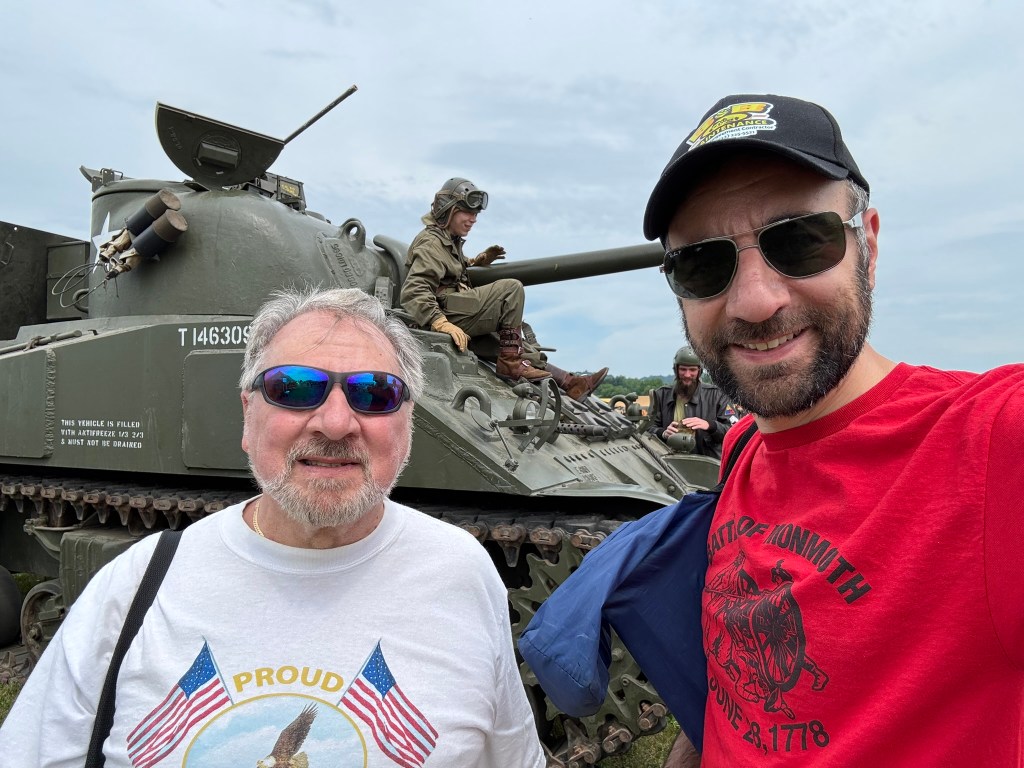
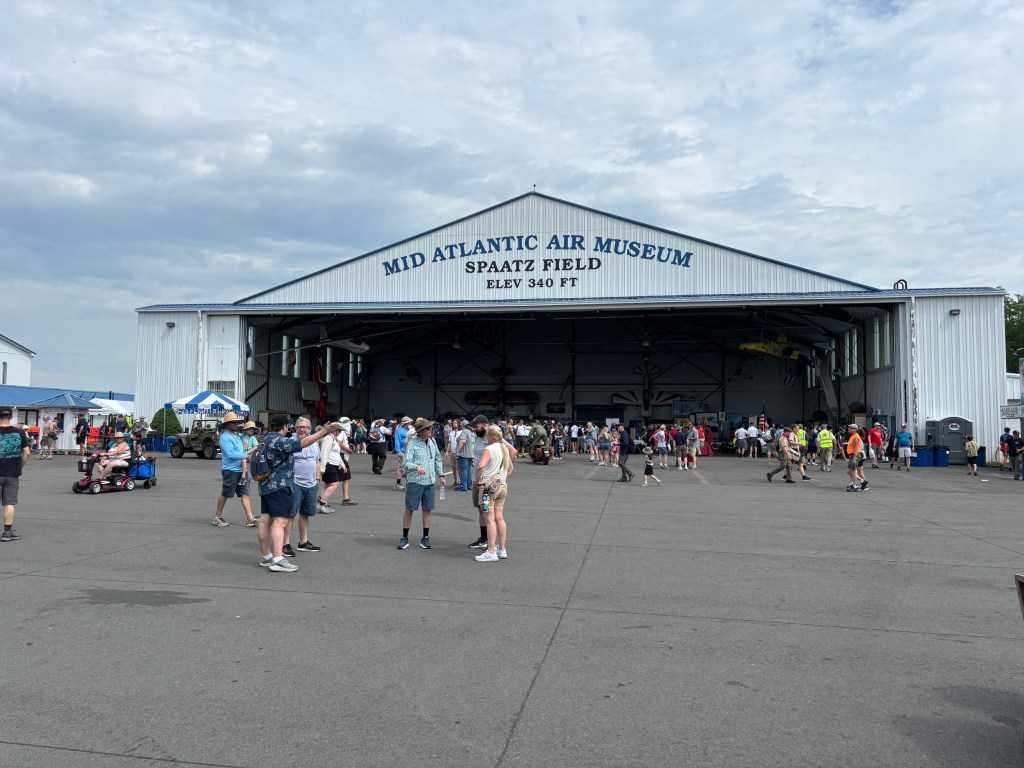
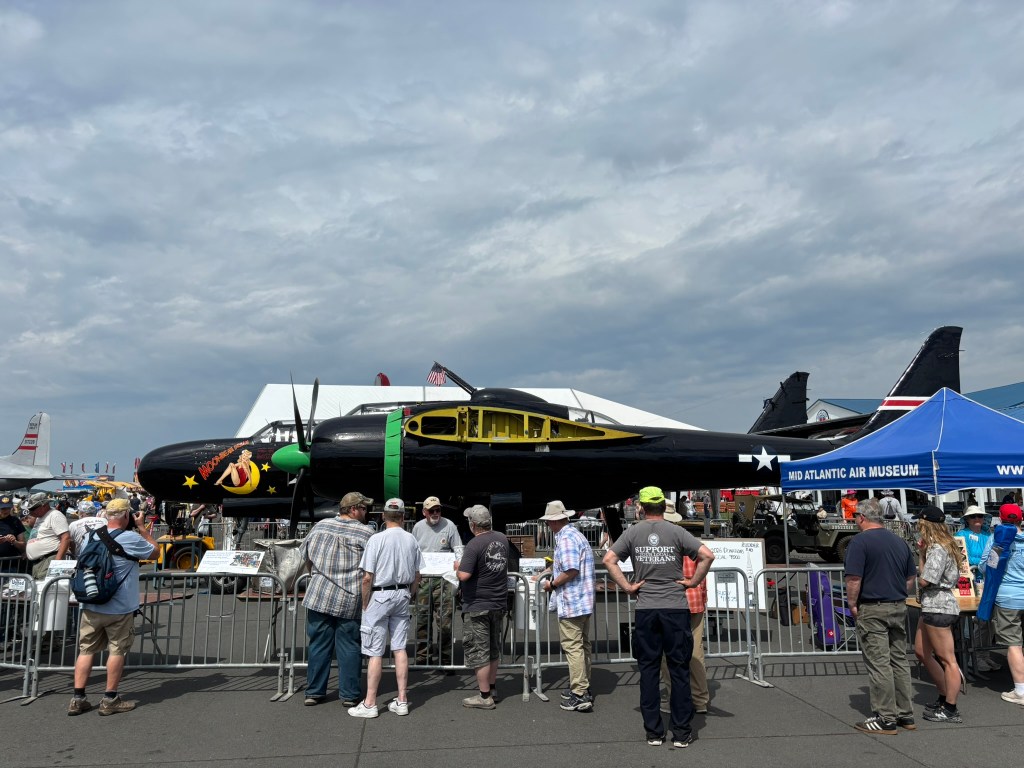
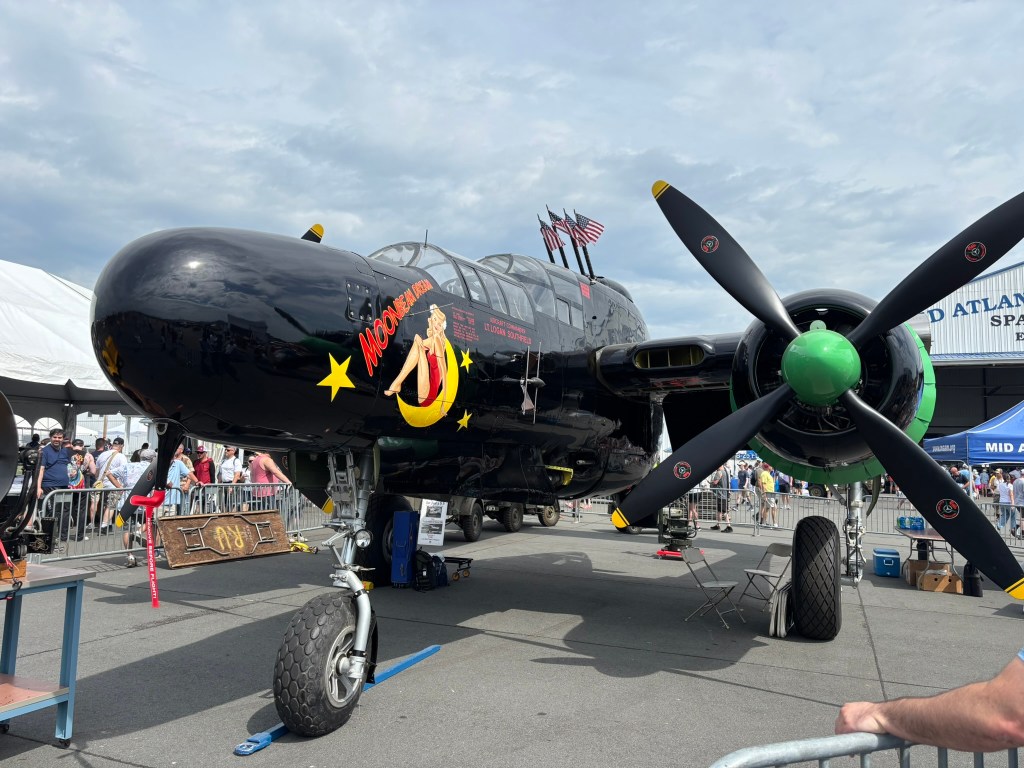
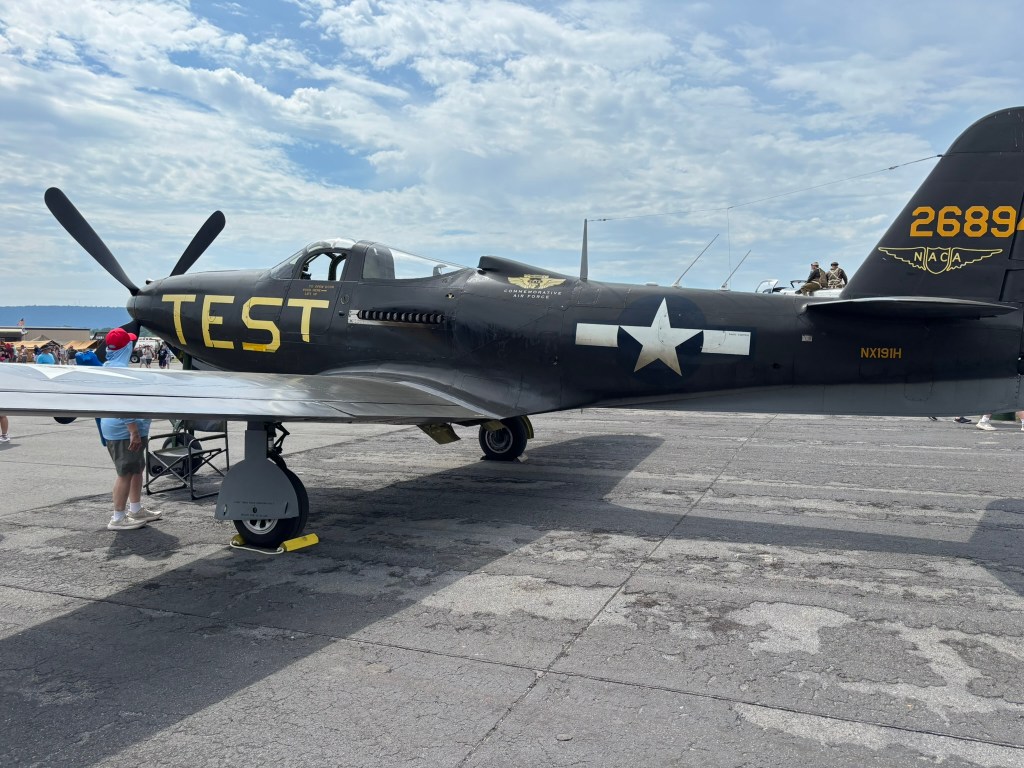
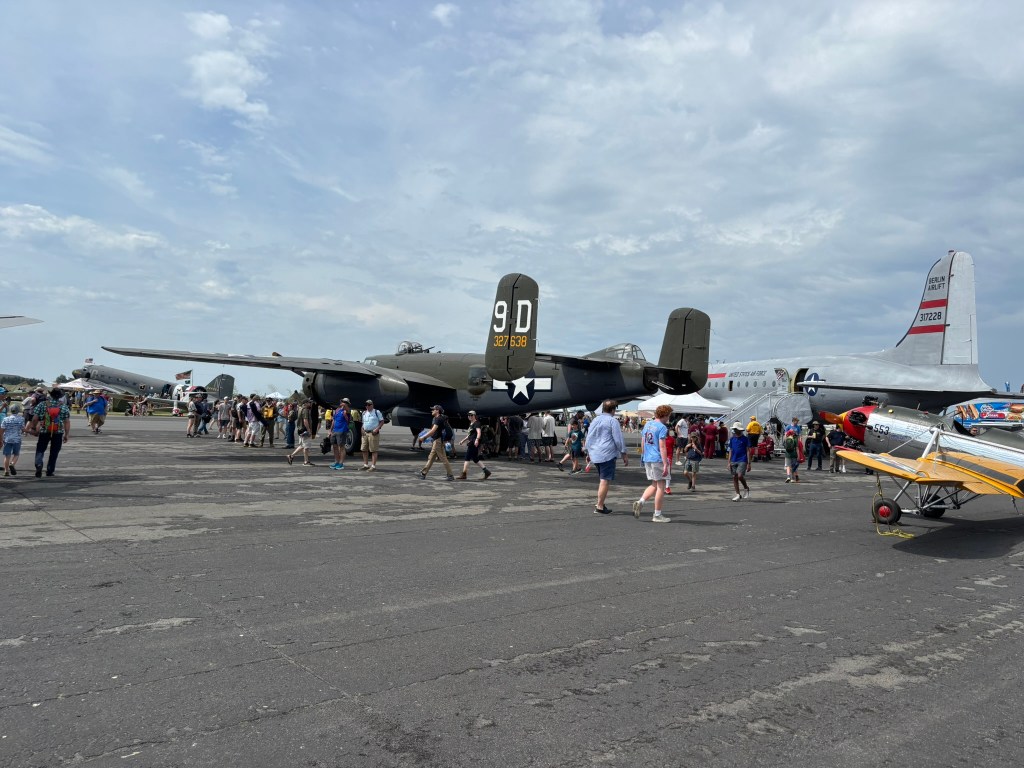
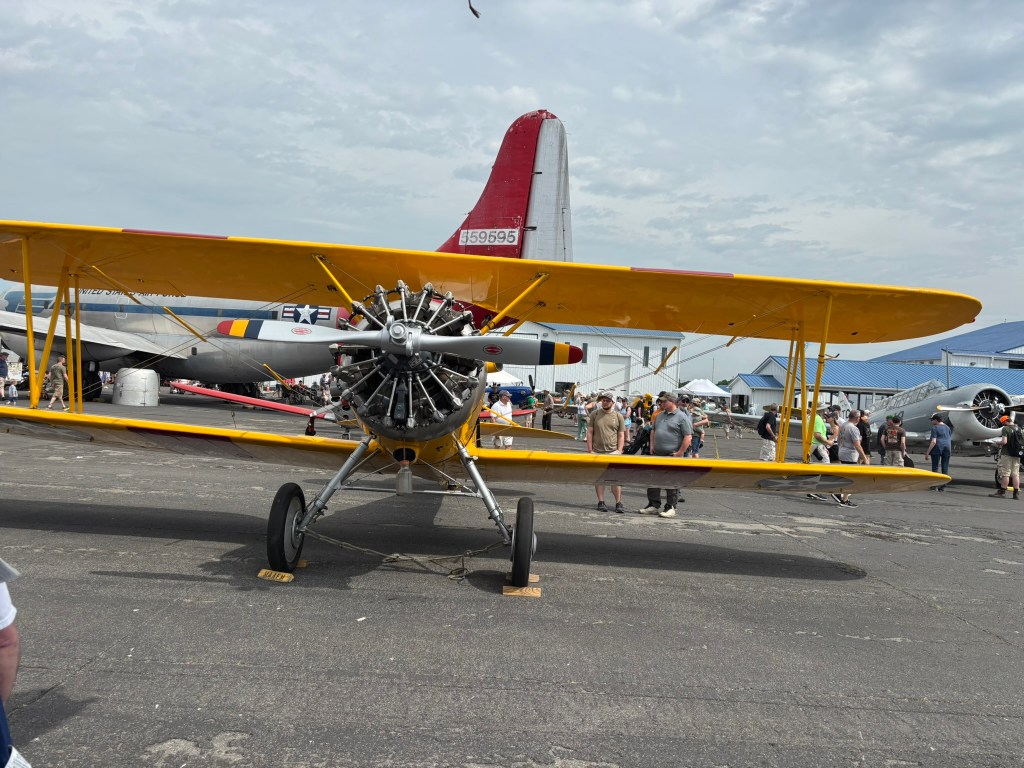
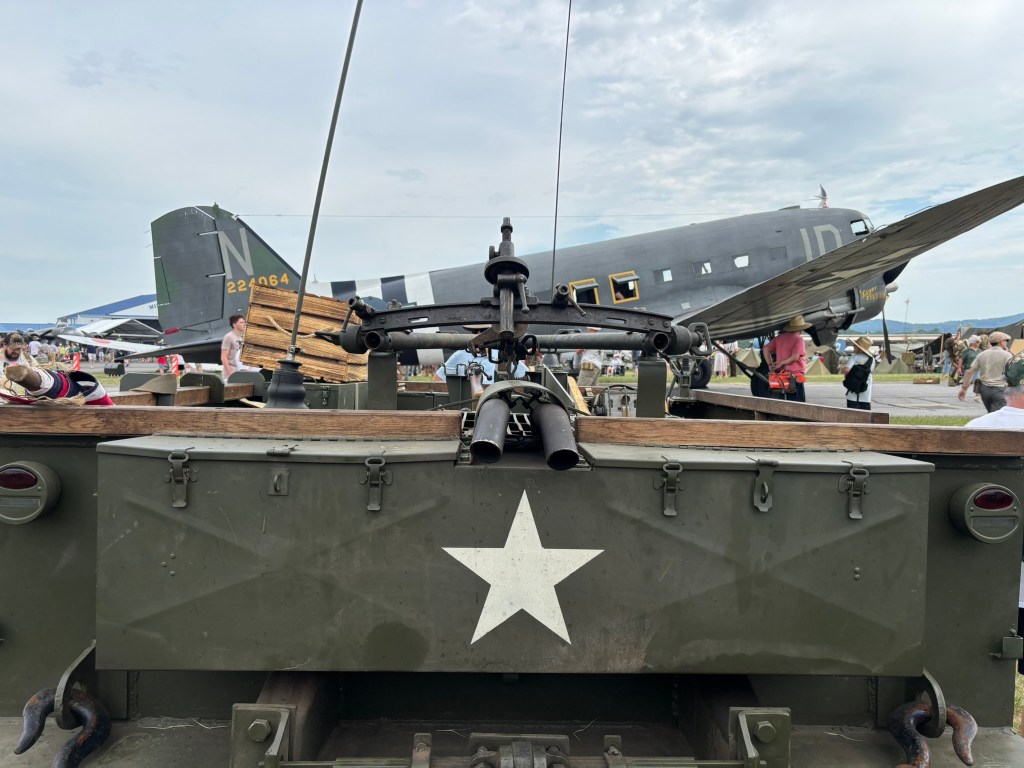
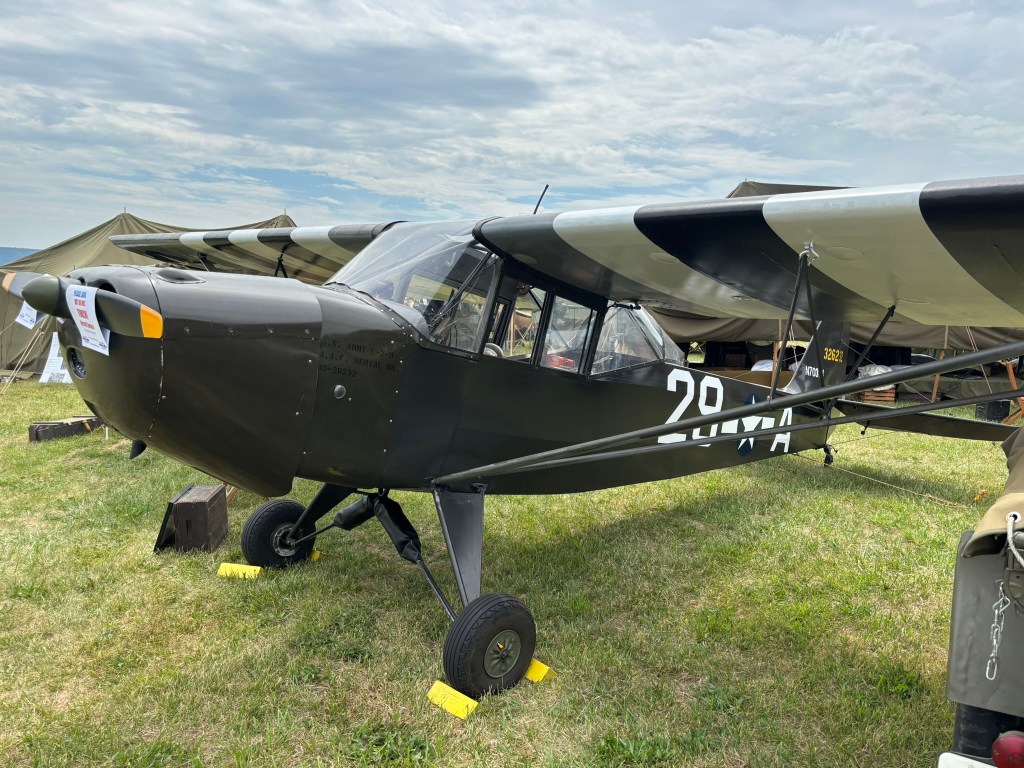
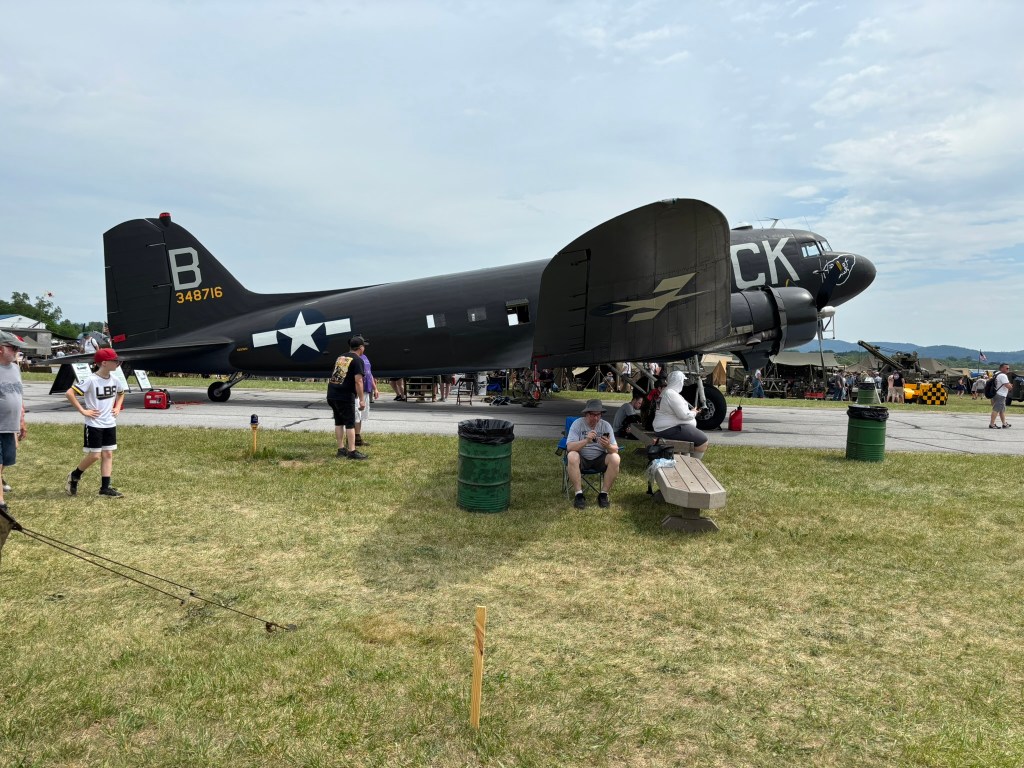
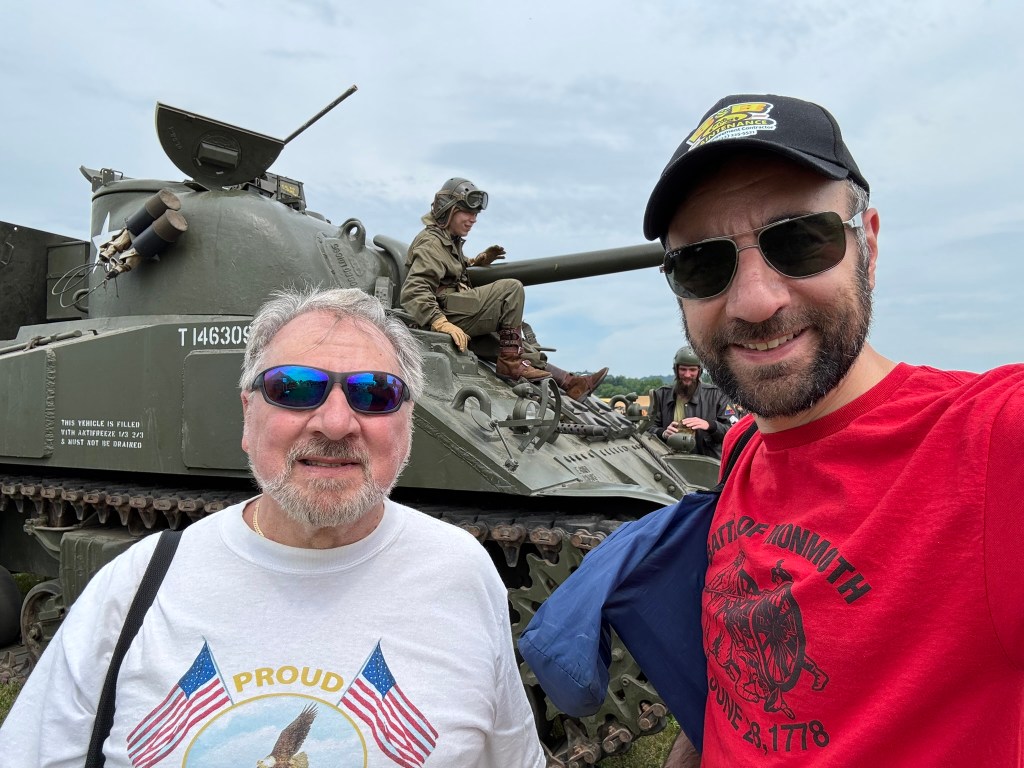
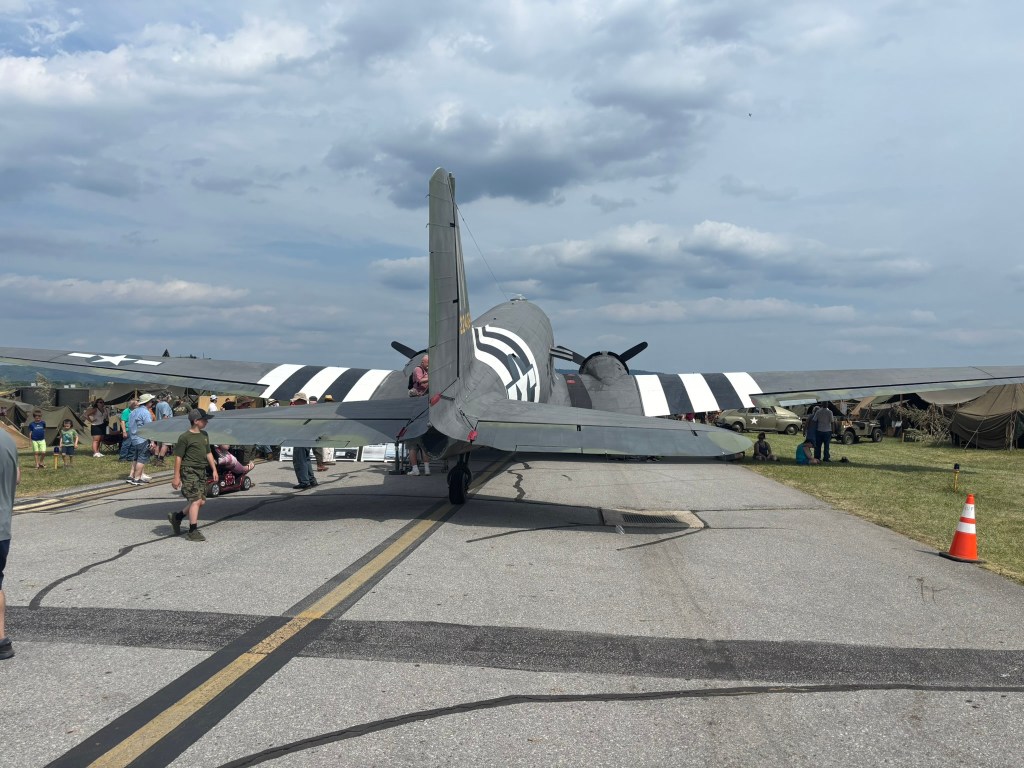
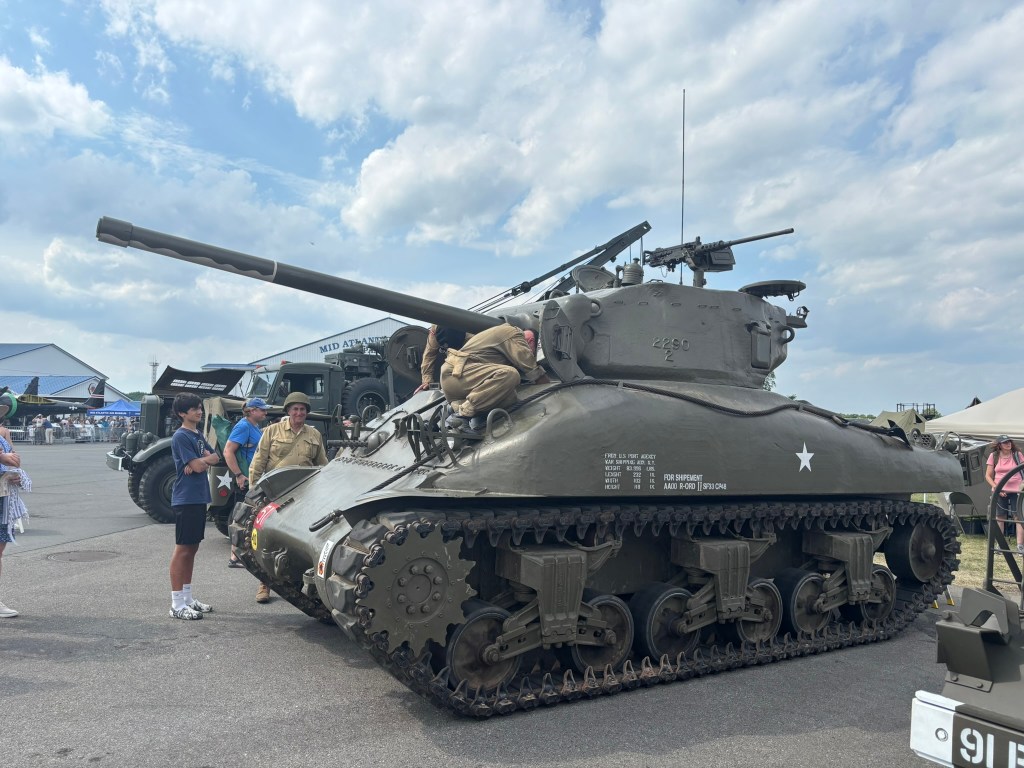
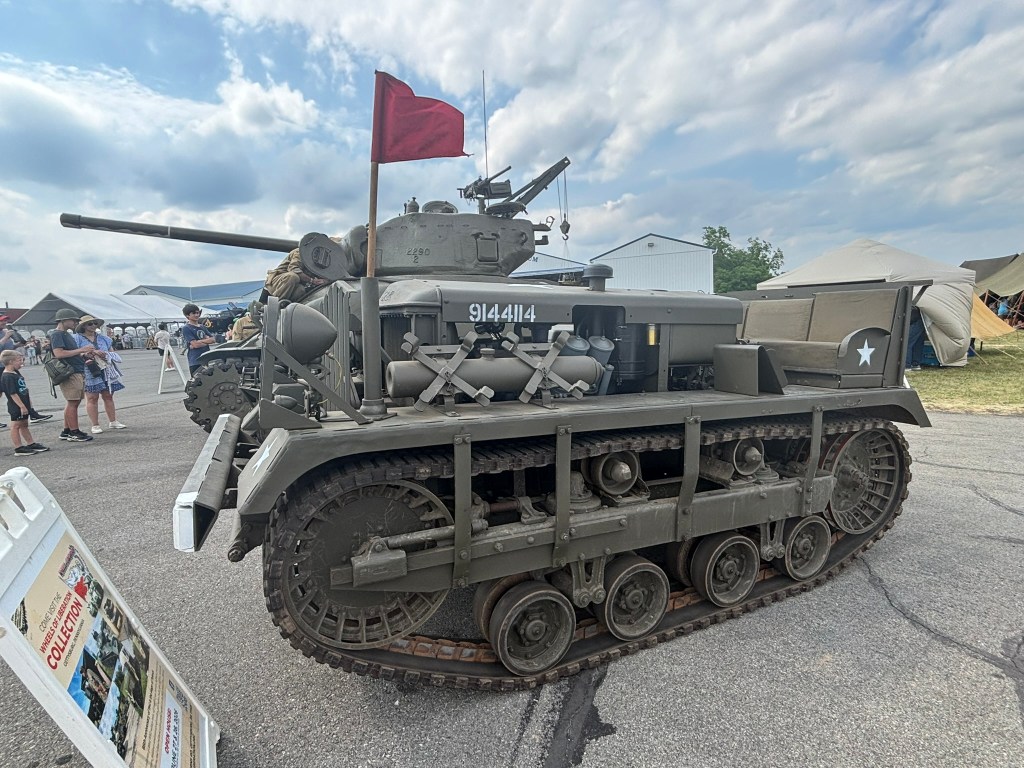
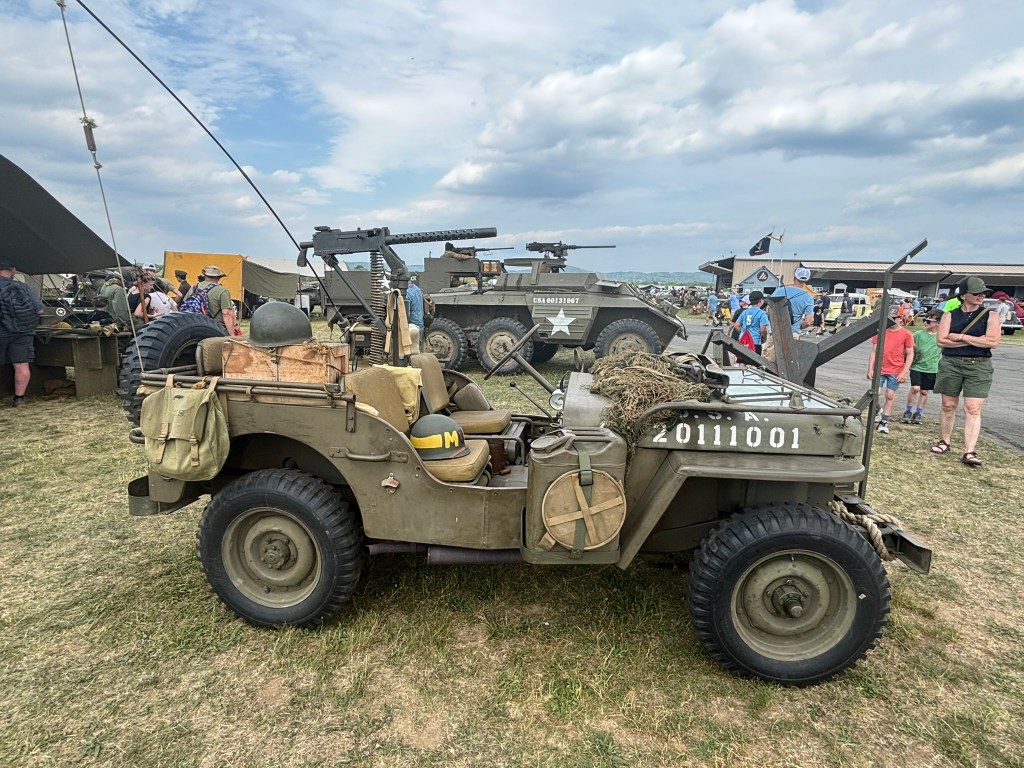
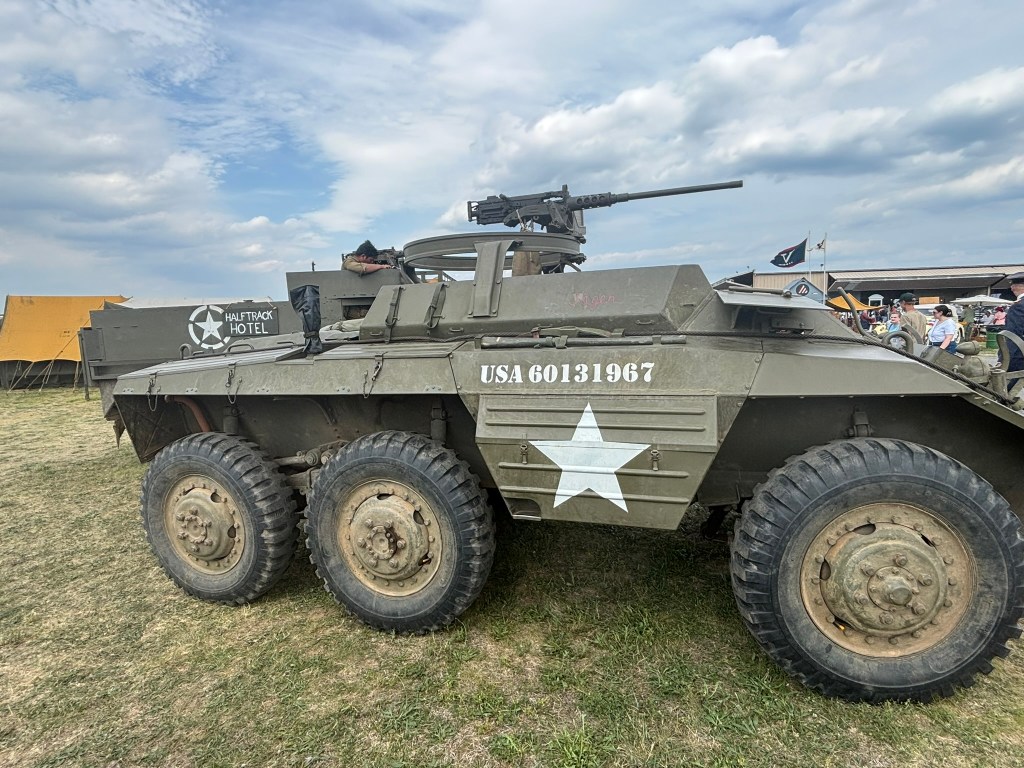
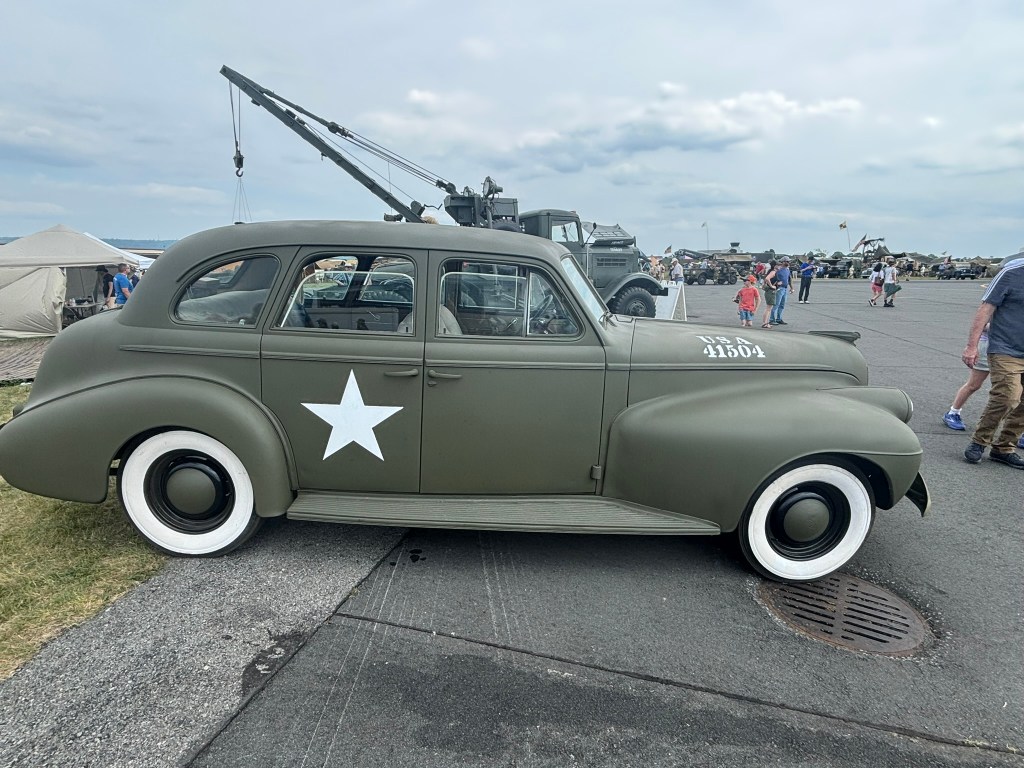
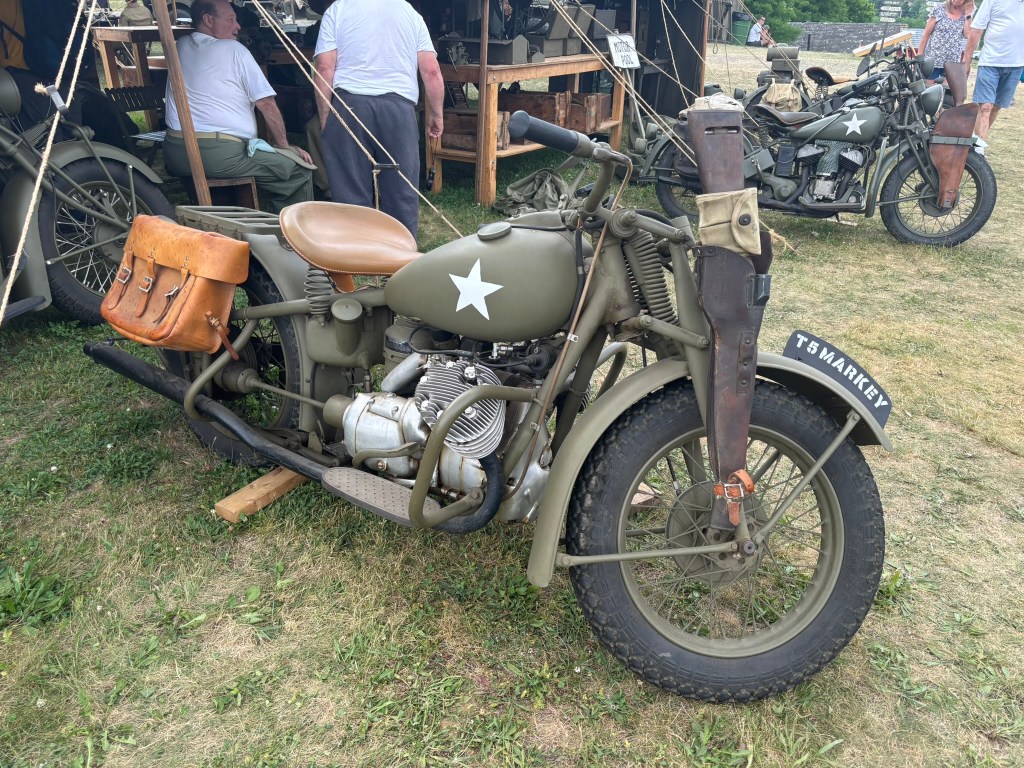
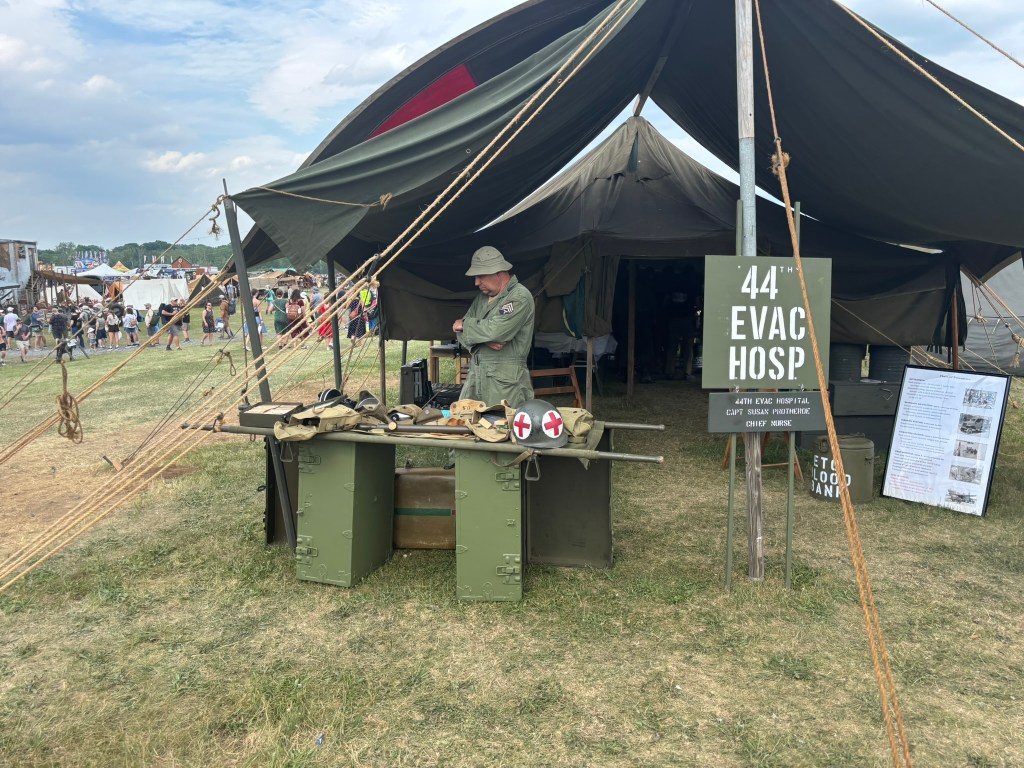
  • Few events make it onto my calendar every year, but the Annual World War II Weekend at the Mid-Atlantic Air Museum in Reading, PA is one of them. On Saturday, June 6, my dad and I returned to Reading, Pennsylvania for the 35th annual event.  This was my fourth consecutive year attending and my dad’s sixth. The event has become a great father-and-son tradition that never disappoints. The event ran from Friday, June 5th through Sunday, June 7th.  We made the two-hour drive to Reading and, after parking, were able to get on a shuttle bus rather quickly.
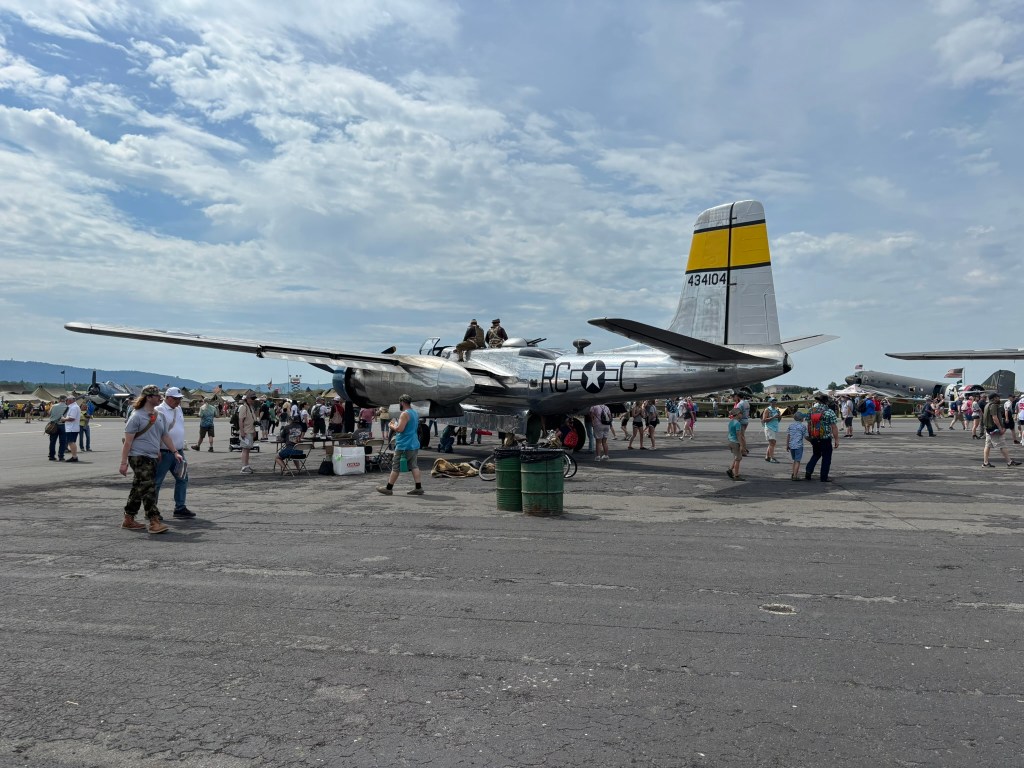
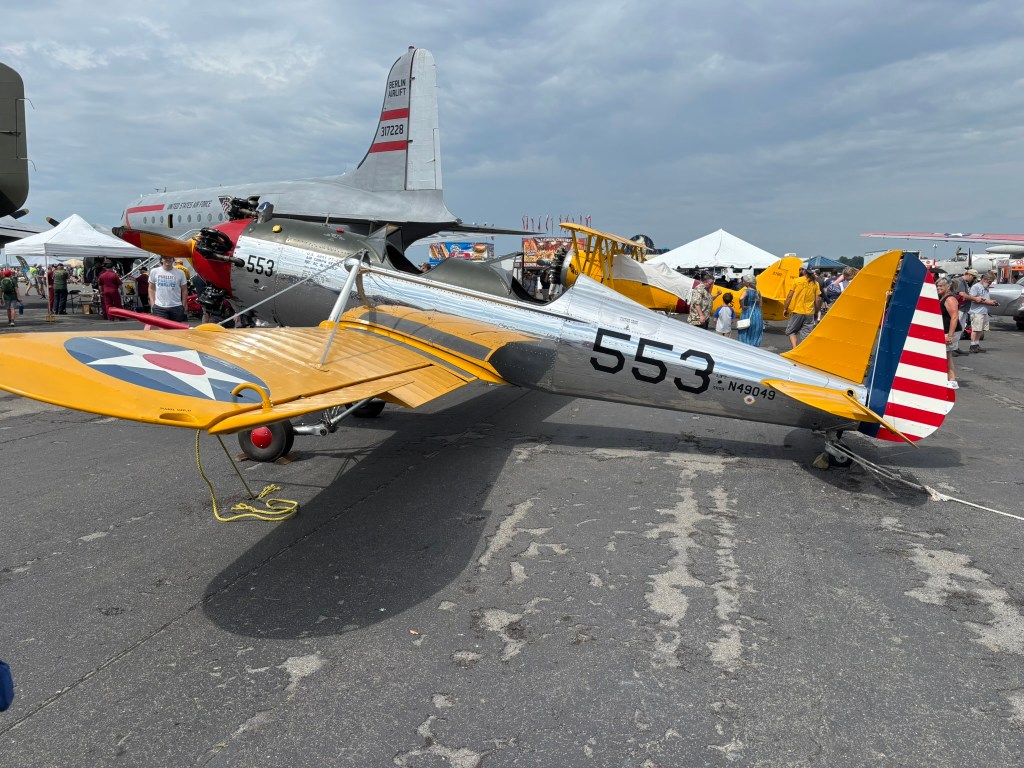
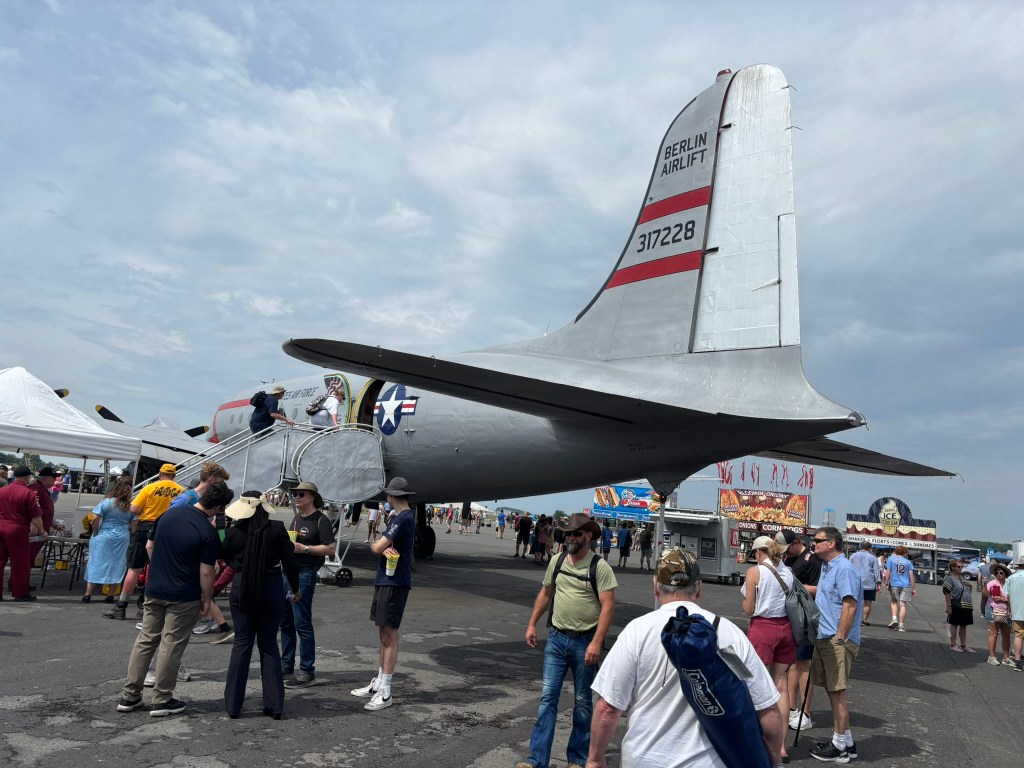
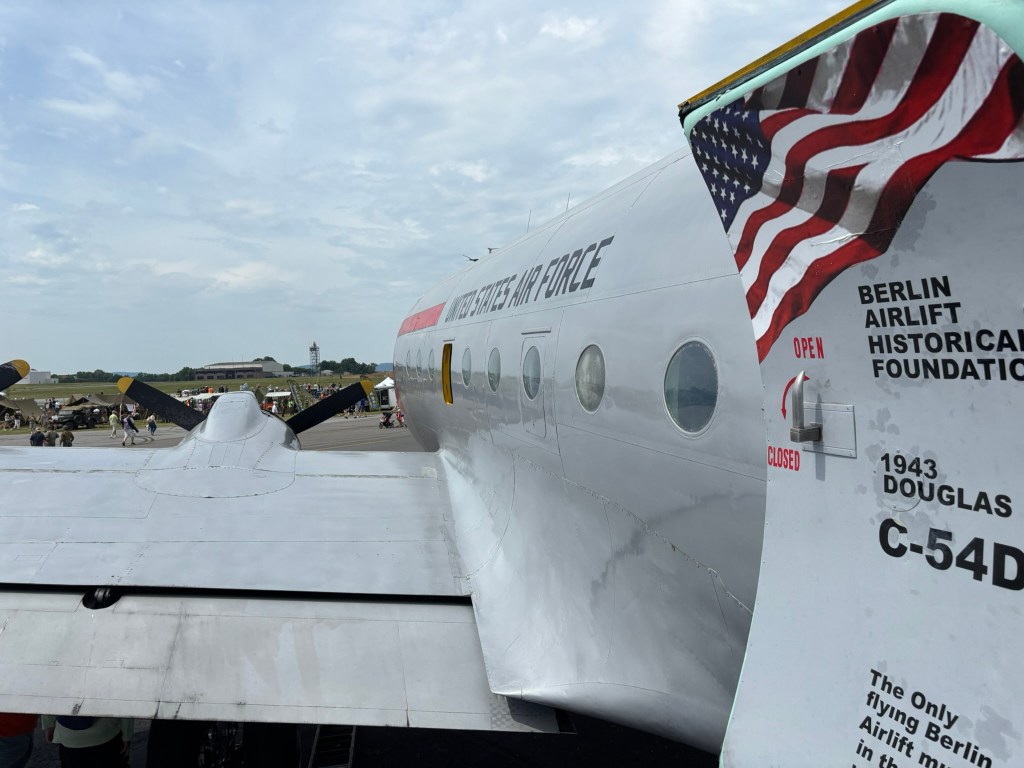
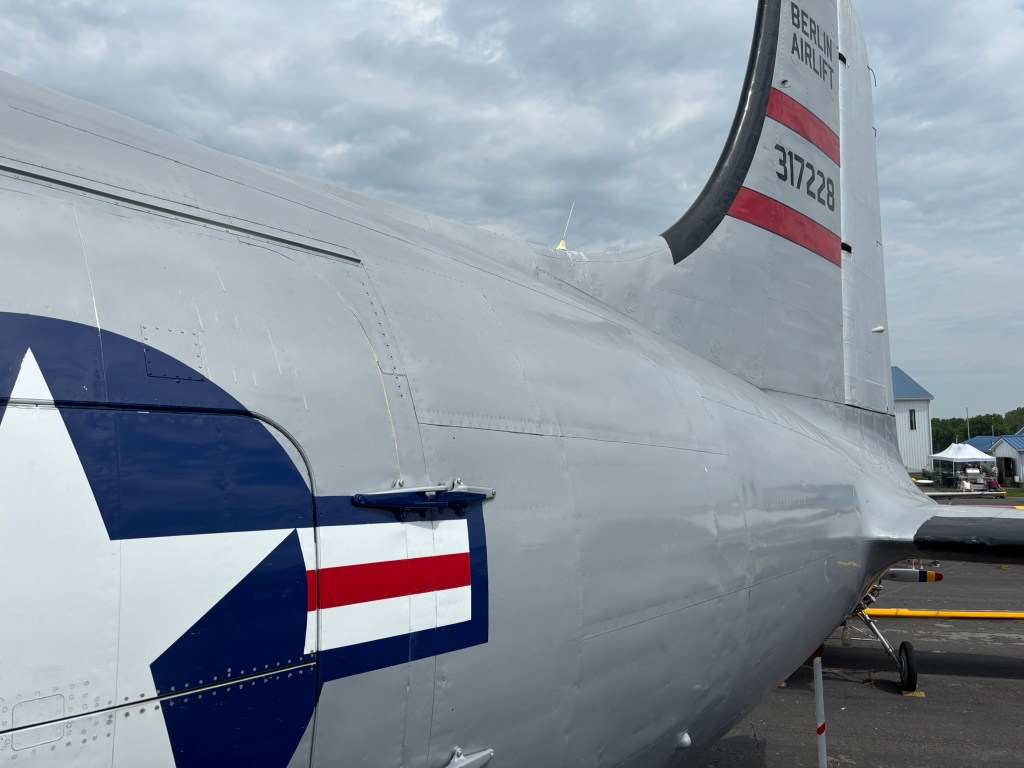
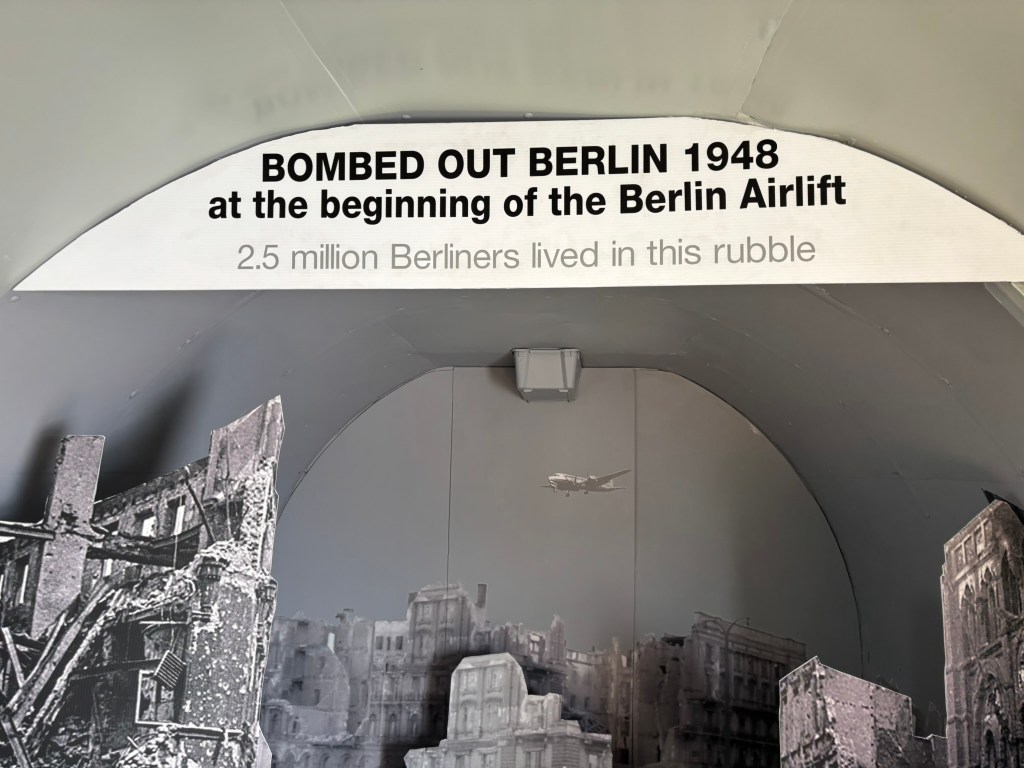
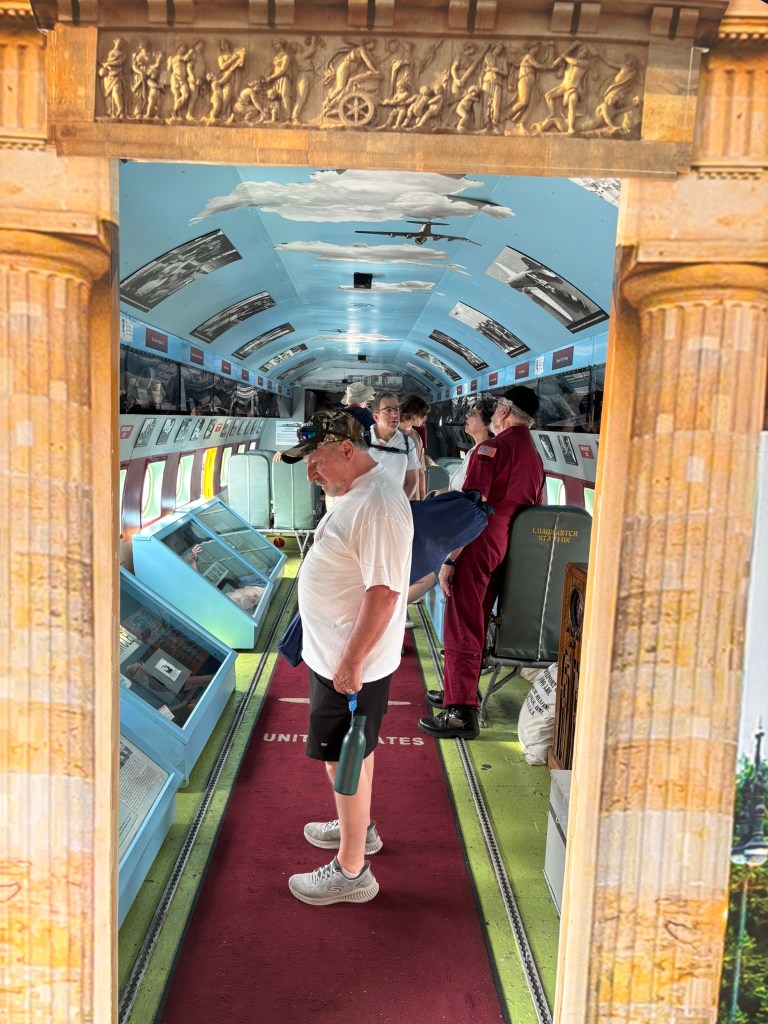
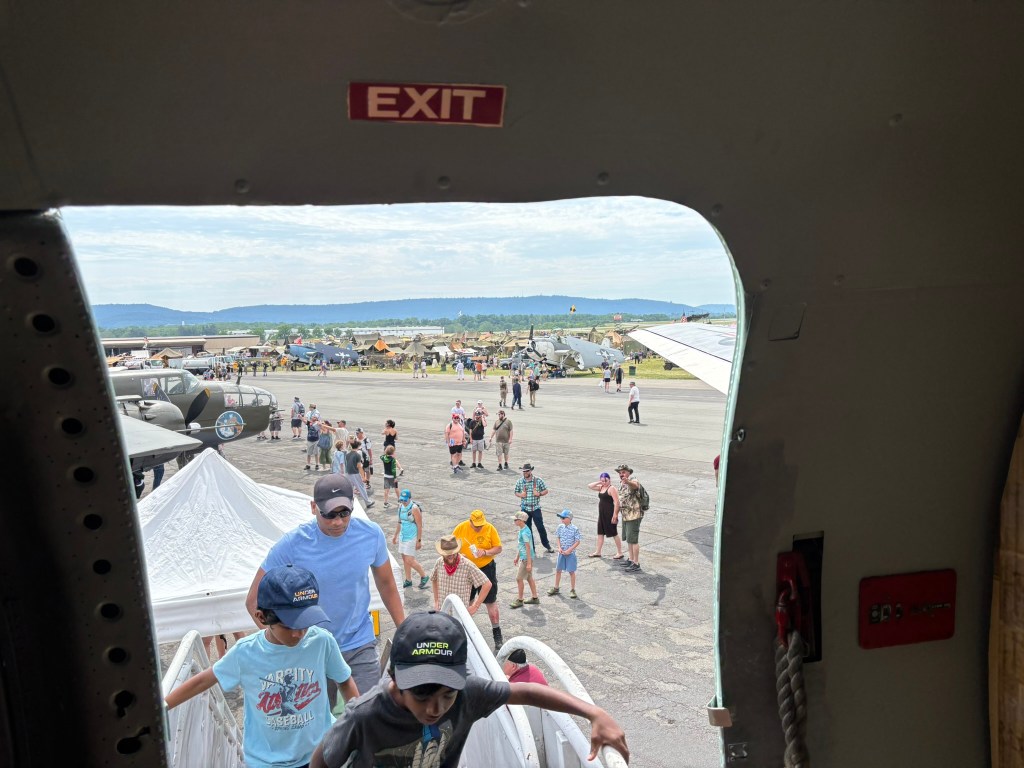
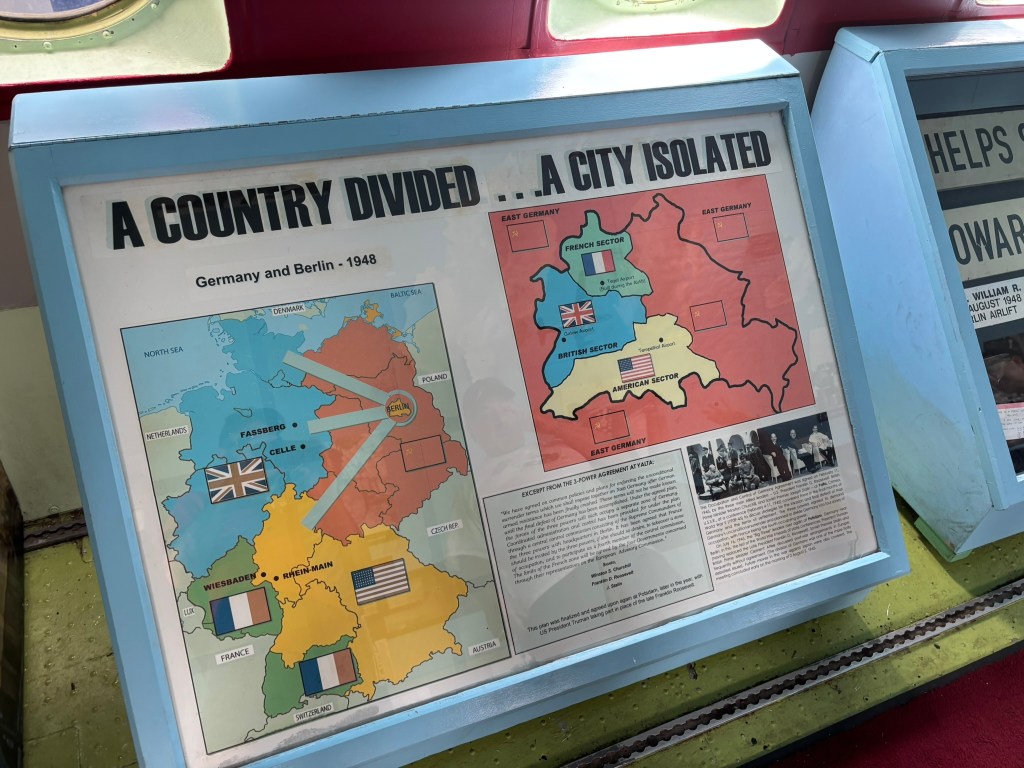
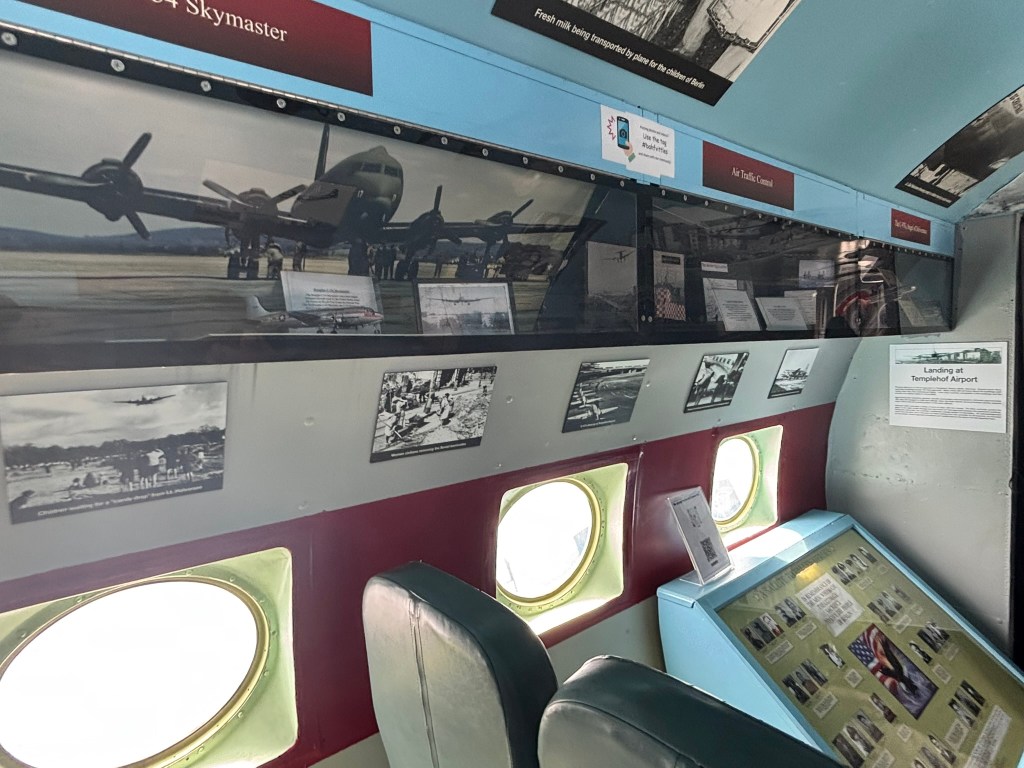
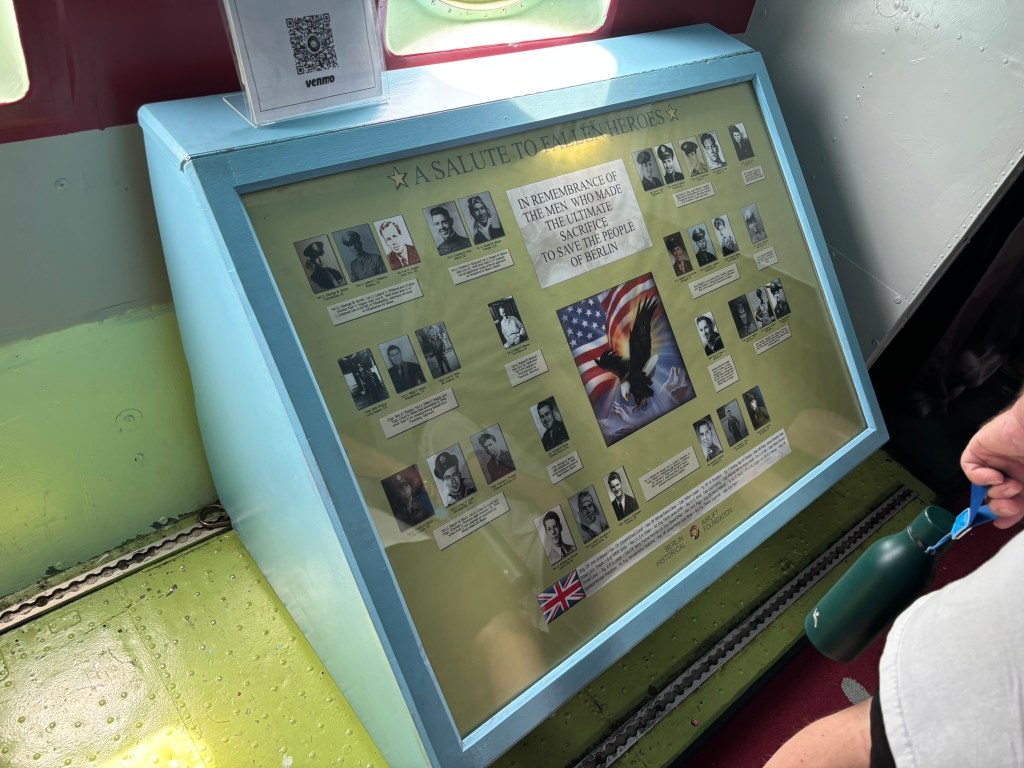
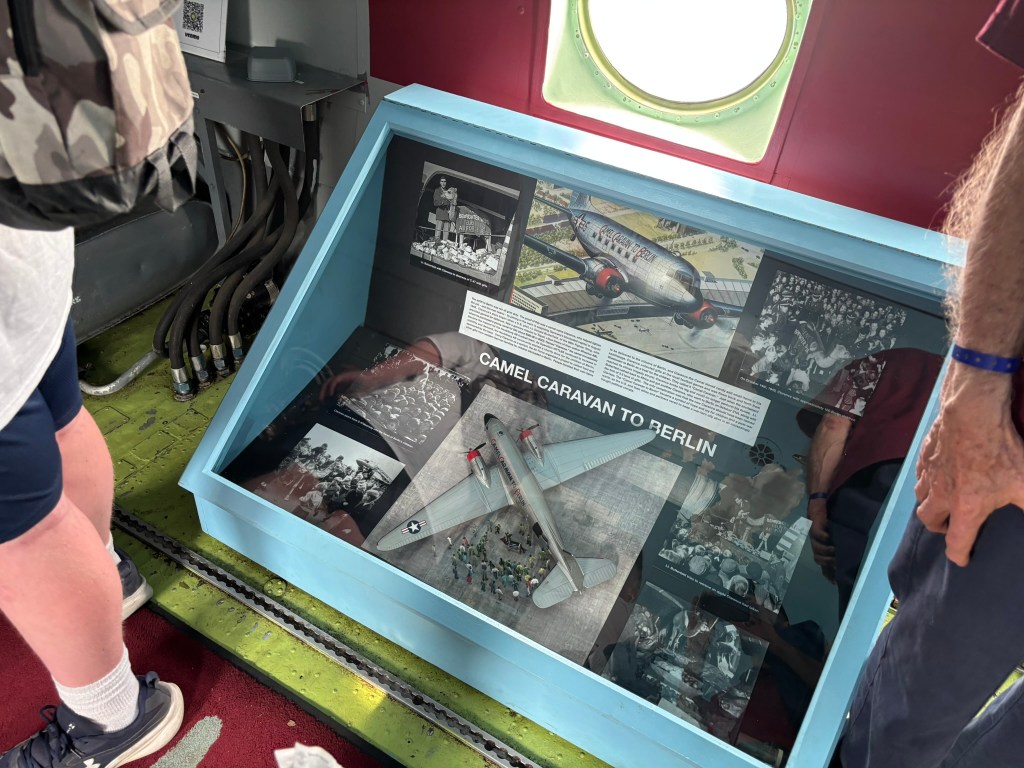
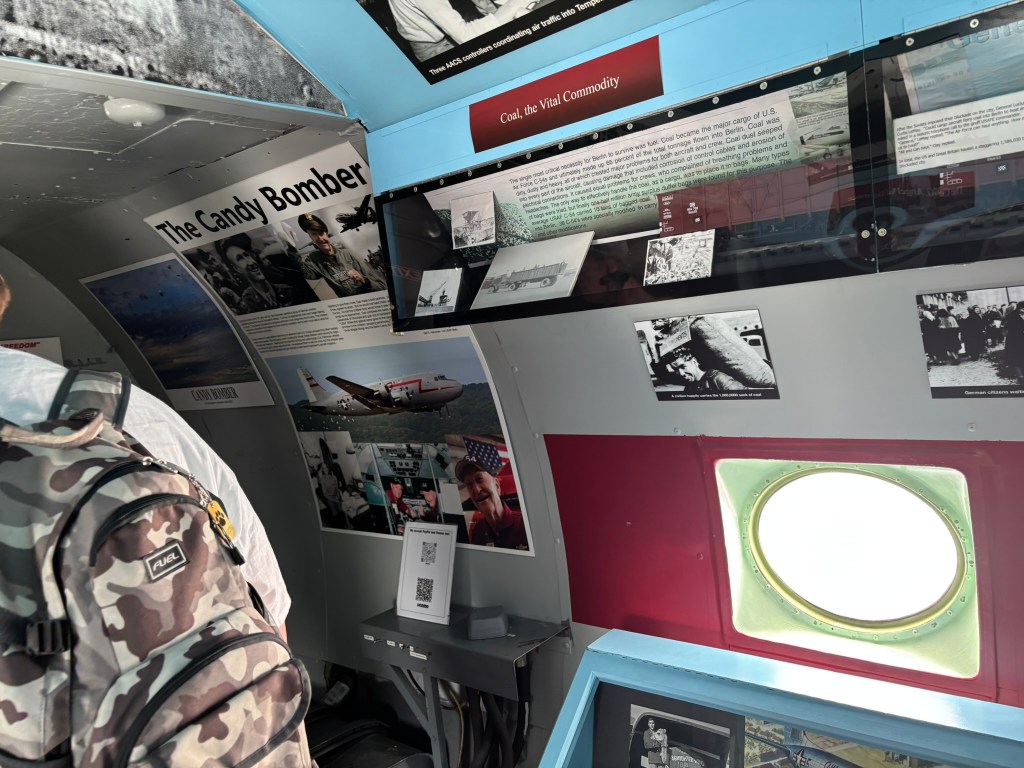
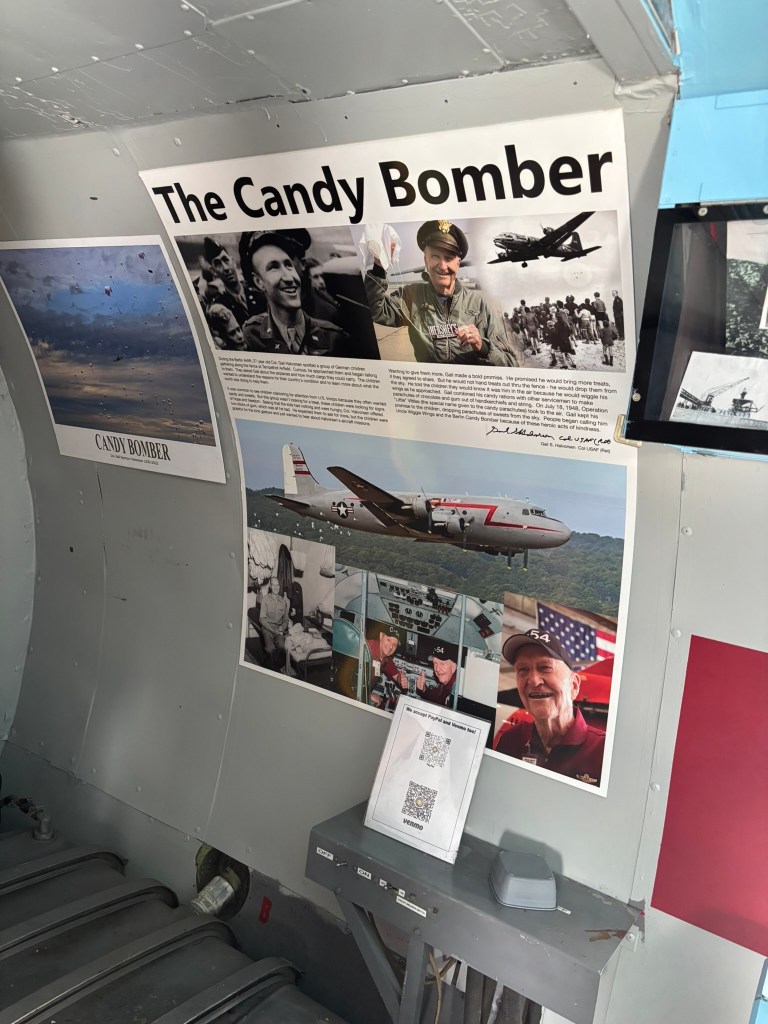
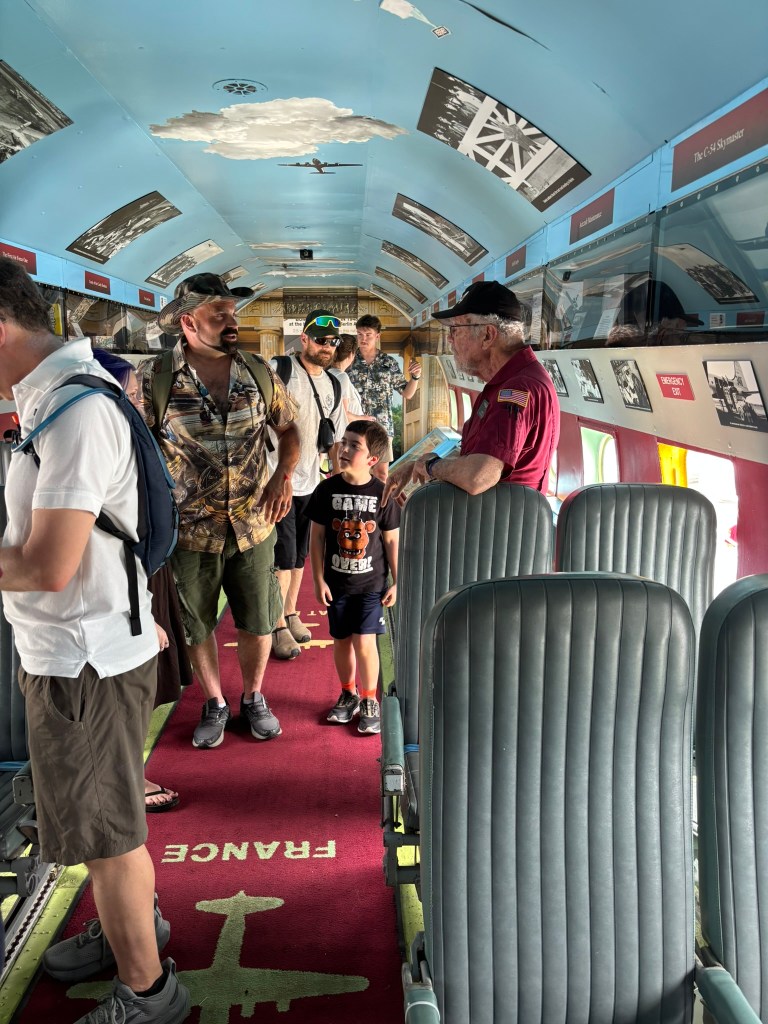
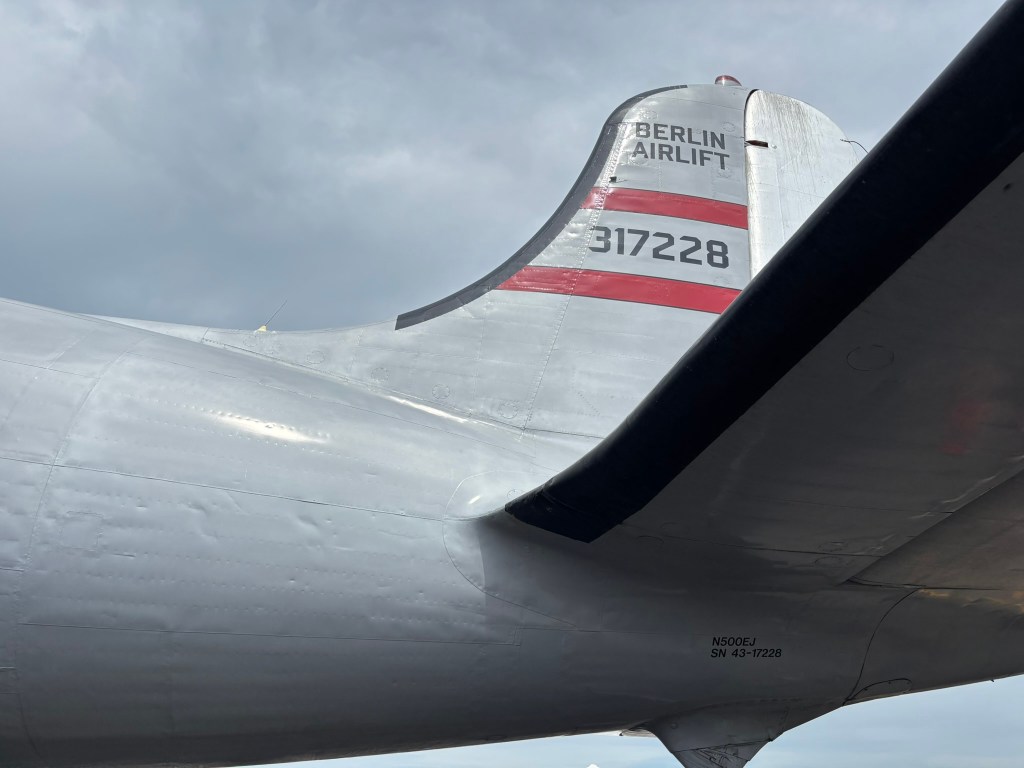
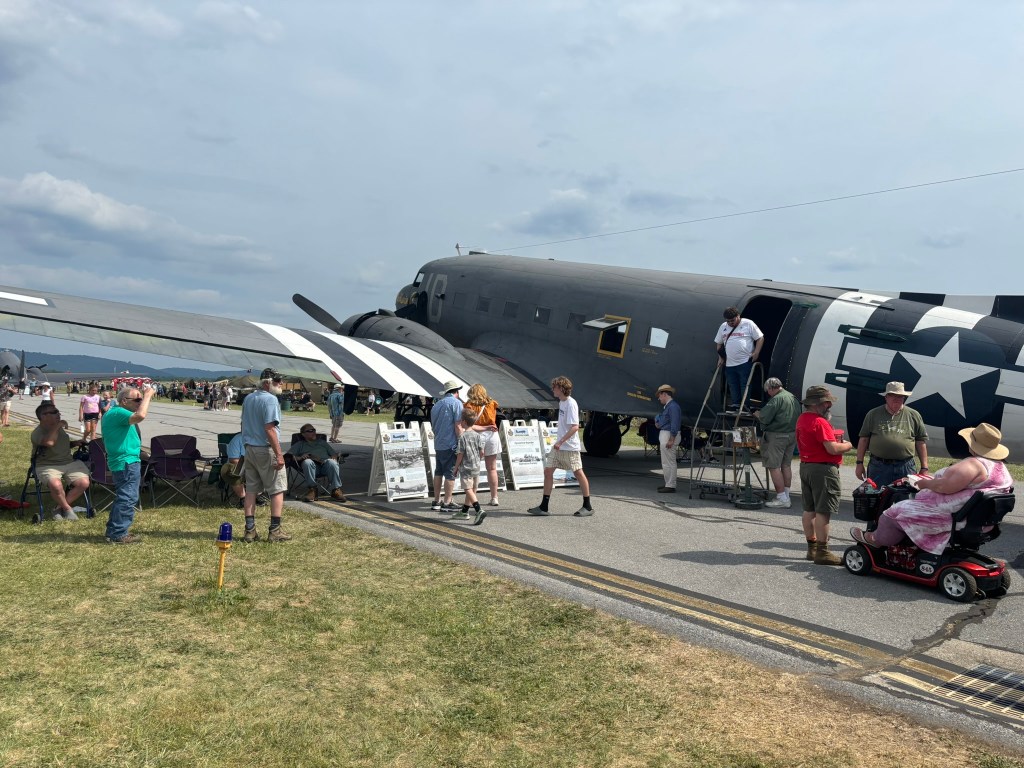
    It was a hot day, but it was well worth it. When we arrived, we made our way through the aircraft displays and, for the first time, were able to go inside a 1943 Douglas C-54D aircraft. The C-54 was the workhorse of the Berlin Airlift in 1948–1949. After World War II ended, the Soviet Union blockaded West Berlin in an effort to force the Western Allies out of the city, creating one of the first major crises of the Cold War. For nearly fifteen months, the United States and Great Britain airlifted food, fuel, and other supplies to the people of West Berlin. By May 1949, the Soviet Union lifted the blockade. Today, the aircraft has been transformed into a flying museum and, remarkably, still takes to the skies like many of the other planes on display.

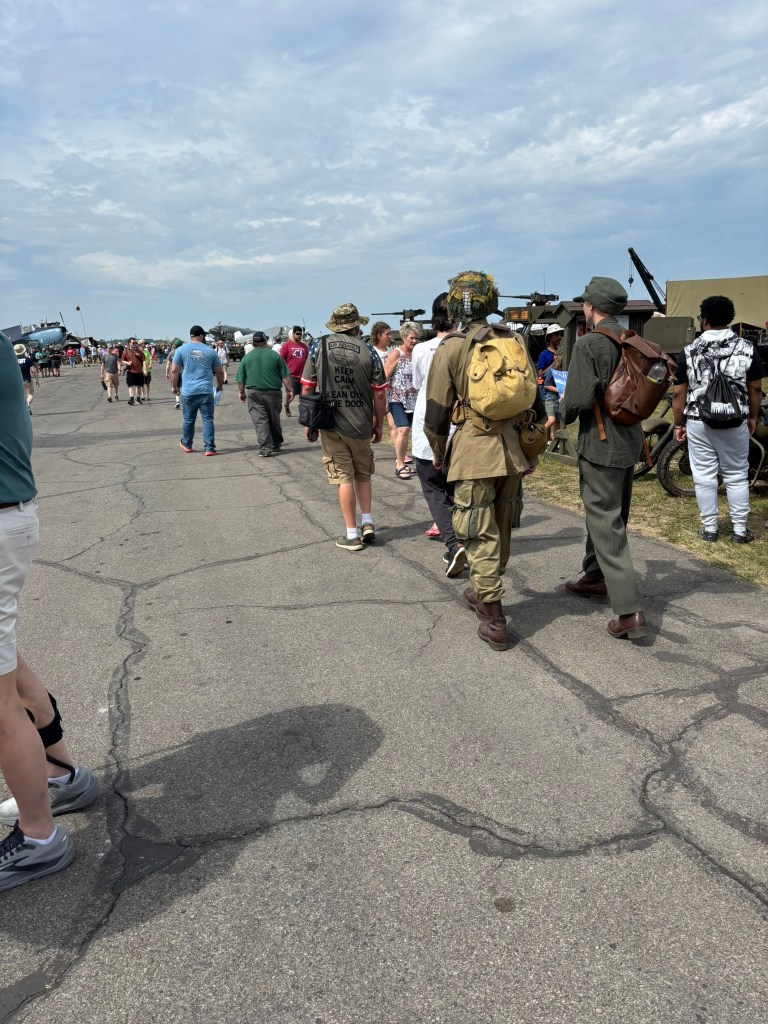
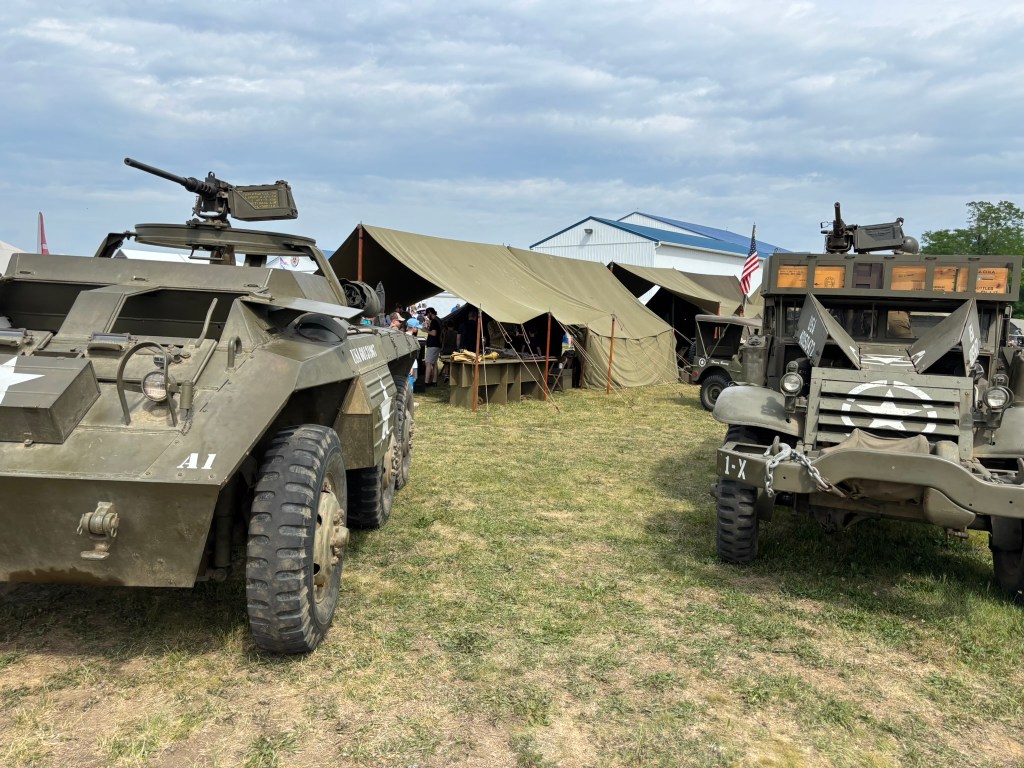
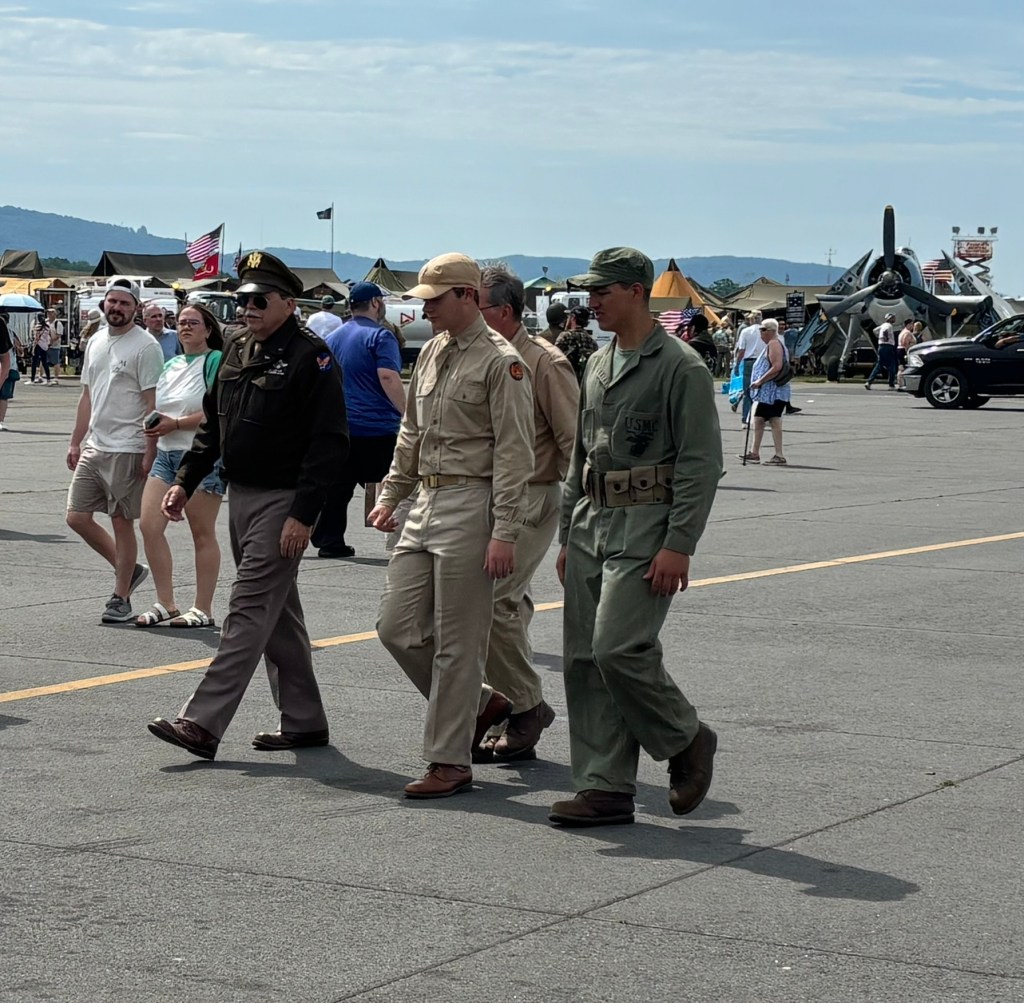
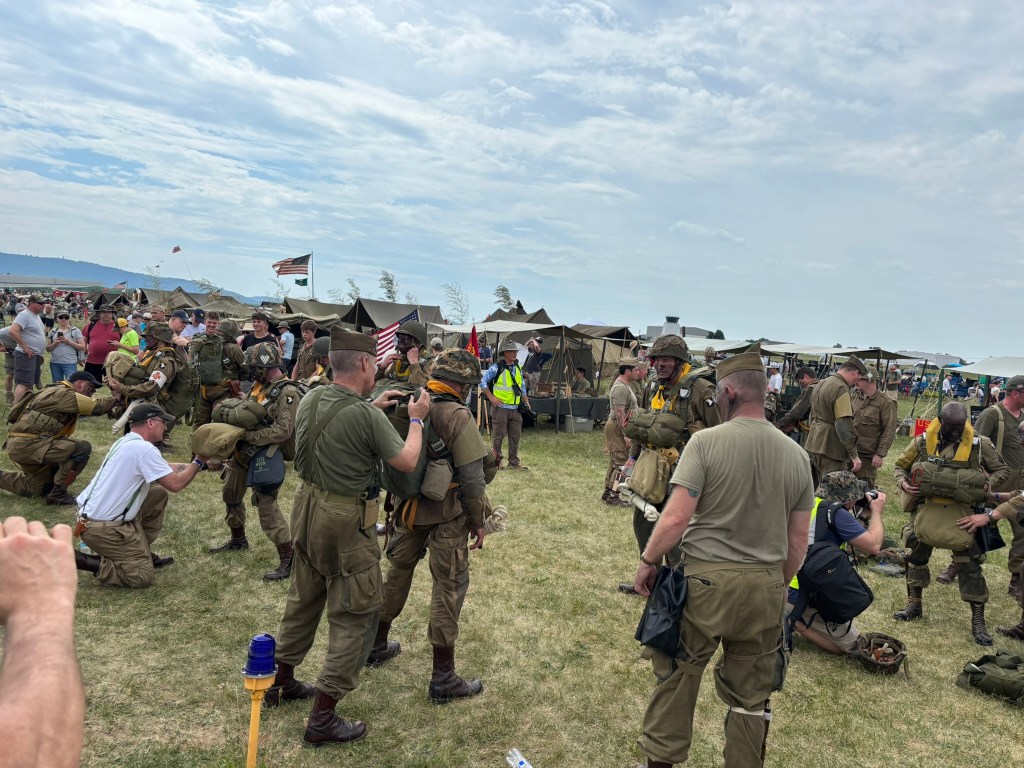
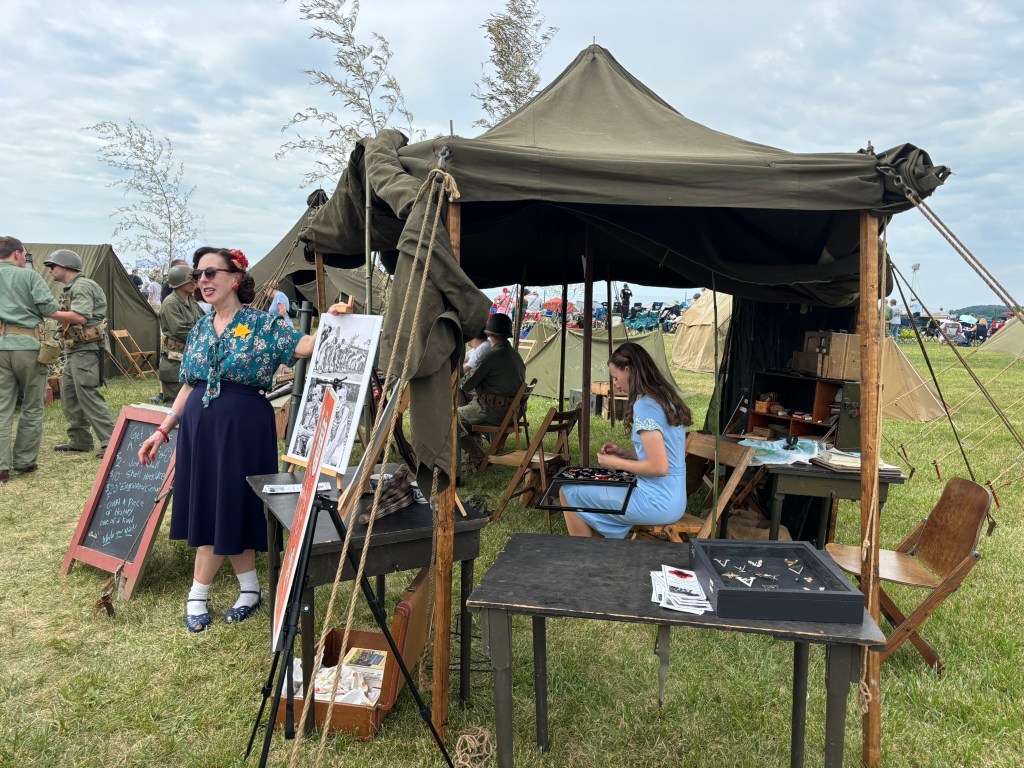
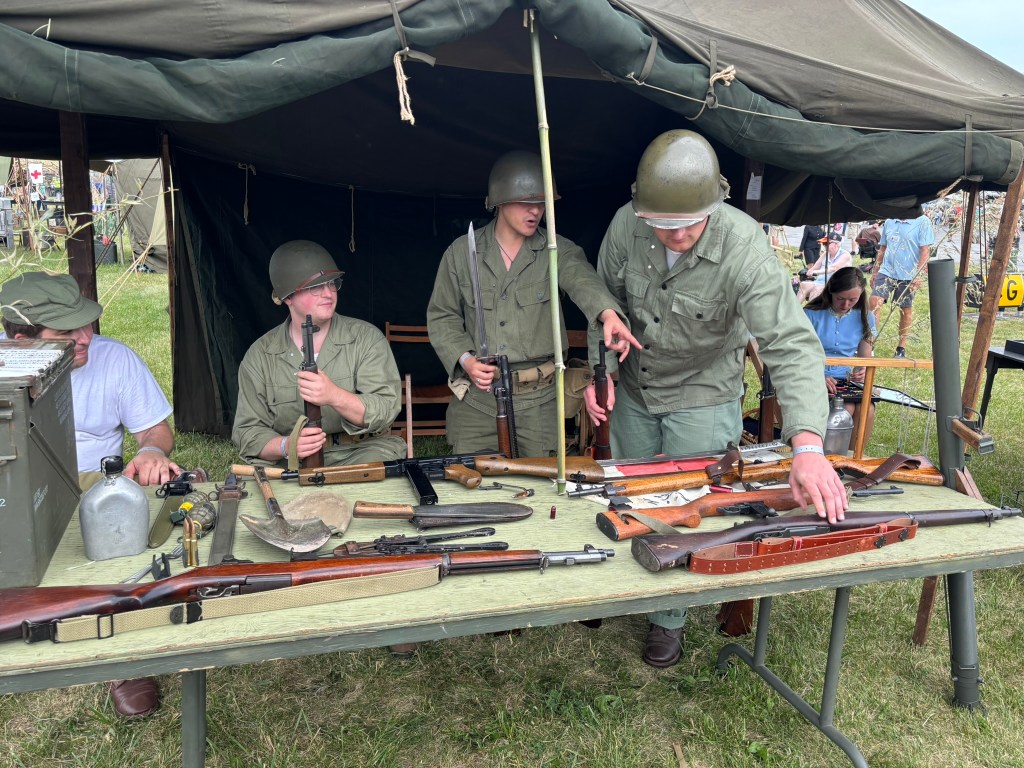
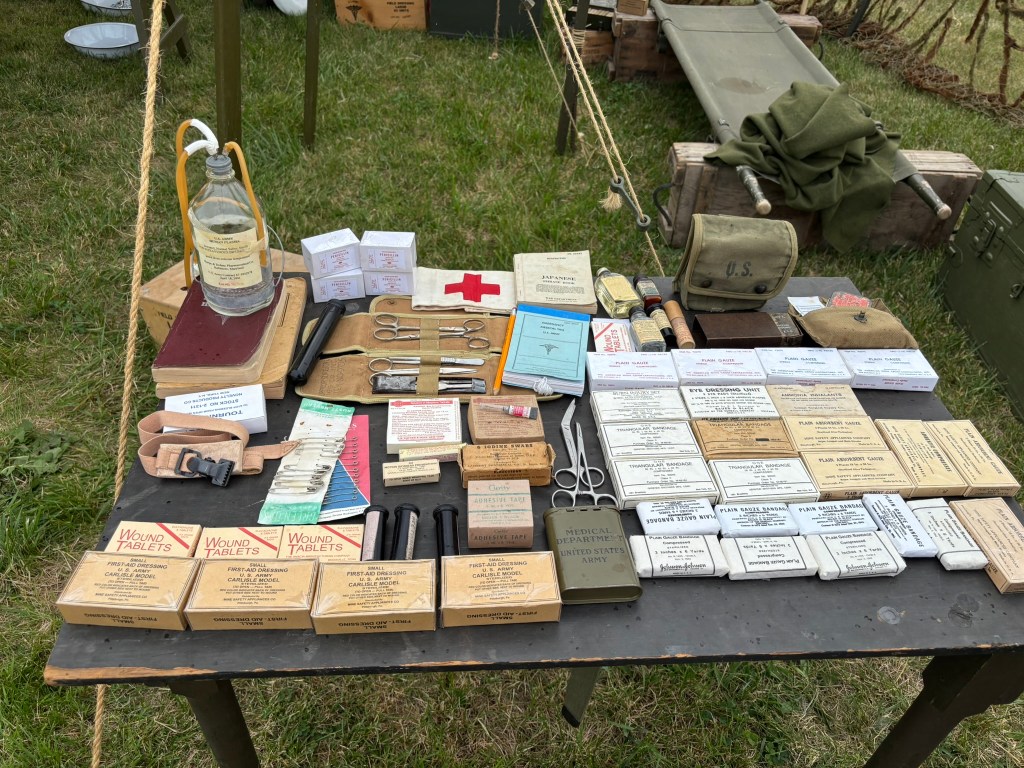
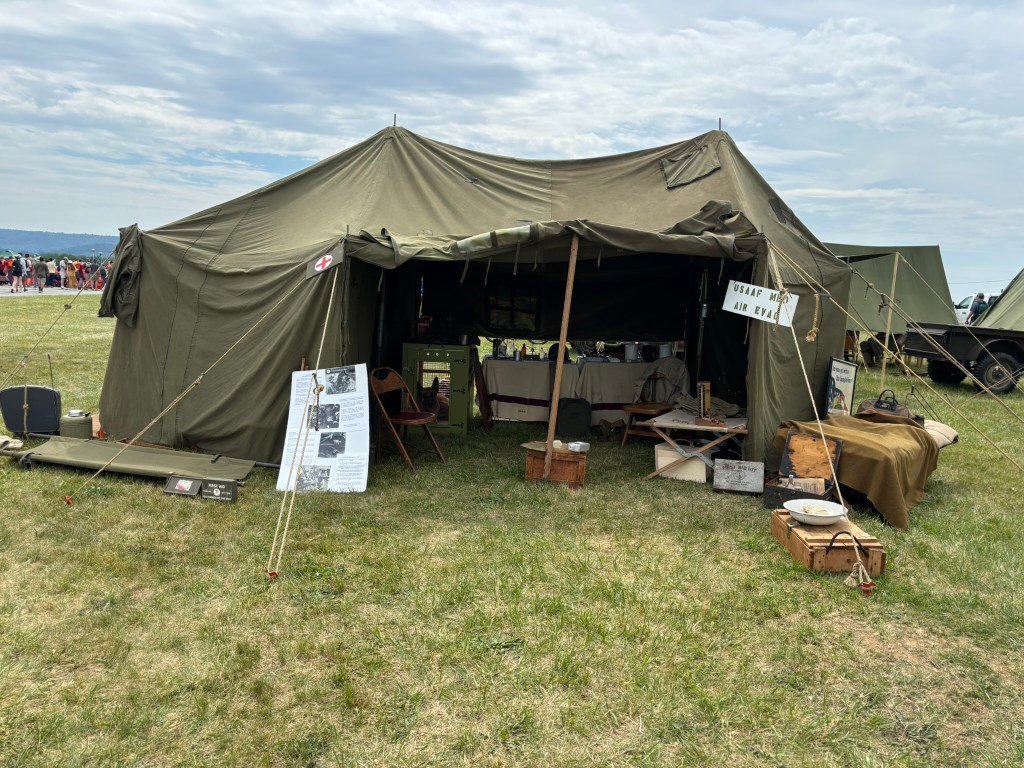
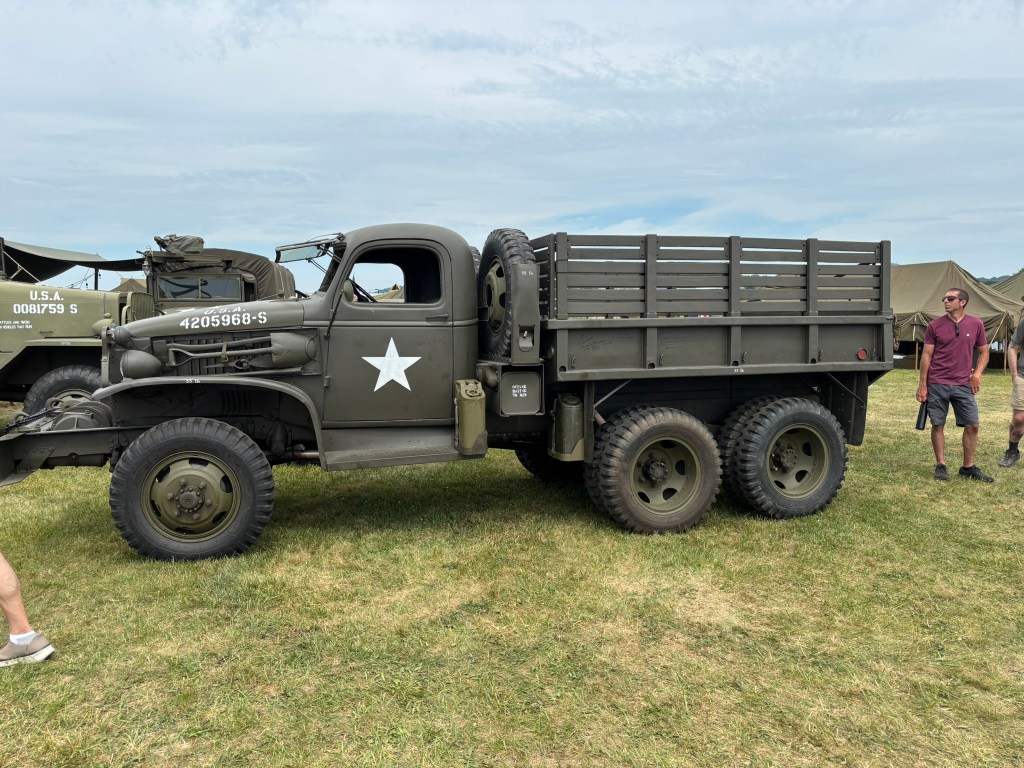
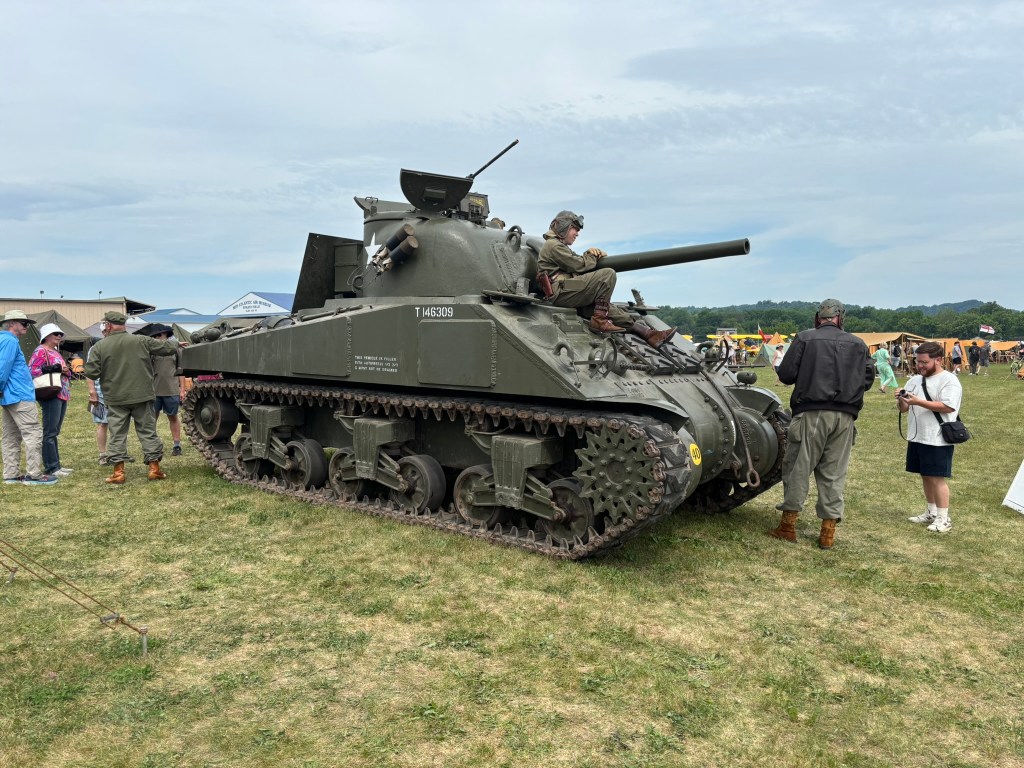
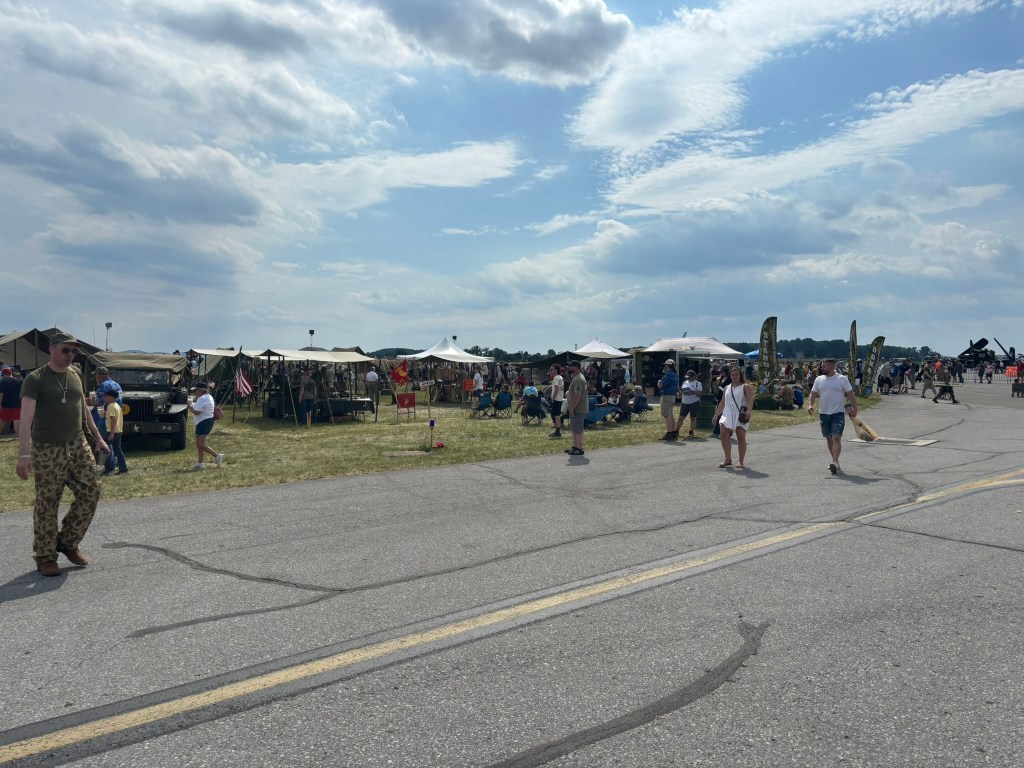
    After exiting the aircraft, my dad and I made our way through the various military camps. Every year, I am amazed by the amount of time and dedication required to set up the camps that stretch across the grounds. The reenactors are extremely knowledgeable and eager to share details about what was necessary to serve during the war. As you walk through the camps, you almost feel as though you are stepping back in time. Weapons, equipment, supplies, and everyday necessities are all on display, serving as reminders of what soldiers endured when they were not on the battlefield.

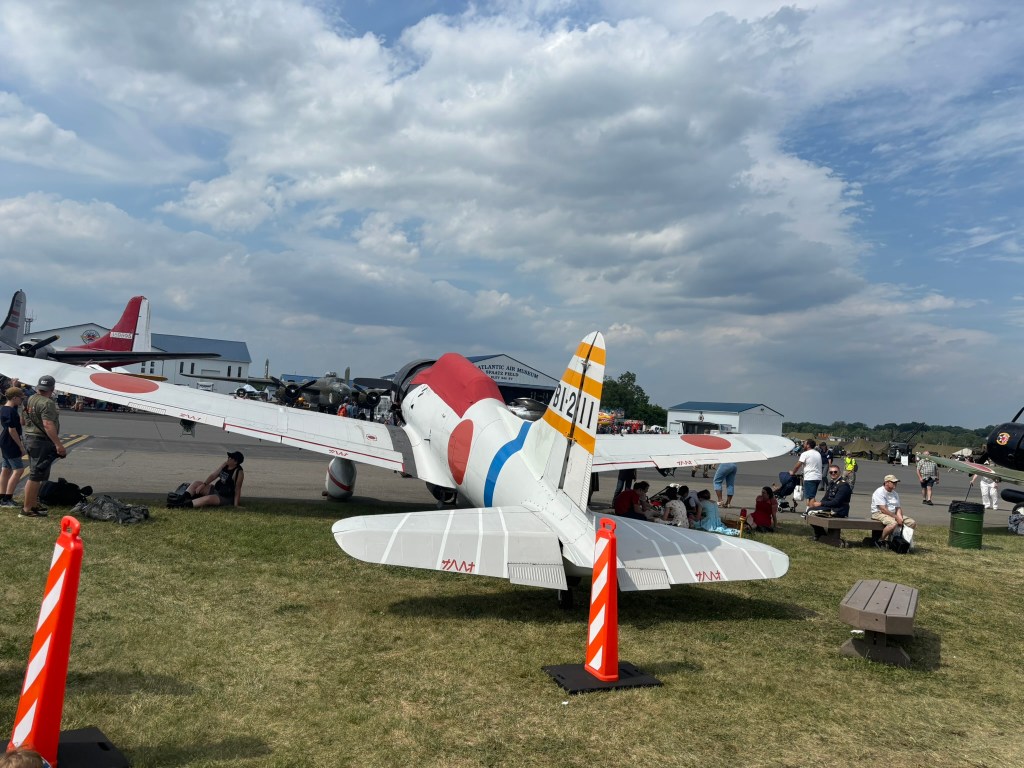
    At about 11:30 a.m., we stopped at one of the food trucks for lunch before finding a spot near the airfield to watch the afternoon airshow. Around 12:30 p.m., paratroopers jumped from an aircraft, an event you can check out on my social media pages in the coming days. My video captures the first of two jumps. The paratroopers were especially brave considering the windy conditions on Saturday, yet they proceeded with the demonstration anyway.

    The airshow was highly entertaining, and it is always a pleasure to watch The Jersey Jerks, an airshow team that consistently puts on an impressive performance. Other pilots also took to the skies to showcase many of the aircraft that had been on display throughout the grounds. You can also check out my social media pages for videos of the airshow.

    My dad and I watched the flying demonstrations until nearly 4:00 p.m. Afterward, we took one final walk around the event before heading toward the shuttle buses. However, when we saw the long line waiting for transportation back to the parking area, we decided to get an Uber instead.

    What’s great about World War II Weekend is that the event draws a huge crowd, yet the Reading airport grounds are so expansive—and there are so many camps, exhibits, and aircraft to explore—that it never feels overcrowded.  

    It was especially meaningful to attend the event on the 82nd anniversary of D-Day. It is encouraging to see so many people come together to learn about World War II and honor those who served during the conflict. If you have never made the trip to Reading for World War II Weekend, I highly recommend it.

    For more information about the event, visit: https://maam.org/wwii/

    Check out my related blog posts below:

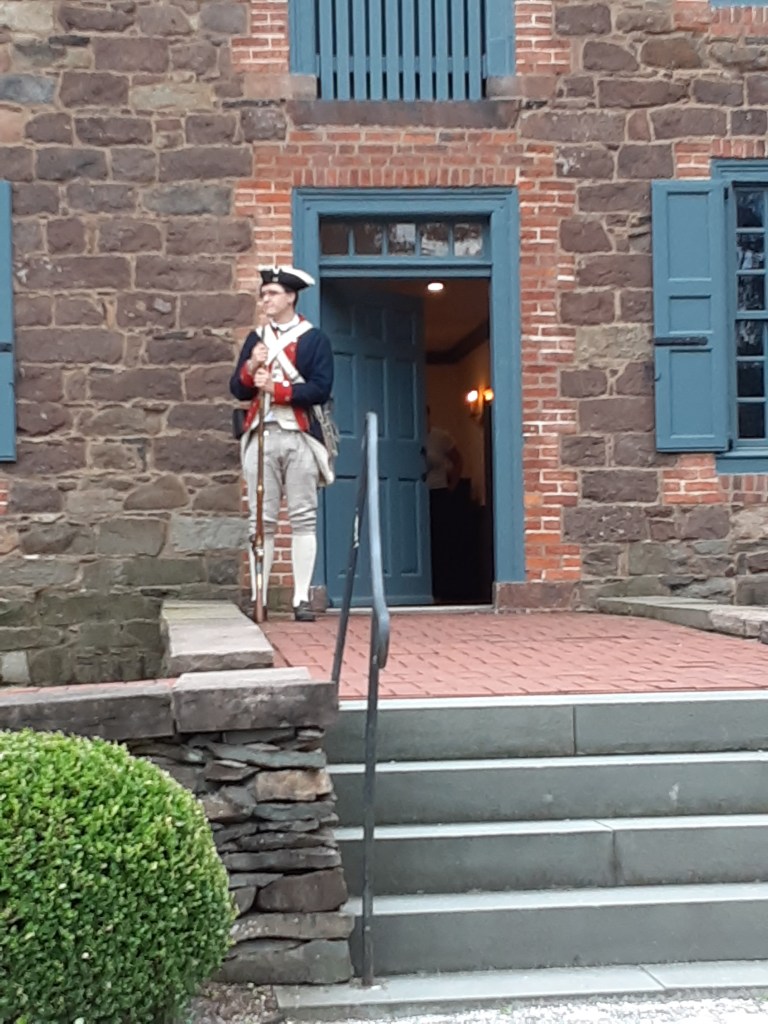
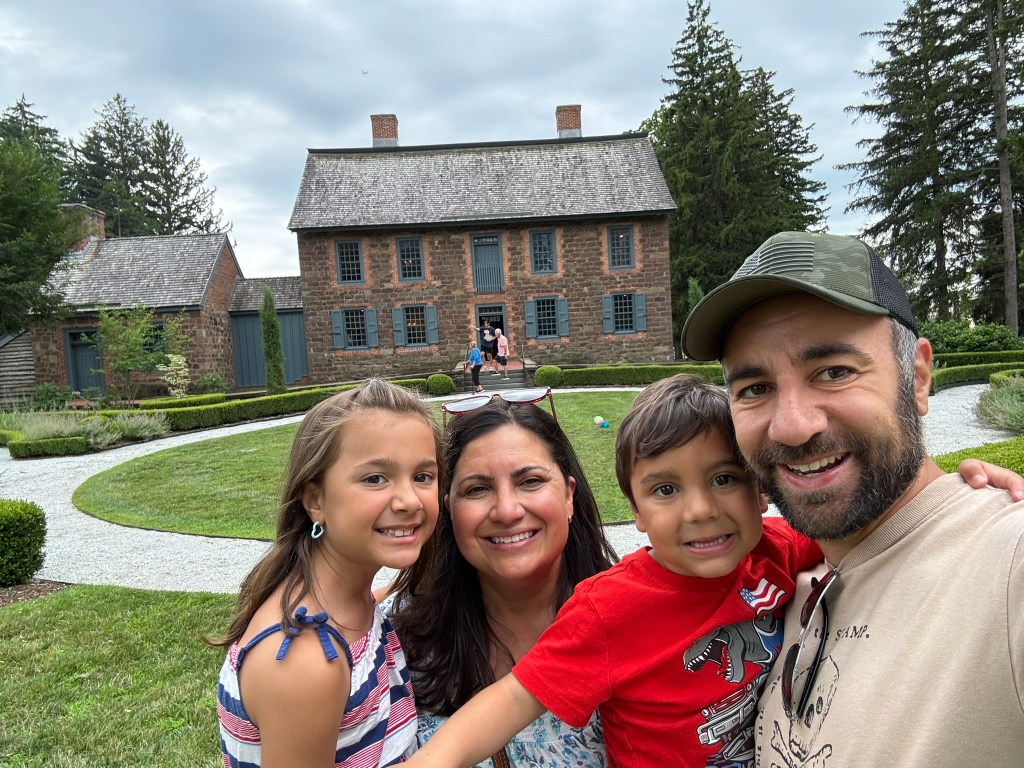
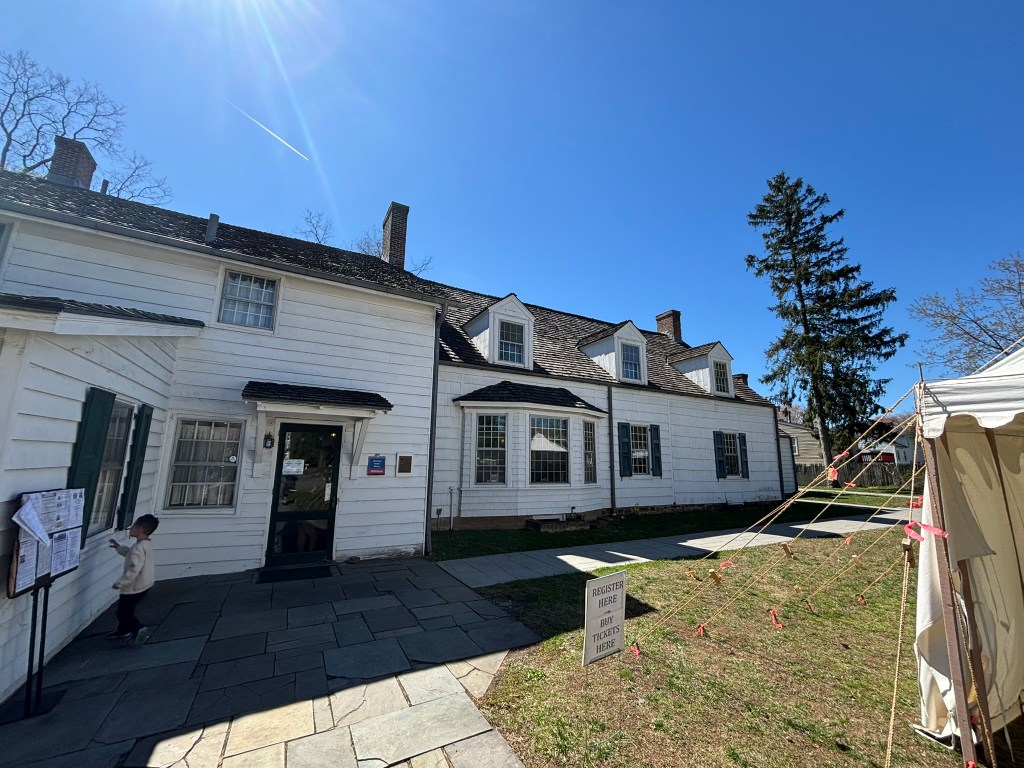
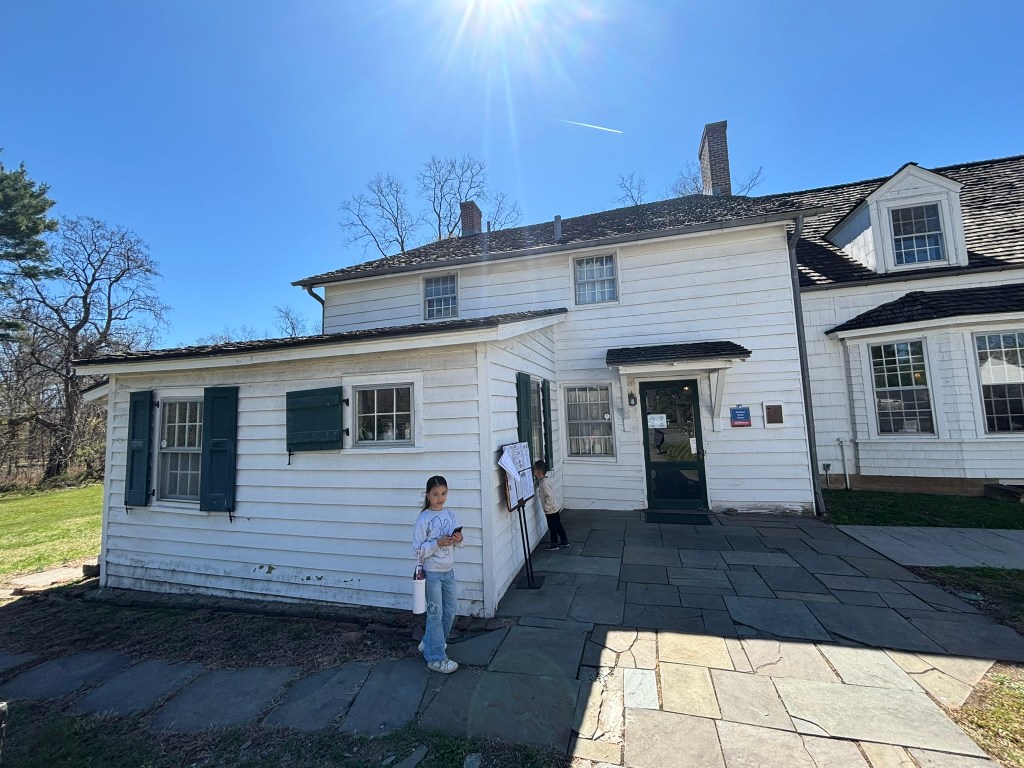
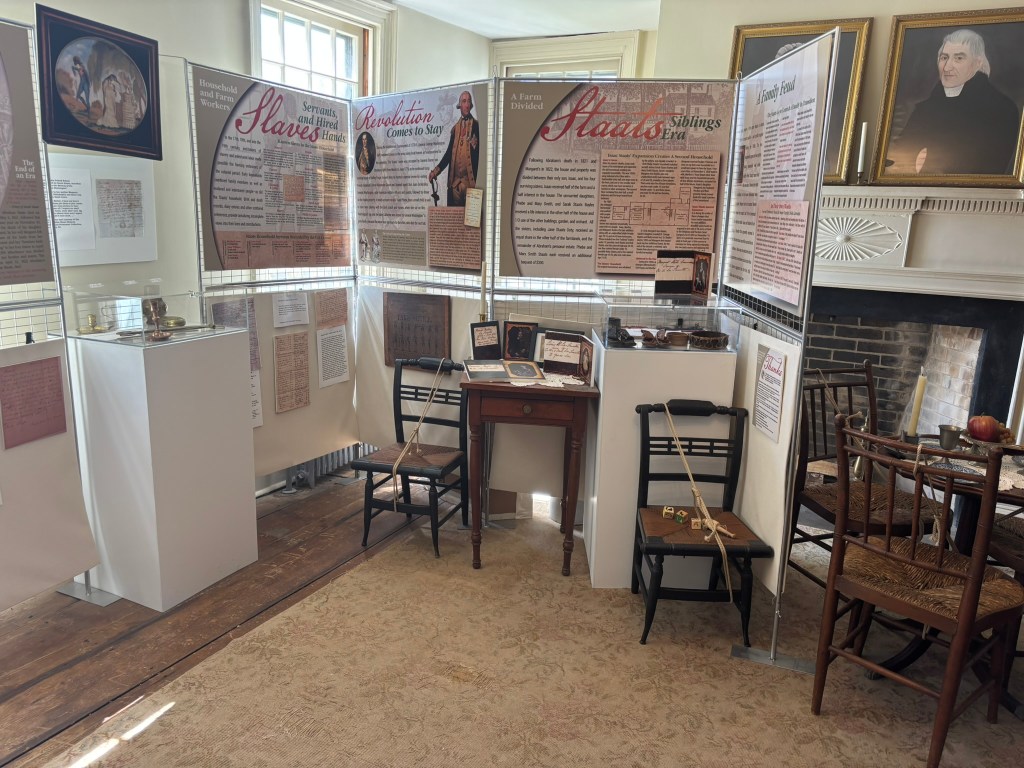
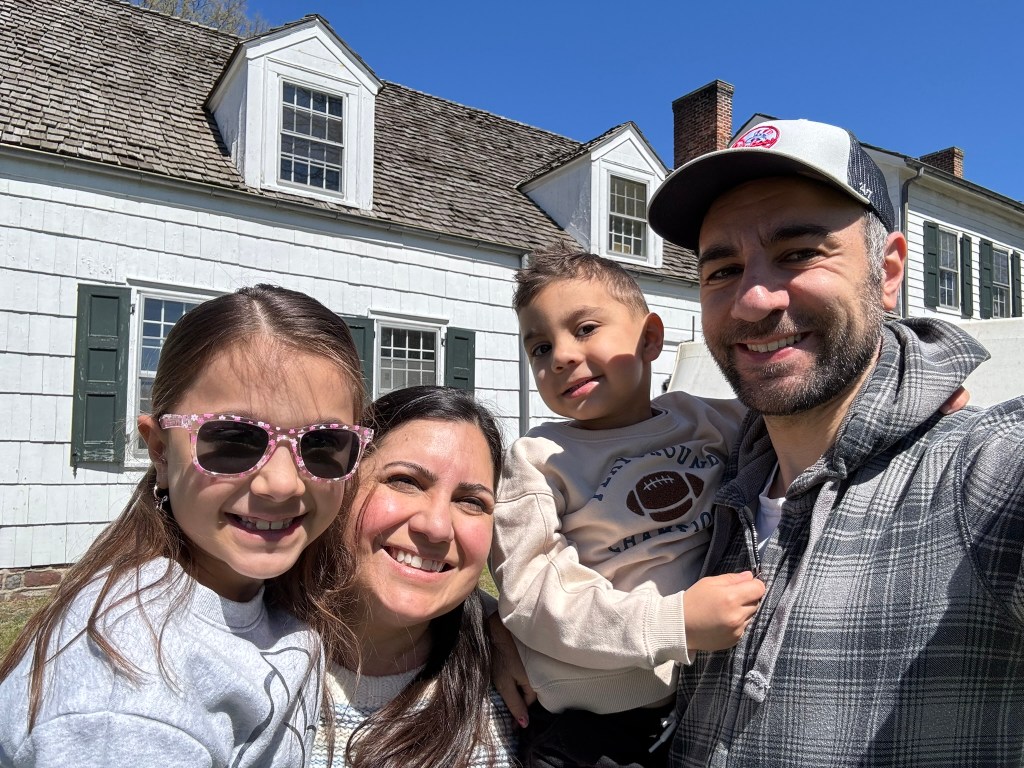
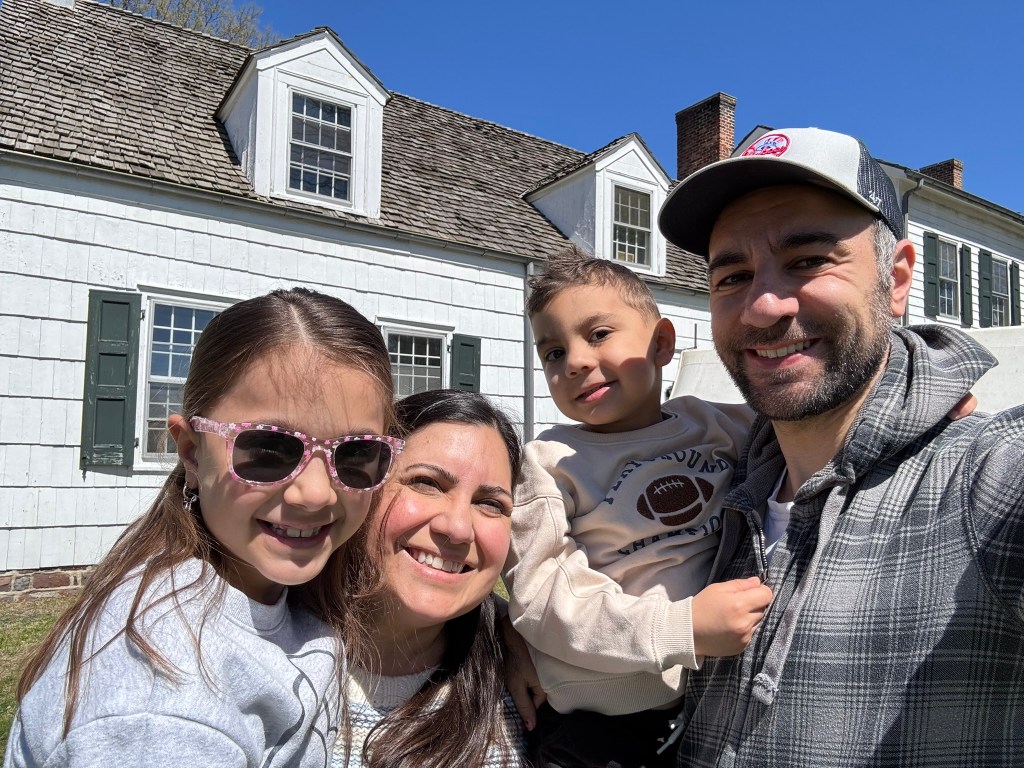
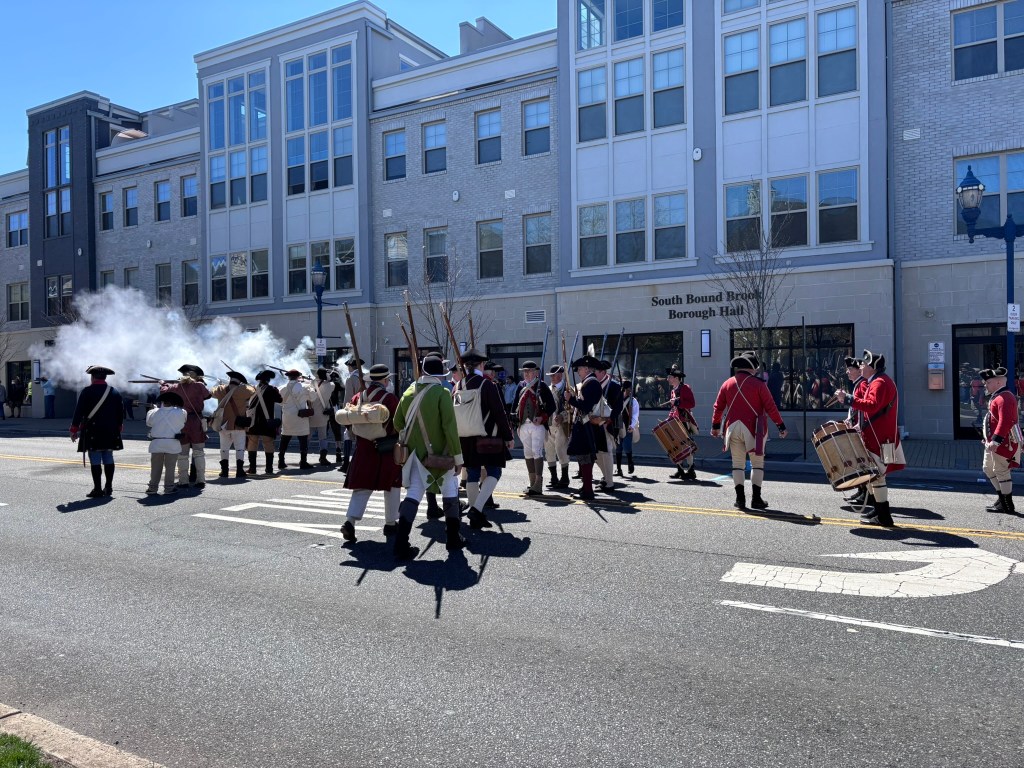
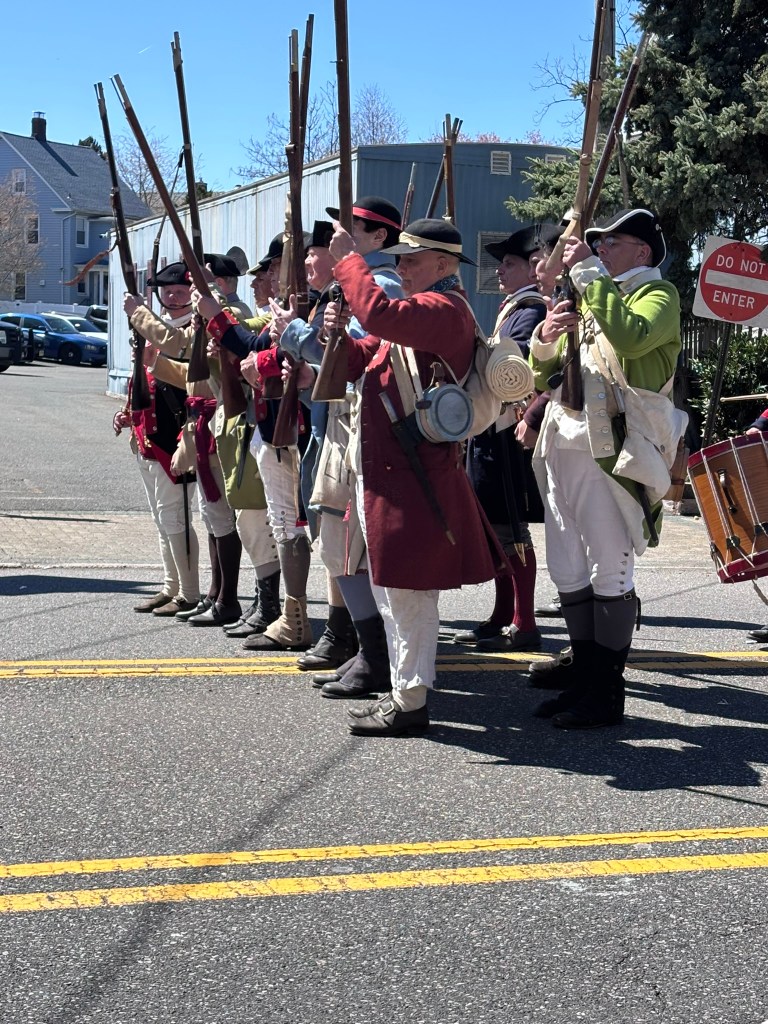
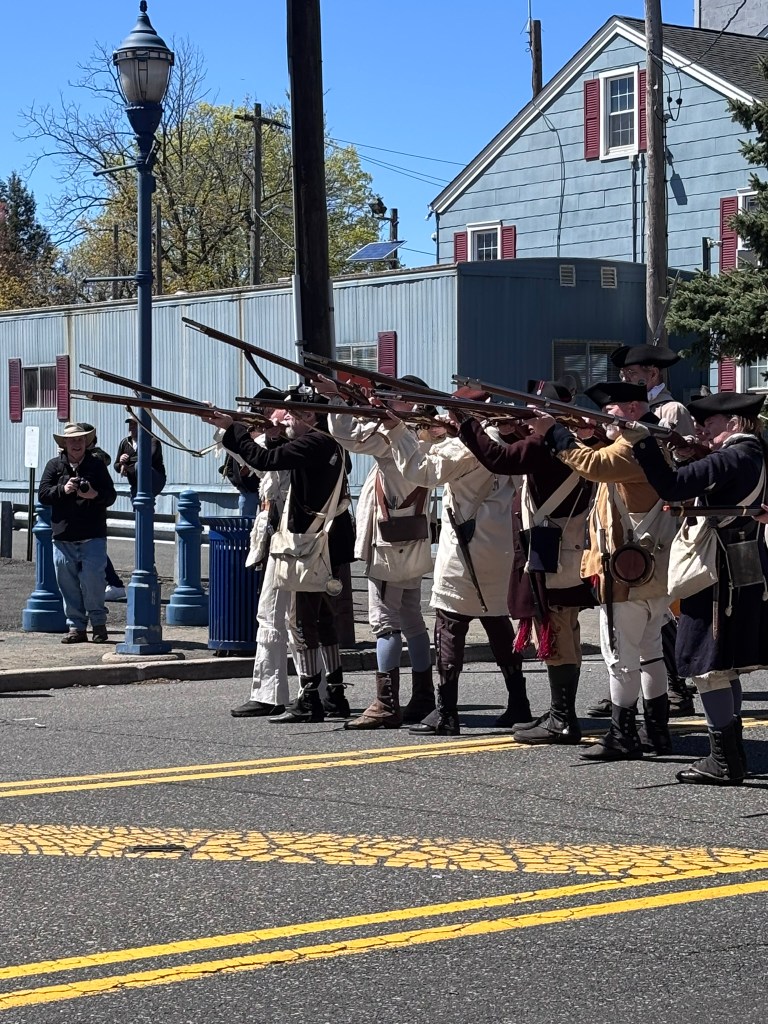
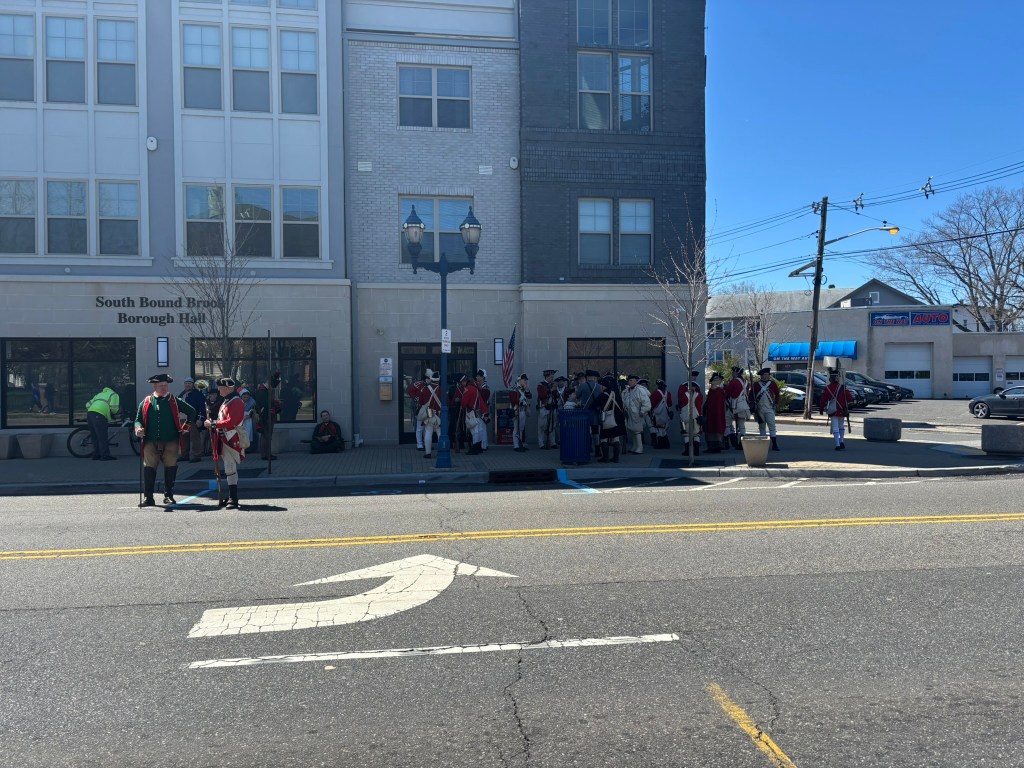
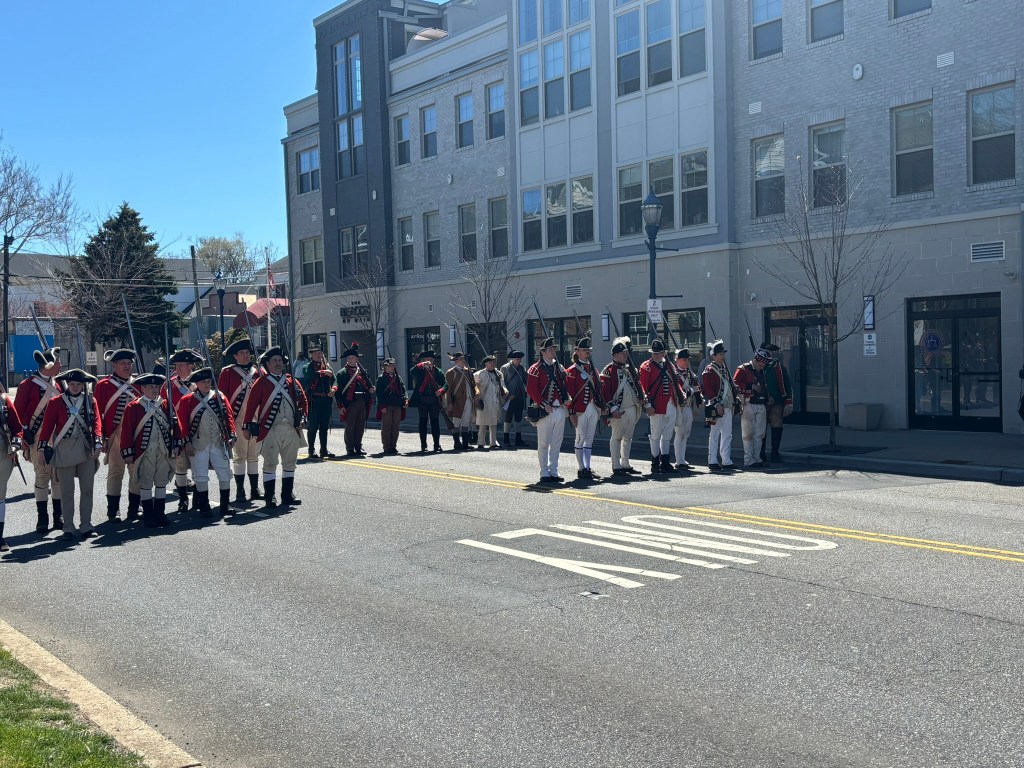
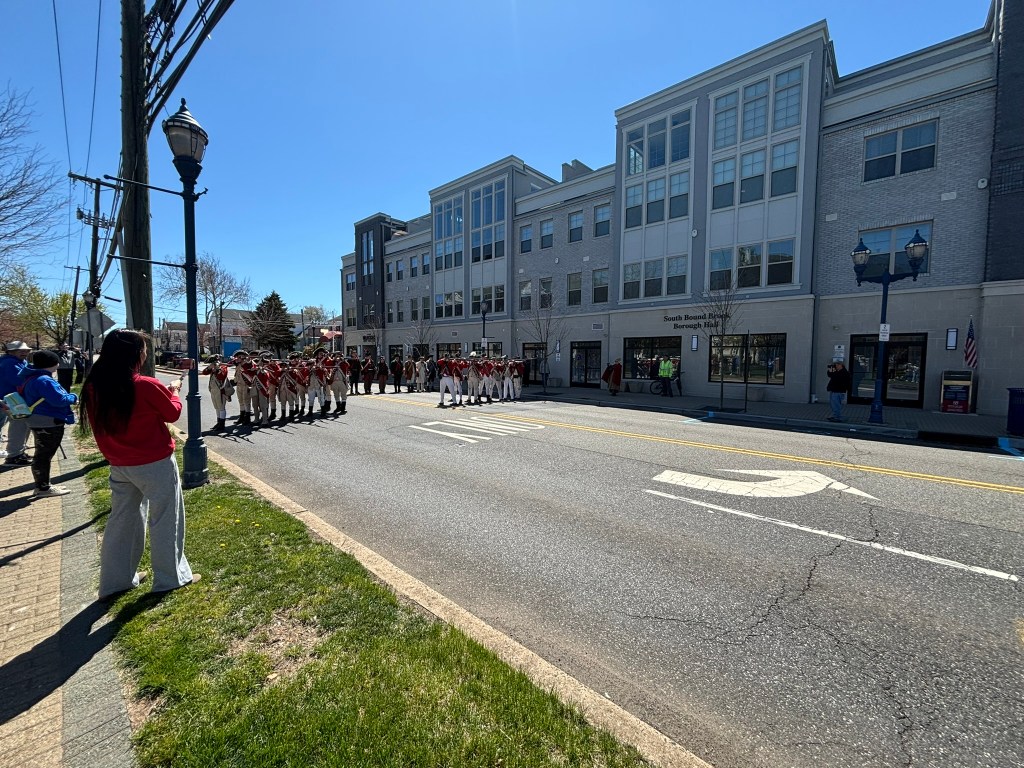
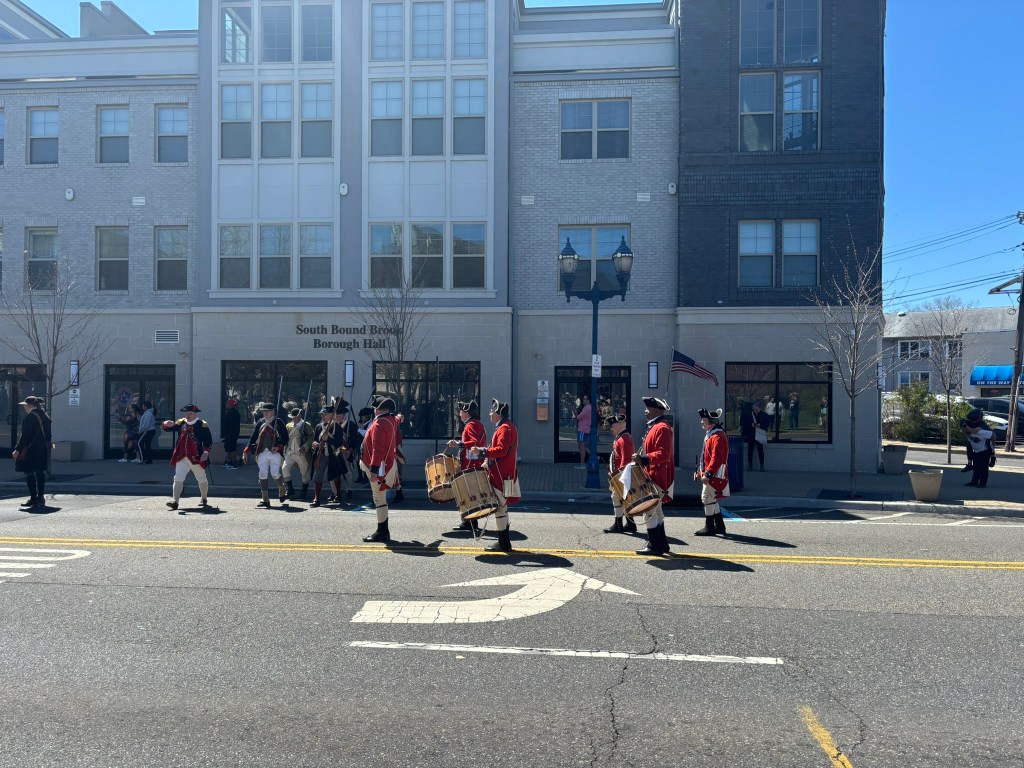
  • My family and I made it out to the Annual Battle of Bound Brook Living History Weekend. It’s held each year in South Bound Brook to commemorate the Battle of Bound Brook, which took place on April 13, 1777, during the Revolutionary War. This was our first time attending the event—which lasts all weekend—and also our first visit to the Abraham Staats House. There were multiple events taking place throughout the area over the course of the weekend.

    The Abraham Staats House

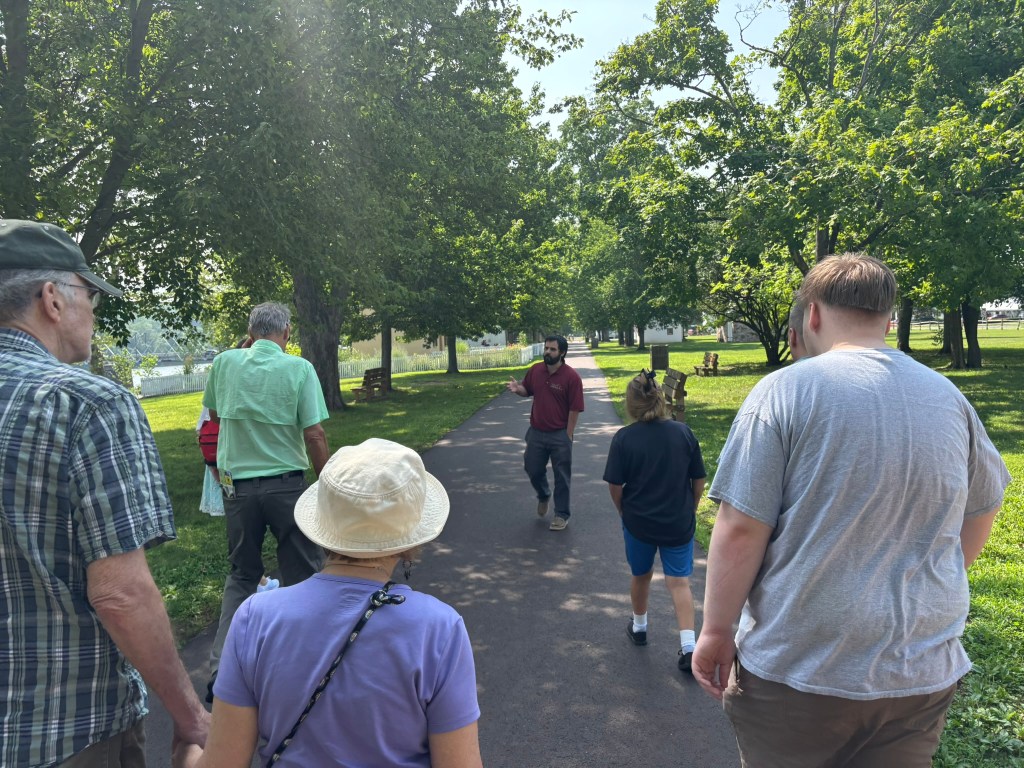
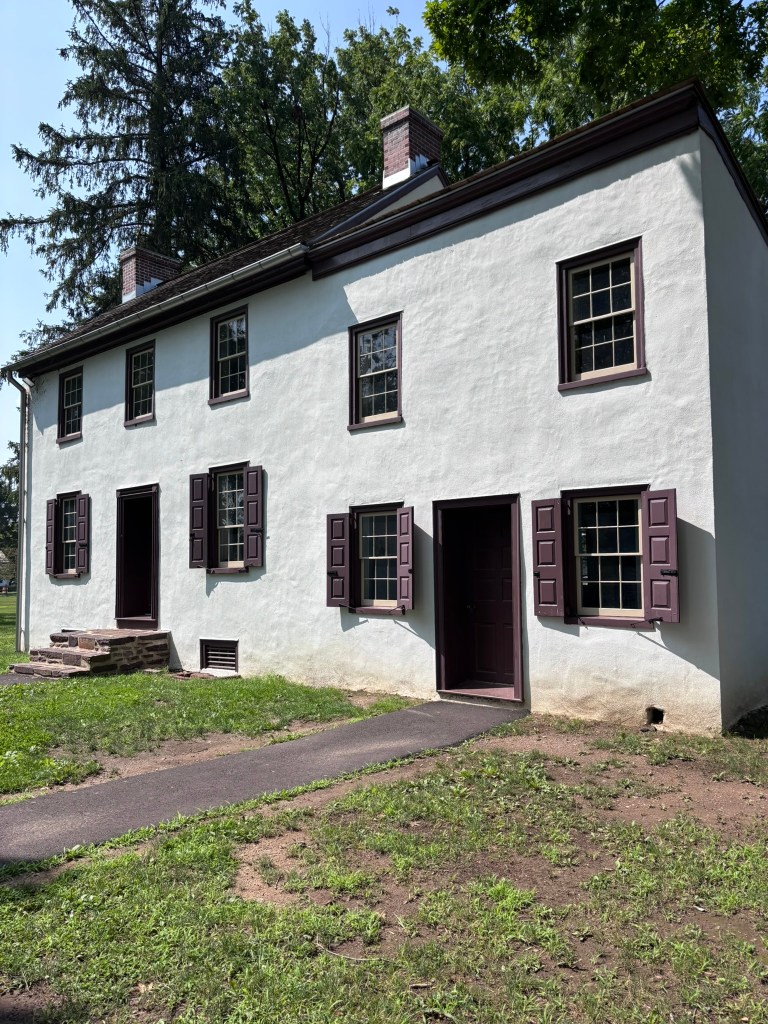
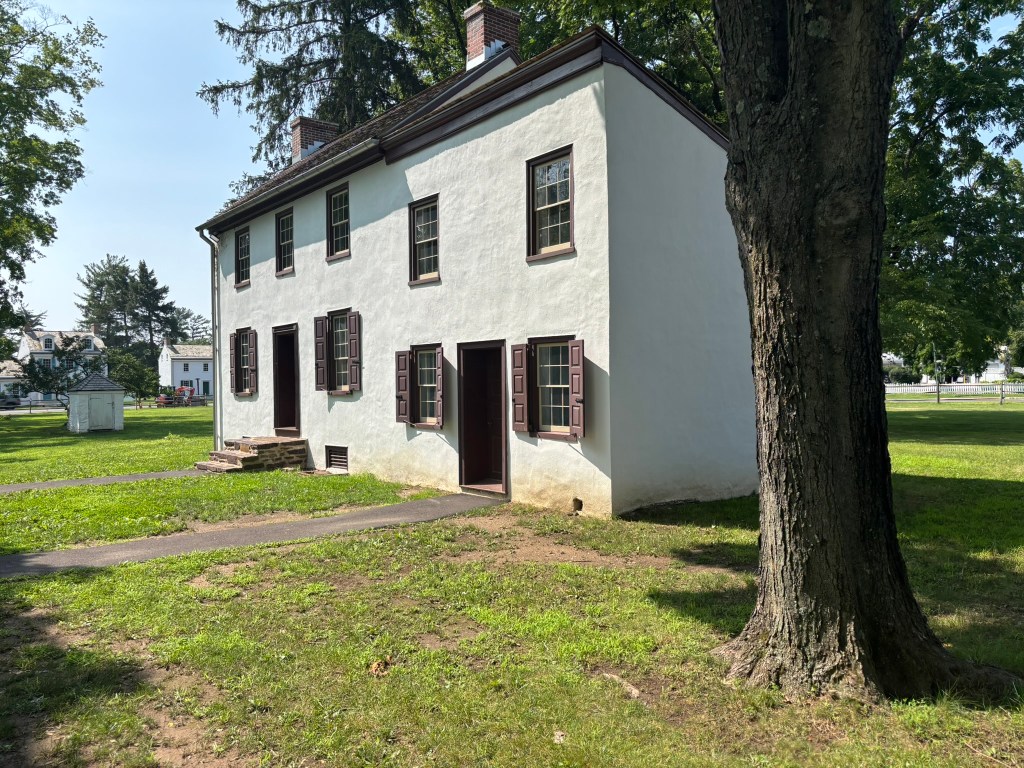
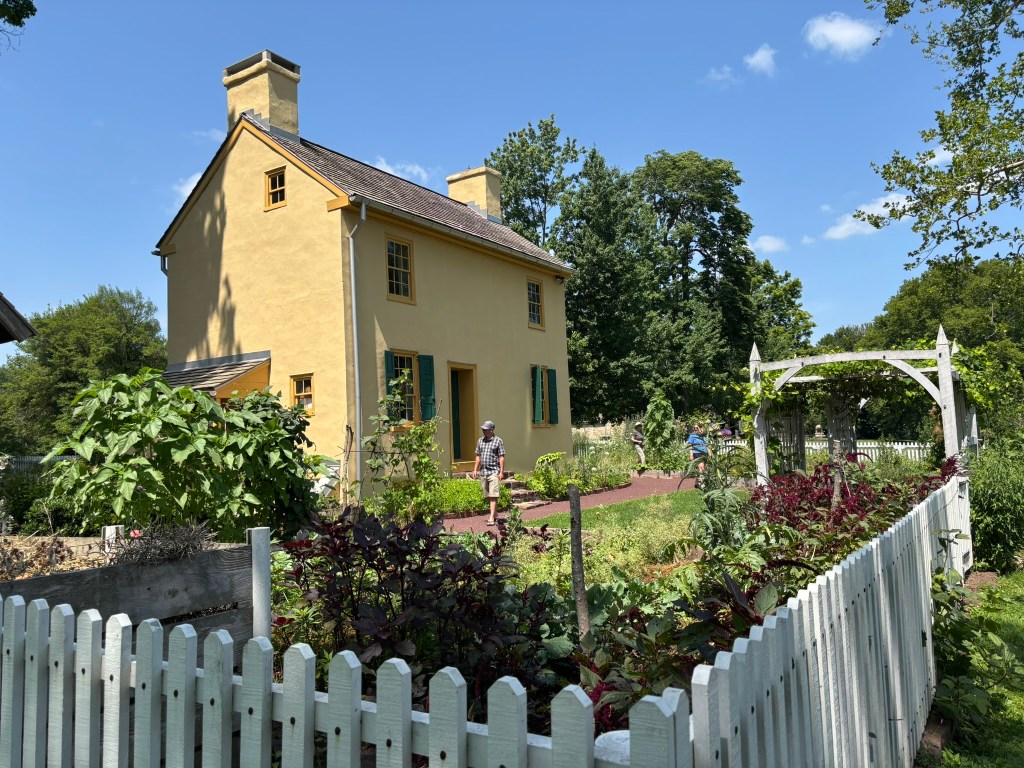
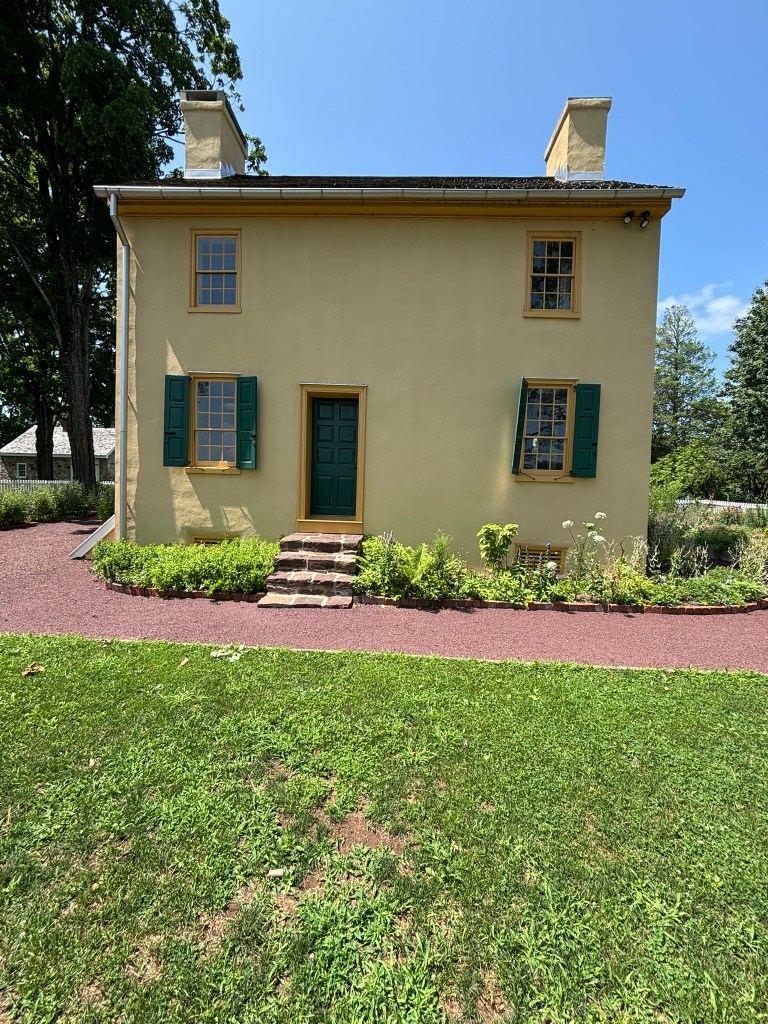
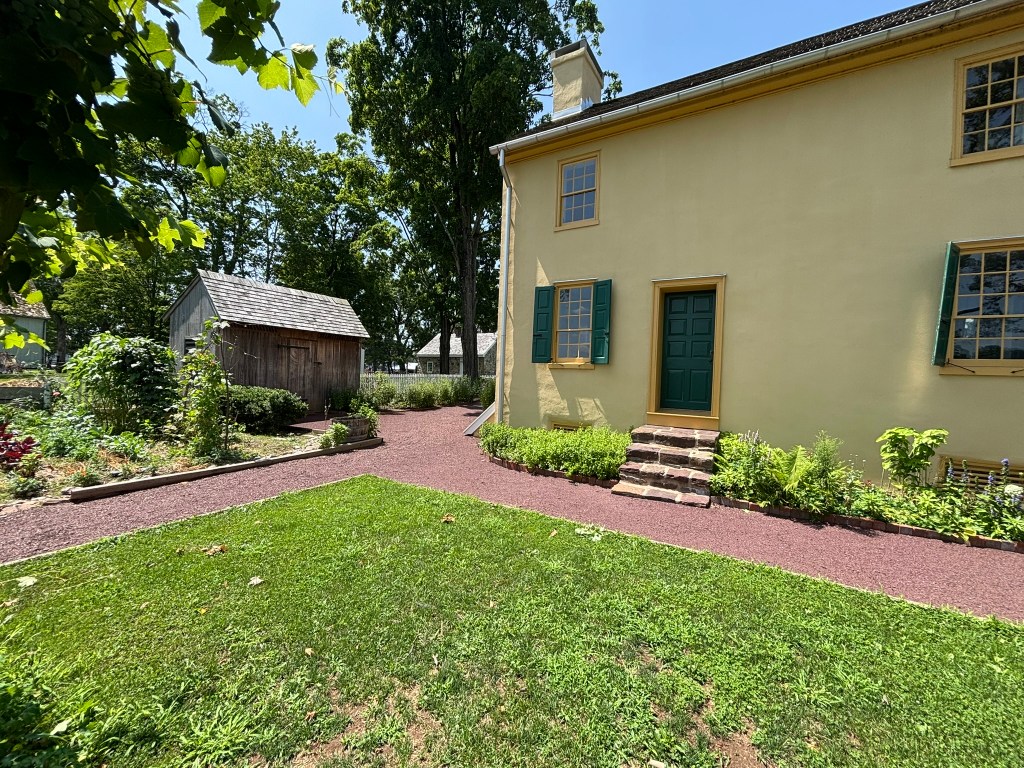
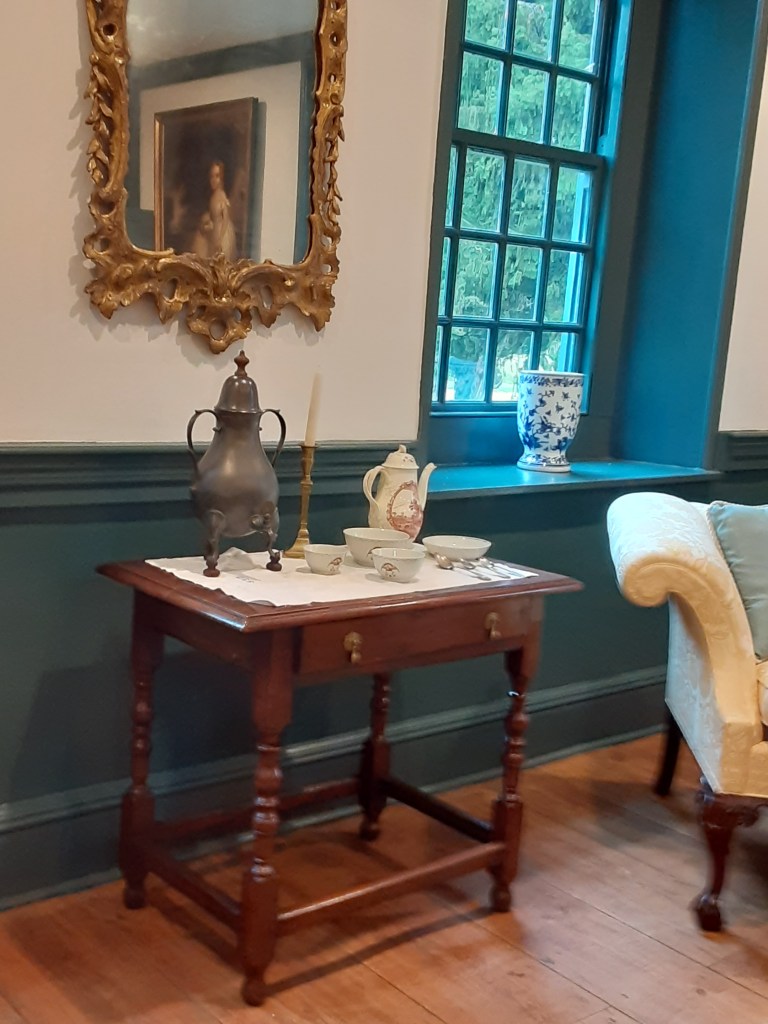
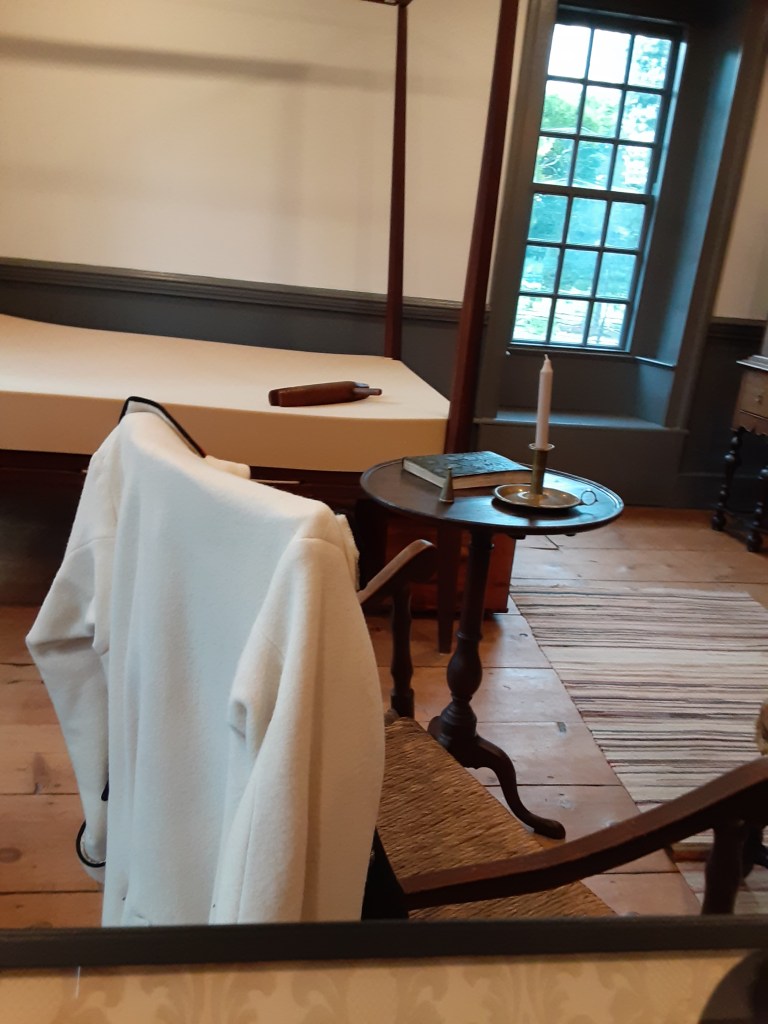
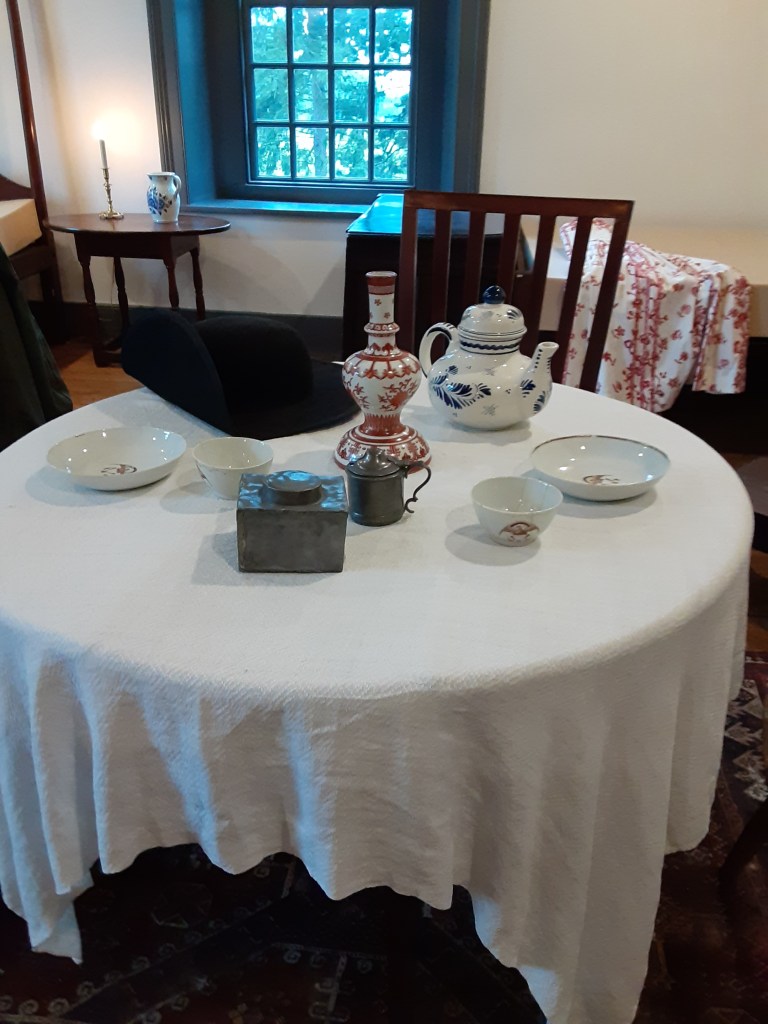
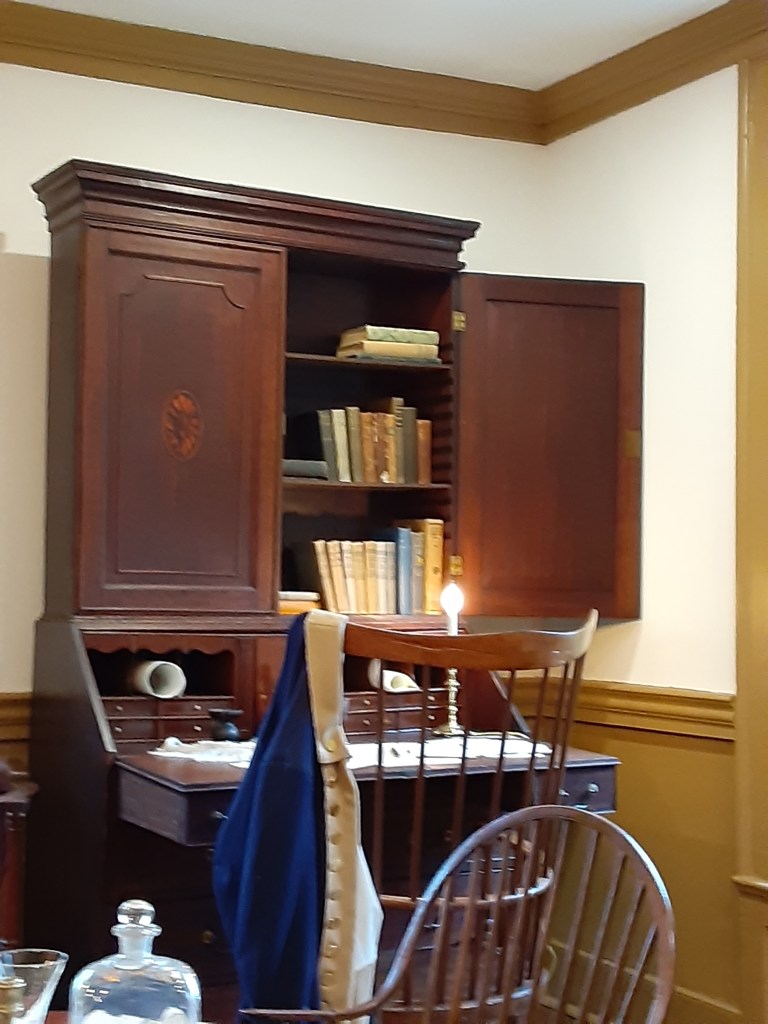
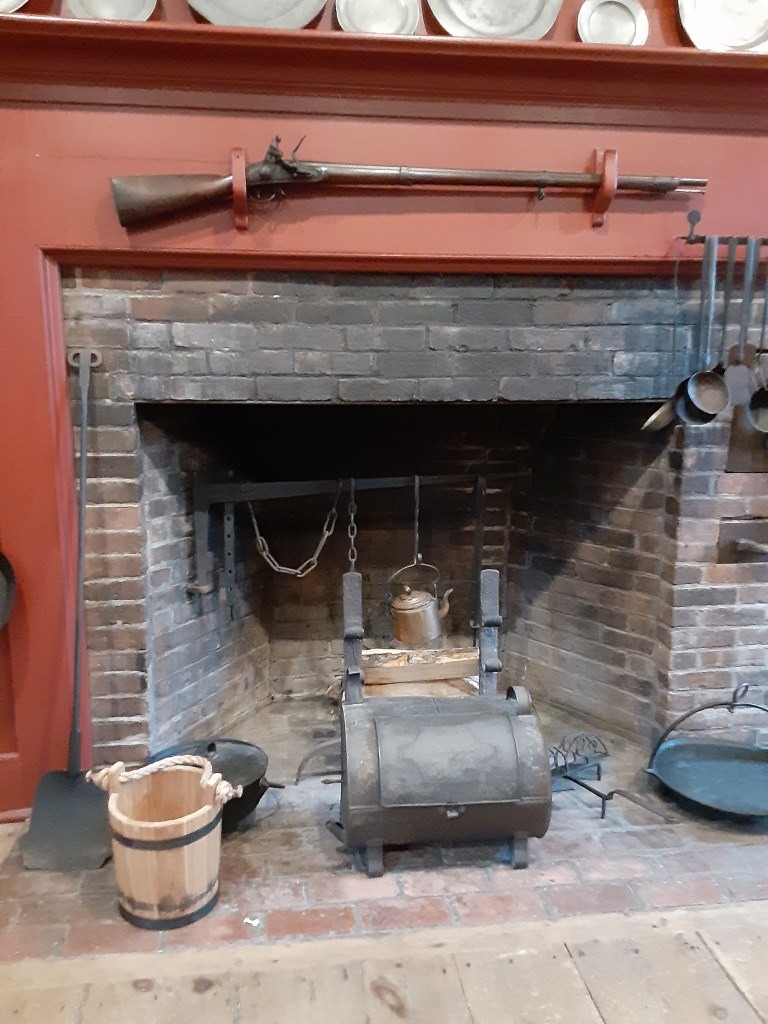
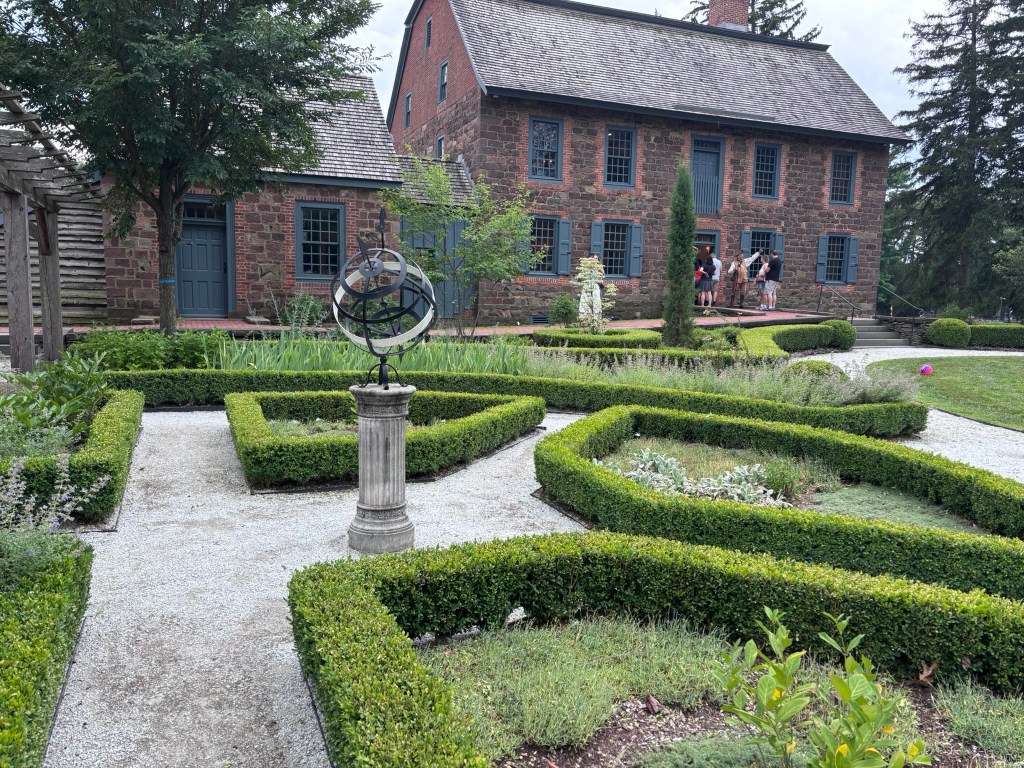
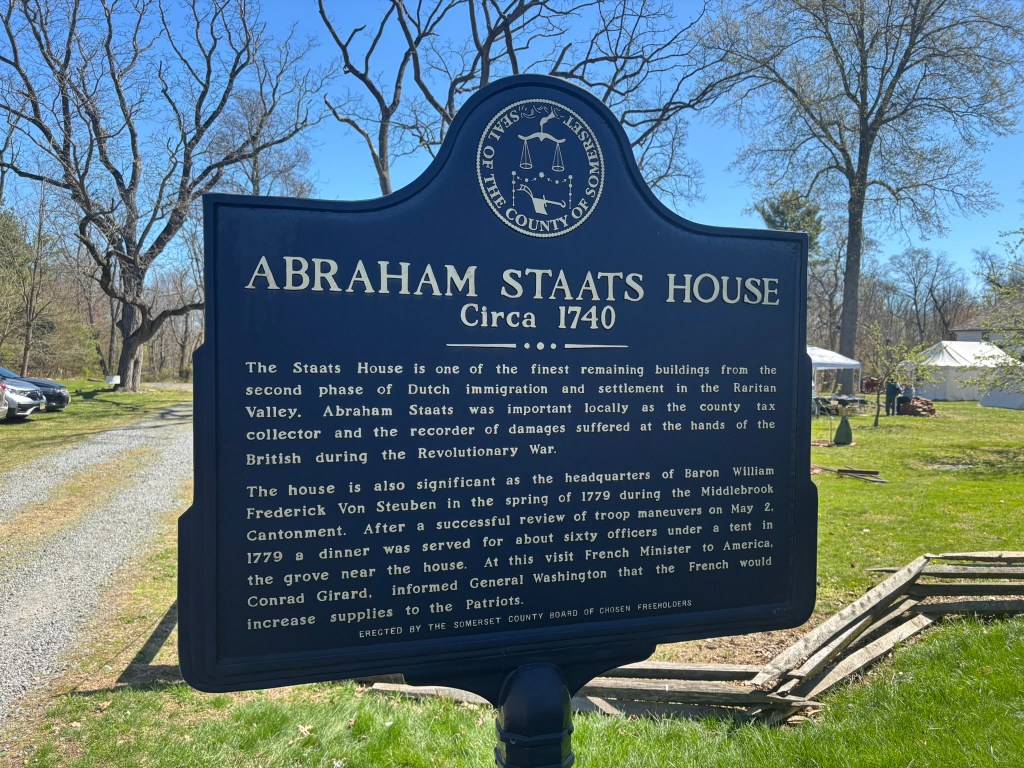
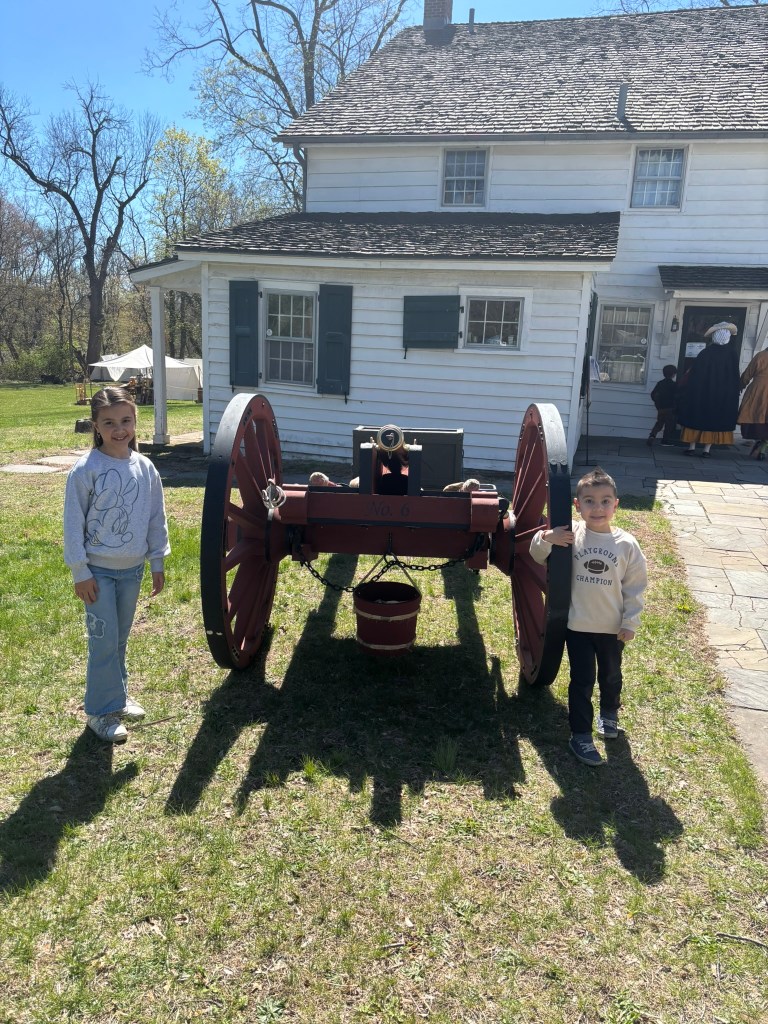
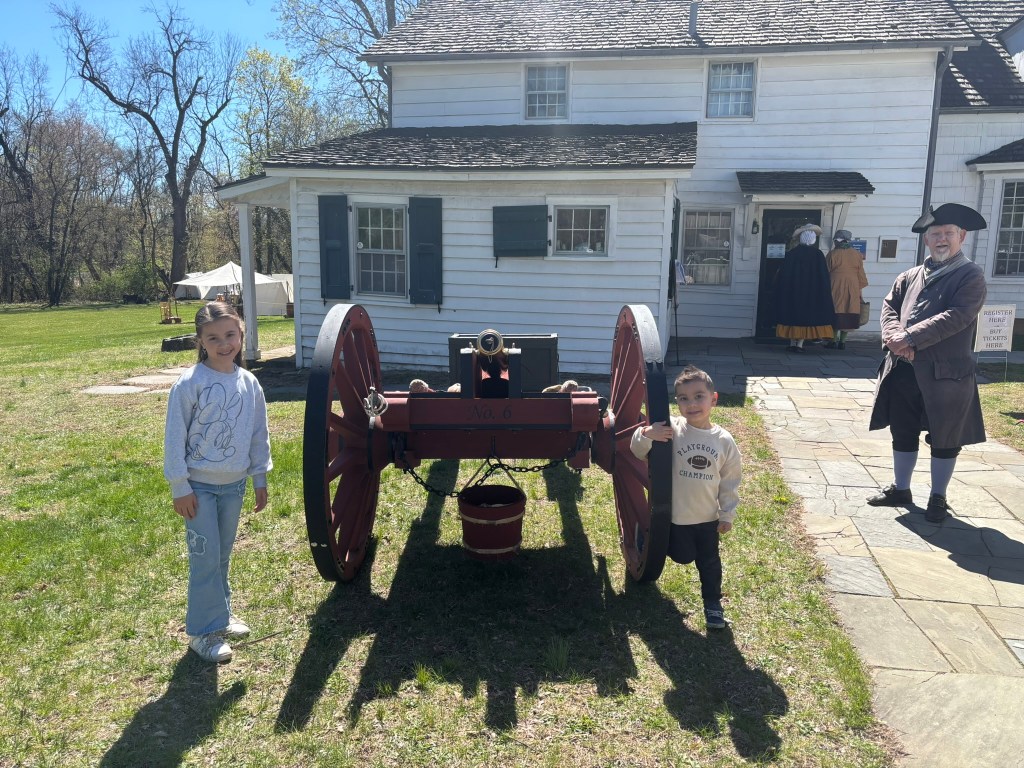
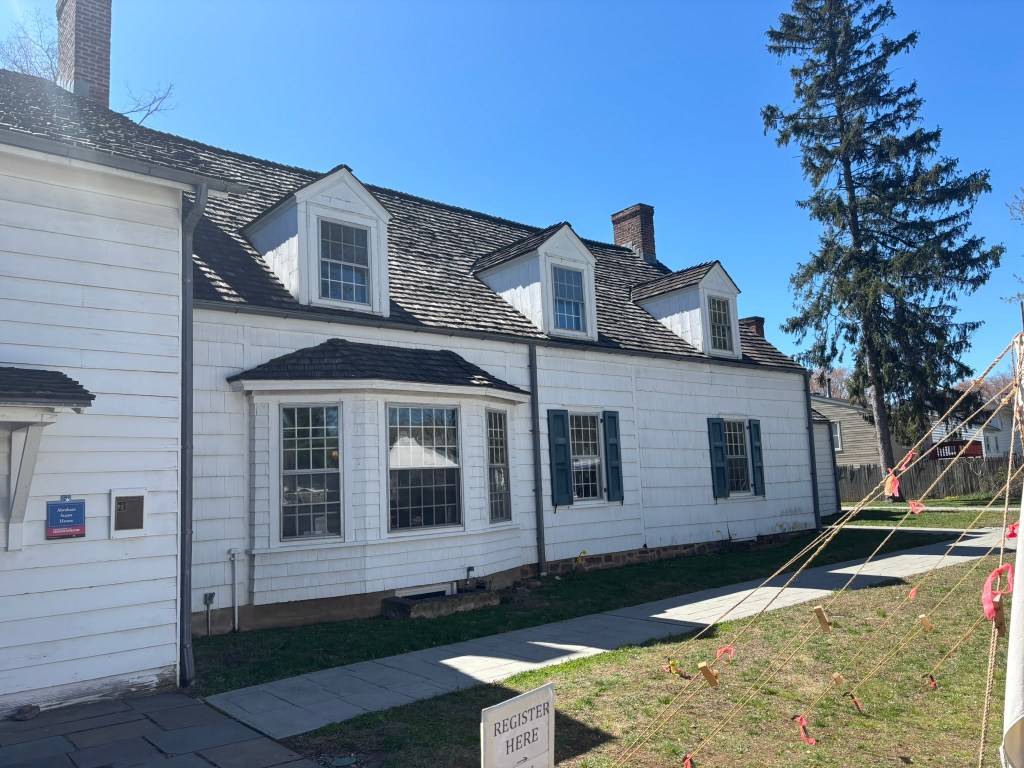
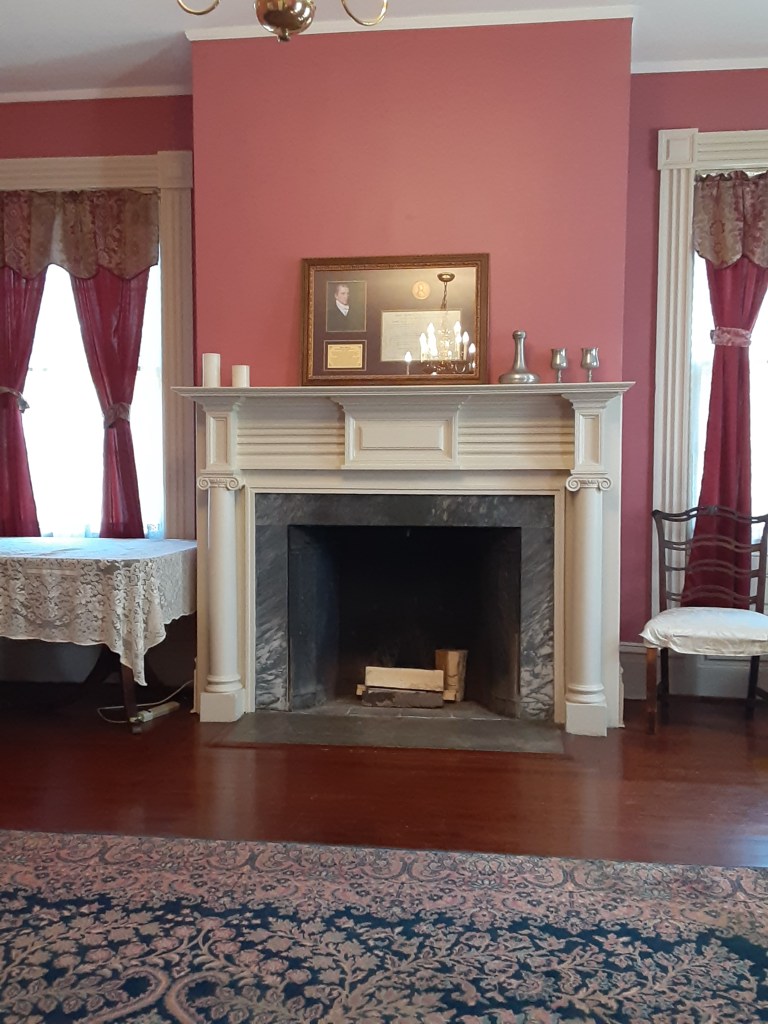
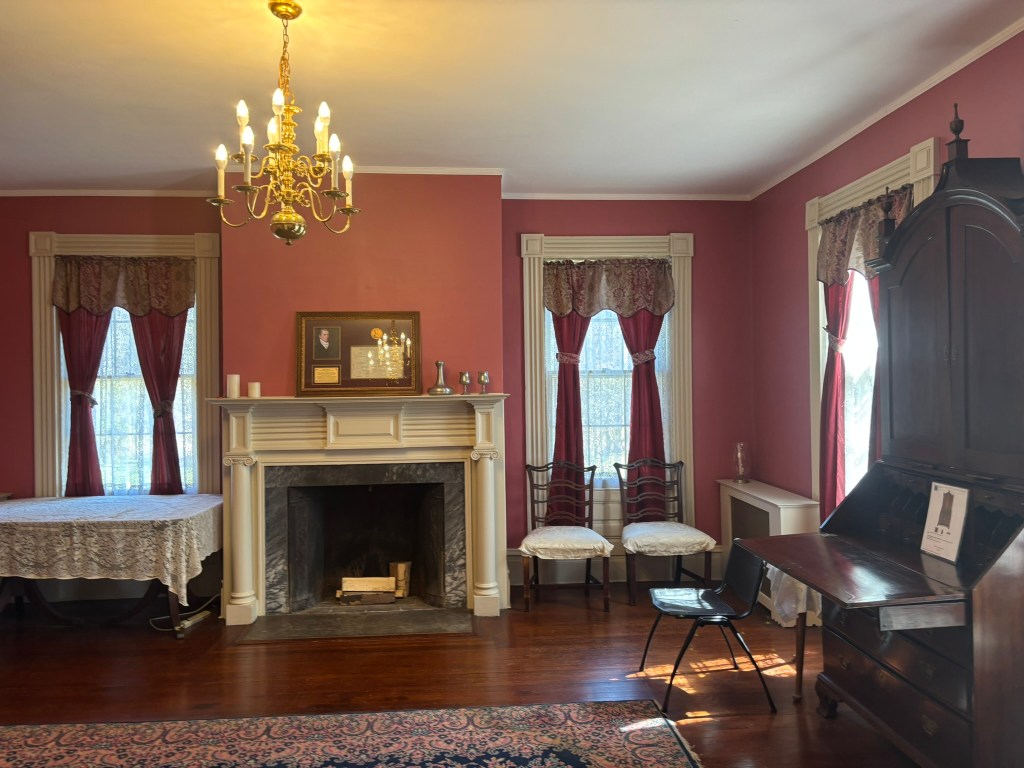
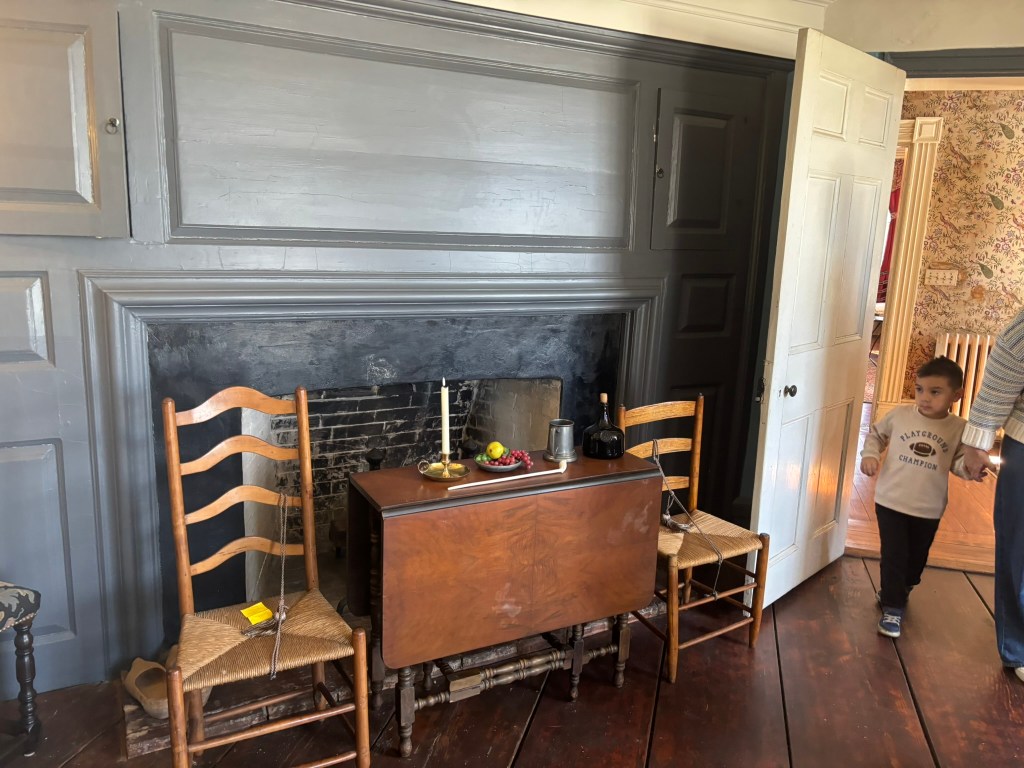
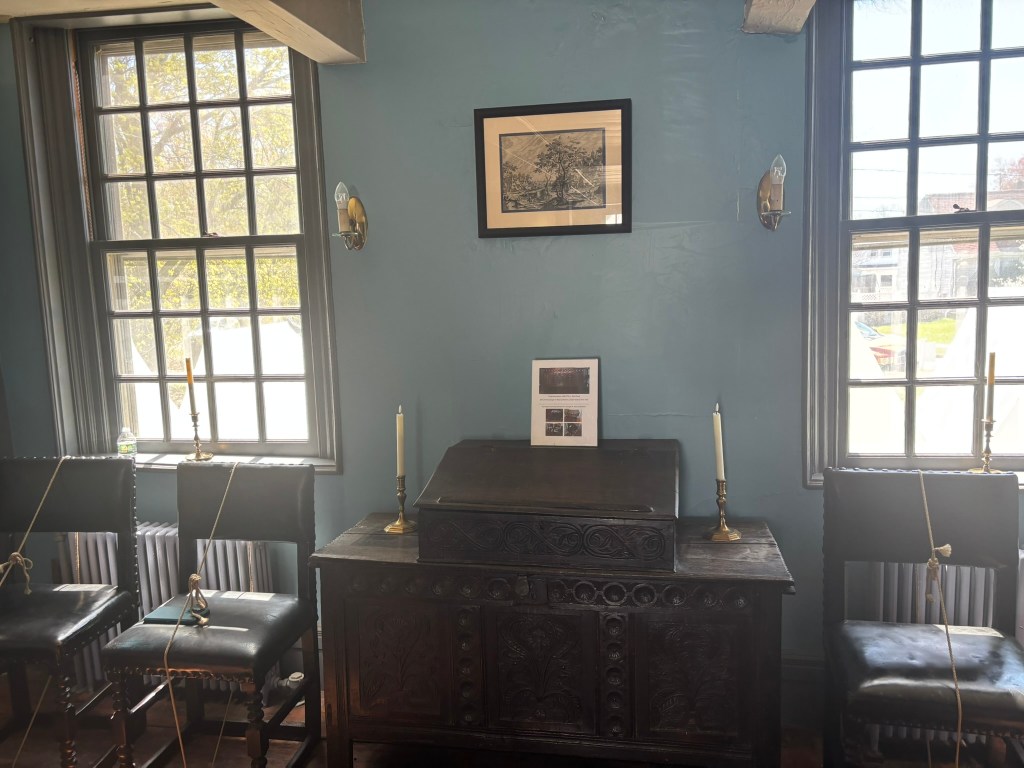
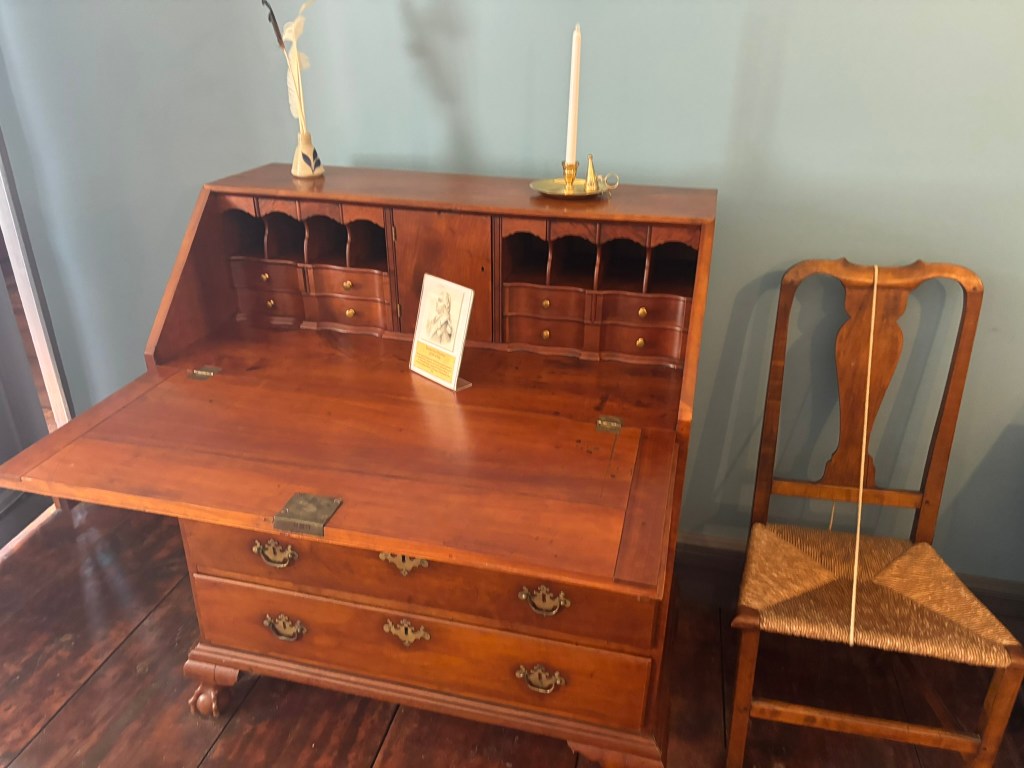
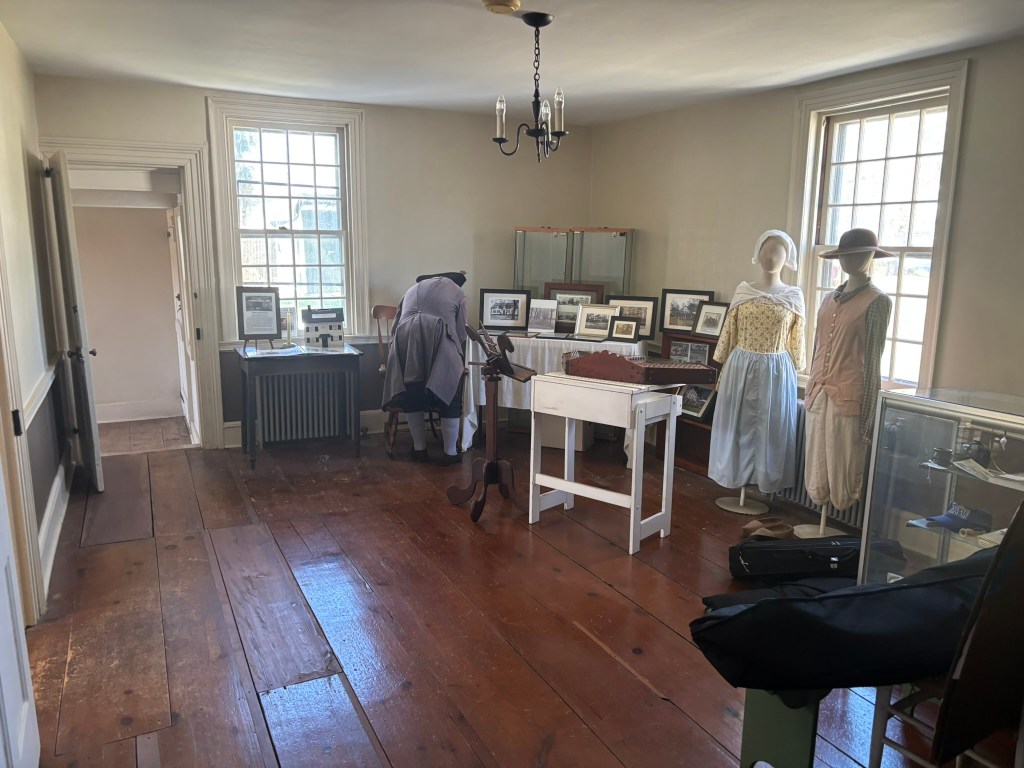
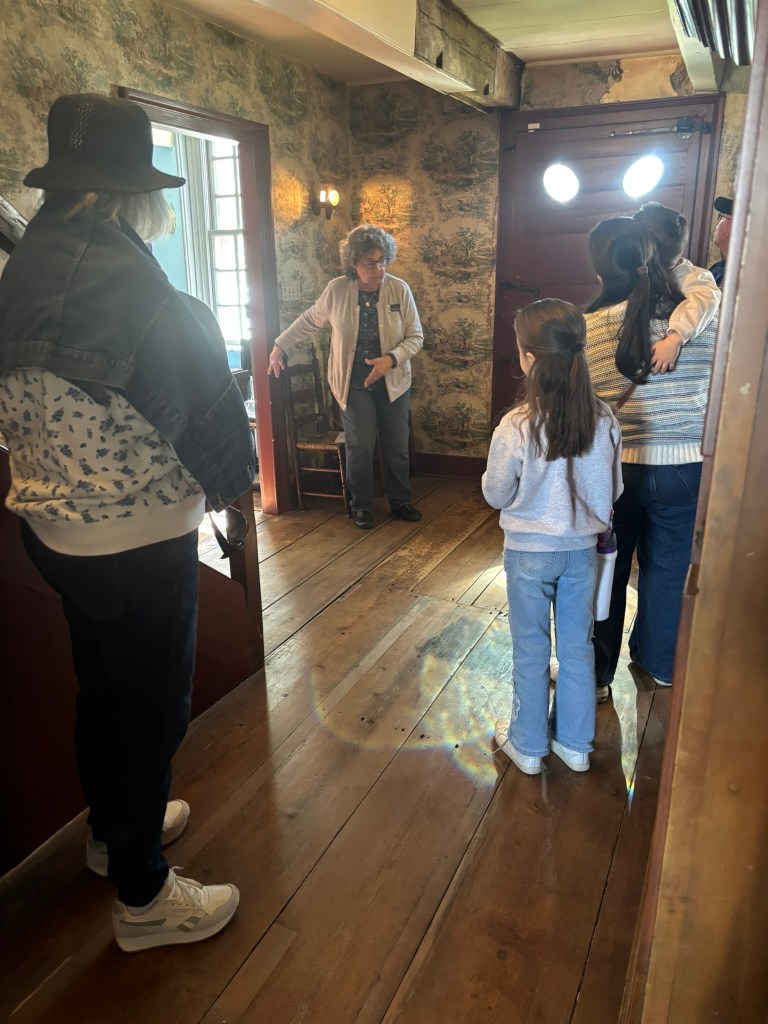
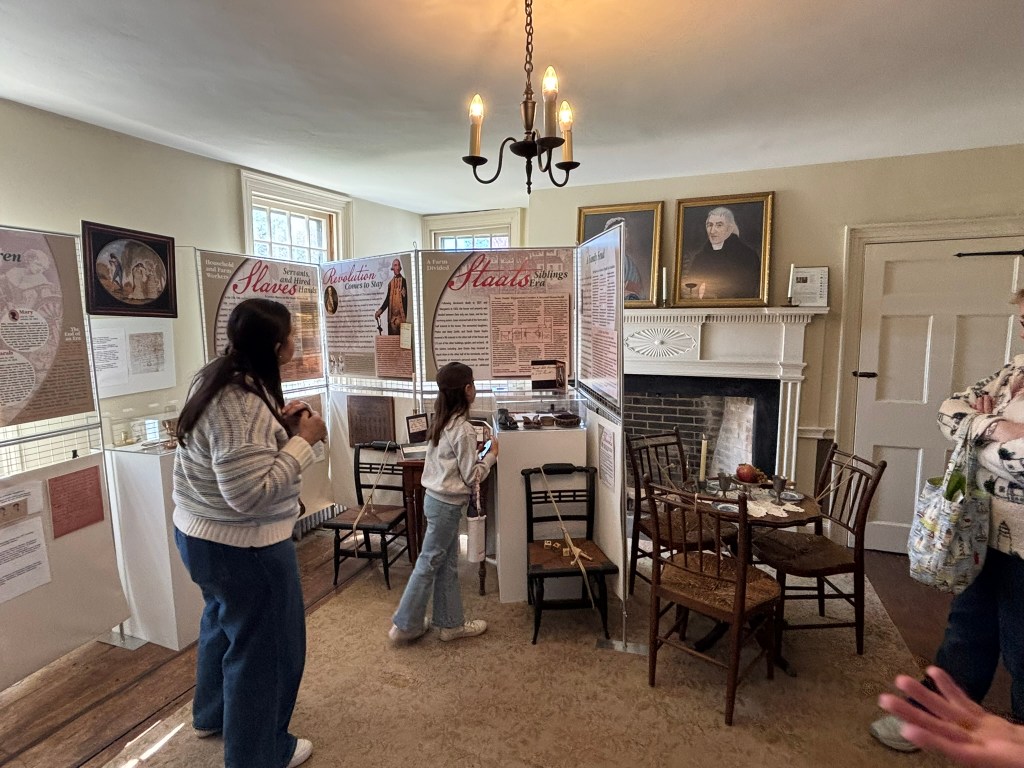
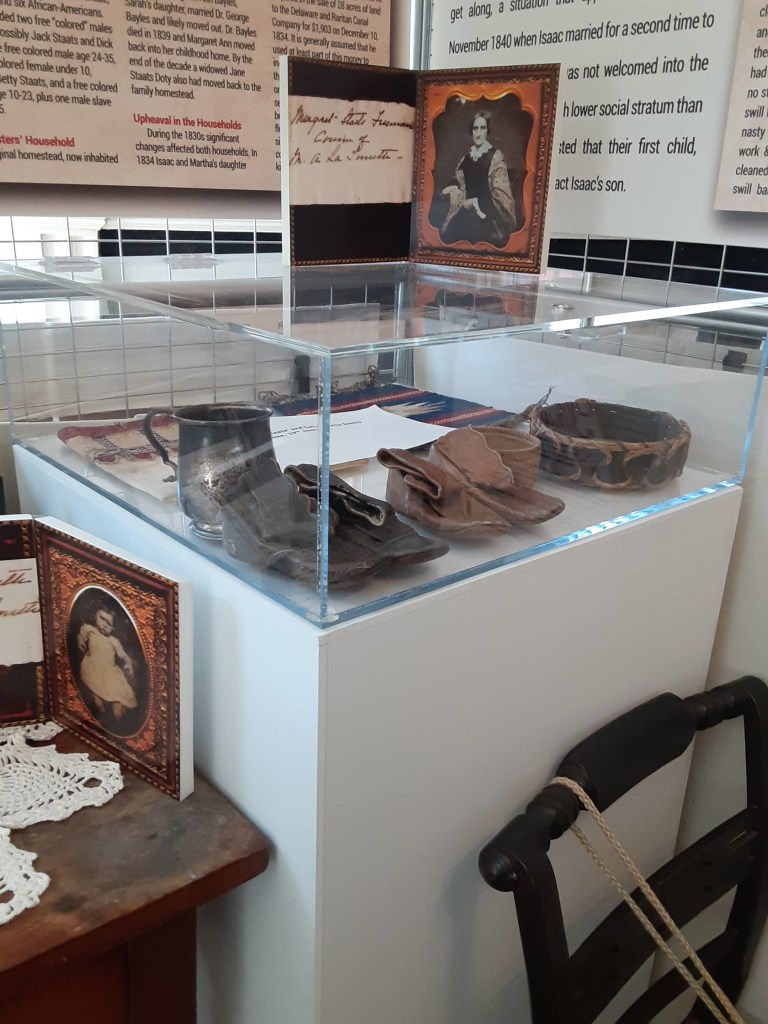
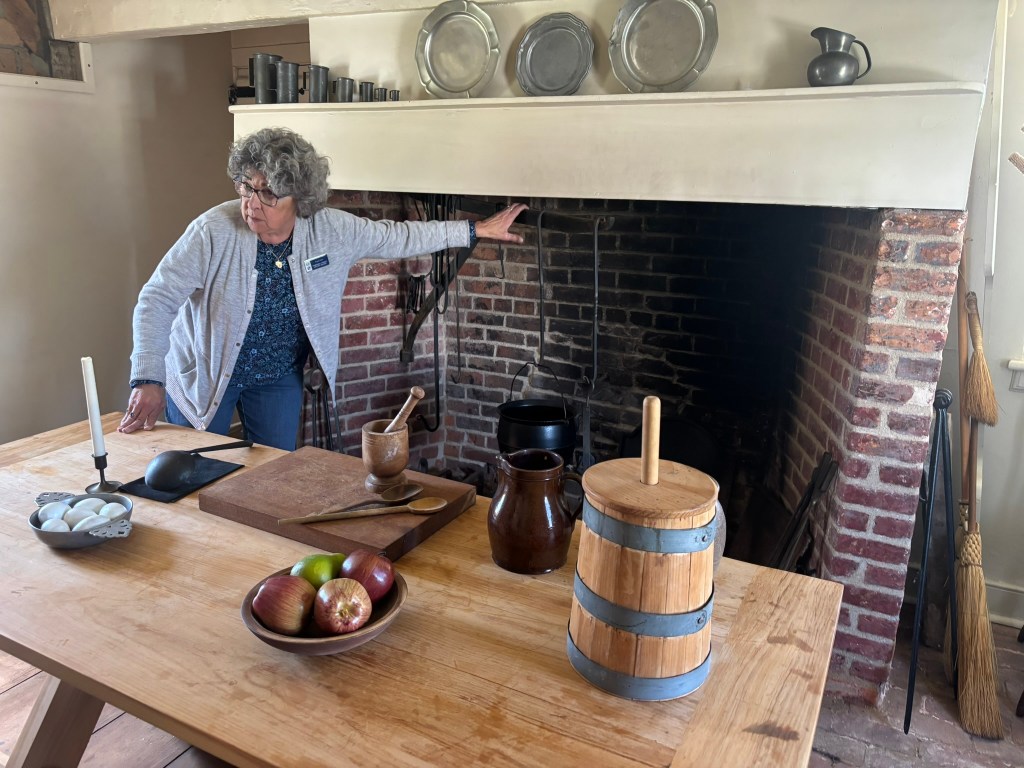
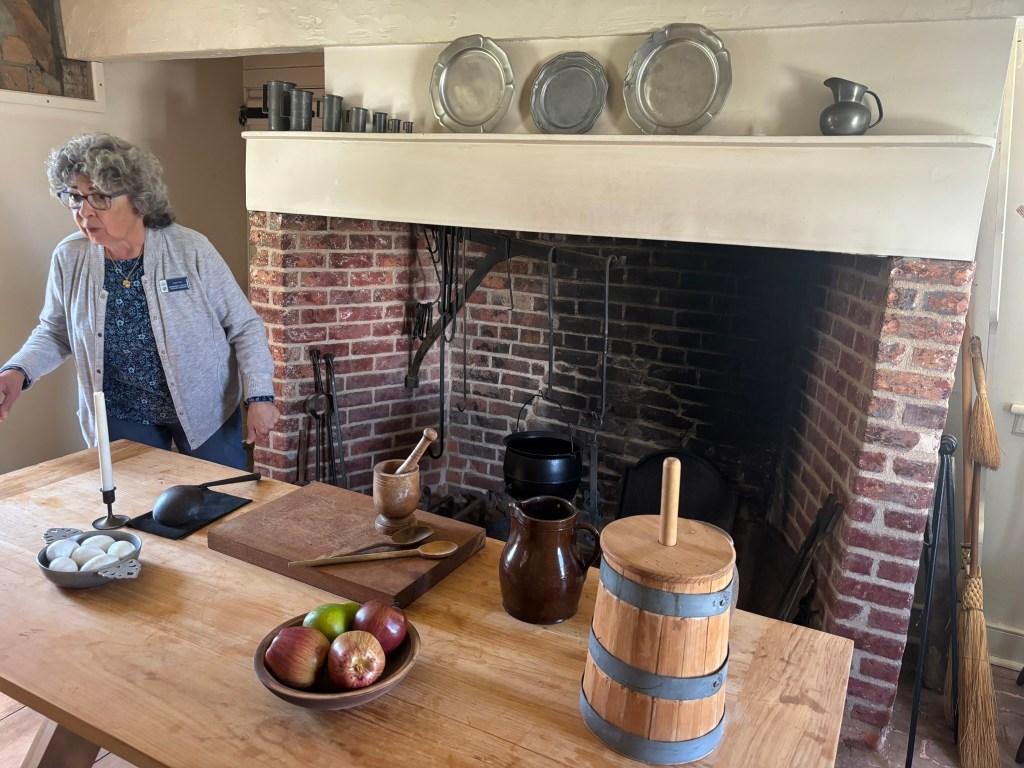
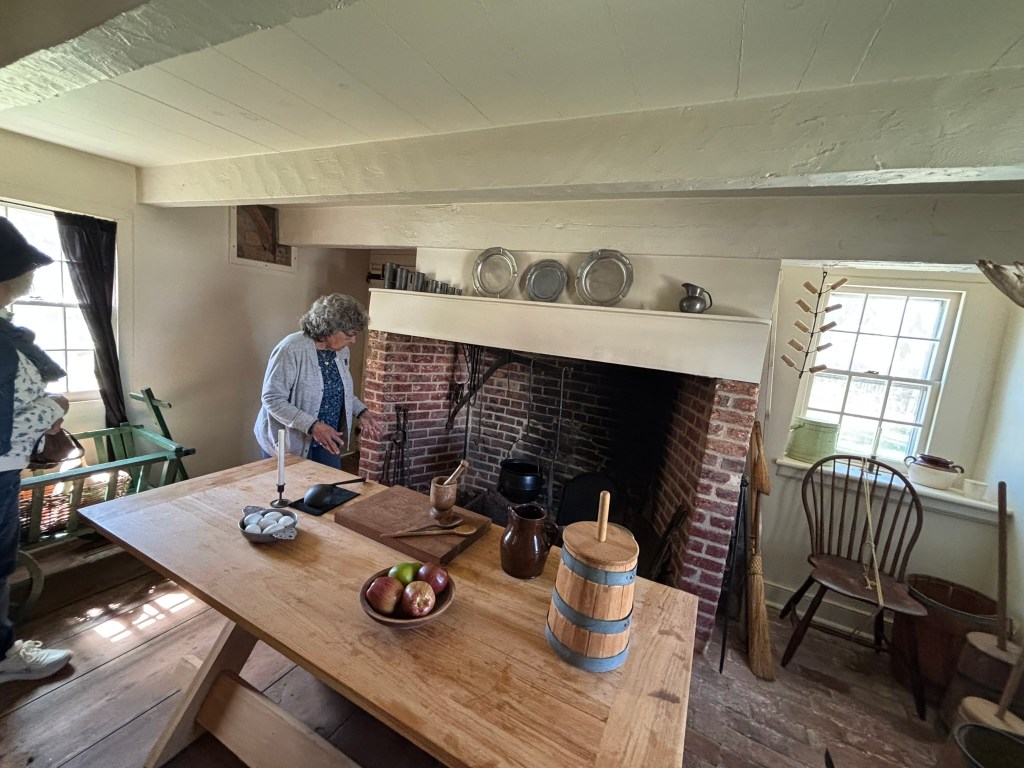
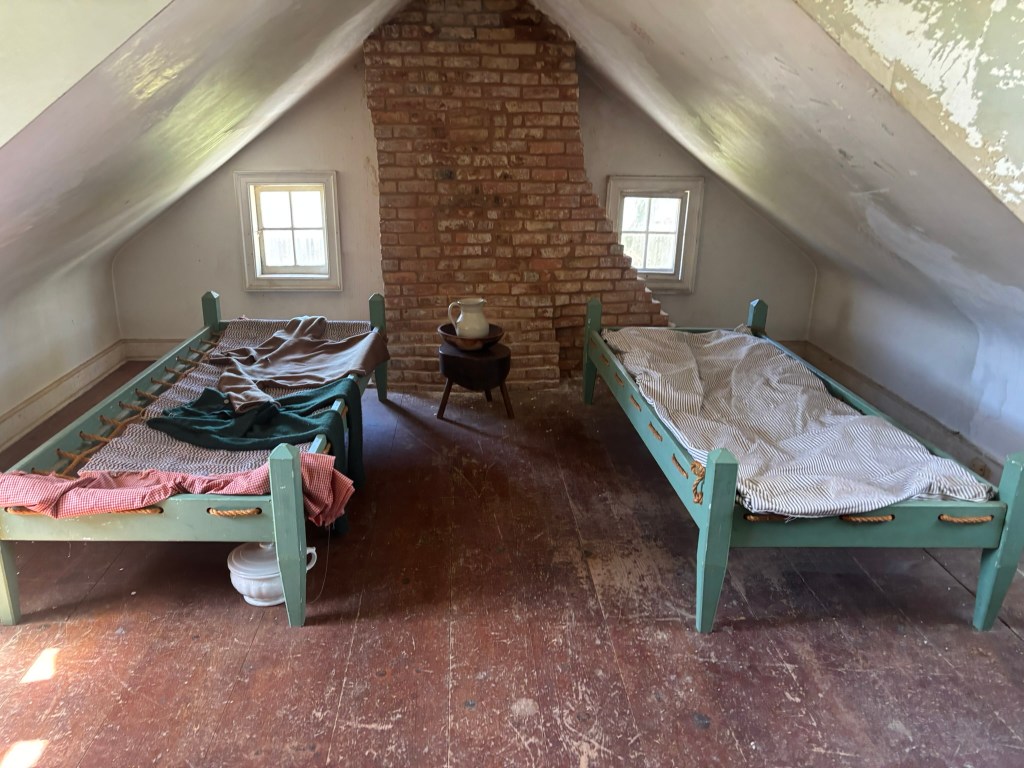
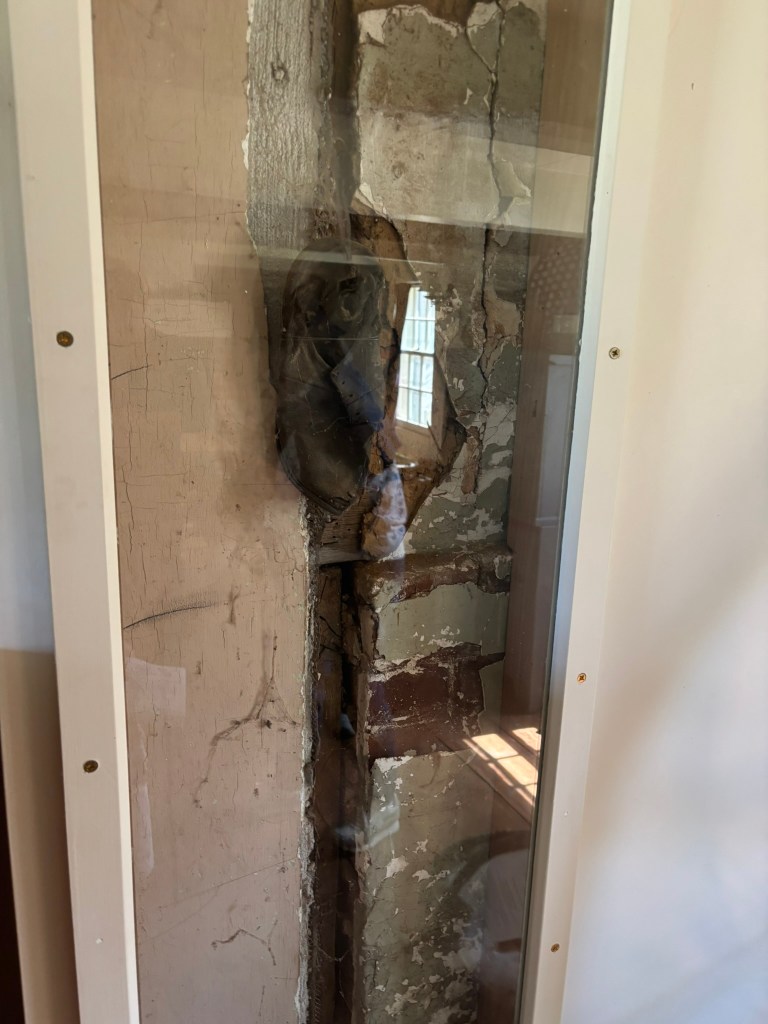
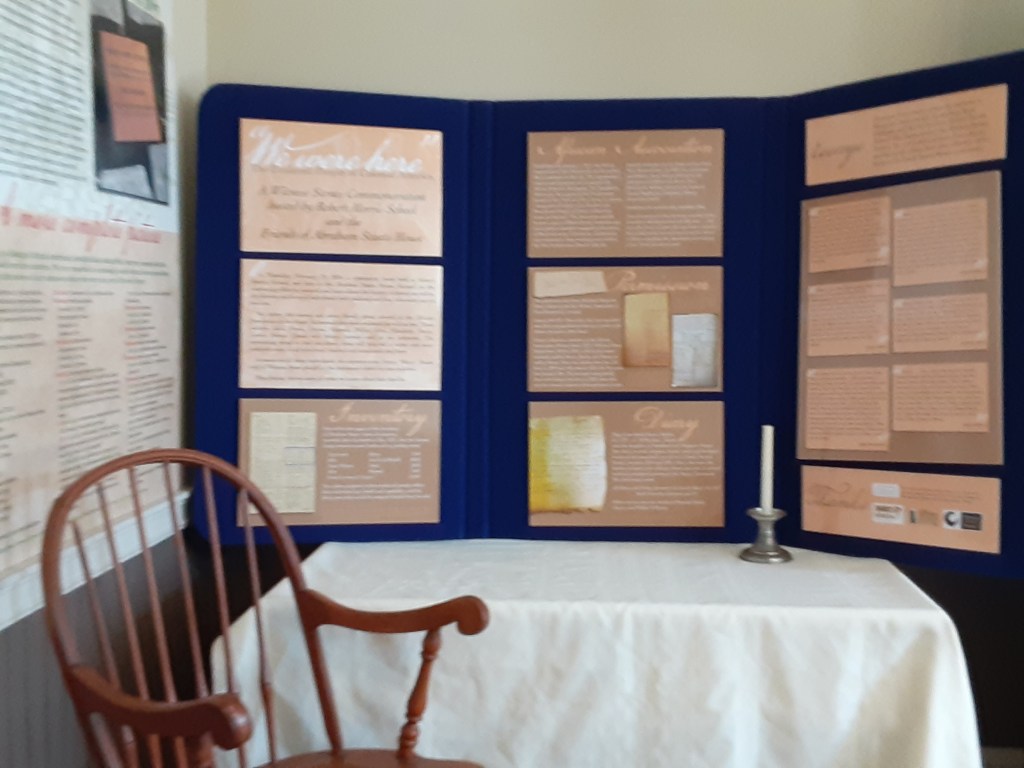
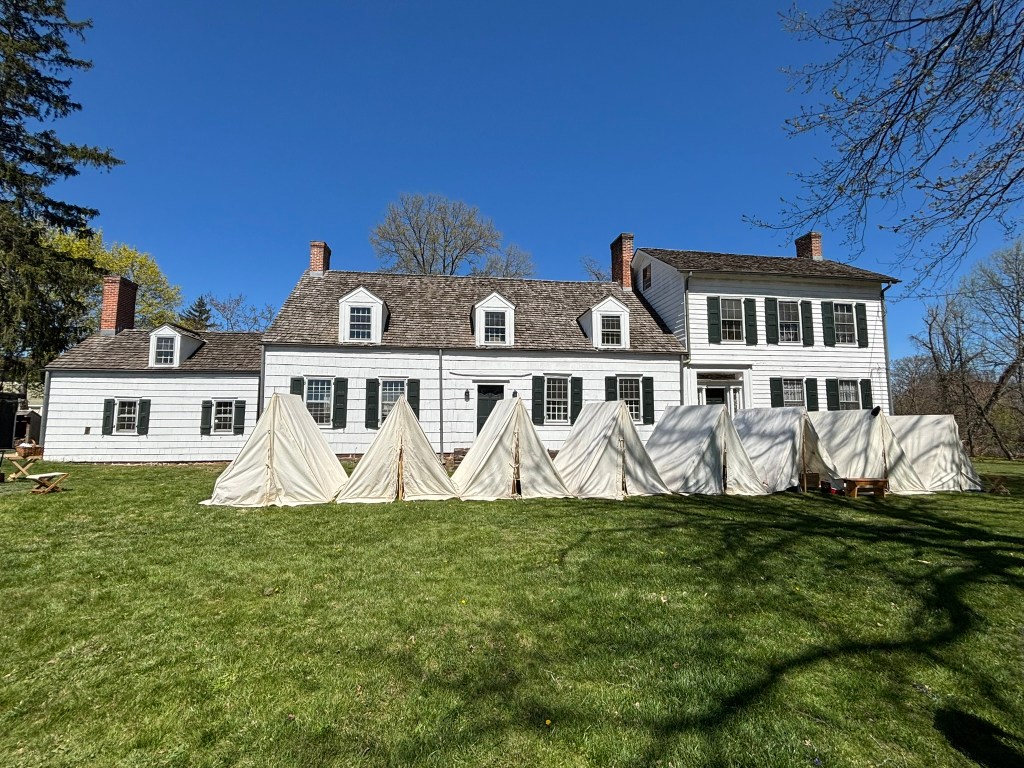
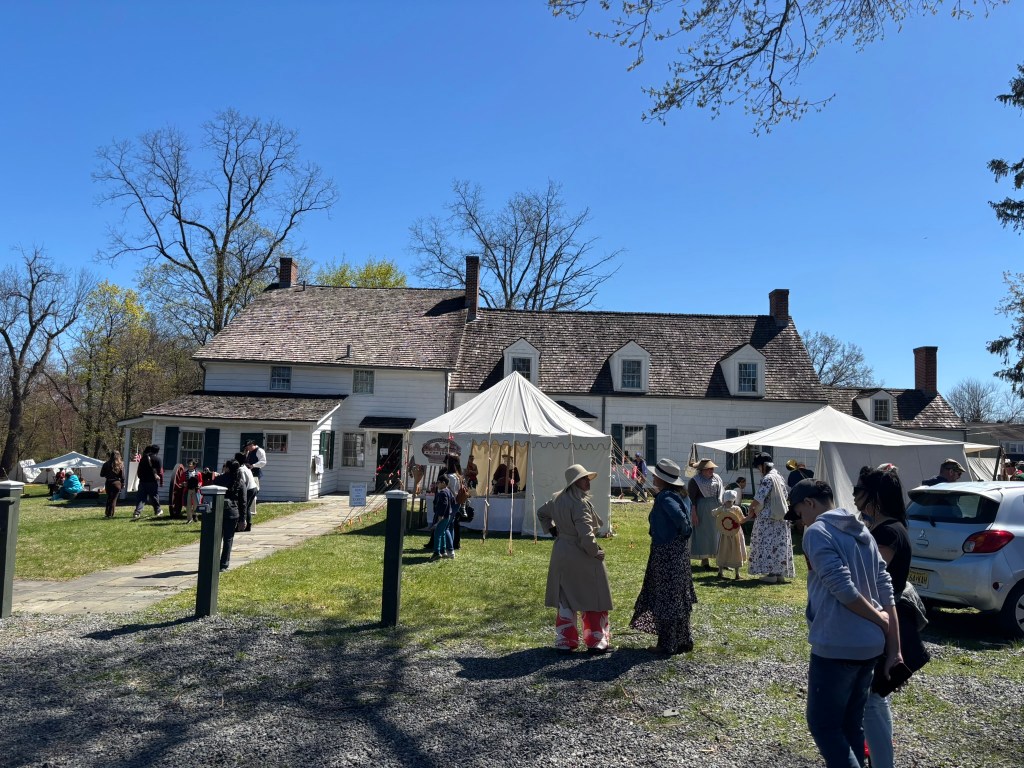
    We arrived at the Abraham Staats House property at about 11 a.m., where several displays were set up across the grounds. We received a guided tour of the house, which was fascinating. The house was originally built in 1740 and sat on approximately 300 acres of land. It remained in the Staats family for almost 200 years.  It began as a modest Dutch colonial farmhouse. Over the course of the 1800s, the house was expanded, with additional rooms reflecting the growing prosperity of the family and changing architectural styles. Today, the house preserves much of its original structure, including rooms with original floors dating back to 1740.

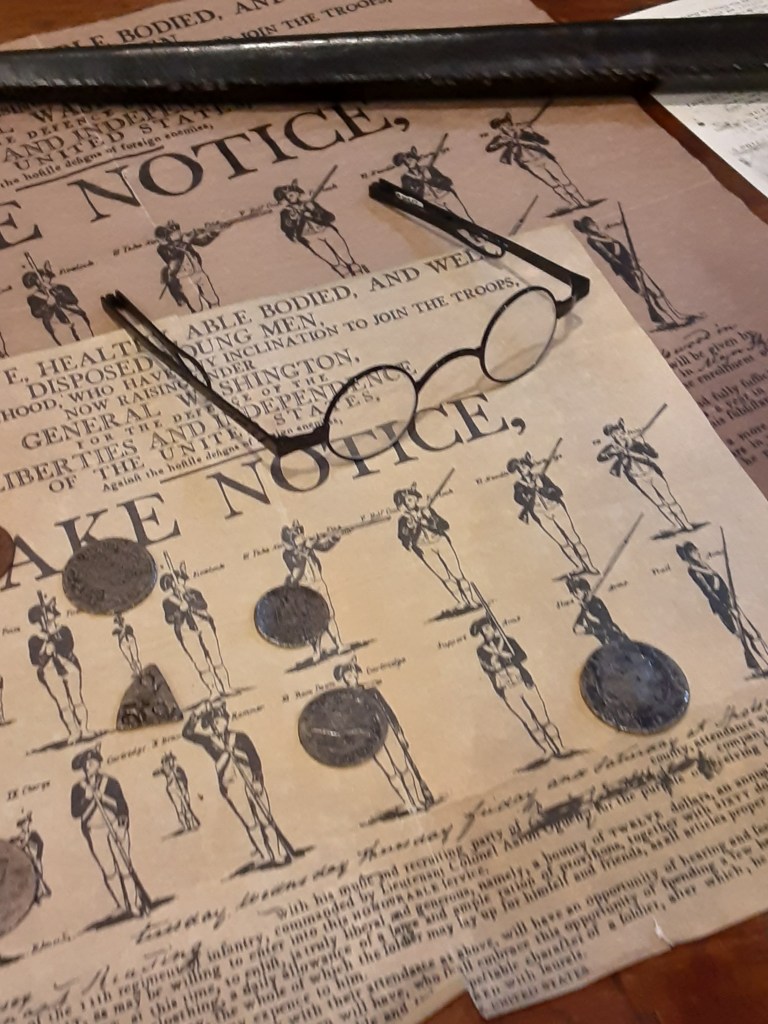
    The house also played a significant role during the American Revolution, serving as the headquarters of Baron von Steuben, the Prussian drillmaster who helped shape the Continental Army into a more disciplined and effective fighting force, most famously during the winter at Valley Forge in early 1778. Von Steuben stayed at the Staats House during the Middlebrook encampment of 1778–1779 and continued to serve the Continental Army for the remainder of the war.

    After our tour, we grabbed lunch from a food truck on the property and then walked down Main Street to where the battle reenactment was scheduled to take place at 1:30 p.m. Before getting into the reenactment, here is some historical context:

    The Battle of Boundbrook Reenactment

    The Battle of Bound Brook took place on April 13, 1777, and was a surprise British attack on an American outpost stationed along the Raritan River. British and Hessian forces, under the command of General William Howe, marched out of New Brunswick to launch an early morning assault intended to encircle and capture the American garrison. The Americans, led by Major General Benjamin Lincoln, were caught off guard and forced to retreat. Most of the Continental soldiers managed to escape across the river. The Battle of Bound Brook is remembered as part of the larger “Forage War,” a series of raids and skirmishes that defined the struggle for control in New Jersey.

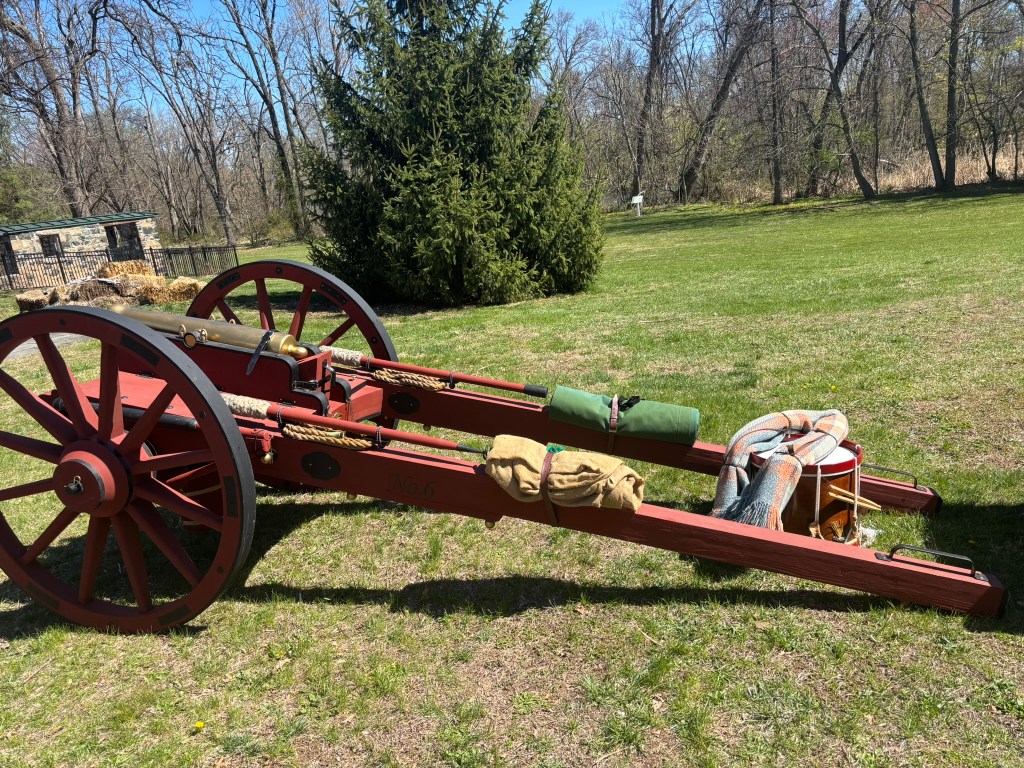
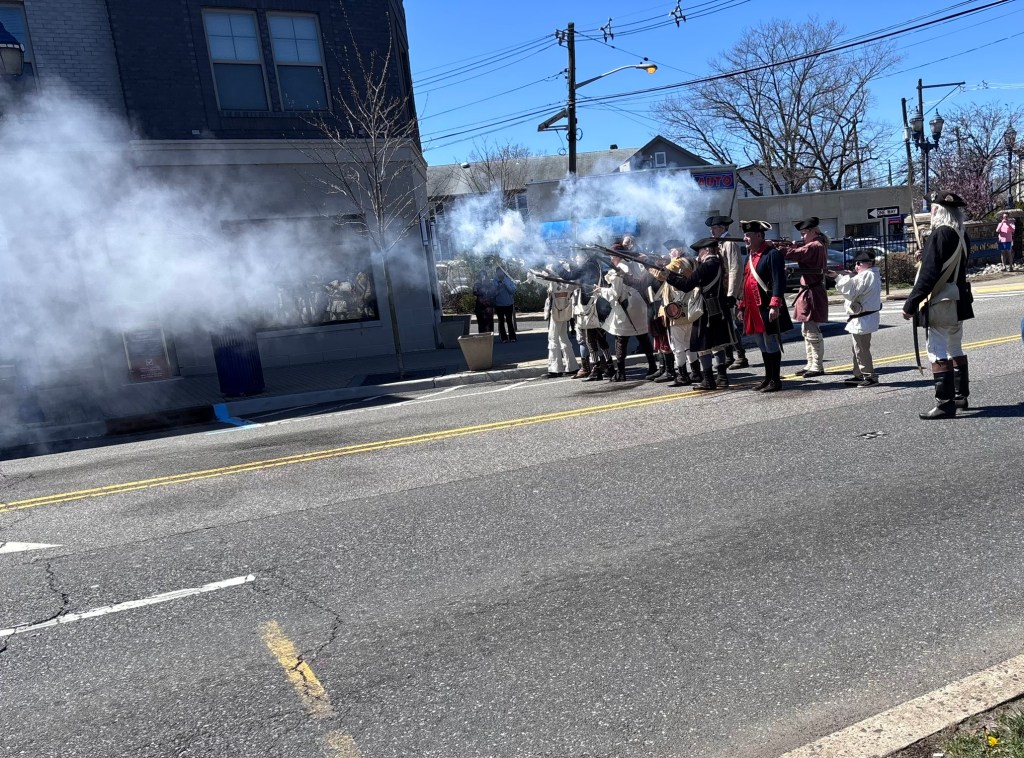
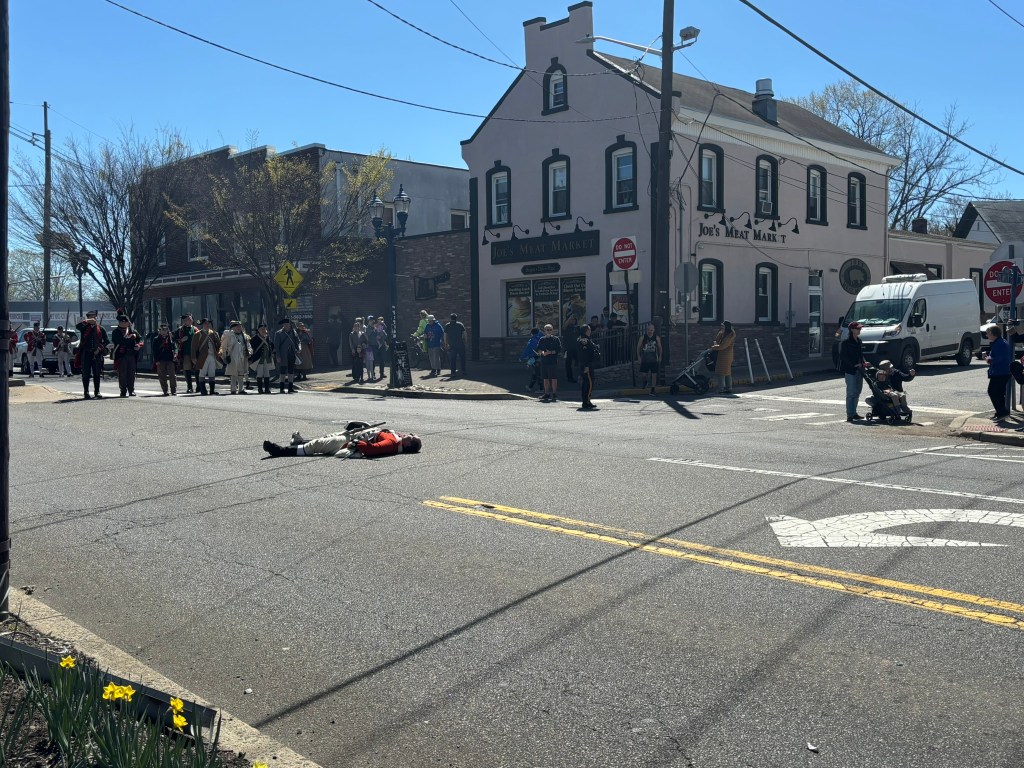
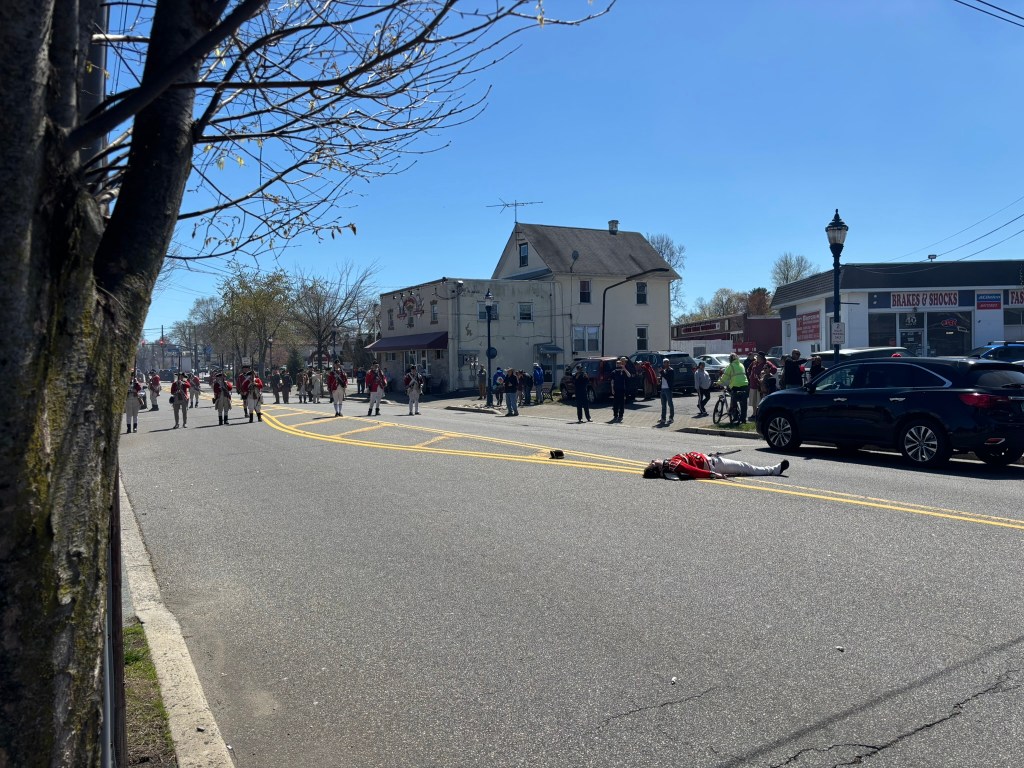
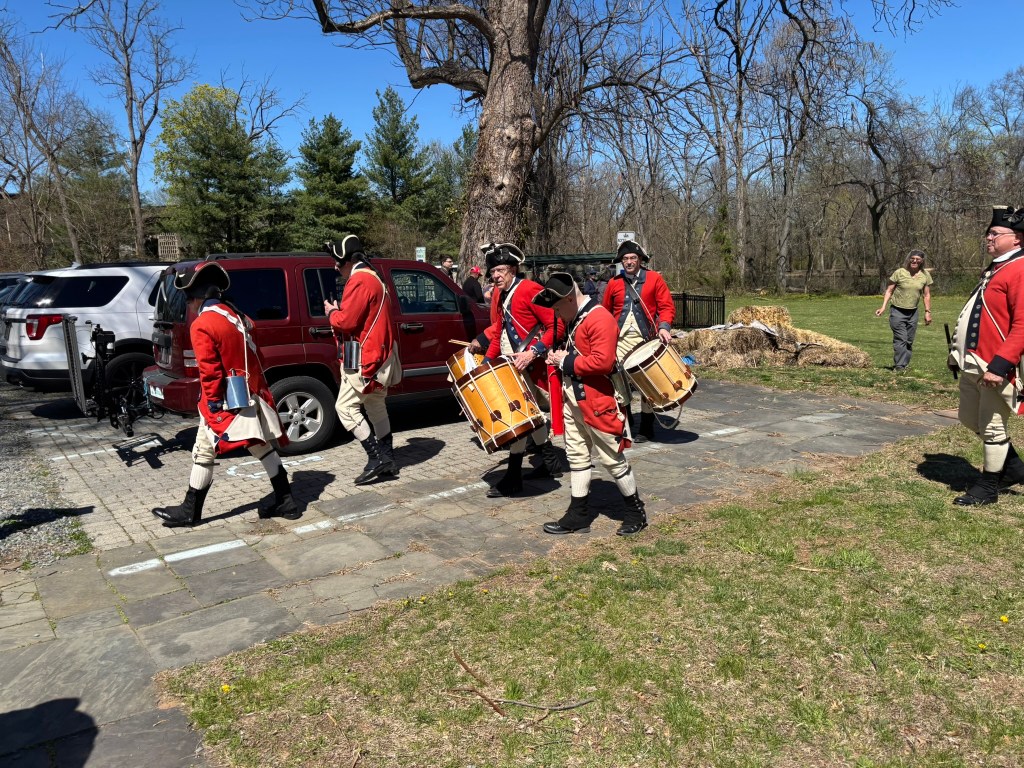
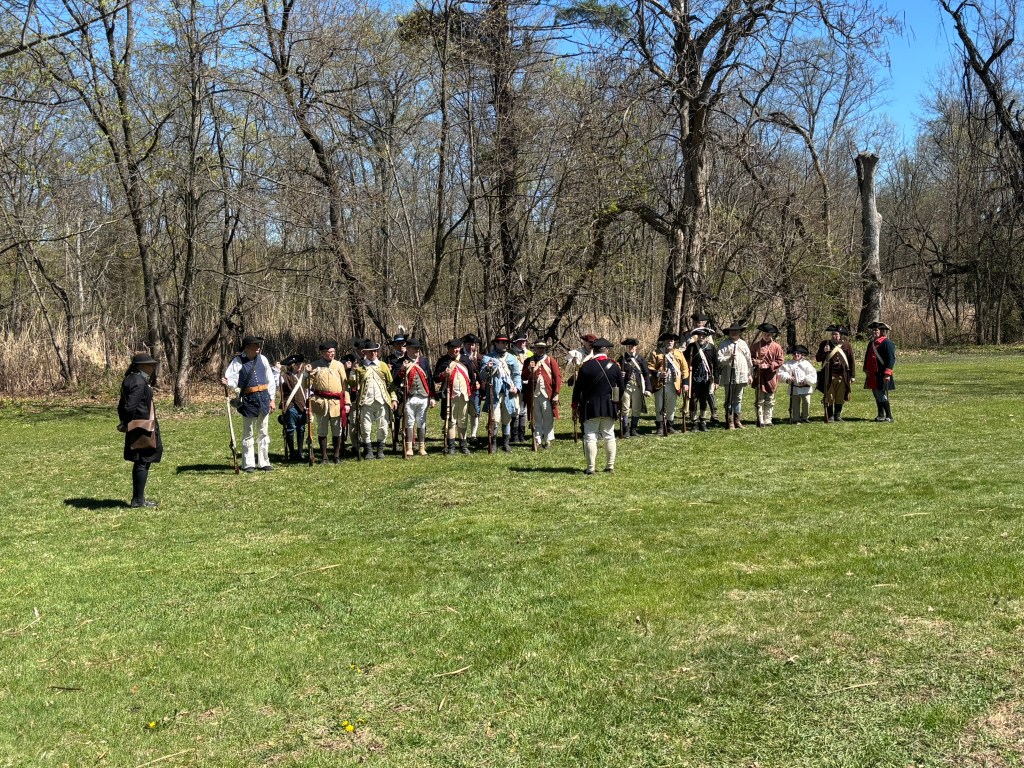
    My family and I arrived along Main Street for the reenactment, and it was fascinating to watch from the sidewalk as both sides fired in the middle of the street. You really felt like you were right in the action. The battle moved down Main Street, back in the direction of the Staats House, and continued for about 30 minutes. The crowd followed along the sidewalk as the action progressed. Eventually, the troops returned to the Staats House, where they formed lines and continued firing their muskets.  The grounds of the Staats House became a revolutionary encampment.  While the battle was taking place, I recorded several videos, so be sure to check out my reels of the reenactment on Instagram and Facebook.
    My family and I had a great time. This was our first experience at a historical event in South Bound Brook, and there are many other historic homes in Somerset County that we need to visit—many of which served as headquarters for various generals during the Middlebrook encampment. We were lucky to have beautiful weather, and it made for a great day overall. Be sure to check out the site below for further information:

    https://www.staatshouse.org/

    For videos of the reenactment check out my Instagram and Facebook.

    Check out similar posts below:

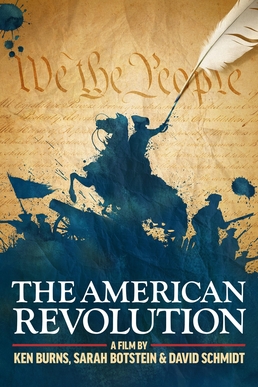
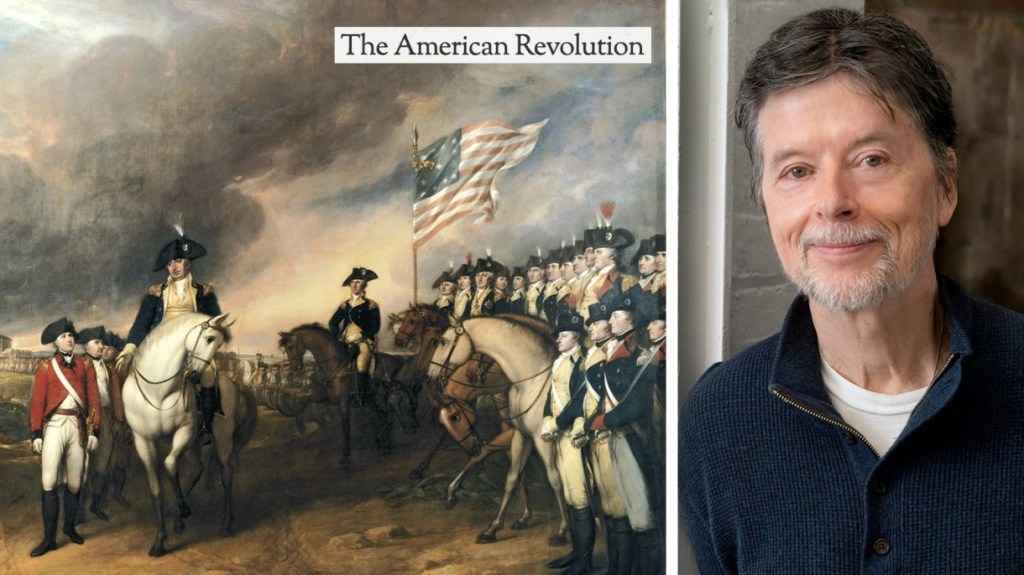
  • I just finished watching Ken Burns’ PBS documentary The American Revolution, released this past November—perfect timing as the nation approaches the 250th anniversary of the Revolution and the signing of the Declaration of Independence in 1776. The documentary spans six episodes, each two hours long. I found it both highly informative and deeply engaging.

    I appreciated how the series moves beyond the traditional Revolutionary War narrative we often encounter in textbooks. It devotes significant time to the perspectives of Native American tribes, African Americans, and women, offering a far more inclusive and nuanced story. The documentary incorporates an extraordinary number of primary sources, giving voice to a wide range of individuals who lived through the Revolution—from lesser-known figures to towering names such as George Washington and John Adams. The documentary also does an excellent job chronicling the military campaings of the war, highlighting the Revolution’s many ups and downs.

    The Revolution is presented as both a global and deeply personal event. The series explores the international ramifications of the conflict while simultaneously zooming in on its impact on small towns and families. It powerfully highlights the reality that this was  a civil war marked by acts of cruelty committed by both Patriots and Loyalists against one another.
    The documentary truly offers something for everyone—those looking to learn the foundational storyline commonly taught in schools, as well as viewers seeking a more complex and inclusive interpretation that brings lesser-known stories to the forefront. The twelve-hour format allows the series to explore a wide range of topics and grapple with the many complexities of the conflict, all while maintaining a clear chronological structure that is easy to follow.

    Finally, the documentary addresses the aftermath of the war and the writing of the Constitution, emphasizing that it took many years for the United States to begin living up to the Revolution’s ideals of liberty and equality. The developments that followed would not have been possible without those revolutionary principles. The American Revolution was one of the most significant events in human history, paving the way for later revolutions around the world and standing as the first successful example of a democratic government overthrowing a monarchy.

    This documentary is a masterpiece and a must-watch. Check out this link for more info: https://www.pbs.org/kenburns/the-american-revolution

    Check out related blog posts below:

  • Over the summer I was able to watch a few historical movies, and a documentary. Below are my assigned grades for the films/ documentaries and an explanation. If you’ve seen any of these and you have differing or similar opinions, please share in the comments.

    1917

    Grade: A 

    1917 follows two British soldiers in World War I who are tasked with delivering a crucial message across enemy lines with the intent of saving over a thousand of their fellow British soldiers. Their journey takes them from their own trenches, across the deadly expanse of No Man’s Land, and deep into hostile territory—risking everything at every step. As a viewer, you are drawn into this gripping and immersive experience, a story of grit, courage, and determination that keeps you on the edge of your seat. The film also offers a haunting glimpse into the brutal conditions of World War I, making its impact both thrilling and sobering.

    Dunkirk

    Grade: B+

    Dunkirk is a gripping World War II thriller that captures the desperate evacuation of Allied forces from Dunkirk, France, in May 1940. The story unfolds through three interwoven perspectives—air, land, and sea—highlighting the heroism that defined the operation. In particular, the film honors the civilians who risked everything by sailing their own boats across the Channel to rescue stranded soldiers. Themes of sacrifice and courage run throughout, as men put their lives on the line to save others. The evacuation itself was extraordinary, far exceeding expectations. With its relentless tension and immersive action, Dunkirk places you at the heart of this pivotal moment in history, allowing you to experience the immense challenges the Allies had to overcome for survival.

    Lincoln

    Grade: A-

    I first saw Lincoln when it was in theaters in 2012, before I was teaching full-time and before I had developed a deeper appreciation and admiration for Abraham Lincoln. At the time, I also knew little about the fight to pass the 13th Amendment—the amendment that abolished slavery. Watching it again now, I enjoyed the film even more than the first time.

    Lincoln remains one of the most fascinating figures in American history—not only for what he accomplished during his presidency, but also for his remarkable leadership, political skill, sharp wit, and the many personal tragedies he endured. This movie does an excellent job portraying that many-sided Lincoln.

    The film primarily focuses on the last three to four months of his life, from January to April 1865, centering on his determined efforts to push the 13th Amendment through Congress. To achieve this, Lincoln and his allies resorted to extraordinary—even questionable—measures to secure the necessary votes. The performances are outstanding, and the film captures Lincoln’s grit, resolve, and humanity.

    Thomas Jefferson

    Grade: C

    My commentary on this documentary is a bit longer than the others.

    Thomas Jefferson is a six-part documentary about the Founding Father and third president of the United States. Each episode runs about an hour, covering his life from his early years through the Revolutionary era, his authorship of the Declaration of Independence, his time as governor of Virginia, his personal life and tragedies, his service as ambassador to France, his complicated relationship with Sally Hemings, his return to America and role in Washington’s cabinet, and finally his two terms as president. The last episode examines his later years, death, and lasting legacy.

    Overall, the documentary was a mixed bag for me. Some parts I enjoyed, while others left me disappointed.

    On the positive side, I learned quite a bit. The series shed light on parts of Jefferson’s life I was less familiar with—his upbringing and early years, his time as Virginia’s governor during the Revolution, and his tenure as minister to France. I appreciated learning more about these often-overlooked chapters of his life. The commentators were knowledgeable experts, and I enjoyed the little-known details they brought forward.

    However, there were several aspects I wasn’t as fond of. First, I expected the documentary to follow the format of other recent History Channel presidential series such as ones on Washington, Grant, Lincoln, TR, and FDR. Those productions blended historians’ commentary with reenactments featuring actors portraying scenes from the subject’s life. Thomas Jefferson, in contrast, relied almost entirely on historian commentary. While there was an actor portraying Jefferson, he had no dialogue—just silent shots of him writing or performing tasks. I preferred the earlier format and found this version less engaging.

    Another critique I have of the documentary was the fact that it did not highlight the Virginia and Kentucky Resolutions written in 1799 which, to me, were significant for later history.  These resolutions were enormously significant, shaping the Nullification Crisis of the 1830s and influencing the ideas that later led to the Civil War.

    Another weakness was how overly critical and one-sided some commentators were toward Jefferson.  The documentary clearly made a point to provide a more critical view of Jefferson, which is fine.  But in my opinion, they overcompensated.  In their effort to criticize Jefferson, they didn’t provide a fair balance between the good and the bad.  This was particularly true in the last episode which focused on his death and legacy.  For some of the commentators, their assessment of Jefferson’s legacy was almost entirely negative, and some of them attacked aspects of Jefferson’s life that he had little to no control over.  While I’m fine with historical figures being criticized for their downfalls and they should be, I would have appreciated a more balanced view on his legacy, highlighting the good and the bad in a fair way that represents his impact, without there being a clear agenda to attack.  By ending the documentary with negative attacks, the series overshadowed Jefferson’s accomplishments and achievements.

    Please comment if you have an opinion on any of these.

    Check out similar posts below:

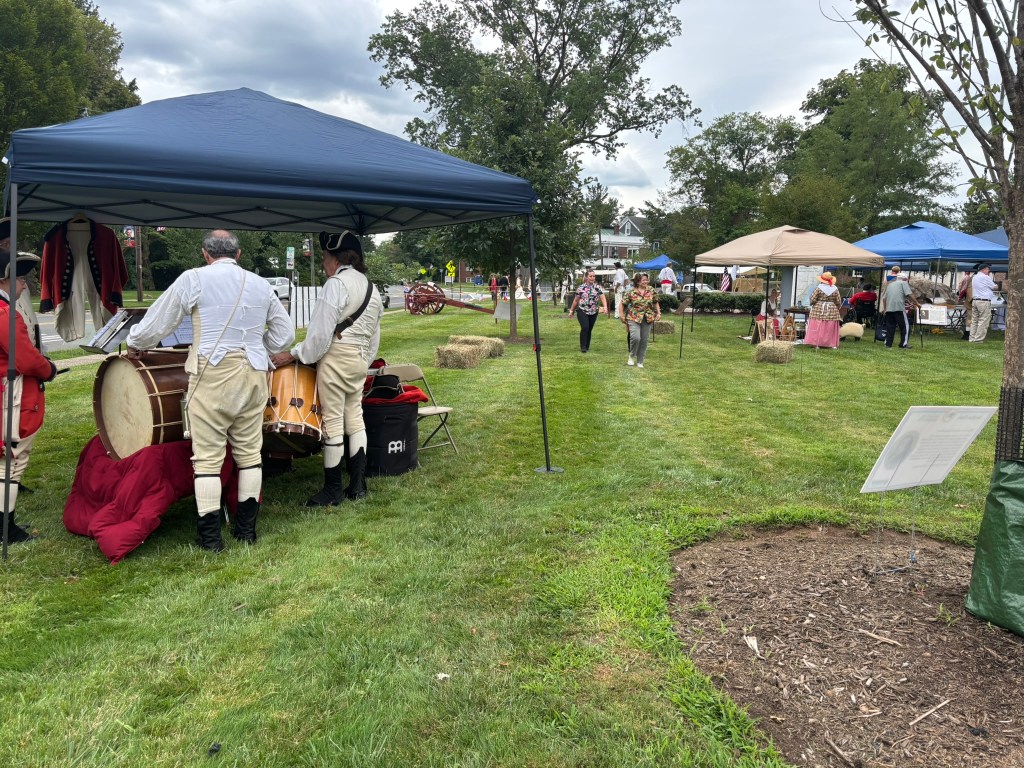
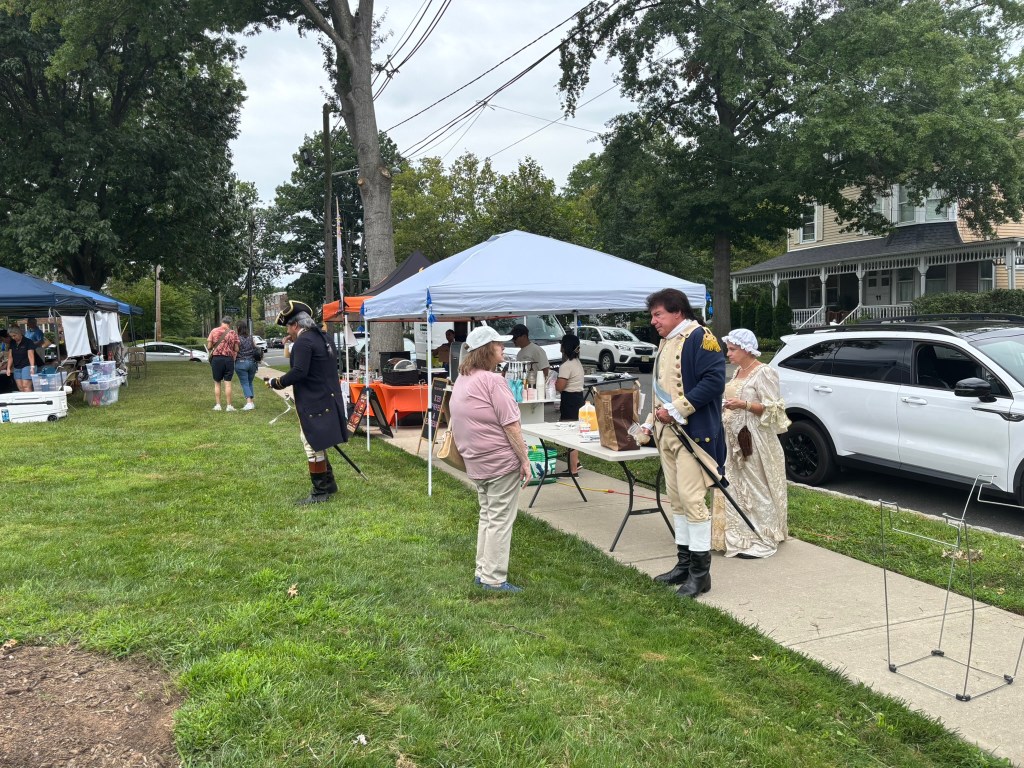
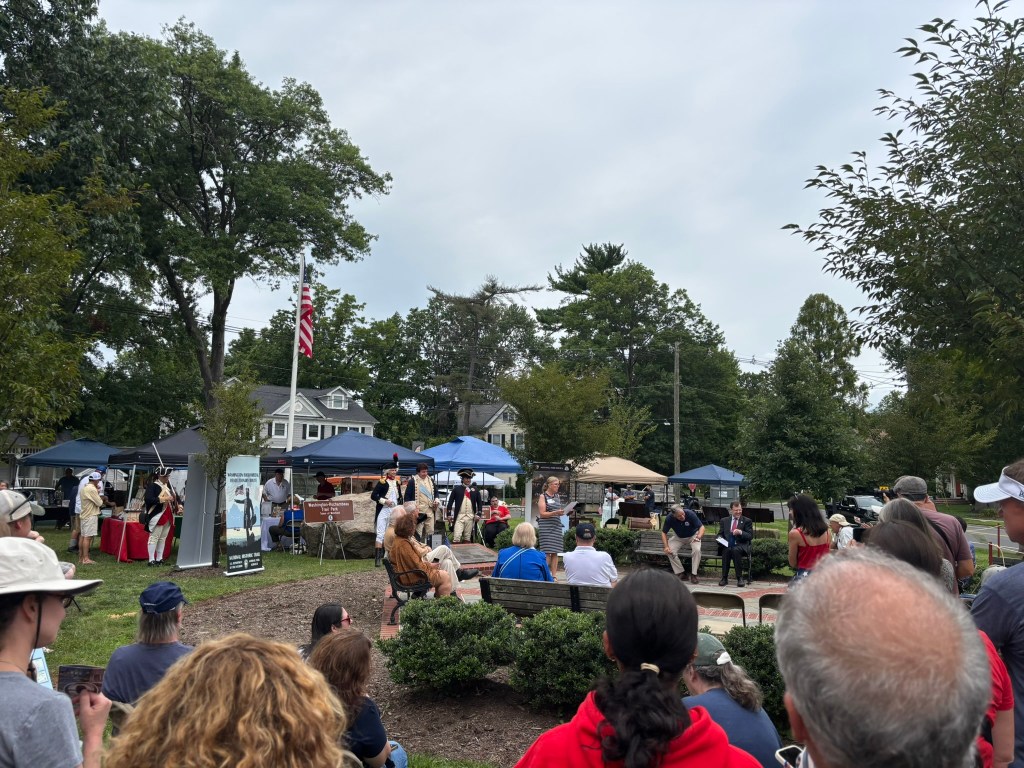
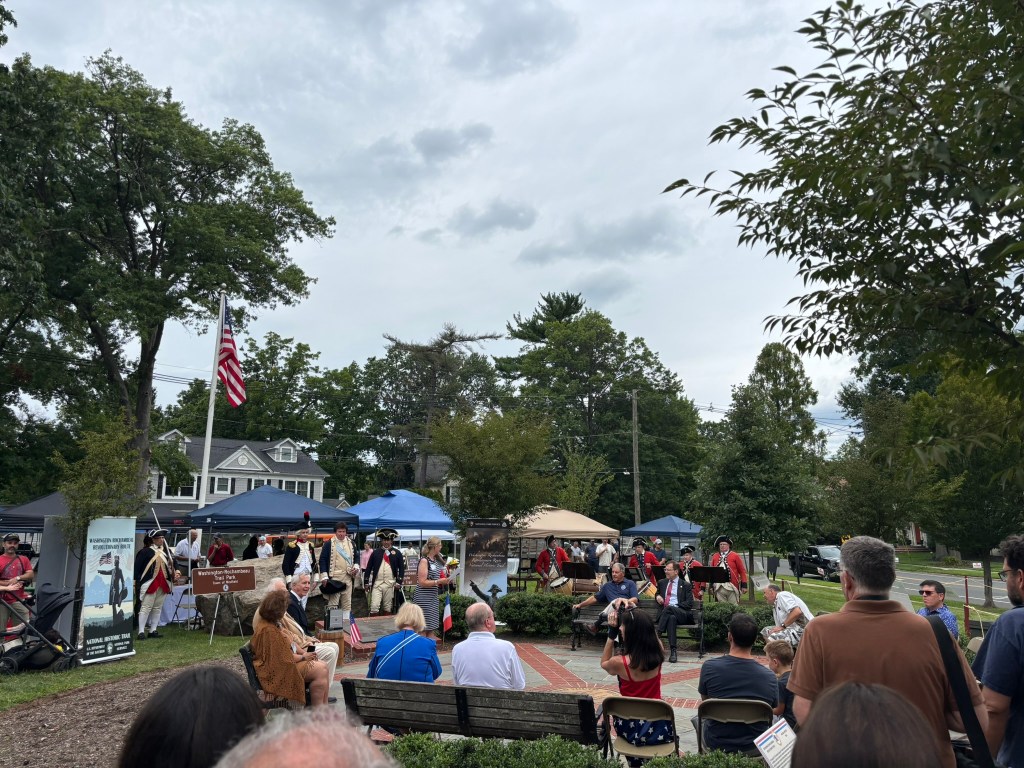
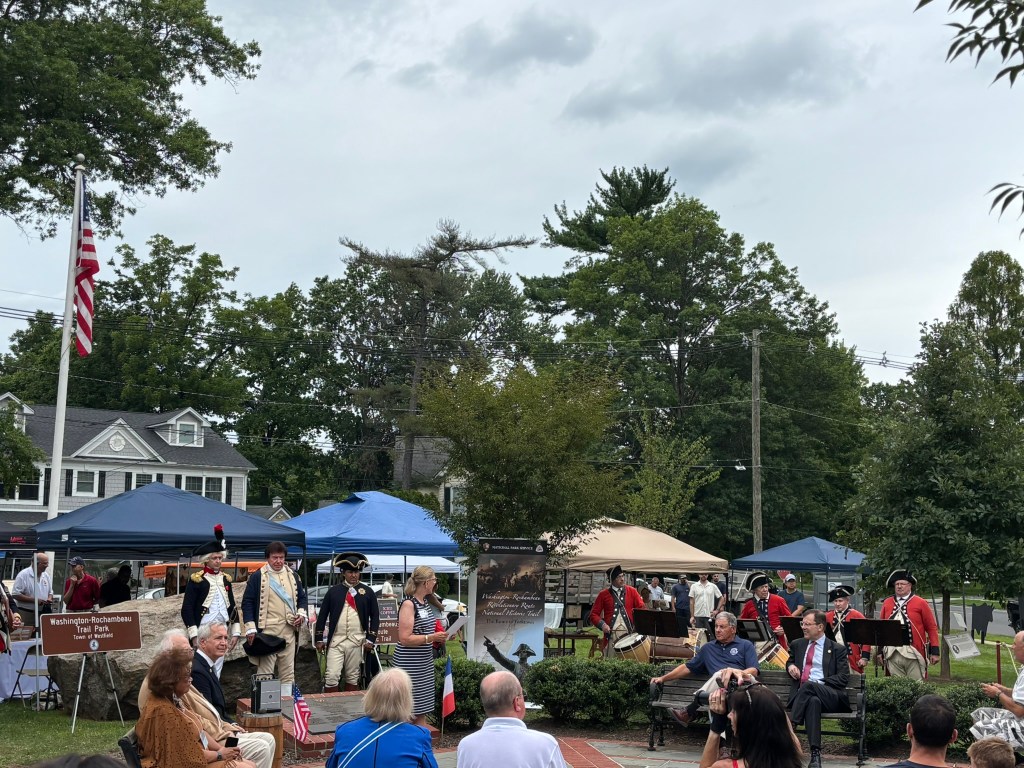
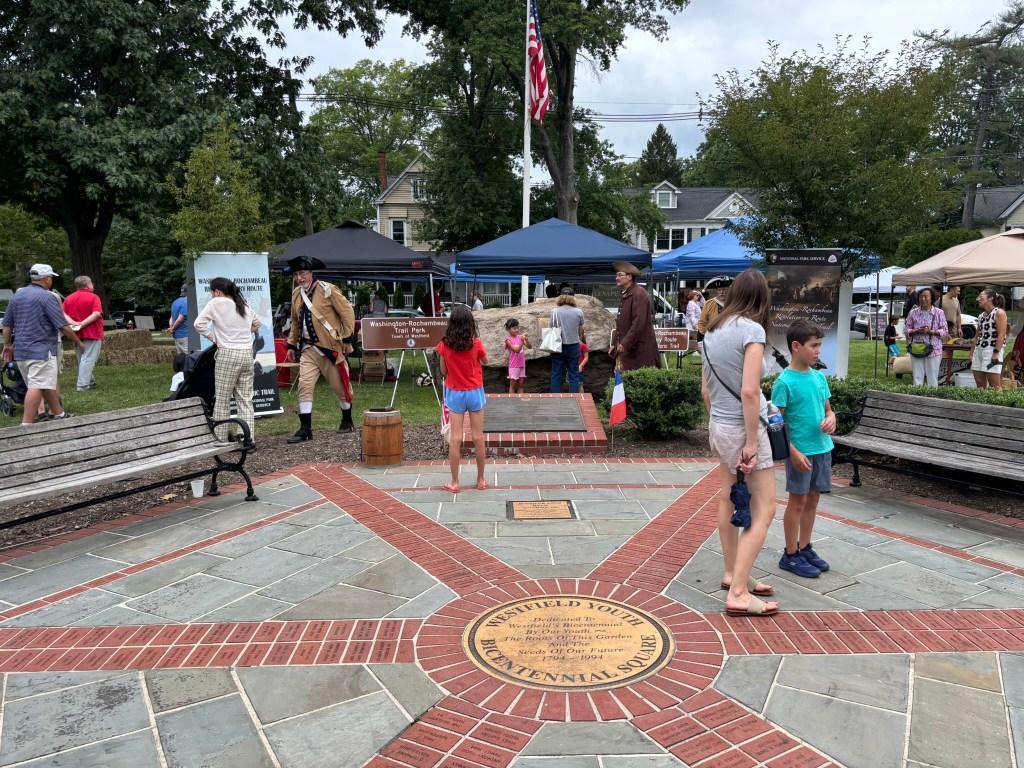
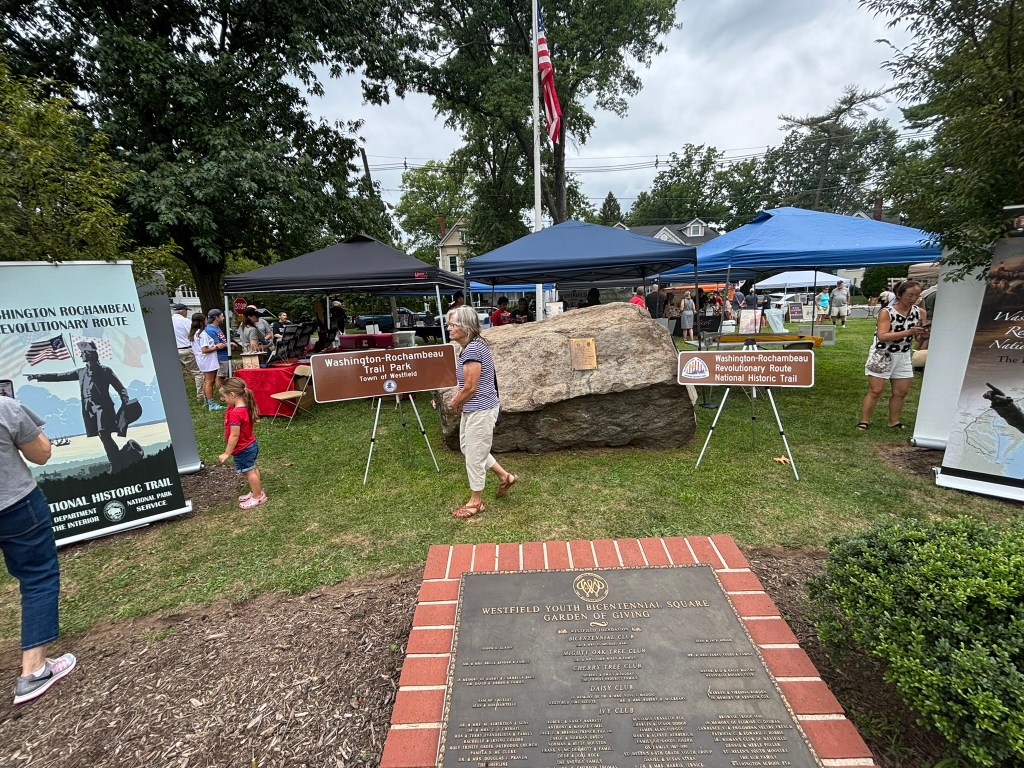
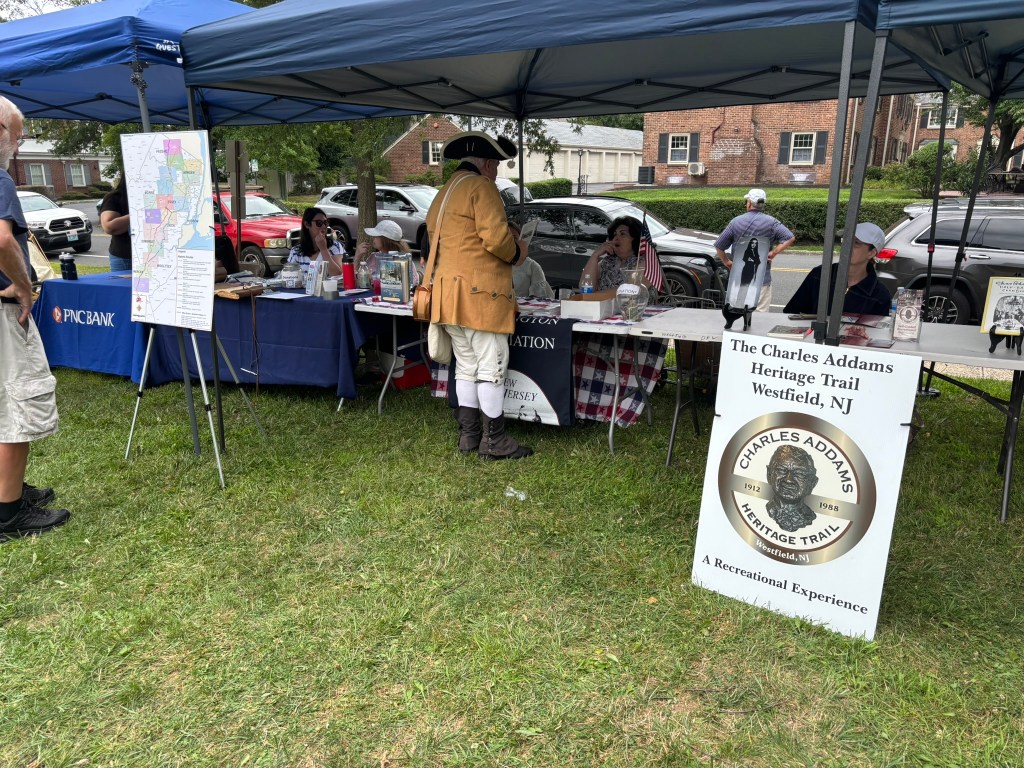
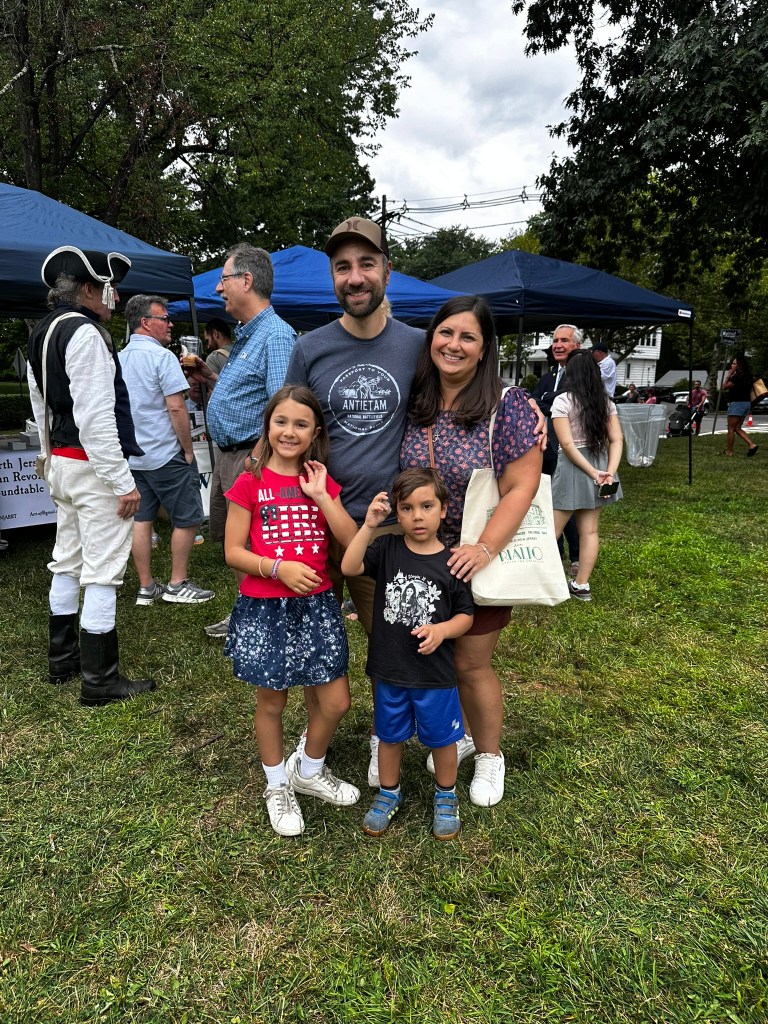
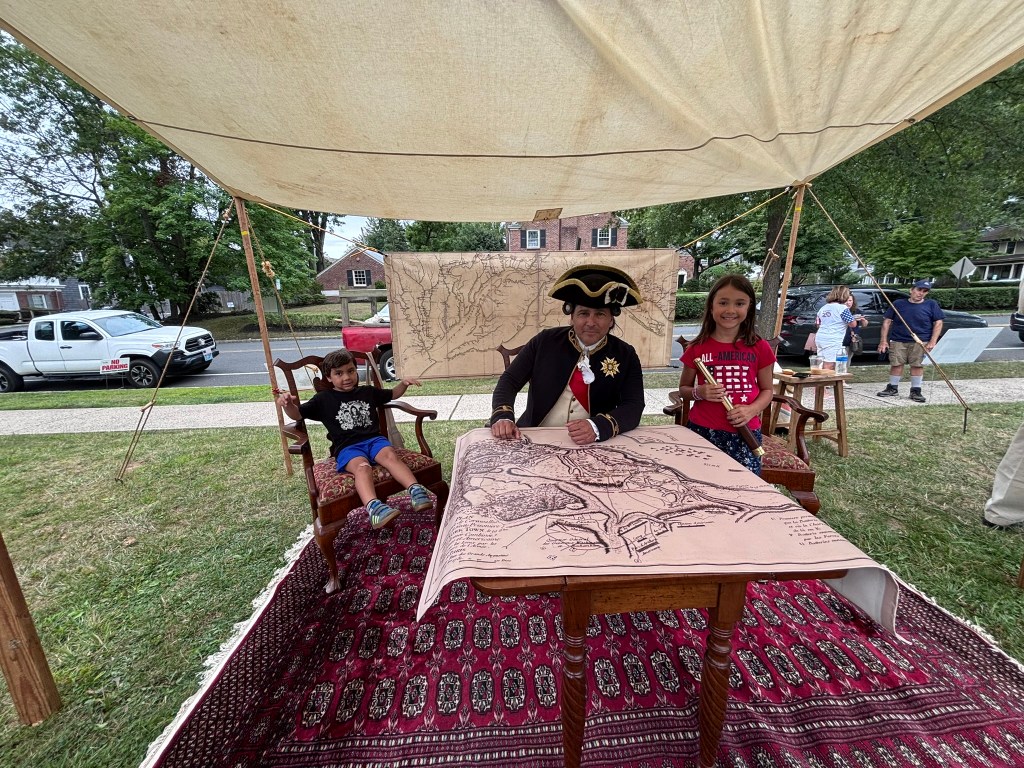
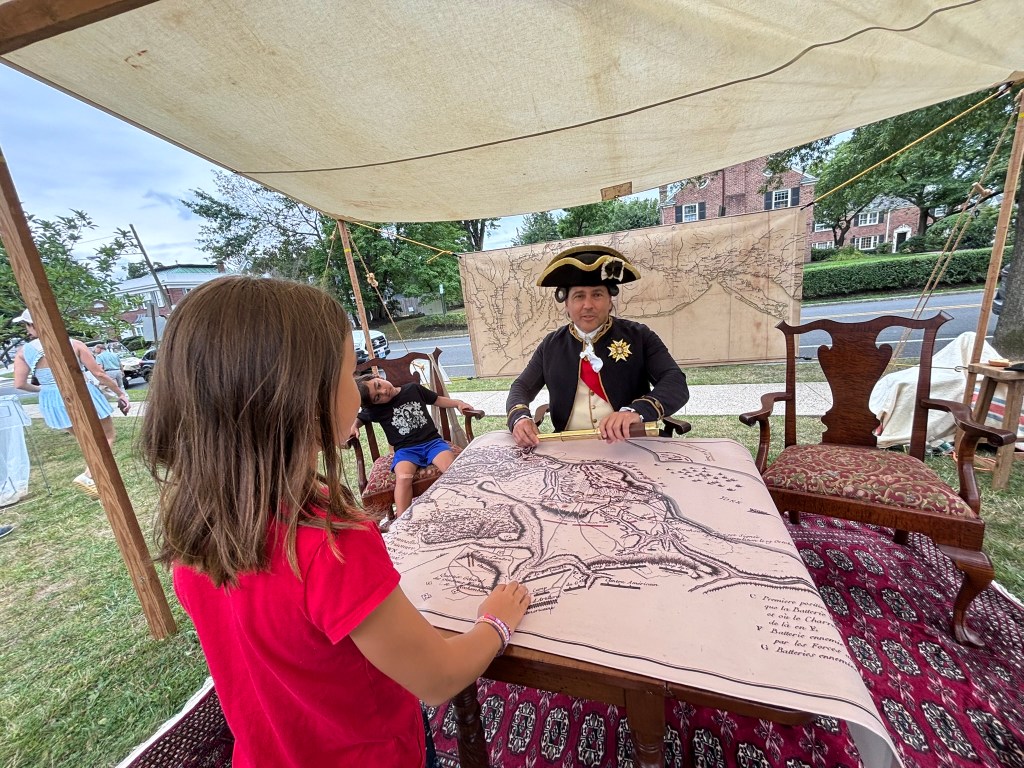
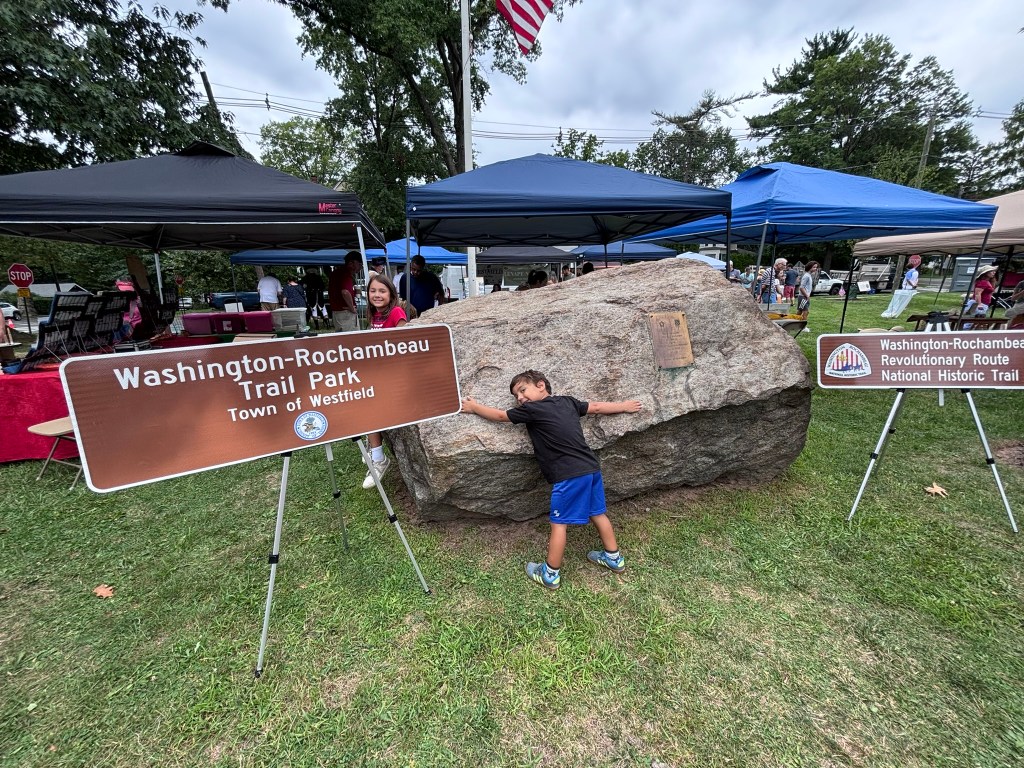
  • On August 17th, my family and I attended the Sixth Annual March to Yorktown Day in Westfield, NJ. The last time I went was in 2023 with my daughter, which you can read about HERE. This year’s 2025 event drew an impressive crowd and was well planned and organized by Julie Diddel, chair of the Washington-Rochambeau Revolutionary Route Association of New Jersey (W3R-NJ). The commemoration marks August 29, 1781, when General Benjamin Lincoln’s division of the Continental Army passed through Westfield on their march to Yorktown, Virginia. At the same time, the French Army under the Comte de Rochambeau took a route slightly west of the Continentals before both forces united near Princeton, NJ. The Washington-Rochambeau Revolutionary Route traces the path of the American and French armies from Newport, Rhode Island, to Yorktown, where their combined campaign led to the British surrender at the Siege of Yorktown in October 1781. Today, the route is preserved as part of the National Park Service. You can read more about the trail HERE.

    Opening Ceremony

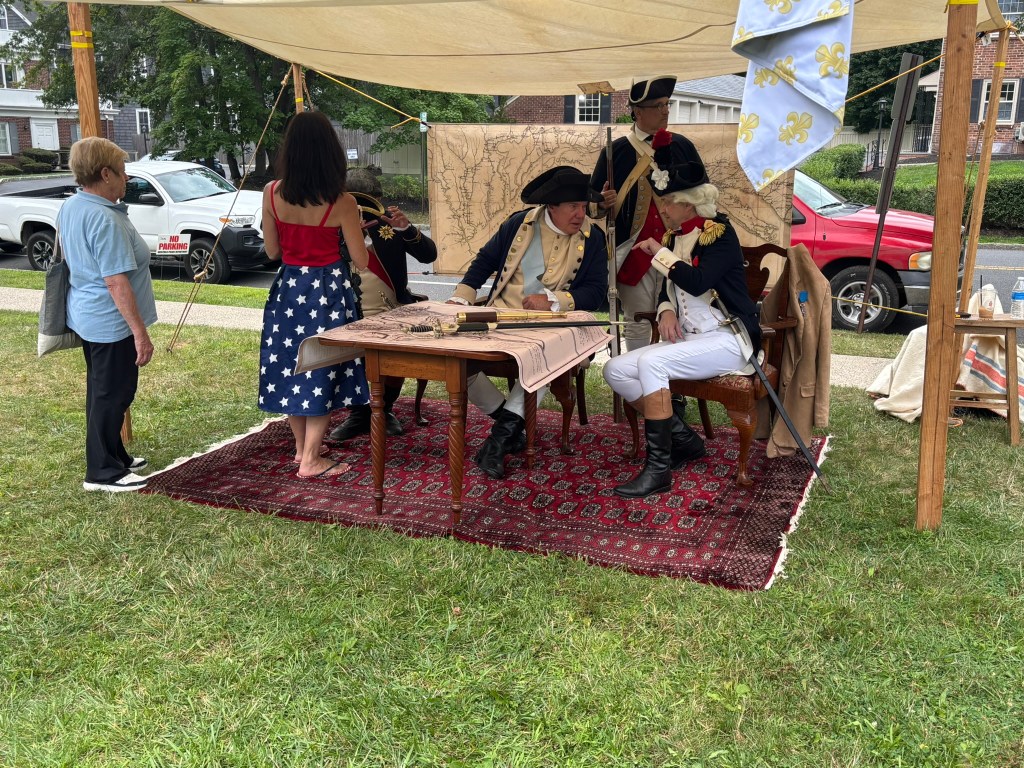
    The program began at noon with an opening ceremony in front of Westfield Town Hall on East Broad Street. The first remarks, by Julie Diddel, chair of W3R-NJ, highlighted the significance of the Washington-Rochambeau Revolutionary Trail and Westfield’s role in the Revolution. She was followed by other speakers, including Westfield Mayor Shelley Brindle and leaders from local historical organizations. General George Washington, portrayed by reenactor Sam Davis, offered an opening prayer, and the New Jersey Fifes and Drums led the crowd in the Star-Spangled Banner.

    Symbolic March

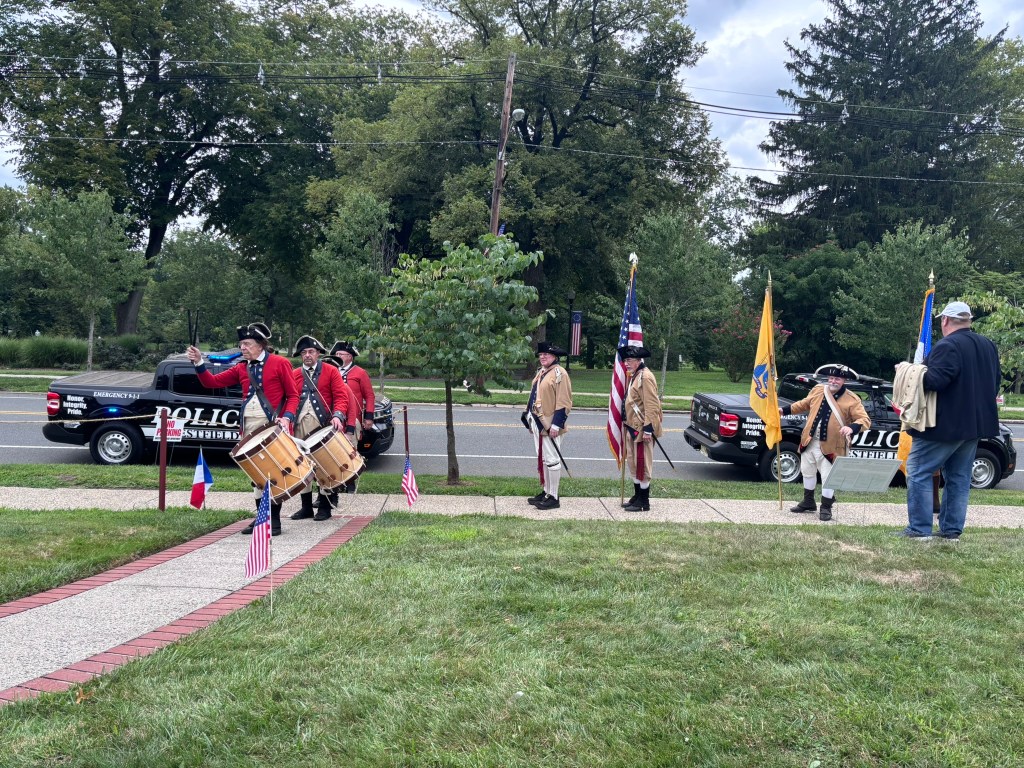
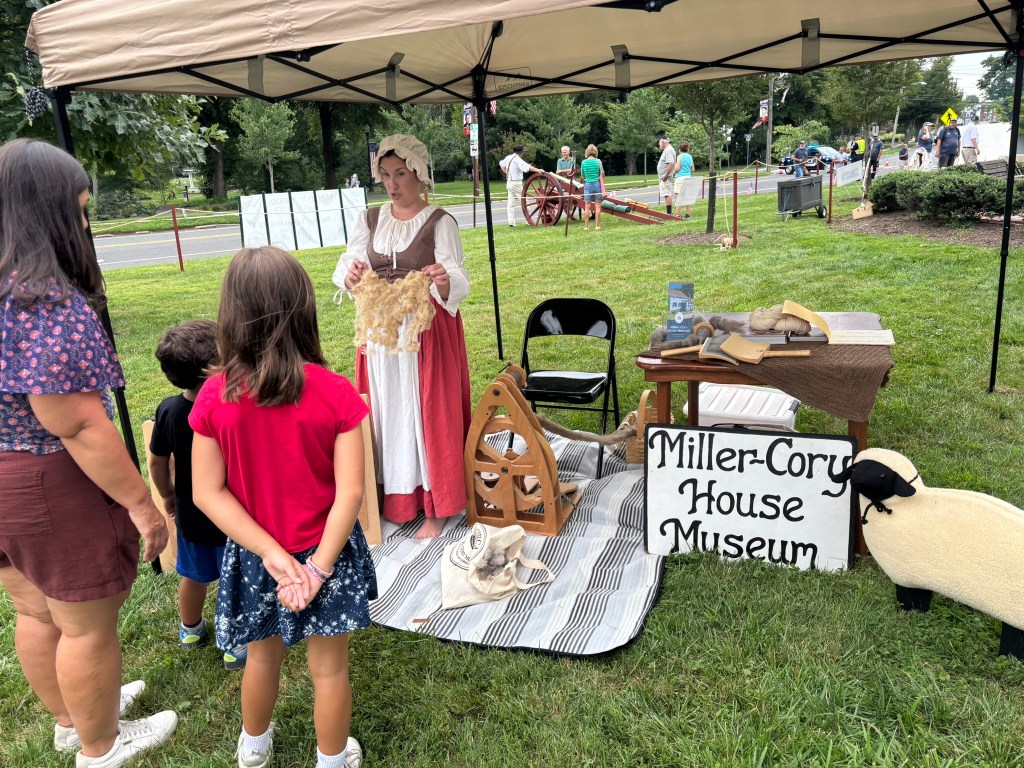
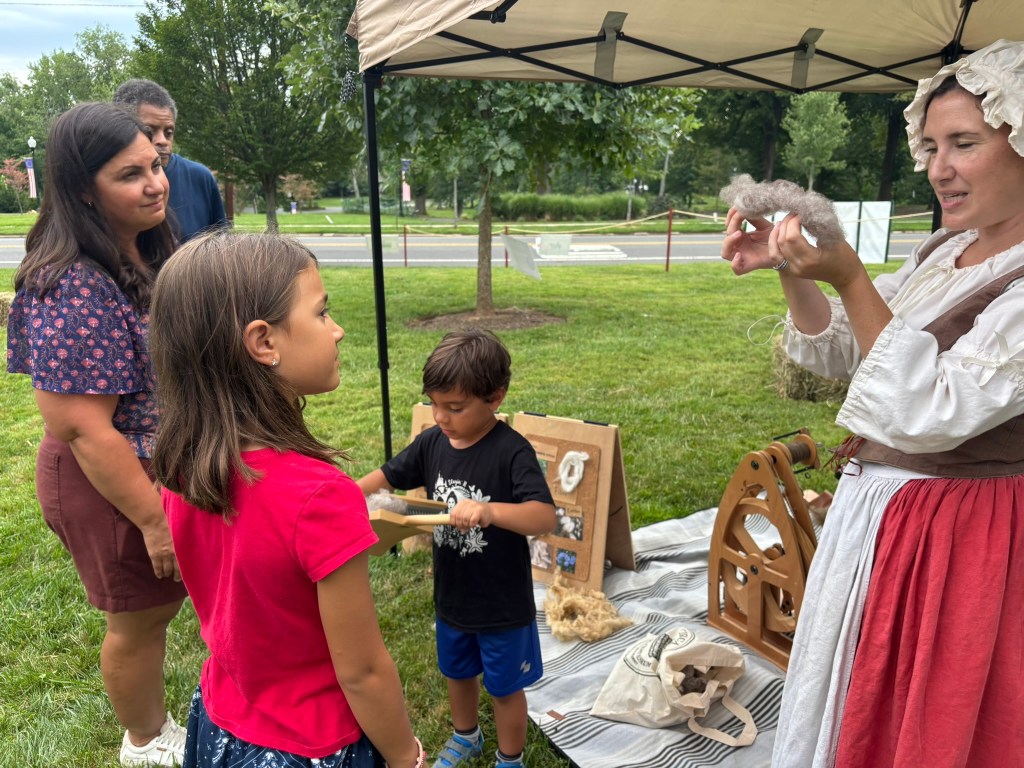
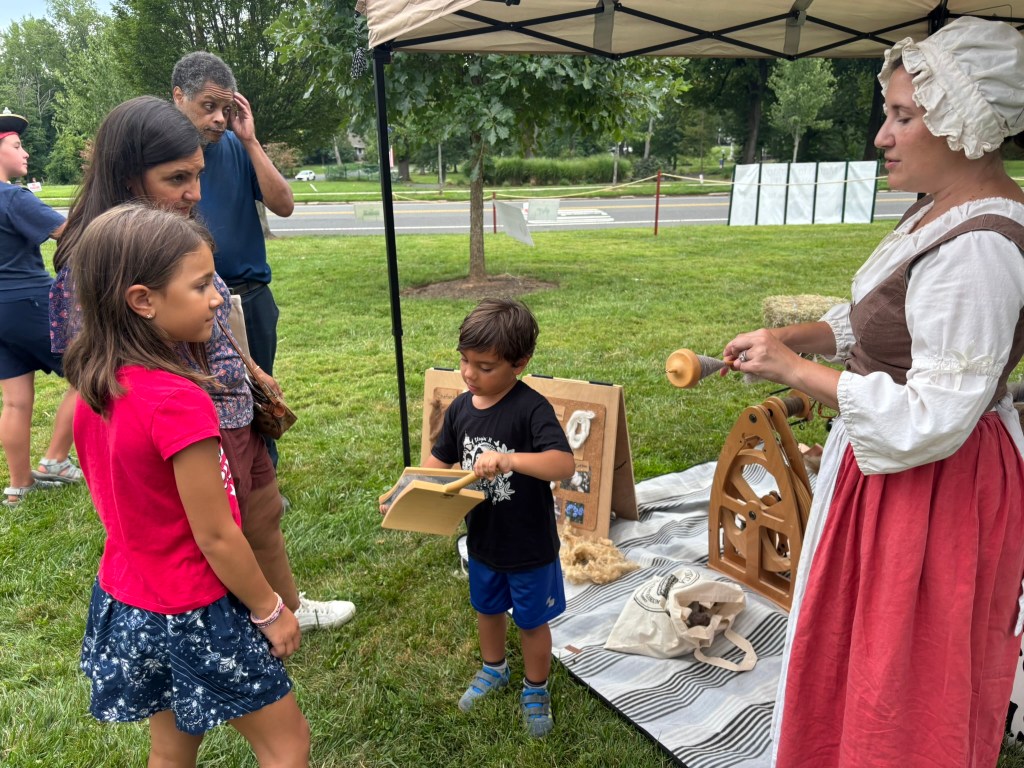
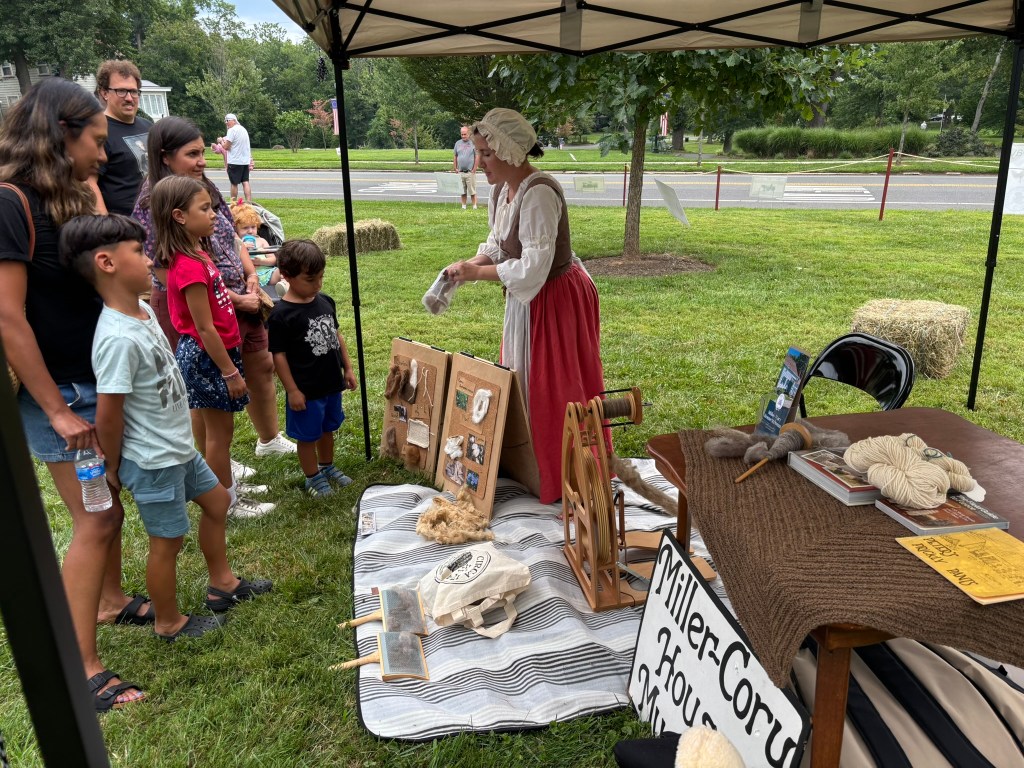
    After the 20-minute opening ceremony, the crowd followed reenactors portraying George Washington, Comte de Rochambeau, and the Marquis de Lafayette—along with several Westfield officials—on a symbolic march down East Broad Street to Mountain Avenue. At the Presbyterian Church burial grounds, wreaths were placed in honor of the more than 70 Revolutionary War veterans, along with their families and other patriots, who are laid to rest there. From there, the procession continued into Mindowaskin Park. Joining the march were the New Jersey Sons of the American Revolution Color Guard, members of the Daughters of the American Revolution, the New Jersey Fifes and Drums, the Miller-Cory House Museum’s colonial living history interpreters, women camp followers, and the New Jersey Milita- Heard’s Brigade. Check out my Instagram and Facebook accounts for videos of the march.

    Mindowaskin Park

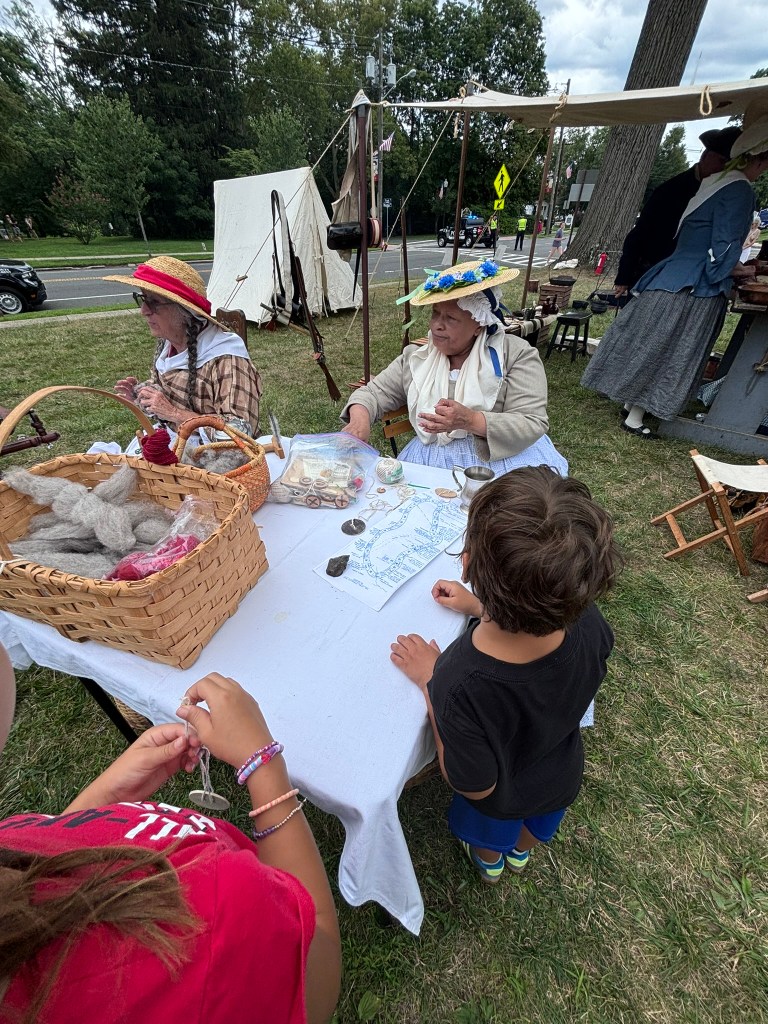
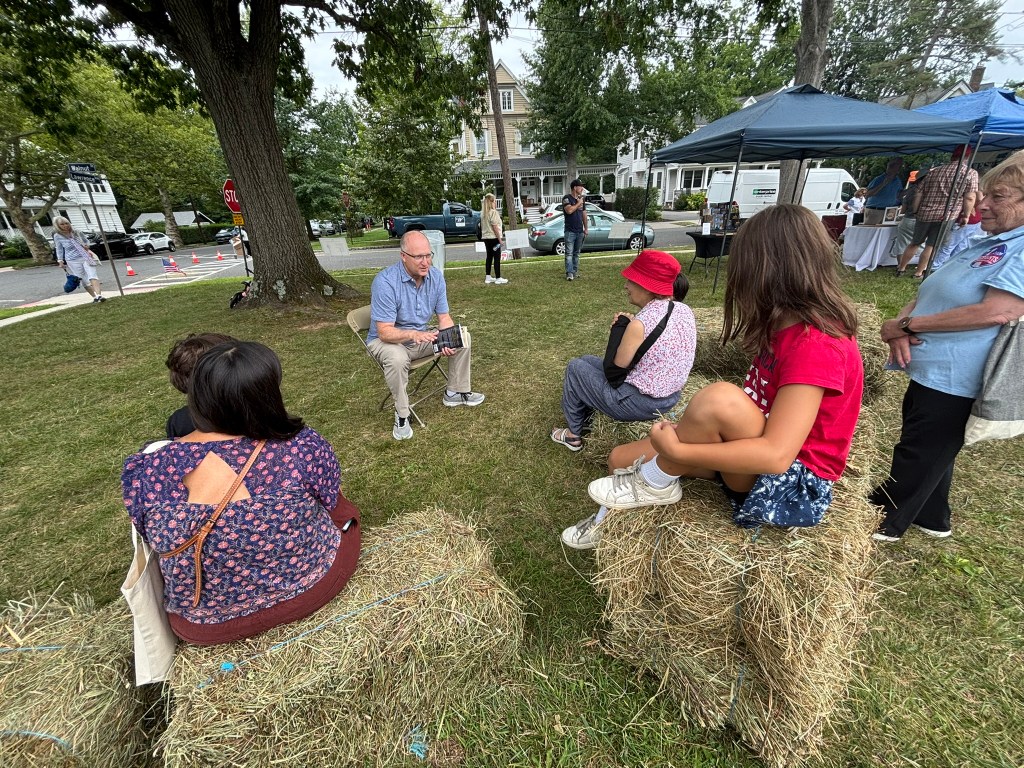
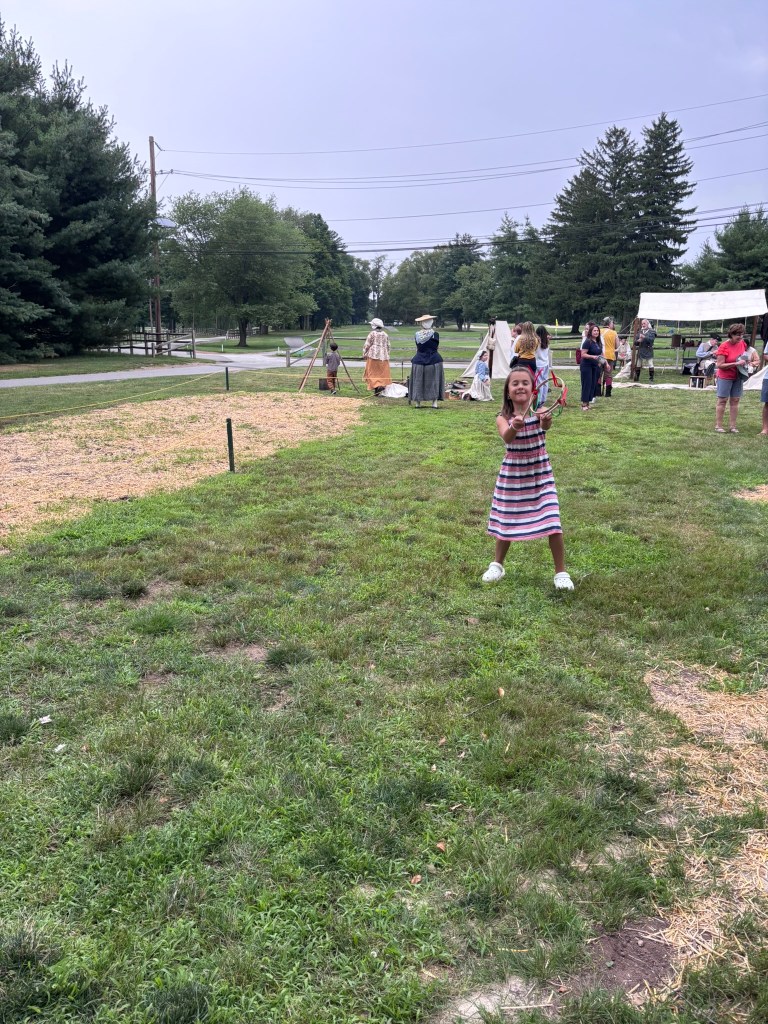
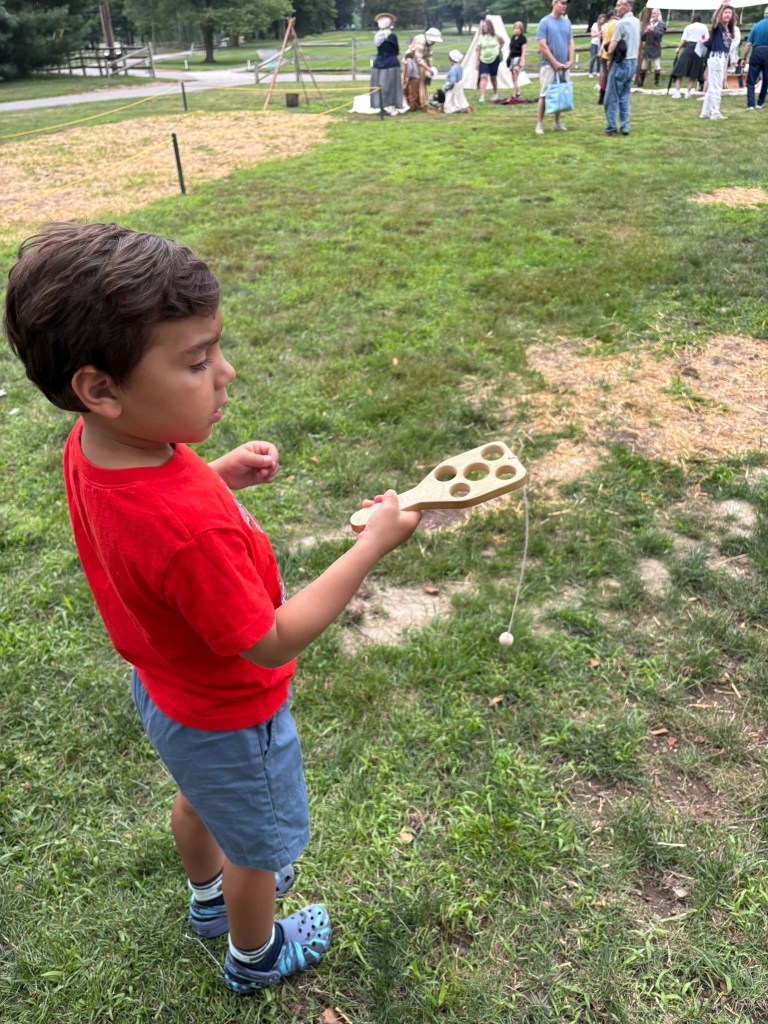
    The grounds of Mindowaskin Park were transformed into a Revolutionary War encampment, complete with colonial-era games, open-fire cooking demonstrations, and regular drills, marches, and musket firing by soldiers in uniform.  

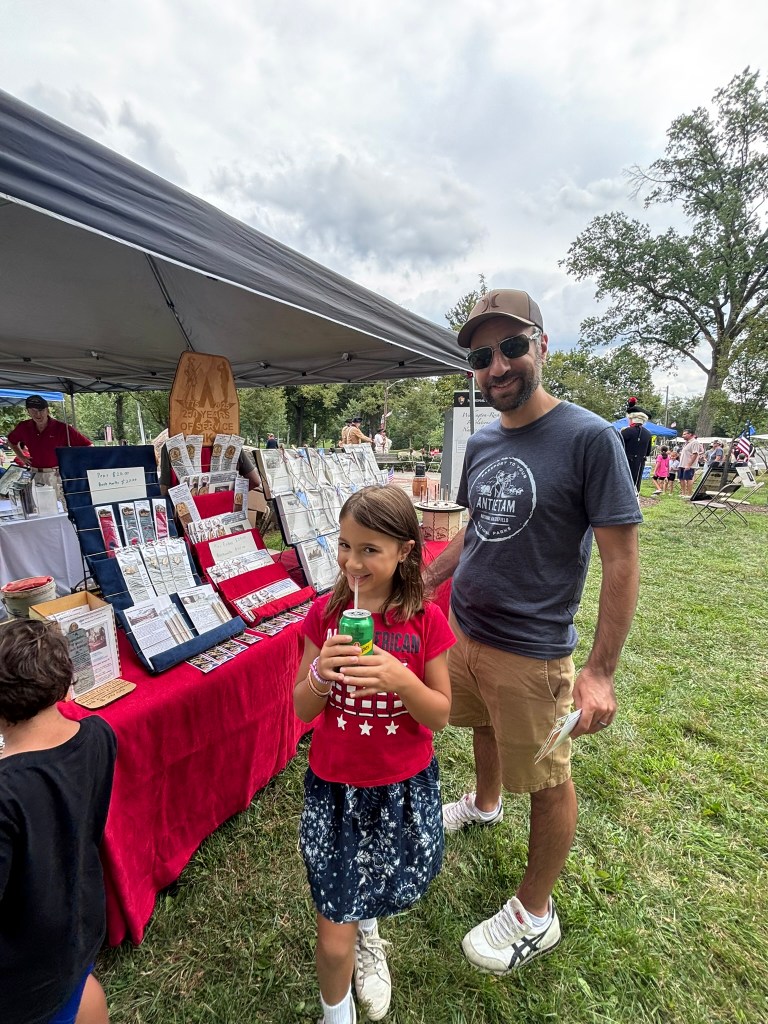
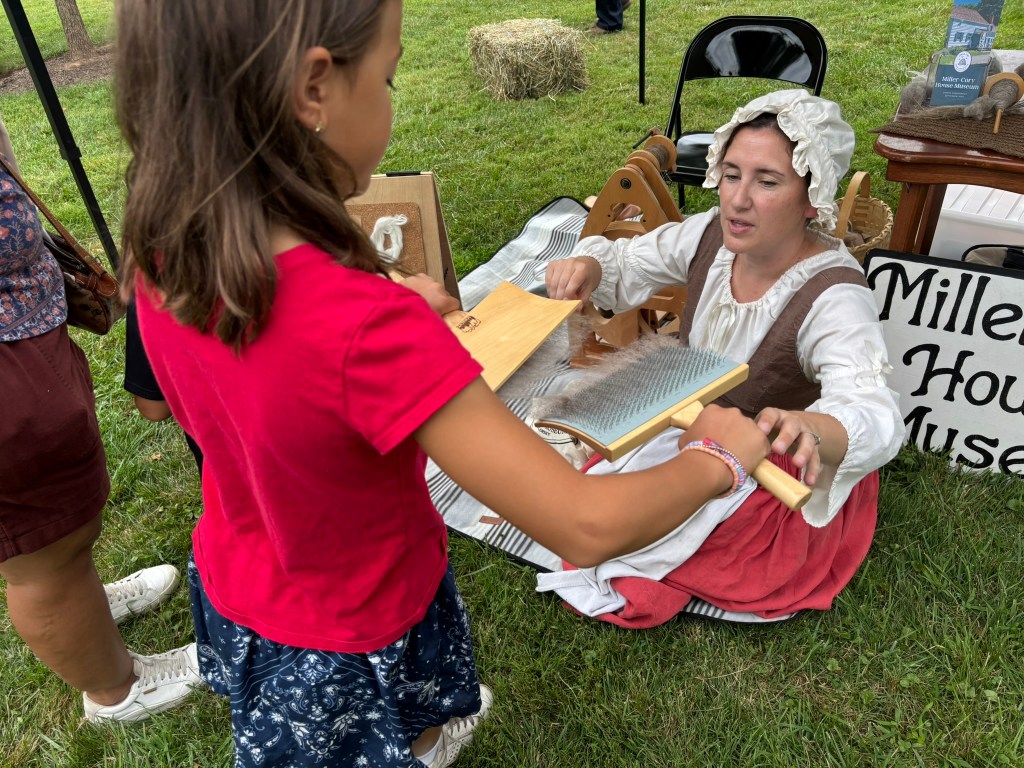
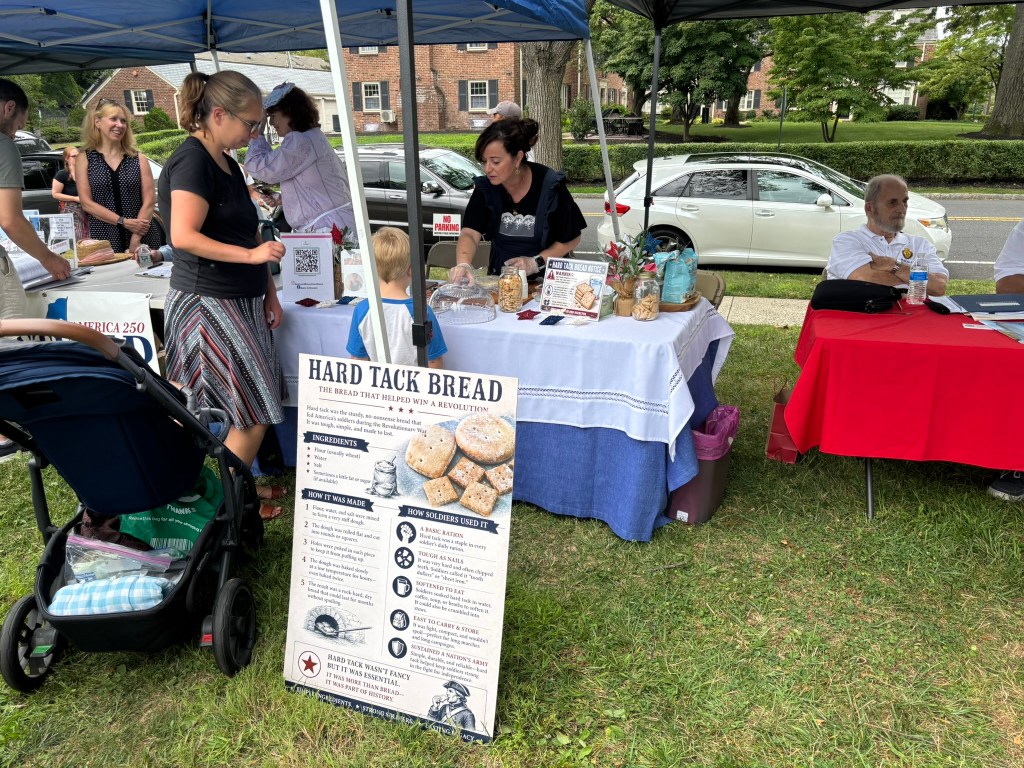
    Local history groups had tents set up around the park to share information, and I enjoyed chatting with members of these organizations. Among them was RevNJ, Princeton Battlefield Society, the Westfield Historical Society, Miller-Cory House Museum, Trent House Museum, Merchants & Drovers Museum, Liberty Hall Museum, Westfield Chapter of the Daughters of the American Revolution, Westfield Chapter of the Sons of the American Revolution, among others. Music from fifes and drums filled the air, giving the whole park the feel of an 18th century encampment.

    My family and I grabbed lunch from the food truck run by A Taco Affair, and it was delicious. The restaurant has locations in Westfield, Little Falls, and Denville, as well as Savannah, GA. After eating, we continued exploring the event—listening to the fifes and drums, watching musket demonstrations, and chatting with reenactors.

    Mindowaskin Park also has a great playground that my kids enjoyed, and they capped off the afternoon with a treat from the ice cream truck on site.

    Overall, we had a great time at March to Yorktown Day in Westfield. The event served as a great reminder of New Jersey’s rich Revolutionary War history and the key role the state played in America’s independence. The Washington-Rochambeau Revolutionary Route Association once again did an excellent job organizing the day and bringing the community together. This year’s program was even larger than the one my daughter and I attended two years ago, and it was great to see such a strong turnout.  As we approach the 250th anniversary of our nation’s birth, make sure to check out events coming up in your local community.

    Check out my Instagram and Facebook pages as I’ll be uploading videos of the event.

    Check out similar posts below:

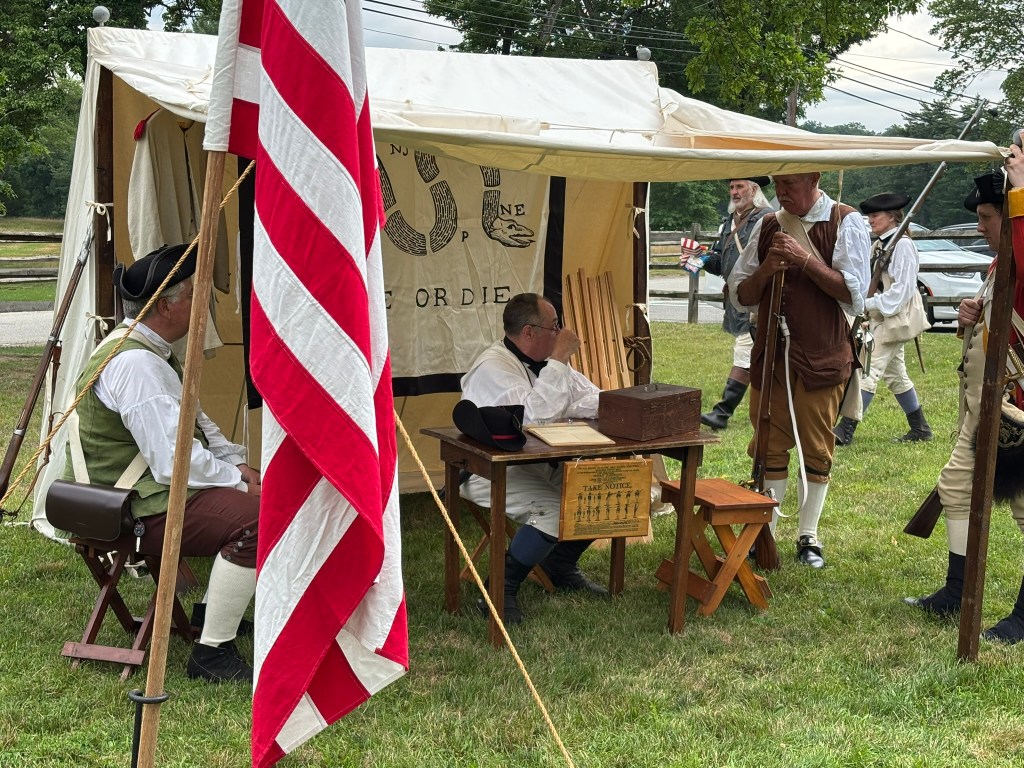
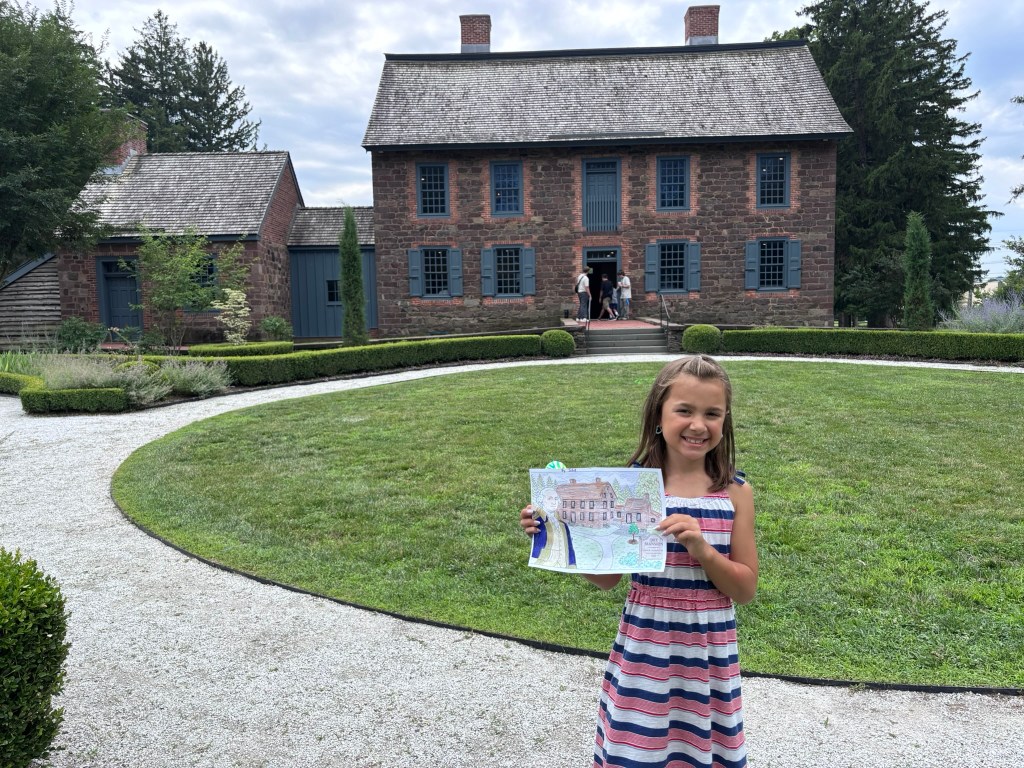
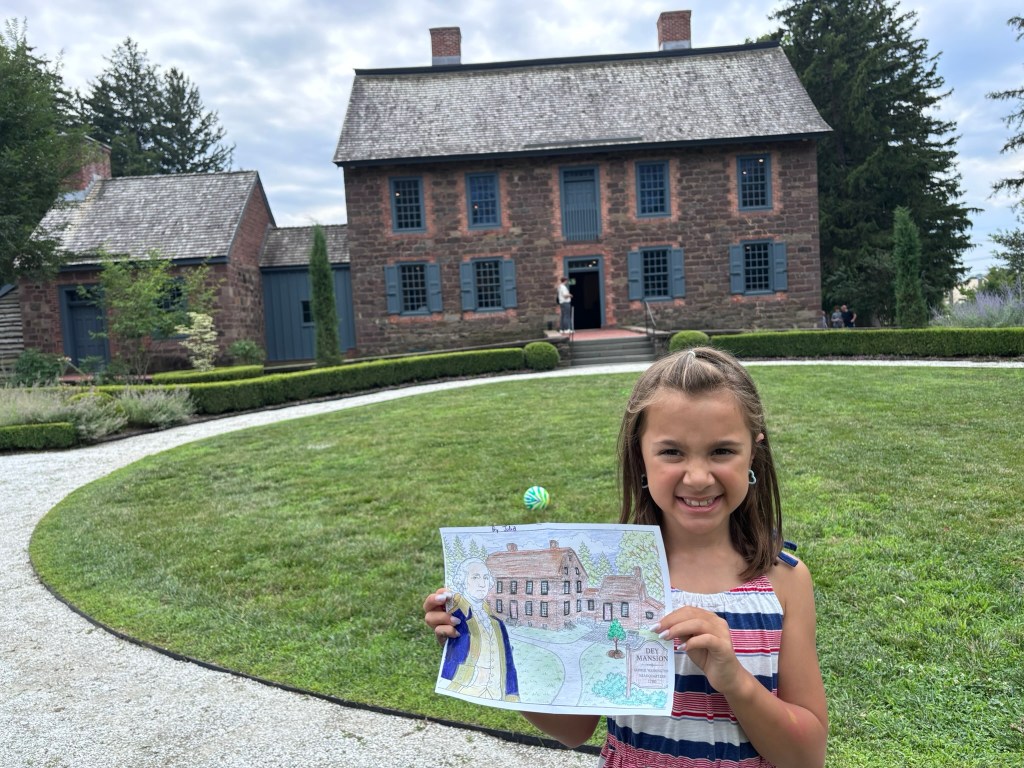
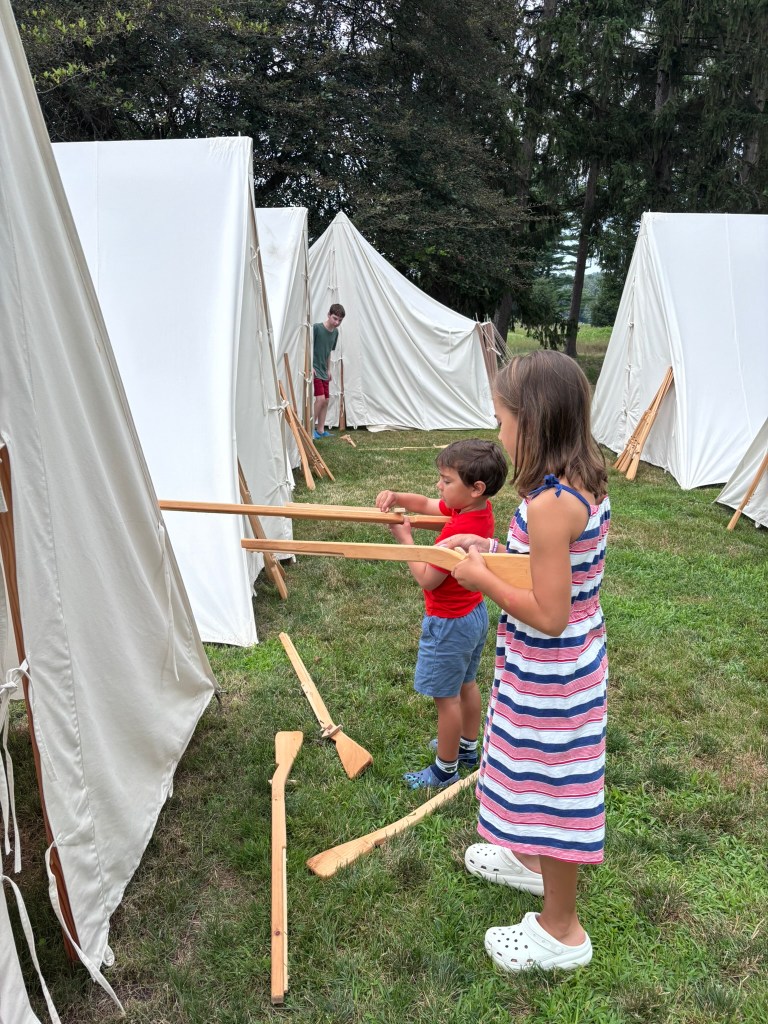
  • My family and I visited the First Oval Office Project at the Dey Mansion in Wayne, NJ on Saturday, July 19th. The event, which ran all weekend, was curated by the Museum of the American Revolution in Philadelphia and featured a replica of George Washington’s War Tent from the American Revolution. This wasn’t our first time experiencing the tent. In July 2023, as I shared in my post “Washington’s War Tent and the Ford Mansion,” we attended the First Oval Office Project at Washington’s Headquarters in Morristown, NJ. We also had the chance to see the original tent at the Museum of the American Revolution during our trip to Philadelphia in February 2024. You can read more about that trip [HERE]. This recent visit was another great opportunity to see history come to life and engage with historical reenactors.

    George Washington’s War Tent

    The War Tent on display at the Dey Mansion was a reproduction of George Washington’s original field tent, which has been preserved and is now housed at the Museum of the American Revolution in Philadelphia. After Washington’s death, the tent was passed down through Martha Washington’s descendants until it was acquired in 1909 by Reverend W. Herbert Burk, the founder of the museum’s collection. While the original tent can be viewed at the museum, visitors aren’t permitted to go inside it. This full-scale replica was created to give people a sense of what it was like inside Washington’s mobile headquarters during the Revolutionary War. It served as both a workspace—where he and his aides handled military business and correspondence—and a place to sleep while on campaign.

    Our Day

    Demonstrations

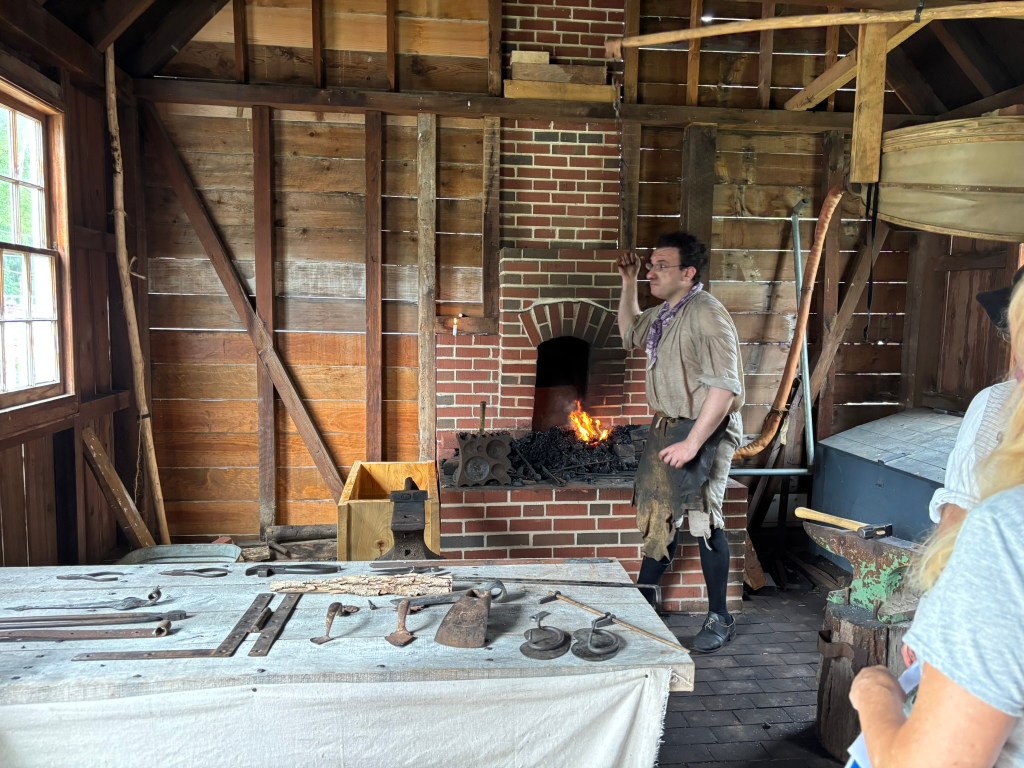
    We arrived at the Dey Mansion a little before 10:30 a.m. and began by exploring several of the programs and demonstrations happening on the mansion grounds. Our first stop was a demonstration on 18th-century weaving, followed by a visit to the blacksmith’s shop, where the historical reenactors shared fascinating insights into the techniques and tools used by blacksmiths during the Revolutionary era.

    Second New Jersey Regiment, Helm’s Company

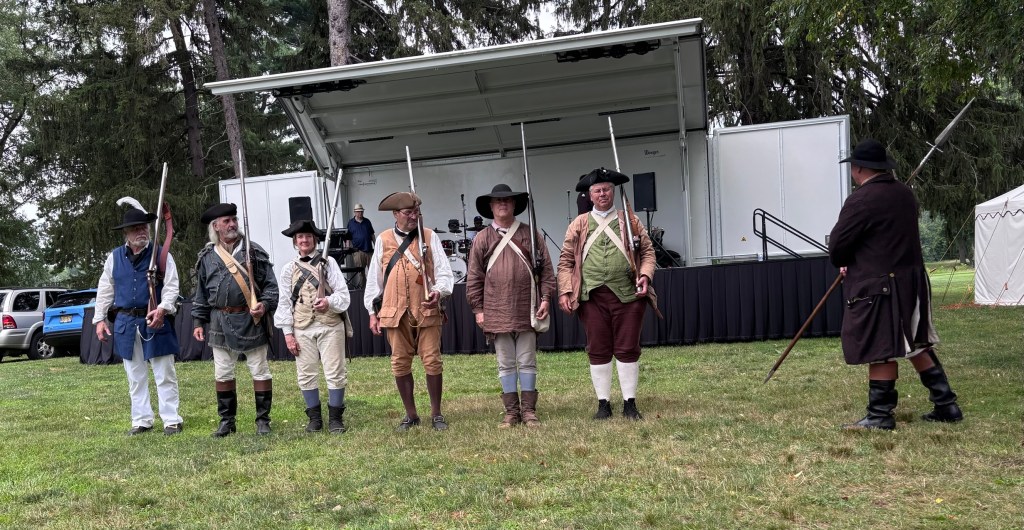
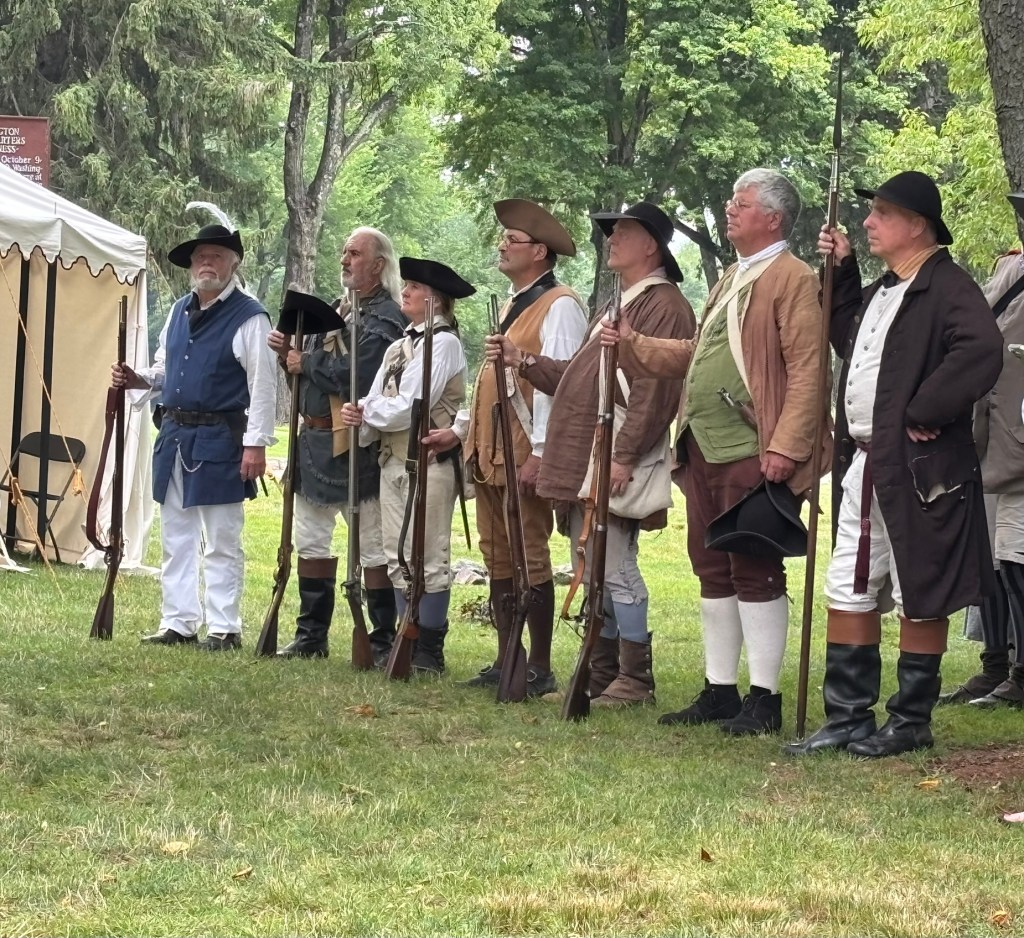
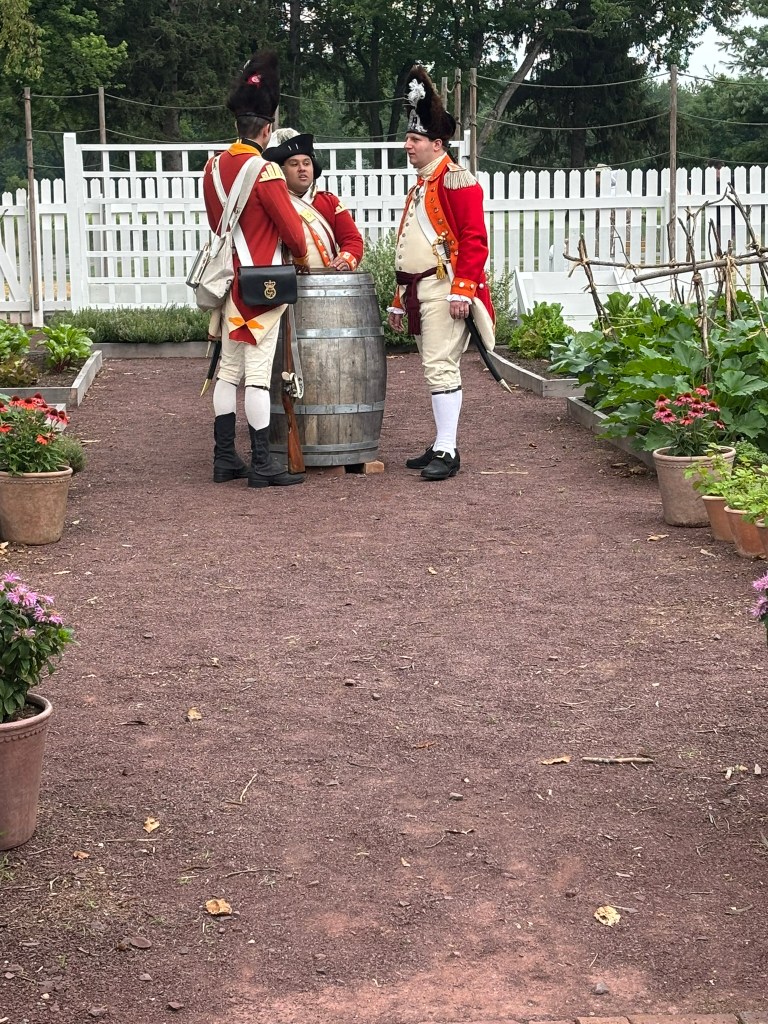
    Next, we made our way to the front lawn and explored the dining tent. At 11:00 a.m., the 2nd New Jersey Regiment, Helm’s Company, performed military drills—including standing in formation, loading and firing muskets, marching, and executing a bayonet charge. It’s been a privilege to see Helm’s Company at several recent events, including the Battle of Monmouth Reenactment and Lafayette’s Visit to Morristown. After the demonstration, the reenactors answered questions from the audience and posed for photos.

    Arts and Crafts/ Presentations

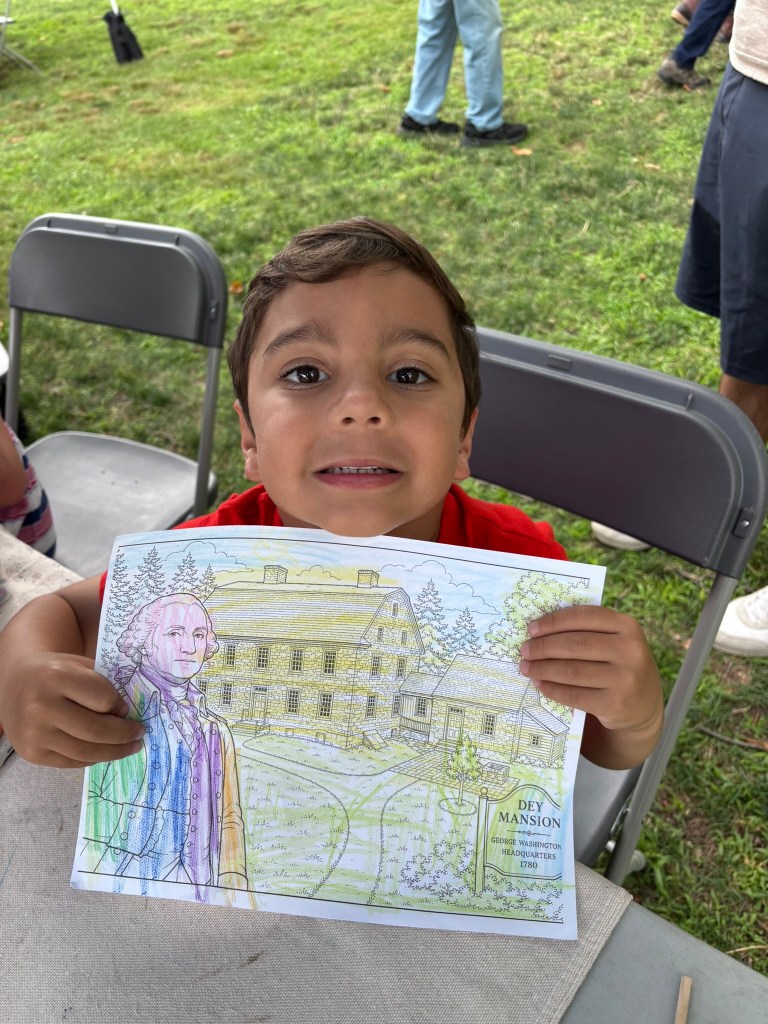
    Following the drills, I took a few photos of Washington’s War Tent but planned to return later once the crowd had thinned out. Meanwhile, my children enjoyed doing arts and crafts, which were run by the Passaic County Arts Center. I also attended a demonstration on 18th-century fabric dyeing, and later listened to a reenactor give a detailed presentation on Revolutionary War weaponry. He spoke about muskets, rifles, swords, musket balls, and even primitive hand grenades. His depth of knowledge was evident when addressing spectators’ questions.

    Washington’s Tent

    Later, I returned to Washington’s War Tent for a more in-depth look. Just like during our previous visit, it was a great experience to step inside the tent and hear reenactors describe what daily life was like for Washington and his aides while on campaign. It served as a vivid reminder that—despite his leadership and status—Washington endured many of the same hardships as his soldiers. This stood in contrast to the relative comfort he would have enjoyed while staying at the Dey Mansion.

    What made this visit to The First Oval Office Project unique was the addition of the dining tent—it was even larger than Washington’s War Tent. The reenactors throughout the event were incredibly informative and passionate about sharing their knowledge. Their dedication to bringing history to life was evident in every conversation.

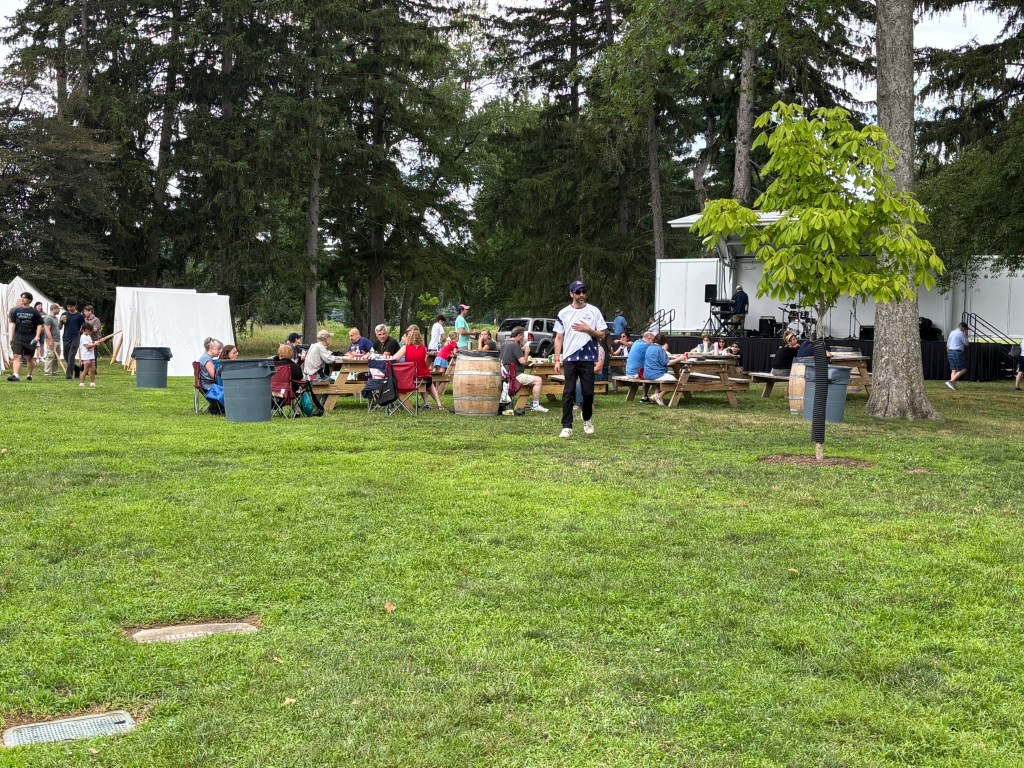
    Food was available on-site, with hamburgers and hot dogs offered for just $2 from The Dawg House in Totowa. My kids were also thrilled to grab ice cream—also $2—which was a welcome treat on a warm day. Having food on site made things especially convenient around lunchtime. After their treats, the kids enjoyed petting the horses brought by some of the reenactors.

    Final Thoughts

    Overall, it was a fantastic day at the Dey Mansion. The Dey Mansion, the Museum of the American Revolution, the 2nd New Jersey Regiment, and all the reenactors and site staff did a wonderful job creating a truly immersive historical experience. It was also great to connect with reenactors I’ve met at previous events. It’s always a pleasure to meet people who are so enthusiastic about sharing their love of history and committed to making it engaging for all ages.

    Please stay tuned to my Instagram and Facebook accounts as I will be posting videos of the event.

    If you’d like to read about our tour inside the Dey Mansion from this past February 2025, check it out [HERE].

    Learn more about the organizations involved in this event:

    Dey Mansion

    See Passaic County

    Museum of the American Revolution

    First Oval Office Project

    NJ Helm’s Company

    Passaic County Arts Center

    Check out related blog posts below:

  • My family and I made it out to the Morristown Green in New Jersey on July 13th to celebrate the bicentennial of General Marquis de Lafayette’s visit to Morristown. In July 1825, Lafayette—the beloved French hero of the American Revolution—visited Morristown as part of his grand farewell tour of the United States. The tour, which came nearly 50 years after the country declared independence, brought Lafayette to towns and cities across the nation where he had once fought or held connections. In 1825, Morristown welcomed him with great fanfare, recalling his crucial role during the harsh winter encampments of the Revolutionary War. Crowds gathered in the town square, and a grand reception was held at Arnold’s Tavern—long a landmark of Morristown and closely tied to George Washington’s wartime presence in the area.

    Lafayette’s visit was not only a moment of celebration but also a reminder of the deep bond between the United States and its French ally. For the citizens of Morristown, many of whom had family ties to the Revolution, his presence brought history to life. The general, then nearly 68 years old, was greeted by veterans and descendants of patriots who had served under him or alongside him decades earlier. His return to Morristown symbolized the enduring gratitude of a young nation and reinforced the town’s reputation as a cornerstone of Revolutionary heritage.

    The event my family and I attended was organized by the American Friends of Lafayette in collaboration with the town of Morristown. When we arrived, we saw tents set up by local historical groups, including the Macculloch Hall Historical Museum, the Morristown National Historical Park, the Daughters of the American Revolution, the Sons of the American Revolution, and others. The event also featured exhibits, reenactors, and activities for families.

    A welcome ceremony at 12:45 p.m. kicked off the program, with remarks from the mayor of Morristown, a representative of the American Friends of Lafayette, and other local historical organizers.

    After the speeches, a cannon blast signaled the start of a reenactment of the 1825 parade, during which Lafayette was escorted around the Morristown Green. Crowds lined the Green to watch the procession of soldiers and catch a glimpse of the French hero.

    Following the parade, Lafayette was escorted to the stage for proclamations, speeches, toasts, and several hearty rounds of “HUZZAH!”

    One highlight of the day was the world premiere of the Lafayette Suite, a new composition by Maestro Robert W. Butts. Members of the Baroque Orchestra of New Jersey (BONJ) performed the piece for the first time.

    It was great to see so many people come out to Morristown for this event. Lafayette was truly a remarkable figure, often referred to as the “Hero of Two Worlds” for his role in both the American and French Revolutions. Lafayette first fought for the United States at the Battle of Brandywine in 1777. He endured the harsh winter at Valley Forge, led troops effectively at the Battle of Monmouth, played a crucial role in securing French reinforcements, held a leadership position in Virginia late in the war, and was instrumental at the Siege of Yorktown. George Washington considered Lafayette like a son and his impact on the American Revolution was profound.

    Given all this, it’s easy to see why Lafayette was so widely celebrated during his return to the United States in 1824–1825. Having served in the Revolution at such a young age, it’s remarkable that he was able to return nearly 50 years later to revisit the nation he helped to shape.

    Please stay tuned to my Instagram and Facebook accounts as I will be posting Reels of the event.

    For more information on the American Friends of Lafayette, check out their website [HERE].  You can also check out other upcoming events celebrating Lafayette’s final tour of the United States [HERE]

    Check out related blog posts below:

  • On July 6th, I had the privilege of attending “March to Yorktown: Panel Discussion & Exhibit,” an event hosted by the Historical Society of the Somerset Hills at the Brick Academy in Basking Ridge, NJ. This was my first time attending one of the Society’s events, and it proved to be both informative and engaging. The panel discussion highlighted the Washington-Rochambeau Revolutionary Trail and its lasting impact on the local community.  You can read my earlier blog post on the importance of the trail [HERE]. Notably, the French branch of the route passed directly through Basking Ridge, making it a key “route town” on the March To Yorktown. In addition to exploring the Trail, the panel emphasized the broader significance of the 1778 American-French alliance during the Revolutionary War.

    The session opened with introductory remarks by Julia Diddell, who serves as the Chair of the Washington-Rochambeau Revolutionary Route – New Jersey. She gave an overview of the trail and reflected on its enduring influence on the surrounding communities. Julia also introduced the panelists: Dr. Robb Haberman and Dr. Robert A. Selig.

    Dr. Robb Haberman

    Dr. Robb Haberman is a historian specializing in early American history. He earned his Ph.D. in history from the University of Connecticut and currently teaches as an adjunct assistant professor at Fordham University. Over the years, he has also held visiting lecturer positions at both Trinity College and Colby College. Dr. Haberman’s research focuses on politics, media, and public memory in Revolutionary-era New York, and his work has been featured in both print and digital publications, including New York History, Early American Studies, and American Periodicals. He also spent seven years at Columbia University as an associate editor for the John Jay Papers, where he contributed to volumes four through seven of The Selected Papers of John Jay, published by the University of Virginia Press and now accessible through Founders Online, a public database maintained by the National Archives. In 2023, he was awarded the New York State Society of the Cincinnati Fellowship to research Sgt. James Selkirk, a Revolutionary War figure, and his memoirs. Dr. Haberman is currently writing a book on Selkirk and his wartime experiences.

    During his presentation, Dr. Haberman drew on his research into James Selkirk to offer a vivid glimpse of life along the Washington-Rochambeau Trail. Selkirk, a Continental soldier, left behind unpublished memoirs reflecting on his wartime experiences, including his marches along the trail. One particularly compelling part of the talk focused on the dangerous journey taken by Sgt. Selkirk and the Second New York Regiment in September 1781, as they made their way to Yorktown. While sailing from Baltimore to Williamsburg, their transport schooner became separated from the fleet and ran aground. Drawing directly from Selkirk’s personal writings, Dr. Haberman explored this harrowing episode, shedding light on both the hardships and resilience of the Continental Army during the Yorktown campaign.

    Dr. Robert A. Selig

    In my blog posts about “The Inclusive History of the Washington-Rochambeau Revolutionary Trail: Phase II”, I introduced Dr. Robert A. Selig and the important work he’s been doing as part of that research project. At the panel event in Basking Ridge, Dr. Selig once again demonstrated his deep expertise on the Washington-Rochambeau Revolutionary Trail.

    Dr. Selig is a distinguished historian who earned his Ph.D. in history from the University of Würzburg in 1988. Since then, he has devoted his career to historical research, writing, and consulting. He serves as the project historian and consultant to the National Park Service for the Washington-Rochambeau Revolutionary National Historic Trail, playing a key role in preserving and interpreting this critical piece of American history. His contributions have earned him numerous honors, most notably his appointment as a chevalier of the French National Order of Merit—the highest recognition granted to non-citizens by the President of the French Republic for exceptional civil or military service. This award acknowledges Dr. Selig’s leadership as one of the foremost American historians of France’s role in the American War of Independence. His ongoing research spans the United States, France, and Germany.

    At the March to Yorktown event in Basking Ridge, Dr. Selig focused on the portion of the trail where the French Army passed through the local area. Drawing from firsthand accounts, he offered the audience a vivid picture of what soldiers would have experienced on their journey to Yorktown. His engaging presentation covered the hardships the troops endured, what they ate, and the unique challenges posed by the language barrier between the French and Americans. Through his storytelling, Dr. Selig brought to life the human side of the historic march and helped the audience imagine what life on the trail would have been like.

    Q&A

    During the Q&A portion of the discussion, audience members posed several intriguing questions—including how the American and French forces managed to communicate with the French Navy in the Chesapeake Bay in the lead-up to the Siege of Yorktown. Both Dr. Haberman and Dr. Selig spoke to the challenges of coordinating among the allied forces. Dr. Haberman, referencing James Selkirk’s account, noted that even the soldiers themselves were often unaware of their final destination—they simply followed orders without knowing the broader strategy. Dr. Selig emphasized that for the March to Yorktown to succeed, everything had to align perfectly for the American and French forces—and everything had to go wrong for the British. Fortunately for the American cause, that’s exactly what happened. The victory at Yorktown sealed American independence.

    Dr. Haberman and Dr. Selig did a remarkable job of bringing history to life. They gave voice to the experiences of Continental soldiers and highlighted just how extraordinary the March to Yorktown truly was.  

    Check out The Historical Society of the Somerset Hills

    Check out the Washington Rochambeau Revolutionary Revolutionary Route- New Jersey (W3R-NJ)

    Check out these related posts: