

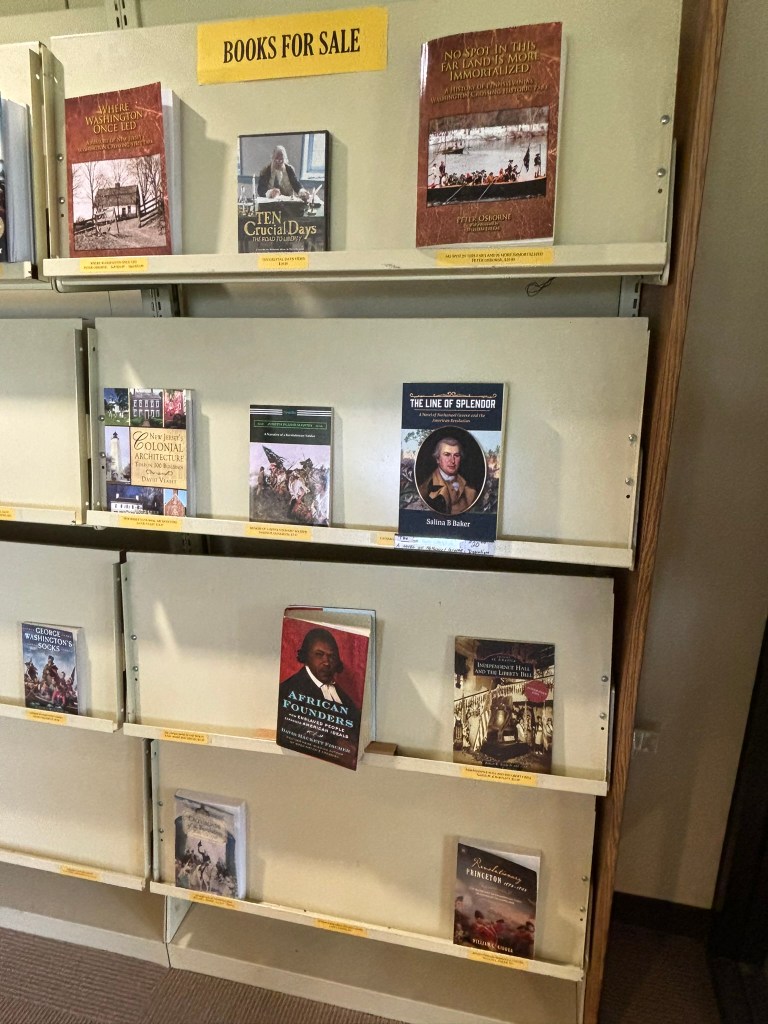
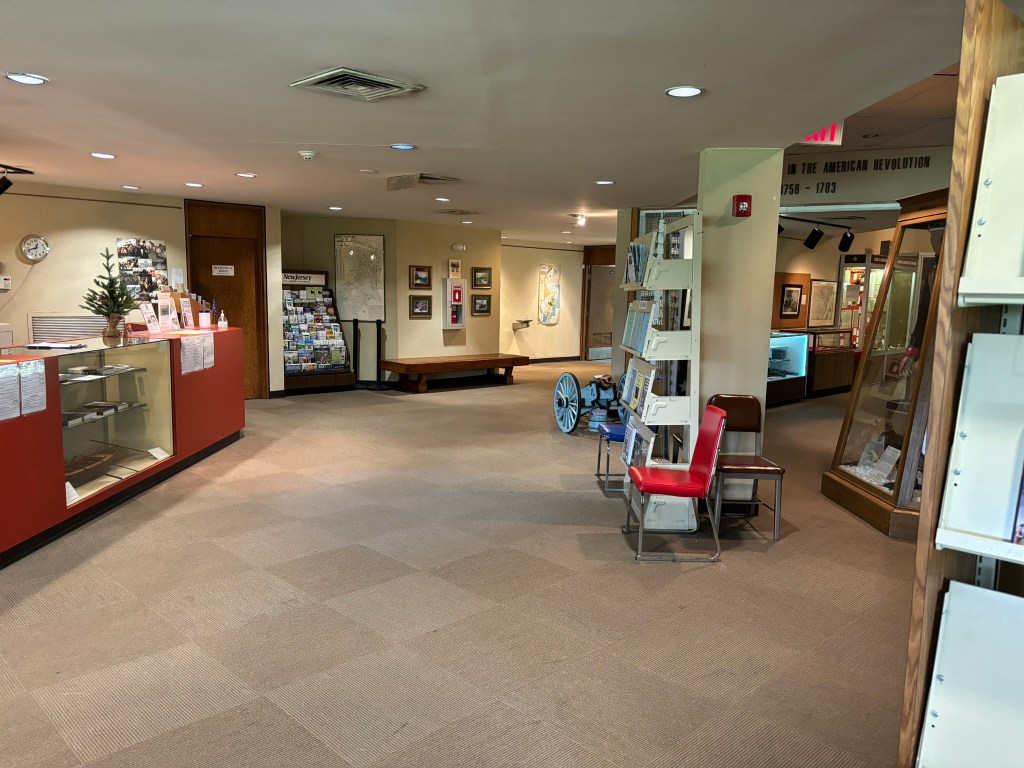
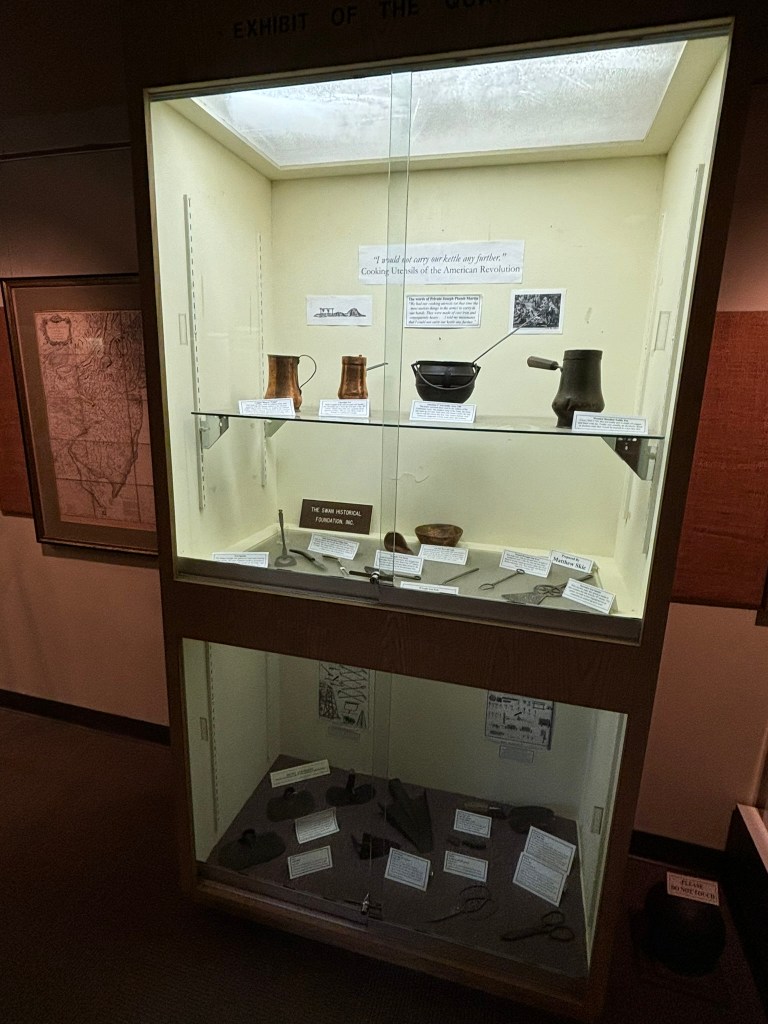
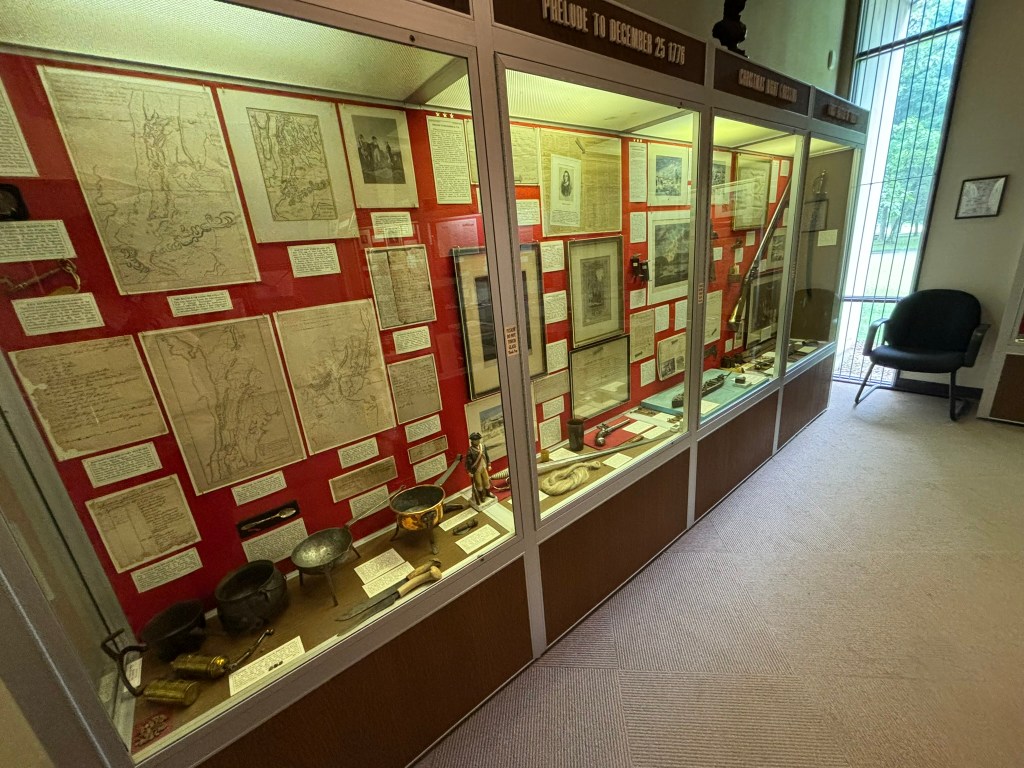
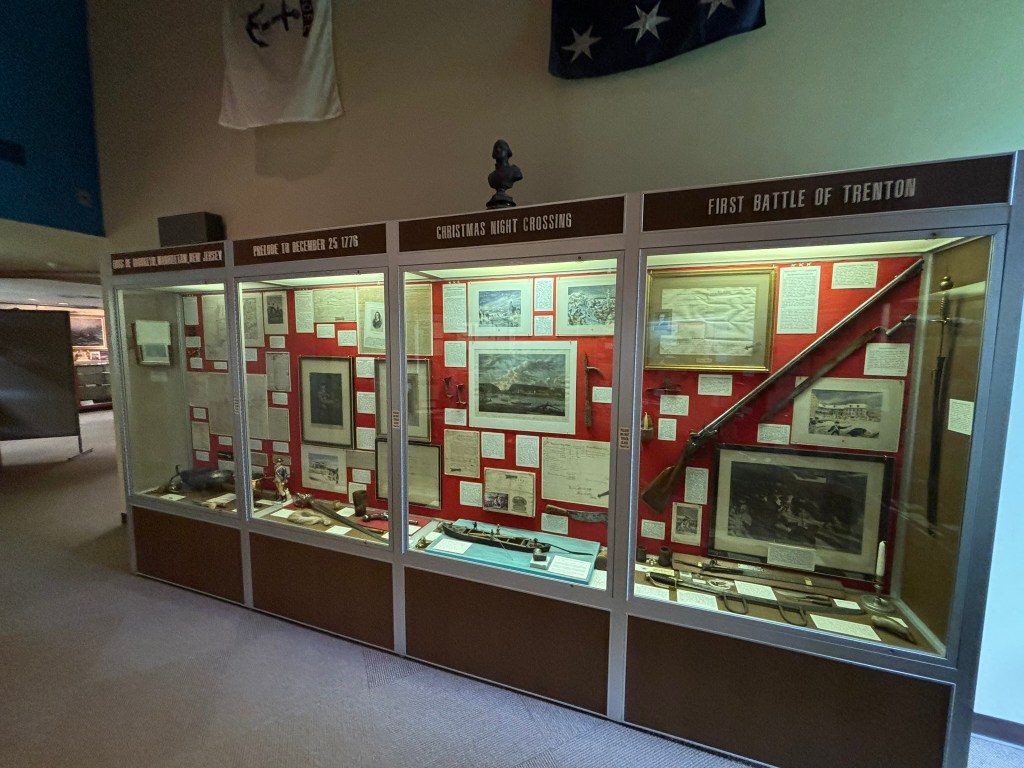
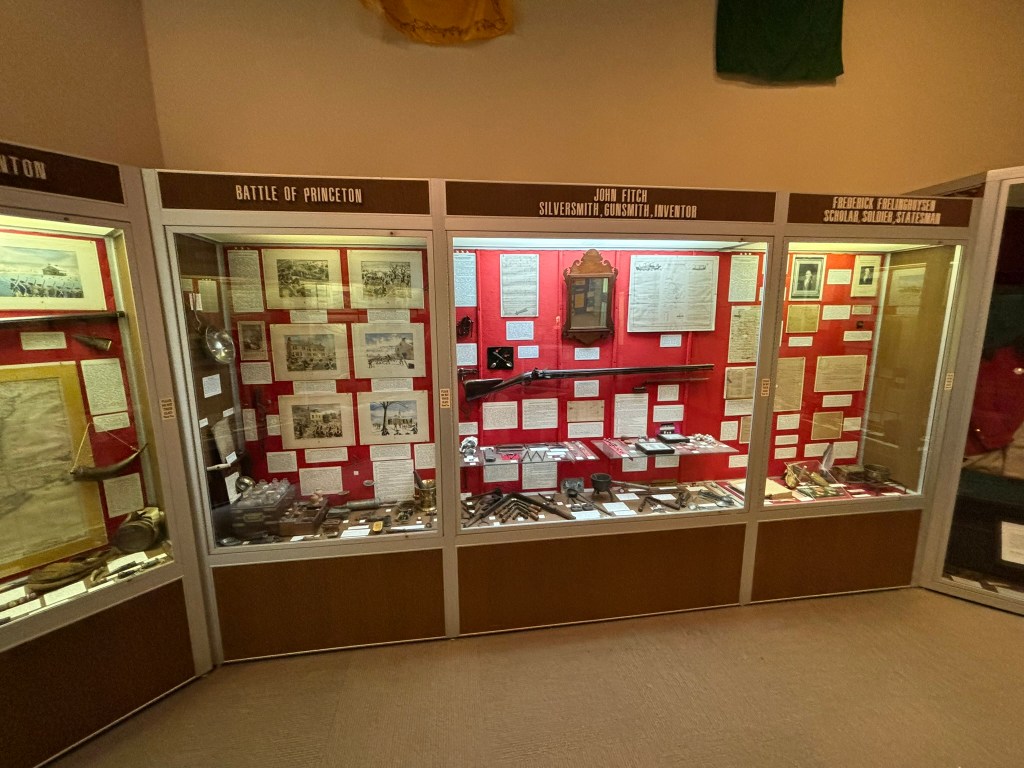
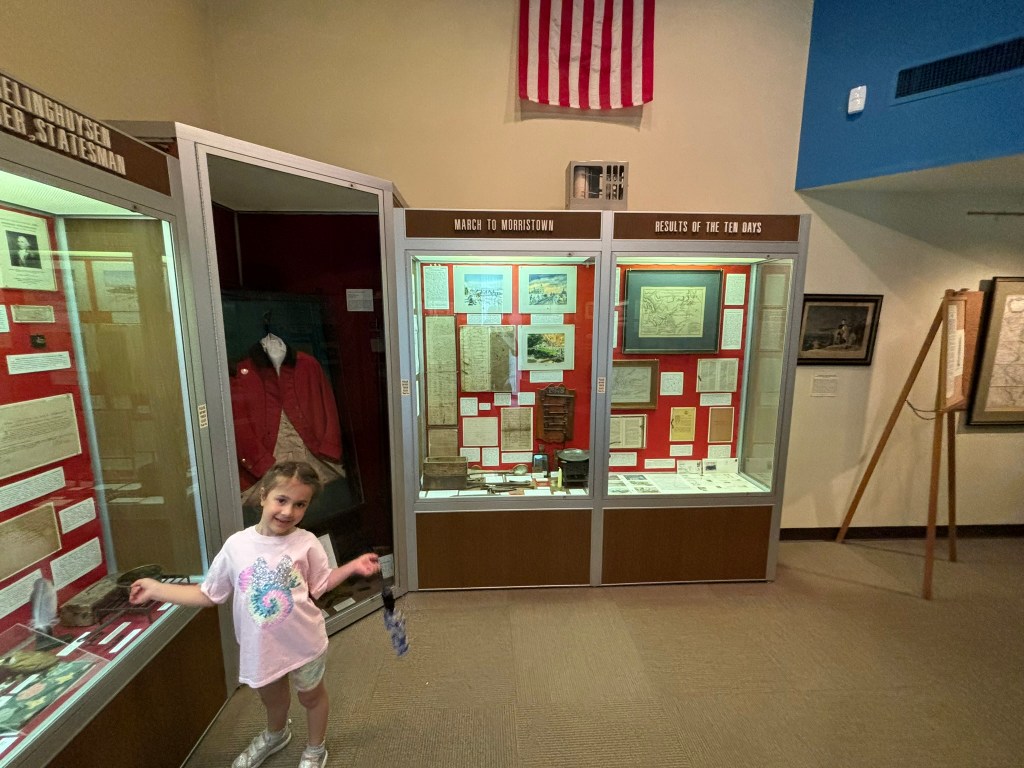
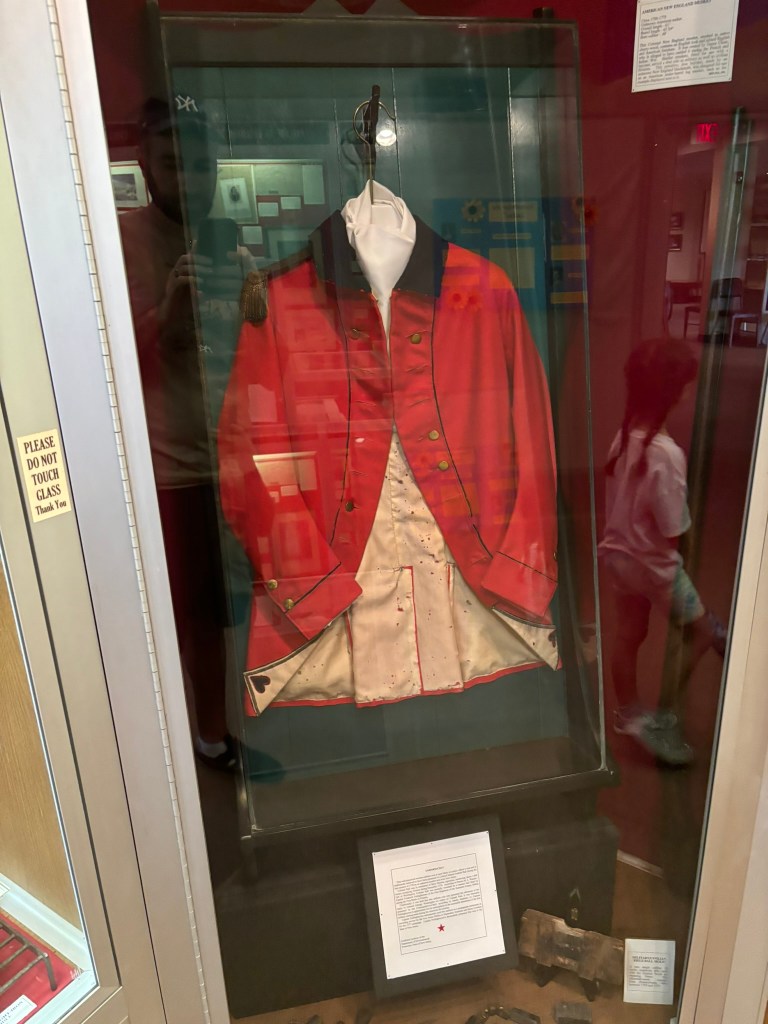
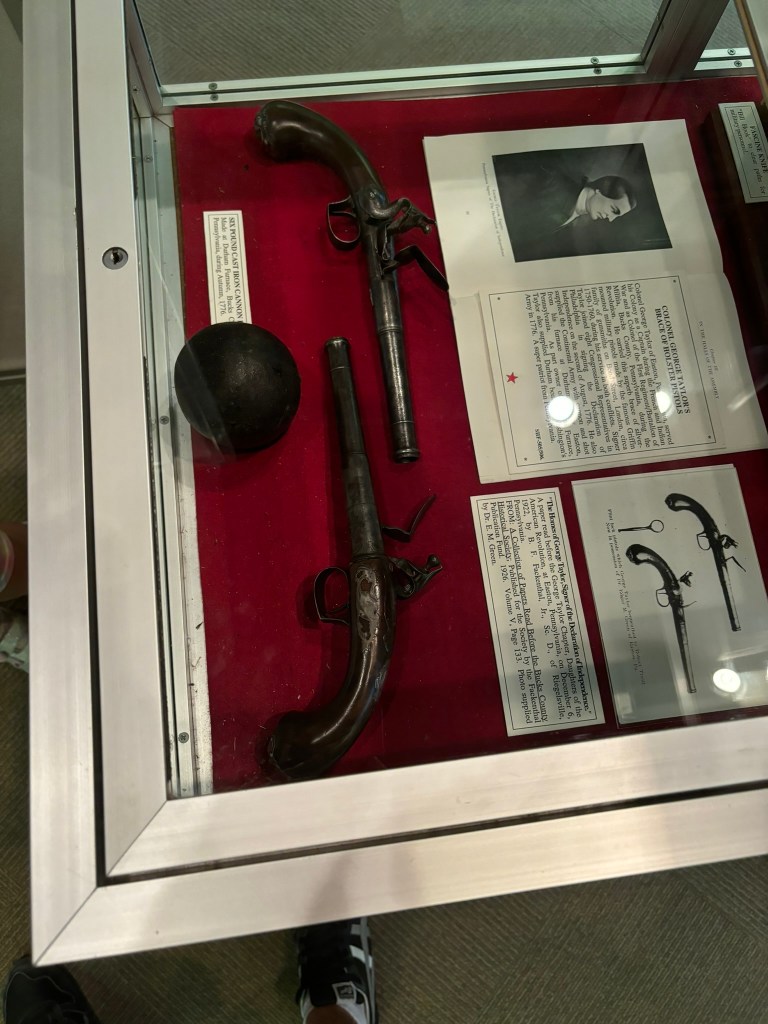
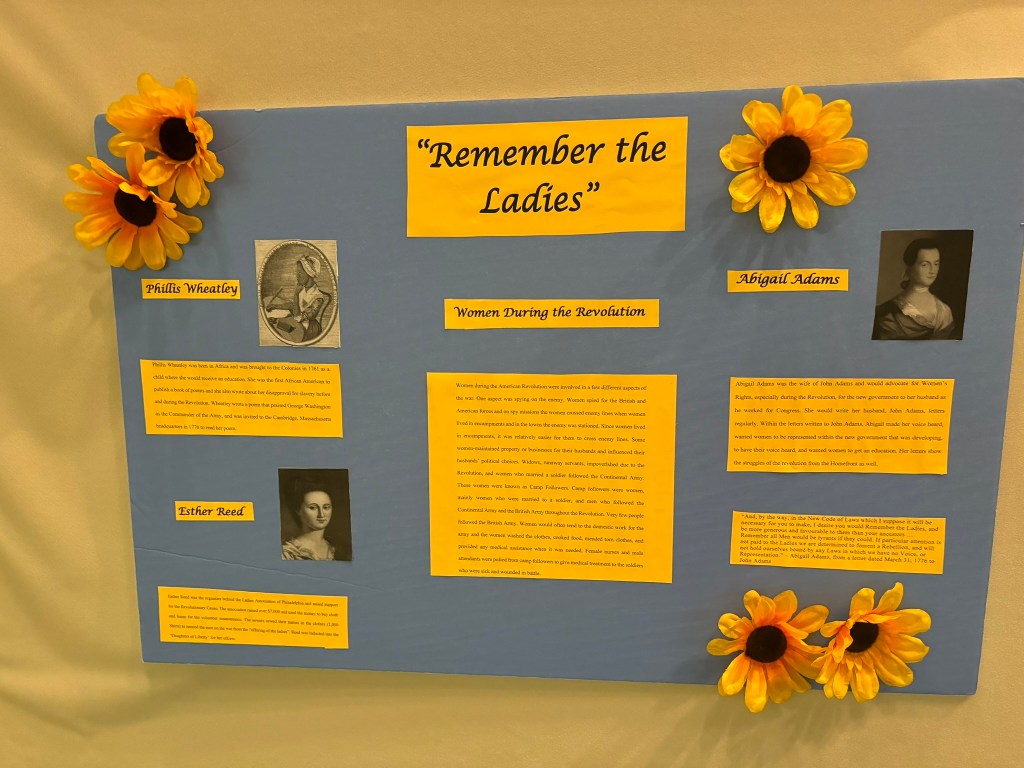
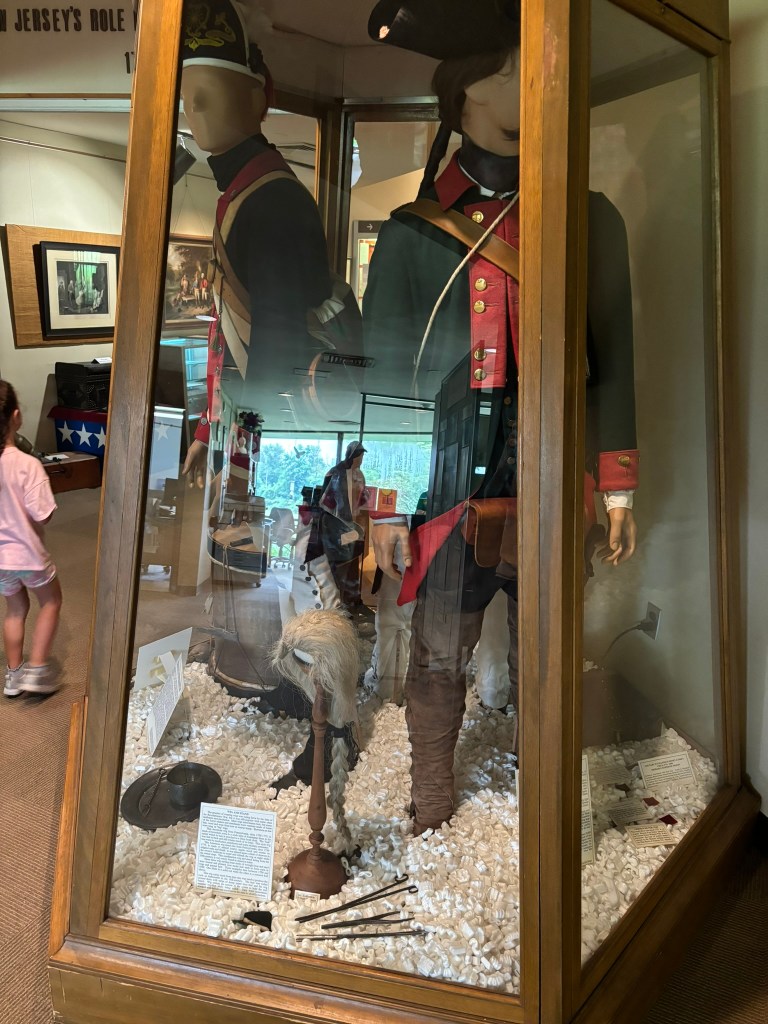
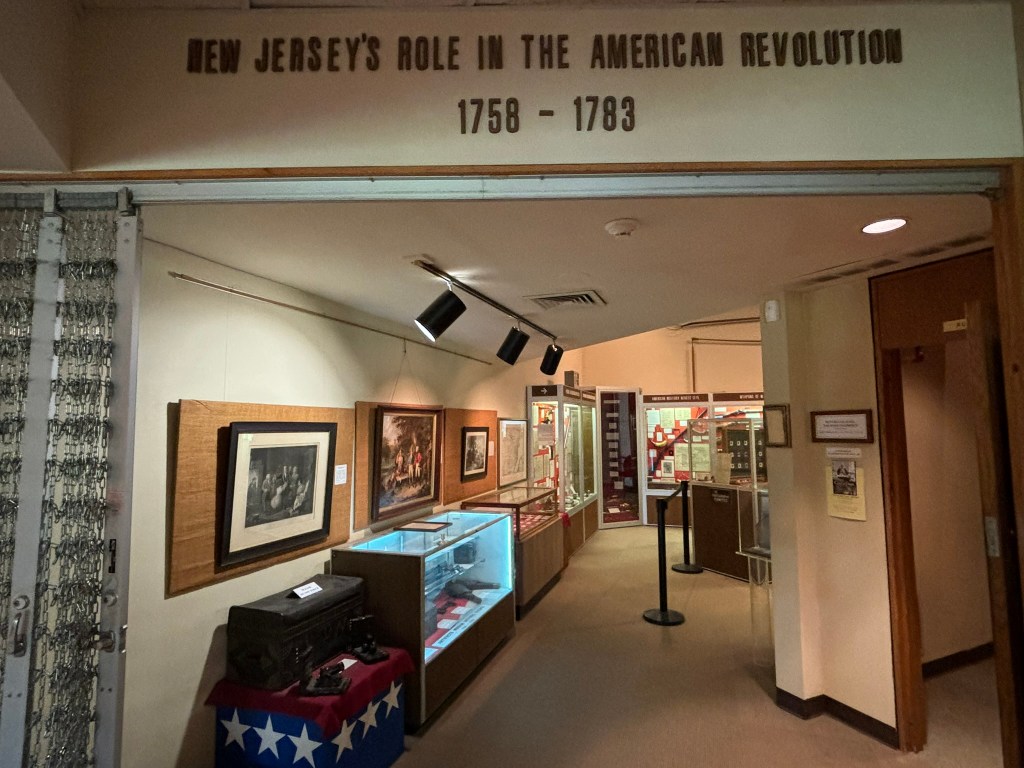
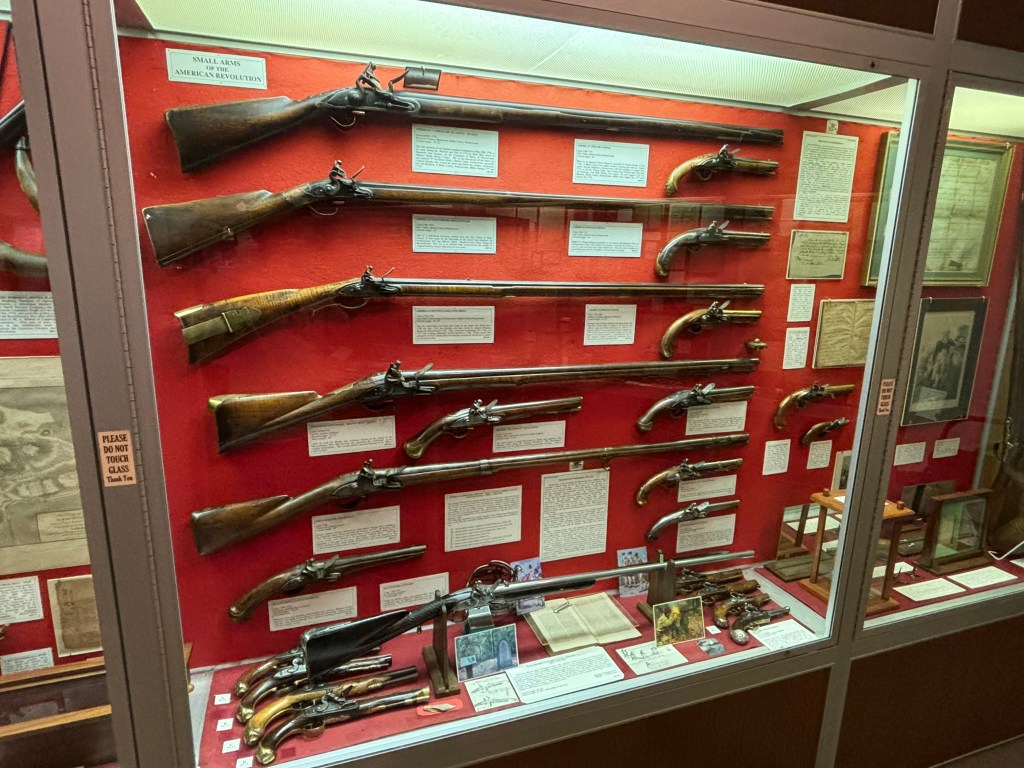
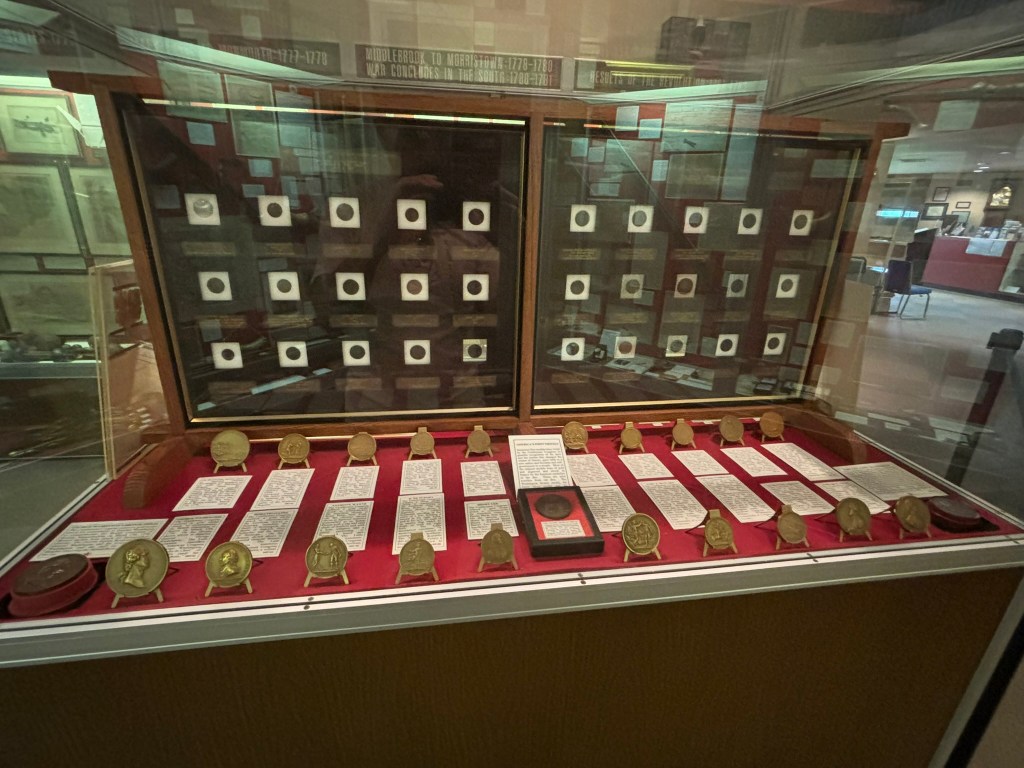
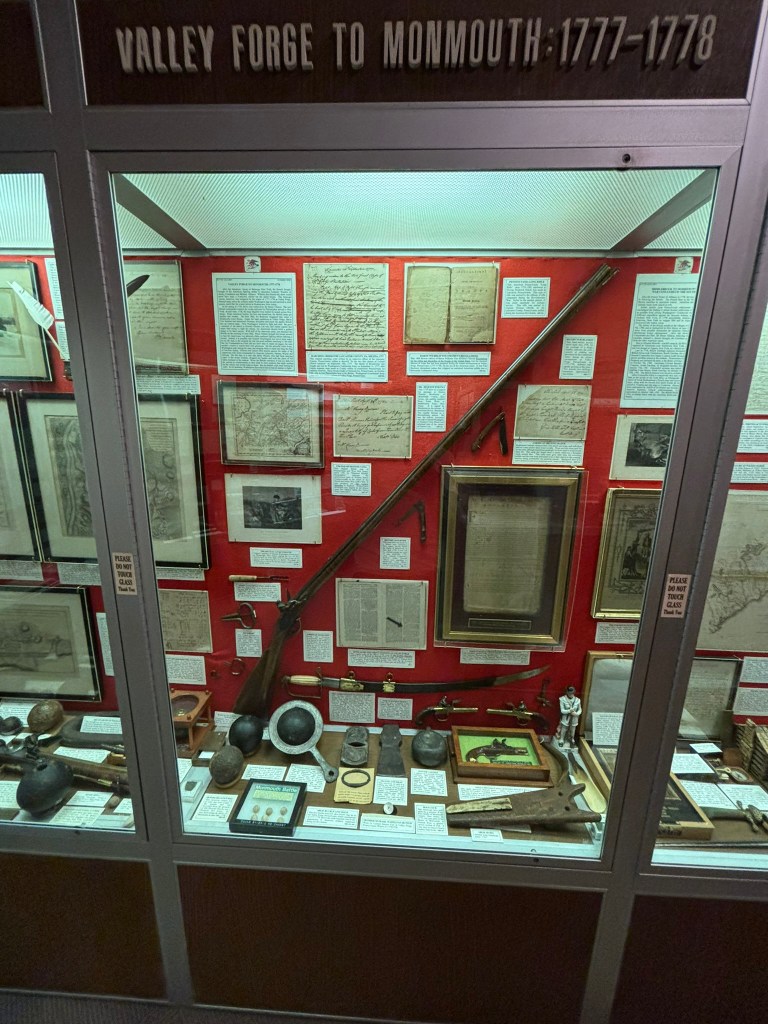
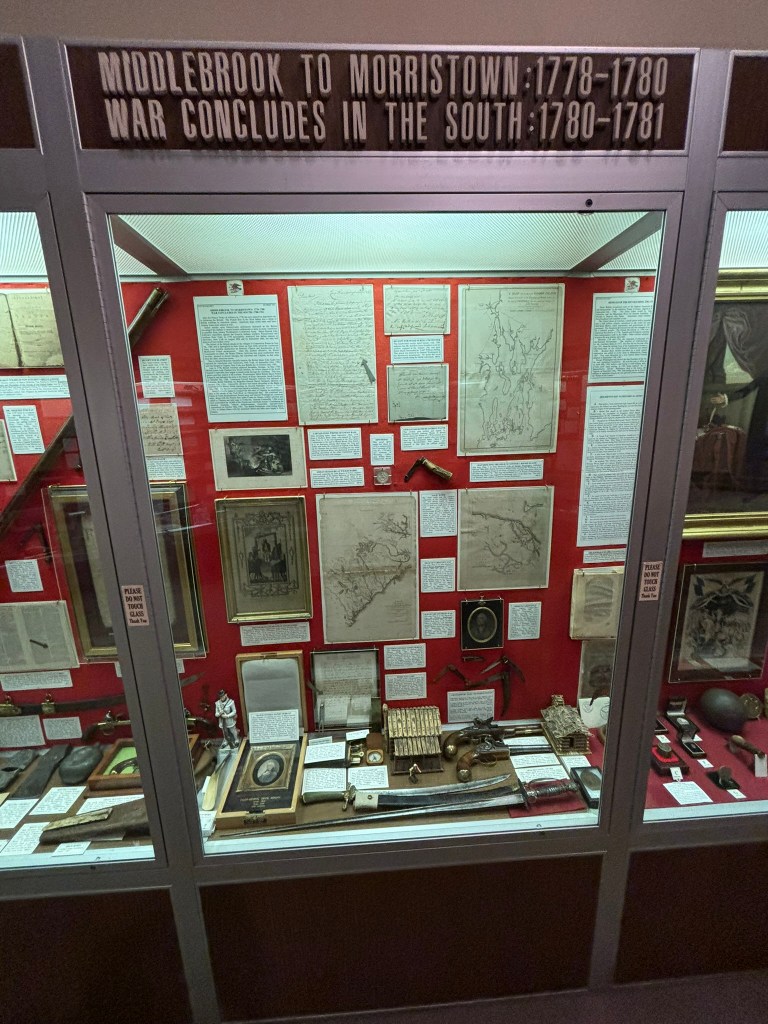
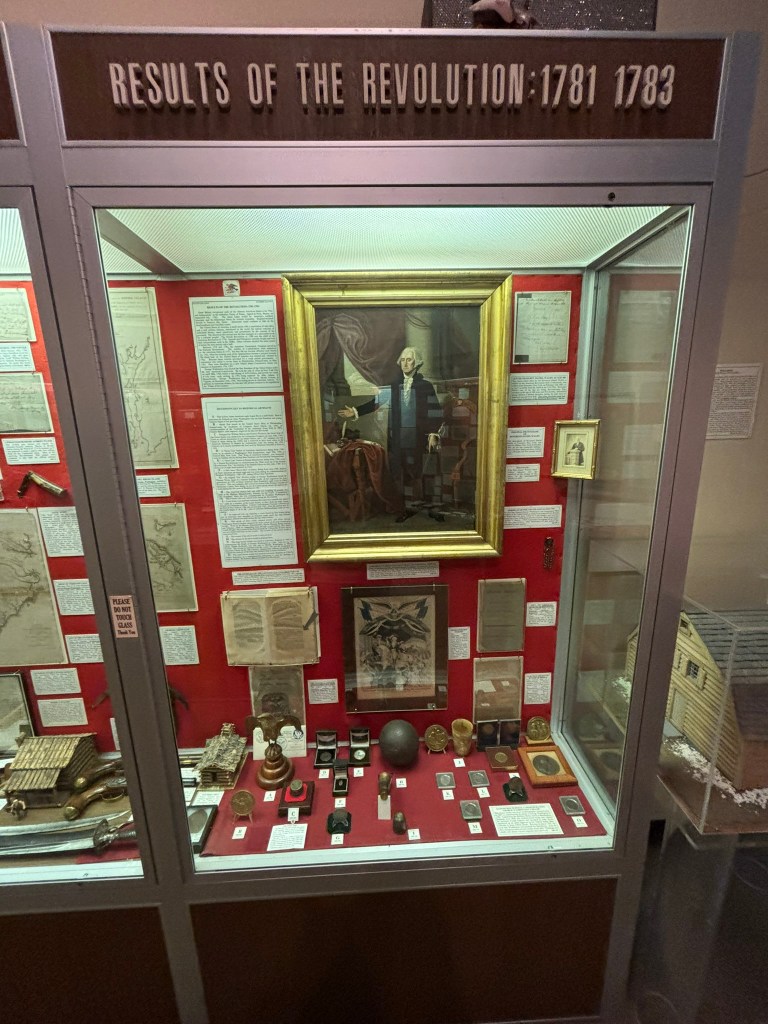
My family and I made it to Washington’s Crossing State Park on the New Jersey side of the Delaware River. My wife and I had gotten free tickets for a tour of the park, which was conducted by the Washington Crossing Park Association. We arrived at the park a little before our 1PM tour time, and we had an opportunity to explore the museum within the Visitor’s Center. The museum had a great collection of artifacts, including uniforms, weaponary, ammunition, coins, letters and other items related to the American Revolution. The Visitor Center also had books for sale.



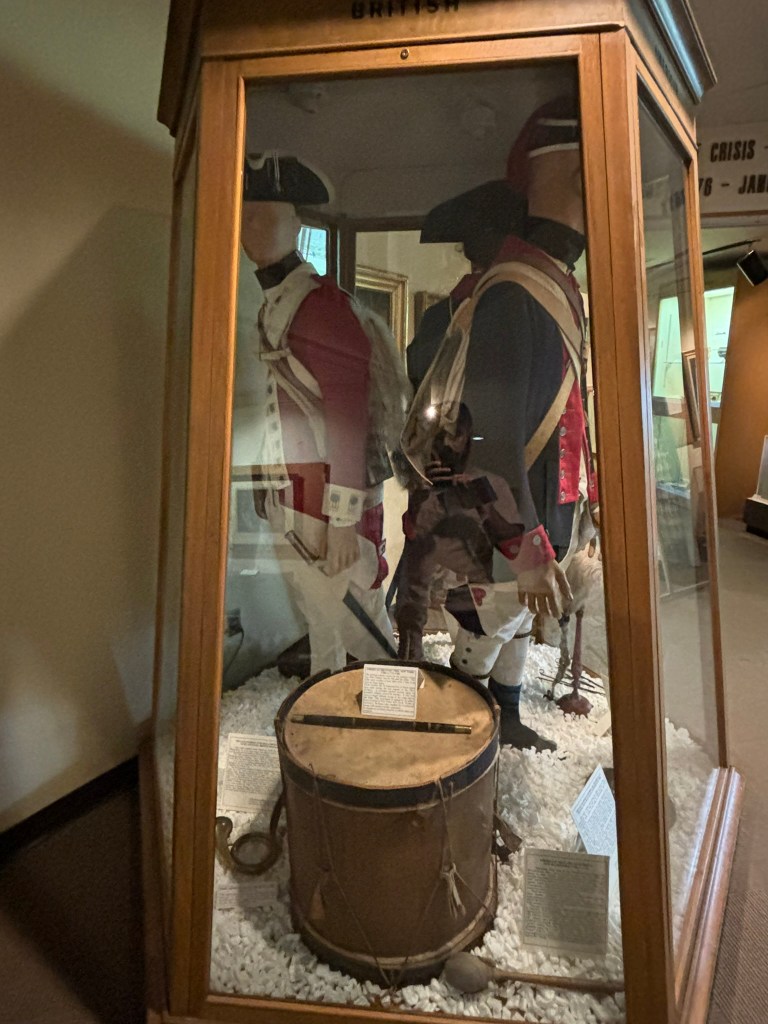
Background of Washington’s Crossing
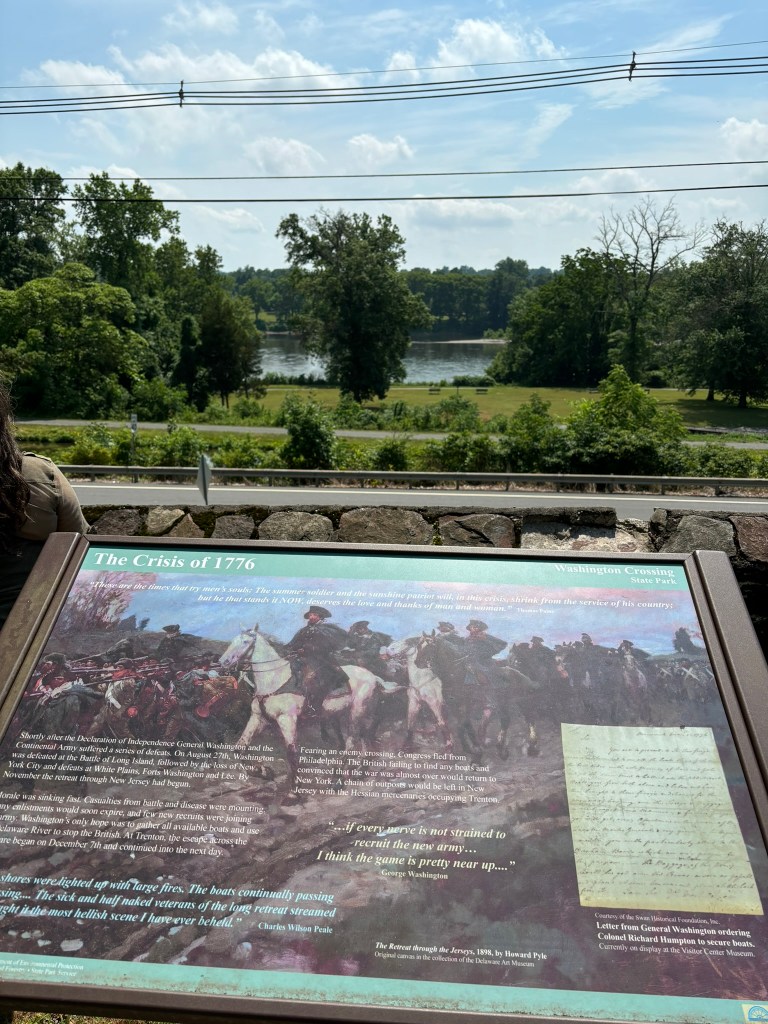
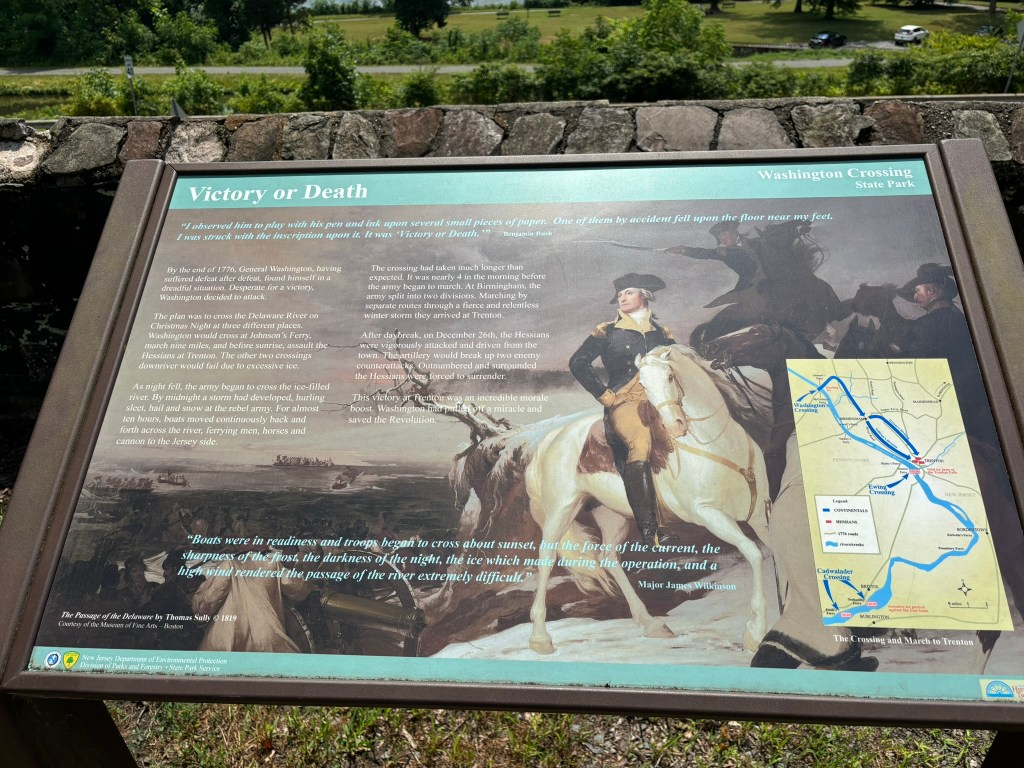
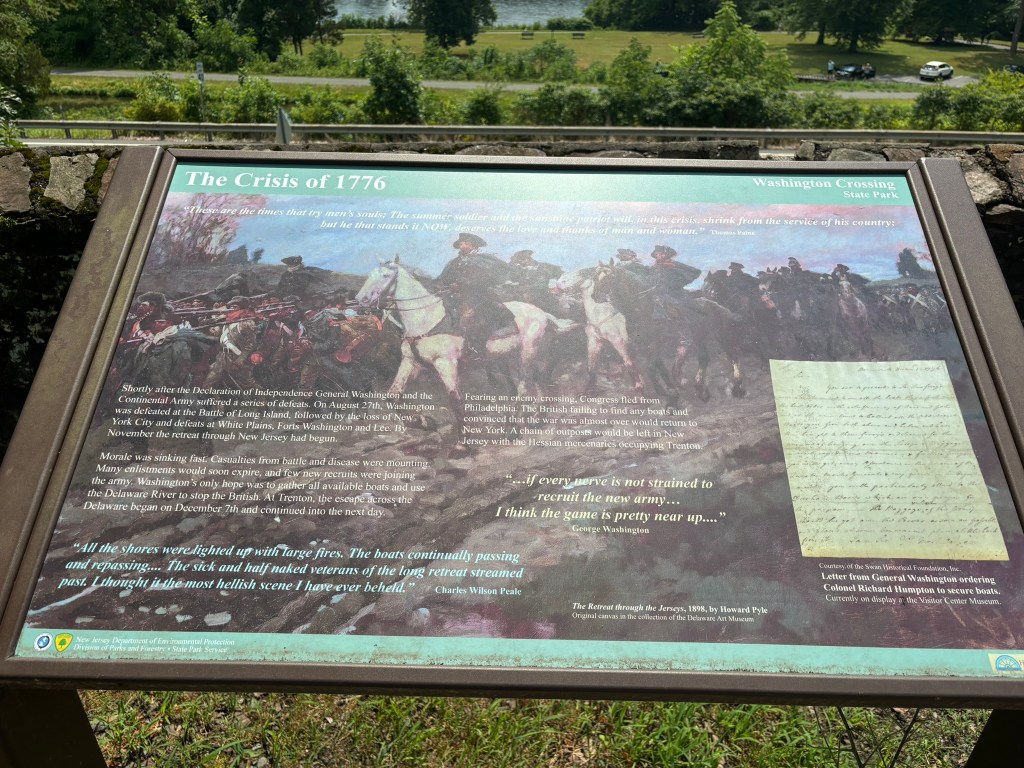
The tour began with a video that was about 30 minutes long called “Ten Crucial Days: The Road to Liberty.” The video’s primary focus was to tell the significance of Washington’s crossing. The video also gave us the background leading up to the event. The British army landed about 32,000 troops in New York harbor starting in August 1776, shortly after the United States declared independence. The British then won a series of battles starting in Long Island, then Manhattan and up to White Plains. The Continental Army retreated across New Jersey while being pursued by the British army. Washington led his hungry, desperate, and dwindling army across the Delaware River and found safety in Pennsylvania by early December.
The revolution seemed lost for the Continentals. To add to Washington’s difficulties, many of his men’s enlistments were up at the end of the year. He needed a major victory to boost the morale of the troops as well as the young nation.
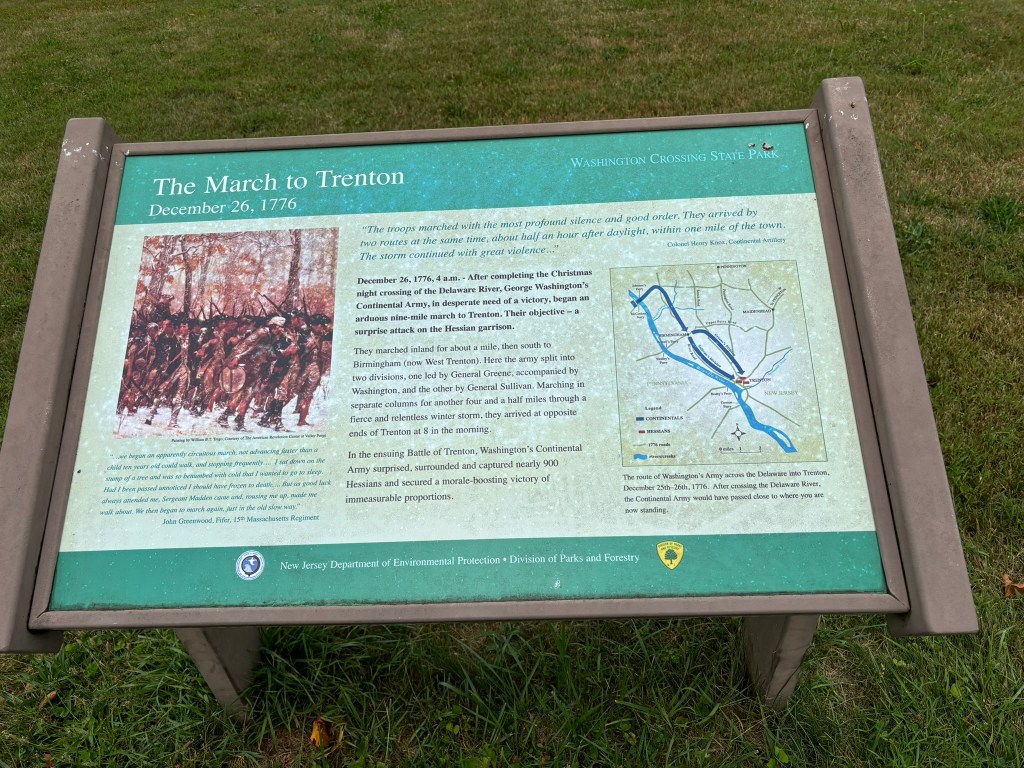
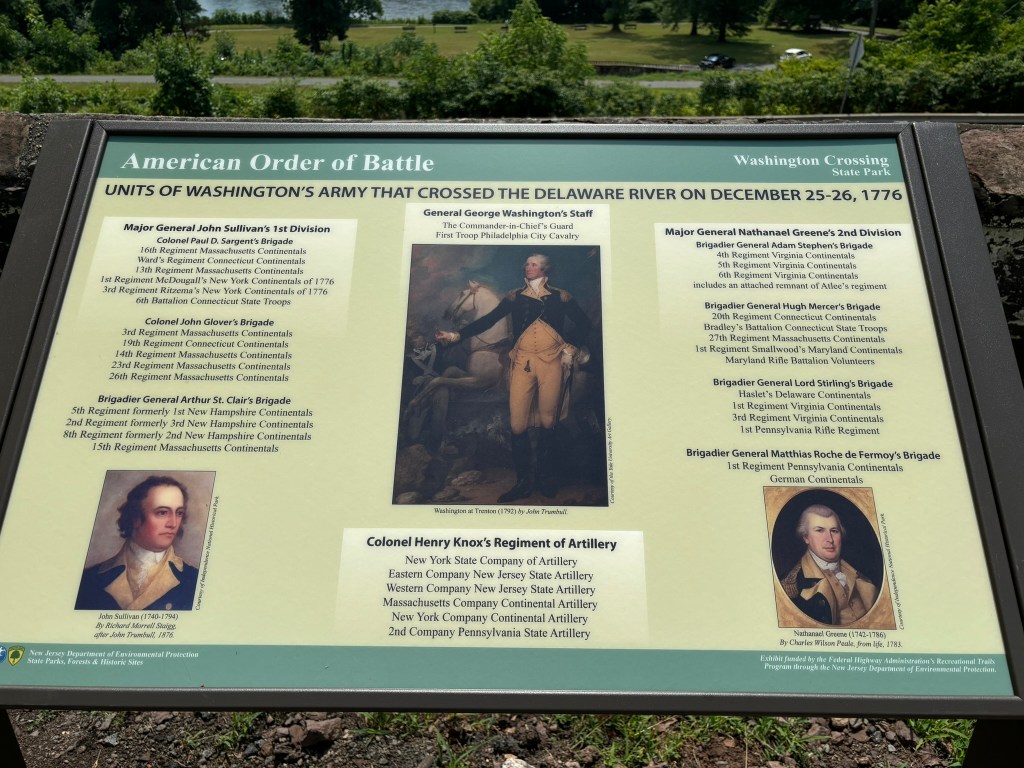
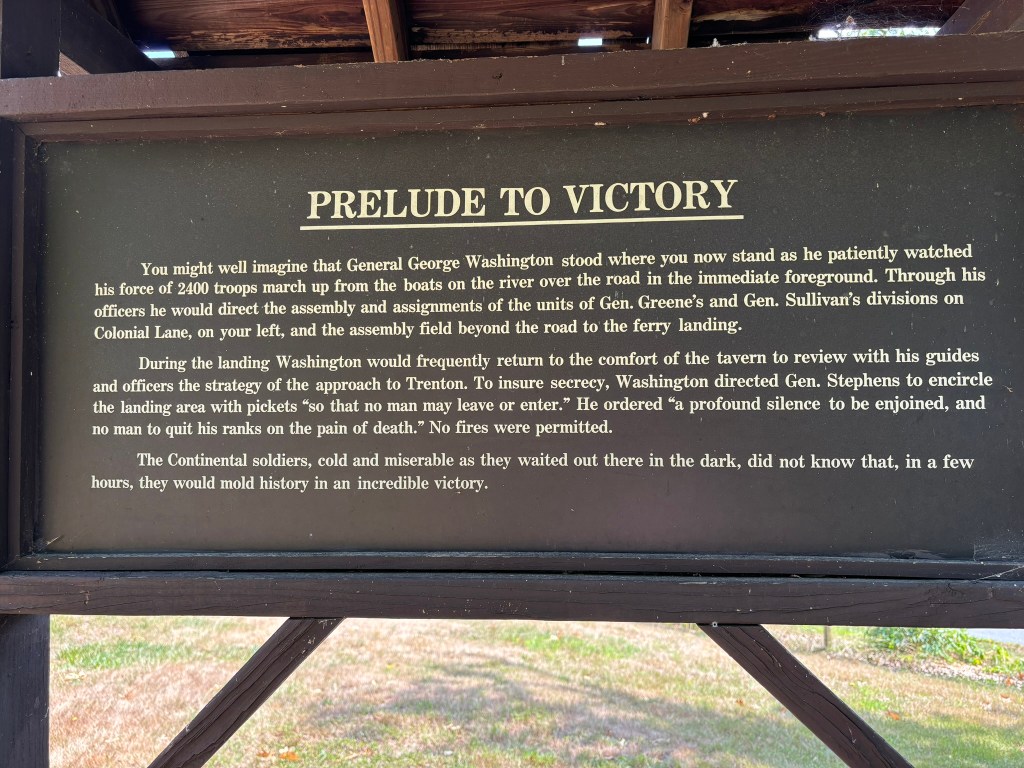
In a quite daring move, Washington planned a surprise attack on the Hessian garrison stationed at Trenton. On Christmas night, he would lead the Continental Army across the Delaware River including horses and artillery, and march nine miles south to Trenton. Washington and the Continentals knew the significance of the element of surprise. He wanted to attack Trenton before sunrise, but the crossing was running hours behind. Washington crossed the Delaware with 2,400 men, not as many as he had hoped because other regiments who were to cross south of Trenton never made it across. After landing on the New Jersey side, Washington and his men finally began their march towards Trenton at 4AM. The weather did not cooperate with the Continentals. Along the march, they first faced light rain, then light snow, then blizzard like conditions. At least two men died during the march.
About halfway to Trenton, the army broke into two groups. General Nathaneal Greene, accompanied with Washington, took one group, and General John Sullivan led a second group. The two groups split off and would take two separate roads to Trenton. This plan would result in the Continentals enveloping the enemy and attacking from two locations. The Continental Army did not reach Trenton until 8AM which was after sunrise, although the morning fog helped conceal the oncoming troops. The battle ensued and lasted just about an hour and half. At its conclusion, the Hessians suffered 22 killed, 83 wounded and nearly 900 captured. It was a resounding victory for the Continentals, and it was the victory that they so desperately needed.
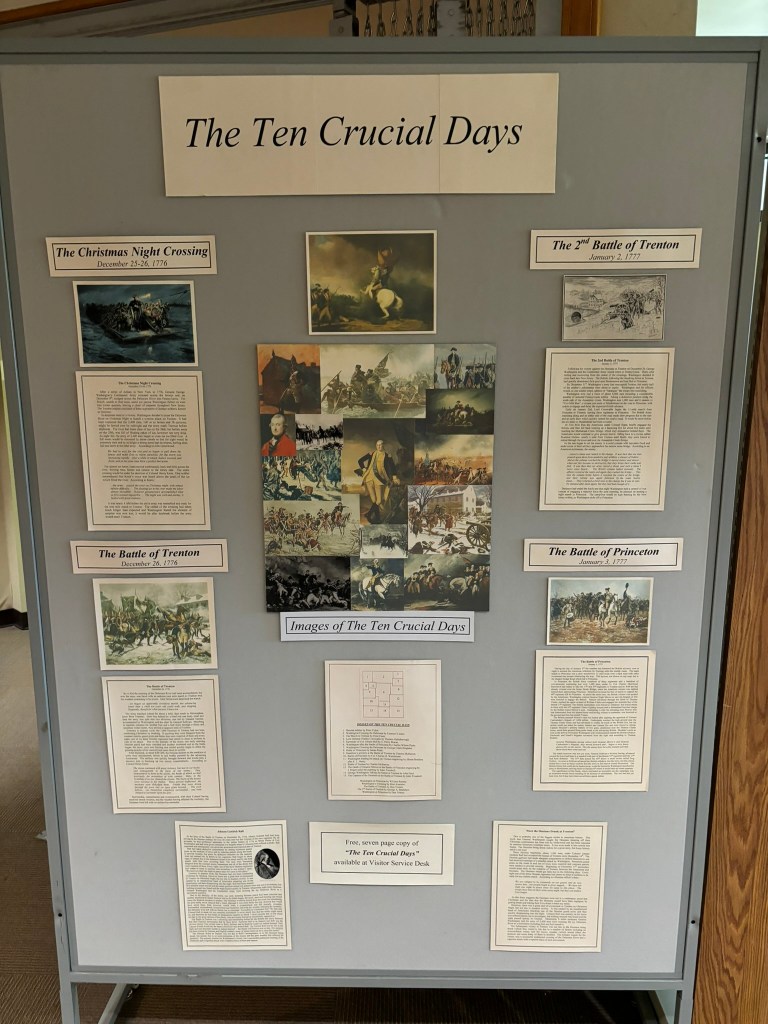
Washington’s crossing was the beginning of what historians call “The Ten Crucial Days.” After the victory at Trenton, the Continental Army went back across the Delaware River to Pennsylvania. Just a couple days later, they again crossed back into New Jersey and encamped at Trenton and held off the British Army at the Second Battle of Trenton. During the night of the second battle, Washington and the Continentals secretly marched around the British army and faced another British army at the Battle of Princeton on January 3rd, 1777. This was another resounding victory for the Continentals who defeated British Regulars. The Ten Crucial Days breathed new life into the revolution. The Continental Army would spend their winter encampment at Morristown, living to fight another day.
Had it not been for Washington’s daring move to attack at Trenton, the Revolution may have been over. Even the British believed that the Continentals had nothing left. Had Washington’s attempt on Trenton failed, the rebels may have lost the war and would become British subjects once again, under the closer scrutiny of the crown. But Washington’s stroke of genius gave the Continentals the hope to continue fighting. The war would continue to drag on for years with victory for the Continentals not becoming official until the Treaty of Paris in 1783. Even though it was early in the war, the Ten Crucial Days are arguably the ten most significant days in American and World history.
The Tour
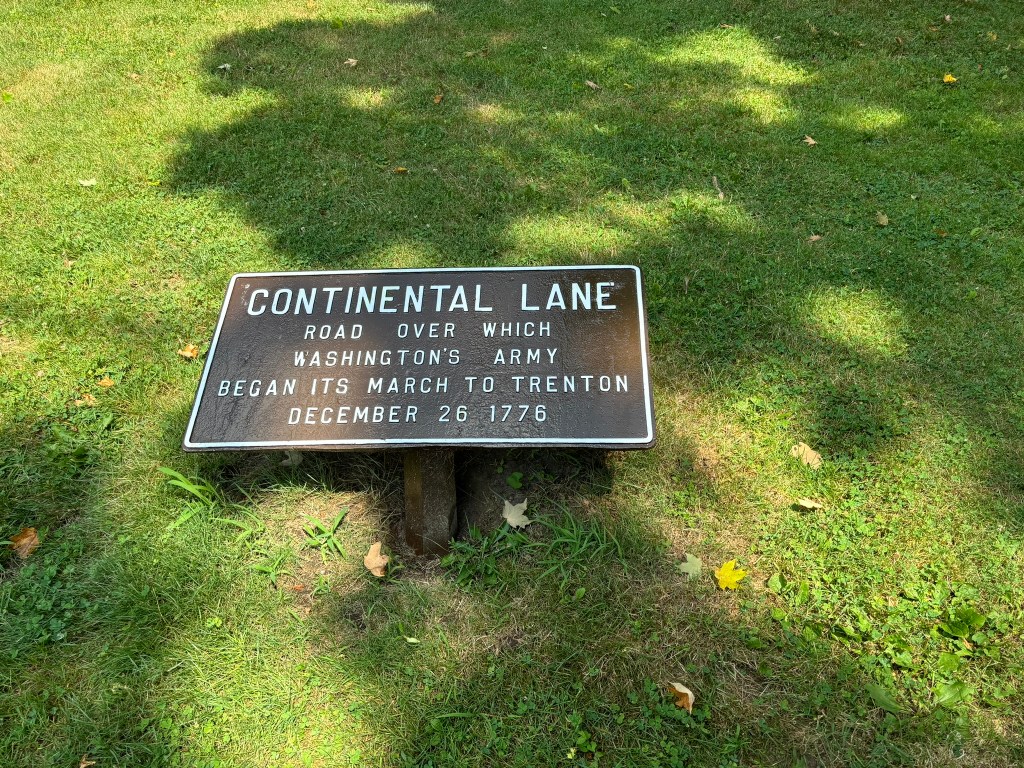
After the video was over, our tour guide, Tim West, took us on a walk through the park, down Sullivan Lane to the entrance of Continental Lane in the direction towards the Delaware River. He discussed the reasons why Washington chose this particular place to cross the river. The Continental Army wanted to be in the vicinity of Philadelphia which was the new nation’s capital and arguably the most important city in the young country.

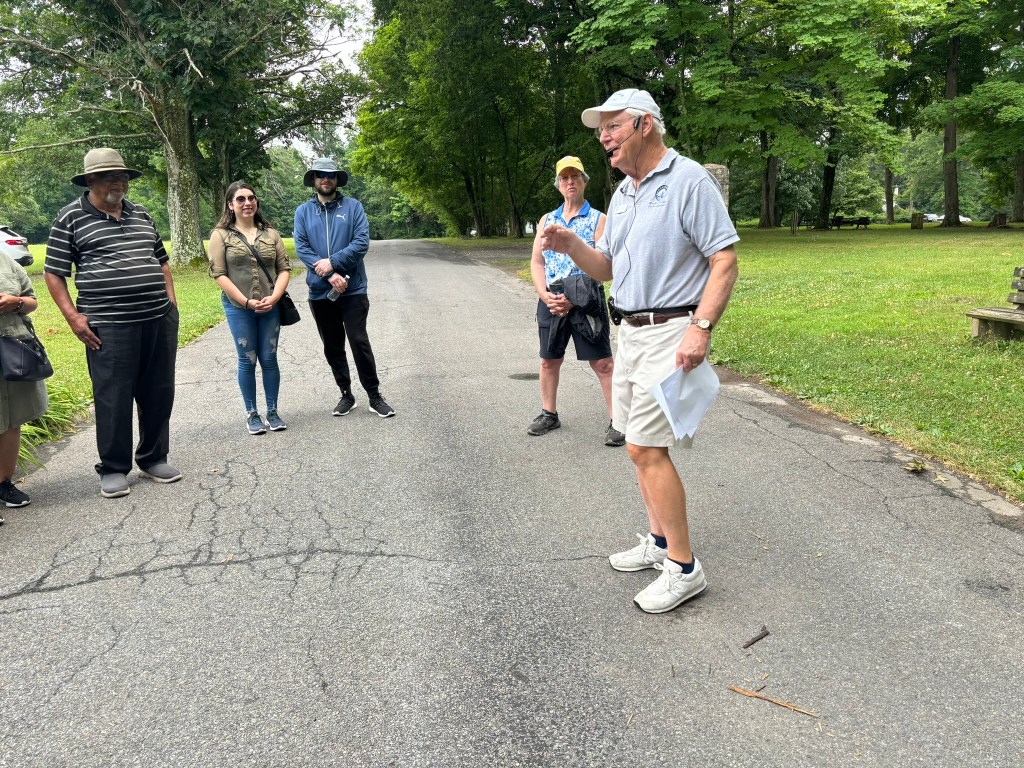

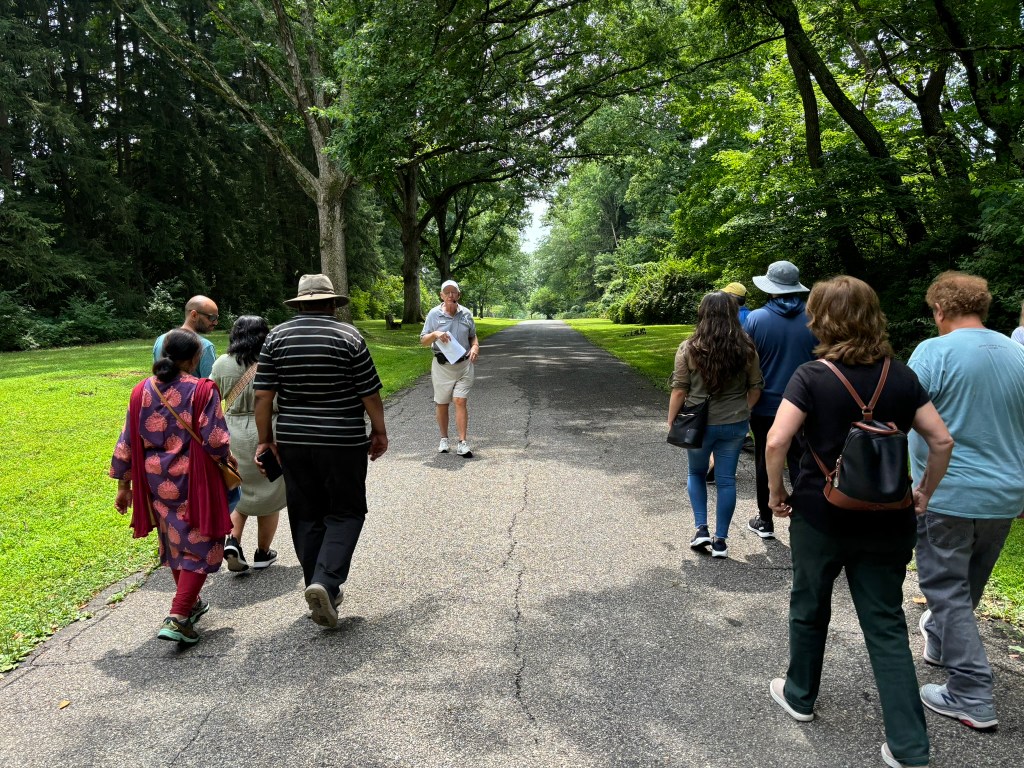

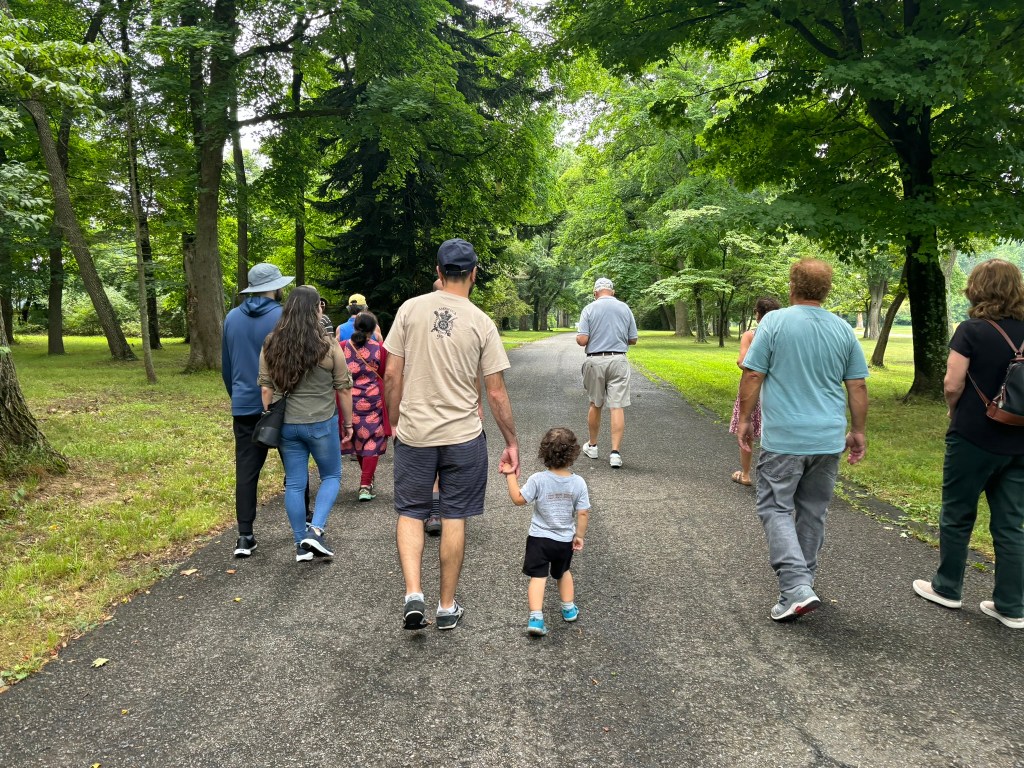
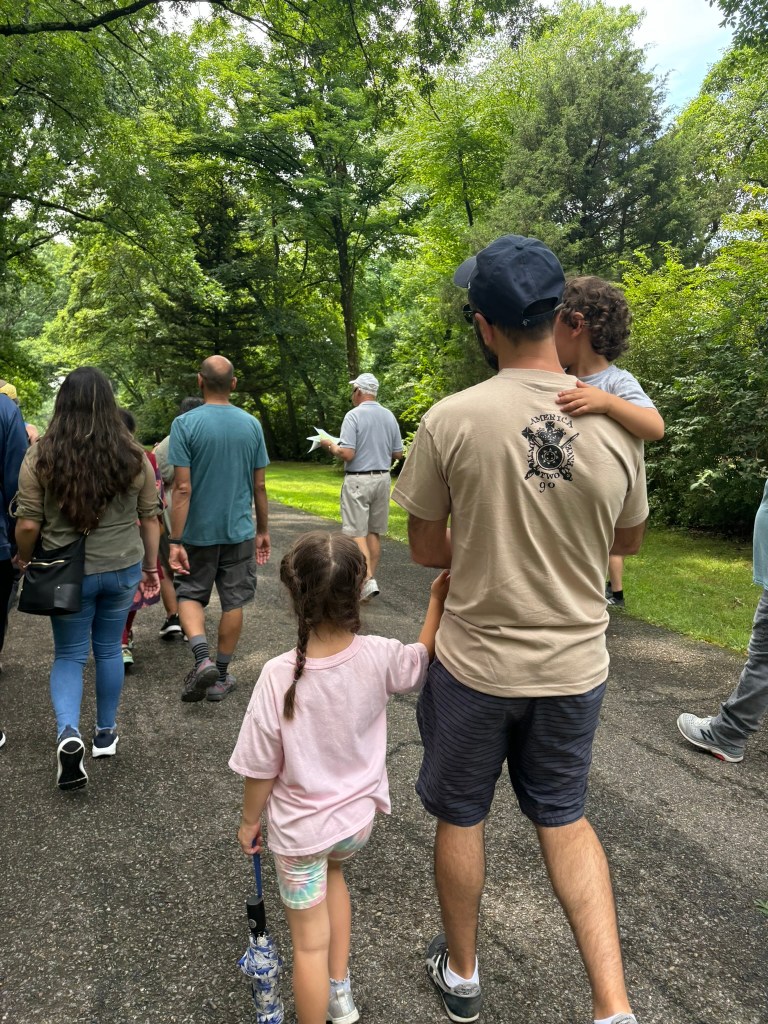
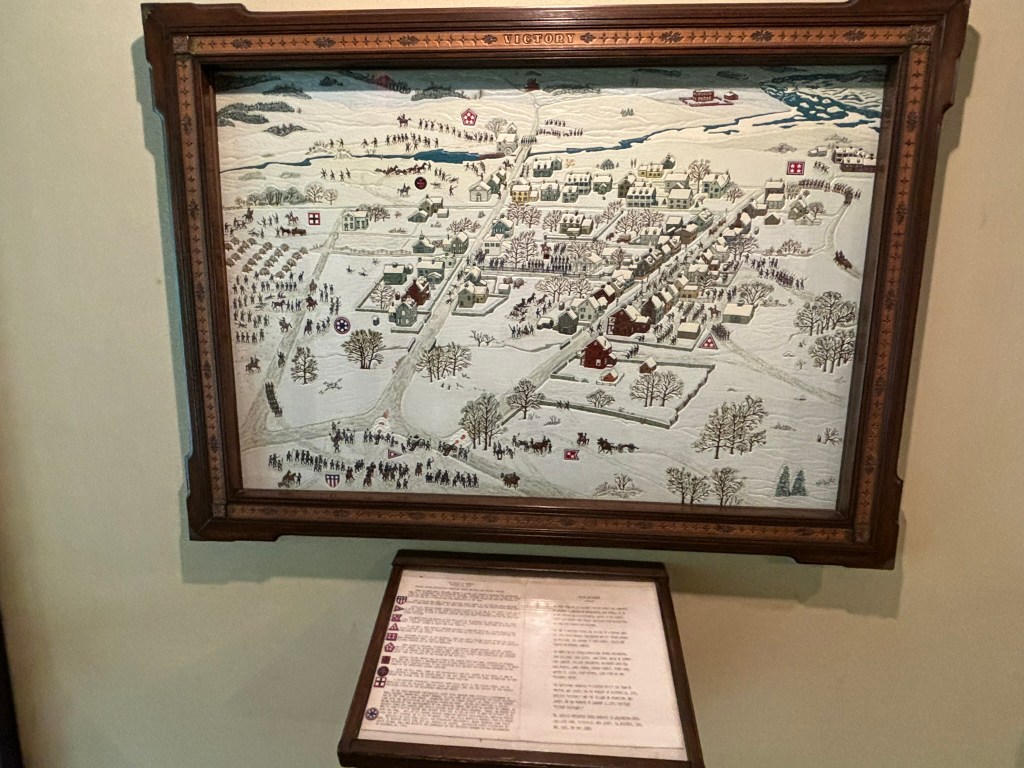
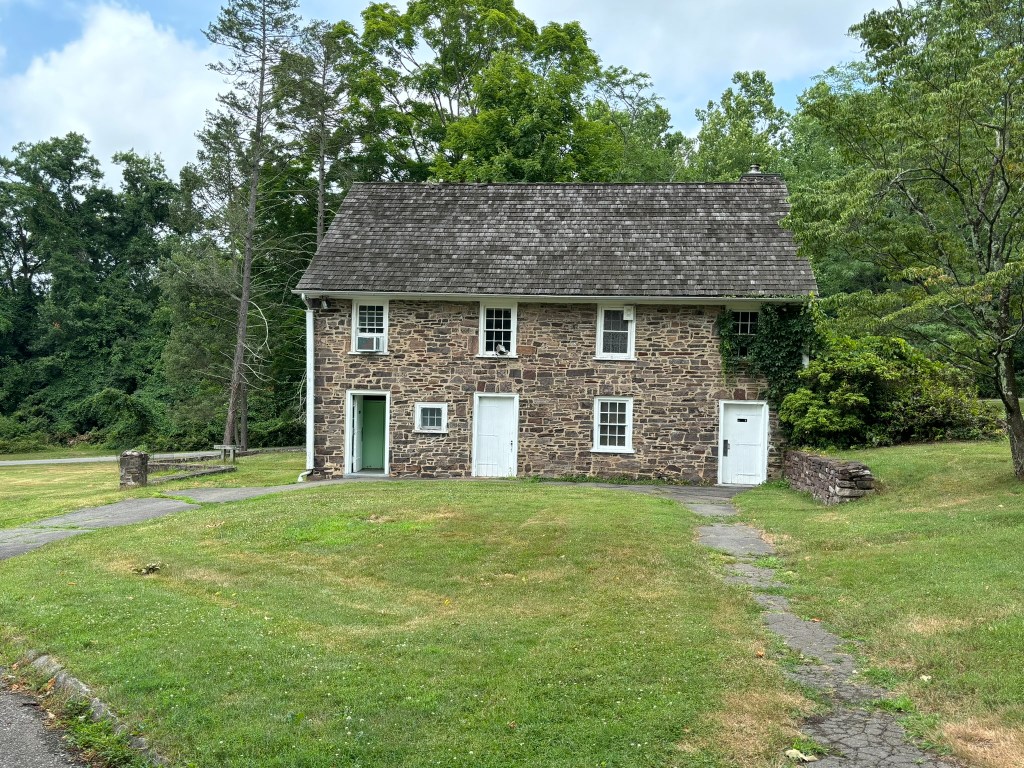
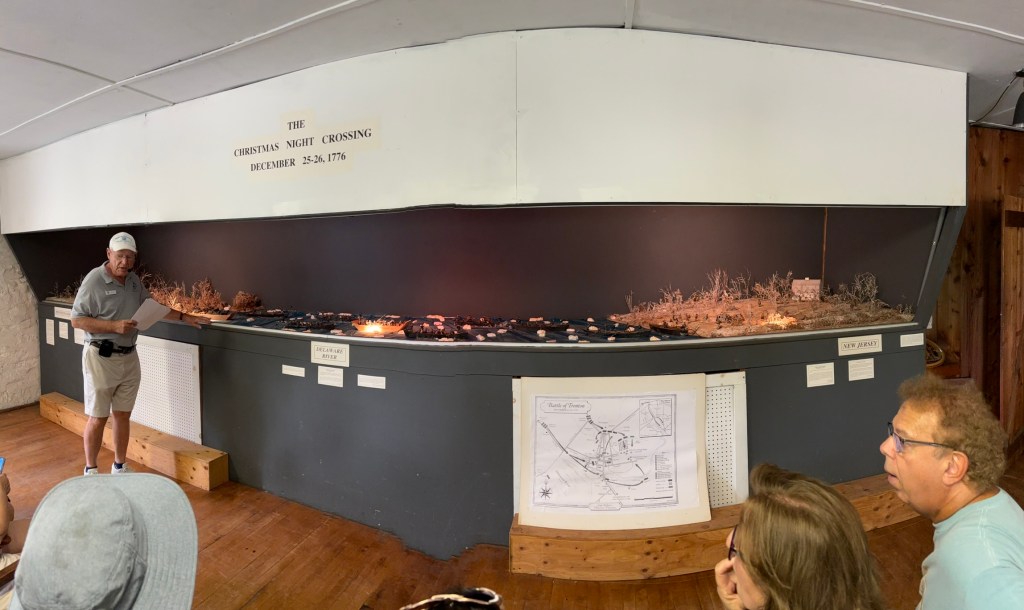
We made our way to the Stone Barn, built in the 1780s, where Tim discussed the army’s march to Trenton, as well as the battle itself. Inside the Stone Barn is a large map of Trenton as it looked in 1776. There is also a fascinating diorama of the river crossing.
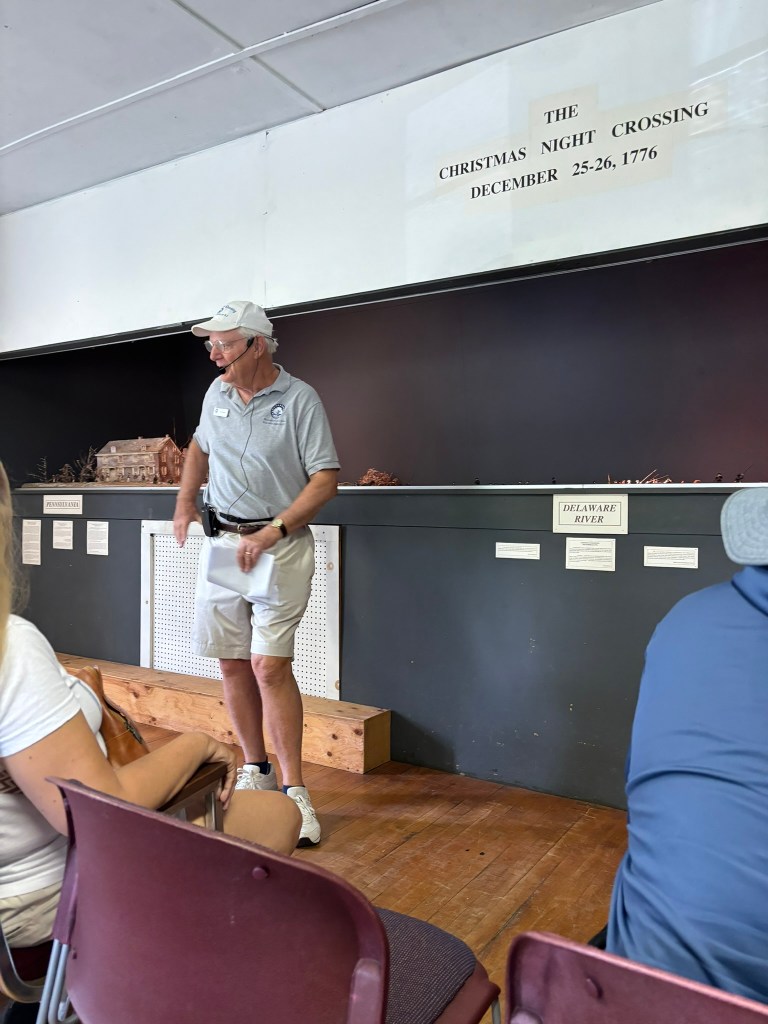
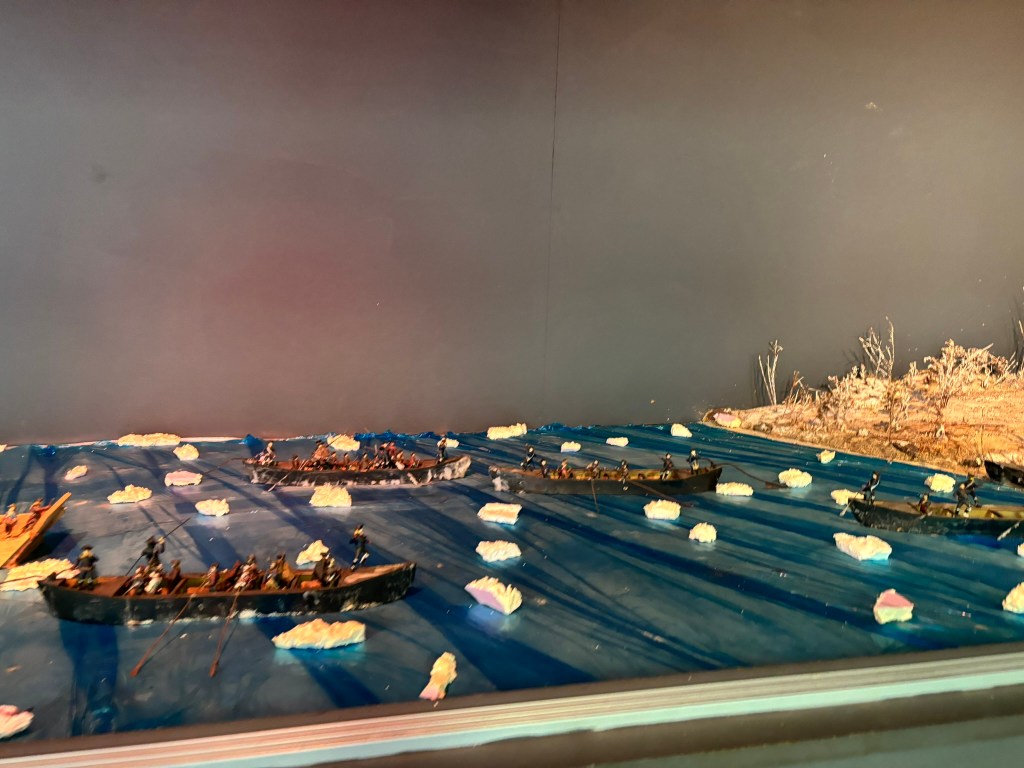
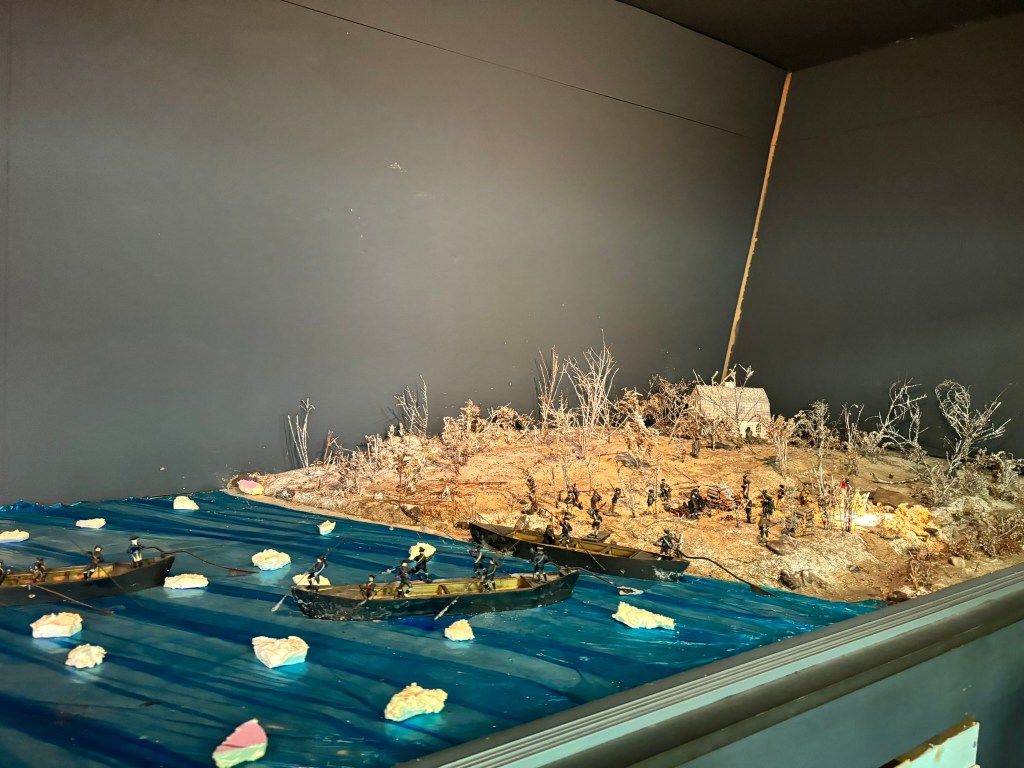
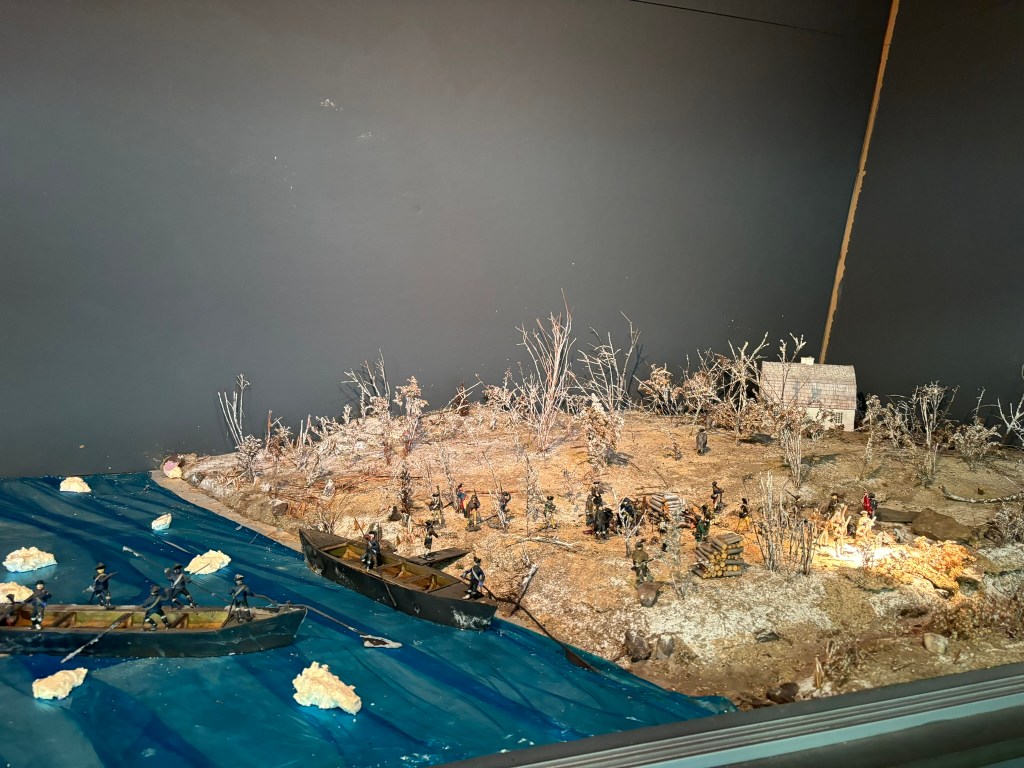
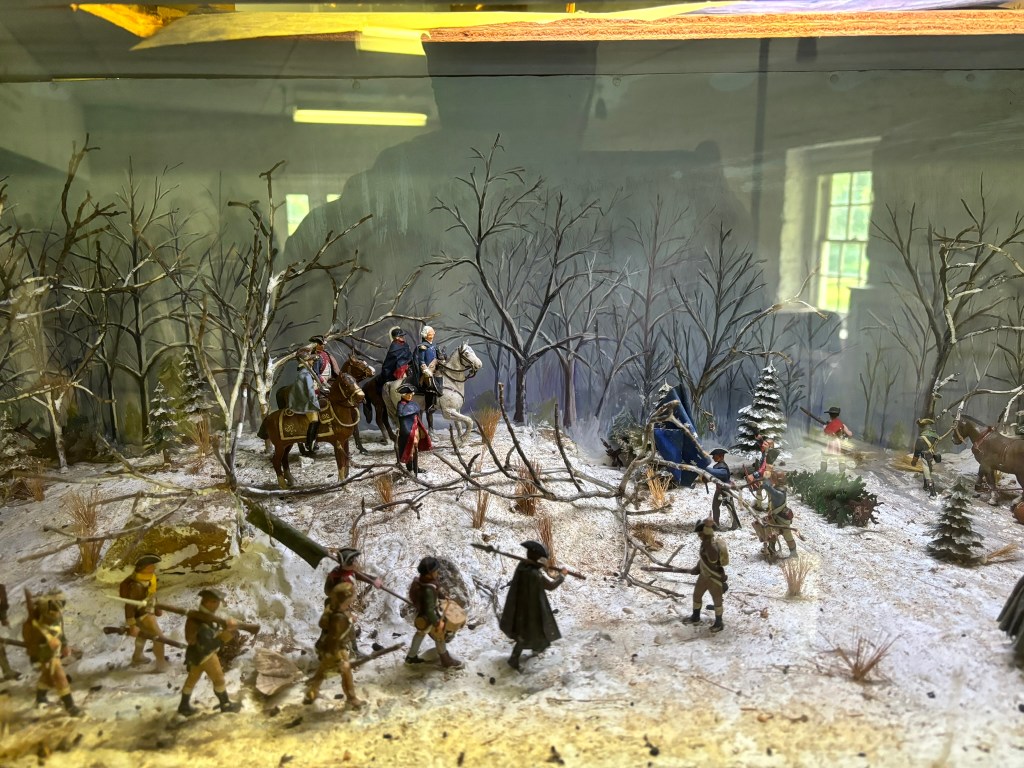
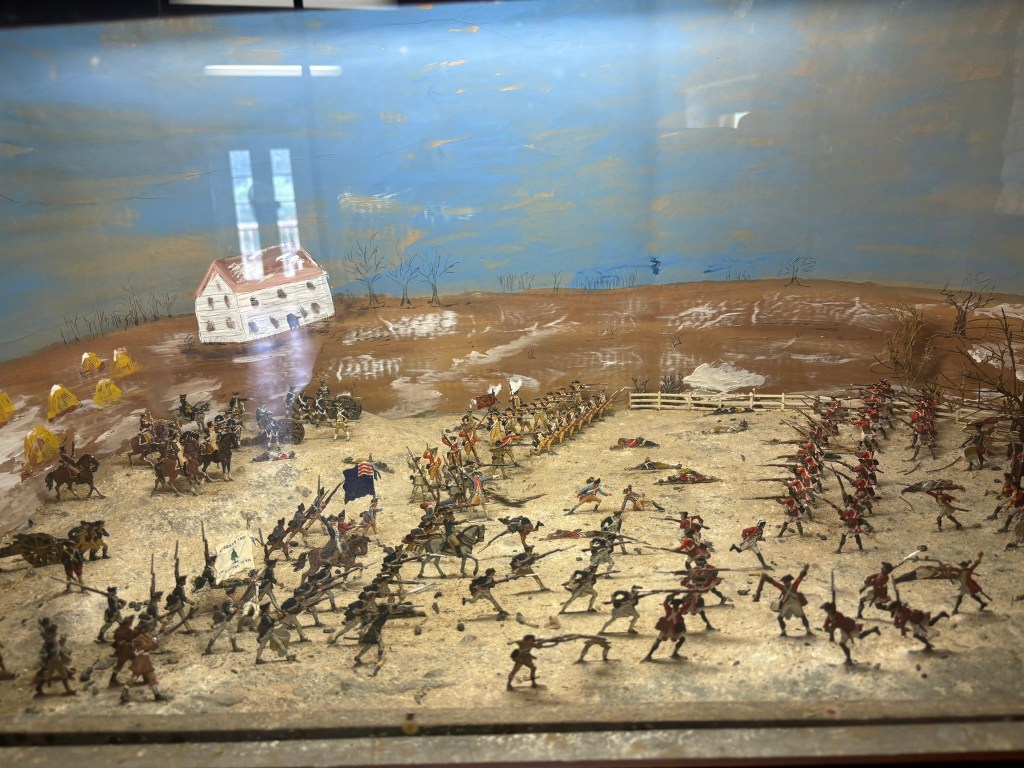
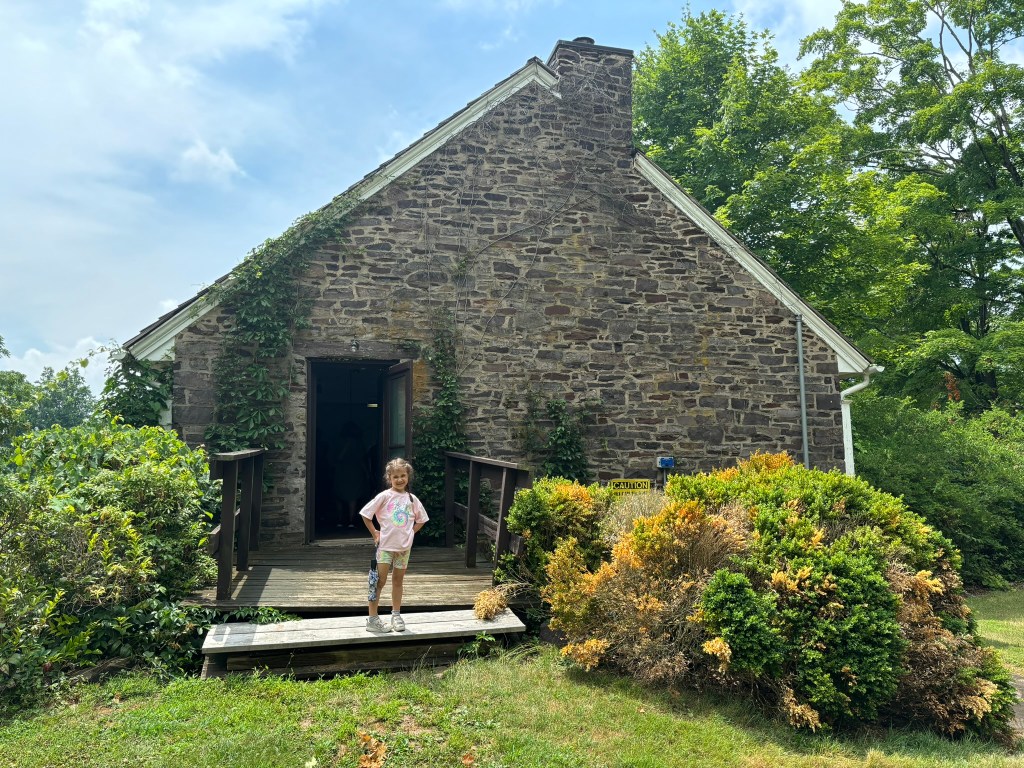
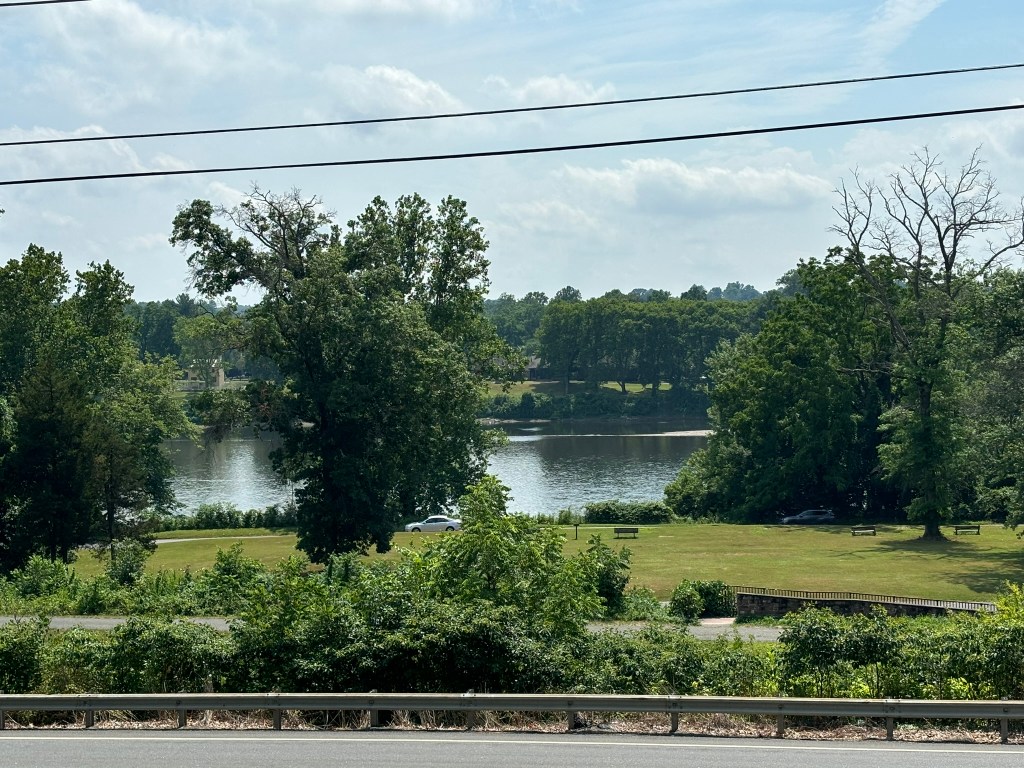
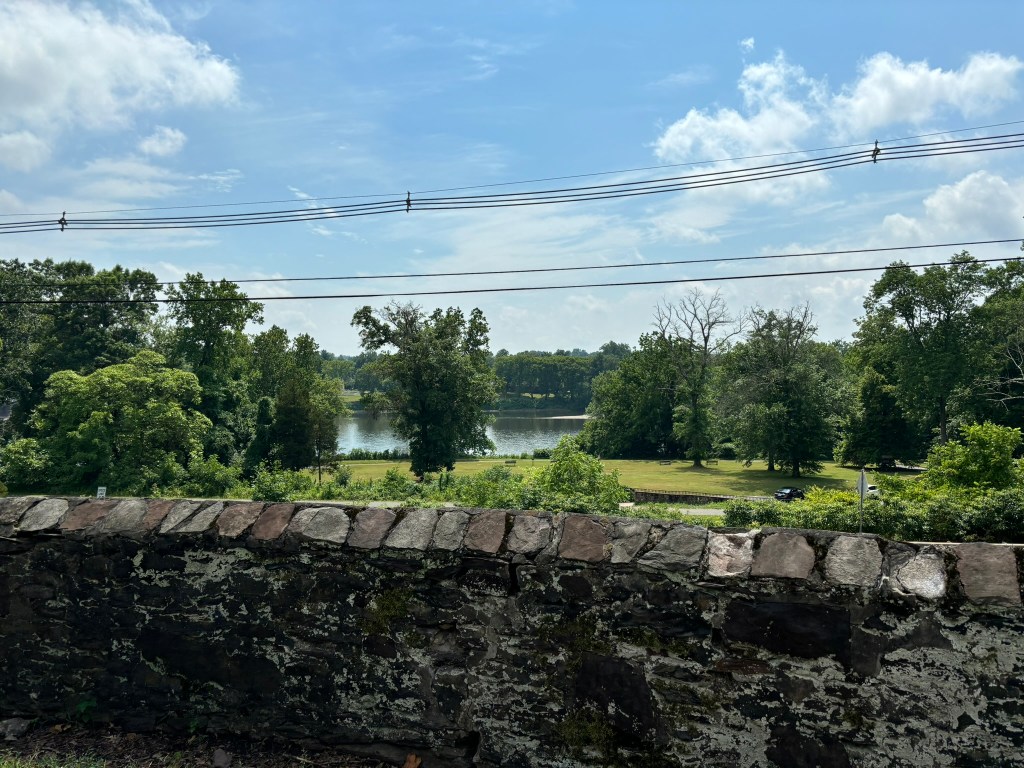
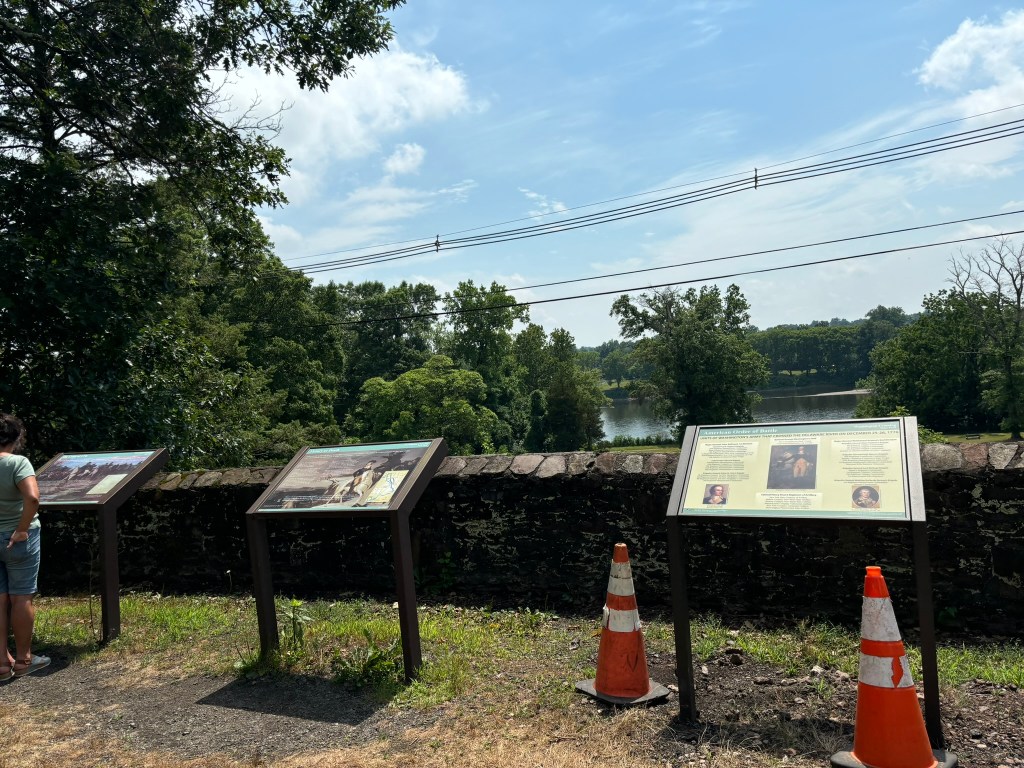
Next, we ventured off to the Landing Overlook, where we could see the location where Washington and the Continental Army crossed the Delaware River. It was quite amazing to see the exact location where such a significant historical event took place.

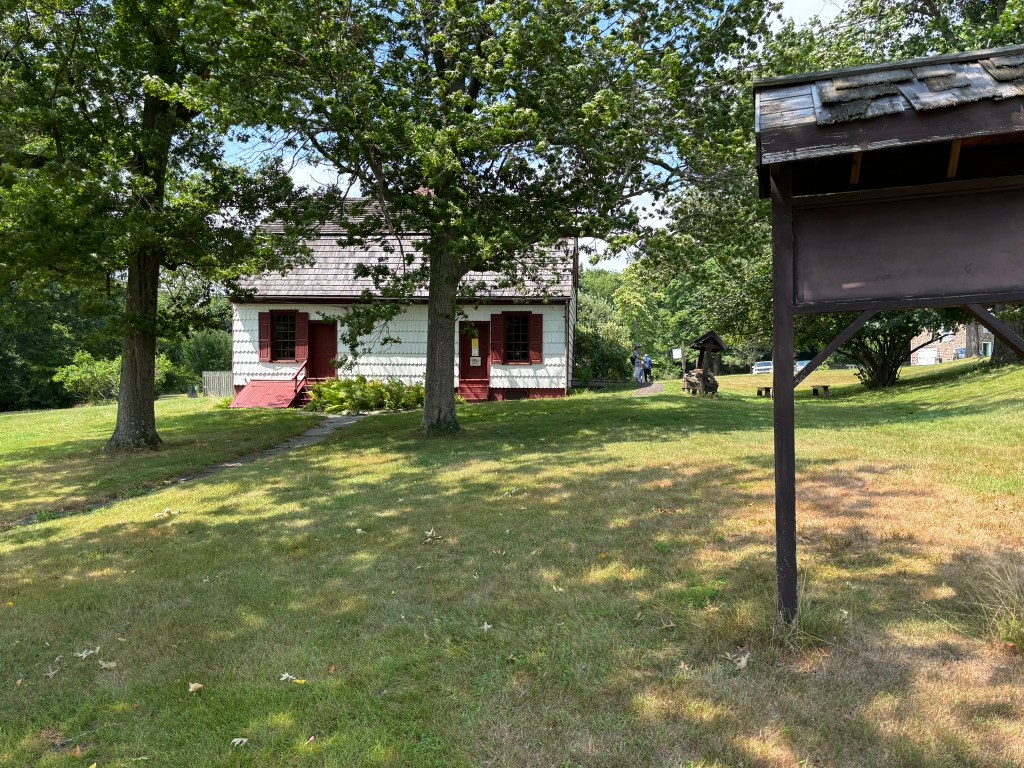
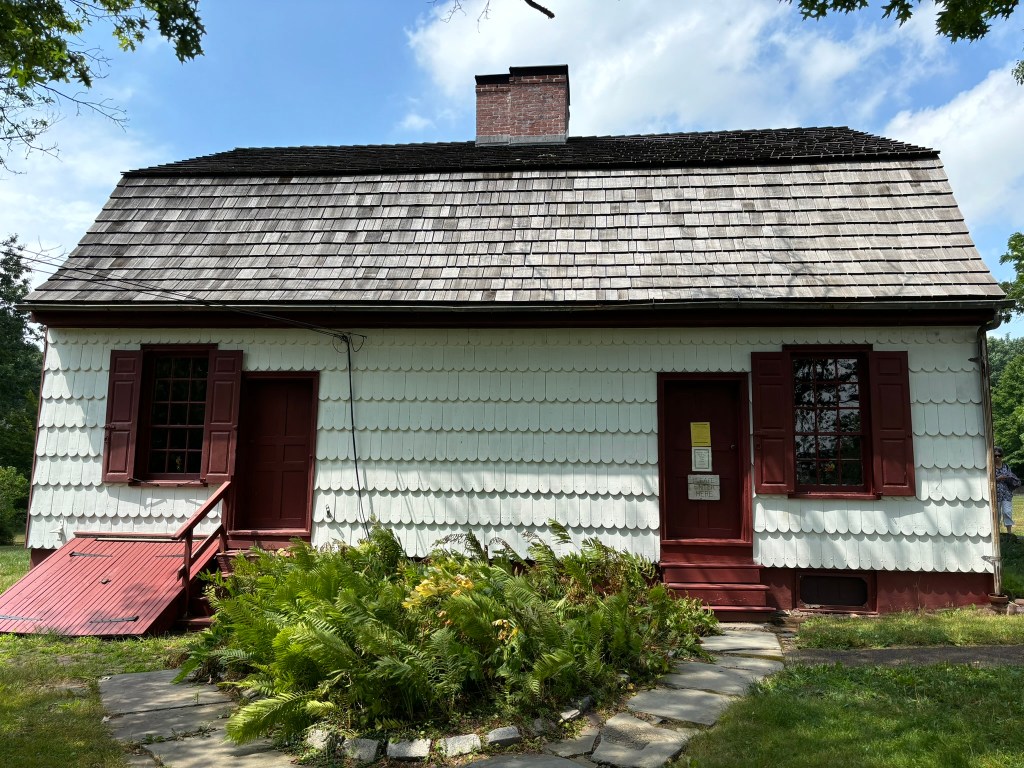
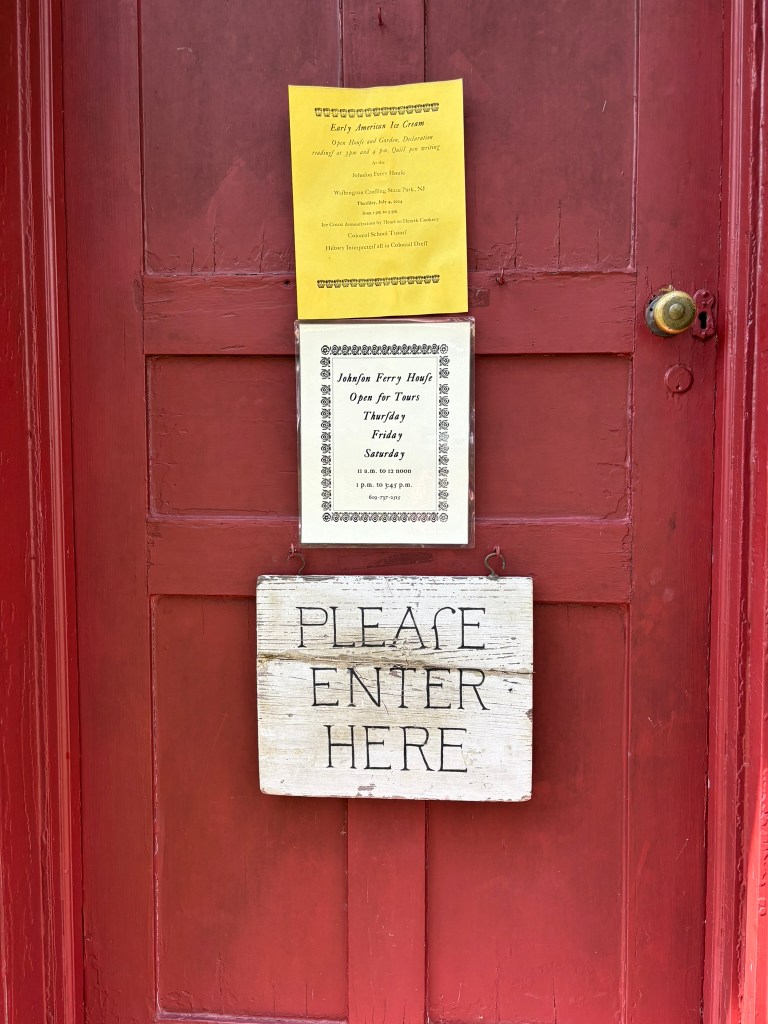
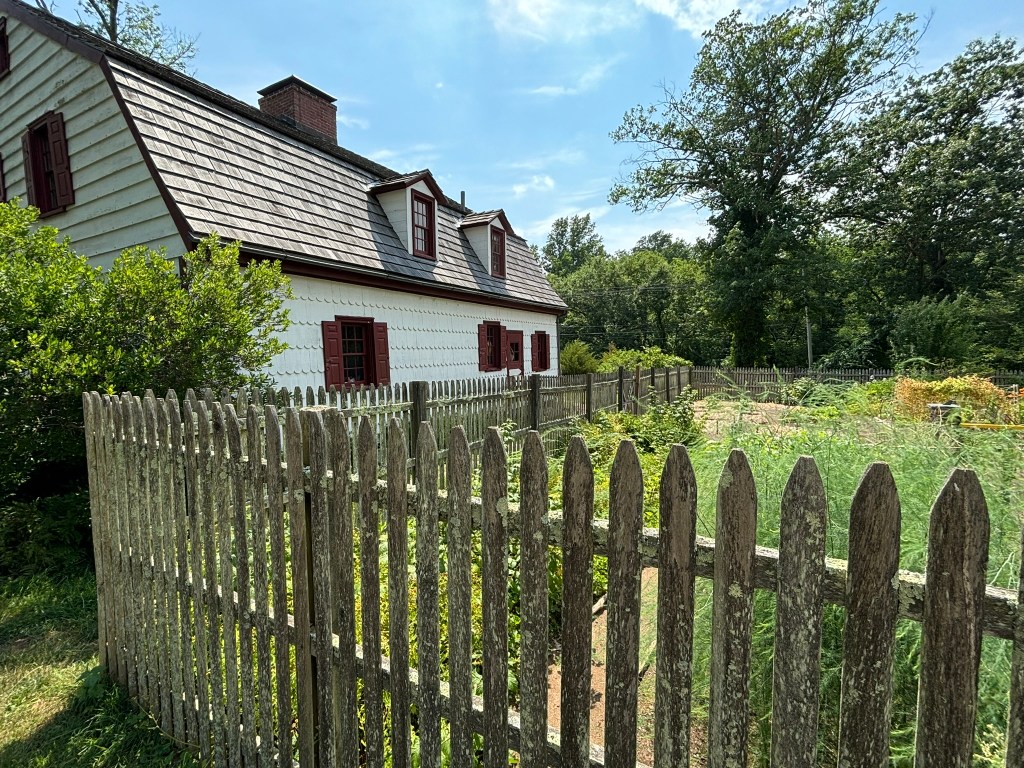
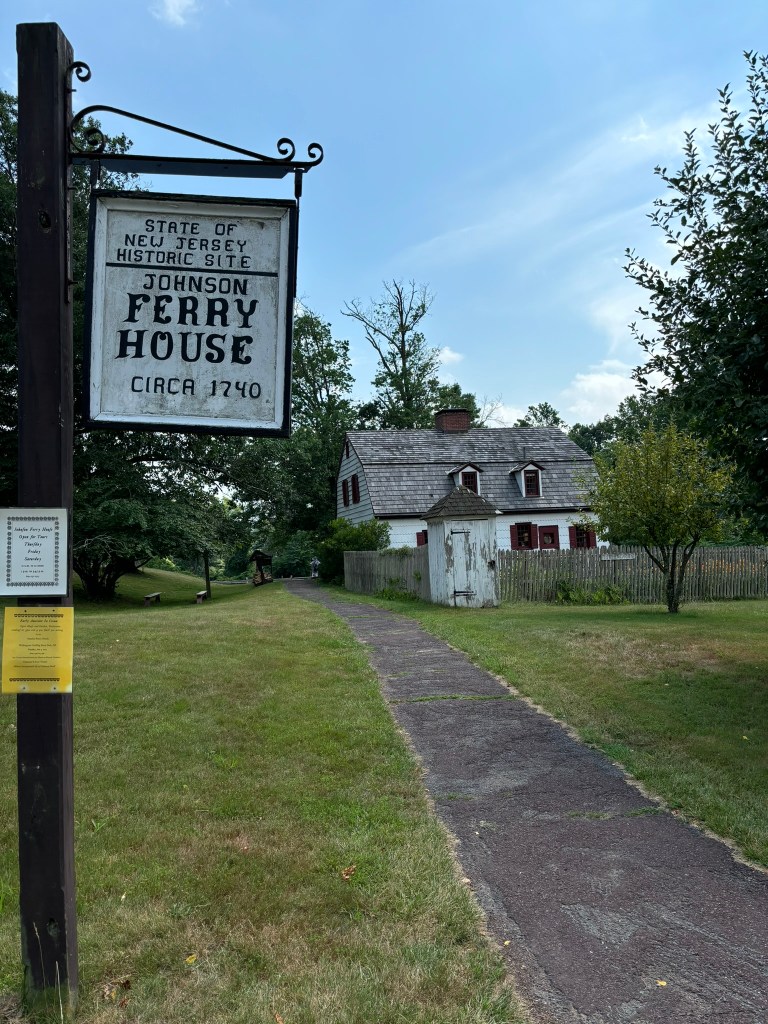
I was able to venture over to the Johnson Ferry House which is very close to the crossing site. The house was built in 1740 and was a witness to the crossing. The house was owned by Garrett Ferry, who had a 490 acre colonial farm and ferry service across the Delaware. It is believed that Washington and his officers used the house to plan out their attack on Trenton. We unfortunately did not have an opportunity to go inside the Johnson Ferry House, but if you are visiting, make sure to check their hours of operations and tours.
We were also told throughout the tour that a brand new visitor center and museum will be built starting early July to be completed in time for the 250th Anniversary. I’m looking forward to checking out the new museum which will have amazing new and updated exhibits. I also look forward to visiting the Pennsylvania side of the river crossing. If anyone has any advice on what to see and do in the area, please comment and let me know!
Check out my related blog posts below!
 Benevento's History Blog