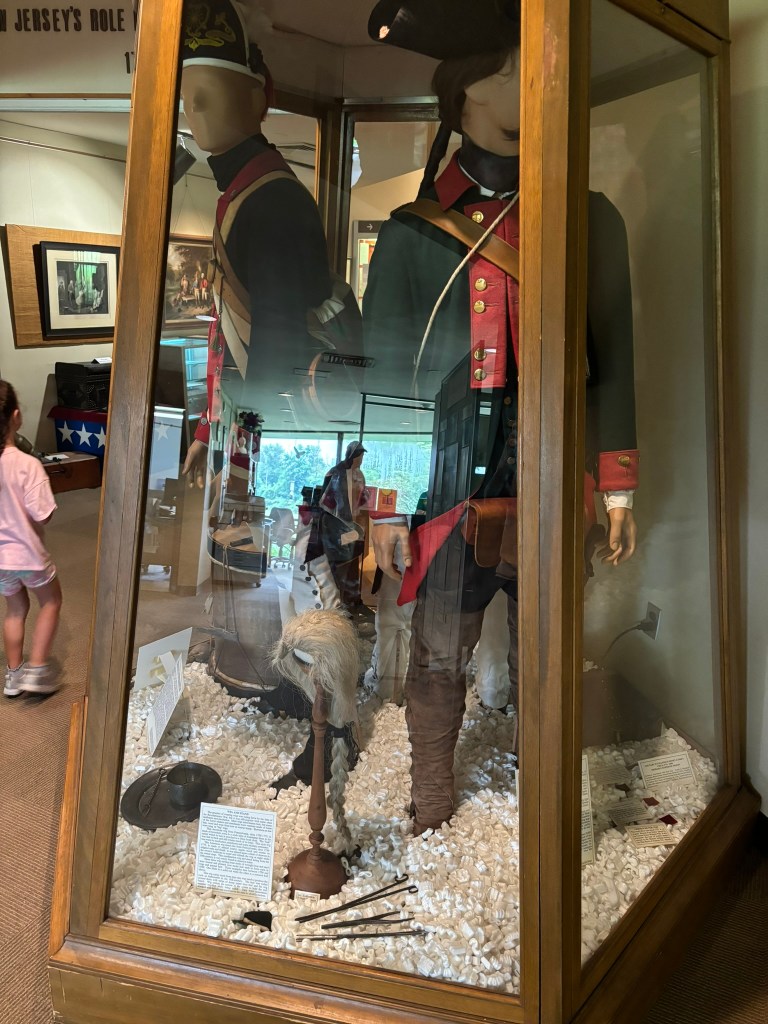
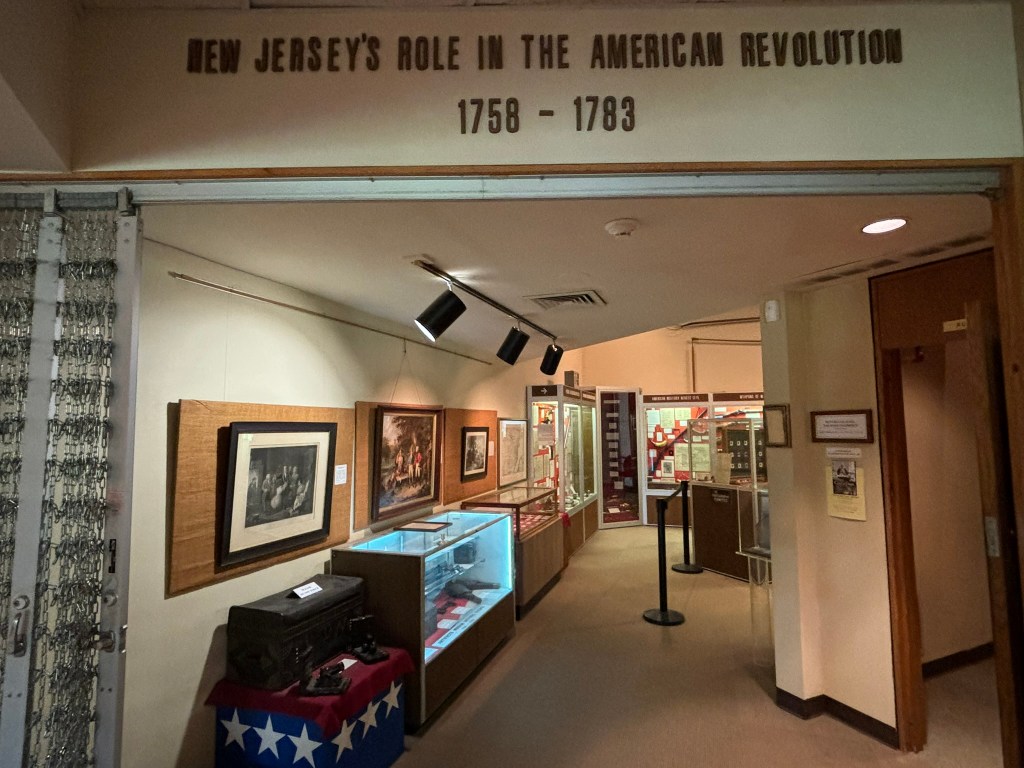
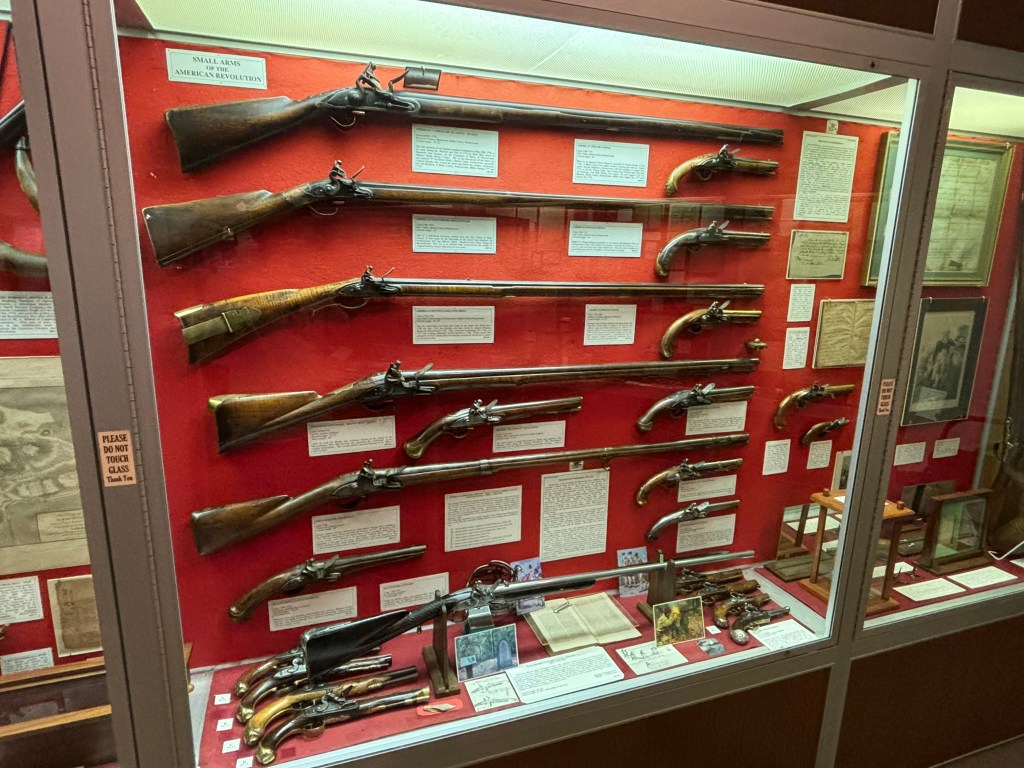
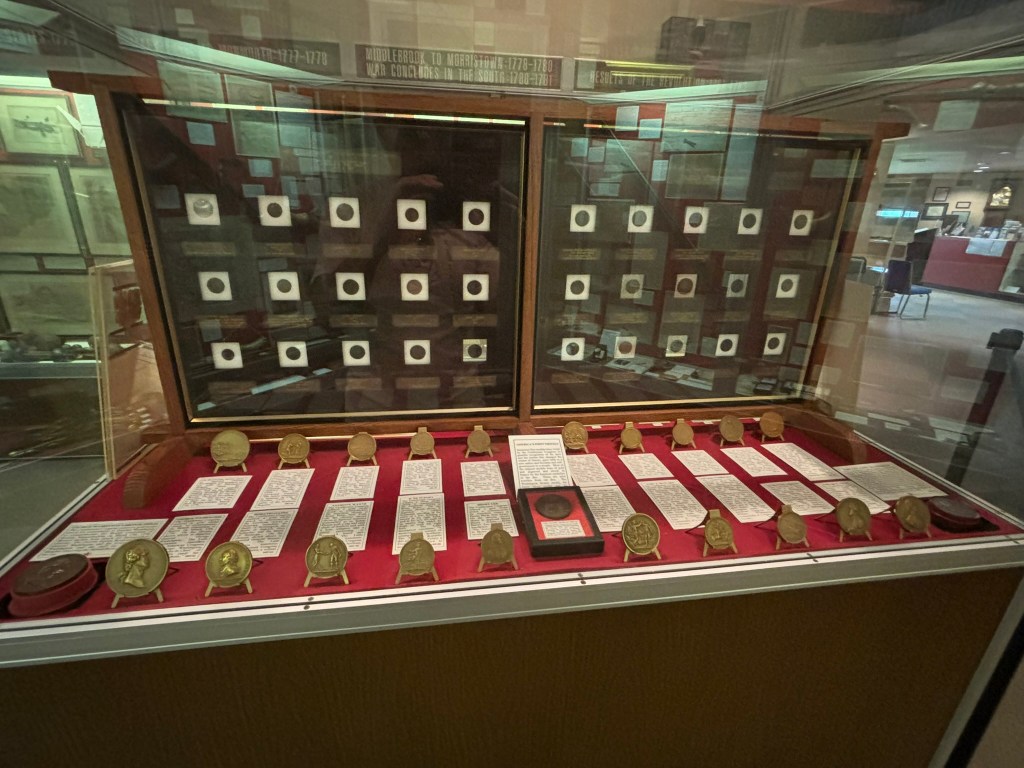
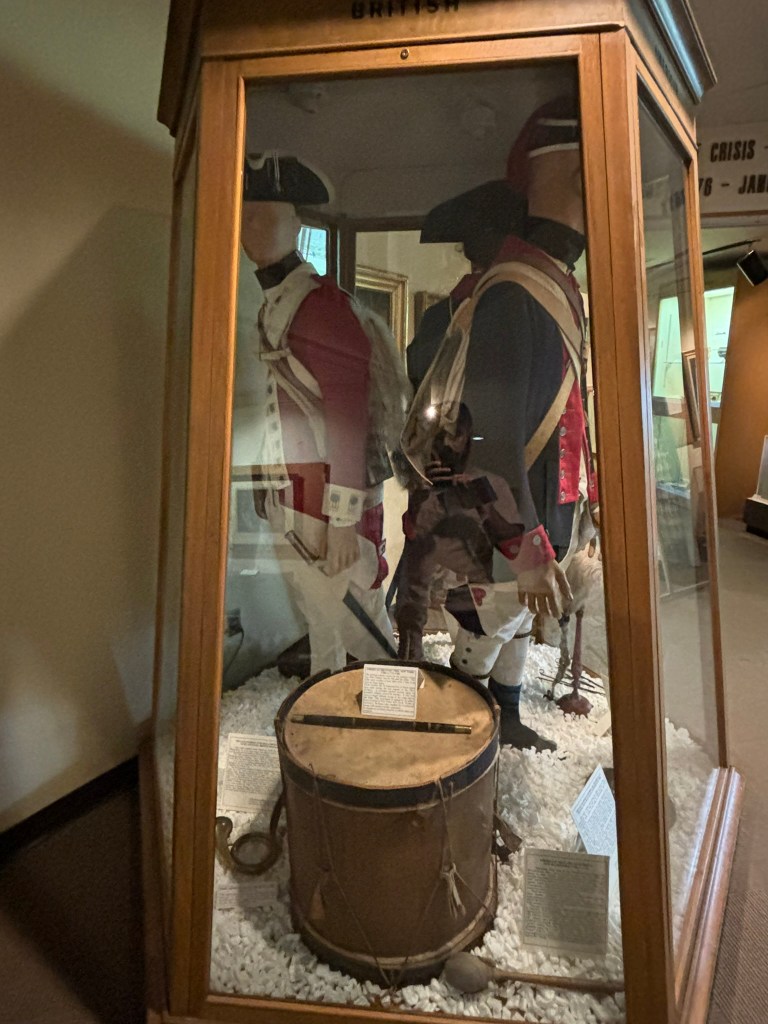
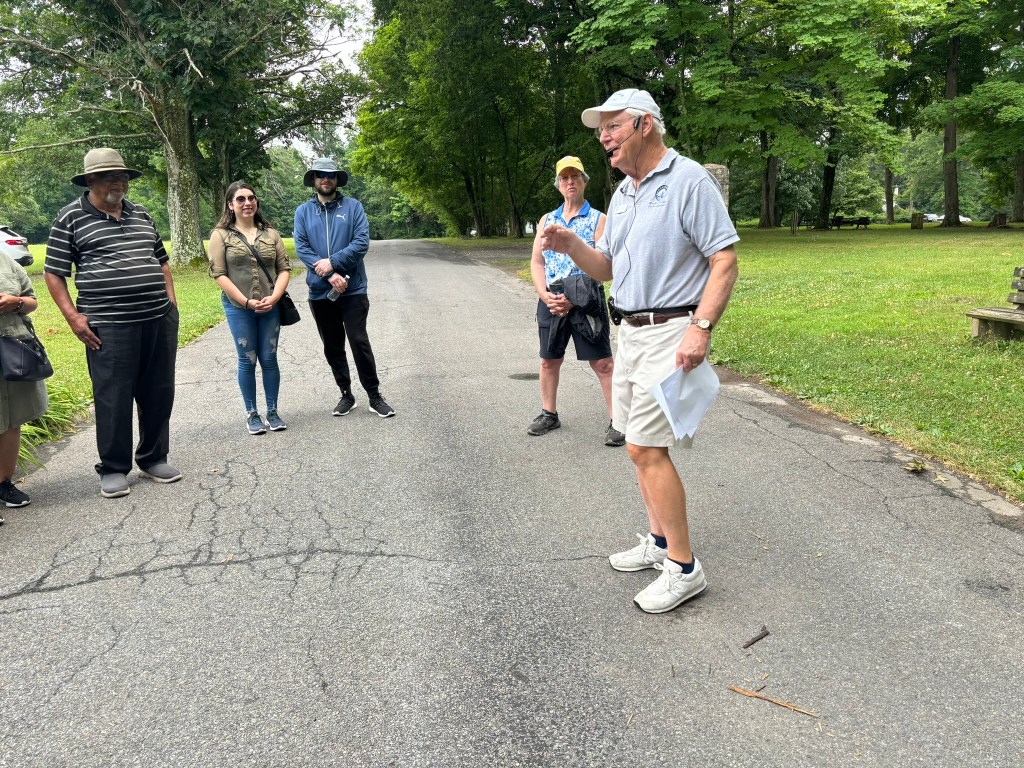
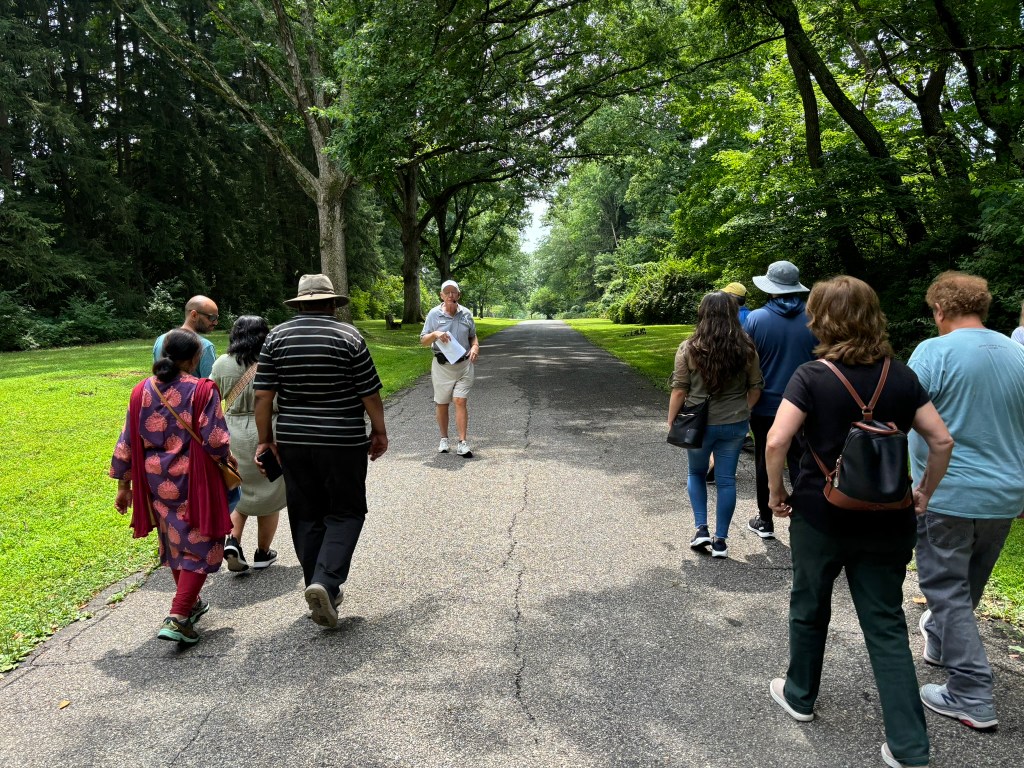
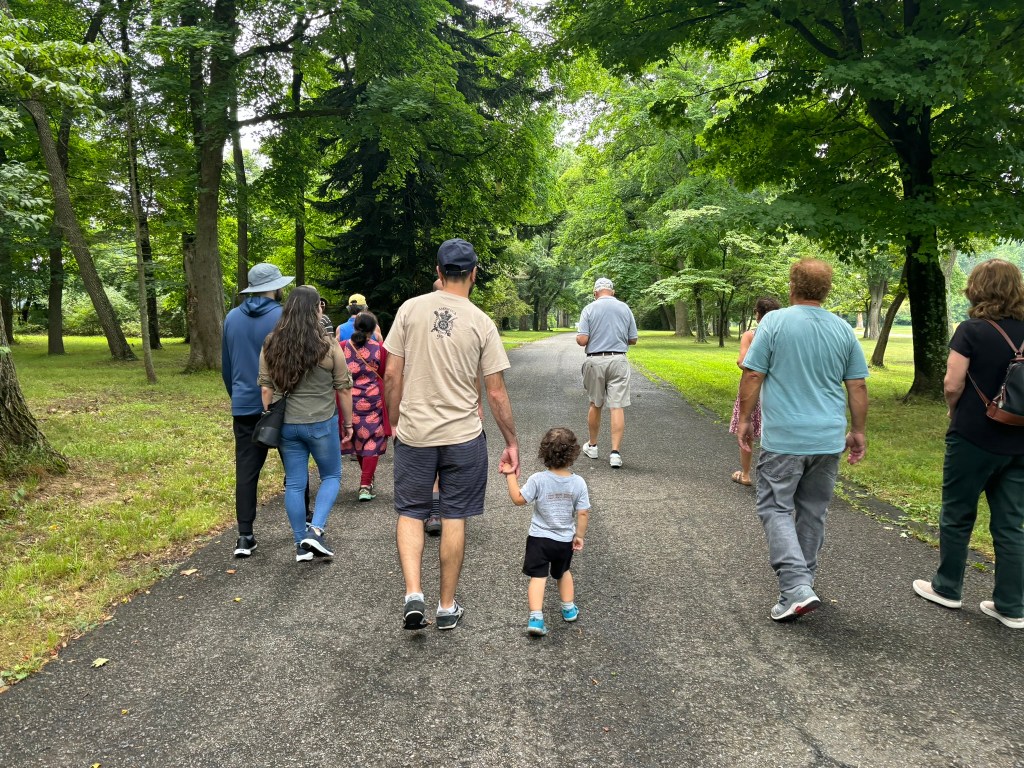
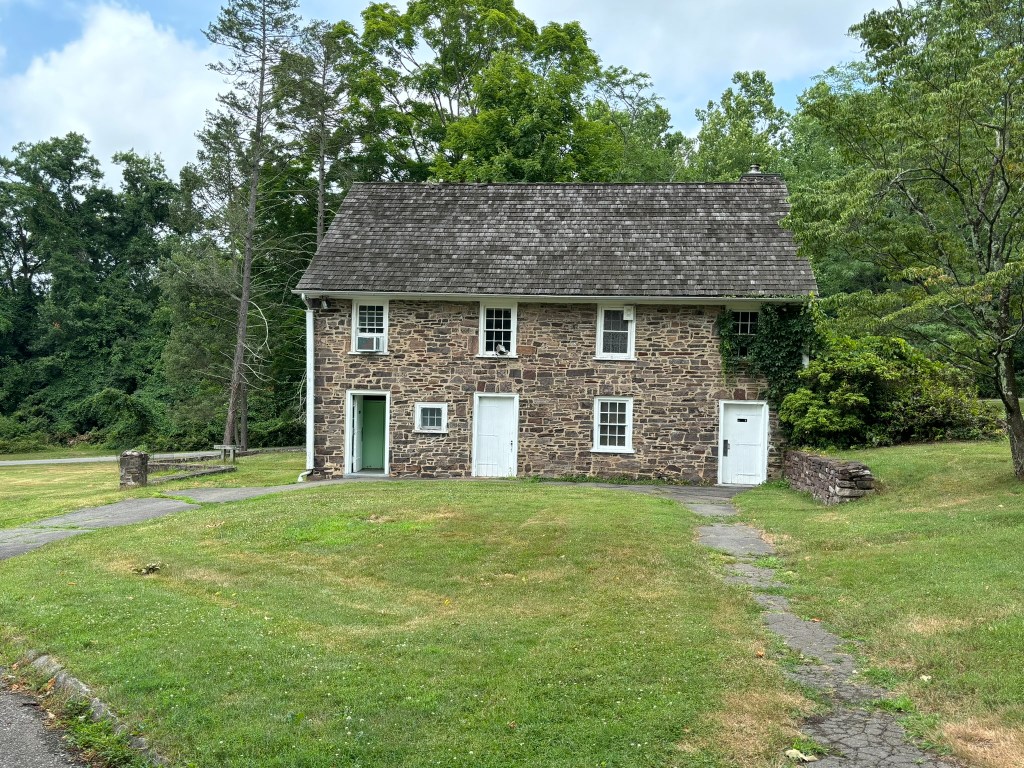
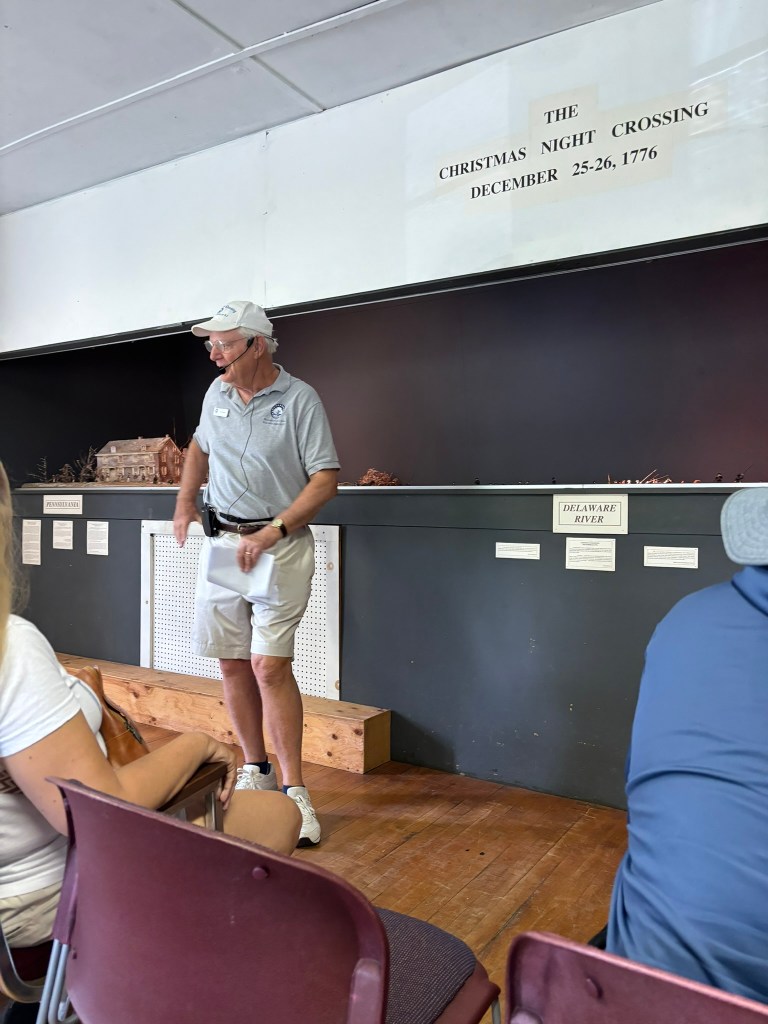
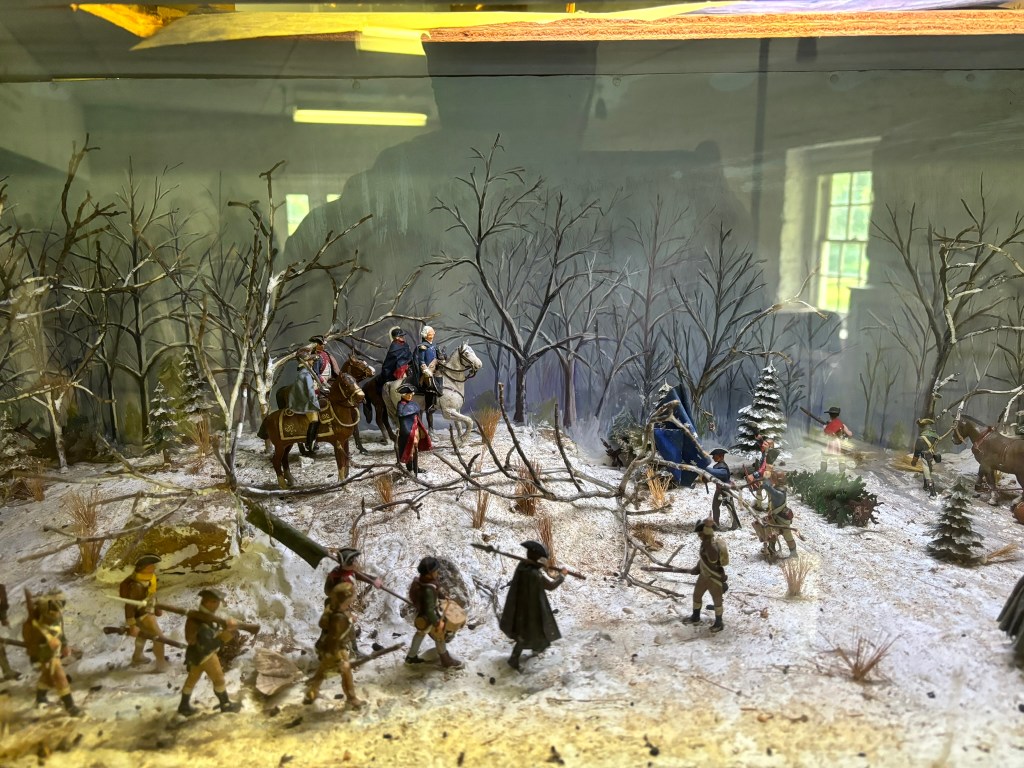
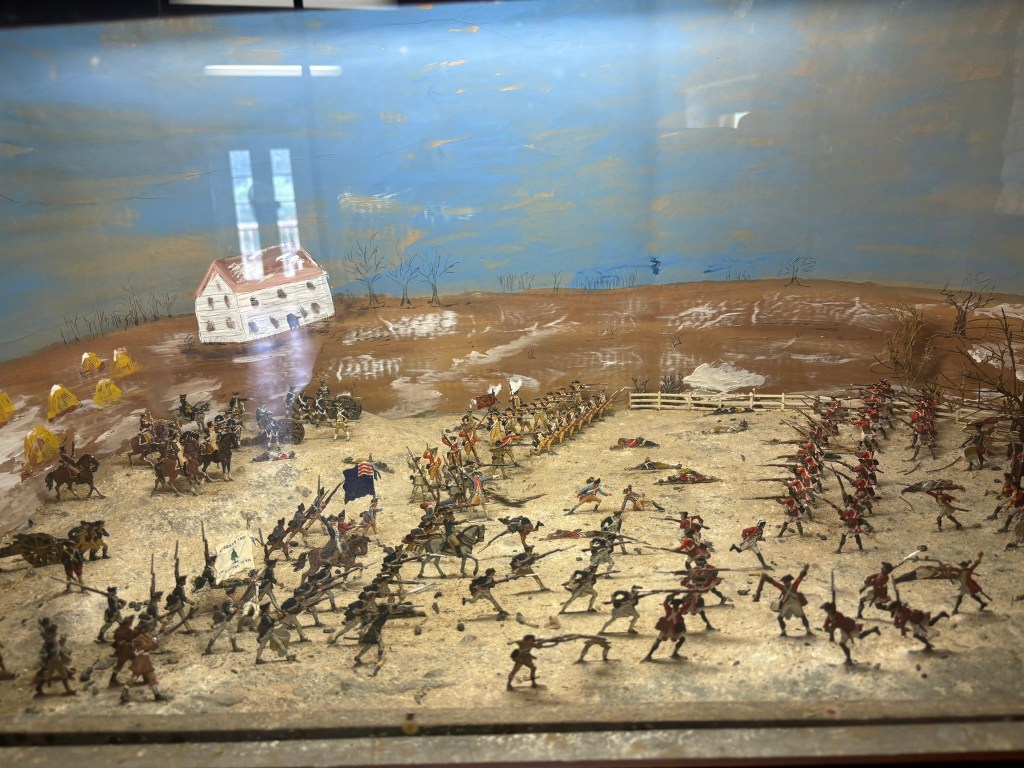
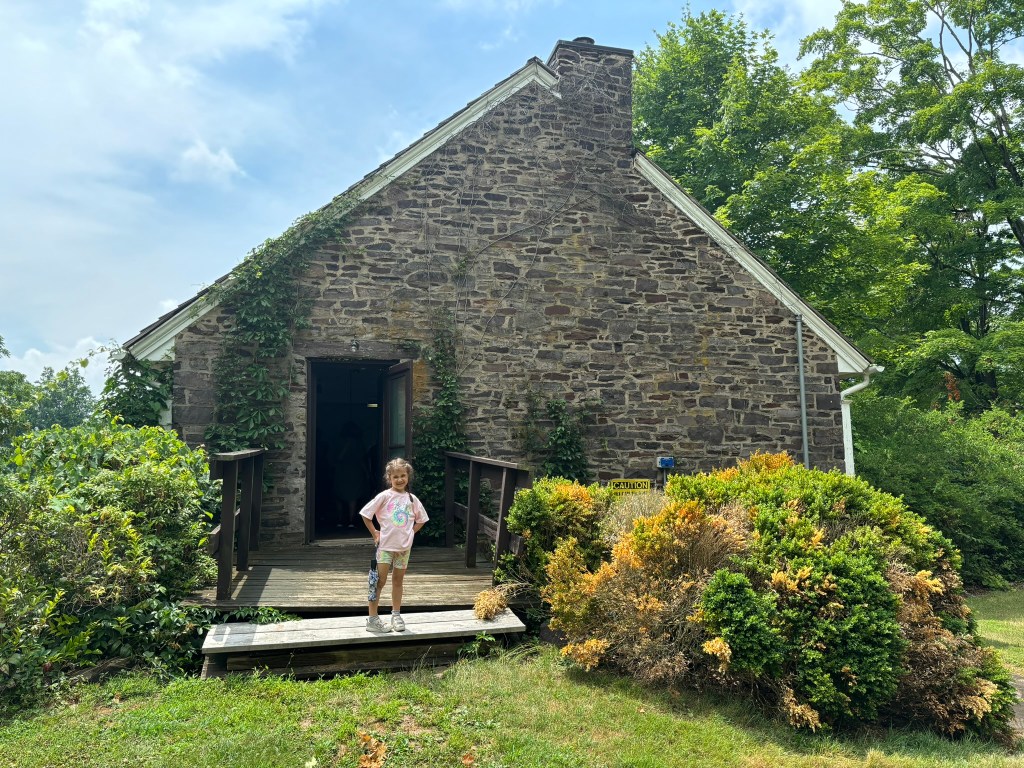
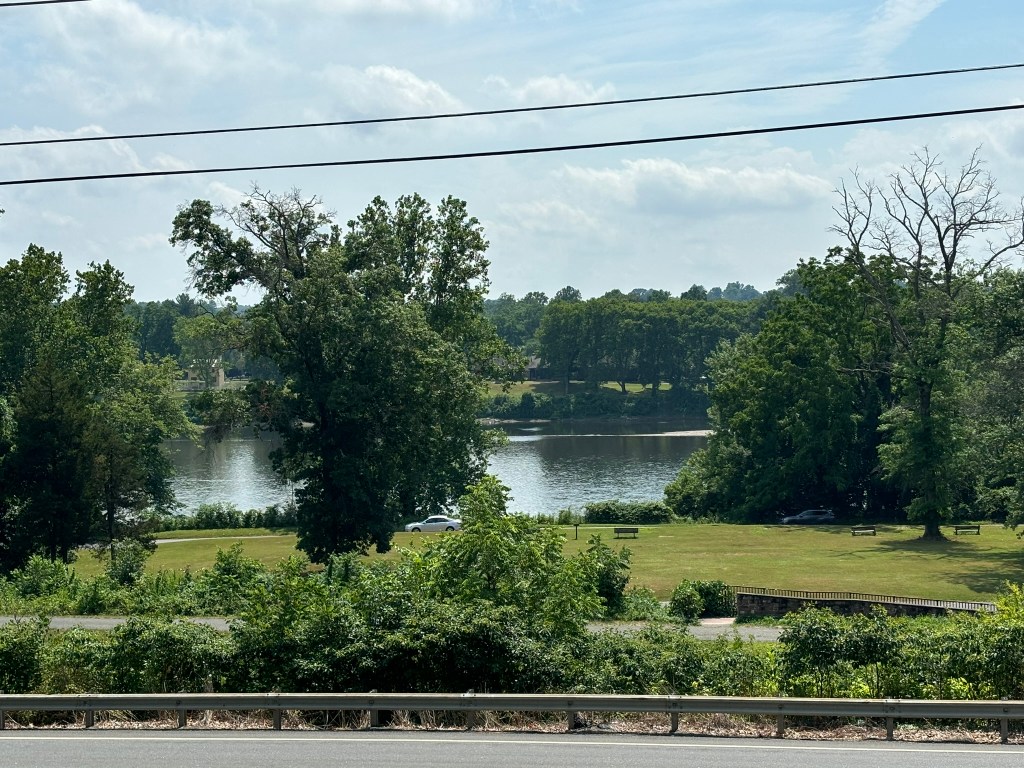
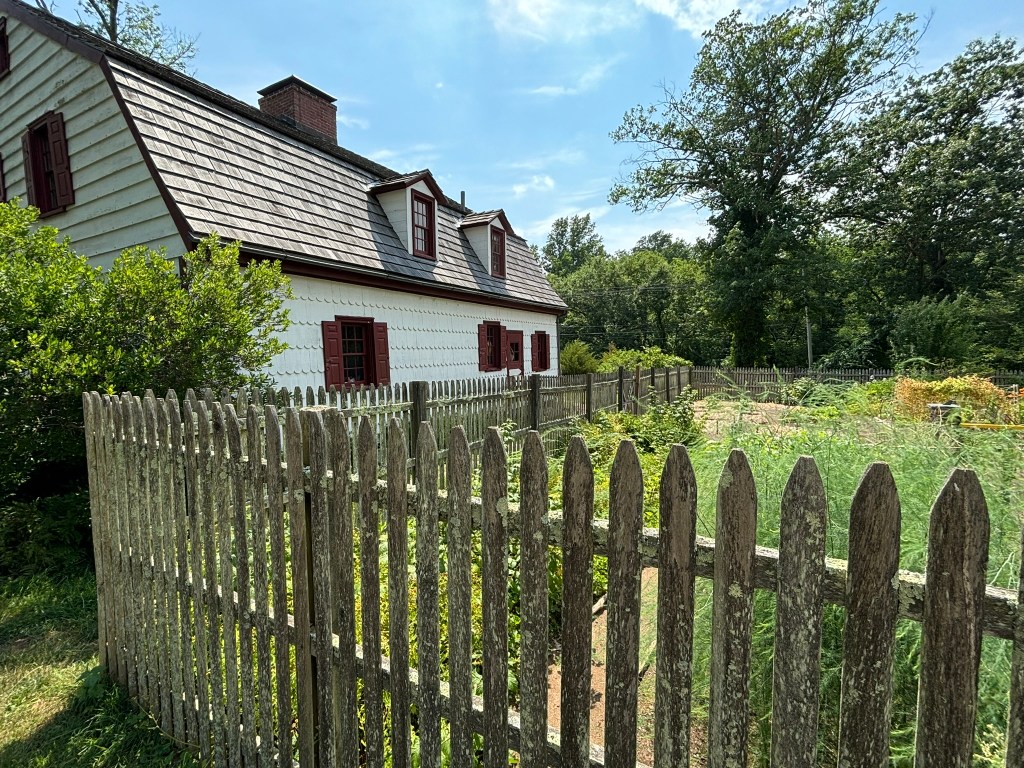
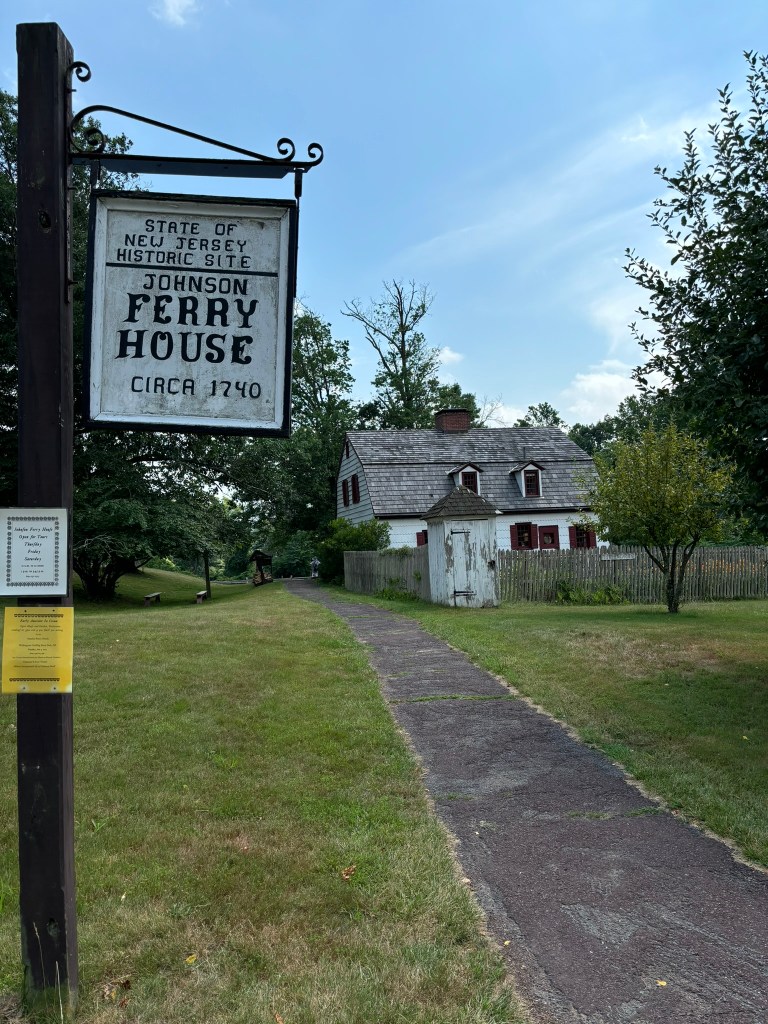
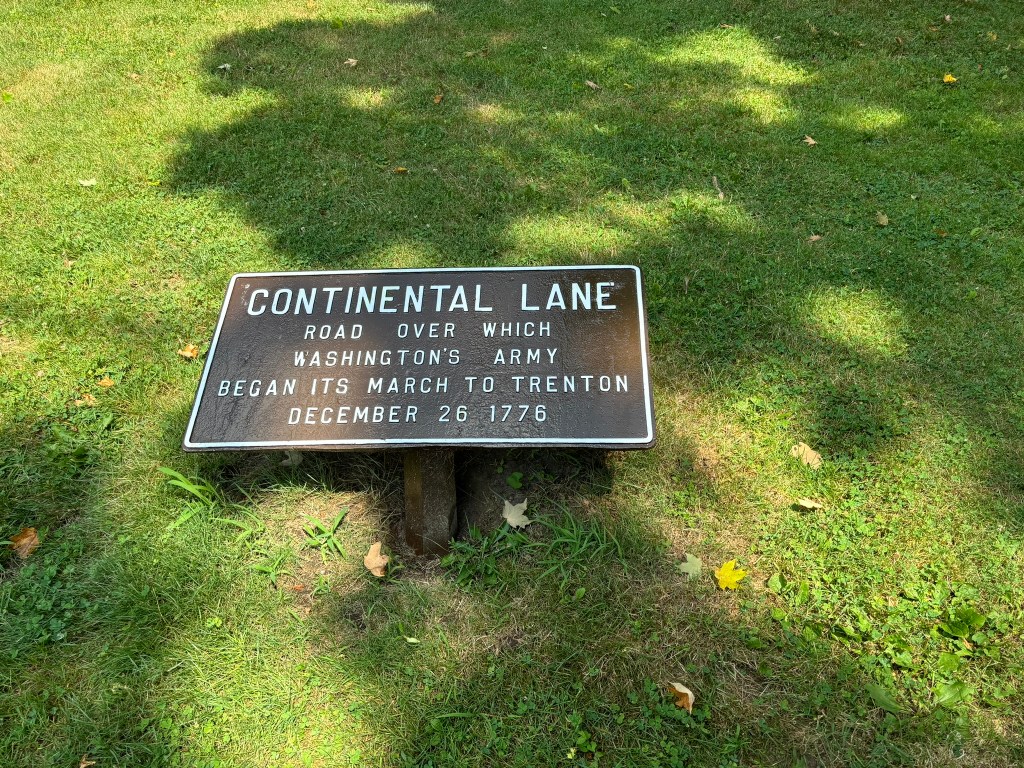
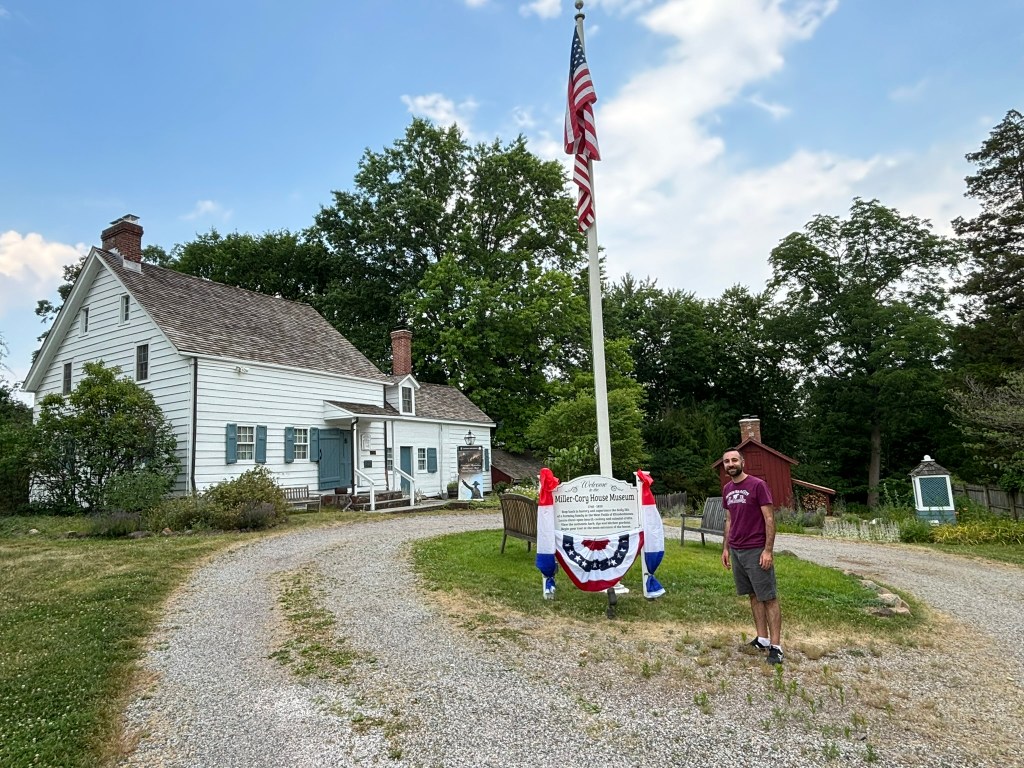
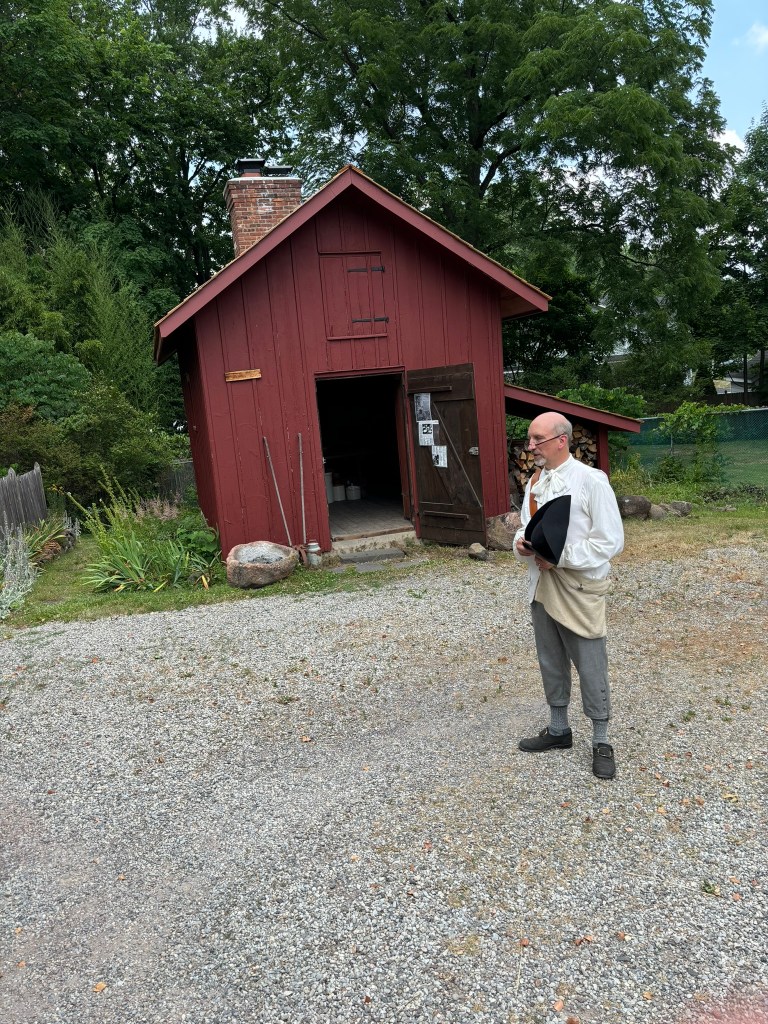
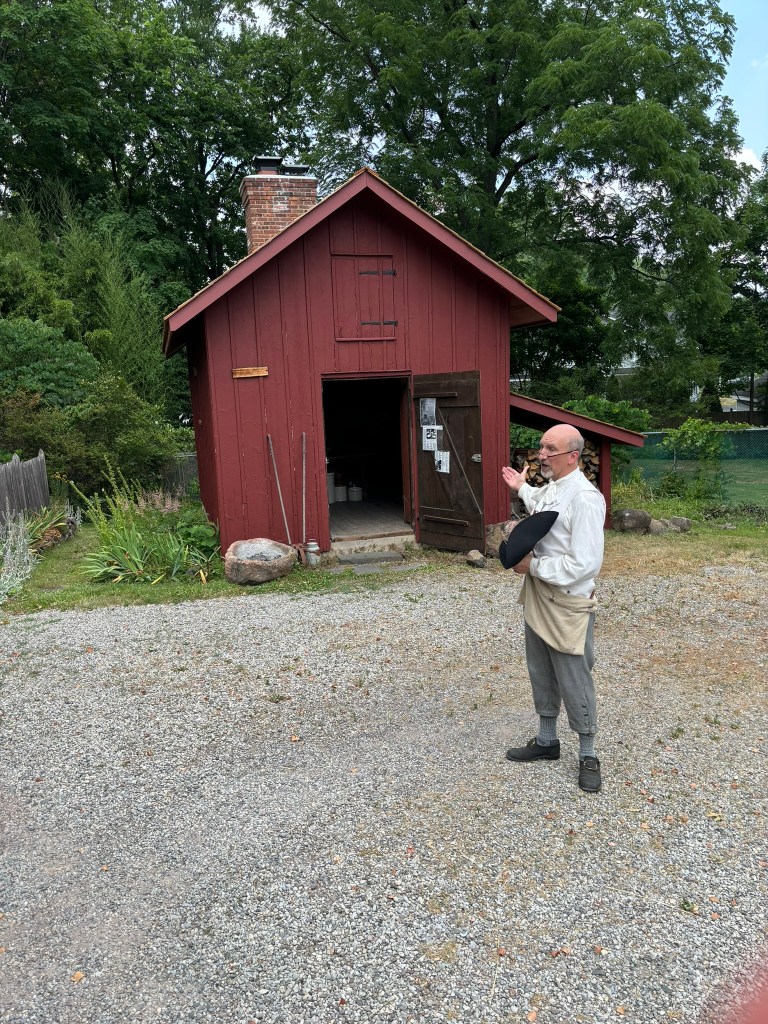
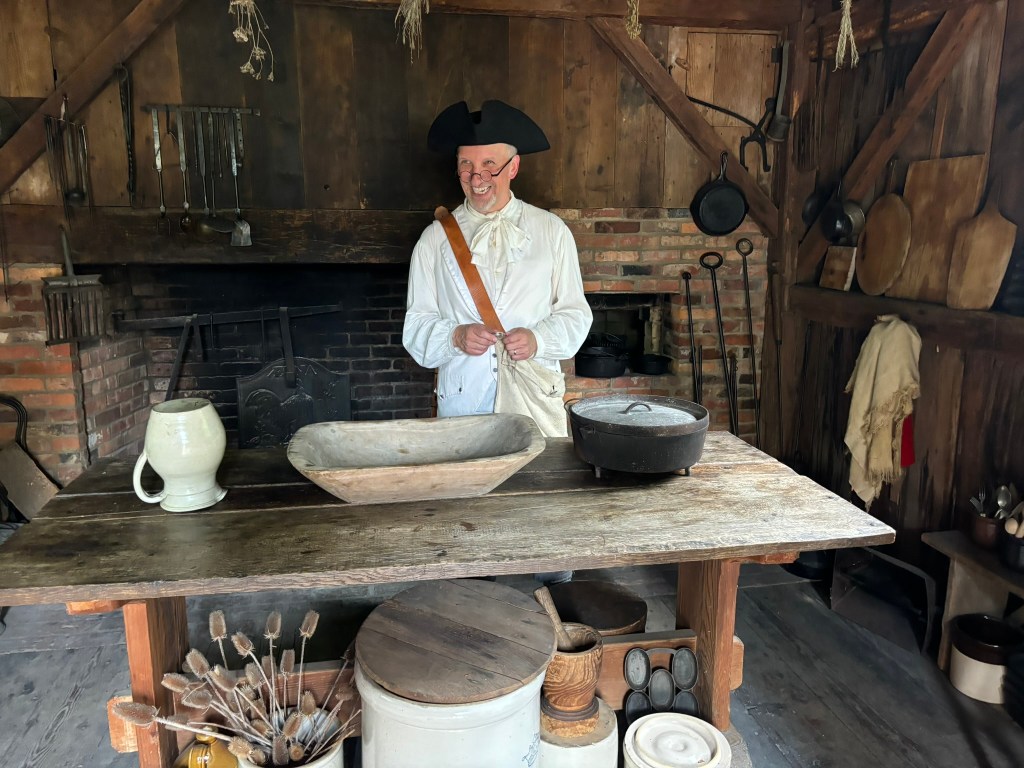
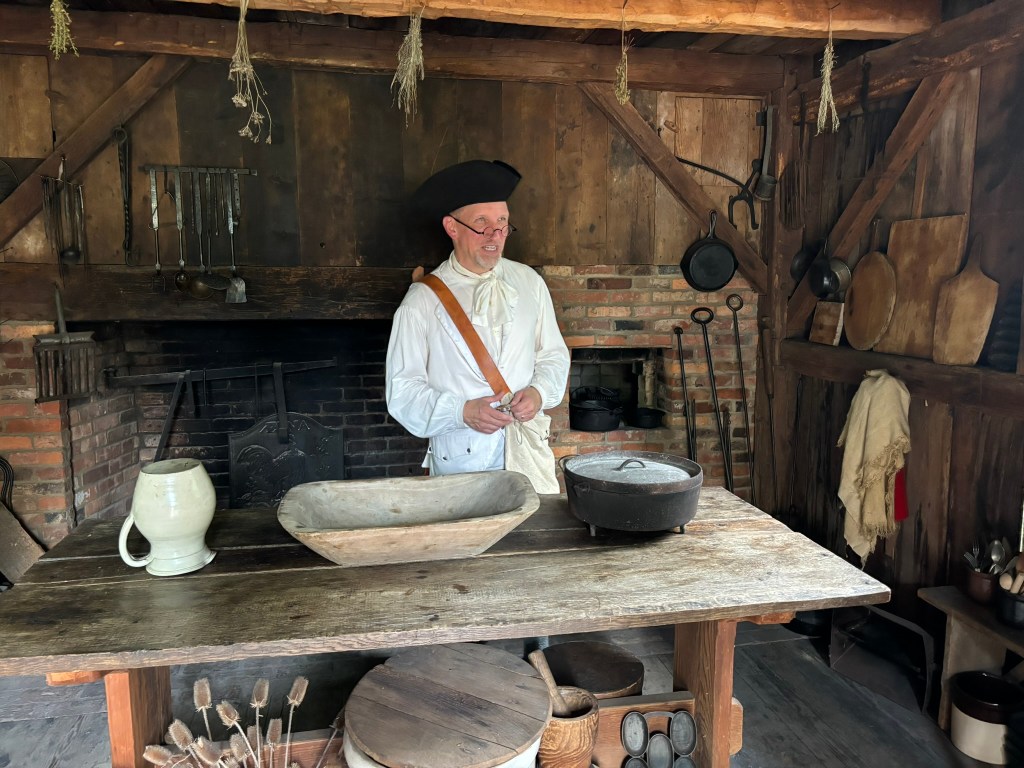
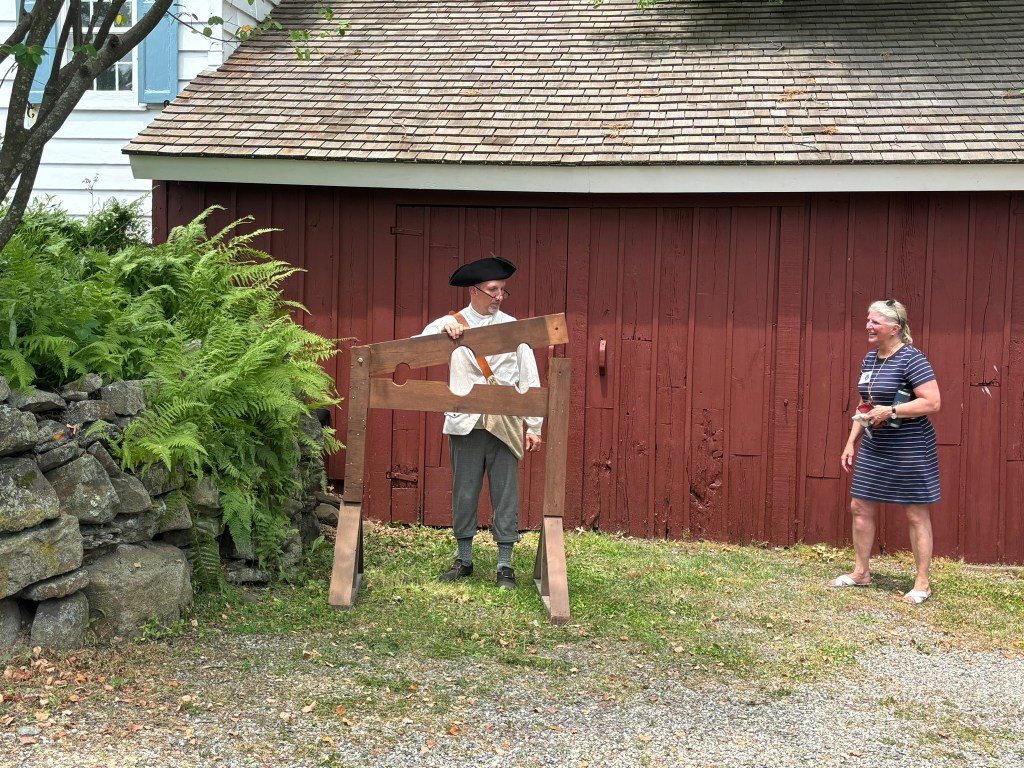
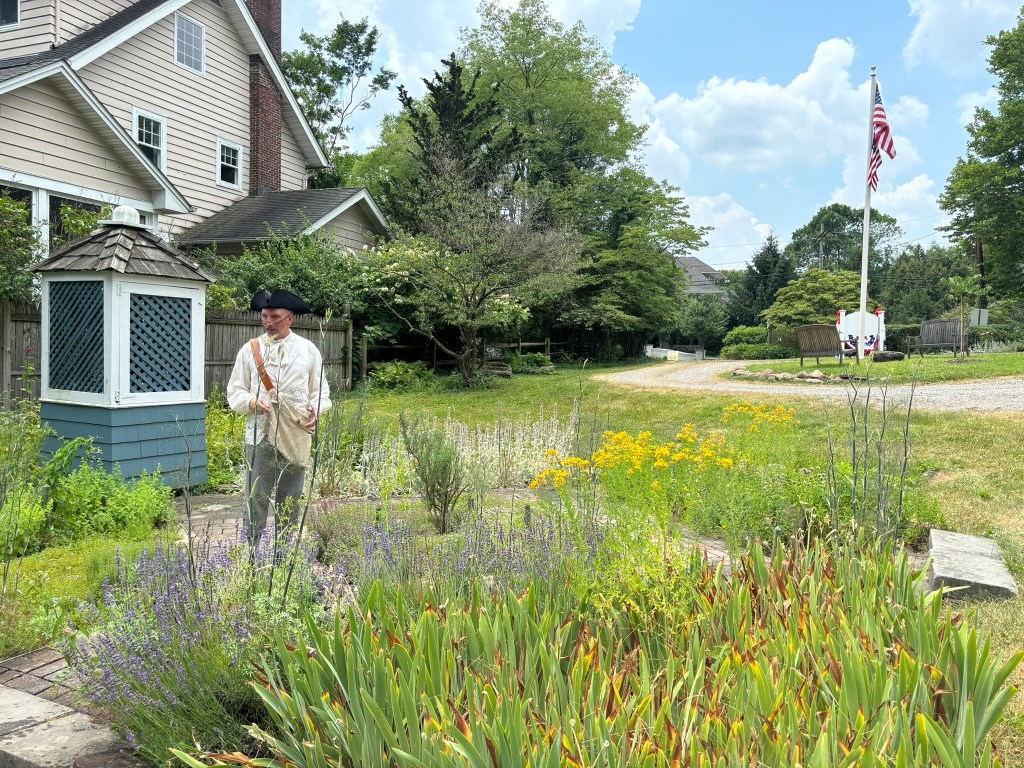
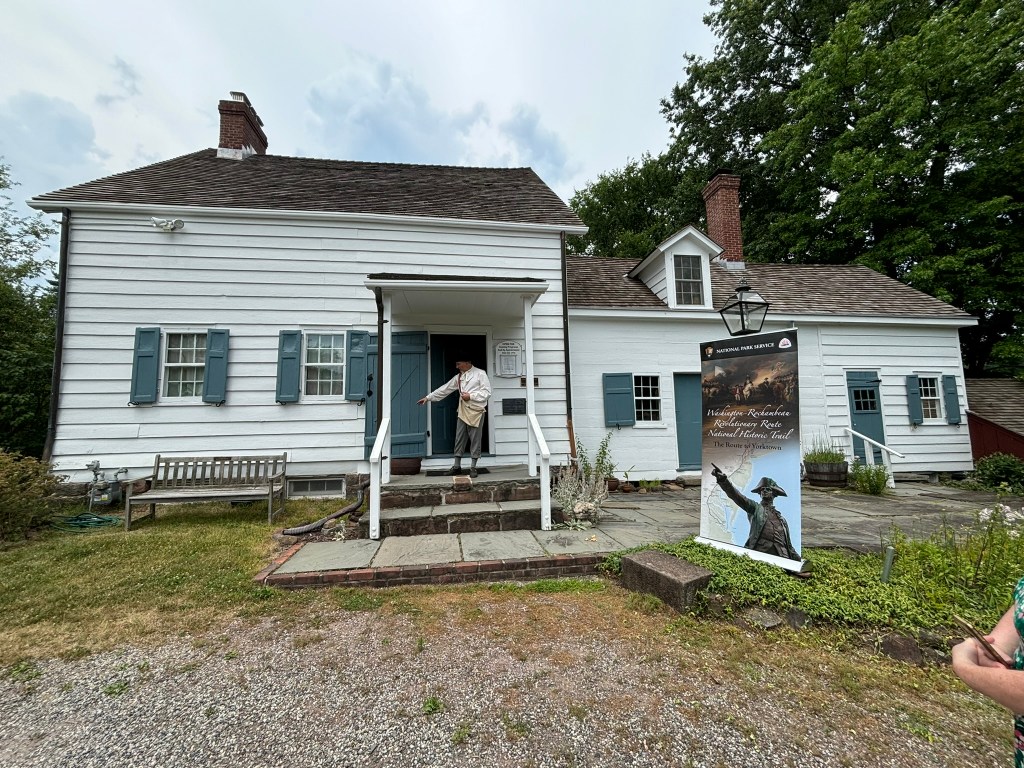
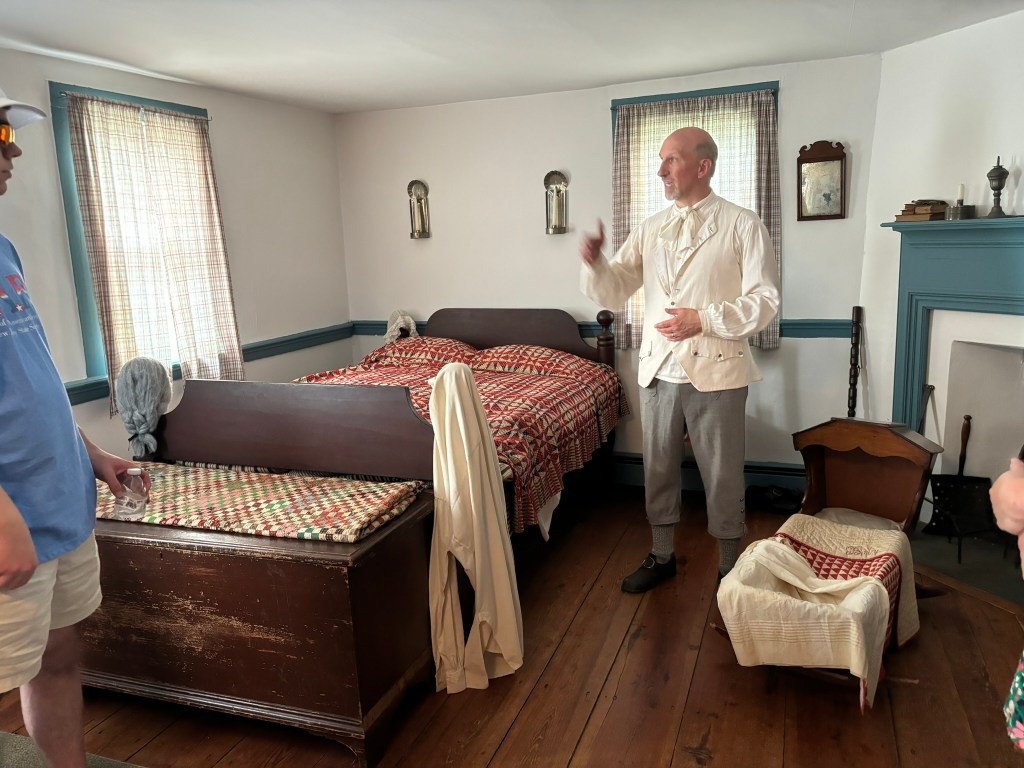
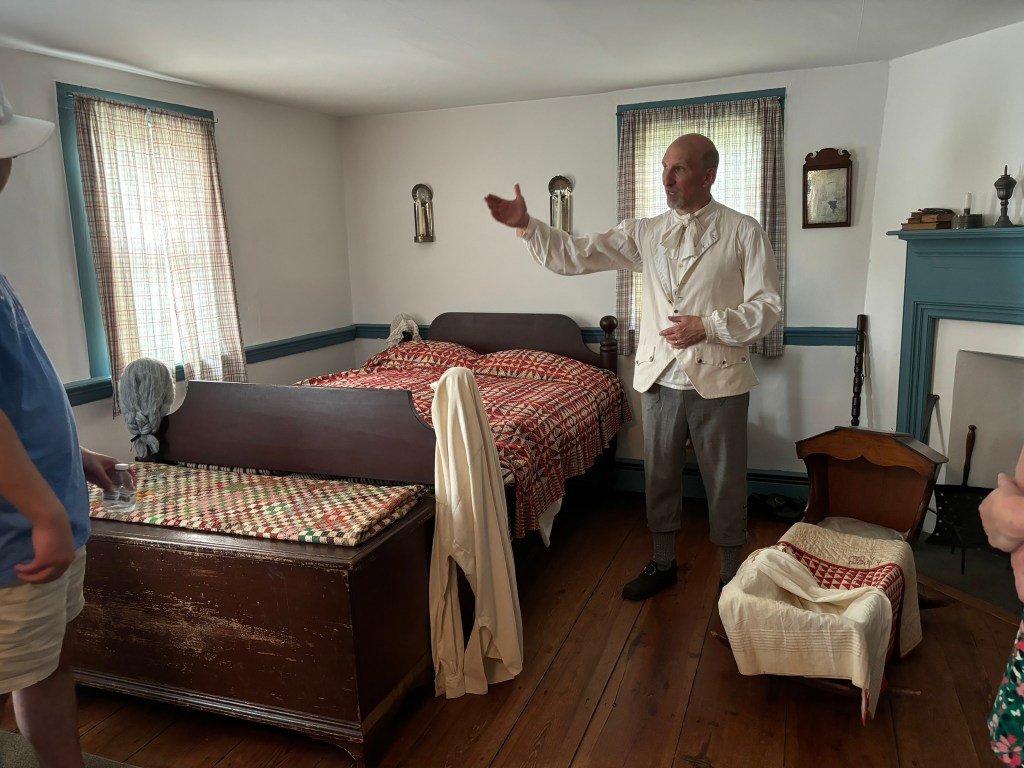
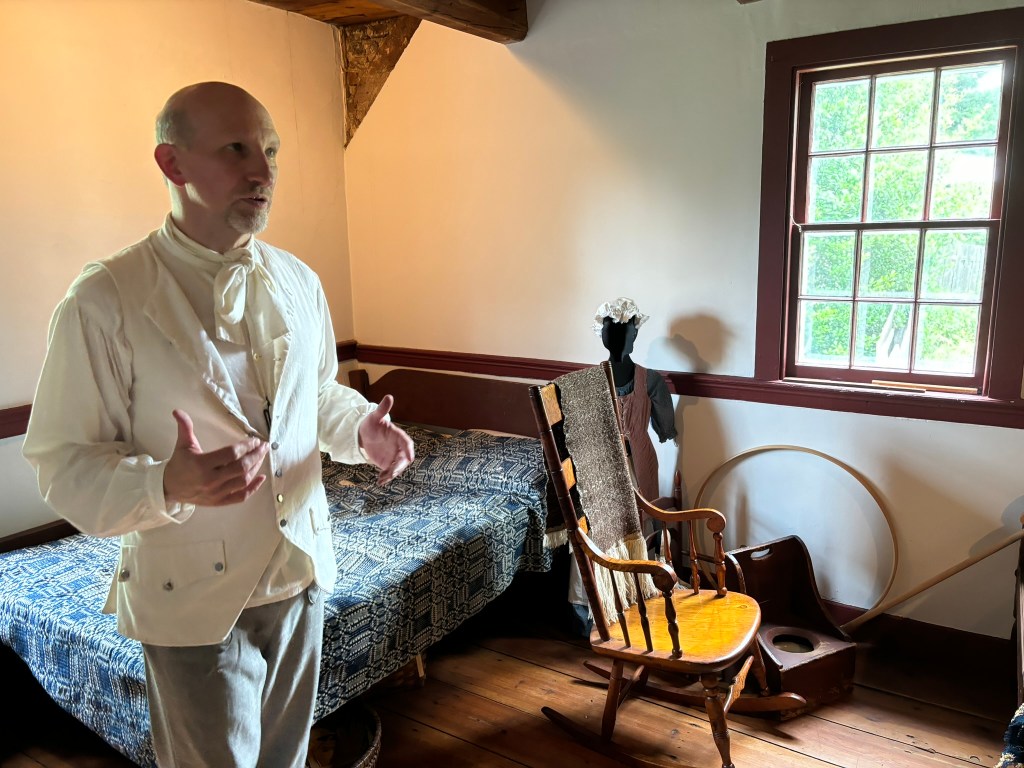
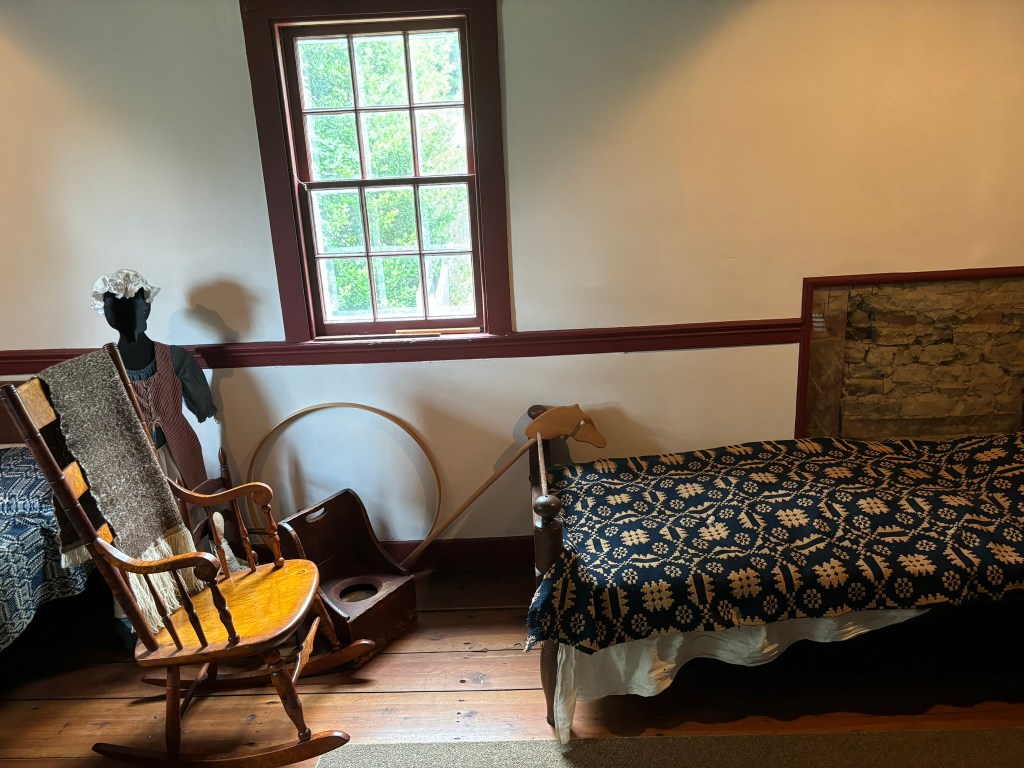
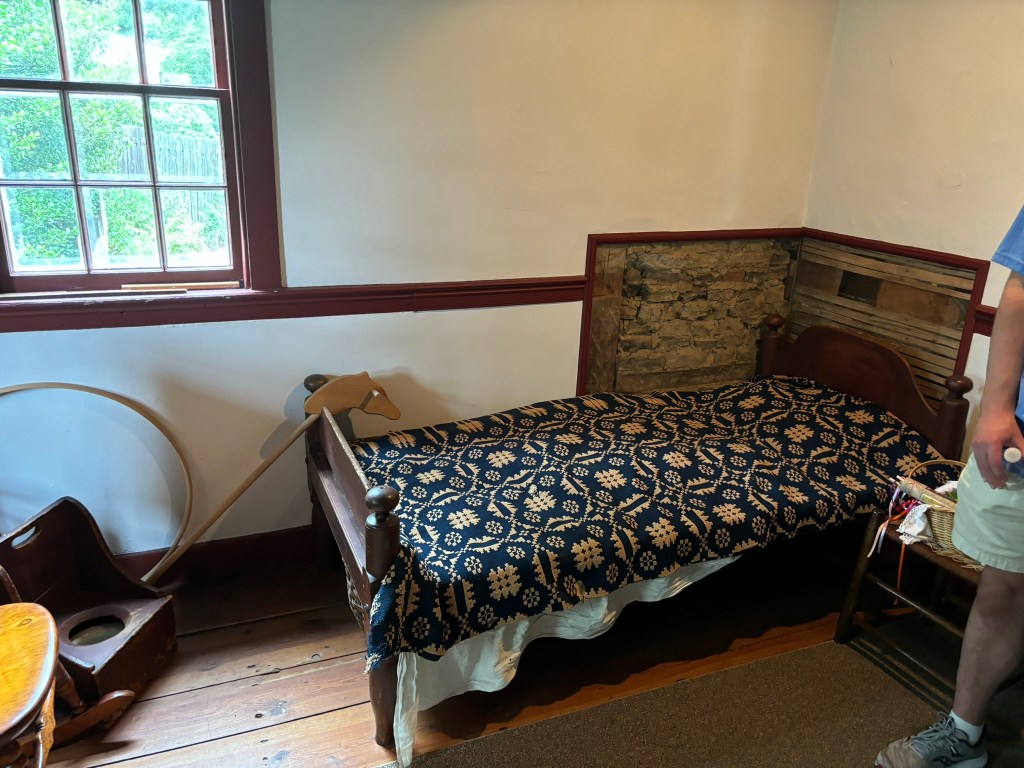
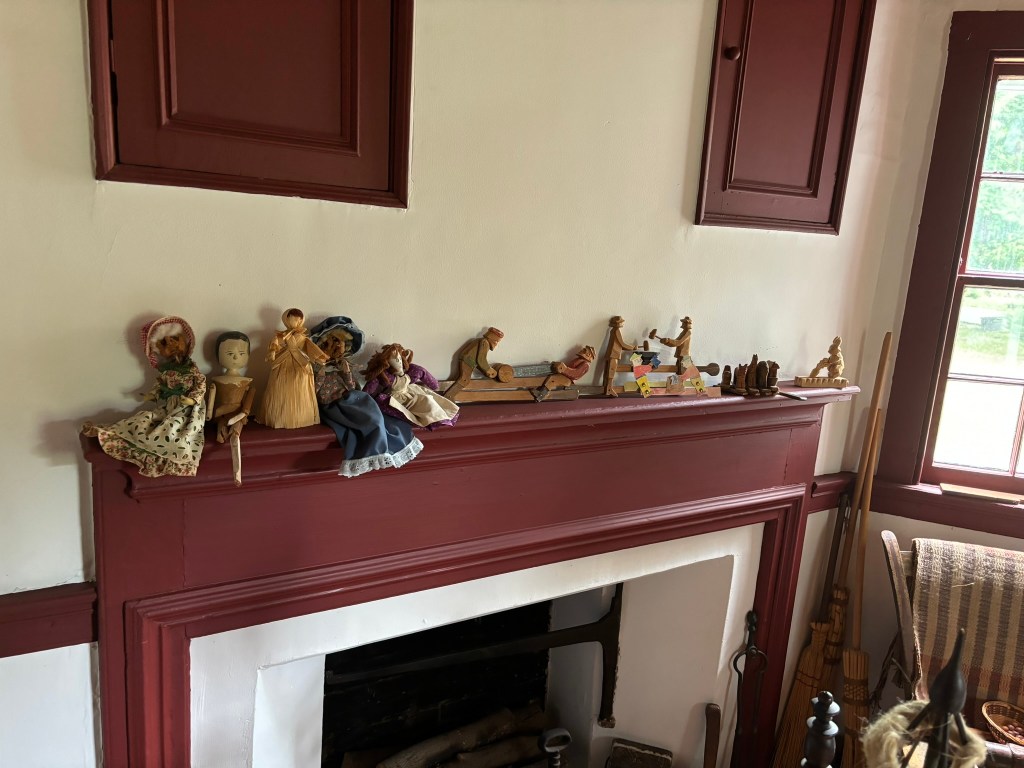
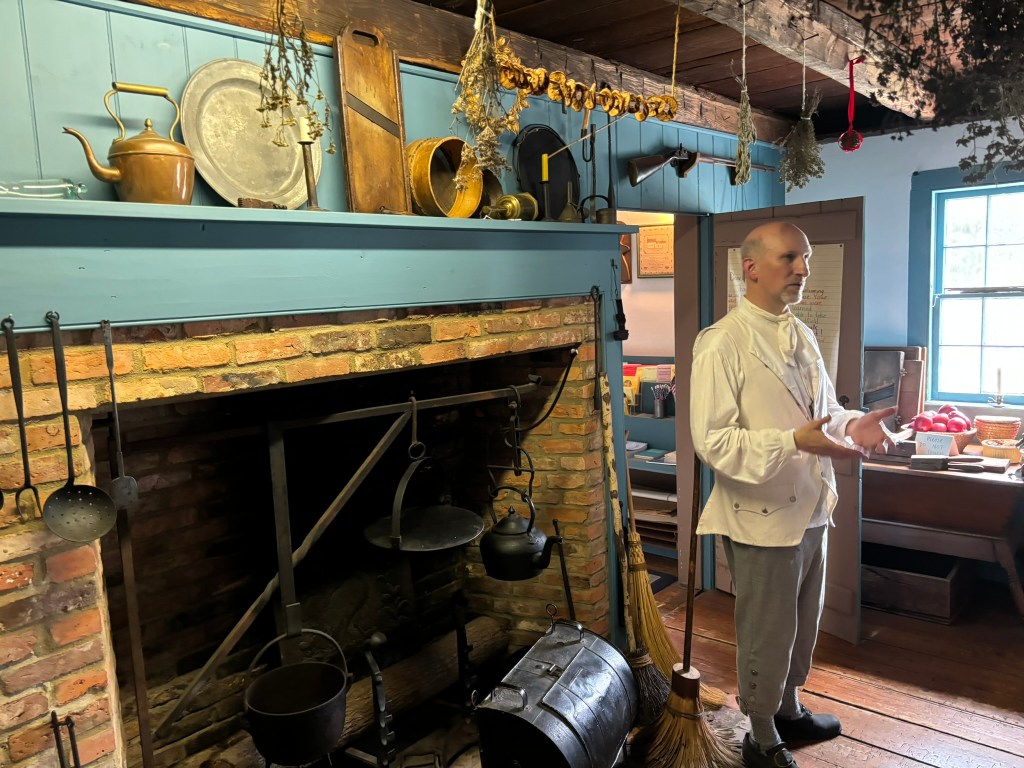
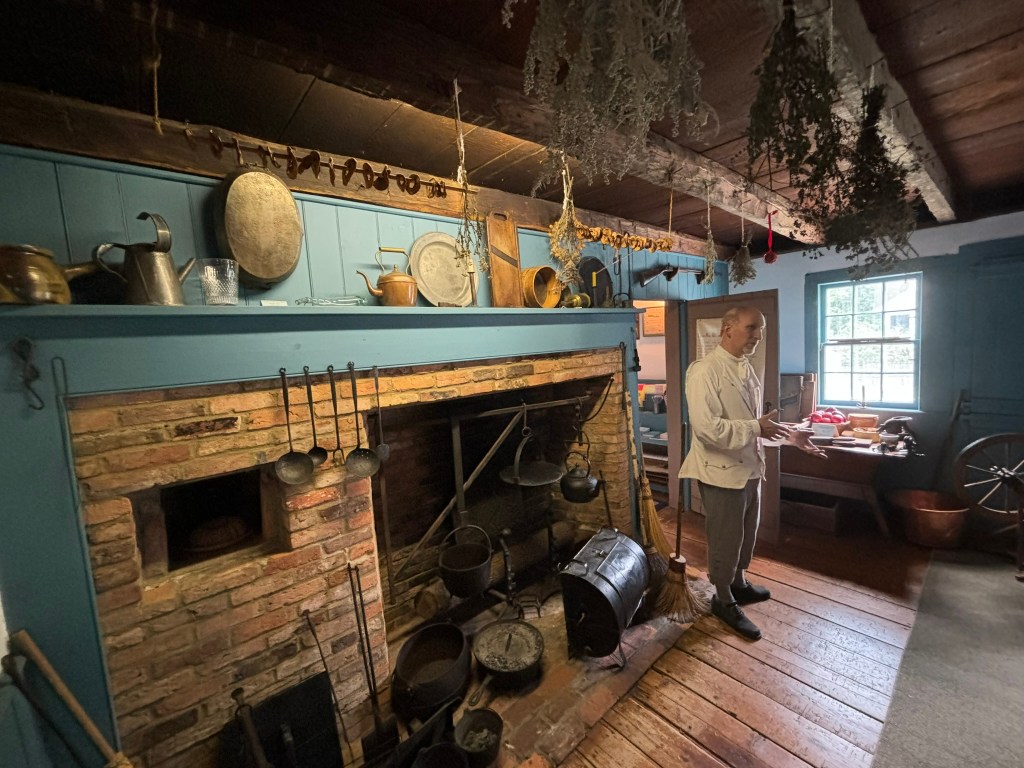
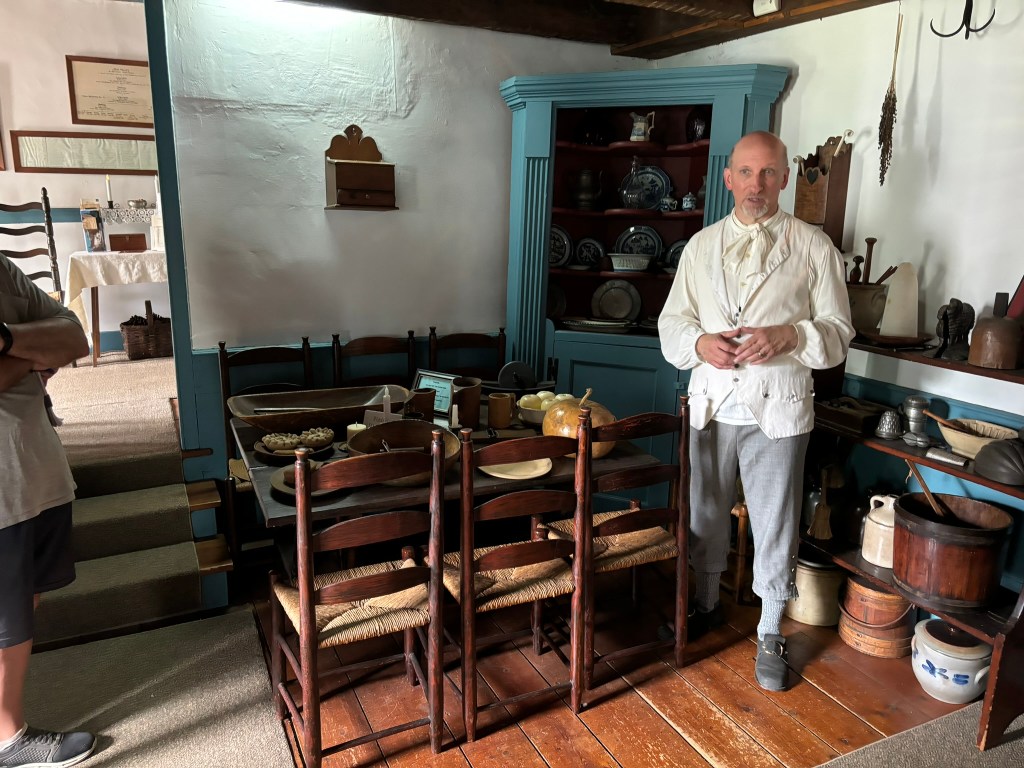
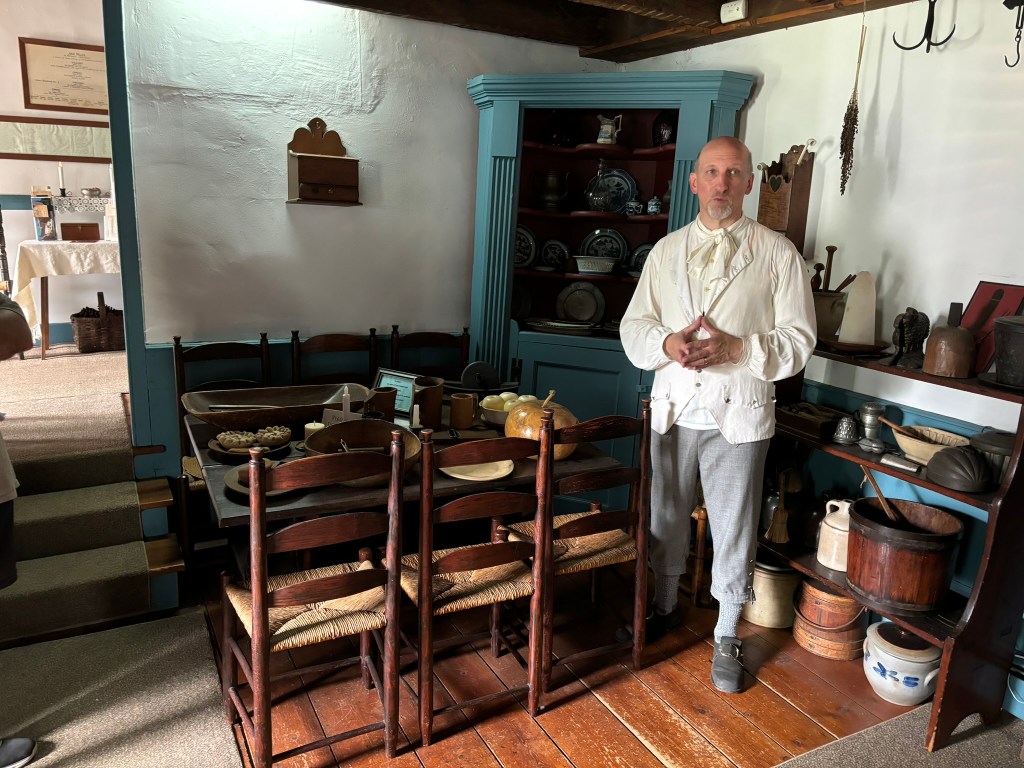
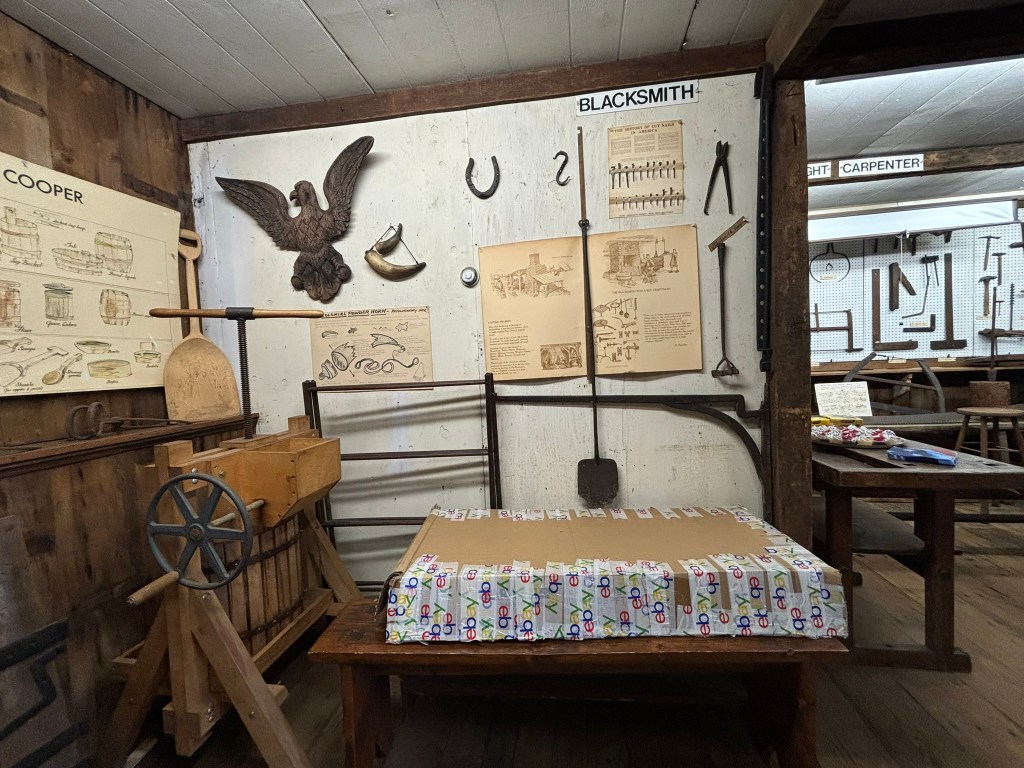
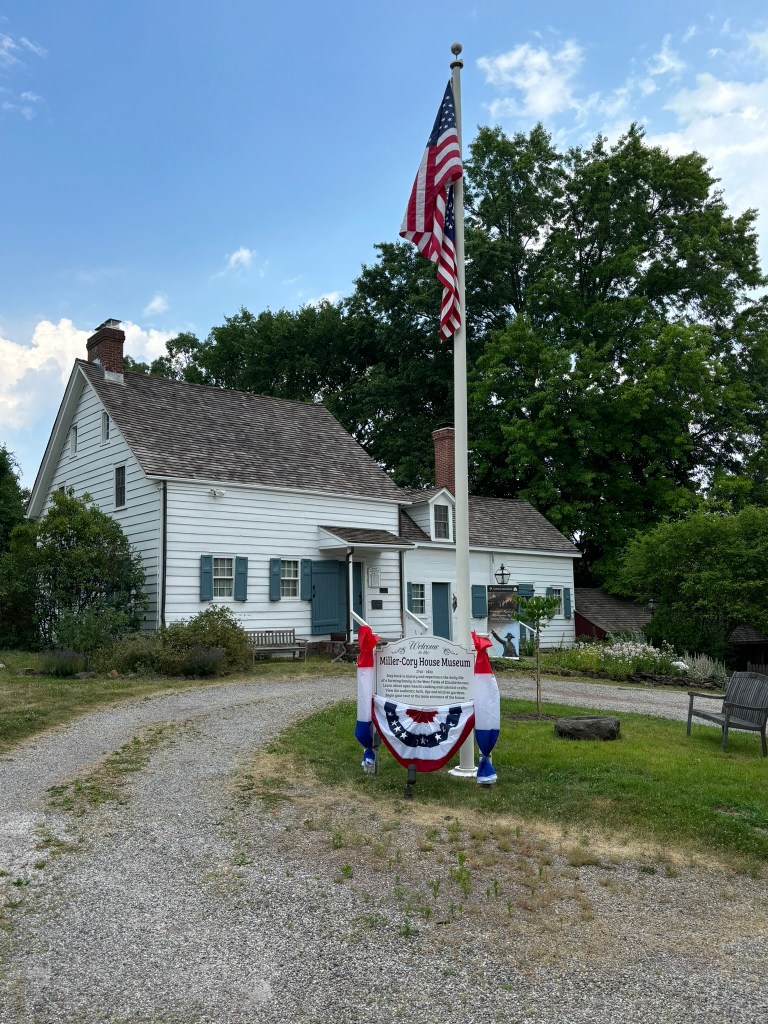
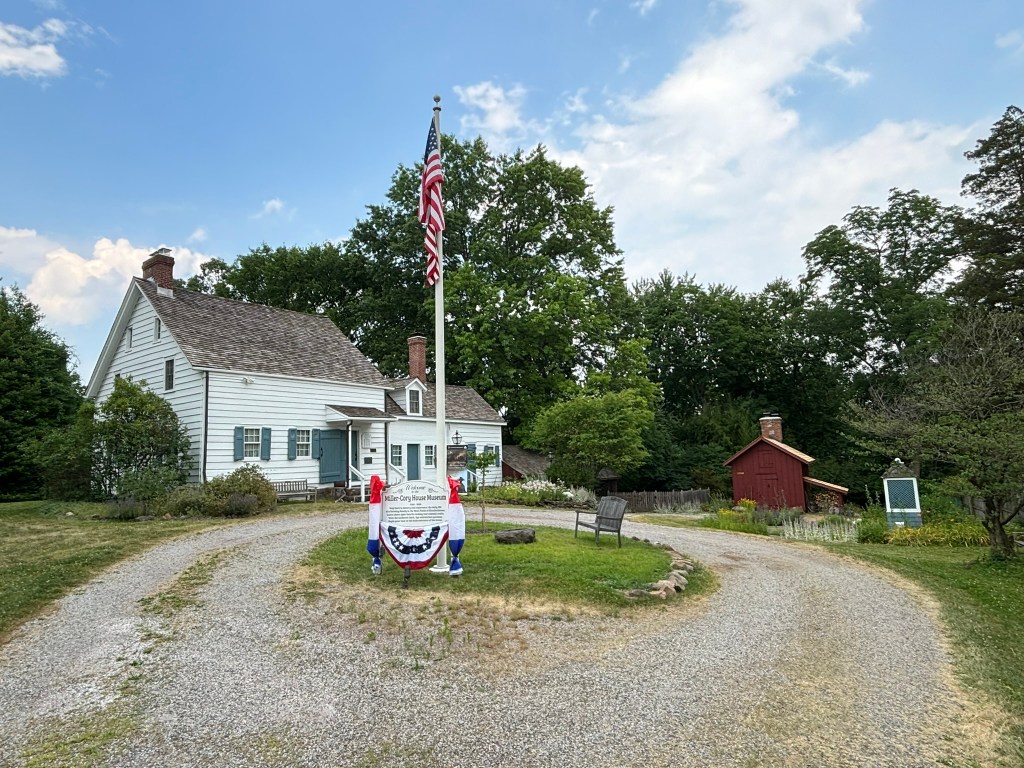
On June 22nd, the Washington-Rochambeau Revolutionary Route National Historic Site-NJ and the Miller-Cory House Museum presented the history of the Washington-Rochambeau Revolutionary Route National Historic Trail and a tour of the Miller-Cory House in Westfield, NJ. The Miller-Cory house was a witness to the allied army march from Rhode Island to Yorktown, VA in 1781 prior to the climactic battle of the American Revolution at Yorktown in October. Joining the tour of the Miller-Cory House was the New Jersey Society of the Children of the American Revolution State Board, and it was an honor to meet them at the tour, as well as sit in on their meeting at the house.
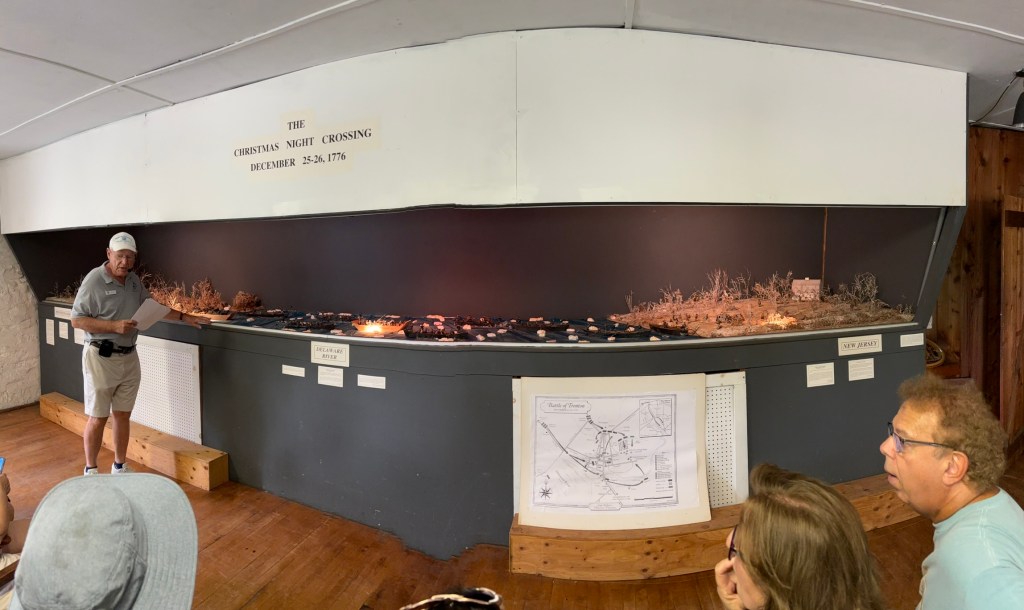
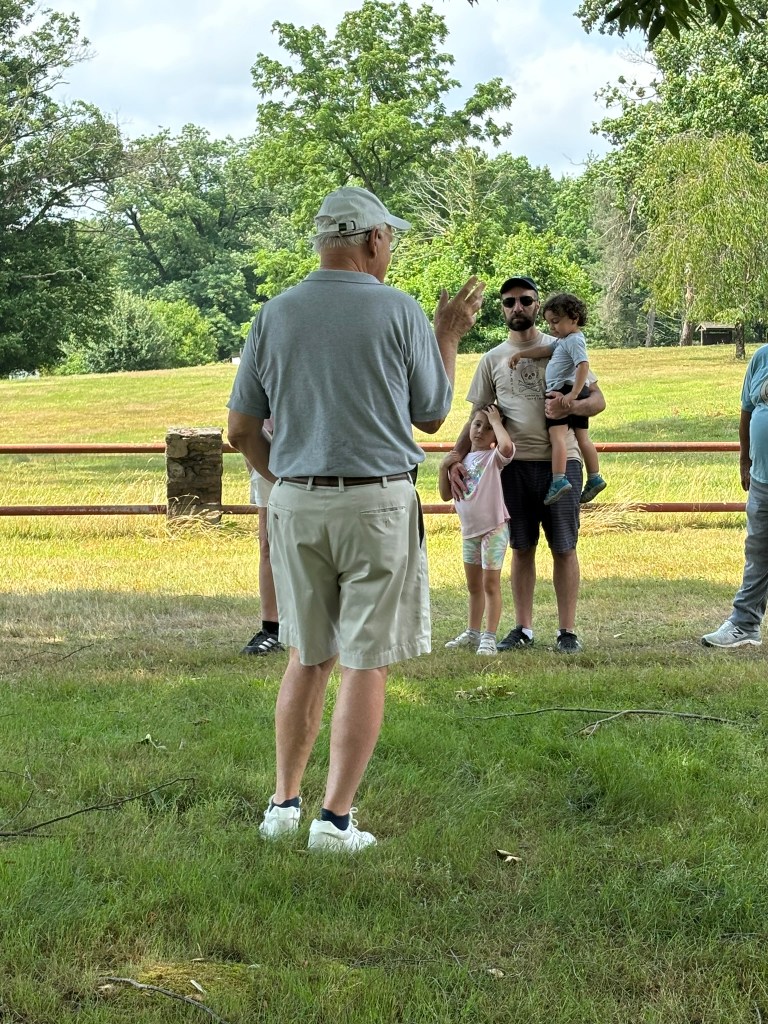
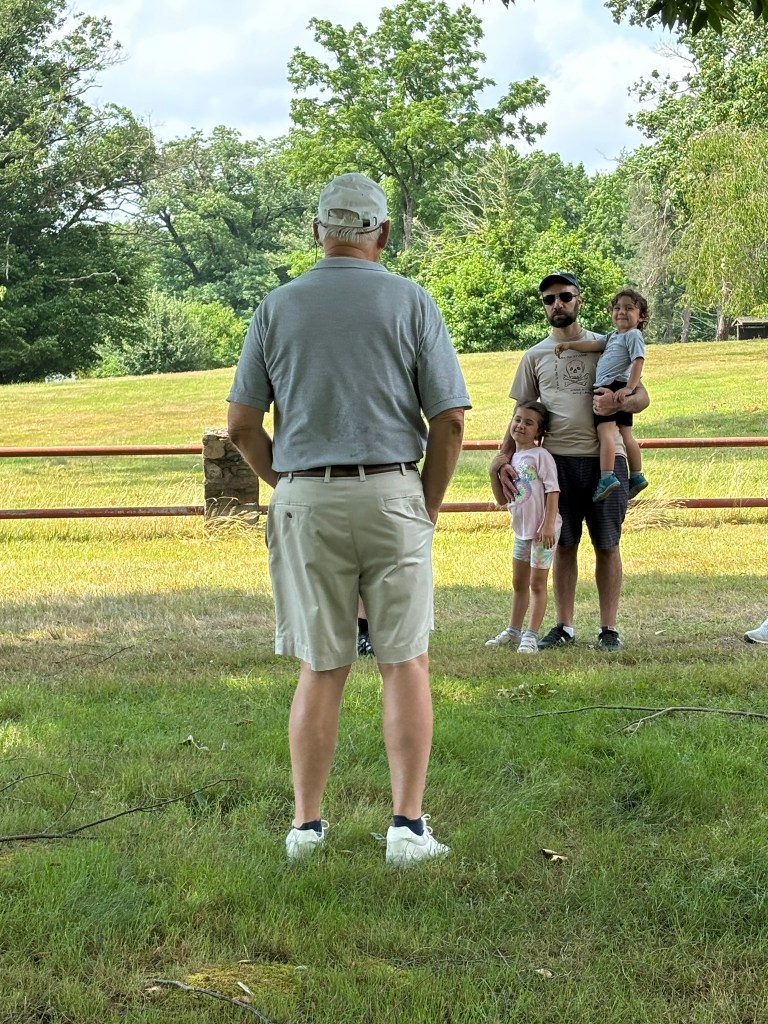
Our tour guide was Robert Wendel, who is a fascinating local historian who is quite knowledgeable about the Miller-Cory House, the history of Westfield, the colonial era, and the American Revolution. He has served as Curator and Vice President of the Westfield Historical Society, former Town Historian, and member of the Westfield Historic Preservation Commission.
Through Robert, I learned much about the Miller-Cory house, as well as the general area’s role before, during, and after the American Revolution. In 1740, Samuel Miller built the farmhouse and lived there with his wife and children. The property once sat on 110 acres of land. What is now Mountain Ave. in Westfield, which passes by the front of the house, was a Lenni Lenape trail and route along the Washington-Rochambeau Revolutionary Route. The House was sold to Joseph Cory in 1784 and remained in the Cory family until the 1900s. In 1972, the Westfield Historical society raised funds in order to purchase and preserve the house. Through preservation, the house was returned to its earliest, colonial form and was furnished with colonial era artifacts. It currently serves as a living history museum.
Robert is an expert on the history of the house and was quite knowledgeable of colonial life in the region. The area was once called the West Fields of Elizabeth Town. The land in this region of New Jersey was to be settled and developed by British settlers in the name of King Charles II. Robert took us on a tour of each room in the household, and described for us what life would have been like for those living there in the colonial period. Touring the house was a reminder of the rich colonial history in New Jersey.
As mentioned above, I was then able to meet leaders of the New Jersey Society of the Children of the American Revolution who were kind enough to let me sit in on one of their meetings. I was able to have fascinating conversations with them about their organization and events that they have coming up. Please check out their website here for ways to support and get involved in the organization—> https://sites.google.com/view/njcar/?pli=1
Check out the Washington-Rochambeau Revolutionary Route site for events and ways to get involved. Here is the national site—> https://w3r-us.org/
If you live in the area, I encourage you to visit the Miller-Cory house and check out events that they have throughout the year—-> https://millercoryhouse.com/
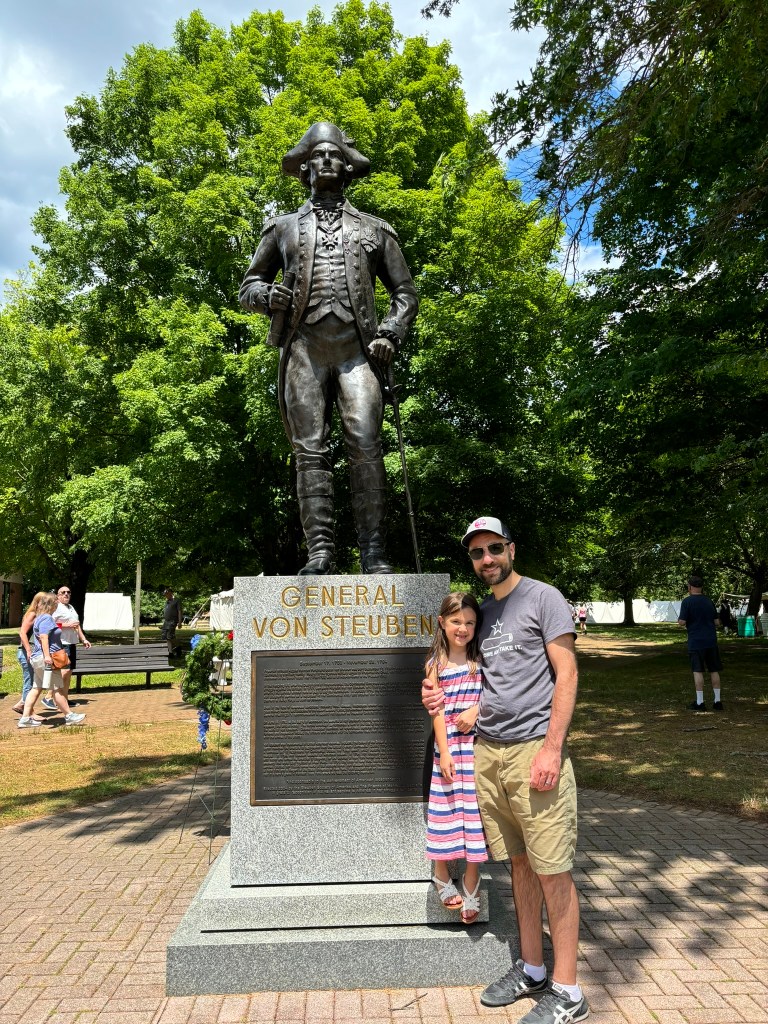
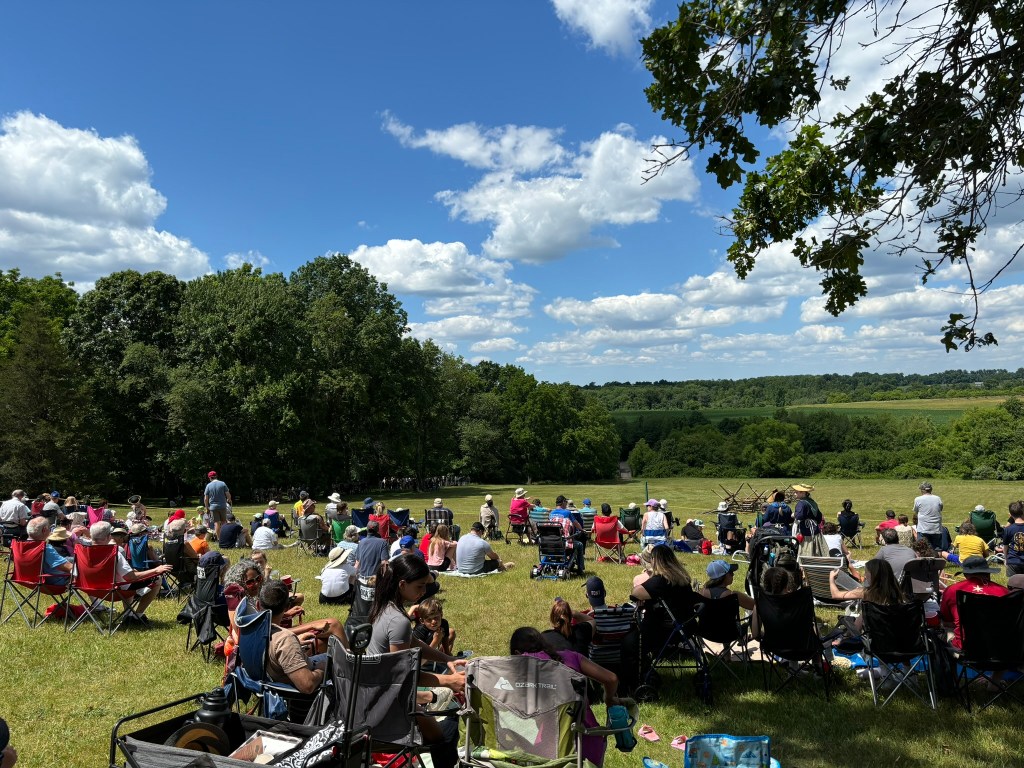
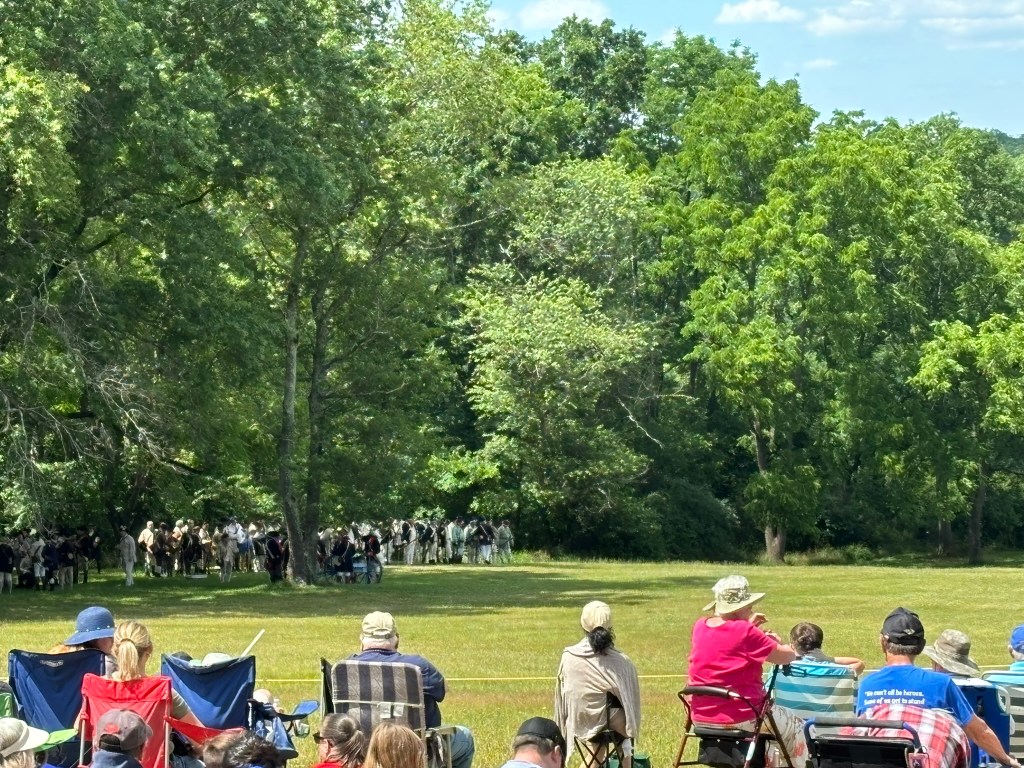
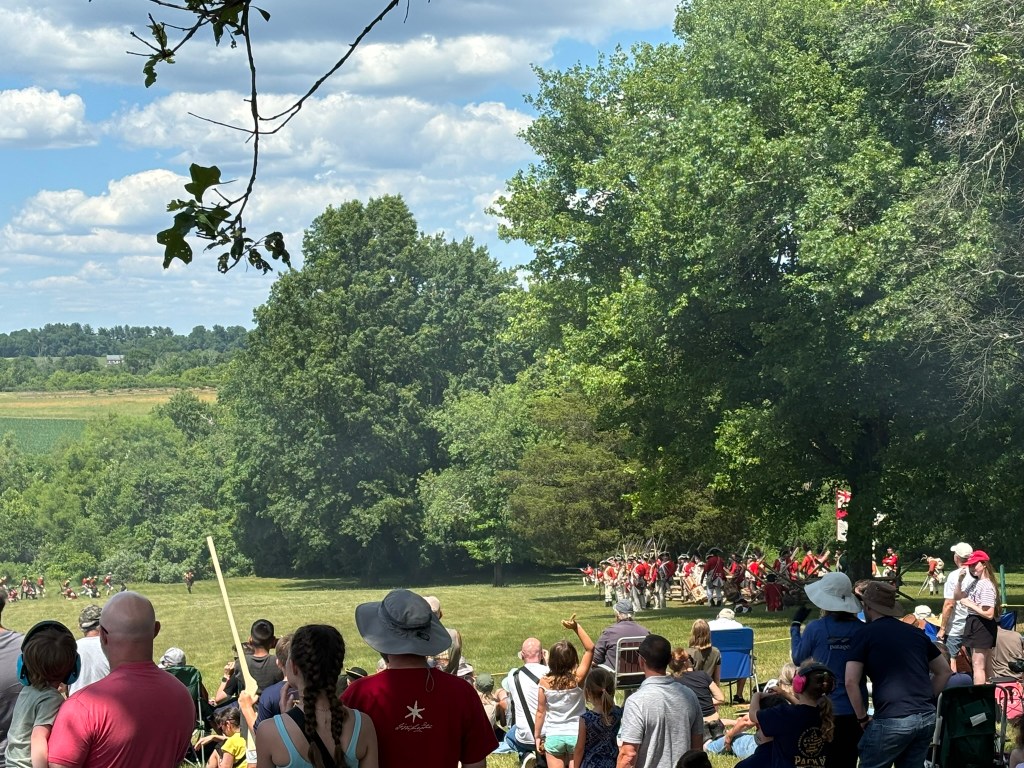
My family and I made it to the Annual Reenactment of the Battle of Monmouth on Saturday, June 15th. The event takes place every year in June on a Saturday and Sunday to commemorate the June 28th, 1778 battle. It was a great Father’s Day Weekend experience. We were quite impressed with the event as this was our second time visiting the battlefield, but the first time attending this event. Of the American Revolution events that I have been to, this event drew the largest crowd and attracted the most reenactors.
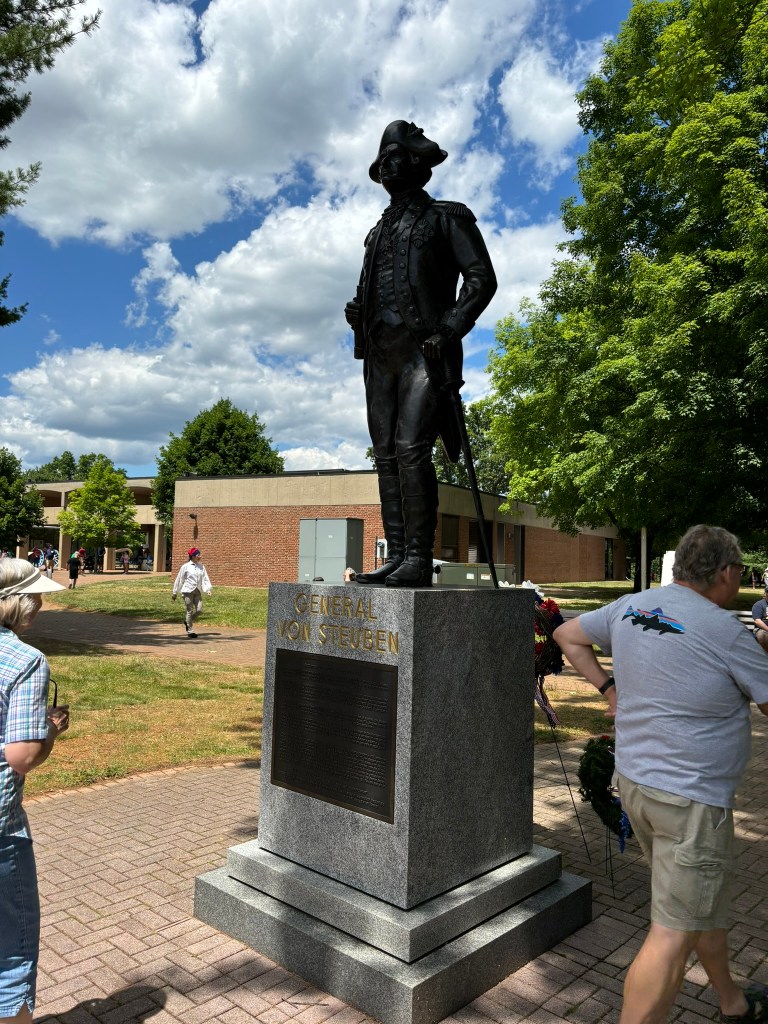
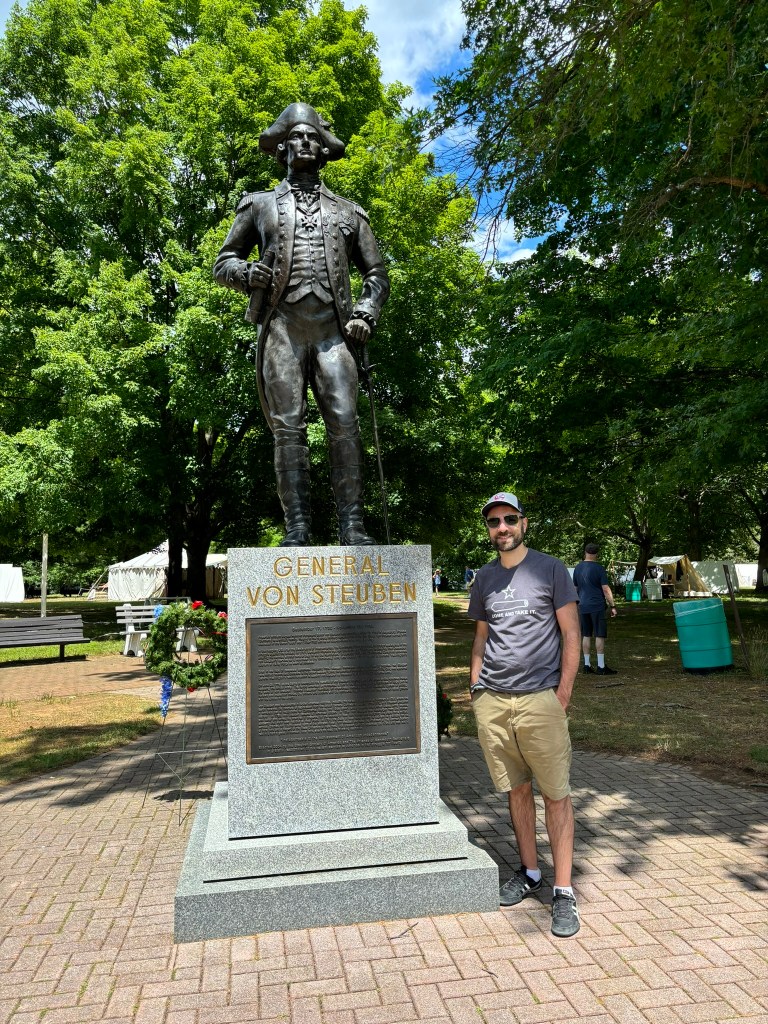
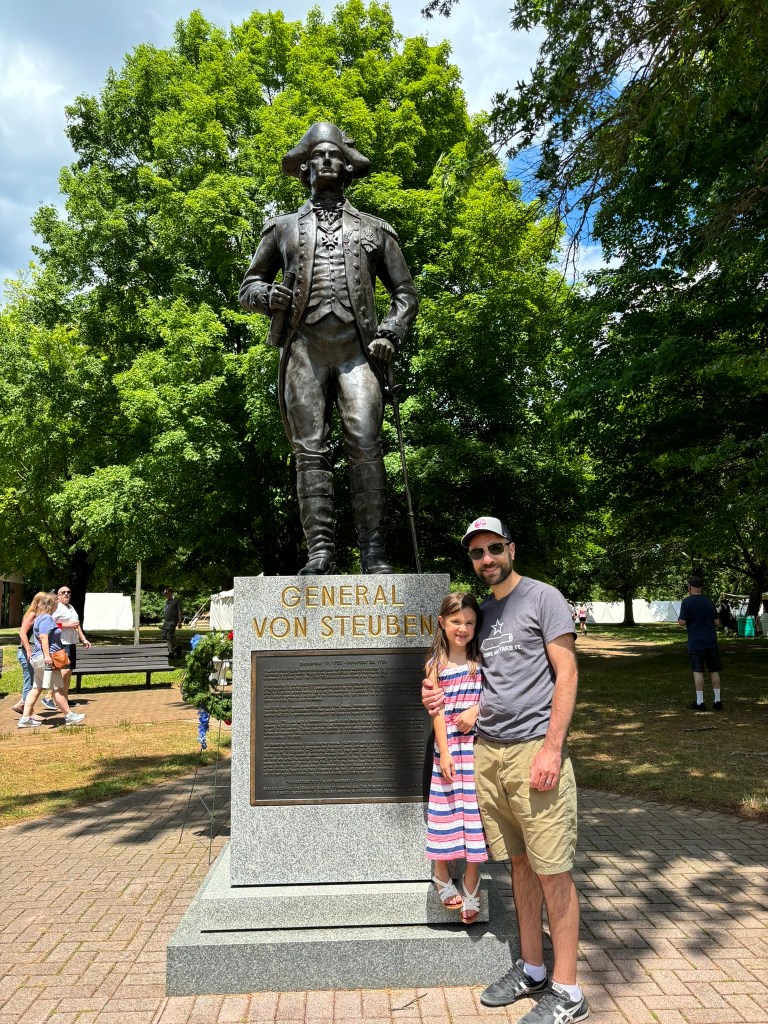
While the Battle of Monmouth did not have much strategic benefit for the Continentals, it was a large battle in terms of manpower, and showed that the Patriot army could go toe to toe with the British. The battle was the largest artillery duel of the war and the Continental Army, led by George Washington, had an opportunity to show their fighting tenacity after a long winter at Valley Forge. At winter camp, the constant drilling from Friedrich Von Steuben, the Prussian drill master, made real soldiers of the Continentals. The benefits of the rigorous drilling were shown on the Monmouth battlefield. The battle is known for temperatures reaching 100 degrees. The night following the battle, the British continued their retreat from Philadelphia to New York (as they had planned), and Washington used this retreat to claim victory for the Patriots. The Battle of Monmouth is also known for the heroics of Molly Pitcher who is commemorated at the park.
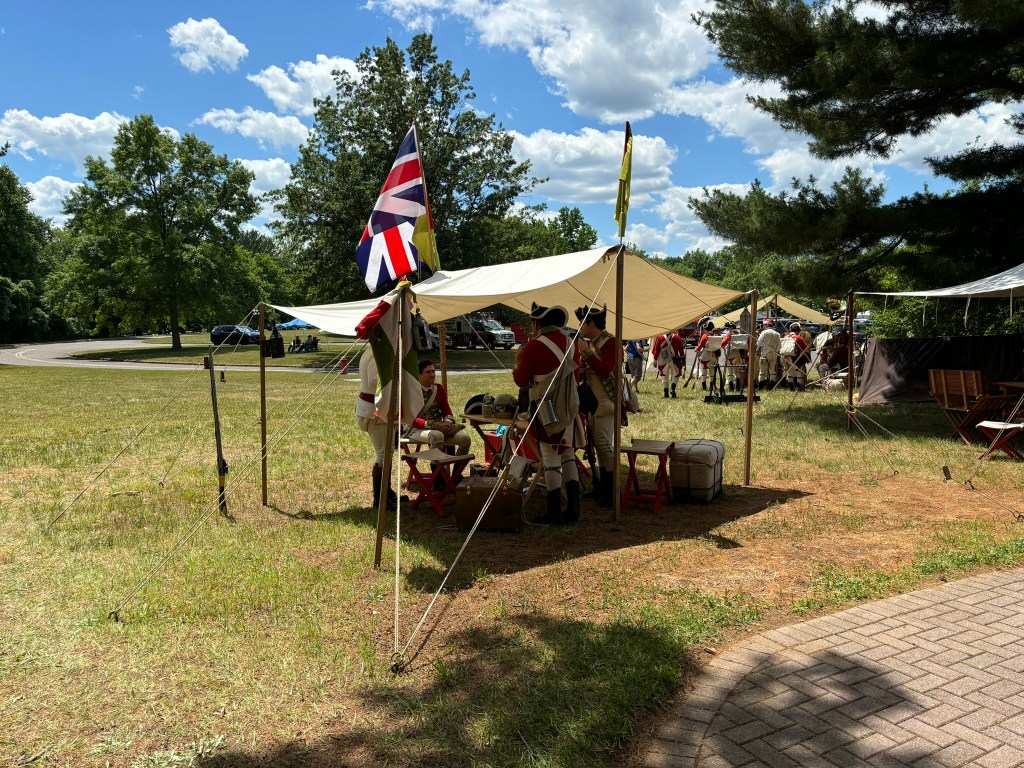
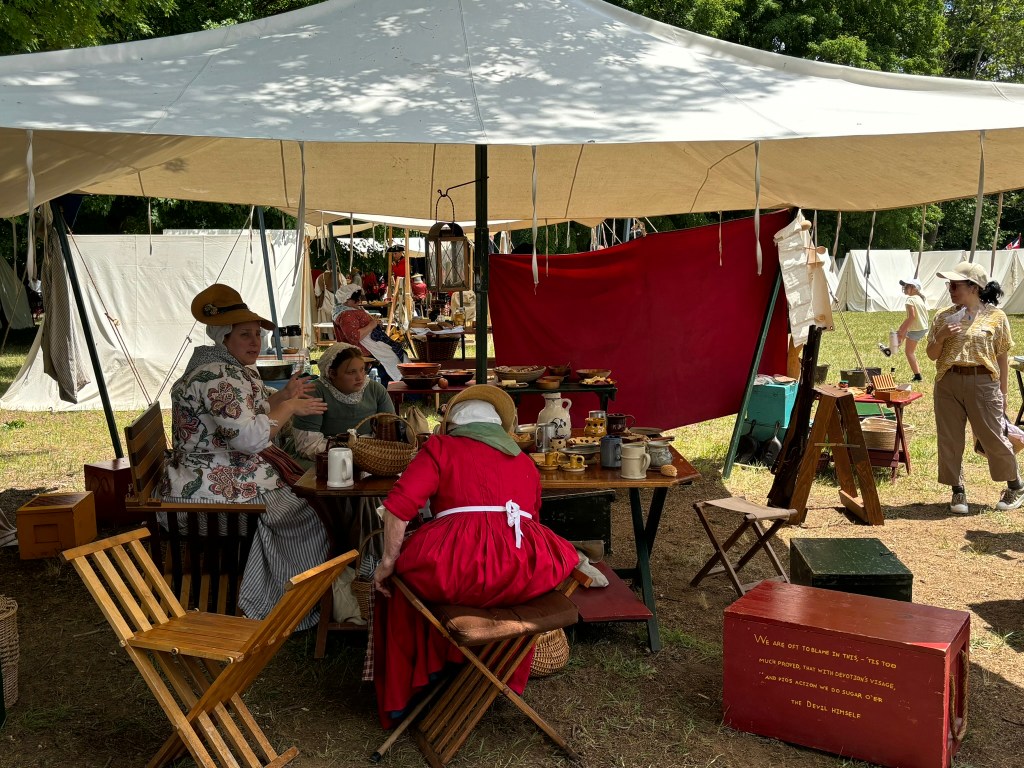
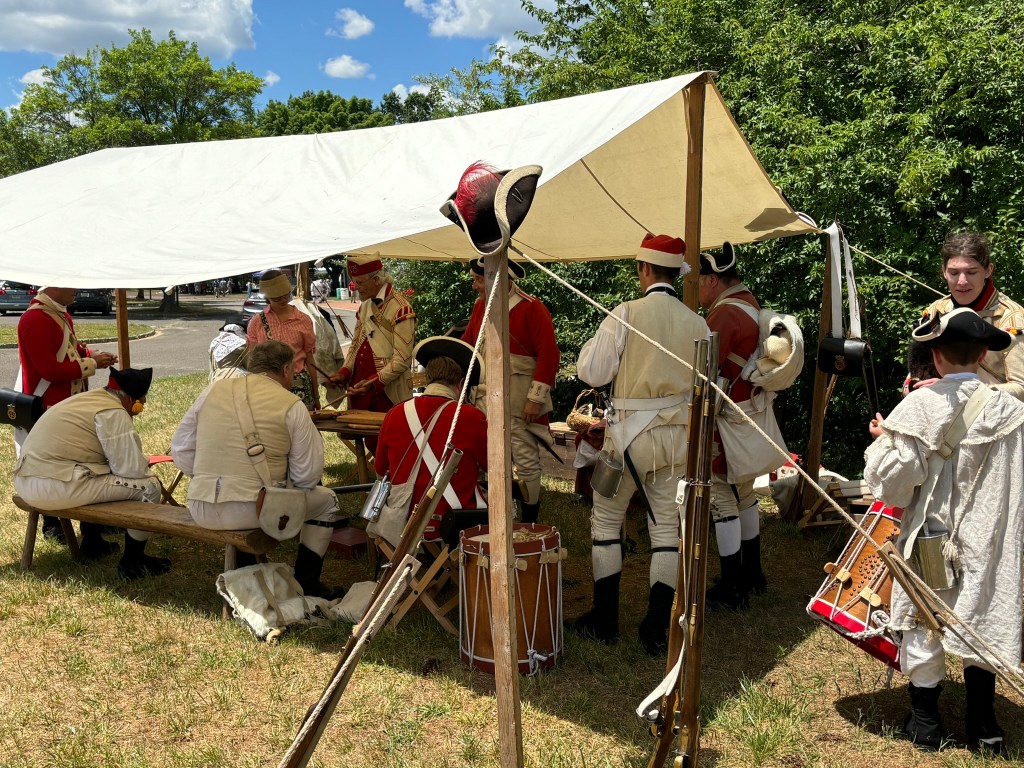
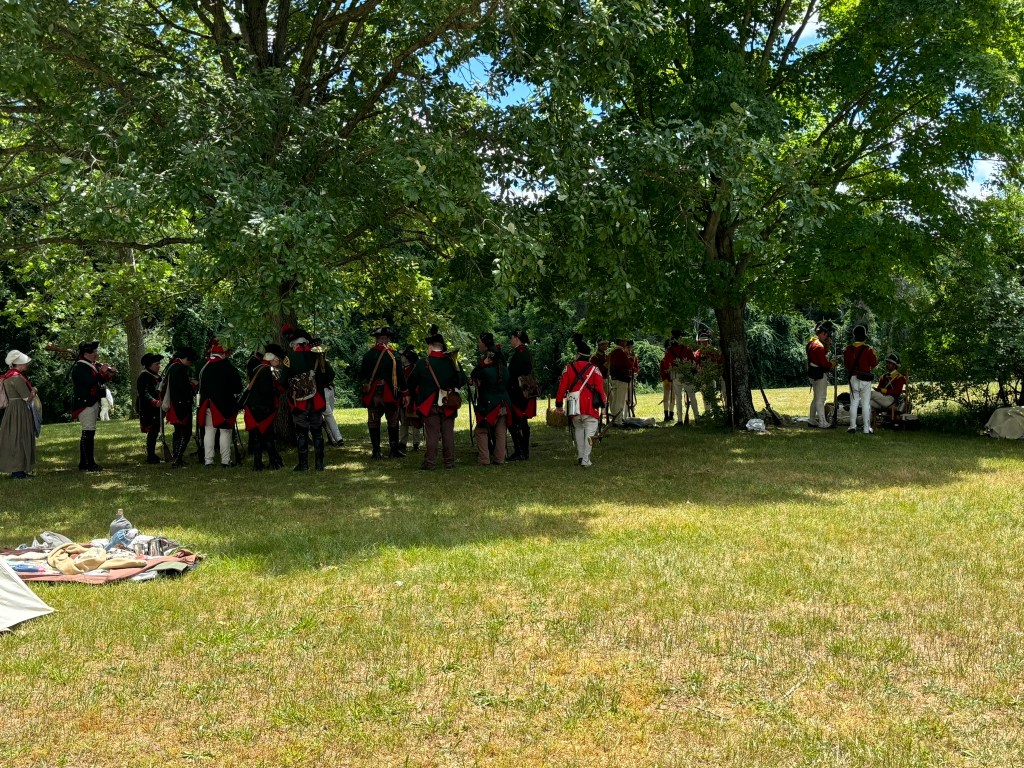
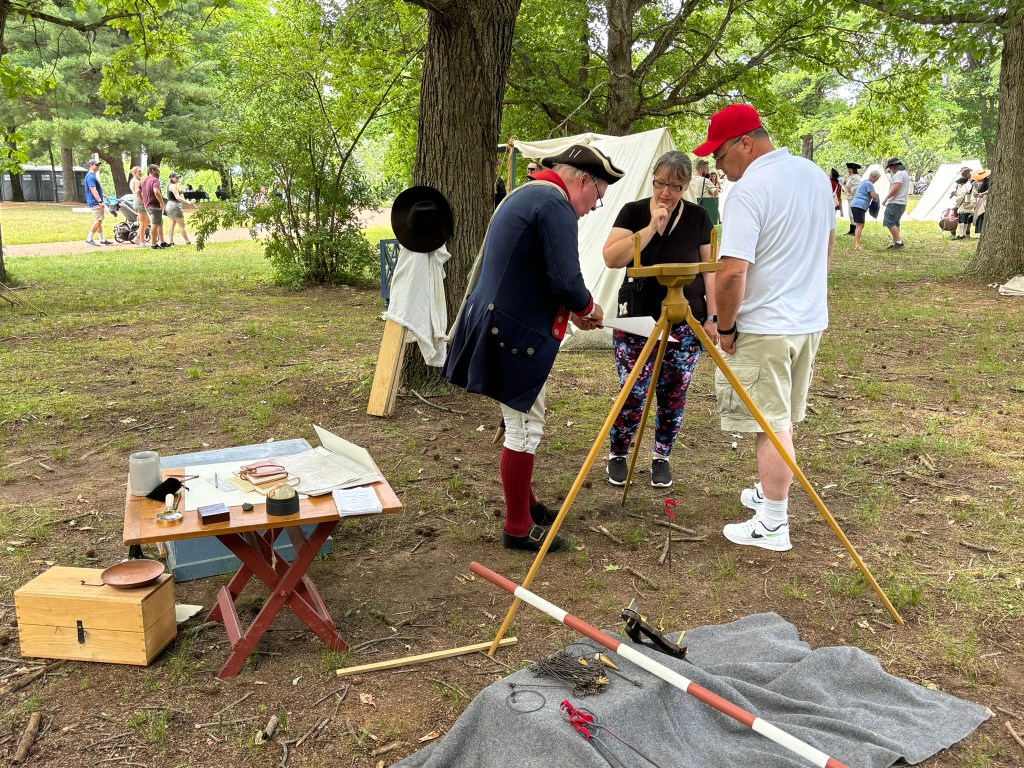
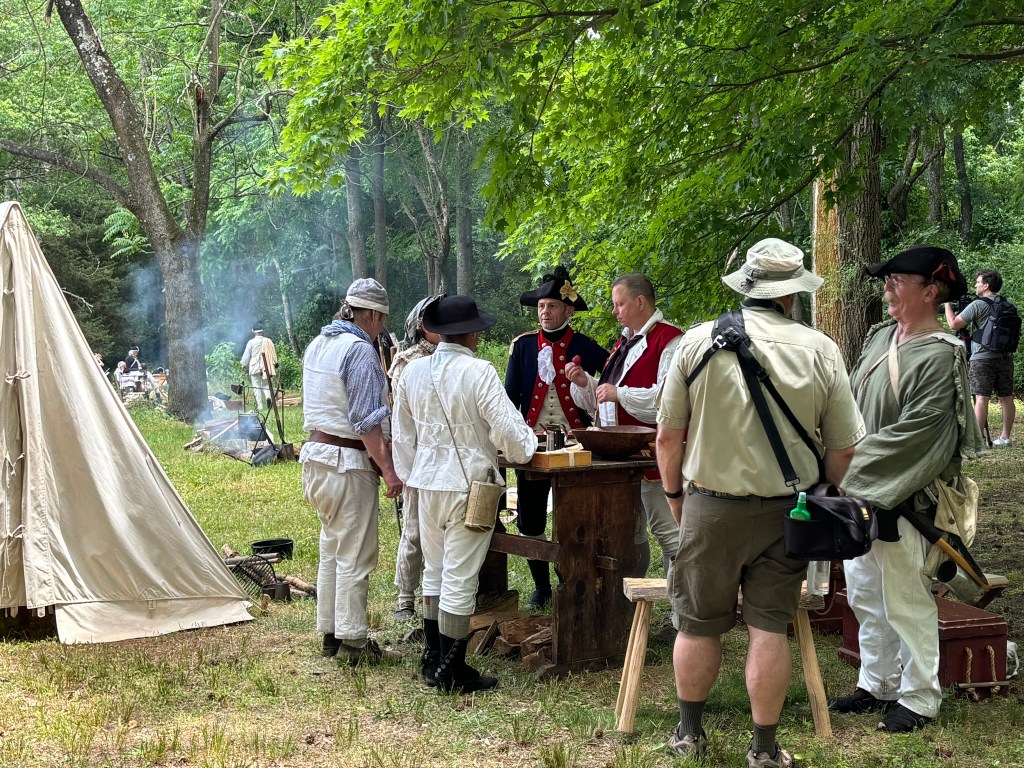
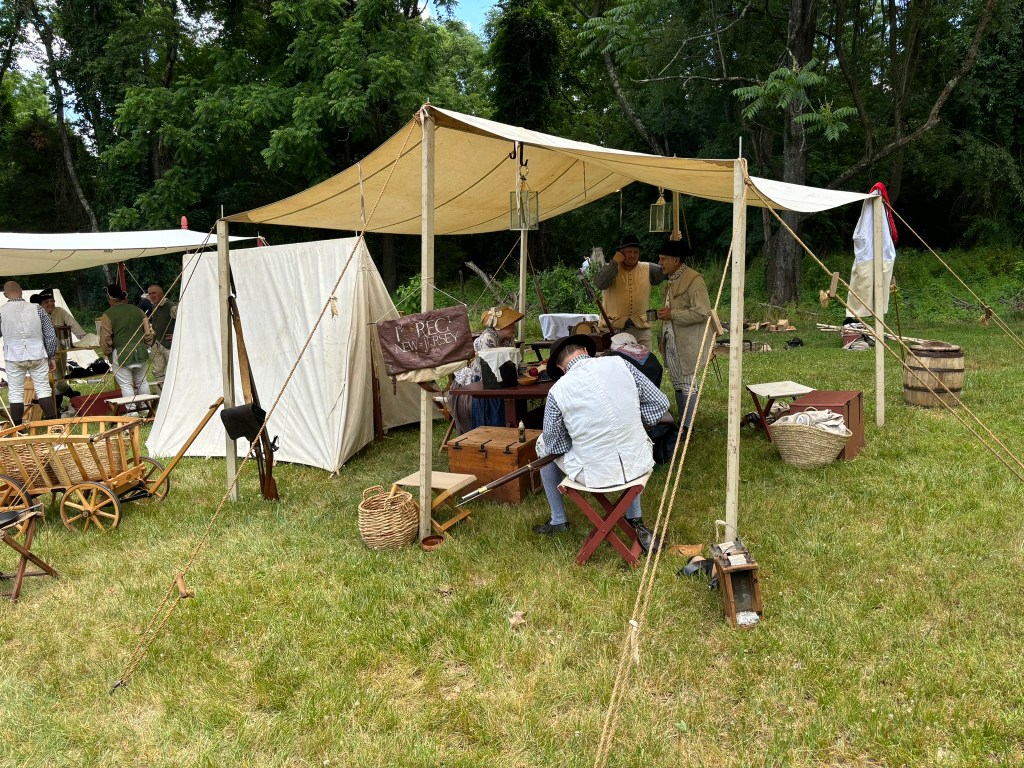
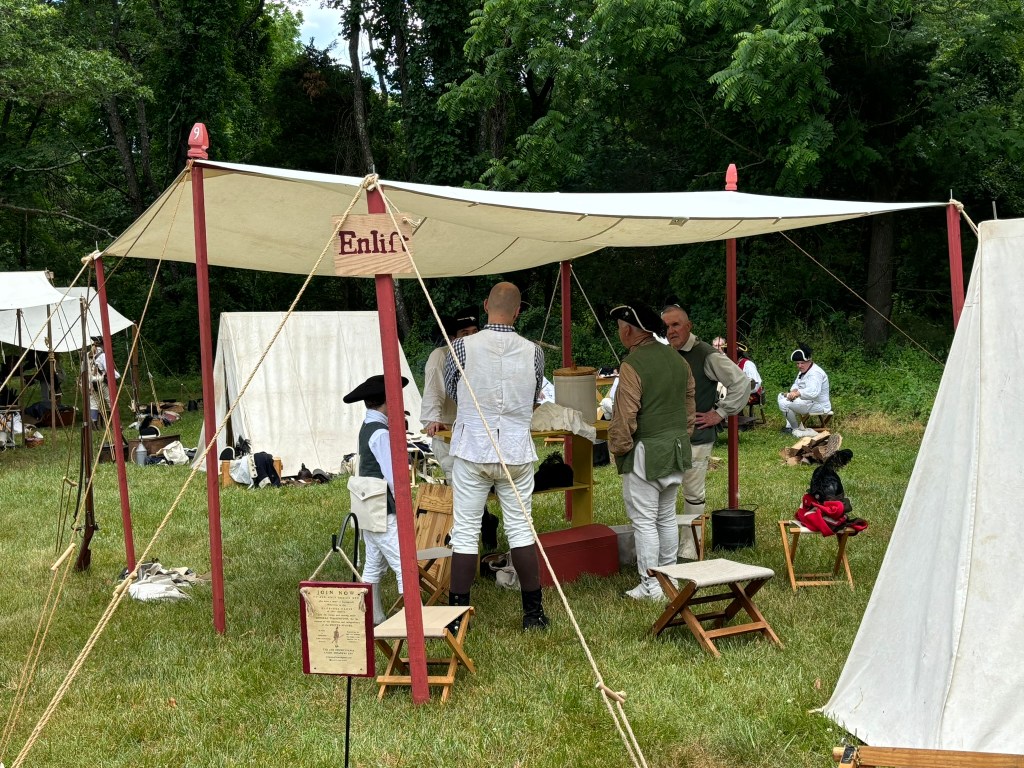
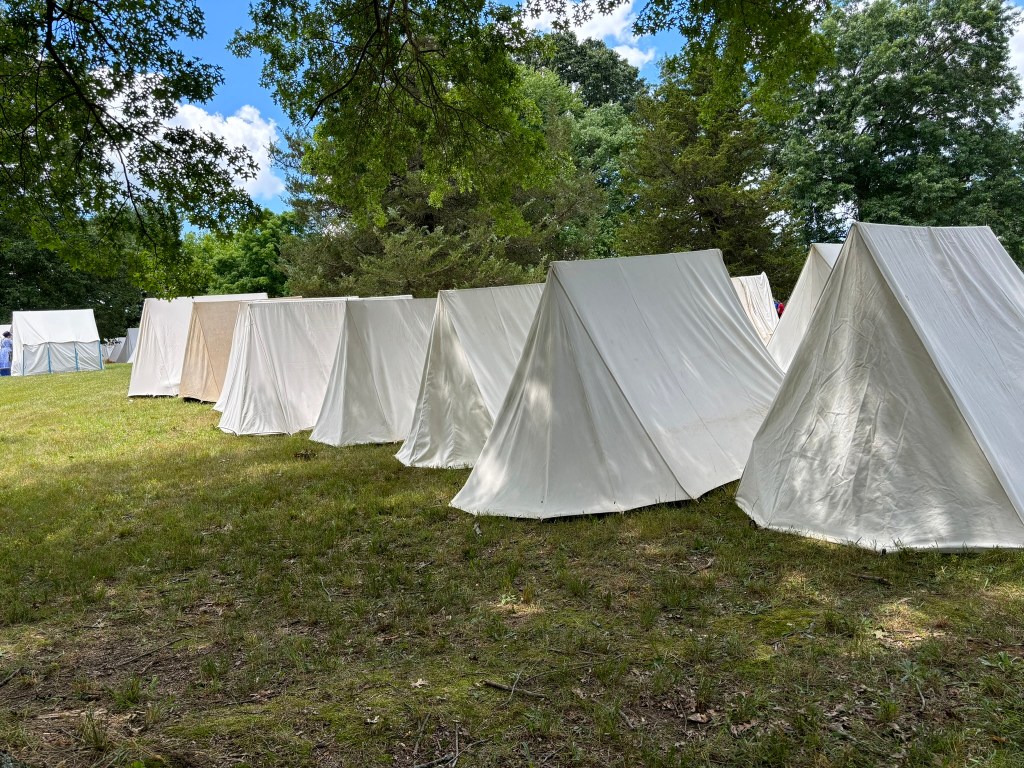
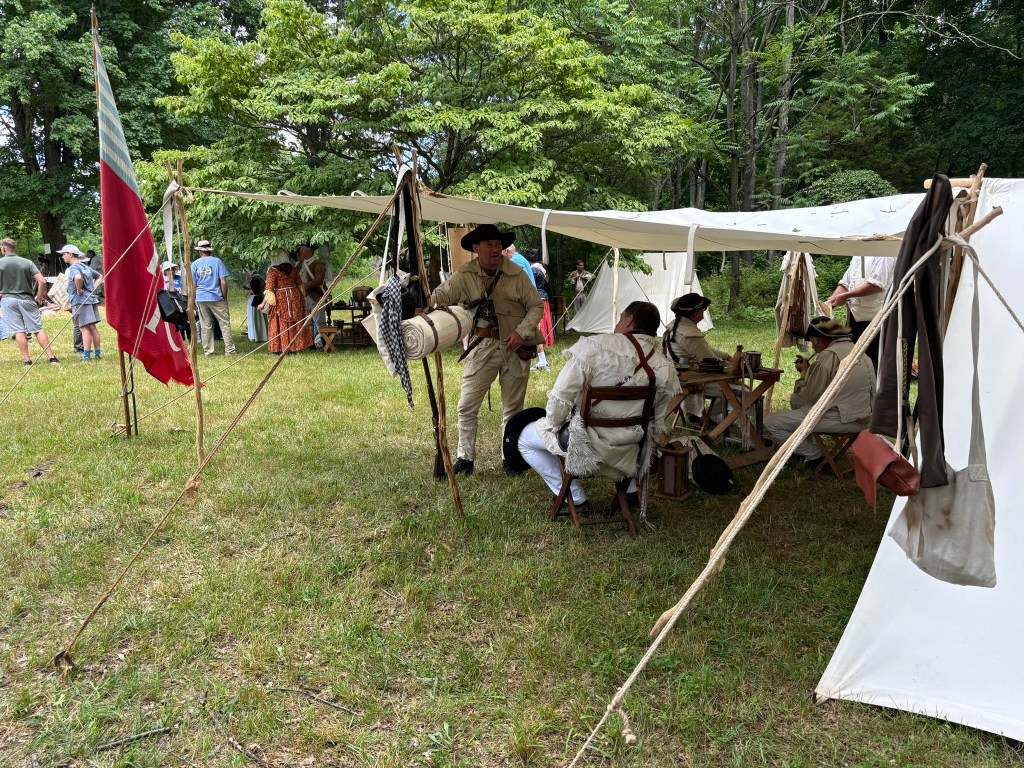
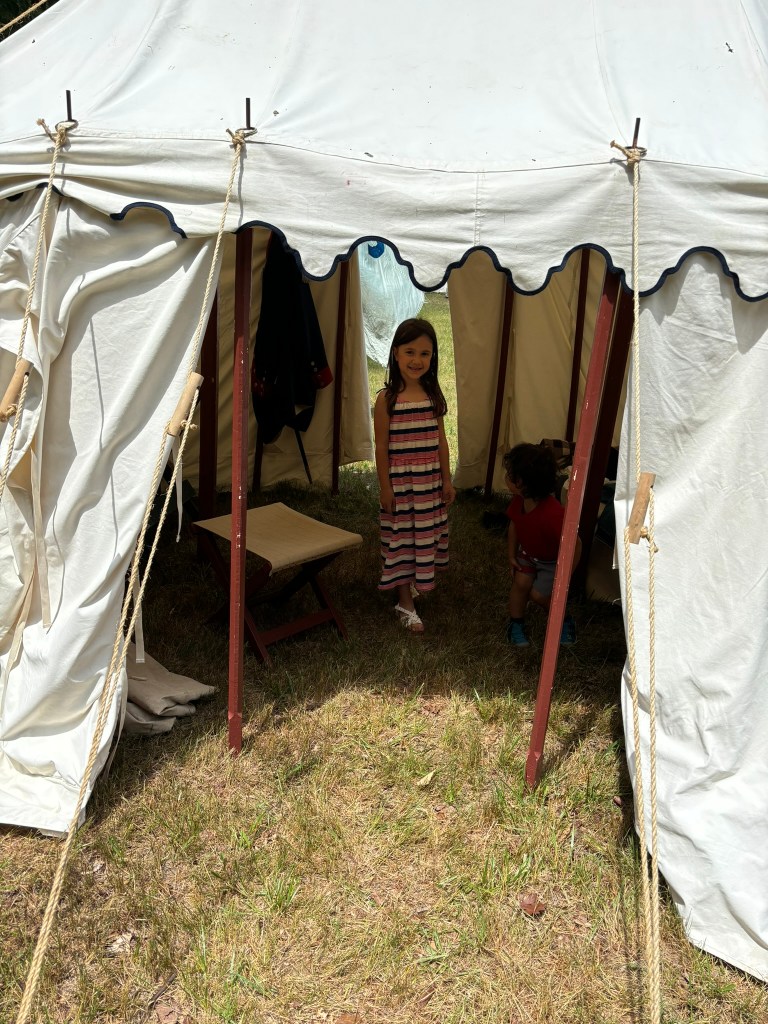
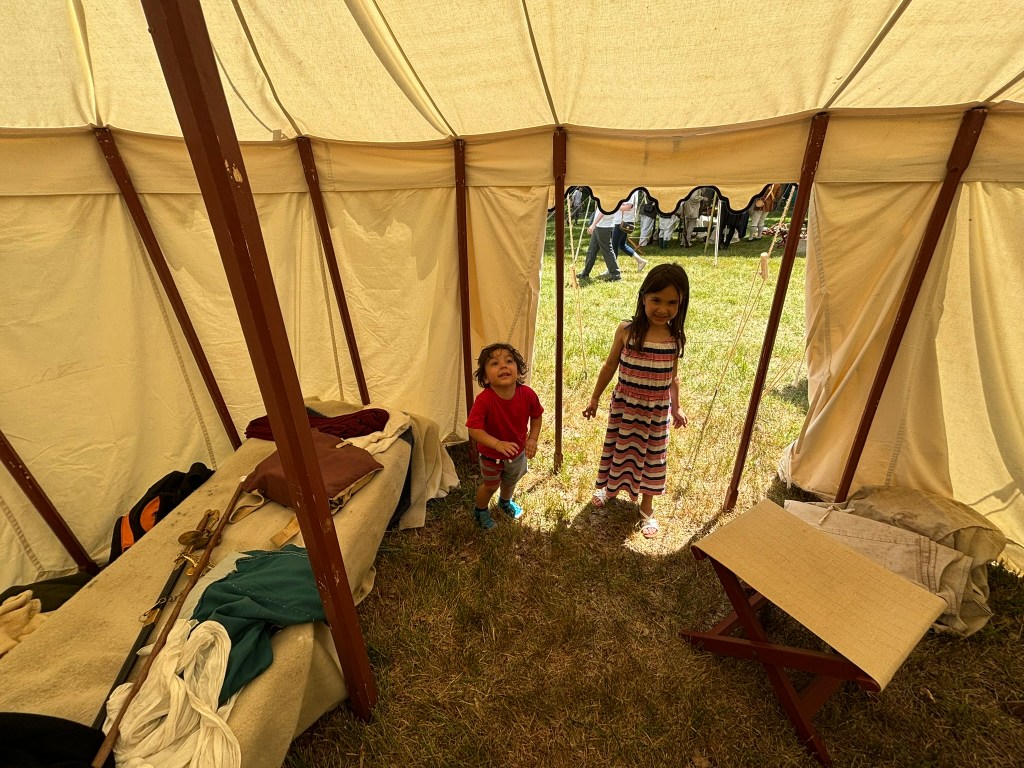
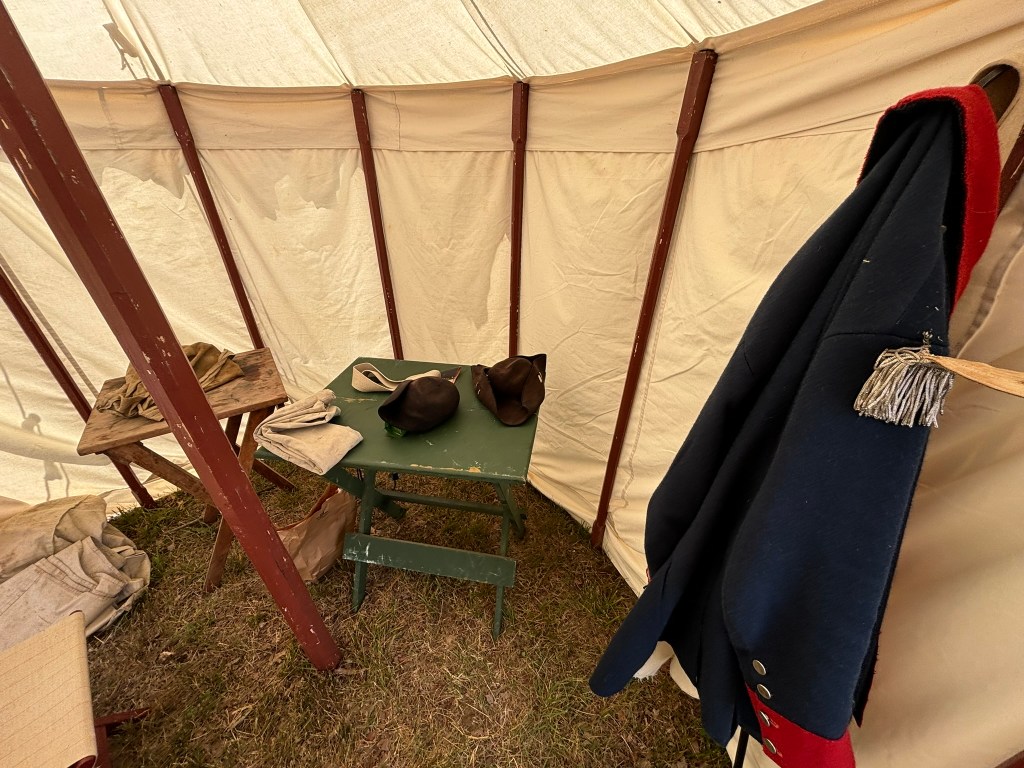
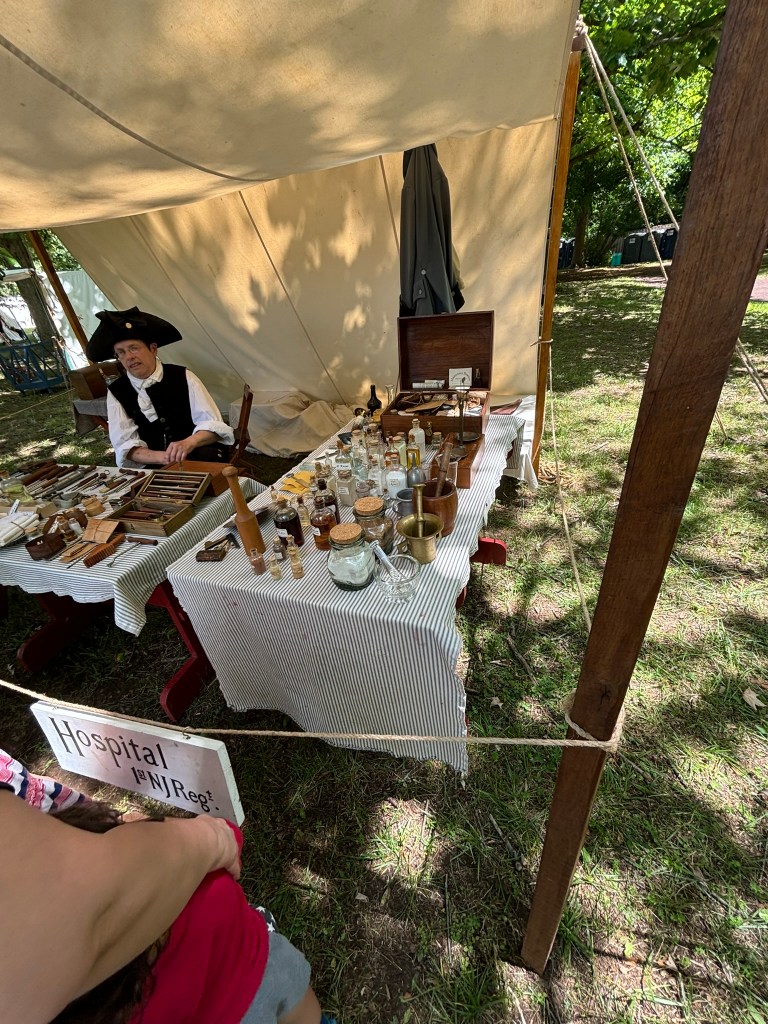
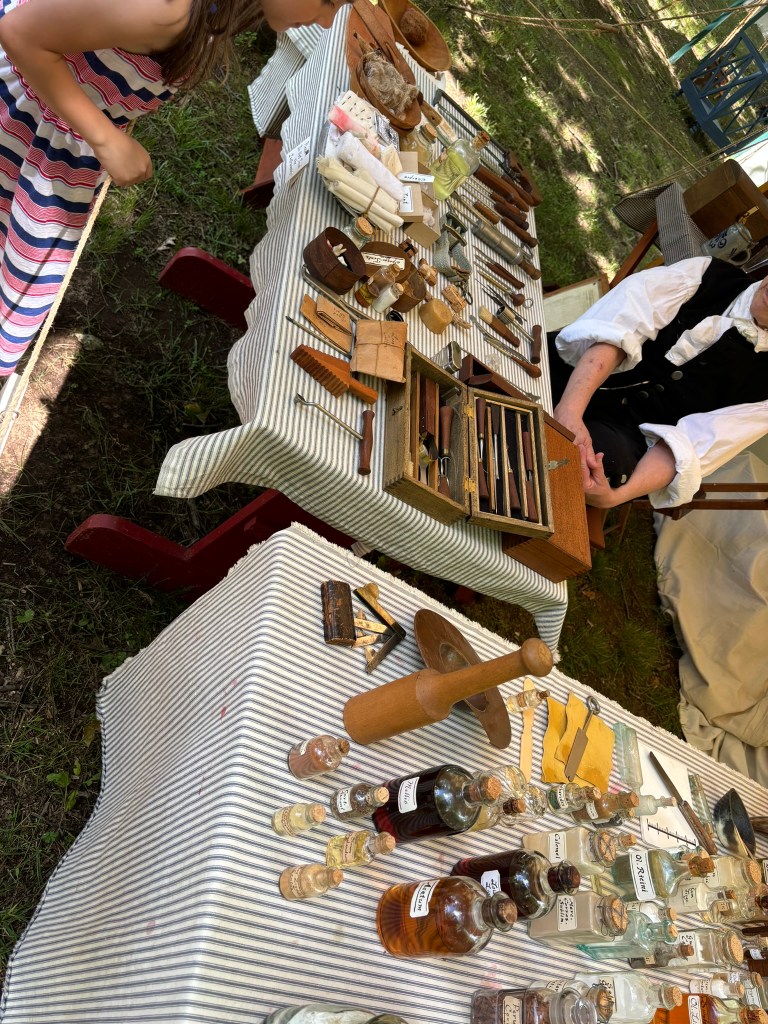
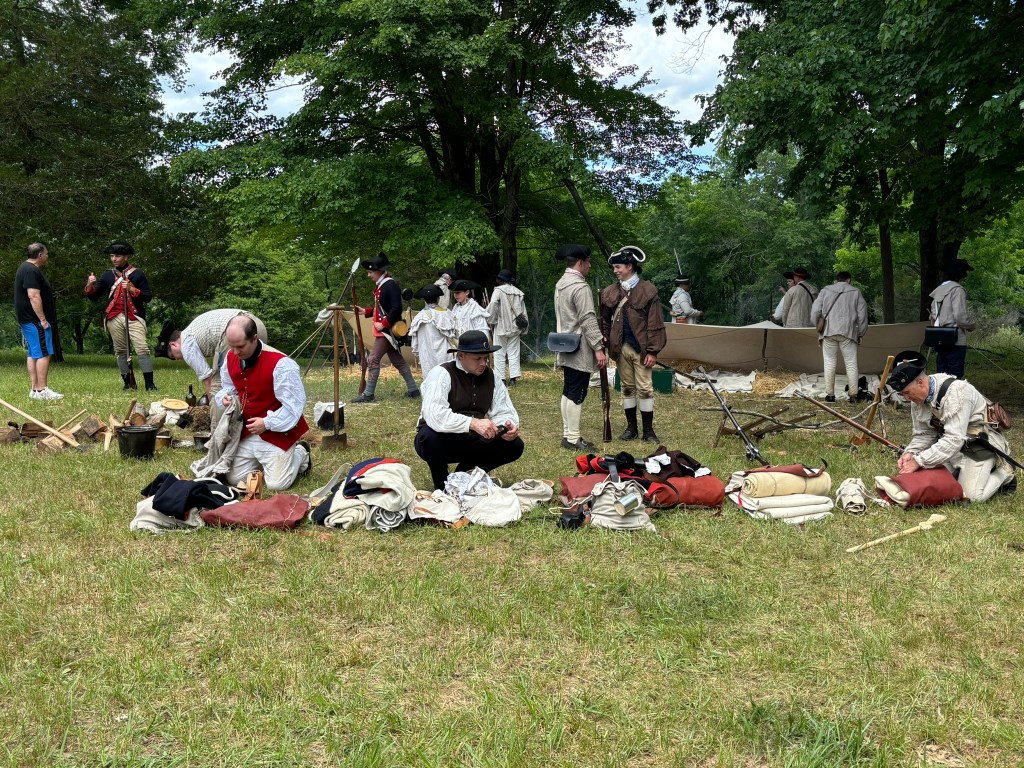
When we arrived at the Monmouth Battlefield, we first noticed the many tents and vendors there from all around the area selling shirts, flags, crafts, antiques, and revolution memorabilia. It is also worth noting that there are food trucks there, which we were unaware of (we grabbed lunch on the way there). We made our way to the many camps and presentations from the reenactors. Men, women, and children were all in camp preparing for battle, cooking meals, doing chores, and passing the time. The reenactors were engaging and knowledgeable of 18th century life. Other demonstrators included camp doctors and surveyors. Fife and drums could be heard throughout the encampments. I was impressed with how extensive the camps were as we stumbled upon Patriot, Loyalist, British, and Hessian camps.
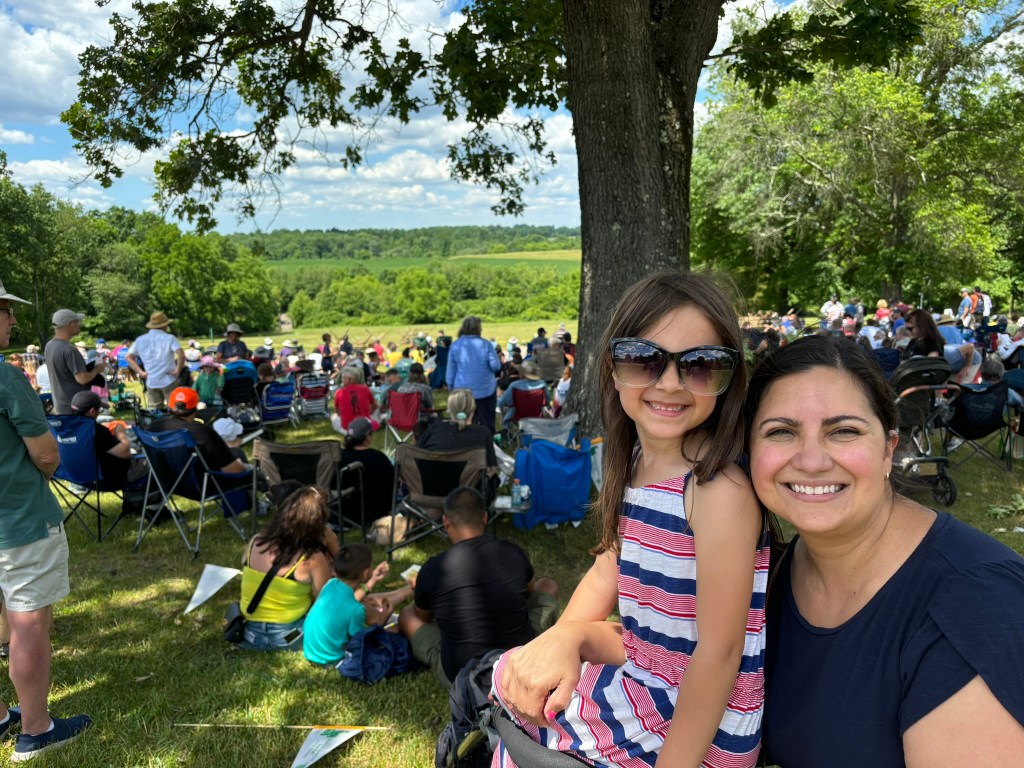
At 2:30pm, the reenactment of the Battle of Monmouth took place. It was quite entertaining and I have never seen anything like that before. It was fascinating to imagine what warfare was like in the late 18th century, and you felt like you were a spectator stepping back in time as the troops stood in a line and fired their muskets and cannons. The battle raged for about 30 minutes. After it was over, my family checked out encampments and made our way to the shops where we bought a couple t-shirts.
I really enjoyed my time at the encampment and plan to visit on a more regular basis, especially if it falls on Father’s Day again. The Monmouth battlefield also has an immersive museum that visitors need to see. You can check out the link here about the reenactment. I would highly recommend making it out to the event next year! The event was fun for all ages!
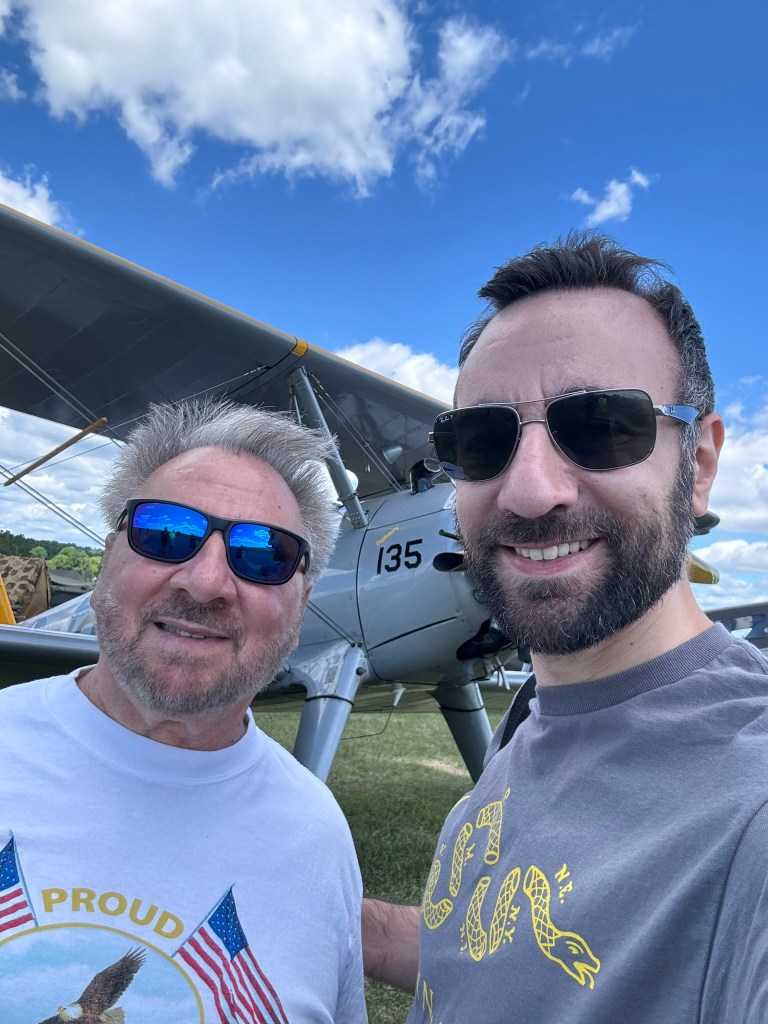
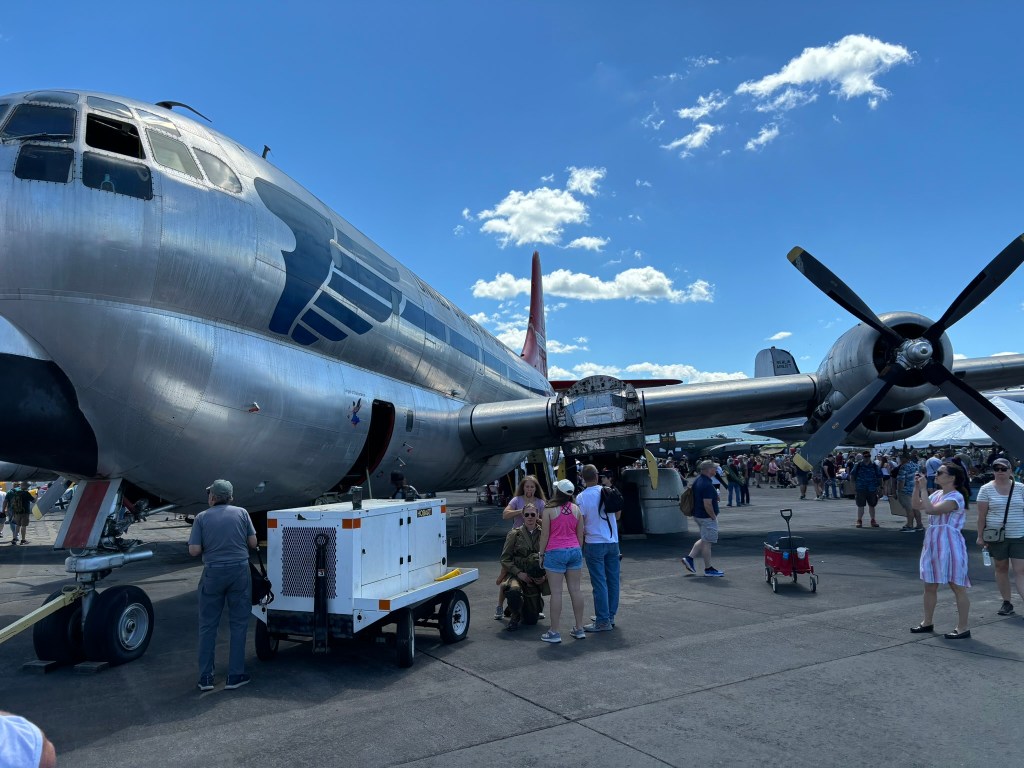
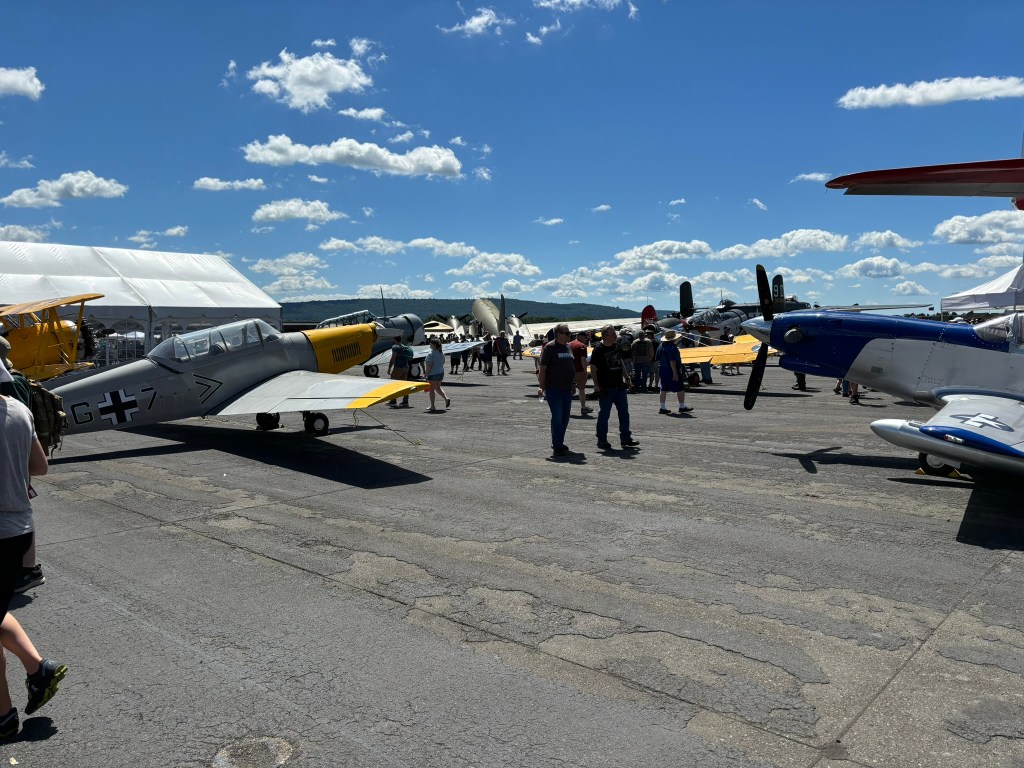
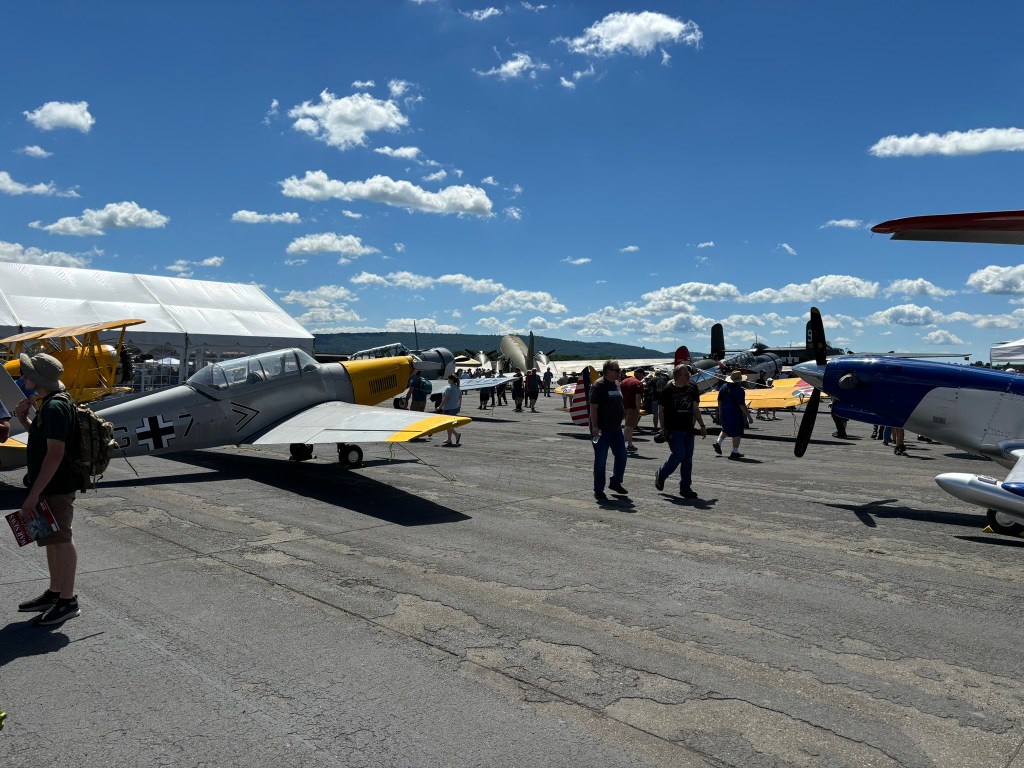
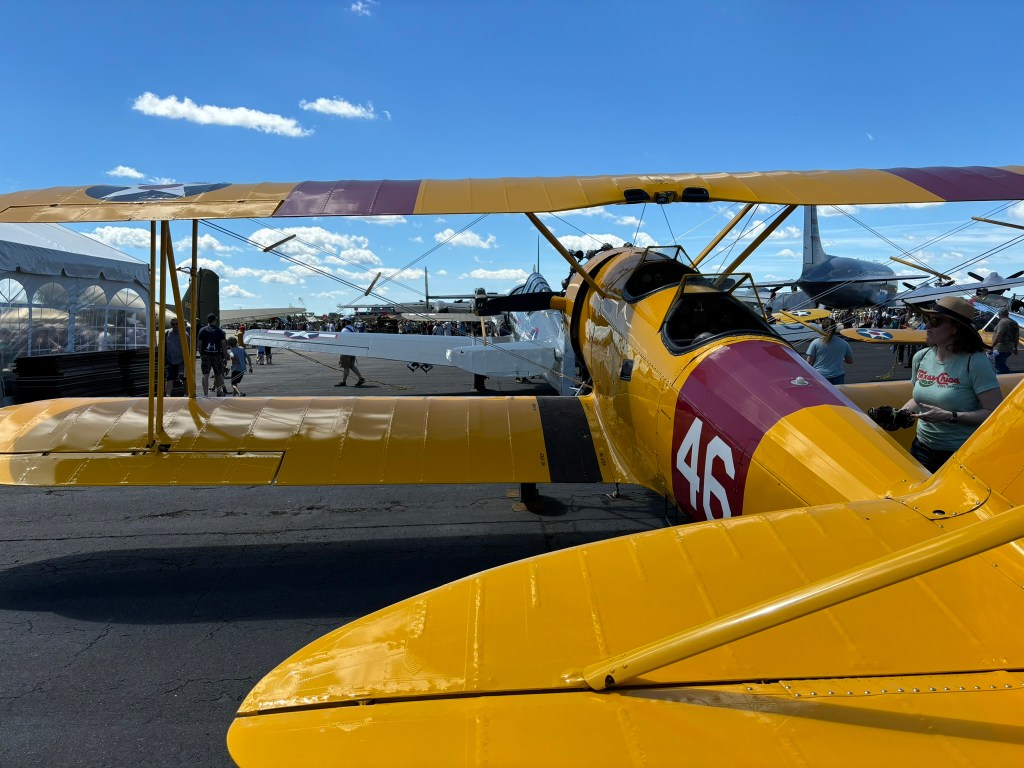
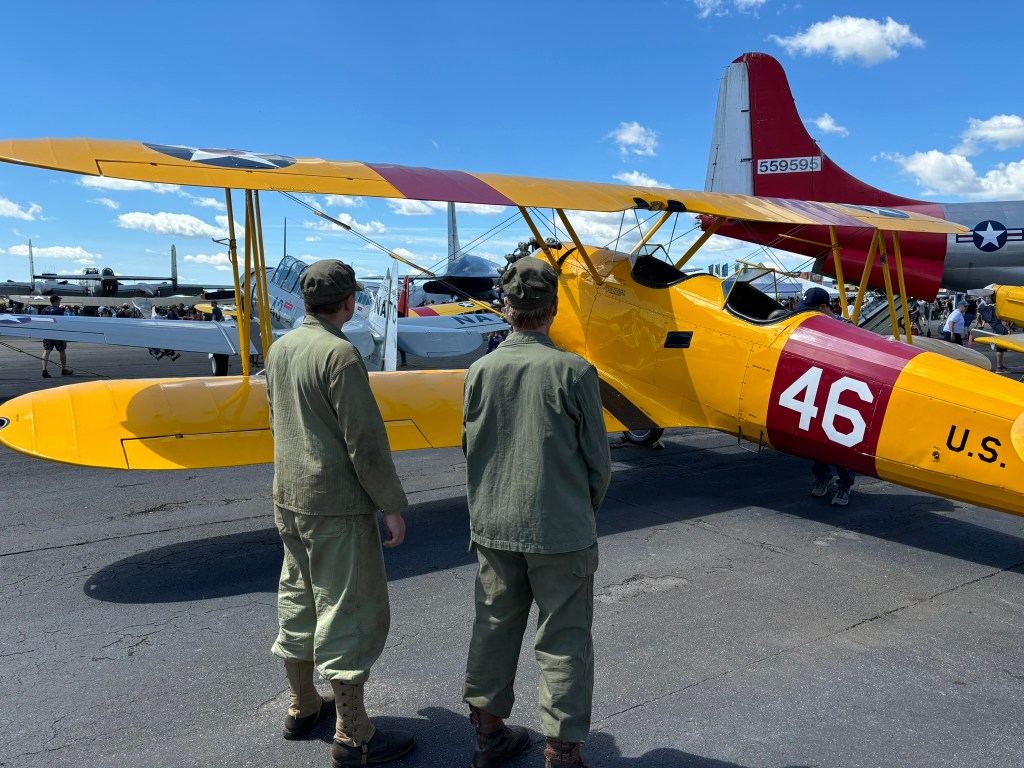
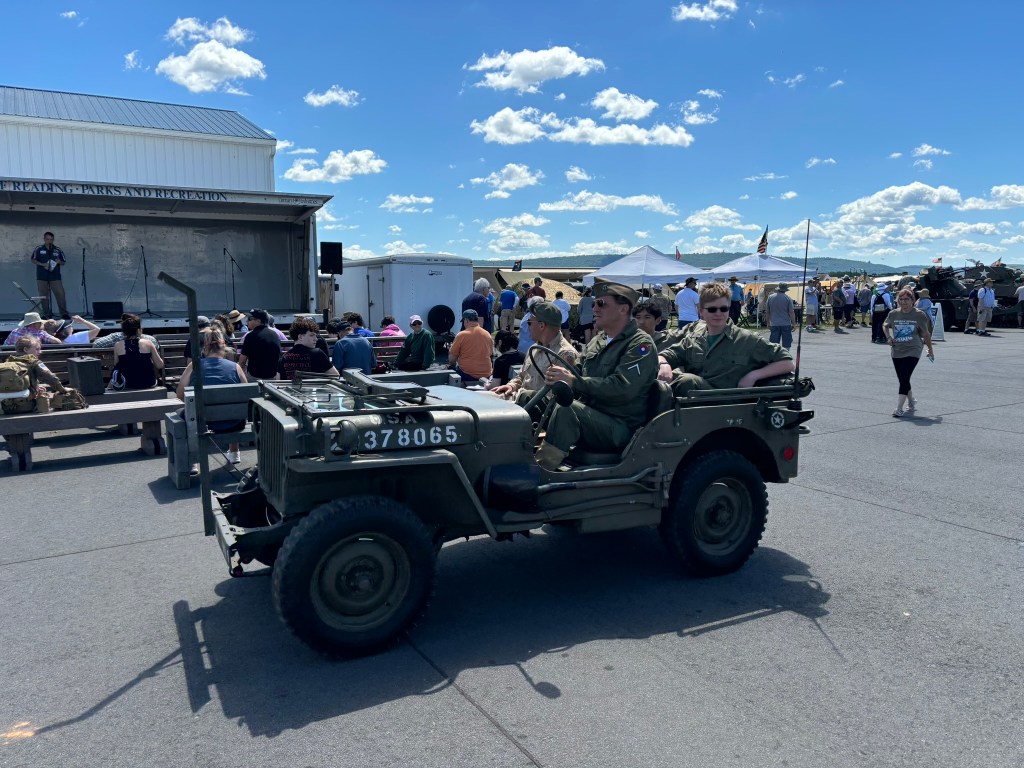
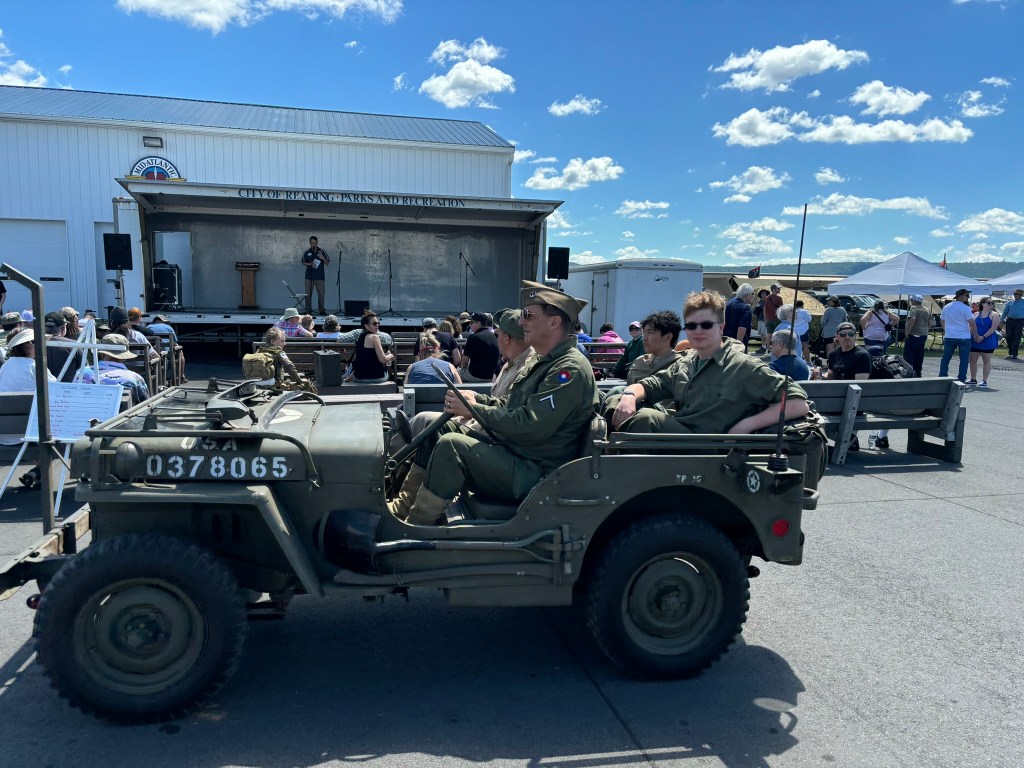
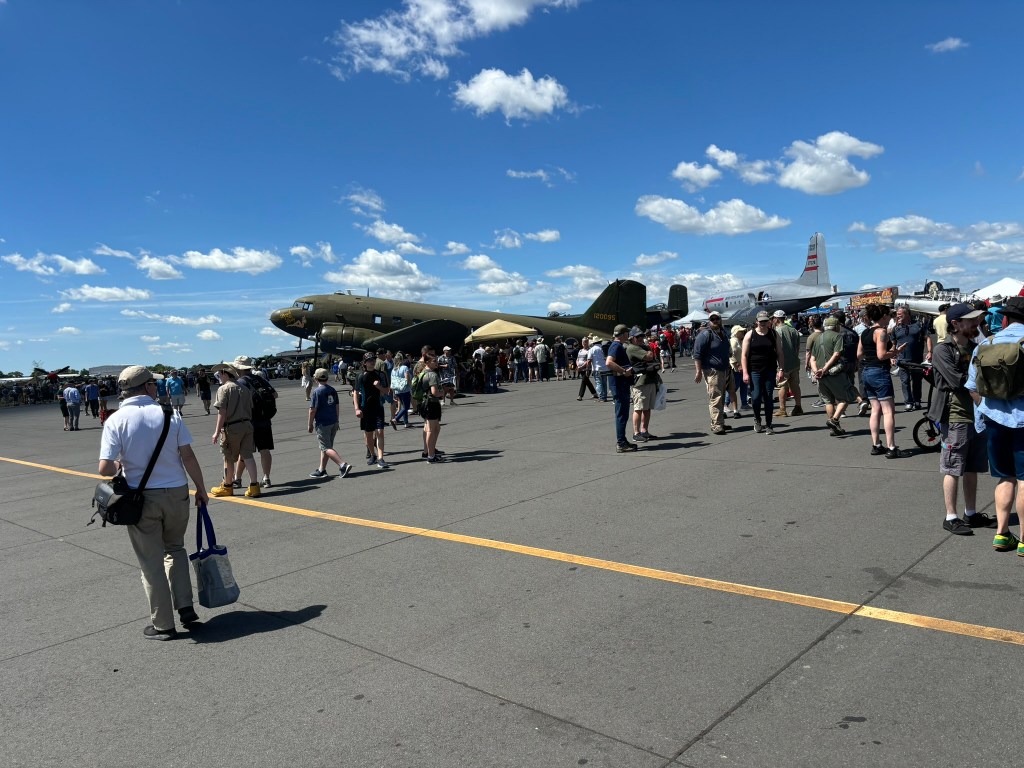
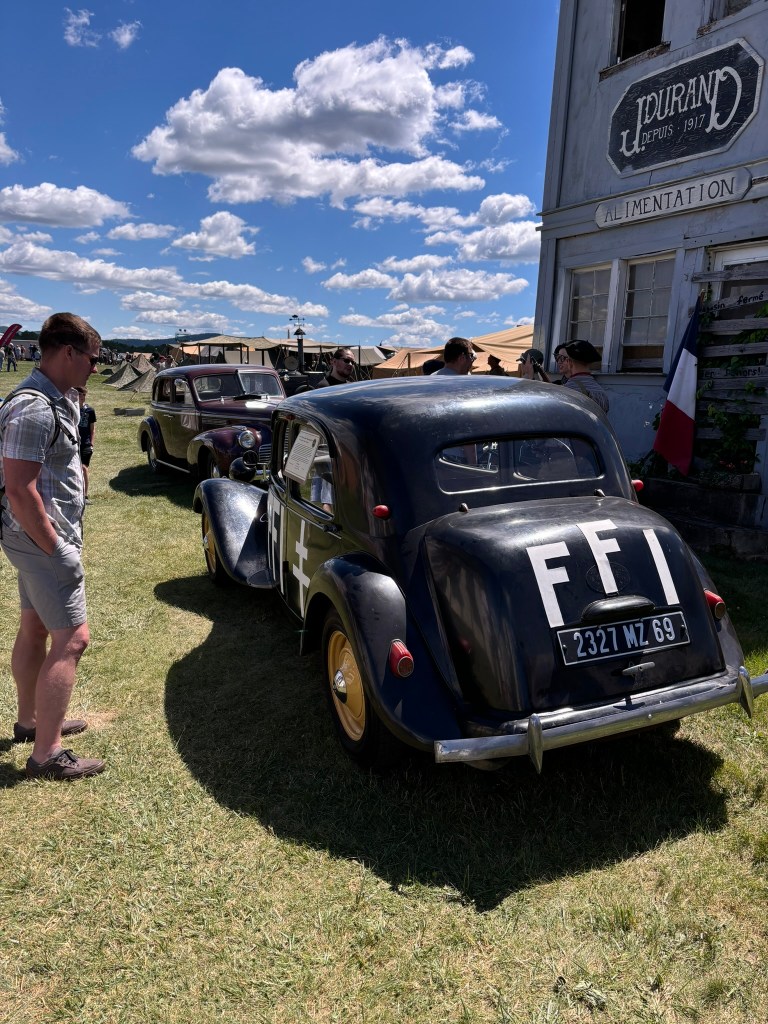
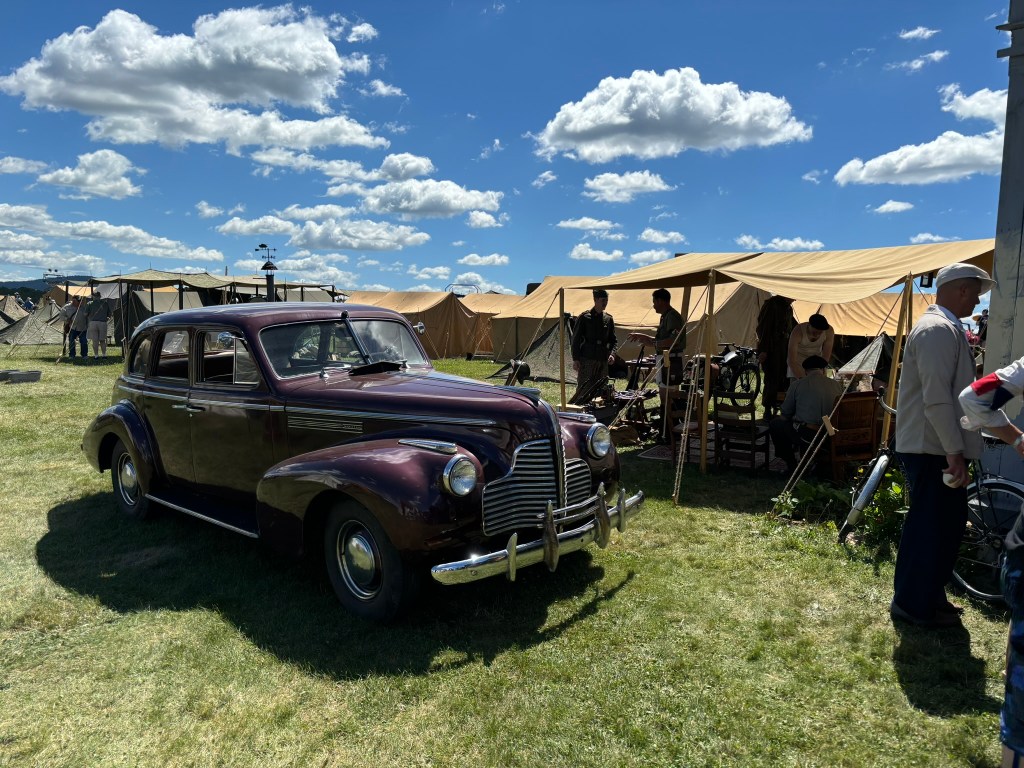
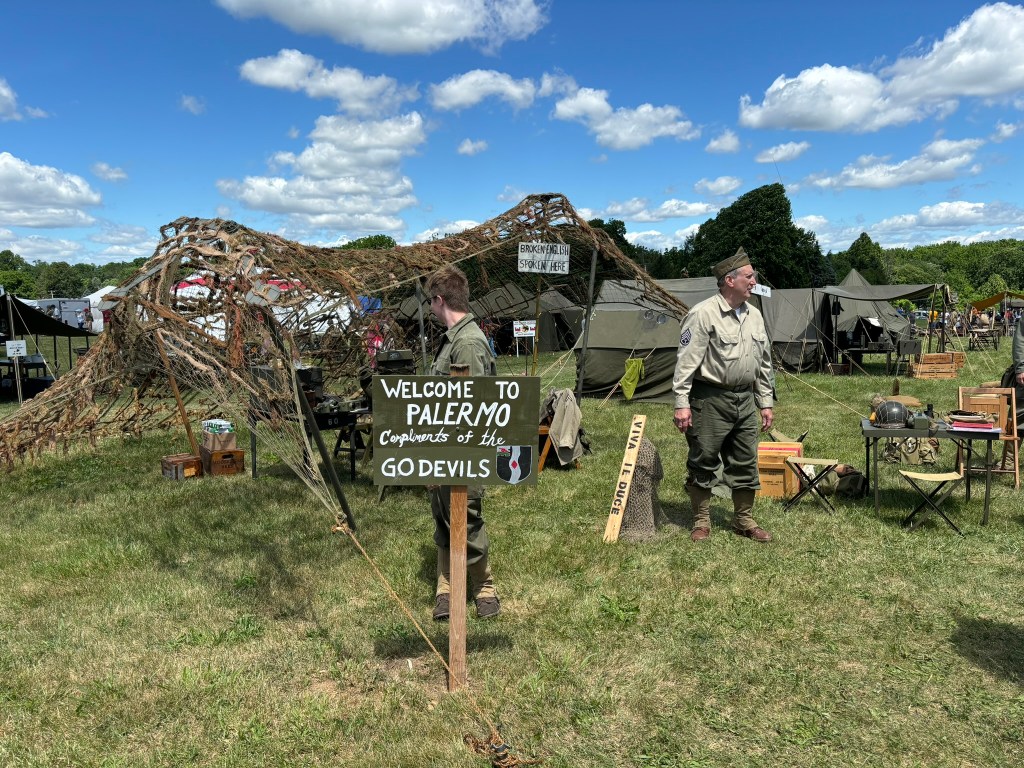
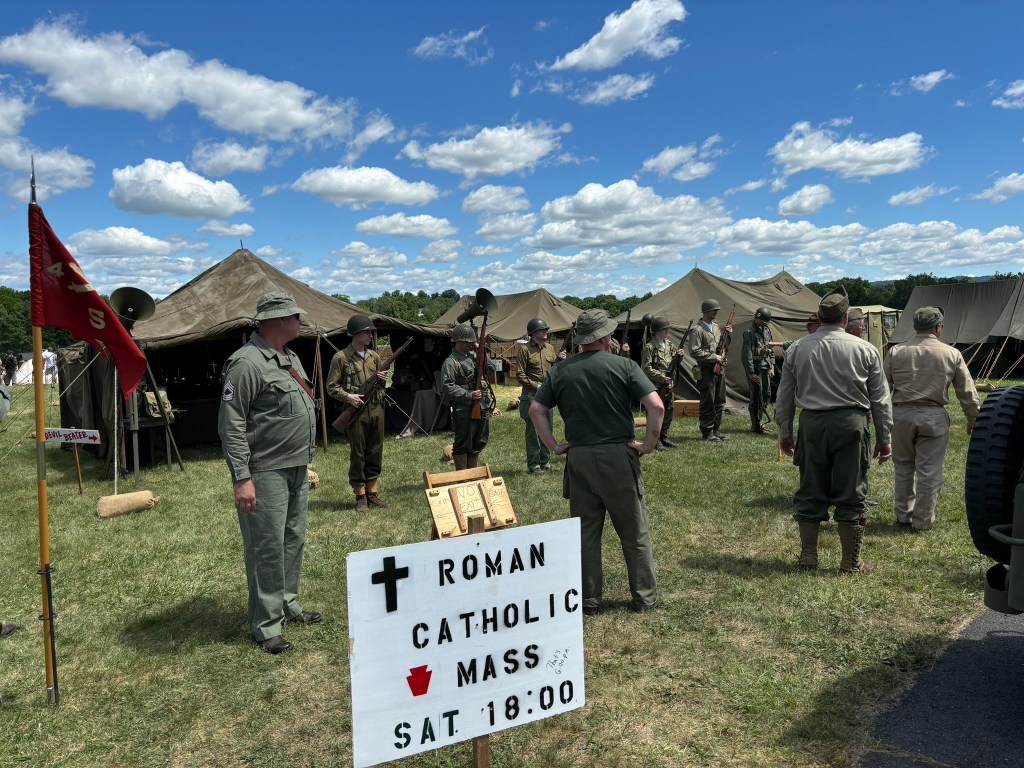
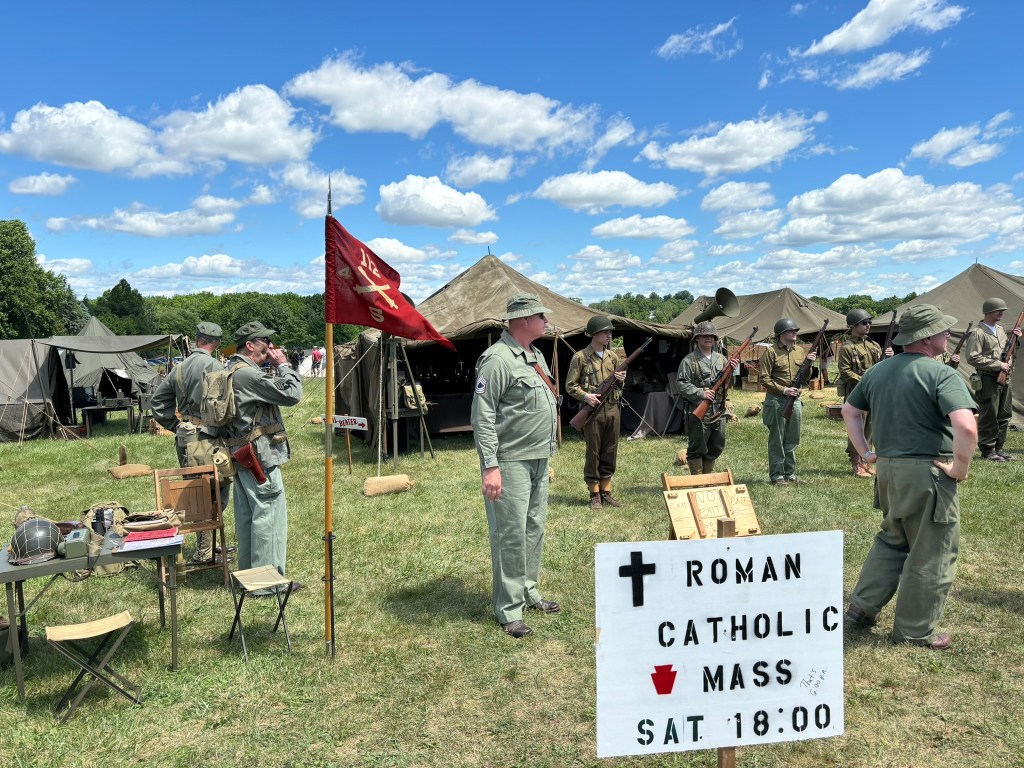
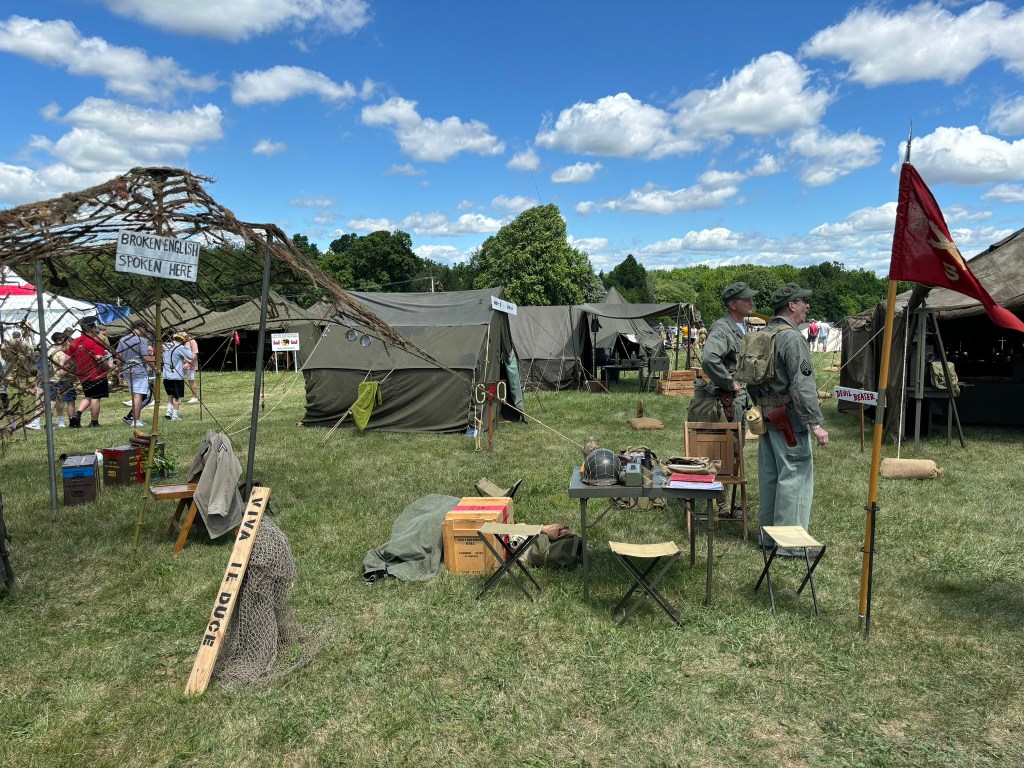
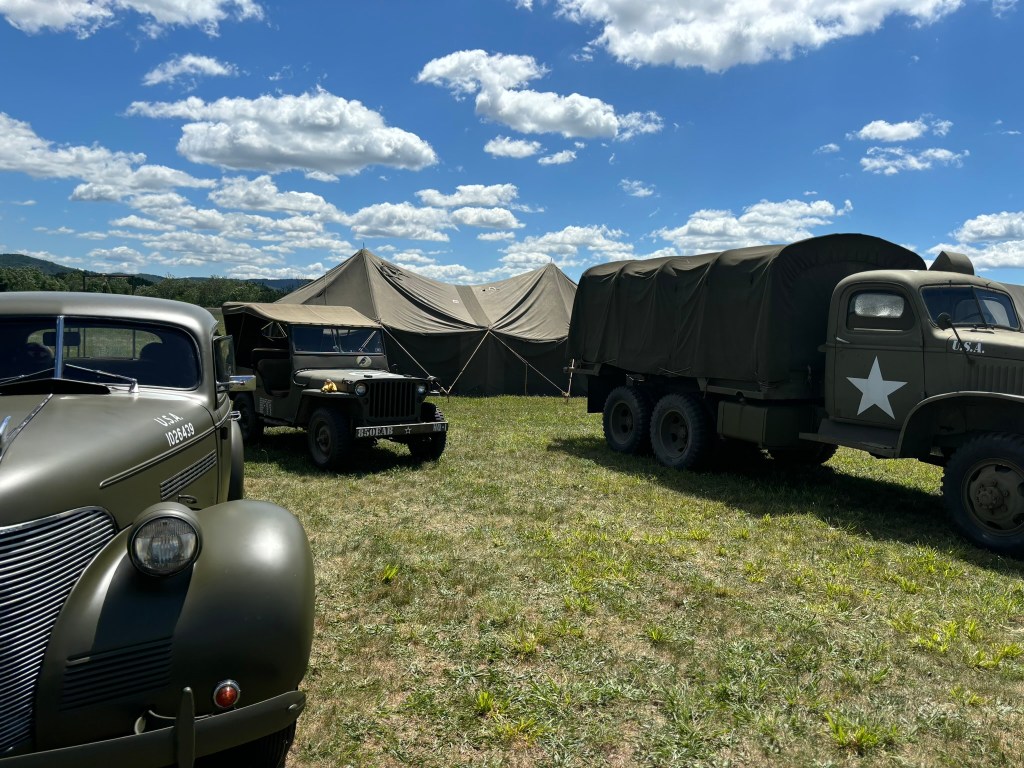
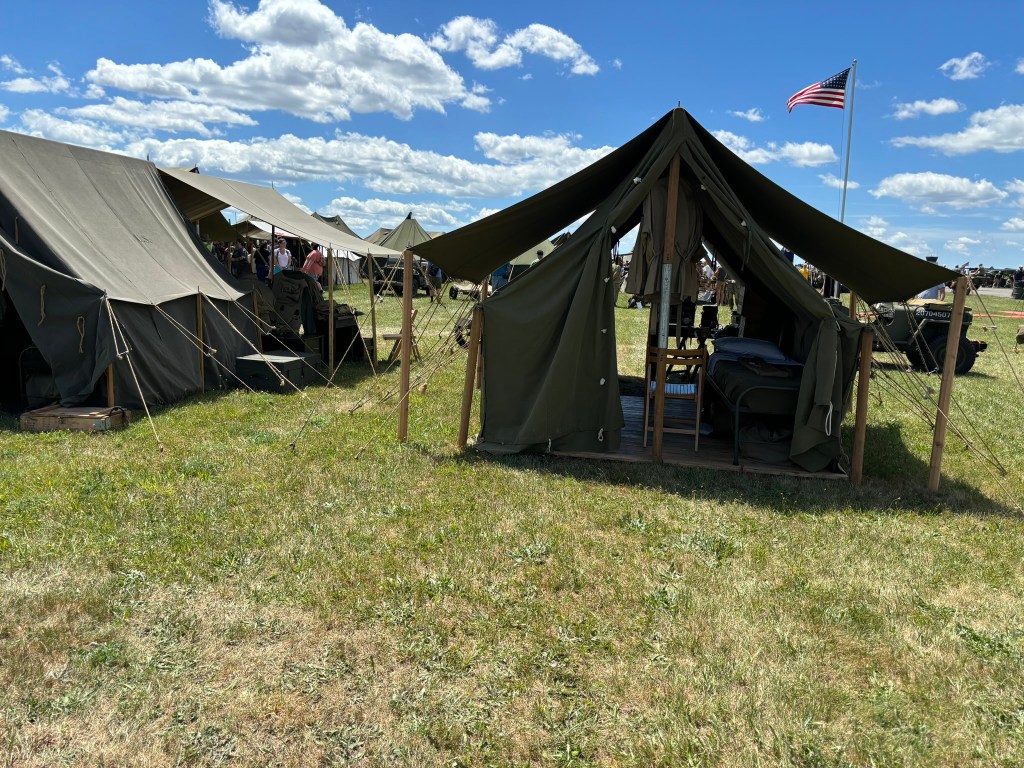
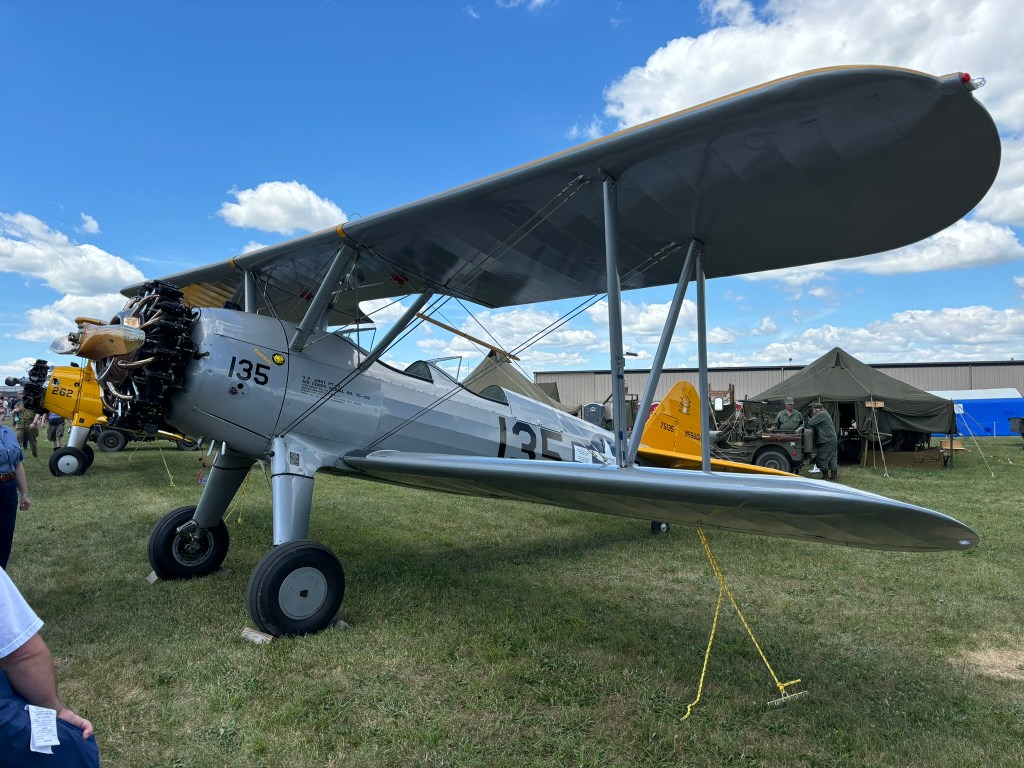
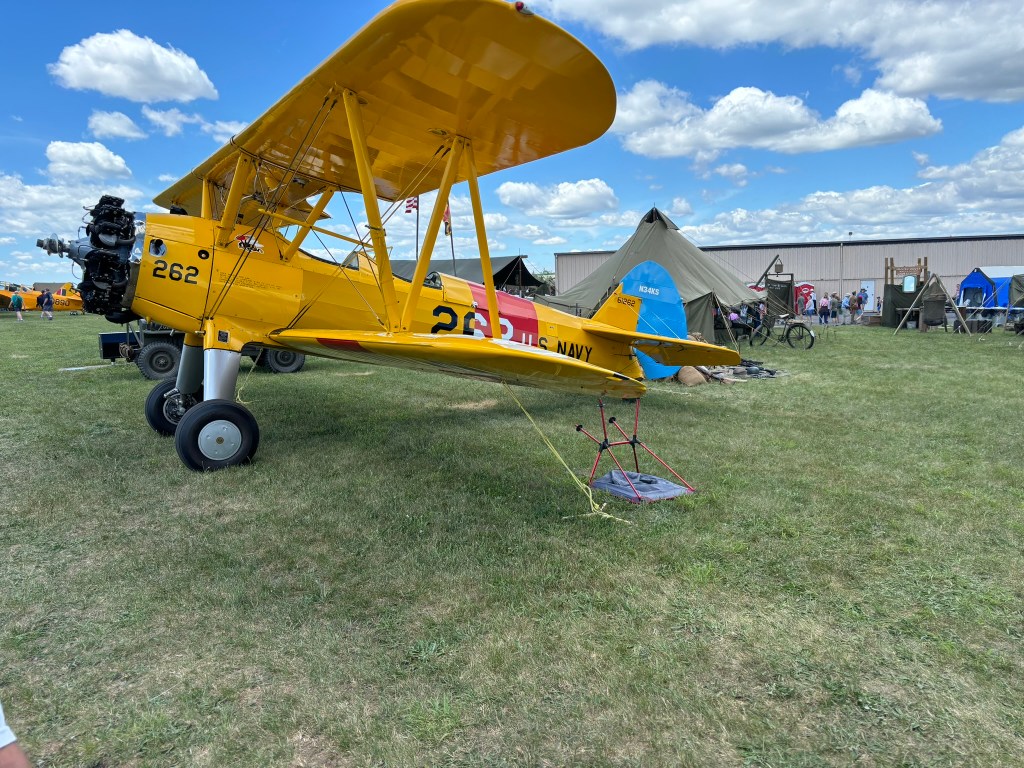
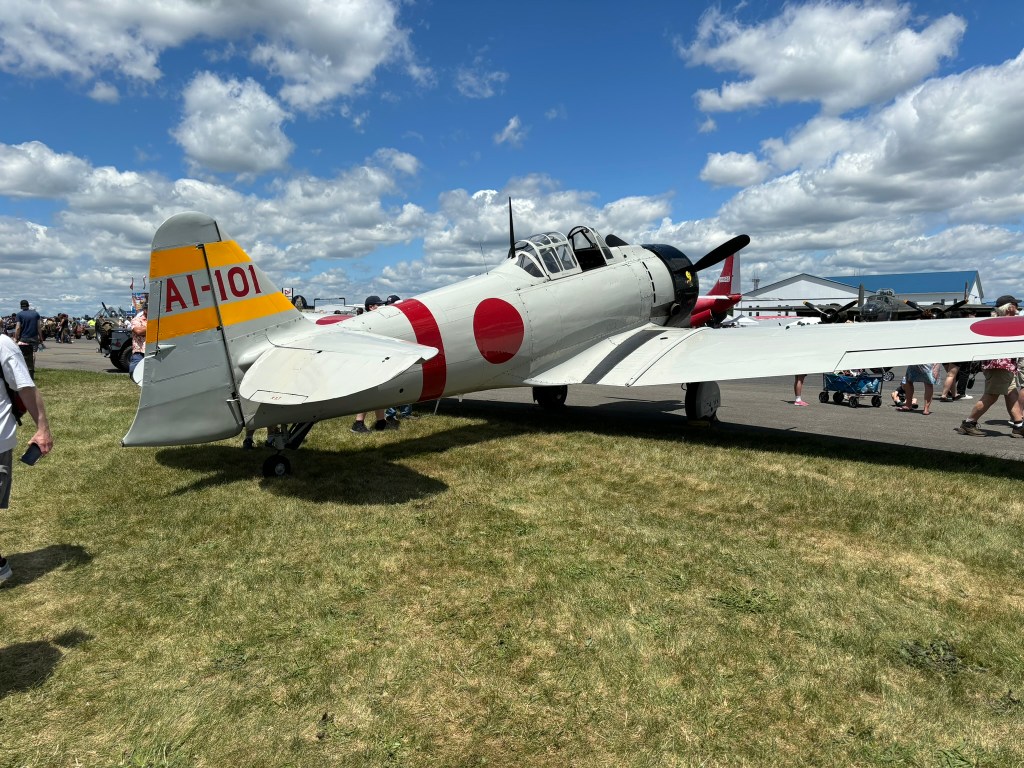
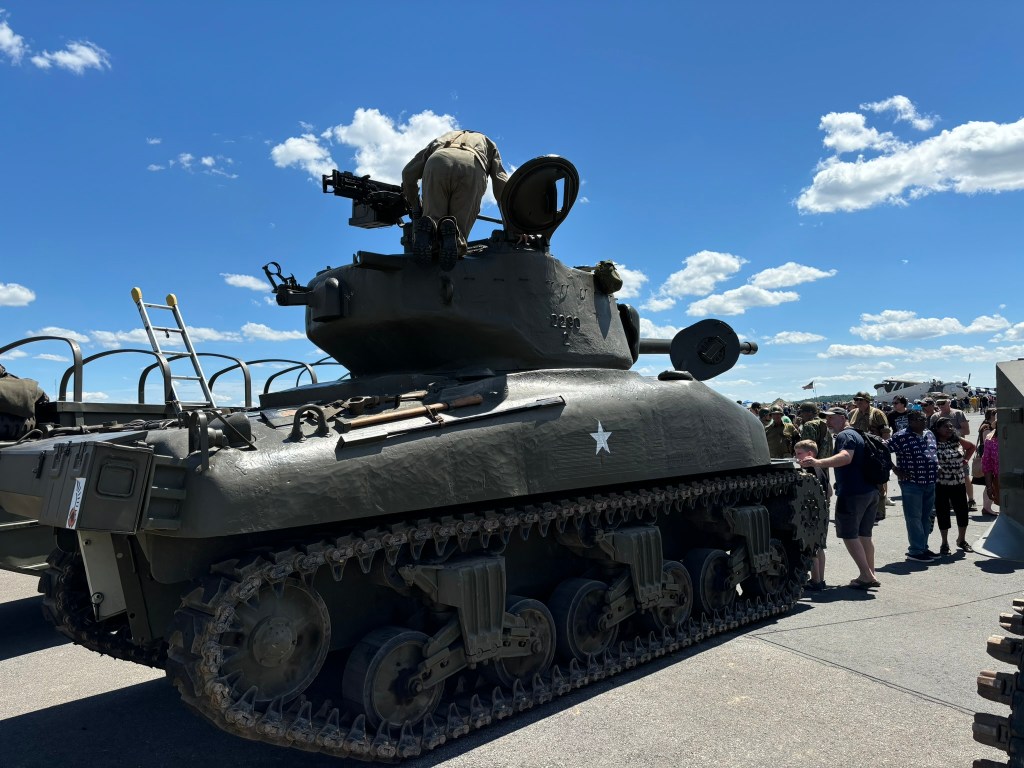
On Saturday, June 8th, my dad and I made it out to the 33rd annual World War II Weekend at the Mid-Atlantic Air Museum in Reading, PA. This was my dad’s fourth year going and this was my second year. Like last year, the event did not disappoint. Last year’s event was the very first event that I ever blogged about on this site, and you can read it here. The event runs Friday, Saturday, and Sunday.
My dad and I made the 2 hour drive and arrived at the parking site at about 10:15am. Right away, we could tell that there were many more people attending this event than last year. It was a beautiful day, and this year celebrated the 80th anniversary of D-Day which drew many people. The lines to catch a shuttle bus to the event were quite long, although they did move pretty quickly. I assume that the organizers of the event didn’t even assume the number of people who would be there. But I have to give them credit for how well organized everything is run there.
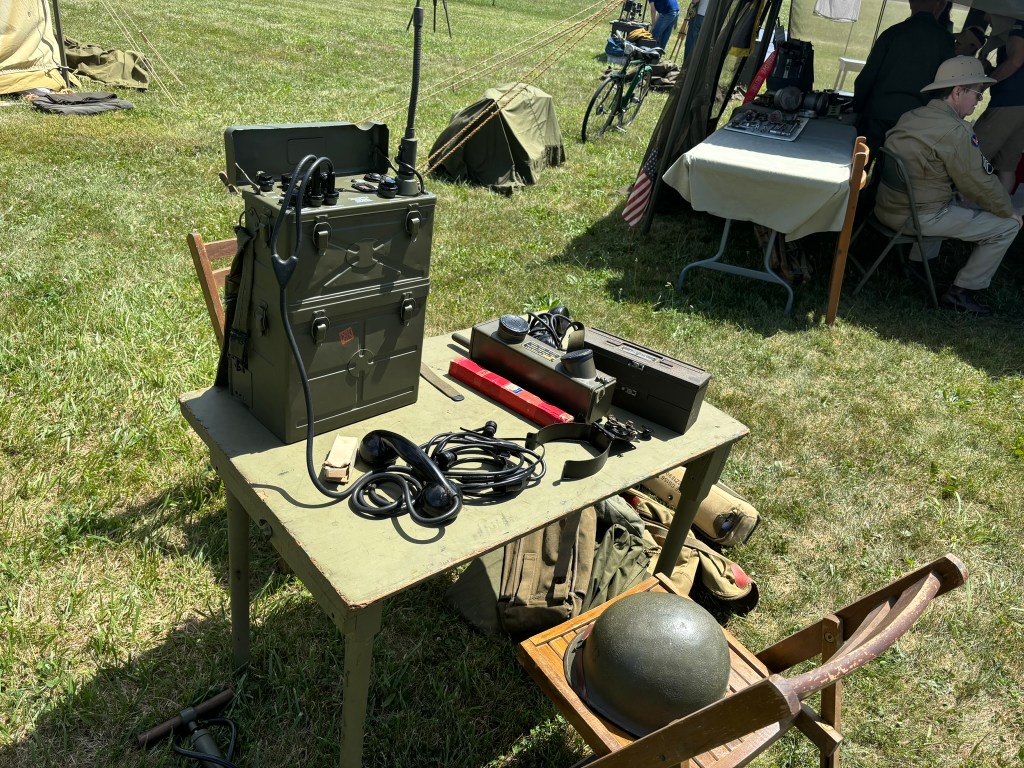
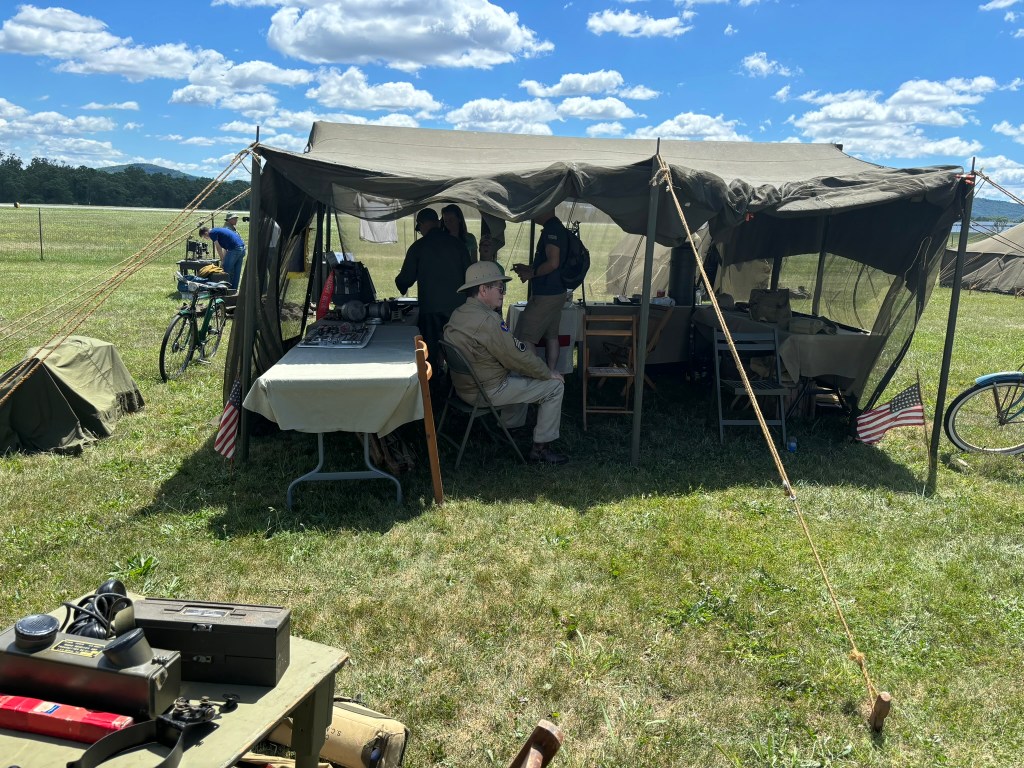
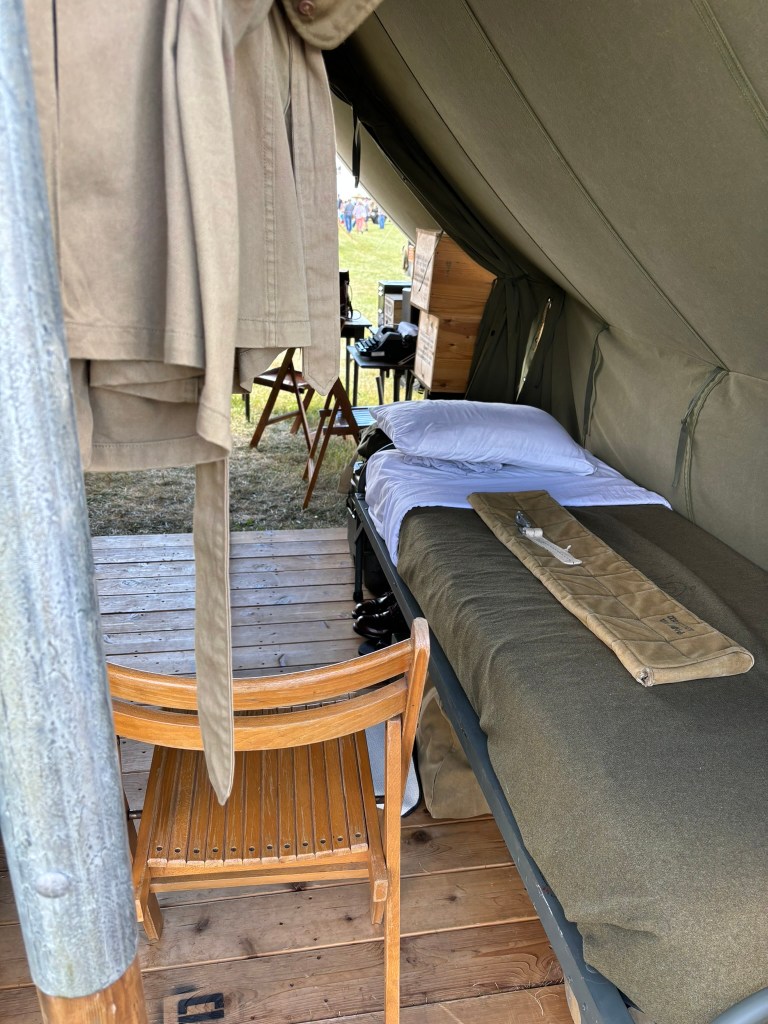
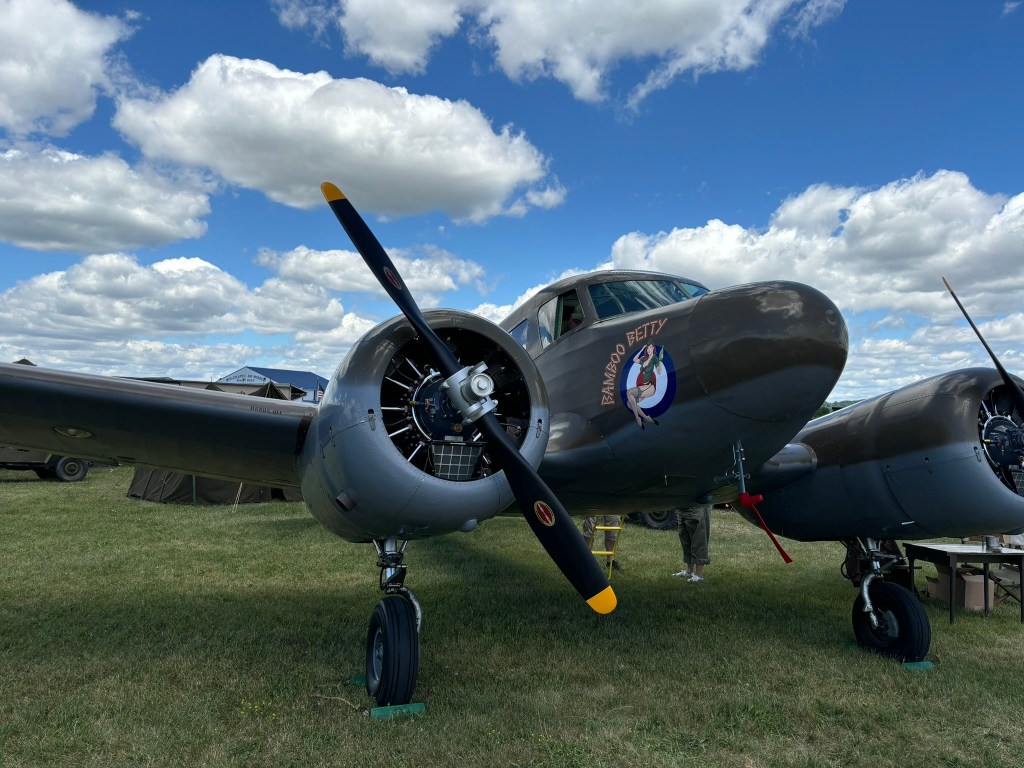
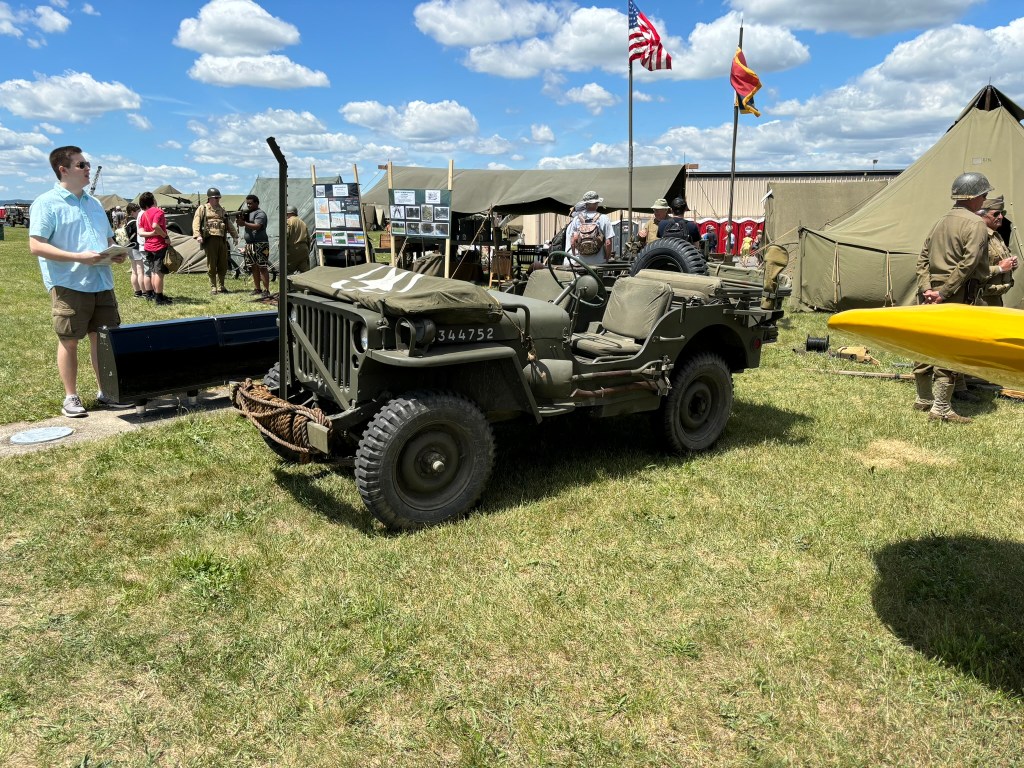
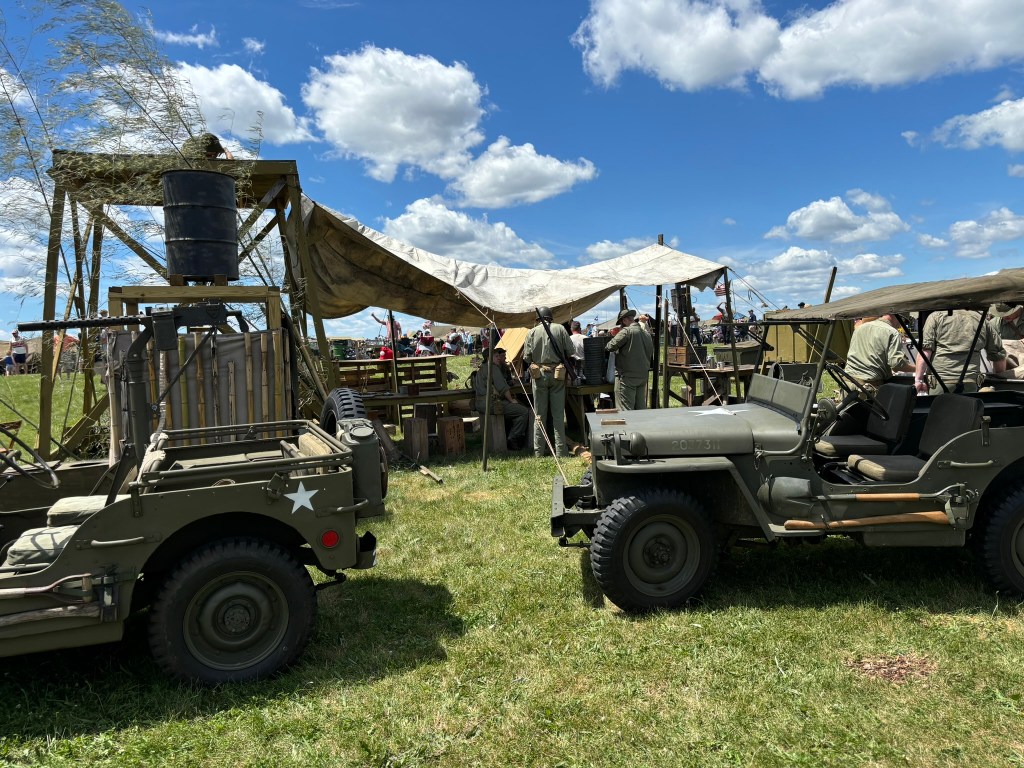
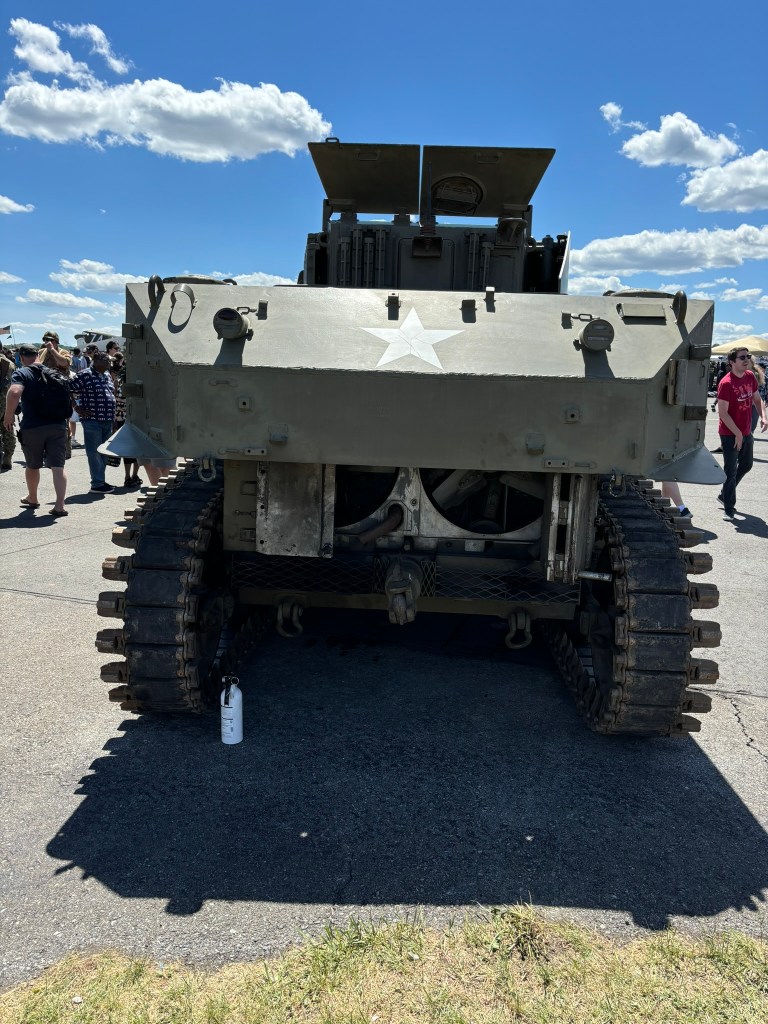
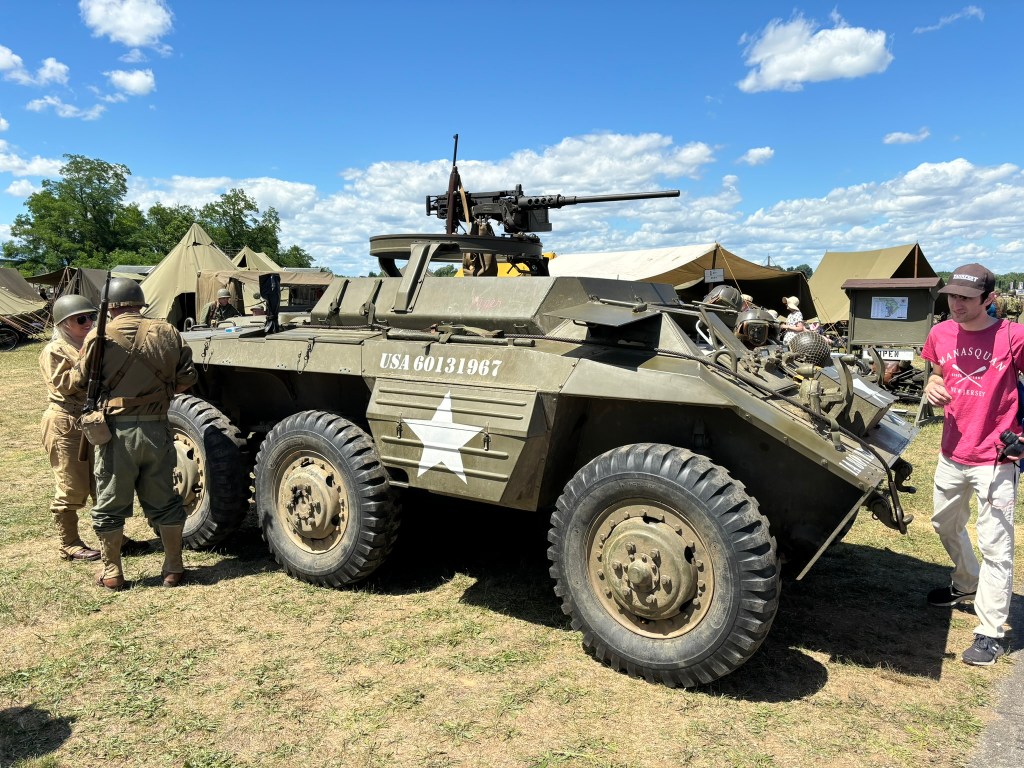
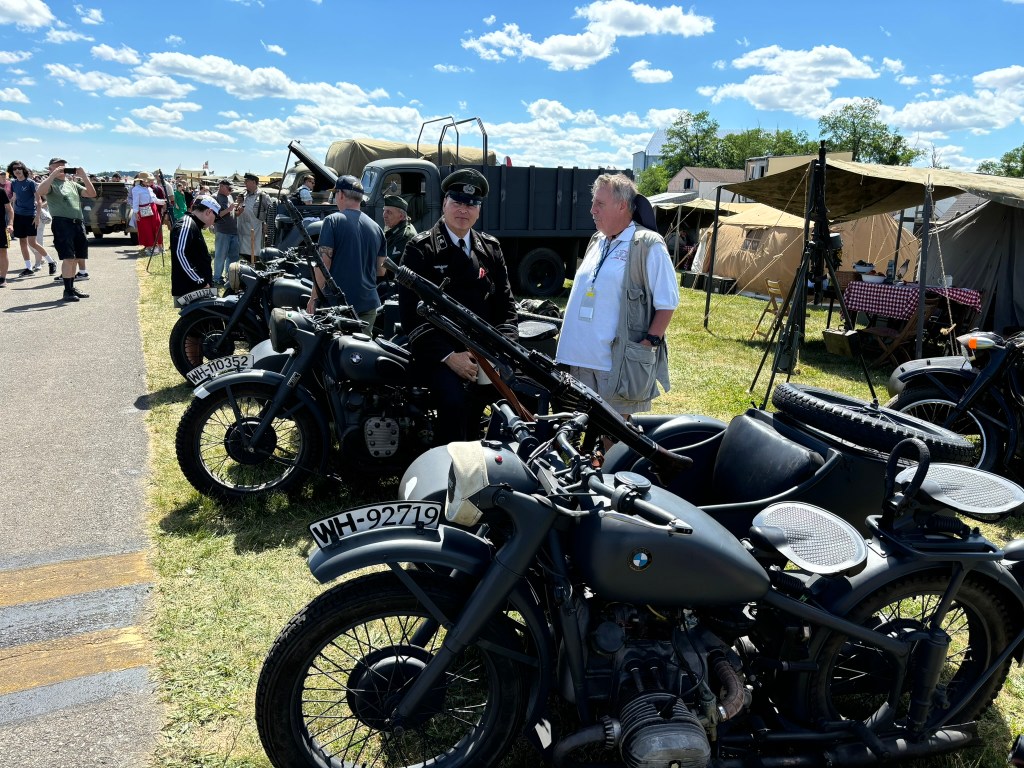
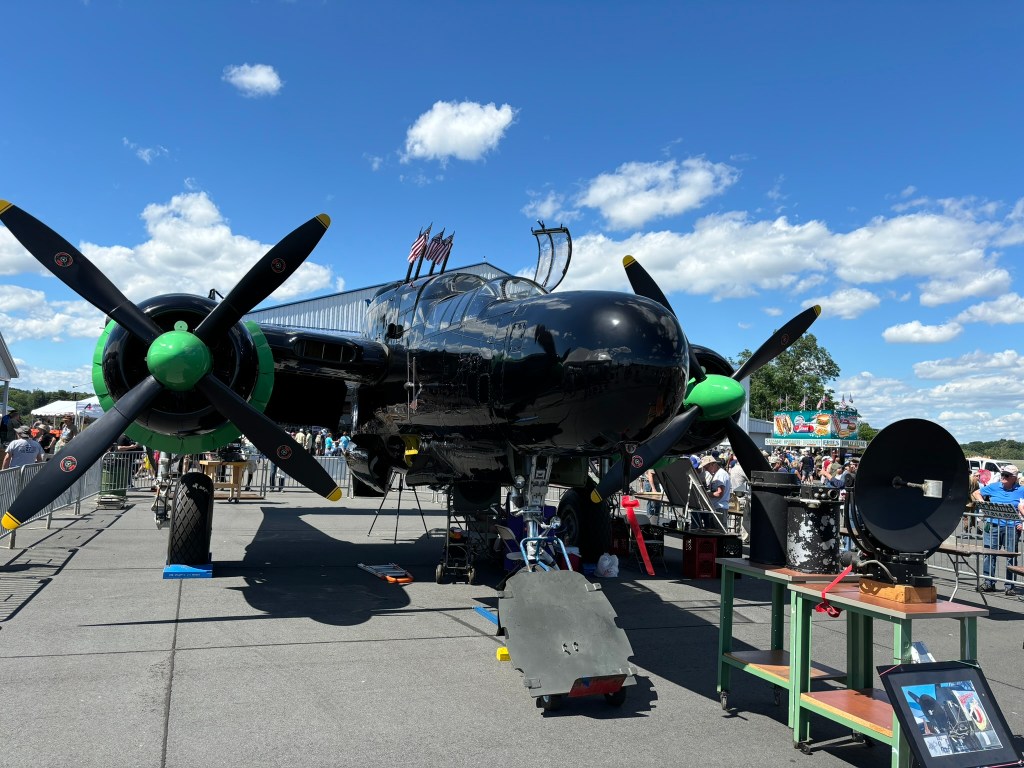
When my dad and I finally made it to the event, we toured the many encampments and checked out all of the WW2 planes. We checked out a small French village, and we viewed WW2 soldiers drilling in line. We saw medics care for two wounded soldiers. We examined the many tanks and army vehicles. The grounds have speakers that play tunes from the 1940s. You truly feel like you’ve stepped into a time machine and are now in a WW2 camp. There are so many reenactors who are in the army camps, and they are very knowledgeable about their subject. One particular re-enactor explained to us how WW2 soldiers used bazookas against enemy tanks. He also explained how jumpers from planes had to safely jump and land holding all of their equipment.
At lunchtime we ate from one of the many food trucks there. Then we started to head over to where the airshow was taking place. We brought lawn chairs and watched the show. It’s quite amazing to watch 80 year old planes still flying and doing tricks. It was a windy day so the parachuters did not jump out of the planes like last year. But it still was an impressive show. Following the air show, we continued to walk the grounds and were immersed in the many WW2 camps, stumbling upon some bagpipers. I love the fact that many people who come to WW2 weekend dress in 1940s attire. Like last year I was amazed at how many people are willing to come out to a historical event, which is a satisfying reminder that so many people out there love history. Everything at the event is so spaced out so that you don’t feel crammed at all.
Finally, in the late afternoon my dad and I decided to leave and there were more long lines to get back on the shuttle bus. The amount of people there just shows how great this event truly is. Anyone in the vicinity of Reading, PA needs to make it to this event! Here is the link to the Mid-Atlantic Air Museum→ https://maam.org/wwii/
When considering the United States’ most significant wars, you may immediately think of the American Revolution, the Civil War or the World Wars. A war that you probably would not think of is the War of 1812. Not only does the war lack a clever name, the United States failed to gain or lose territory as a result. What were the causes and effects of this war? Who was it against? I’d imagine most Americans would have a hard time answering these questions. While this war, often dubbed “the second American Revolution” is considered a stalemate by historians, it did lead to a growing sense of nationalism amongst Americans which propelled the country into a time period referred to as “The Era of Good Feelings”. So while the results and impact of the war are considered relatively minor, it did help mature the nation and propel it into a new age.
Causes
The American Revolution ended with the Treaty of Paris (1783). After the war and into the days of the early Republic, some Americans, often associated with the Federalist Party of Hamilton, wanted to maintain positive trade relations with the British. Other Americans, often associated with the Democratic-Republicans of Jefferson, looked upon the British with suspicion. They believed that American Anglophiles wanted to turn the new US government into a British style monarchy. The Democratic-Republicans often favored the French in international conflicts. During both the French Revolutionary Wars of the 1790s and the Napoleonic Wars of the early 19th century, tensions remained between the United States and the superpowers of Britain and France. Both Britain and France seized American ships who traded with their enemy. Tensions with the French led to the XYZ Affair and the Quasi-War during the presidency of John Adams. When the Democratic—Republicans came to power with the election of Jefferson in 1800, tensions with the British only increased. During the Napoleonic Wars, Britain seized about 1,000 American ships and practiced impressment- forcing American sailors into the British navy. Desertion was common in the British navy and they sought to replace manpower with captured Americans. This practice continued into the presidency of James Madison, elected to his first term in 1808. The practice of impressment angered Madison who believed that the British were trying to strangle American trade and disrespected American neutrality.
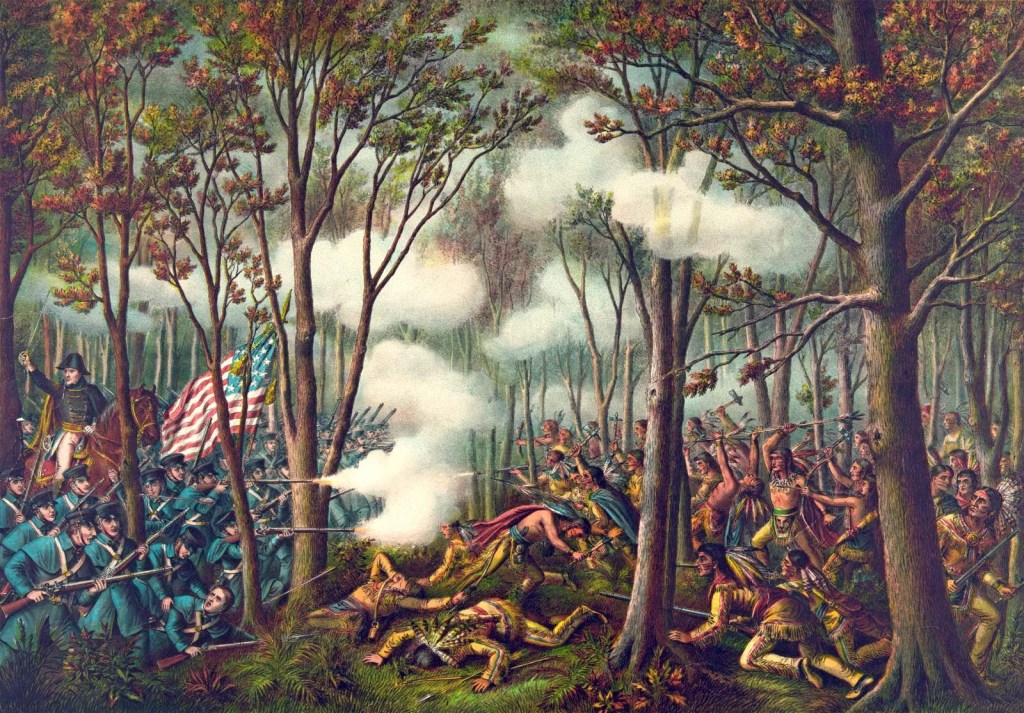
Another source of anger for Americans towards the British was the British supply of weapons to Native American tribes at war with the United States. Tecumseh’s War was fought in the Indiana Territory between the United States and a confederacy of Native American tribes. The confederacy was led by Shawnee chief Tecumseh and his brother, nicknamed by Americans as The Prophet. A major victory for the Americans came in 1811 at the Battle of Tippecanoe. At the conclusion of the battle, it was discovered that the Native confederacy was being supplied with weapons from British Canada. This led to the “Warhawks” in Congress, led by Henry Clay and John C. Calhoun to call for war against Britain. With Britain strangling American trade, impressing Americans into their navy, and now supplying weapons to Native allies, the United States declared war for the first time in the nation’s history, against Great Britain on June 17th, 1812.
Events of the War
The course of the war from 1812- 1815 could be considered a stalemate as neither side gained or lost much territory. However, there were many significant events that took place throughout the war. The fight along the Great Lakes went back and forth between British and American victories. The American navy led by Commodore Oliver Hazard Perry won a major victory over the esteemed British navy at the Battle of Lake Erie. The Americans maintained control over Lake Erie for the remainder of the war, and re-took Fort Detroit, which they had lost earlier in the war.
When Napoleon was defeated in Europe in 1814, the British were able to send more troops to the United States. They burned towns along the Chesapeake Bay, and then marched into Washington DC after a weak defense by the Americans. The British proceeded to set fire to the White House, the Capitol building and other federal buildings. They sought retribution for similar actions done by the Americans in Canada. Within a couple days of the fires being set, an intense rainstorm, likely a hurricane, swept through Washington and helped put out the fires. A possible tornado touched down and tore through the Capitol building. While extensive damage was done to Washington, the storm helped limit the extent of the destruction.
After burning Washington, the British had their eyes set on Baltimore. They bombarded Fort McHenry for 25 hours, an event witnessed by Francis Scott Key, who was captured by the British and watched from a boat. After the American fort survived the bombardment, Key watched the Americans hoisting the American flag in the morning hours. Key was so moved by this event that he penned the lyrics of our Star-Spangled Banner.
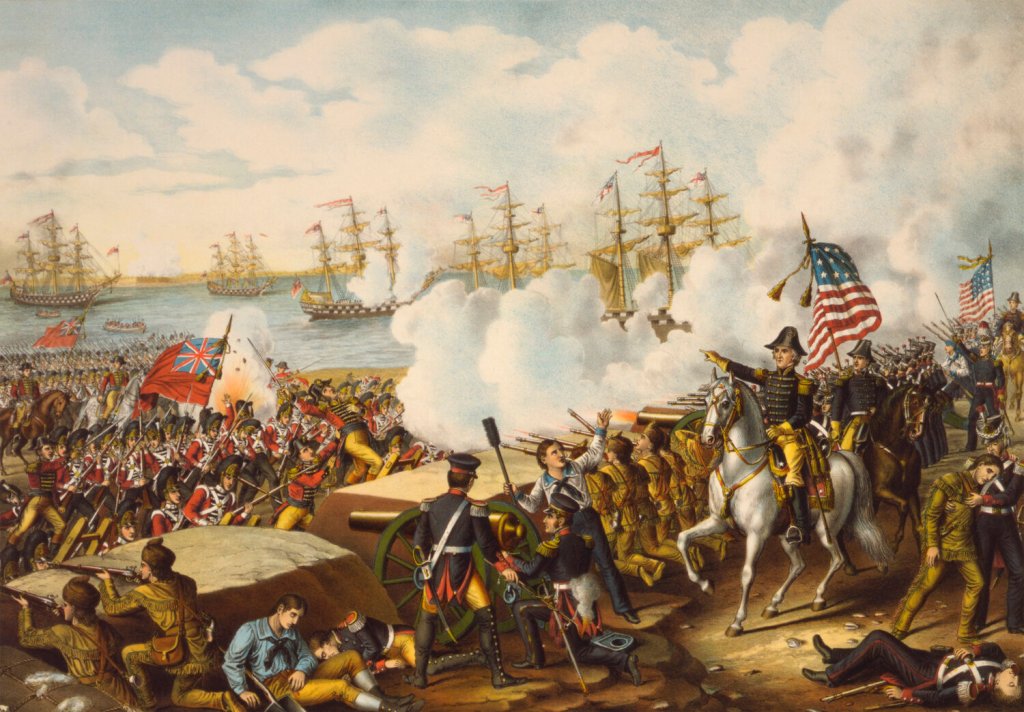
Another impactful event took place in the last days of the war. In late 1814-1815, the British sought to capture the important port city of New Orleans. Andrew Jackson led American troops in a valiant defense of the city on January 8th, 1815. The British suffered 2,017 casualties while the American suffered just 71. The overwhelming victory boosted the morale of the country and a great sense of national pride swept the nation. However, the victory at New Orleans came after the treaty of Ghent was signed in Belgium on December 24th, 1814. With news taking a month to travel across the Atlantic, the participants of the battle of New Orleans had no idea of the peace. Nonetheless, the battle was significant for boosting nationalism and unity in the country, and also increasing the fame and notoriety of Andrew Jackson.
The Battle Of New Orleans, January 8, 1815. Final Battle Of The War Of 1812, Resulting In Victory For The American Forces Against The British. After A 19Th Century Work. (Photo by: Universal History Archive/UIG via Getty Images)
Impact of the War
What if the United States was more successful in this war? Would they have annexed part or all of Canada? What if the British were more successful in the war? Would they have gained territory in the United States? Would they have seized New Orleans and cut off trade down the Mississippi River? We can’t know for sure but what we do know is that the war did have an impact on the young country.
As the first military test of the young nation, the Americans gained national pride. The war showed that the United States could go toe to toe with the world’s superpower once again. The country gained respect throughout the world and propelled the country into the “Era of Good Feelings” a period closely associated with the presidency of James Monroe (1817- 1825). Partisanship was perhaps at its lowest point in the nation’s history. Monroe won his elections overwhelmingly as the nation coalesced around the principles of the Democratic-Republican platform. The two-party system was temporarily at an end with the demise of the Federalist Party (who were opposed to the war). While a growth in nationalism and unity was a significant outcome of the War of 1812, other consequences of the war include the following:
Andrew Jackson made a name for himself with his victory at New Orleans. Later, he would go on to win the presidency and completely re-shape the office of President as well as the political system in early American history.
The country gained the words of the Star-Spangled Banner from Francis Scott Key as he witnessed the British bombing of Fort Mchenry outside Baltimore.
Years of peace between the United States and Britain followed with treaties following the war.
So while the war of 1812 is known as the “forgotten war”, it is worth noting and acknowledging the impact that the war had on a young nation who was seeking to find its own identity.
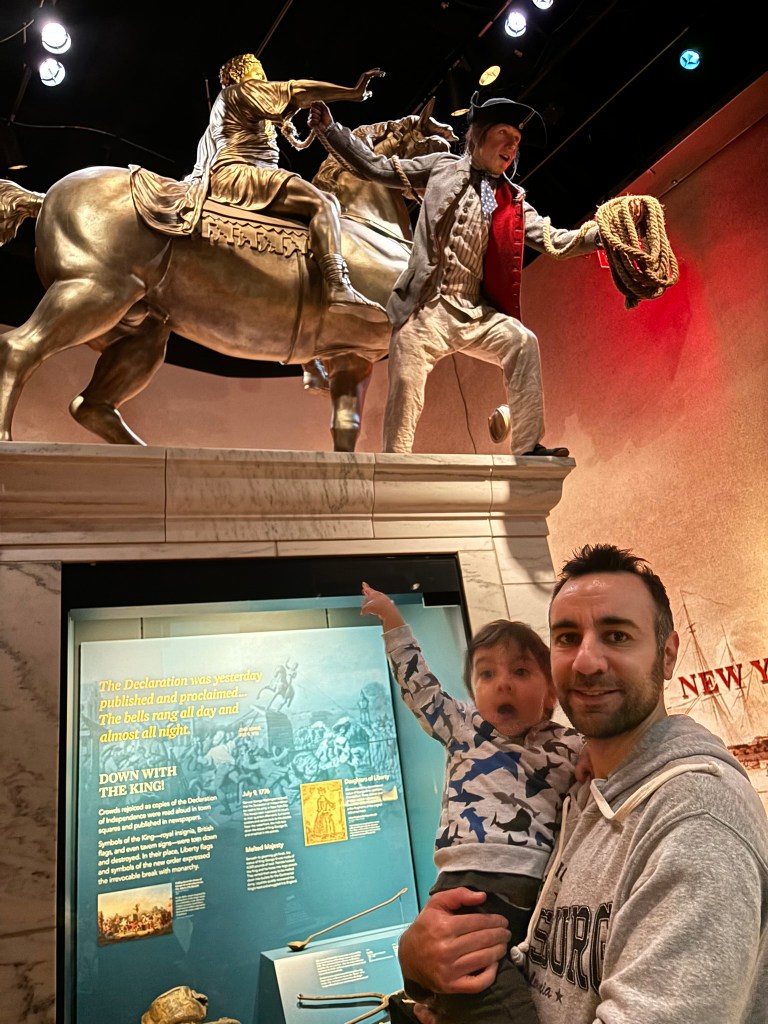
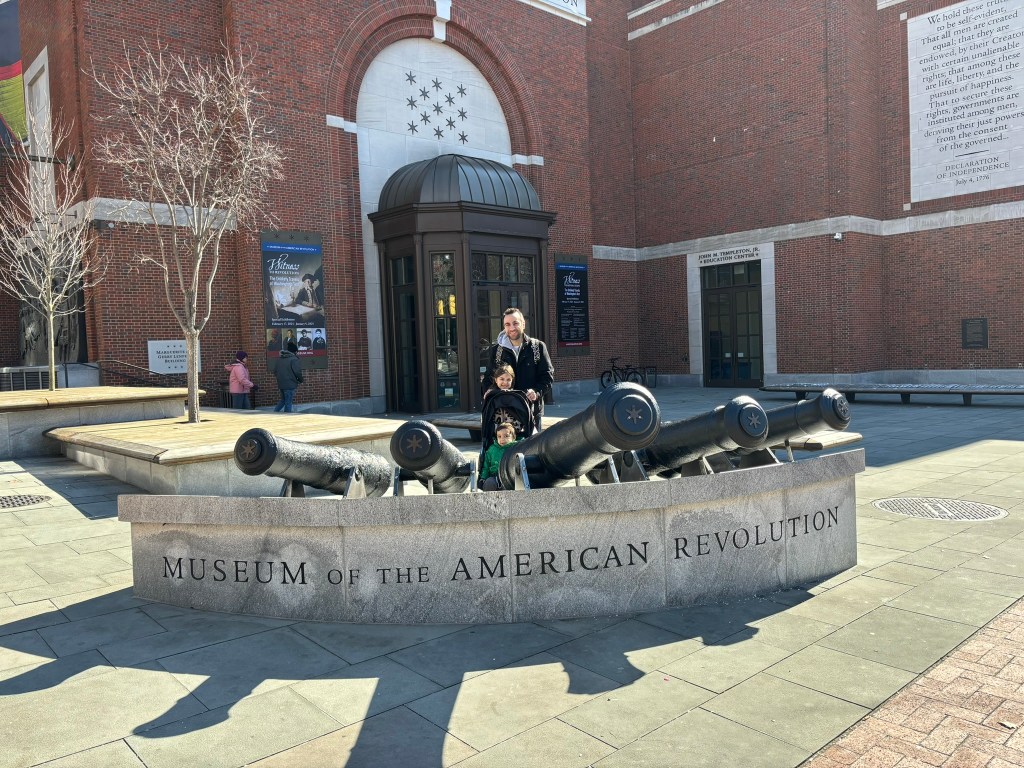
My family and I took a trip to Philadelphia for Presidents’ Day weekend. Day One was seeing historic sites and museums, and Day Two was going to the Please Touch Museum for the kids. This blog will focus on our visit to the Museum of the American Revolution, The Christ Church Burial Ground with the grave of Ben Franklin, The National Constitution Center, Independence Hall and Congress Hall.
Museum of the American Revolution
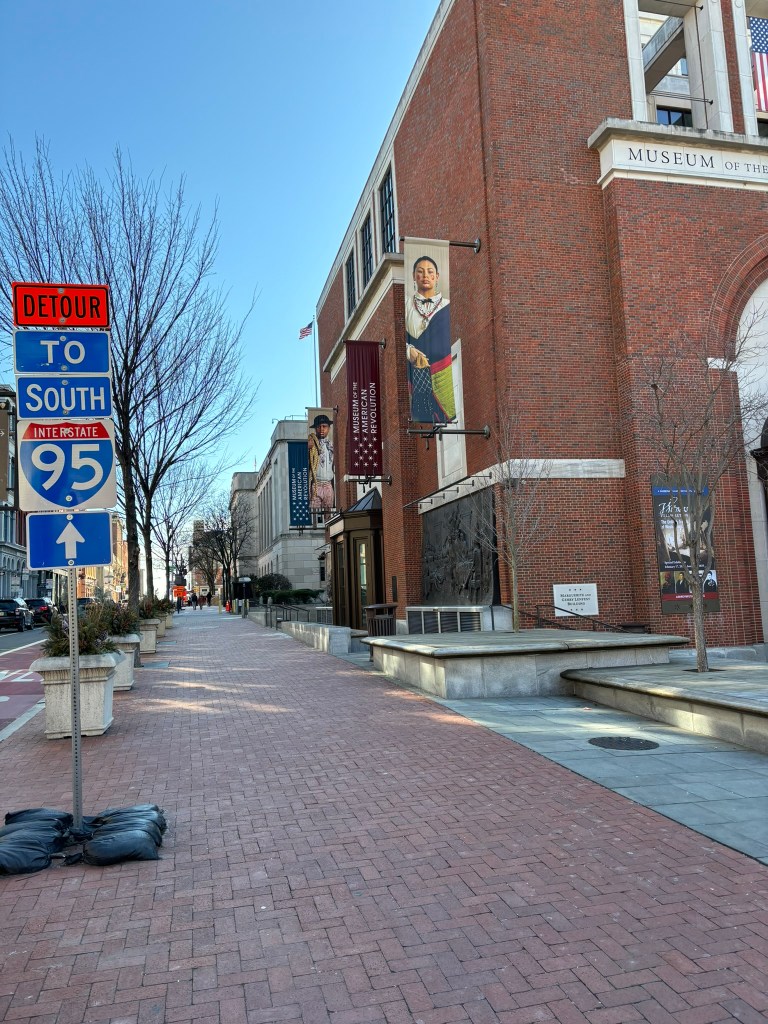
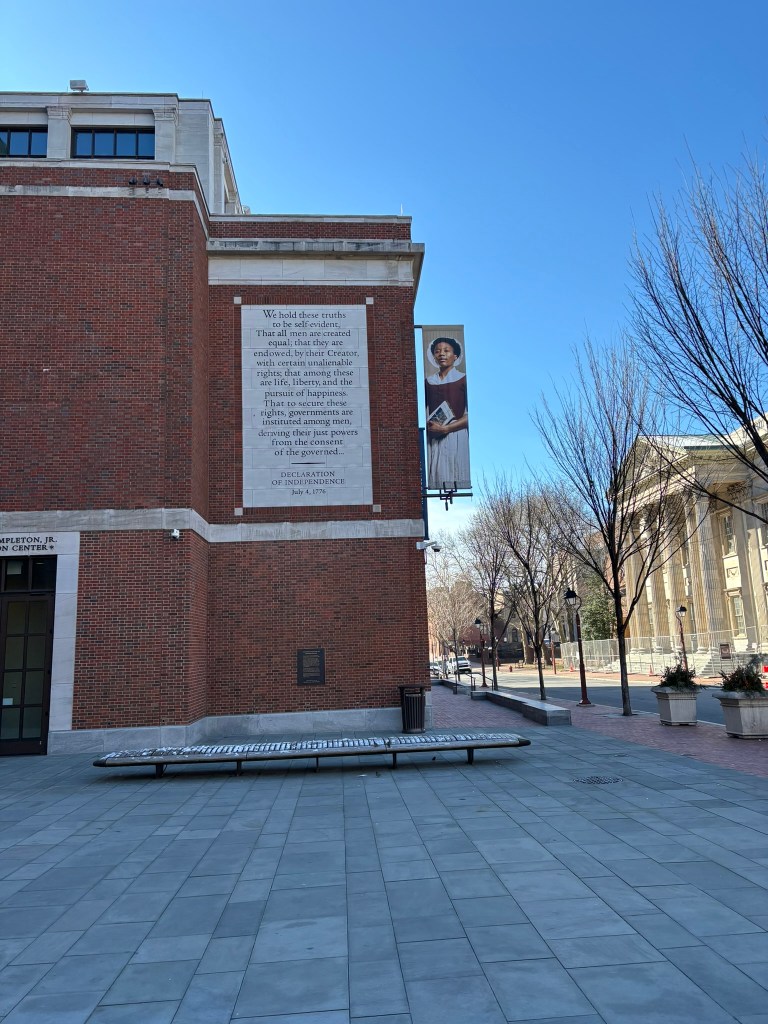
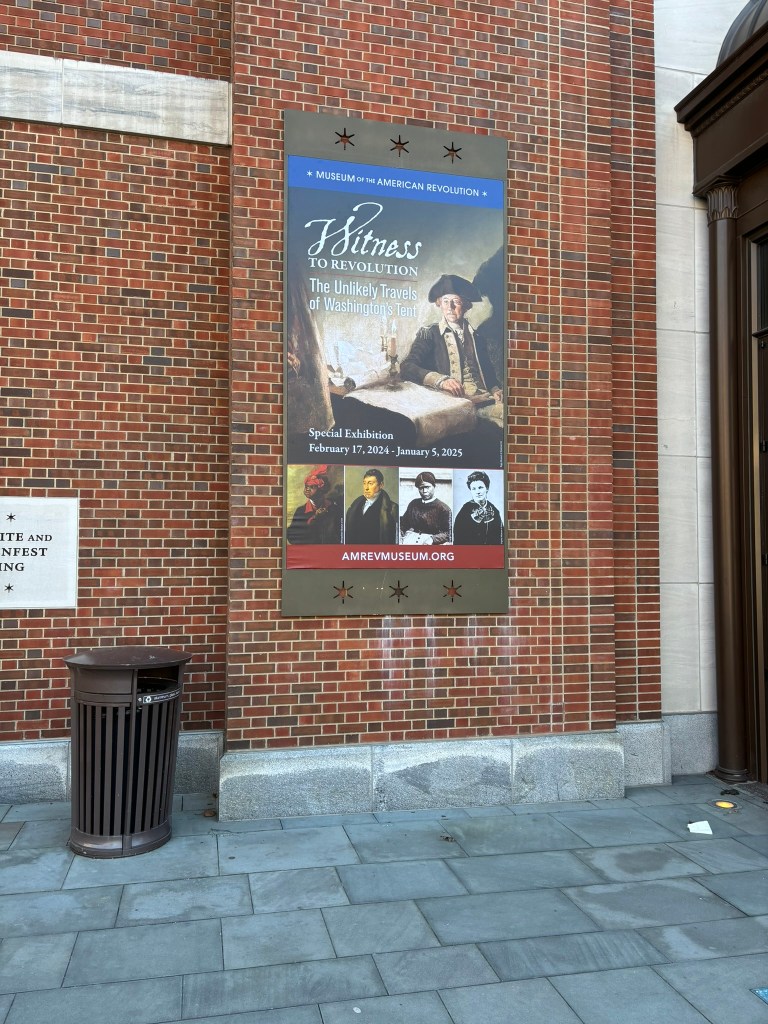
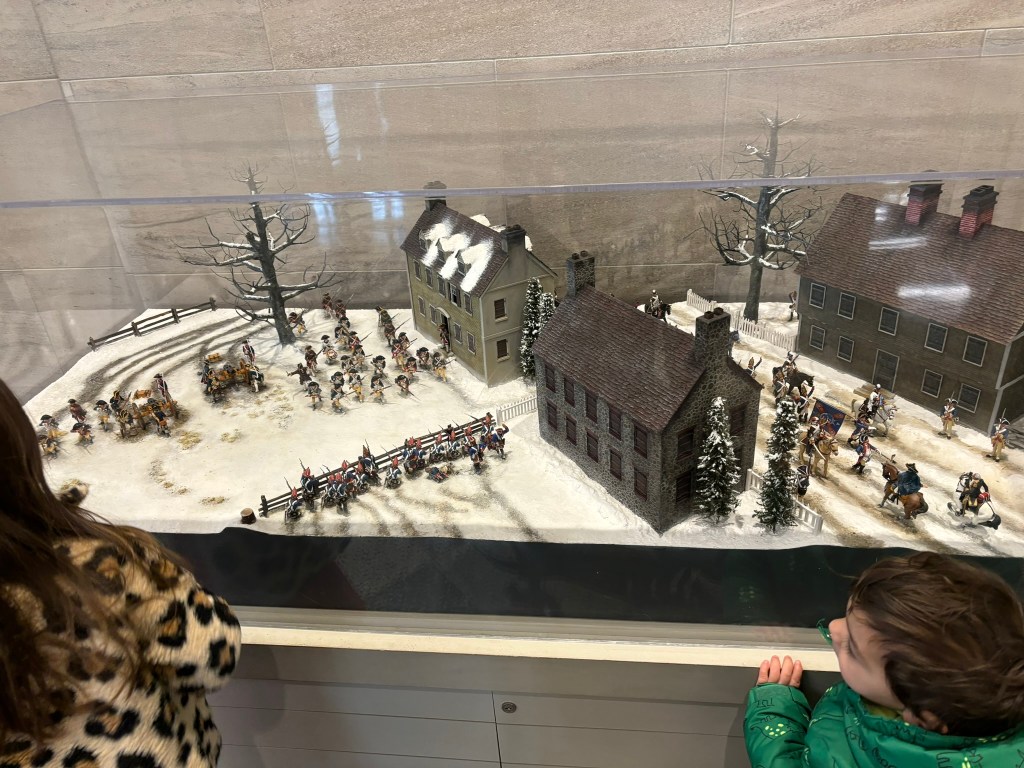
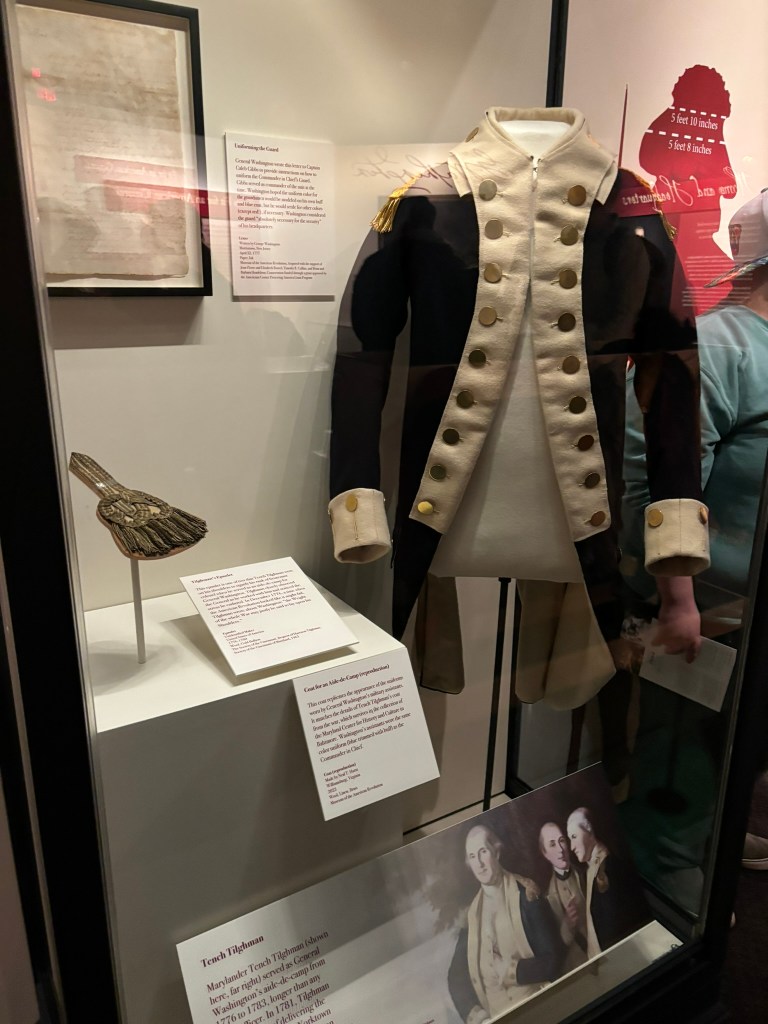
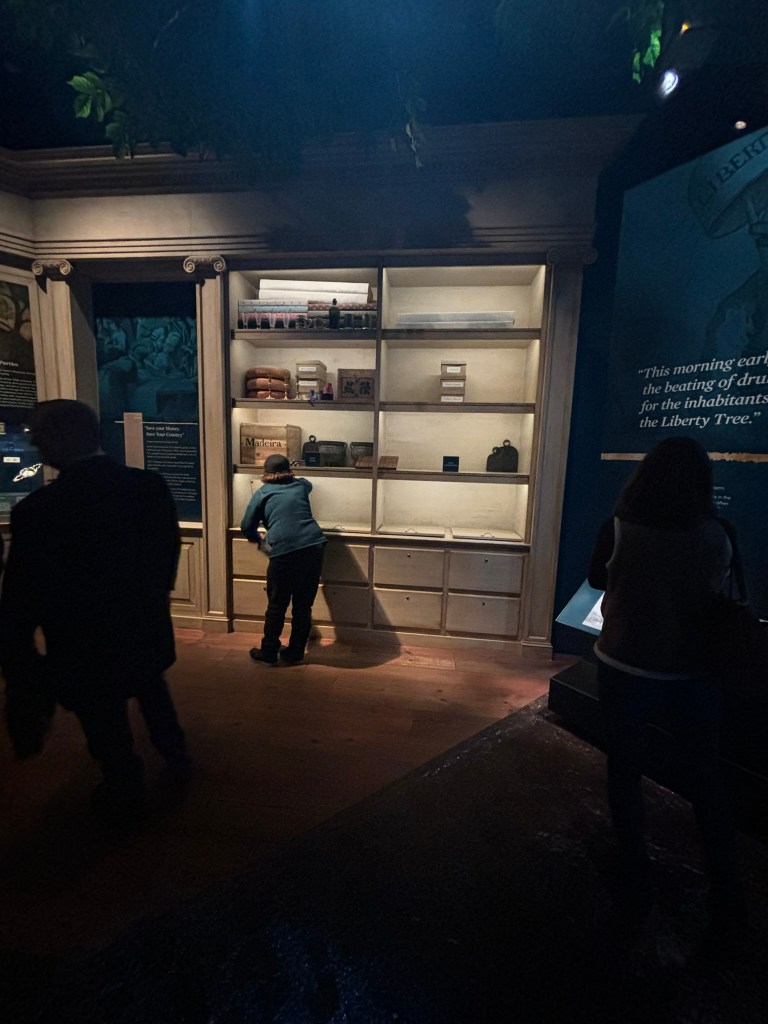
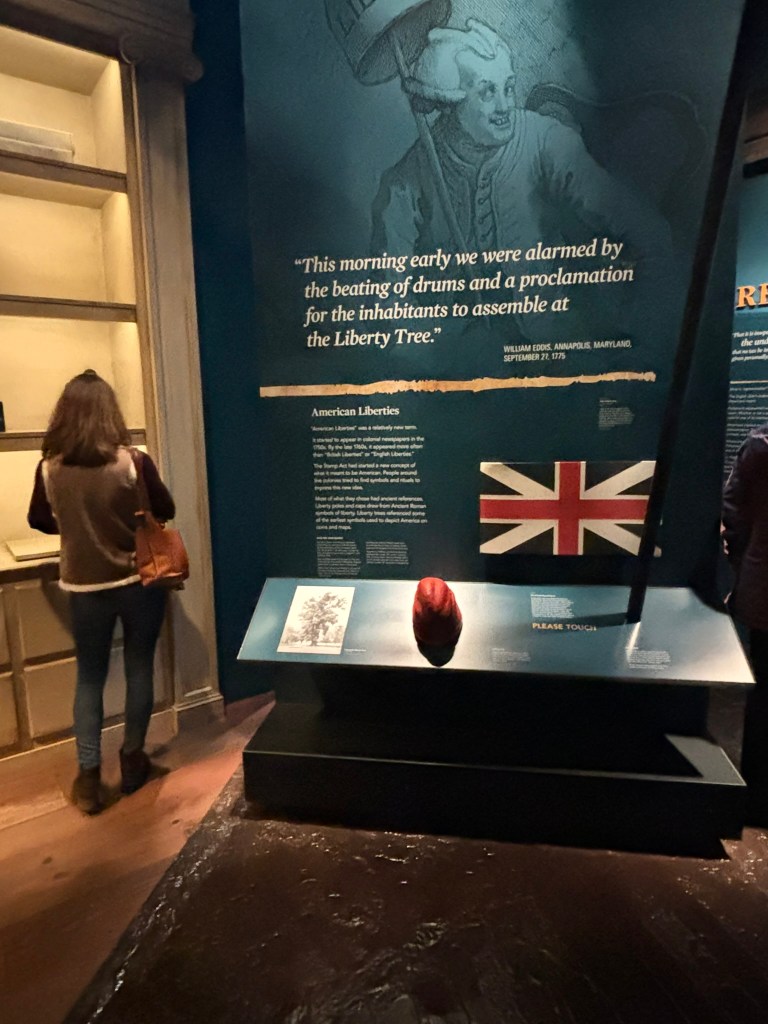
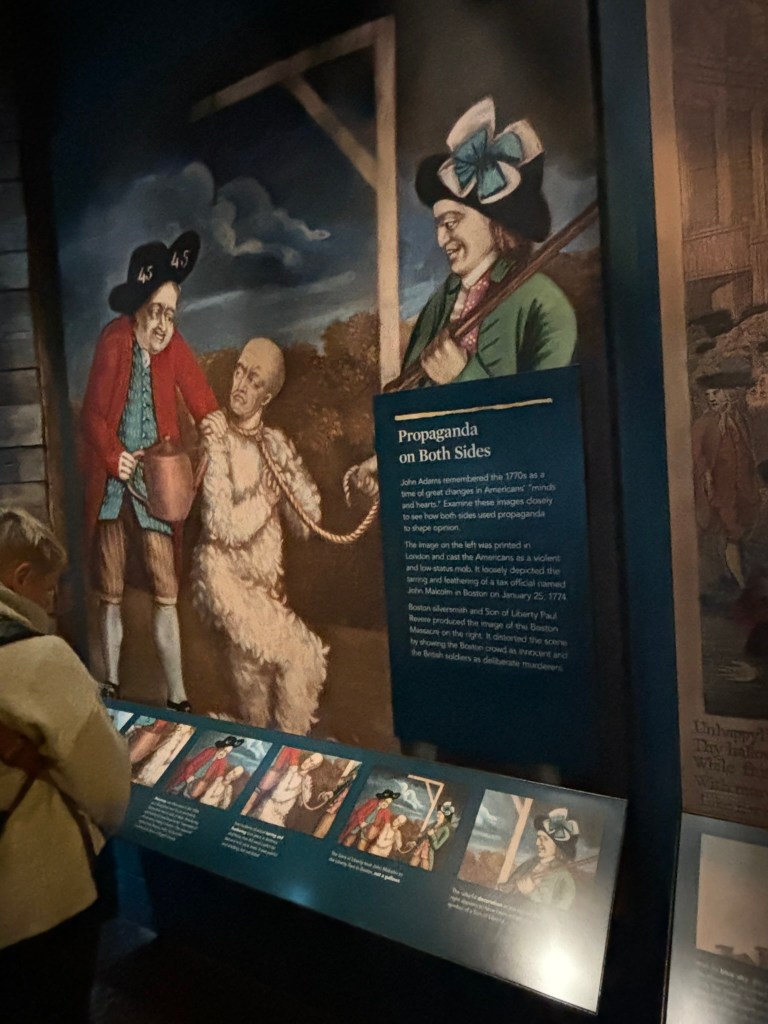
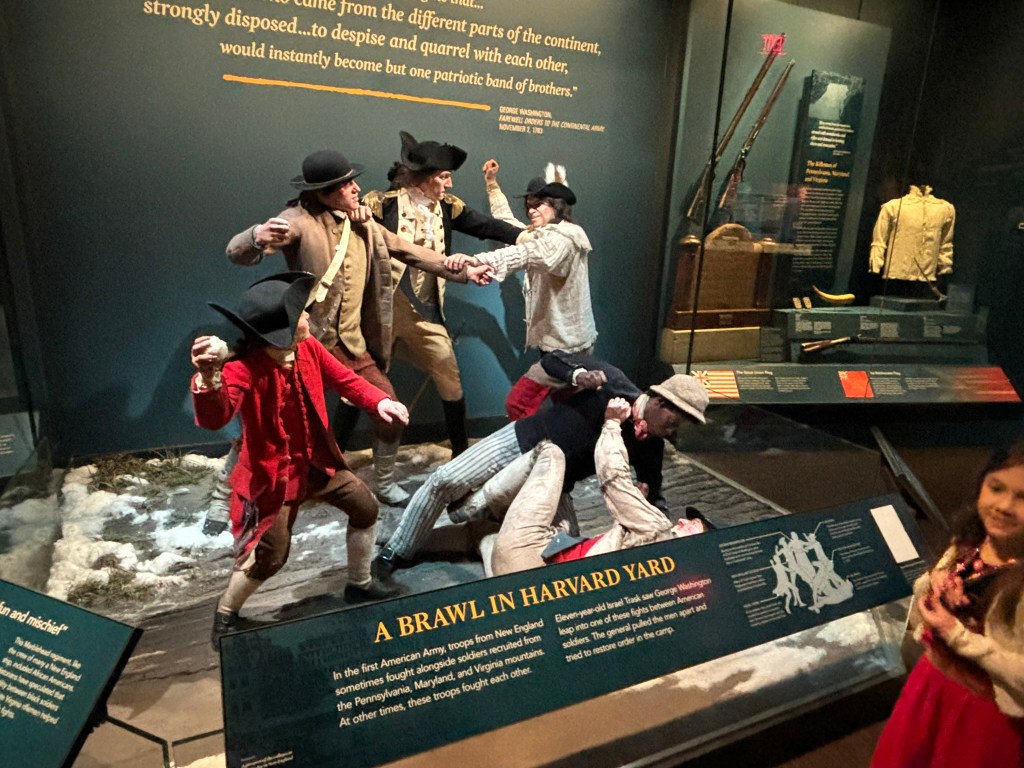
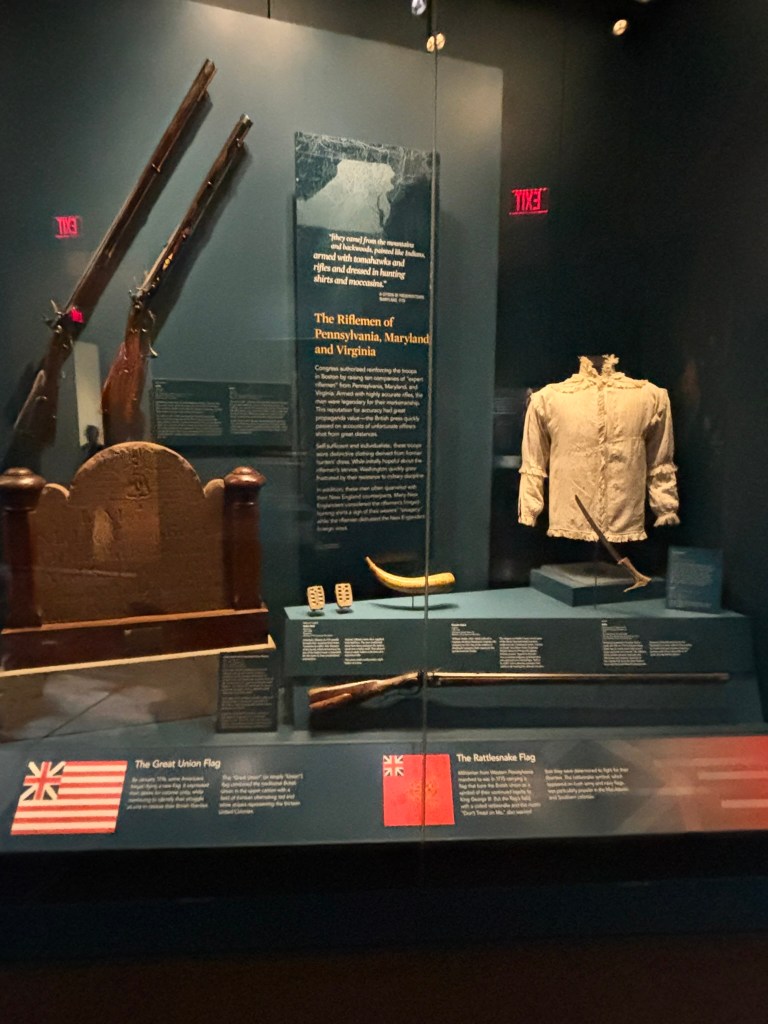
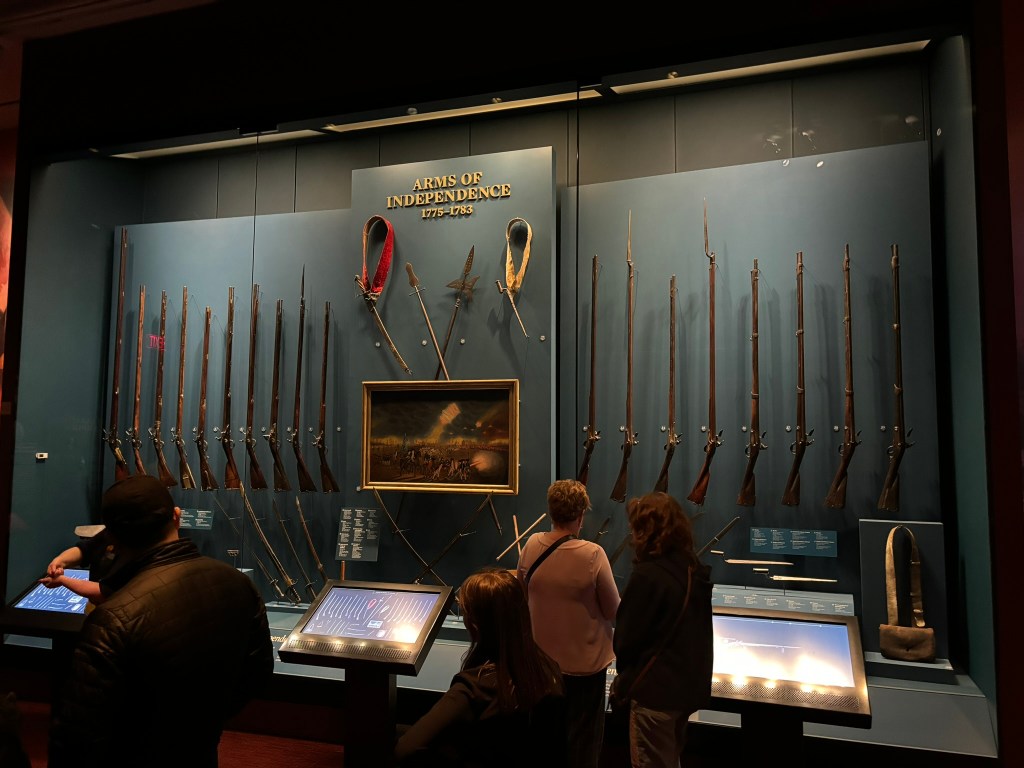
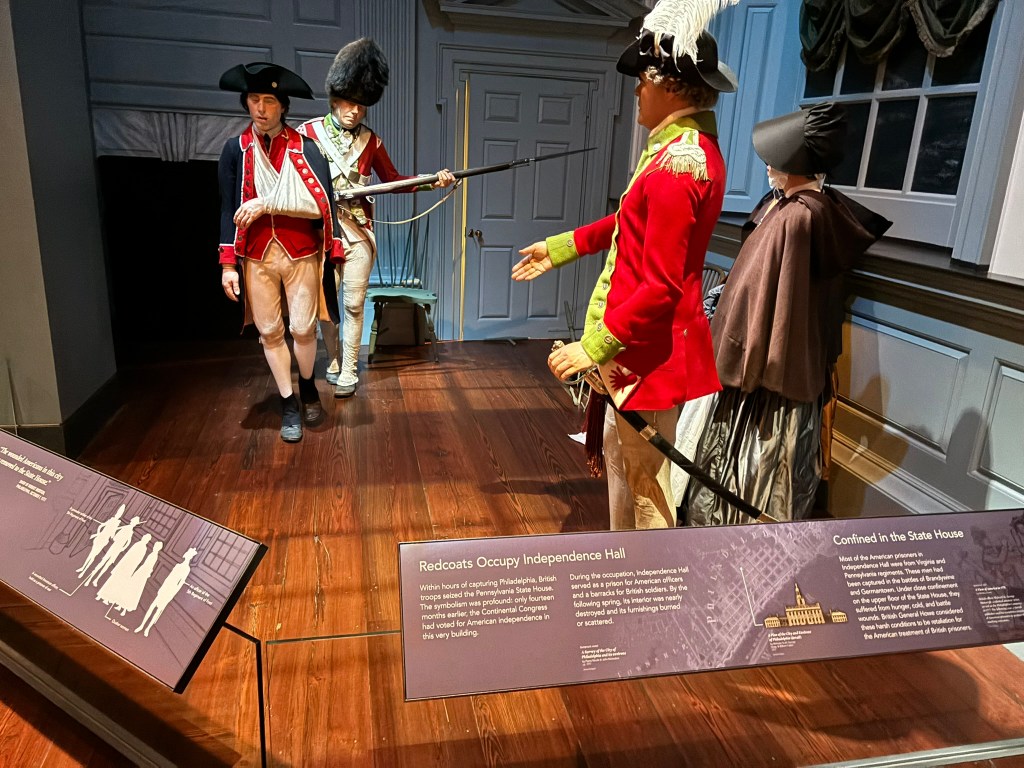
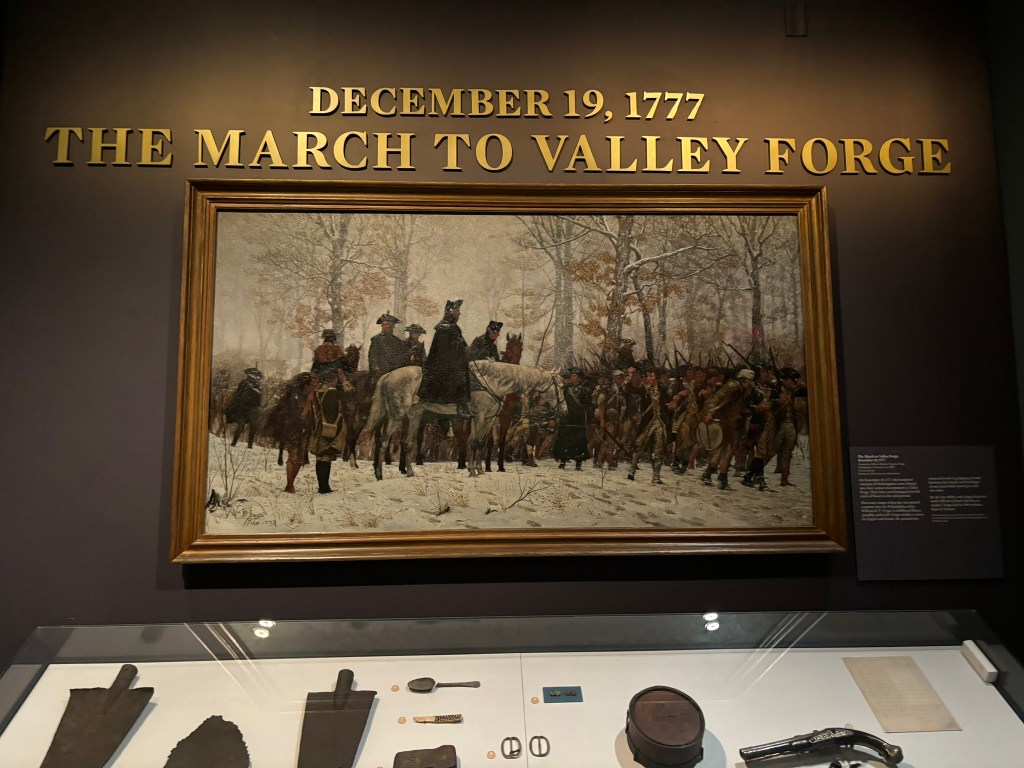
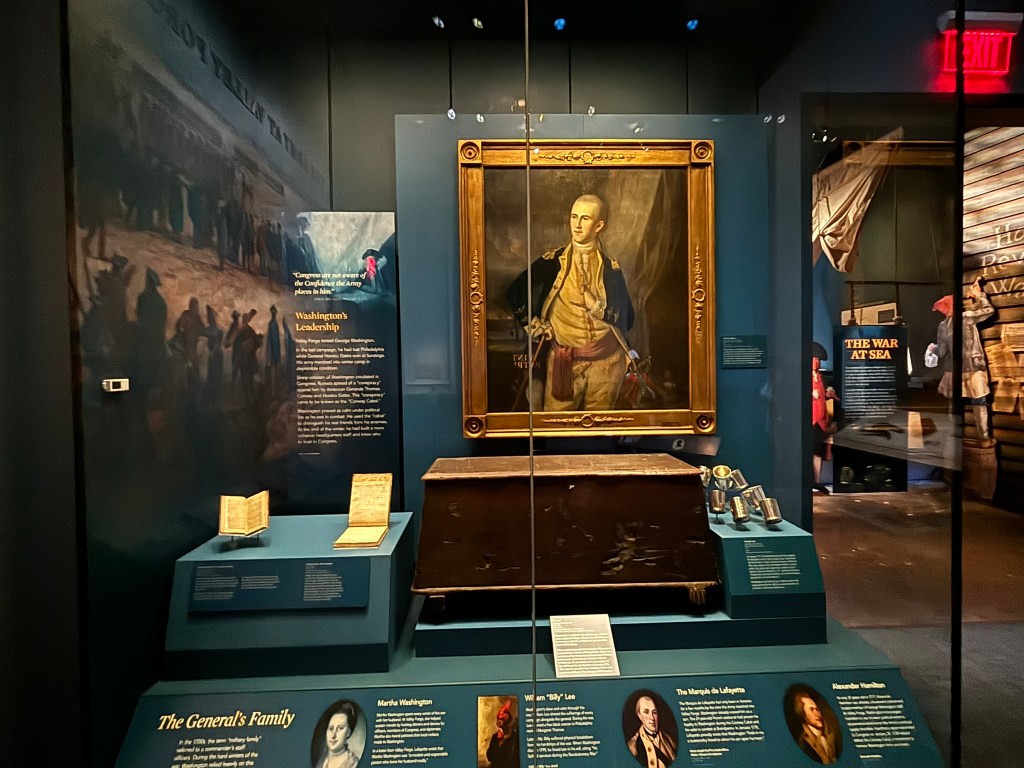
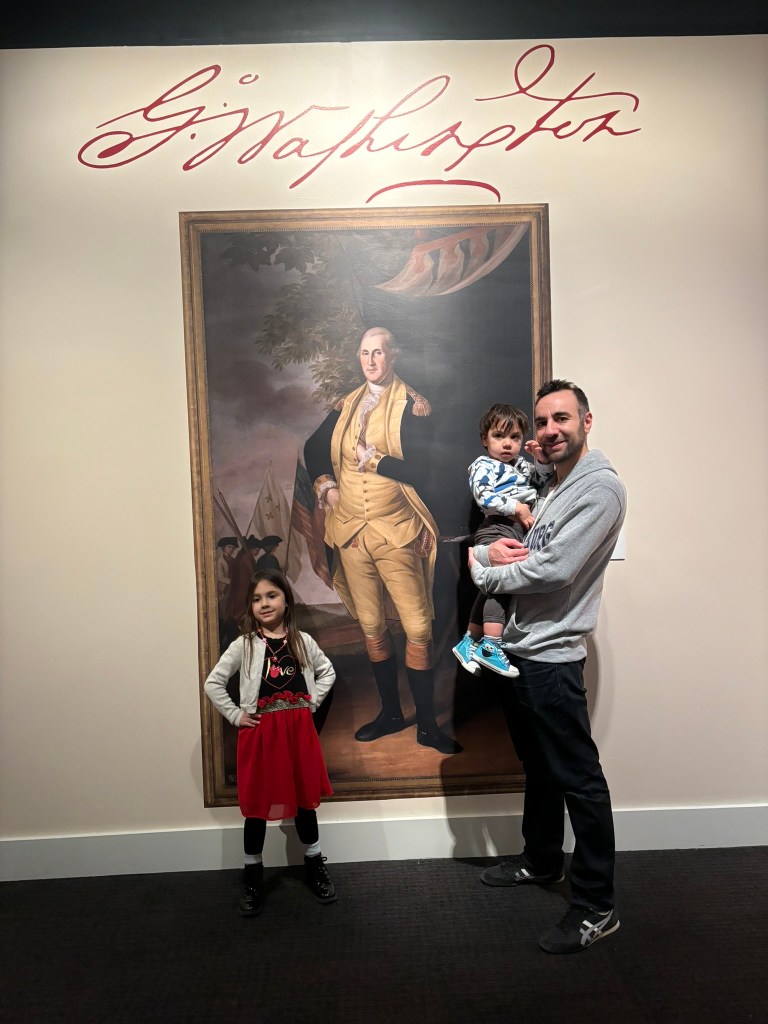
Our first stop when we arrived in Phili was the Museum of the American Revolution, which was my first visit there. The special exhibit that opened the day before we arrived is “Witness to History: The Unlikely Travels of Washington’s Tent.” In my blog post from July 2023, (visit here) my family and I visited Morristown, NJ to see a replica of Washington’s War Tent, and explore inside. The real, authentic tent is located at the Museum of the American Revolution, and we were able to see it there (the museum did not allow photographs of the tent, but photos can be found here.) The new exhibit highlights the roughly 250 year journey of Washington’s War Tent as it has passed through the generations and miraculously has survived through not-so-delicate hands to make it to the museum in Philadelphia. The tent highlights Washington’s commitment to be among his troops and live in similar conditions as them. Washington was a leader that his troops could relate to and respect. He did not want to appear as an elitist or authoritarian. His living quarters were far different from what other European leaders, such as Napoleon, were living in while on campaign. Before viewing the real tent, you are shown a short video about the Revolution and the journey of the tent through the ages. The survival of the tent represents the survival of our fragile, delicate and at-times challenged republic.
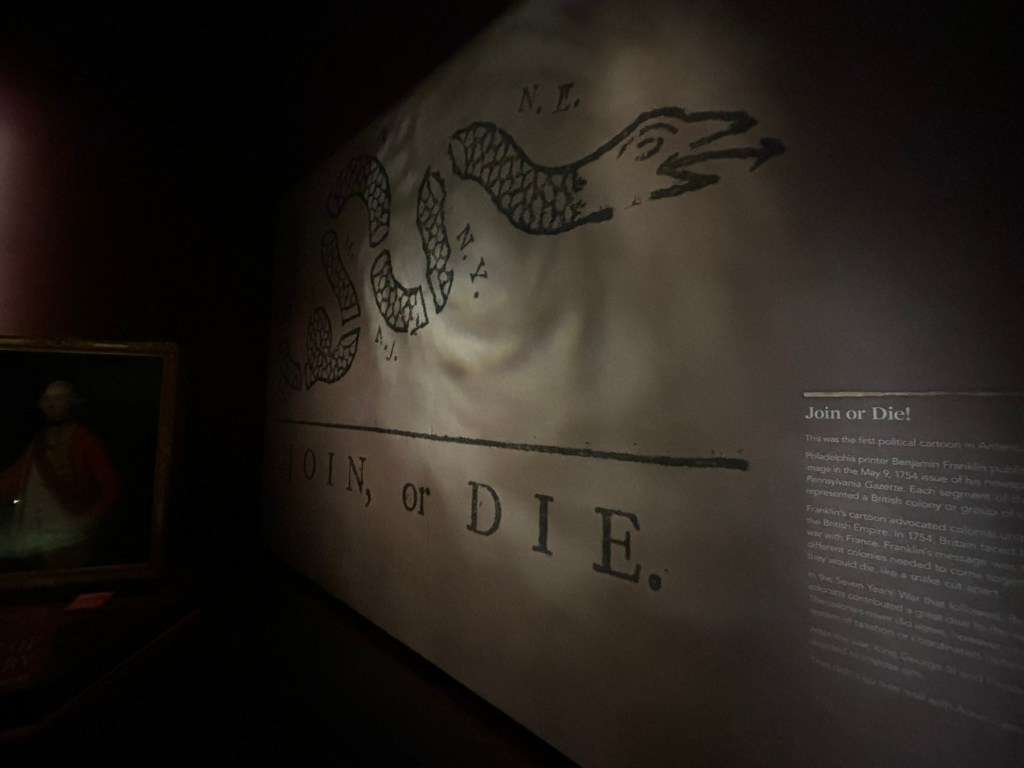
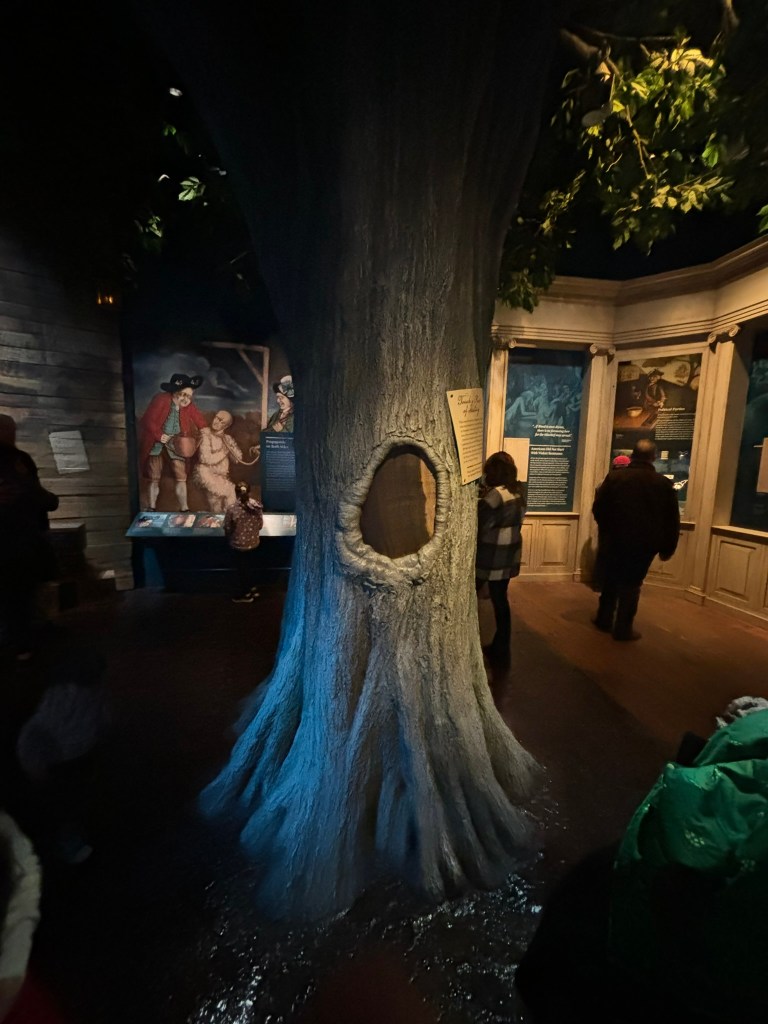
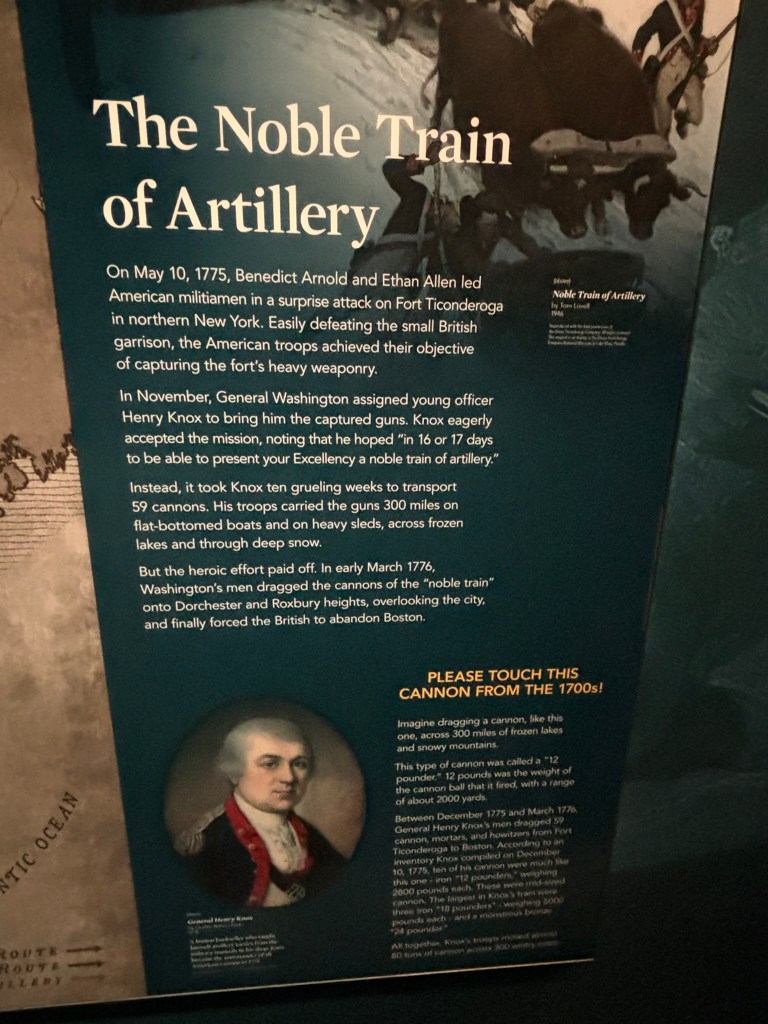
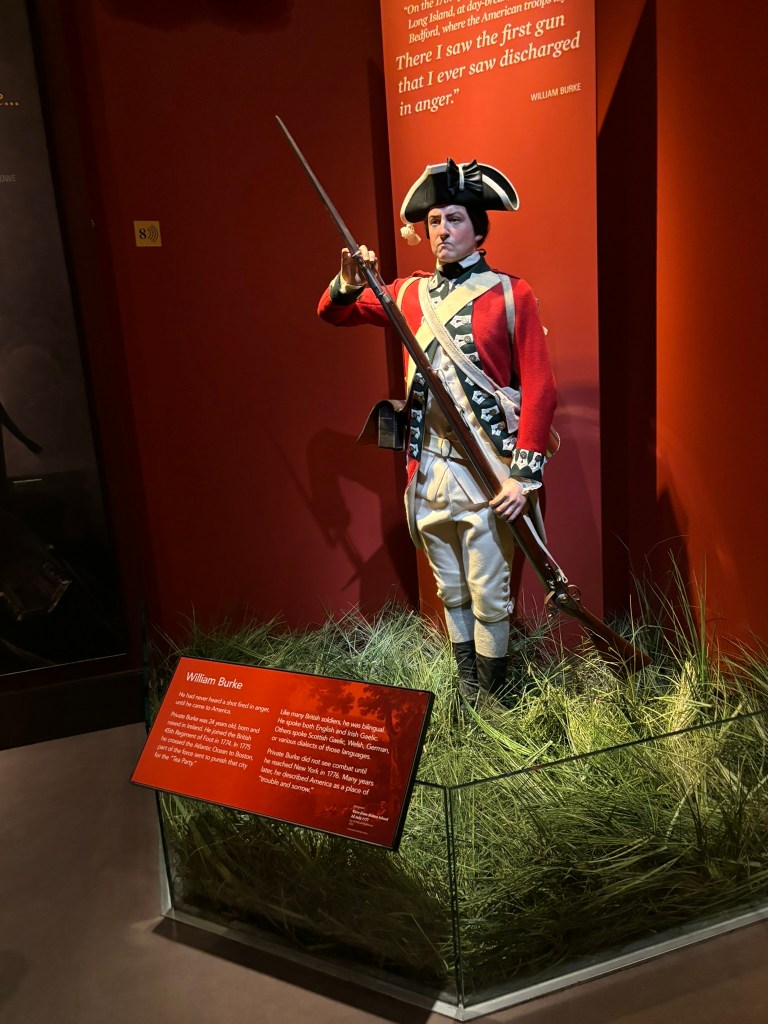
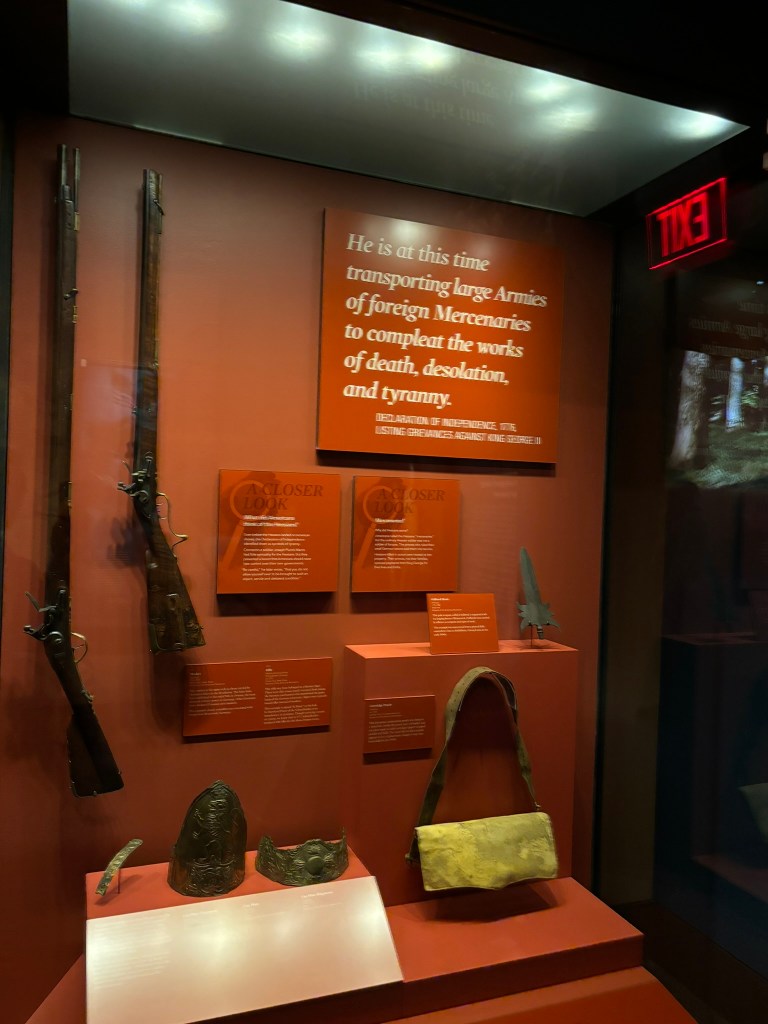
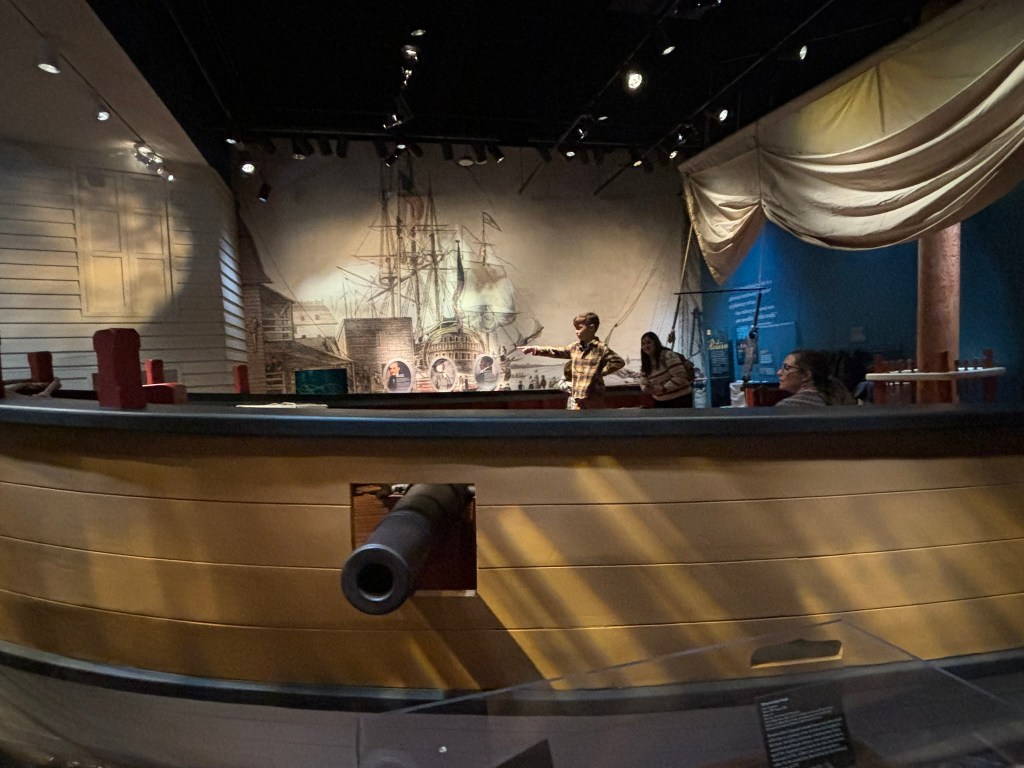
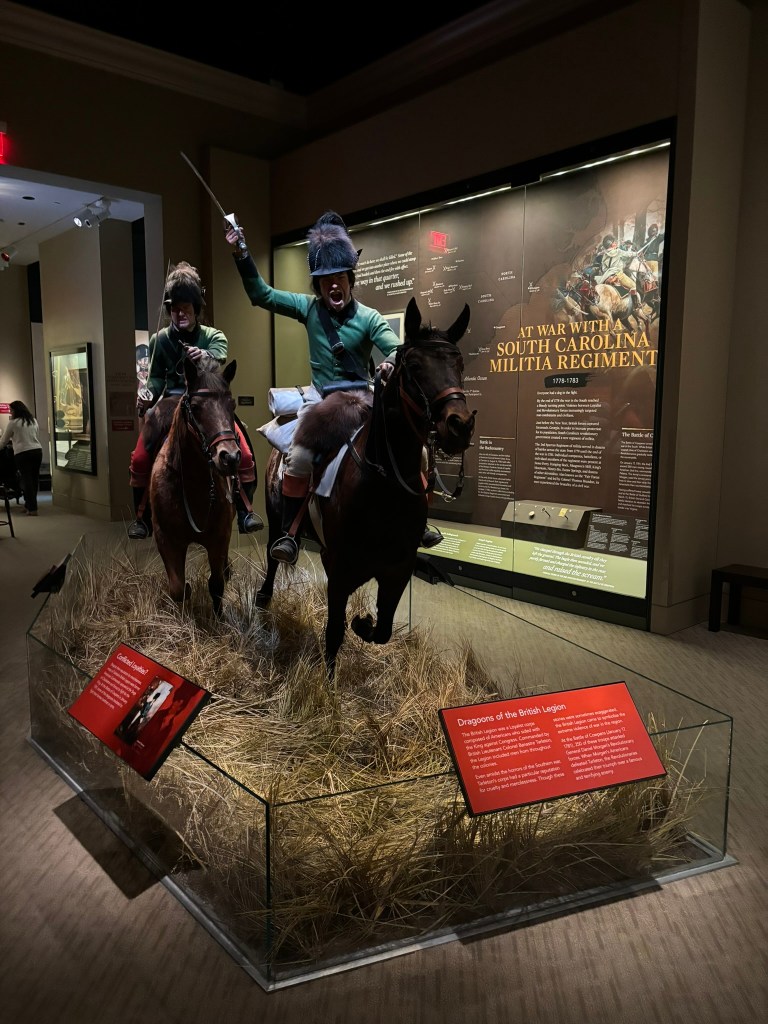
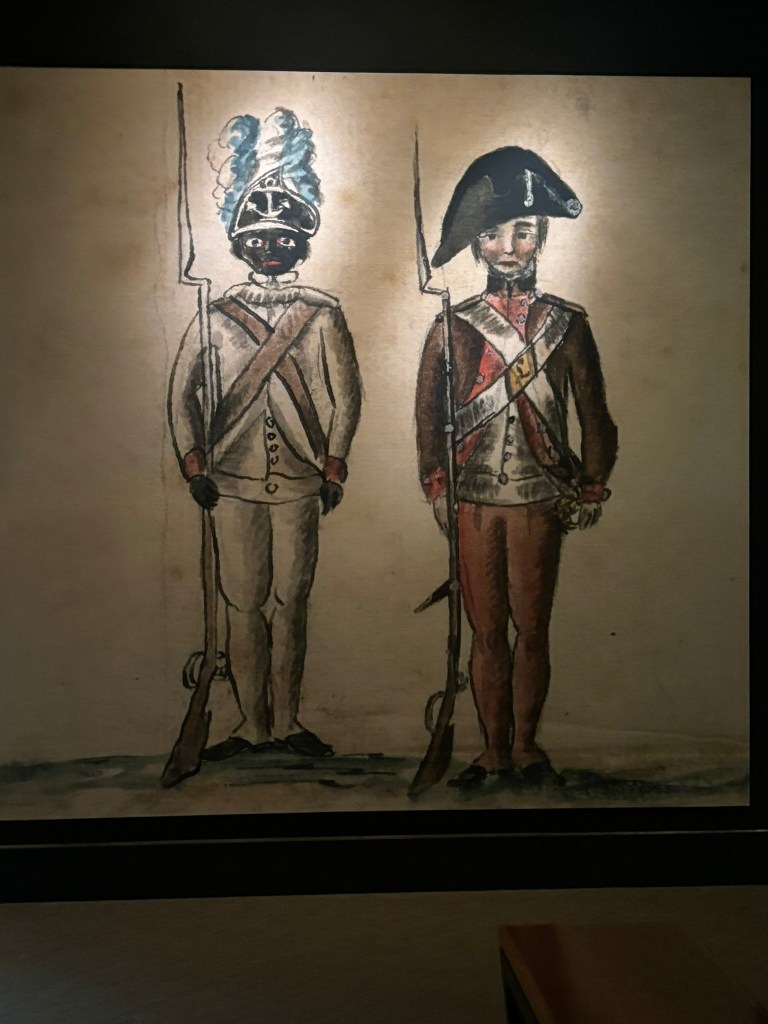
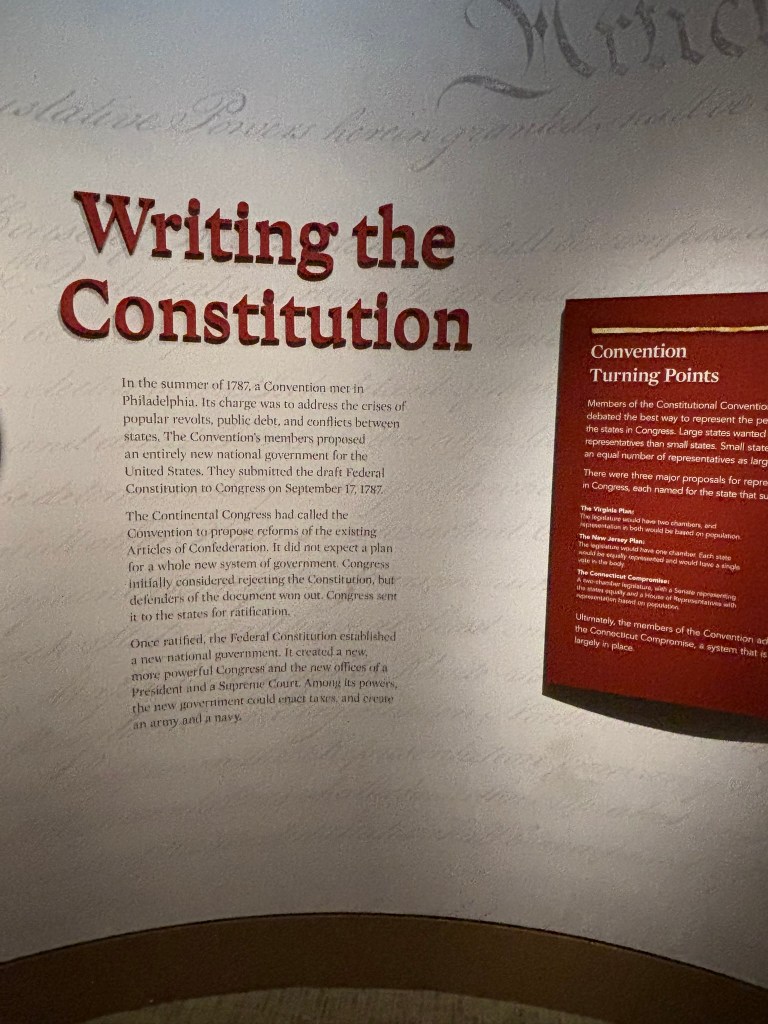
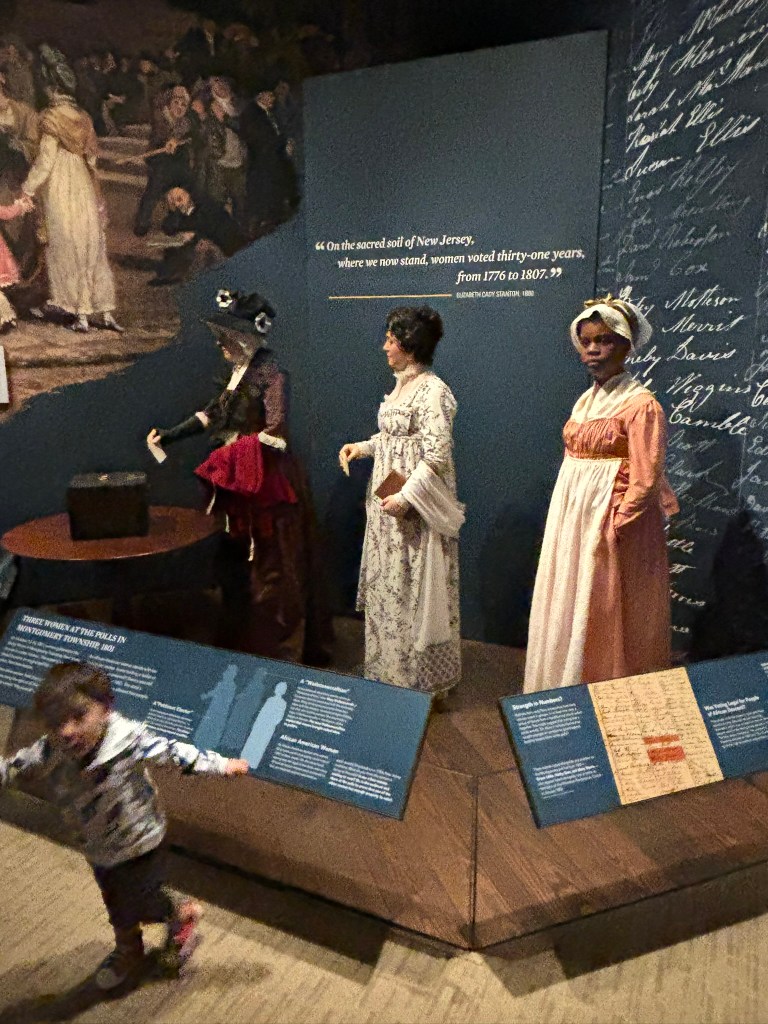
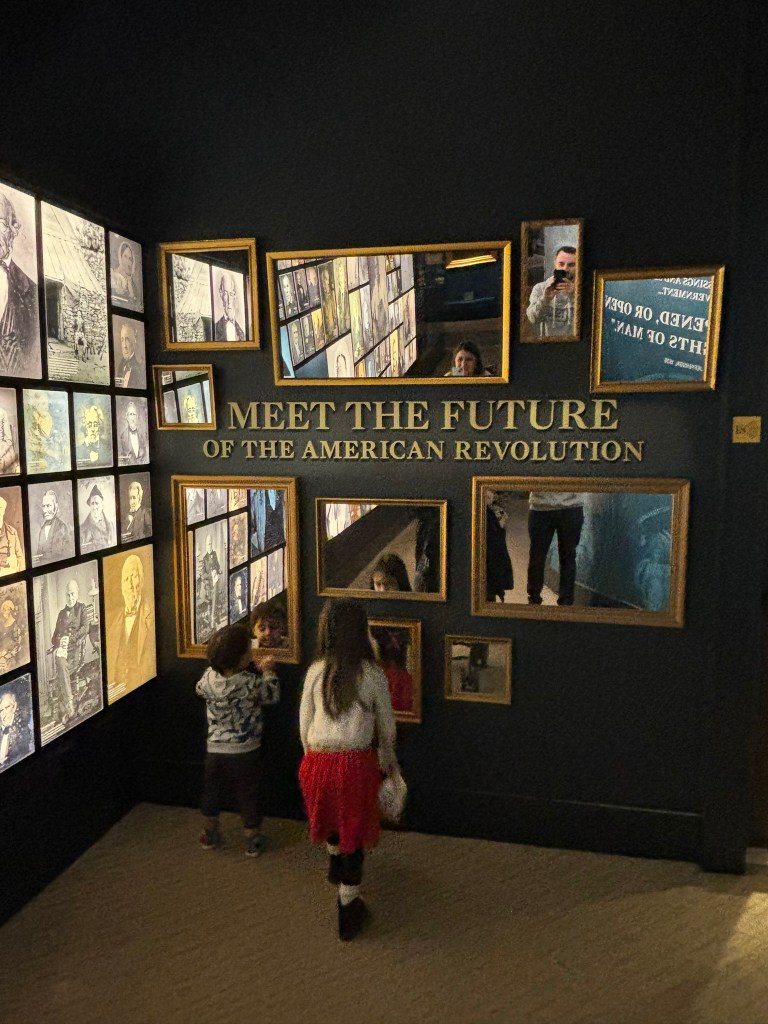
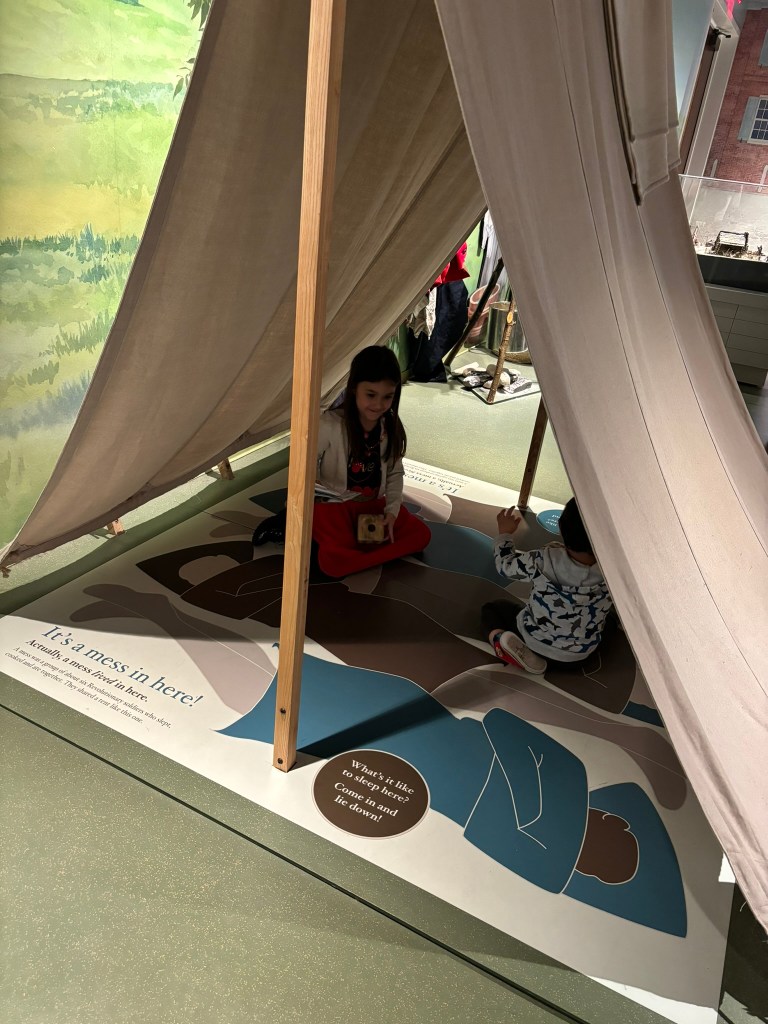
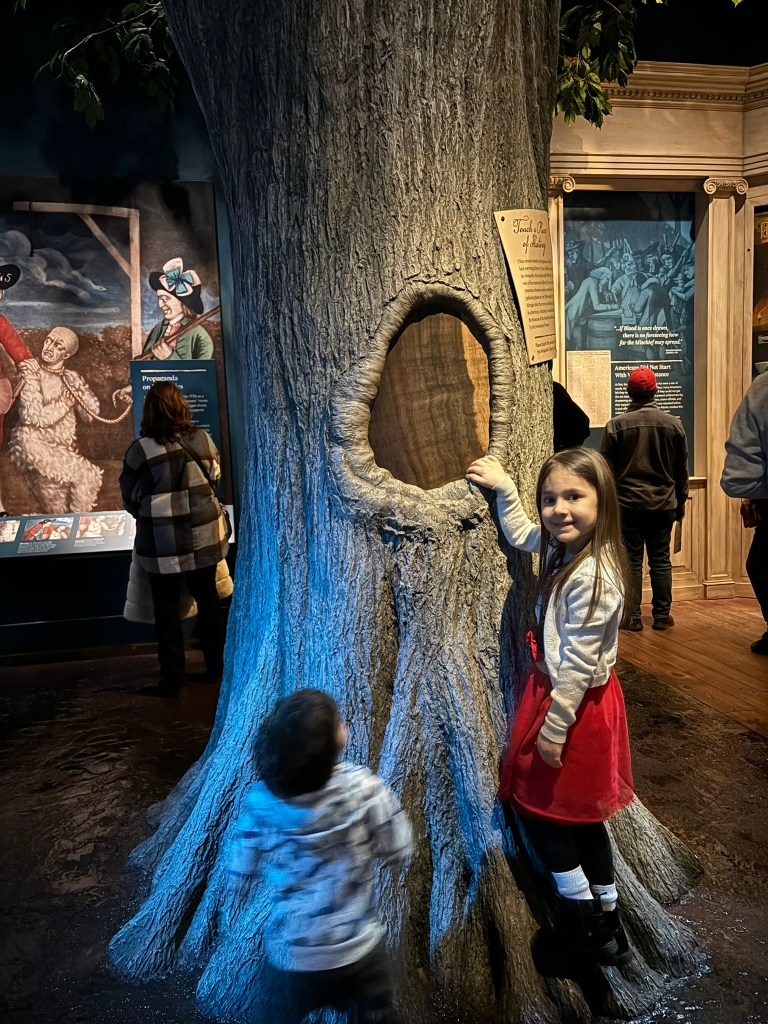
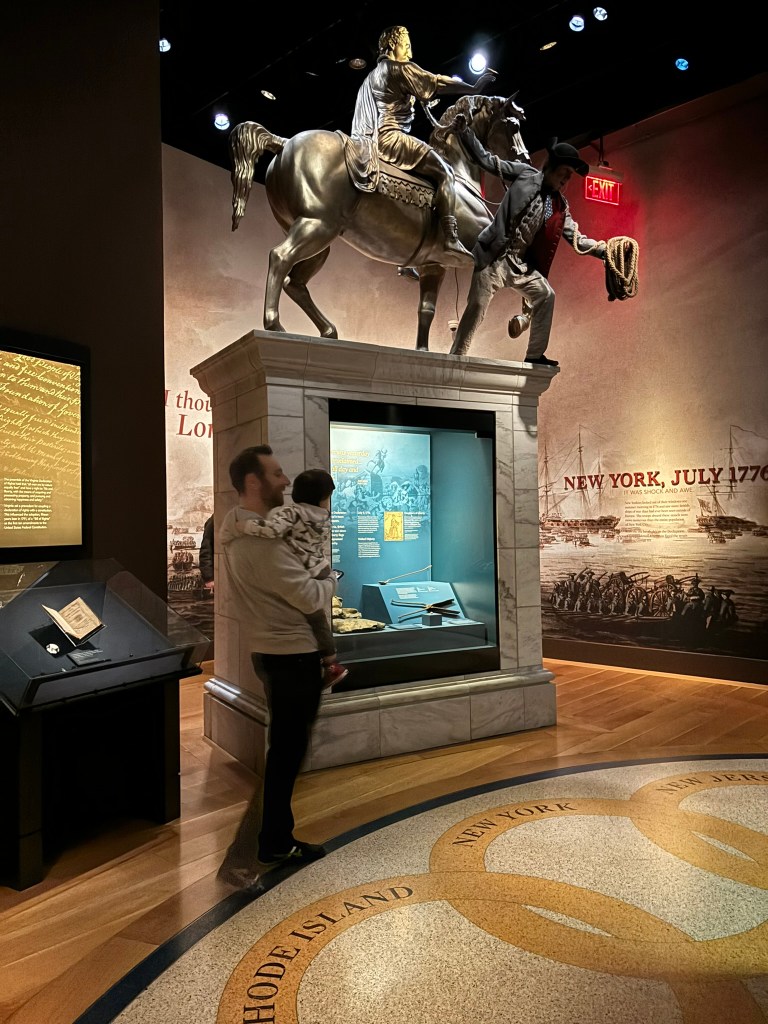
After we saw the tent and explored the special exhibit about the history of the tent, we journeyed through the rest of the museum. The main exhibit immerses you in the events of the Revolution, from the French and Indian war, the British taxes, the protests by the colonists, the opening shots at Lexington and Concord, the key events that transpired throughout the war, and the writing of the Constitution. The exhibit teaches through informative plaques, hands-on learning, videos and artifacts. It truly is a remarkable museum that everyone needs to visit. In the basement floor there is also an activity center for kids with hands-on and interactive exhibits. After our time spent at the museum, we head to lunch.
Christ Church Burial Site/ Grave of Ben Franklin
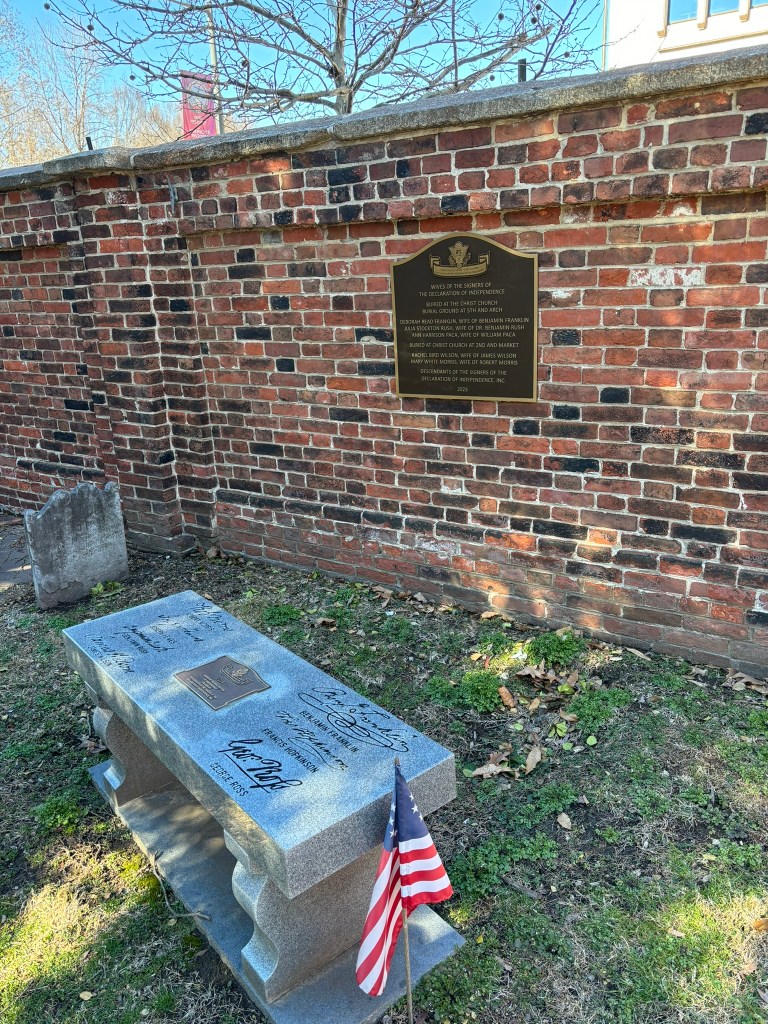
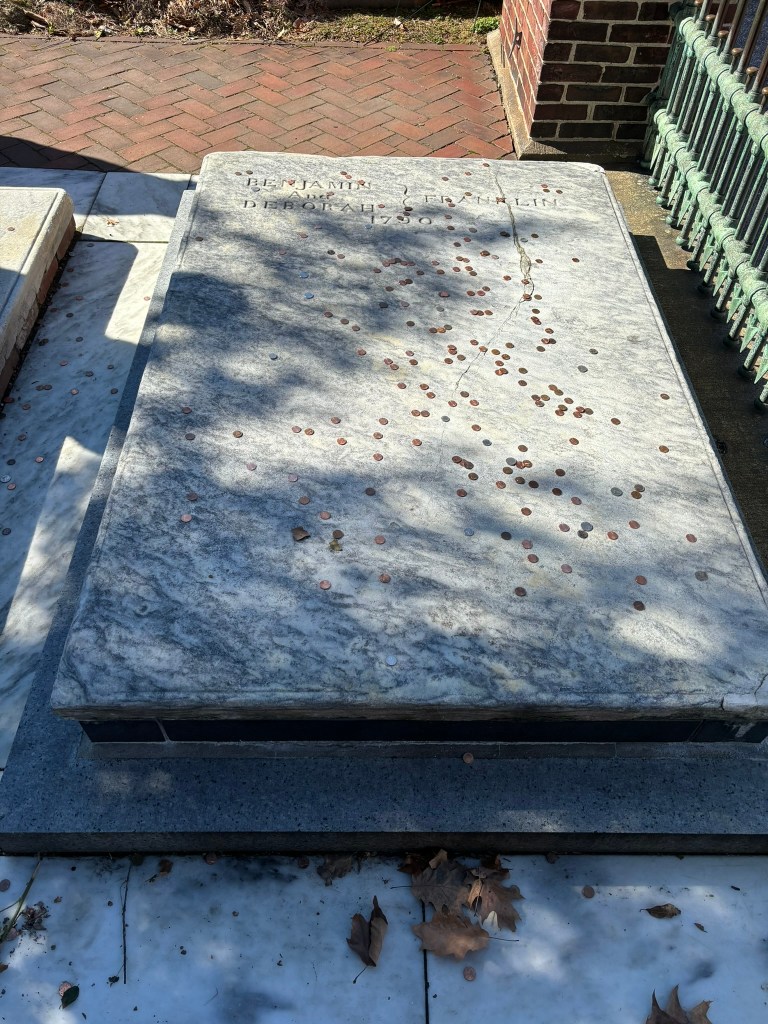
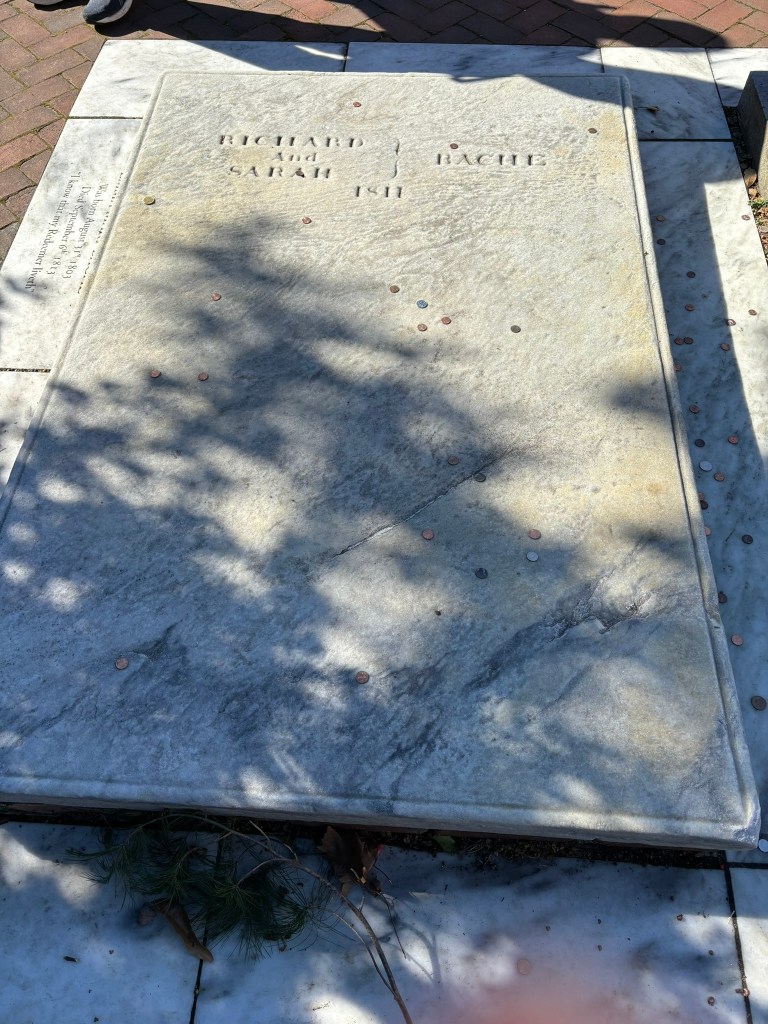
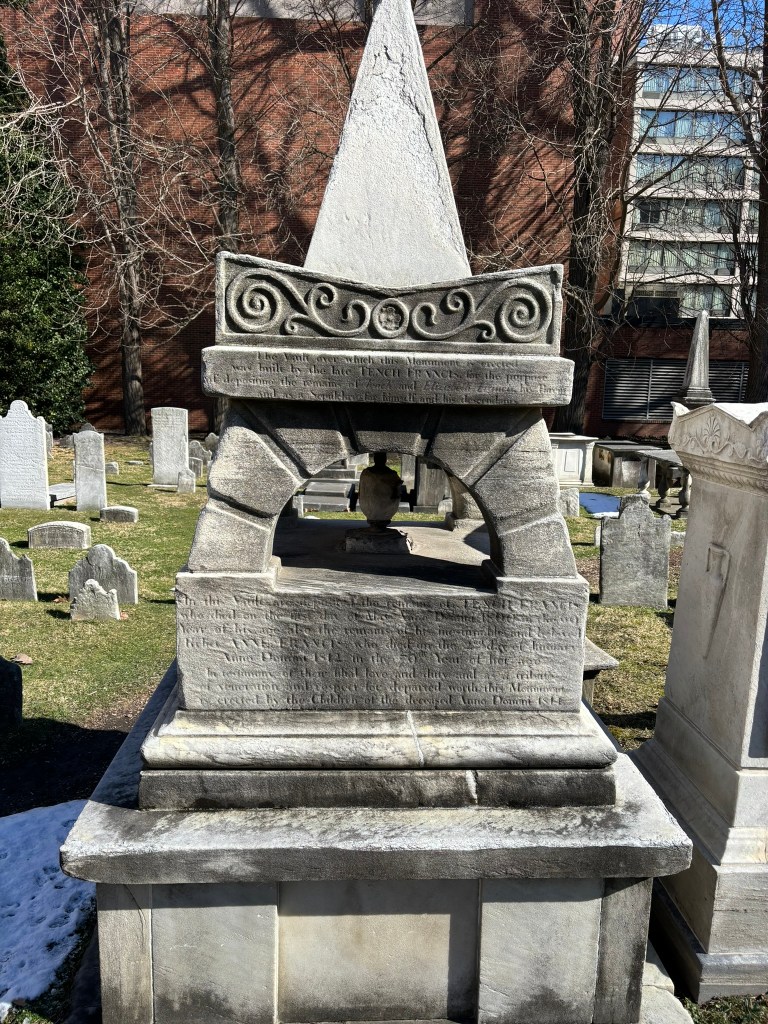
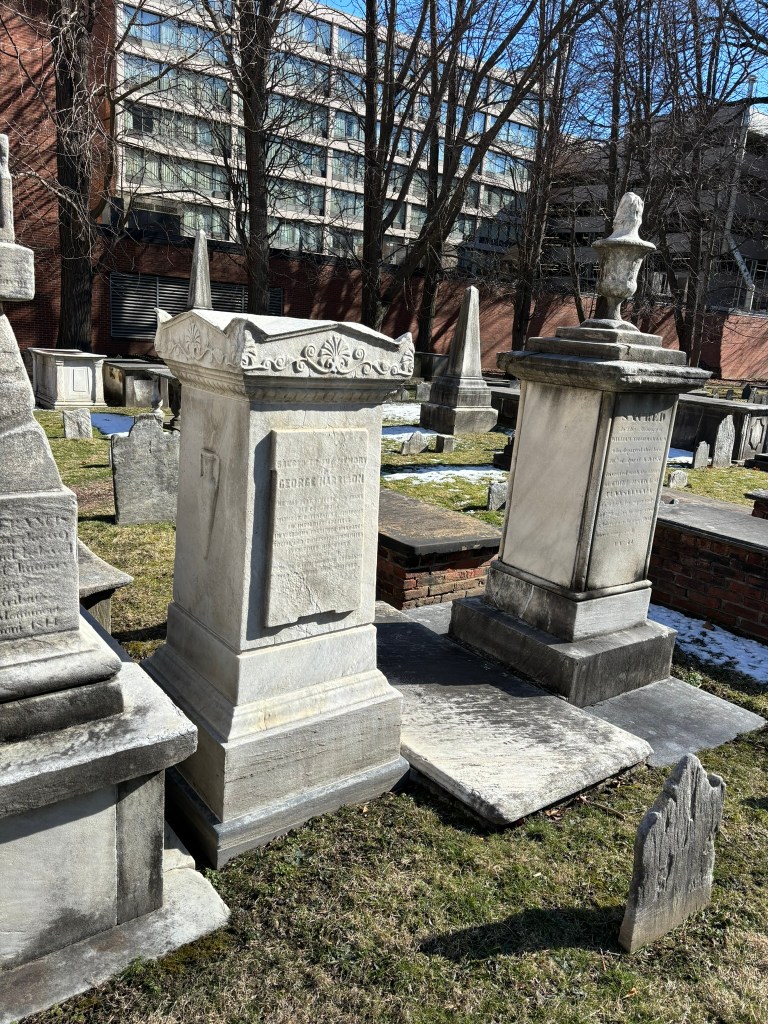
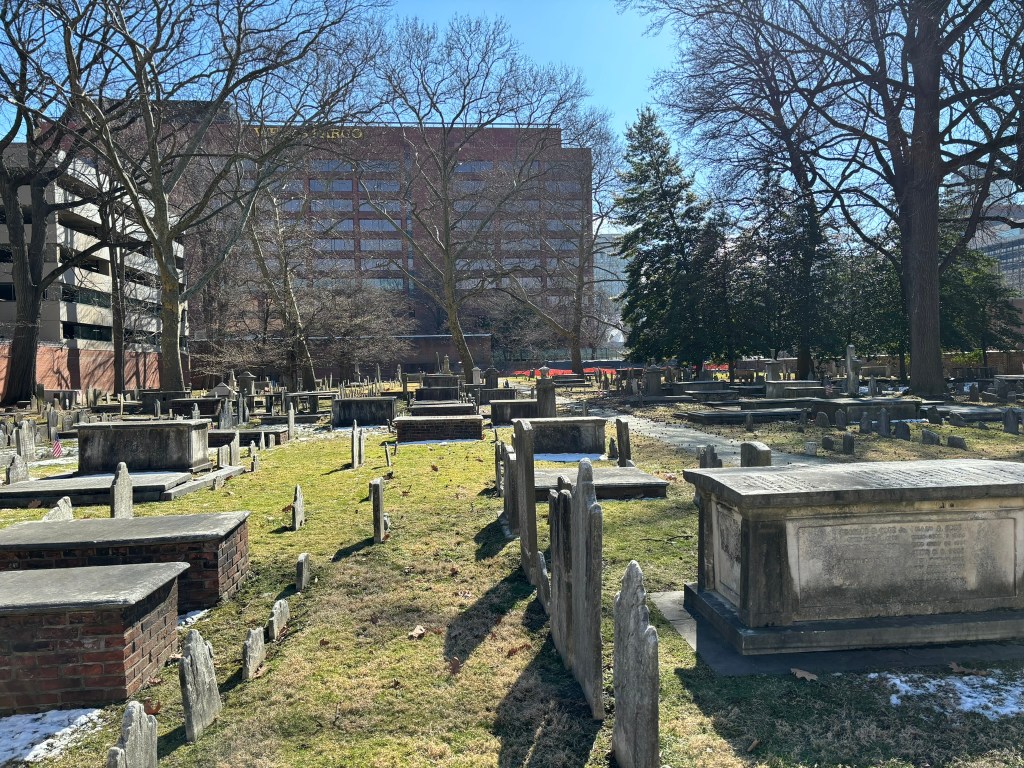
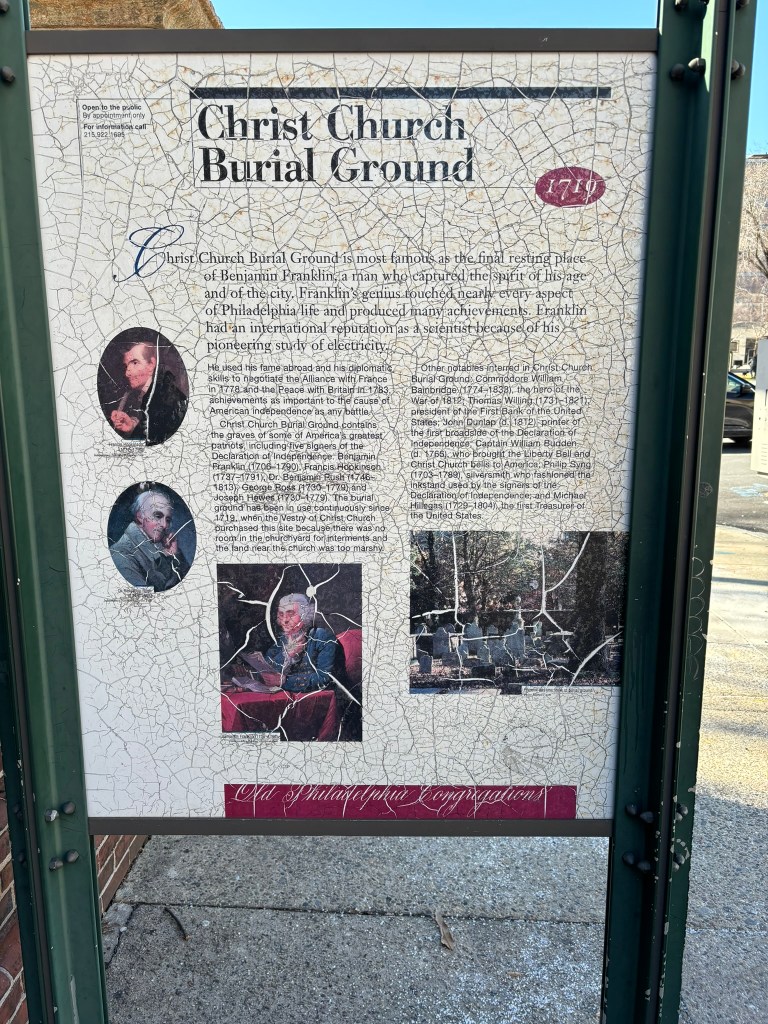
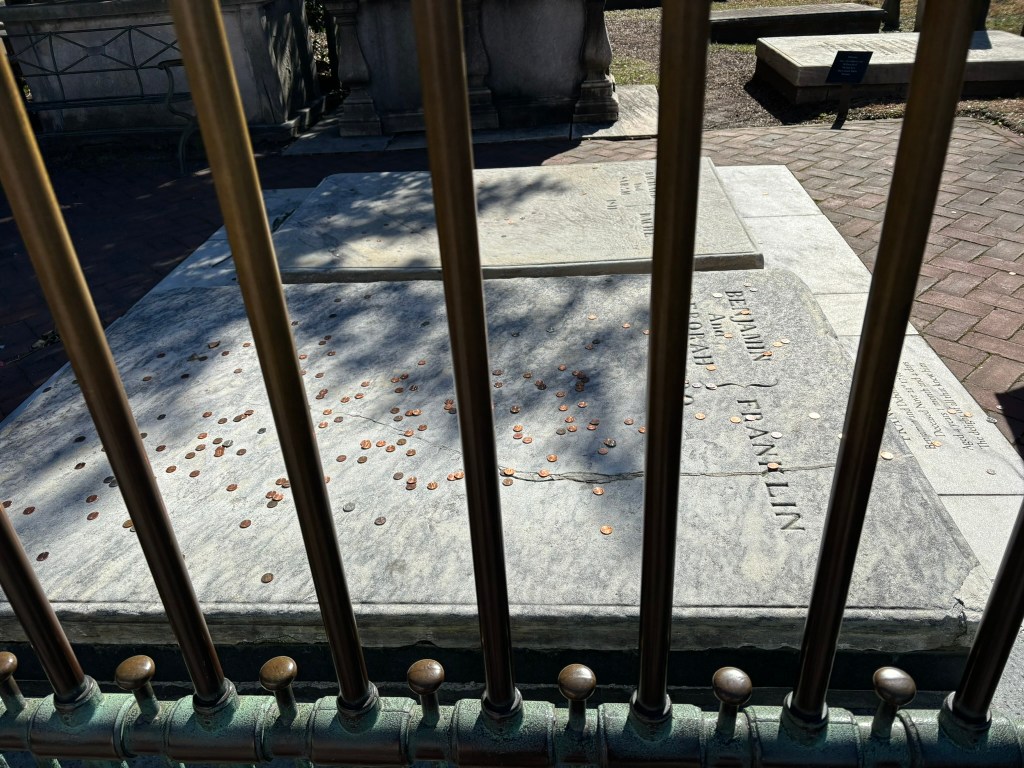
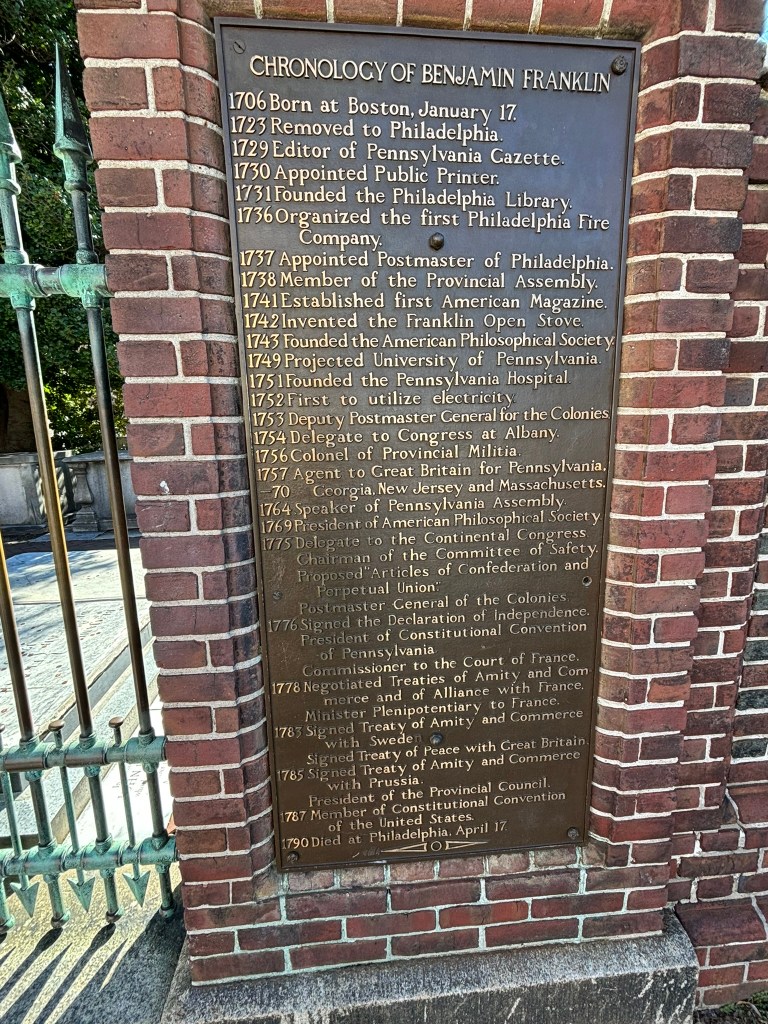
Our next historical stop was the National Constitution Center, but we first walked past Christ Church Burial Site and visited the grave of Benjamin Franklin. The graveyard also serves as a final resting place for many other individuals associated with the Revolution.
The National Constitution Center
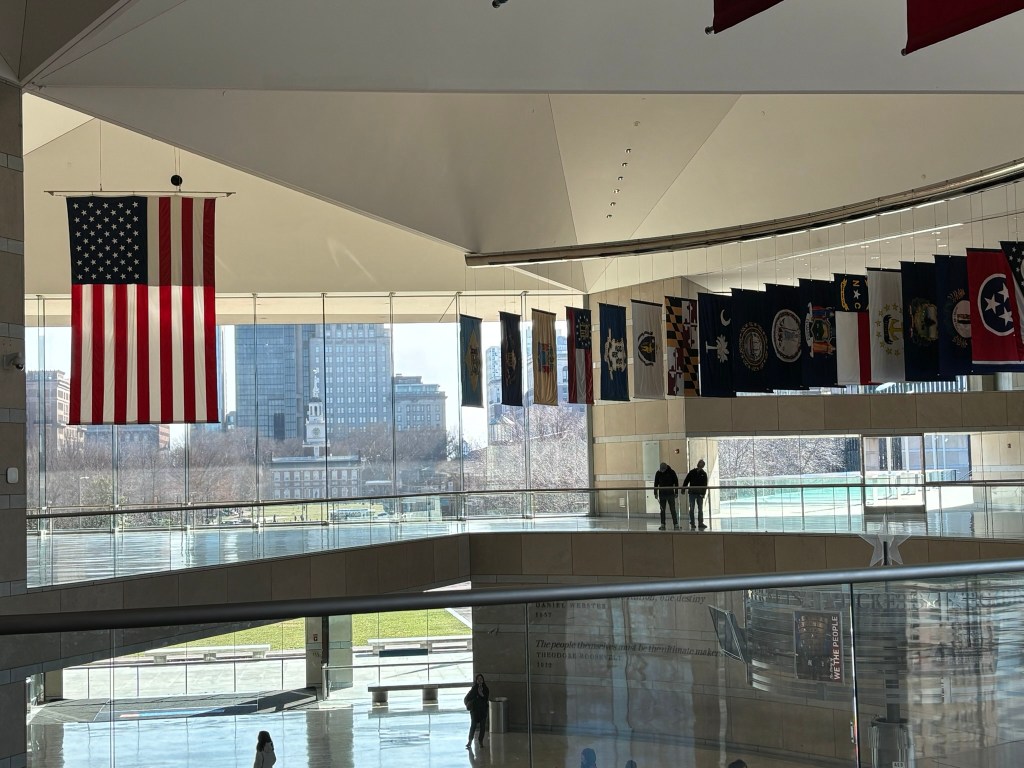
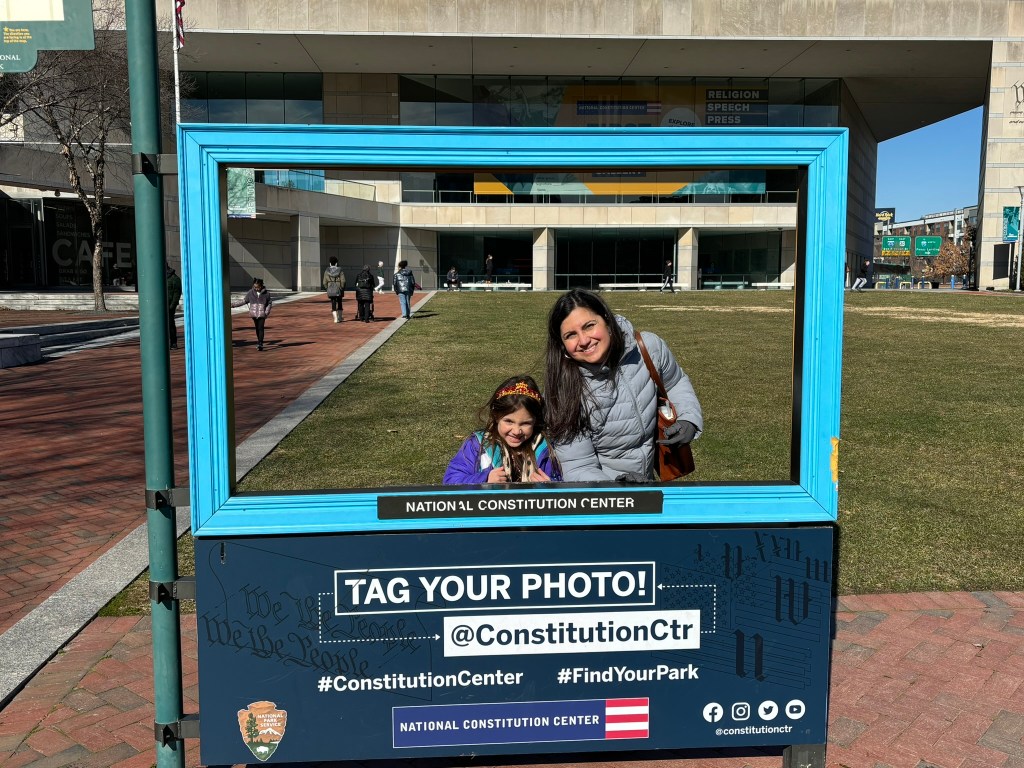
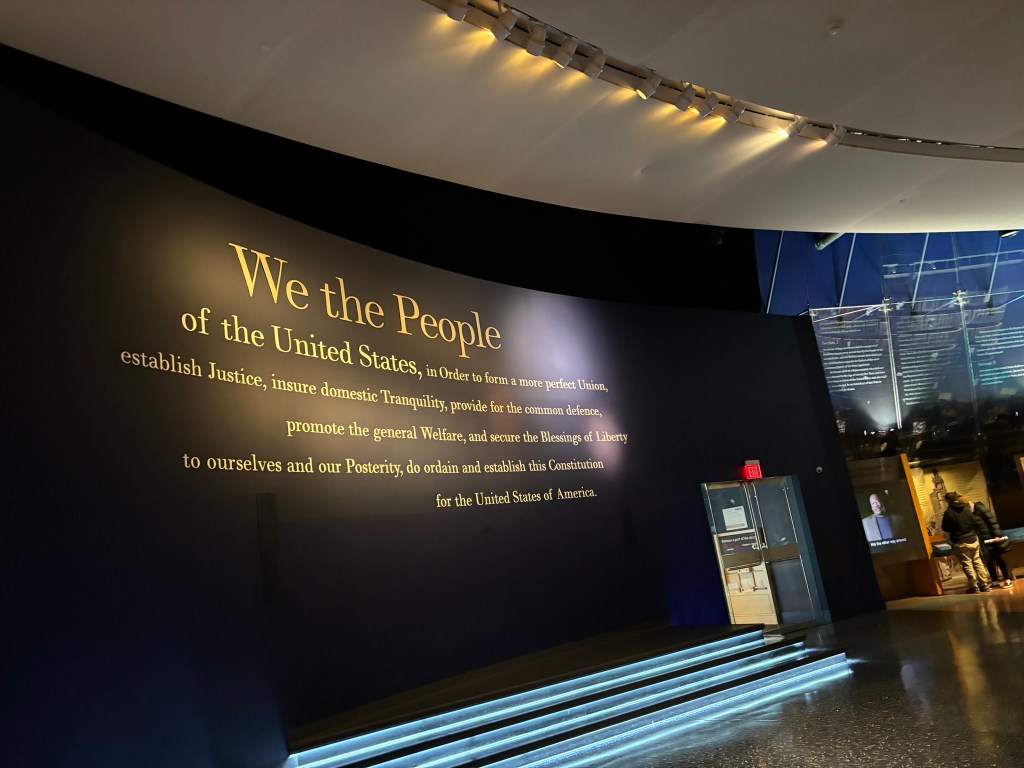
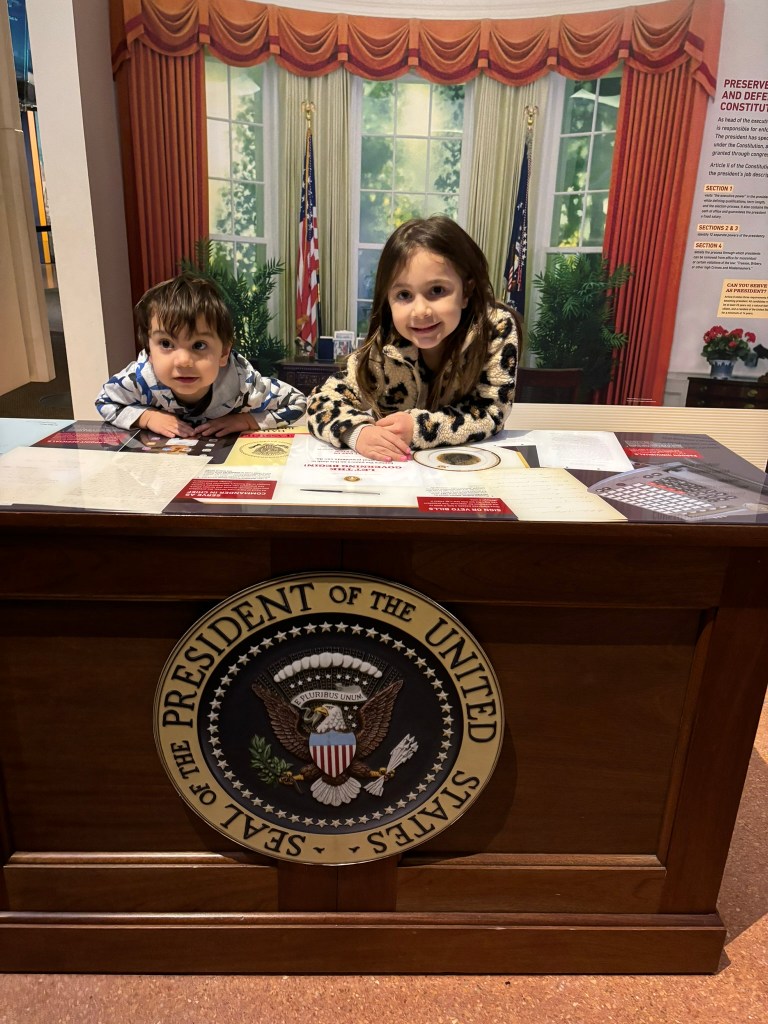
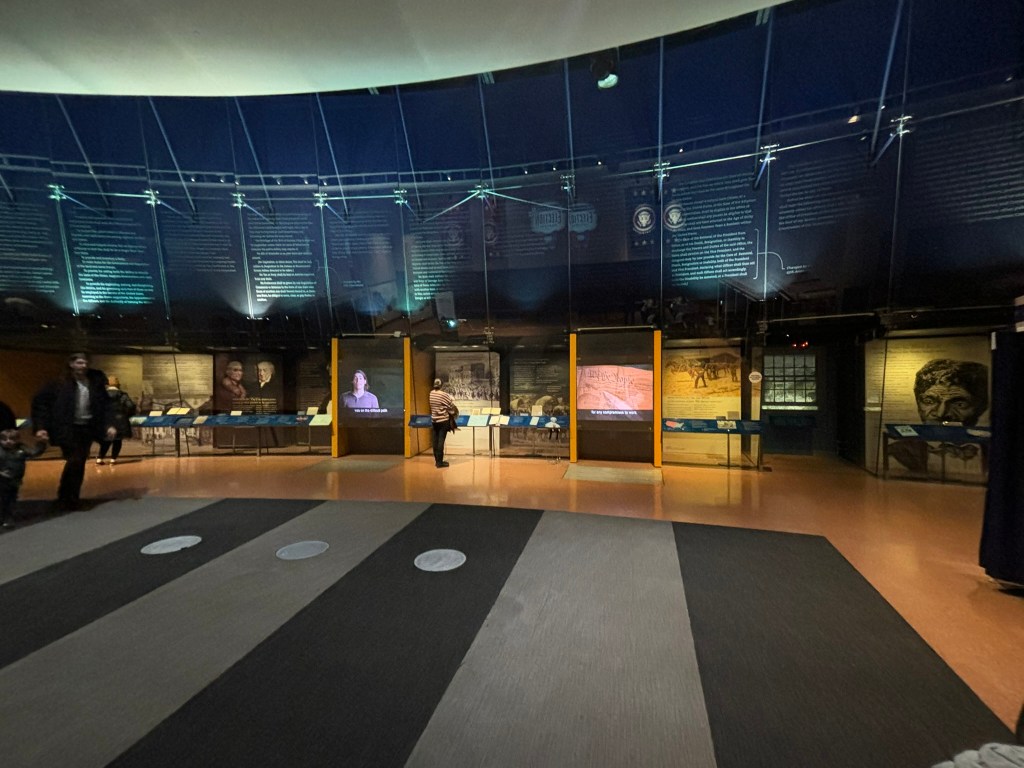
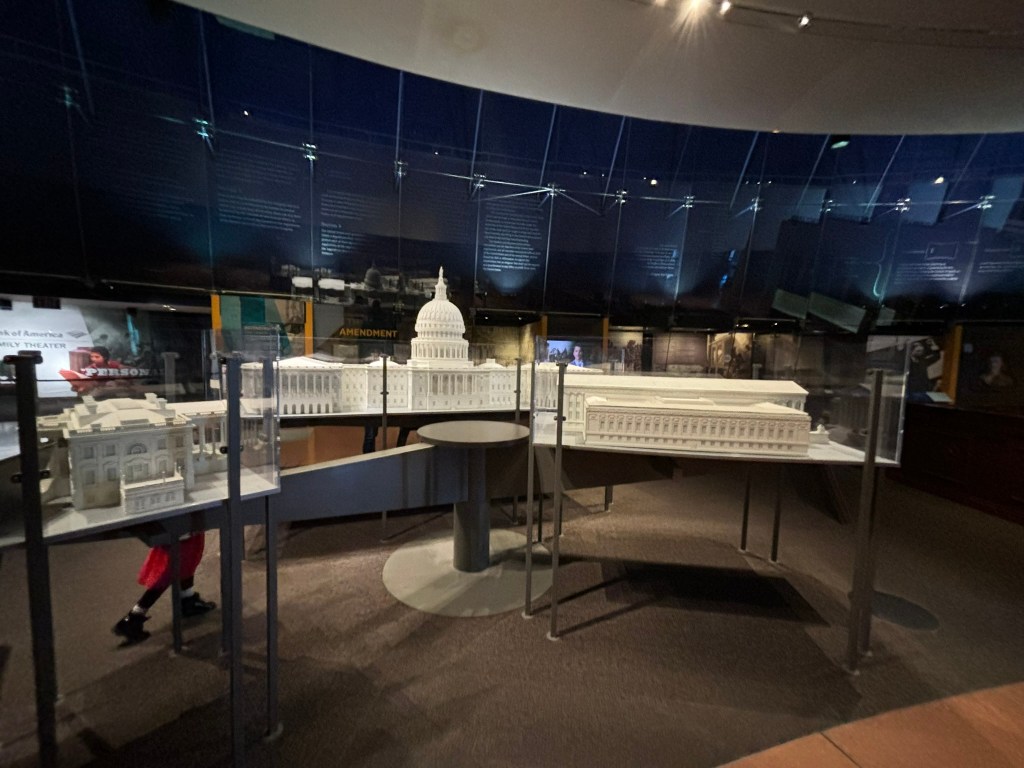
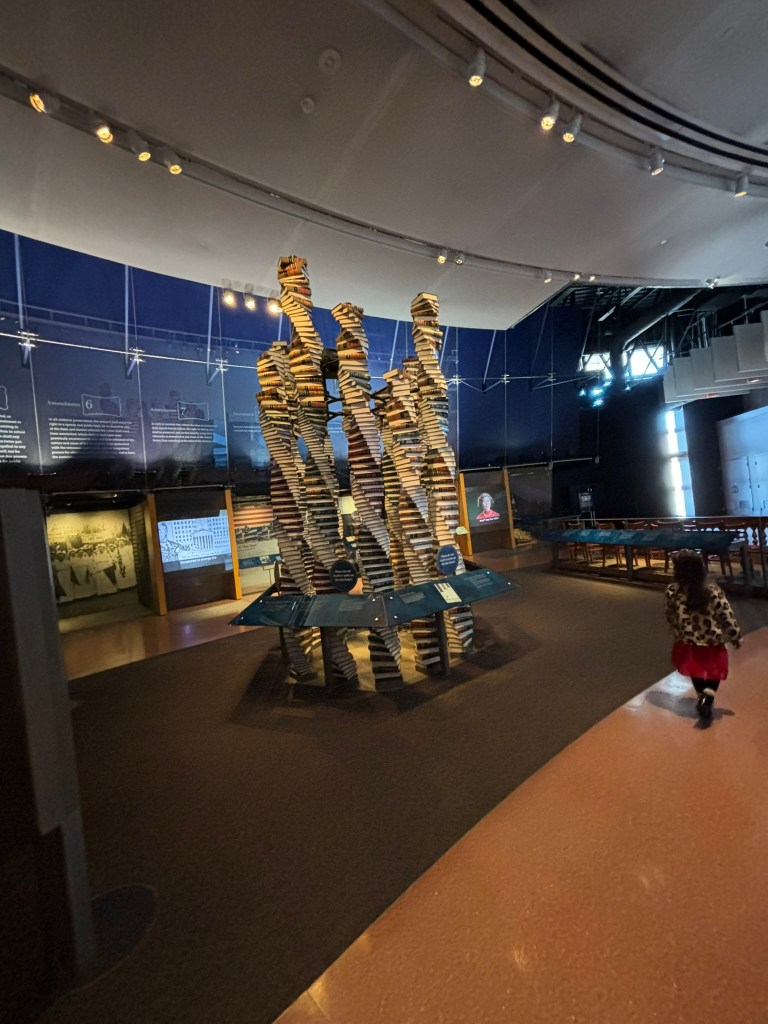
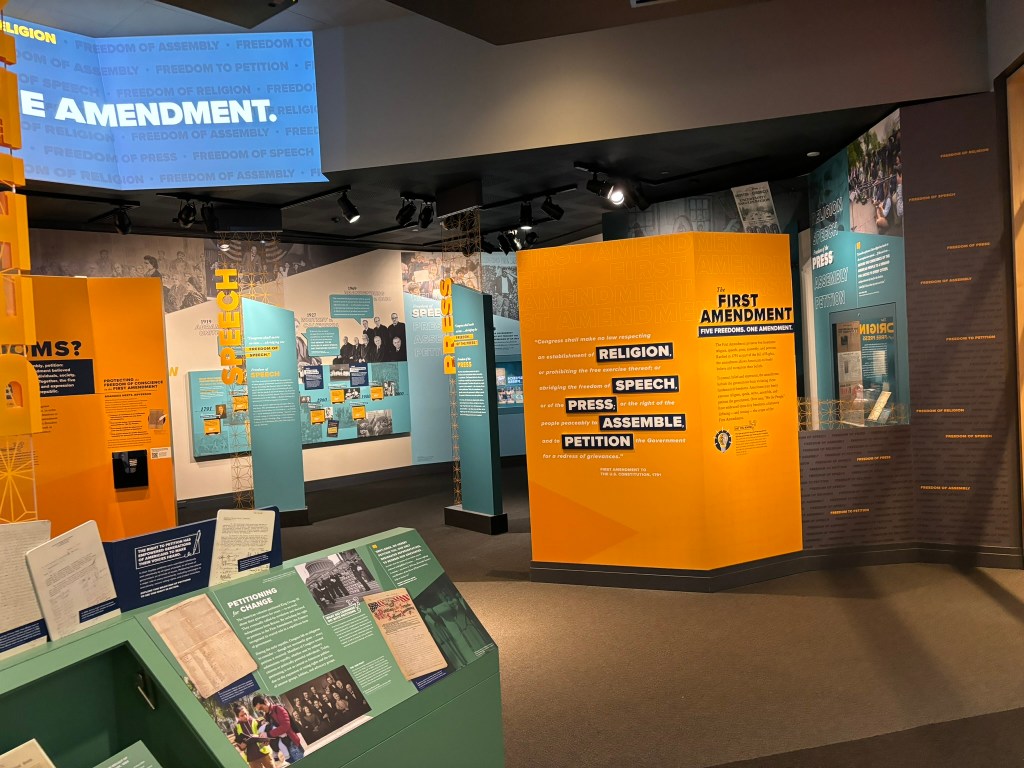
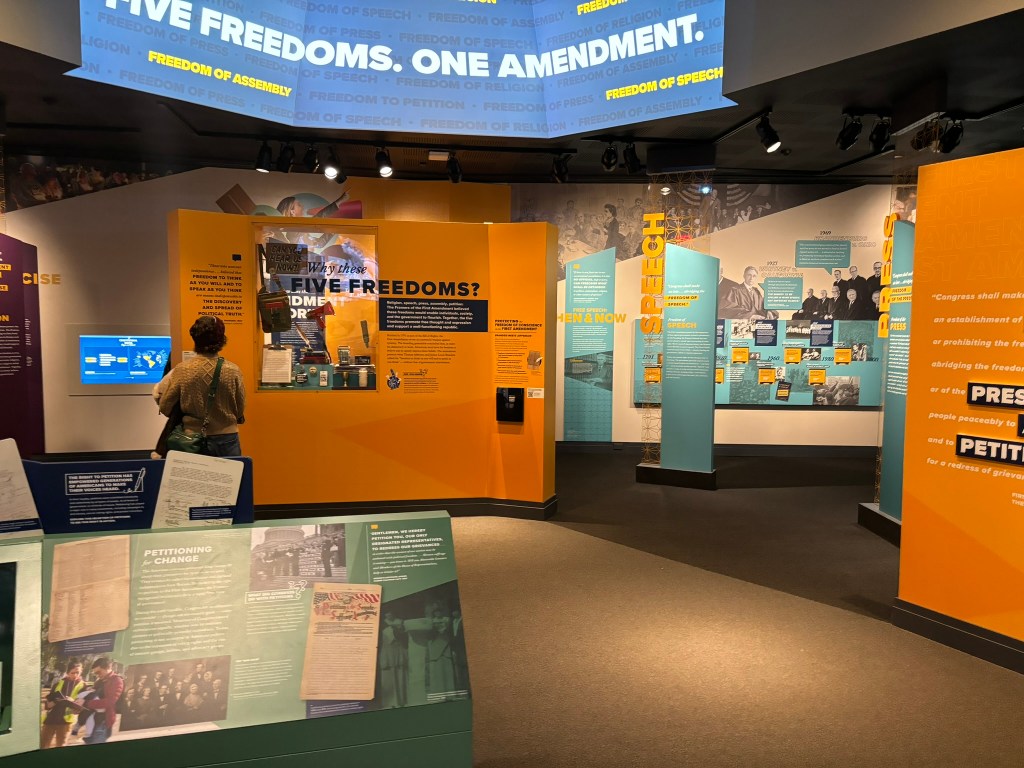
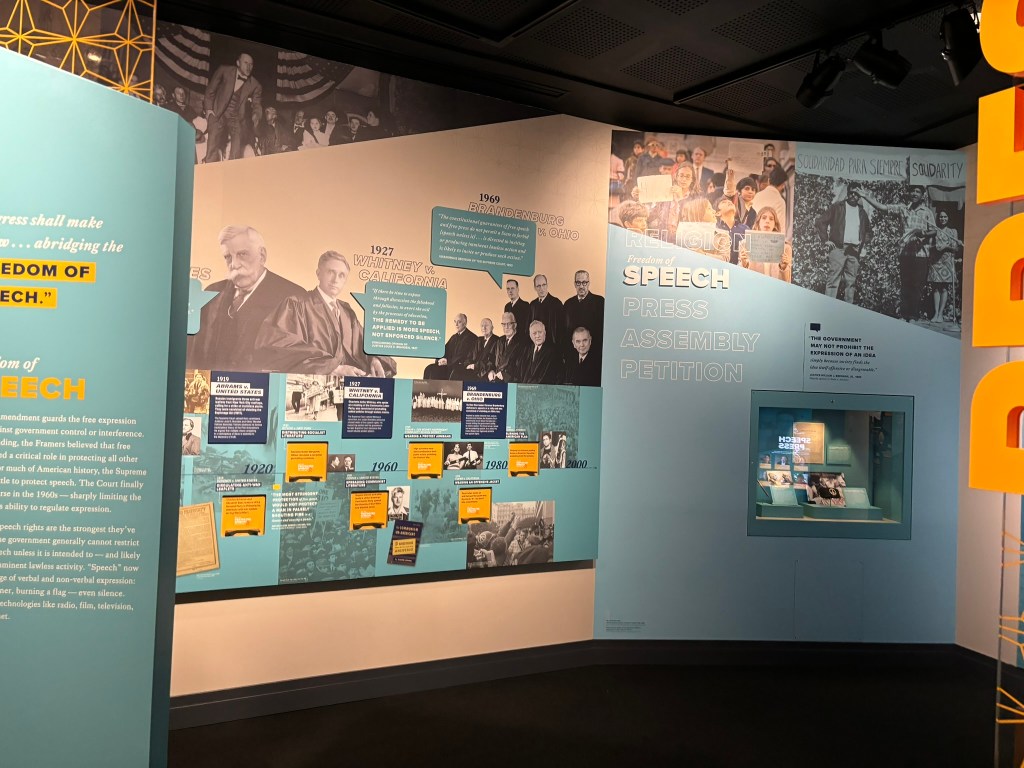
Our visit to the Constitution Center was also a first time visit. We first went to the theater and saw a show which was truly inspiring. The show highlighted, through spoken word and video, the great challenges that the founding fathers had to overcome just to get together and create a brand new government in an age of monarchies and absolute power. The show also went into the challenges that the country has faced since the Constitution was written and the amendments added to remedy these challenges. The show highlighted the fact that we have a government that is not led by a concentration of power in a person or a dynasty. It is led by us, the American people. Leaving inspired, we went to other exhibits throughout the Constitution Center which highlighted the first amendment, as well as exhibits on our three branches of government.
Independence Hall/ Congress Hall
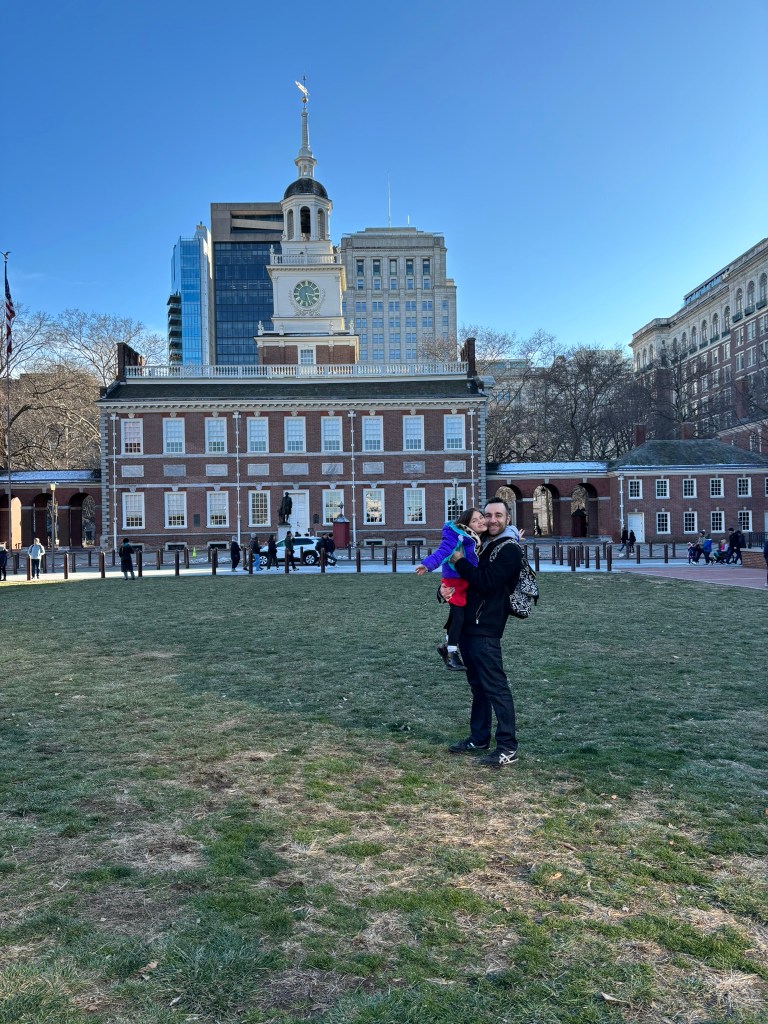
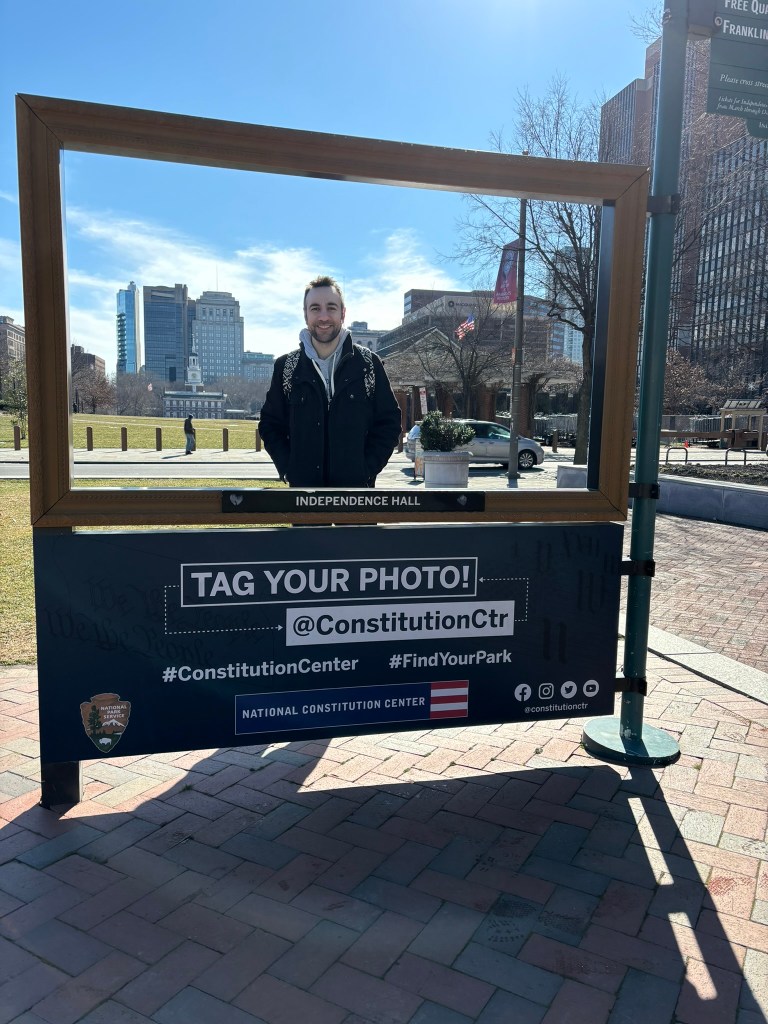
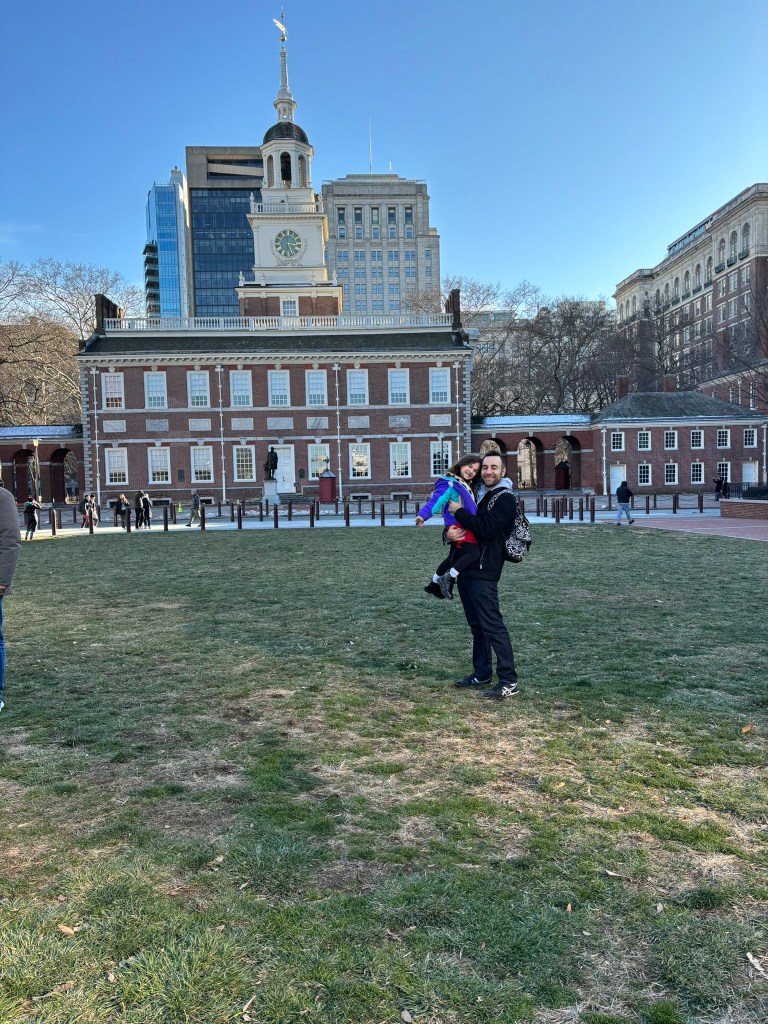
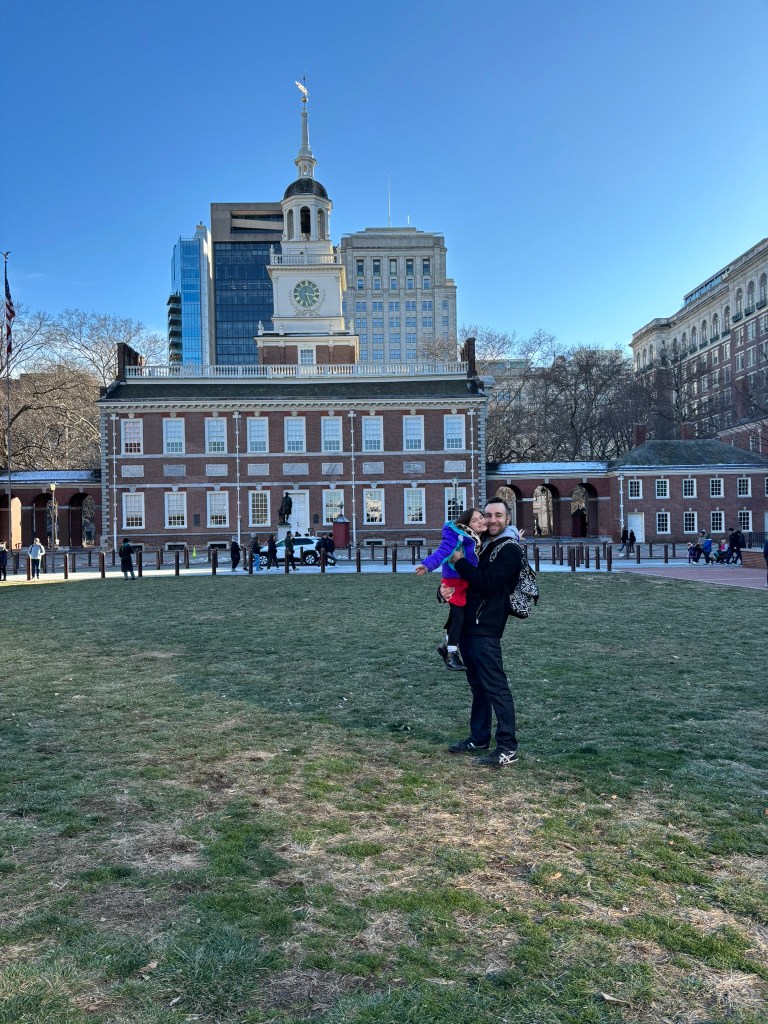
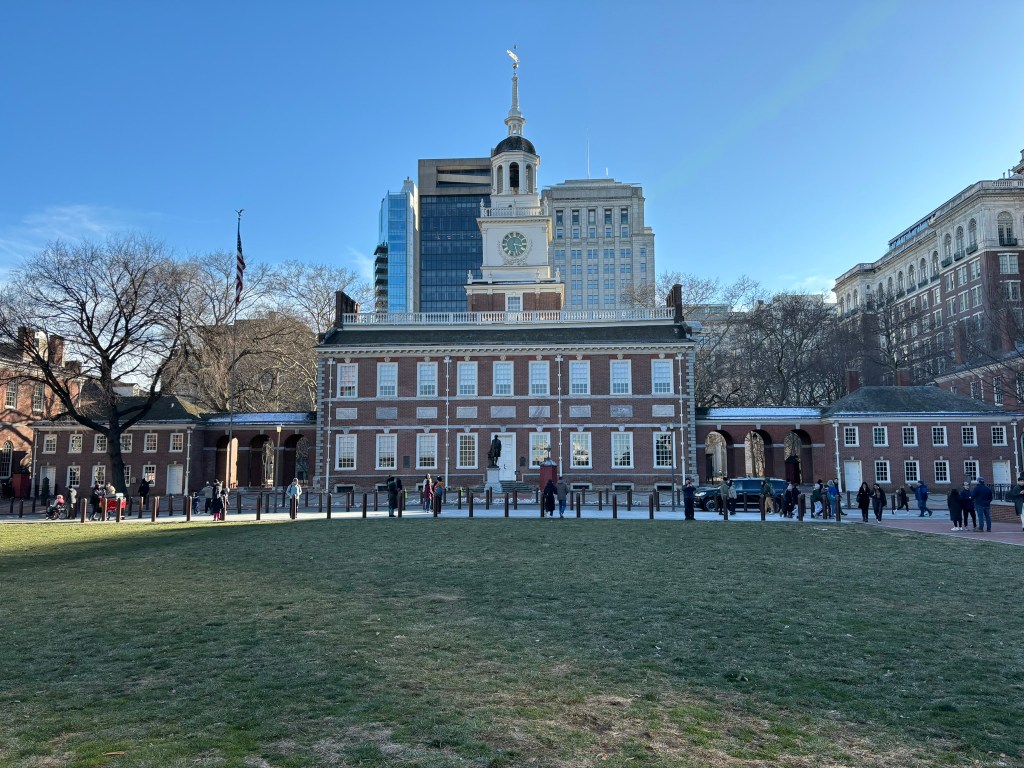
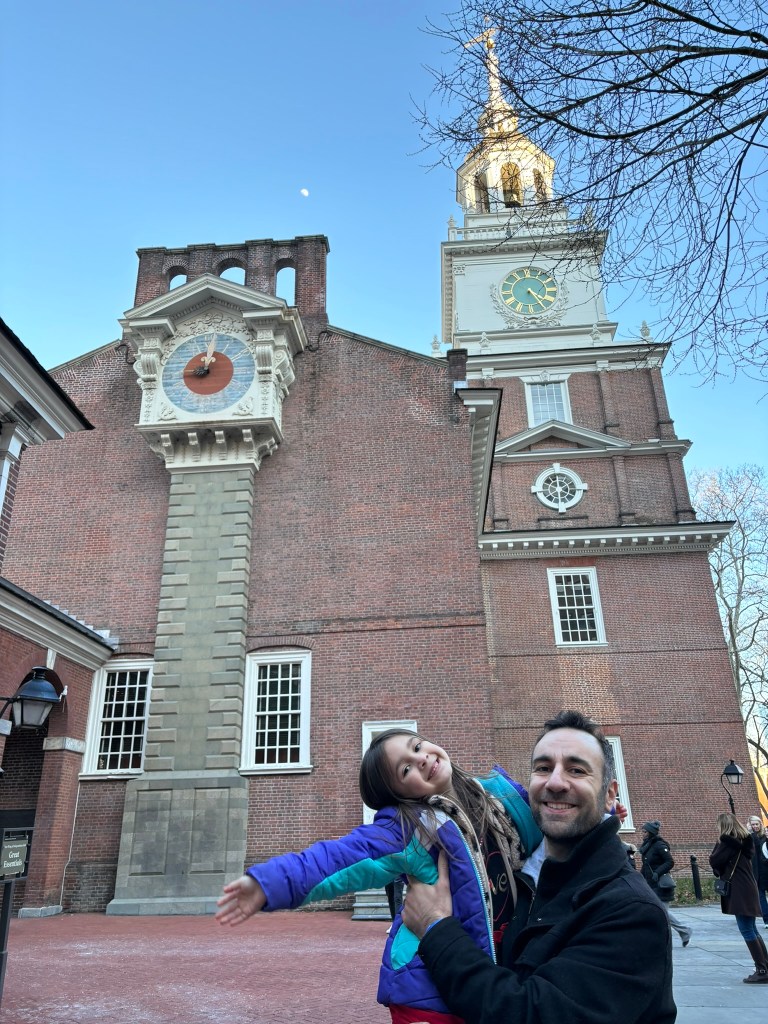
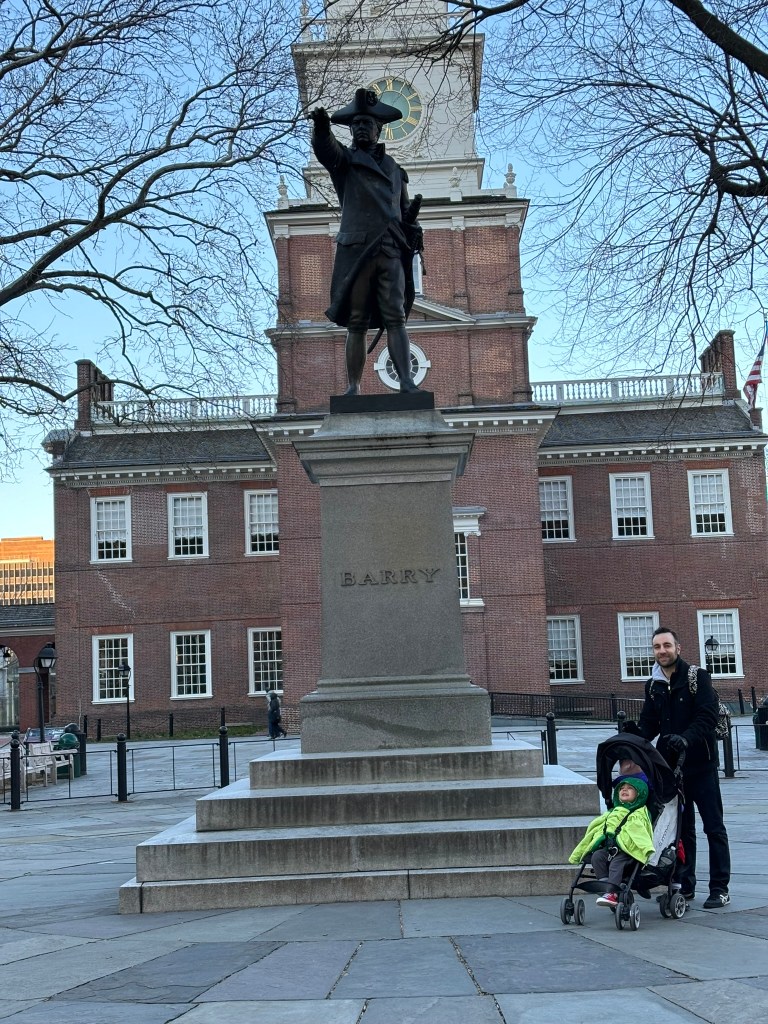
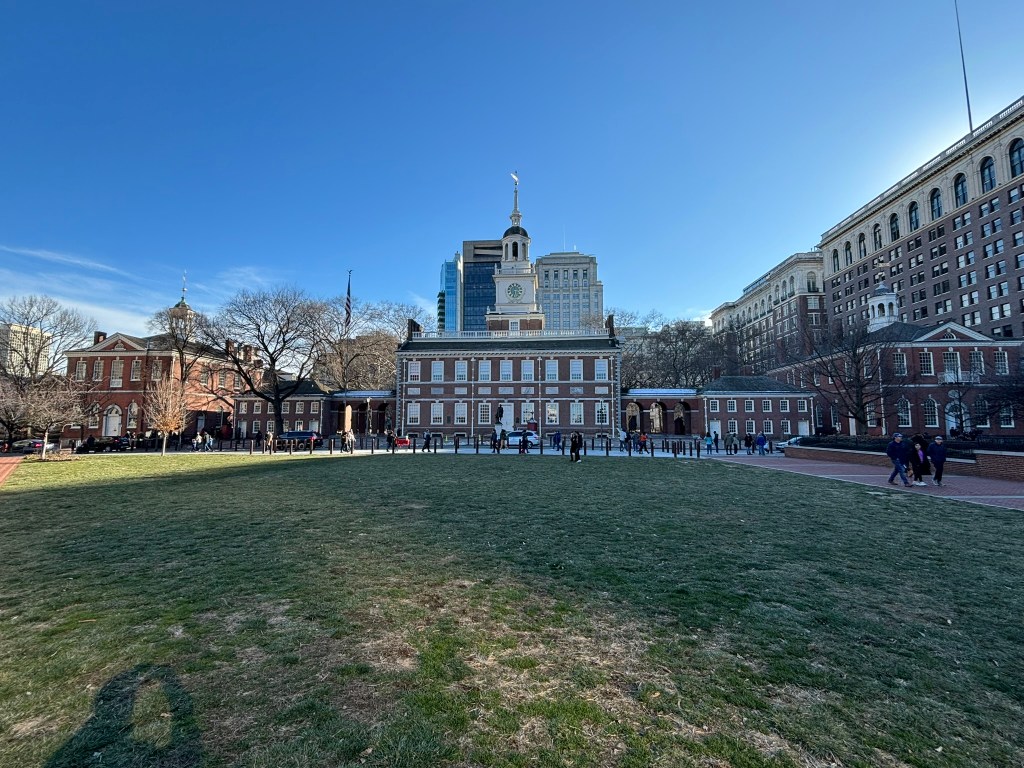
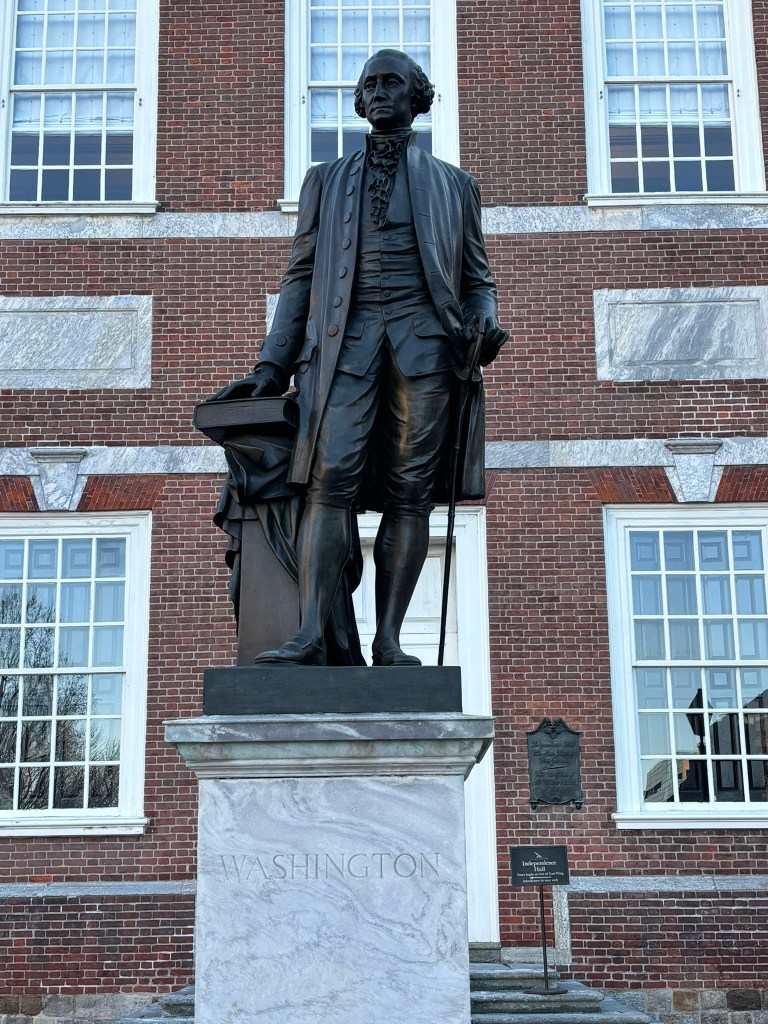
After we left the Constitution Center we walked the short distance to Independence Hall. Unfortunately there were no more tickets to get into Independence Hall. Luckily we had been inside one time previously. The best we could do was take photos from the outside of this historic building, the location where the Declaration of Independence was signed in 1776, as well as the site where our founding fathers wrote the Constitution throughout the summer of 1787. The area was crowded with it being Presidents Day Weekend. It was nice to see many families seeing the historic sites.
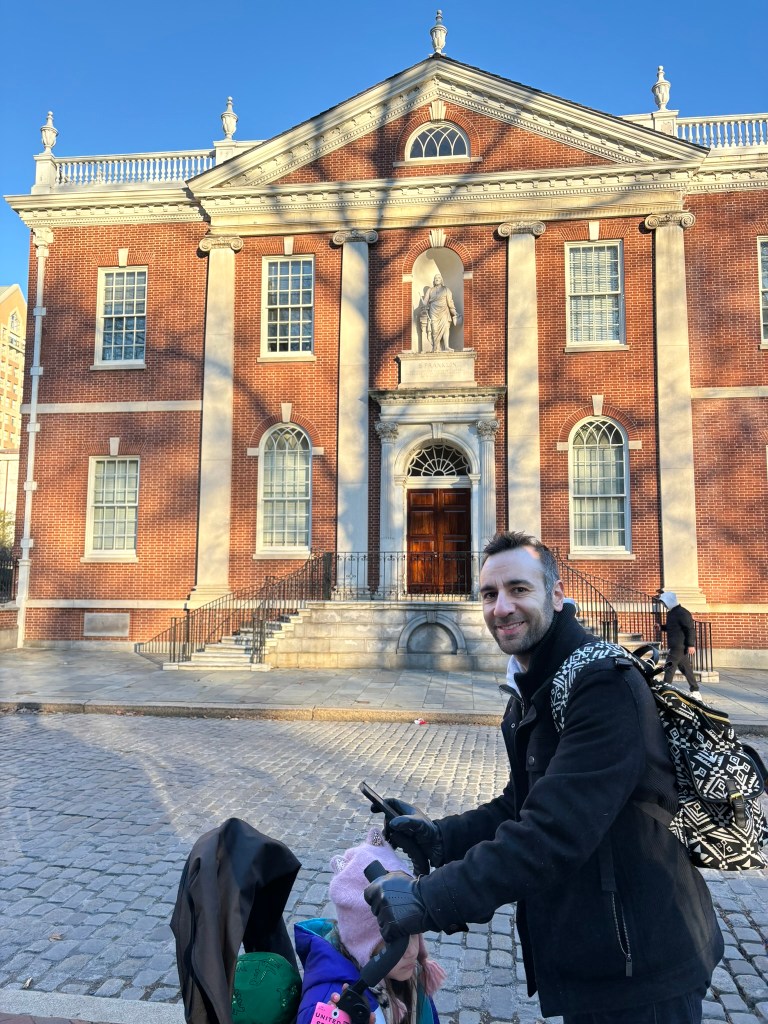
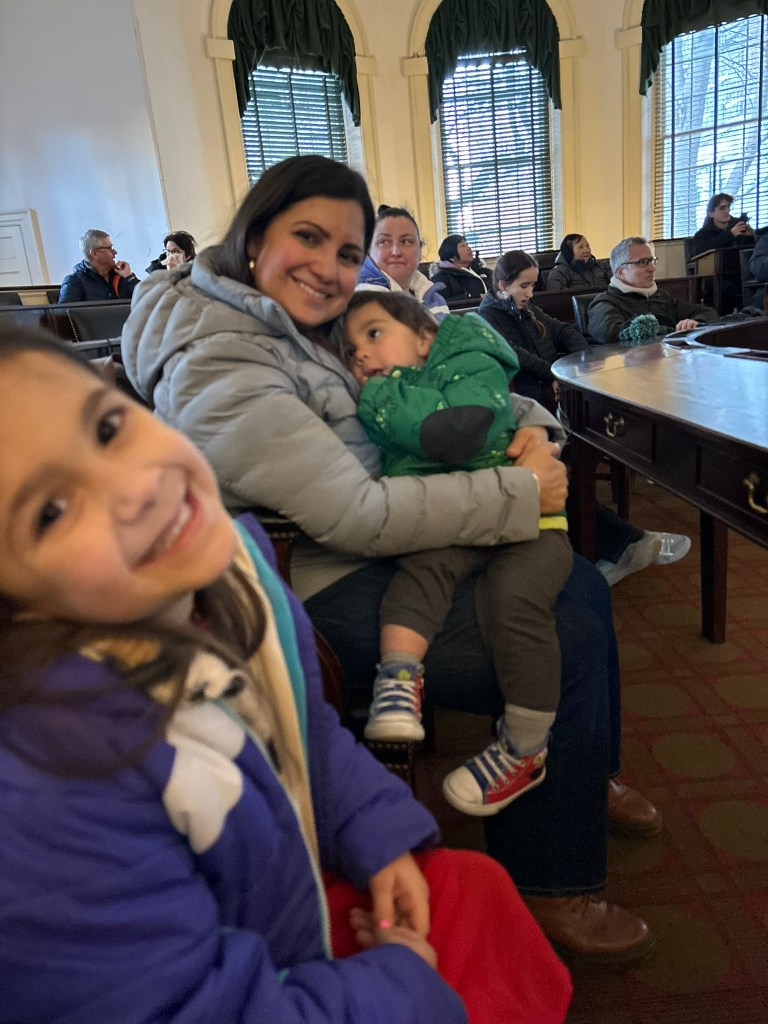
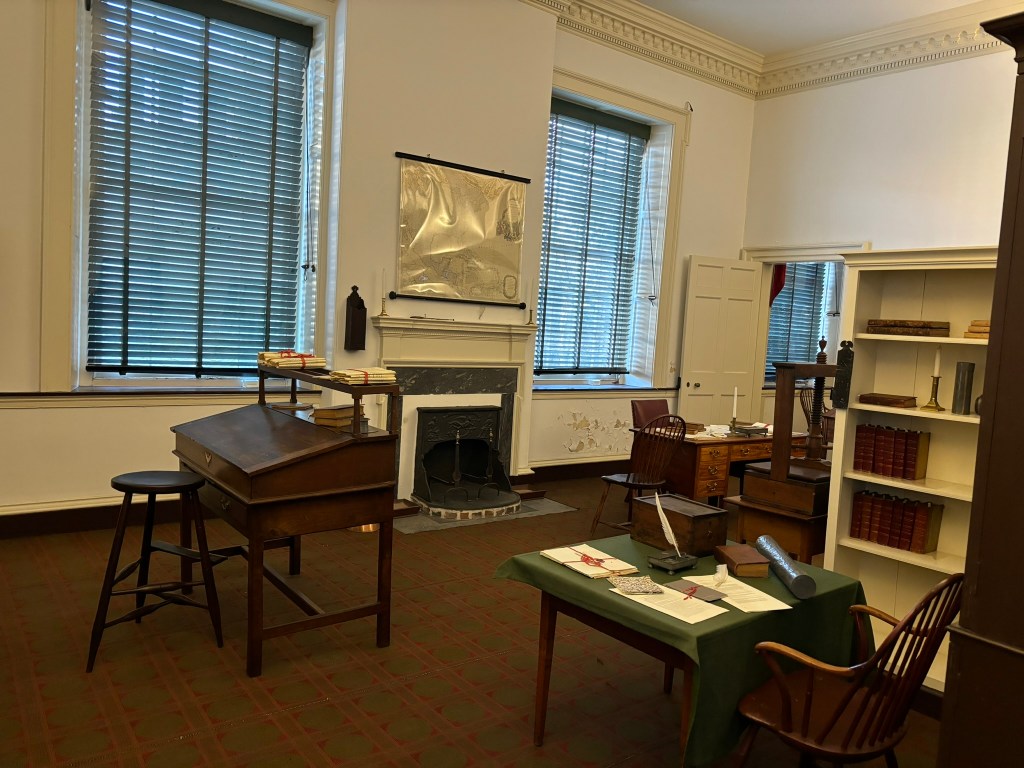
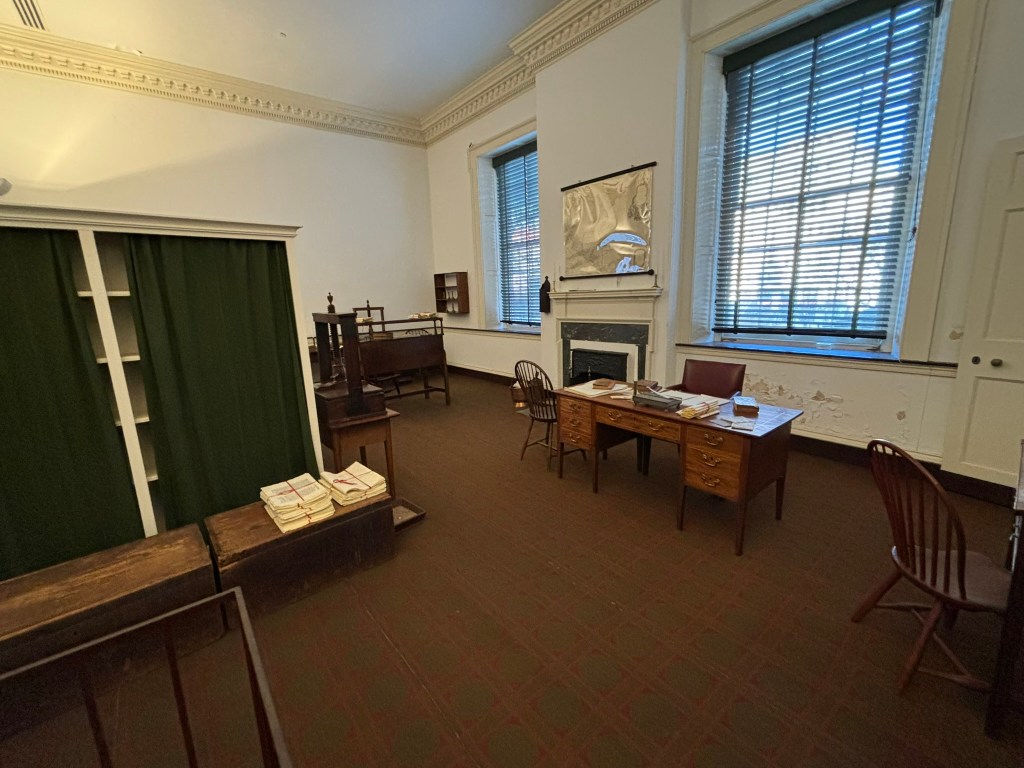
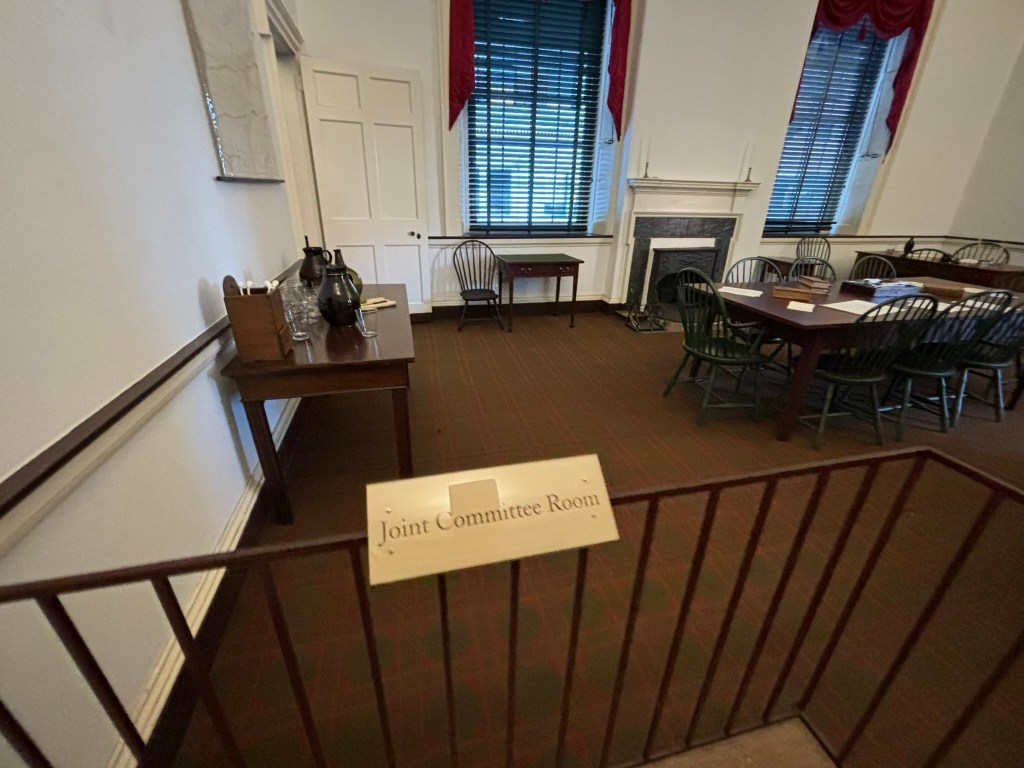
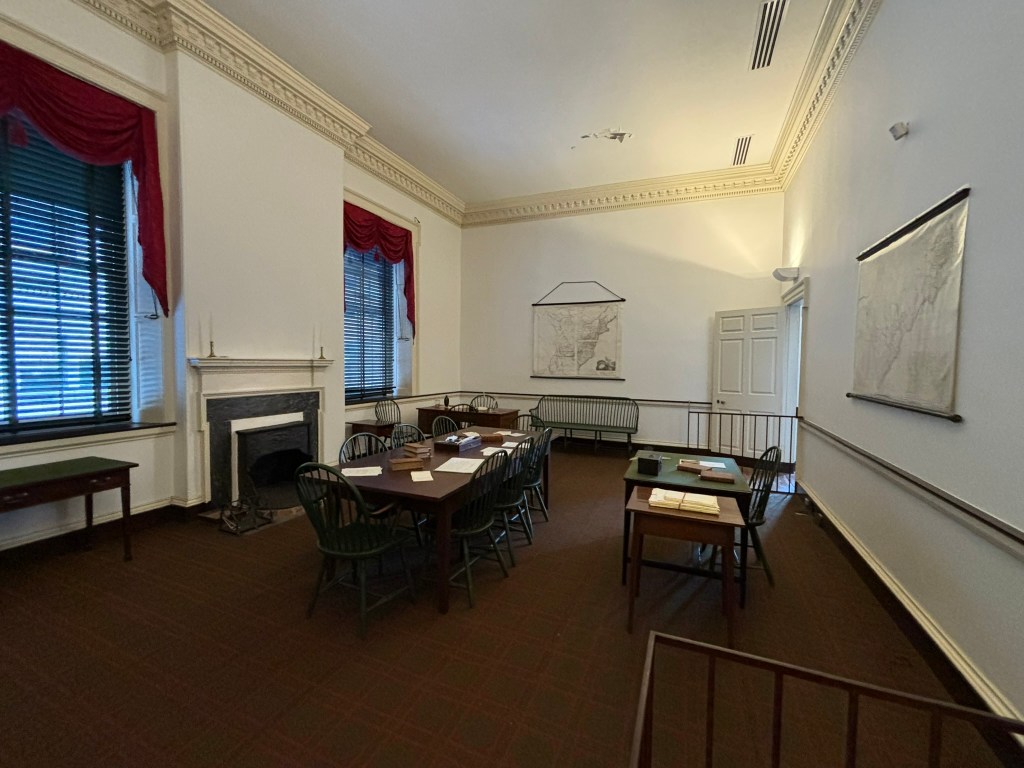
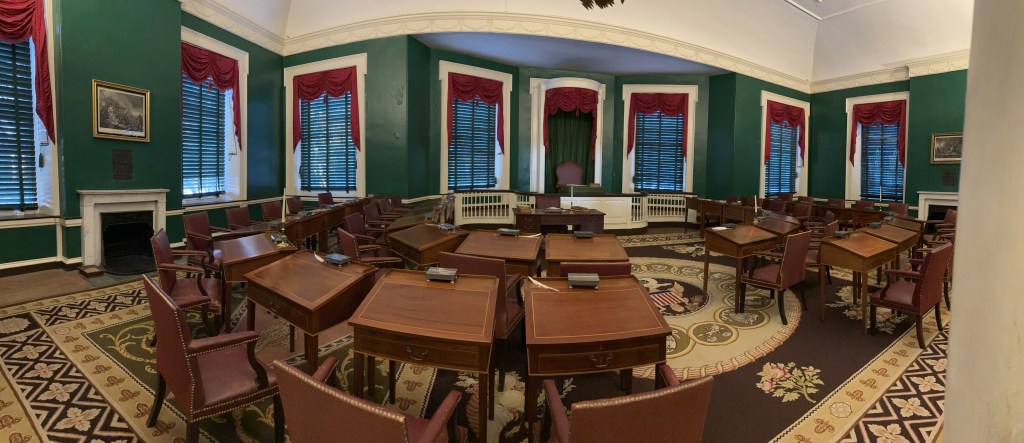
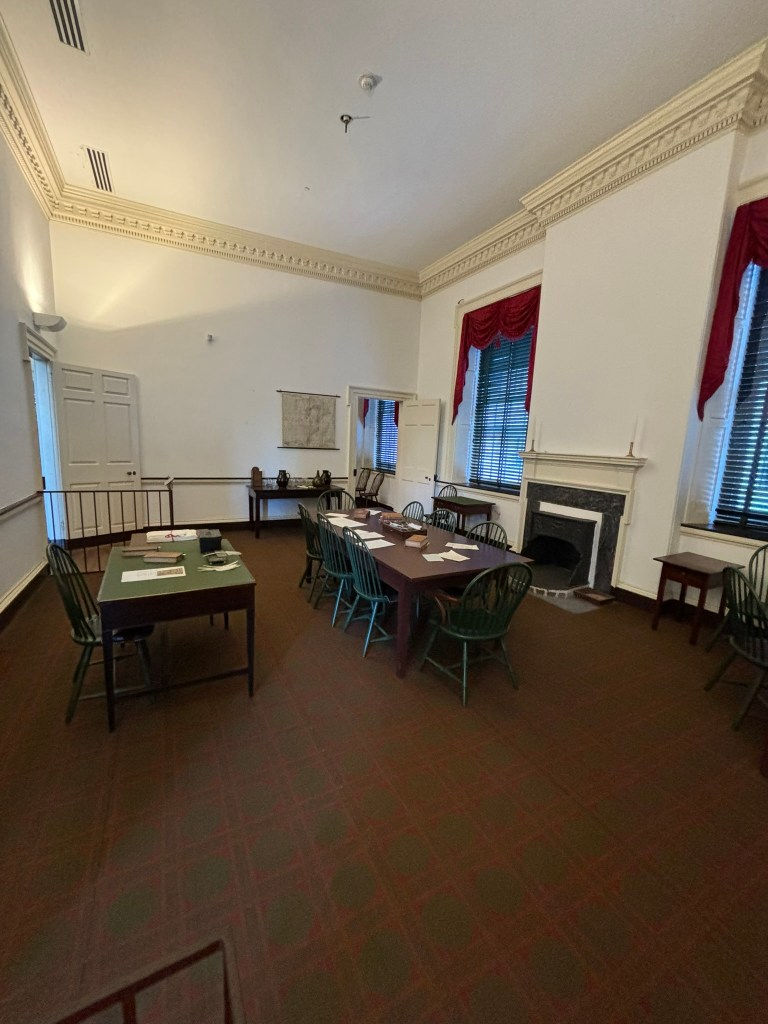
While we didn’t get to go inside Independence Hall, we did have an opportunity to go in Congress Hall which was a first time visit. It was truly remarkable to be in the room where the first Congress sat in our nation’s history. Philadelphia was the nation’s capital from 1790- 1800 while the new capital, Washington DC was being constructed. The 1790s represents one of the most interesting times in our nation’s history. When the Constitution was written, the framers did not take into account the rise of political parties. But within Washington’s cabinet, and within the Congress, two separate parties formed during Washington’s two terms in office. The nascent country experienced the first debates between the Federalist Party (led by Hamilton) and the Democratic-Republicans (led by Jefferson). Congress Hall witnessed the earliest debates over the size and strength of the national government, the economy, and foreign allies. The House of Representatives met on the first floor of Congress Hall, while the senate met on the second floor. When the capital moved to DC in 1800, Congress Hall went back to its original purpose serving as a courthouse. After leaving Congress Hall, the family headed out for dinner.
We really enjoyed the historic sites in Philadelphia. The city was one of the most significant locations from the colonial period, throughout the Revolution, and into the early republic. With significant events taking place like the Constittutional Convention, as well as being the early seat of government, Philadelphia offers much to those interested in the nation’s founding. It is one of the most historic cities in the country, a must visit for all people, especially history nerds.
Check out the following links to the landmarks visited: