Tag: Morristown

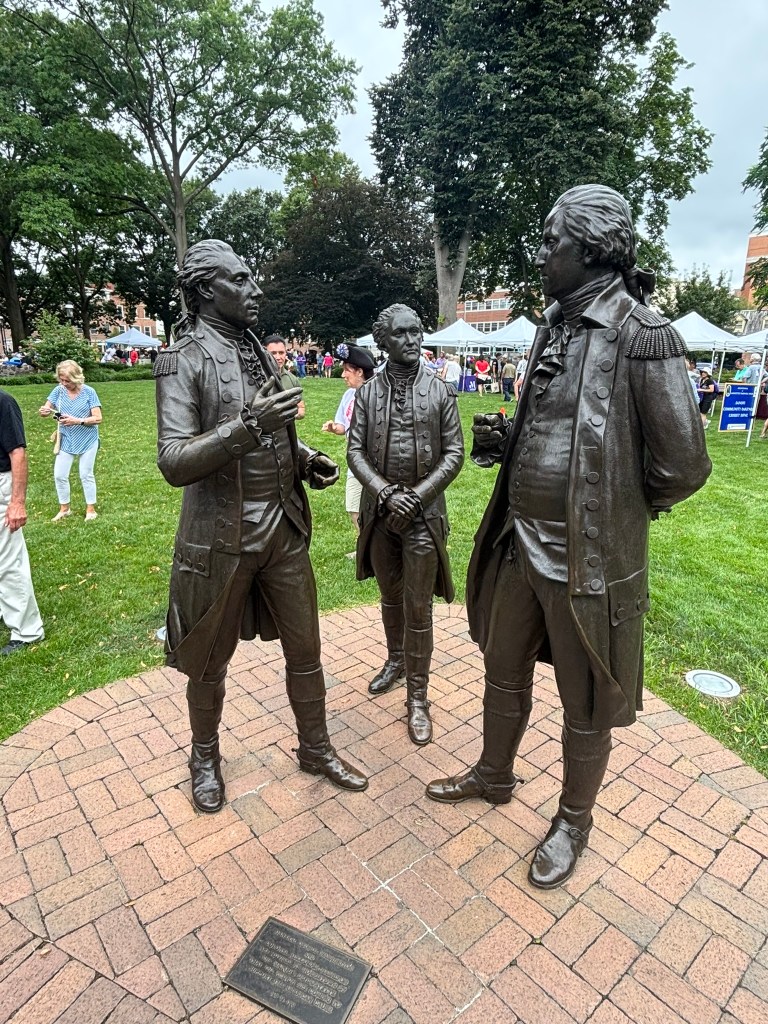
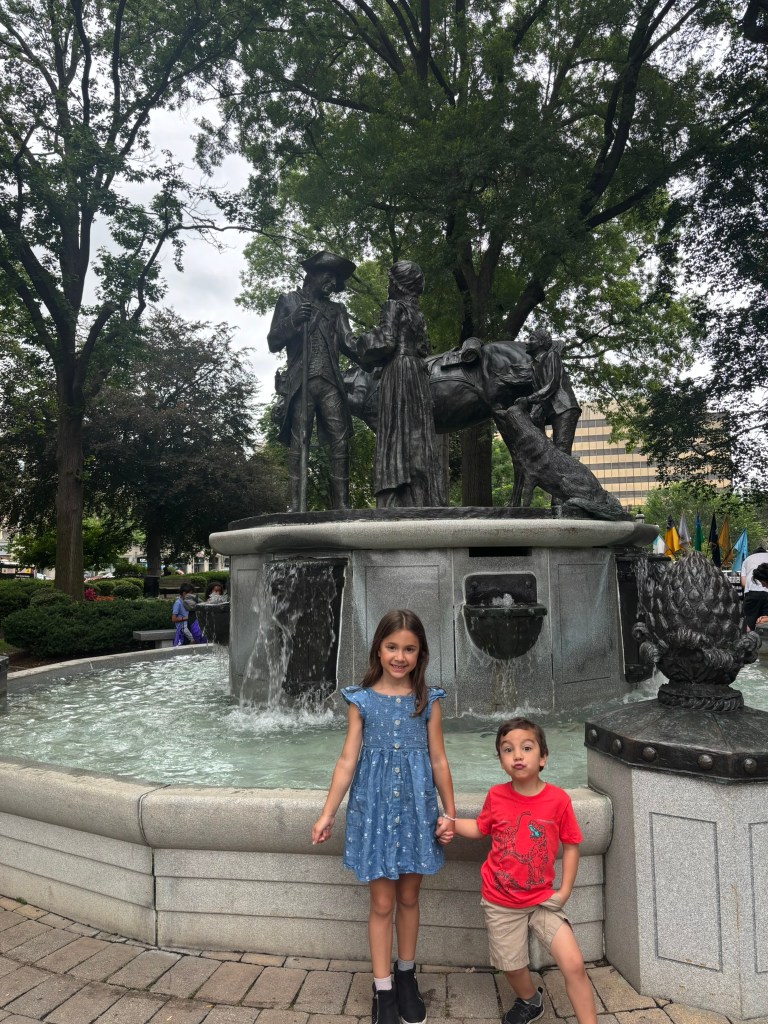
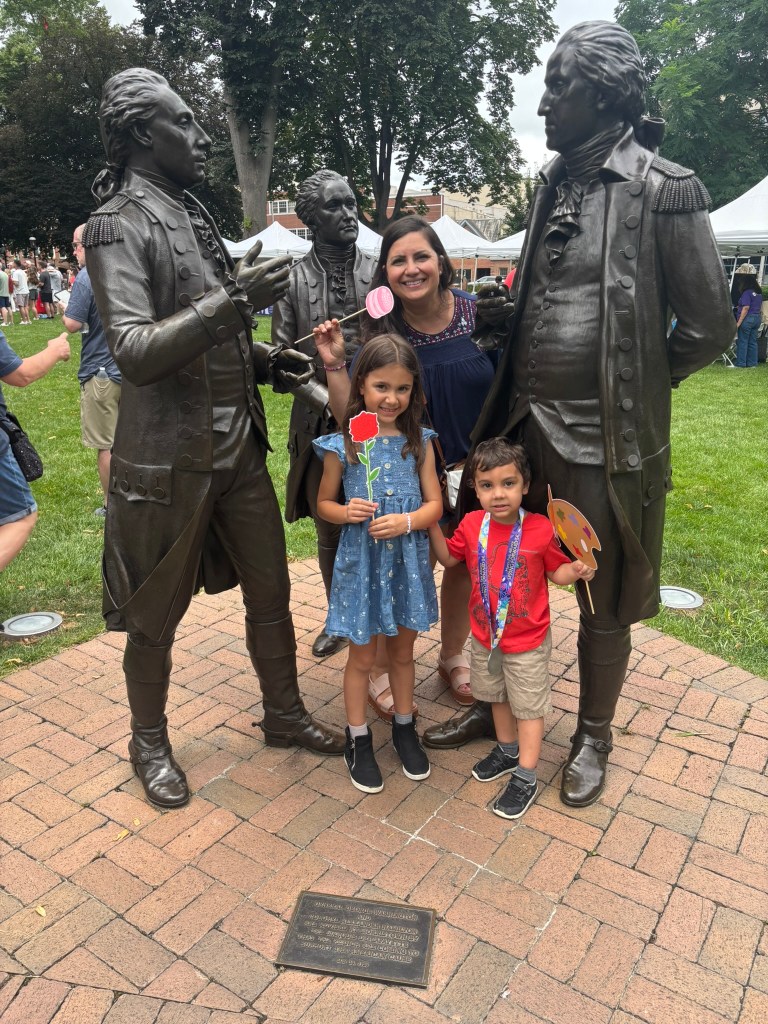
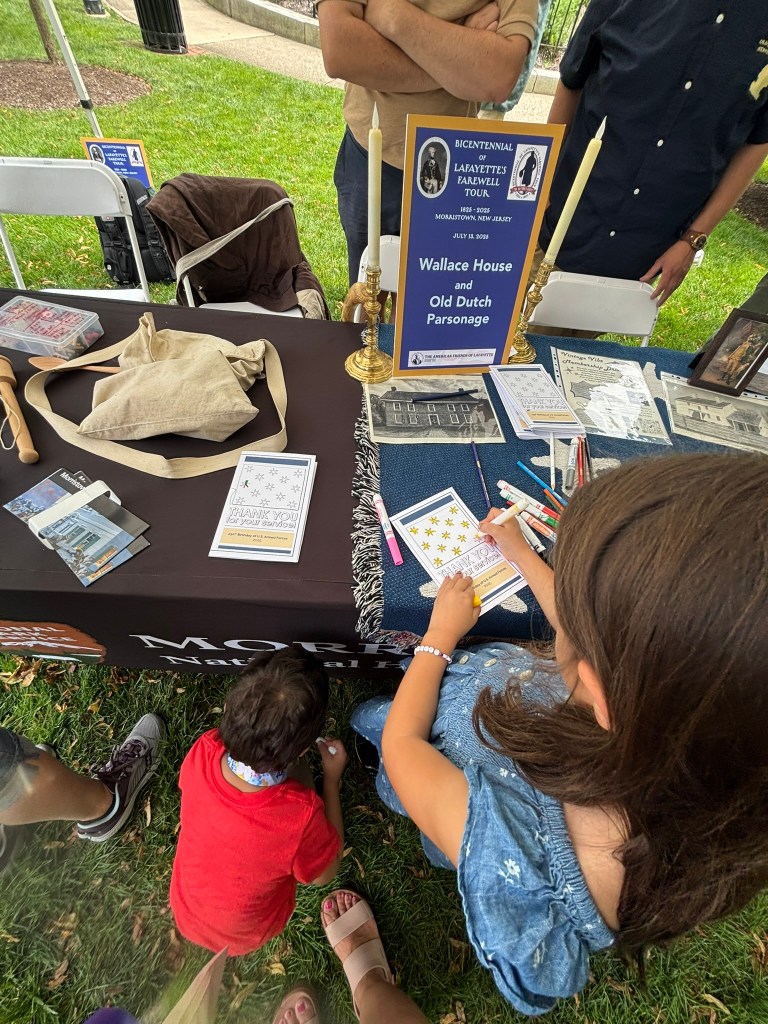
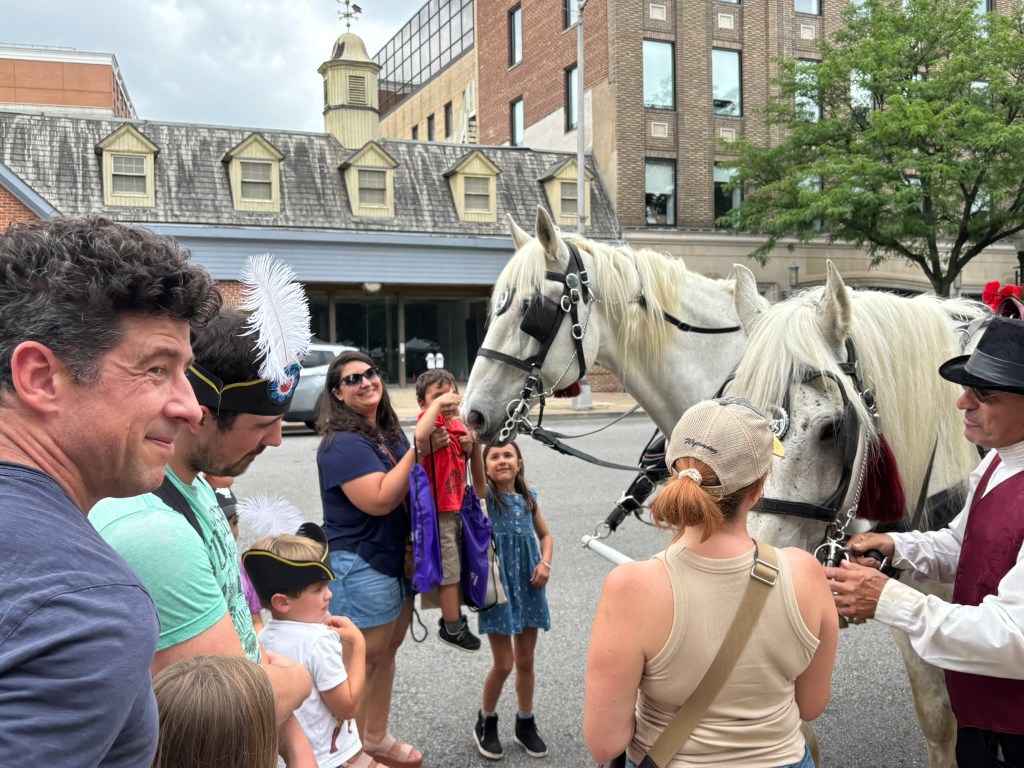
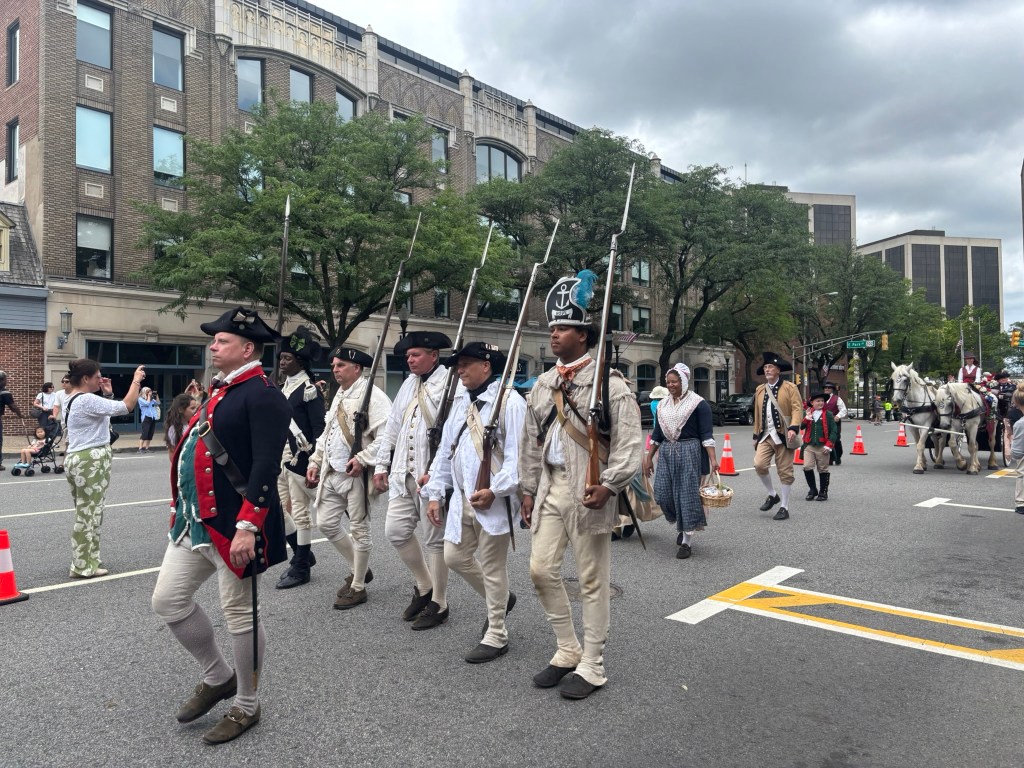
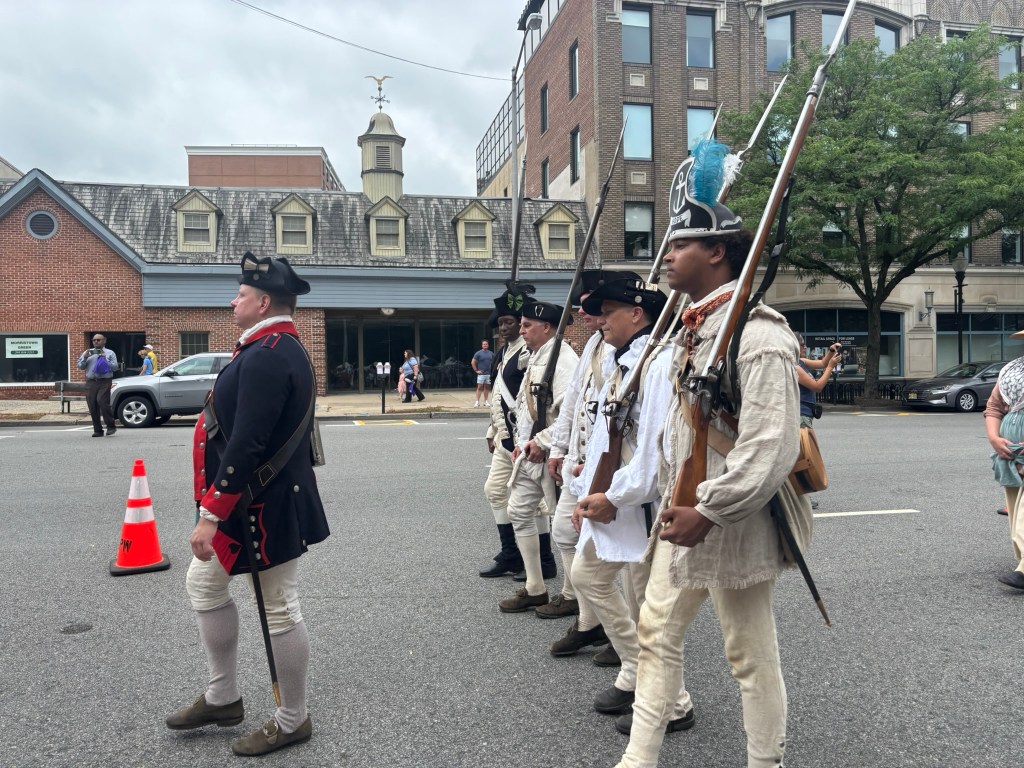
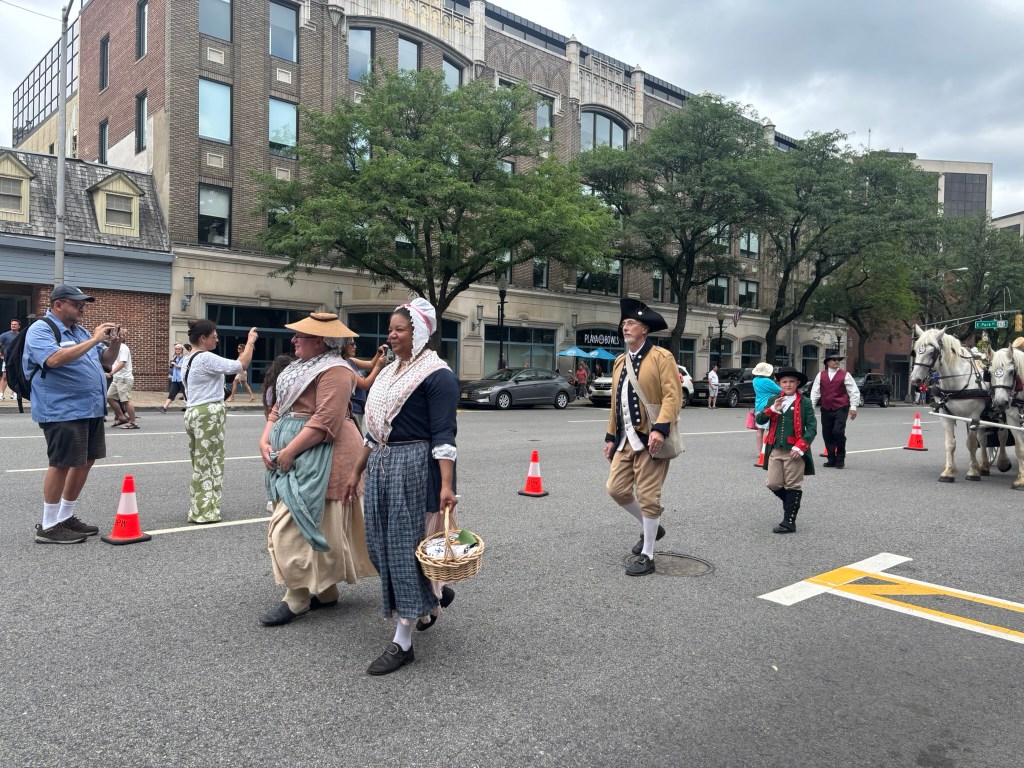
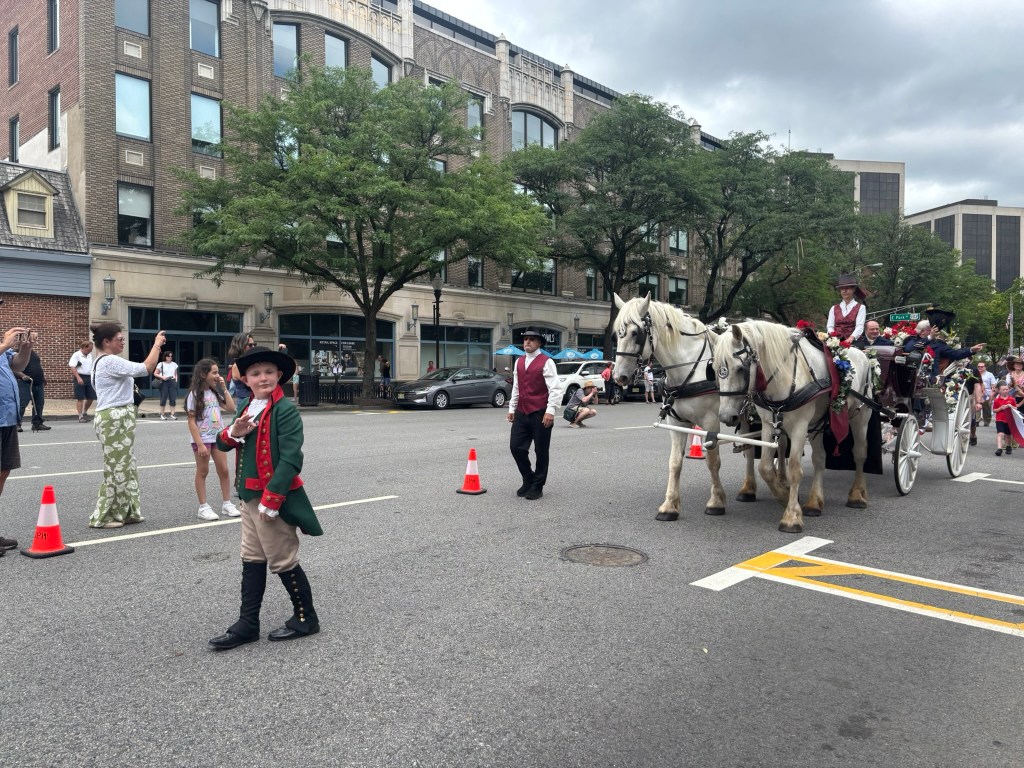
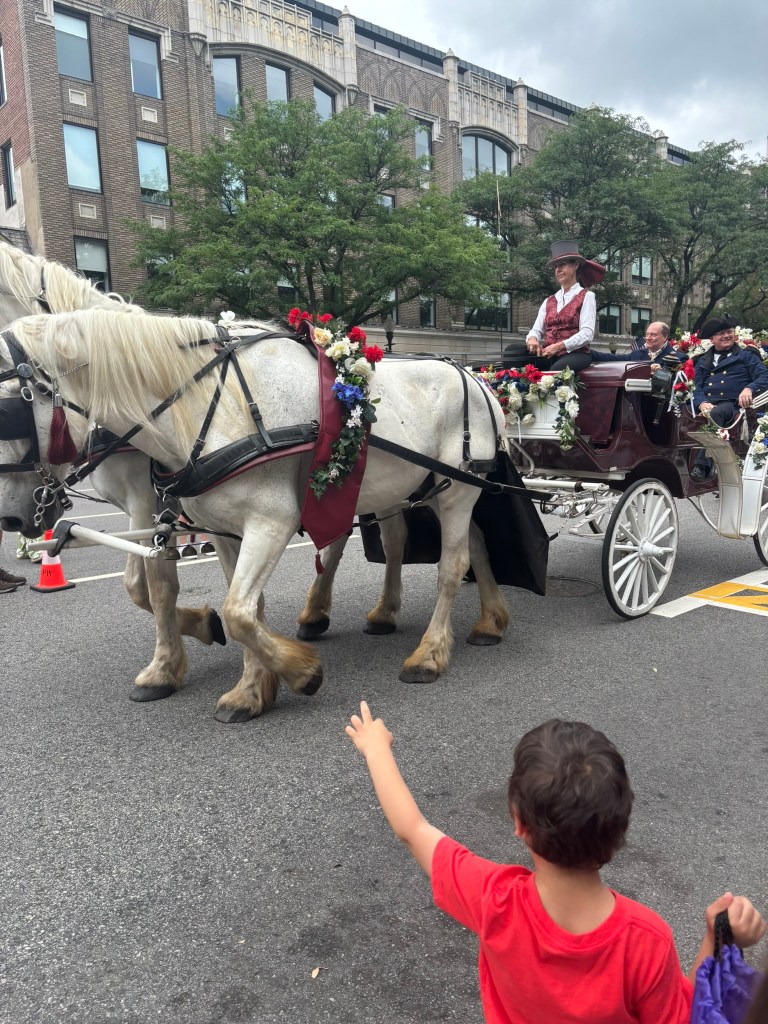
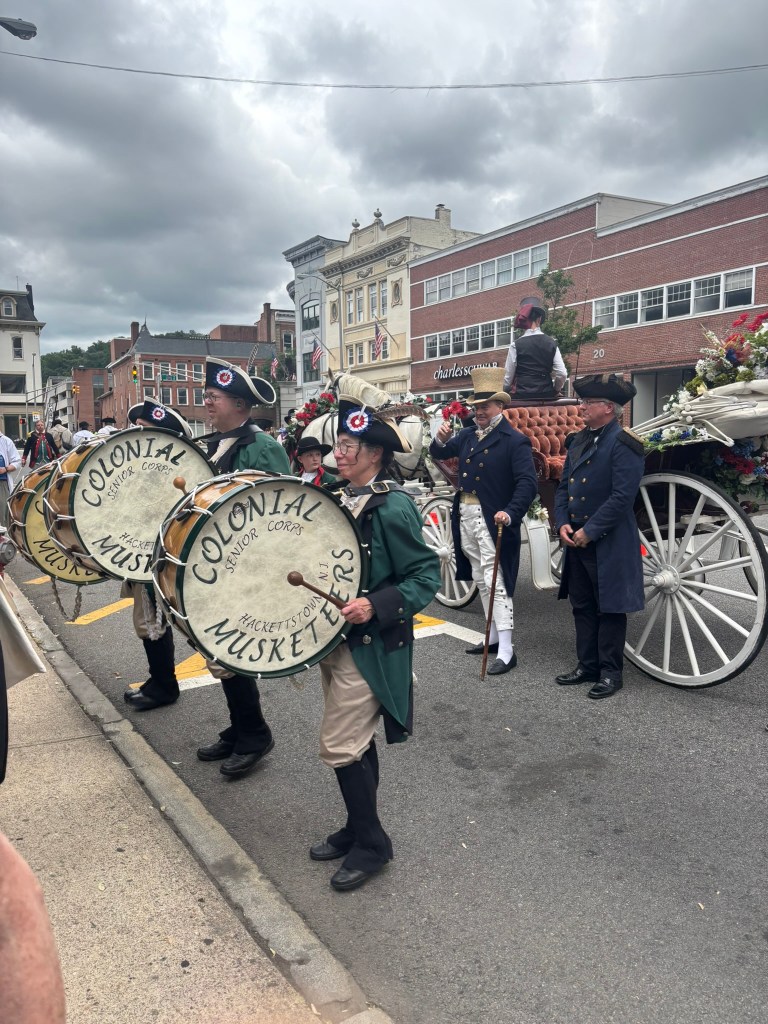
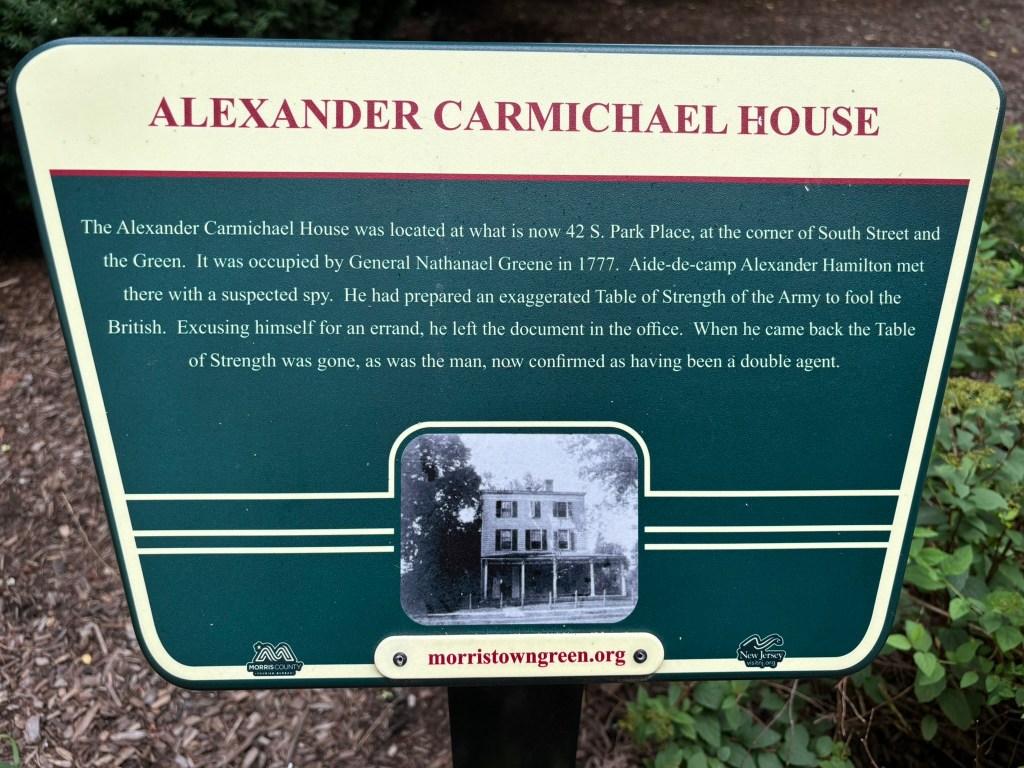
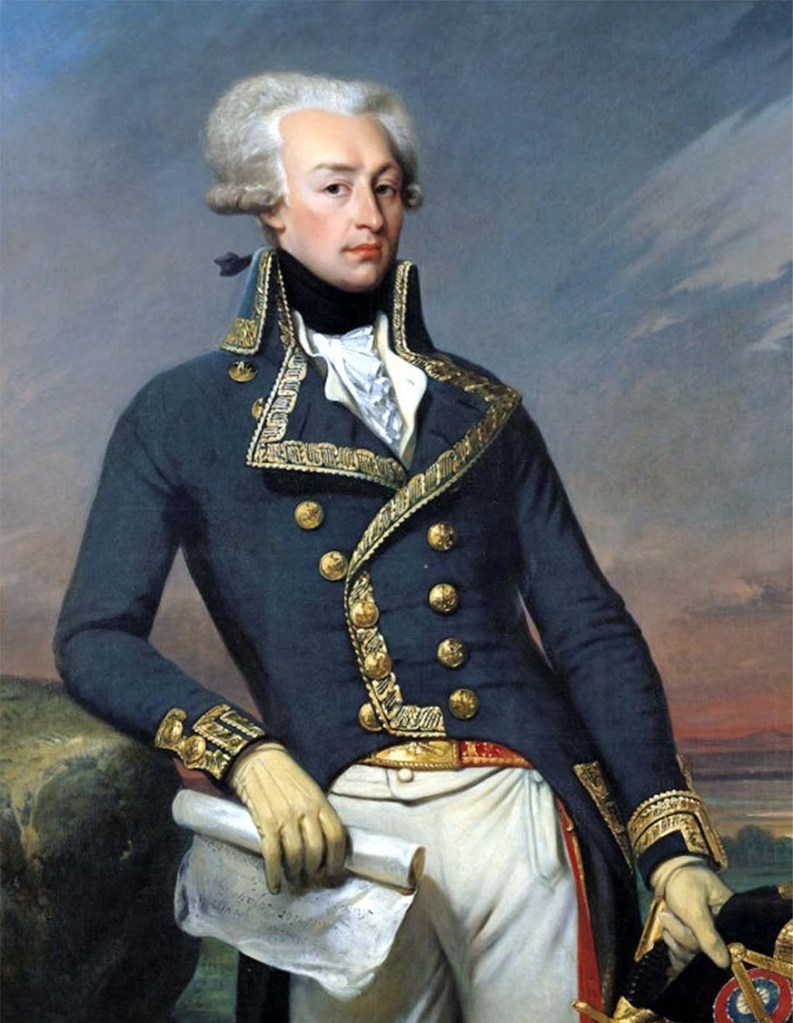
  • My family and I made it out to the Morristown Green in New Jersey on July 13th to celebrate the bicentennial of General Marquis de Lafayette’s visit to Morristown. In July 1825, Lafayette—the beloved French hero of the American Revolution—visited Morristown as part of his grand farewell tour of the United States. The tour, which came nearly 50 years after the country declared independence, brought Lafayette to towns and cities across the nation where he had once fought or held connections. In 1825, Morristown welcomed him with great fanfare, recalling his crucial role during the harsh winter encampments of the Revolutionary War. Crowds gathered in the town square, and a grand reception was held at Arnold’s Tavern—long a landmark of Morristown and closely tied to George Washington’s wartime presence in the area.

    Lafayette’s visit was not only a moment of celebration but also a reminder of the deep bond between the United States and its French ally. For the citizens of Morristown, many of whom had family ties to the Revolution, his presence brought history to life. The general, then nearly 68 years old, was greeted by veterans and descendants of patriots who had served under him or alongside him decades earlier. His return to Morristown symbolized the enduring gratitude of a young nation and reinforced the town’s reputation as a cornerstone of Revolutionary heritage.
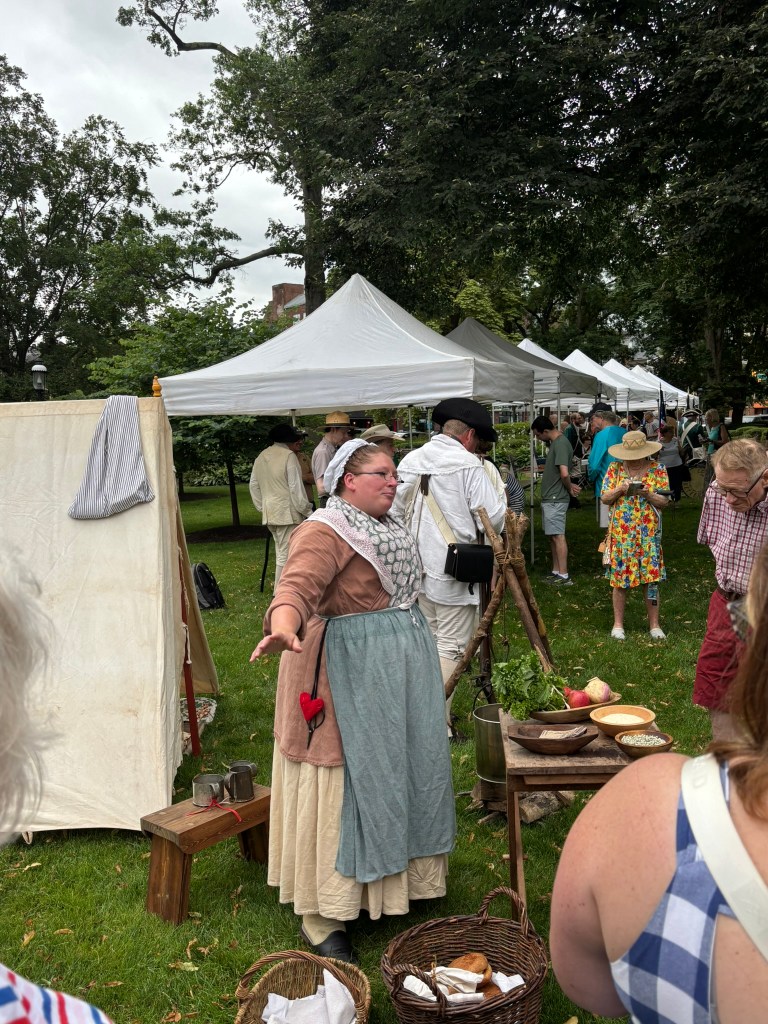
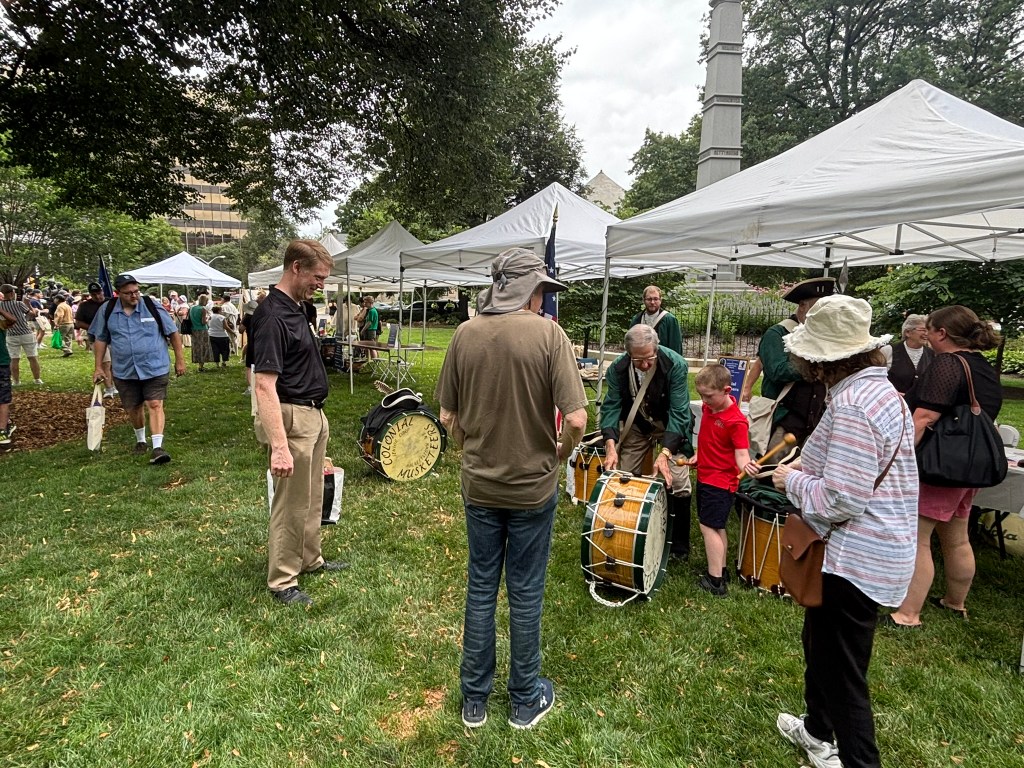
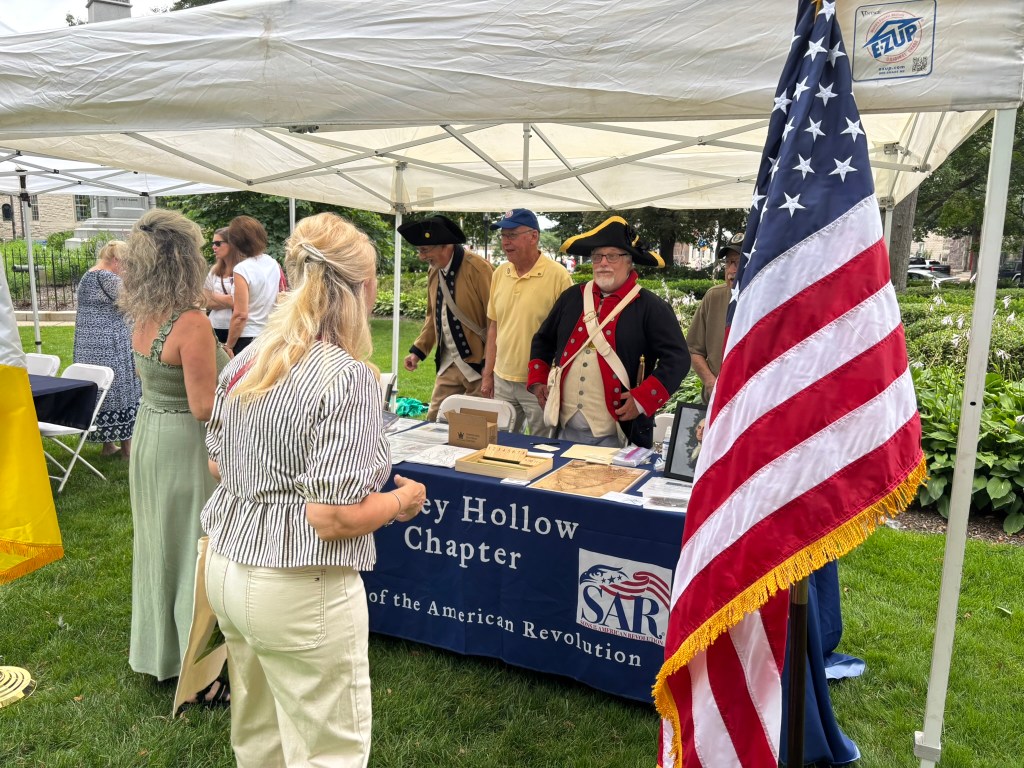
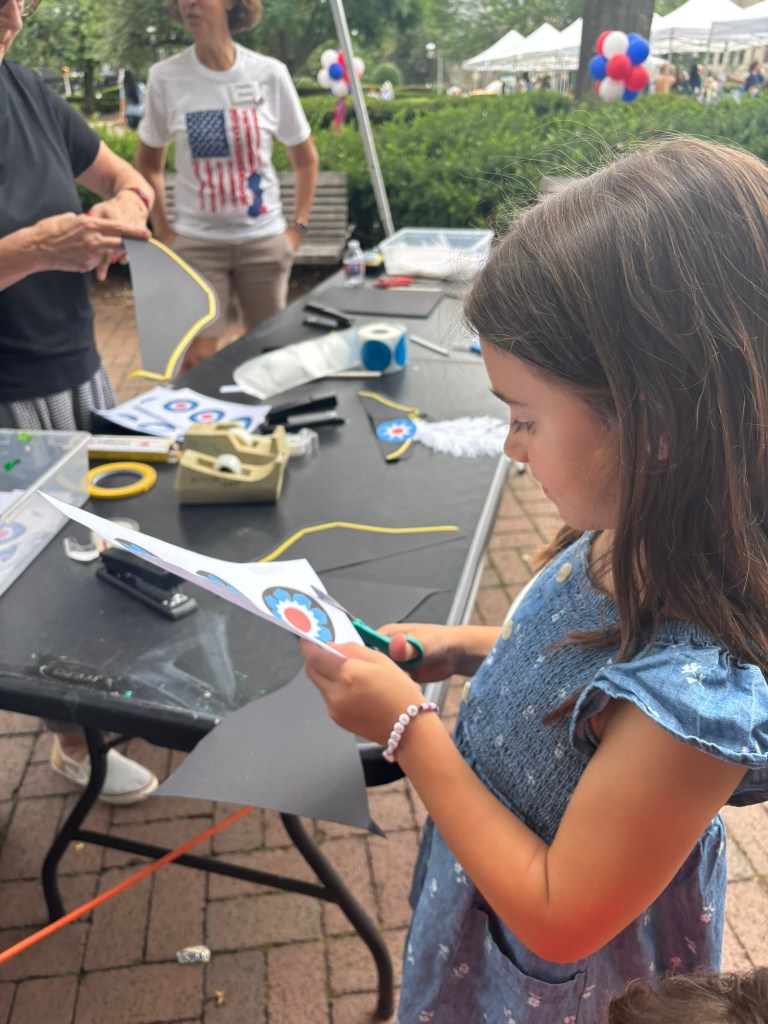
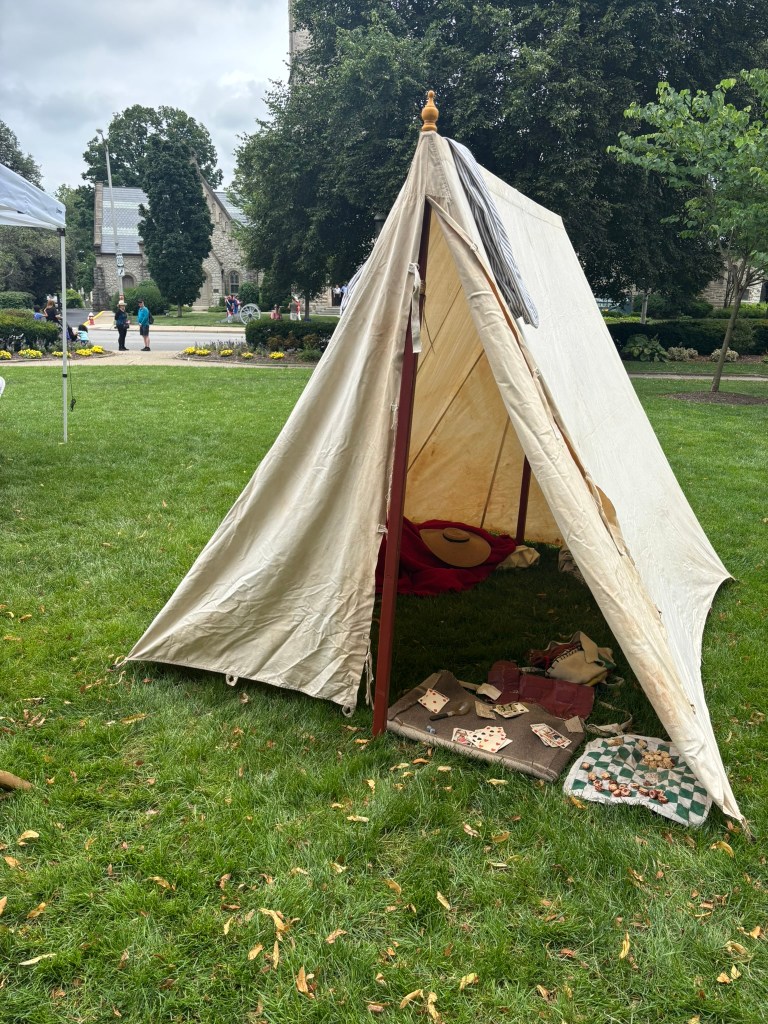
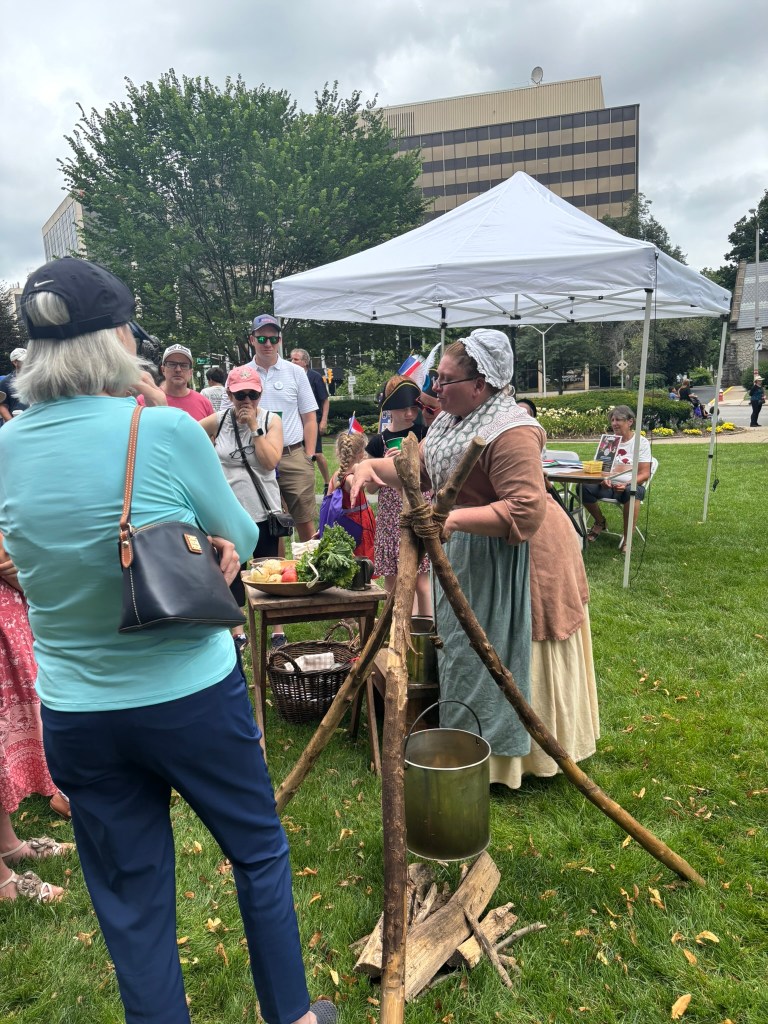
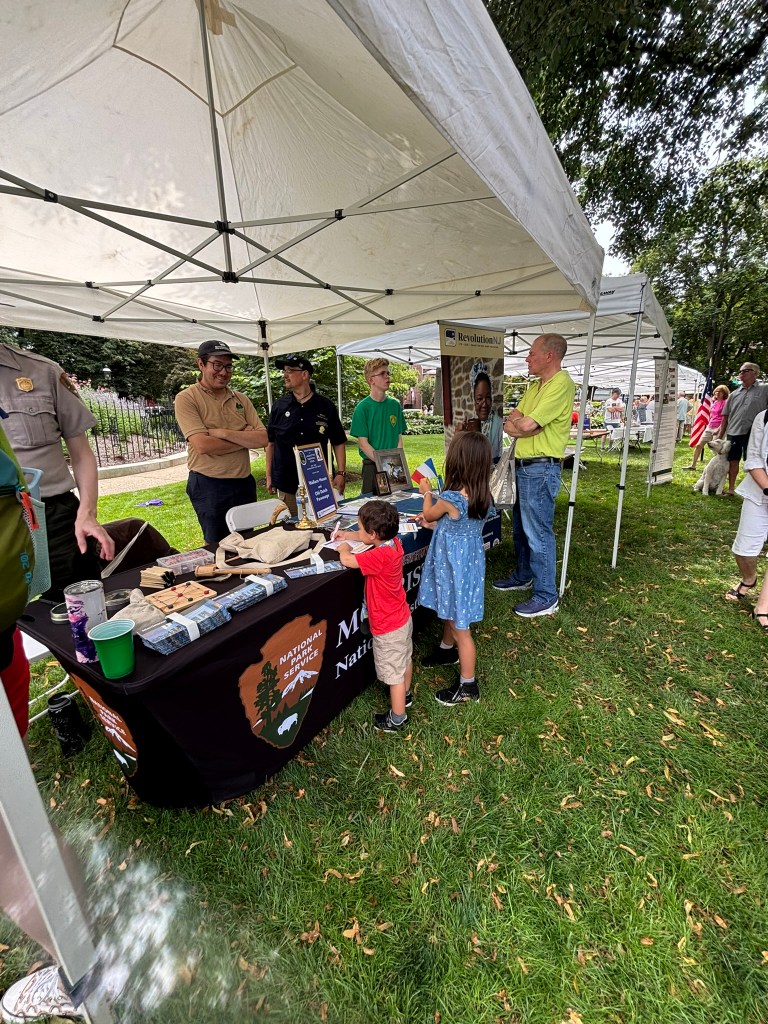
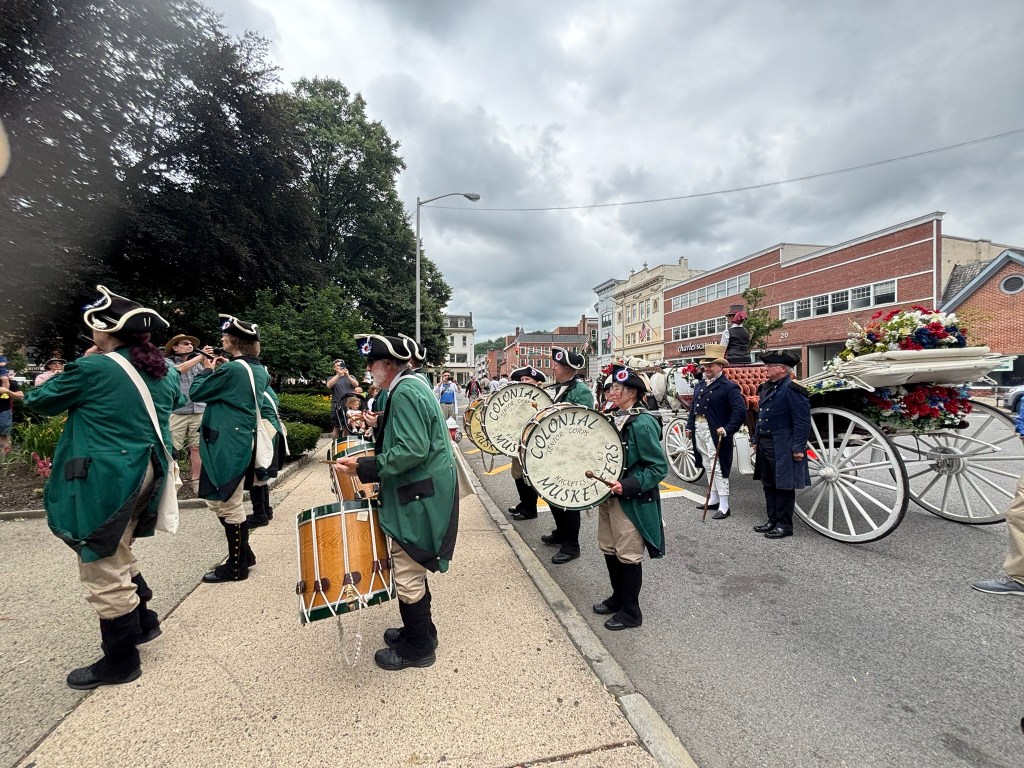
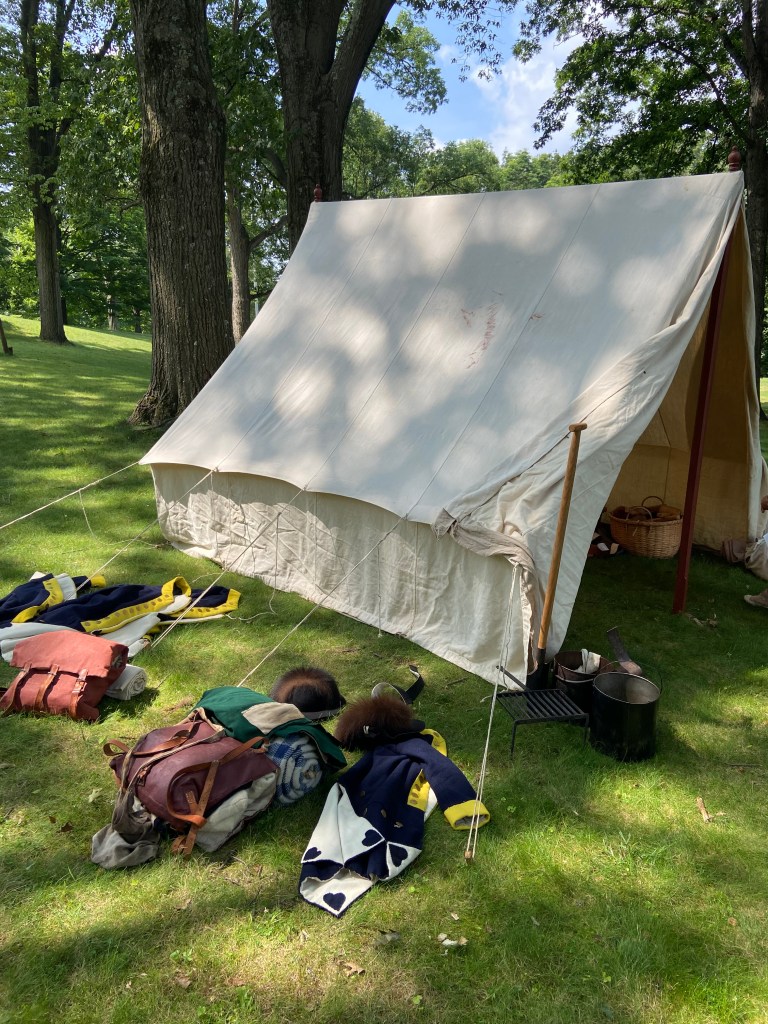
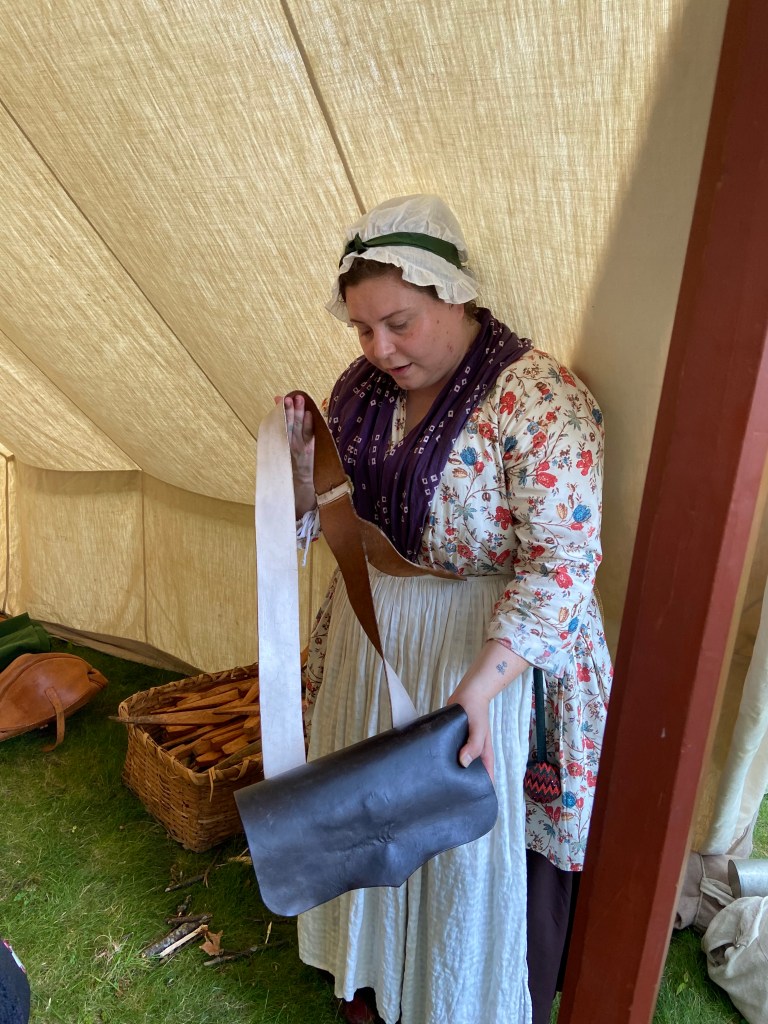
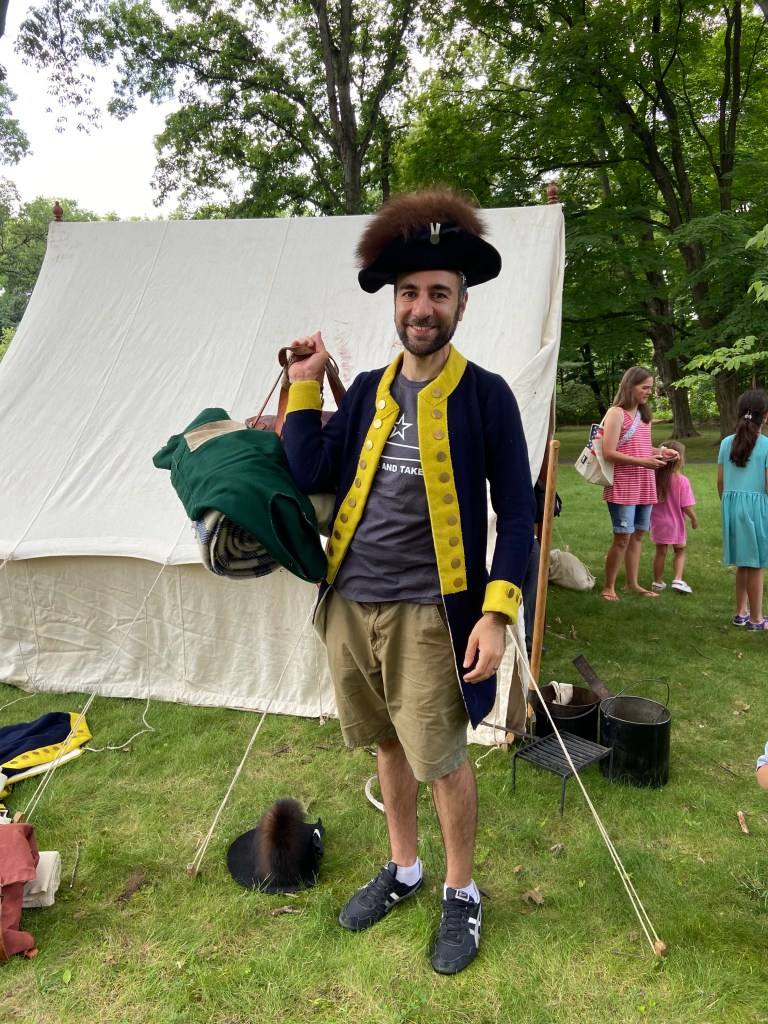
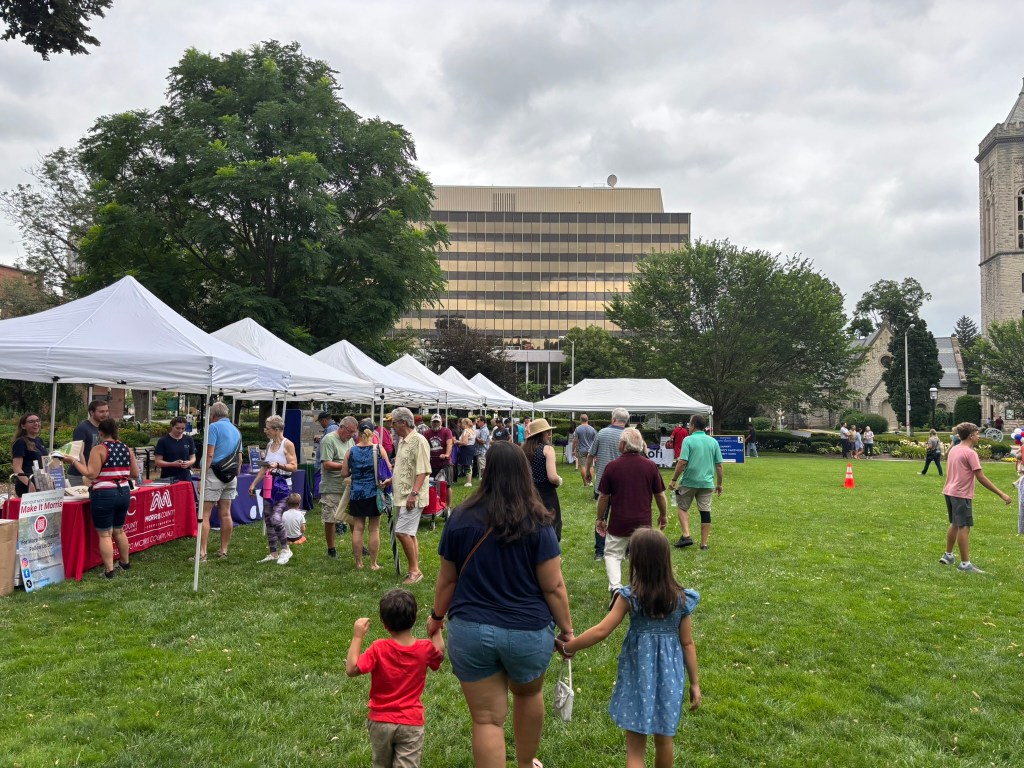
    The event my family and I attended was organized by the American Friends of Lafayette in collaboration with the town of Morristown. When we arrived, we saw tents set up by local historical groups, including the Macculloch Hall Historical Museum, the Morristown National Historical Park, the Daughters of the American Revolution, the Sons of the American Revolution, and others. The event also featured exhibits, reenactors, and activities for families.
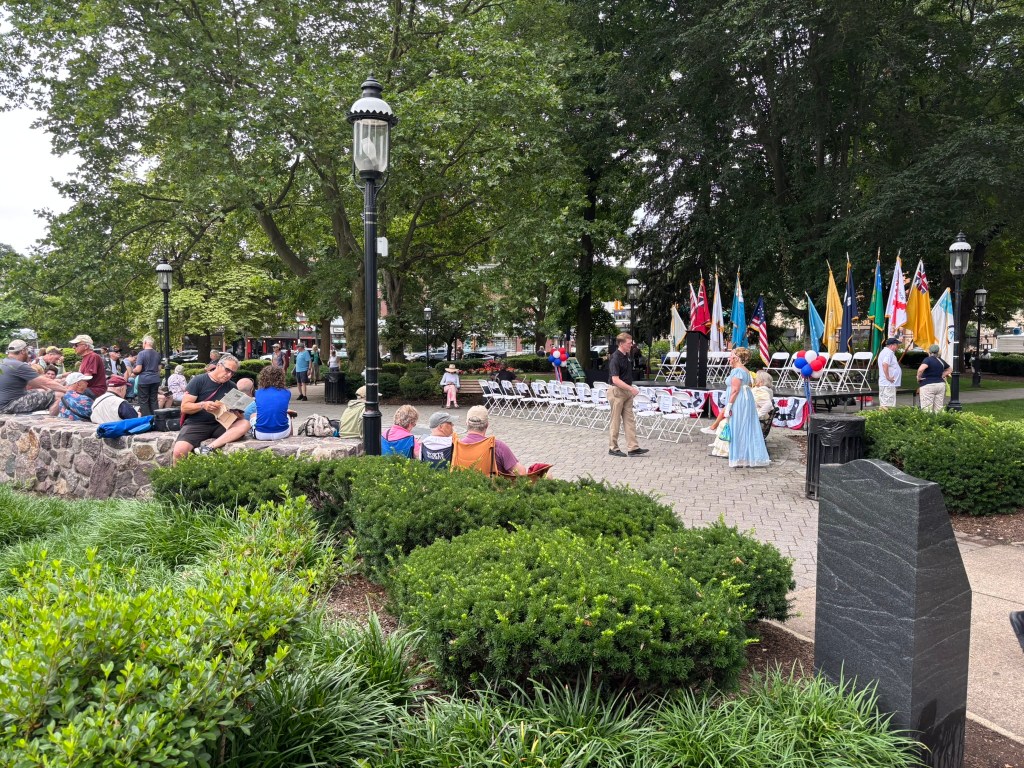
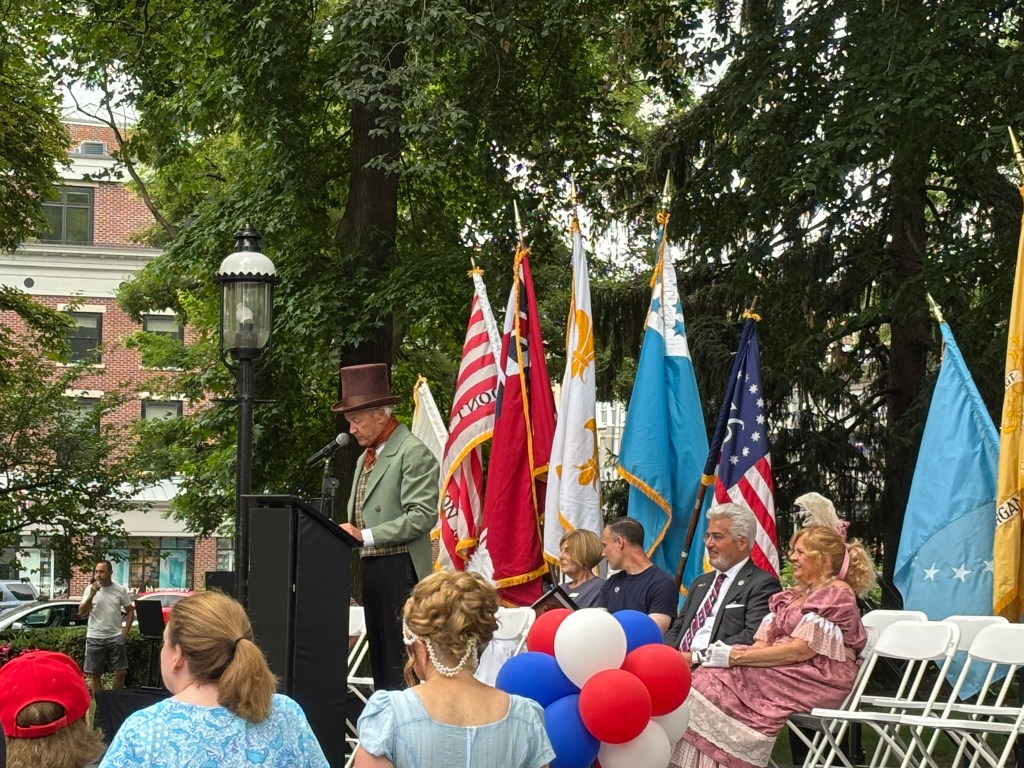
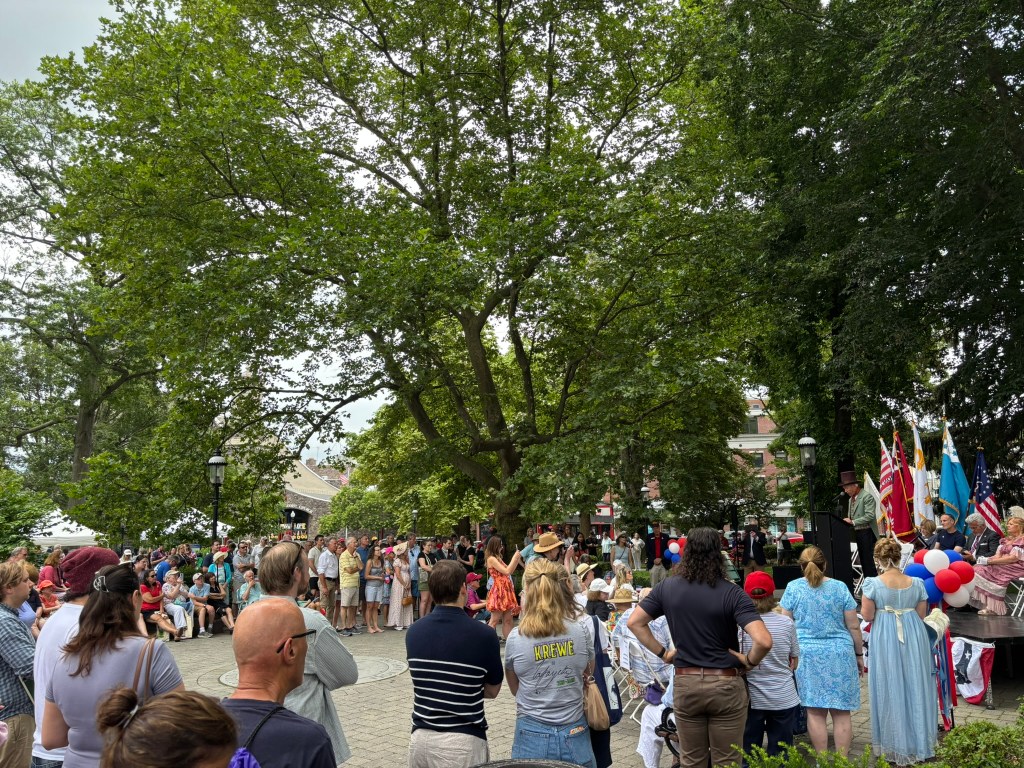
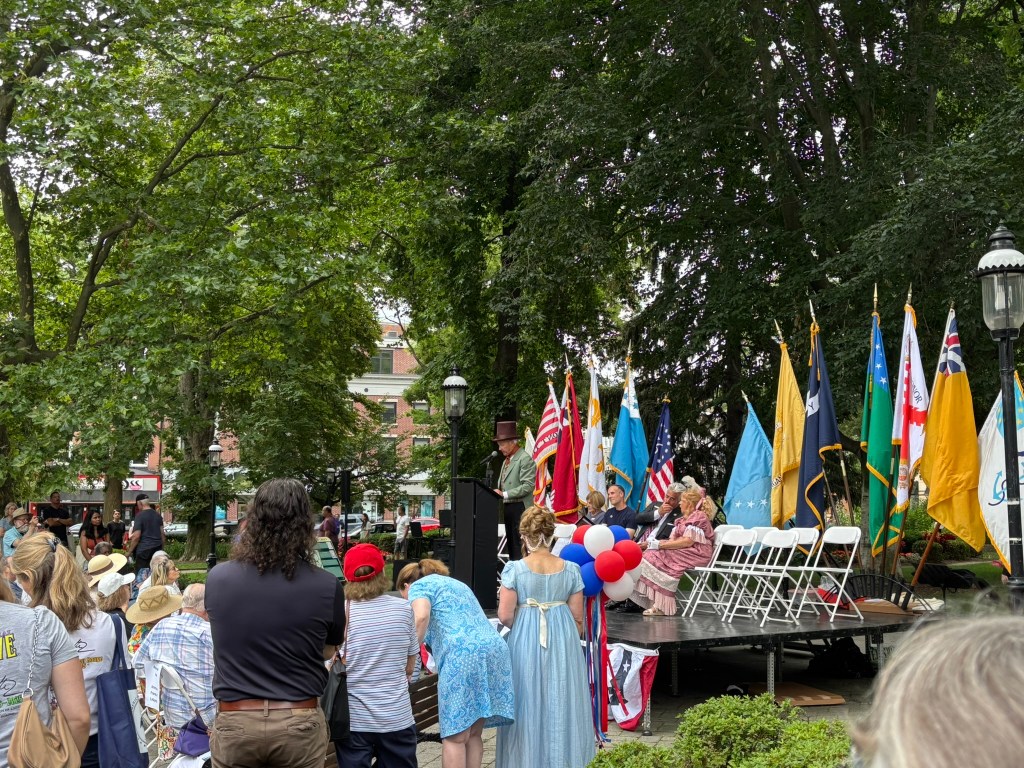
    A welcome ceremony at 12:45 p.m. kicked off the program, with remarks from the mayor of Morristown, a representative of the American Friends of Lafayette, and other local historical organizers.
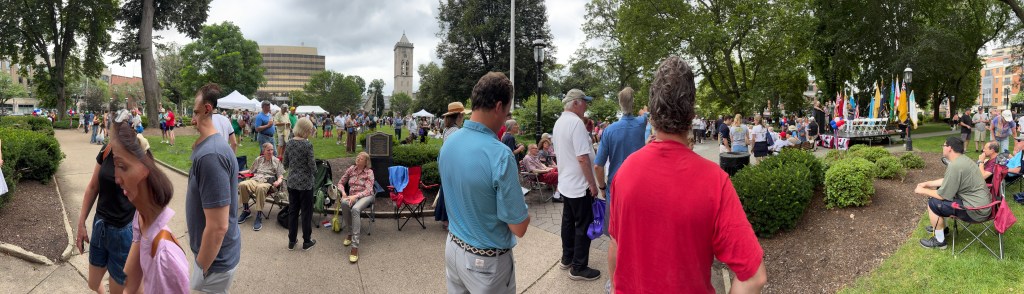
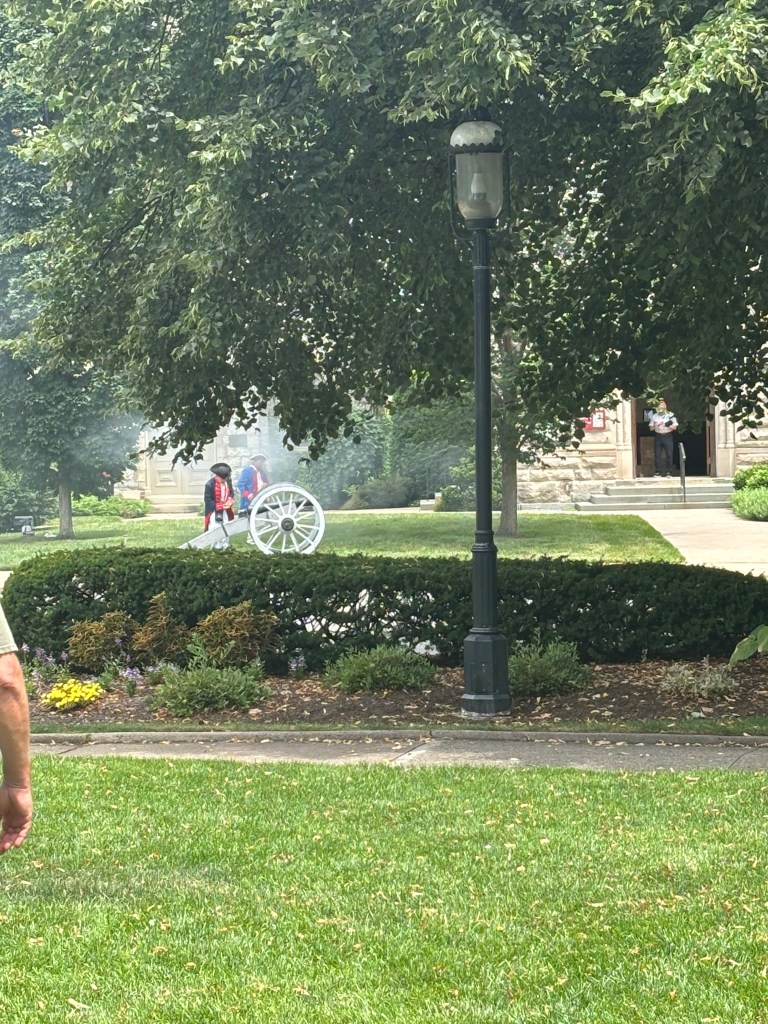
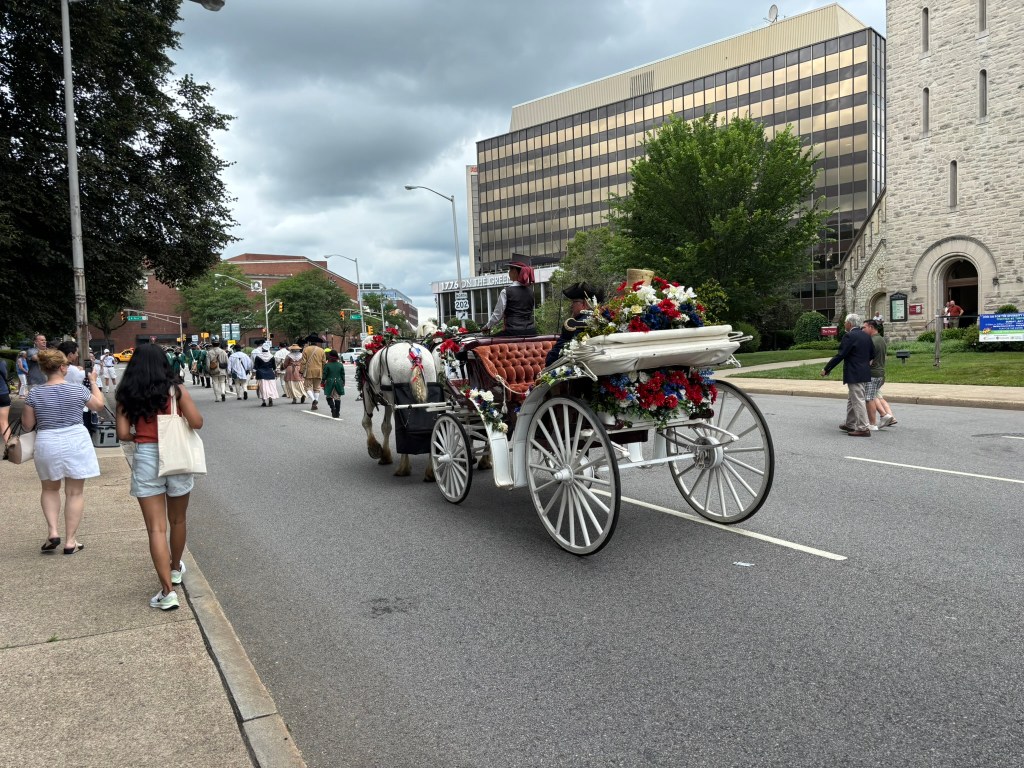
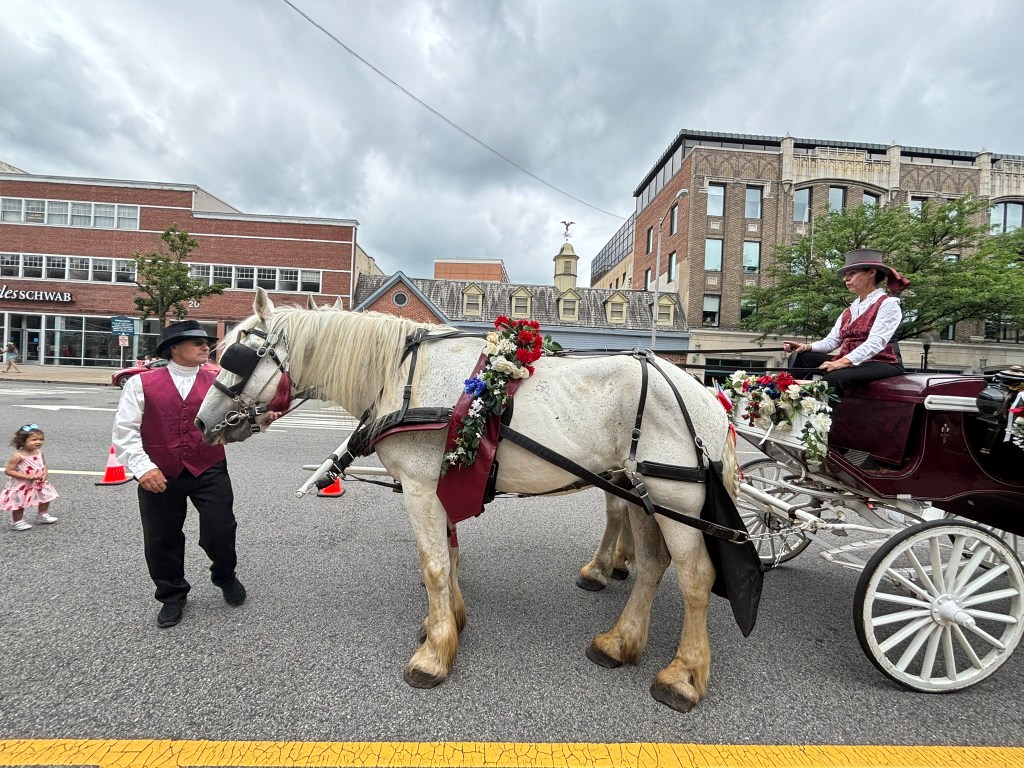
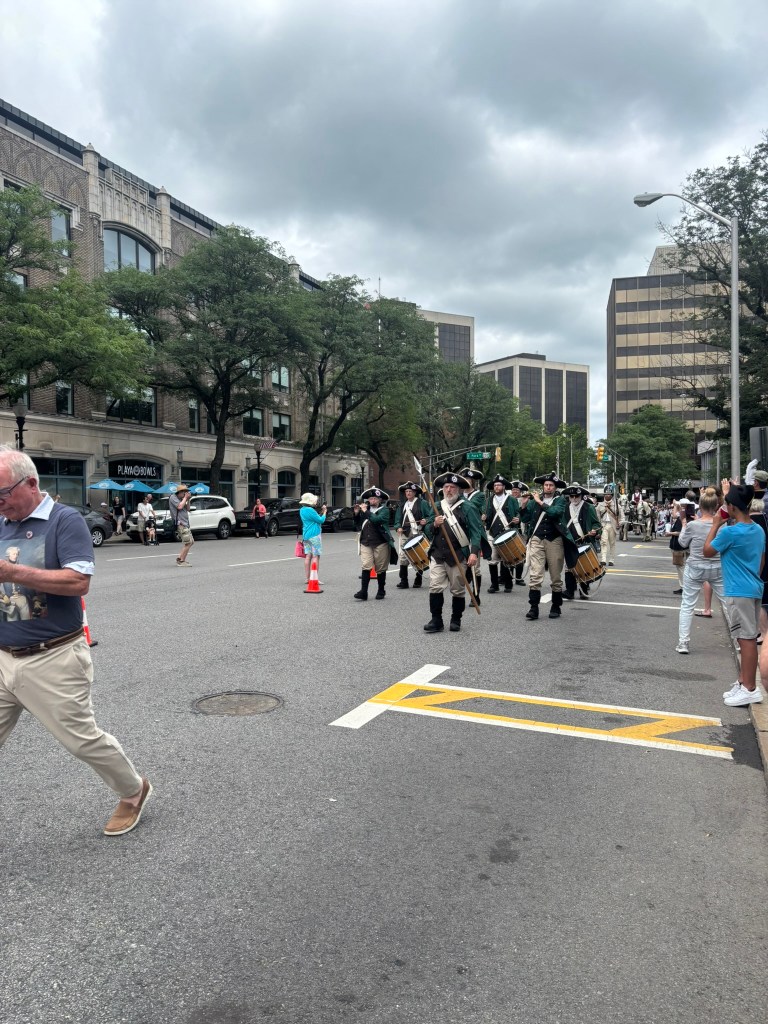
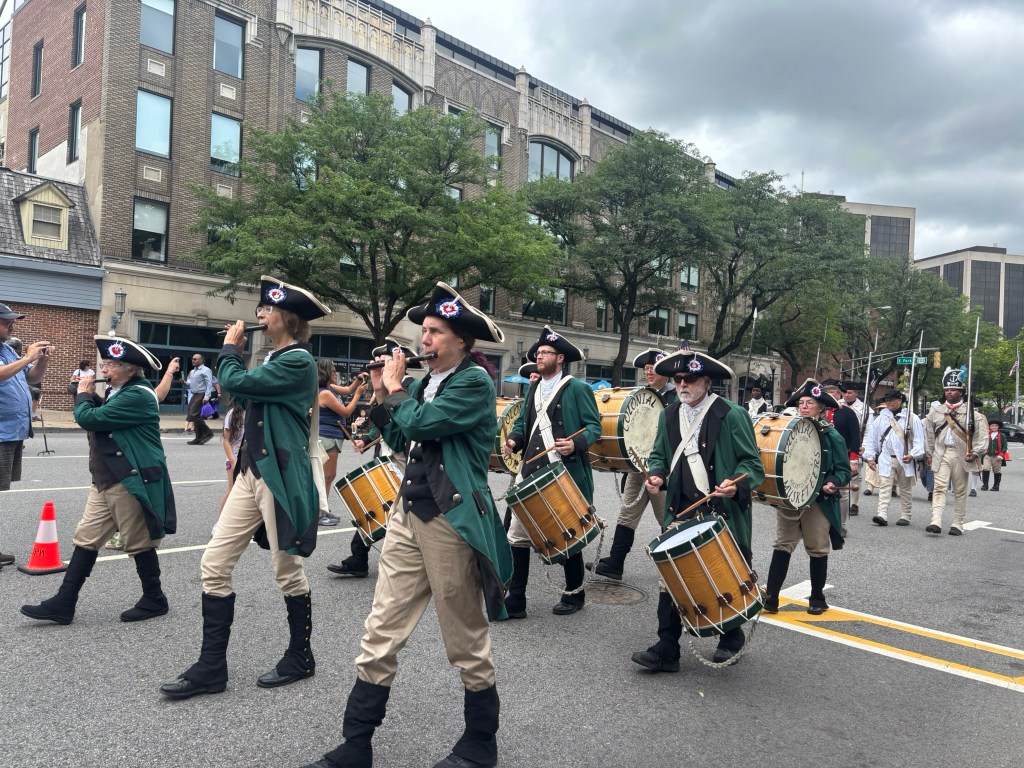
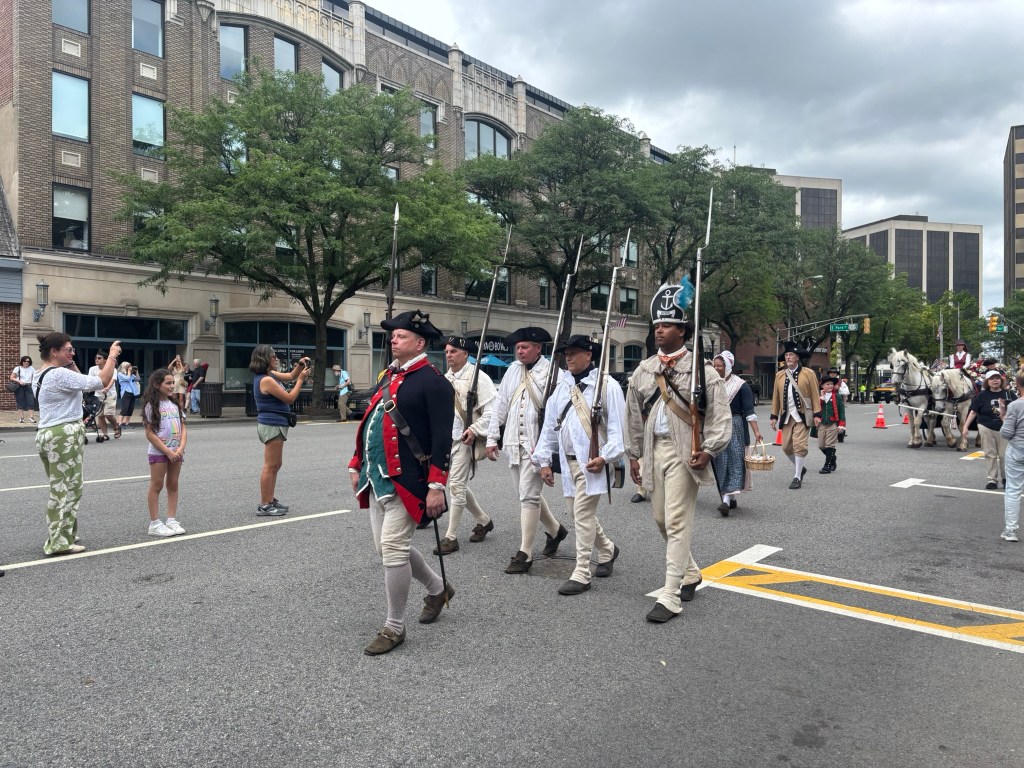
    After the speeches, a cannon blast signaled the start of a reenactment of the 1825 parade, during which Lafayette was escorted around the Morristown Green. Crowds lined the Green to watch the procession of soldiers and catch a glimpse of the French hero.
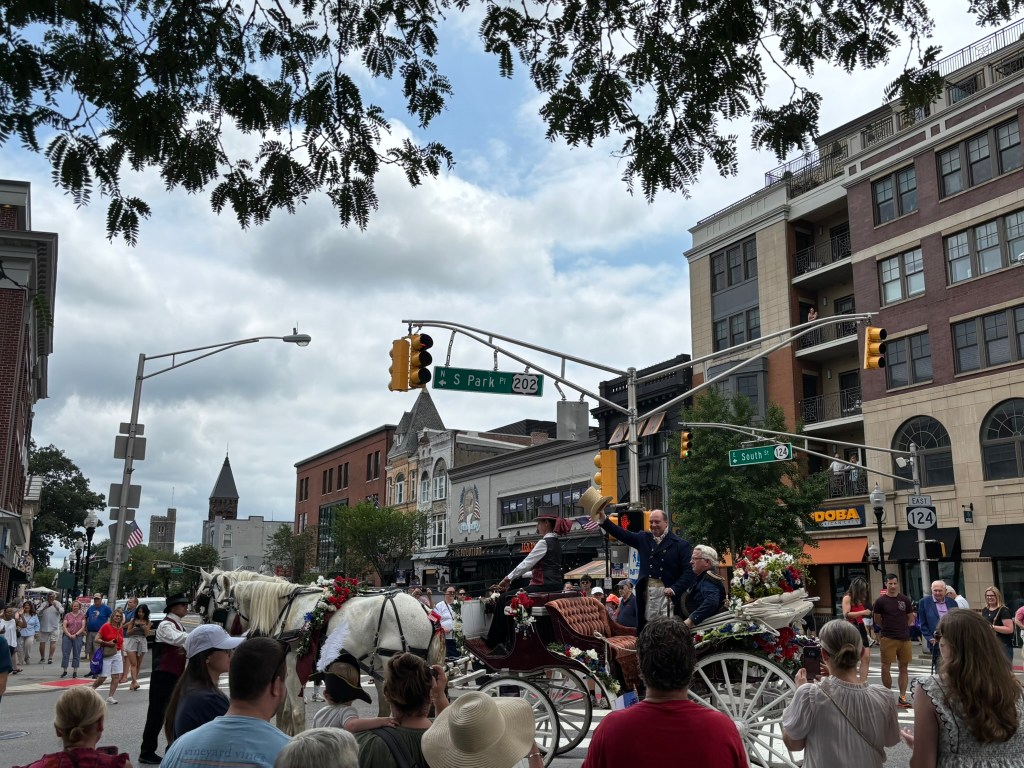
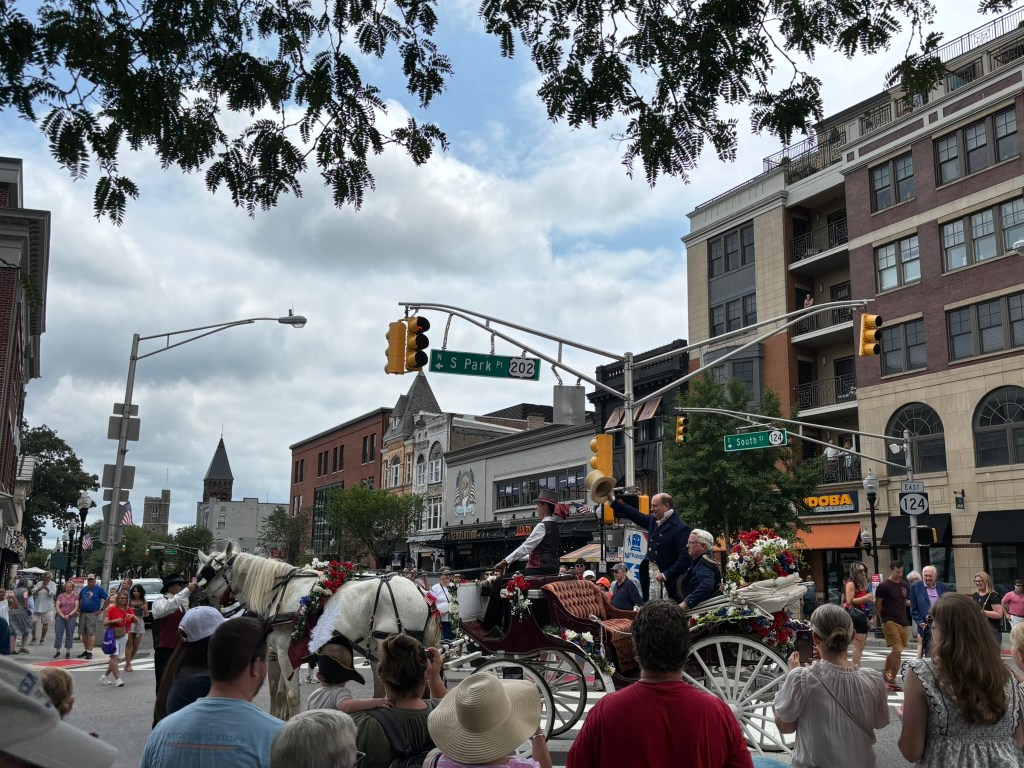
    Following the parade, Lafayette was escorted to the stage for proclamations, speeches, toasts, and several hearty rounds of “HUZZAH!”
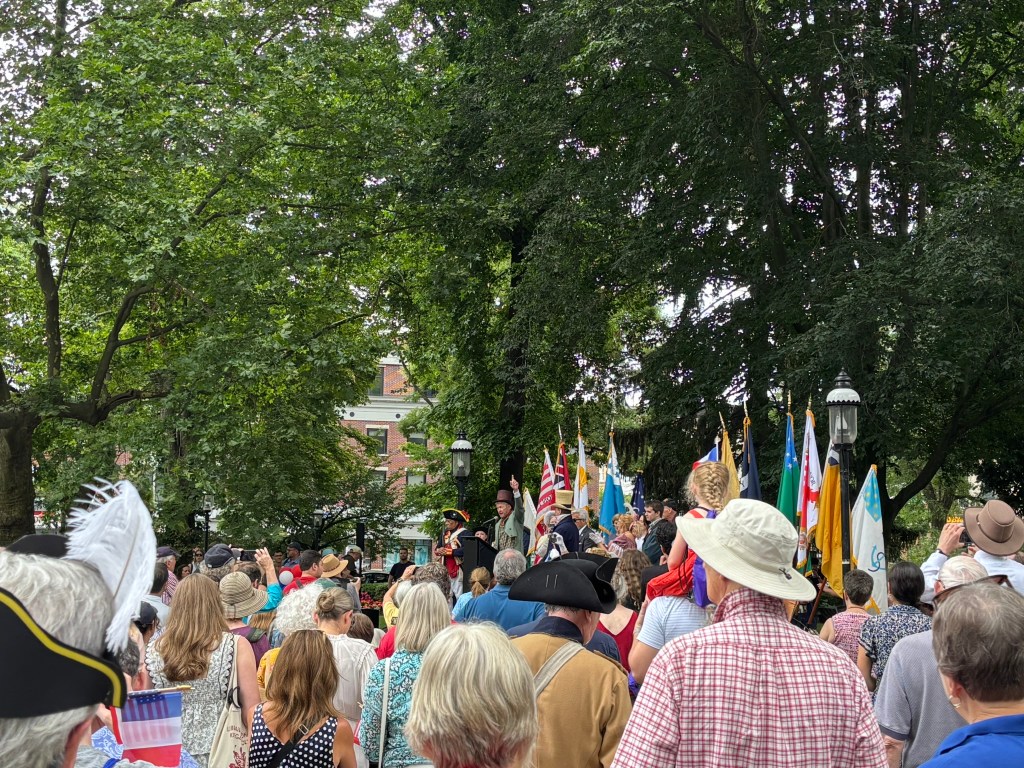
    One highlight of the day was the world premiere of the Lafayette Suite, a new composition by Maestro Robert W. Butts. Members of the Baroque Orchestra of New Jersey (BONJ) performed the piece for the first time.
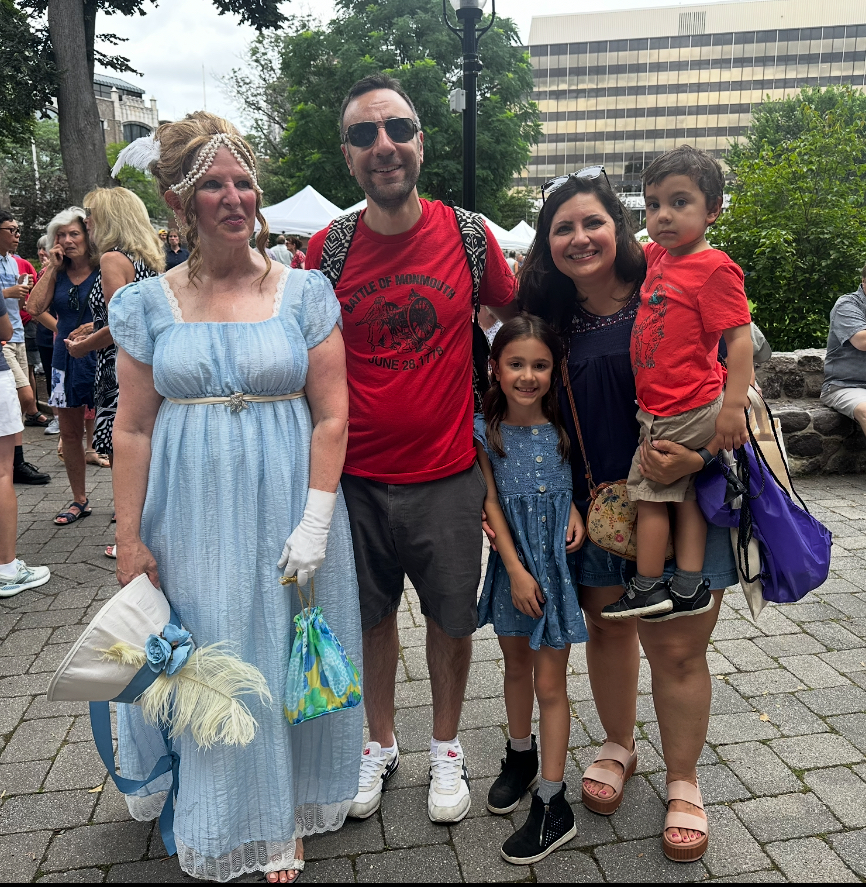
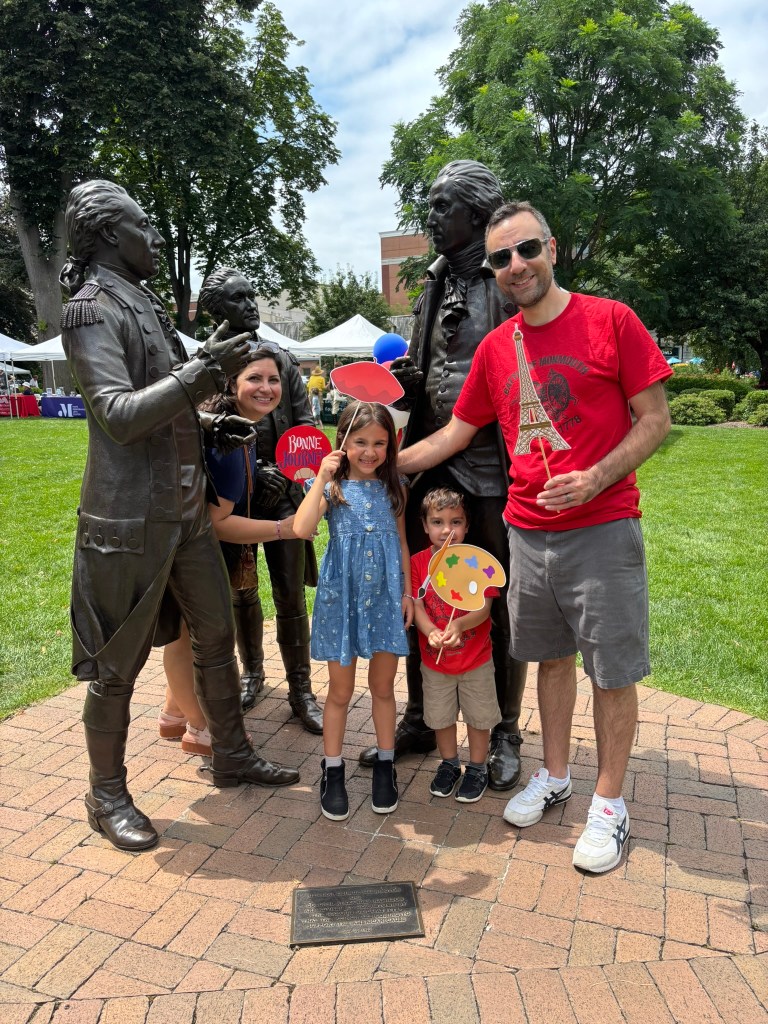
    It was great to see so many people come out to Morristown for this event. Lafayette was truly a remarkable figure, often referred to as the “Hero of Two Worlds” for his role in both the American and French Revolutions. Lafayette first fought for the United States at the Battle of Brandywine in 1777. He endured the harsh winter at Valley Forge, led troops effectively at the Battle of Monmouth, played a crucial role in securing French reinforcements, held a leadership position in Virginia late in the war, and was instrumental at the Siege of Yorktown. George Washington considered Lafayette like a son and his impact on the American Revolution was profound.

    Given all this, it’s easy to see why Lafayette was so widely celebrated during his return to the United States in 1824–1825. Having served in the Revolution at such a young age, it’s remarkable that he was able to return nearly 50 years later to revisit the nation he helped to shape.

    Please stay tuned to my Instagram and Facebook accounts as I will be posting Reels of the event.

    For more information on the American Friends of Lafayette, check out their website [HERE].  You can also check out other upcoming events celebrating Lafayette’s final tour of the United States [HERE]

    Check out related blog posts below:
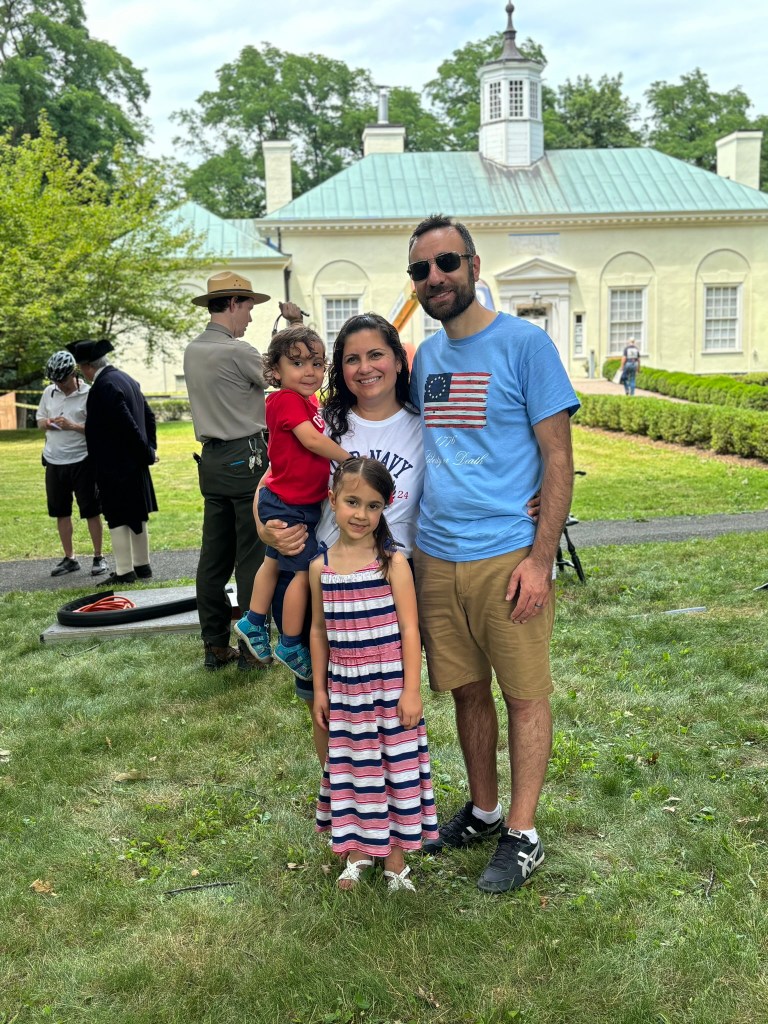
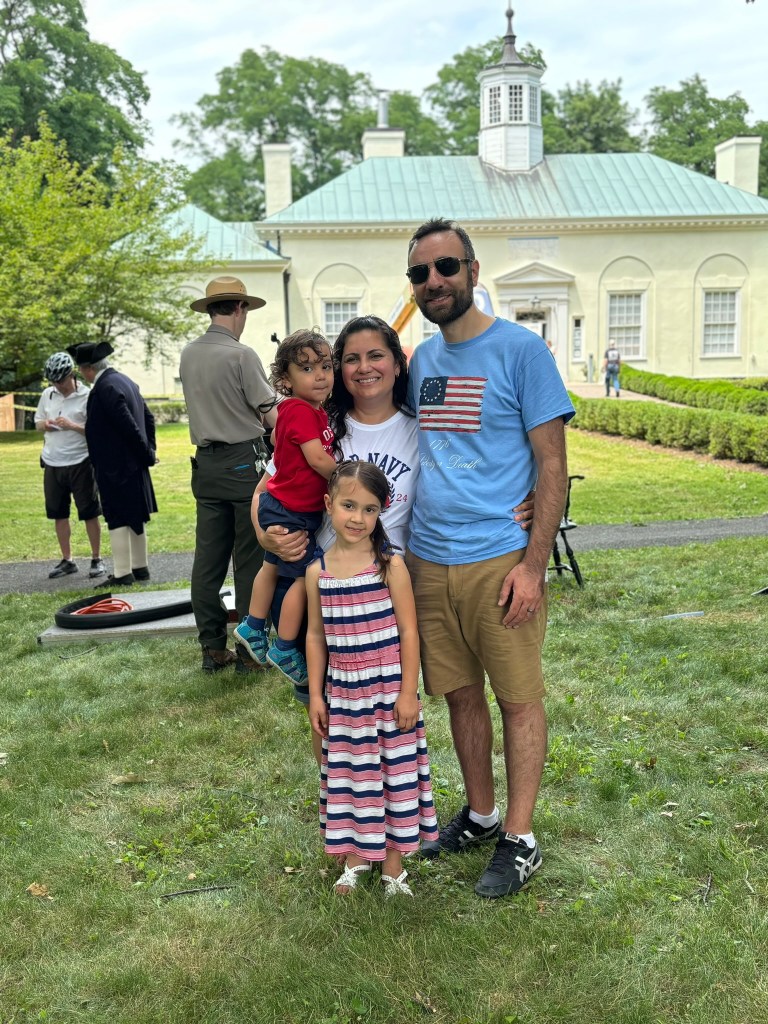
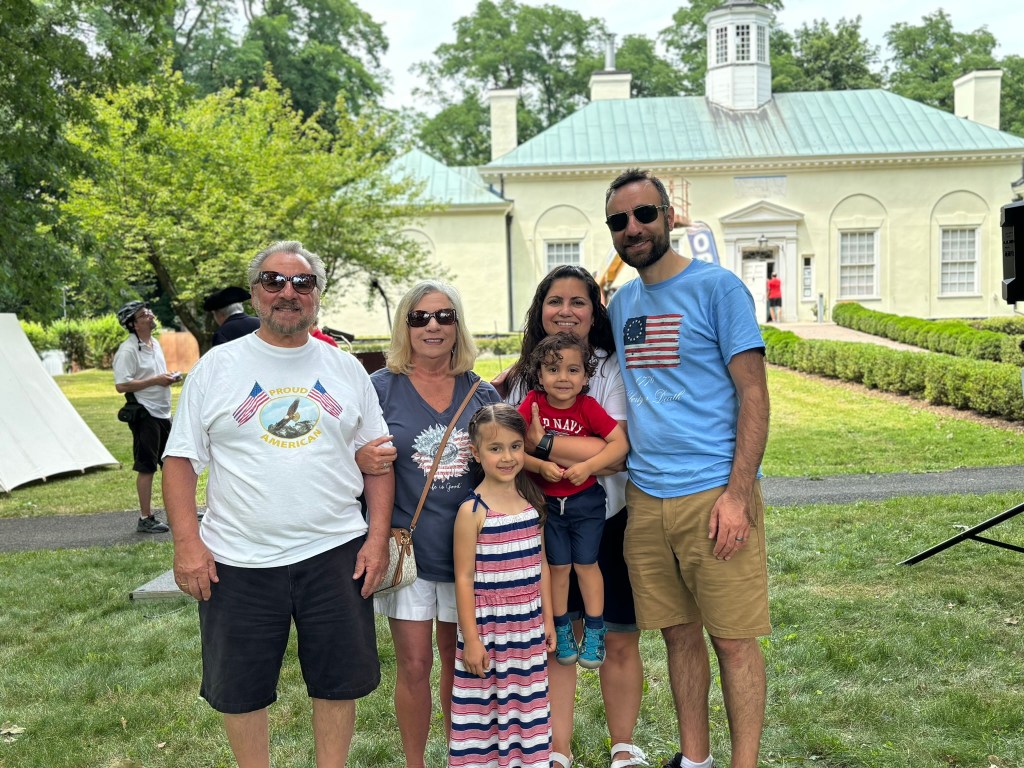
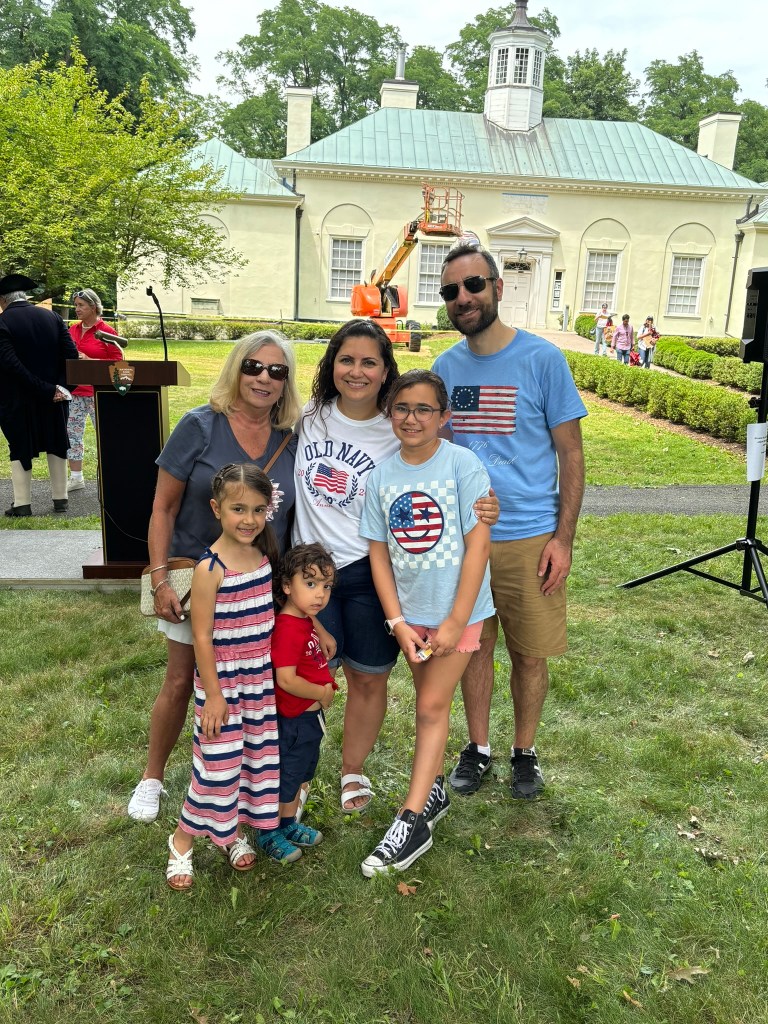
  • My family and I made it out on the Fourth of July to Washington’s Headquarters in Morristown, NJ for the public reading of the Declaration of Independence. This was our first time attending this yearly event.

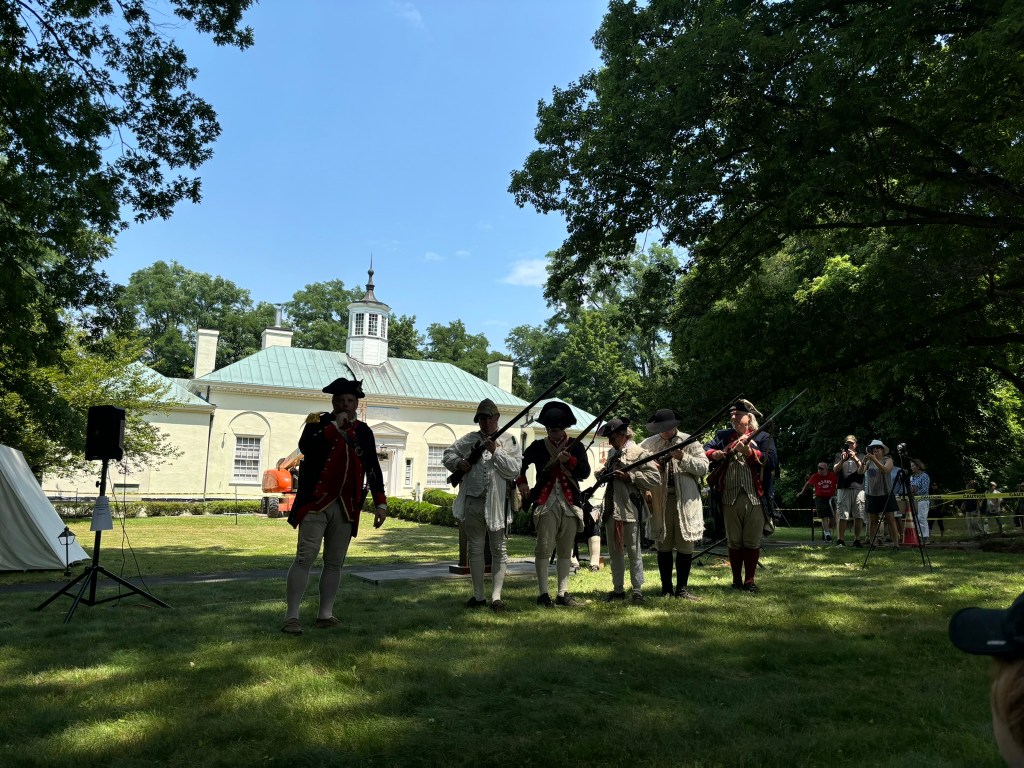
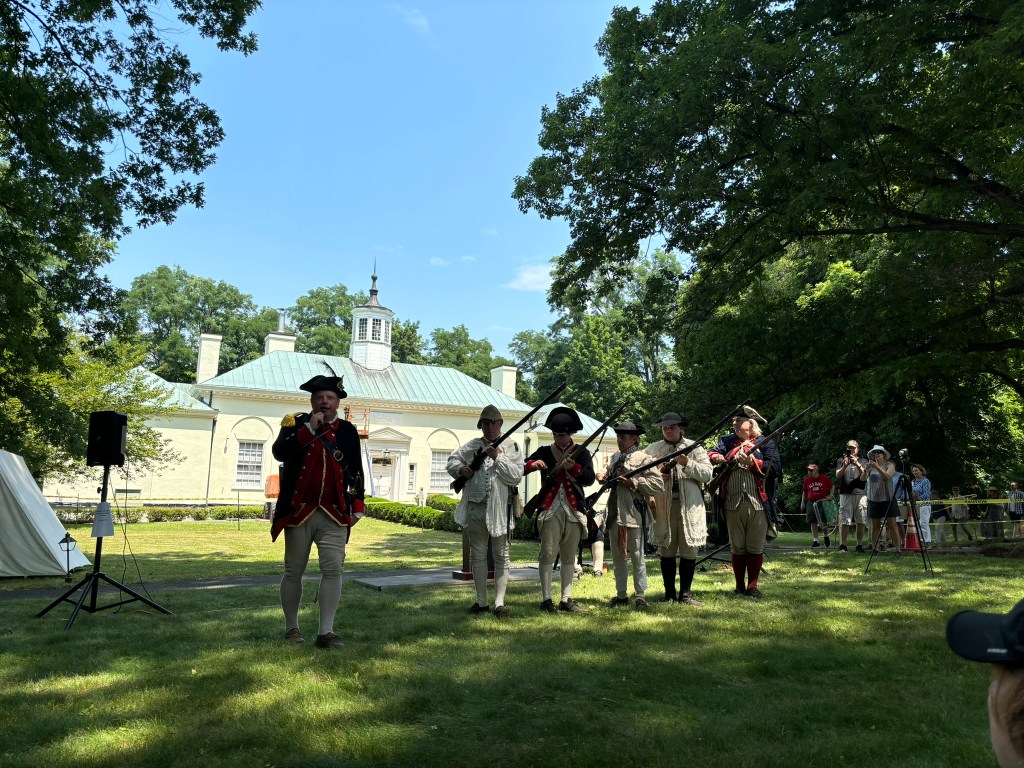
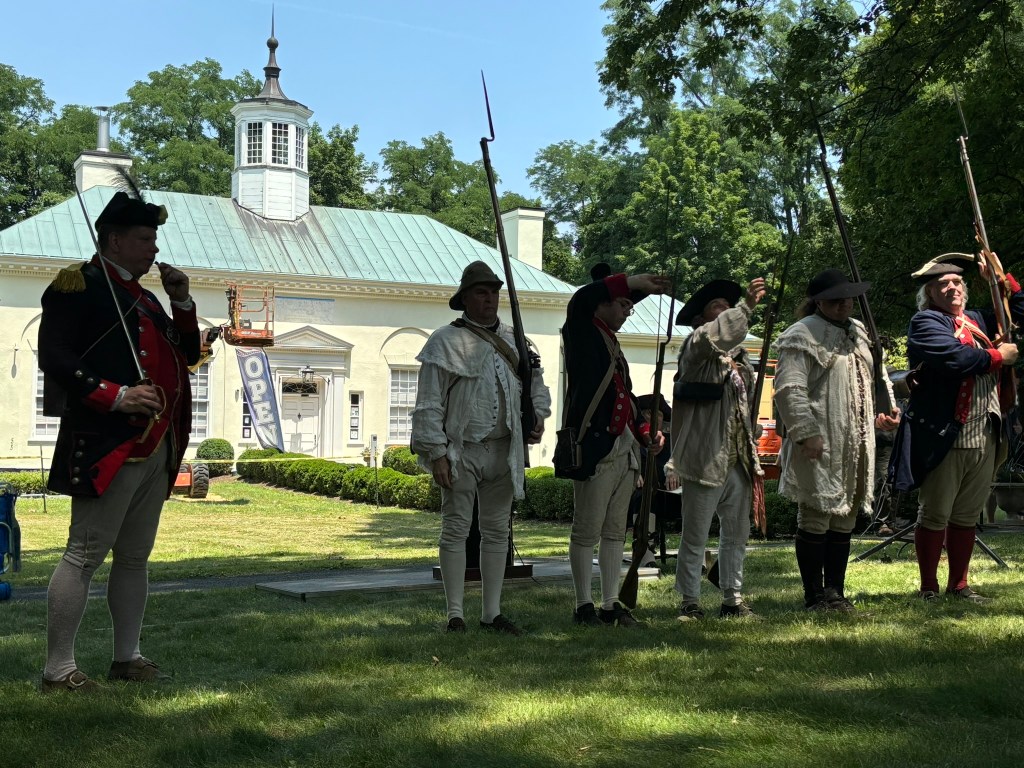
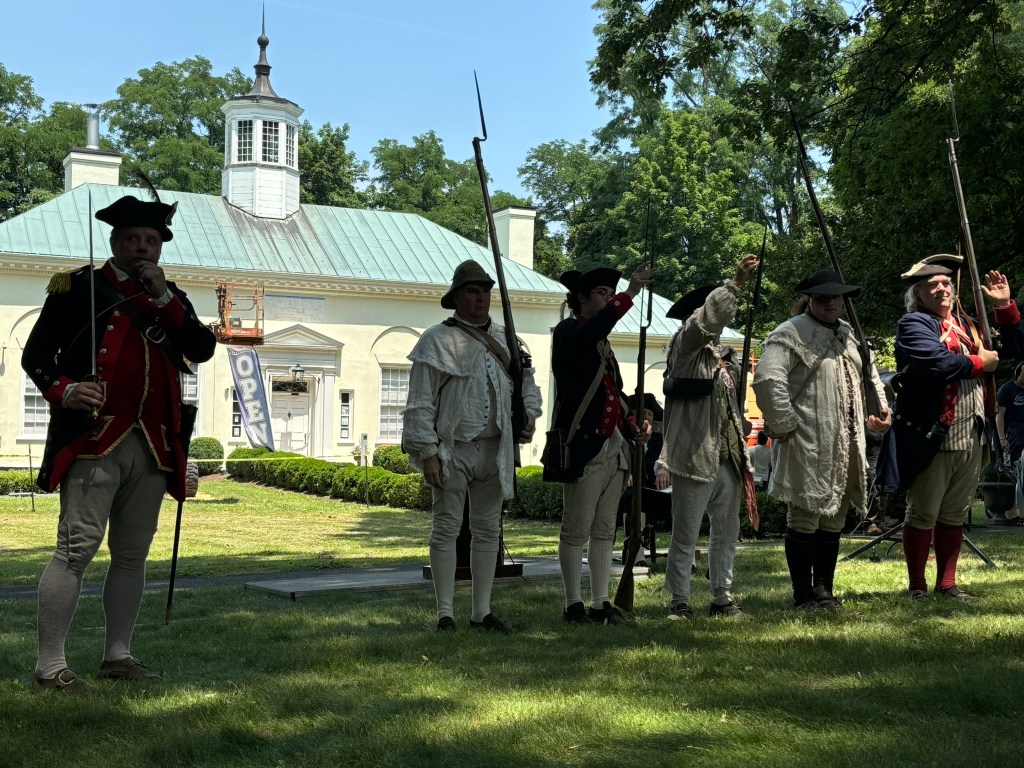
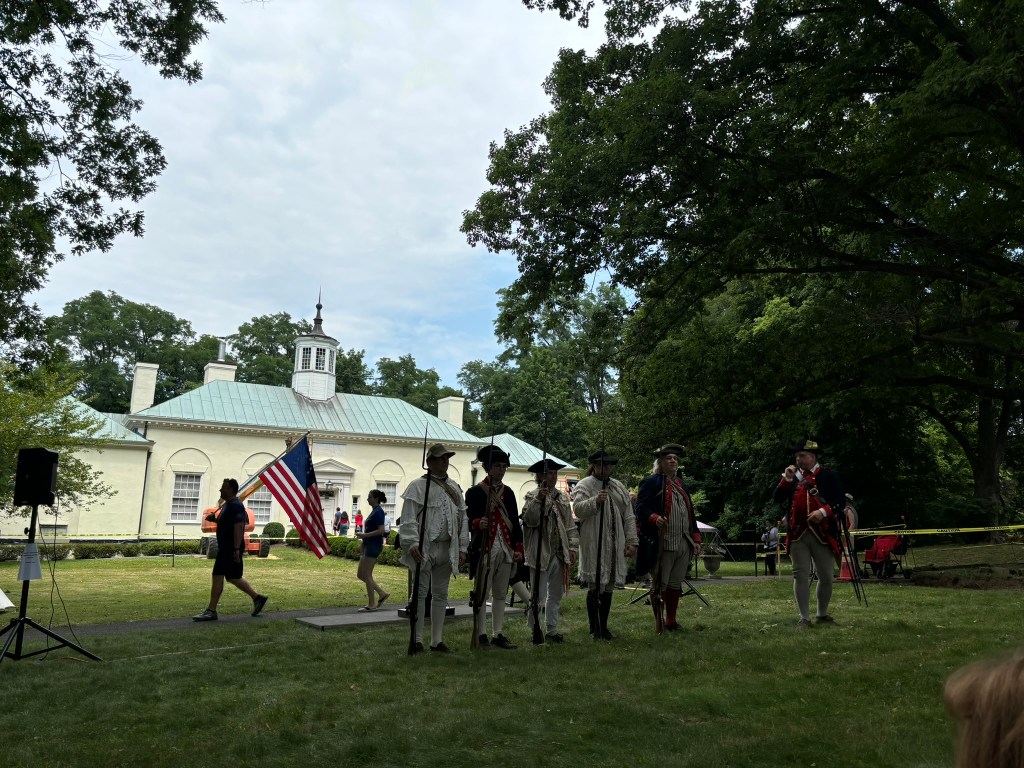
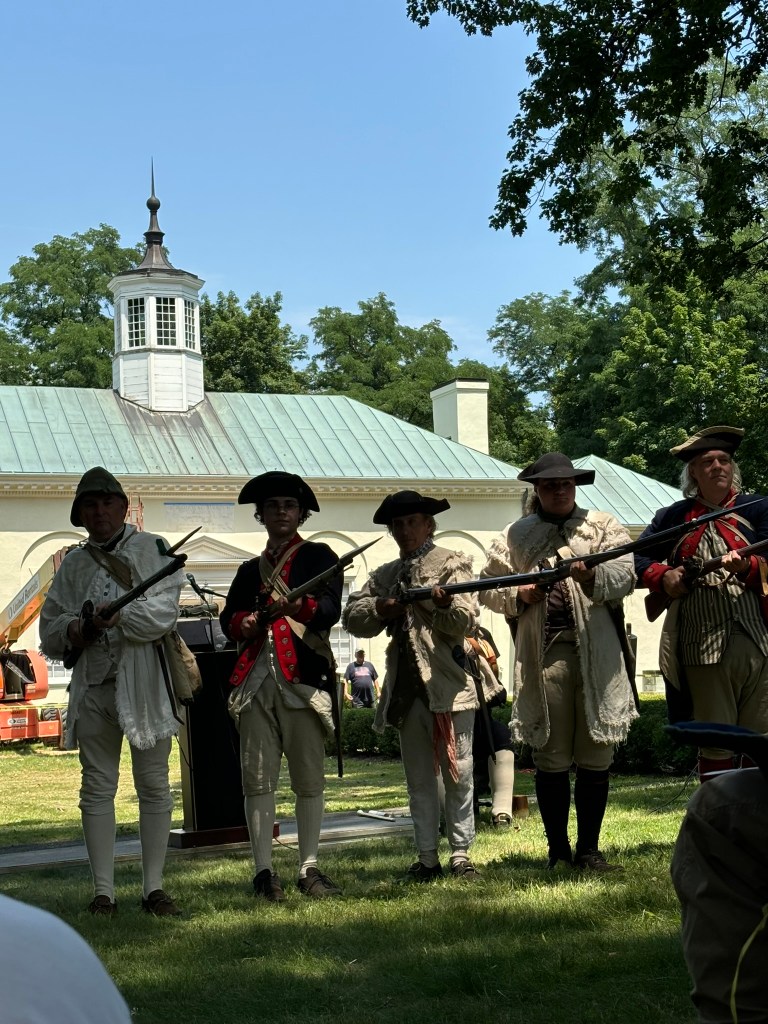
    The festivities began at 12pm with demonstrations by reenactors of the 2nd New Jersey regiment. The regiment did a fantastic job showing the crowd how to stand in a line, reload their muskets, and how to use the bayonet. They thoroughly explained the use of muskets in the Revolutionary War, as well as the uniforms and limited supplies of Continental soldiers.

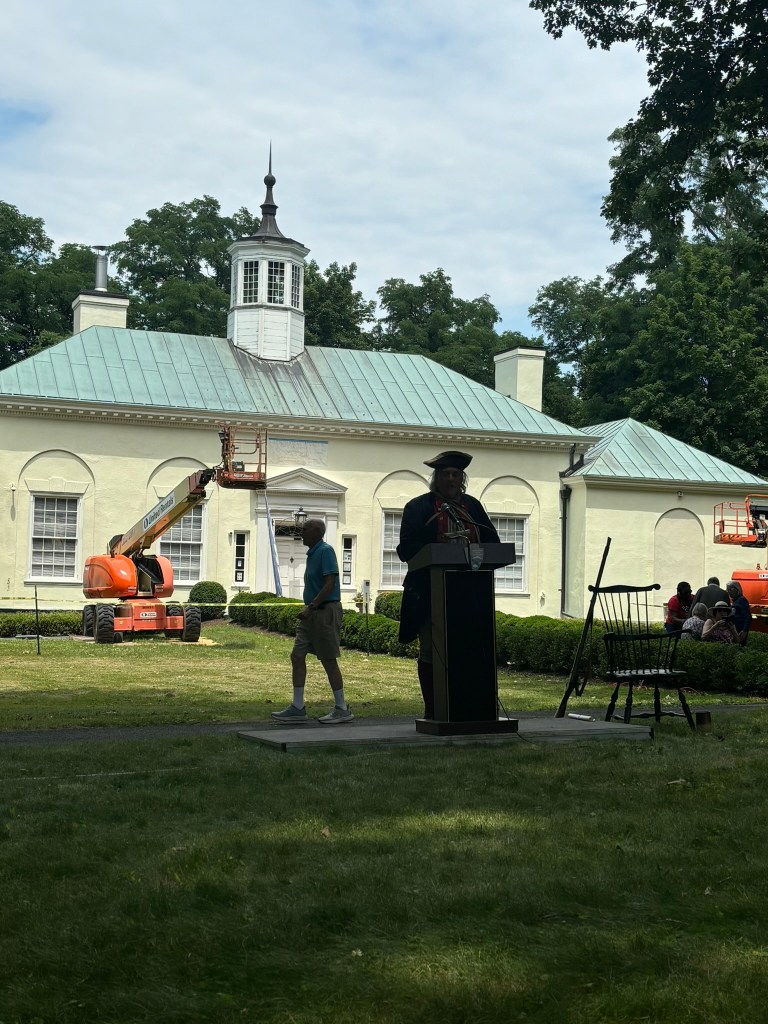
    The 2nd New Jersey regiment’s demonstrations lasted nearly to 1pm. At that point there were a few speakers including Thomas Ross, the Superintendent of Morristown National Historic Park. He described the rehabilitation projects taking place at the park, including to the Ford Mansion, as well as to the museum. These projects are in preparation of the 250th anniversary of the Revolution.

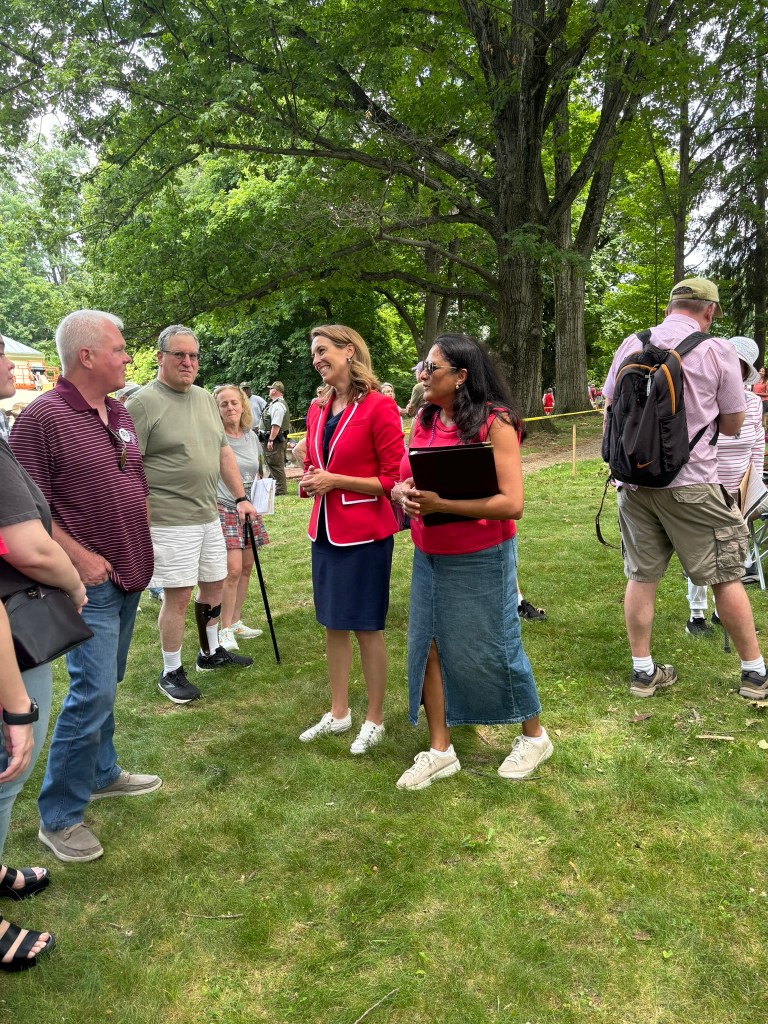
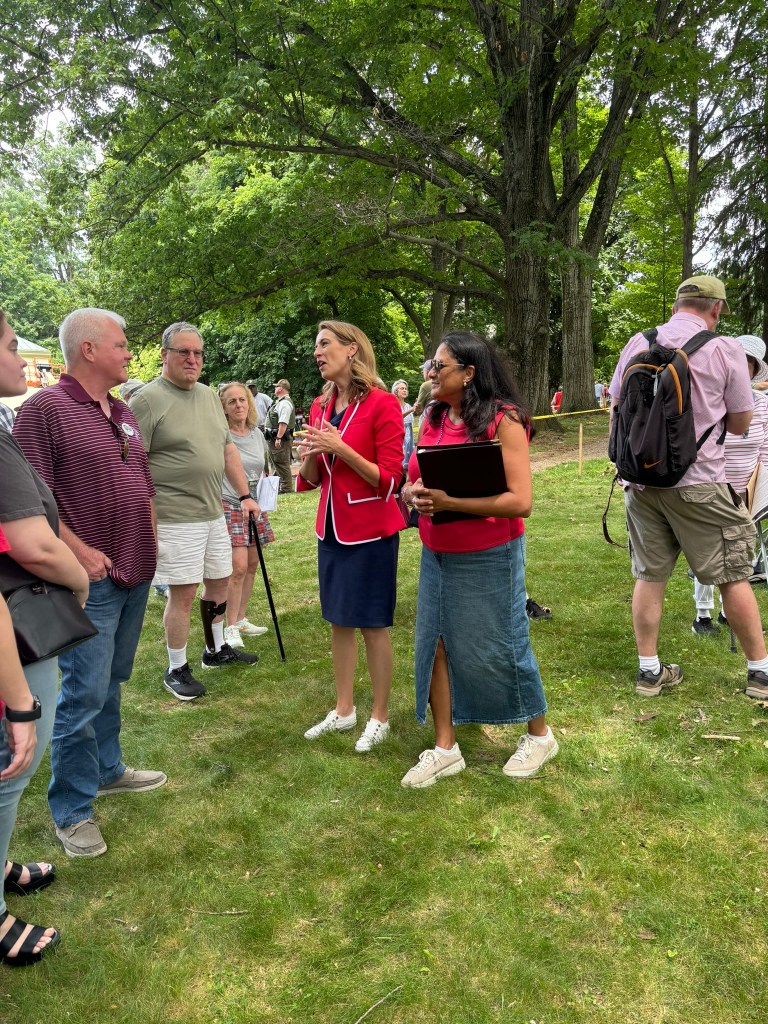
    Another speaker who addressed the crowd was Congresswoman Mikie Sherrill who represents New Jersey District 11. She described New Jersey’s importance to the Revolution and praised the efforts to preserve New Jersey’s history.

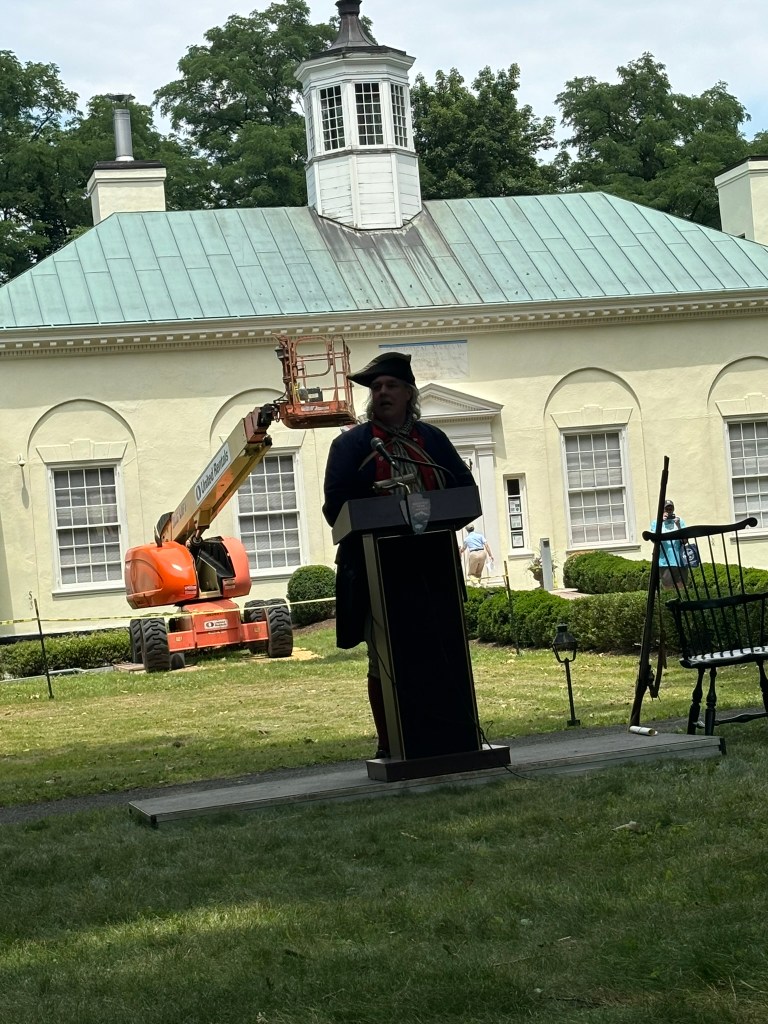
    At 1pm, Ranger Tom Winslow read the Declaration of Independence. The audience was encouraged to give shouts of “Huzzah!” when he read words/ phrases favorable to freedom and independence. The audience was encouraged to shout “Down with King George!” Or “Down with Tyranny!” when he read the many grievances listed against the king.

    Finally, the program concluded at about 1:30 and my family went in and visited the museum. Representative Mikie Sherrill met and spoke with visitors, while the reenactors also took photos. My family and I really enjoyed our patriotic Fourth of July in Morristown, and would love to come back again! Check out my social media sites in the coming days for videos of the event, including drills, discussions of the revolutionary soldiers, speakers, and the reading of the Declaration of Independence: Facebook, Instagram, Twitter
    Below are links to organzations who helped run the event or were in attendance.

    Morristown National Historic Park

    Washington Association of New Jersey

    Revolution NJ

    Friends of Jockey Hollow

    Check Out Similar Blog Posts Below!

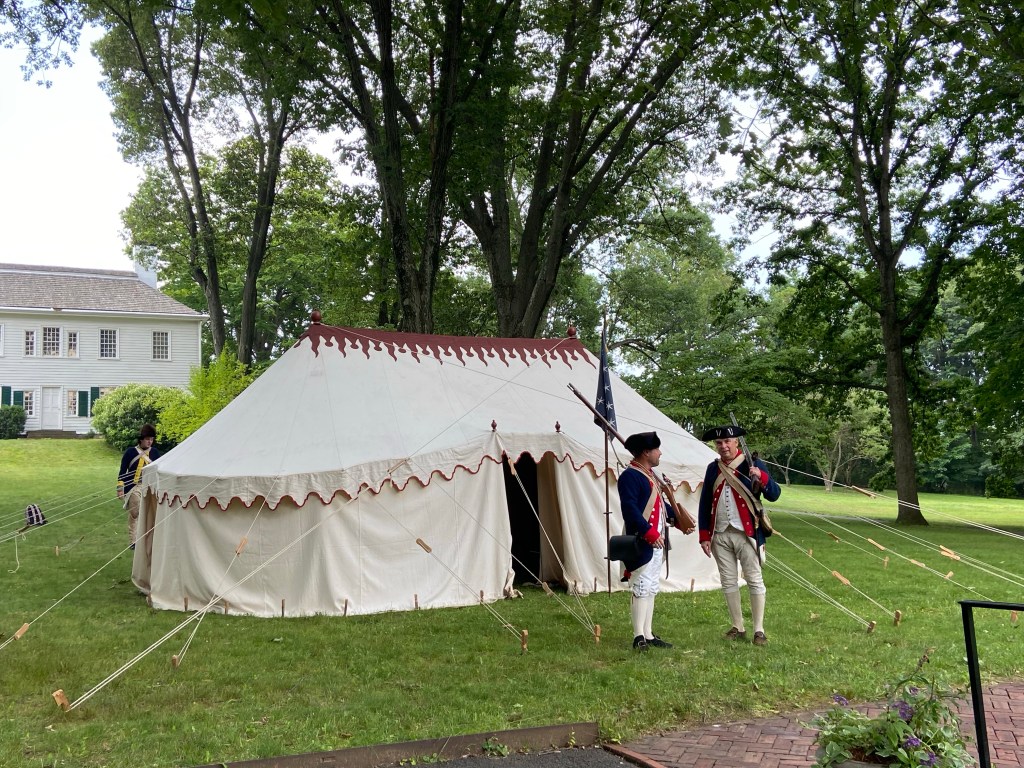
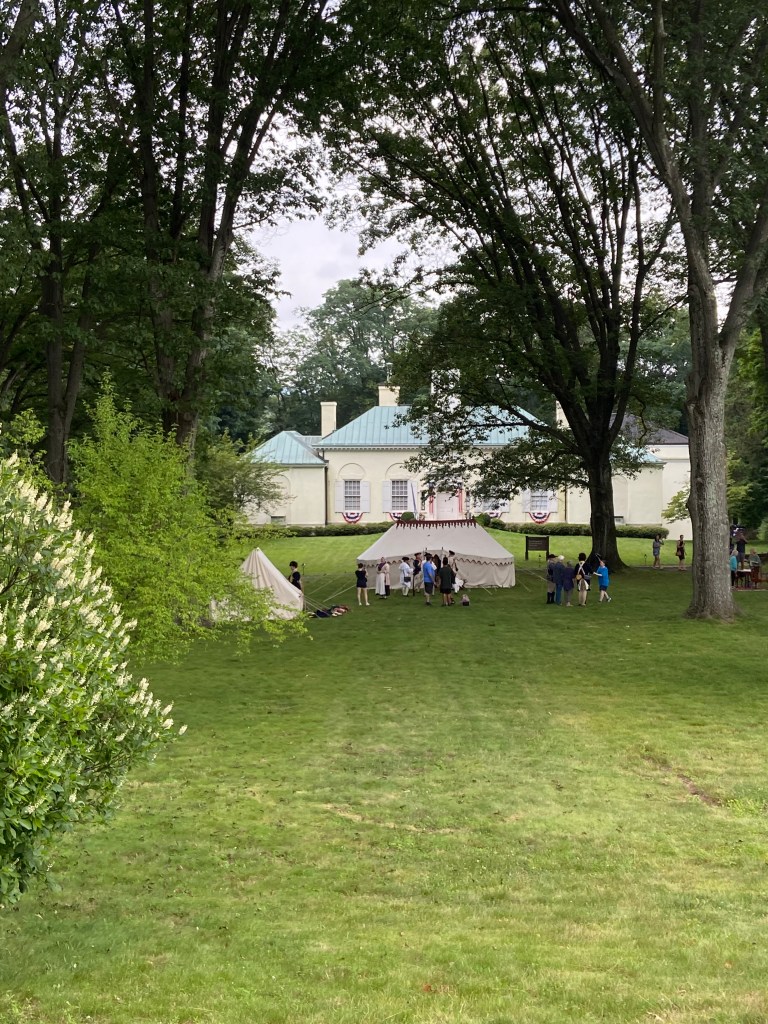
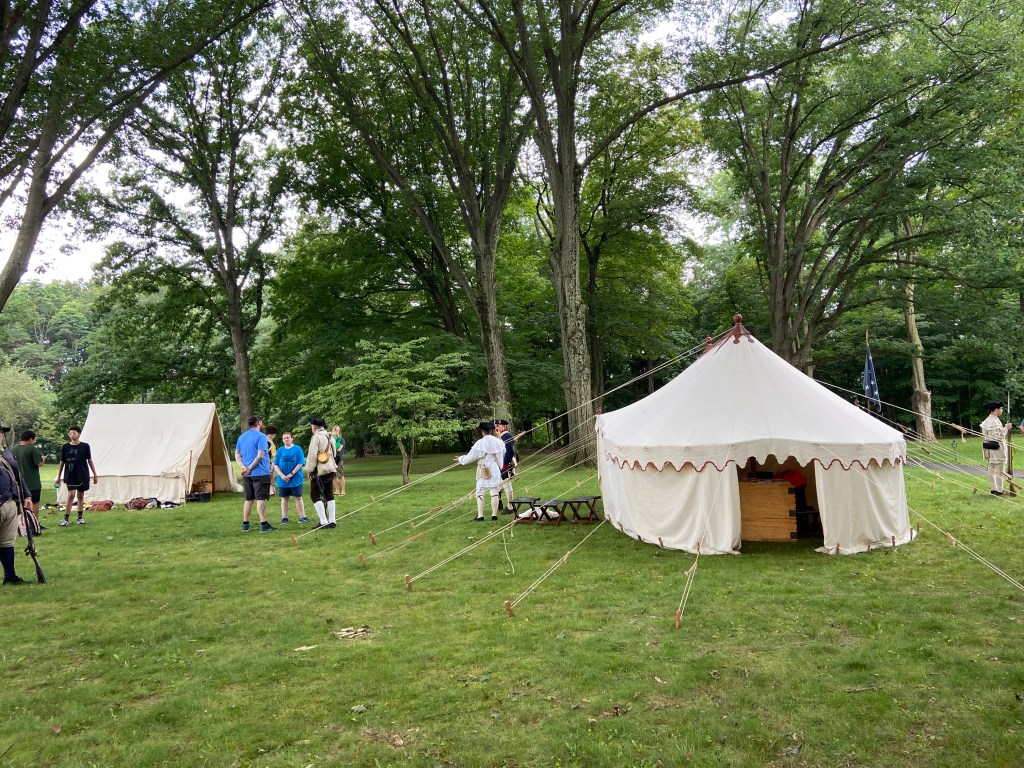
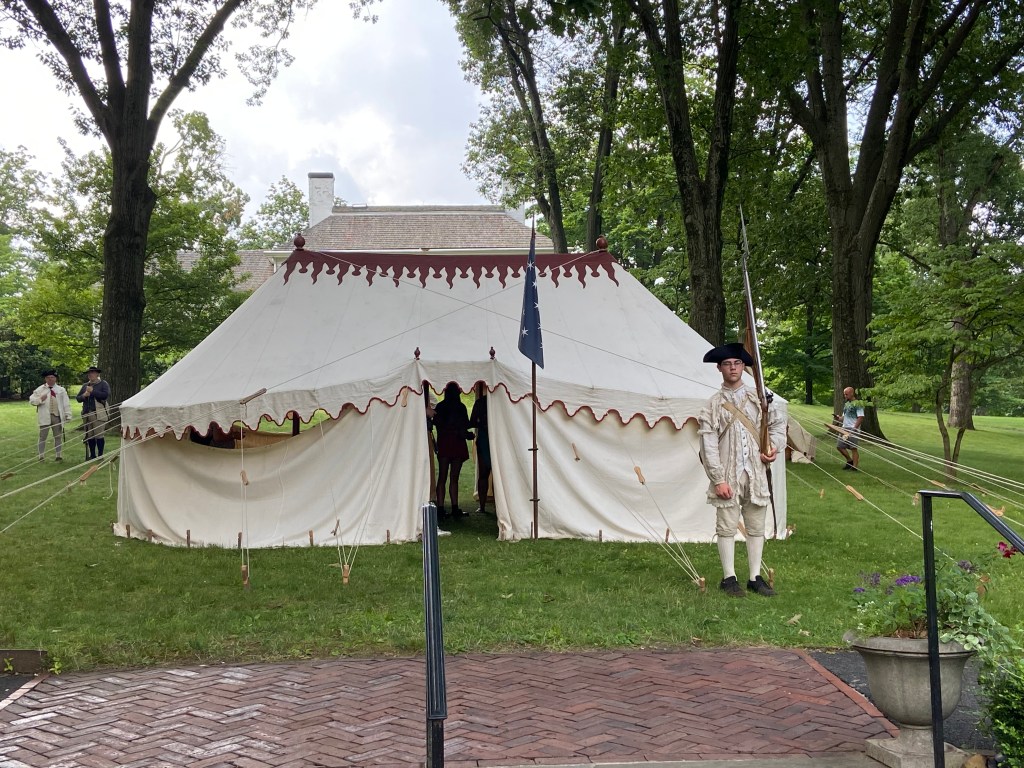
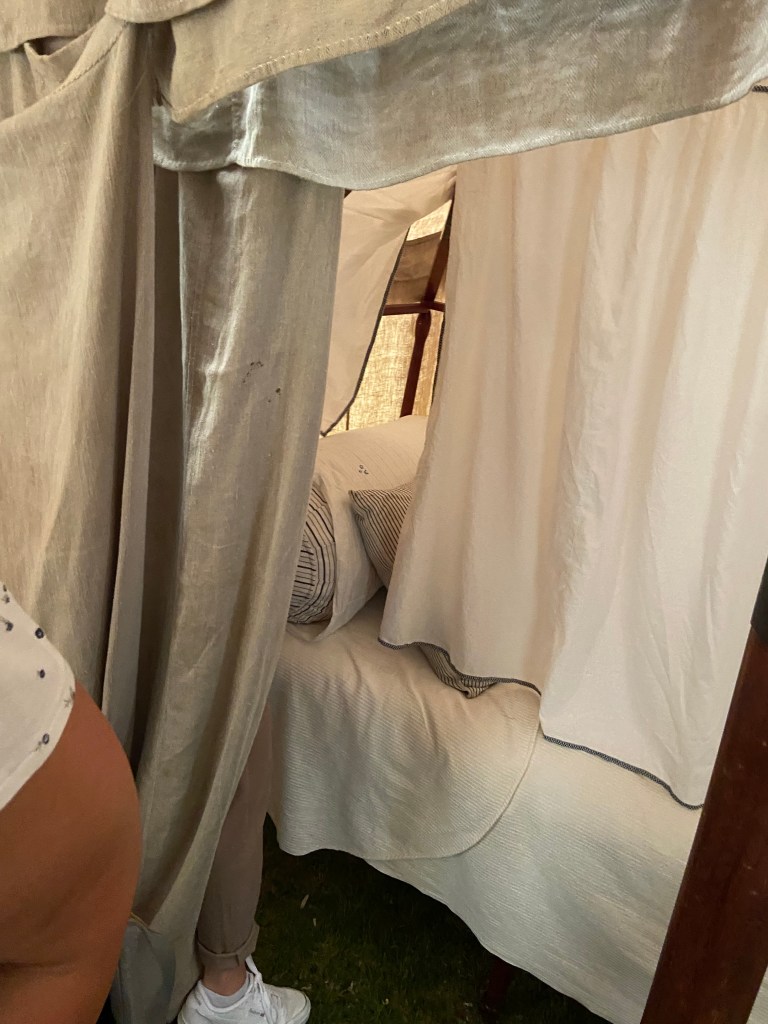
  • This past weekend I took the family to Washington’s Headquarters in Morristown, NJ. Throughout the week they hosted an event entitled “Red, White and You: Celebrating Independence Week at Washington’s Headquarters!” During the weekend they hosted the Museum of the American Revolution’s “First Oval Office Project,” which includes a full-scale replica of George Washington’s sleeping and operational tents that served as his mobile command and sleeping quarters while on campaign during the American Revolution. The tent and day’s programming was sponsored by the Washington Association of New Jersey.

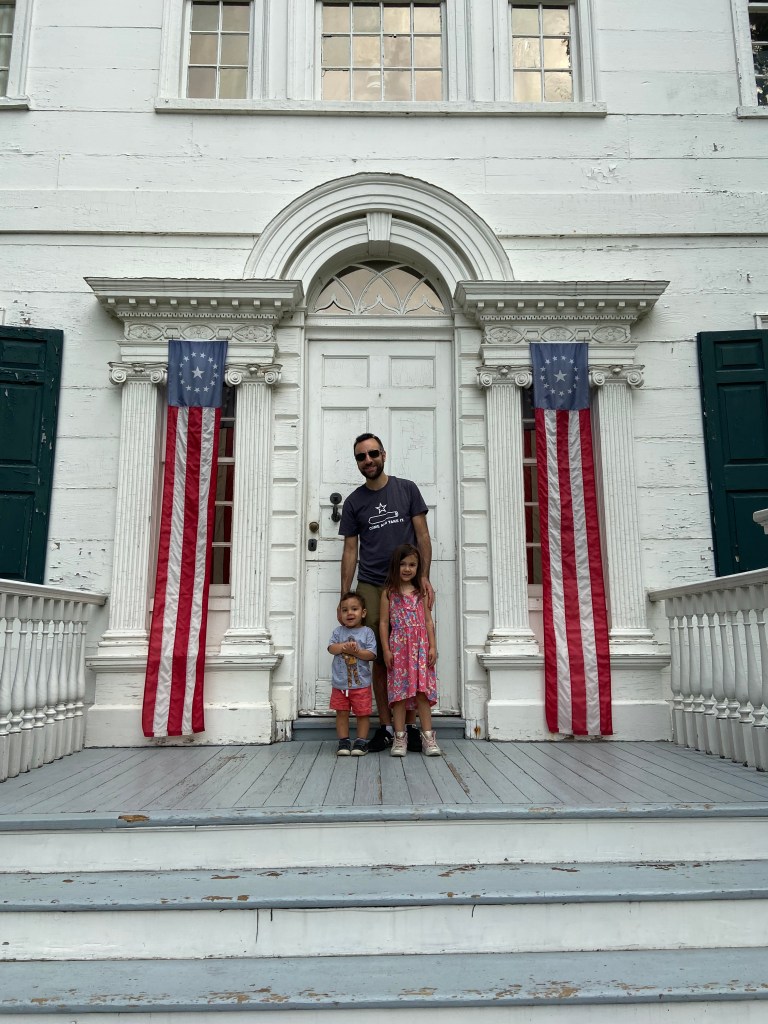
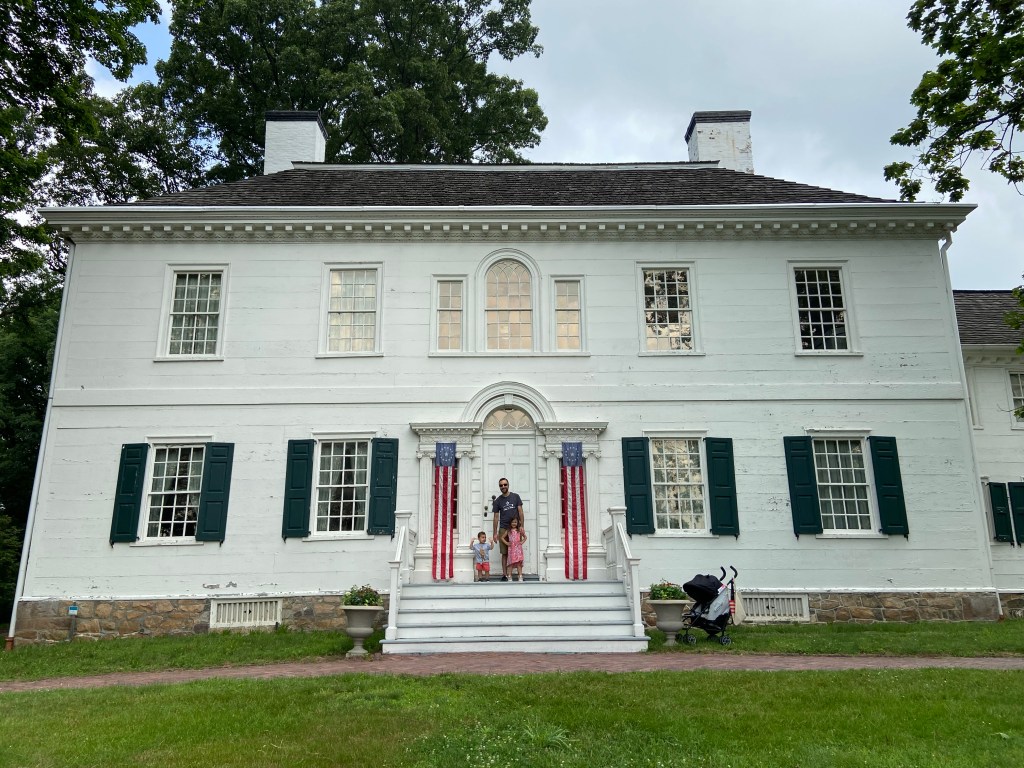
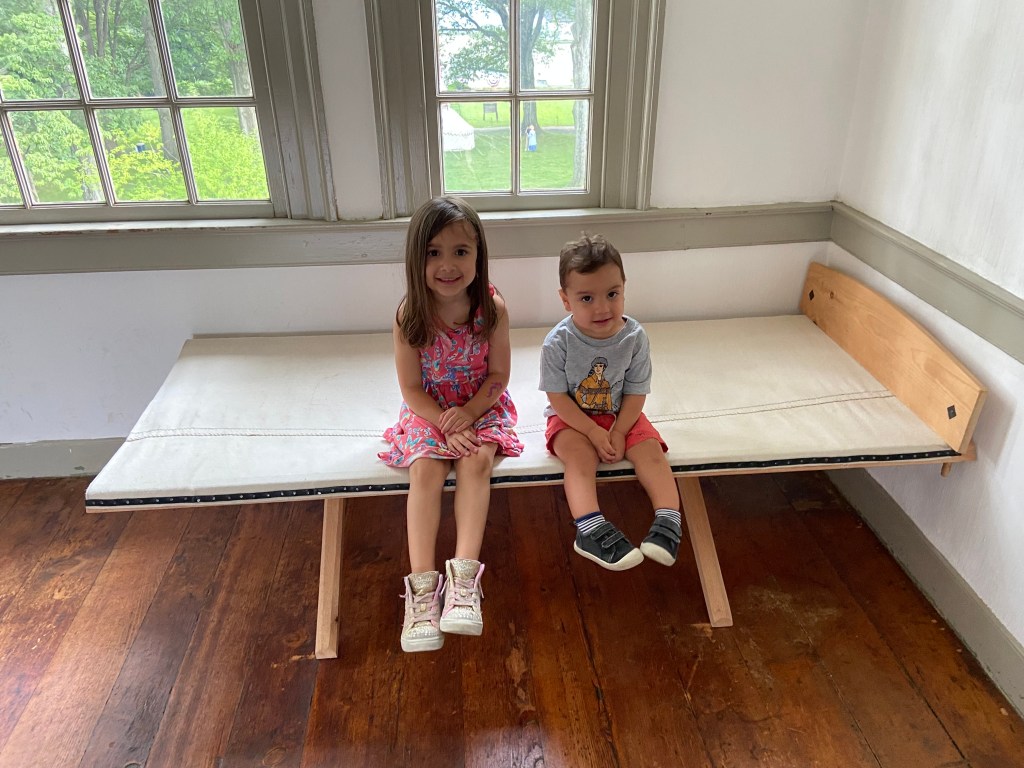
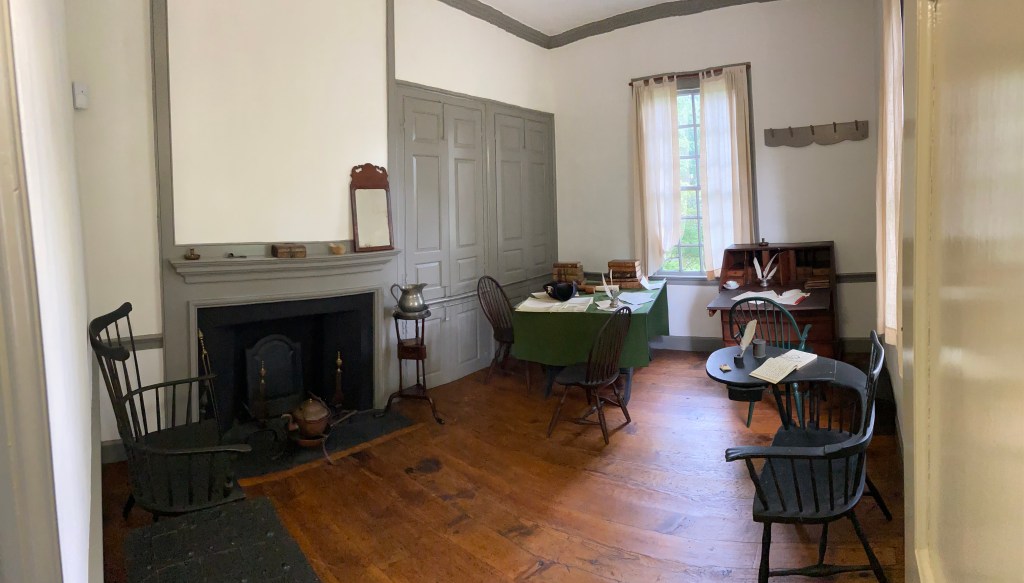
    While I had been to Washington’s Headquarters Museum many times for the galleries and book talks, I had not had an opportunity to tour the Ford Mansion. The mansion was open to the public for the weekend events. Since the family and I arrived to Washington’s Headquarters fairly early, we decided to tour the mansion first, and then visit Washington’s War Tent. The guides stationed throughout the mansion were extremely helpful in answering all of our questions about the mansion and Washington’s stay there.

    Ford Mansion

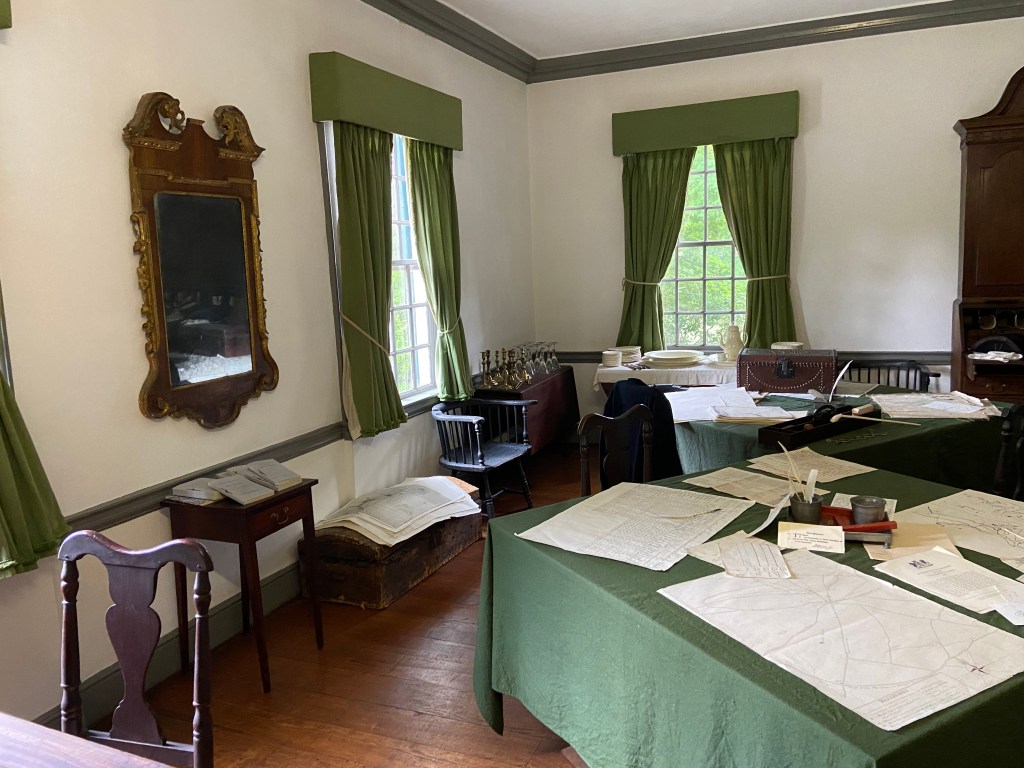
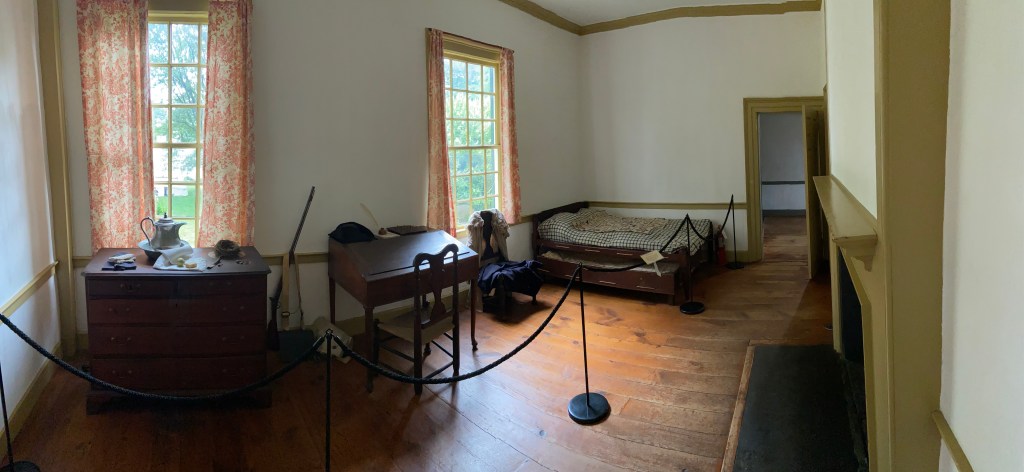
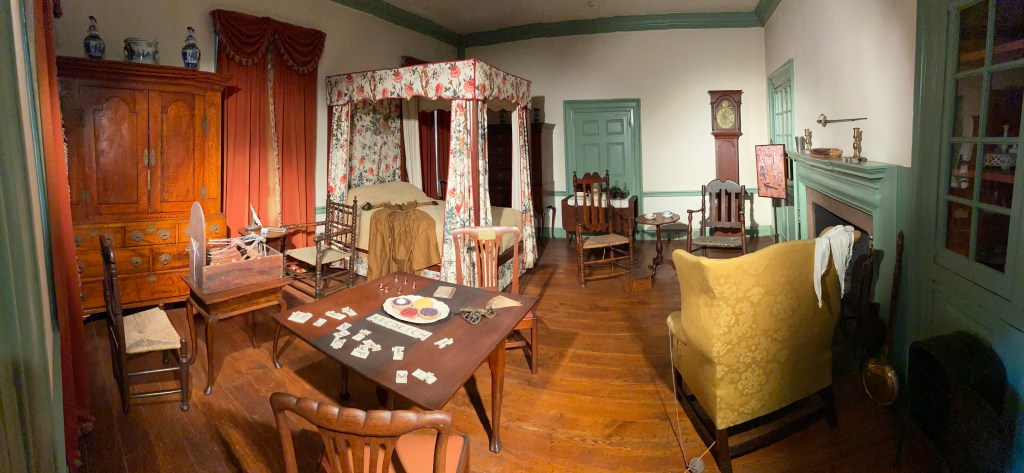
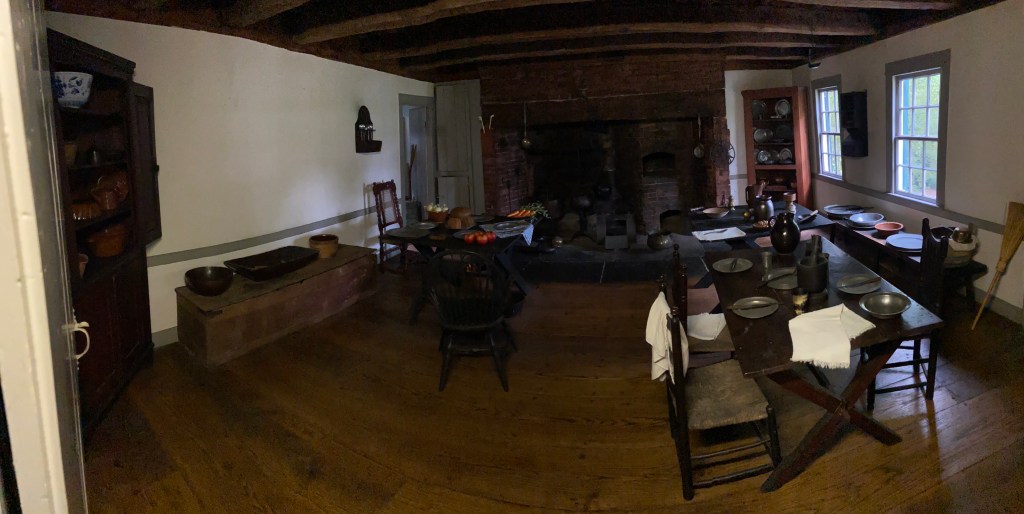
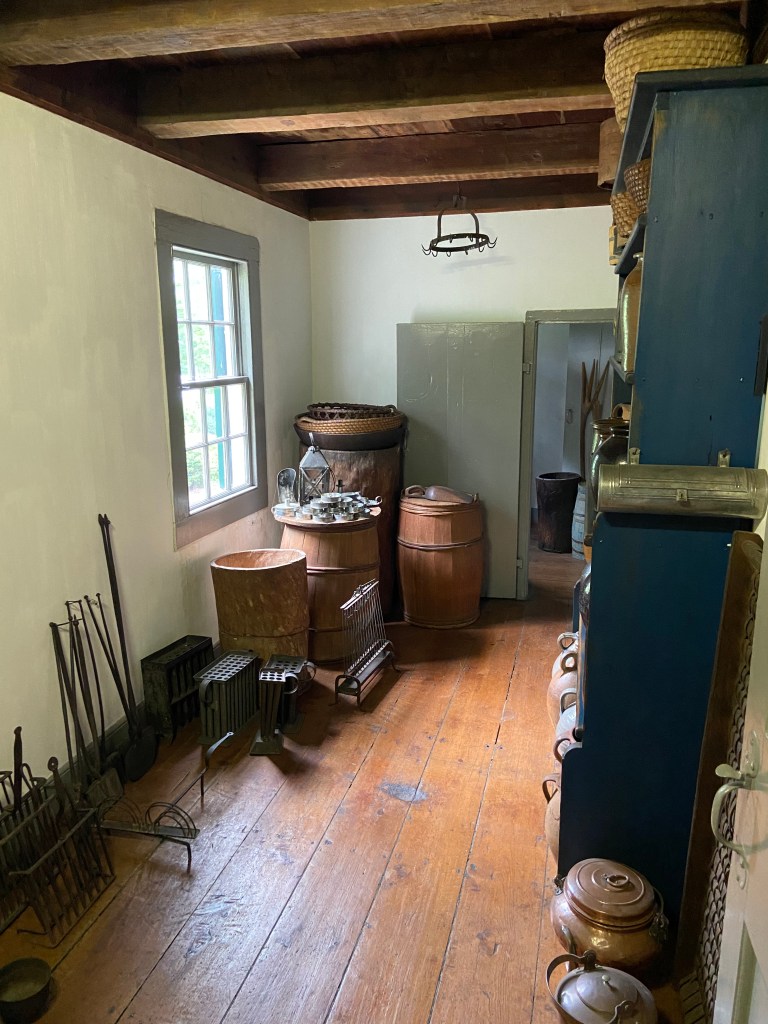
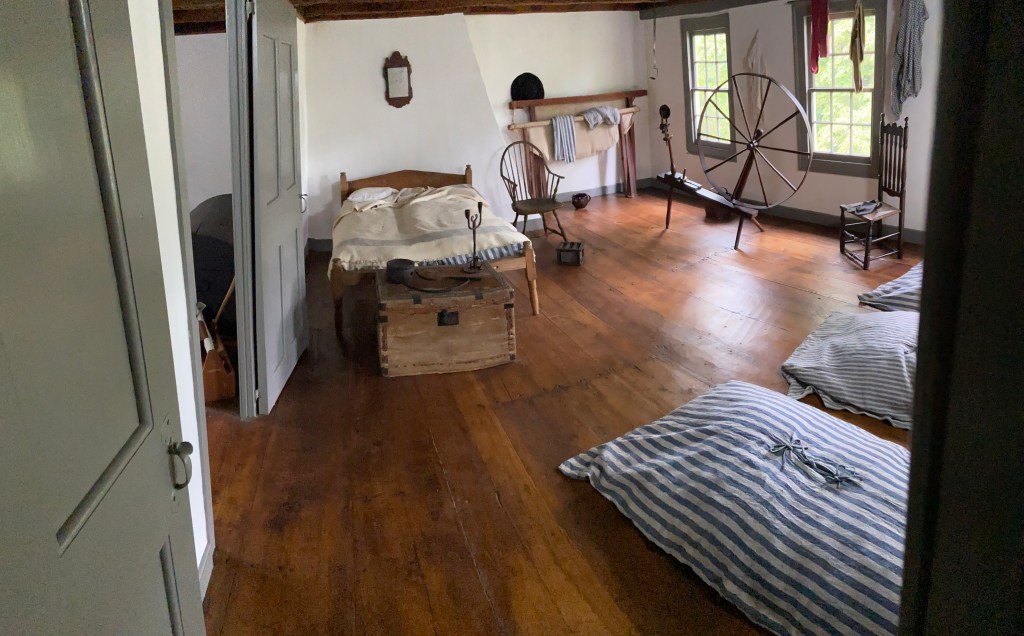
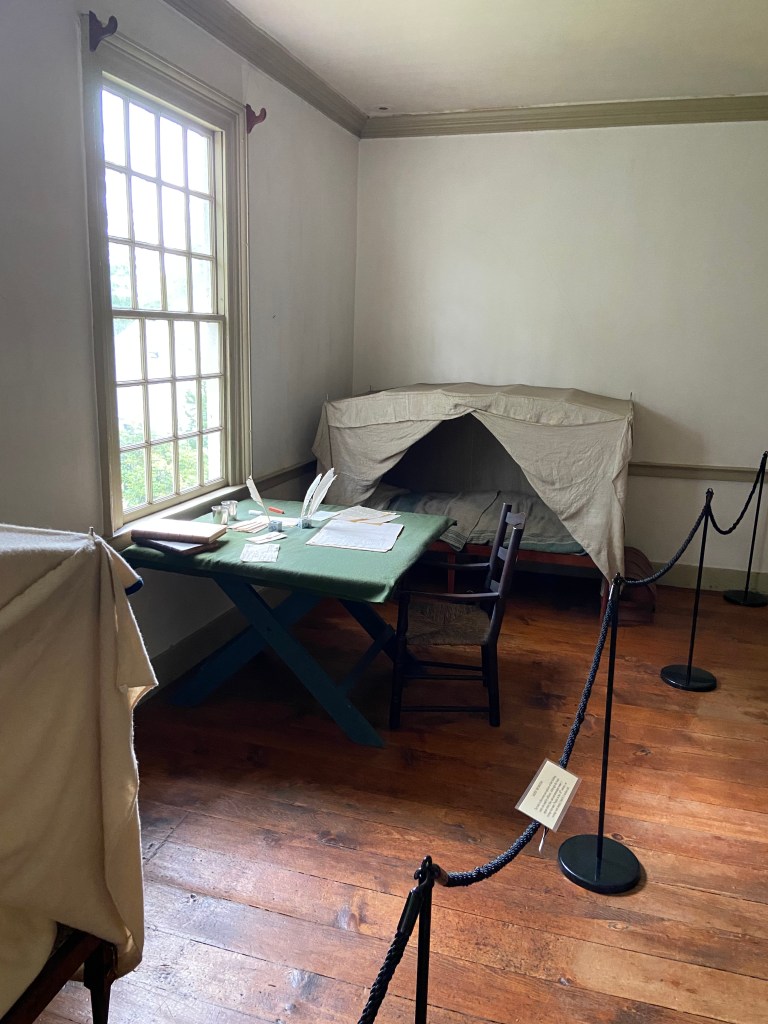
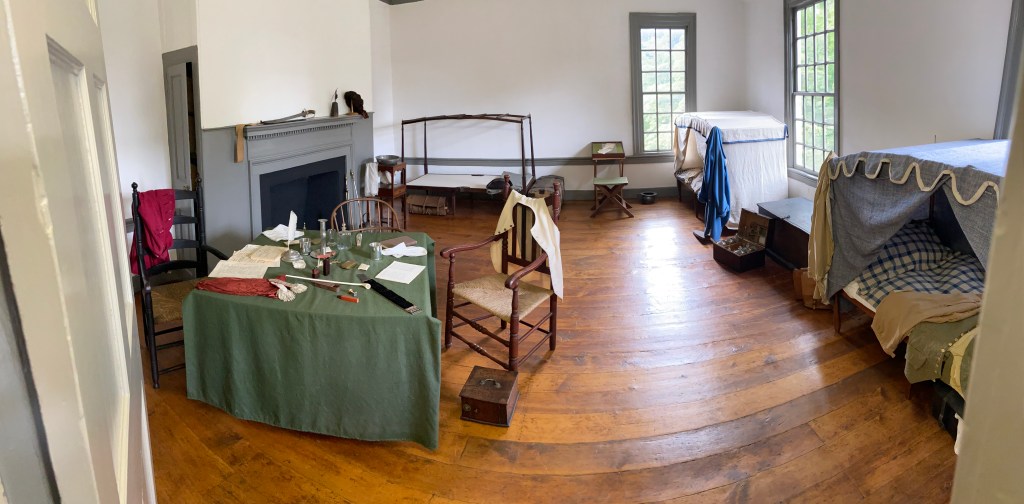
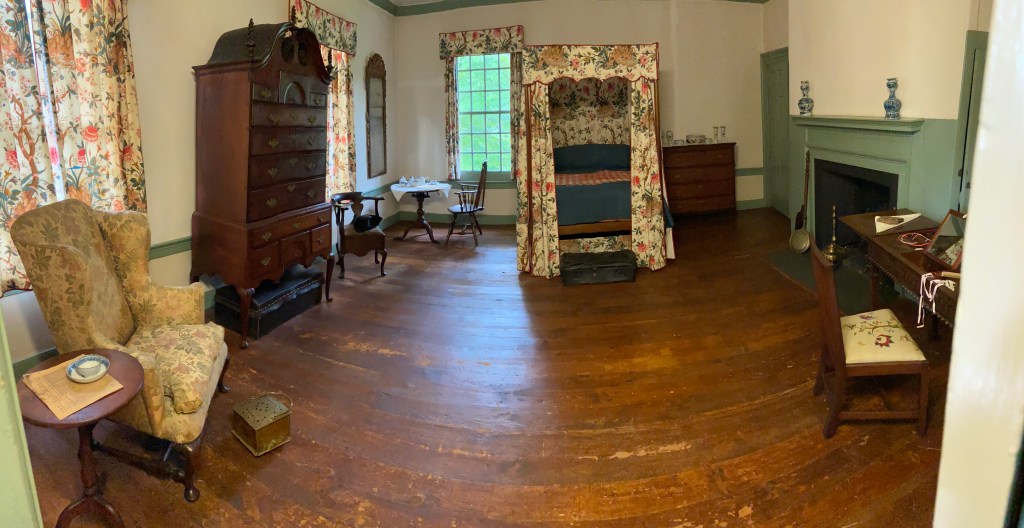
    The Ford Mansion was the home of Jacob Ford, Jr, an iron manufacturer and his family. Ford served as a colonel in the Morris County Militia during the Revolution. However, Ford died in January 1777 of pneumonia, and his wife Theodosia was left to raise their four children. Theodosia allowed George Washington to use the mansion as his headquarters in the winter of 1779-1780. With the American capital in Philadelphia and the British capital in Manhattan, the location of Morristown allowed Washington to keep a close eye on the British, while sending letters to the Continental Congress. Washington also liked Morristown’s “defensible terrain, important communication routes, and access to critical resources.” He arrived in Dec. 1779 and stayed until June 1780. The winter of ‘79-’80 was exceptionally brutal. While Washington was quartered at the Ford Mansion, the army built a small village of huts at Jockey Hollow about 5 miles away. Along with George came his wife Martha, five aides-de-camp, including Alexander Hamilton, eighteen servants, and a number of visiting dignitaries and guards. Theodosia and the children stayed in rooms on the first floor while Washington and his entourage occupied rooms on the top floor. While staying at the Ford Mansion, the Commander in Chief of the Continental Army was busy running the affairs of the war, including making sure his army was supplied with their necessities, and frequently writing correspondence with his commanders. After Washington’s six month stay, the Ford family continued to live in the house until the 1870s. Today, the house is furnished to reflect how it would have appeared in Washington’s day.

    Washington’s War Tent

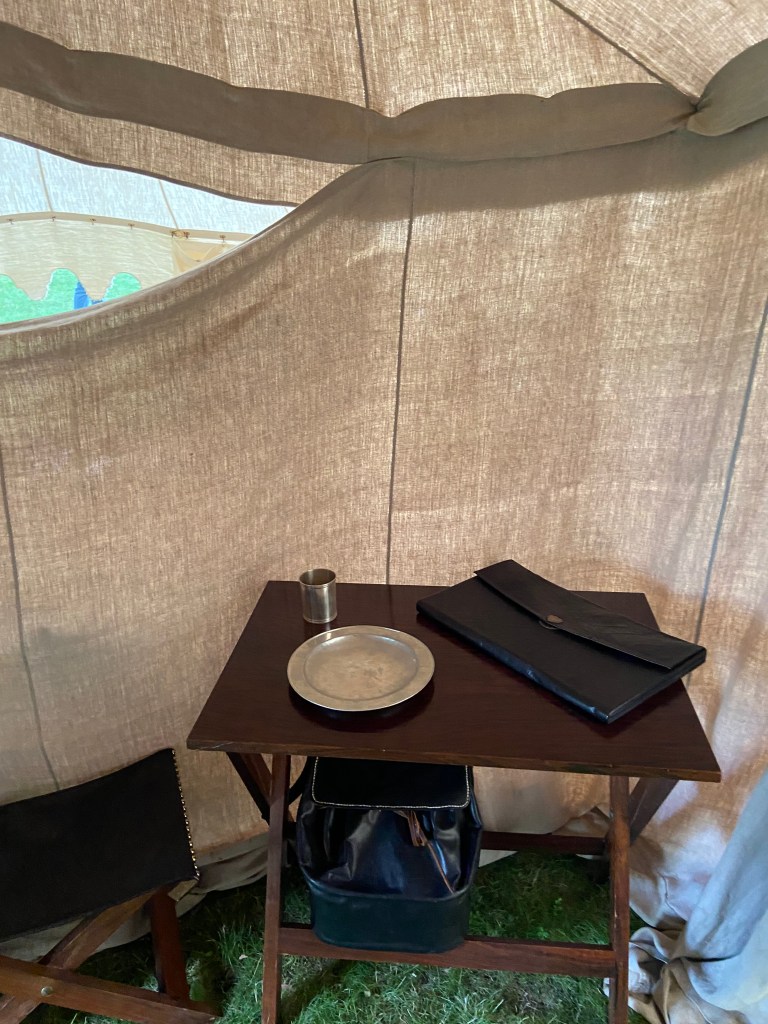
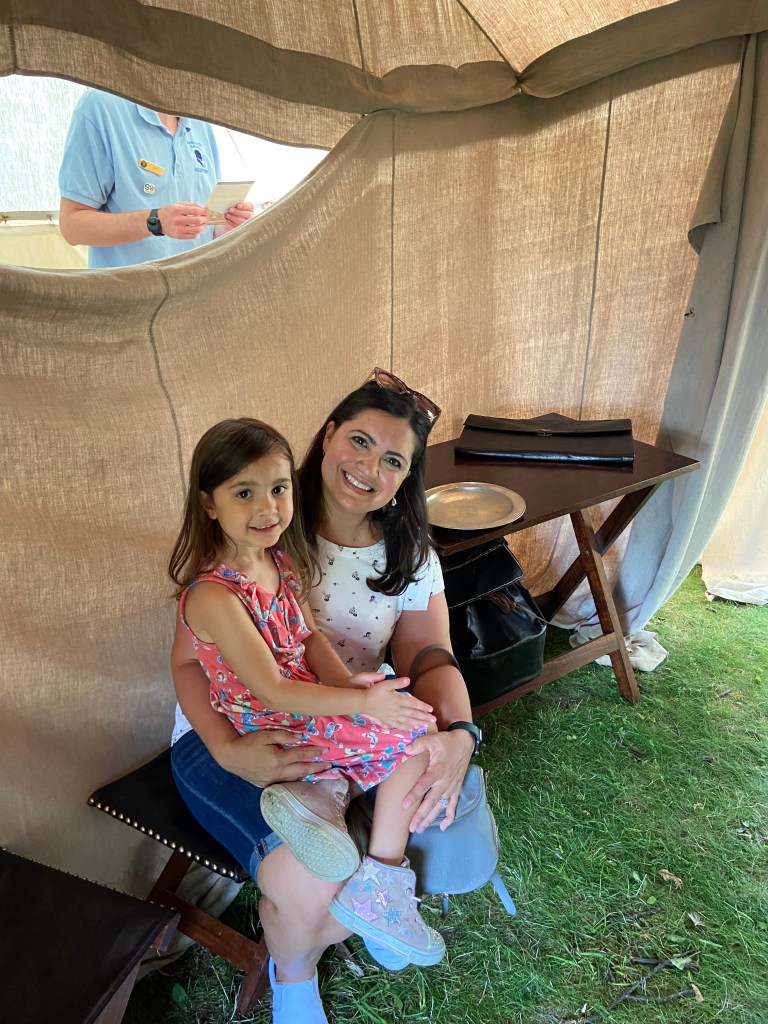
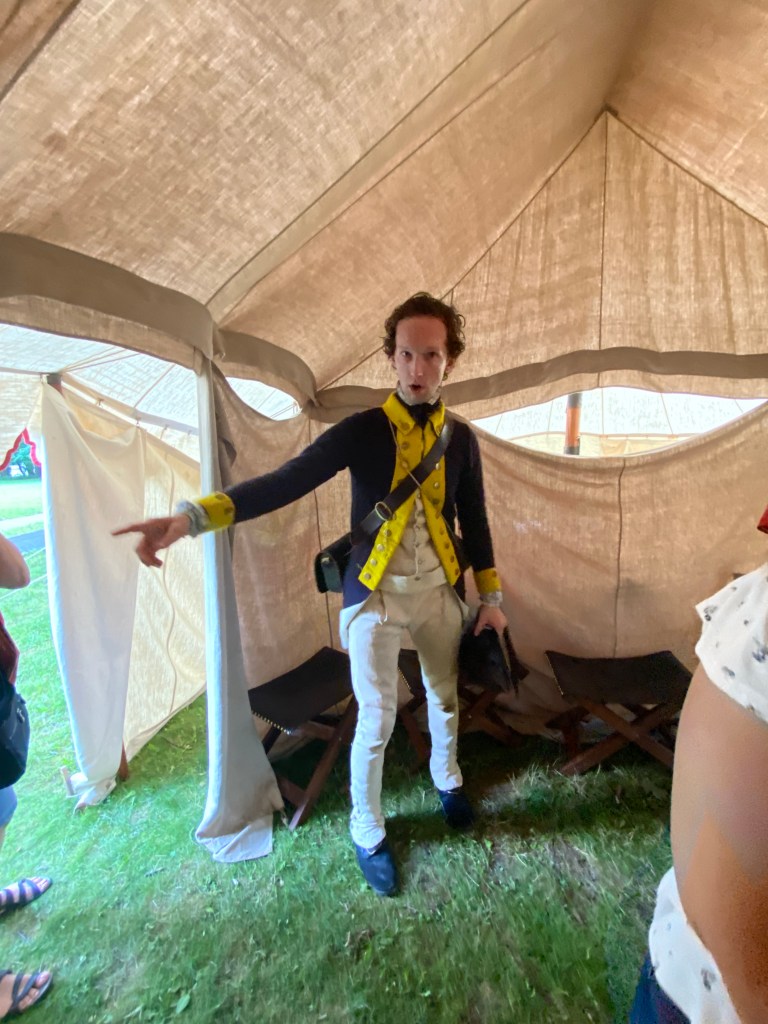
    Washington’s War Tent displayed at Morristown this past weekend was a replica of the real one which was preserved after Washington’s life and is now located at the Museum of the American Revolution in Philadelphia. The tent remained with the descendants of Martha Washington’s family until it was sold to the museum collection’s founder, Reverend W. Herbert Burk in 1909. While you can view the original at the museum, you cannot go inside it. The replica was created in order to allow visitors to see what it was like inside Washington’s quarters while he was out on campaign with his army. Washington and his aides used the tent to conduct business, write correspondence and also for sleeping. Personally, going inside the tent was a reminder of the conditions that Washington and his aides had to deal with (it was exceptionally humid this weekend). It showed that Washington, even with his stature, had to brave the elements much like his soldiers did while he was out on campaign. This setting was much different than the comfort he would have had while staying at the Ford Mansion.

    There were many reenactors (from the Museum of the American Revolution) at the event and they were extremely informative. They were experts on their topic and you could tell that they loved talking about the tent and the Revolution. One demonstrator was an expert on women in the American Revolution and spoke in detail about Deborah Sampson who had dressed up like a man so that she could fight in the war. Another demonstrator discussed how surveyors during Washington’s time would have measured the land using very simple tools such as chains, stakes and a compass. While my family and I had to leave to go eat lunch, there were more speakers and demonstrations happening in the afternoon that we unfortunately missed. The collaboration of the Museum of the American Revolution (https://www.amrevmuseum.org), the Washington Association of New Jersey (https://wanj.org), and the Morristown National Historical Park (https://www.nps.gov/morr/index.htm) all did a fantastic job hosting a fun, informative and engaging experience. The First Oval Office Project has further events coming up in Rhode Island and New York. Check out upcoming events here: https://www.amrevmuseum.org/learn-and-explore/first-oval-office-project/first-oval-office-project-programs-and-events

    Related Posts: