Tag: History

  • As a teacher, I went back to school this past week.  My blog was started on my last day of school in June, and therefore, I had the summer to devote attention to it.  Now that I’m back at school, I will do my best to juggle the preparation for class and the writing of the blog.  As I move forward, it’s likely that topics and discussions in class will inspire the articles in this blog.  

    When you start a new year, you have new faces in the room, you start the curriculum over again, and we go over student skills that we’ll develop throughout the year. You begin the year asking the basic questions. One of which is:  Why study history?  I’ve had students throughout my career who are not interested in the subject at all.  I’ve had numerous students ask me why do we have to learn it.


    To me, history is the most essential subject in school because all students need to learn its life lessons.  I know that mathematicians, scientists, and others are indespensible to civilization.  They are the geniuses of society that invent and push technology and medical advancements forward.  But not everyone in school is going to be a mathematician or a scientist.  History and the Social Studies reach all students because they are members of our society and all will become voting citizens (Unless they move overseas of course).  Therefore, on a basic level, students need to understand Civics: how our government works, the roles of each branch of government, and their responsibilities and duties as a citizen.  They need to understand how these institutions came about and the struggles that people faced to fight for free elections. We need active and informed citizens. If citizens stopped taking part in the democratic process, then we no longer have a democratic process.  Citizens need an understanding of trends in history when choosing a politician, in order to figure out what has worked in the past.

    The Parthenon in Athens, Greece, the birthplace of democracy

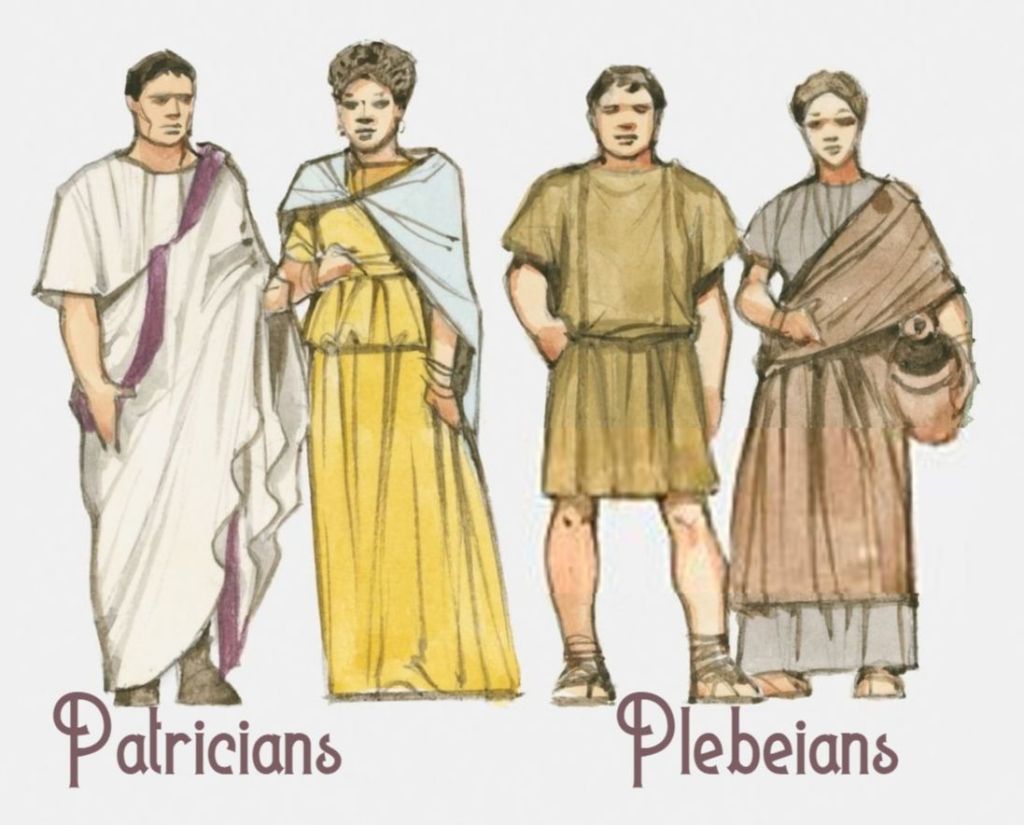
    It’s been said time and time again, that History repeats itself.  As someone who has taught Ancient World, Modern World, and US History, this is entirely true.  I can teach an event in one subject area that reminds me of an event in another subject area. For example, at one time I was teaching both Modern World History and Ancient World History.  One day I was teaching the Modern World History class that before the Industrial Revolution there was an Agricultural Revolution.  Large landowners improved farming methods and found more efficient ways to produce crops quicker and more effectively using better technology.  They began buying out the land of smaller poor farmers who were then forced to move to the cities (and would become the labor supply for the Industrial Revolution to happen).  The next class period I was teaching my Ancient World class about Ancient Rome.  I taught how the upper, aristocratic Patrician Class was buying out the land and property of the Plebeian class (The commoners).  This led to strikes and anger amongst the Plebeians.  There are many moments like this in my teaching experience, where content in one class sounds similar to content in another, even if the events are a thousand years apart. For this example, I also connect the content to today, how large corporations like Walmart, Amazon or Target have put small companies out of business.  My point is that these common themes in different historical eras happen all of the time.  I’ve seen common trends as well when teaching leaders, wars, and revolutions.  I am constantly making connections between different time periods and places.   Throughout history, human nature has not changed, and therefore, many of the social, political, and economic issues of, say,  Ancient Rome are the exact same issues today.  The circumstances have changed slightly, but the core issues are the same.  

    We must learn about all aspects of the past: the good, the bad and the ugly, so that we don’t repeat the same mistakes.  There are many aspects of America’s past that we should not be proud of, and the same applies to every country around the world.   We must not hide from history, we must not remove it, we must learn about it, and understand why it happened.  Every historical event has causes and effects.  We must analyze these historical events so that we make informed decisions later.  We should see the repetitive nature of historical events, and avoid the ones that had negative consequences.  Through modern lenses, we see that famous historical figures were imperfect human beings who in some ways, were selfish and looked out for their own self-interest.  We are all imperfect beings and will probably be judged by later generations as well. Imperfect human beings have been capable of some truly remarkable achievements.

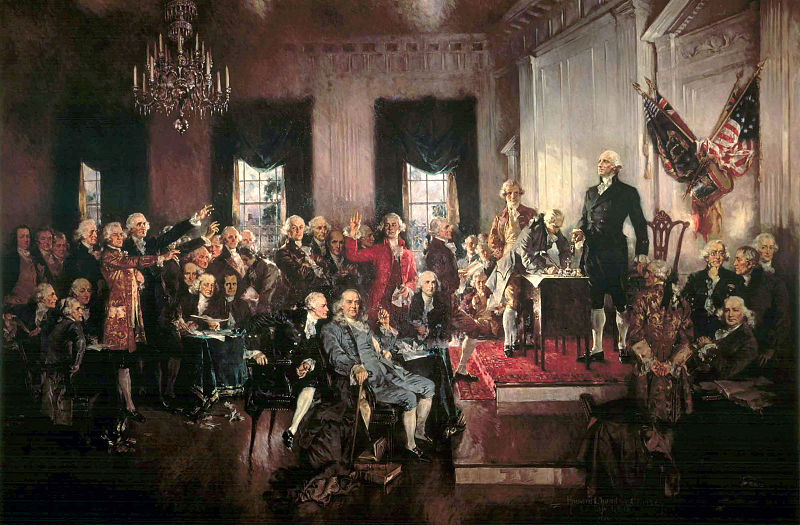
    The Signing of the Constitution

    Even though they were imperfect, there are plenty of inspiring historical figures to learn about.  I love learning about these figures and how they were able to accomplish all that they did.  Even evil historical figures that we should not emulate, are still at least interesting.  We just need to be aware that there are still individuals out there in the world who may want to rise to power for entirely selfish, self-serving reasons.  

    To me, it’s interesting to learn about different time periods, and my interests are vast, whether that’s Ancient Egypt, Ancient Greece, Ancient Rome, the Renaissance, the American Revolution, the Civil War, etc. etc..  I enjoy getting immersed in the different cultures of historical time periods, and putting myself in the shoes of those who lived during that time.  The culture can include the arts, the architecture, the music, or the styles of dress.  By highlighting the culture, history can be fun for students and anyone else.  History tells a non-fiction story.  The characters are real, the events are real (even if they’re debated) and the outcomes are long-lasting.  Everything in your world today was impacted by events and people of yesterday: the streets you drive on, the buildings you see, the business you work for, your daily routines, the holidays we celebrate, and every aspect of today’s culture.

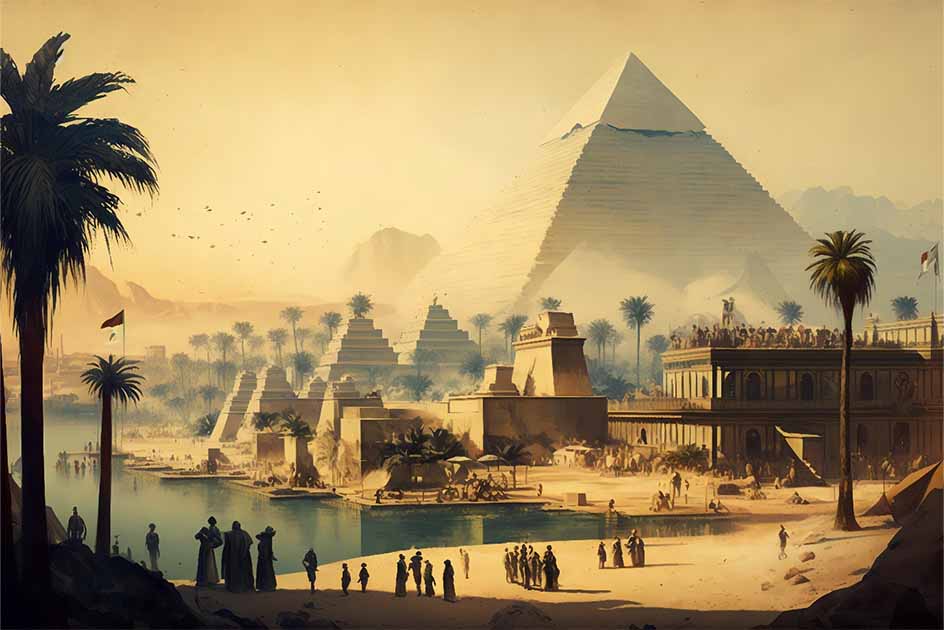
    Image depicting Ancient Egypt


    Why else study history?  History informs our personal decisions. History informs our politicians who make and enforce our laws.    History tells us important lessons about our economy.  Societies and groups of people have to go through hardship sometimes, and the silver lining of these tough times: the people who survive and later generations learn important lessons.  After the Great Depression, for example, the government tightened up laws dealing with our economy, the stock market, and banking.  Lessons have been learned from difficult times such as during warfare.   After the tyrannical rule in many European monarchies of the early modern period, violent revolutions overthrew their governments. All countries around the world have at some point experienced a violent revolution or civil war.   It’s an unfortunate fact that groups of people have to endure very tough times.  Later generations benefit from the sacrifices that were made by earlier generations.

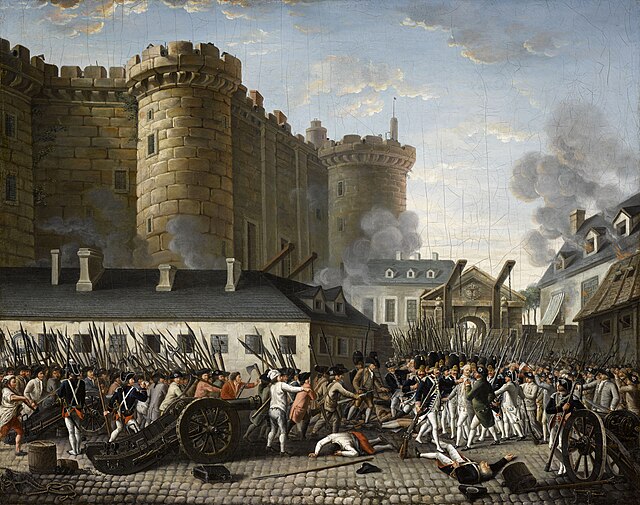
    The Storming of the Bastille marked the beginning of the French Revolution- 1789

    History tells us how we have developed as a human race and it definitely has not always been in a straight, upward trajectory.  The fall of the glory of Ancient Rome led to a thousand years of difficult times in the Middle Ages in Europe.  Many people went from living in advanced Roman cities with plumbing and running water, to being spread out on Medieval manors, working for a lord, with no shot at upward mobility.  Throughout  the middle ages many cities decayed and became the ruins that revealed the glory of an earlier time.  Any previous great civilization that has crumbled should be studied.  The causes of their decline should serve as warnings for our own great civilization.  No civilization is invincible.  Any civilization can become susceptible to stagnation, decay or decline.

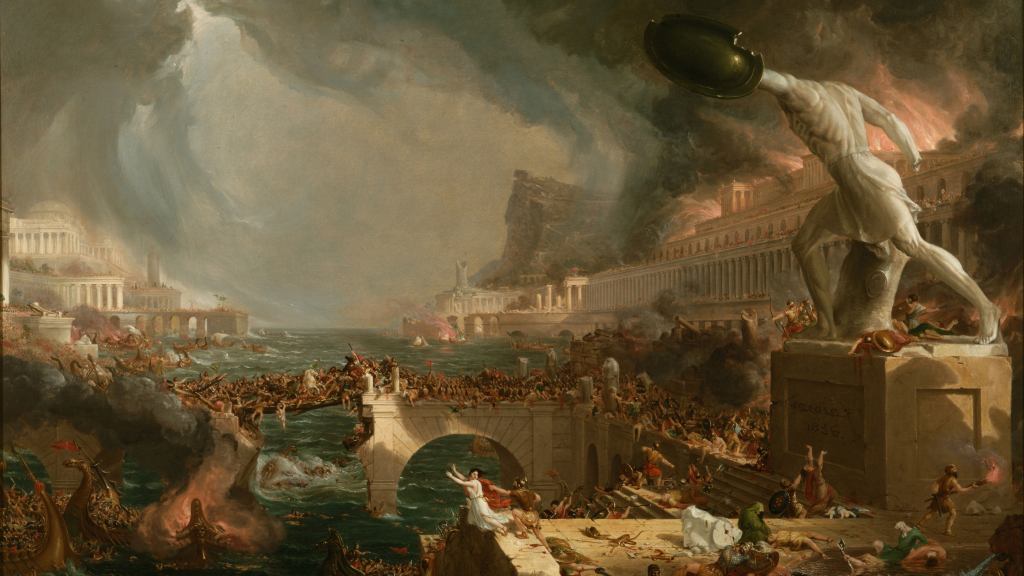
    The Fall of Rome.

    There is much to learn in history concerning dates, events, people, and social movements.  Trends come and go, but human nature always remains, and human nature is very complex.  Are humans naturally good, are they naturally bad, are they selfish, are they greedy, are they altruistic, are they loving, are they violent? Are they all of these characteristics at the same time?  These are all of the debates that are to be had when studying historical events: the good, the bad and the ugly.  History tells our story from the dawn of mankind, to the earliest civilizations, to the present day. How did we get here? Where are we going?

    So why study history?  There are endless reasons, and if you have thoughts on the matter, please mention them in the comments.

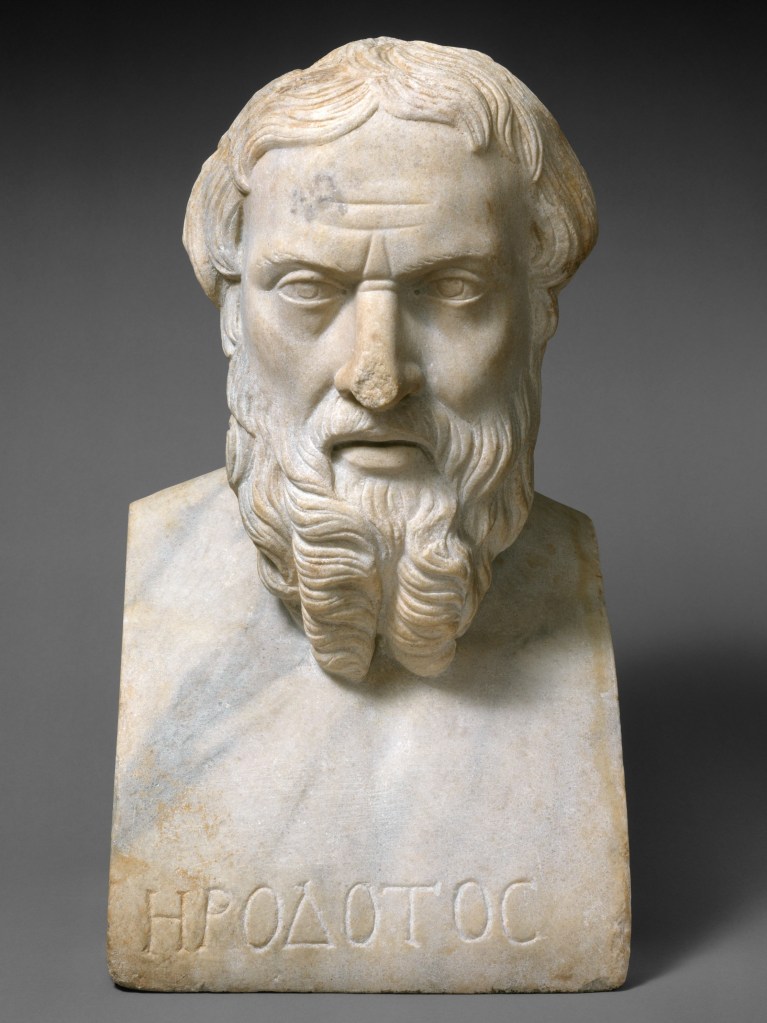
    Herodotus is considered the “Father Of History” and lived in Greek world in the 5th Century B.C.
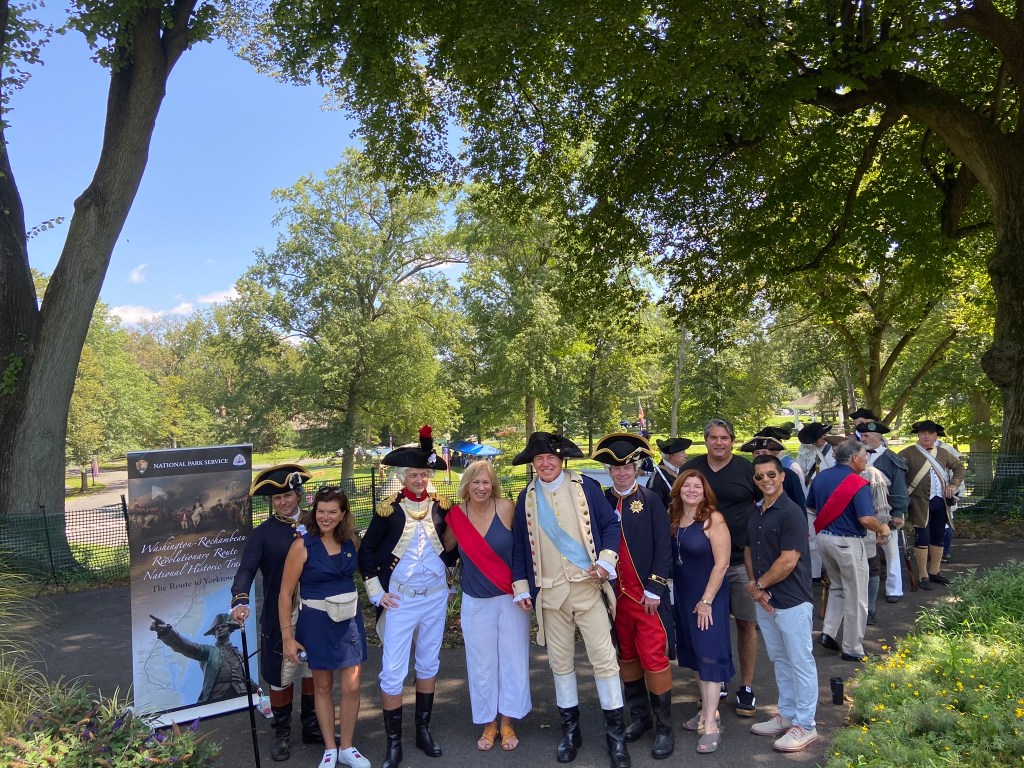
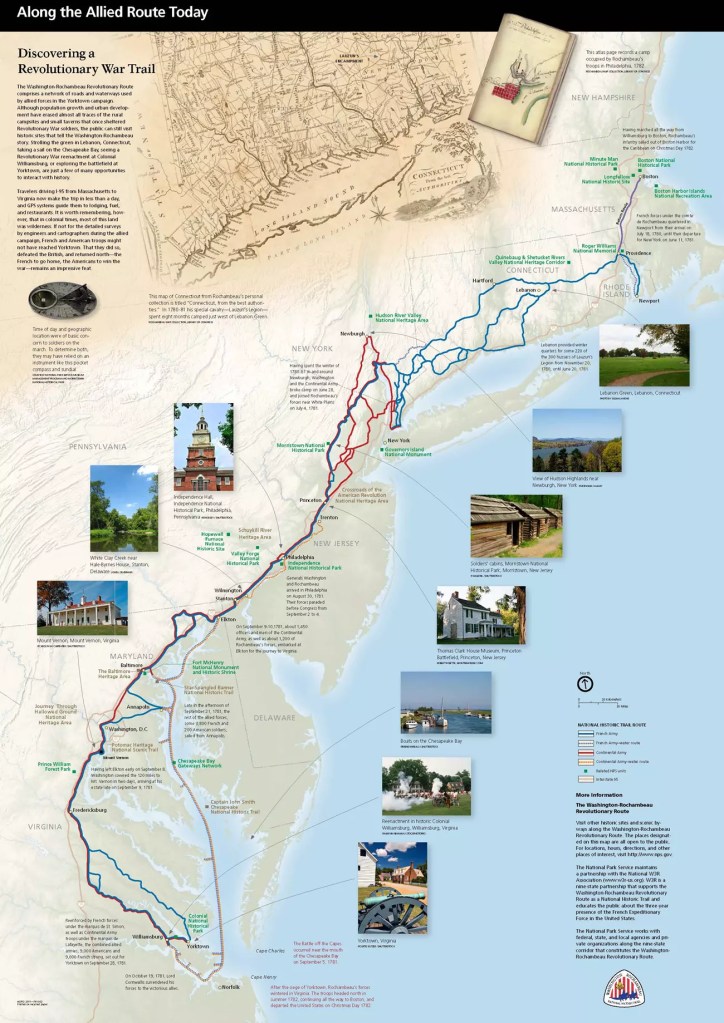
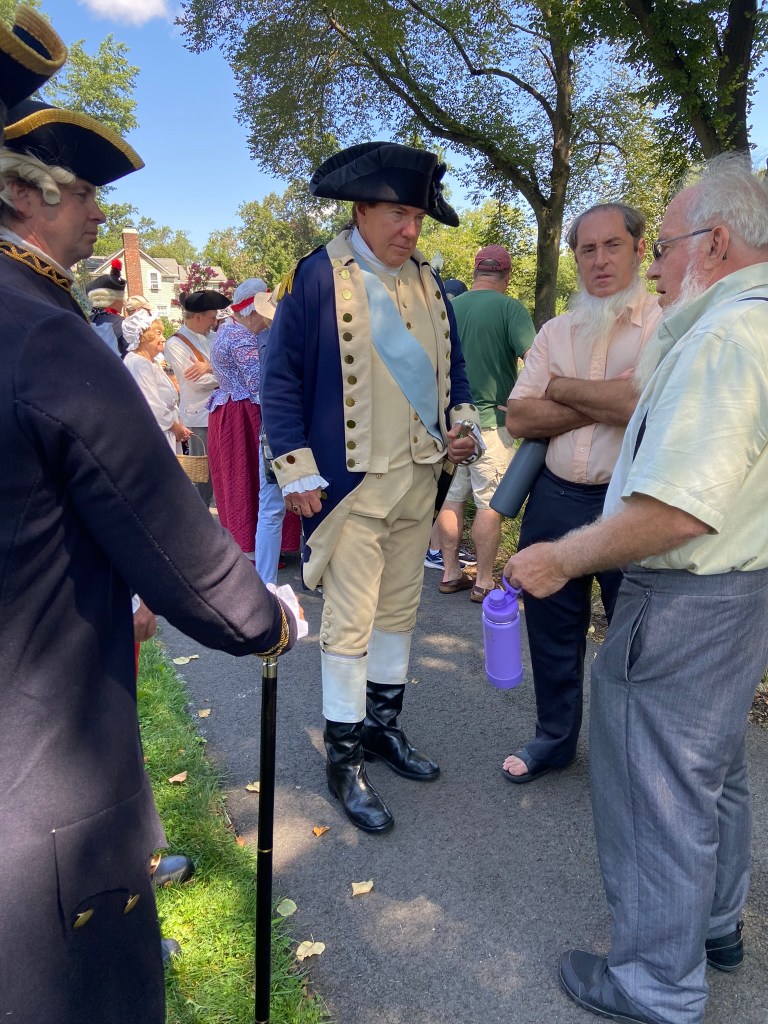
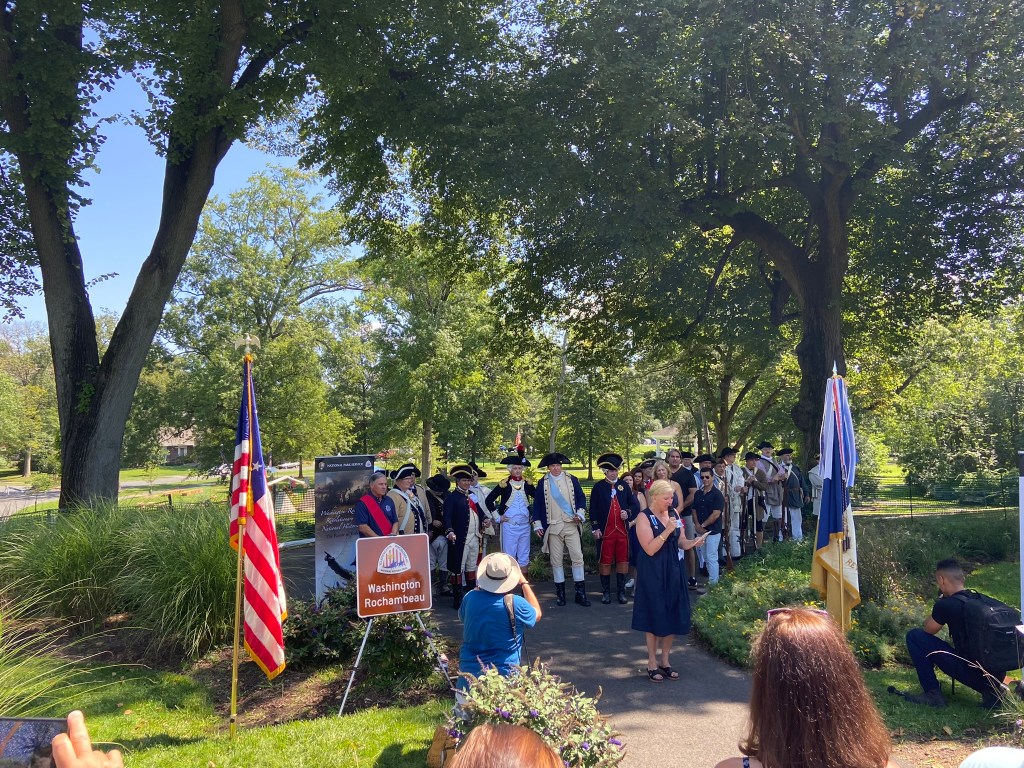
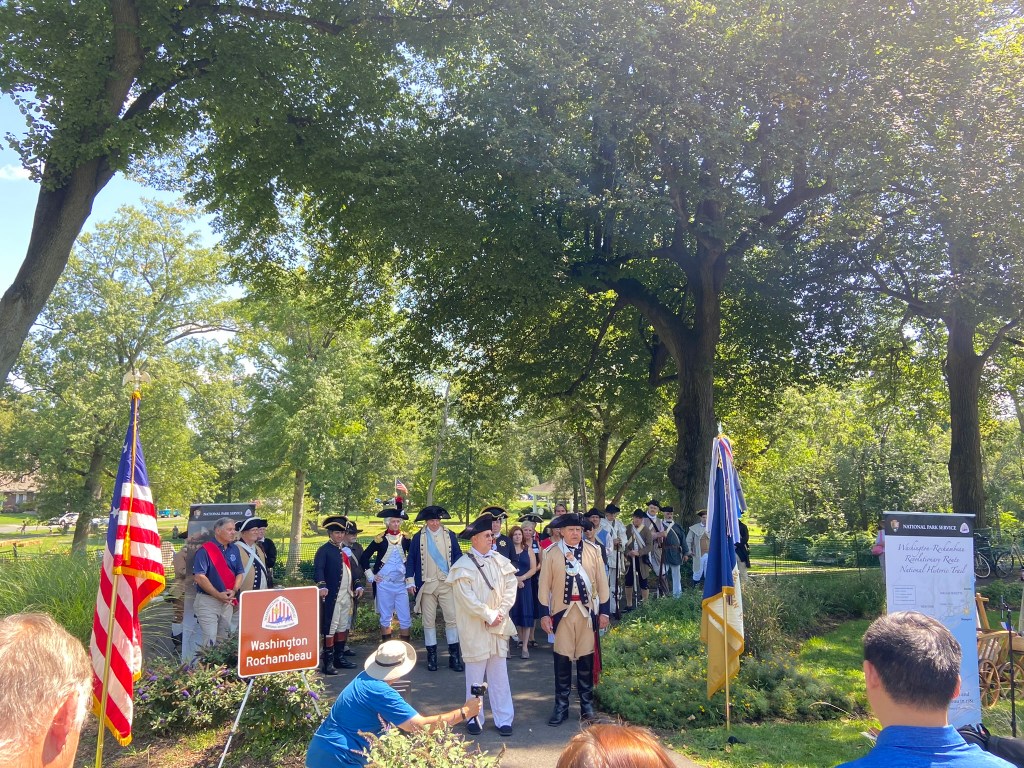
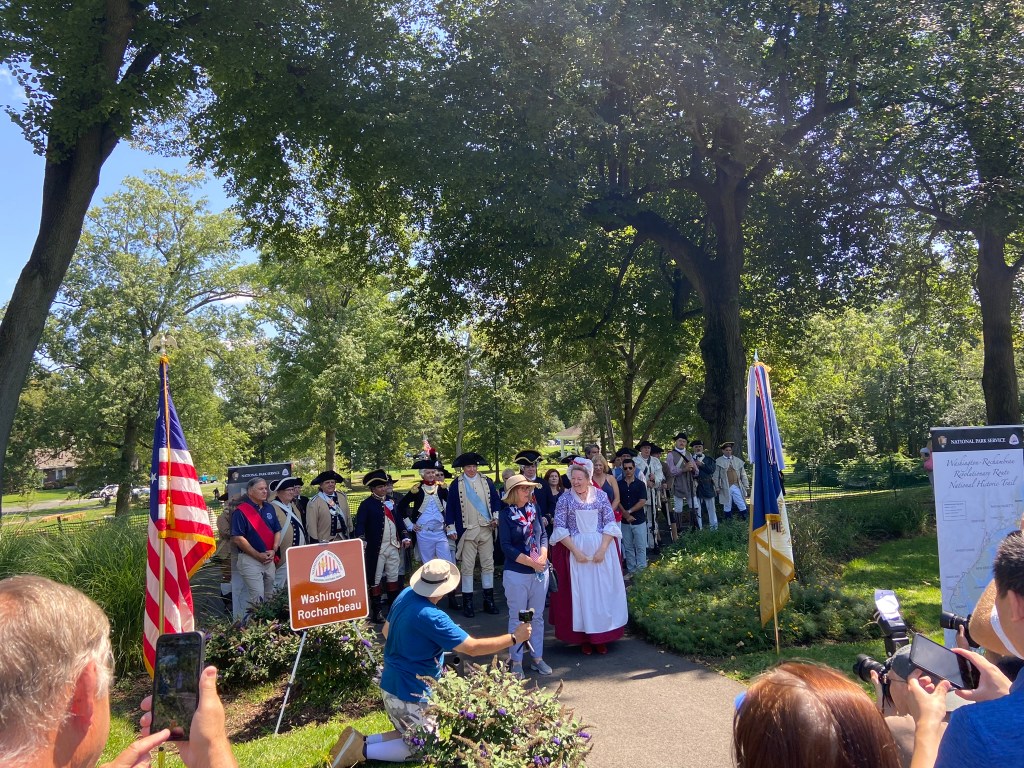
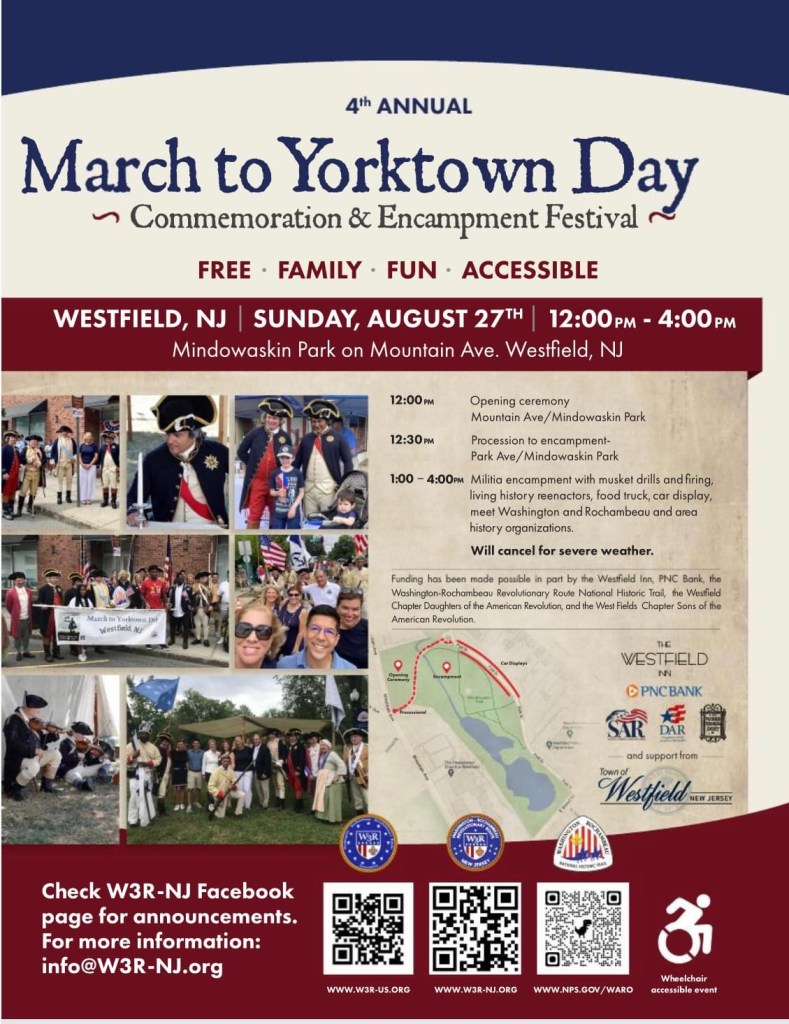
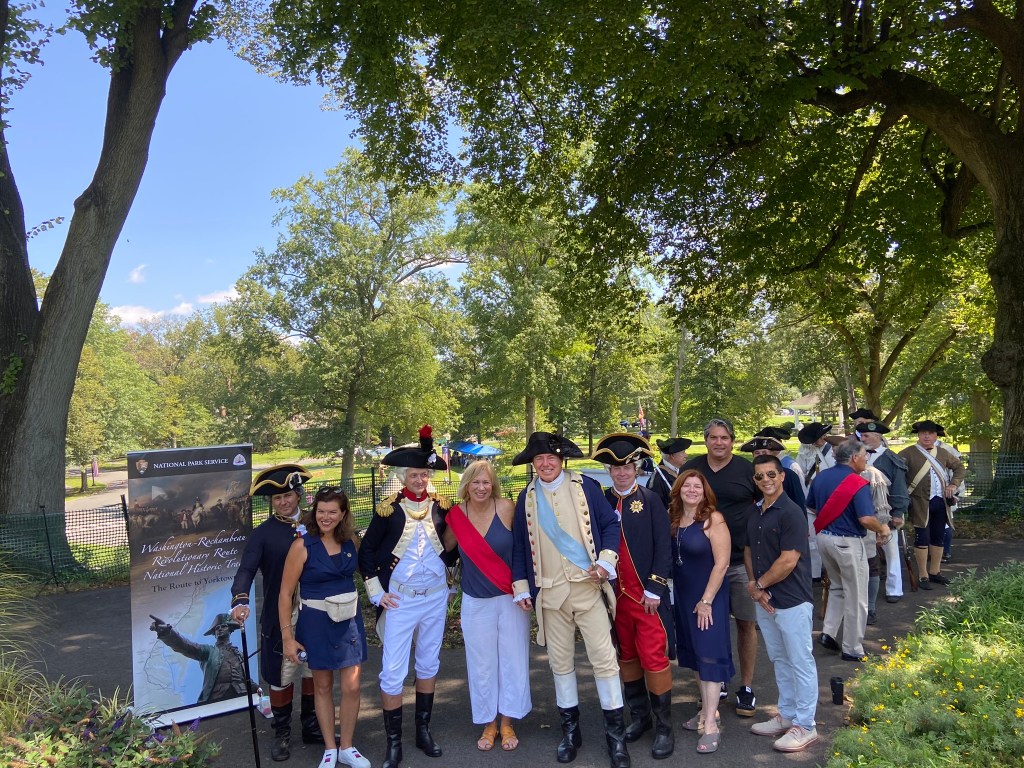
  • On August 27th, my daughter and I attended the 4th Annual March to Yorktown Day in Westfield, NJ. The event was run by the Washington-Rochambeau Revolutionary Route Association New Jersey (W3R-NJ) to commemorate the day (August 29th, 1781) that General Benjamin Lincoln’s line of the Continental Army, passed through Westfield, NJ on their way to Yorktown, Virginia. The French Army, led by the Comte de Rochambeau, took a route to the west of the Continental Army before the two armies met up outside Princeton, NJ. The Washington-Rochambeau Revolutionary Route highlights the route that the American and French armies took from Newport, Rhode Island, to Yorktown, Virginia, which culminated in the defeat of the British Army in The Siege of Yorktown in October 1781. The Washington-Rochambeau Trail is a unit of the National Park Service.

    Map from the National Park Service

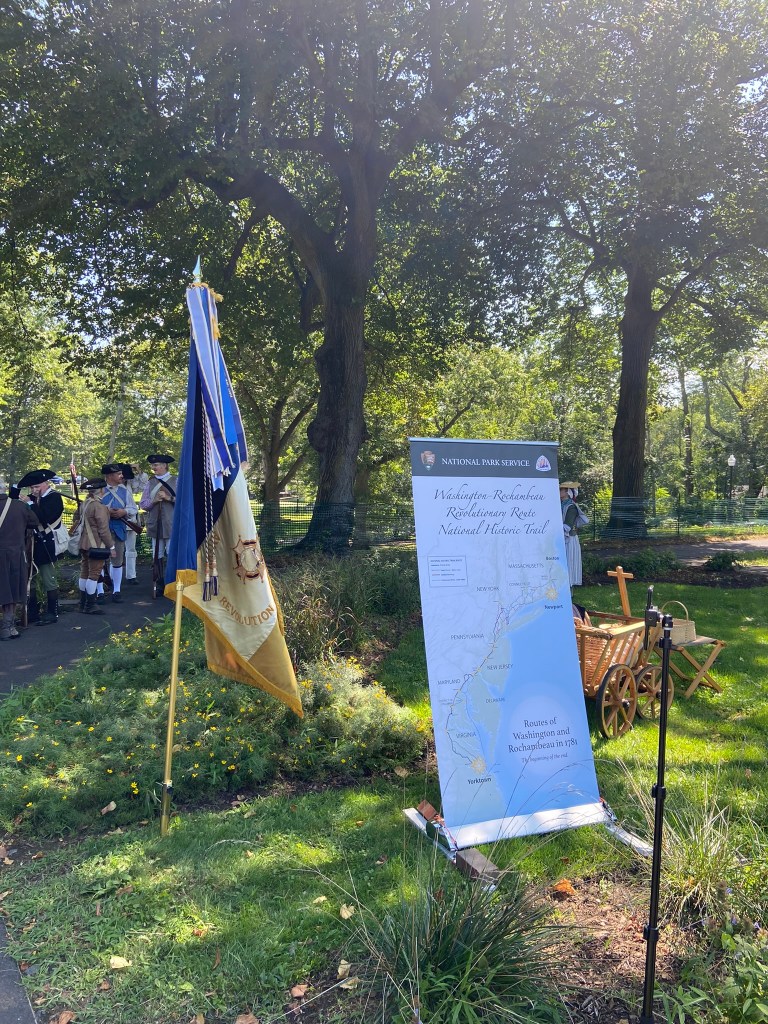
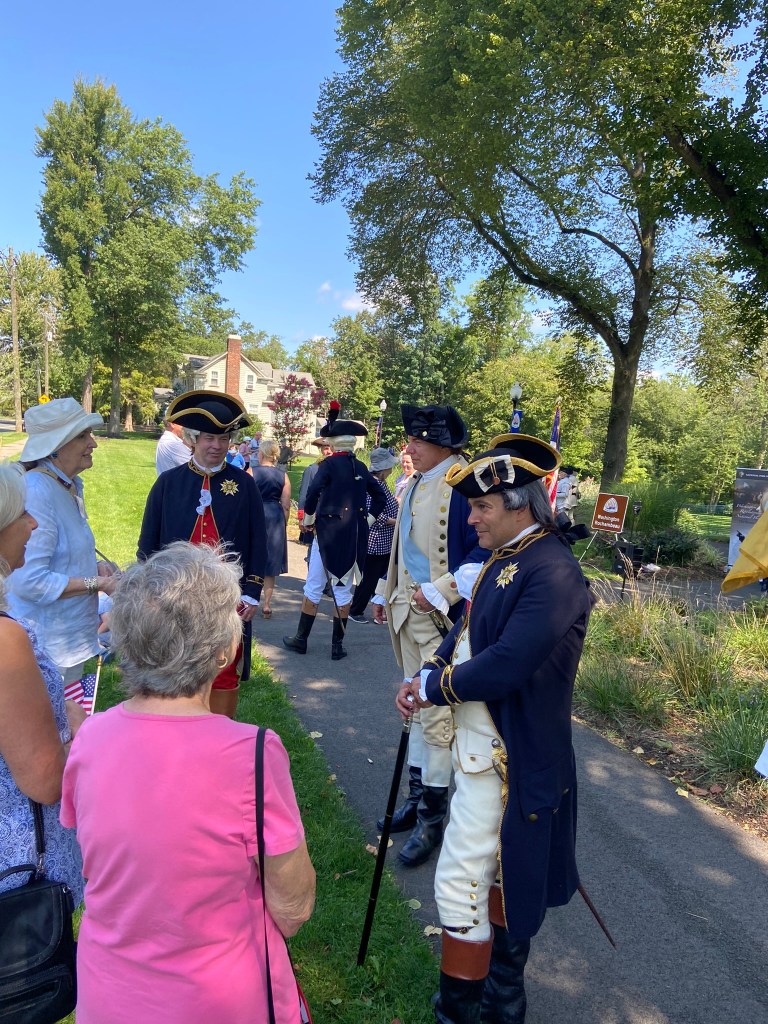
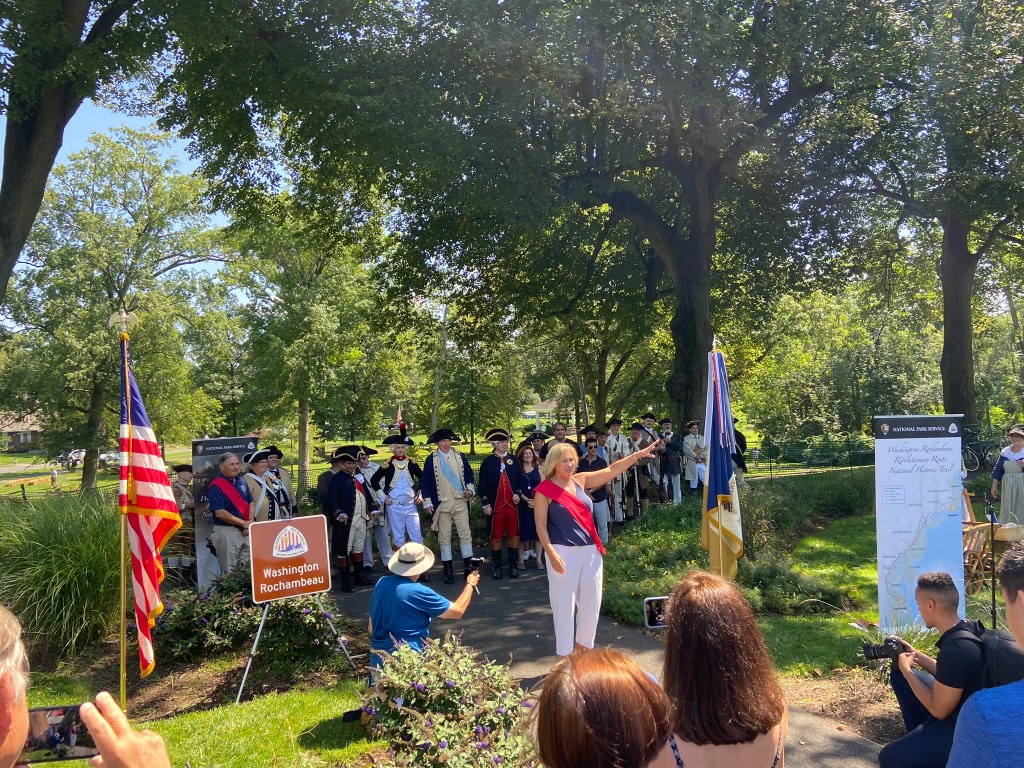
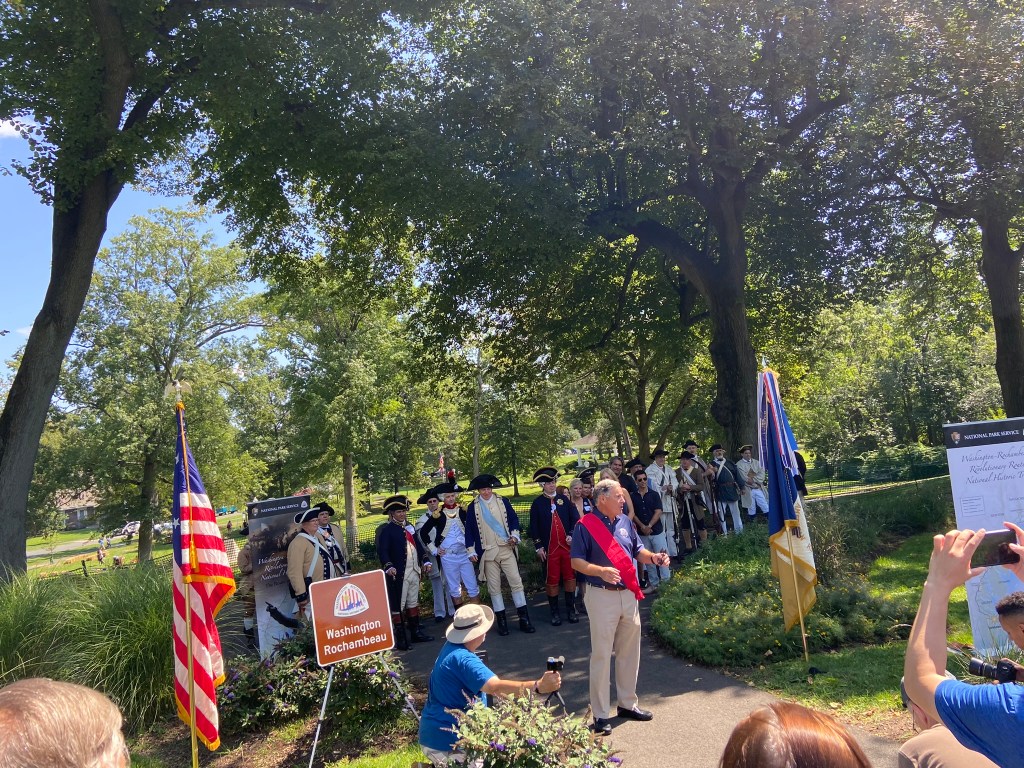
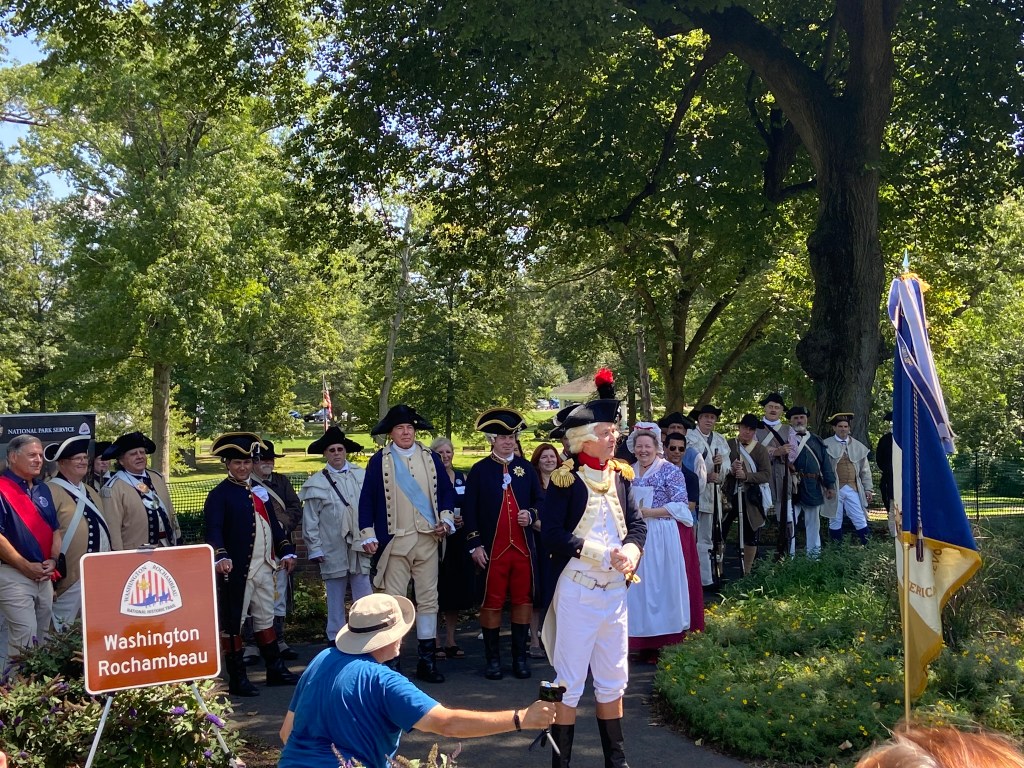
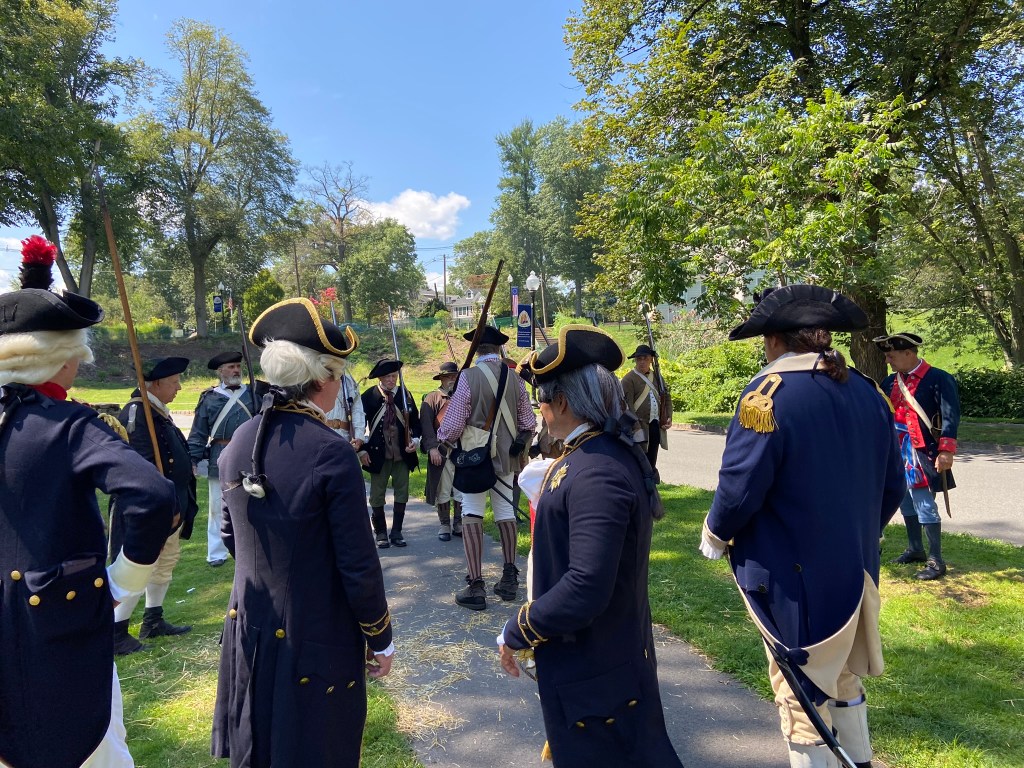
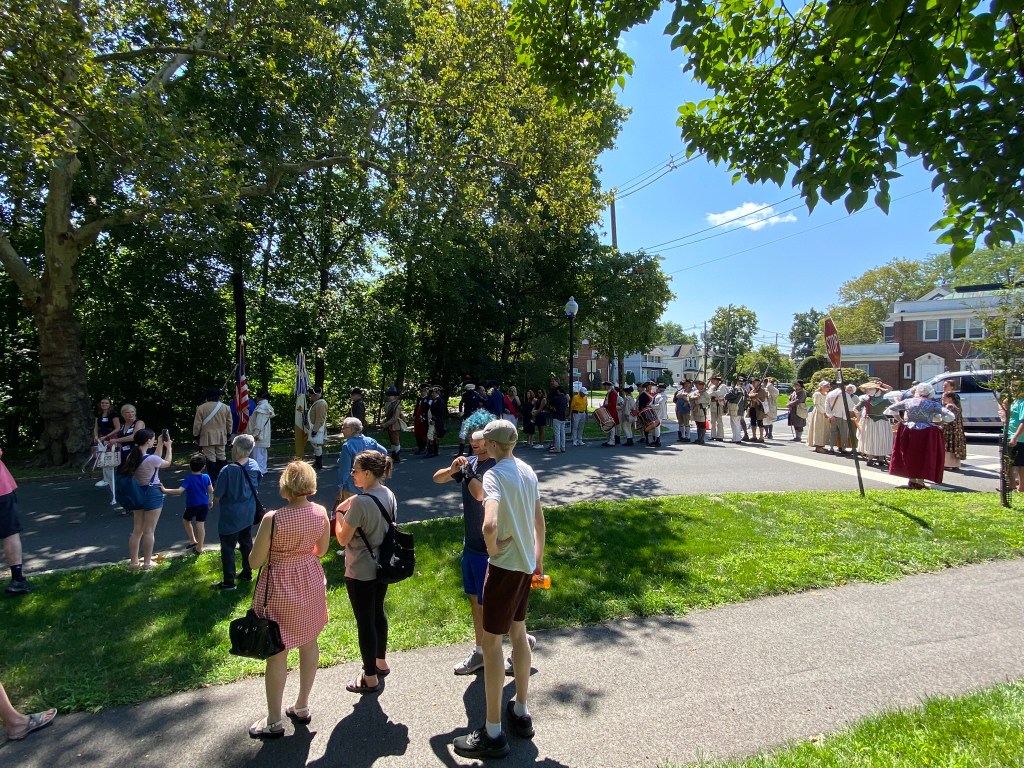
    The event began with an opening ceremony at Mindowskin Park. Re-enactors included Washington, Rochambeau, General Chastellux, and the Marquis de Lafayatte. Speakers during the opening ceremony included Julie Diddel, W3R-NJ Chair, who explained the significance of the Washington-Rochambeau Historical Route, as well as Westfield’s role in the Revolution. She did a fantastic job organizing and running the event. Speakers also included Westfield mayor Shelley Brindle, State Senator Jon Bramnick, and others.

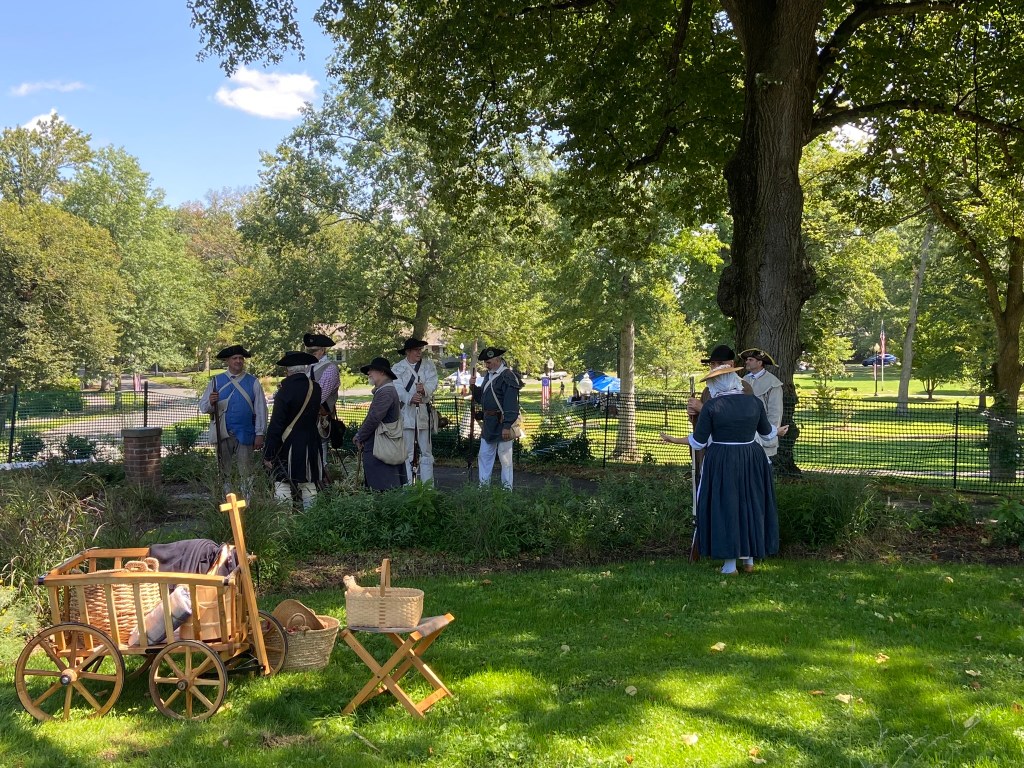
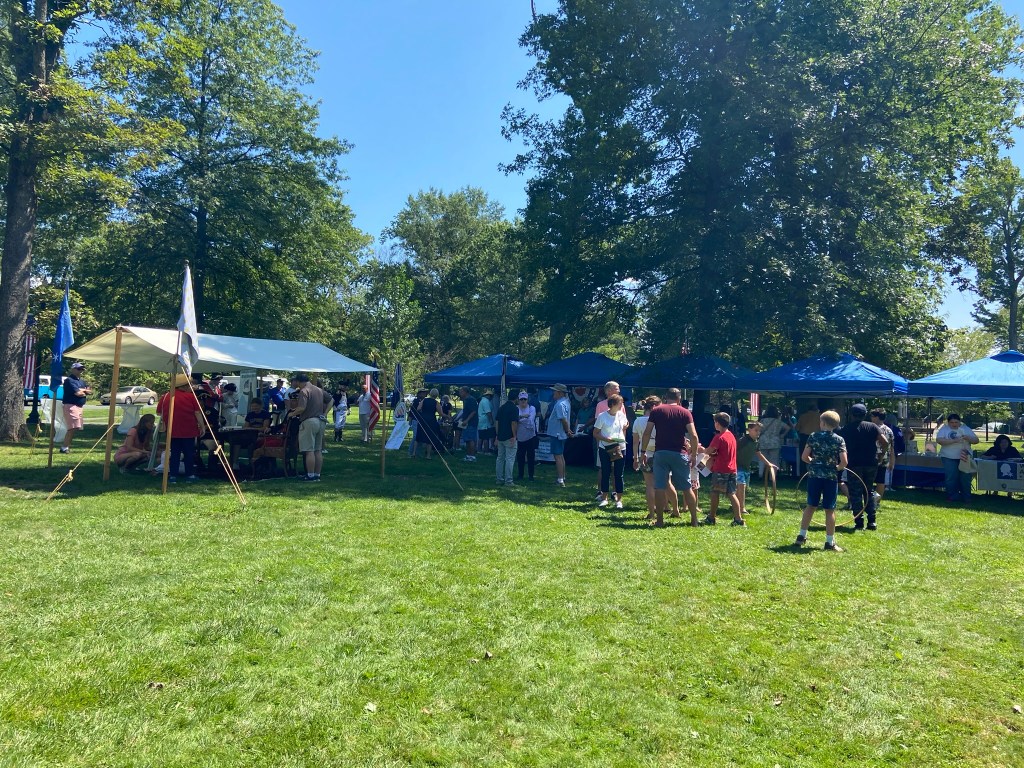
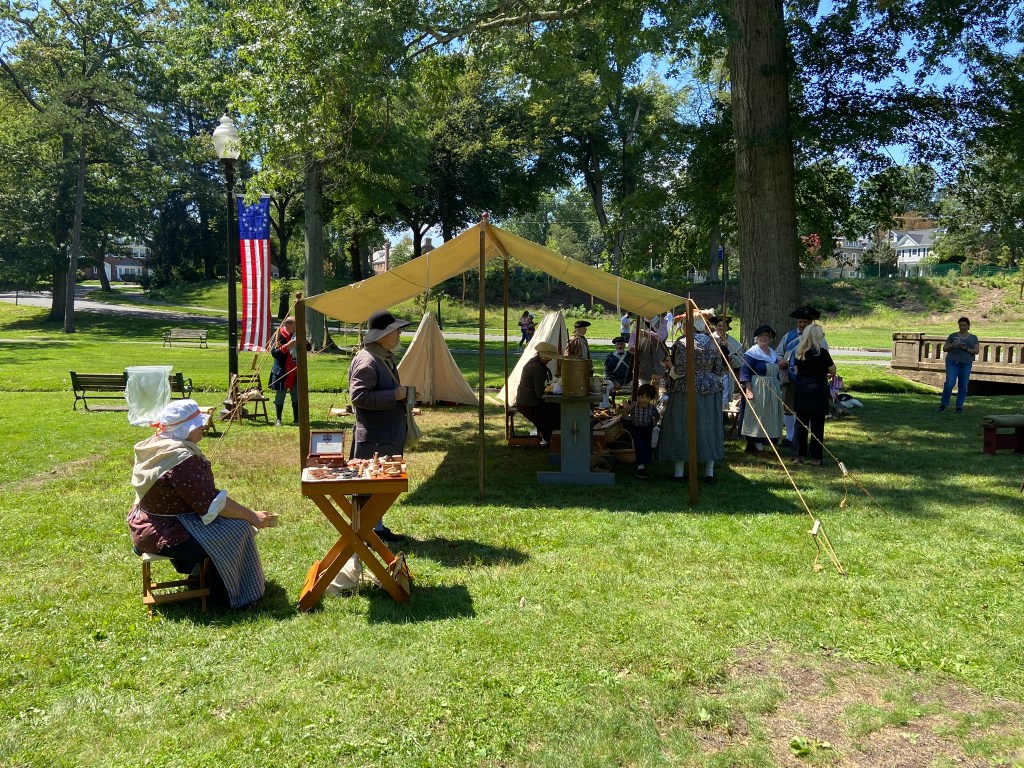
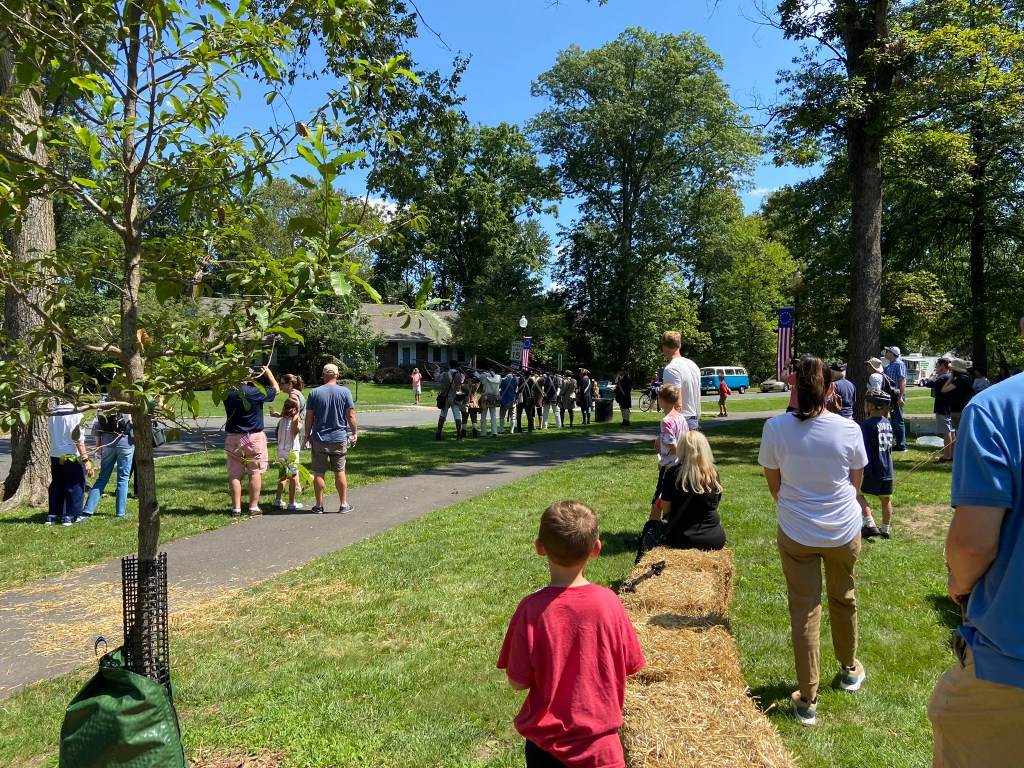
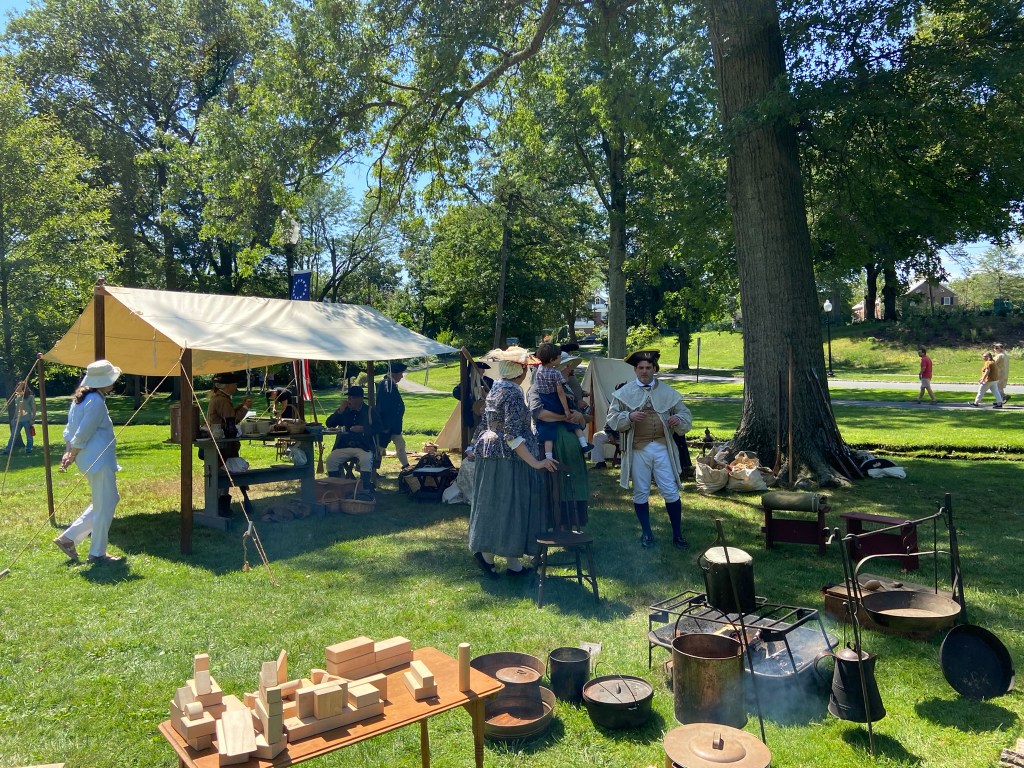
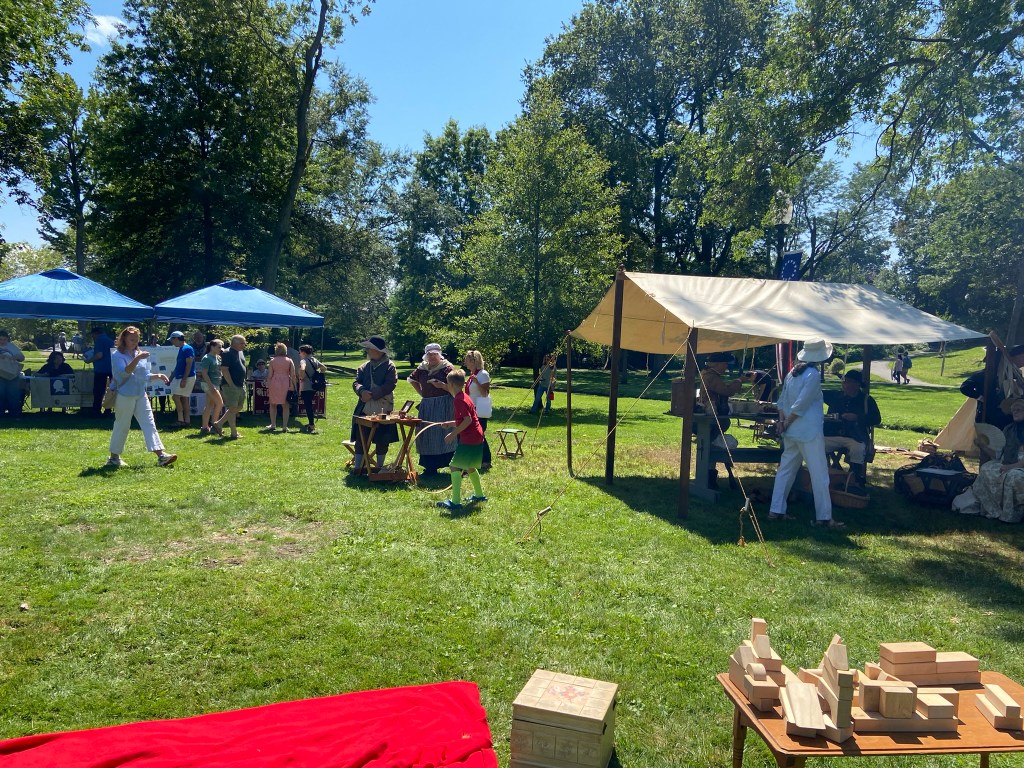
    Following the opening ceremonies, the crowd marched into the center of Mindowskin Park, led by Washington and Rochambeau. The park took on the form of a Revolutionary Era militia encampment with colonial games, cooking demonstrations, and frequent marches, drills and musket firing from the soldiers.

    Local history organizations set up tents and provided information. Organizations included the Washington Association of New Jersey, the Chatham Historical Society, the Union Township Historical Society, the Princeton Battlefield Society, the Miller-Cory House Musuem, the Westfield Chapter of the Daughters of the American Revolution and others. Music was provided througout the event by fife and drums which took you back to the 18th century.

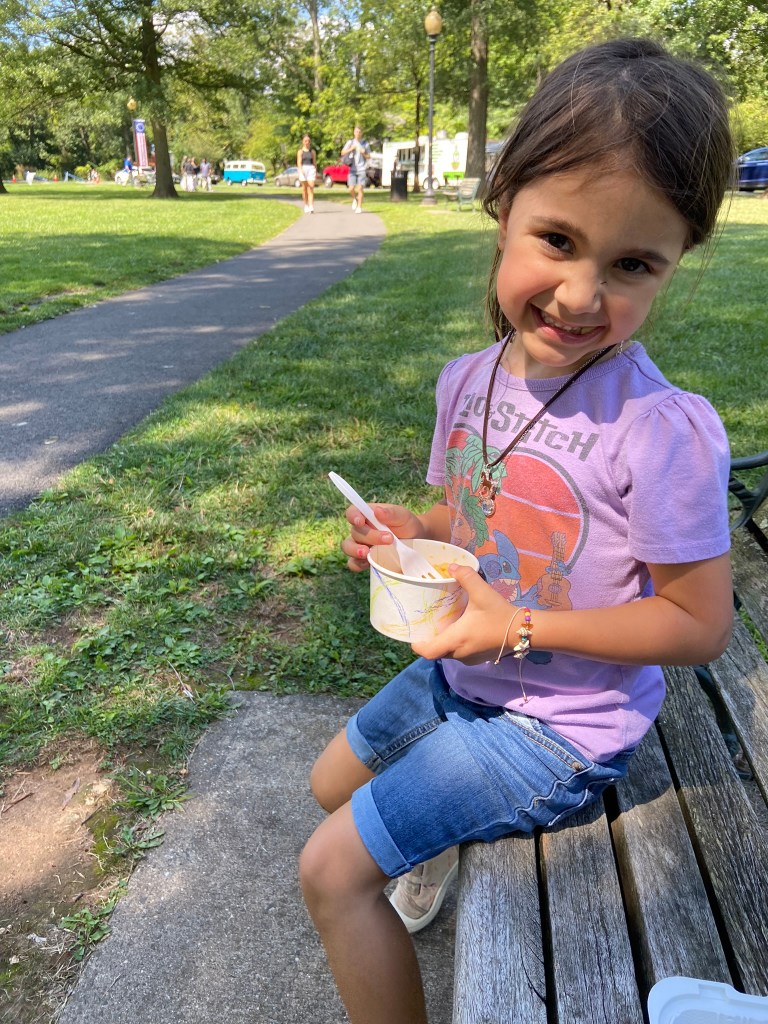
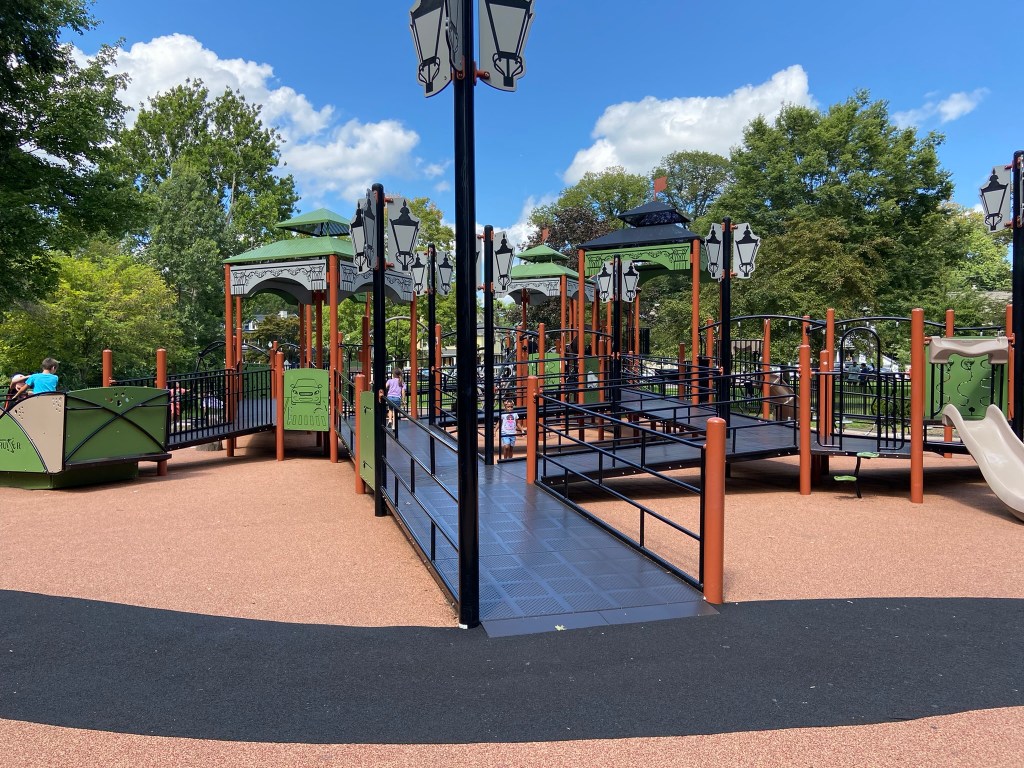
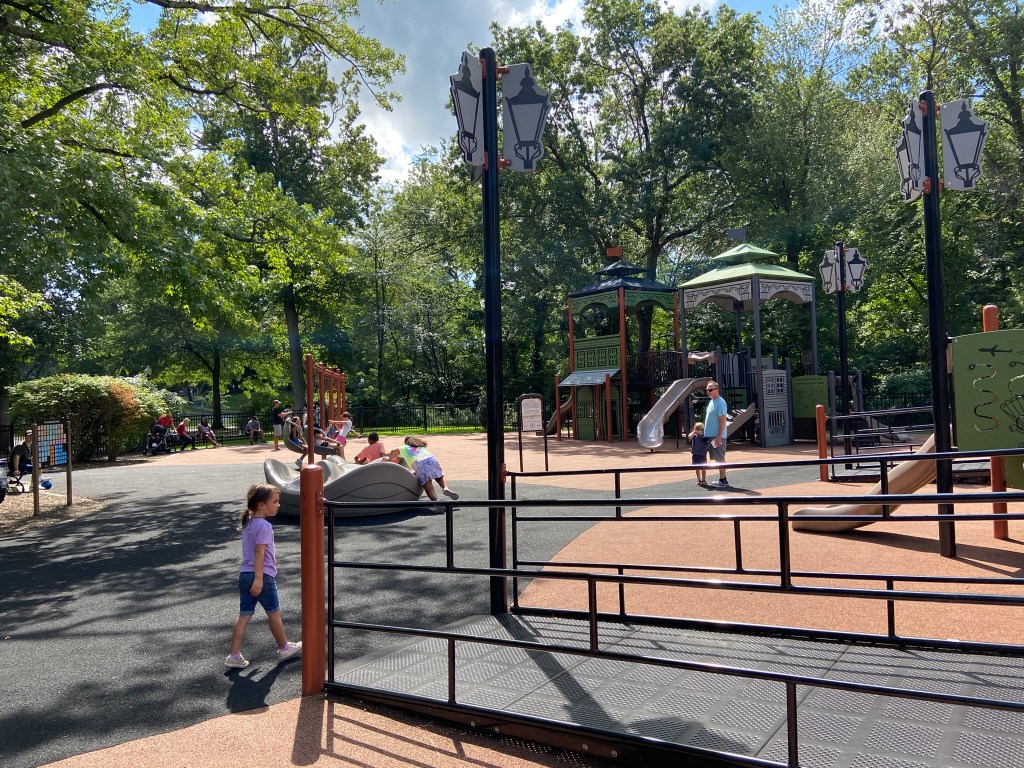
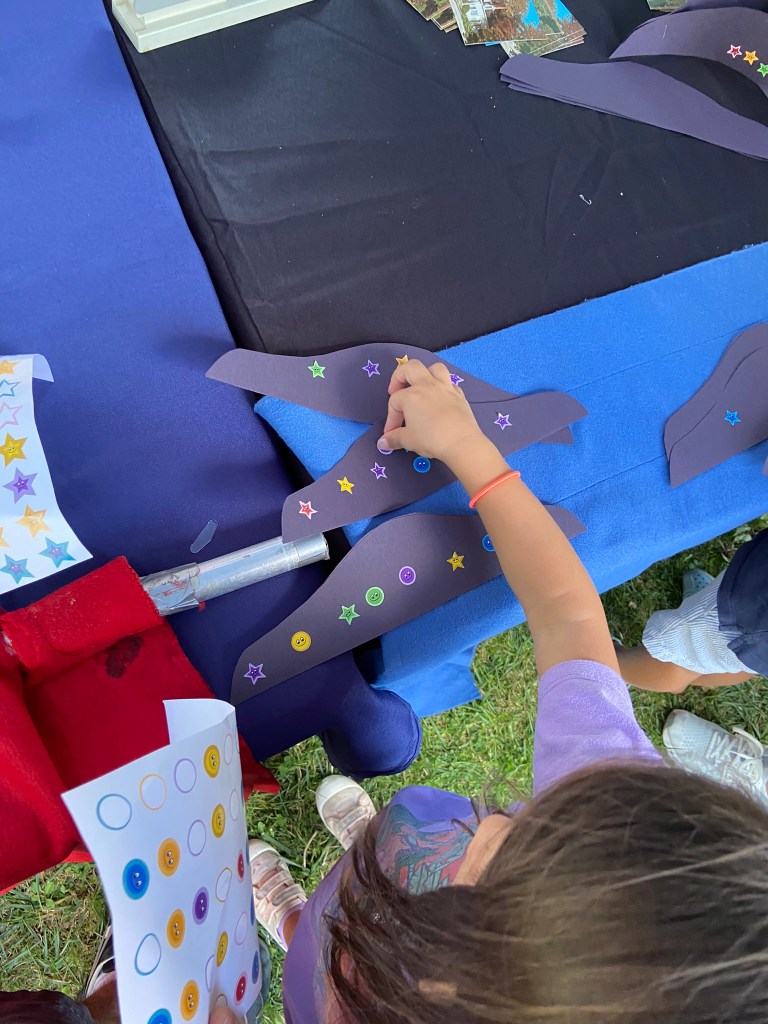
    My daughter and I chatted with the re-enactors as well as members of the different historical groups there. We tried out colonial games and learned about colonial encampment cooking. There was a Family Flava food truck at the event so my daughter and I had lunch on a park bench. After we ate, we found out that Mindowskin Park has a beautiful playground that my daugher really enjoyed. I had to bribe her to leave with a stop at the ice cream truck.

    My daughter and I had a wonderful time at the March to Yorktown Day in Westfield. The event was another reminder of the rich history in New Jersey and the strong ties that the state has to the American Revolution. The Washington-Rochambeau Revolutionary Route Association New Jersey did a great job providing an event that was fun and informative for all ages. I look forward to attending again next year!

    Related Posts:

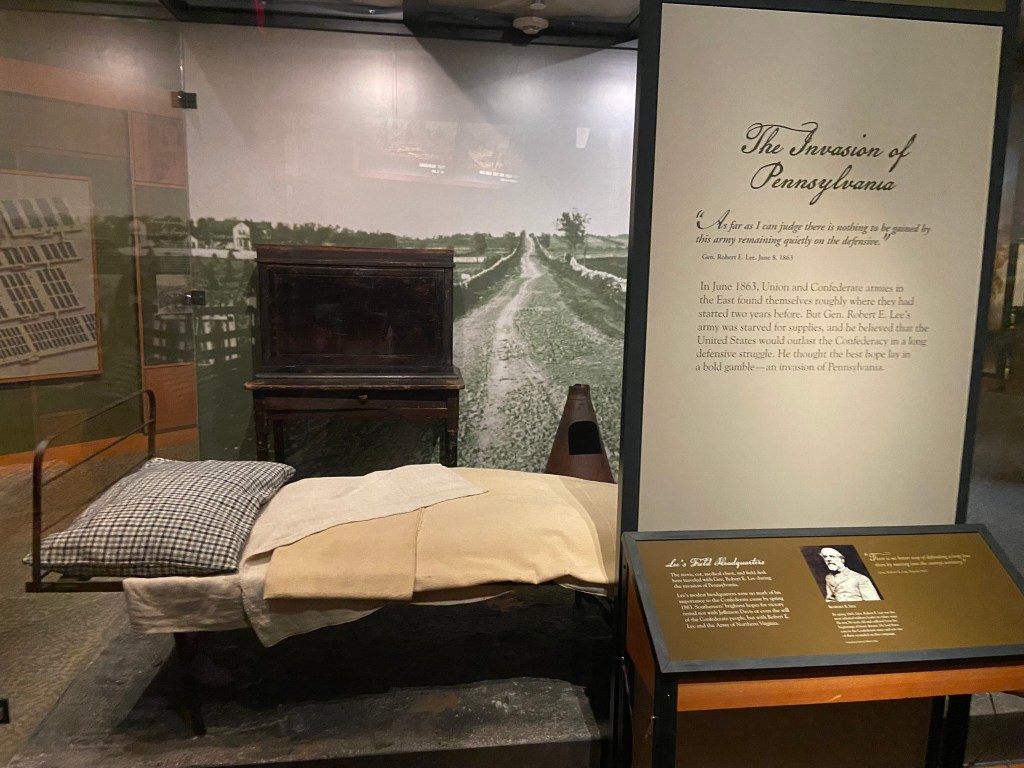
  • In Part 1 of my post about my family’s trip to Gettysburg, I discussed our experience on the first day of our trip which included the Dobbin House, the Jennie Wade House, a stroll up Baltimore Street, Ronn Palm’s Museum of Civil War Images, and the Gettysburg National Cemetary. In Part 2 I will discuss our second and third (half) days, including a Double Decker bus tour of the battlefield, the Gettysburg National Military Park and Museum, and the Gettysburg Museum of History.

    Gettysburg Battlefield Bus Tour

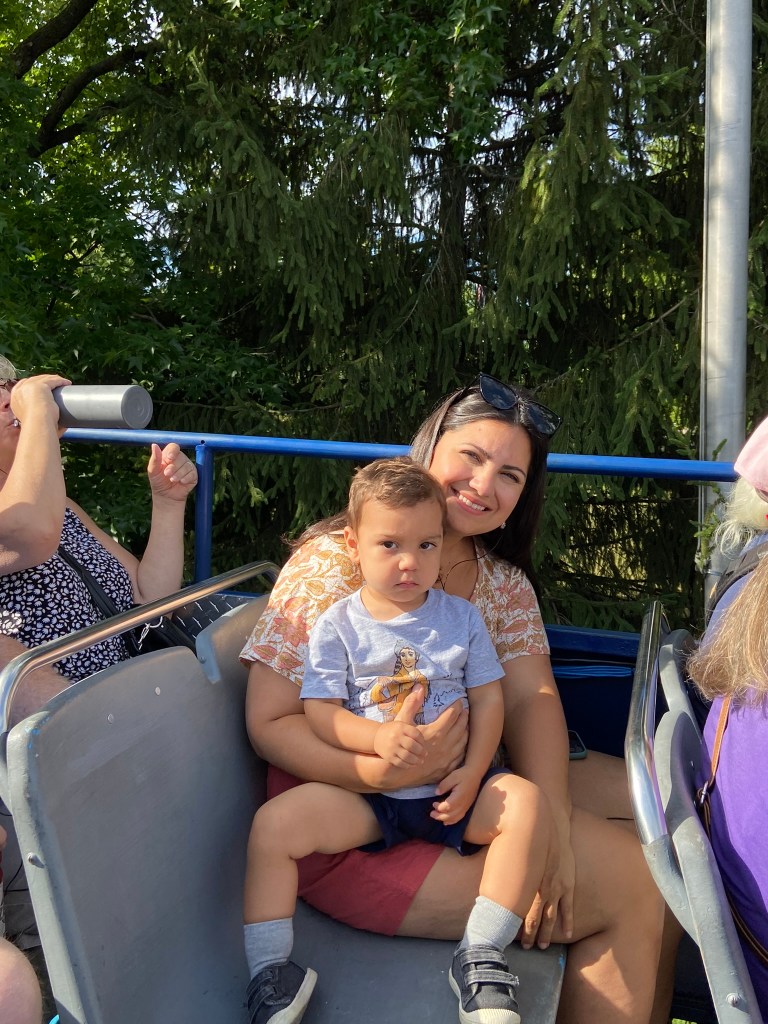
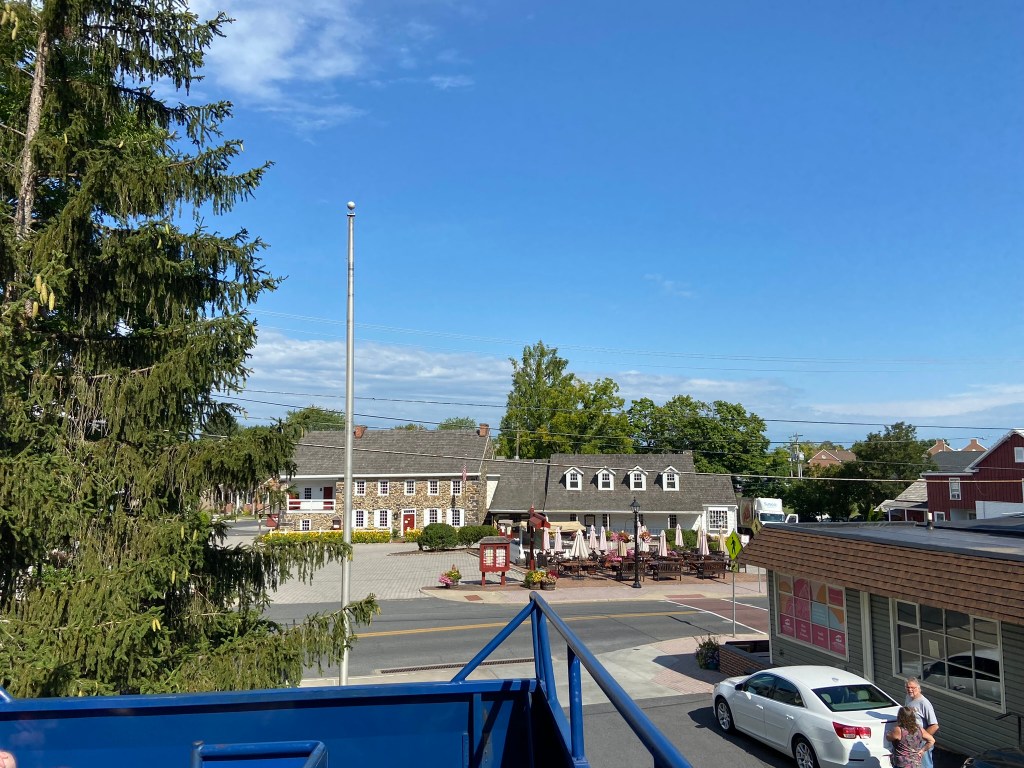
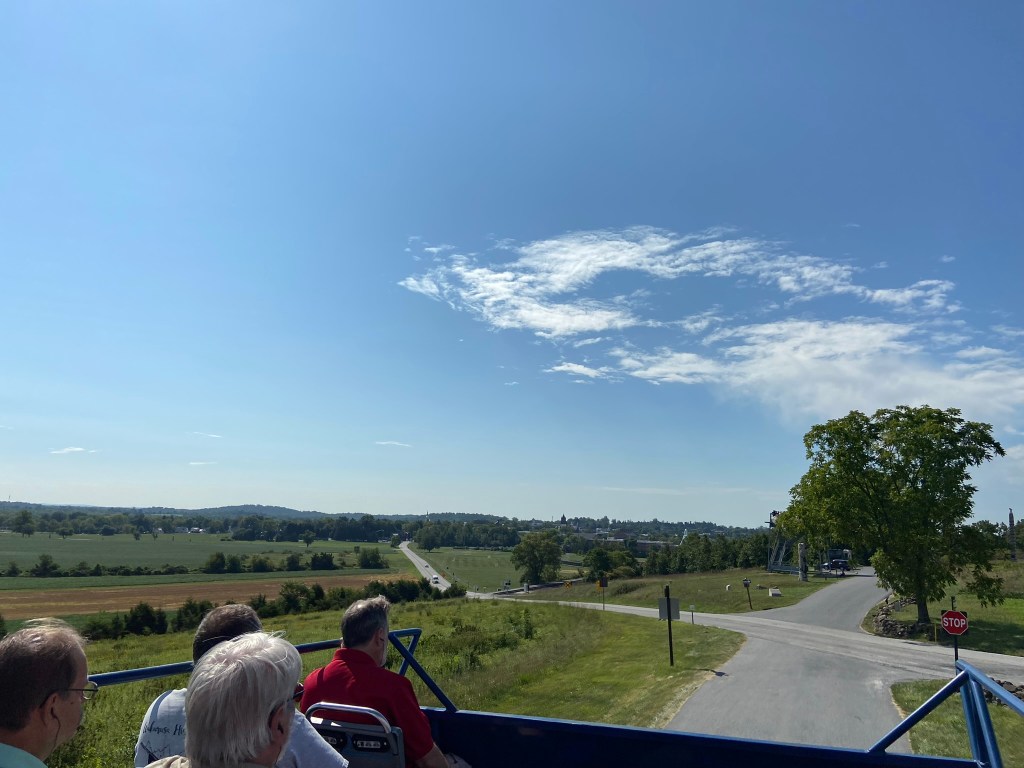
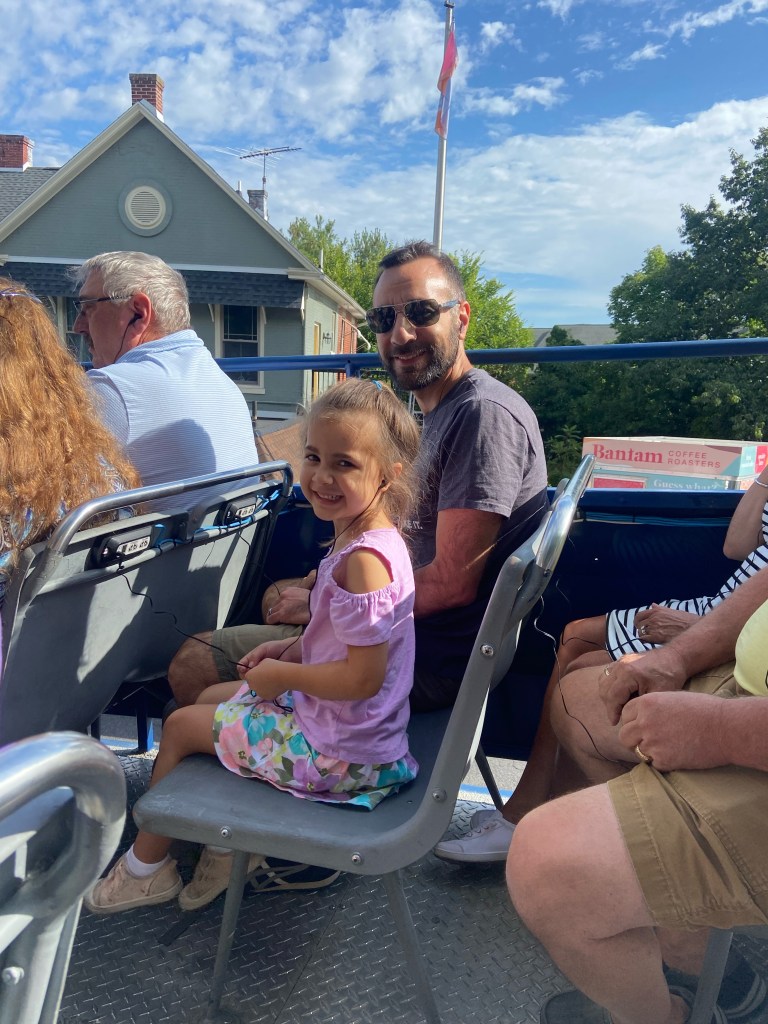
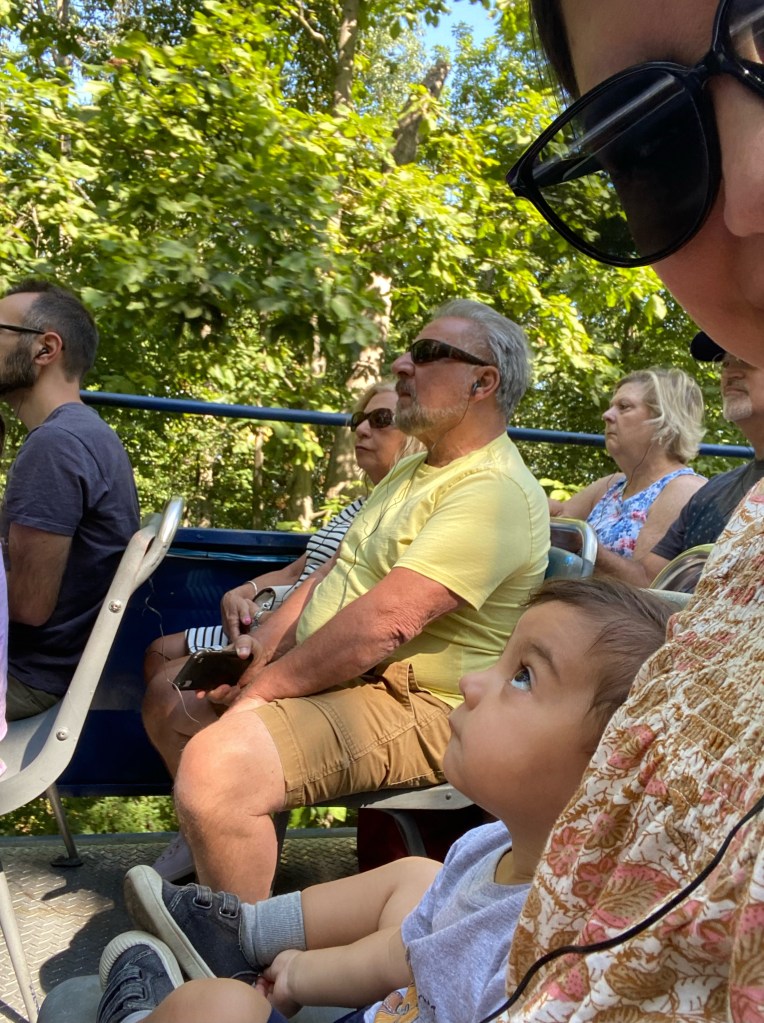
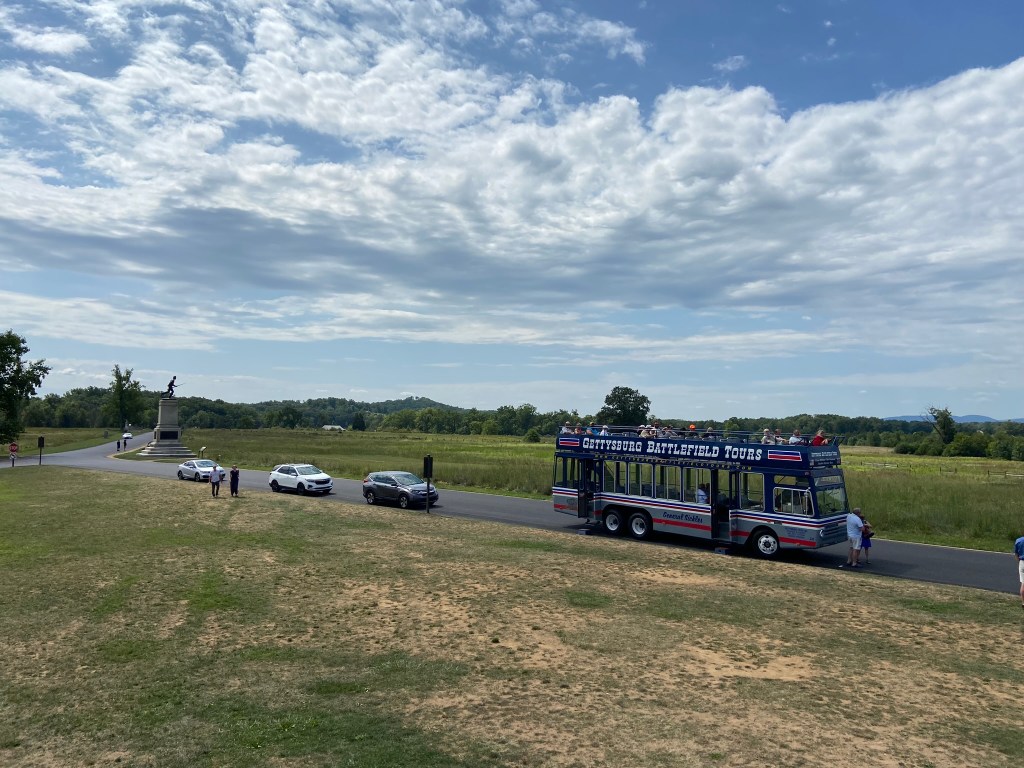
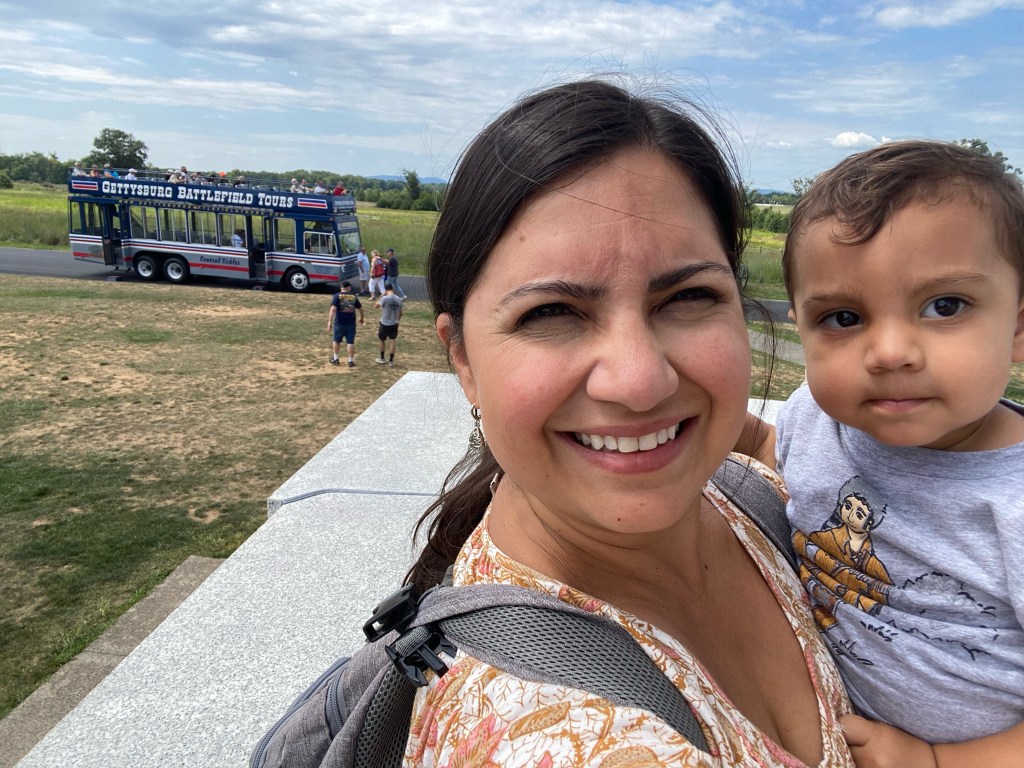
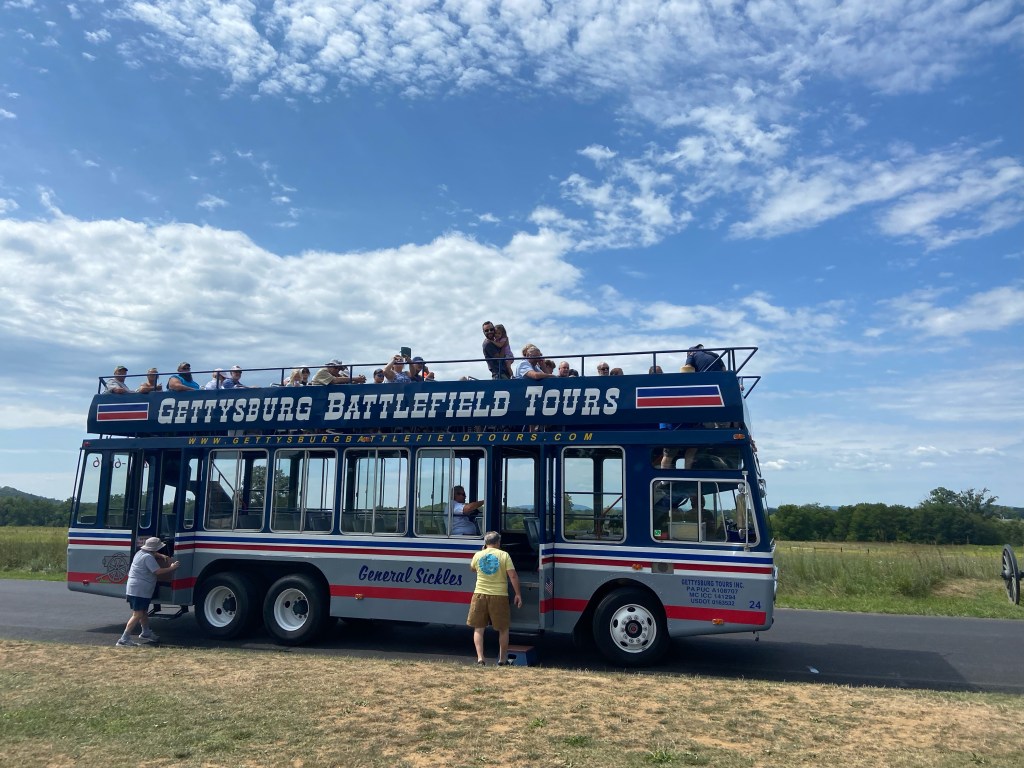
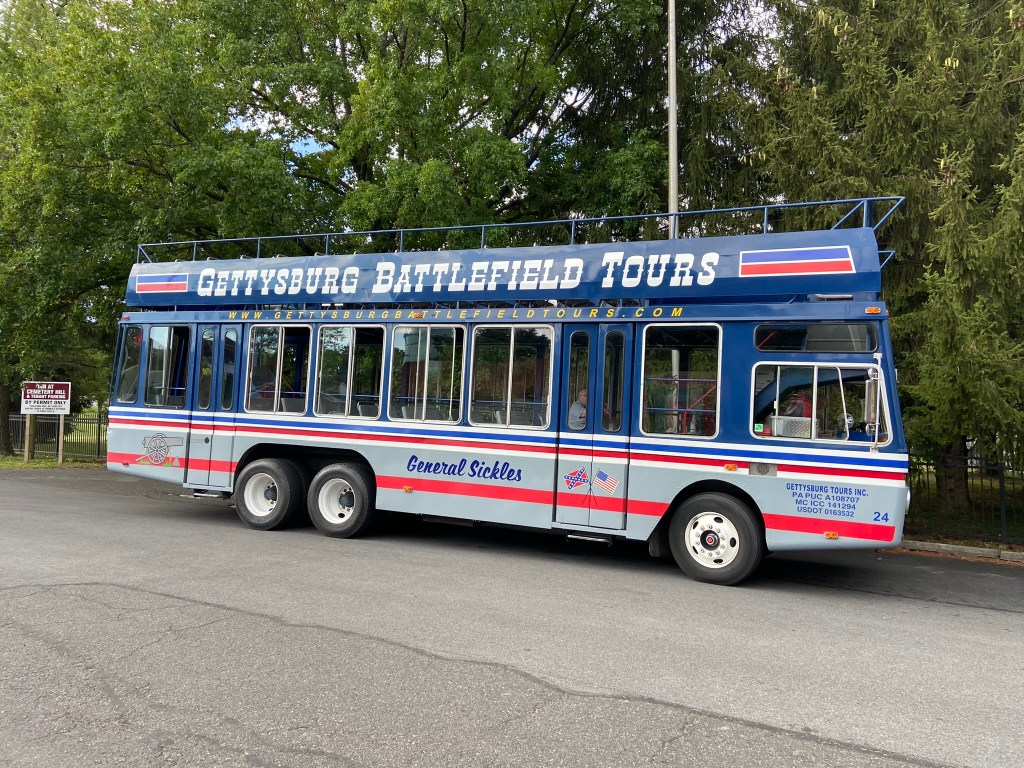
    On day 2 of our trip, we woke up and had breakfast in our hotel, the 1863 Inn of Gettysburg. Our bus tour, which is run by Gettysburg Battlefield Tours, started at 10am and we arrived a half hour early. It was nice that the meeting place for the bus tour was just a 2 minute walk from our hotel. We sat on the top of a double decker open-air bus. Each person is supplied with headphones to listen to the professional licensed battlefield guide who sits below. He was willing to address any questions about the tour and the battle.

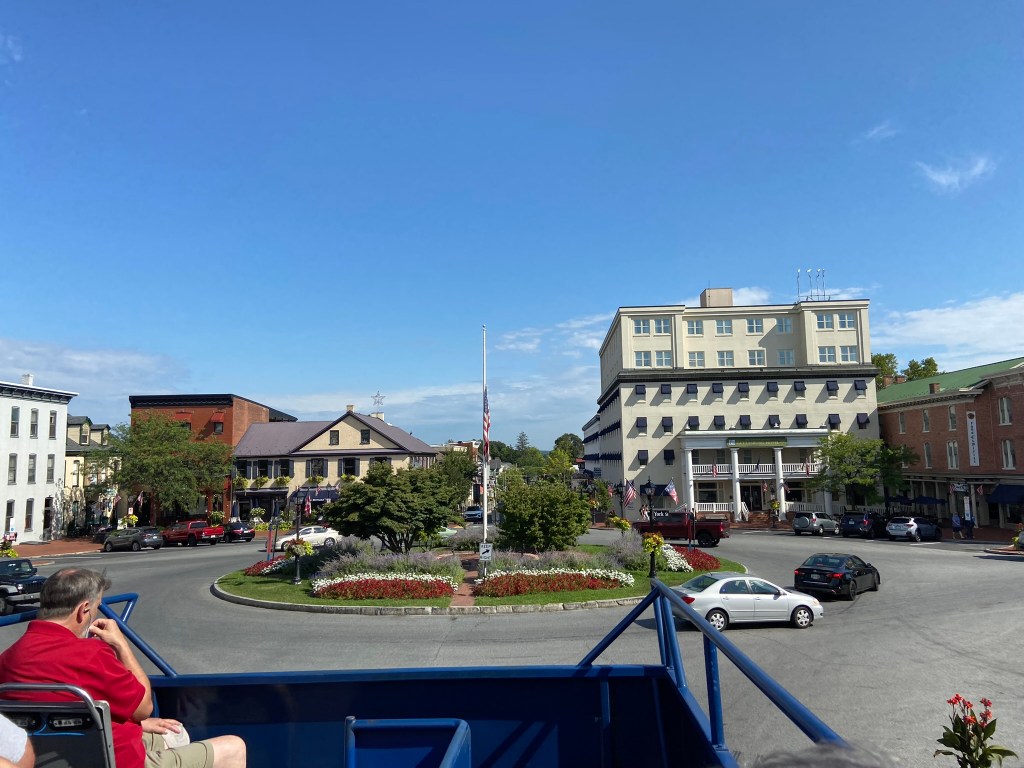
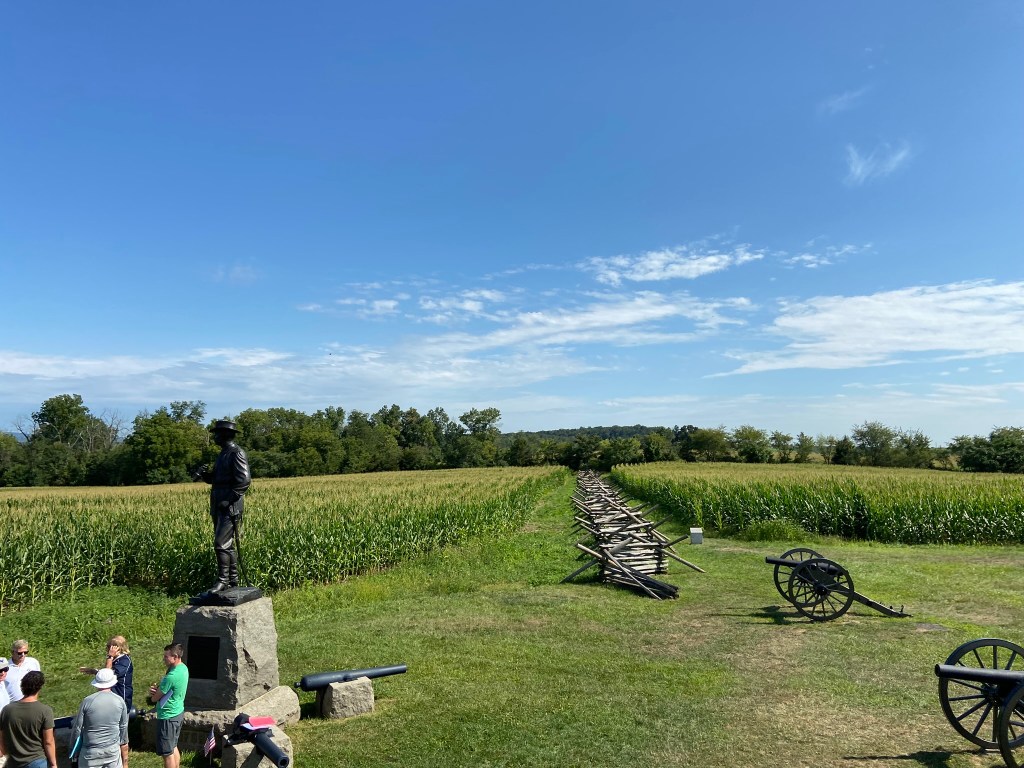
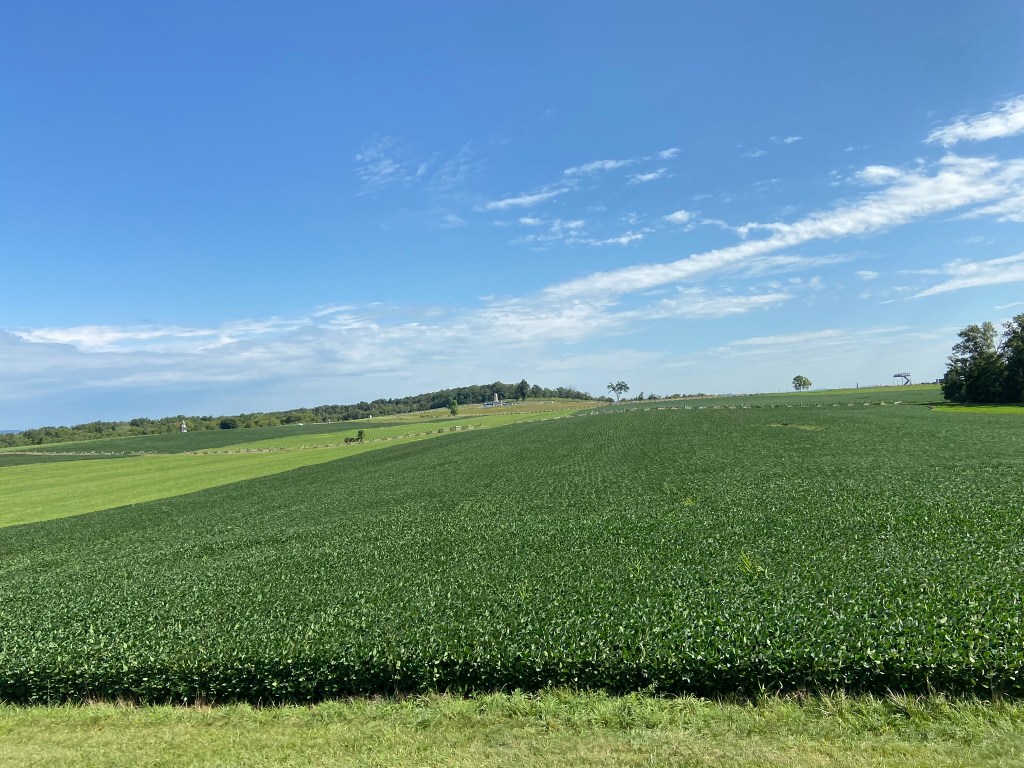
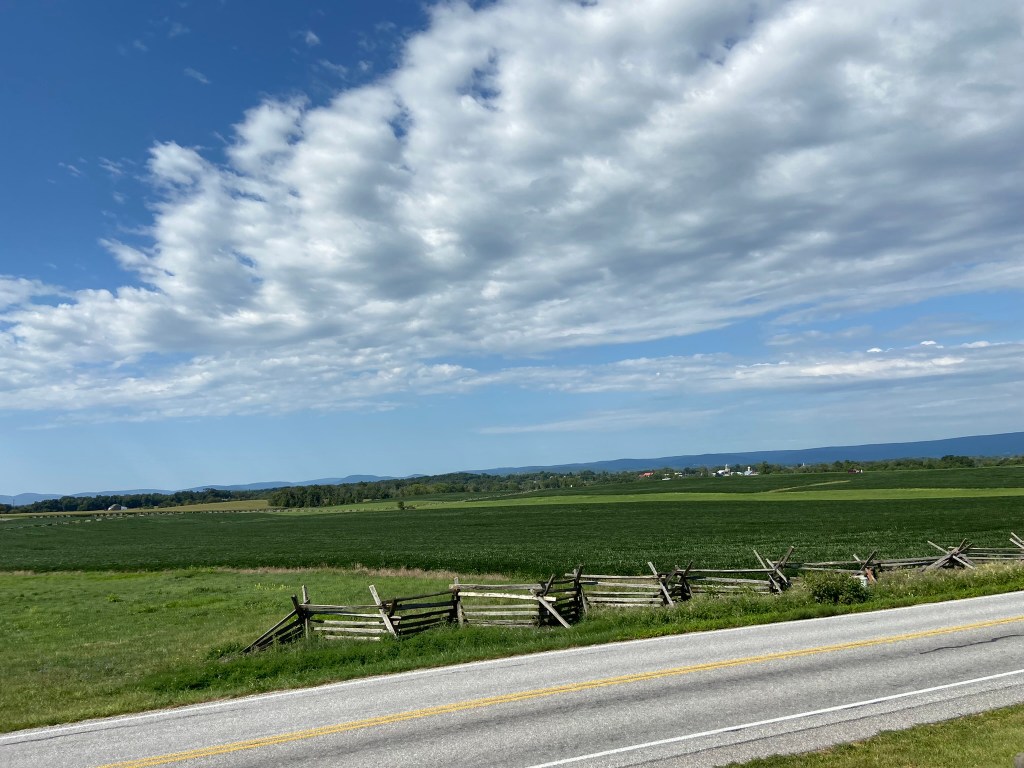
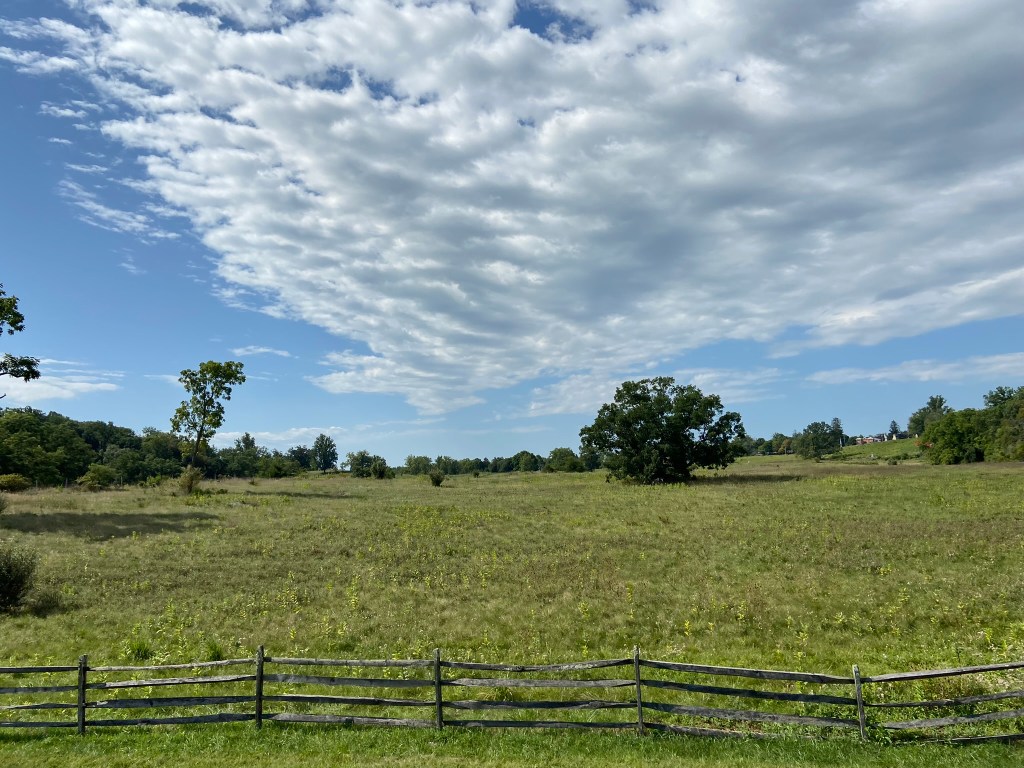
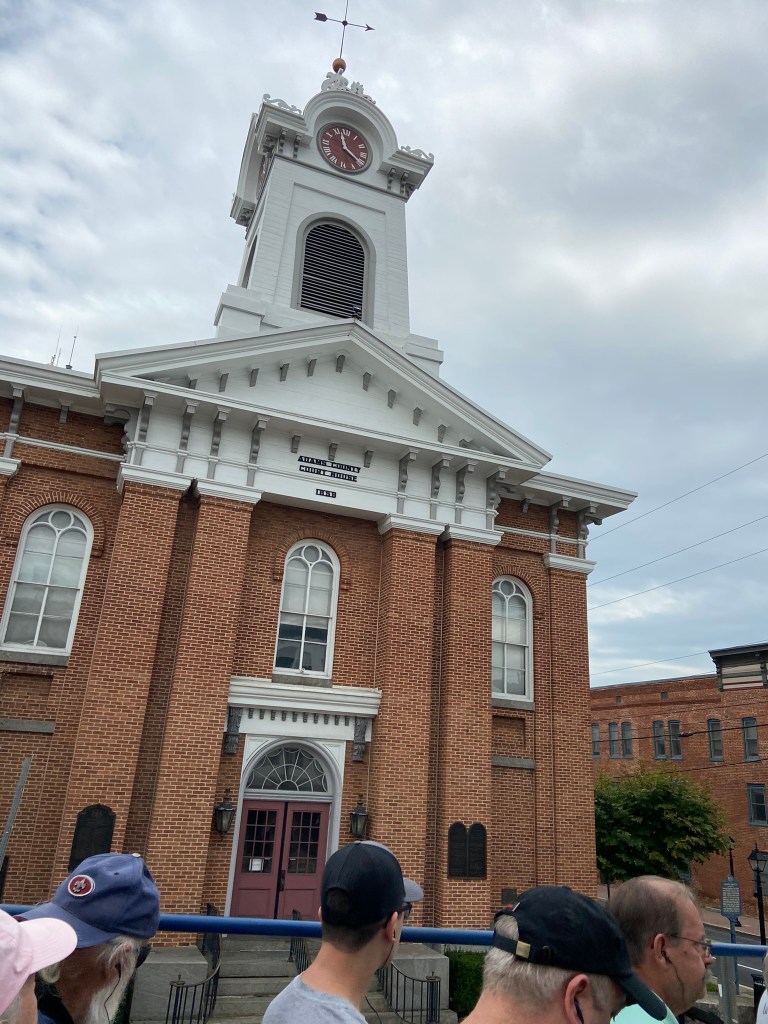
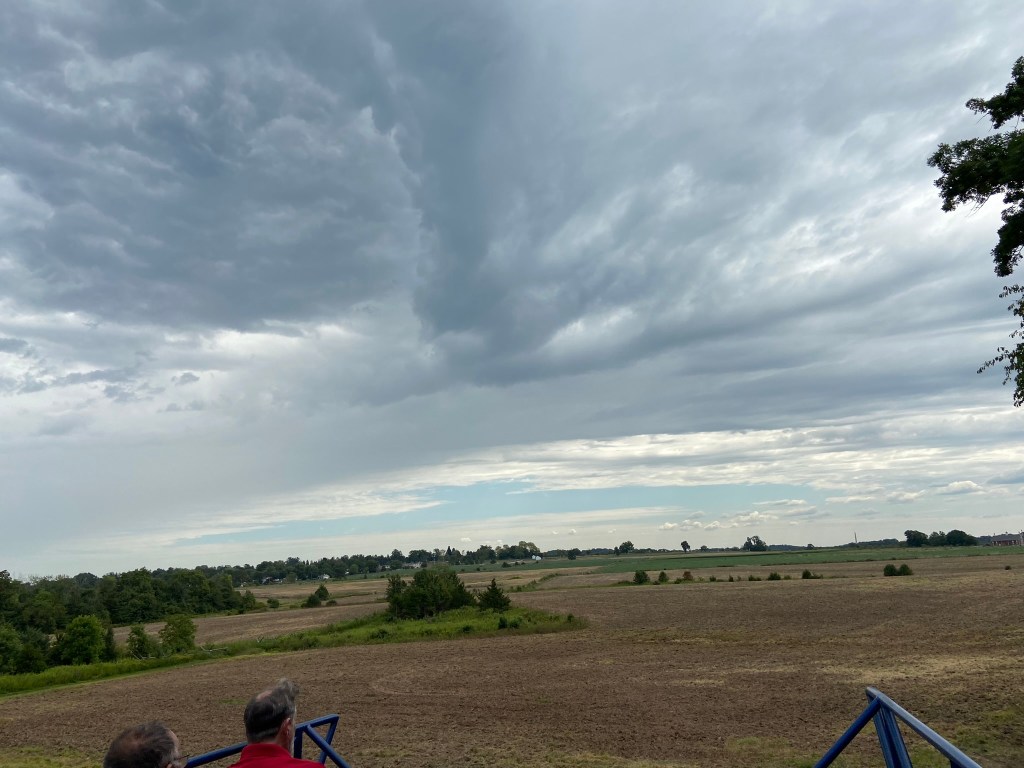
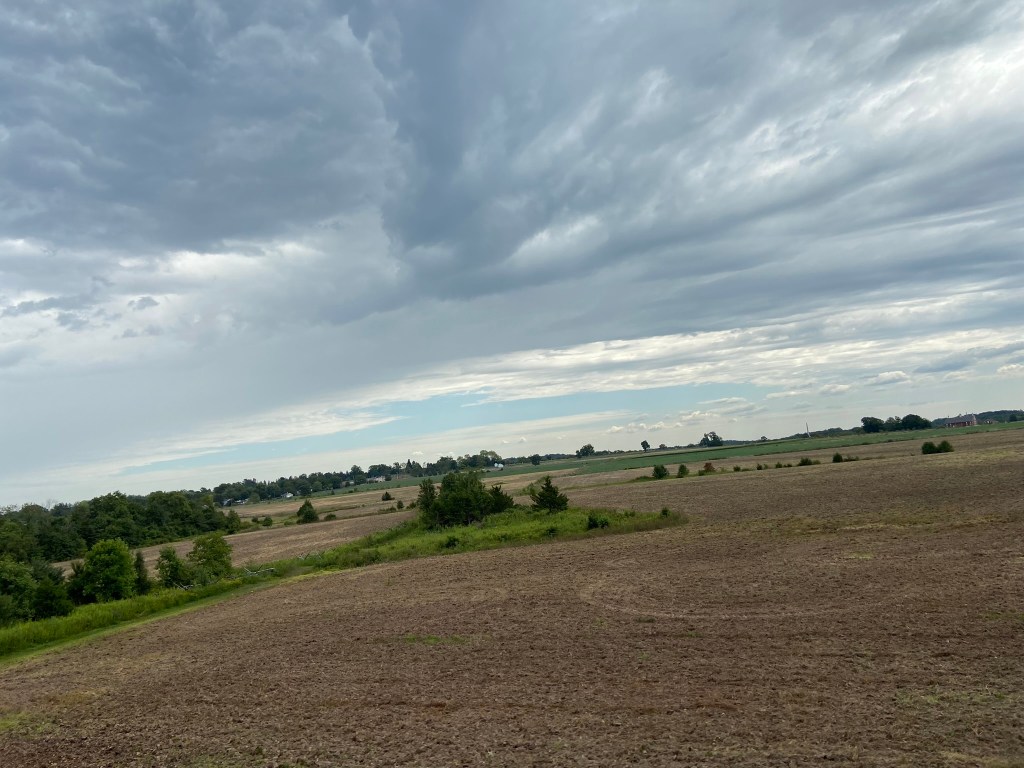
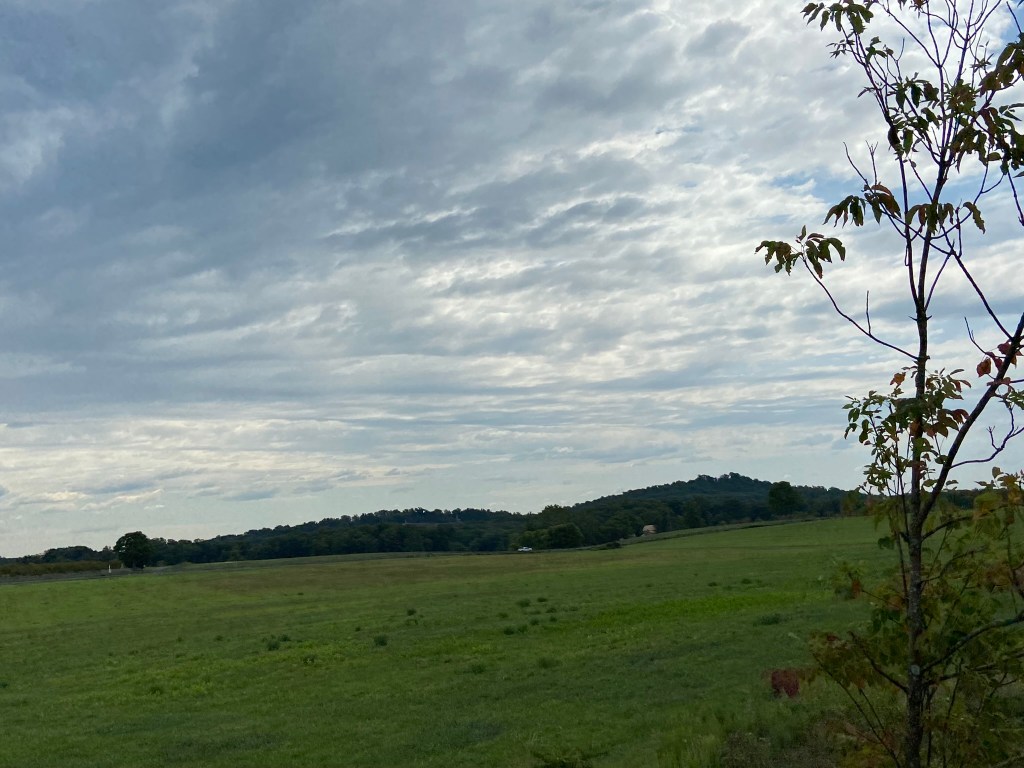
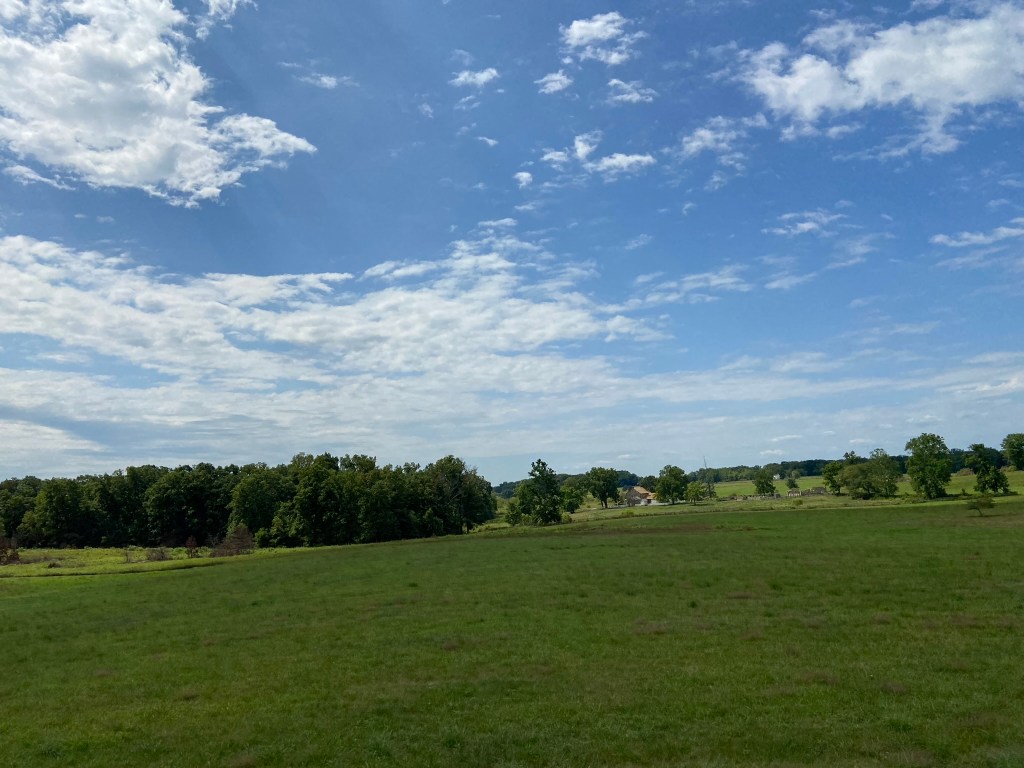
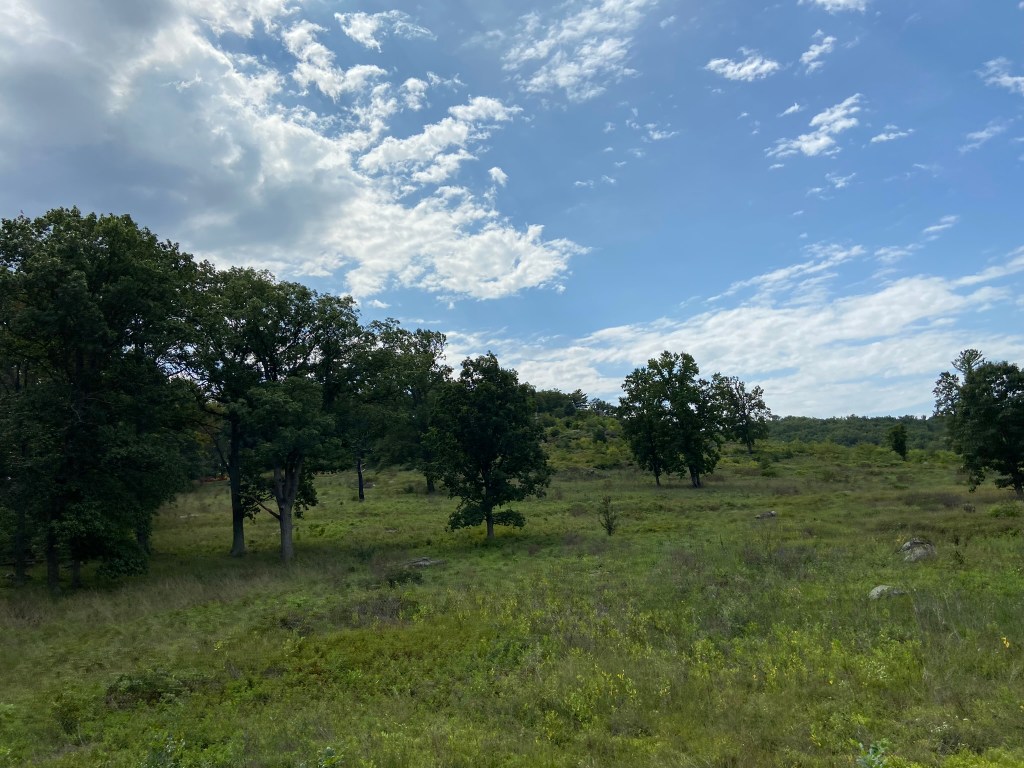
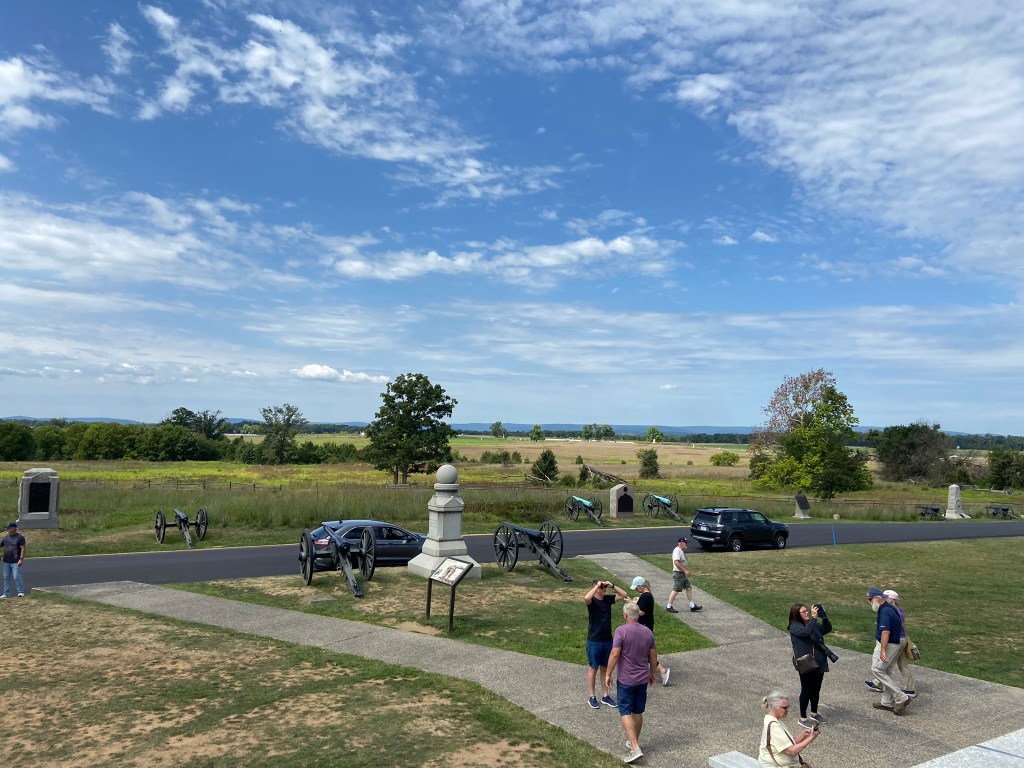
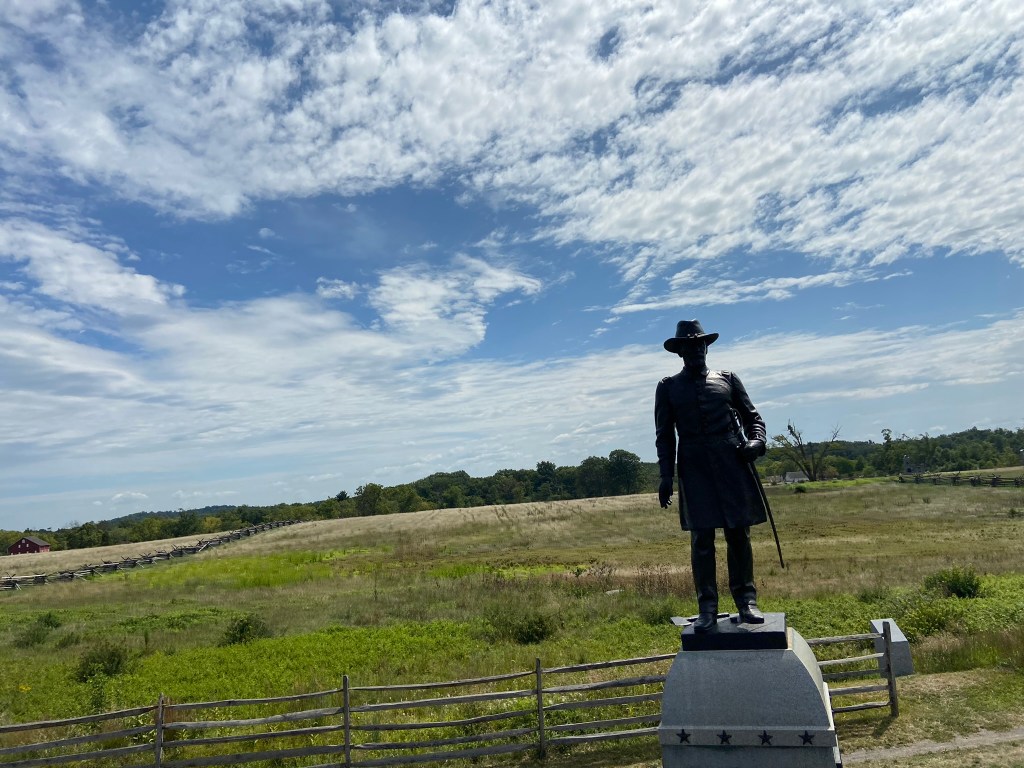
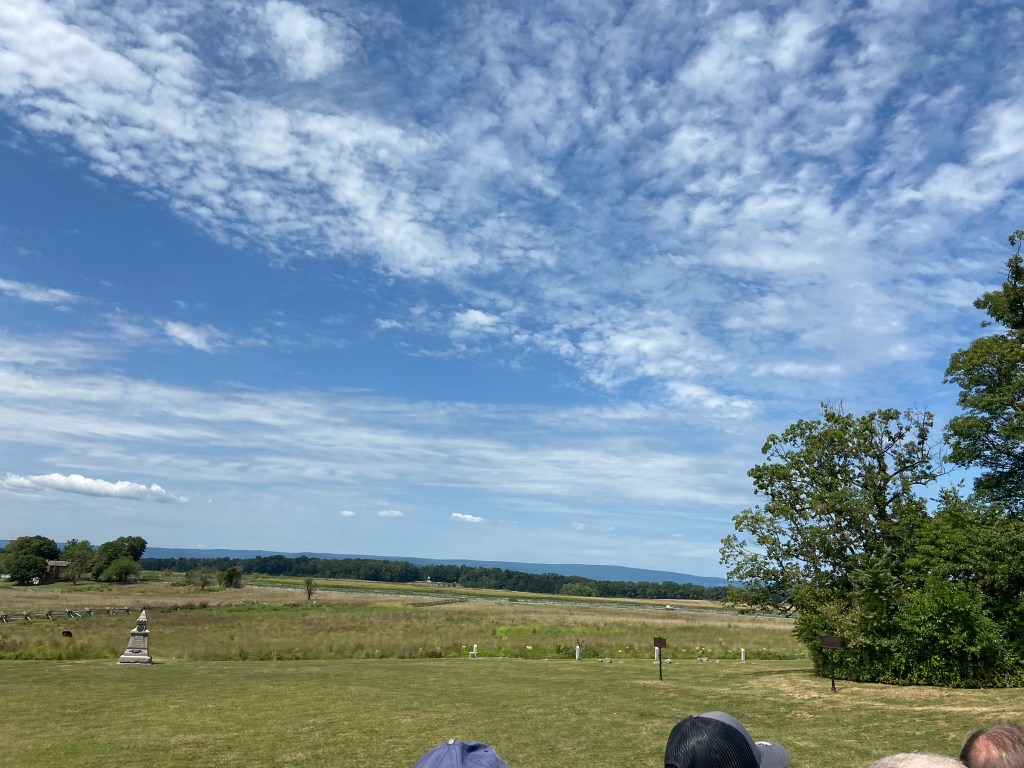
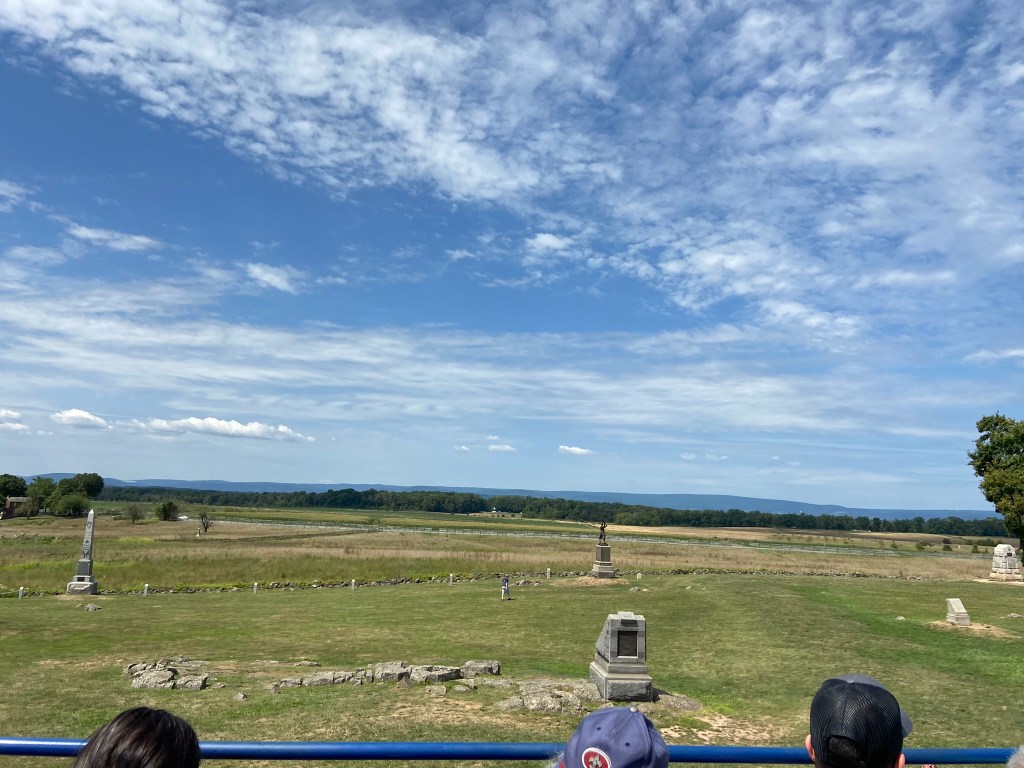
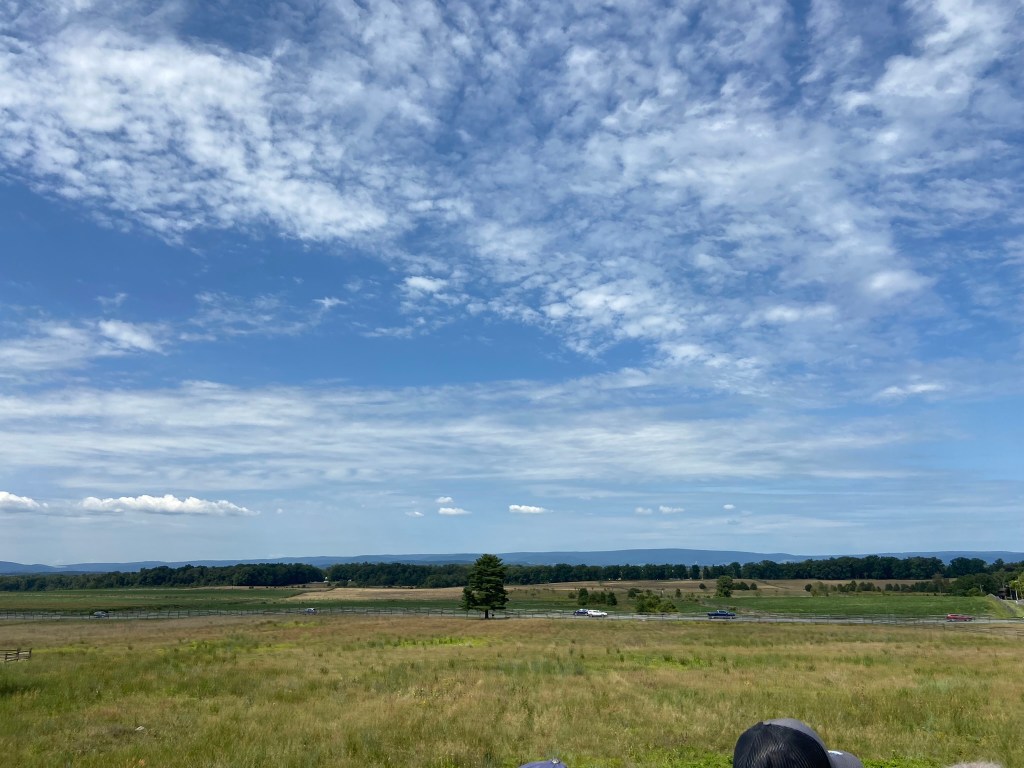
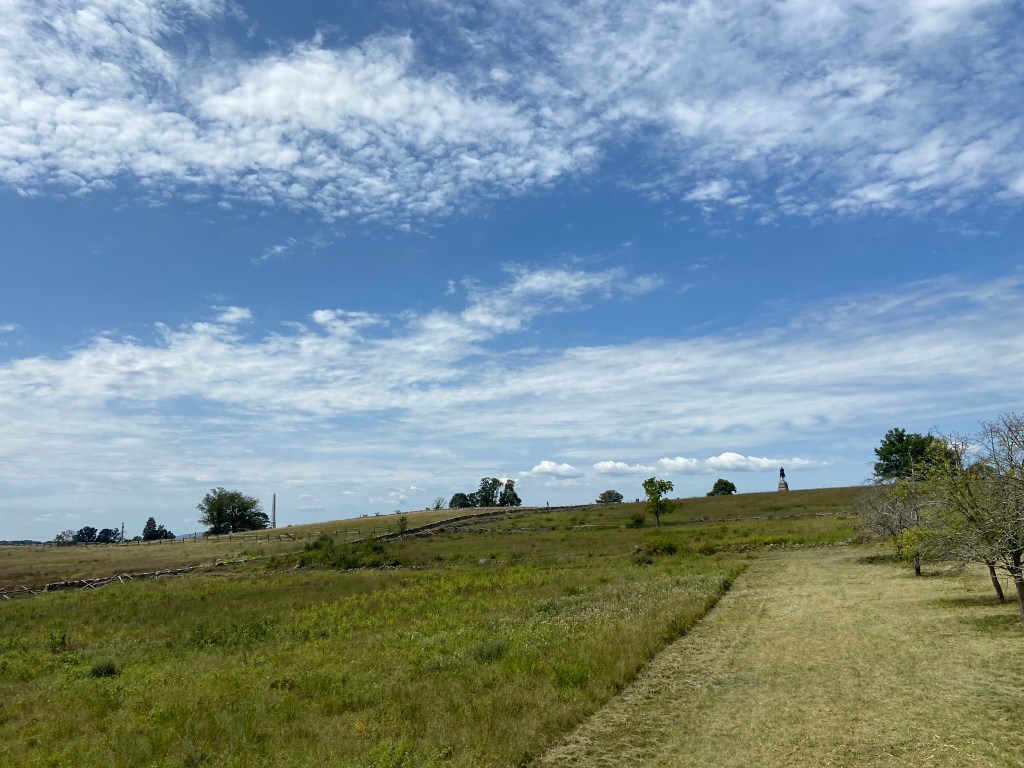
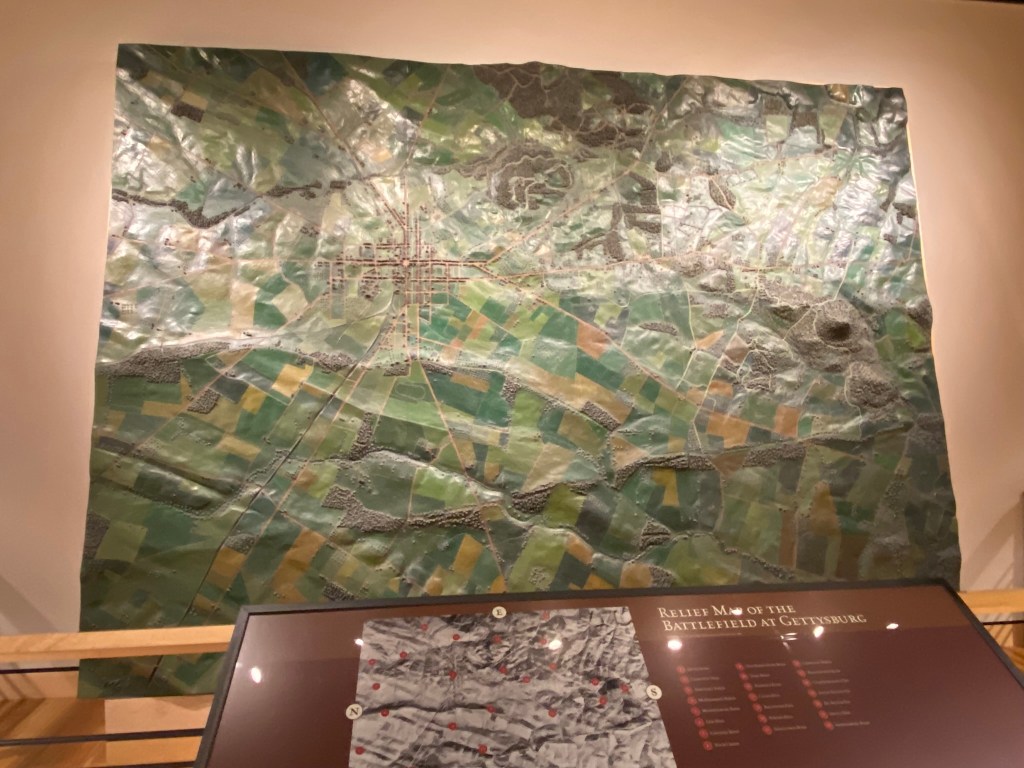
    We got started a little after 10:00am and headed through town to the north of Gettysburg where much of Day 1 of the battle took place. I absolutely loved the experience of riding on the open-air double decker bus. It truly was an amazing experience and we were lucky with such a nice day. It was surreal to be at the very location where this great battle took place. I have read and taught about the Battle of Gettysburg for many years, so to be at the very site, seeing it with my own eyes was unbelievable. You could look out into the open farmland and picture Union and Confederate troops on the battlefield. I couldn’t imagine what they went through and the horrors they experienced during such a deadly battle, where thousands of soldiers lost their lives or were severely wounded. I was quite amazed at just how large the battlefield is. Fighting during The Battle of Gettysburg happened all around the outskirts of town (And some even within the town). After we were taken to the north of town, we made our way to landmarks south of town, where the heavy fighting of day 2 and 3 took place.

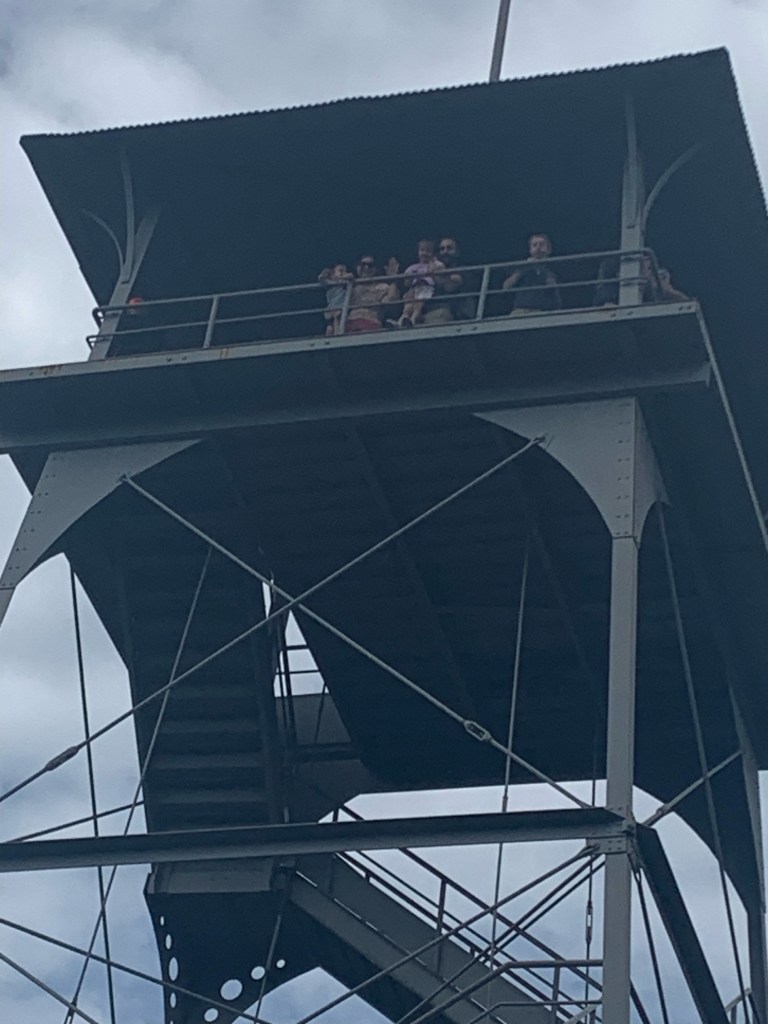
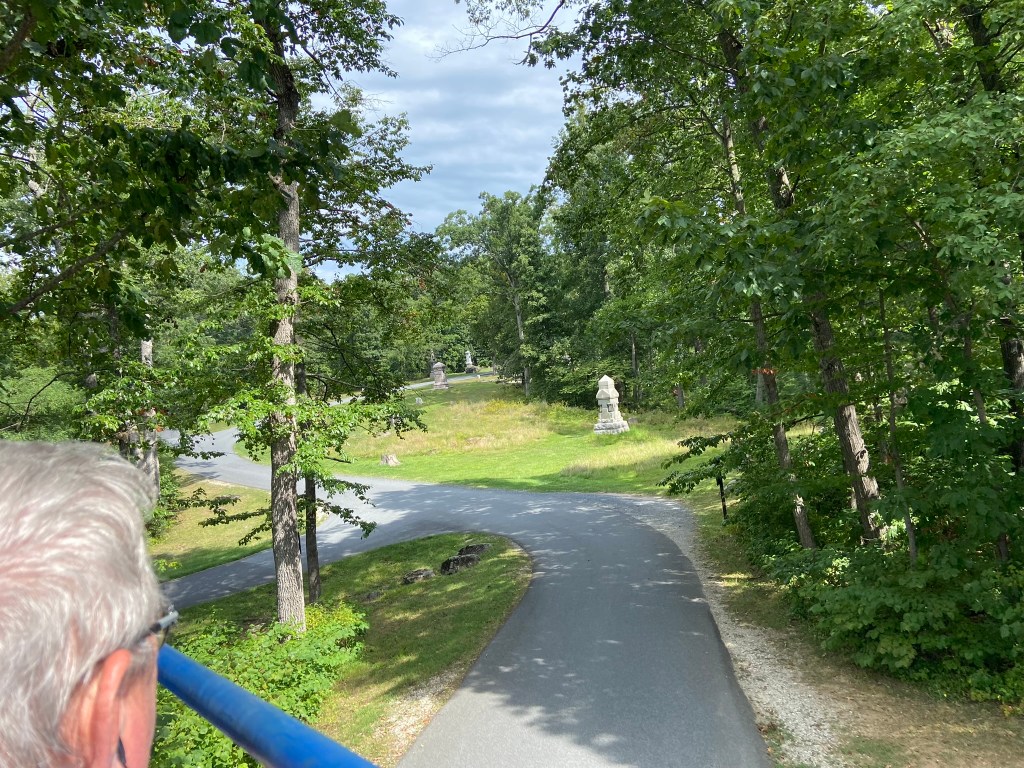
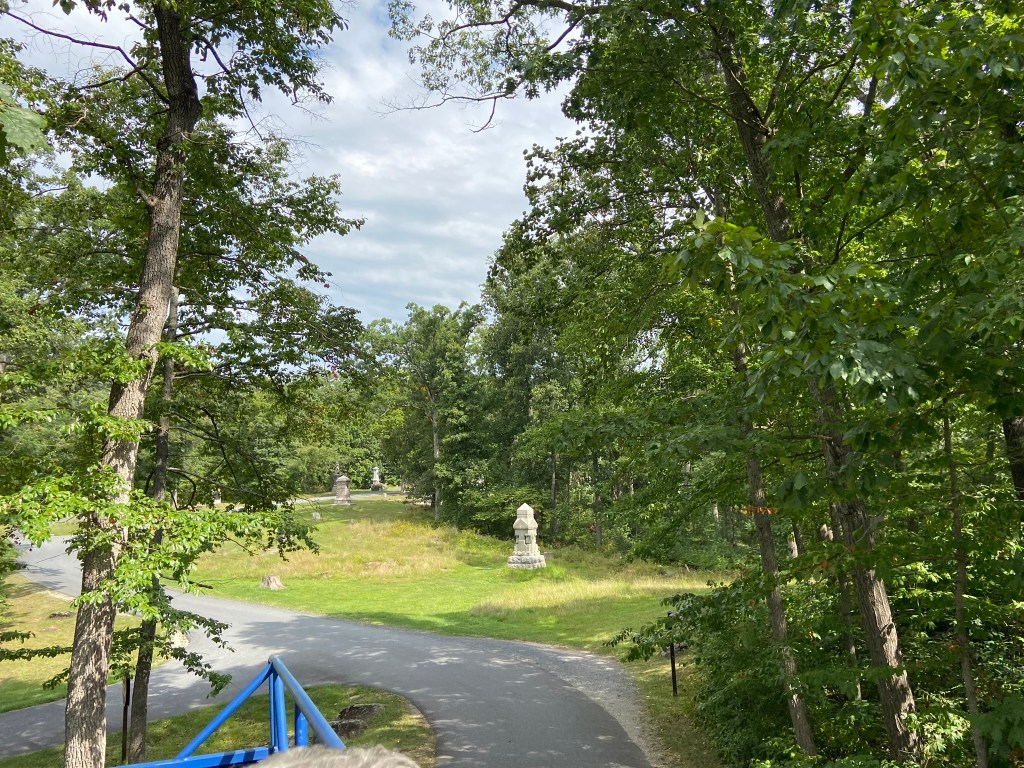
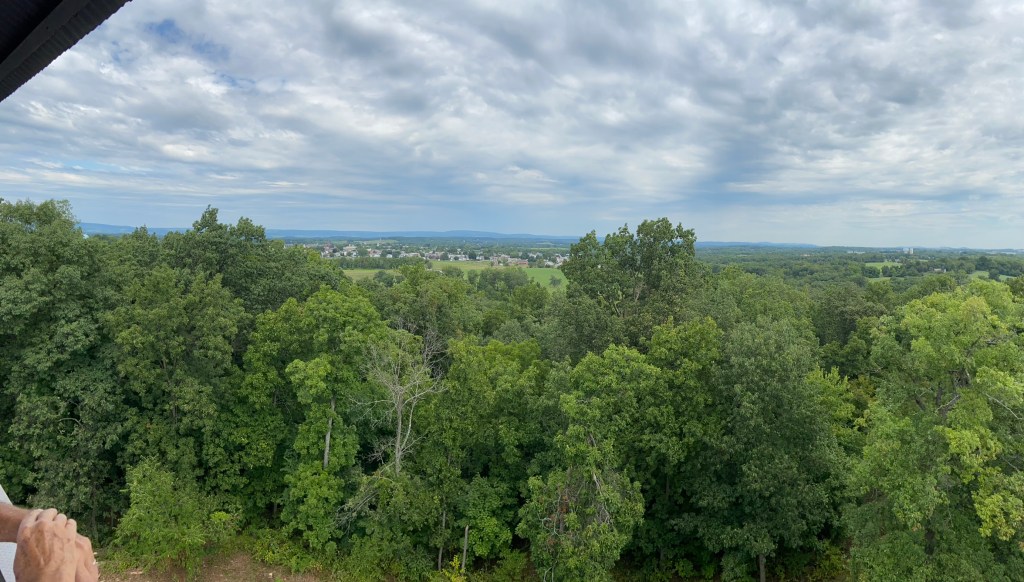
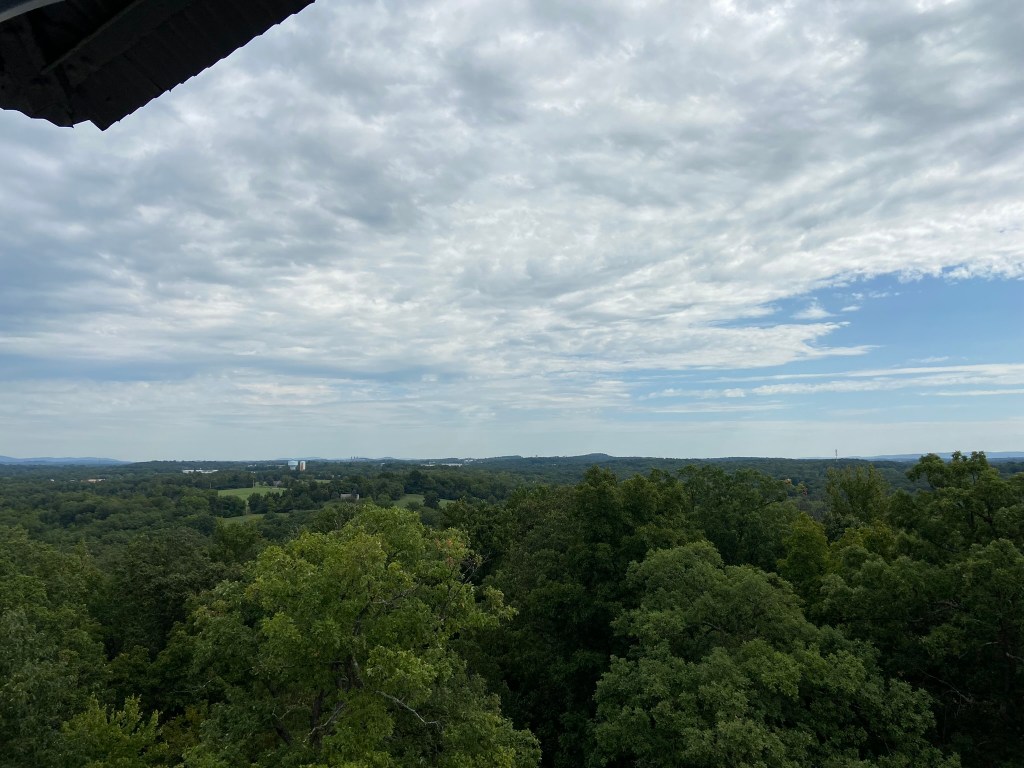
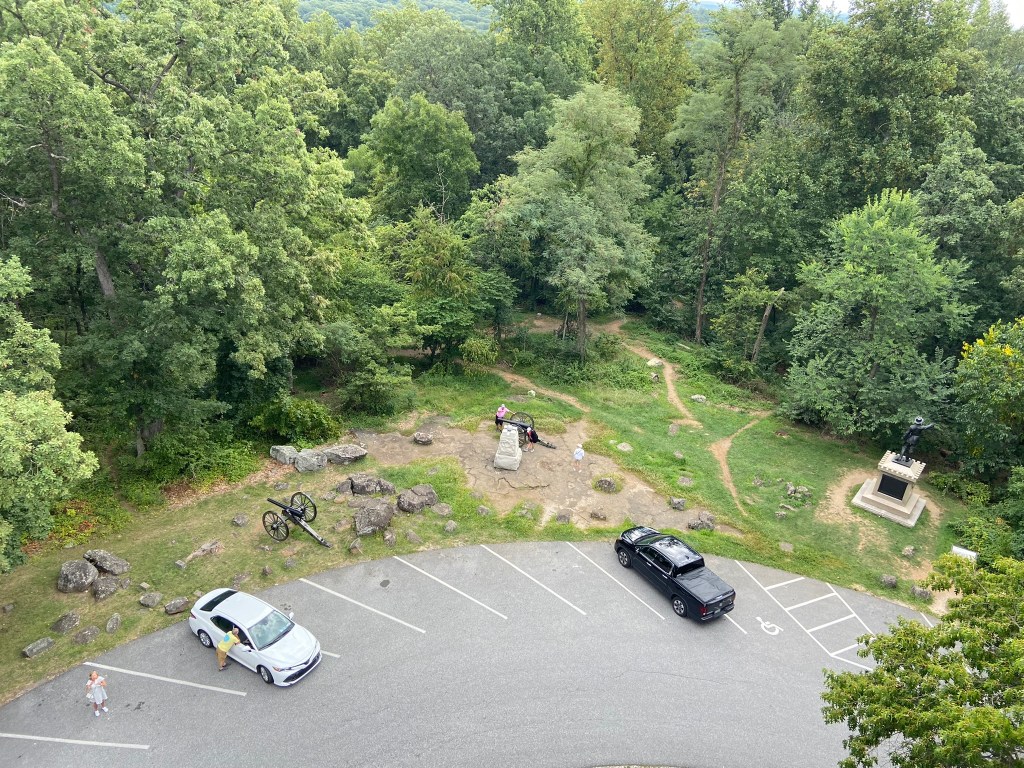
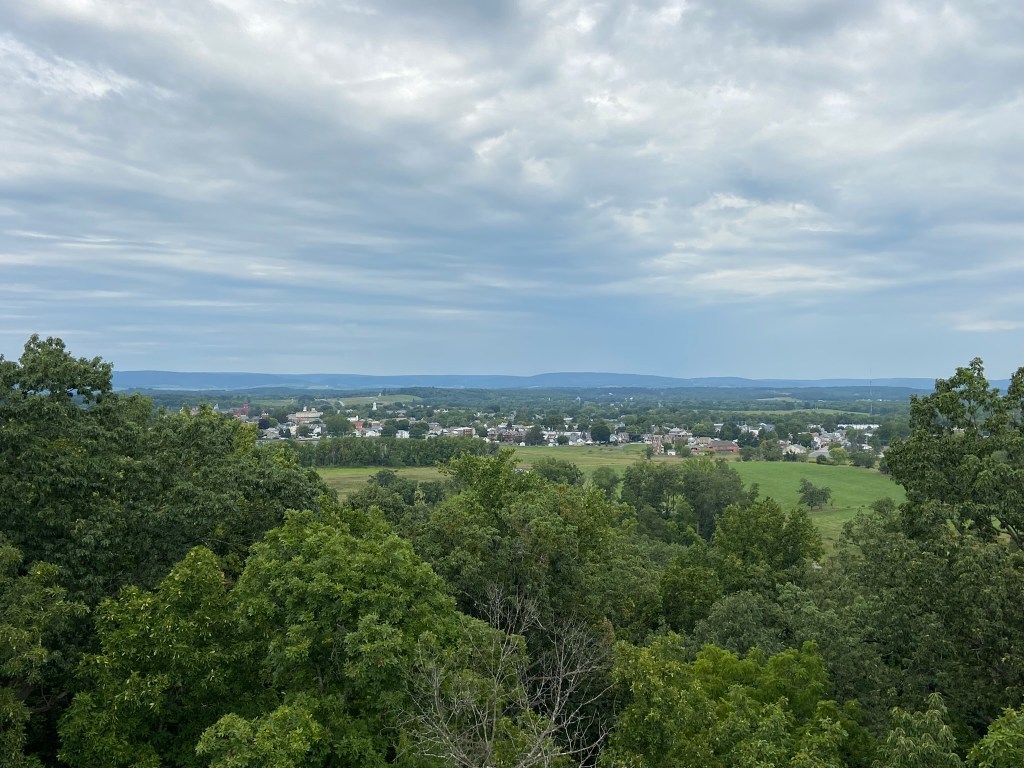
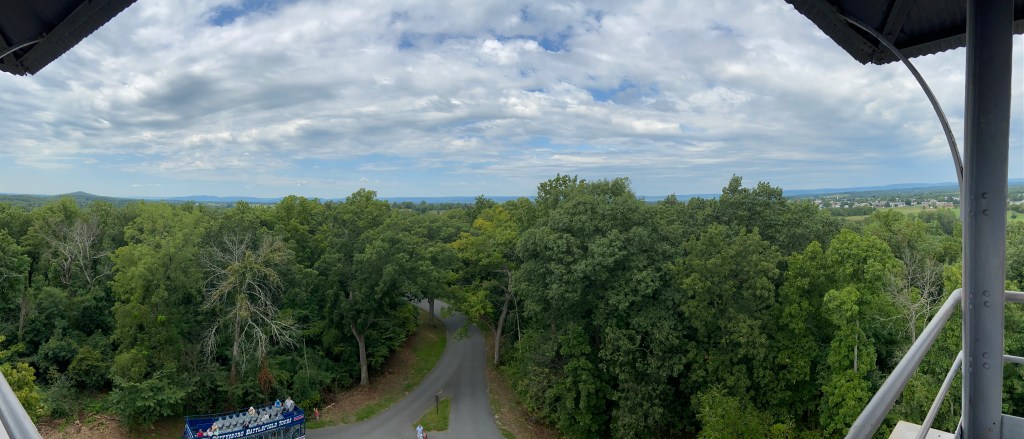
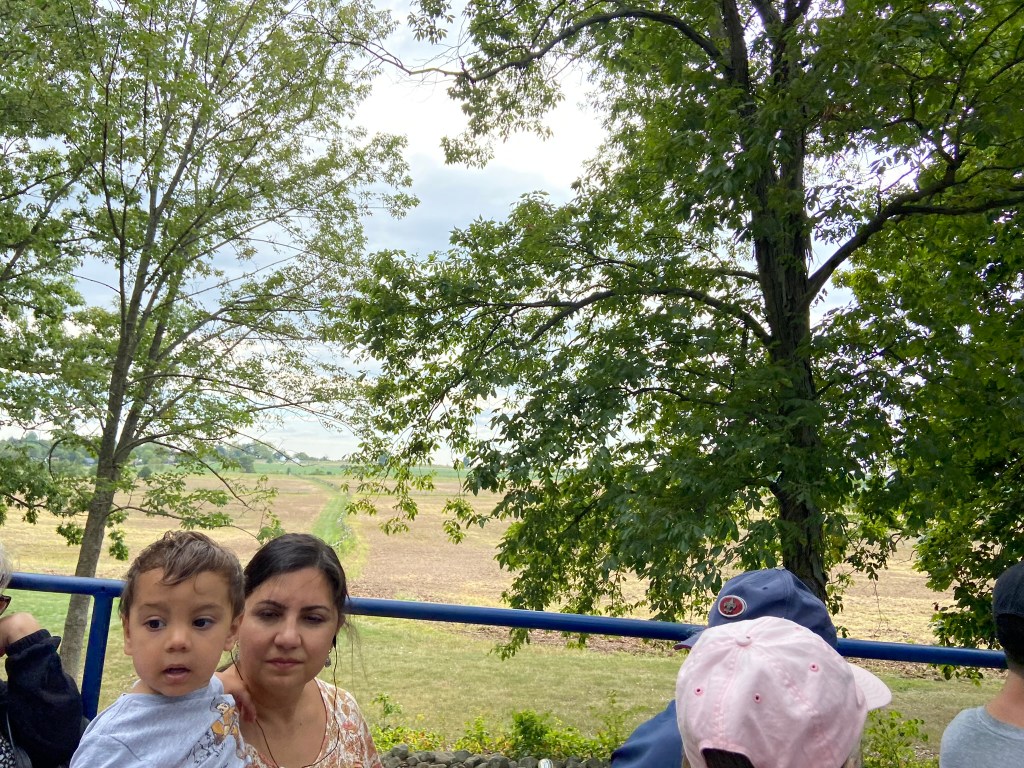
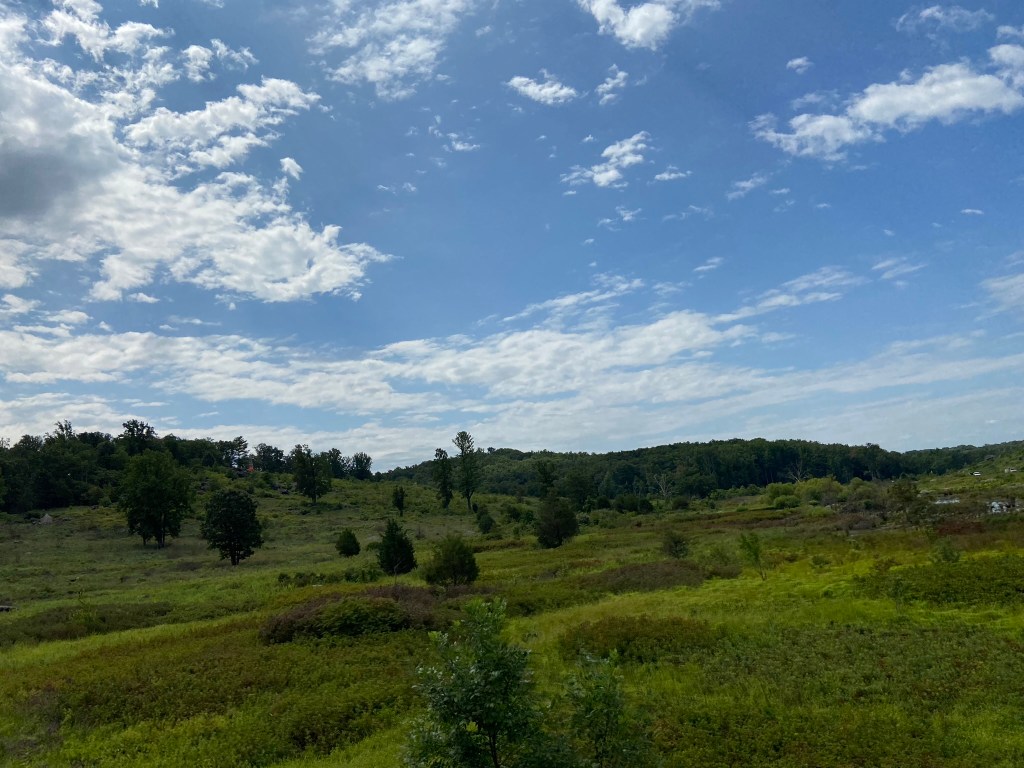
    We made our way to Culp’s Hill where we were allowed to exit the bus and climb a high tower that gave breathtaking views of the battlefield and the town of Gettysburg. On the tower are signs that highlight important landmarks on the battlefield.

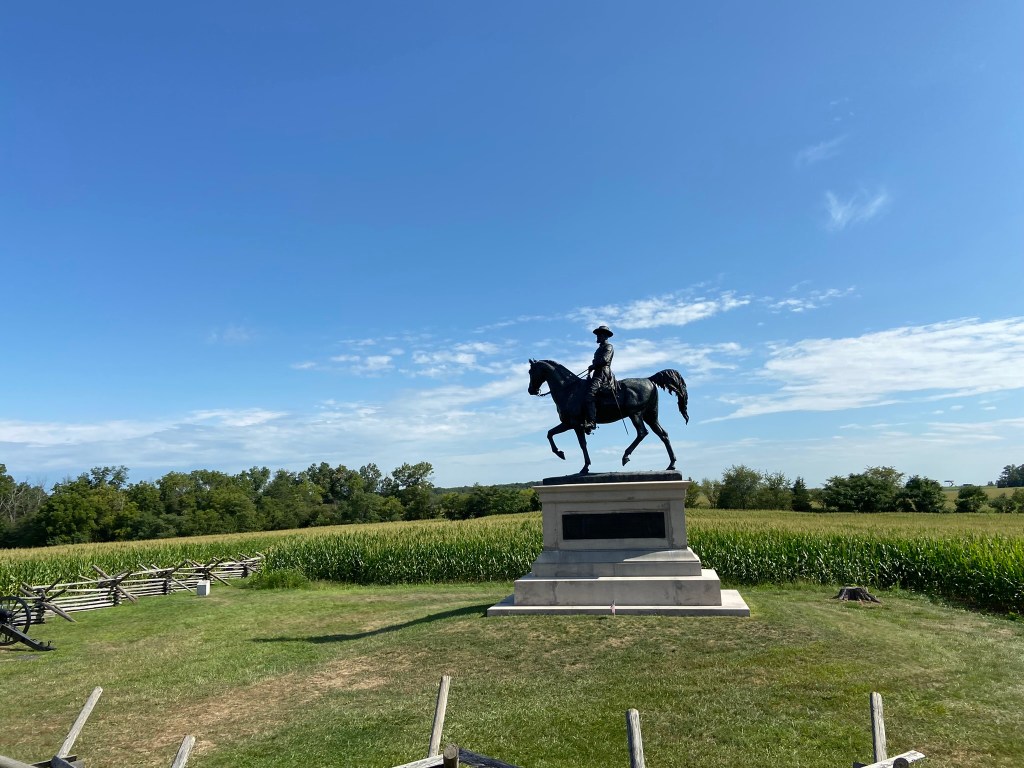
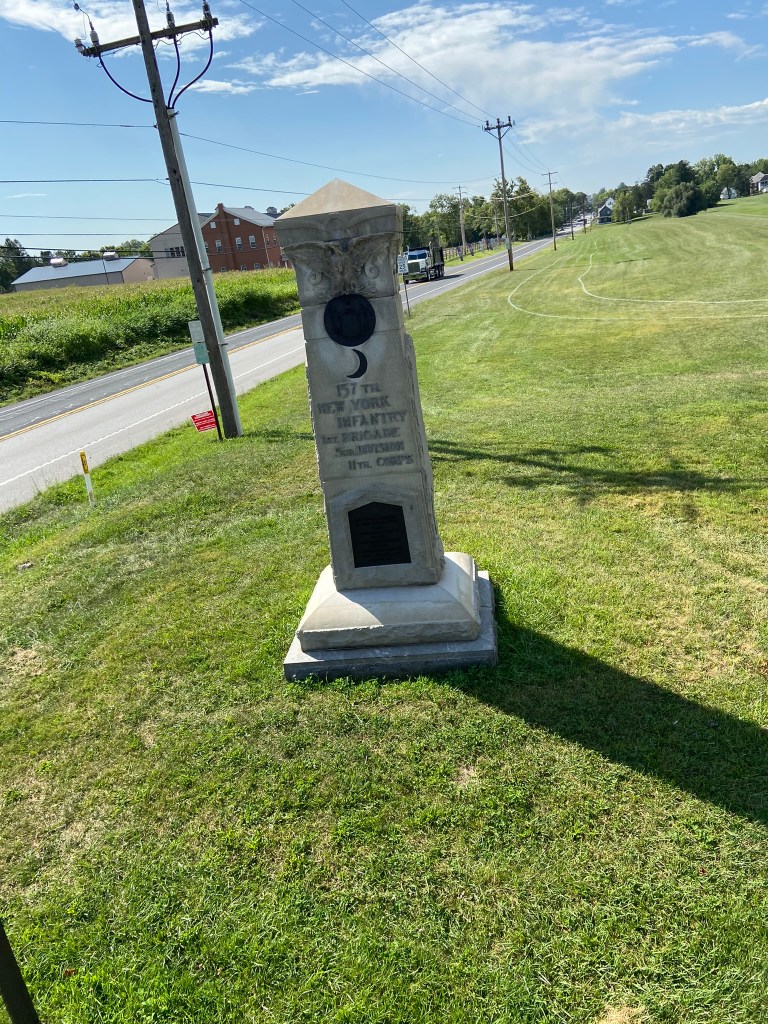
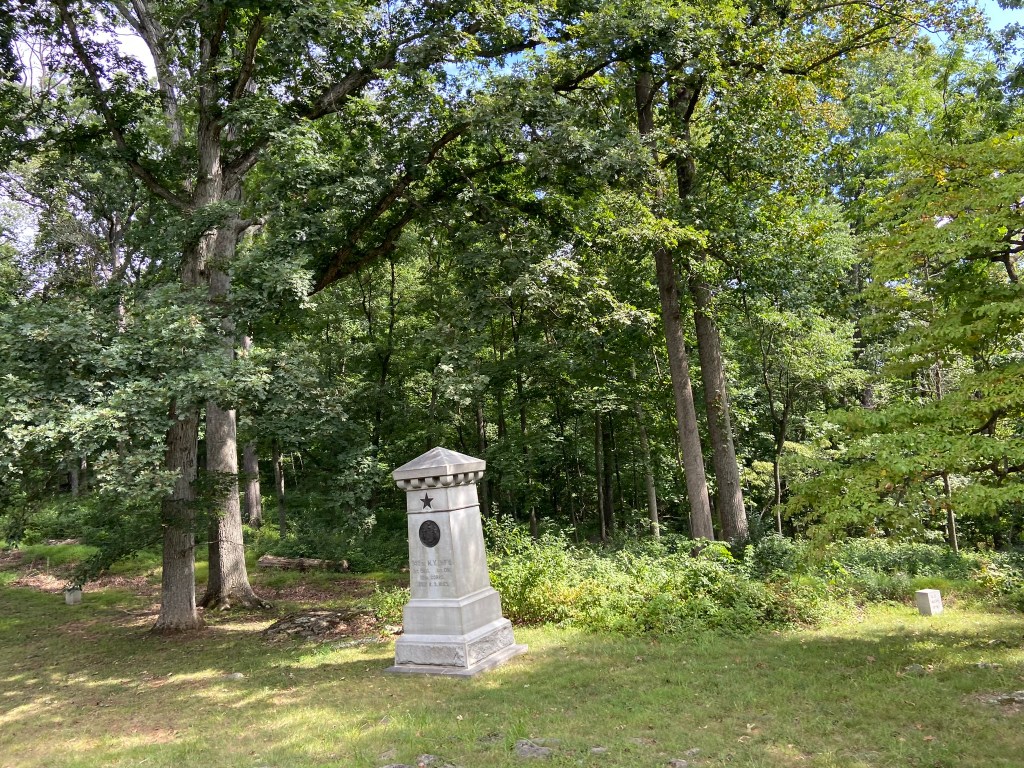
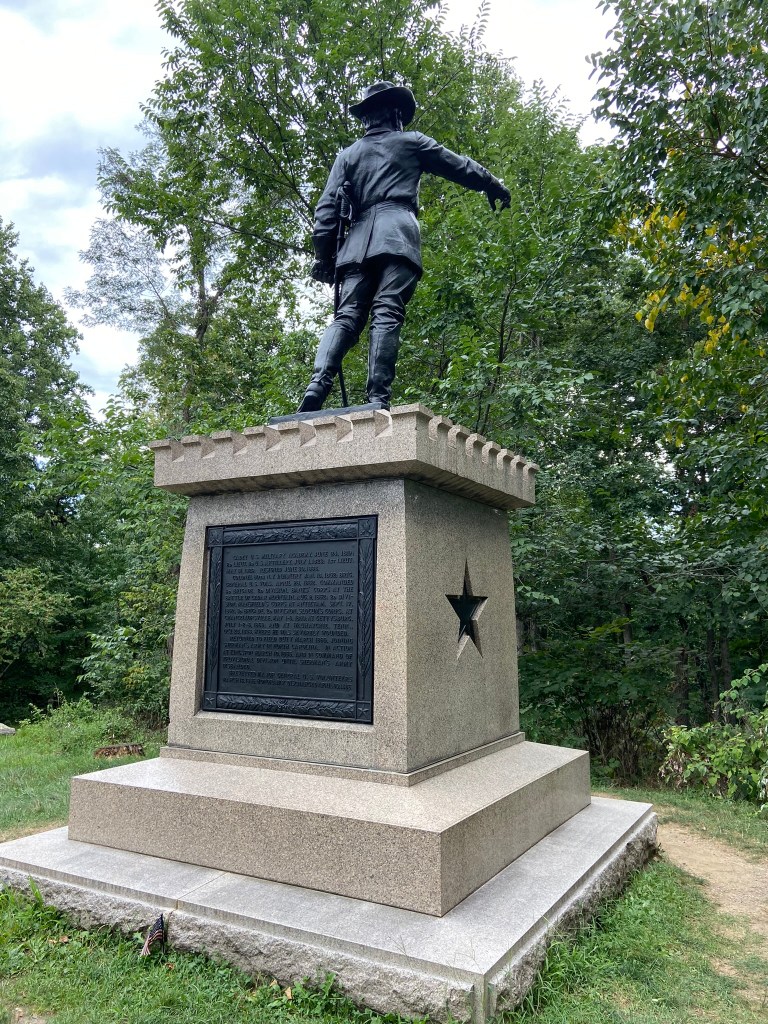
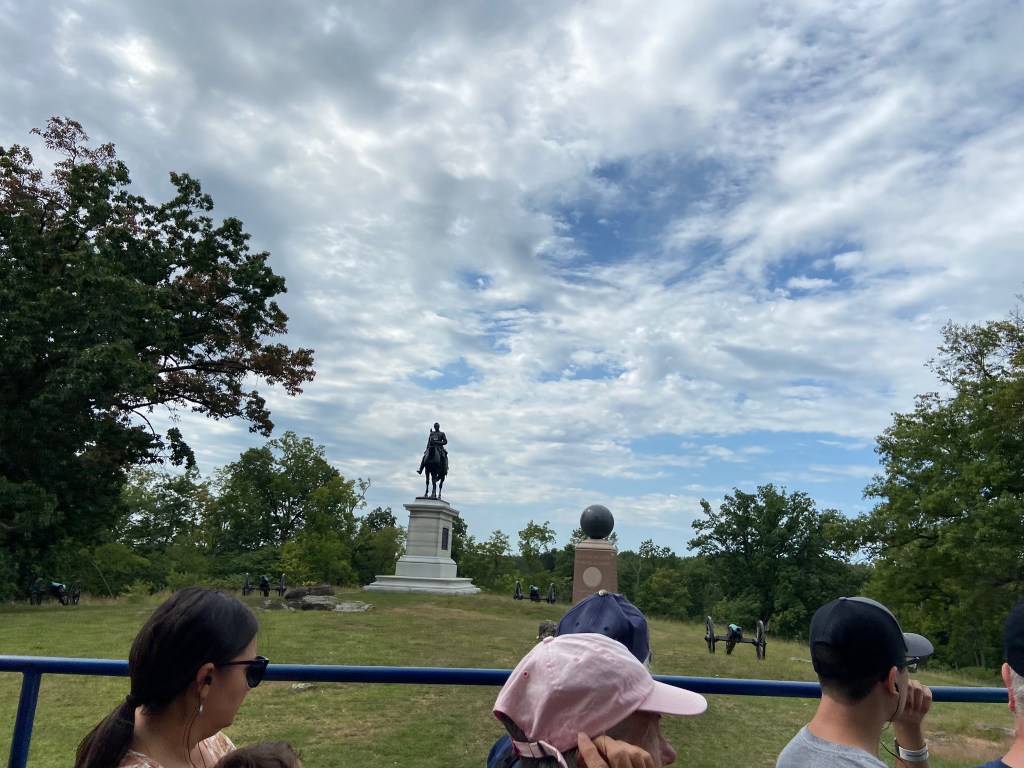
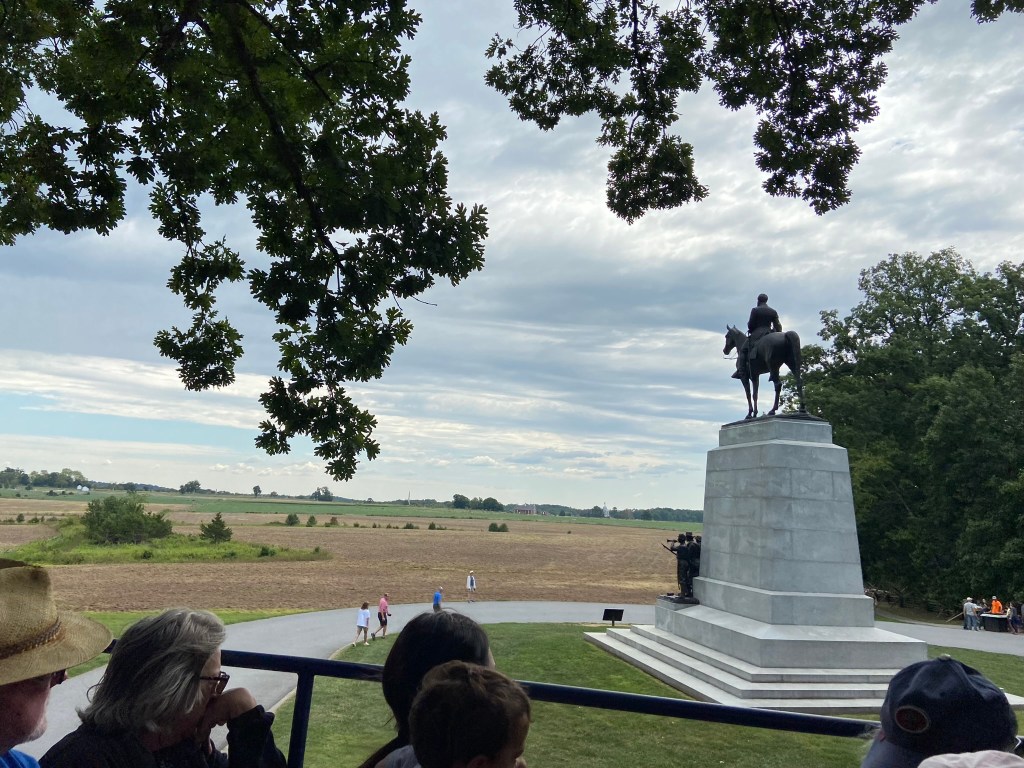
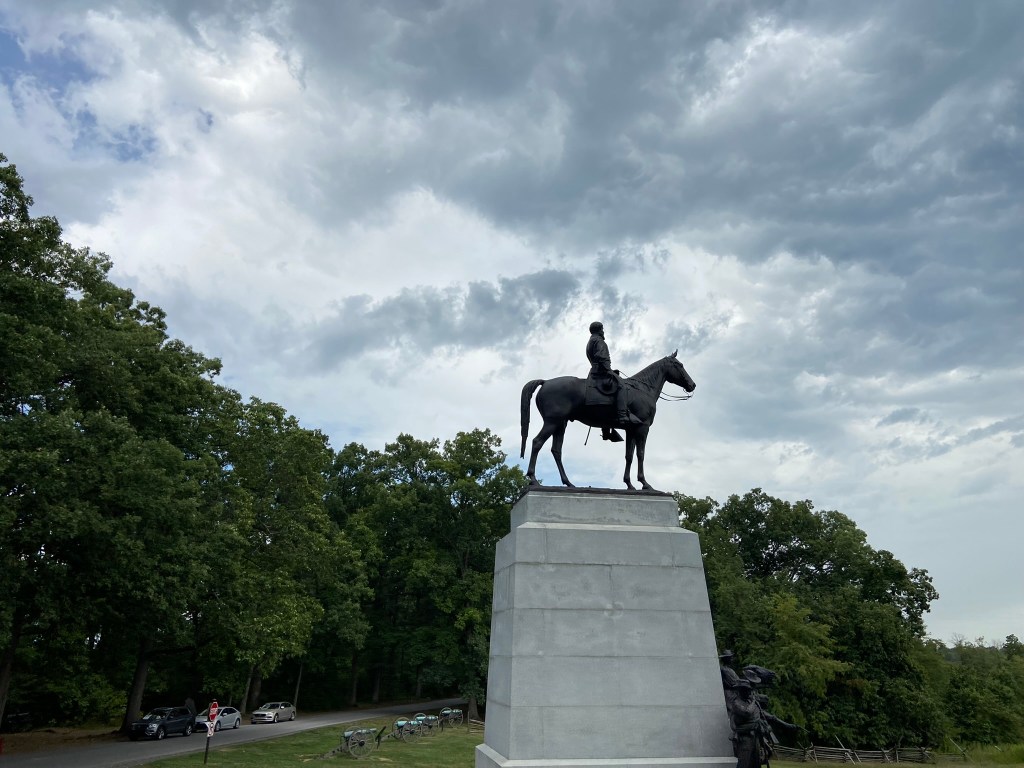
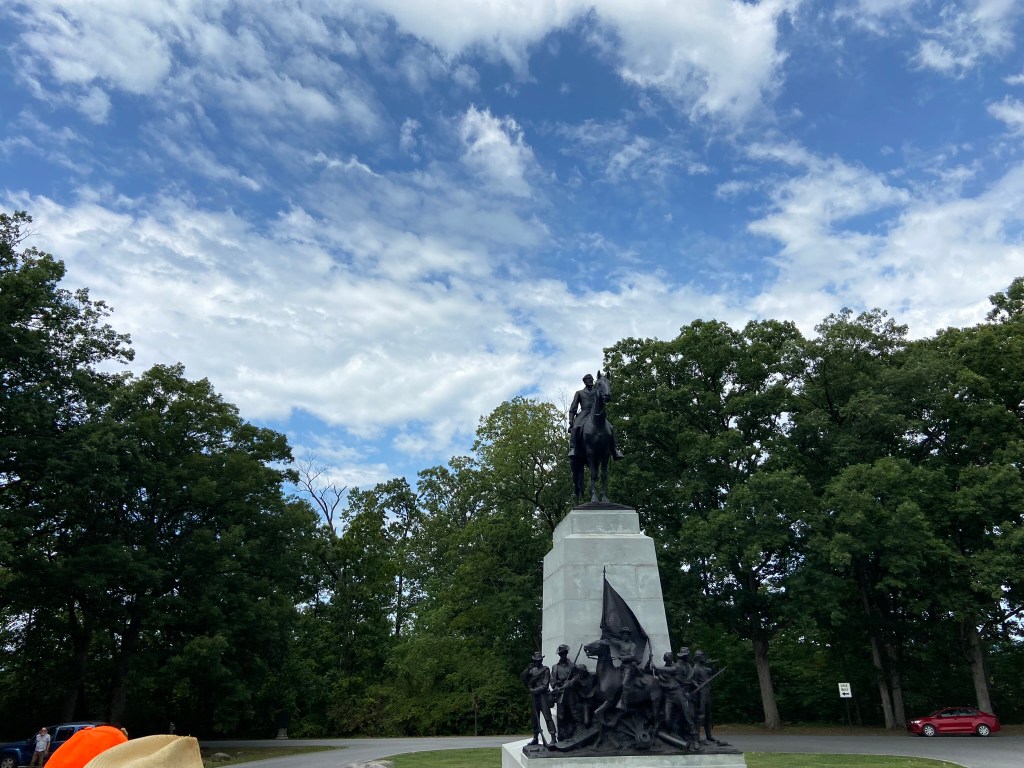
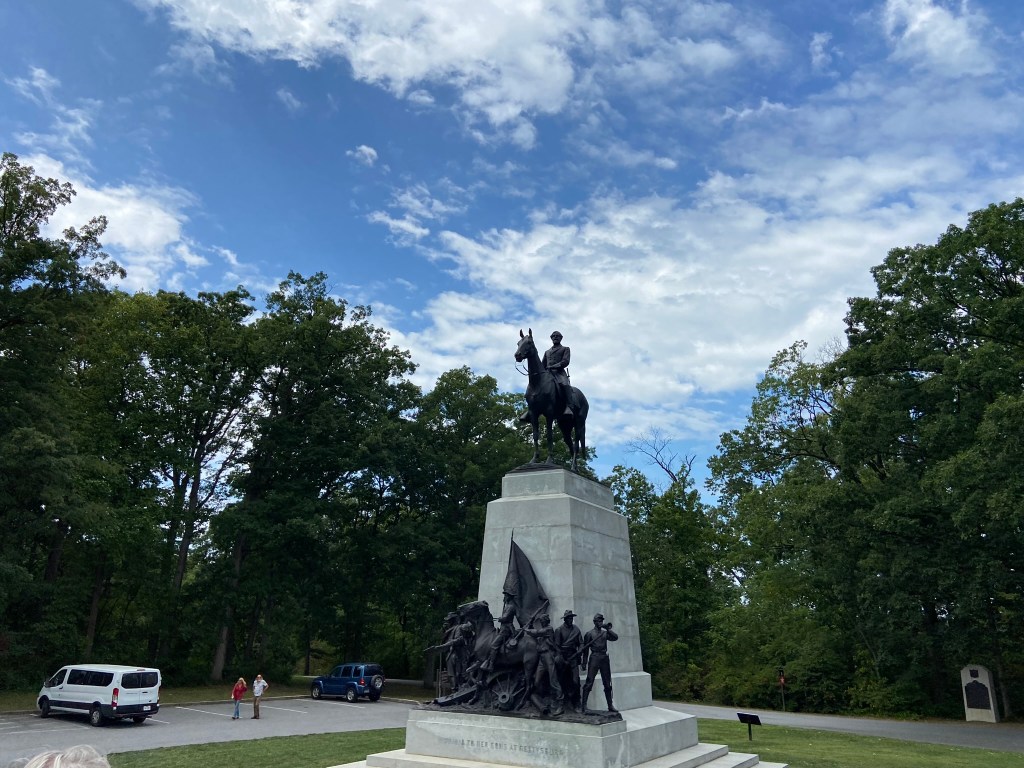
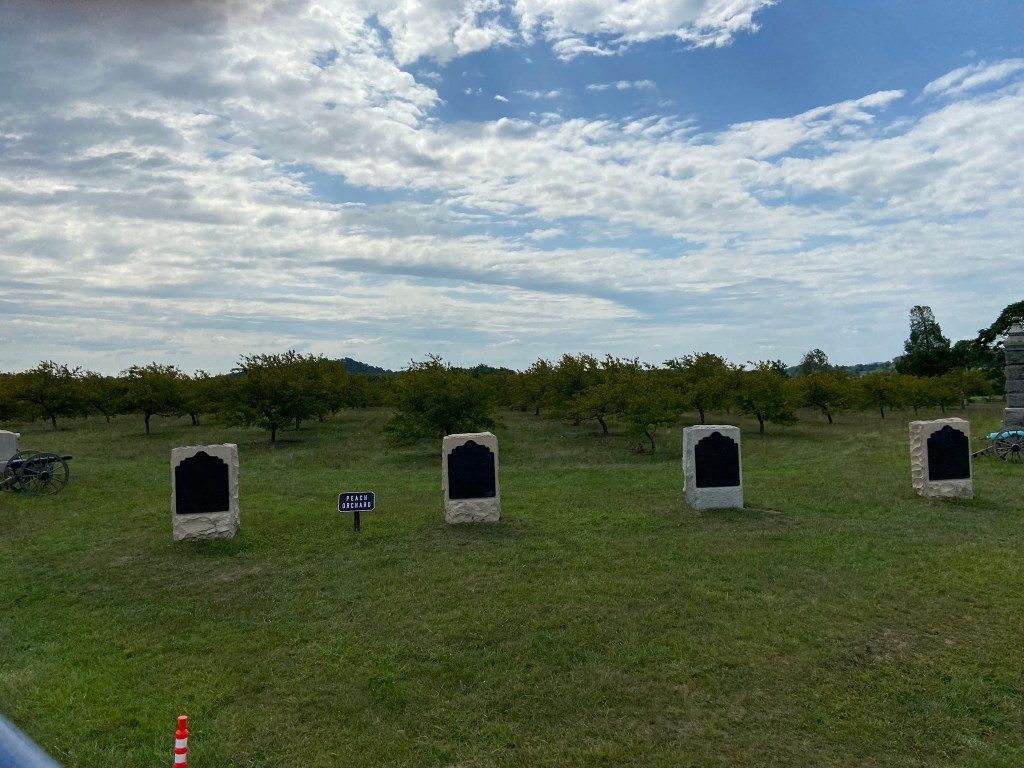
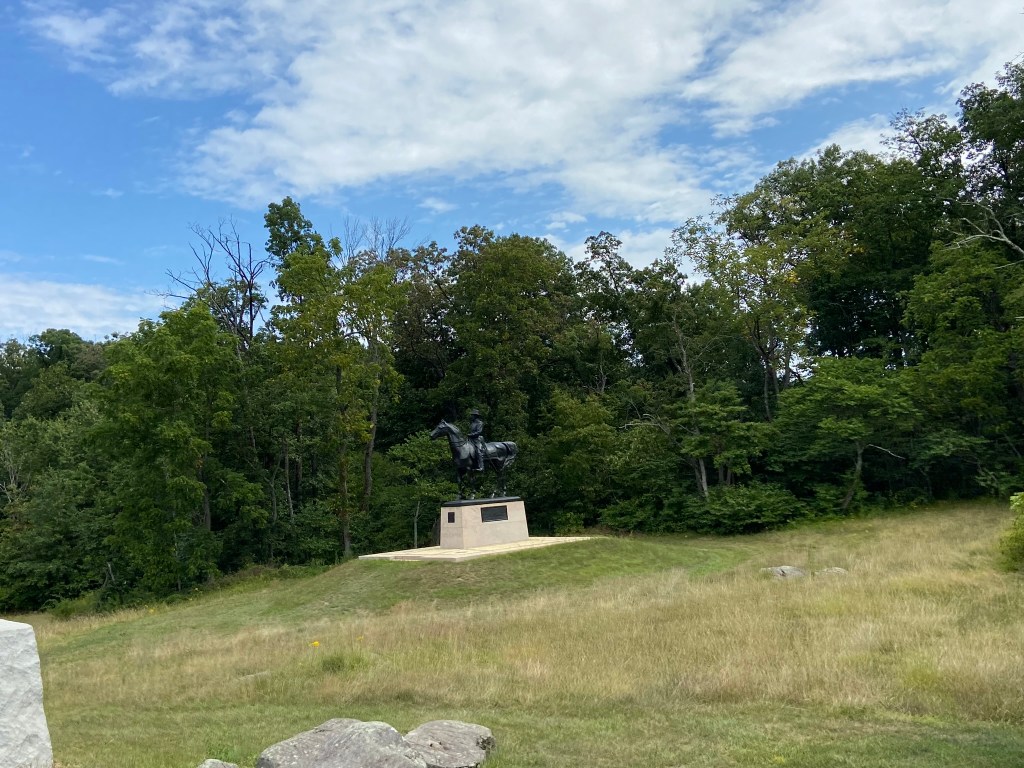
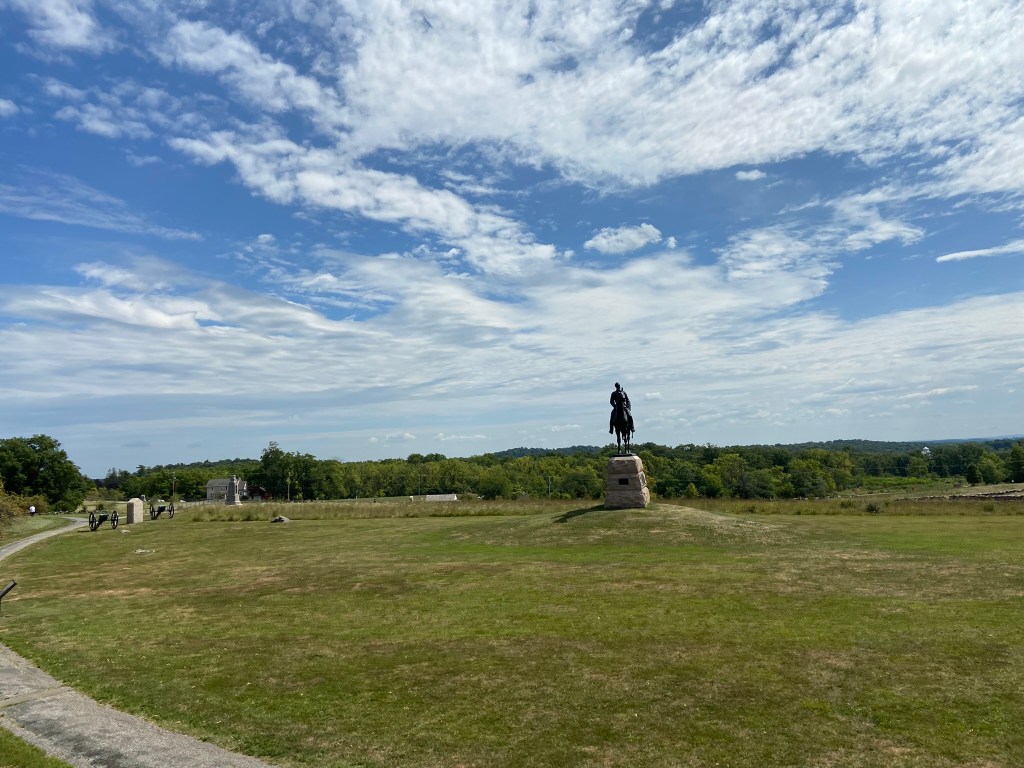
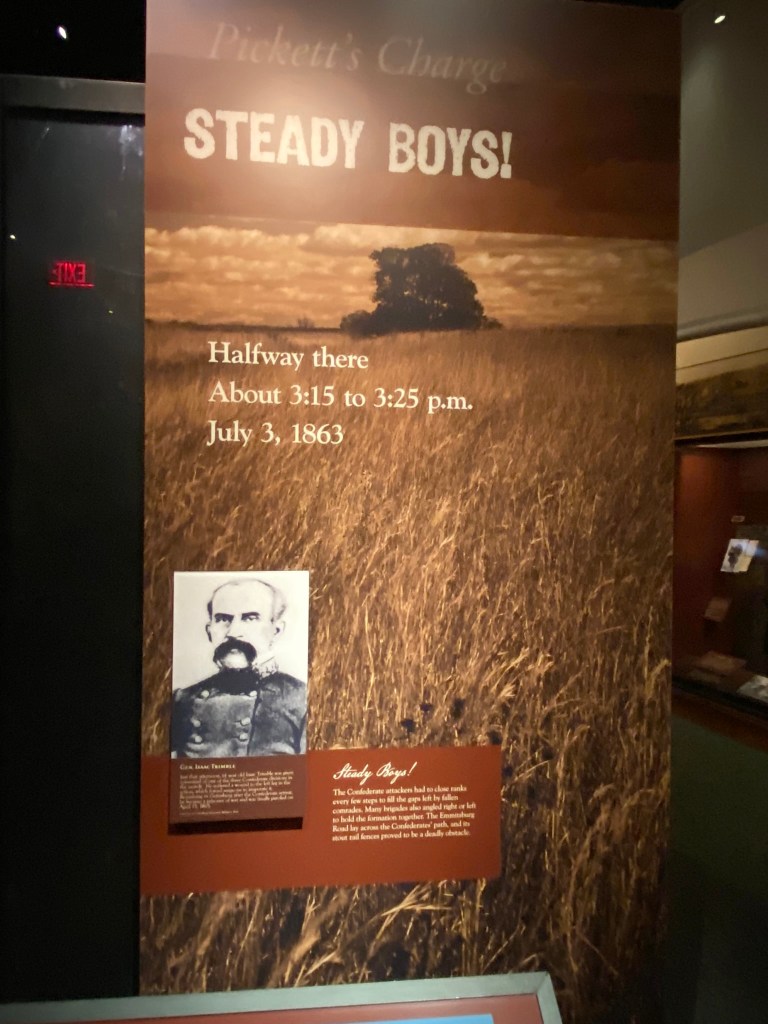
    After leaving Culp’s hill we made our way along Seminary Ridge, the point in which the Confederacy started their famous, failed, Pickett’s Charge. We saw the Virginia Monument and Robert E. Lee Statue. We made our way past the Peach Orchard.

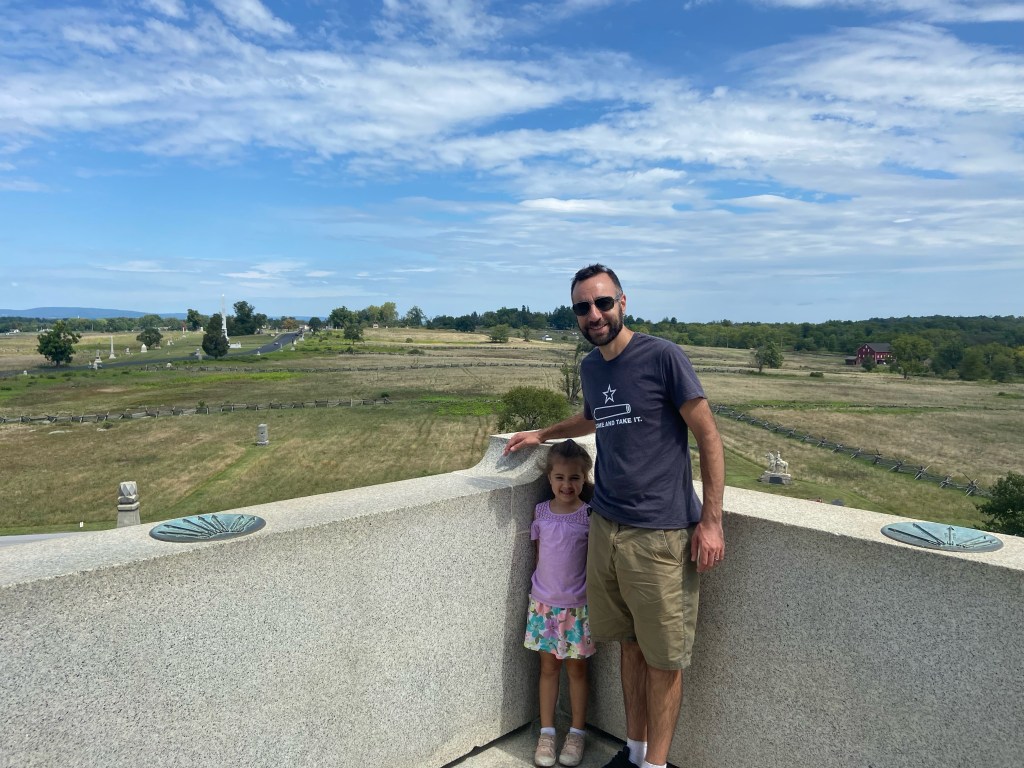
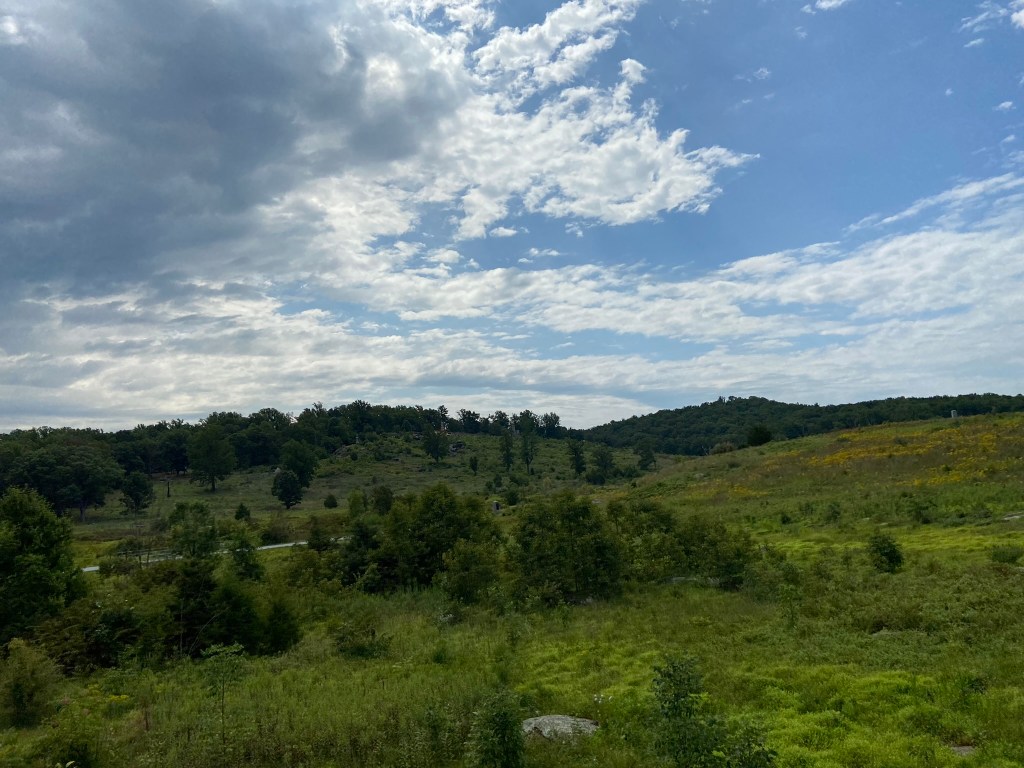
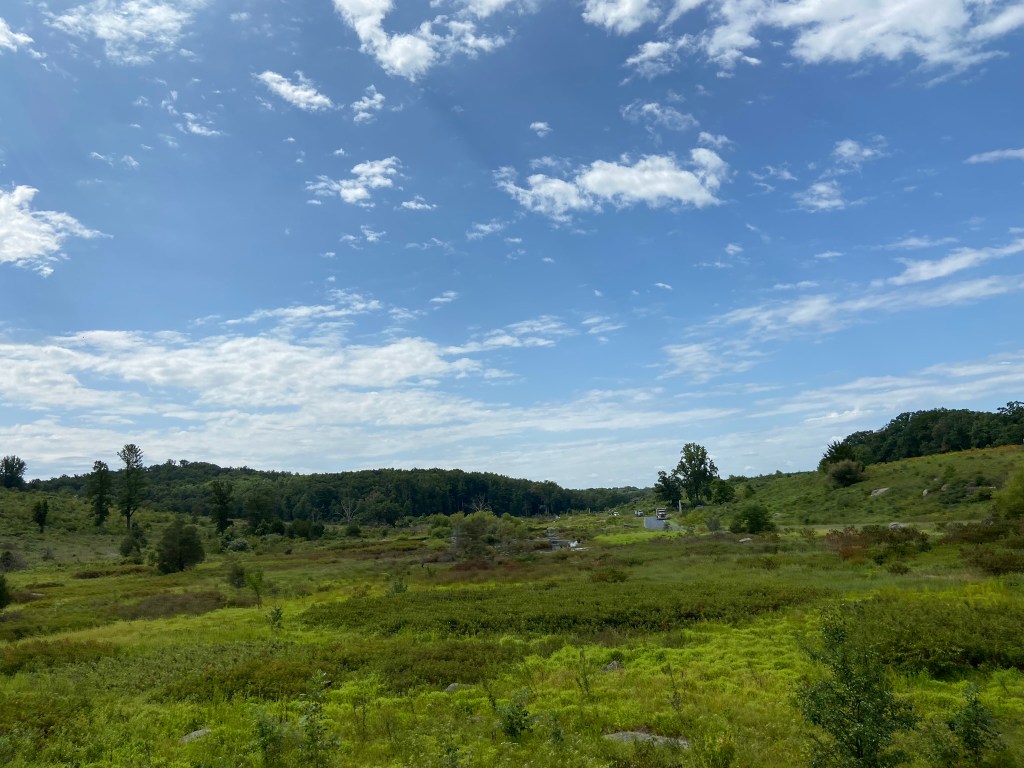
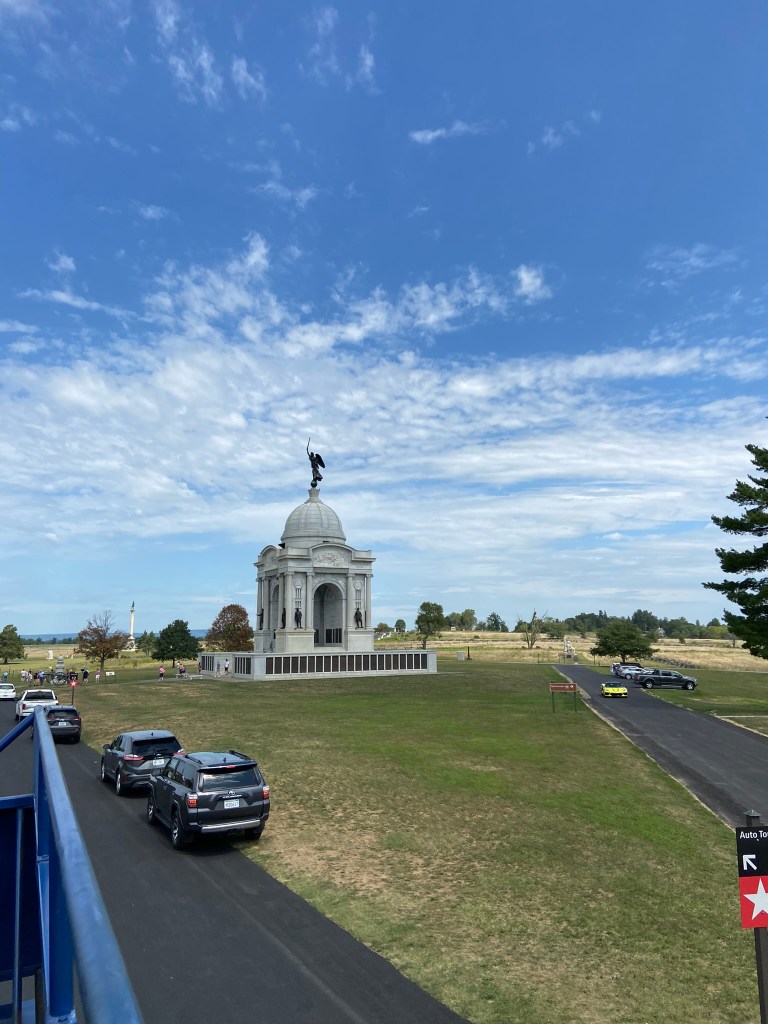
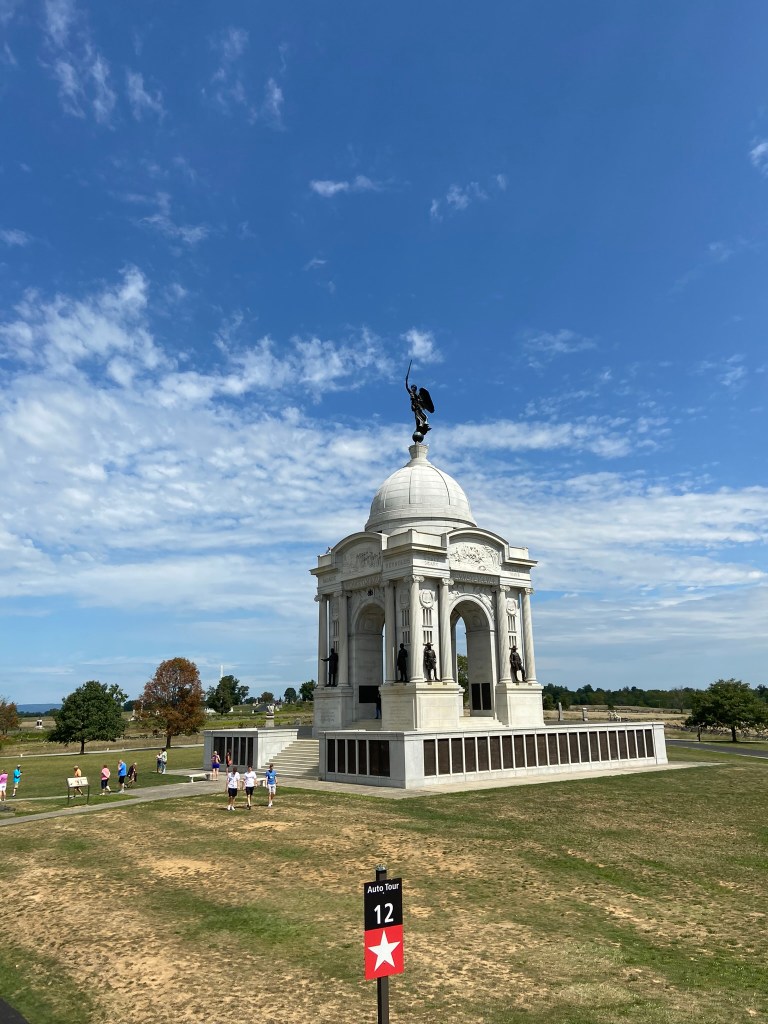
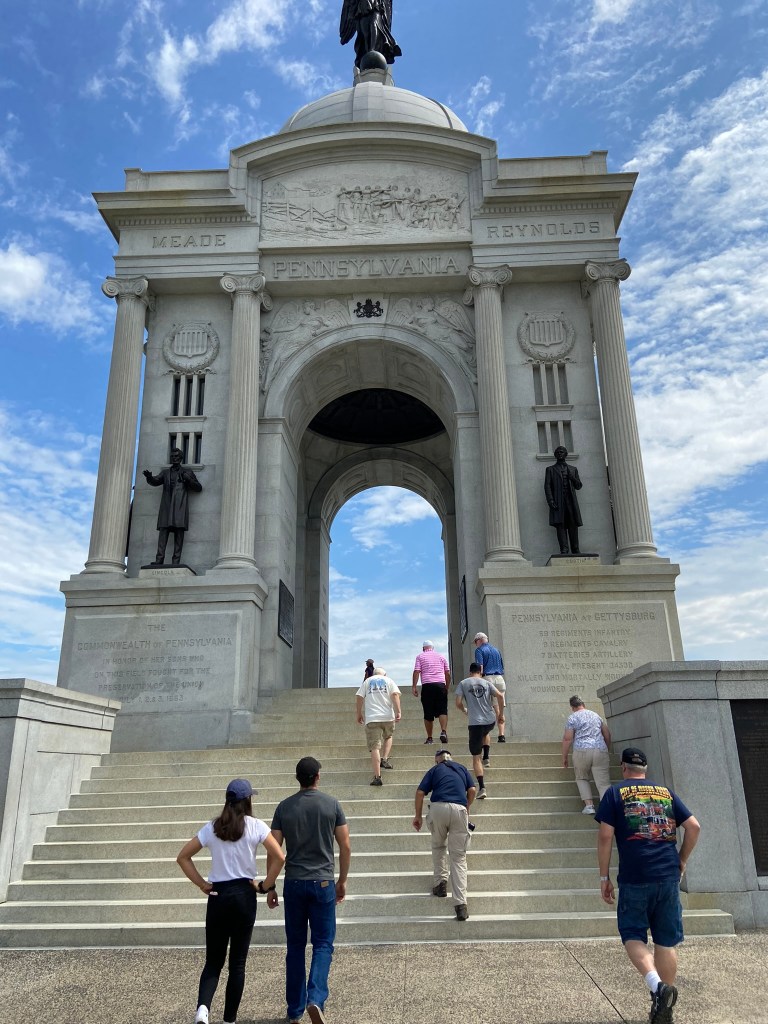
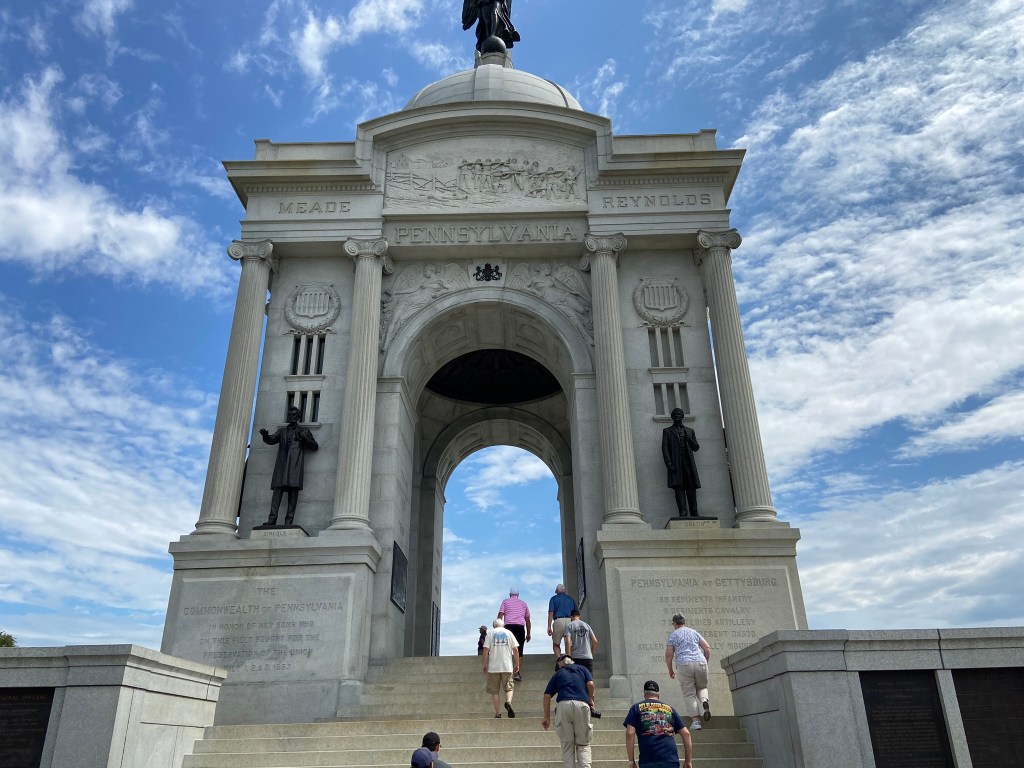
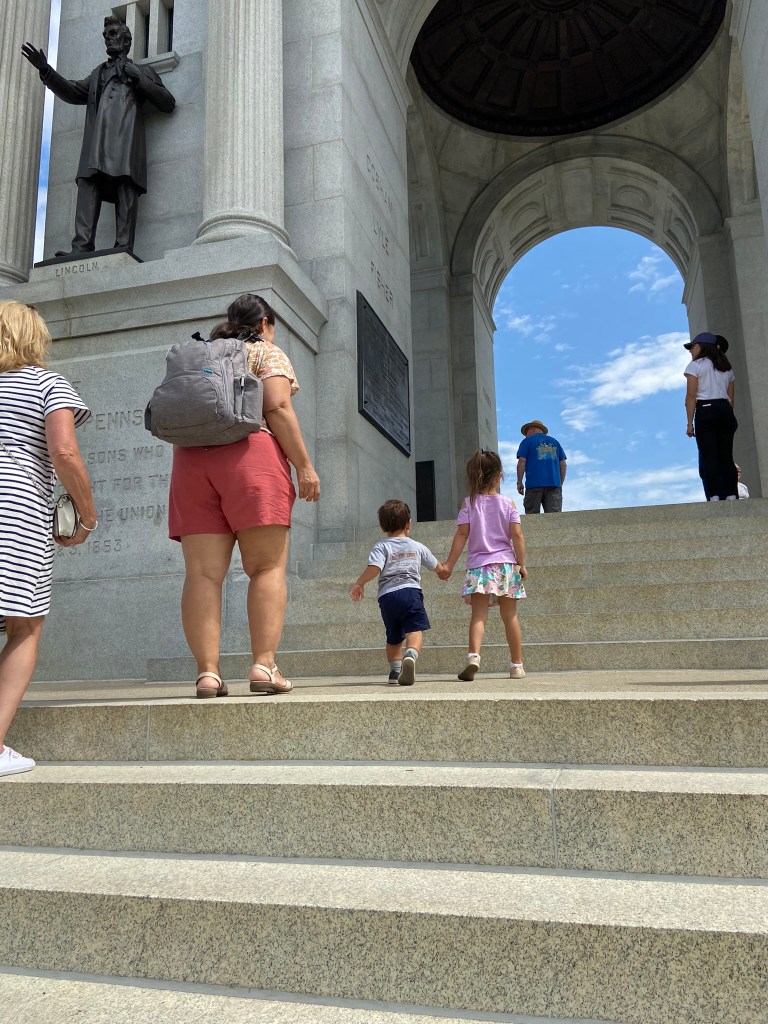
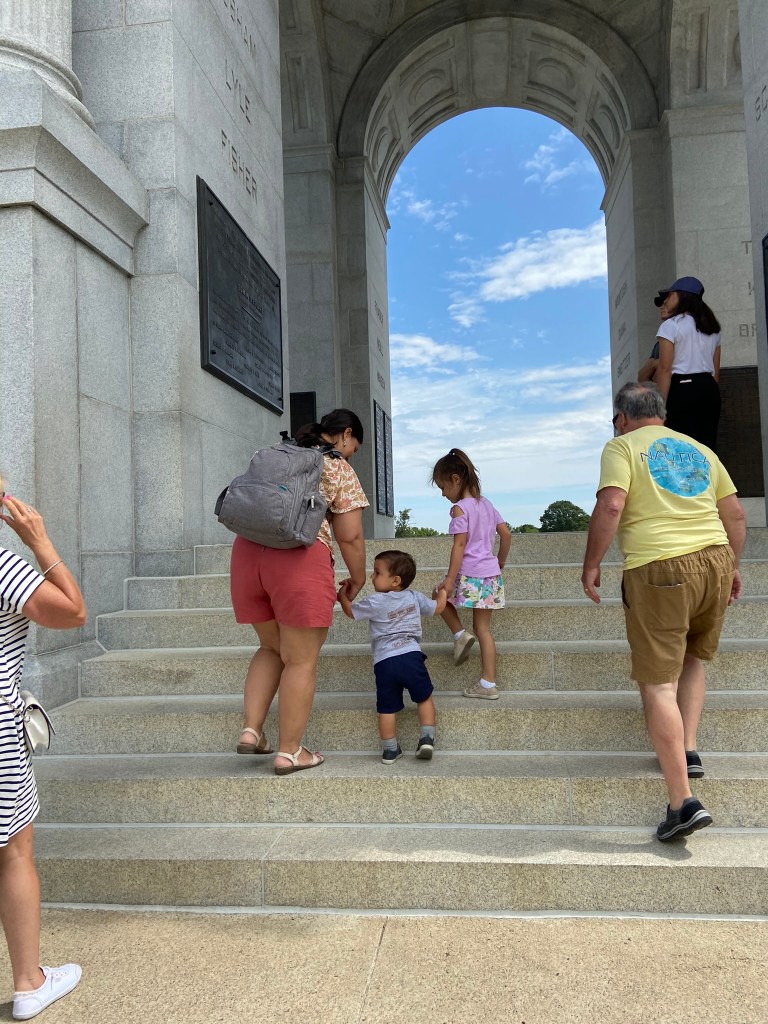
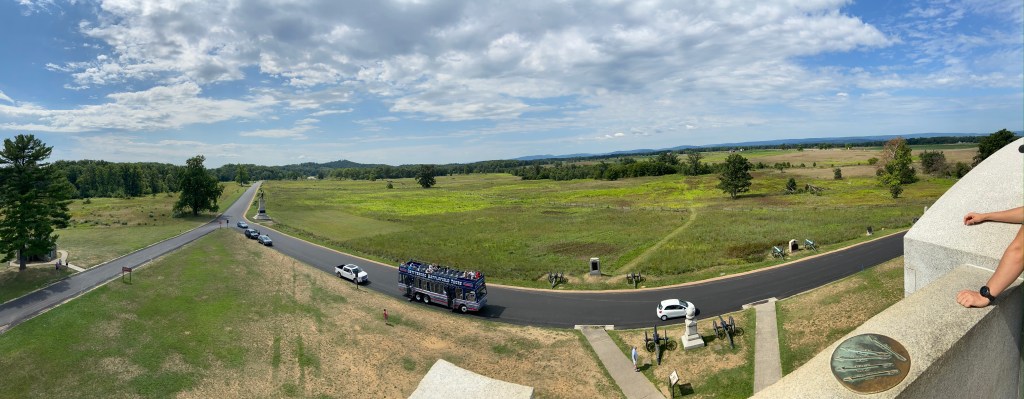
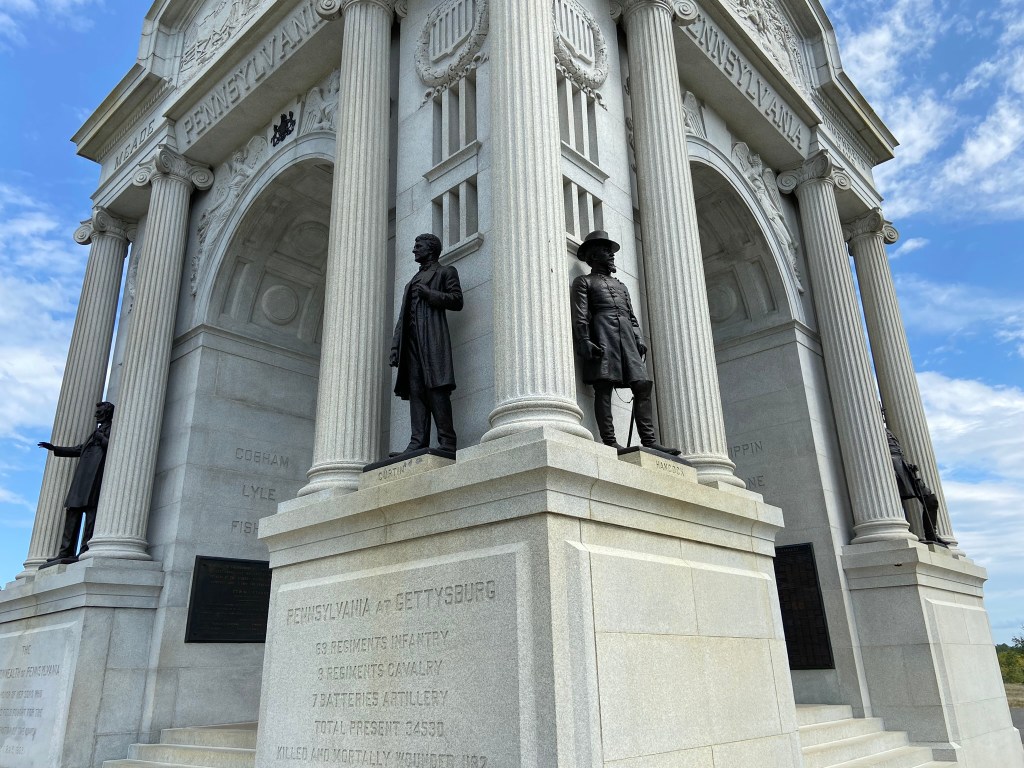
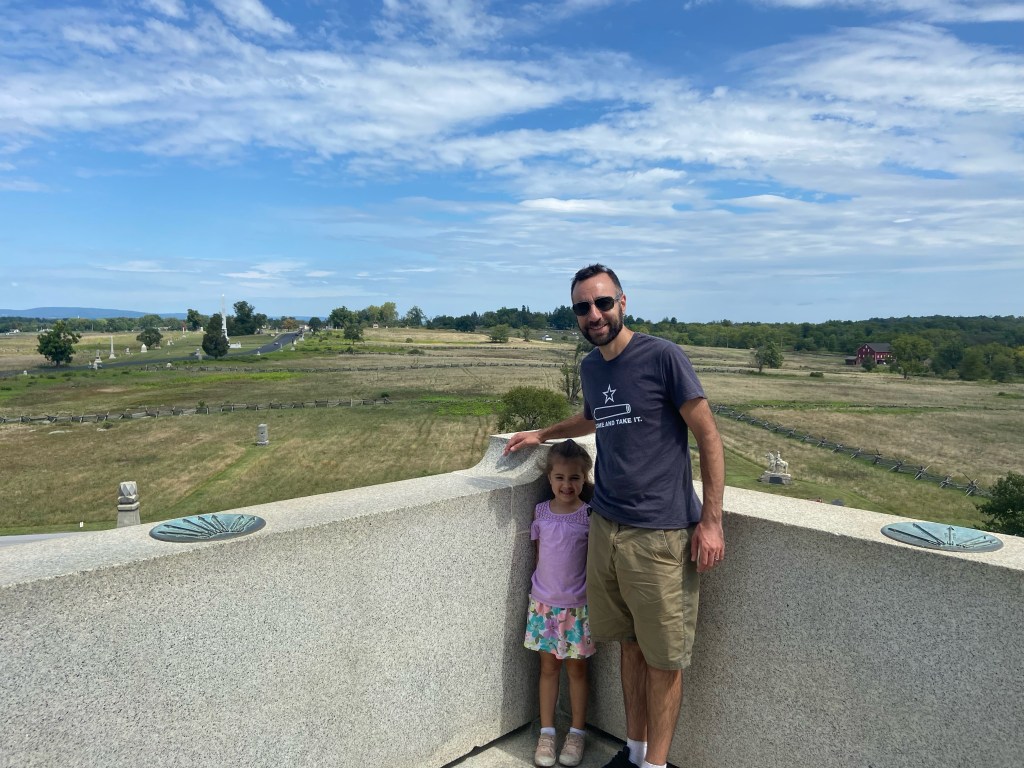
    We were not able to see Devil’s Den because of road paving, or Little Round Top which is closed due to the restoration project there. We were told that they are planning to re-open Little Round Top by Spring of 2024. I hope to go back soon and see the sites that were closed down. We drove along Cemetary Ridge and were able to exit the bus again to see the Pennsylvania Memorial which is the largest monument on the Gettysburg Battlefield. The monument honors and names the nearly 35,000 Pennsylvanians who fought in the battle. We were able to climb the stairs within the monument to stand on the top and see great views of the battlefield.

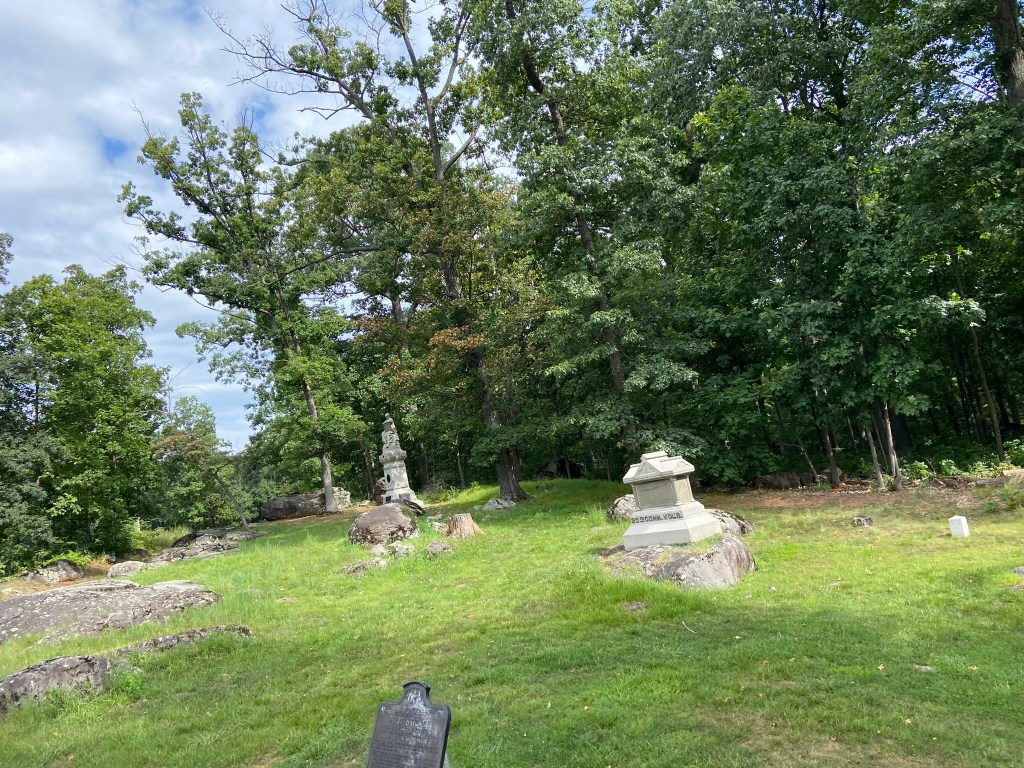
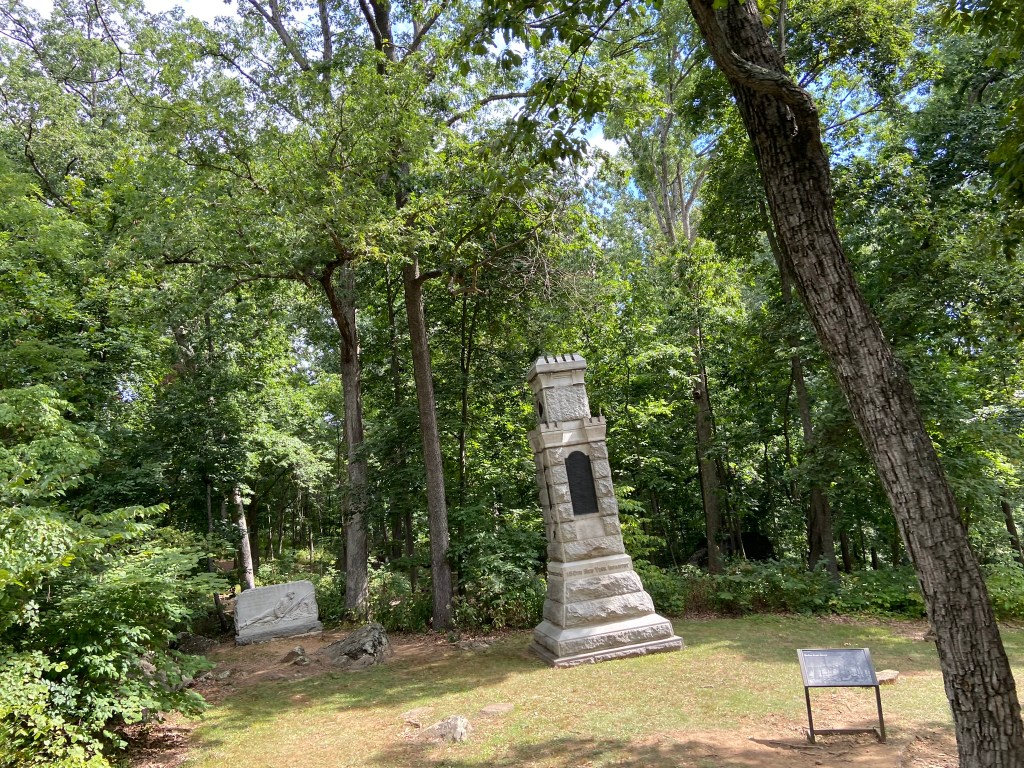
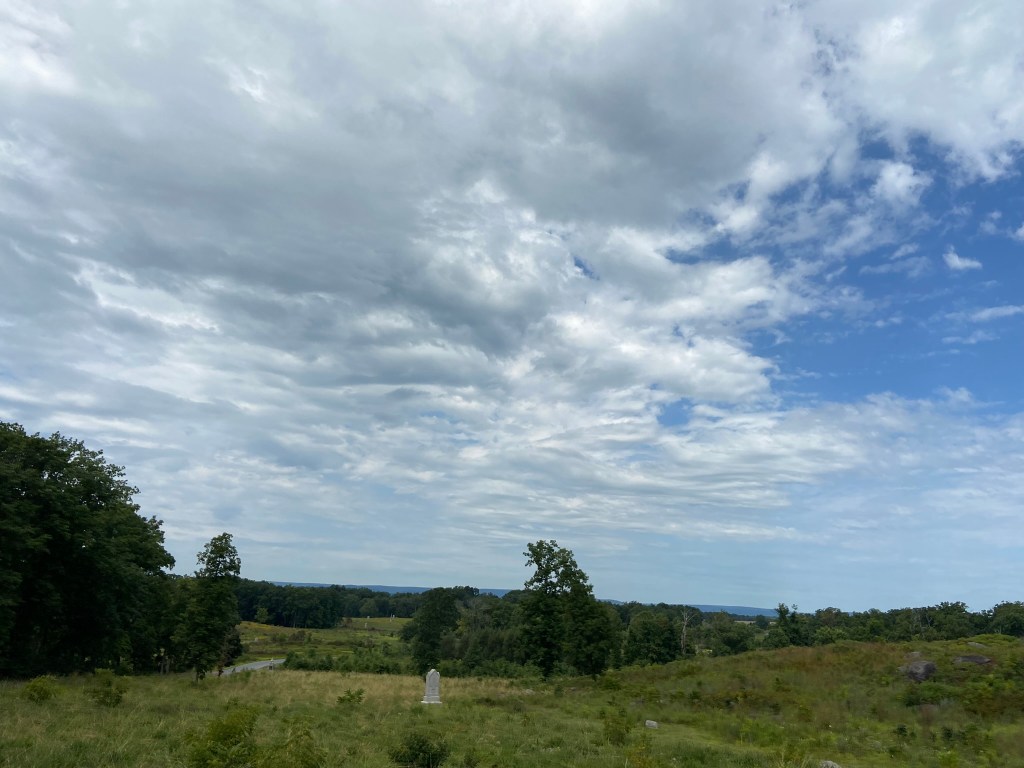
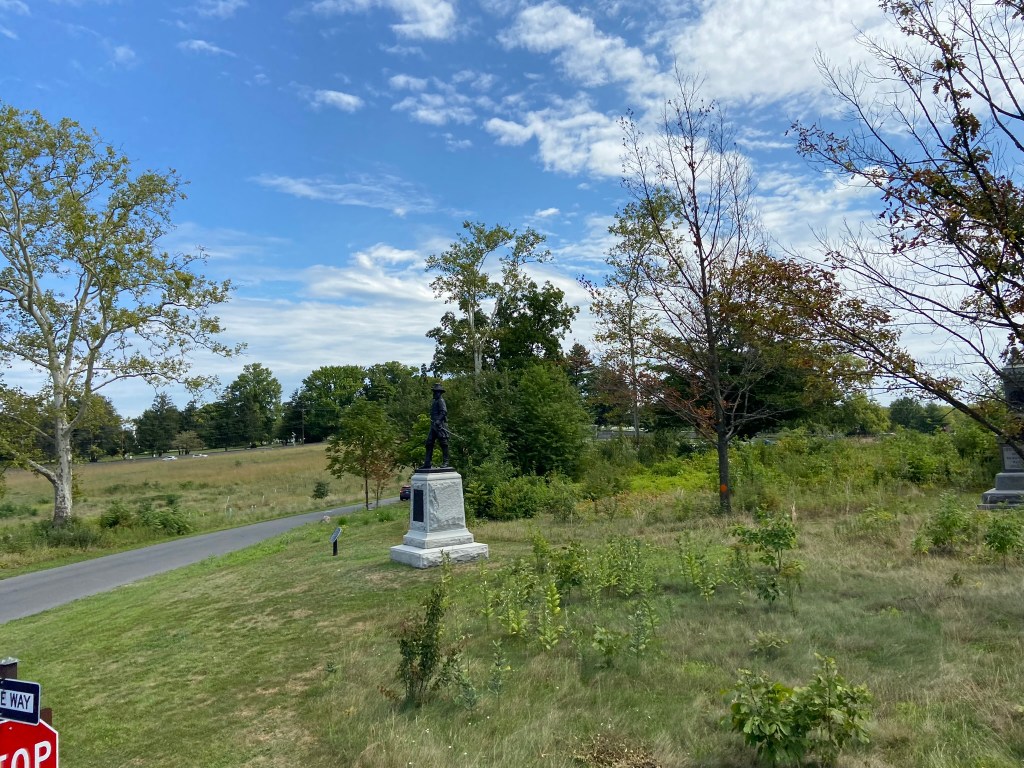
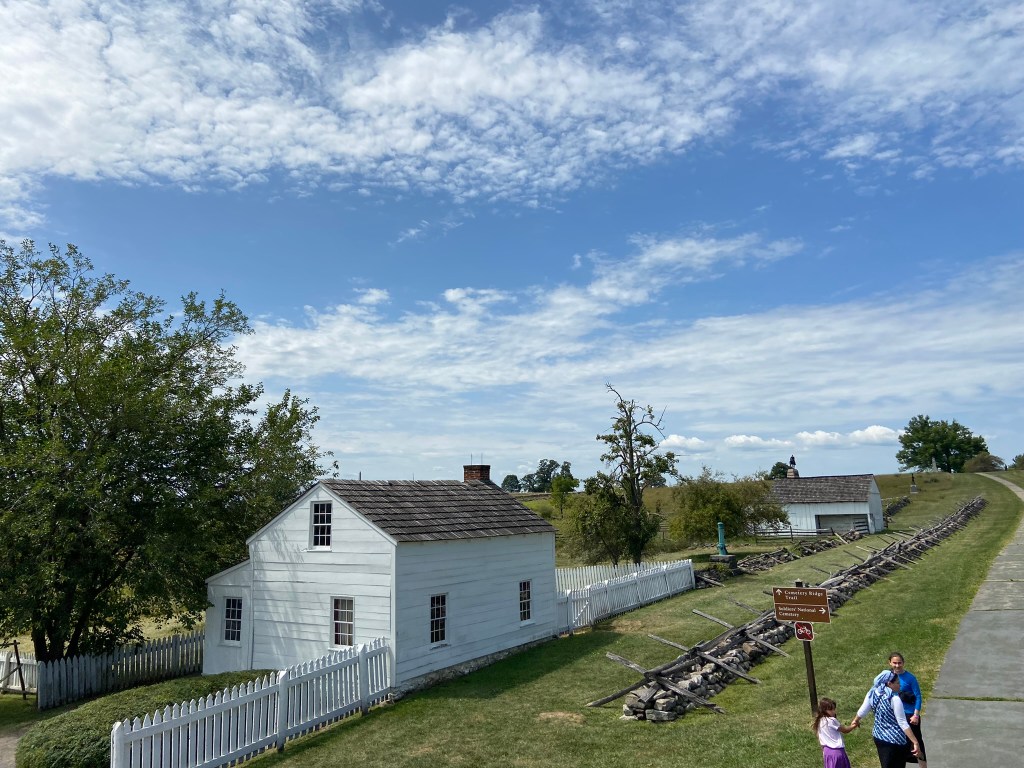
    We got back on the bus and continued to head up Cemetary Ridge and we saw the monuments and markers that made this site so significant to the battle, as this was the ground that the Union was holding throughout the second and third days of the battle, including during Pickett’s Charge. After the Union held the high ground and inflicted heavy casualties on the Confederacy at this site, the Confederate Army could not fully recover and was forced to retreat.

    After a two hour tour, we made our way back to where the bus tour began. I would highly recommend this bus tour and doing it on the double-decker bus. Of all of the sites that we saw in Gettysburg, this truly was the highlight. We were able to see these hallowed grounds first-hand, as well as the monuments and markers that honor those who fought in the battle. It was nice having a guide explaining all of the landmarks and features of the battlefield along with the history of the town of Gettysburg. For more informaton on Gettysburg Battlefield Tours check out- https://www.gettysburgbattlefieldtours.com/

    After we got off the bus, my family and I ate lunch at O’Rourke’s Family Eatery, a casual Irish restaurant, which is right around the corner from where the bus dropped us off. Check out their site here: https://www.ororkes.com/

    Gettysburg National Military Park and Museum

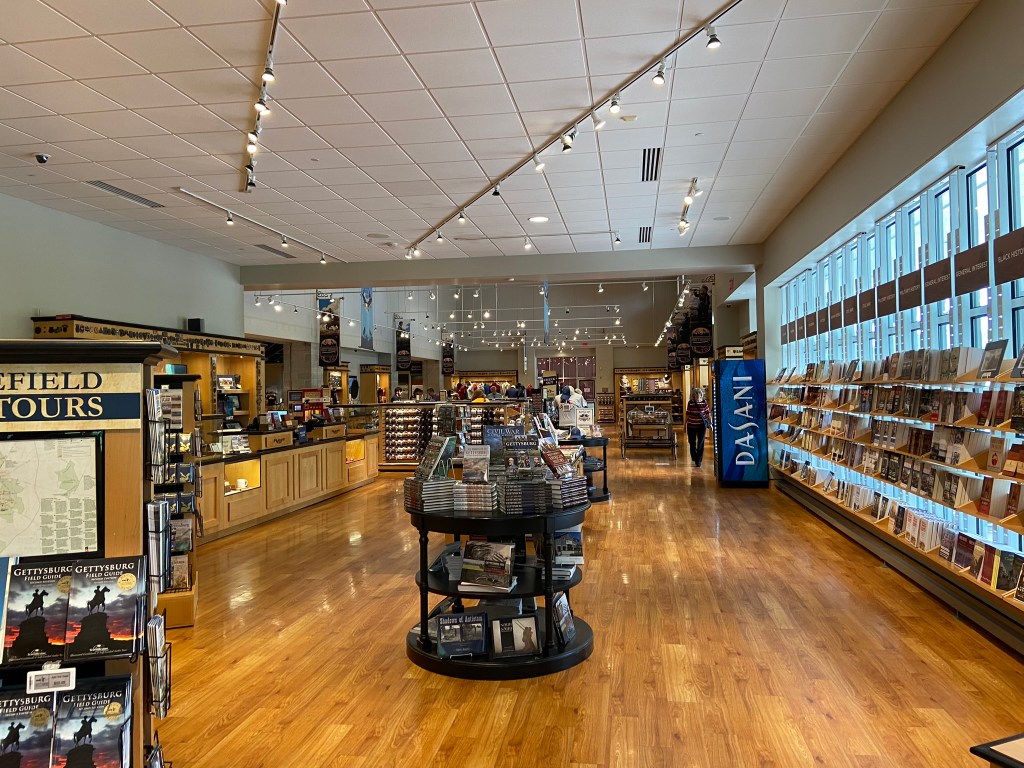
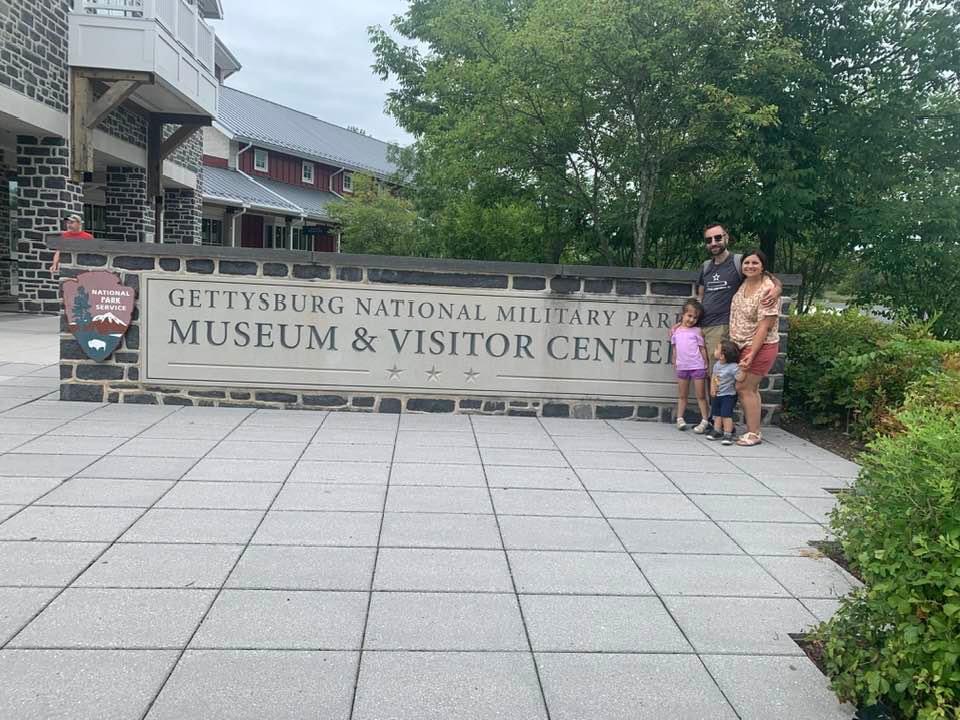
    After lunch, our next stop was the Gettysburg National Military Park and Museum. We got in our cars and made the 4 minute drive down the street. The visitor center is a beautiful building that has a huge bookstore. One thing I noticed is that T-shirts/ sweatshirts are much more expensive here than in the smaller shops in town. I’d hold off on buying souvenirs until you make it back to those smaller shops.

    “A New Birth of Freedom”

    I bought the family tickets for $19 per adult which includes entry to the musuem, a 20 minute film in a theater, and a viewing of the Cyclorama (which I explain below). The family and I first watched the film entiteld “A New Birth of Freedom” in the theater which was entertaining and informative. Narrated by none other than Morgan Freeman, the film discussed the tensions in the country leading up to the Civil War, the start of hostilities and the importance of the Battle of Gettysburg. It emphasized the fact that at stake in the Battle of Gettysburg and the Civil War was the freedom of the 4 million slaves in bondage in the country.

    Cyclorama

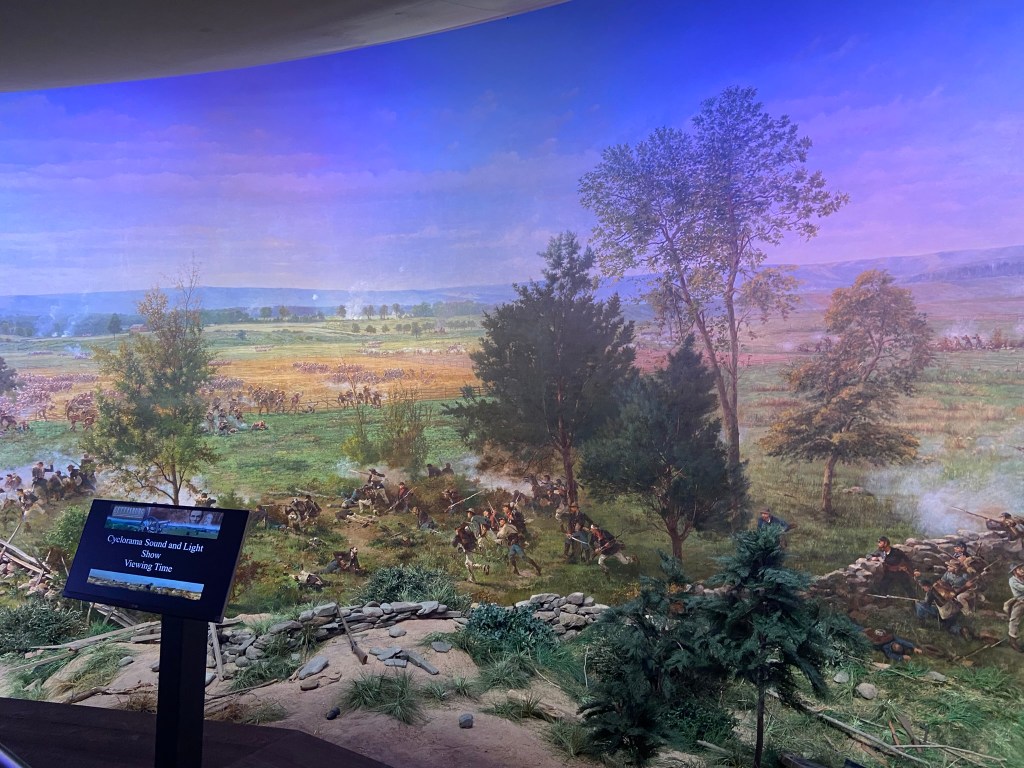
    After the 20 minute film we were taken to see the Cyclorama, which you have see to believe just how incredible it is. The Cyclorama is a 360 degree painting of the battle of Gettysburg that surrounds you and depicts the third day of battle during Pickett’s Charge. There is a short demonstration that takes place with a narrator, highlighting different scenes from the battle. The Gettysburg Cyclorama is 377 feet long, 42 feet high, and weighs 12.5 tons. The canvas was painted by French artist Paul Phillppoteaux and it opened to the public in Chicago in 1883. Pictures do not do the Cyclorama justice. You must go see for yourself. (https://www.nps.gov/gett/learn/historyculture/cyclorama.htm)

    Gettysburg Museum of the American Civil War

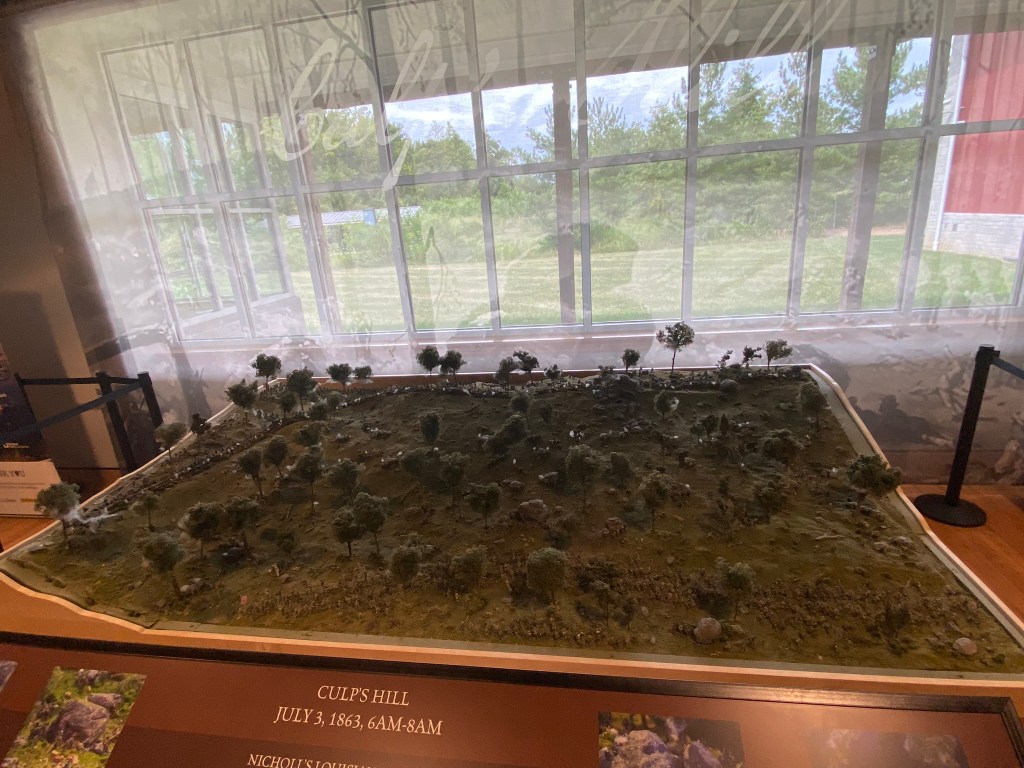
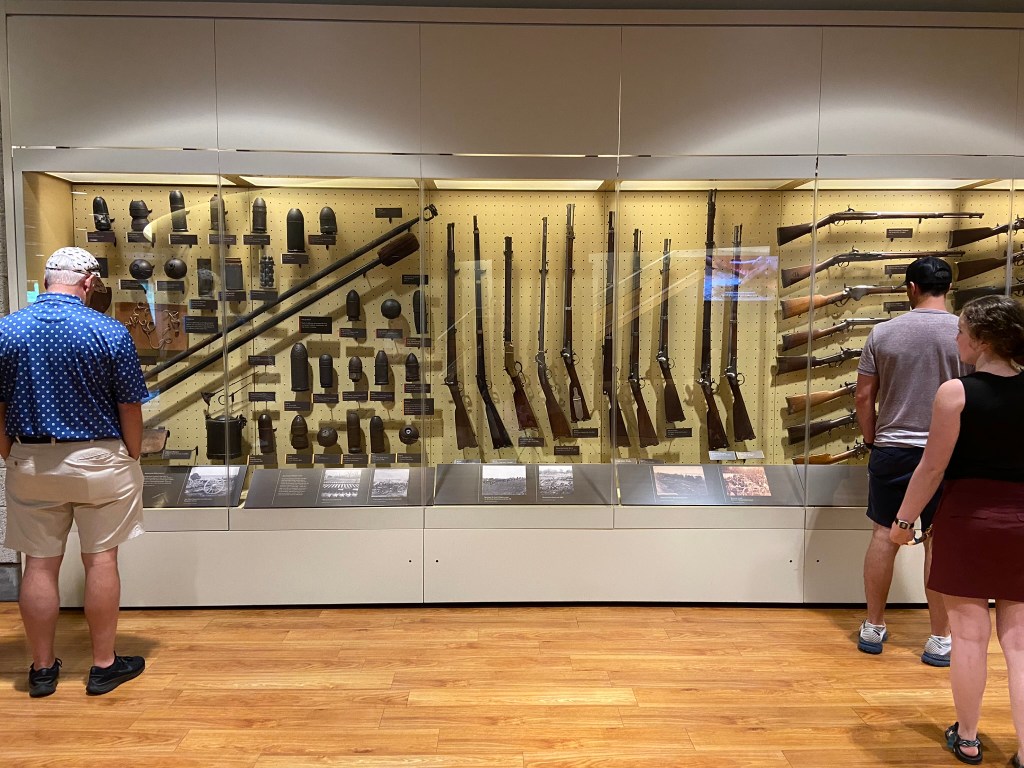
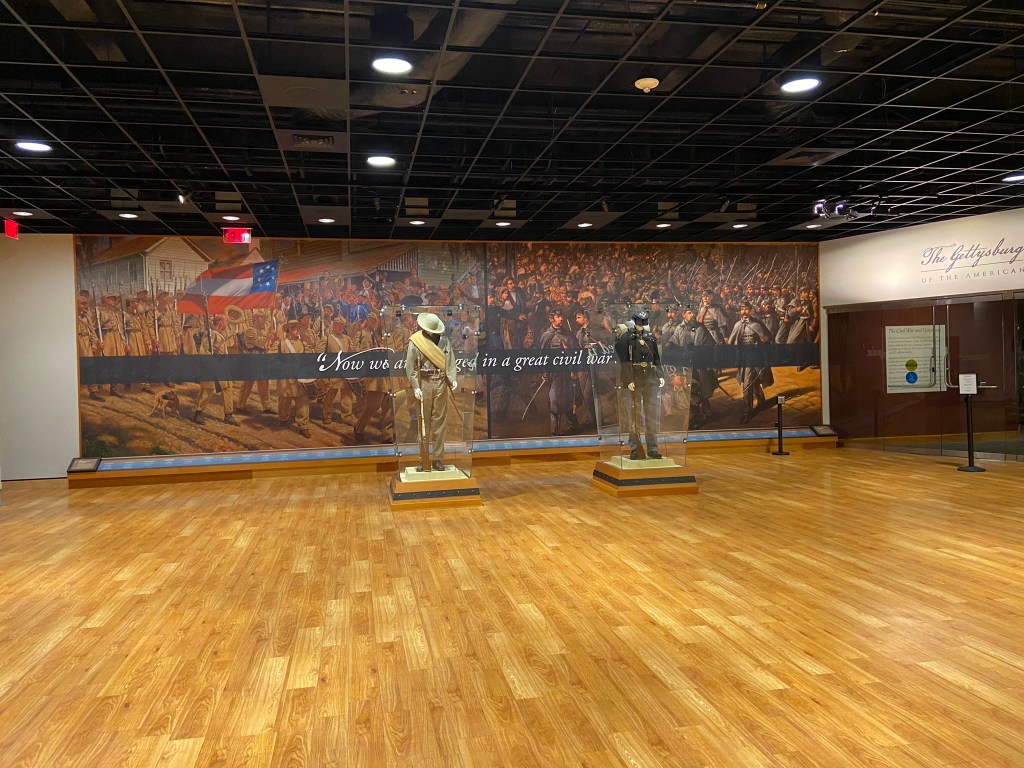
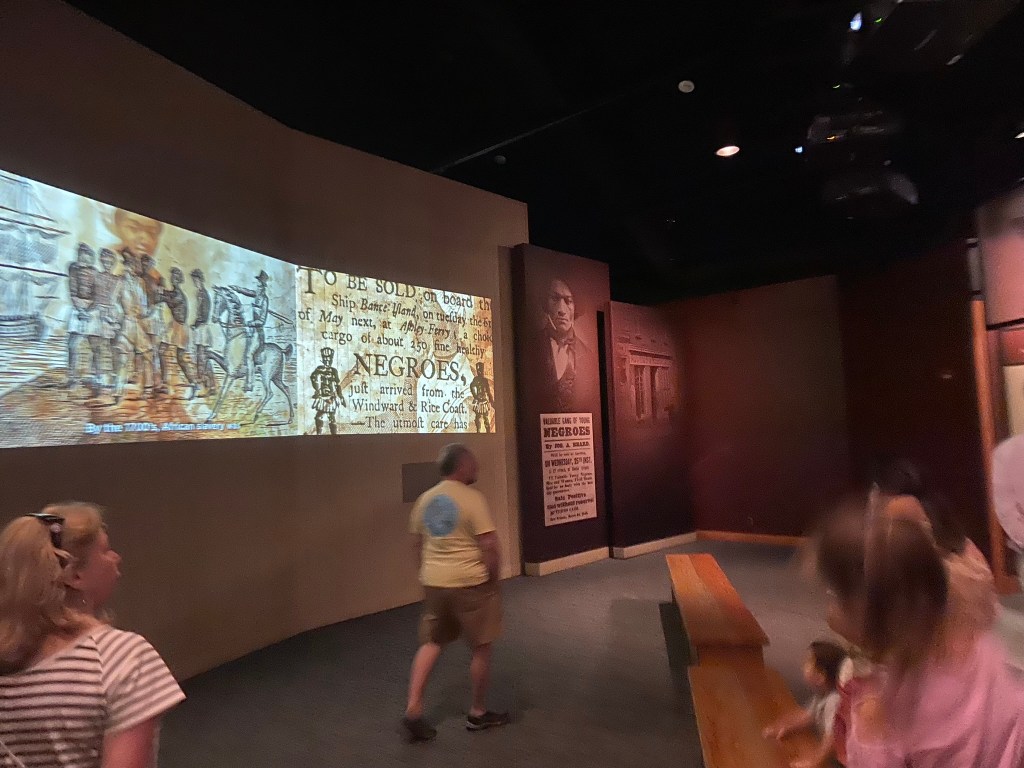
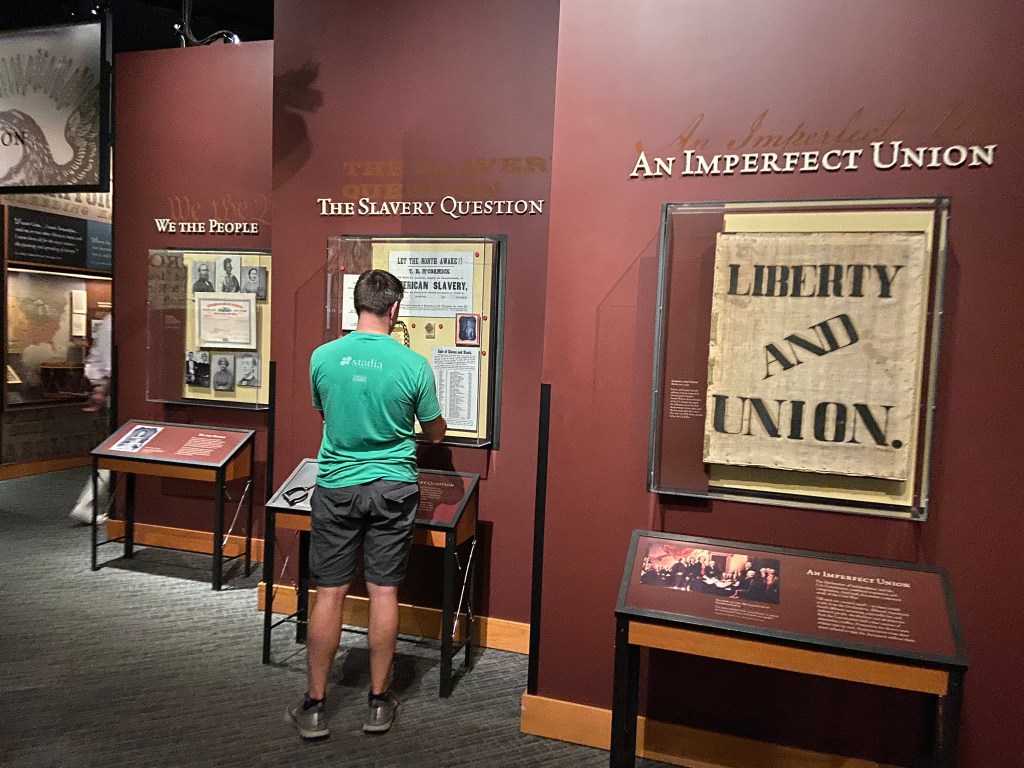
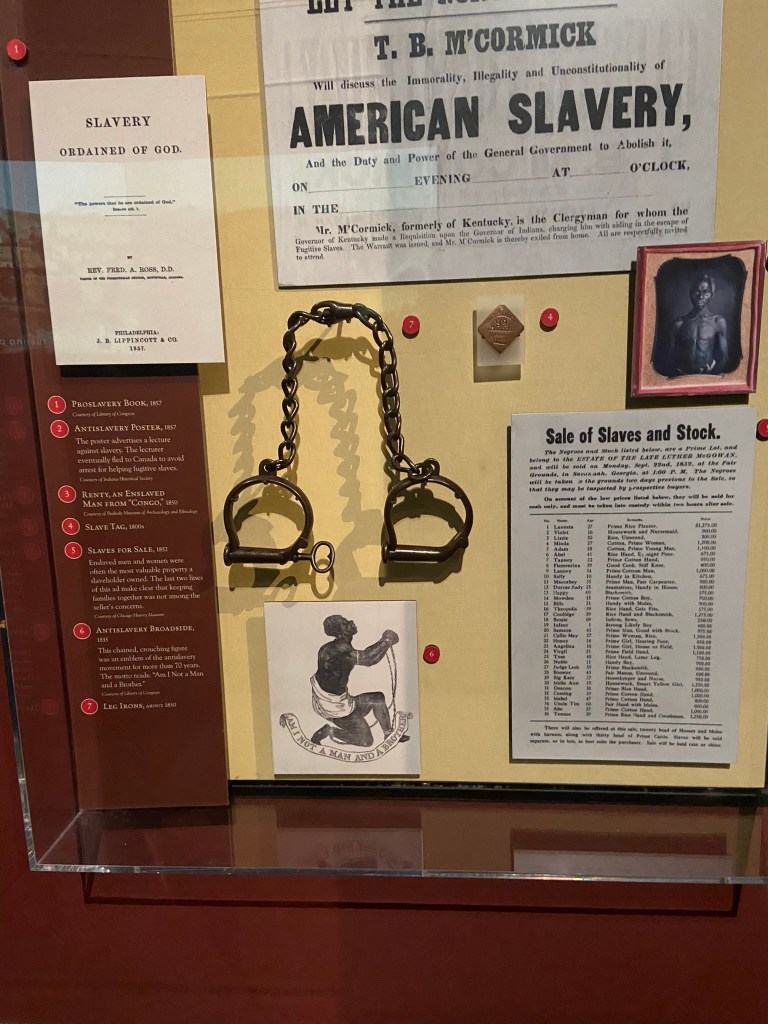
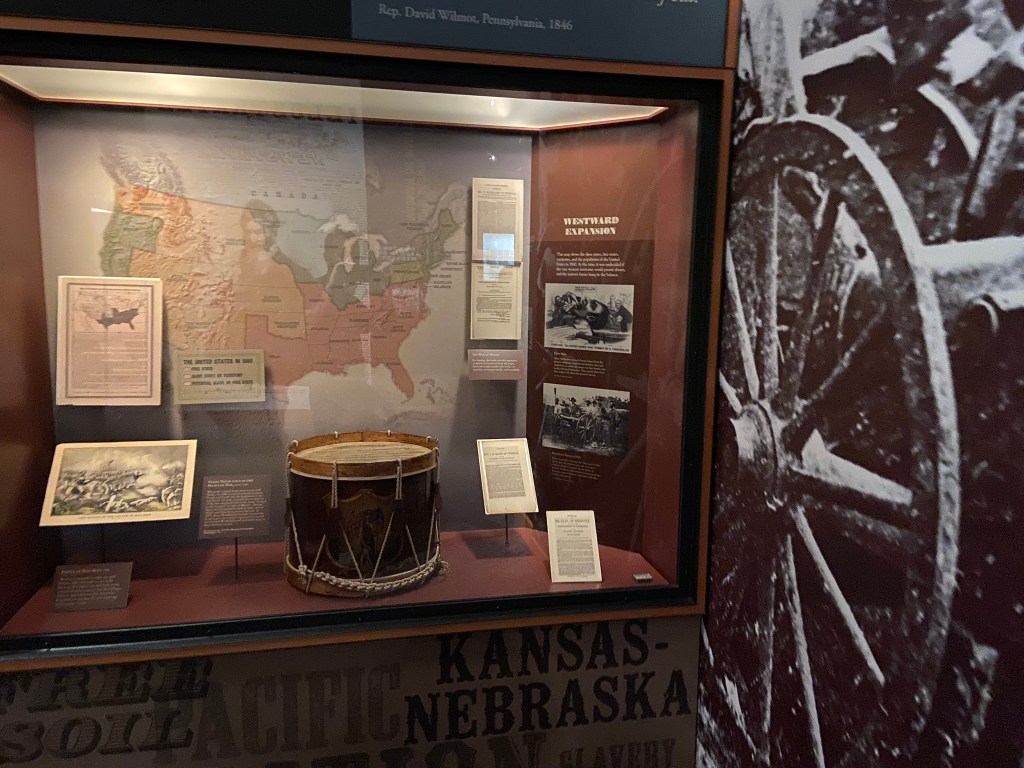
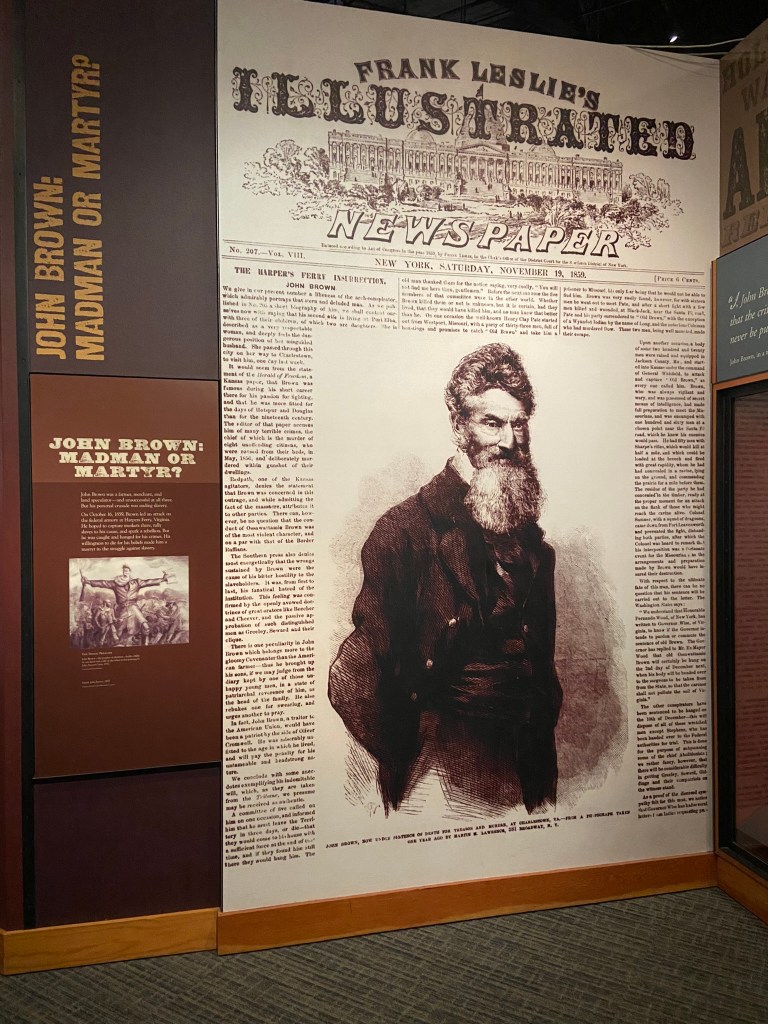
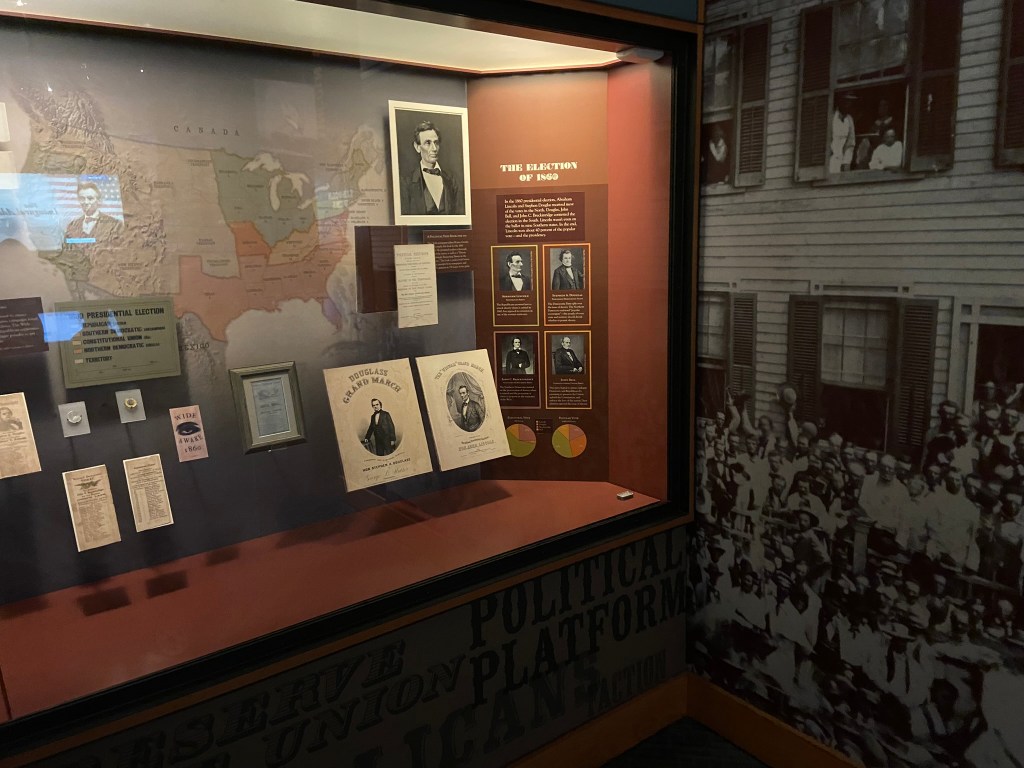
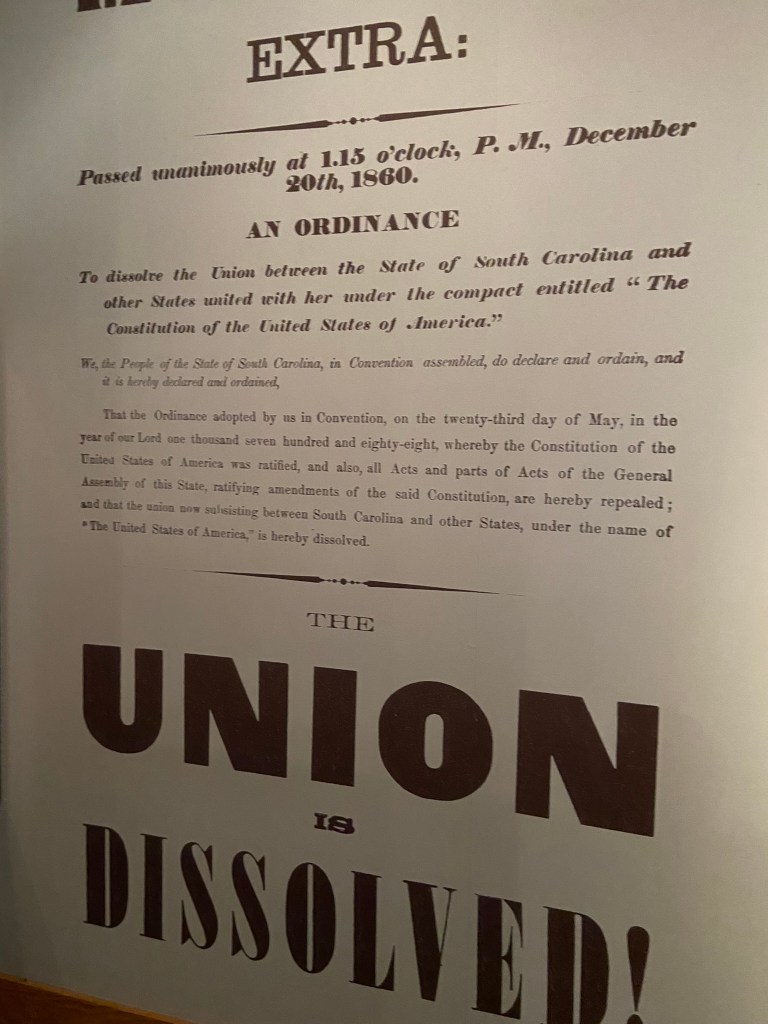
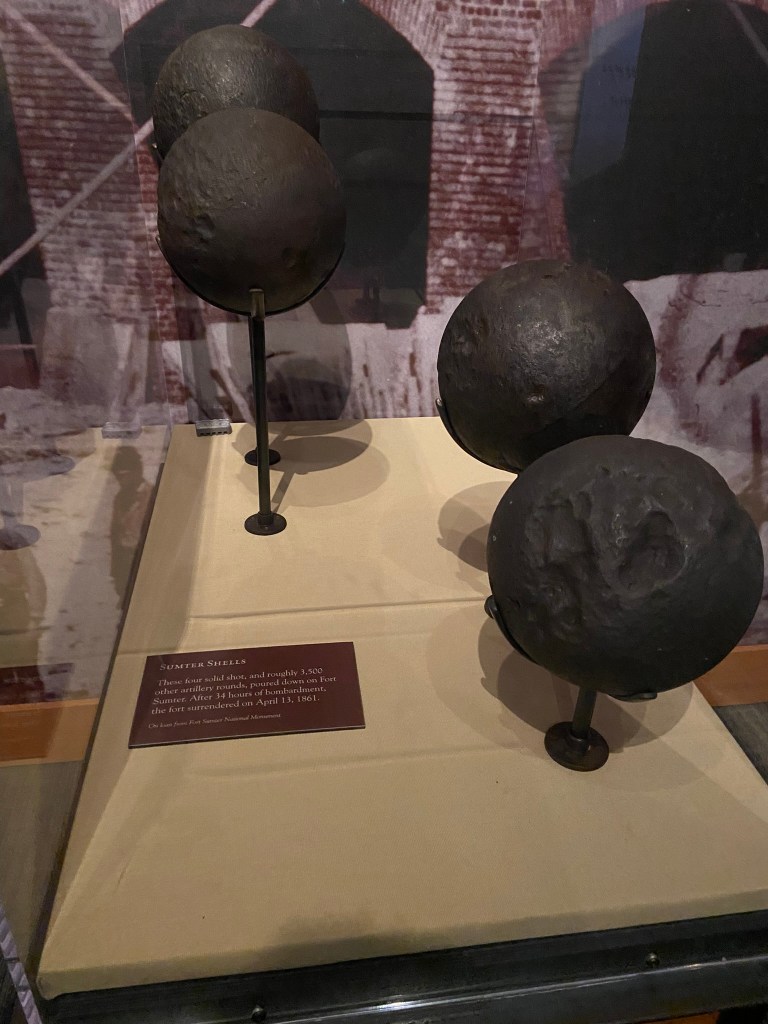
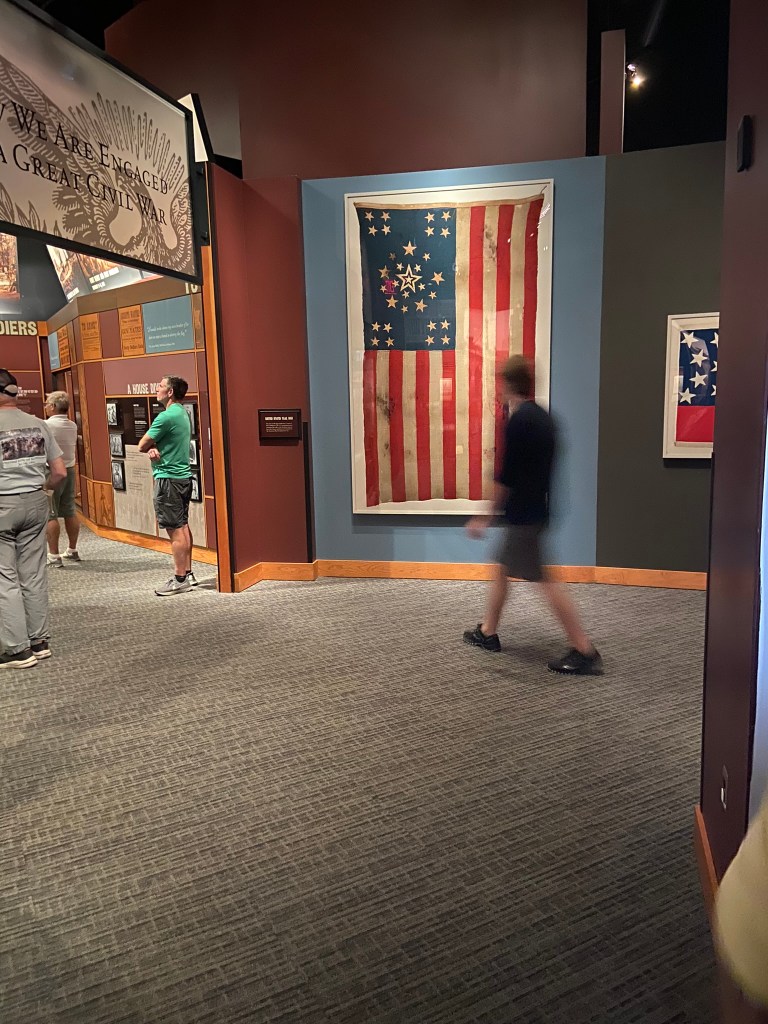
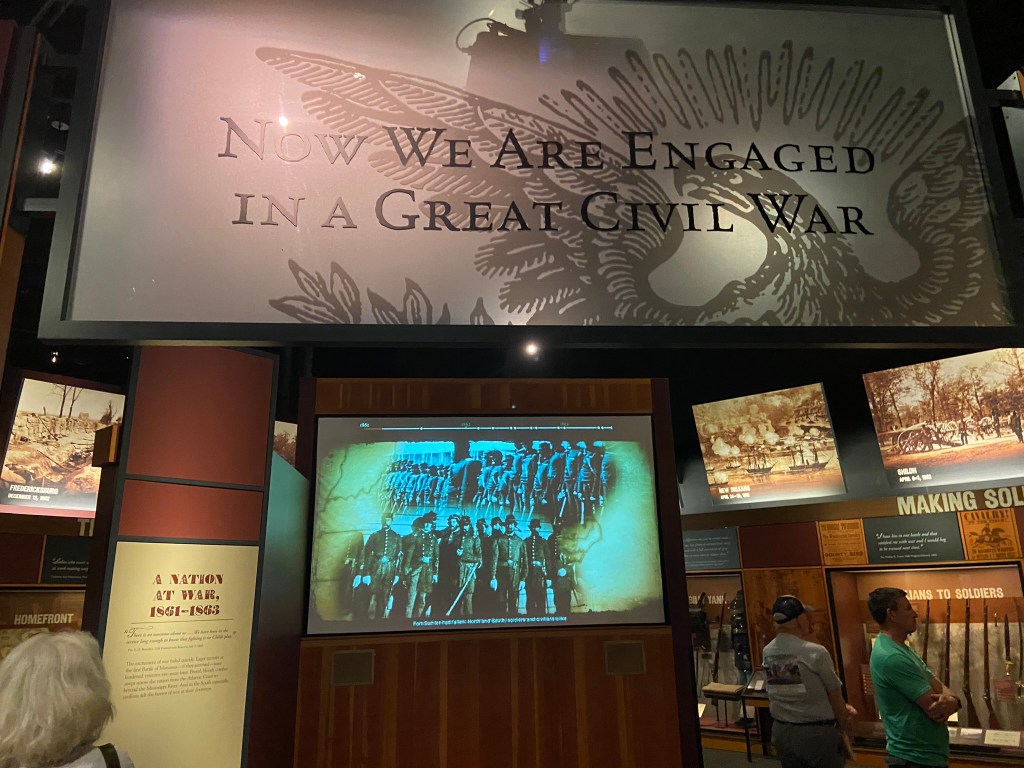
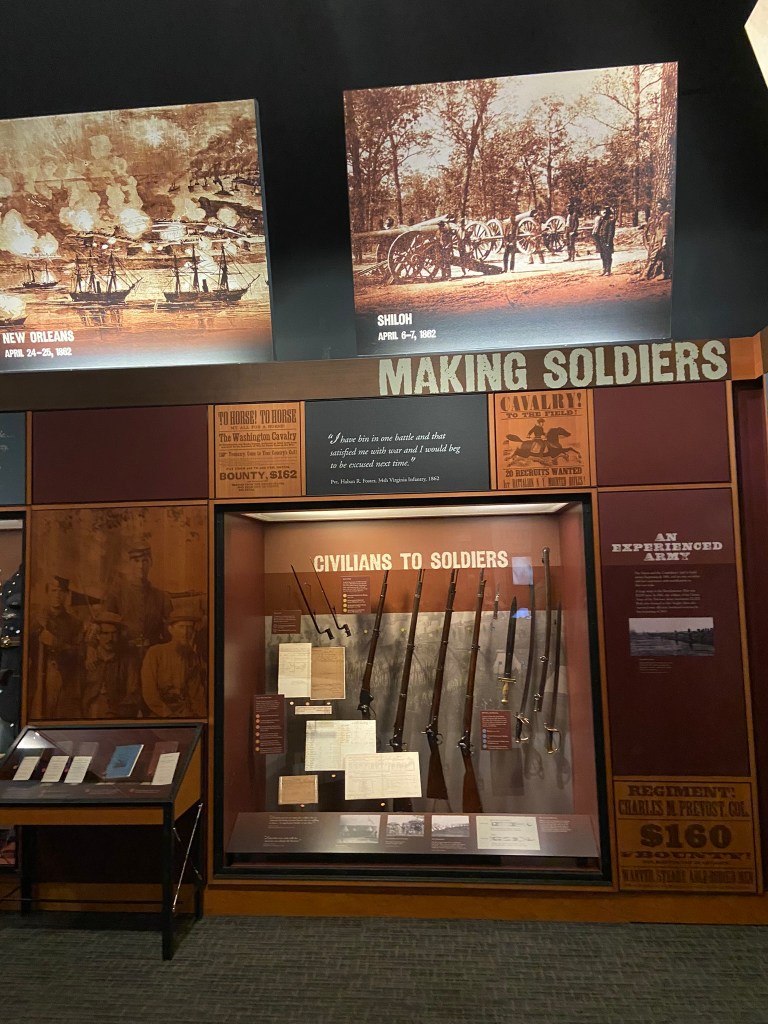
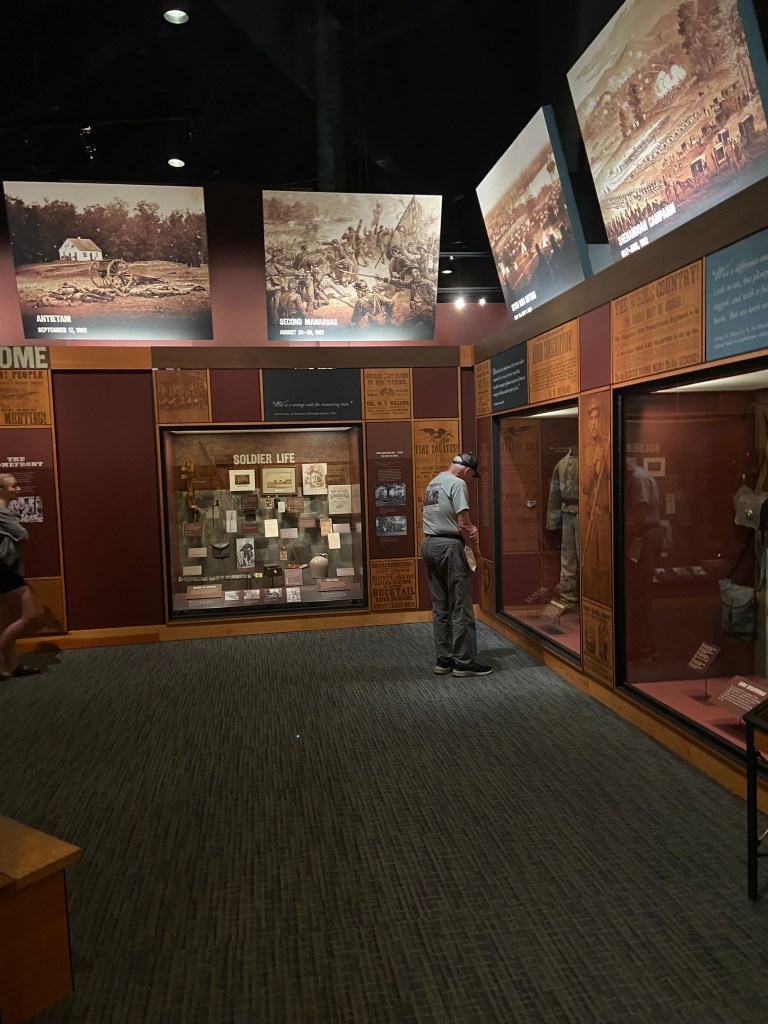
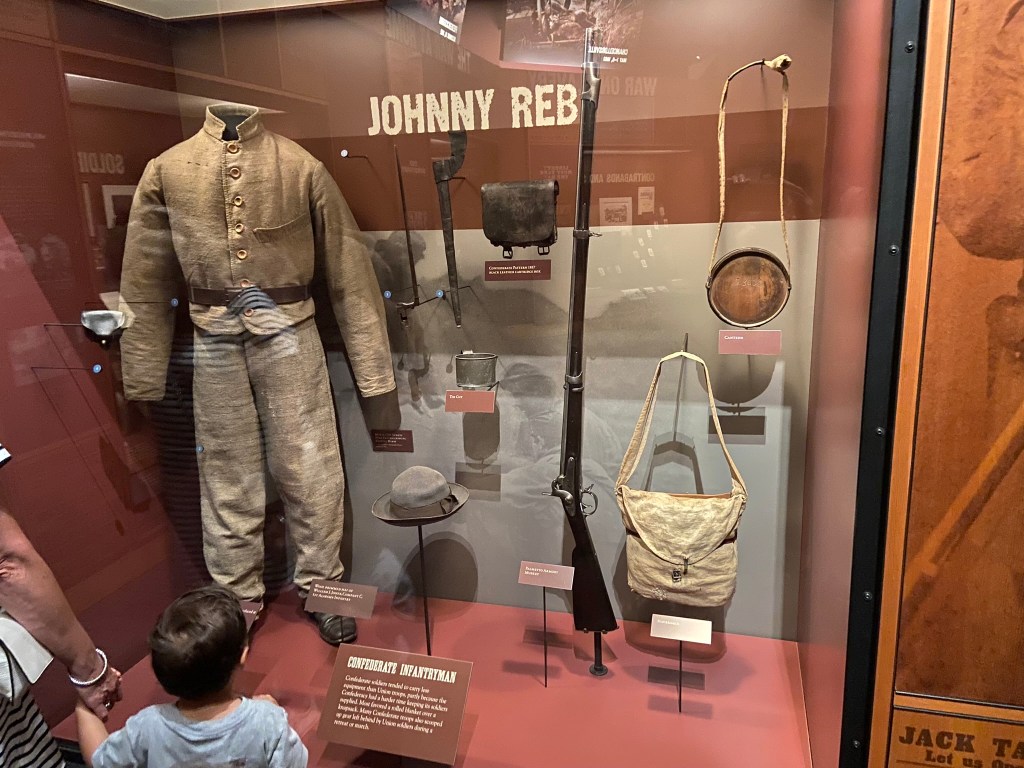
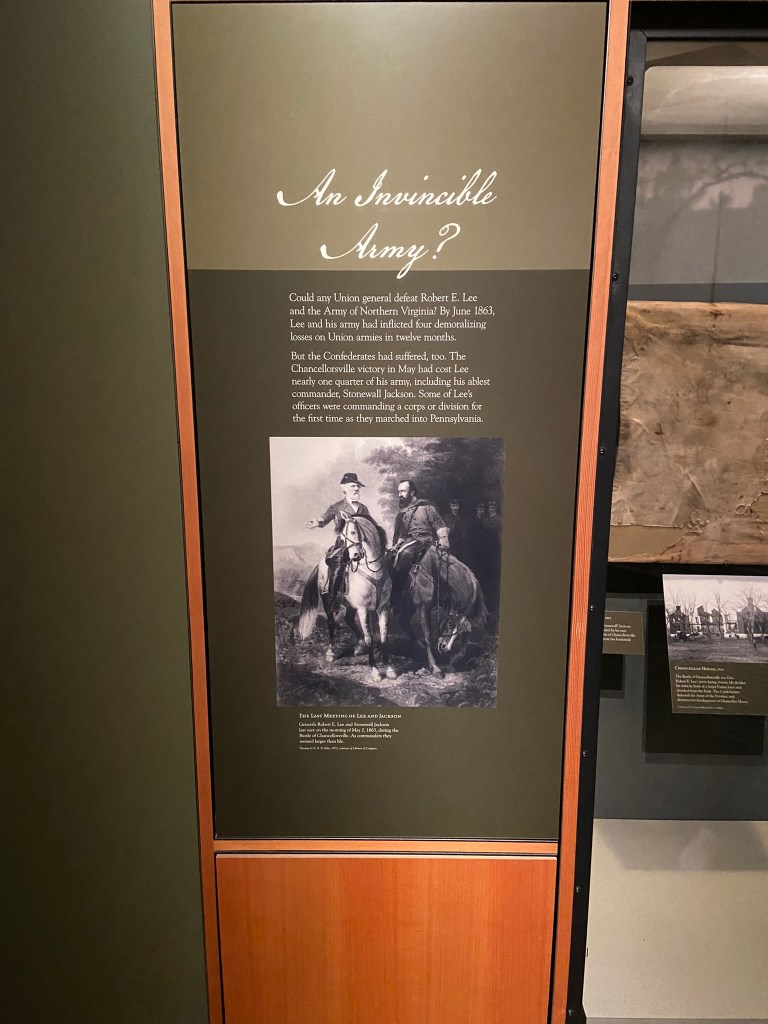
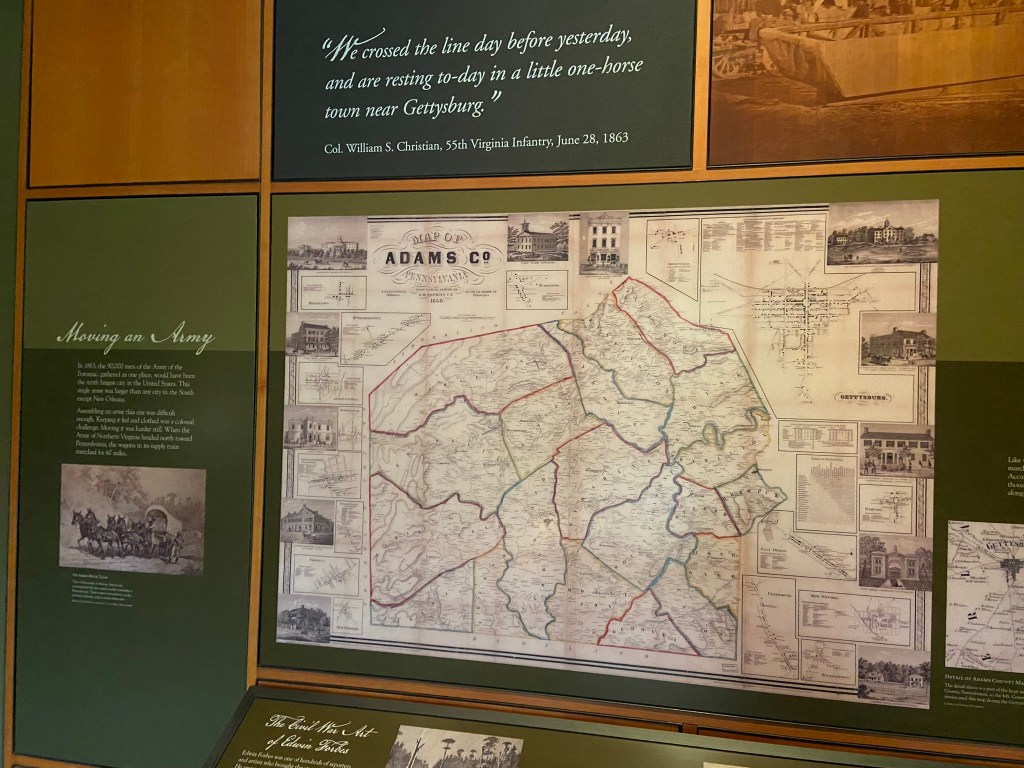
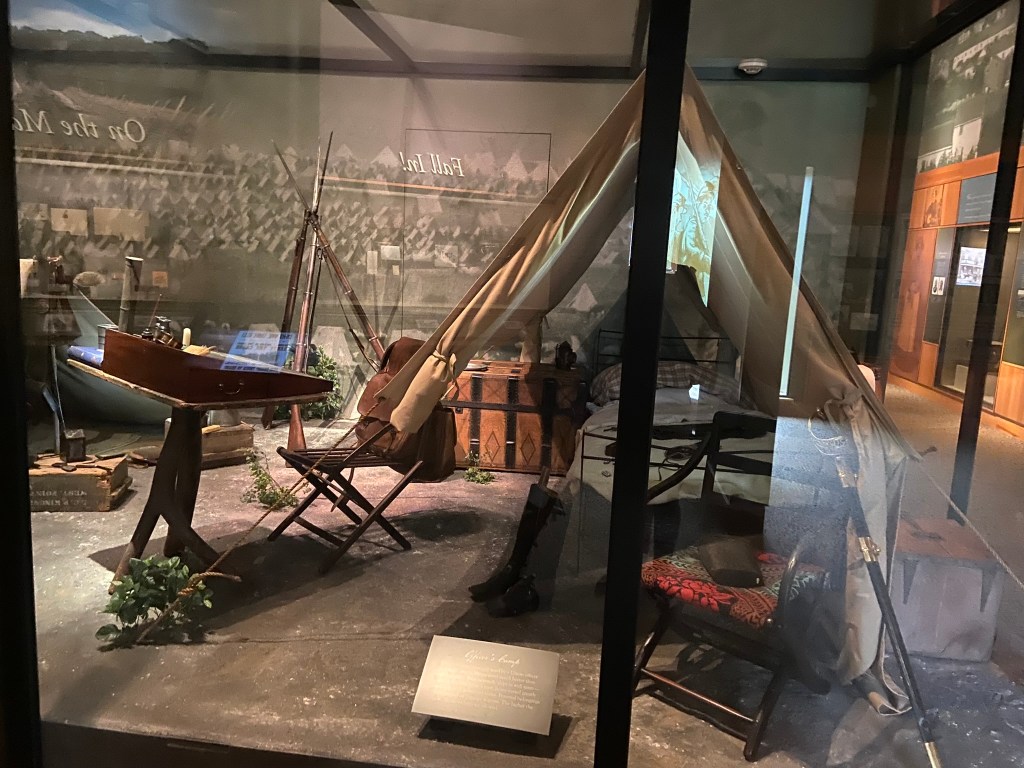
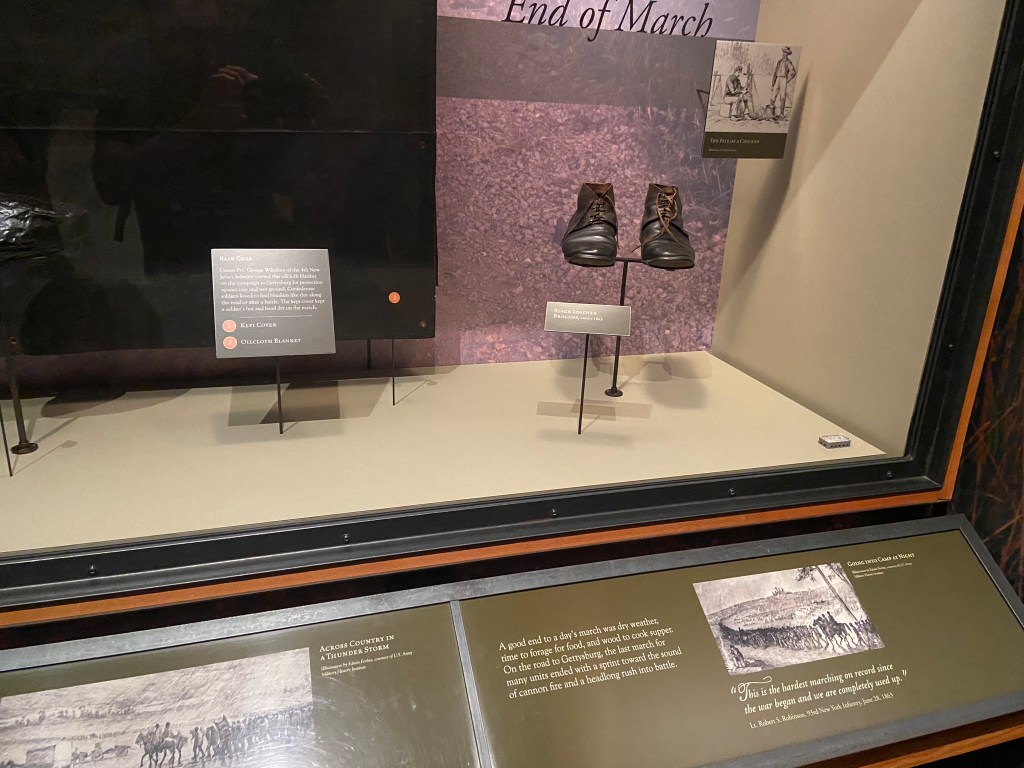
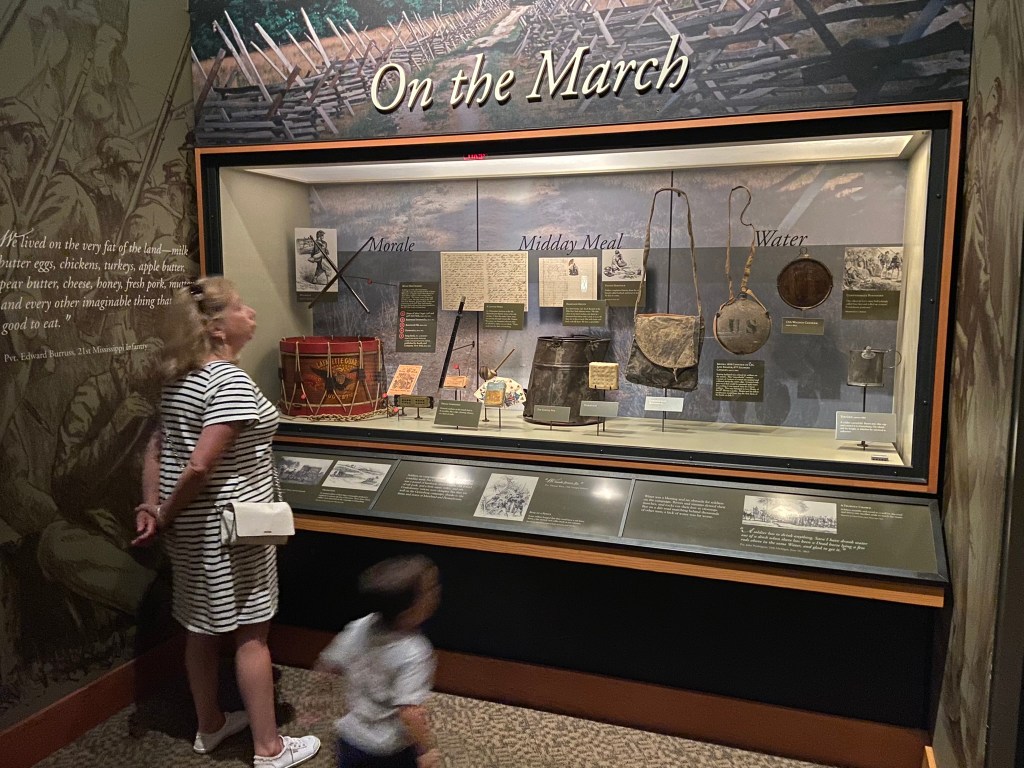
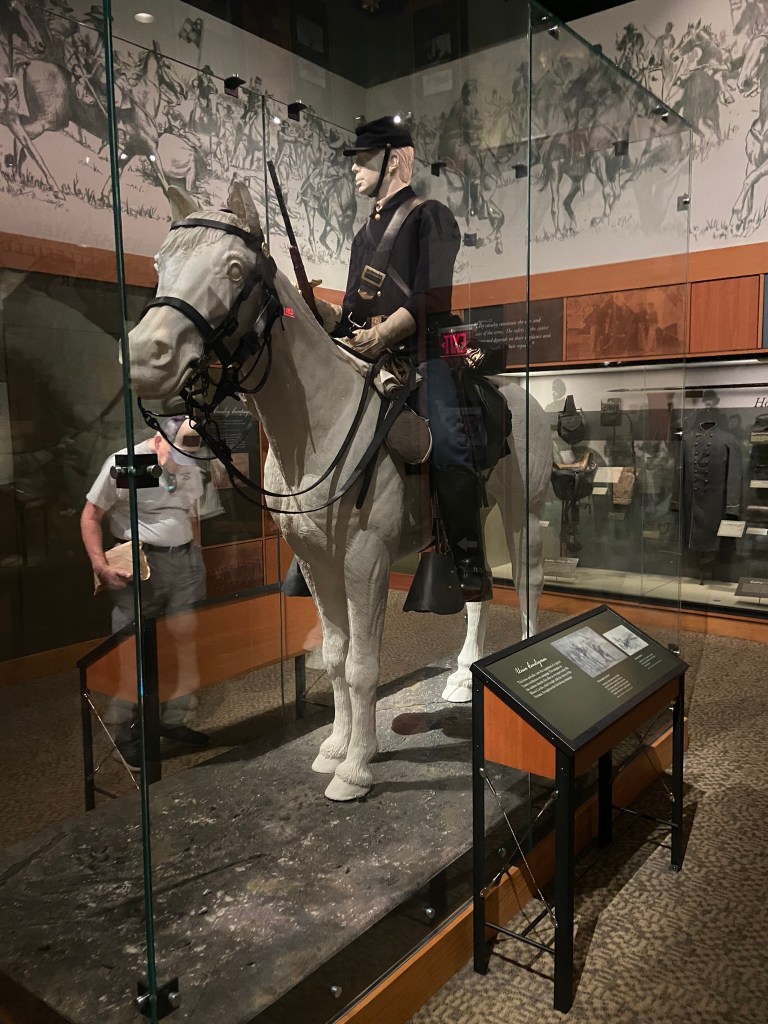
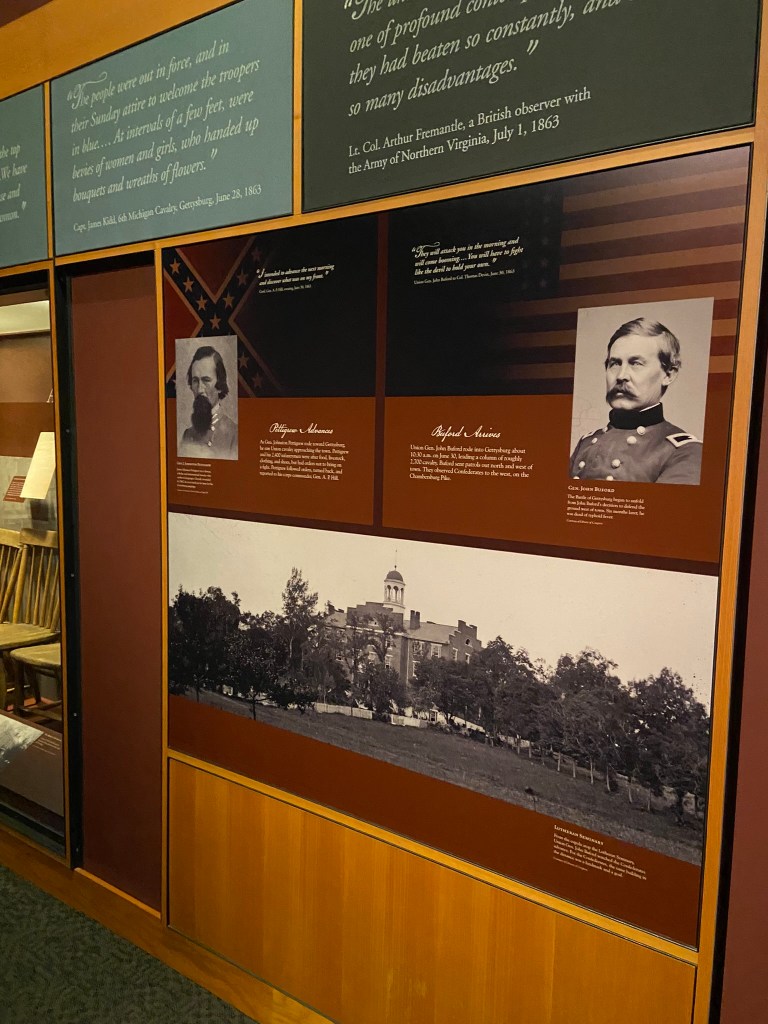
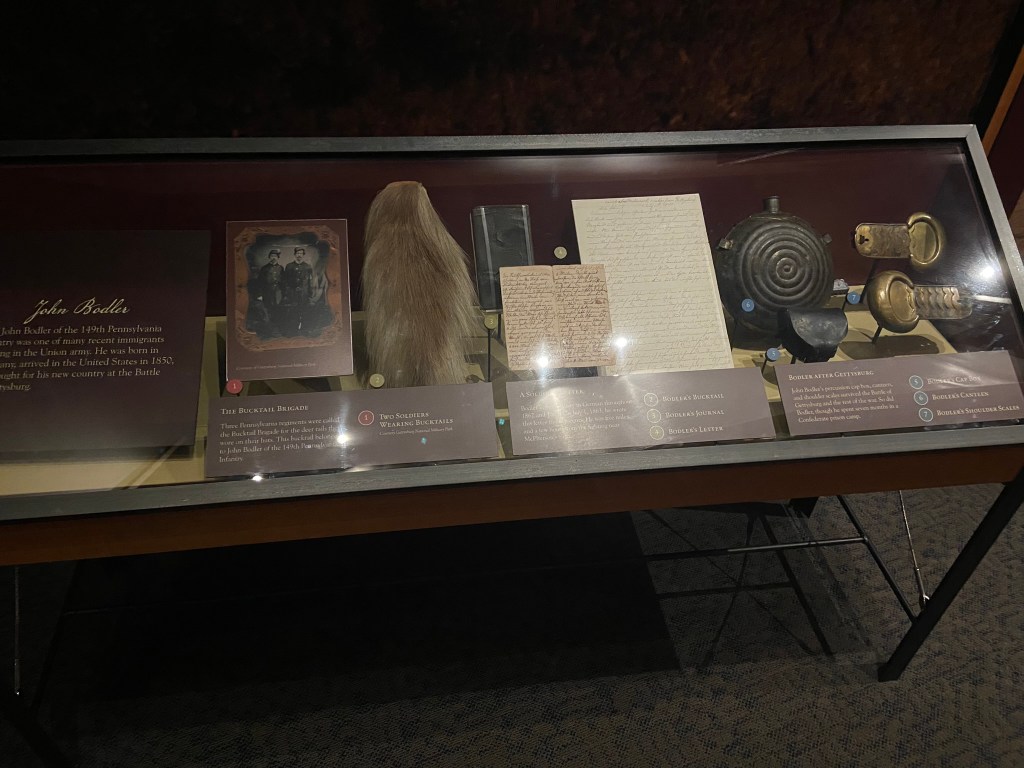
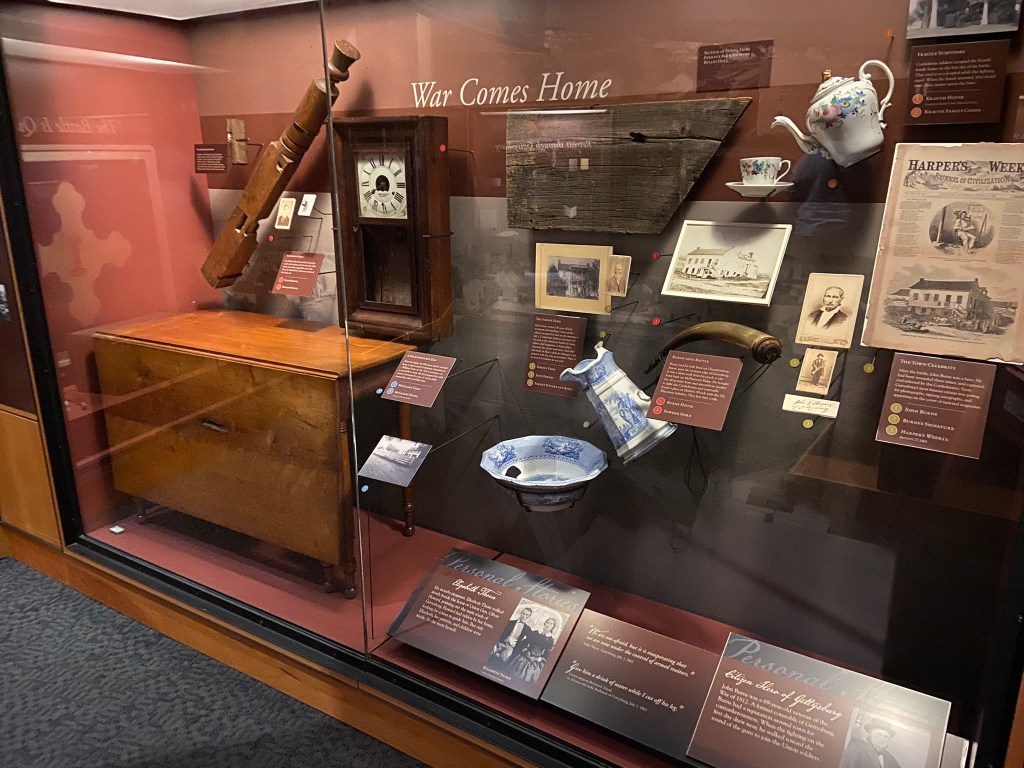
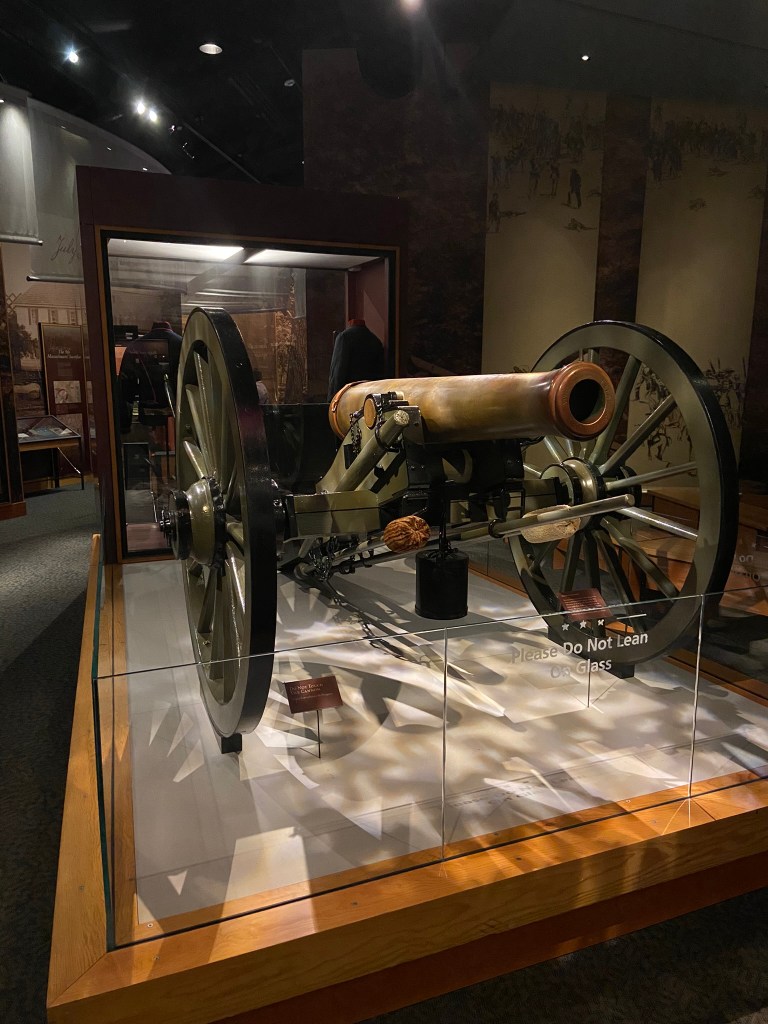
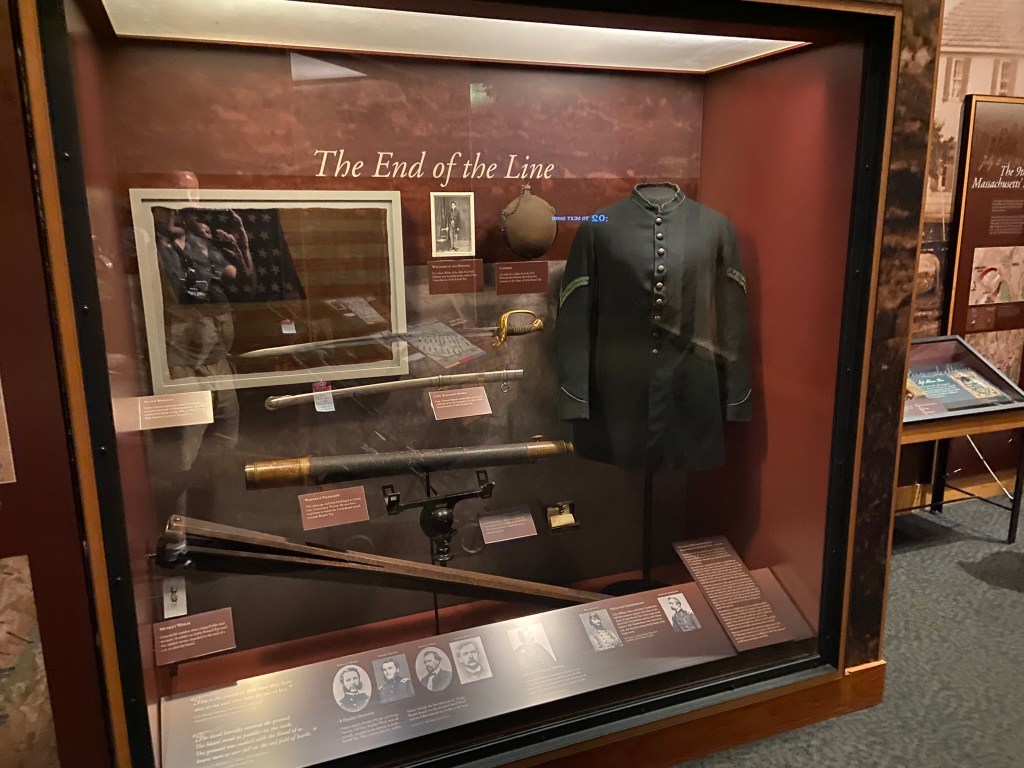
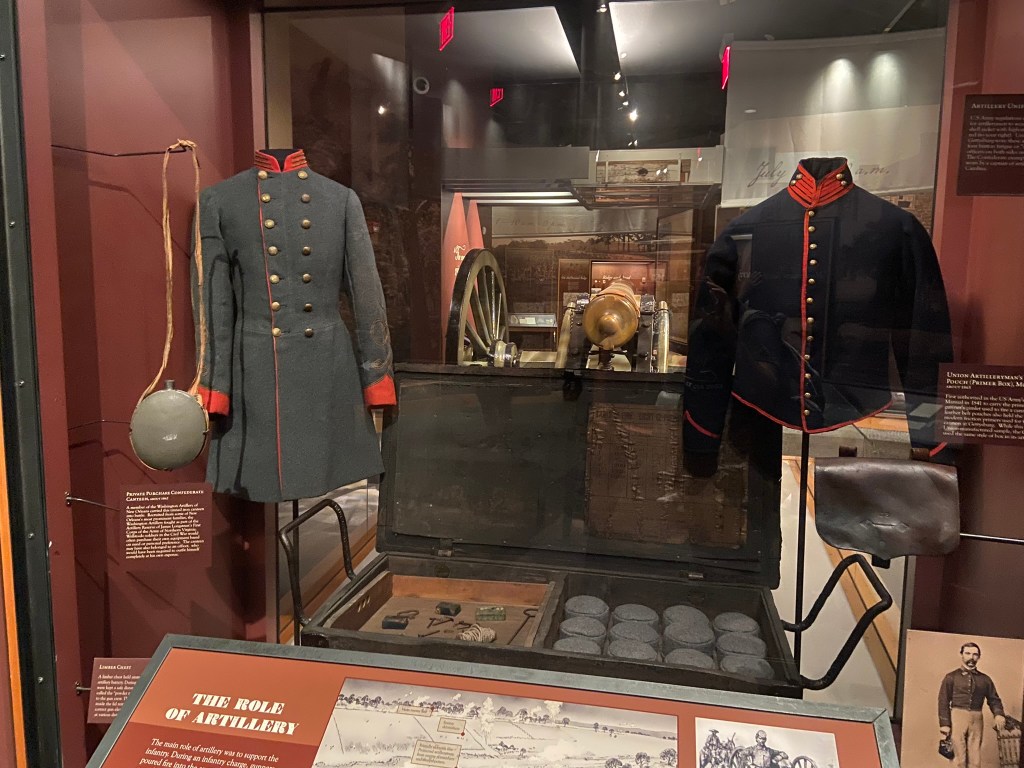
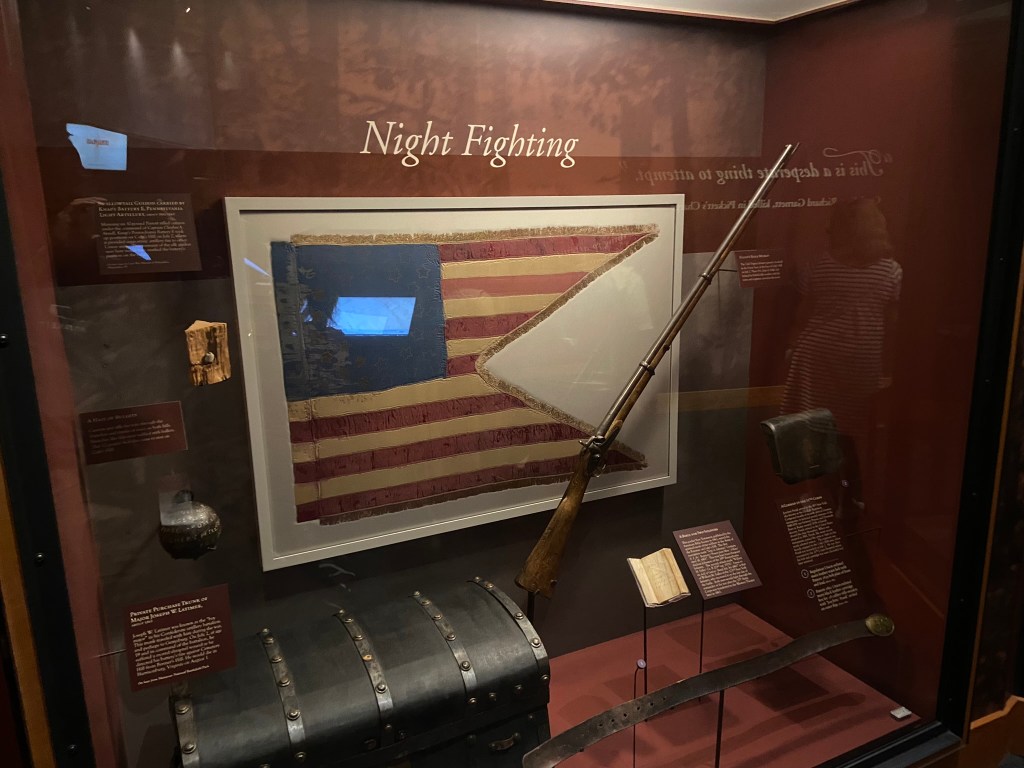
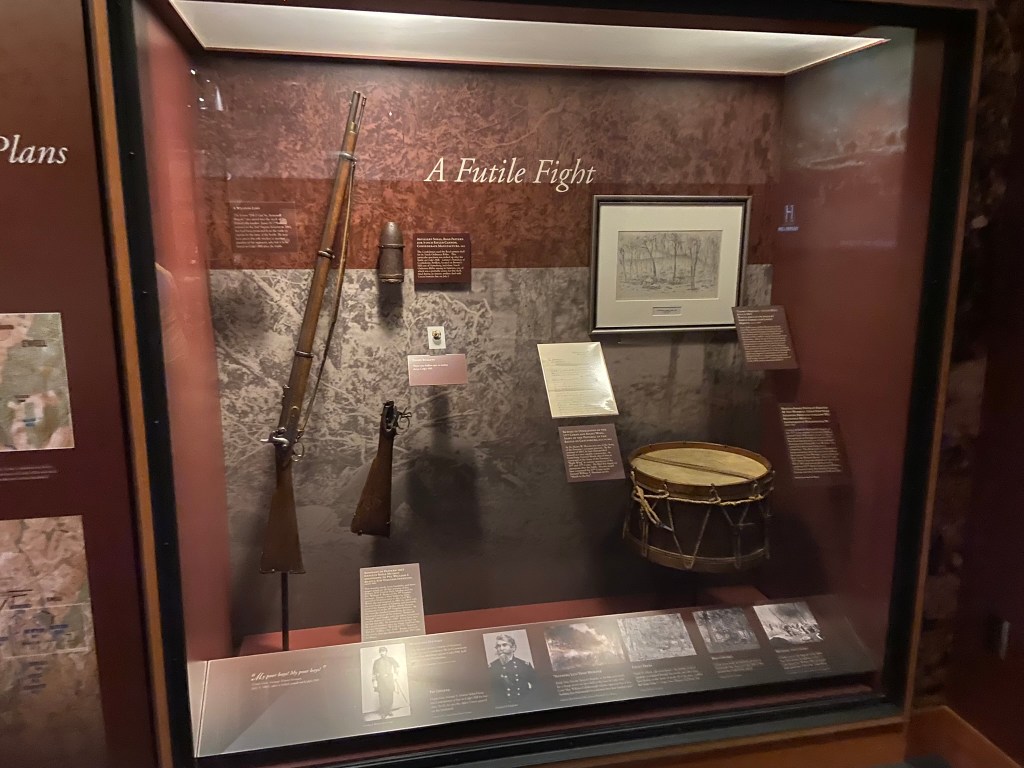
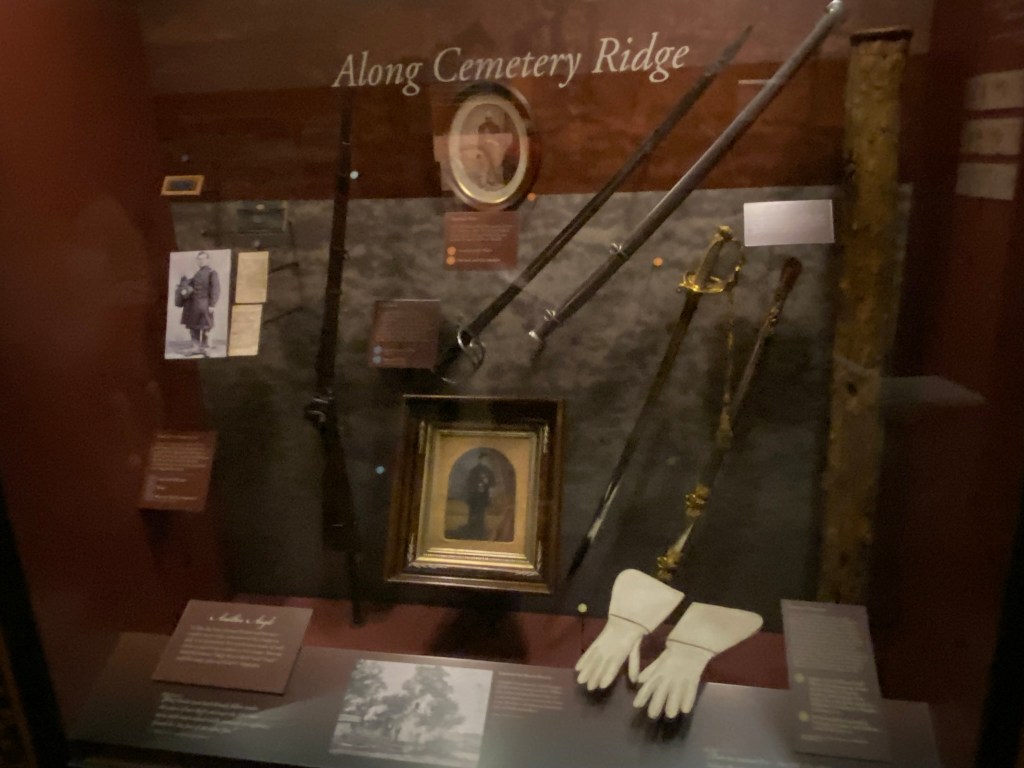
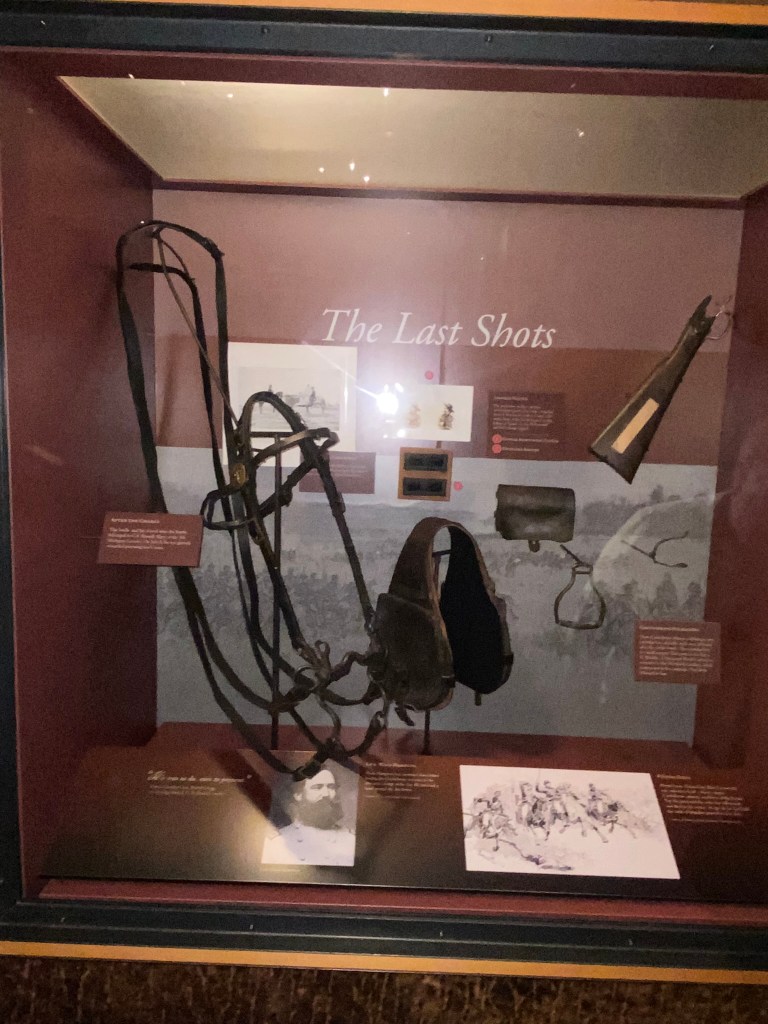
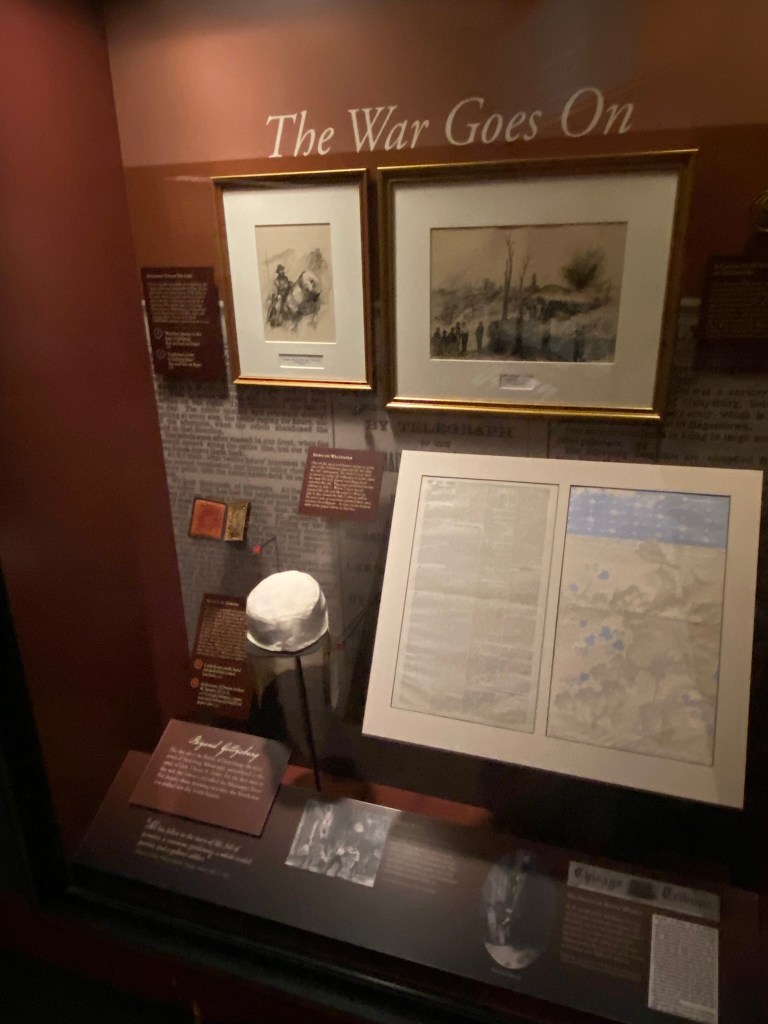
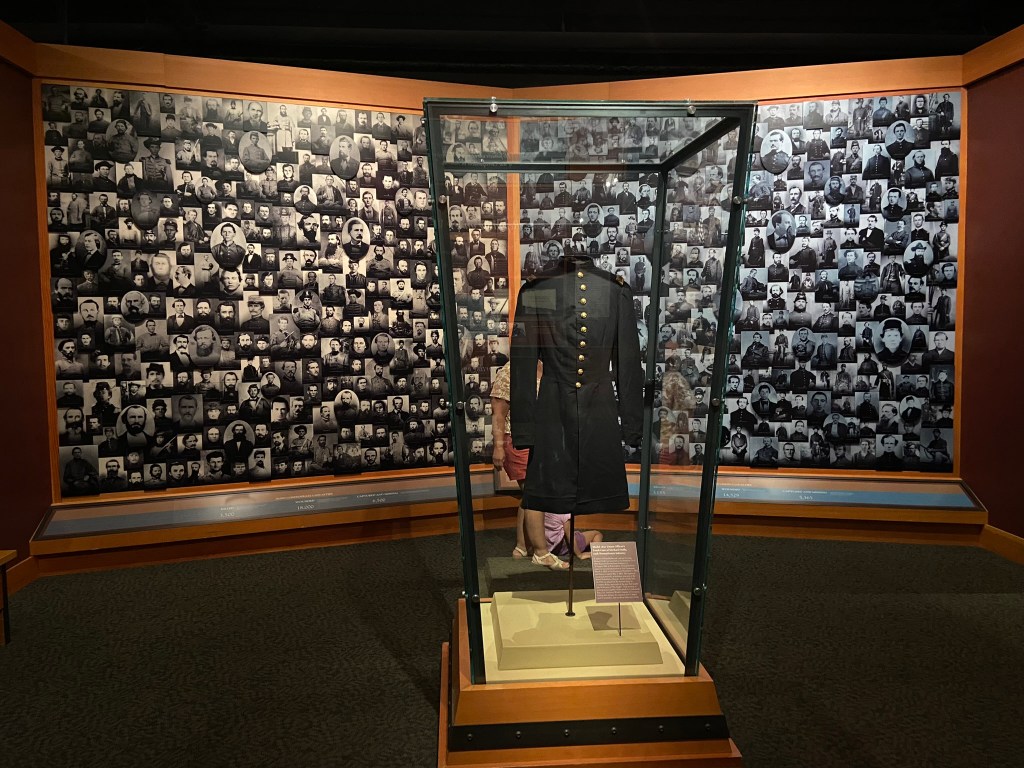
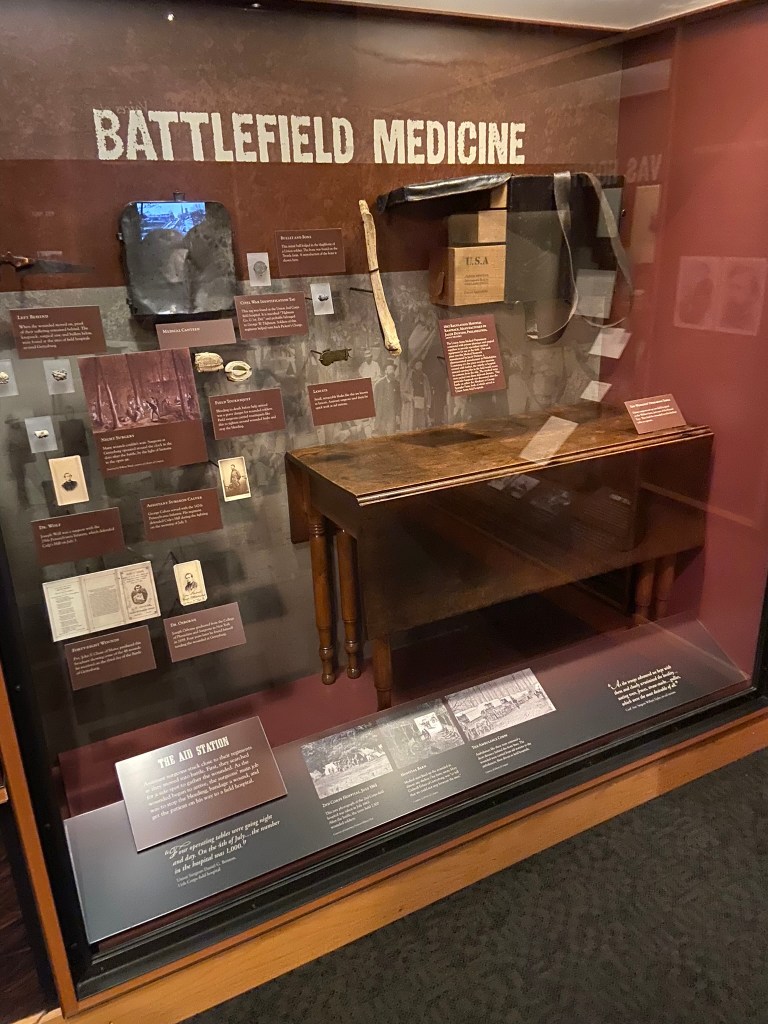
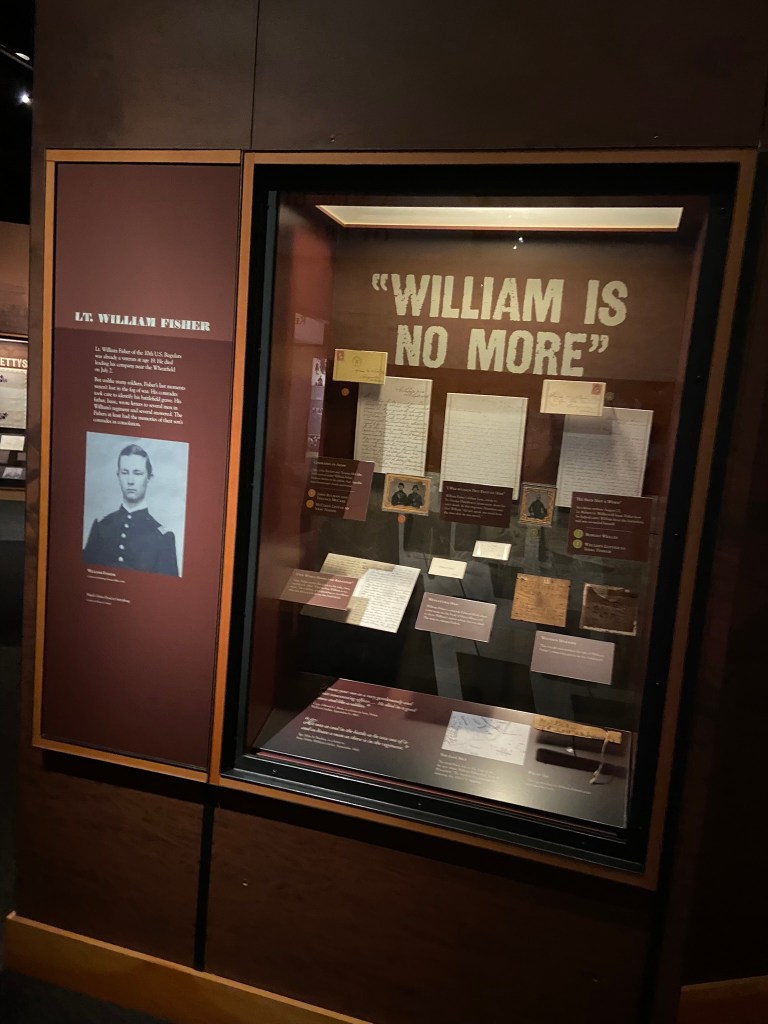
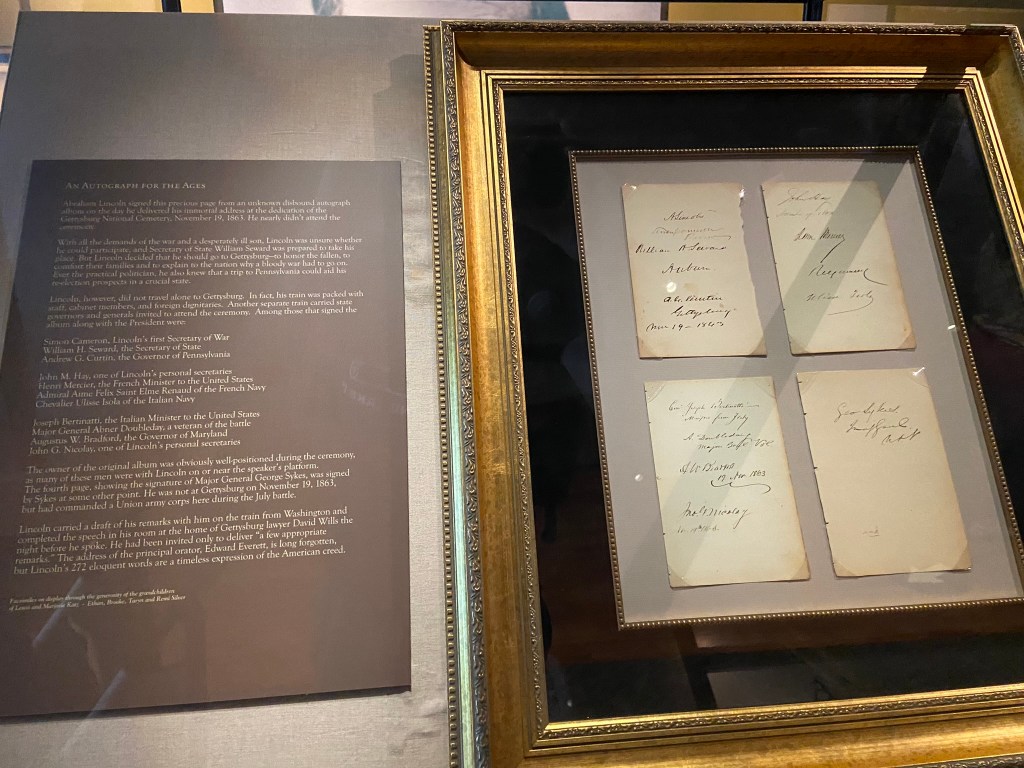
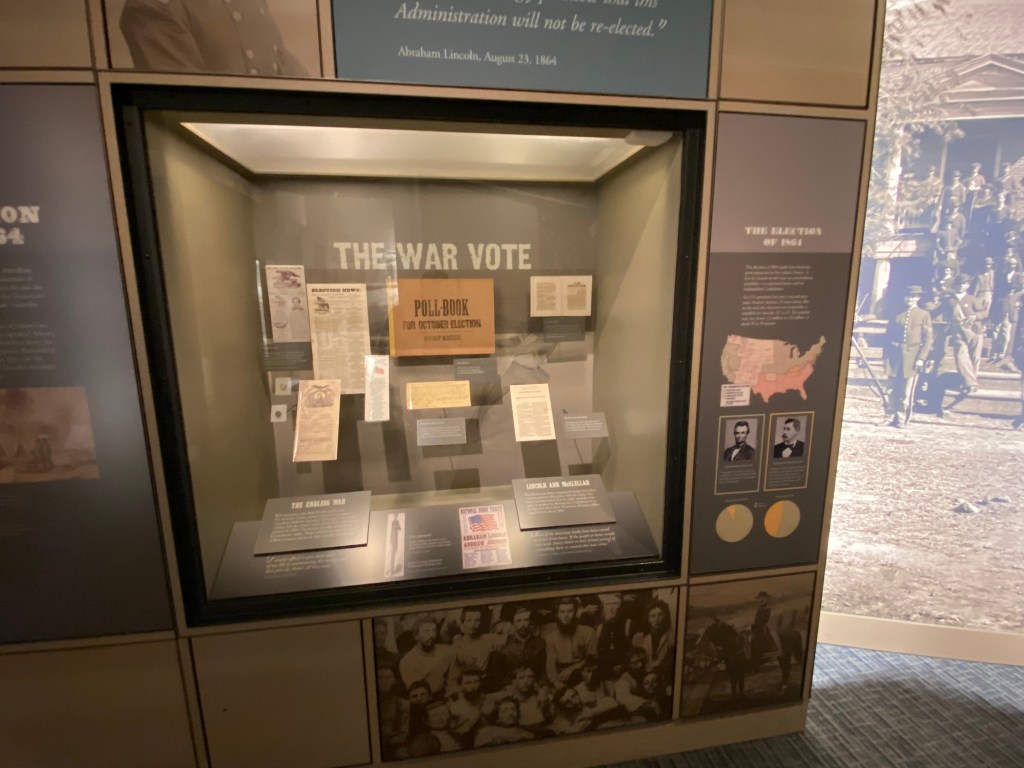
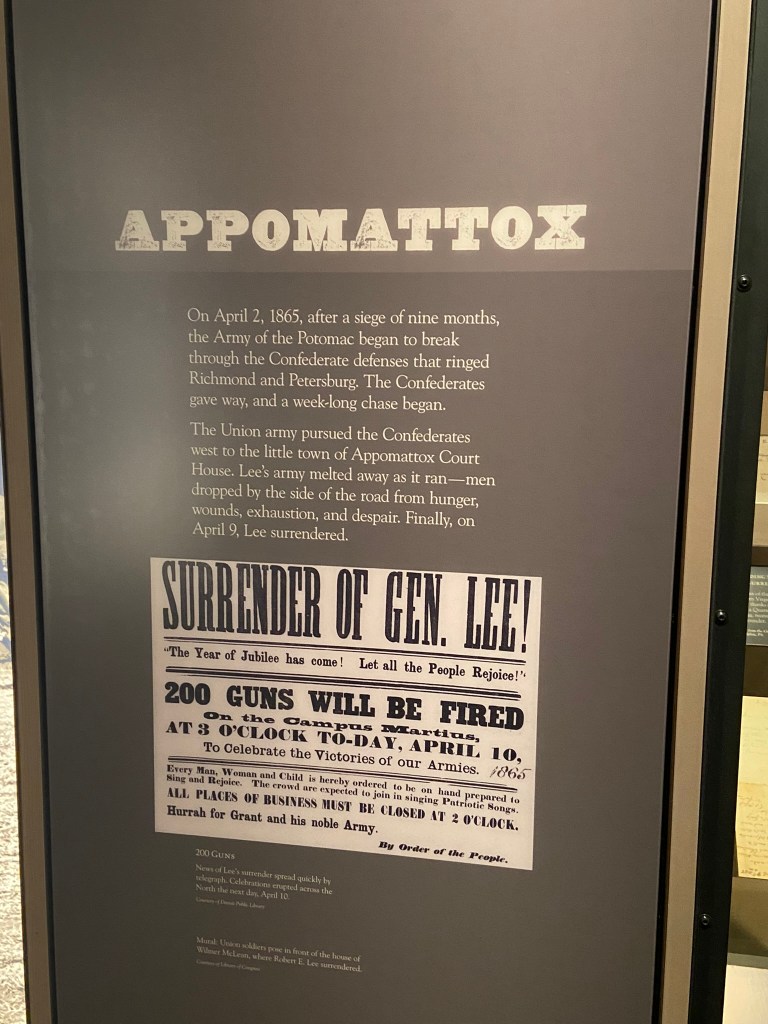
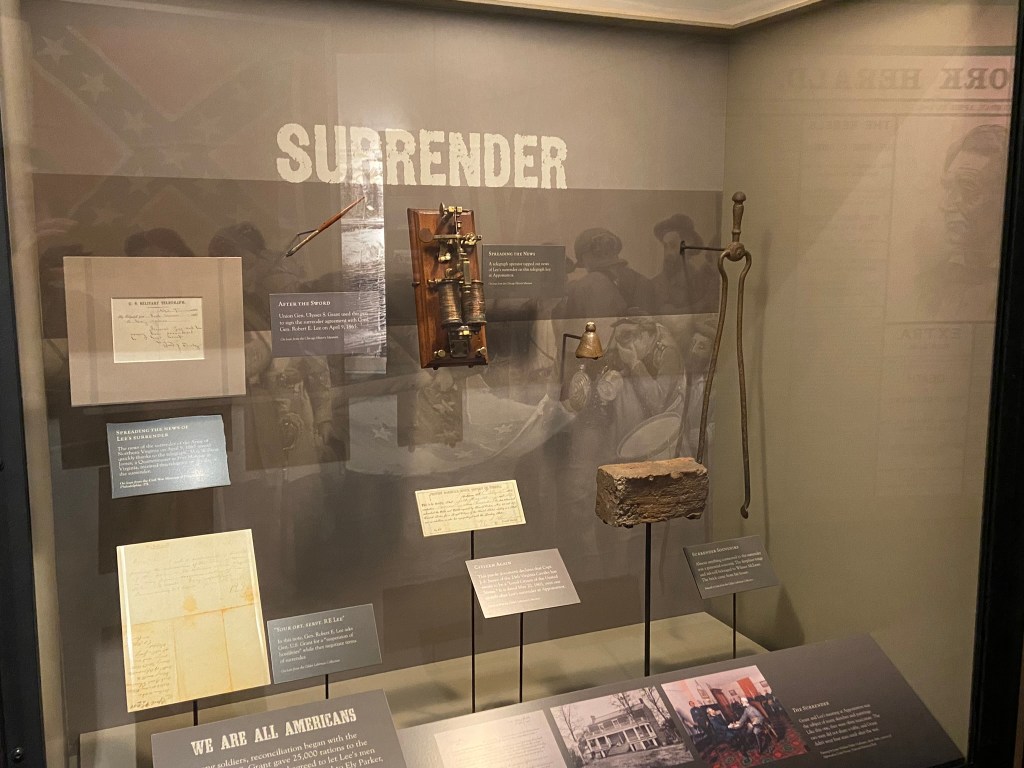
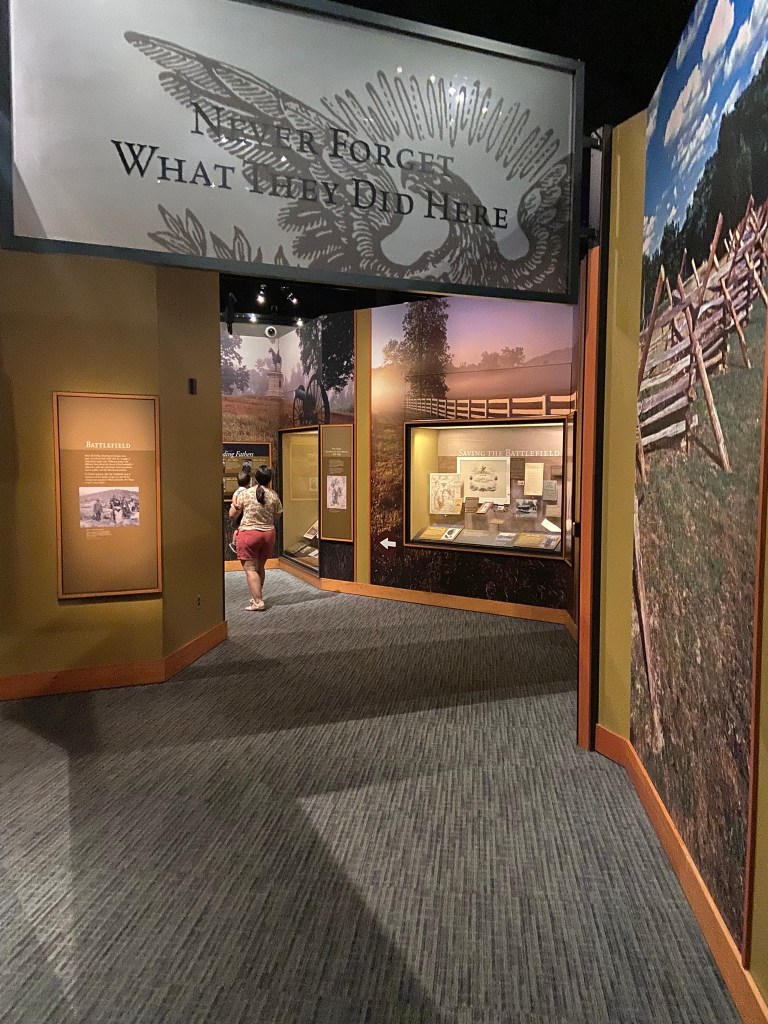
    After the Cyclorama, we used our tickets to enter the Gettysburg Museum of the American Civil War. I was very impressed with the museum in terms of the amount of exhibits on display and the breadth of information to read on each exhibit. There are also interactive exhibits and multi-media presentations. As you walk through the museum you are taken through time starting with the writing of the Constitution and tensions in the country over the issue of slavery. The musuem highlights the tensions of the 1850s that eventually led to Lincoln’s election in 1860 and the secession of the Southern states. The musuem highlights the war leading up the Battle of Gettysburg. There is then an extensive emphasis on the three days of battle. The museum then takes you through the later phases of the war, the Confederate surrender, the Lincoln assassination and the aftermath of the war. Truly a wonderful and informative museum, I highly recommend visiting.

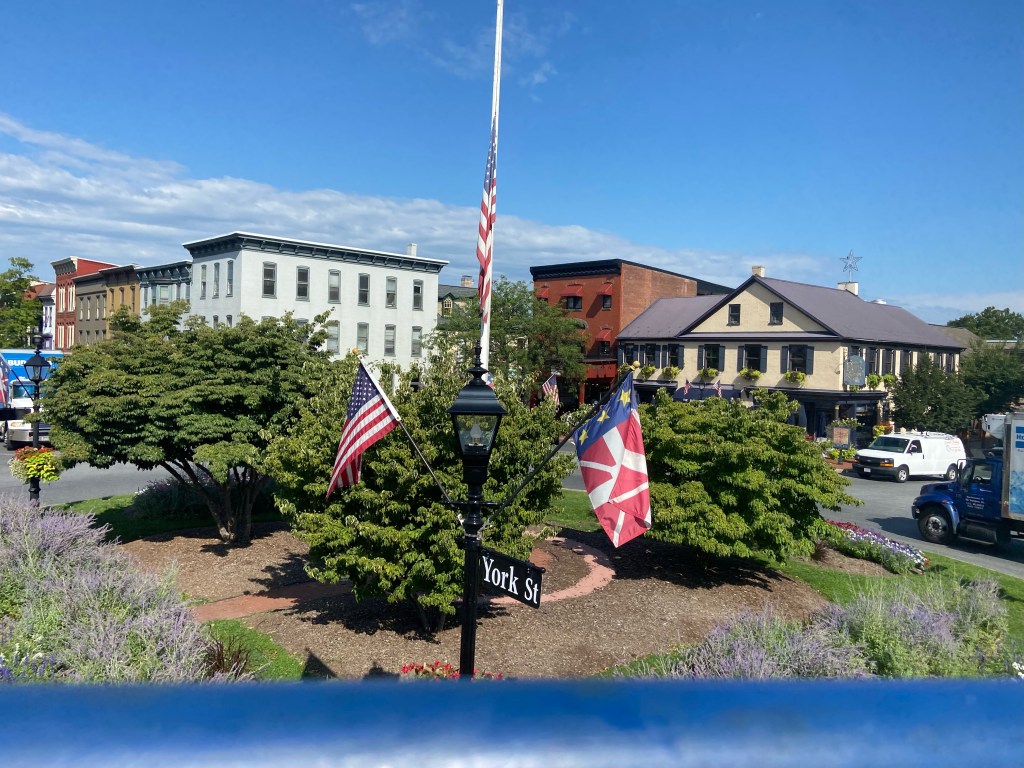
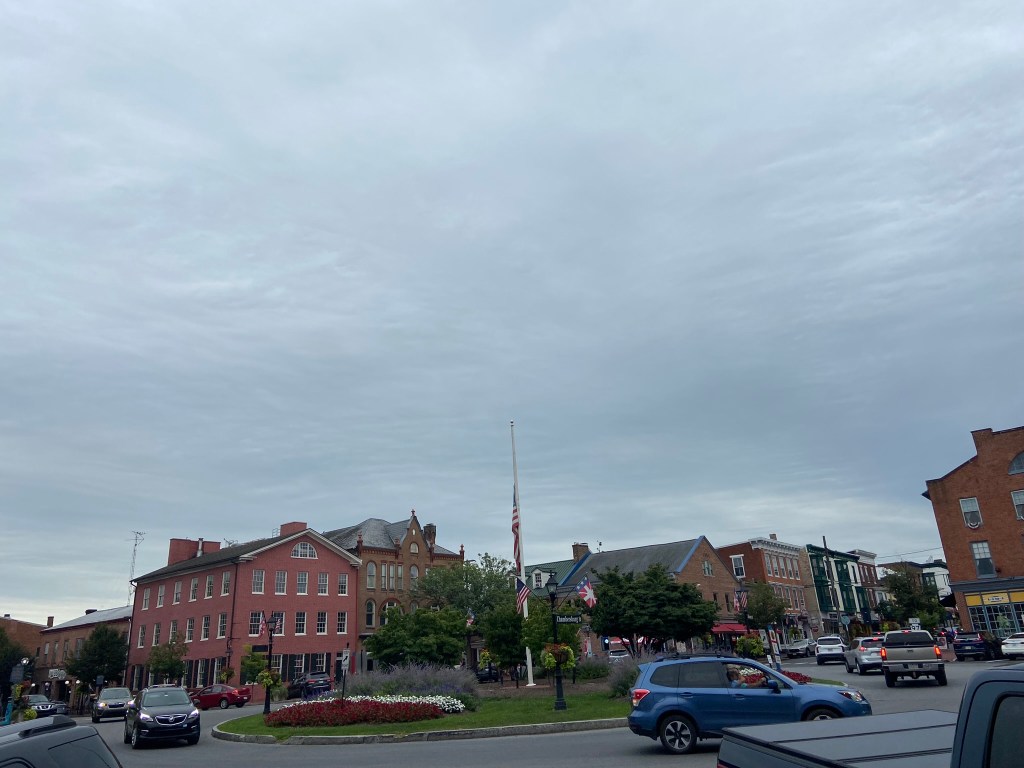
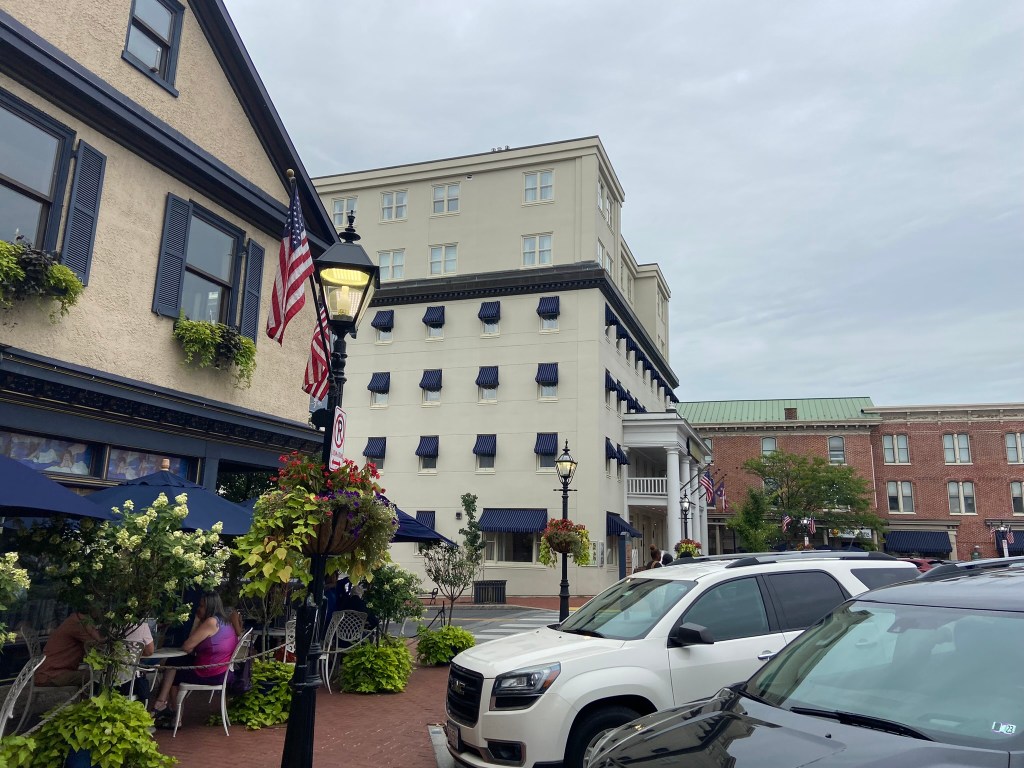
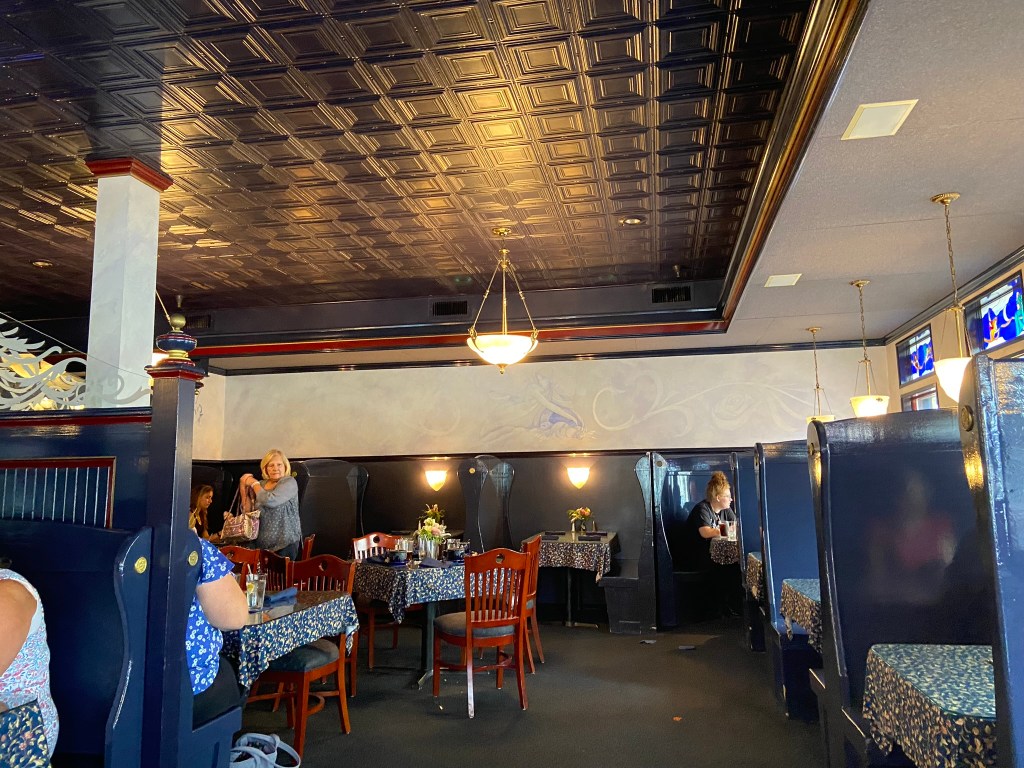
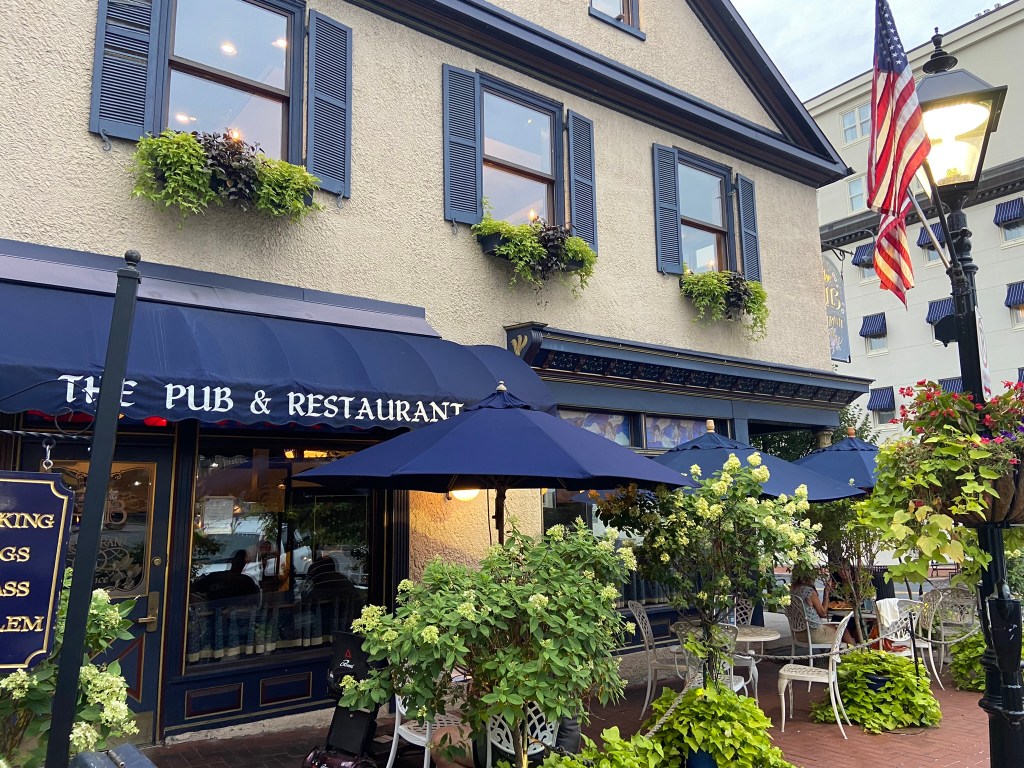
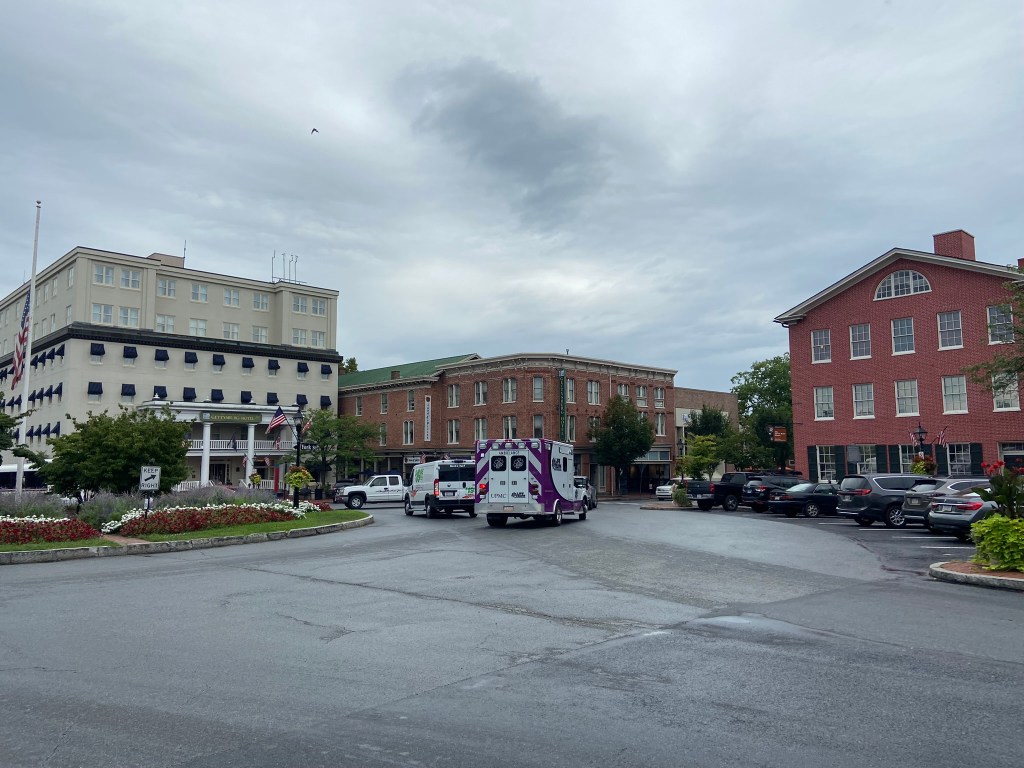
    We spent a great deal of time at the Gettysburg National Military Park and Musuem, so that by the time we left and headed back to the hotel, we were thinking dinner. We again walked up Baltimore Street, this time to the center of town at Lincoln Circle. We first tried to go to the Blue and Gray Bar & Grill but there was almost an hour wait for us. So we then decided on The Pub & Restaurant close by because there was only a 5-10 minute wait. The service at this place was not great, but the food was good. After we were done eating we headed back up to our hotel for the evening.

    Day 3

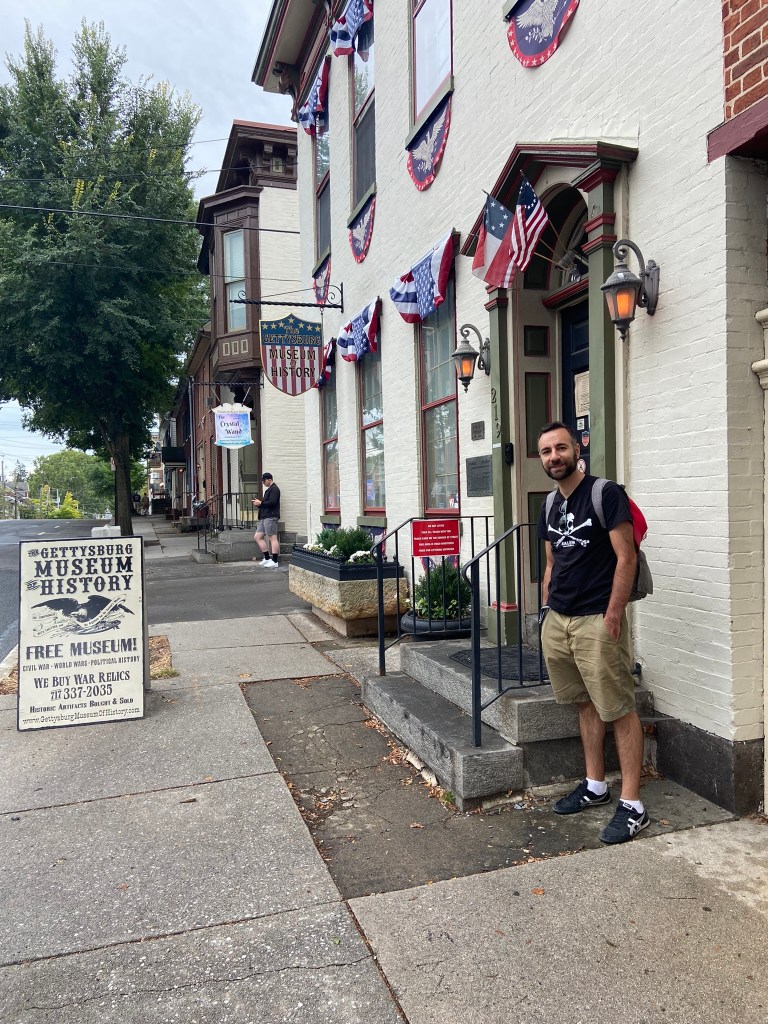
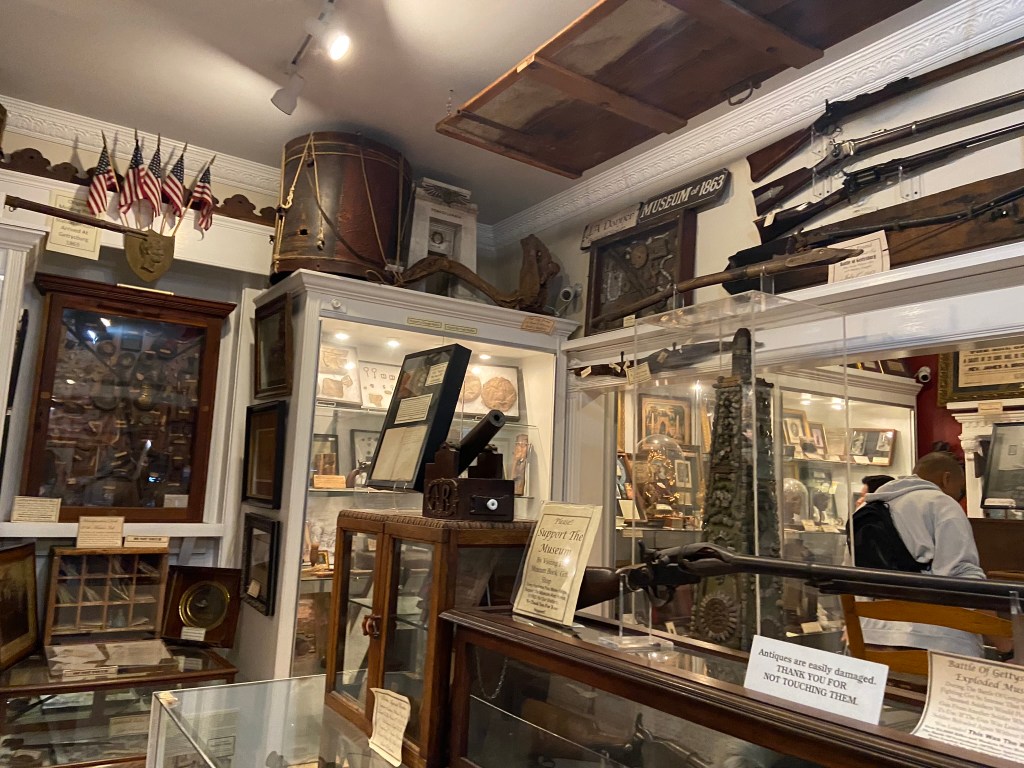
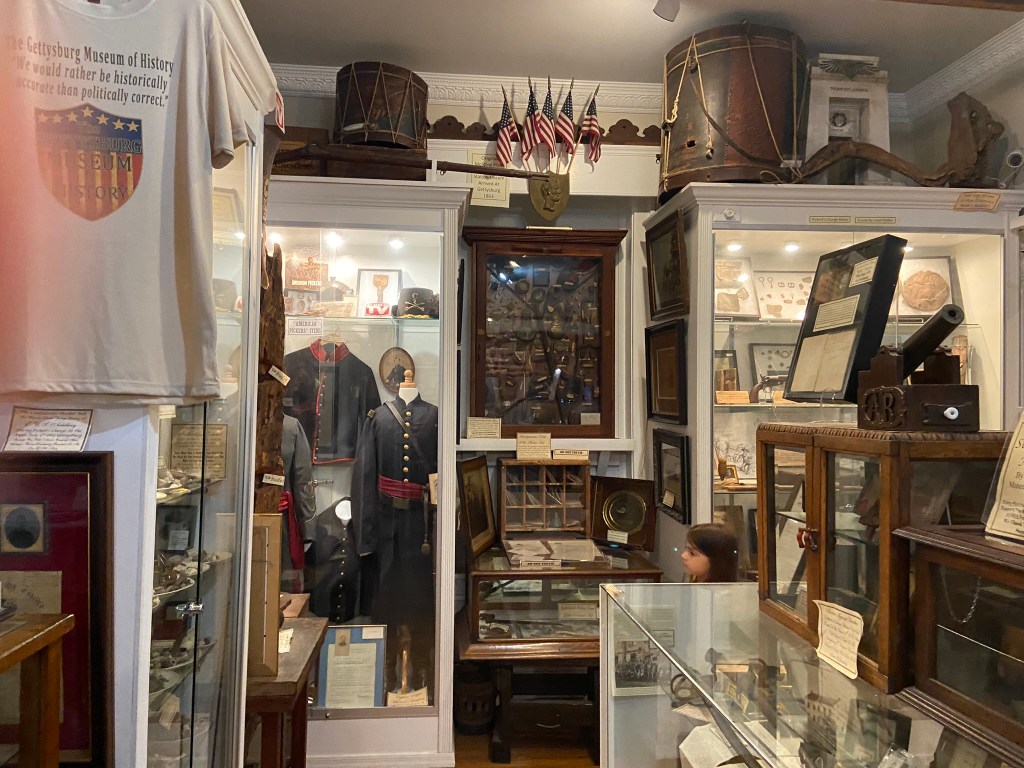
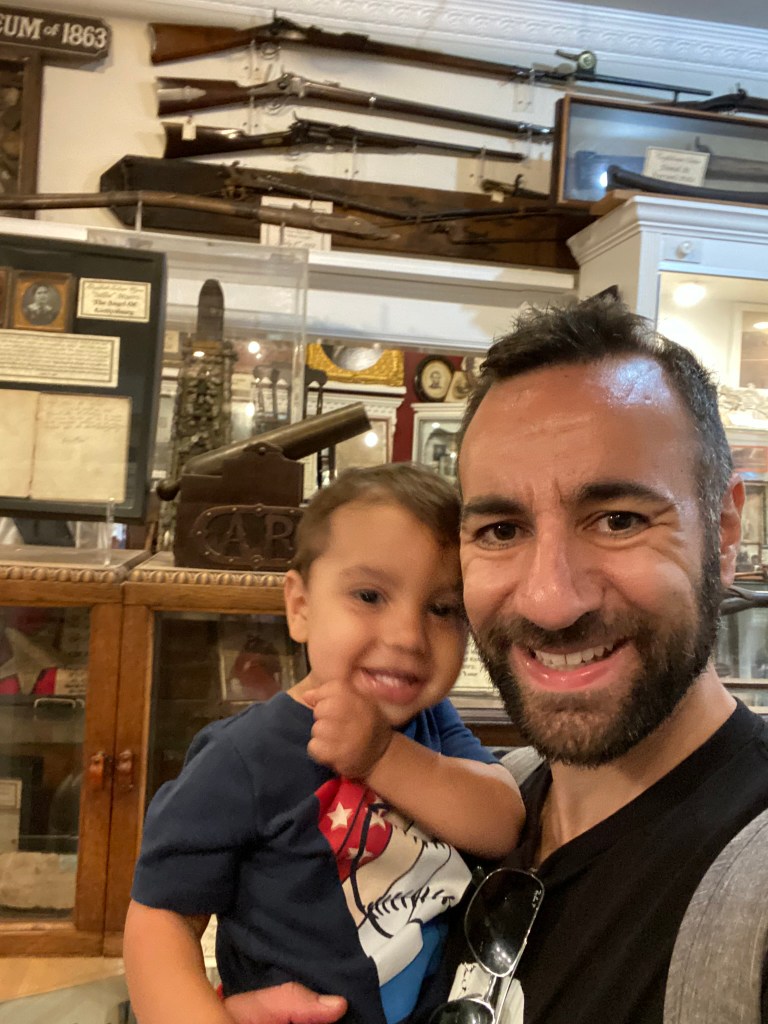
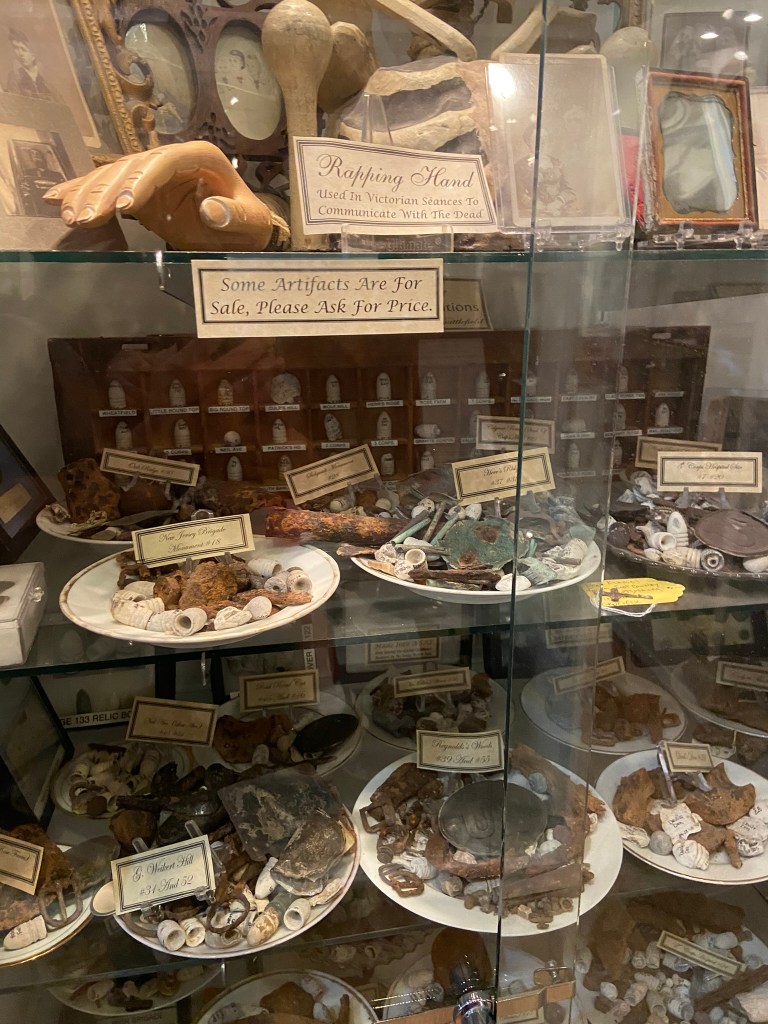
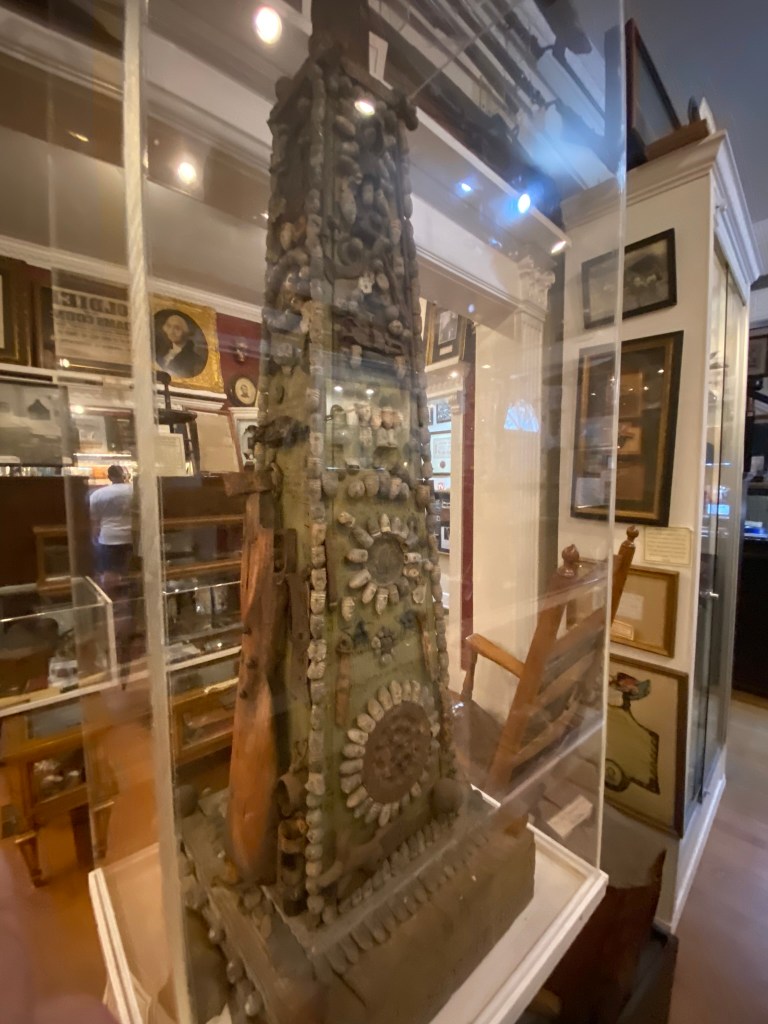
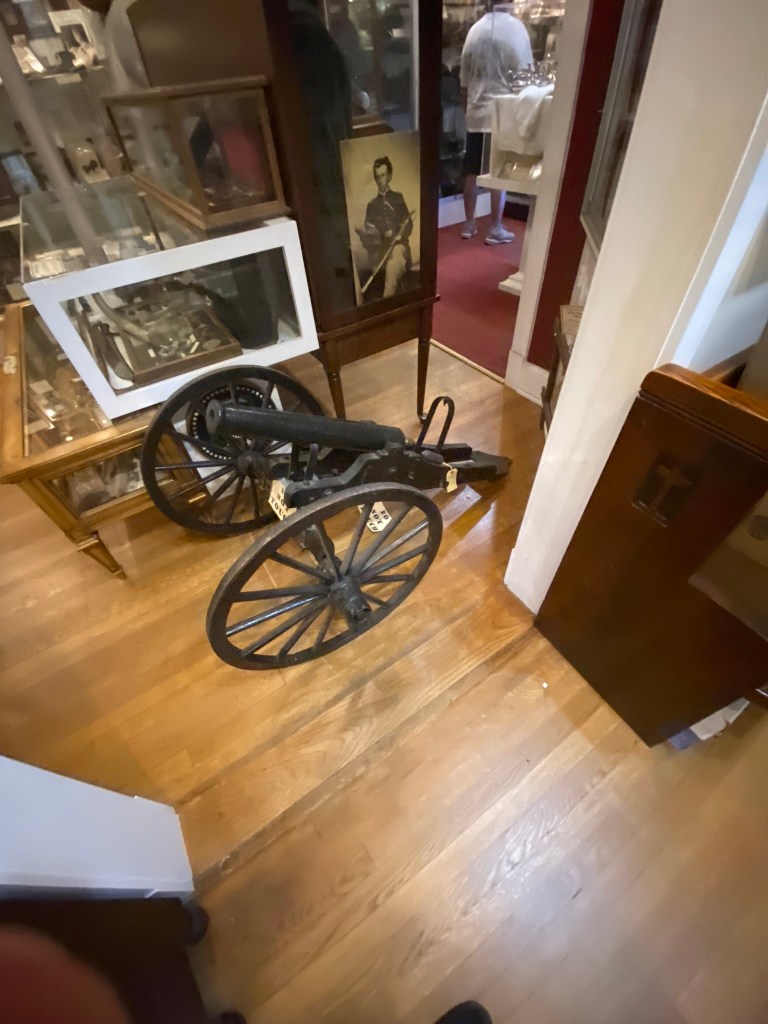
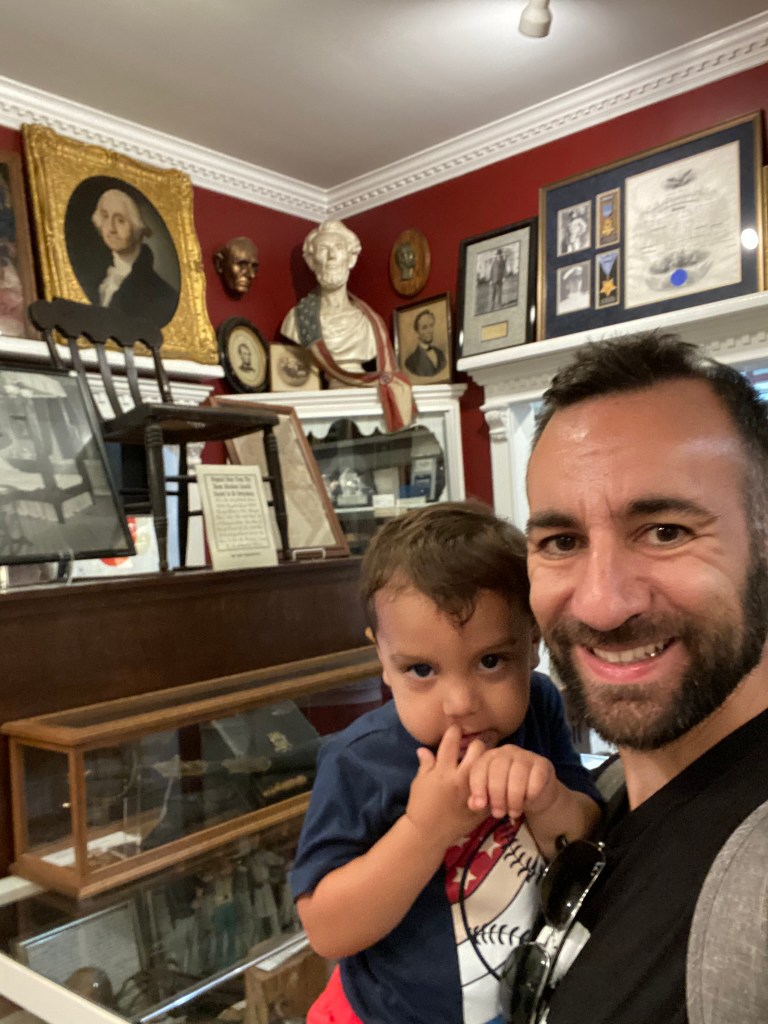
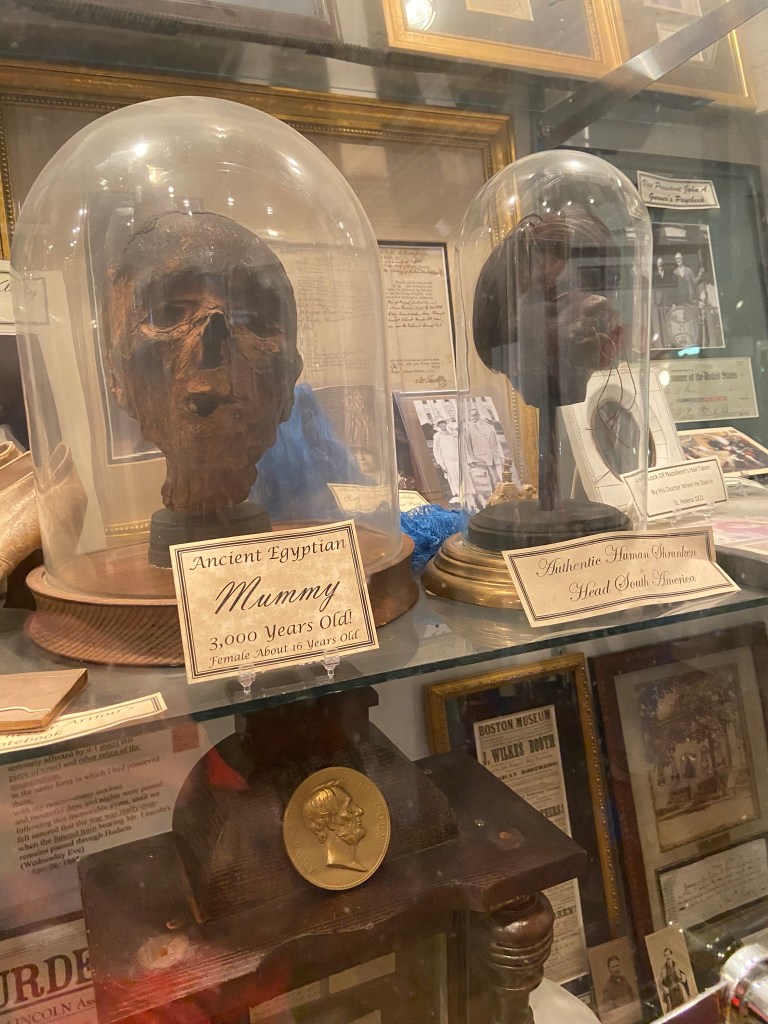
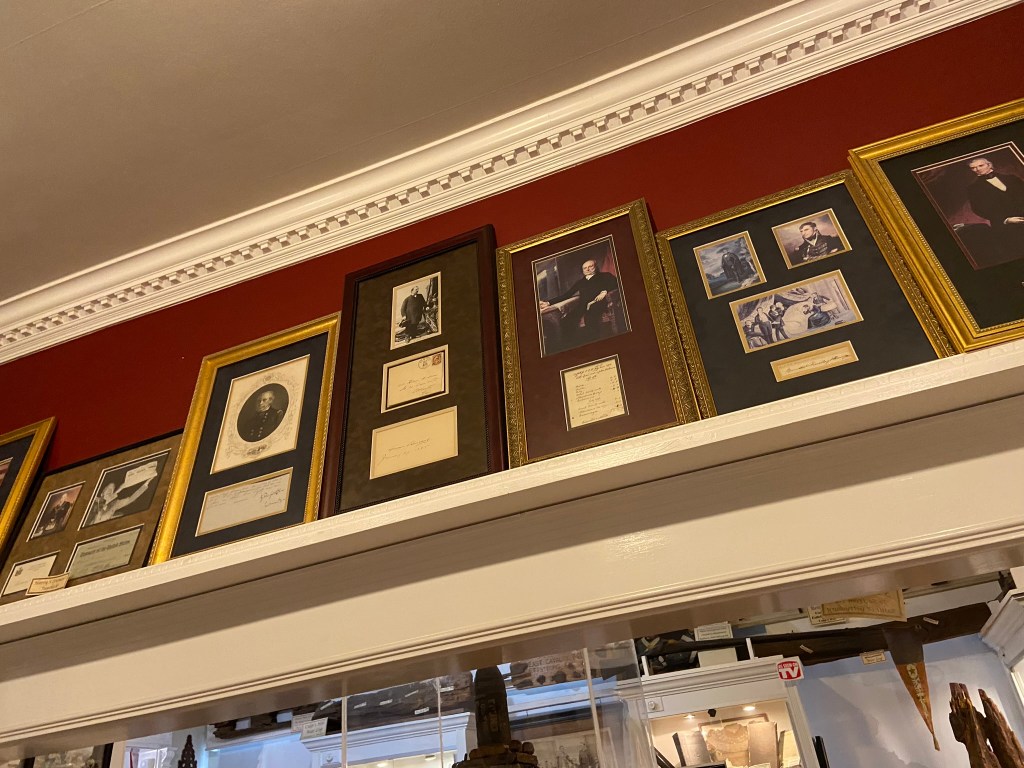
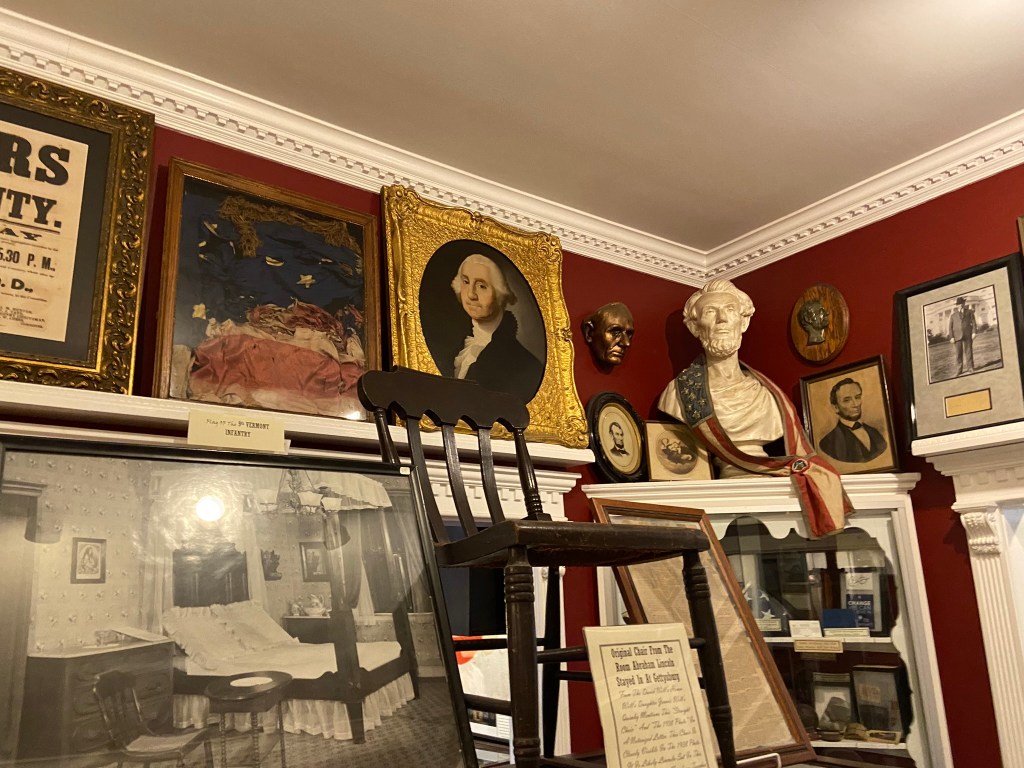
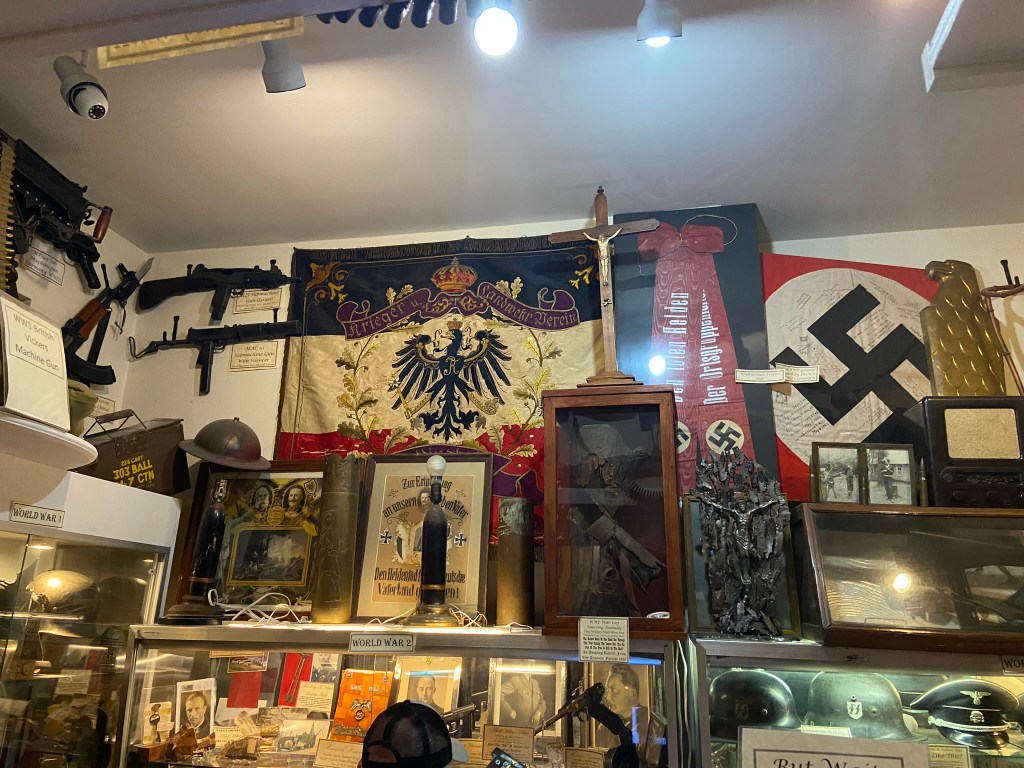
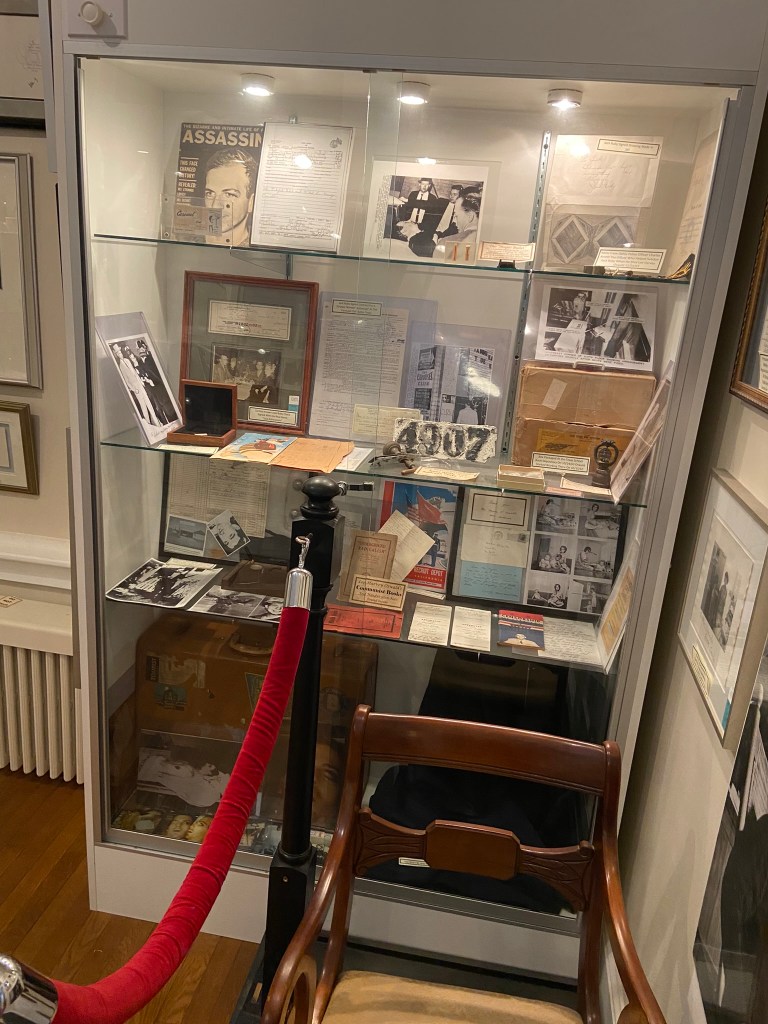
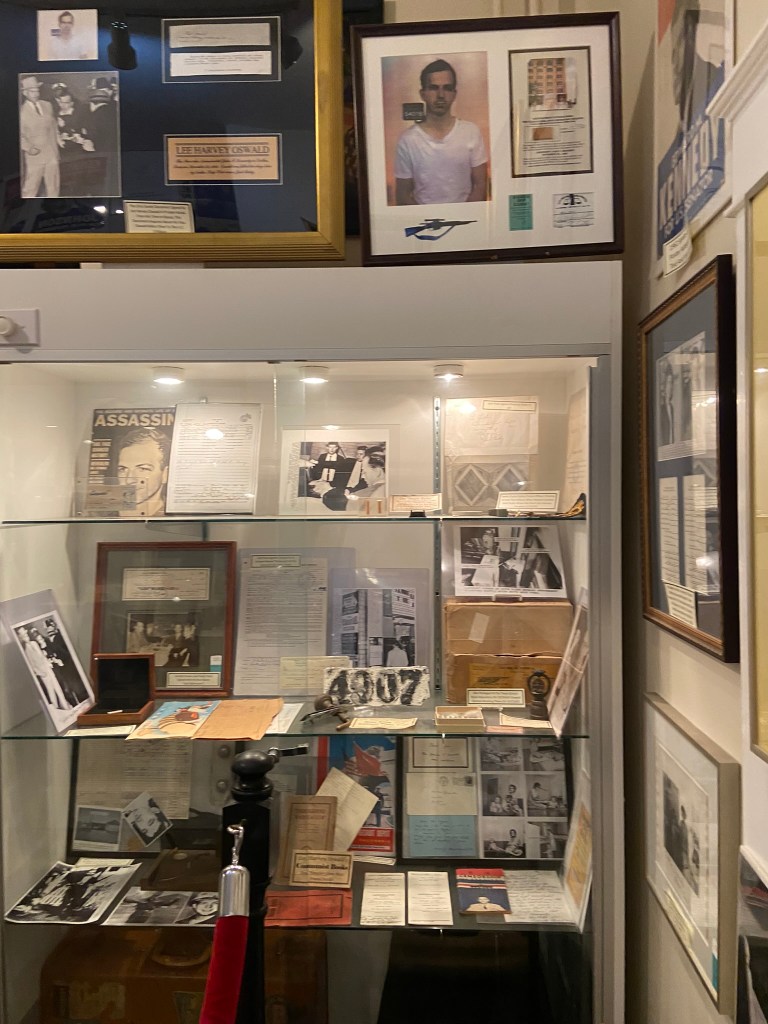
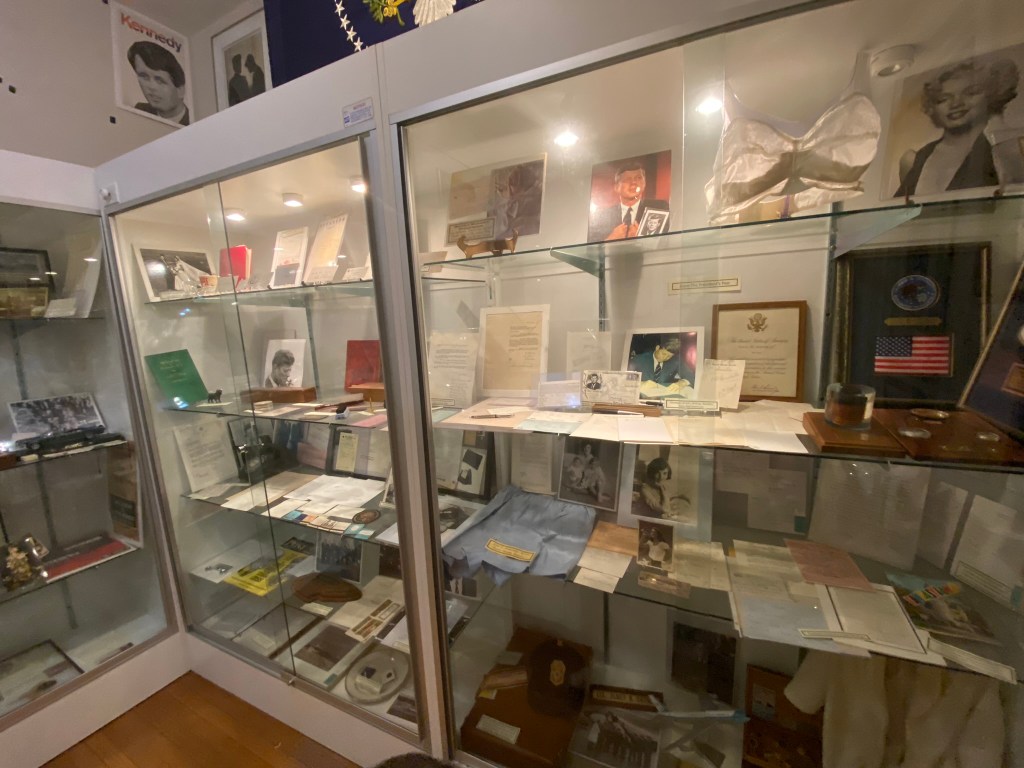
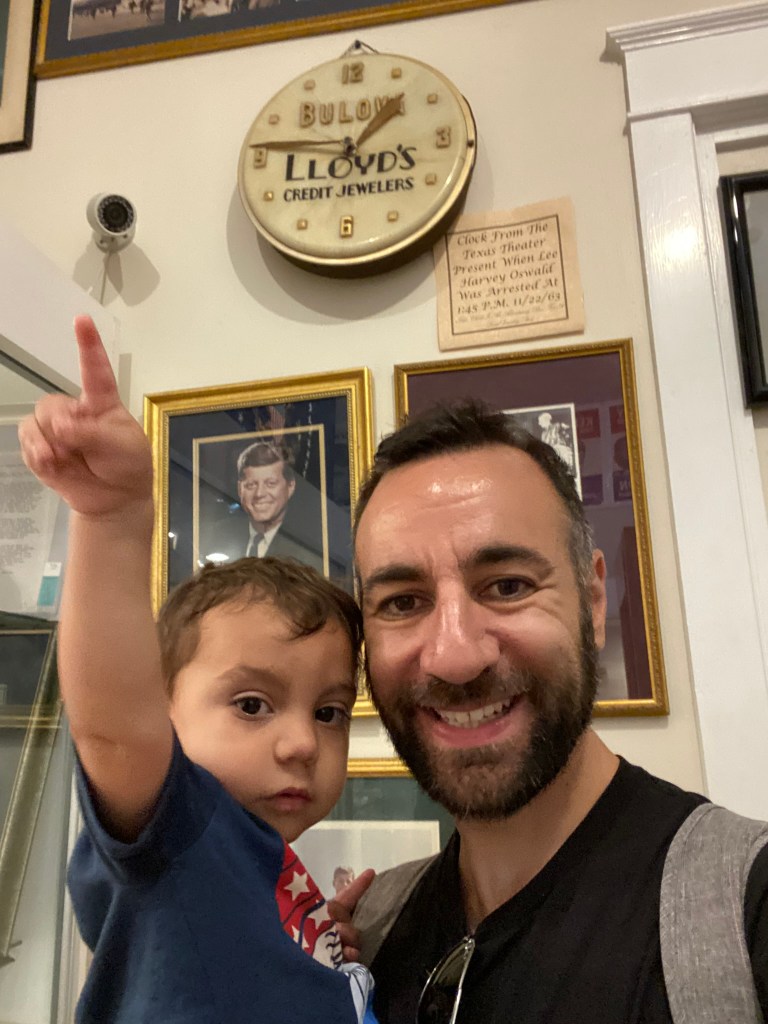
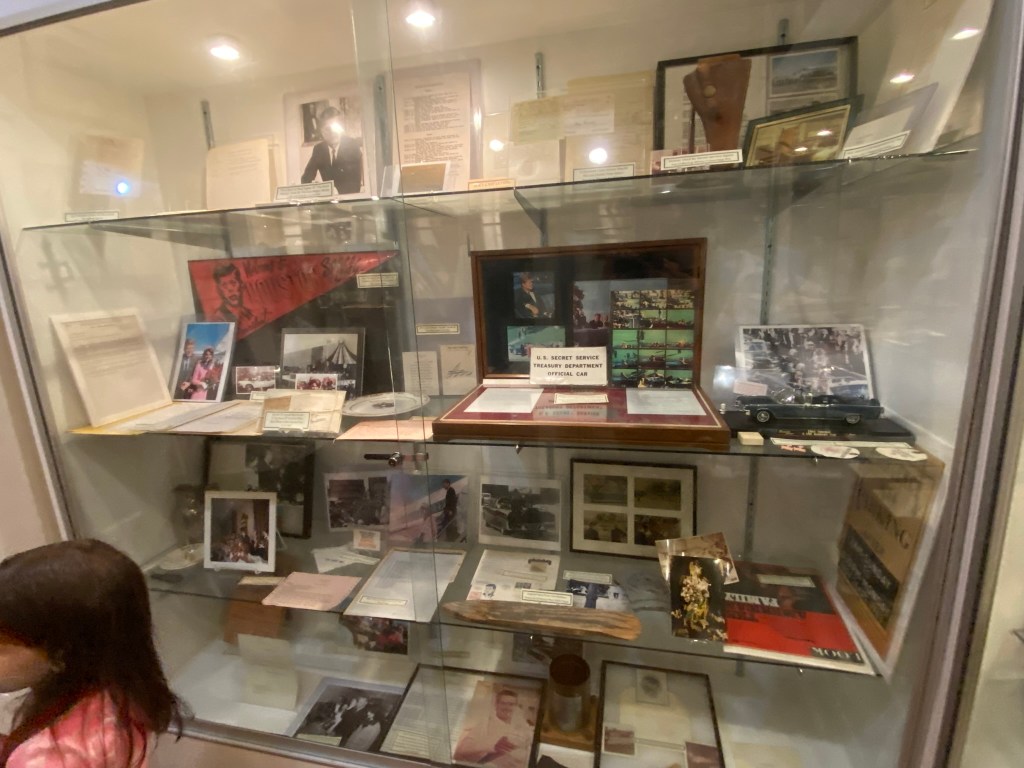
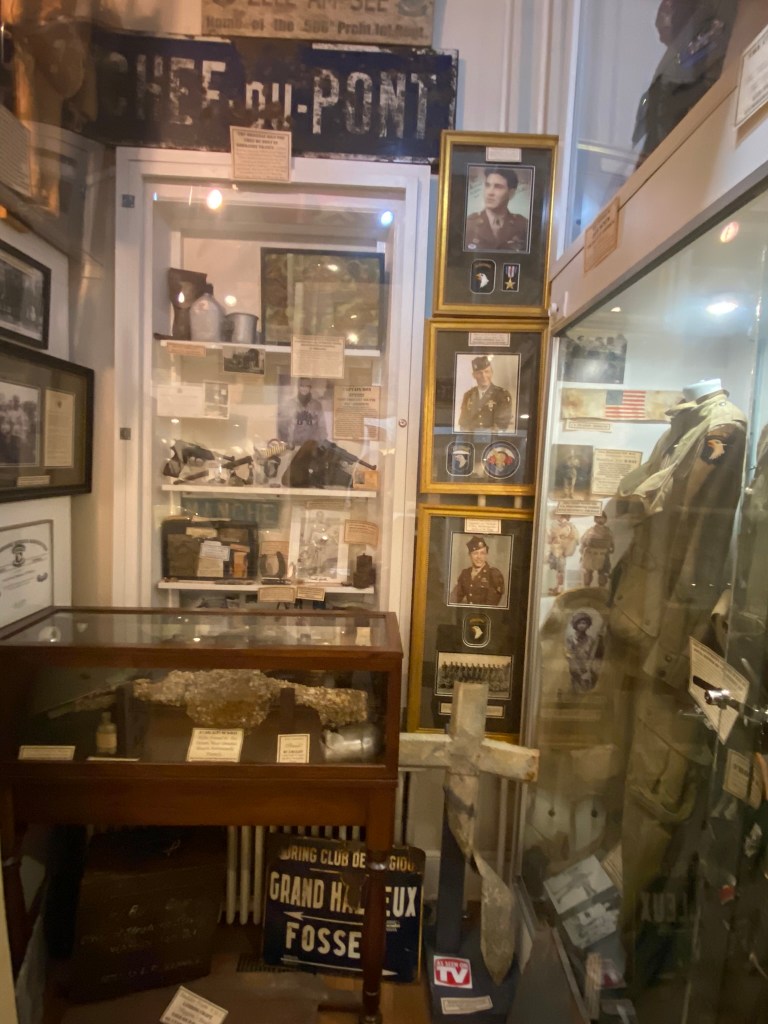
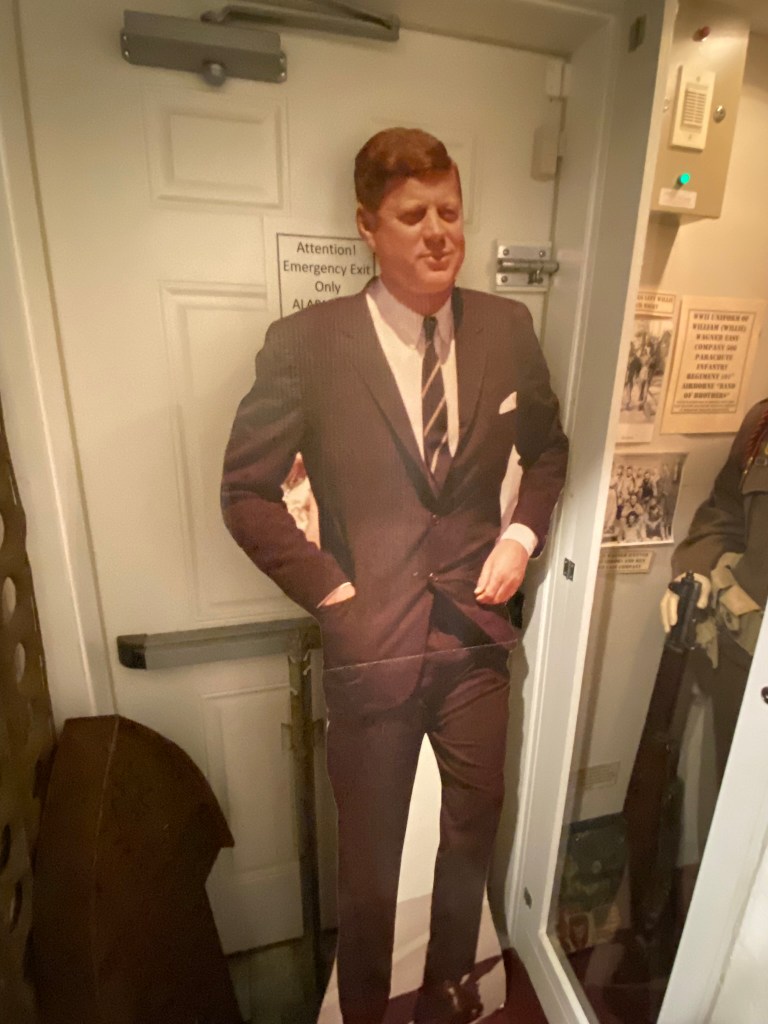
    On our third and final day in Gettysburg, we decided to hang out in town until about lunchtime, eat in town and then make the trek back home. We again had a great breakfast in our hotel, packed up our belongings and checked out. We first went to a couple of shops to buy souvenirs and Gettysburg sweatshirts. We then walked back up Baltimore Street and stopped in Christmas Haus and then went to check out the Gettysburg Museum of History, which is a free musuem on Baltimore Street. I was impressed by the amount of artifacts, memoribilia and relics they had in the museum. Not only did they have Civil War artifacts, but they also had other periods of history as well. I was surprised to see a 3,000 year old mummy’s head from Ancient Egypt. They also have artifacts from the World Wars and an entire room dedicated to John F. Kennedy. The museum is fairly small so you’re not gong to spend a ton of time there, but it is definately worth the visit.

    After we left the museum we headed back to the car. The family was in the mood for Mexican food for lunch so we headed to Montezuma Restaurant which was really great food. After we ate we made the 3.5 hour ride back home.

    I really loved my first trip to Gettysburg. I had high expetations and the trip exceeded them. It truly is such an interesting place. It was just a small town in 1863 that became world famous because of an accidental battle that happened there, a battle that became one of the most famous in history. The town essentially became a Civil War themed town that is so rich in history after 160 years of preservation. The trip is a dream to anyone who loves the Battle of Gettysburg and the Civil War. There are so many musuems and shops to visit that there are still so many museums on my list of places to go. I hope to go again soon and visit those places that we didn’t have time to see. Again, the highlight of the my trip was the double decker bus tour. I highly recommend it to anyone who hasn’t yet had a chance to see the battlefield. If anyone reading this blog has advice on places to see or different ways to view the battlefield, please share. Thanks for reading.

    Related Posts:
  • Intro

    As someone who loves learning and teaching about the Civil War, I’ve been wanting to go to Gettysburg for many years. Gettysburg is the closest Civil War site to where I live and the 1863 battle is one of the most important battles in our nation’s history. Throughout the spring of 1863, the Confederate Army led by Robert E. Lee had won a series of battles in Virginia. They were feeling confident enough to invade Union territory and decided to march into Pennsylvania. This was the Confederacy’s second attempt at invading the North (after Antietam in 1862). So much was at stake at Gettysburg. Lee was hoping for a victory that would turn Northerners against the war and invade further into Pennsylvania or other Union states. The Union army knew that they had to stop Lee and the Confederate army at this battle. The Battle of Gettysburg, a three day battle from July 1st- 3rd, 1863, was the deadliest of the Civil War, resulting in about 51,000 casualties. At the battle’s end, the Union was able to stop the Confederate advance as Lee and his army were forced to retreat back to Virginia. The Confederacy would not be able to invade the North again, although bloody fighting would resume for almost 2 more years.

    Gettysburg was a bucket list type of location that I felt I needed to see. I planned a 2 night, 3 day trip with my family, along with my parents. Let me tell you, this trip did not disappoint. Besides touring the battlefield, there are so many museums and shops to visit. We did as much as time would allow. I’m looking forward to going back and visiting the sites we didn’t get to see.

    I’m breaking this blog post into two. In the first one I plan to discuss what we visited on Day 1- The Dobbin House, the Jennie Wade House, Ronn Palm’s Museum of Civil War Images and the Gettyburg National Cemetary. In my second post, which you can read (here) I will discuss what we visited on Day 2 and our Half Day 3, which includes a Double-Decker bus tour of the battlefield, the Gettysburg National Military Park and Museum, and the Gettysburg Museum of History.

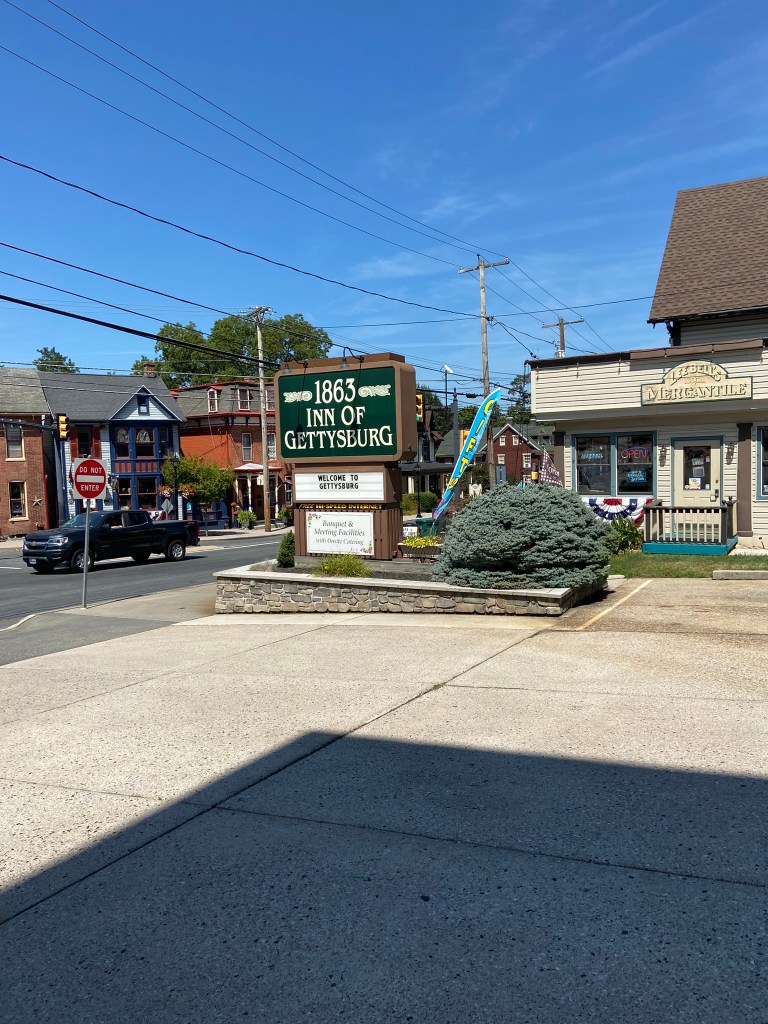
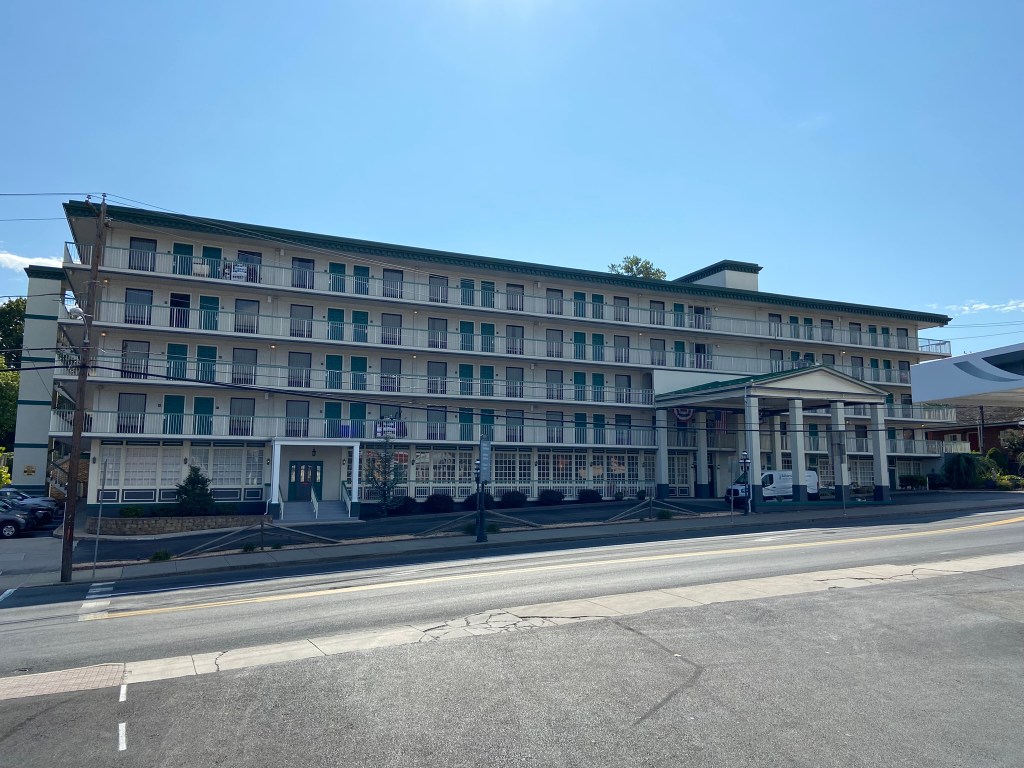
    The 1863 Inn of Gettysburg

    My family and I made the 3.5 hour drive into Gettysburg and arrived at about 12:30pm and parked at our hotel, the 1863 Inn of Gettysburg. The hotel was great and I would definately recommend. The rooms were pretty standard hotel rooms, with a nice bathroom and comfortable beds. The location is great; you are walking distance from so many sites, museums and shops to see in town, and you’re just a 10 minute walk from the center of town. One of the best aspects of the hotel is the free breakfast. They serve a high quality breakfast, and you have the convenience of not having to search for somewhere to eat. You can eat and get on your way to seeing sites in town. I would definately stay there again. Check out their site here: https://www.1863innofgettysburg.com/

    The Dobbin House

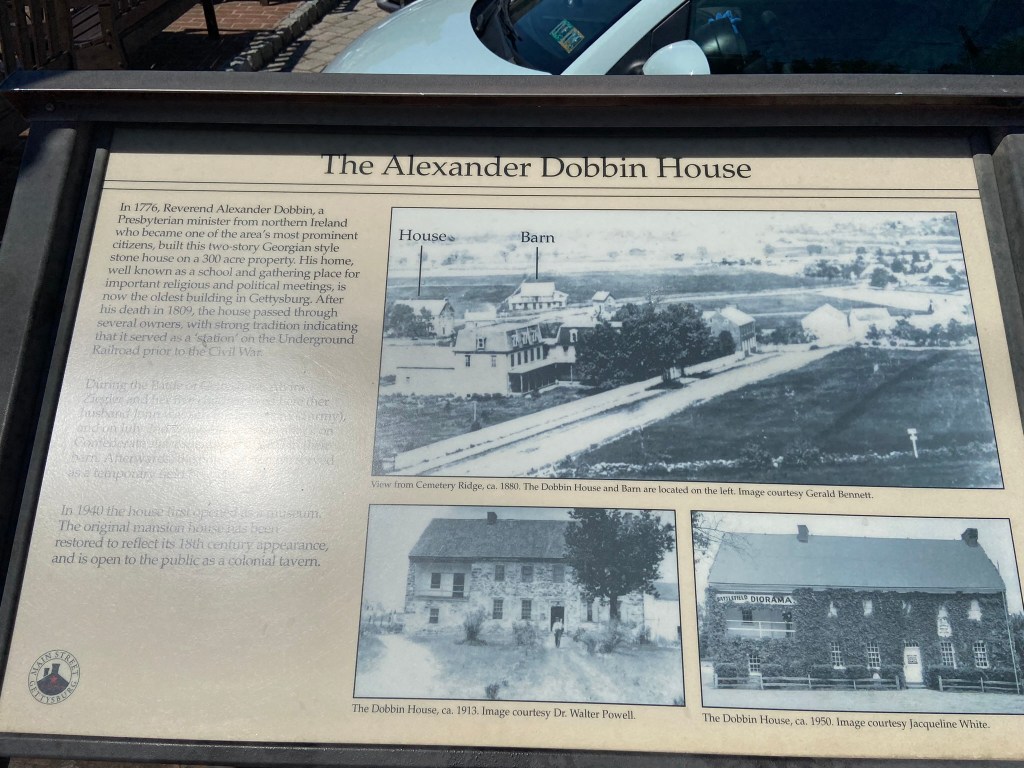
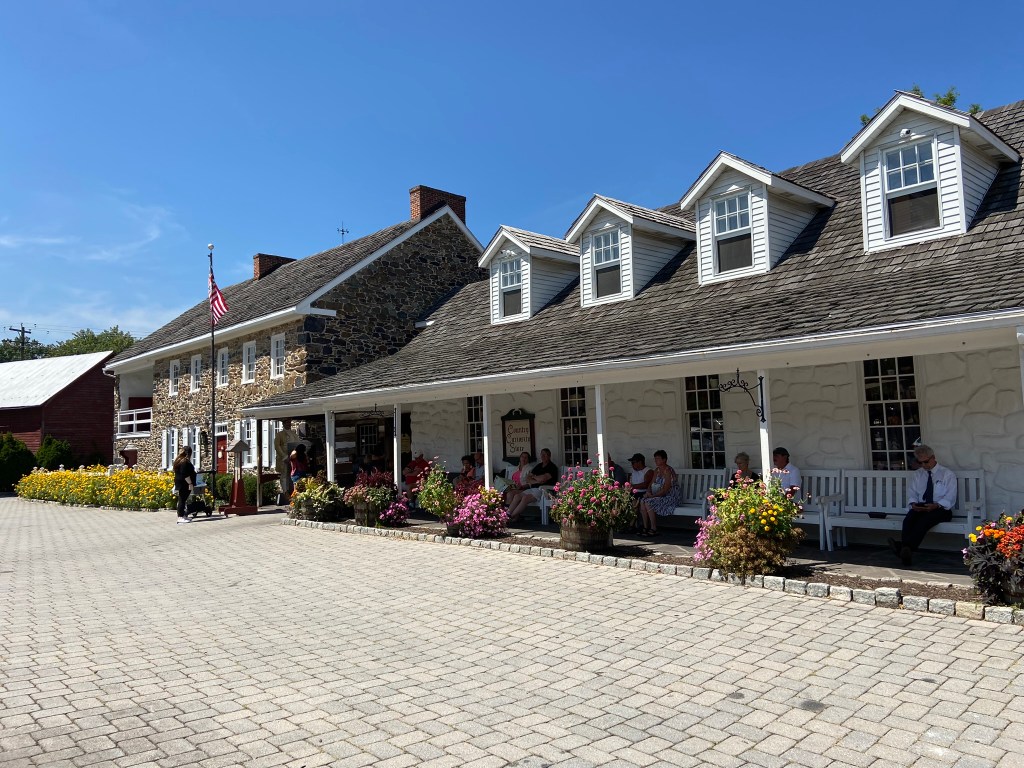
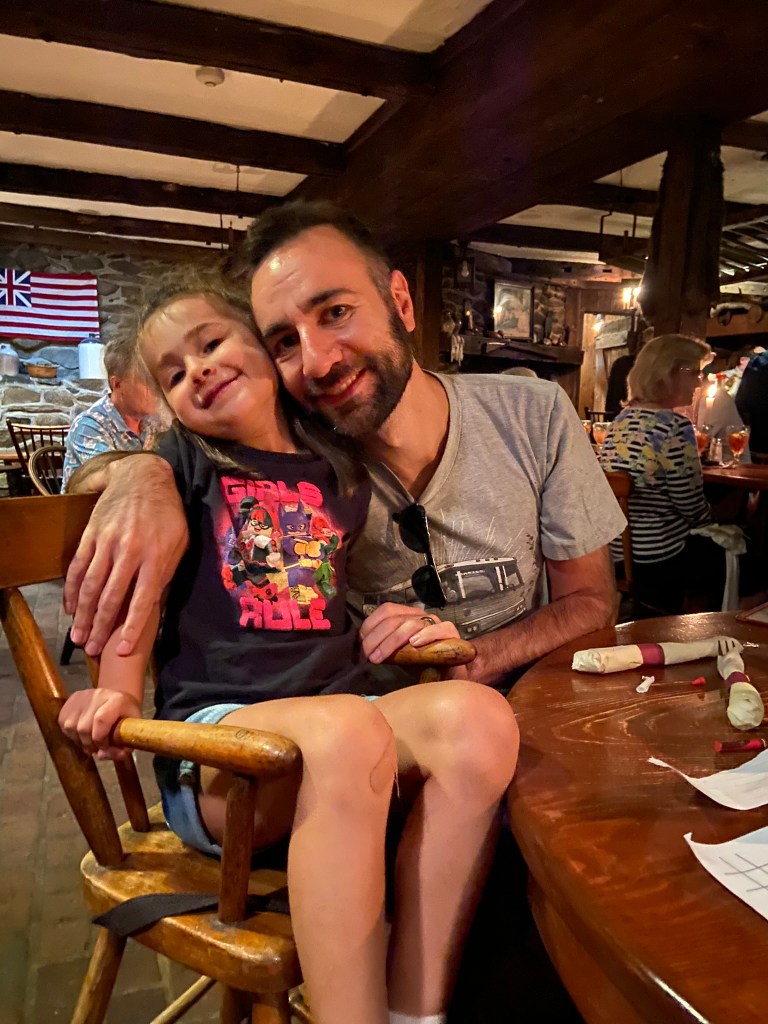
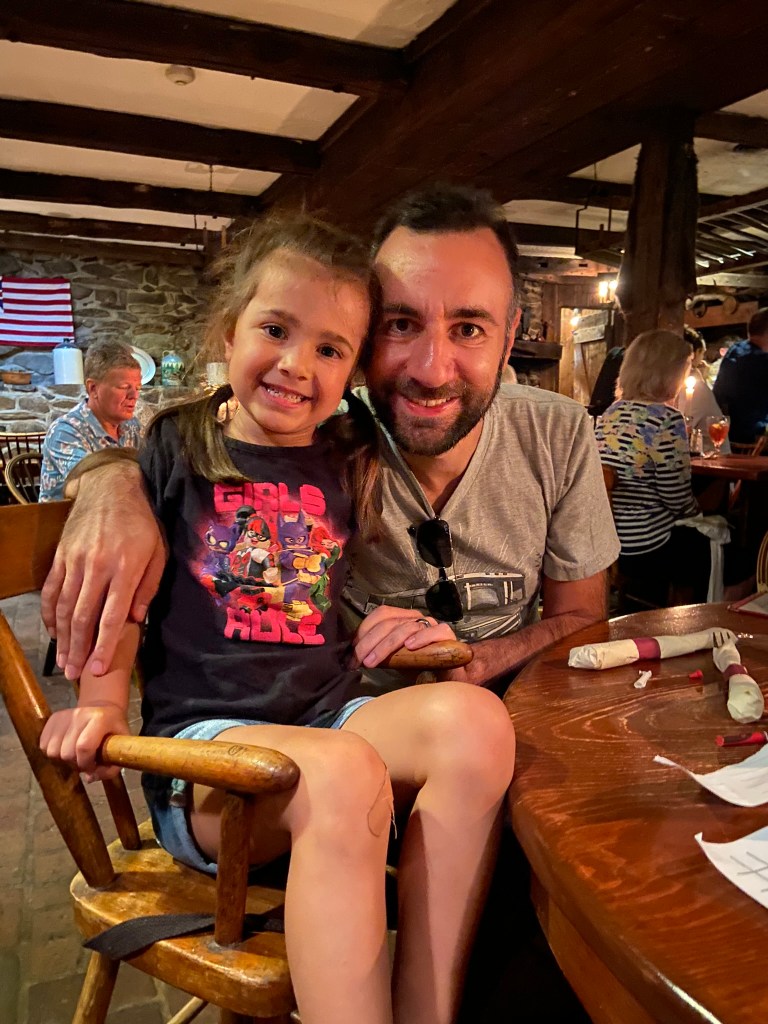
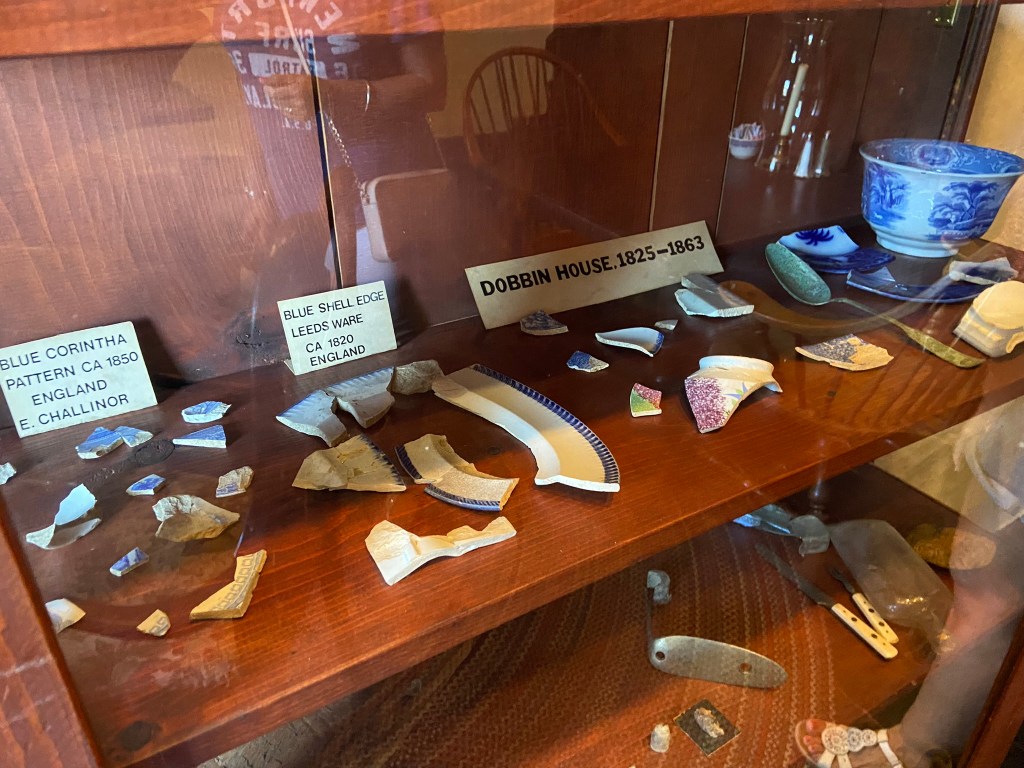
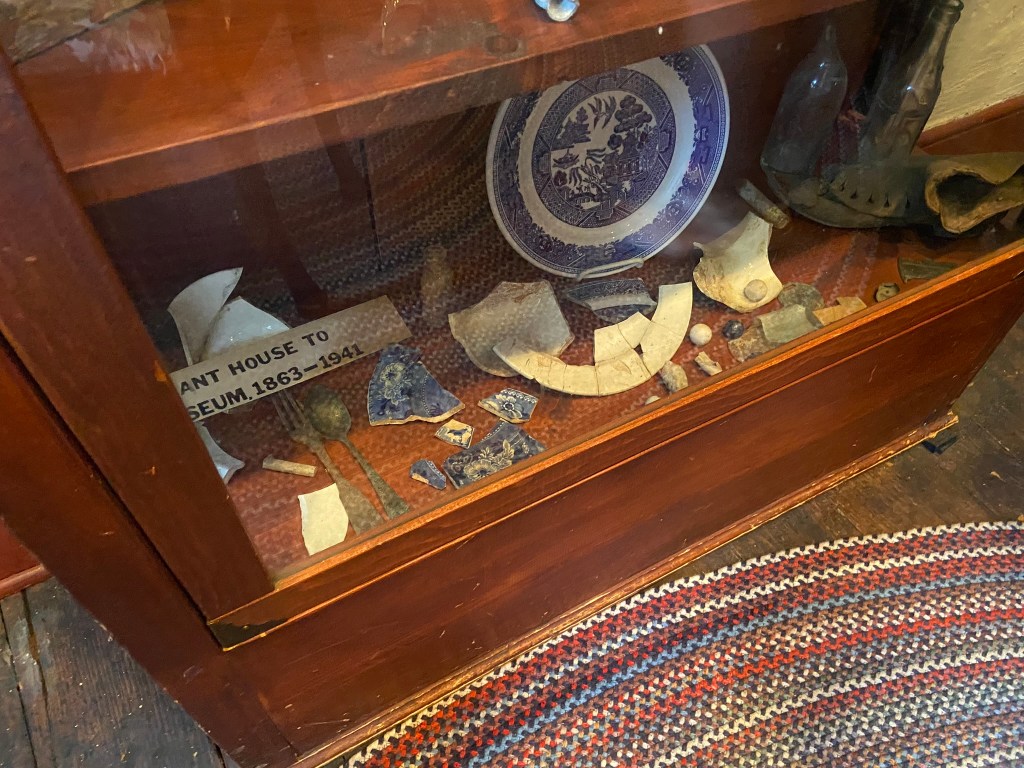
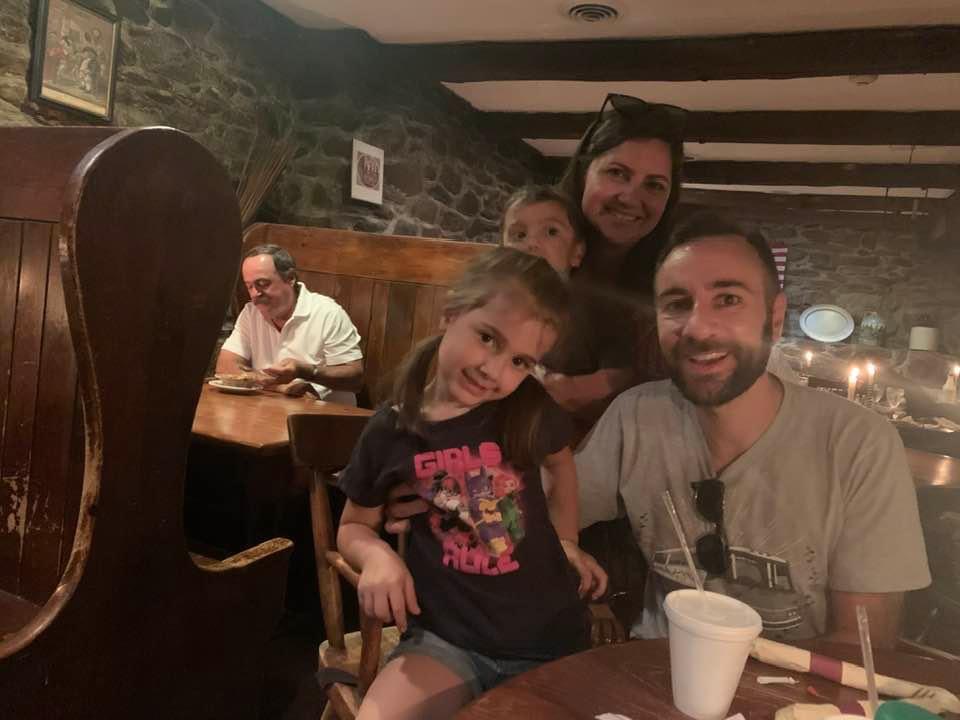
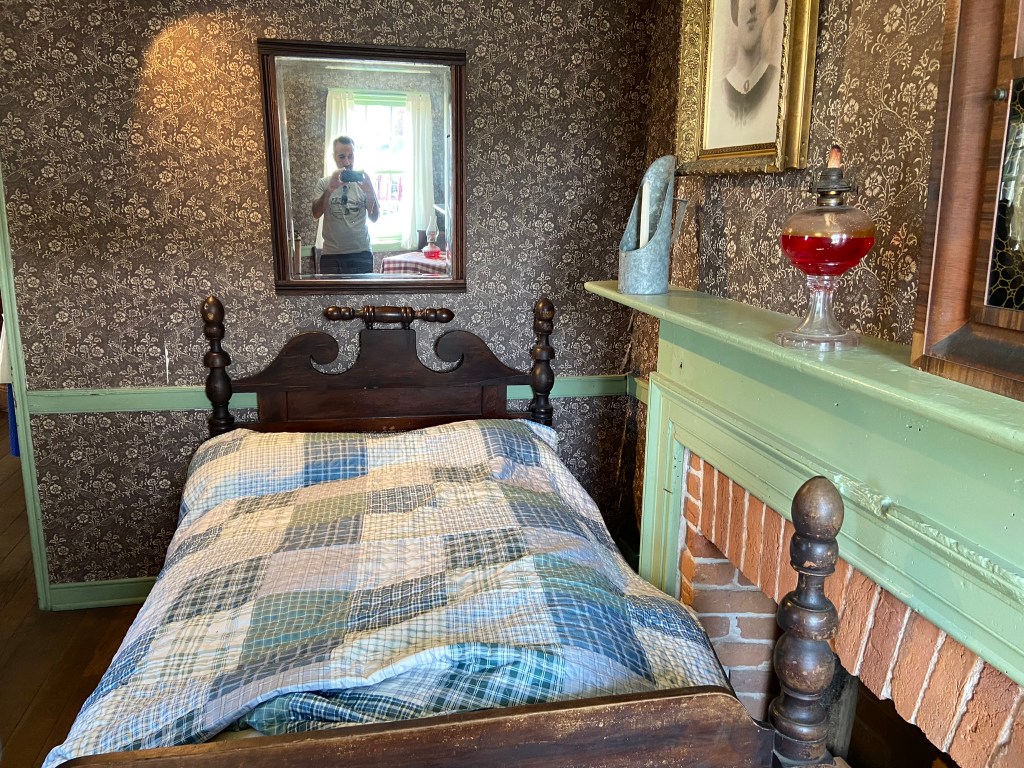
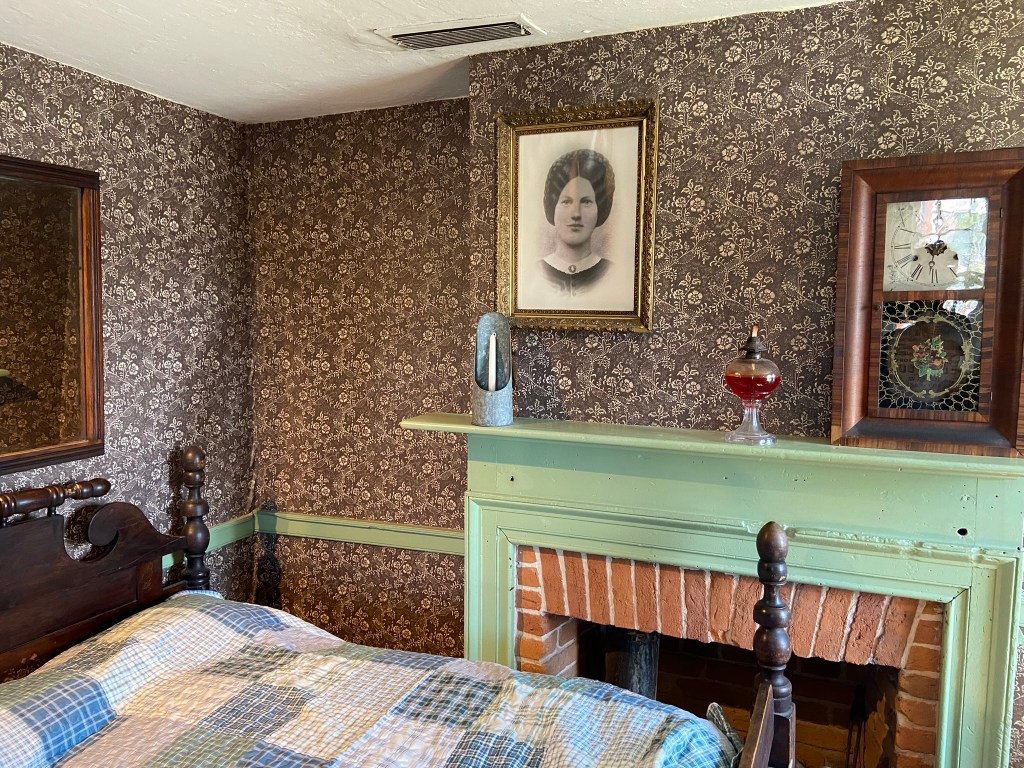
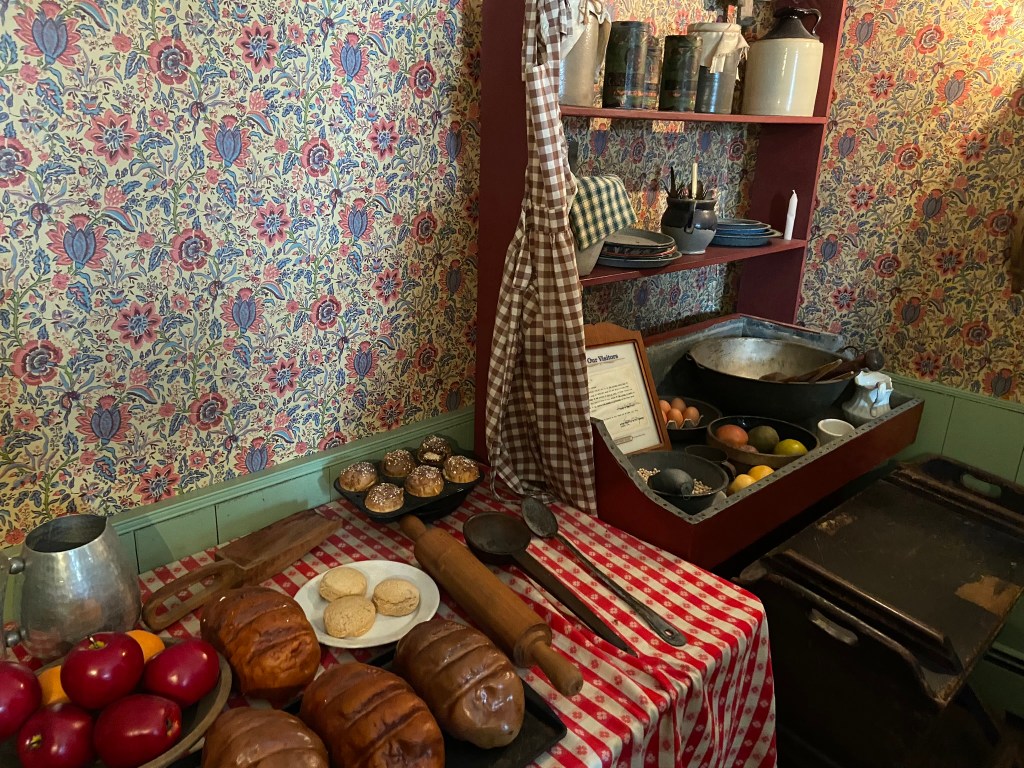
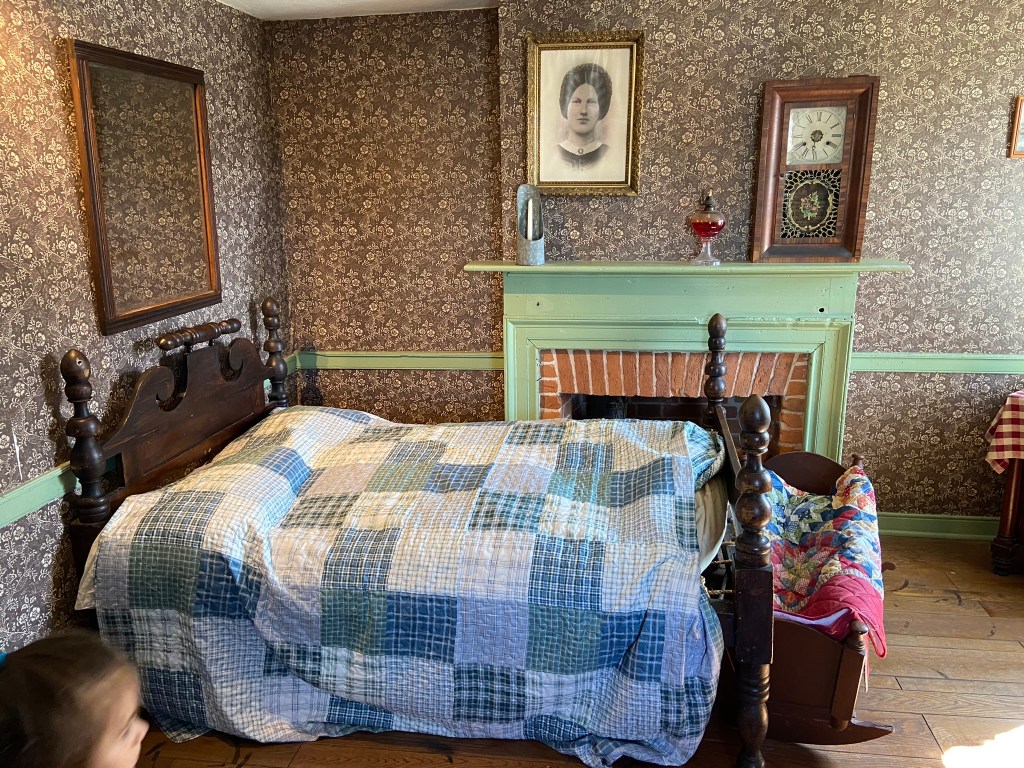
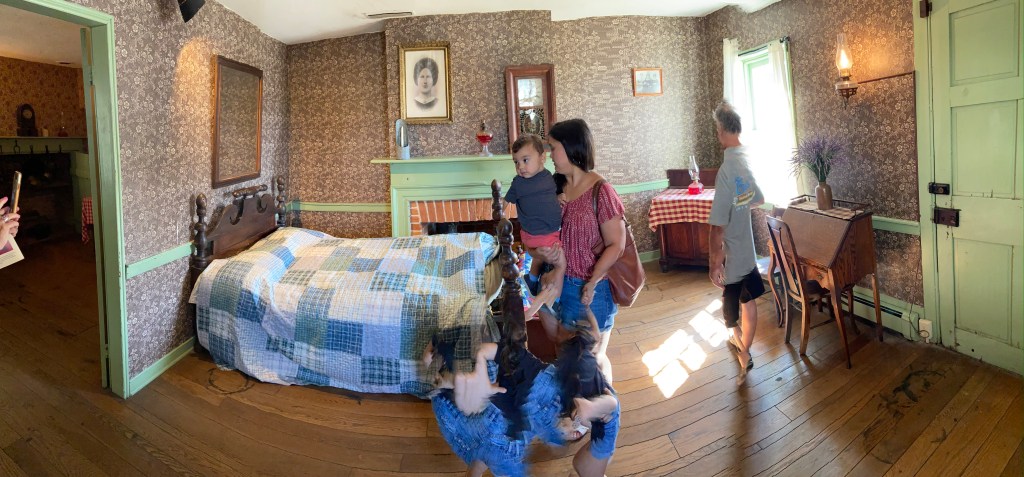
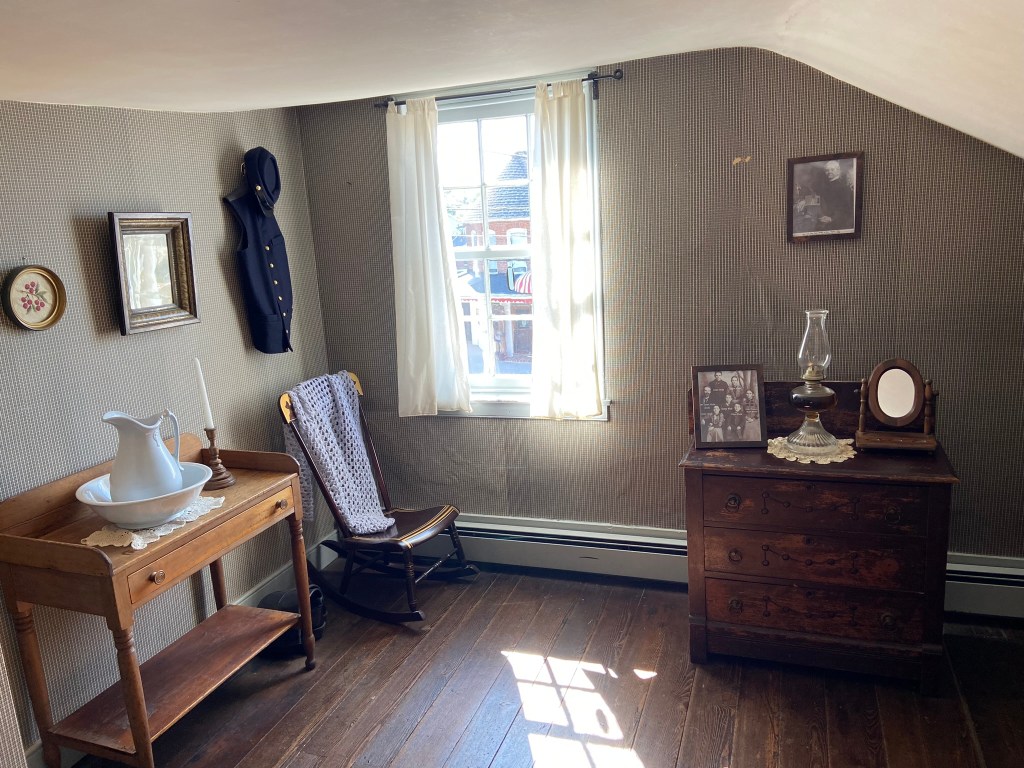
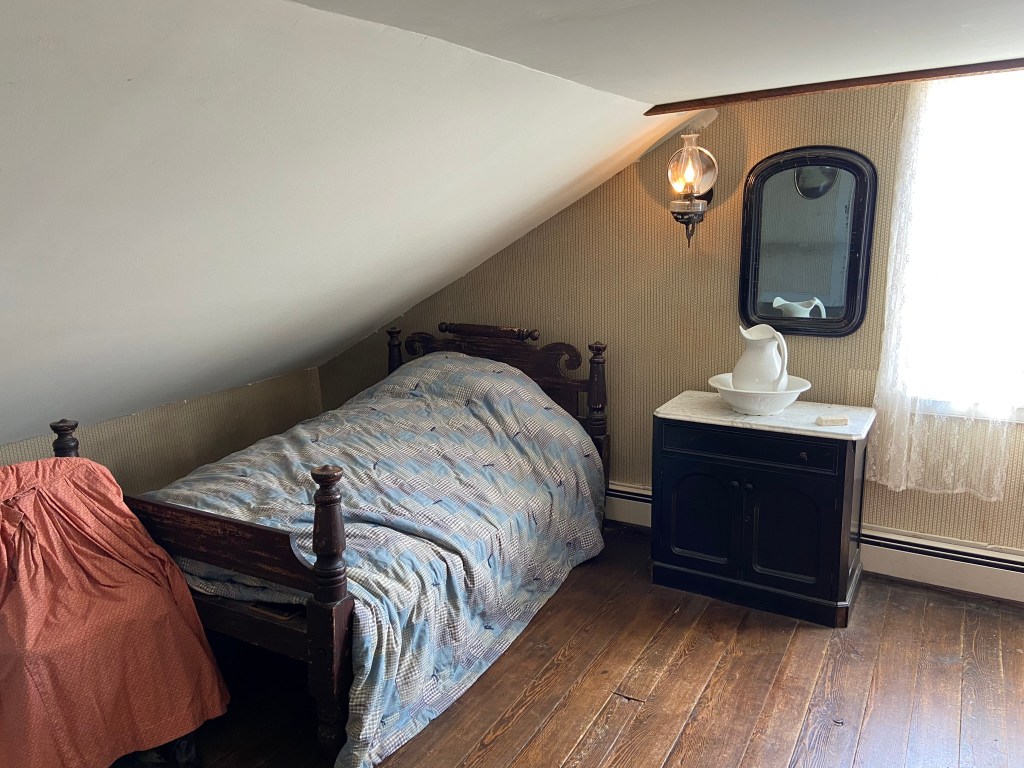
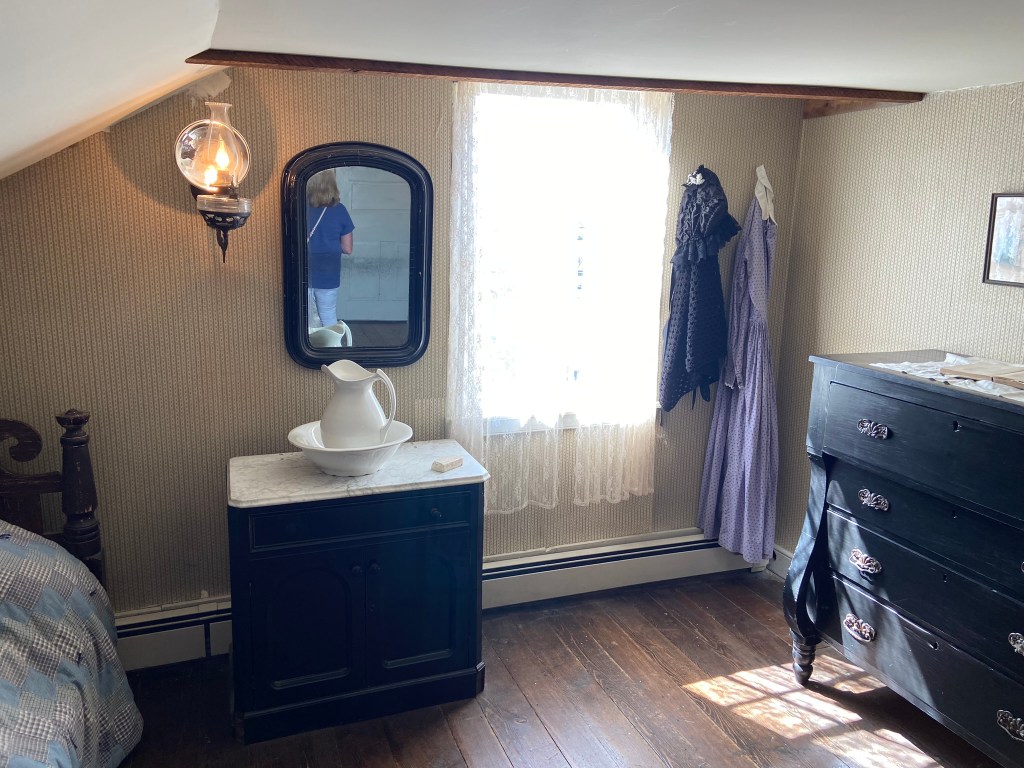
    When we arrived at 12:30, we met my parents at the Dobbin House Tavern for lunch. There was about a 30 minute wait. I learned that the Dobbin house was built in 1776 and is the oldest building in Gettysburg, built at the time for one of the area’s most prominent citizens, Reverend Alexander Dobbin. When our table was ready, we were walked down into a basement that felt like you were living in the late 18th century, very dimly lit with candles on each table. The food was also very good. After eating, we went upstairs to find that the house is a museum itself. You’re allowed to wander around the house and look at the 18th century rooms and decor. There is also a set of narrow stairs that leads to an upper floor which served as a stop on the Underground Railroad. There are also artifacts on display there from throughout the 19th century. Find out more info here: http://www.dobbinhouse.com/

    The Jennie Wade House

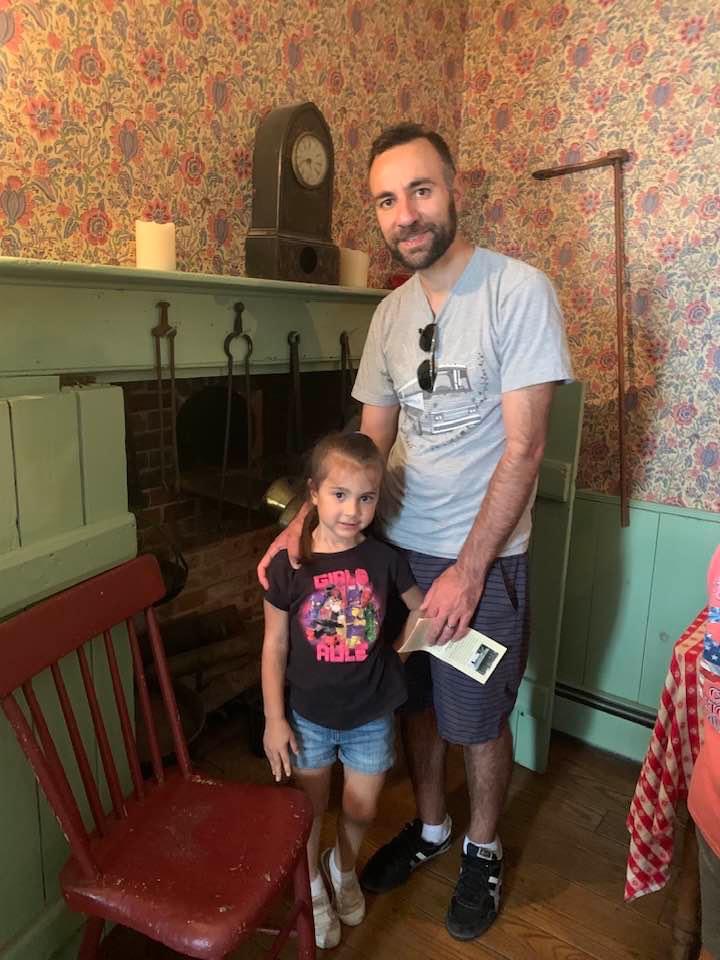
    After leaving the Dobbin House, we decided to visit the Jennie Wade House because it is right next door to our hotel. When we visited we found out that the next tour of the house was in about 30 mins. That gave us time to check in to our hotel rooms and make it back down.

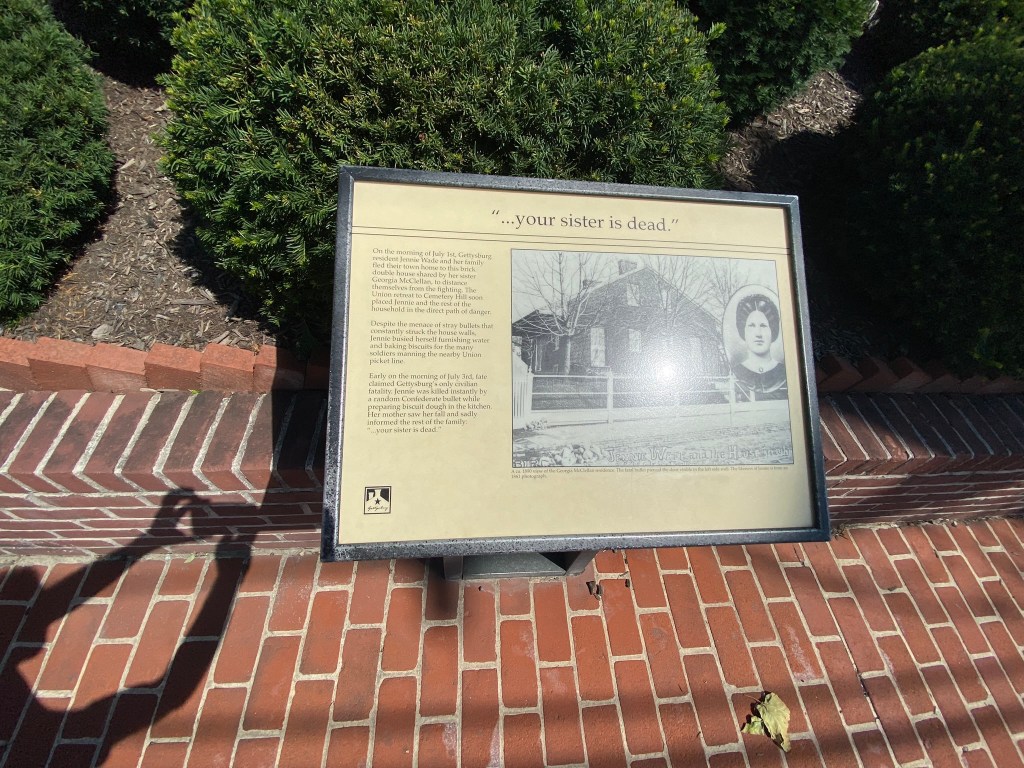
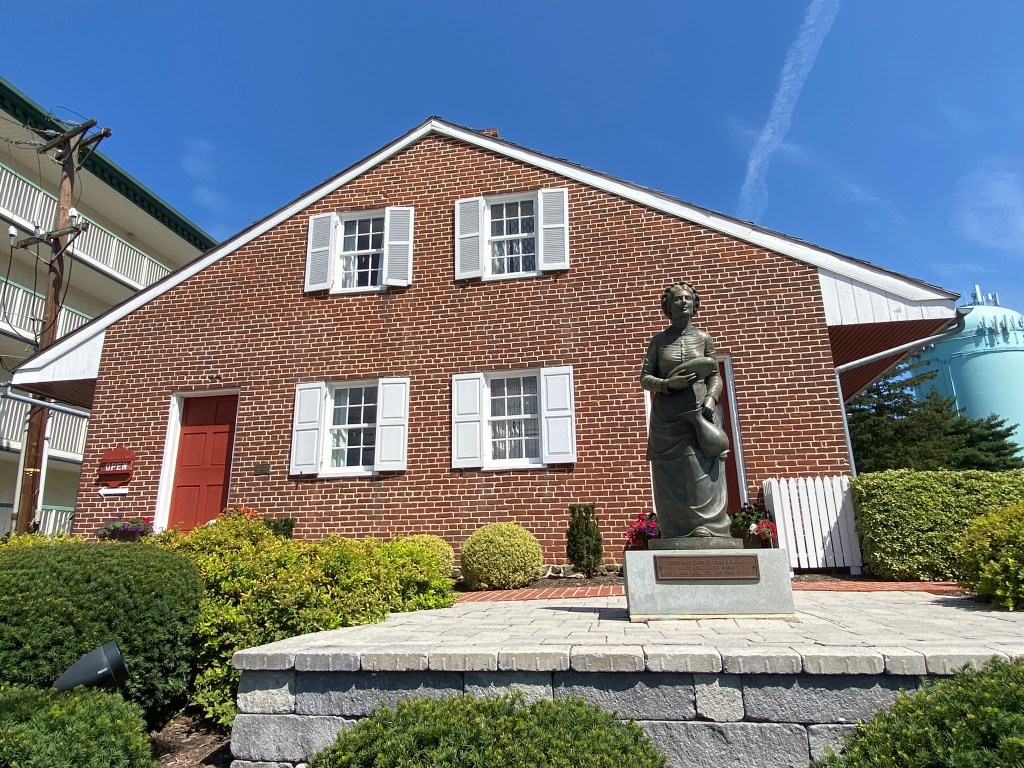
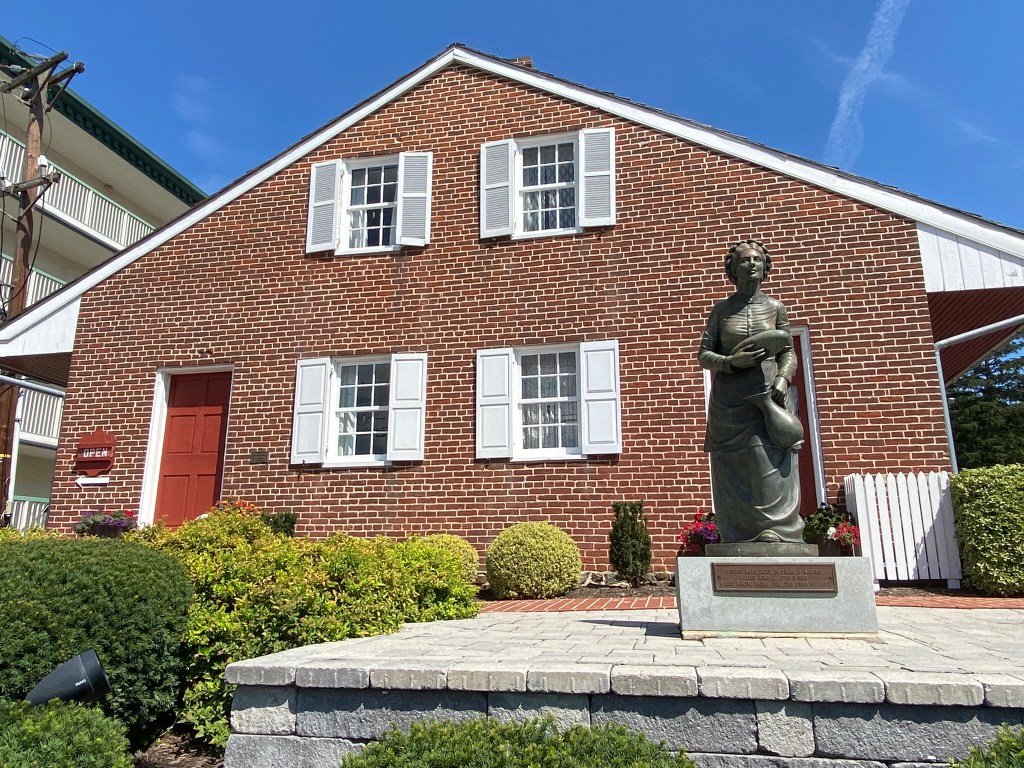
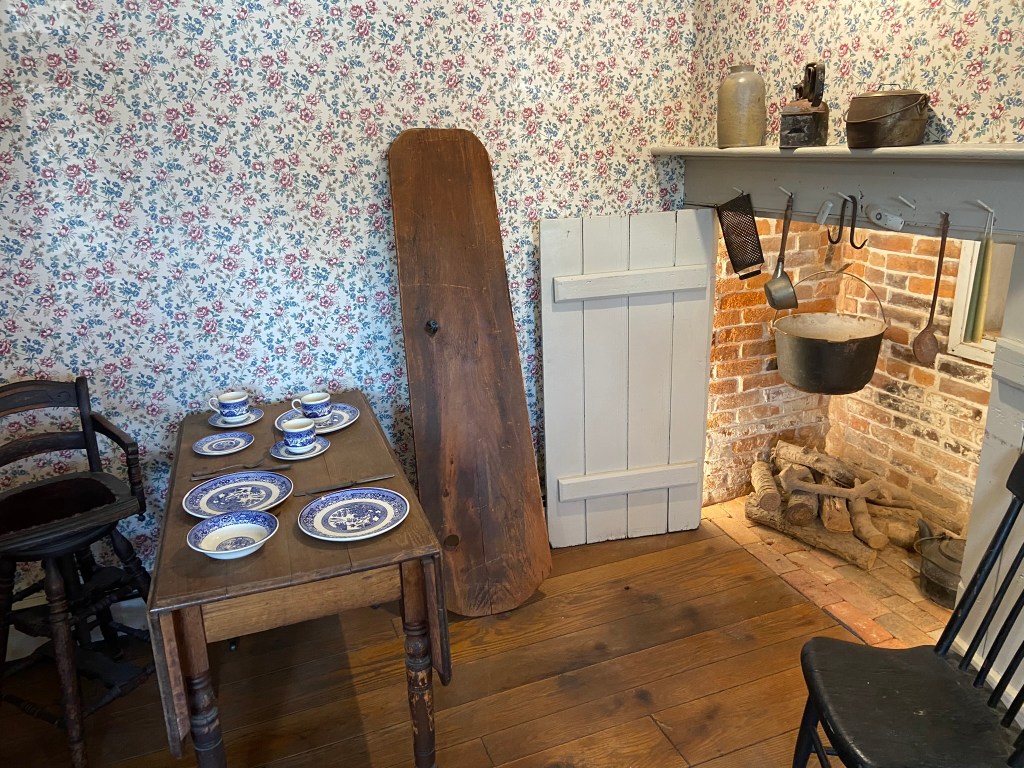
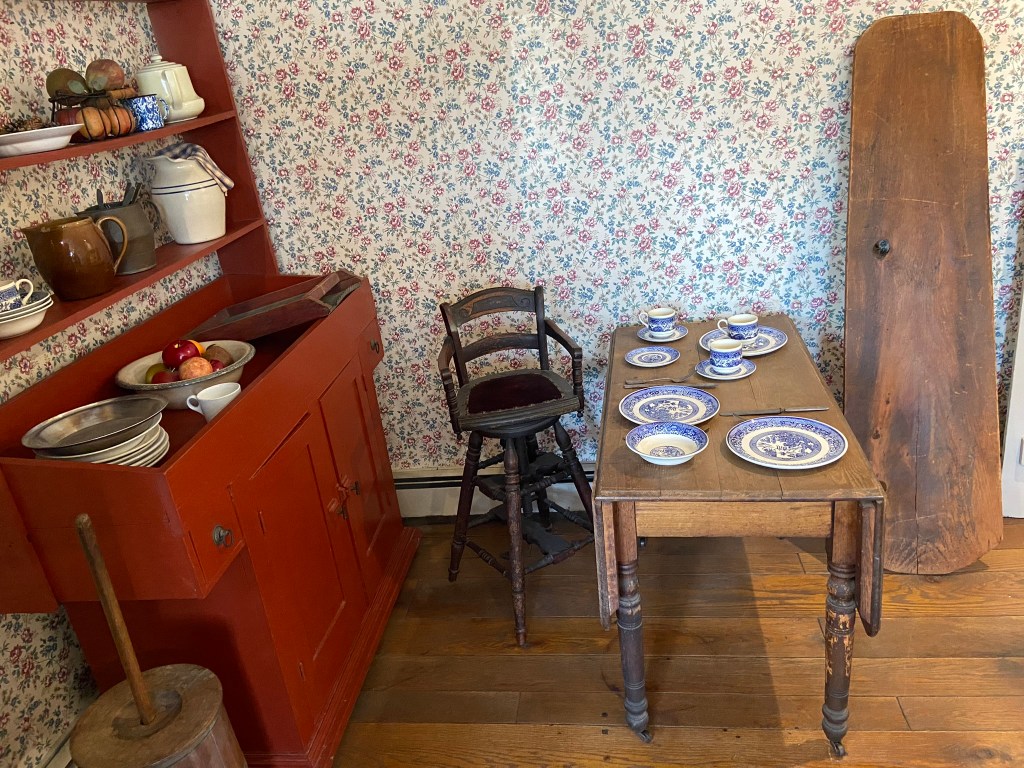
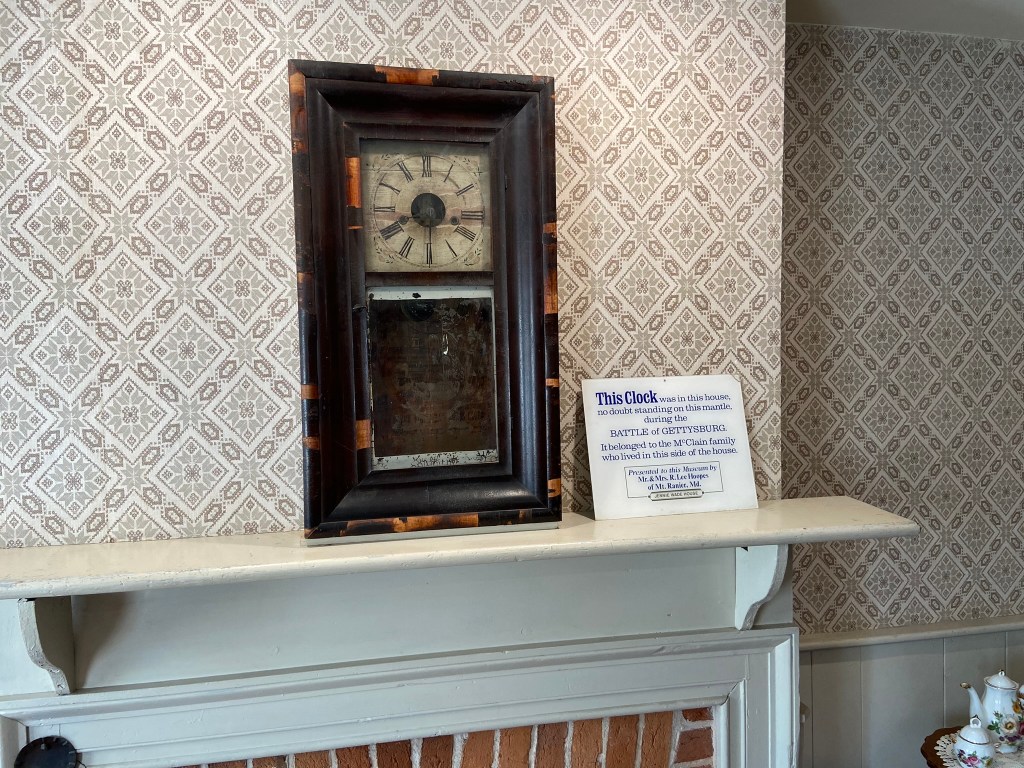
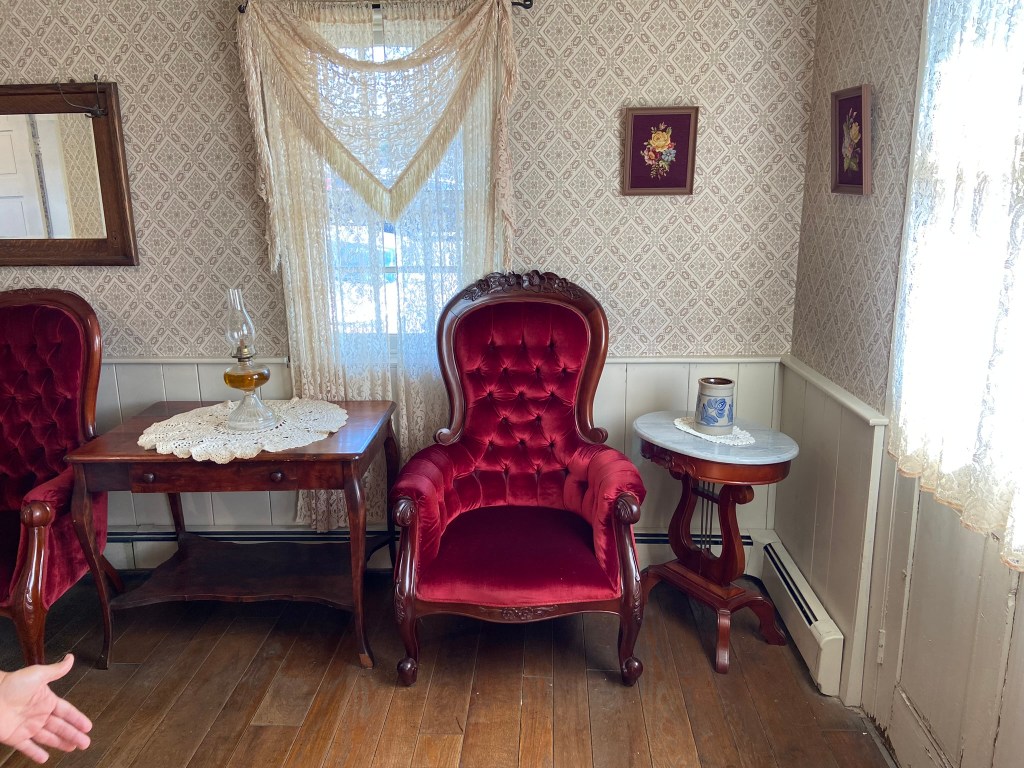
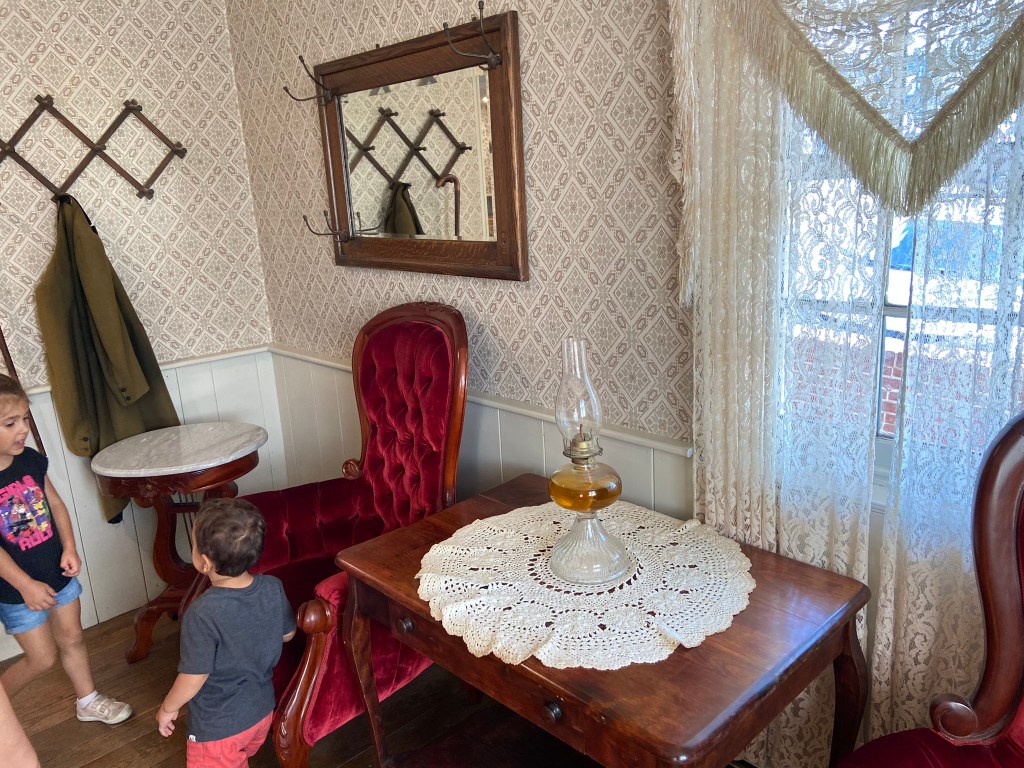
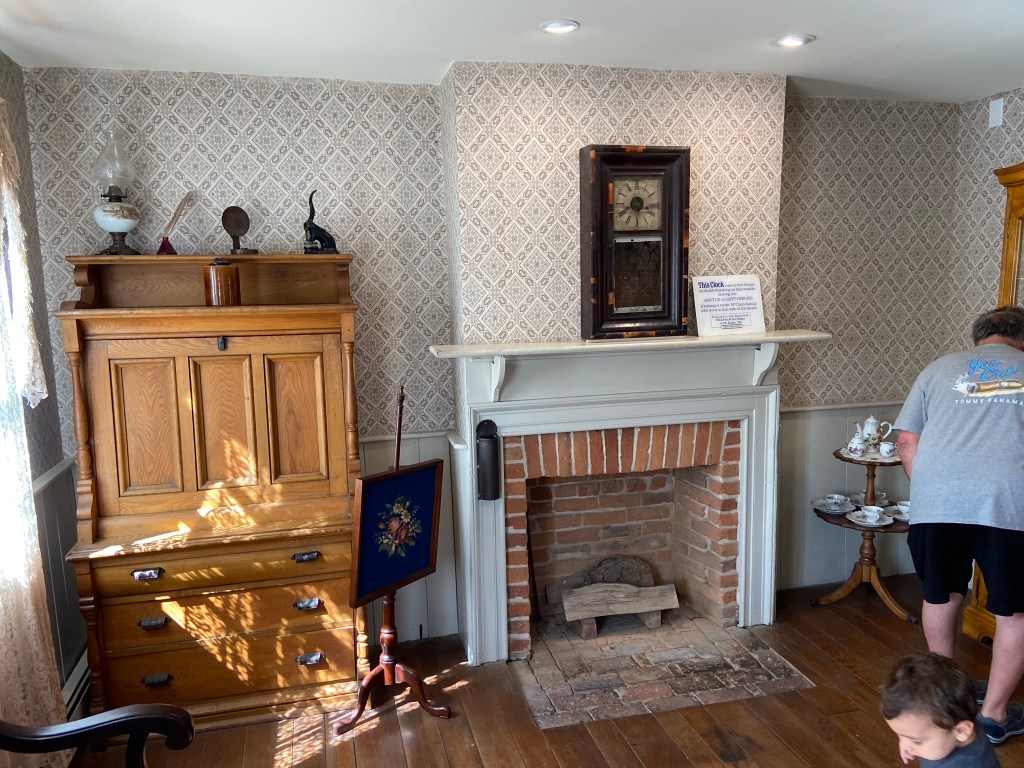
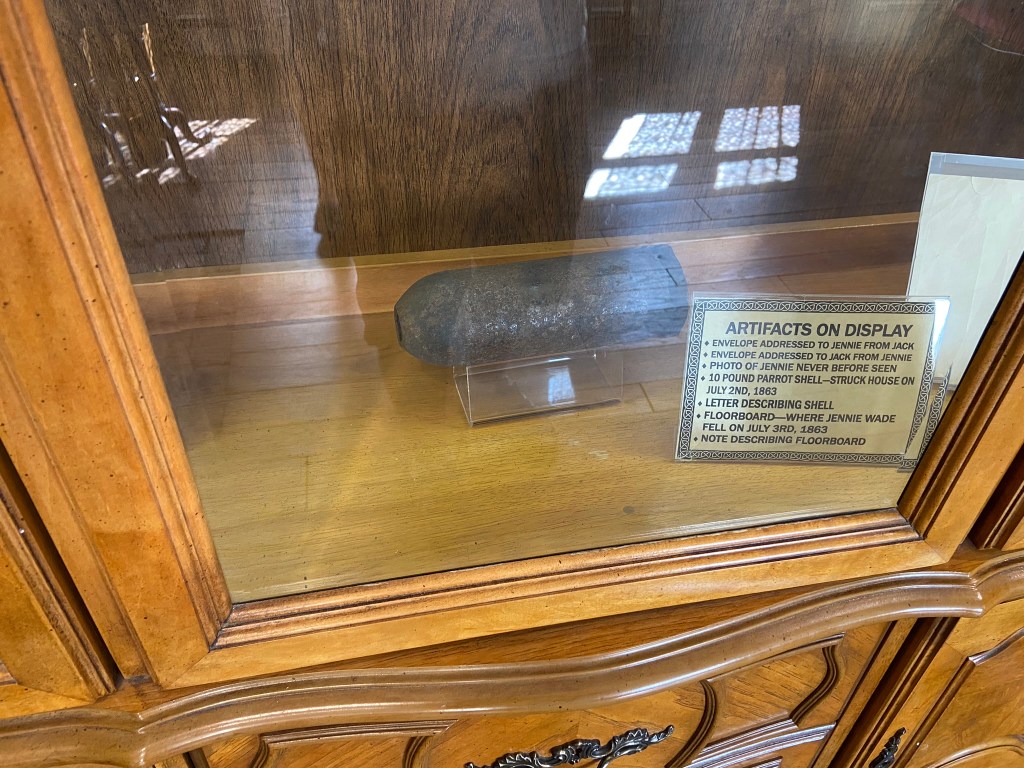
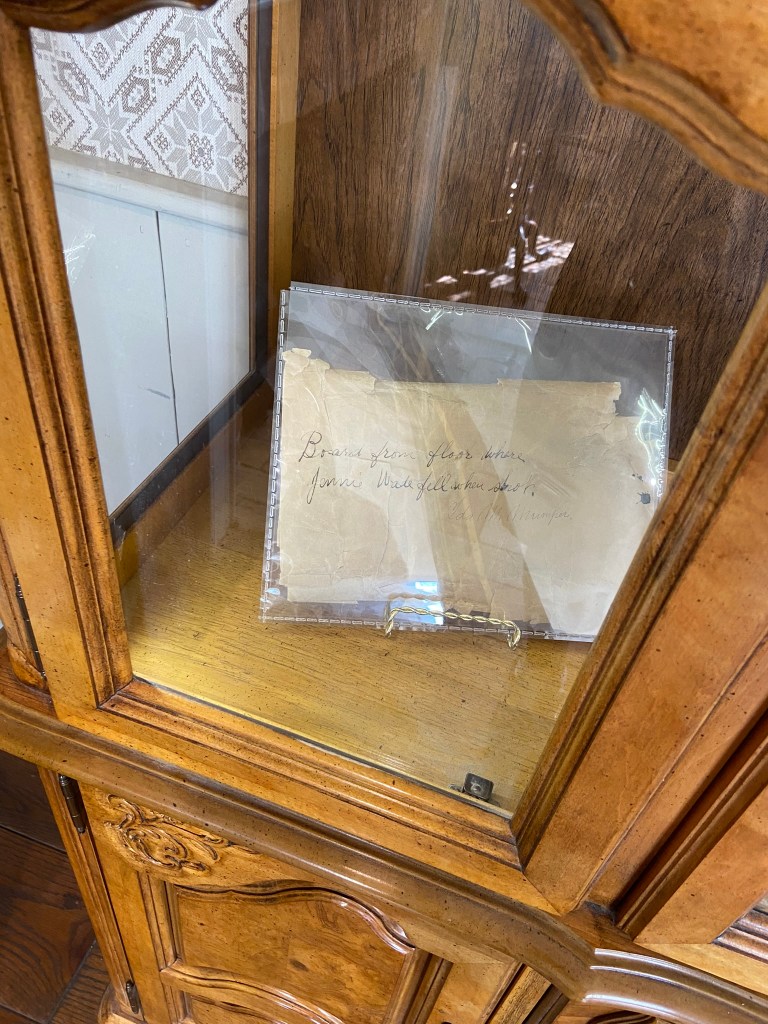
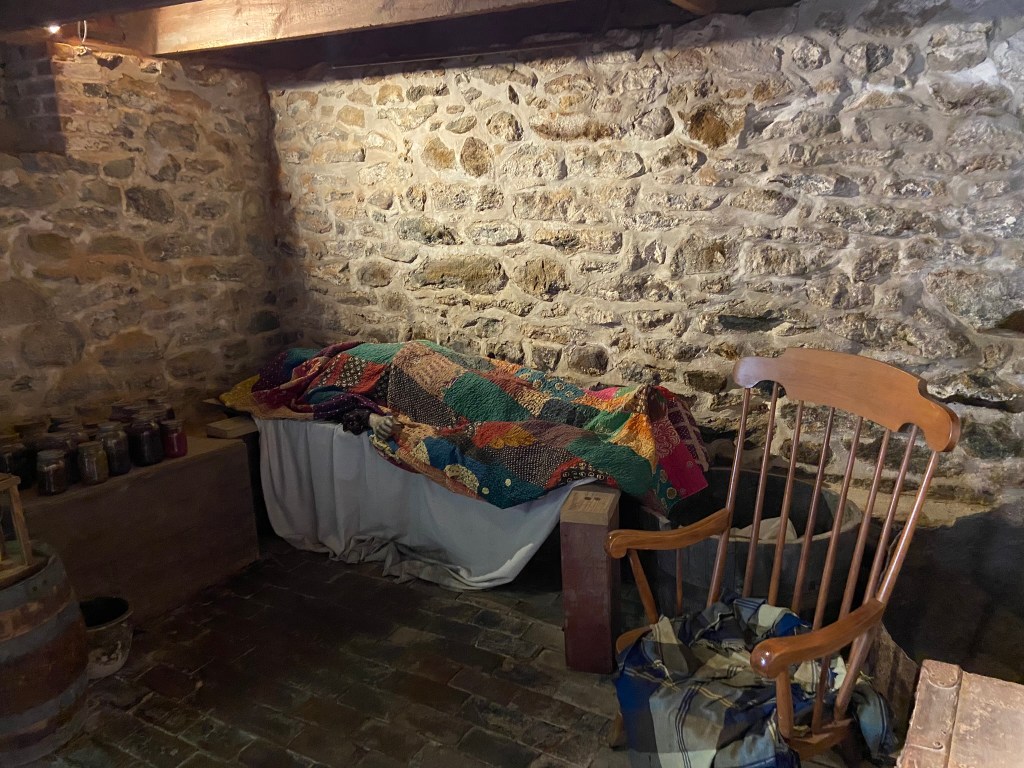
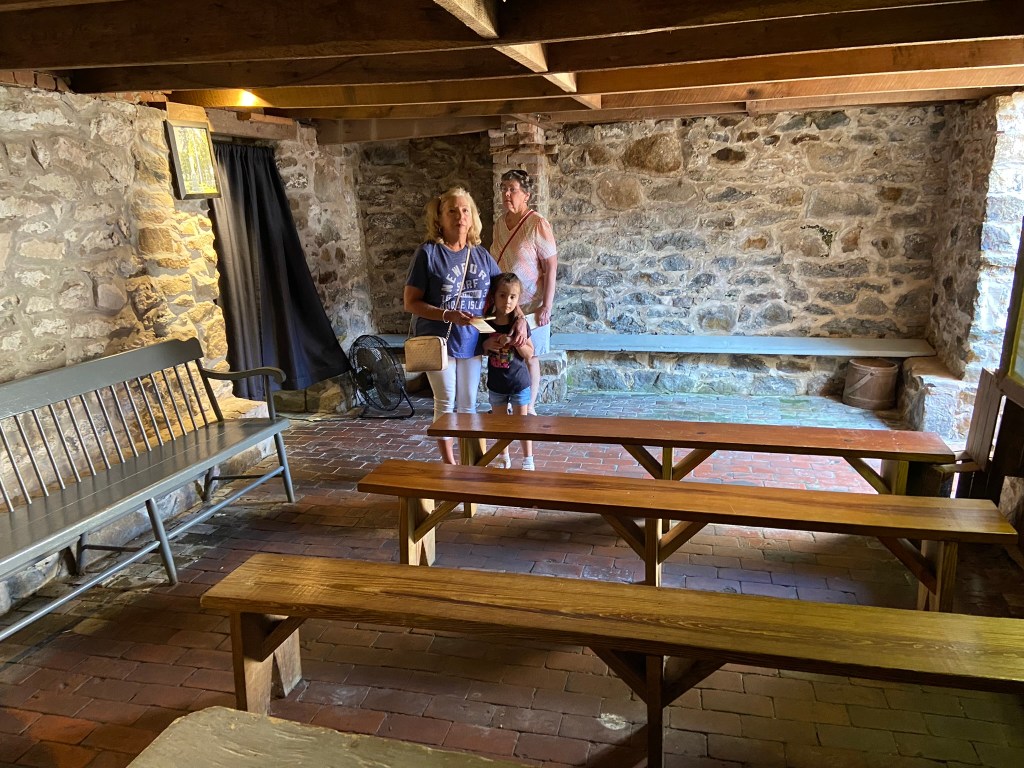
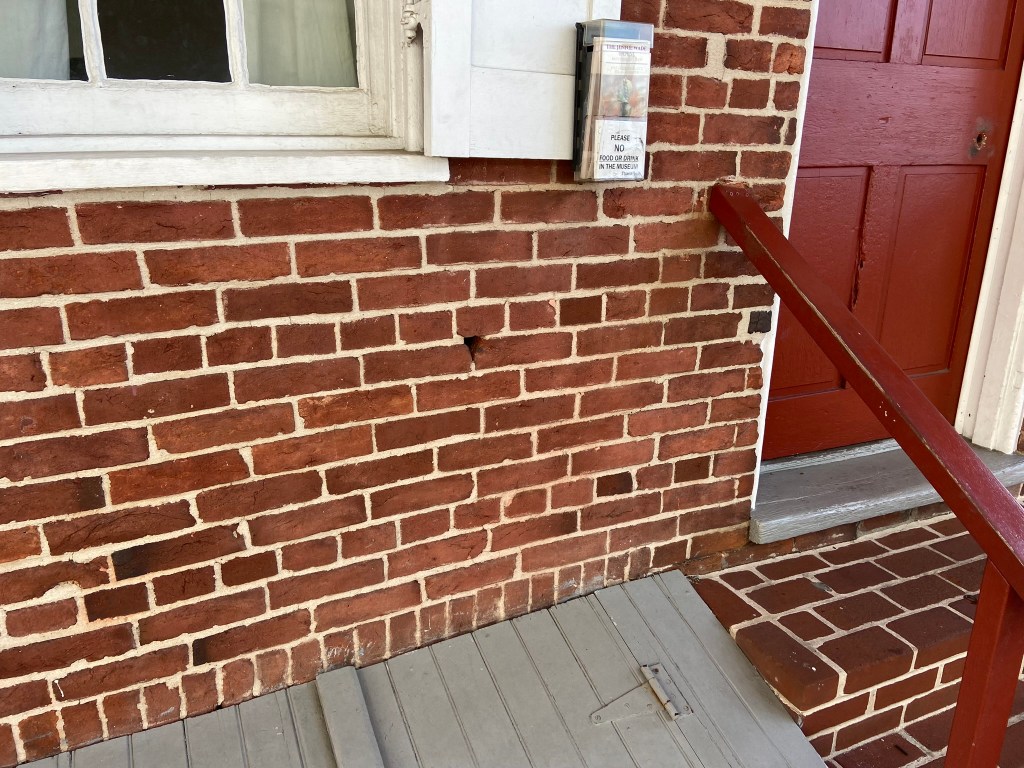
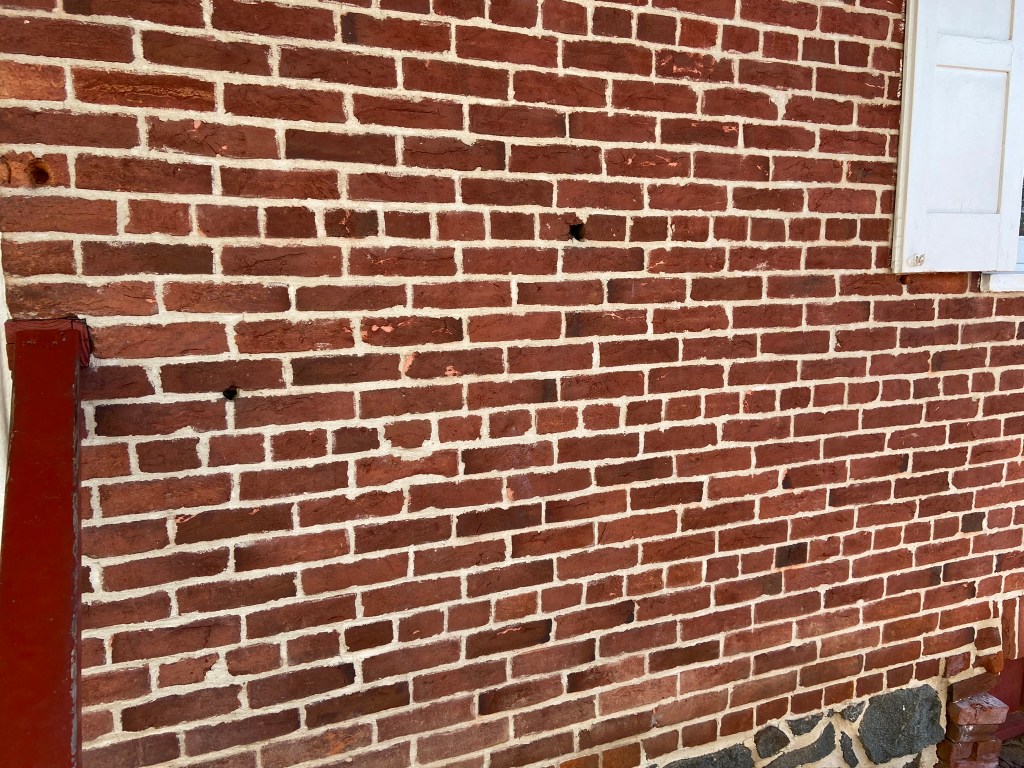
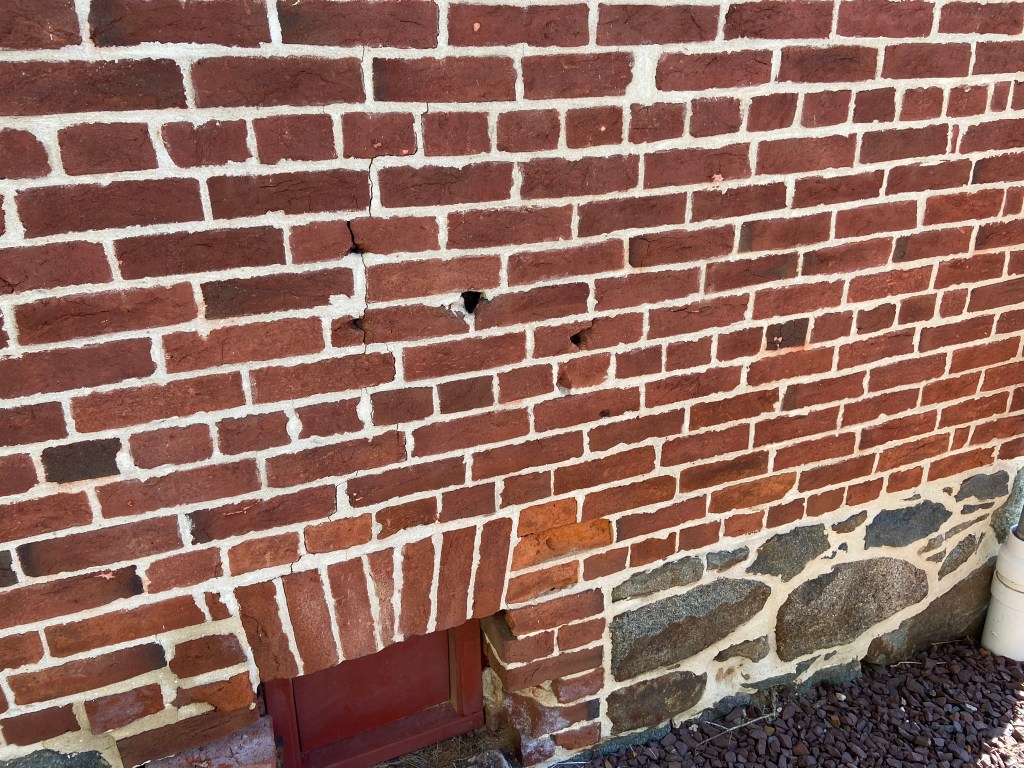
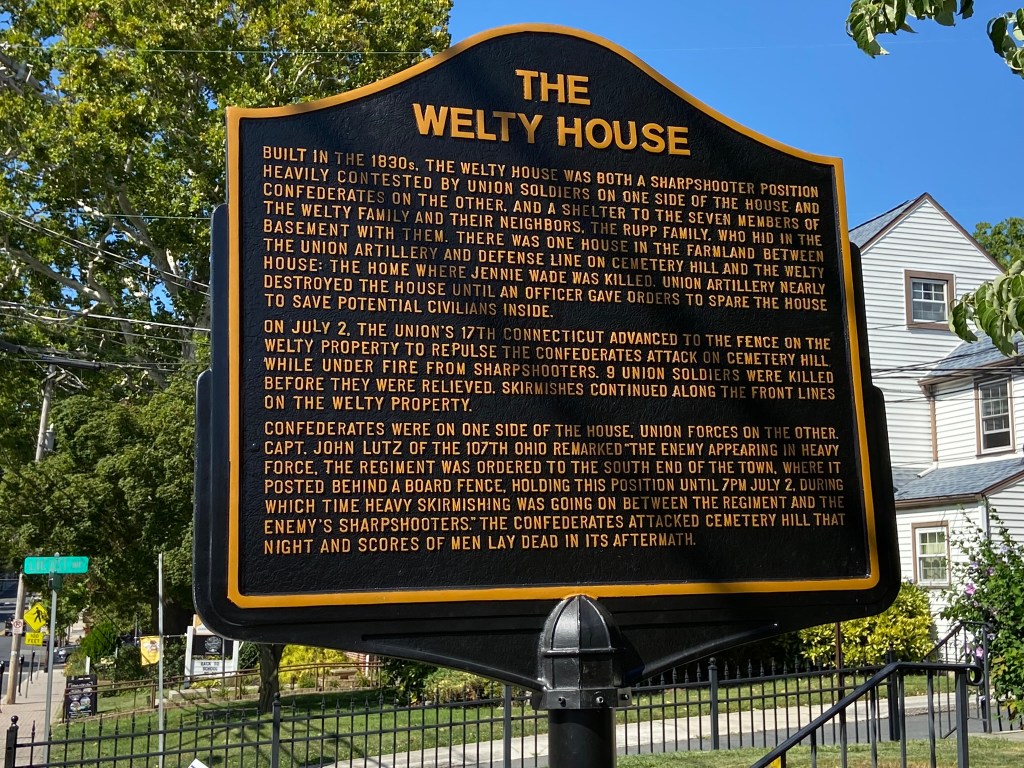
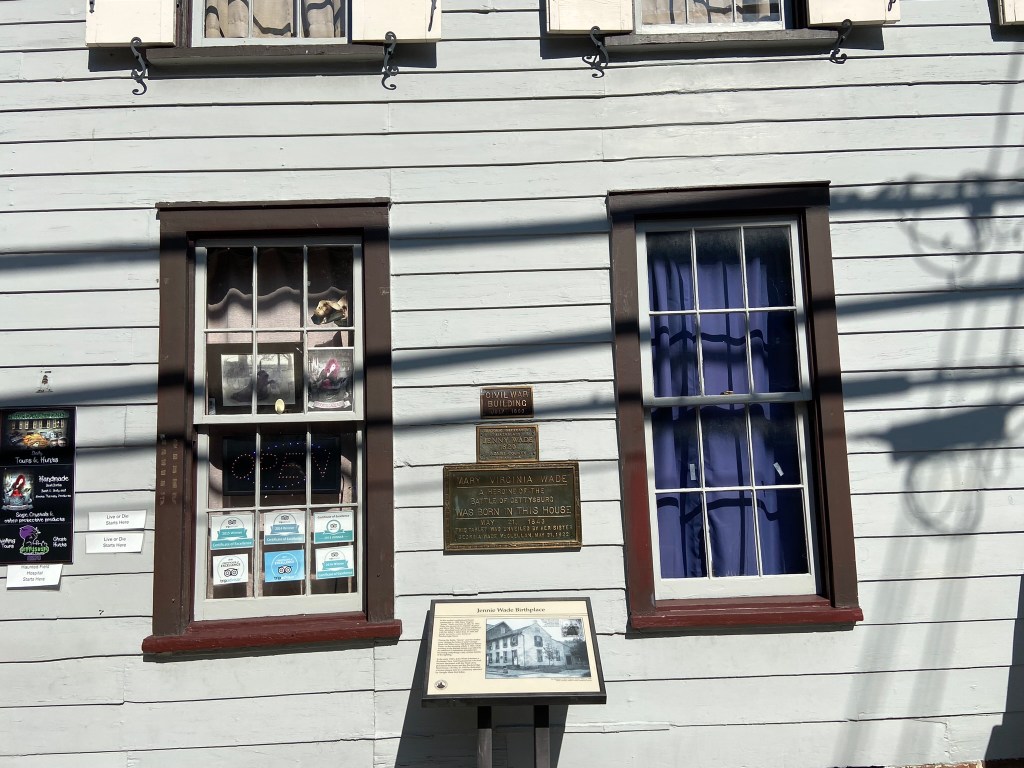
    At the Jennie Wade House, the tour guide instructed us that Jennie Wade was the only civilian casualty of the Battle of Gettysburg. She was only 20 years old at the time of her death. Jennie, her mom, and two brothers were visiting Jennie’s sister, Georgia Anna Wade McClellan, who had a newborn baby. They came to her when the battle began because they thought that Georgia’s house was in a safer location. They unfortunately were wrong. The lines of battle between Union and Confederate soldiers formed in the vicinity of her home. The house was continously hit with bullets throughout the three days of battle, which you can still see to this day (and in the photos below). A Confederate artillery shell also hit the South side of the house near the roof, although it did not explode. On July 3rd, (the third day of battle) Jennie was kneading dough to make bread for Union soldiers, who were upstairs, when a stray bullet from a sharpshooter pentrated the kitchen door and the parlor door, striking Jennie through the shoulder blade and through her heart. She died instantly. Horrified, the rest of the family rushed to the basement and spent nearly a day in pitch-black hiding. The battle luckily ended the evening of July 3rd, but now the family was grieving the loss of Jennie. Today, Jennie is honored for dying while serving the Union cause. A monument was erected at her grave in the Evergreen Cemetary. For more info on the Jennie Wade House, visit the website: https://www.gettysburgbattlefieldtours.com/jennie-wade-house/

    A Stroll Up Baltimore Street

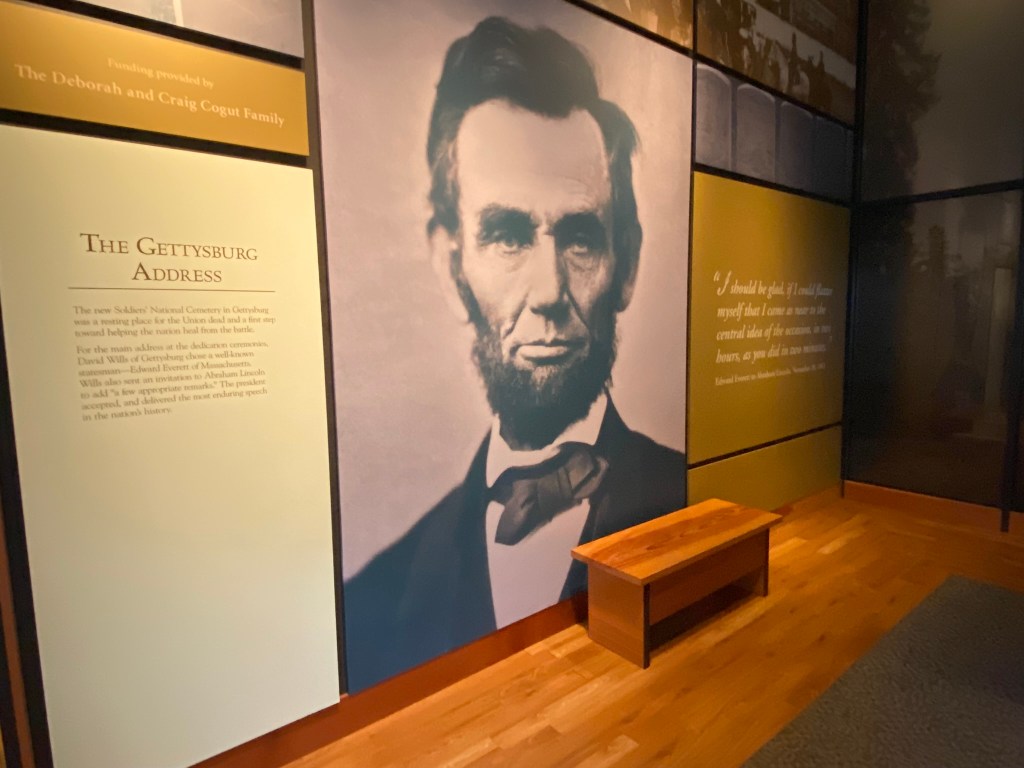
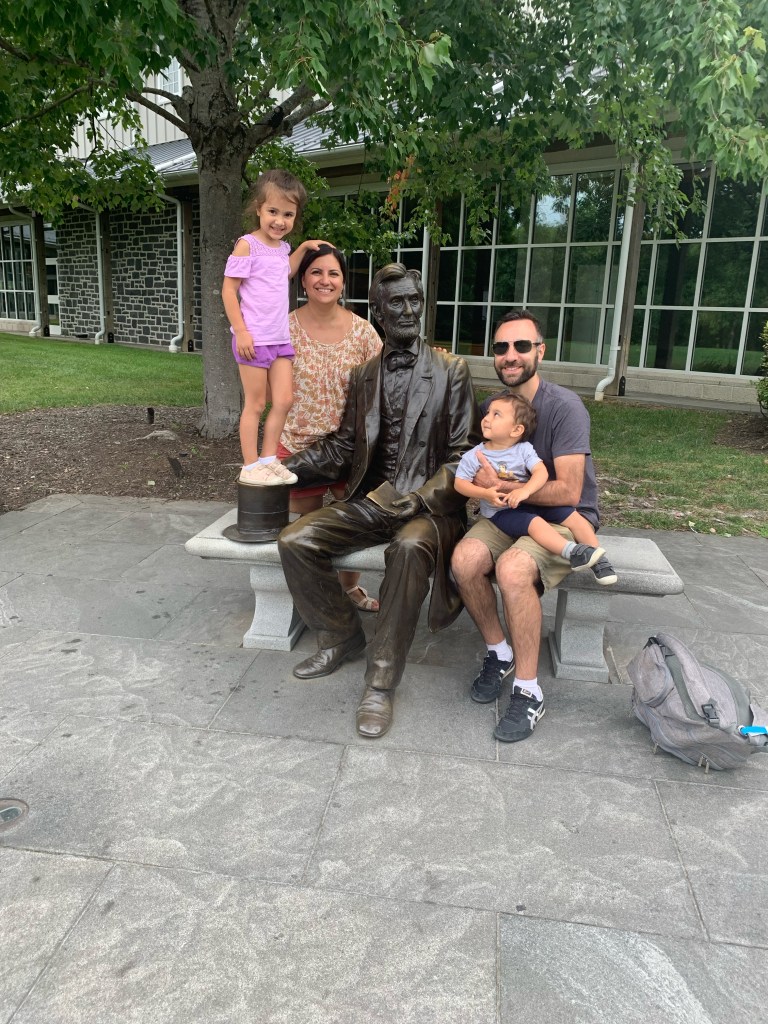
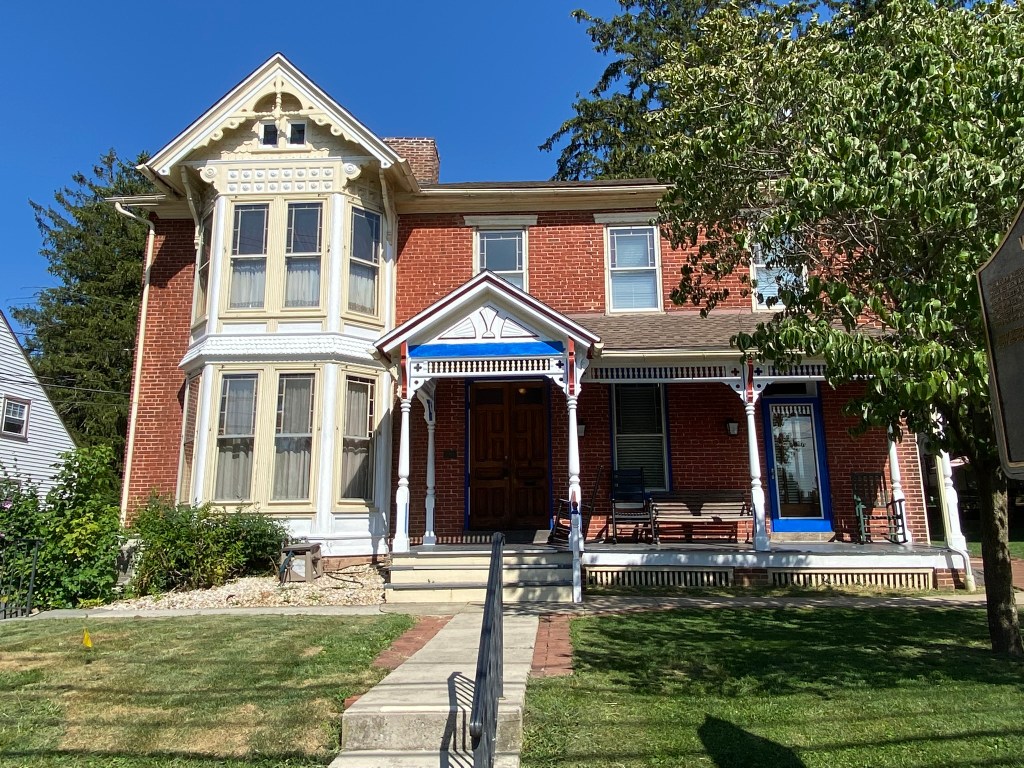
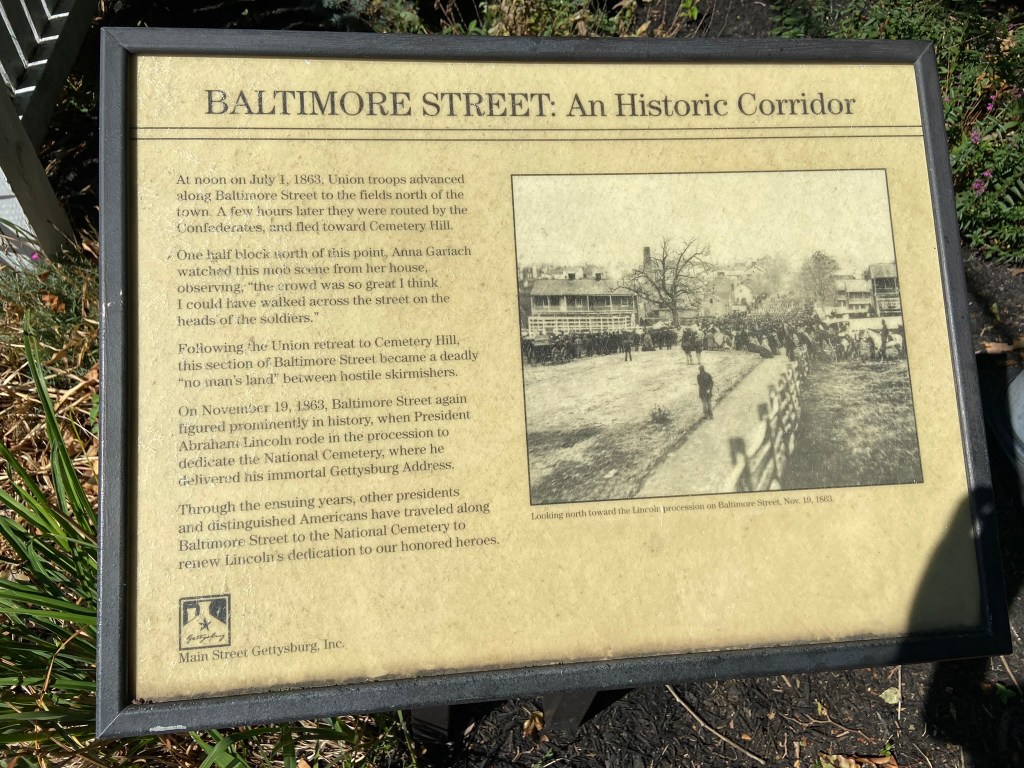
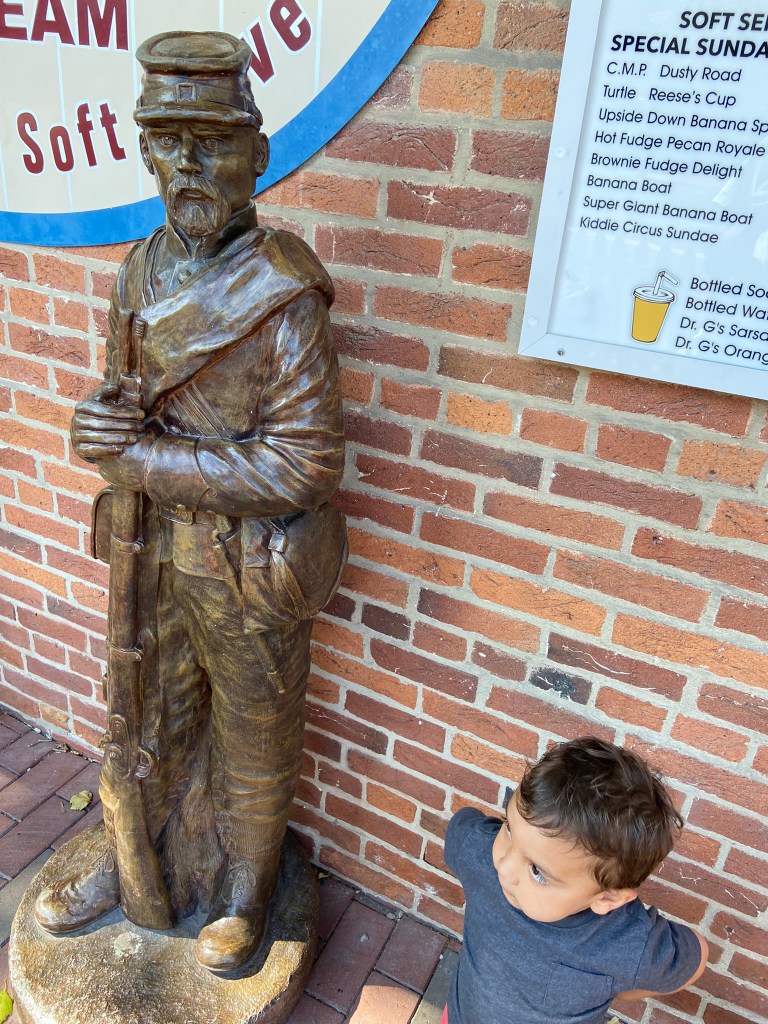
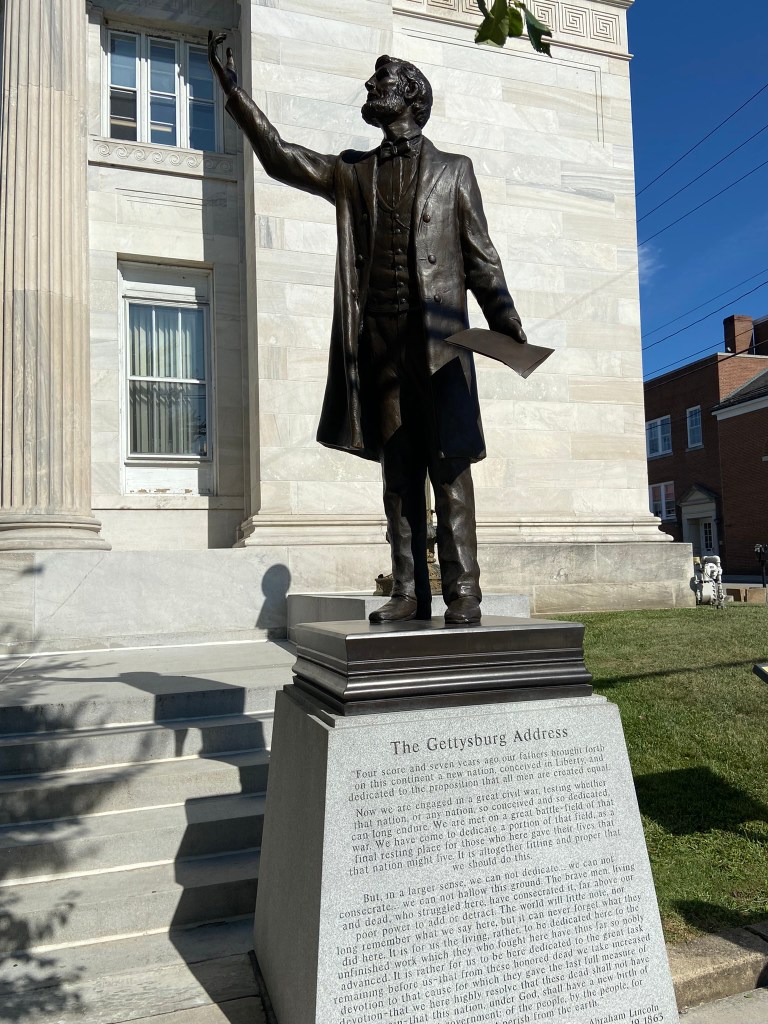
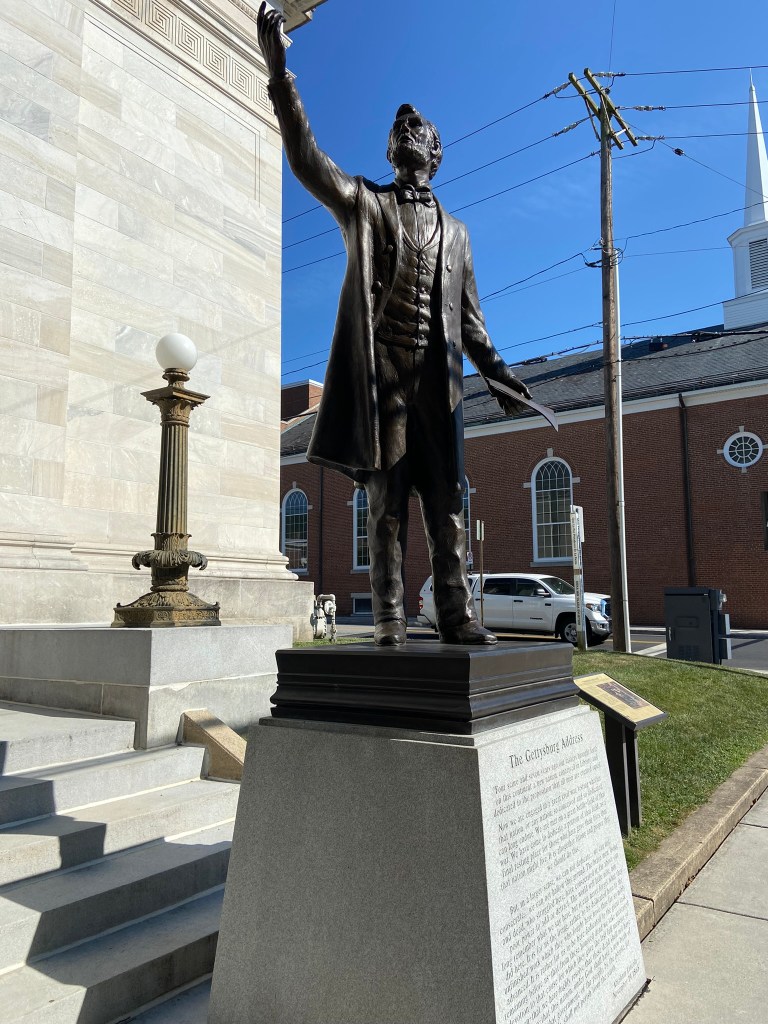
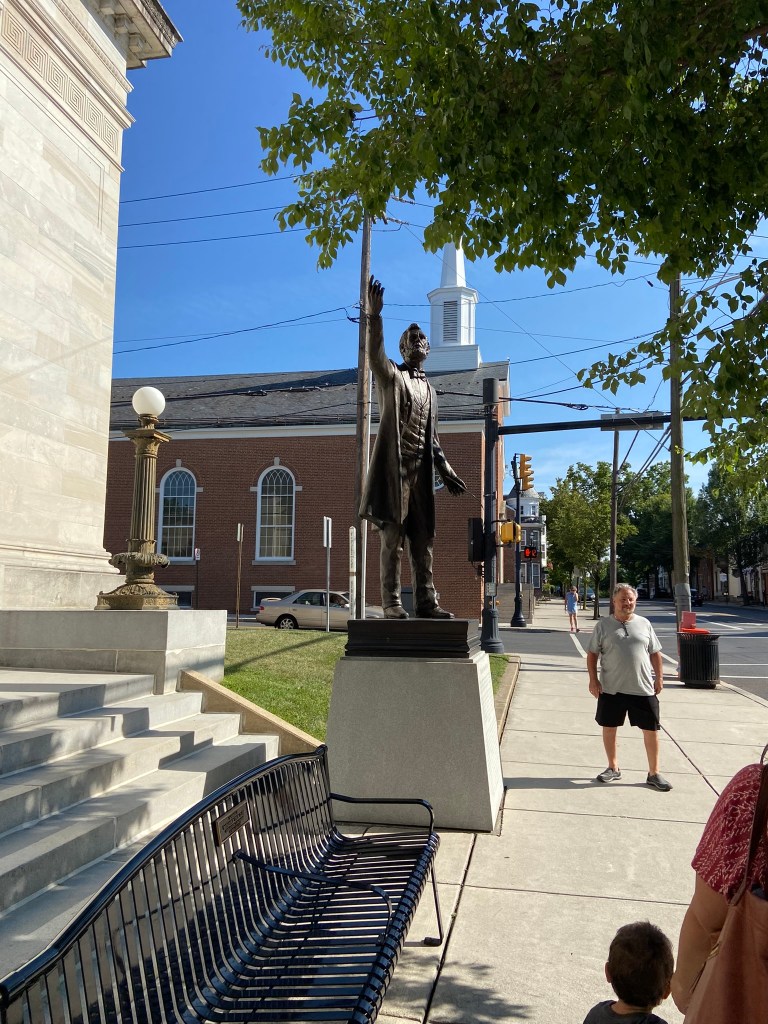
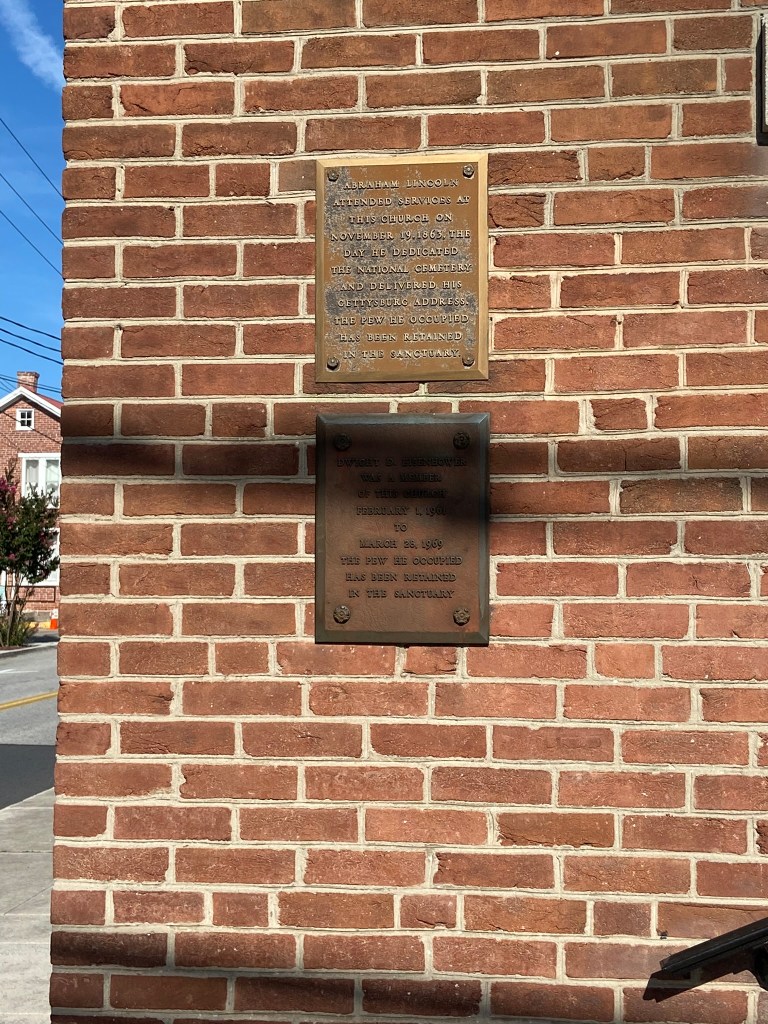
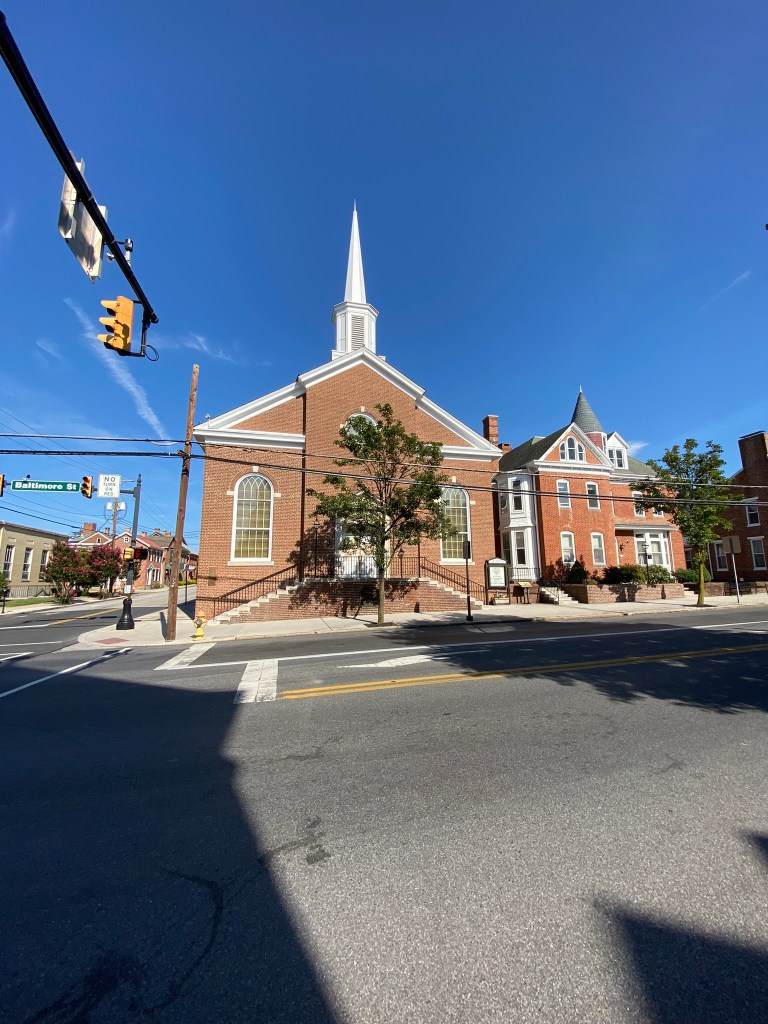
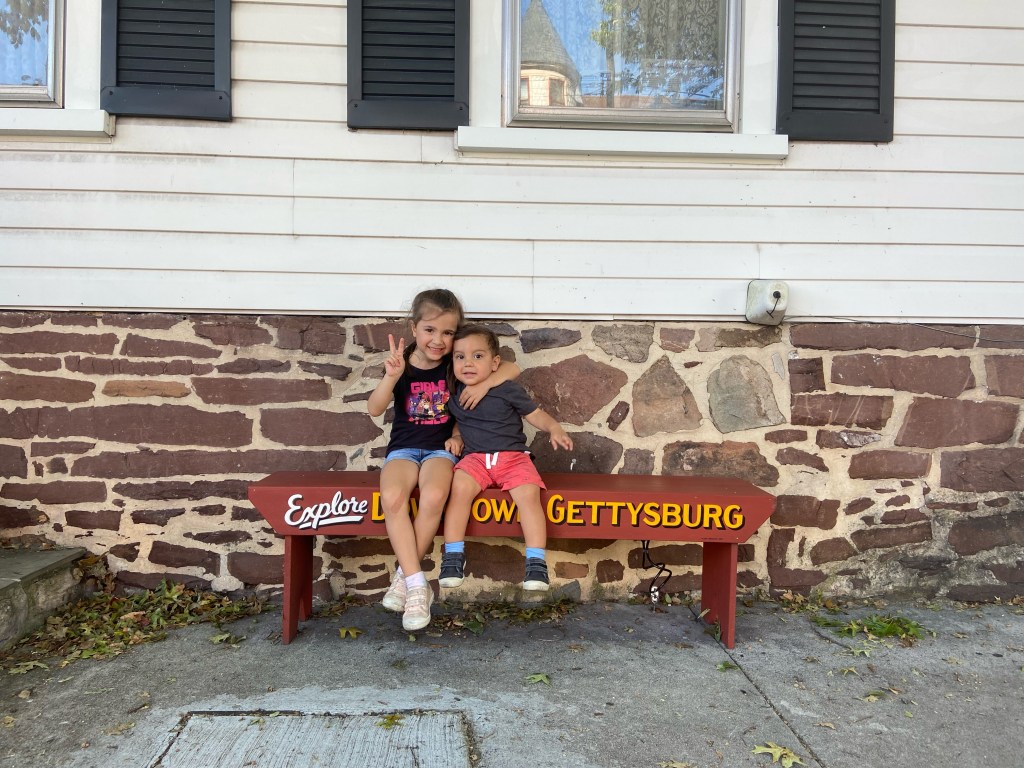
    Without having a set plan in mind as to what exactly we were going to do after leaving Jennie Wade’s House, we decided to head North on Baltimore Street in the direction of the center of town since we knew that there were sites to see on the way there. We stopped for ice cream at Mr. G’s for the kids. We later learned that the location of Mr. G’s was about the location of the historic start of town in 1863. We continued heading North seeing the historic buildings that stood at the time of the battle. We saw the Gettysburg Presbyterian Church where Lincoln visited on Nov. 19th, 1863, the day that he gave the Gettysburg Address. We also saw his statue which stands about a block away from the church.

    Ronn Palm’s Museum of Civil War Images

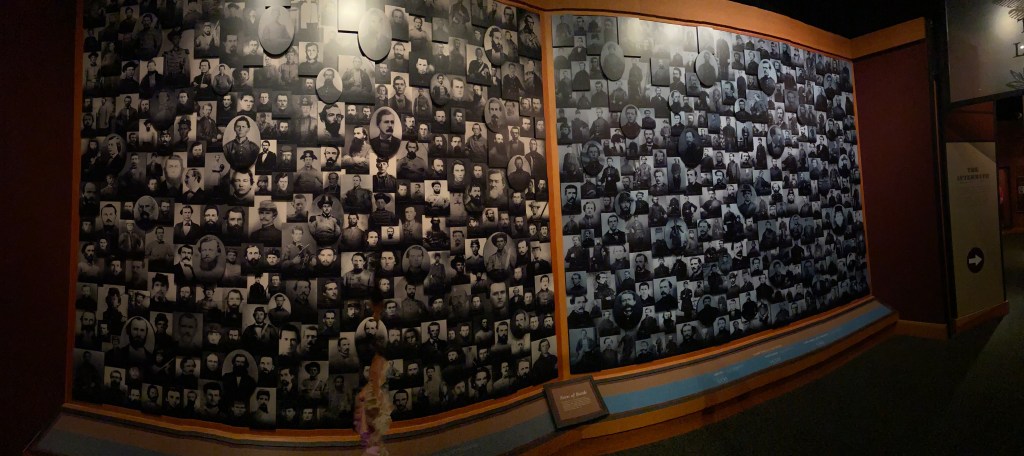
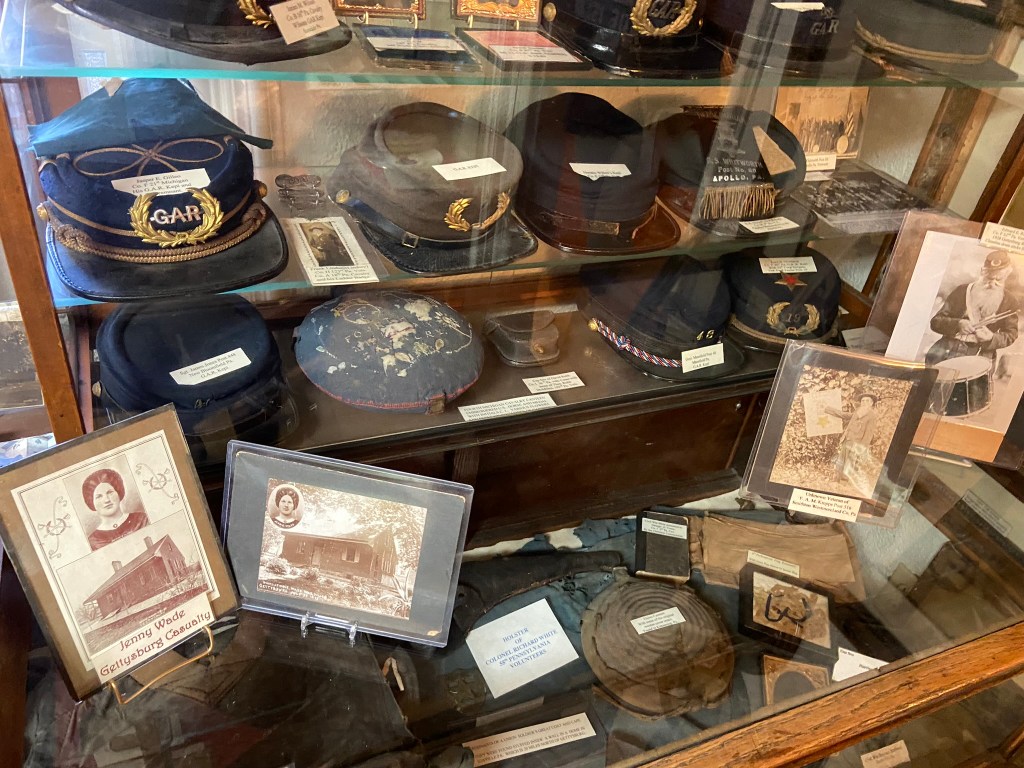
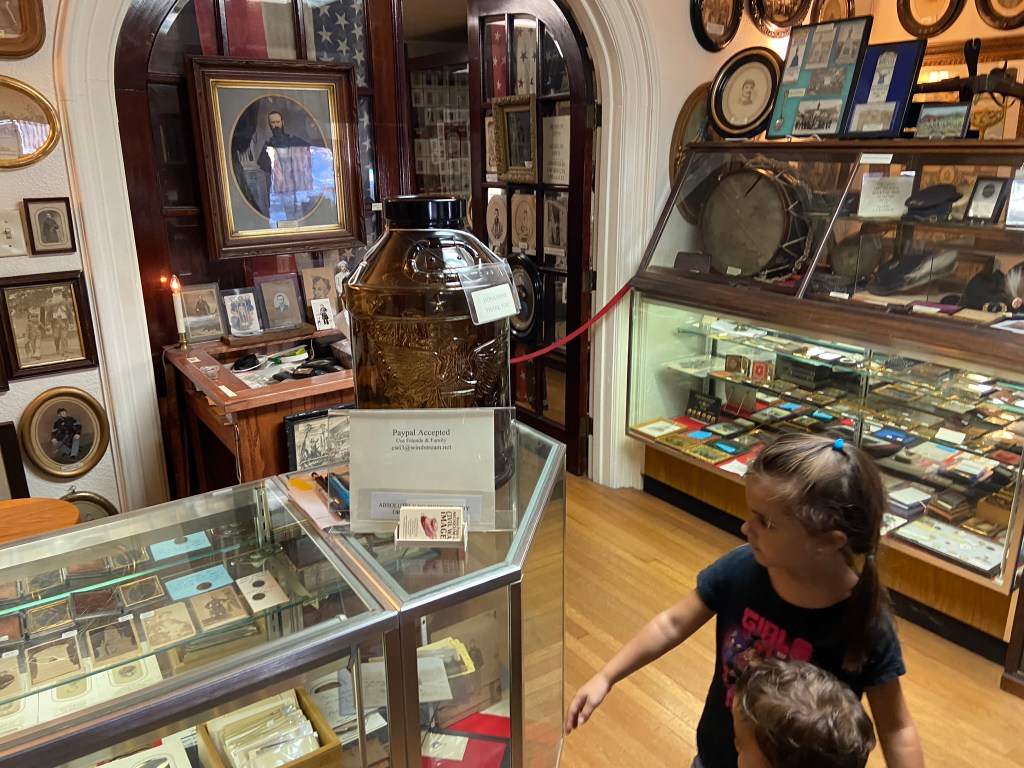
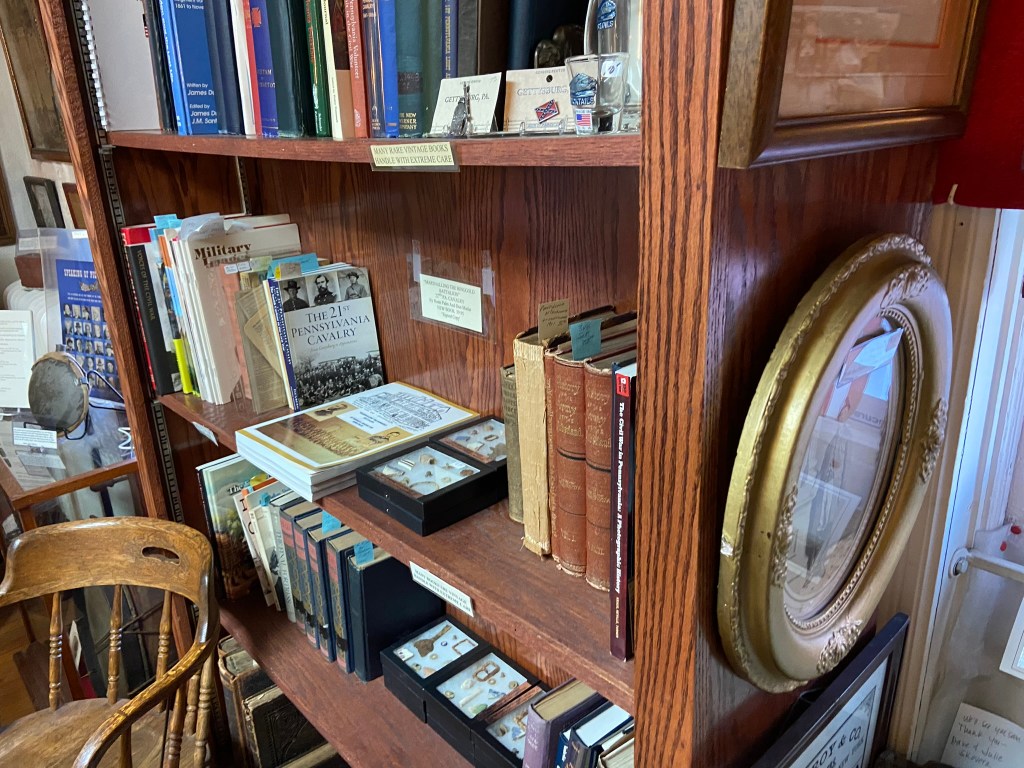
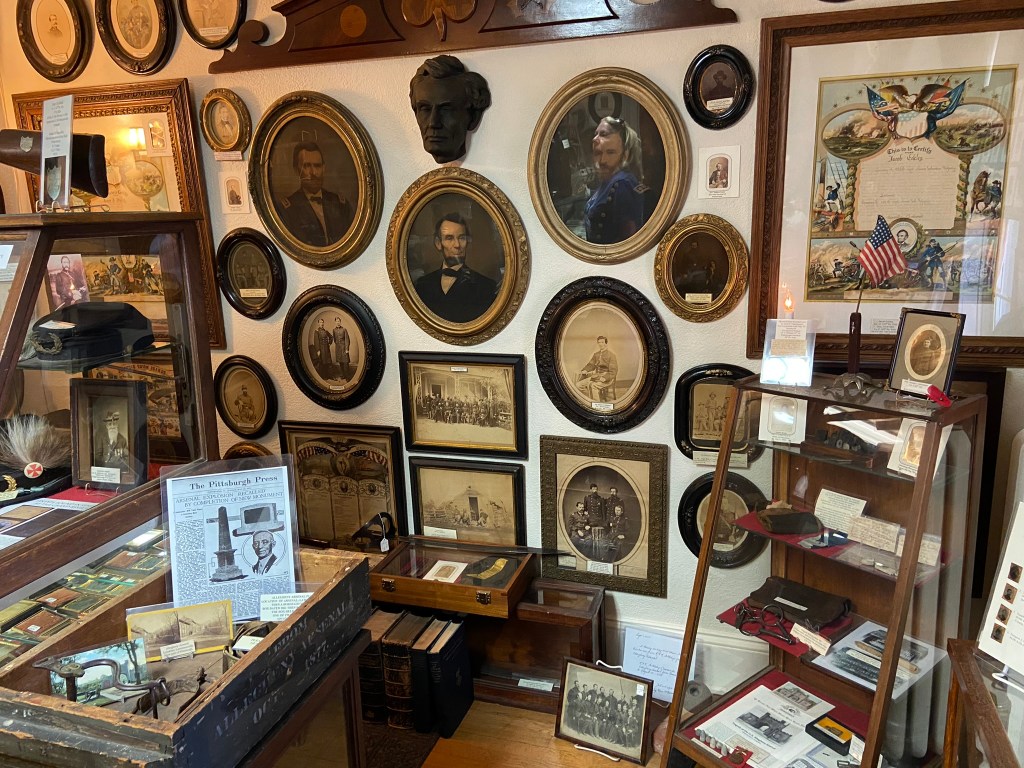
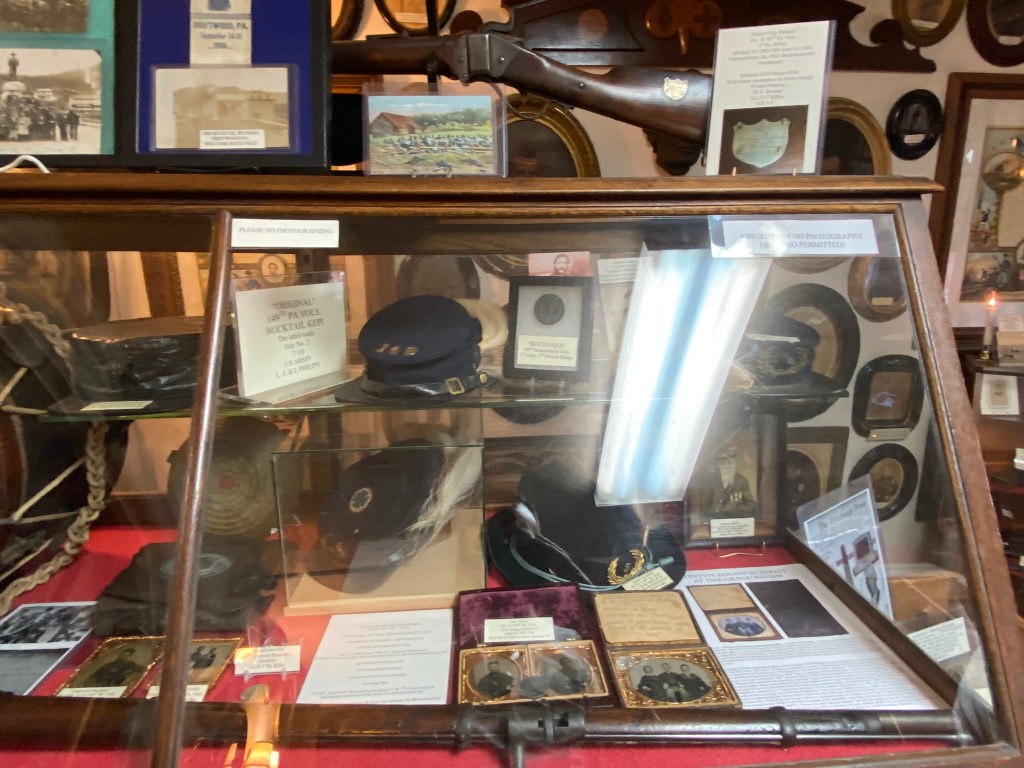
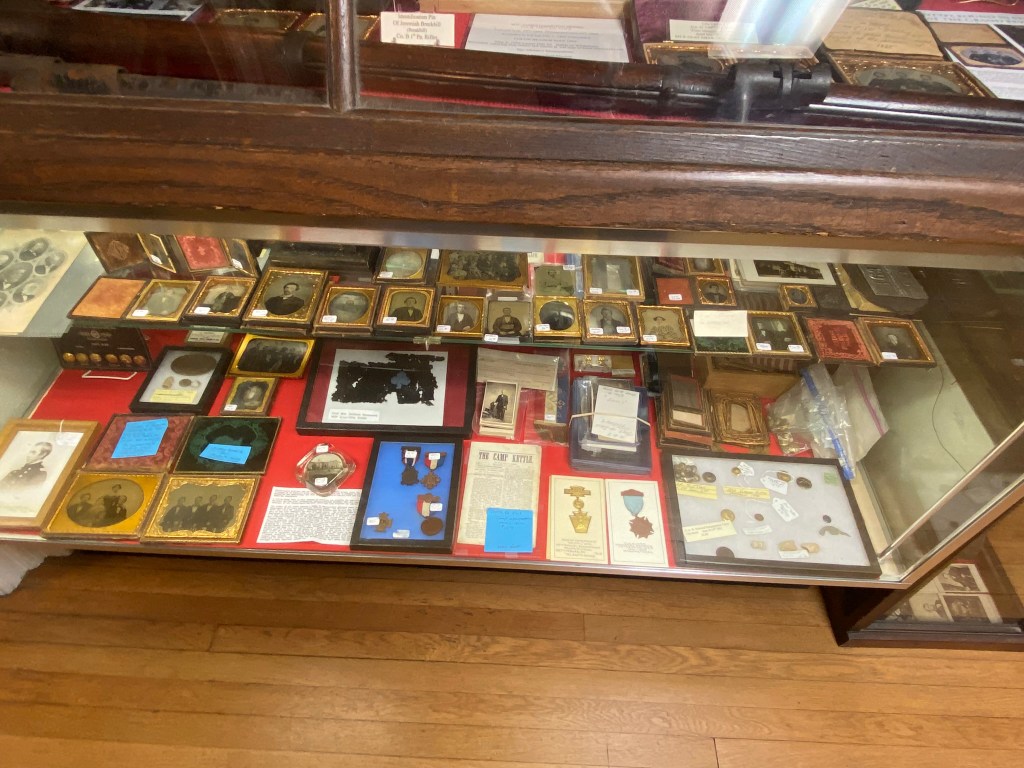
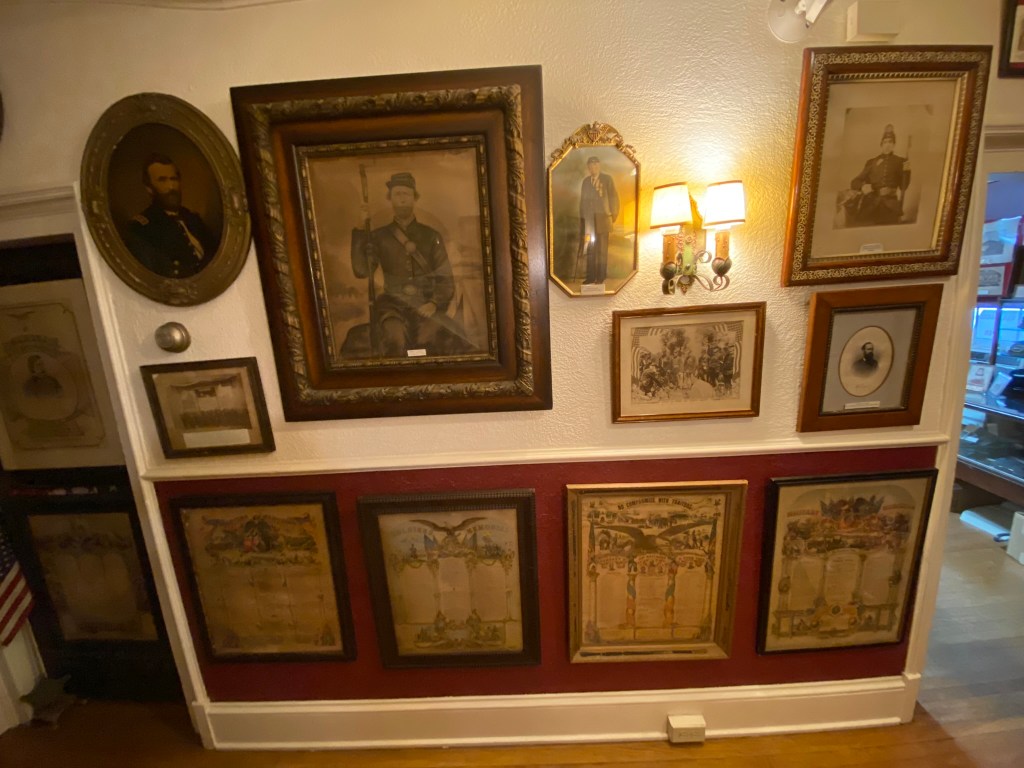
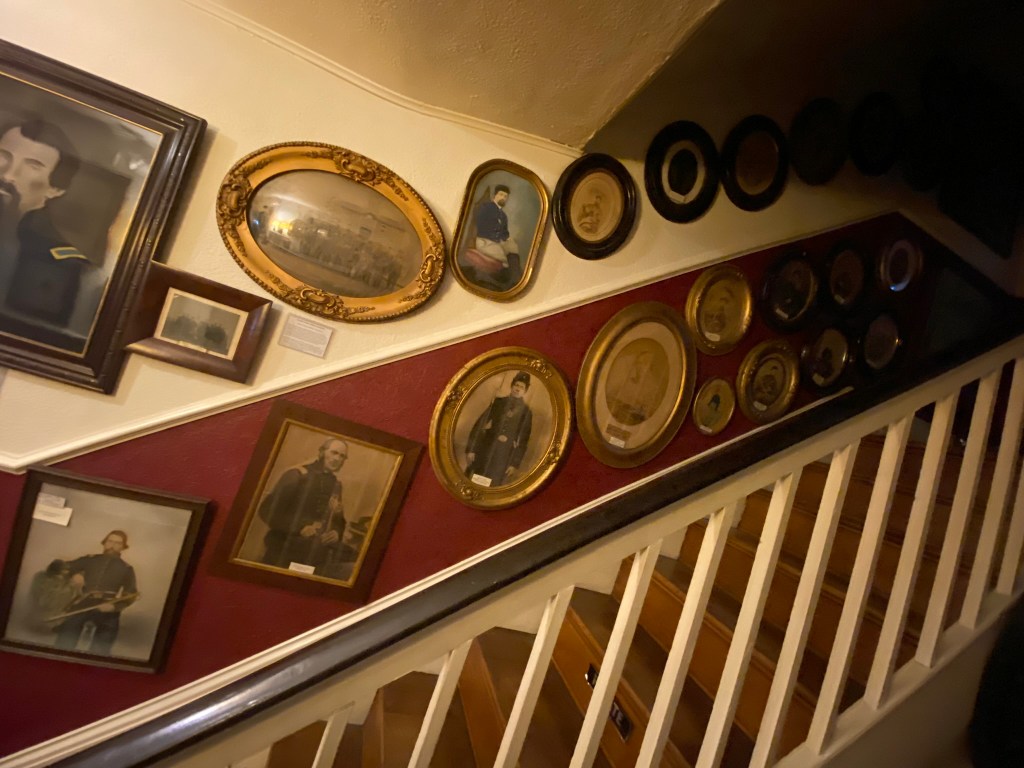
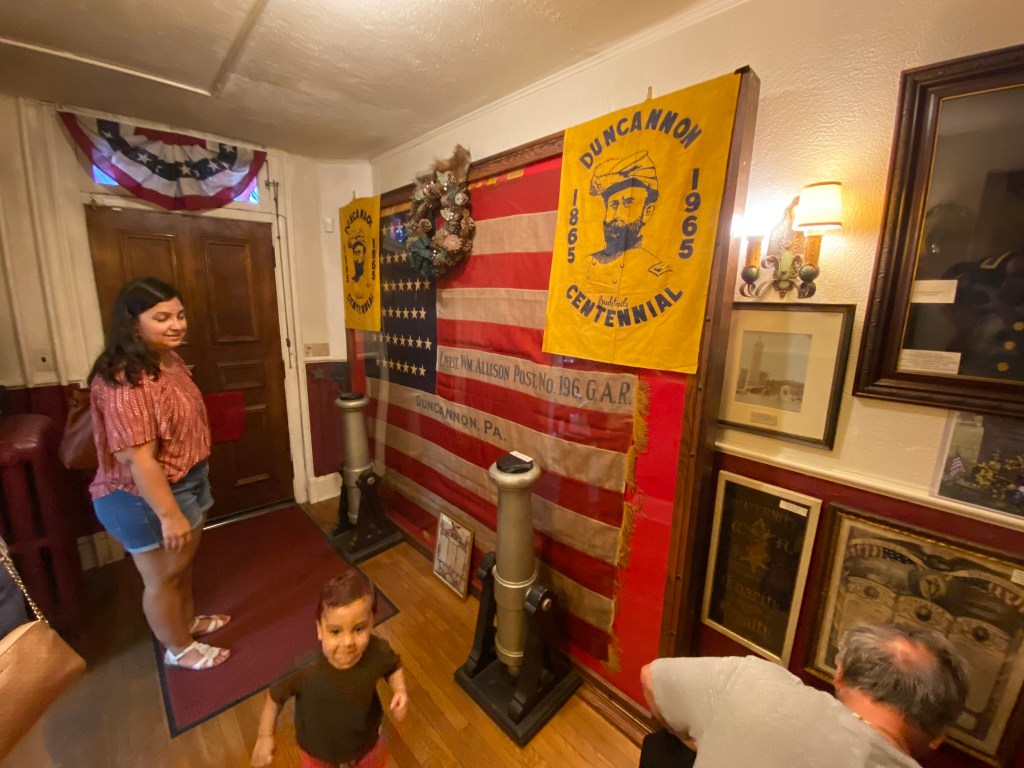
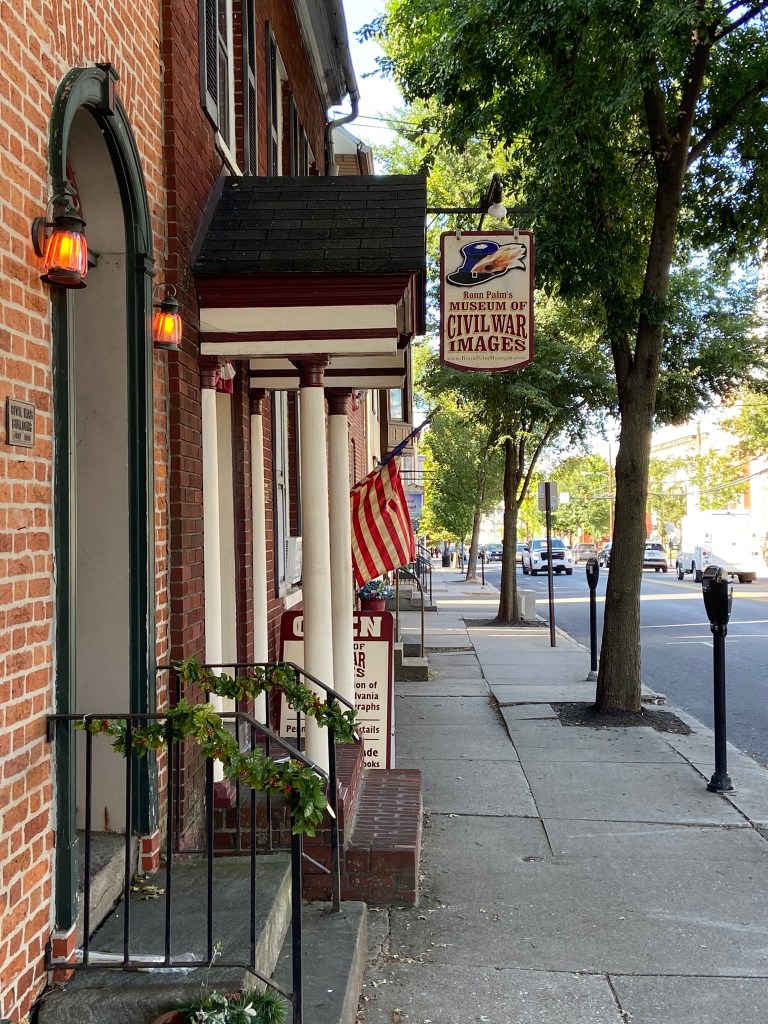
    We decided to turn around and head back south on Baltimore Street in the direction towards our hotel. I stopped in Ronn Palm’s Museum of Civil War images. When you walk in, you are simply amazed at the amount of images and artifacts that are on display. Ronn has over 4,000 original photographs and artifacts from the Civil War. There are many on display when you first walk in. Then if you pay $6, which is well worth it, you are able to visit other rooms that are completely covered with photographs of soldiers, artifacts, relics and memoribilia. I was able to chat with Ronn Palm for a short time. His passion for all things Civil War comes through. He has been collecting items for so long and goes to a few Civil War shows throughout the year to trade and collect. He truly is a fascinating person and his museum is a must visit if you’re in Gettysburg. The photos below only scratch the surface of what you will see there. Check out more info about the museum here: https://www.ronnpalmmuseum.com/

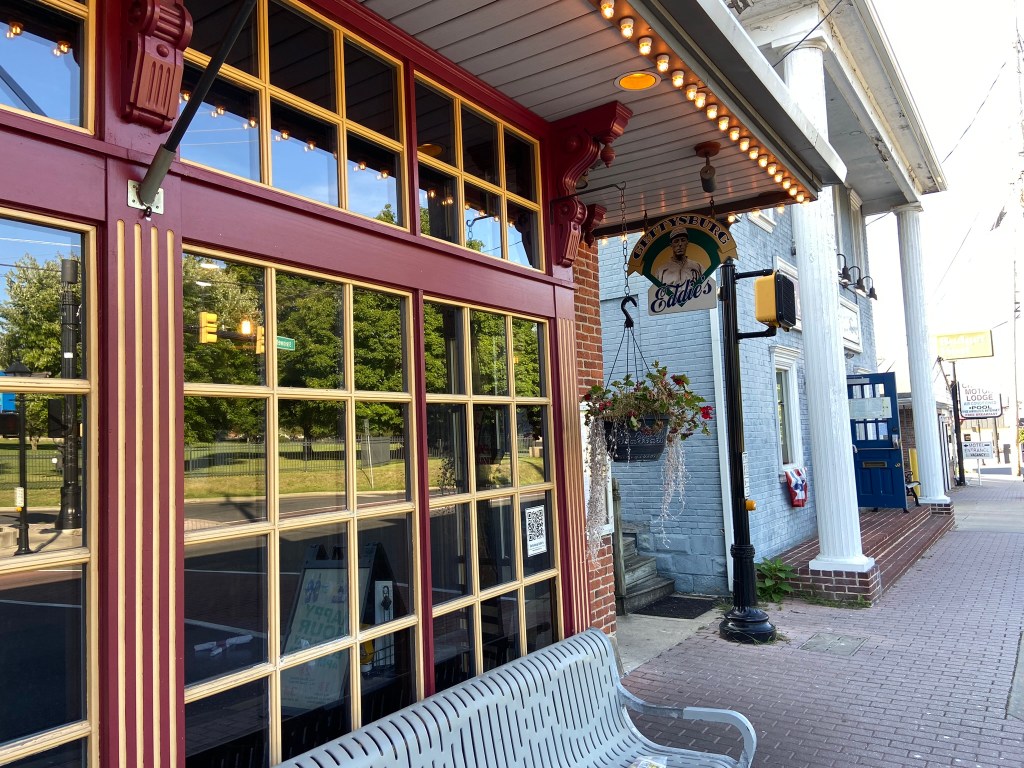
    Dinner at Gettysburg Eddie’s

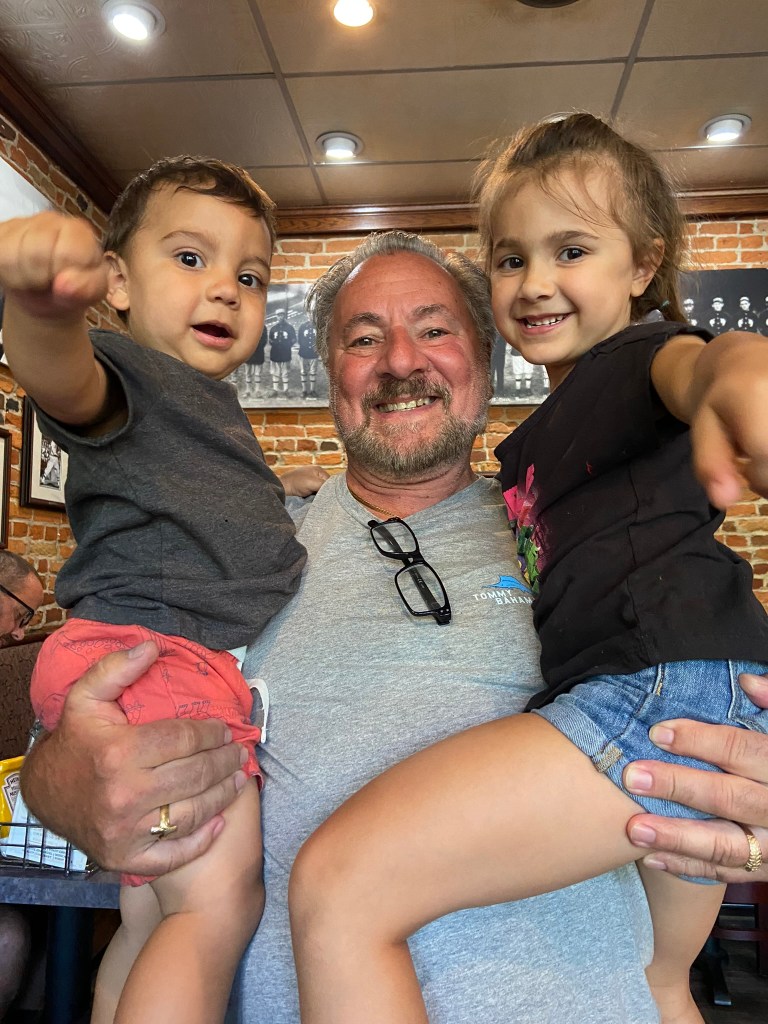
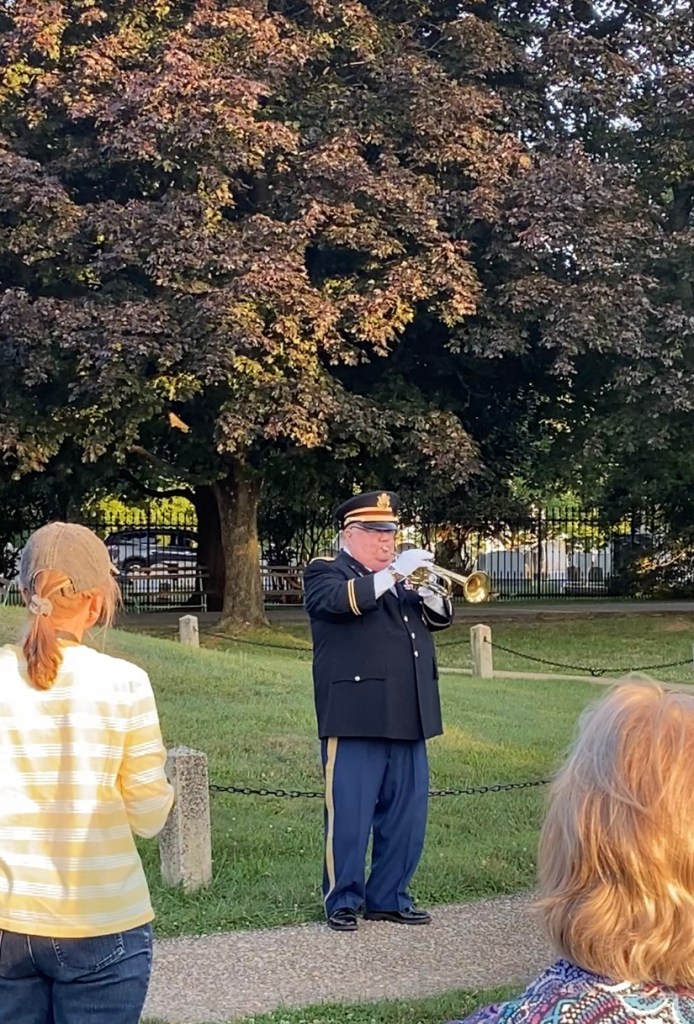
    After leaving Ronn Palm’s Musuem of Civil War Images, we stopped in the Shriver House Museum but we had missed the last tour. We were told that every evening at 7pm in the Gettysburg National Cemetary “taps” is played to honor the fallen soldiers. This runs between Memorial Day and Labor Day. We planned to attend after dinner. So we decided to eat at Gettysburg Eddie’s, which is right next to the Cemetary. So we headed down Baltimore Street and down Steinwehr Ave. There was about a 10-15 minute wait before we got a table. They also had very good, American style food. When we left the restaurant, it was about 6:45 so we decided to visit the Gettysburg National Cemetary in time to see “taps” played at 7:00pm. https://www.gettysburgeddies.com/

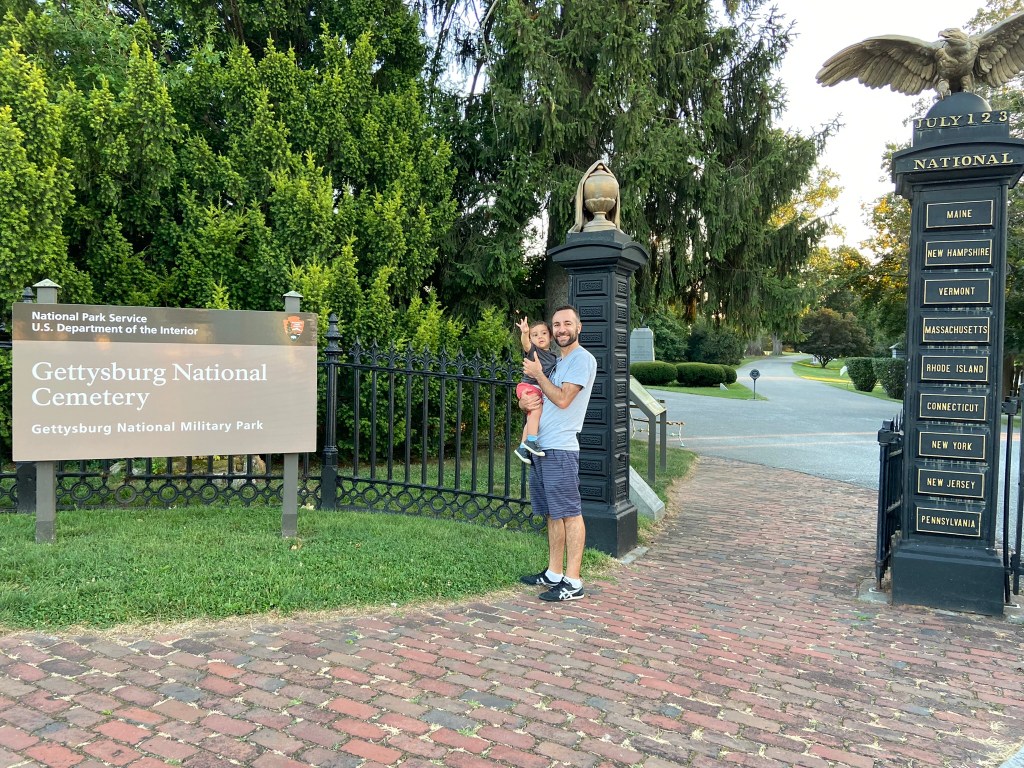
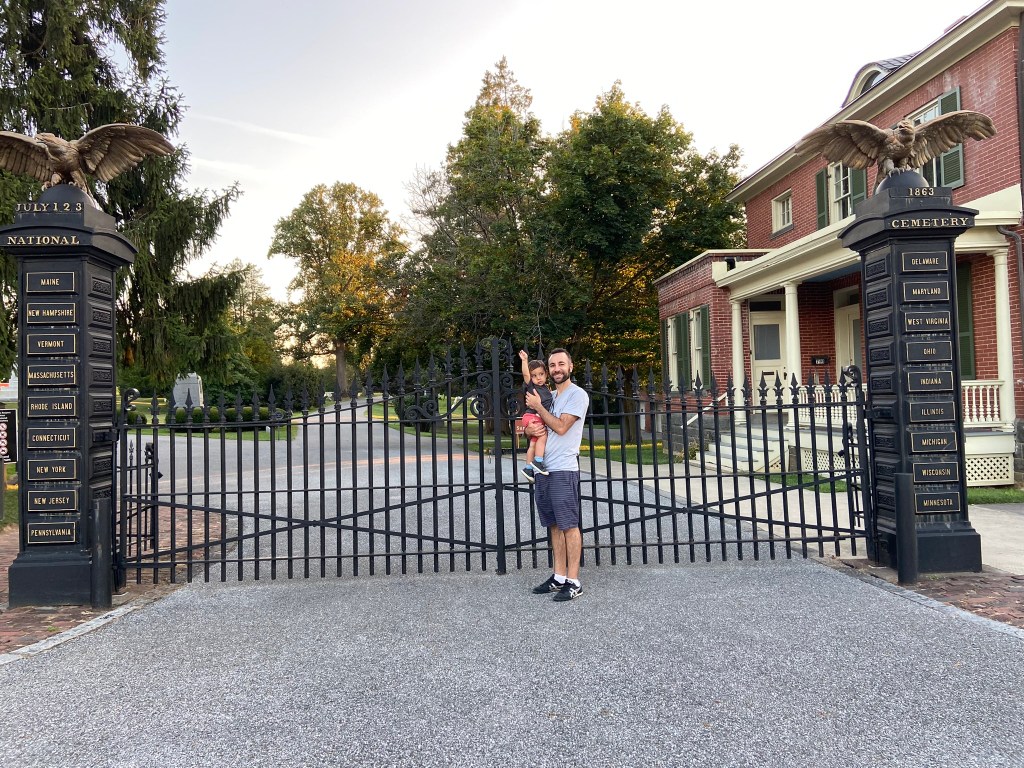
    Gettysburg National Cemetery

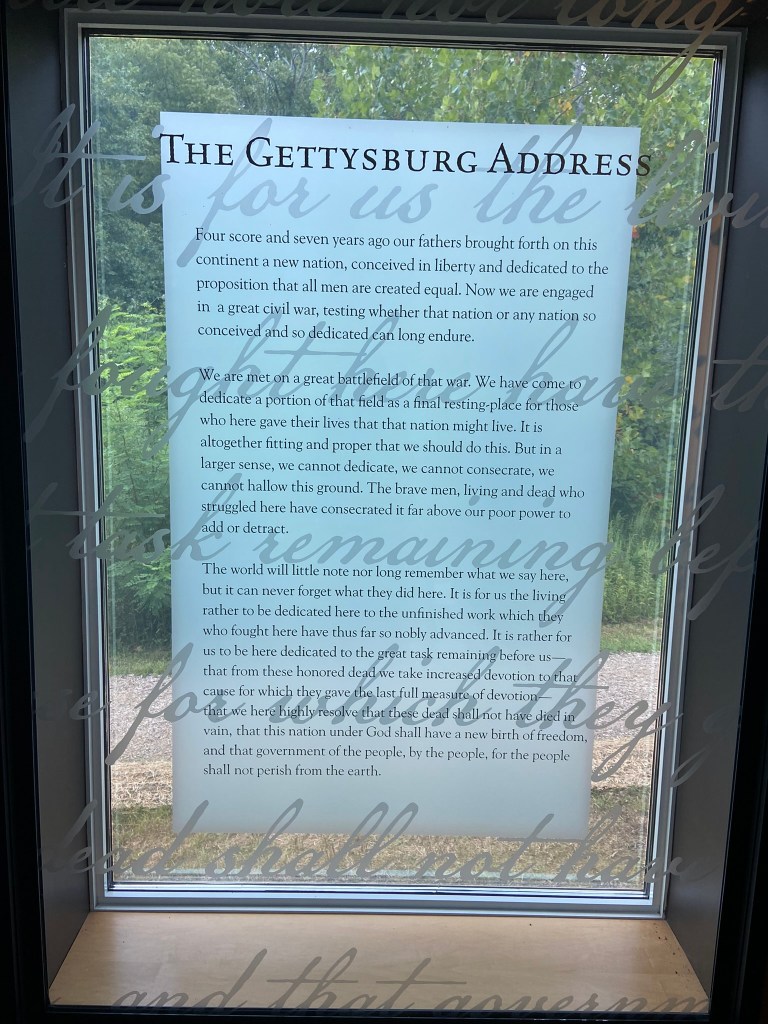
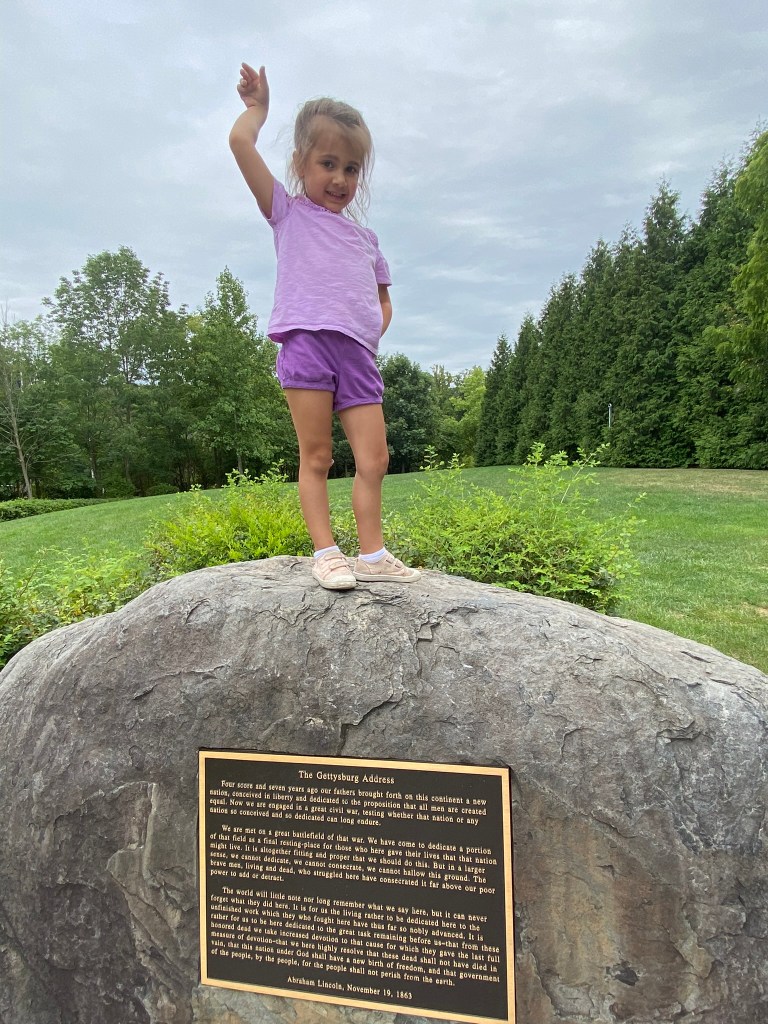
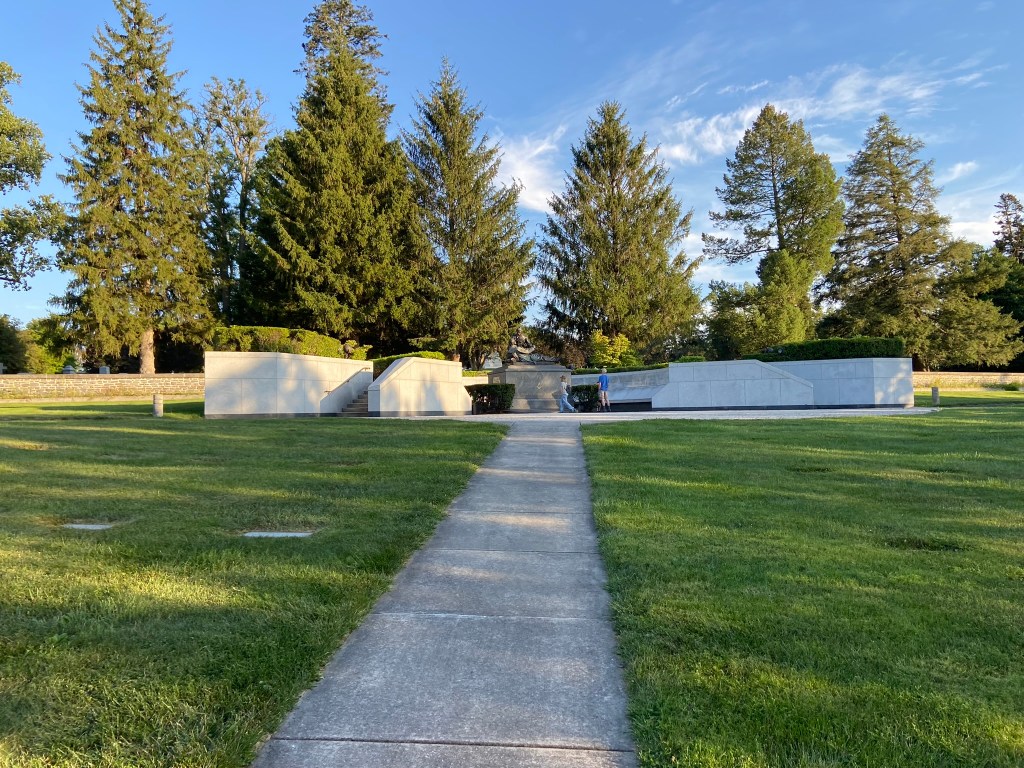
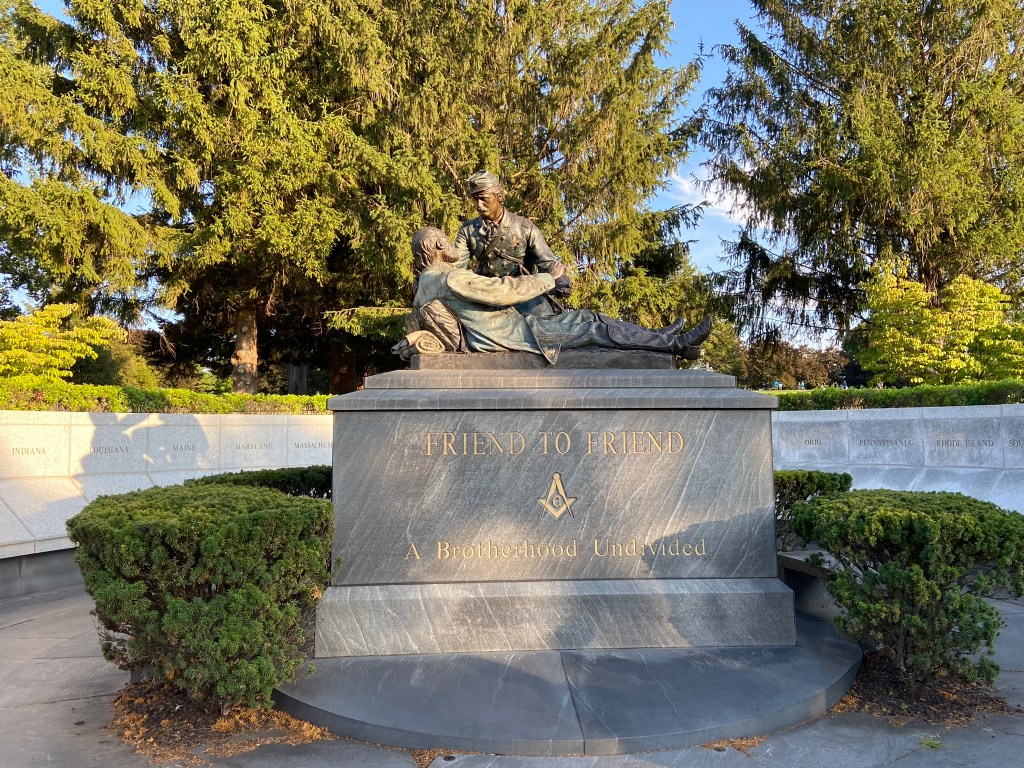
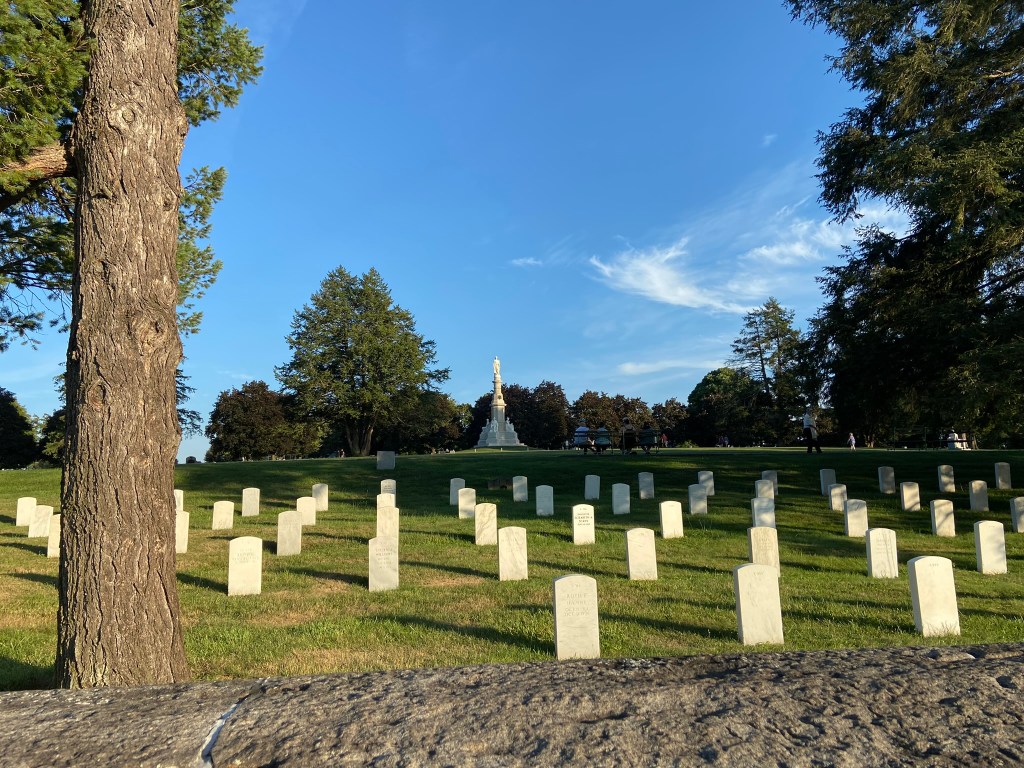
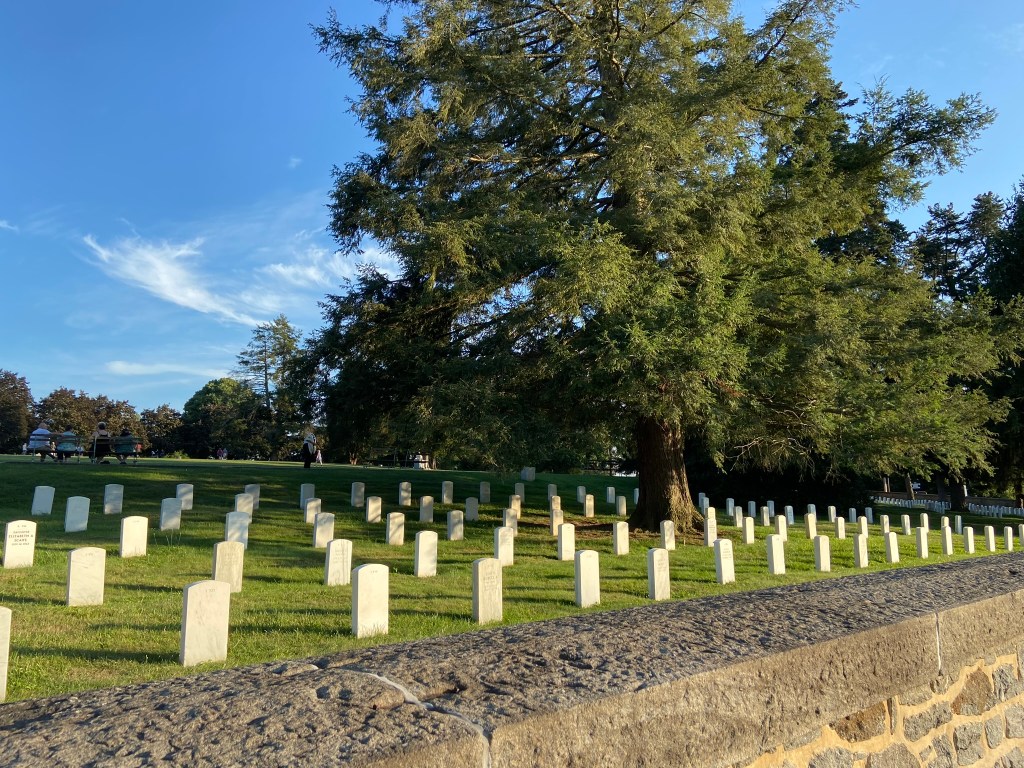
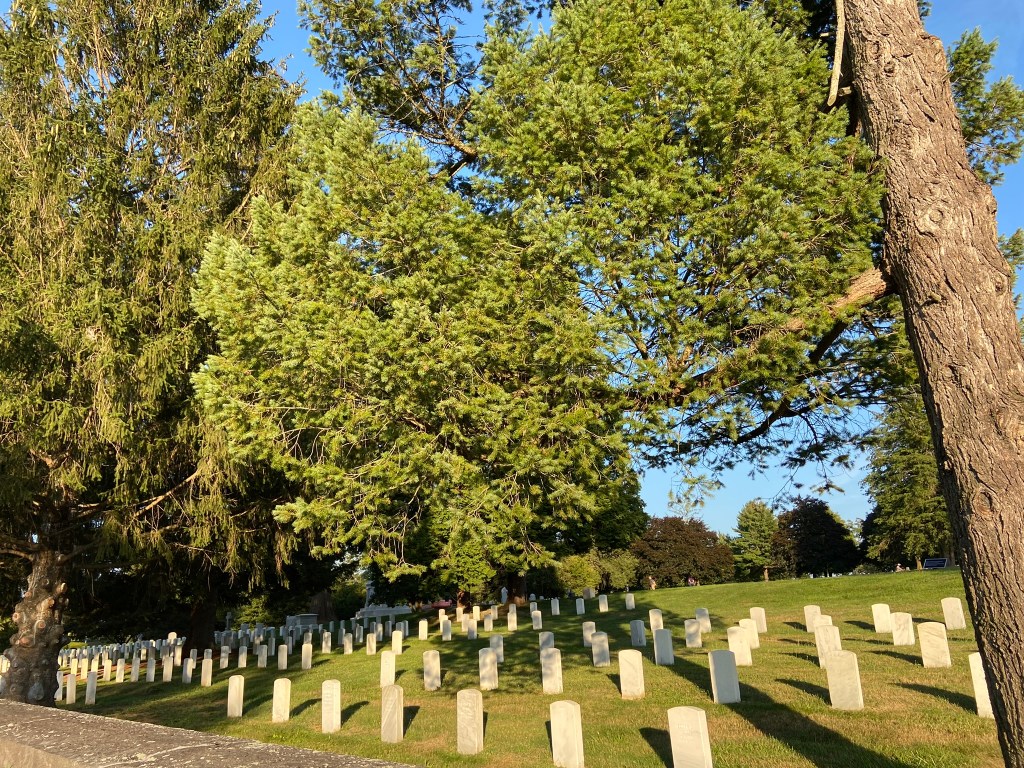
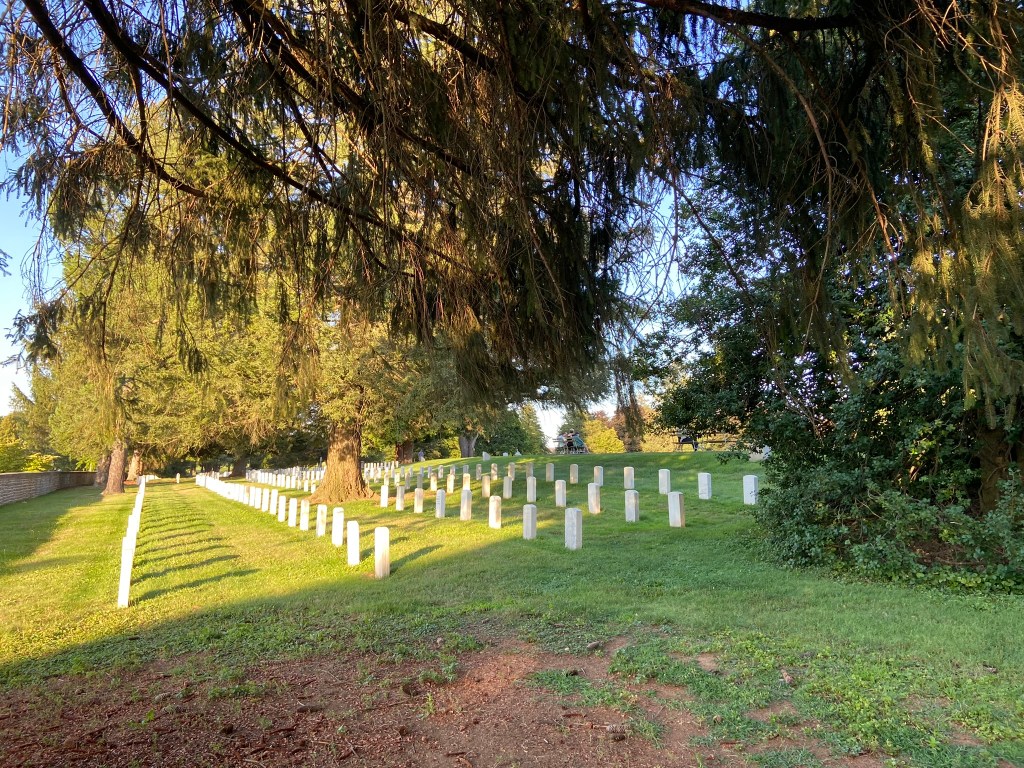
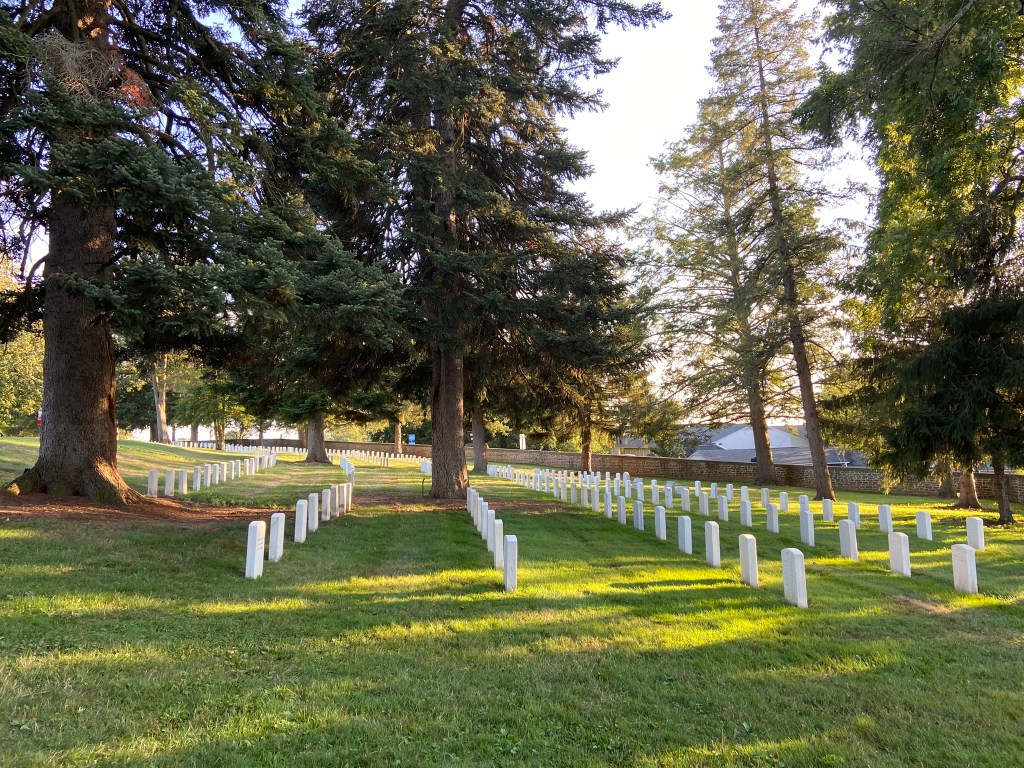
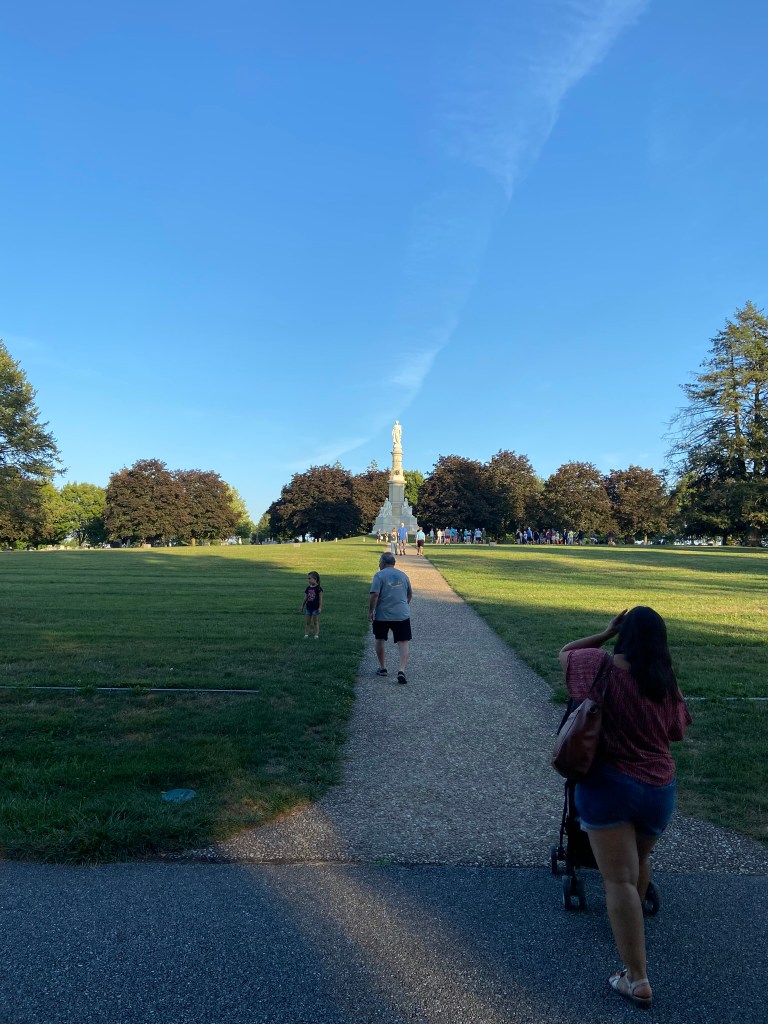
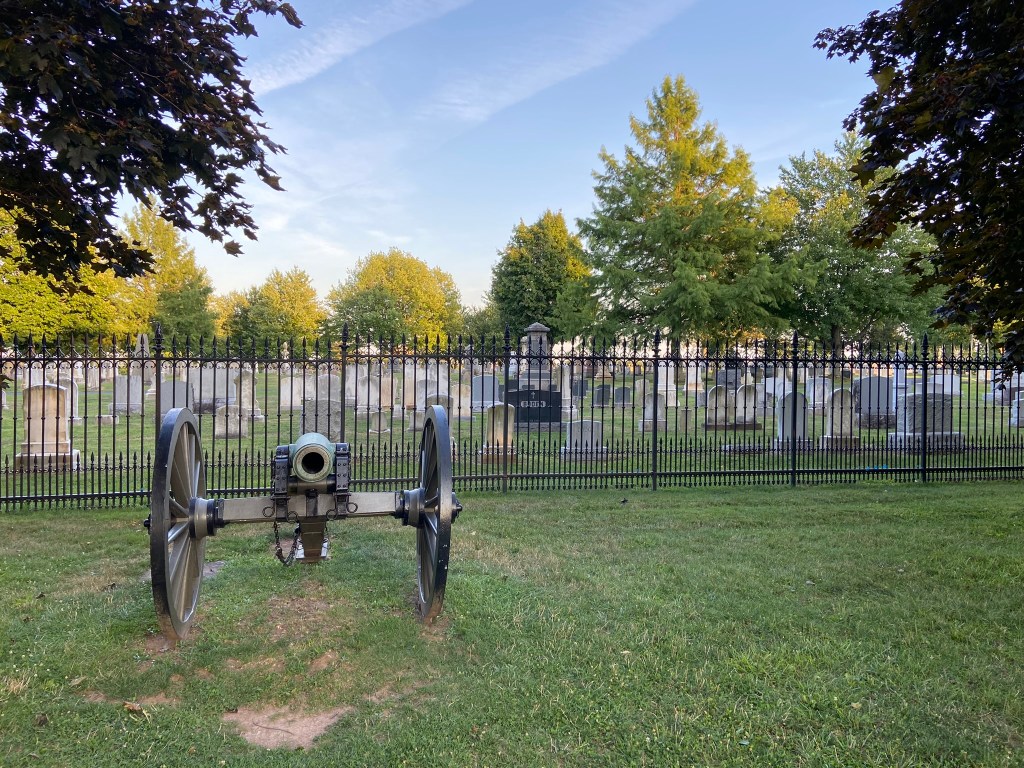
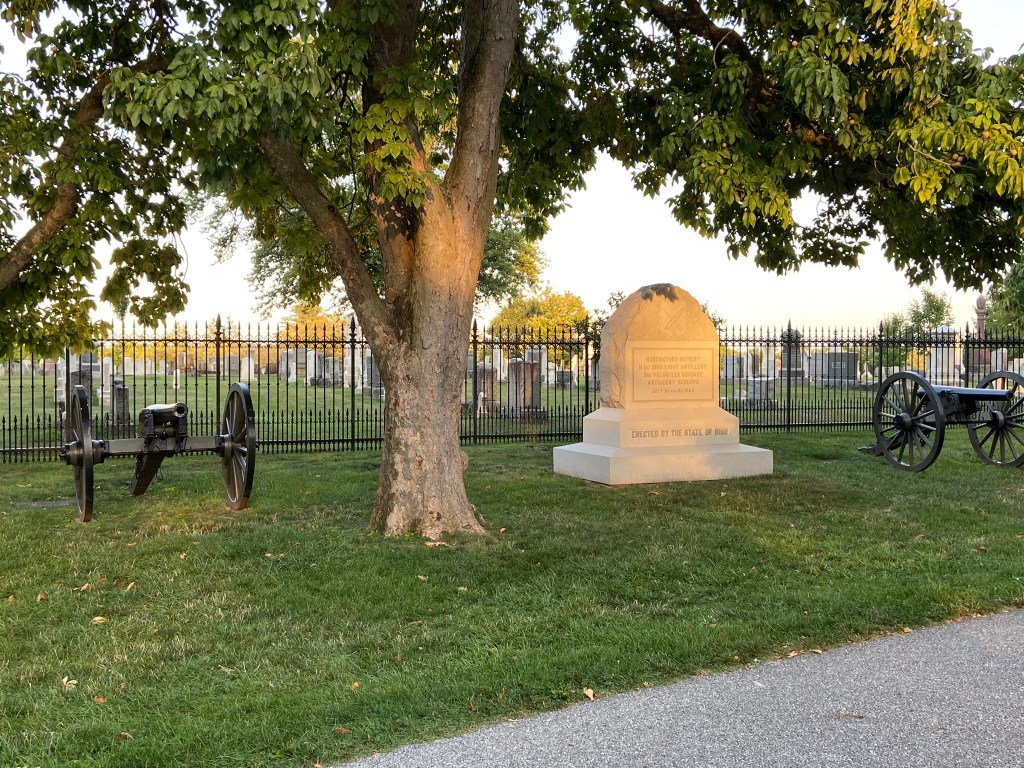
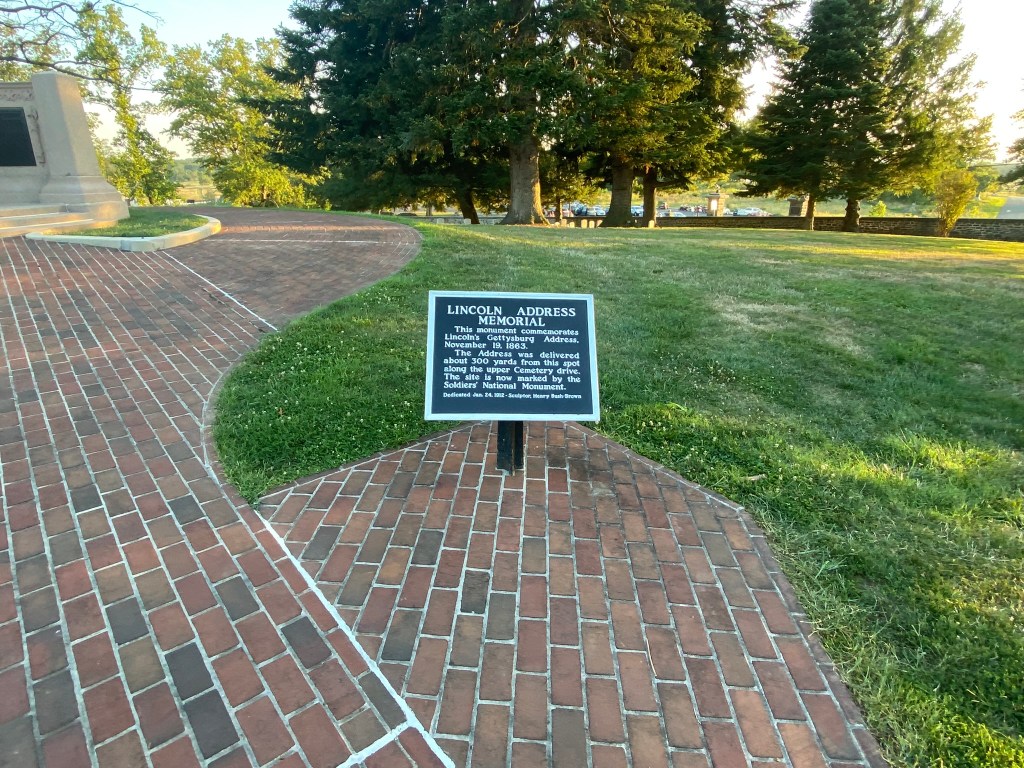
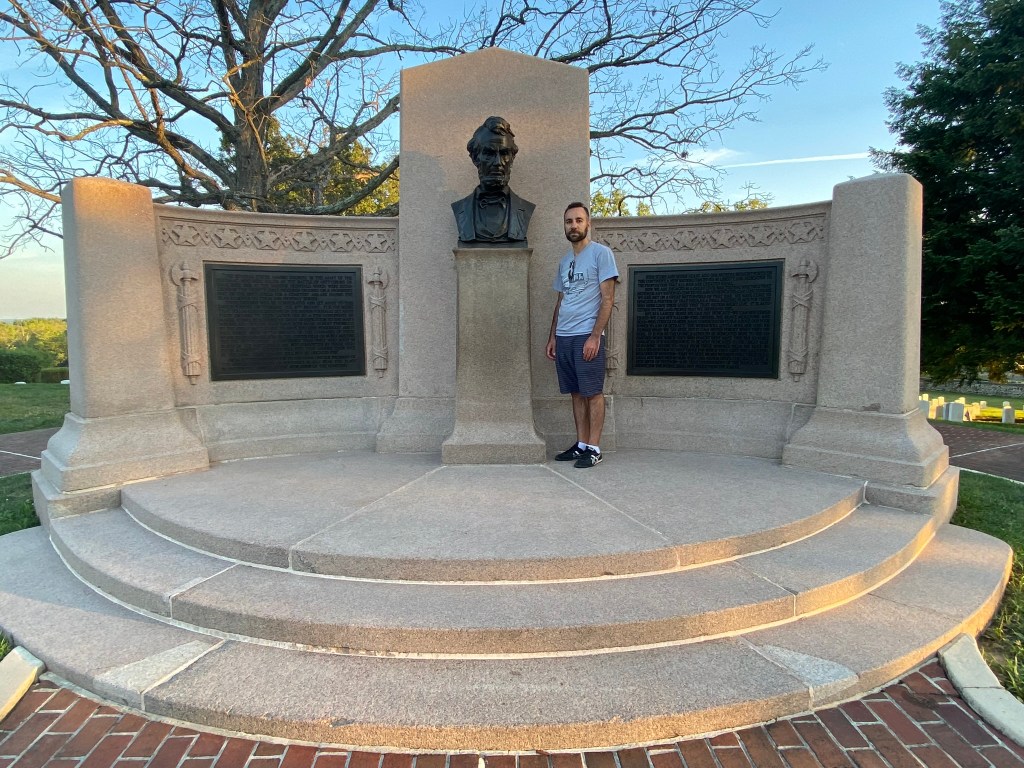
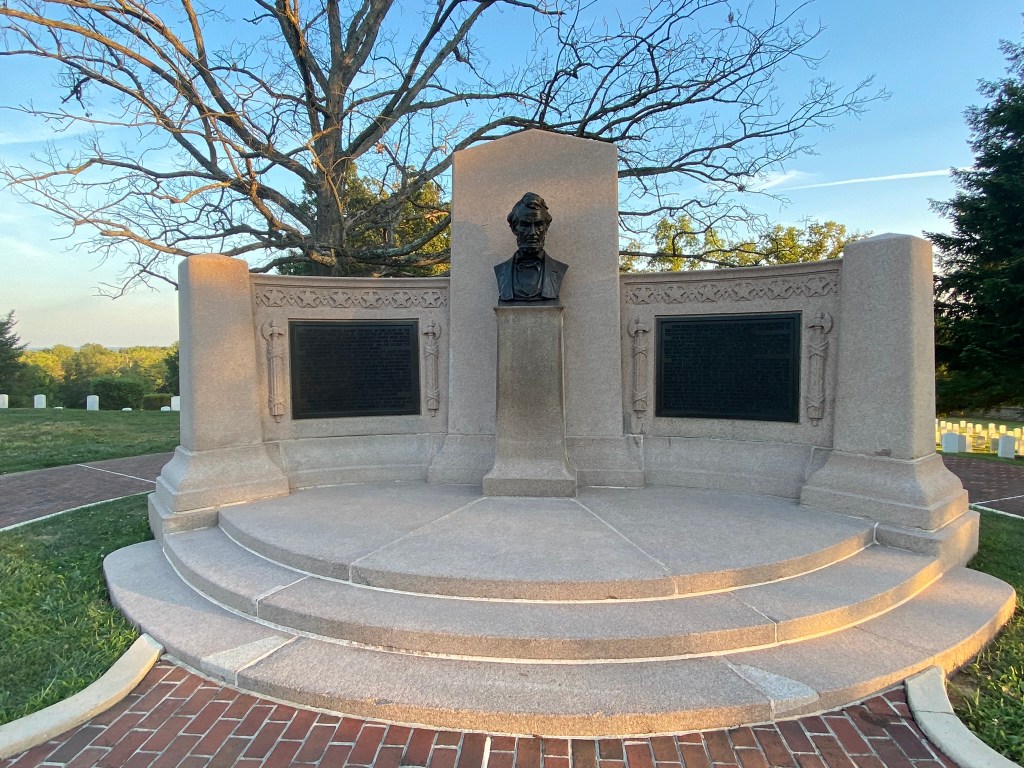
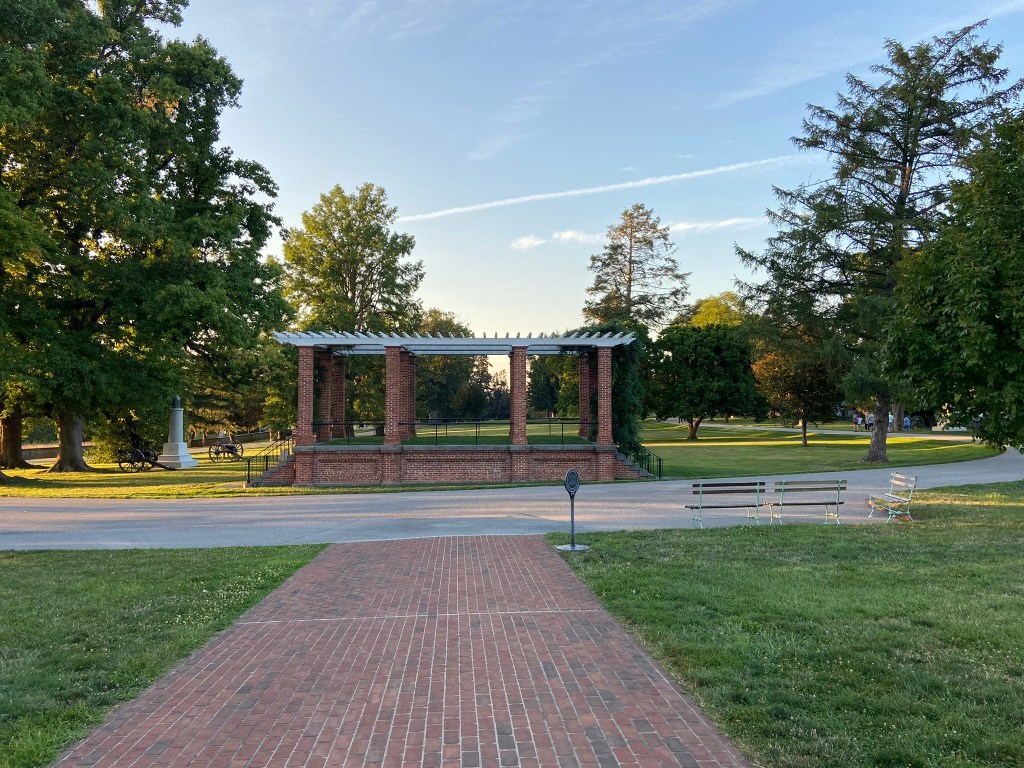
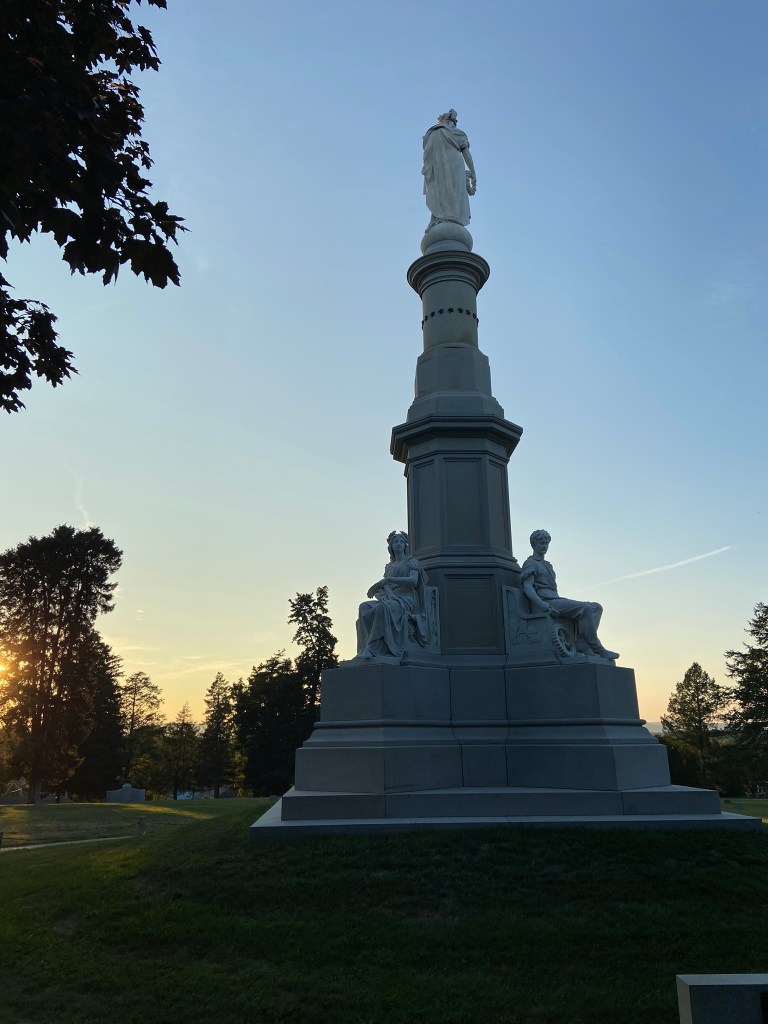
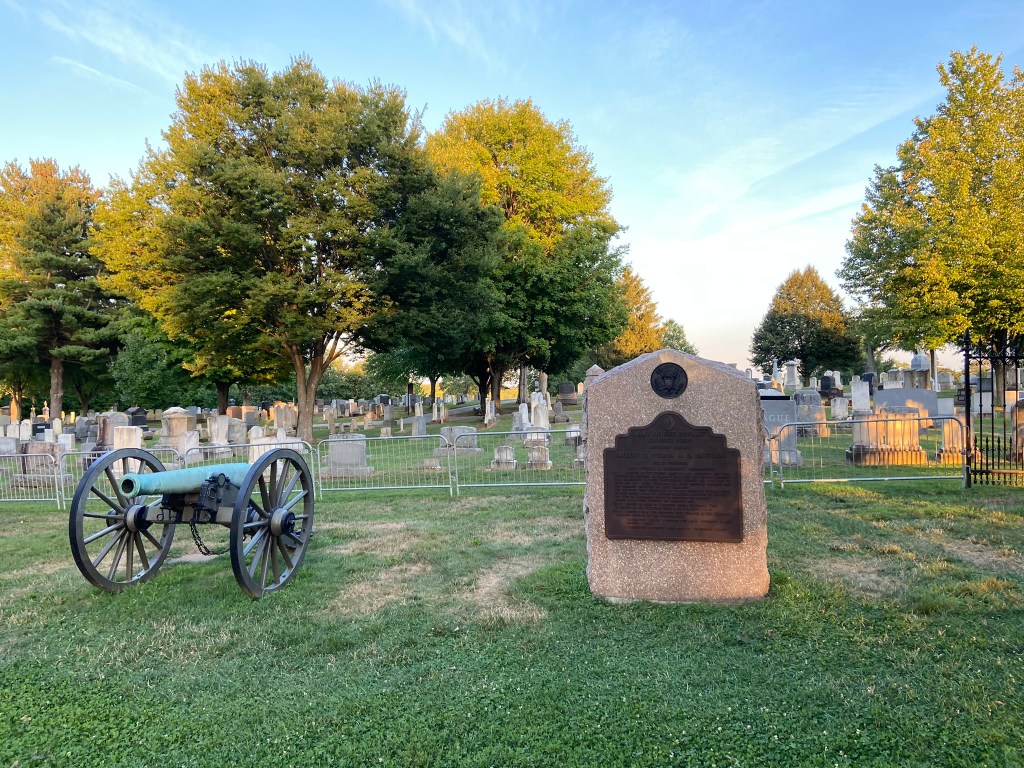
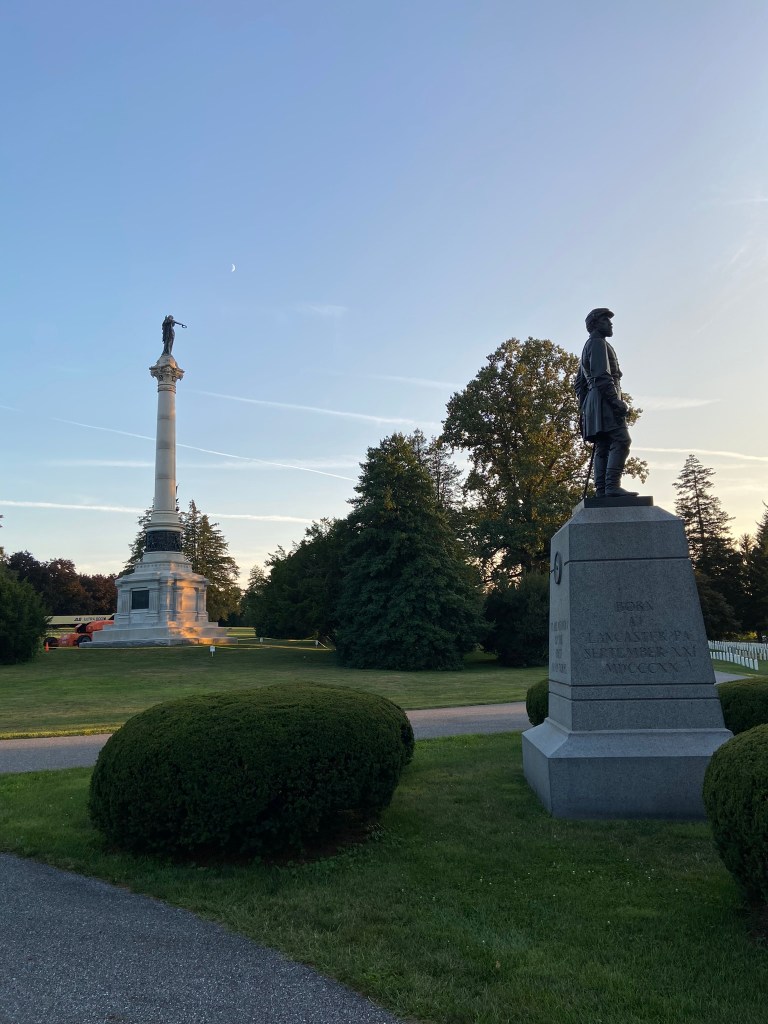
    When we entered the cemetary, it was quite humbling to see all of the graves of the fallen victims, as well as the monuments in their honor. Also, listening to taps played in front of the Soldiers National Monument was surreal and quite moving. When finished, the family and I walked through the cemetary to the Lincoln’s Gettysburg Address Memorial, honoring the most powerful speech in American history. After visiting the memorial, we made our way out of the cemetary and towards our hotel for the evening.

    In Part 2, I will focus on our next day and a half in Gettysburg, including our double decker bus tour of the battefield, our visit to the Gettysburg National Military Park and Museum, and a visit to the Gettysburg Museum of History. Read HERE.

    Related Posts:
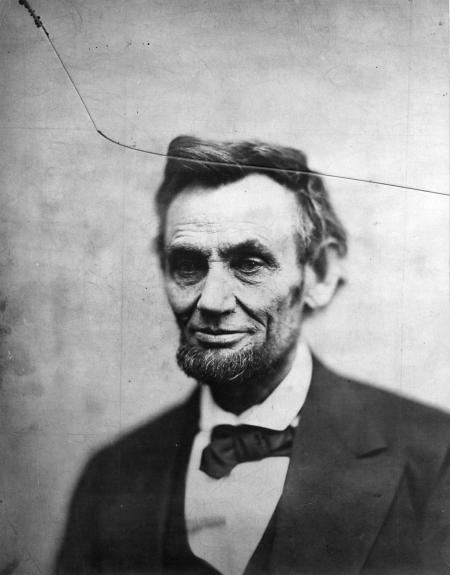
  • In (Part 1) and (Part 2) of my blog post on the Lincoln Assassination, I discussed the assassin, John Wilkes Booth, and the events that unfolded on the evening of April 14, 1865. Part 3 will focus on the death of Lincoln and the widspread manhunt for Booth. I also ponder the question: What if Lincoln had lived?

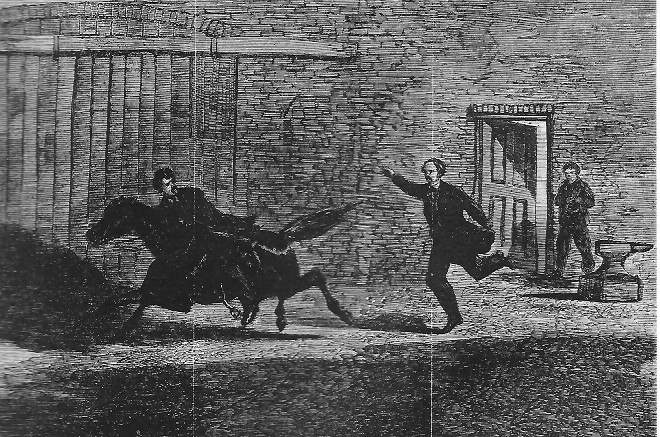
    After Booth shot Lincoln at 10:15pm at the Ford’s Theatre, he escaped out of a side door and mounted a horse for his getaway. At about 11:30pm, Booth met up with co-conspirator David Herold and headed south.  They arrived at the home of Dr. Samuel Mudd whom examined Booth’s broken ankle.  Once Mudd realized that Booth was a fugitive on the run, Mudd asked the conspirators to leave. 

    They then moved on as fugitives in hiding, making a couple of stops at the homes of Confederate sympathizers.  (American Experience, PBS)  Booth was able to get his hands on local newspapers.  While he thought the country, especially the south, would be praising him, he found that the country was condemning him.  Throughout his escape, Booth kept a journal and in it he wrote, “I struck boldly and not as the papers say… our country owed all our troubles to him and God simply made me, the instrument of his punishment.” (American Experience, PBS)  Booth believed that the country would be singing his praise for his bold action.  However, Booth discovered that not to be true.

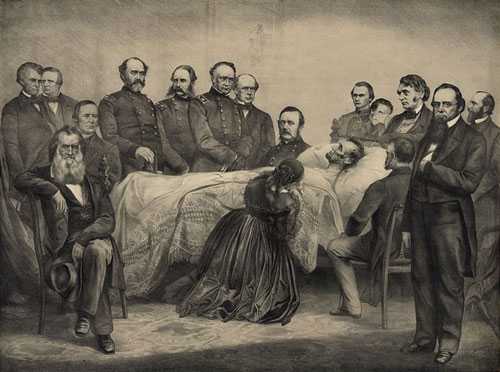
    At 7:22 A.M. on April 15th, 1865, Abraham Lincoln died.  Lincoln became the first president who was ever assassinated.  After the war ended on April 9th, the Union had reason to celebrate.  The bloody, four year struggle between the North and the South was finally over.  Lincoln had succeeded in preserving the Union and issuing the Emancipation Proclamation.  But now just a few days later, the country was mourning its fallen hero.  The New York Herald said, “The sun set last night on a jubilant and rejoicing nation.  It rose this morning upon sorrow stricken people.” (American Experience, PBS)   The day after Lincoln died was Easter Sunday.  Preachers around the country devoted their sermons to the memory of Lincoln.  He was now seen as a martyr who died to unify the country.  (American Experience, PBS)  Besides mourning and grief, there was also anger in the North.  Mobs formed in cities around the country showing rage and violence towards anyone who identified with the Confederacy or the Democratic Party.  Most Southerners publicly expressed condolences, but privately did view Booth as the American Brutus that Booth believed he was.  (American Experience, PBS)

     By April 20th, 1865, most of the conspirators had been caught, but Booth and Harold were still on the run.  The hunt for Booth became the largest manhunt in American history, with a reward of $100,000 for his capture.  (American Experience, PBS)  During the manhunt, Booth wrote that he’d been hunted like a dog through swamps and woods, “for doing what Brutus was honored for, and yet I, for striking down a greater tyrant than he ever knew, was looked upon as a common cutthroat.” (American Experience, PBS)  In his writing, we again see that Booth considered himself a hero, and yet, the public only viewed him as the murderer of a great man.

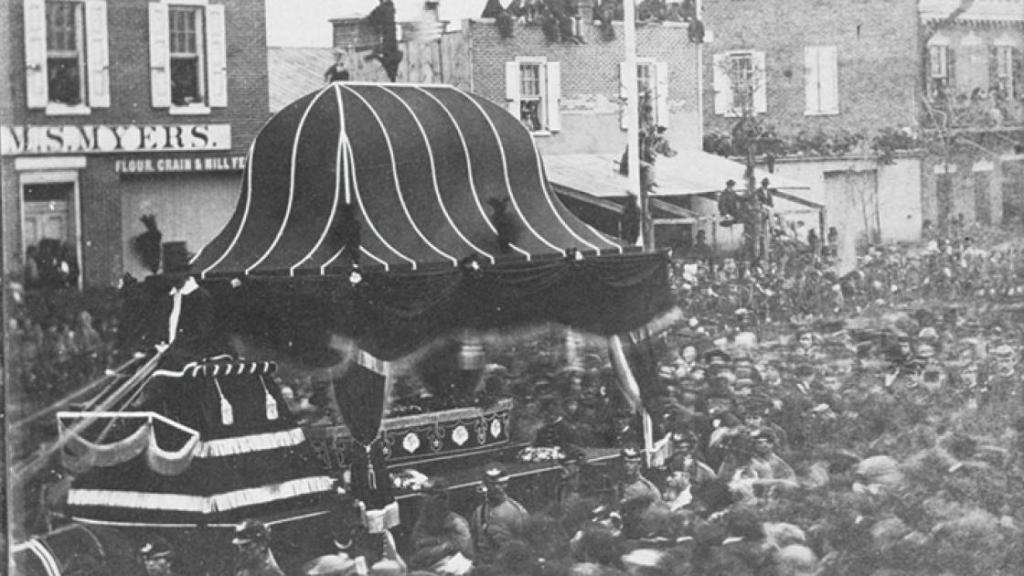
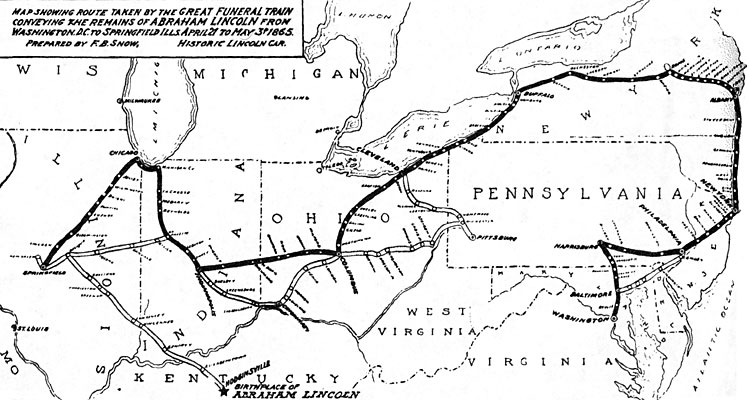
    On April 21st, 1865, Lincoln’s funeral train, draped in black, departed from Washington. For 12 days, the train travelled over 1,600 miles to major cities around the country. Approximately 7 million Americans, almost a third of the Union’s population turned out to mourn their hero’s death. (McDougal, p. 371) As they mourned the death of Lincoln, they were also mourning for the lives of the hundreds of thousands lost in the war. The funeral train made its final stop in Lincoln’s hometown of Springfield, IL where he would be buried. (American Experience, PBS) Lincoln had become a larger than life folk hero after his assassination. People respected and honored him for the way he courageously carried the country through the most trying times. The weight of the country was on his shoulders and he ultimately became a martyr for the cause of union, democracy and freedom.

    On April 26th, Union cavalry closed in on Booth and Herold at the Garret Farm in Virginia.  The cavalry surrounded a barn where the two men hid.  Herold surrendered but Booth refused.  The cavalry set the barn of fire.  As Booth tried to escape, he was shot by Sergeant Boston Corbett and died on April 26th, 1865.  (American Experience, PBS)  Booth is said to have whispered, “Tell my mother I died for my country.  I did what I thought was best.” (McDougal, p. 370)  Booth’s other conspirators were either sentenced to death or life in prison. 

    The manhunt was over.  While the country was relieved that Booth was caught, they still mourned for the life of Abraham Lincoln.  The country was never given an opportunity to see how Lincoln would have carried out the Reconstruction of the country.  That task would fall into the hands of his successor, Andrew Johnson.  Lincoln’s legacy and impact on the United States will always be in the minds and hearts of the American people.  He preserved the Union and fought for the passage of the 13th Amendment which emancipated the roughly 4 million slaves in the country.  When Lincoln died on April 15th, Secretary of War Edwin Stanton was by his side and stated the famous line. “Now he belongs to the ages.” (American Experience, PBS)

    What If?

    Sometimes I wonder, what if Lincoln lived to serve out his second term? How would history have played out differently? We know that the Reconstruction Era under his successor, Andrew Johnson, went terribly to say the least. Johnson was impeached and was constantly at odds with the Radical Republicans in Congress. Would Lincoln have gotten along with and agreed with the Radical Republicans in Congress about how to handle Reconstruction? Lincoln was more moderate than many of them with his Ten Percent Plan for allowing the former Confederate states back into the country. Would many of the Radical Republicans bend to some of Lincoln’s views? How would Lincoln have helped freed African Americans after the war? We know that Johnson did virtually nothing to help them. It’s likely that they would have gained more opportunities under the Lincoln administration. How would Lincoln have handled post-war challenges? We can only speculate that a character like Lincoln would have done a much more effective job of carrying the country through the challenges of Reconstruction. How would Lincoln have been remembered had he lived? We know in reality that he was viewed as a martyr who saved the Union and has always been ranked either the best or in the top 2 presidents of all time. He definetely would have been revered for what he accomplished but he wouldn’t have been elevated to the status of a martyr. Assuming he had an effective second term, we can assume he would still be ranked amongst the best presidents, but what if his second term didn’t go well? Where would he be ranked then? These questions can’t be answered with certainty but it’s always interesting to the ask the, “What If”? Any thoughts on the matter, please comment below.

    Related Posts:
  • In Part 1 (Read Here) of my blog post on the Lincoln Assassination, I discussed the assassin himself, John Wilkes Booth. In Part 2, I discuss the action that he took against our sixteenth president, Abraham Lincoln, at Ford’s Theatre.

    On the morning of April 14th, 1865, John Wilkes Booth went to Ford’s Theatre to pick up his mail. A member of the theatre told him that Abraham Lincoln would be attending a play that evening. Booth now knew that he had about eight hours to plan his attack. (American Experience, PBS) Booth called his co-conspirators and decided that at 10:15pm, he would kill Lincoln at Ford’s Theater. At the same time, his co-conspirators would also kill Secretary of State William Seward, and Vice-President Andrew Johnson. (American Experience, PBS)

    Abraham and Mary Todd Lincoln arrived at the theater at 8:30pm with Corporal Henry Rathbone and his fiancée Clara Harris, to see the British Comedy, Our American Cousin. (McDougal, p. 370). Booth knew the layout of Ford’s Theatre very well because he performed there many times. His last performance there was on March 18th, 1865. (battlefields.org).

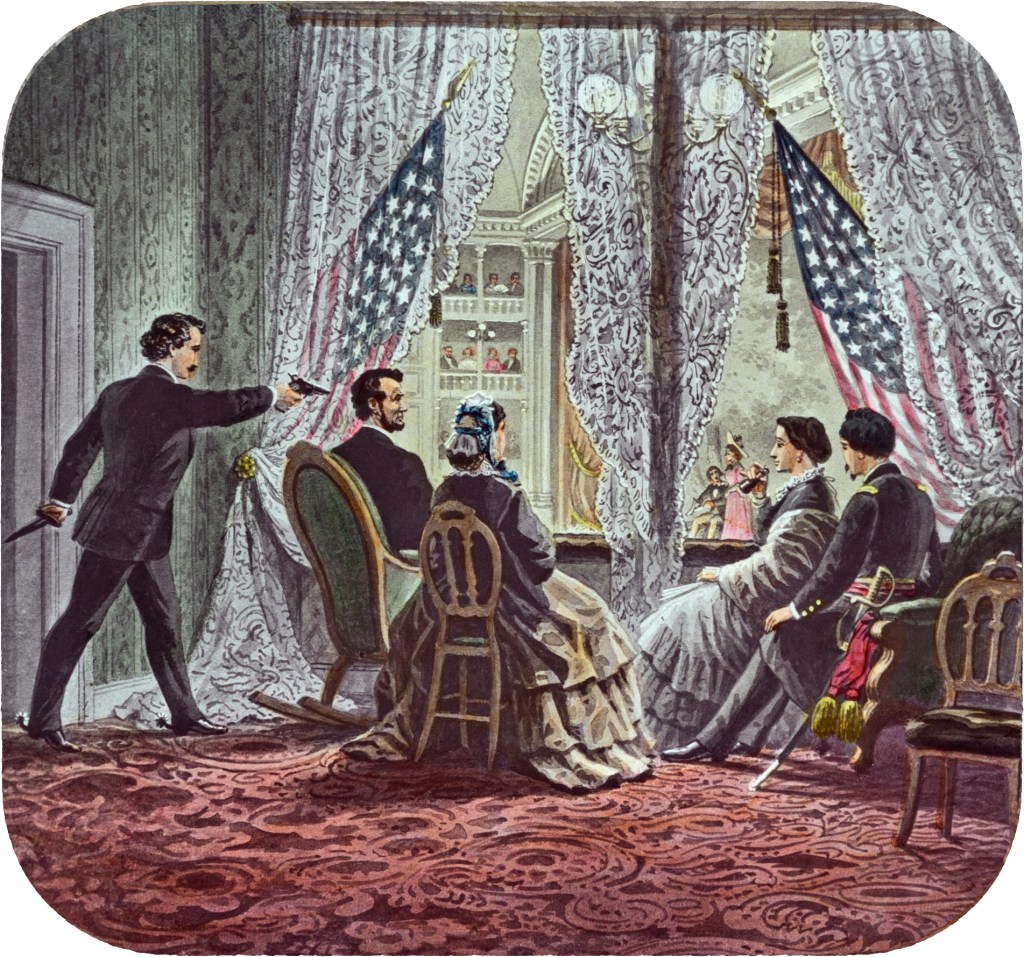
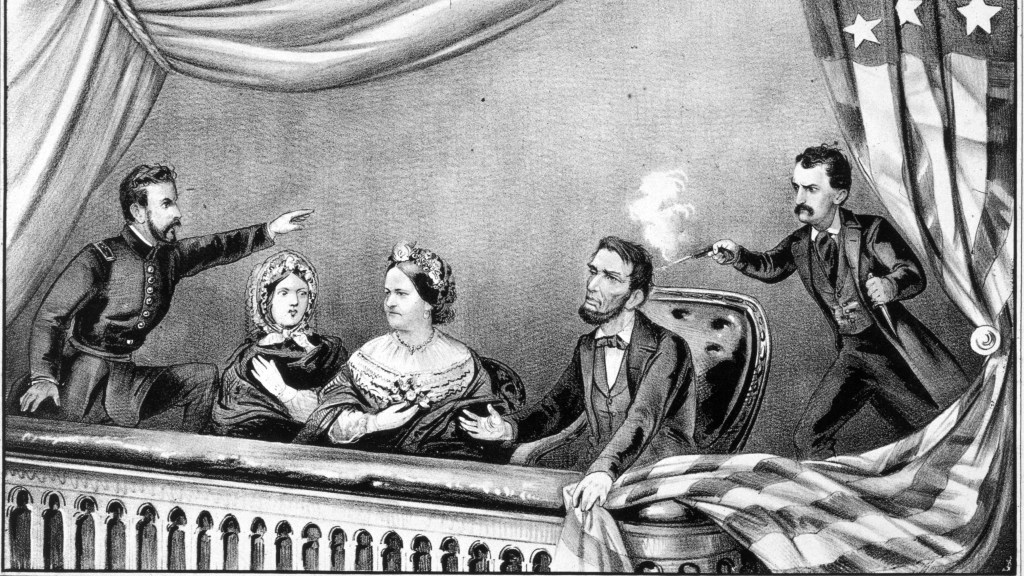
    Booth was able to get inside the presidential box because Lincoln’s guard had left his post to have a drink at a local tavern. Booth waited for a part of the play that generated the loudest laughter. At that moment, Booth used his Deringer pistol and shot Lincoln in the back of the head. Corporal Henry Rathbone leapt to his feet and Booth used his dagger to cut Rathbone in the left forearm. Booth then leapt down to the stage and broke his left ankle. He yelled “Sic Semper Tyrannis!” which translates to “Thus always to tyrants!” The audience was confused at first, thinking this was part of the play. Then people started to realize that President Lincoln had been shot and Booth escaped out of a side door. Many people in the crowd had recognized Booth. (American Experience, PBS)

    At the same moment that Booth killed Lincoln, co-conspirator Lewis Powell was sent to kill Secretary of State William Seward. Powell broke into Seward’s home, fought off guards and Seward’s sons, and attacked William Seward while in bed, already recovering from a carriage accident. Powell slashed Seward’s face with a Bowie knife. Seward lost so much blood and would be scarred for life, but he did survive. Powell was able to escape.

    George Atzerodt was sent to kill Vice-President Andrew Johnson. As he neared Johnson’s residence, he lost his nerve and turned away. (American Experience, PBS) Back at Ford’s Theater, Lincoln’s body was taken across the street to the Petersen House, where he would spend his last agonizing hours. (American Experience, PBS)

    Stay tuned for Part 3 which will focus on the death of Lincoln and the widespread manhunt for John Wilkes Booth. I also will ponder the question: what if Lincoln had lived?

    Works Cited

    Guttridge, Leonard F., and Ray A. Neff. Dark Union: the Secret Web of the

    Profiteers, Politicians, and Booth Conspirators That Led to Lincoln’s Death.

    Wiley, 2003.

    Mcdougal, Holt. Americans, Grades 9-12 New Jersey: Mcdougal Littell the

    Americans. Holt Mcdougal, 2007.

    “John Wilkes Booth.” American Battlefield Trust, 14 Apr. 2020,

    http://www.battlefields.org/learn/biographies/john-wilkes-booth.

    American Experience: The Assassination of Abraham Lincoln. Directed by

    Barak Goodman, Public Broadcasting Service, 2009. Retrieved from

    Youtube, https://www.youtube.com/watch?v=fZH-wJvl3-I

    Related Posts:
  • My next three blog posts will focus on the assassination of our sixteenth President, Abraham Lincoln on April 14, 1865. In Part 1, I’ll discuss the assassin, John Wilkes Booth. Later posts will focus on the assassination itself, as well as the aftermath.

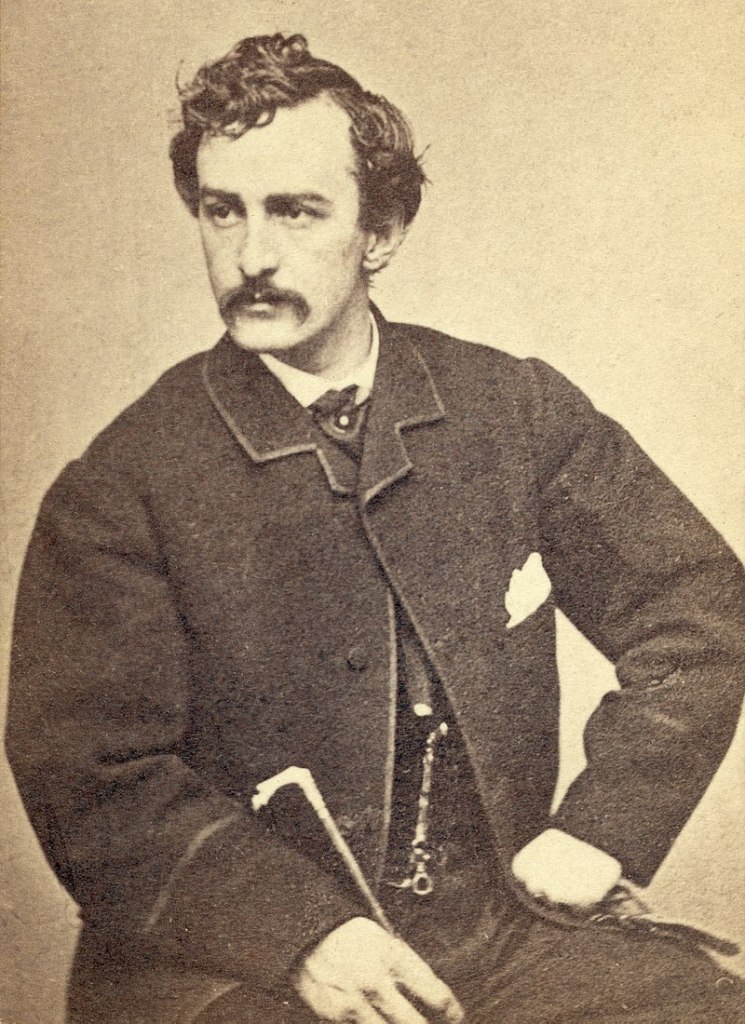
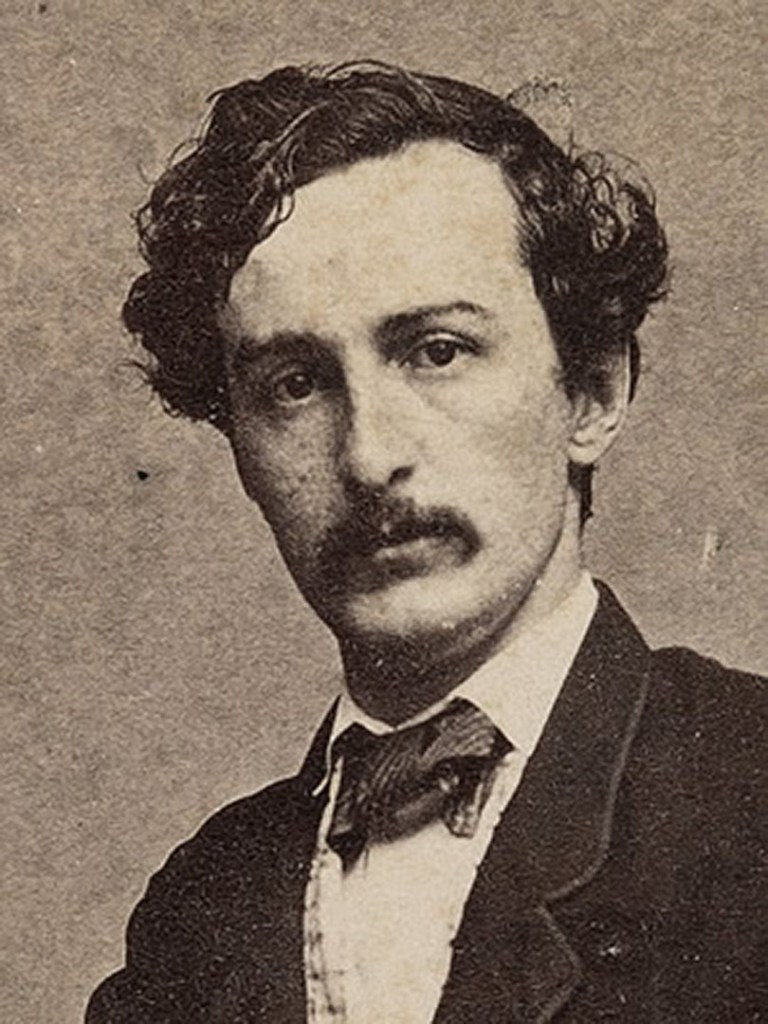
    John Wilkes Booth was born in 1838 and raised on his family farm in Maryland.  John, like his father Junius, was a famous, wealthy and adored actor.  He performed in plays all along the East Coast, including at the Ford’s Theatre in Washington D.C.  He was a Southern and Confederate sympathizer who grew to hate Abraham Lincoln.  While John identified with the South and the Confederacy, his brother Edwin Booth, also a famous actor, identified with the North and the Union, causing division in the Booth family.  John Wilkes Booth once wrote, “my soul, life and possessions are for the South.” (American Experience, PBS)  John, like many Southerners, had a hatred for the Northern abolitionists, and the anti-slavery Republican Party.  He justified his hatred by claiming that Abraham Lincoln was a tyrant who was responsible for destroying the South. He was only twenty-six years old on the day that he took Lincoln’s life.  Booth sacrificed his greatness as an actor for a cause that he held dear.  He viewed his action against Lincoln and his dramatic escape as his last great “performance.”  (American Experience, PBS)

    Booth, as an adult, spent most of his time in Richmond, Virginia.  He viewed the South as an ideal, pure society.  He did not view slavery as an evil and he even claimed it was God’s blessing.  (American Experience, PBS)  Booth believed that the Northerners were splitting the country apart, and he despised the anti-slavery movement.  (American Experience, PBS)  In 1859, Booth joined a local militia unit so he would be able to travel to witness the execution of John Brown, a radical abolitionist who attempted to start a slave uprising at Harpers Ferry, VA.  (battlefields.org)  The election of Republican candidate, Abraham Lincoln in November 1860, enraged millions of southern sympathizers, including Booth.  After the election, Booth wrote a speech that he never had a chance to deliver, but gives us a window into his thoughts.  Booth was disturbed by the division of the country and blamed Northern fanaticism.  He argued that the South wanted justice and would wait no longer to achieve it.  (American Experience, PBS)

    Booth despised Lincoln for many of the reasons that other Southerners did.  They viewed Lincoln as a man who wanted to end slavery and crush the Southern way of life.  As a result of Lincoln’s election, southern states seceded from the Union to form the Confederacy, which Booth supported. During the Civil War, Lincoln instituted acts that were viewed as tyrannical from the Southern perspective, such as his suspension of a Writ of Habeas Corpus, shutting down newspapers, and censoring speech. (American Experience, PBS)  Like Brutus who assassinated Julius Caesar, Booth believed that he needed to change the course of history and be lifted up to immortality.  (American Experience, PBS)

    After four long years of bloody war, Lincoln won his second election in 1864. Booth knew that Lincoln would prosecute the war to its end, and serve another four years in office. Southerners believed that Lincoln was going to use the war to destroy the south and eliminate their customs and culture. (American Experience, PBS) Booth and other co-conspirators worked underground for the Confederacy in Northern territory. The conspirators included John Surrat, George Atzerodt, David Herold, Lewis Powell, Samuel Arnold, and Michael O’Laughlen. Their goal was to “strike a blow at tyranny” and kidnap the President, hold him hostage in the Confederacy and use him for prisoner exchanges. (Guttridge and Neff, p. 53) On March 4, 1865 Lincoln gave his Second Inaugural Address. In the crowd was John Wilkes Booth, seething with anger. When Booth presented his plan to kidnap Lincoln from Ford’s Theatre, his co-conspirators believed that his plan was flawed. (American Experience, PBS) By the end of the Civil War, Booth felt that his world and everything he held dear had been crushed and humiliated. (American Experience, PBS) After the Confederate surrender at Appomattox Court House on April 9th, 1865, Booth began to think of a plan that was even more cruel, one that would punish the North…

    Stay tuned for Part 2, in which I’ll discuss the assassination at Ford’s Theatre.

    Works Cited

    Guttridge, Leonard F., and Ray A. Neff. Dark Union: the Secret Web of the

    Profiteers, Politicians, and Booth Conspirators That Led to Lincoln’s Death.

    Wiley, 2003.

    Mcdougal, Holt. Americans, Grades 9-12 New Jersey: Mcdougal Littell the

    Americans. Holt Mcdougal, 2007.

    “John Wilkes Booth.” American Battlefield Trust, 14 Apr. 2020,

    http://www.battlefields.org/learn/biographies/john-wilkes-booth.

    American Experience: The Assassination of Abraham Lincoln. Directed by

    Barak Goodman, Public Broadcasting Service, 2009. Retrieved from

    Youtube, https://www.youtube.com/watch?v=fZH-wJvl3-I

    Related Posts:
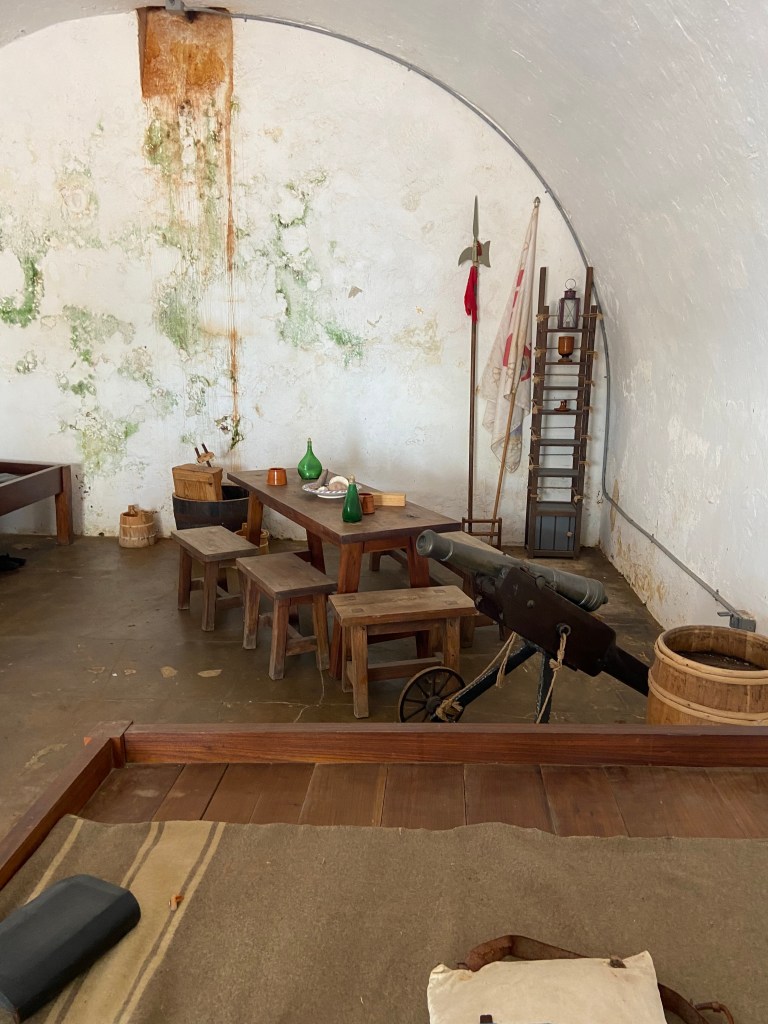
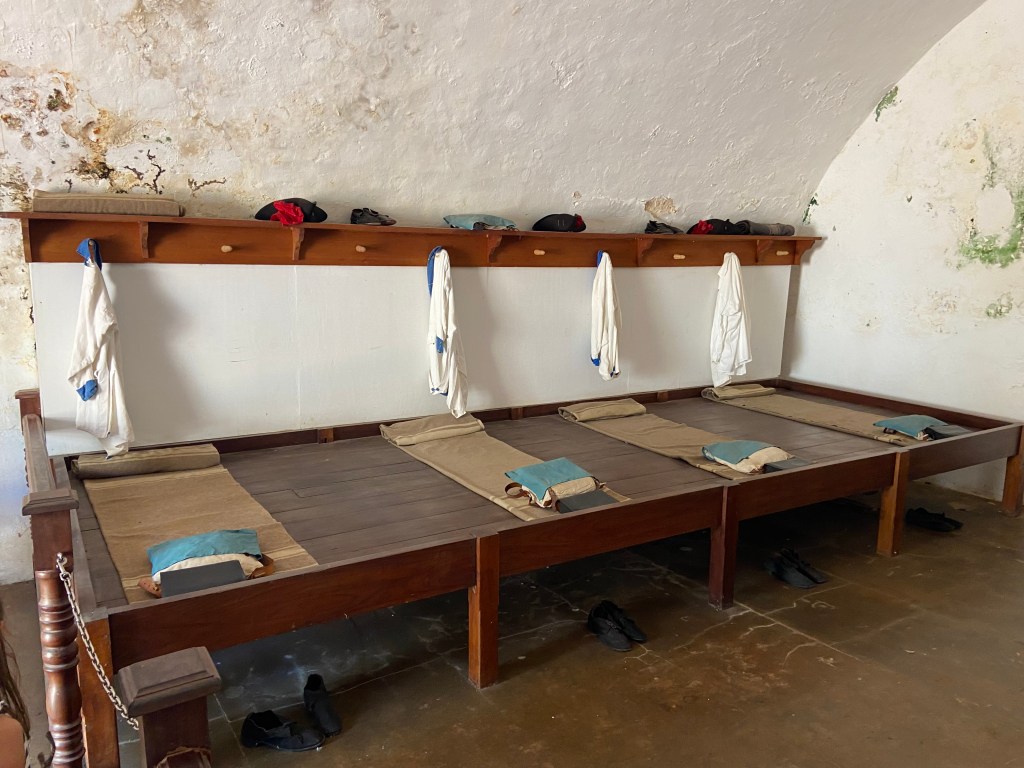
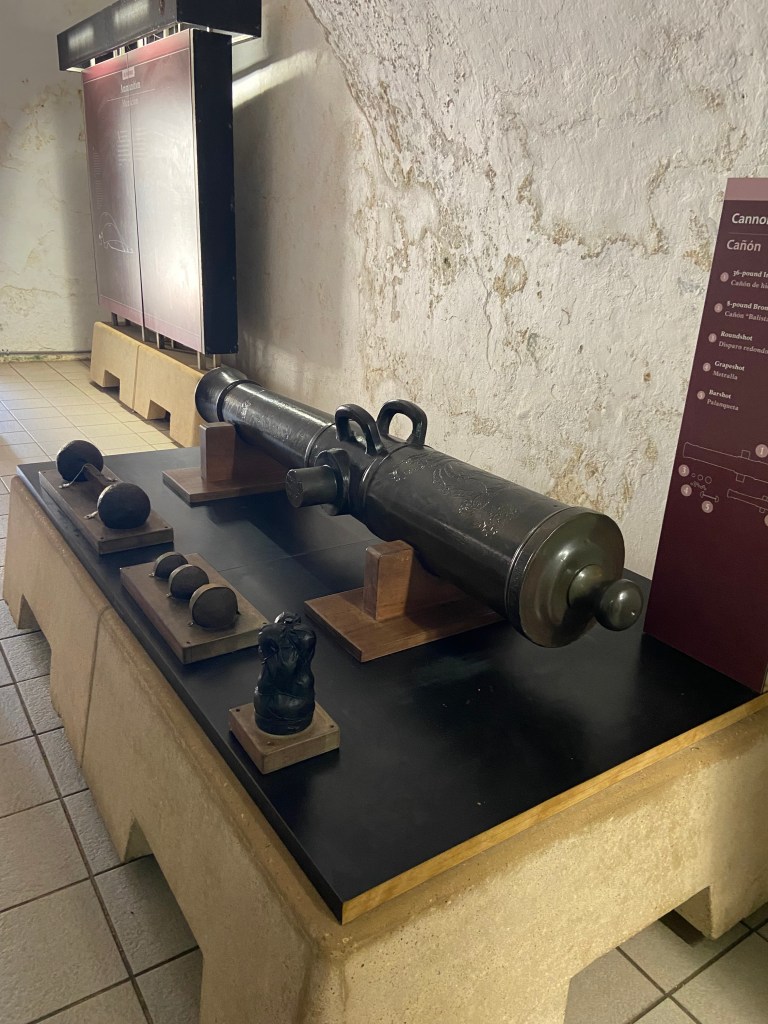
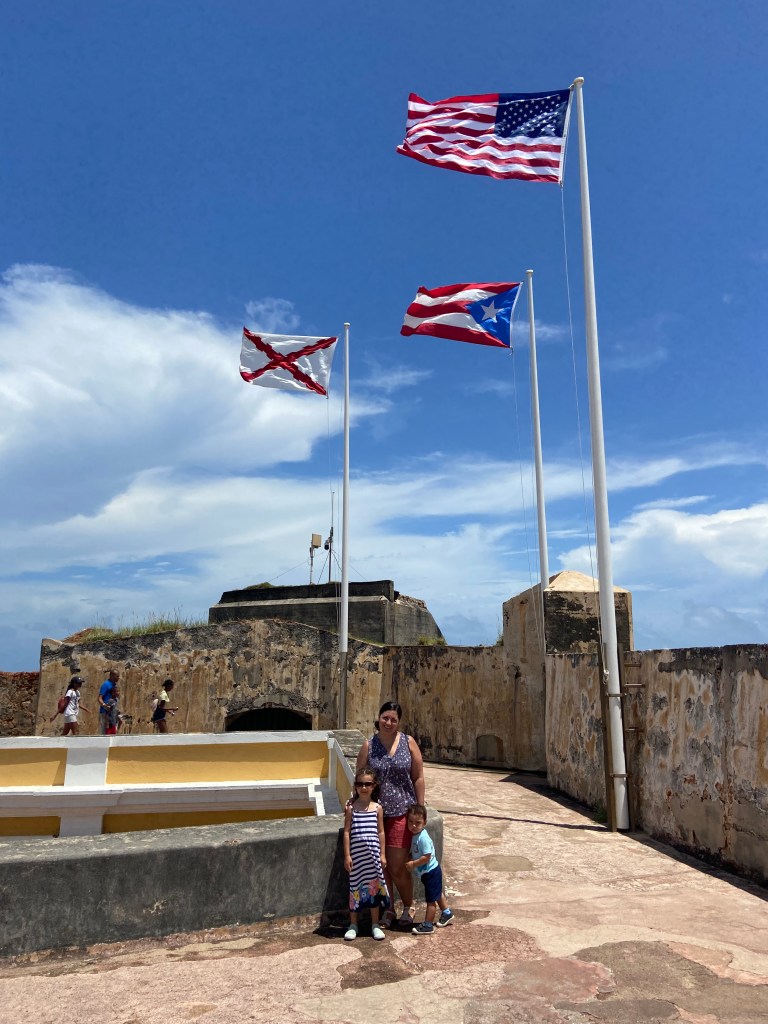
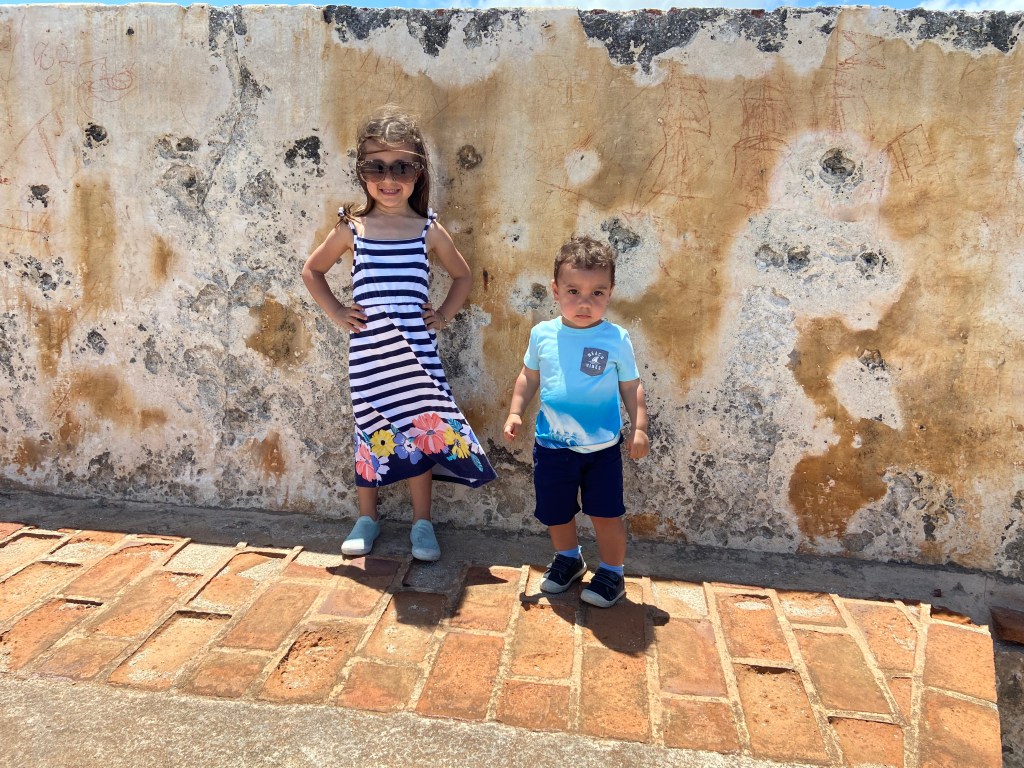
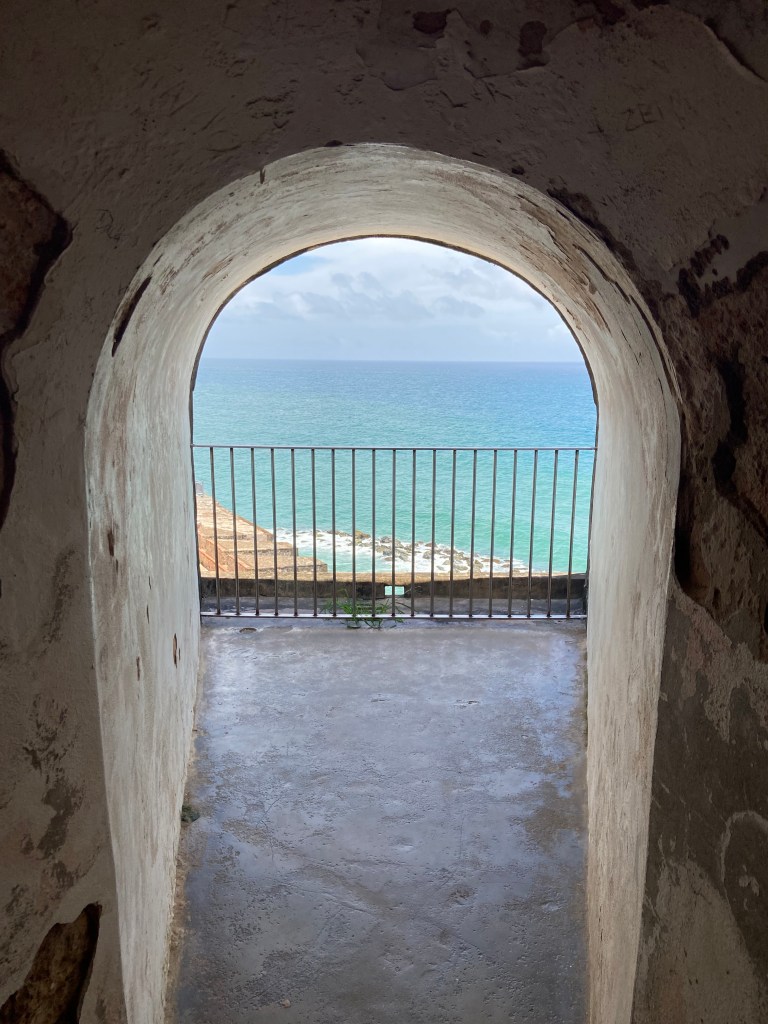
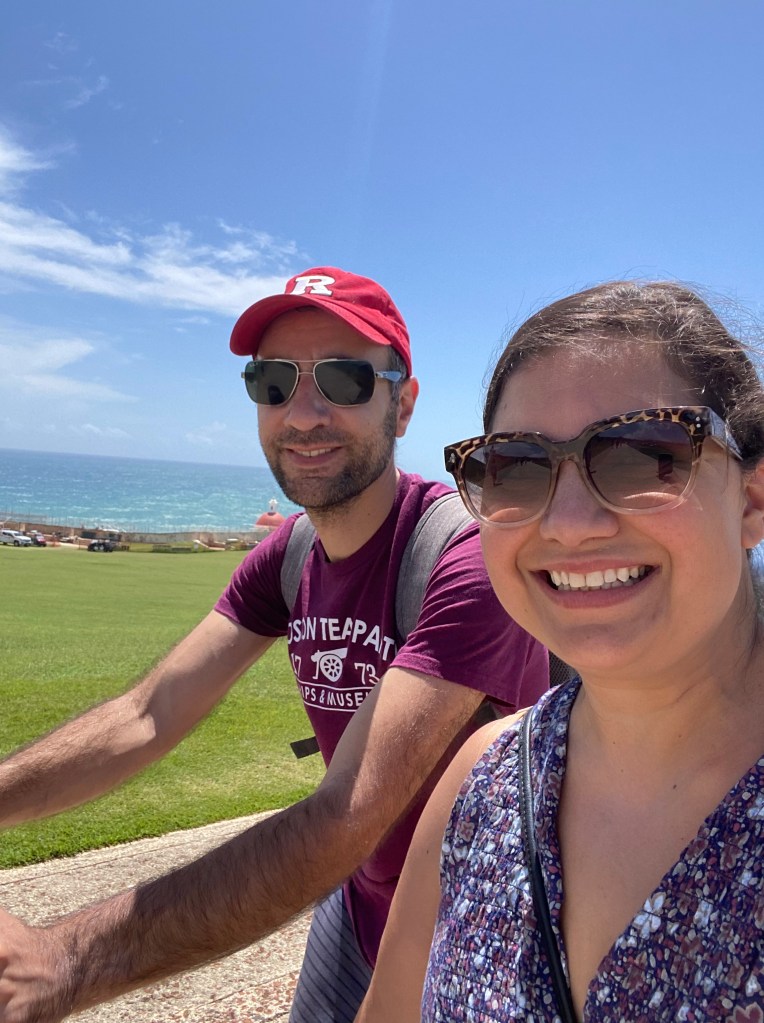
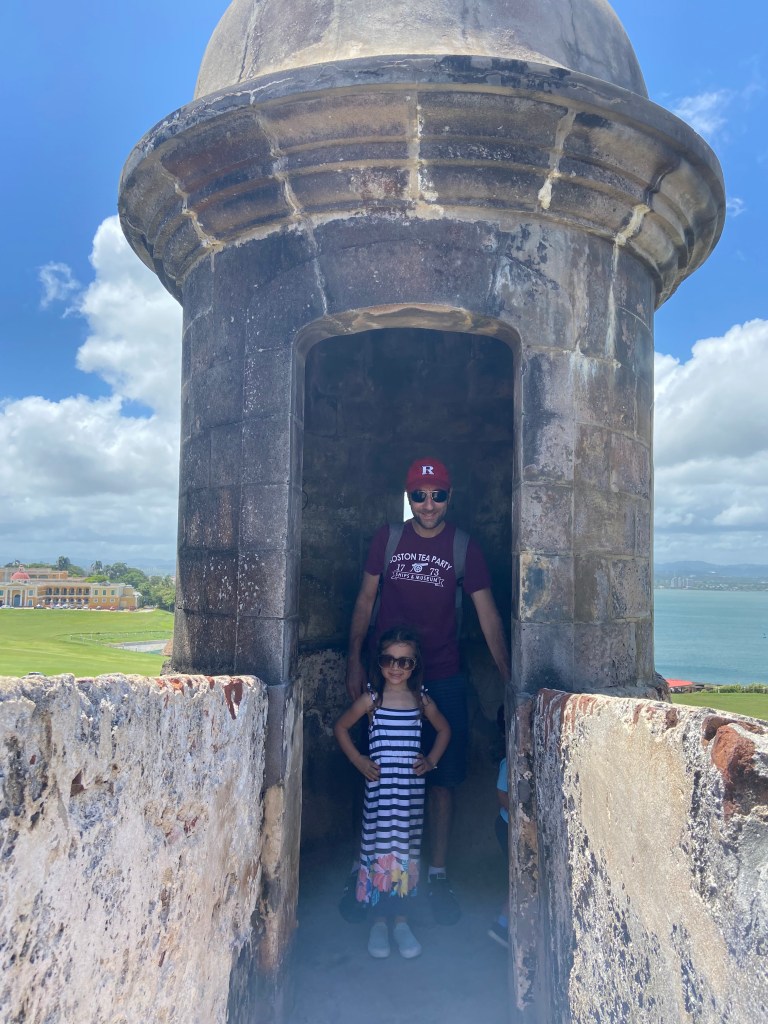
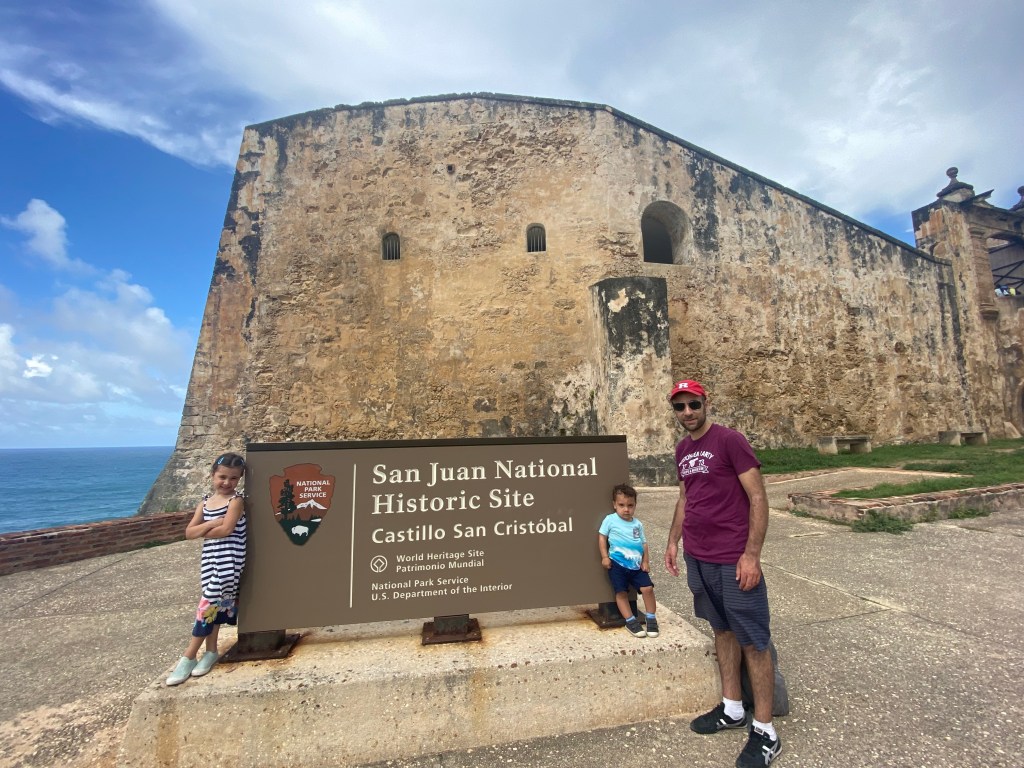
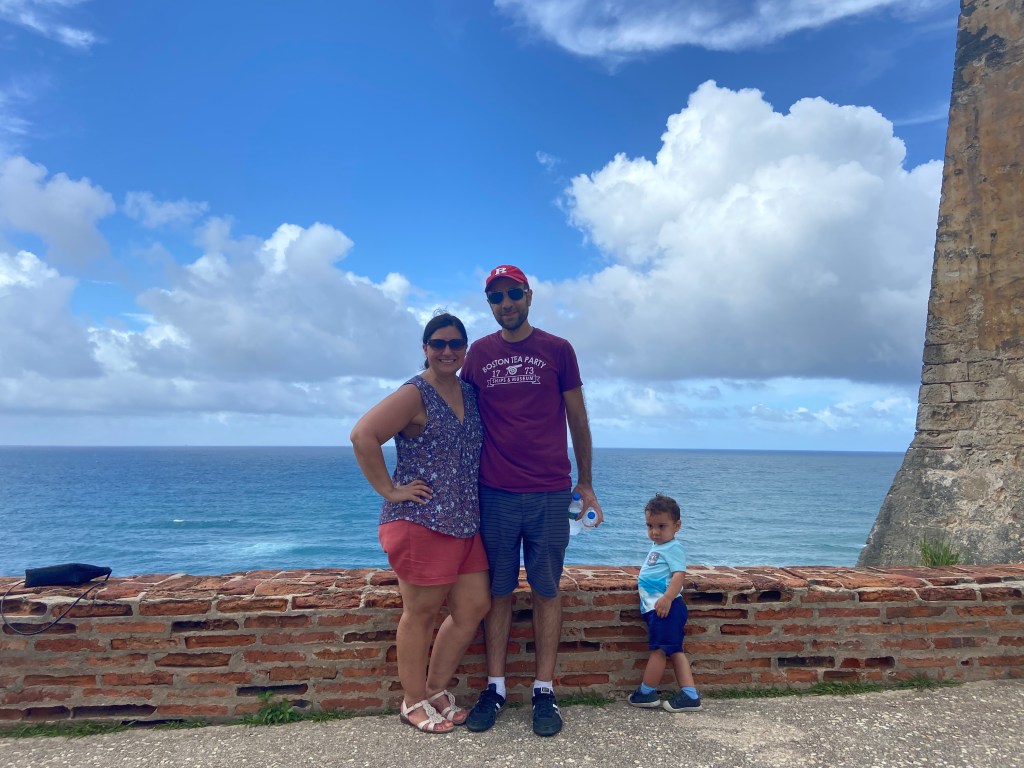
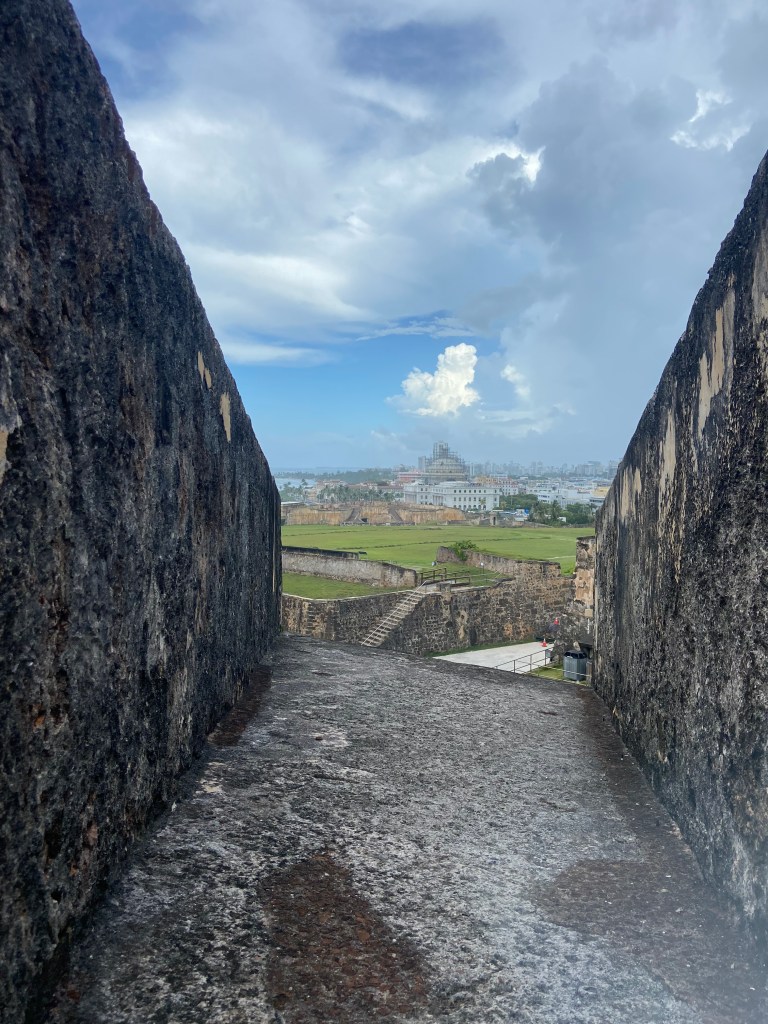
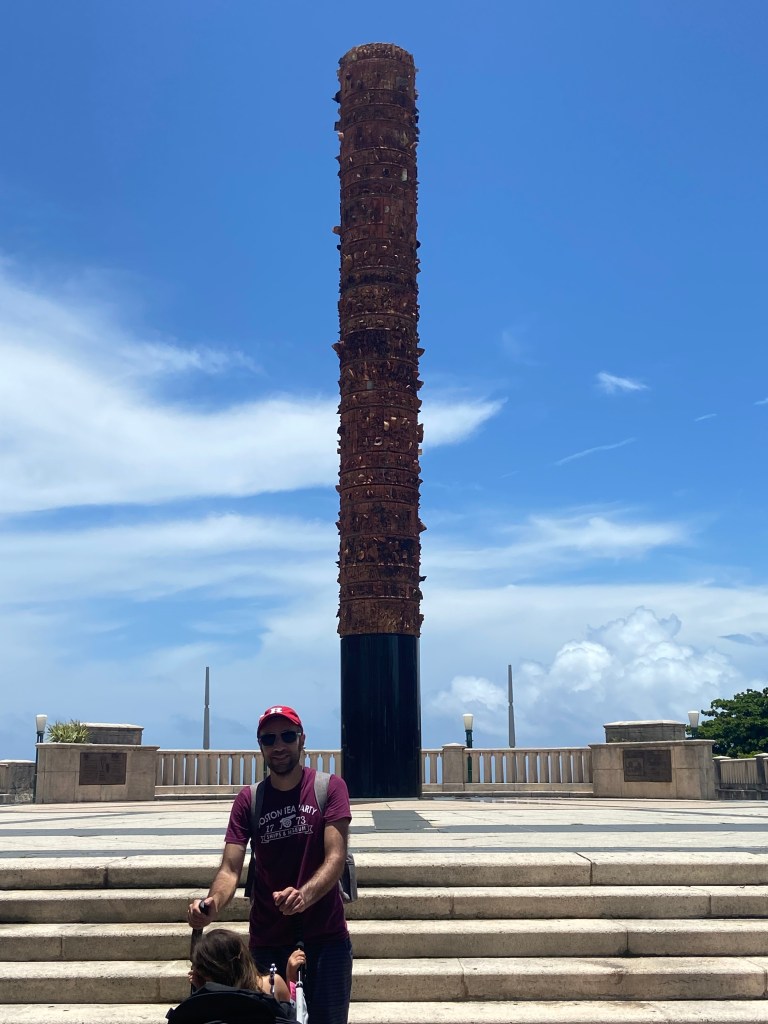
  • My family and I just spent a week in Isabela, Puerto Rico visiting family there. While most of the week was spent visiting beautiful local beaches and going on local adventures, we did make the 2 hour drive to Old San Juan. I personally had never been to San Juan like my wife had, so I was excited to visit for the first time. The two main sites that we visited there were two historic forts, the Castillo San Felipe del Morro, and the Castillo San Cristobal. Both forts are just a 10 minute walk from one another. Also, if you buy a $10 entry fee for one fort, you get free access to the other if you go by the next day. The kids were free.

    Historical Background

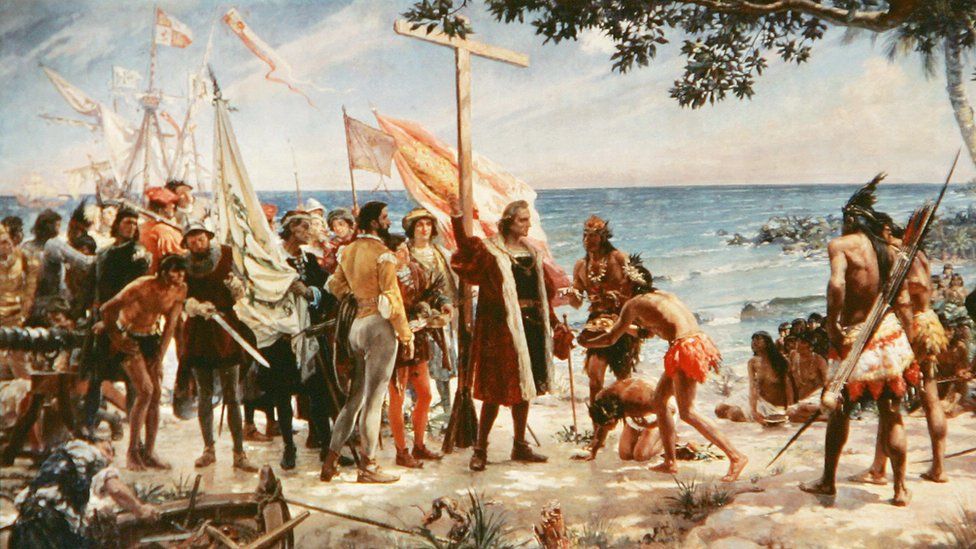
    Puerto Rico was the home to the Taino people for hundreds of years before European arrival. Christopher Columbus and his men landed in Puerto Rico in 1493 on Columbus’s second voyage. He had originally named the island, San Juan Bautista (St. John the Baptist). It wasn’t until 1508, that Spanish explorer and Conquistador, Juan Ponce de Leon named the island Puerto Rico, “rich port” after exploring the San Juan Bay. The Spanish then established a colony in the region and Ponce de Leon became the governor. Resentment over cruel treatments by Spanish colonizers led to a revolt by the Taino people. The Spanish brutally crushed the revolt and the Spanish built fortified houses.

    By the 1530s, the Spanish had new threats from English, Dutch and French privateers seeking to capitalize on Spain’s new found riches. Early in the 1500s, Spain became extremely wealthy from silver and gold coming from their holdings in the New World, particularly in Central and South America.

    At this time, Spain claimed the entire Caribbean basin. Besides gold and silver, large quantities of spices and exotic wood added to the wealth of Spain. As a protected harbor at the entrance of the Carribean, San Juan became an important part of Spain’s strategy to protect their American holdings from European competitors.

    Castillo San Felipe del Morro

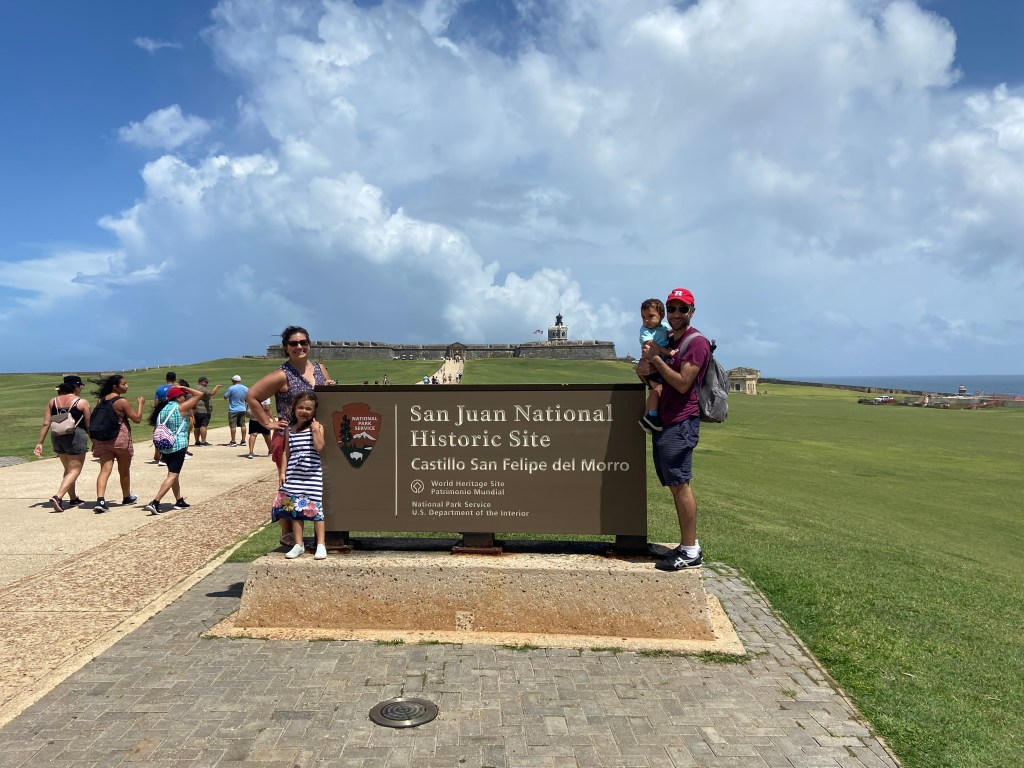
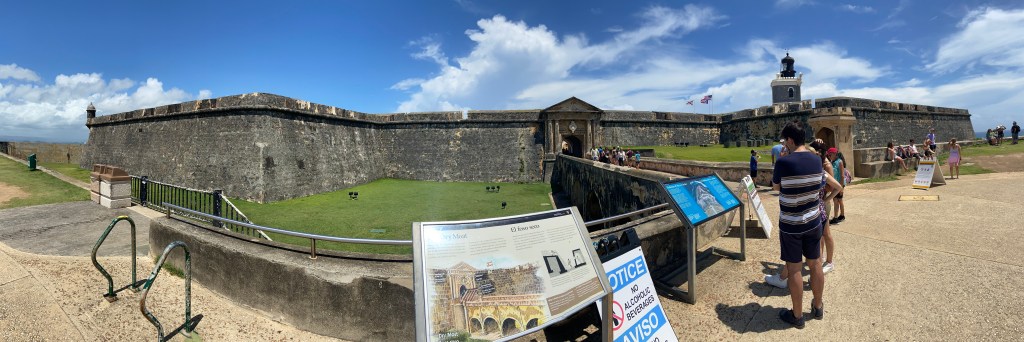
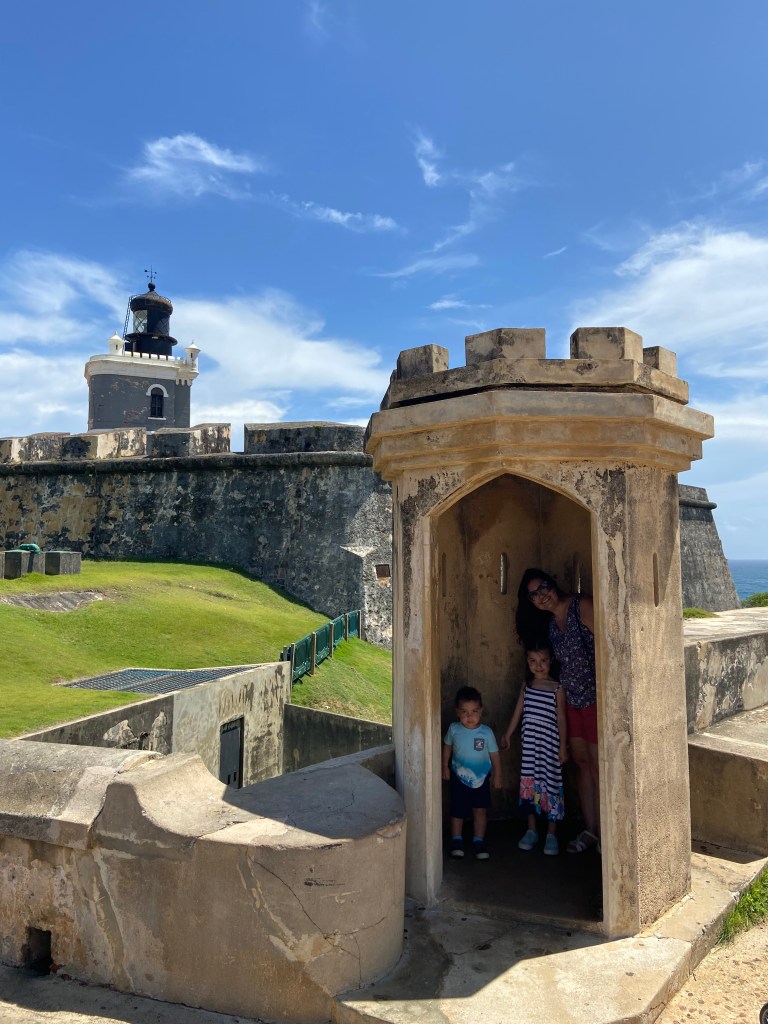
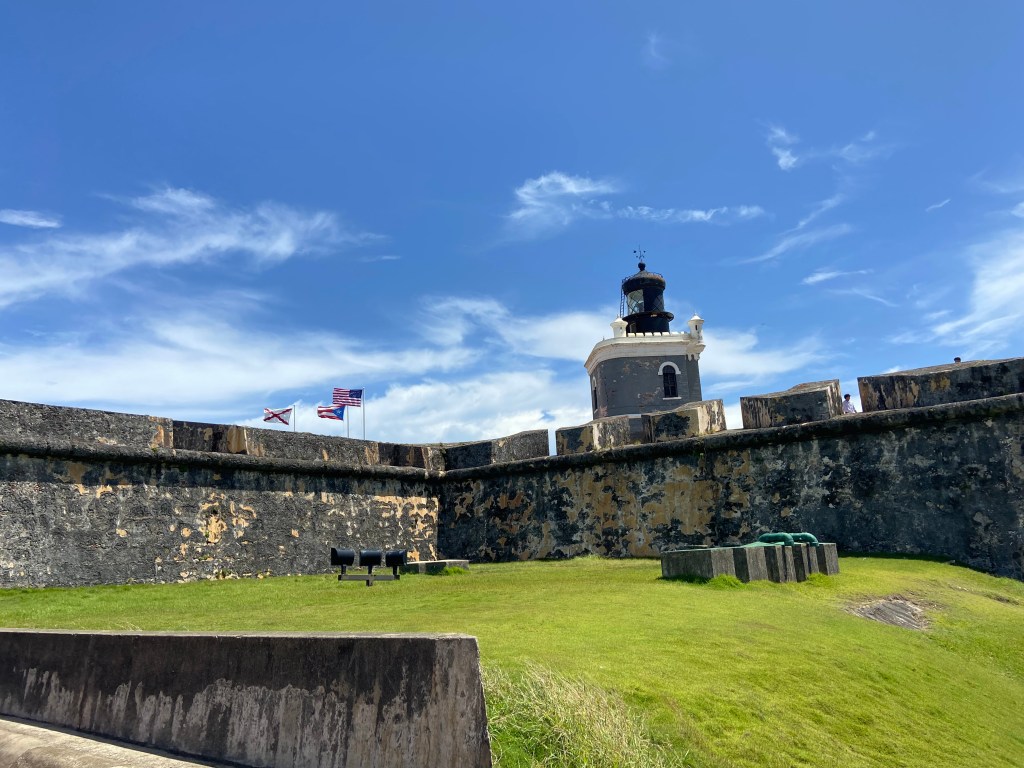
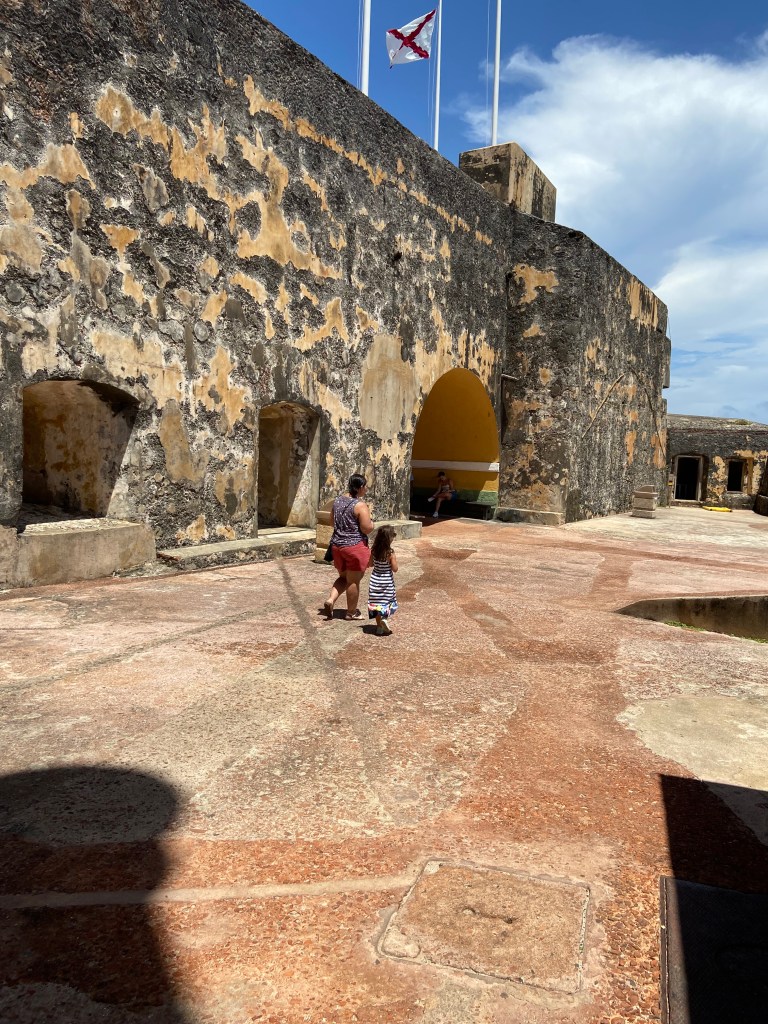
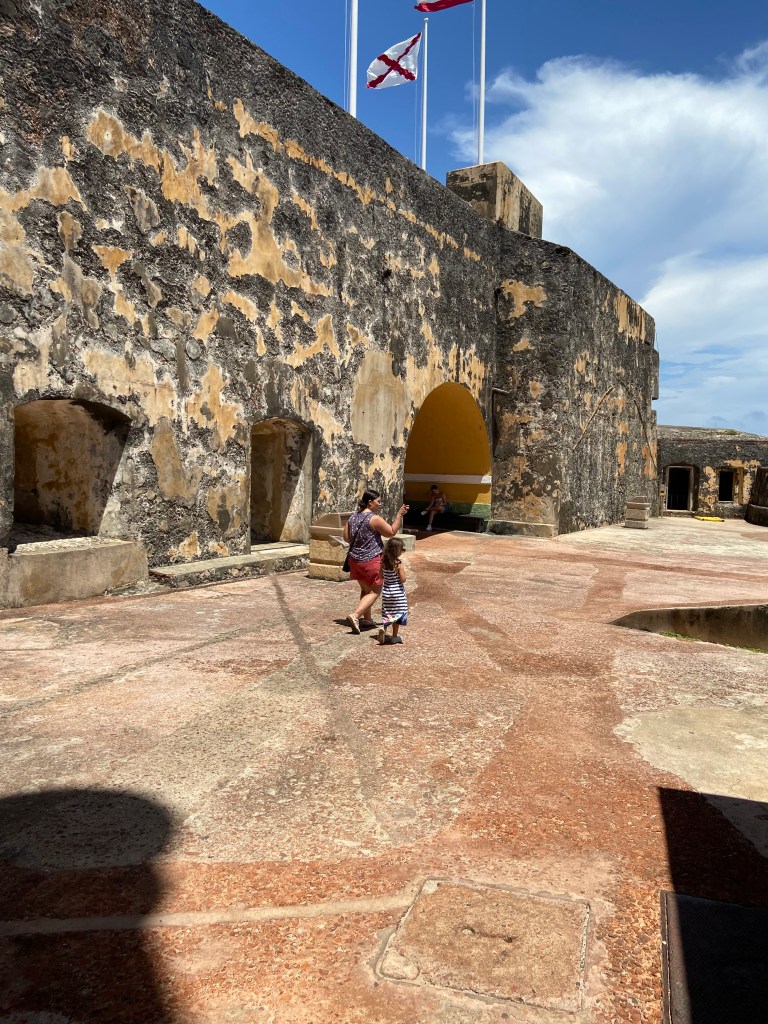
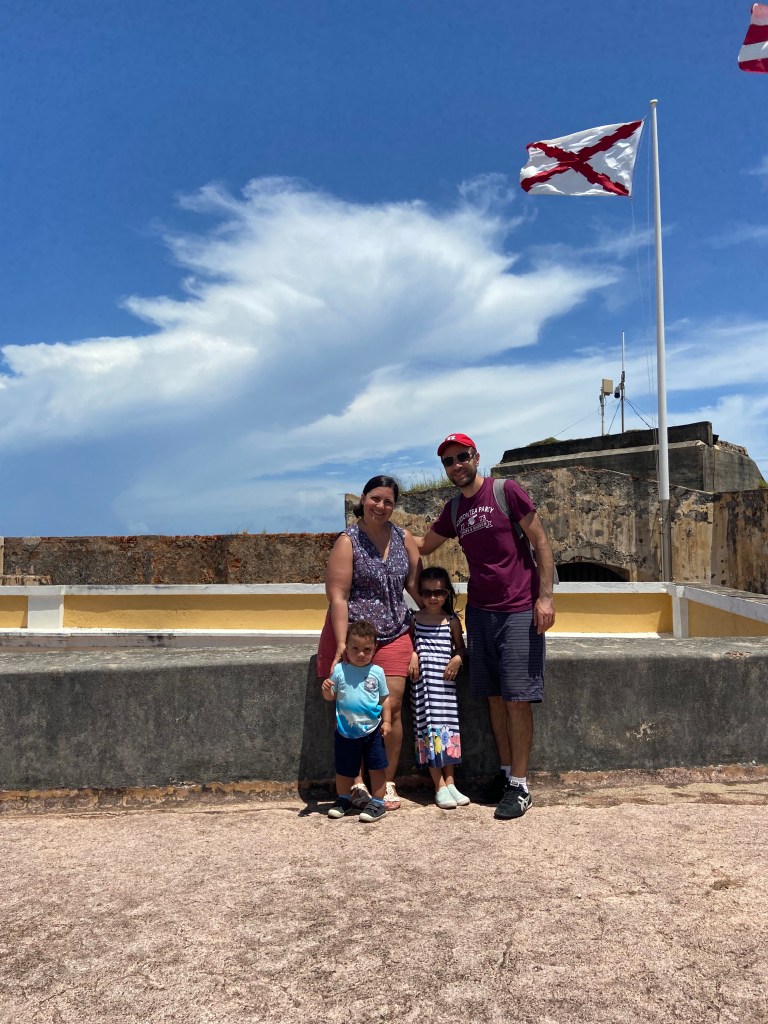
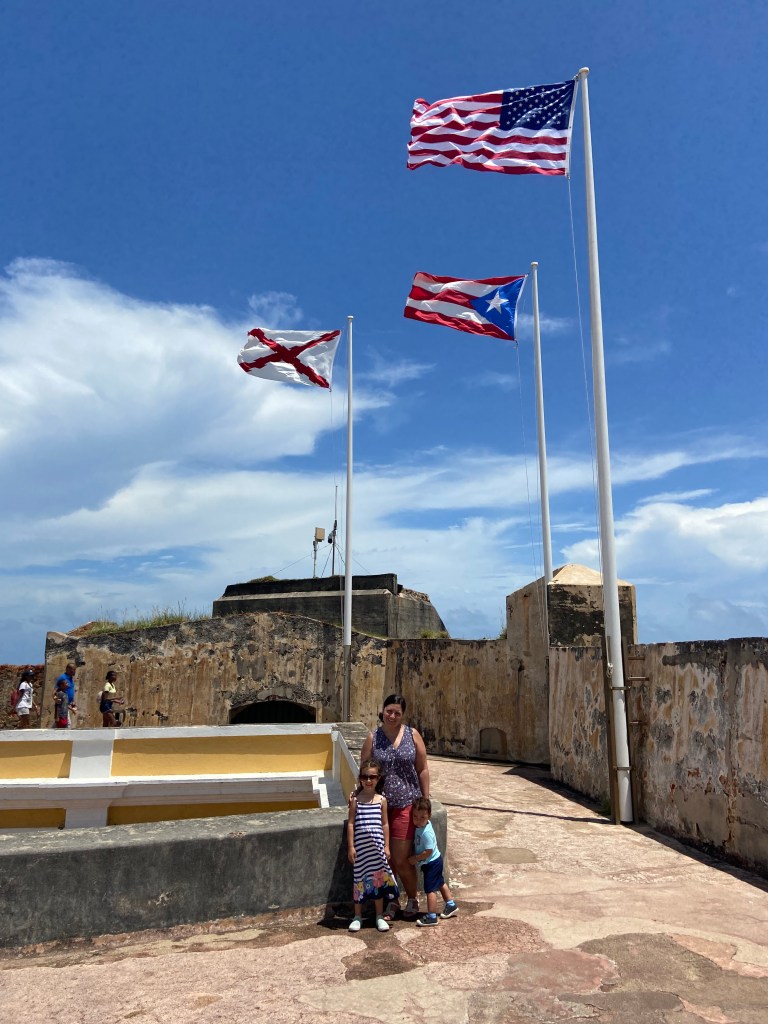
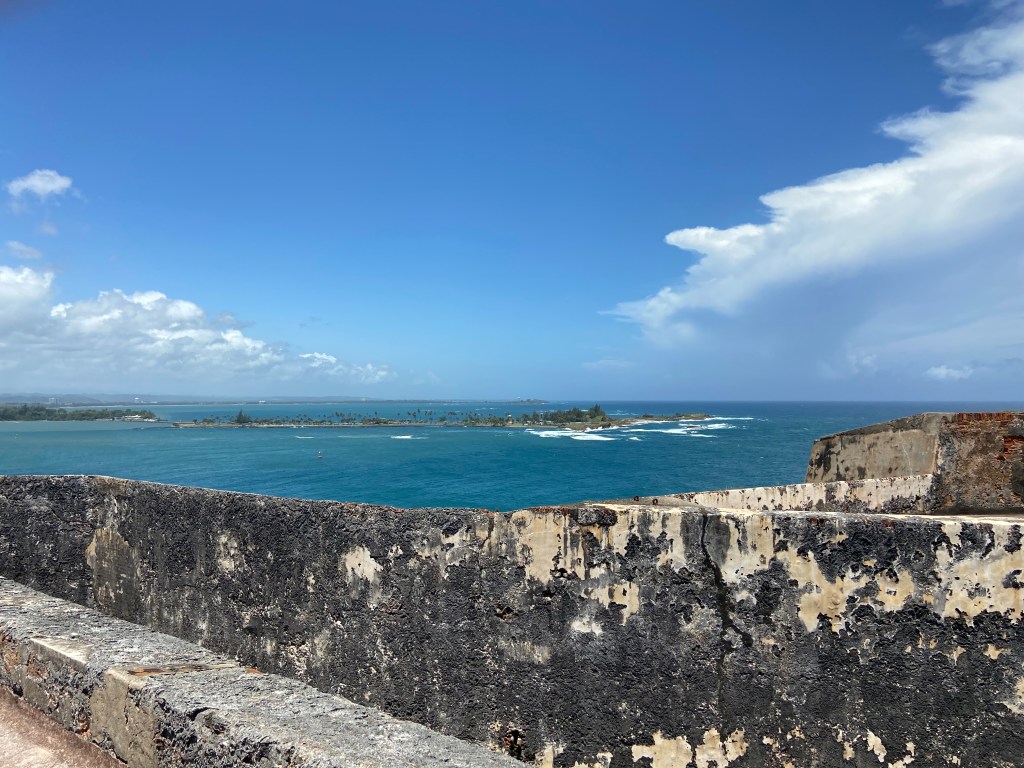
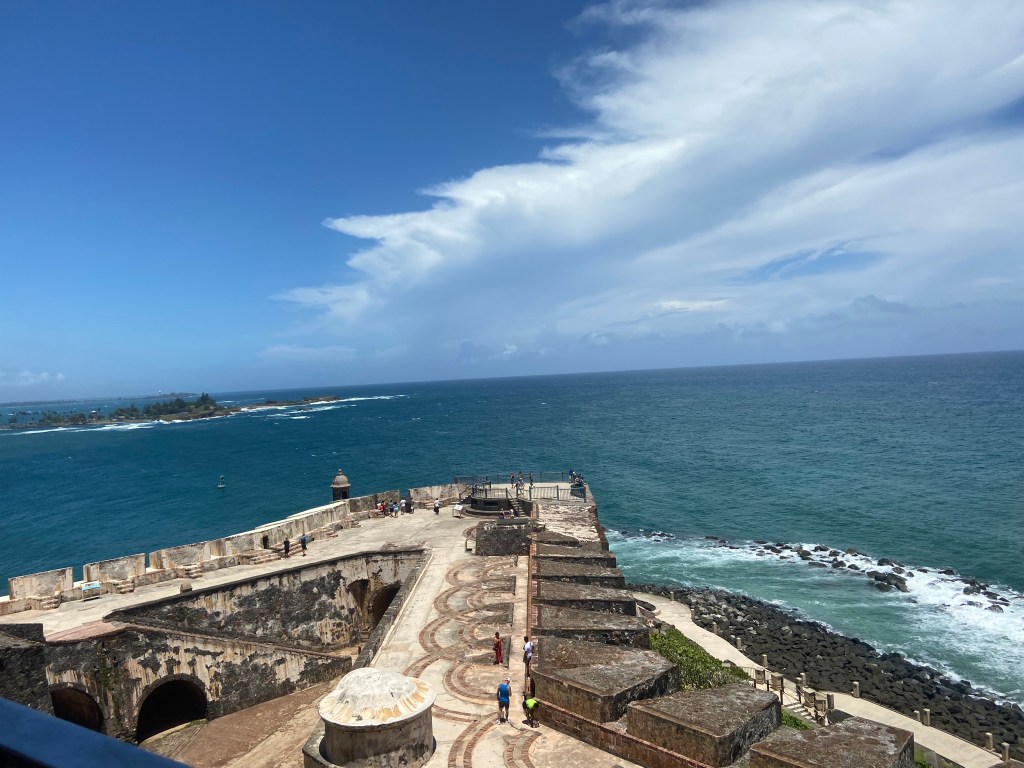
    In order to protect the entrance of San Juan Bay from outside intruders, a fort was built in the northwest corner of Old San Juan, called Castillo San Felipe del Morro. This was the first fort that my family and I visited when we arrived at Old San Juan (Pictures below). The construction of the citadel and surrounding walls commenced in 1539 on the orders of King Charles V of Spain. At first, just a proto-fortress was erected while the rest was being built. It was not until 1587 that the fort’s final design was drawn, and arduous labor took years to develop the six level fort. “El Morro” as it came to be called, would go on to become the most feared fort in all of Spain’s colonial fortifications. On the opposite entrance of San Juan Bay, another smaller fort was built called El Canuelo to complement El Morro with defense of the bay.

    In 1595, Englishman, Sir Francis Drake, and his navy, unsuccesfully attacked San Juan. He was not able to stand against El Morro and withdrew at the Battle of San Juan (1595).

    Another English attack came in 1598, this time by land. The attack by the English was successful as this was the only time in El Morro’s history that a foreign invader was able to take control of the fort. However, just after a few months, the Enligsh troops suffered from an outbreak of dysentary and they were forced to withdraw.

    The next time that the El Morro was attacked was in 1625 by the Dutch. El Morro was able to resist the siege and the Dutch were forced to withdraw. However, before leaving the city, the Dutch attackers sacked and burned San Juan.

    These attacks convinced the Spaniards to expand their forticactions, and protect San Juan by land. Construction of the city walls surrounding San Juan began in 1634, and by 1650, the town was enclosed on the east, west and south, while natural battlements protected the city along the Atlantic to the north. Another fort, Castillo San Cristobal was also built to protect land invasions. (Castillo San Cristobal will be discussed below as this was the second fort that we visited.)

    The sheer intimidation of El Morro kept invaders at bay and it was not until 1797 that the British attacked El Morro again. The British invaded Puerto Rico but were defeated at the Battle of San Juan (1797), again thanks to the impregnable defenses at El Morro.

    During the Spanish-American War, El Morro was attacked by a naval bombardment by the United States Navy in 1898. The war ended with the Treaty of Paris (1898) and Spain was forced to cede ownership of Puerto Rico, Cuba, Guam, and the Phillippines to the United States. A lighthouse was replaced and built by the U.S. Army from 1906- 1908 and serves as the highest point of El Morro, standing 180 feet above sea level.

    El Morro served as an active U.S. military base during the World Wars. However, after serving its purpose for over 400 years, it was obvious after WW2, that the fort had become obsolete. After 1949, San Juan National Historic Site was established and El Morro became the first section of San Juan’s fortifications to be operated by the National Park Service in Puerto Rico.

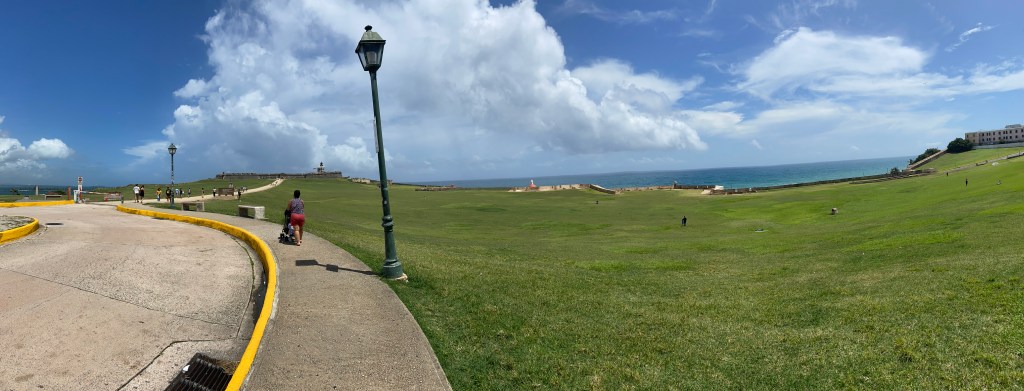
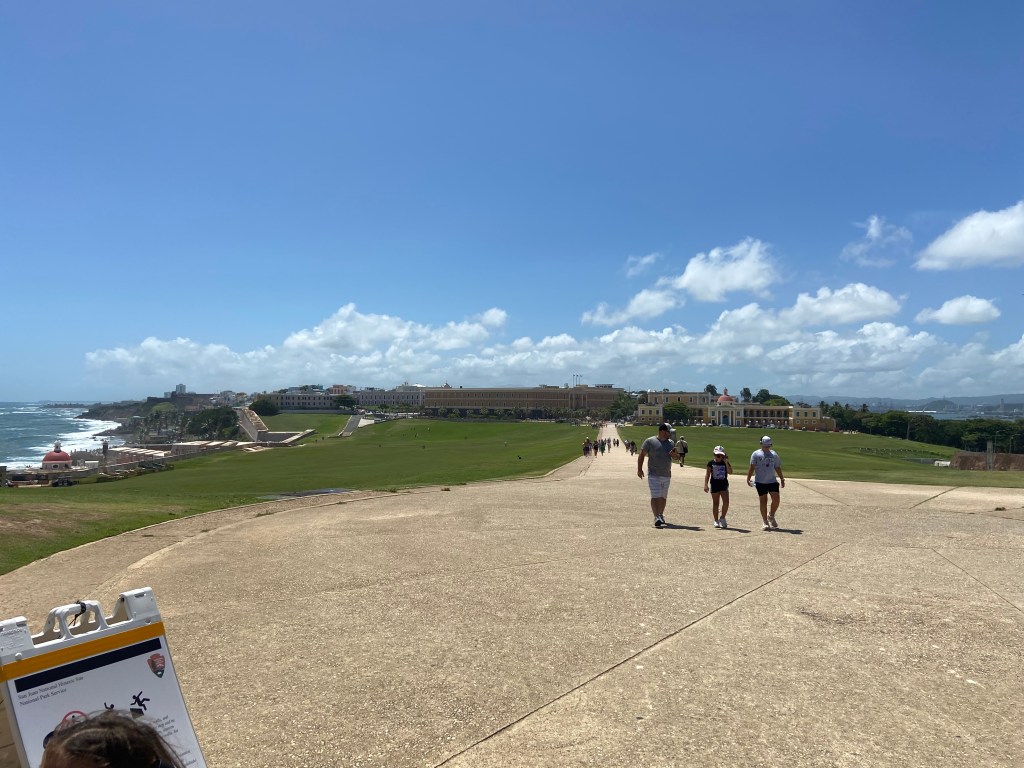
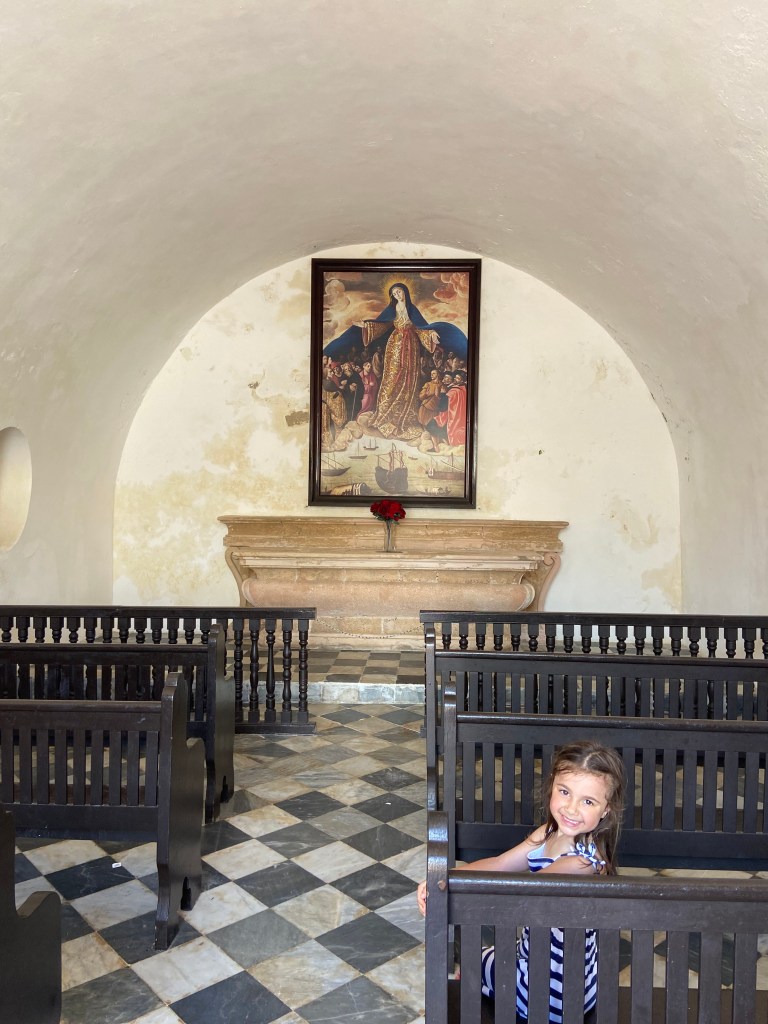
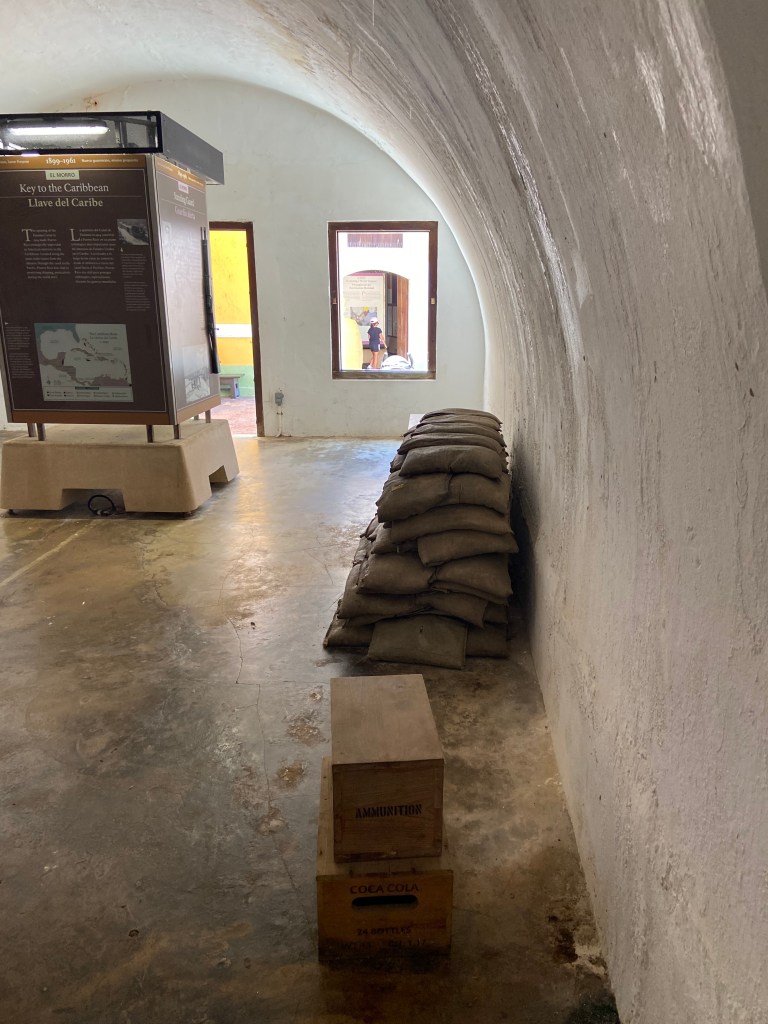
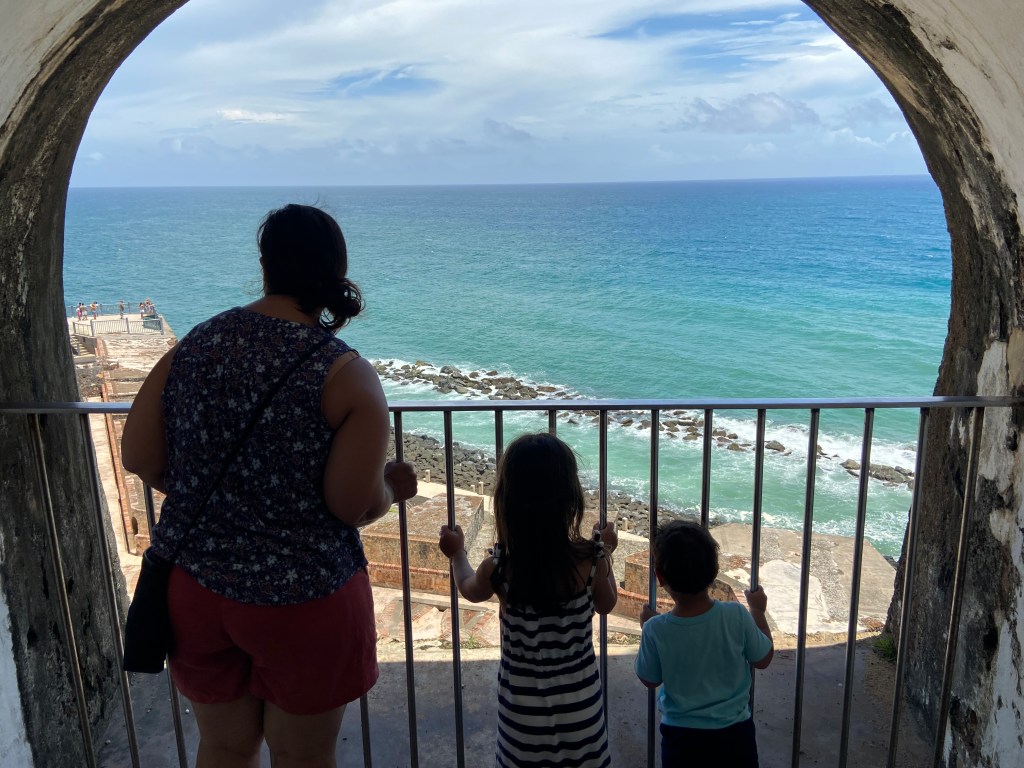
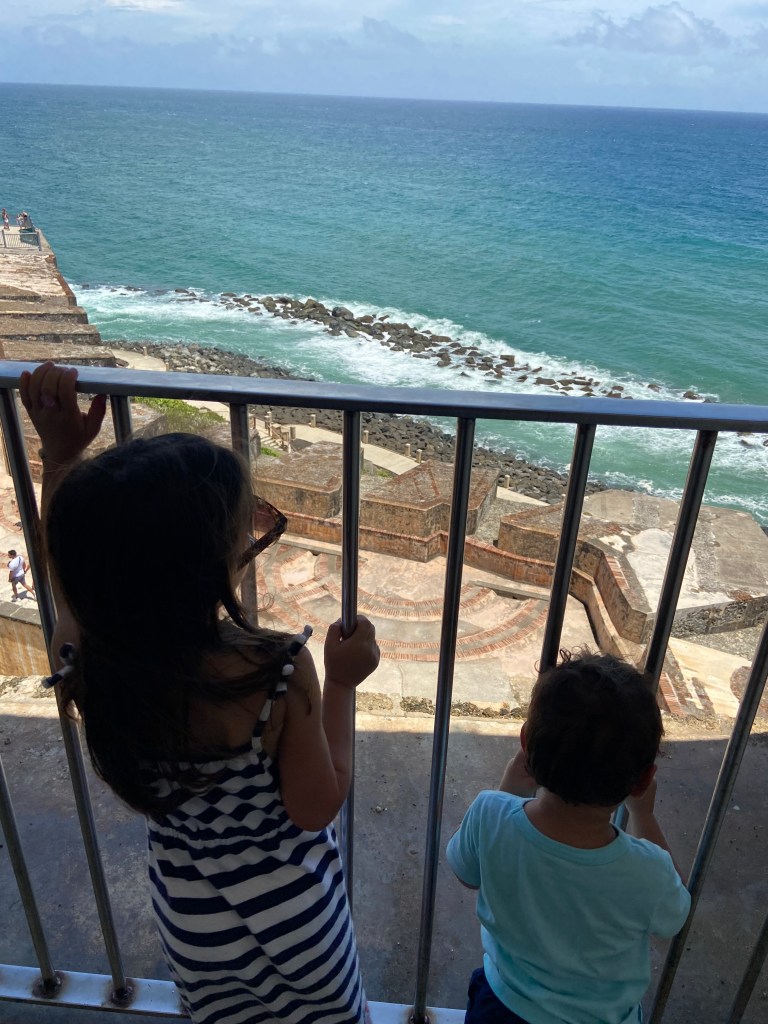
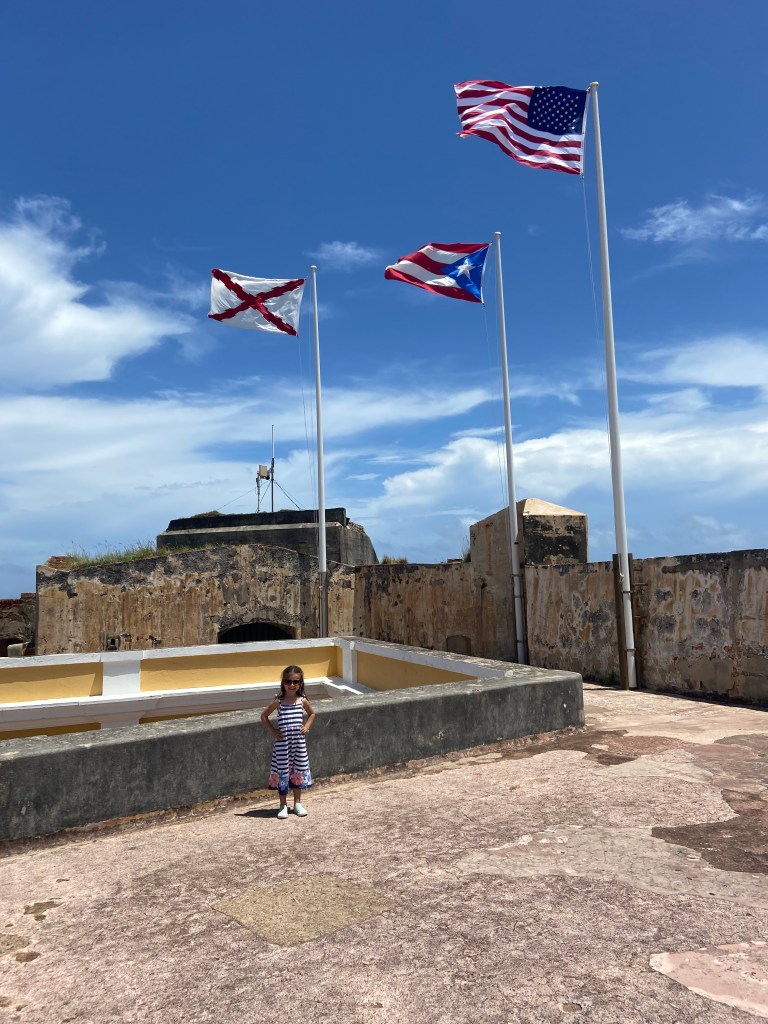
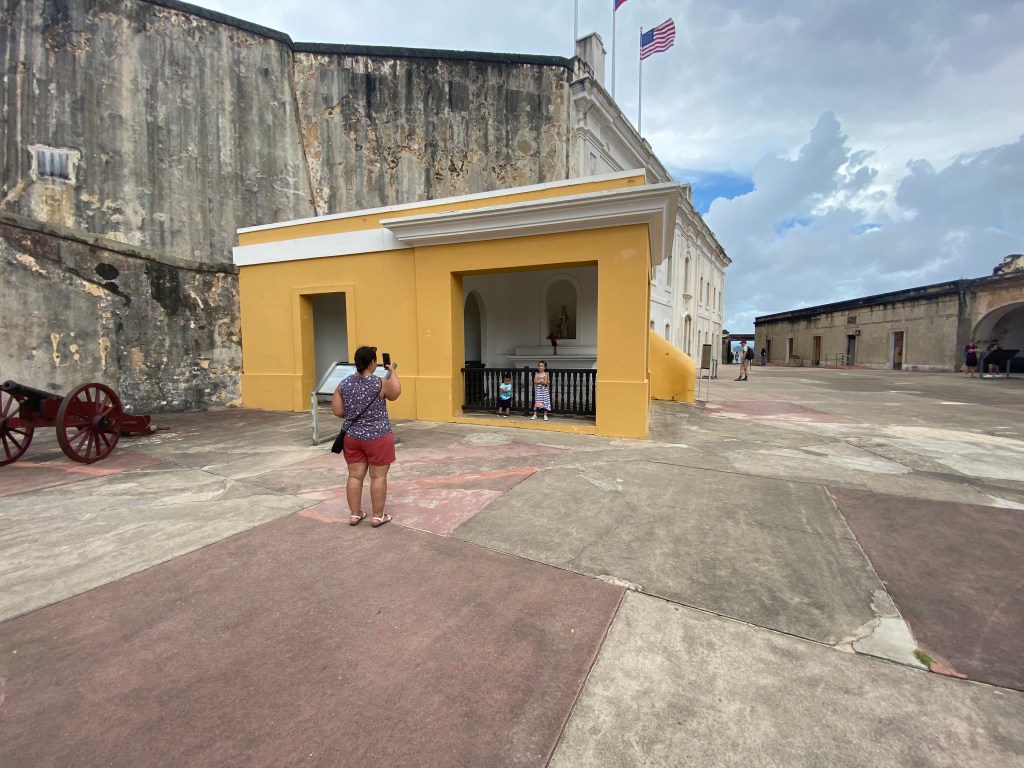
    El Morro was the first site that I saw in Old San Juan with my family. I was first stunned by the sheer size of the fort, as well as the long walkway to the front entrance. Green grass on both sides angle down to the ocean. It truly was remarkable to walk through the rooms of the fort and see the ingenuity of its construction. Since the fort is so massive, you will spend time going from room to room and level to level. The Park Service does a great job providing information about the role and purpose of each room and provides the history of the Spanish presence in the Caribbean, the strategic importance of San Juan, and the history of the fort. After we had explored the entire fort, my family ventured off to lunch.

    My daughter really wanted to see the umbrellas that we thought hang from the streets in San Juan but after searching for them for a while, we discovered that the umbrellas were taken down and replaced with bells shown in the picture.

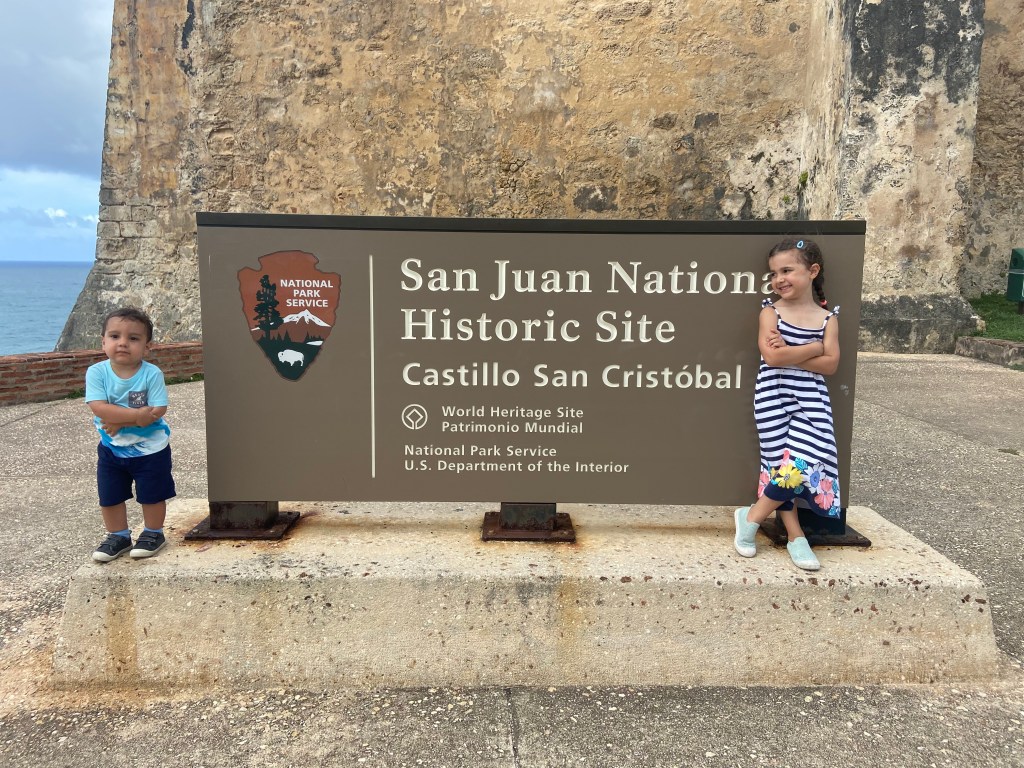
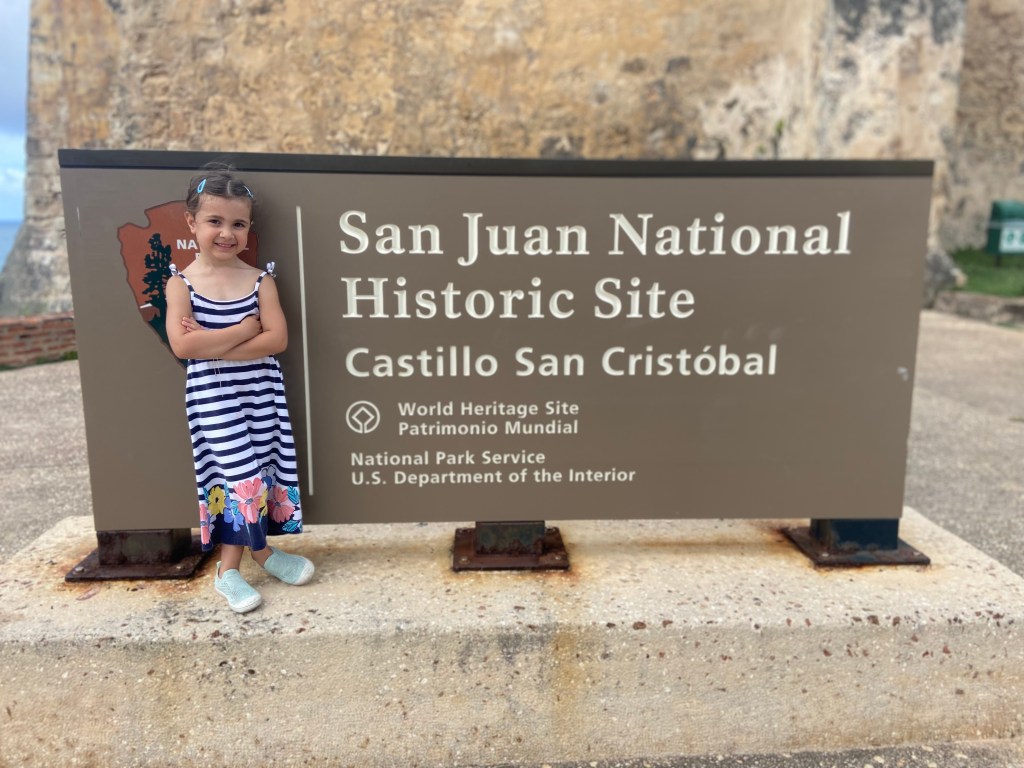
    After the slight dissapointment with the lack of colorful umbrellas, my family and I ventured over to Castillo San Cristobal. (My children were troopers because by this point, they were very hot and sweaty but there was no whining or complaining).

    Castillo San Cristobal

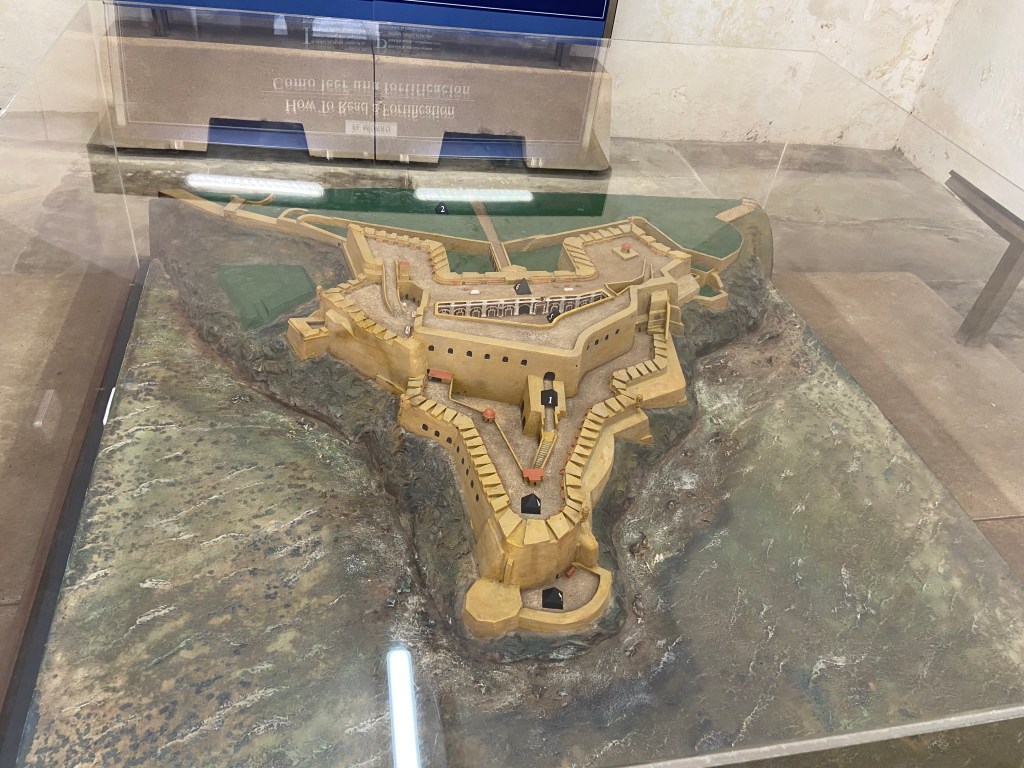
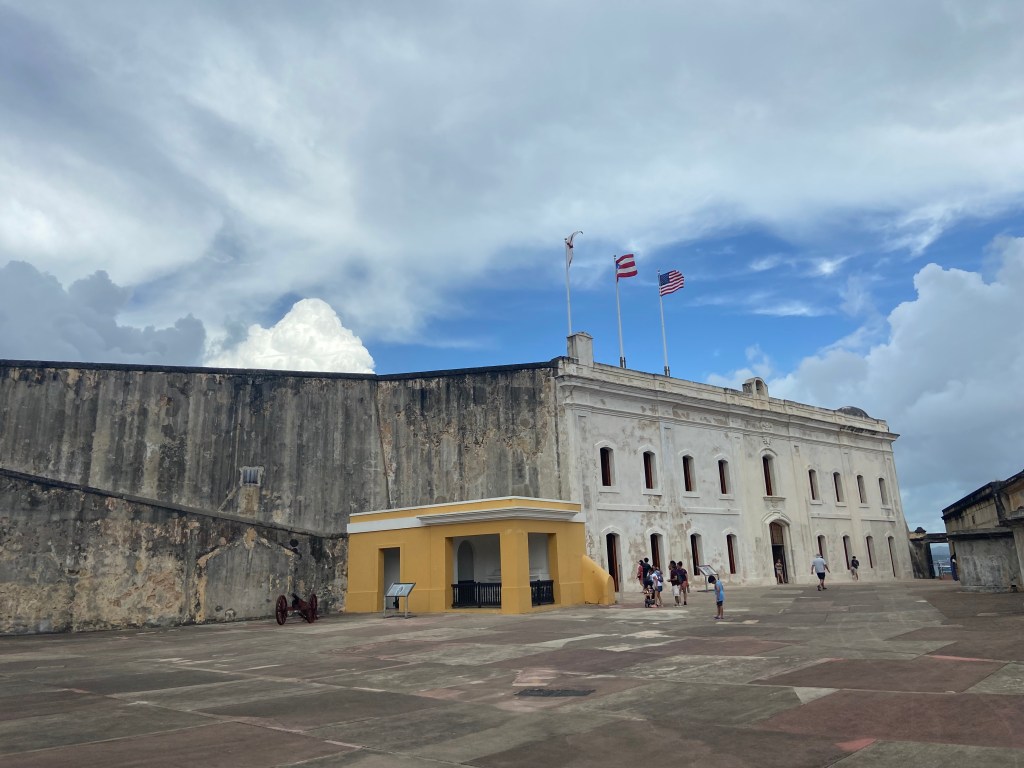
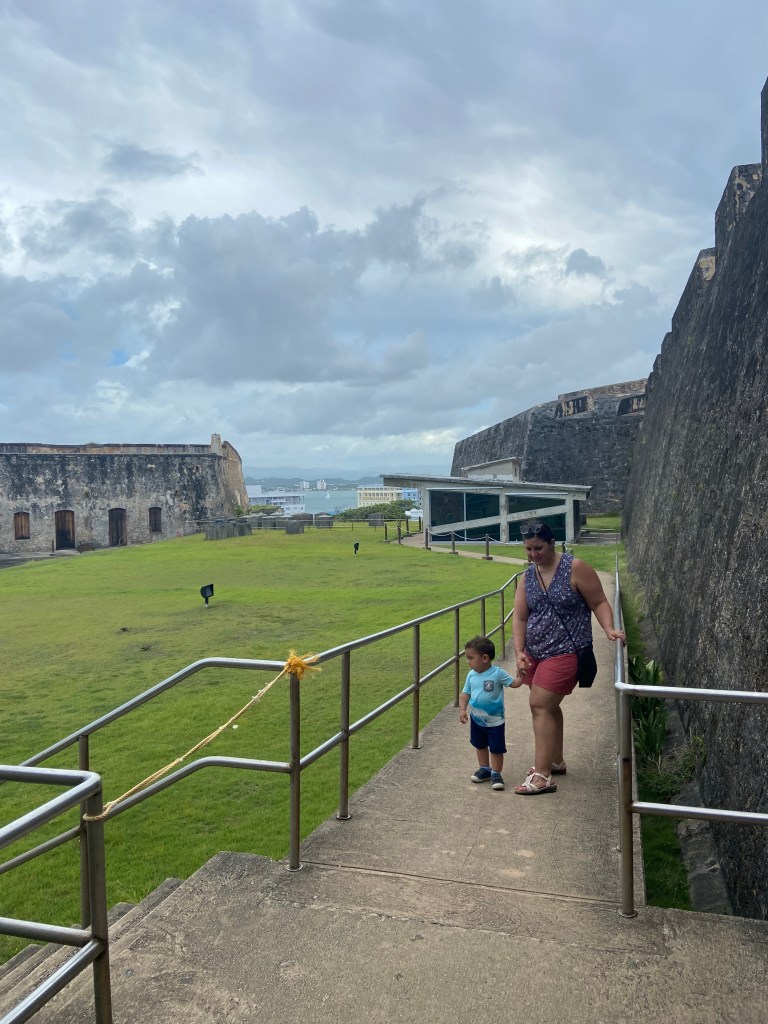
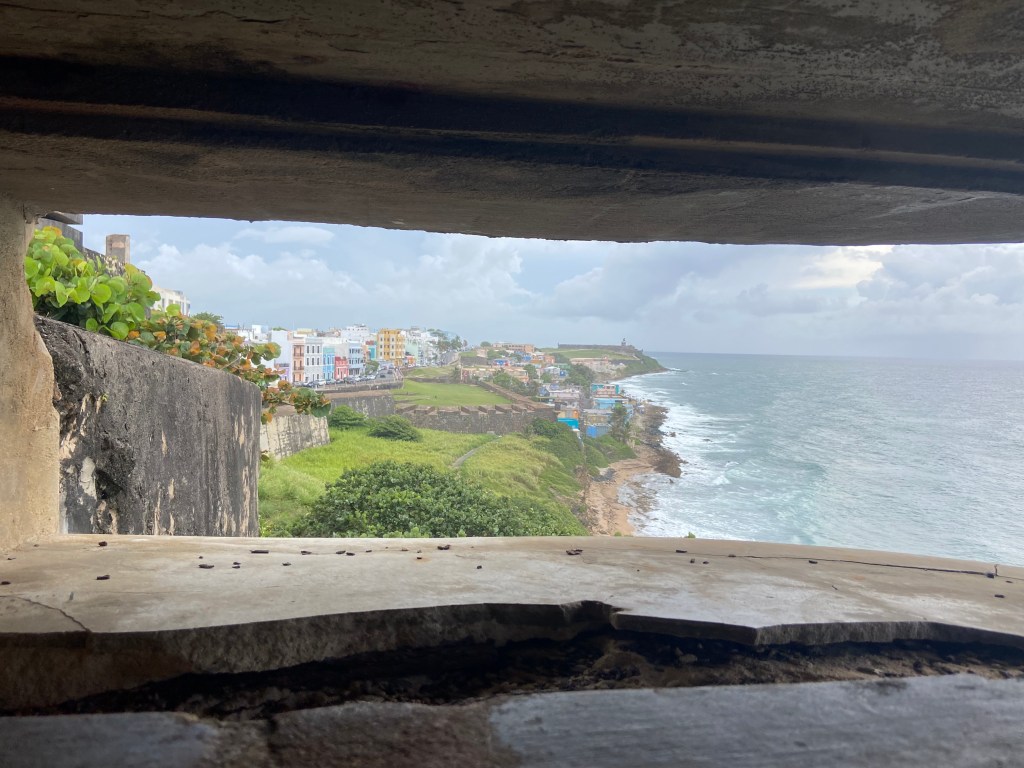
    After the devastating attacks by the English and the Dutch, the Spanish expanded its fortifications in San Juan. Besides building city walls, they also built Castillo San Cristobal, considered the largest fort in the Americas, to protect from land attacks. Construction started in 1634. A fortification with three levels, and an extensive series of outer defenses, it took about 150 years to build. When it was finally completed in 1783, it covered 27 acres of land and partly encircled the city of San Juan. In 1897, part of the fort was demolished to ease traffic coming in and out of the city through the city gate. About 1/3 of the fort was destroyed.

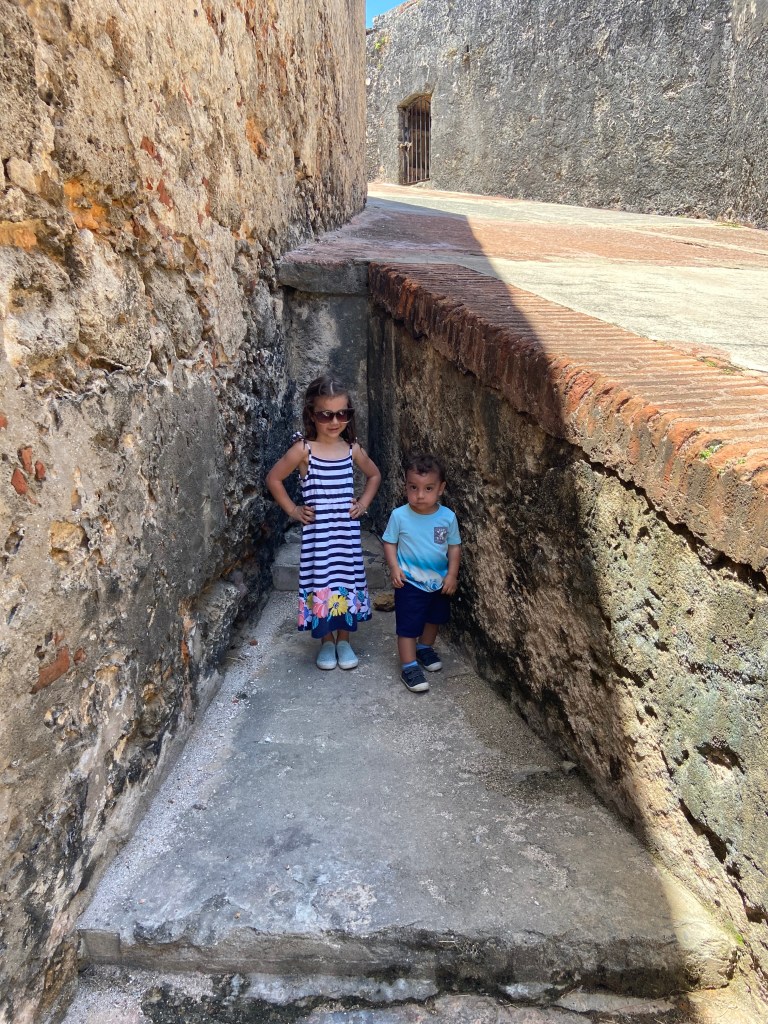
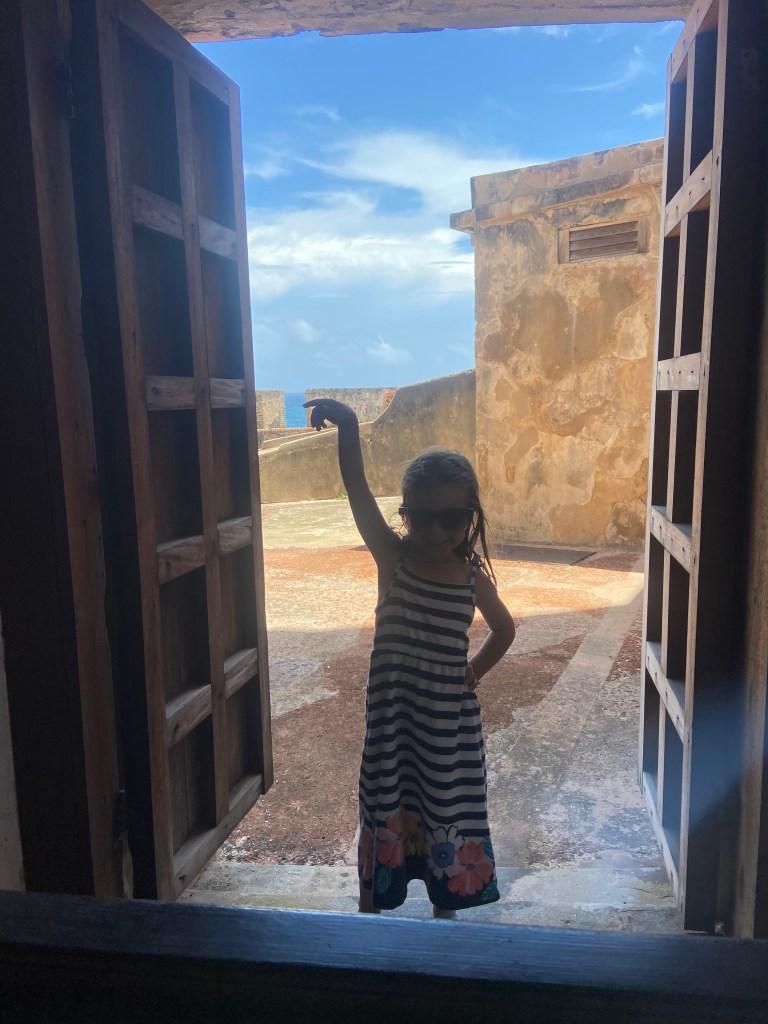
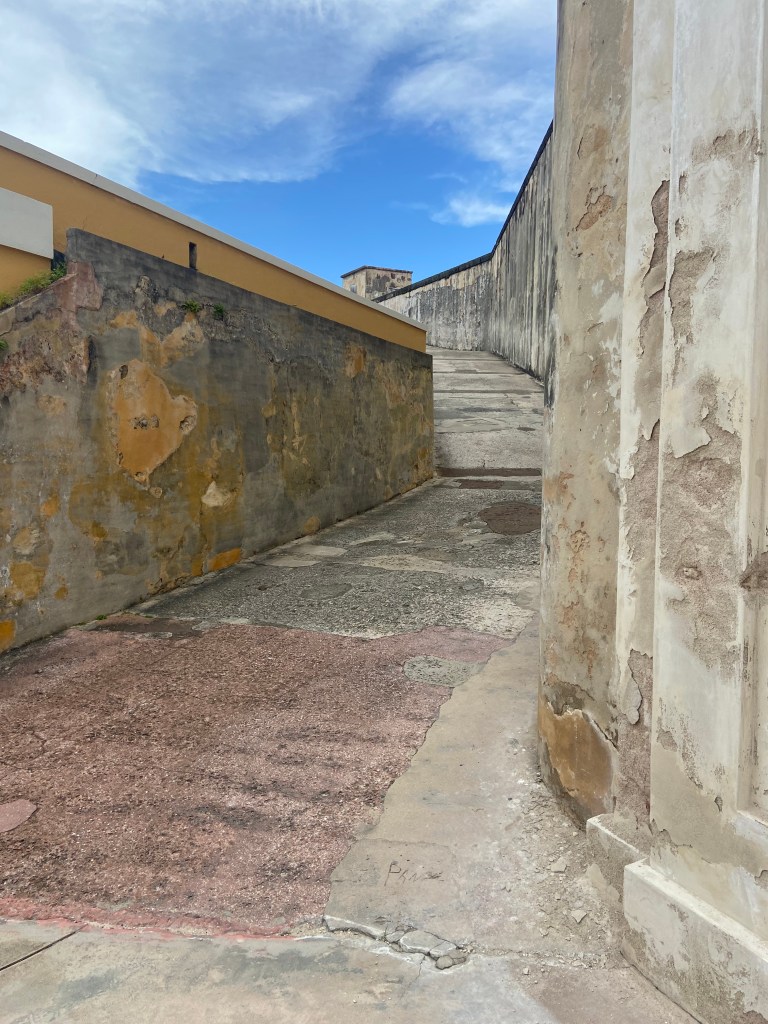
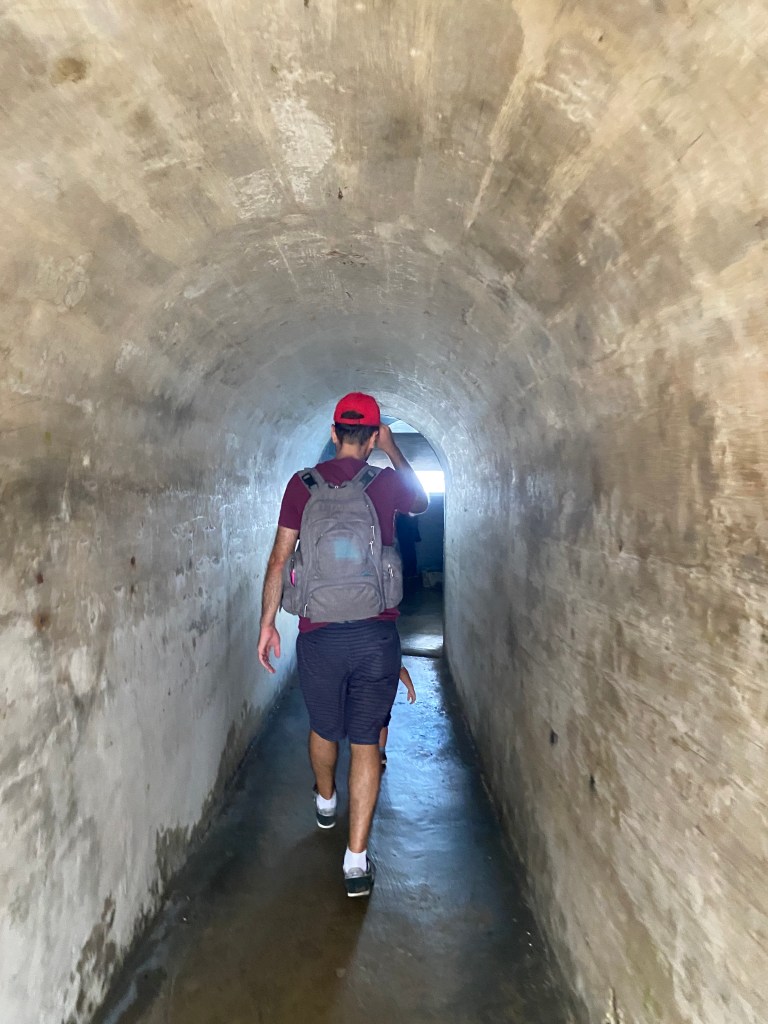
    San Cristobal was built with a dry moat (like El Morro) and a series of tunnels to protect soldiers from enemy attacks. My family and I had the opportunity to walk through the longest hidden tunnel that led from the main plaza to an outside section of the fort. My children were brave enough to walk through the dimly lit tunnel.

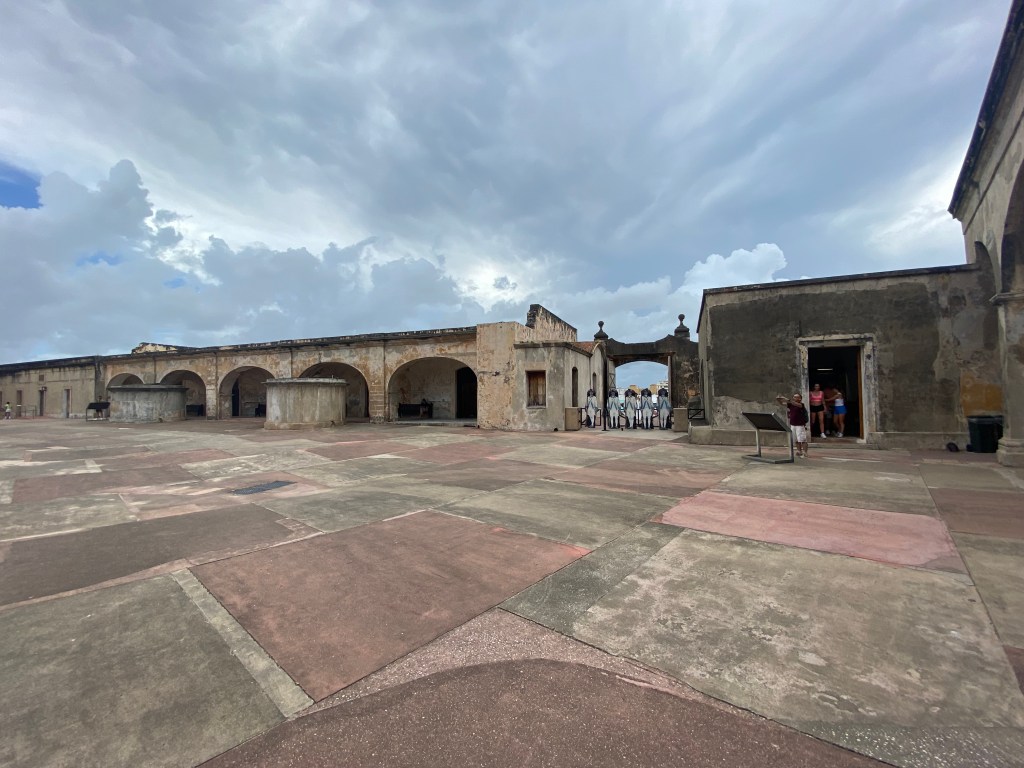
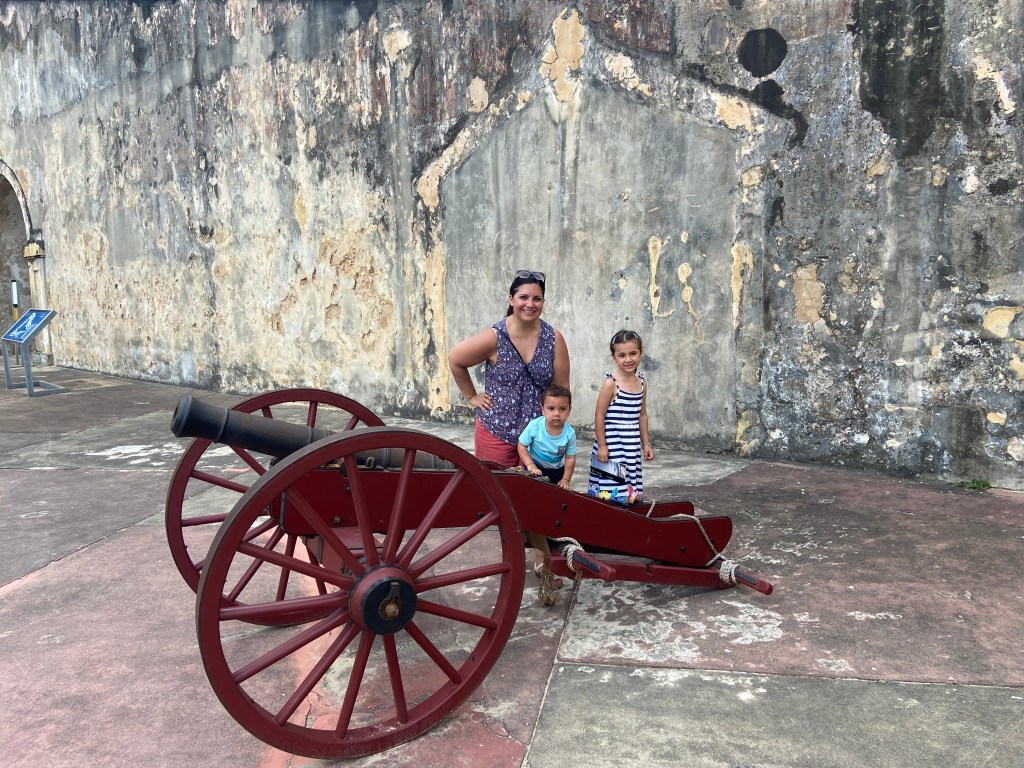
    The main plaza of San Cristobal was the heart of the fort. Here, soldiers drilled, were inspected and assembled for formal events. Artillery ramps allowed access to the main firing battery on the dry moat. The fort was designed to catch and retain as much rainwater as possible and the cisterns below held up to 870,000 gallons of water. The cisterns are still functioning today.

    Like El Morro, San Cristobal is yet another stunning place to visit because it reflects the power and ingenuity of the Spanish who built it. Such expansive forts remind you of the times they were built, a time when pirates roamed the Caribbean, and when protection was a necessity. The Spanish had built up a tremendous empire, but there were constant threats from their rivals, primarily the French, English, and Dutch. The fortifications built on San Juan were not just to show the might of the empire, but were for the practical purpose of repelling invaders who saw the strategic value of controlling San Juan, and the island of Puerto Rico. The Spanish swelled themselves with gold and silver from the Americas, and San Juan served as a gateway to refuel and restock goods to trade with the rest of the Carribbean and to Central and South America, as well as back to Europe. It’s truly remarkable that Spain was able to retain its hold on San Juan and Puerto Rico for the centuries that it did. This was thanks to their network of fortifications including El Morro and San Cristobal.

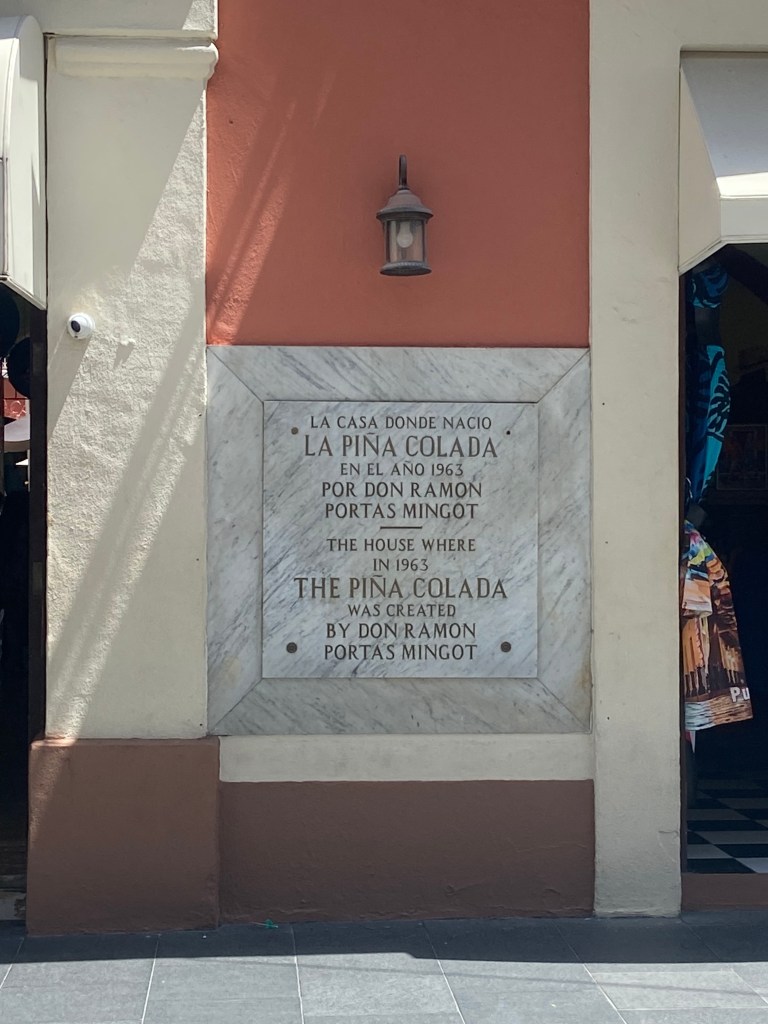
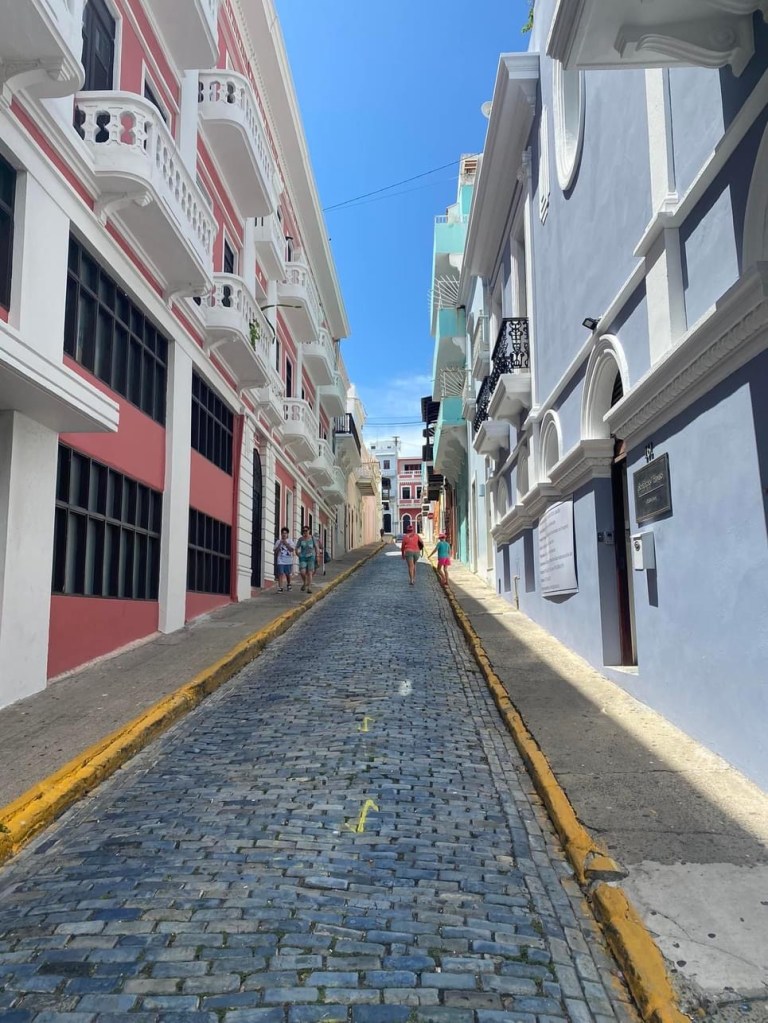
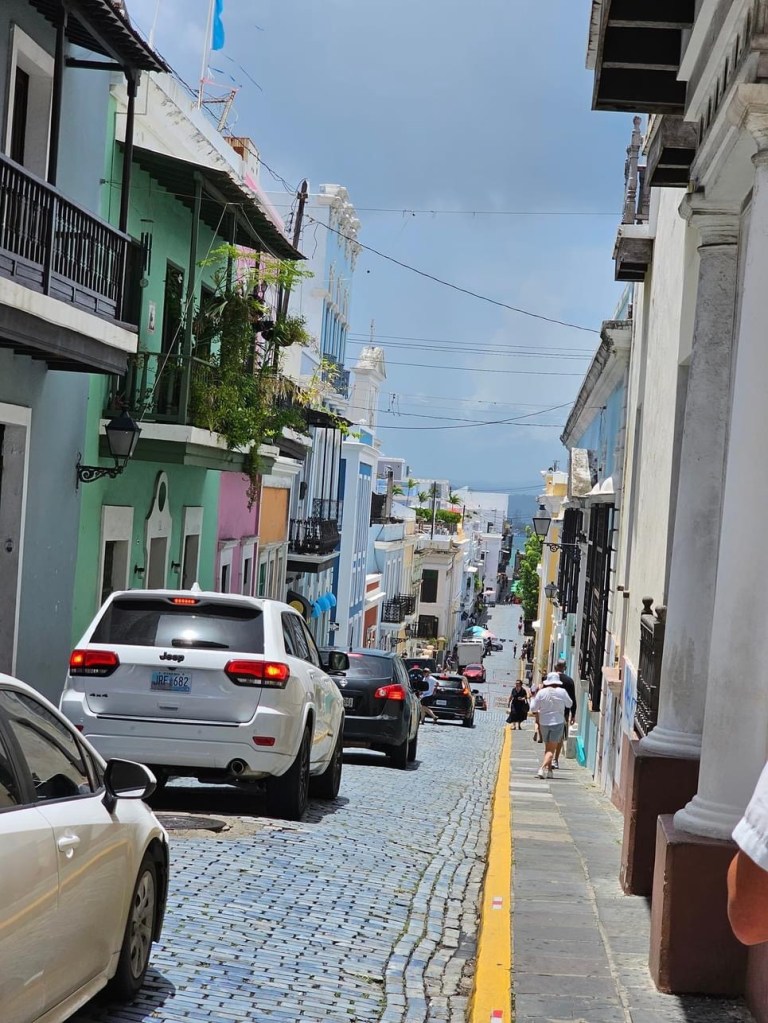
    Besides visiting the forts I was also impressed by the old city streets in San Juan. The very narrow, cobblestone streets remind me of European cities that I’ve visited such as Barcelona, Spain or cities in Italy and France. And the bright colors of the buildings give San Juan a very unique and beautiful appeal. After San Cristobal, my family headed to the car and we made the 2 hour ride back to Isabela. I’d love to visit San Juan again soon and visit sites that we missed!

    References:

    https://www.nps.gov/saju/index.htm

    https://vistas.ace.fordham.edu/themes/pre-columbian-images-03/

    Related Posts:
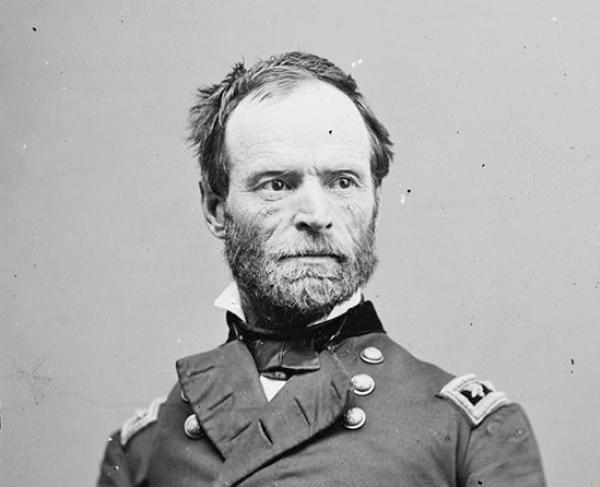
  • In my previous two blog posts, I highlighted Union Generals, George B. McClellan and Ulysses S. Grant. In this third and final post, I highlight Union General William T. Sherman as a Civil War general. I use six words to describe Sherman and provide an explanation for each. I also explain Sherman’s impact on the Civil War.

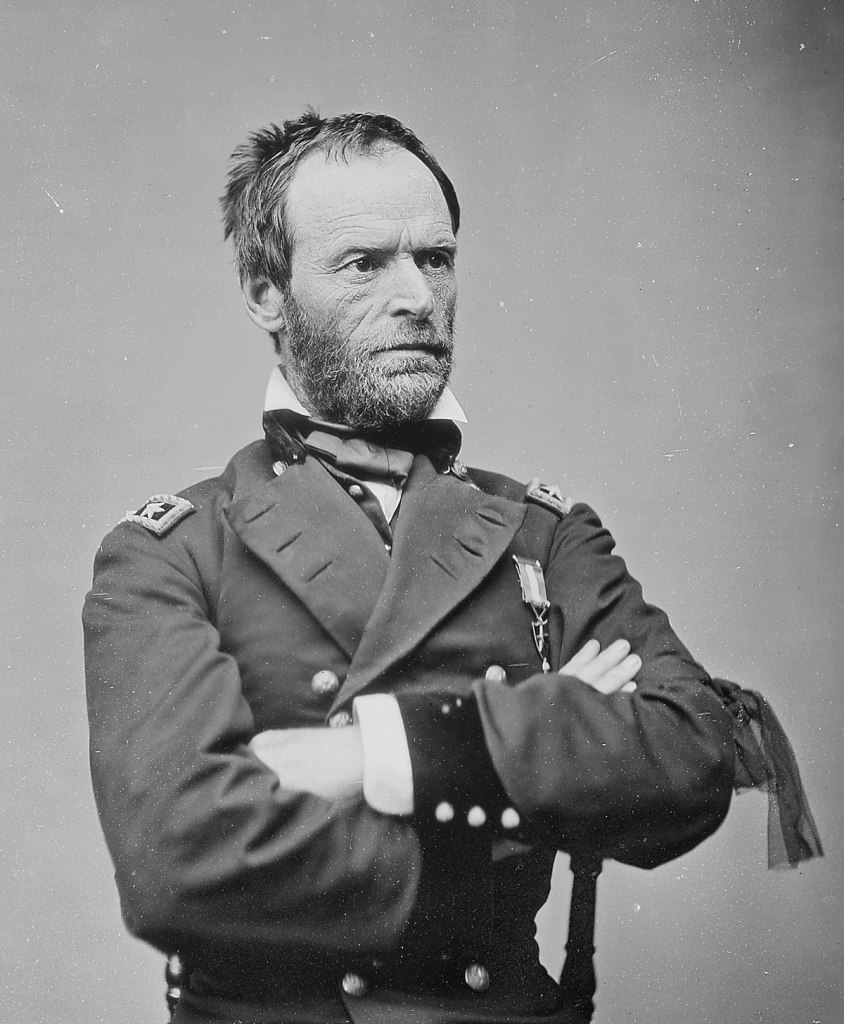
    William Tecumseh Sherman

    a. Aggressive– William Tecumseh Sherman knew that the only way to bring about the end of the Civil War, was to carry out a “total war”, bring the war to the citizens. This meant destroying cotton fields, livestock and infrastructure. He reasoned that the citizens kept the war going by producing weapons, growing food and transporting goods on which the armies relied. By bringing the war to the people, they would lose the will to fight. This was an aggressive stance by Sherman, but he believed that this would end hostilities.

    b. Ruthless– Many believed that Sherman was ruthless, especially those in the South. His scorched-earth “March to the Sea” from Atlanta, Georgia to Savannah, and then up through the Carolinas, was seen by many as being too harsh on the South. He damaged many people’s homes and farms and left a wide path of destruction. He is quoted as saying, “We cannot change the hearts and minds of those people of the South, but we can make war so terrible… and make them so sick of war that generations would pass away before they would again appeal to it.”

    c. Daring– By carrying out “Sherman’s March” he made a daring move.  He would leave all supply lines, and his men would live off of the land.  This was an extremely risky undertaking and could have gone horribly wrong.  But as Sherman predicted, his march broke the back of the Confederacy.  He showed that he was willing to take risks to complete his goals.

    d. Unwavering– Sherman showed many times throughout the war that he was unwavering.  He had a goal in mind and was steady in achieving it.  In 1864, he had the objective of capturing Atlanta.  Sherman had to settle in for a siege and made many attempts to seize railroad and supply lines leading to Atlanta.  He stood the course and after a couple months, Atlanta finally fell in September 1864.  Like his friend, Ulysses S. Grant, Sherman would not give up until victory was achieved.

    f. Strategic– Sherman devised strategic plans to achieve his goals. As a commander, his plans ended in success. His strategy to take Atlanta as well as his “March to the Sea” ultimately achieved the goal of bringing the war closer to an end. When discussing his March to the Sea, many other commanders spoke against the plan. However, Sherman knew that his strategy would devastate the South and cause Southerners to turn against the war. History shows that Sherman was correct.

    e. Charitable – Sherman’s military campaigns in the south and west freed tens of thousands of slaves who joined his march. Shortly before the end of the war, he promised the freed slaves who followed his army 40 acres of land per family and the use of army mules. Soon, about 40,000 freed persons settled on land in coastal Georgia and South Carolina. Later, however, the US government did not follow through on Sherman’s ideas of 40 acres and a mule.

    William Tecumseh Sherman became one of Lincoln’s most trusted generals and he helped bring about the end of the Civil War. Sherman found success as a military commander in the west with Grant. He played an integral role in the Battles of Fort Henry, Fort Donelson, Vicksburg, and Chattanooga. When Grant was named the head of all Union armies, Sherman became the commander of the Western Theater. In the first half of 1864, Lincoln’s chance of winning re-election was questionable. The war was not going well, and his critics challenged his leadership. Northerners were losing faith in the war effort, and the Democrats’ platform called for a truce with the Confederacy. However, when Sherman captured the strategic transportation hub of Atlanta in September 1864, the tide turned. The North regained hope in the Union war effort and the people elected Lincoln as President to continue the war until victory was achieved. After Sherman’s March, he continued to head North in early 1865 to help Grant who was bogged down with Lee’s army in Virginia. The end was near, as the Confederacy surrendered in April 1865.

    Related Posts:
  • In my previous post, I highlighted Union General, George B. McClellan. In my second of three blog posts, I will highlight Civil War General, Ulysses S. Grant. Below are six words that describe Grant as a general, and an explanation for each word. To close, I explain Grant’s impact on the Civil War.

    Ulysses S. Grant

    a. Courageous– Grant showed his tremendous courage throughout the war. At the Battle of Shiloh, his men got pushed back on the first day of the battle. Many other generals would have retreated. Grant would not. He prepared an attack for the next morning and was able to drive the Confederates away from the field. Grant continuously made courageous decisions. He was never willing to give up or retreat. He only wanted to press on.

    b. Determined– Grant was always determined to complete his mission to the bitter end. At the Siege of Vicksburg, Grant attempted two frontal assaults. When those failed, Grant settled in for a long siege. Although he’d prefer a quick victory, he was always willing to try a Plan B in order to accomplish the goal. He stayed determined and had to be patient many times in the war. Grant became the most successful Union general because he was always willing to push forward. Eventually Vicksburg fell to the Union.

    c. Tactician– Grant was a great military tactician.  He was able to read the enemy’s positions, and call up an effective strategy.  Whether that meant attacking the enemy head on, outflanking the enemy, or settling in for a siege, Grant had a knack for knowing what strategy would work best for the given circumstances.  He used his reinforcements and reserve troops wisely.

    d. Tough– When times became difficult for his Union army, Grant was always tough enough to keep fighting. Unfortunately for the Union, many generals did not have the same characteristics as Grant. During the Overland Campaign, Grant lost many men fighting against Lee’s army. However, Grant knew that the only way to win the war, was to completely destroy Lee’s army. While some in the newspapers and the public were calling Grant a “butcher,” Grant knew he had to be tough enough to keep fighting and win a war of attrition.

    e. Calm– The only way to make tough decisions in the heat of the battle was to have the calm demeanor of Grant.  He never wavered.  He made clear-headed decisions in some of the most trying times.  Grant was able to keep his composure and remained calm when he gave orders to his men.

    f. Decisive– In the moment by moment developments of the battle, Grant was always clear and decisive with no hesitation. He made a decision and carried out the plan that best suited his circumstances. Some previous Union commanders were quite the opposite, were very indecisive about what their next move should be, or whether or not they should attack or use troops held in reserve. Grant, on the other hand, did not waste time considering his next move. He was quick to act and was always pressing the enemy.

    In Grant, Lincoln found the right man to lead the Union army. Grant ultimately saved the Civil War. In the first half of the war, the only successes that the Union was having was in the Western Theater of the war, thanks to Grant. While the war effort was going poorly in the East, Grant won the Battle of Fort Henry and the Battle of Fort Donelson in 1862 in Tennessee. He then won a strategic, although deadly, Battle of Shiloh. Once Lincoln went through many generals in the East, he eventually knew that Grant was the only General who could save the War. Lincoln made Grant the head of armed forces, and he took command of the Union army against Lee’s army. Grant was the only general, up to that point, who was aggressive enough to do so. Although he had to throw many men into battle at a high human cost, he knew that the only way to win the war was to outlast Lee, and ultimately destroy Lee’s army. In the later phases of the war, Lincoln and Grant became very cordial. They agreed on the same strategies and they forged a bond which helped the war effort. Finally, at Appomattox Court House, Grant gave favorable terms of surrender to Lee, just as Lincoln had hoped.

    Next up: William T. Sherman.

    Related Posts: