
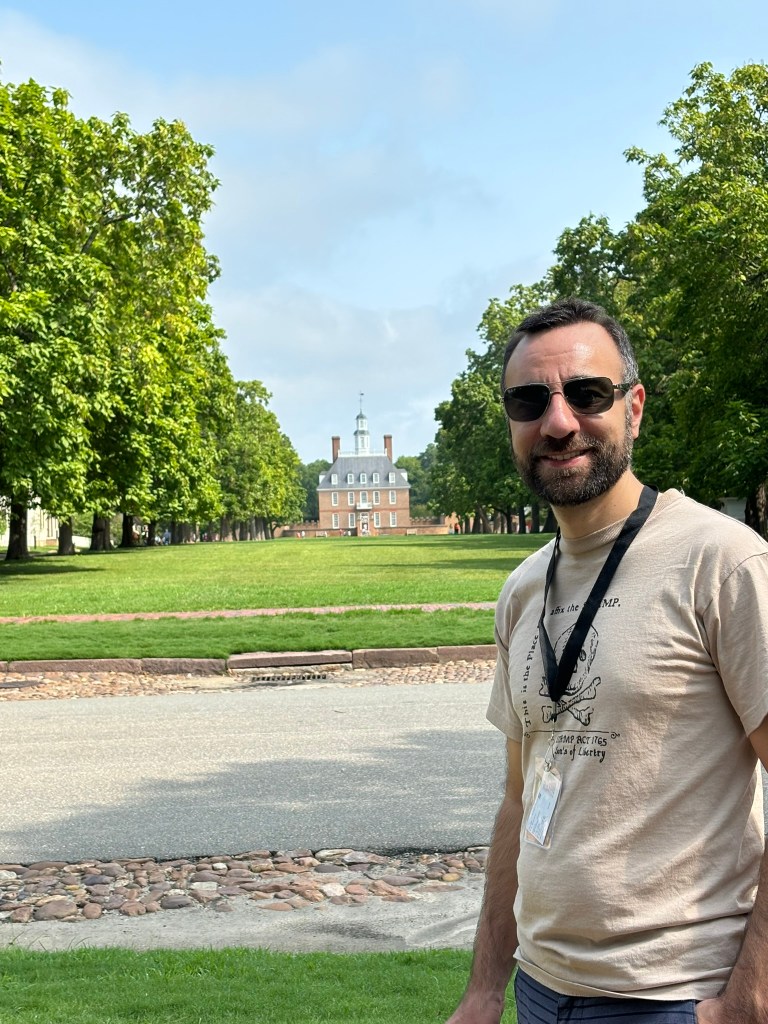
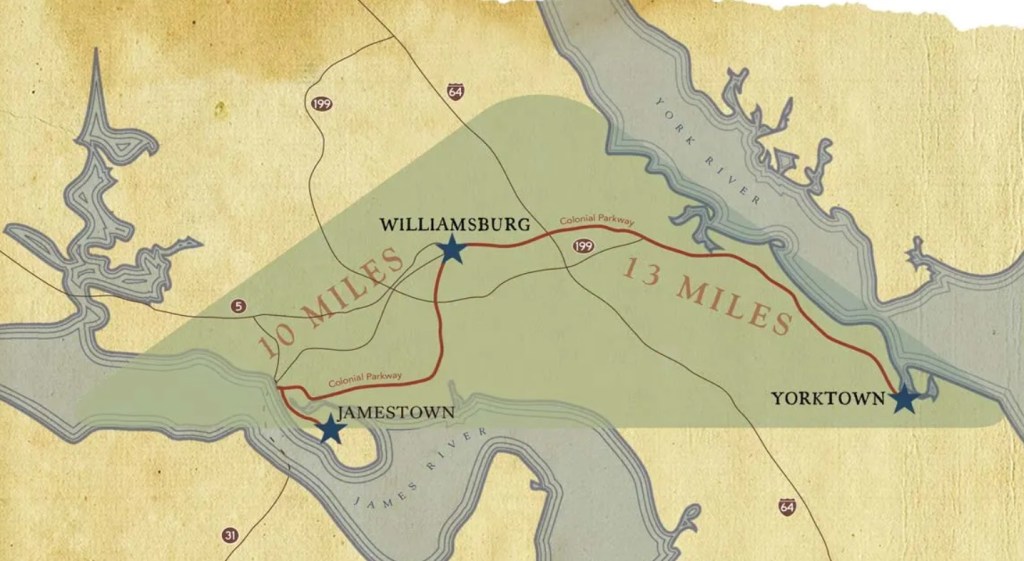
For our summer vacation this year, my family and I went to Williamsburg, Virginia. Our itinerary was as follows: Sunday: Arrive, Monday: Colonial Williamsburg, Tuesday: A Viator guided tour of Jamestown and Yorktown, Wednesday: Busch Gardens, Thursday: Head to Virginia Beach and spend the night, Friday: Spend some more time in Virginia Beach, and then head home. My next three blog posts will focus on the historical aspects of our trip. Part 1 will be about Colonial Williamsburg. Part 2 will be about Jamestown. Part 3 will be about Yorktown. These three locations are referred to as Virginia’s Historic Triangle, and are all just a short distance from one another.
Arrival
We arrived at our hotel, The Williamsburg Woodlands Hotel & Suites on Sunday late afternoon, and didn’t have time to do much other than go to the Visitor Center and eat dinner at Huzzah’s Eatery, which was located at our hotel. We got the kids ready for bed as we would visiting Colonial Williamsburg the following morning.
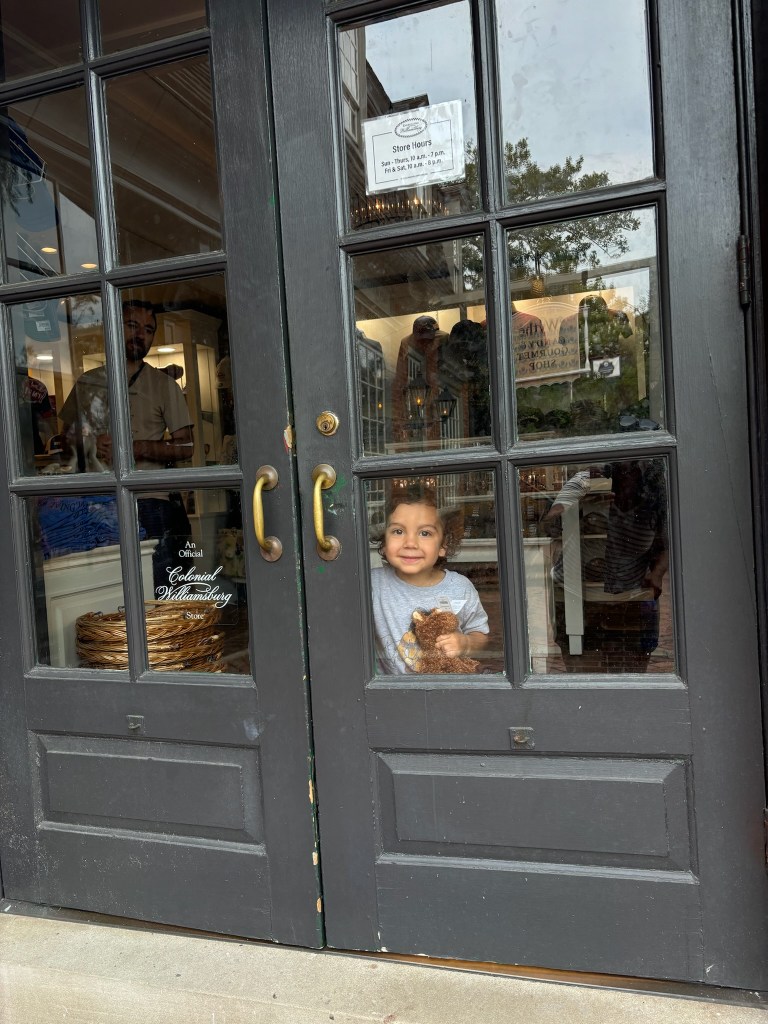
We woke up and ate the complimentary breakfast in the hotel and headed out to Colonial Williamsburg which is just about a 10-15 minute walk away from the hotel. We purchased one-day passes for each adult to visit the historic sites and recieve tours of particular buildings. The tickets are normally $50 for adults but we recieved 25% off for staying at the Woodlands, and I also recieved a teacher discount. For two adult tickets, I paid about $75 and children are free under 6 years old.
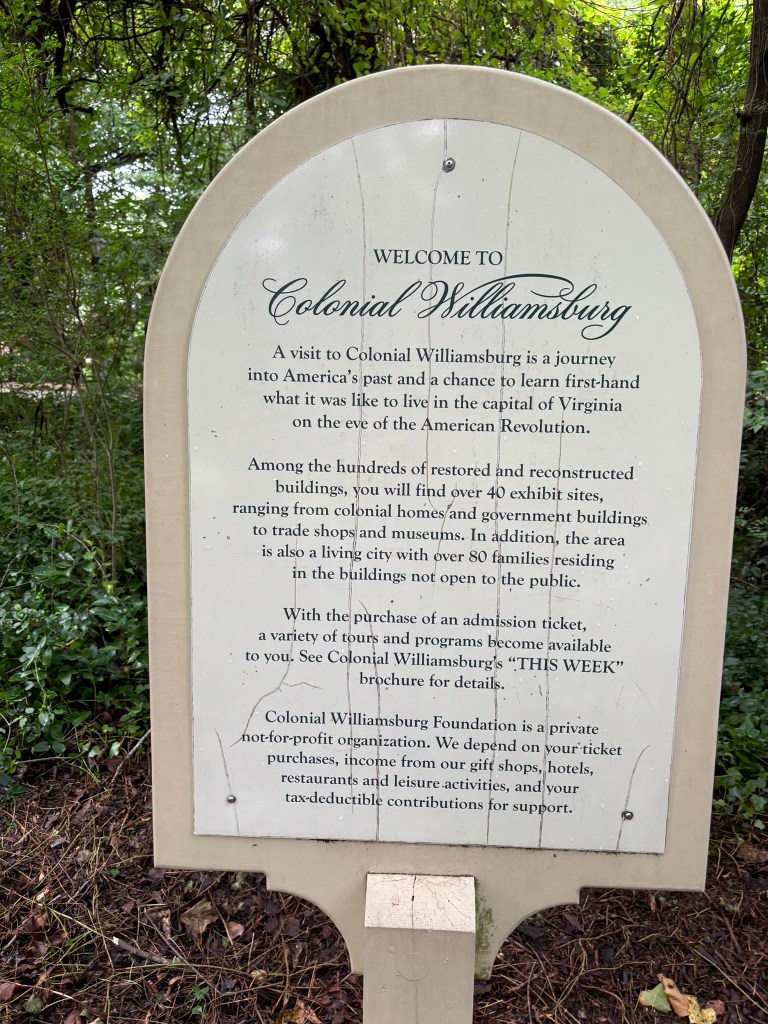

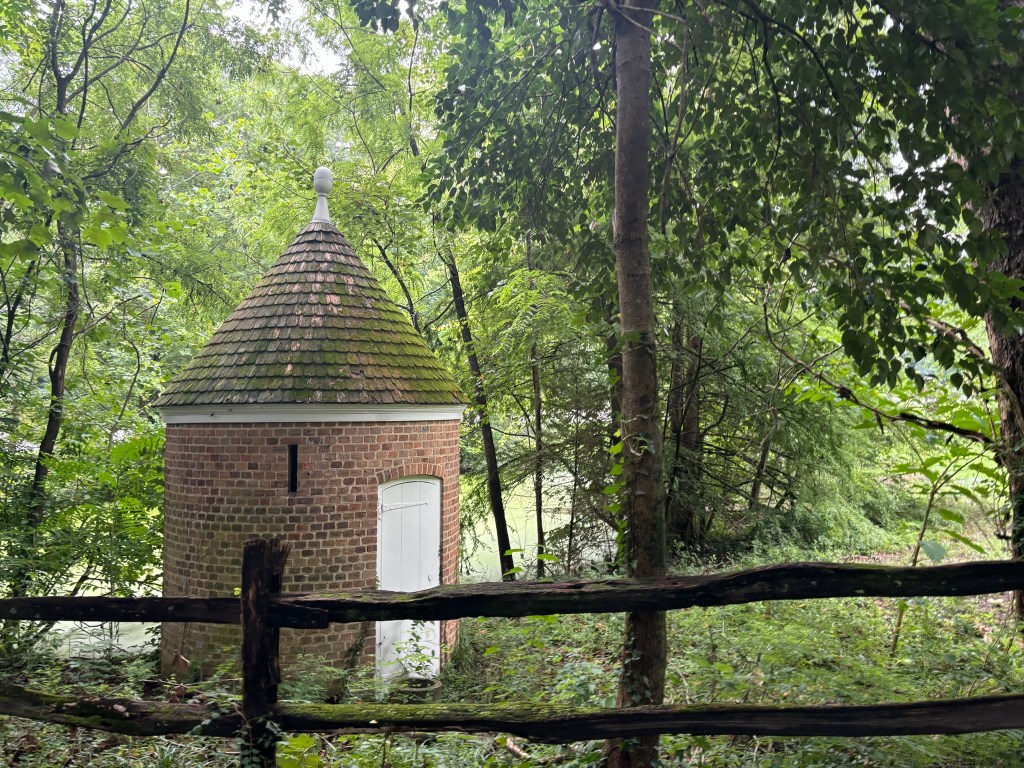

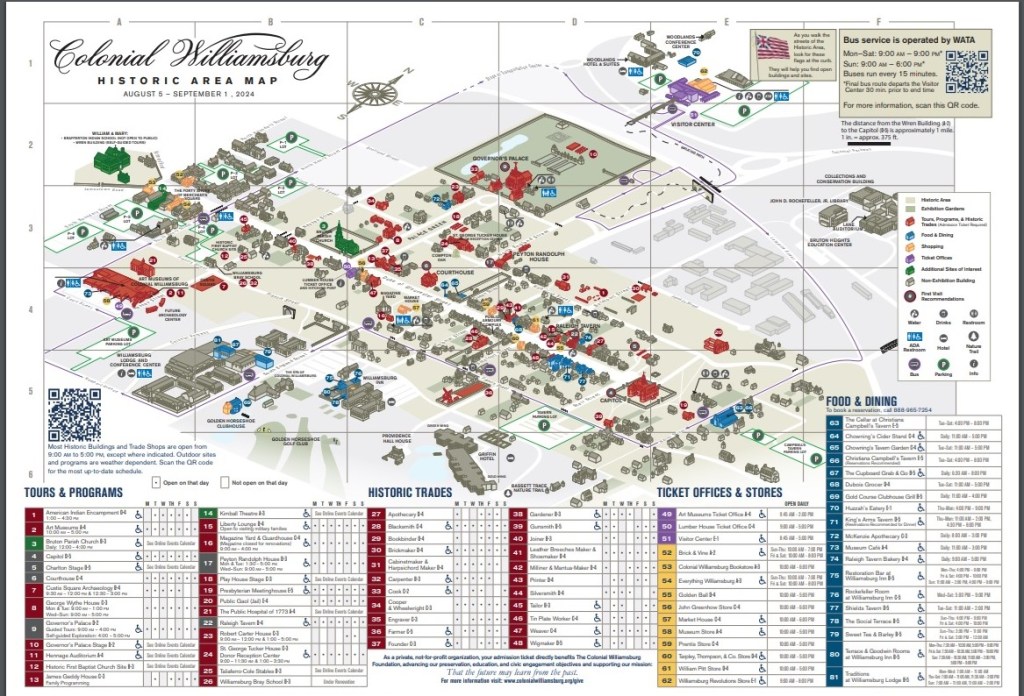
The map below will be your lifeline if you go to Colonial Williamsburg. The map shows you each historical building in town to visit. On the other side of the map is a list of events taking place at their specific times. These events are updated by Colonial Williamsburg every couple of weeks.
Significance
Williamsburg is significant because in 1699, the capital of Virginia was moved from its original location in Jamestown, to Williamsburg. Williamsburg remained the capital until 1779, when it was moved to Richmond. Today, Williamsburg is an open-aire, living-history museum with restored and reconstructed buildings. Reenactors talk, act and dress as if they were living in colonial times. Different buildings have reenactors displaying an array of jobs and positions in colonial times, including an Apothecary, Blacksmith, Bookbinder, Brickmaker, Cabinetmaker, Harpsichord Maker, Carpenter, Cook, Cooper, Wheelright, Engraver, Farmer, Gardner, Gunsmith, Joiner, Leather Breeches Maker, Shoemaker, Milliner, Mantua-Maker, Printer, Silversmith, Tailor, Tin Plate Worker, Weaver and Wigmaker. The reenactors bring you back in time to see what everyday people were doing in the colonies. Besides the reenactors, there are many historic buildings such as the County Court House, as well as houses belonging to historic figures such as lifelong Williamsburg resident and Founding Father, Peyton Randolph.
The Governor’s Palace
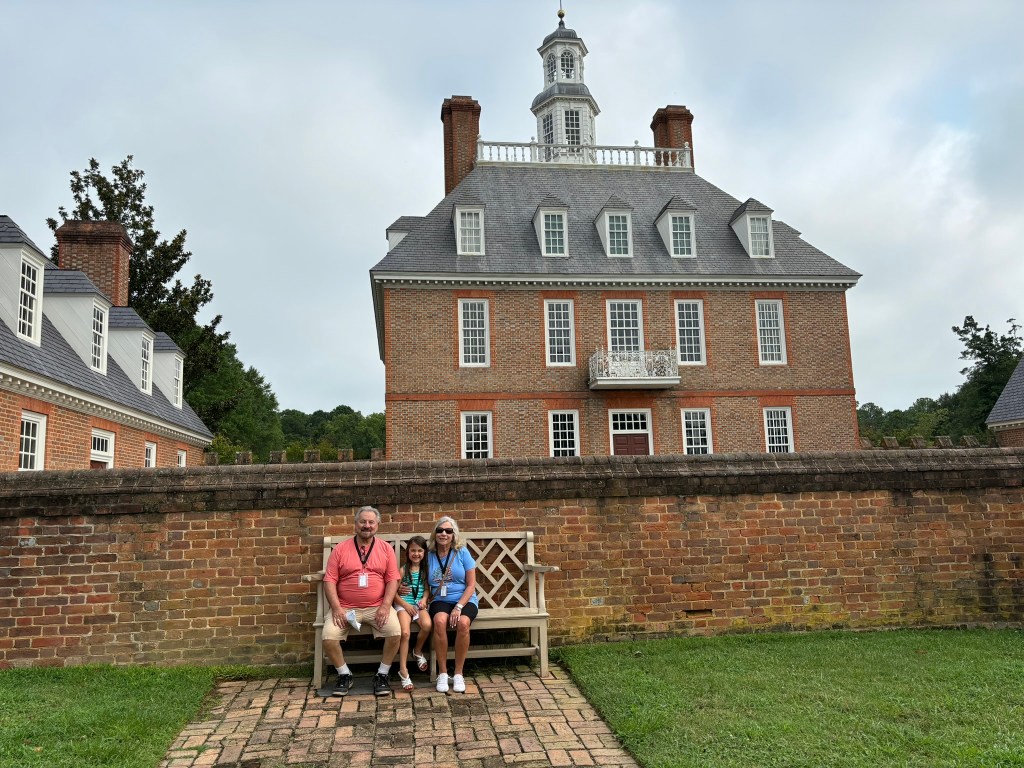
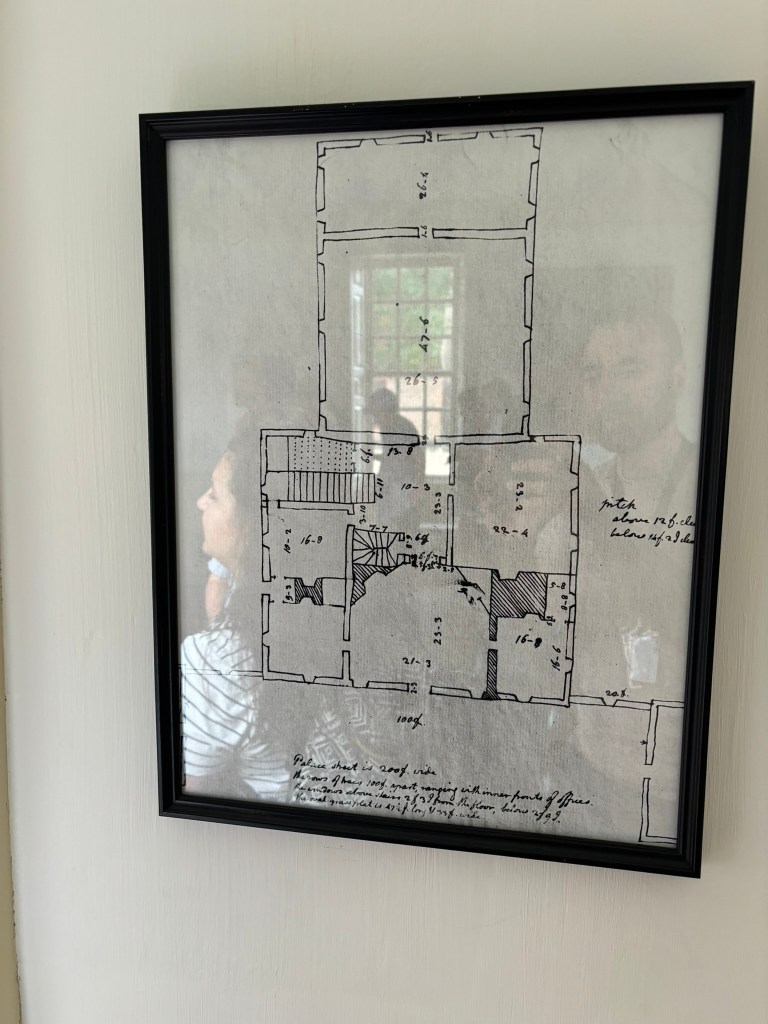
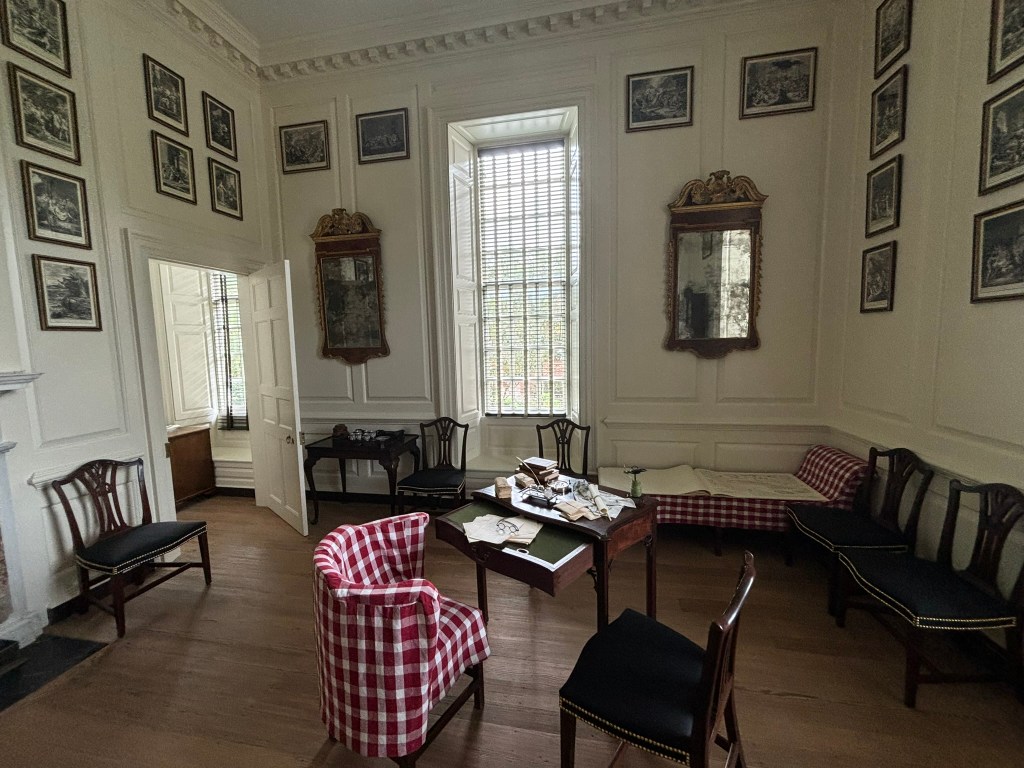
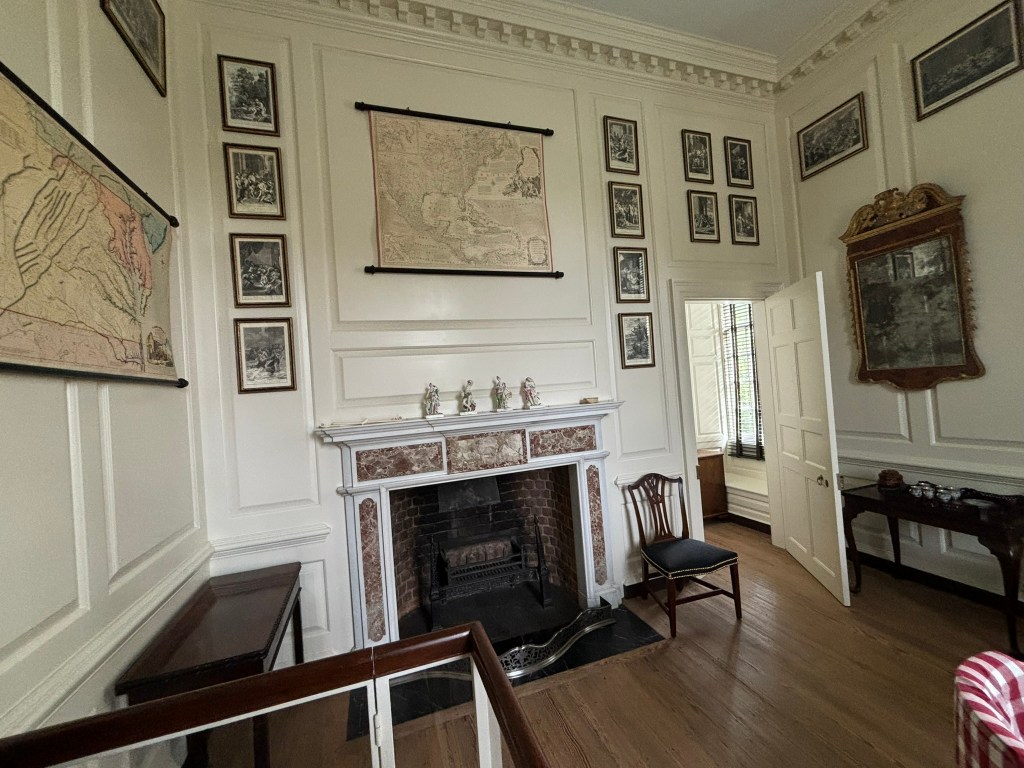
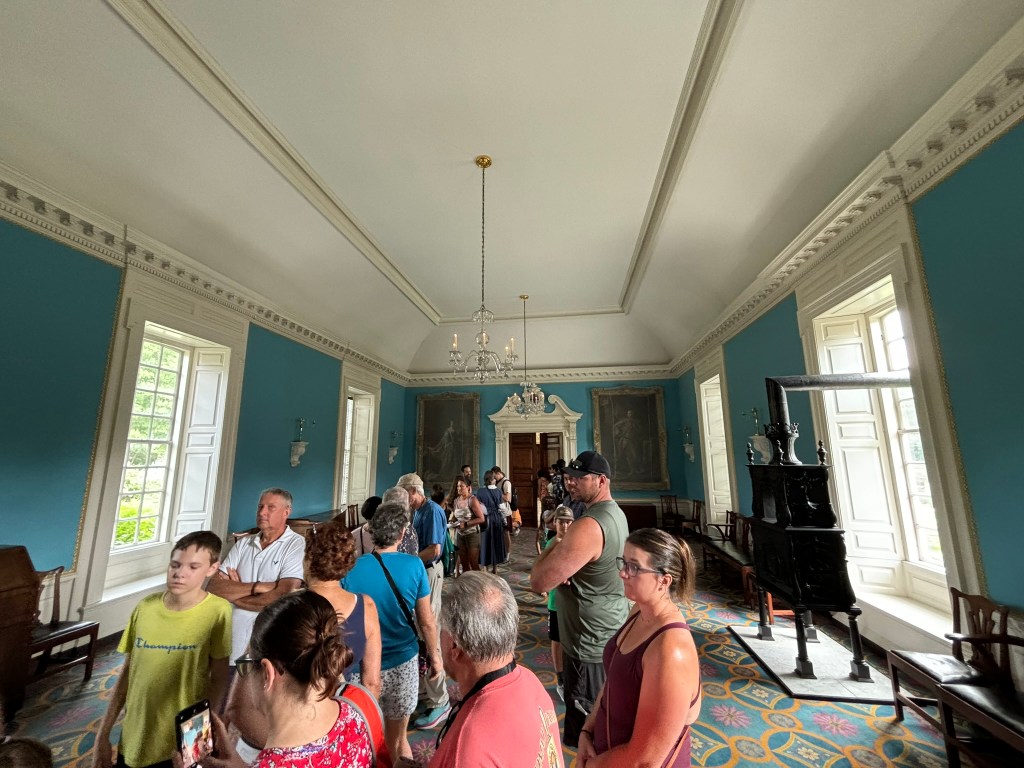
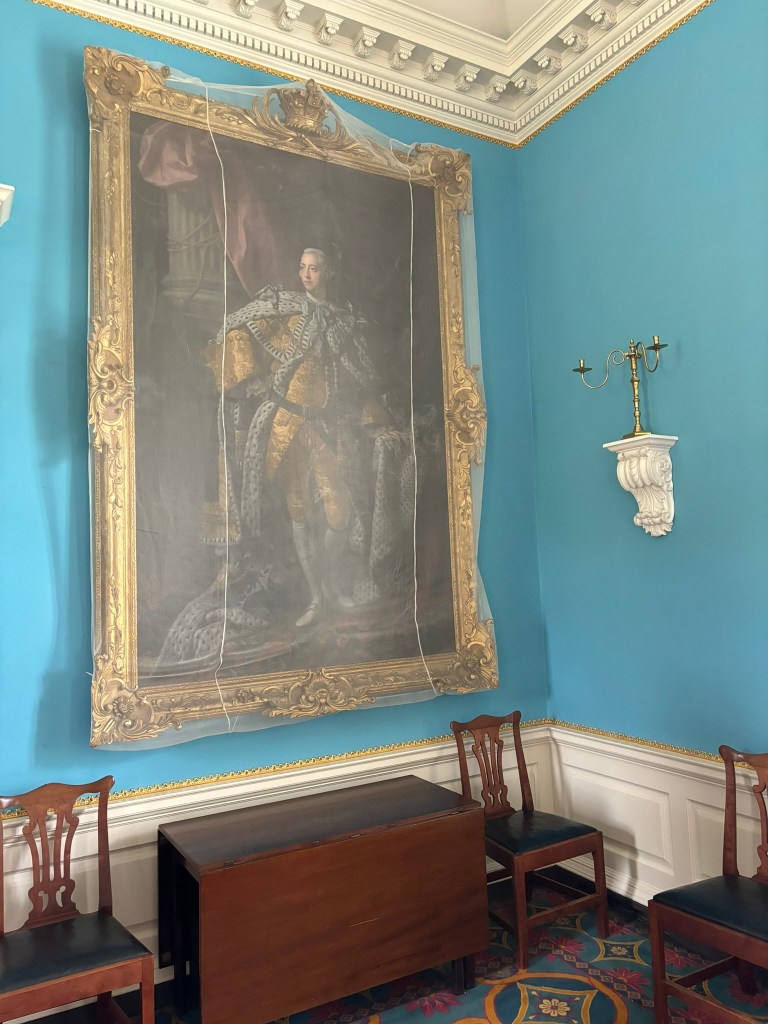
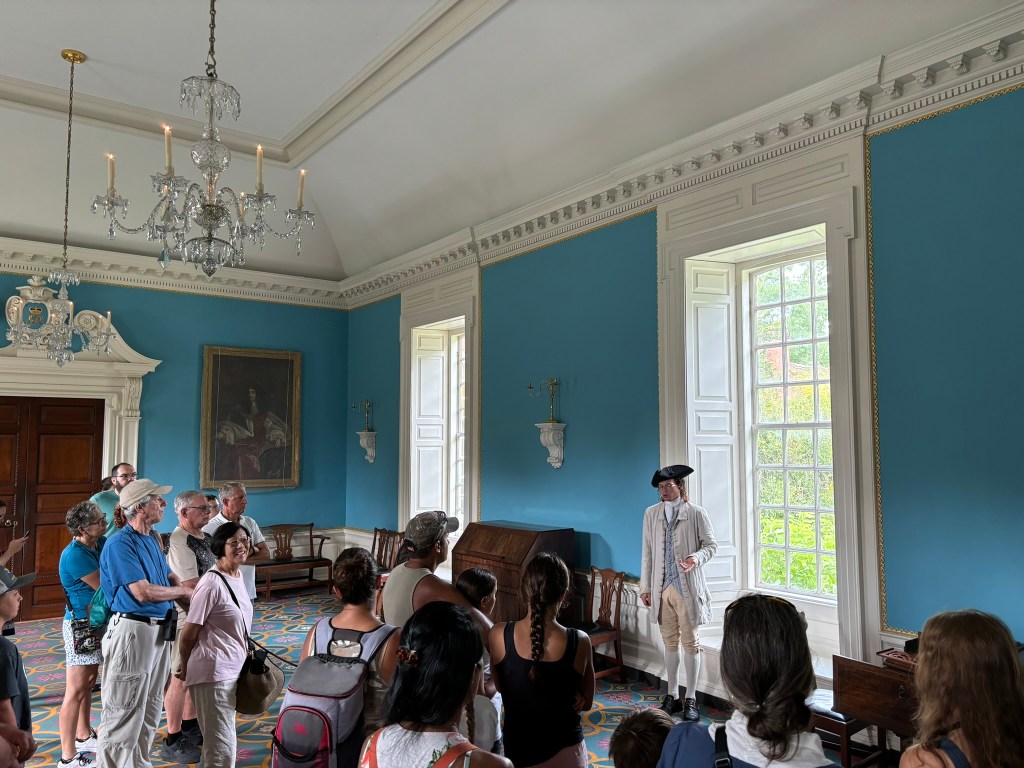
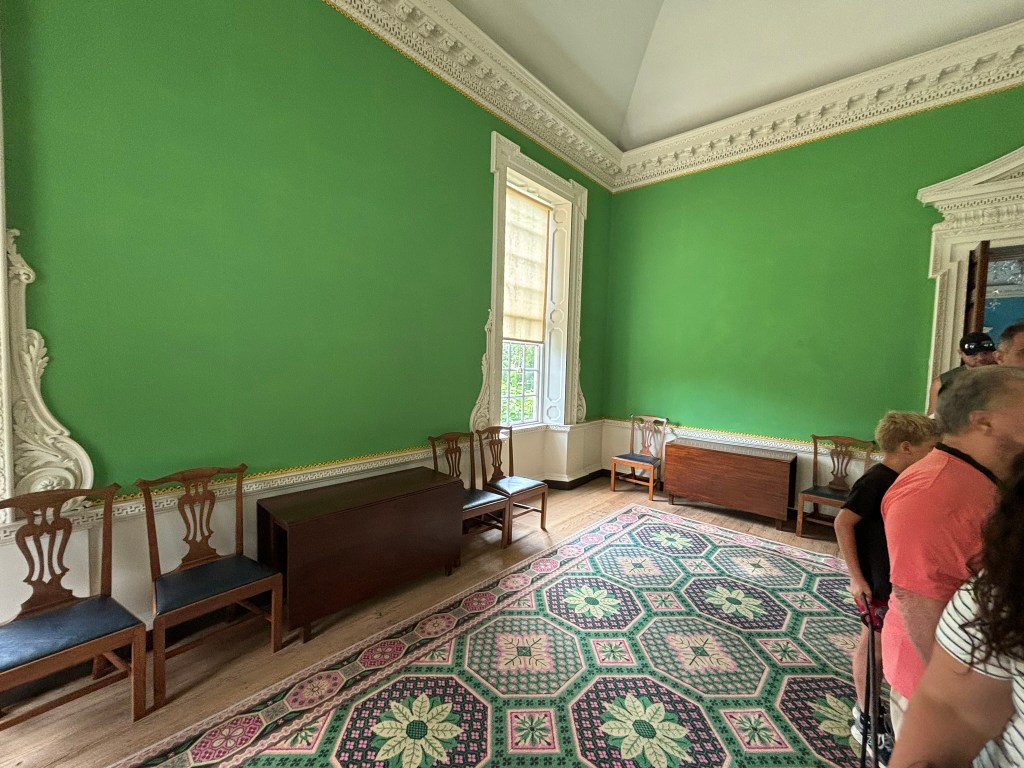
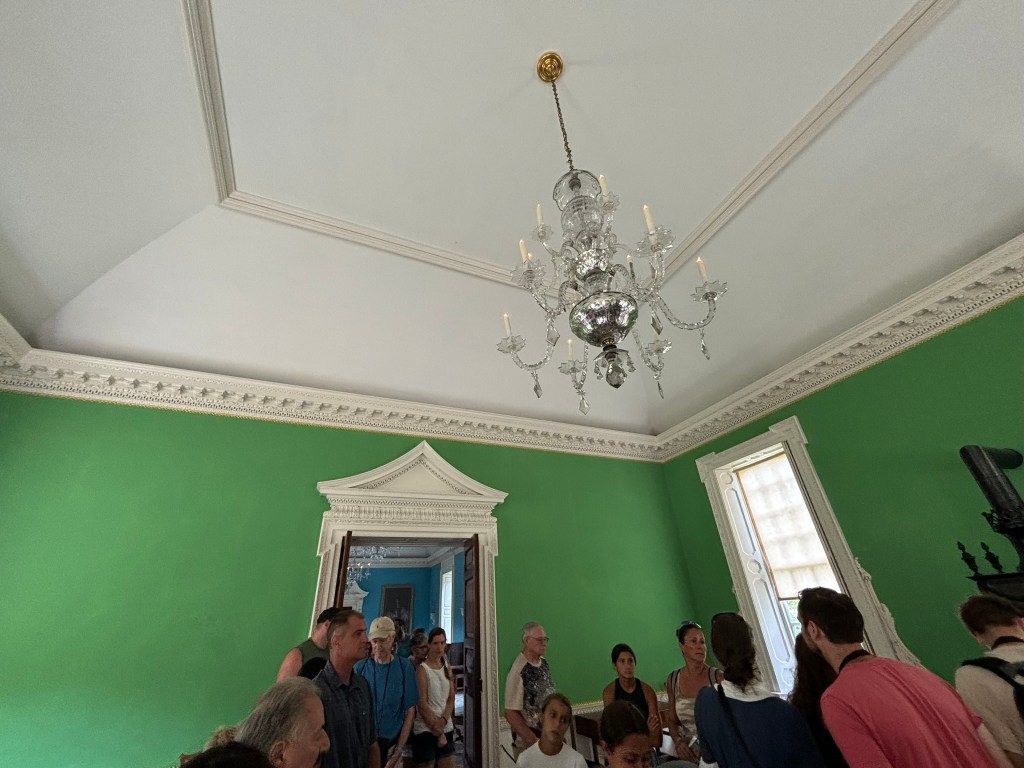
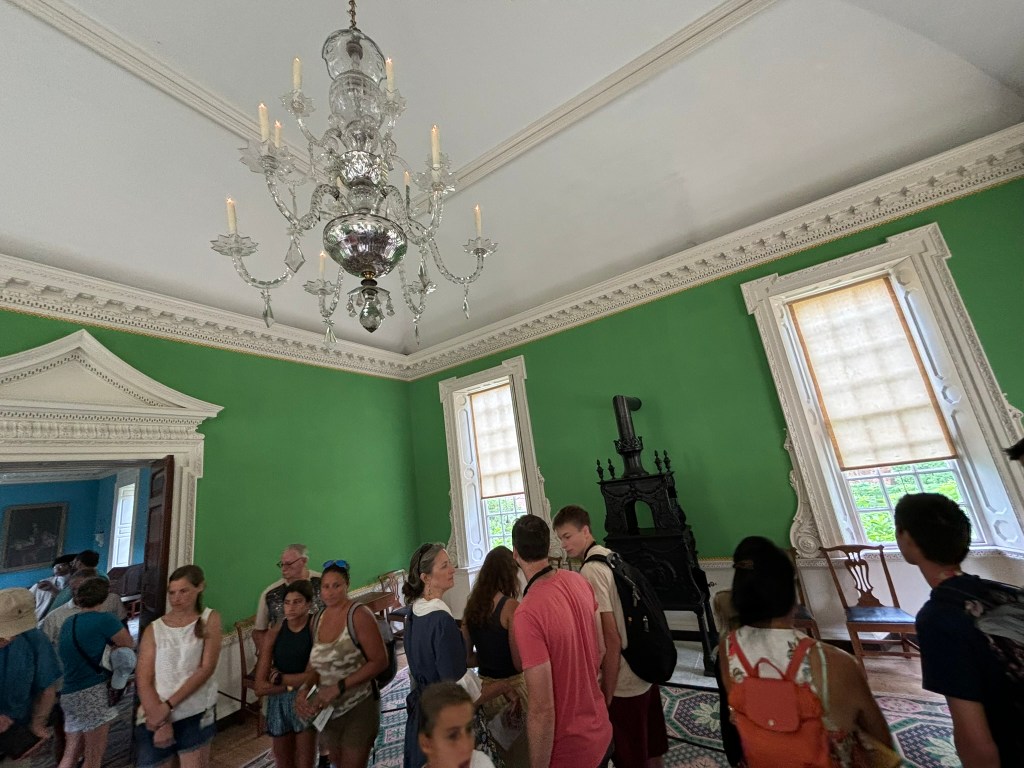
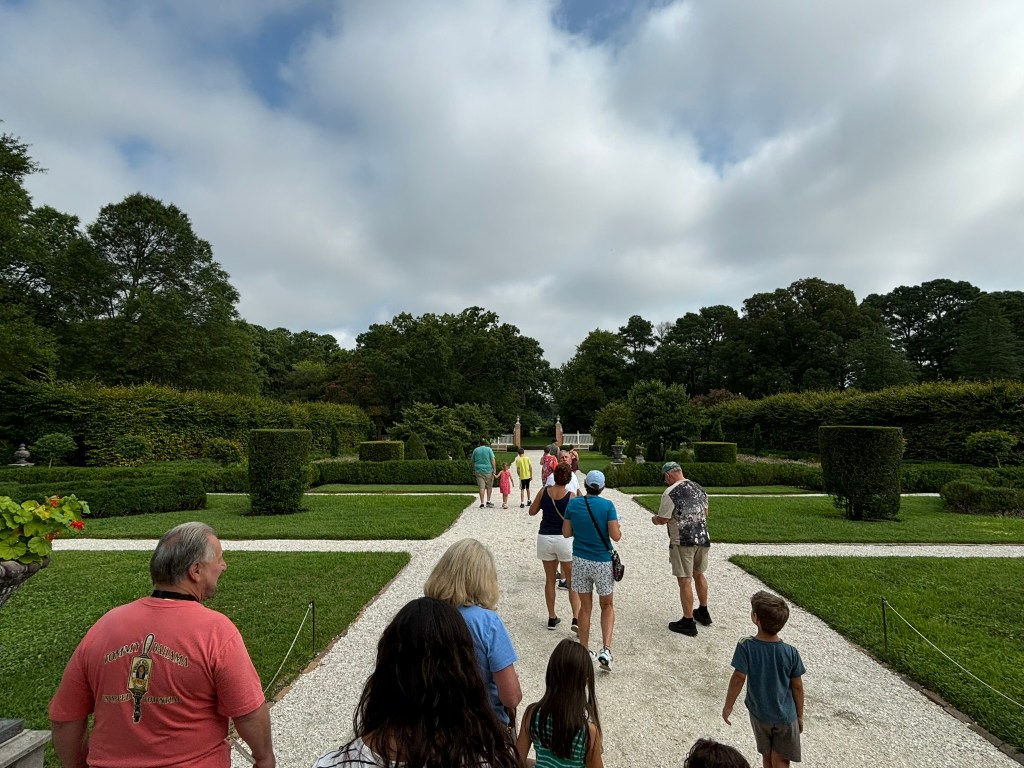
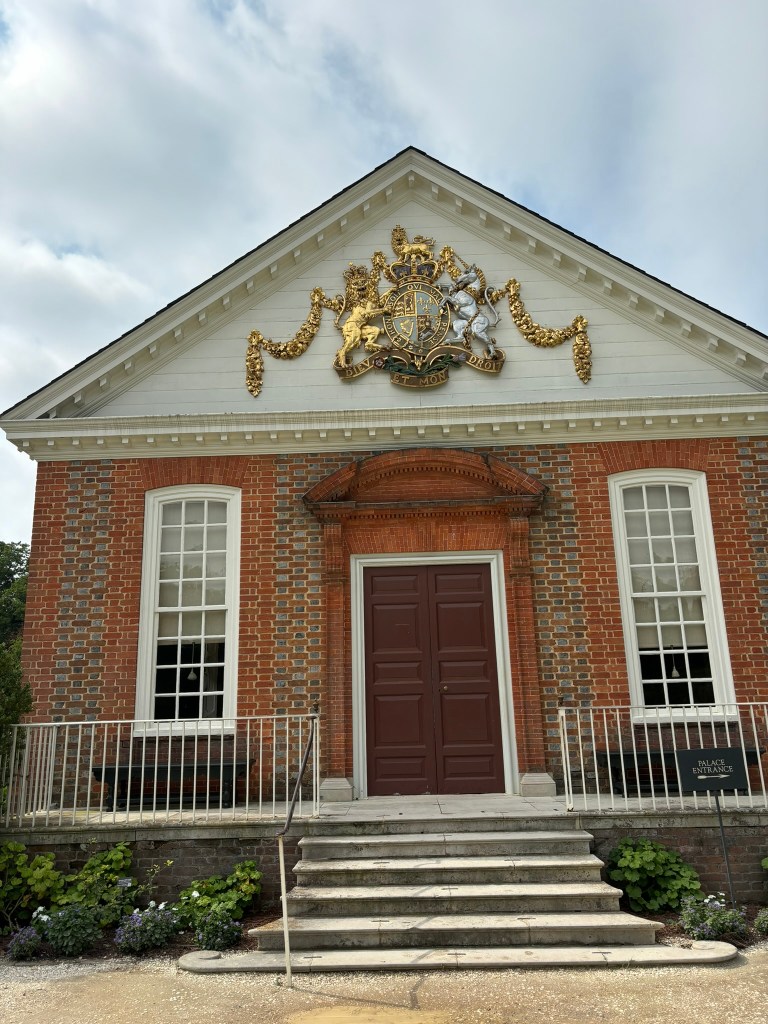
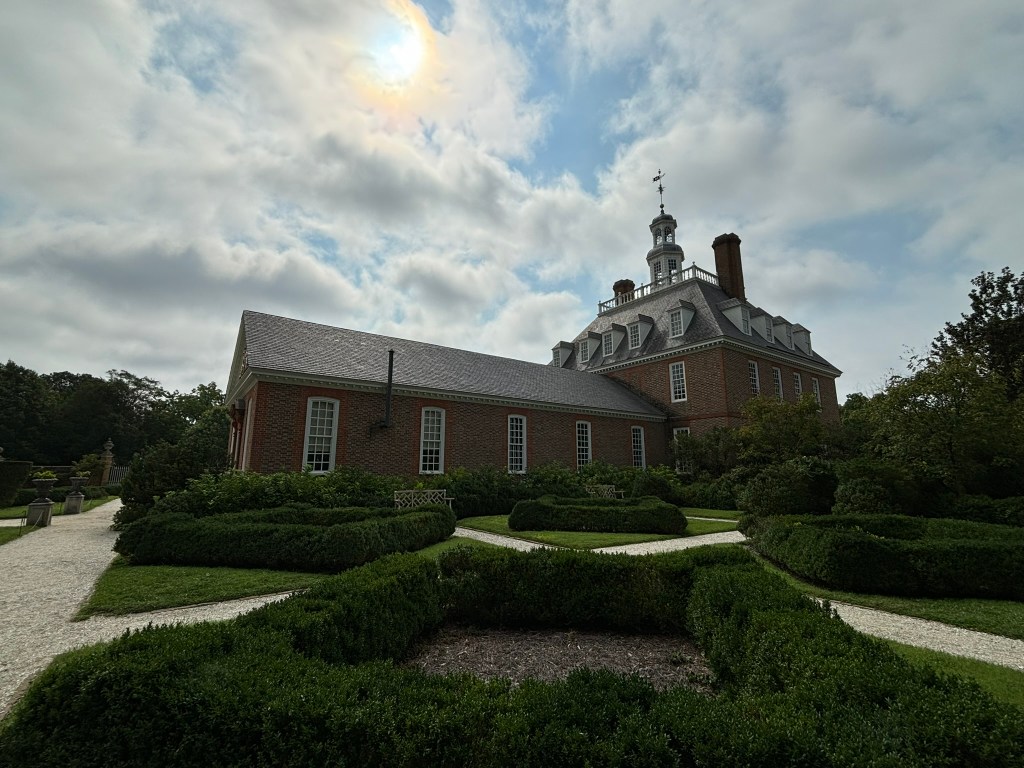
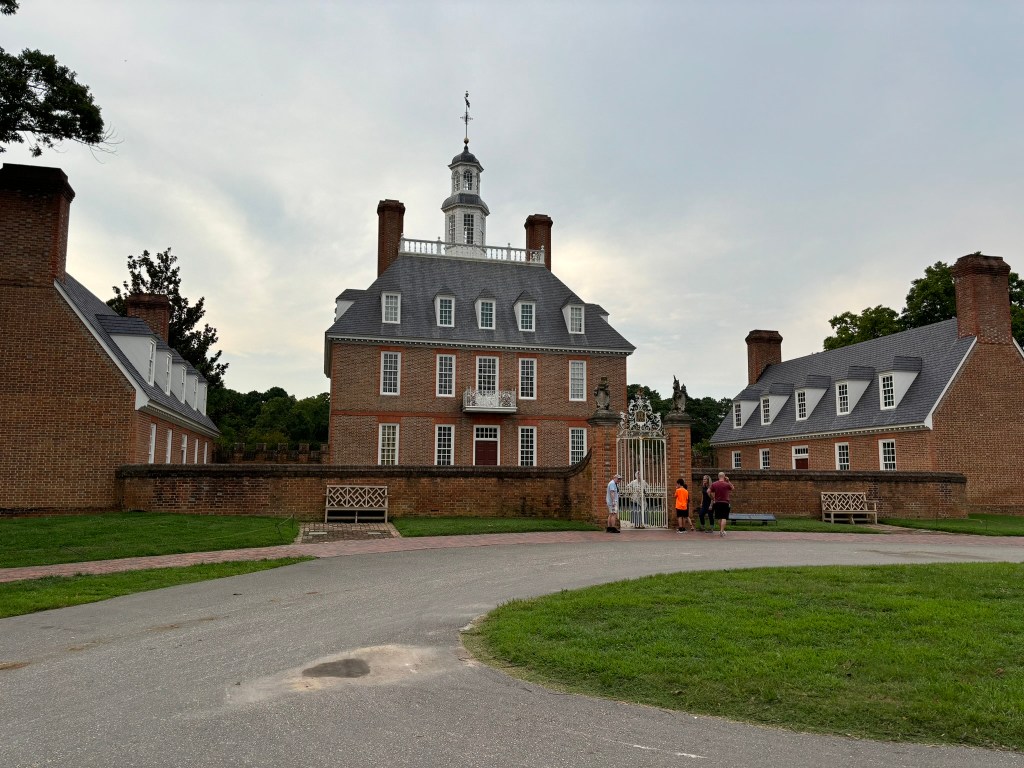
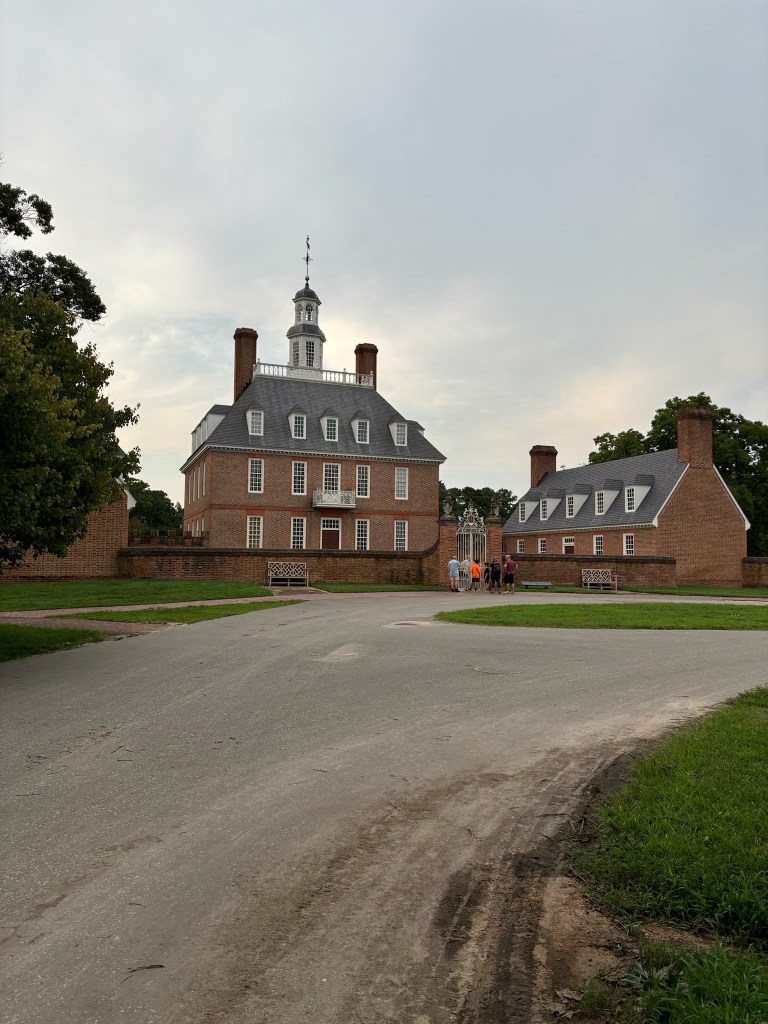
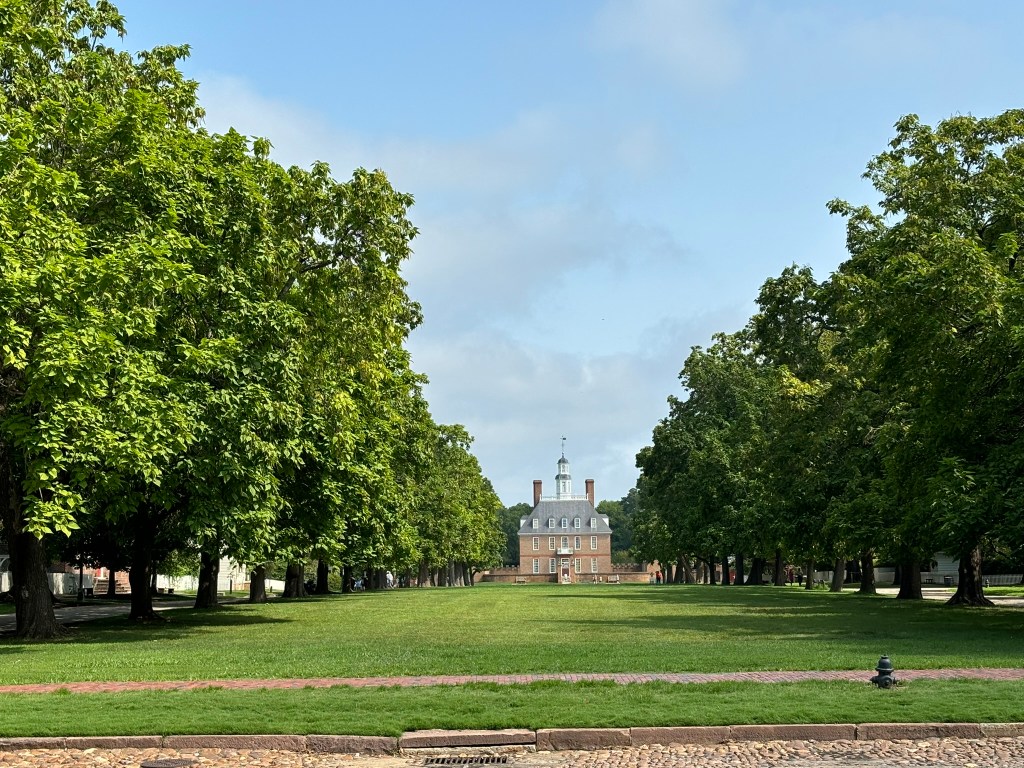
When we arrived in Colonial Williamsburg we got lucky because we caught the very first 9AM tour of the Governor’s Palace which is one of the top attractions. The Governor’s Palace that stands today was built in 1934 and was built as a replica of the building that was constructed in the early 1700s. The building was the official residence of the royal governor of Virginia. In total, seven governors occupied the residence before the capital was moved to Richmond. On December 22, 1781, the main building was destroyed by a fire. The reconstruction in the early 1900s was based on numerous surviving pieces of evidence, including archaeological evidence, architectural remnants that had fallen in during the fire, as well as Thomas Jefferson’s drawings and plans from when he sought to renovate the building.
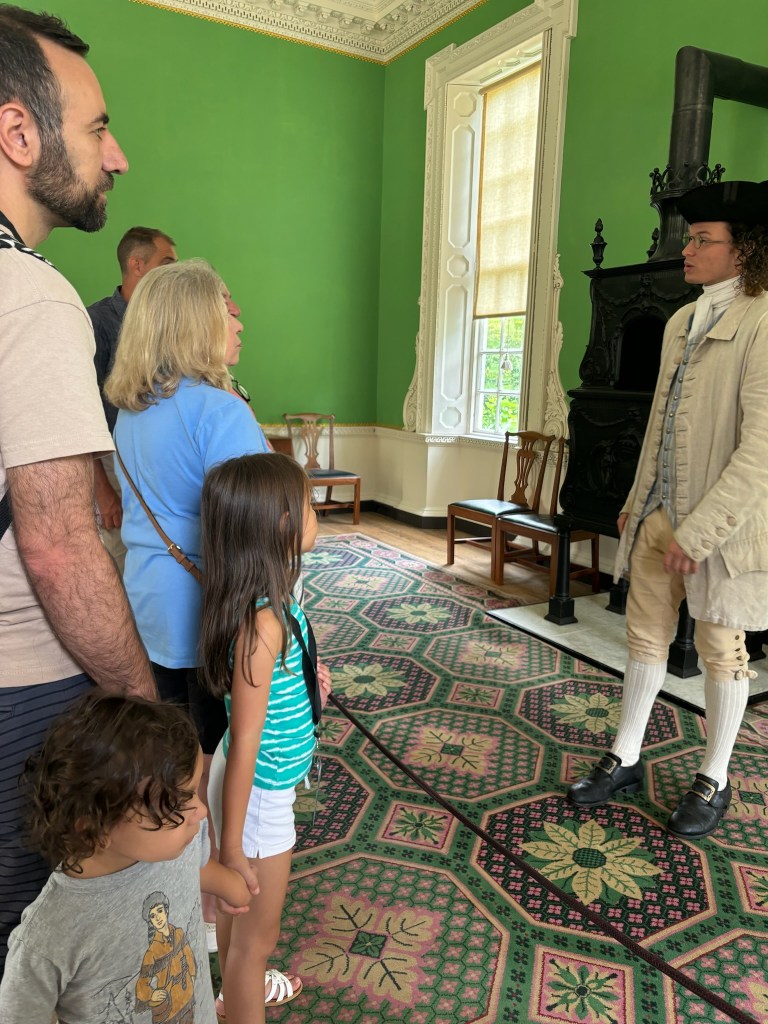
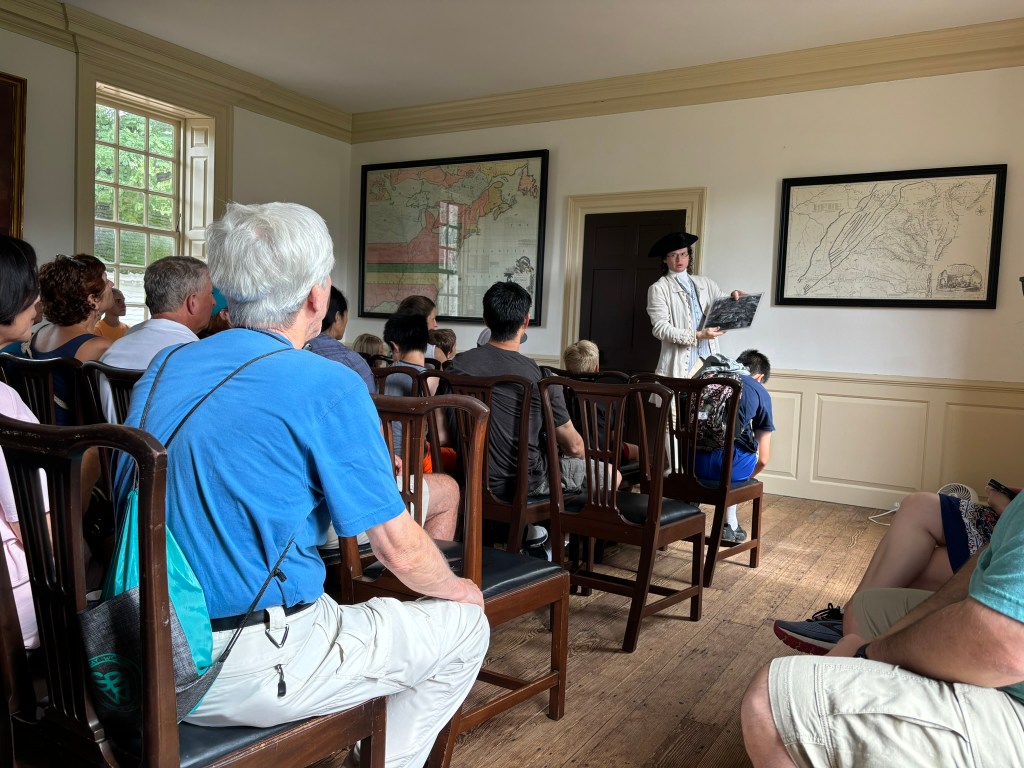
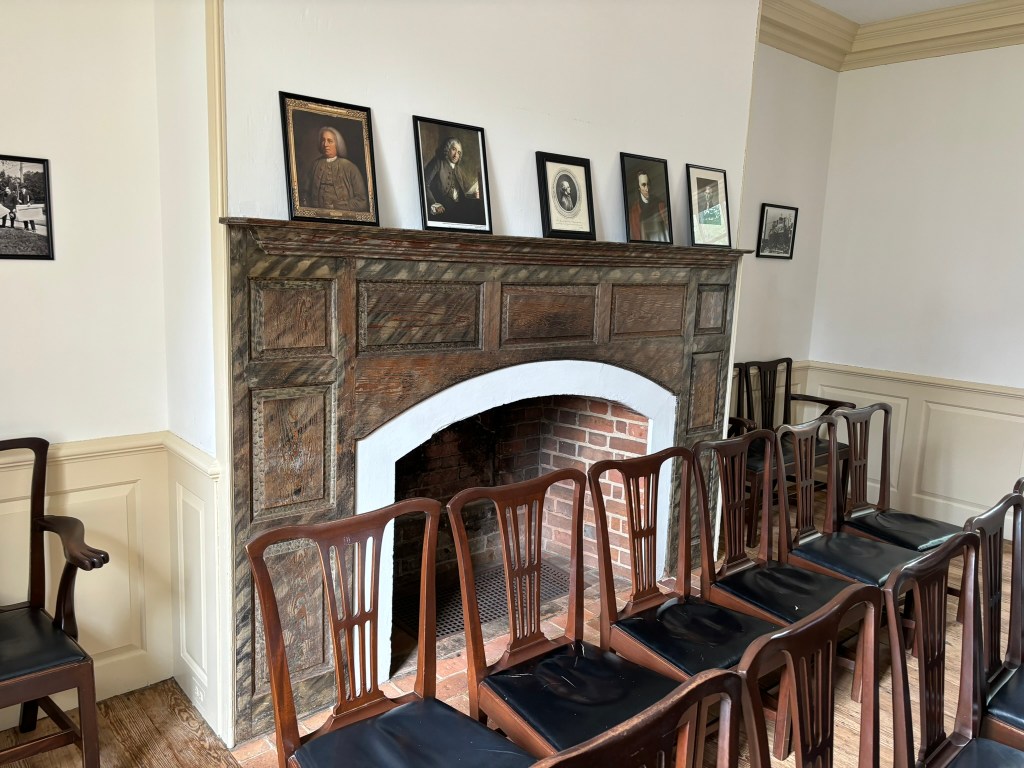
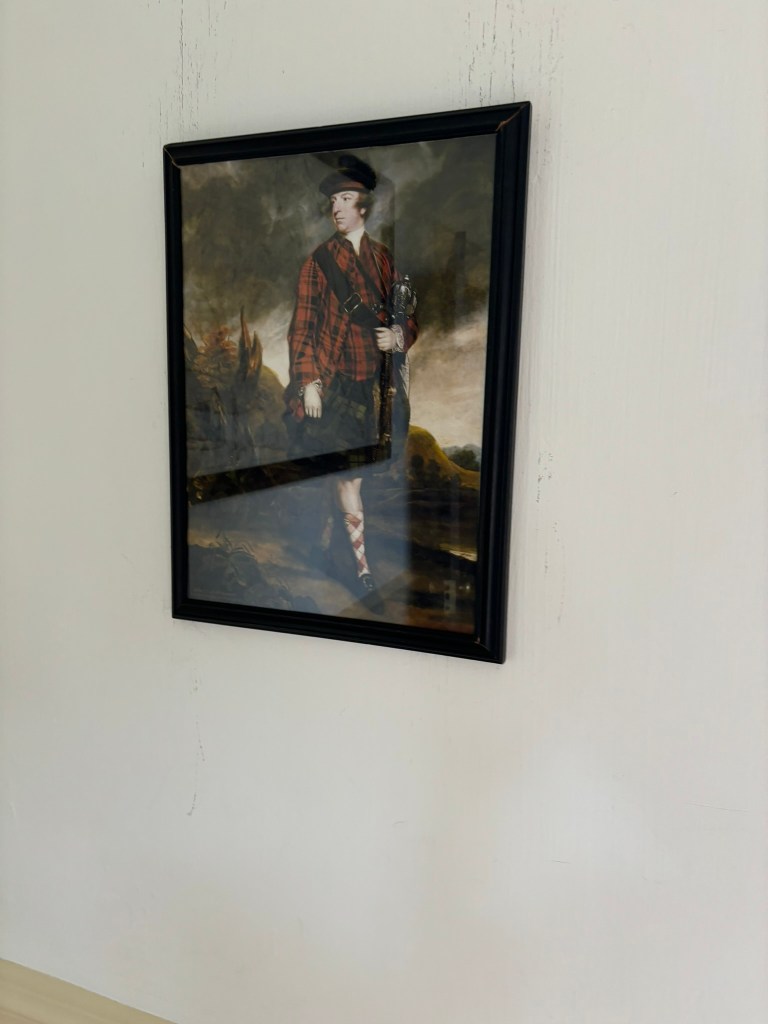
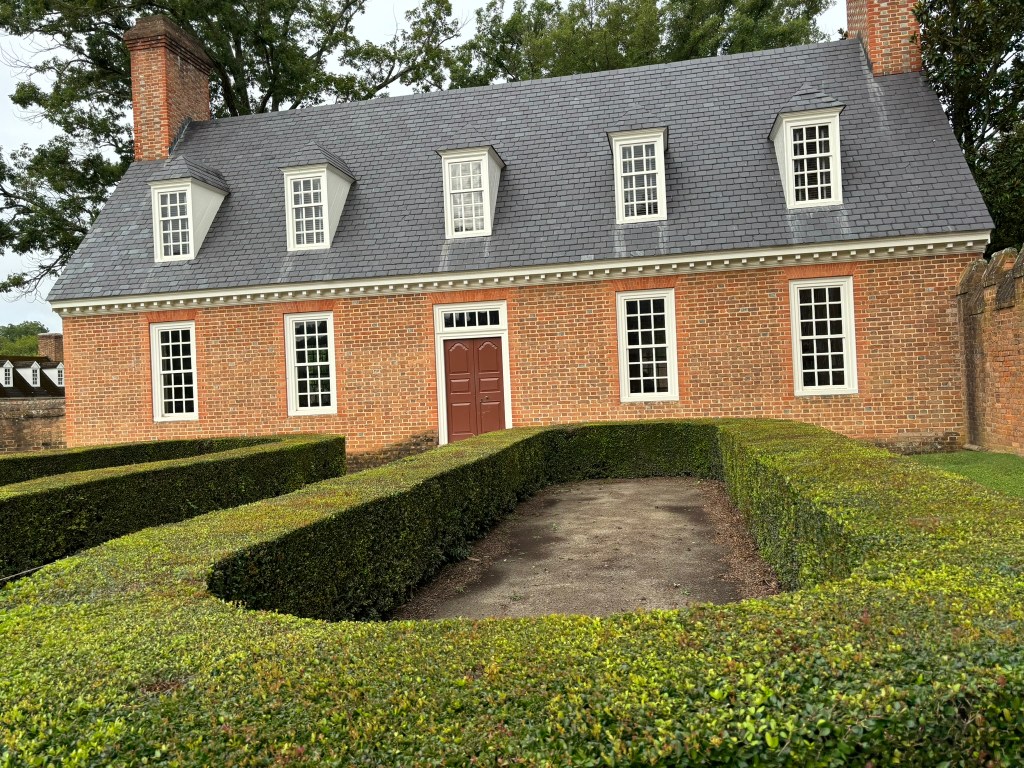
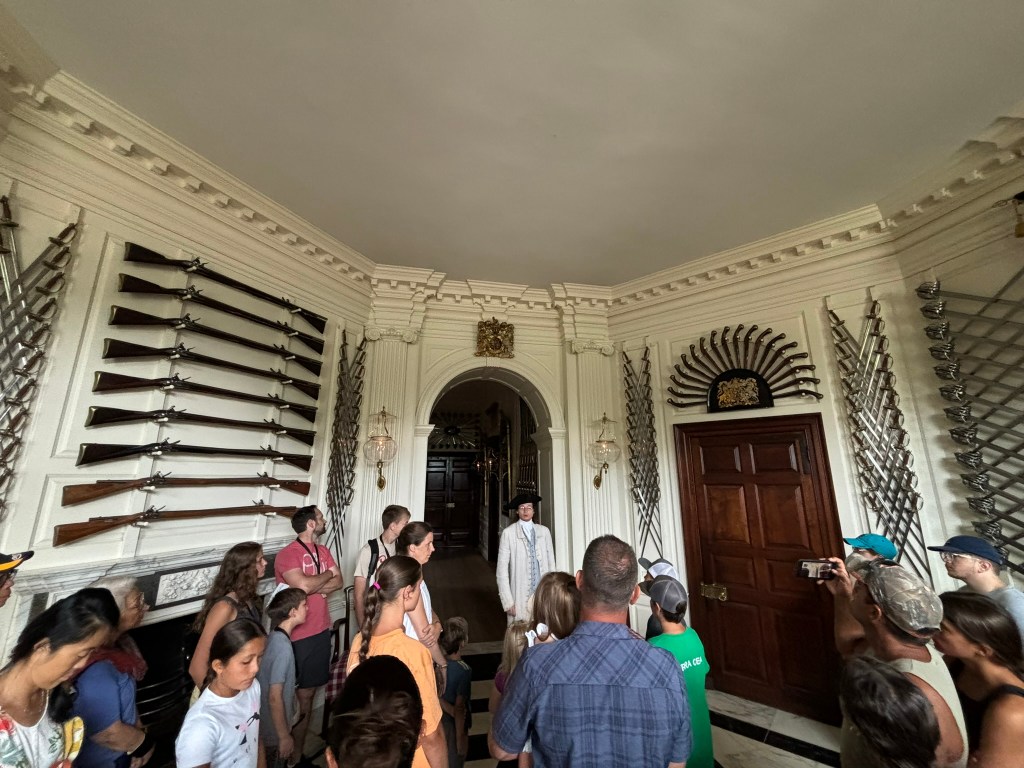
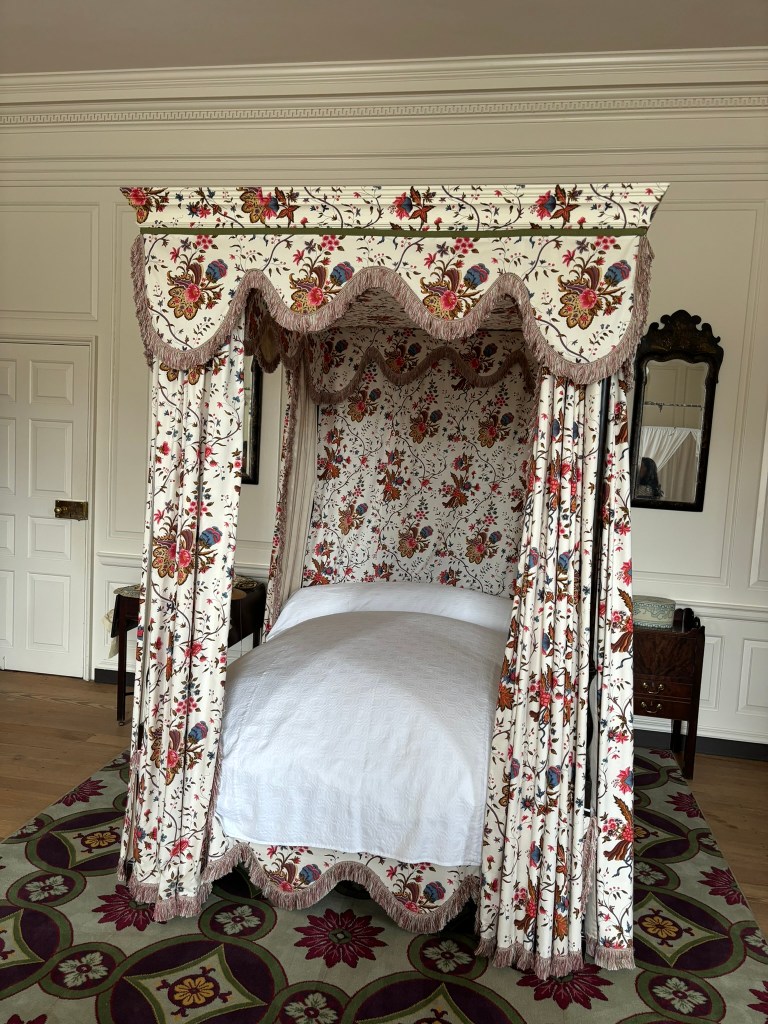
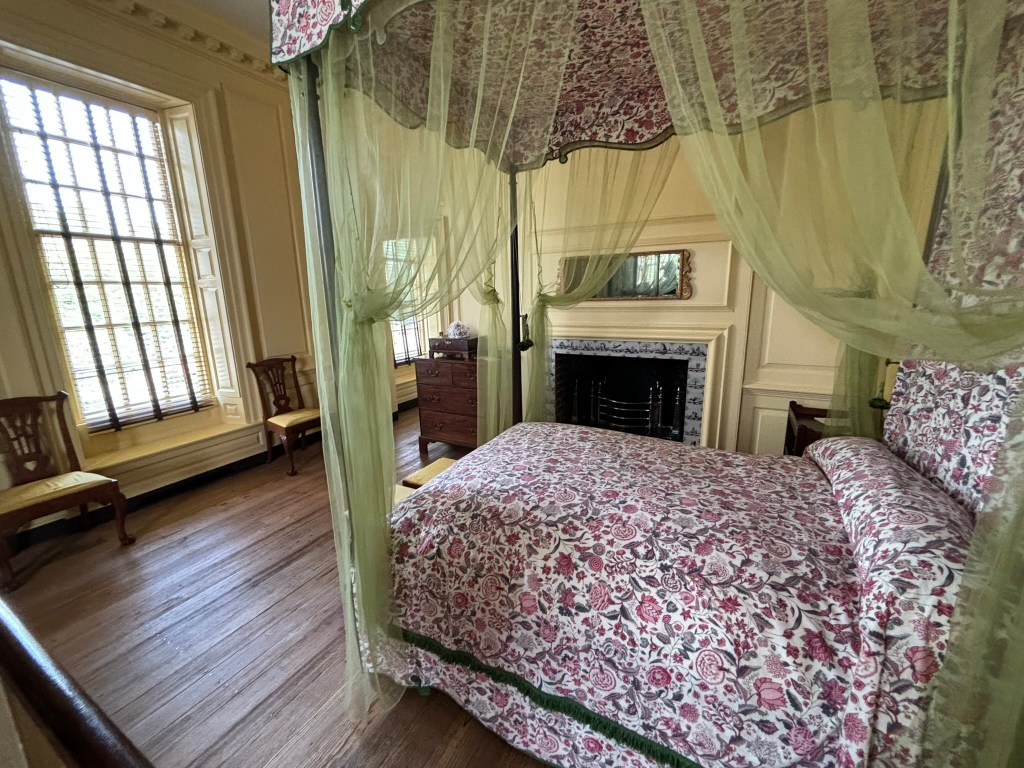
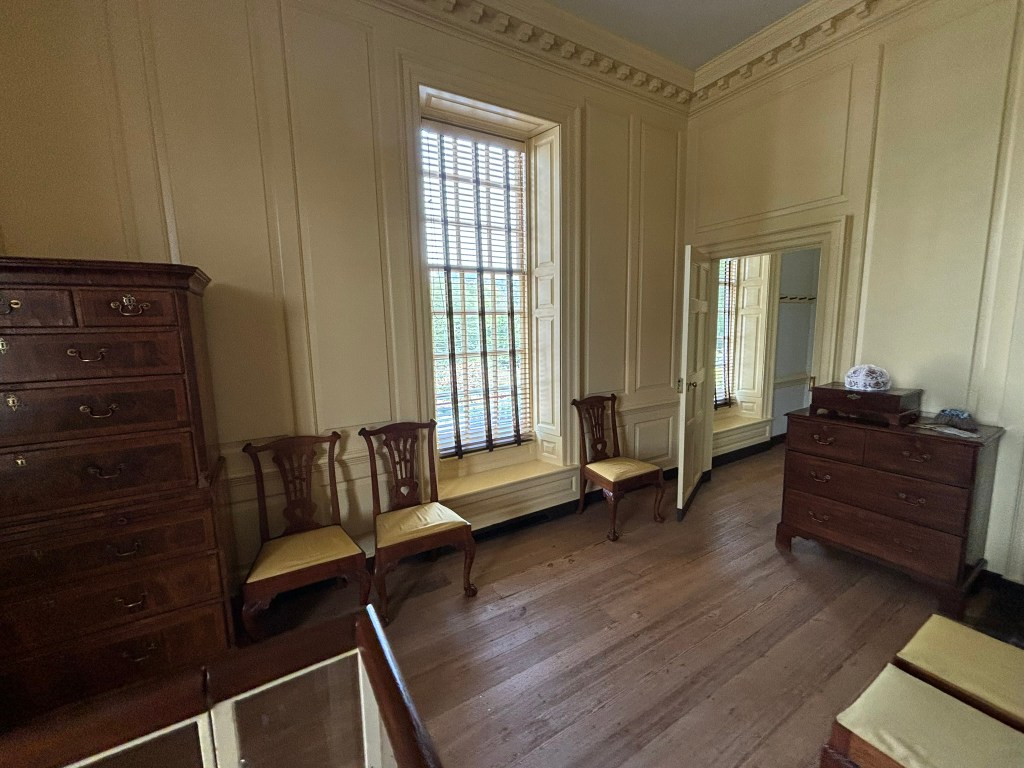
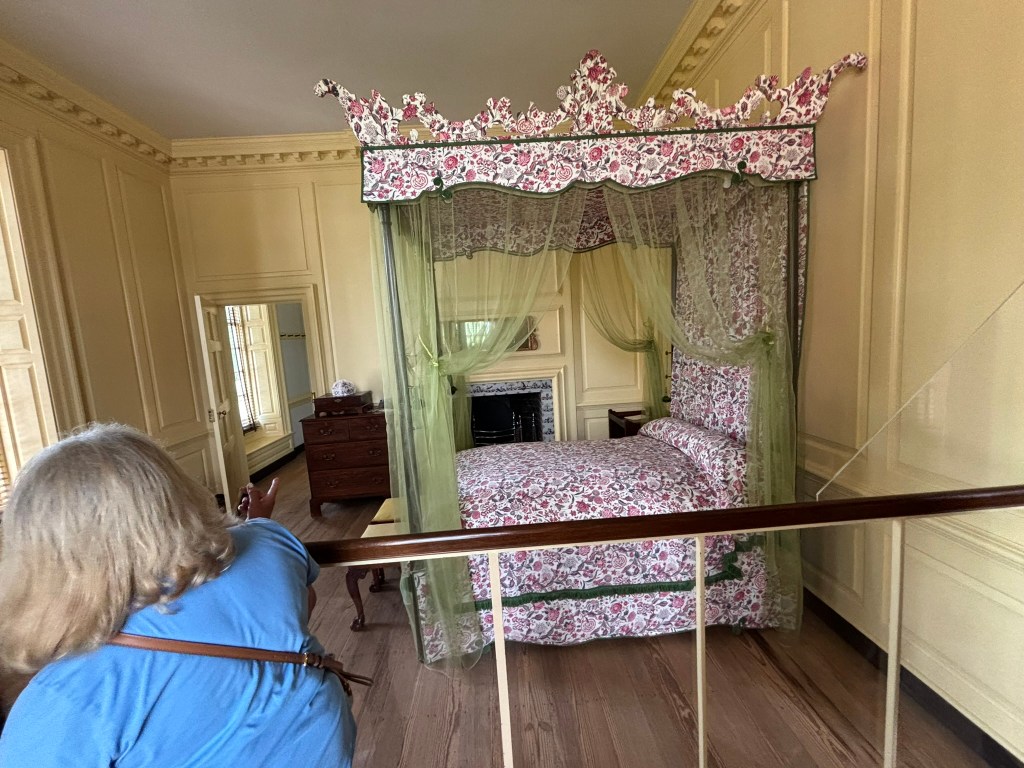
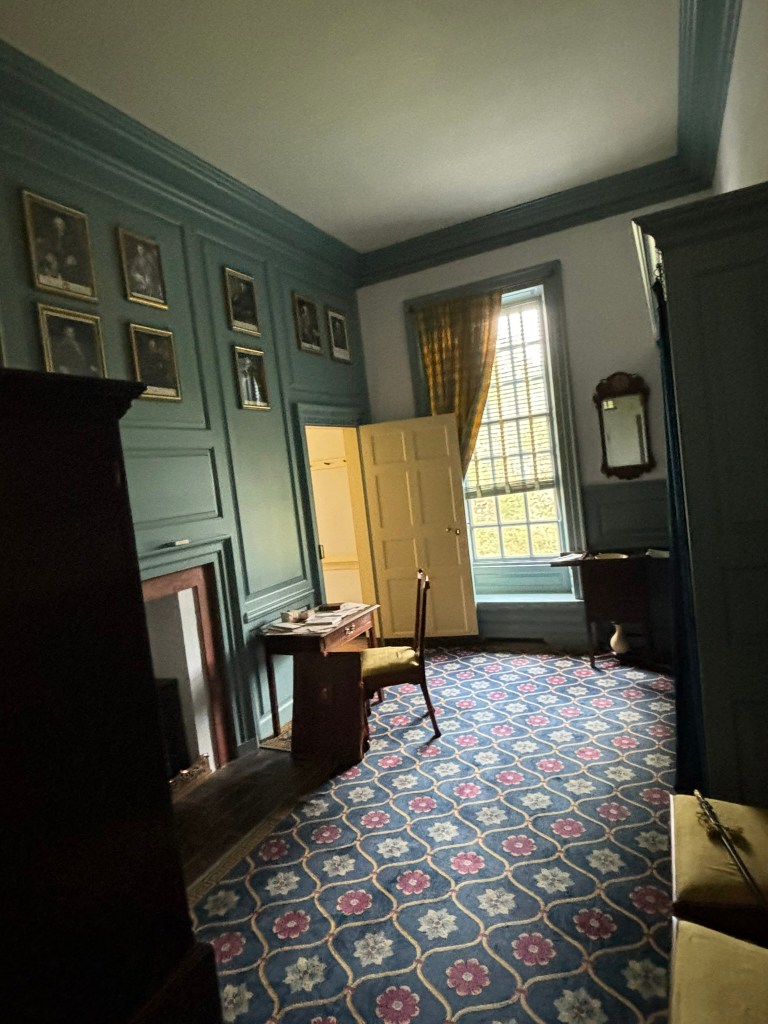
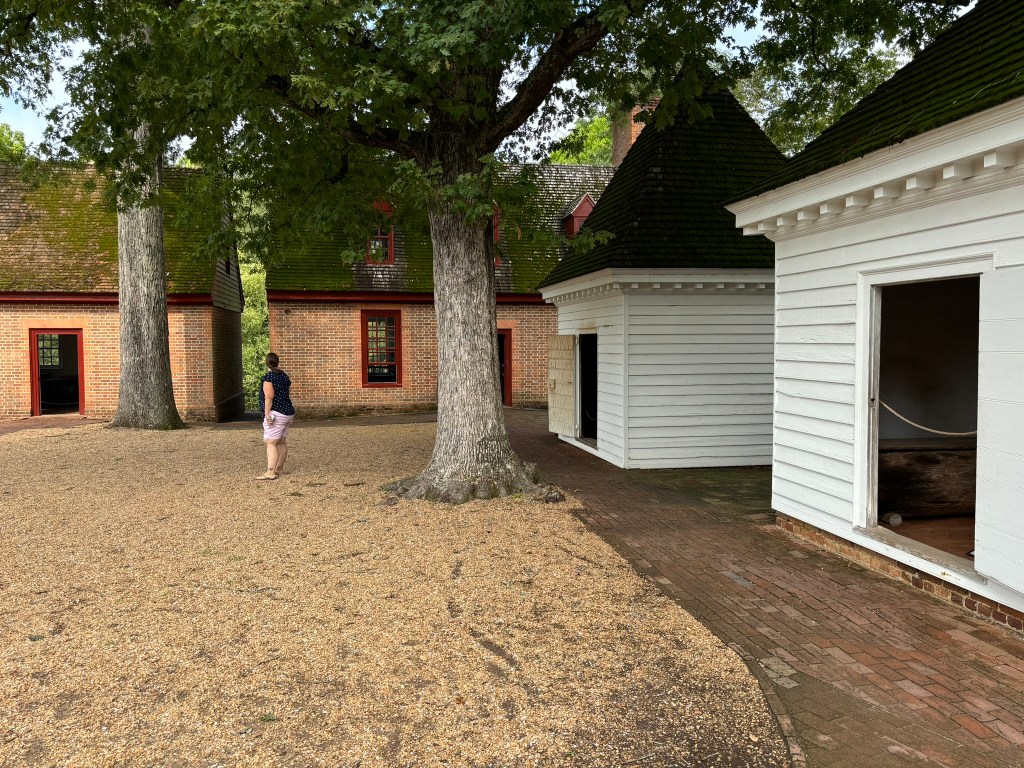
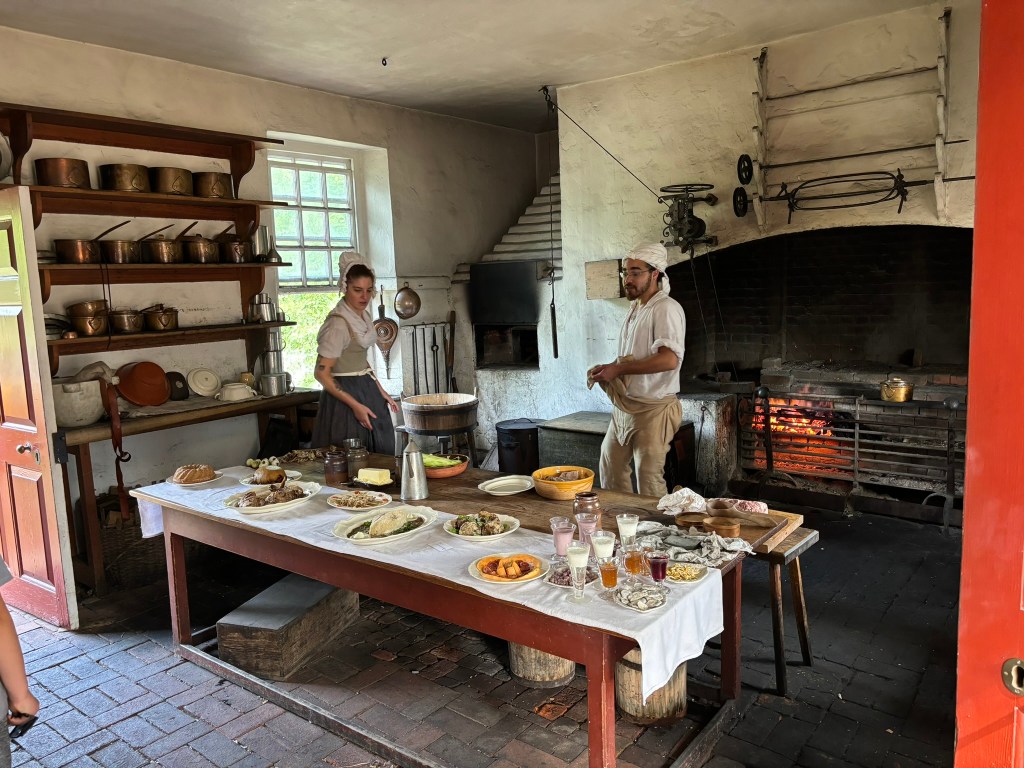
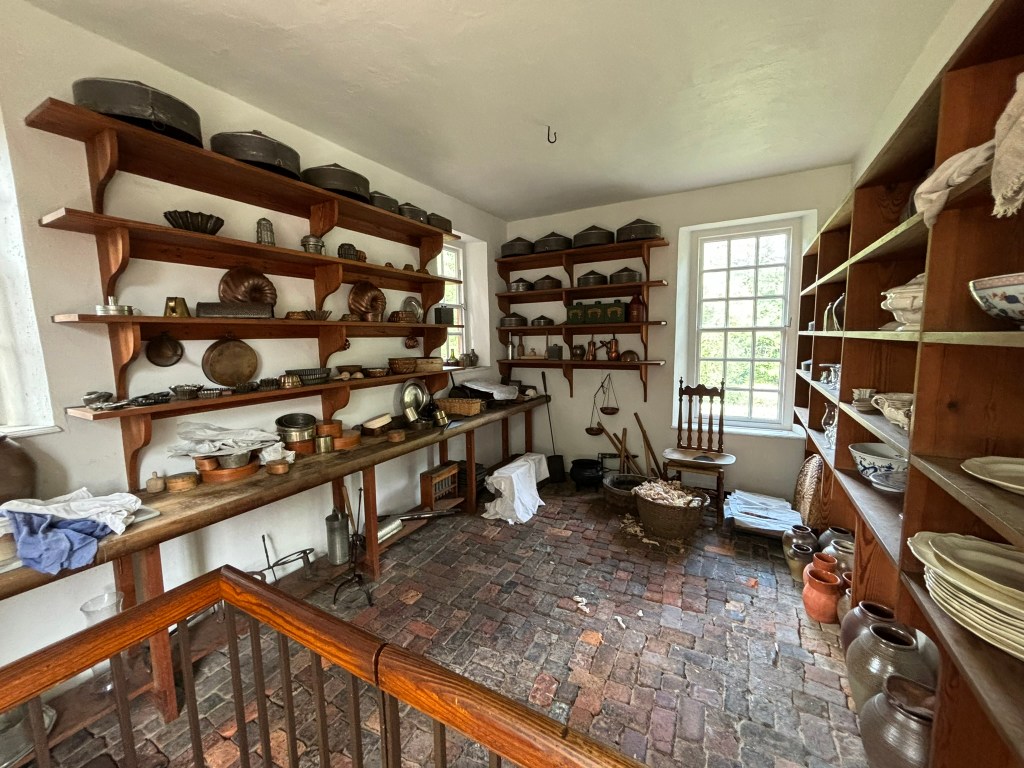
The tour of the palace focused primarily on the last royal governor of Virginia, Lord Dunmore and his final days at the palace. The entrance of the palace is decorated with hundreds of swords and firearms, perhaps to intimidate visitors. The tour guide did an excellent job taking the group into each of the rooms and thoroughly explaining the purpose of the rooms, as well as the history behind the building. We learned that Lord Dunmore, in the days leading up to the American Revolution, was forced to flee the building, never to return. The pictures below give you a sense of the opulence that was felt by the royal governors and any visitors that they allowed into the building.








Strolling Through Colonial Williamsburg
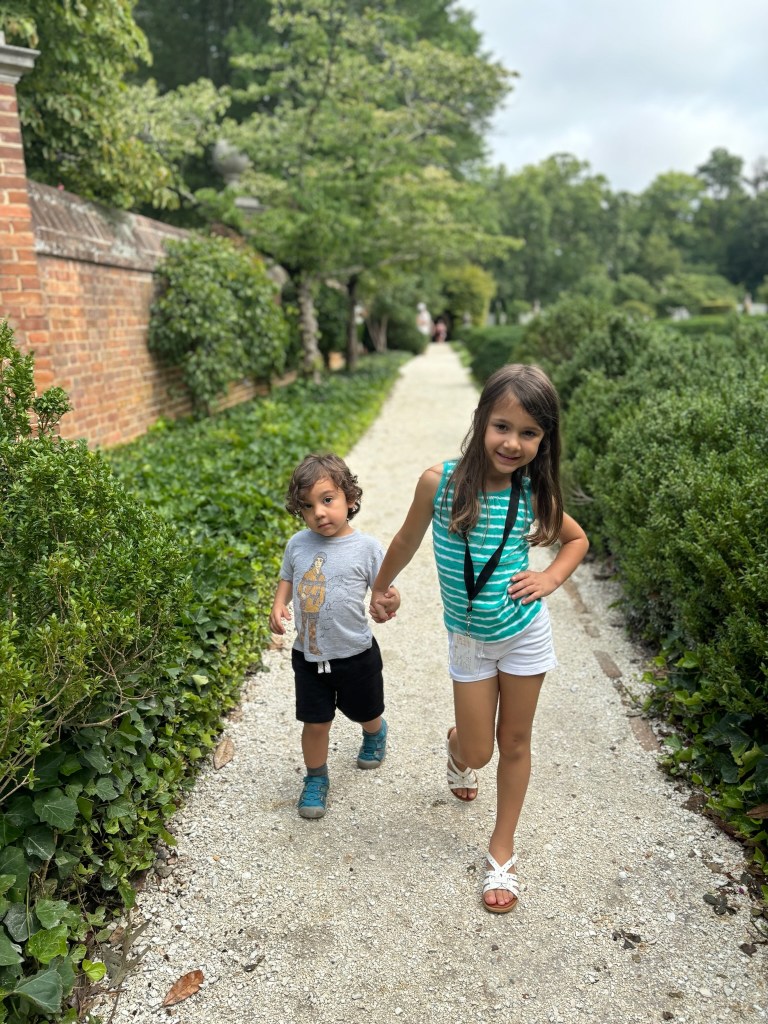
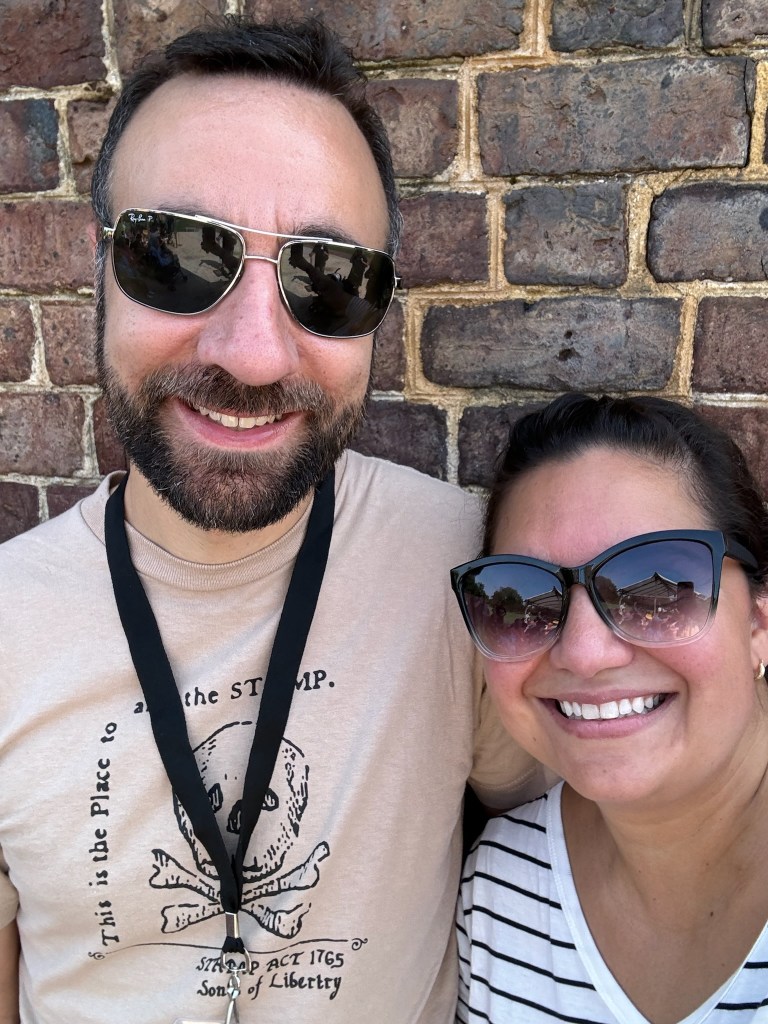
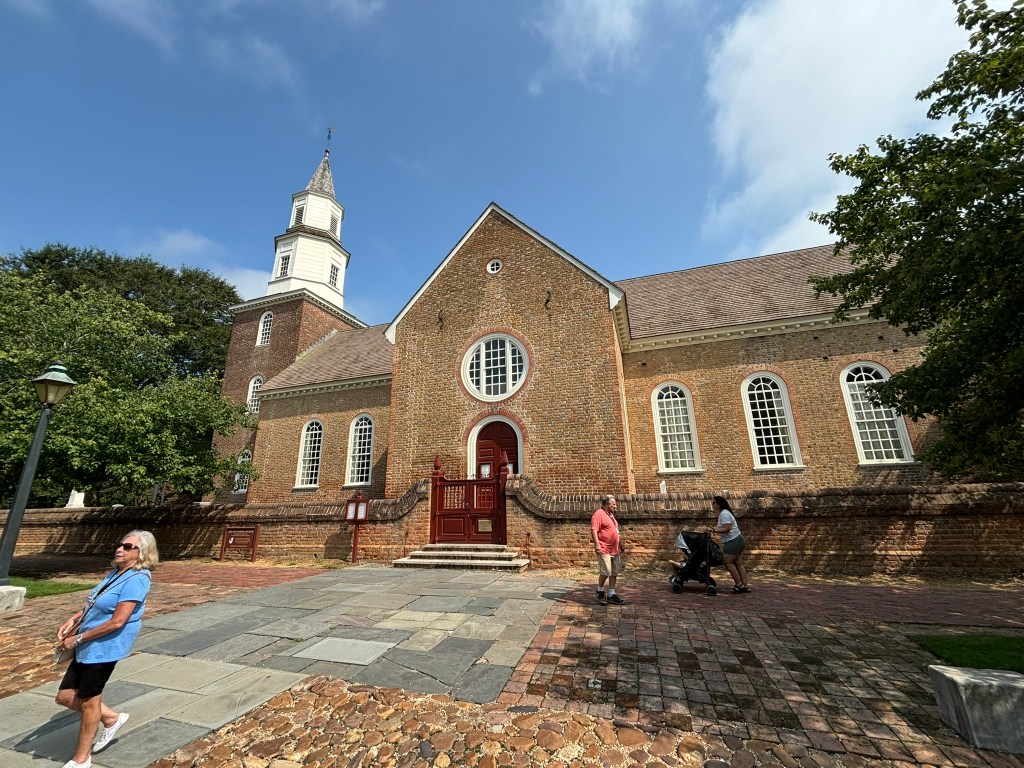
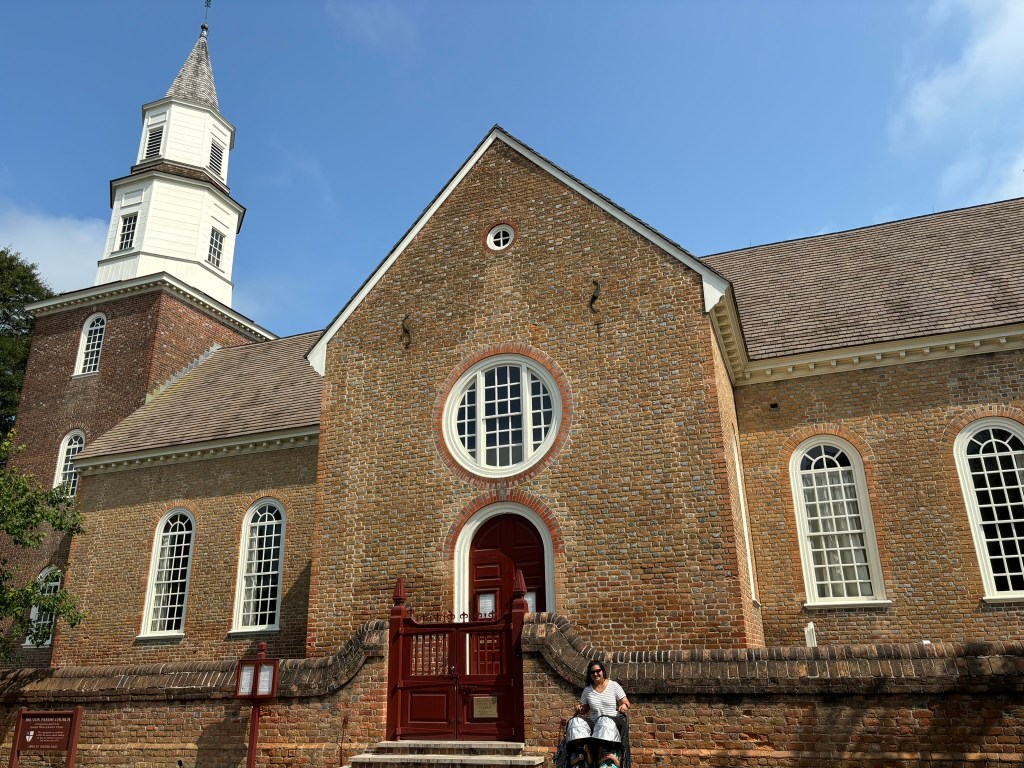
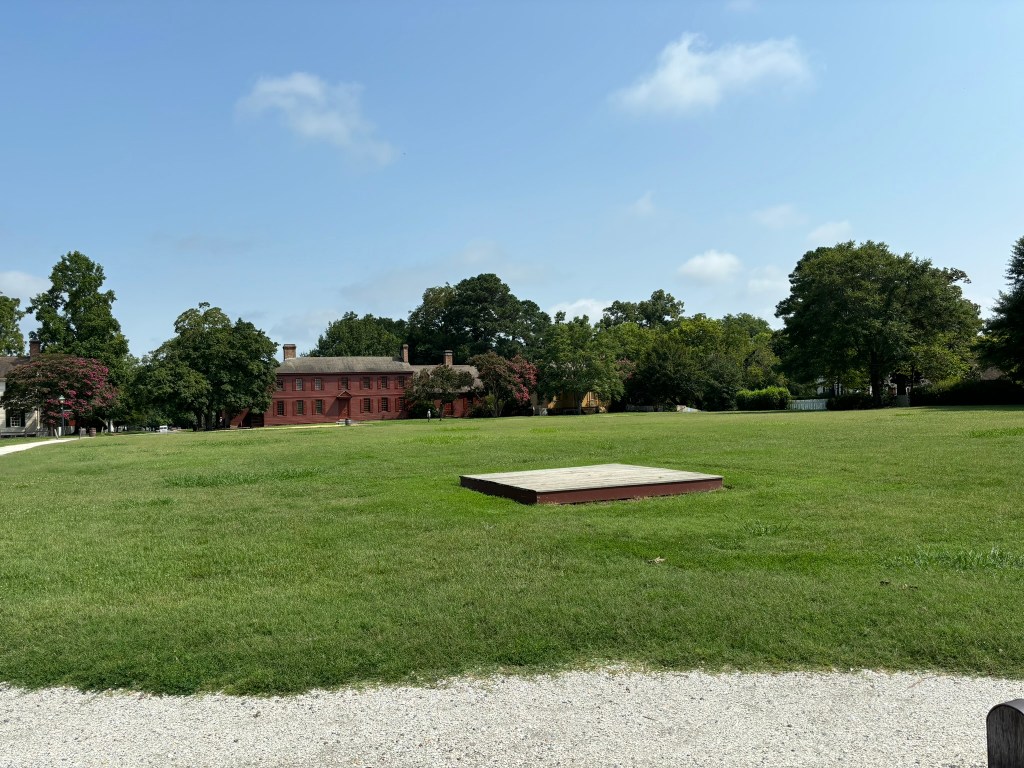
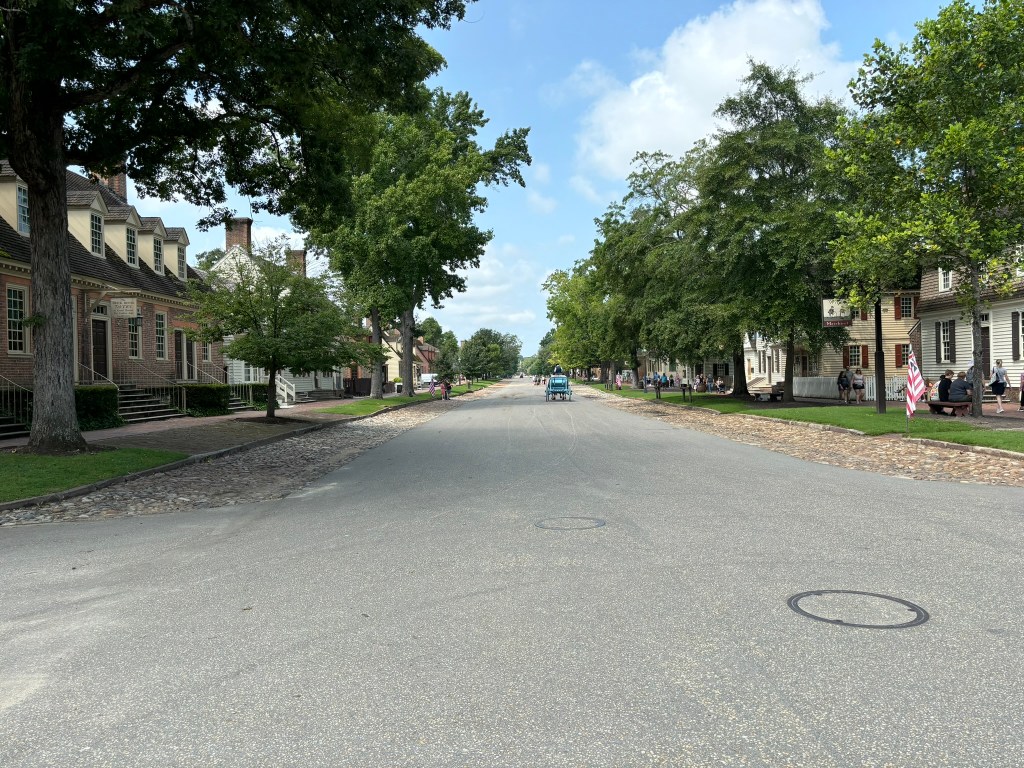
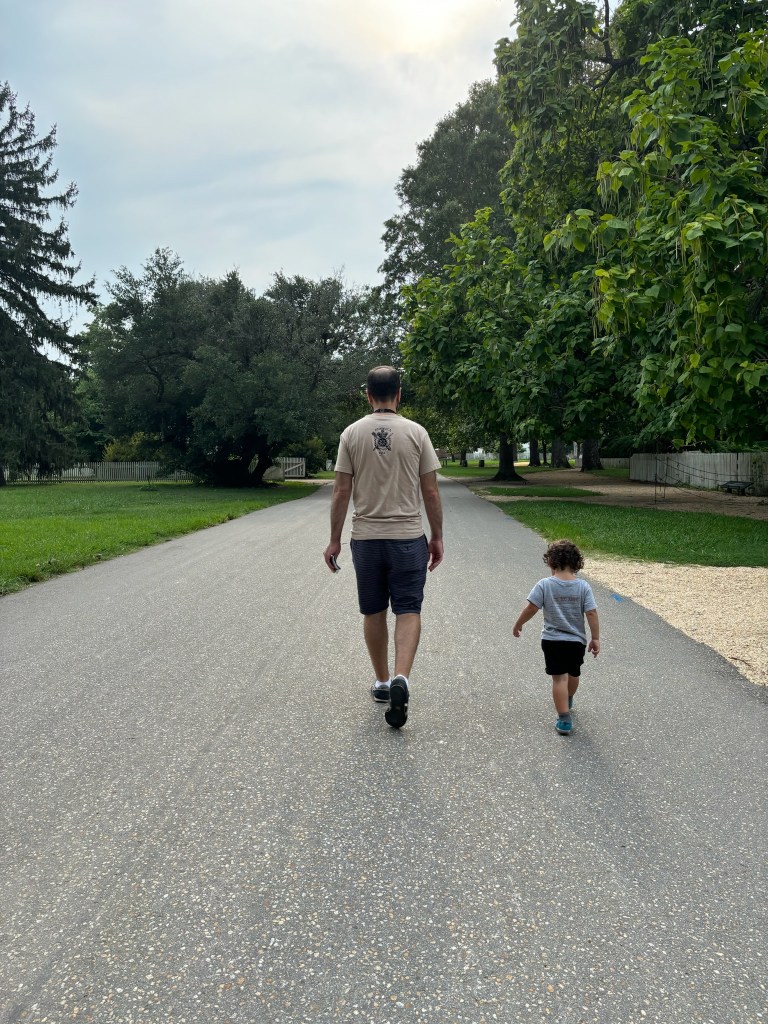
After we left the Governor’s Palace we strolled south along the Palace Green, past the George Wythe House and onto Duke of Gloucester Street. We headed east along the street, stopping in houses and shops along the way.

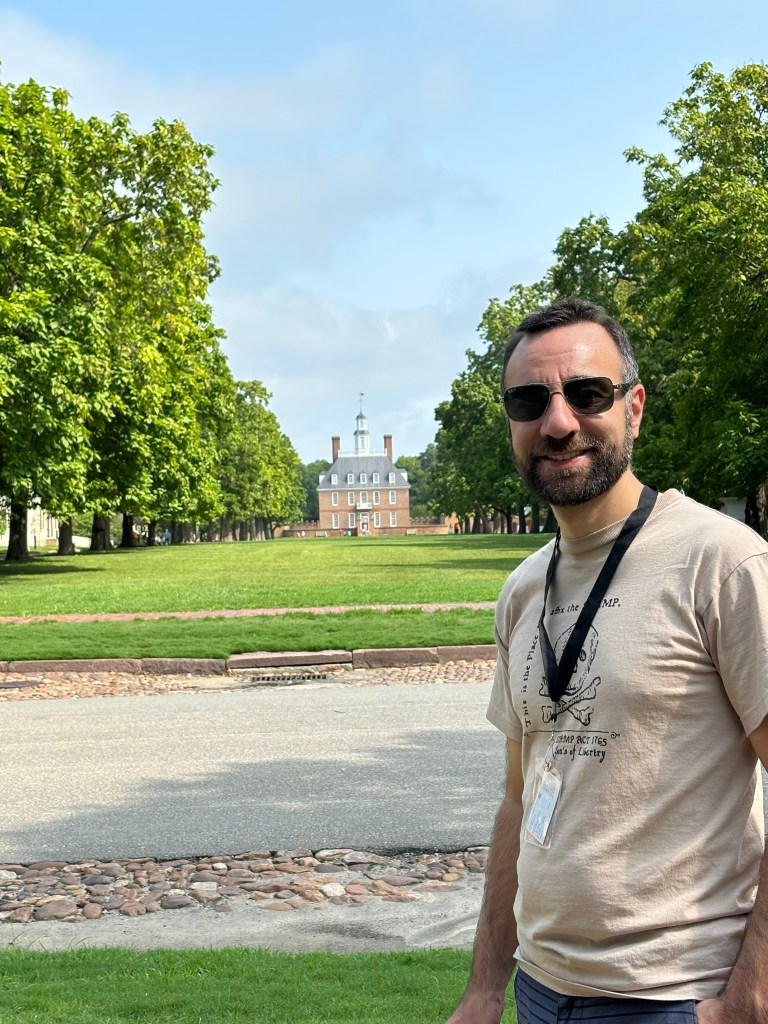
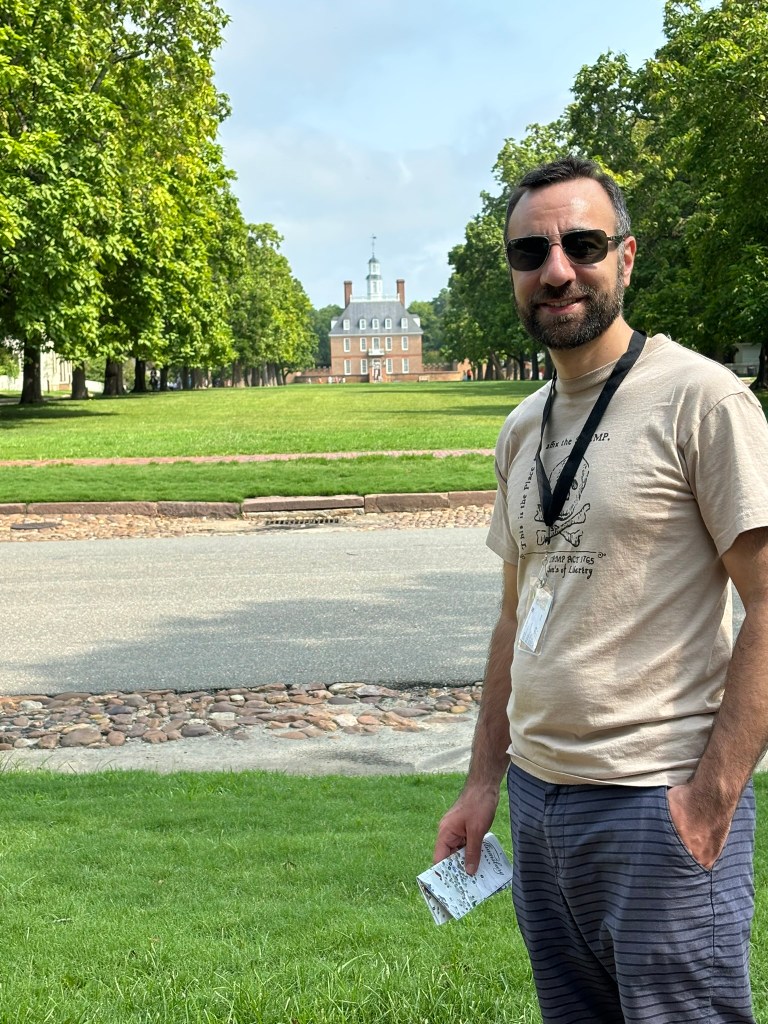
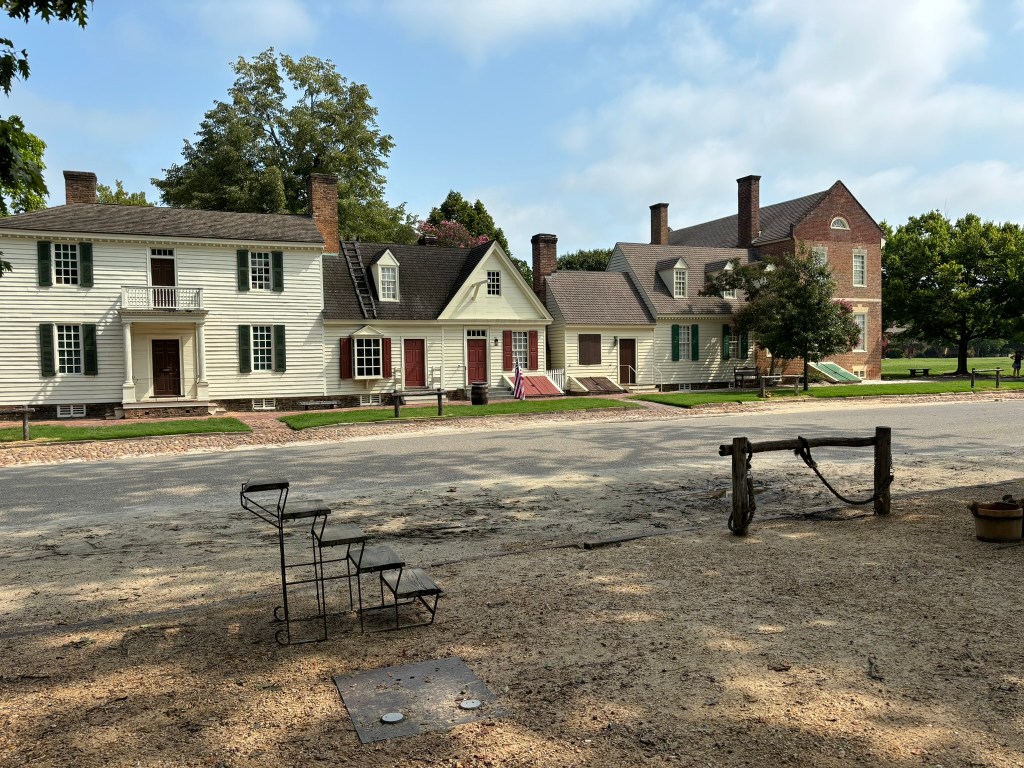
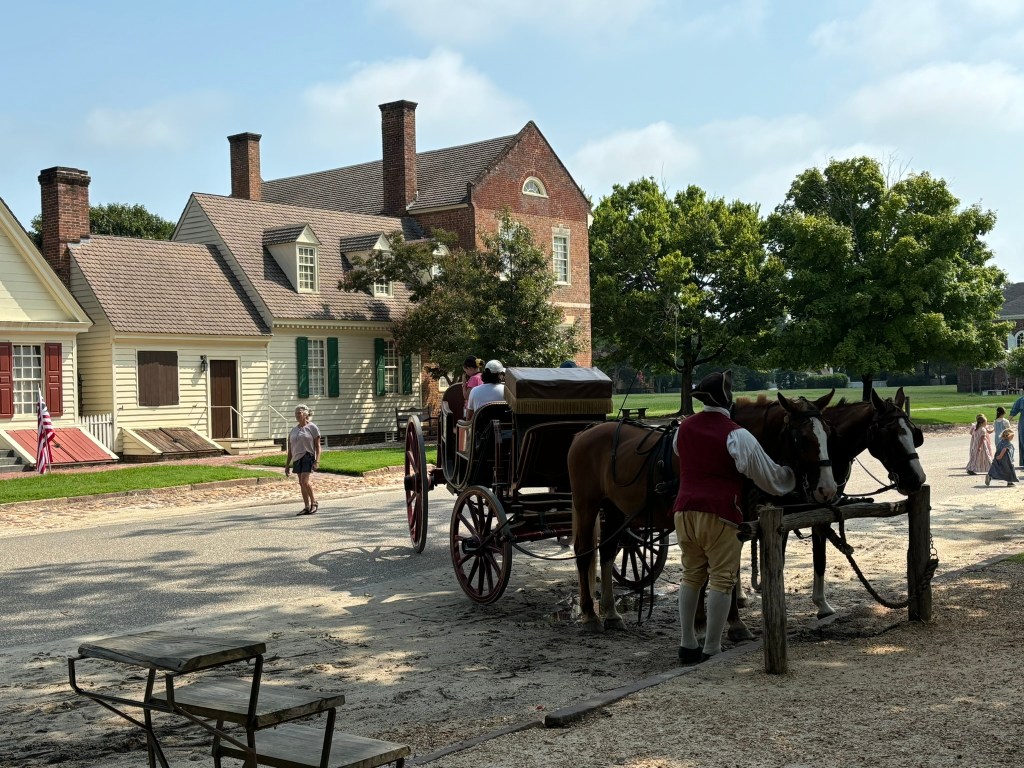



County Courthouse
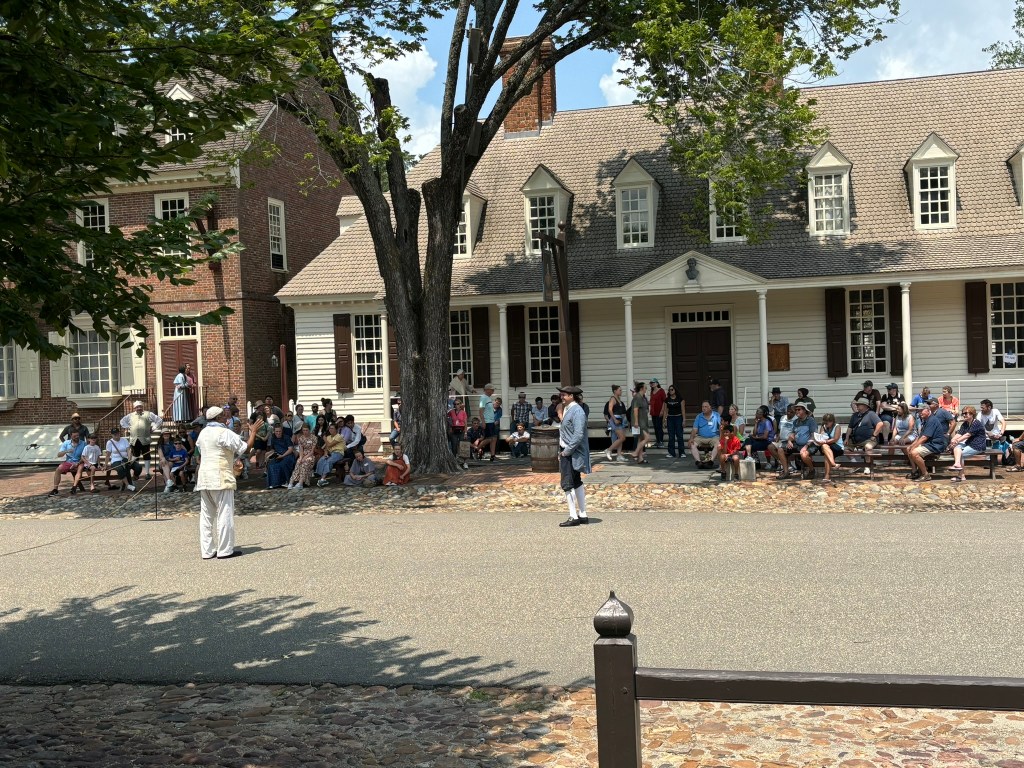
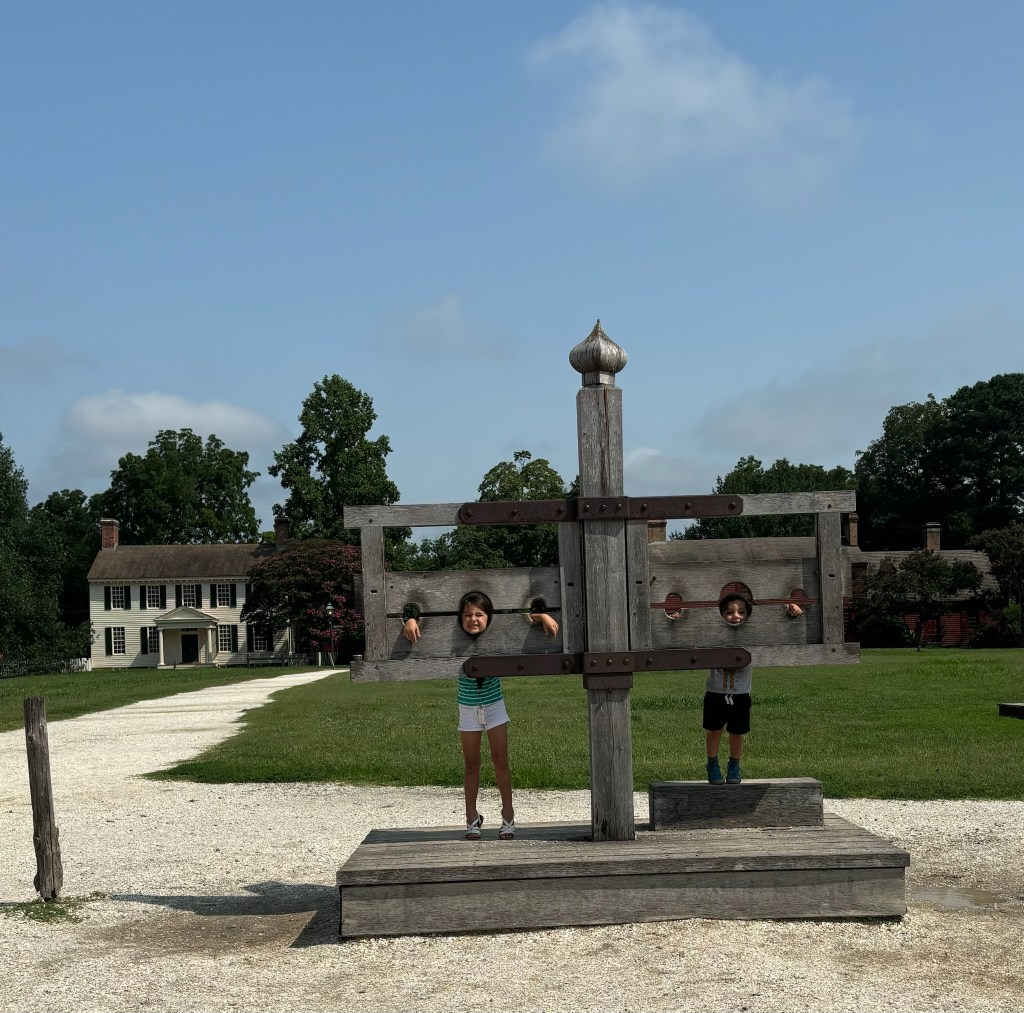
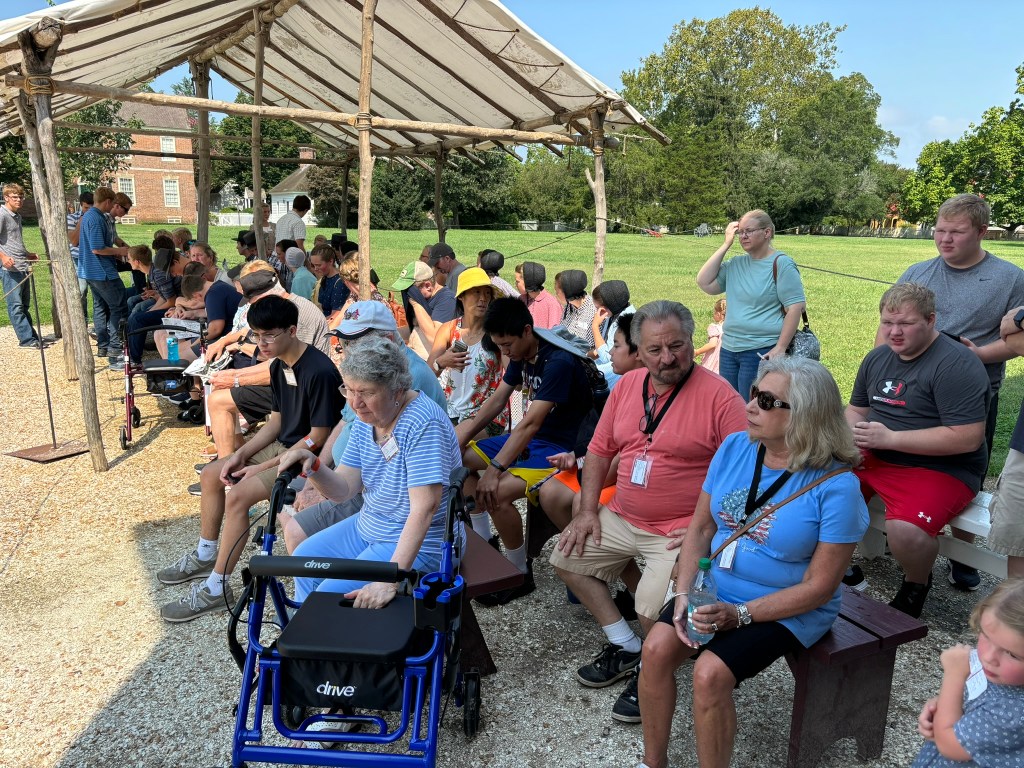
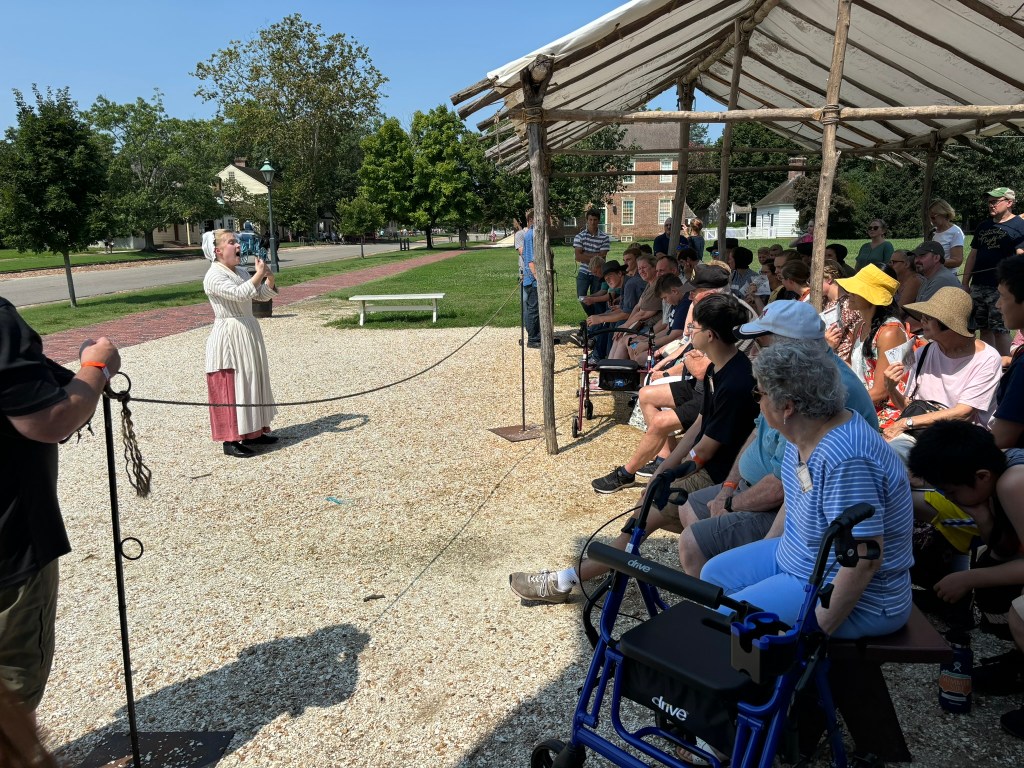
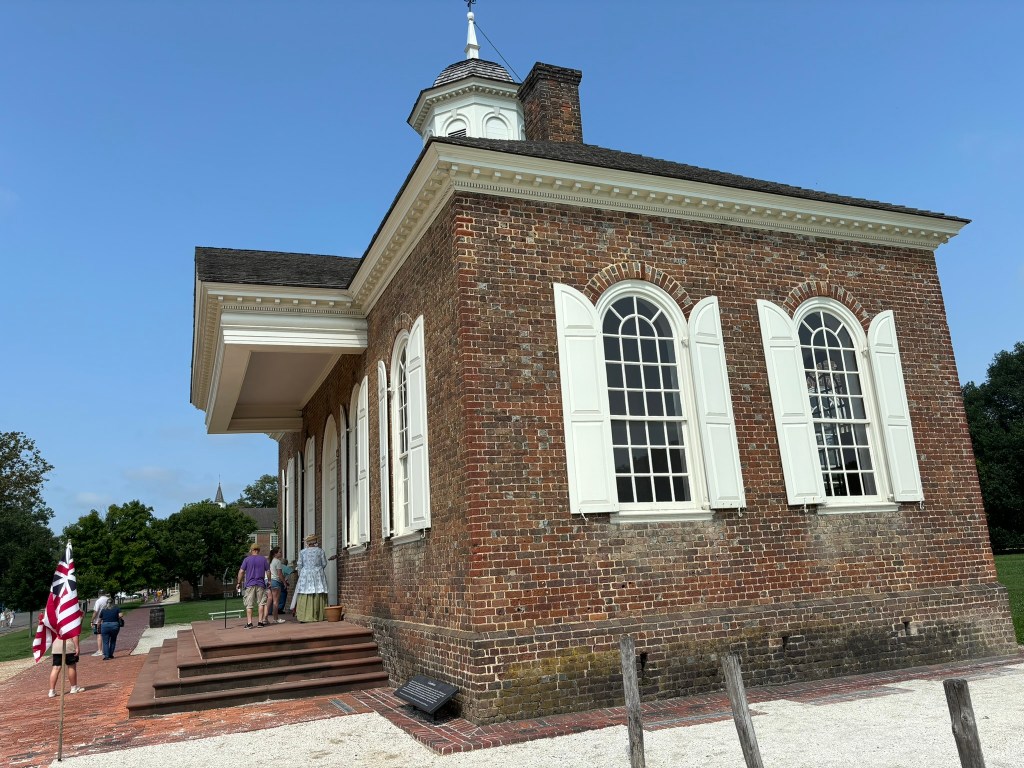
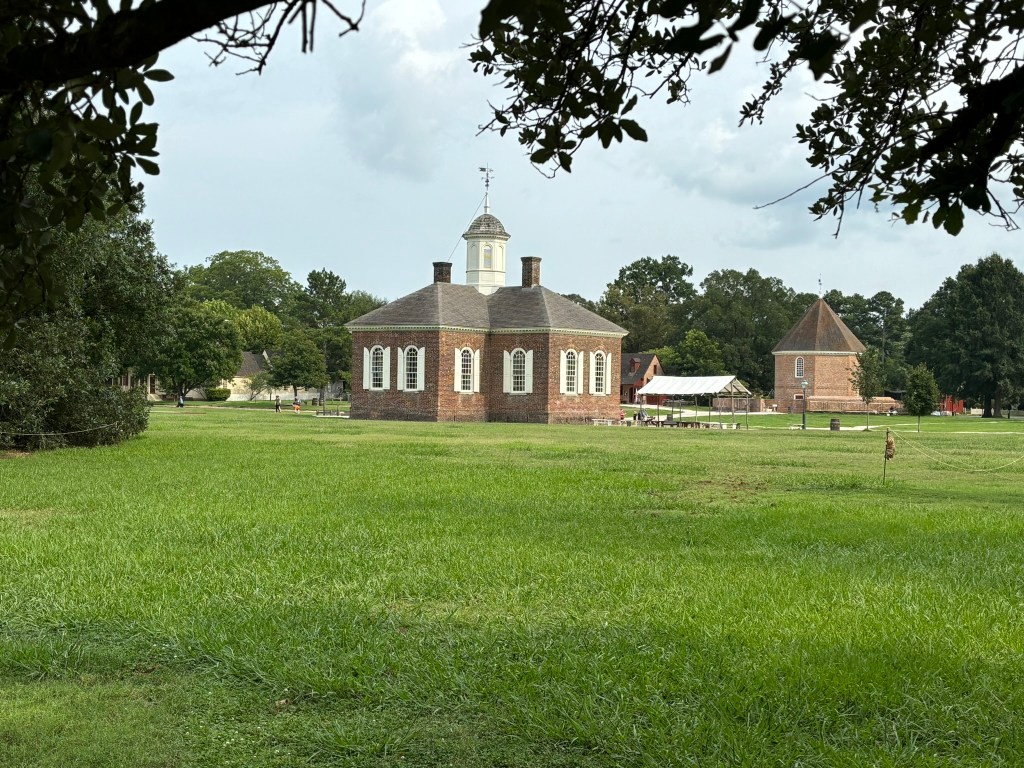
We made a stop at the County Courthouse. A program was scheduled for 11AM which we were interested in viewing. A mock trial was going to take place in the Court House and volunteers would take part in the court drama. However, when we found out that the case would take 40 mins, we decided to move on since we had limited time. We decided to keep moving down Duke of Gloucester Street.

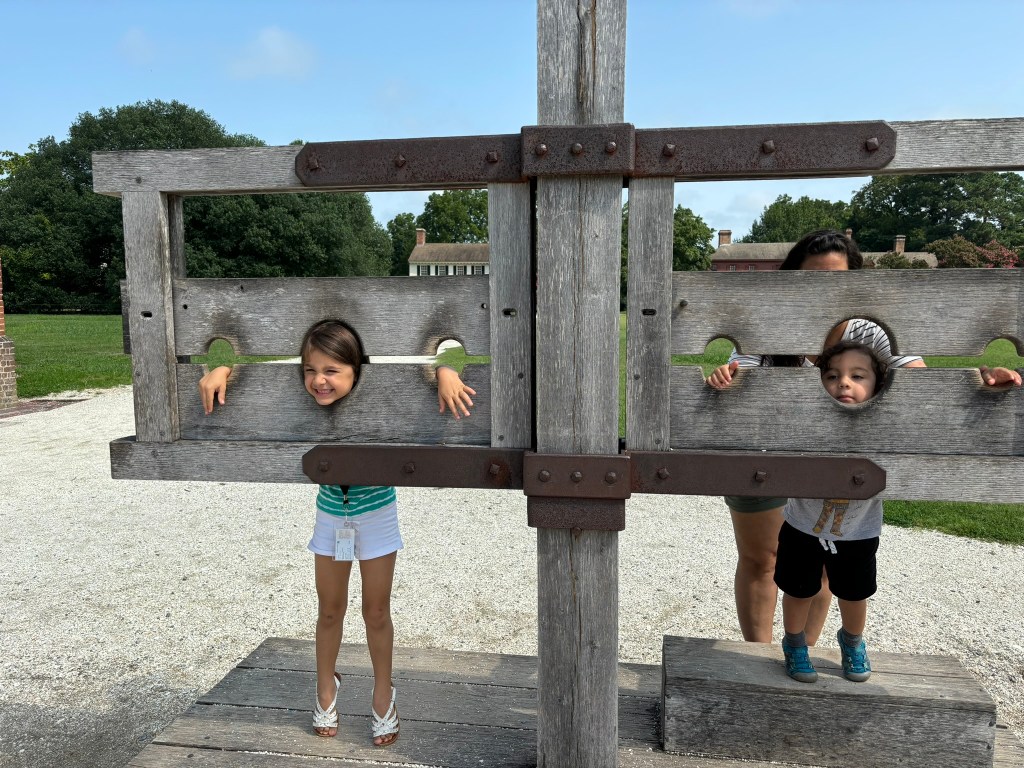
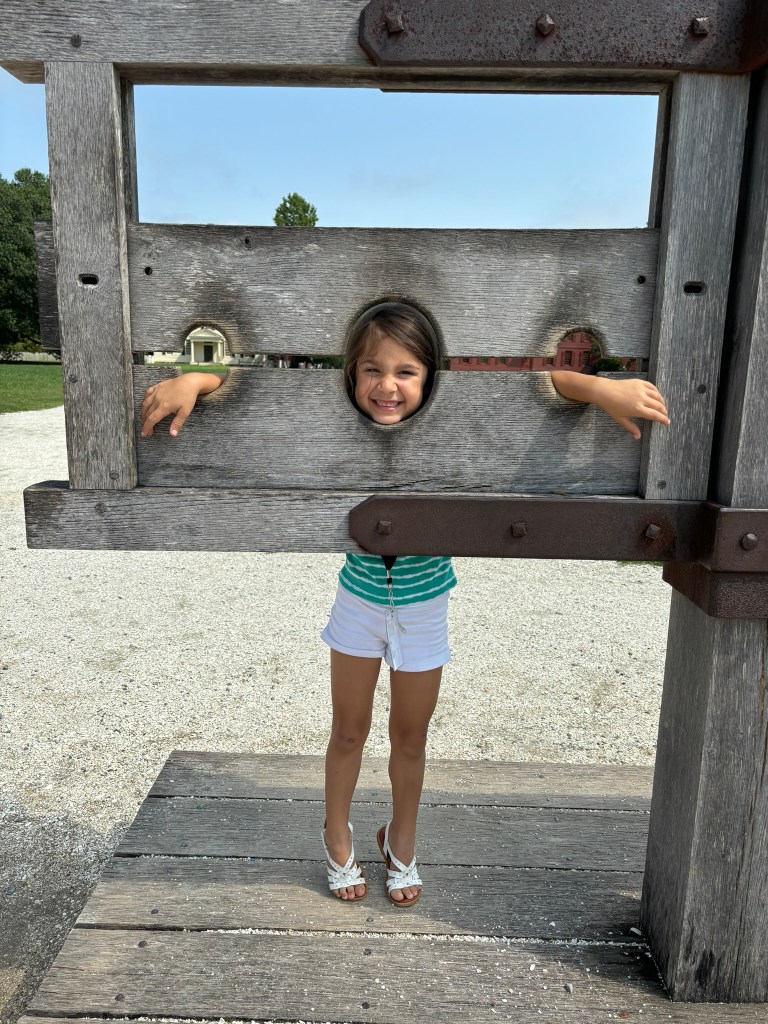
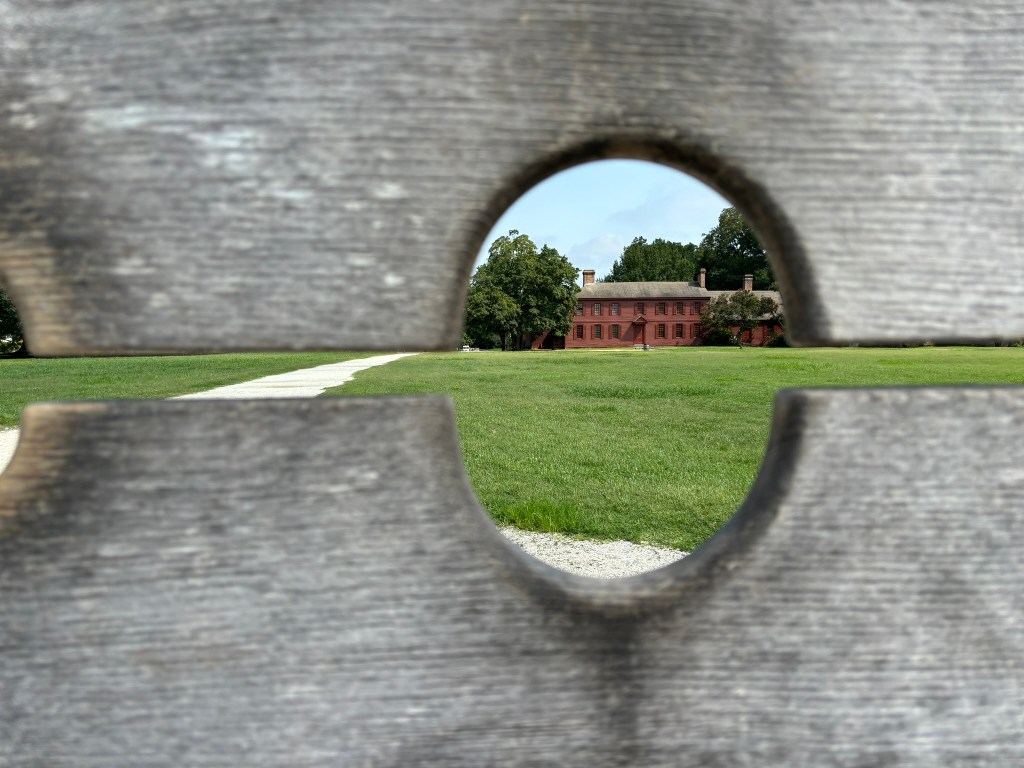

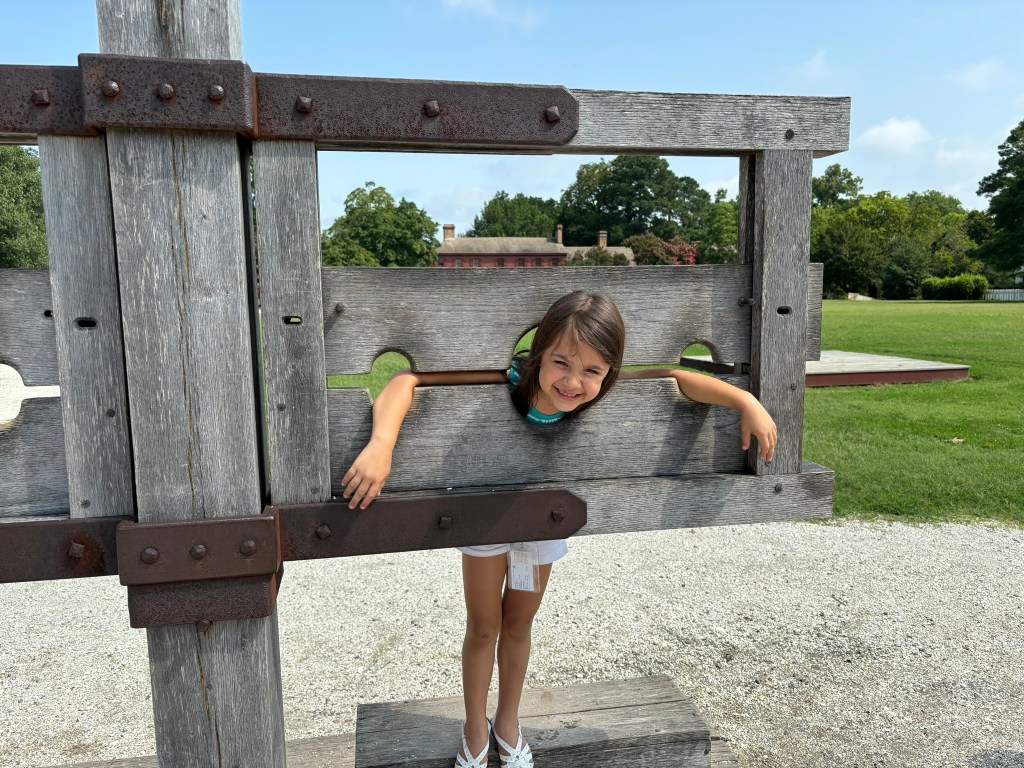

King’s Arms Tavern
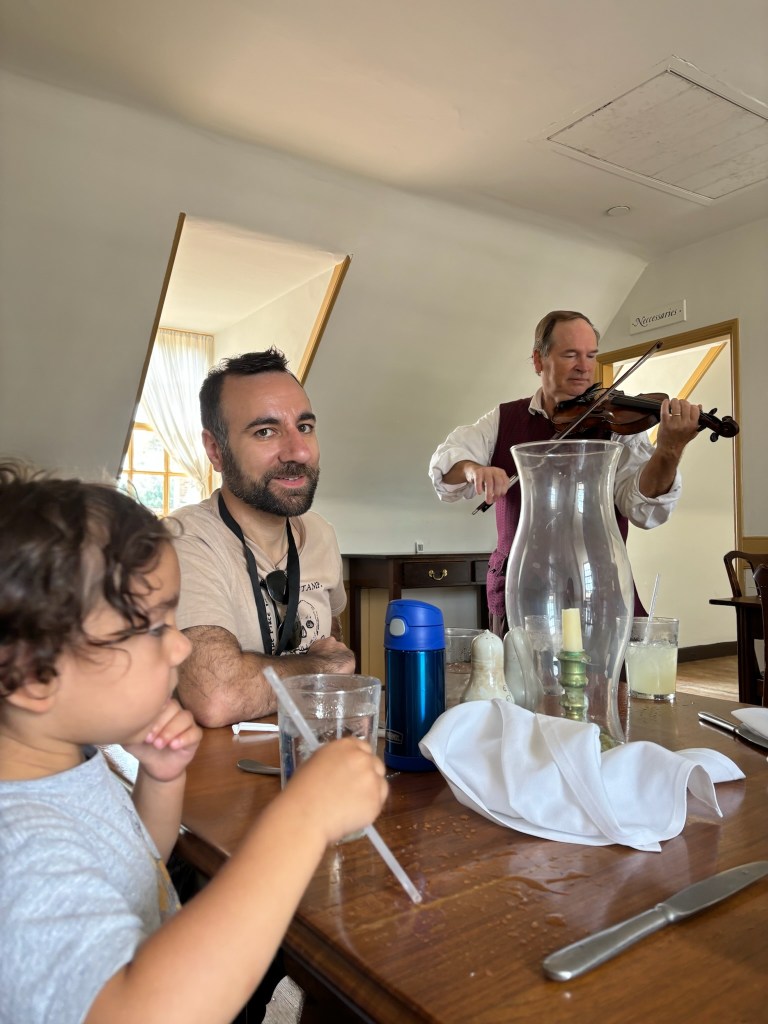
After visiting more houses and shops, we stopped for lunch at King’s Arms Tavern which had really great, colonial style food. We even got serenaded by a violin player!


The Capitol Building
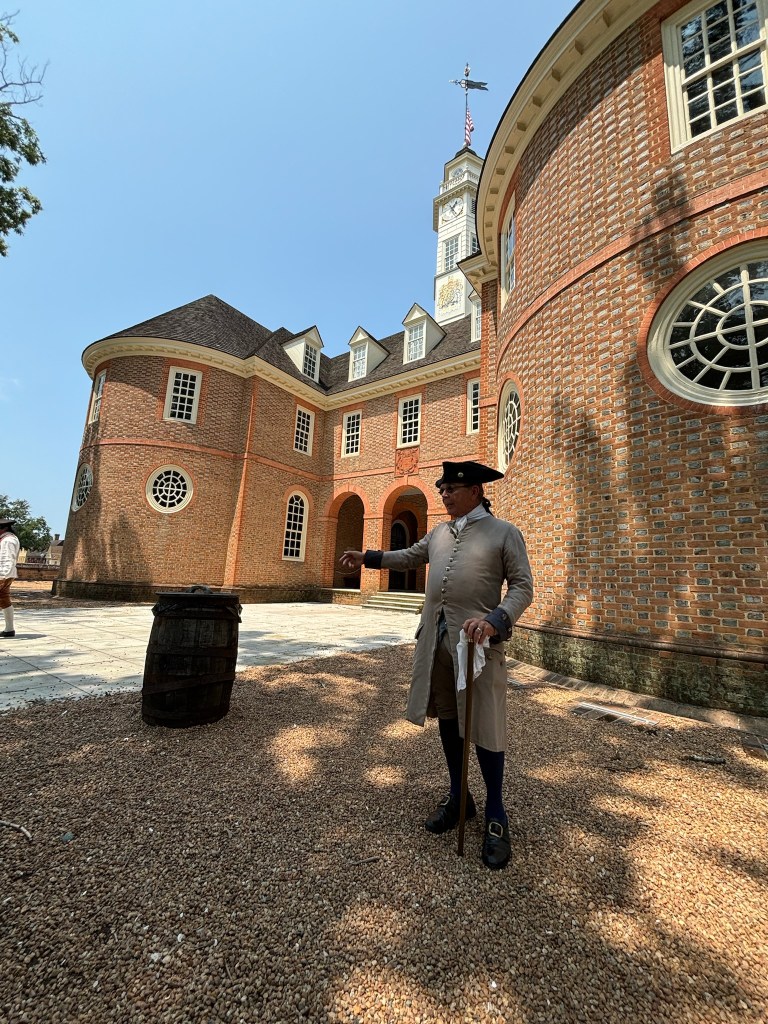
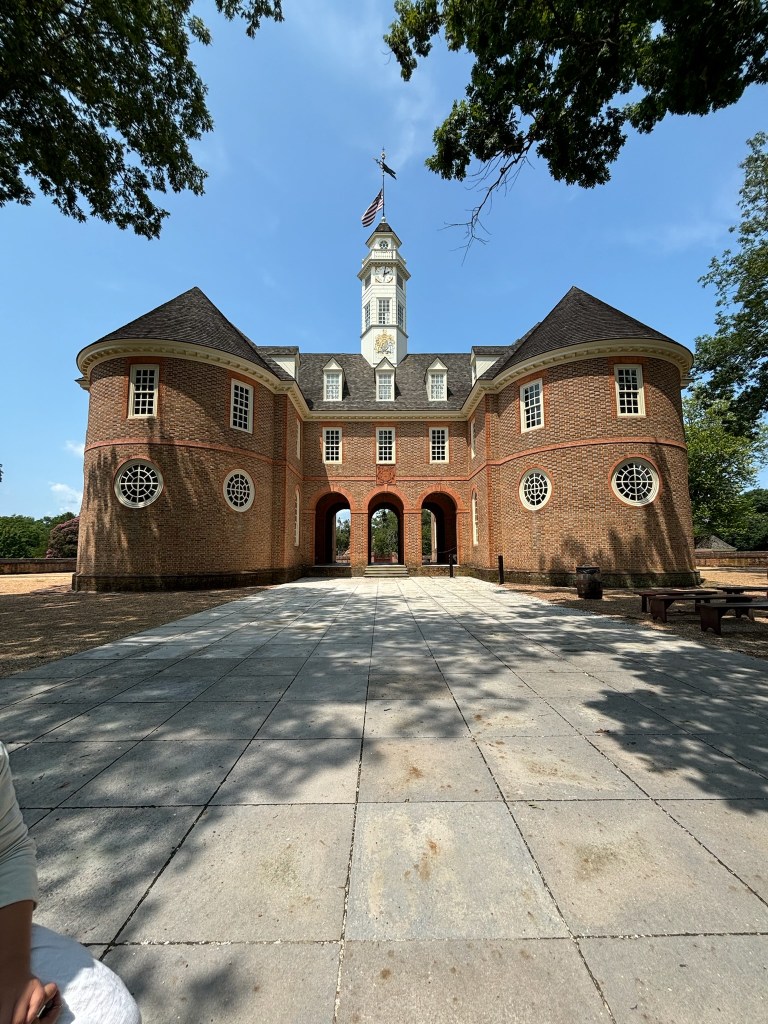
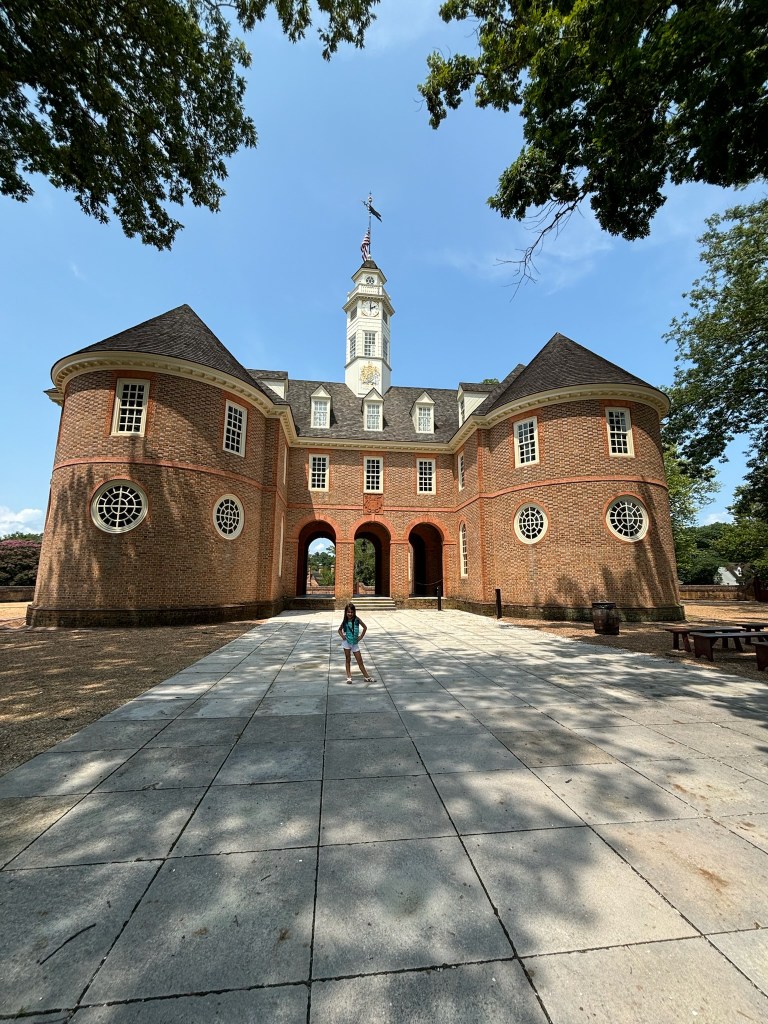
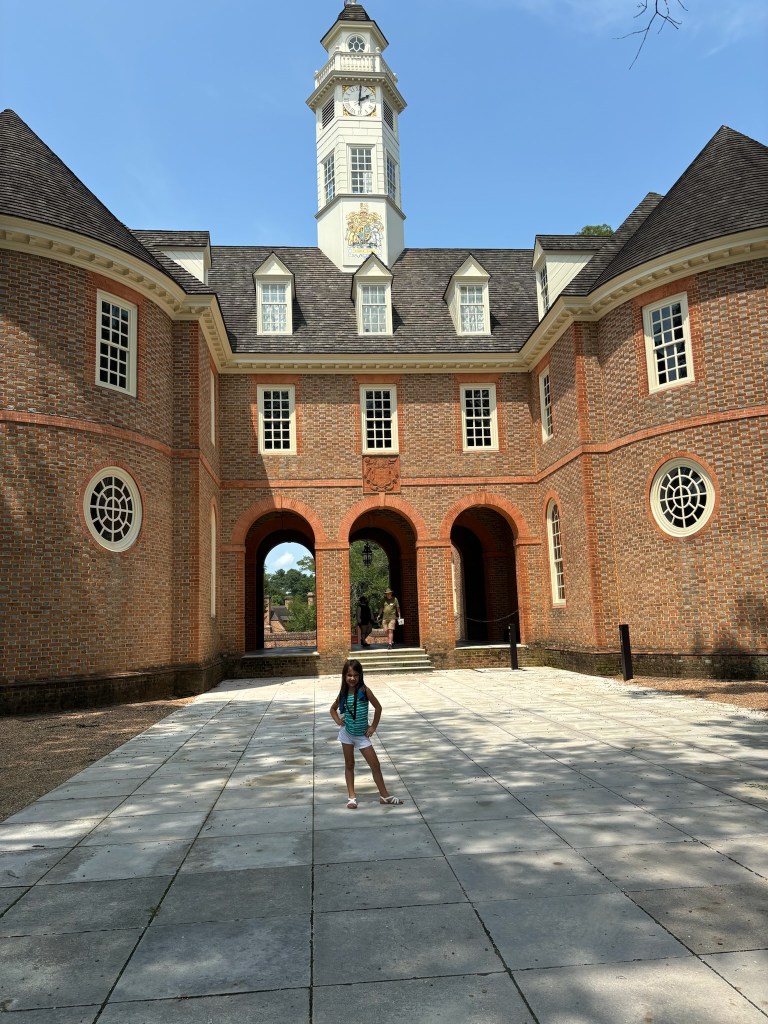
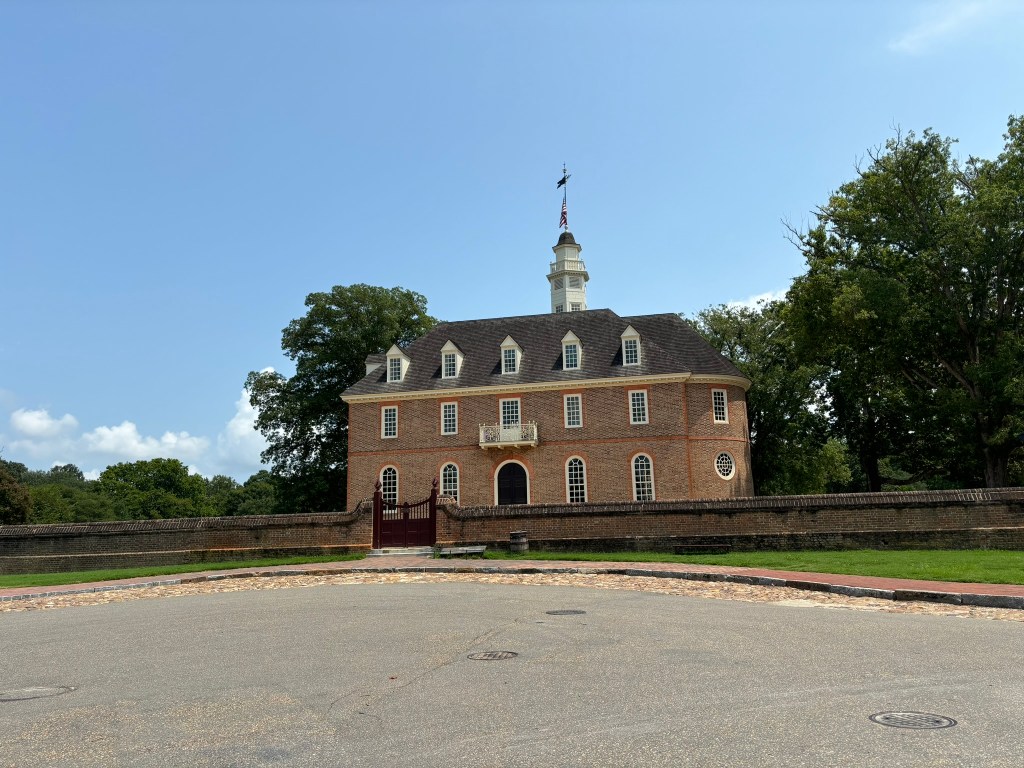
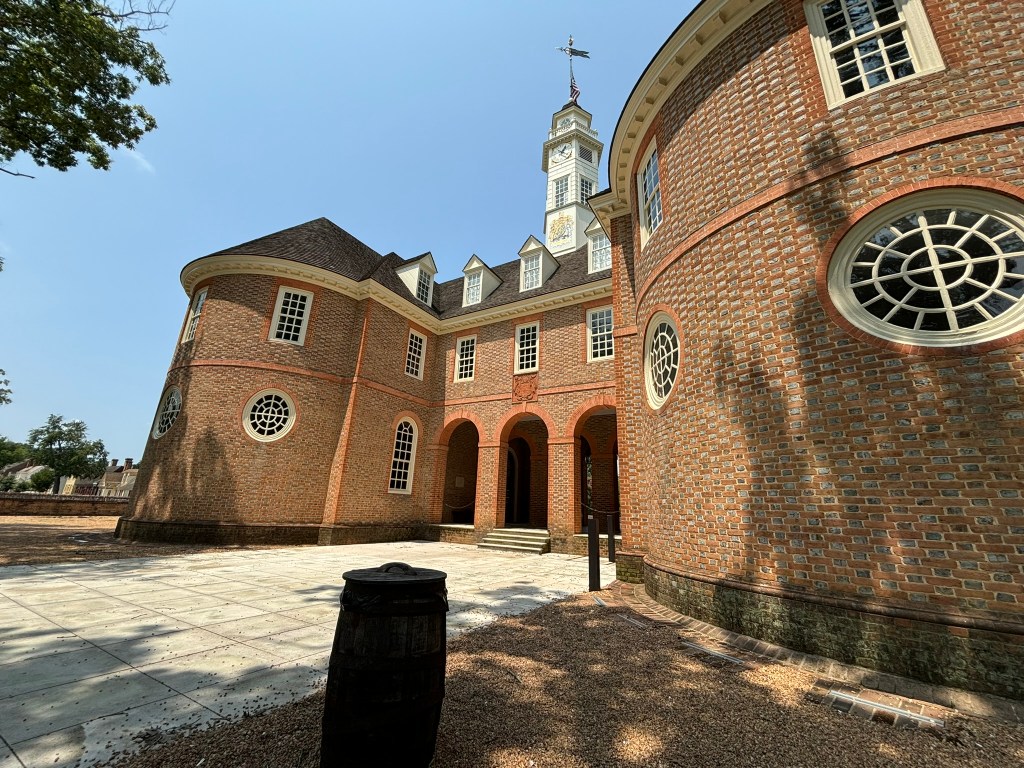
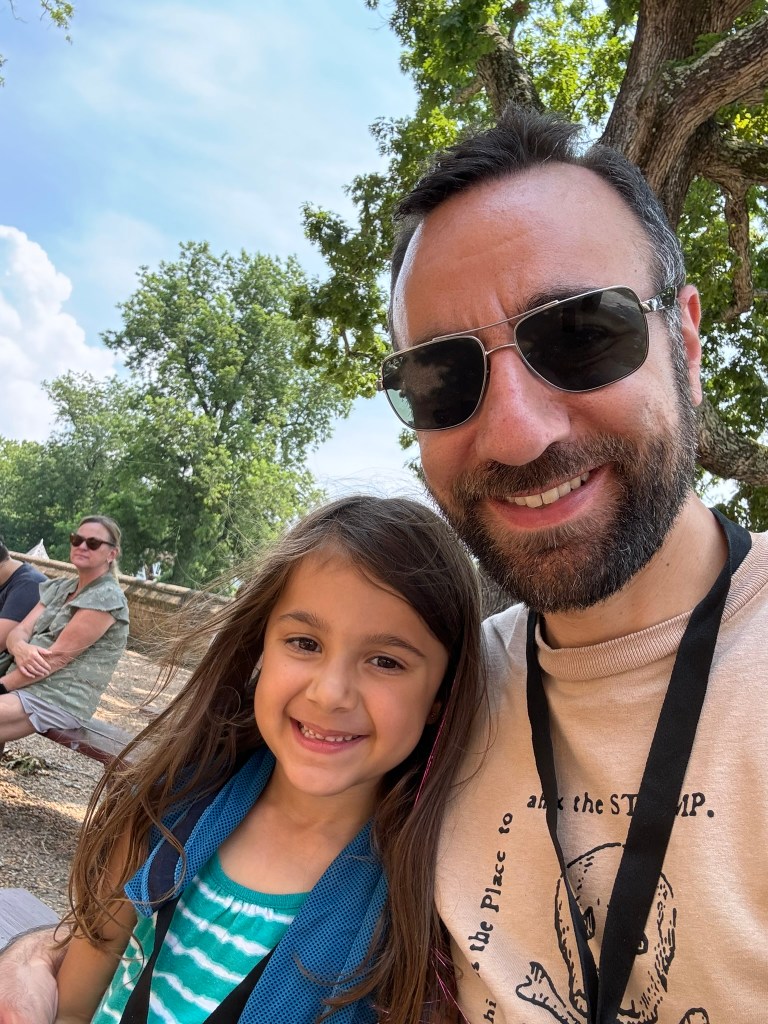
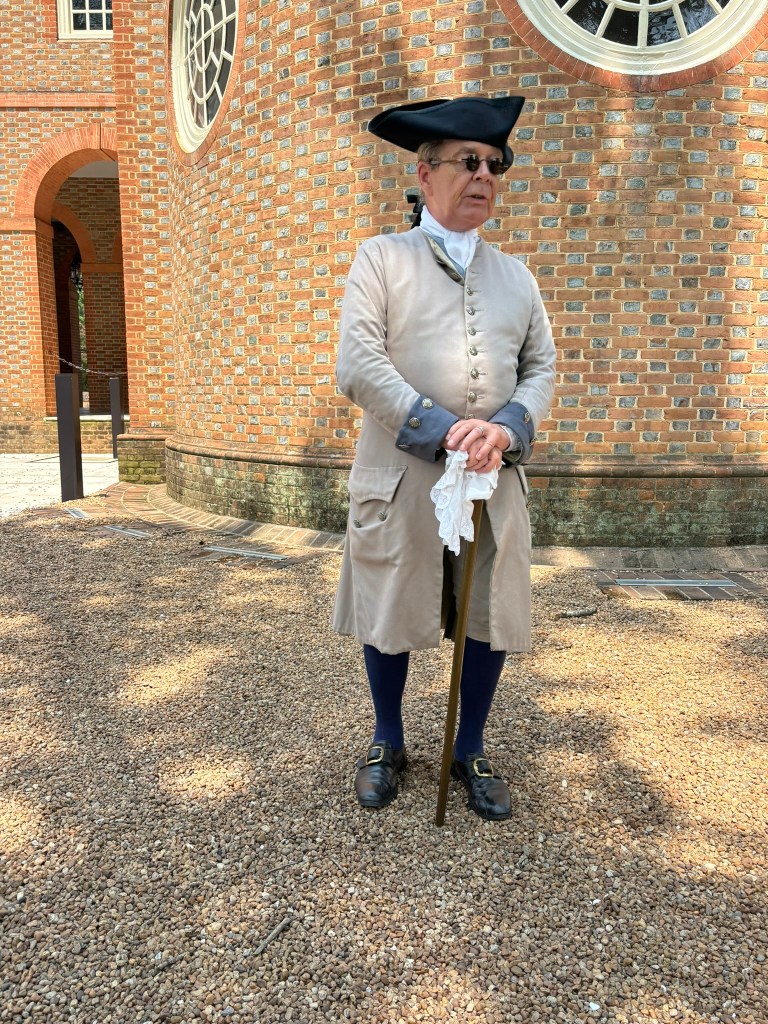
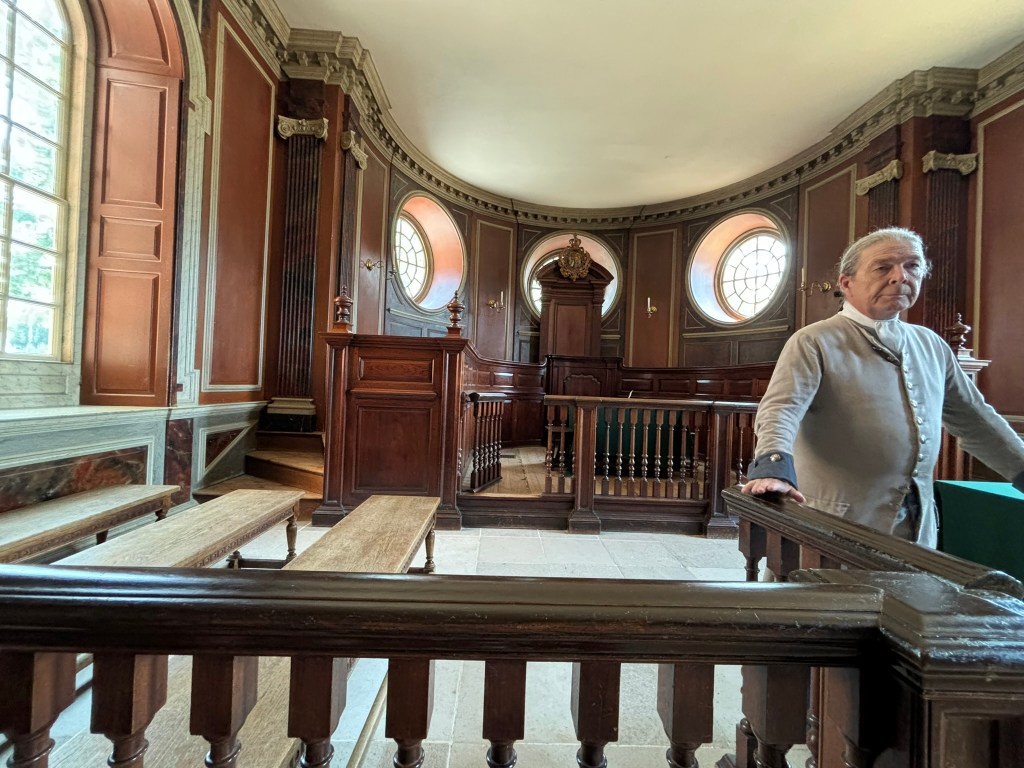
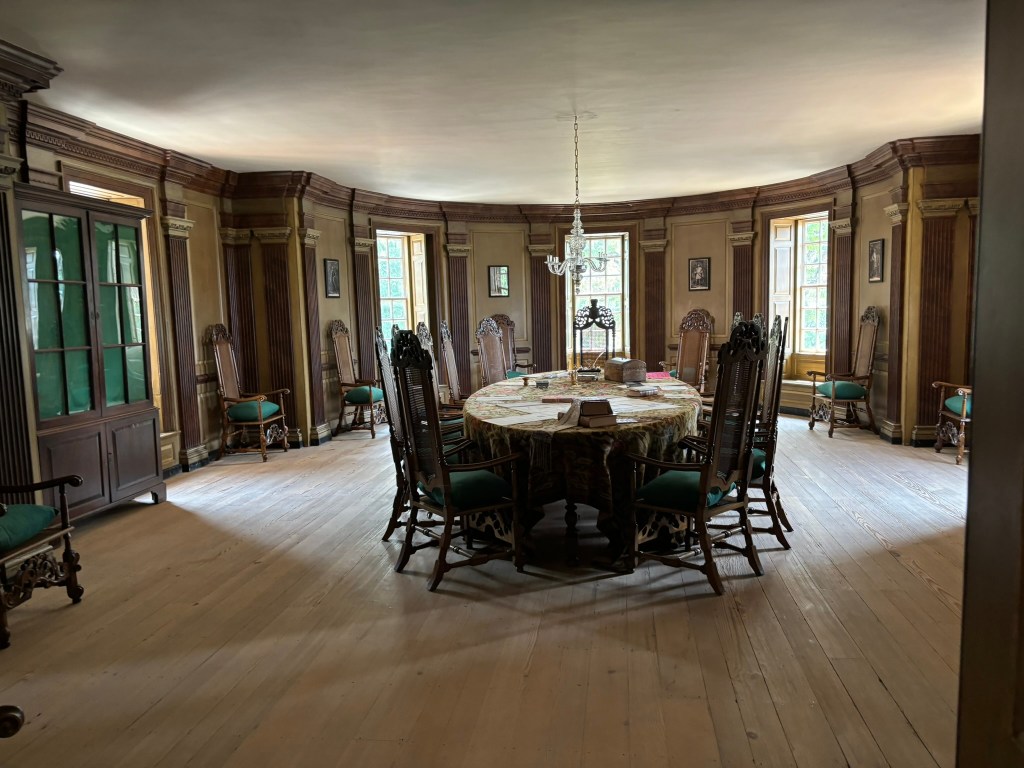
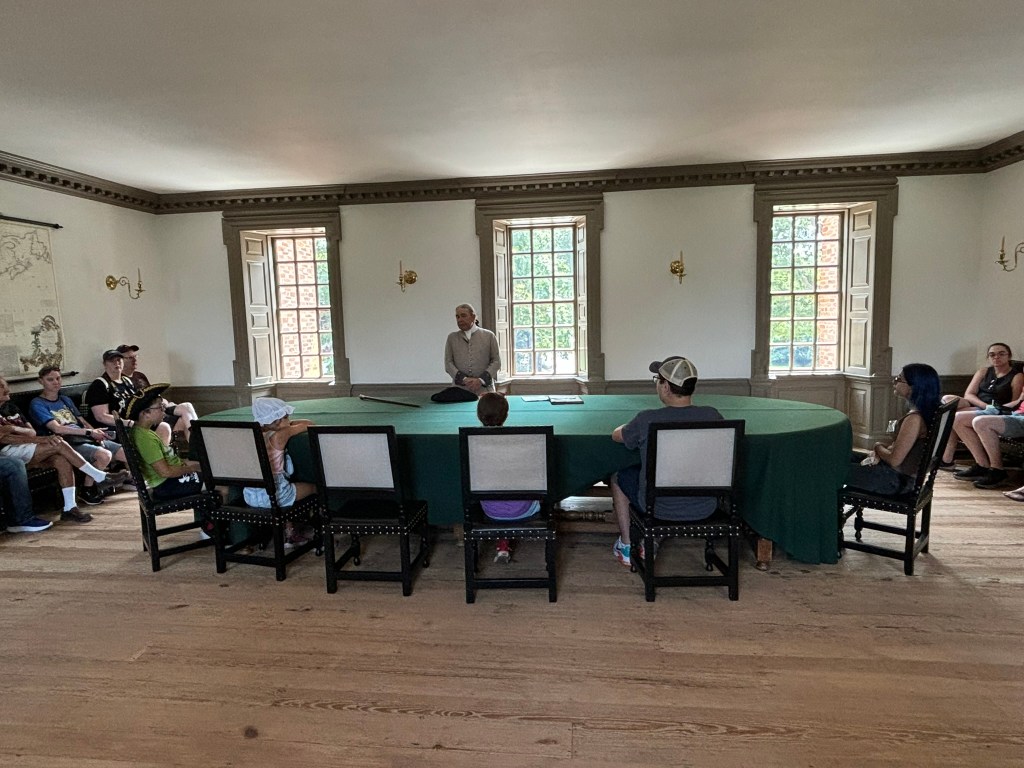
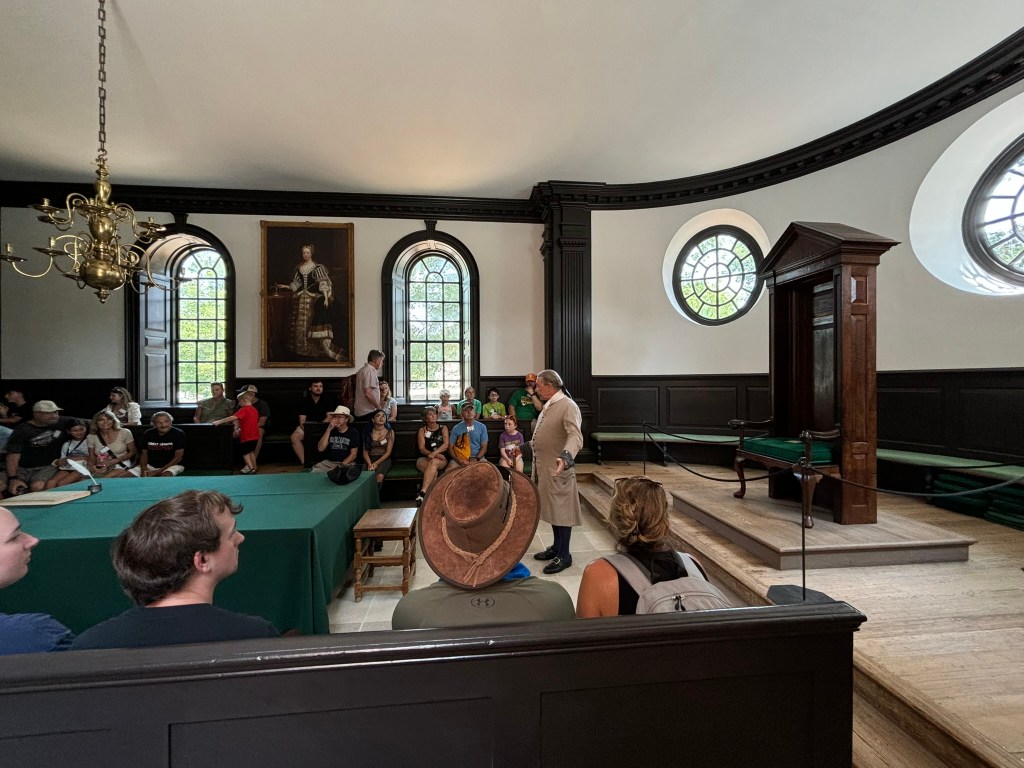
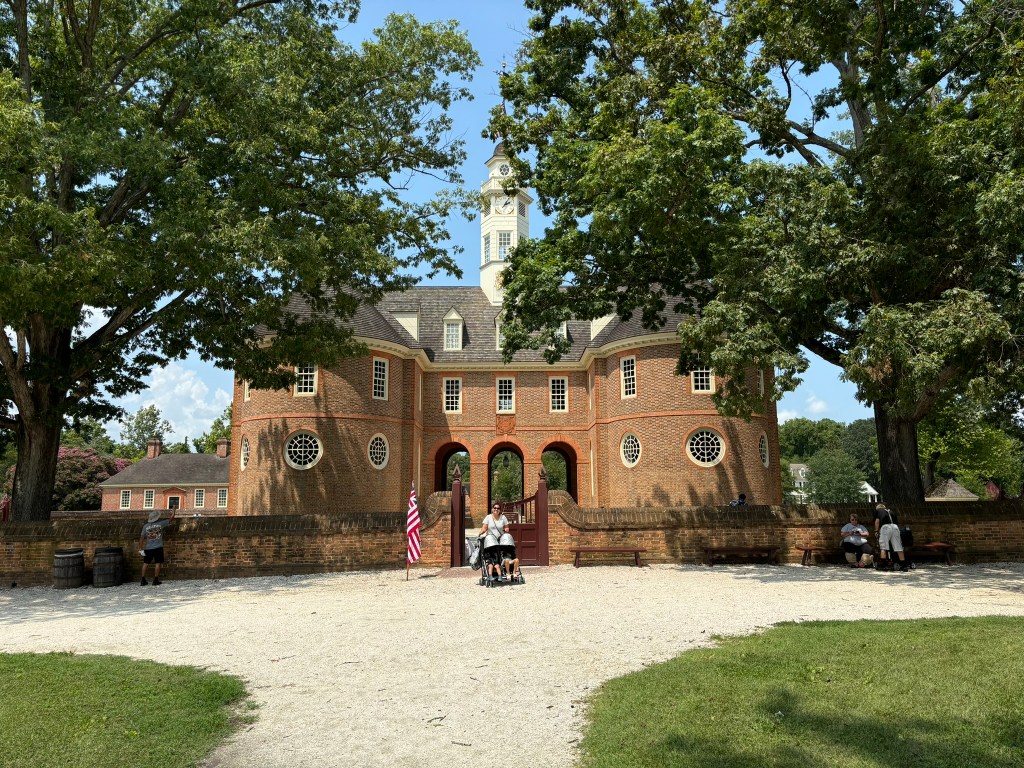
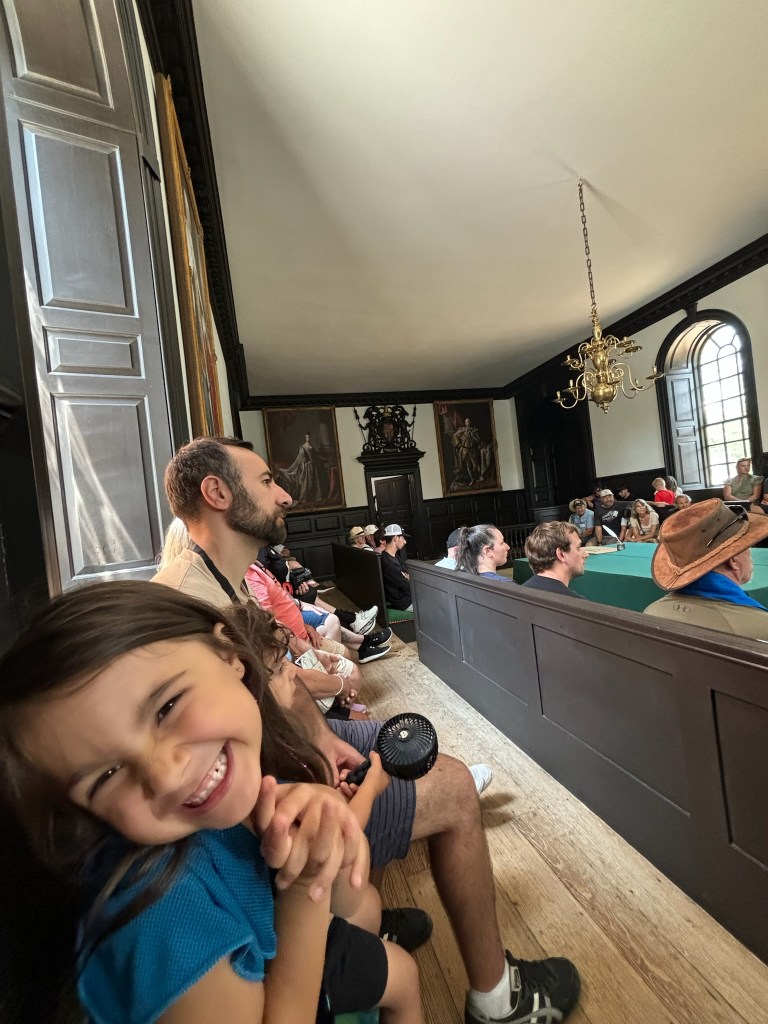
After we ate, we continued heading east until we arrived at the Capitol Building. Our tour guide at the Capitol was great. He explained to us how the building was used by the House of Burgesses. There were also court cases which were tried in the building as well. He thoroughly explained to us how the government operated in the Colonial Virginia, and then the Commonwealth of Virginia after the colonies declared independence in 1776. He explained to us that at the time, only wealthy landowners could vote which consisted of about 15% of the population. He encouraged us, in this election year, to get out and vote.



Gunsmith
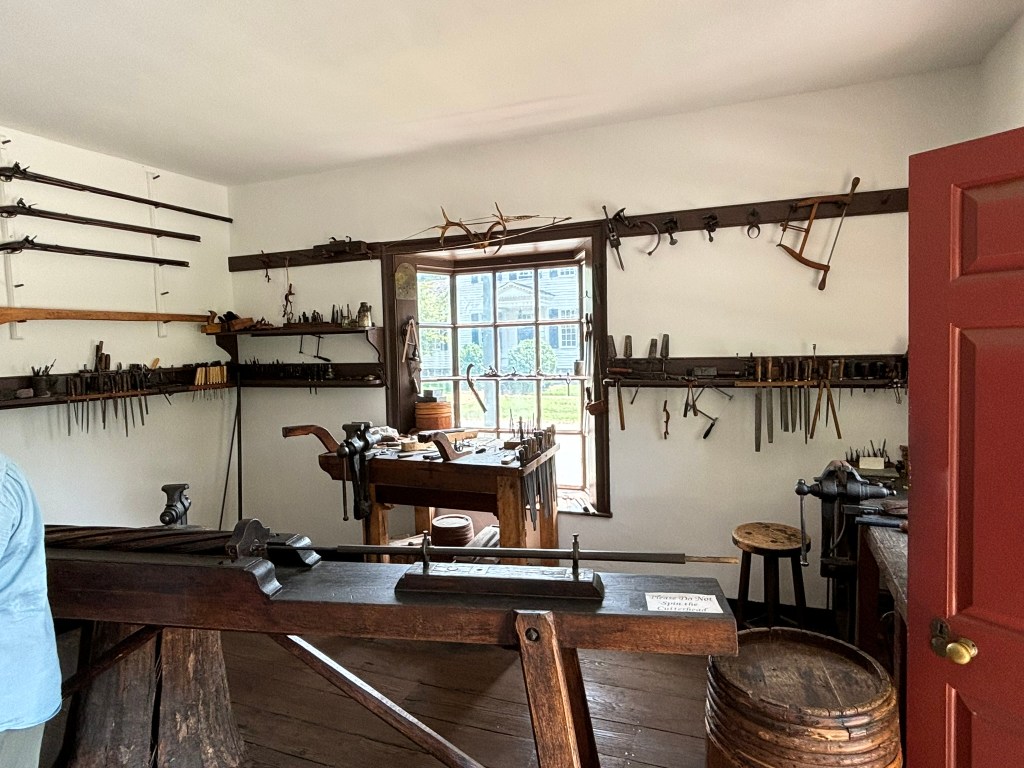
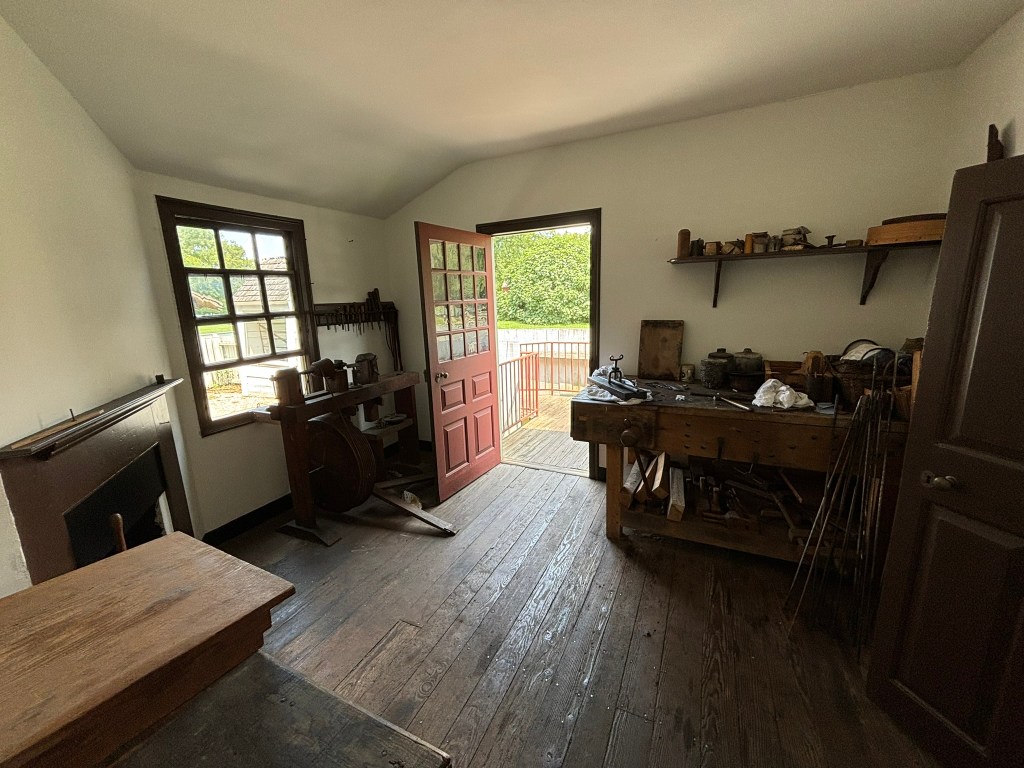
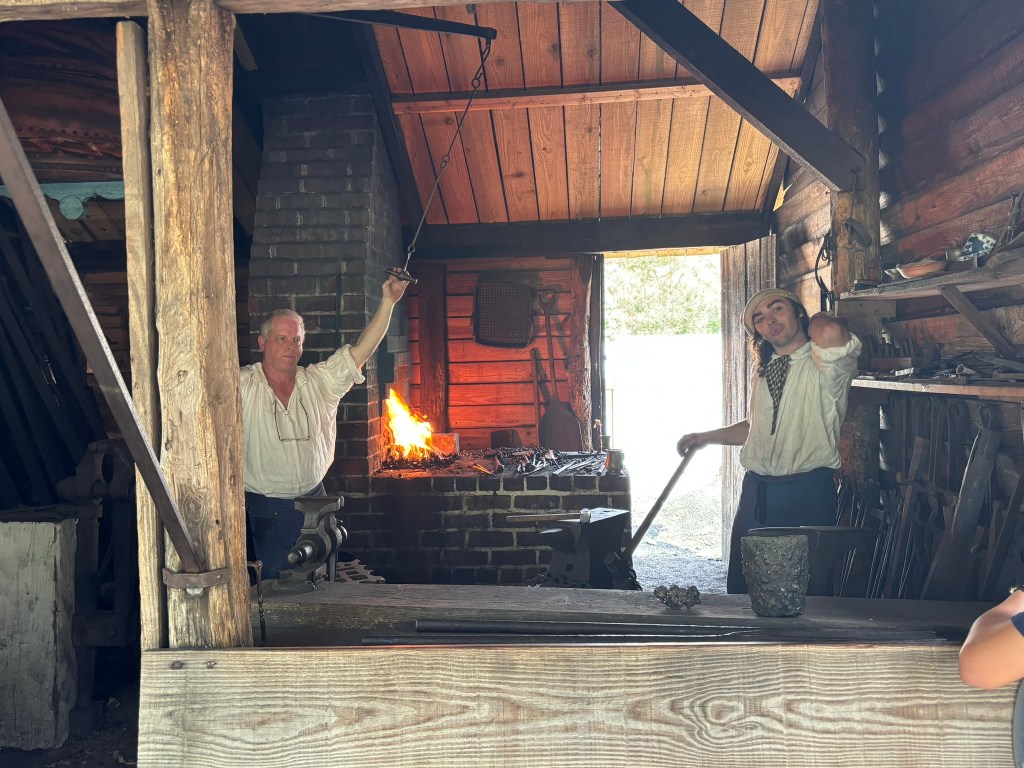
After we left the Capitol Building, we made our way over to the Gunsmith building as reenactors not only explained, but demonstrated how muskets were created in colonial times.

Francis Street
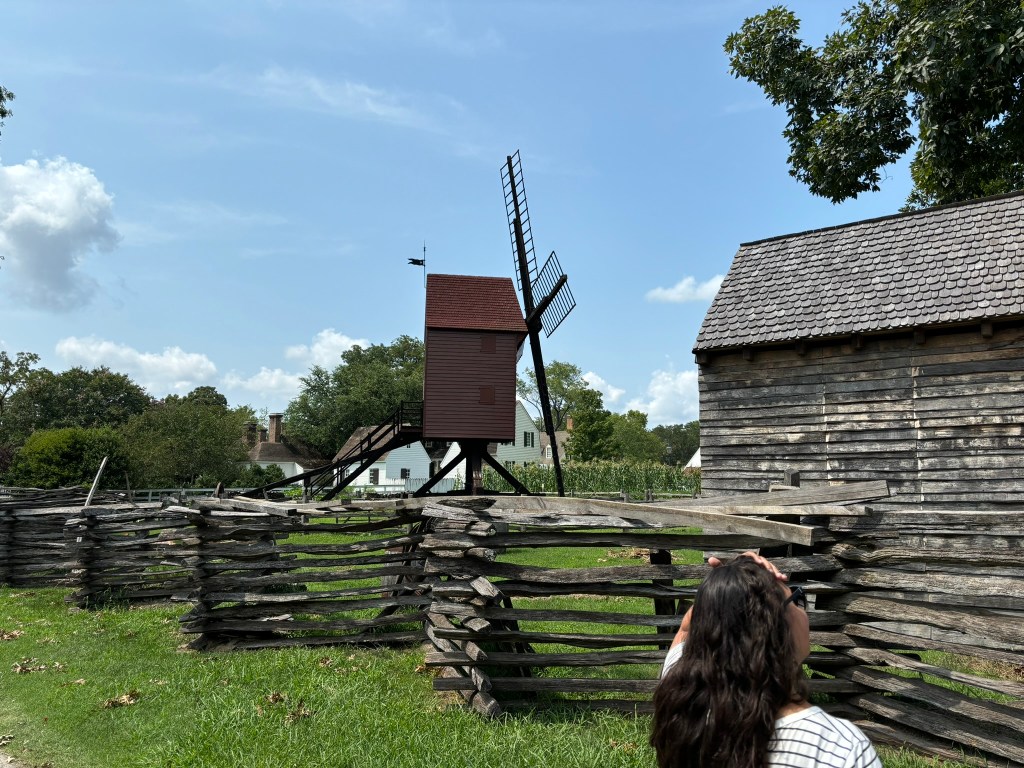
My family and I headed back west on Francis Street, past the small farm and in the direction of the Art Museums of Colonial Williamsburg. Along the way we witnessed a demonstration of reenactors teaching children how to march in a line, Continental Army style. This was taking place at the Magazine House and Guard House.

Art Museums of Colonial Williamsburg
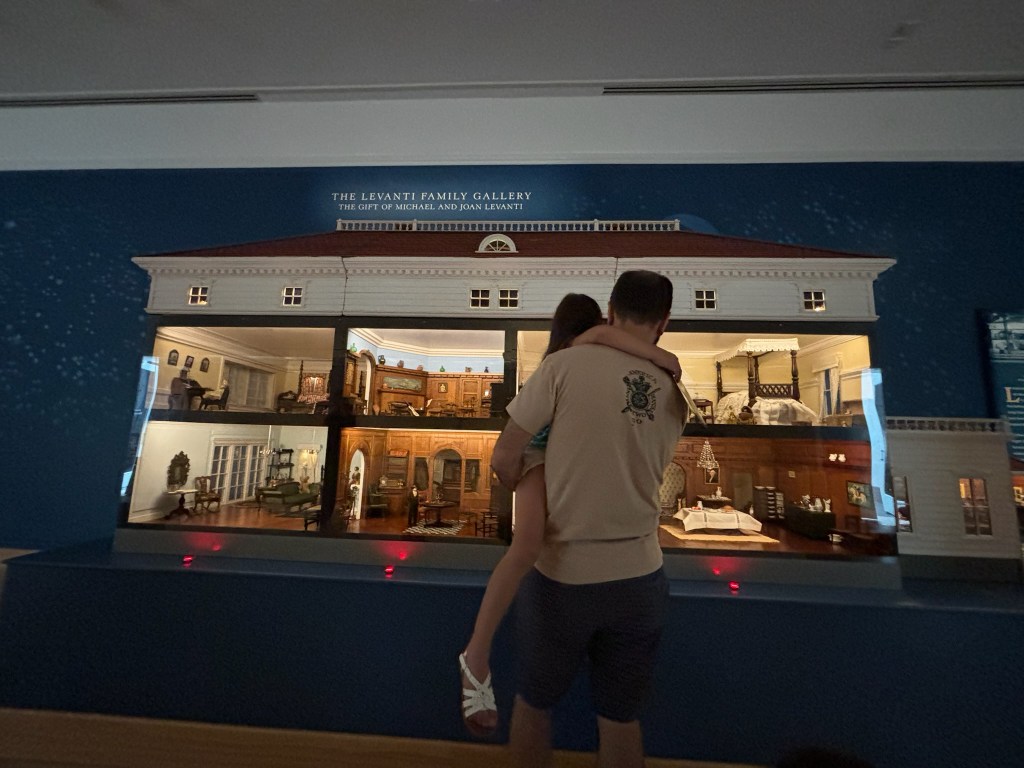
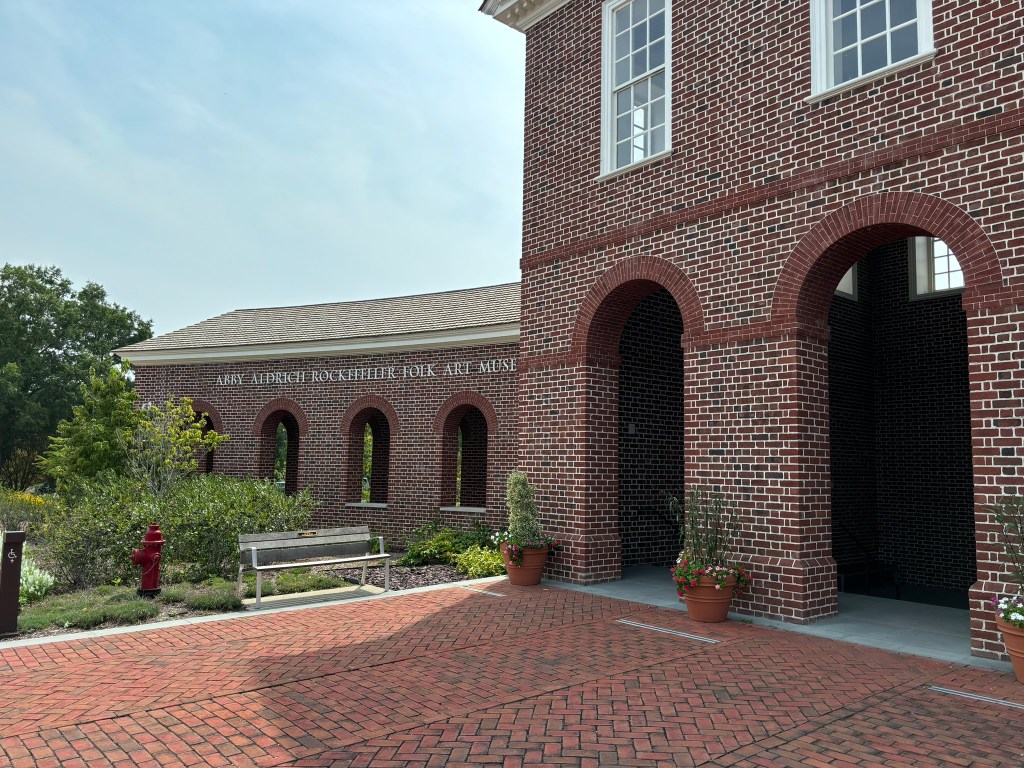
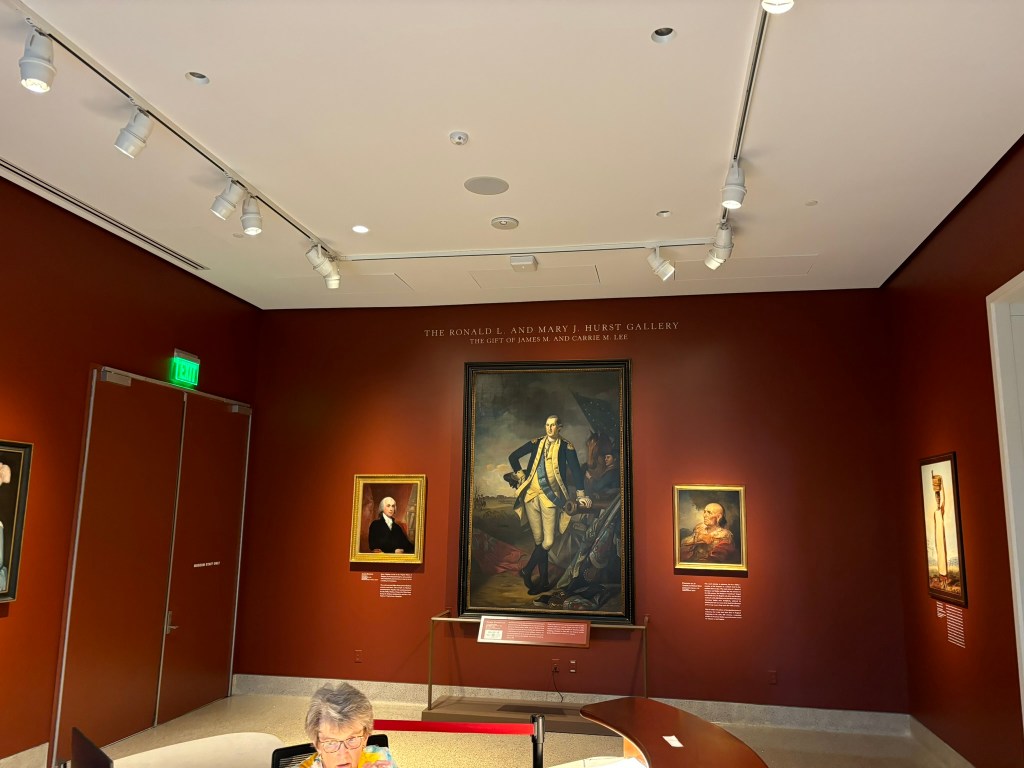
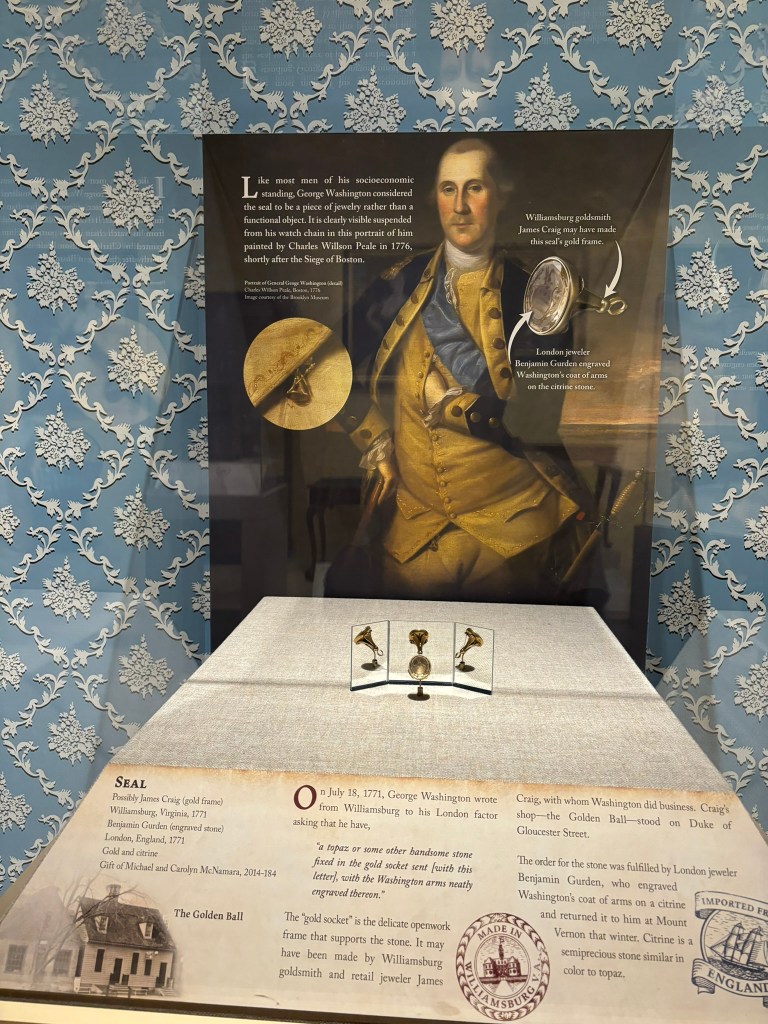
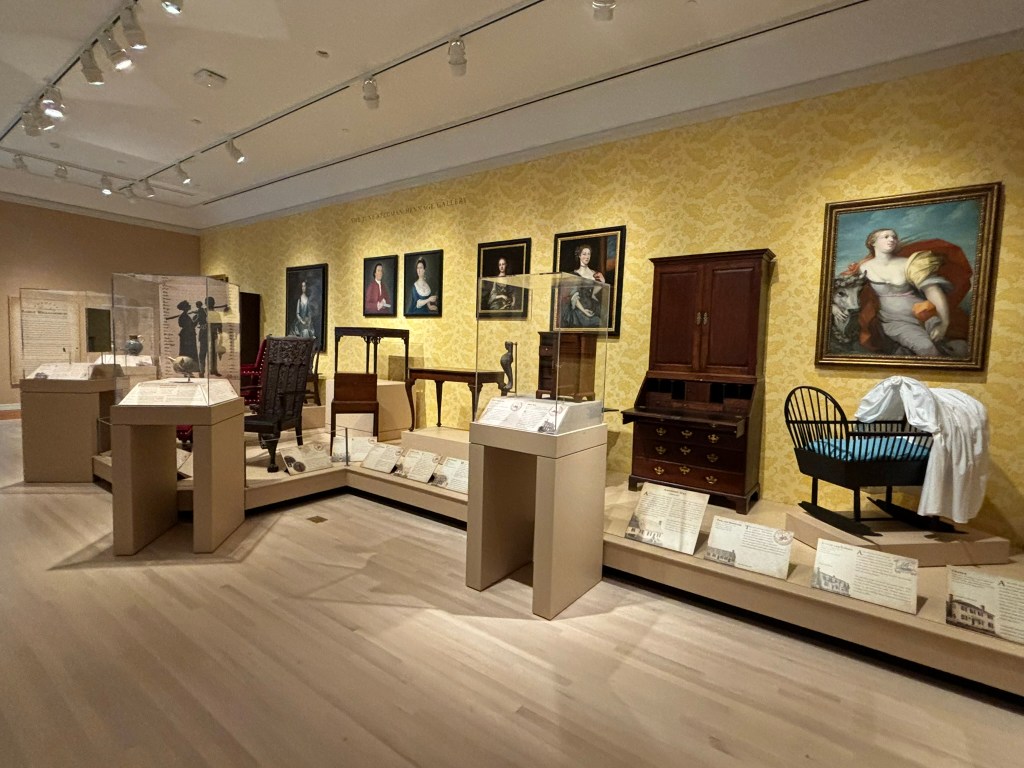
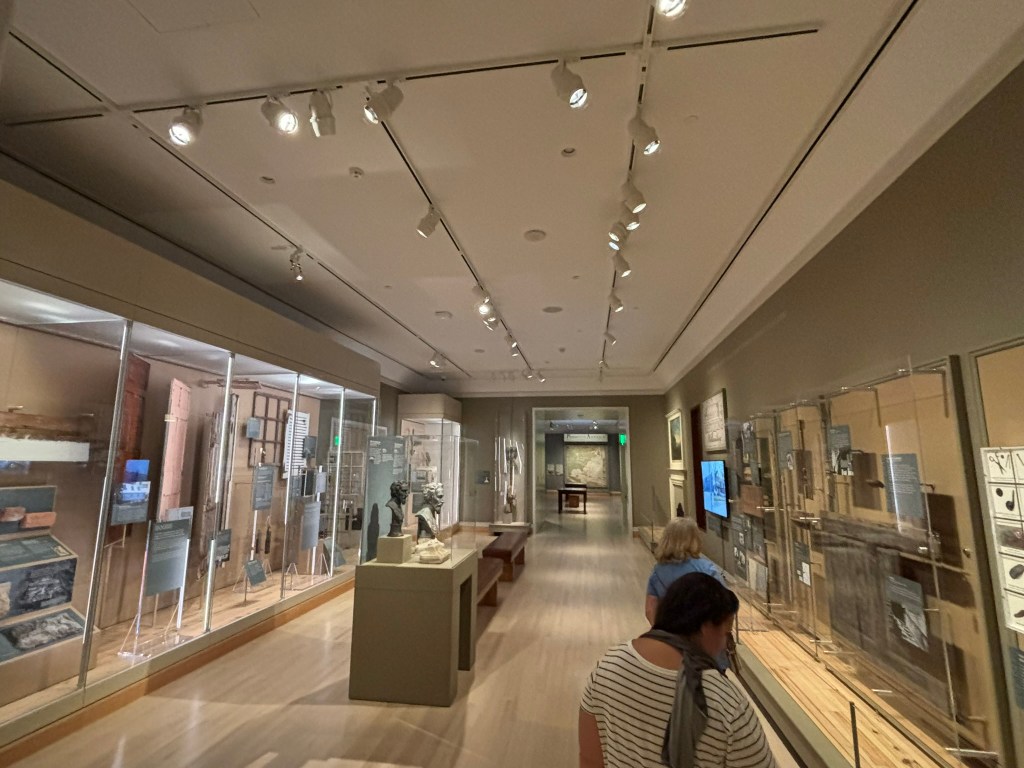
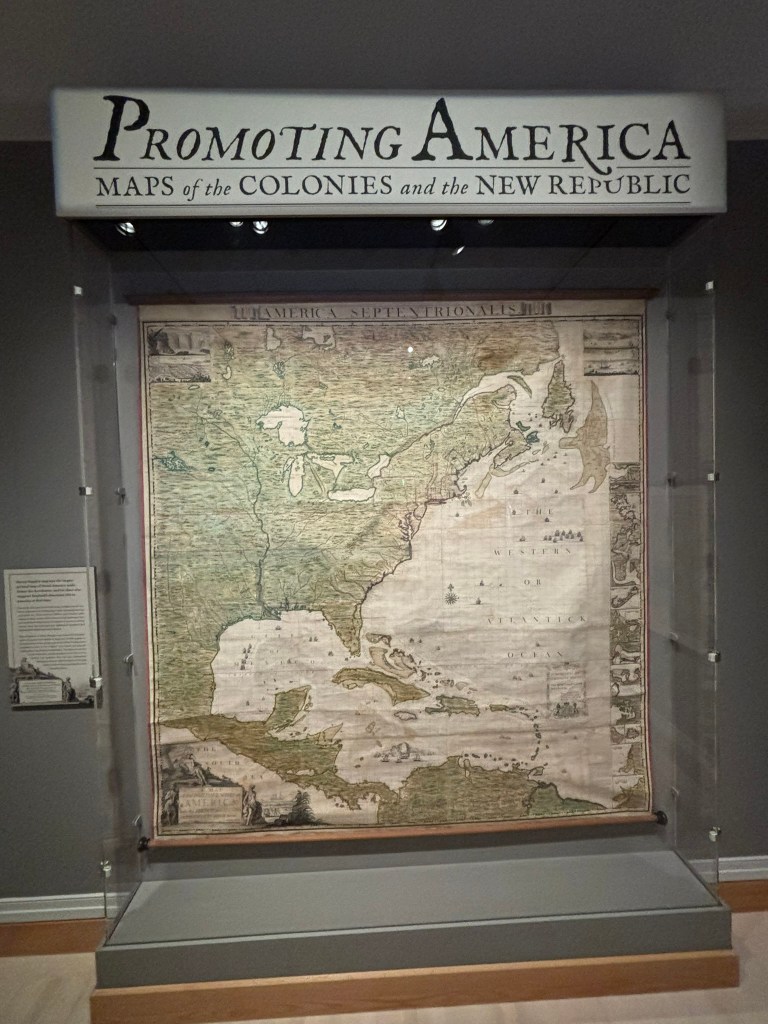
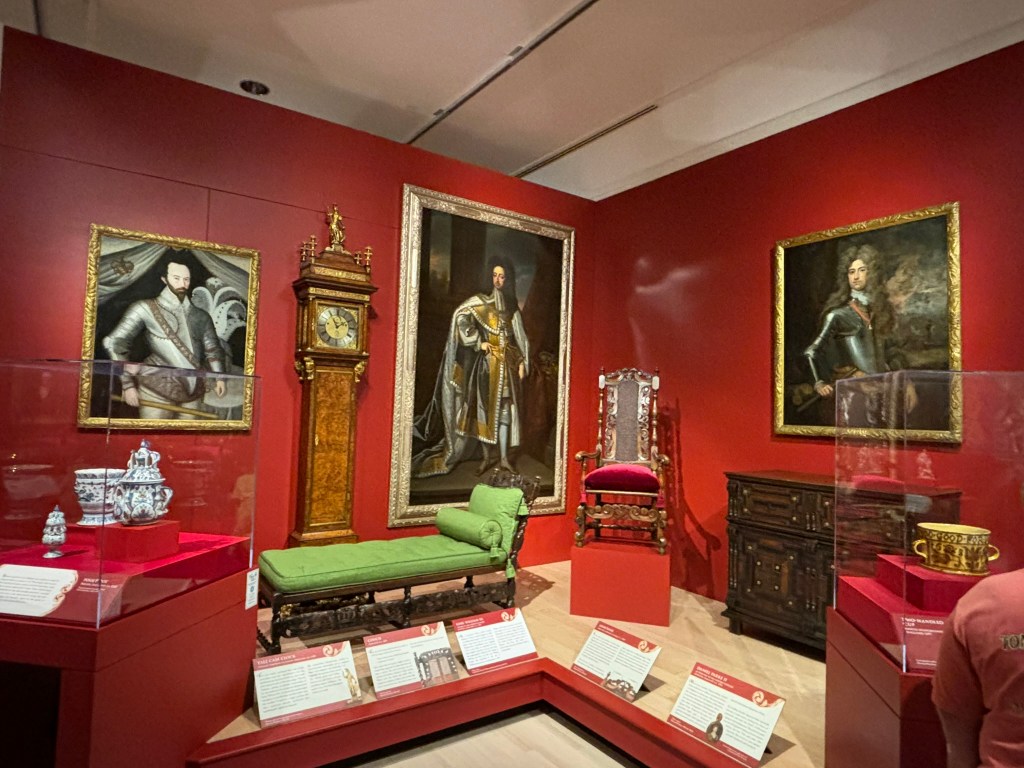
We made the trek to the Art Museums of Colonial Williamsburg. The museums had very diverse collections. The museums consist of the DeWitt Wallace Decorative Arts Museum and the Abby Alrich Rockefeller Folk Art Museum. There were expansive examples of both American and British antiques and decorative arts from the 17th- 19th centuries.


Shops of Merchant Square
After we left the museum, we headed to the Shops of Merchant Square and bought some T-shirts, and a Christmas ornament at the Christmas shop.
Peyton Randolph House
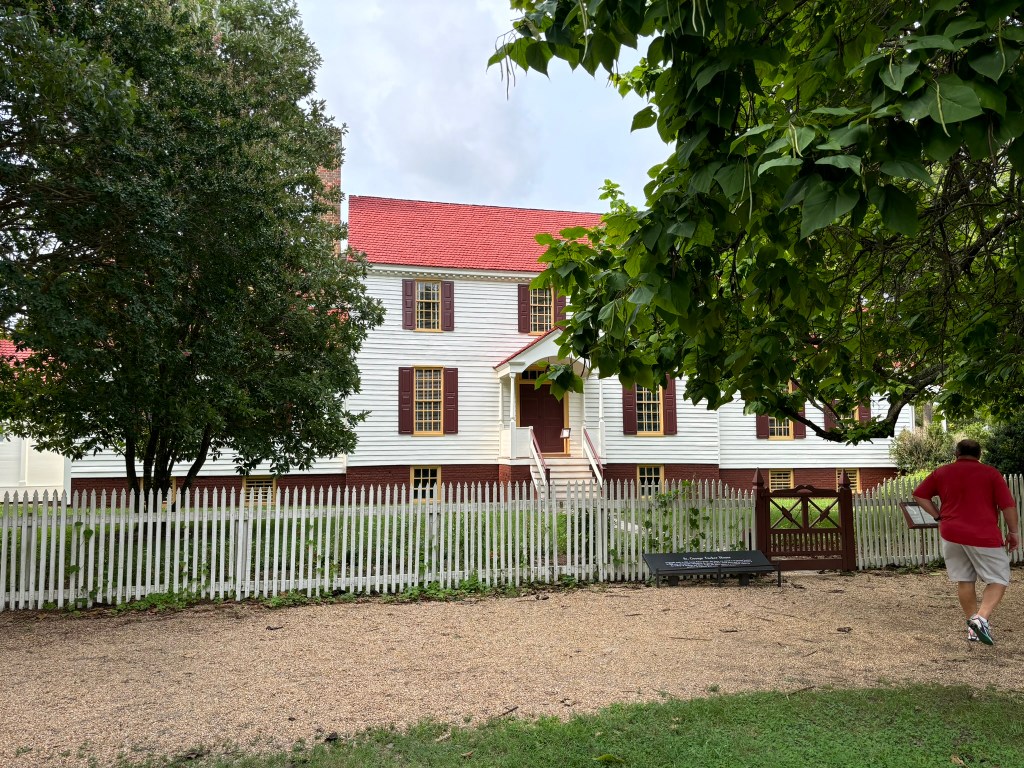
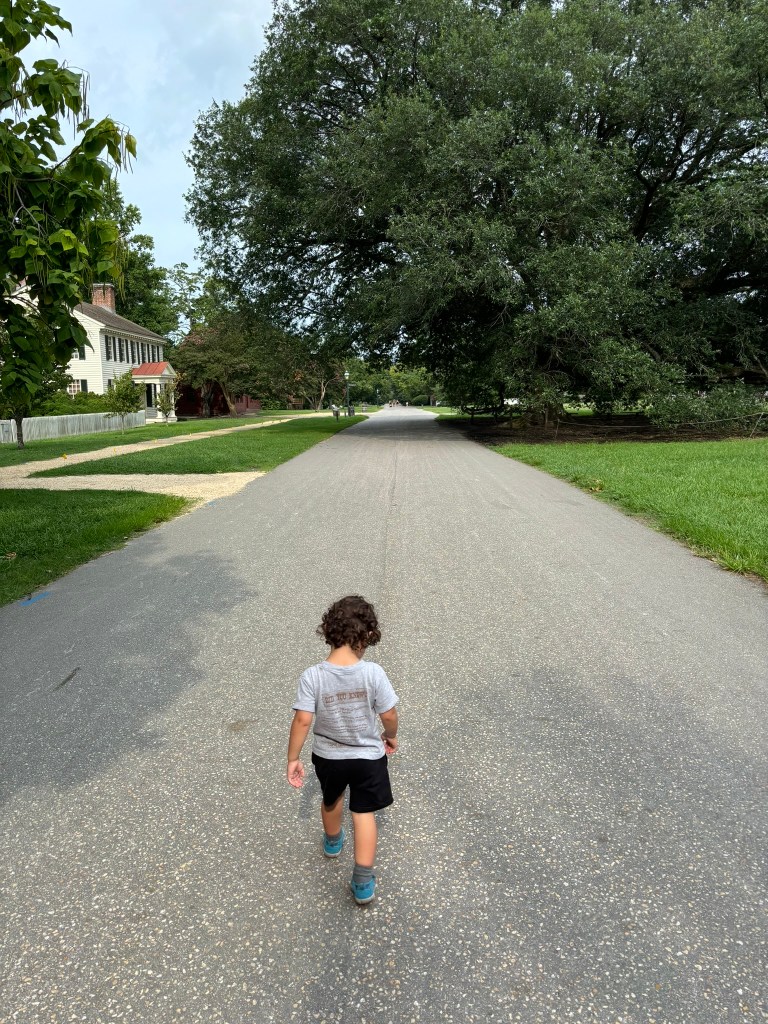
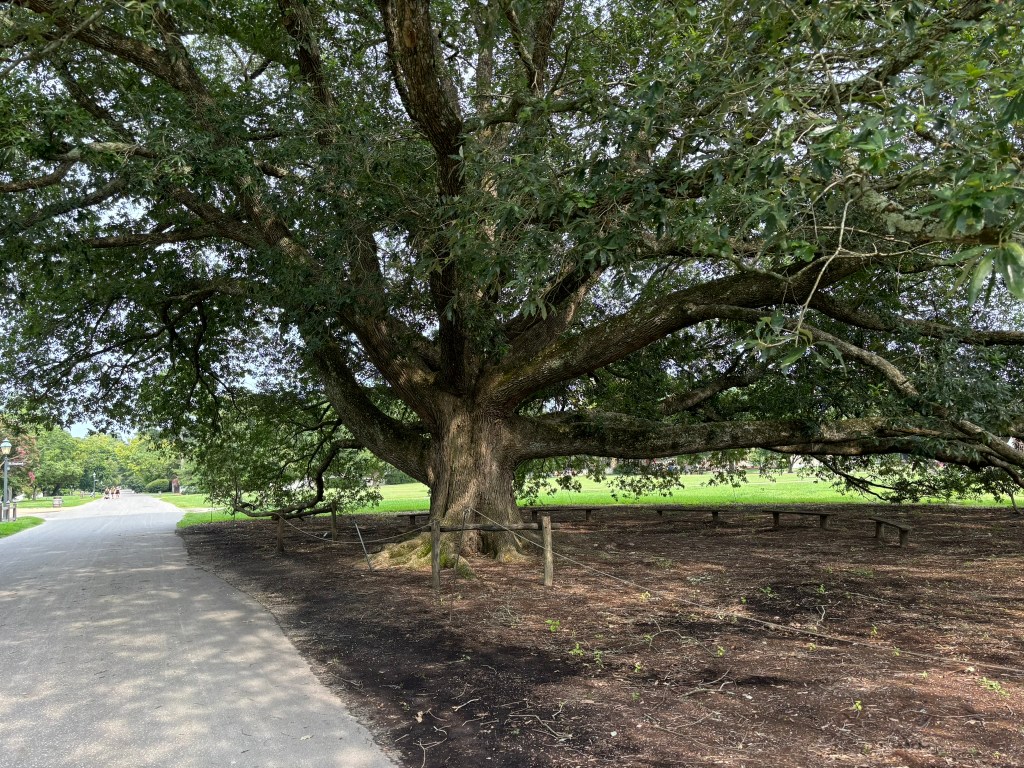
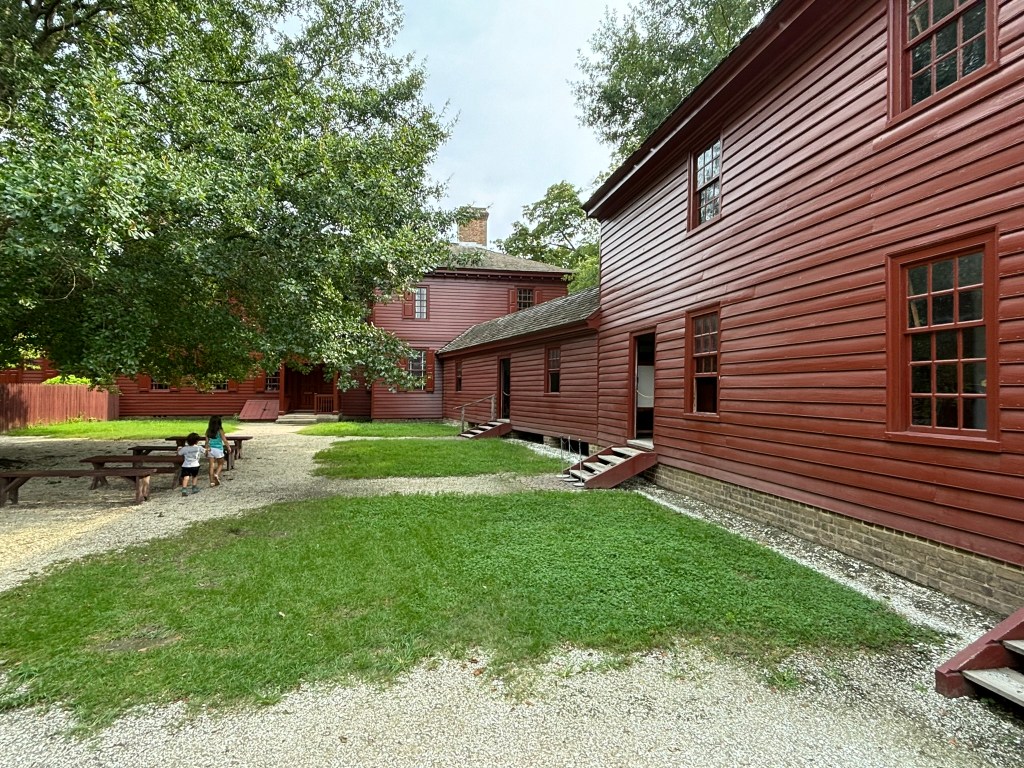
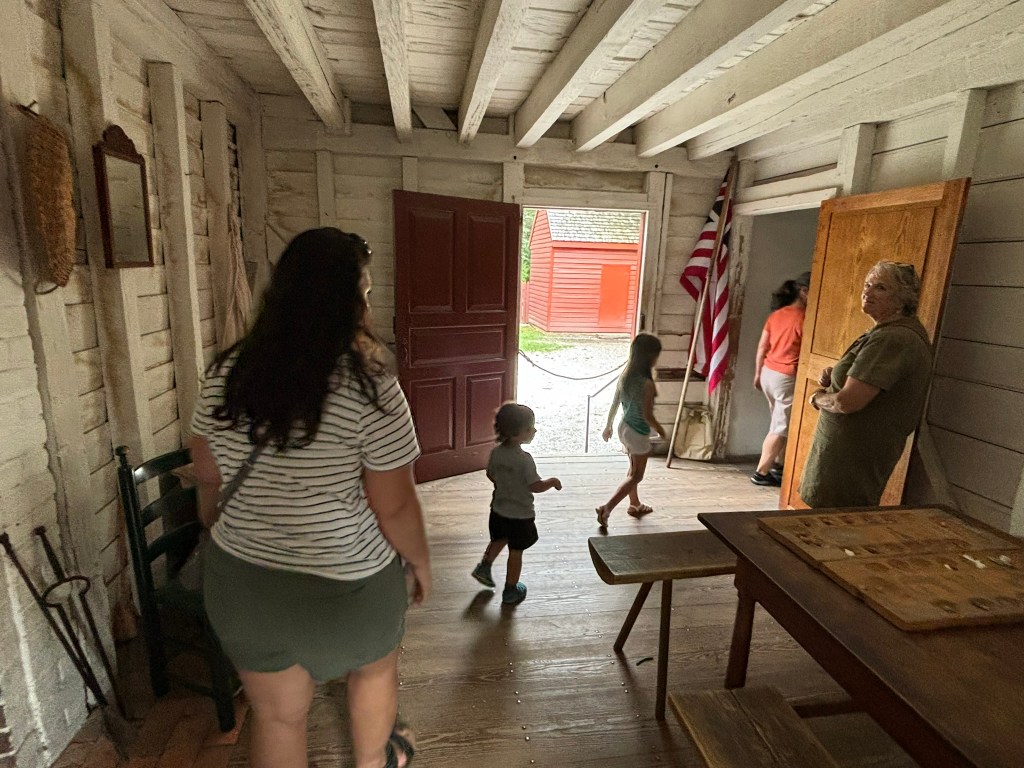
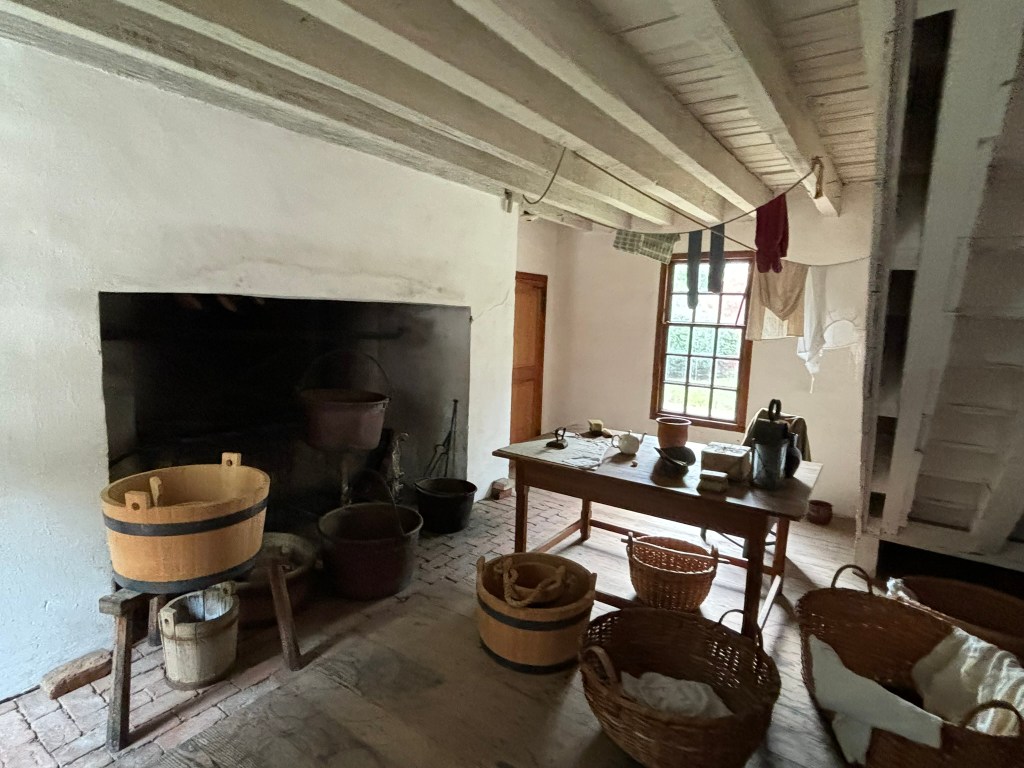
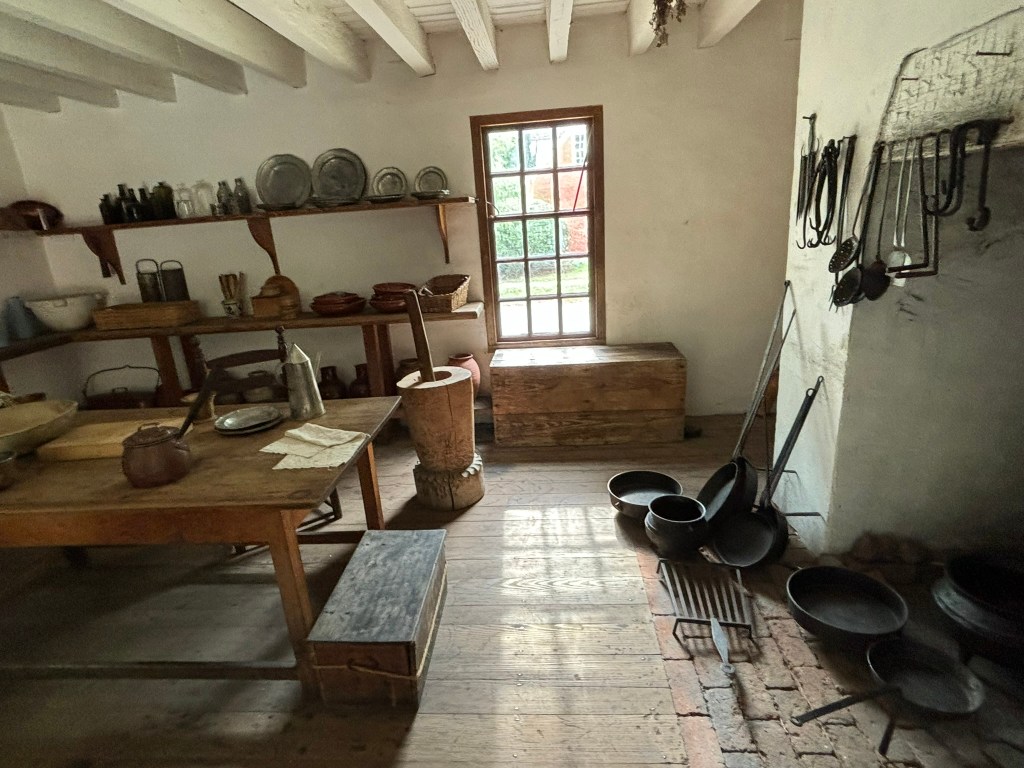
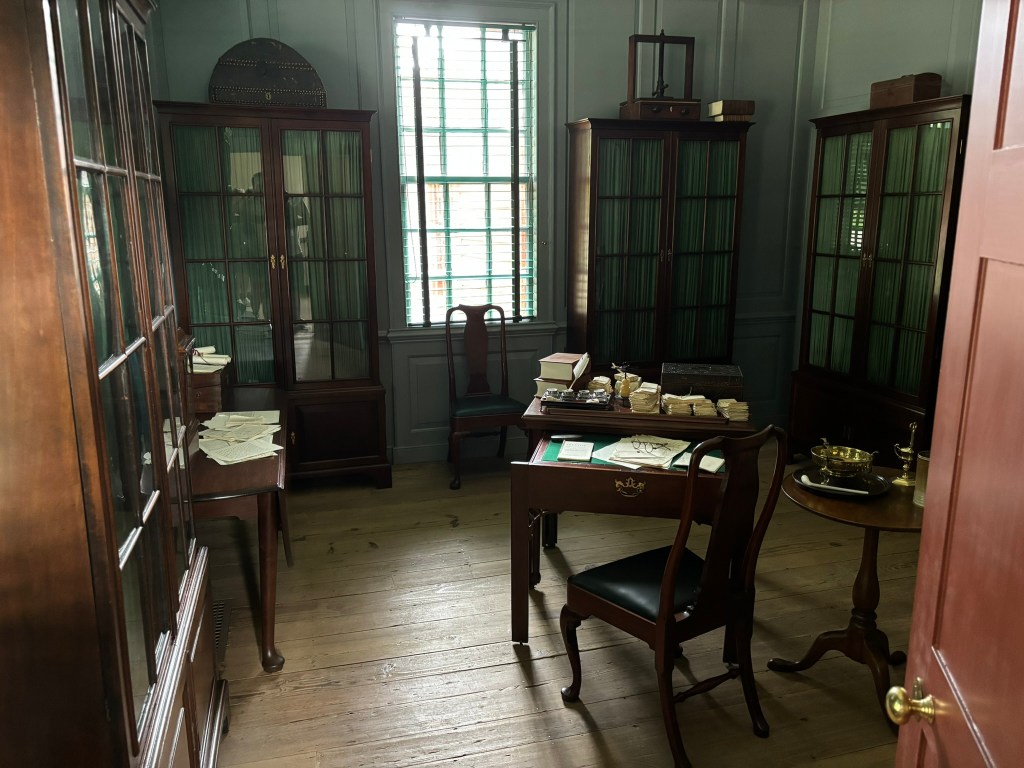
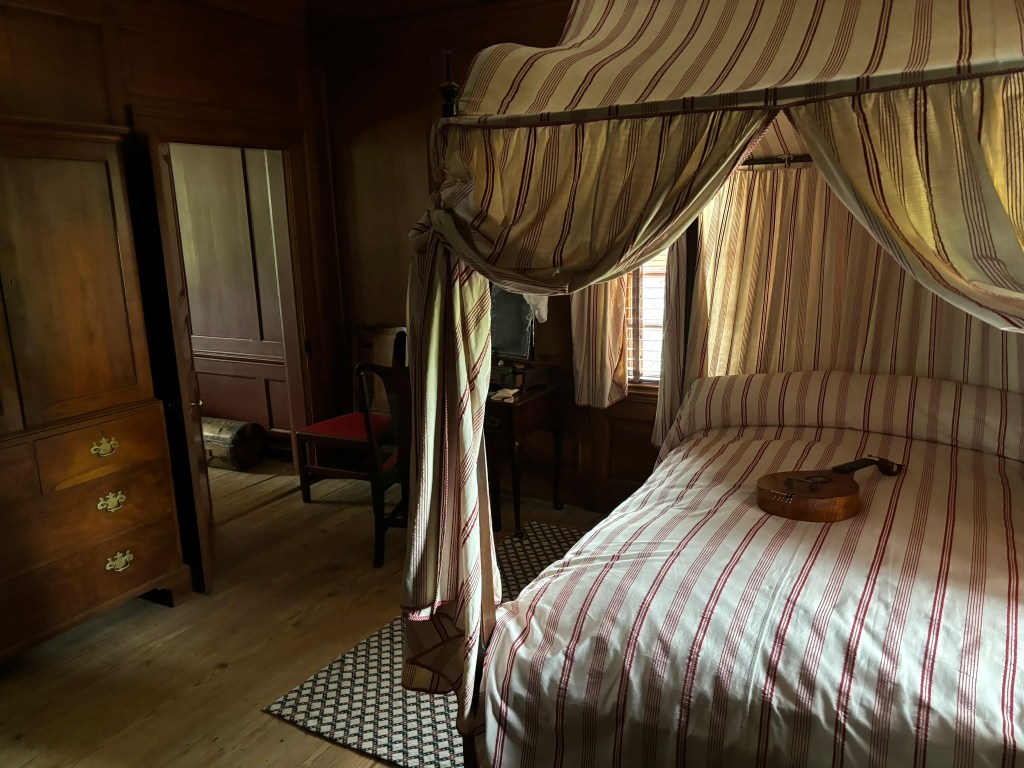
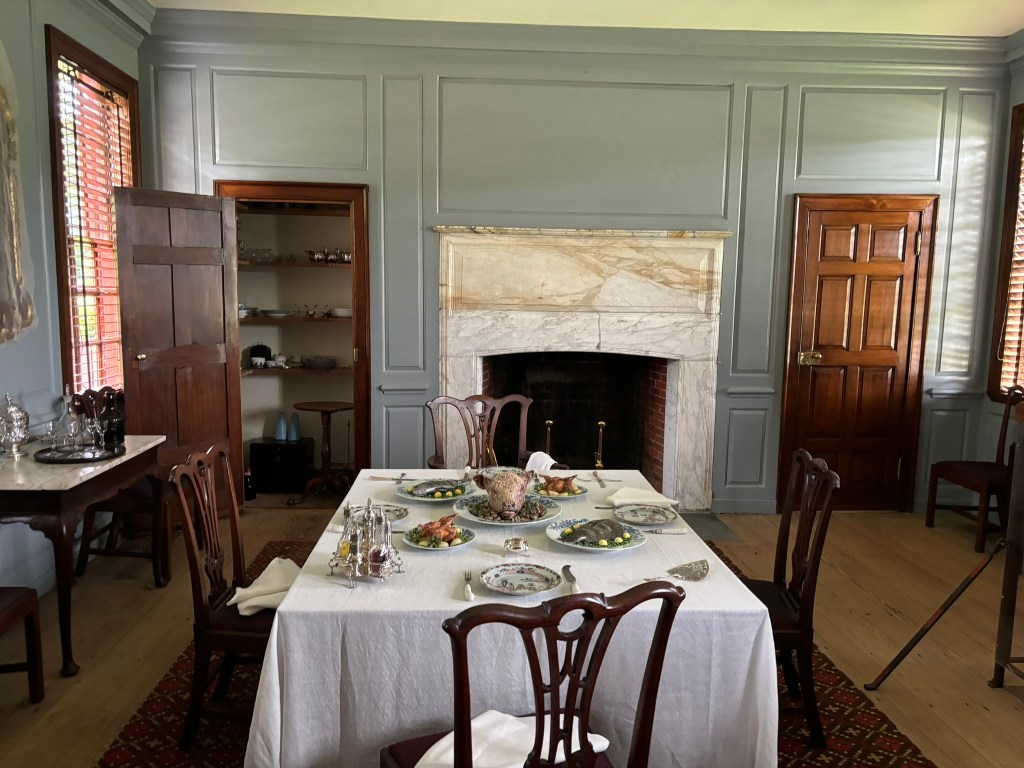
At this point it was late afternoon. We decided to visit one last street that we hadn’t visited just yet, which was Nicholson Street. The main house that we toured at this time was the Peyton Randolph House, which is the dark red house in the photos below. Randolph was a founding father and the first president of the Continental Congress. He was instrumental in leading boycotts against British goods in the leadup to the American Revolution. He was quite wealthy and owned over 100 slaves. We were able to visit his home where he lived for most of his life. Our tour guide was quite knowledgeable and informative about Randolph’s life and his home.


DoG Street Pub
When the tour ended, it was time for dinner. I would have liked to make our way further down Nicholson street, but we just didn’t have the time. We ate dinner at the DoG Street Pub, which had a nice selection of beers on tap, and very good food. When we were done eating, we trekked back to our hotel to rest our tired feet.


Overview
I really enjoyed Colonial Williamsburg. Because of the architecture and the reenactors around town, you really felt like you were living in 1775. The reenactors do a great job re-creating the many jobs and chores that the colonials were responsible for. You got a sense of the hard-work and toil that went along with living in this era. Each person had to be an expert at their craft. But most people would have been small farmers. And when they weren’t out farming they were doing household chores like making candles, making soap, sewing clothes, and creating everything that the household needed. People back then didn’t have much. They weren’t consumers of goods, and just had the basic necessities. That was the case for most people. Seeing the Governor’s Palace, we did witness the large discrepancies between the social classes in Colonial America. While the majority of colonials were barely scraping by, a select few were living lavishly in structures such as the Governor’s Palace.
Follow my Instagram, Facebook, and X accounts in the coming days for videos of my time in Colonial Williamsburg.
For Part 2 of this blog post, I will discuss our tour of the Jamestown Settlement, followed by Part 3, which will focus on our tour of the Yorktown Battlefield and Museum. Stay tuned!
For more information about the Williamburg Woodlands Hotel and Suites, visit HERE.
For more information about Colonial Williamsburg, visit their official website, HERE.
Williamsburg, VA is along the Washington-Rochambeau Revolutionary Route- Check out their site HERE.
Check out similar blog posts below!
 Benevento's History Blog