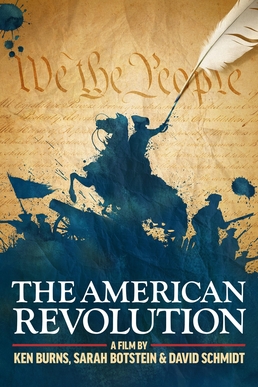
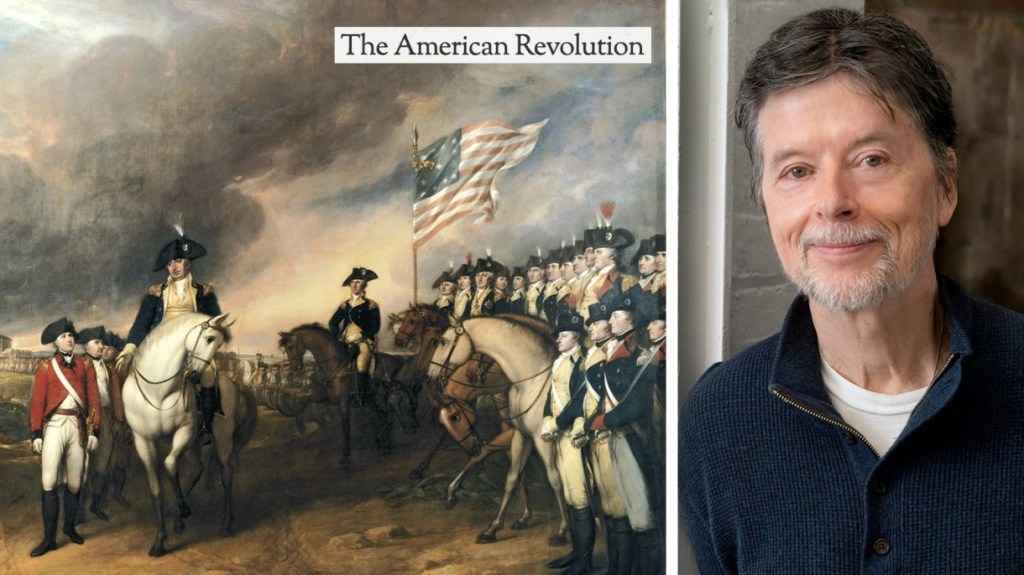
I just finished watching Ken Burns’ PBS documentary The American Revolution, released this past November—perfect timing as the nation approaches the 250th anniversary of the Revolution and the signing of the Declaration of Independence in 1776. The documentary spans six episodes, each two hours long. I found it both highly informative and deeply engaging.
I appreciated how the series moves beyond the traditional Revolutionary War narrative we often encounter in textbooks. It devotes significant time to the perspectives of Native American tribes, African Americans, and women, offering a far more inclusive and nuanced story. The documentary incorporates an extraordinary number of primary sources, giving voice to a wide range of individuals who lived through the Revolution—from lesser-known figures to towering names such as George Washington and John Adams. The documentary also does an excellent job chronicling the military campaings of the war, highlighting the Revolution’s many ups and downs.
The Revolution is presented as both a global and deeply personal event. The series explores the international ramifications of the conflict while simultaneously zooming in on its impact on small towns and families. It powerfully highlights the reality that this was a civil war marked by acts of cruelty committed by both Patriots and Loyalists against one another.
The documentary truly offers something for everyone—those looking to learn the foundational storyline commonly taught in schools, as well as viewers seeking a more complex and inclusive interpretation that brings lesser-known stories to the forefront. The twelve-hour format allows the series to explore a wide range of topics and grapple with the many complexities of the conflict, all while maintaining a clear chronological structure that is easy to follow.
Finally, the documentary addresses the aftermath of the war and the writing of the Constitution, emphasizing that it took many years for the United States to begin living up to the Revolution’s ideals of liberty and equality. The developments that followed would not have been possible without those revolutionary principles. The American Revolution was one of the most significant events in human history, paving the way for later revolutions around the world and standing as the first successful example of a democratic government overthrowing a monarchy.
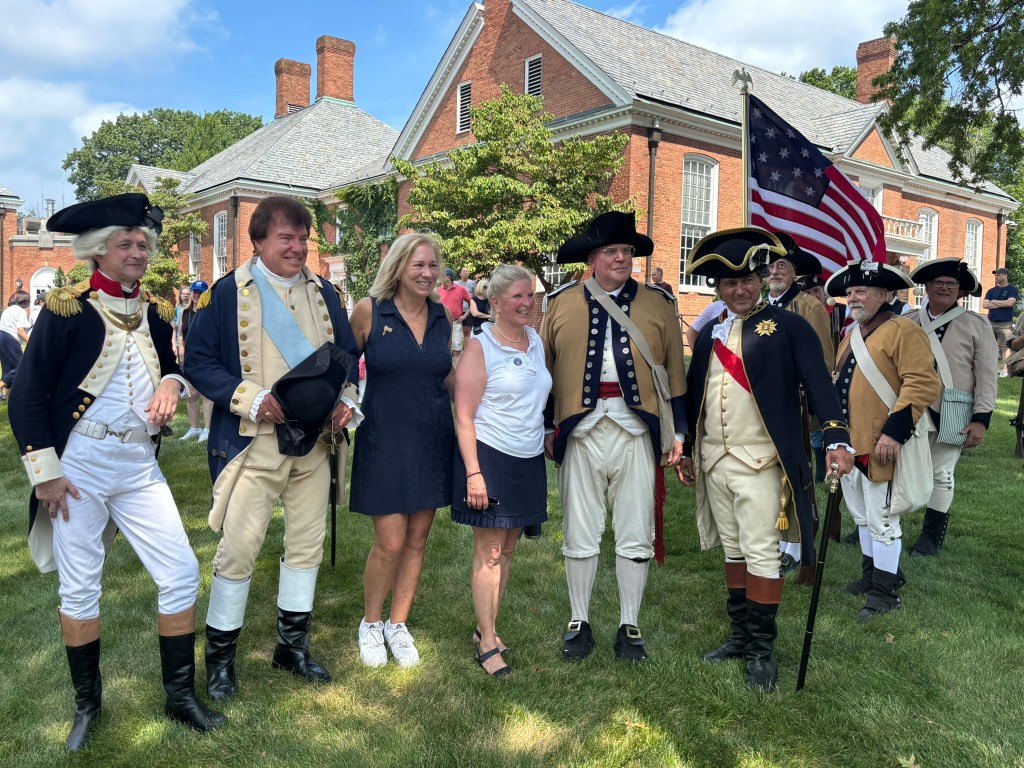
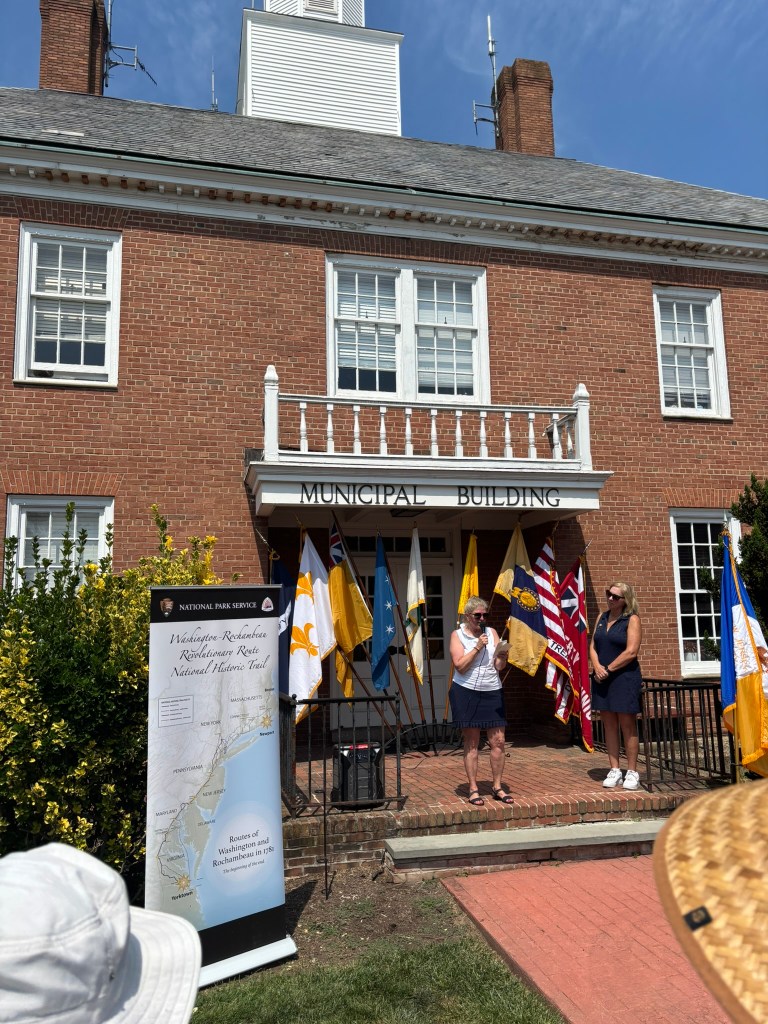
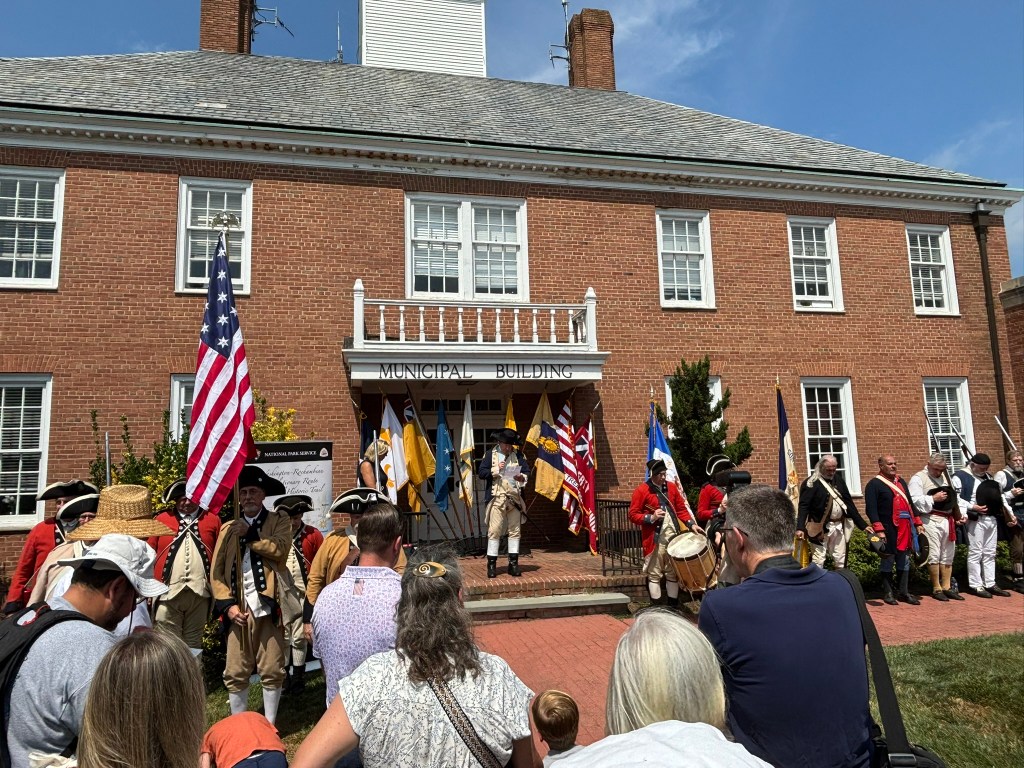
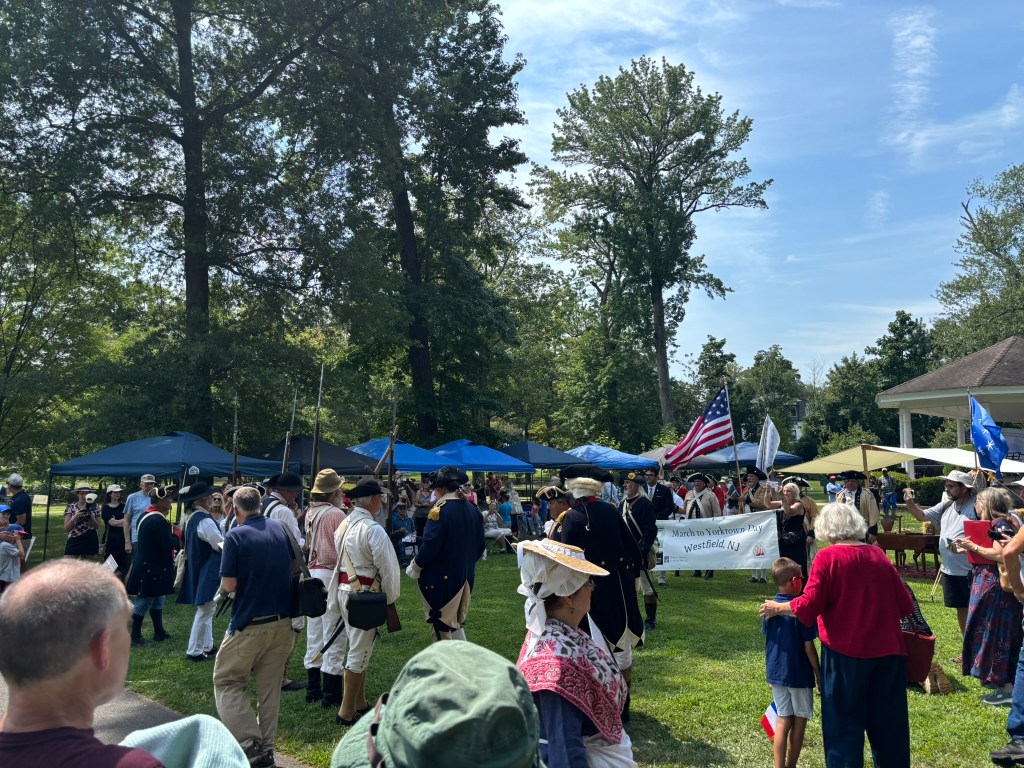
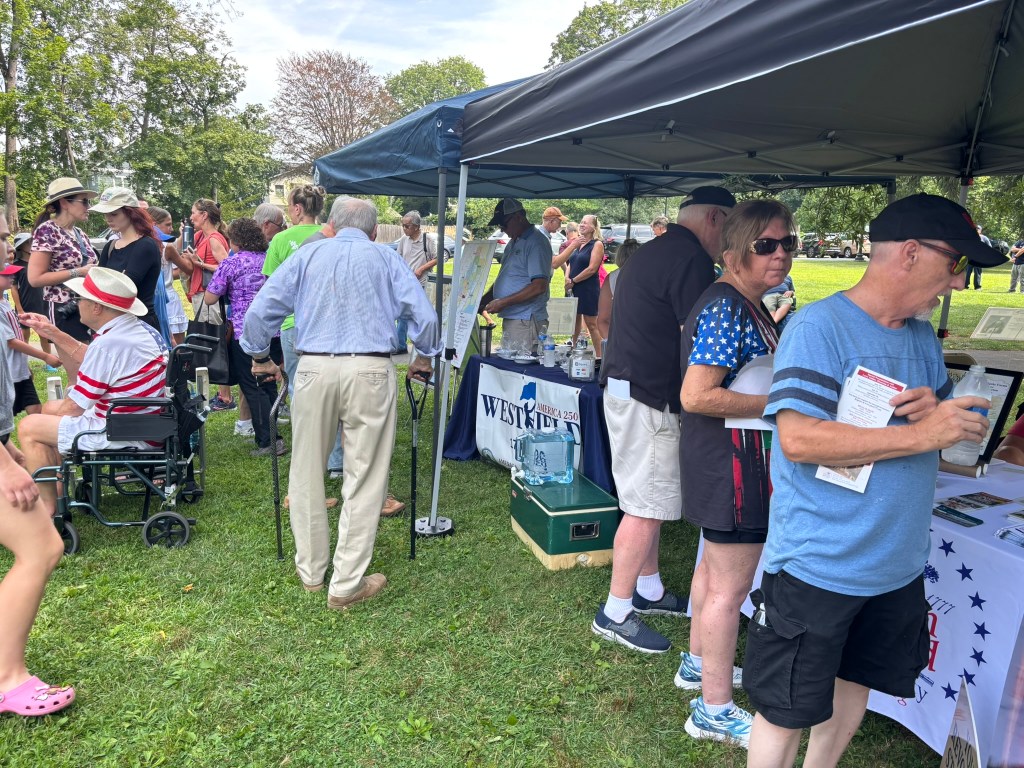
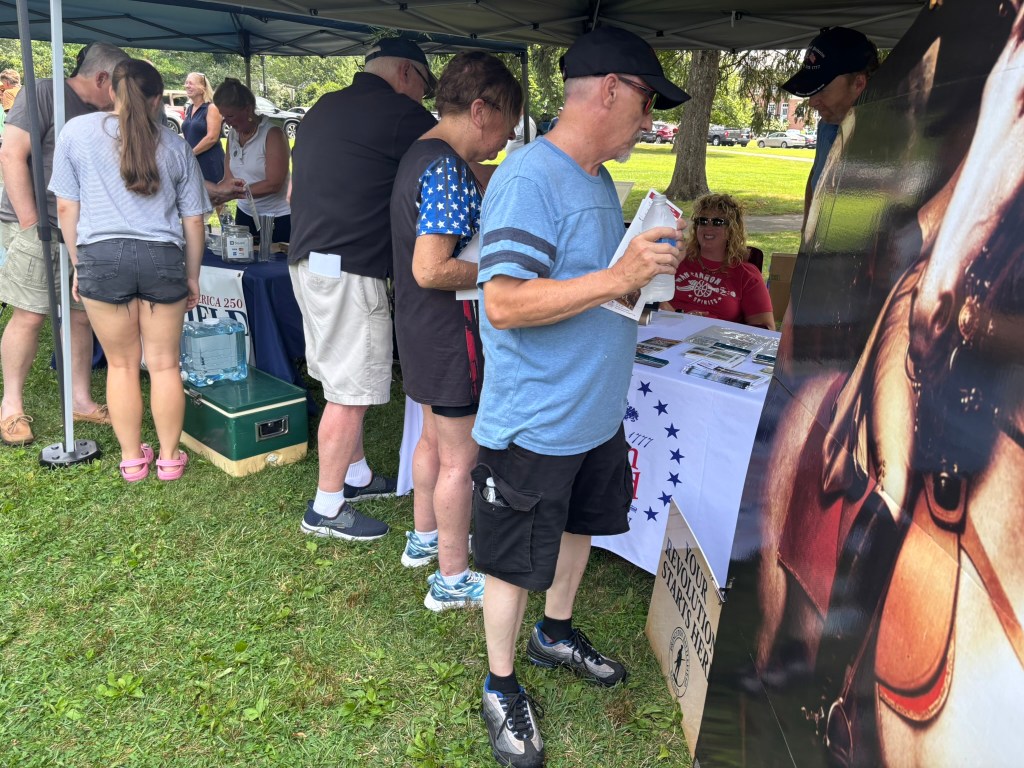
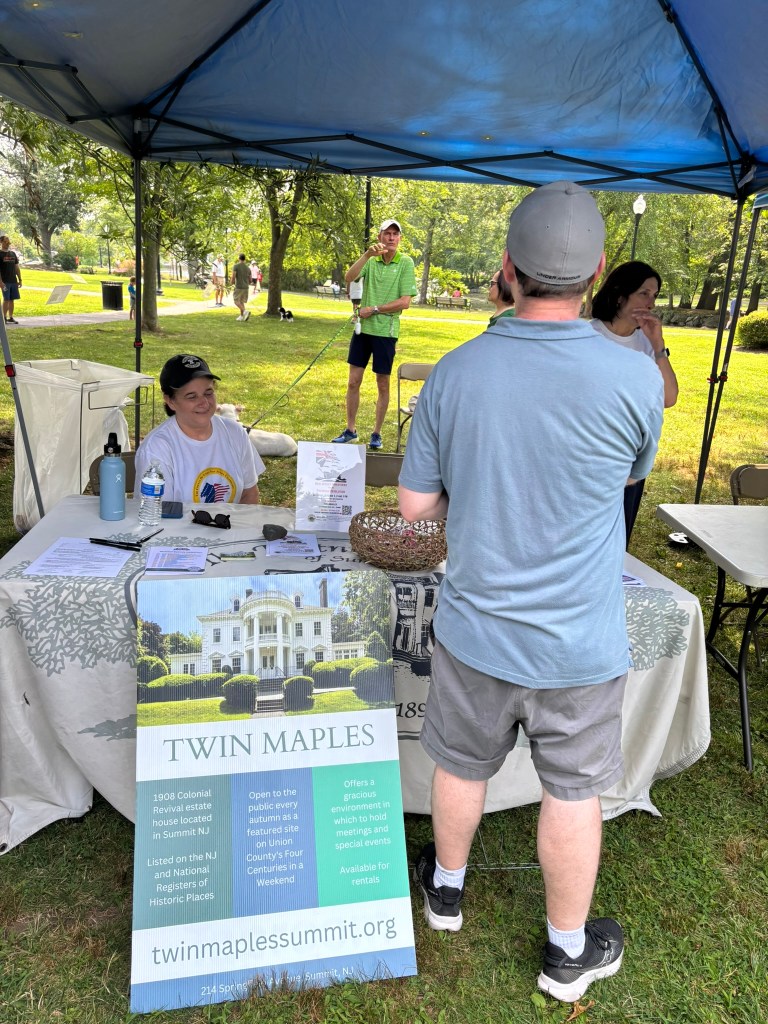
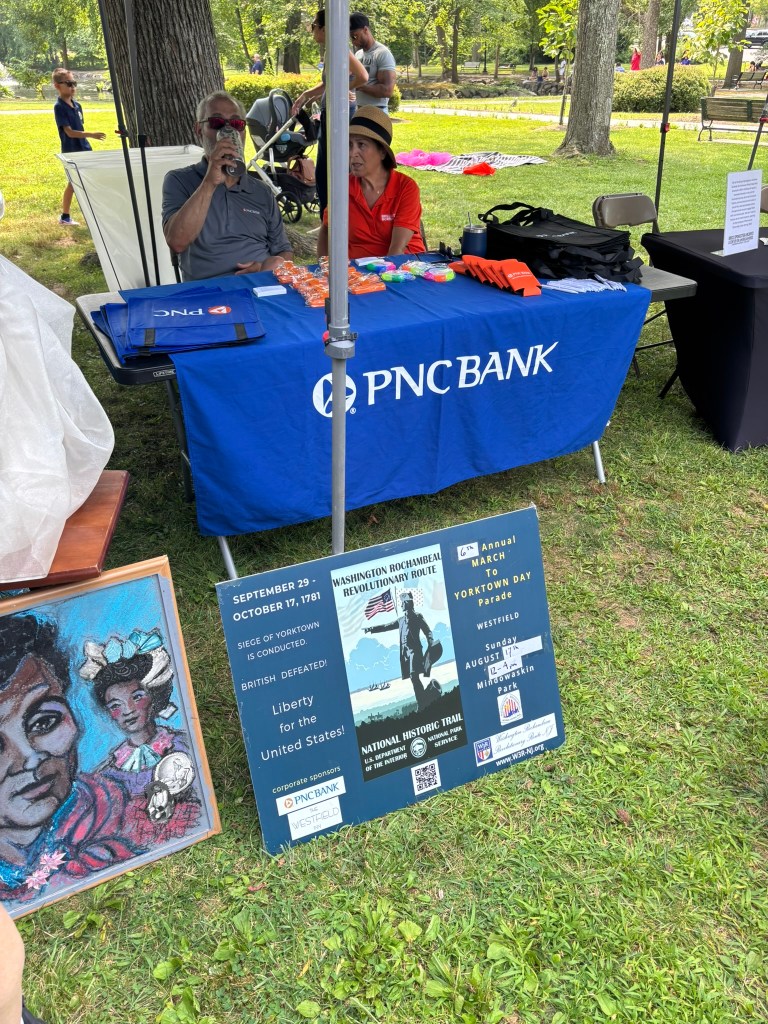
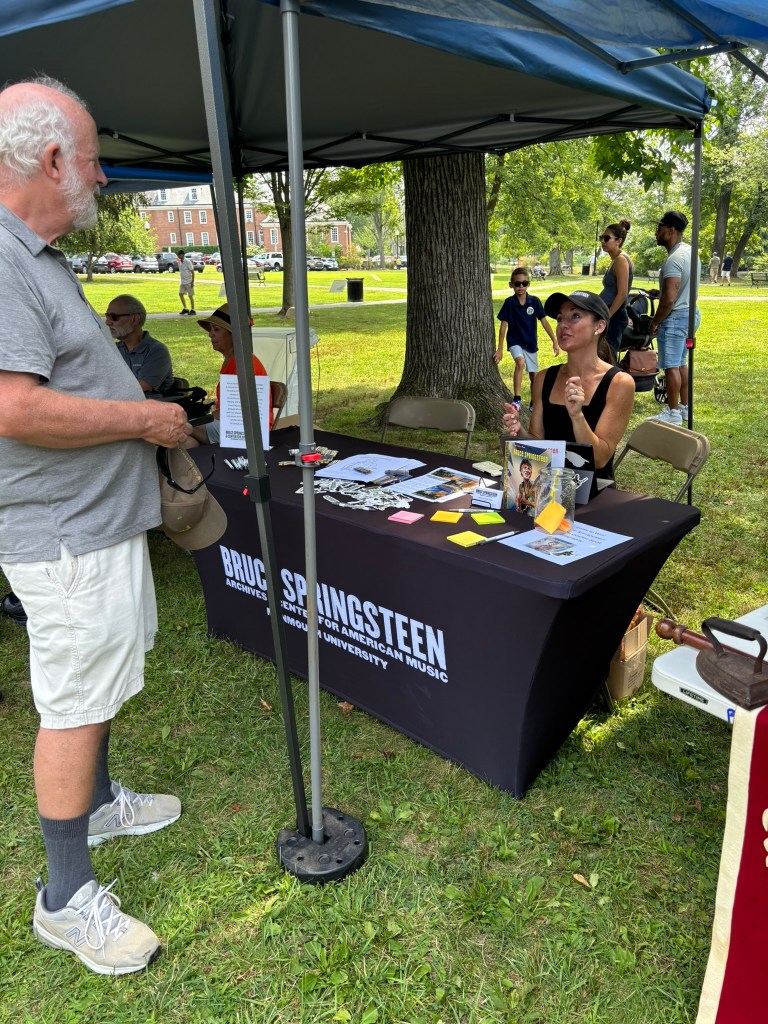
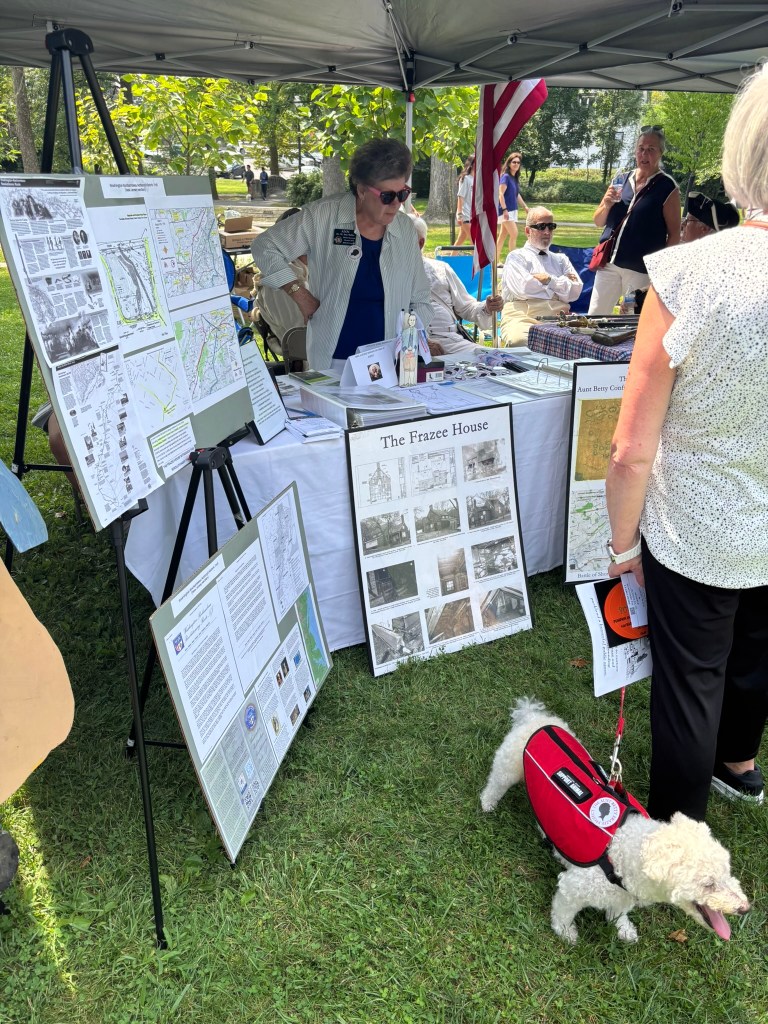
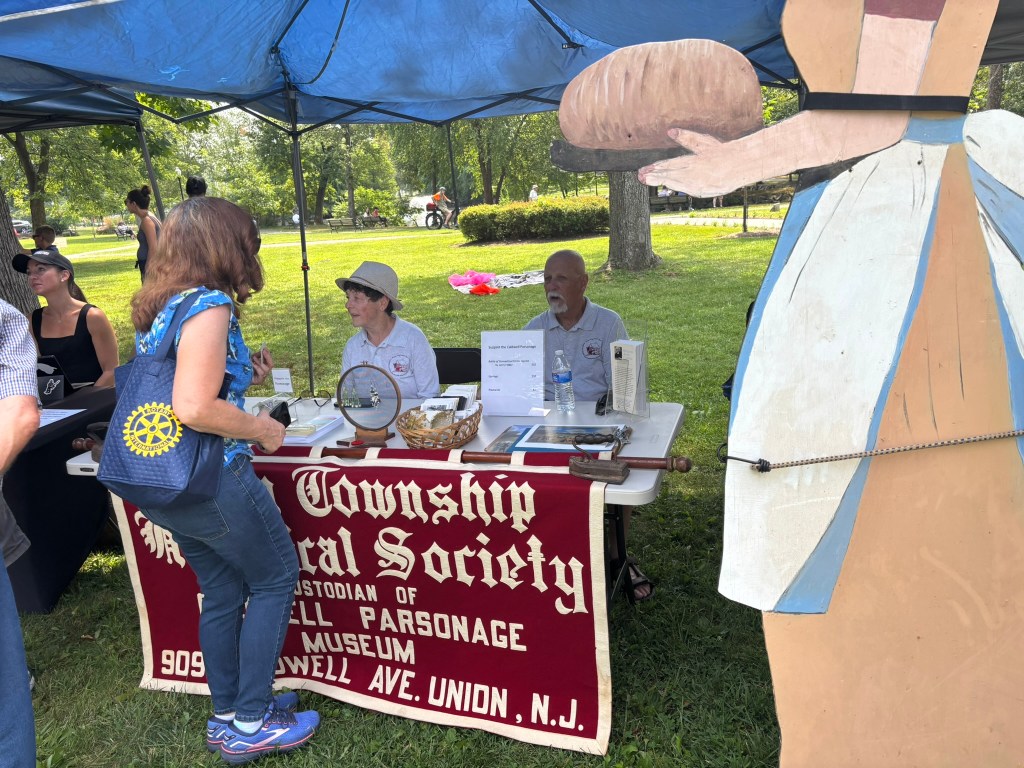
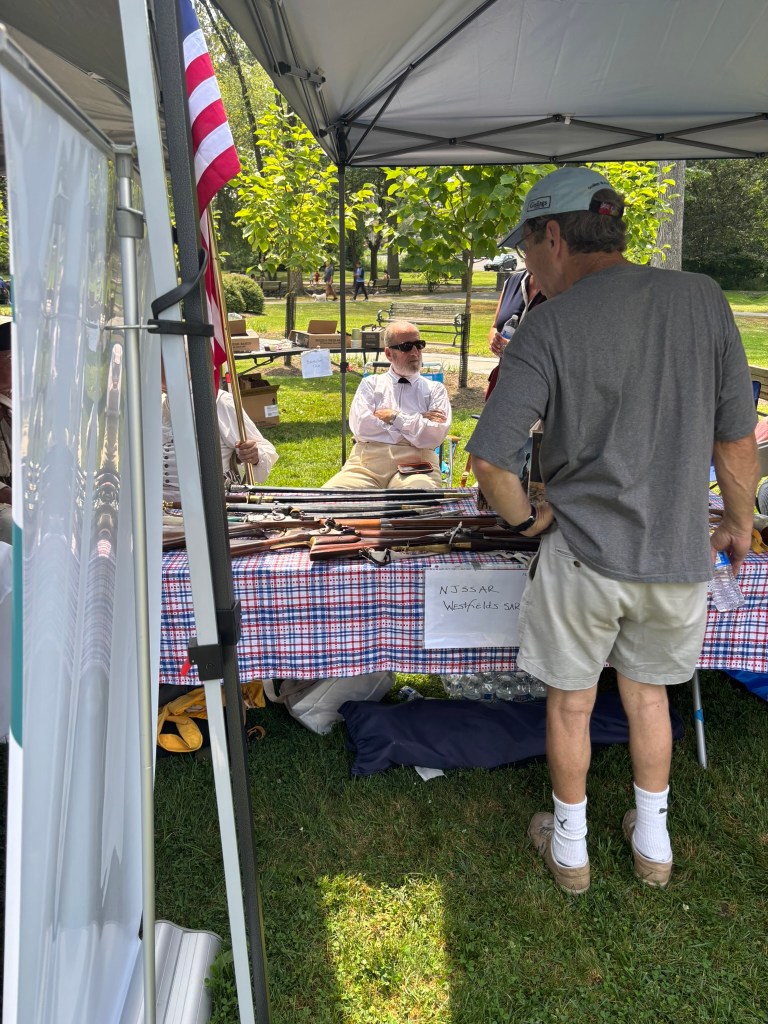
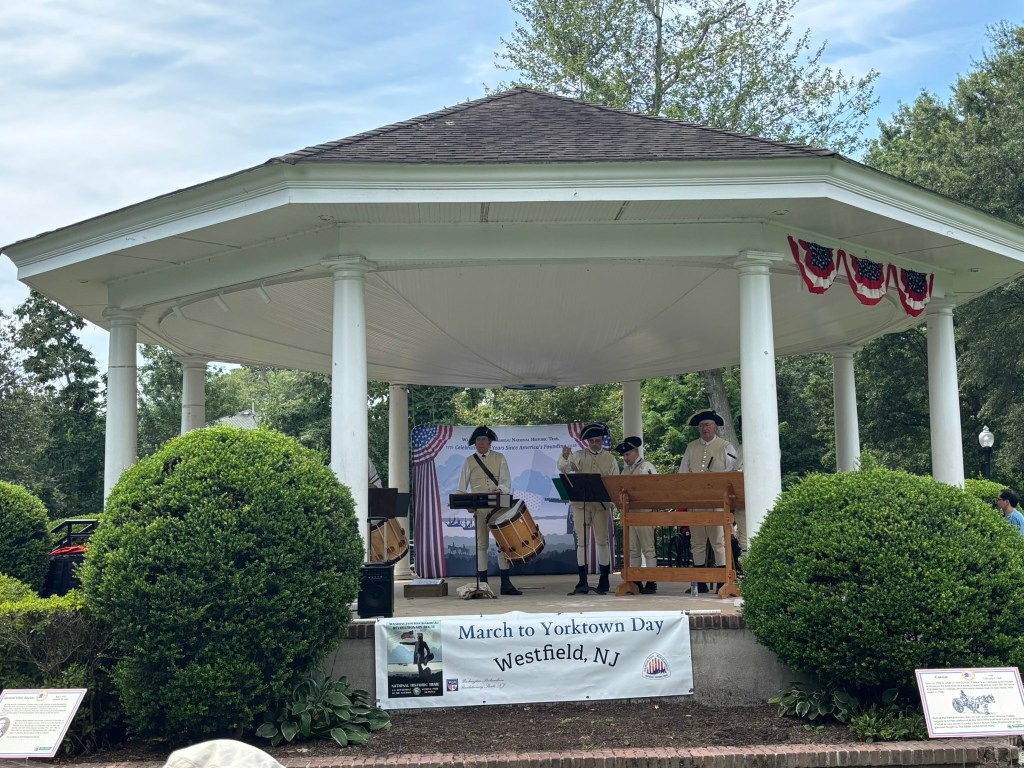
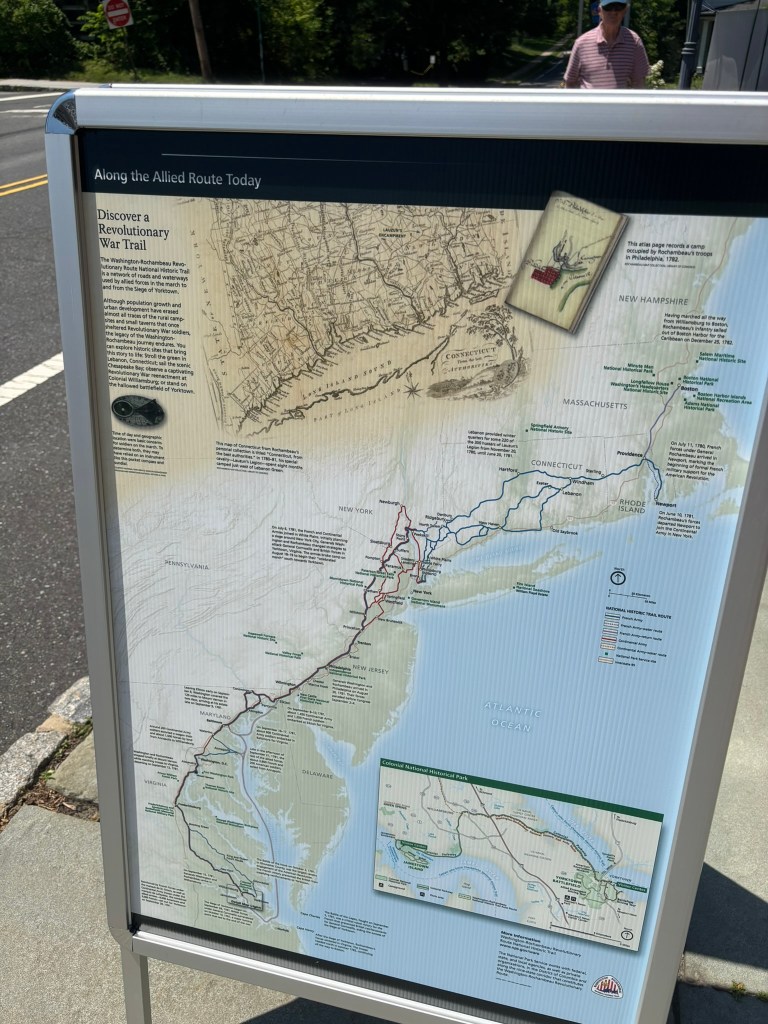
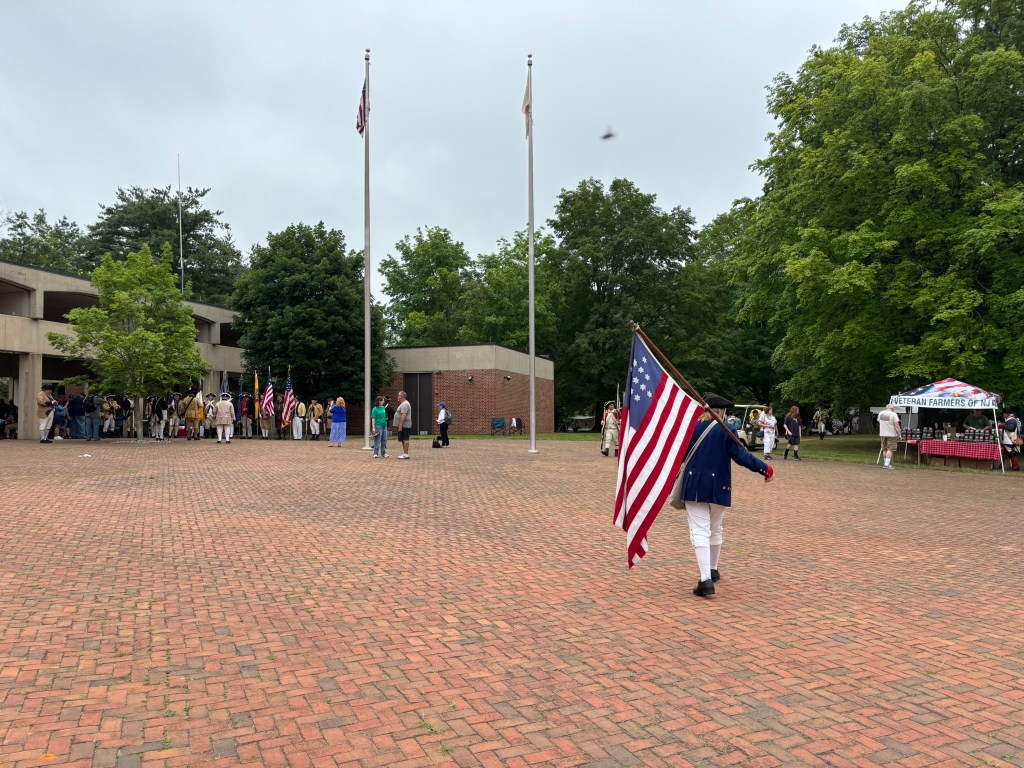
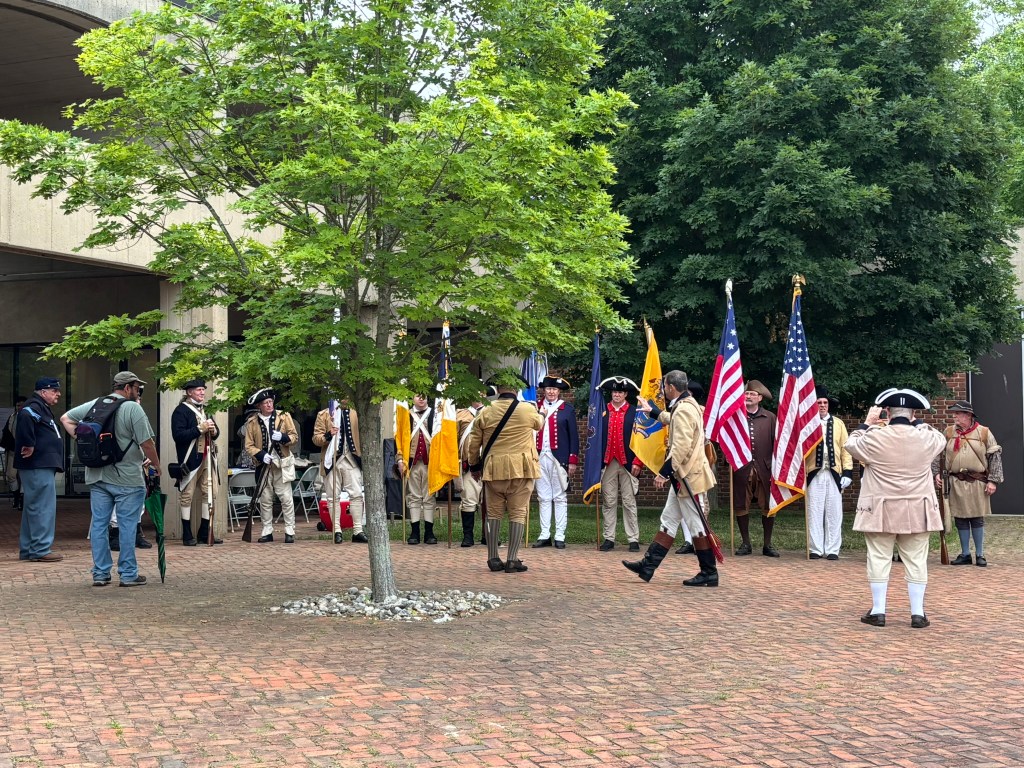
On August 17th, my family and I attended the Sixth Annual March to Yorktown Day in Westfield, NJ. The last time I went was in 2023 with my daughter, which you can read about HERE. This year’s 2025 event drew an impressive crowd and was well planned and organized by Julie Diddel, chair of the Washington-Rochambeau Revolutionary Route Association of New Jersey (W3R-NJ). The commemoration marks August 29, 1781, when General Benjamin Lincoln’s division of the Continental Army passed through Westfield on their march to Yorktown, Virginia. At the same time, the French Army under the Comte de Rochambeau took a route slightly west of the Continentals before both forces united near Princeton, NJ. The Washington-Rochambeau Revolutionary Route traces the path of the American and French armies from Newport, Rhode Island, to Yorktown, where their combined campaign led to the British surrender at the Siege of Yorktown in October 1781. Today, the route is preserved as part of the National Park Service. You can read more about the trail HERE.
Opening Ceremony
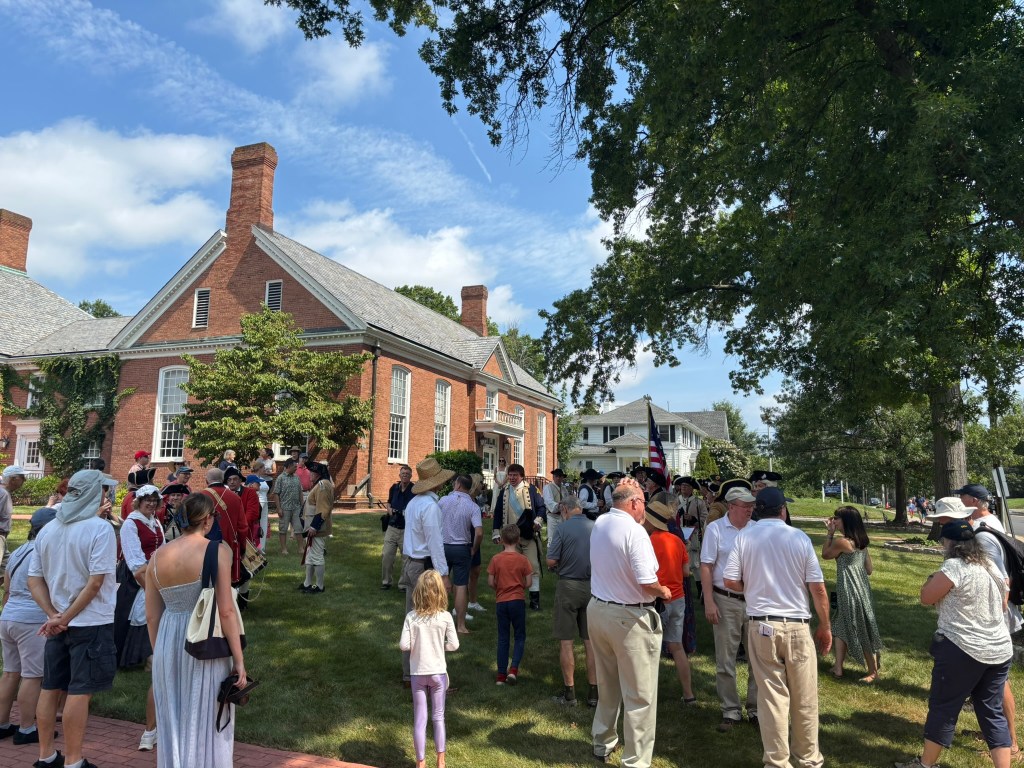
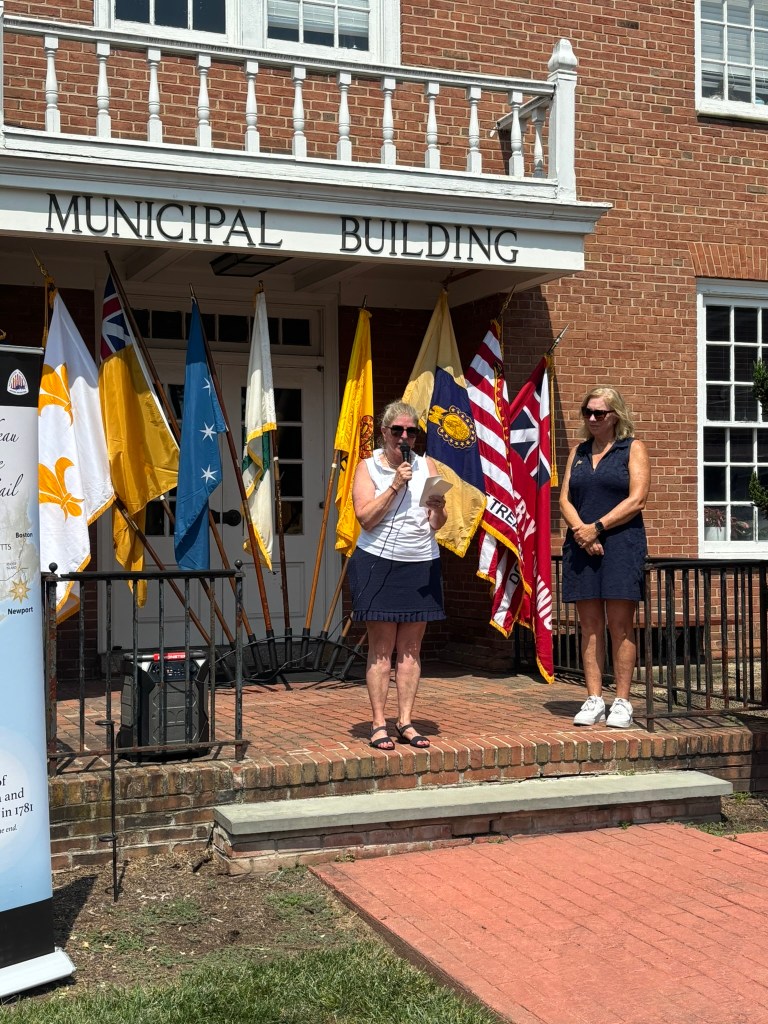
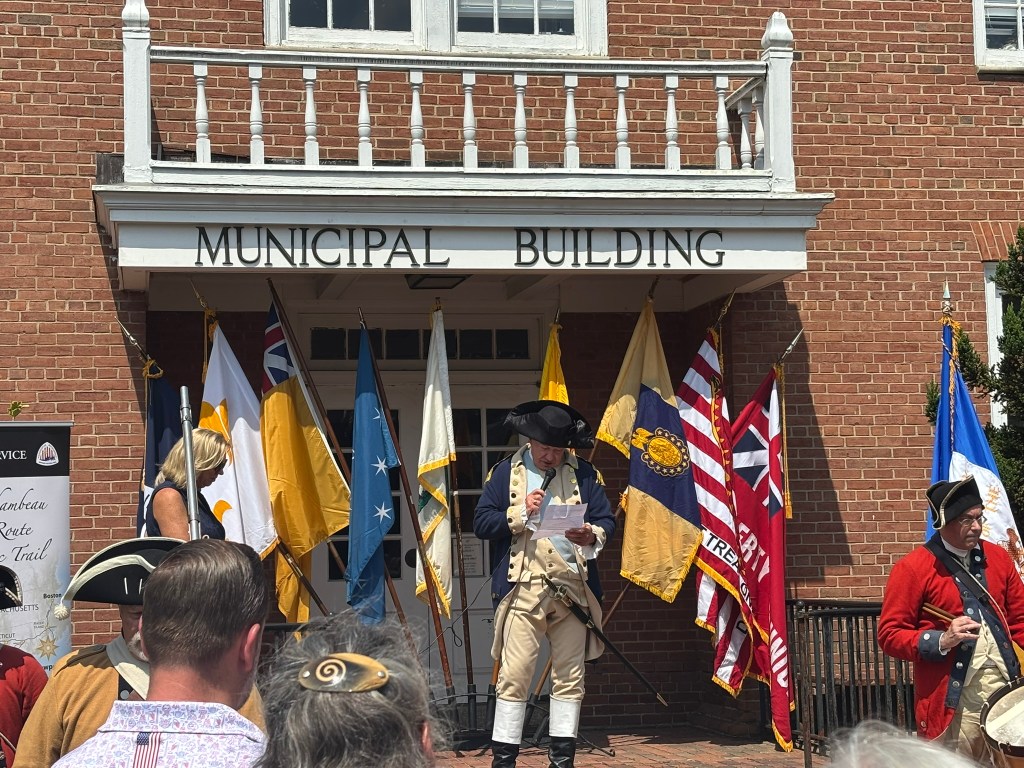
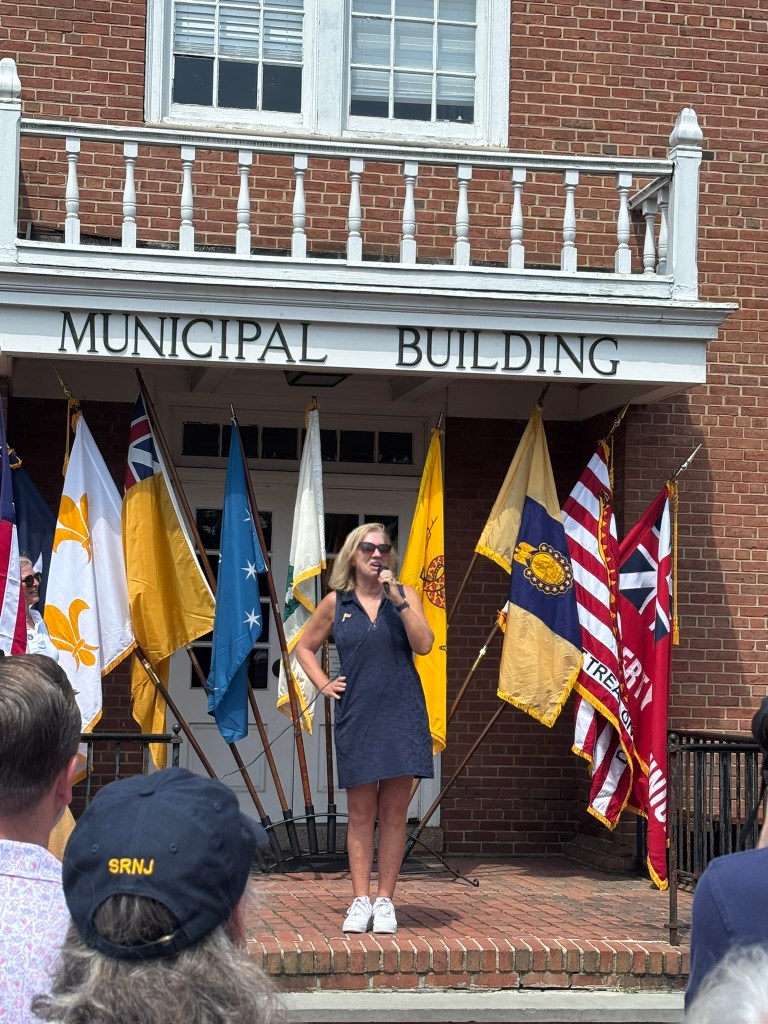
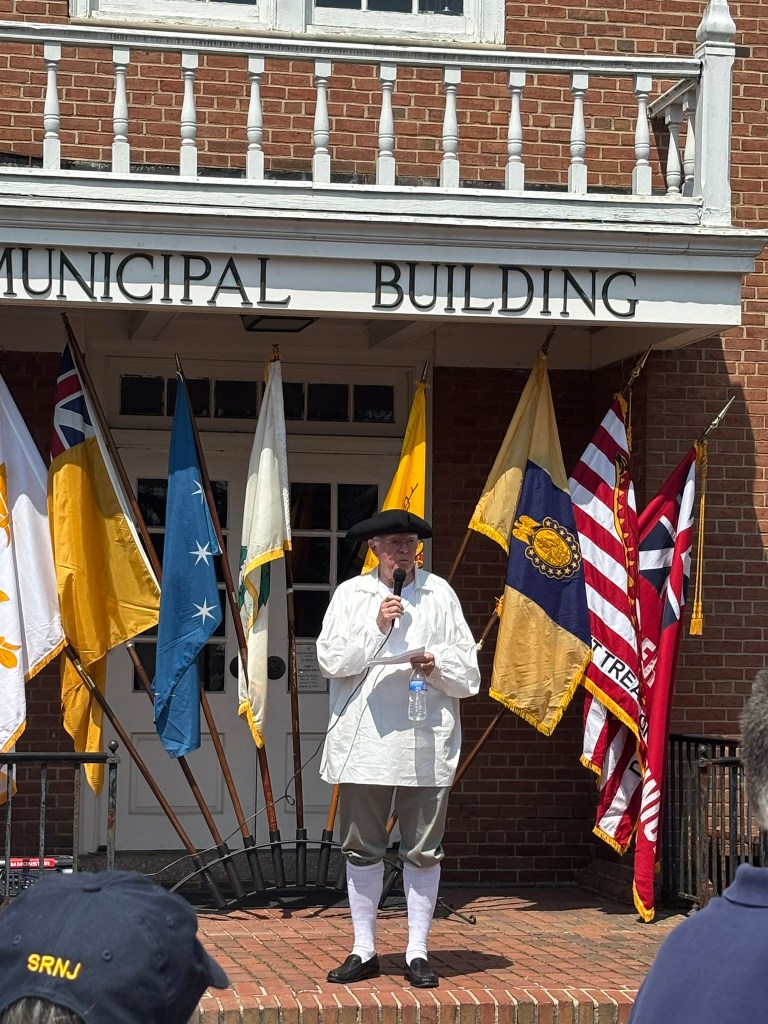
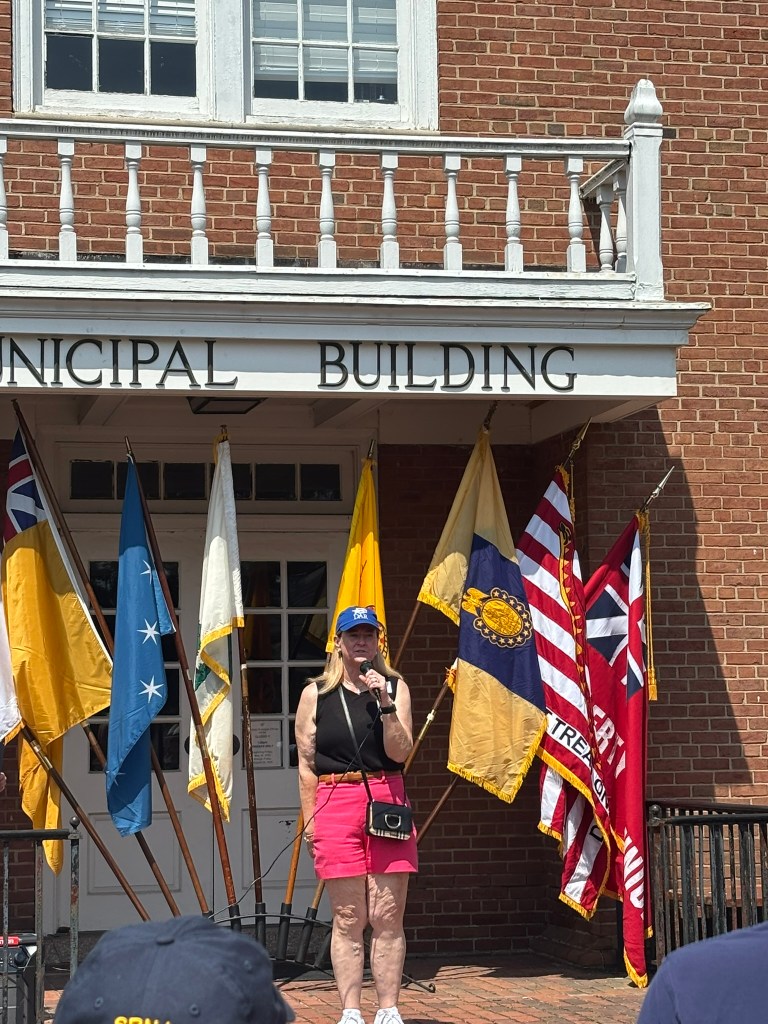
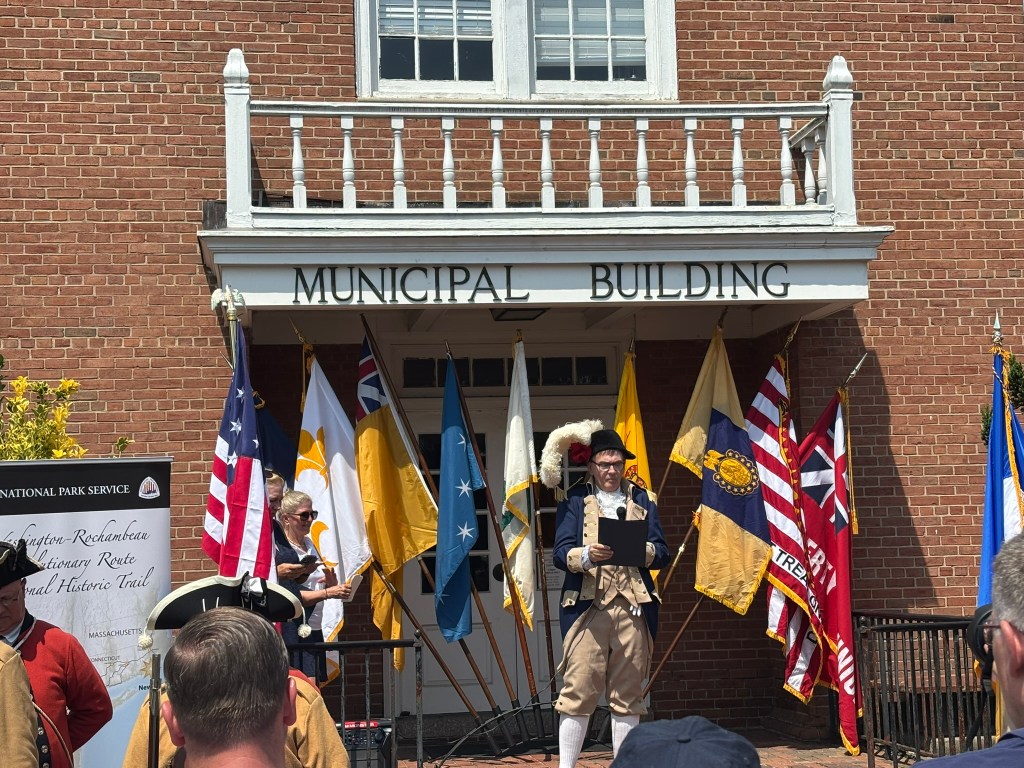
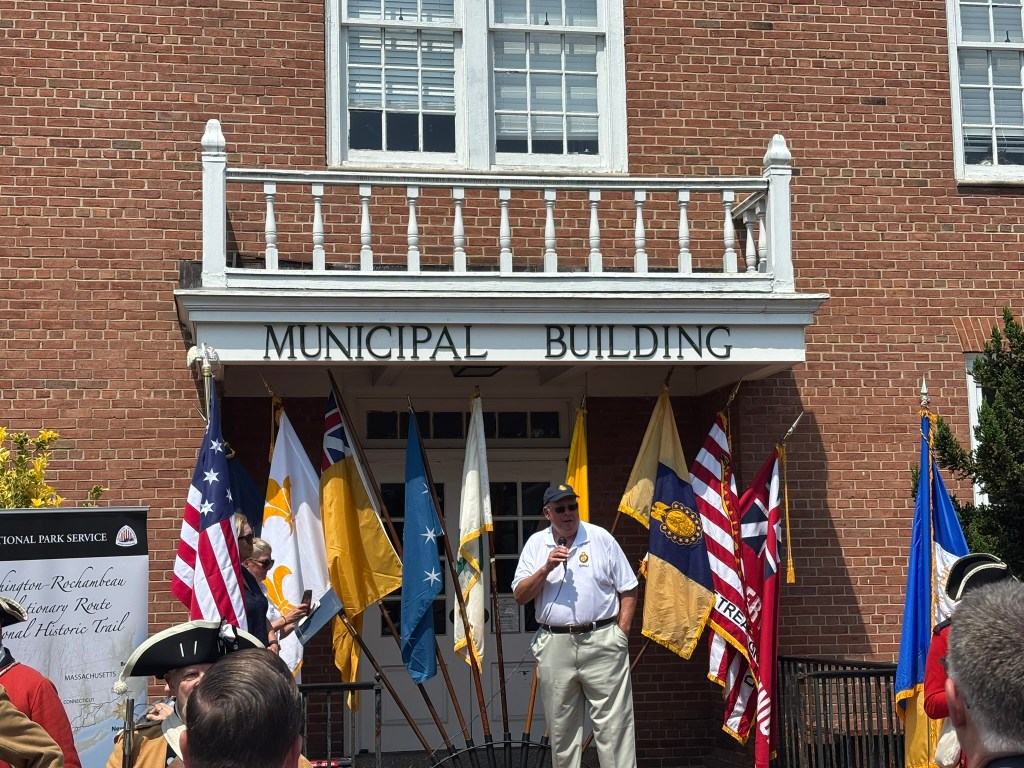
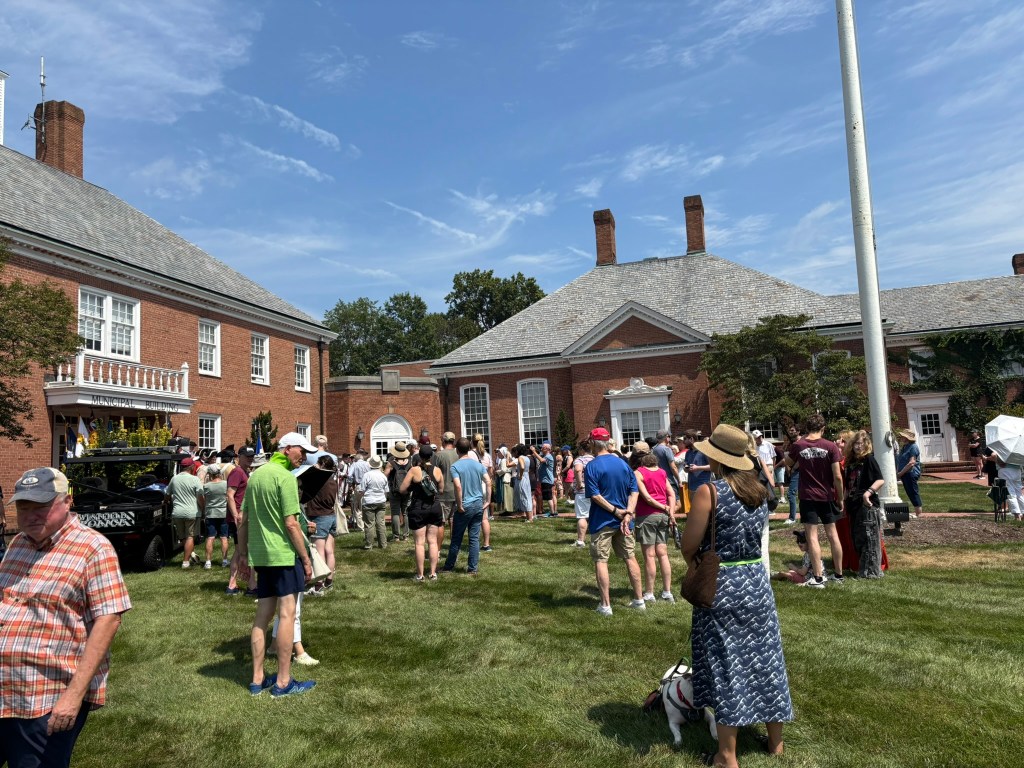
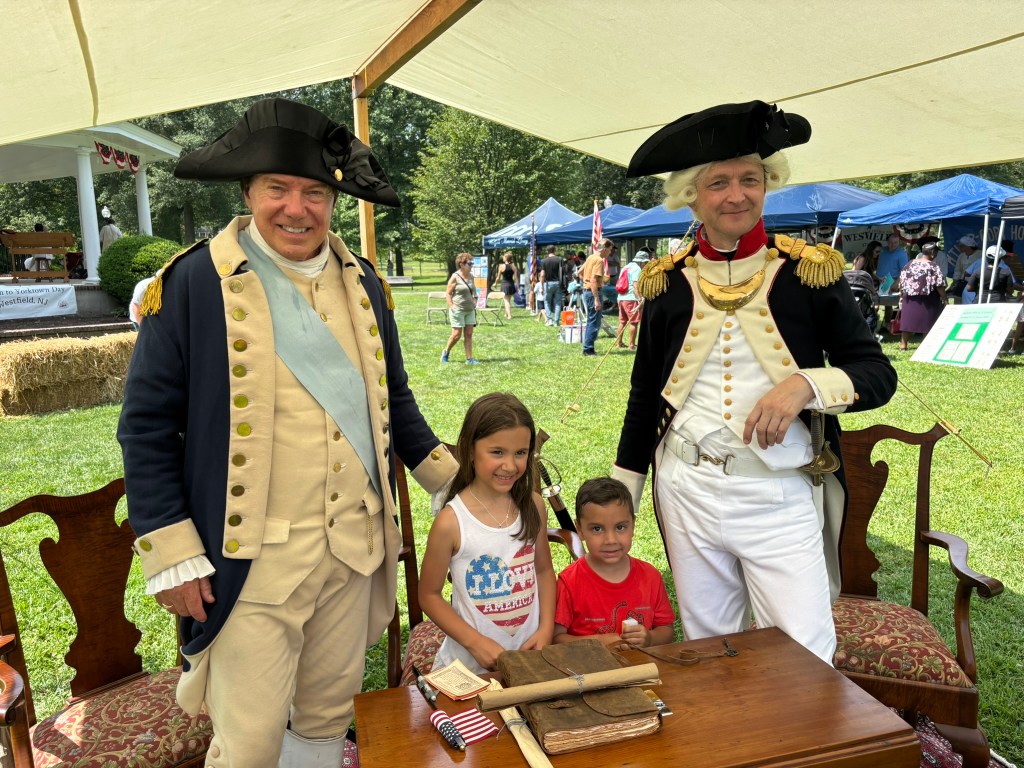
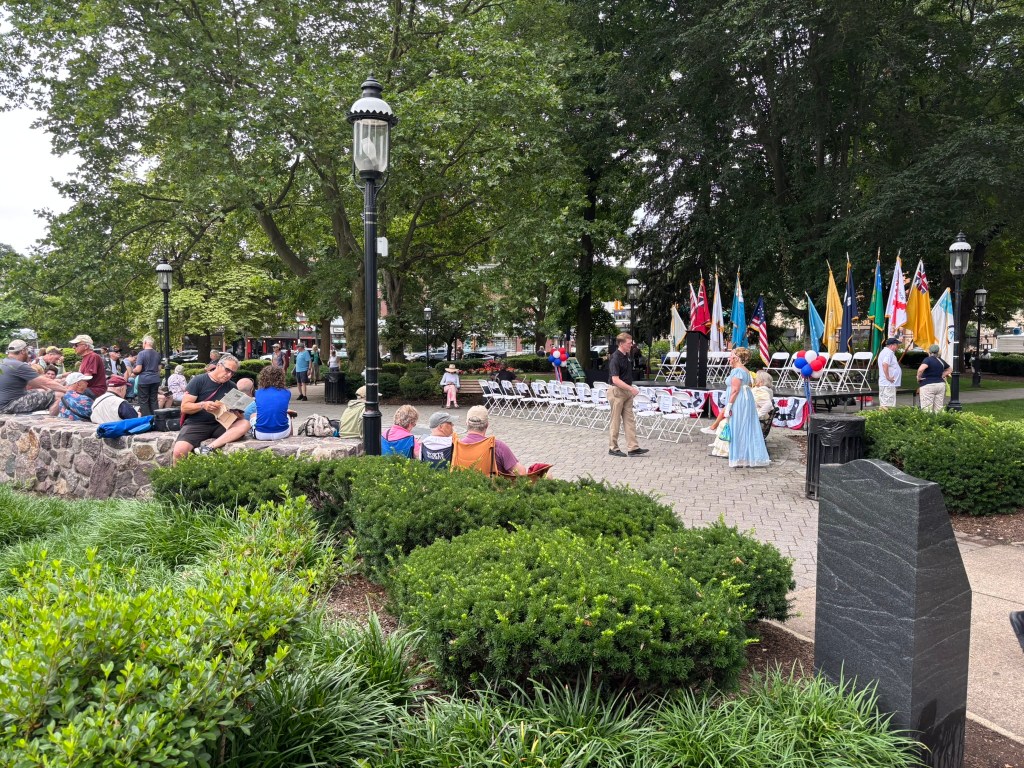
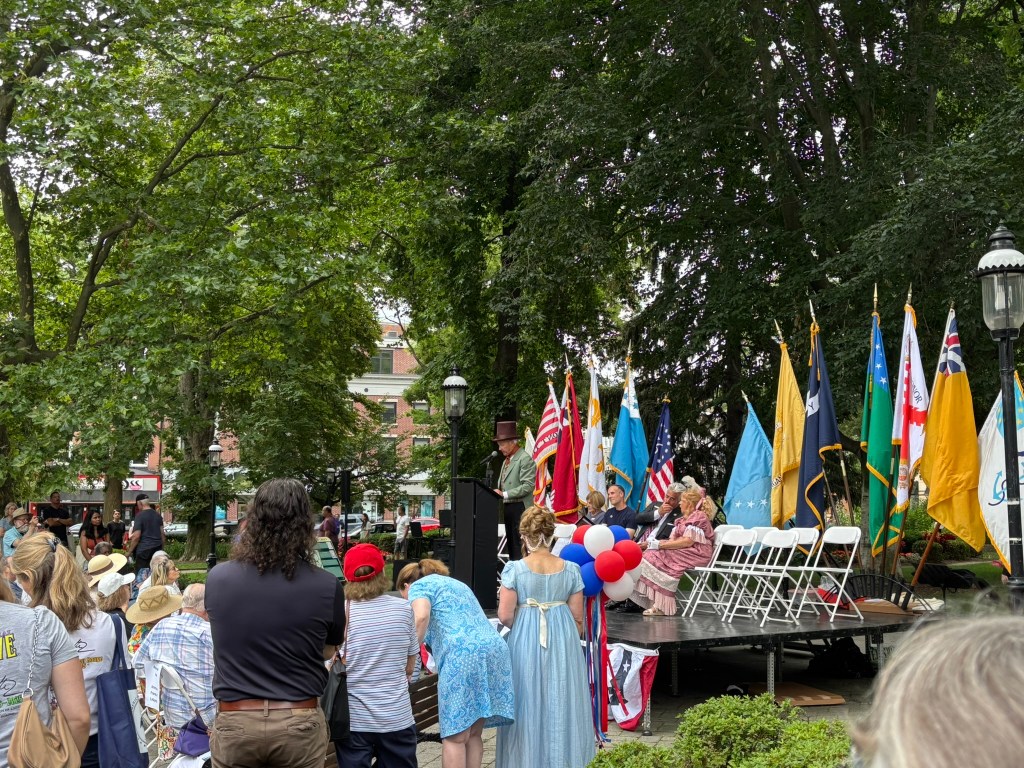
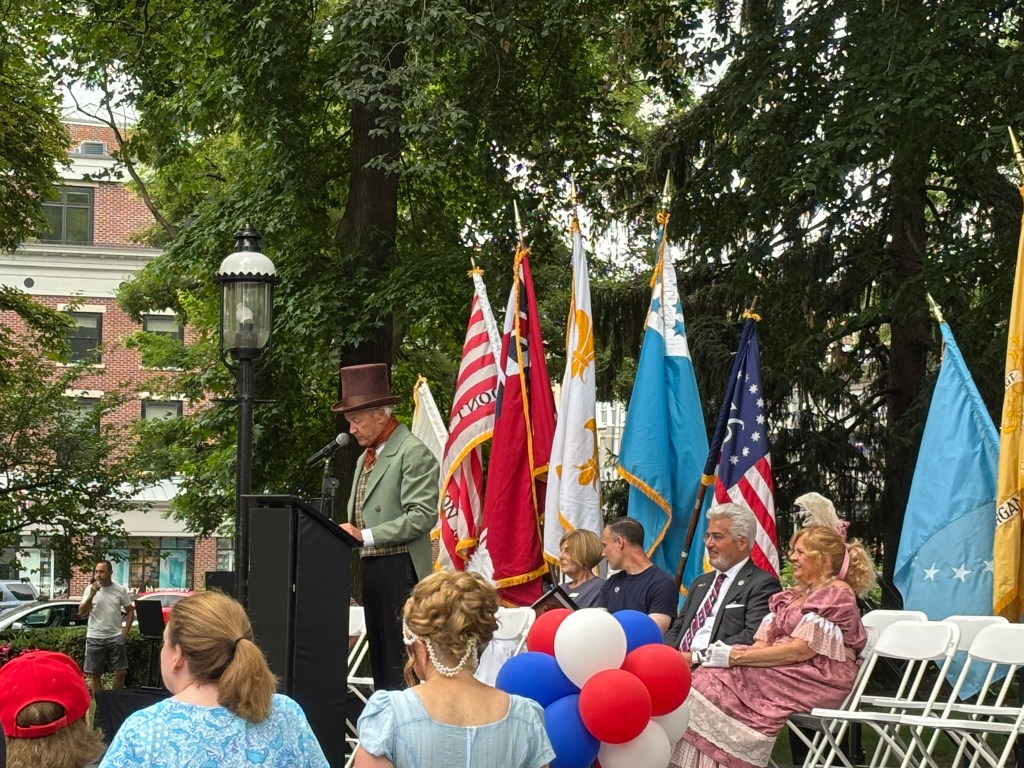
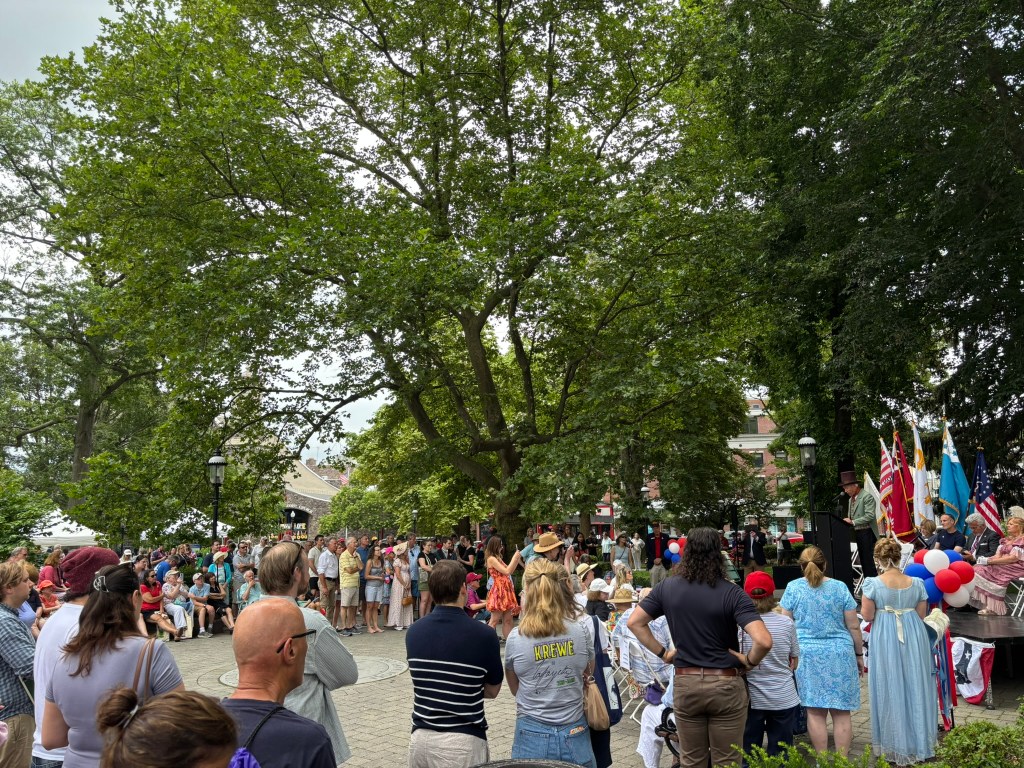
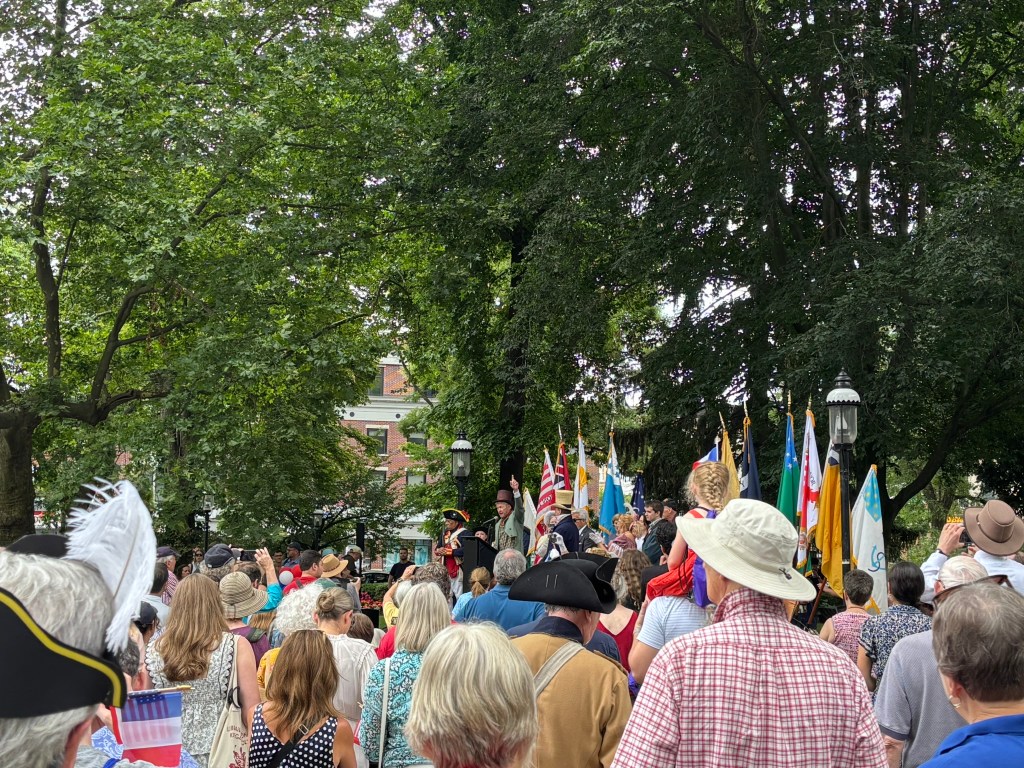
The program began at noon with an opening ceremony in front of Westfield Town Hall on East Broad Street. The first remarks, by Julie Diddel, chair of W3R-NJ, highlighted the significance of the Washington-Rochambeau Revolutionary Trail and Westfield’s role in the Revolution. She was followed by other speakers, including Westfield Mayor Shelley Brindle and leaders from local historical organizations. General George Washington, portrayed by reenactor Sam Davis, offered an opening prayer, and the New Jersey Fifes and Drums led the crowd in the Star-Spangled Banner.
Symbolic March
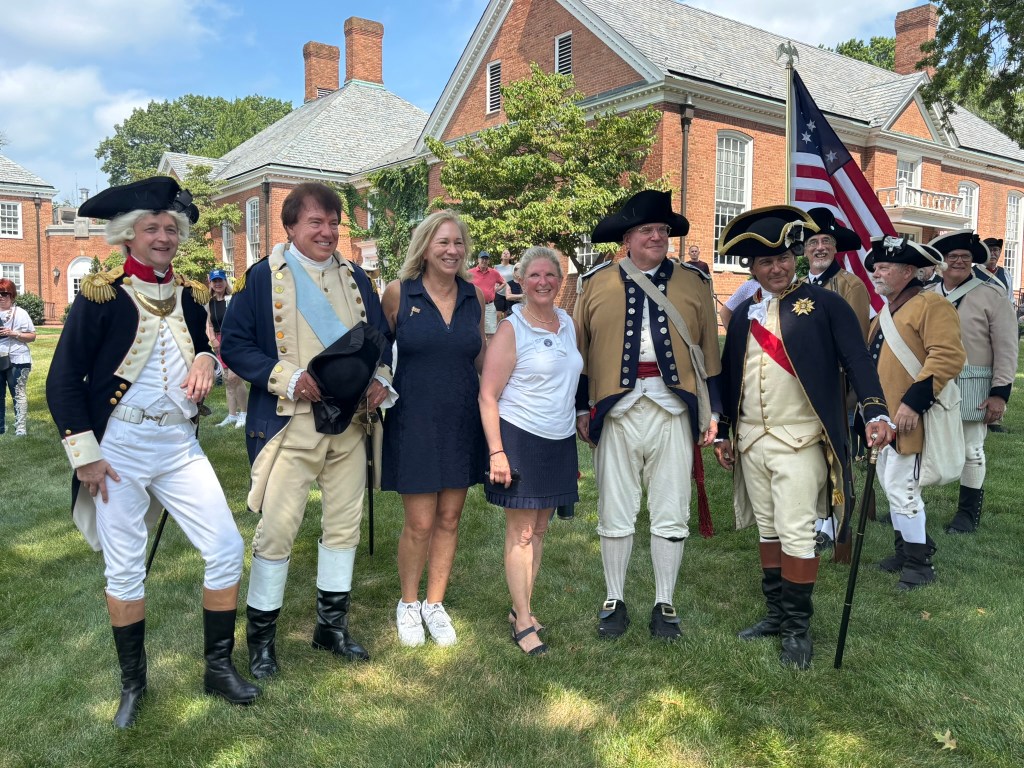
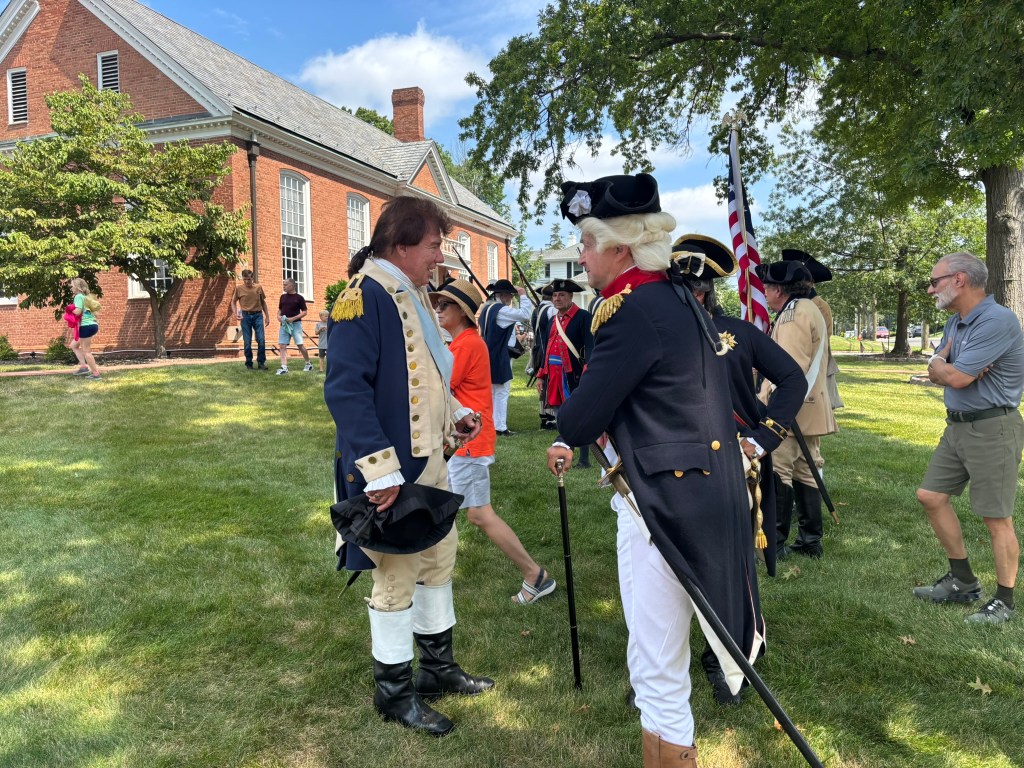
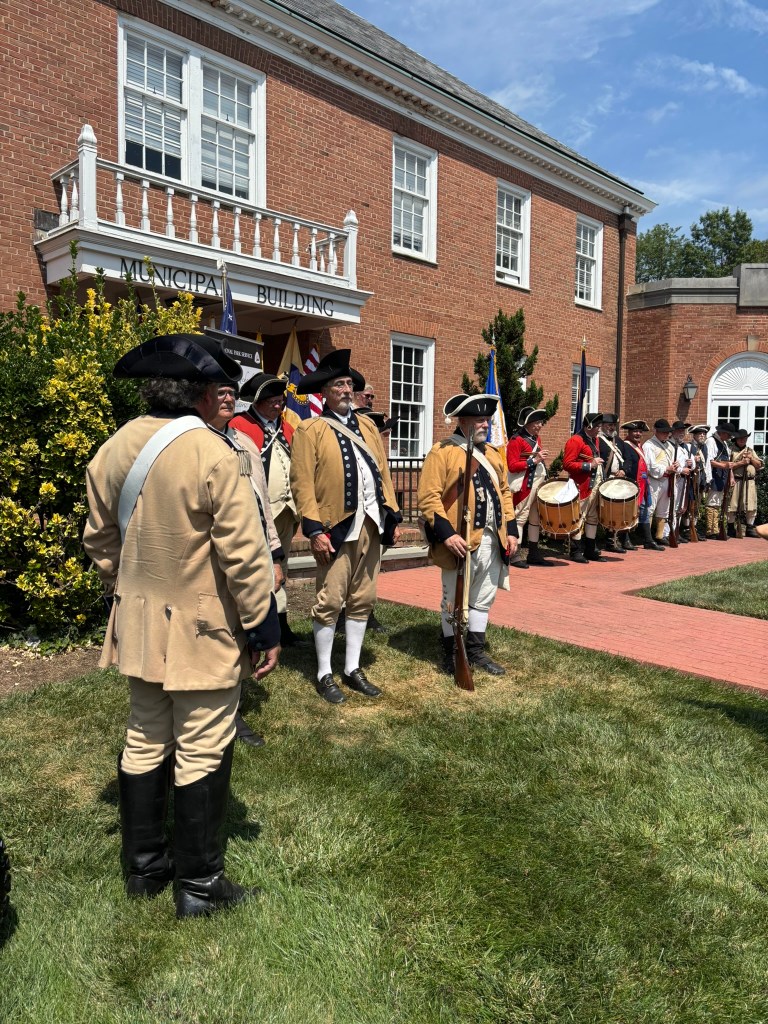
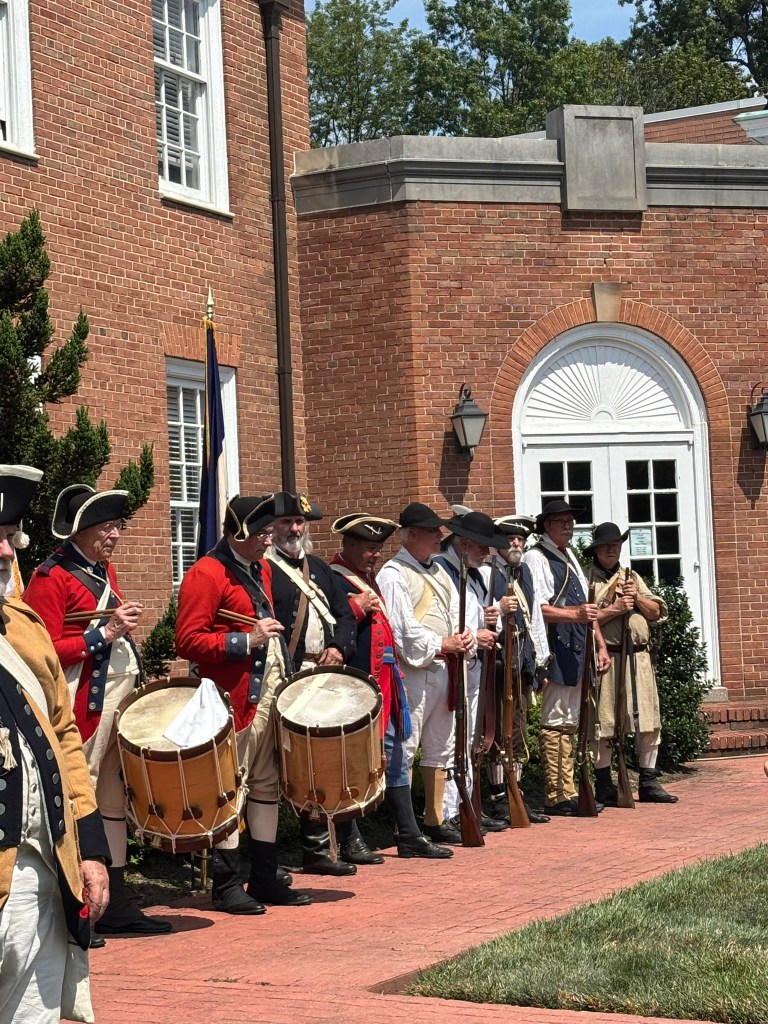
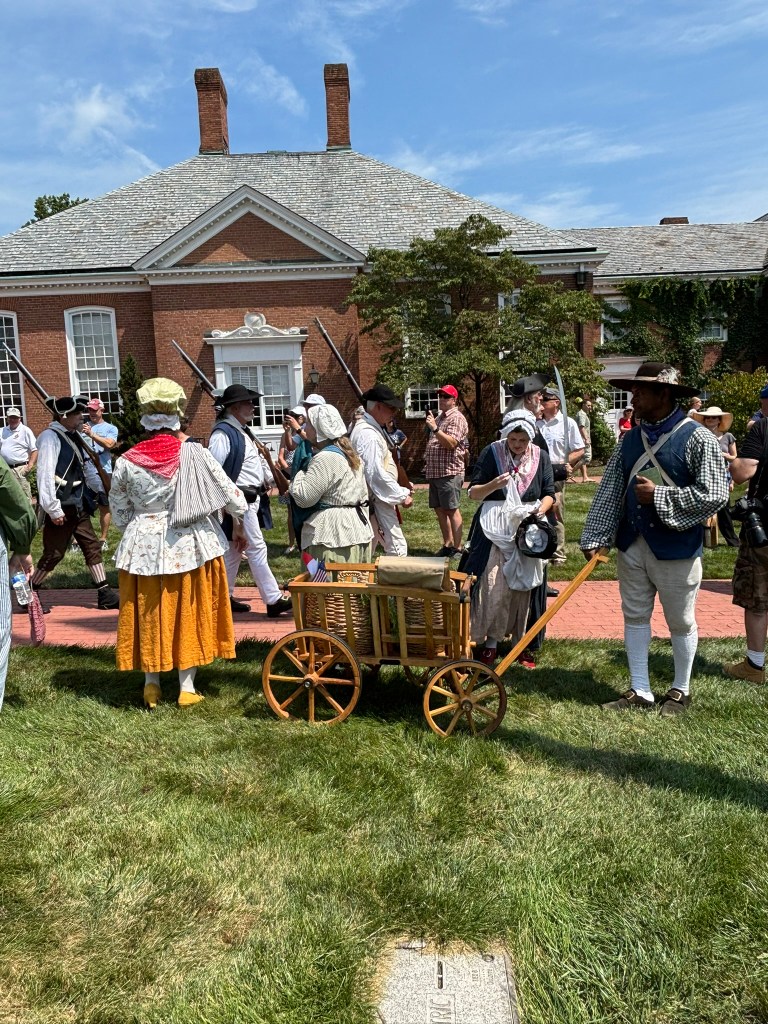
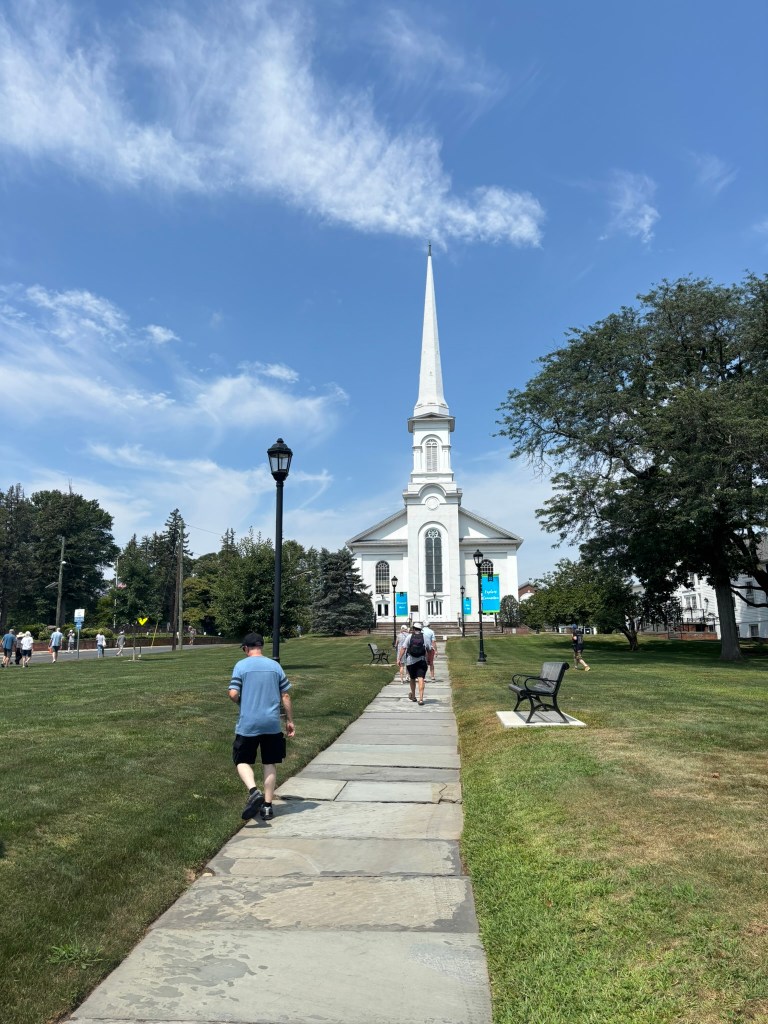
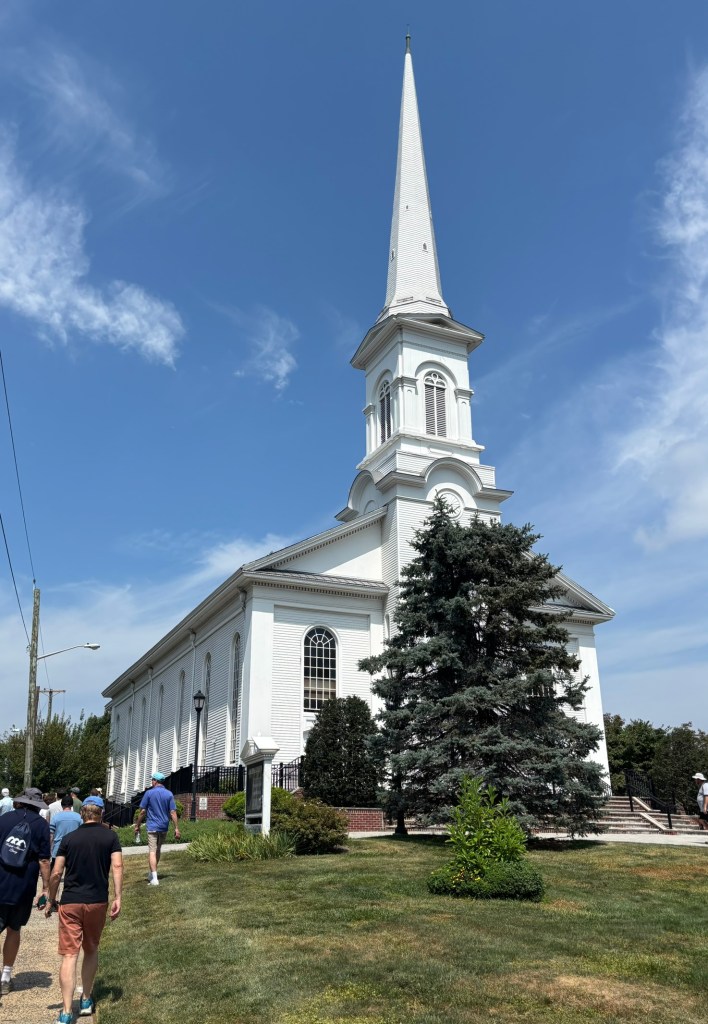
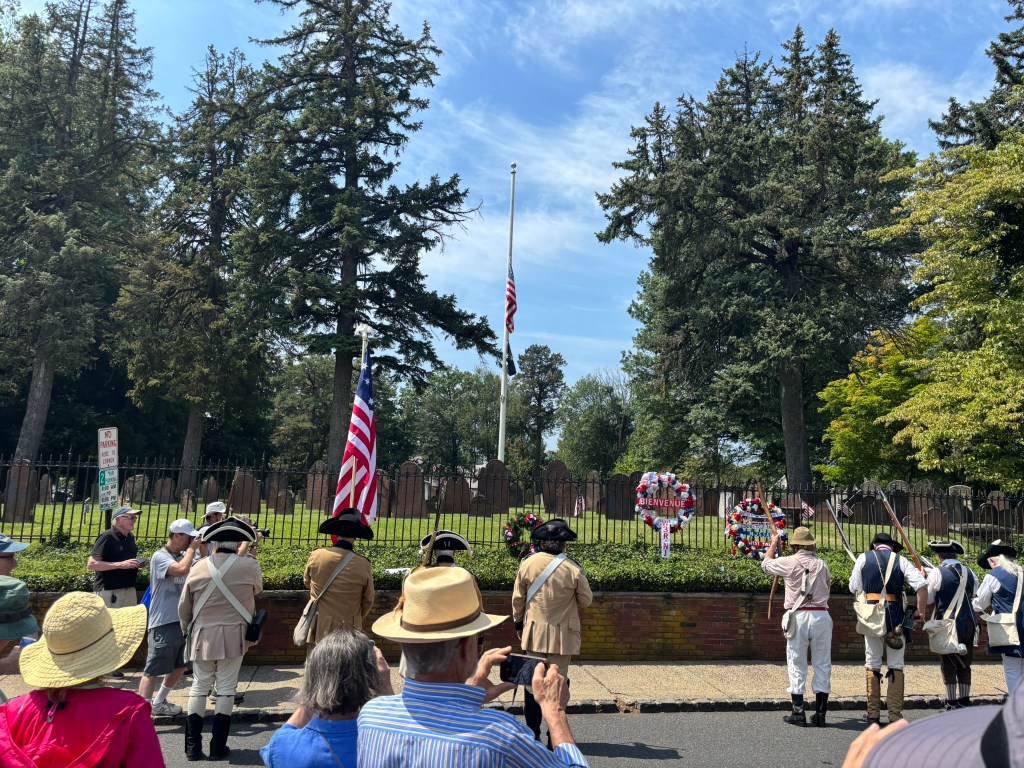
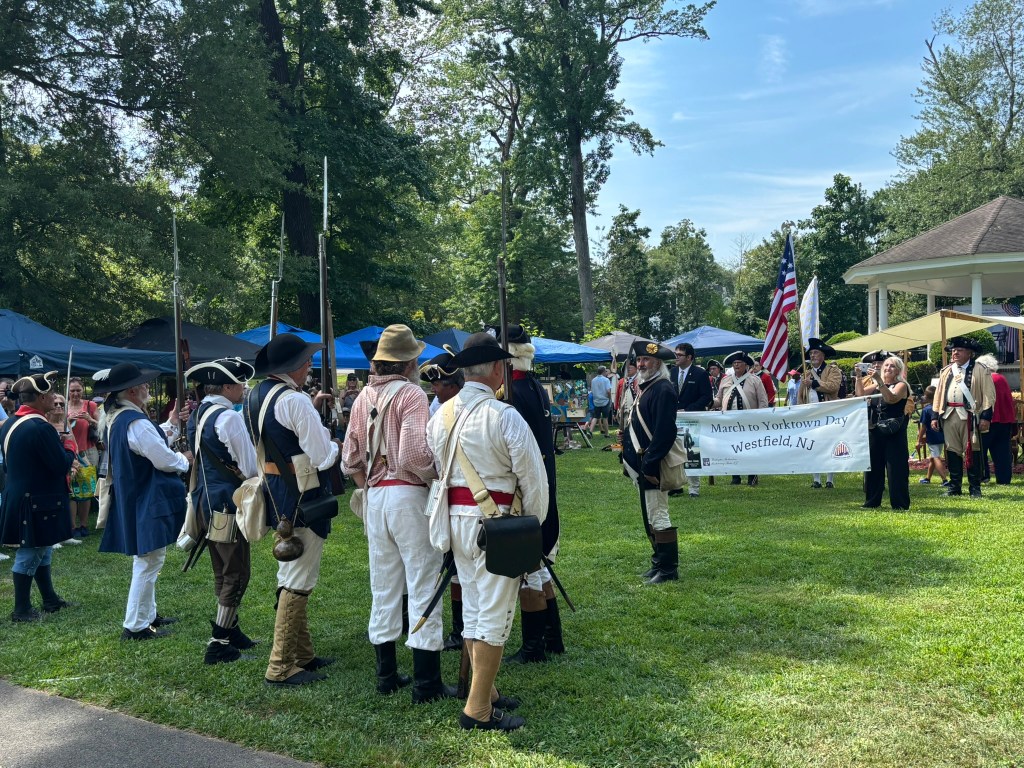
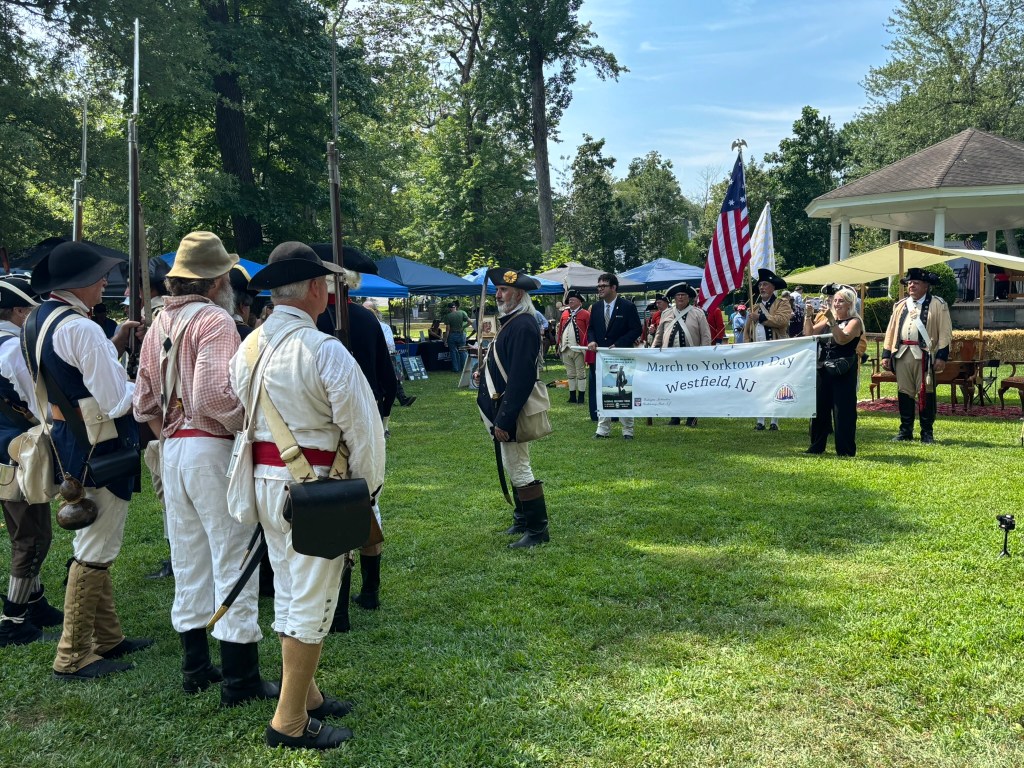
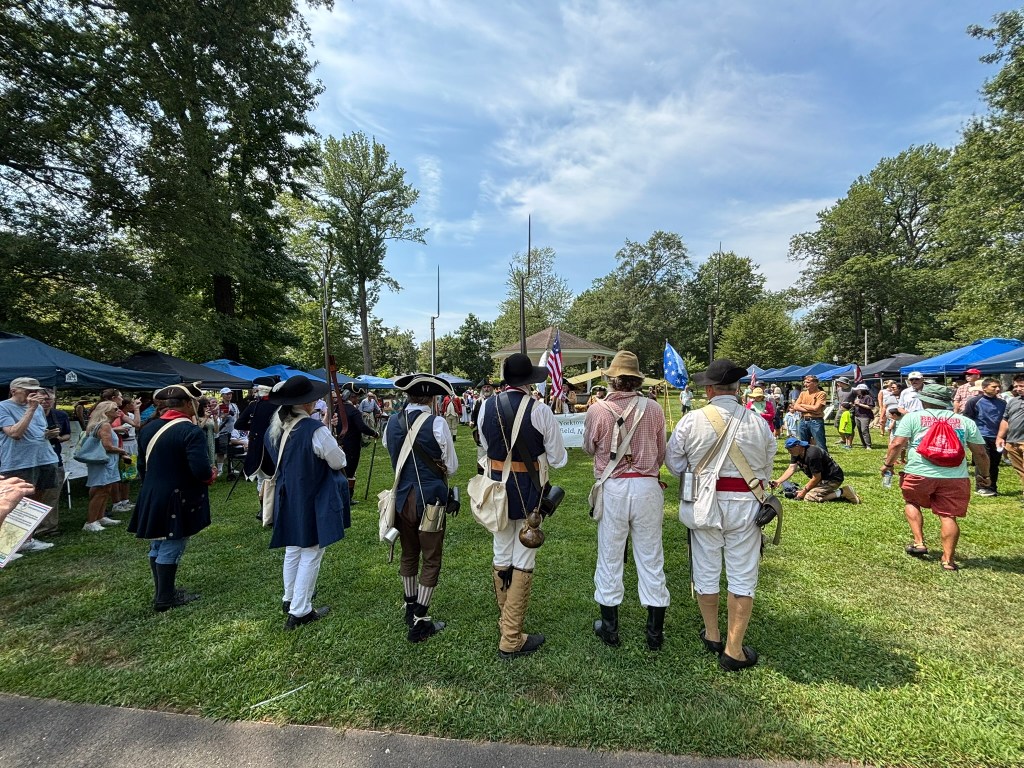
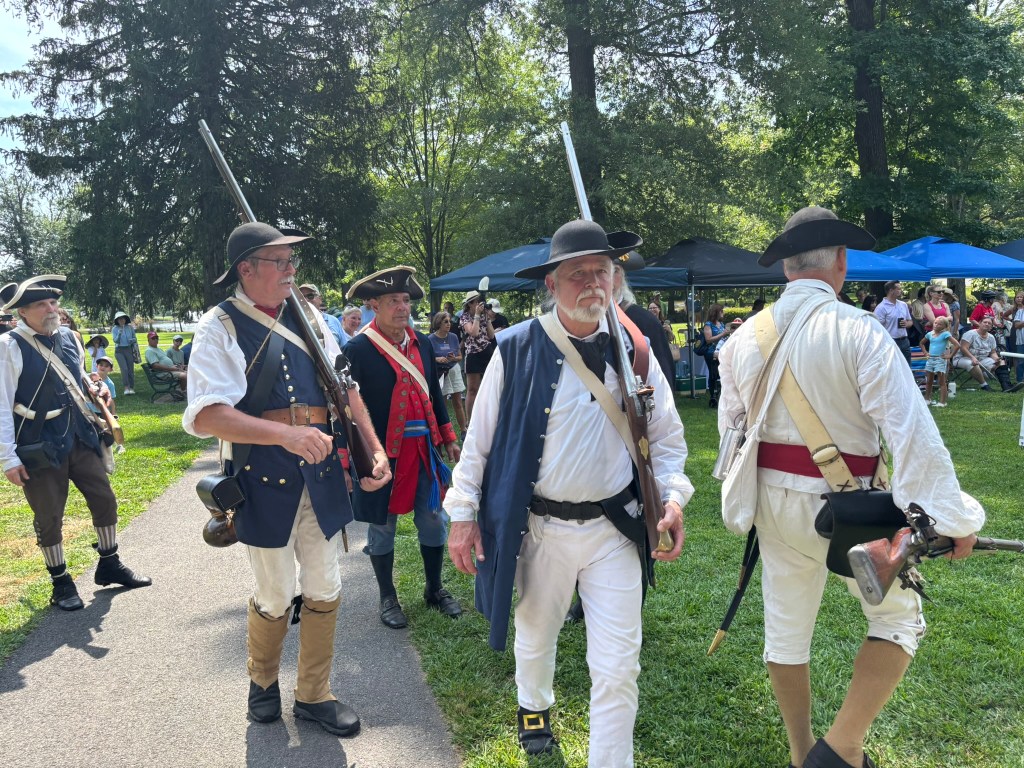
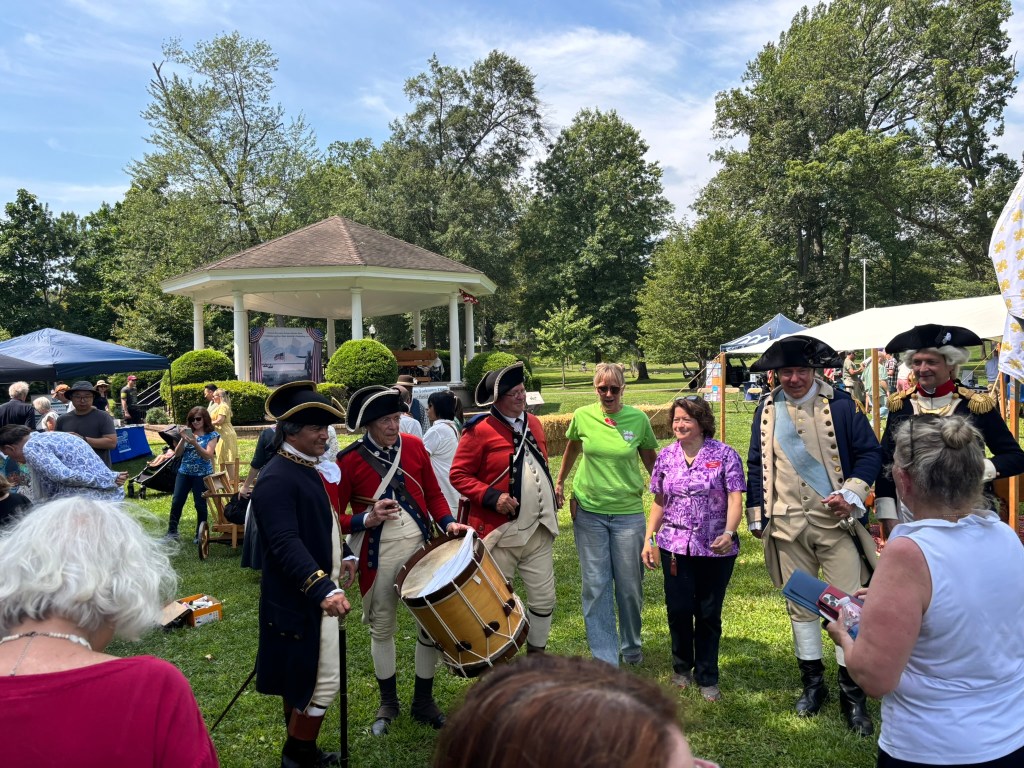
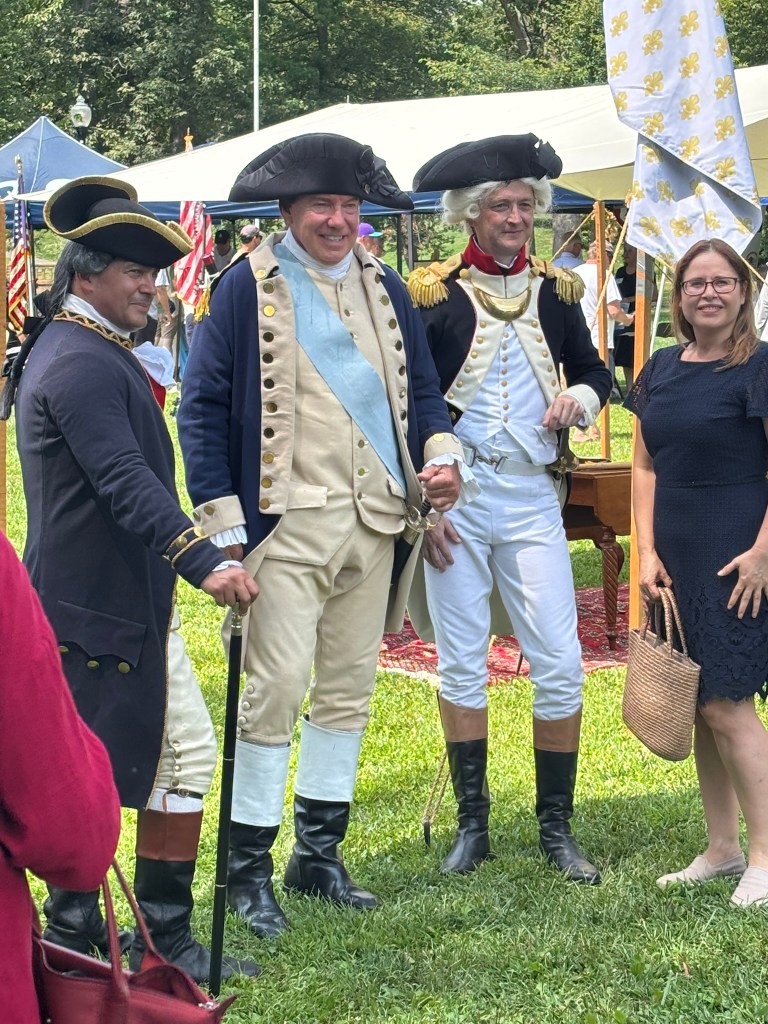
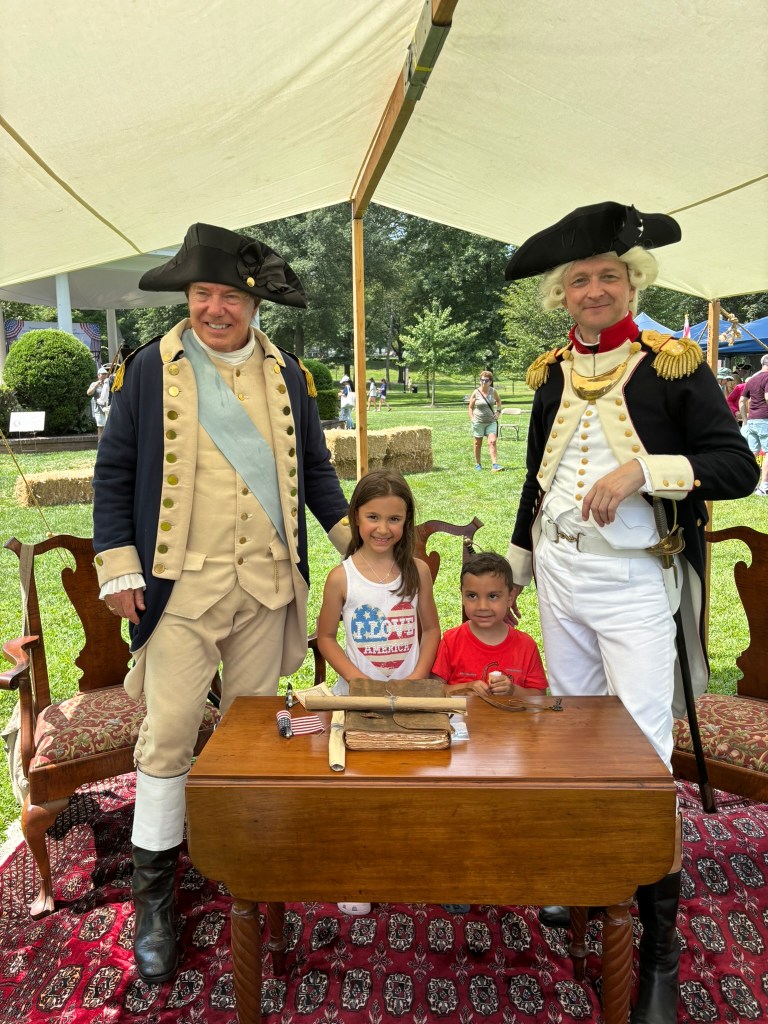
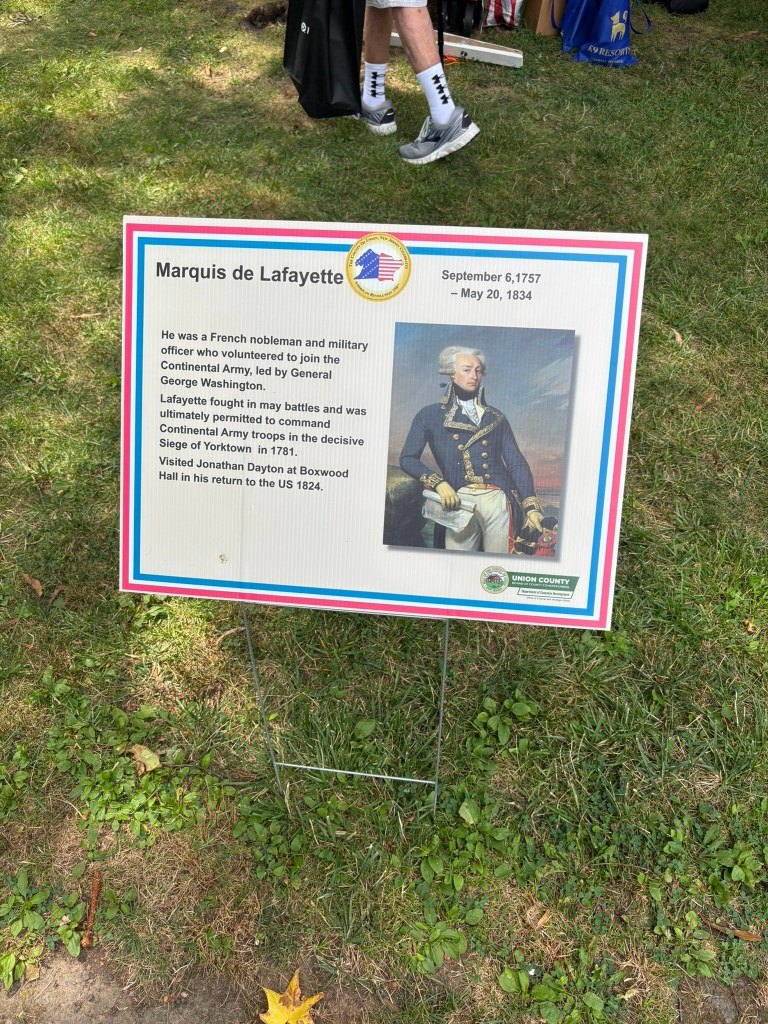
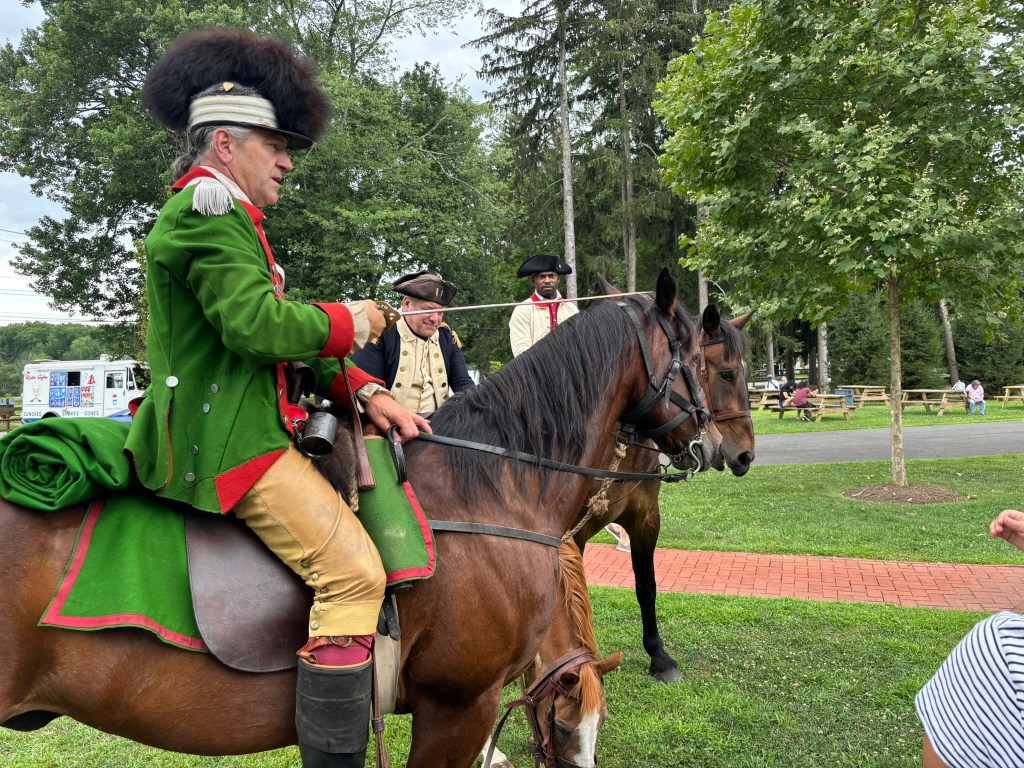
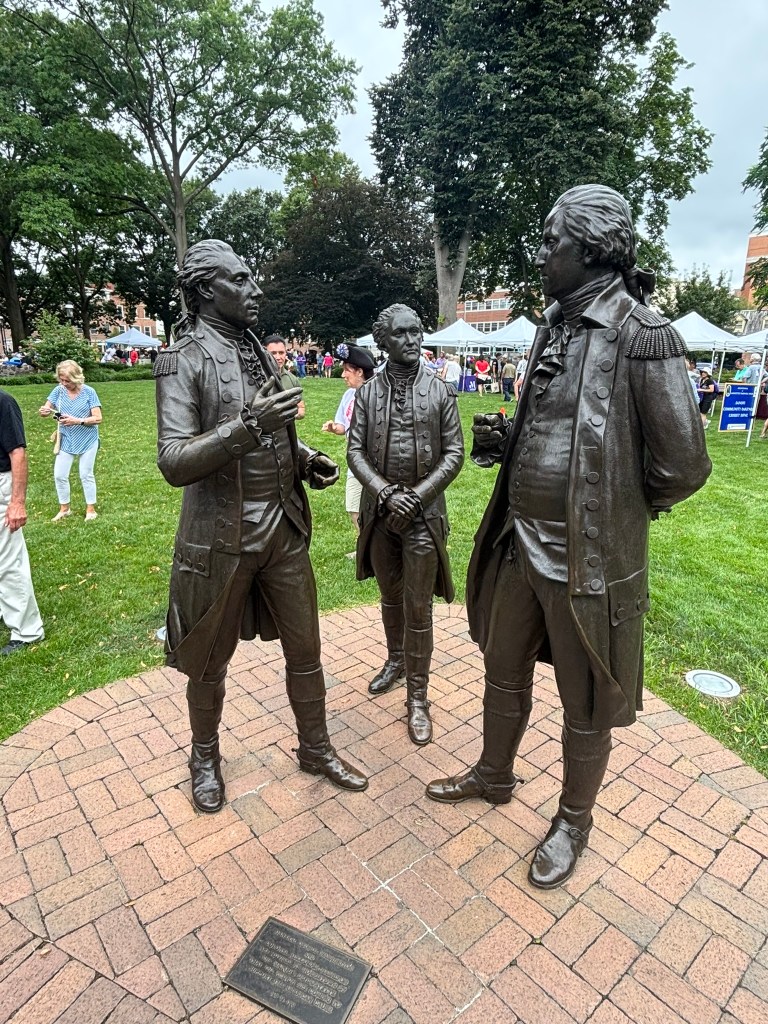
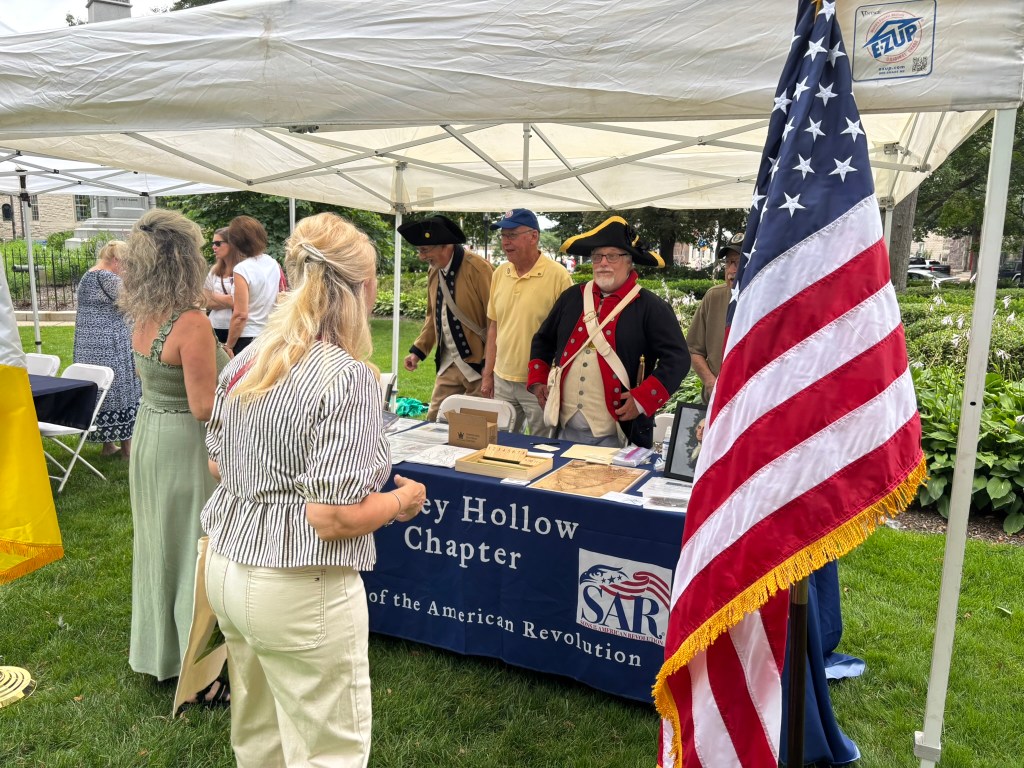
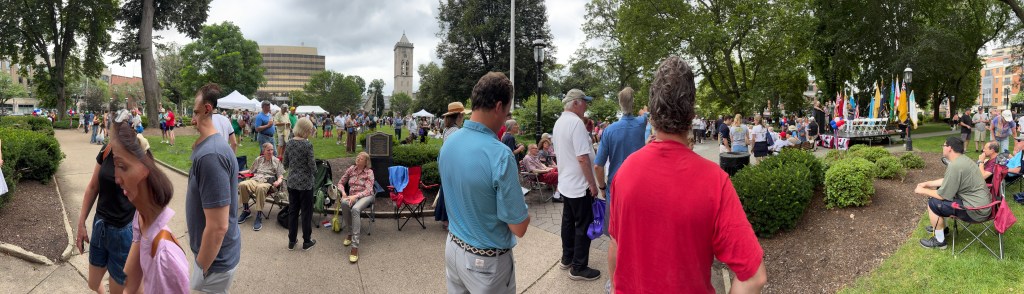
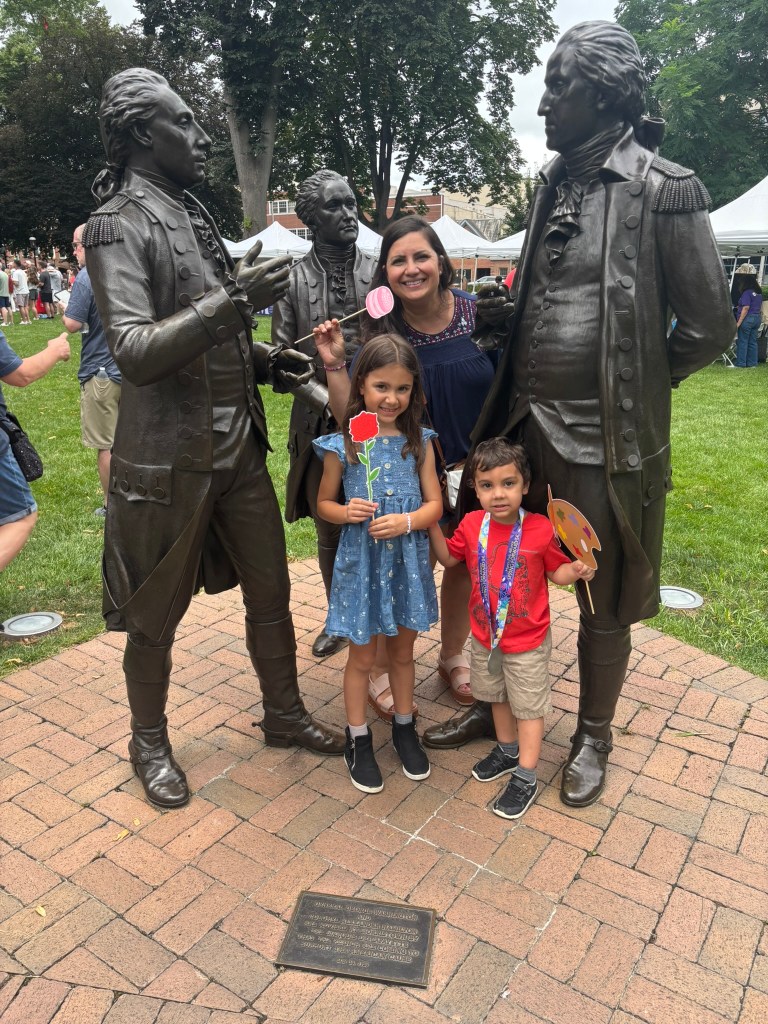
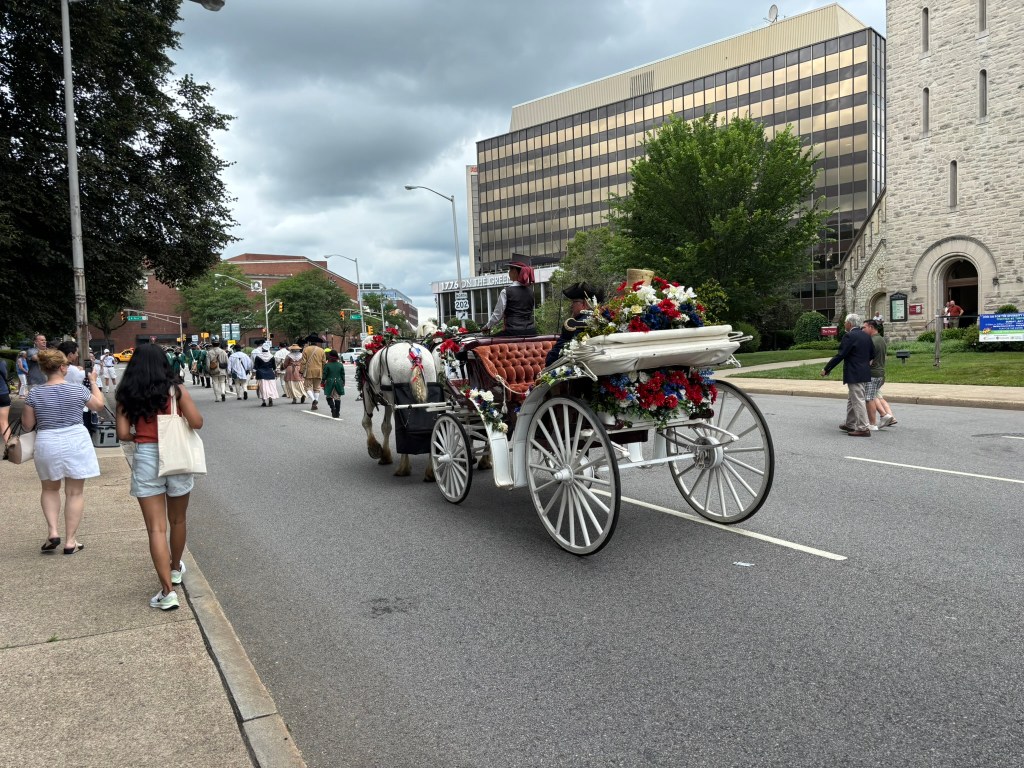
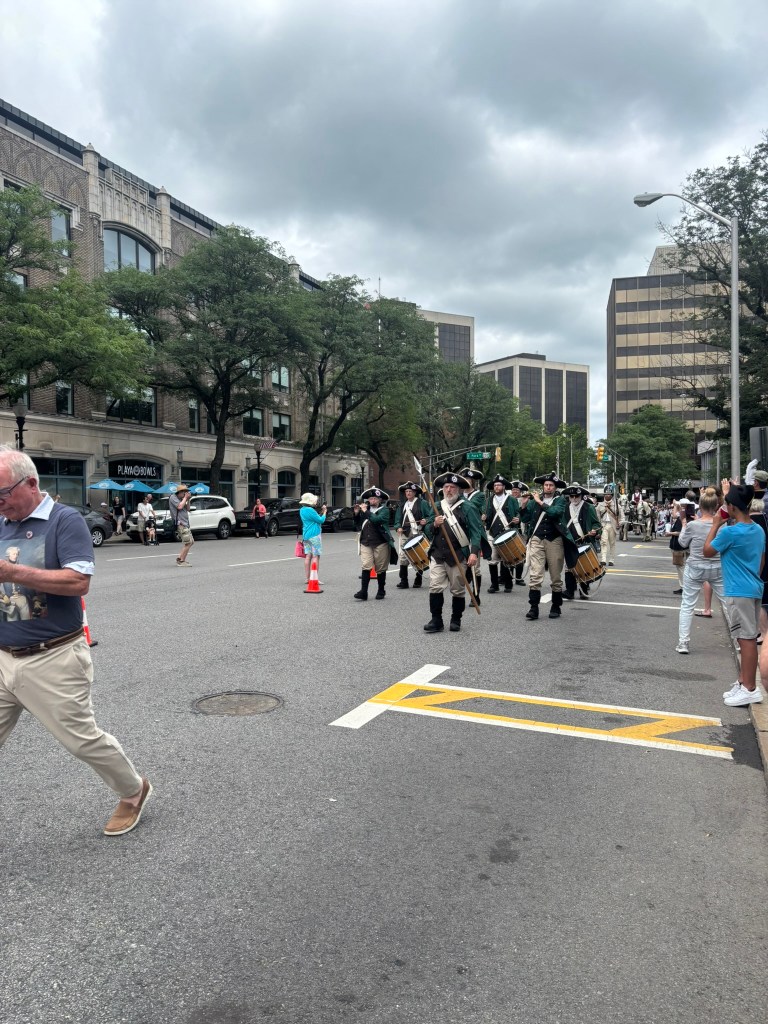
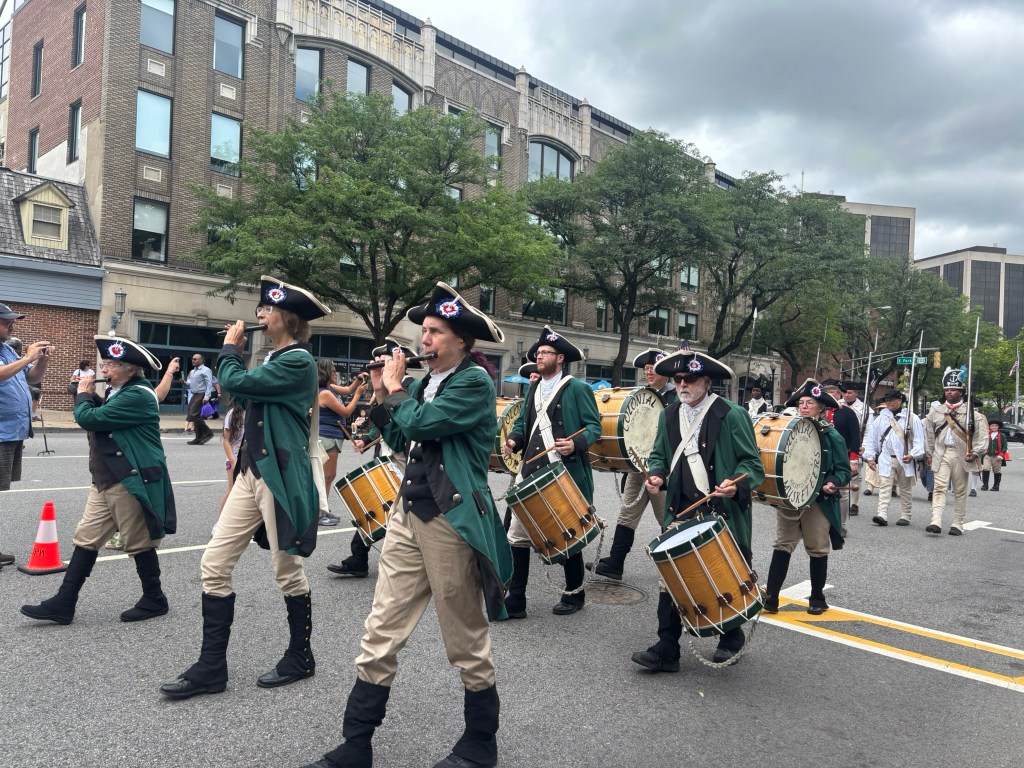
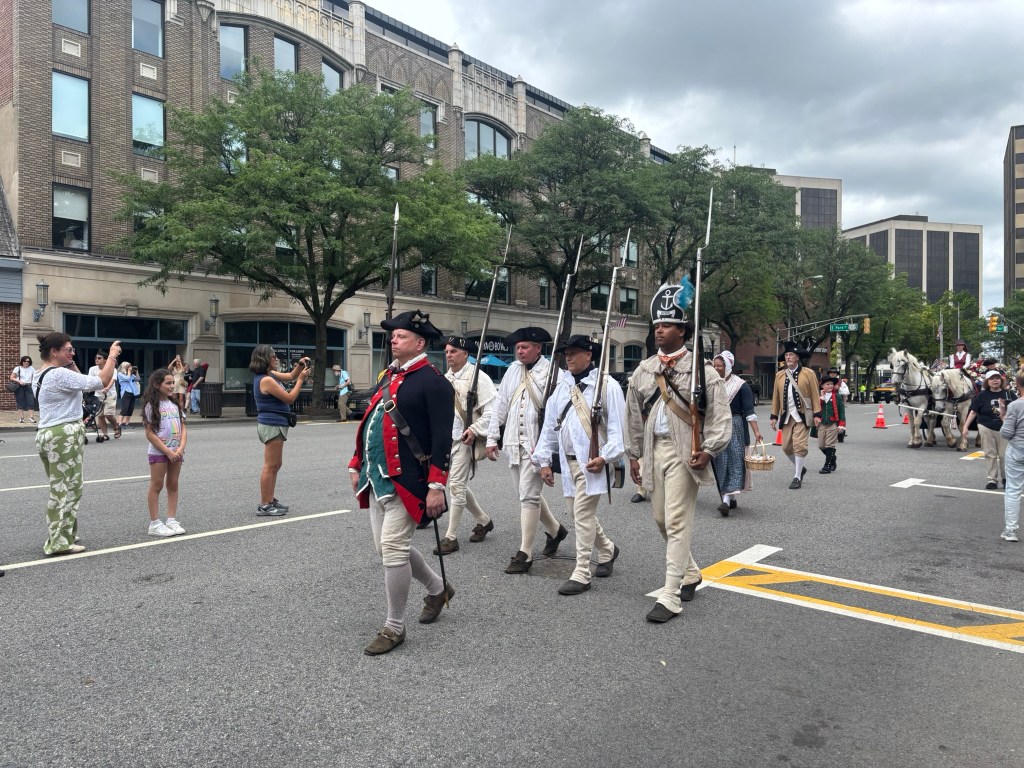
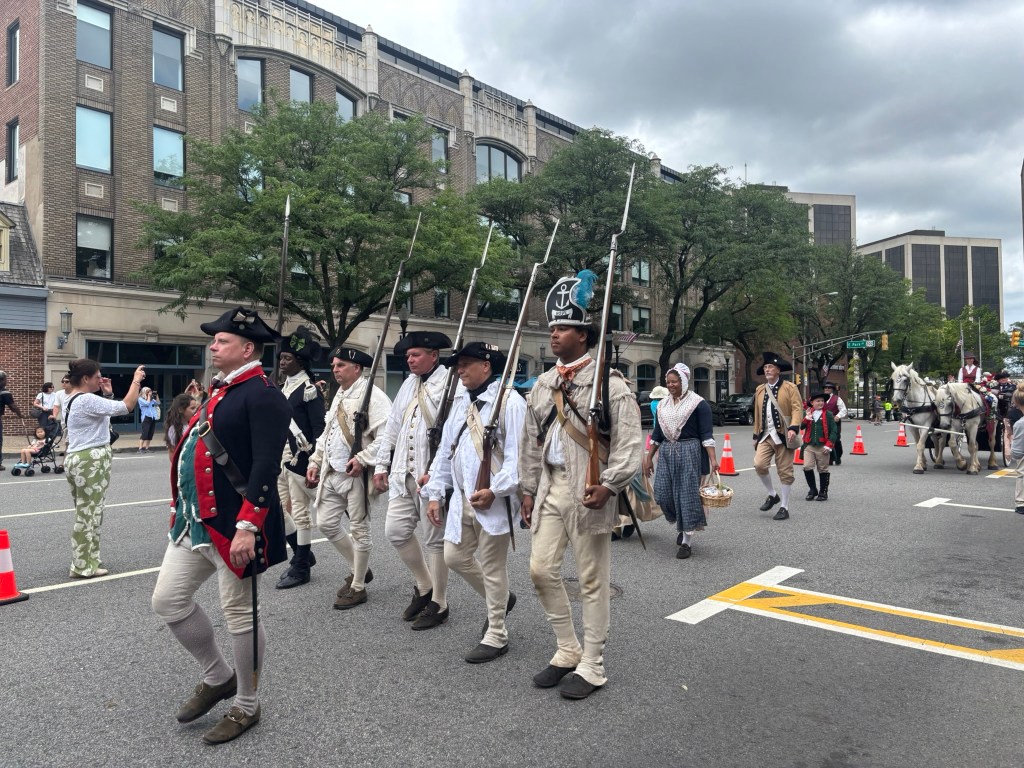
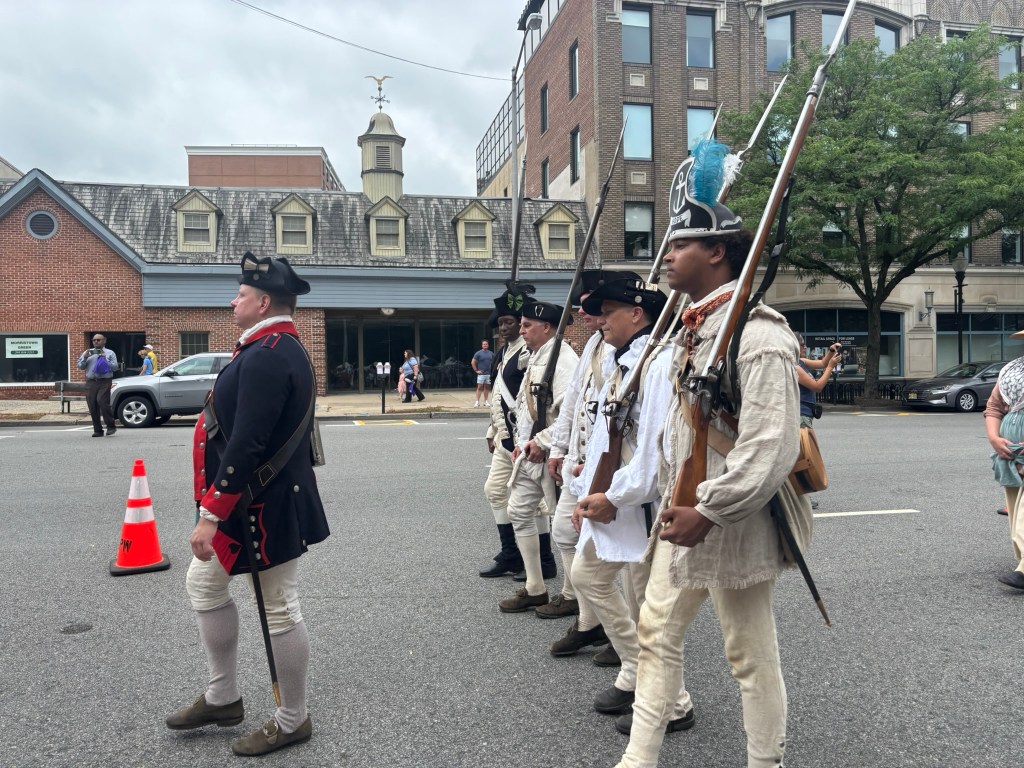
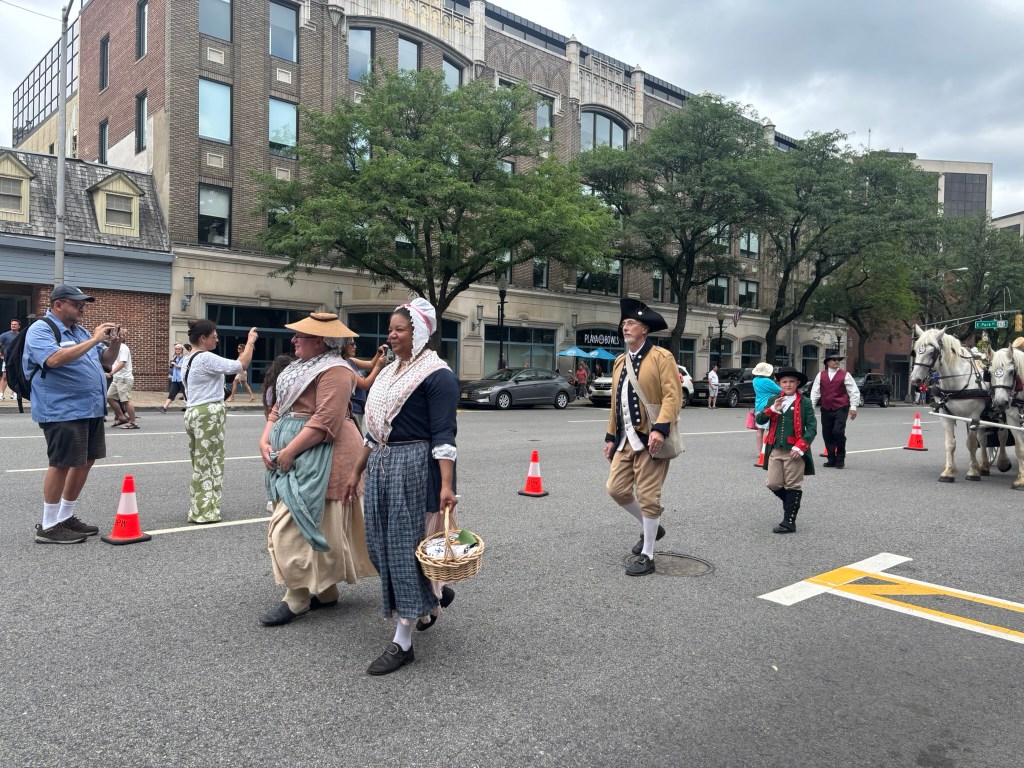
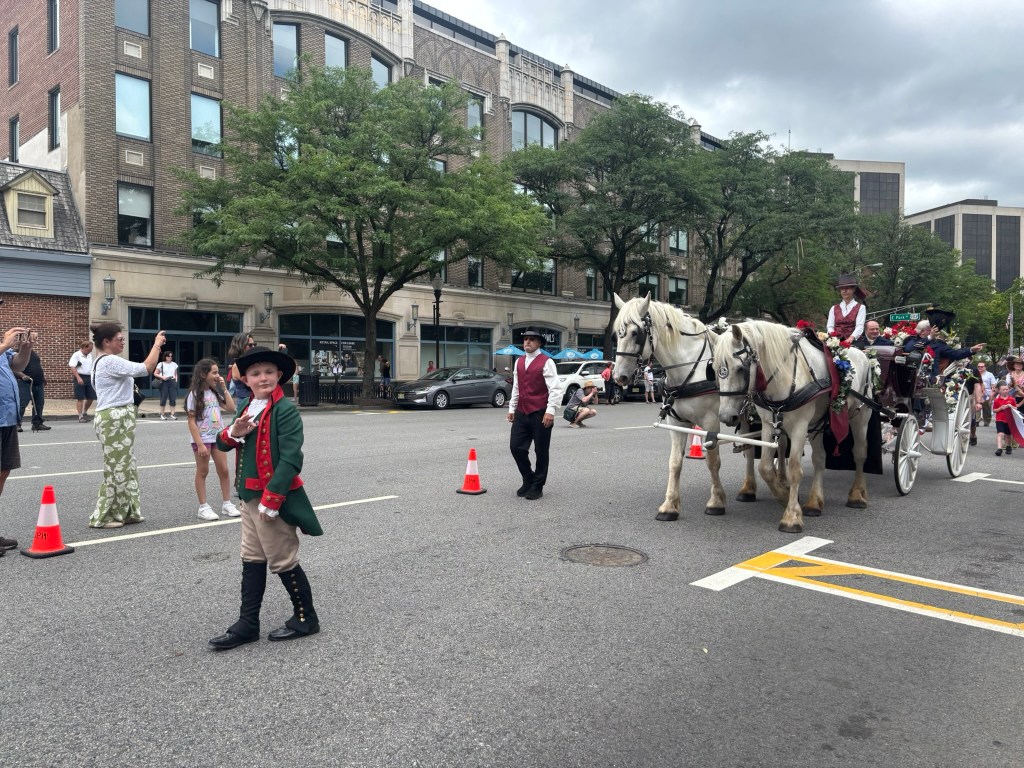
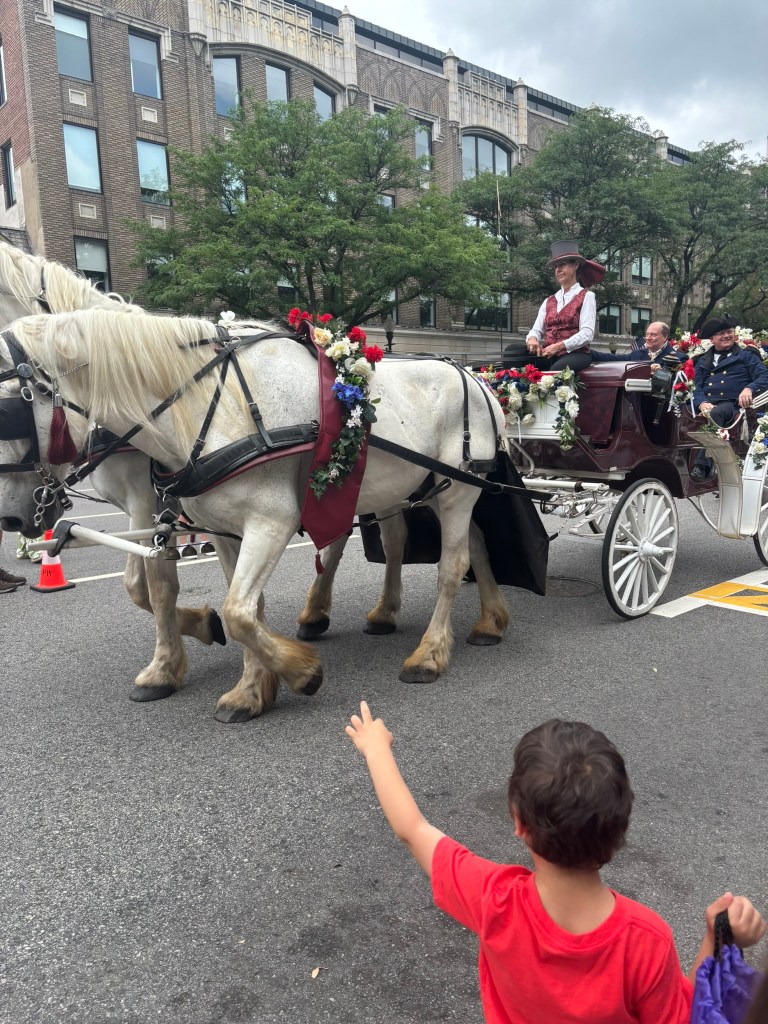
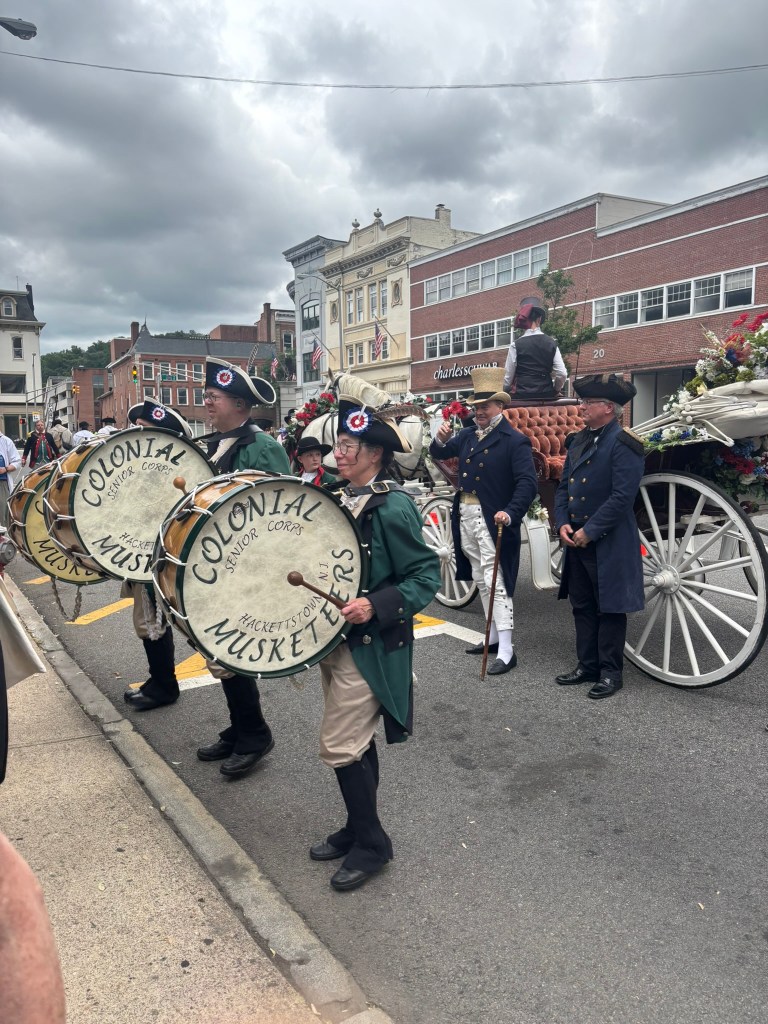
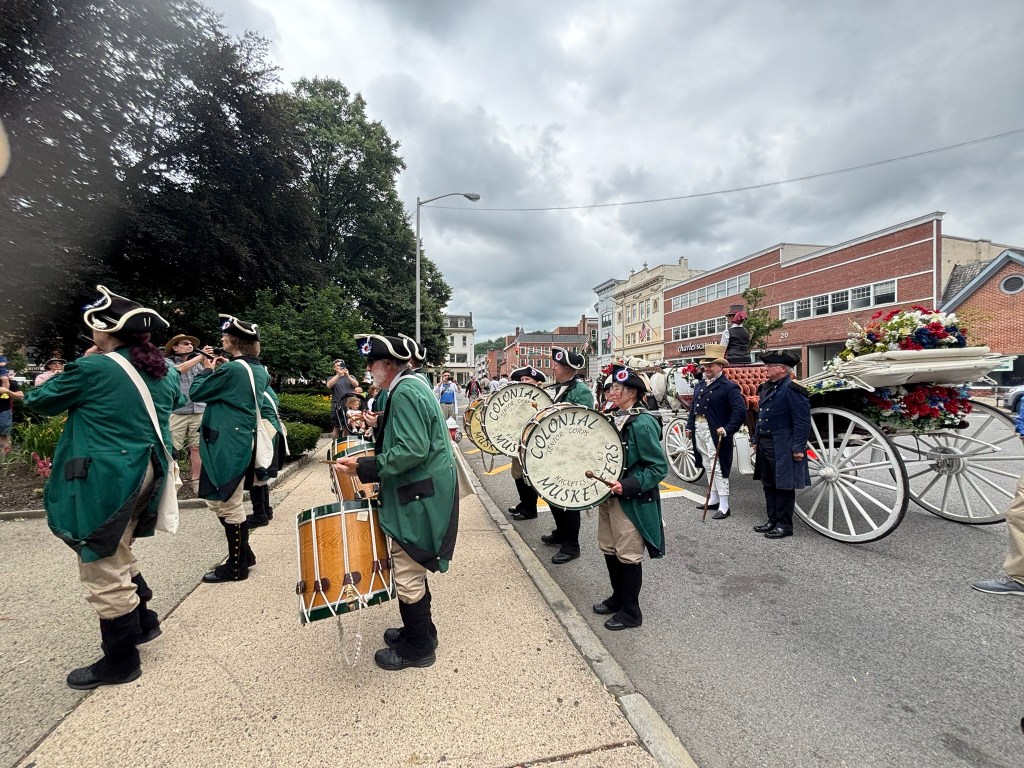
After the 20-minute opening ceremony, the crowd followed reenactors portraying George Washington, Comte de Rochambeau, and the Marquis de Lafayette—along with several Westfield officials—on a symbolic march down East Broad Street to Mountain Avenue. At the Presbyterian Church burial grounds, wreaths were placed in honor of the more than 70 Revolutionary War veterans, along with their families and other patriots, who are laid to rest there. From there, the procession continued into Mindowaskin Park. Joining the march were the New Jersey Sons of the American Revolution Color Guard, members of the Daughters of the American Revolution, the New Jersey Fifes and Drums, the Miller-Cory House Museum’s colonial living history interpreters, women camp followers, and the New Jersey Milita- Heard’s Brigade. Check out my Instagram and Facebook accounts for videos of the march.
Mindowaskin Park
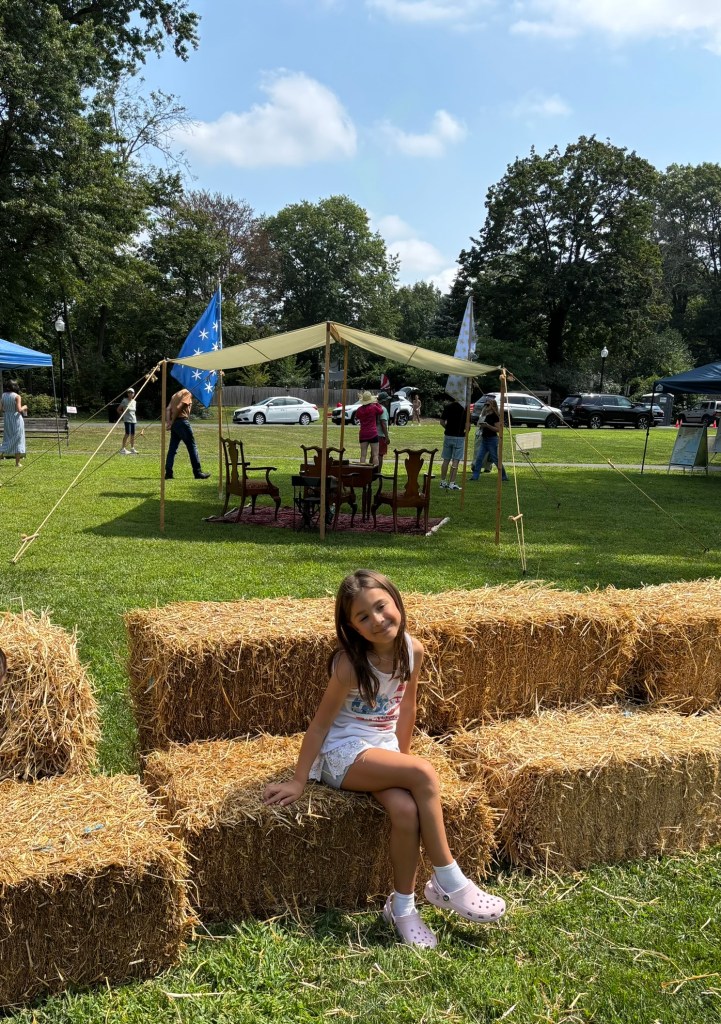
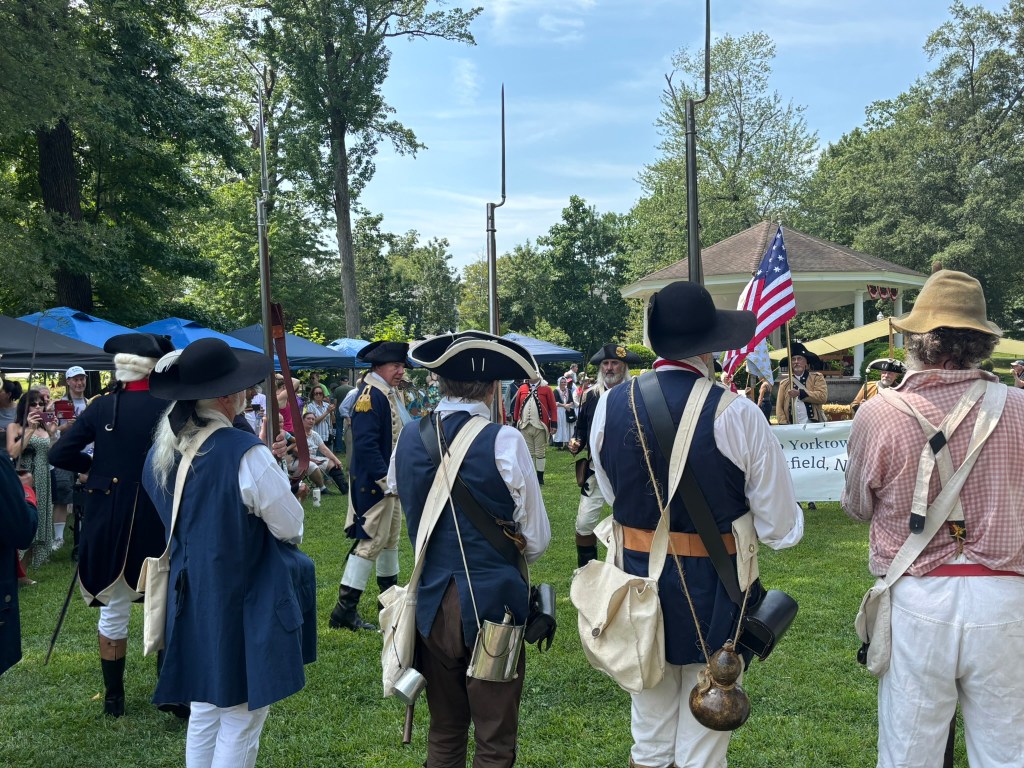
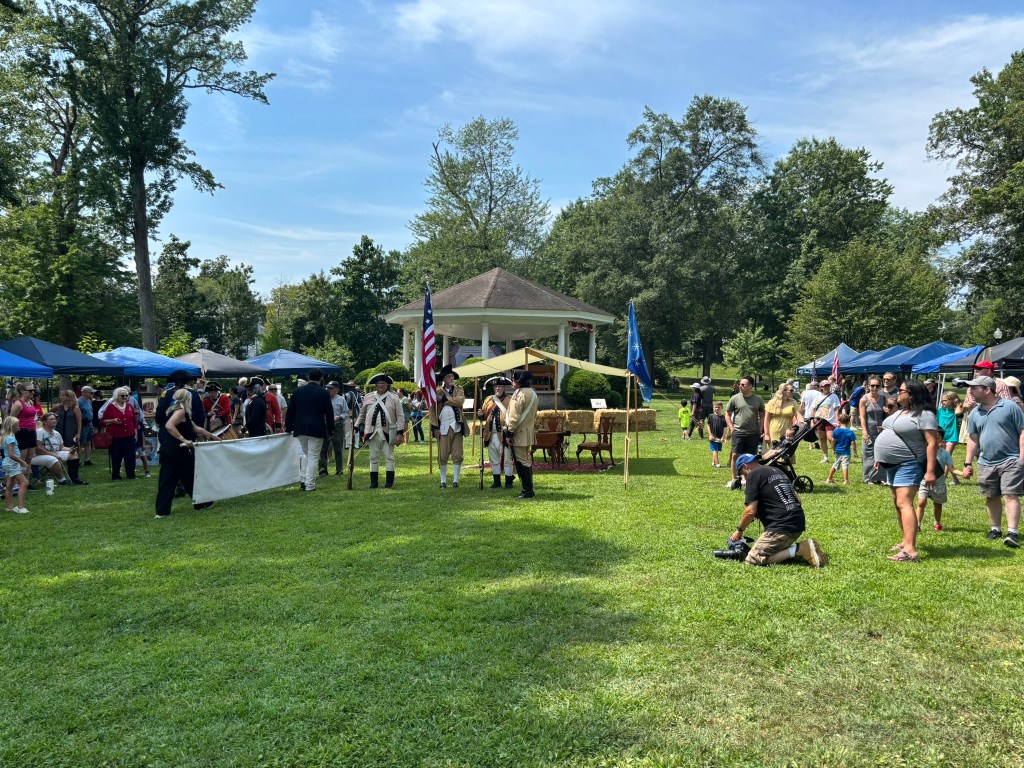
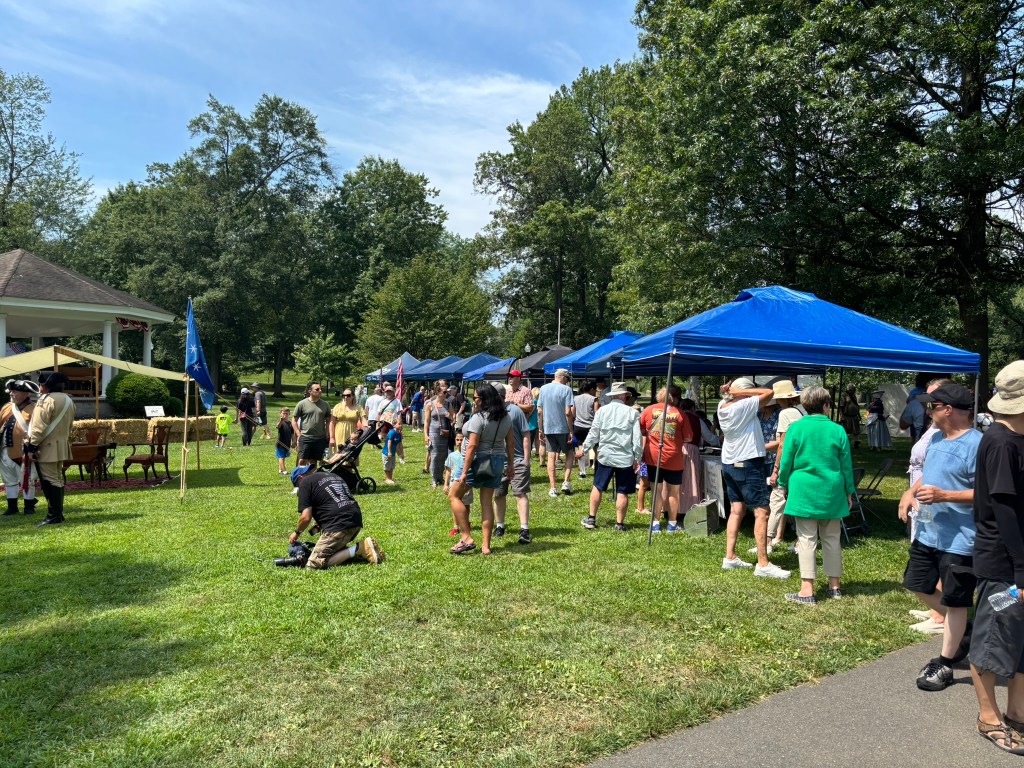
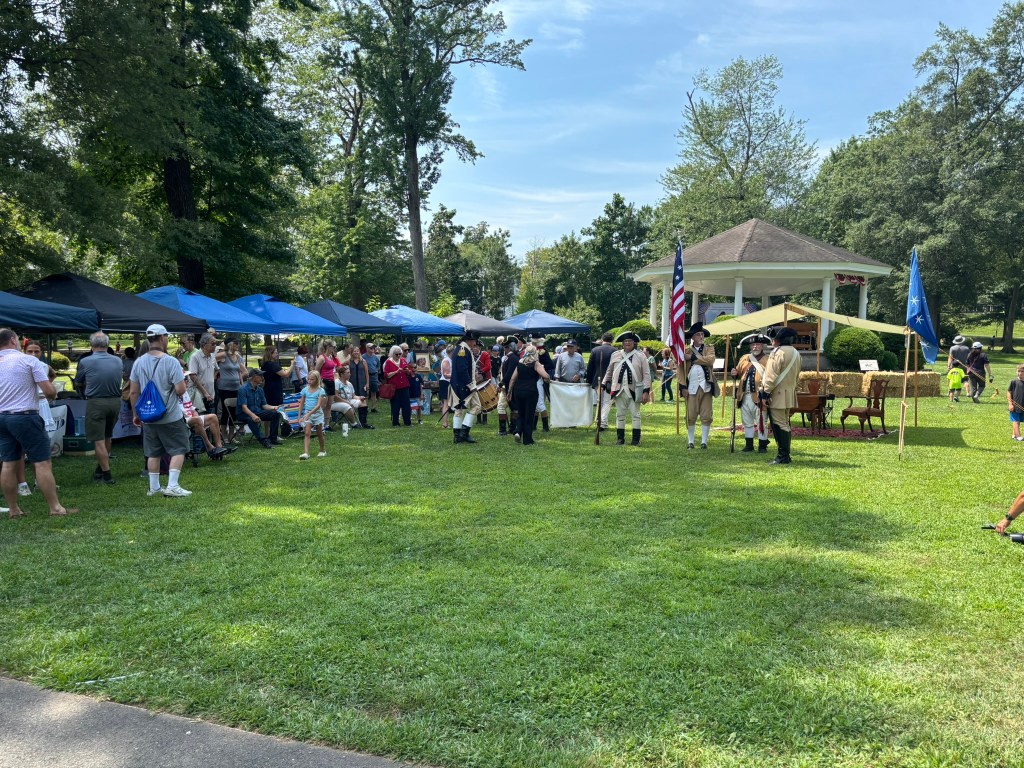
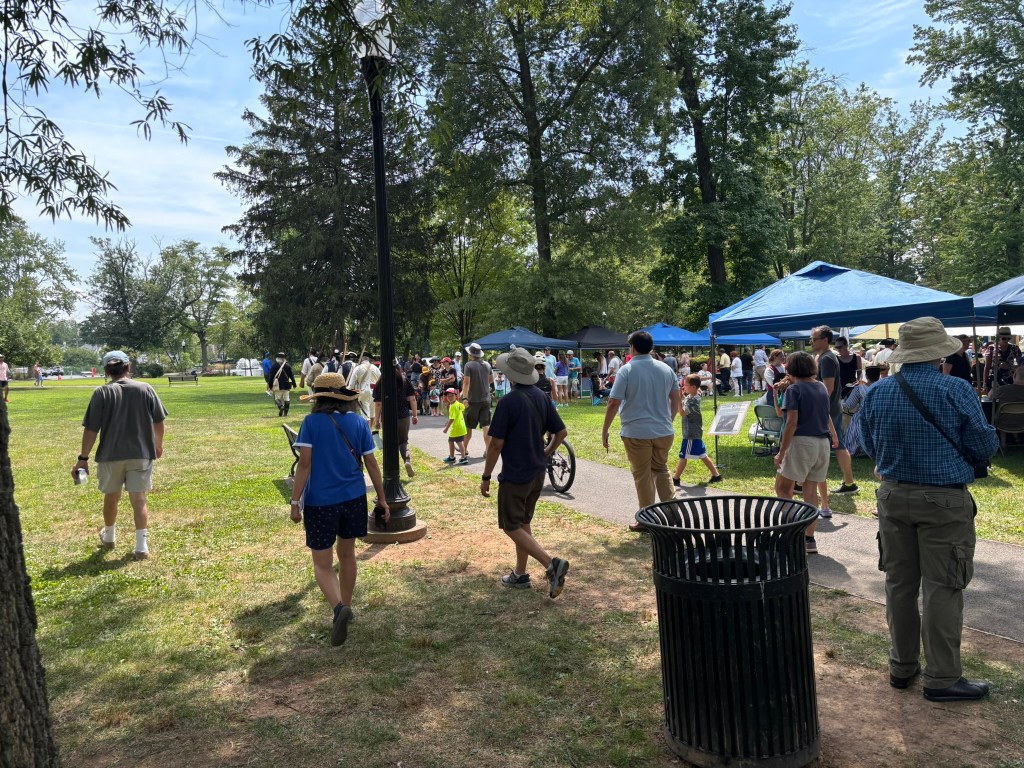
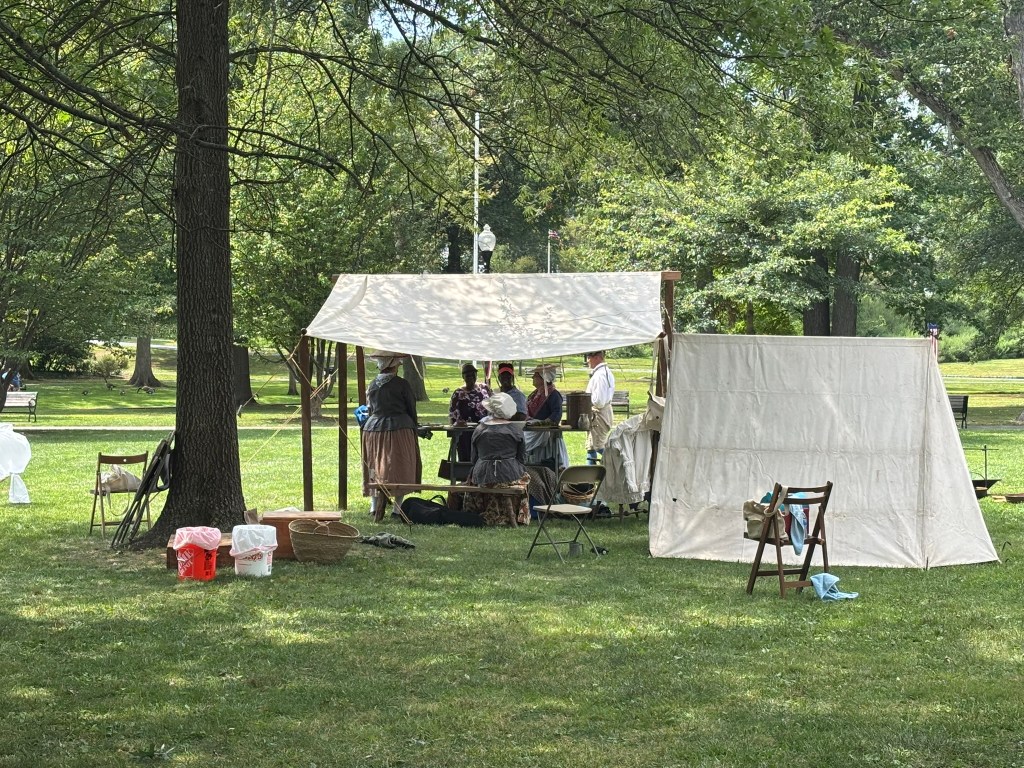
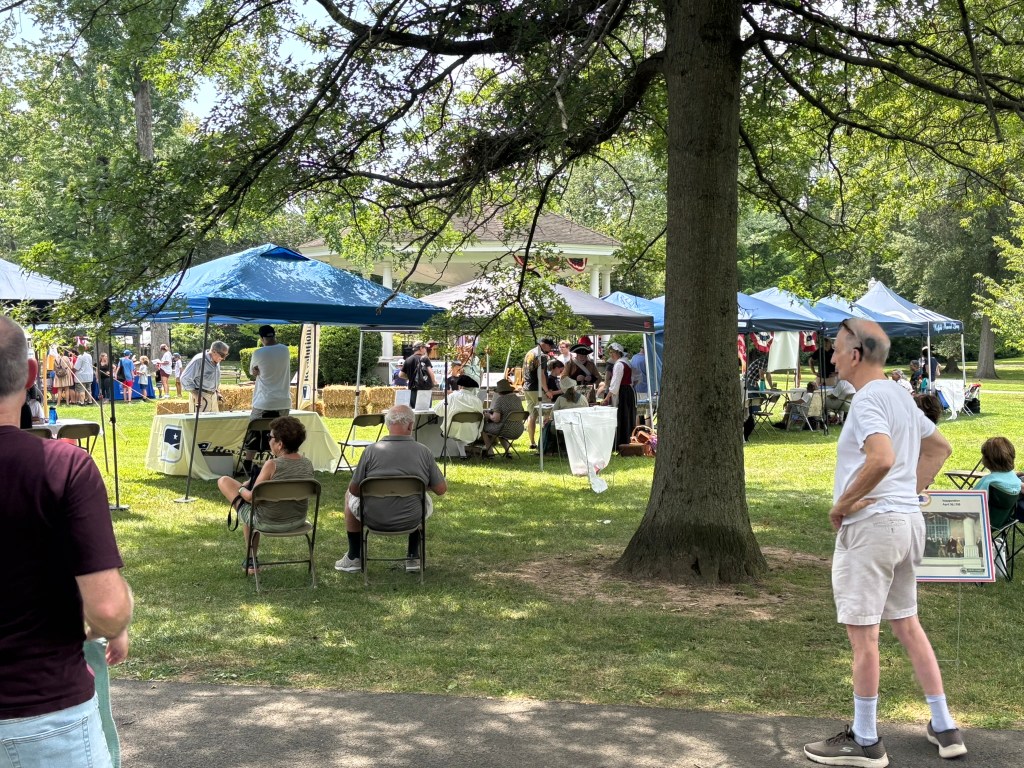
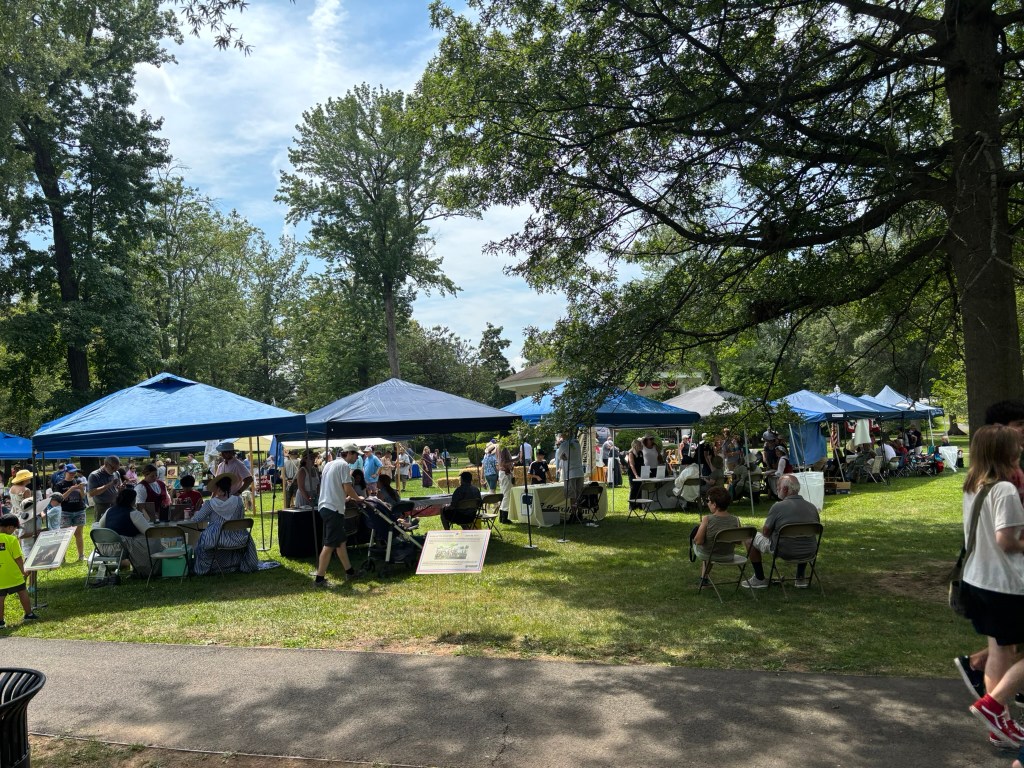
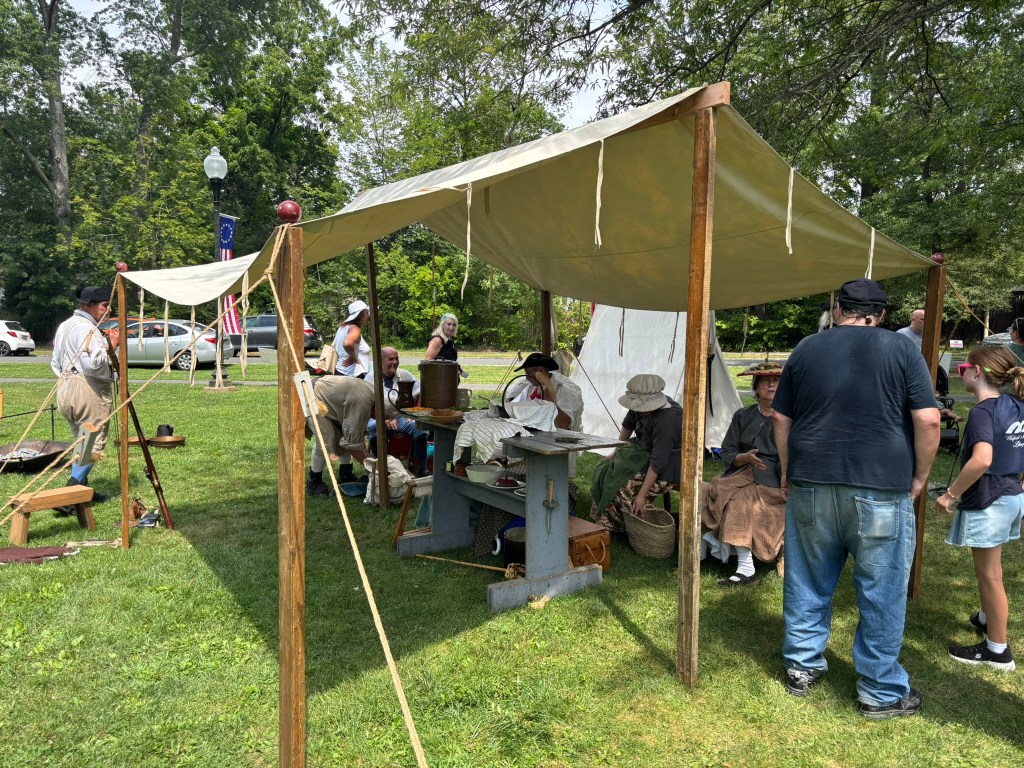
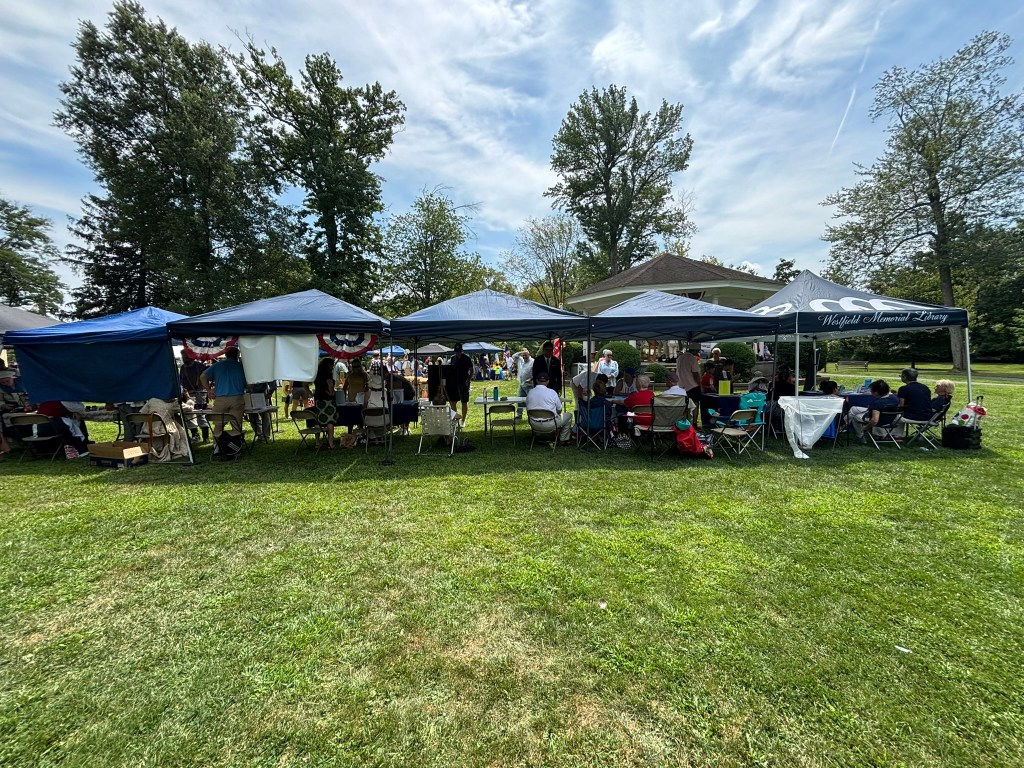
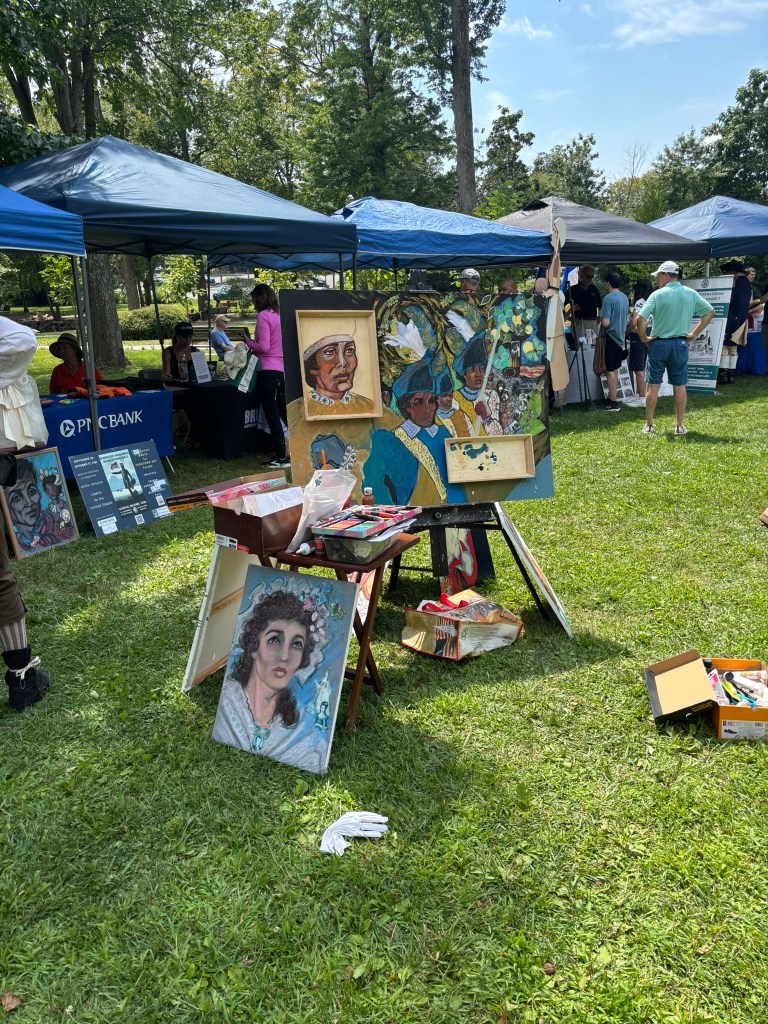
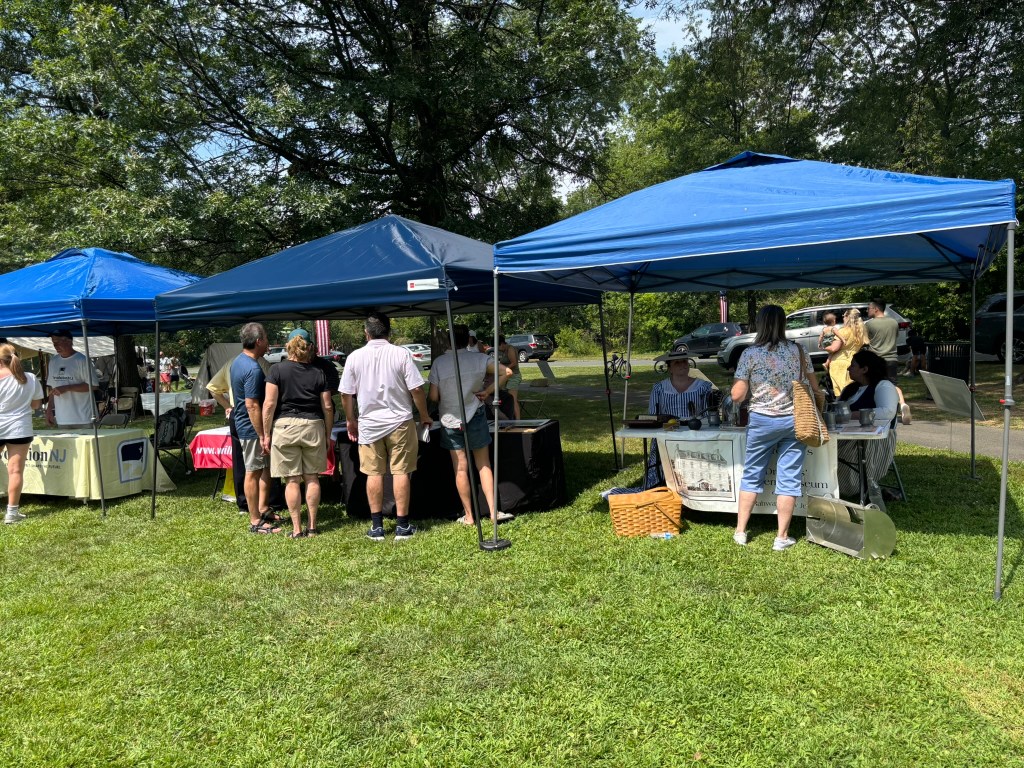
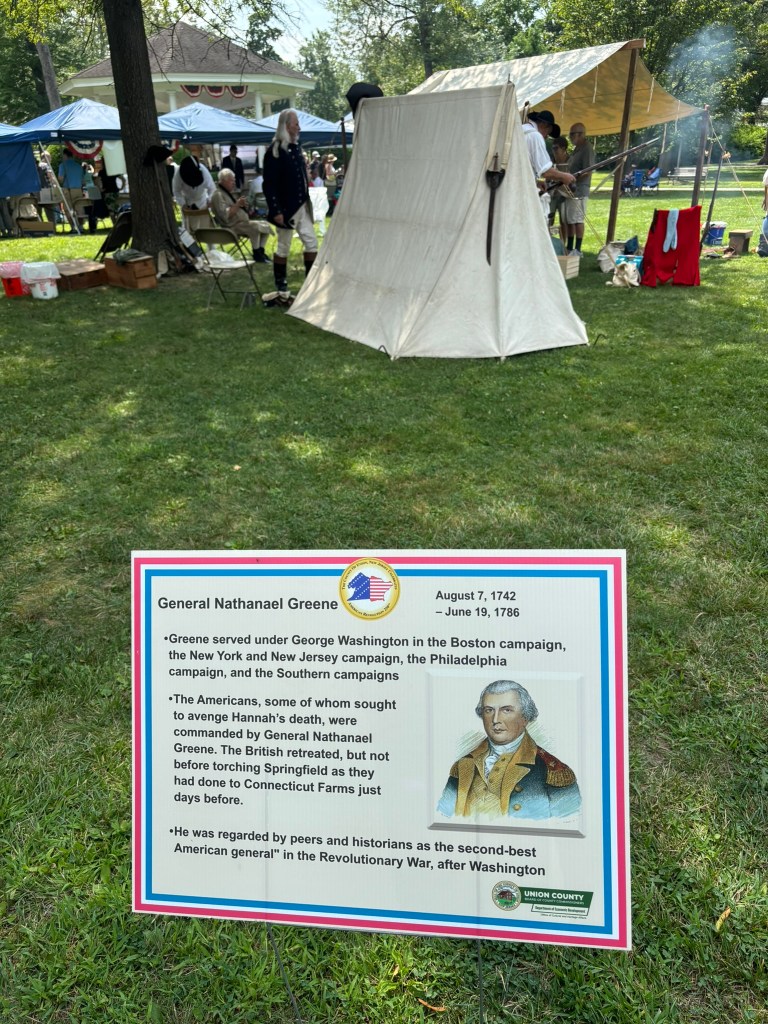
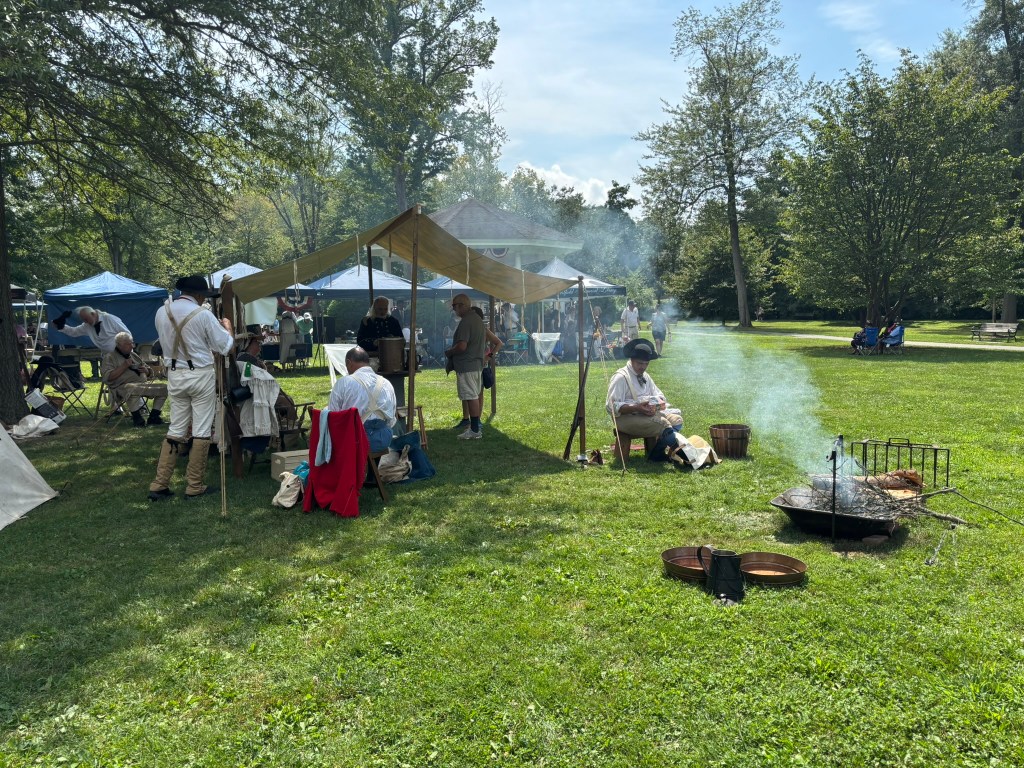
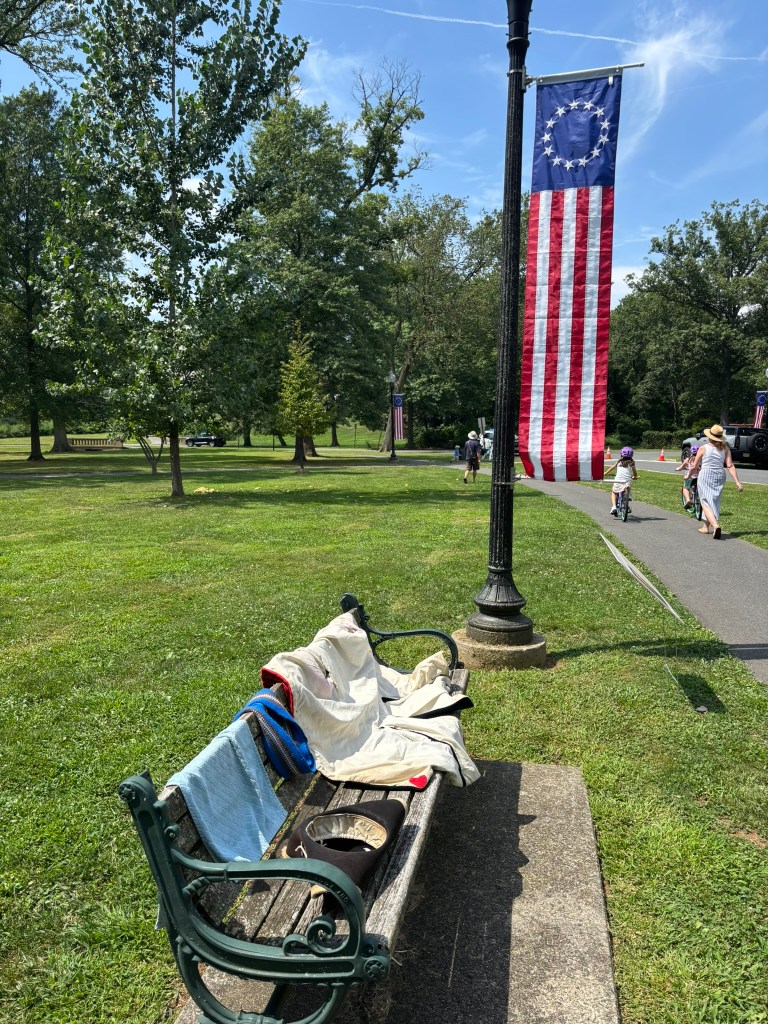
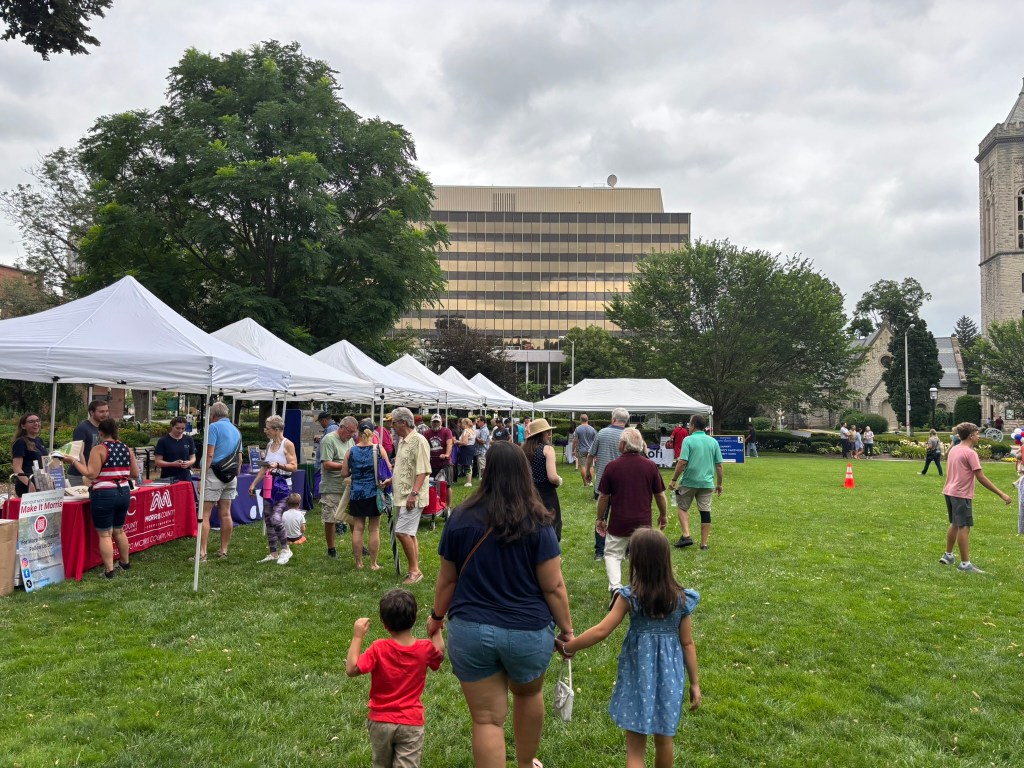
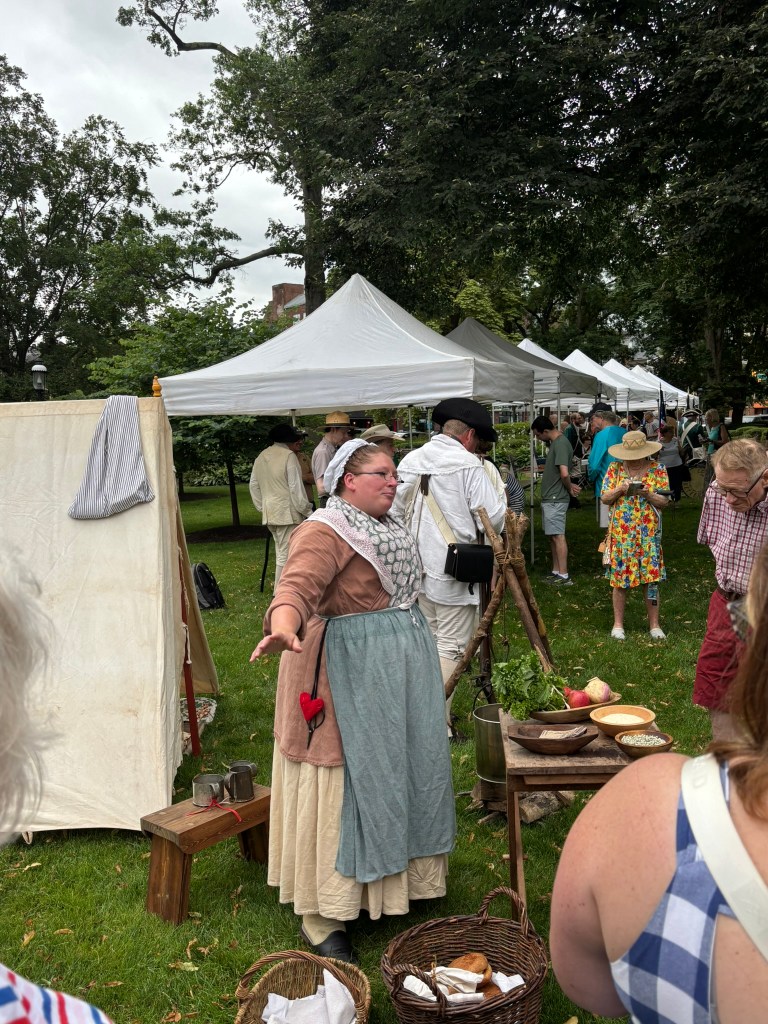
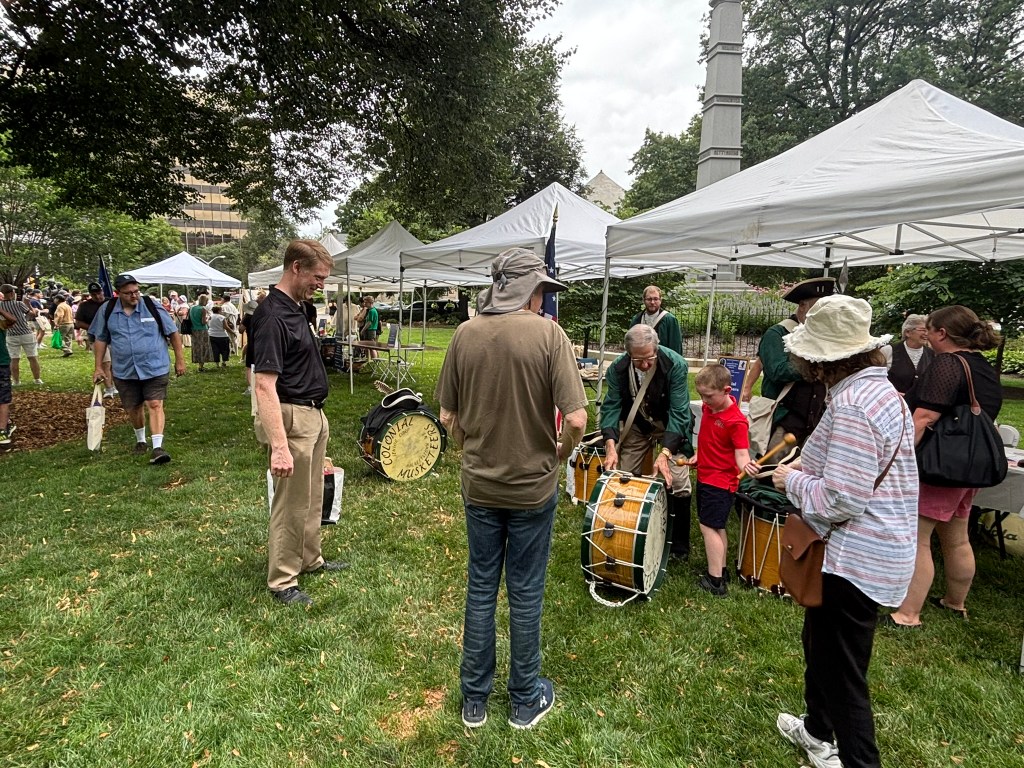
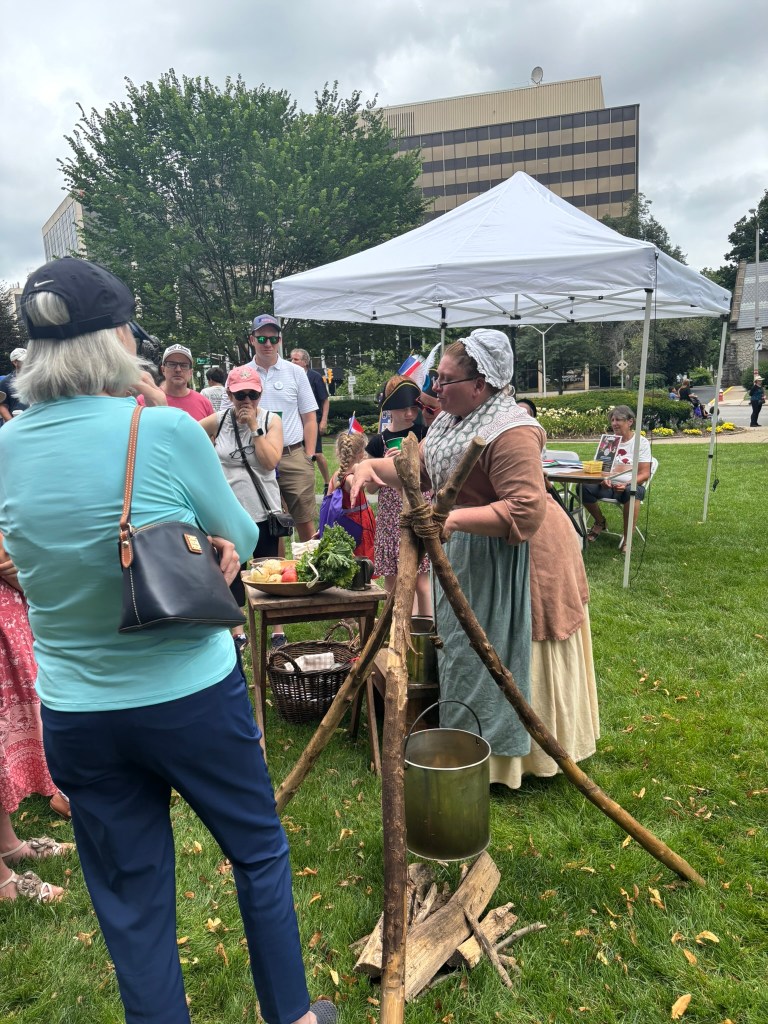
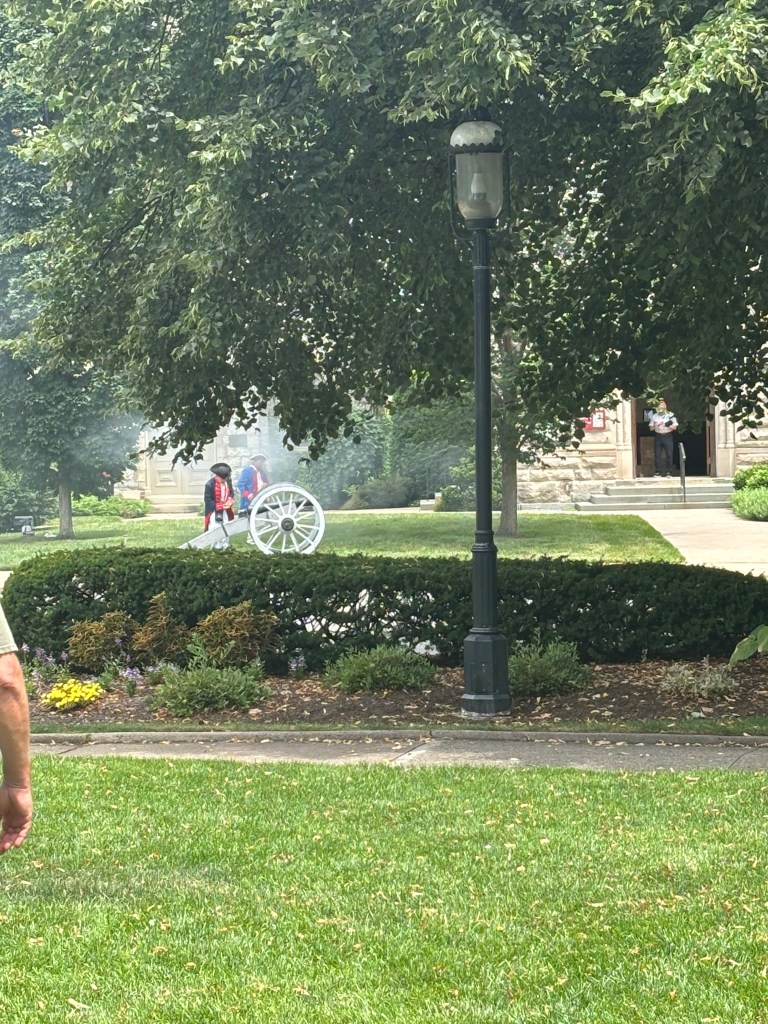
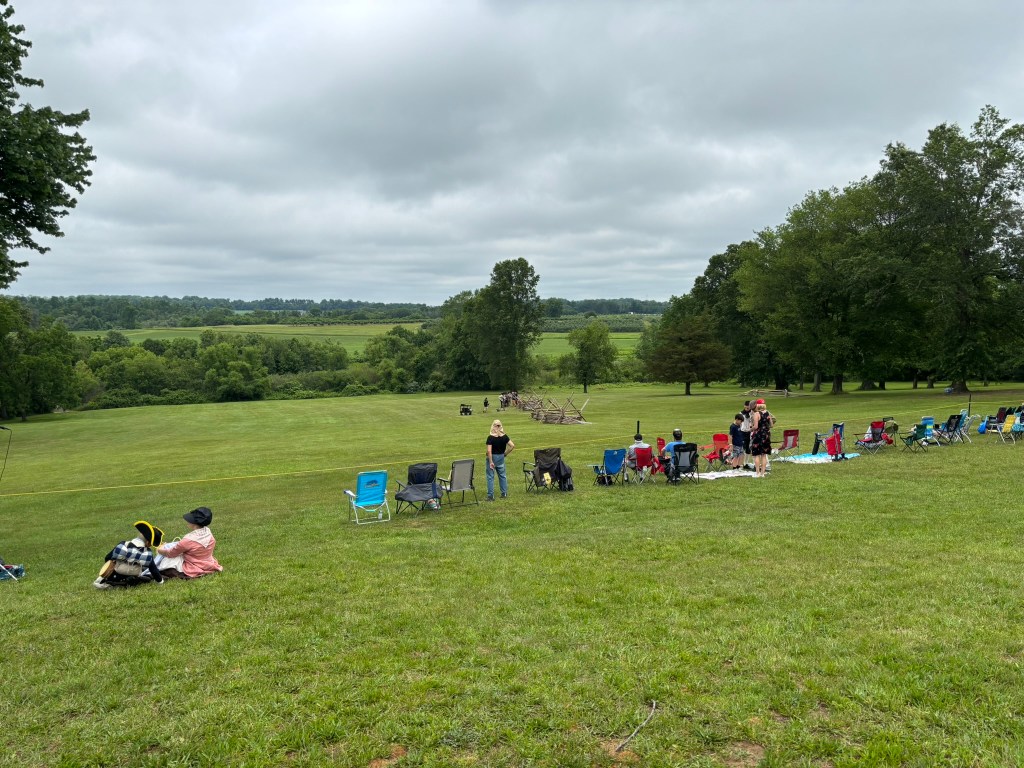
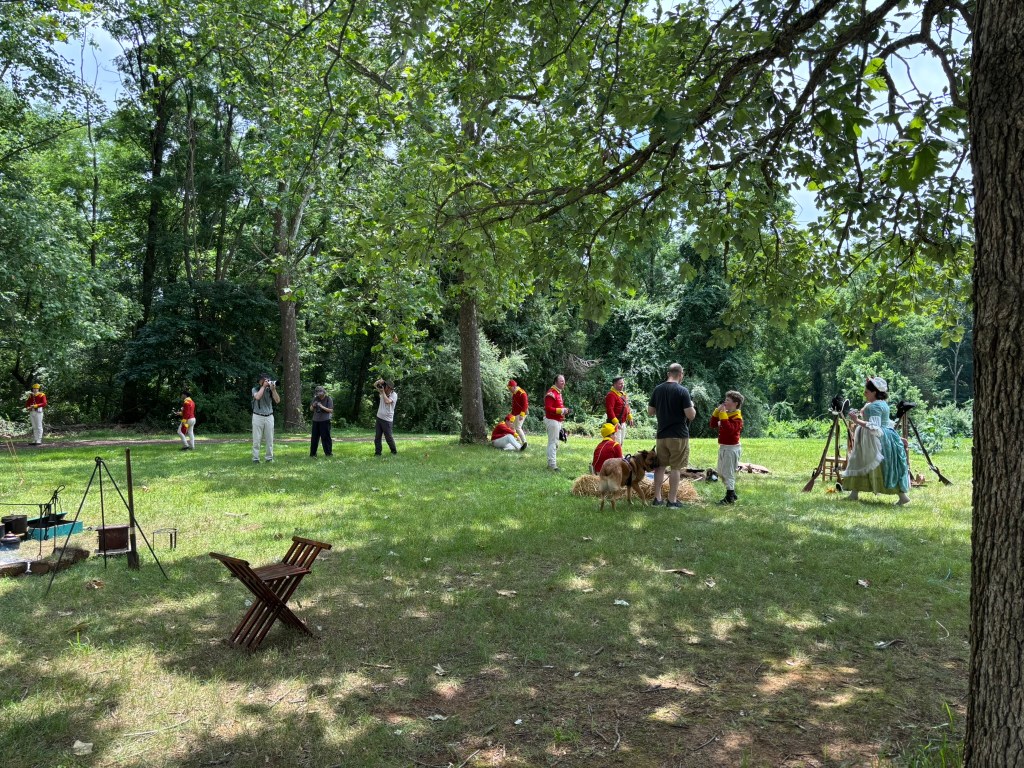
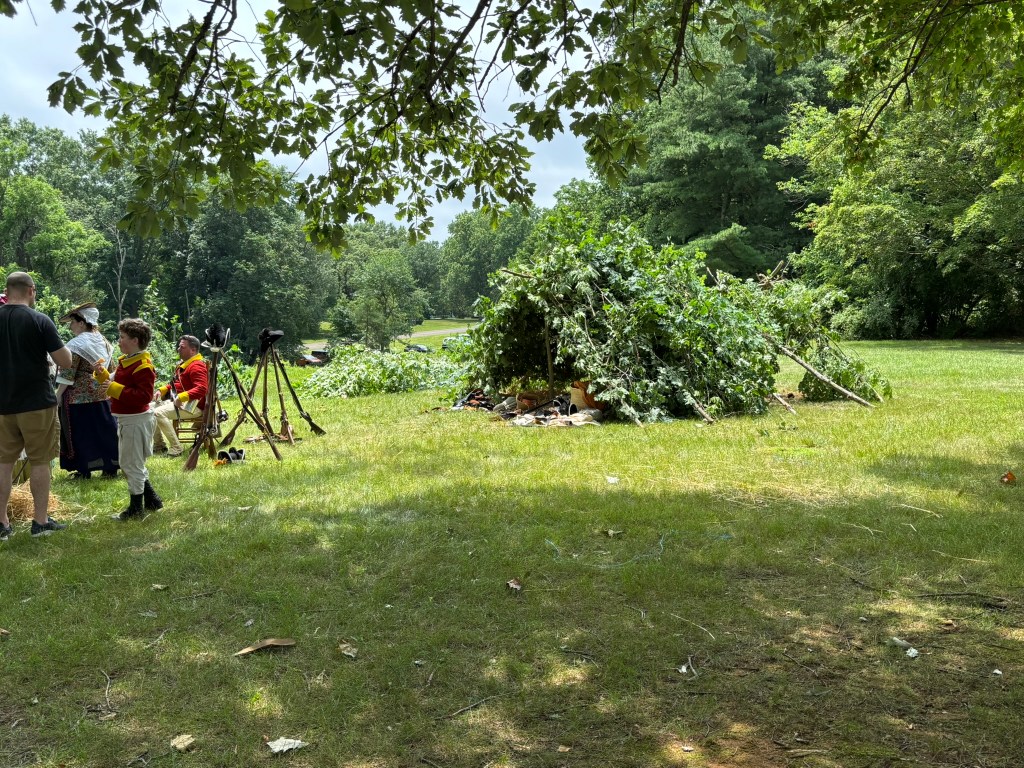
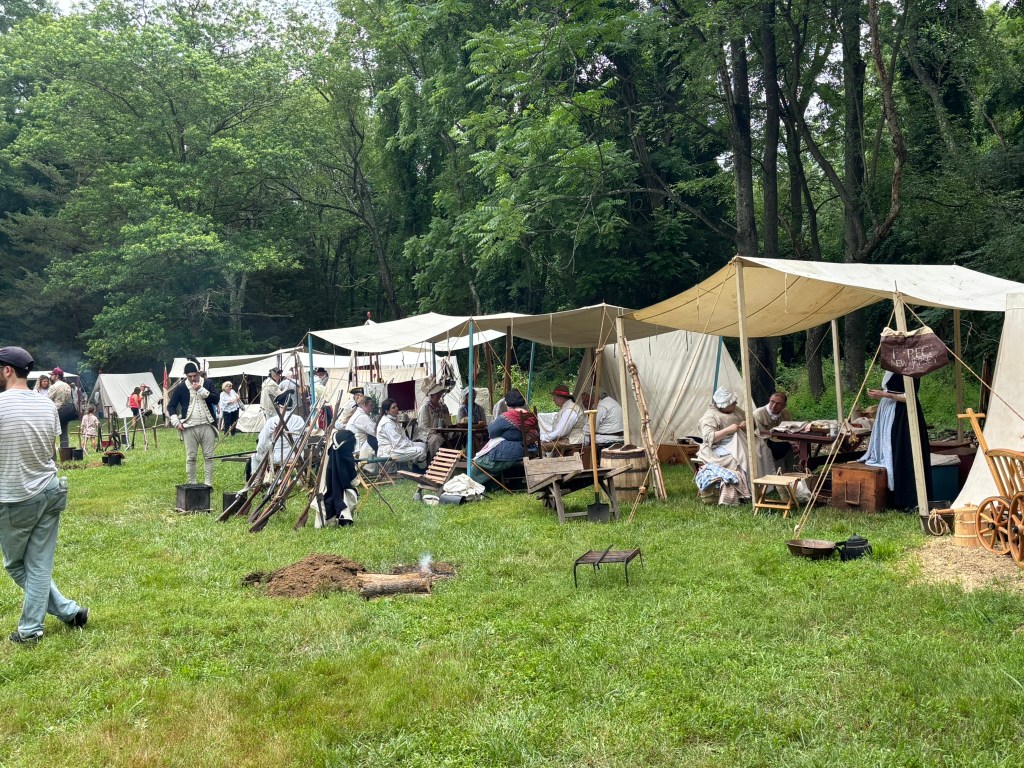
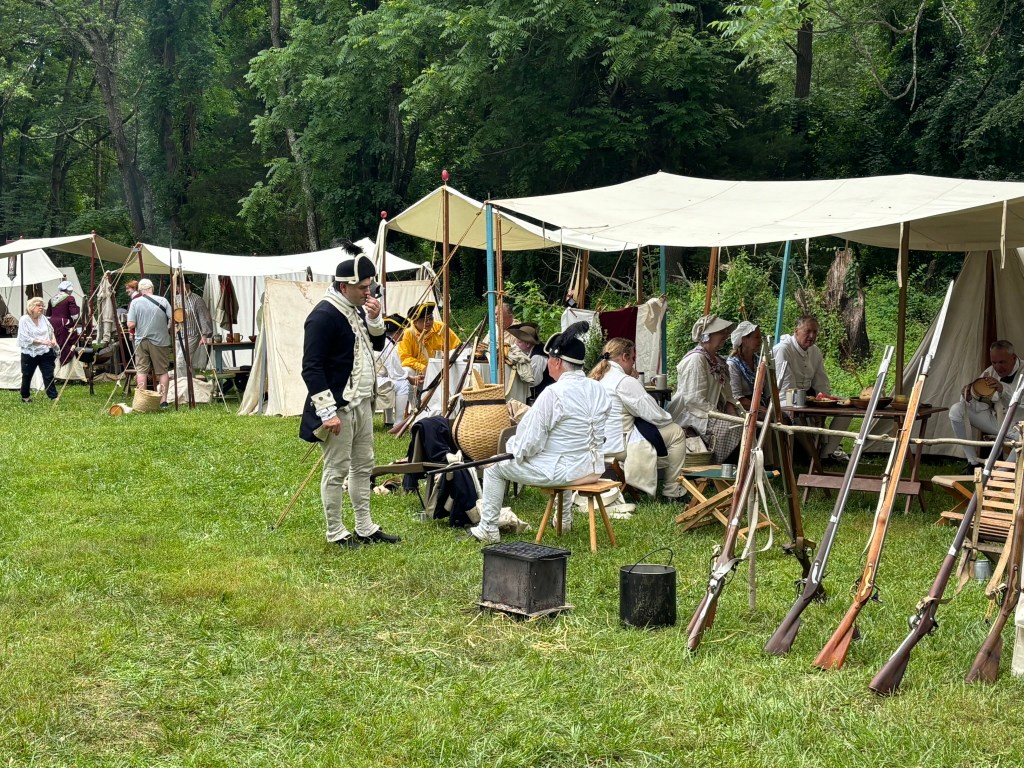
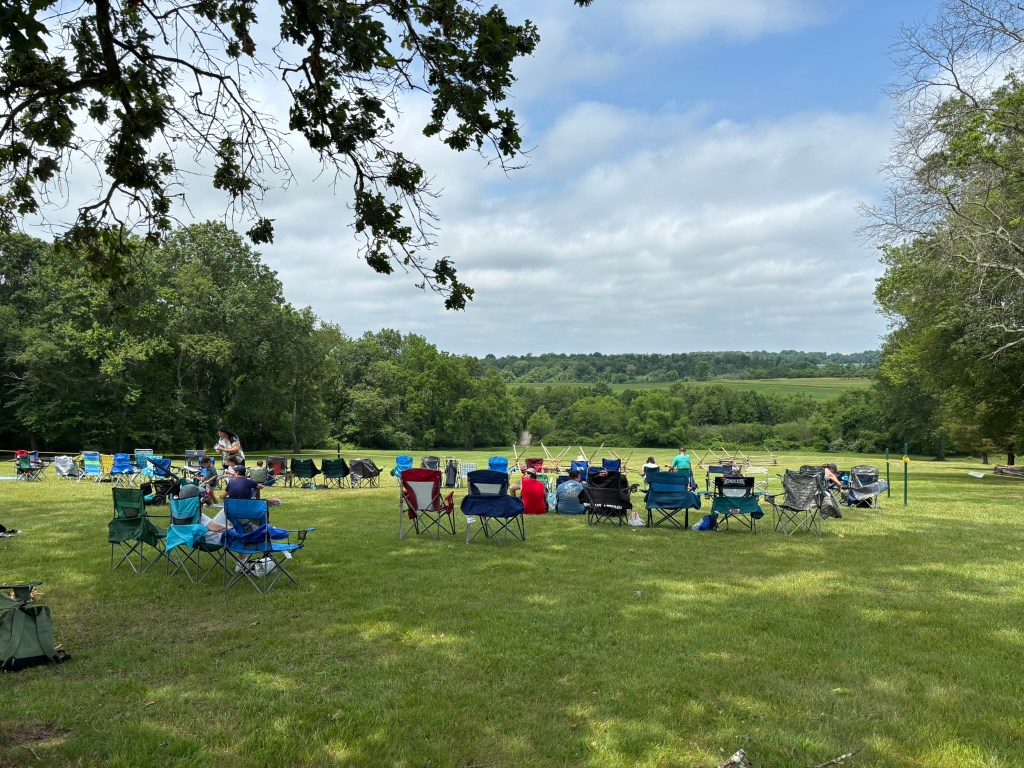
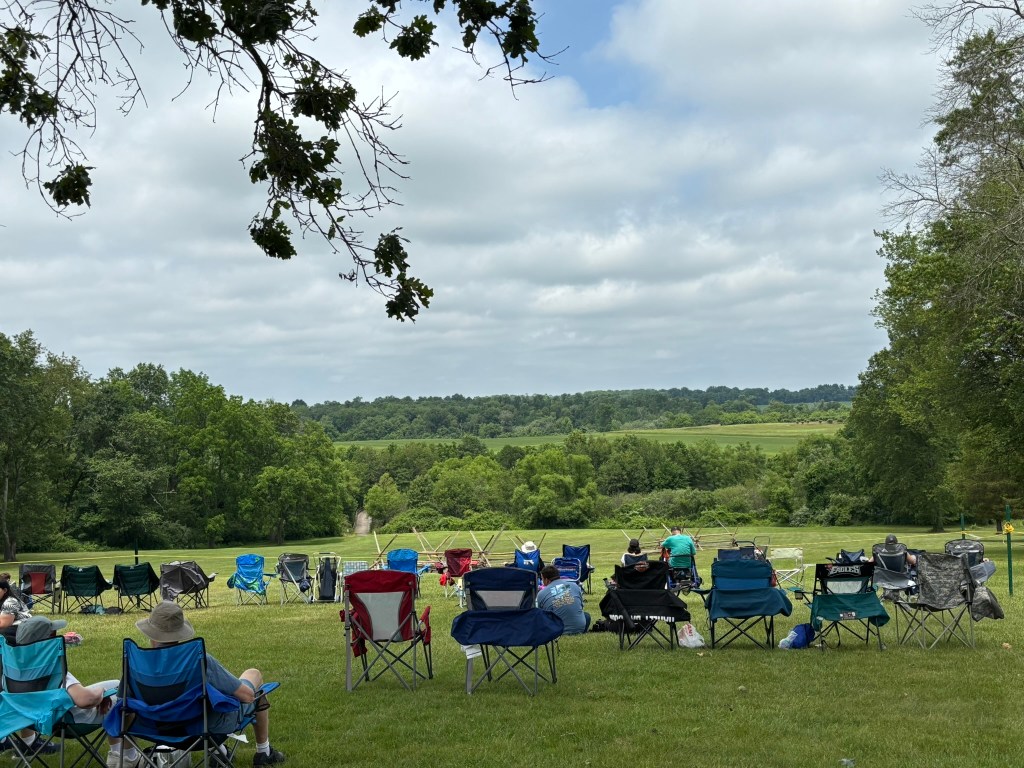
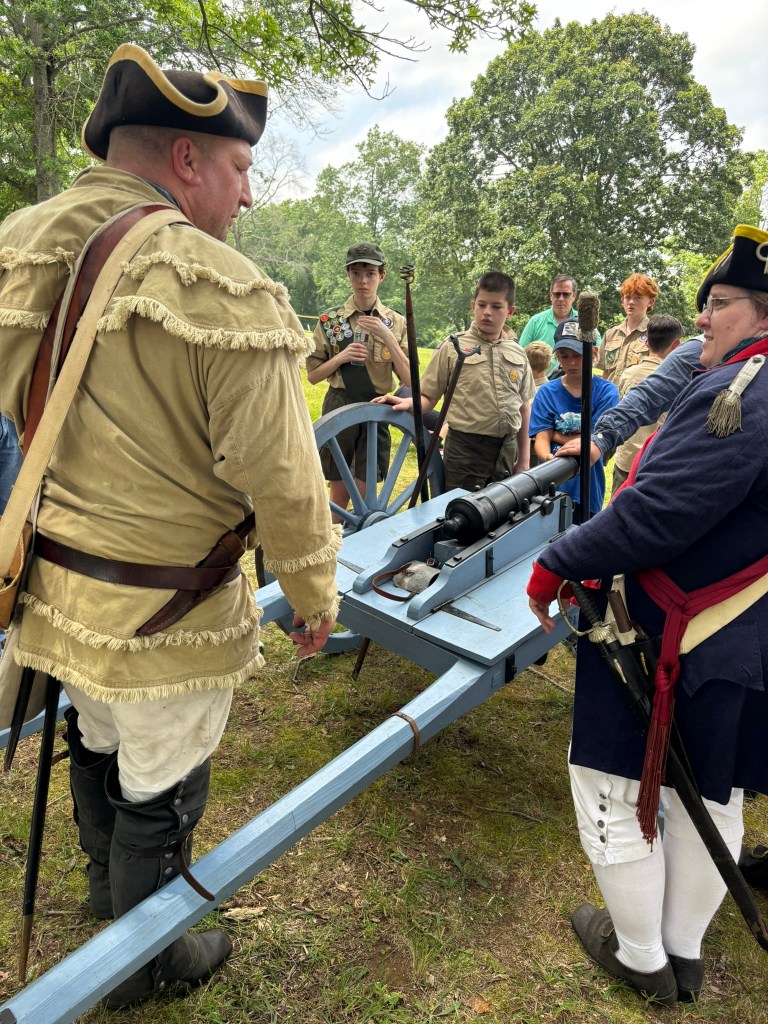
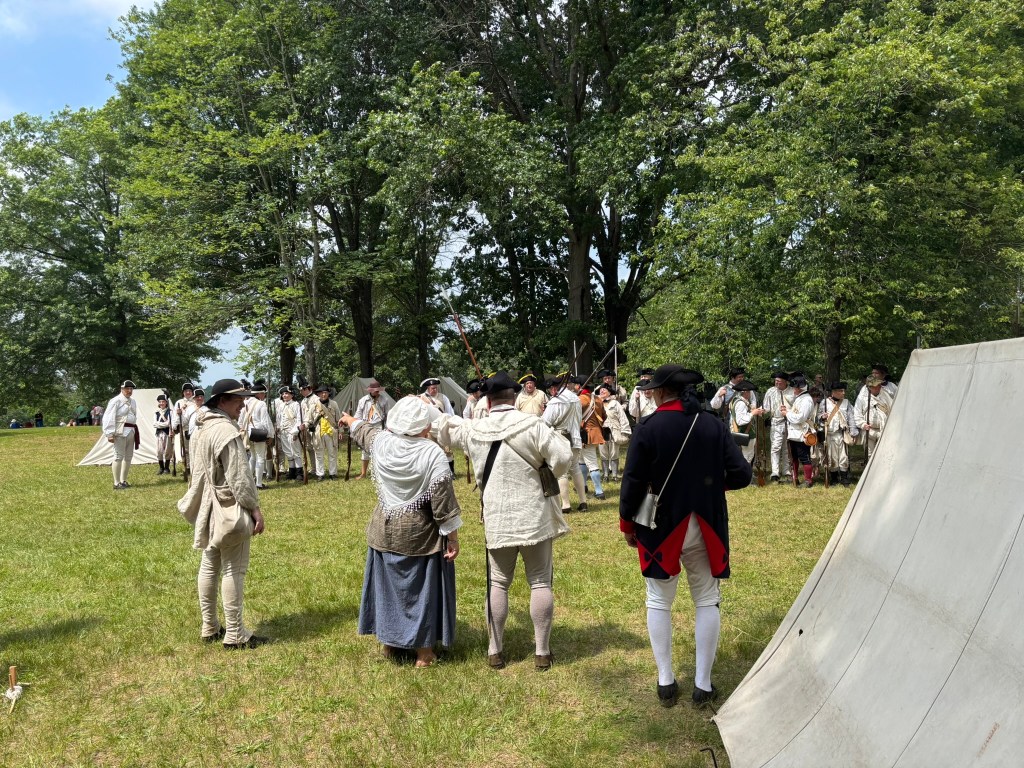
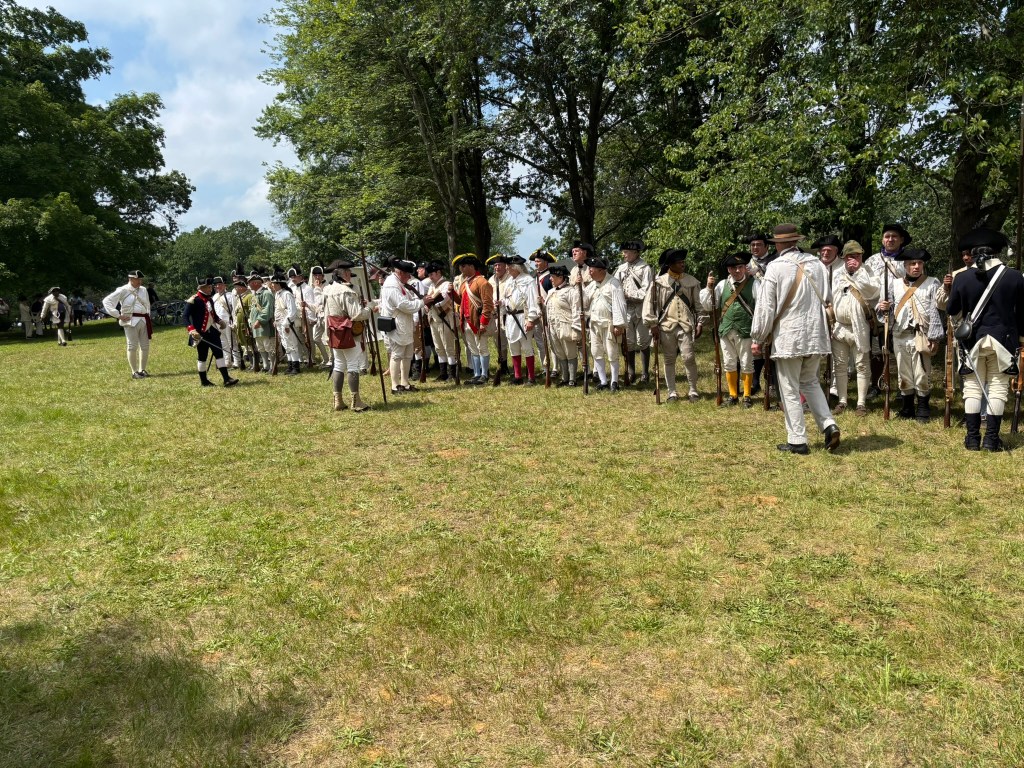
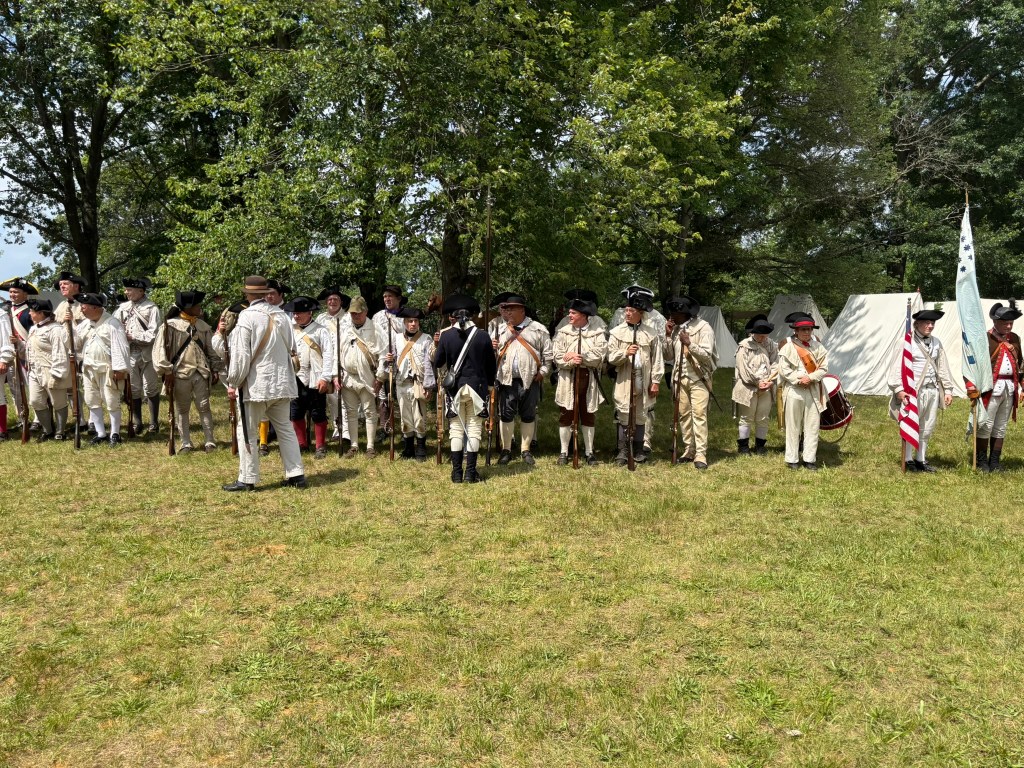
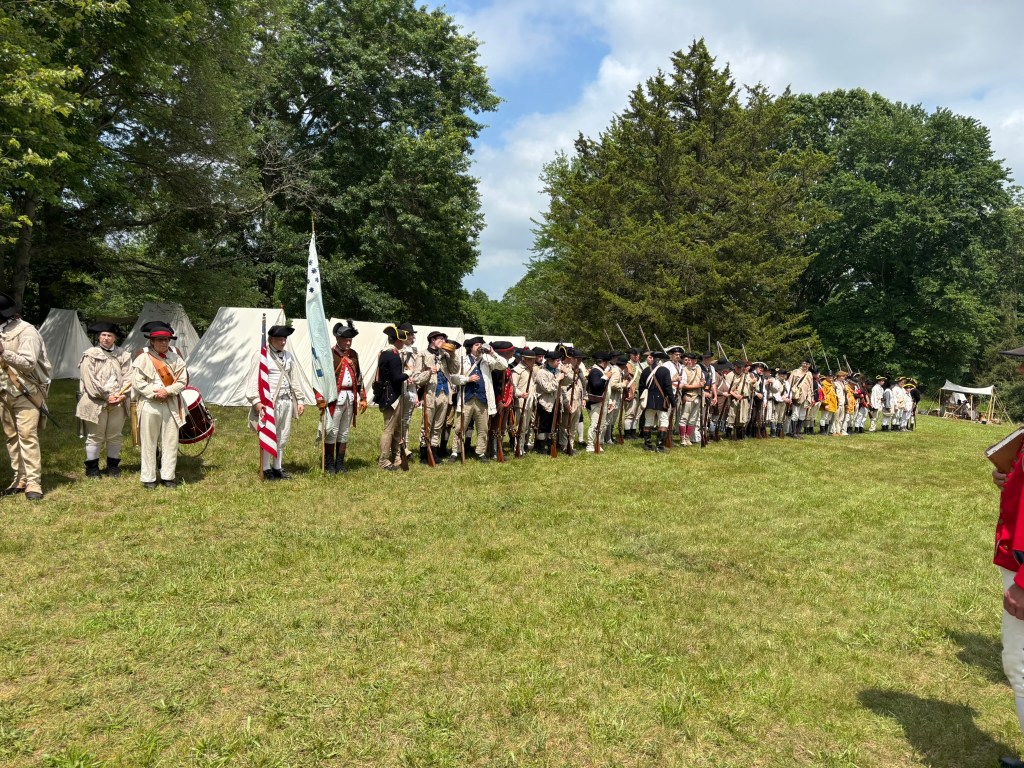
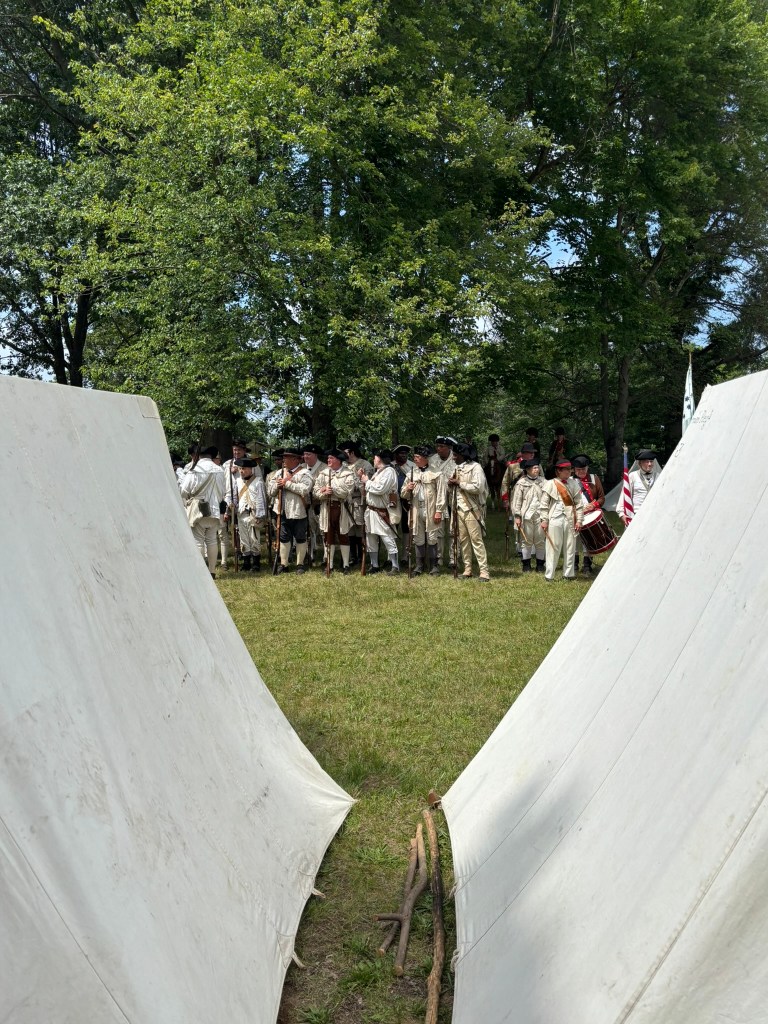
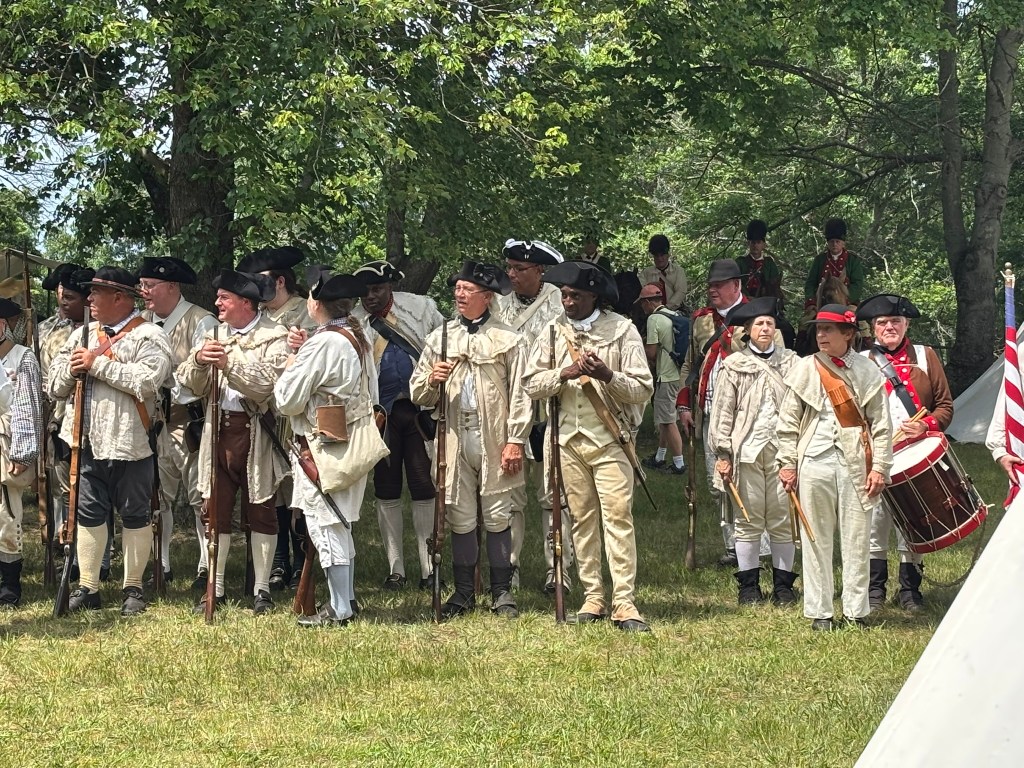
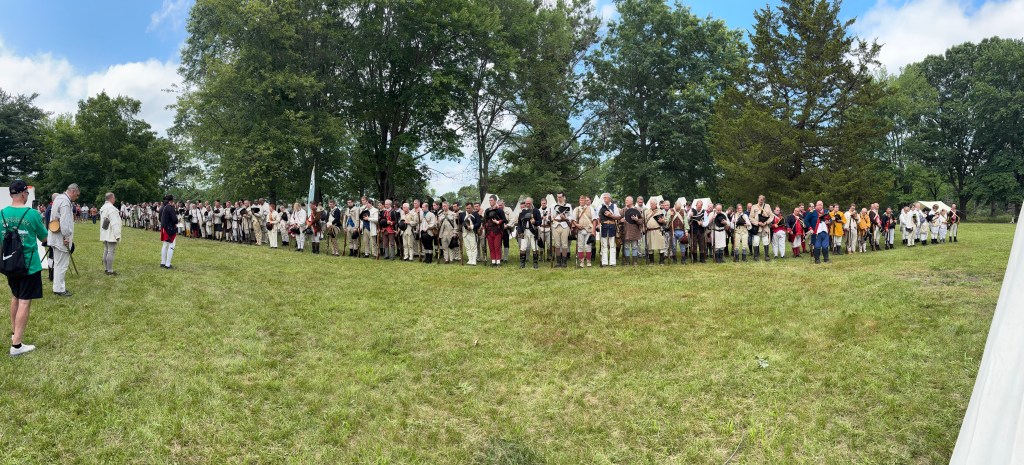
The grounds of Mindowaskin Park were transformed into a Revolutionary War encampment, complete with colonial-era games, open-fire cooking demonstrations, and regular drills, marches, and musket firing by soldiers in uniform.
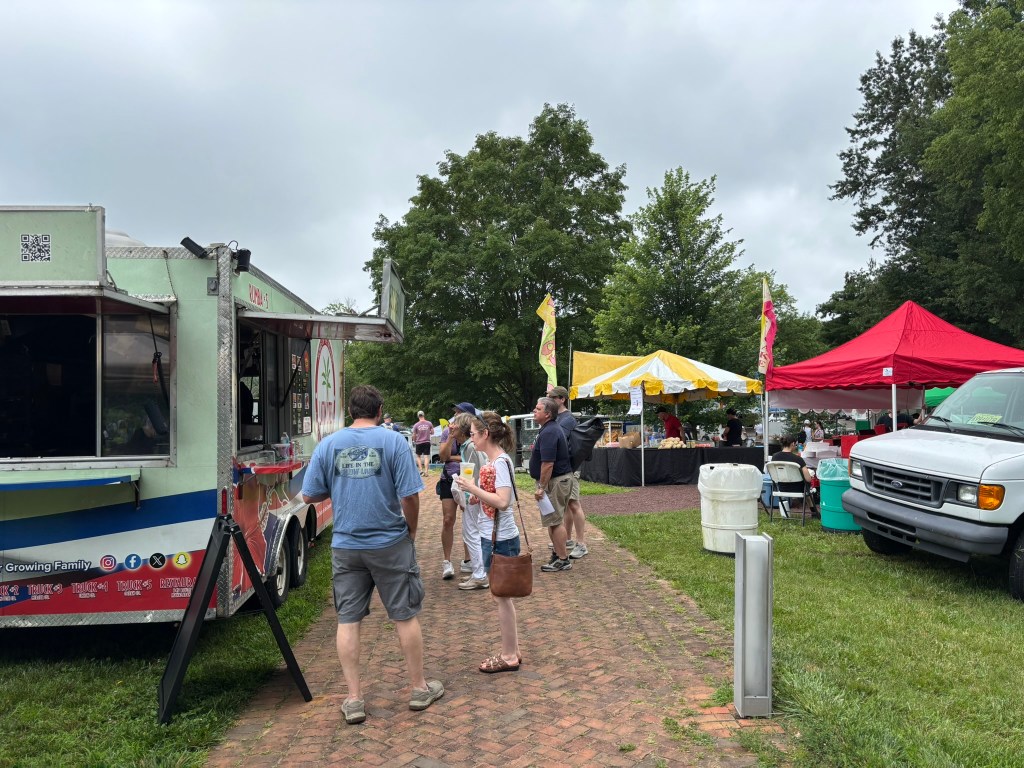
My family and I grabbed lunch from the food truck run by A Taco Affair, and it was delicious. The restaurant has locations in Westfield, Little Falls, and Denville, as well as Savannah, GA. After eating, we continued exploring the event—listening to the fifes and drums, watching musket demonstrations, and chatting with reenactors.
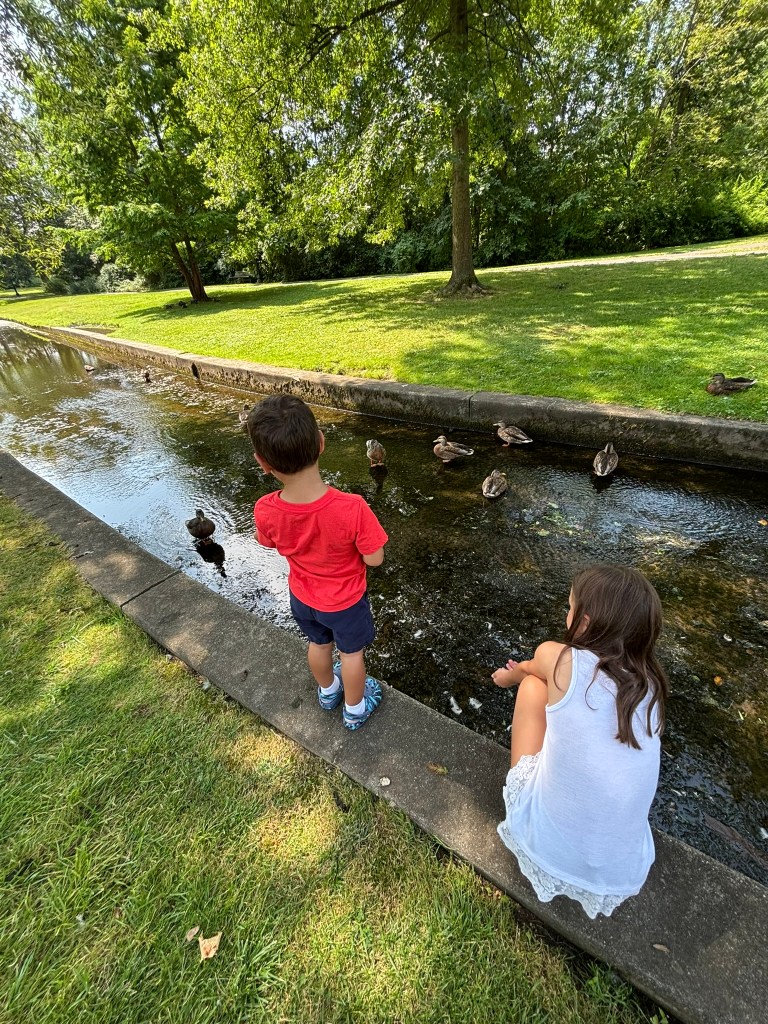
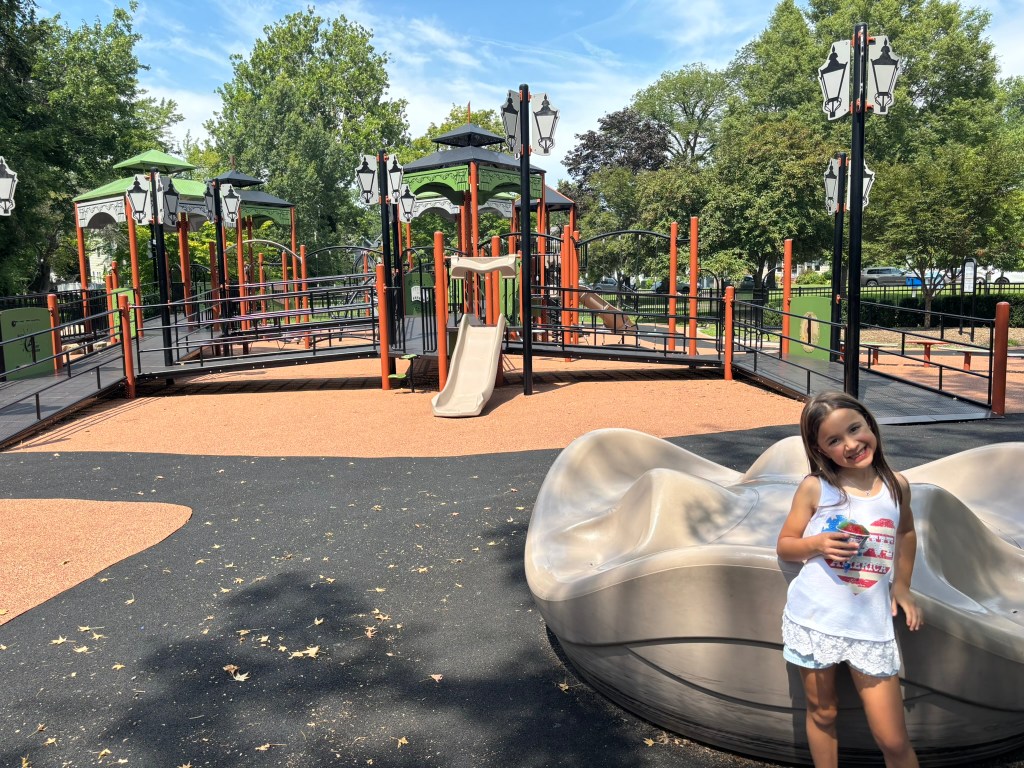
Mindowaskin Park also has a great playground that my kids enjoyed, and they capped off the afternoon with a treat from the ice cream truck on site.
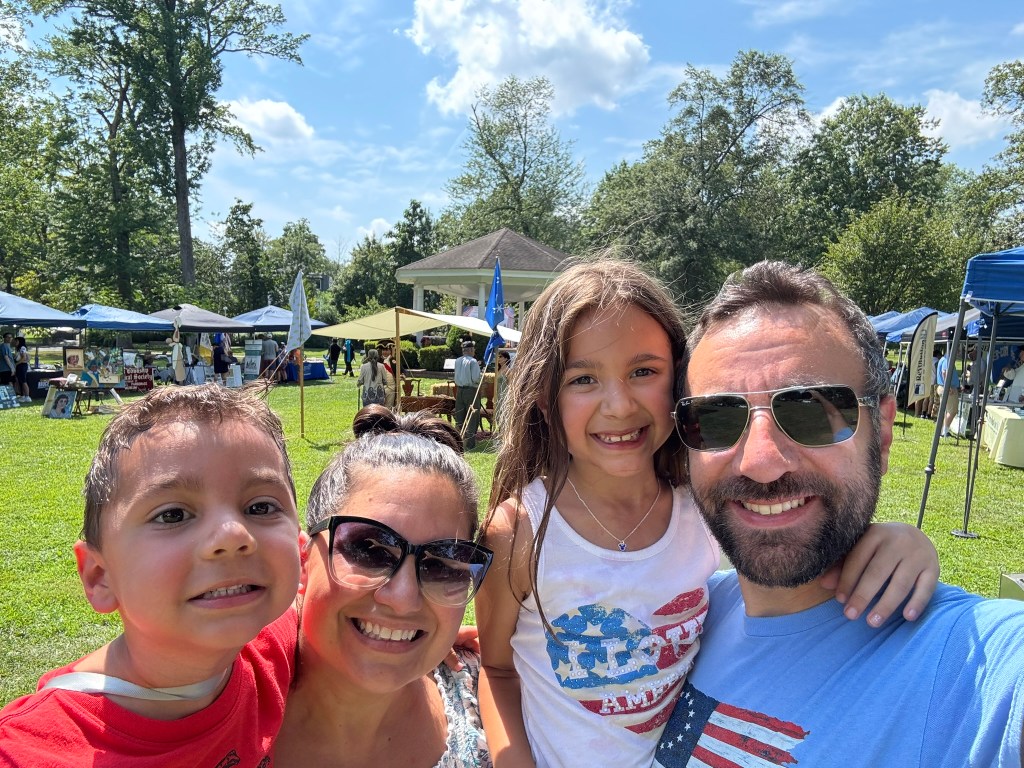
Overall, we had a great time at March to Yorktown Day in Westfield. The event served as a great reminder of New Jersey’s rich Revolutionary War history and the key role the state played in America’s independence. The Washington-Rochambeau Revolutionary Route Association once again did an excellent job organizing the day and bringing the community together. This year’s program was even larger than the one my daughter and I attended two years ago, and it was great to see such a strong turnout. As we approach the 250th anniversary of our nation’s birth, make sure to check out events coming up in your local community.
Check out my Instagram and Facebook pages as I’ll be uploading videos of the event.
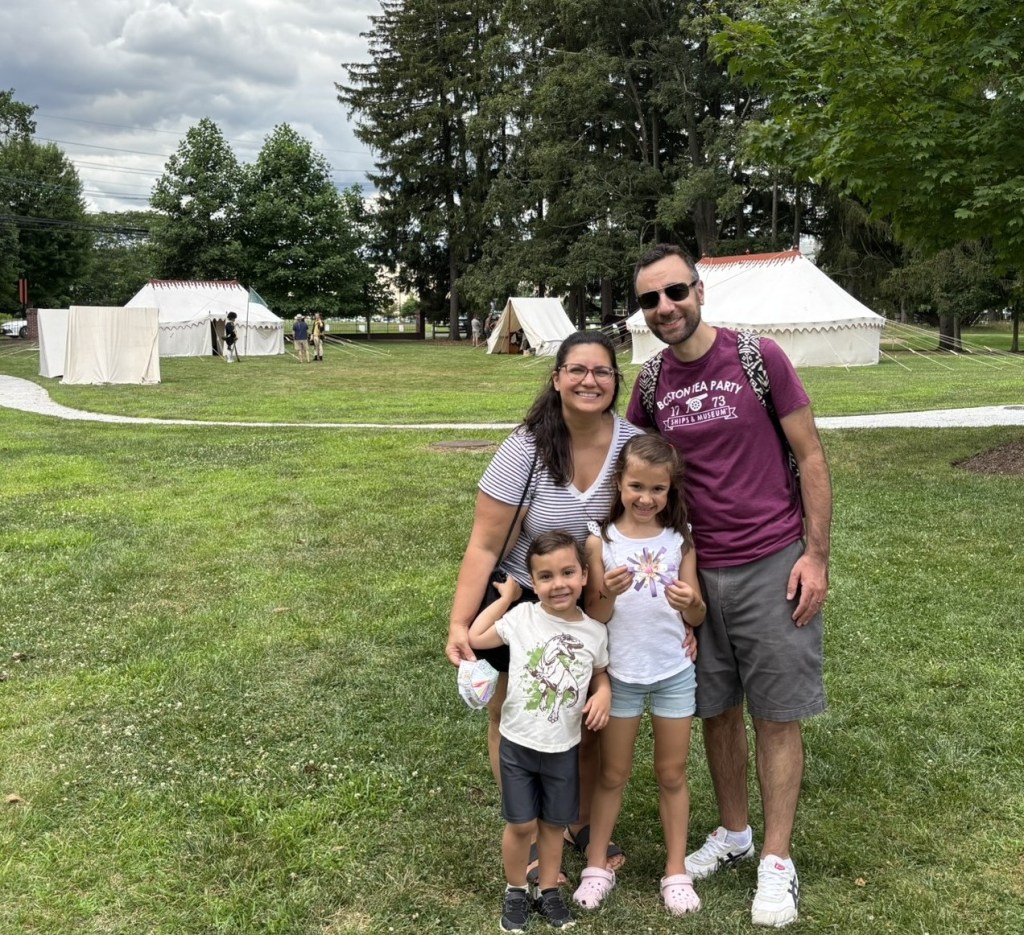
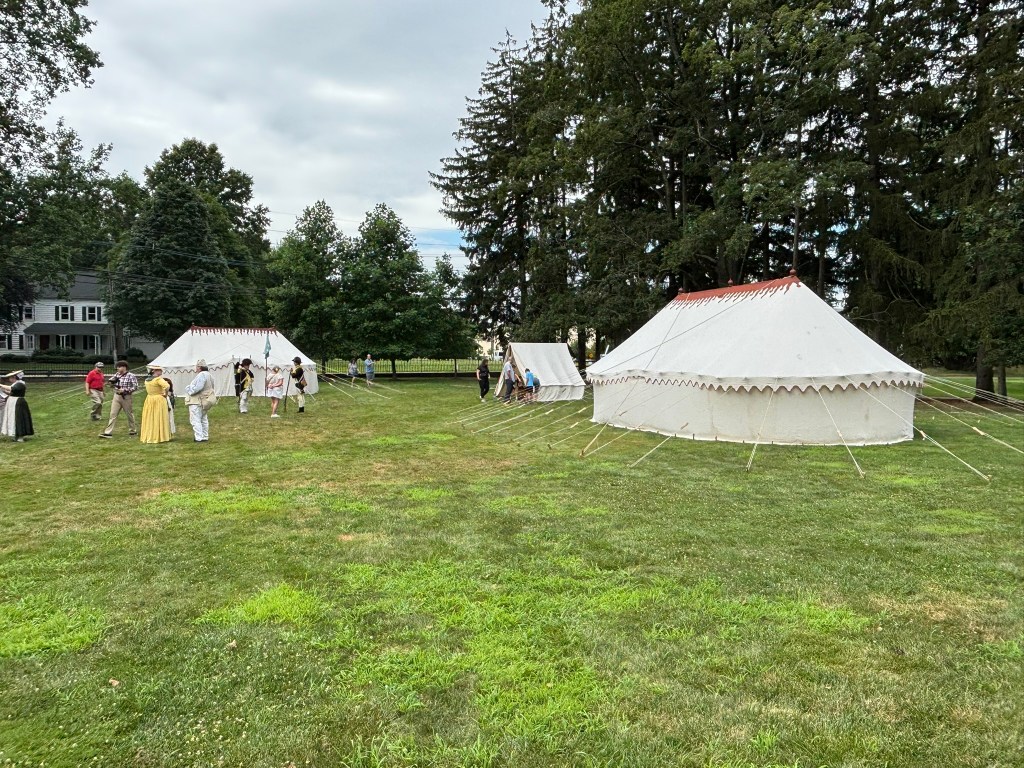
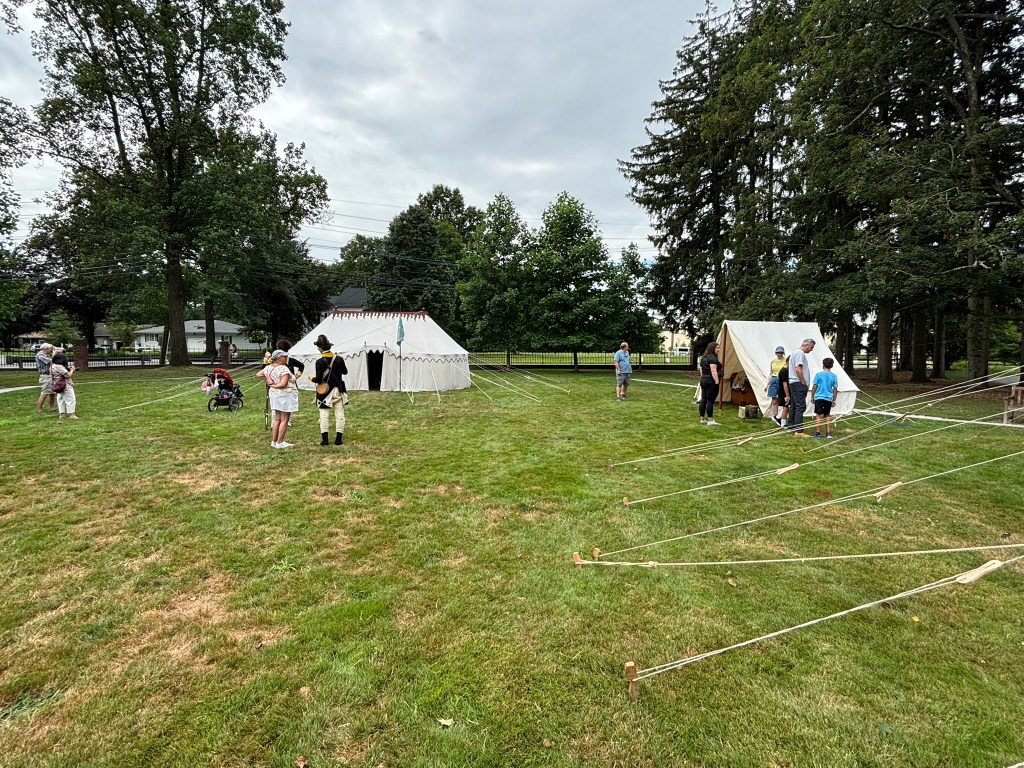
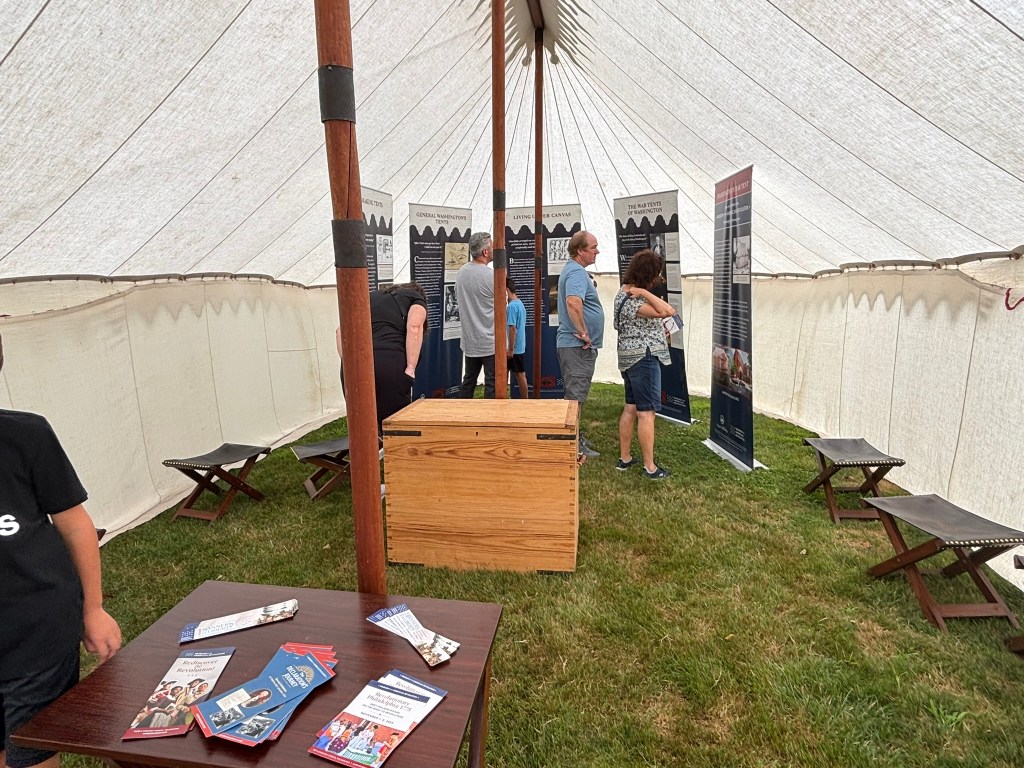
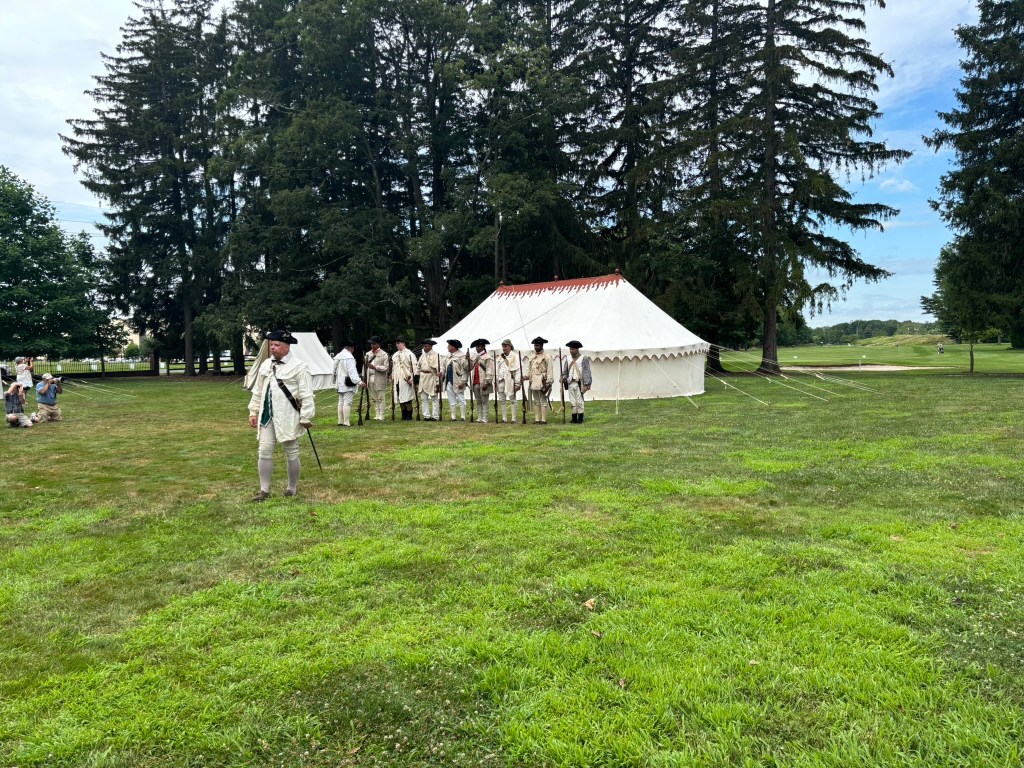
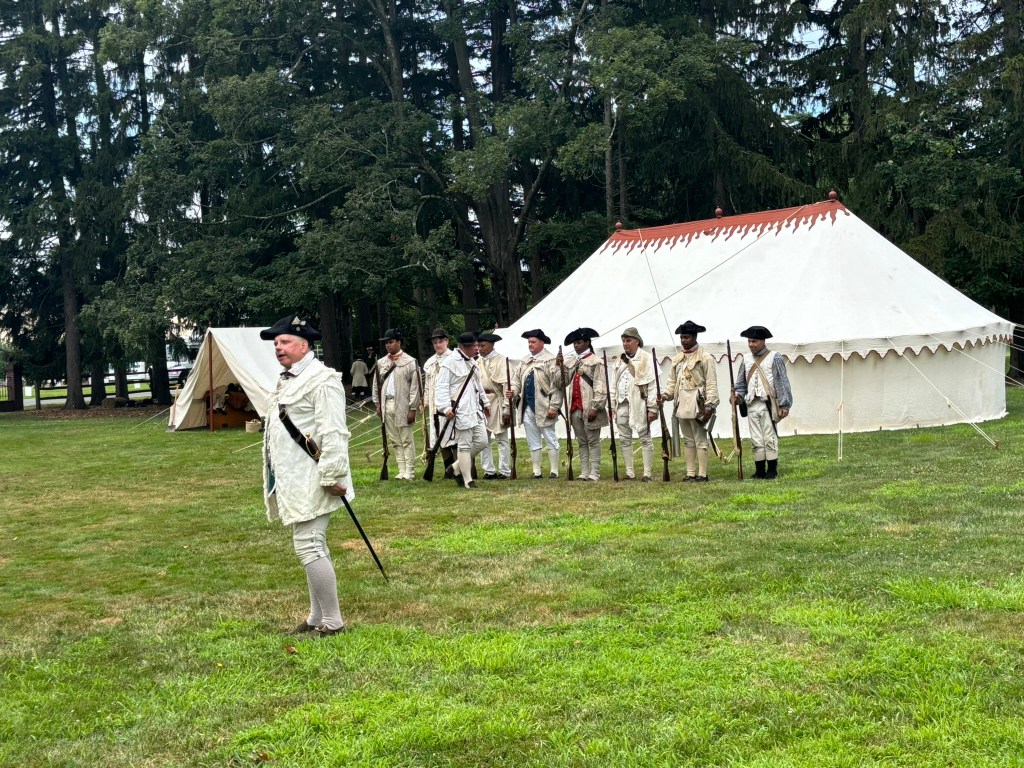
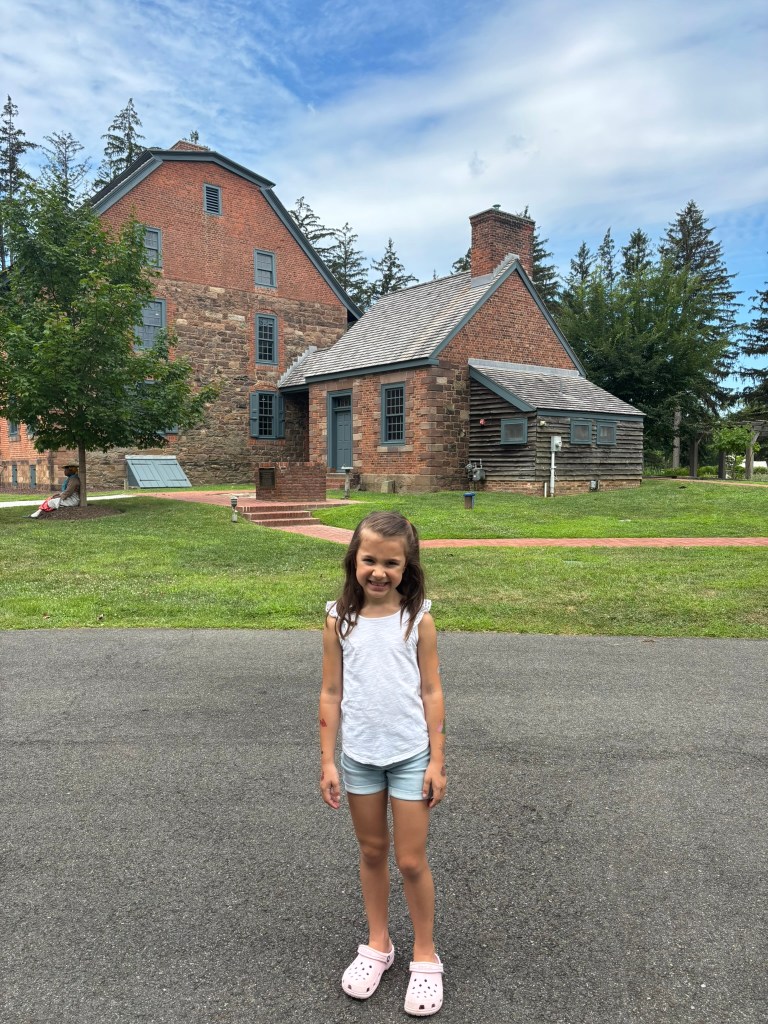
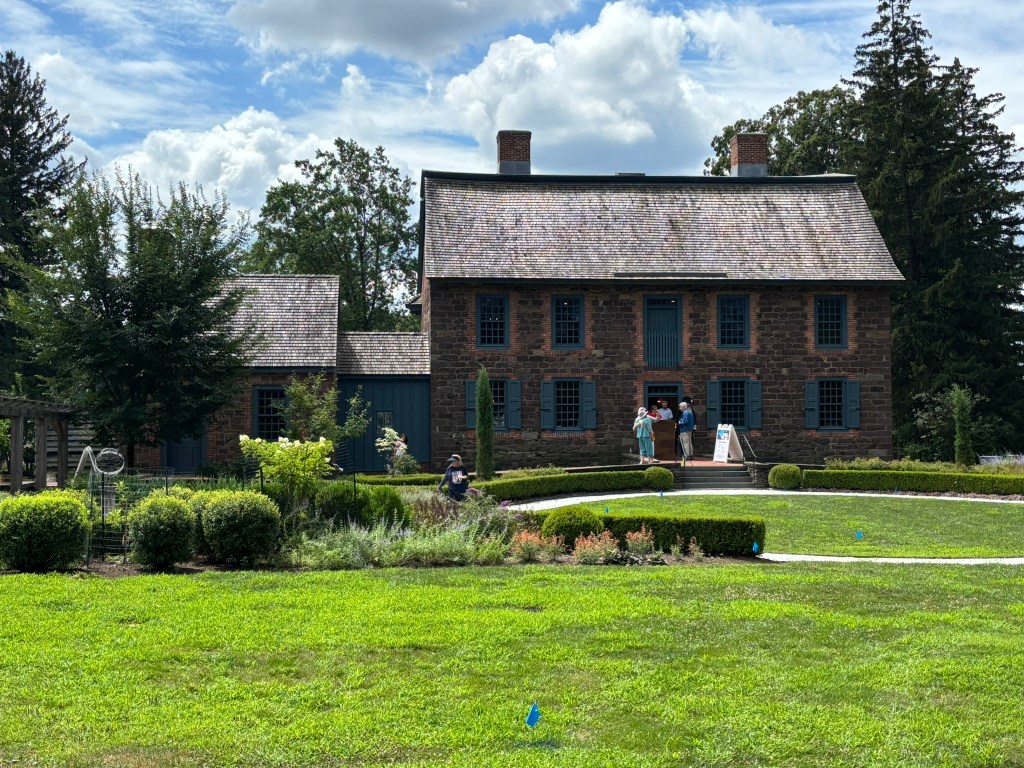
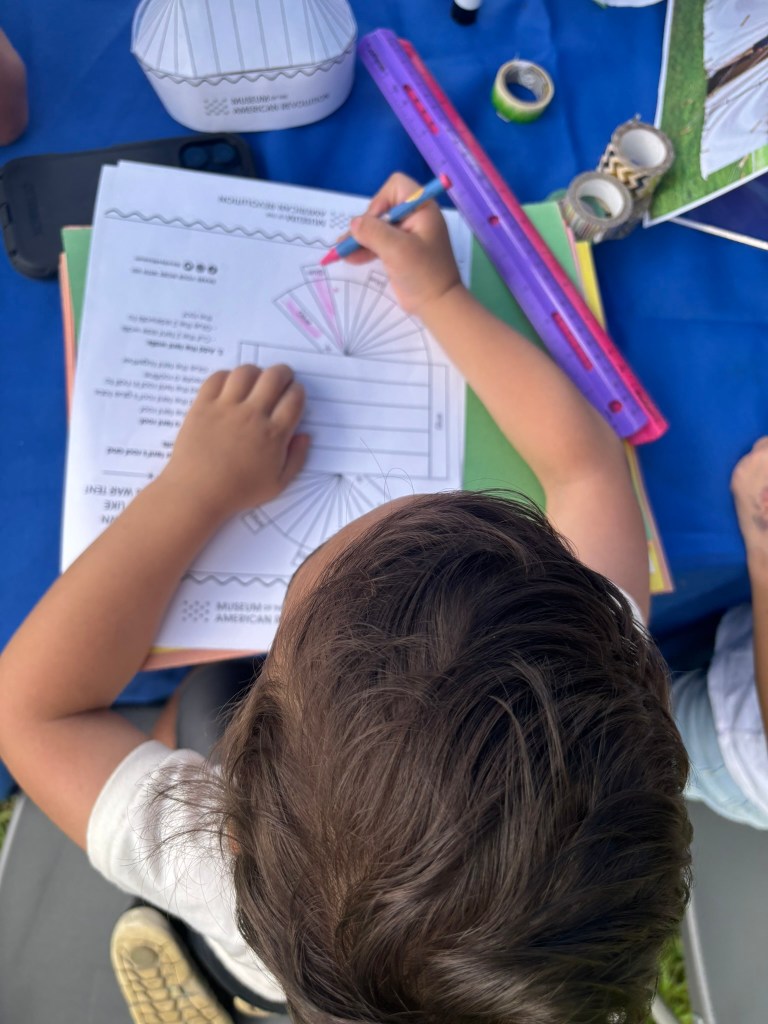
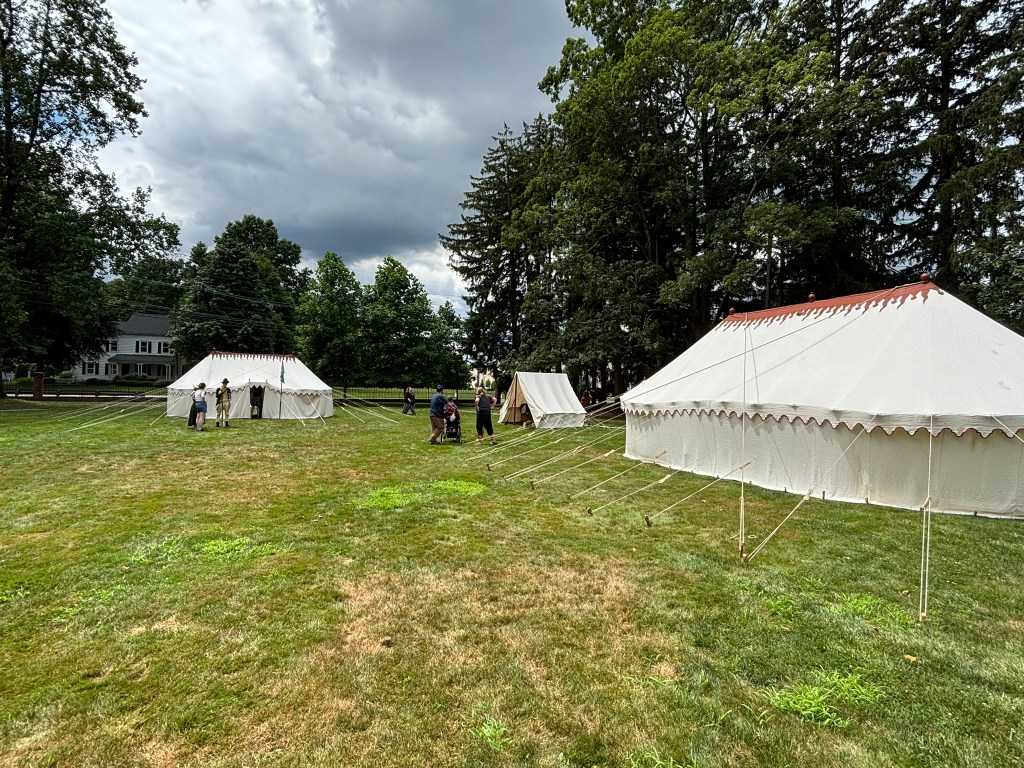
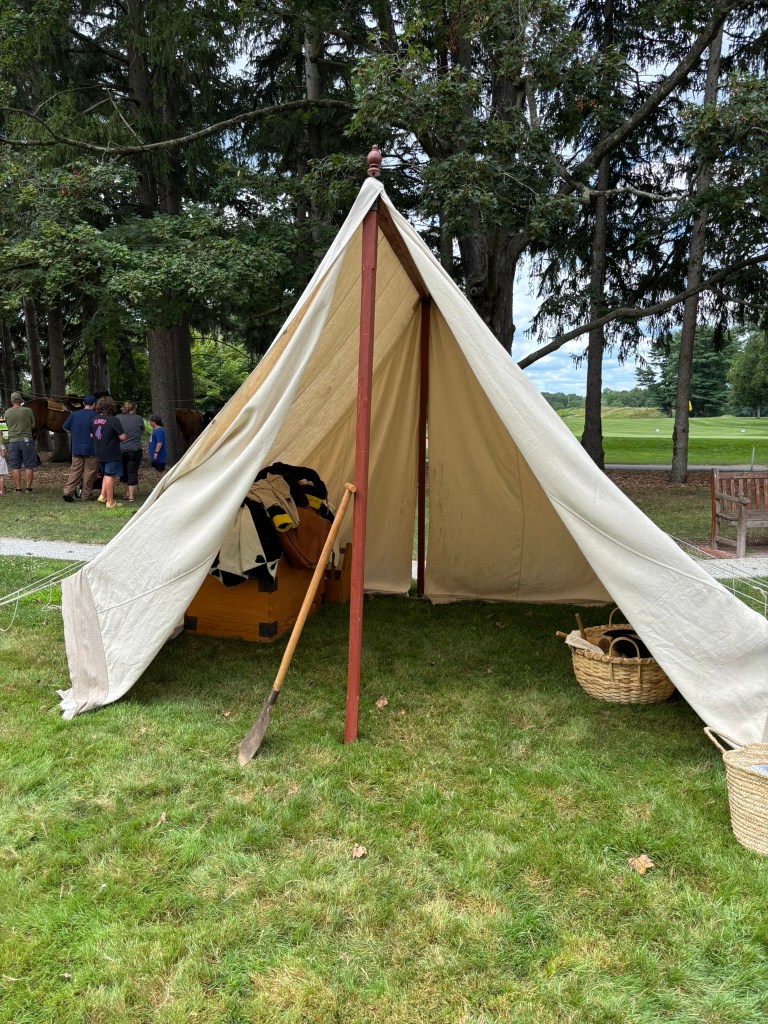
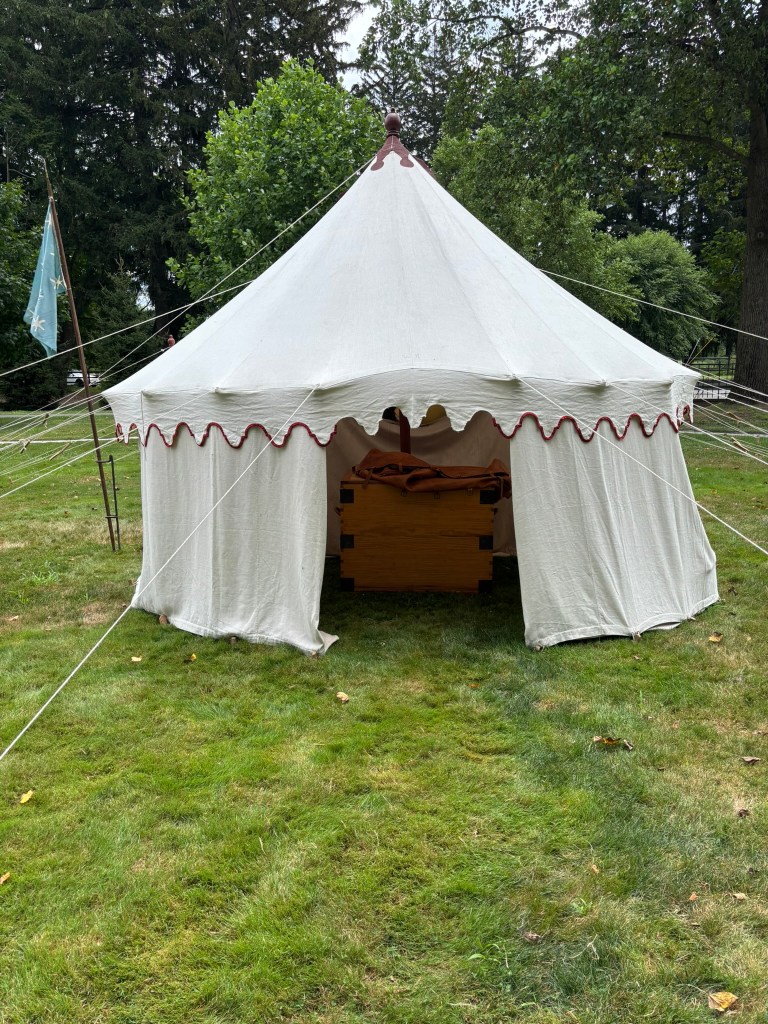
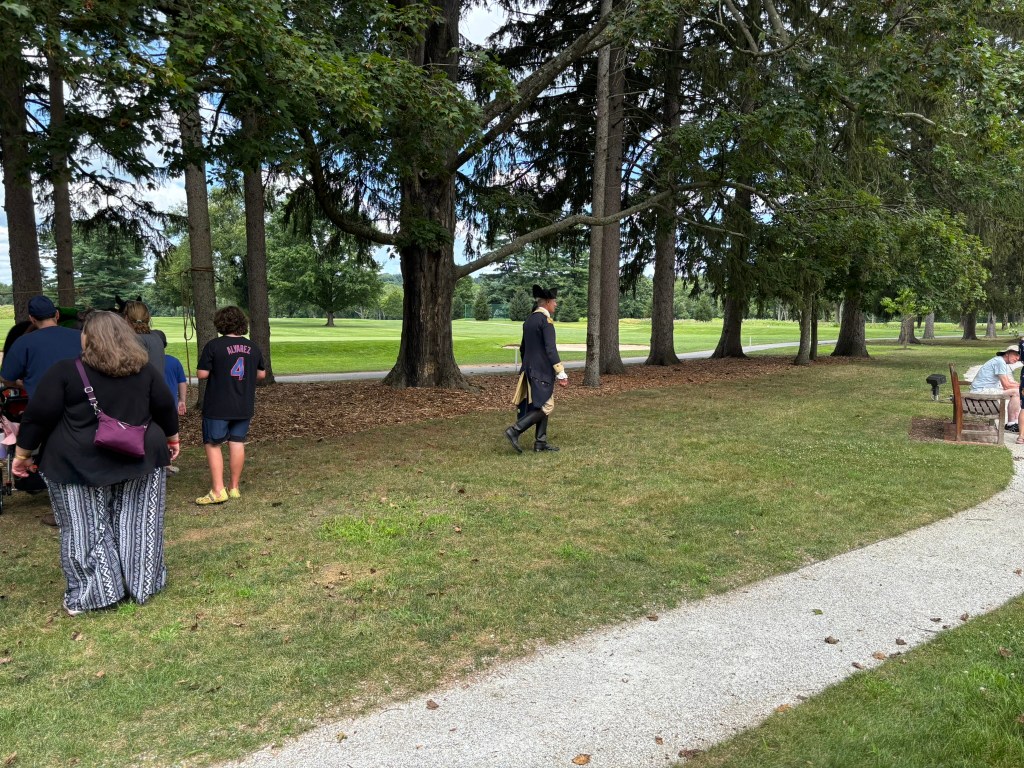
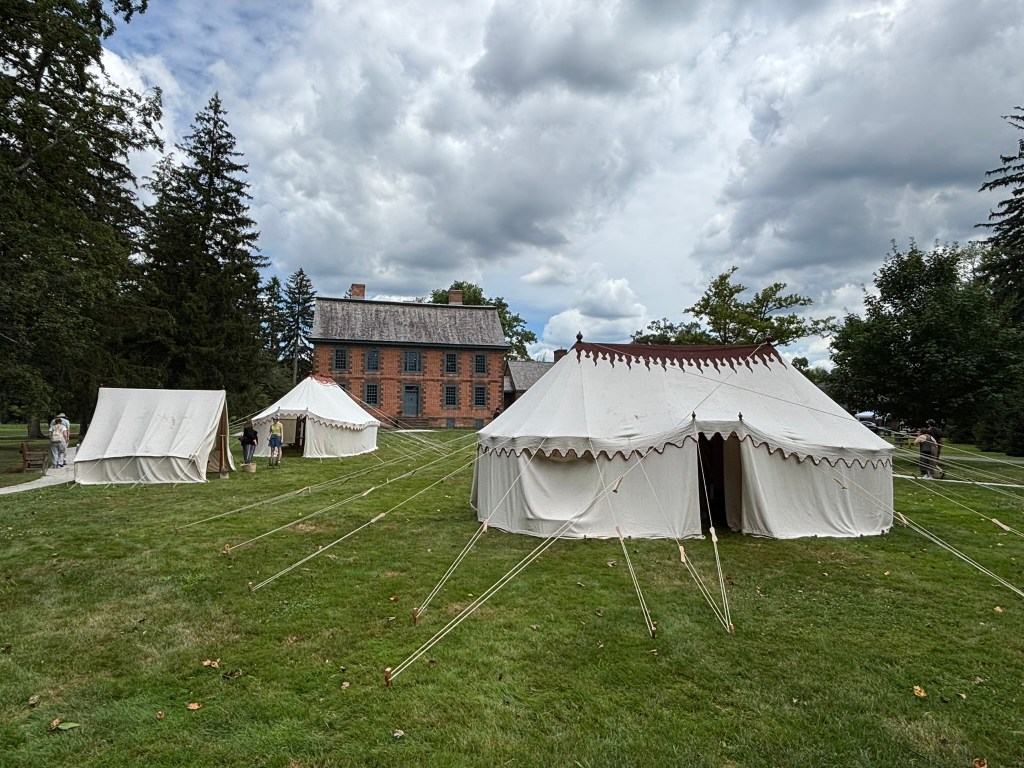
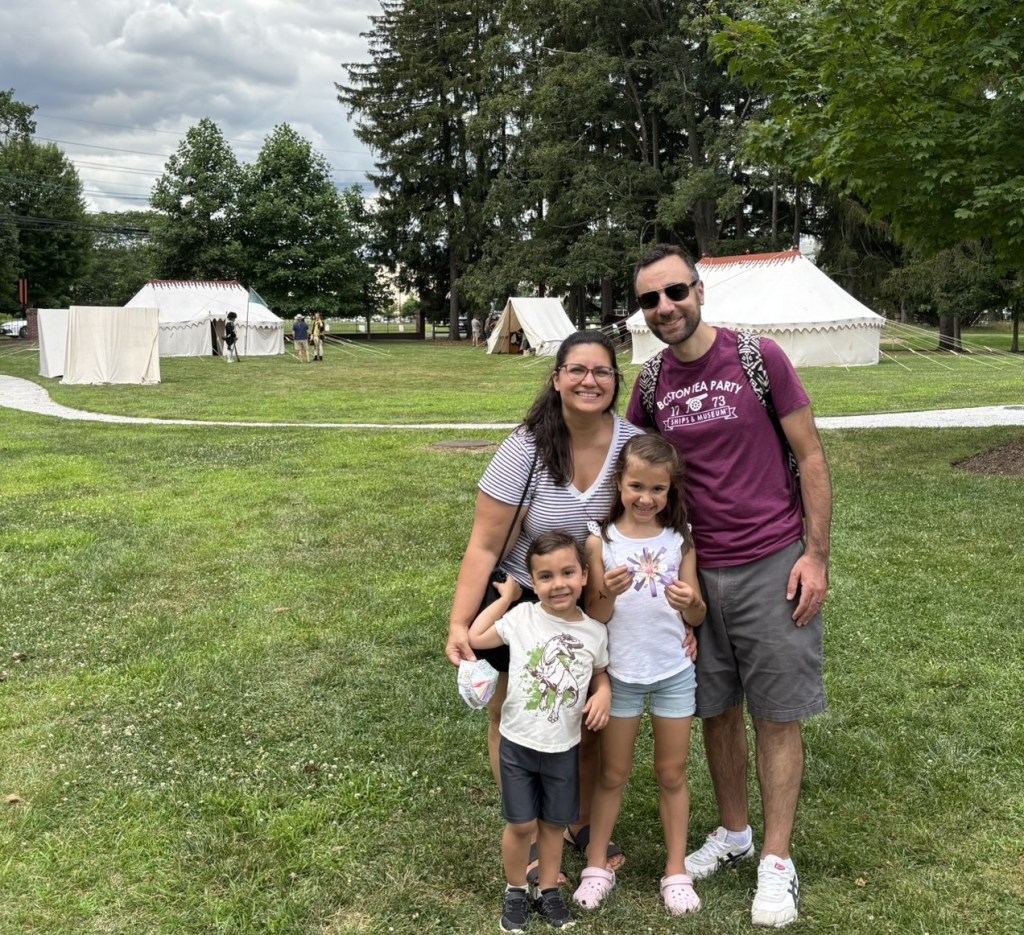
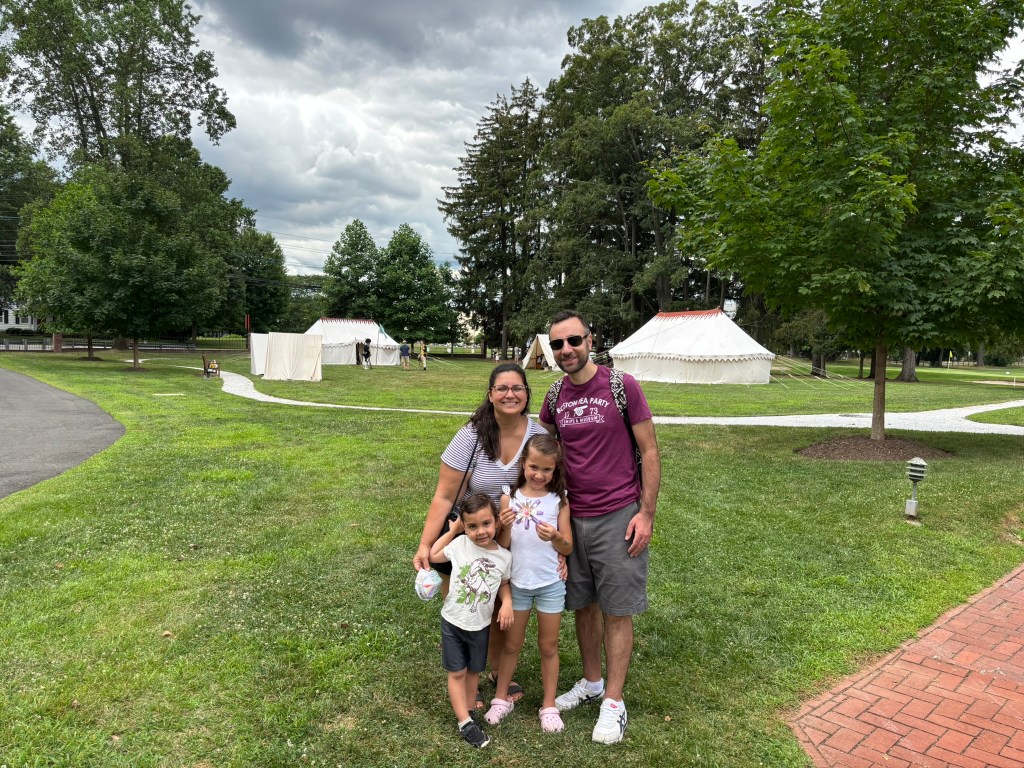
My family and I visited the First Oval Office Project at the Dey Mansion in Wayne, NJ on Saturday, July 19th. The event, which ran all weekend, was curated by the Museum of the American Revolution in Philadelphia and featured a replica of George Washington’s War Tent from the American Revolution. This wasn’t our first time experiencing the tent. In July 2023, as I shared in my post “Washington’s War Tent and the Ford Mansion,” we attended the First Oval Office Project at Washington’s Headquarters in Morristown, NJ. We also had the chance to see the original tent at the Museum of the American Revolution during our trip to Philadelphia in February 2024. You can read more about that trip [HERE]. This recent visit was another great opportunity to see history come to life and engage with historical reenactors.
George Washington’s War Tent
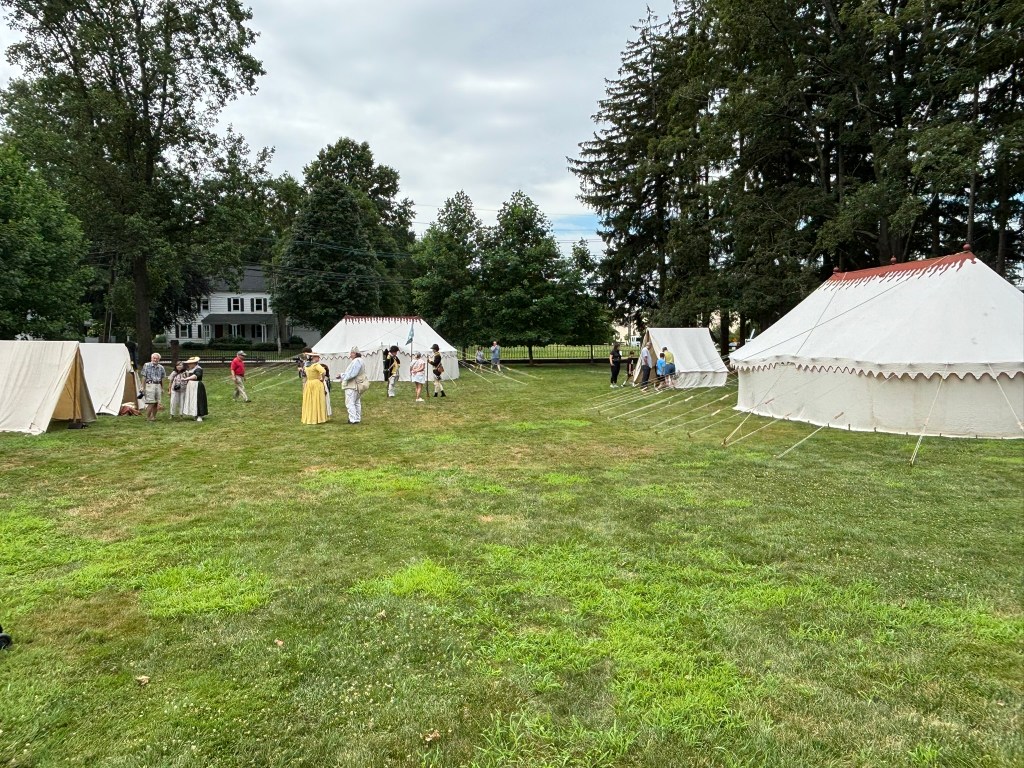
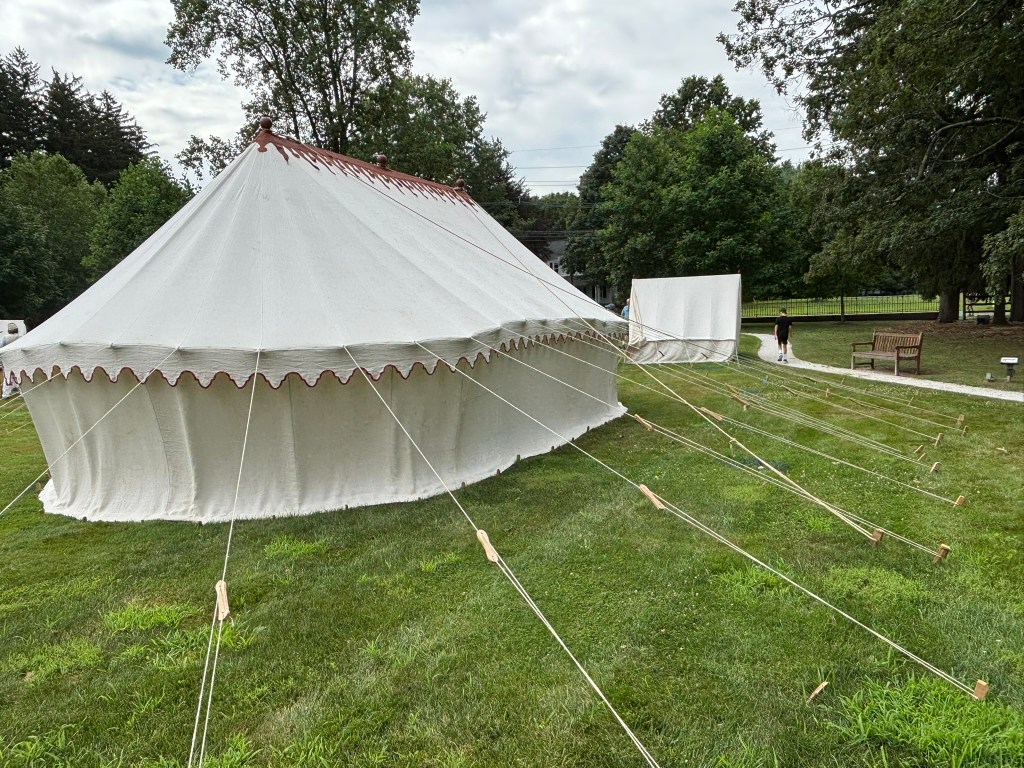
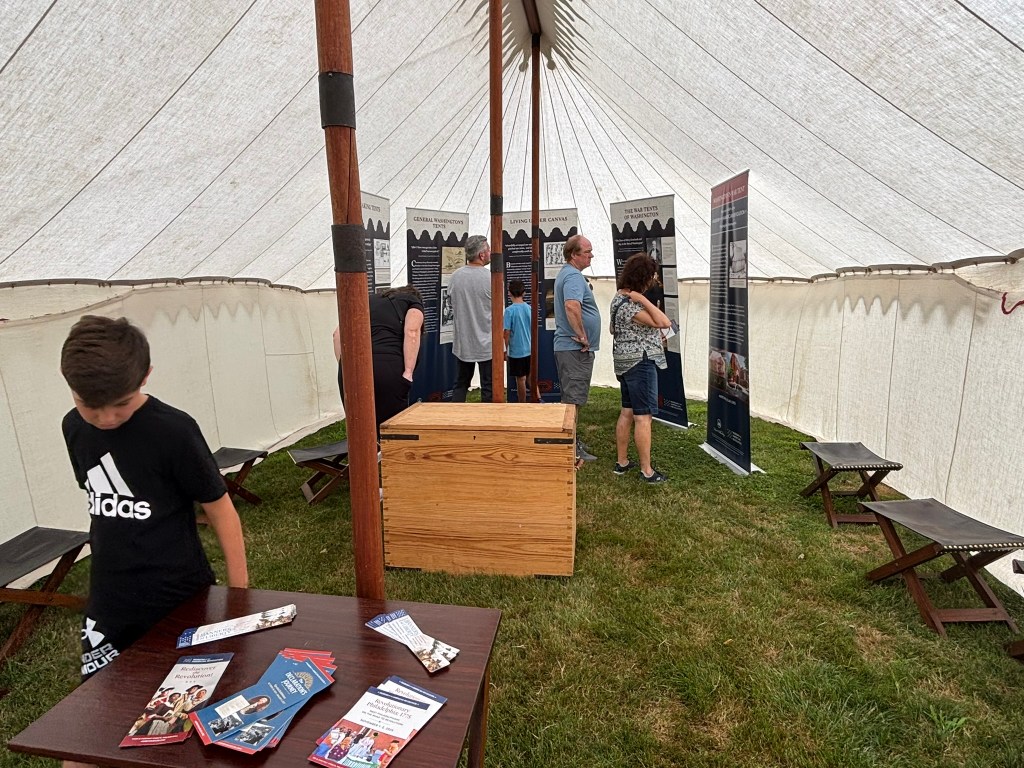
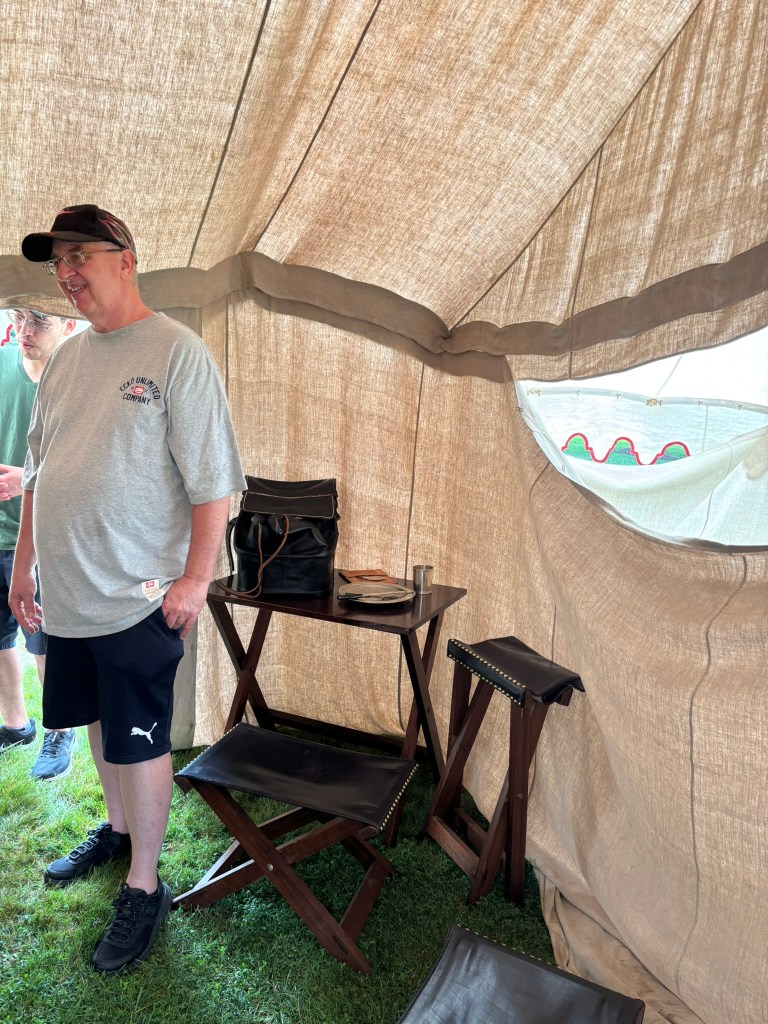
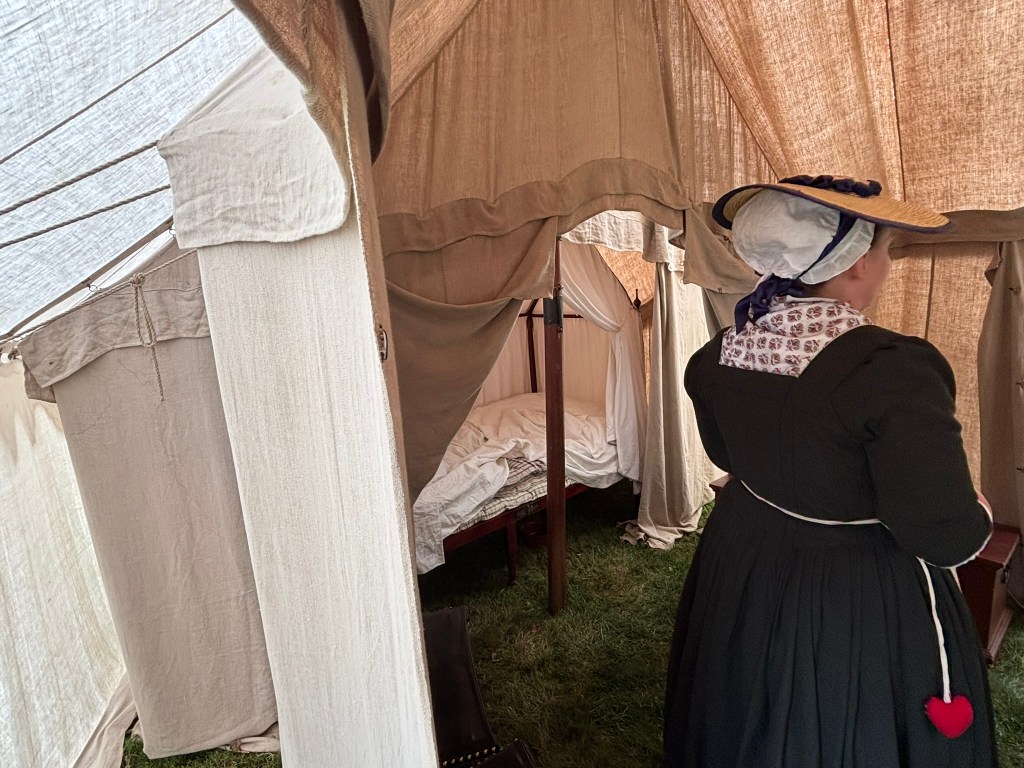
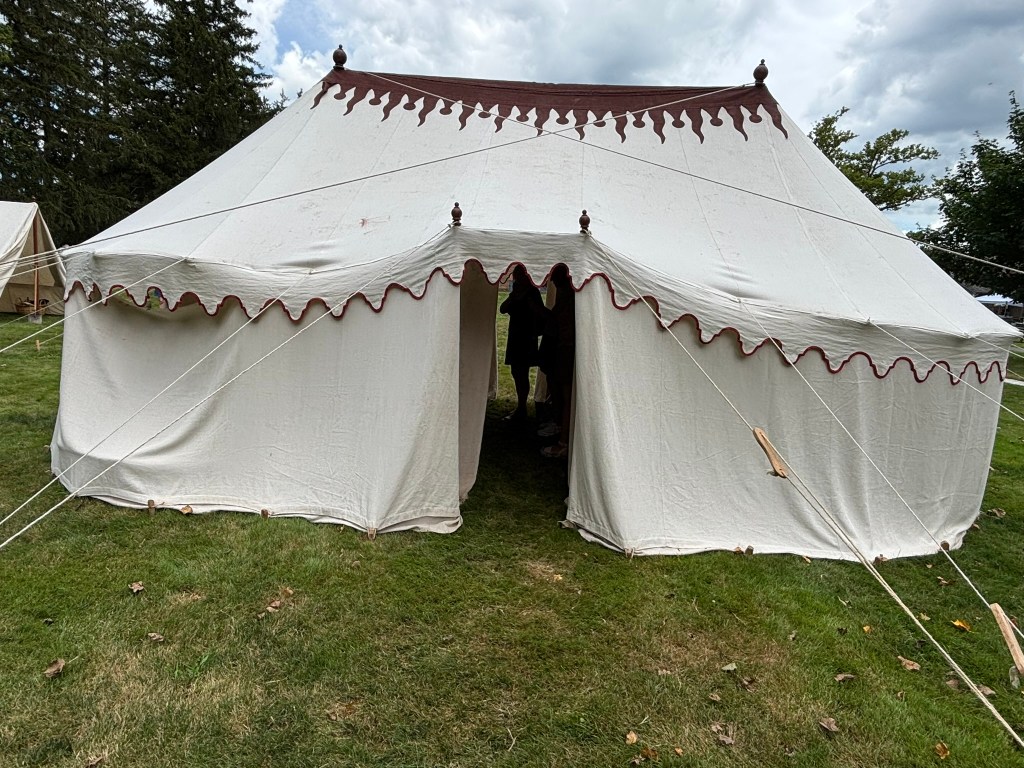
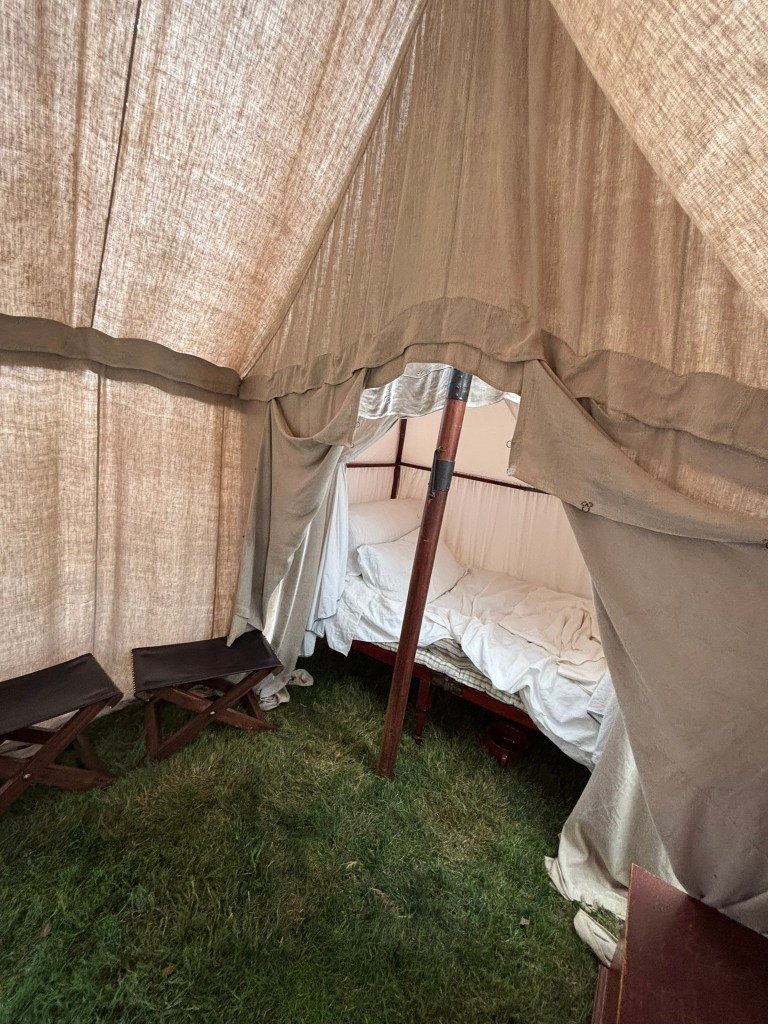
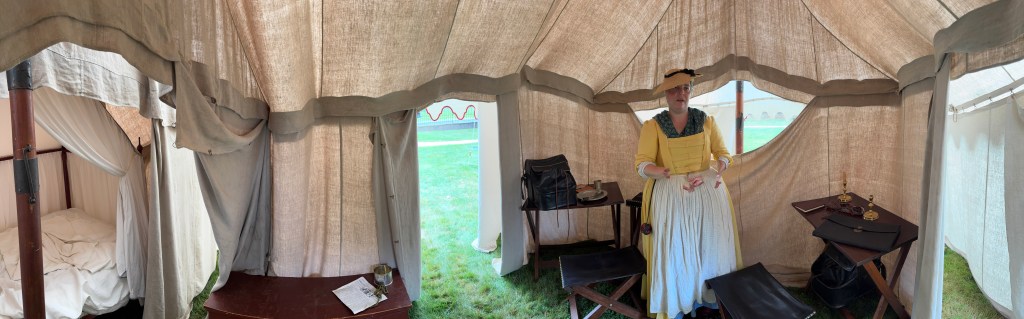
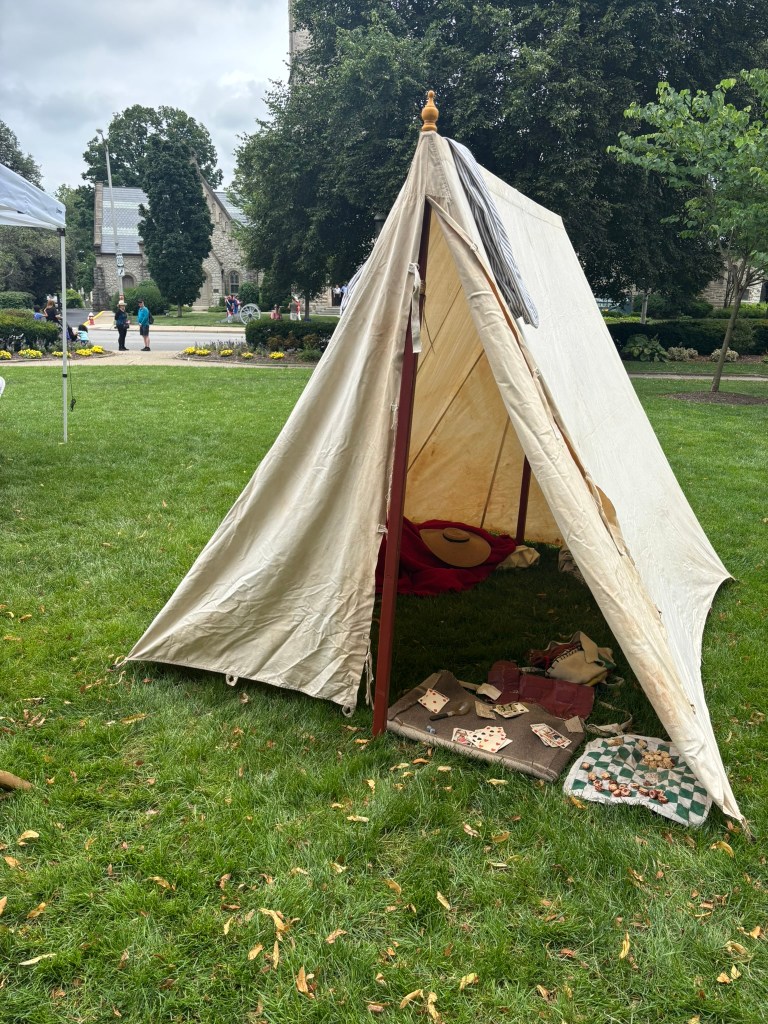
The War Tent on display at the Dey Mansion was a reproduction of George Washington’s original field tent, which has been preserved and is now housed at the Museum of the American Revolution in Philadelphia. After Washington’s death, the tent was passed down through Martha Washington’s descendants until it was acquired in 1909 by Reverend W. Herbert Burk, the founder of the museum’s collection. While the original tent can be viewed at the museum, visitors aren’t permitted to go inside it. This full-scale replica was created to give people a sense of what it was like inside Washington’s mobile headquarters during the Revolutionary War. It served as both a workspace—where he and his aides handled military business and correspondence—and a place to sleep while on campaign.
Our Day
Demonstrations
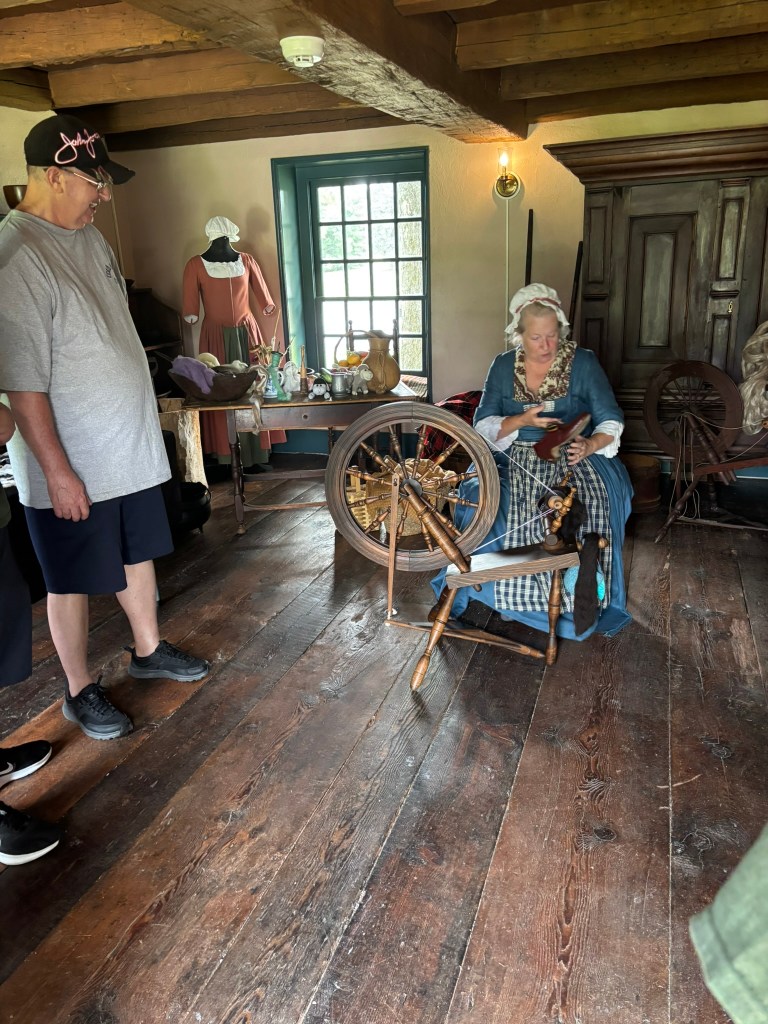
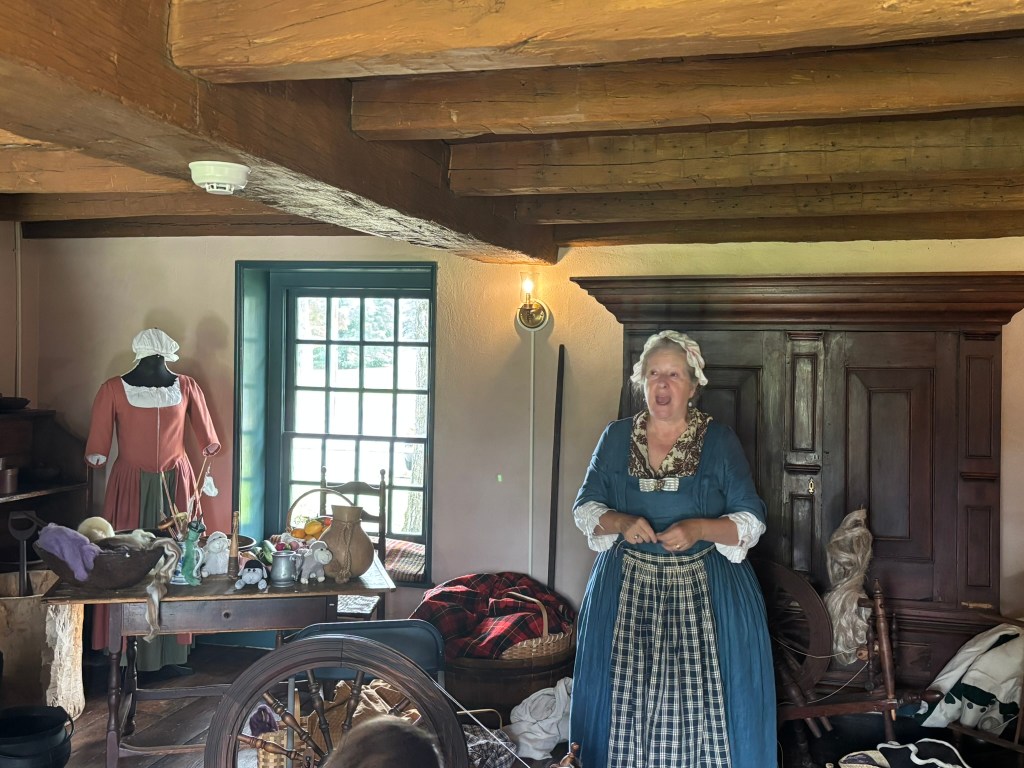
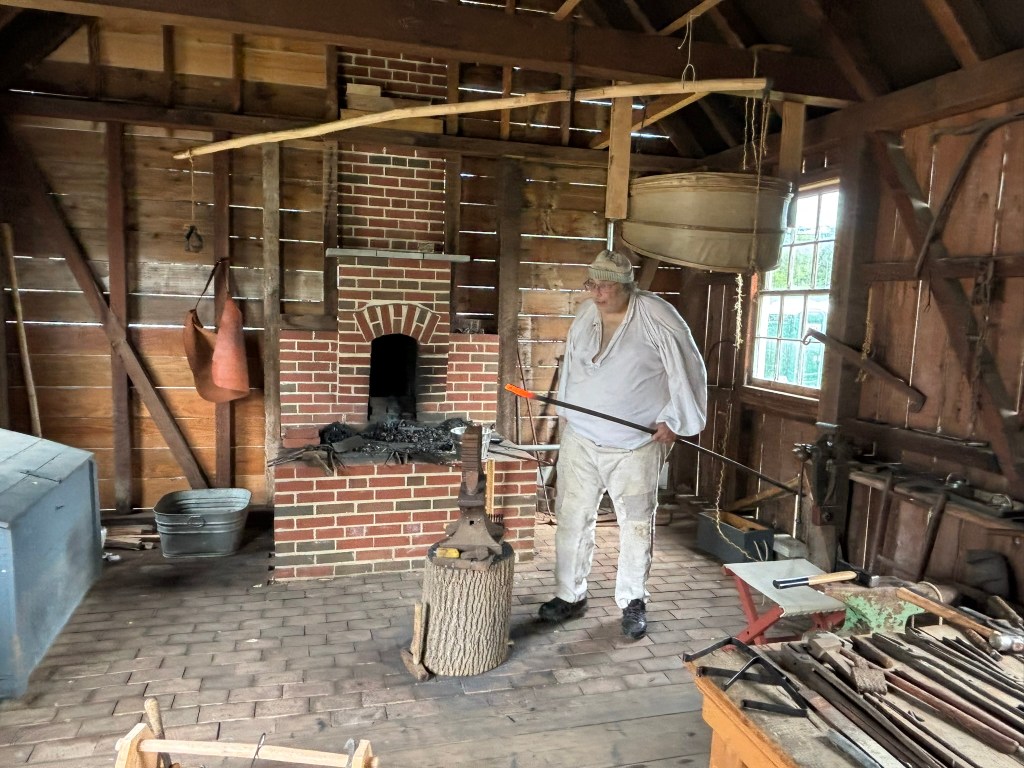
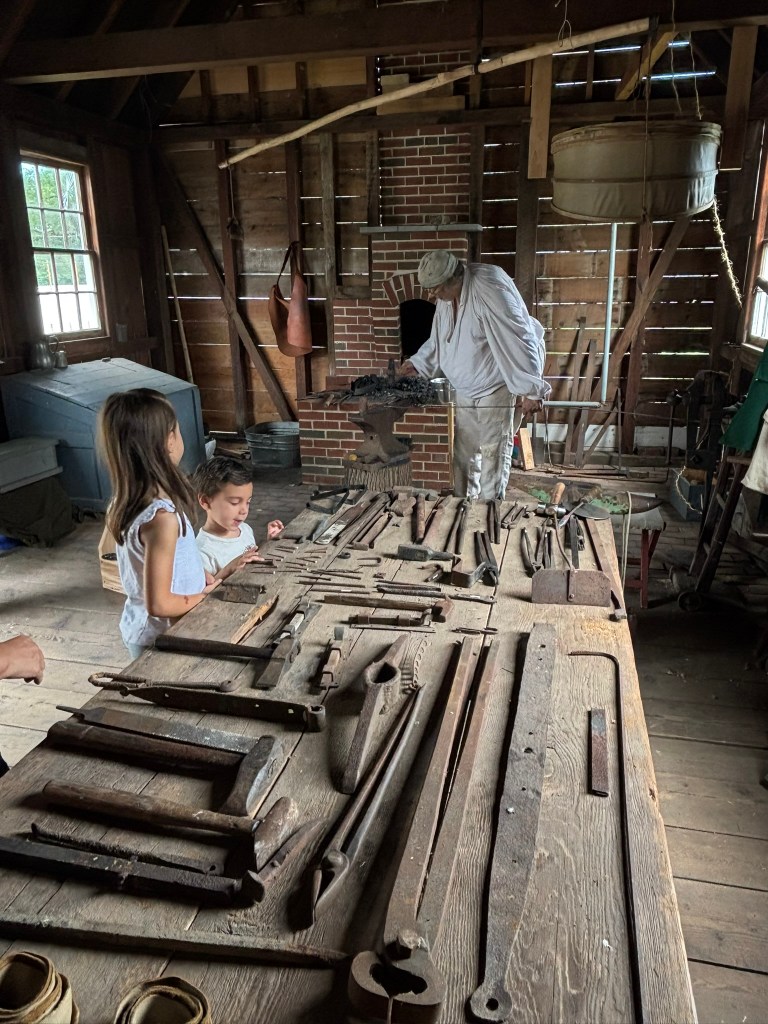
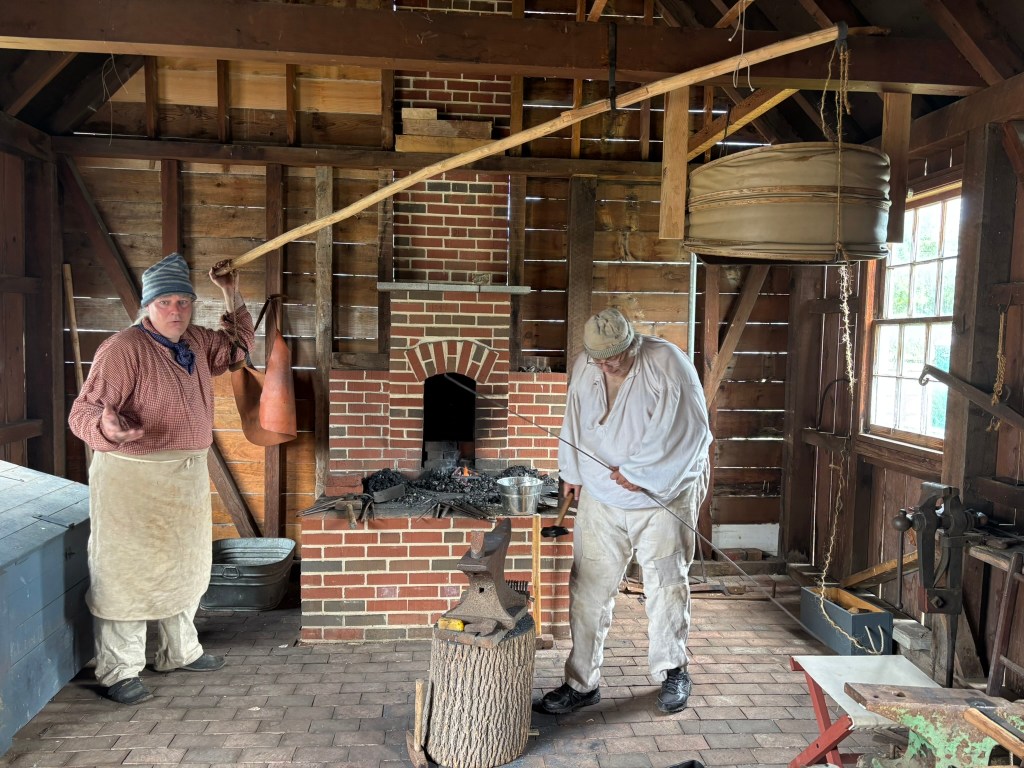
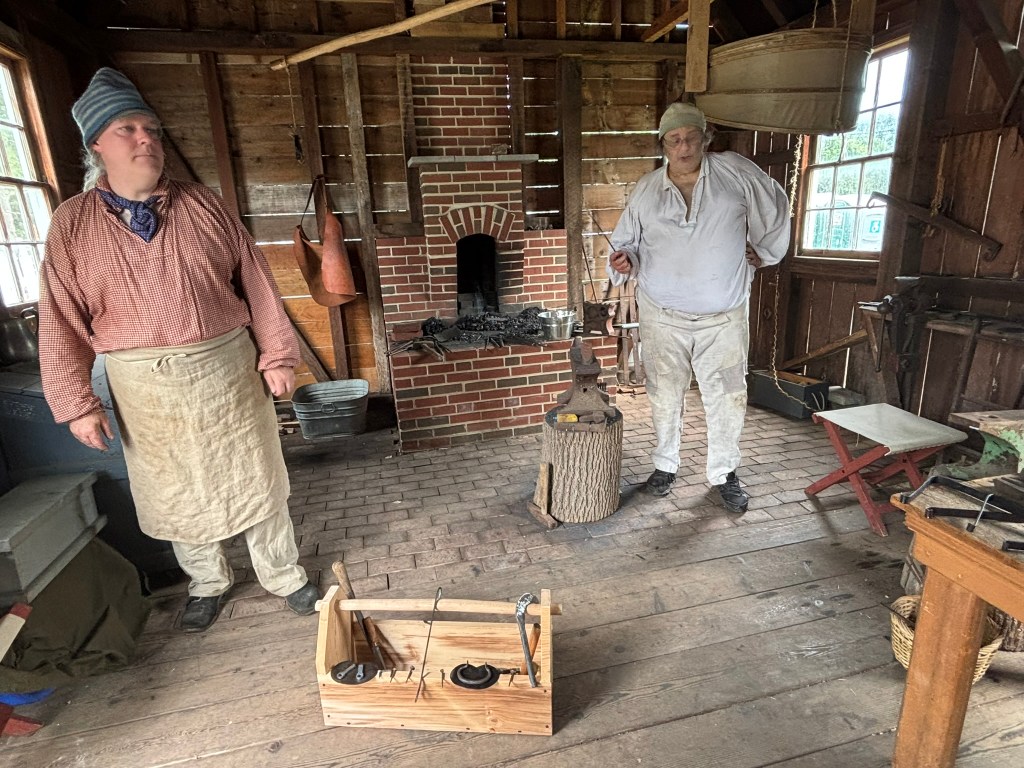
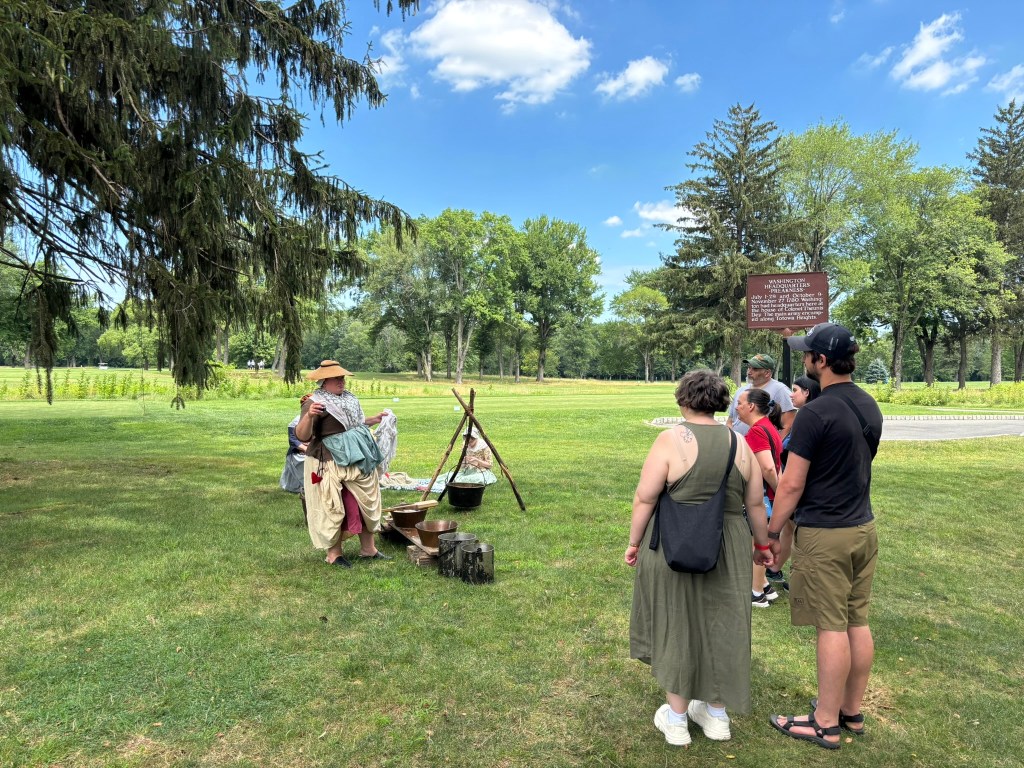
We arrived at the Dey Mansion a little before 10:30 a.m. and began by exploring several of the programs and demonstrations happening on the mansion grounds. Our first stop was a demonstration on 18th-century weaving, followed by a visit to the blacksmith’s shop, where the historical reenactors shared fascinating insights into the techniques and tools used by blacksmiths during the Revolutionary era.
Second New Jersey Regiment, Helm’s Company
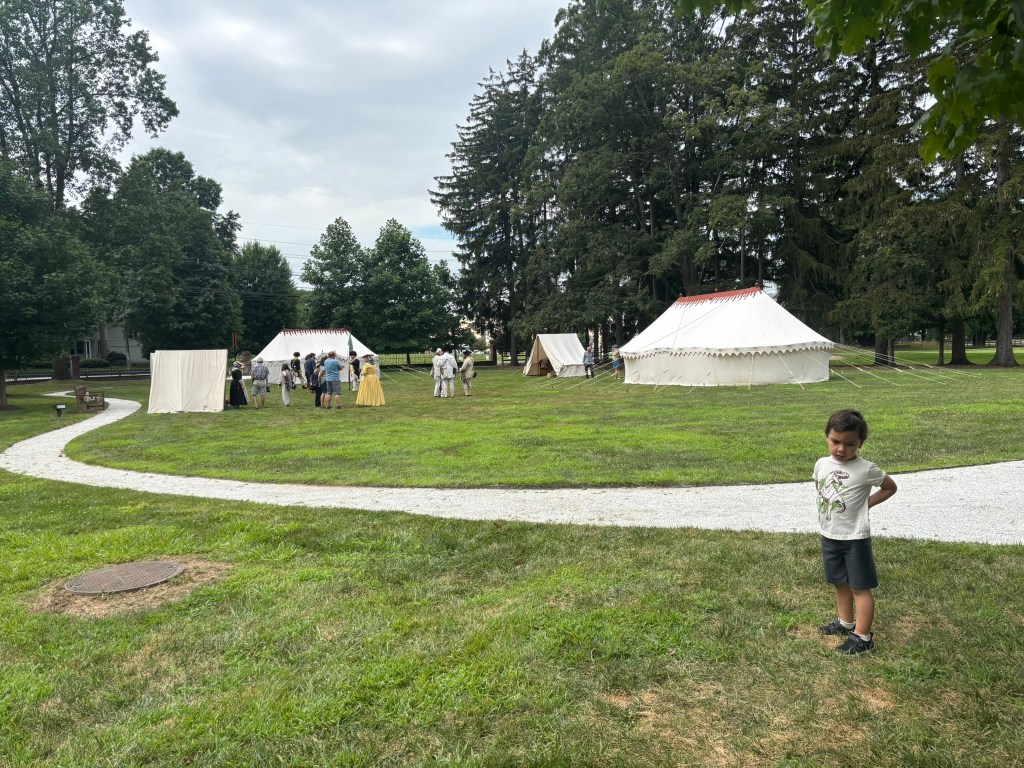
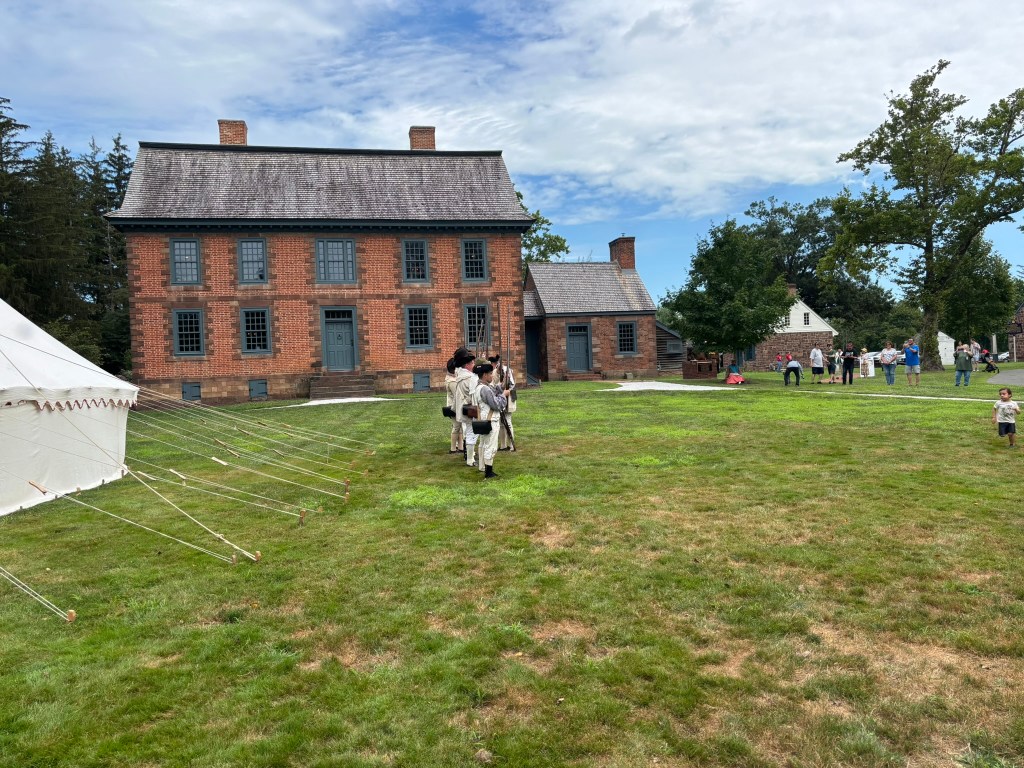
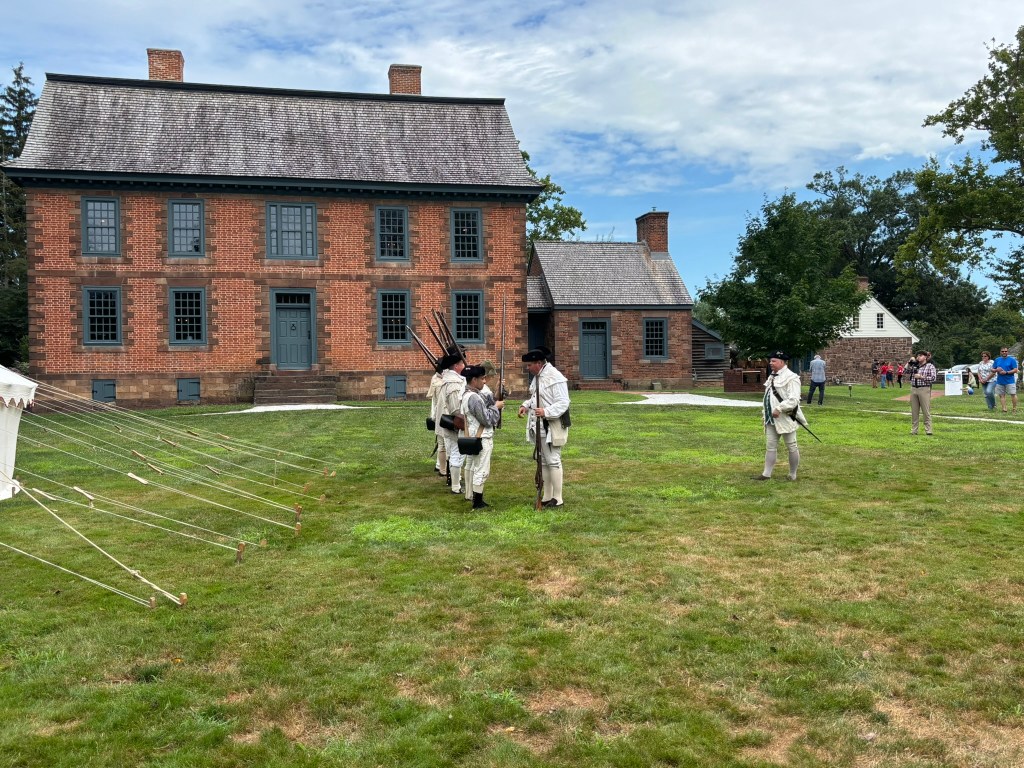
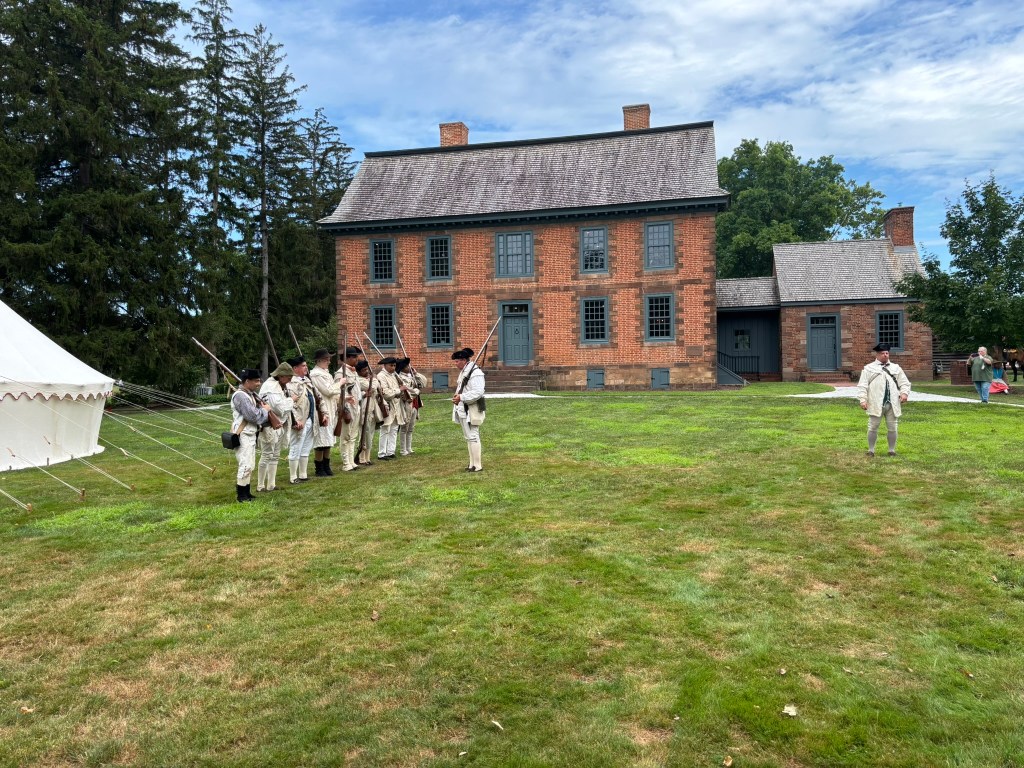
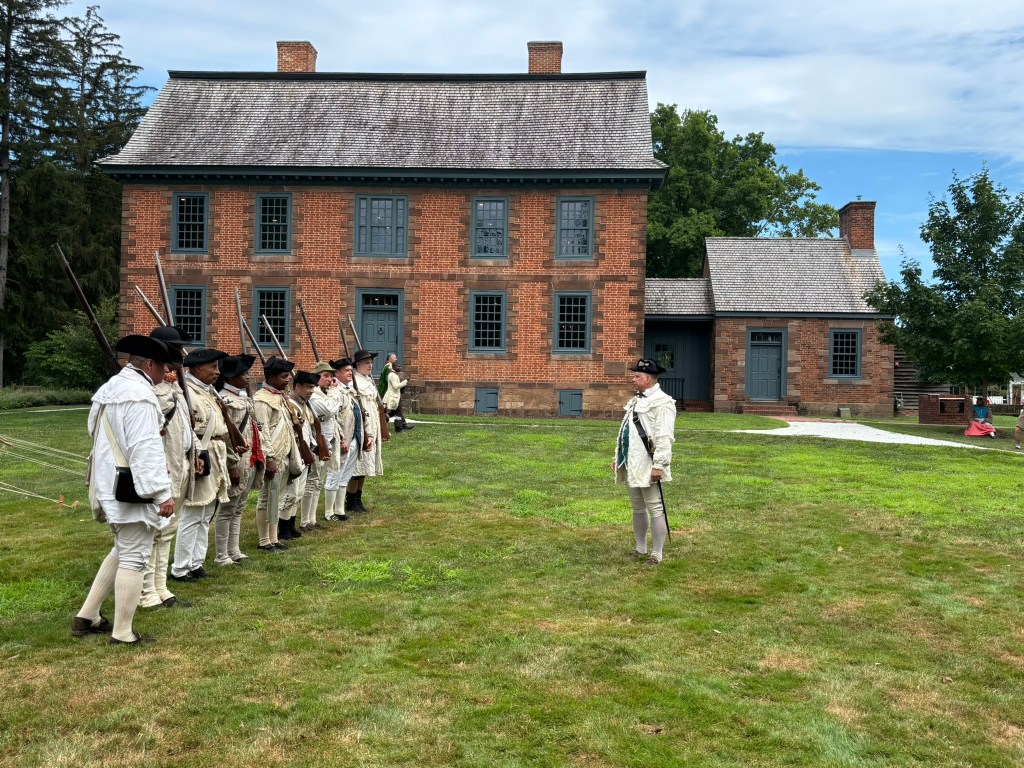
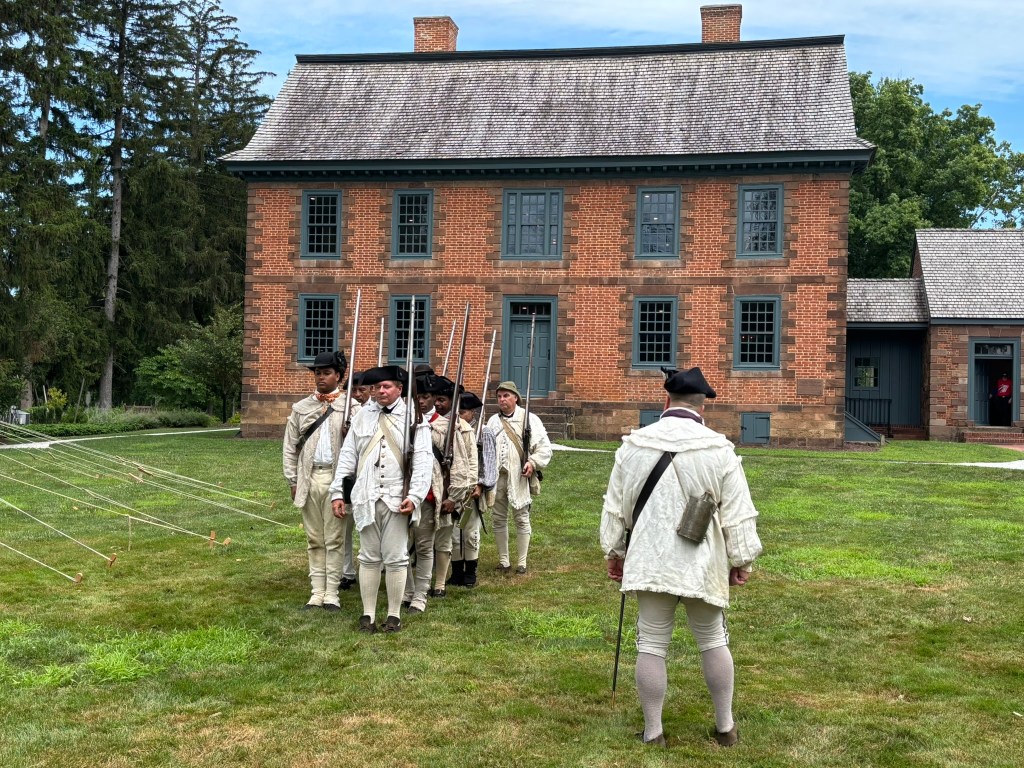
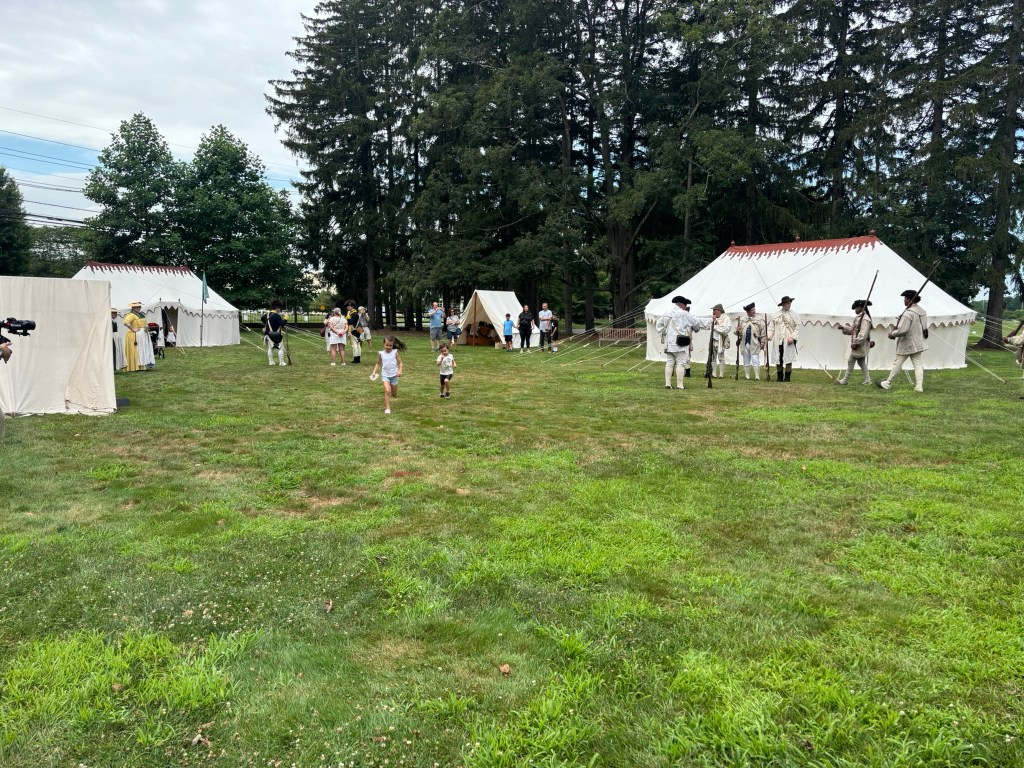
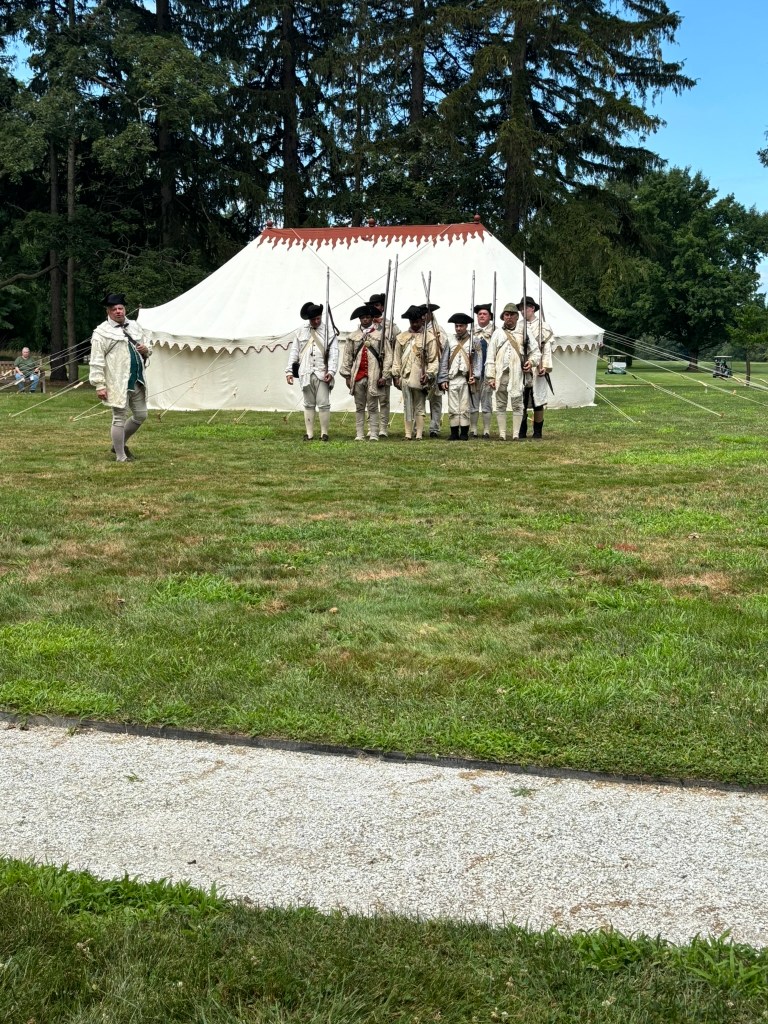
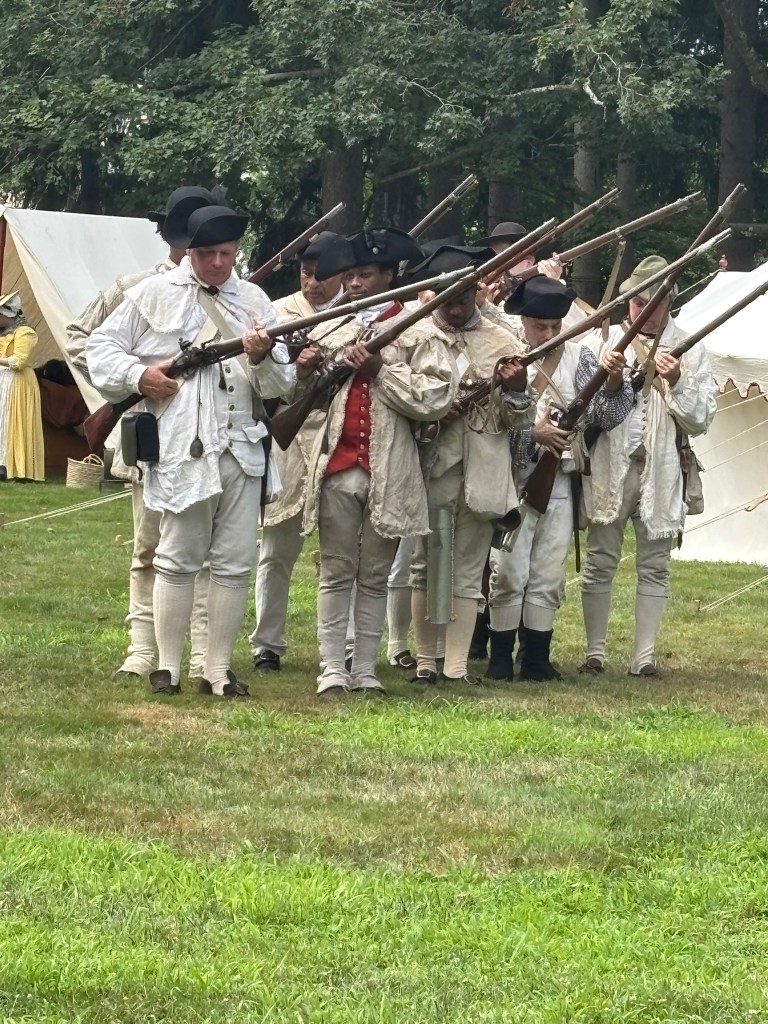
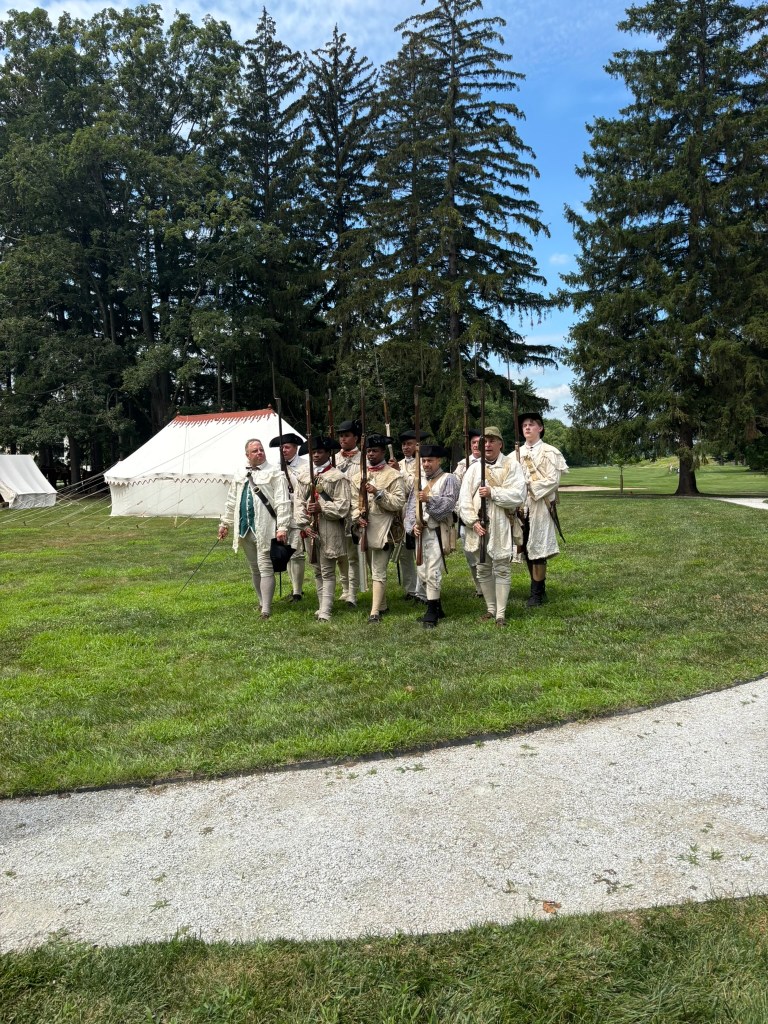
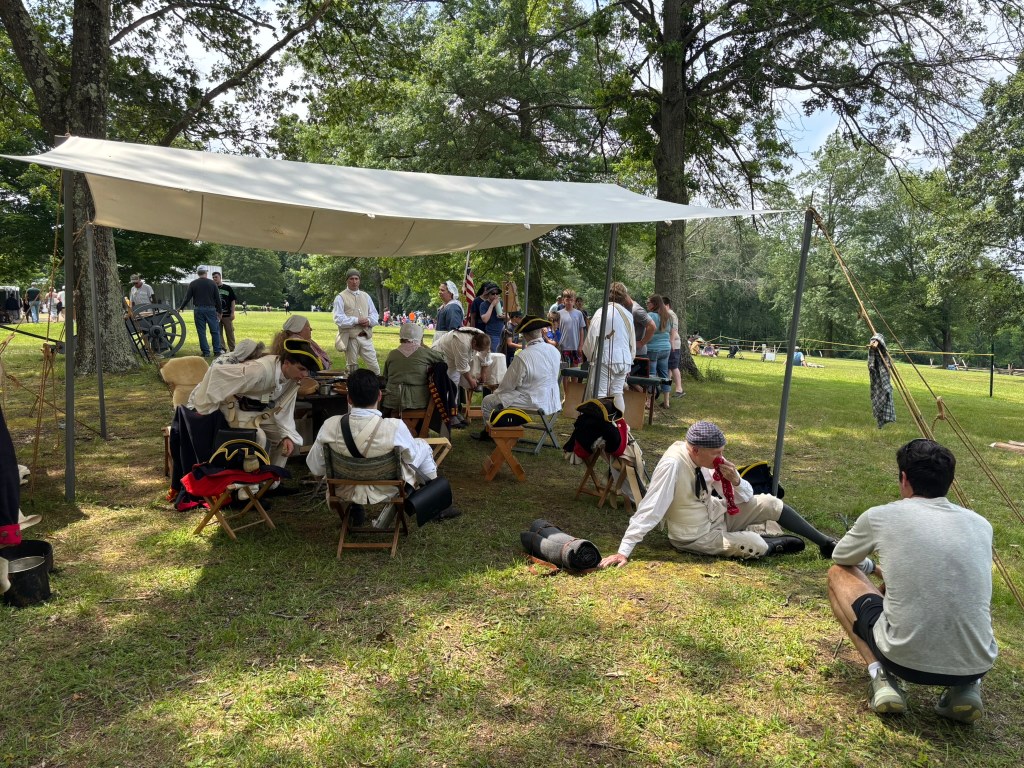
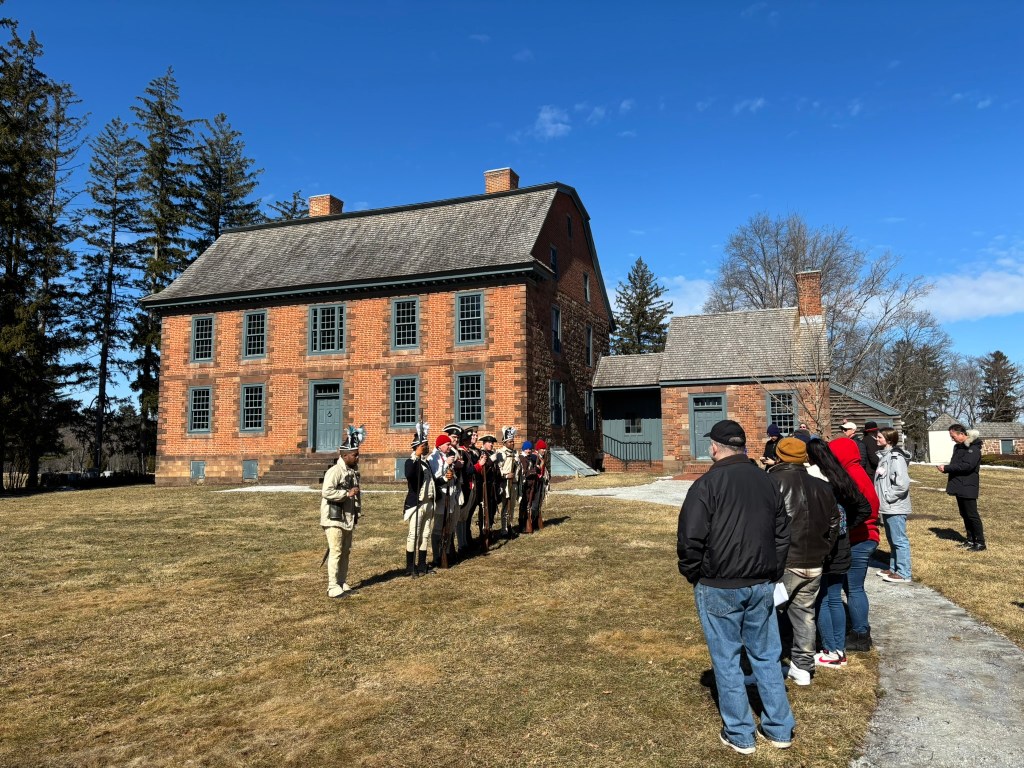
Next, we made our way to the front lawn and explored the dining tent. At 11:00 a.m., the 2nd New Jersey Regiment, Helm’s Company, performed military drills—including standing in formation, loading and firing muskets, marching, and executing a bayonet charge. It’s been a privilege to see Helm’s Company at several recent events, including the Battle of Monmouth Reenactment and Lafayette’s Visit to Morristown. After the demonstration, the reenactors answered questions from the audience and posed for photos.
Arts and Crafts/ Presentations
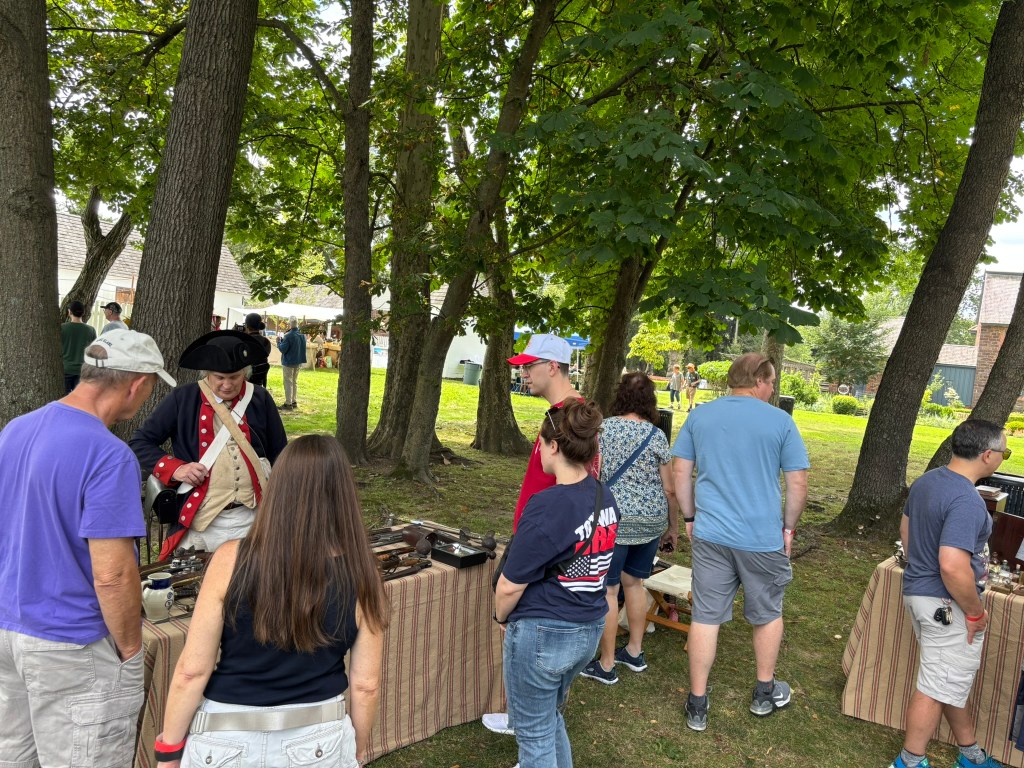
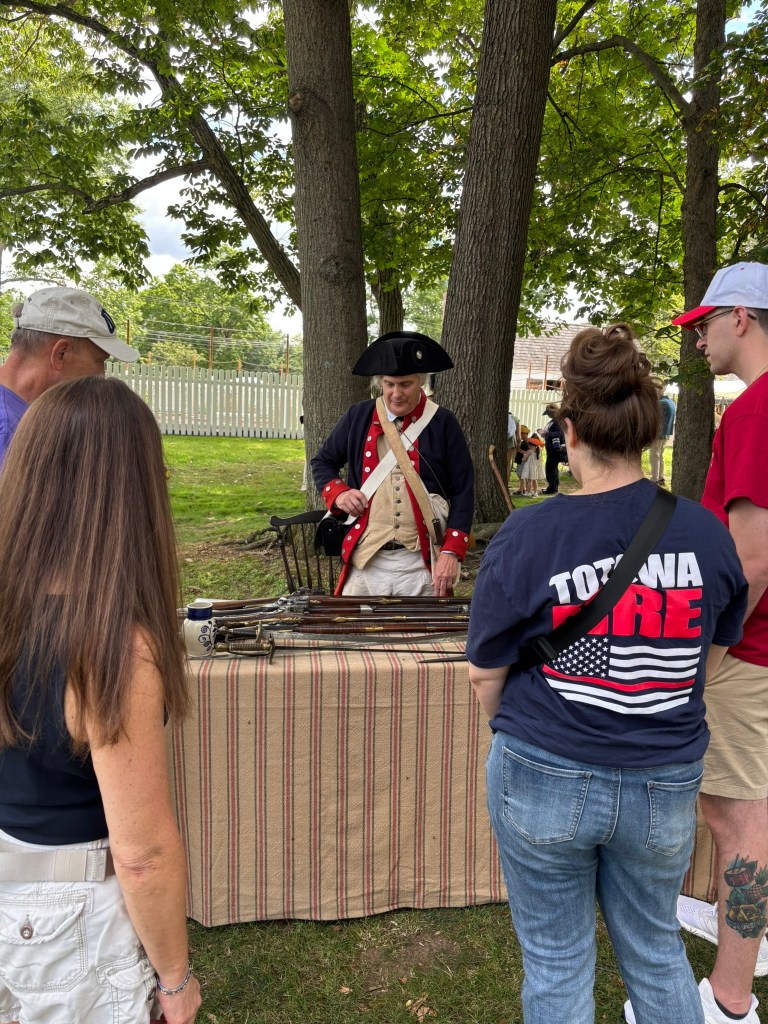
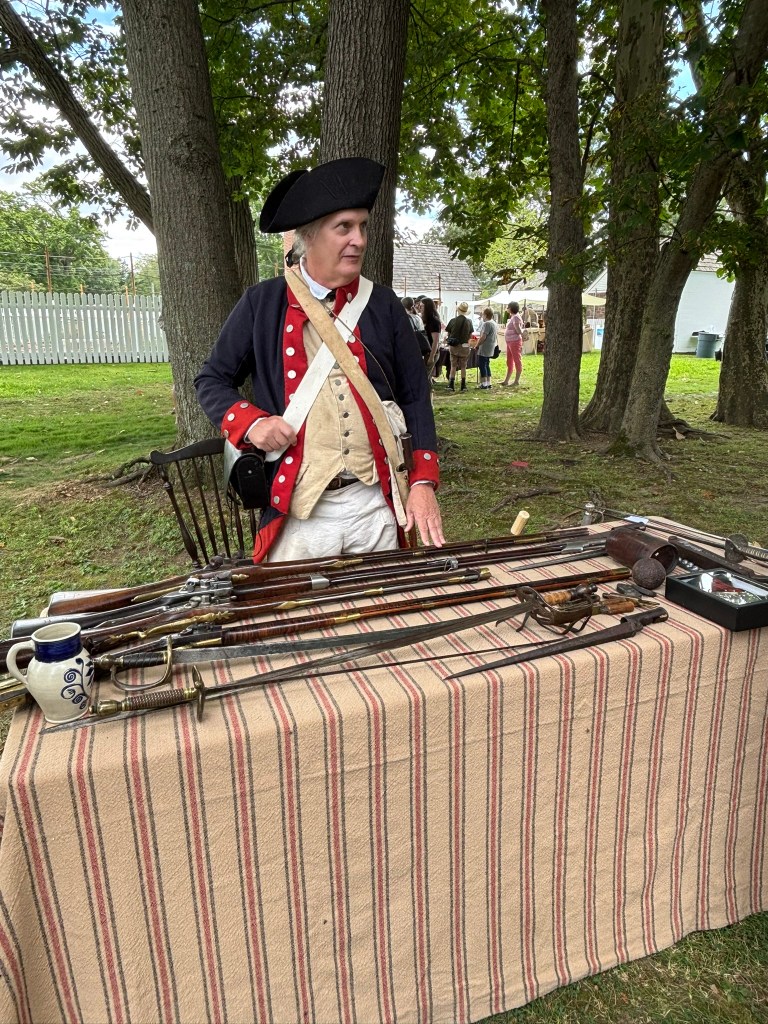
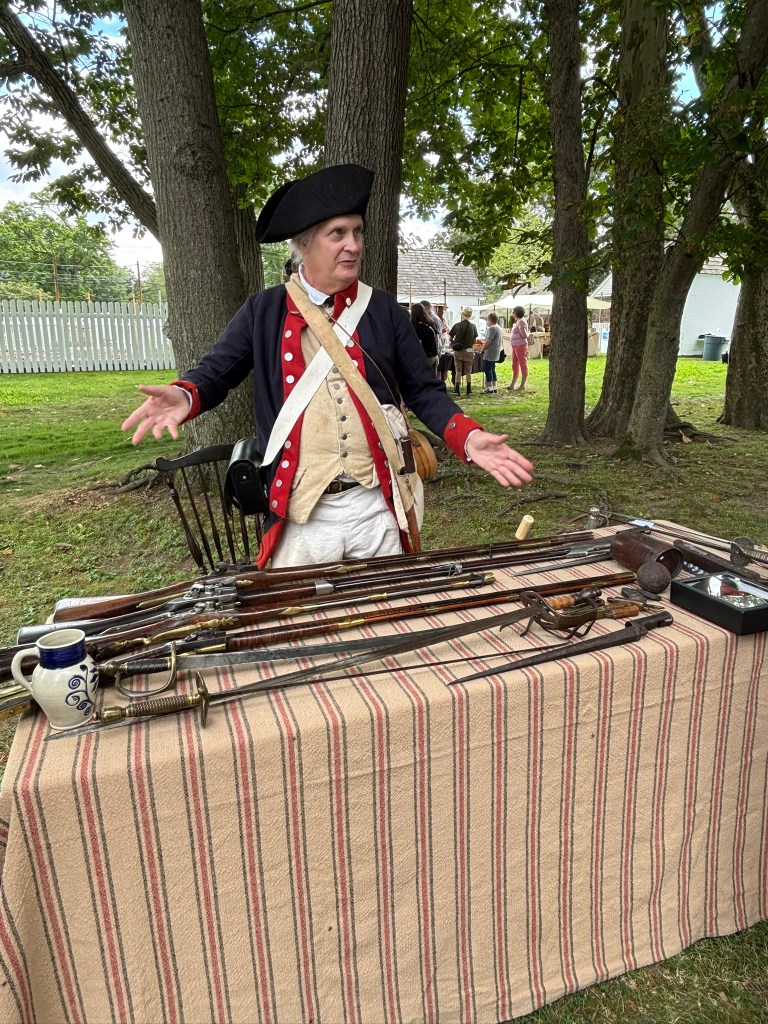
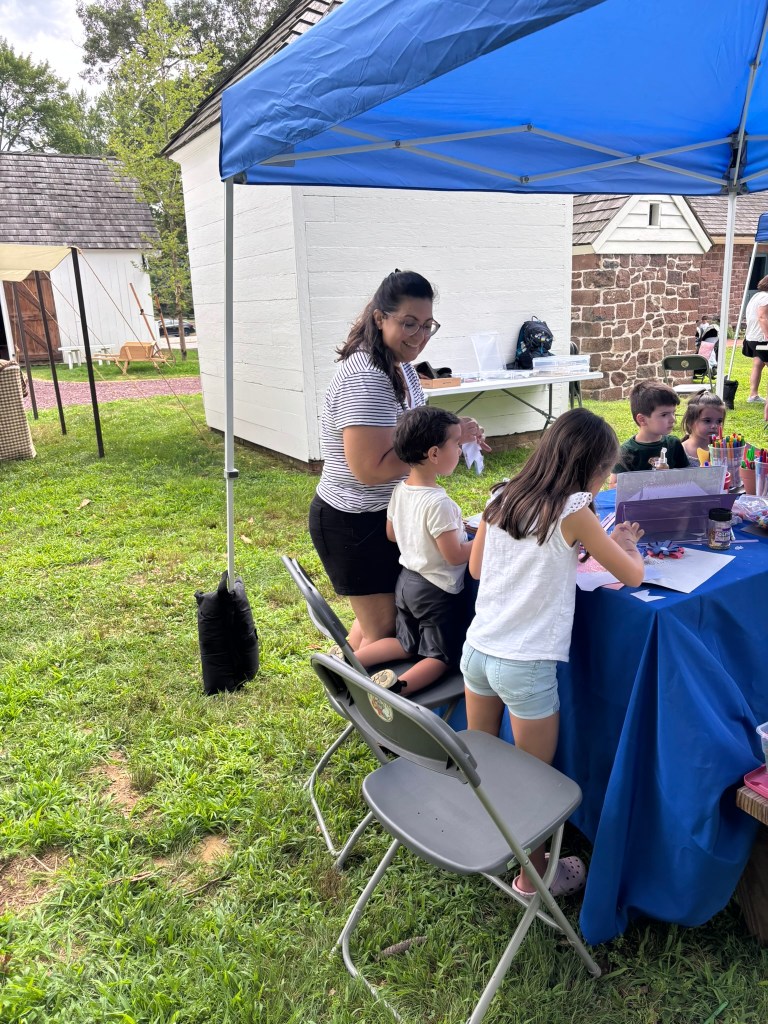
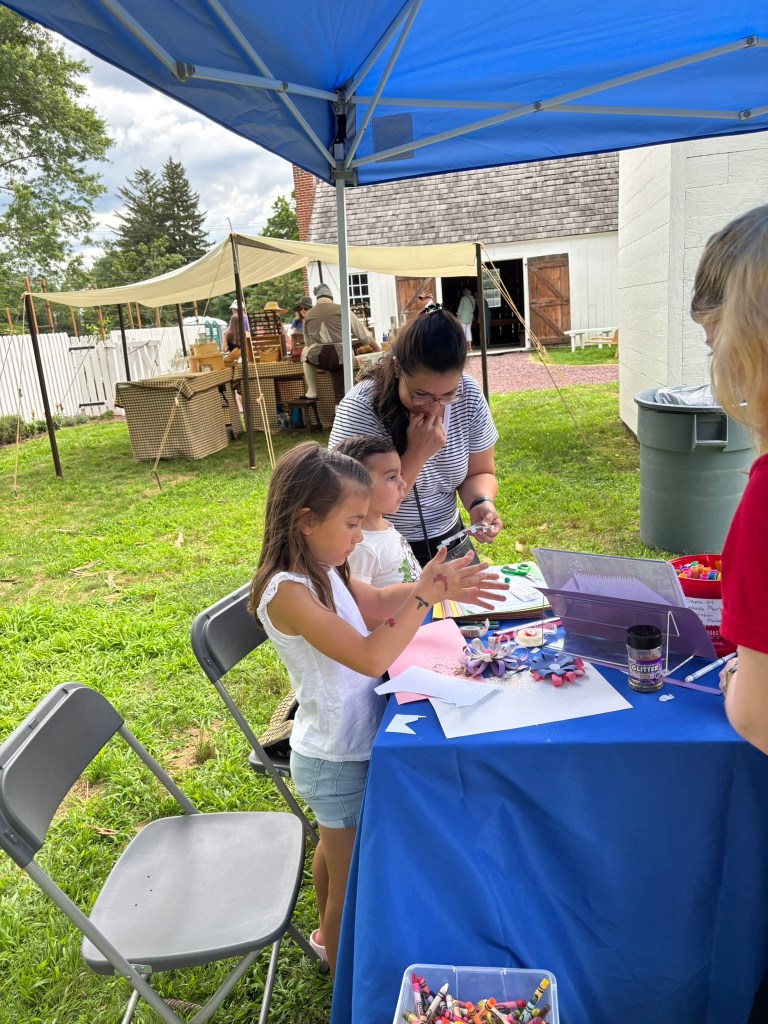
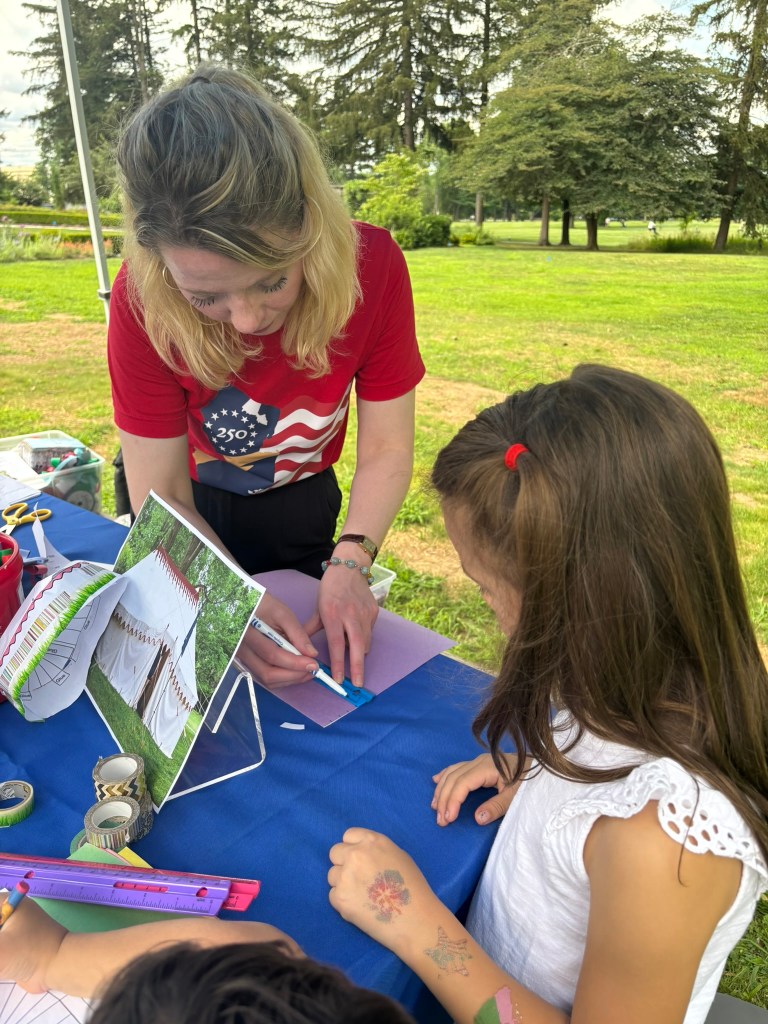
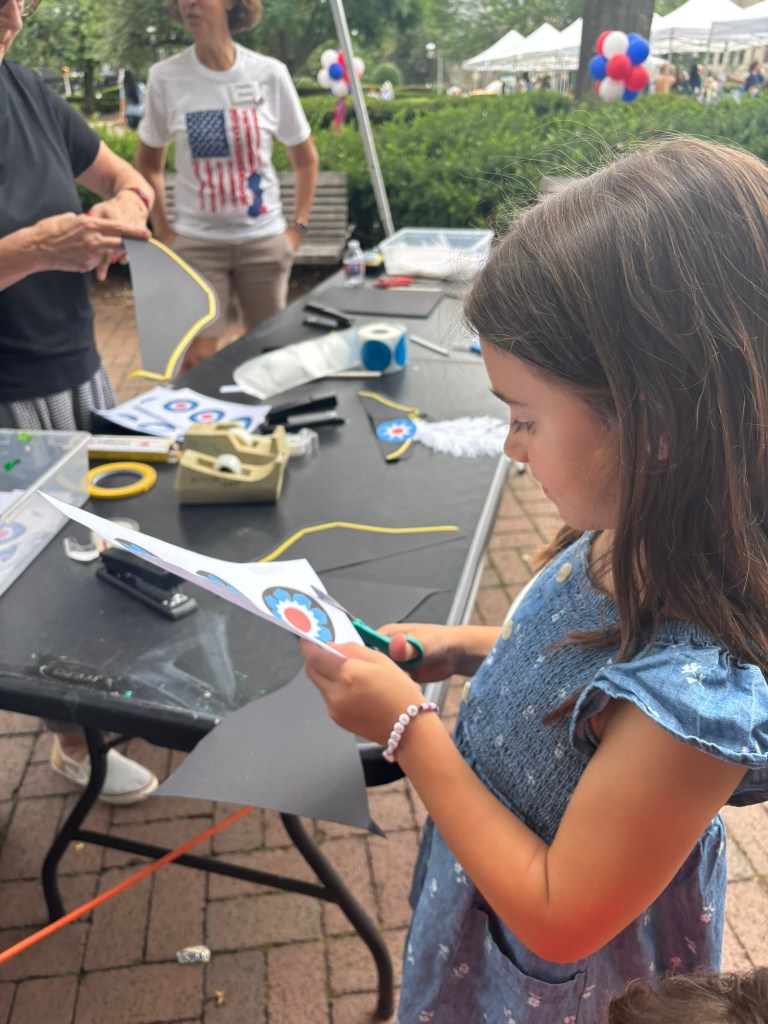
Following the drills, I took a few photos of Washington’s War Tent but planned to return later once the crowd had thinned out. Meanwhile, my children enjoyed doing arts and crafts, which were run by the Passaic County Arts Center. I also attended a demonstration on 18th-century fabric dyeing, and later listened to a reenactor give a detailed presentation on Revolutionary War weaponry. He spoke about muskets, rifles, swords, musket balls, and even primitive hand grenades. His depth of knowledge was evident when addressing spectators’ questions.
Washington’s Tent
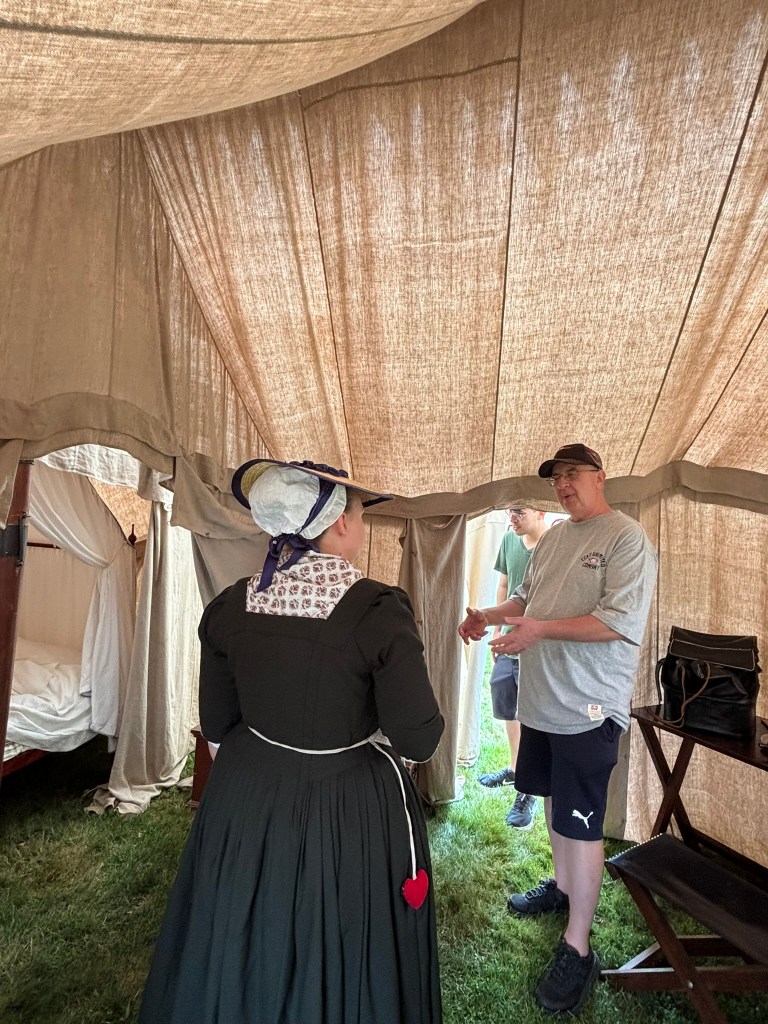
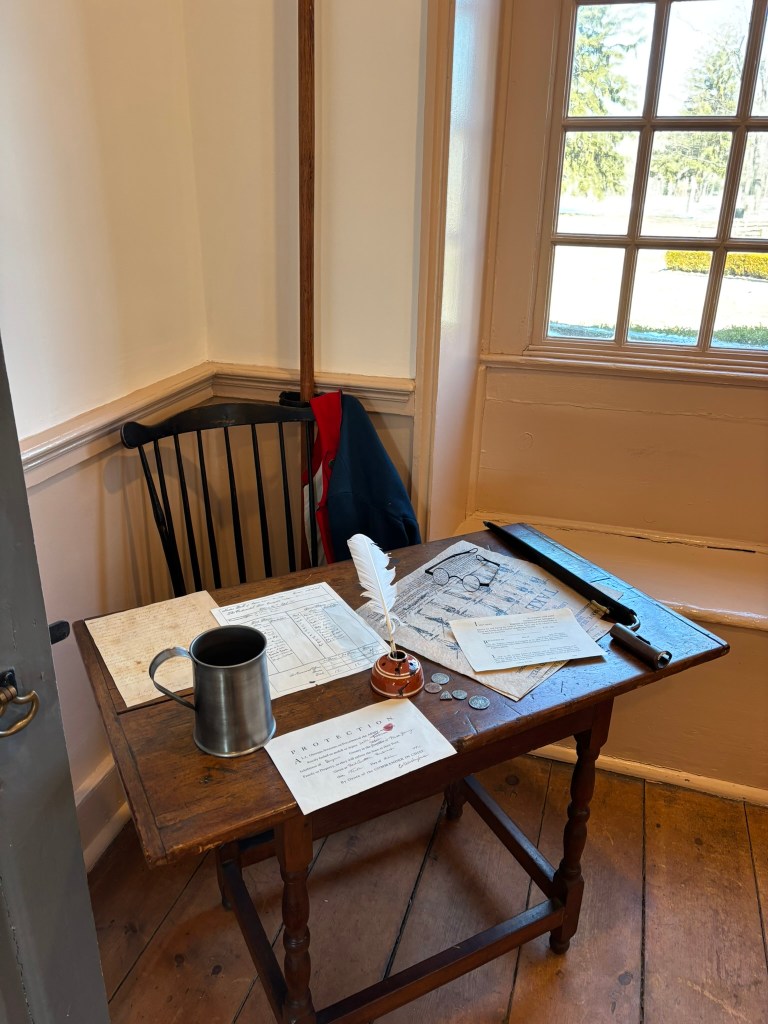
Later, I returned to Washington’s War Tent for a more in-depth look. Just like during our previous visit, it was a great experience to step inside the tent and hear reenactors describe what daily life was like for Washington and his aides while on campaign. It served as a vivid reminder that—despite his leadership and status—Washington endured many of the same hardships as his soldiers. This stood in contrast to the relative comfort he would have enjoyed while staying at the Dey Mansion.
What made this visit to The First Oval Office Project unique was the addition of the dining tent—it was even larger than Washington’s War Tent. The reenactors throughout the event were incredibly informative and passionate about sharing their knowledge. Their dedication to bringing history to life was evident in every conversation.
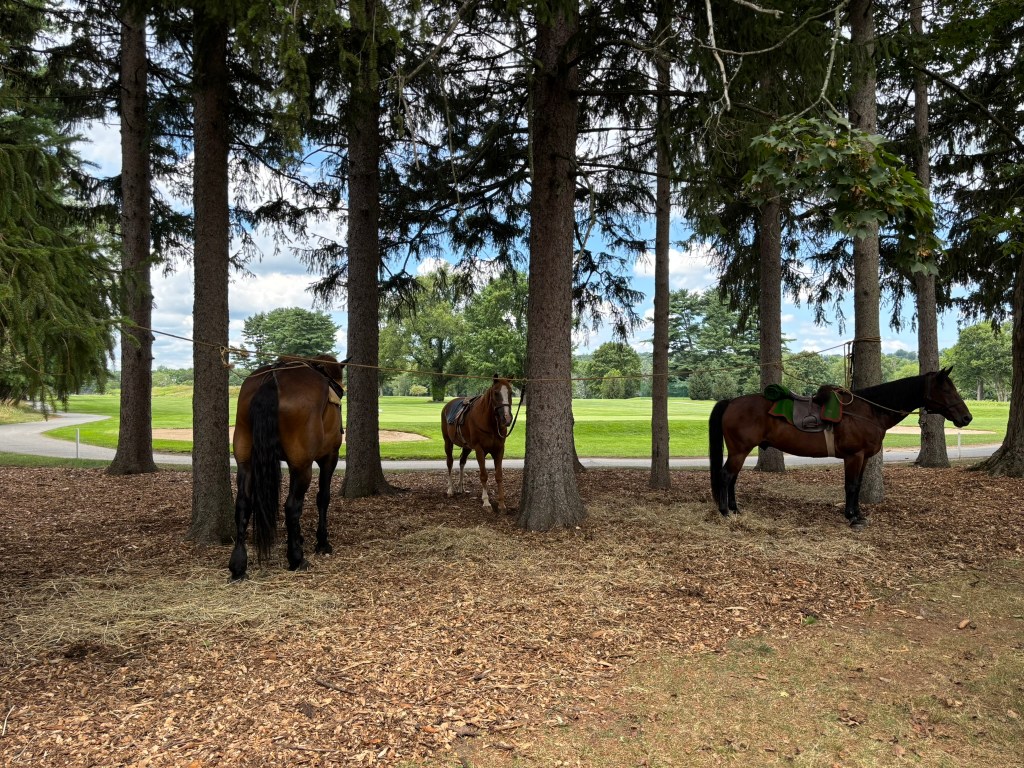
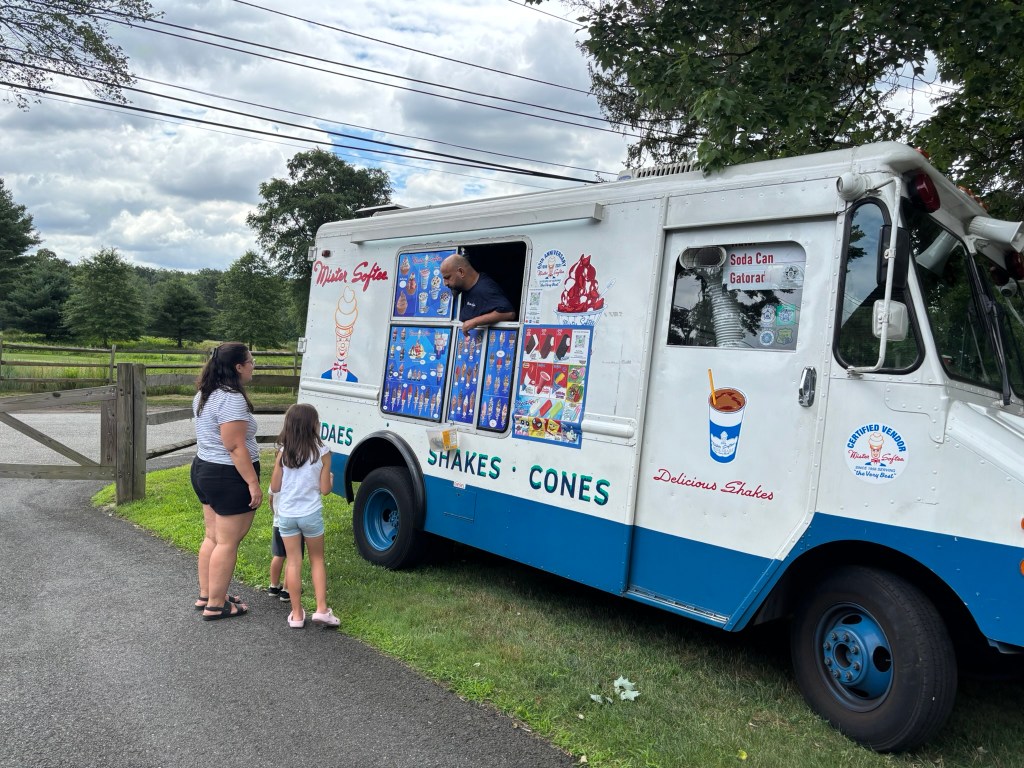
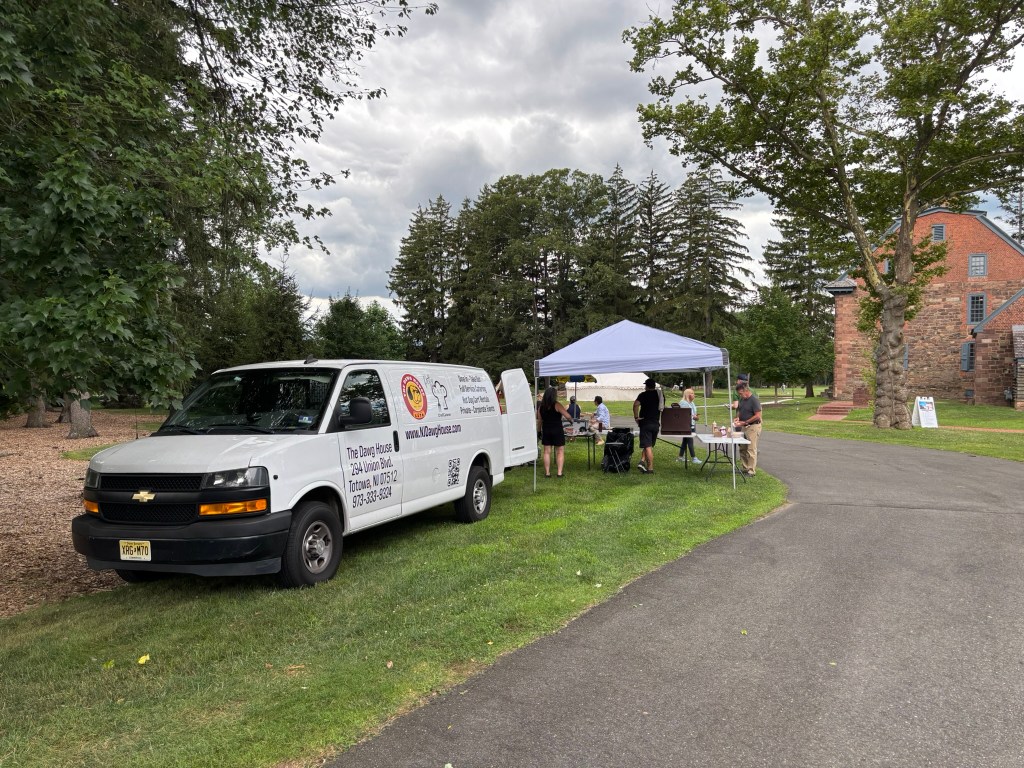
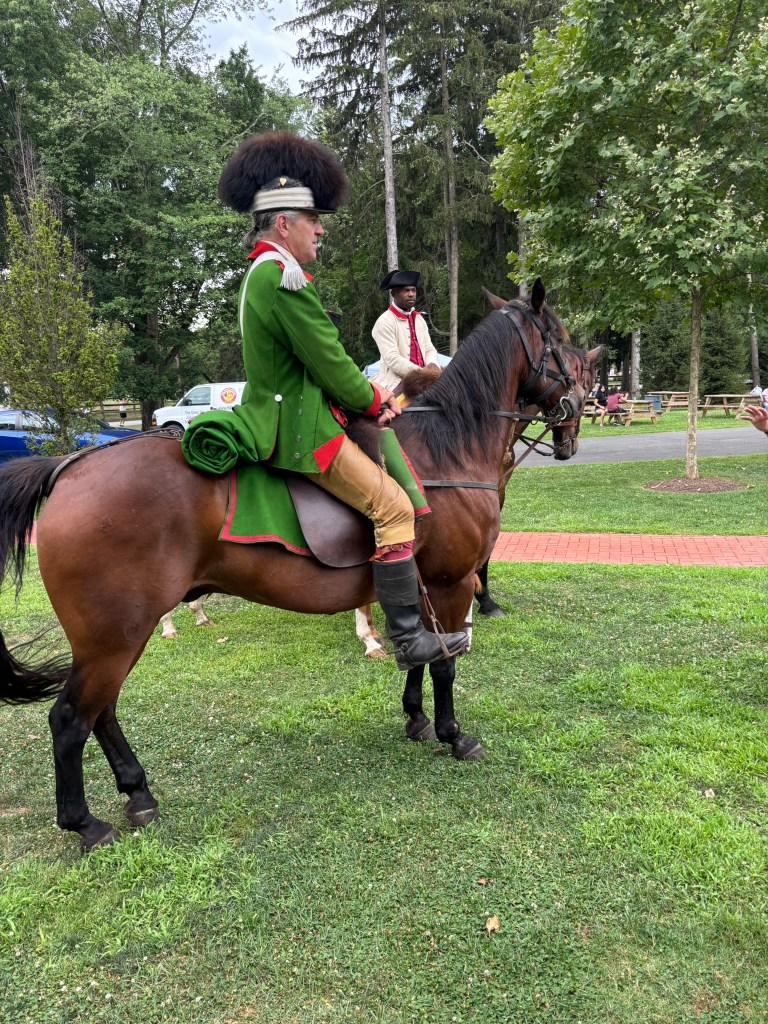
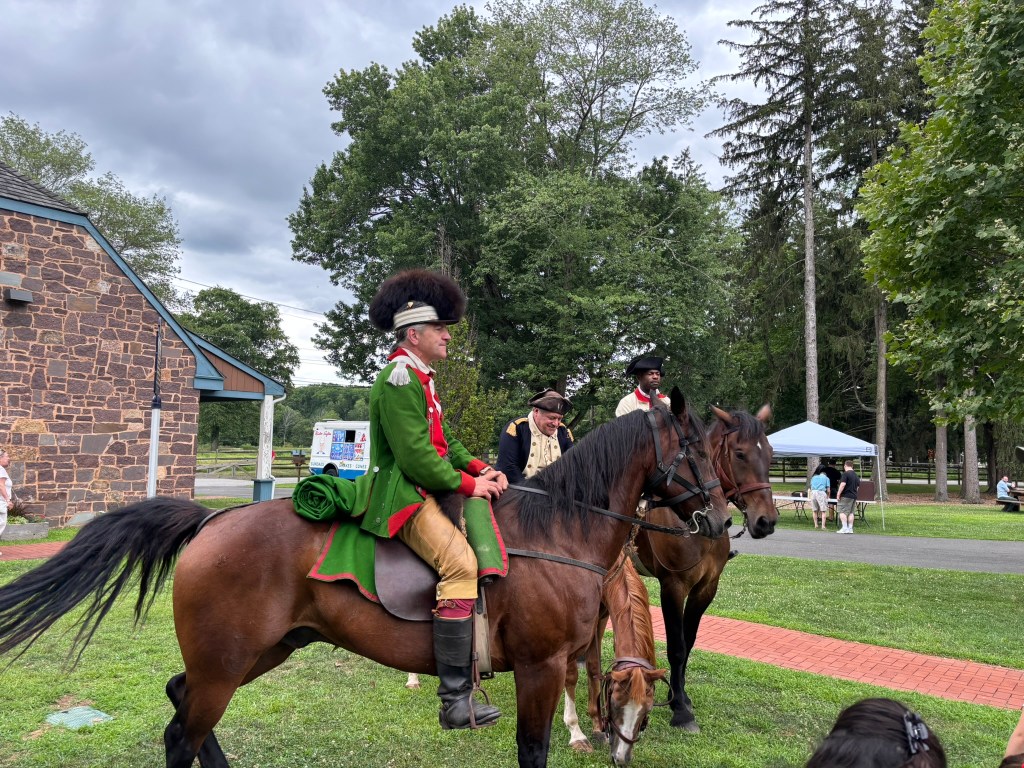
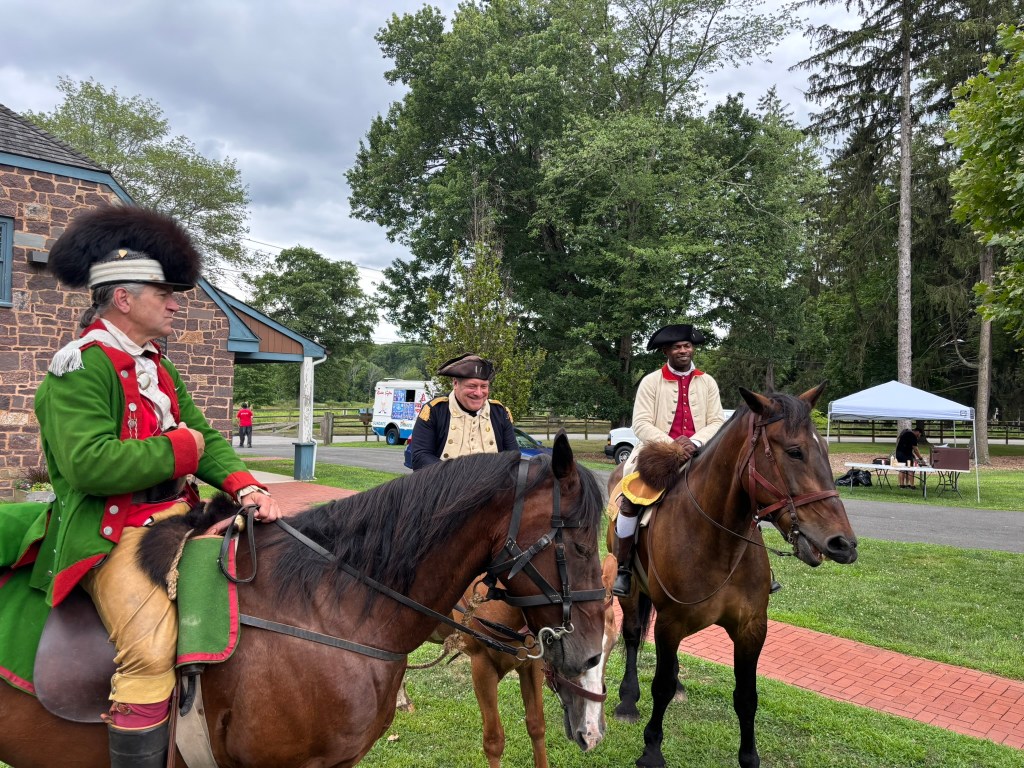
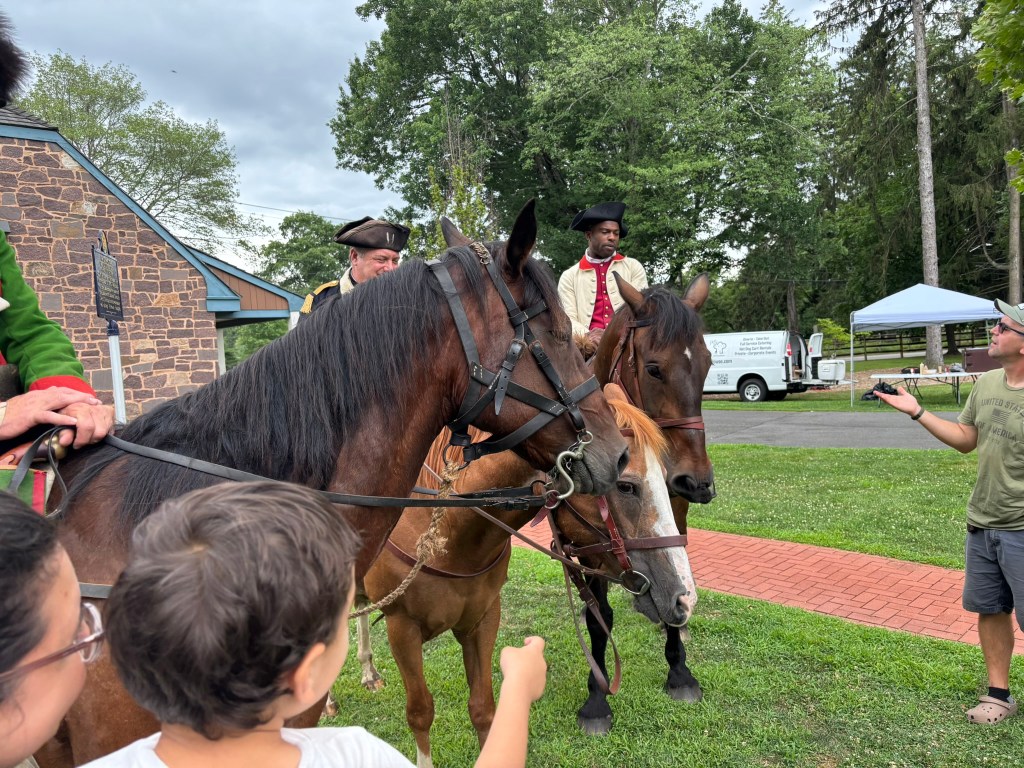
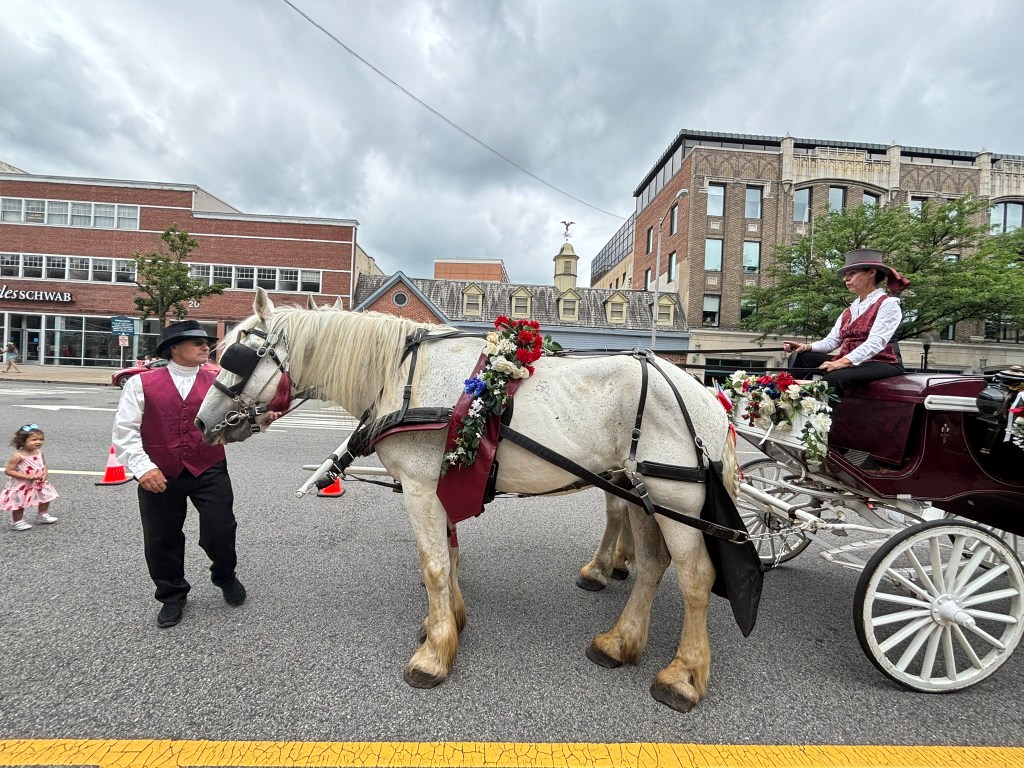
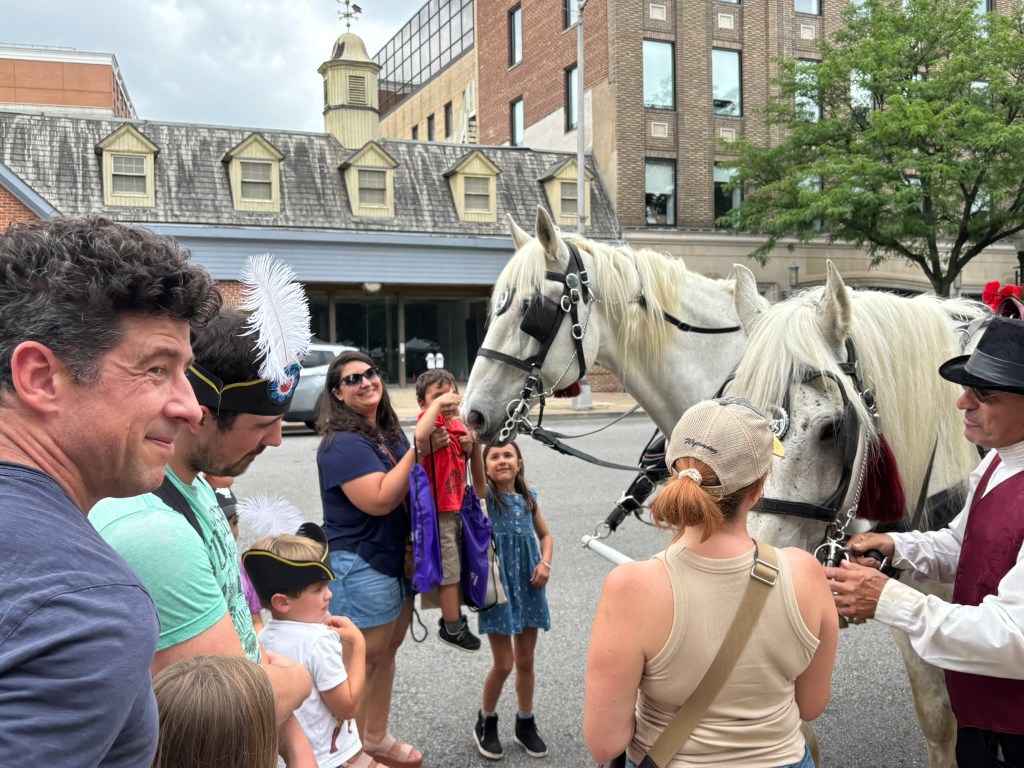
Food was available on-site, with hamburgers and hot dogs offered for just $2 from The Dawg House in Totowa. My kids were also thrilled to grab ice cream—also $2—which was a welcome treat on a warm day. Having food on site made things especially convenient around lunchtime. After their treats, the kids enjoyed petting the horses brought by some of the reenactors.
Final Thoughts
Overall, it was a fantastic day at the Dey Mansion. The Dey Mansion, the Museum of the American Revolution, the 2nd New Jersey Regiment, and all the reenactors and site staff did a wonderful job creating a truly immersive historical experience. It was also great to connect with reenactors I’ve met at previous events. It’s always a pleasure to meet people who are so enthusiastic about sharing their love of history and committed to making it engaging for all ages.
Please stay tuned to my Instagram and Facebook accounts as I will be posting videos of the event.
If you’d like to read about our tour inside the Dey Mansion from this past February 2025, check it out [HERE].
Learn more about the organizations involved in this event:
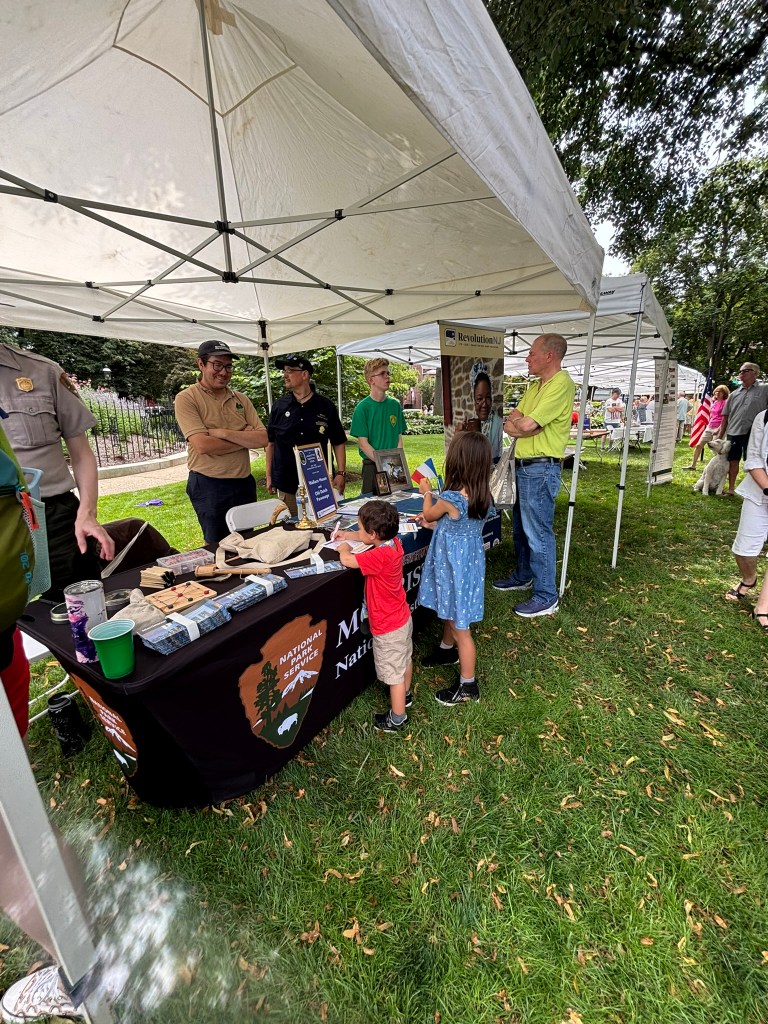
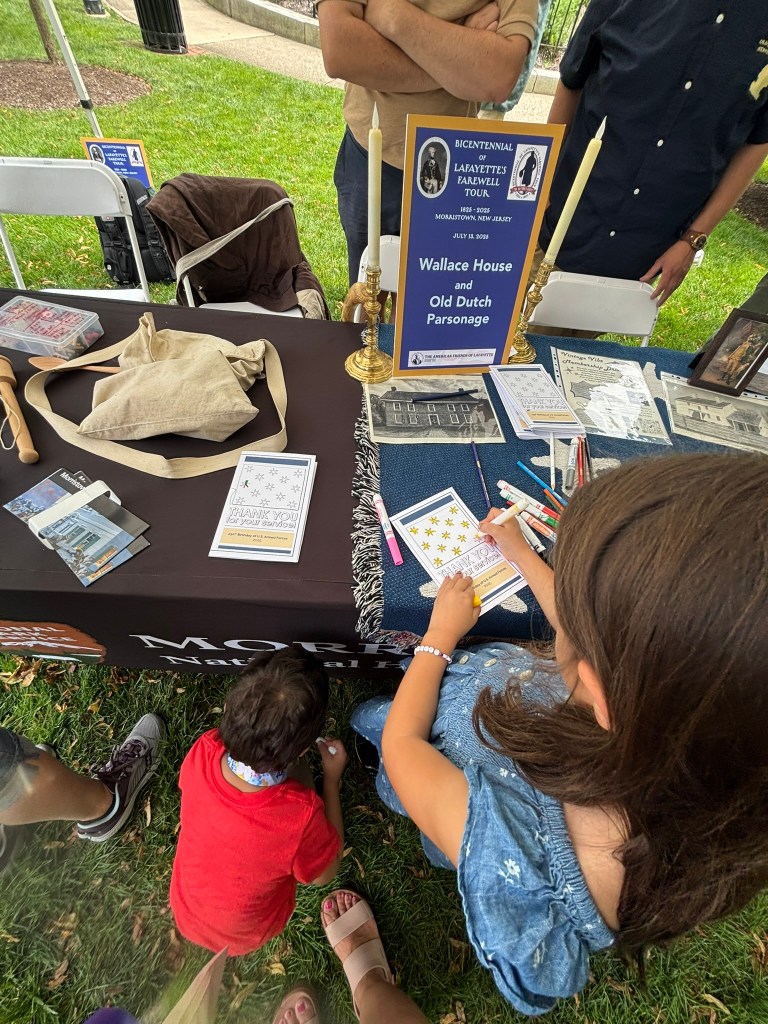
My family and I made it out to the Morristown Green in New Jersey on July 13th to celebrate the bicentennial of General Marquis de Lafayette’s visit to Morristown. In July 1825, Lafayette—the beloved French hero of the American Revolution—visited Morristown as part of his grand farewell tour of the United States. The tour, which came nearly 50 years after the country declared independence, brought Lafayette to towns and cities across the nation where he had once fought or held connections. In 1825, Morristown welcomed him with great fanfare, recalling his crucial role during the harsh winter encampments of the Revolutionary War. Crowds gathered in the town square, and a grand reception was held at Arnold’s Tavern—long a landmark of Morristown and closely tied to George Washington’s wartime presence in the area.
Lafayette’s visit was not only a moment of celebration but also a reminder of the deep bond between the United States and its French ally. For the citizens of Morristown, many of whom had family ties to the Revolution, his presence brought history to life. The general, then nearly 68 years old, was greeted by veterans and descendants of patriots who had served under him or alongside him decades earlier. His return to Morristown symbolized the enduring gratitude of a young nation and reinforced the town’s reputation as a cornerstone of Revolutionary heritage.
A welcome ceremony at 12:45 p.m. kicked off the program, with remarks from the mayor of Morristown, a representative of the American Friends of Lafayette, and other local historical organizers.
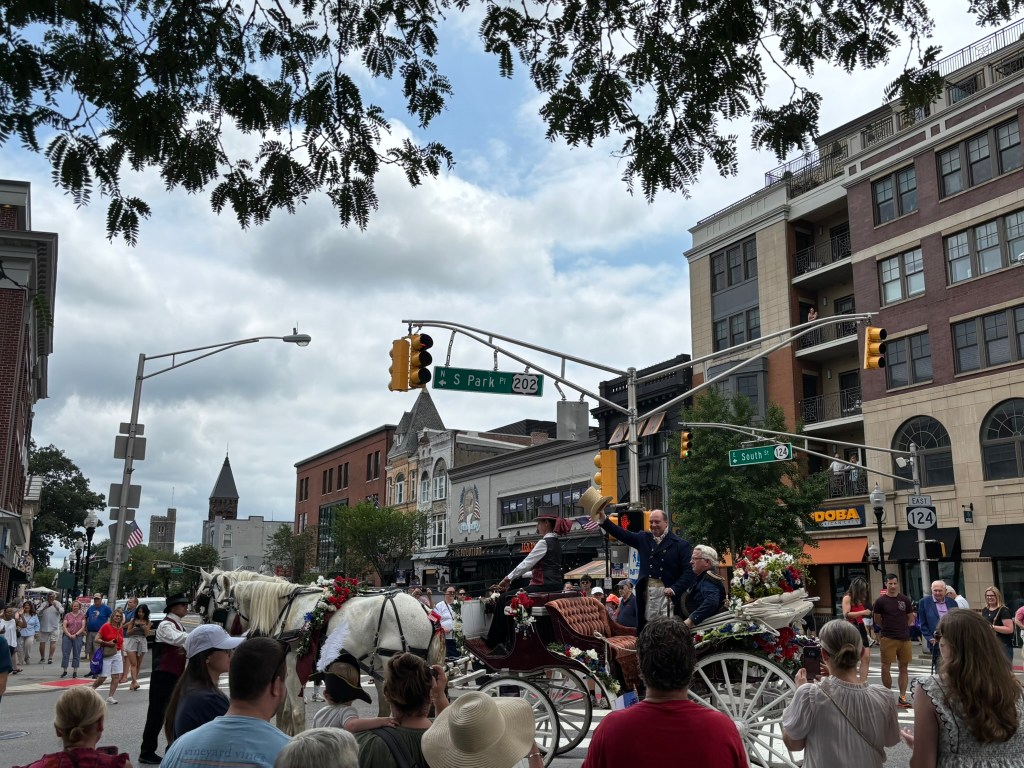
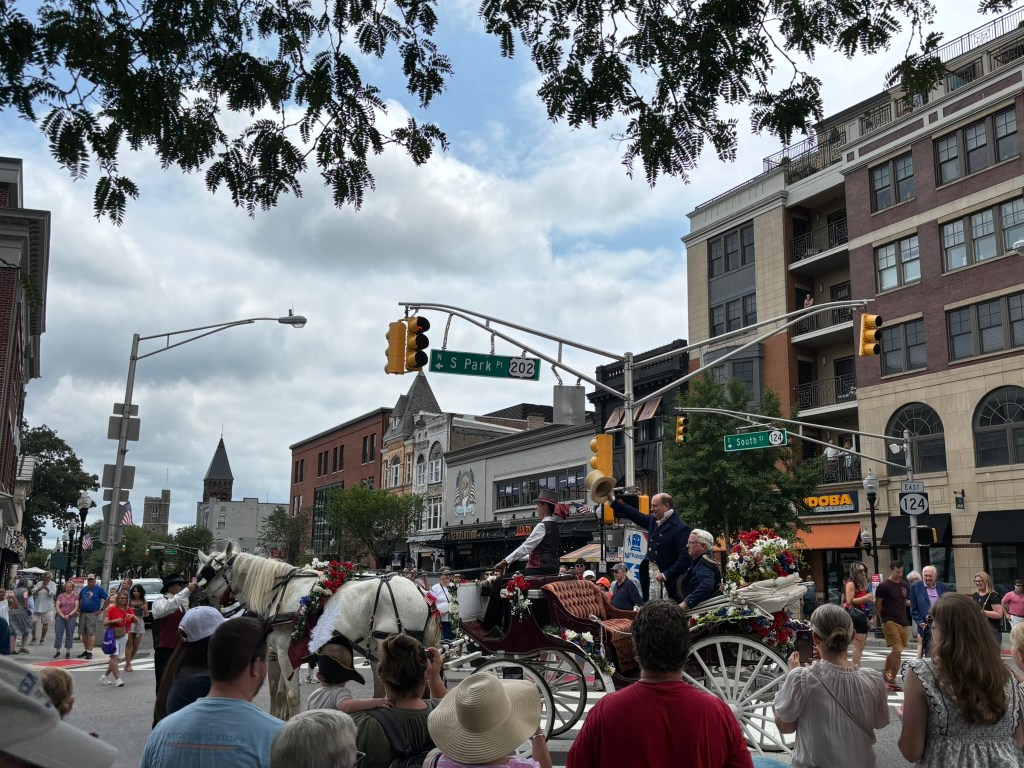
After the speeches, a cannon blast signaled the start of a reenactment of the 1825 parade, during which Lafayette was escorted around the Morristown Green. Crowds lined the Green to watch the procession of soldiers and catch a glimpse of the French hero.
Following the parade, Lafayette was escorted to the stage for proclamations, speeches, toasts, and several hearty rounds of “HUZZAH!”
One highlight of the day was the world premiere of the Lafayette Suite, a new composition by Maestro Robert W. Butts. Members of the Baroque Orchestra of New Jersey (BONJ) performed the piece for the first time.
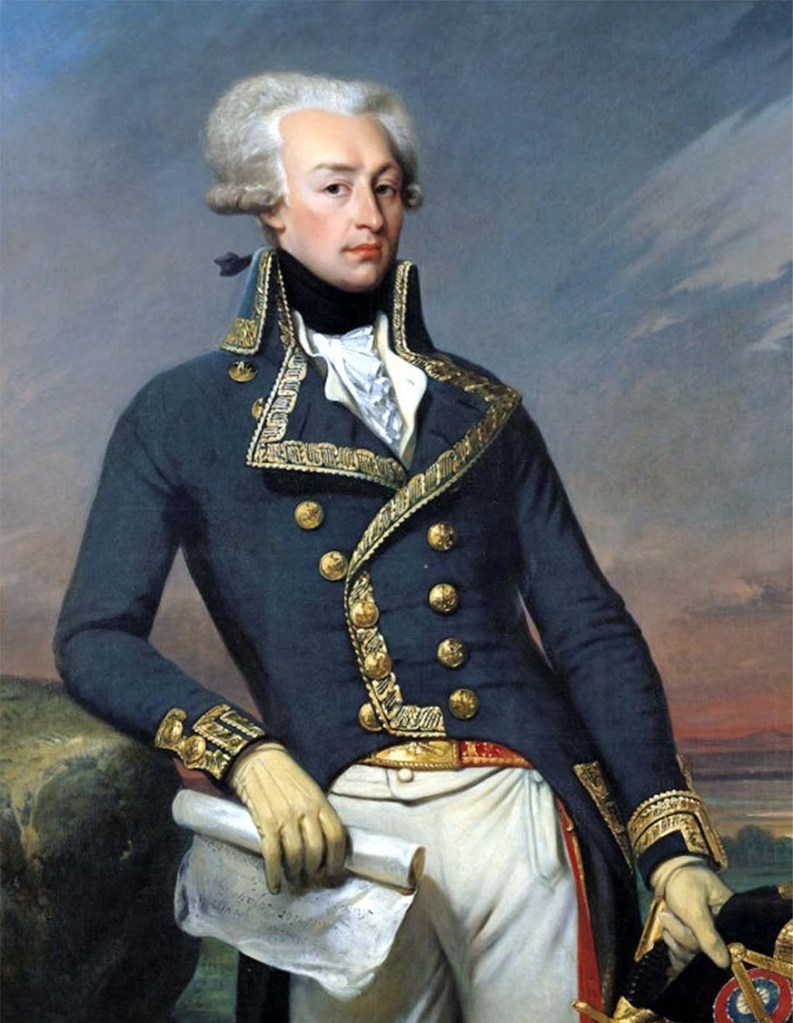
It was great to see so many people come out to Morristown for this event. Lafayette was truly a remarkable figure, often referred to as the “Hero of Two Worlds” for his role in both the American and French Revolutions. Lafayette first fought for the United States at the Battle of Brandywine in 1777. He endured the harsh winter at Valley Forge, led troops effectively at the Battle of Monmouth, played a crucial role in securing French reinforcements, held a leadership position in Virginia late in the war, and was instrumental at the Siege of Yorktown. George Washington considered Lafayette like a son and his impact on the American Revolution was profound.
Given all this, it’s easy to see why Lafayette was so widely celebrated during his return to the United States in 1824–1825. Having served in the Revolution at such a young age, it’s remarkable that he was able to return nearly 50 years later to revisit the nation he helped to shape.
Please stay tuned to my Instagram and Facebook accounts as I will be posting Reels of the event.
For more information on the American Friends of Lafayette, check out their website [HERE]. You can also check out other upcoming events celebrating Lafayette’s final tour of the United States [HERE]
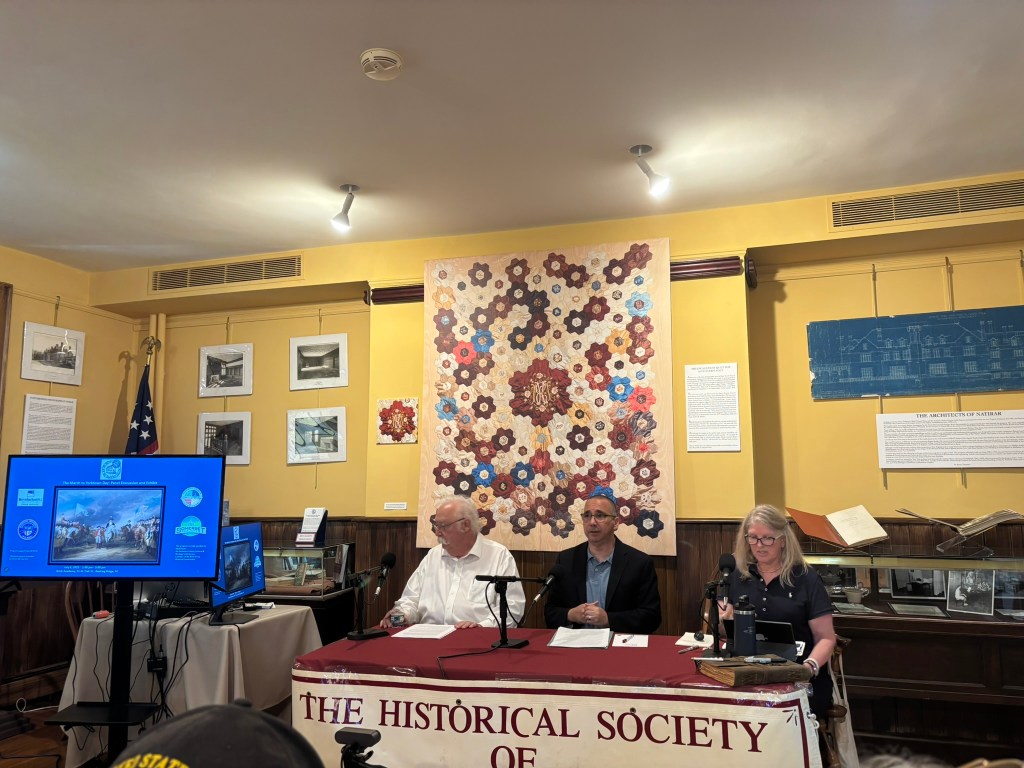
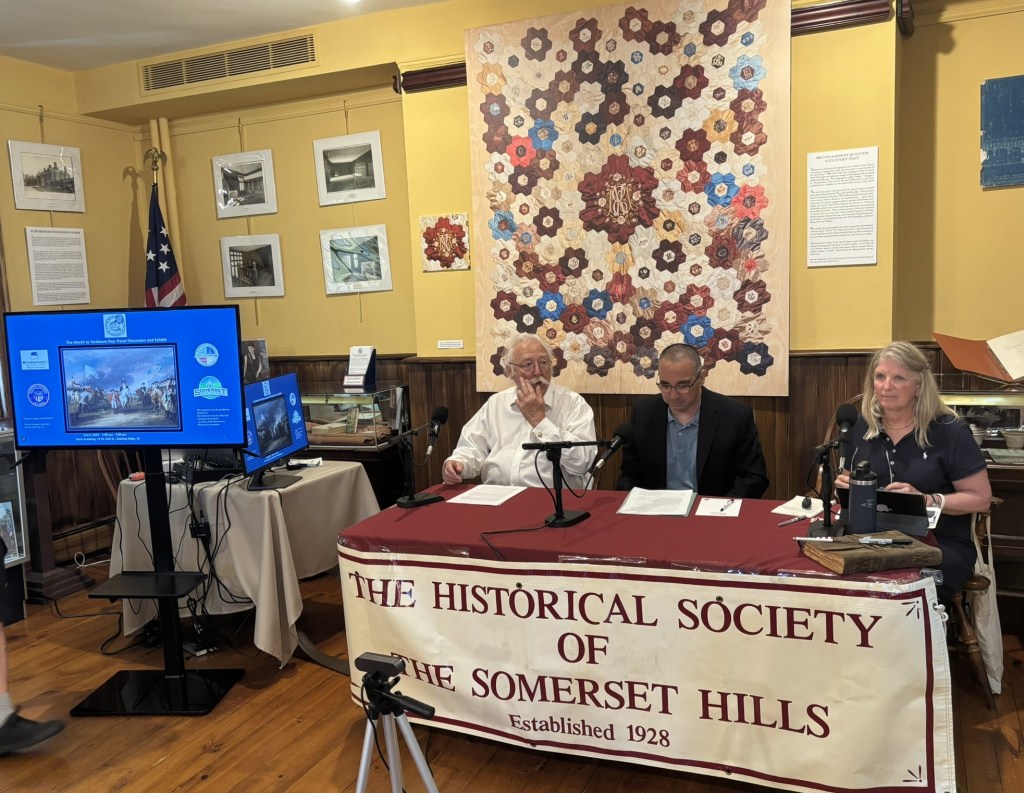
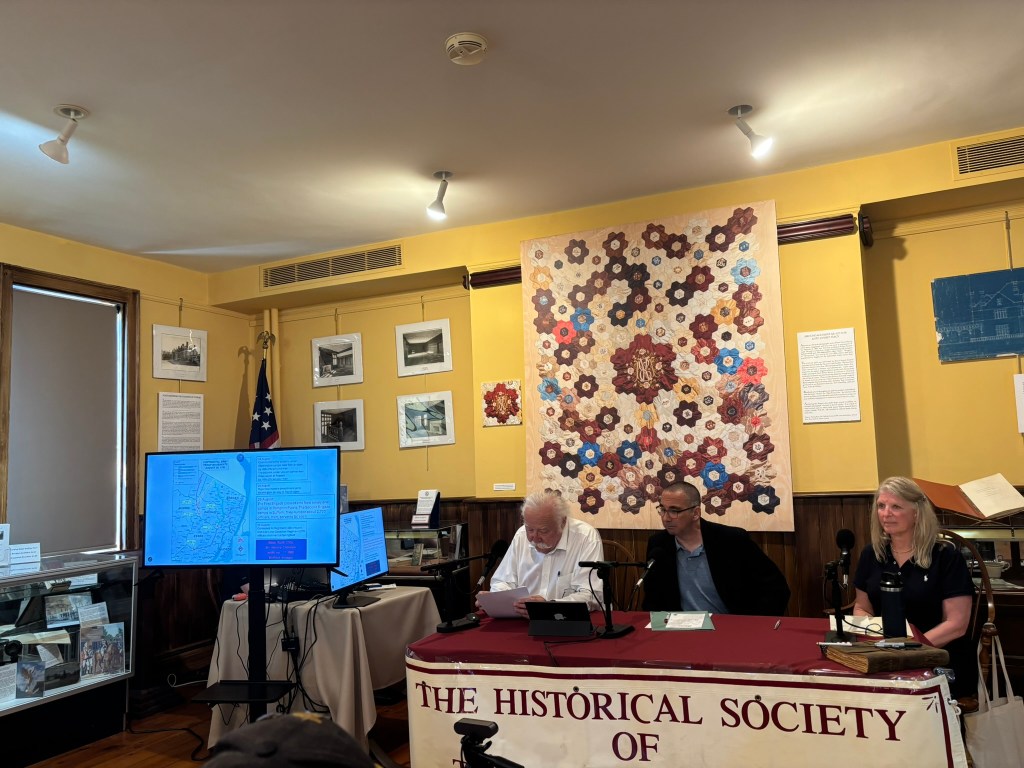
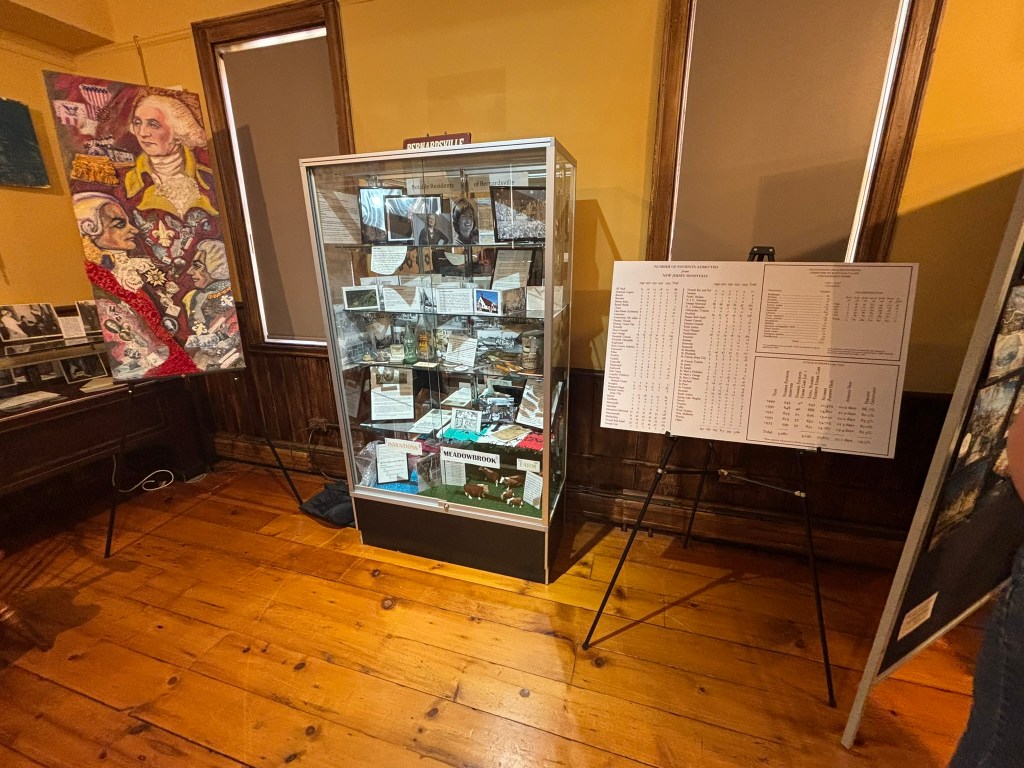
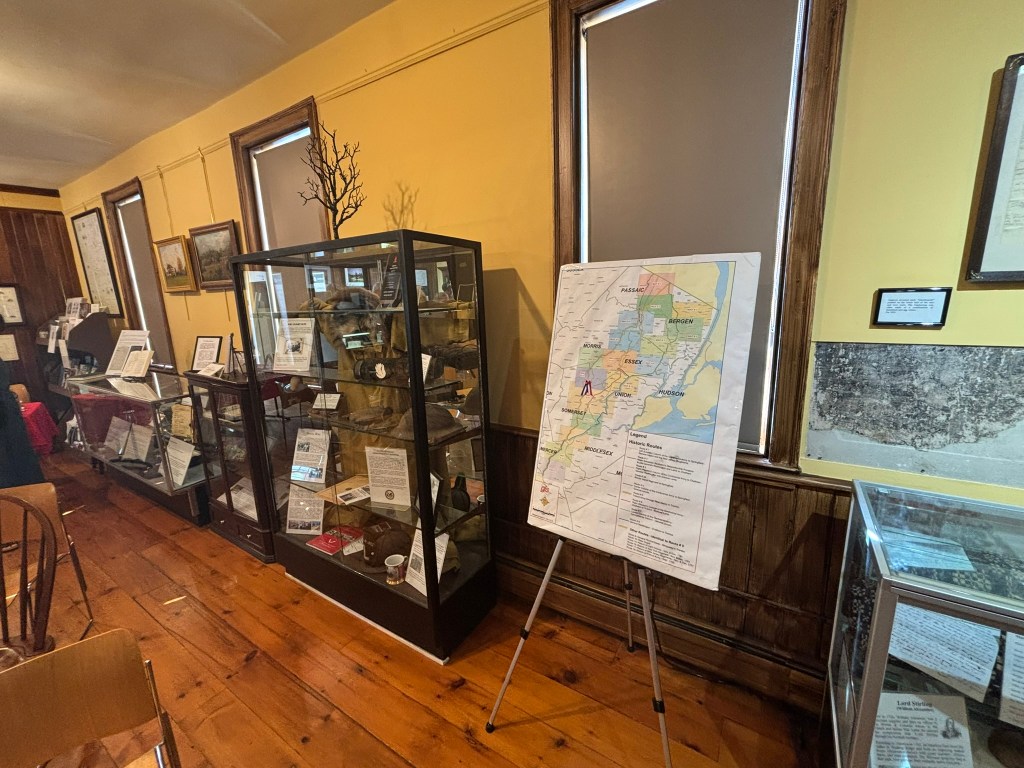
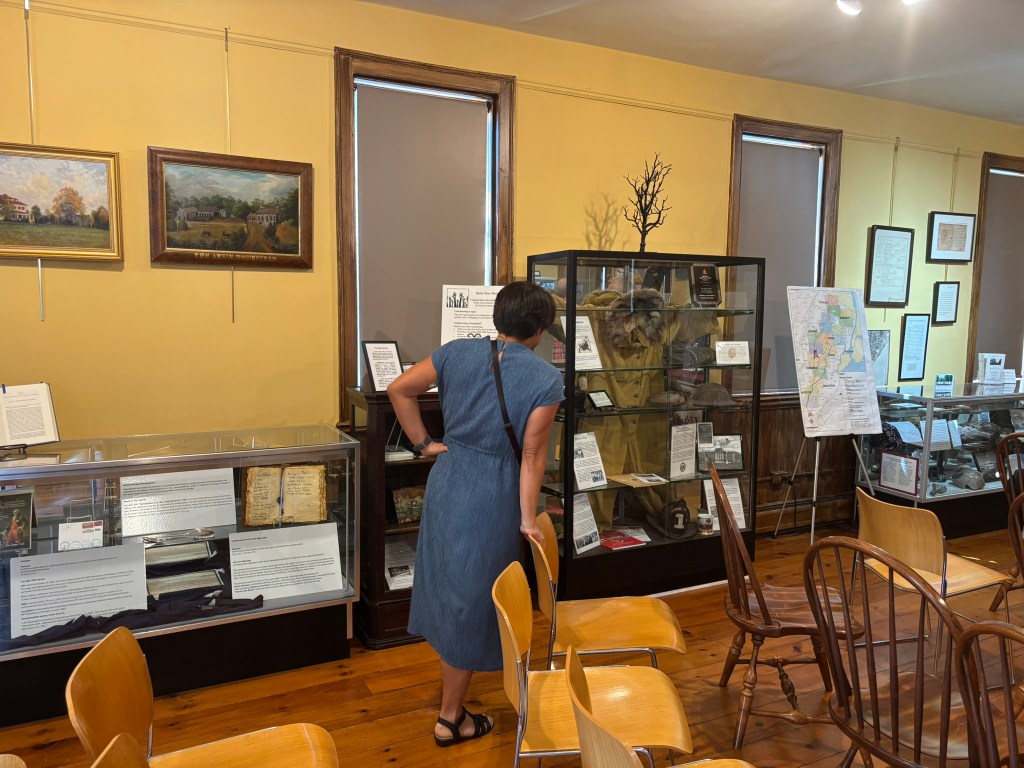
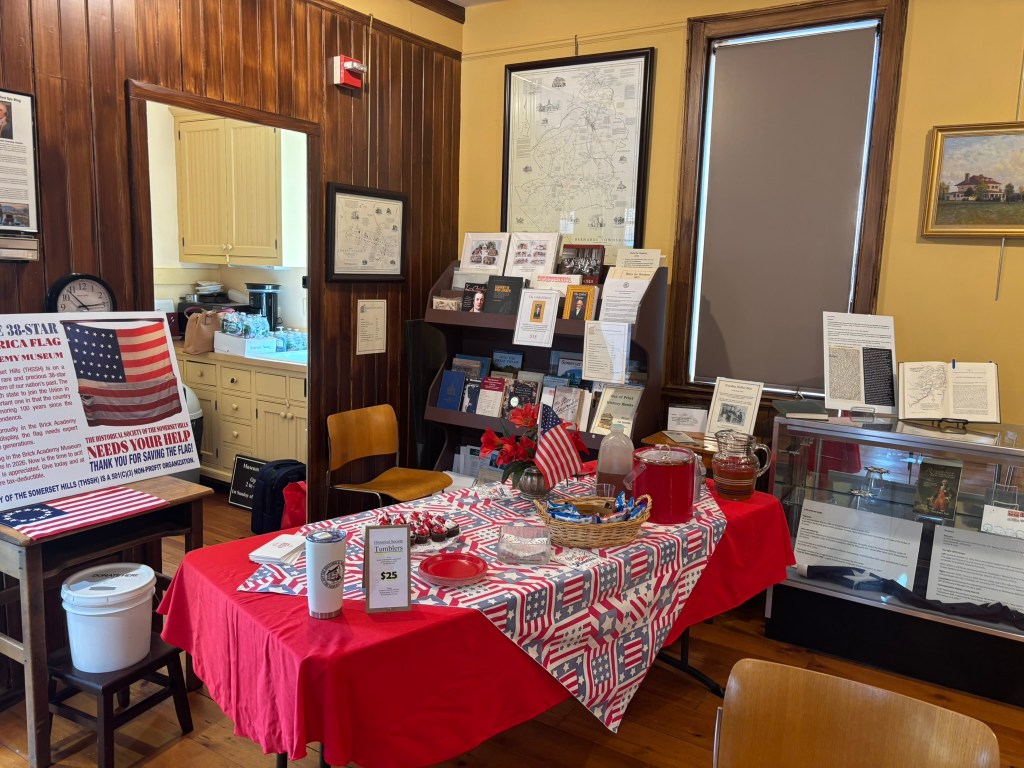
On July 6th, I had the privilege of attending “March to Yorktown: Panel Discussion & Exhibit,” an event hosted by the Historical Society of the Somerset Hills at the Brick Academy in Basking Ridge, NJ. This was my first time attending one of the Society’s events, and it proved to be both informative and engaging. The panel discussion highlighted the Washington-Rochambeau Revolutionary Trail and its lasting impact on the local community. You can read my earlier blog post on the importance of the trail [HERE]. Notably, the French branch of the route passed directly through Basking Ridge, making it a key “route town” on the March To Yorktown. In addition to exploring the Trail, the panel emphasized the broader significance of the 1778 American-French alliance during the Revolutionary War.
The session opened with introductory remarks by Julia Diddell, who serves as the Chair of the Washington-Rochambeau Revolutionary Route – New Jersey. She gave an overview of the trail and reflected on its enduring influence on the surrounding communities. Julia also introduced the panelists: Dr. Robb Haberman and Dr. Robert A. Selig.
Dr. Robb HabermanDr. Robert Selig
Dr. Robb Haberman
Dr. Robb Haberman is a historian specializing in early American history. He earned his Ph.D. in history from the University of Connecticut and currently teaches as an adjunct assistant professor at Fordham University. Over the years, he has also held visiting lecturer positions at both Trinity College and Colby College. Dr. Haberman’s research focuses on politics, media, and public memory in Revolutionary-era New York, and his work has been featured in both print and digital publications, including New York History, Early American Studies, and American Periodicals. He also spent seven years at Columbia University as an associate editor for the John Jay Papers, where he contributed to volumes four through seven of The Selected Papers of John Jay, published by the University of Virginia Press and now accessible through Founders Online, a public database maintained by the National Archives. In 2023, he was awarded the New York State Society of the Cincinnati Fellowship to research Sgt. James Selkirk, a Revolutionary War figure, and his memoirs. Dr. Haberman is currently writing a book on Selkirk and his wartime experiences.
During his presentation, Dr. Haberman drew on his research into James Selkirk to offer a vivid glimpse of life along the Washington-Rochambeau Trail. Selkirk, a Continental soldier, left behind unpublished memoirs reflecting on his wartime experiences, including his marches along the trail. One particularly compelling part of the talk focused on the dangerous journey taken by Sgt. Selkirk and the Second New York Regiment in September 1781, as they made their way to Yorktown. While sailing from Baltimore to Williamsburg, their transport schooner became separated from the fleet and ran aground. Drawing directly from Selkirk’s personal writings, Dr. Haberman explored this harrowing episode, shedding light on both the hardships and resilience of the Continental Army during the Yorktown campaign.
Dr. Robert A. Selig
In my blog posts about “The Inclusive History of the Washington-Rochambeau Revolutionary Trail: Phase II”, I introduced Dr. Robert A. Selig and the important work he’s been doing as part of that research project. At the panel event in Basking Ridge, Dr. Selig once again demonstrated his deep expertise on the Washington-Rochambeau Revolutionary Trail.
Dr. Selig is a distinguished historian who earned his Ph.D. in history from the University of Würzburg in 1988. Since then, he has devoted his career to historical research, writing, and consulting. He serves as the project historian and consultant to the National Park Service for the Washington-Rochambeau Revolutionary National Historic Trail, playing a key role in preserving and interpreting this critical piece of American history. His contributions have earned him numerous honors, most notably his appointment as a chevalier of the French National Order of Merit—the highest recognition granted to non-citizens by the President of the French Republic for exceptional civil or military service. This award acknowledges Dr. Selig’s leadership as one of the foremost American historians of France’s role in the American War of Independence. His ongoing research spans the United States, France, and Germany.
At the March to Yorktown event in Basking Ridge, Dr. Selig focused on the portion of the trail where the French Army passed through the local area. Drawing from firsthand accounts, he offered the audience a vivid picture of what soldiers would have experienced on their journey to Yorktown. His engaging presentation covered the hardships the troops endured, what they ate, and the unique challenges posed by the language barrier between the French and Americans. Through his storytelling, Dr. Selig brought to life the human side of the historic march and helped the audience imagine what life on the trail would have been like.
Q&A
During the Q&A portion of the discussion, audience members posed several intriguing questions—including how the American and French forces managed to communicate with the French Navy in the Chesapeake Bay in the lead-up to the Siege of Yorktown. Both Dr. Haberman and Dr. Selig spoke to the challenges of coordinating among the allied forces. Dr. Haberman, referencing James Selkirk’s account, noted that even the soldiers themselves were often unaware of their final destination—they simply followed orders without knowing the broader strategy. Dr. Selig emphasized that for the March to Yorktown to succeed, everything had to align perfectly for the American and French forces—and everything had to go wrong for the British. Fortunately for the American cause, that’s exactly what happened. The victory at Yorktown sealed American independence.
Dr. Haberman and Dr. Selig did a remarkable job of bringing history to life. They gave voice to the experiences of Continental soldiers and highlighted just how extraordinary the March to Yorktown truly was.
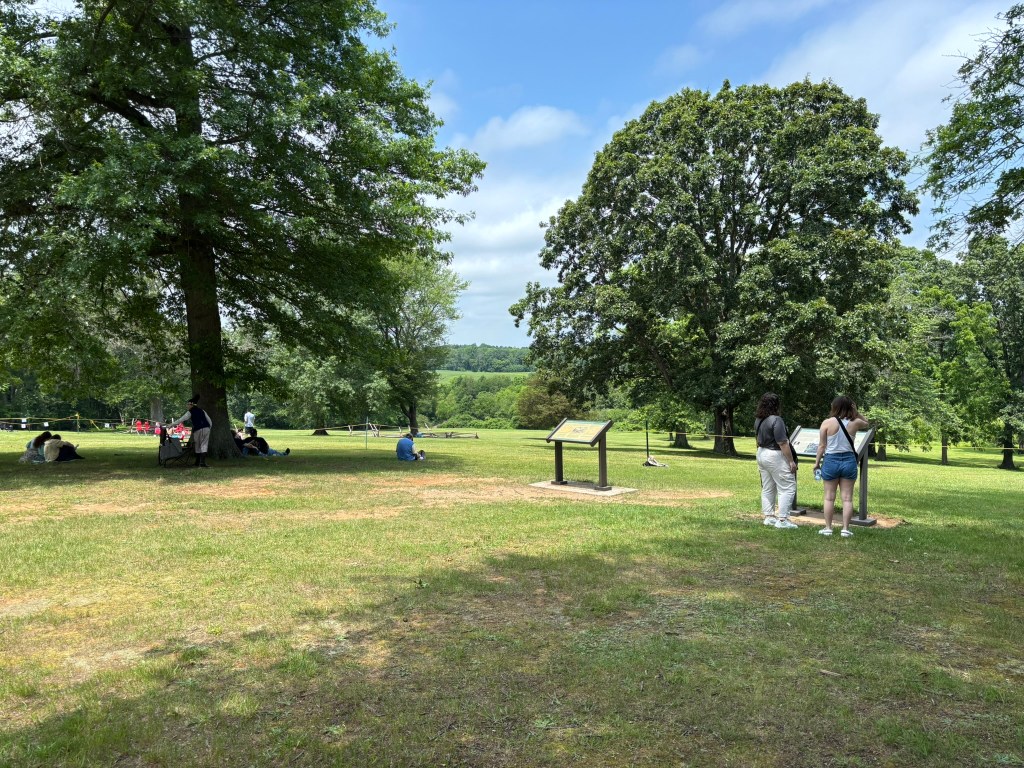
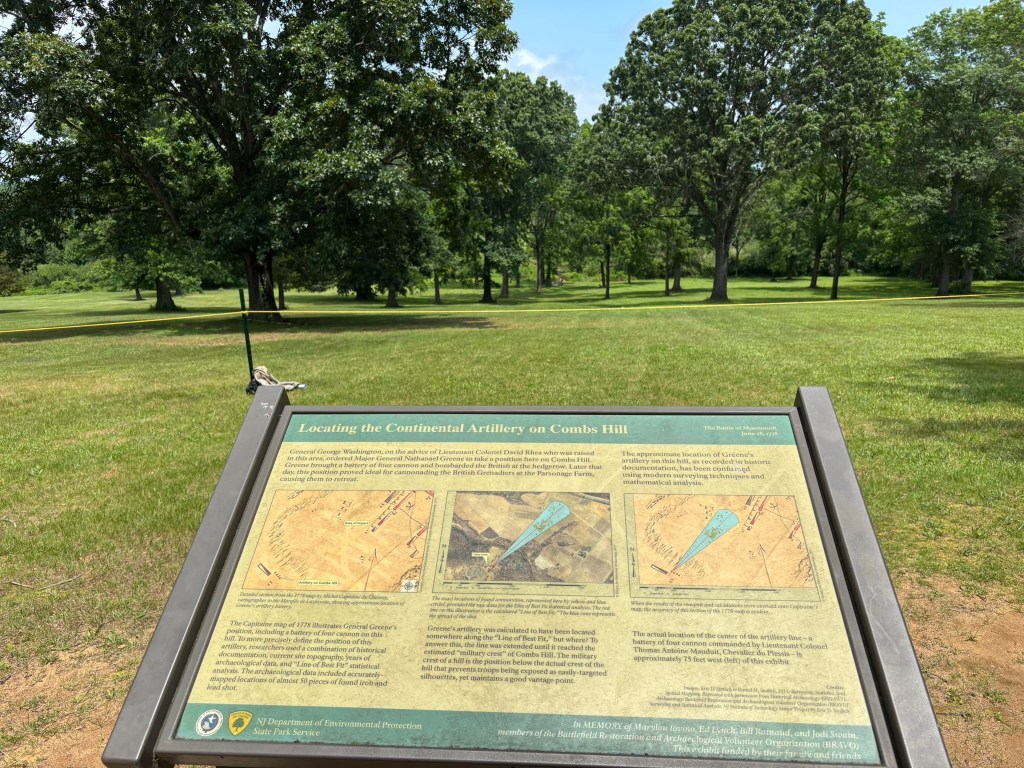
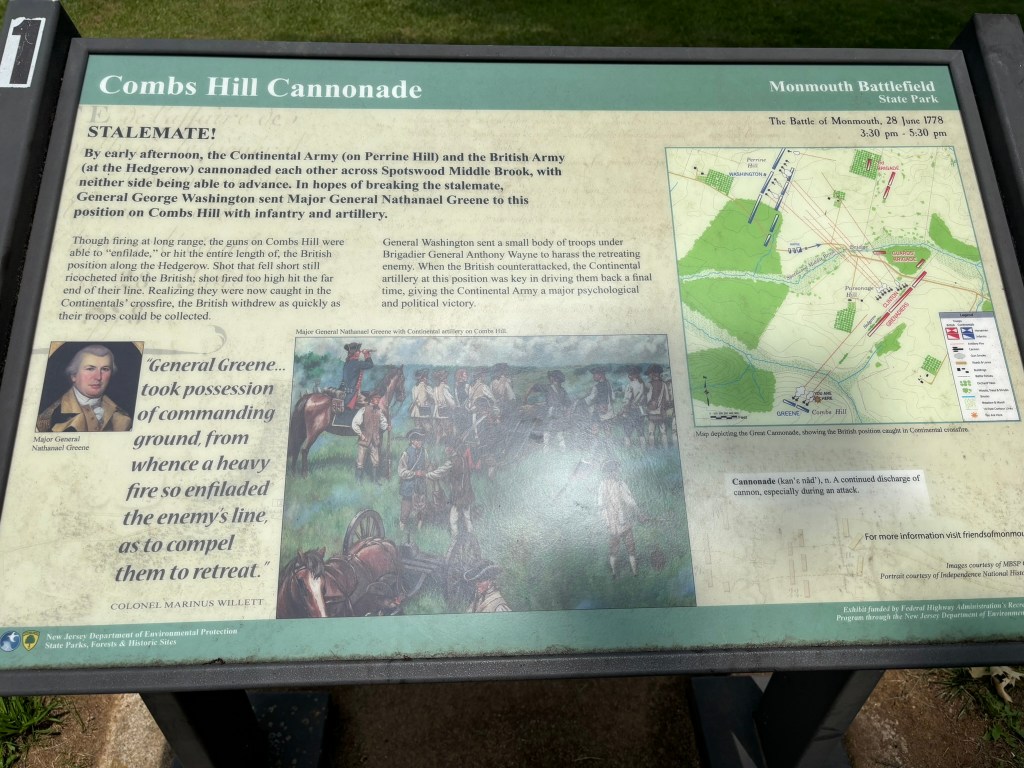
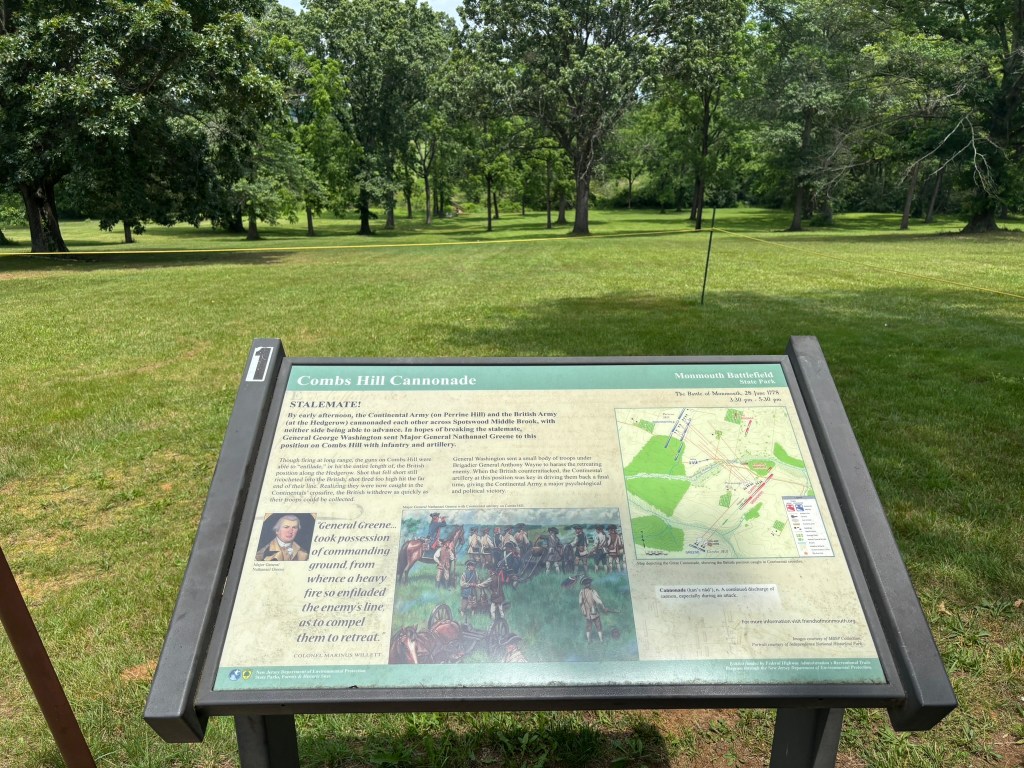
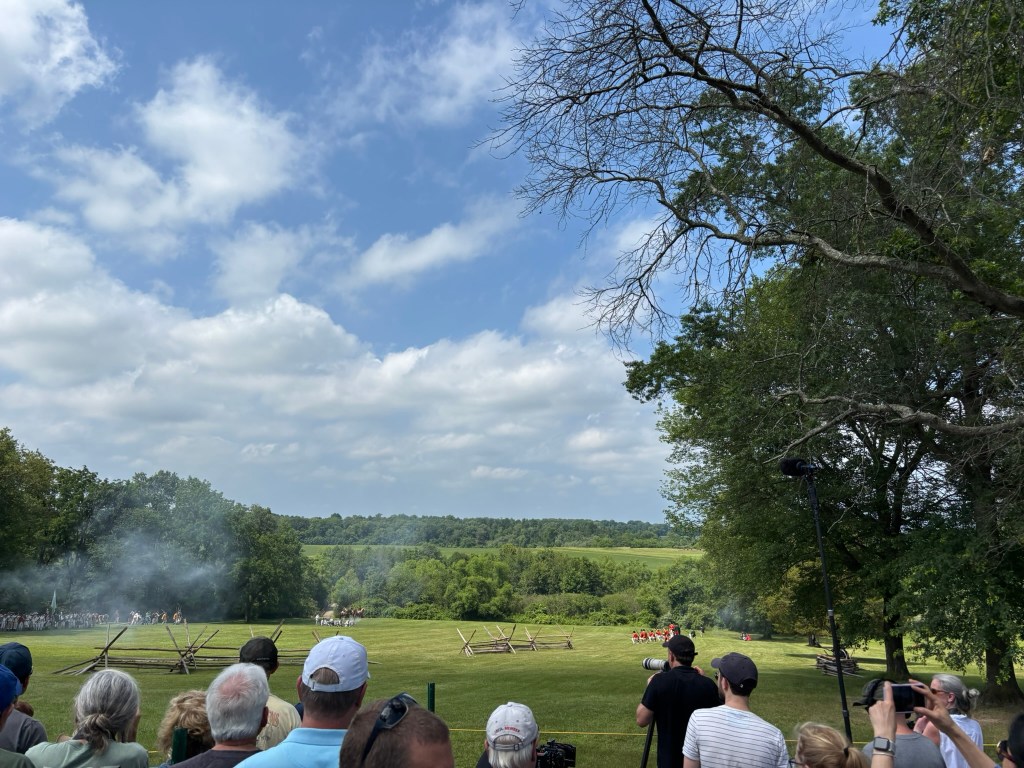
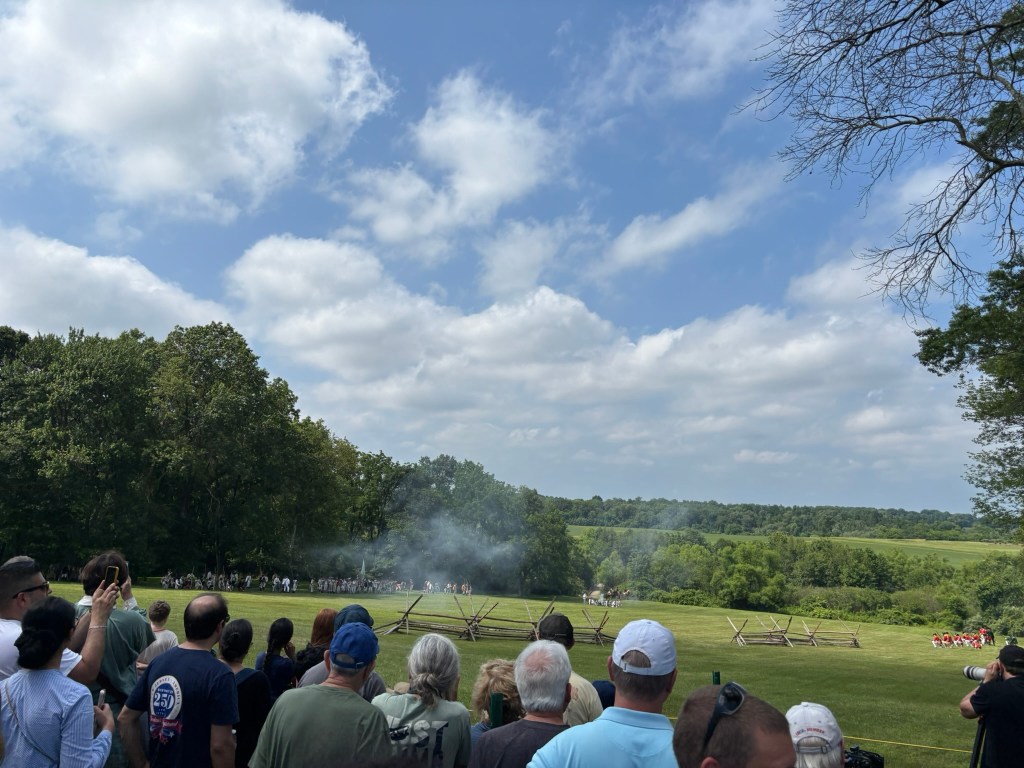
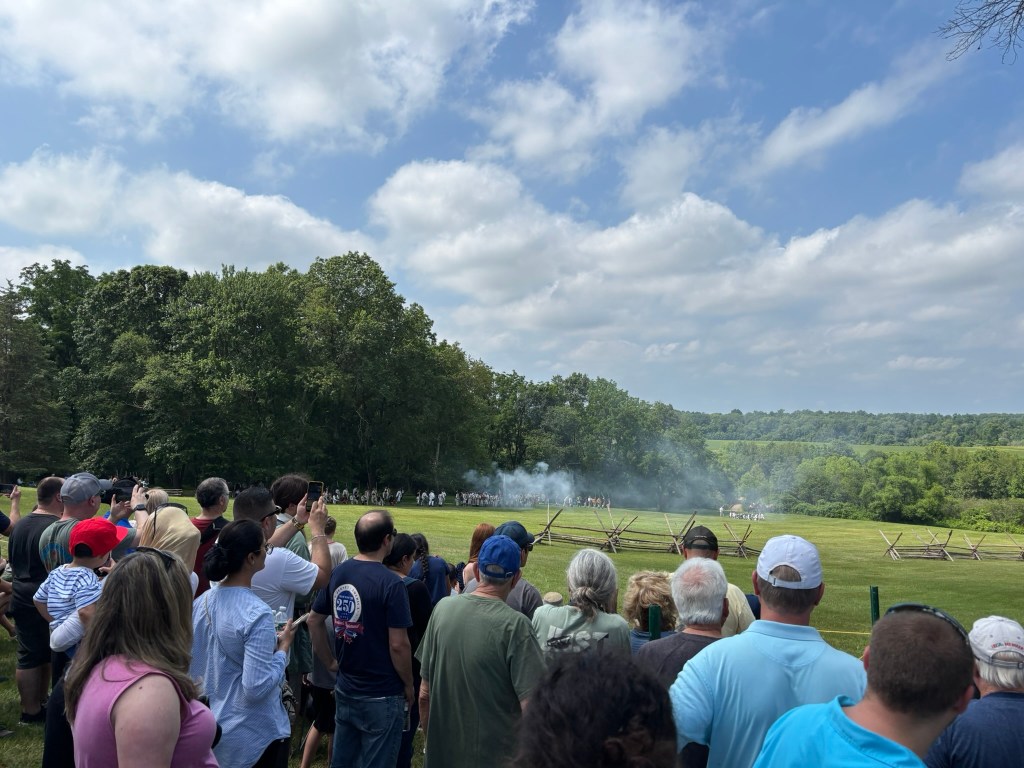
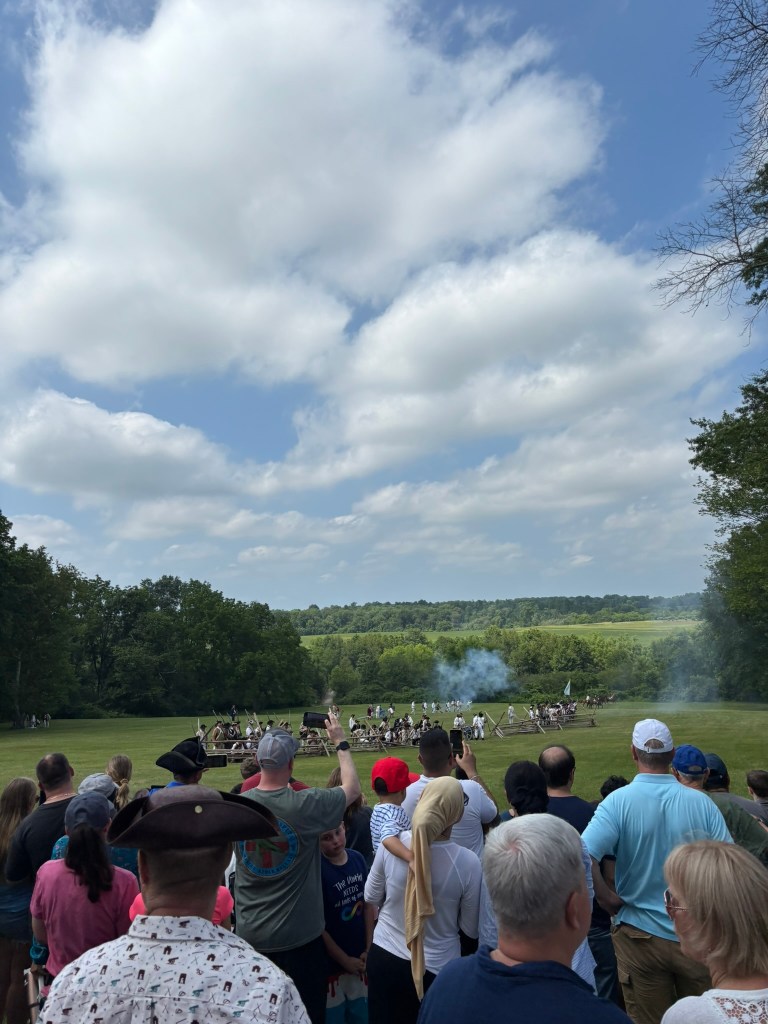
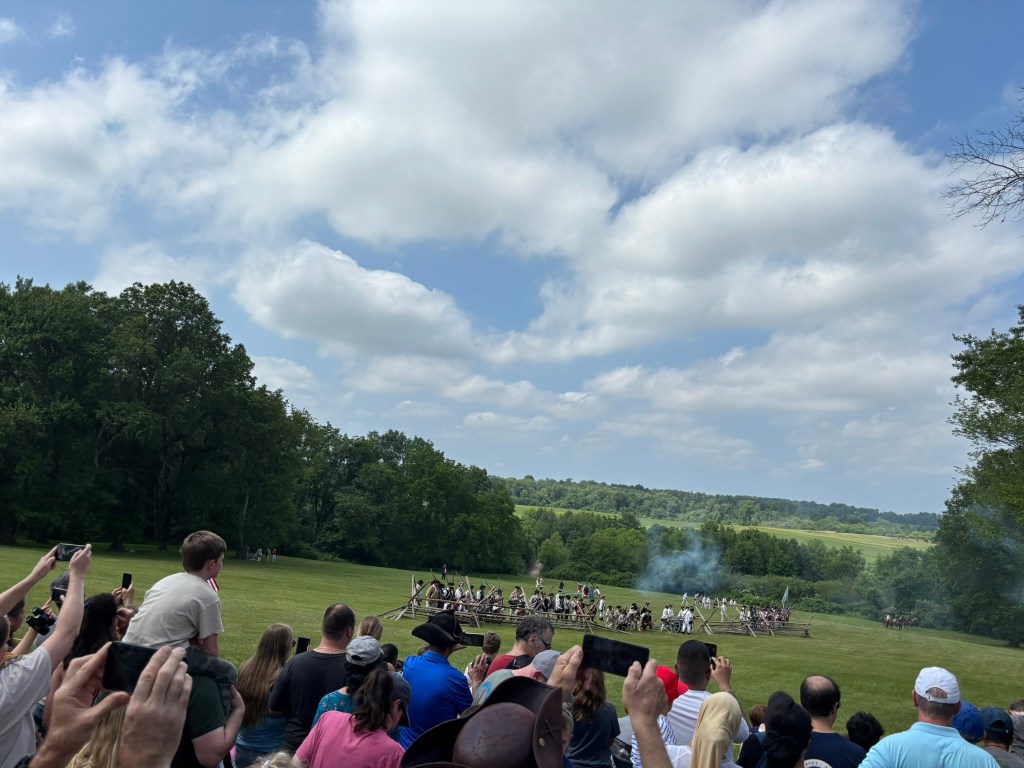
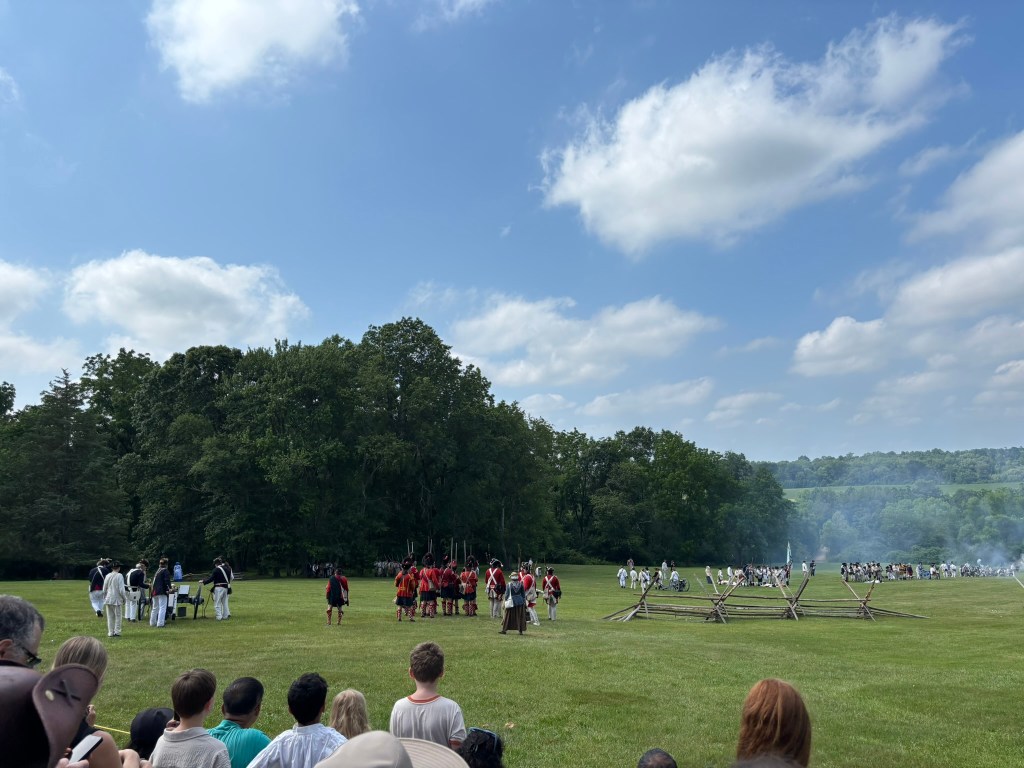
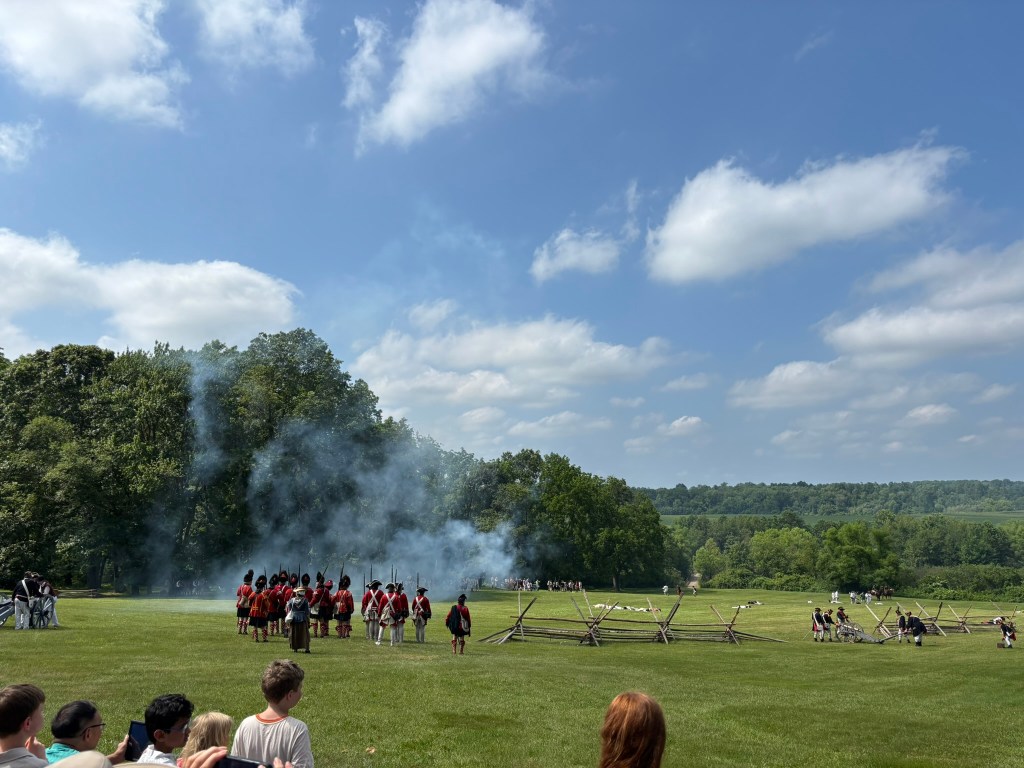
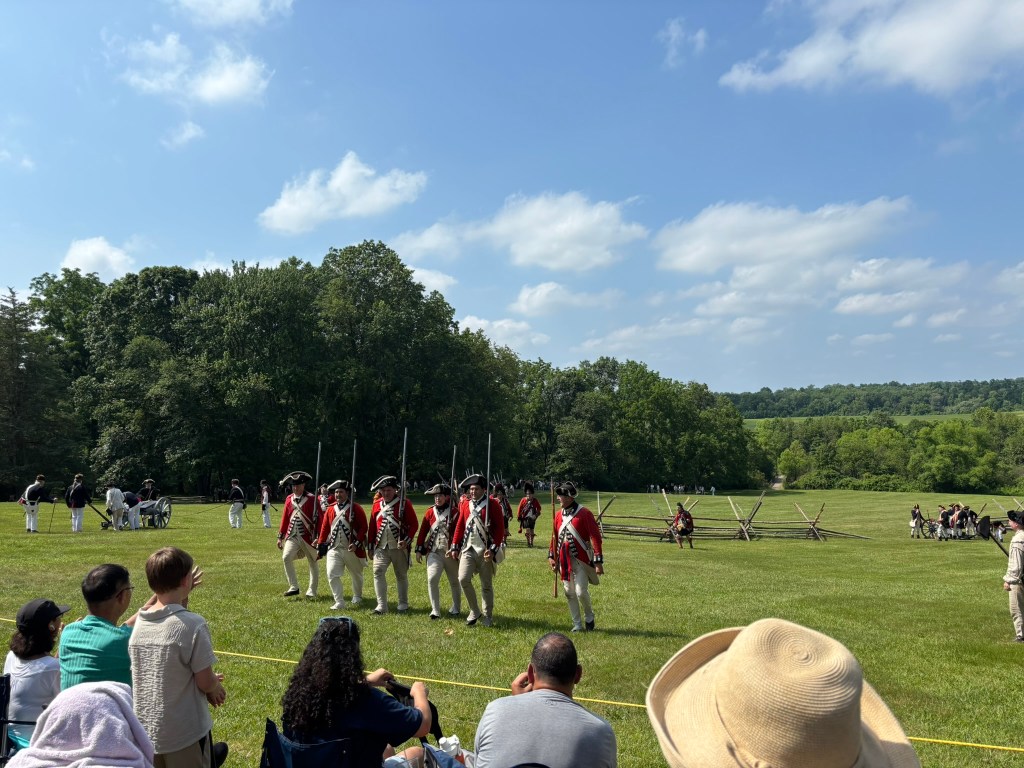
On June 28th, my family and I returned to the annual reenactment of the Battle of Monmouth, held in honor of the historic battle that took place on the same date in 1778. This marked our second year attending, and once again, the event did not disappoint. Among Revolutionary War reenactments, this is the largest I’ve experienced—both in terms of visitor turnout and the impressive number of dedicated reenactors who attend. If you have any interest in the American Revolution, this event is not to be missed. You can read about our experience from last year in 2024 [HERE].
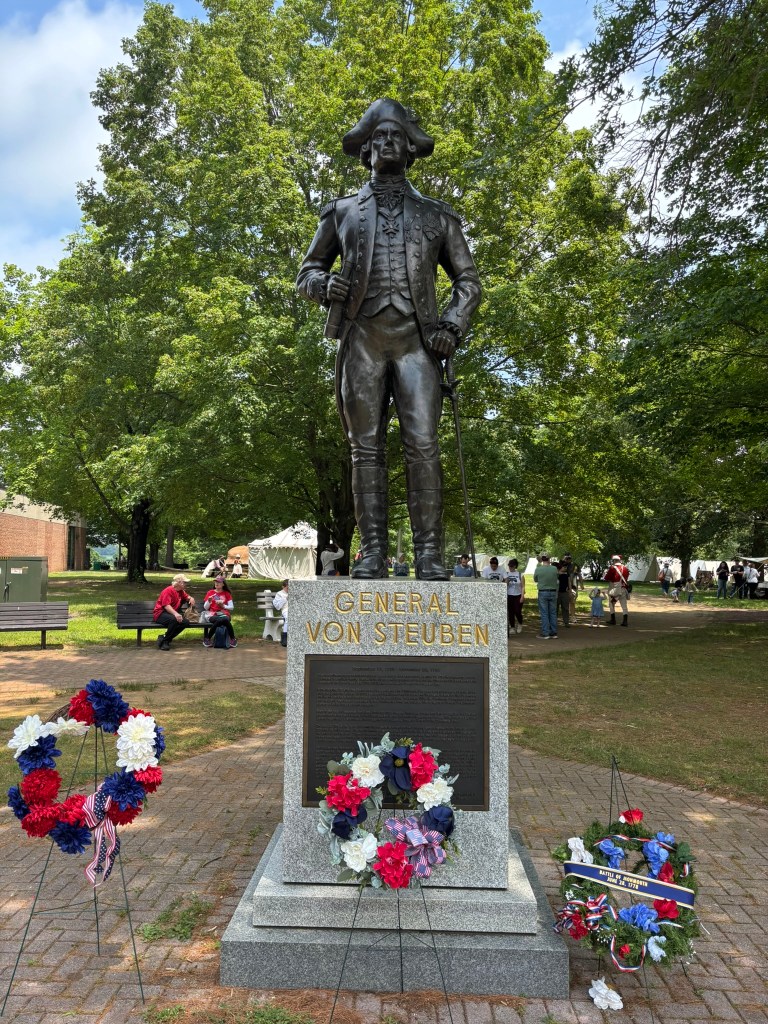
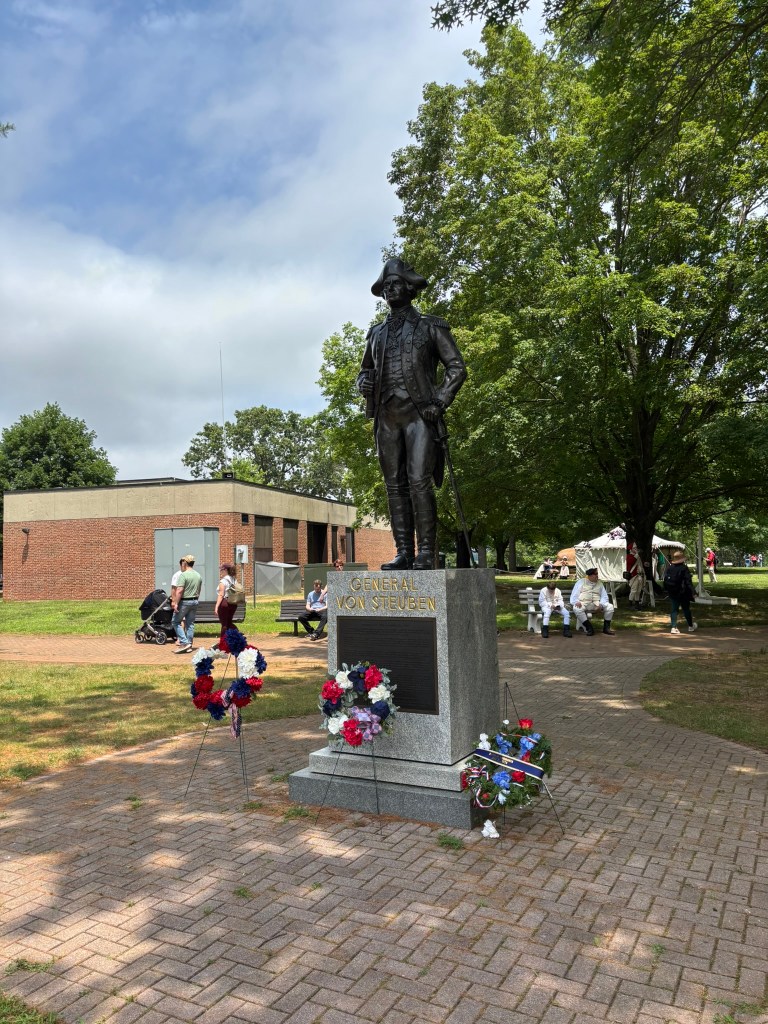
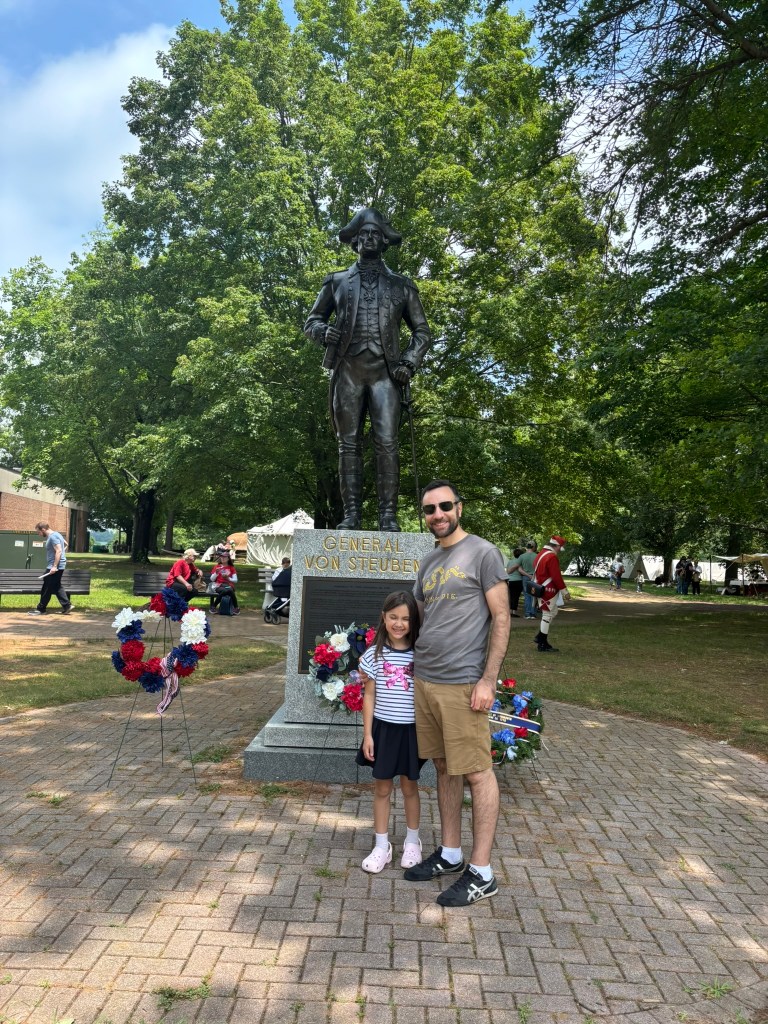
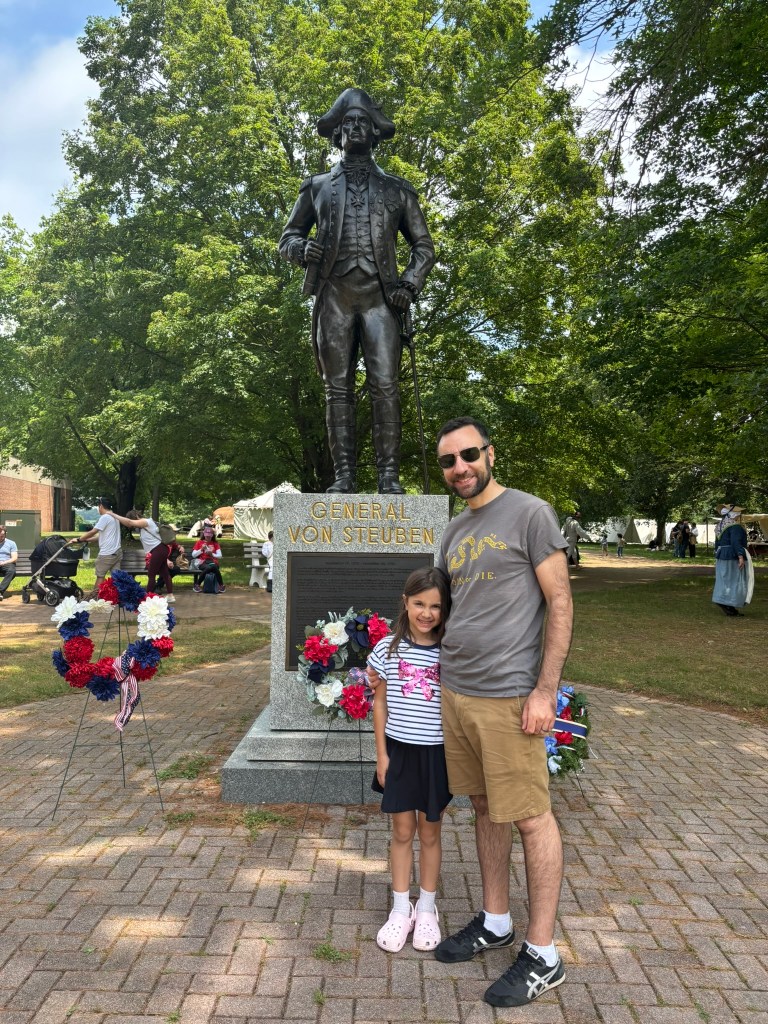
While the Battle of Monmouth did not yield a major strategic advantage for the Continental Army, it was a significant engagement in terms of scale and symbolism. As one of the largest battles of the Revolutionary War in terms of manpower, it demonstrated that the Patriot forces could stand toe-to-toe with the British in open combat. It featured the largest artillery duel of the war and marked a turning point in the professionalism of the Continental Army. After the grueling winter at Valley Forge, where relentless drilling under the Prussian officer Friedrich von Steuben transformed the army into a disciplined fighting force, the Continentals finally had the chance to prove their strength on the battlefield. The results were evident at Monmouth.
The battle is also remembered for its extreme heat, with temperatures reportedly reaching 100 degrees. Despite the intensity of the fighting, the British continued their retreat from Philadelphia to New York the following night as originally planned, allowing General George Washington to claim the battle as a moral victory for the American cause.
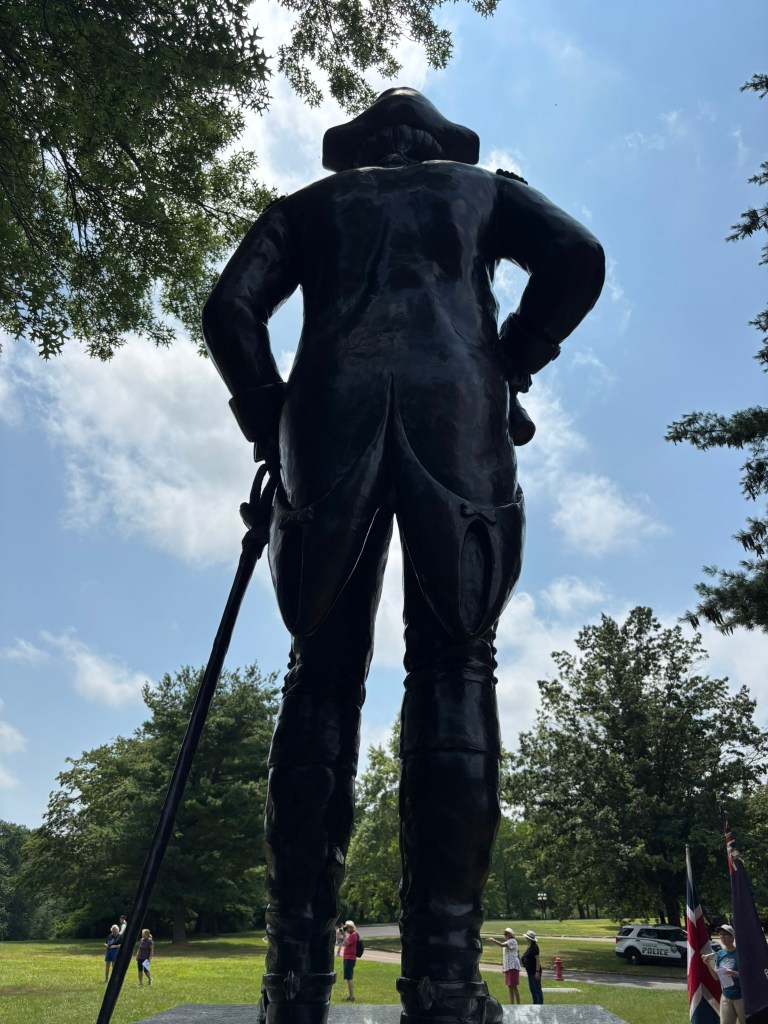
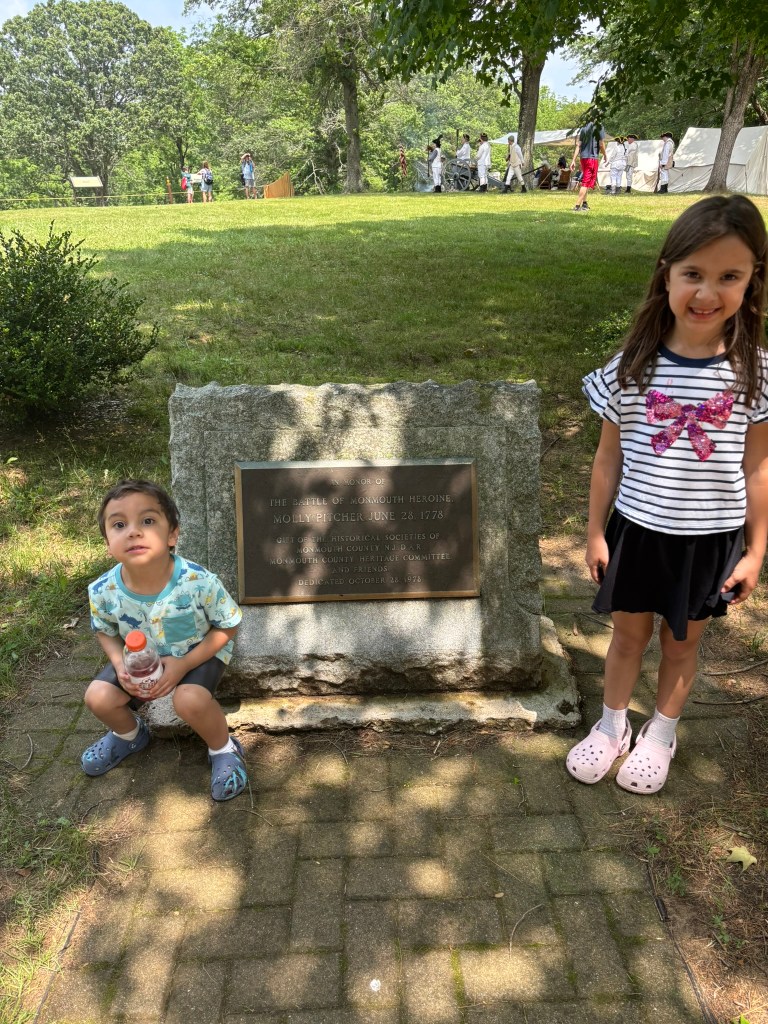
Monmouth is also famous for the legendary heroics of Molly Pitcher, who is honored at the battlefield park for her bravery in the thick of combat.
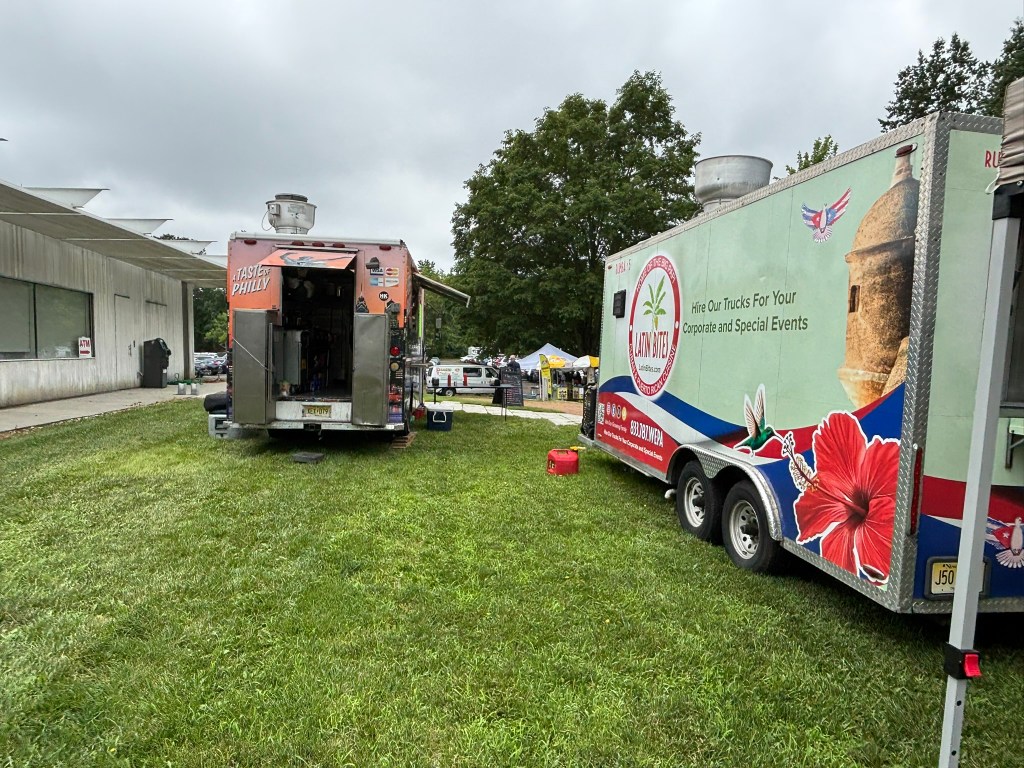
My family and I arrived at the park around 11:30 a.m., planning to have an early lunch before attending a 12:15 p.m. program about Molly Pitcher. One of the great things about this event is the variety of food trucks on site, which makes it easy to feed the kids without needing to stop along the way. There are several different food options available—we opted for empanadas from Latin Bites.
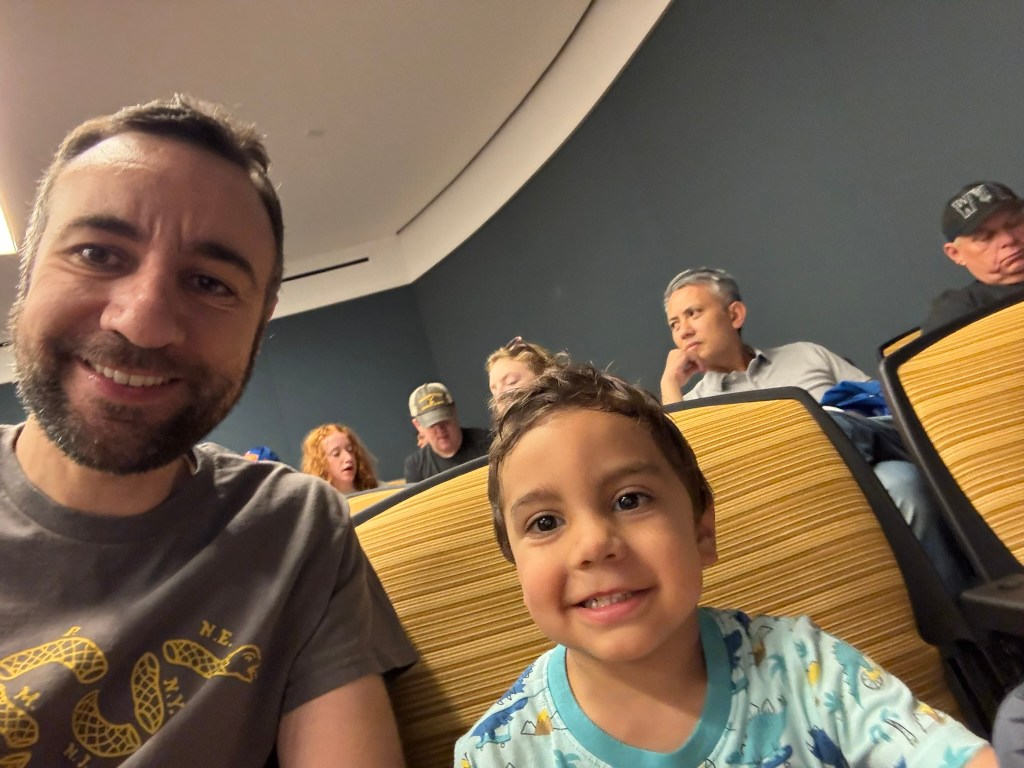
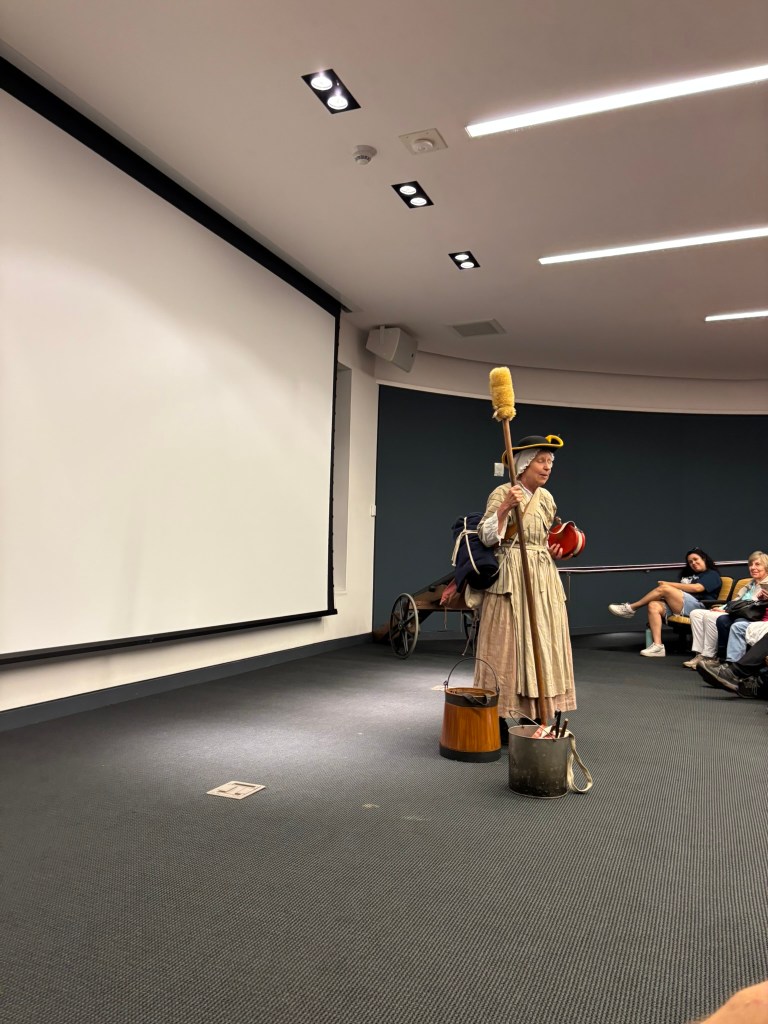
After lunch, we made our way to the auditorium for a program entitled “Over Here, Molly Pitcher.” Historian Stacy Roth portrayed Molly Pitcher, speaking in character as the famed Revolutionary War figure reflecting back on her life in the 1820s. Her performance focused primarily on Molly’s experiences during the war, with special emphasis on the events of the June 1778 Battle of Monmouth. The program lasted about an hour and offered an engaging and informative look into this legendary figure’s story.
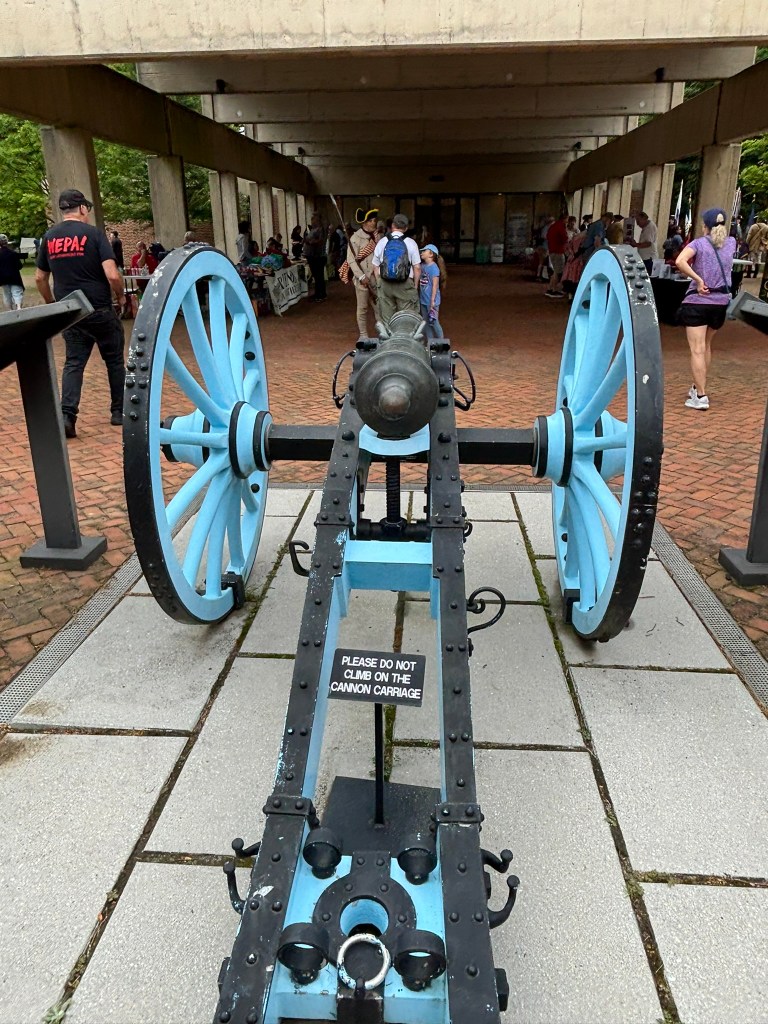
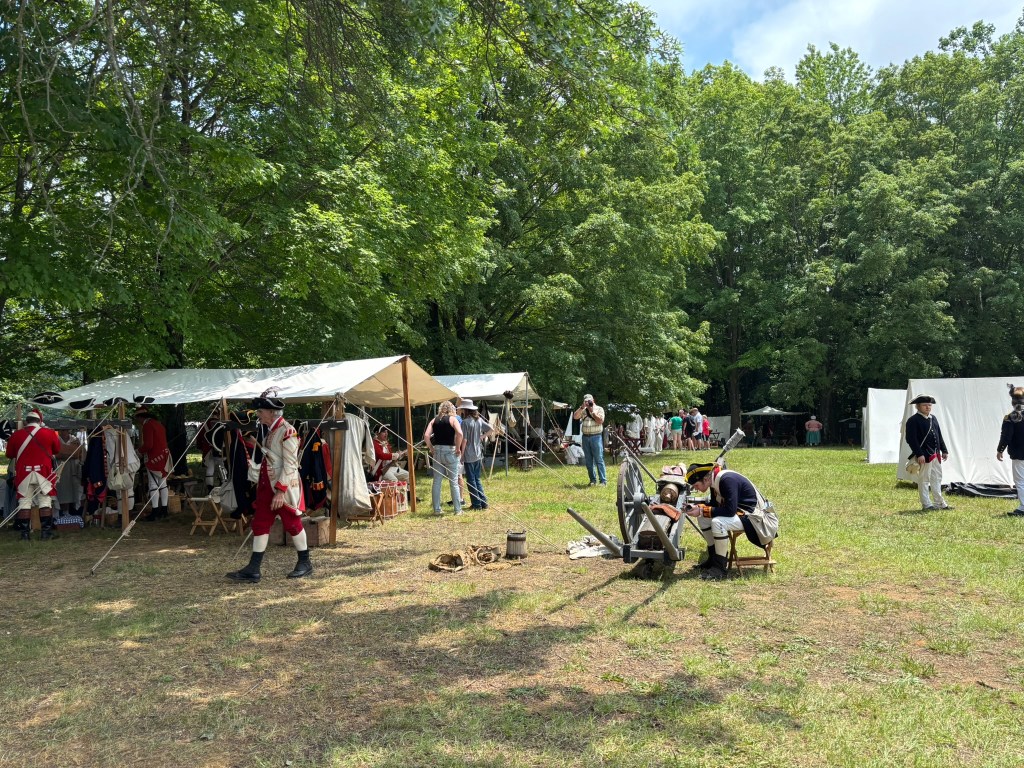
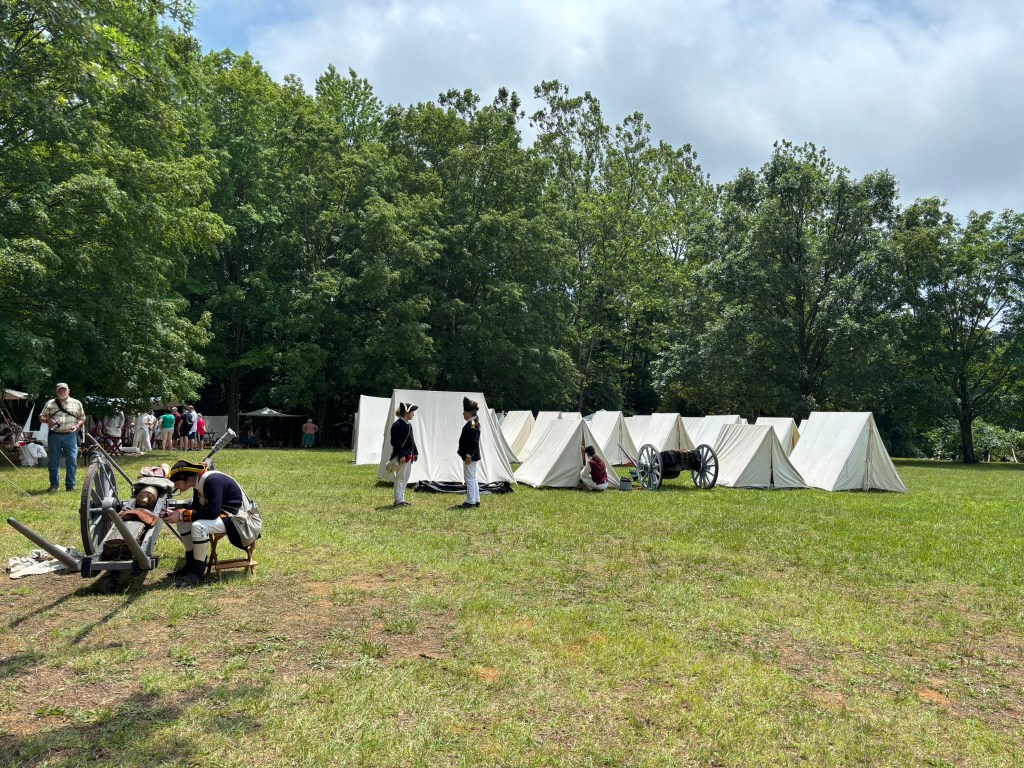
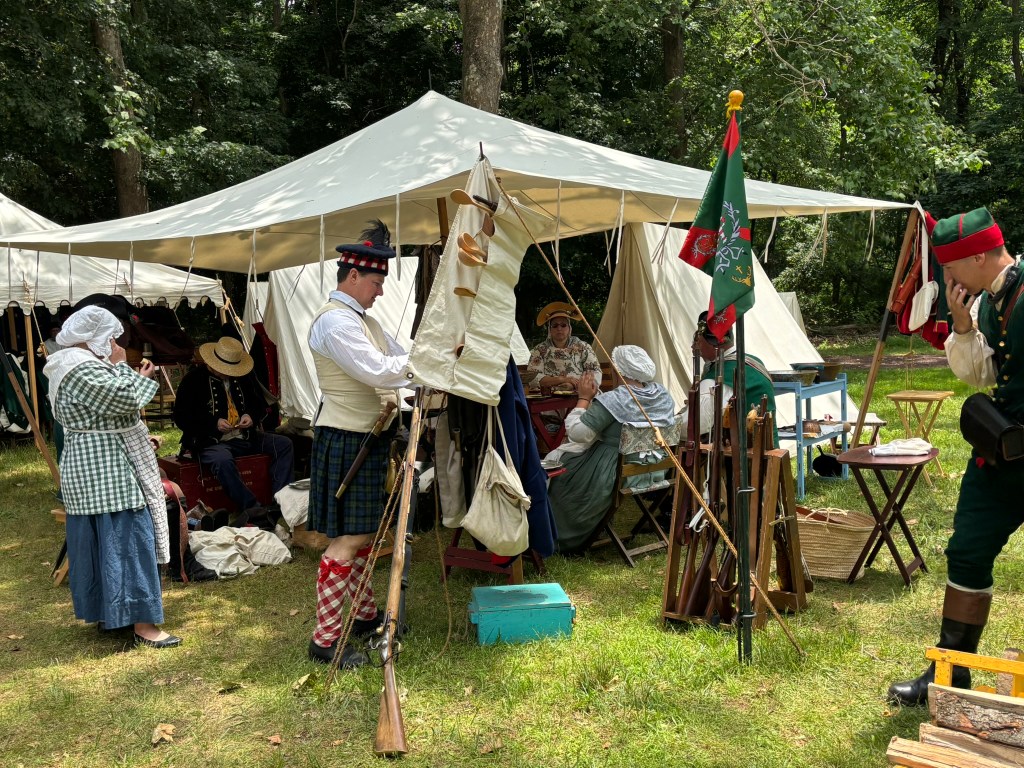
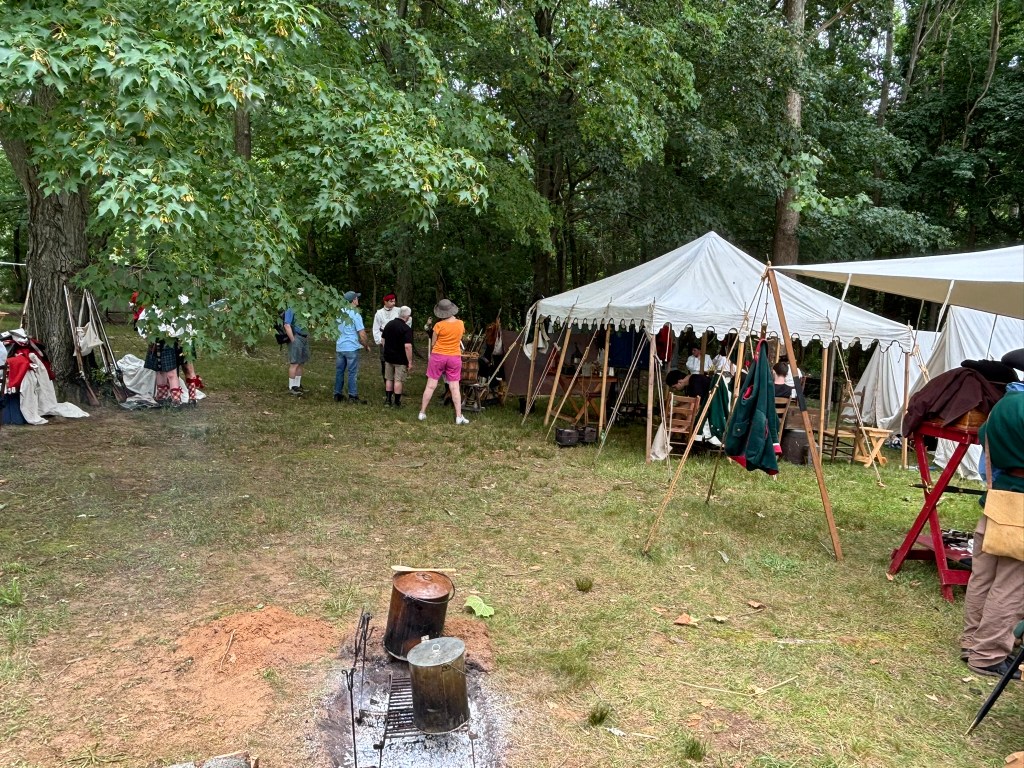
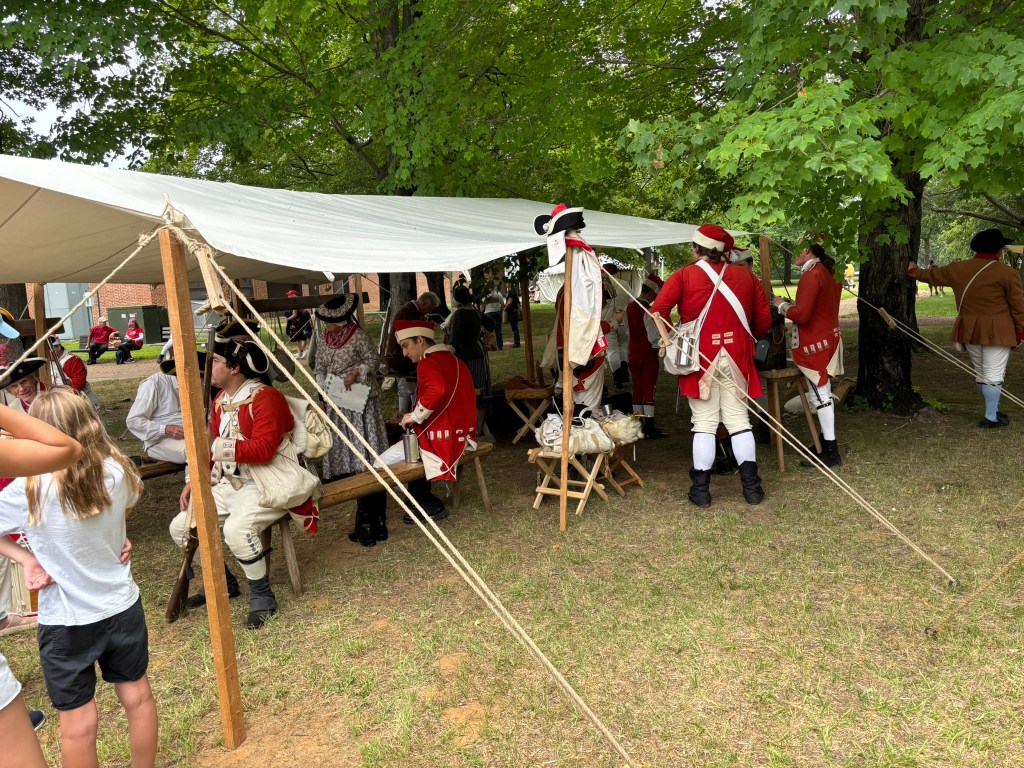
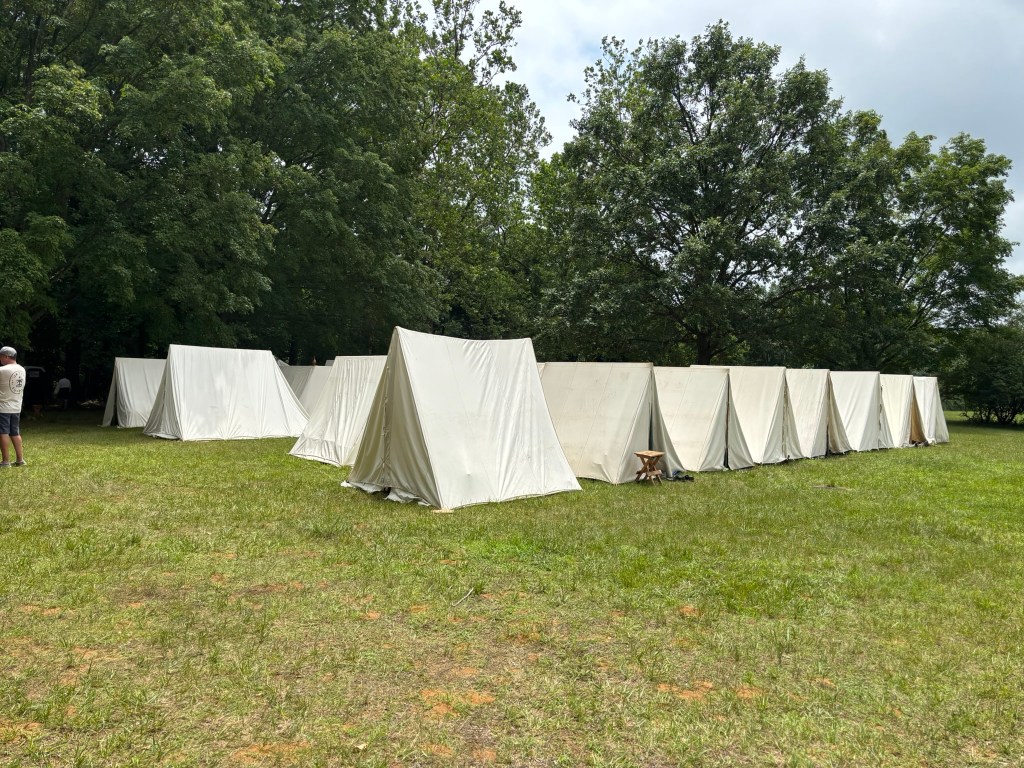
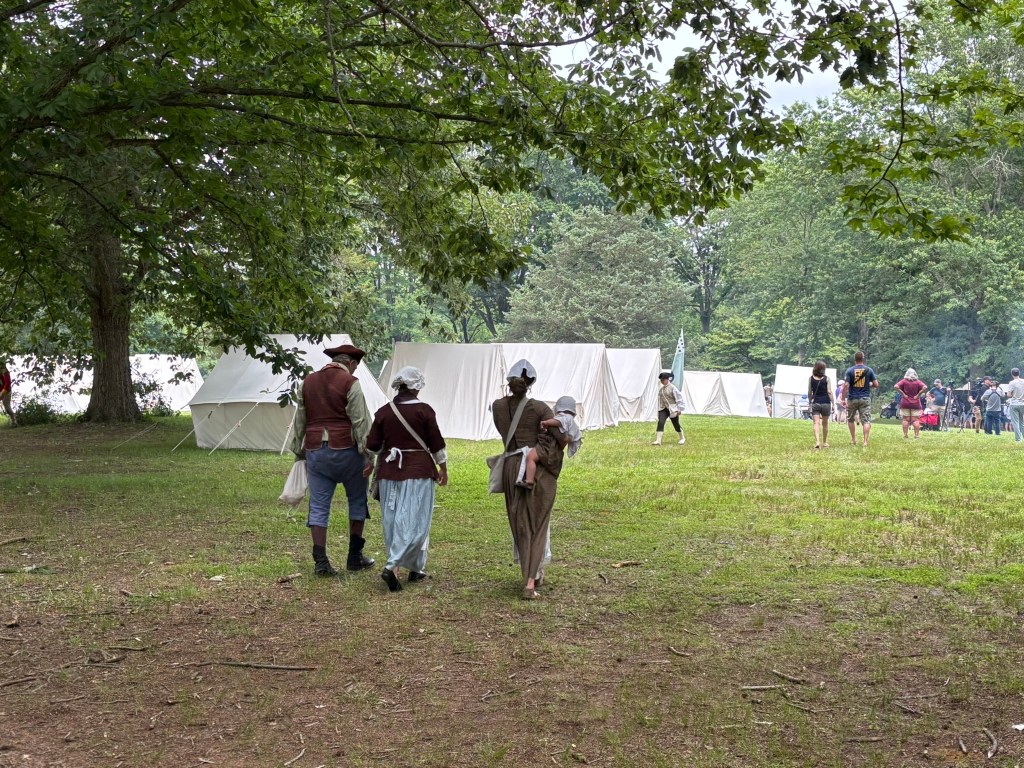
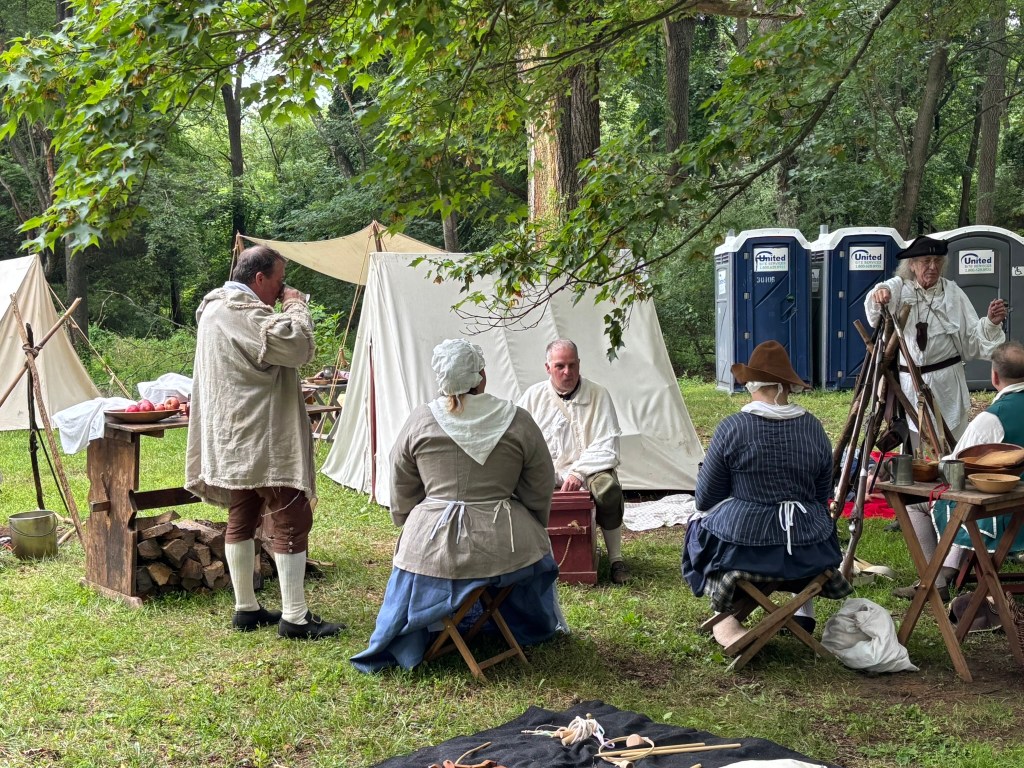
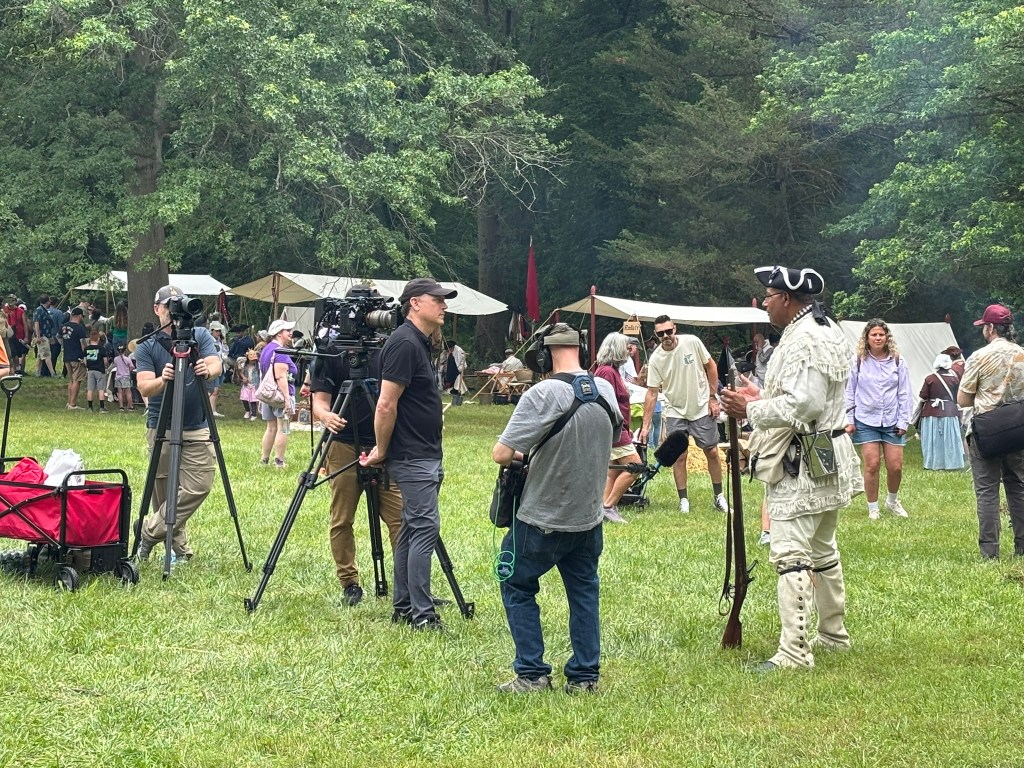
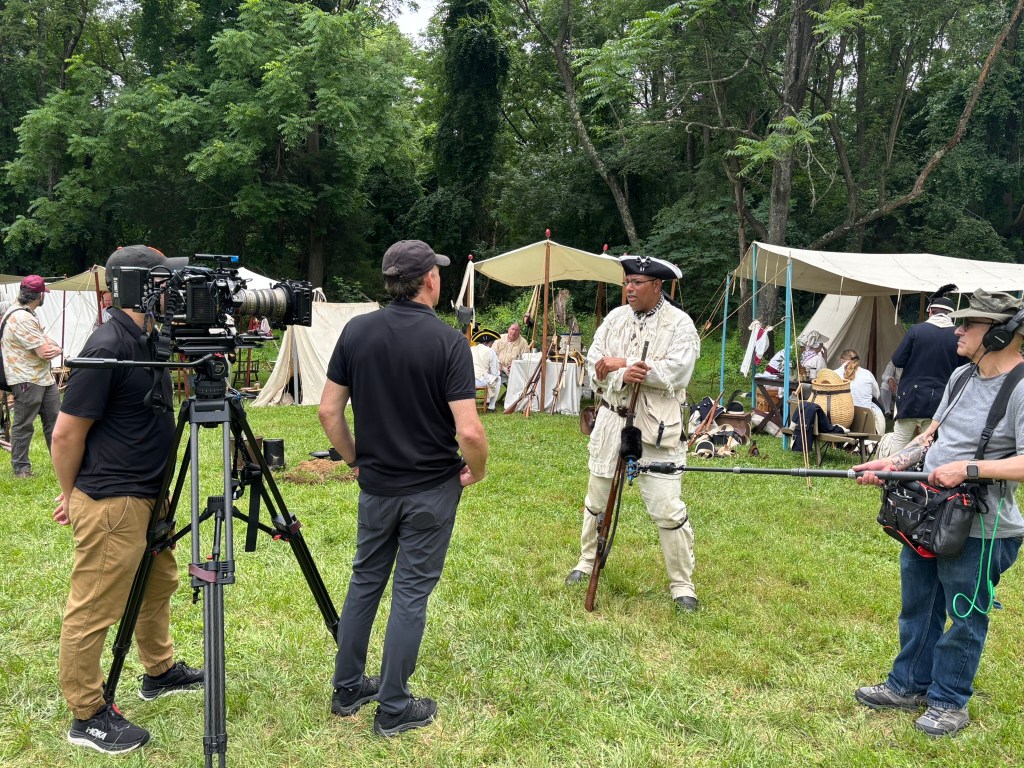
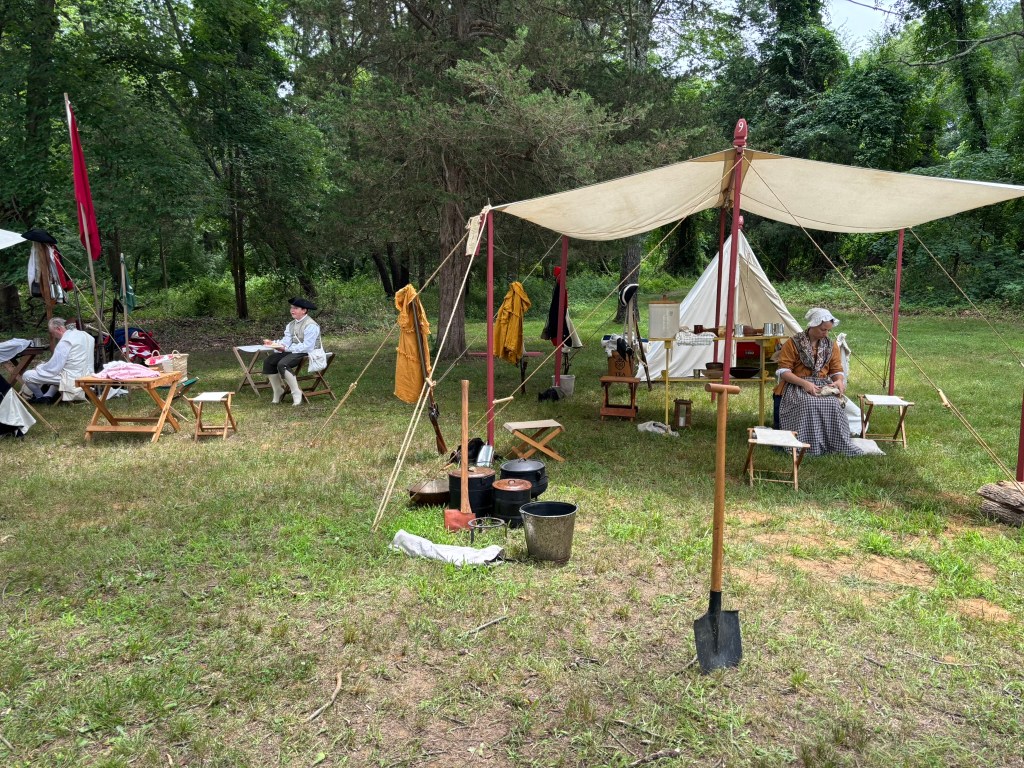
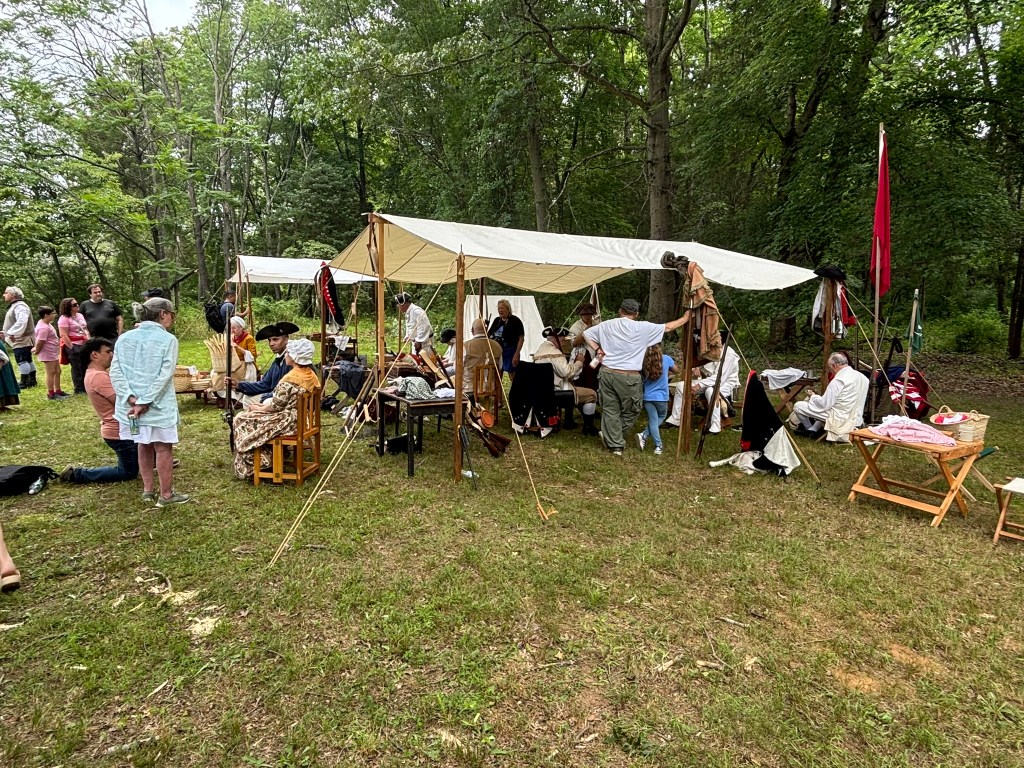
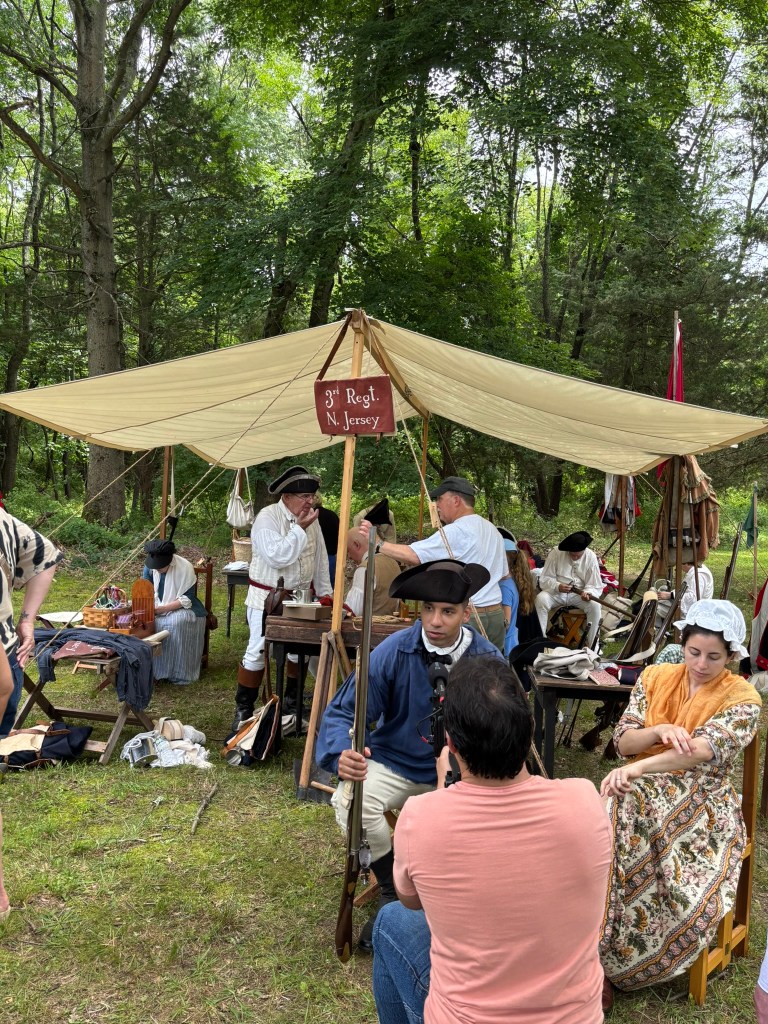
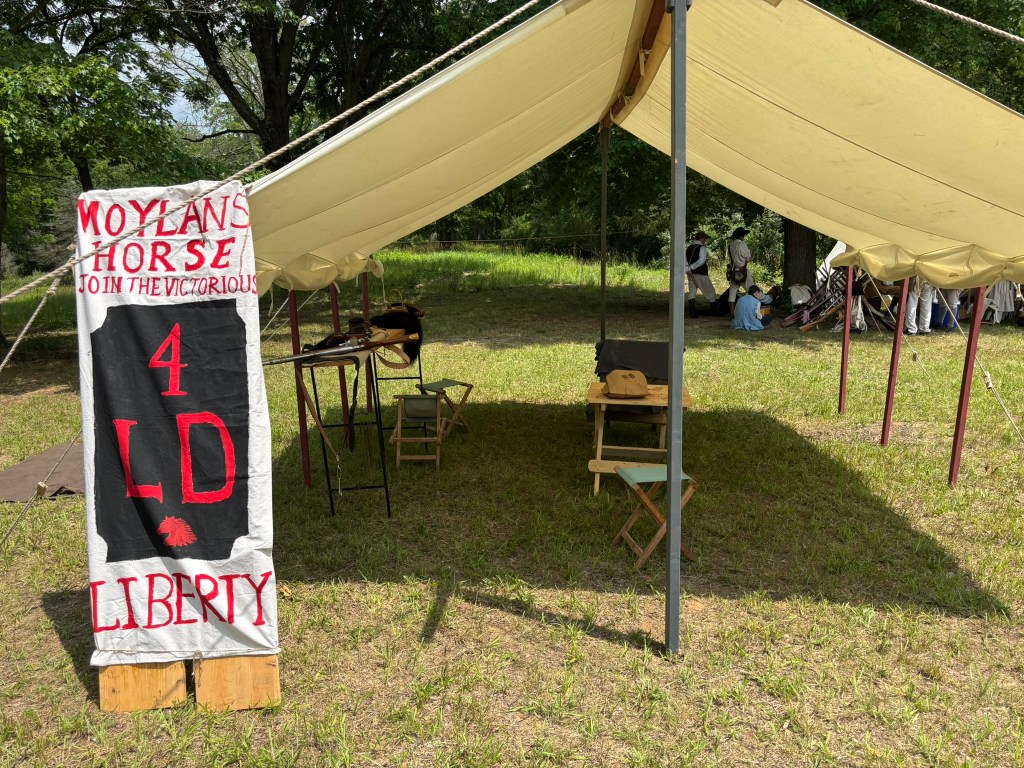
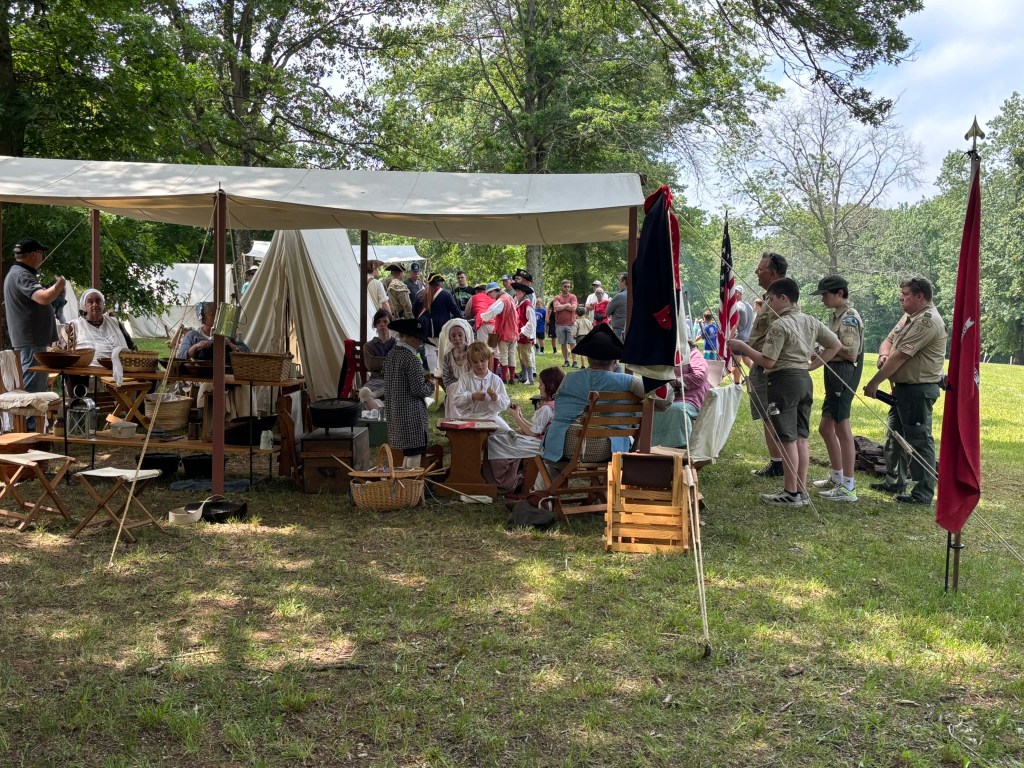
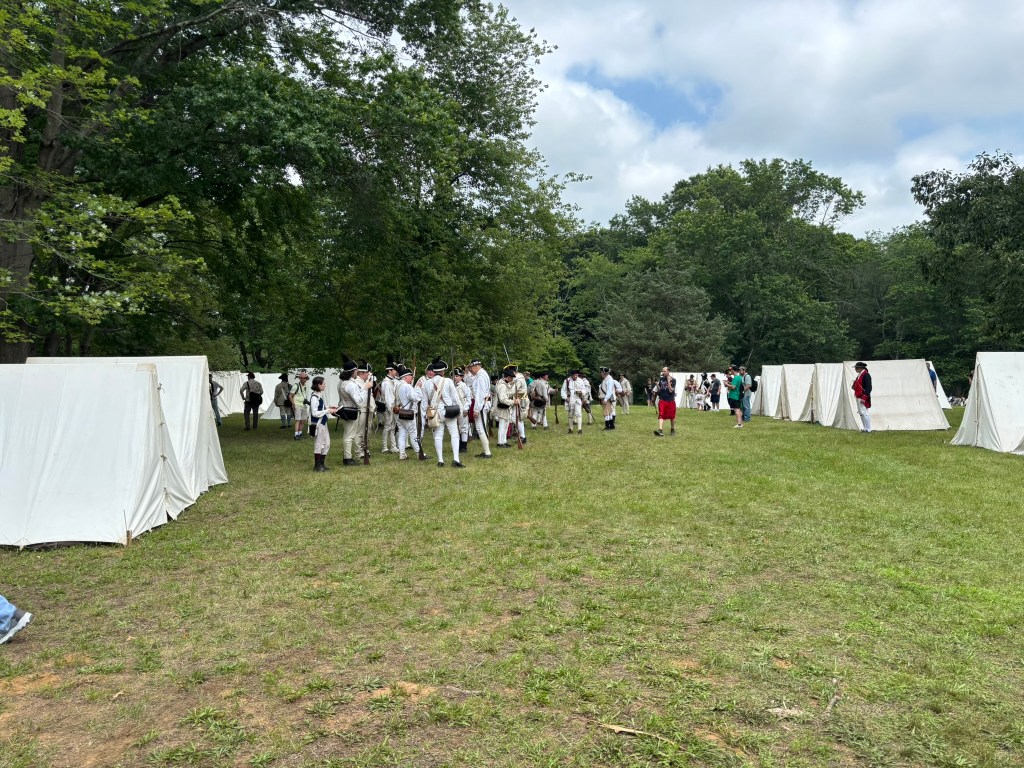
Next, my family and I explored the many encampments set up across the grounds. The experience is truly immersive—designed to make you feel as if you’ve stepped back into a Revolutionary War encampment. Bonfires crackled, soldiers prepared for battle, and women carried out daily chores like cooking. The reenactors did an excellent job bringing the scene to life and were incredibly knowledgeable and friendly when we asked questions.
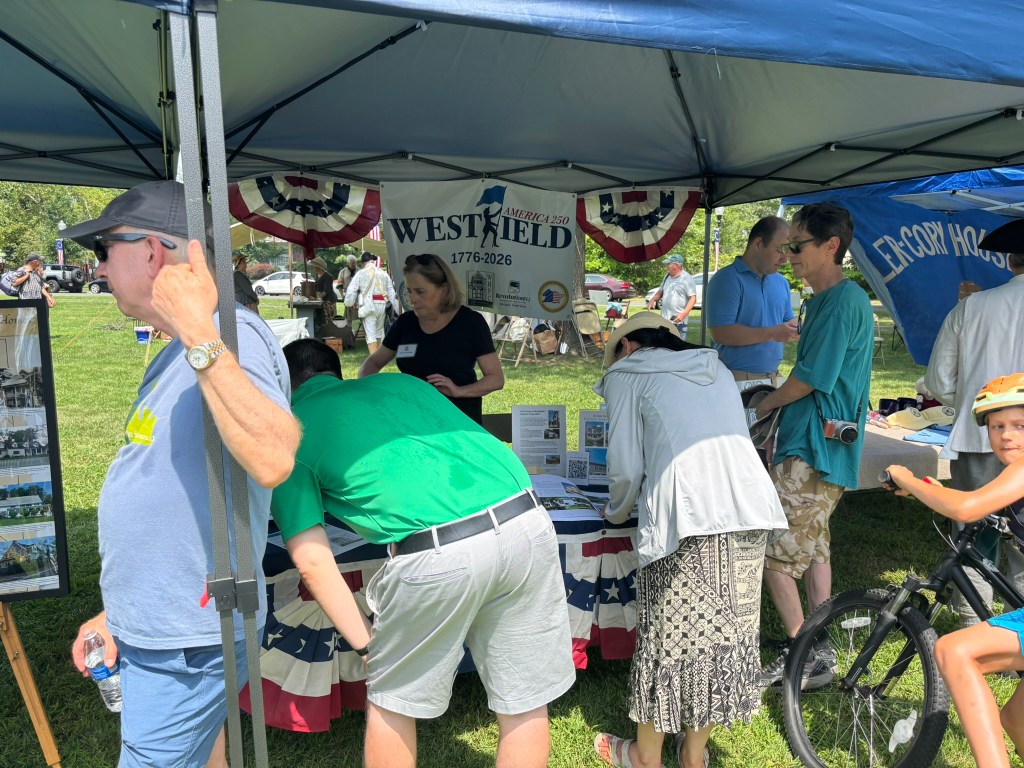
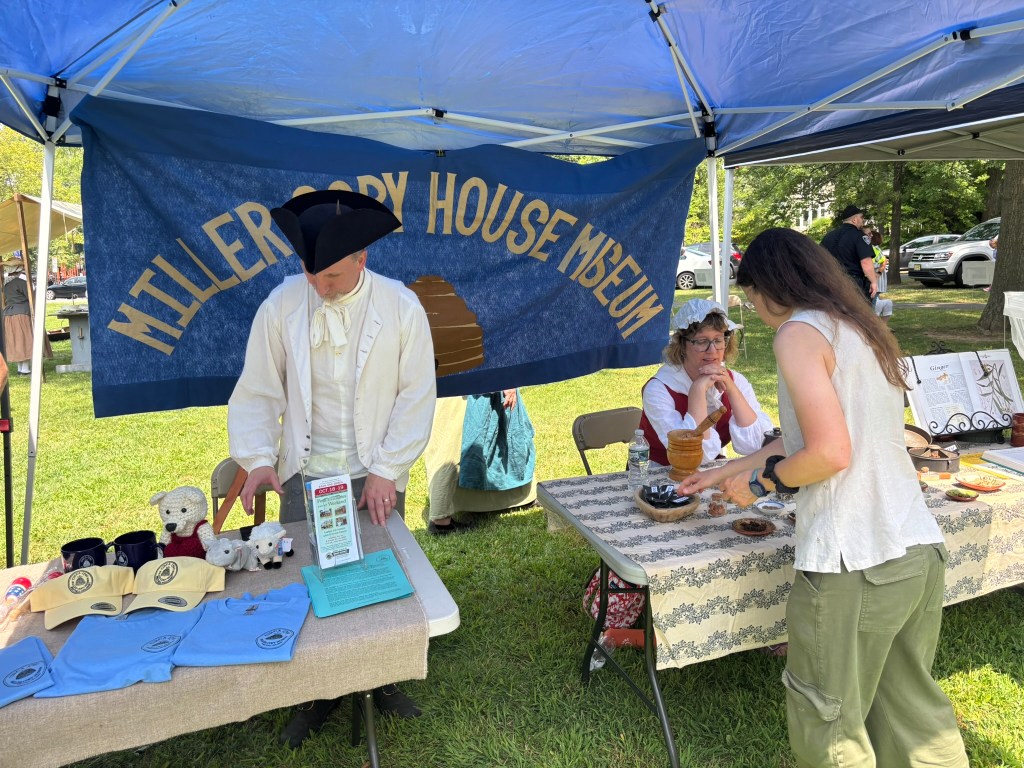
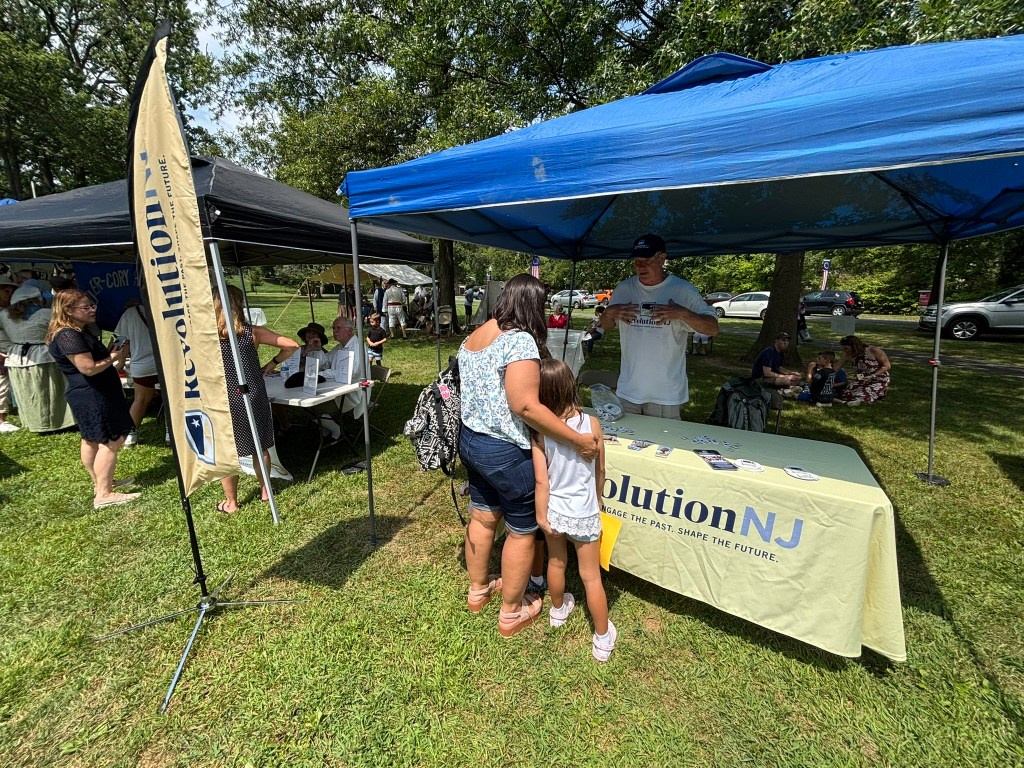
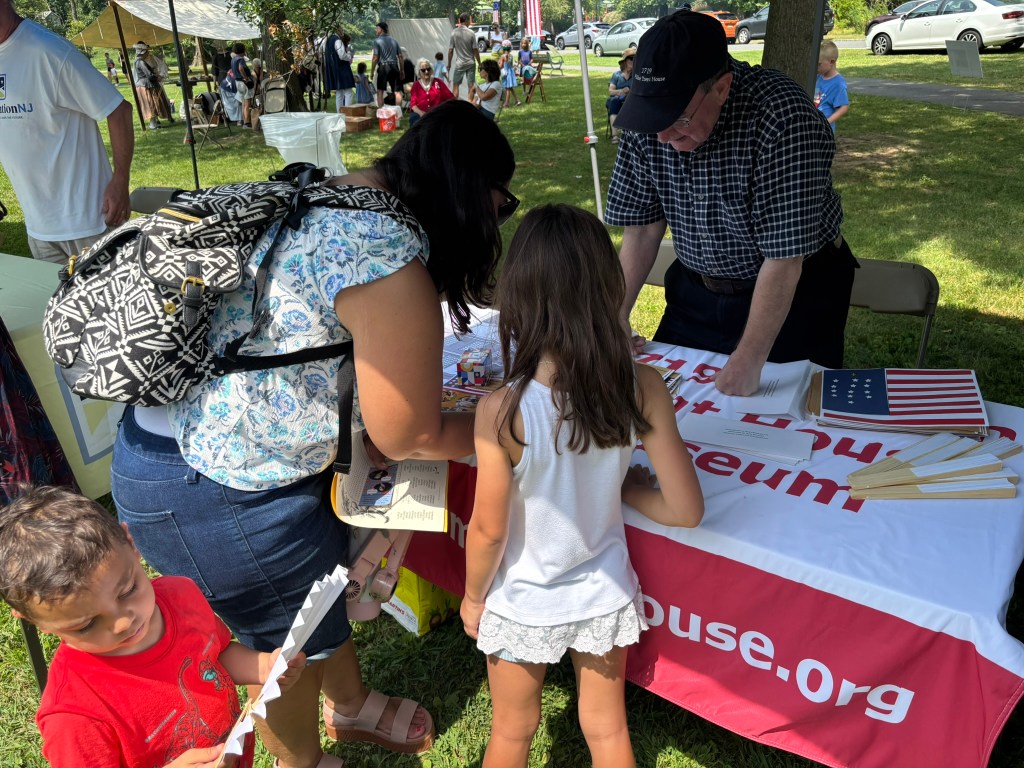
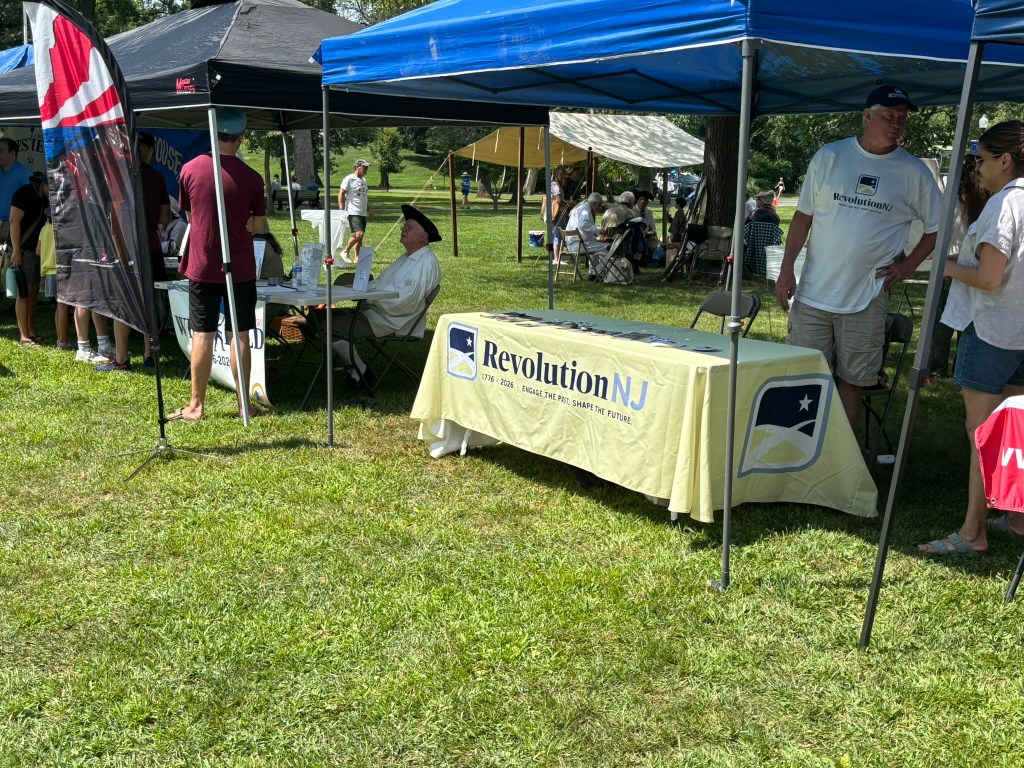
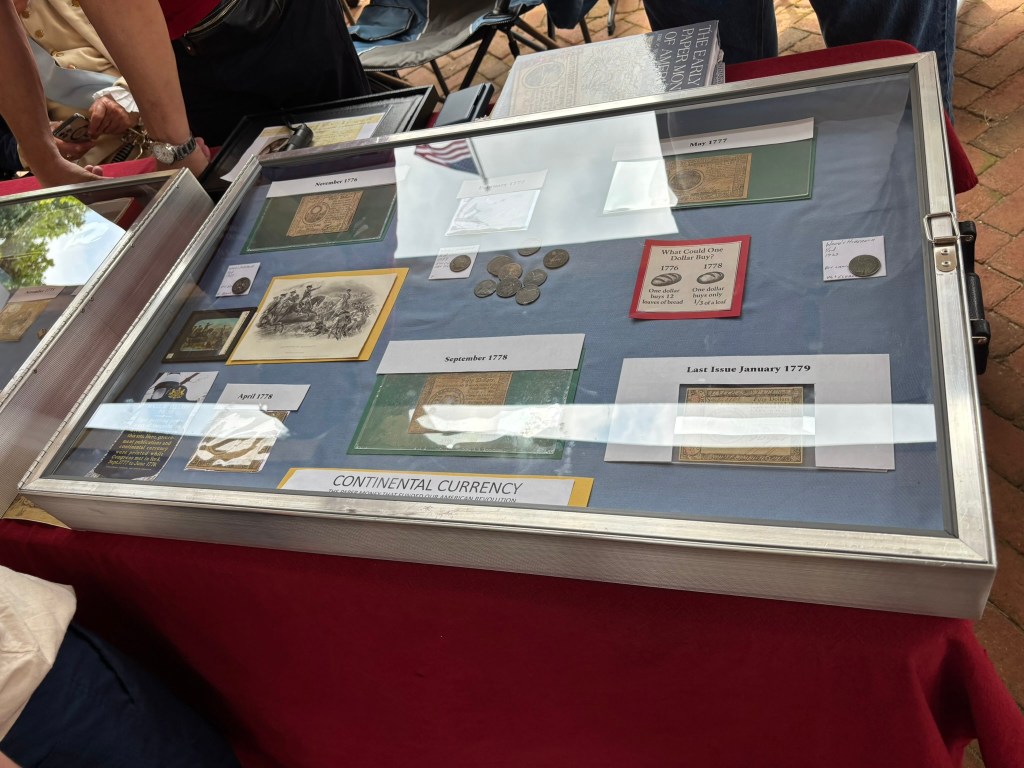
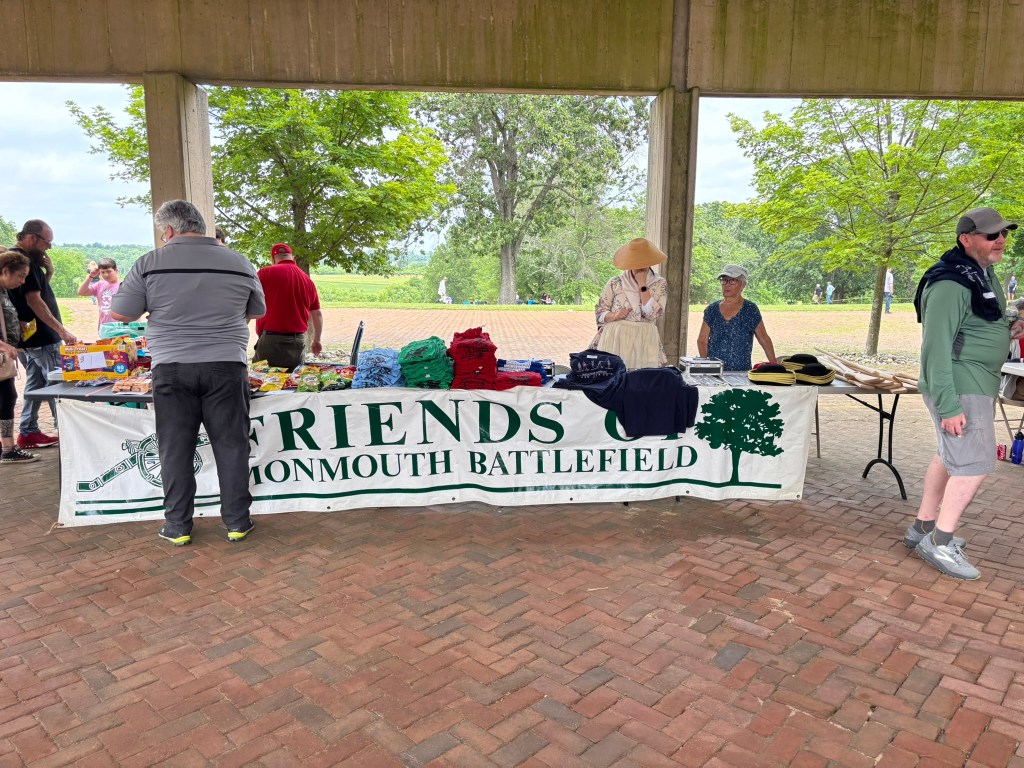
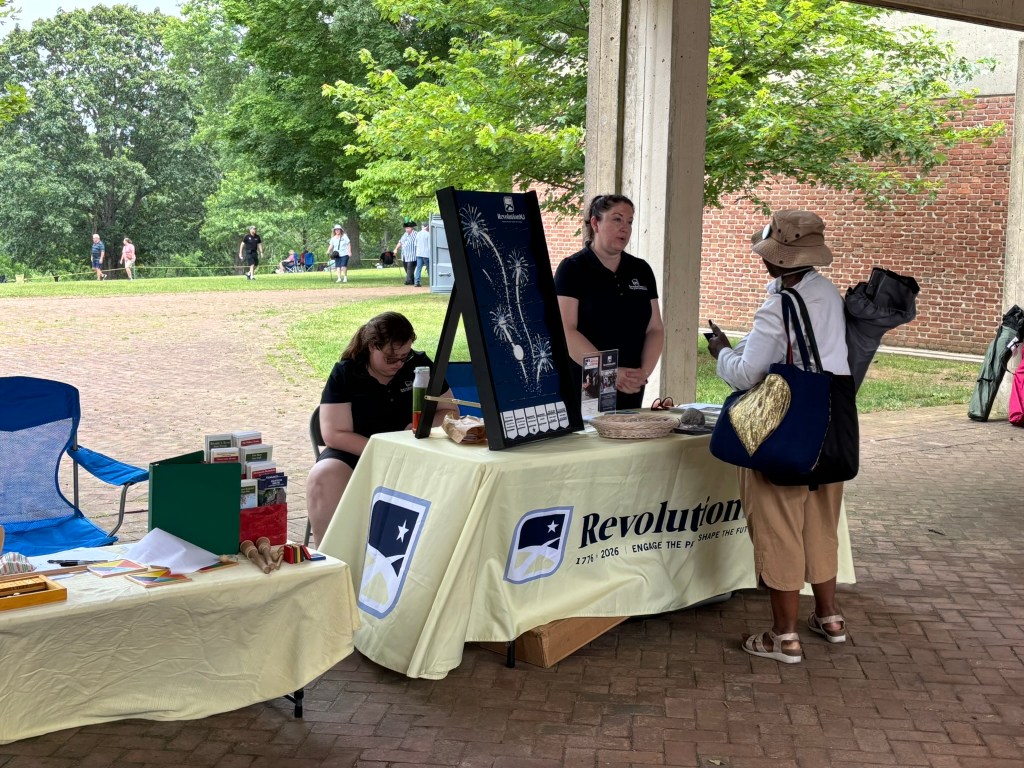
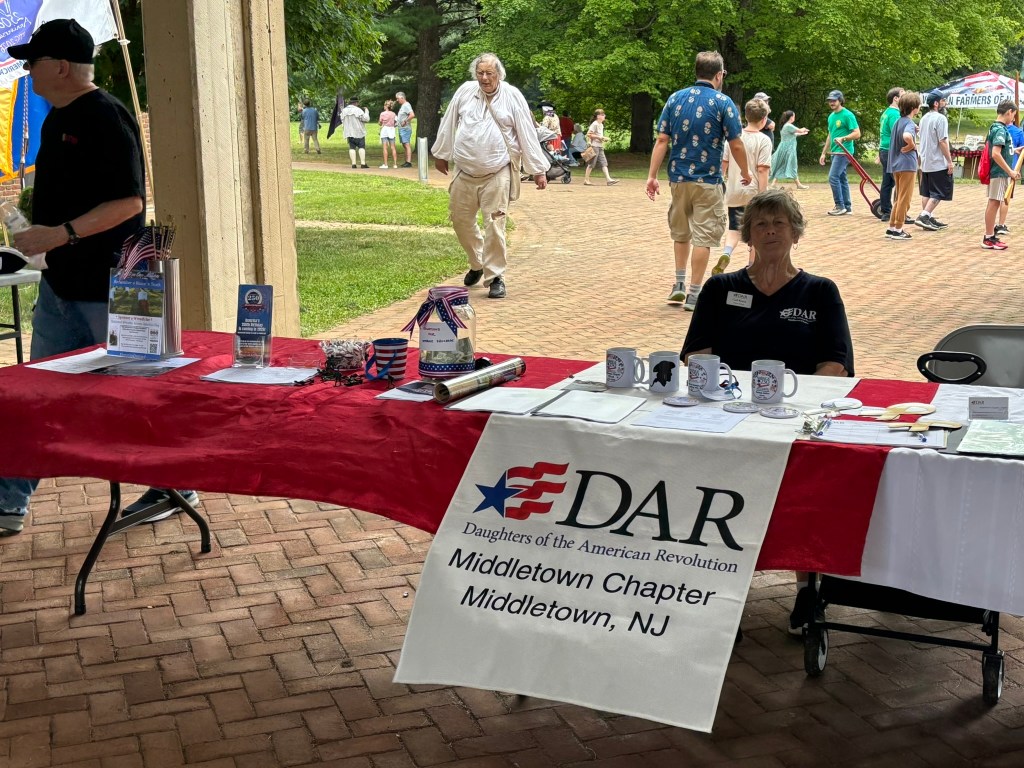
We then made our way over to the tables hosted by various historical groups and organizations. I had the chance to speak with members of RevNJ, a group I’m a Proud Partner with. Among the other participants were representatives from Washington Crossing Historic Park (PA), who brought along fascinating displays—including authentic examples of Continental currency used during the Revolutionary War. Also present were the Friends of Monmouth Battlefield, the Daughters of the American Revolution – Middletown Chapter, and other groups.
At 1:30, a children’s musket drill drew a large crowd. The reenactor leading the session did an excellent job explaining the process of loading and reloading a musket, presenting the information in a way that was both informative and engaging for the kids.
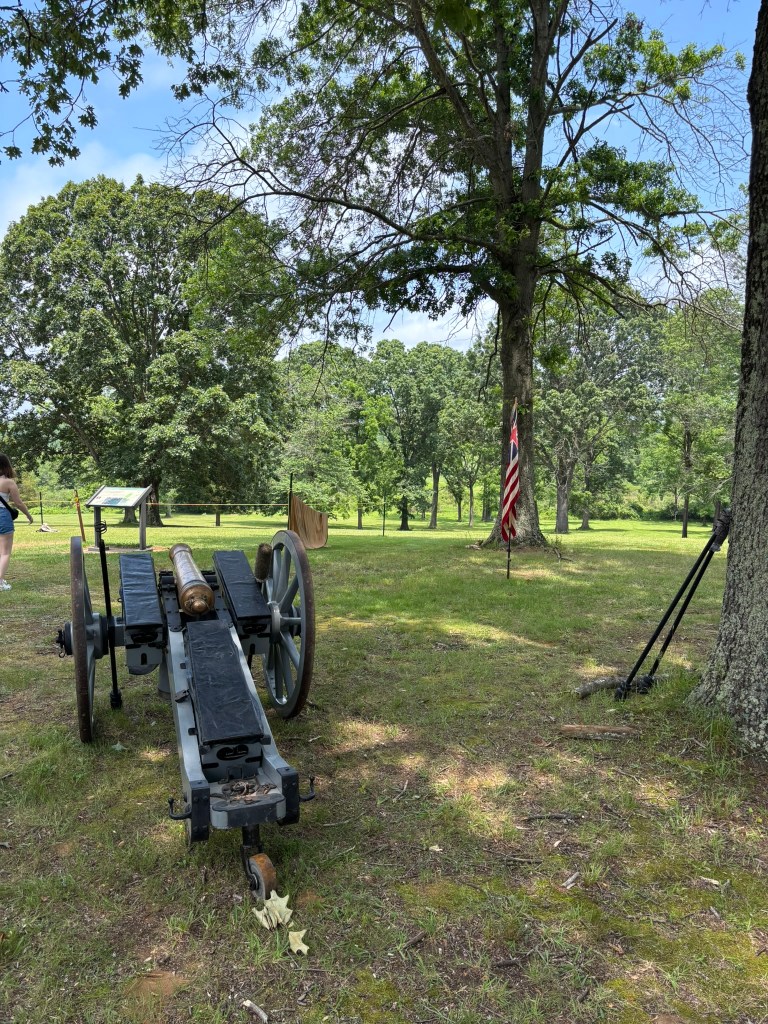
Afterward, I made another round through the encampments, where I watched fife and drum demonstrations and spoke with reenactors who were teaching about the artillery used at the Battle of Monmouth. They gave a thorough explanation of how canister shot was deployed in combat.
Between 2:30 and 3:00, I observed the soldiers preparing for the reenactment battle—listening to their orders, forming ranks, and taking part in a pre-battle prayer. At 3:00 they marched onto the battlefield.
The reenactment of the Battle of Monmouth is truly a sight to see. As far as I know, it’s the only place in New Jersey where you can witness such an accurate recreation of a Revolutionary War battle (someone correct me if I’m wrong). When I’m watching the battle, what always strikes me is the strategy used in 18th-century warfare: lines of soldiers standing shoulder to shoulder, loading and firing in unison. It must have been terrifying to be so vulnerable, and yet this formation was the most practical method of combat at the time. Muskets were so inaccurate, that massed volleys from a line were the most effective way to have any chance of hitting the enemy.
The battle reenactment lasted about 30 minutes. Once it wrapped up around 3:30, my family and I began making our way back to the car. On the way, we stopped by some of the tent shops, browsed around, and made a couple of purchases before heading home.
For anyone interested in the American Revolution, this is a must-attend event. The encampments are immersive, the reenactments are fantastic, and the entire experience offers something for all ages. I highly recommend it.
Be sure to check out my Instagram and Facebook pages, where I’ll be uploading Reels from the event. These short videos give a great glimpse into what the day is like for anyone considering attending in the future.
In a previous blog post entitled “The Inclusive History of the Washington-Rochambeau Revolutionary Trail Phase II – Westfield, NJ (Part 1)”, I shared an overview of an ongoing history research project conducted by the Westfield Historical Society, with support from the New Jersey Historical Commission. The research has been conducted by Dr. Susannah Chewning and Dr. Robert Selig, and it aims to uncover untold stories and to shed light on both free and enslaved inhabitants of the greater Westfields of Elizabethtown and their roles during the time of the American Revolution.
If you haven’t had a chance to read the first blog post from February 7th, 2025, I encourage you to check it out [HERE]. It offers valuable context about the project’s background, goals, and initial findings.
This blog post picks up where the previous one left off. Since February, the research has entered a new phase, bringing to light fresh insights and raising new questions that have continued to guide the direction of the work. In this update, I’ll share the latest progress, some of the challenges encountered, key discoveries made, and an overview of the final presentation which took place on June 21st, 2025.
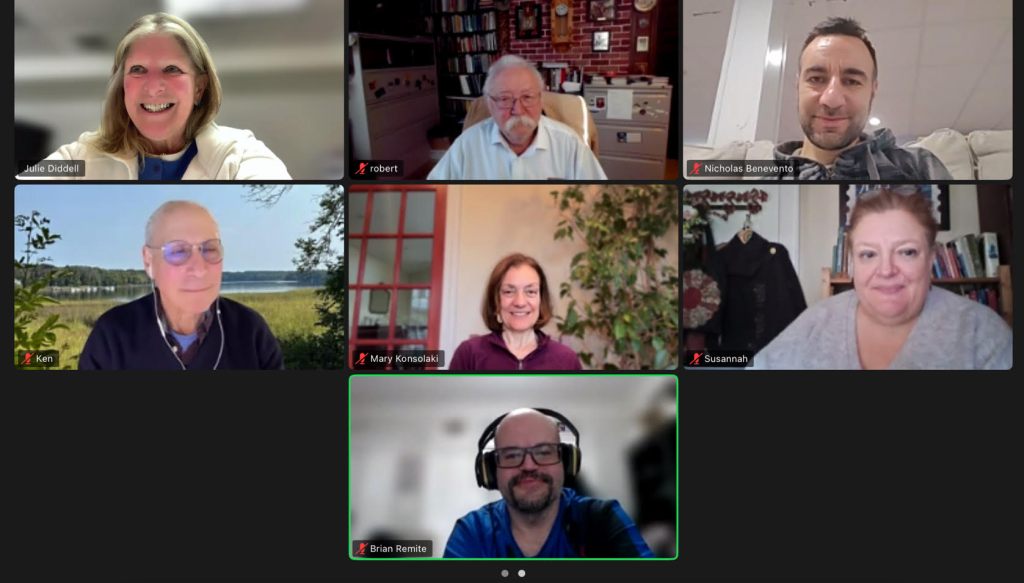
The researchers have been working closely with Julia Diddell, Chair of the Washington-Rochambeau Revolutionary Route- New Jersey, as well as Brian Remite, President of the Westfield Historical Society, to comb through enlightening resources. The team met in late March to discuss new findings, challenges along the way, and future goals. The team was also joined by Dr. Mary Konsolaki and Dr. Ken Mirsky, who both serve on the Grants Committee at the Westfield Historical Society.
The team reconvened in mid-May, with each researcher sharing their latest findings, describing any new obstacles, and discussing plans for the final presentation. During the meeting, Julia shared that the Westfield Historical Society is interested in using the research to develop a long-term outdoor exhibit in Westfield. She also noted that the Society is planning to collaborate with the Rutgers Department of Landscape Architecture to explore potential sites for the exhibit and may even conduct a survey this summer.
The information provided below provides the latest updates on the research and discoveries of Dr. Robert Selig and Dr. Susannah Chewning, covering their progress from April 2025 to the final outcomes of the research project, concluding with the presentation to the public. For an overview of their research topics and goals, please refer to the first blog post.
The Mood of the Local Inhabitants
Dr. Robert Selig, a distinguished historian with a PhD in History and extensive experience consulting with the National Park Service, has been conducting research on early Revolutionary War activities within Westfield and surrounding towns to gain a better understanding of the mood of the local inhabitants, leading up to the Revolution. Having written extensively on the Washington-Rochambeau National Historic Trail, Dr. Selig has brought invaluable expertise to the project, particularly in investigating the local impact of the national movement toward independence.
April 2025 Update
During our late March meeting, Dr. Selig provided updates on his research. He emphasized the importance of identifying individuals on a list from the New Jersey Committee of Correspondence, focusing on their economic status and roles within the community. Dr. Selig has accessed damage claims from the New Jersey State Archives, revealing that seven of the ten Westfield Committee members filed claims—though notably, Abraham Clark, a key regional leader and signer of the Declaration of Independence, did not. These claims provide valuable insights into the local inhabitants. Moving forward, he also intends to study New Jersey citizens who served in the war, particularly through pension applications from soldiers and members of the New Jersey militia, which could offer significant insight.
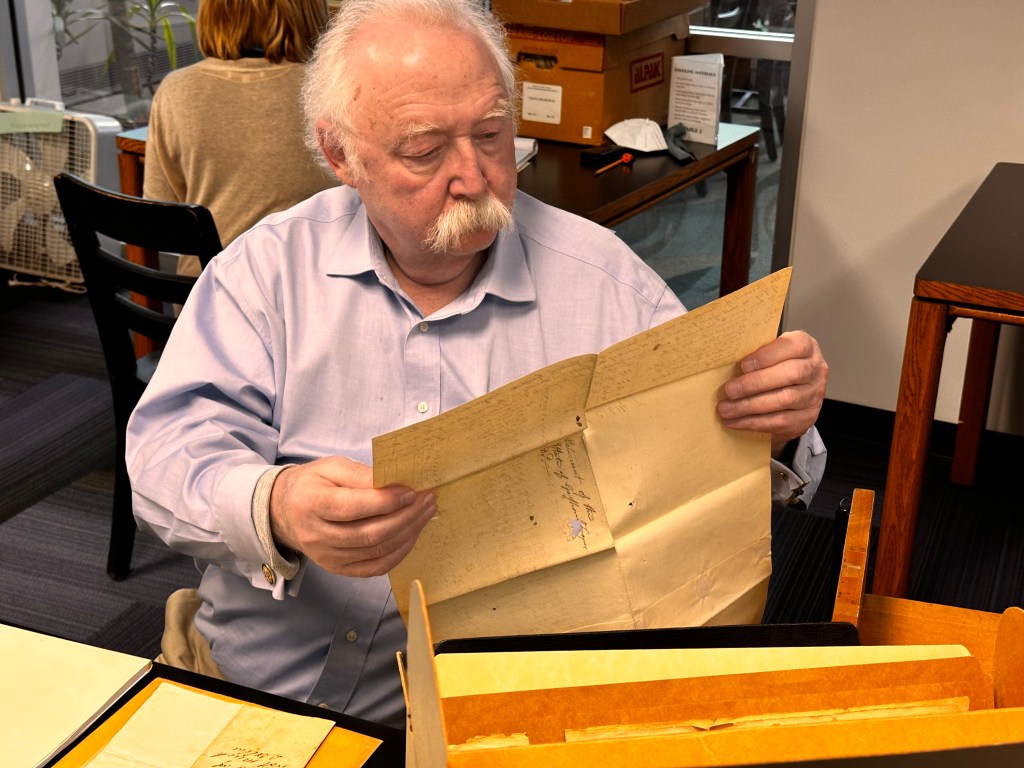
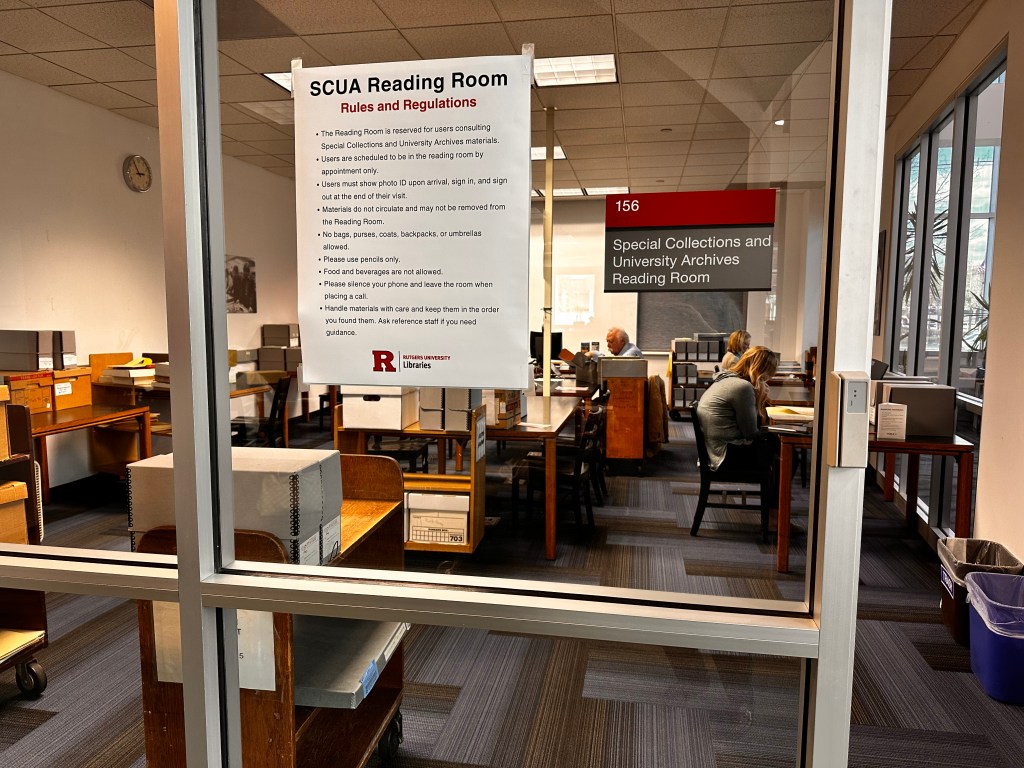
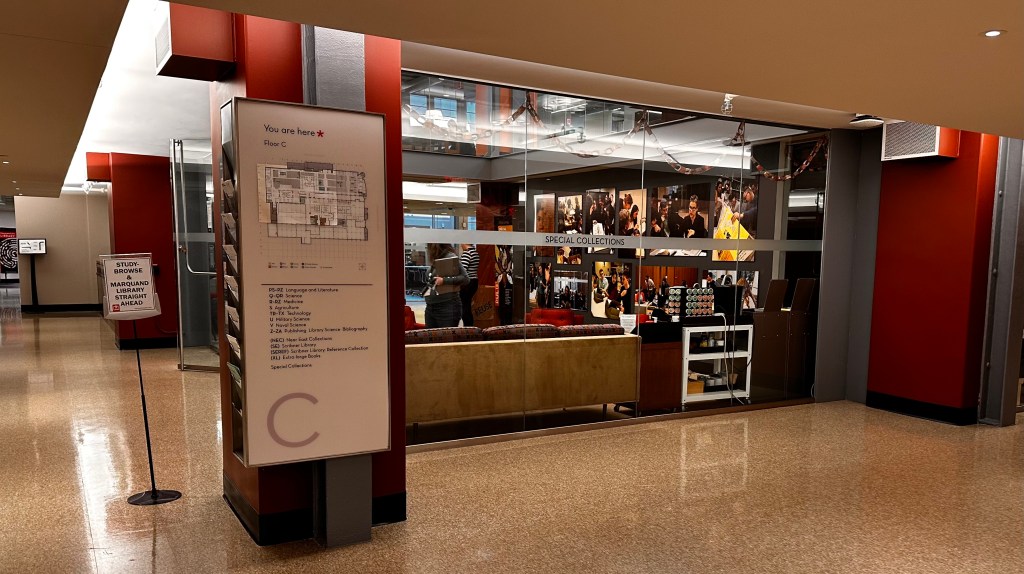
In early April, Dr. Selig had the opportunity to visit Rutgers University’s Special Collections Library to continue his research, and on his second day, he made a significant discovery—the Jedediah Swan Papers. Dr. Selig found some 500 documents, including letters, indentures, and other records, spanning nearly 75 years of Swan family history, from Amos Swan in the 1760s to Jedediah’s death in the 1820s. Many of the papers referenced Westfield as either the origin or destination. Jedediah Swan (1732–1812) is buried in Scotch Plains.
Jedediah Swan was an MD, Justice of the Peace, Overseer of the Poor, Committee of Correspondence member, Captain of the Second Regiment Essex County Militia, and held several other roles. Dr. Selig photographed about a dozen documents that will help the researchers reconstruct Swan’s influence in the community. Among the findings were an enlistment paper for a soldier in his company, a record committing a poor woman to the town’s care, a case involving an unwed mother and the man she accused of fathering her child, a note mentioning his enslaved individual, Dorceas, and a receipt for expensive beaver-fur hay. These findings help paint a picture of a man who was influential in the Revolutionary movement in the Westfields.
May 2025 Update
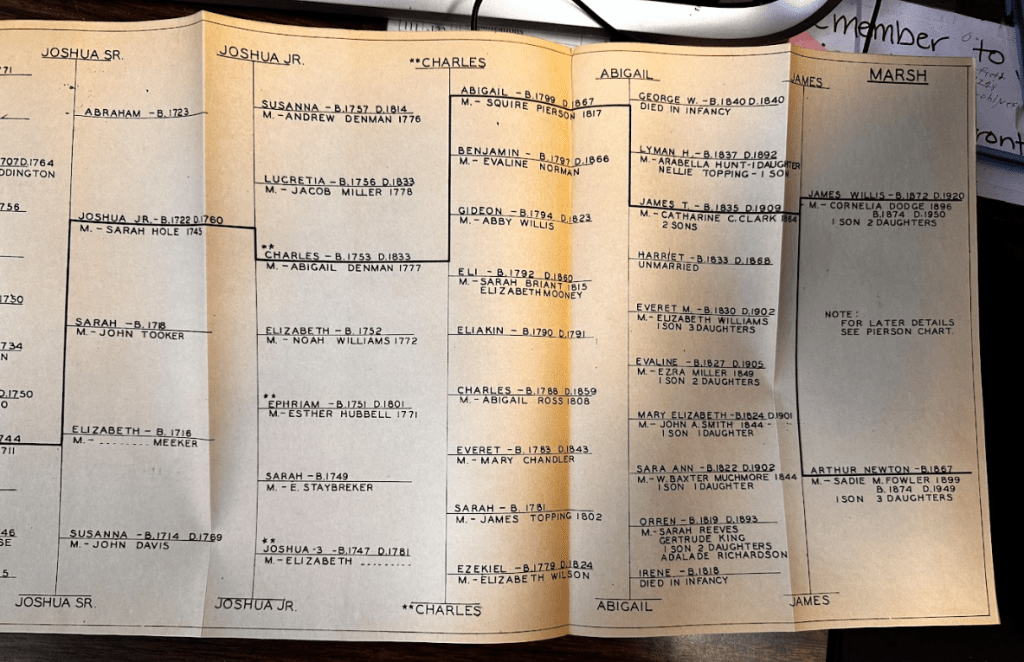
During our May meeting, Dr. Selig discussed the book War in the Countryside: The Battle and Plunder of the Short Hills, New Jersey, June, 1777. Vol. I by Frederic C. Detwiller, which includes references to Jedediah Swan and cites the “Marsh Papers,” housed at the Plainfield Historical Society. The team described their efforts to contact the Society and locate these papers, which may contain valuable information about Swan. This example highlights the researchers’ diligence and the many challenges they navigated—acting as historical detectives, following promising leads. It’s been truly impressive to watch the team support one another and collaborate so effectively.
Presentation Day- June 21st, 2025
On June 21st, the research team presented its findings to the public via a Zoom webinar, now available to watch on YouTube [HERE]. I highly encourage you to view the full presentation to get a comprehensive look at the project and its exciting discoveries.
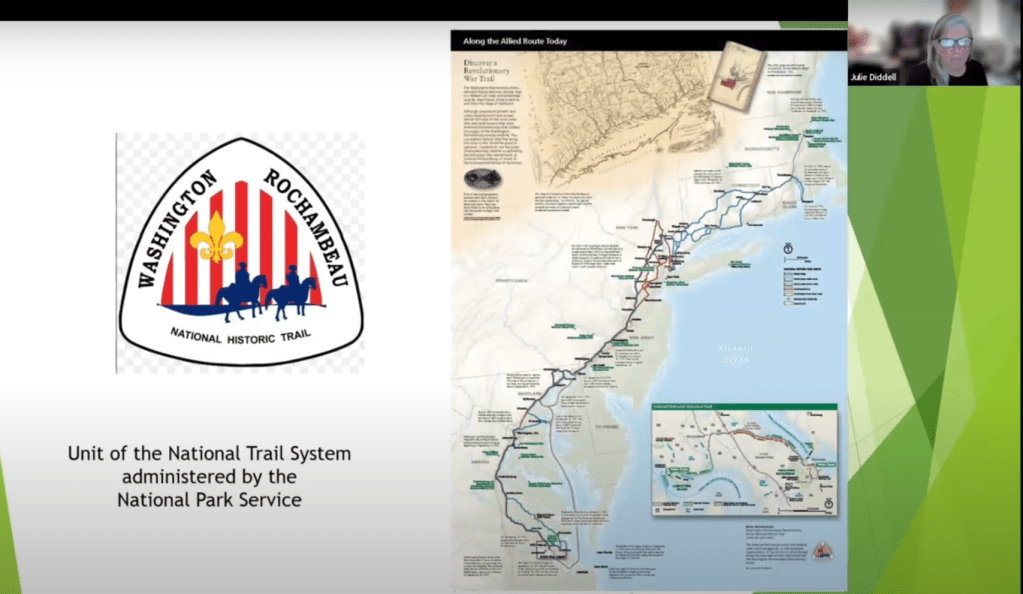
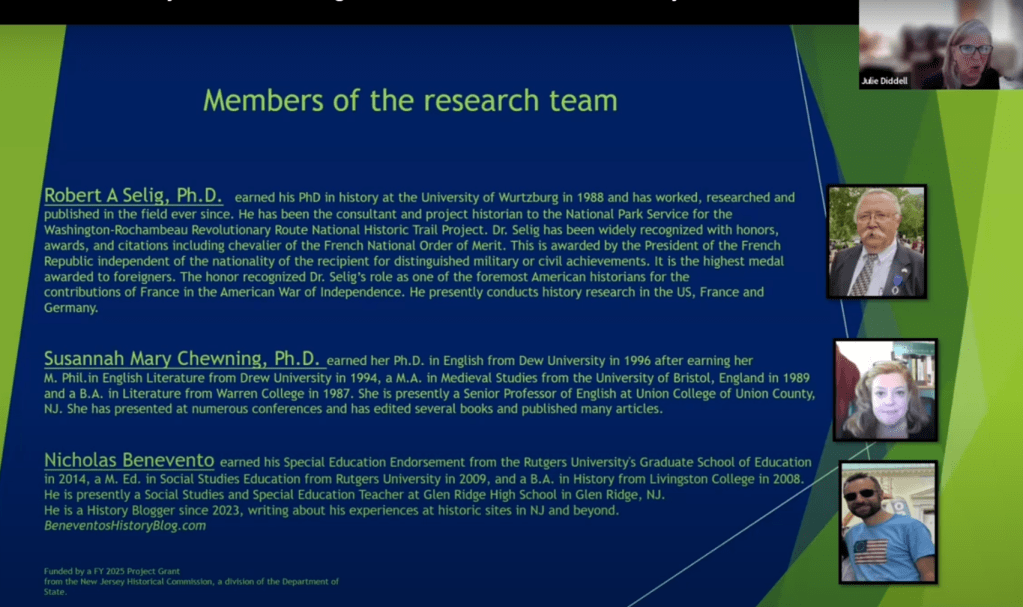
The session began with remarks from Julia, Project Manager and Chair of the Washington-Rochambeau Revolutionary Route – New Jersey. She outlined the project’s goals, provided a historical overview of the Revolutionary War, described the Washington-Rochambeau Revolutionary Route, and discussed its lasting impact on the local community. Julia also introduced each member of the research team before transitioning to a pre-recorded video presentation by Dr. Selig.
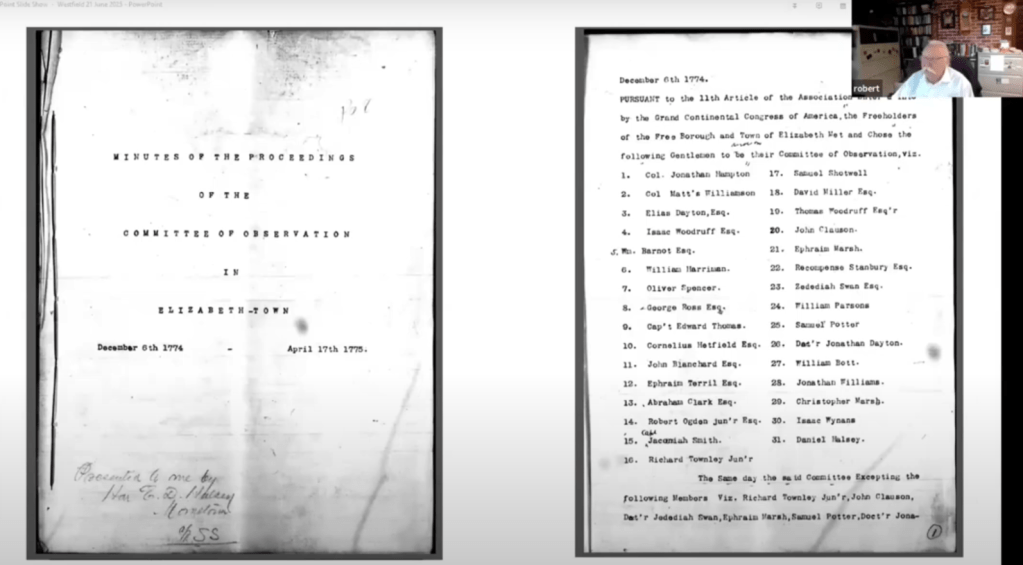
In his presentation, Dr. Selig shared the objectives of his research, which focused specifically on Westfield, New Jersey. His goals included identifying residents who served on the Essex County Committee of Correspondence, documenting the sentiments of local inhabitants in the lead-up to the Revolution—particularly in the area then known as the West Fields of Elizabethtown—and analyzing pension applications and other historical documents from Westfield veterans of the War of Independence.
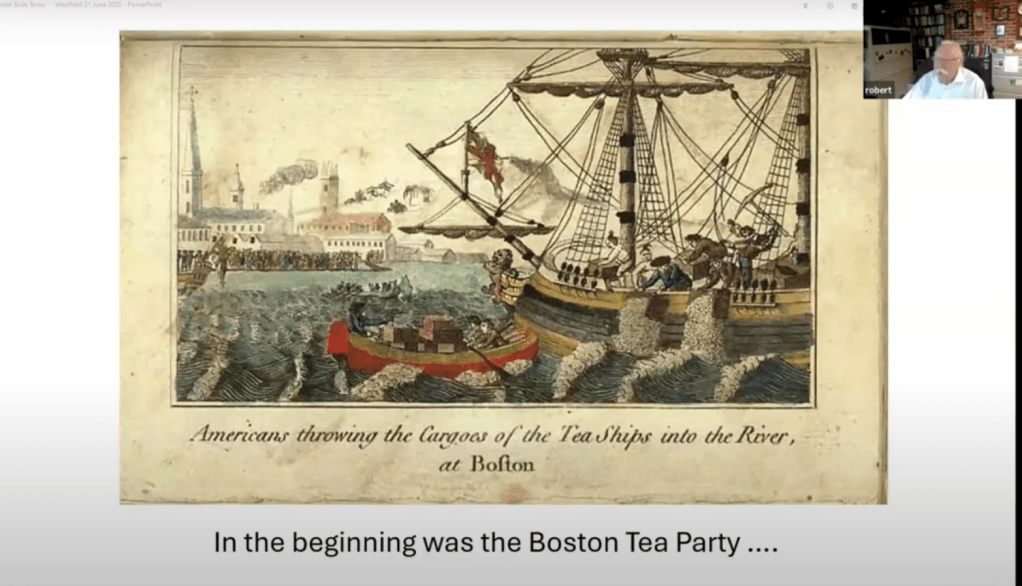
To set the historical context, Dr. Selig began with the Boston Tea Party of December 16, 1773. In response to this act of defiance, the British government passed the Intolerable Acts, aimed at punishing the colonies—especially Massachusetts. This prompted the Massachusetts Committee of Correspondence to call upon other colonies to join a boycott of British goods. For New Jersey, this marked the first major action taken by its own Committee of Correspondence in support of a united colonial resistance.
Dr. Selig described how meetings were held throughout New Jersey to coordinate responses to British policies. Delegates from various counties gathered in towns such as New Brunswick and Elizabeth. He identified several representatives from the Westfield area who attended these meetings—men who were part of the local elite and played influential roles in shaping public sentiment. Through primary source materials, Dr. Selig offered insight into who these leaders were, including damage claims they filed during the war.
A particularly notable figure discussed was Jedediah Swan. As mentioned above, Dr. Selig uncovered significant information about Swan during his research at Rutgers University, including original documents that shed light on his contributions during the Revolutionary era. Swan’s story illustrates the importance of individual actors in the broader historical narrative.
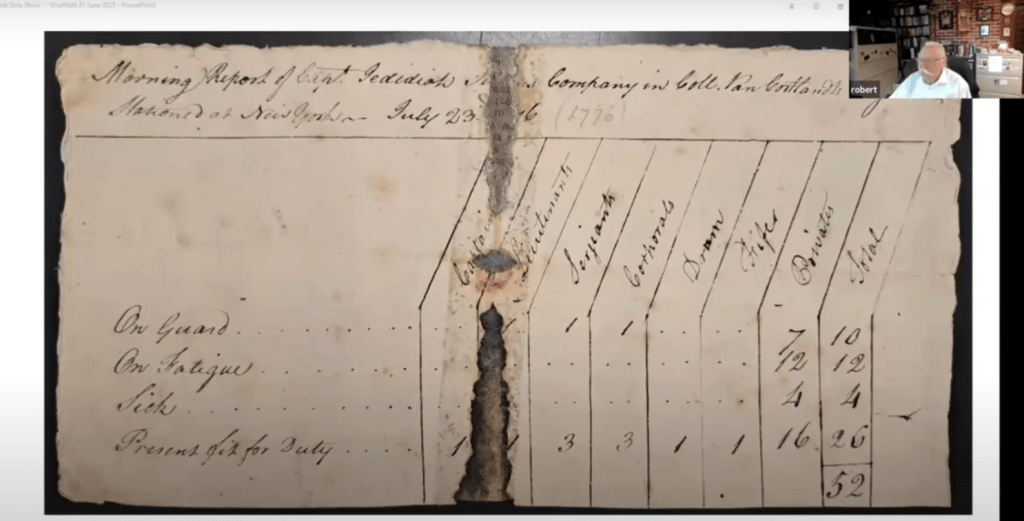
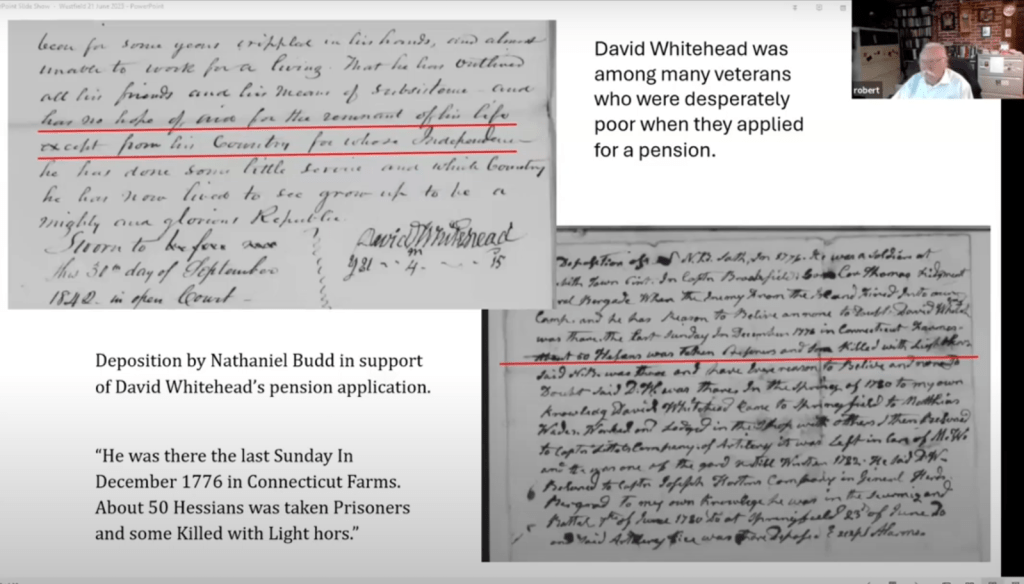
Dr. Selig also explored the wartime experiences of ordinary Westfield citizens through pension applications filed under the Federal Pension Act of 1832. He transcribed approximately 25 applications from Westfield veterans, noting that many more remain. These documents offer a rich look into both the war and its long-term effects on those who served. For example, one application recounted the capture of Hessian soldiers, while another revealed the desperate financial condition of veteran David Whitehead at the time of his filing. Some veterans described fleeing their homes during British raids. These accounts provide a deeply personal view of how the war affected individuals and families, both during and long after the conflict ended.
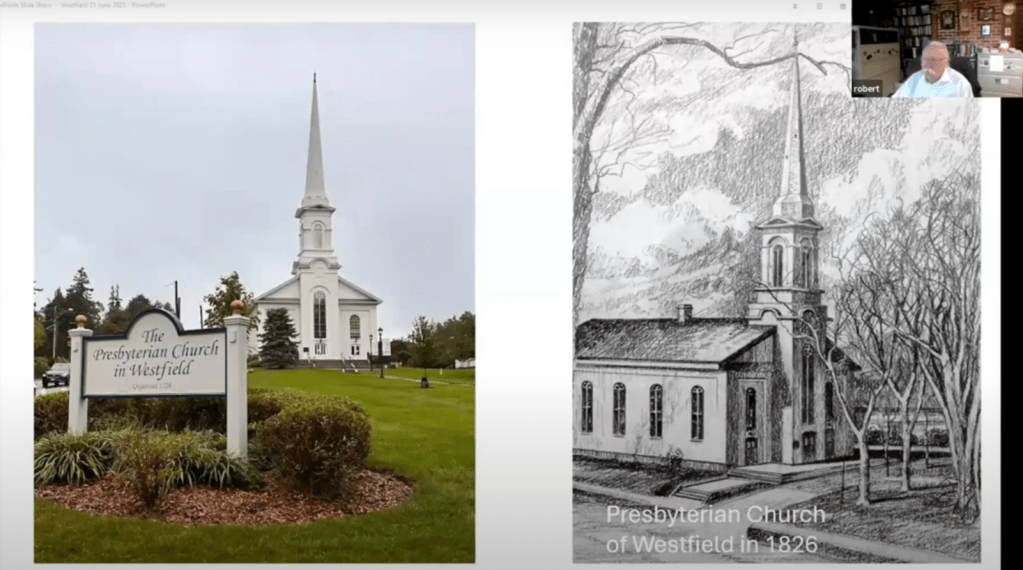
Another important highlight from Dr. Selig’s presentation was the Miller-Cory House, located in Westfield along the Washington-Rochambeau Revolutionary Route. The house was built by Clark Miller, who served in the Continental Army for two years and six months. He is buried in the cemetery of the Westfield Presbyterian Church, connecting a local landmark to national history in a profound way.
Dr. Selig concluded his presentation by summarizing his key themes, including the formation of the Committees of Correspondence and the development of local militias—both essential to understanding early American resistance efforts in the local community.
Dr. Selig’s presentation is a compelling and informative look at Westfield’s pivotal role in the Revolutionary War and a testament to the value of local history in understanding our nation’s past.
A Focus on African American History
Research has been conducted that has focused on the African American community in Westfield and the surrounding towns during the Revolutionary Period. Dr. Susannah Chewning, a Senior Professor of English at the College of Union with a diverse academic background in English Literature and Medieval Studies, has been leading this important aspect of the project. Dr. Chewning has been exploring local records, including manumission documents and birth certificates to trace the lives of African Americans in the region. She is working to compile a comprehensive database from her work.
April 2025 Update
During our late March meeting, Dr. Chewning referenced a pre-Revolutionary-era taxable inventory/ census document shared by Julia. She noted her plans to visit Princeton University to examine the full document, as it includes references to enslaved individuals. This information will help her identify who was living in the area at the time and expand her database of African American residents. She also pointed out that some of the enslaved individuals listed were recorded as tax-exempt.
Dr. Chewning noted that when her research first began, she had identified 25 enslaved individuals who lived in Westfield between 1778 and 1781—most of them by name. That number has since grown to 69. Dr. Chewning also discussed a well-known, formerly enslaved woman named Jude, who is buried at Fairview Cemetery in Westfield. Dr. Chewning believes she has identified Jude’s parents, offering another valuable lead in tracing individuals who were alive during the March to Yorktown in 1781.
Dr. Chewning recently presented her research at her college and at the New Jersey College English Association Annual Conference, where it was well received. While at the conference, she attended a Digital Humanities Workshop sponsored by the New Jersey Humanities Consortium, which provided valuable insights for the development of her website (featured in the first blog post). Inspired by the workshop, Dr. Chewning is now exploring the idea of launching a podcast. She envisions using the platform to interview descendants of formerly enslaved individuals from the Westfields, as well as researchers and historians. Although still in the early planning stages, she is already brainstorming episode ideas. In addition, she connected with members of other New Jersey counties working on similar projects and is considering a long-term initiative to honor the African Americans who lived in the region during the Revolutionary era.
As part of her efforts to locate the burial sites of African Americans, Dr. Chewning noted that when Fairview Cemetery was established in 1868, many bodies were relocated from the Old Presbyterian Church burial ground. She plans to continue her research to determine who was moved and the reasons behind those relocations.
May 2025 Update
During our May meeting, Dr. Chewning shared her latest research efforts in preparation for the upcoming June 21st presentation. She mentioned her ongoing plans to visit Fairview Cemetery to investigate additional burial sites and uncover more information about African Americans buried there. She also spoke with Julia about plans to create a permanent public outdoor display that will showcase the researchers’ work.
Presentation Day- June 21st, 2025.
After Dr. Selig presented his findings, Dr. Chewning had the opportunity to share her own research with the public. She began by introducing herself and explaining how she became involved in the project.
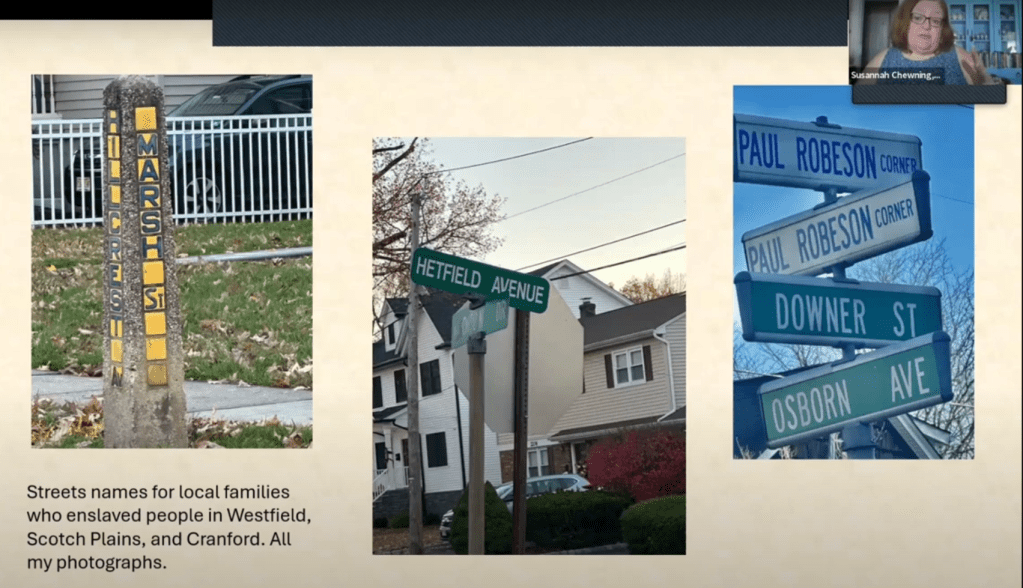
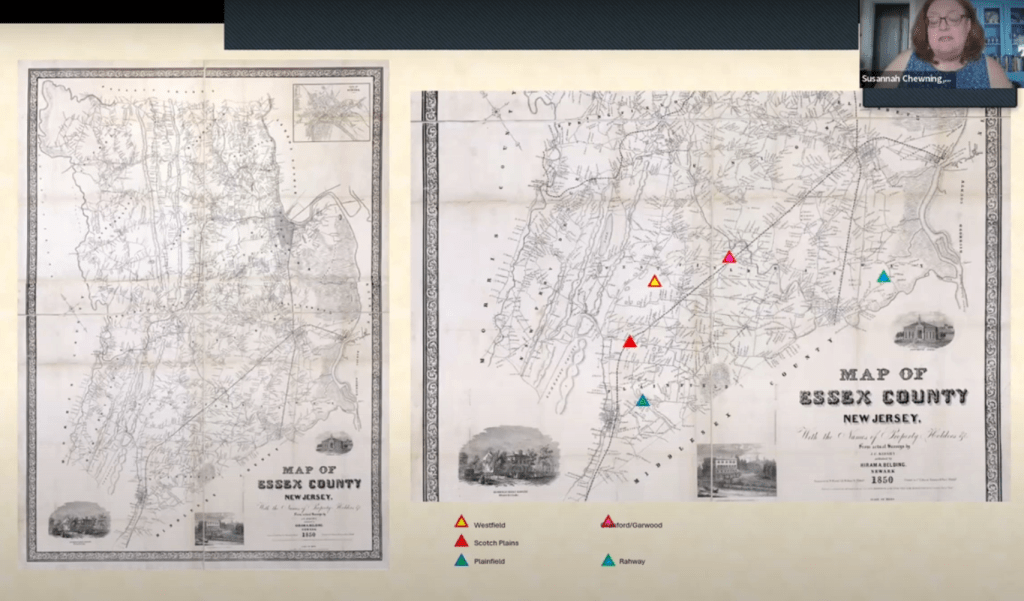
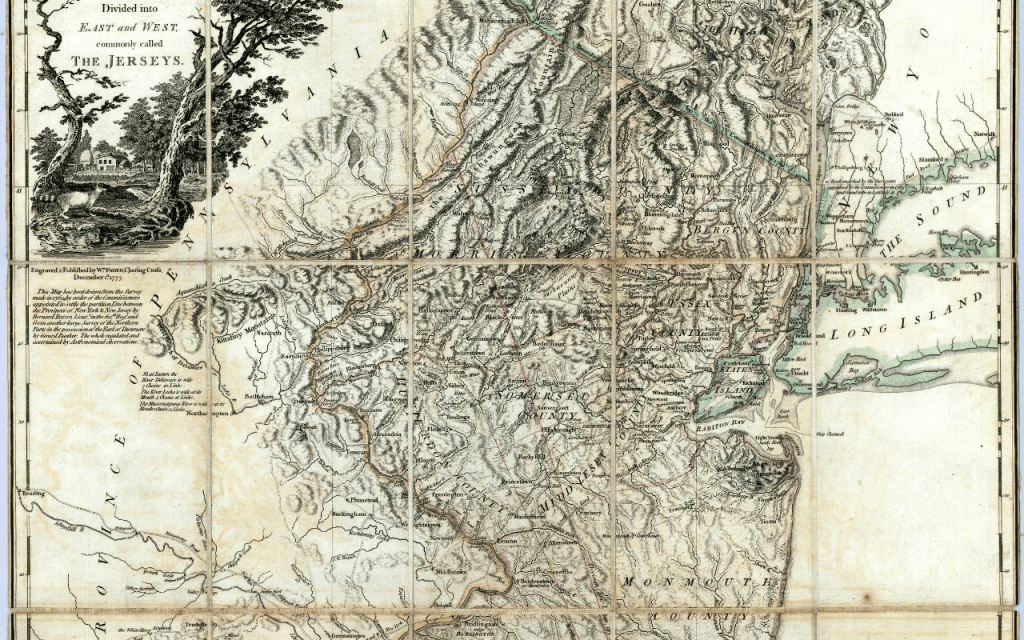
Dr. Chewning shared maps of what were historically known as the Westfields of Elizabethtown. She noted that many of the streets in present-day Westfield are named after influential early figures in the area. However, she also pointed out that many of these individuals were slave owners, a fact often overlooked in the local historical narrative.
Dr. Chewning then discussed the goals of her first grant-funded research project, conducted the previous year, before outlining the aims of the current project. These include building a comprehensive database documenting:
The names of African Americans who lived in the region
Burial locations of African Americans from the Revolutionary War era
Possible descendants of those identified
Her database will also include information such as burial and interment dates, grave locations, personal stories, manumission and birth certificates, original documents, transcriptions, and links to related historical materials.
Dr. Chewning reported that her list of African Americans in the region has continued to grow, currently up to 200 individuals spanning from 1704 to 1866—the year slavery was finally abolished in New Jersey.
During her presentation, Dr. Chewning highlighted several individuals from her research, offering biographical details such as where they lived and what is known about their lives. By doing so, she brings voice and humanity to people who were often silenced by the historical record.
She also emphasized the wide array of sources used to construct these stories, including:
Baptism, marriage, and death records from the Westfield Presbyterian Church
Local tax and census documents
Burial records from Fairview Cemetery
Archives from the New Jersey Historical Society
The New Jersey Slavery Records Database and Northeast Slavery Records Index
Inventories of damages caused by British and American forces in New Jersey
The Winans Collection at Princeton University
Archives of the Westfield Historical Society
Various books and local histories
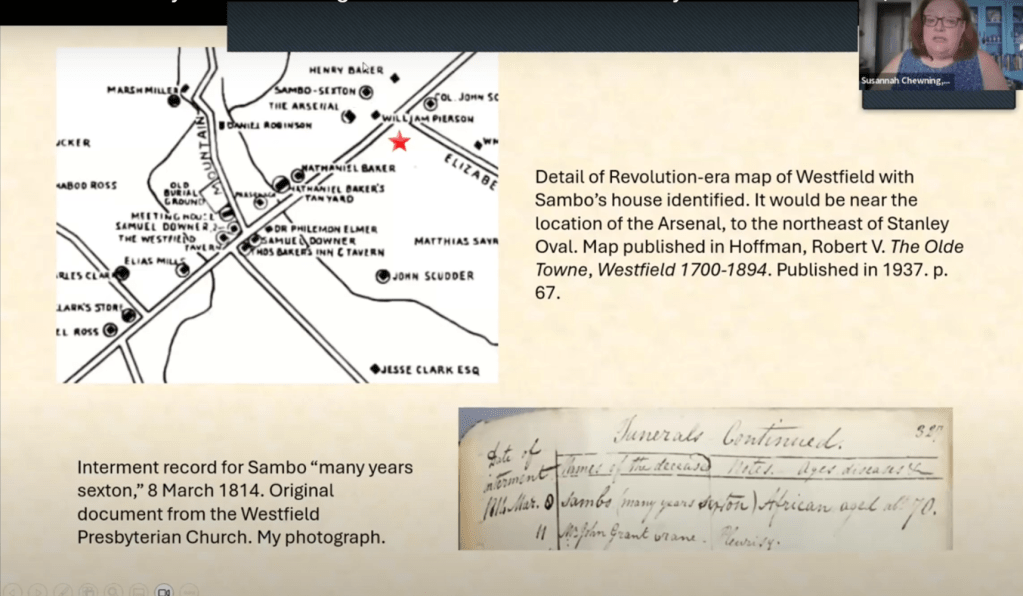
Dr. Chewning also addressed the history of slavery in Westfield by naming prominent early residents known to have enslaved individuals. She has a list of about seventy enslaved people living in the West Fields at the time of the March to Yorktown in 1781. She presented a range of primary sources that help tell their stories, such as sale records, damage claims, baptismal and burial records, Revolutionary War-era maps, runaway slave advertisements, and manumission documents.
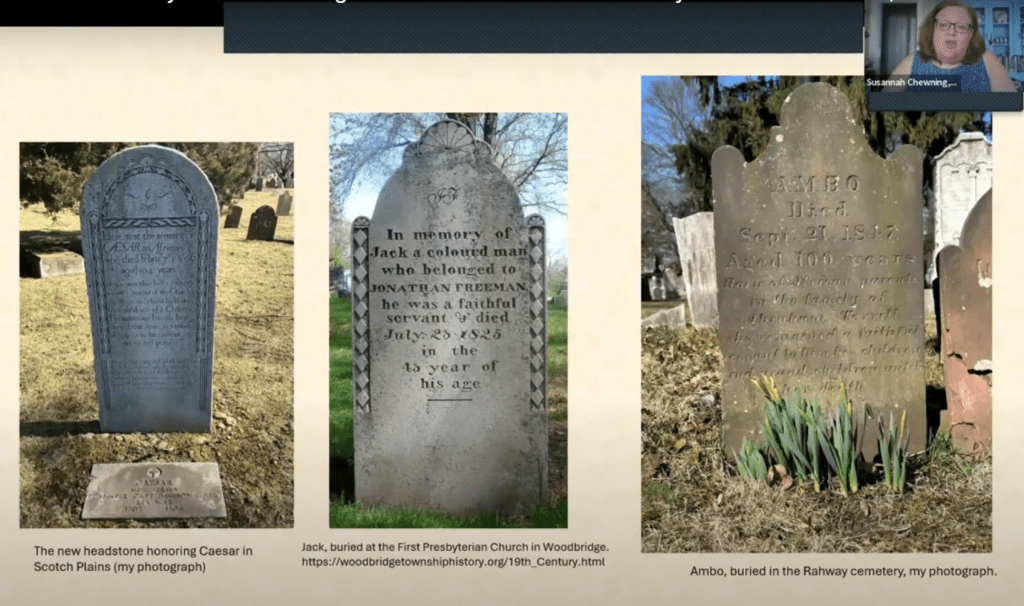
A key part of her ongoing work involves identifying burial sites of African Americans in the community. Dr. Chewning noted that enslaved individuals were known to be buried at the Old Burying Ground of the Westfield Presbyterian Church, the First Presbyterian Churches in Woodbridge and Elizabeth, as well as in family plots and home burials—many of which may have later been moved to Fairview Cemetery. She explained that further research is needed to match unnamed graves to individuals and that she is actively collaborating with Fairview Cemetery staff to advance this work.
Dr. Chewning shared photos of gravestones belonging to known African Americans in local cemeteries. She underscored that, to her knowledge, these are the only marked graves of enslaved individuals currently identified in Union County.
Dr. Chewning concluded her presentation by highlighting Wally Brown, a Westfield resident whose great-grandparents, Jack and Lembe Williams, are believed to be buried in the Old Burying Ground. Brown believes he knows the precise spot where they were laid to rest, though no marker currently exists. Dr. Chewning expressed her commitment to continuing this vital work.
My Presentation
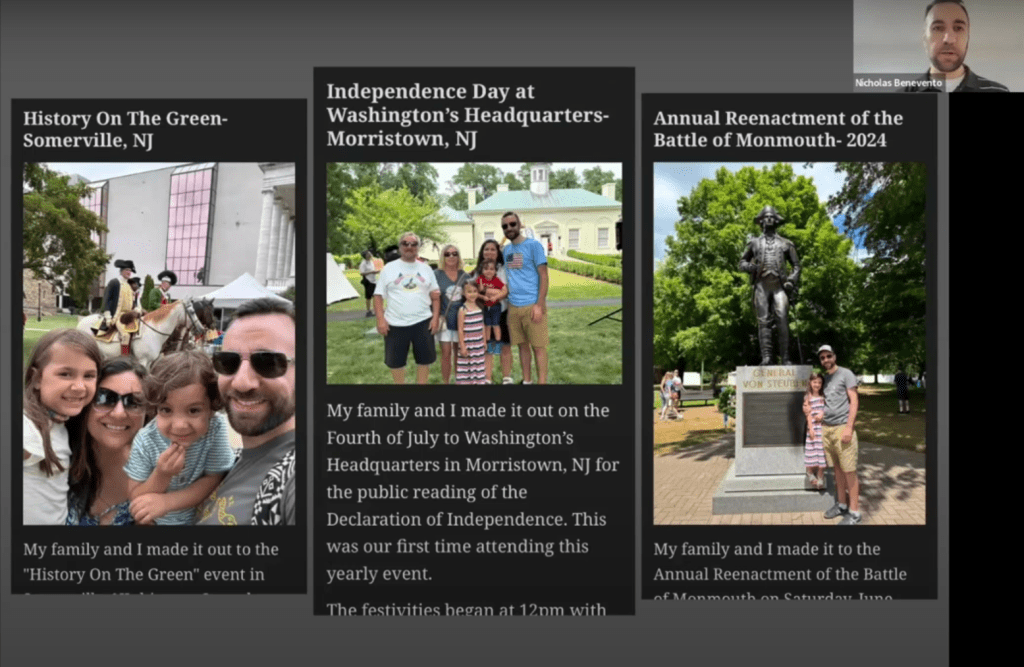
Following Dr. Chewning’s presentation, I had the opportunity to discuss my blog with the audience. I shared how the blog started, the kinds of content it features, and how I became involved in the research project. It was a true honor not only to present my work, but to contribute to such a meaningful and collaborative effort. As mentioned earlier, you can watch the full presentation [HERE].
Building a Lasting Legacy
By shining a light on both prominent leaders and those whose names were nearly lost to history, this project reminds us of the power of local research to reshape our understanding of the past. As I discussed in Part 1, one of the aims of this research project is to create a lasting educational resource for the community. The team has been exploring and discussing the possibility of an enduring outdoor exhibit or monument that would allow the public to engage with this history in a meaningful way. The groundwork has been laid for this educational space that honors the notable figures who played an impactful role in Westfield and surrounding towns at the time of the American Revolution. Stay tuned to the Westfield Historical Society for updates on this future endeavor, and continue to check in with Benevento’s History Blog for future updates. Thanks for reading and supporting this project. Stay connected with the organizations listed below that have been involved with this project:
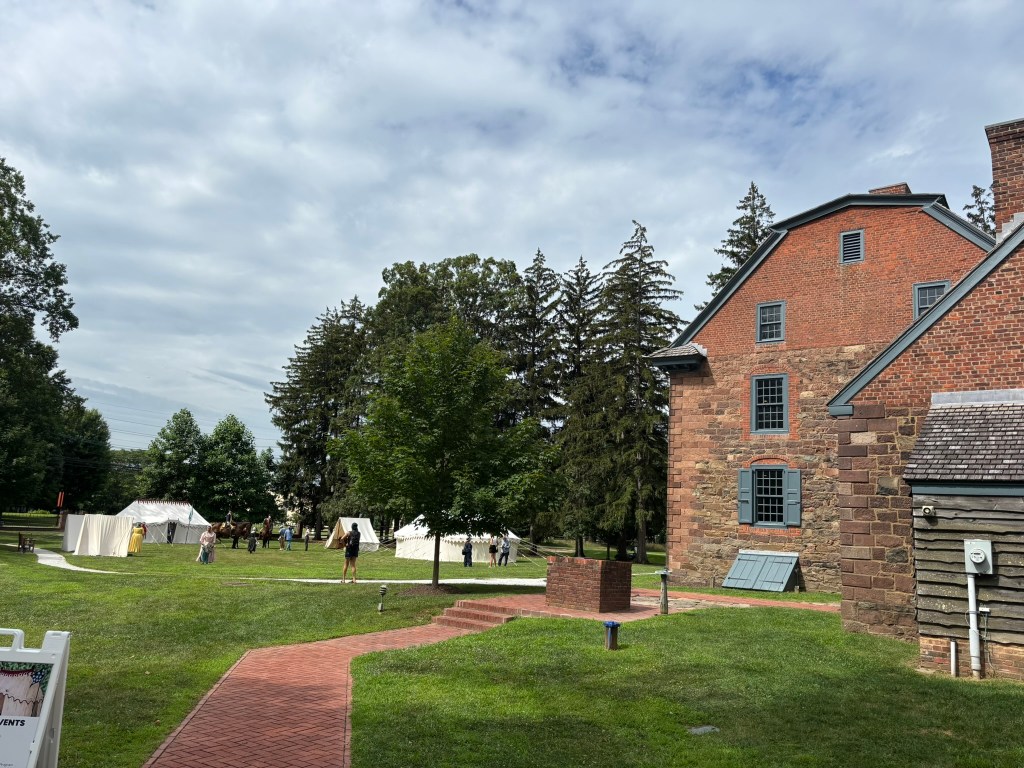
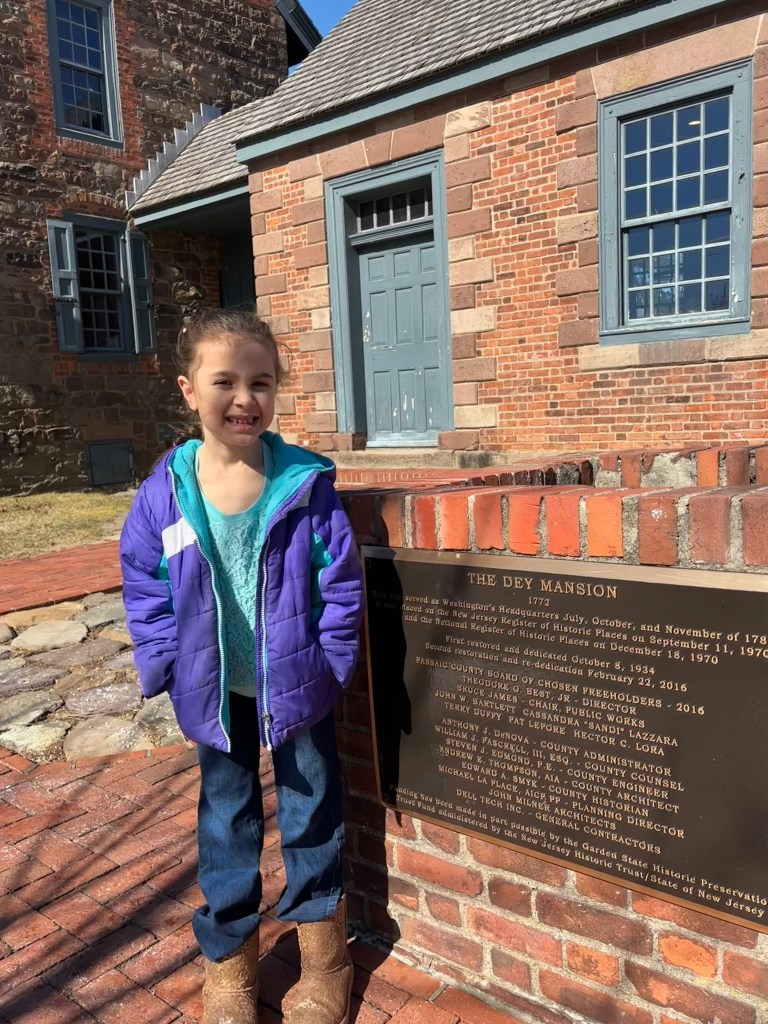
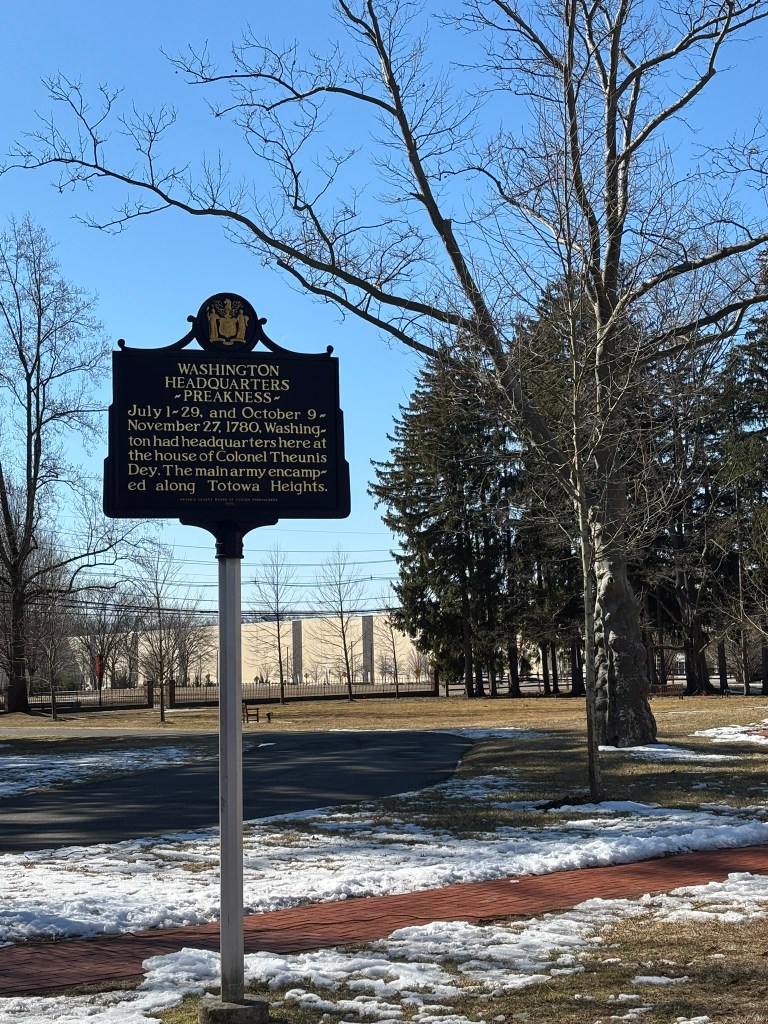
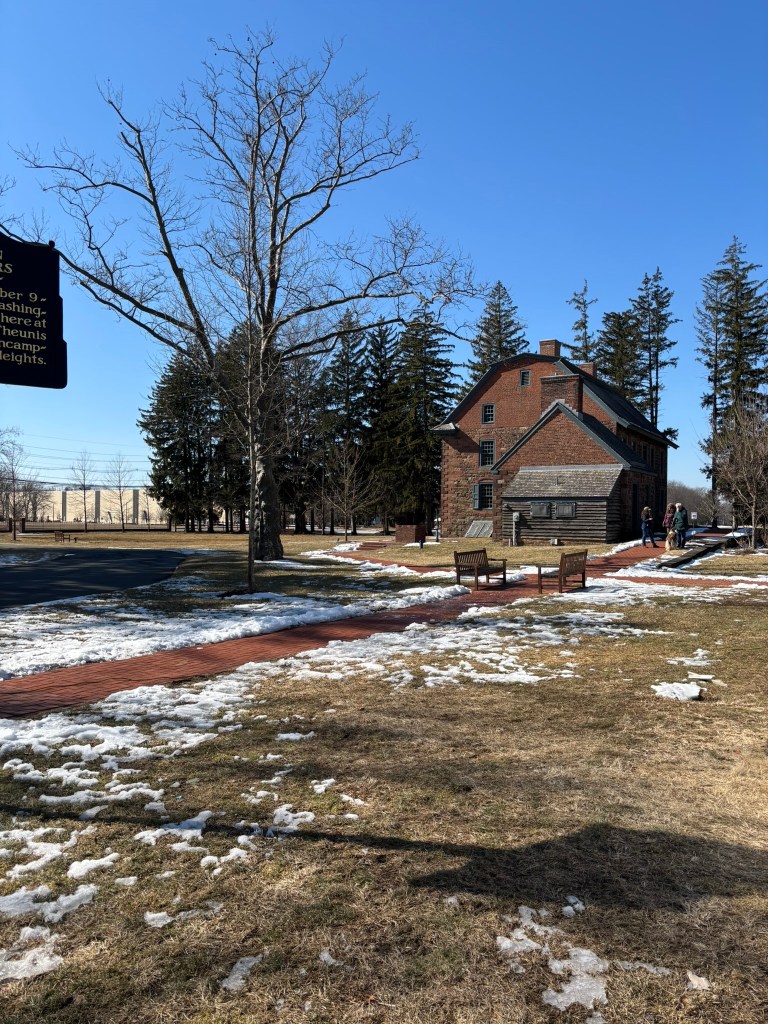
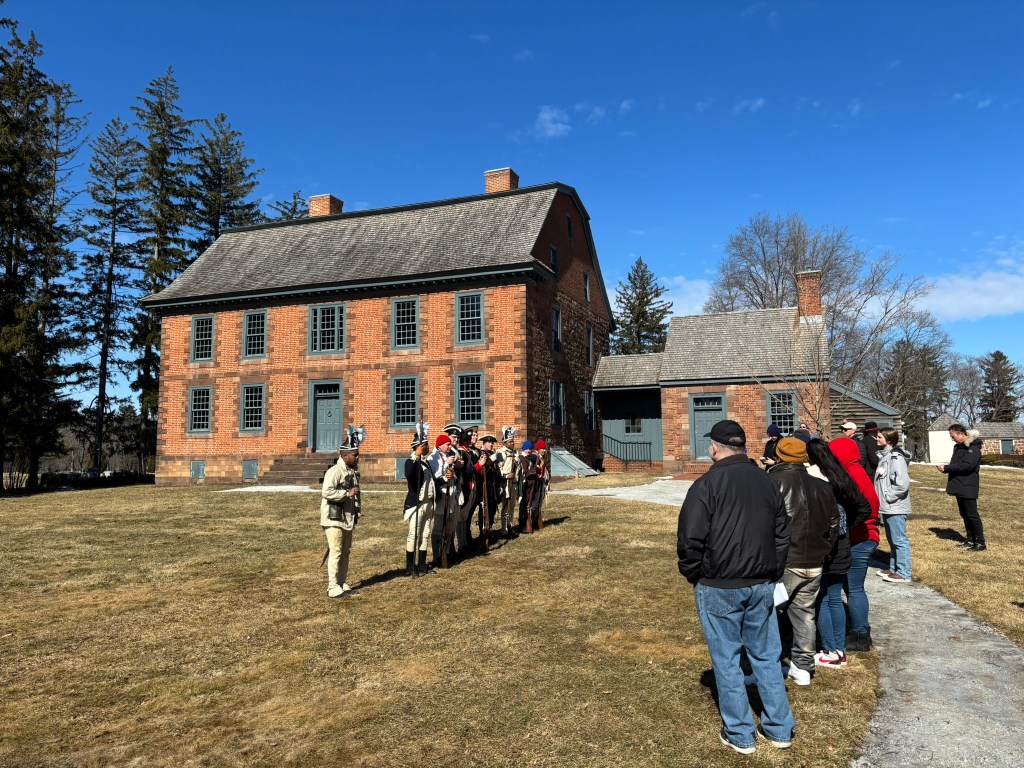
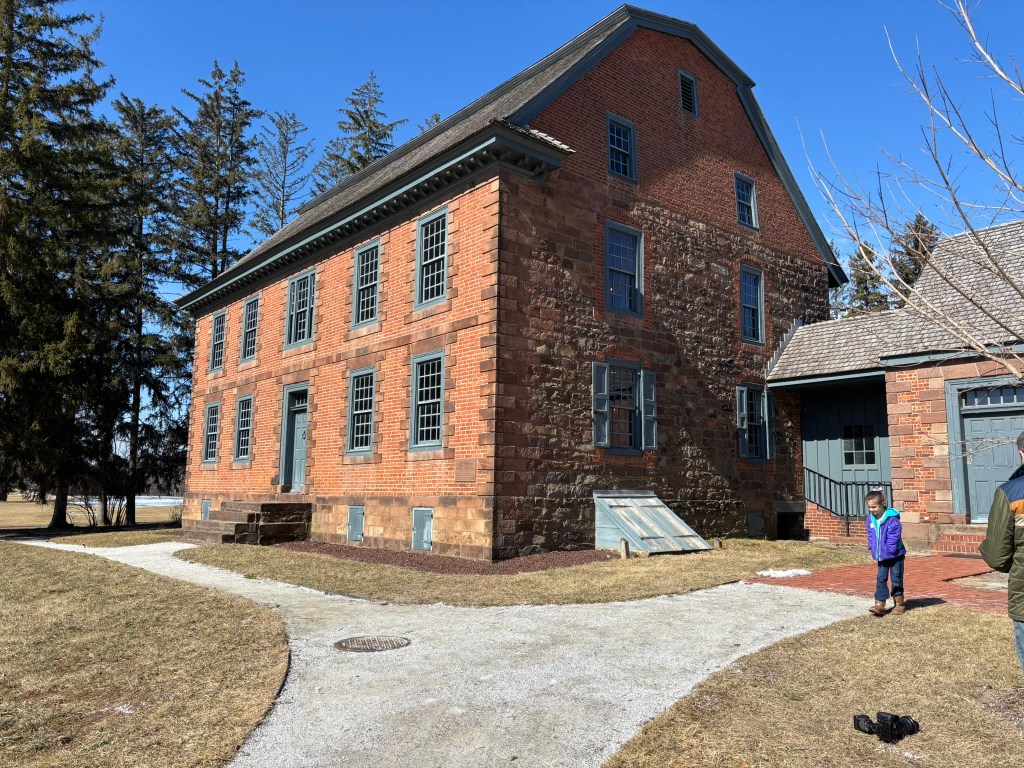
My family and I made it out to Dey Mansion for George Washington’s Encampment weekend which ran on Saturday 2/22 and Sunday 2/23 from 10am to 5pm in honor of George Washington’s birthday. The Dey Mansion in Wayne, NJ served as Washington’s headquarters during the Revolutionary War from July 1st- July 28th, 1780, and again from October 8th to November 27th, 1780.
A Taste of 18th Century Life
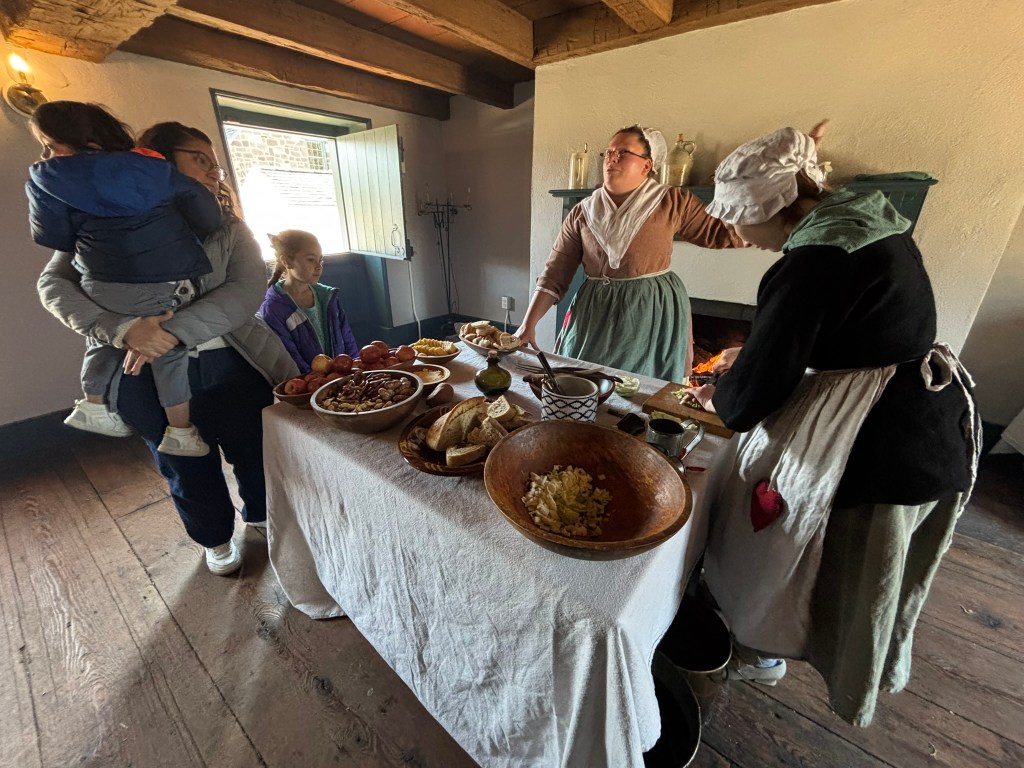
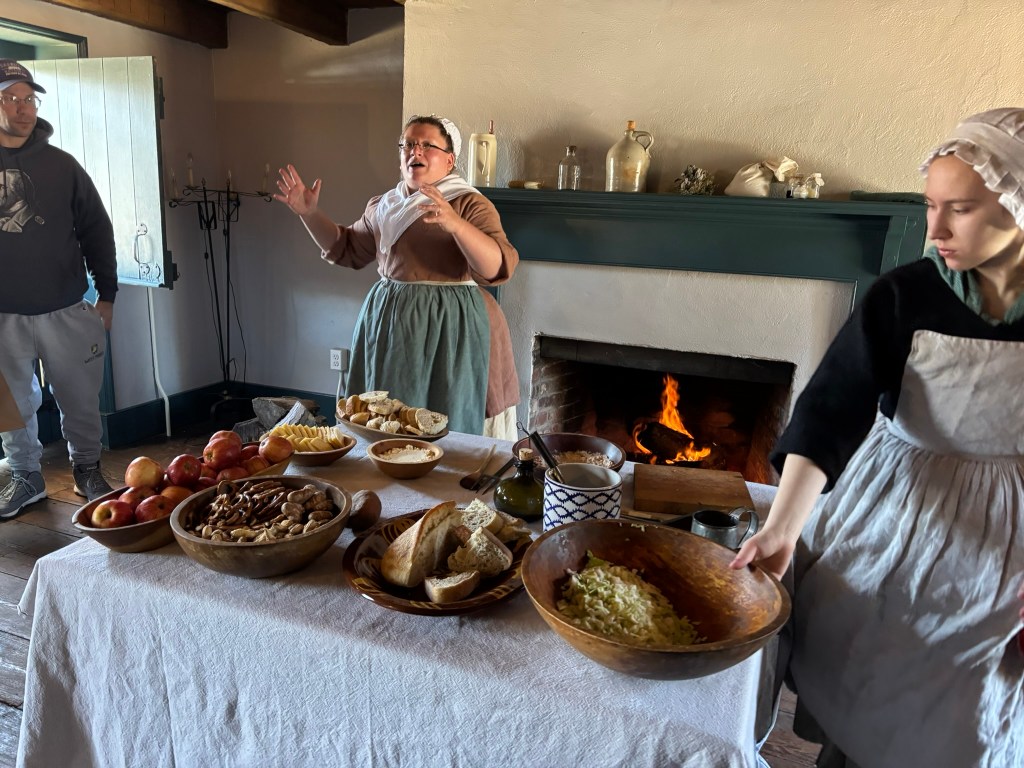
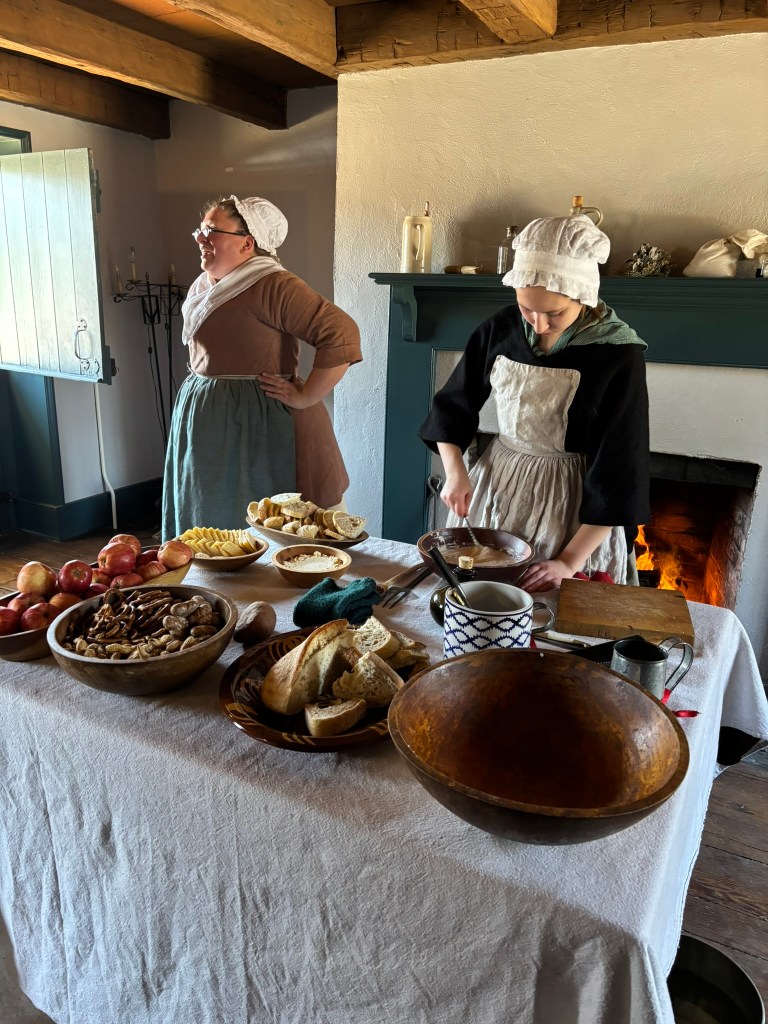
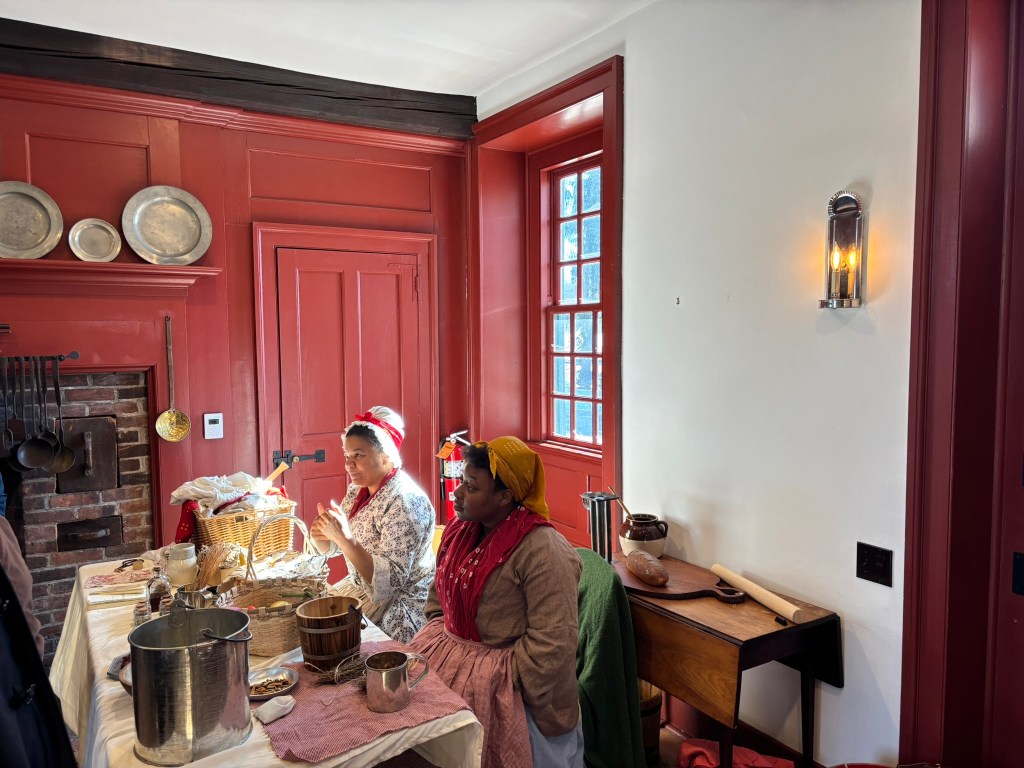
My family arrived on Sunday at about 10:30 am. We really enjoyed the demonstration on 18th century meal preparation and cooking in the Spring Kitchen. We were taught about what the Dey family, who were quite wealthy, would have eaten. We were also taught about the soldiers’ meager daily rations throughout the war. The demonstration was extremely informative and addressed the challenges that the Dey Mansion faced in hosting Washington’s entourage.
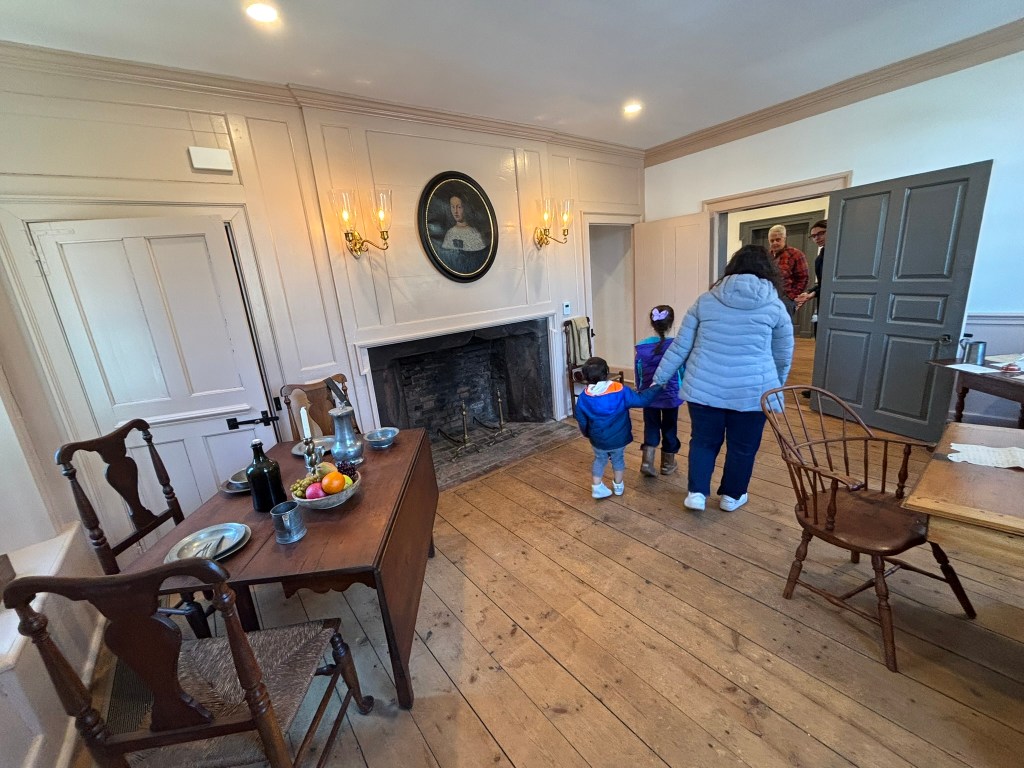
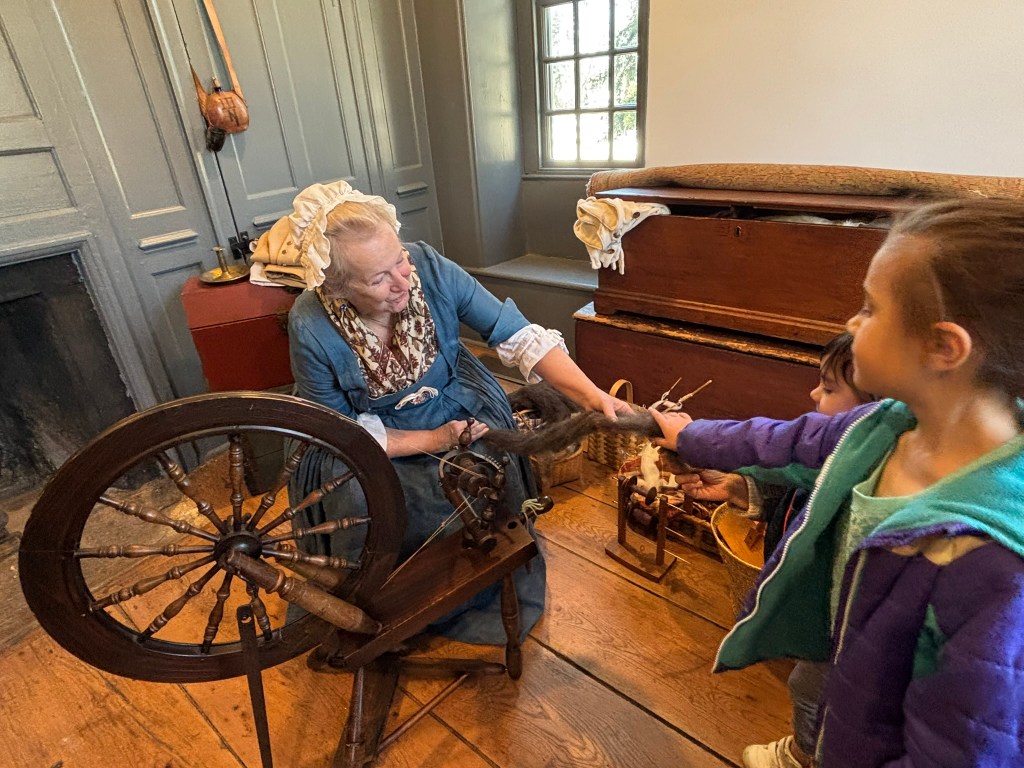
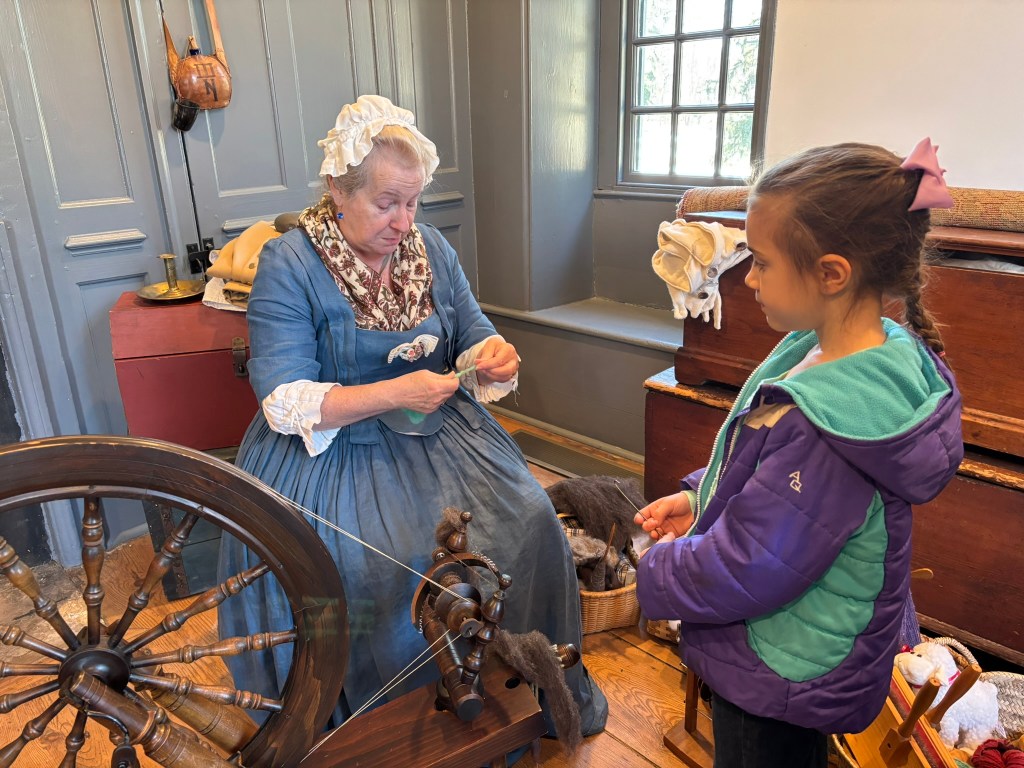
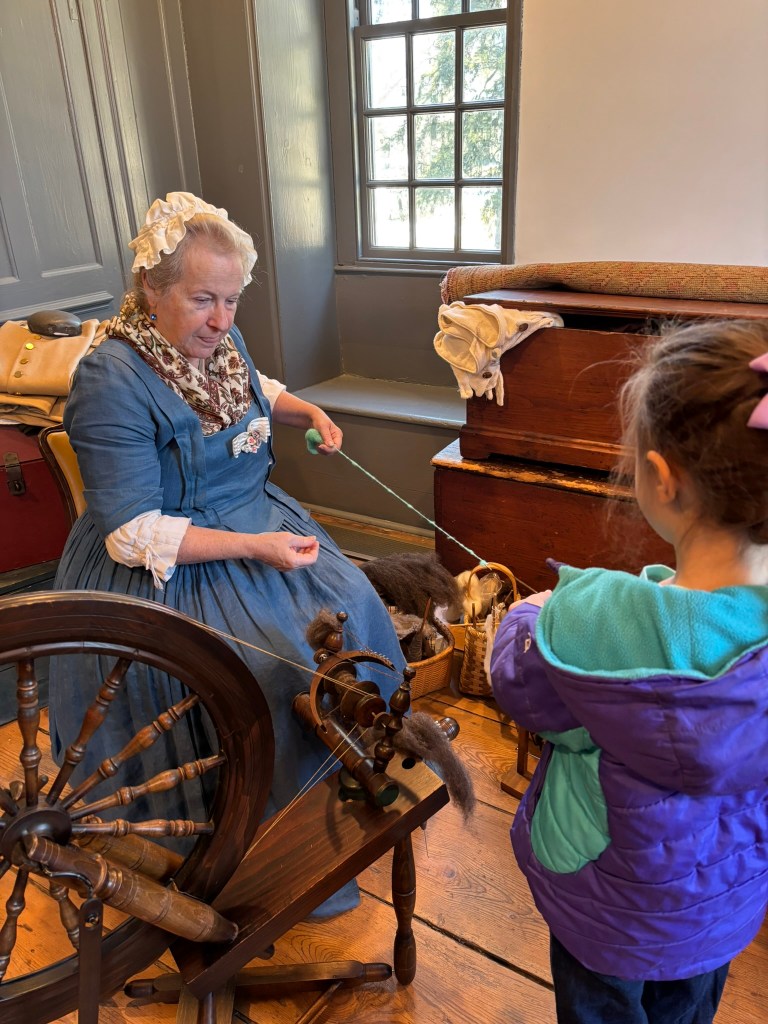
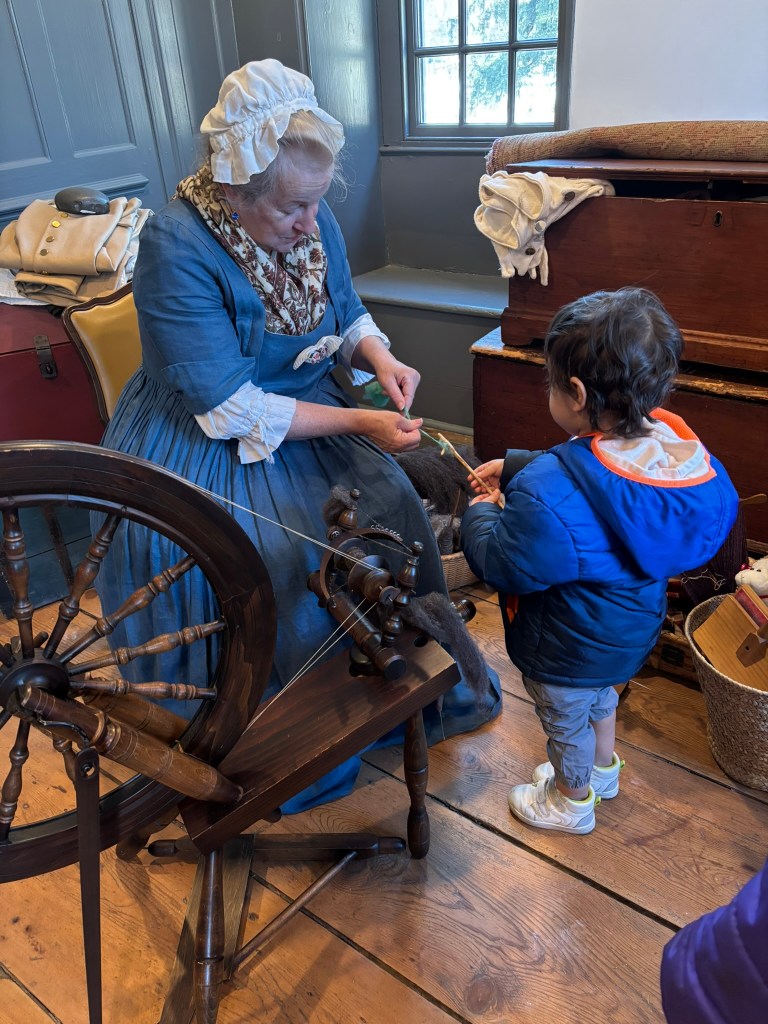
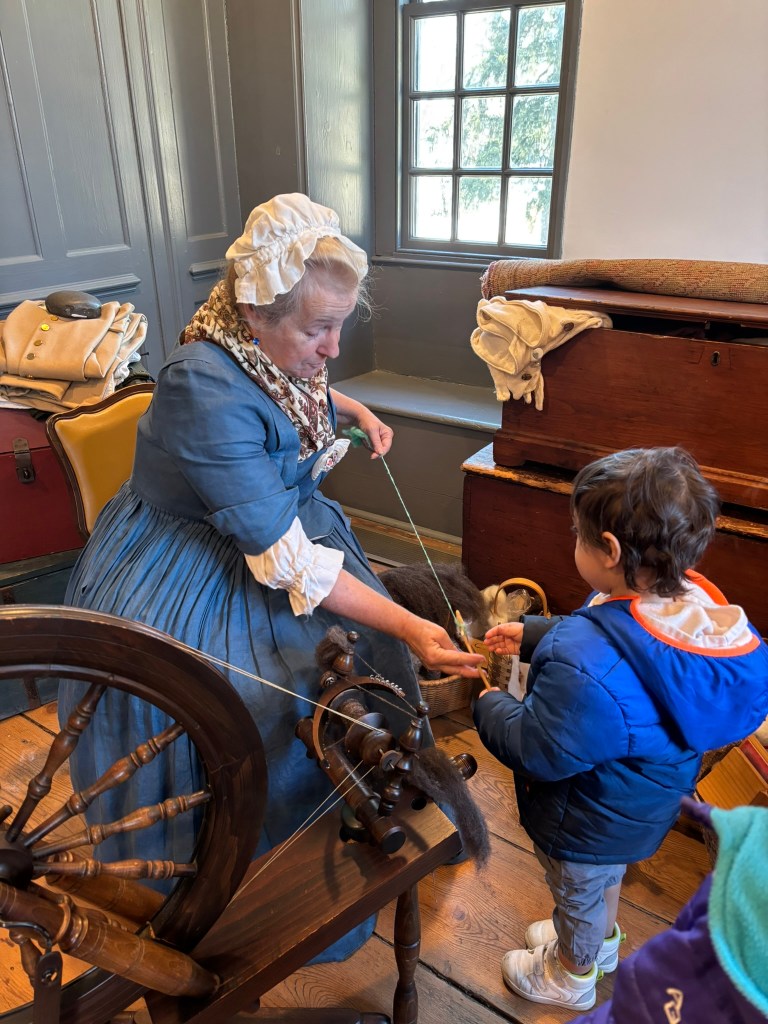
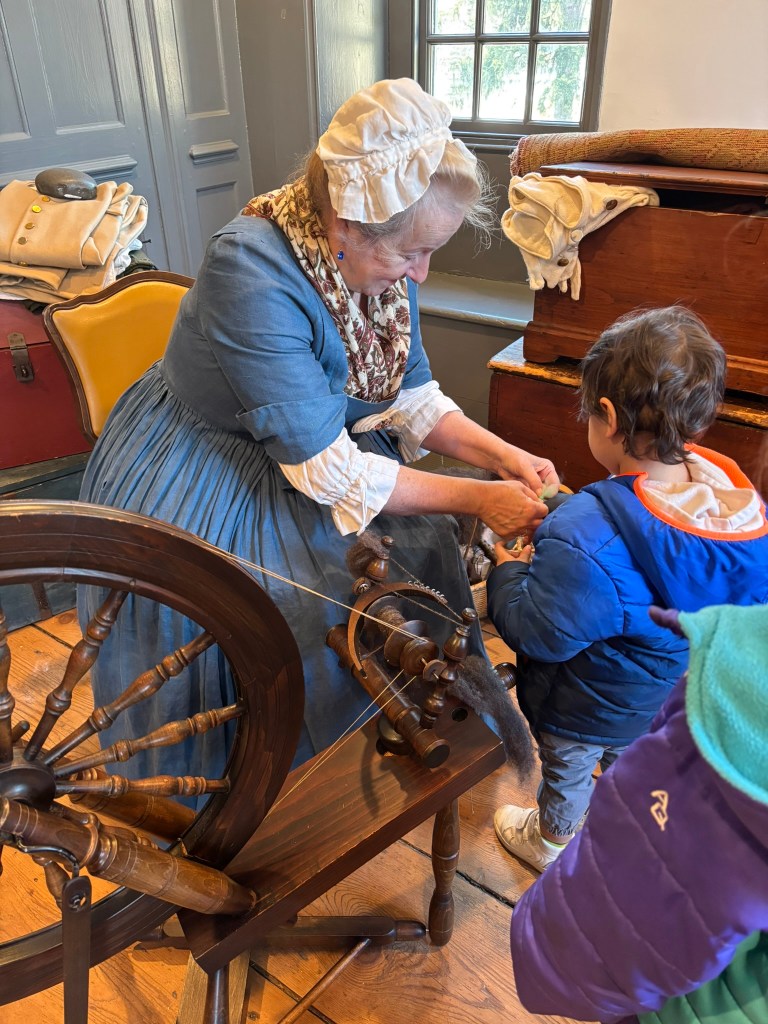
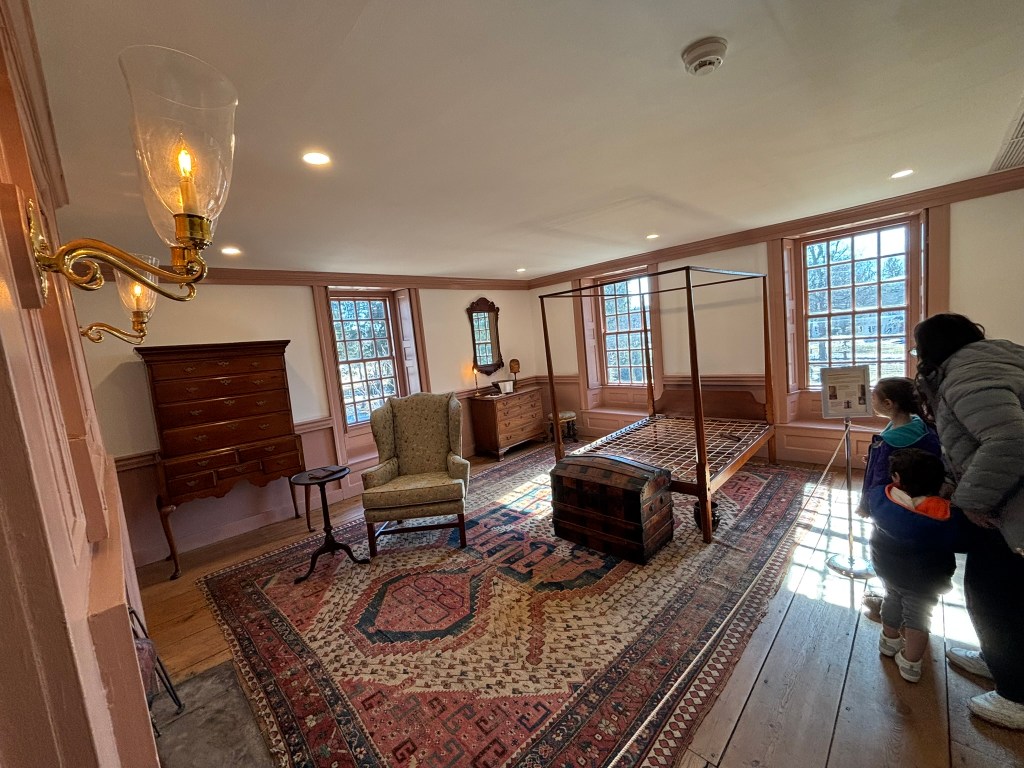
We walked over to the Dey Mansion and explored the house. My children also really enjoyed the demonstration on 18th century spinning. The 18th century reenactor spun sheep’s wool into yarn and the children were able to enjoy a hands-on demonstration as they were able to spin their own yarn, which then became friendship bracelets. The re-enactor taught us that the dyes used to color the yarns were all from natural products. Following the spinning demonstration, we explored the rest of the house and witnessed where Washington and his entourage stayed, including his meeting room, where he and his aides would write and receive hundreds of letters per day.
Military Demonstrations
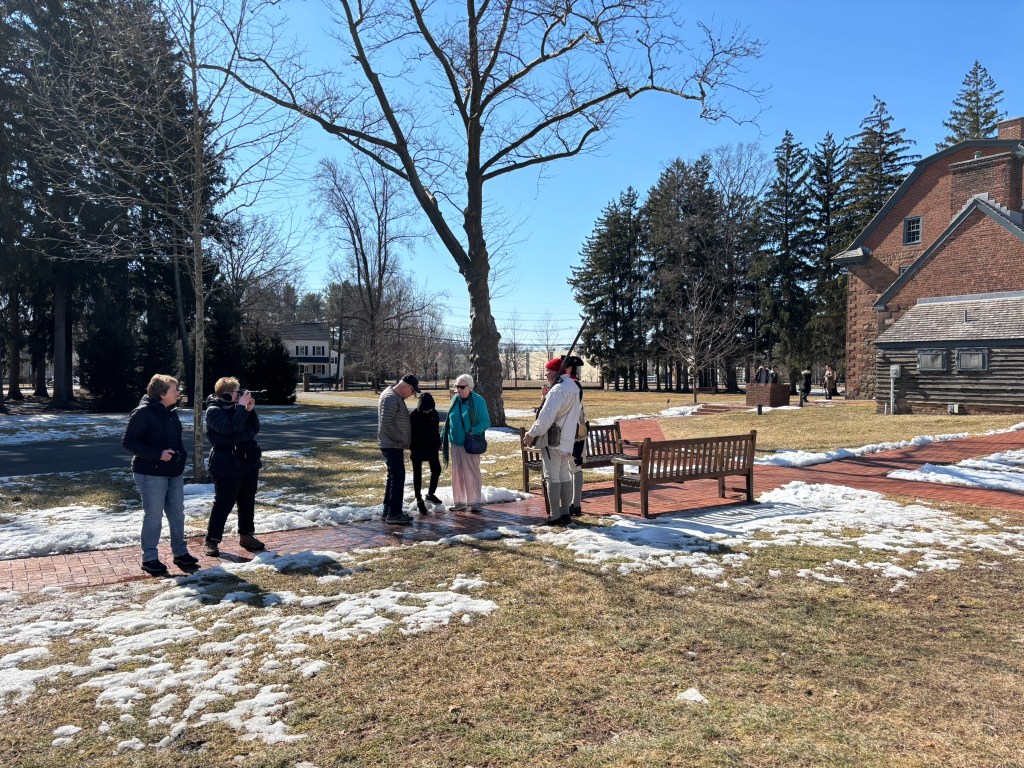
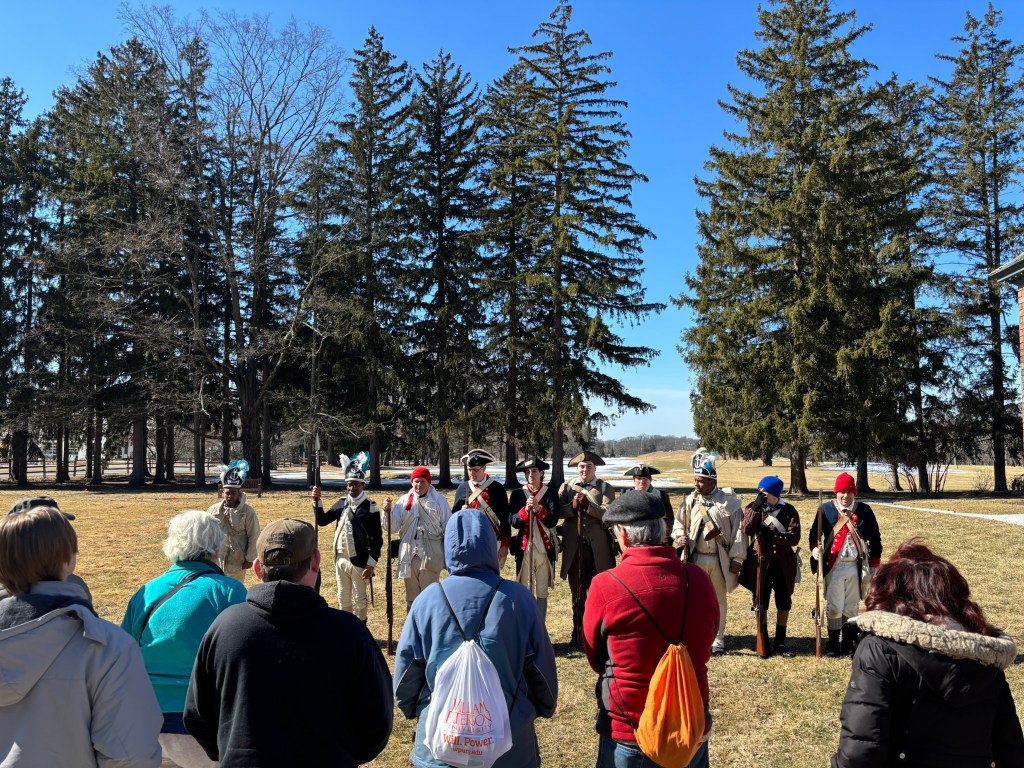
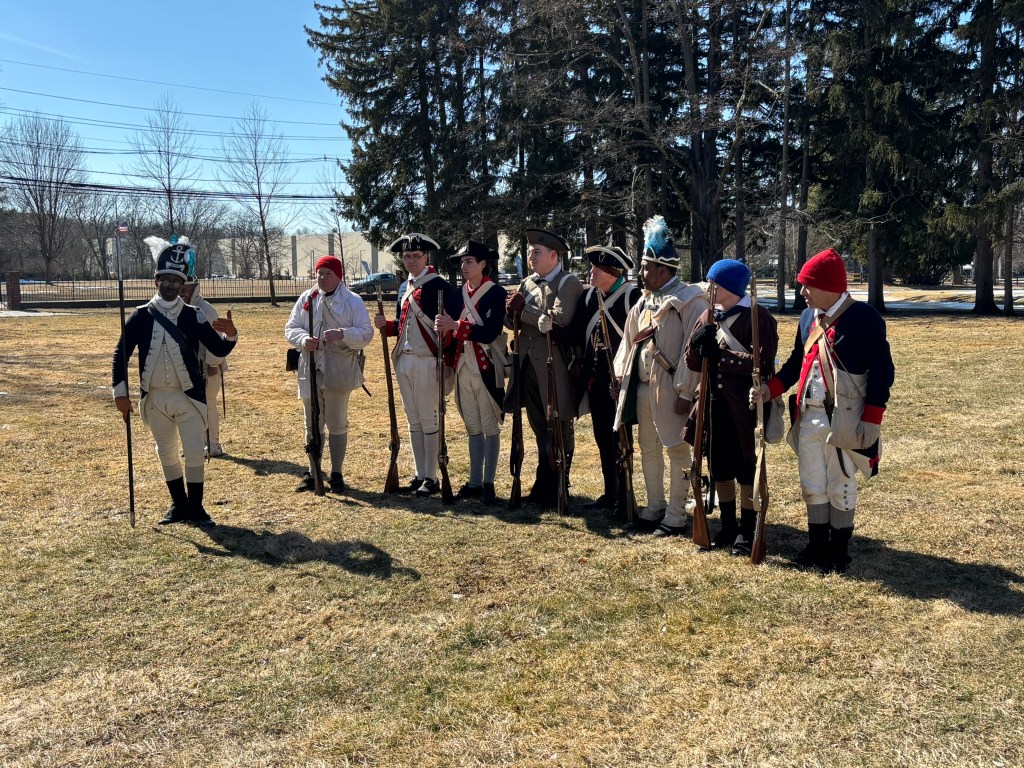
Finally, we made it outside and witnessed the formation of the troops as well as military drills and musket firings. They closed the demonstration with a bayonet charge. Following the demonstrations, the reenactors described their weapons, their clothing, and what the troops carried with them. They also answered questions from the crowd. Following the demonstrations, my family headed out to lunch.
Other Activities
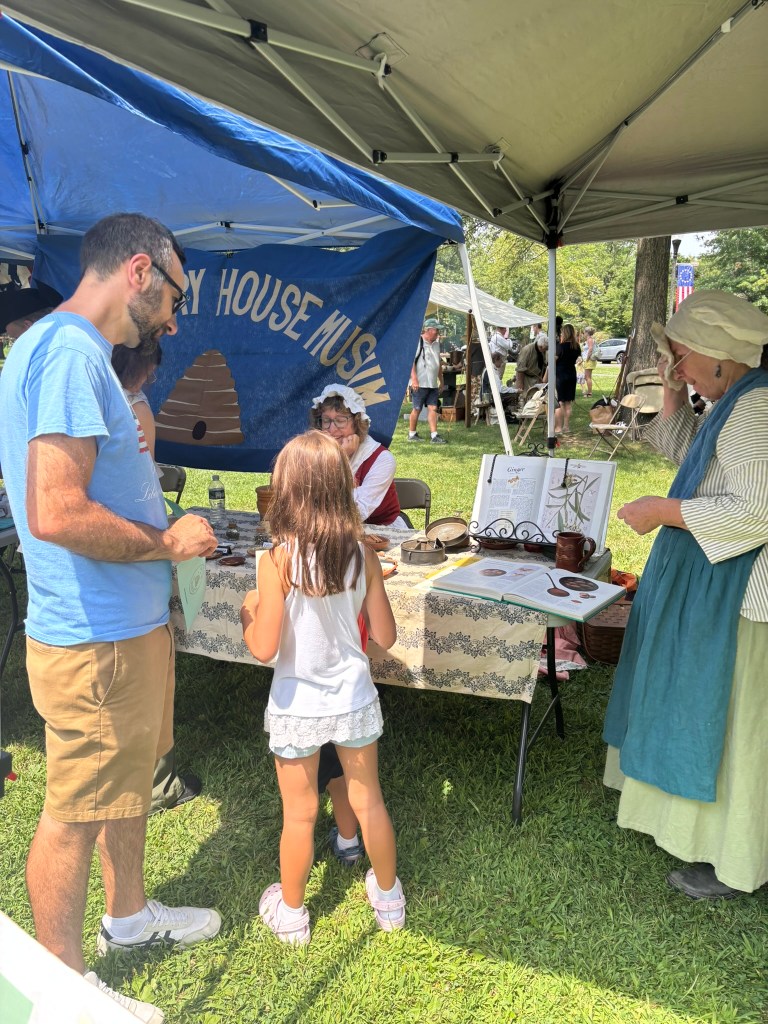
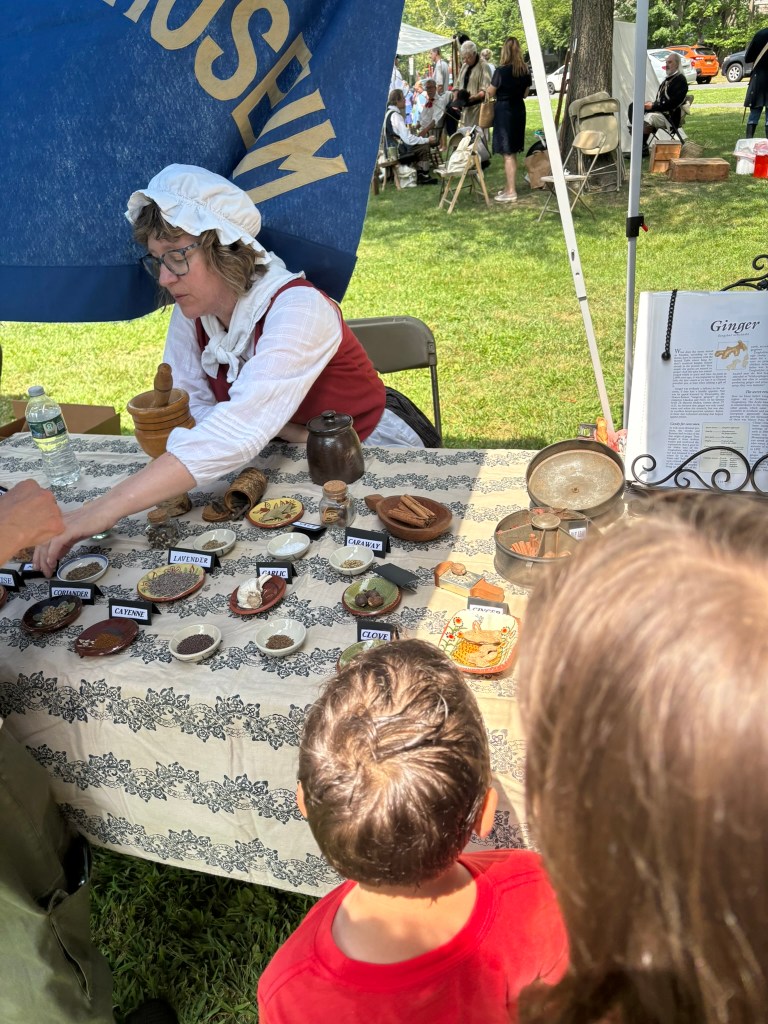
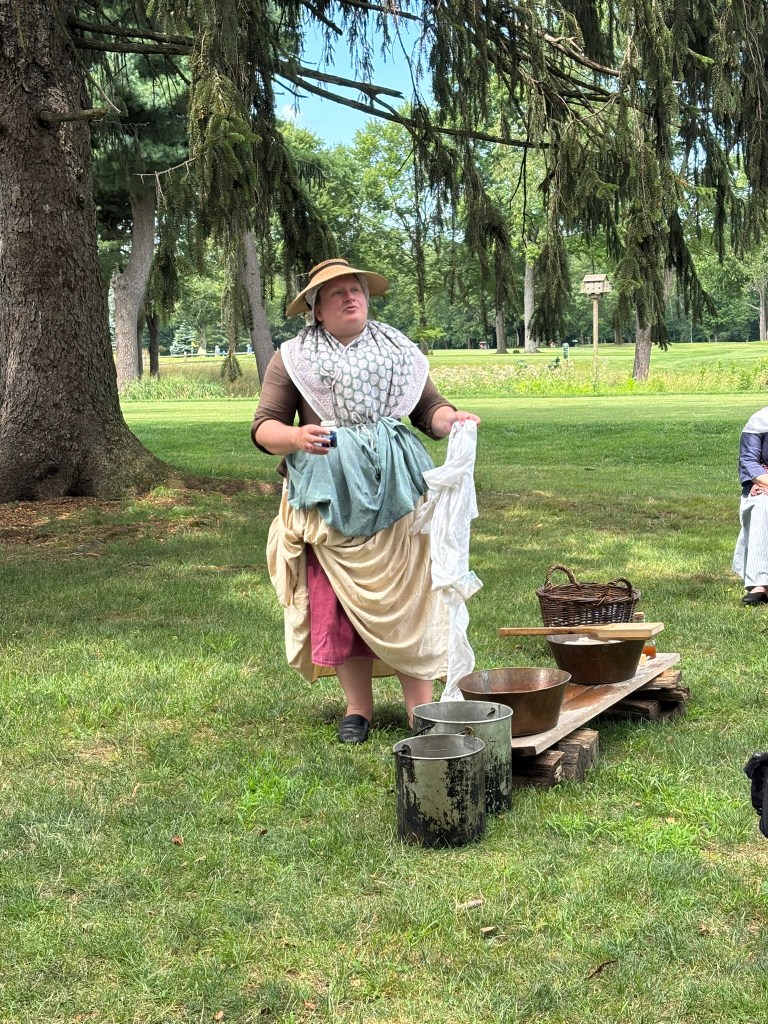
The weekend encampment at Dey Mansion also included 18th century laundry demos, carpentry and blacksmithing in the Blacksmith shop and a medicinal herbs display. There was also a food truck present on site from the Chippery Gourmet Fish & Chips. The Dey Mansion did a fantastic job immersing its visitors into 18th century life during the Revolutionary War.
I am pleased to update readers on an exciting research project currently taking place in New Jersey. The Westfield Historical Society, with the support of the New Jersey Historical Commission, has embarked on a research project aimed at uncovering untold stories of people who lived in Westfield and surrounding towns during the Revolutionary War. The goal is to shed light on both free and enslaved inhabitants of the greater Westfields of Elizabethtown and their roles at the time of the Revolution.
The project, an initiative of Fiscal Year 2025, is seeking to dive deep into historical records from multiple sources including the Westfield Presbyterian Church, the New Jersey State Archives, the New Jersey Historical Society, and other repositories of information. An accomplished team of researchers is exploring local archives, birth certificates, manumission records, letters, family trees, and other vital documents to piece together the personal stories of these individuals and share their legacies with the community.
Ongoing research is focusing on the lives of African Americans who lived in the region during the time of the American Revolution. In addition, research is also focusing on the mood of the inhabitants of the region leading up to the Revolution, using evidence from letters exchanged amongst leaders of the area, particularly from committees of correspondence. The researchers, who will be highlighted below, are working closely with Julia Diddell, Chair of the Washington-Rochambeau Revolutionary Route- New Jersey, as well as Brian Remite, President of the Westfield Historical Society, to comb through enlightening resources.
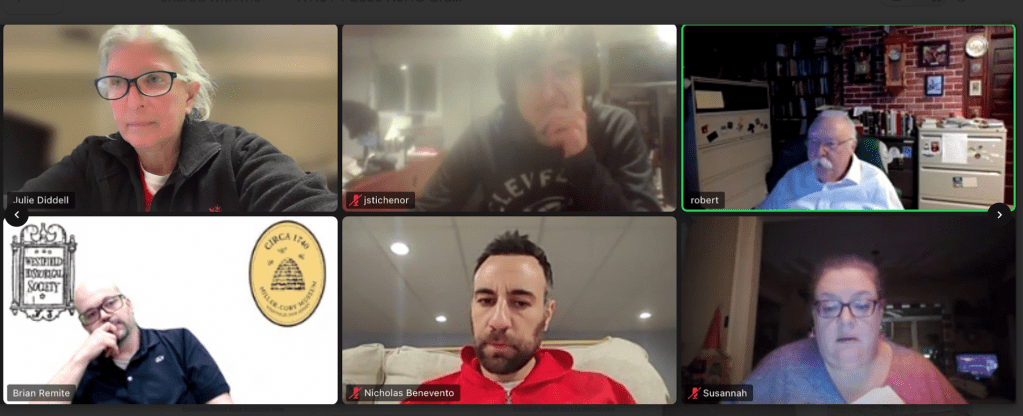
Julia Diddell led the research project team when we first met in mid-November 2024 to discuss the plan for the upcoming research project, highlighting goals and methods to conduct the research, as well as our long-term plan to present the research to the public.
Screenshot
Another meeting of the team members, led by Julia, took place in late January with updates on new discoveries made, challenges along the way, and future goals. The team was also joined by James Tichemor, who has been doing extensive research at the Westfield Historical Society for this project.
The research project will culminate in a hybrid presentation in June 2025, where the researchers will shed light on their discoveries with the public. The information below provides an update on the progress being made.
A Focus On African American History
Research is currently being conducted that focuses on the African American community in Westfield and the surrounding towns during the Revolutionary Period. Dr. Susannah Chewning, a Senior Professor of English at the College of Union with a diverse academic background in English Literature and Medieval Studies, is leading this important aspect of the project. Dr. Chewning has been exploring local records, including manumission documents and birth certificates to trace the lives of African Americans in the region. She is working to compile a comprehensive database from her work.
An important part of the research involves investigating the burial sites of African Americans in Westfield. Many individuals, both free and enslaved, were laid to rest in the Old Presbyterian Church Burial Ground. While Dr. Chewning is confident that there are African Americans buried there, only one such grave is currently marked. Research is underway to uncover the other names of these individuals, some of whom were moved when the Fairview Cemetery was established in Westfield in 1868. Dr. Chewning is hoping to identify an African American named Sambo, who was the sexton of the Old Presbyterian Church Burial Grounds during the time of the Revolution. Dr. Chewning has also tracked down evidence of slave sales in the area and plans to find more evidence.
Findings So Far
With a growing list of 58 names of African Americans living during the March to Yorktown (1781), Dr. Chewning is dedicated to identifying where these individuals are laid to rest. Her broader research includes 180 (and counting) names of African Americans who lived in Westfield and the surrounding towns between 1702- 1866, the year that slavery finally ended in New Jersey. Dr. Chewning has discovered these individuals through records at the Presbyterian Church, slave sales, runaways, censuses, birth certificates, and manumission records. Recently, Dr. Chewning met with the director at Fairview Cemetery, who provided her with a document highlighting early burials which she has used for her research. Her work at Fairview Cemetery will continue throughout the spring.
In addition to Fairview, Dr. Chewning is continuing her efforts at the Old Burial Grounds where unmarked graves have led to continued efforts to identify those buried there with the support of church and town records. Dr. Chewning has interests in exploring other burial grounds as well, including the Scotch Plains Burial Grounds, where Westfield residents are known to be buried.
Dr. Chewning has compiled a list of families from Westfield who were documented as slaveowners during the time of the 1781 March to Yorktown. Through her research, she has identified not only the names of these families but, in many cases, the names of the individuals they enslaved. This list continues to expand as Dr. Chewning continues her research.
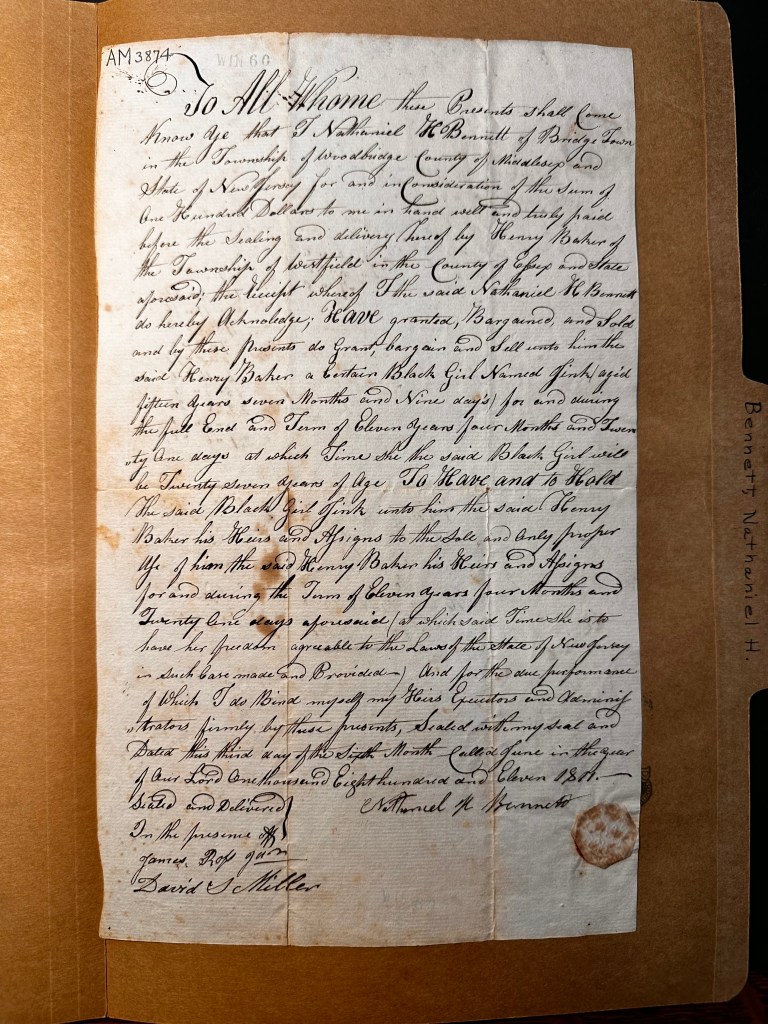
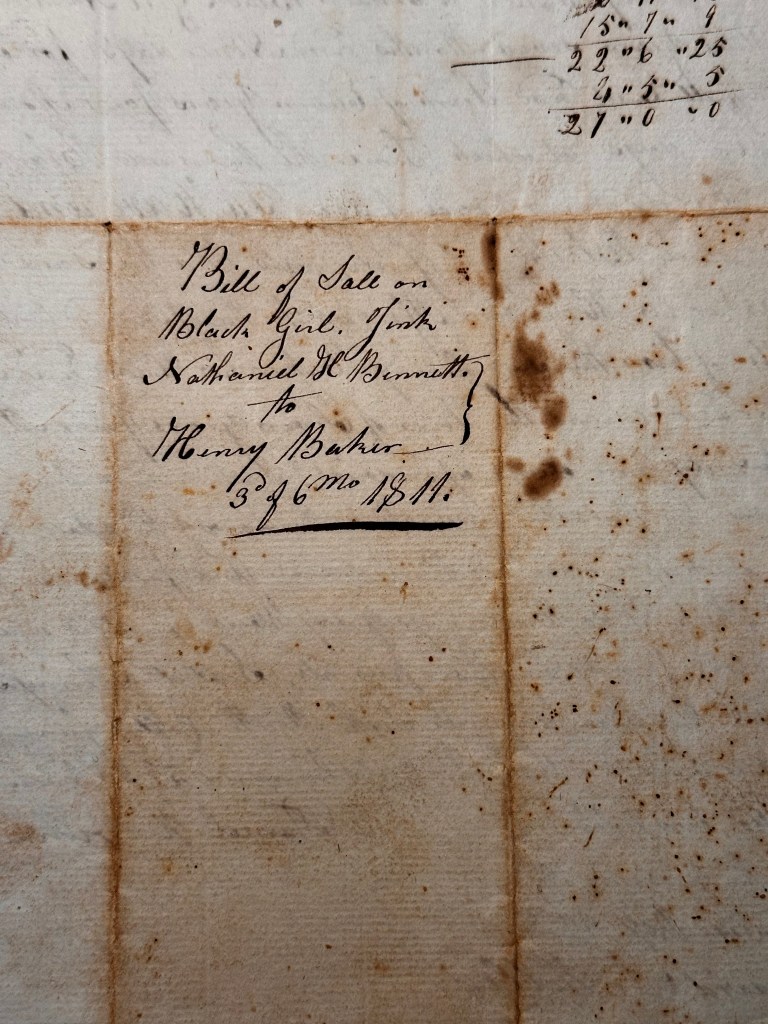
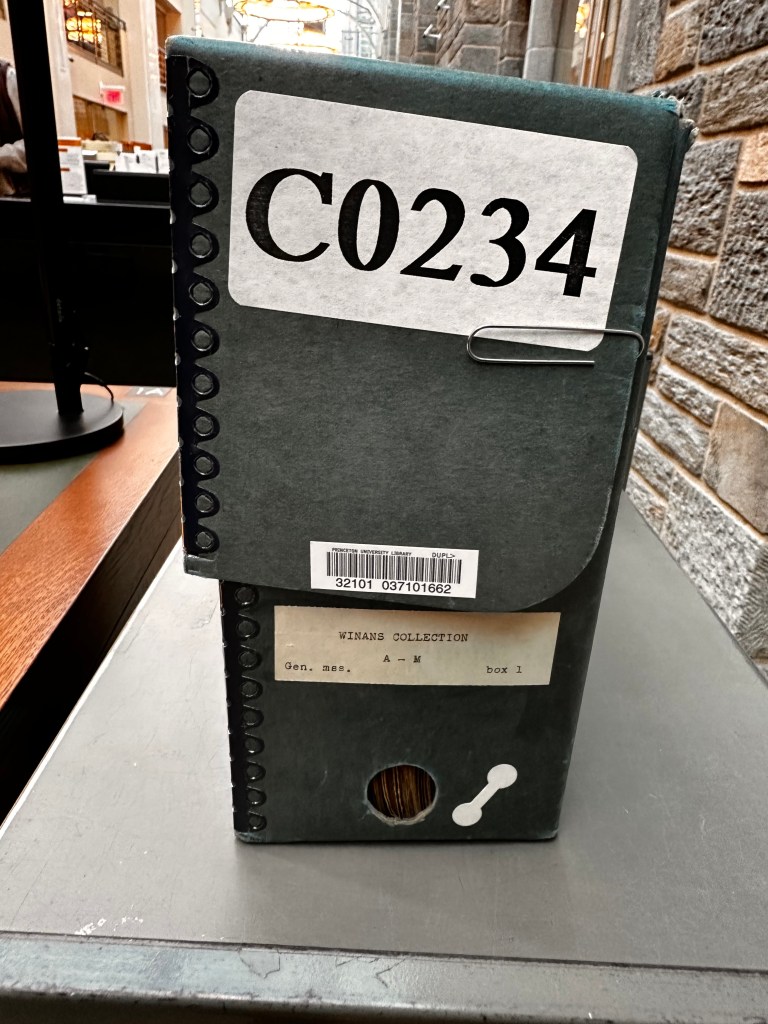
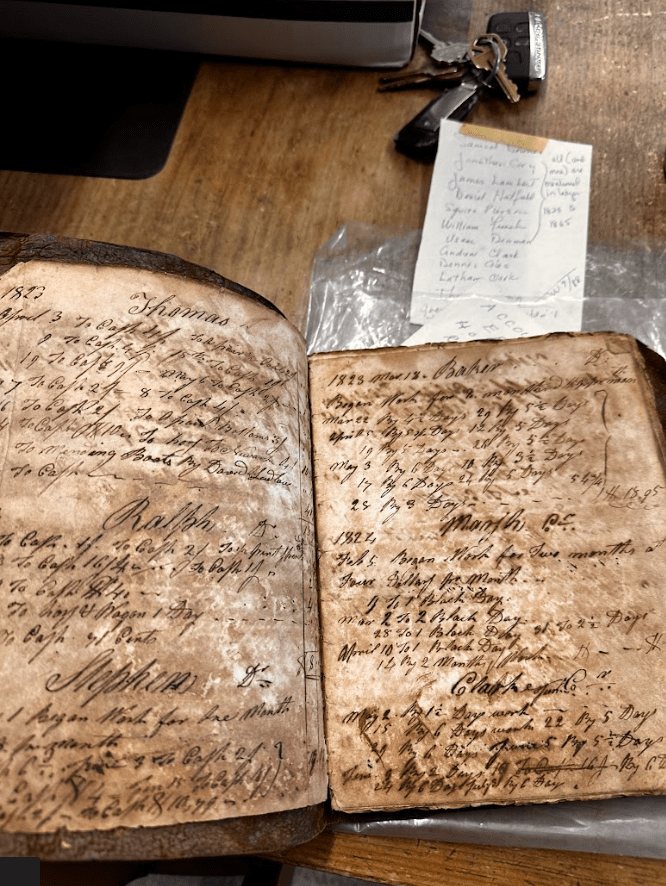
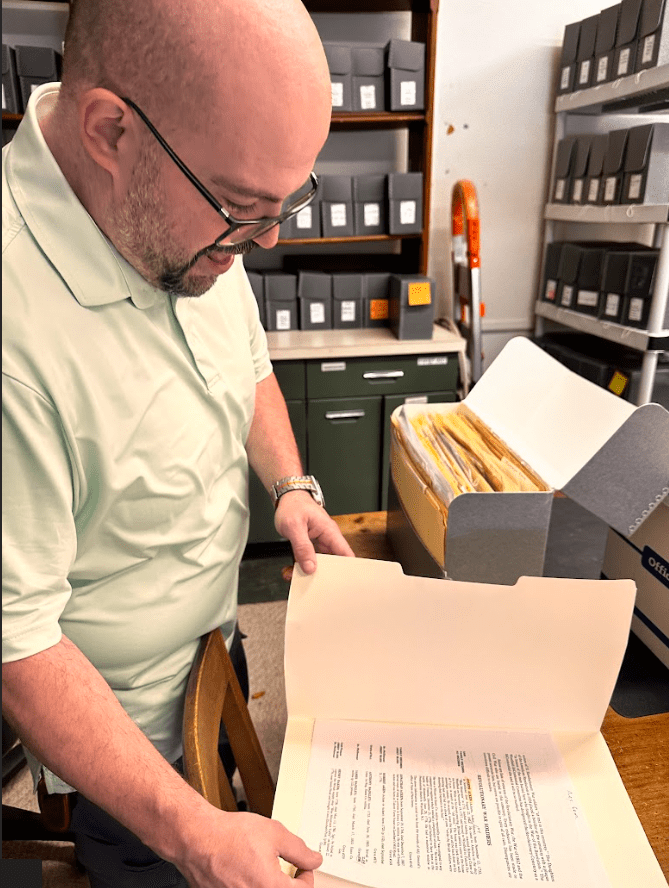
In mid-December, Julia Diddell visited the Special Collections Library at Princeton University to explore the Winans Collection. While sifting through a wealth of primary source materials, she discovered a bill of sale for a young enslaved girl named Jink. This discovery is a valuable addition to Dr. Chewning’s expanding database of enslaved individuals from Westfield, further enriching the ongoing research.
To further her research and make her findings accessible, Dr. Chewning is in the process of creating a website that will feature links to Rutgers and Princeton’s Slavery Projects, offering visitors the chance to explore valuable information and connect with various archives. Stay tuned for updates on the new site!
Brian Remite, President of the Westfield Historical Society
The Mood Of The Local Inhabitants
Dr. Robert Selig, a distinguished historian with a PhD in History and extensive experience consulting with the National Park Service, is conducting research on early Revolutionary War activities within Westfield and surrounding towns to gain a better understanding of the mood of the local inhabitants, leading up to the Revolution. Having written extensively on the Washington-Rochambeau National Historic Trail, Dr. Selig brings invaluable expertise to the project, particularly in investigating the local impact of the national movement toward independence.
Through his research, he is unearthing not only personal histories but also a broader understanding of the social and political climate of Westfield and surrounding towns in the years leading up to the American Revolution. One key area of focus is the activities of local committees of correspondence- groups that played an essential role in rallying support for independence through the colonies. The committees served as communication networks amongst the prominent leaders of the thirteen colonies. By gaining access to these correspondences, Dr. Selig is uncovering the ways that leaders in New Jersey played a pivotal role in the oncoming Revolution.
Findings So Far
Dr. Selig has been combing through a collection of letters exchanged between New Jersey’s local committees, offering a deeper understanding of the colony’s response to the brewing tensions with Britain. Communications to and from these committees involved notable figures such as George Washington and Benjamin Franklin.
In addition to the Committees of Correspondence, local colonists formed Committees of Public Safety and Committees of Observation. These groups played a pivotal role in the early days of the Revolution, serving as temporary governments and rallying support for the cause. They were responsible for monitoring British actions, enforcing boycotts of British goods, and keeping the colonists united in their resistance efforts.
For Dr. Selig’s research, the exchanges between these committees are invaluable primary sources that help highlight the mood in New Jersey leading up to the Revolution. They reveal not only the political dynamics of the time but also the local efforts to coordinate resistance, making these letters vital in understanding how New Jersey navigated the path toward independence.
An interesting observation from Dr. Selig’s research is that New Jersey was somewhat slower to embrace the revolutionary movement compared to other colonies, particularly in comparison to the early radicalization seen in places like Massachusetts. Dr. Selig explains that one key reason for this delay was the lack of a large city in New Jersey that could serve as a central political hub. Unlike cities like Boston, which were hotbeds of revolutionary sentiment, New Jersey’s smaller urban centers didn’t provide the same rallying points for activists and leaders. In addition, New Jersey had a popular royal governor who helped maintain a sense of stability.
Through his study of the Committees of Safety, Dr. Selig concludes that New Jersey’s initial concerns were more focused on economic issues than on spreading revolutionary ideology or politicizing the conflict. The colony’s focus on economic stability meant that it took a more cautious approach to the growing tensions with Britain, with many colonists more concerned about their livelihoods than the broader political shifts happening in other parts of the colonies.
Dr. Selig discovered a significant shift in New Jersey’s stance once the fighting broke out at Lexington and Concord in 1775, as neutrality became increasingly untenable. With battles erupting, colonists found themselves compelled to take sides as remaining on the sidelines was no longer an option.
For many, joining the militia and taking up arms became a clear political statement. By fighting in the militia, New Jersey residents were publicly aligning themselves with the cause of independence and supporting the Declaration of Independence. This shift marked a turning point in the colony’s involvement in the Revolution.
Dr. Selig’s research into New Jersey’s role in the American Revolution is ongoing. He is actively seeking more primary sources to deepen his understanding of the colony’s shift toward supporting the war effort. In particular, Dr. Selig is interested in diaries, letters, and other personal documents from both local leaders and everyday inhabitants of towns like Westfield. These materials, he believes, will provide crucial insights into the changing attitudes and the personal motivations that led people to join the war.
Dr. Selig is also eager to uncover other types of historical documents, such as pension applications, damage claims, and even tavern records. These records can offer a unique perspective on the war’s impact at the local level, shedding light on the economic and social effects of the conflict.
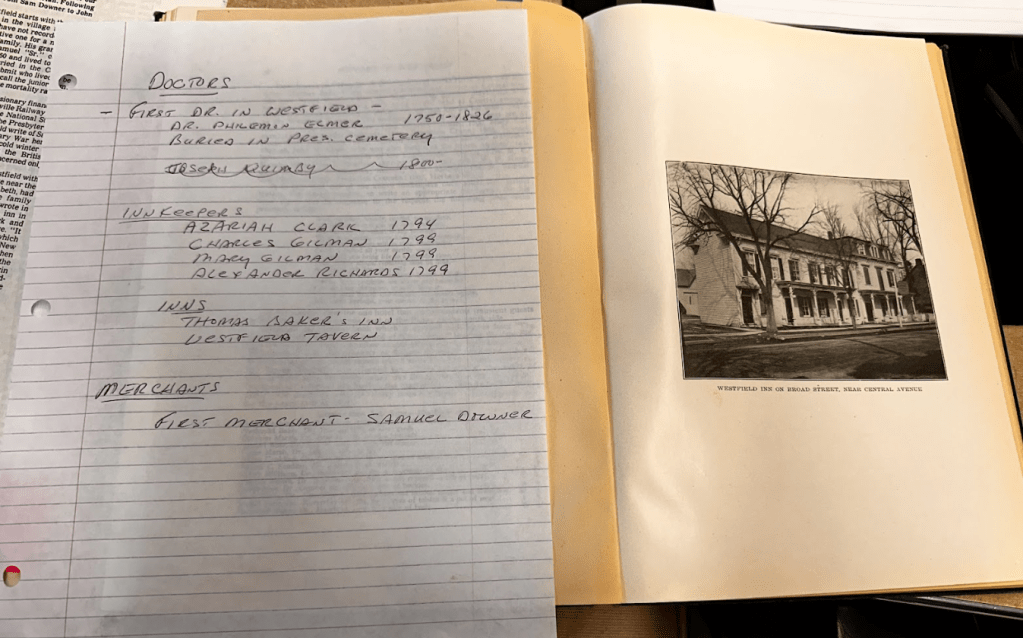
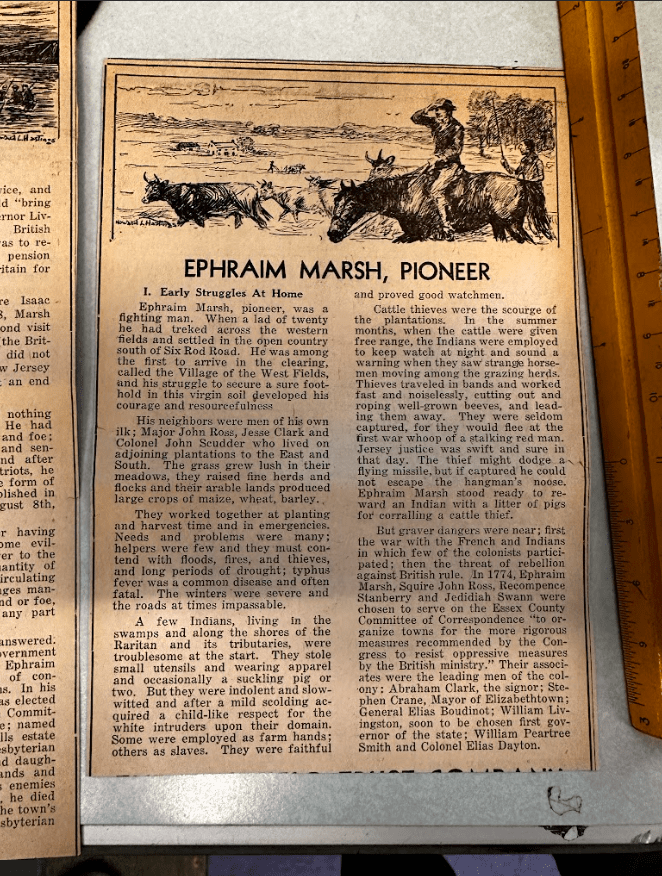
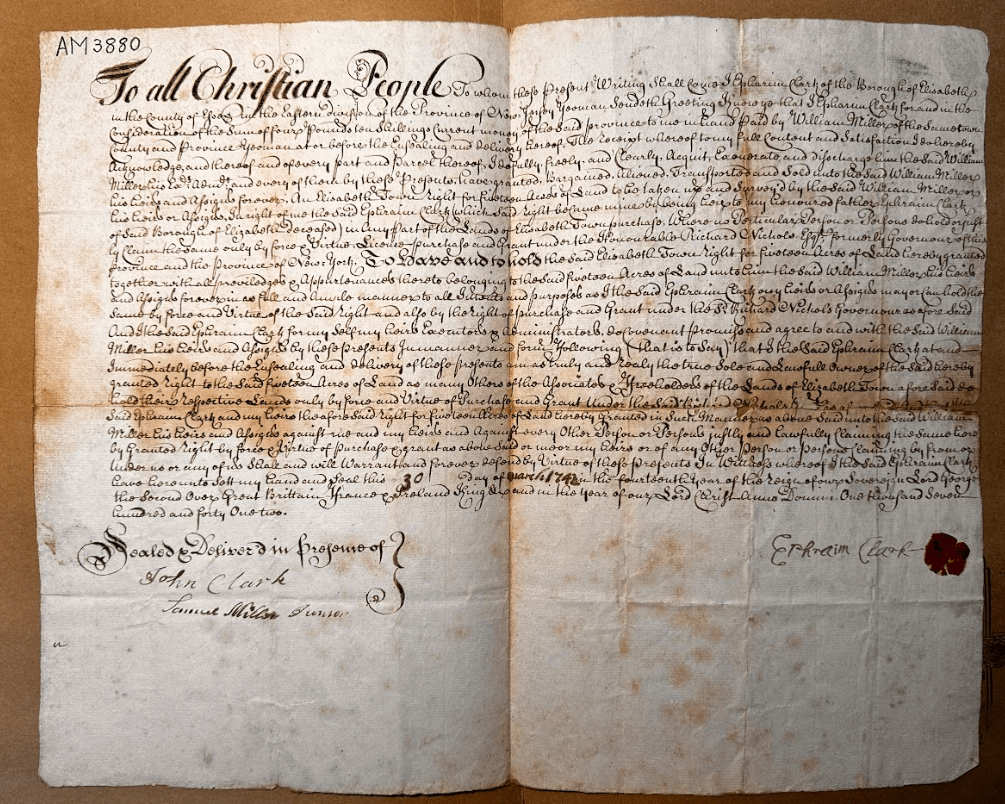
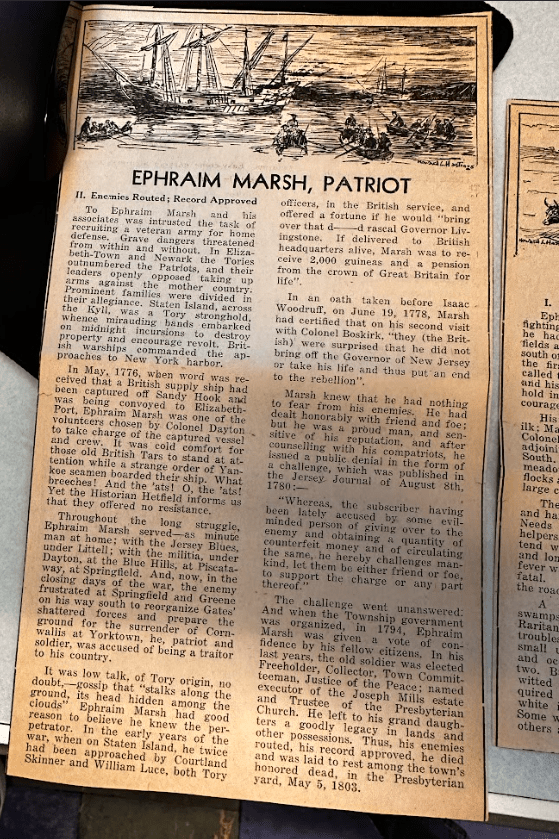
The researchers plan to collaborate in order to link their research efforts together. Beyond the primary documents already mentioned in this article, the research team is drawing from a variety of additional sources, including histories of Westfield, ledgers, lists of local doctors, innkeepers, and merchants, as well as records detailing key regional figures. They’re also studying militia payrolls from Essex County, personal letters, and the names of Revolutionary soldiers buried at the Westfield Presbyterian Church.
James Tichemor, Researcher
Building A Lasting Legacy
One of the aims of this research project is to create a lasting educational resource for the community. The team is exploring the possibility of an enduring outdoor exhibit or monument that would allow the public to engage with this history in a meaningful way. The groundwork is now being laid for this educational space that honors the notable figures who played an impactful role in Westfield and surrounding towns at the time of the American Revolution.
Stay tuned as the Westfield Historical Society continues this important work and opens the door to a richer, more inclusive understanding of our shared past. I will be posting another blog at the conclusion of this research project. As mentioned above, there will be a Hybrid Presentation in June by the research team where further findings will be revealed, providing the public with a deeper understanding of the people and events that have shaped this community for centuries. You will not want to miss this! Stay tuned and stay connected with the organizations listed below that are involved in this research:
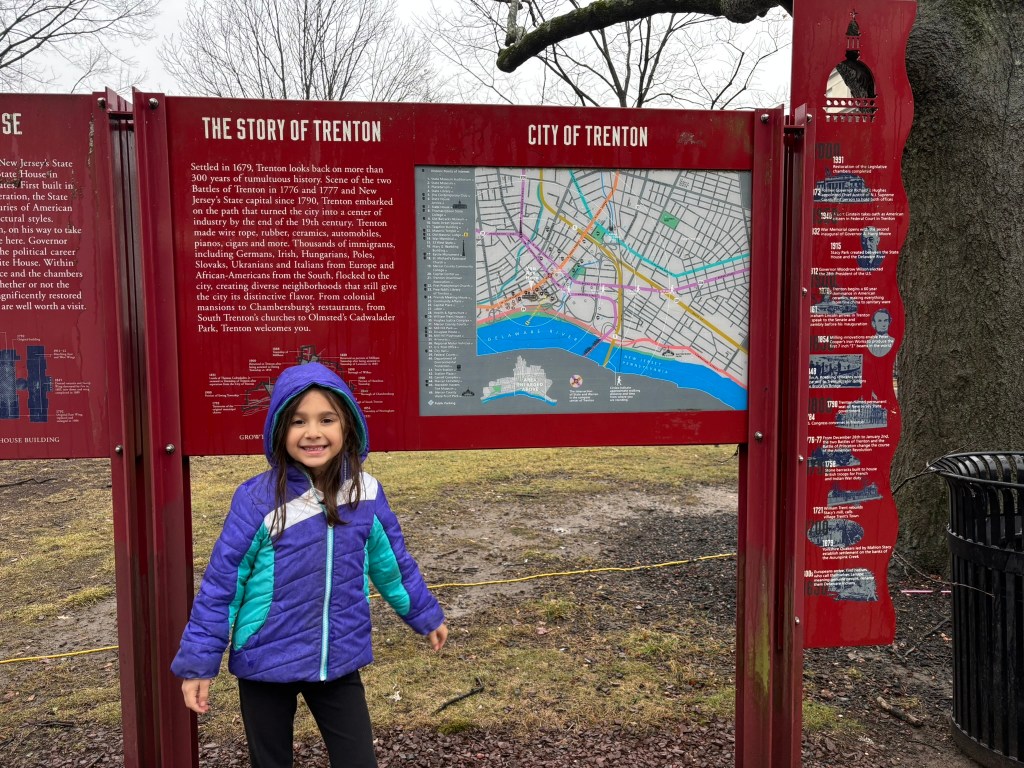
My family and I decided to head out to the New Jersey State Museum in Trenton, NJ. We also knew of Patriots Week happening at the Old Barracks Museum, which is just an 8 minute walk away. This trip was an opportunity for us to explore two museums we have never been to.
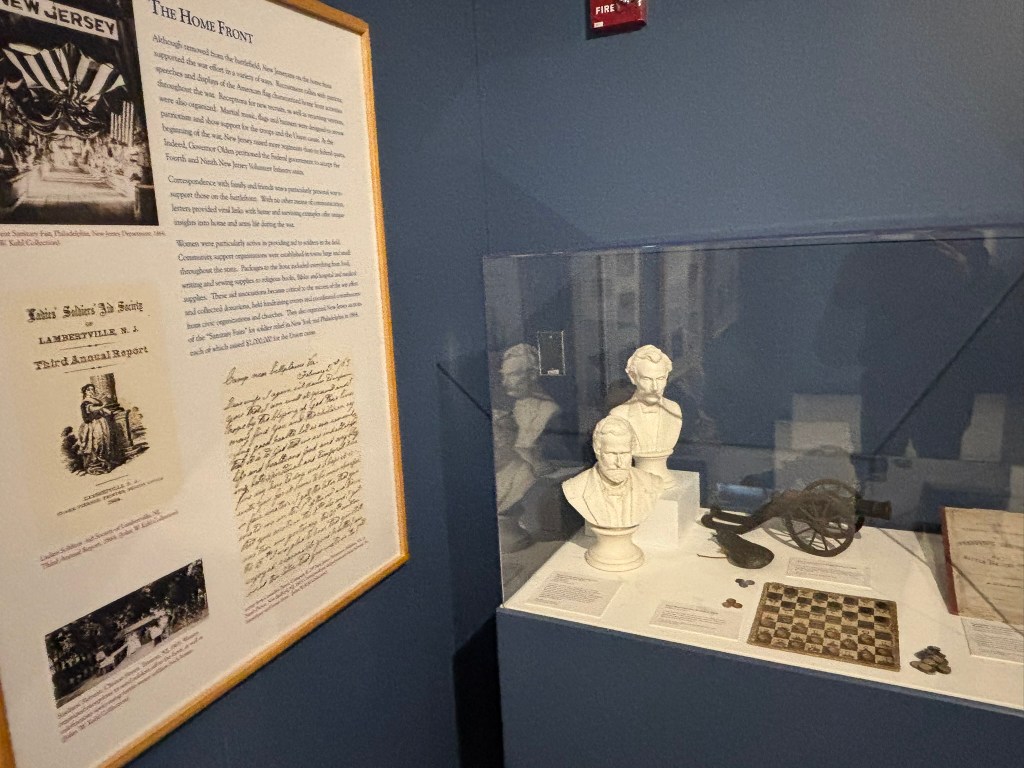
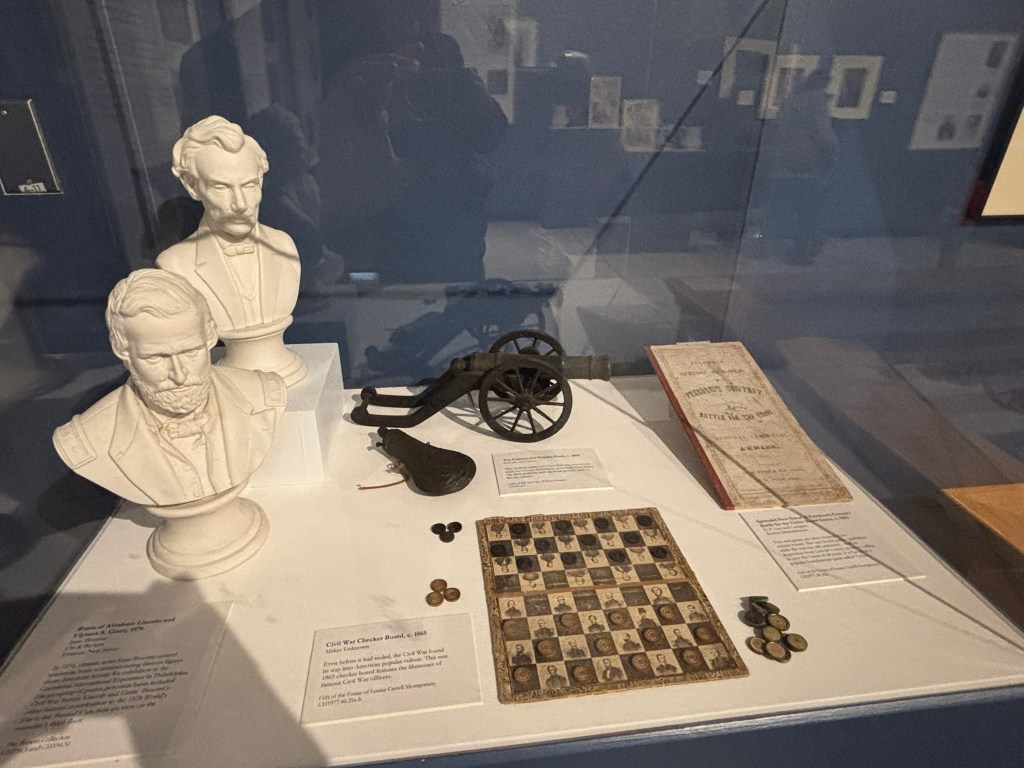
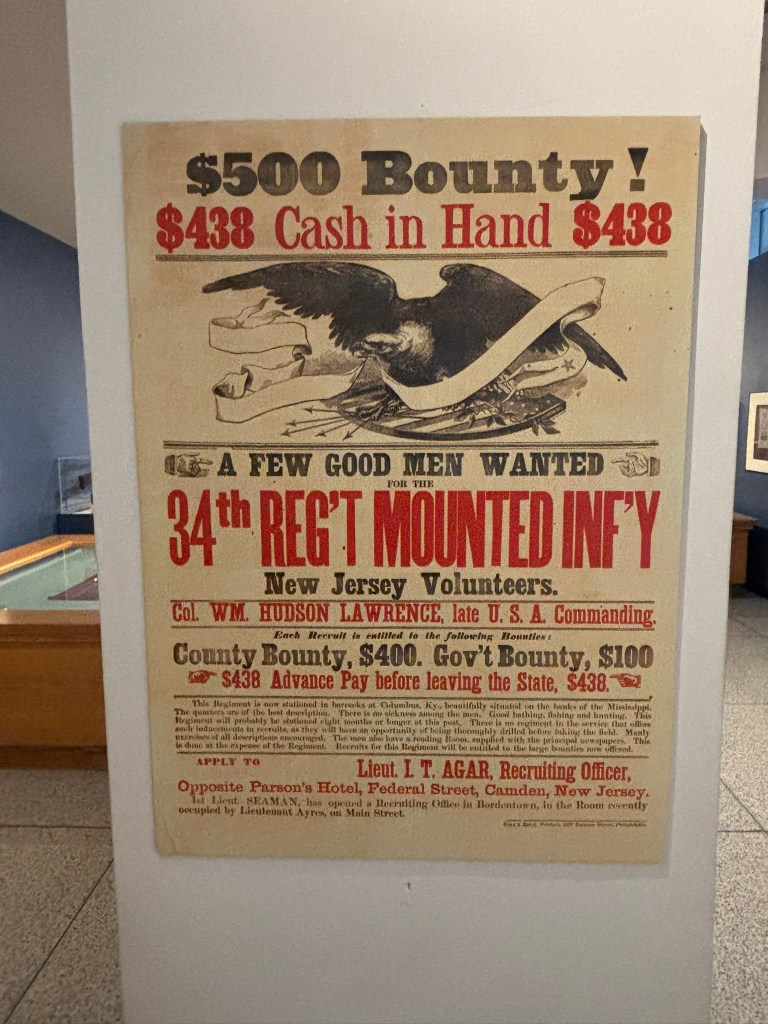
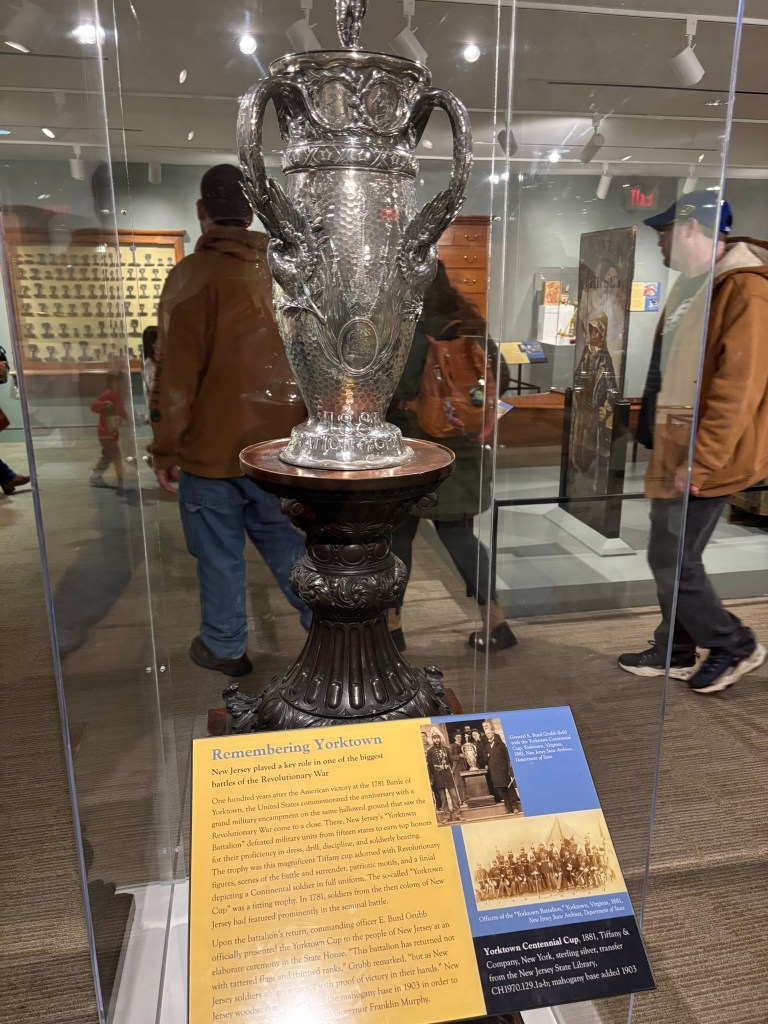
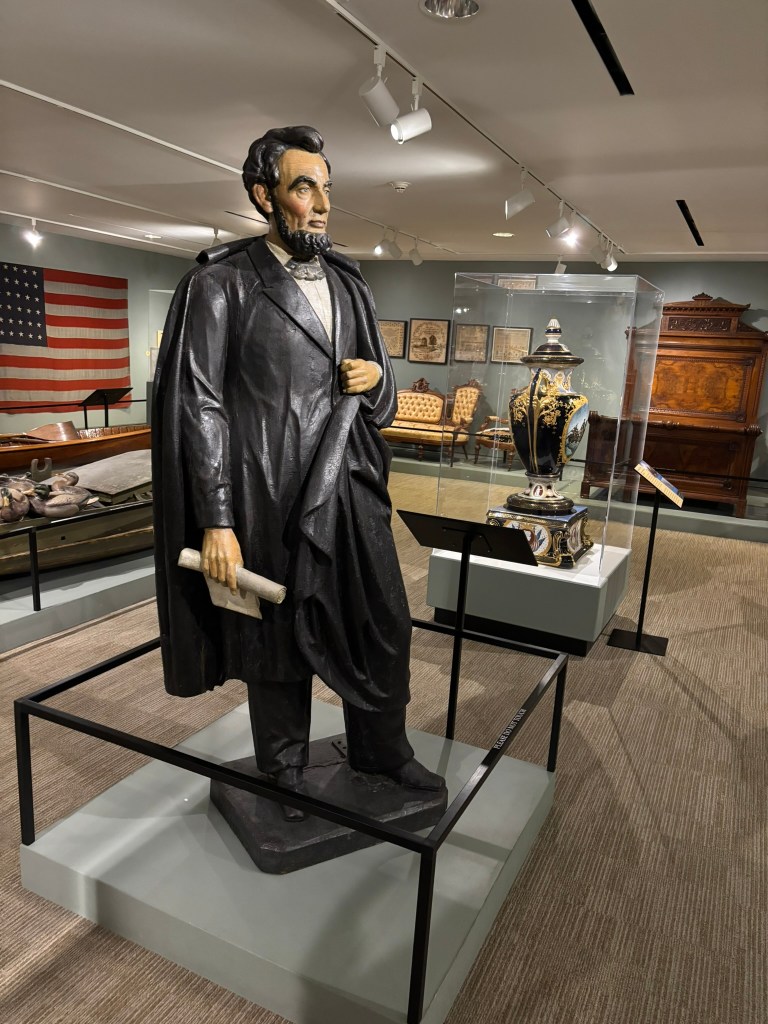
The New Jersey State Museum was a great experience for the whole family and they have a wide variety of exhibits and collections, ranging from Archeology & Ethnography, Cultural History, Fine Art, and Natural History. They also have a Planetarium, and we saw a show called “One World, One Sky: Big Bird’s Adventure” for the kids. Since this is a history blog, the pictures that I display here will be from the Historical aspects of the museum.
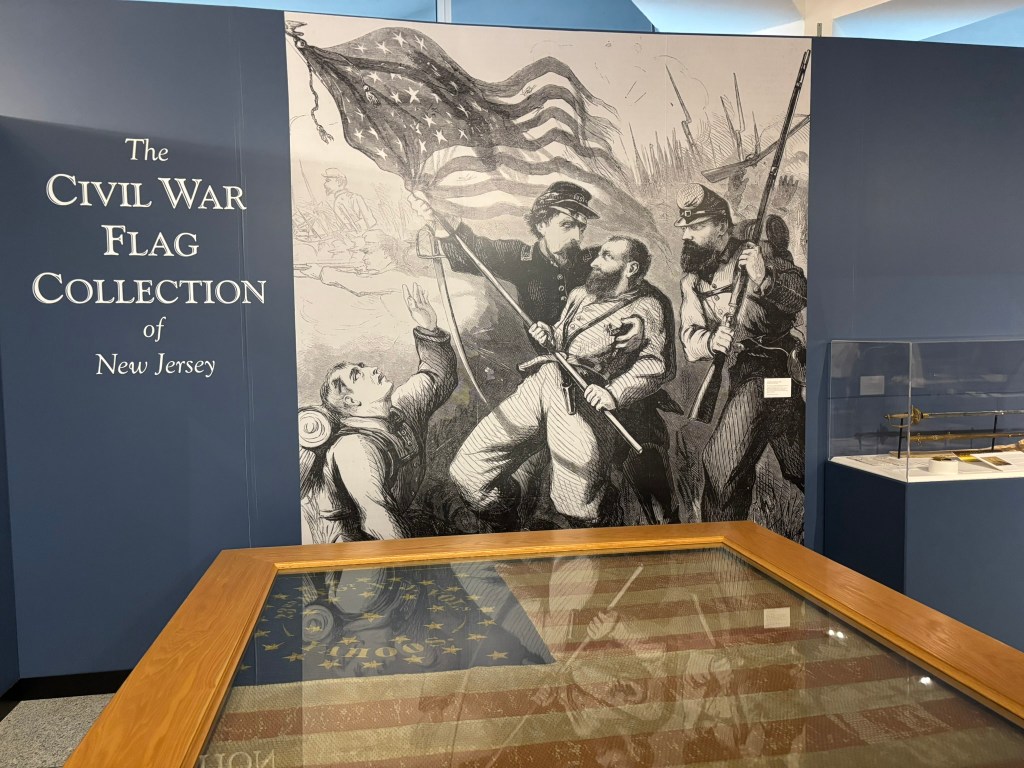
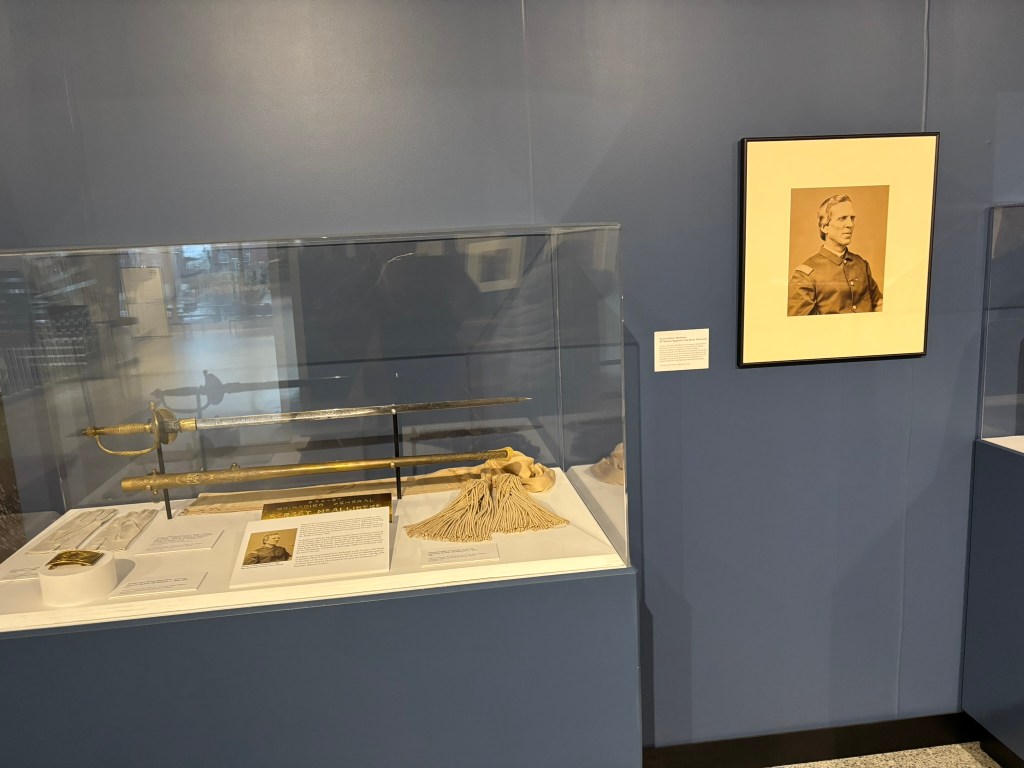
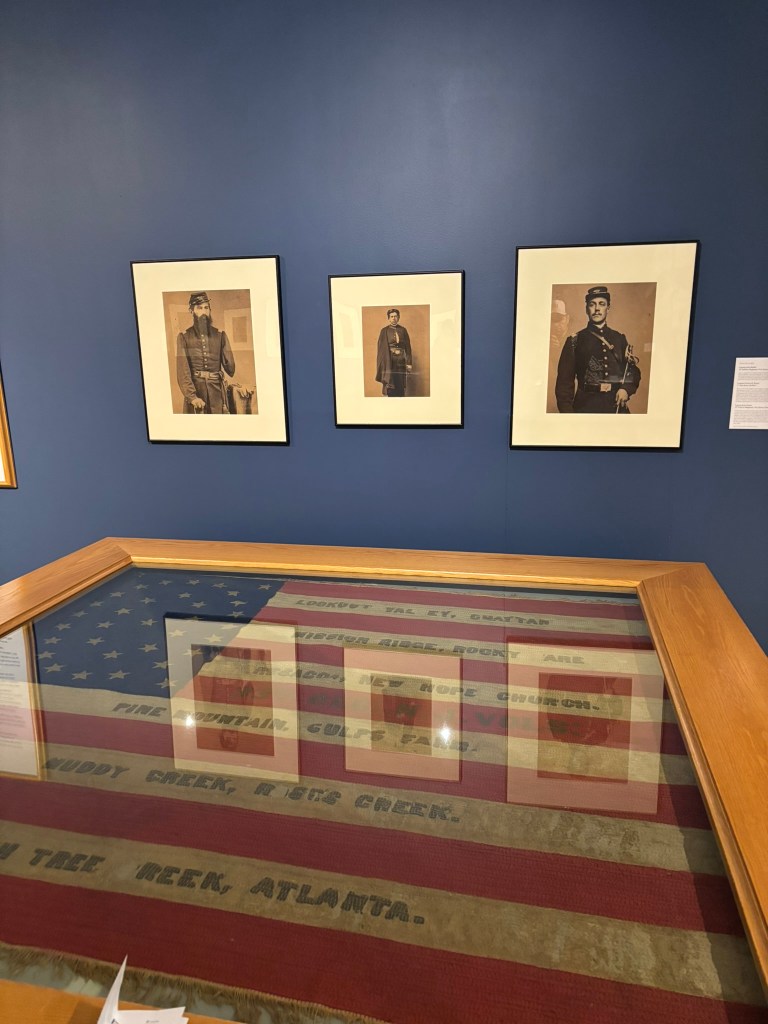
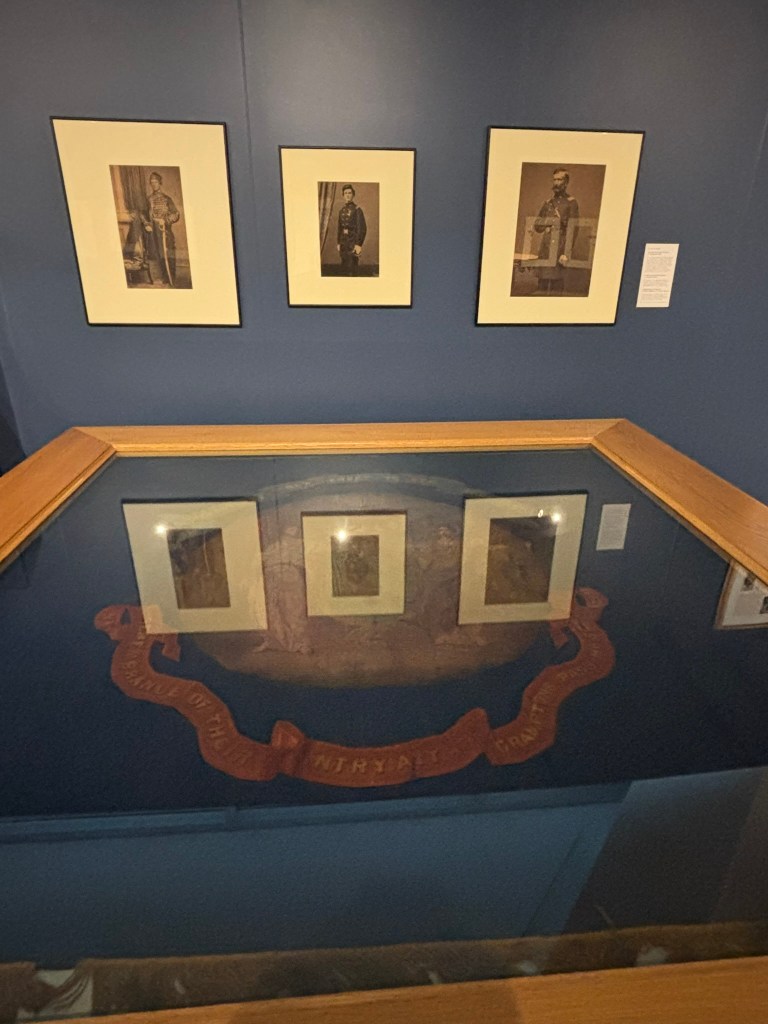
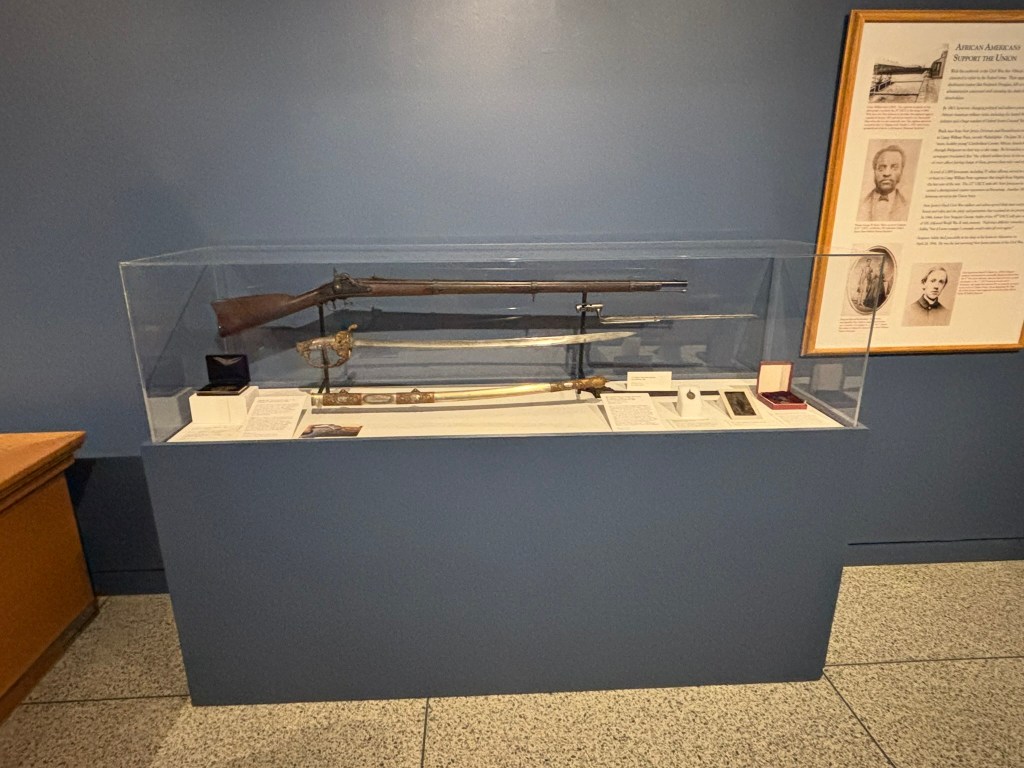
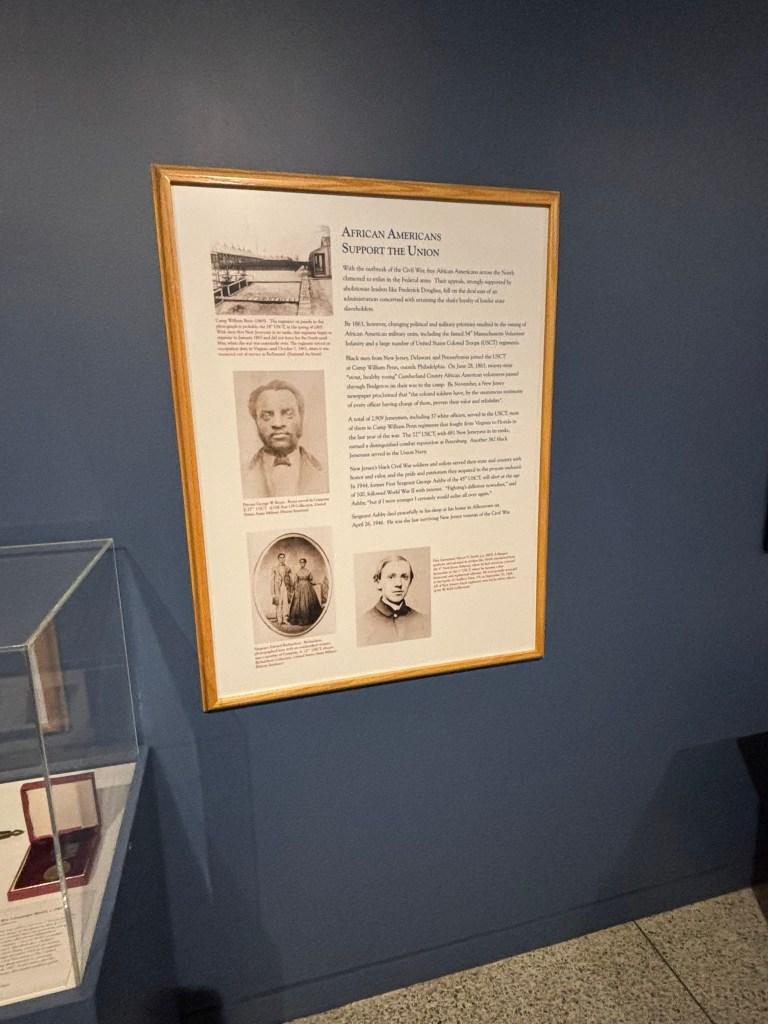
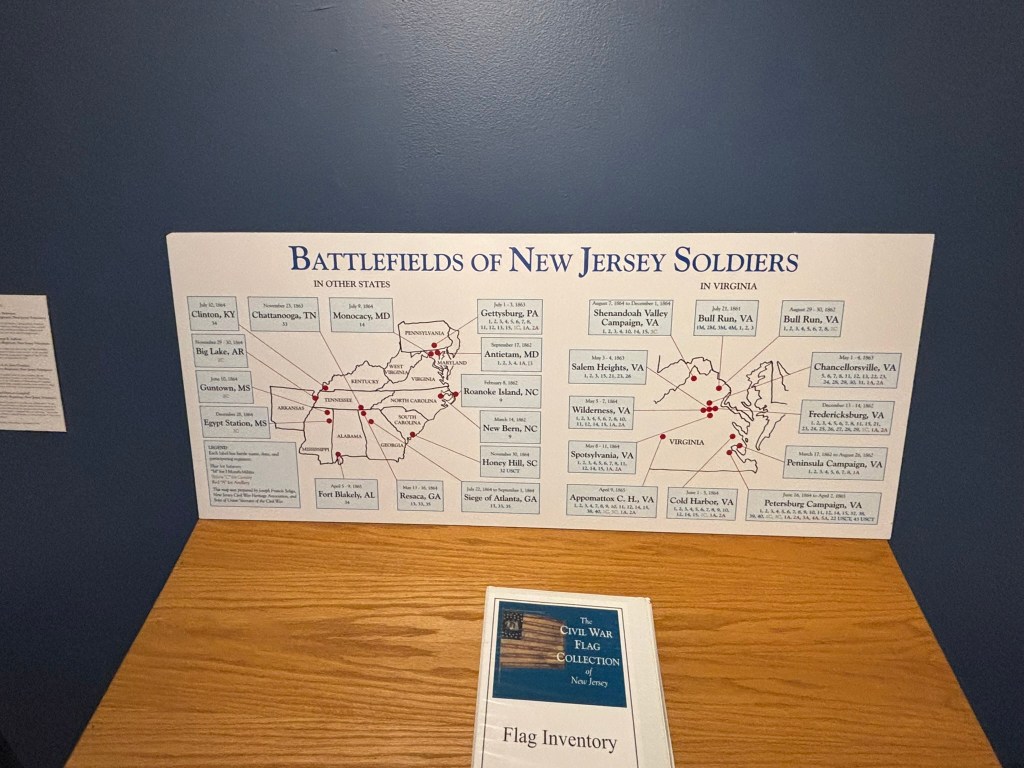
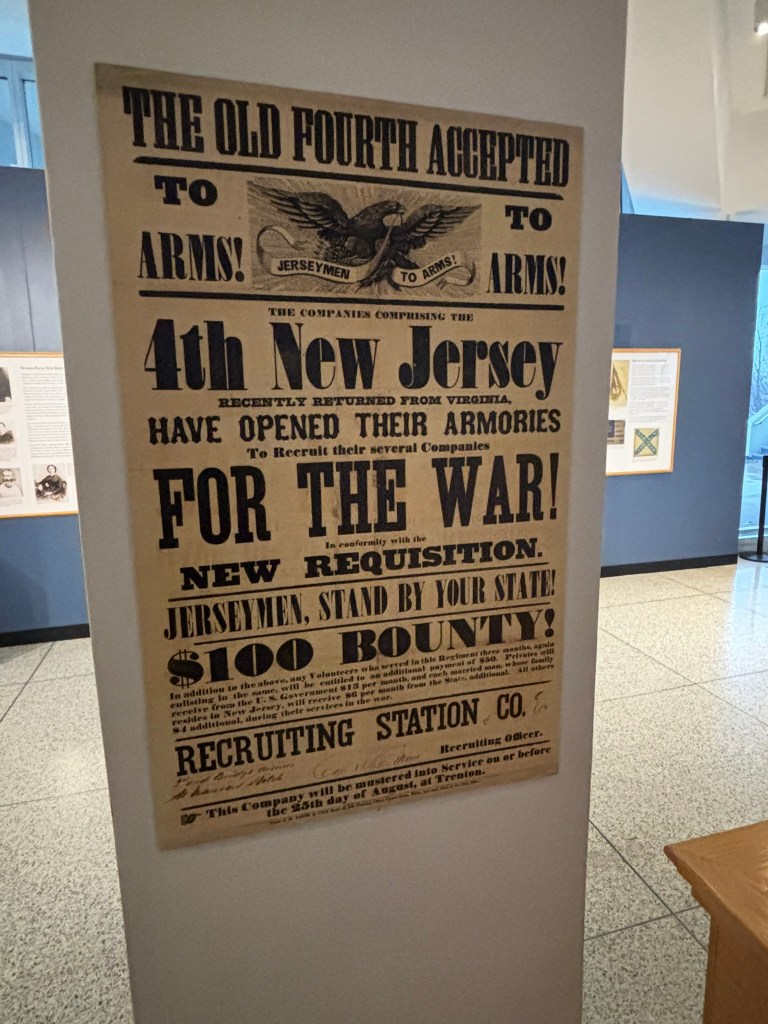
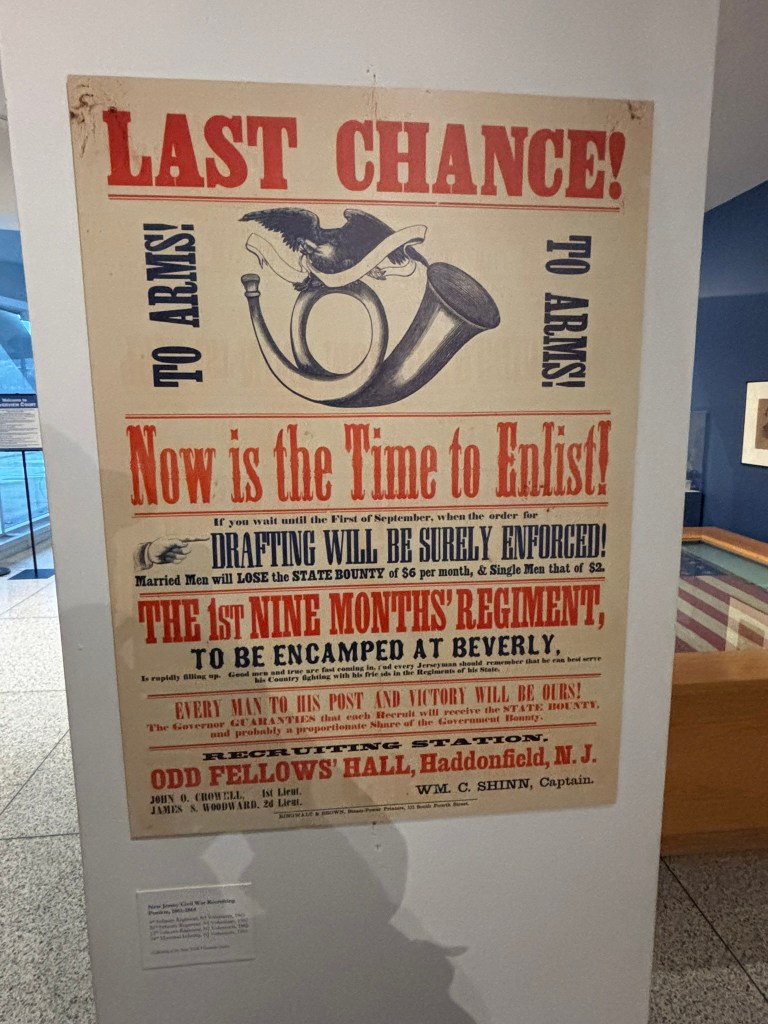
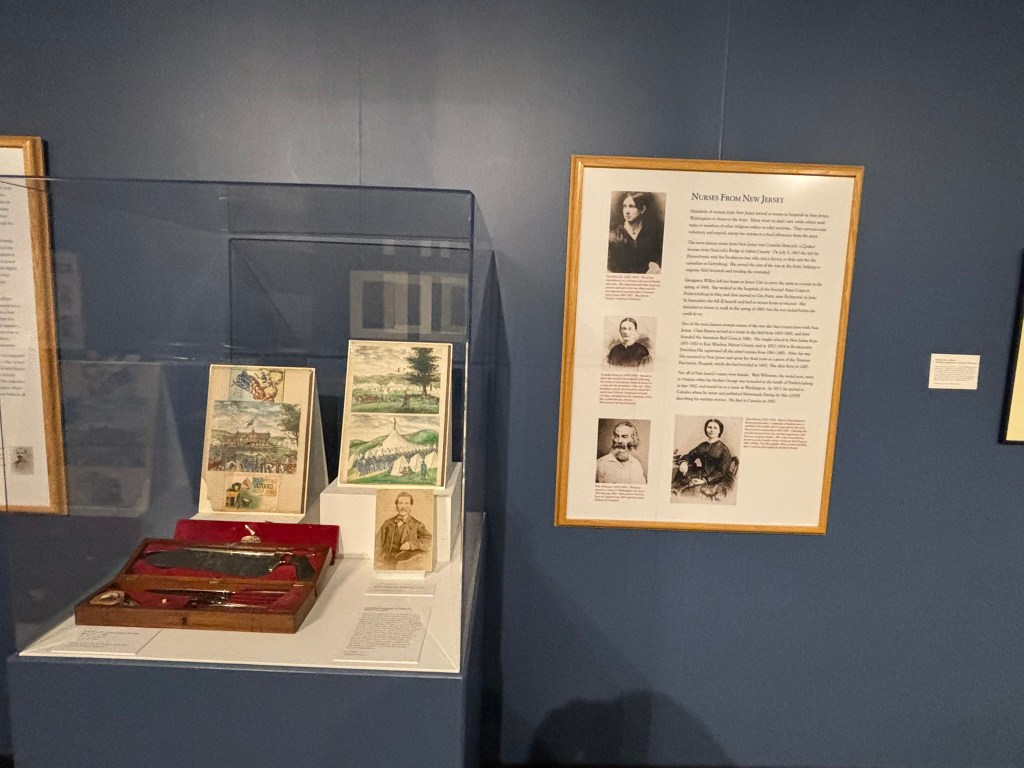
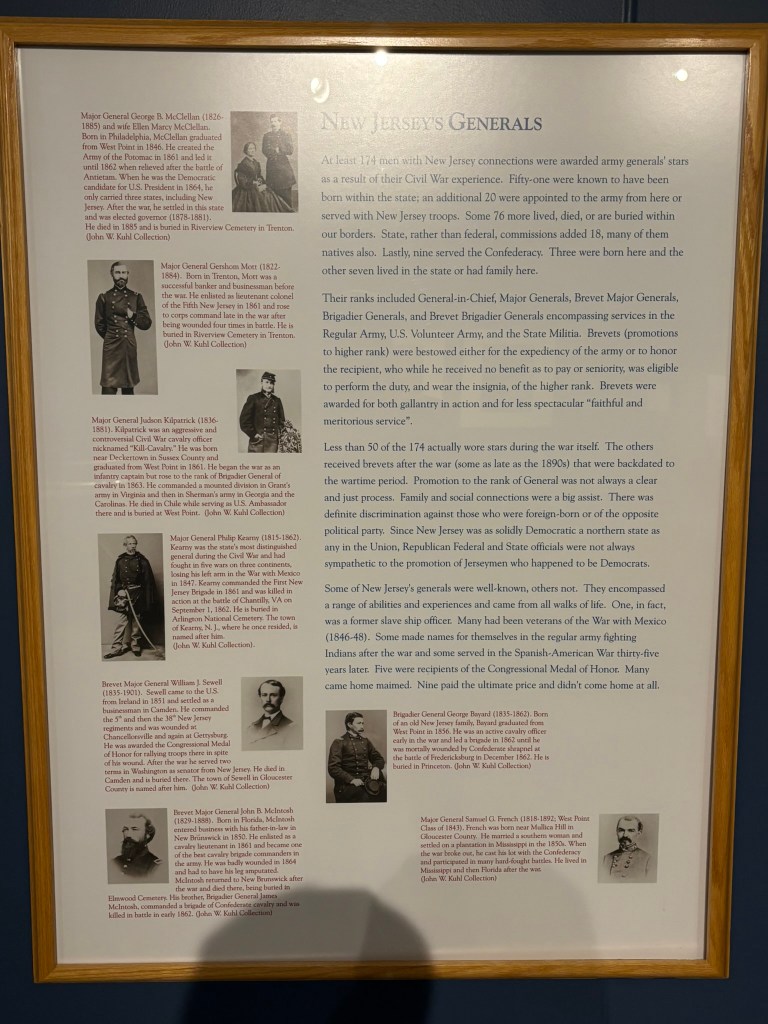
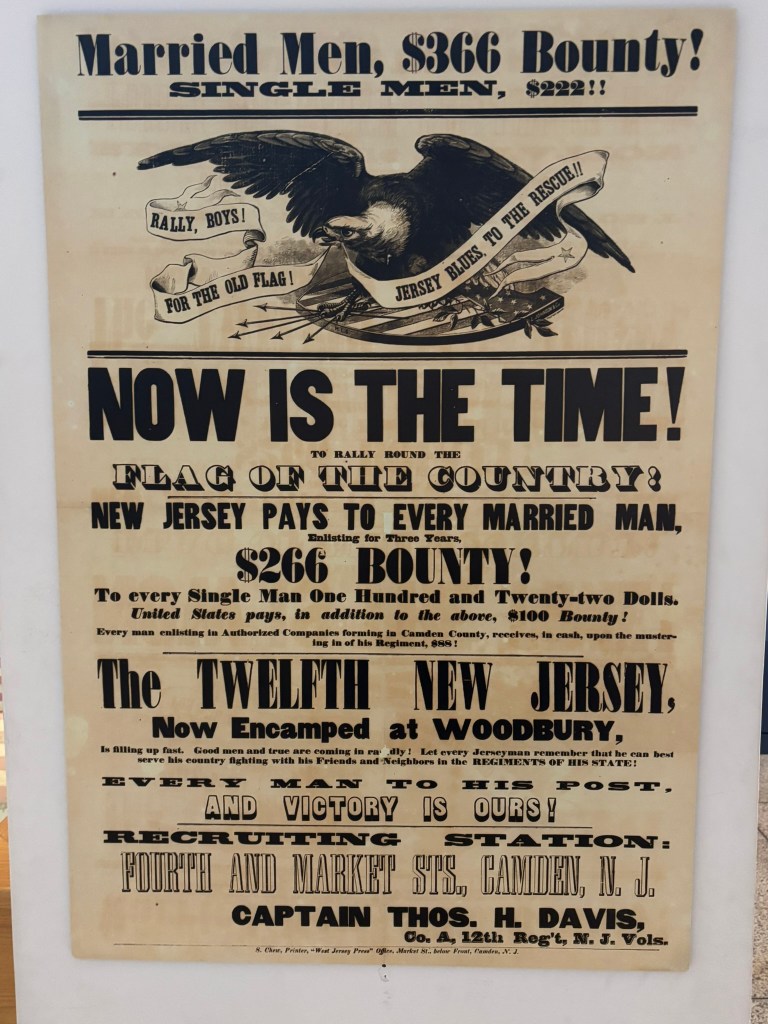
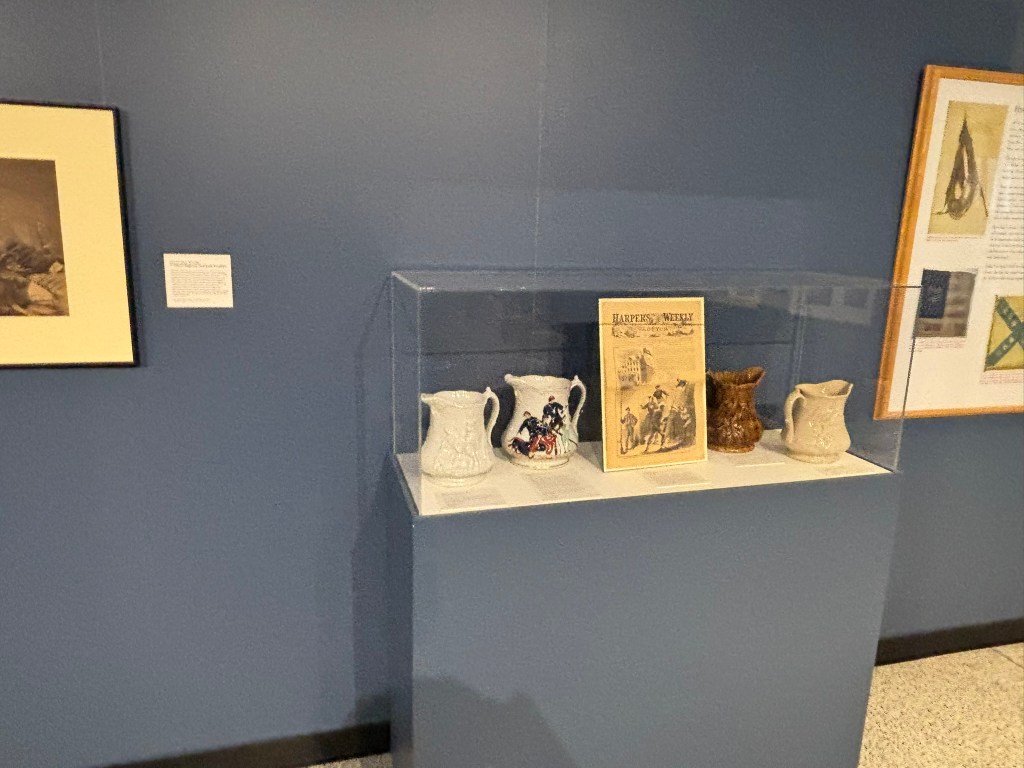
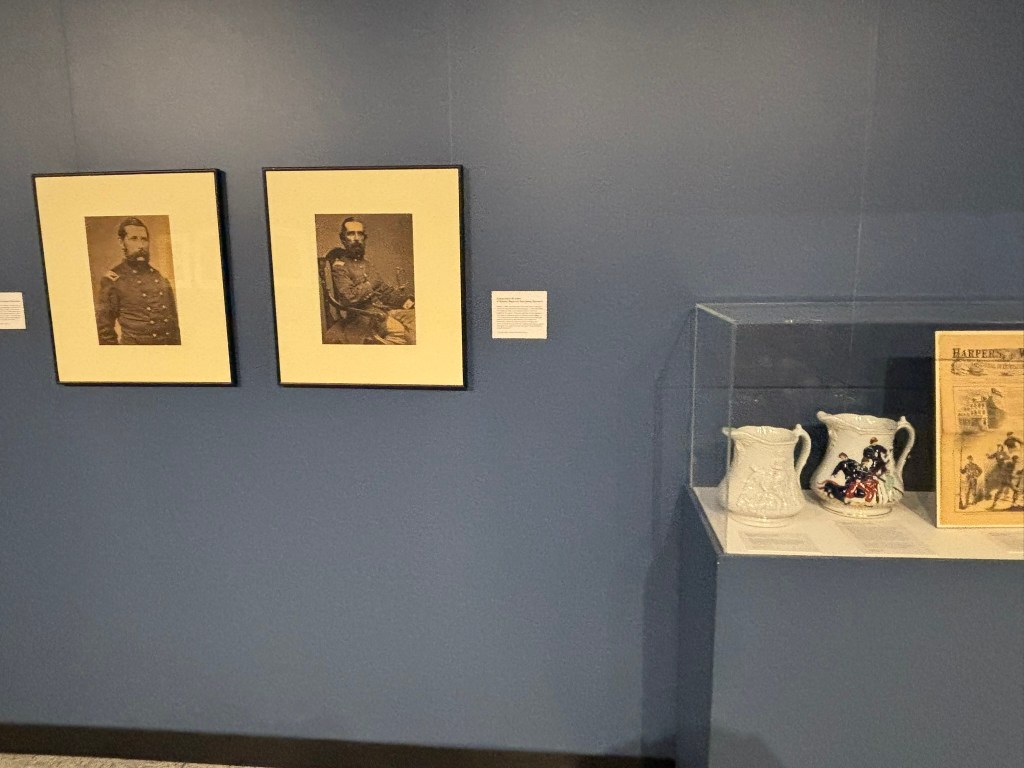
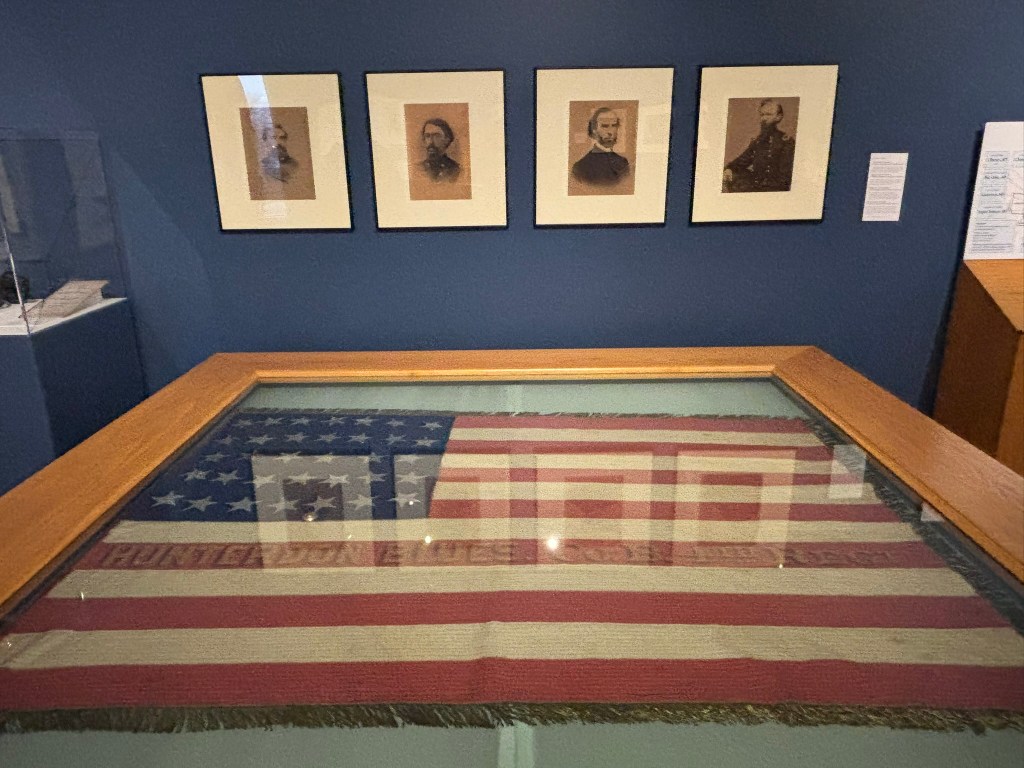
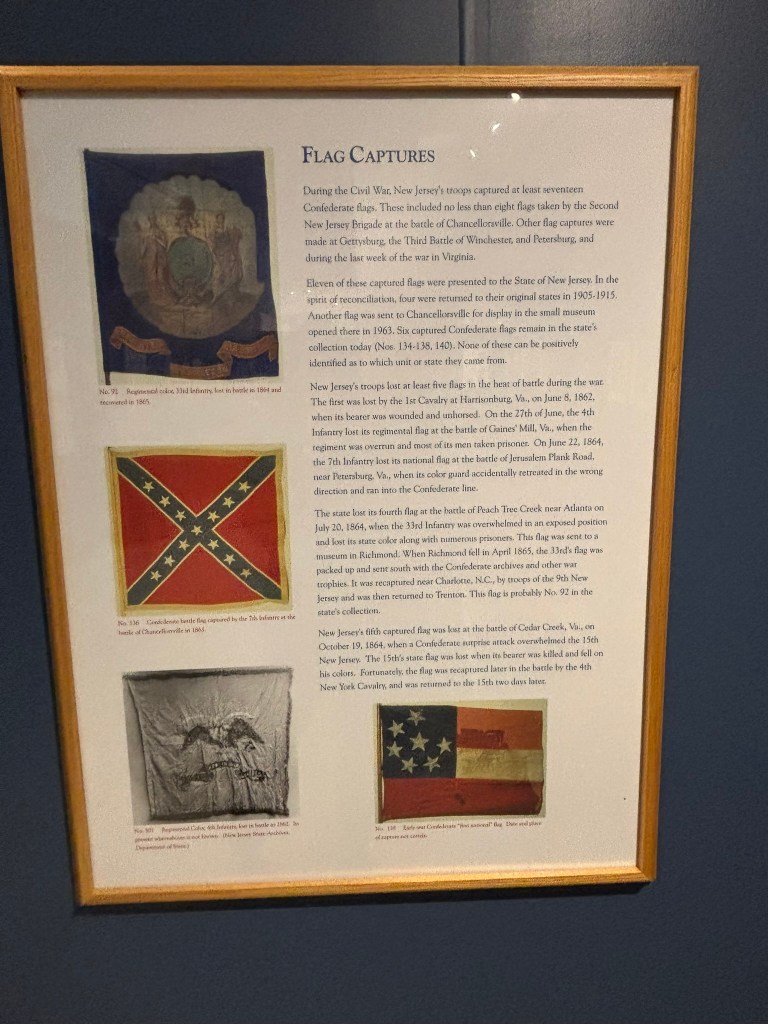
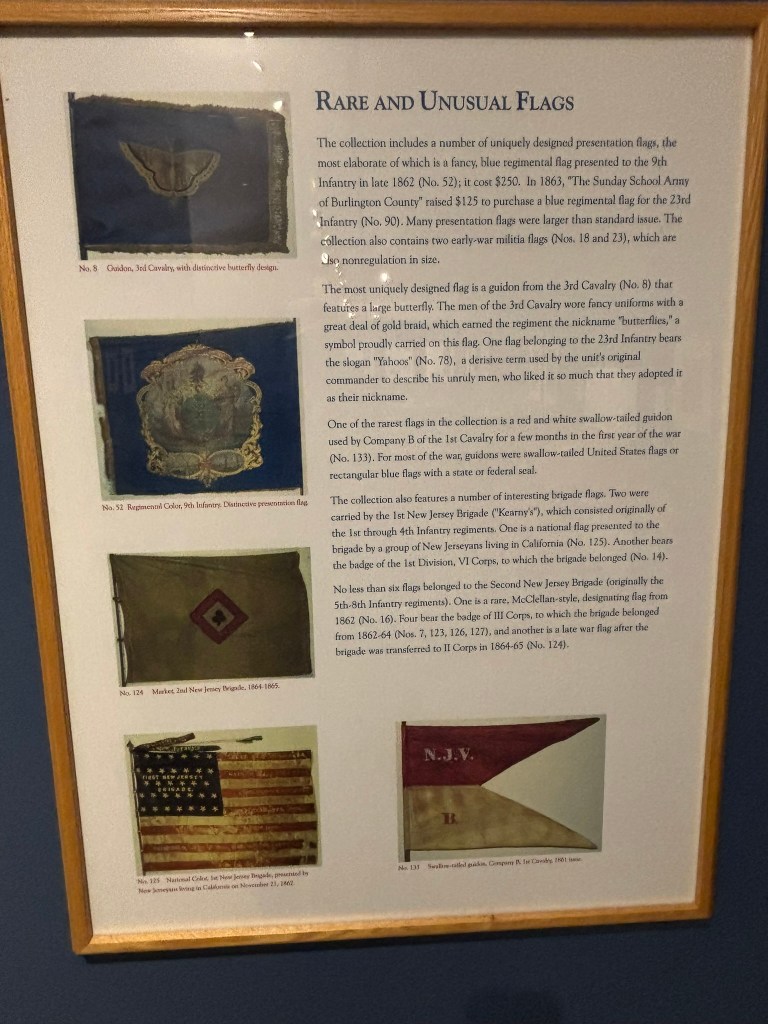
The first exhibit that we saw was the The Civil War Flag Collection of New Jersey. New Jersey soldiers played a significant role in fighting for the Union Army during the Civil War. The flags displayed, as well as the artifacts in the museum remind us of the crucial role that they played.
We explored each floor of the museum. There were crafts for the kids and there were other sections devoted to New Jersey History, Native American history, and colonial history.
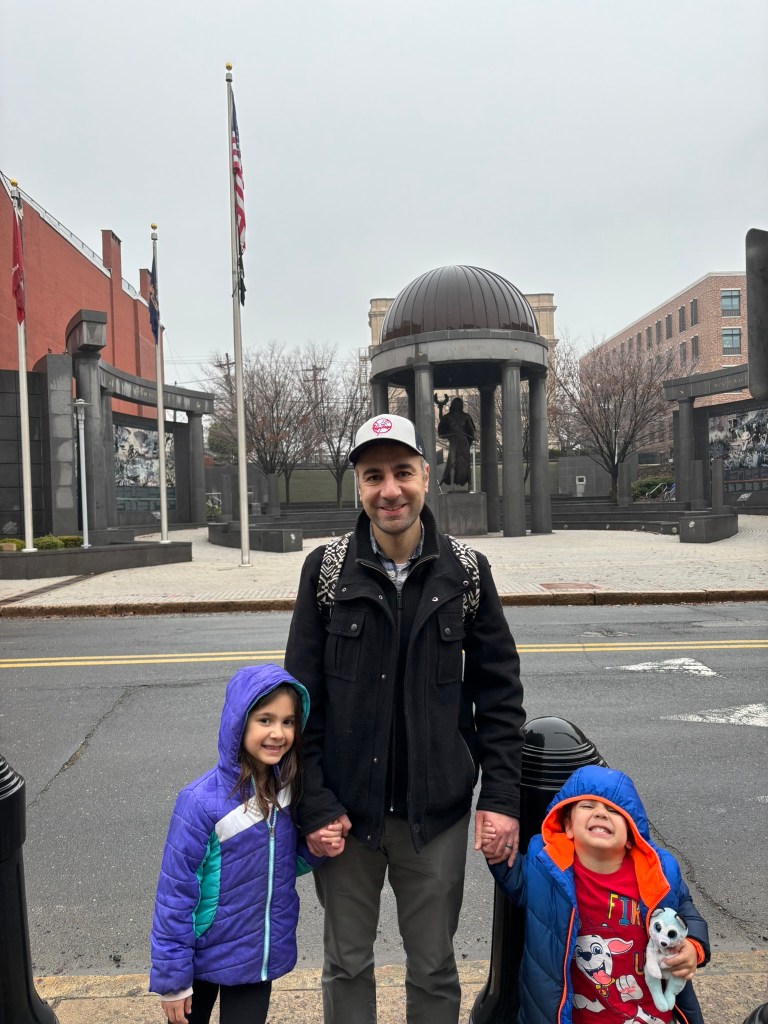
After our time exploring the New Jersey State Museum, we made the 8 minute walk to the Old Barracks Museum for Patriots Week. We stopped to take a picture in front of the WWII Memorial in Veterans Park.
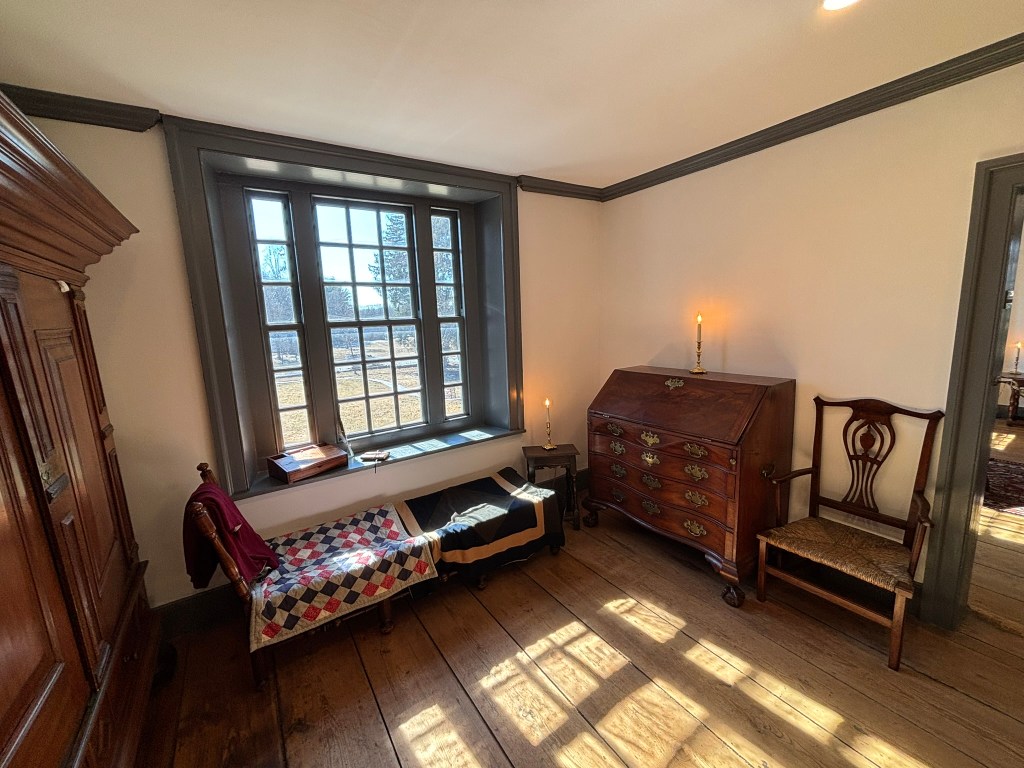
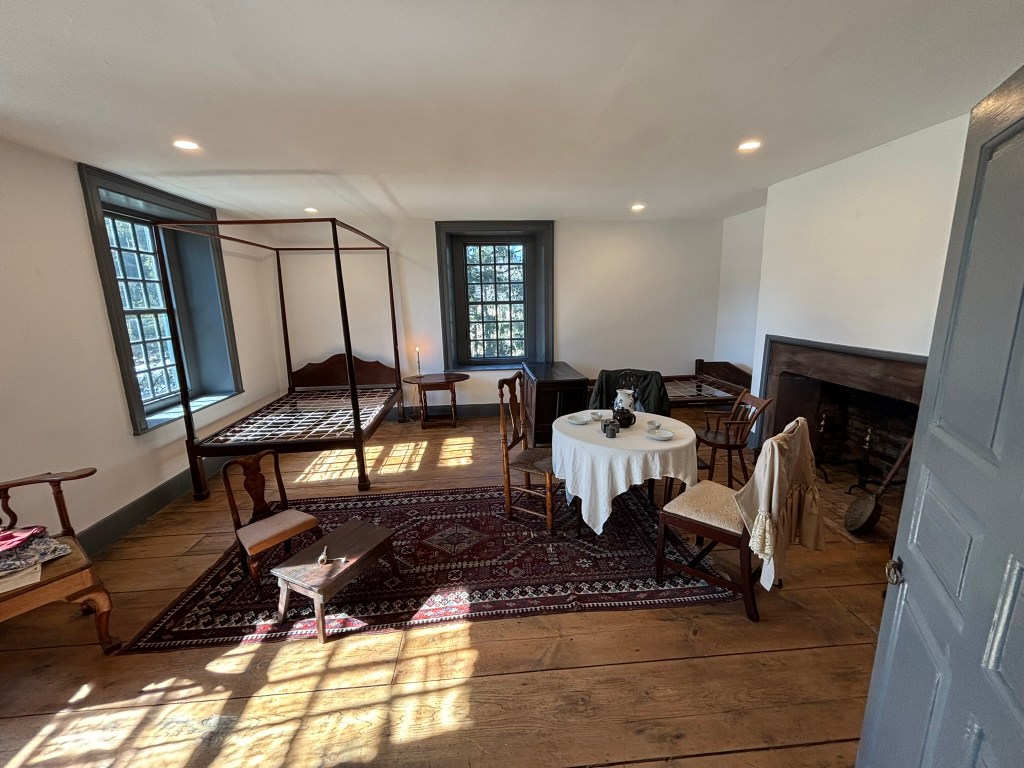
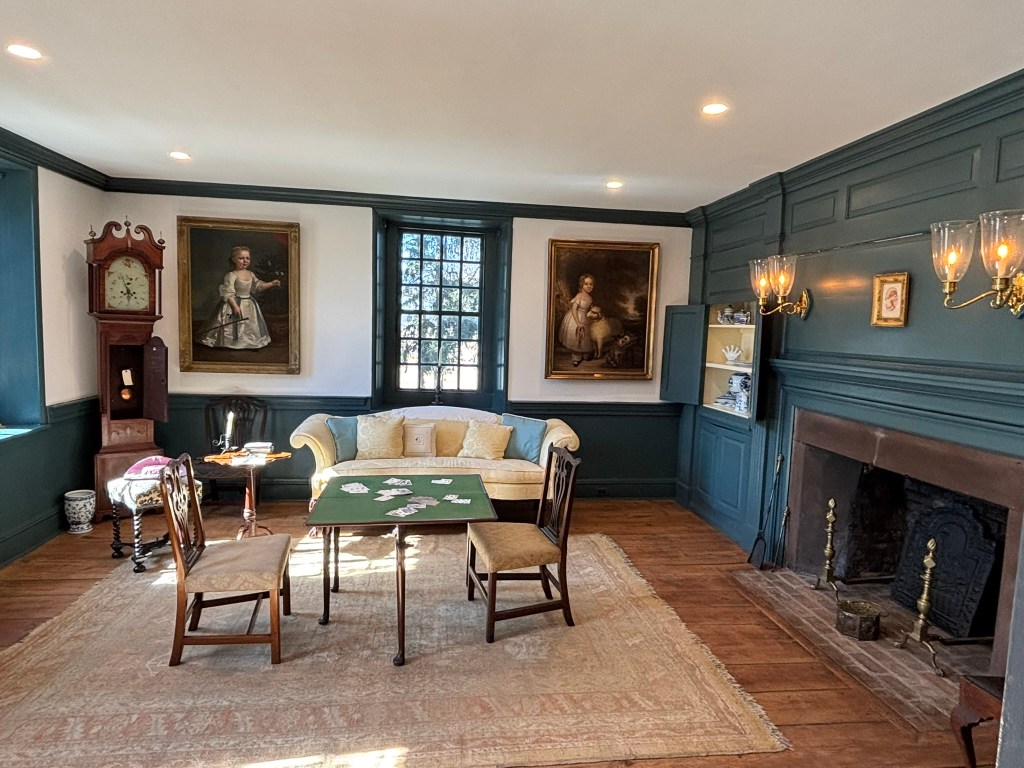
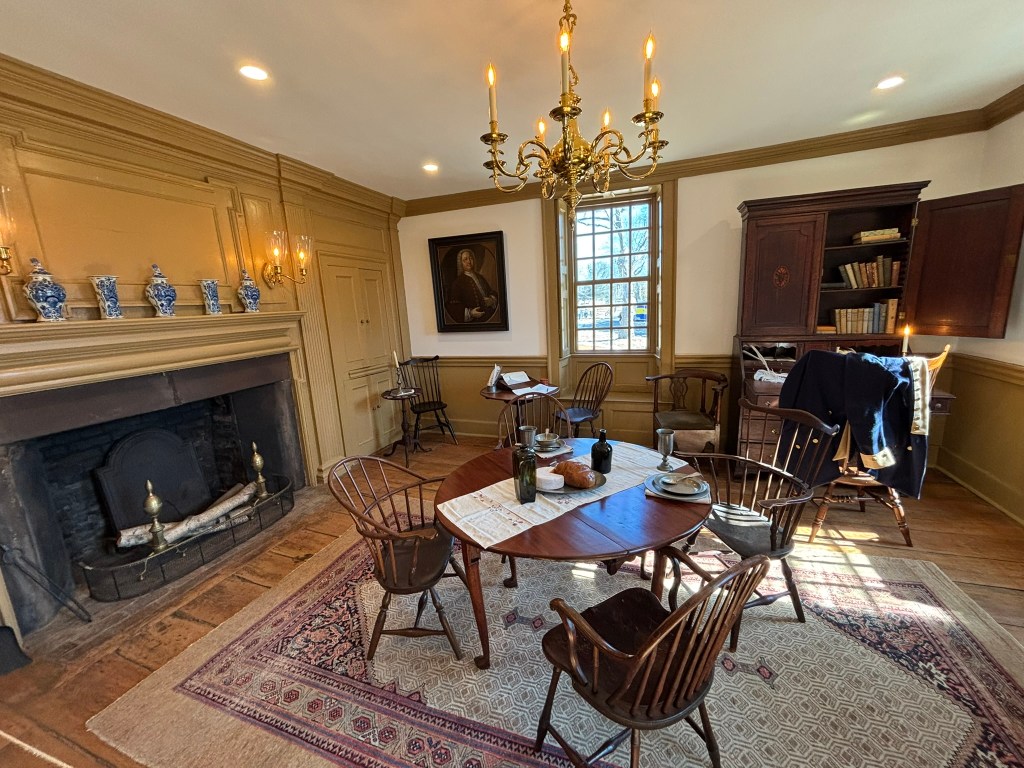
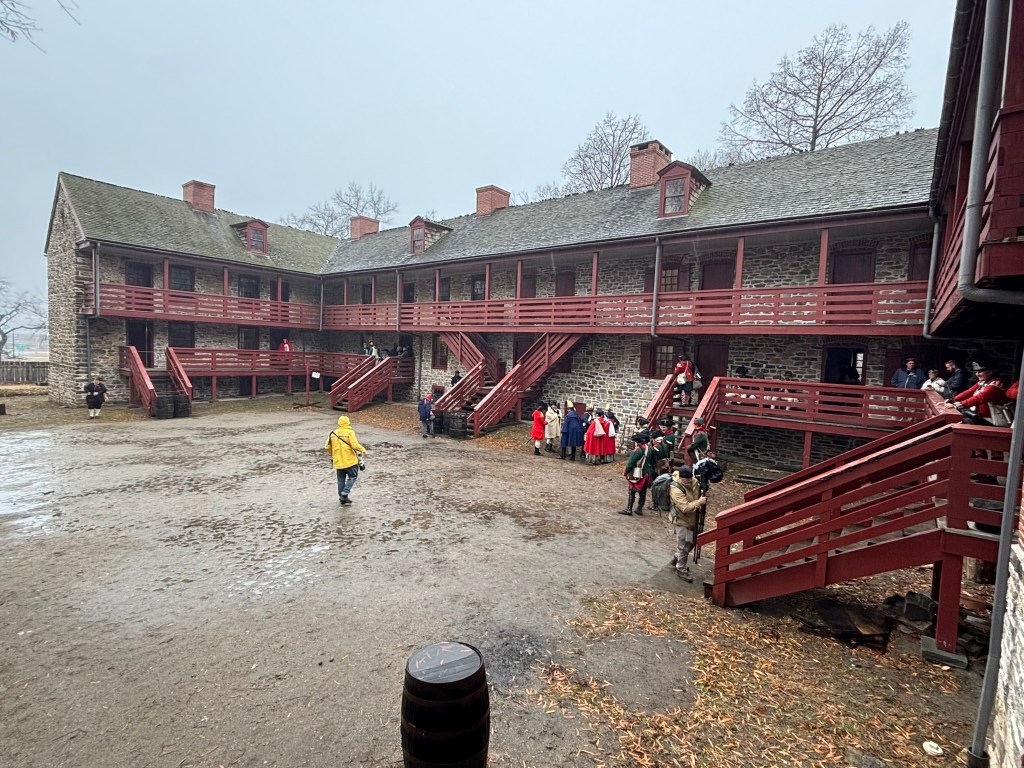
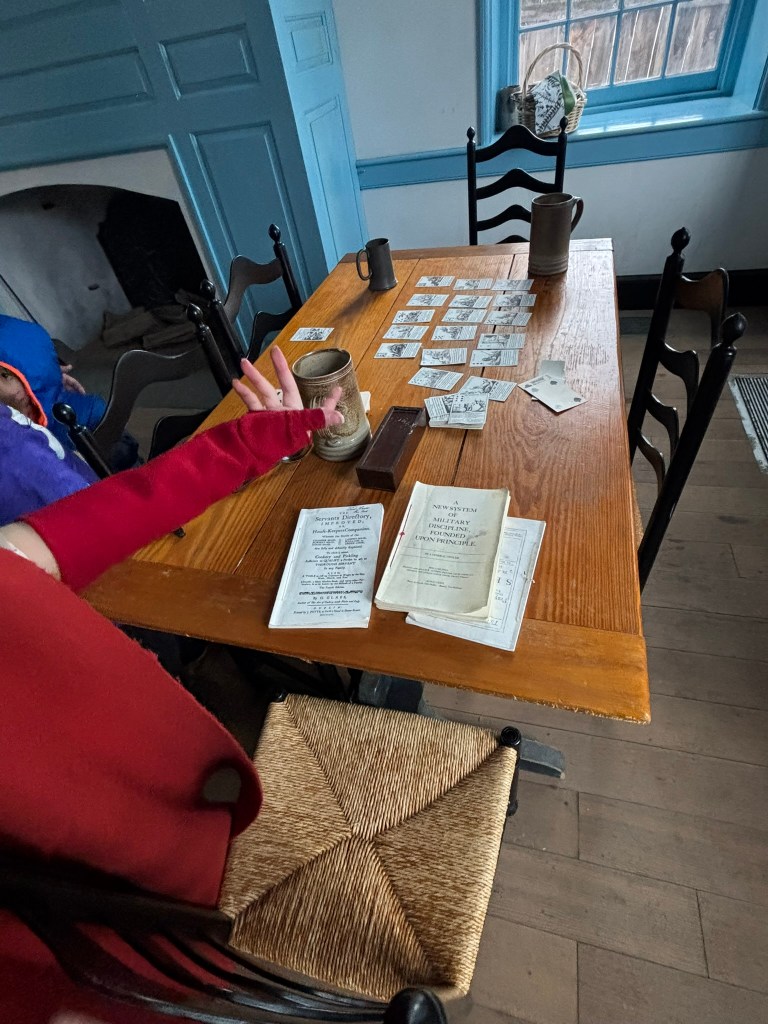
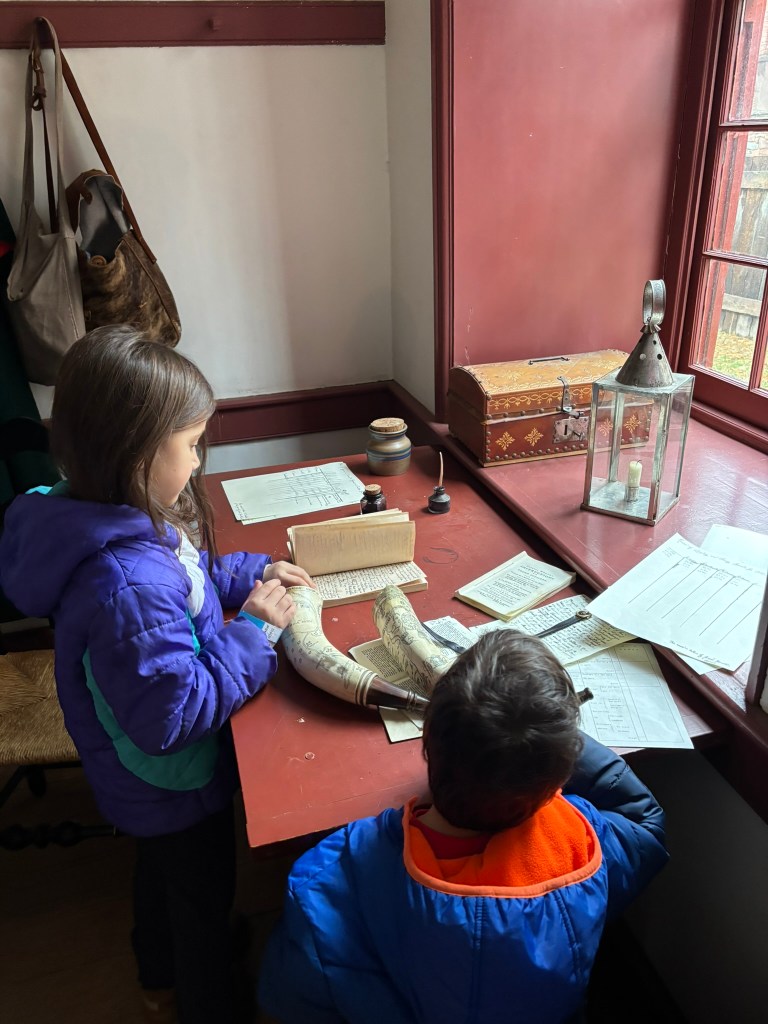
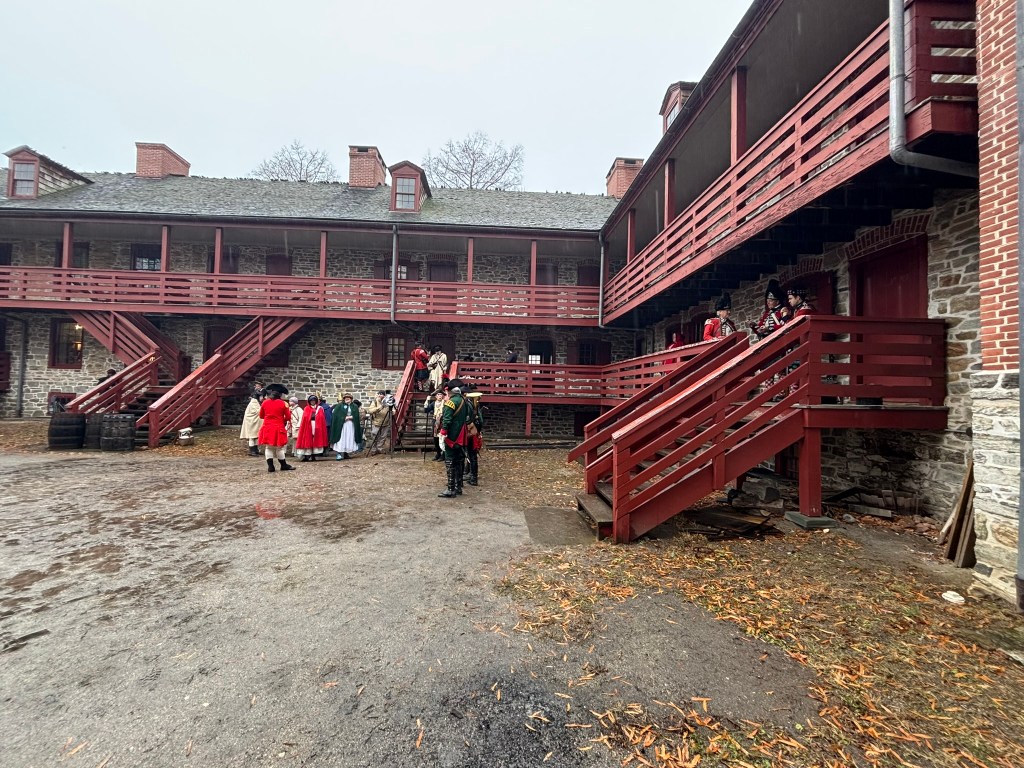
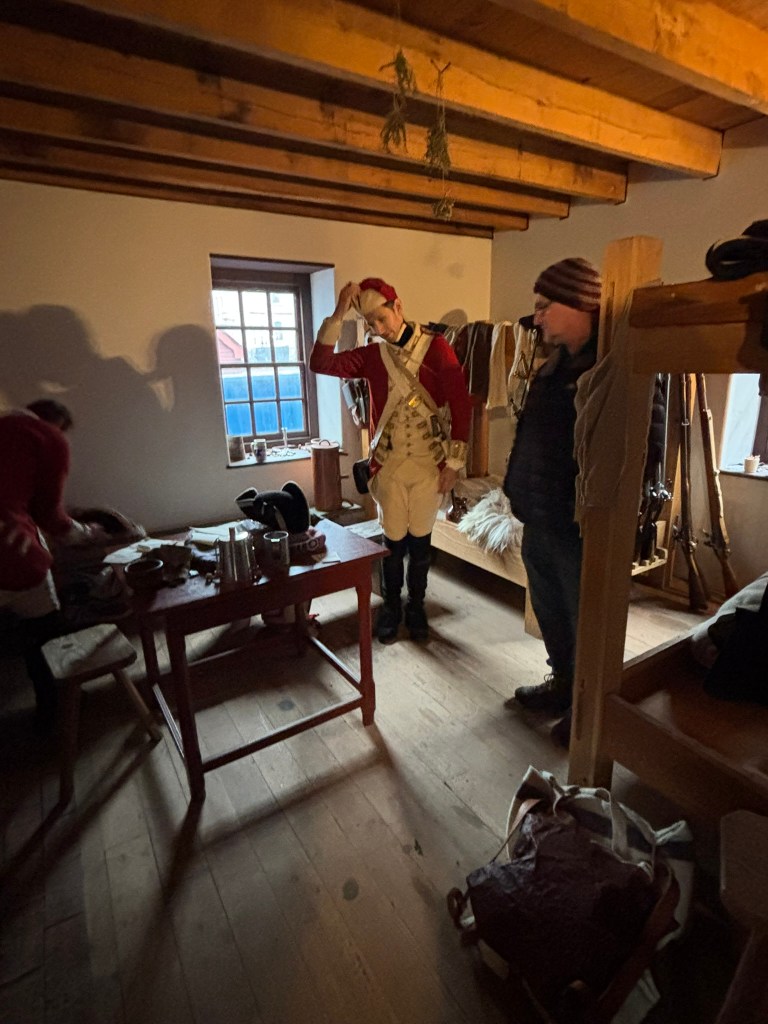
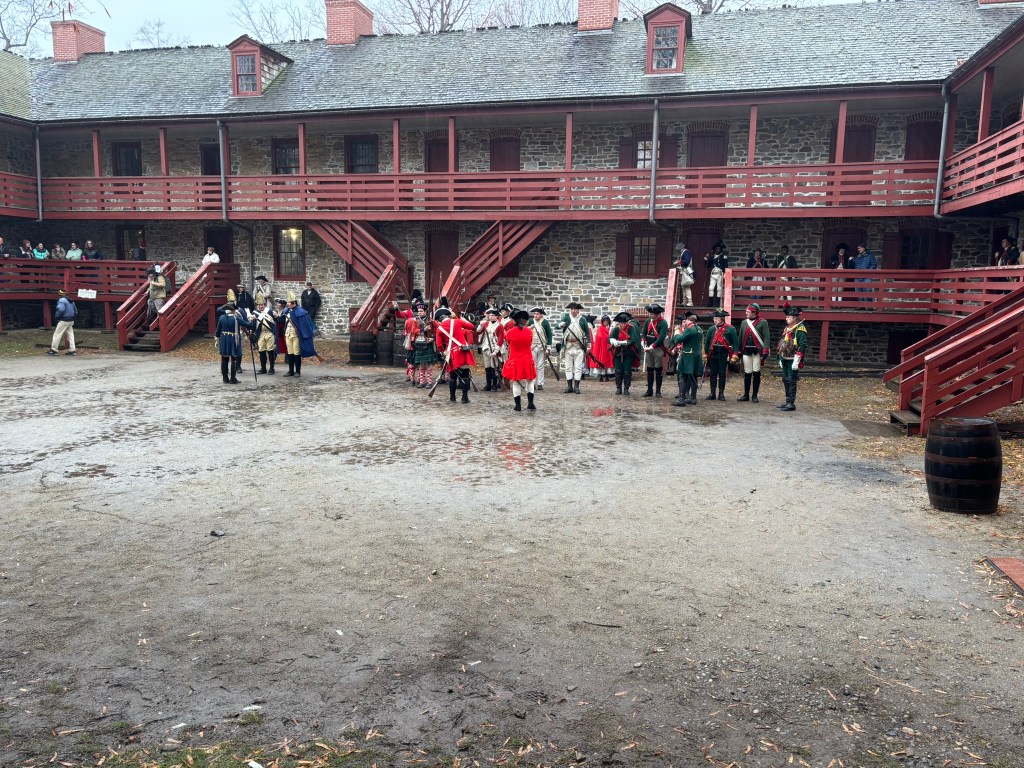
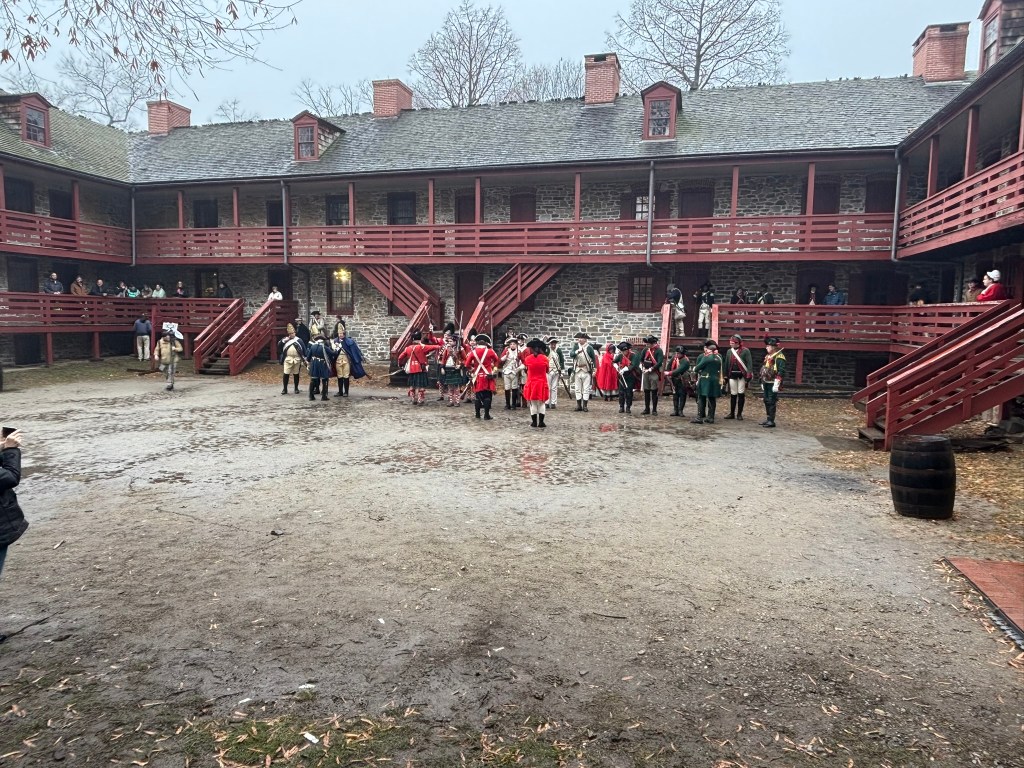
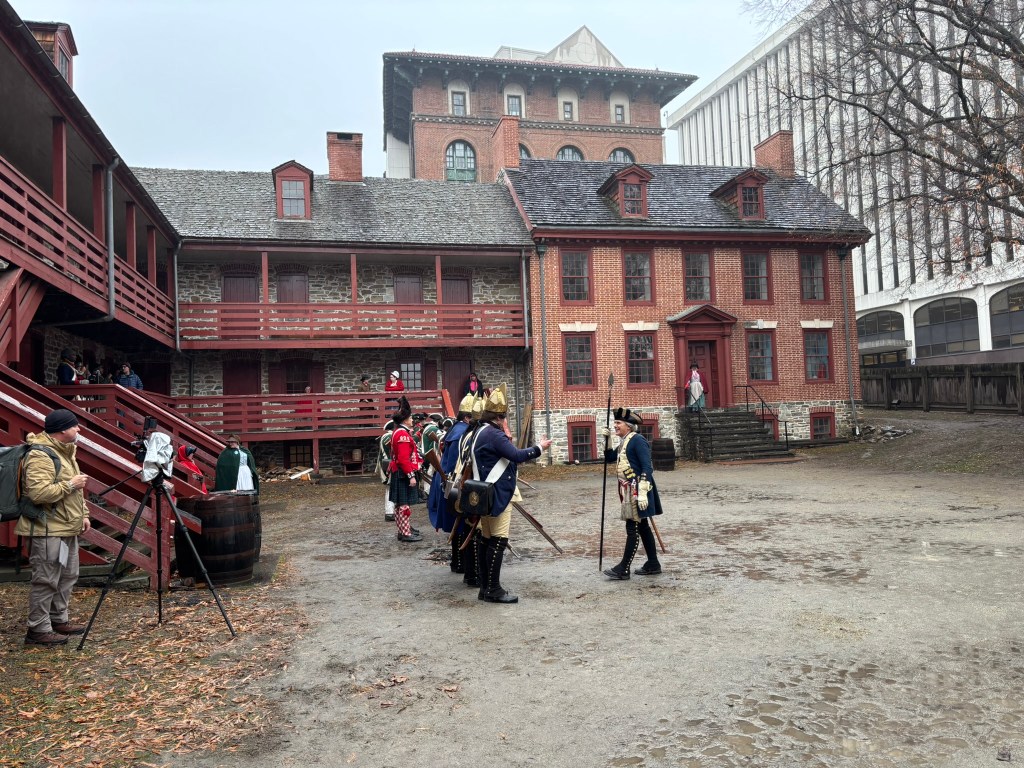
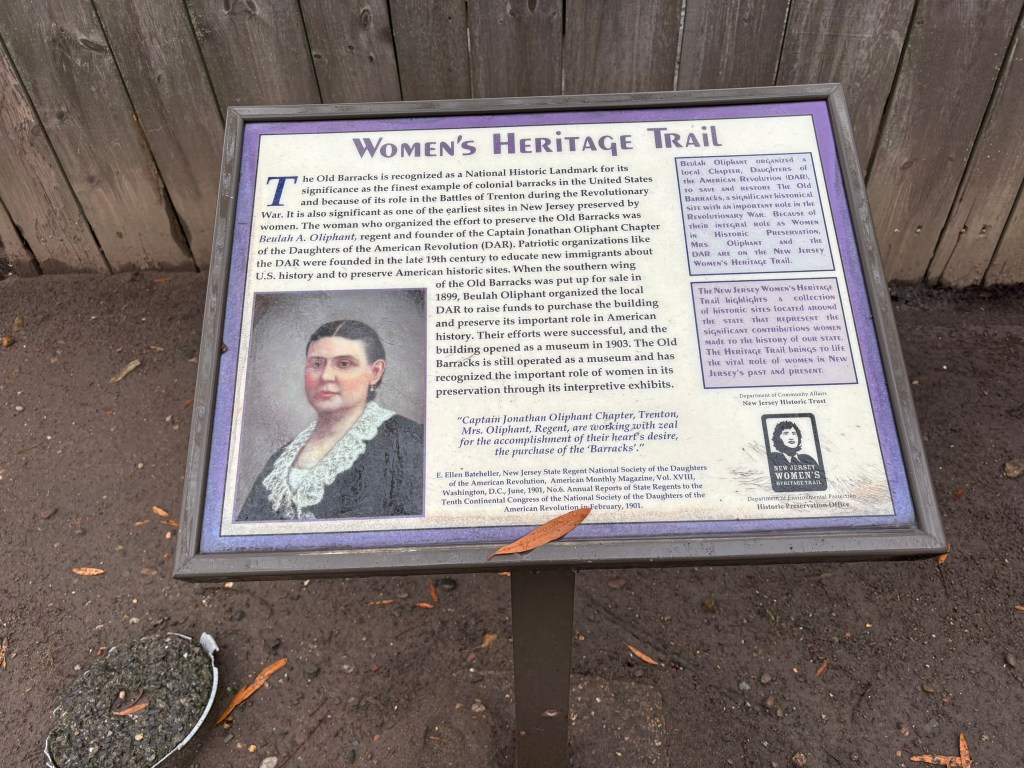
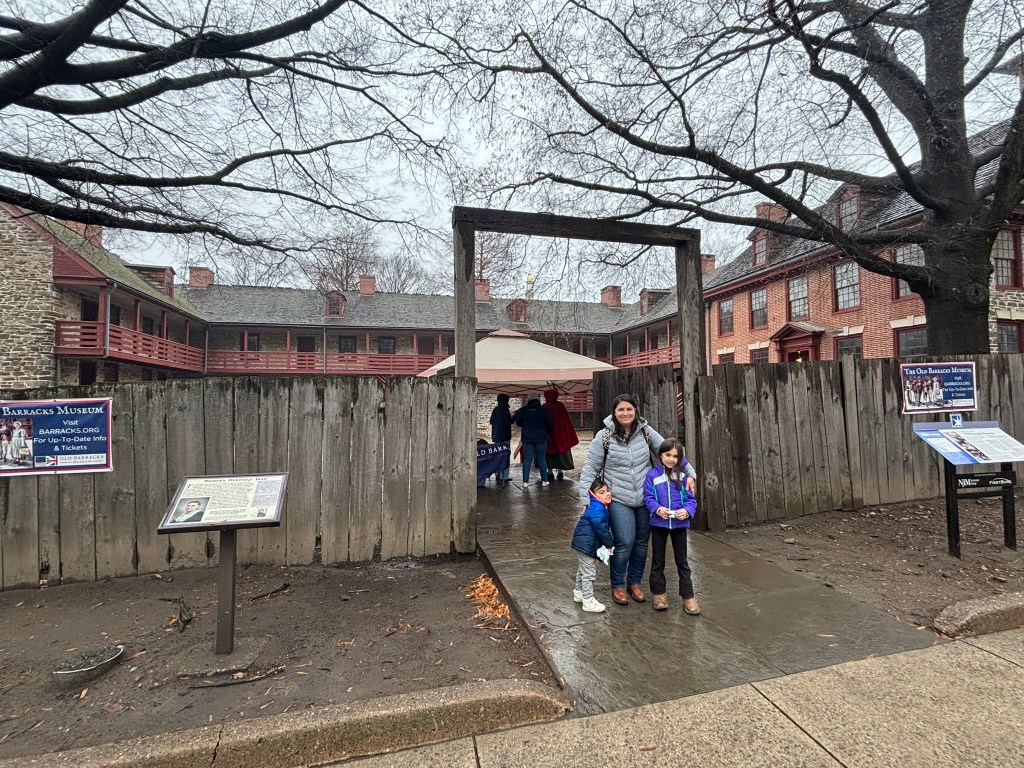
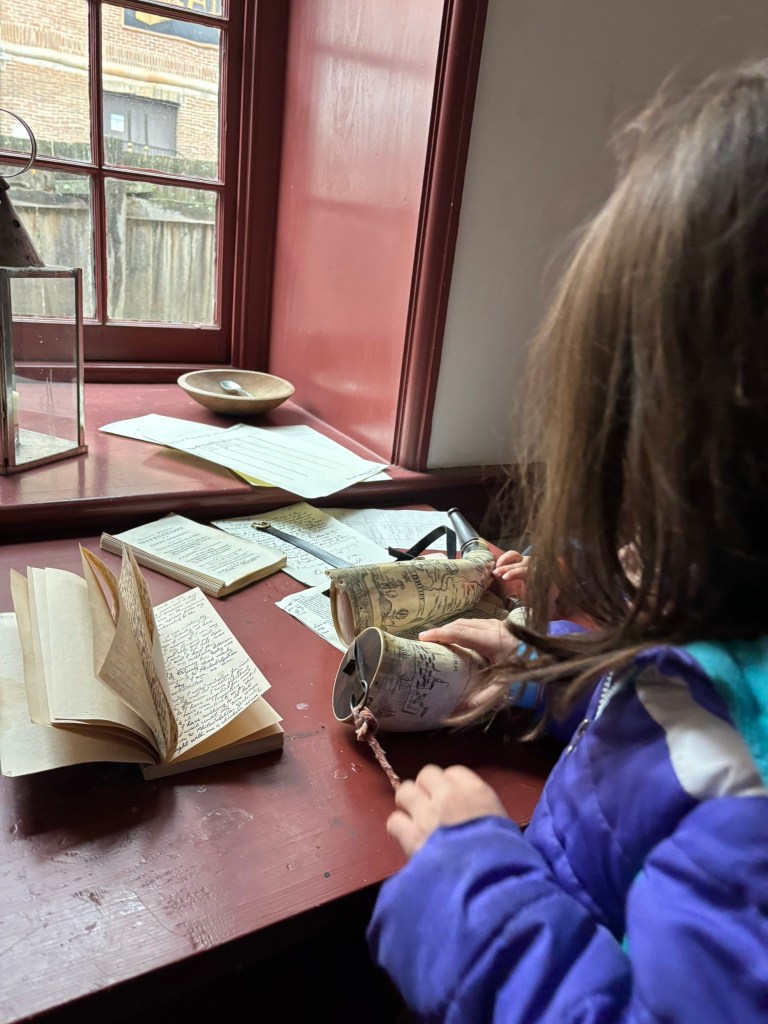
We arrived at and explored the Old Barracks Museum. The Re-enactors at the museum are great. They are very friendly and explain the history of the Barracks which were built in 1758 to house the British Army during the French and Indian War (1754-1763). The re-enactors explained what life would have been like for both the privileged officers, as well as the soldiers. We discovered that officers passed the time by playing cards and other games. We also discovered in the soldiers’ barracks that a room the size of my kids’ bedrooms would have housed between 12-16 men, 3 men per bed! The barracks would serve a variety of purposes during the American Revolution after it was captured by the Americans, including a place to house American troops and British prisoners, as well as a smallpox hospital.
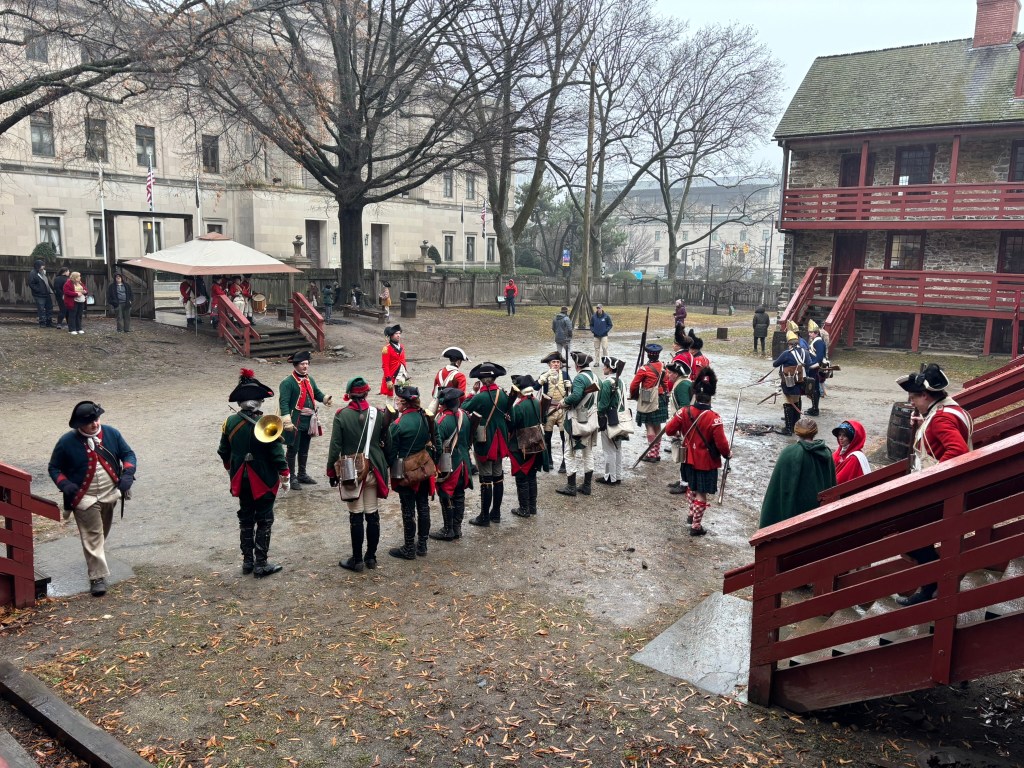
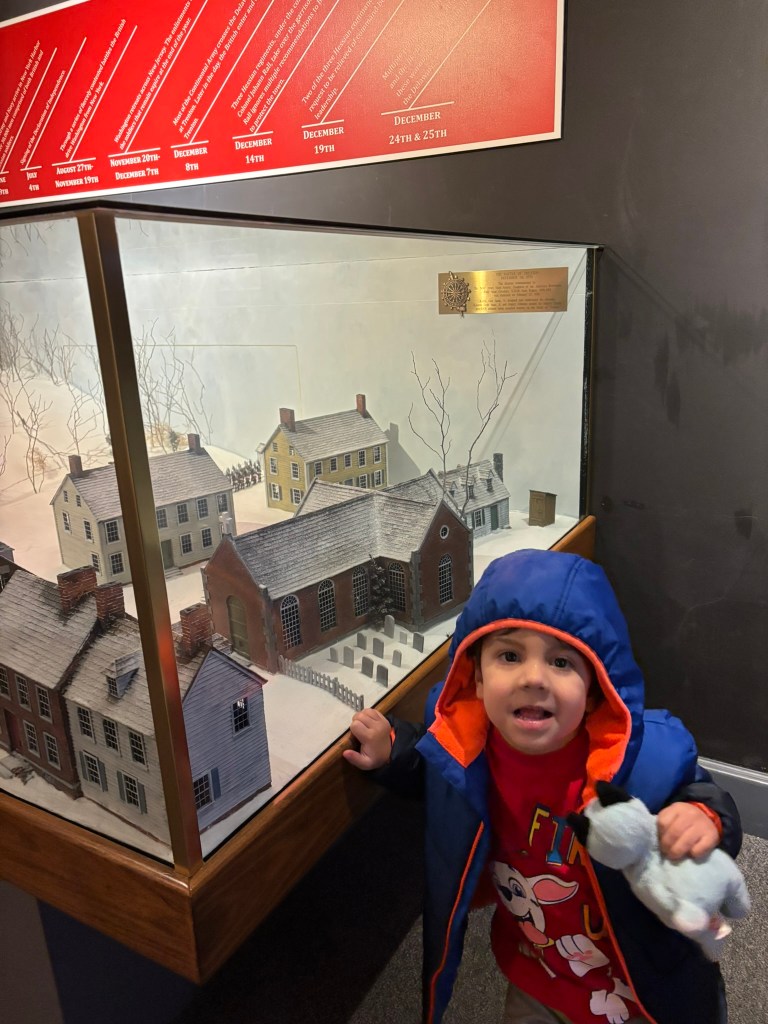
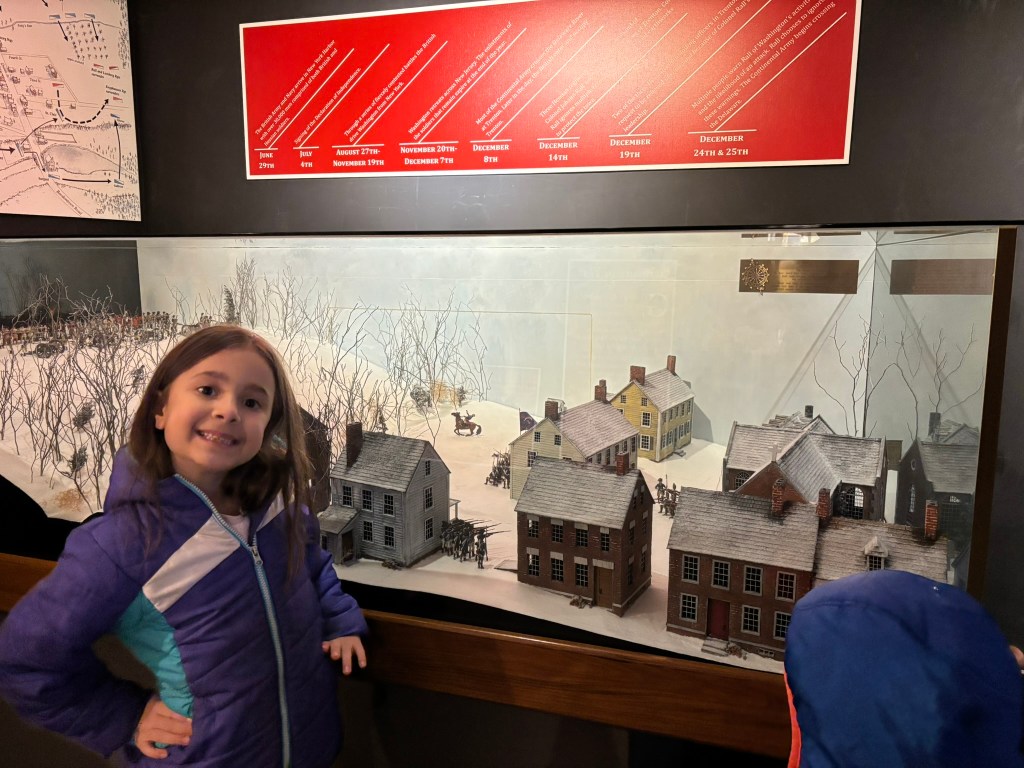
While we were exploring the Barracks, soldiers gathered to line up and march over to the reenactment of the Battle of Trenton, which takes place between State Street and Mill Hill Park. We unfortunately didn’t get an opportunity to see the reenactment. It was taking place farther away from where our car was parked, which would have been a lot for the kids. We are hoping to see it in the future and will plan our day better than we did this time. The reenactment always takes place around this time in December to commemorate the Continental Army’s crucial victory on December 26th, 1776 at the Battle of Trenton, part of the Ten Crucial Days.
This was somewhat of a spur of the moment trip, but overall we had a good day. For next year, I’m hoping we can plan out Patriots Week better so that we can attend more events. The Old Barracks is a place I have wanted to see for a long time. It’s quite fascinating to see a building from 1758 in the middle of Trenton. There is rich history to explore there as it serves as a living history museum. For videos from the the Old Barracks Museum, follow my Social Media Pages. For more information on the two museums that we visited, check out the links below.


















































































 Benevento's History Blog