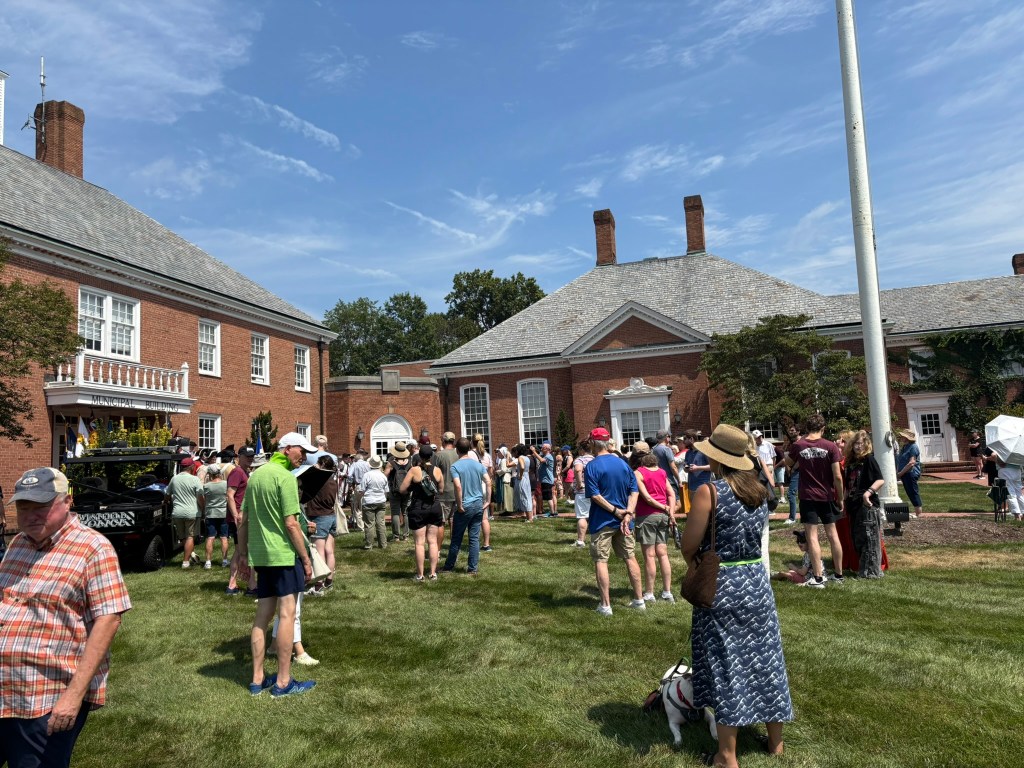
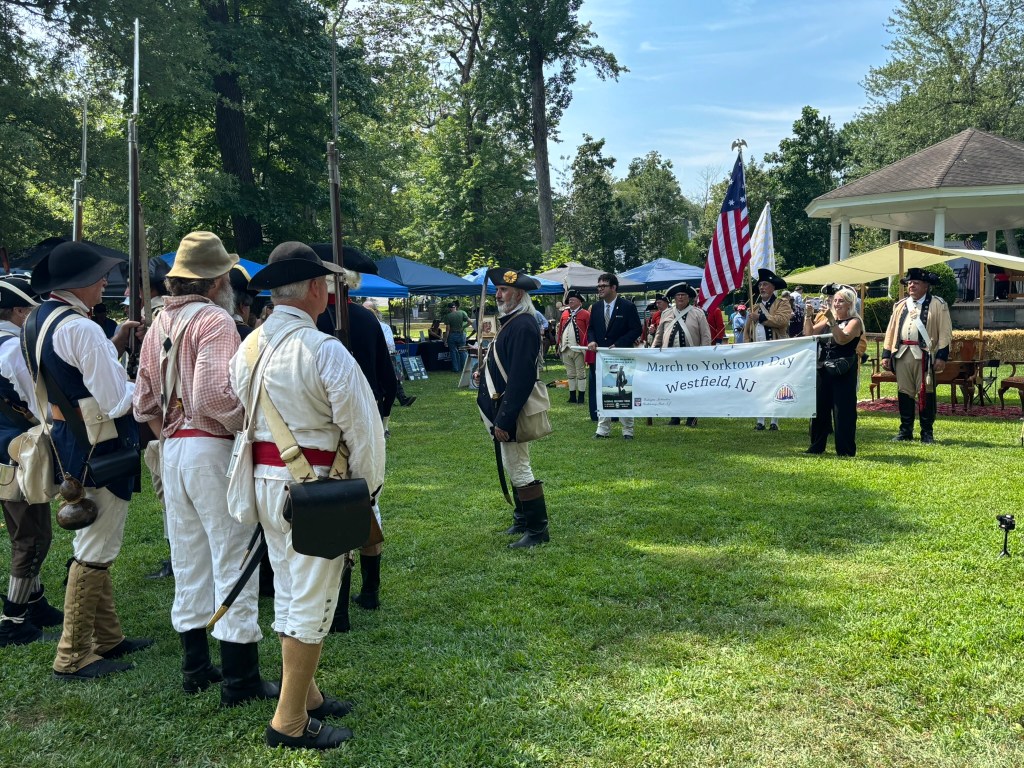
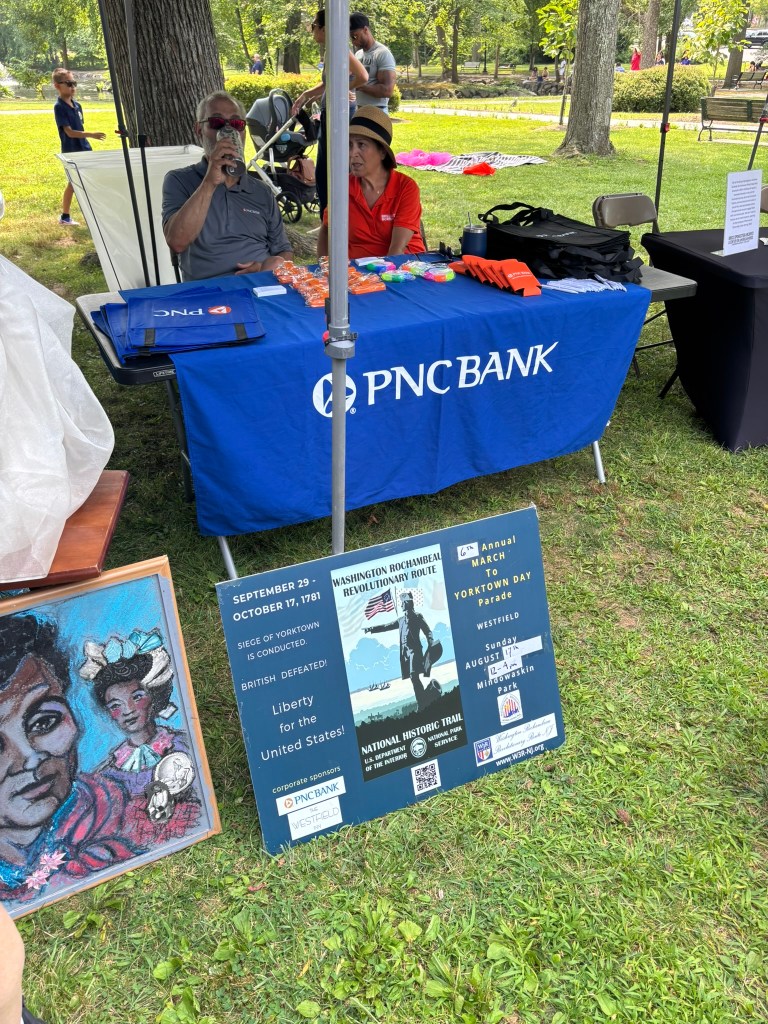
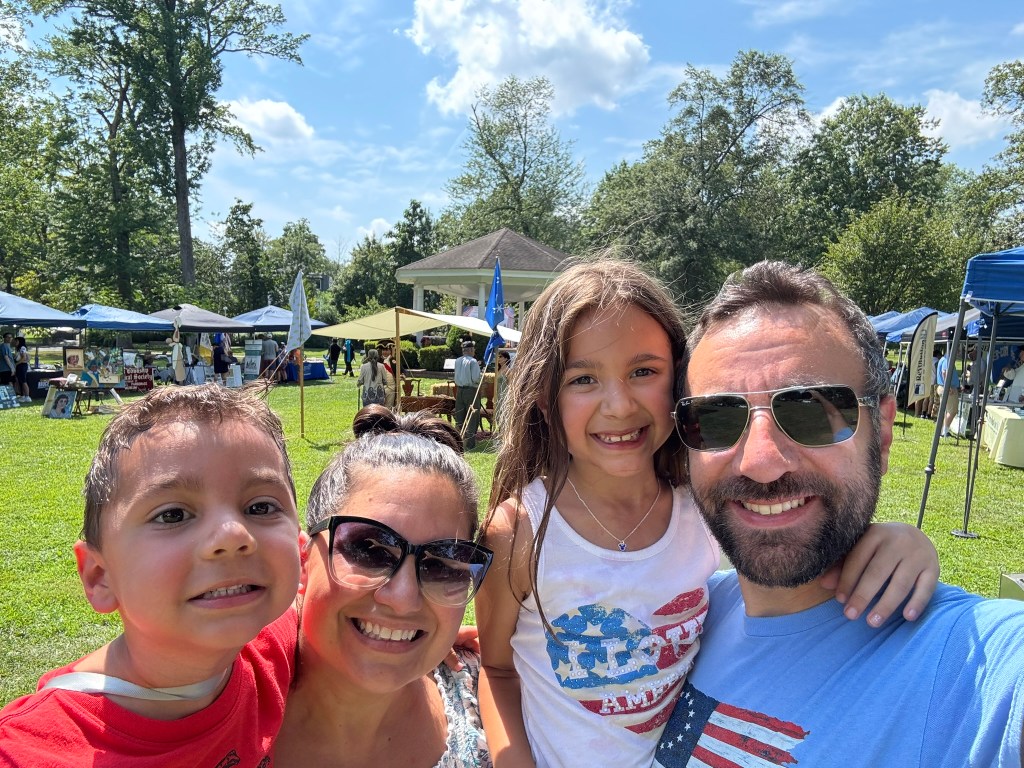
On August 17th, my family and I attended the Sixth Annual March to Yorktown Day in Westfield, NJ. The last time I went was in 2023 with my daughter, which you can read about HERE. This year’s 2025 event drew an impressive crowd and was well planned and organized by Julie Diddel, chair of the Washington-Rochambeau Revolutionary Route Association of New Jersey (W3R-NJ). The commemoration marks August 29, 1781, when General Benjamin Lincoln’s division of the Continental Army passed through Westfield on their march to Yorktown, Virginia. At the same time, the French Army under the Comte de Rochambeau took a route slightly west of the Continentals before both forces united near Princeton, NJ. The Washington-Rochambeau Revolutionary Route traces the path of the American and French armies from Newport, Rhode Island, to Yorktown, where their combined campaign led to the British surrender at the Siege of Yorktown in October 1781. Today, the route is preserved as part of the National Park Service. You can read more about the trail HERE.
Opening Ceremony
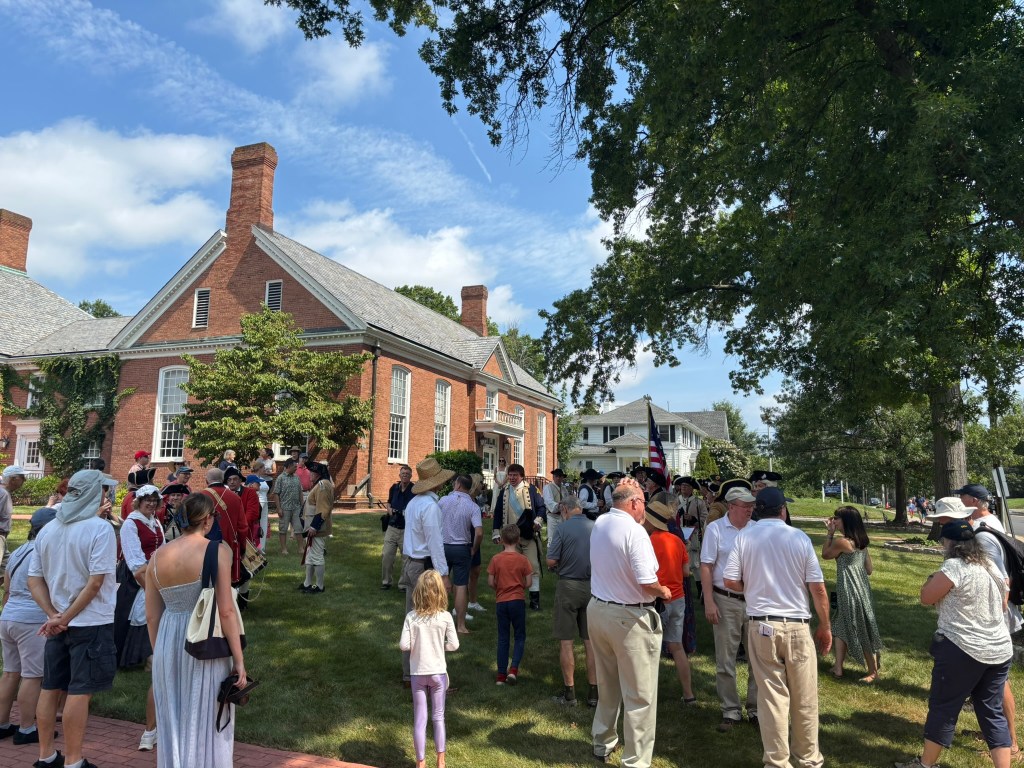
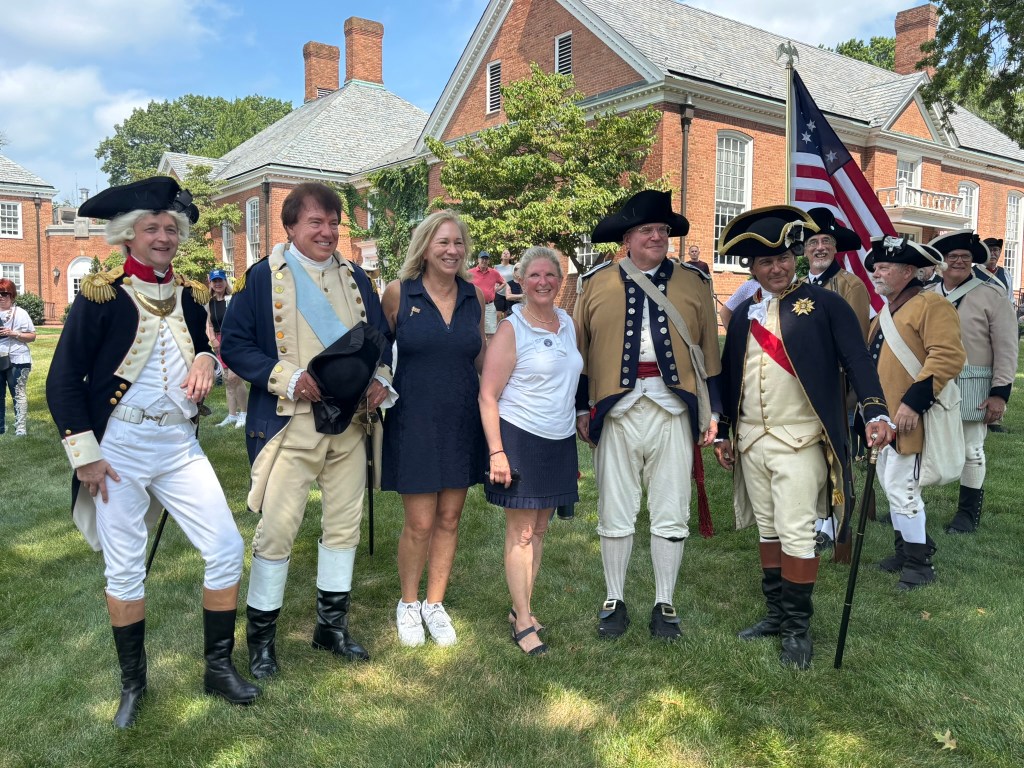
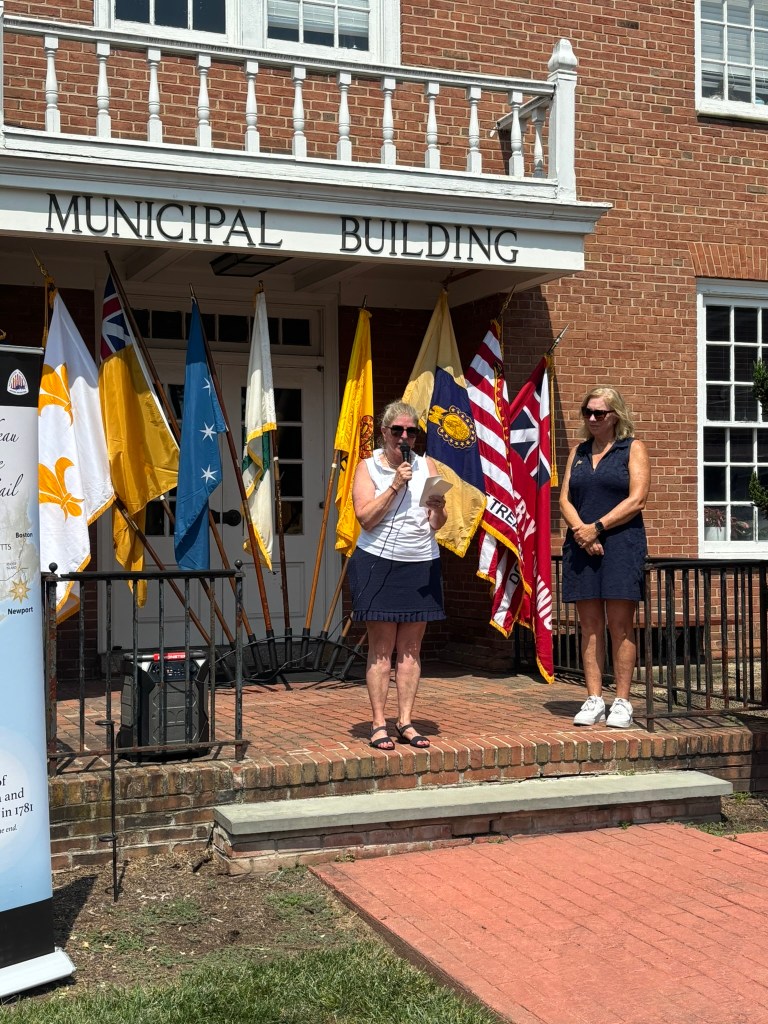
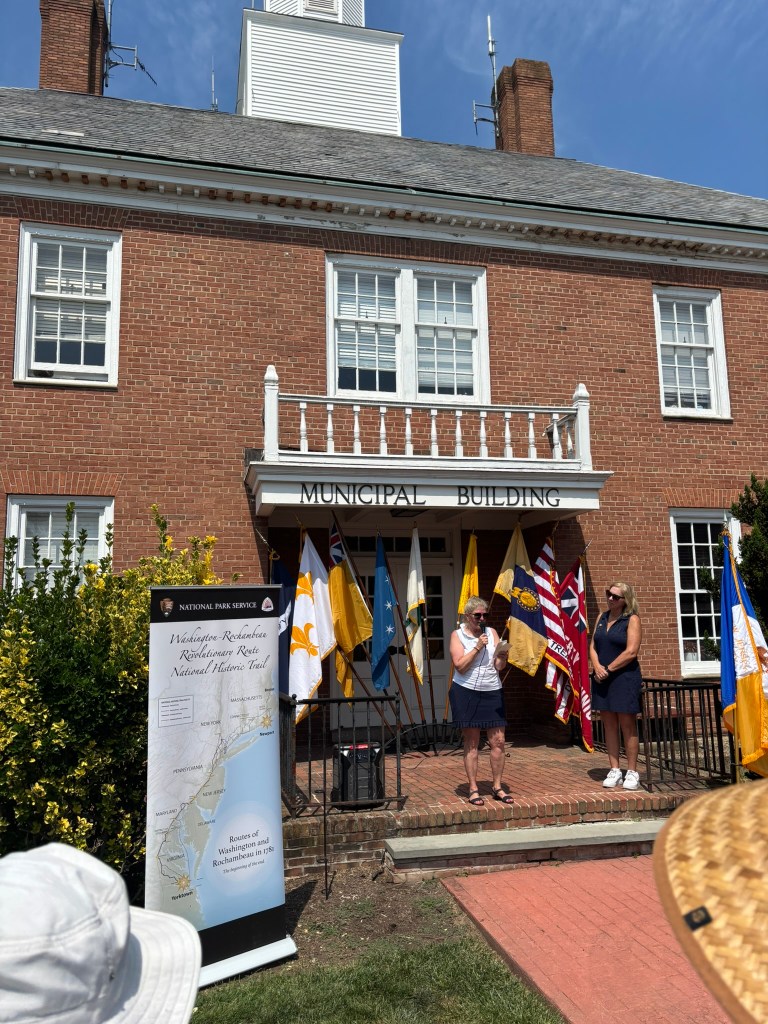
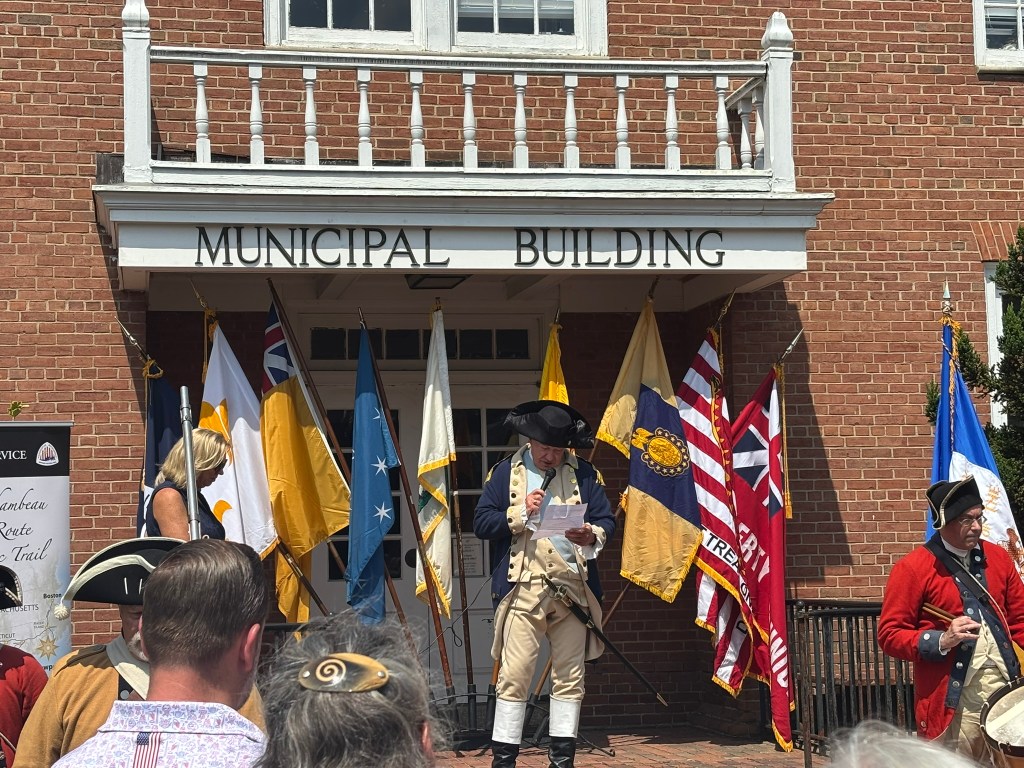
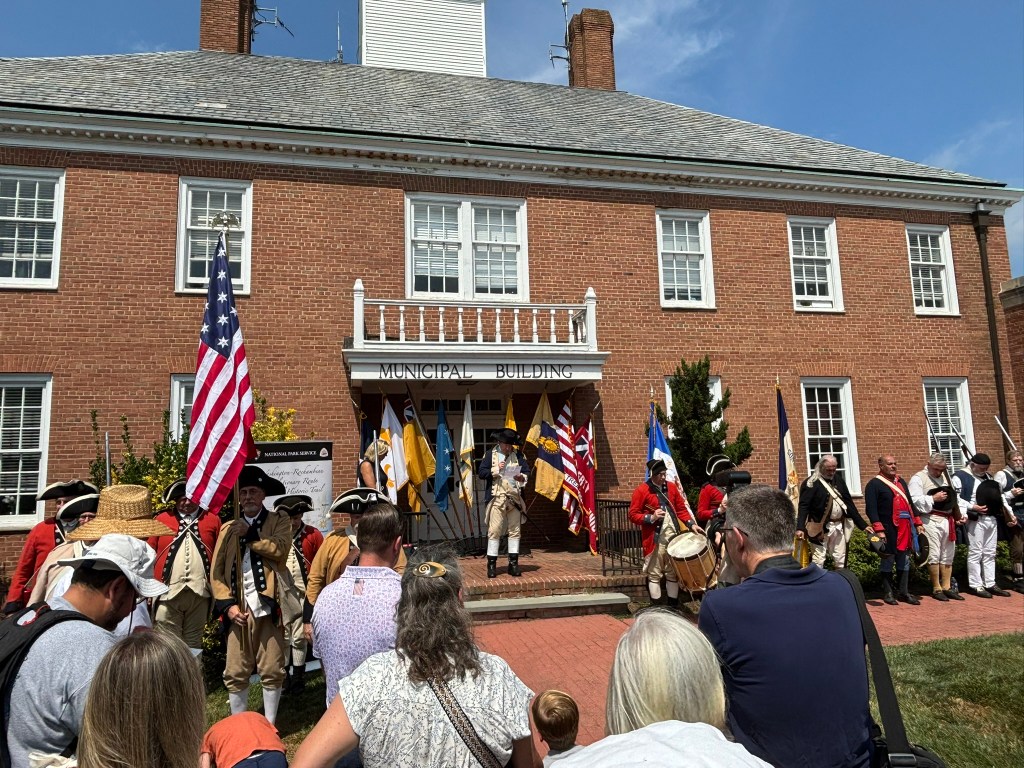
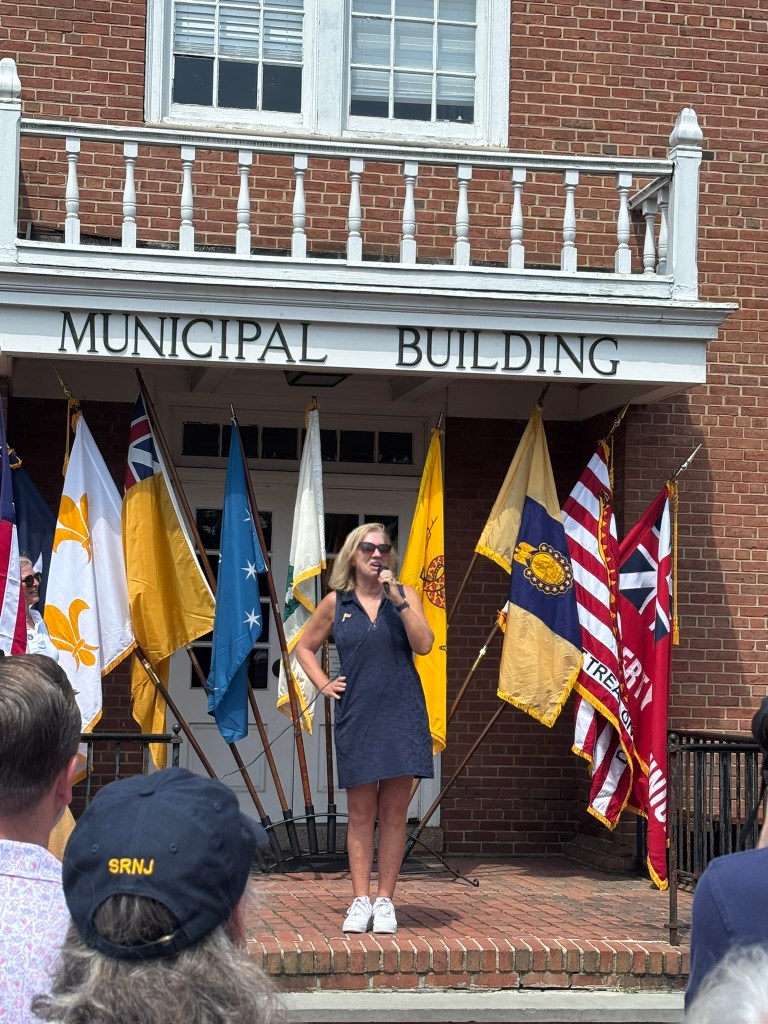
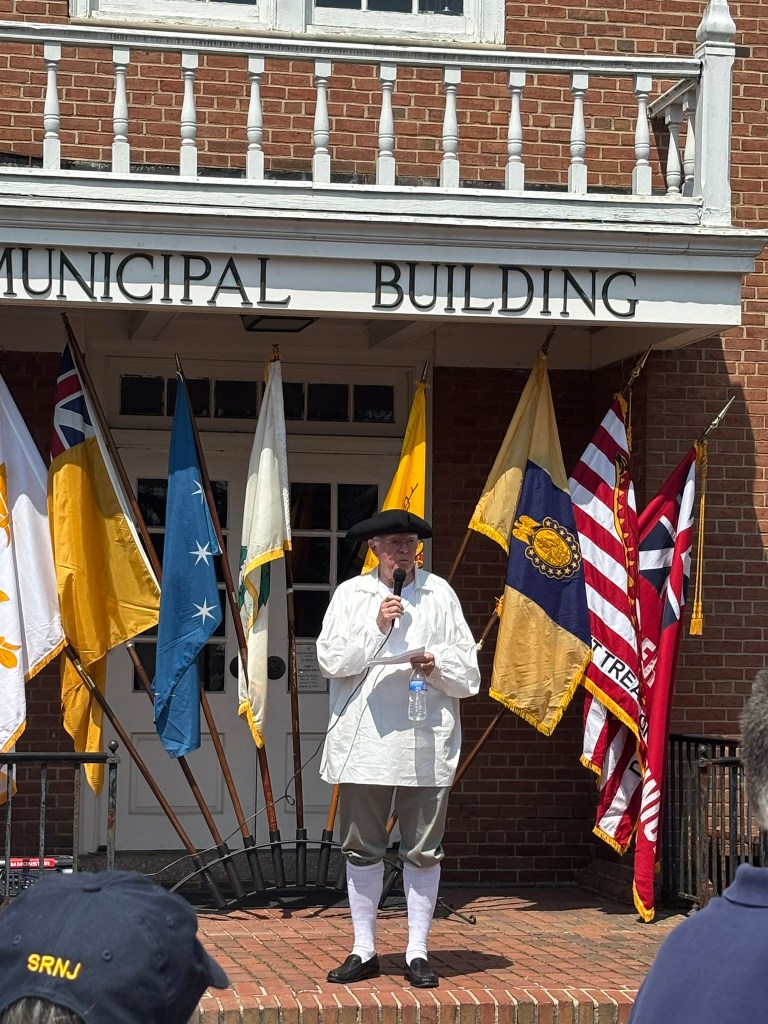
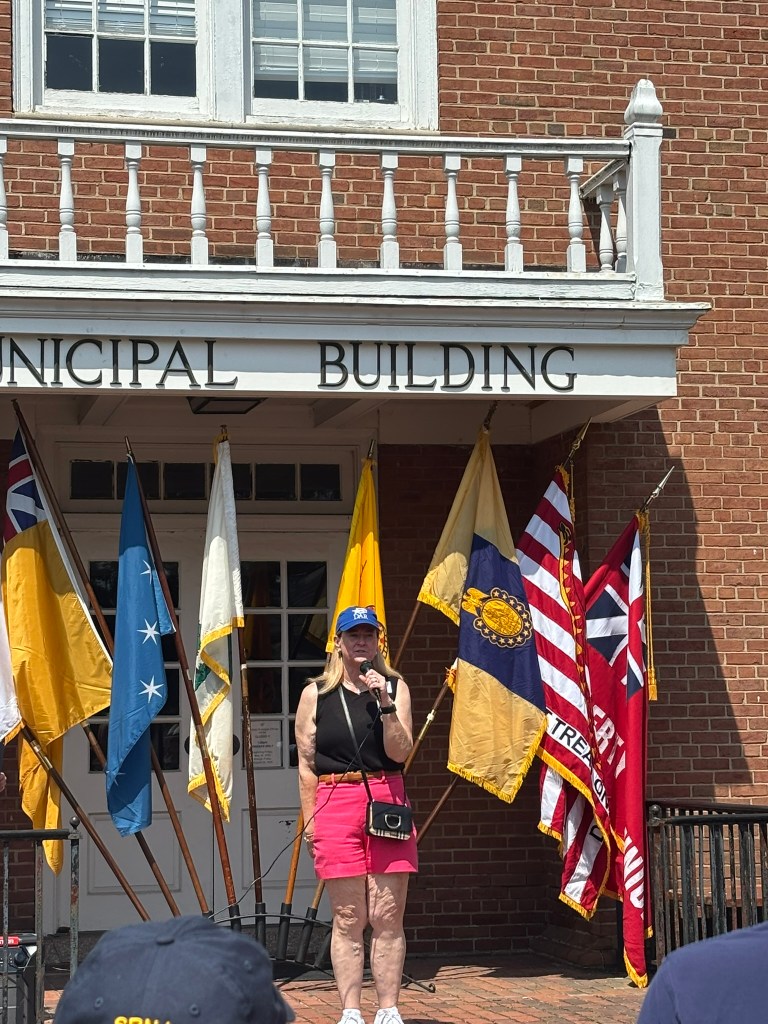
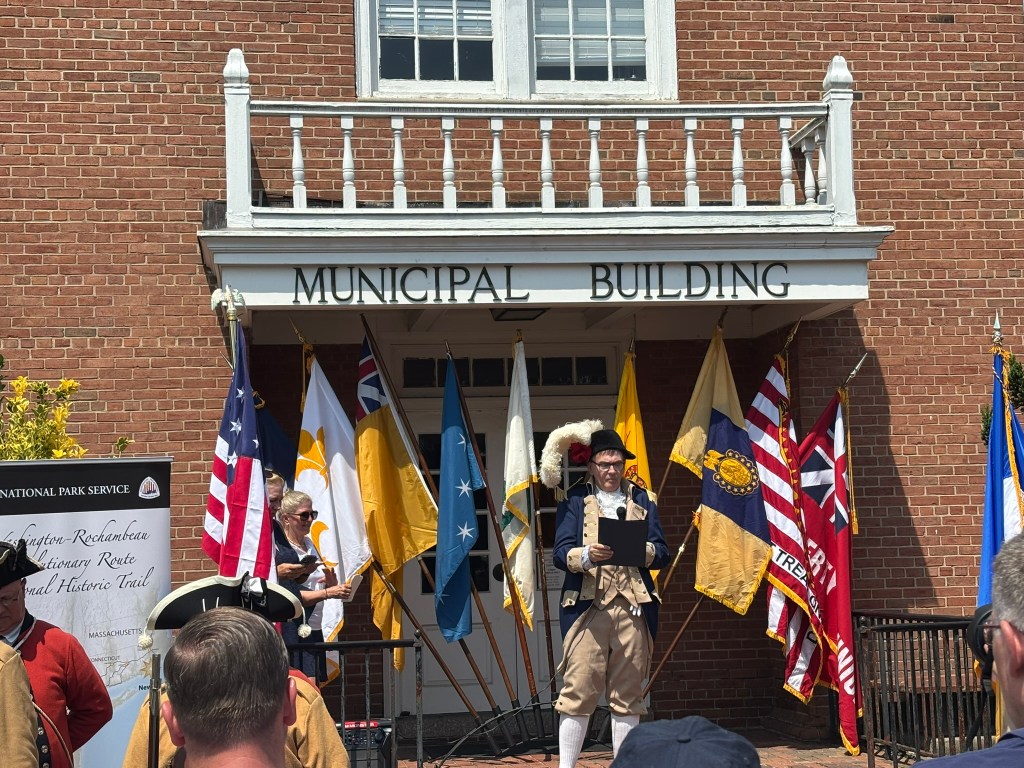
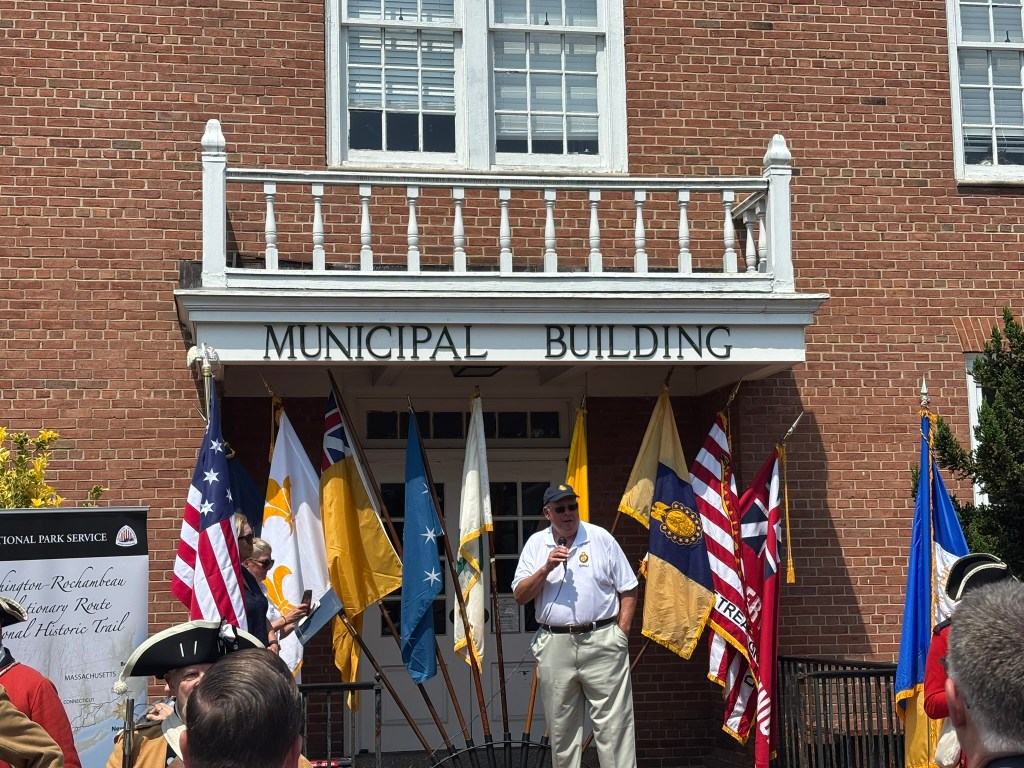
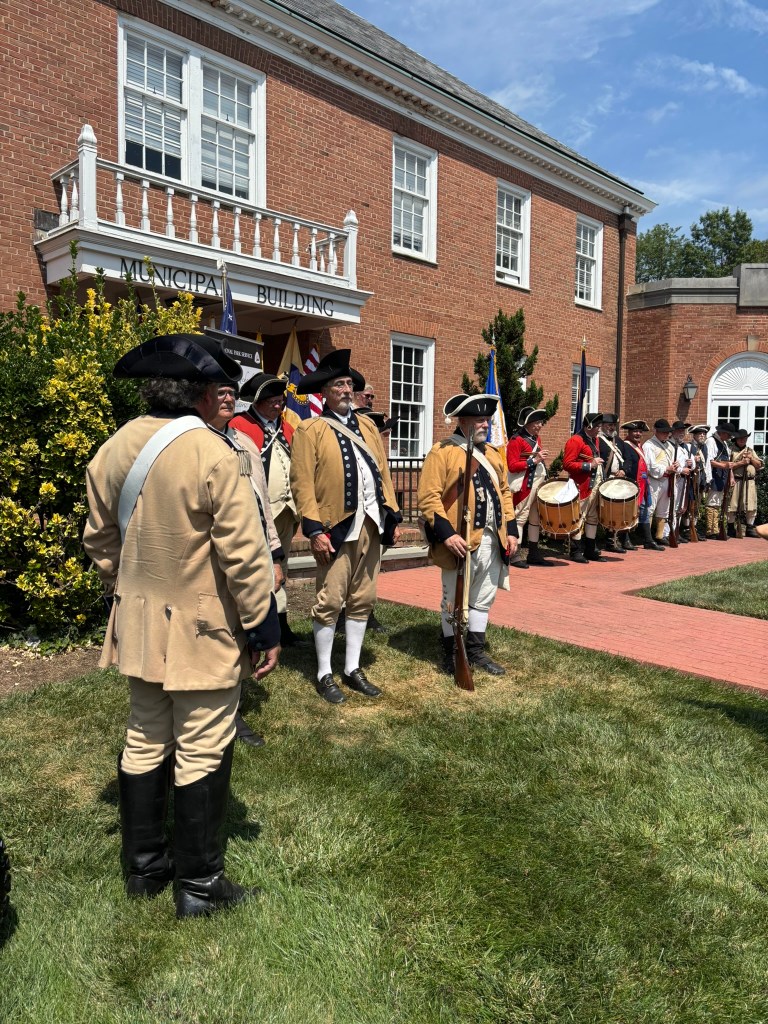
The program began at noon with an opening ceremony in front of Westfield Town Hall on East Broad Street. The first remarks, by Julie Diddel, chair of W3R-NJ, highlighted the significance of the Washington-Rochambeau Revolutionary Trail and Westfield’s role in the Revolution. She was followed by other speakers, including Westfield Mayor Shelley Brindle and leaders from local historical organizations. General George Washington, portrayed by reenactor Sam Davis, offered an opening prayer, and the New Jersey Fifes and Drums led the crowd in the Star-Spangled Banner.
Symbolic March
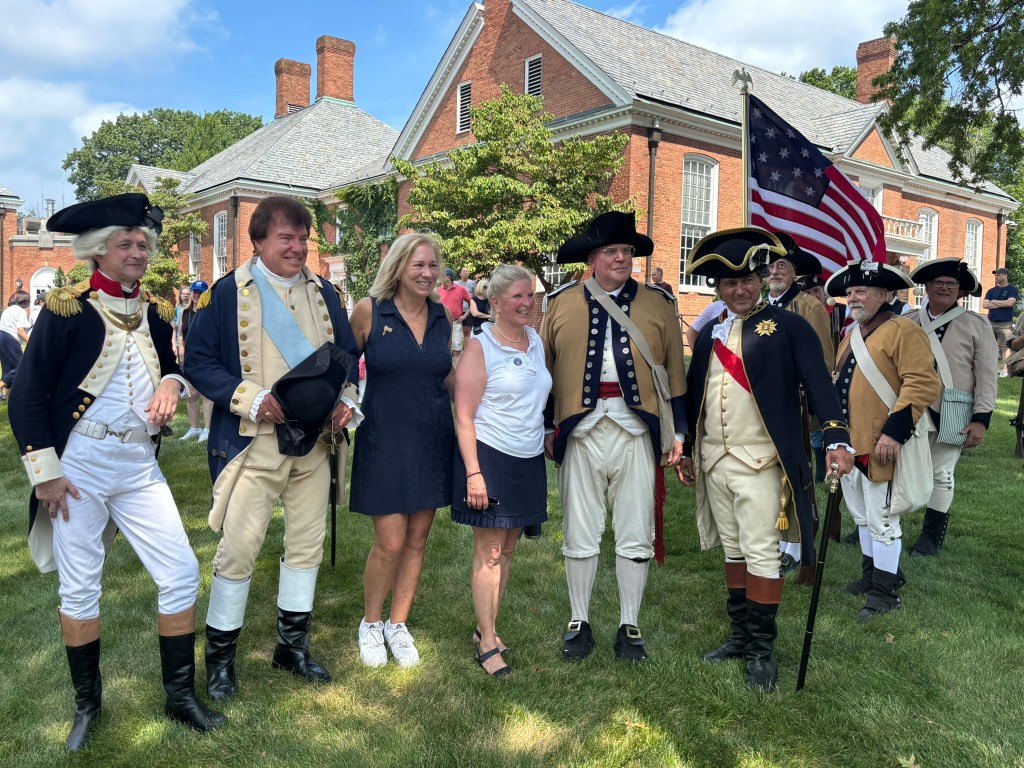
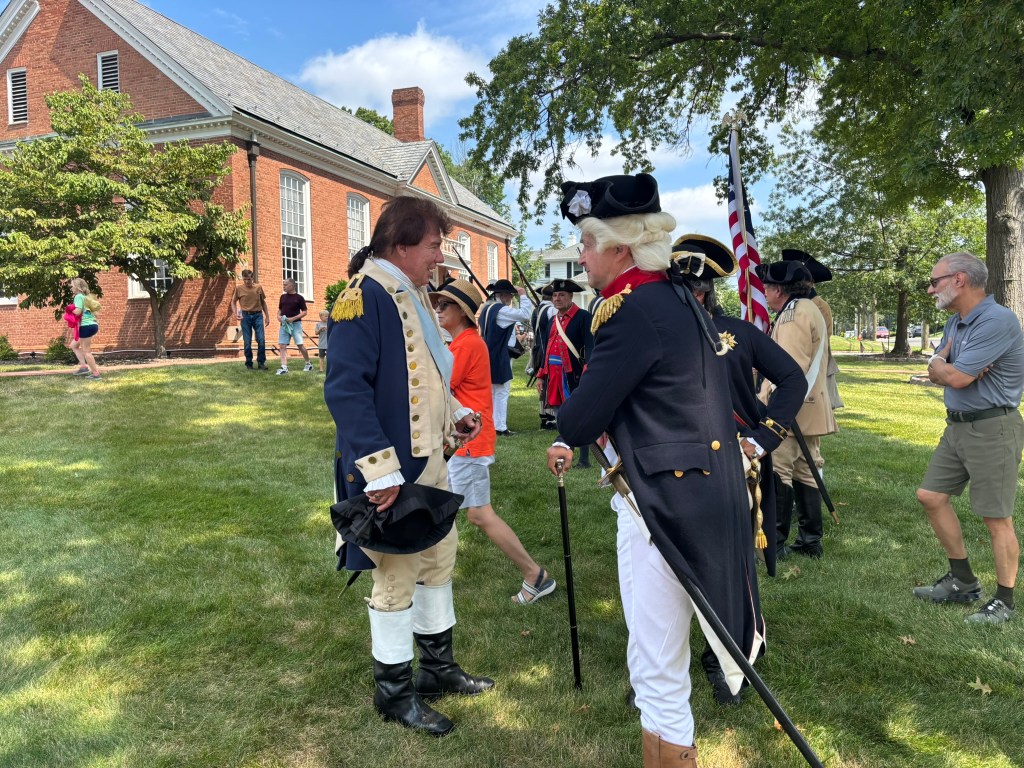
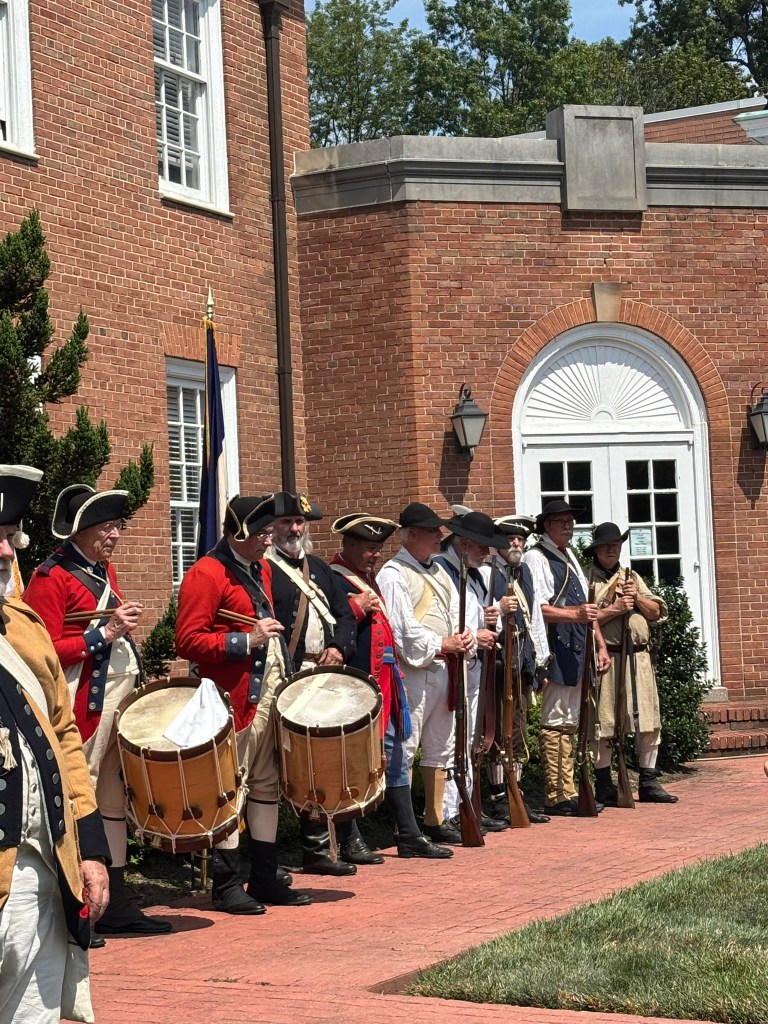
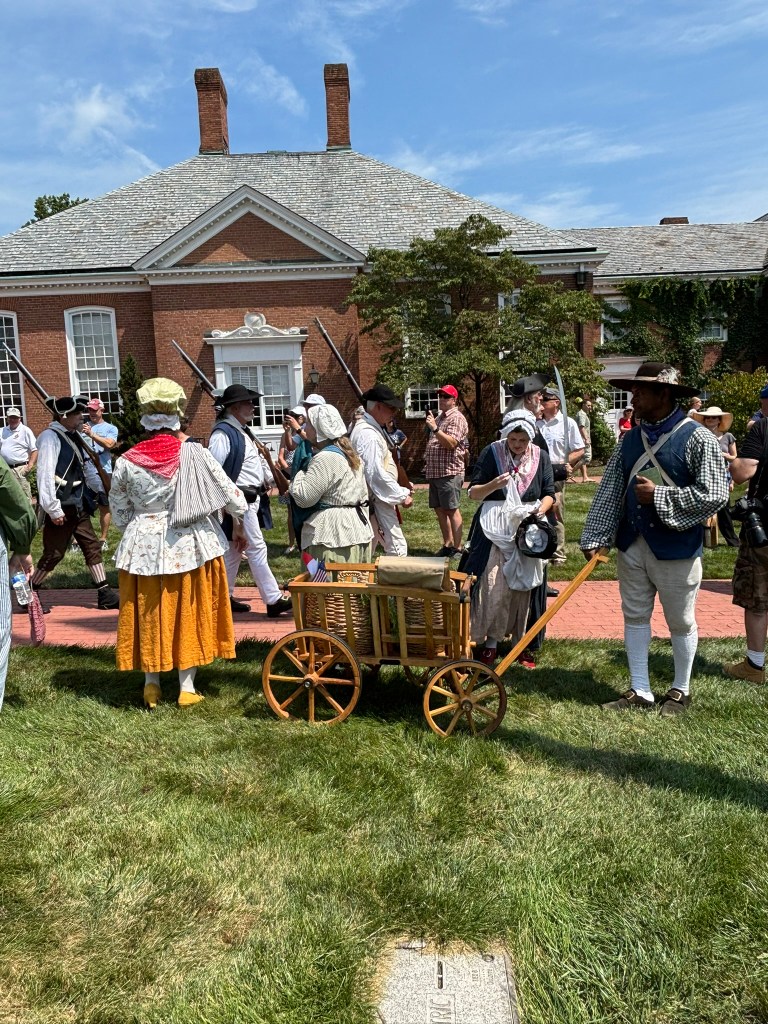
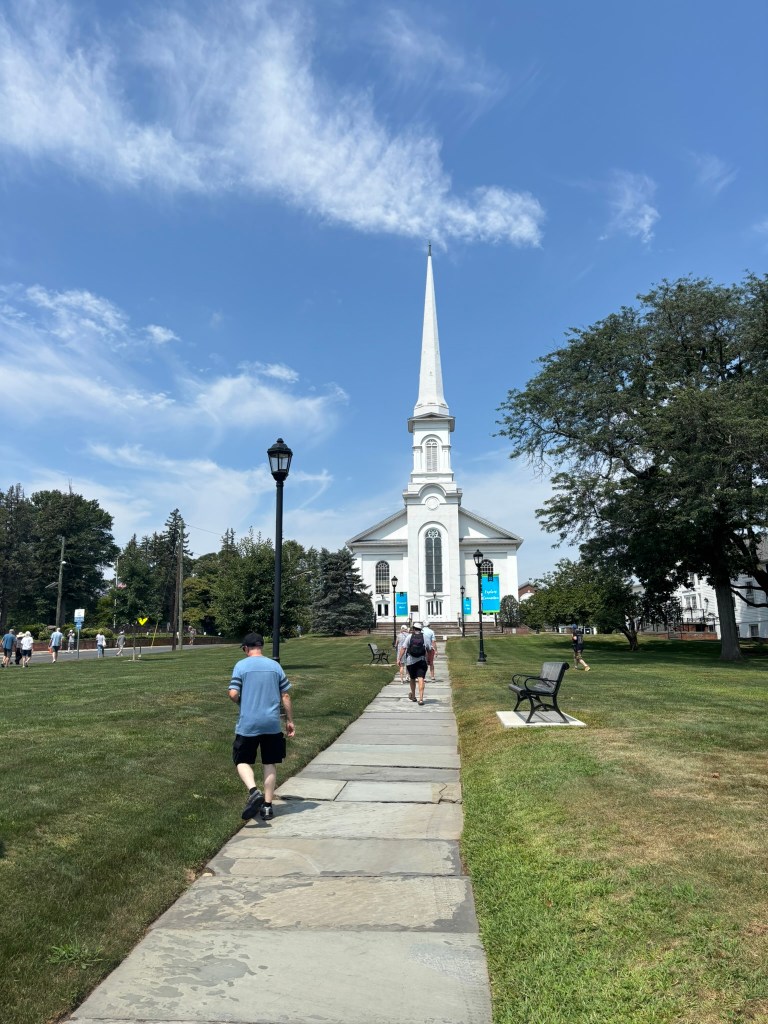
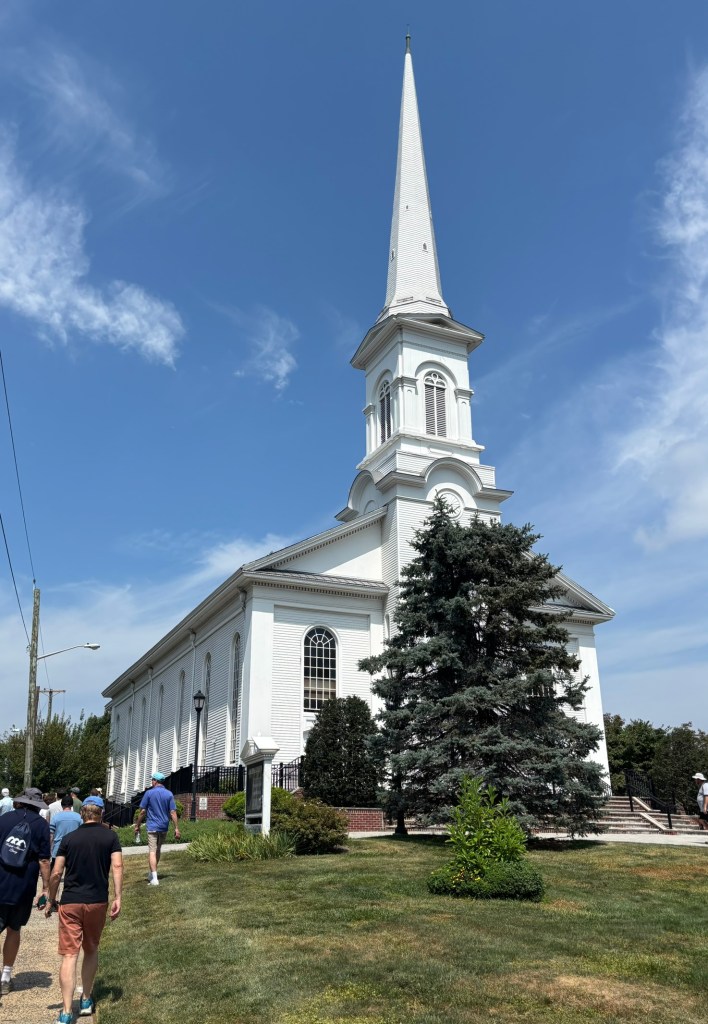
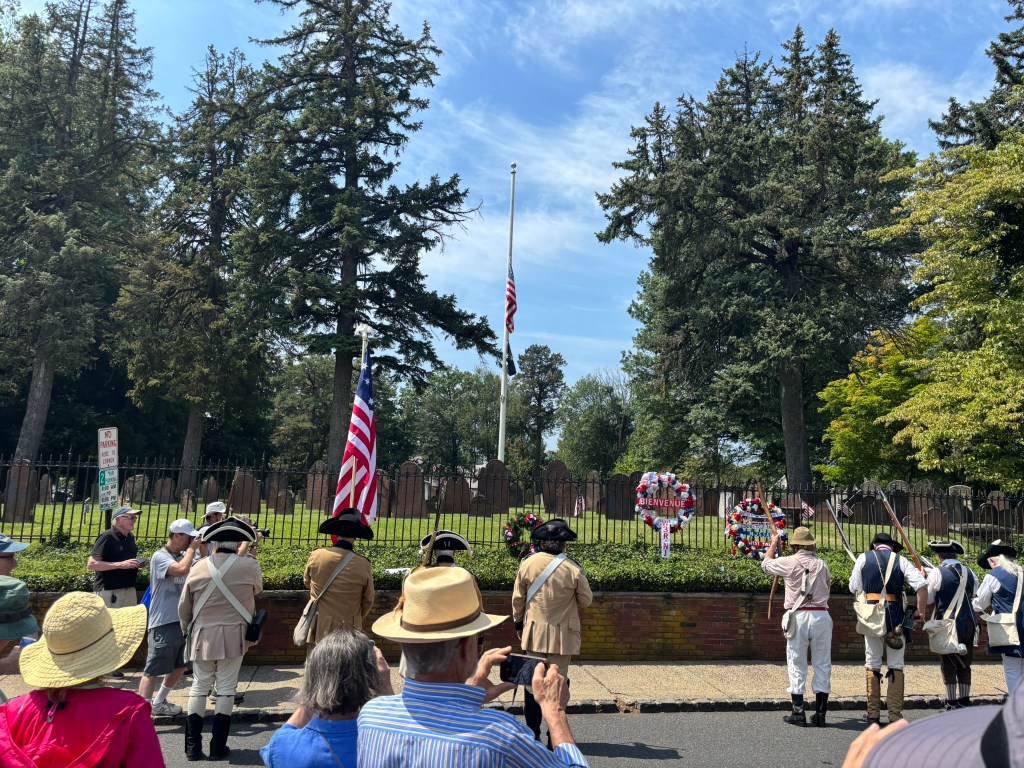
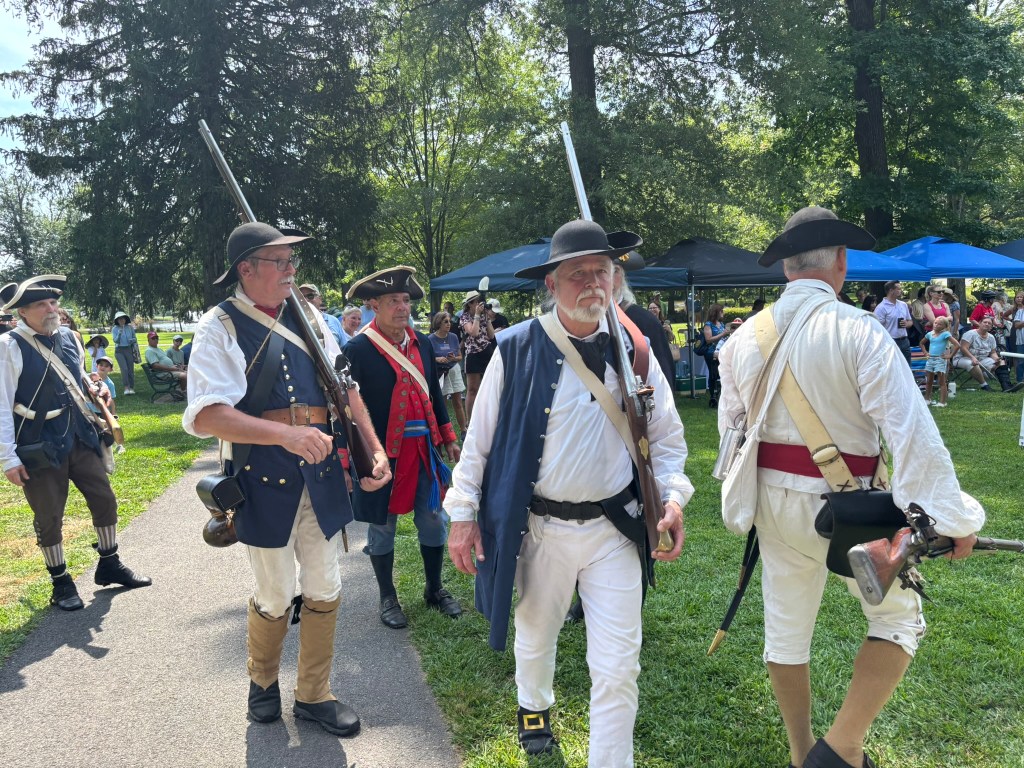
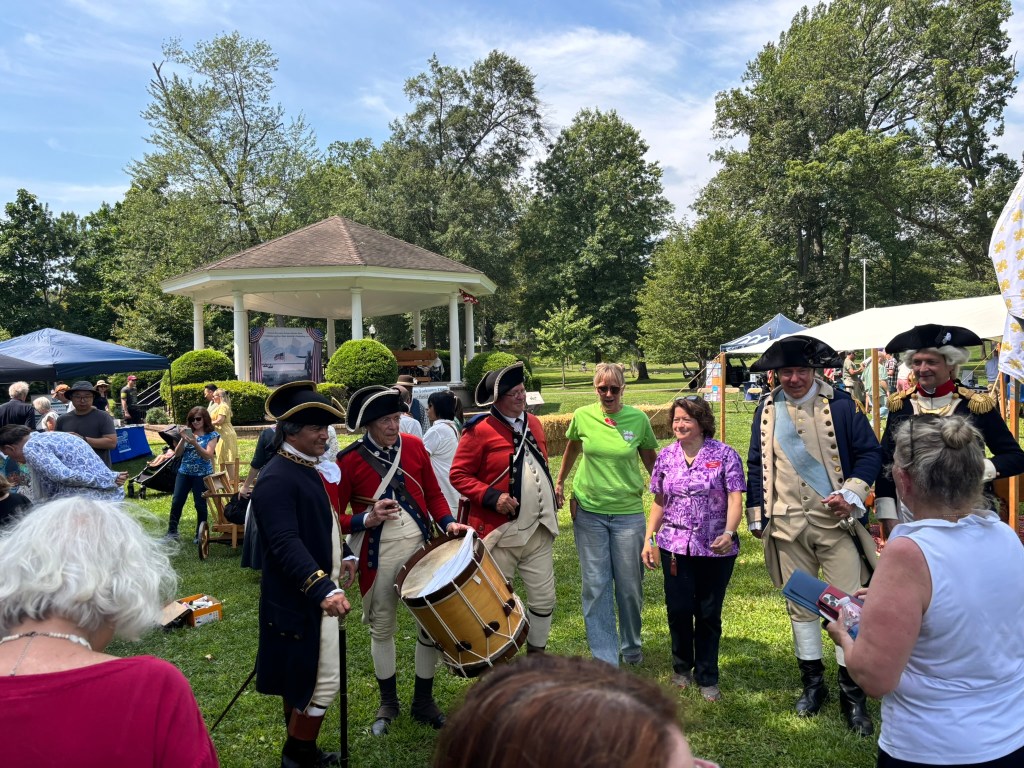
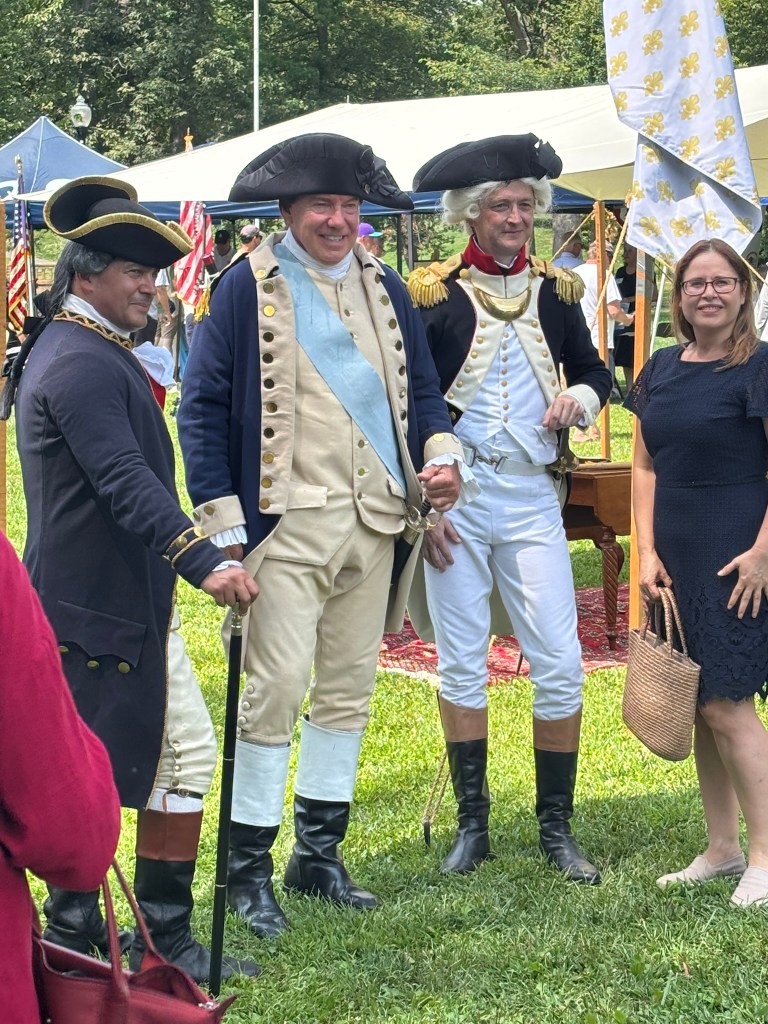
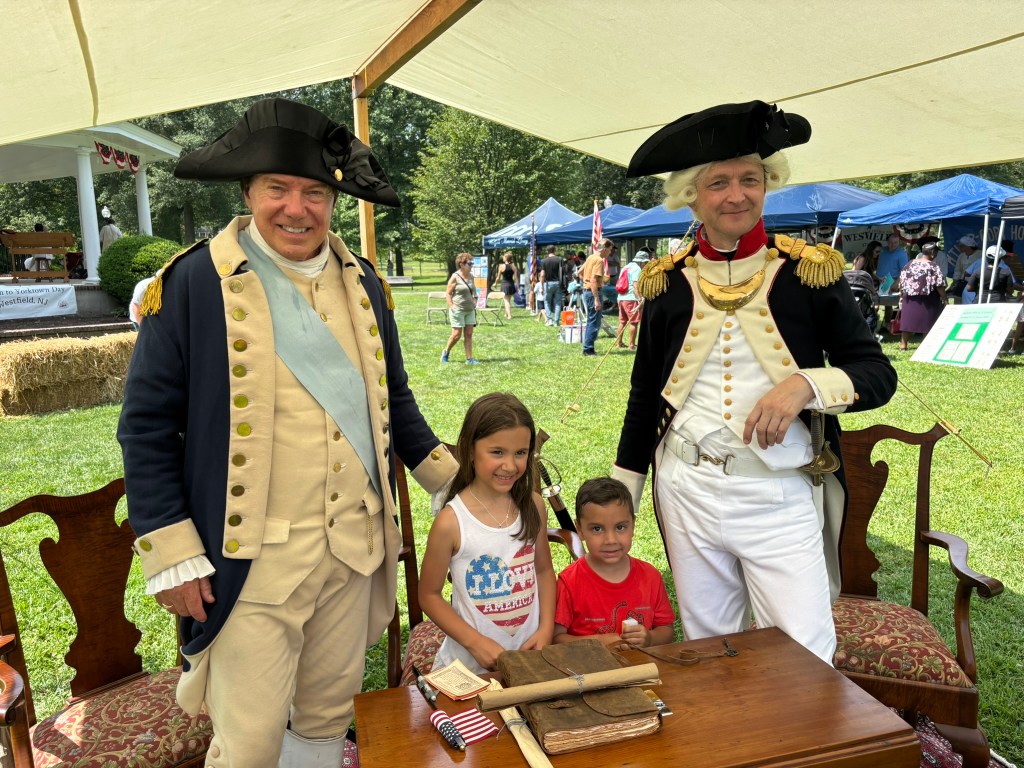
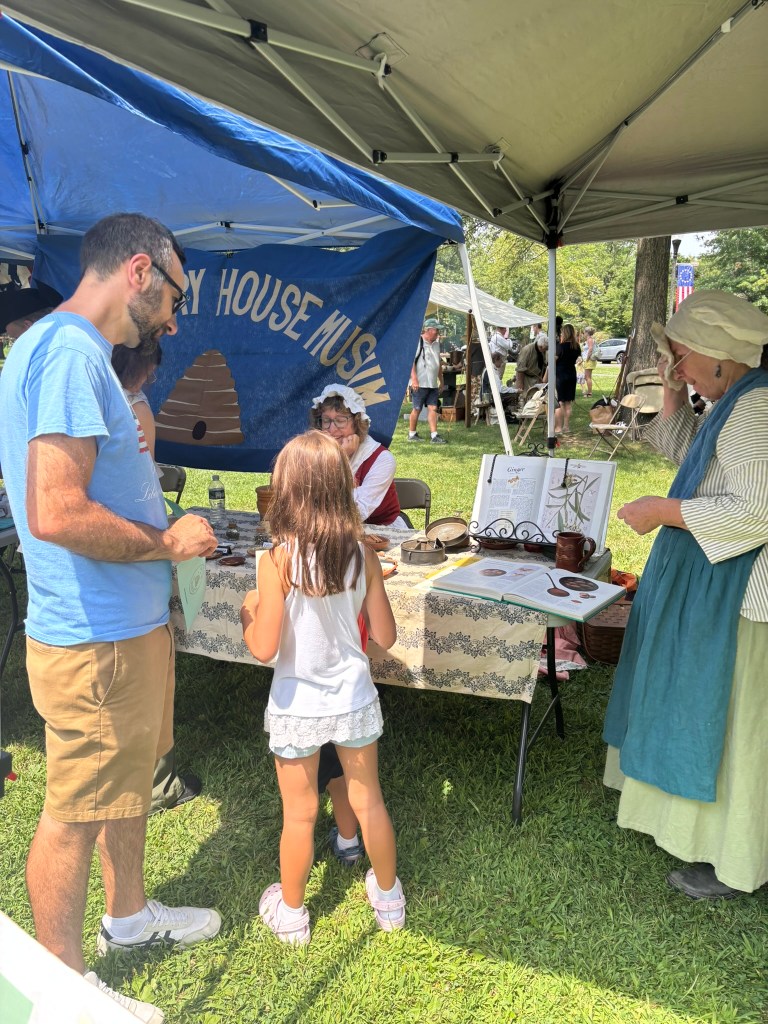
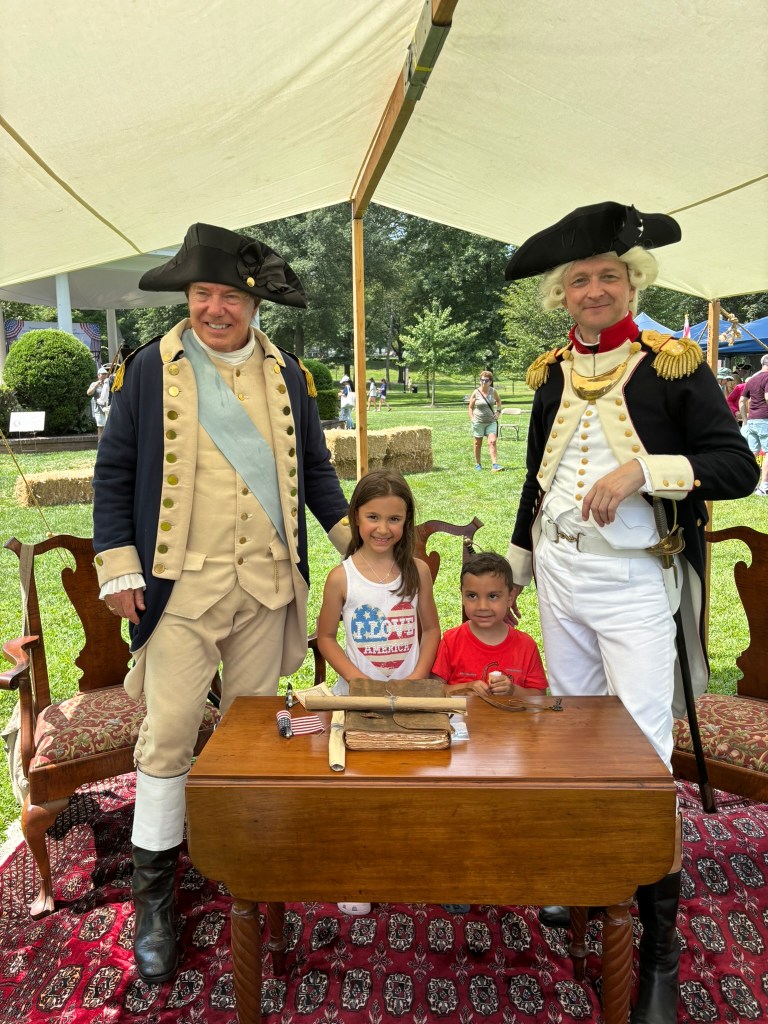
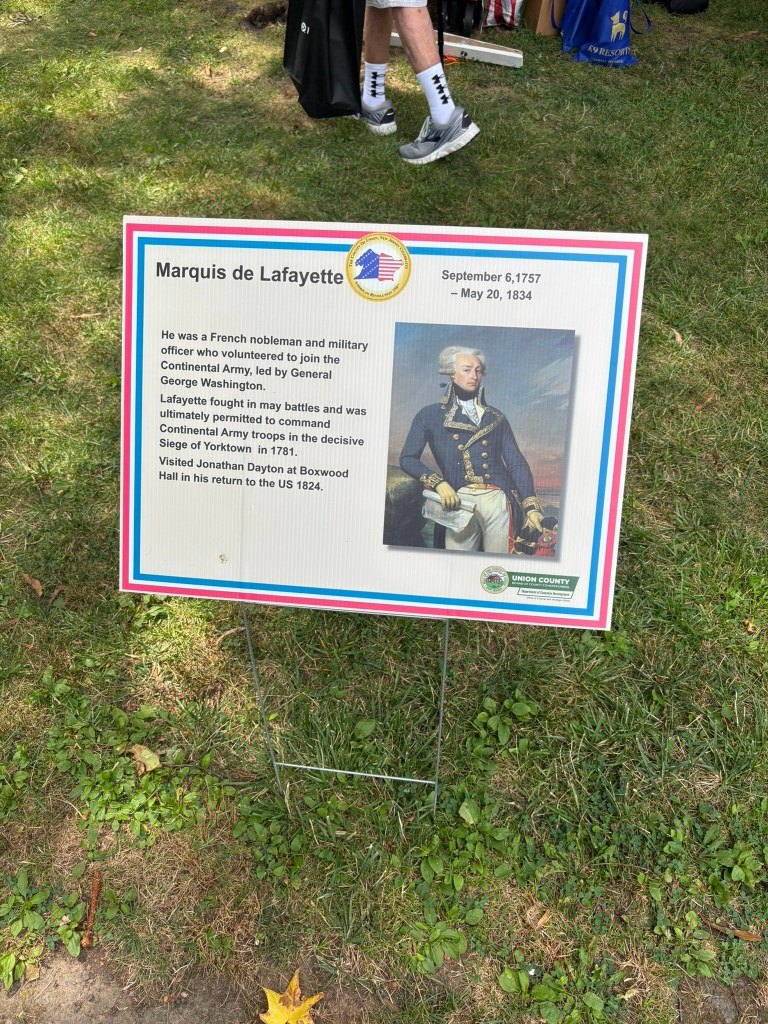
After the 20-minute opening ceremony, the crowd followed reenactors portraying George Washington, Comte de Rochambeau, and the Marquis de Lafayette—along with several Westfield officials—on a symbolic march down East Broad Street to Mountain Avenue. At the Presbyterian Church burial grounds, wreaths were placed in honor of the more than 70 Revolutionary War veterans, along with their families and other patriots, who are laid to rest there. From there, the procession continued into Mindowaskin Park. Joining the march were the New Jersey Sons of the American Revolution Color Guard, members of the Daughters of the American Revolution, the New Jersey Fifes and Drums, the Miller-Cory House Museum’s colonial living history interpreters, women camp followers, and the New Jersey Milita- Heard’s Brigade. Check out my Instagram and Facebook accounts for videos of the march.
Mindowaskin Park
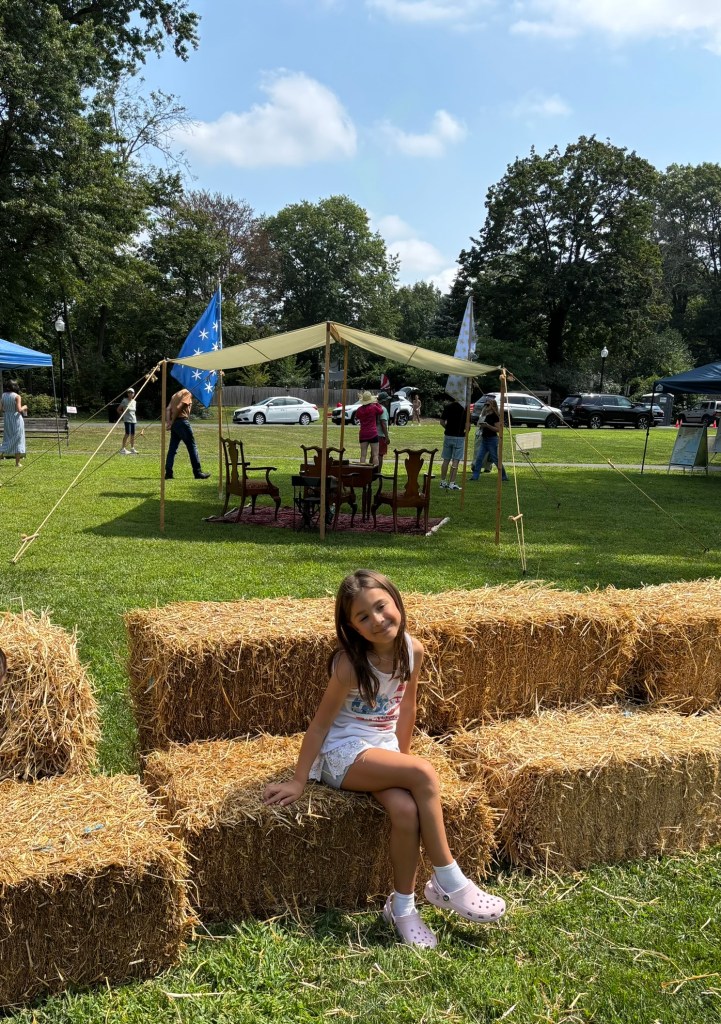
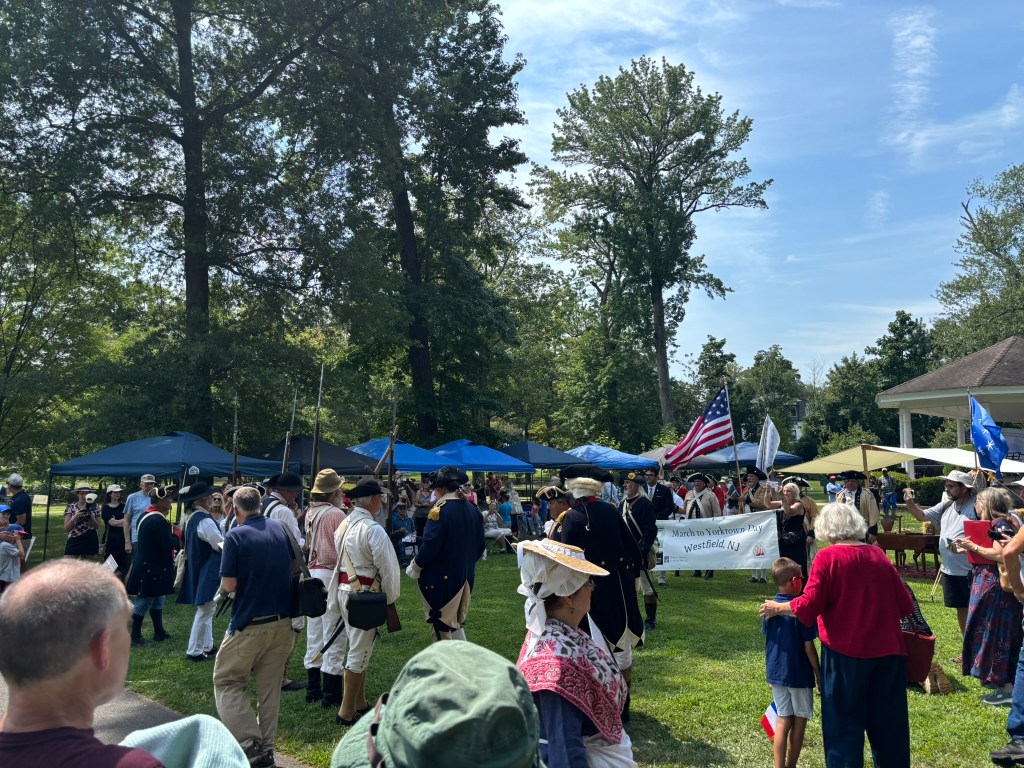
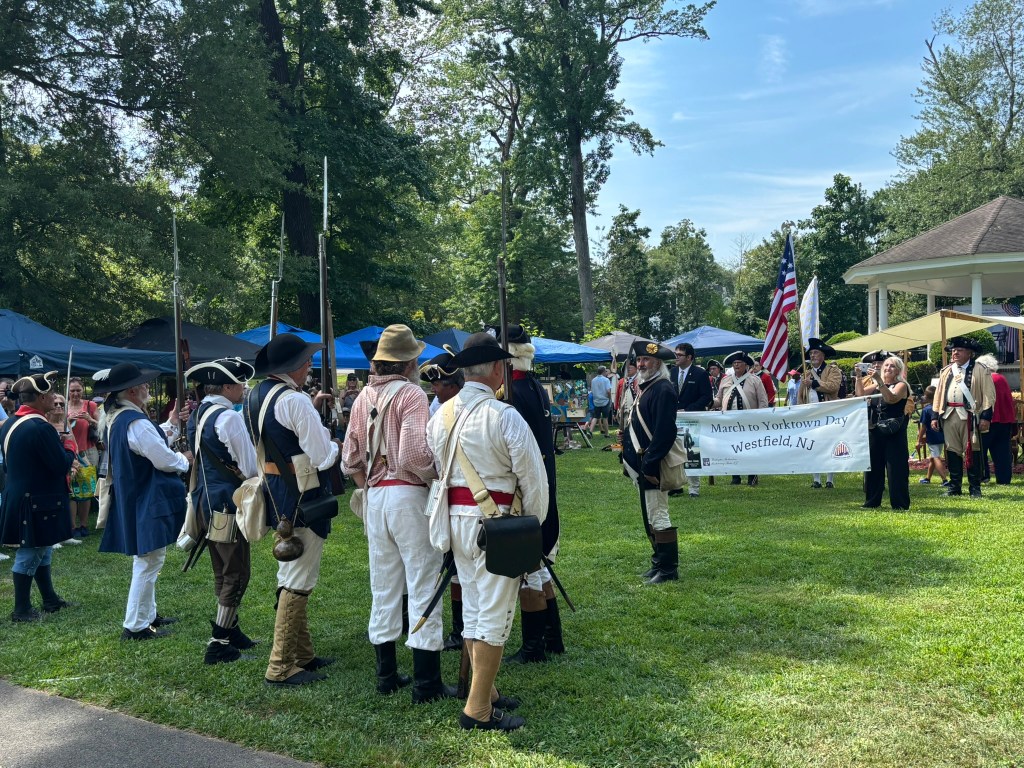
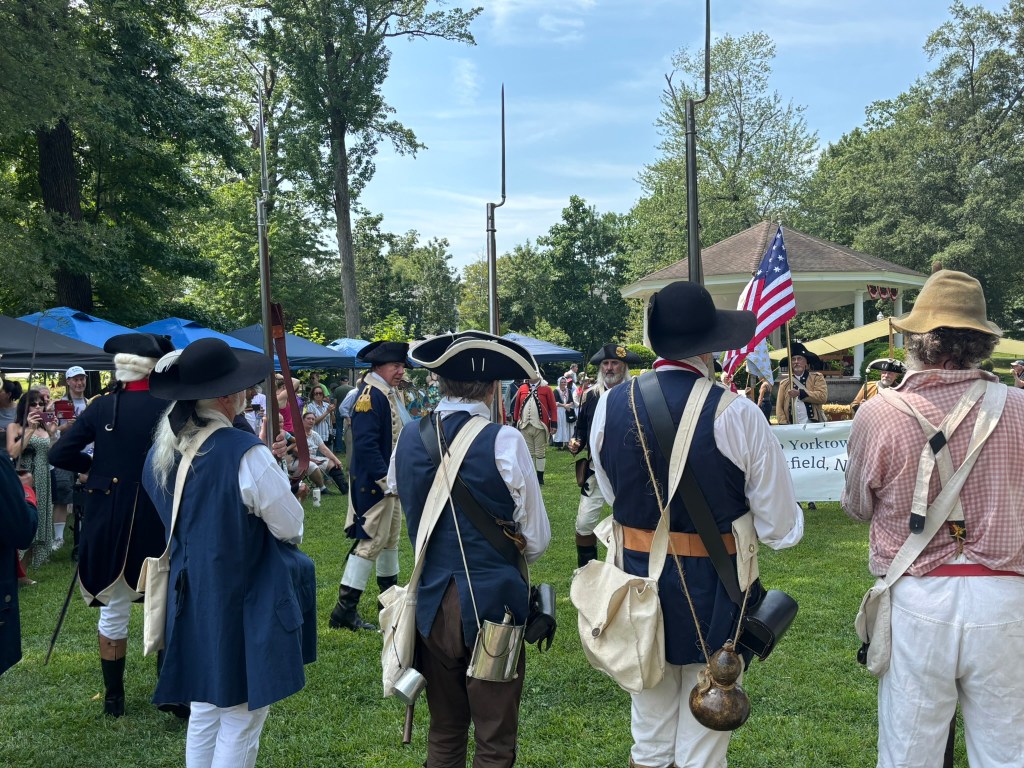
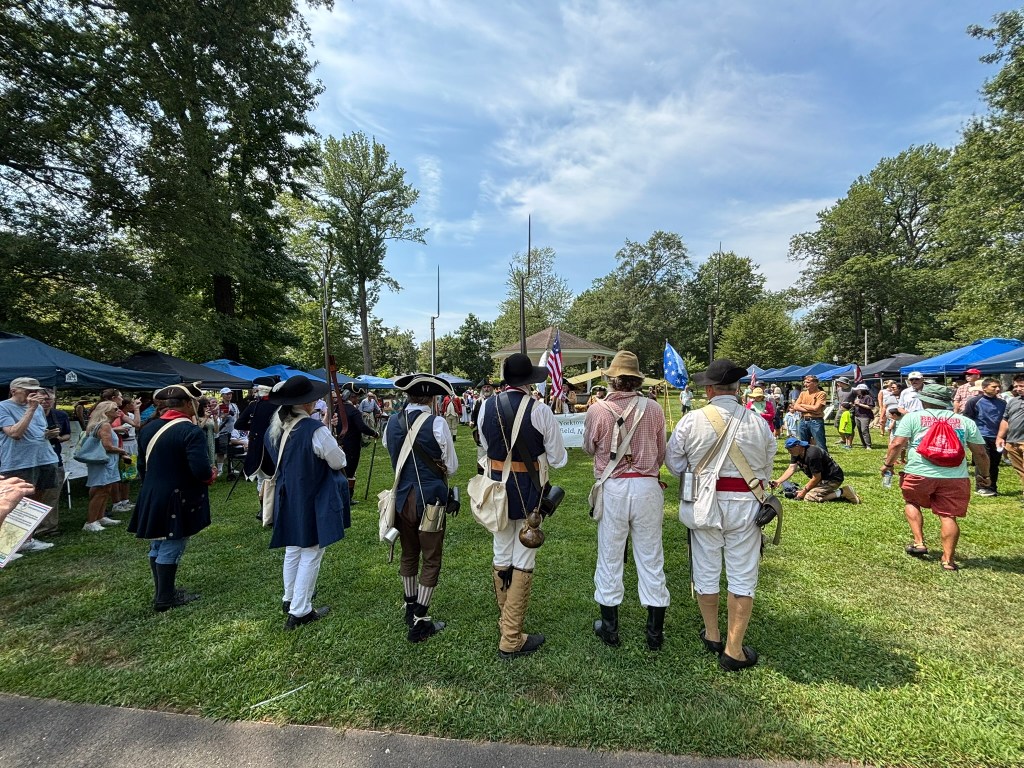
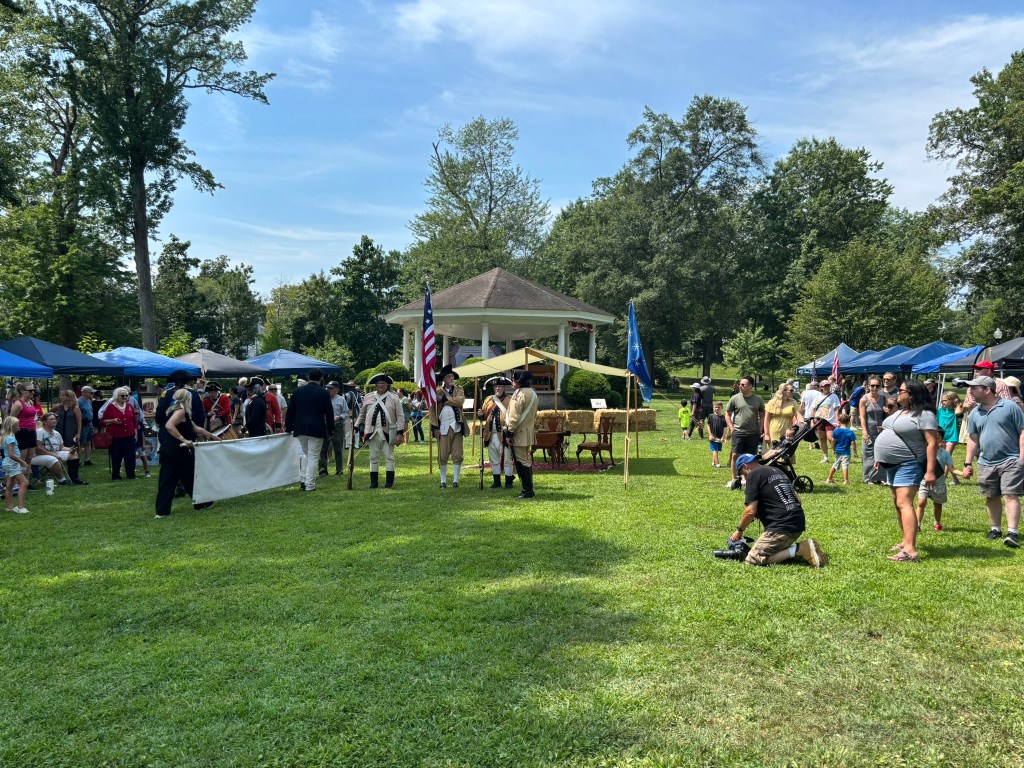
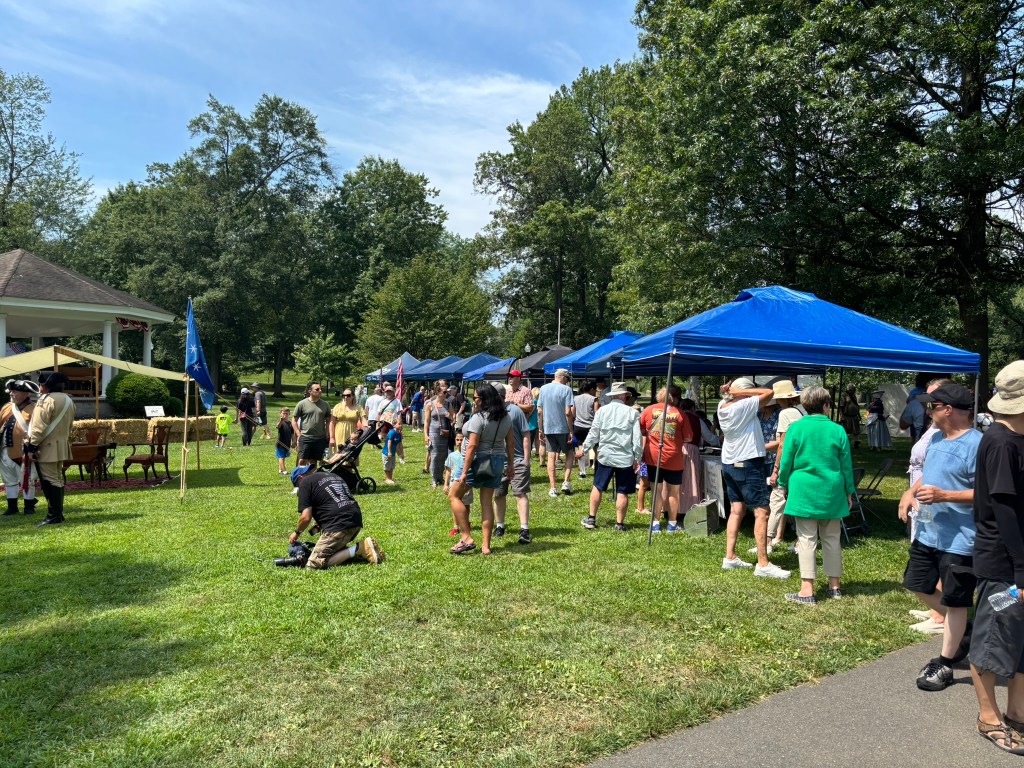
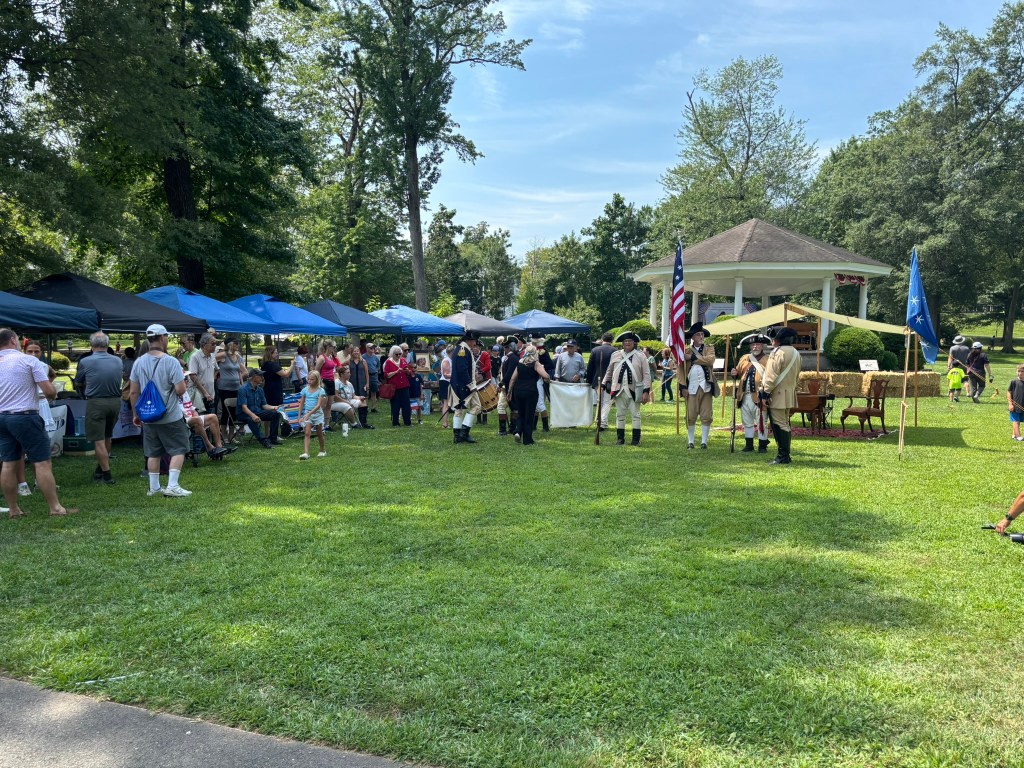
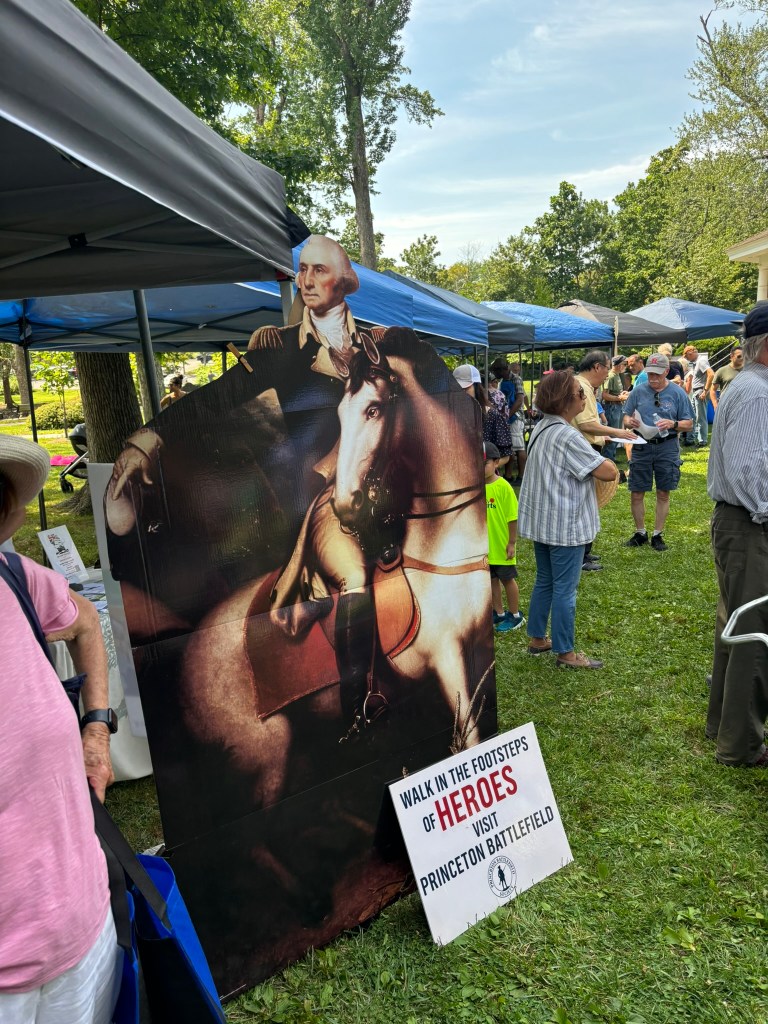
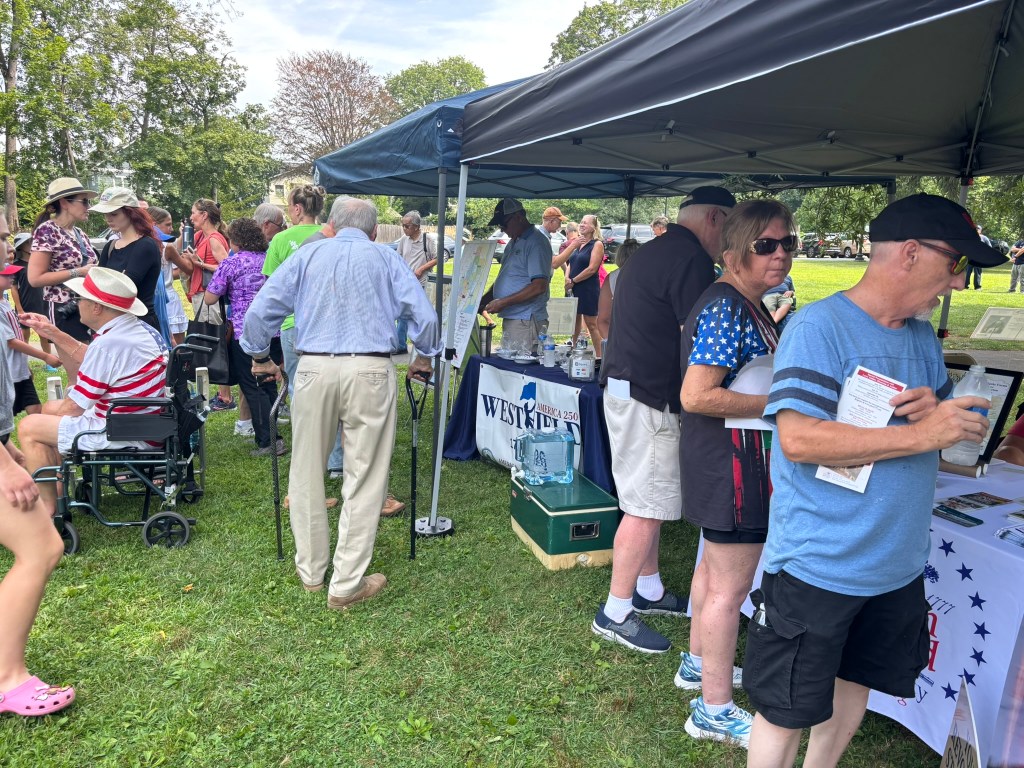
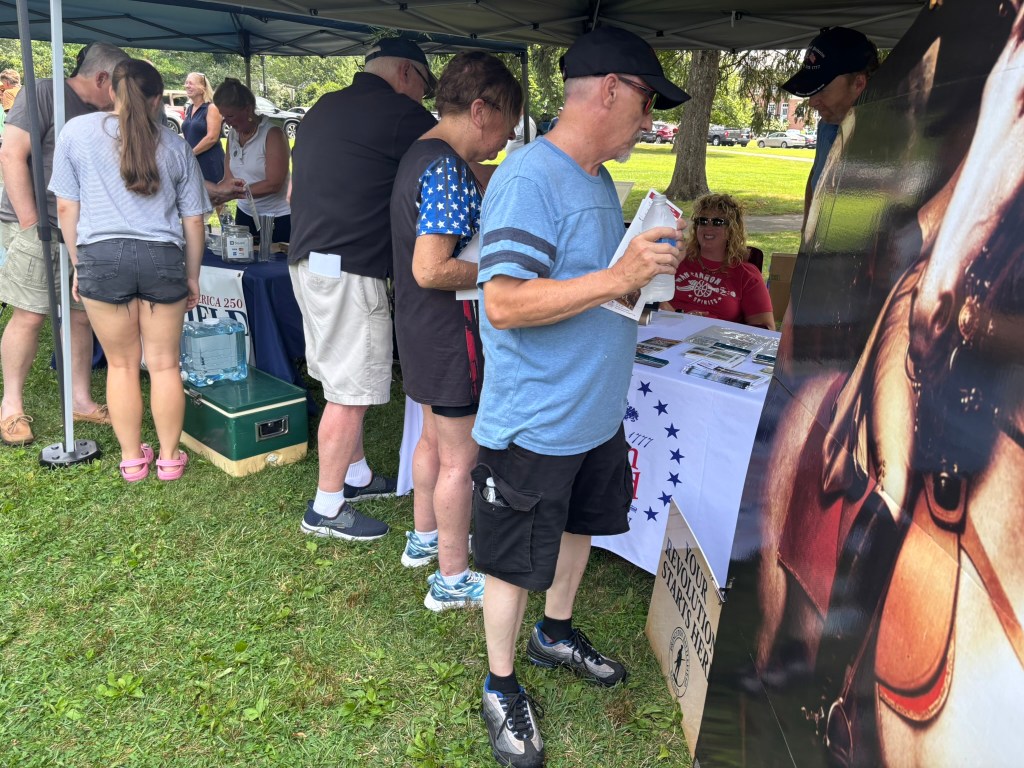
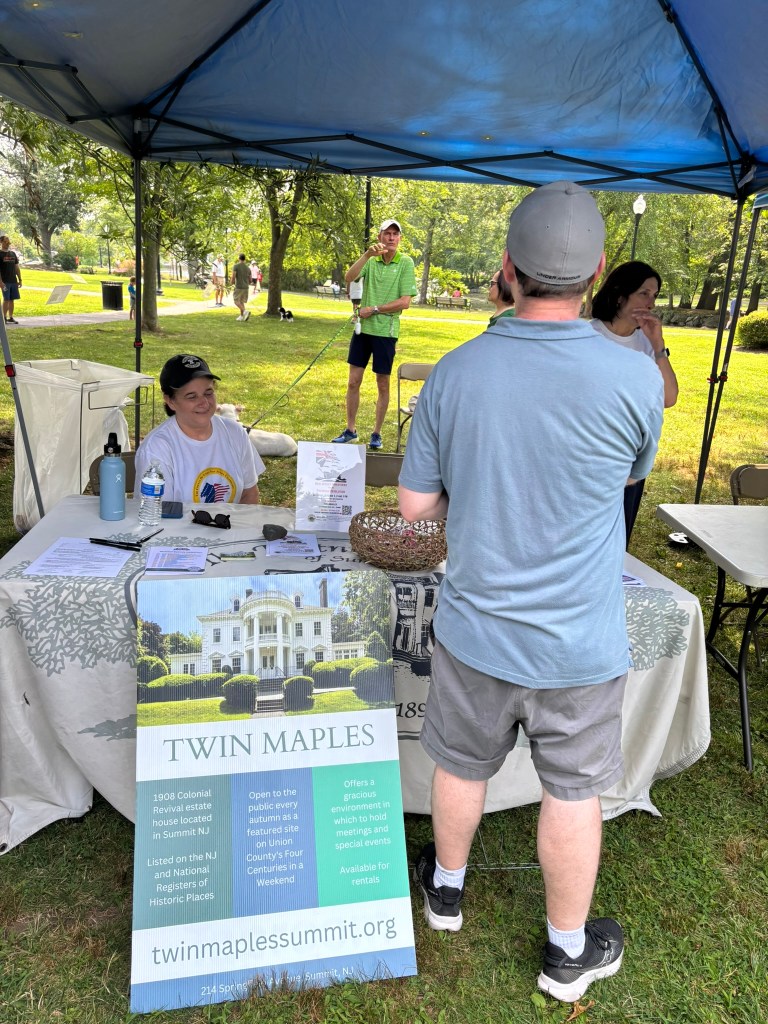
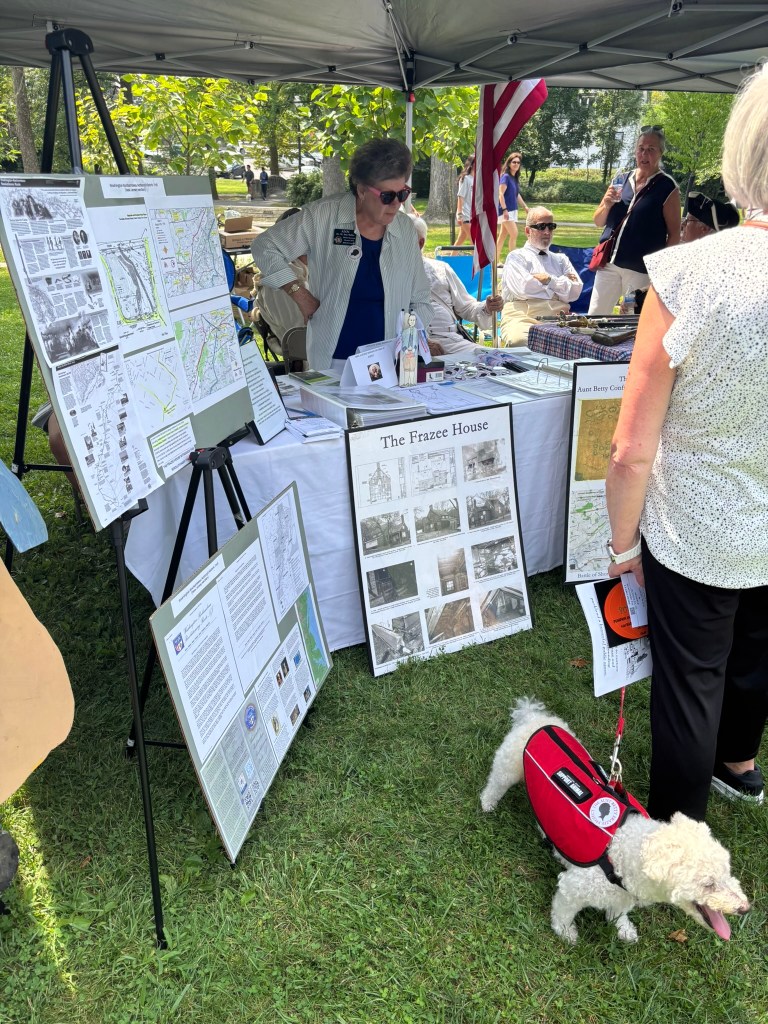
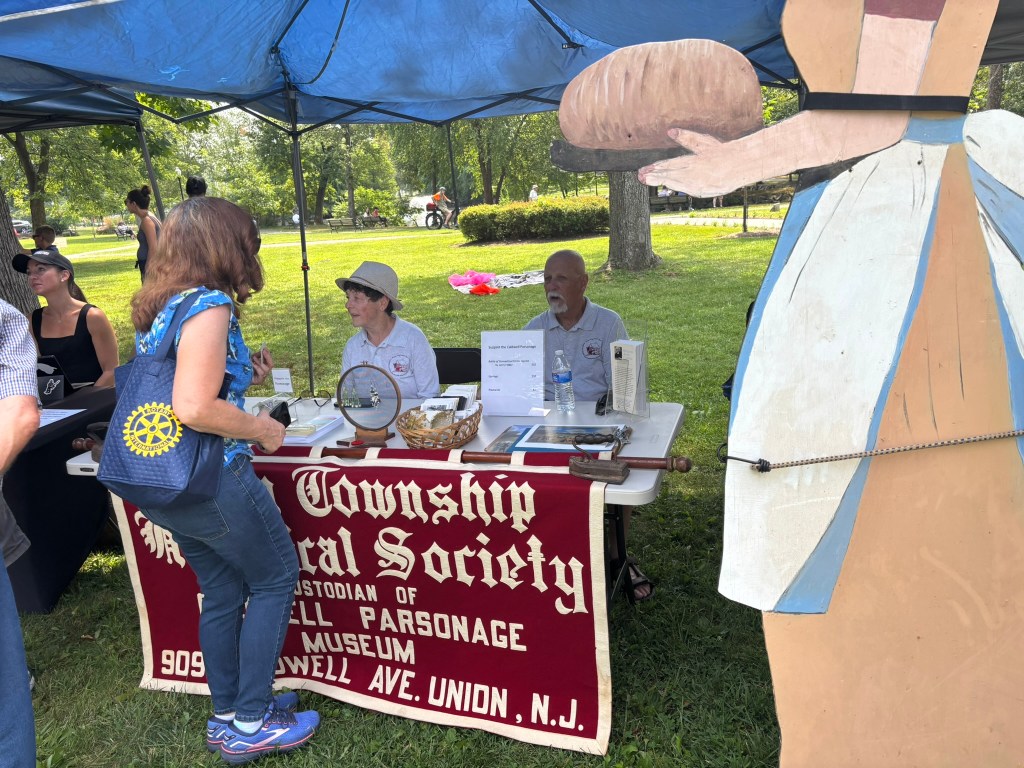
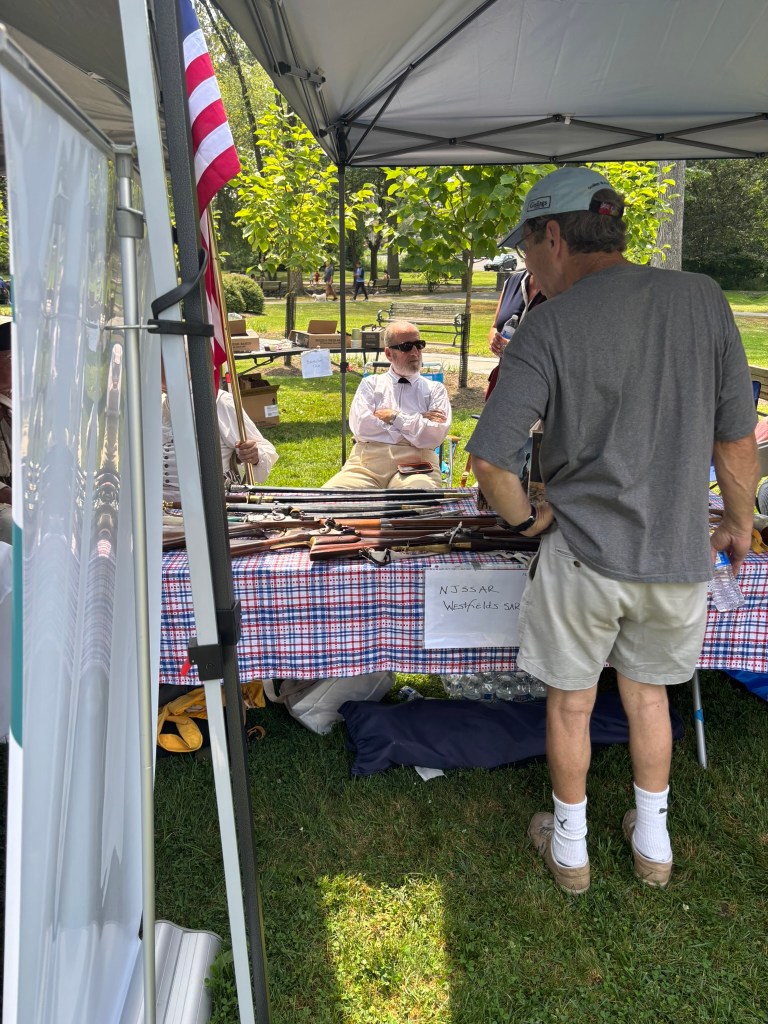
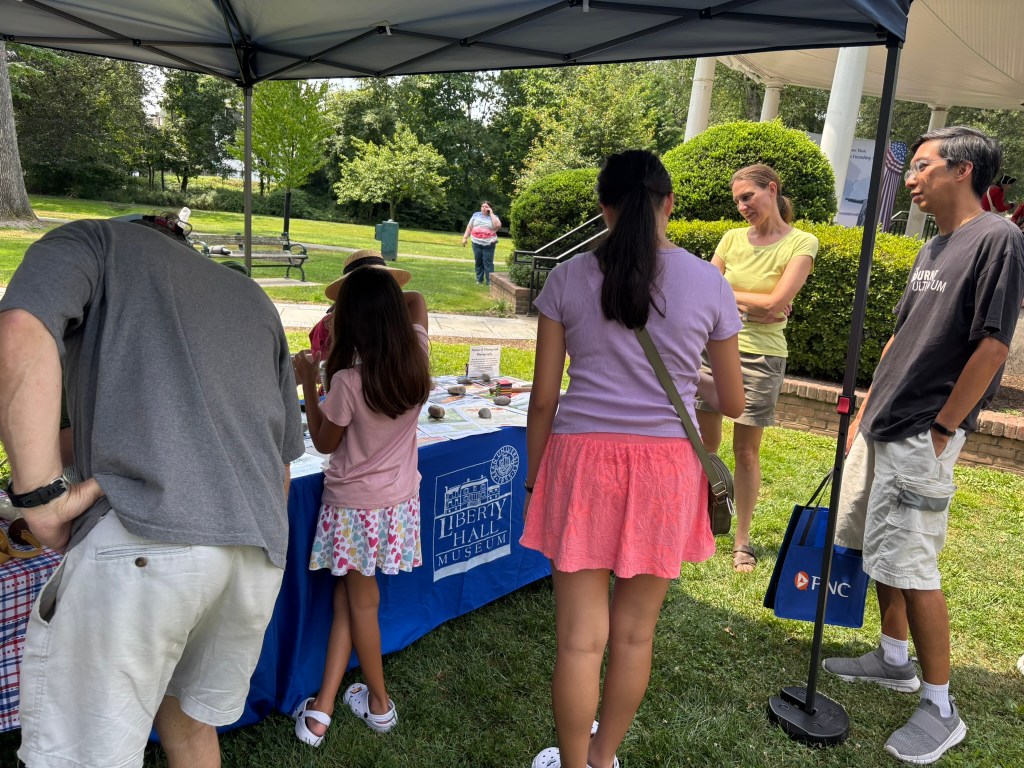
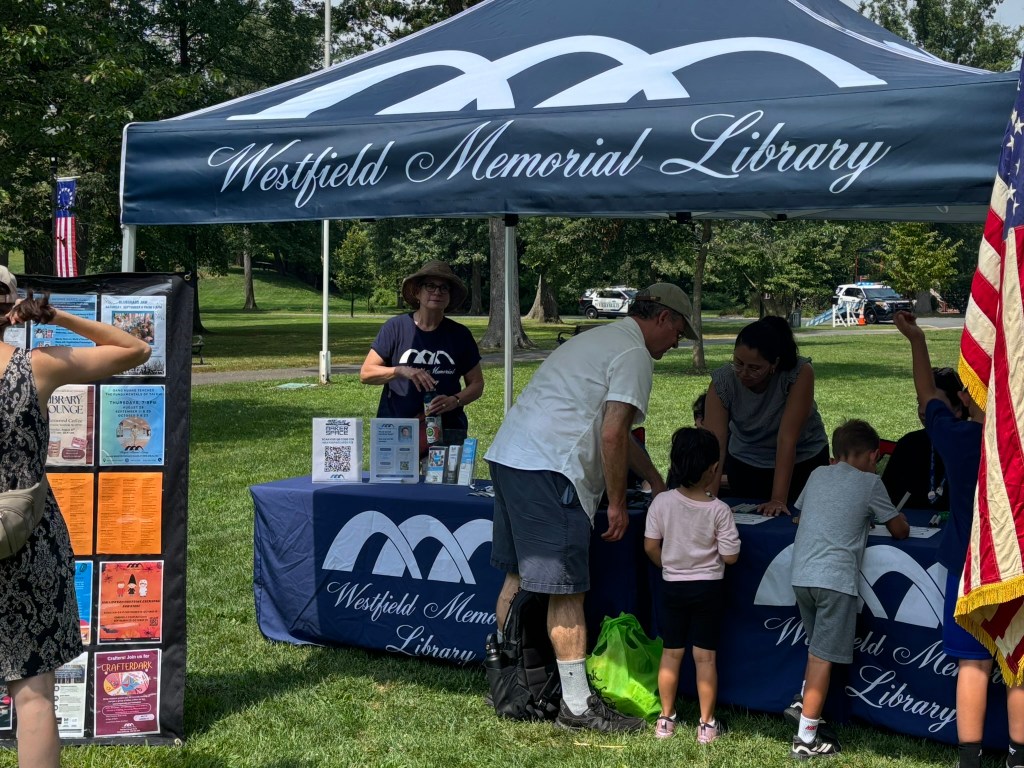
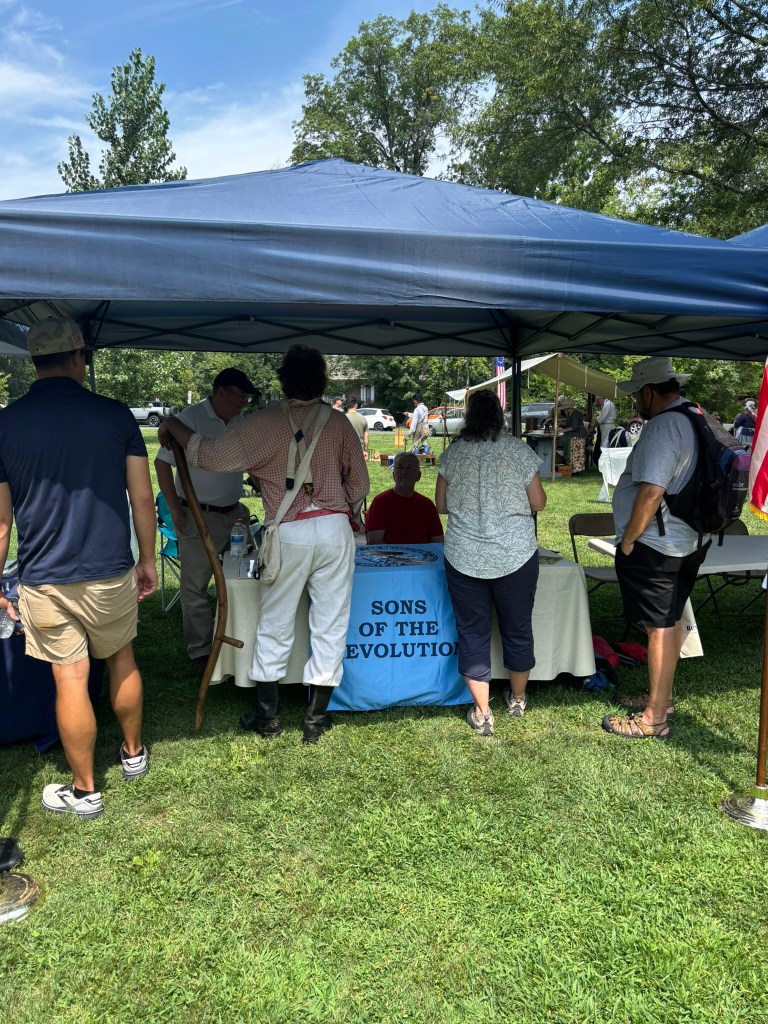
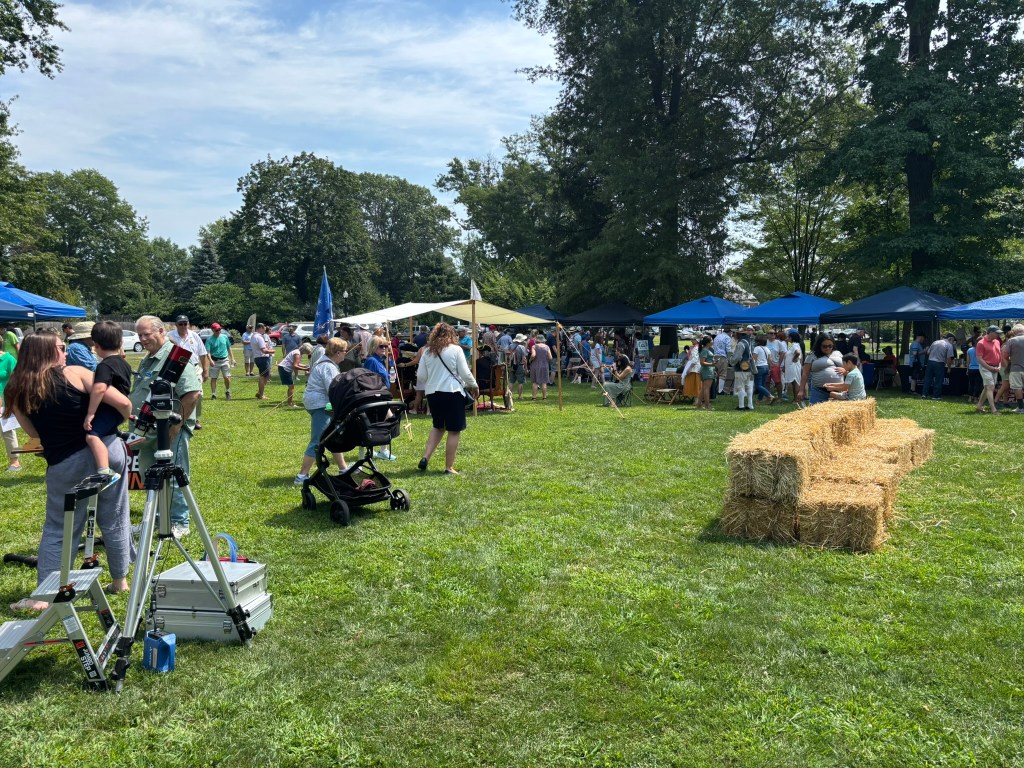
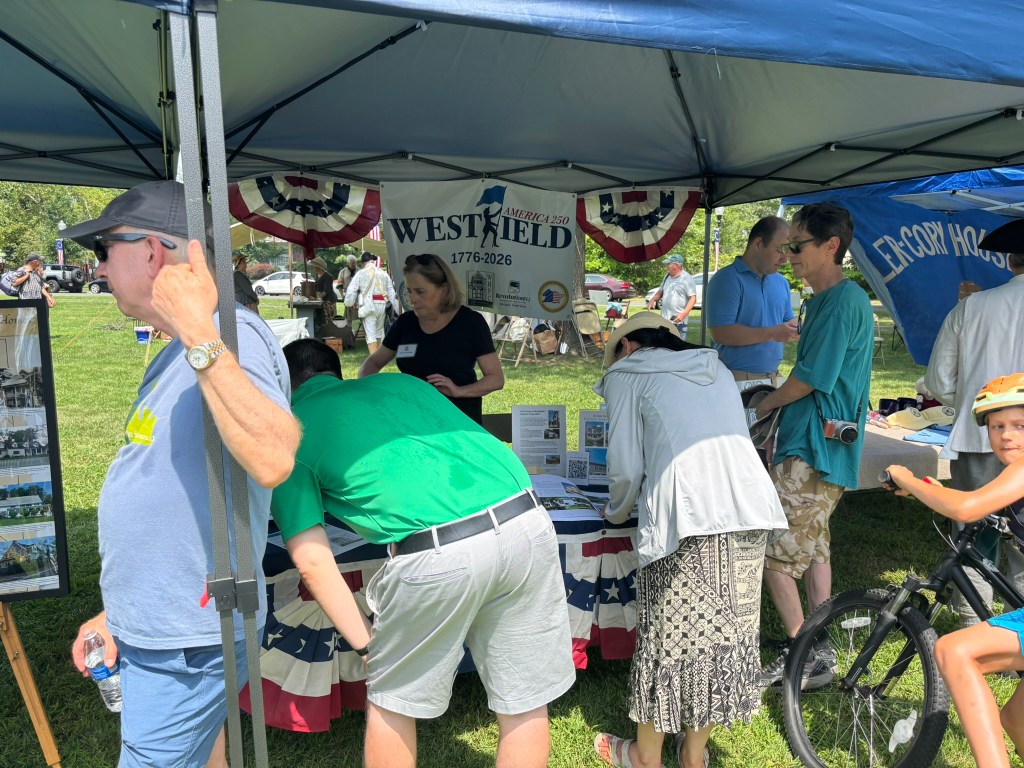
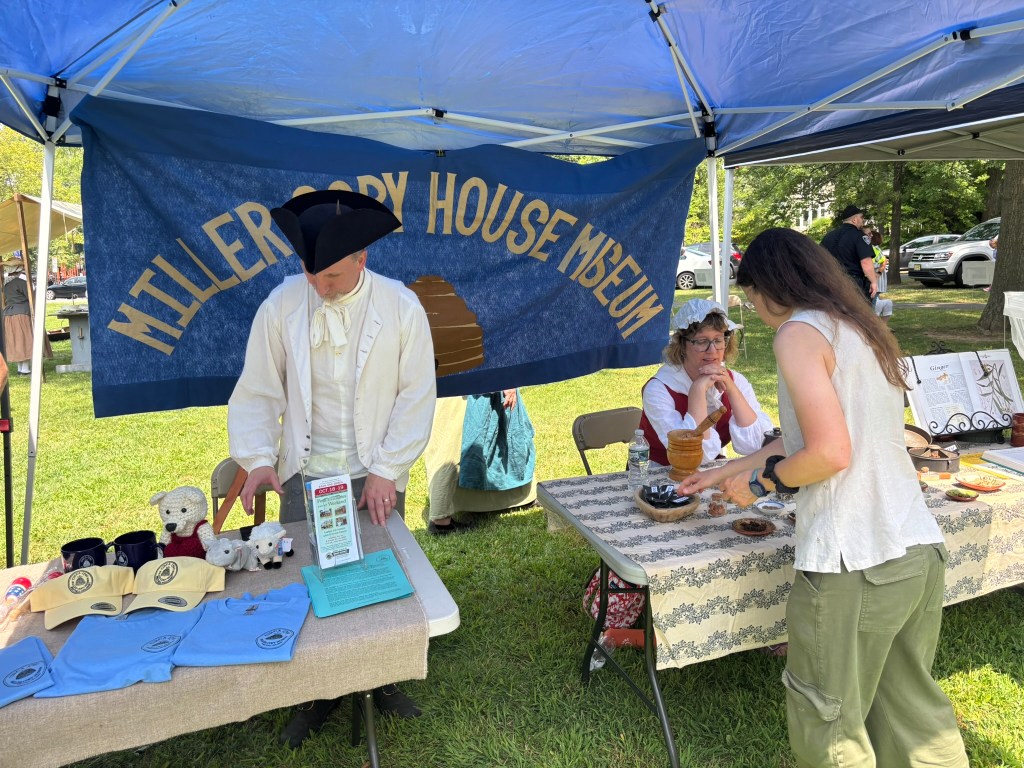
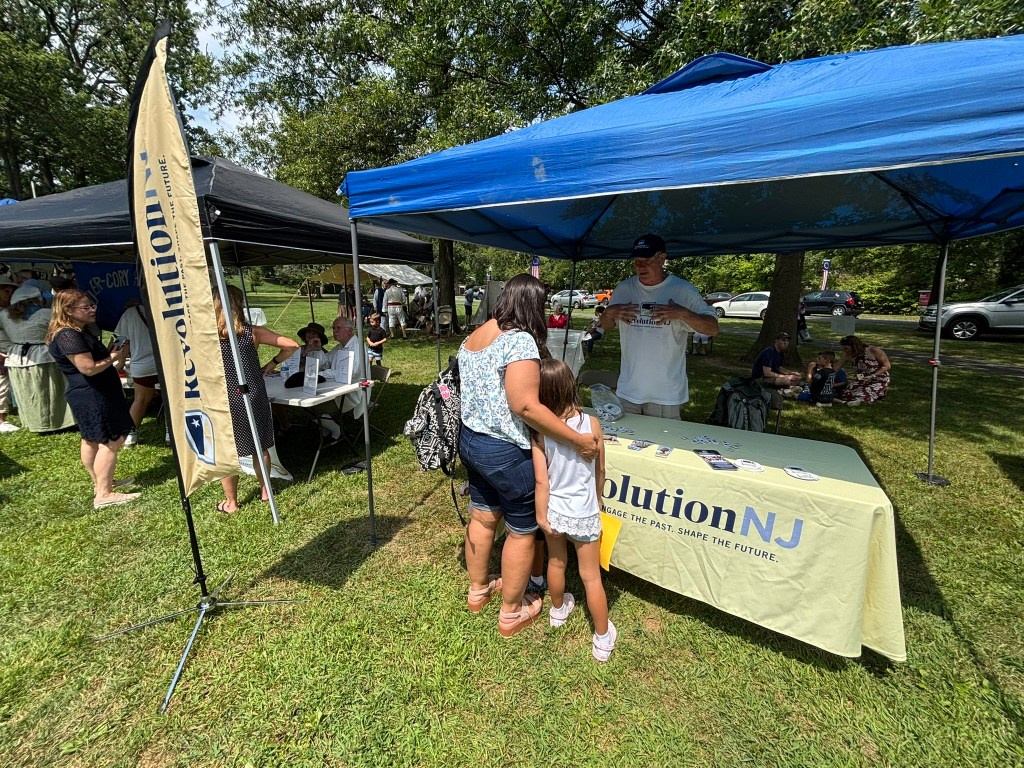
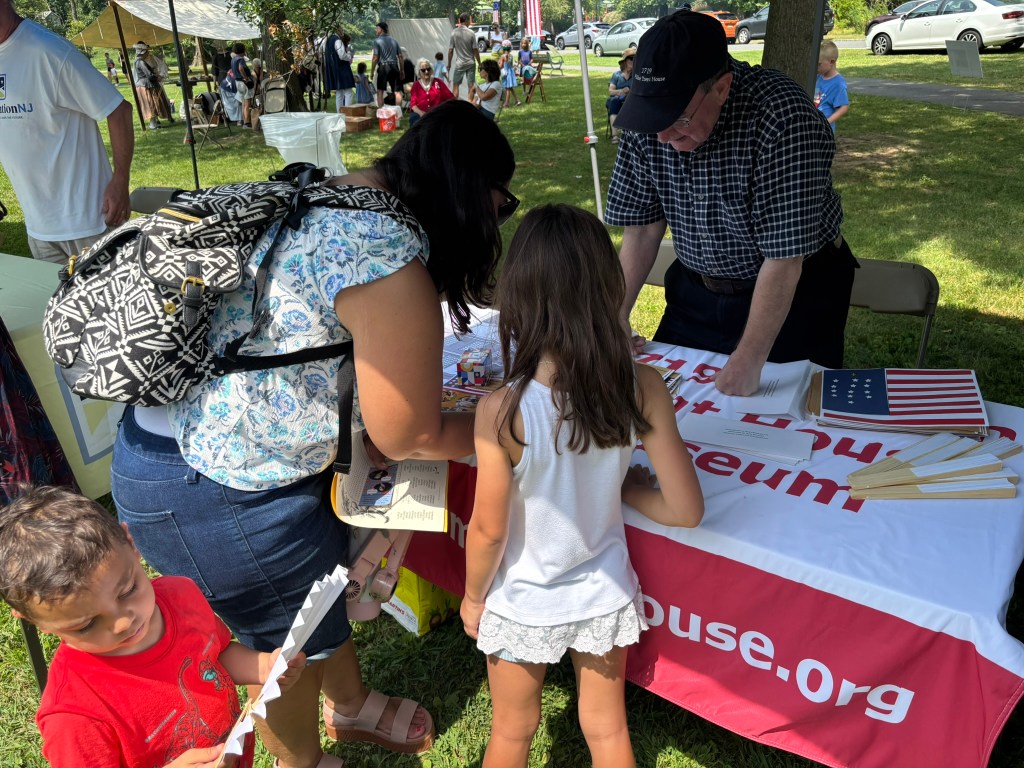
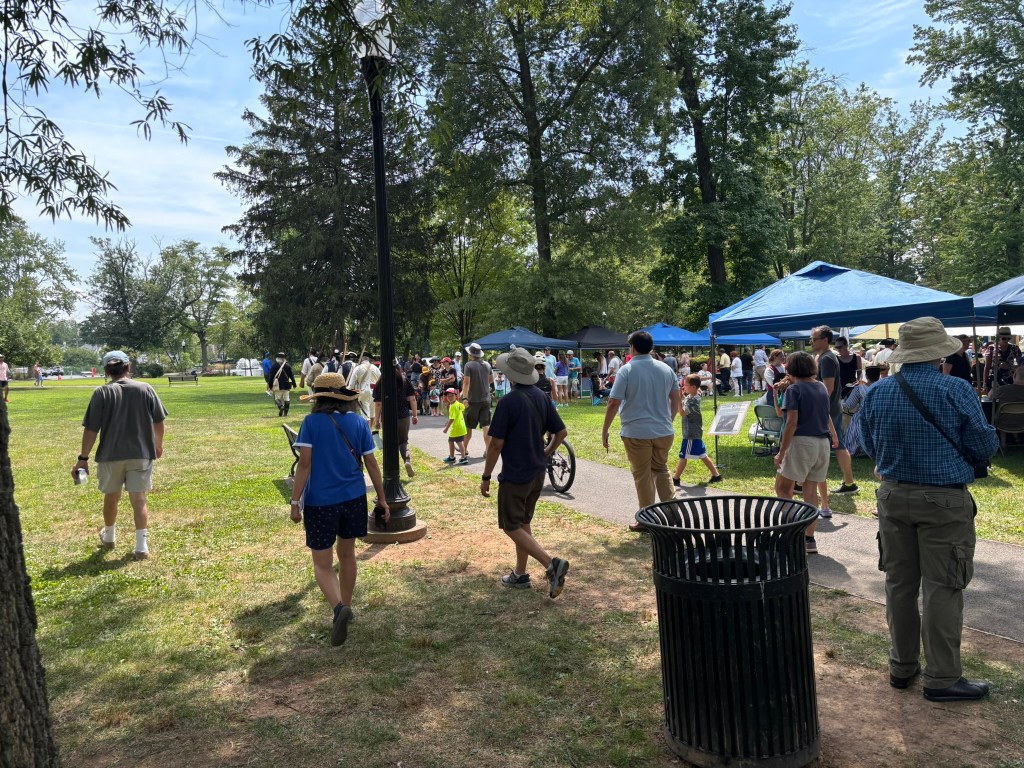
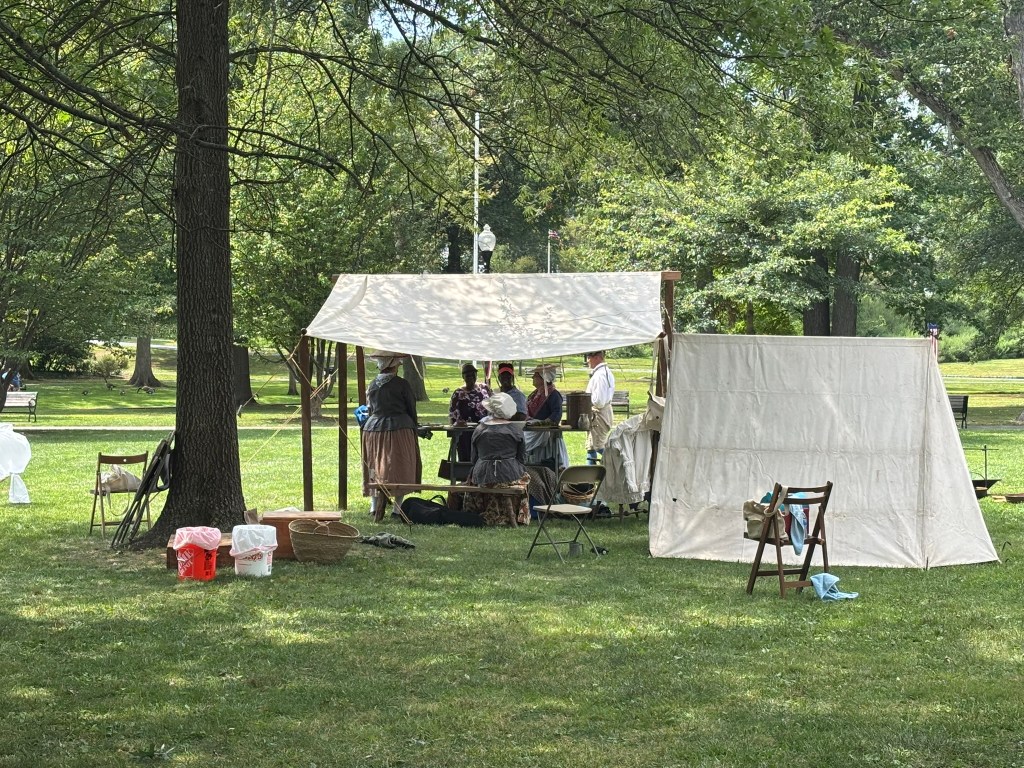
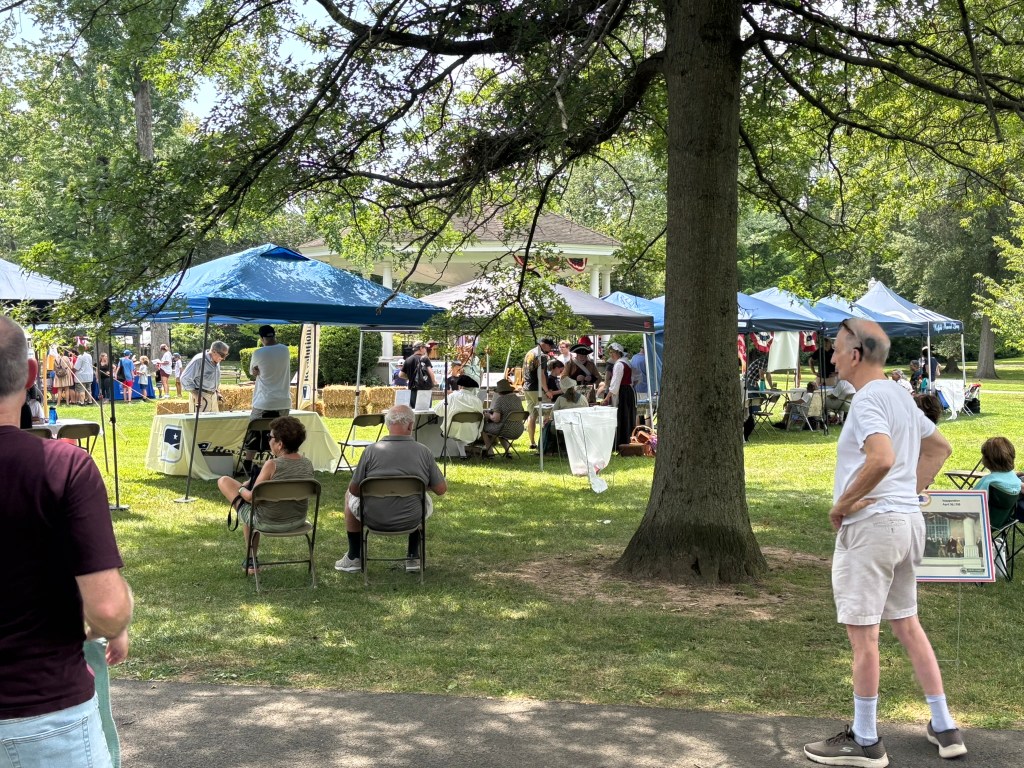
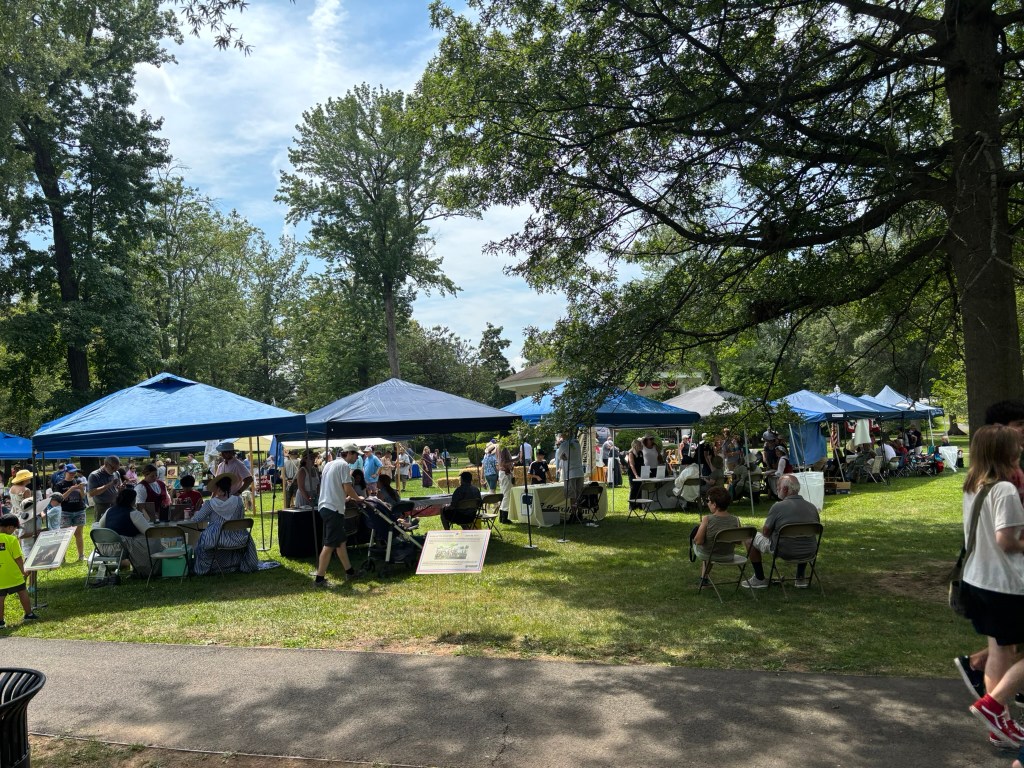
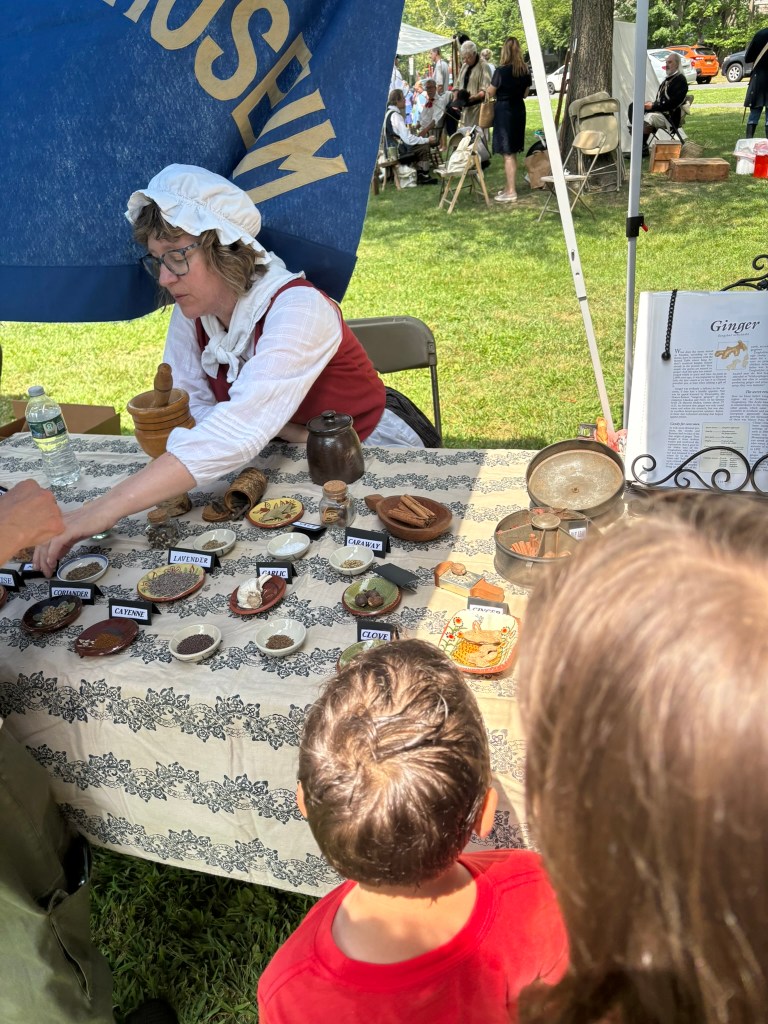
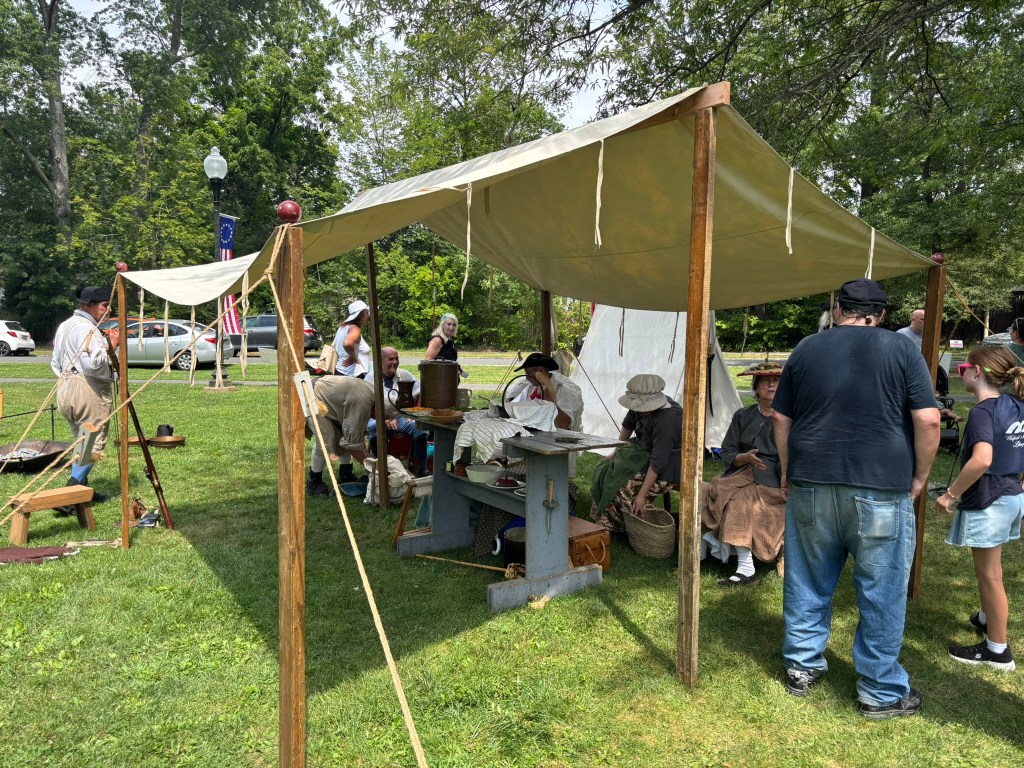
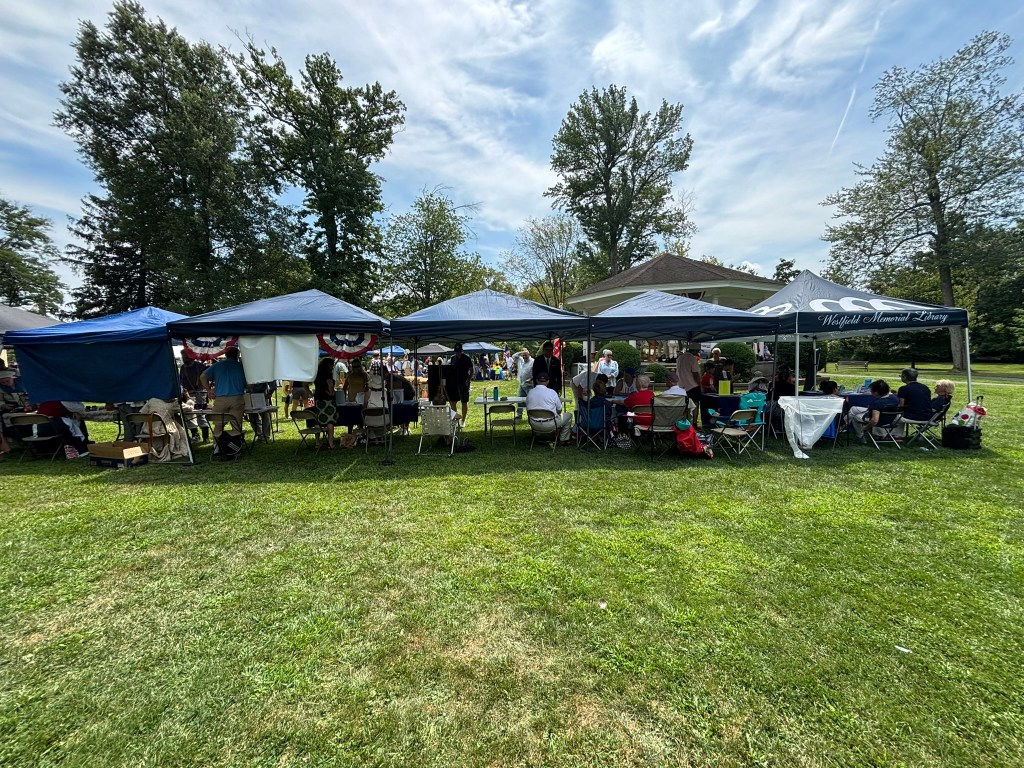
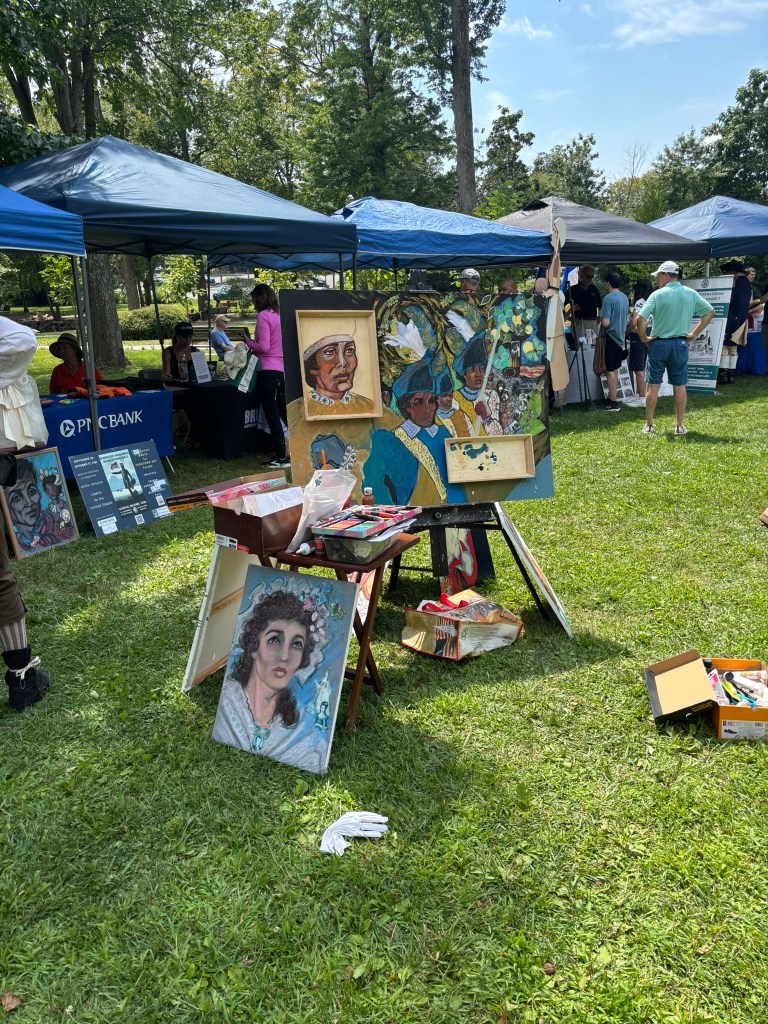
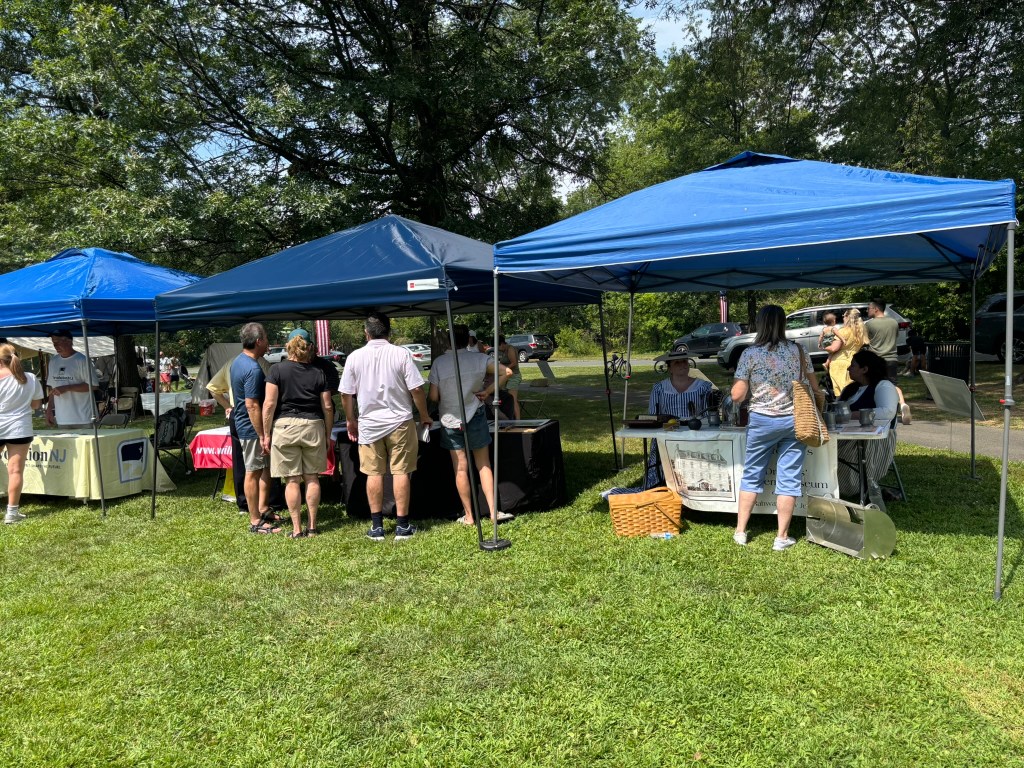
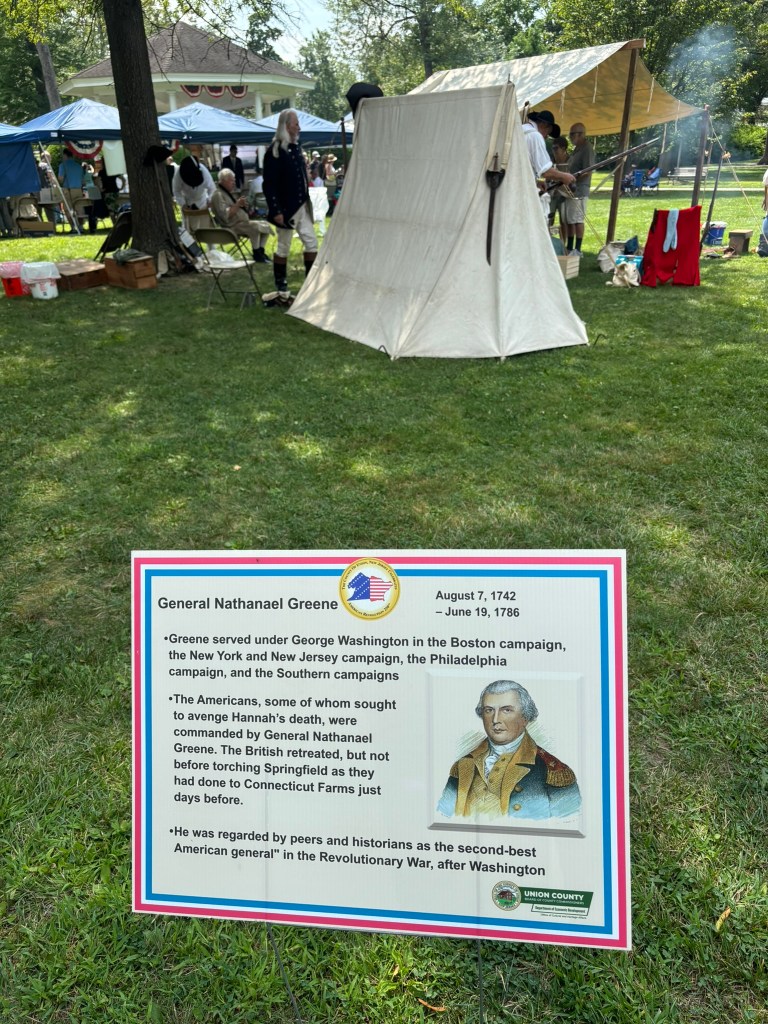
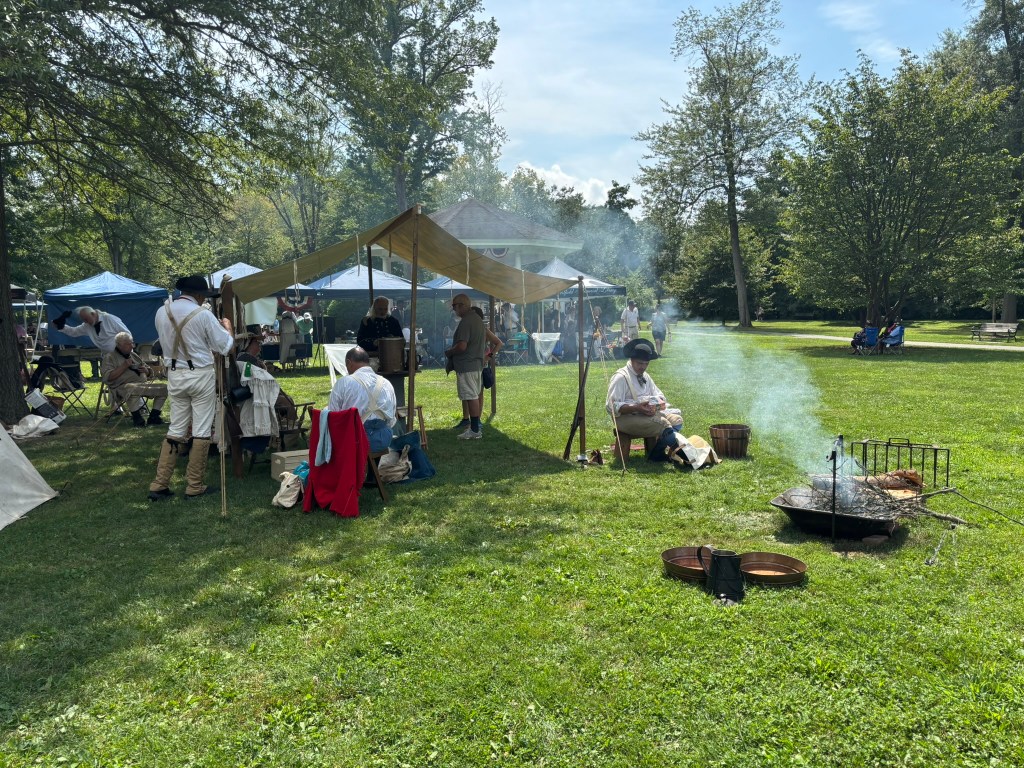
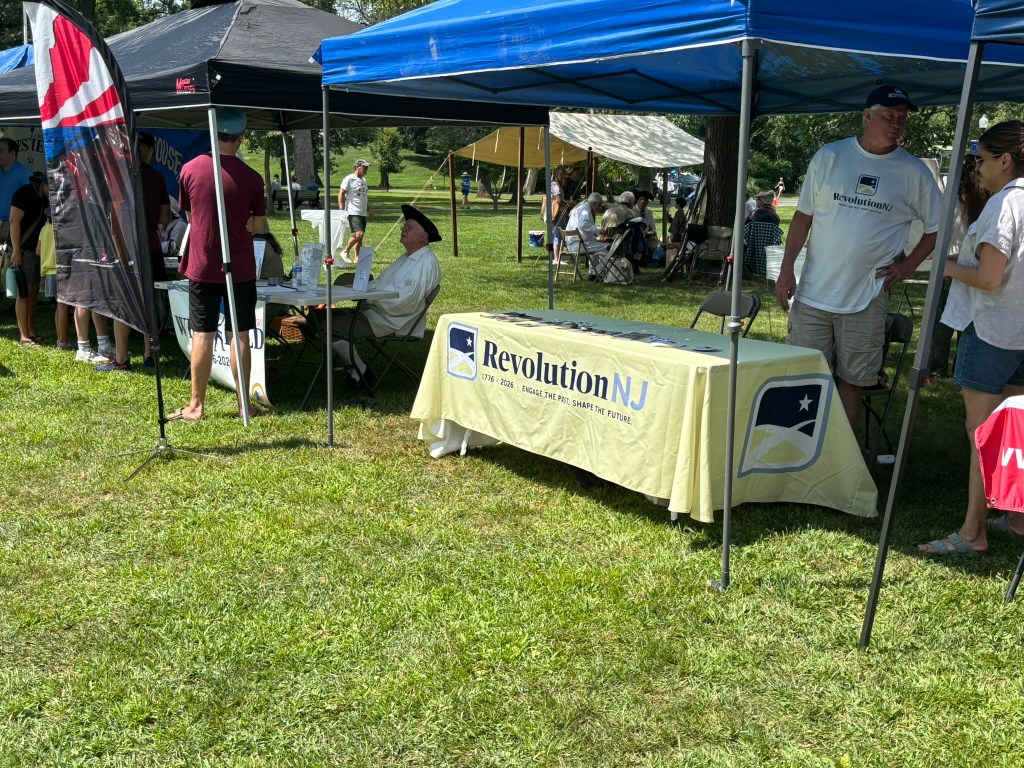
The grounds of Mindowaskin Park were transformed into a Revolutionary War encampment, complete with colonial-era games, open-fire cooking demonstrations, and regular drills, marches, and musket firing by soldiers in uniform.
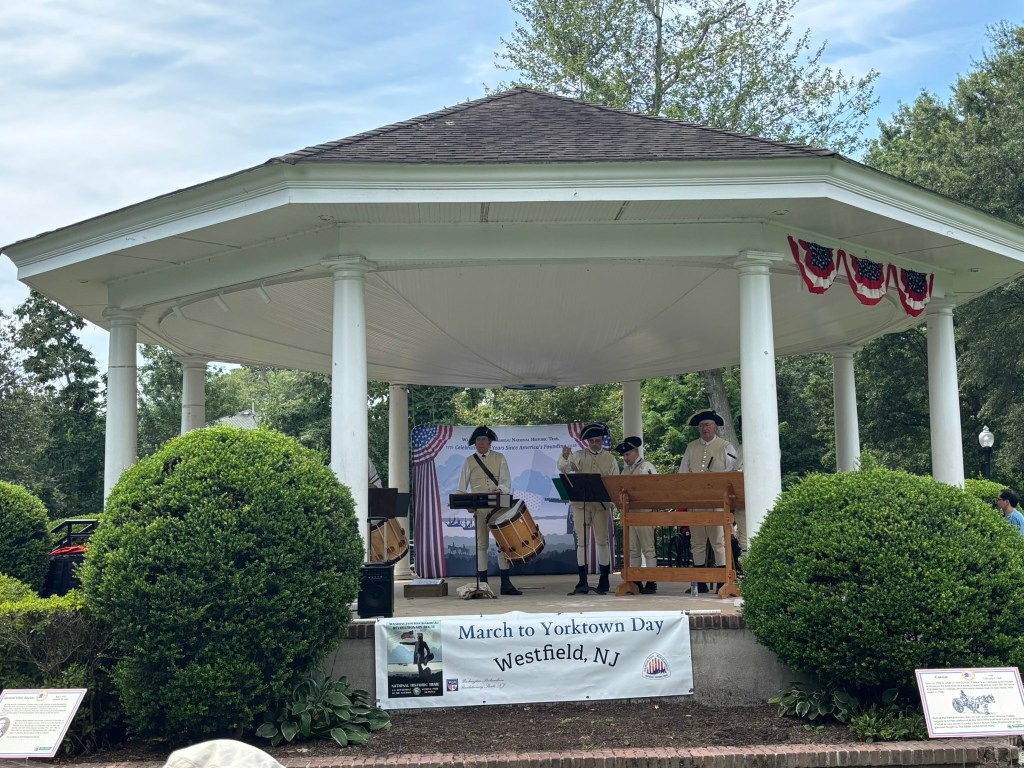
My family and I grabbed lunch from the food truck run by A Taco Affair, and it was delicious. The restaurant has locations in Westfield, Little Falls, and Denville, as well as Savannah, GA. After eating, we continued exploring the event—listening to the fifes and drums, watching musket demonstrations, and chatting with reenactors.
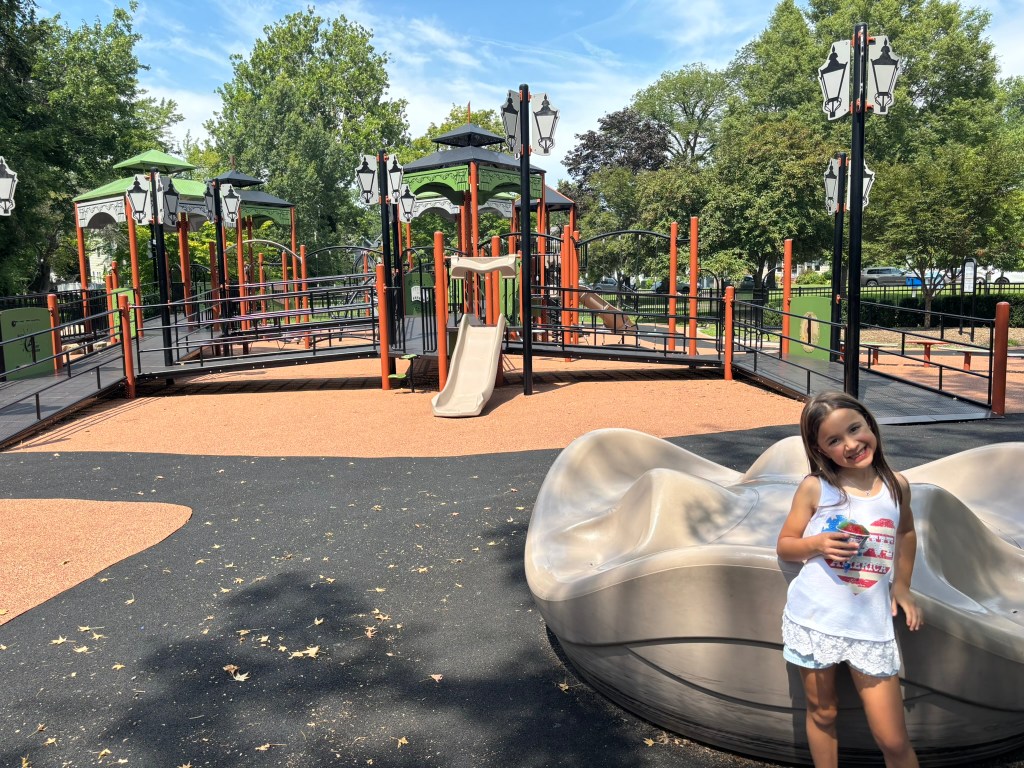
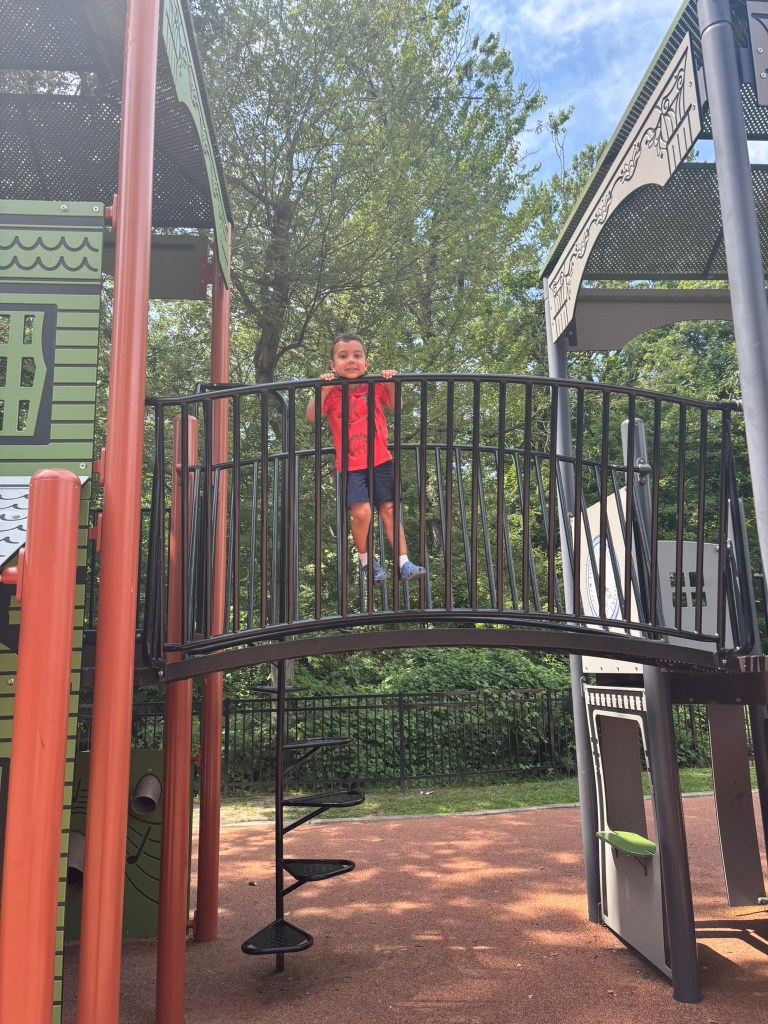
Mindowaskin Park also has a great playground that my kids enjoyed, and they capped off the afternoon with a treat from the ice cream truck on site.
Overall, we had a great time at March to Yorktown Day in Westfield. The event served as a great reminder of New Jersey’s rich Revolutionary War history and the key role the state played in America’s independence. The Washington-Rochambeau Revolutionary Route Association once again did an excellent job organizing the day and bringing the community together. This year’s program was even larger than the one my daughter and I attended two years ago, and it was great to see such a strong turnout. As we approach the 250th anniversary of our nation’s birth, make sure to check out events coming up in your local community.
Check out my Instagram and Facebook pages as I’ll be uploading videos of the event.
My last two blog posts discussed portions of my family’s summer vacation to Williamsburg, VA. The first blog post discussed our visit to Colonial Williamsburg. My previous blog post discussed a tour of Jamestown Settlement, which was the first half of our second day. This blog post will discuss our afternoon in Yorktown. This Jamestown- Yorktown tour was booked with Viator.
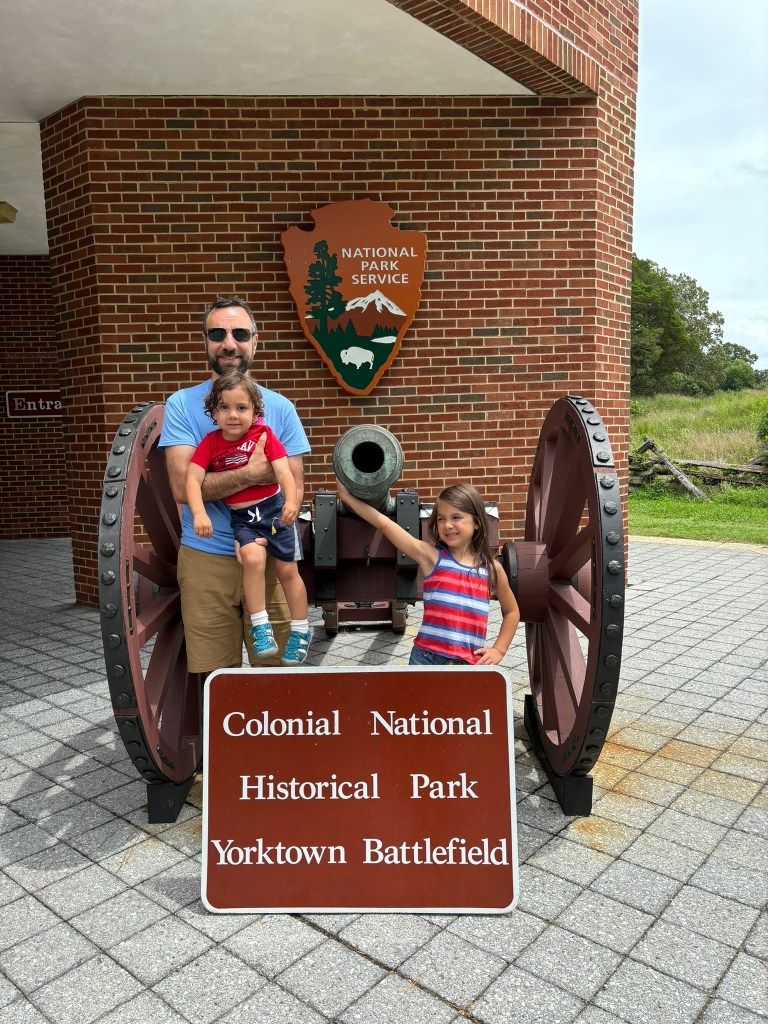
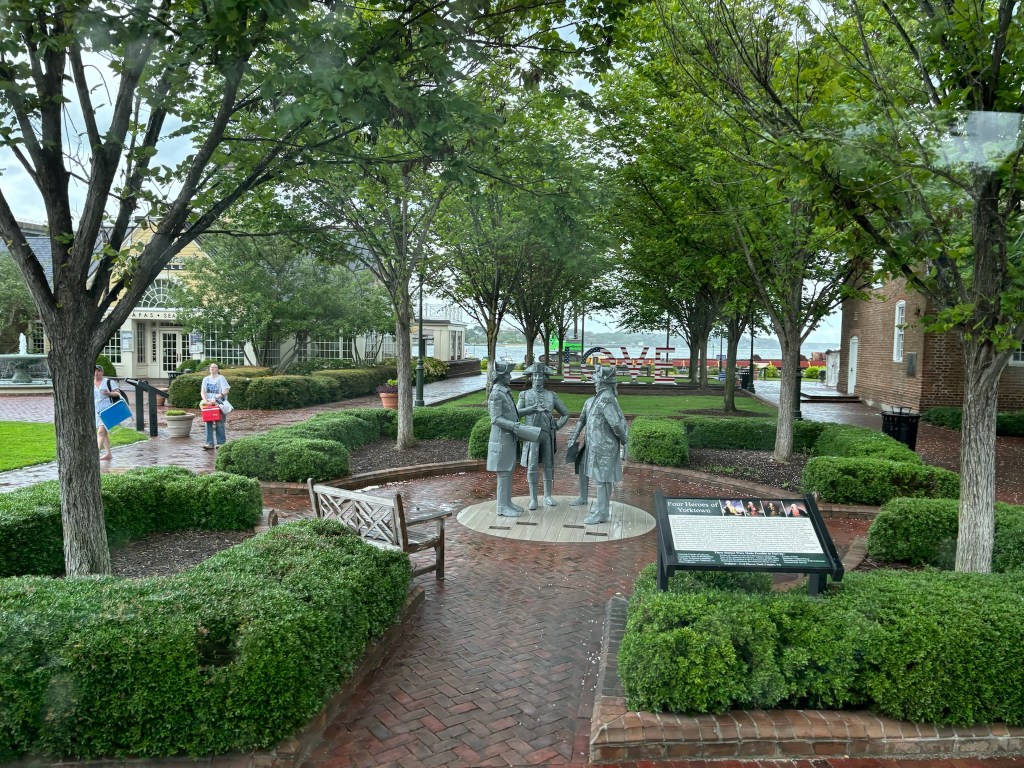
After we ate lunch at the Jamestown Settlement, we got back on the bus and headed to the Yorktown Battlefield. The drive between Jamestown and Yorktown was about 30 mins. Along the route, our tour guide still discussed the impact of the Jamestown settlement, and then transitioned into the 1700s. He explained the lead-up to the American Revolution and the outbreak of the war.
Significance
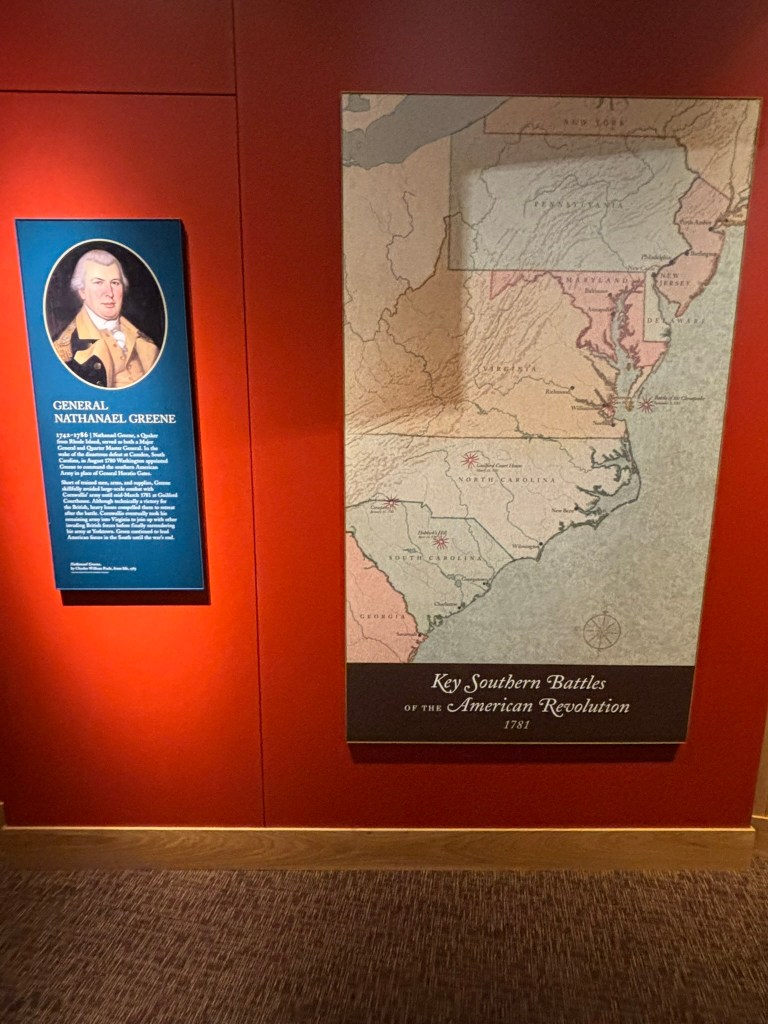
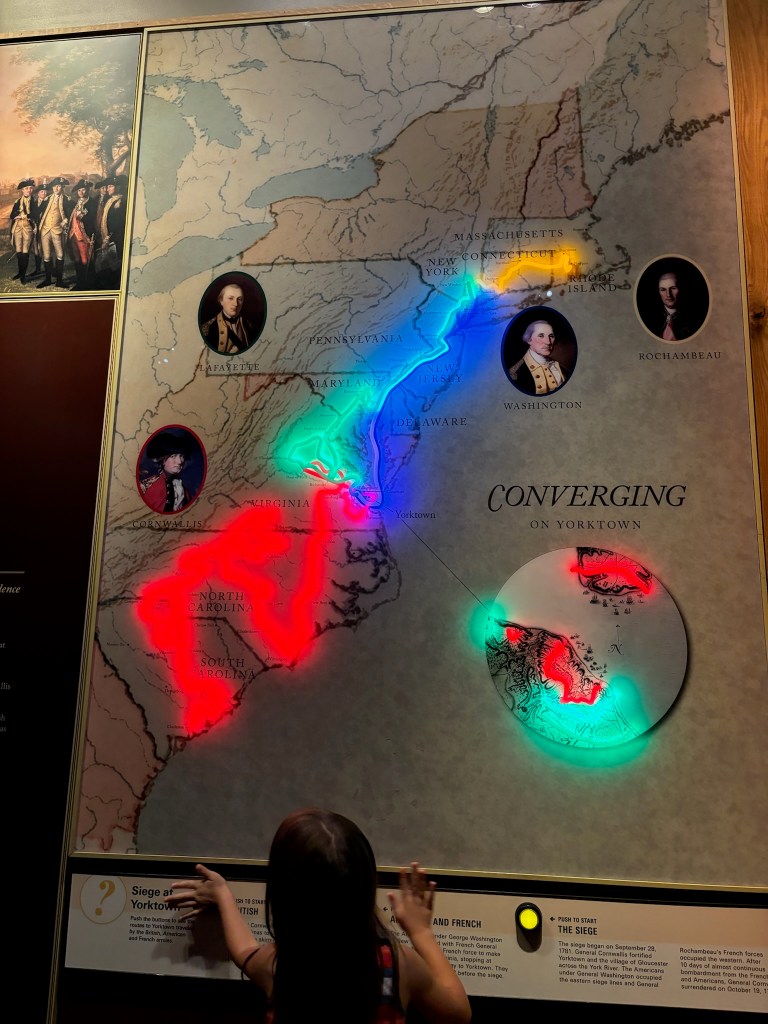
Yorktown was arguably the most important battle of the American Revolution because it was the last, major climactic battle. After six long years of war, and after a couple of grueling years of fighting in the south, British General Lord Cornwallis decided to take the war from the Carolinas to Virginia. He decided to set up camp at Yorktown along the York River. The combined French and American forces planned to surround the British at Yorktown and cut of their supply along the river. As a result of the naval Battle of the Chesapeake on September 5th, 1781, the French were able to successfully gain control of the York River, cutting off a British escape route. The French and American forces made their way from Rhode Island along the Washington-Rochambeau Revolutionary Route. After a siege of about three weeks, Lord Cornwallis’s army was forced to surrender on October 19th, 1781.
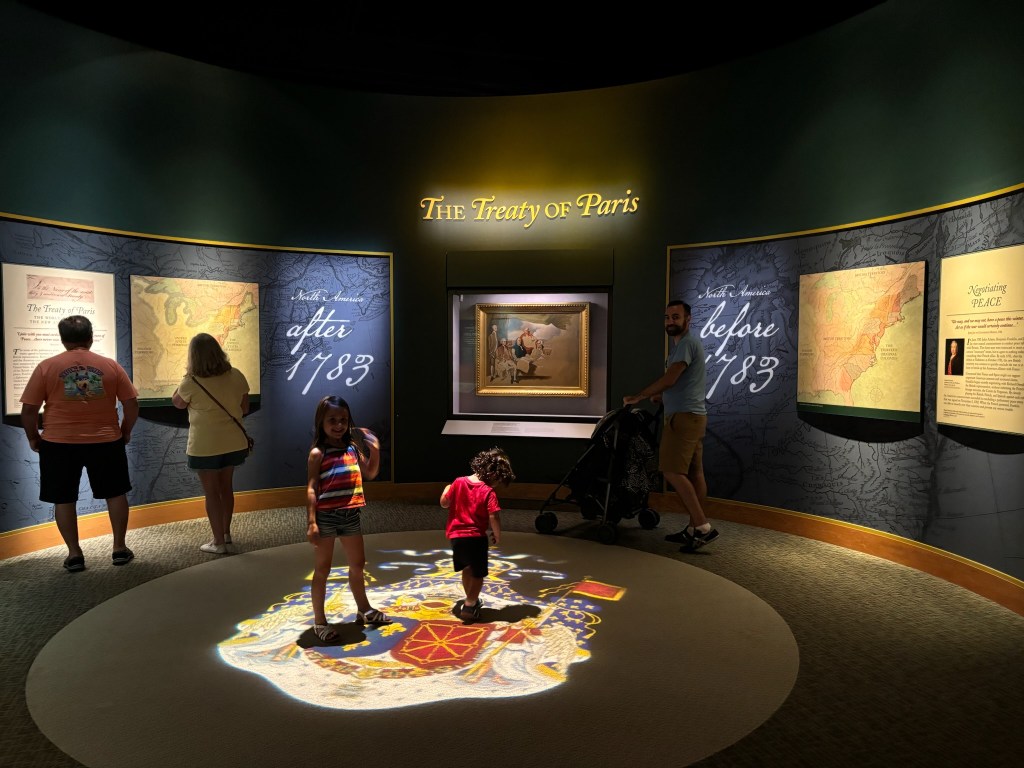
While smaller battles and skirmishes did take place in the war after Yorktown, this surrender led to peace talks and was the last major battle of the war. The Treaty of Paris would come in 1783, bringing about the official end to the war.
Yorktown Battlefield
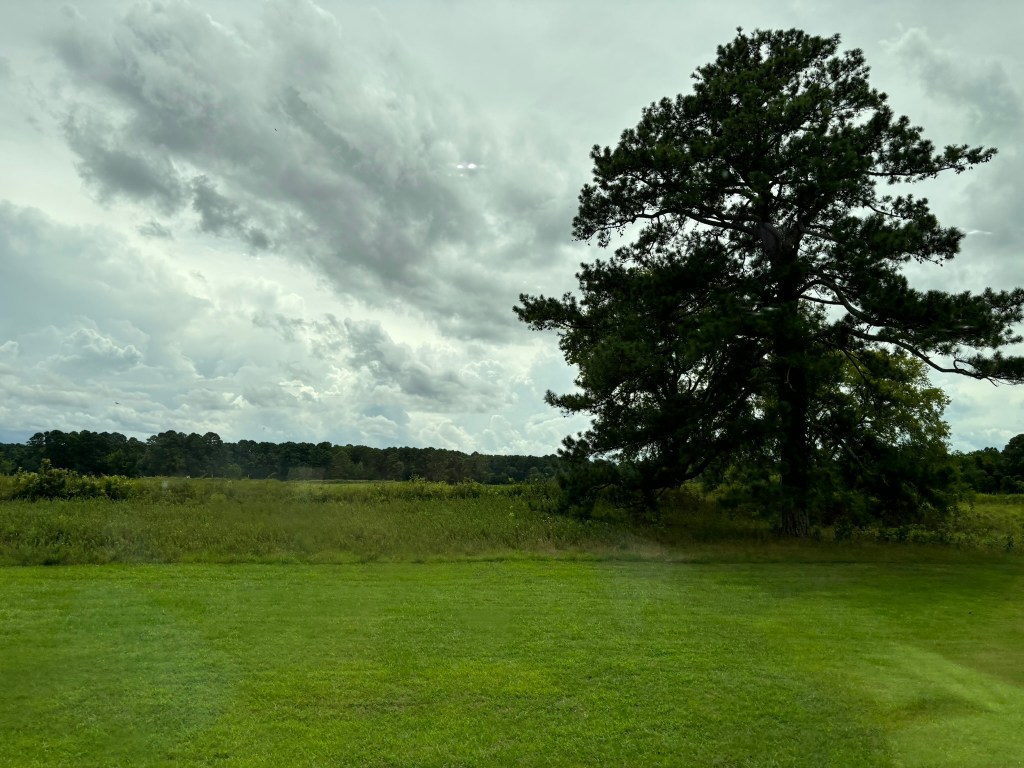
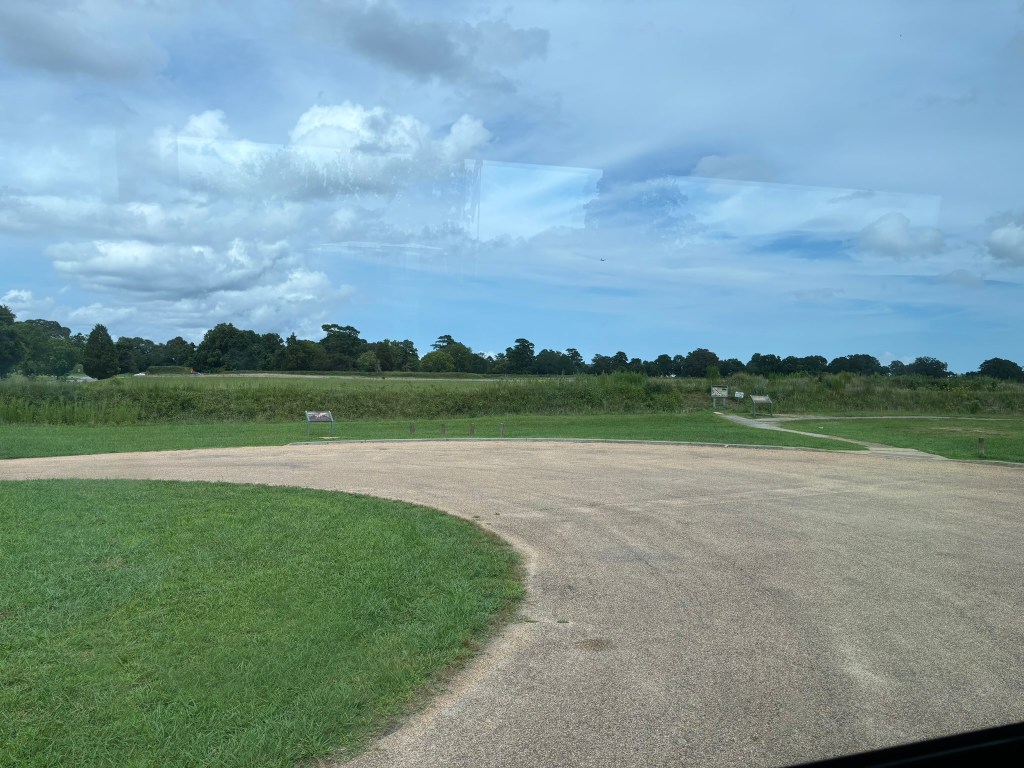
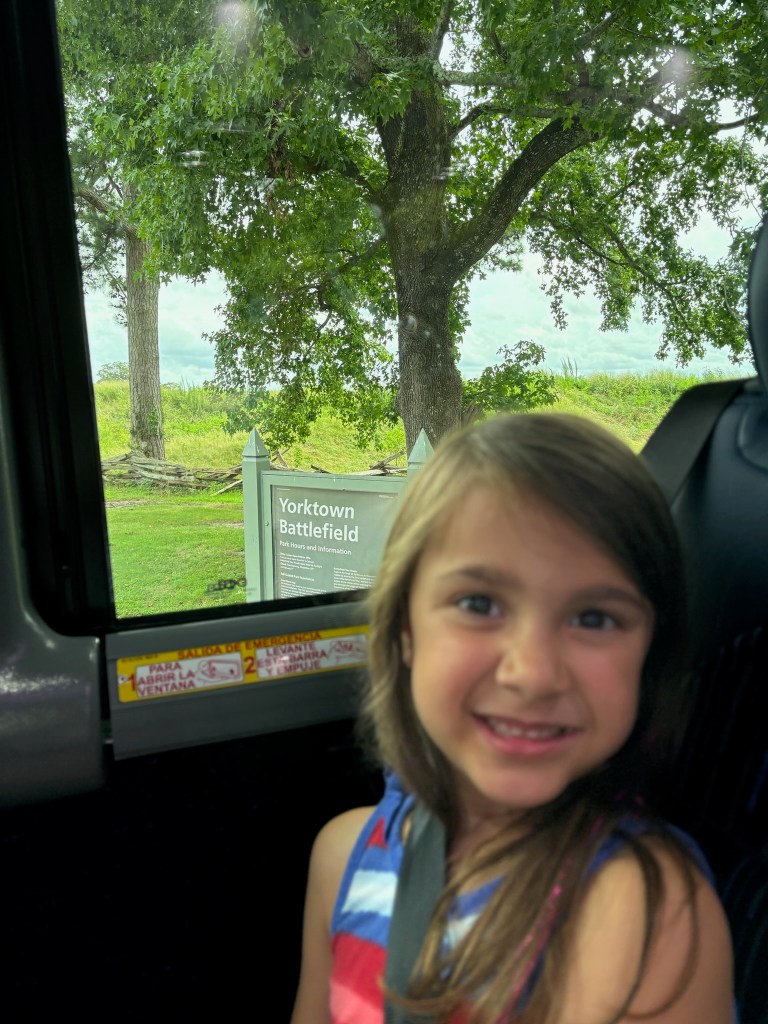
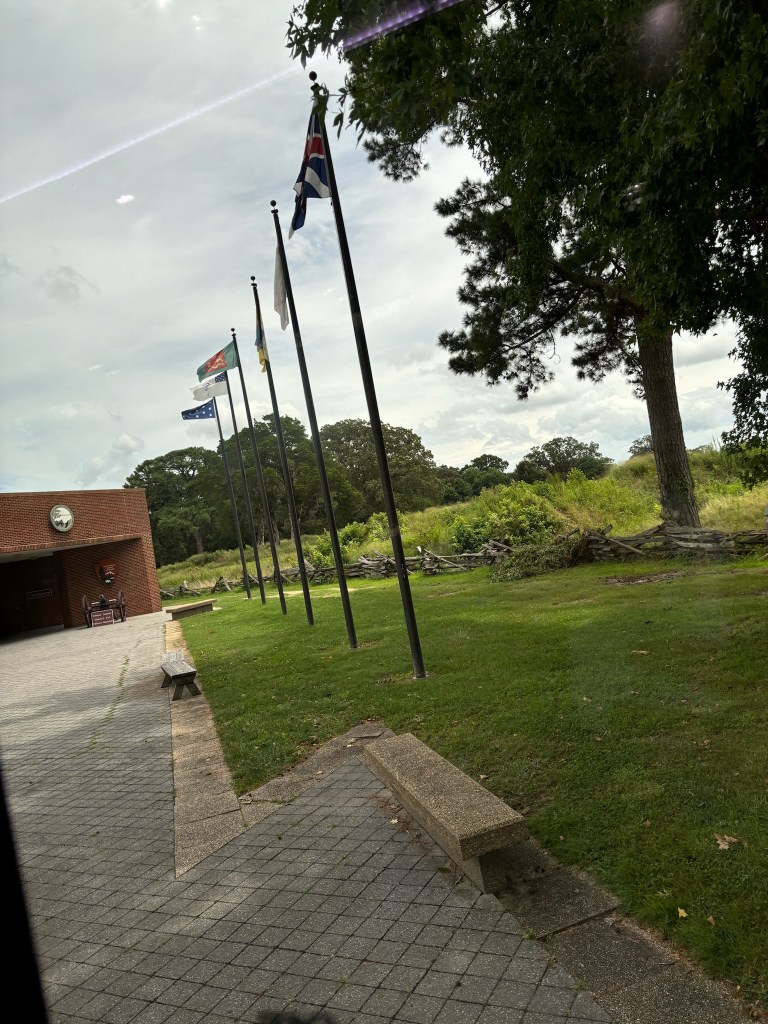
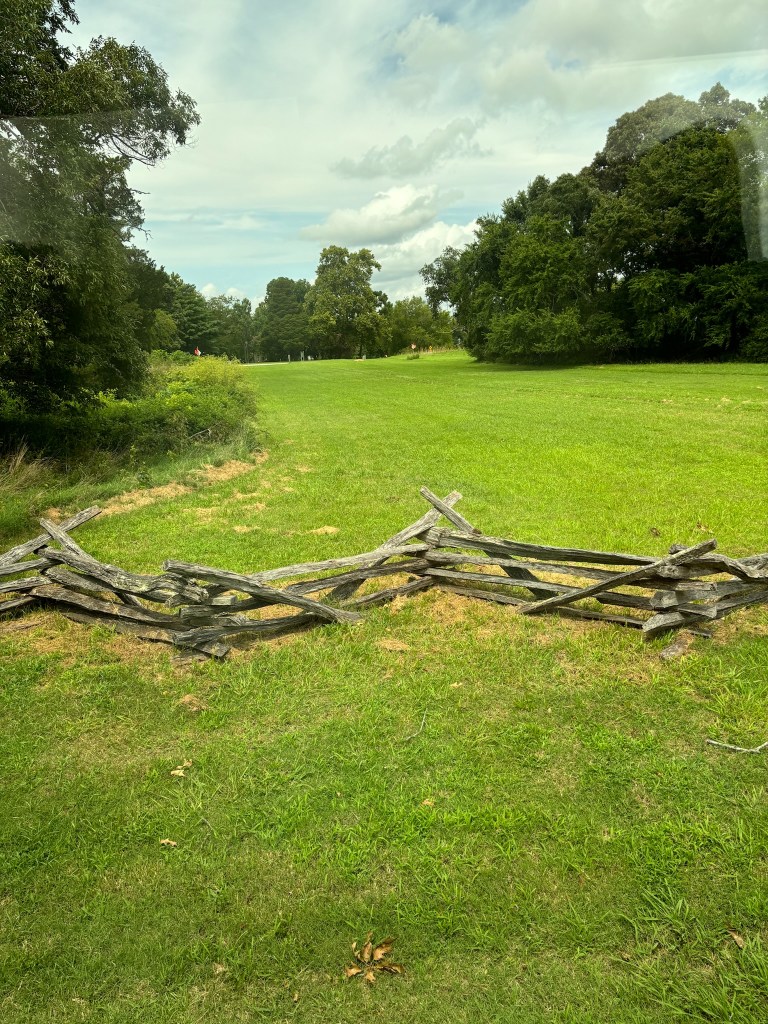
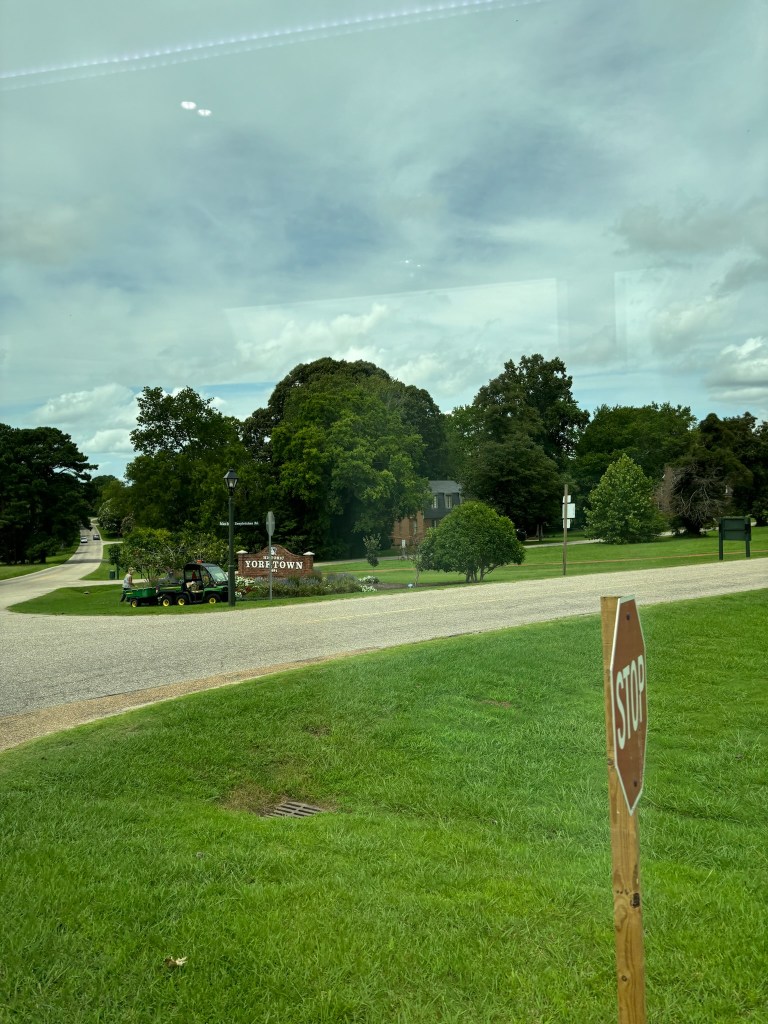
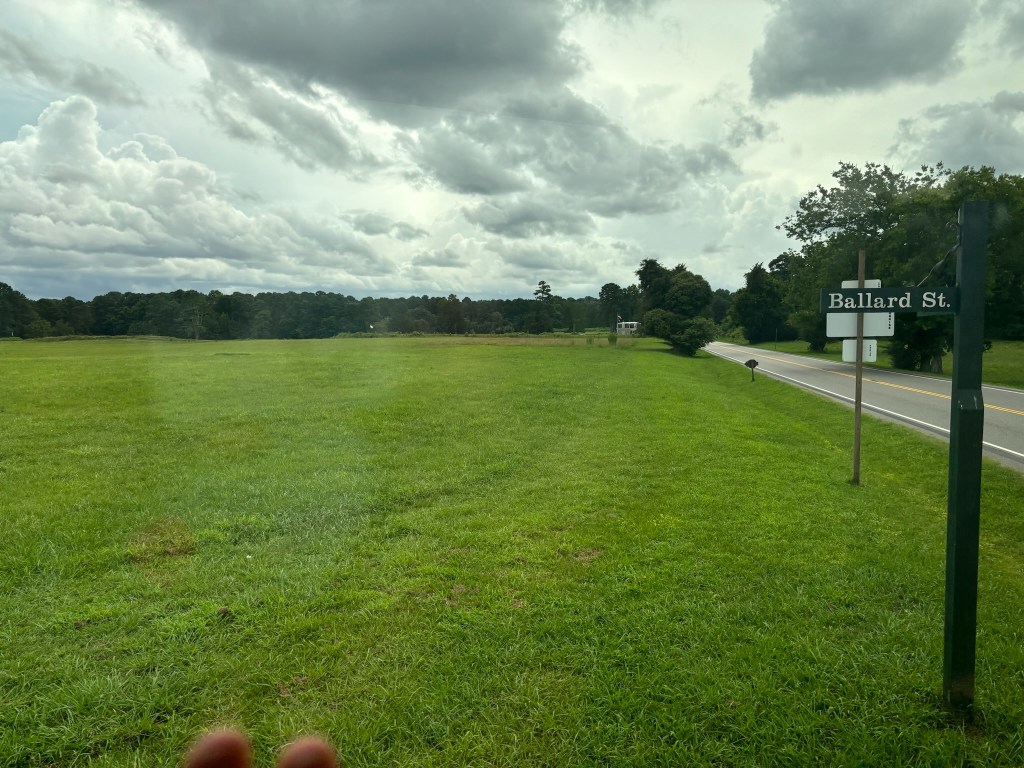
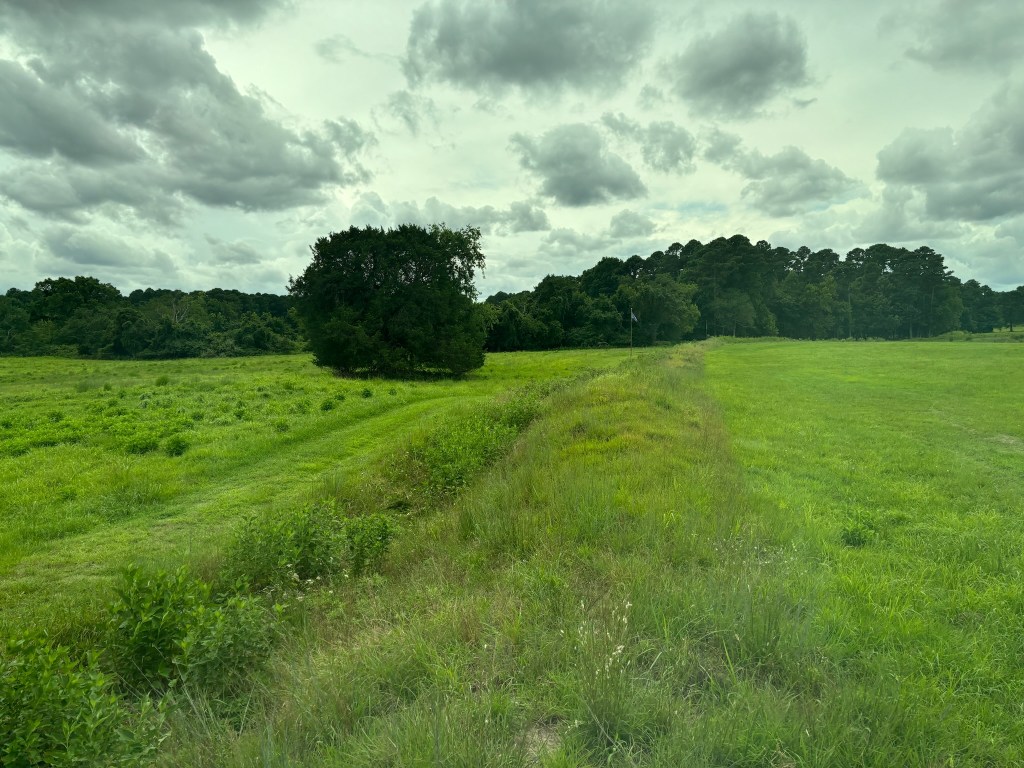
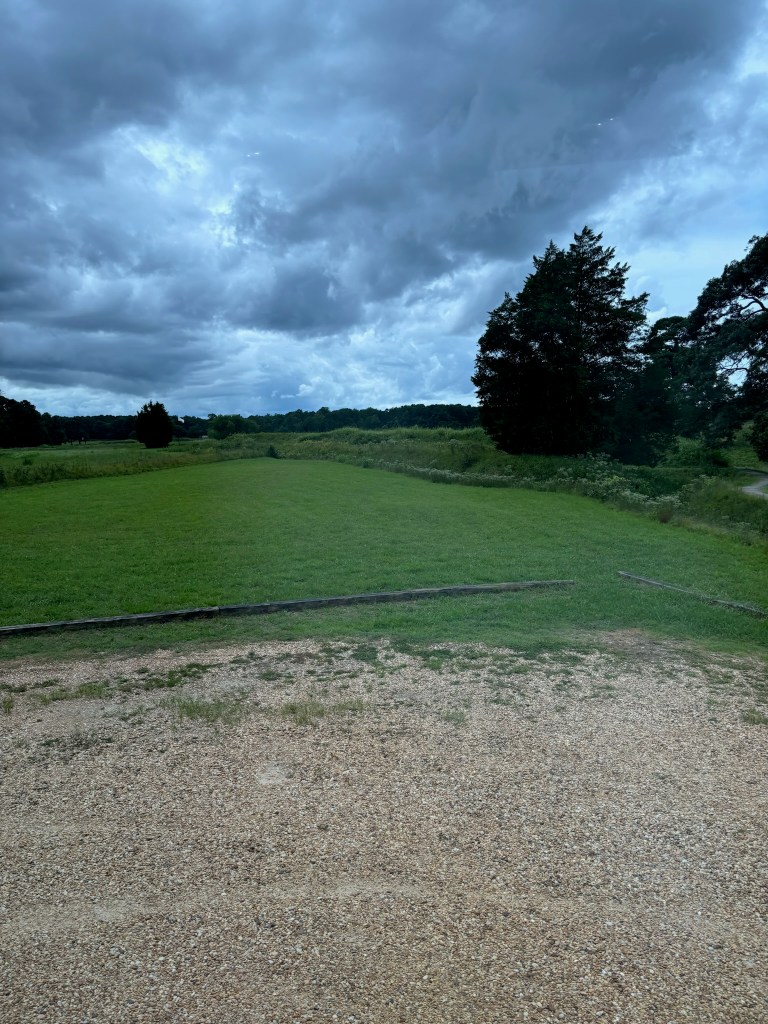
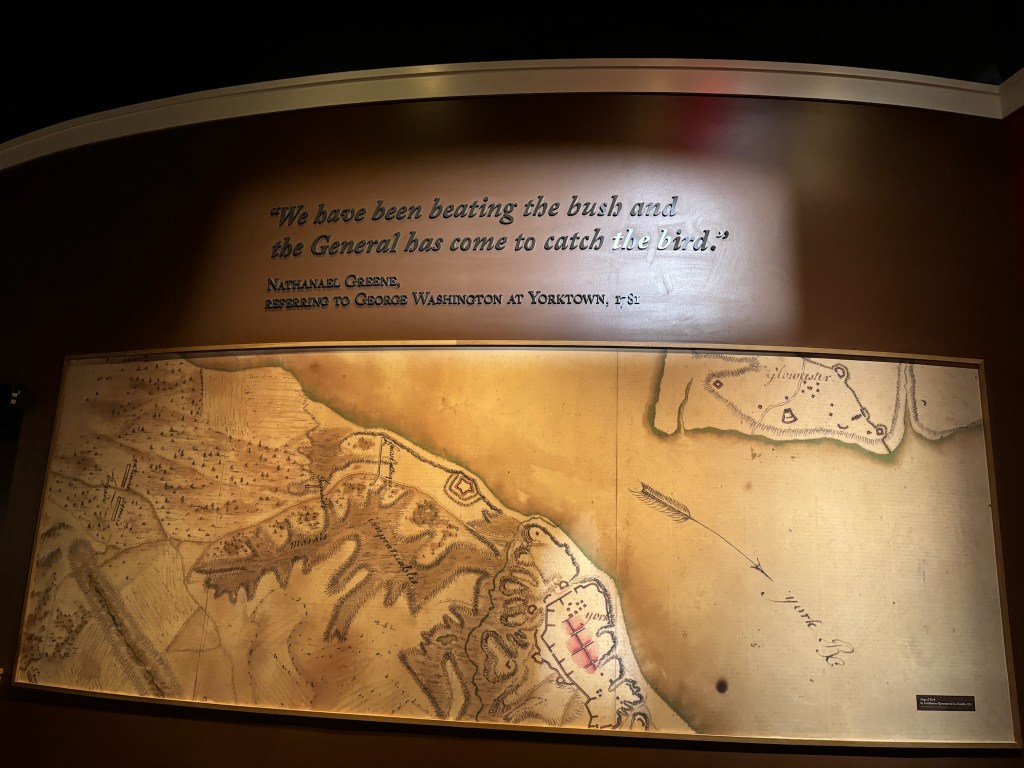
When we arrived at Yorktown, we received a bus tour of the battlefield. You could still see the remnants of the trenches that were built as the American and French forces were digging themselves closer and closer to the British stationed in town. The American and French alliance bombarded the town constantly and cut off food and provisions from getting into town. As we were moving throughout the battlefield, I used my Google Maps app to pinpoint exactly where we were in relation to town to get a sense of the exact locations of where the troops were moving on the battlefield.
Redoubts #9 and #10
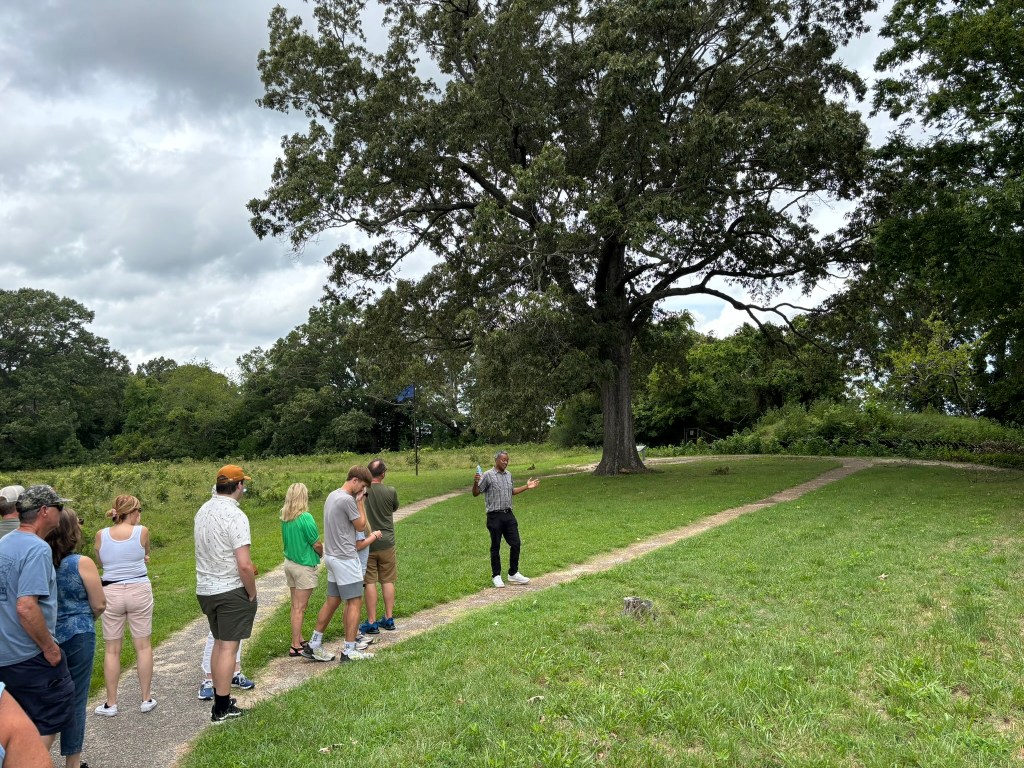
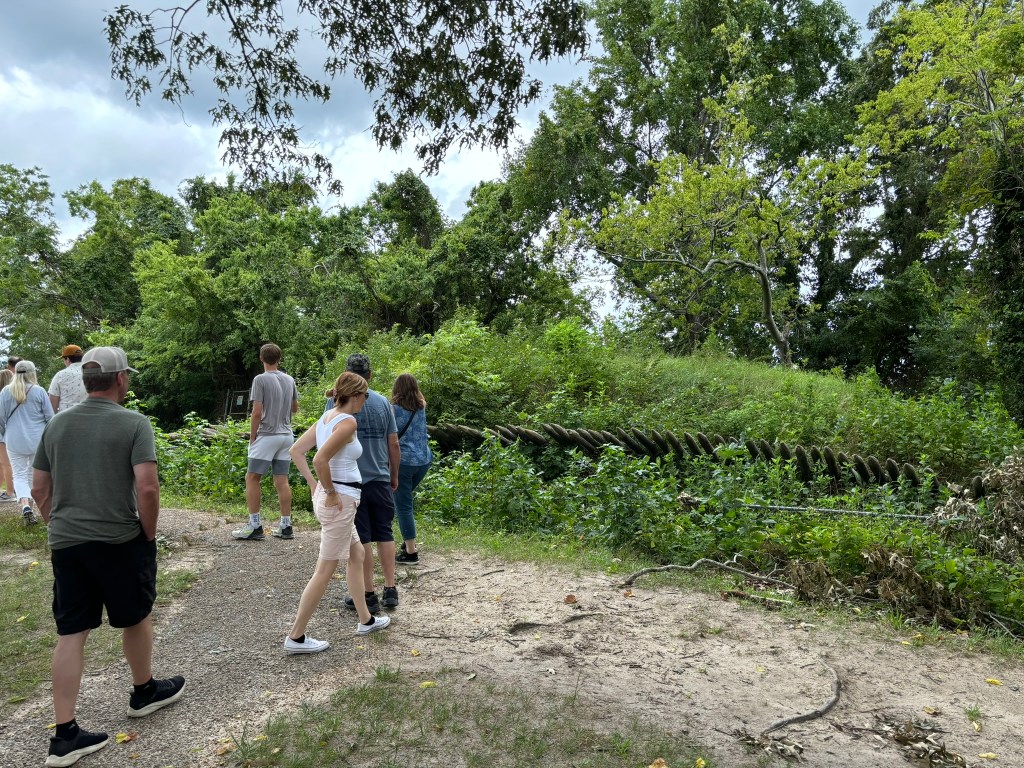
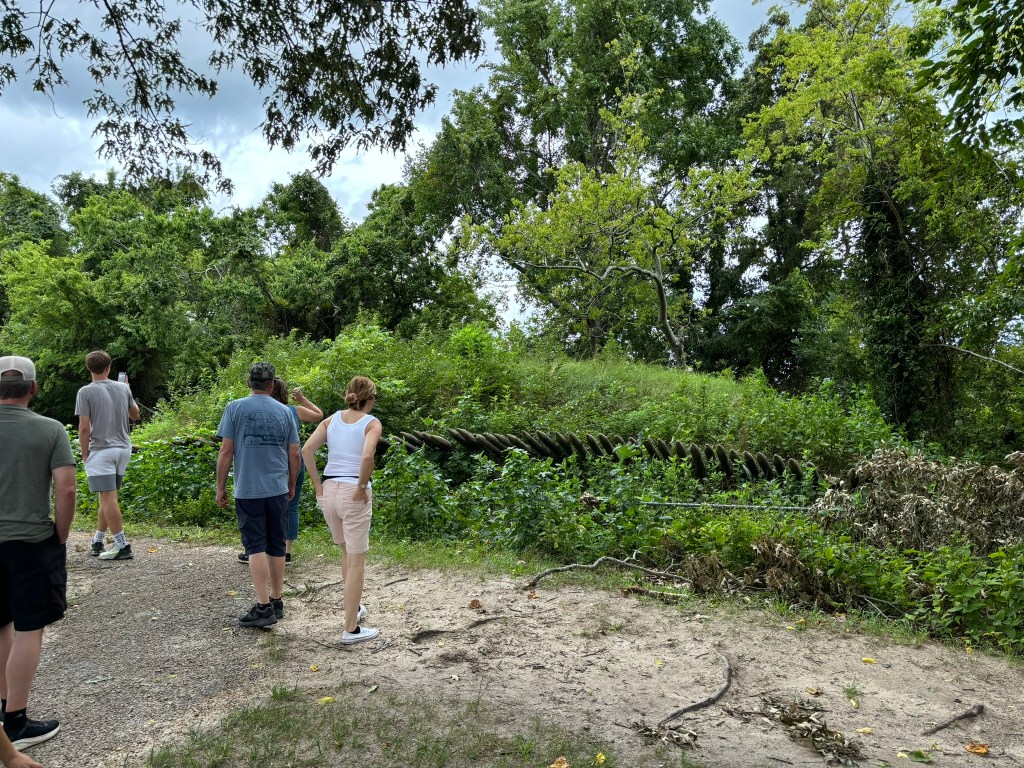
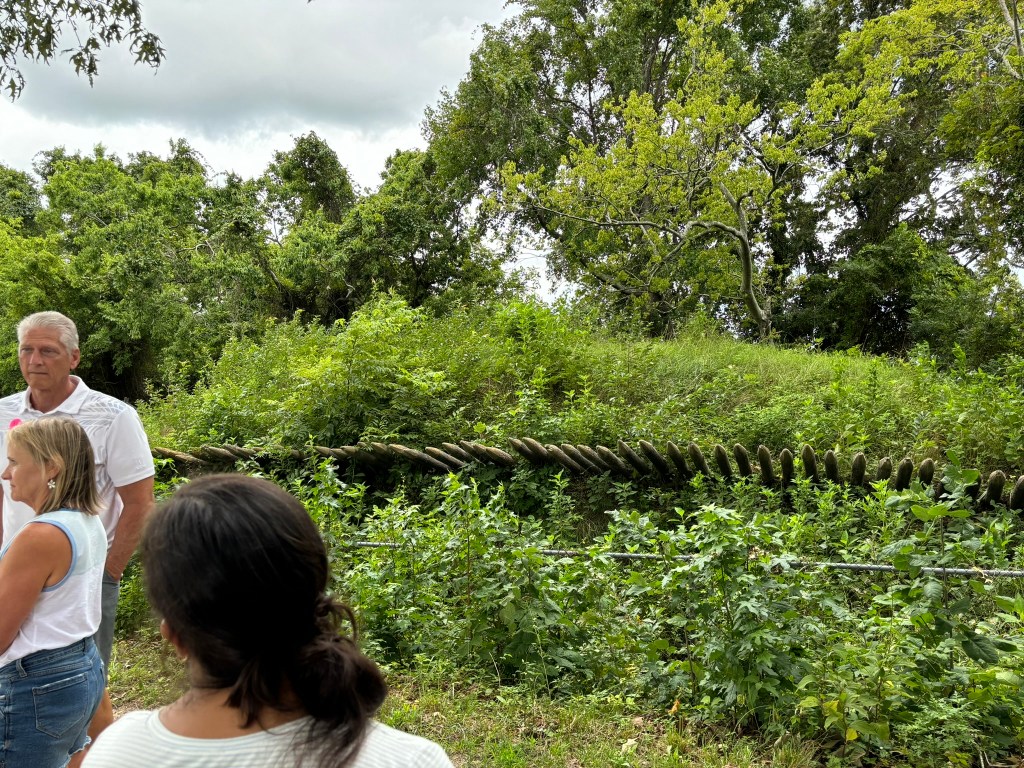
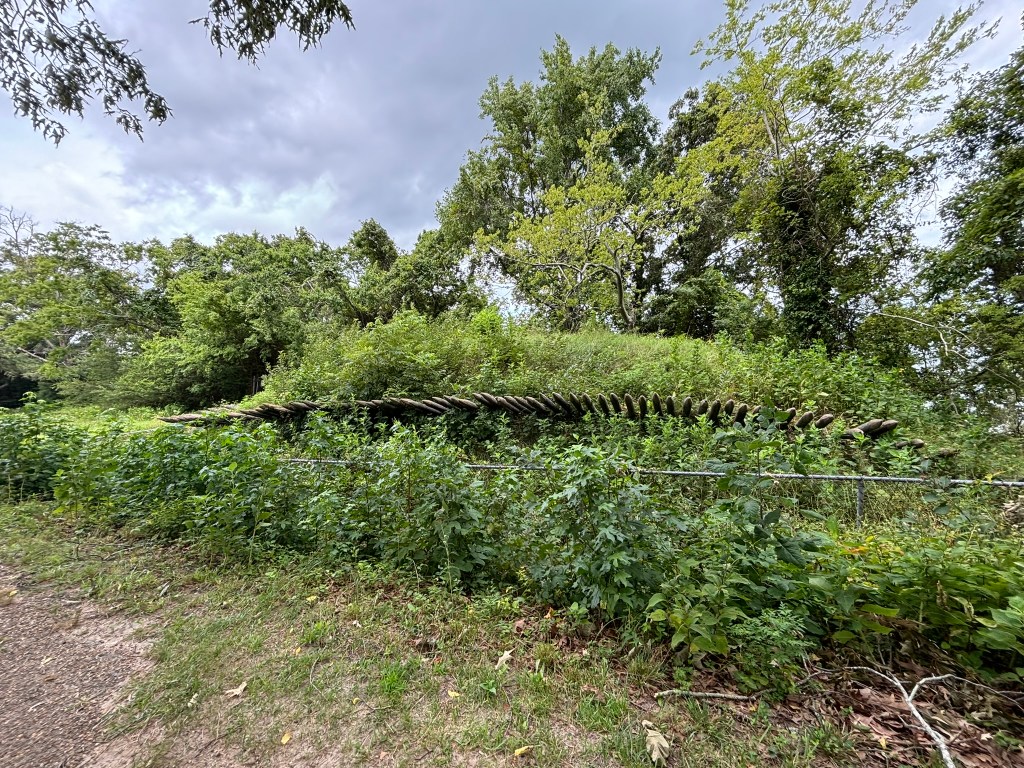
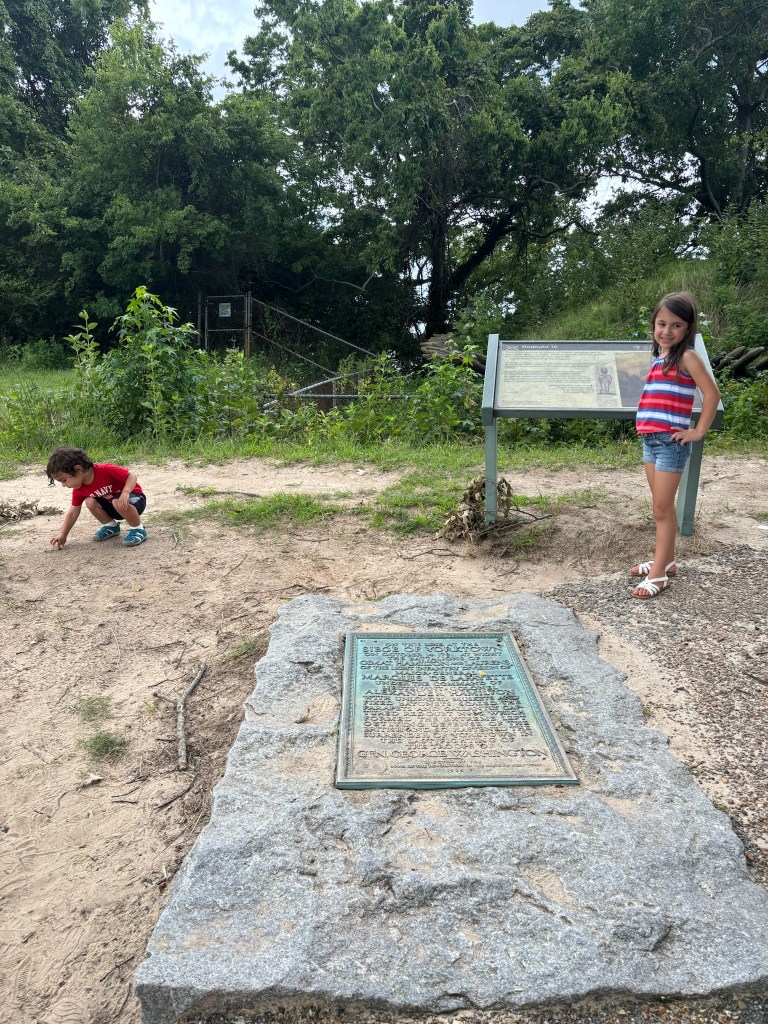
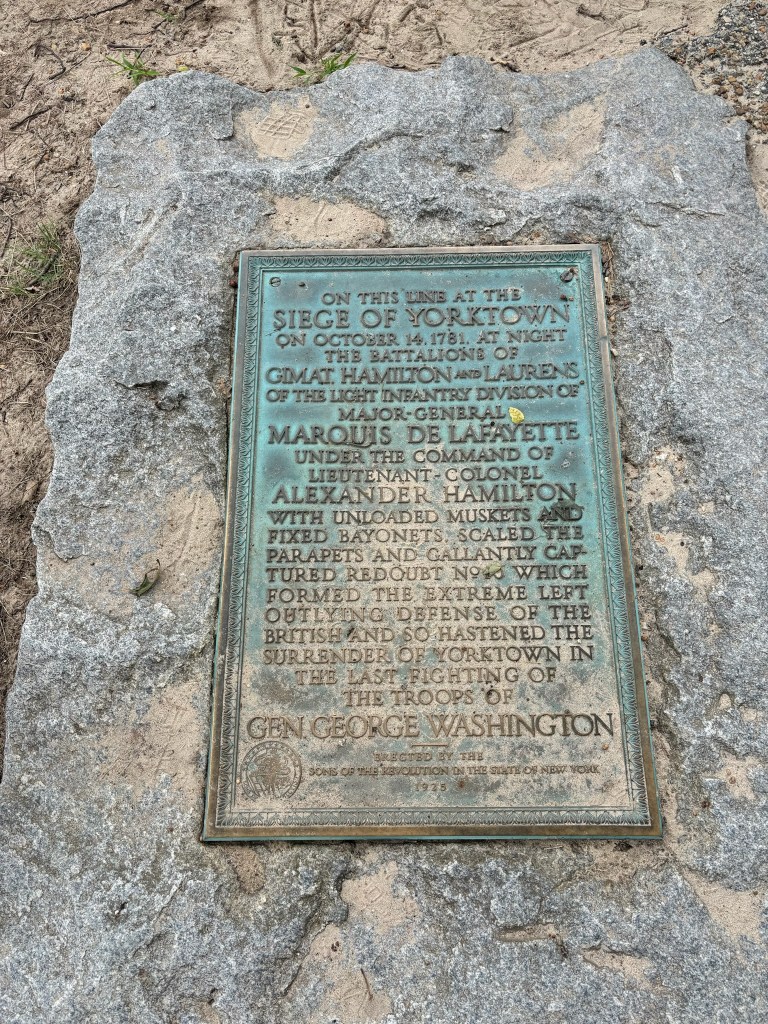
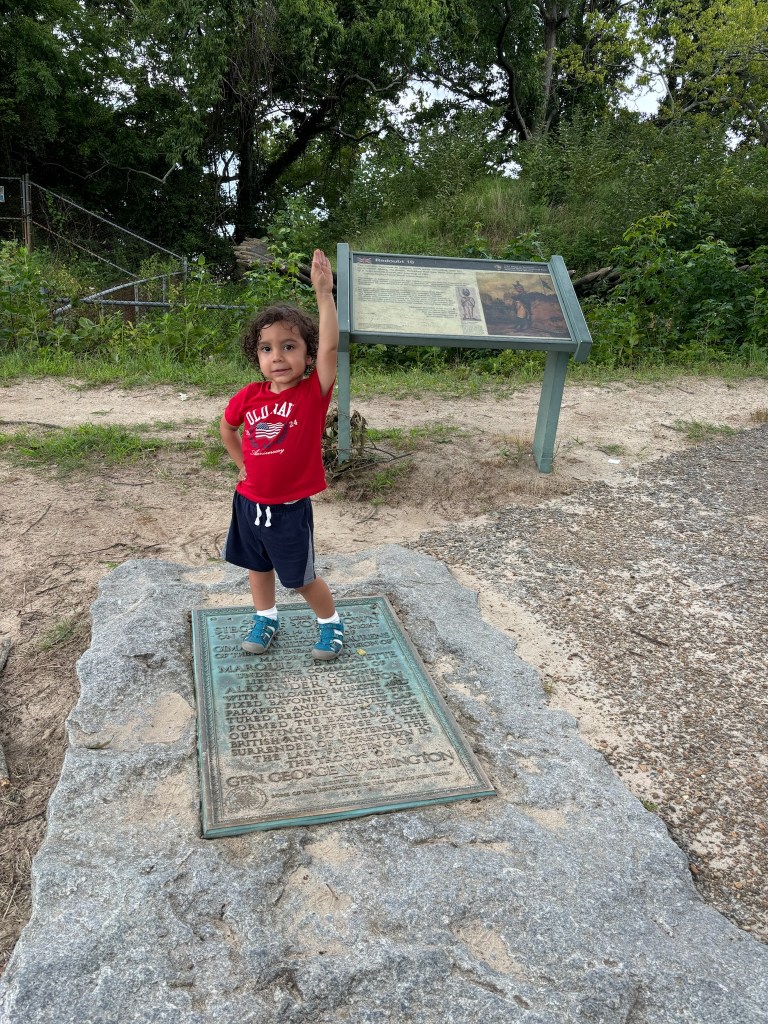
The bus made its way to Redouts # 9 and #10. These were two smaller fortifications just outside the British inner defenses, designed by the British to defend against French and American forces. When we arrived at the redoubts, we got out of the bus to observe Redoubt #10. Our tour guide explained the significance of the Redoubt. By October 14th, the American and French trench lines were within 150 yards of these two Redoubts. Washington devised a plan in which the French would attack Redoubt #9 and the Americans would attack Redoubt #10. Alexander Hamilton was chosen to lead the offensive in the night against Redoubt #10. The soldiers charged the redoubt with no ammo, just bayonets drawn. This was in order to keep the element of surprise. The American soldiers stormed the redoubt, climbed the abatis, and successfully took Redoubt #10 in brutal hand-to-hand combat in just 10 minutes. The French were also successful in taking Redout #9. Truly a climactic moment of the siege, the British surrendered just 5 days later.
The Moore House
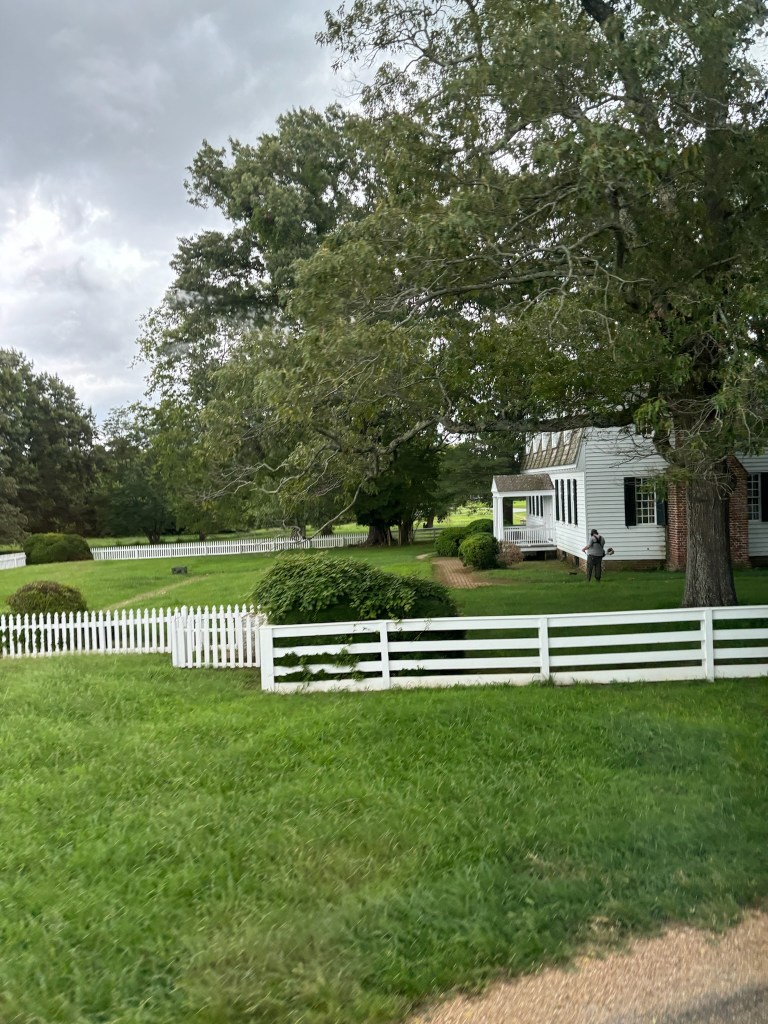
After viewing the redouts, the tour bus then took us to and parked in front of the Moore House, the location where negotiations for surrender took place. The tour guide did a nice job explaining the symbolic significance of the house. It essentially was here, where victory in the American Revolution was secured, confirming American independence.
Yorktown Victory Monument
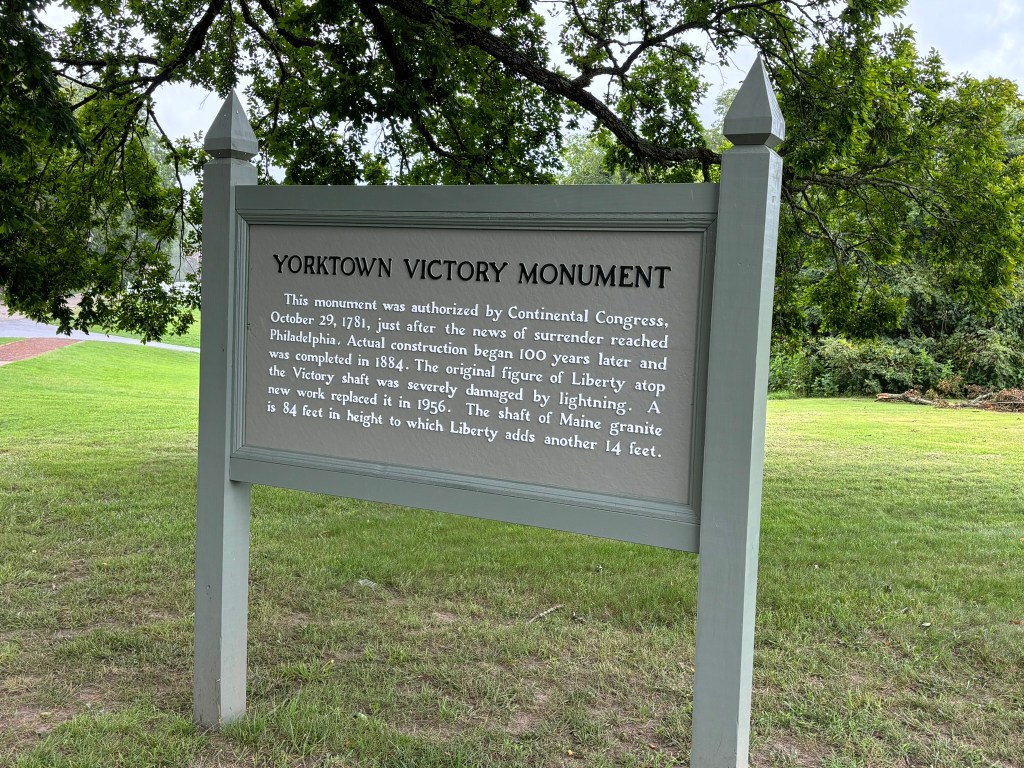
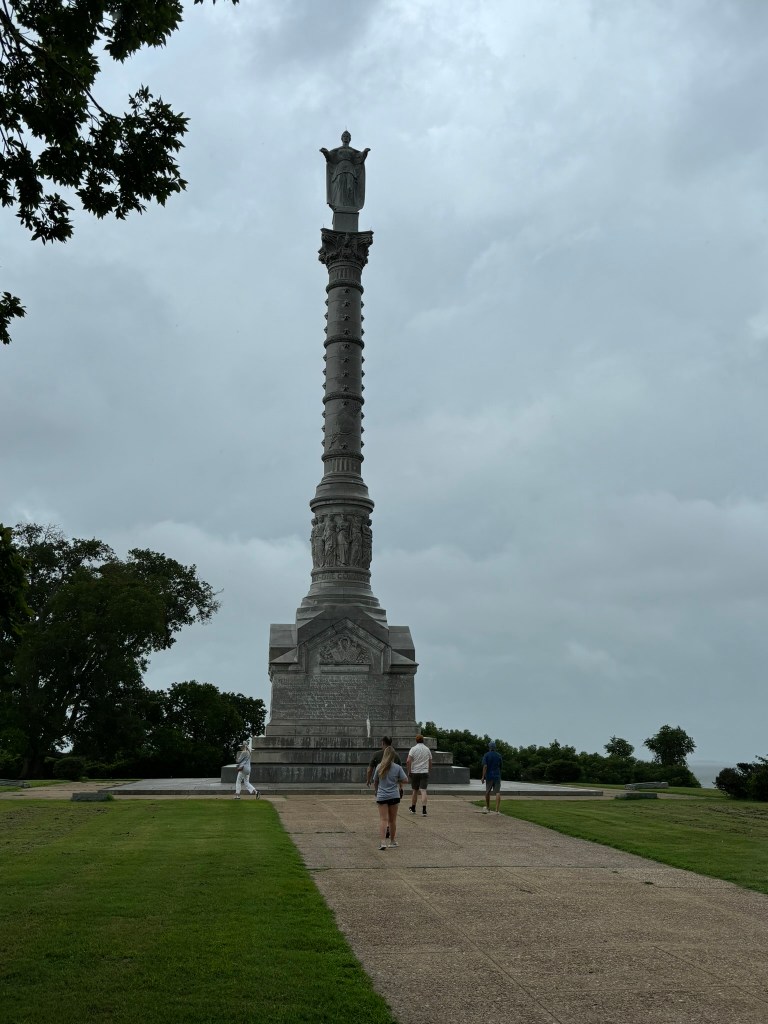
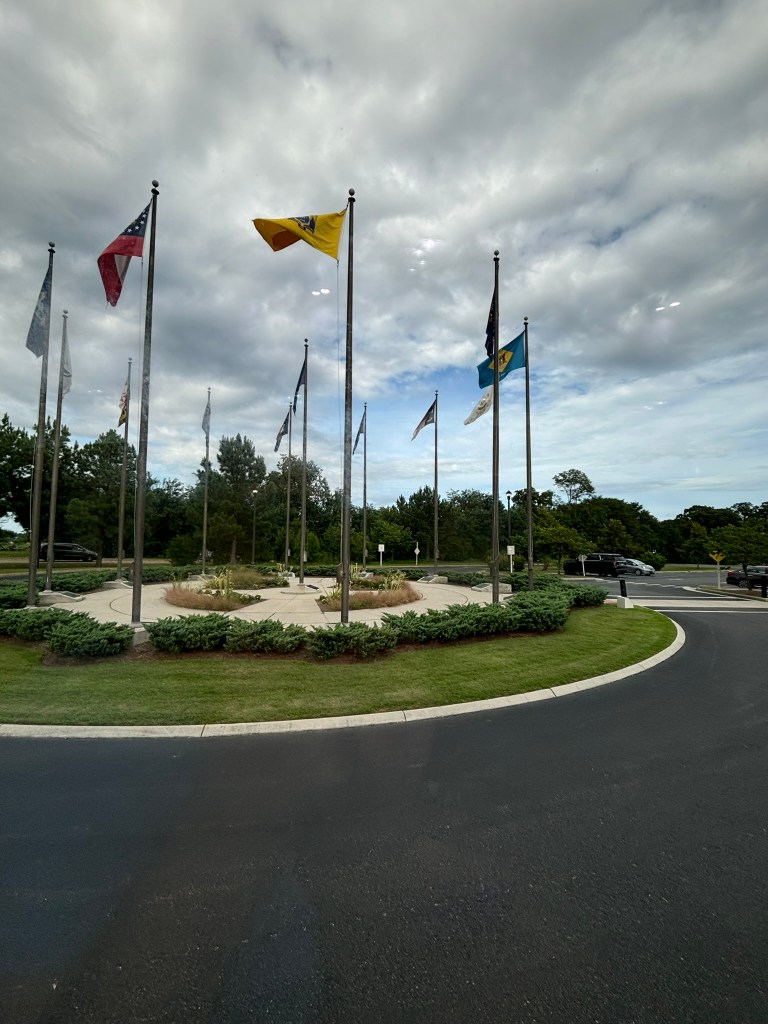
The tour bus began riding towards town and stopped at the Yorktown Victory Monument, built to commemorate this great victory.
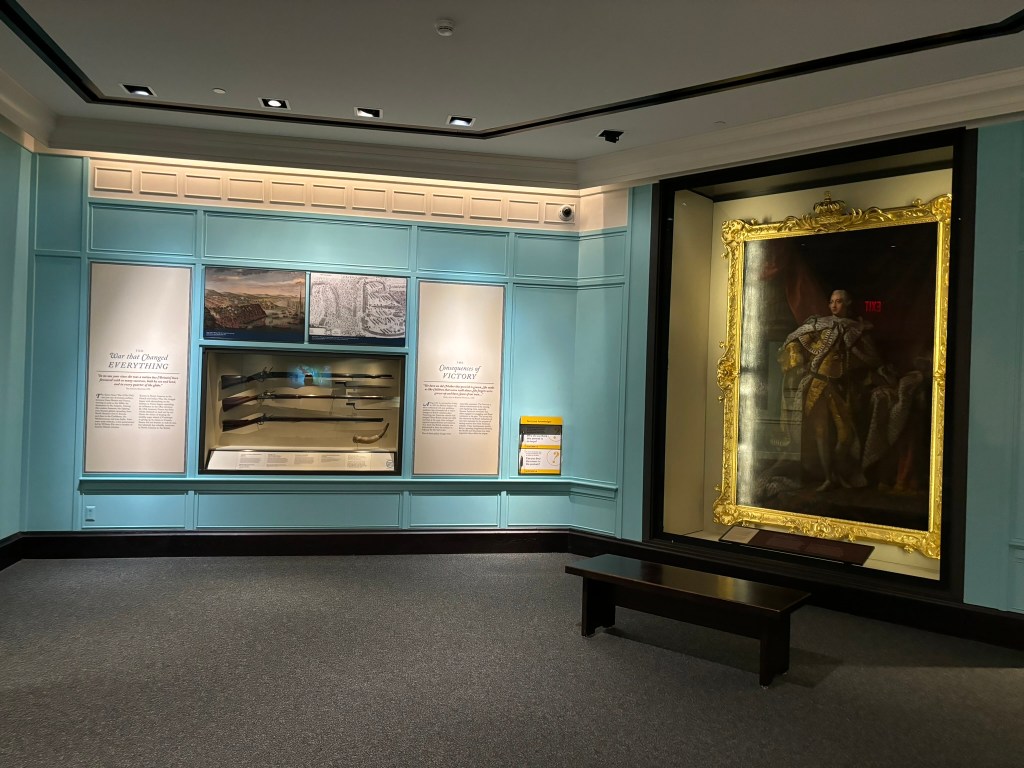
American Revolution Museum at Yorktown
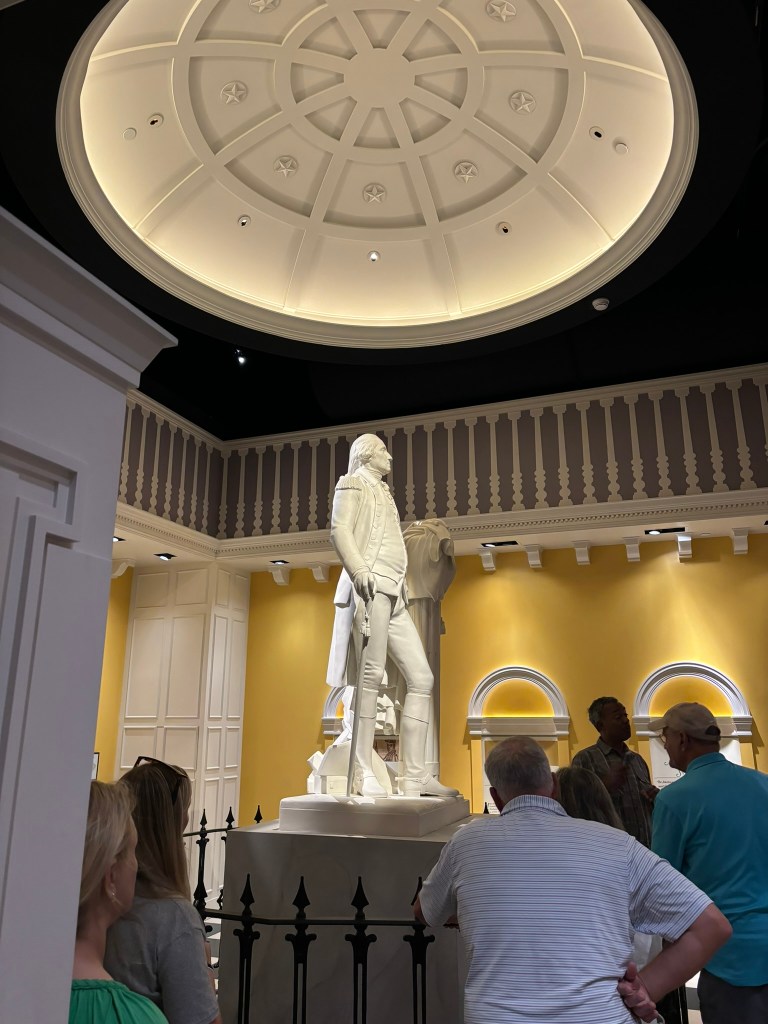
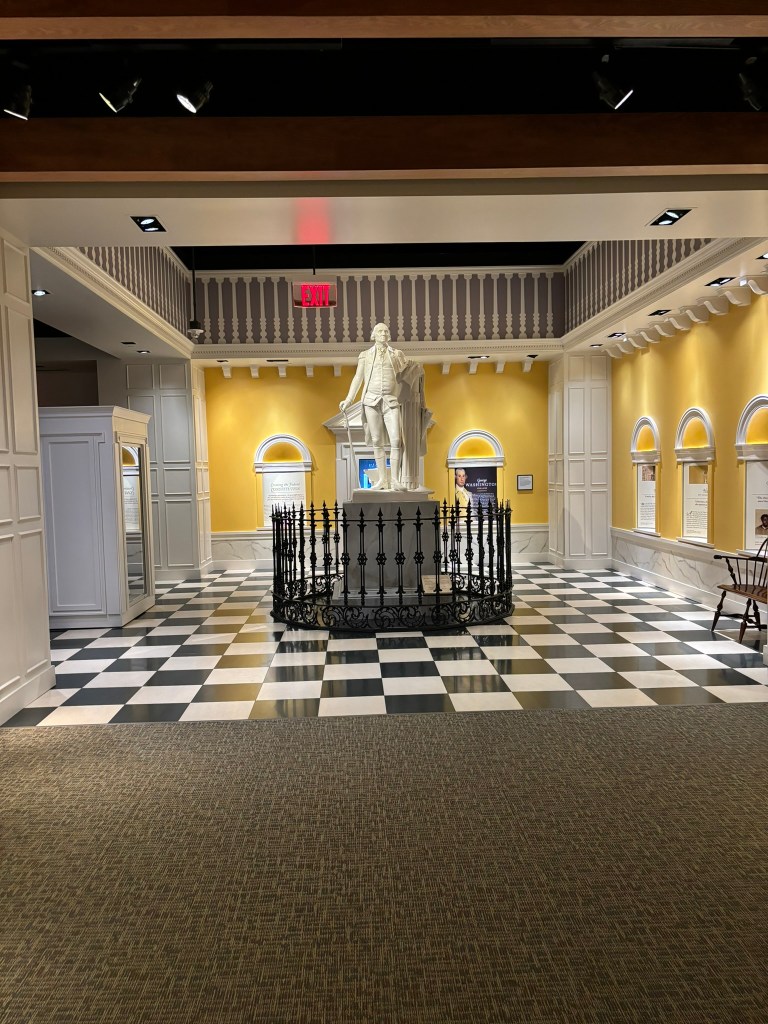
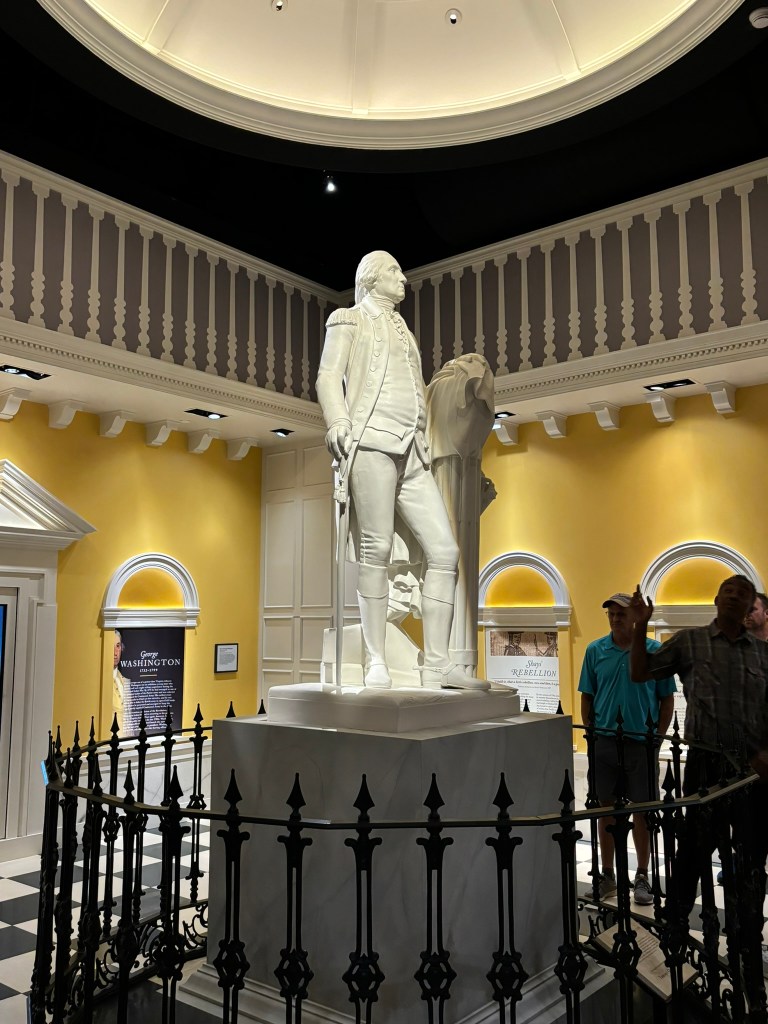
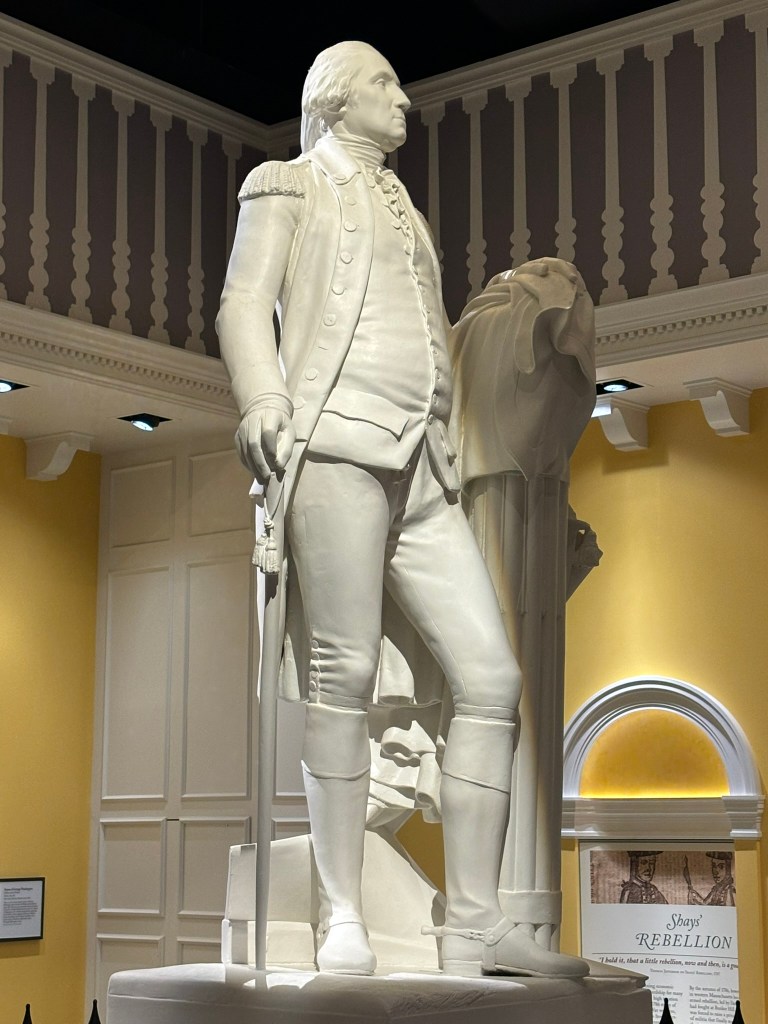
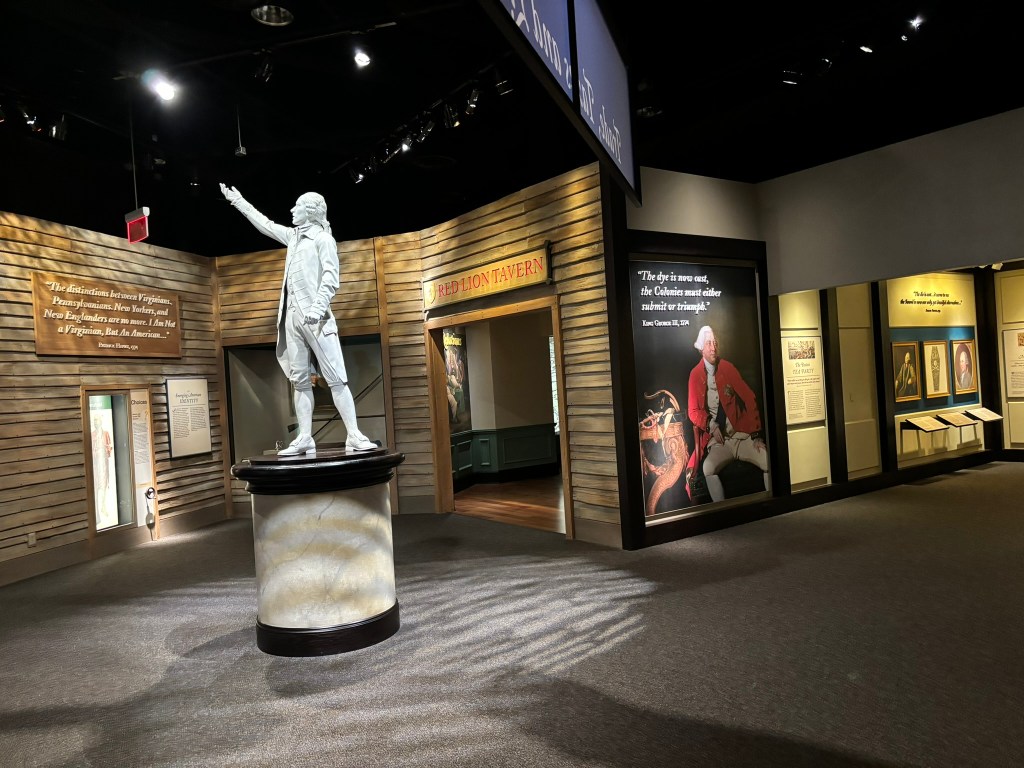
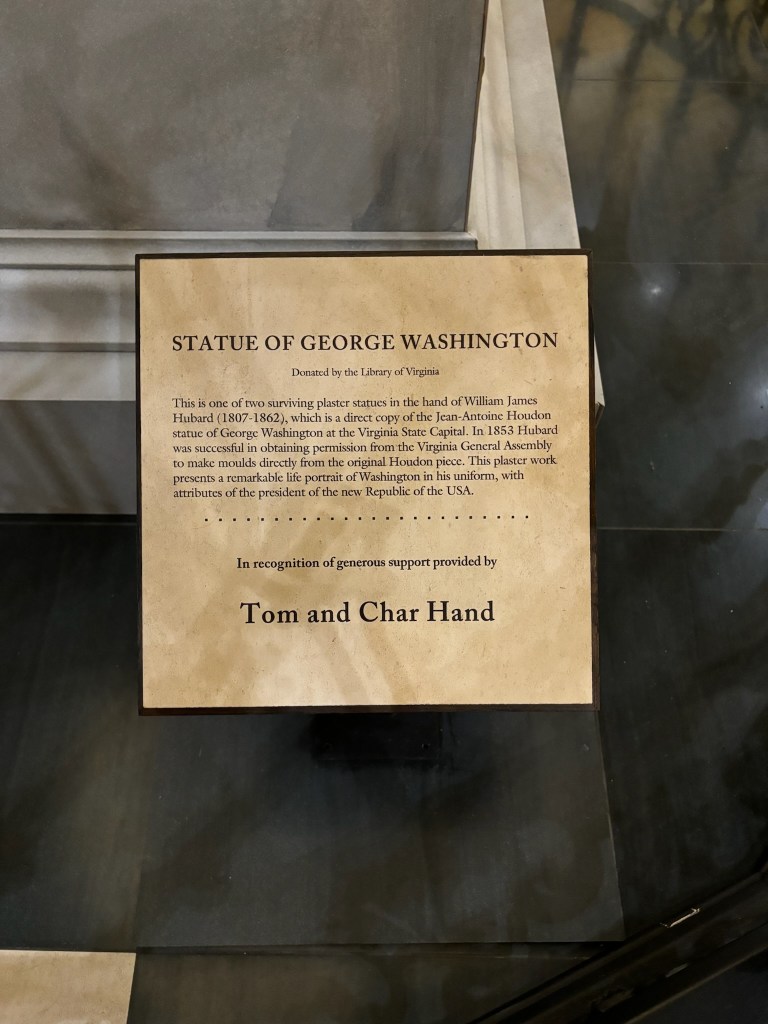
We made our way through town and then over to the American Revolution Museum at Yorktown, which is run by the Jamestown-Yorktown Foundation, as mentioned in my previous blog post about the Jamestown Settlement. Our tour guide first took us to a statue of George Washington, which formally was exhibited in the U.S. Capitol. We discussed different examples of symbolism within the statue.
We then went into a 4-D experiential theater and watched a 9 minute video called the “Siege of Yorktown.” The screen in the theater surrounds the viewer. The video not only depicts the battle, but explains its significance. The theater fills with smoke at certain scenes and you really feel the wind and the thunder of cannon fire. It was a tremendous 9 minute experience.
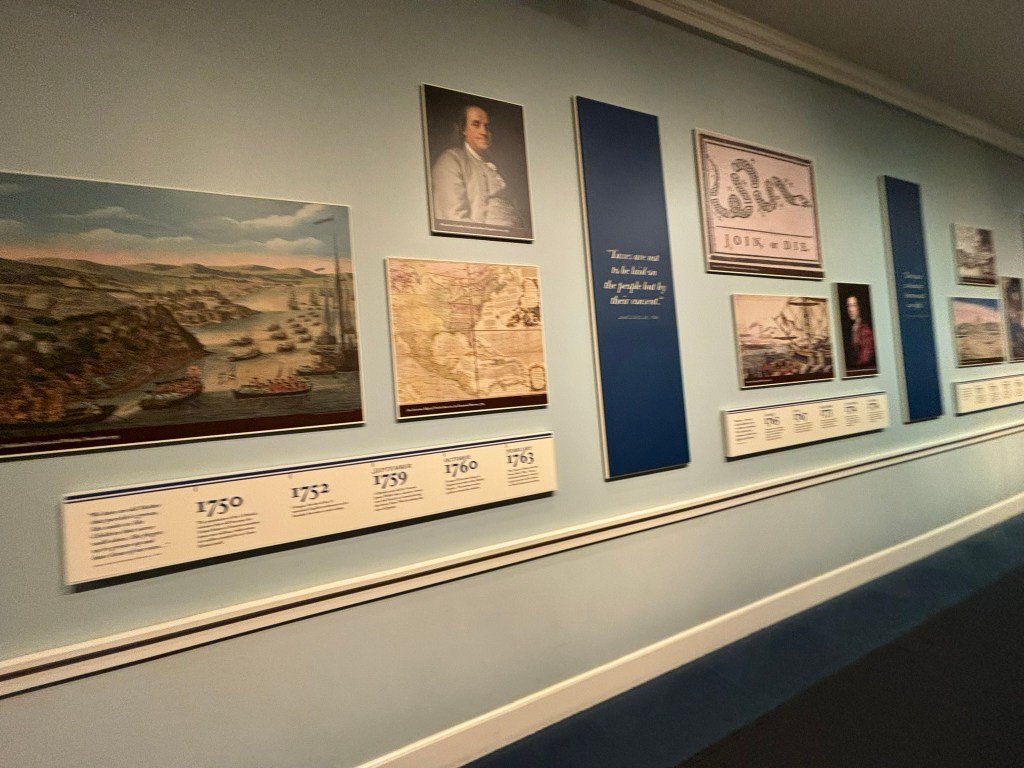
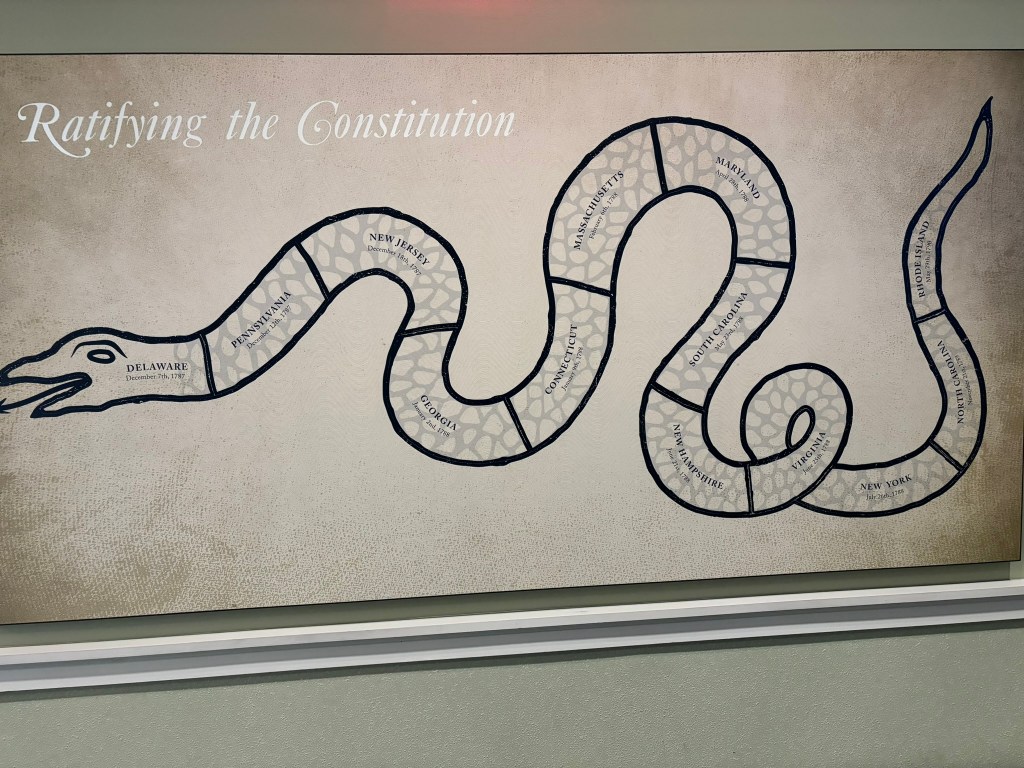
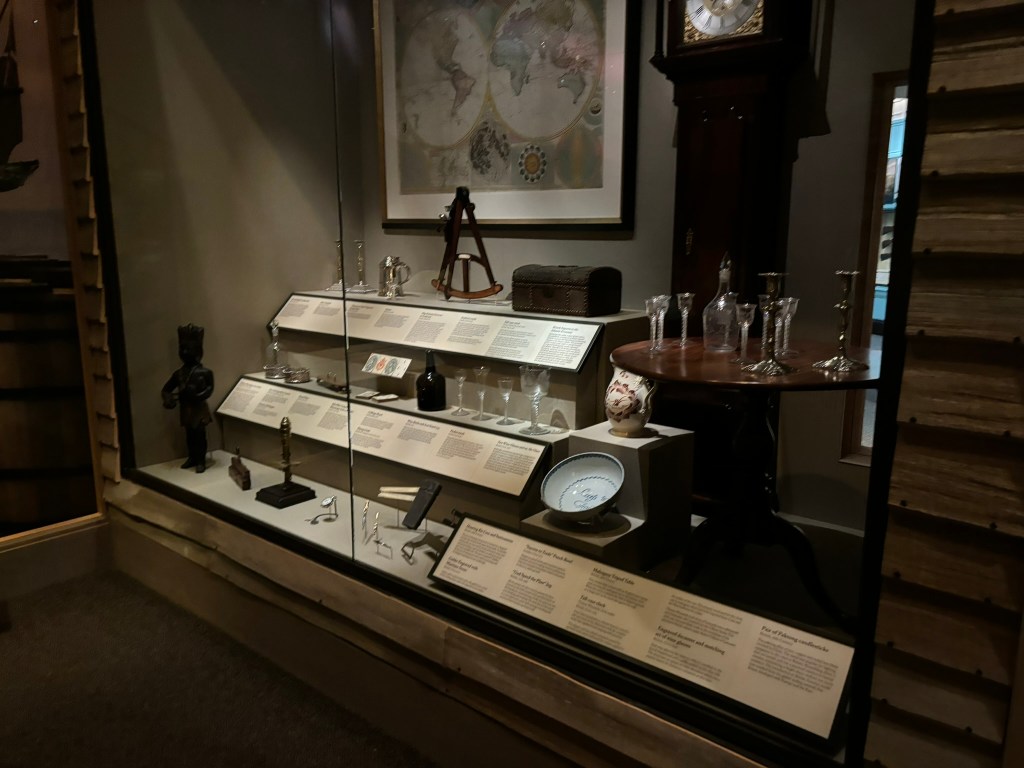
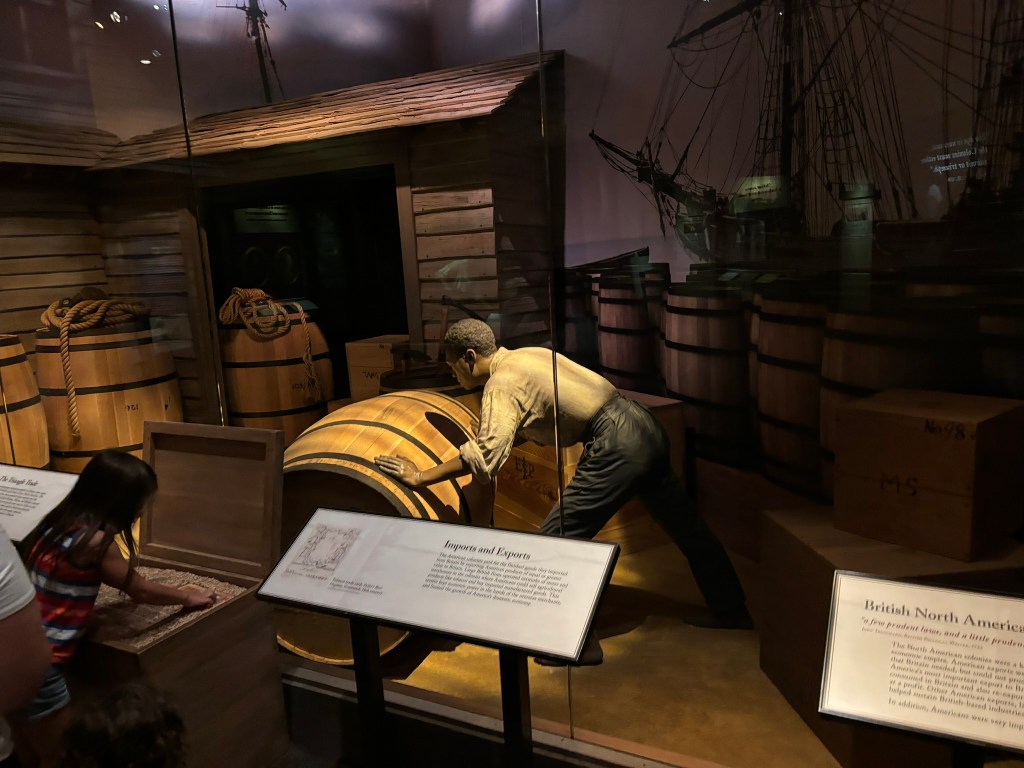
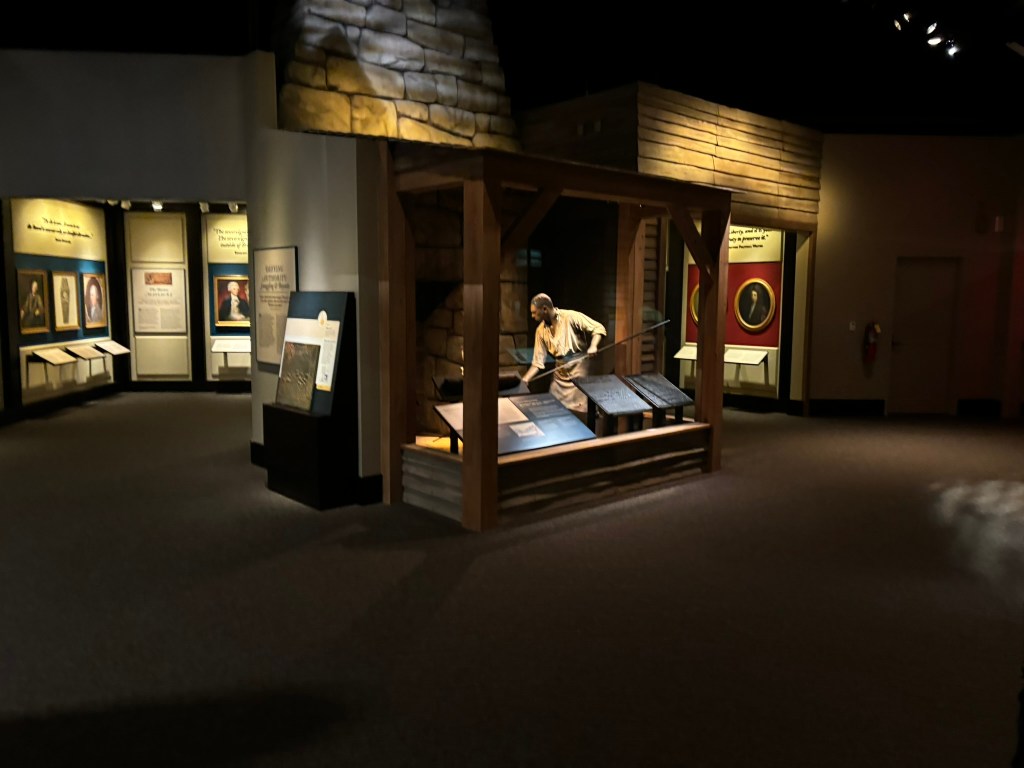
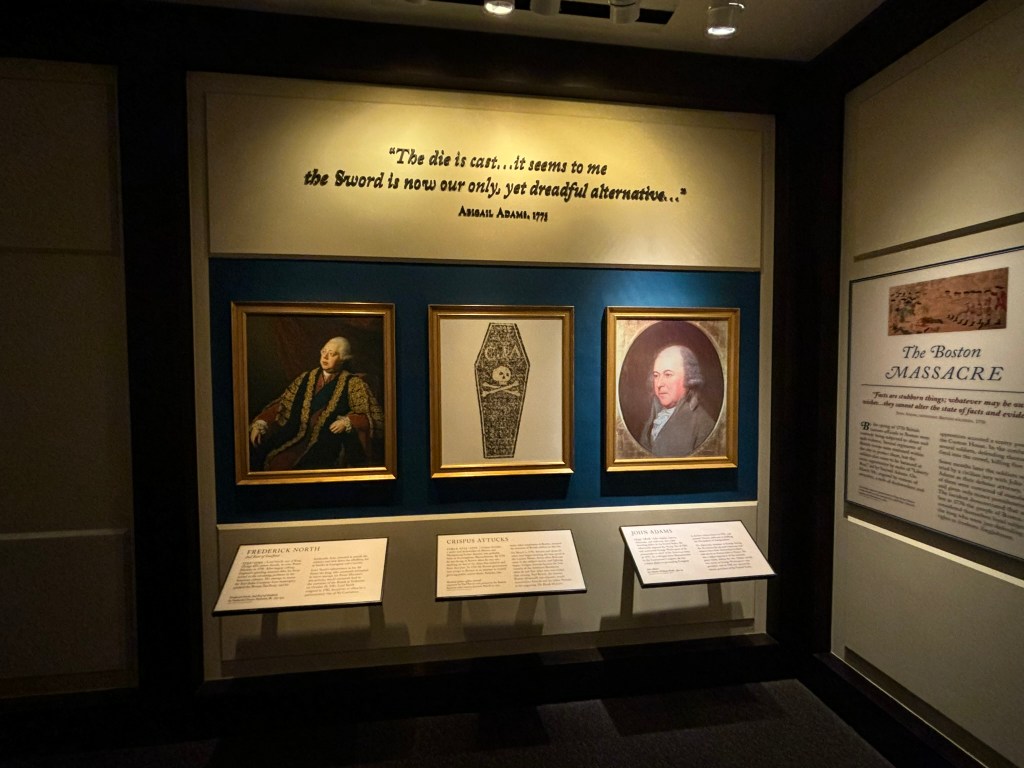
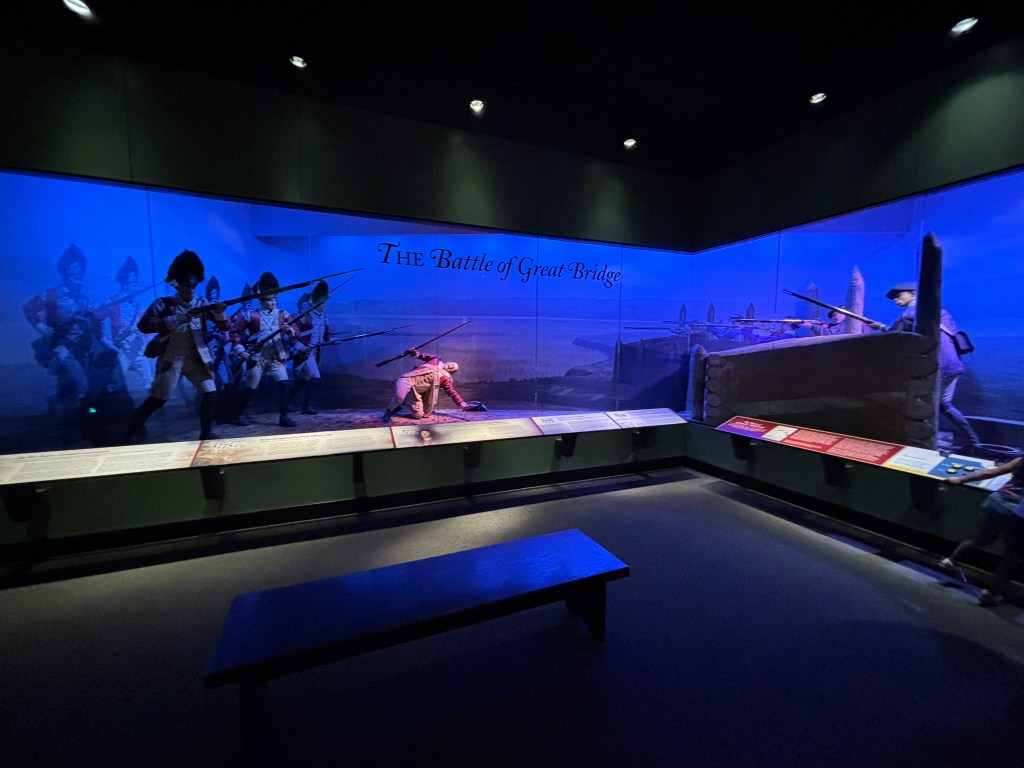
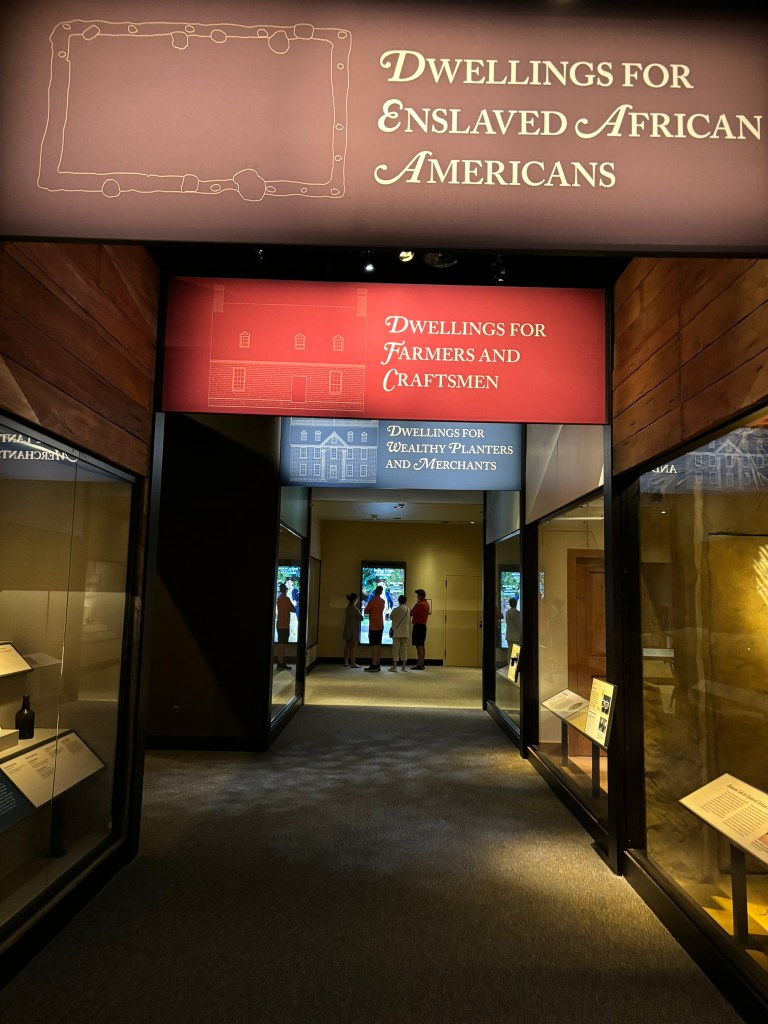
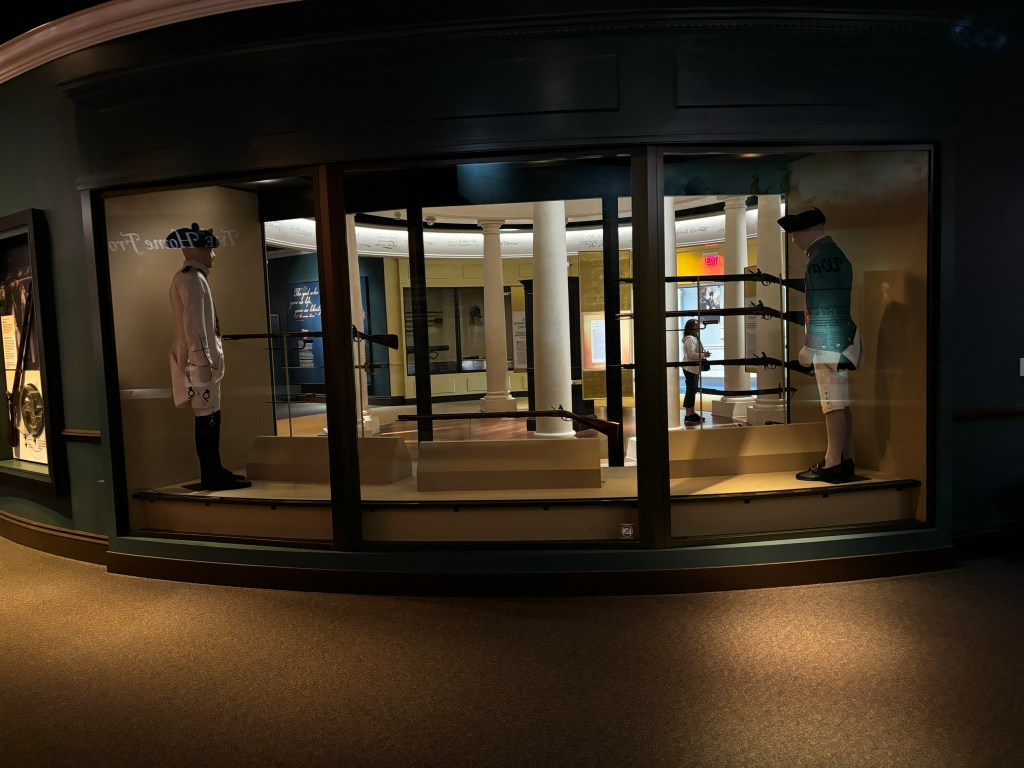
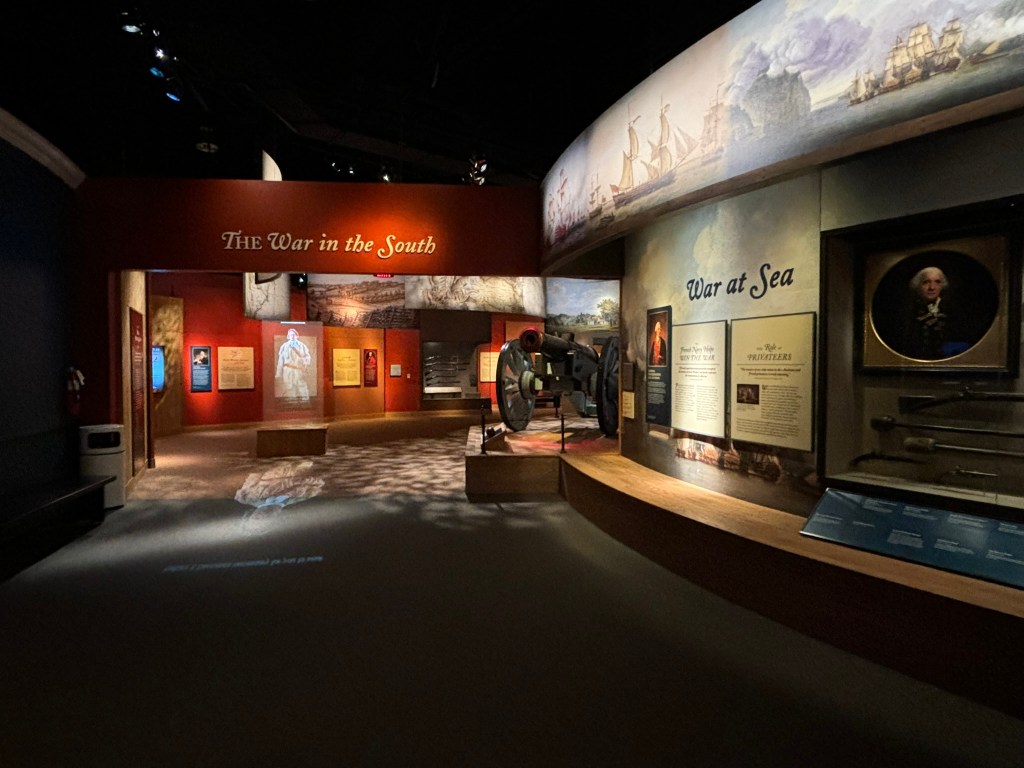
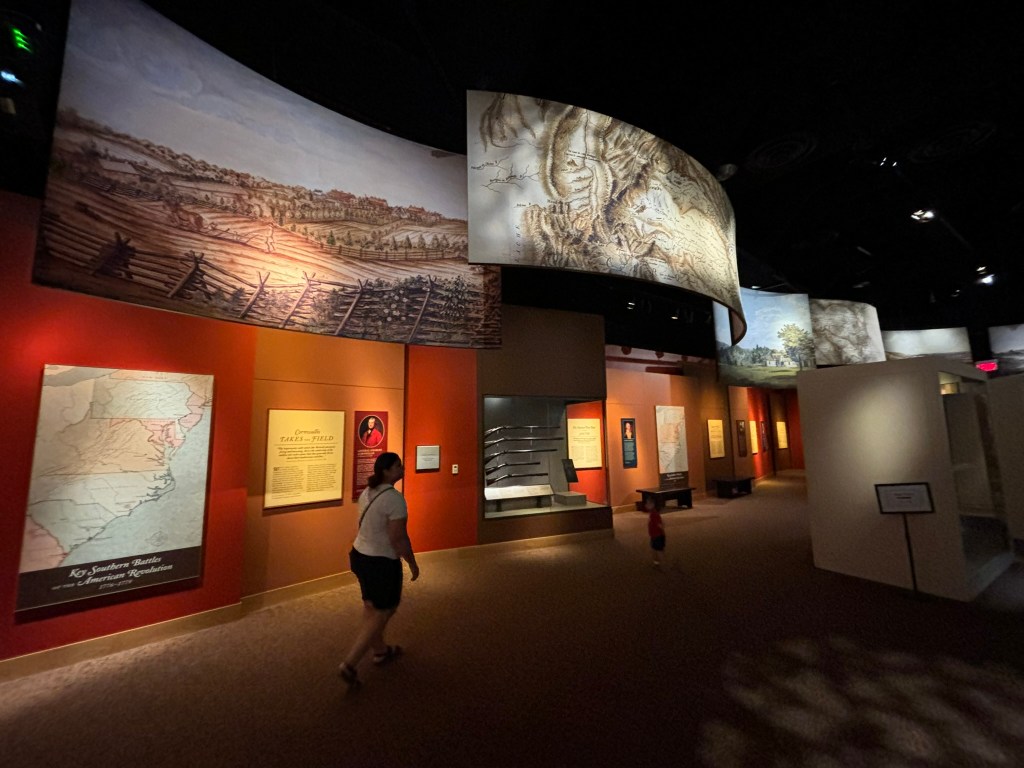
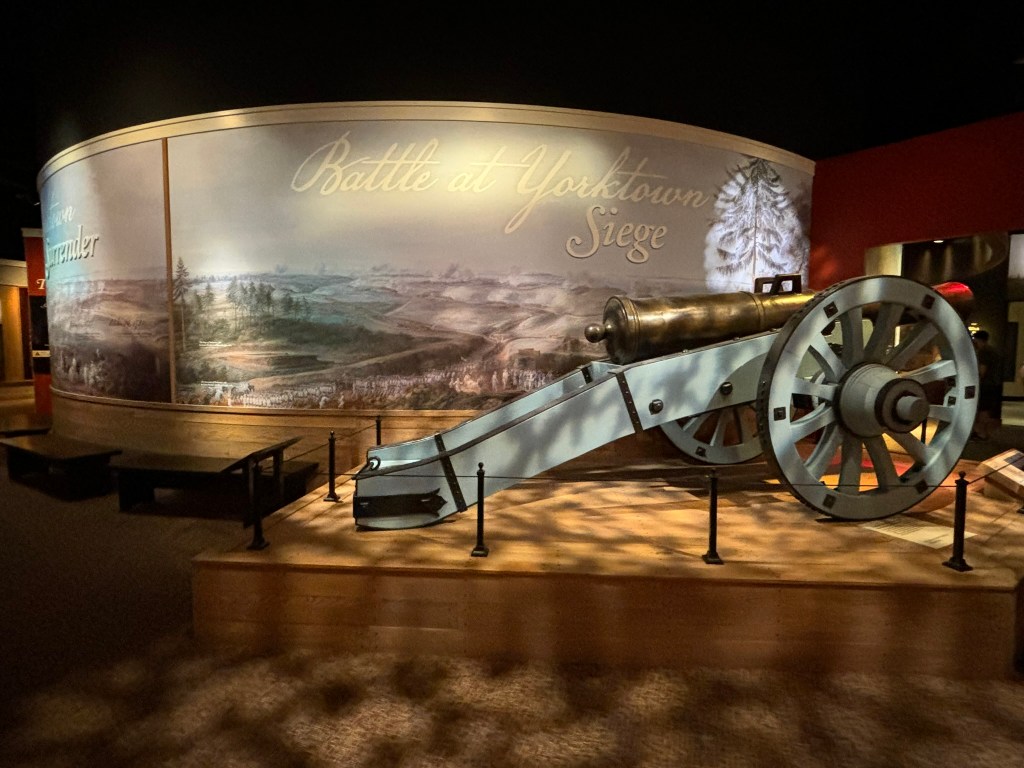
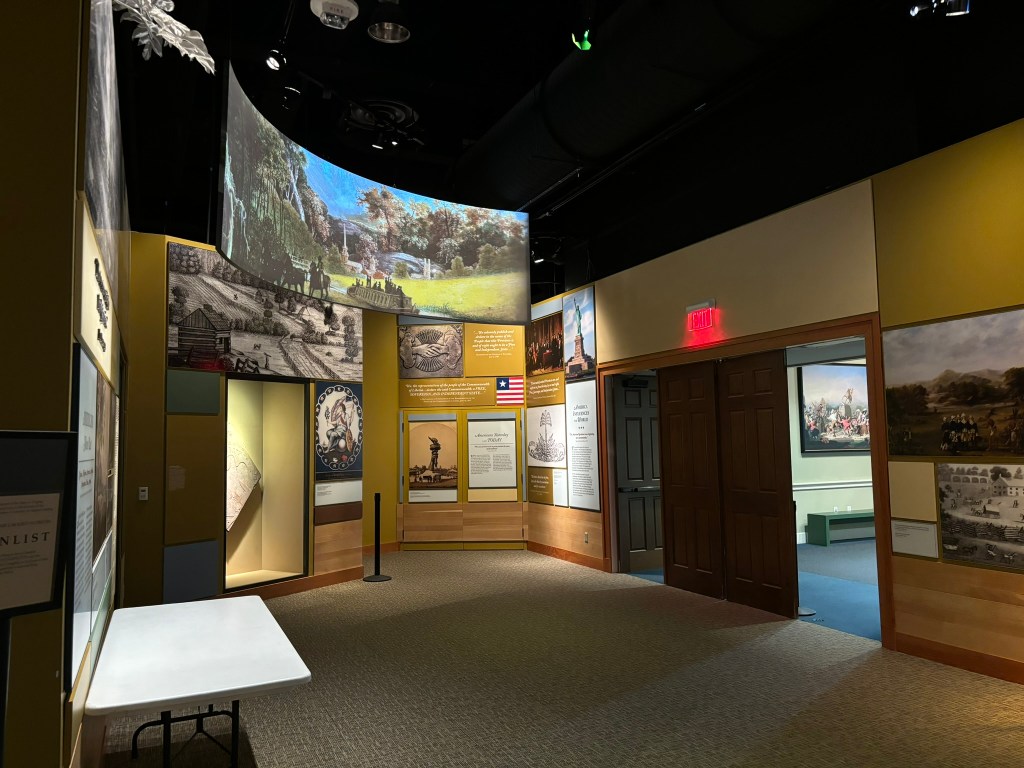
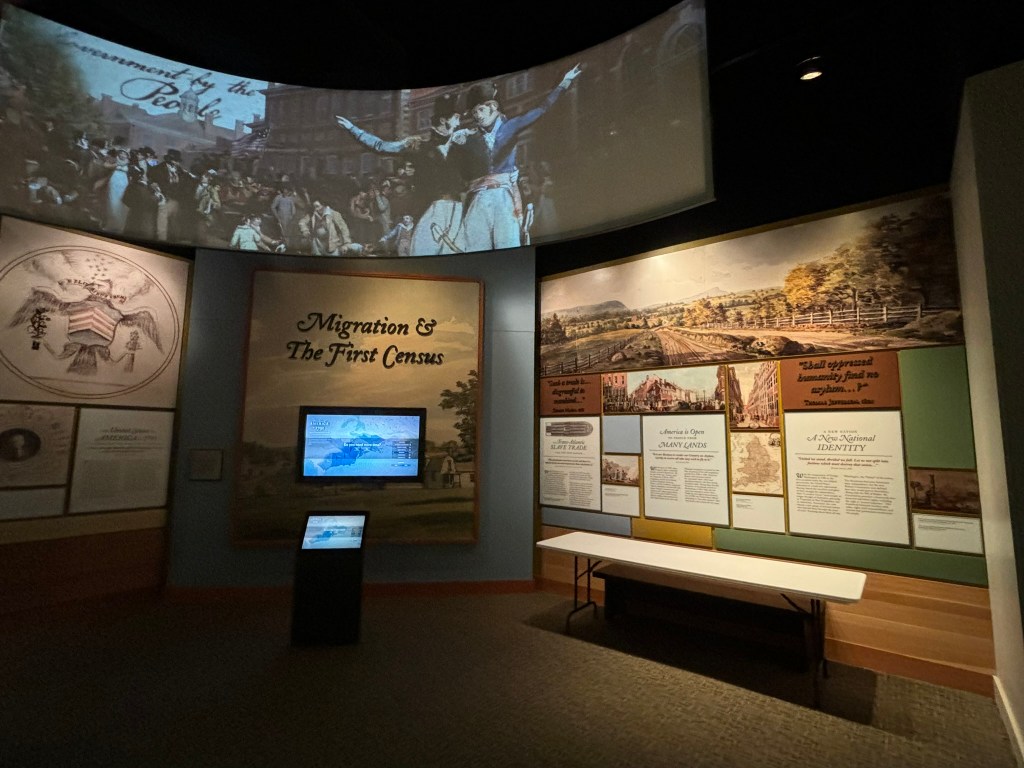
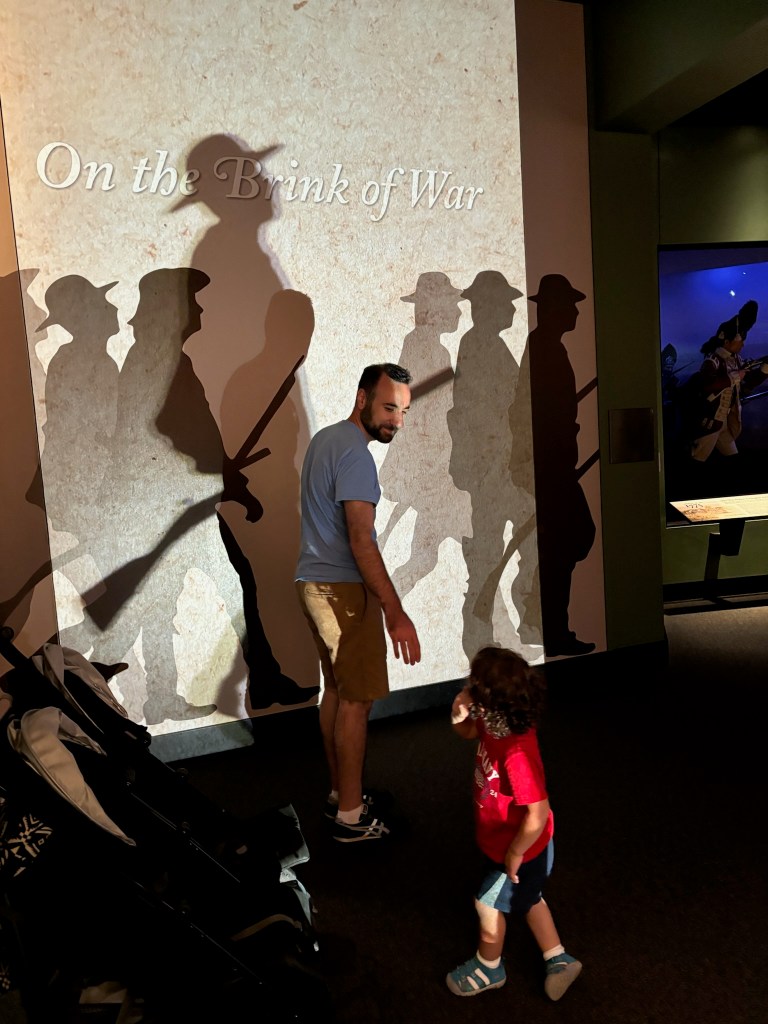
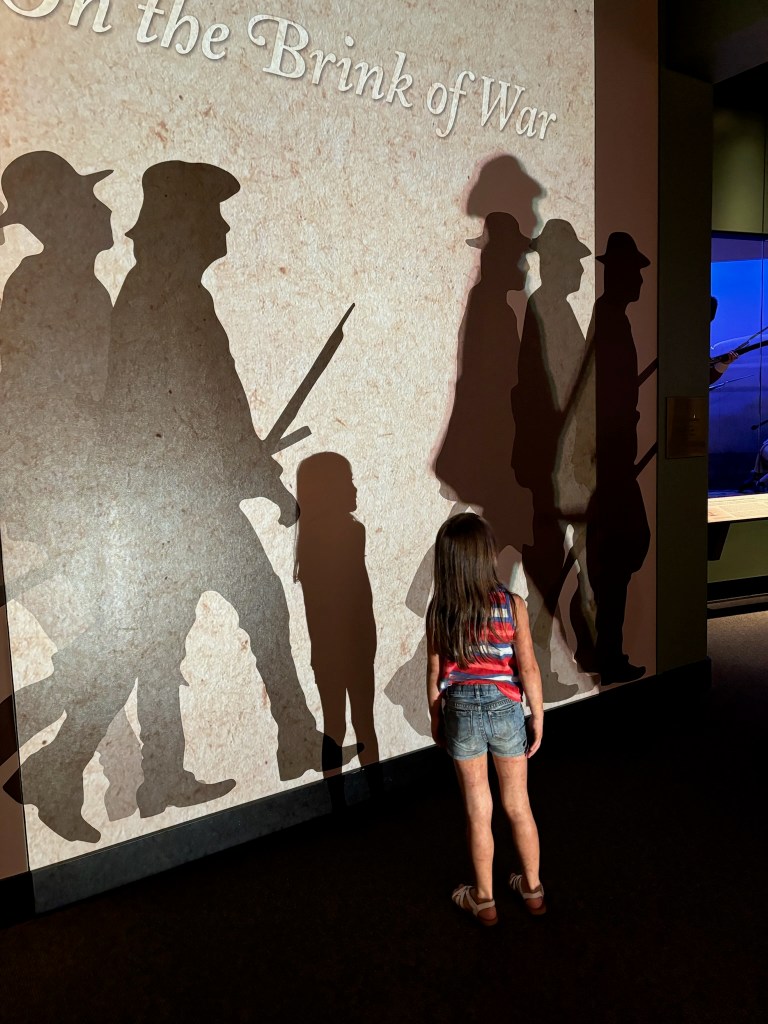
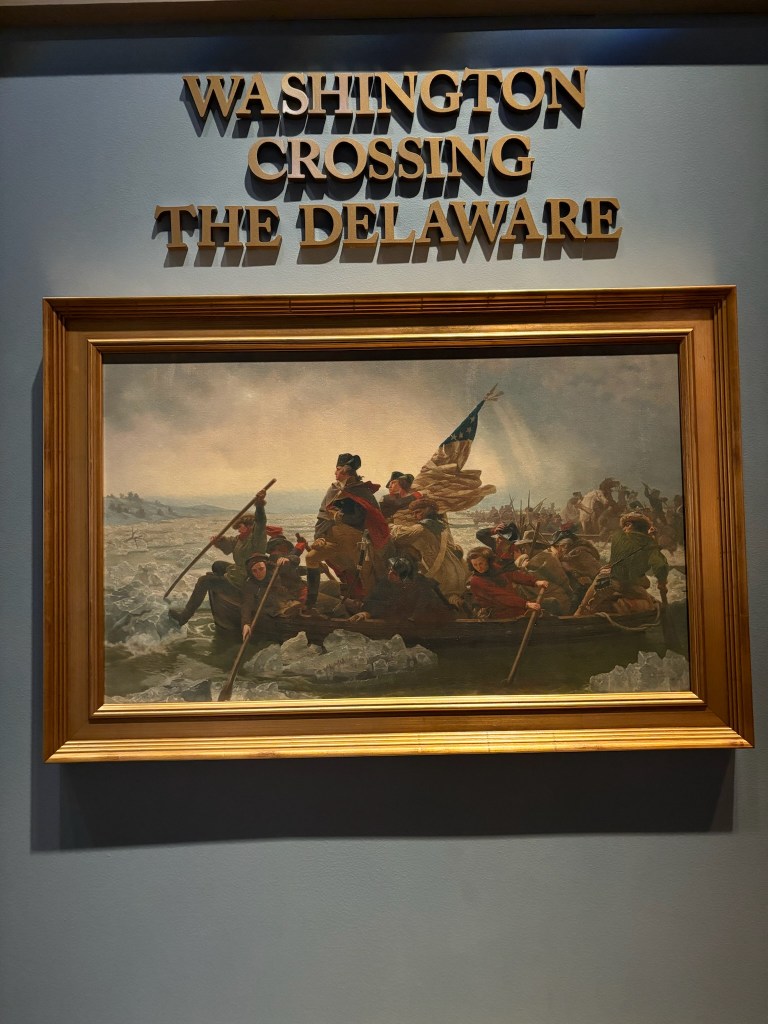
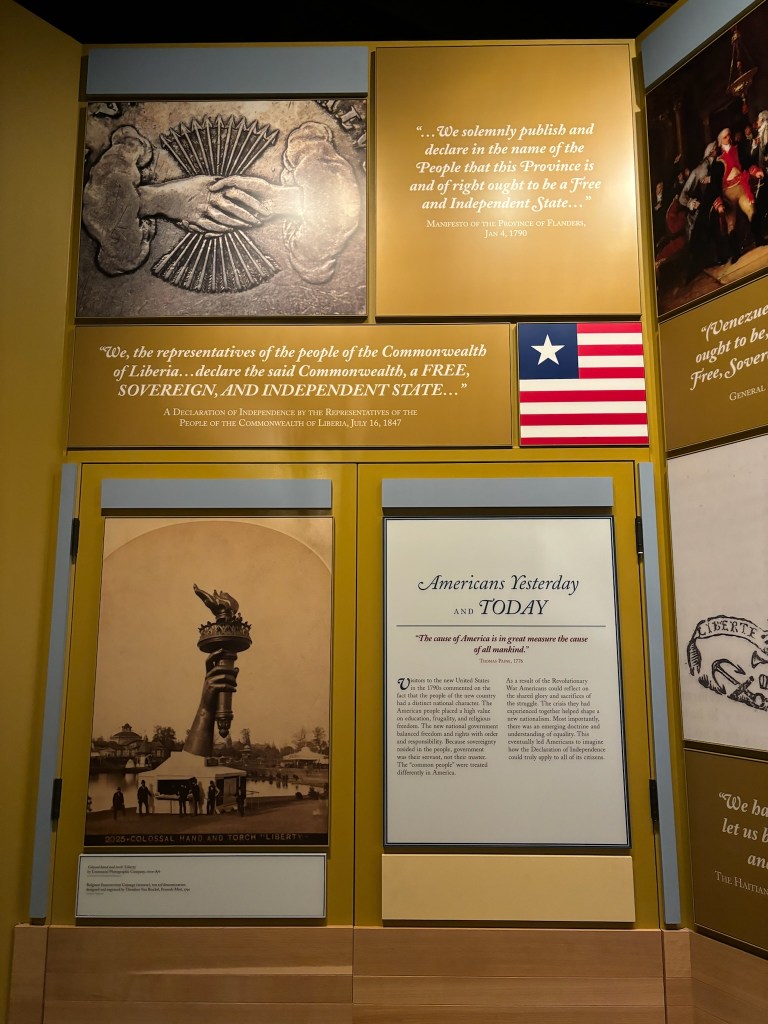
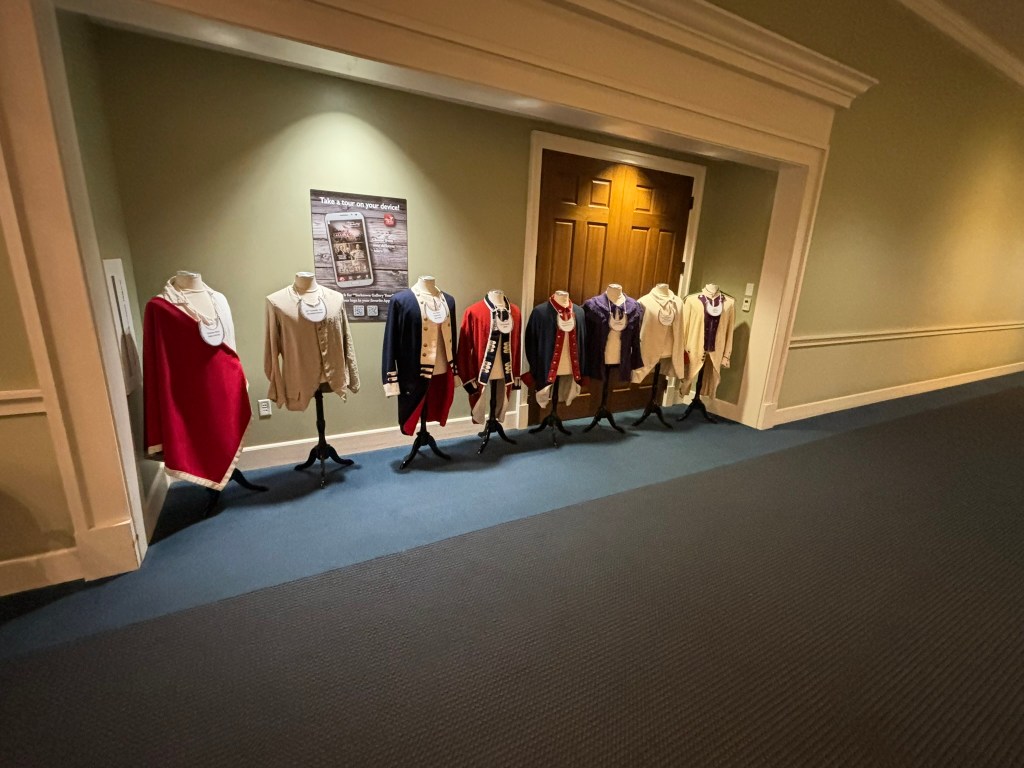
At this point in our tour, we had time to travel through the museum at our own pace. The museum takes you through the American Revolution chronologically, from the causes in the beginning of the museum, to the writing of the Constitution at the end. They had a great array of different types of displays including artifacts, primary sources, videos, and pictures that allowed the viewer to be immersed in the conflict.
Living History
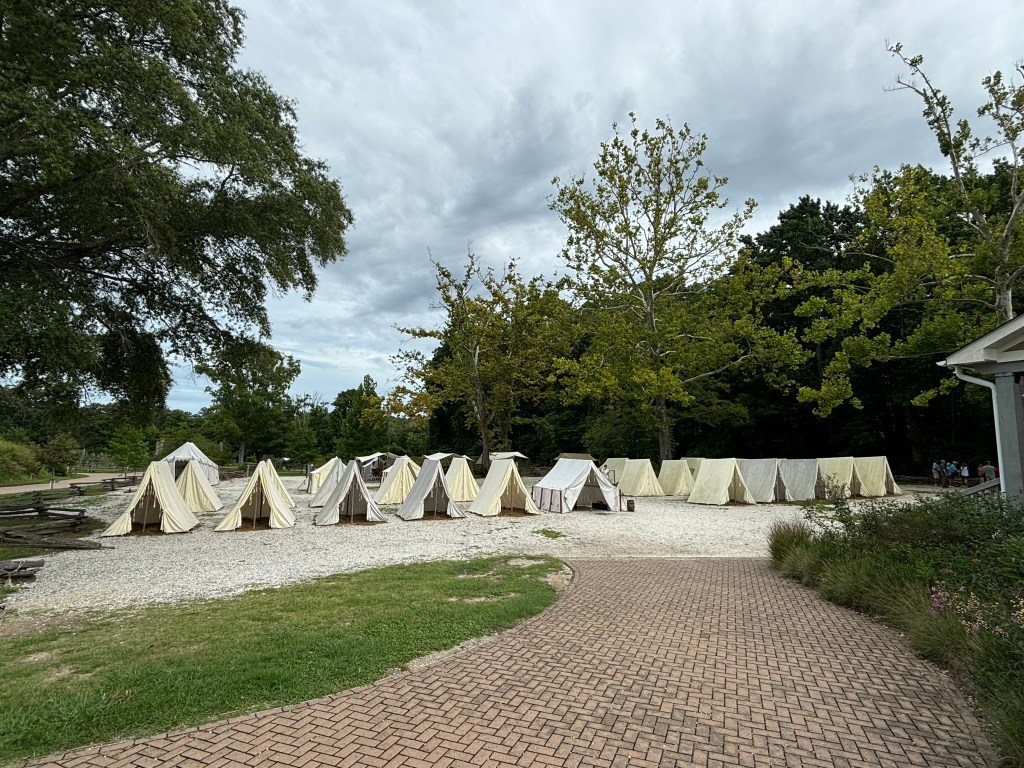
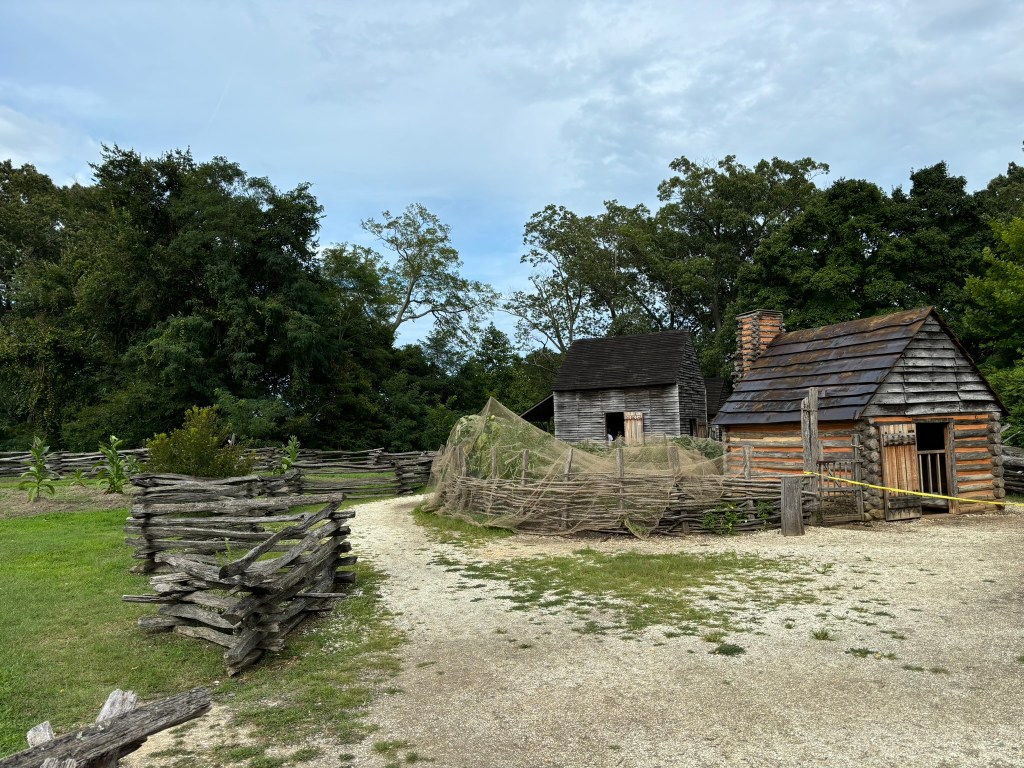
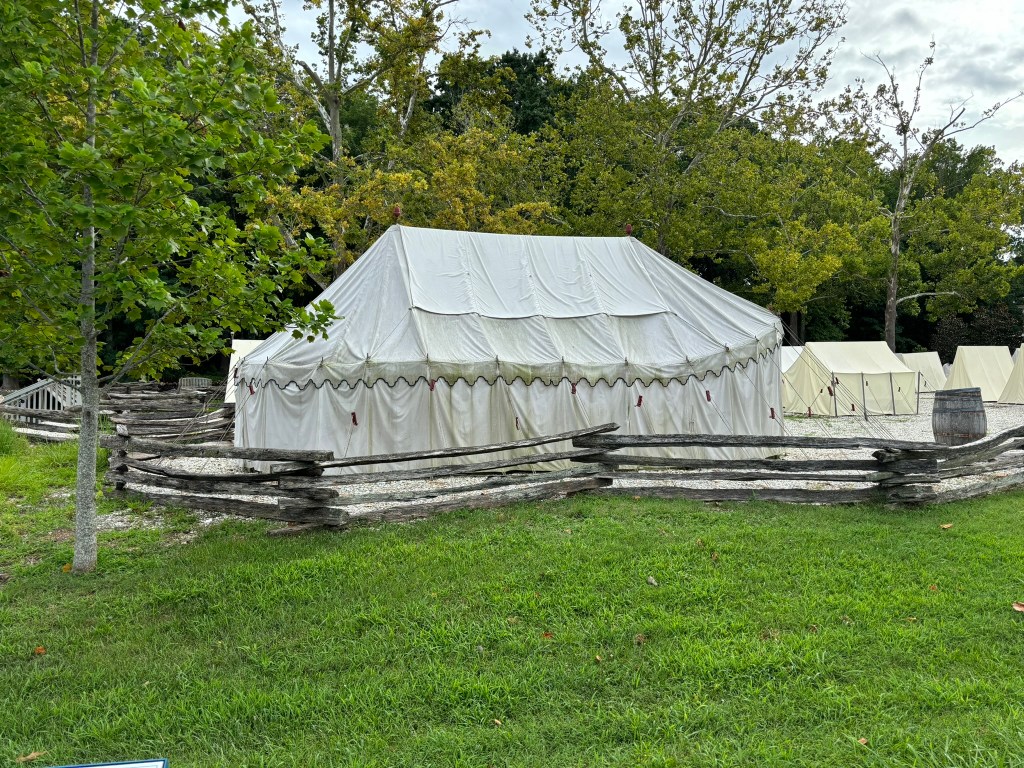
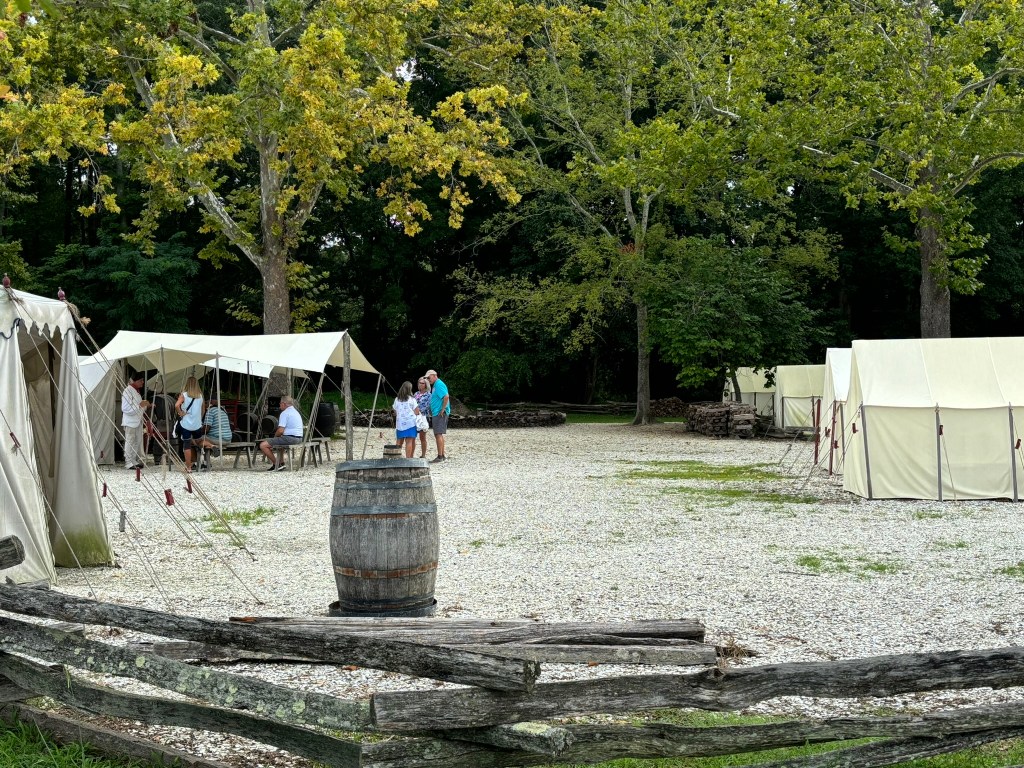
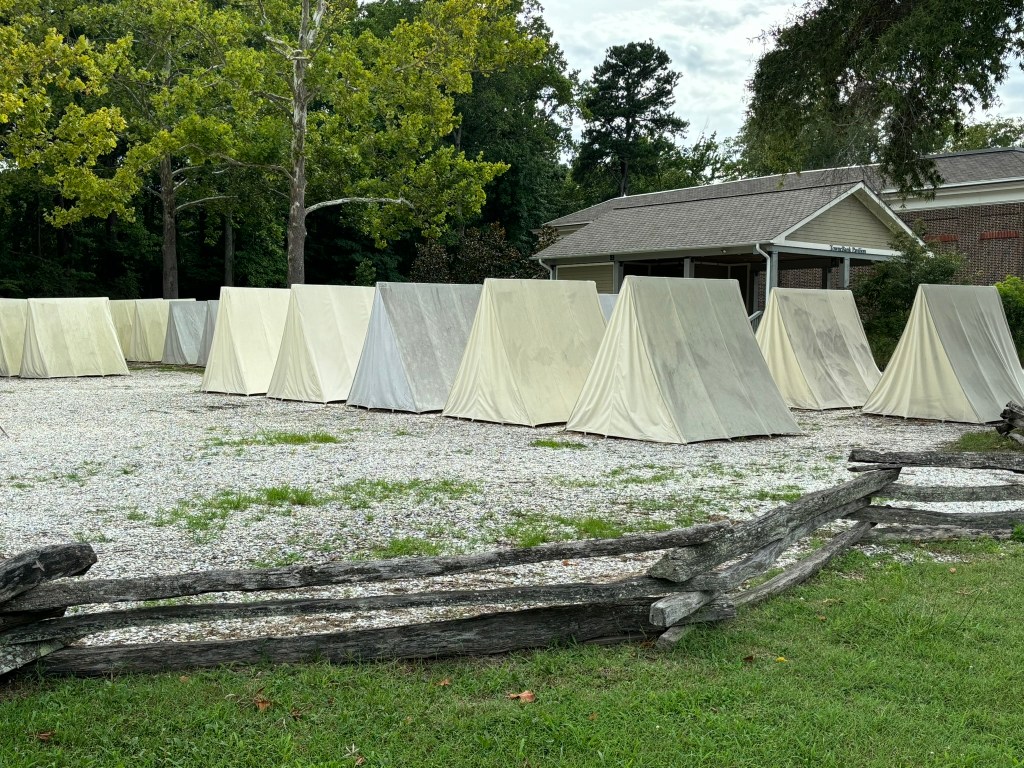
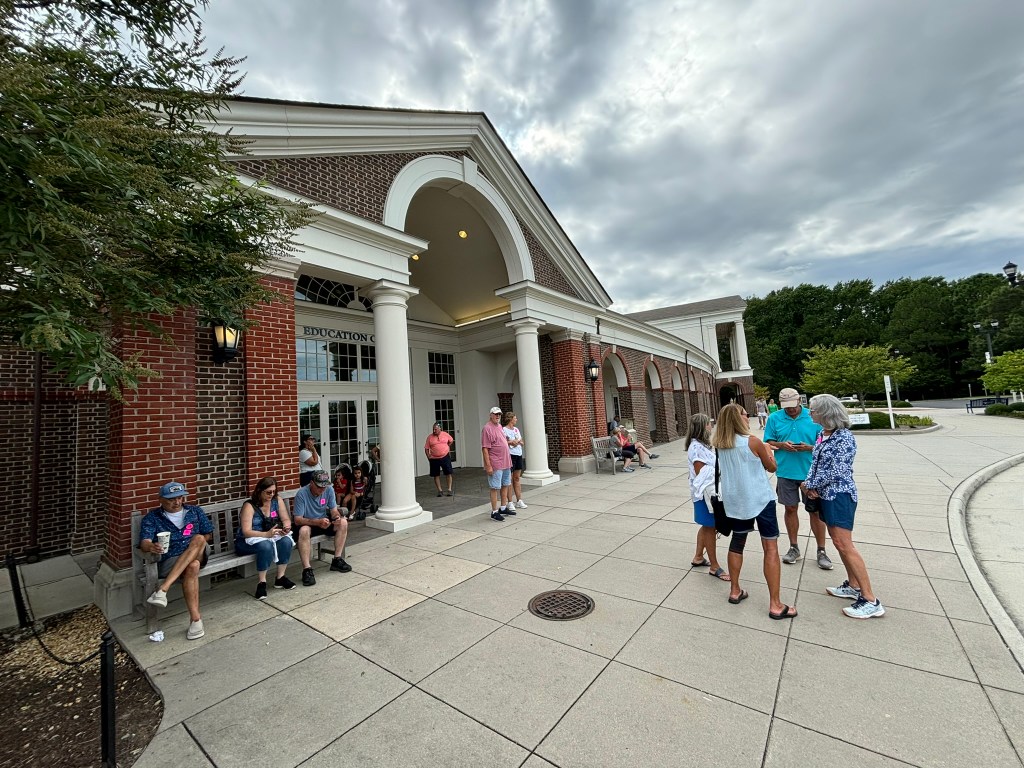
After we made our way through the museum, my family went outside to the living-history portion of the museum. Like we experienced in Colonial Williamsburg and Jamestown, the museum allowed us to go back in time and experience first-hand, what life was like in the late 18th century. First, there was a Continental Army encampment that we walked through.
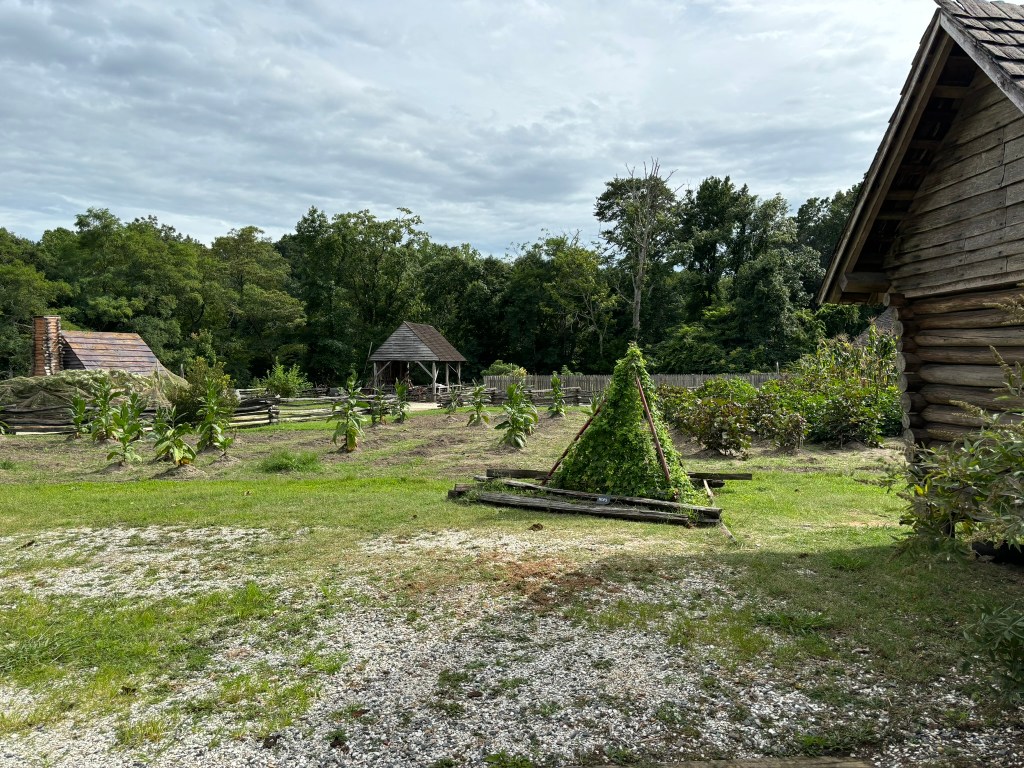
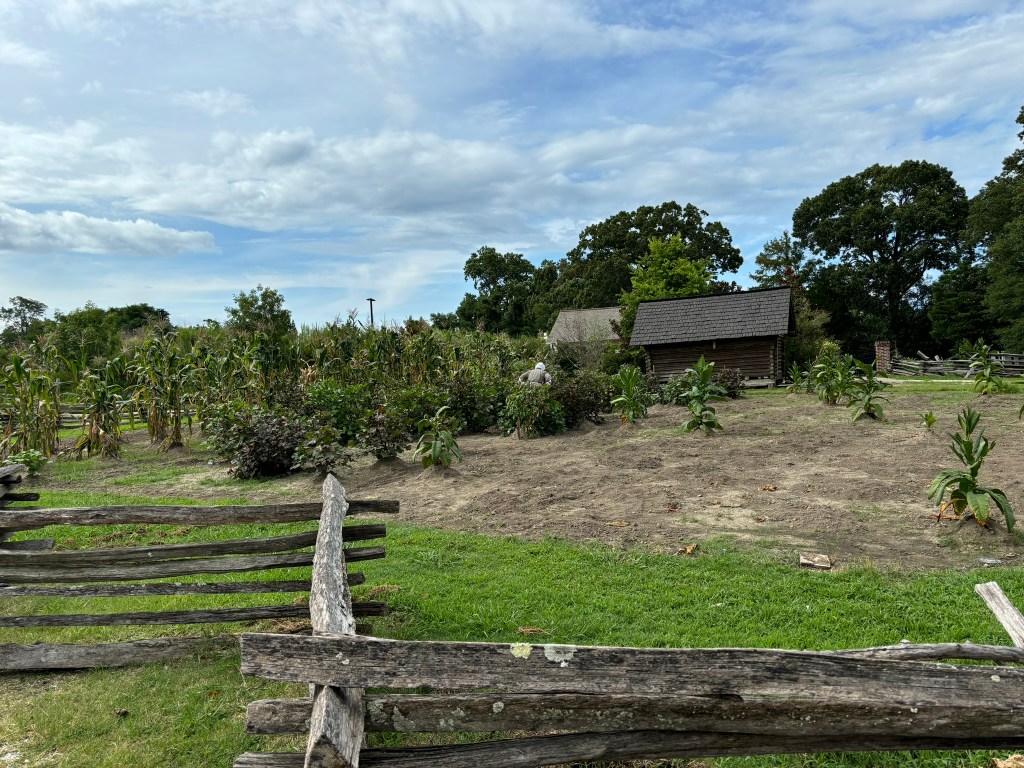
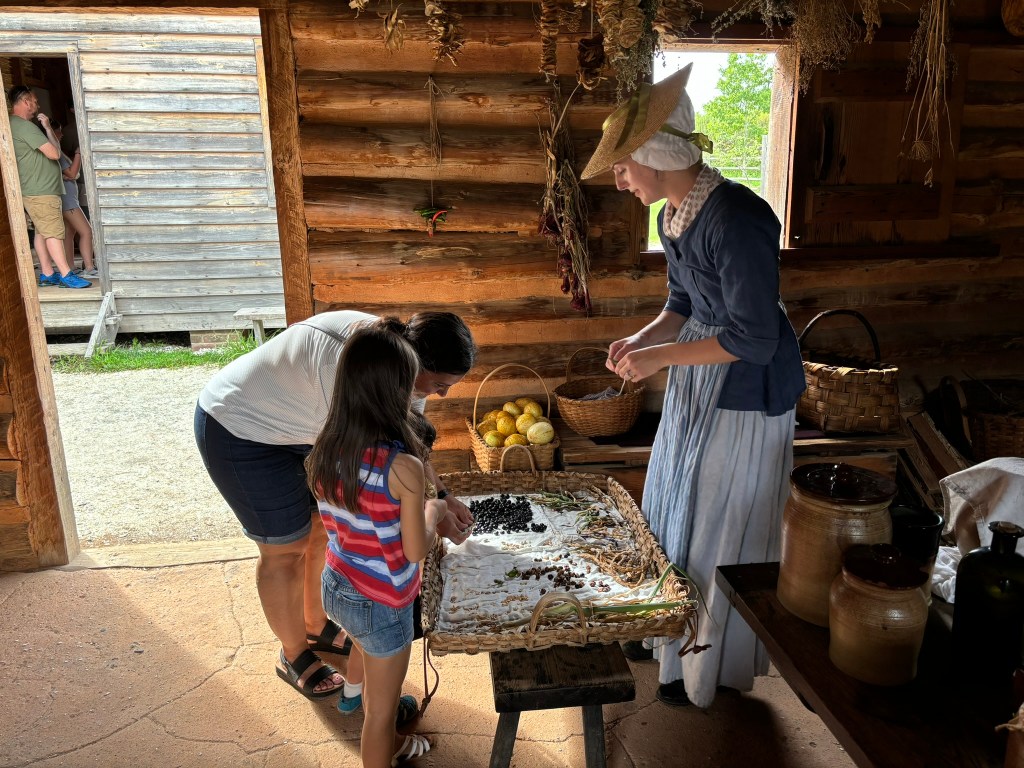
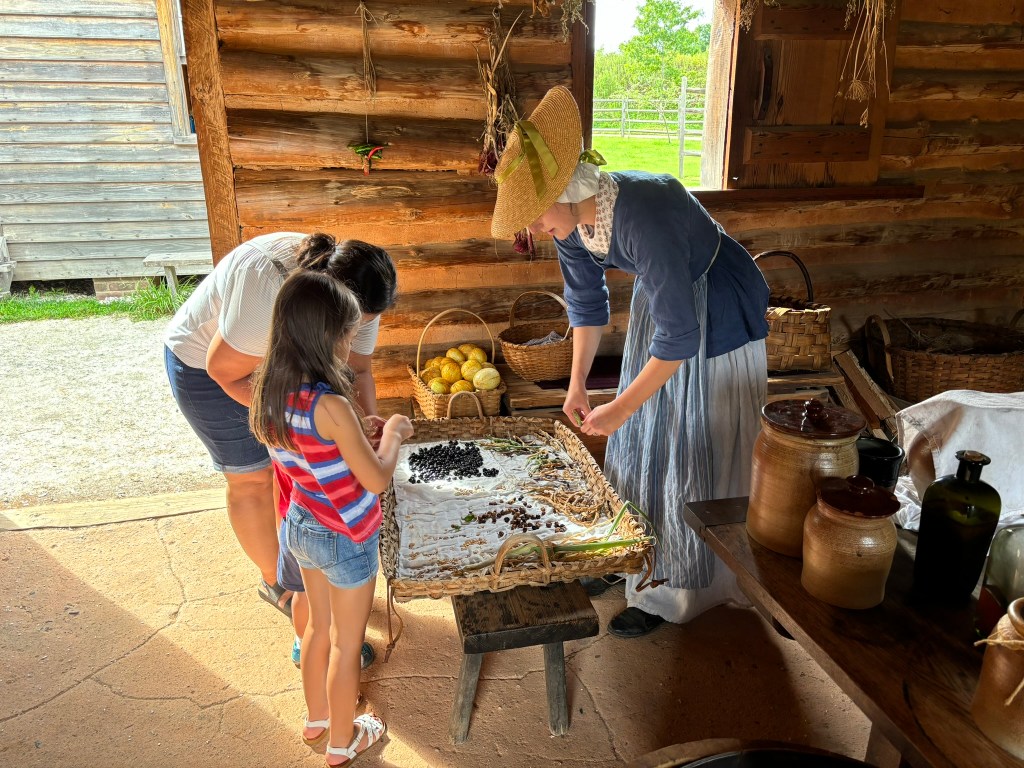
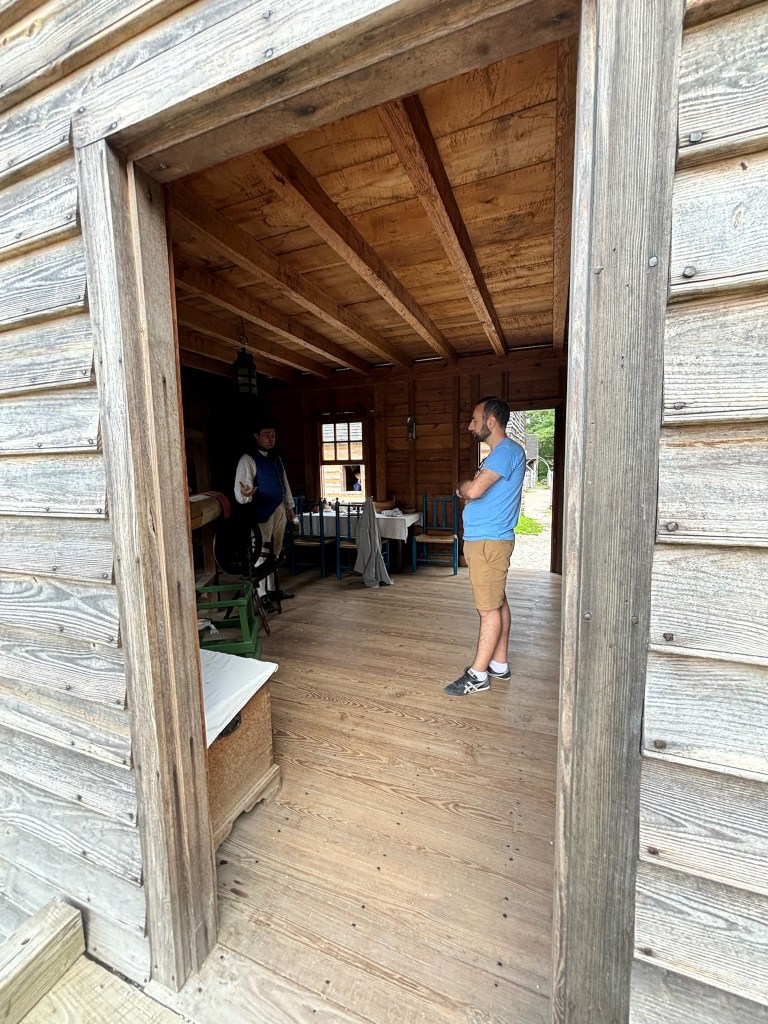
We then moved onto a living-history farm, as well as other structures. We went to a detached kitchen where my daughter separated peas from a pea pod, and we were taught how the colonials preserved food. We also moved onto a structure that would serve as a living quarters for a middle-class family. To supplement the family income, they weaved clothing from yarn using a loom. My family and I then made our way back to the museum to meet our group and catch the bus back to Williamsburg.
Overview
Having described the Washington-Rochambeau Revolutionary Route in previous posts, it was great to see the final destination of that route: Yorktown. I have also loved teaching about the Siege of Yorktown to my classes for so many years. It adds a brand new perspective when you go to the actual location where a great battle took place. I plan to bring my experiences into the classroom when I teach about Colonial America and the American Revolution again this fall. Yorktown was such a significant victory because the war had dragged on for six years up until that point. The Continental Army couldn’t afford to have it drag on much longer. The Declaration of Independence would mean nothing without an American victory in the war, and Yorktown was the victory that secured independence. Seeing the battlefield first-hand was a great experience, and I would highly recommend the museum as well.
As mentioned in my previous post about Jamestown, I would also highly recommend this tour by Viator. You are able to see Jamestown and Yorktown in the span of one day. You could buy tickets to the tour HERE.
Follow my Instagram, Facebook, and X accounts for videos of our time on our trip.
I’d also like to add here that our trip did not stop after Jamestown and Yorktown. On the third full day of our trip, we went to Busch Gardens, which was a really great day for the family. We got a little bit of rain in the middle of the day but it cleared up after that. I think because it was a dreary Wednesday, there were essentially no lines and the kids went right on every ride that they wanted. We also went to a couple of shows and ate both lunch and dinner there. We bought tickets that had food included which I would definitely recommend. My 2 year old loved the Sesame Street Portion, but every section of the park had so many great rides for both kids. It’s a park for all ages because besides the kiddy rides, there were also massive roller coasters that my teenage-self would have loved.
On the fourth day of our trip, we went to Virginia Beach, which was also my wife’s birthday. The ride from Williamsburg was about an hour. The weather was not great, threats of rain throughout the day, but not a washout. We walked down on the beach and the kids played on a playground on the sand. For my wife’s birthday, we ate at a great restaurant called Waterman’s Surfside Grille that I would highly recommend if you’re in the area. Our hotel was right on the beach so it was nice to see the sun rise the next morning. The next day, we ate breakfast and then made the 7 hour drive back to New Jersey. We drove over the Chesapeake Bay Bridge-Tunnel for the first time! Overall, it was a great family vacation! I’d recommend this type of trip to people of all ages! Usually our trips include historical portions and fun for the kids. Williamsburg has something to offer for everyone!





























 Benevento's History Blog