
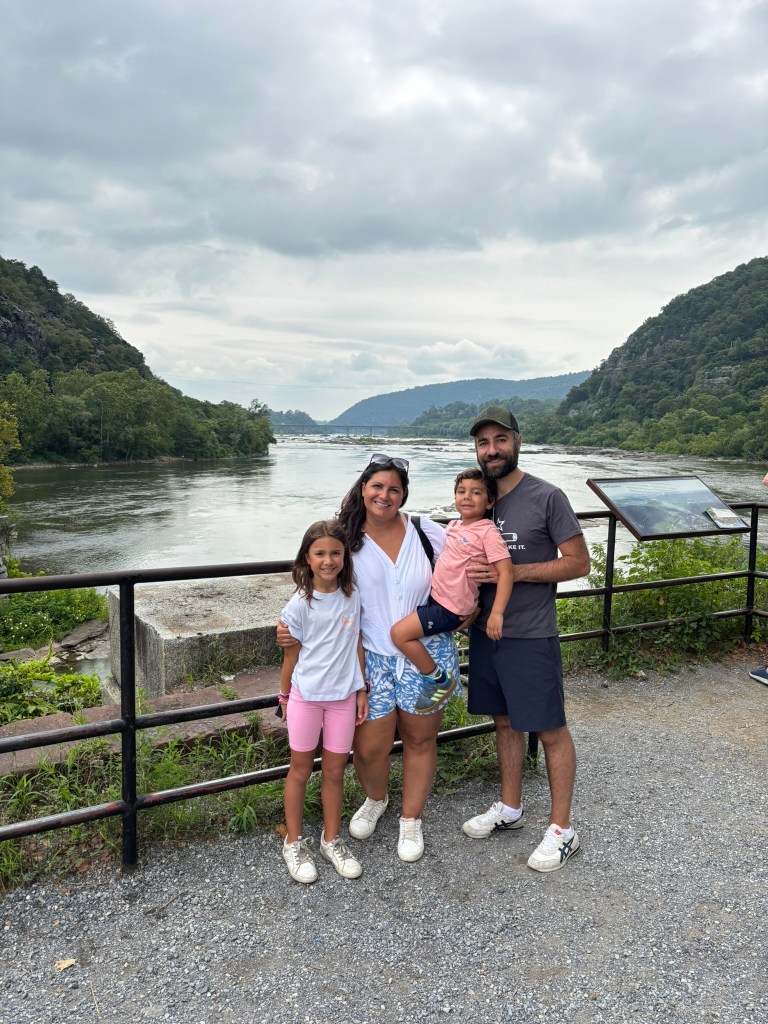
My family and I went on a trip to Antietam National Battlefield in Maryland and Harpers Ferry, West Virginia, two significant Civil War sites that I’ve wanted to see for a long time. For the kids, we stopped at Adventure Park USA in Monrovia, MD, on the first day before heading to our hotel at the Hampton Inn & Suites in Charles Town, West Virginia. We went to Antietam on Day 2 for a four-hour tour of the battlefield. On Day 3, we did a 2.5-hour tour of Harpers Ferry, followed by lunch and some time wandering around to see different sites and shops. Then, on Day 4, we packed our belongings and went to Crystal Grottoes Caverns in Boonsboro, MD, where we toured the amazing caves. We then headed back to New Jersey.
My previous blog post focused on our day touring Antietam National Battlefield, which you can read HERE. This blog post will focus on our day at Harpers Ferry.
If you read my previous blog post, you read about my advice to book your tours through the battlefield or historic site and have a licensed guide give your tour, as opposed to going through a site like Viator. So, like we did for our Antietam tour, we booked our tour at Harpers Ferry through Harpers Ferry Park Association (https://www.harpersferryhistory.org/certified-guide-tours).
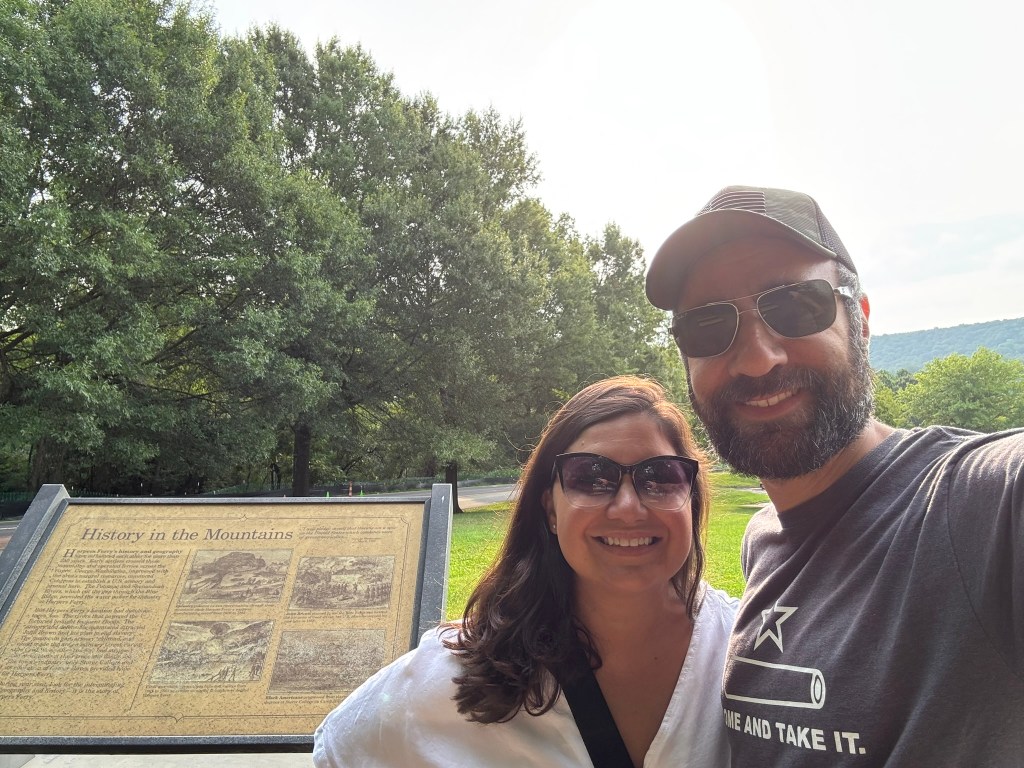
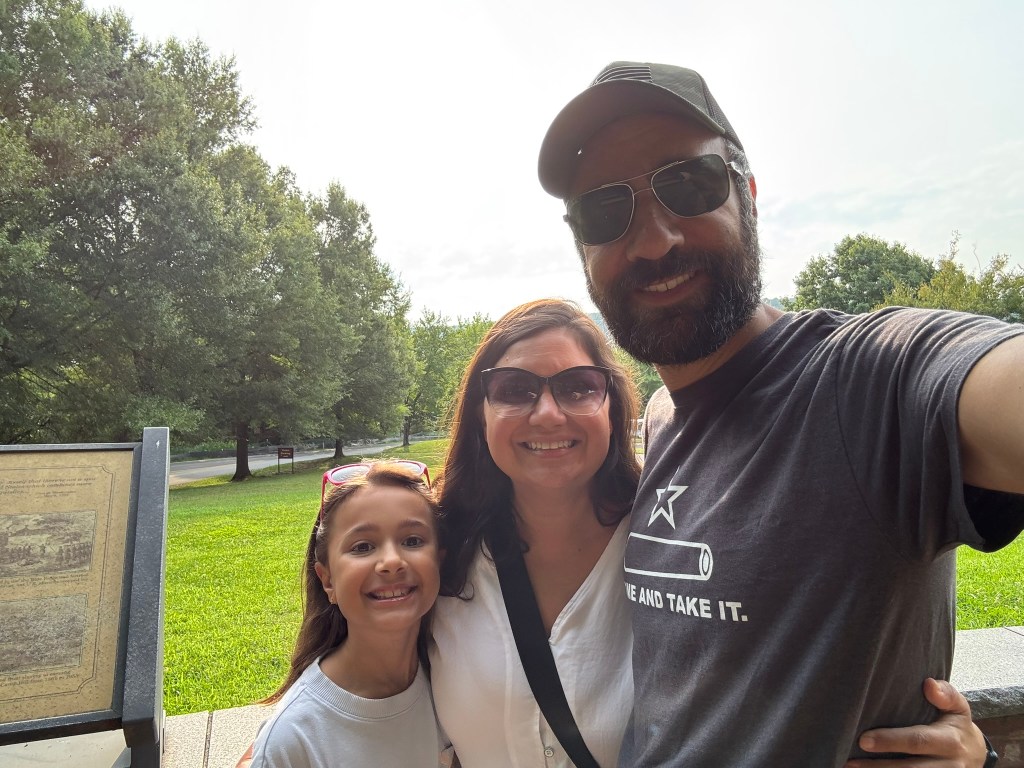
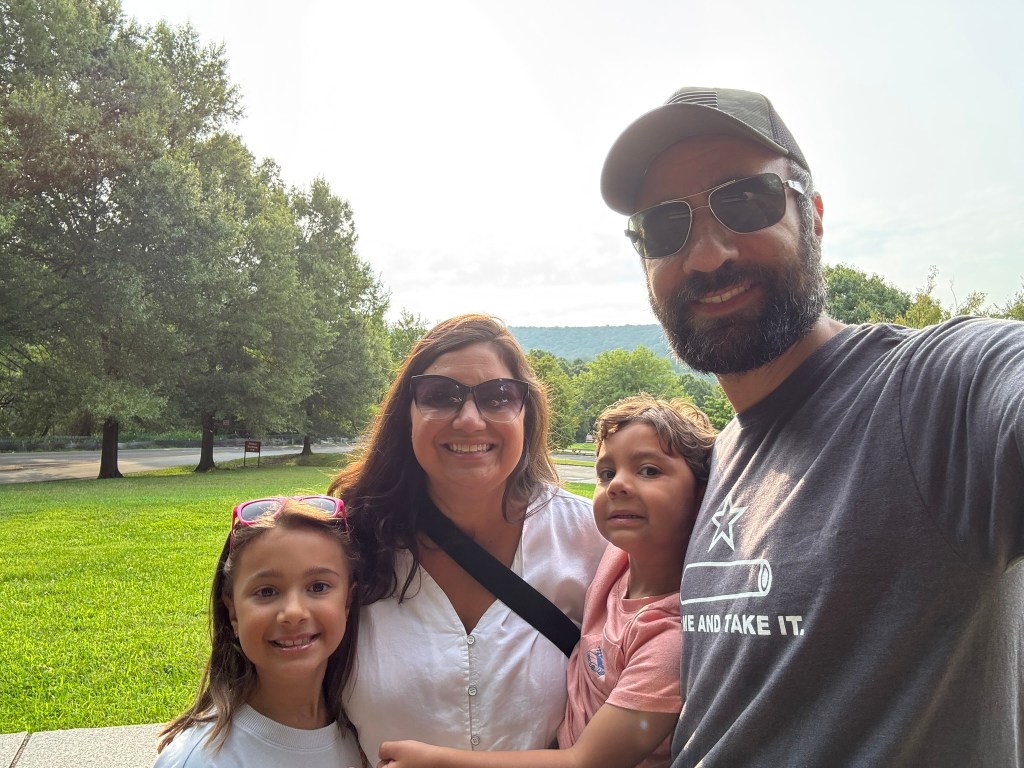
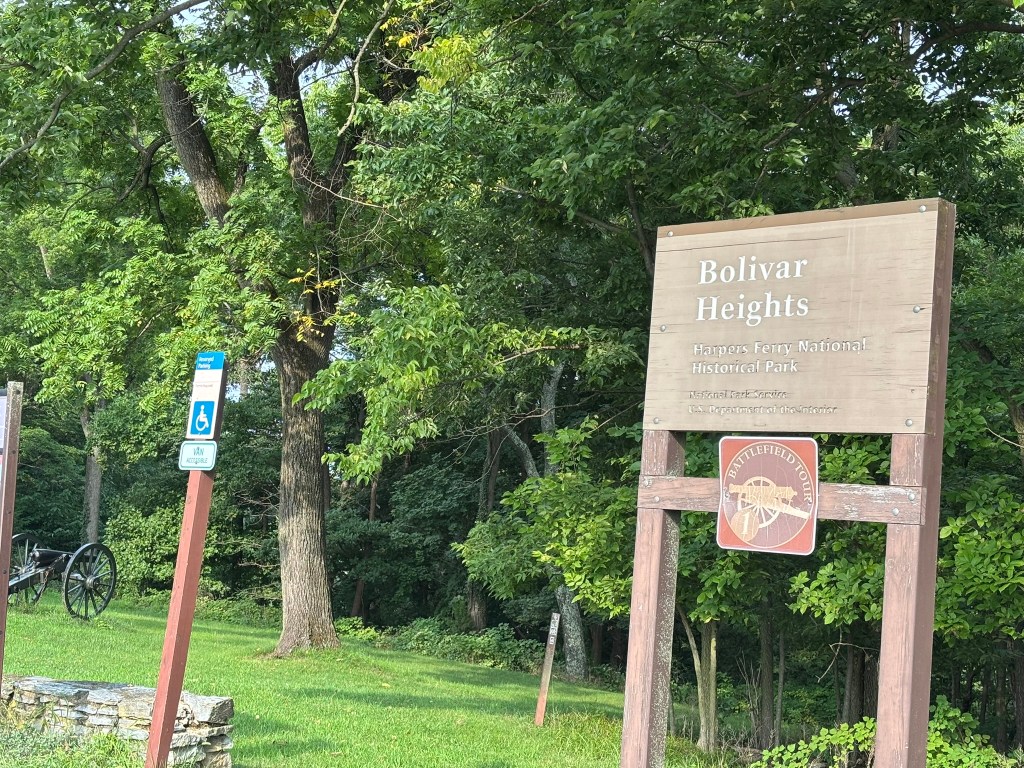
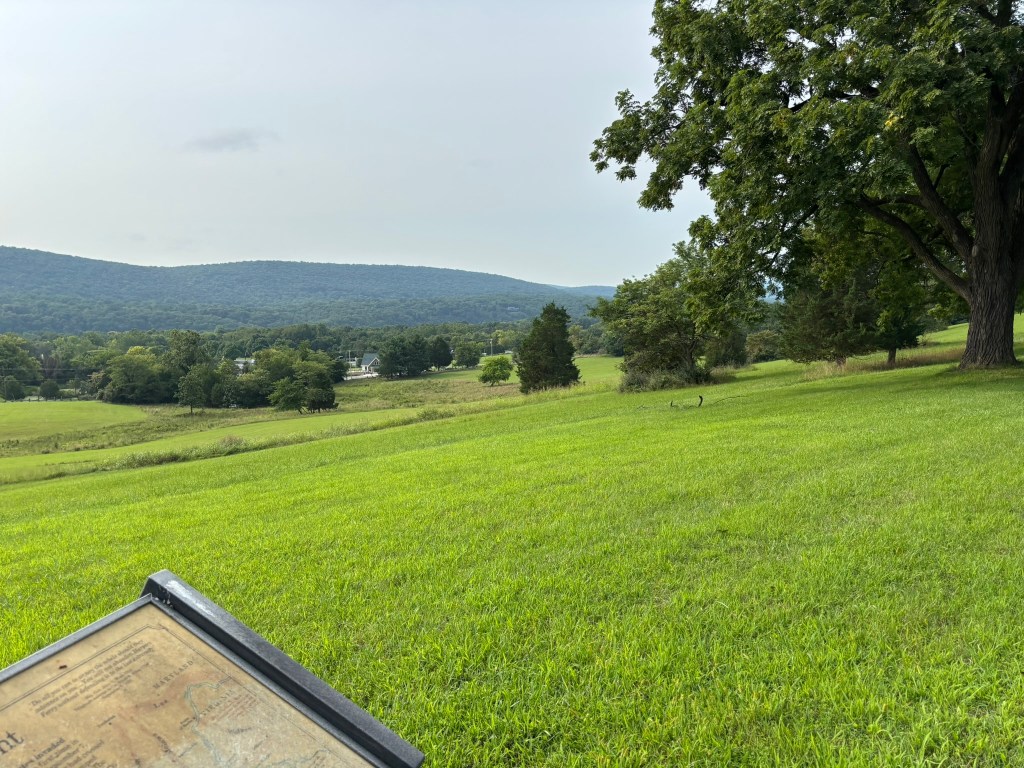
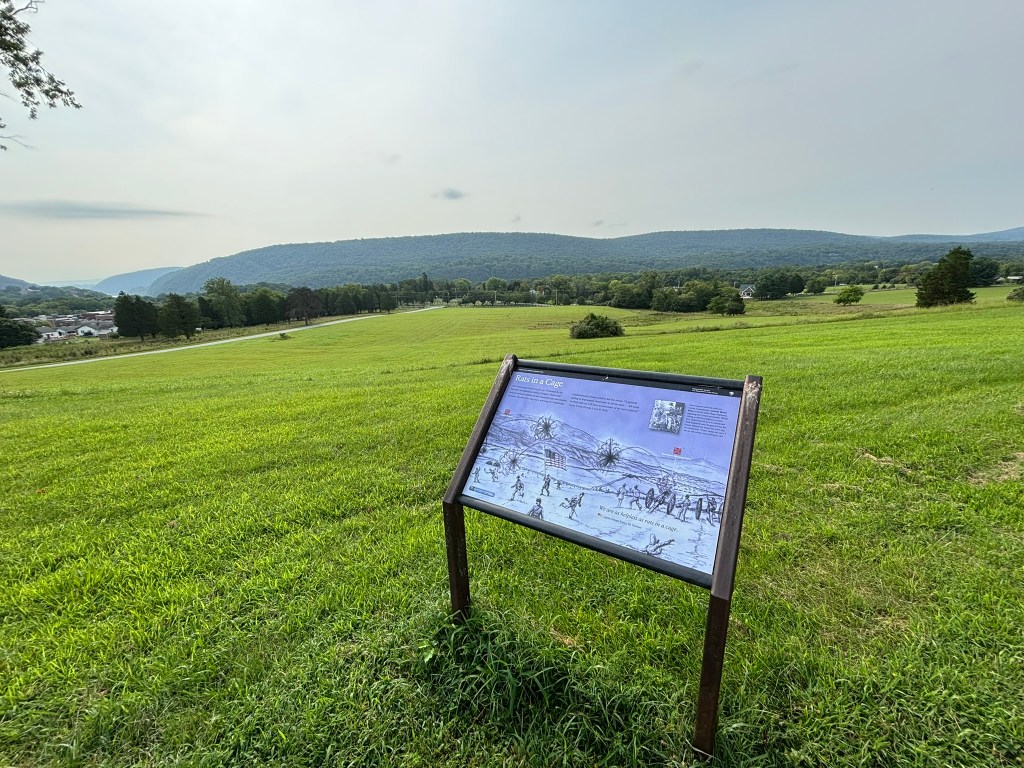
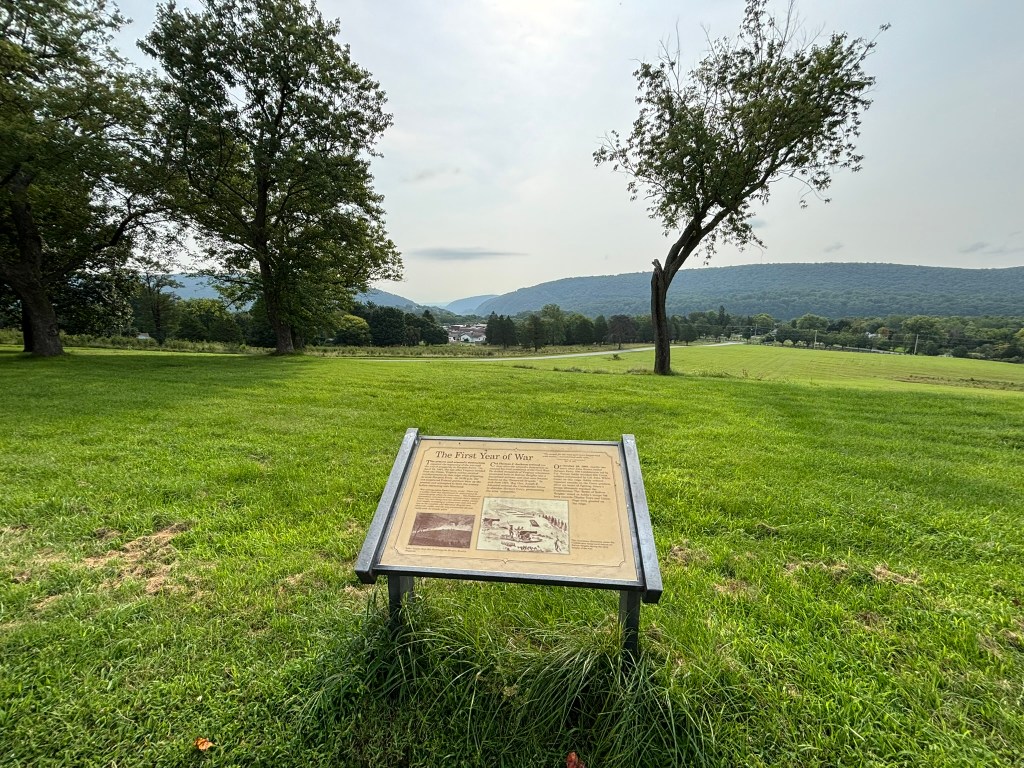
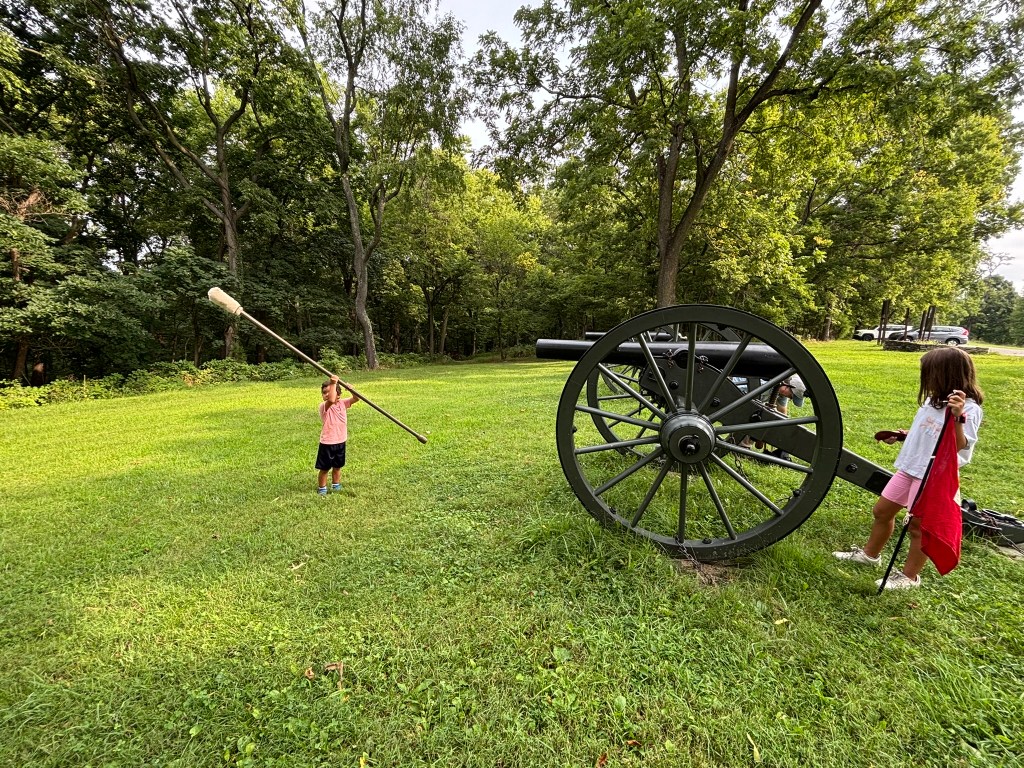
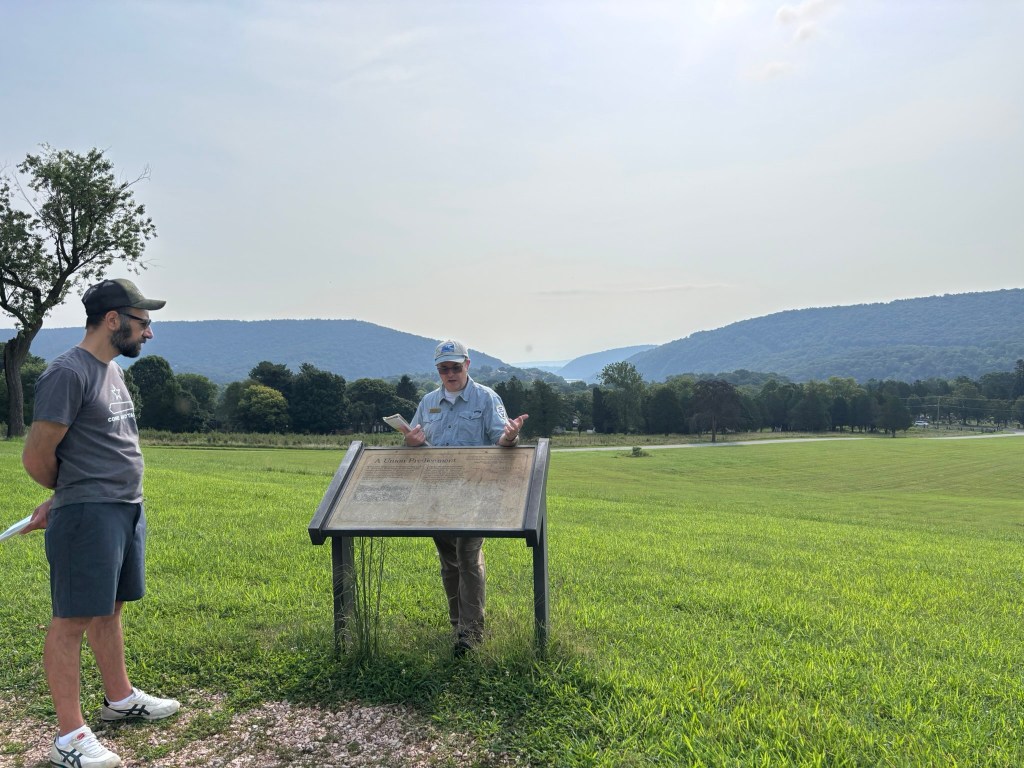
We got a great tour guide named Andy Jackson, and he did a fantastic job throughout our 2.5-hour tour. The tour started at 9 a.m., and he first took us up to Bolivar Heights, high ground overlooking the Lower Town of Harpers Ferry with great views of the surrounding heights.
History of Harpers Ferry
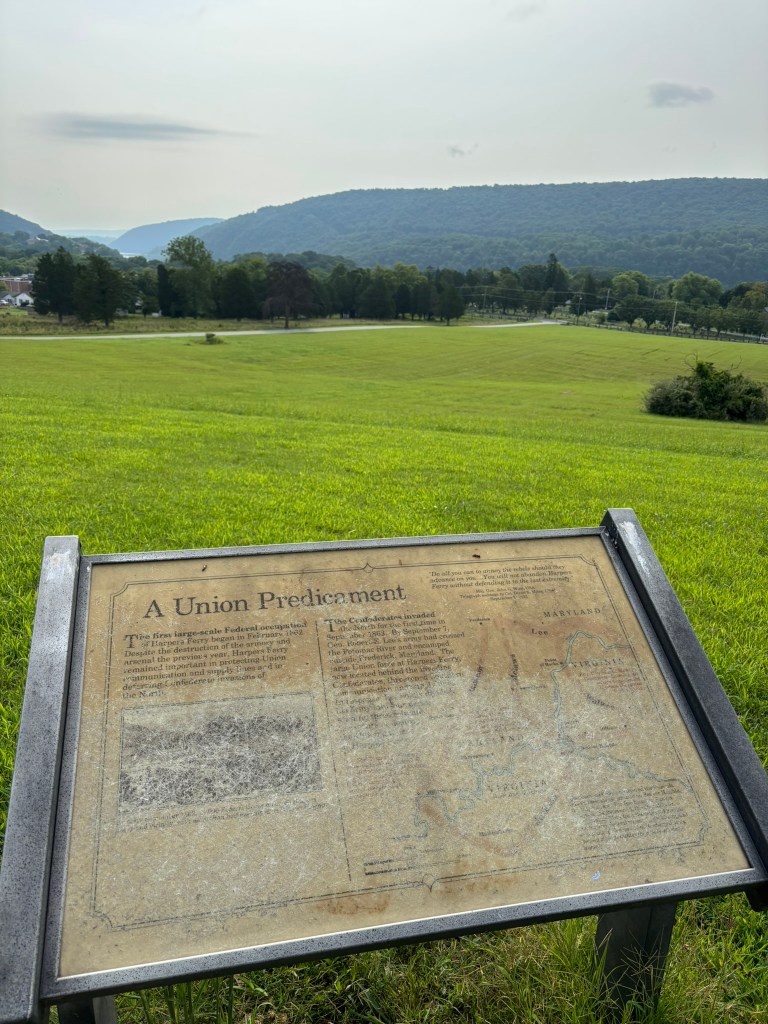
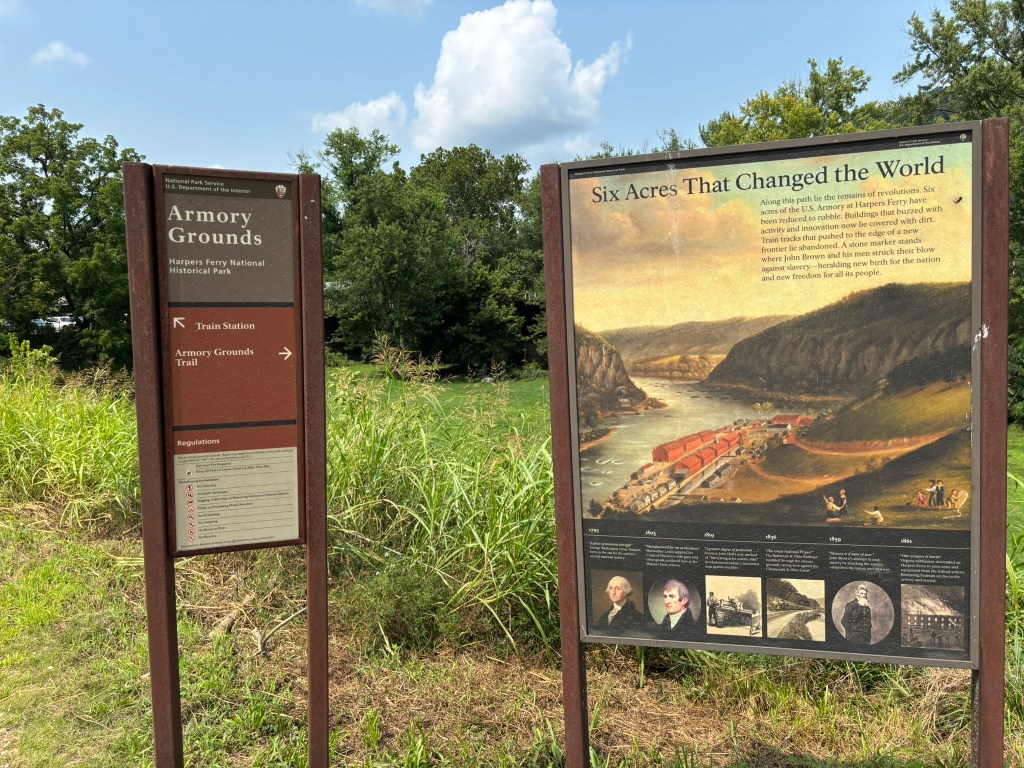
Atop Bolivar Heights, Andy provided us with the historical background of Harpers Ferry, why it was settled, and why its strategic location at the confluence of the Potomac and Shenandoah Rivers led President George Washington to select it as the site of a federal armory in the 1790s. By the start of the Civil War in 1861, Harpers Ferry was one of only two federal armories where weapons were produced, making it a significant location for many historic events that were discussed during the tour.
The Battle of Harpers Ferry (1862)
Standing atop Bolivar Heights, Andy explained the Battle of Harpers Ferry, which took place from September 12–15, 1862, ending just two days before the Battle of Antietam during the American Civil War. During the Maryland Campaign, Robert E. Lee and the Confederate army, following a string of victories in Virginia, decided to invade the Union state of Maryland. Capturing Harpers Ferry became an important strategic objective as the Confederates moved into Union territory.
Lee divided his army and sent forces to surround the Union garrison at Harpers Ferry. General Thomas “Stonewall” Jackson was given overall command of the operation. Confederate forces occupied the surrounding heights, including Maryland Heights and Loudoun Heights, while Jackson’s men approached from the west. With Confederate artillery positioned on the high ground surrounding the town, the Union position became increasingly difficult to defend.
The federal troops were attempting to hold the very heights we were standing on. On September 15th, the Union garrison surrendered to Jackson’s forces. More than 12,000 Union soldiers were captured, making it the largest surrender of U.S. forces until the fall of Bataan in the Philippines during World War II.
What makes the Battle of Harpers Ferry even more interesting is its direct connection to the Battle of Antietam, which we had toured the previous day. After the Union surrender, Jackson quickly moved most of his forces toward Sharpsburg to rejoin Lee’s army. A.P. Hill’s division remained behind temporarily to handle the surrender and prisoners before marching approximately 17 miles to Antietam. Hill’s men arrived on the battlefield late in the afternoon on September 17 and played a critical role in stopping the final Union advance. Visiting Harpers Ferry immediately after Antietam helped put into perspective just how closely connected these two battles were.
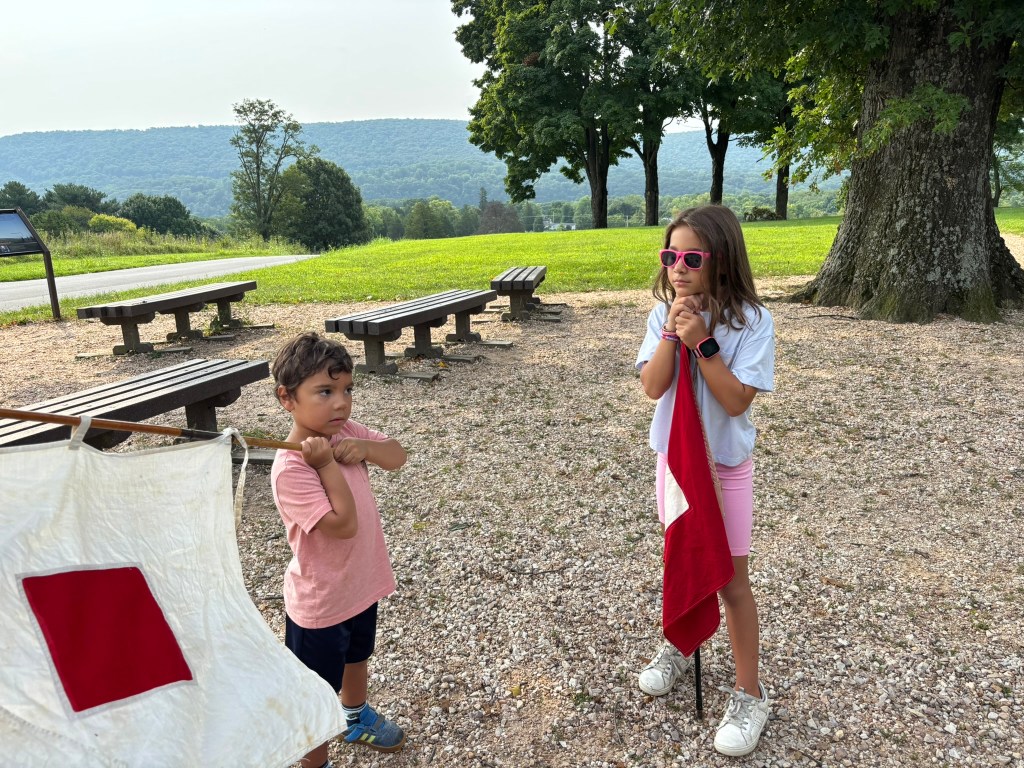
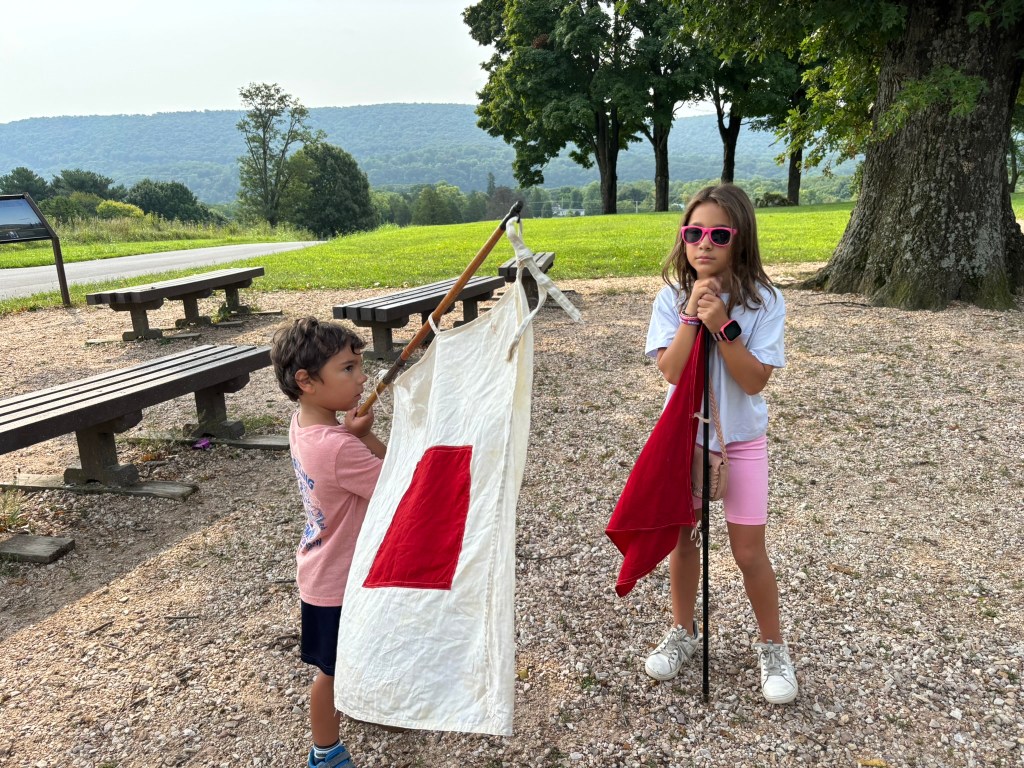
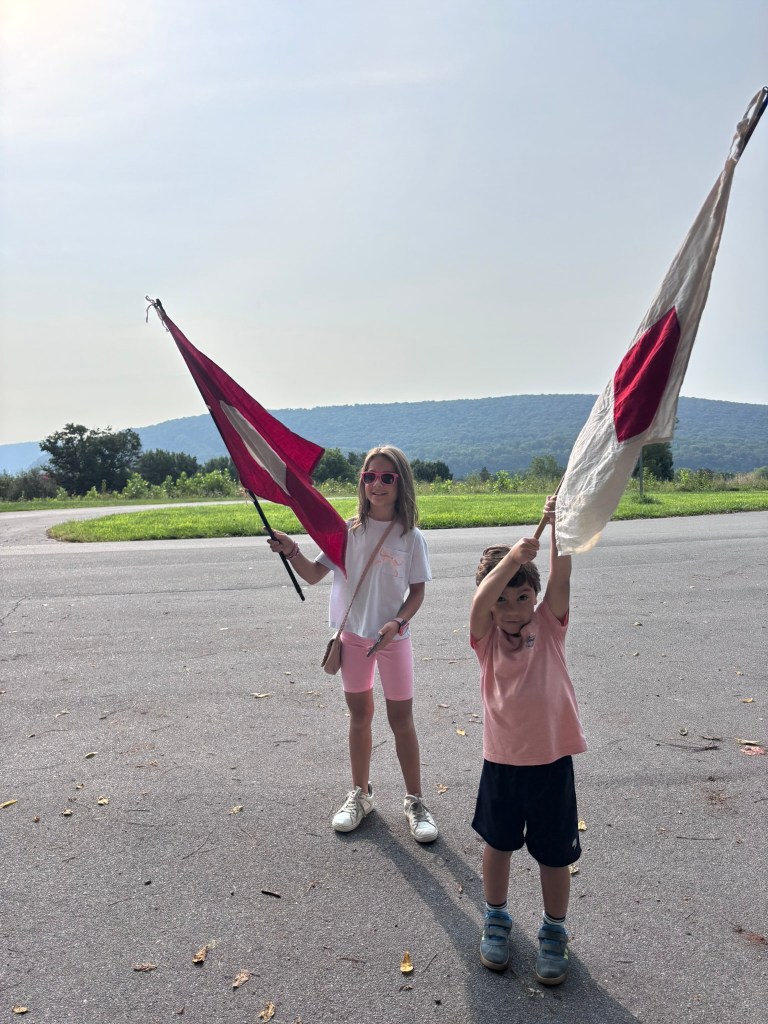
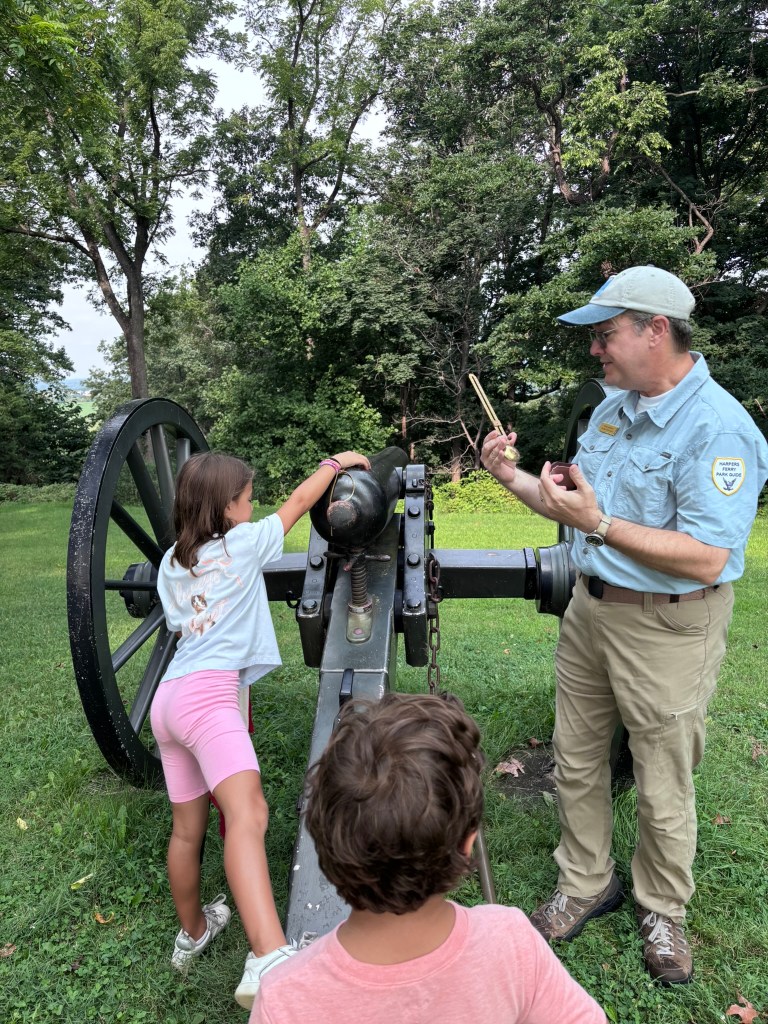
Andy brought props with him that allowed my kids to learn how to load and fire a Civil War cannon, and he also discussed the use and importance of battle flags.
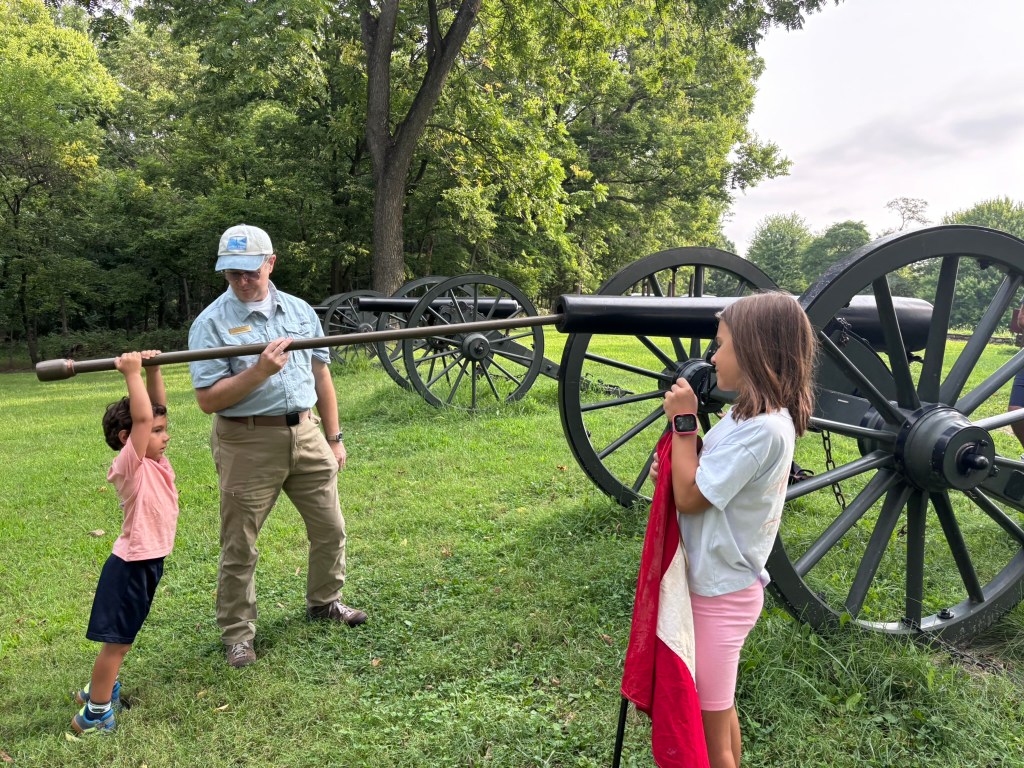
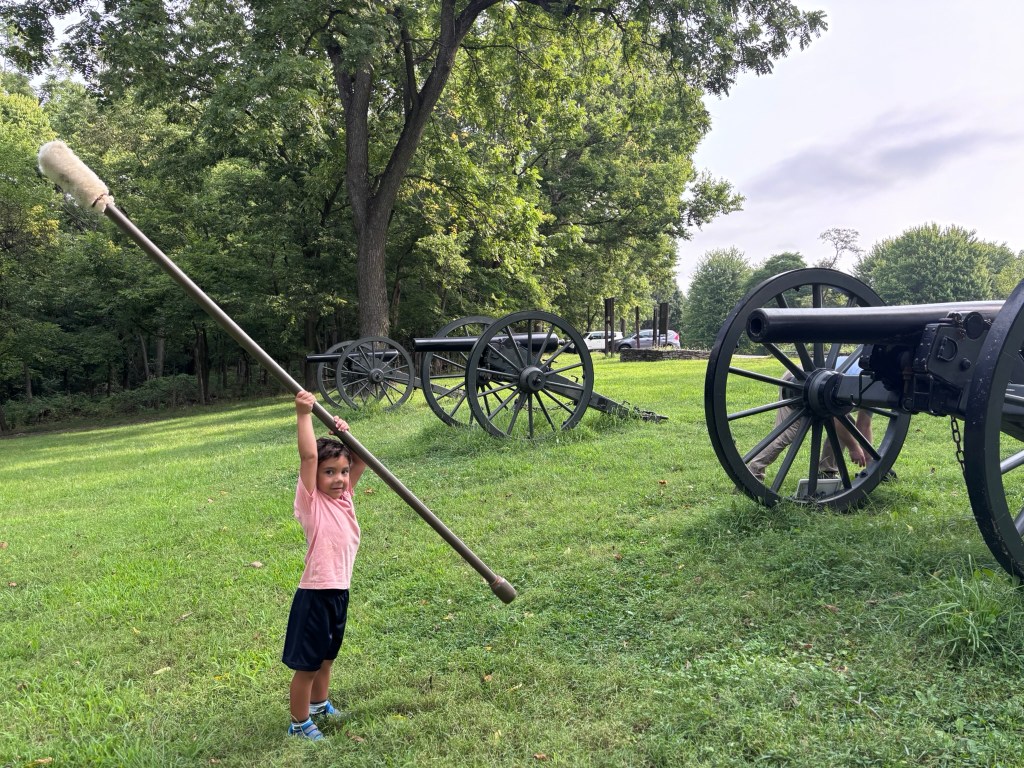
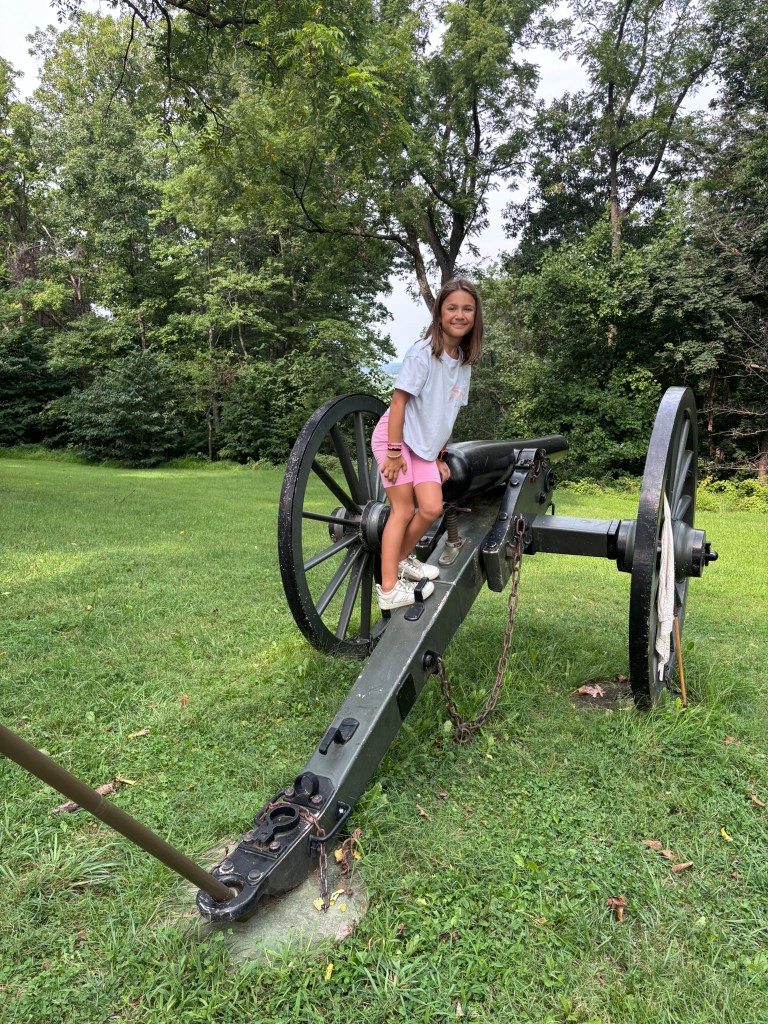
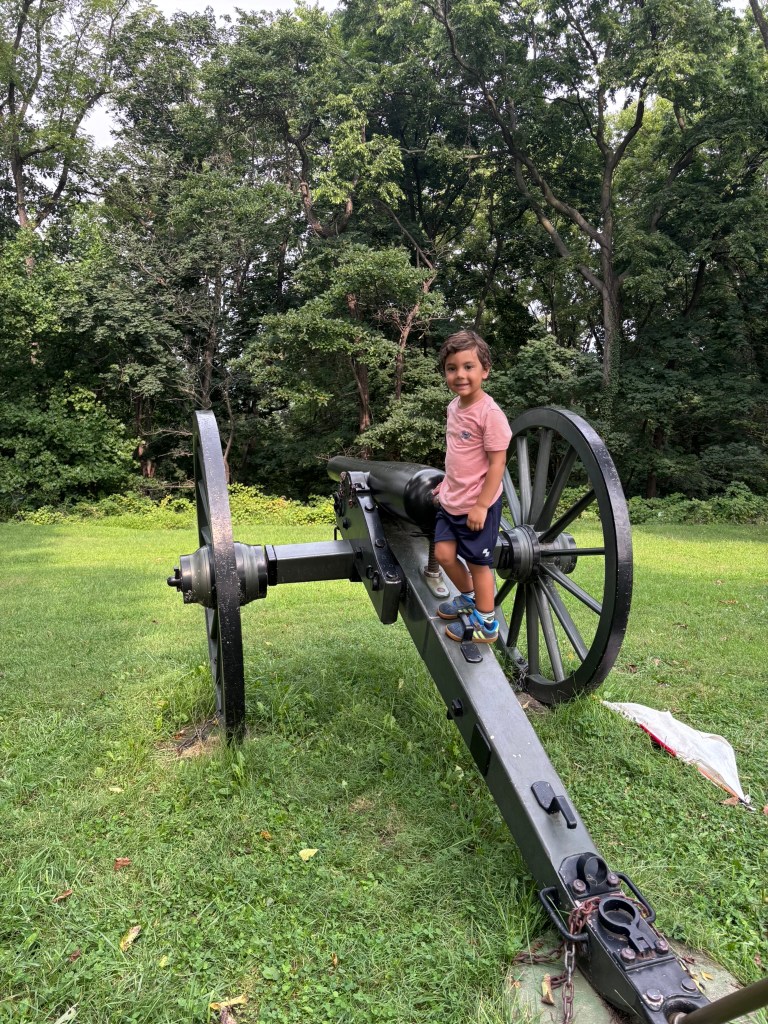
Lower Town, Harpers Ferry
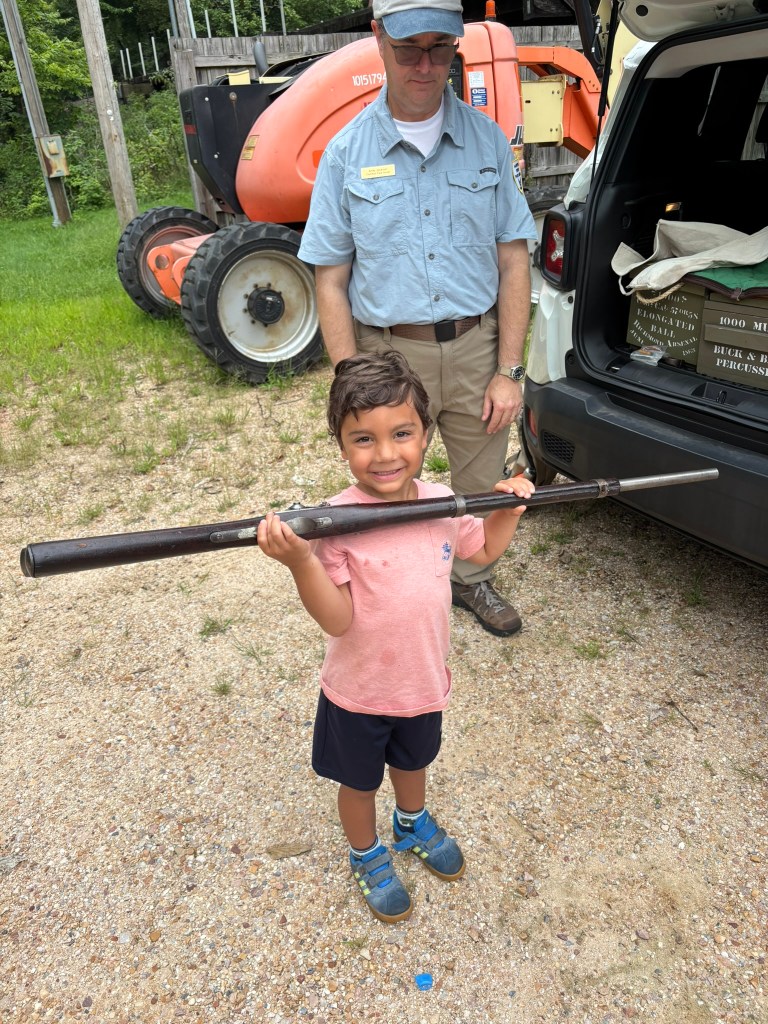
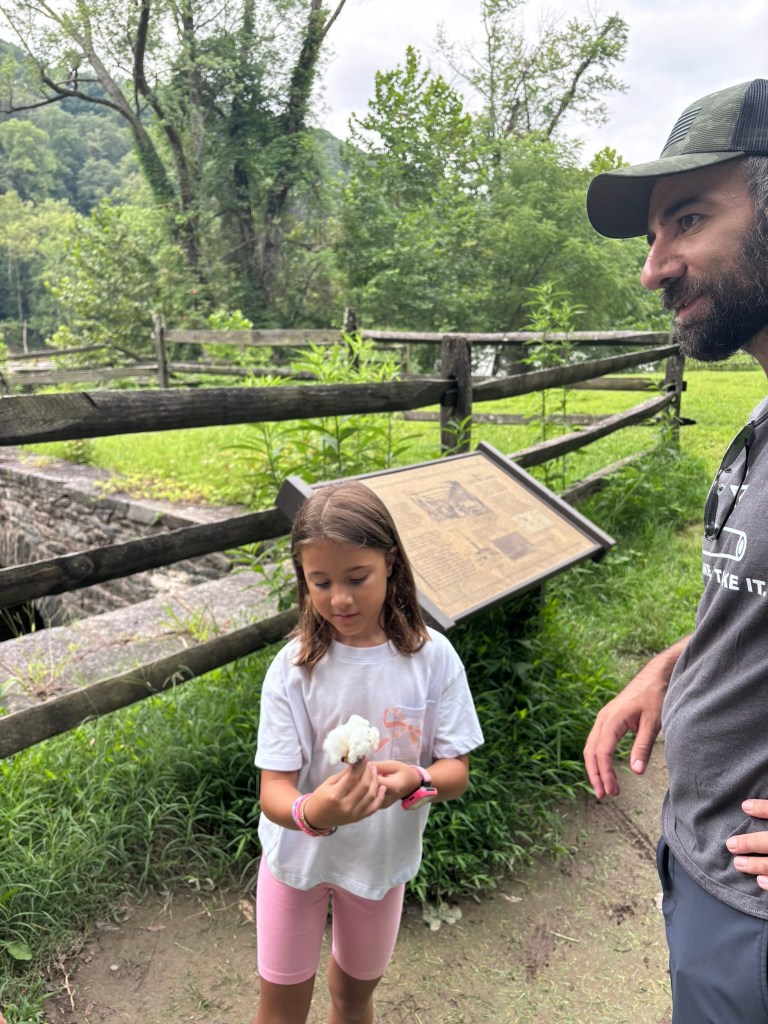
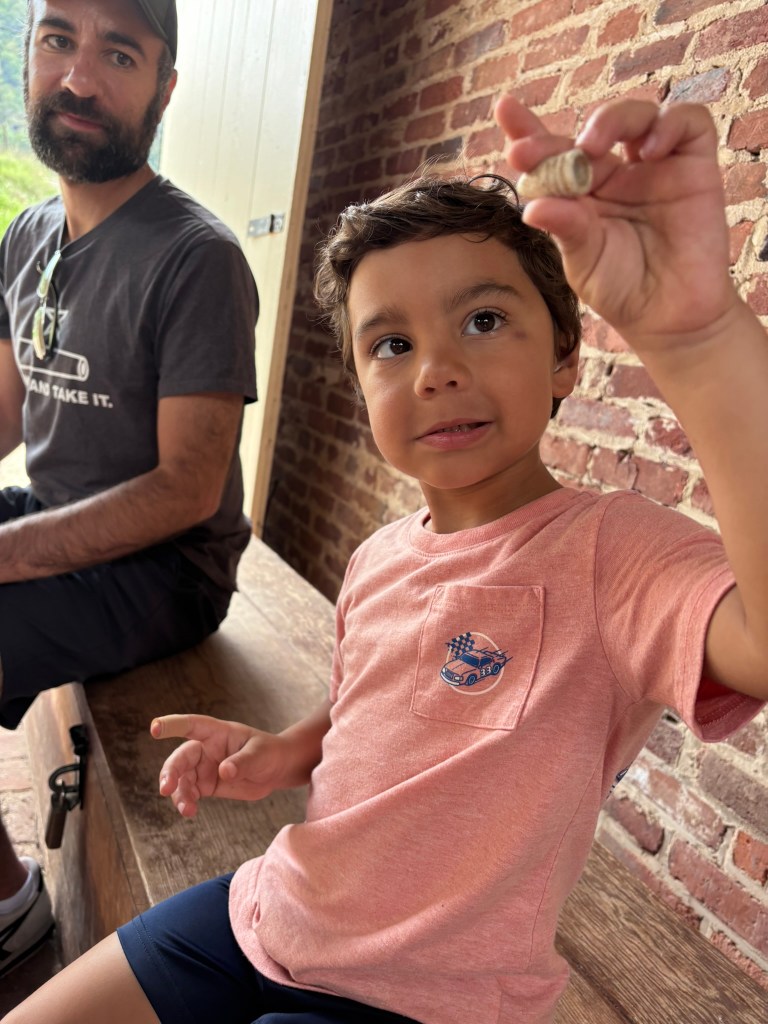
After Bolivar Heights, we got back in the car and headed down to the Lower Town of Harpers Ferry. My kids were able to hold a Civil War rifle. We then made our way over to the ruins of a former cotton mill that stood along the Shenandoah River.
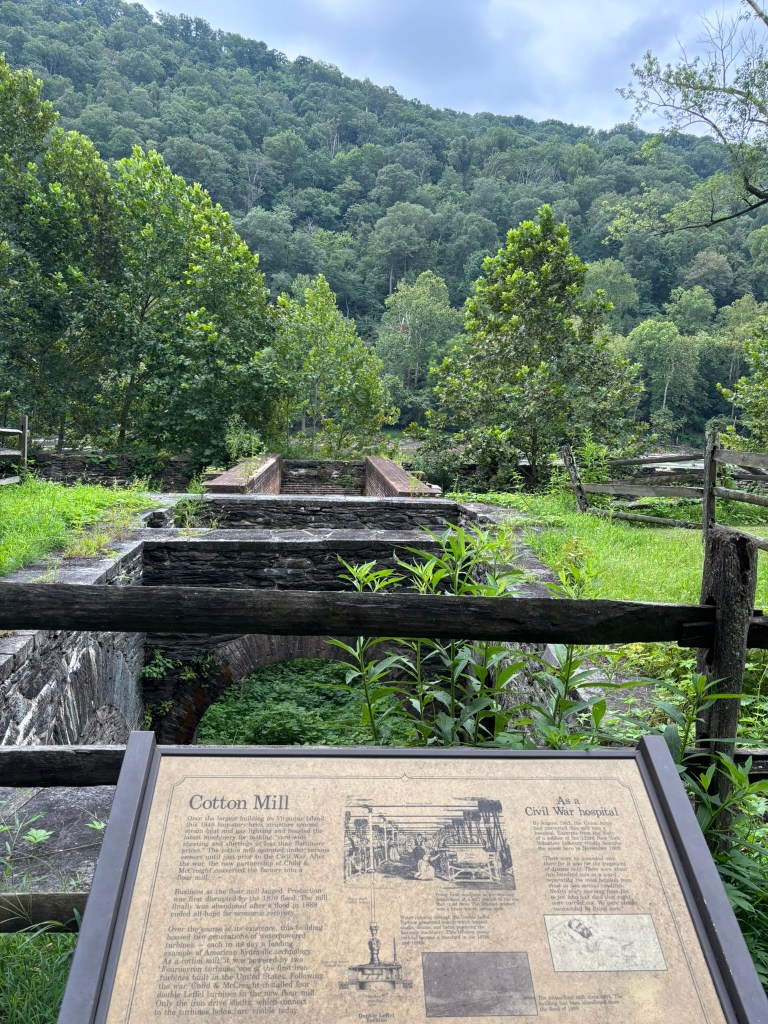
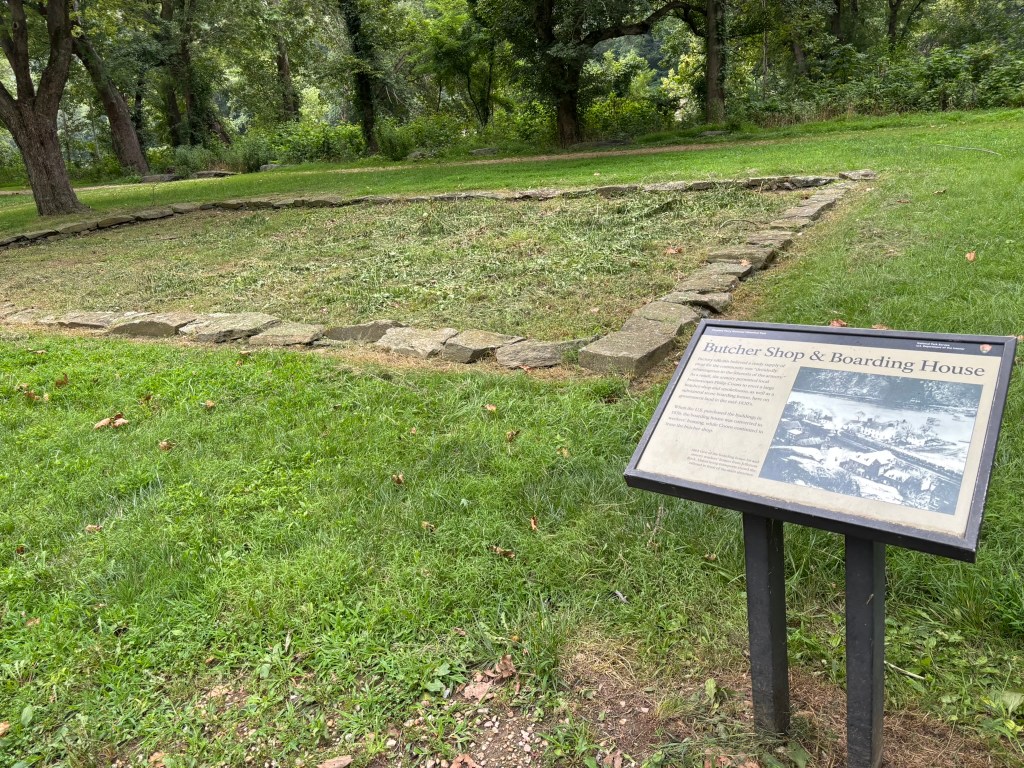
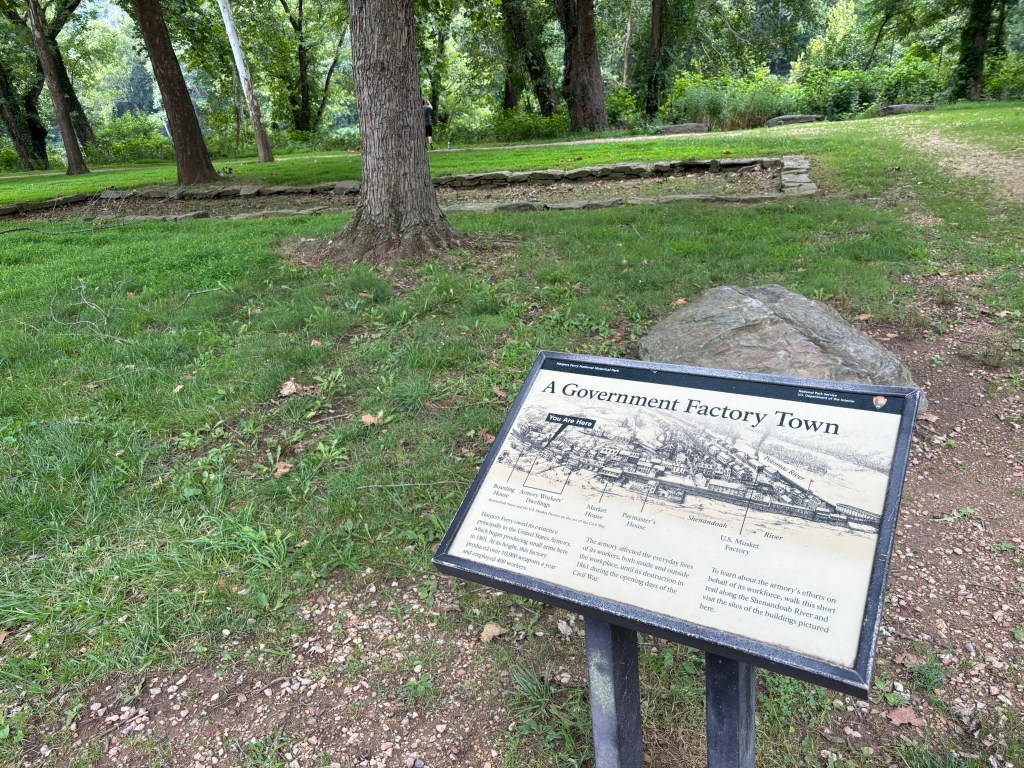
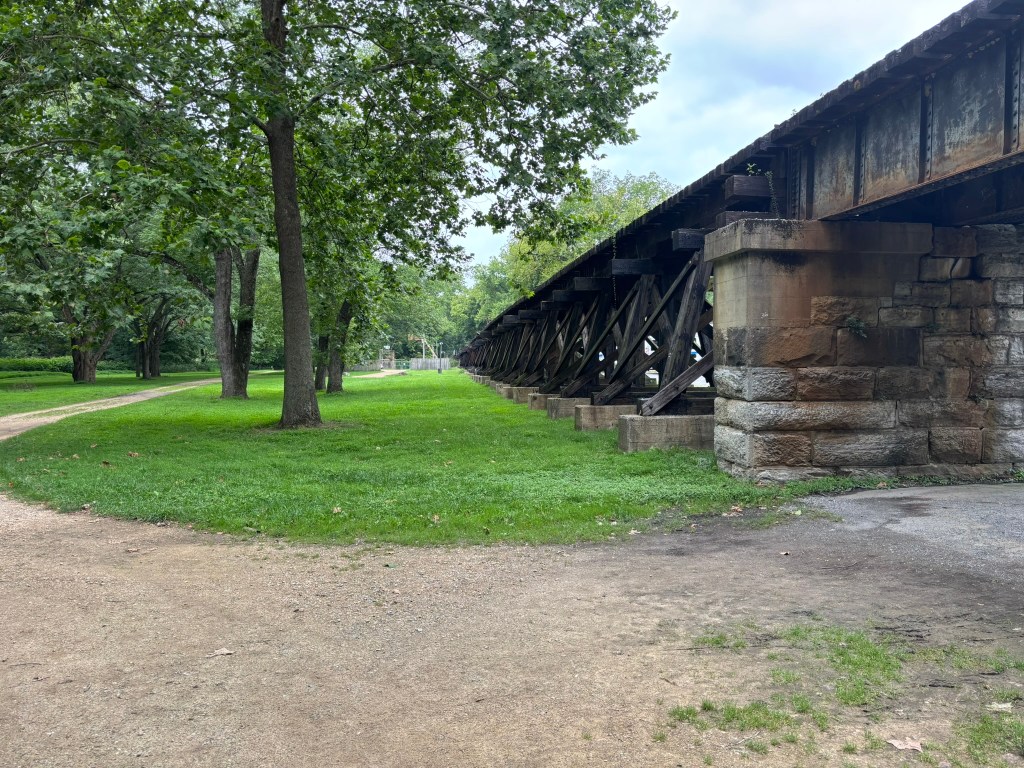
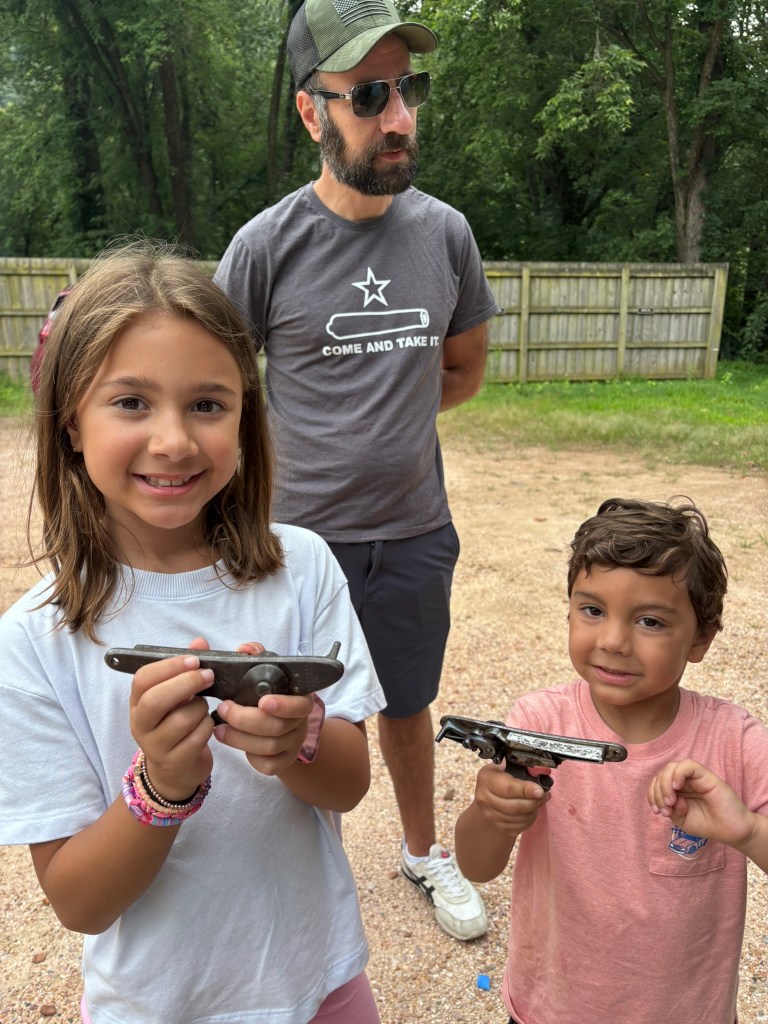
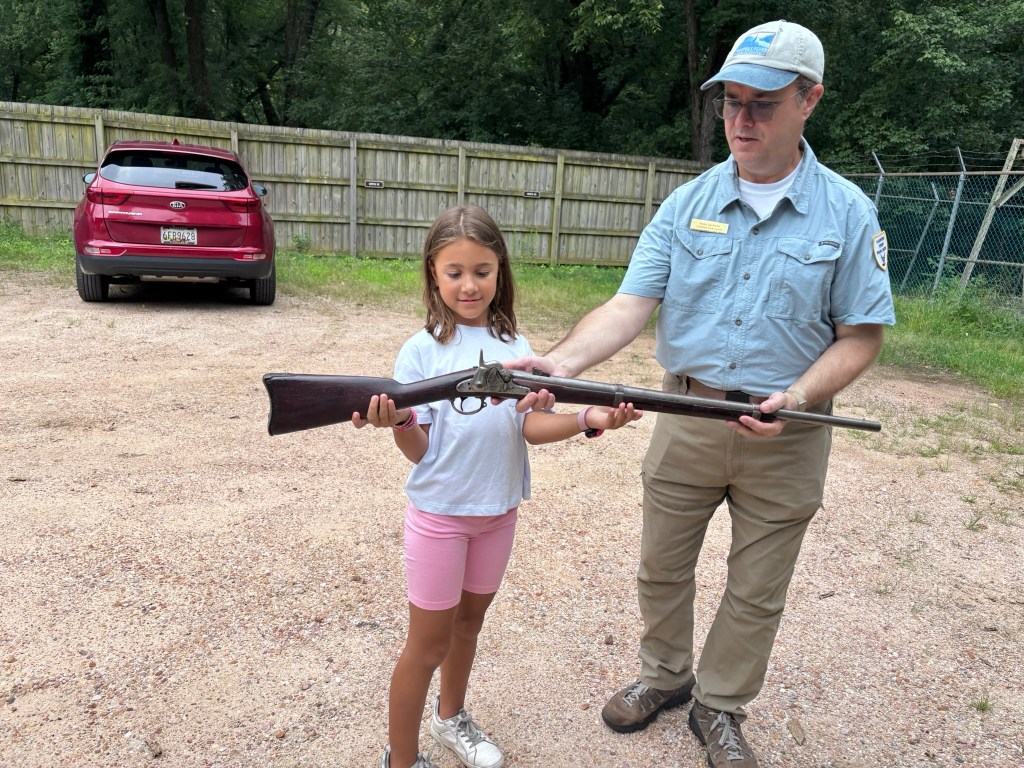
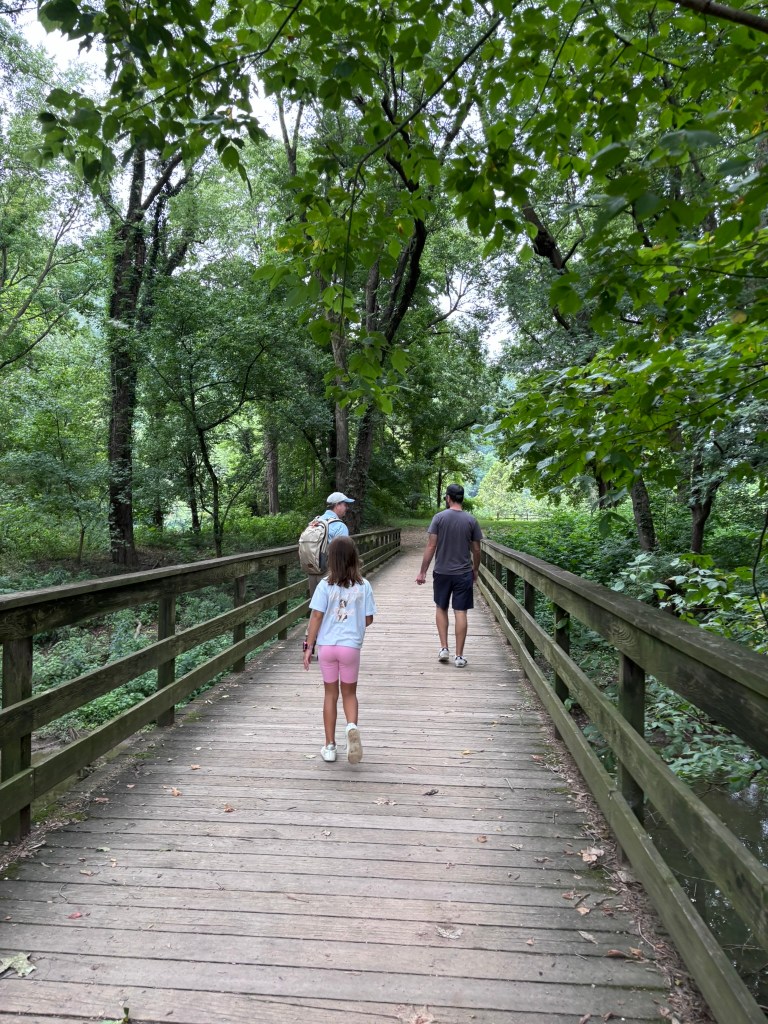
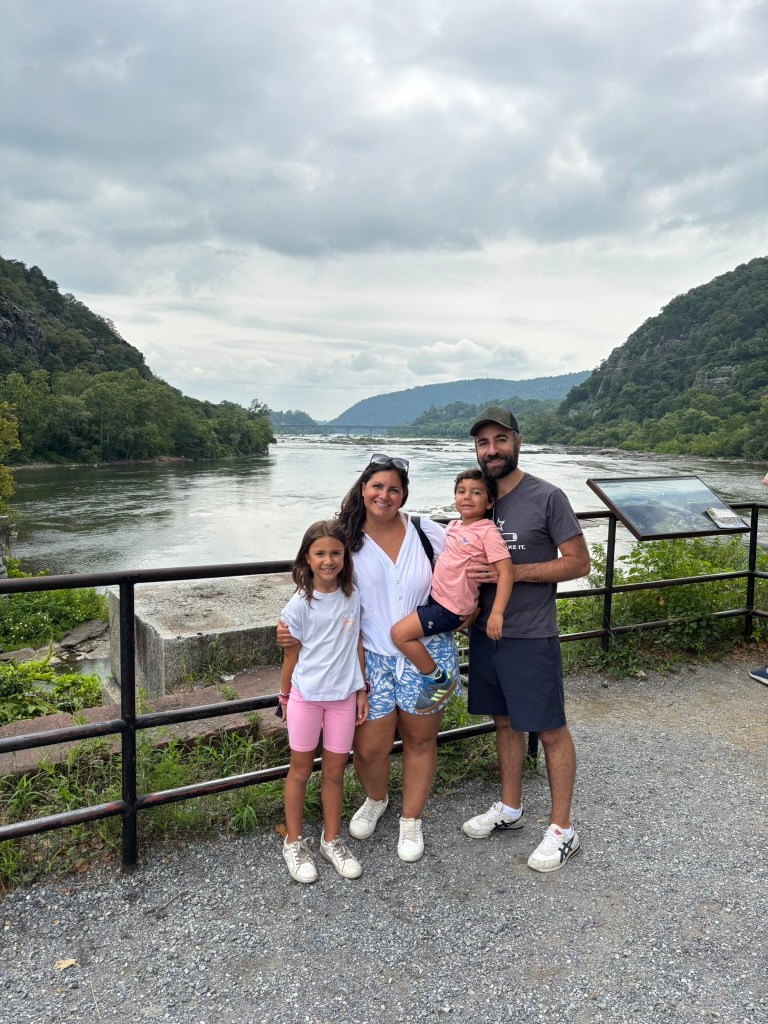
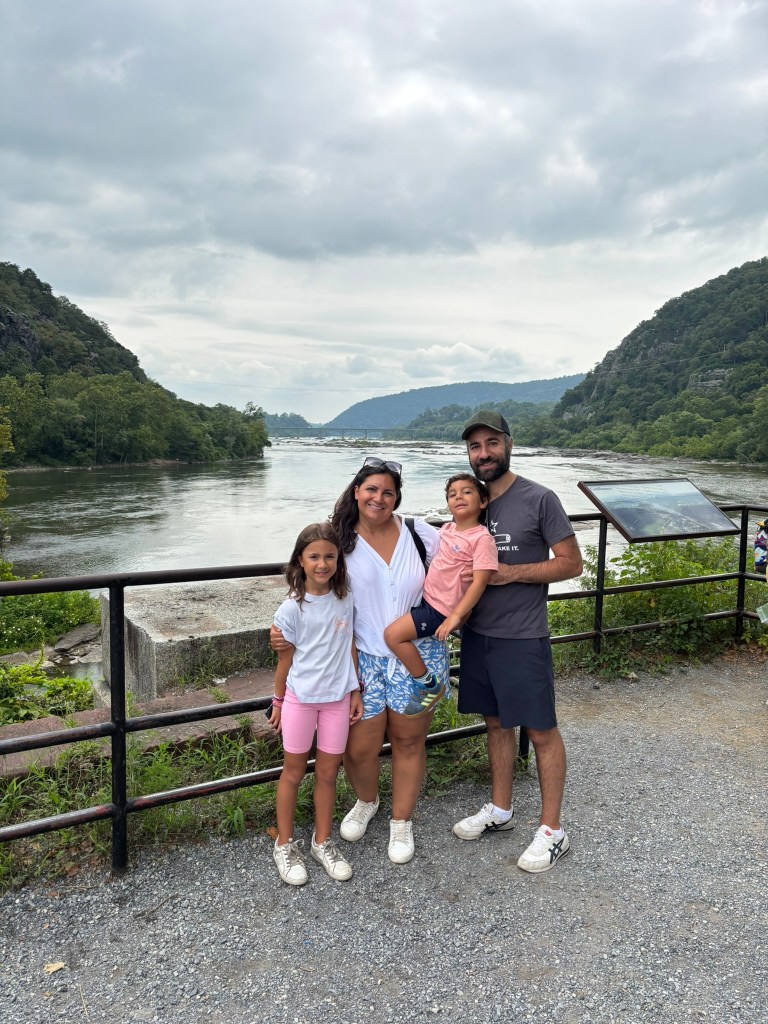
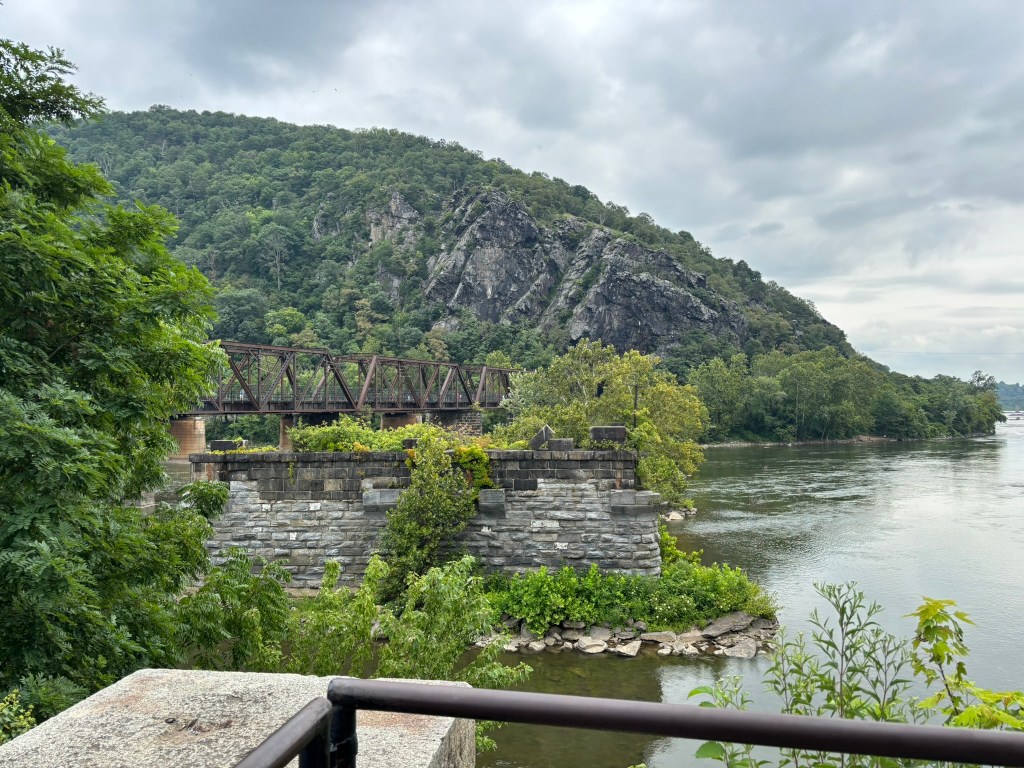
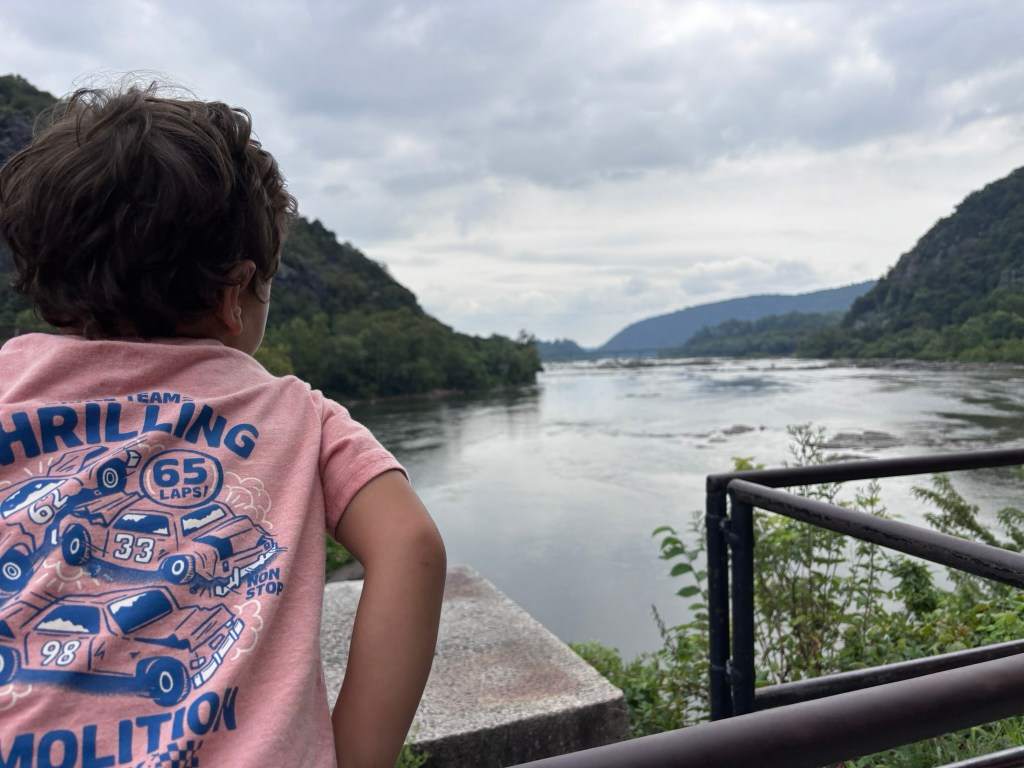
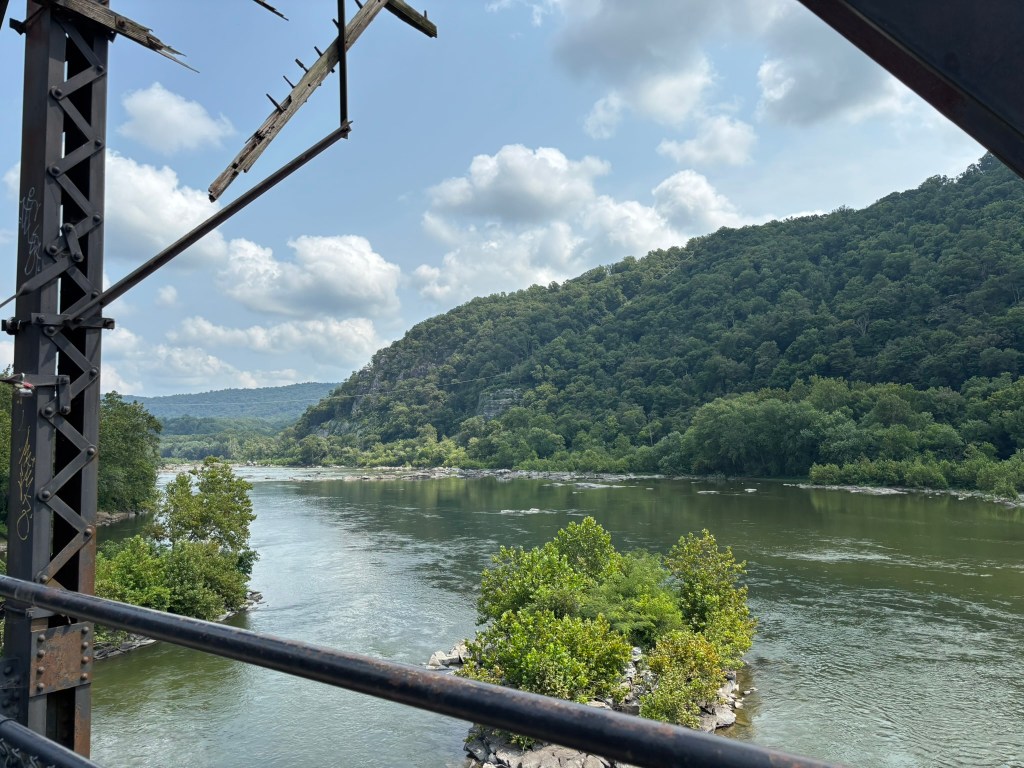
From there, we walked over to “The Point,” the location where the Shenandoah River flows into the Potomac. It was quite a sight to see and demonstrated the strategic importance of Harpers Ferry’s location, as well as its surrounding terrain.
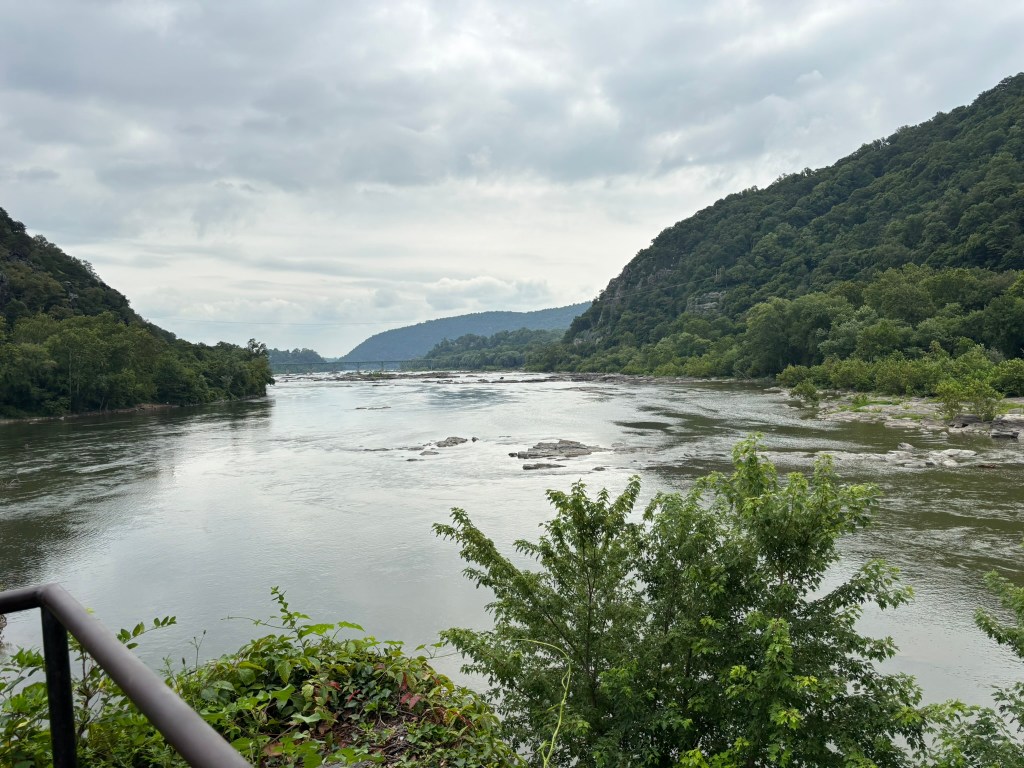
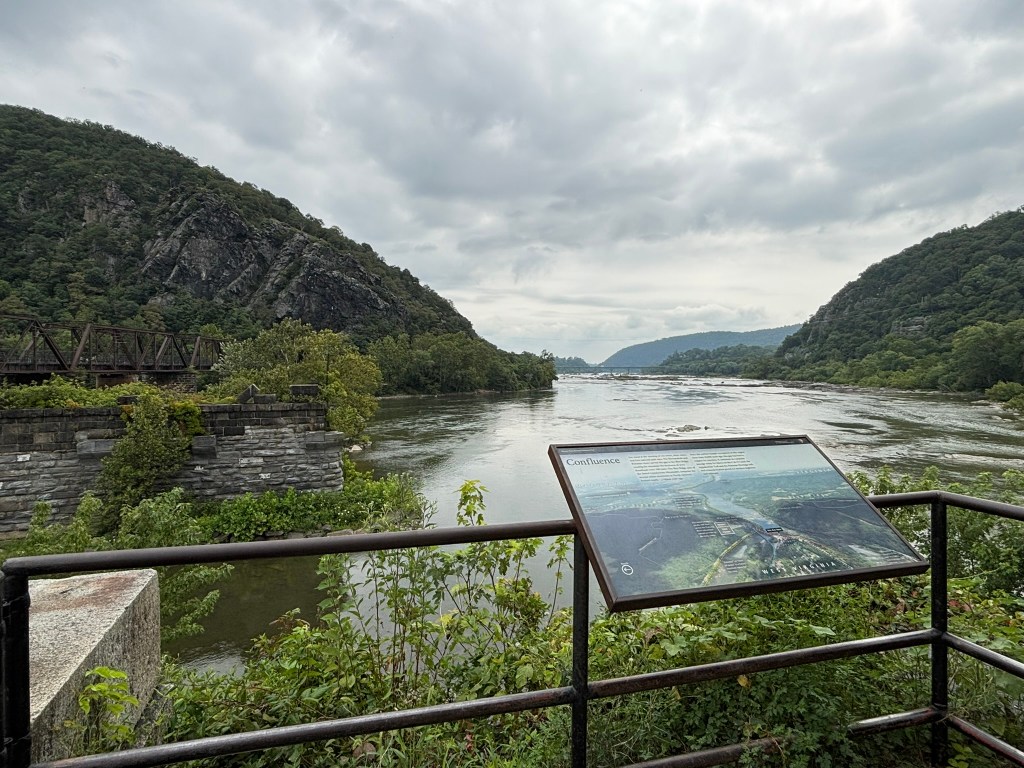
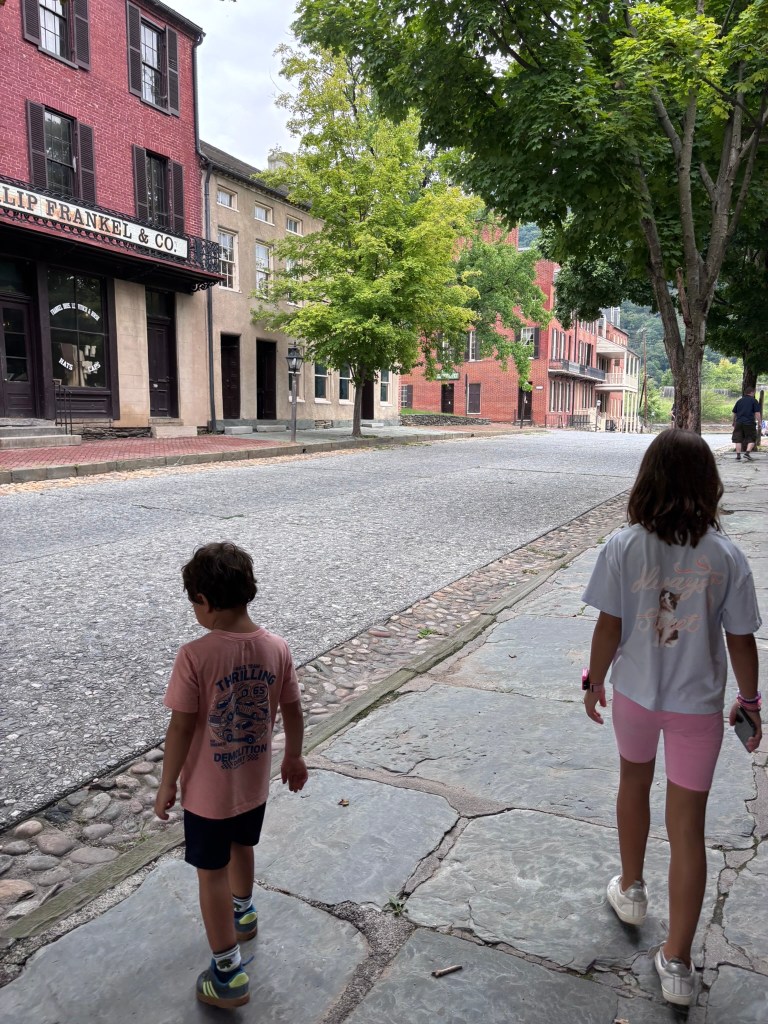
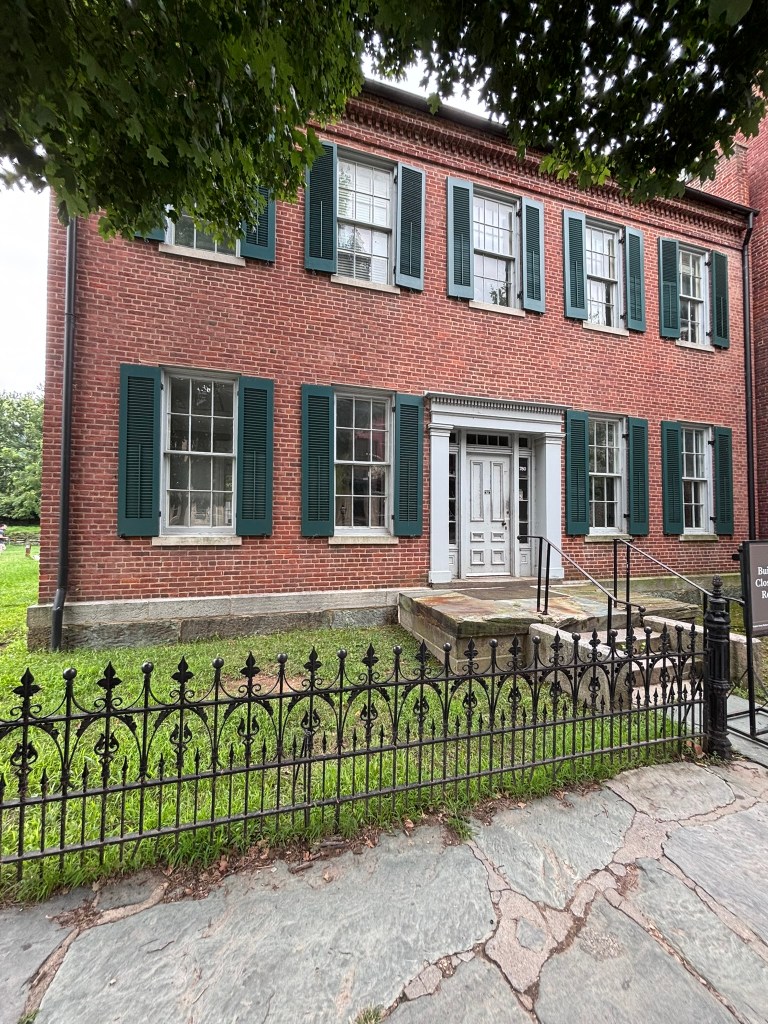
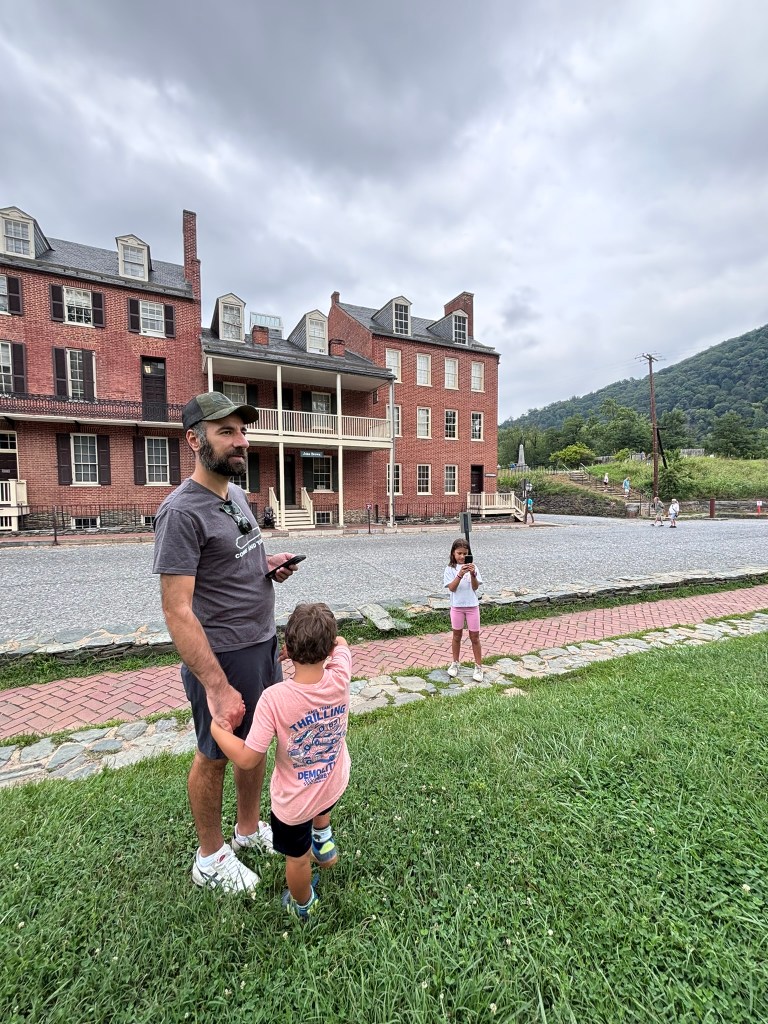
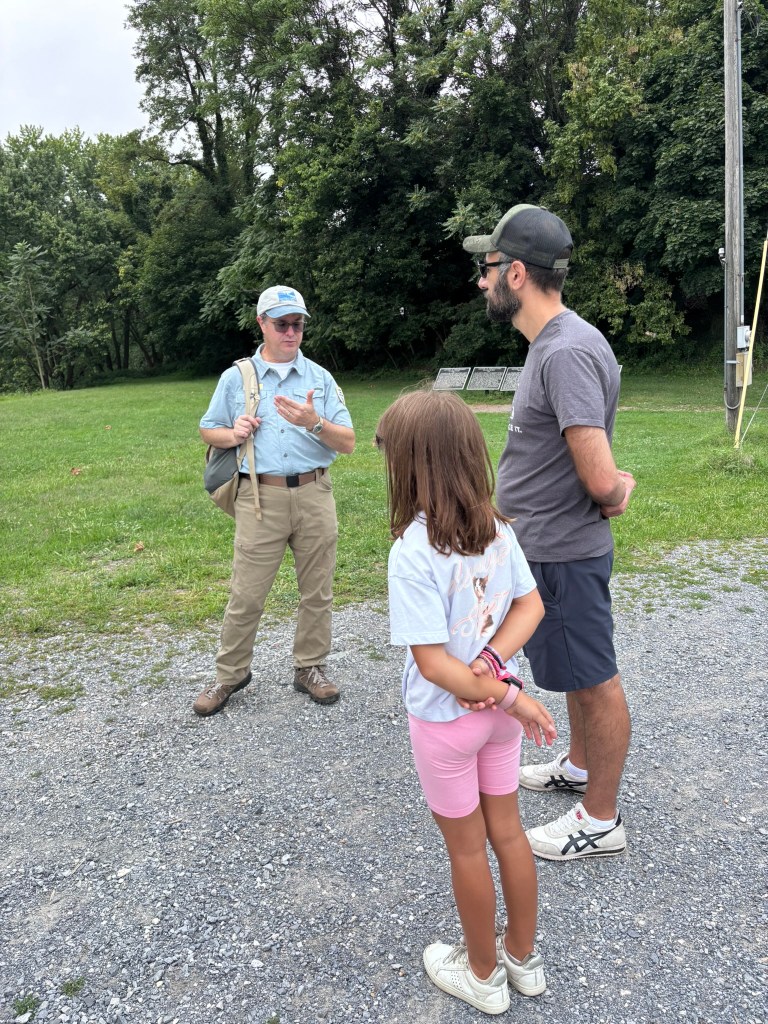
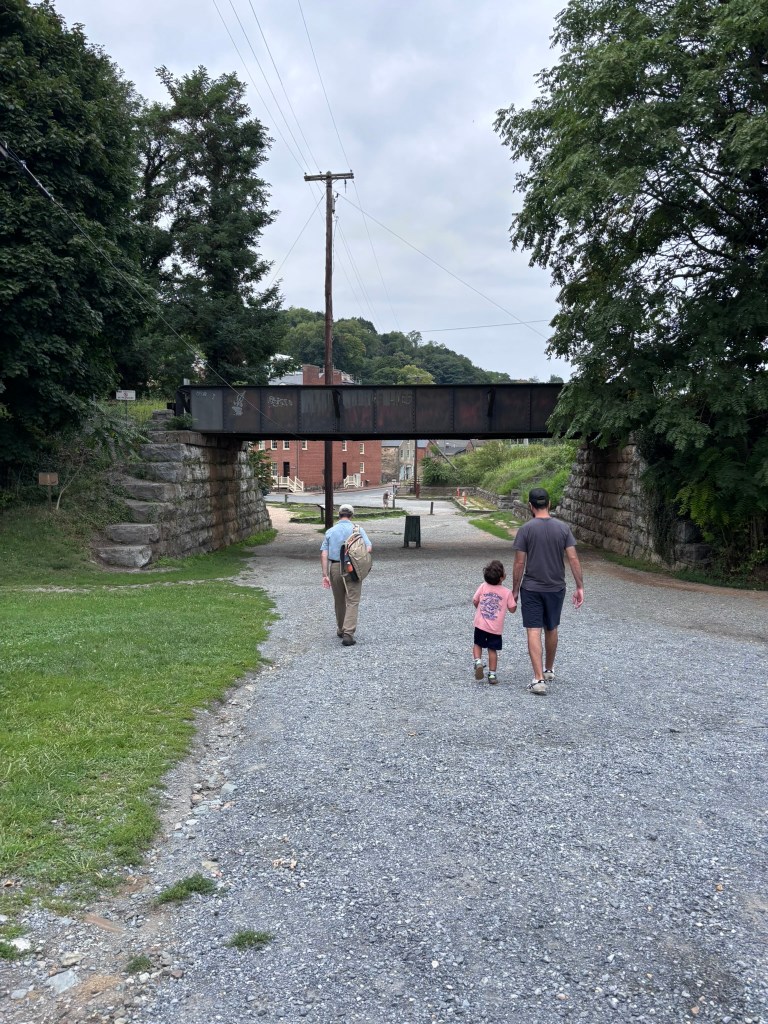
The final half hour of the tour focused on what Harpers Ferry is most famous for: John Brown’s Raid, which began on October 16, 1859, a little less than a year and a half before the Civil War officially started.
Who Was John Brown?
John Brown was a radical abolitionist who believed that slavery was a great moral evil and that violent action was justified to bring about its destruction. Born in Connecticut in 1800, Brown became increasingly involved in the abolitionist movement during the decades leading up to the Civil War. Unlike many abolitionists who sought to end slavery through speeches, publications, and political action, Brown believed that armed resistance was necessary. During the violent conflict known as “Bleeding Kansas” in the mid-1850s, Brown and his followers fought against pro-slavery forces. In 1856, Brown and several of his supporters violently massacred five pro-slavery settlers near Pottawatomie Creek, making him one of the most controversial figures in the growing conflict over slavery.
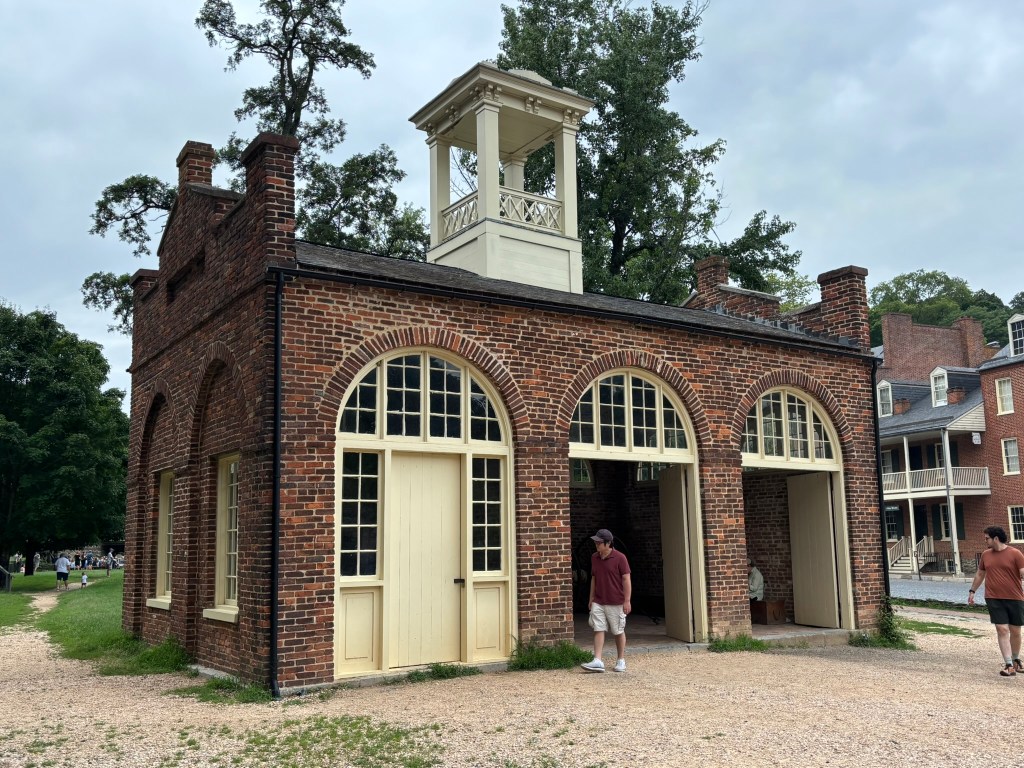
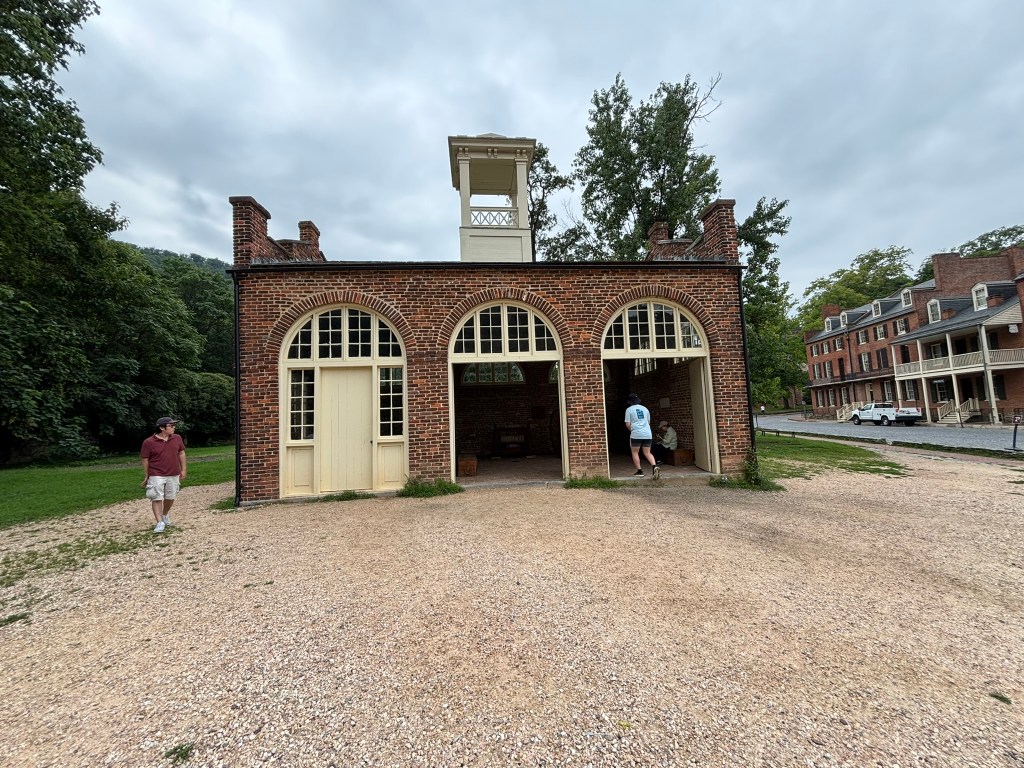
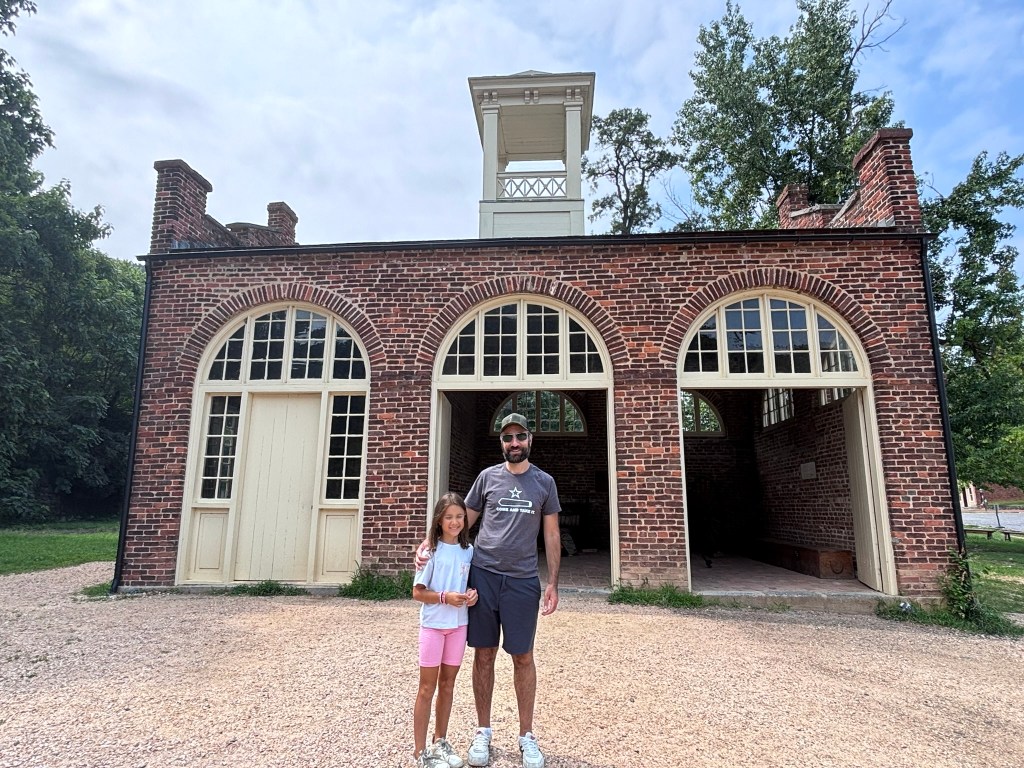
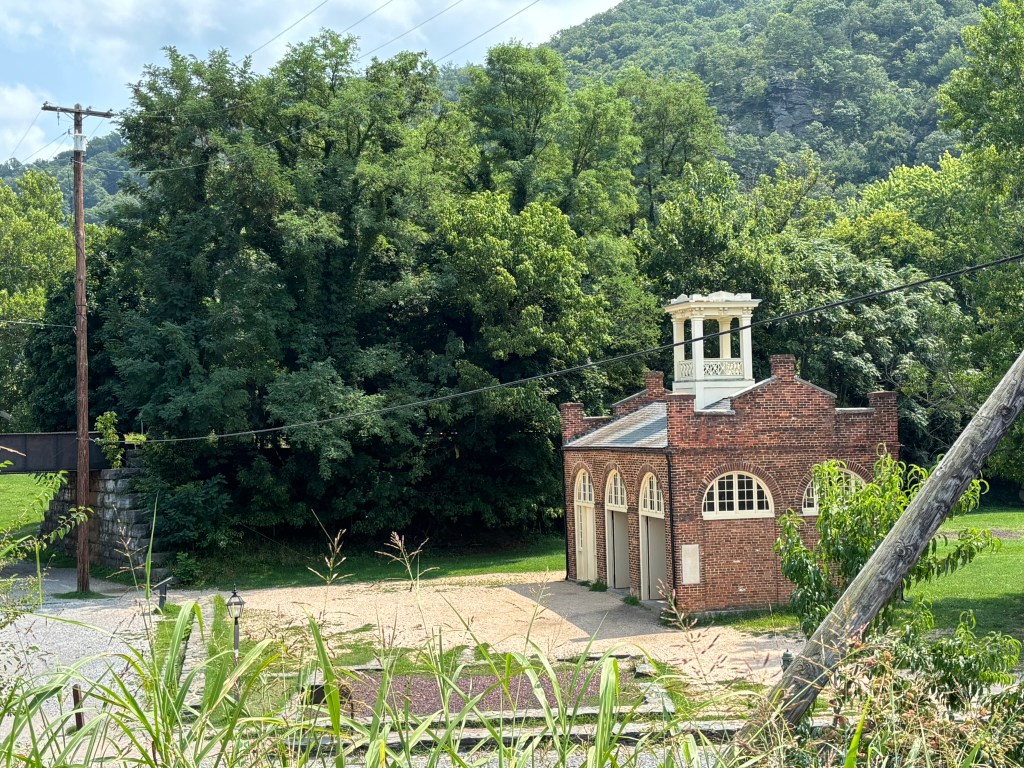
After Andy gave us some background on John Brown, we walked over to the engine house called “John Brown’s Fort,” where Andy gave us an overview of what took place throughout the raid, as well as its aftermath, which I’ll provide below.
John Brown’s Raid on Harpers Ferry
John Brown eventually developed a much larger plan to strike directly at slavery in the South. He hoped to seize the federal weapons stored at Harpers Ferry and use them to arm enslaved people, triggering an uprising that could spread throughout the region. Brown chose Harpers Ferry in part because of its large federal arsenal and its location near the Blue Ridge Mountains, where he envisioned establishing a base for an extended guerrilla campaign against slavery.
On the night of October 16, 1859, Brown and his small force of 21 men entered Harpers Ferry and seized the United States Armory and Arsenal, along with several other important locations. Brown’s men also took hostages and attempted to encourage enslaved people in the surrounding area to join them. However, the large uprising Brown hoped for never materialized, while local militia and armed townspeople quickly began surrounding his position.
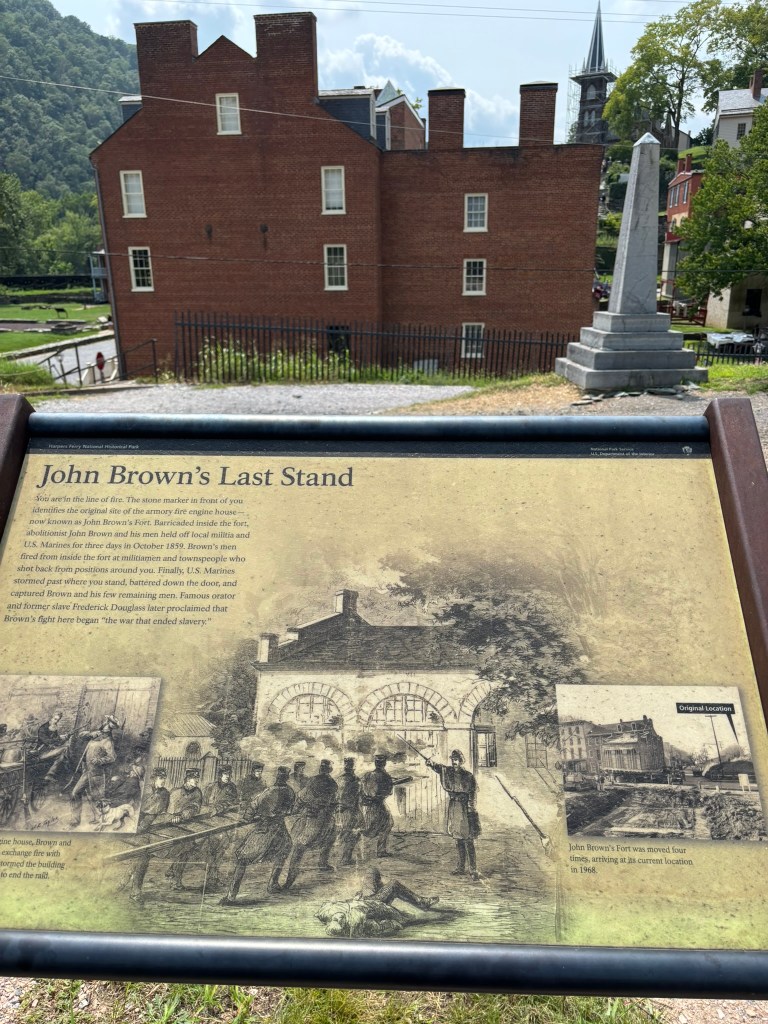
Brown and his remaining men eventually barricaded themselves inside the Armory’s fire engine house, the small brick building that later became known as John Brown’s Fort. On October 18, U.S. Marines under the command of Colonel Robert E. Lee stormed the building and captured Brown. Ten of Brown’s men were killed, including two of his sons, while Brown himself was wounded and taken prisoner. He was transported to nearby Charles Town, Virginia, where he was tried and convicted of treason against Virginia, murder, and conspiring with enslaved people to rebel. Brown was hanged on December 2, 1859.
Although his raid failed to spark the uprising he envisioned, its impact was enormous. Many white Southerners viewed the raid as evidence that abolitionists intended to encourage violent slave rebellions, while many Northerners came to regard Brown as a martyr who had sacrificed his life in the fight against slavery. The controversy surrounding Brown and his execution further deepened the divide between North and South less than two years before the outbreak of the Civil War.
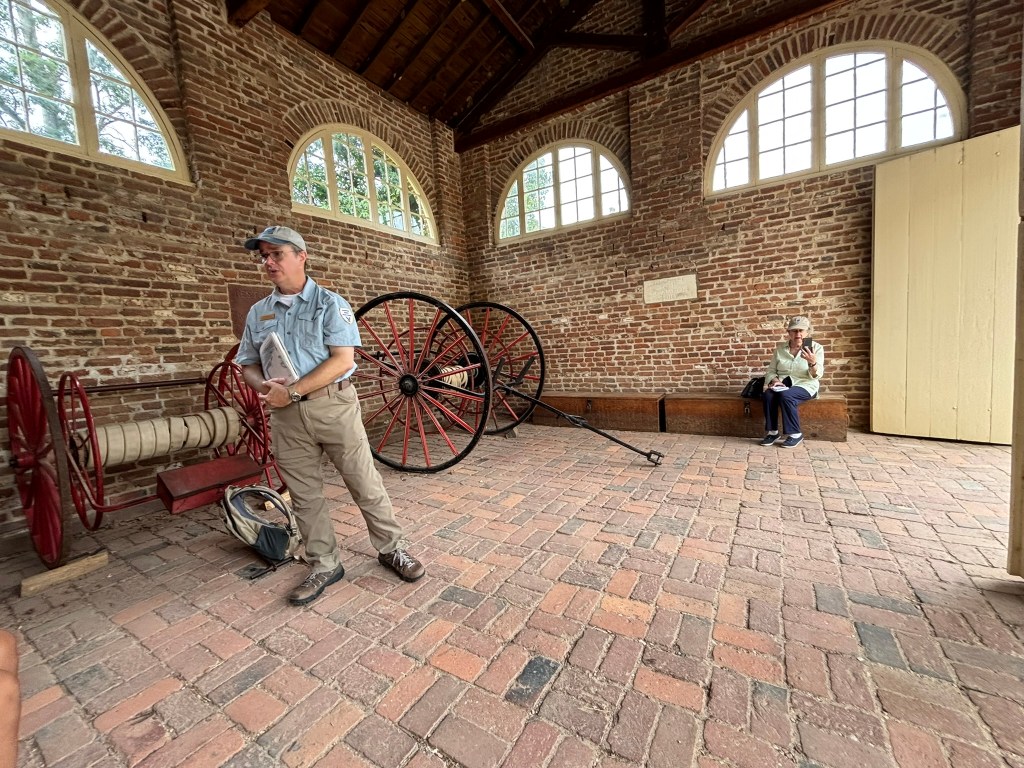
It was fascinating to sit in the very engine house where these dramatic developments took place in October 1859.
After providing the powerful details of the event, as well as its aftermath, Andy finished the private tour a little after 11:30. I highly recommend doing this tour if you want to become fully immersed in the site you are visiting. Doing a private tour gives you the opportunity to have conversations with your tour guide and ask questions of an expert in their field.
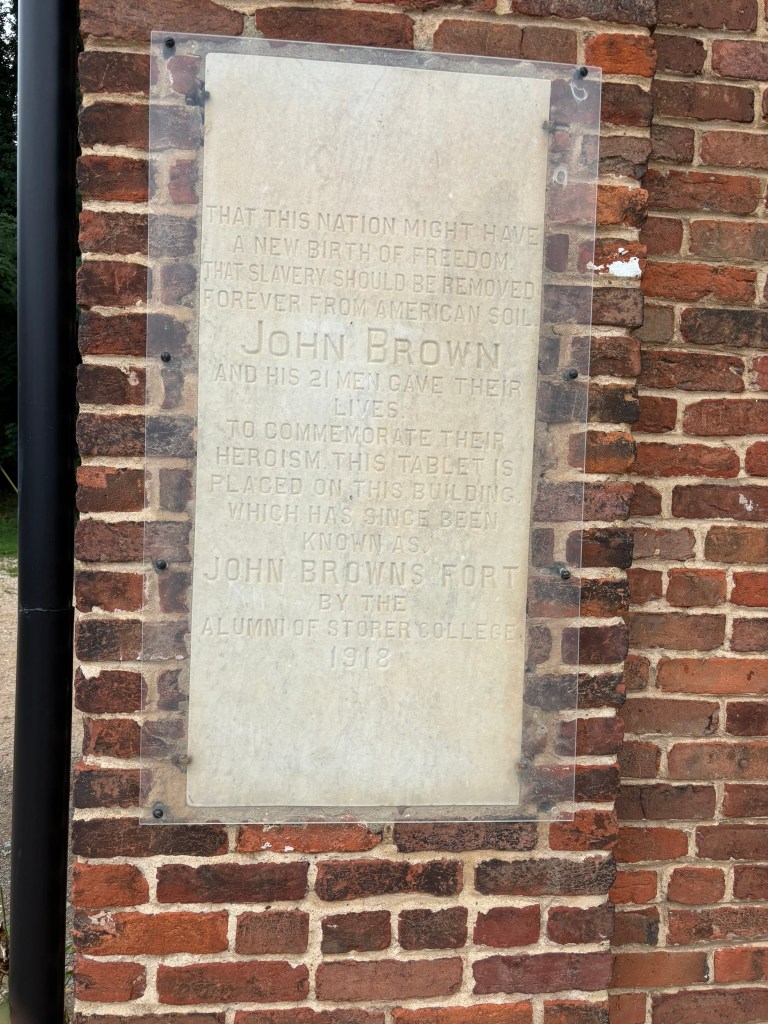
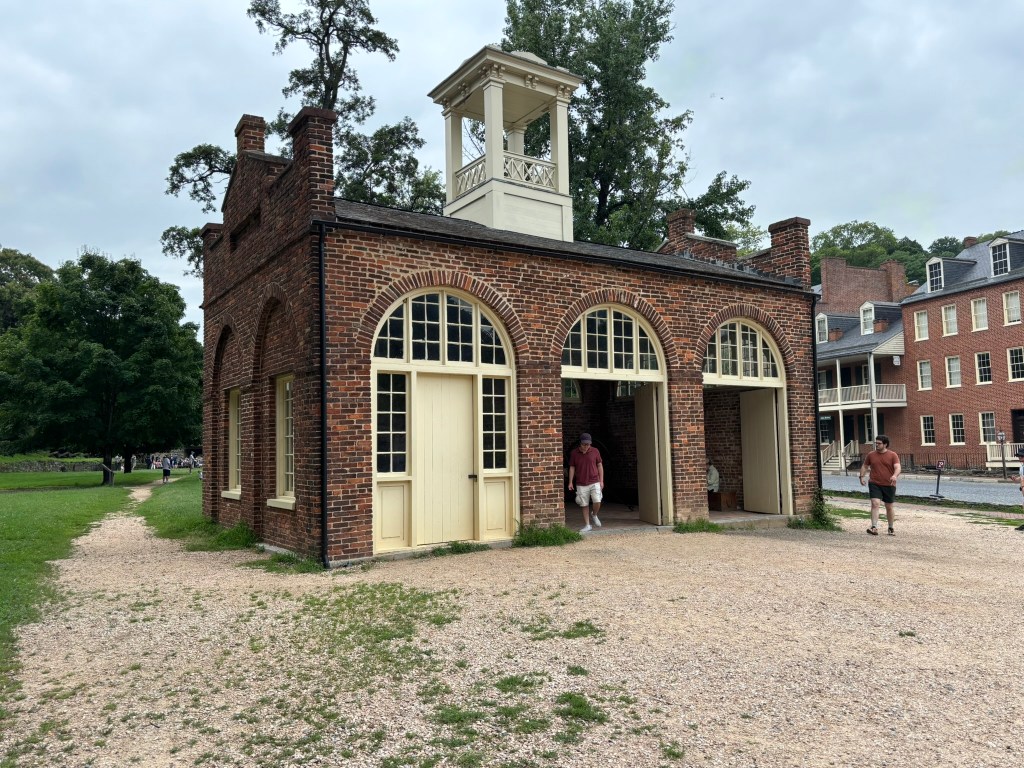

Exploring Harpers Ferry
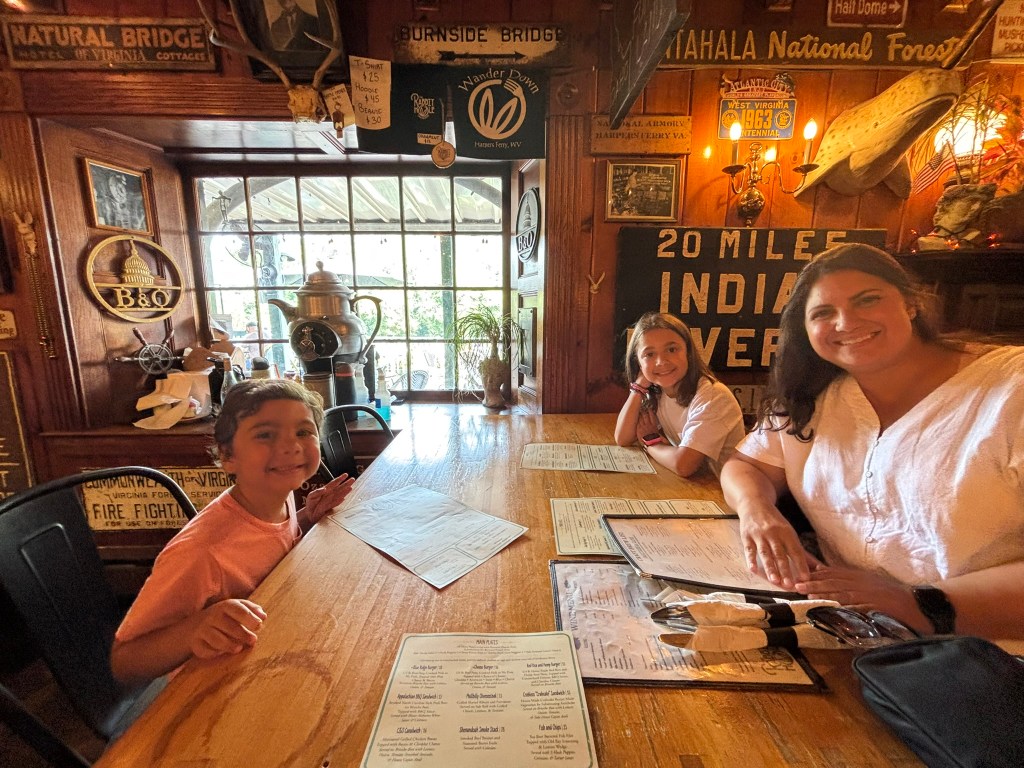
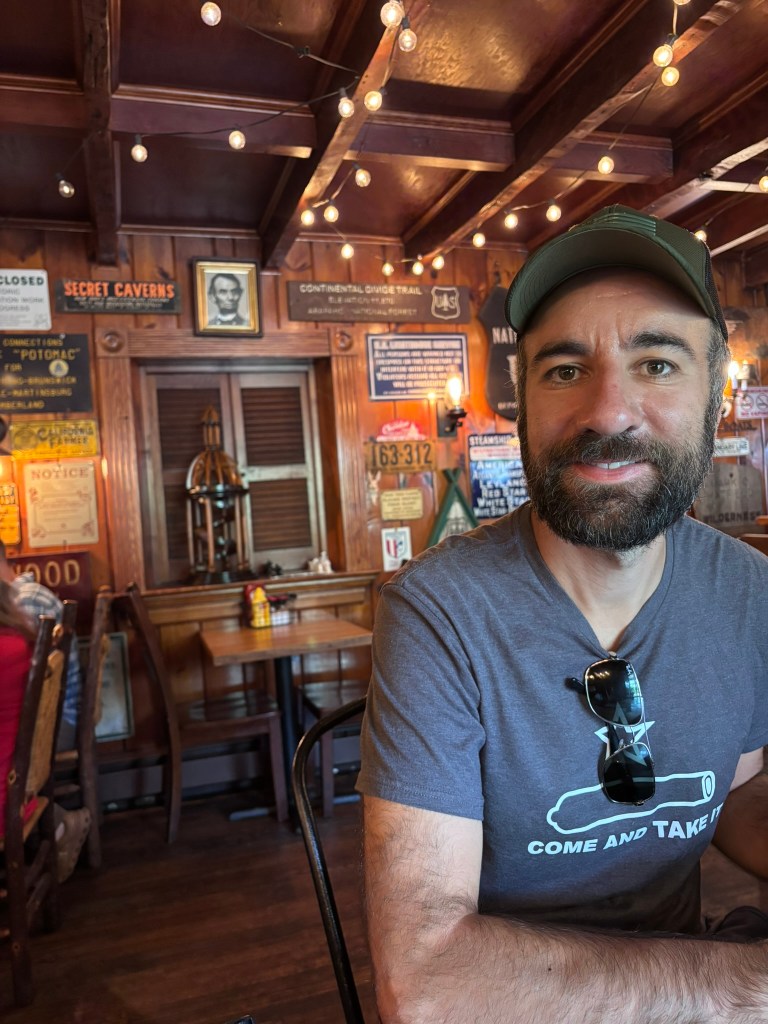
After the tour ended, my family and I explored Harpers Ferry further. We ate lunch at The Rabbit Hole, which was great.
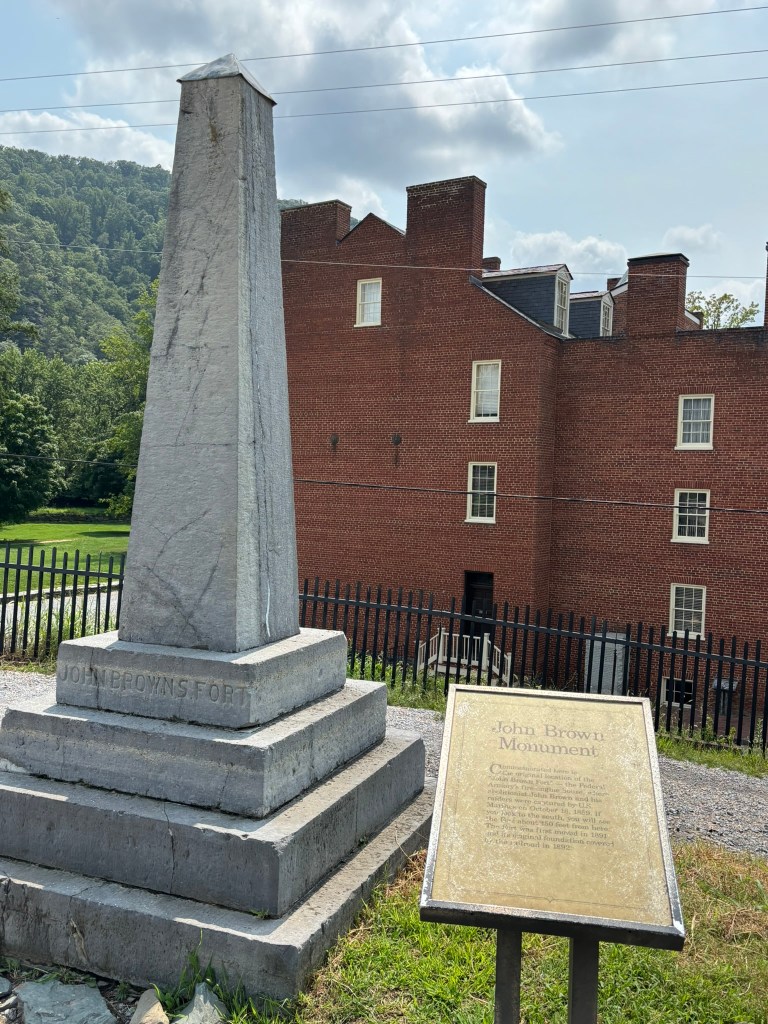
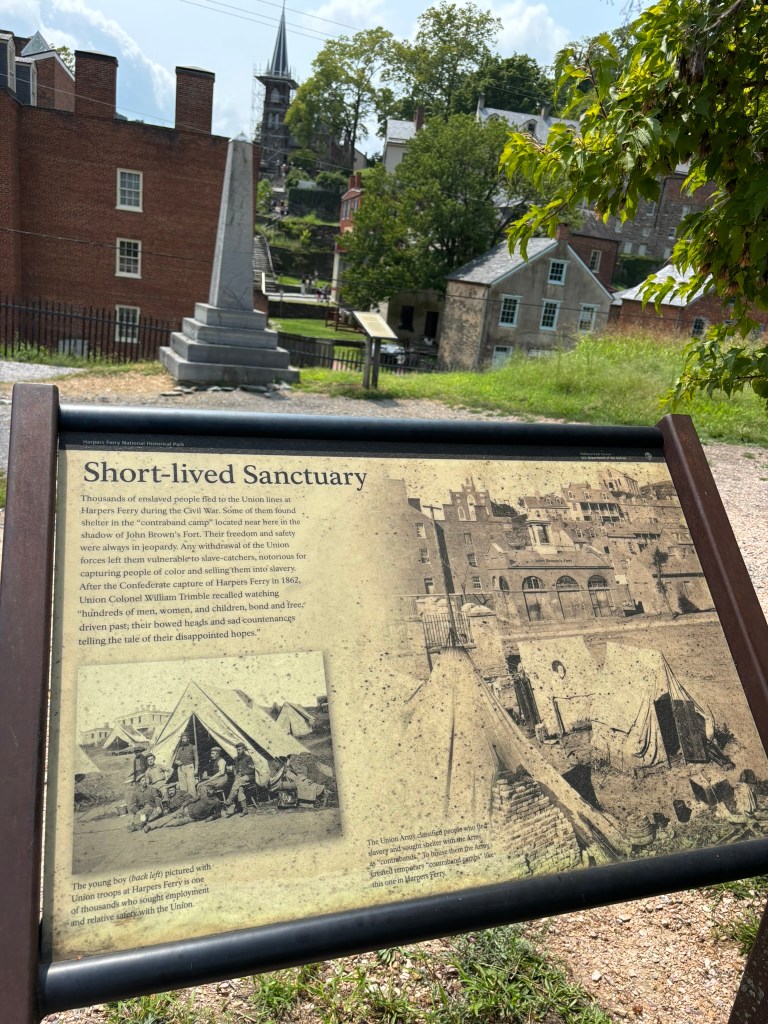
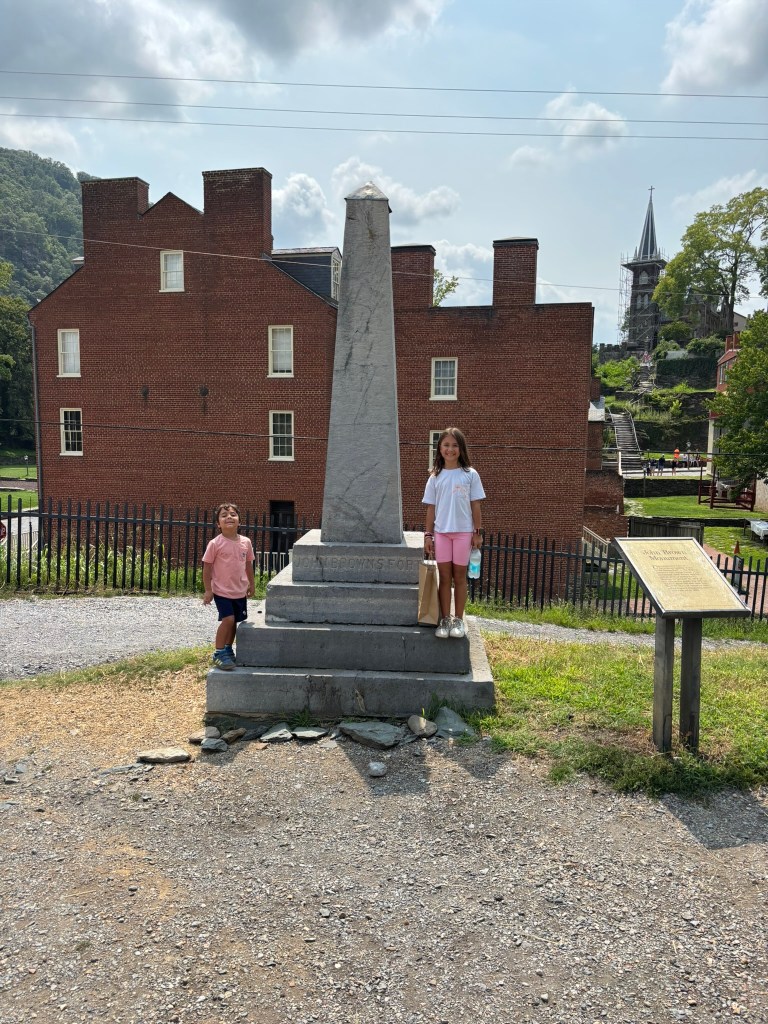
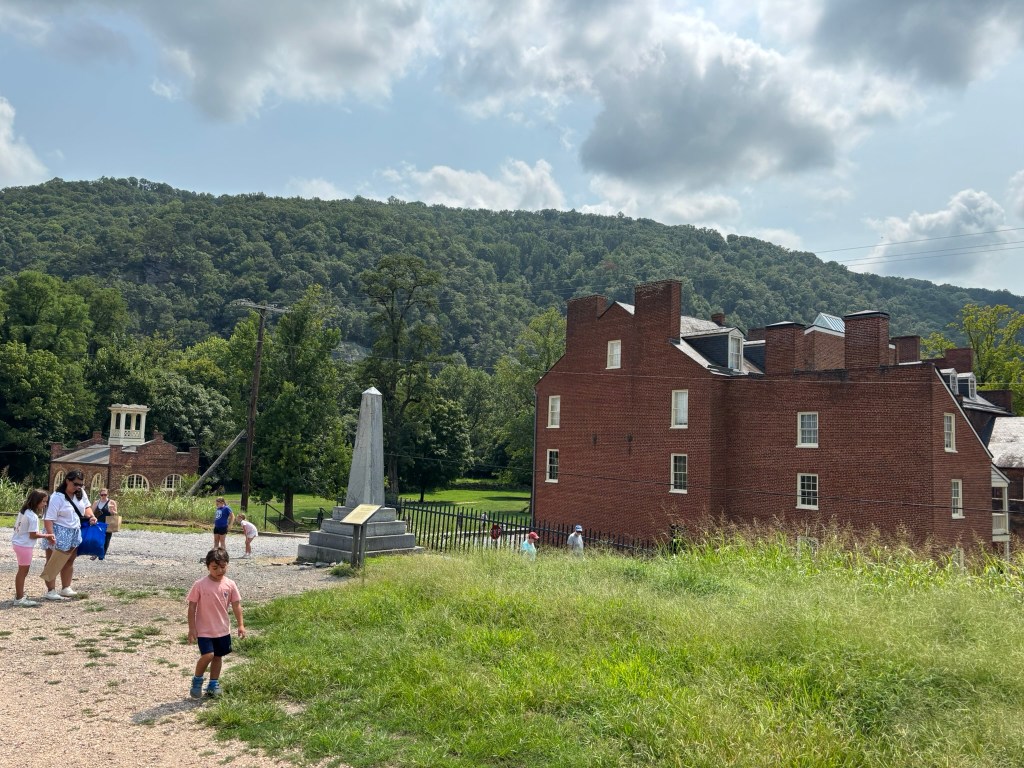
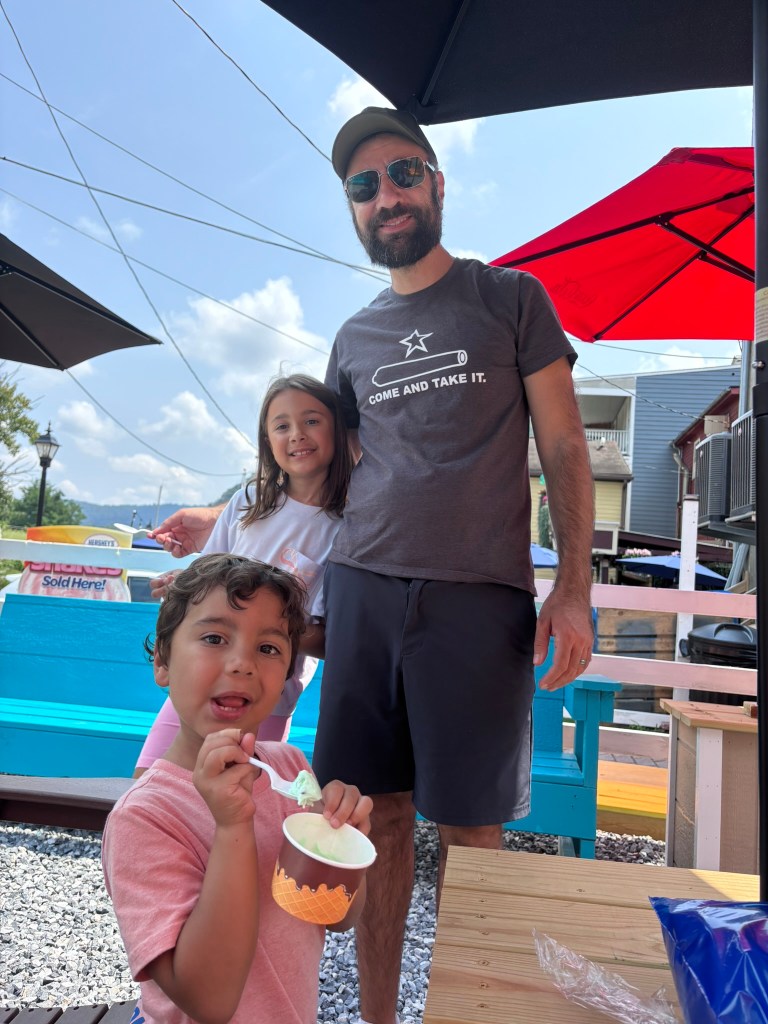
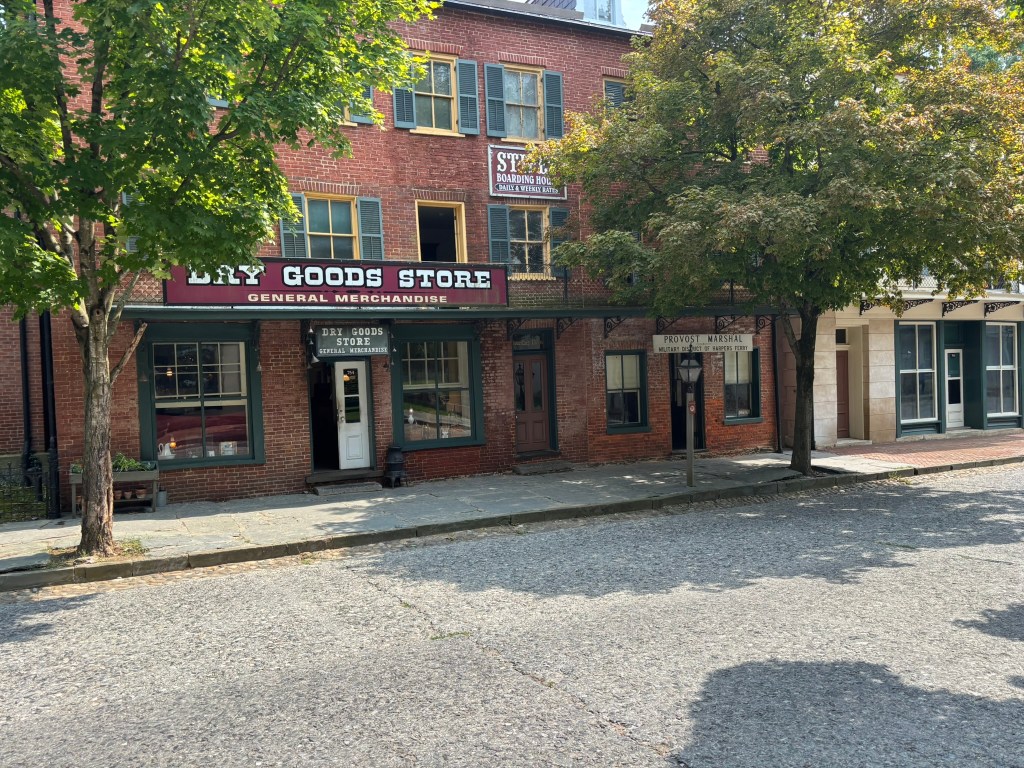
We stopped in a few shops and picked up some souvenirs at the General Store. We got the kids ice cream, and we stopped at the monument marking the site where “John Brown’s Fort” was originally located. The building has been moved several times over the years, including to Chicago for the World’s Columbian Exposition in 1893. It was eventually moved back to Harpers Ferry and is currently located not far from its original location.
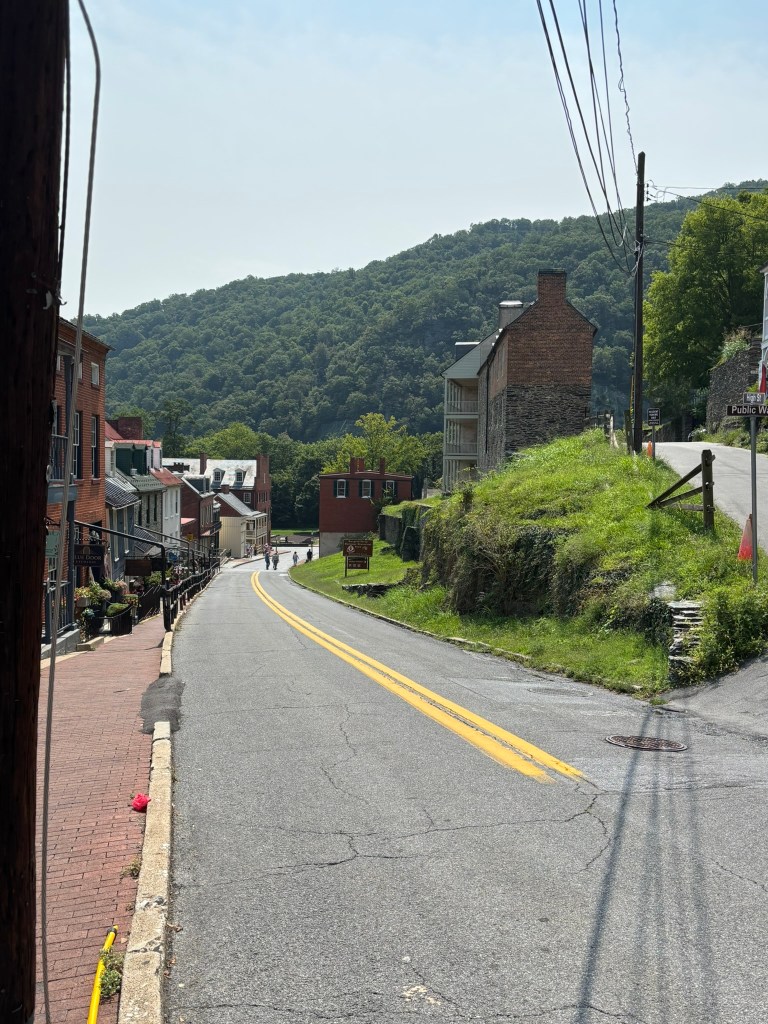
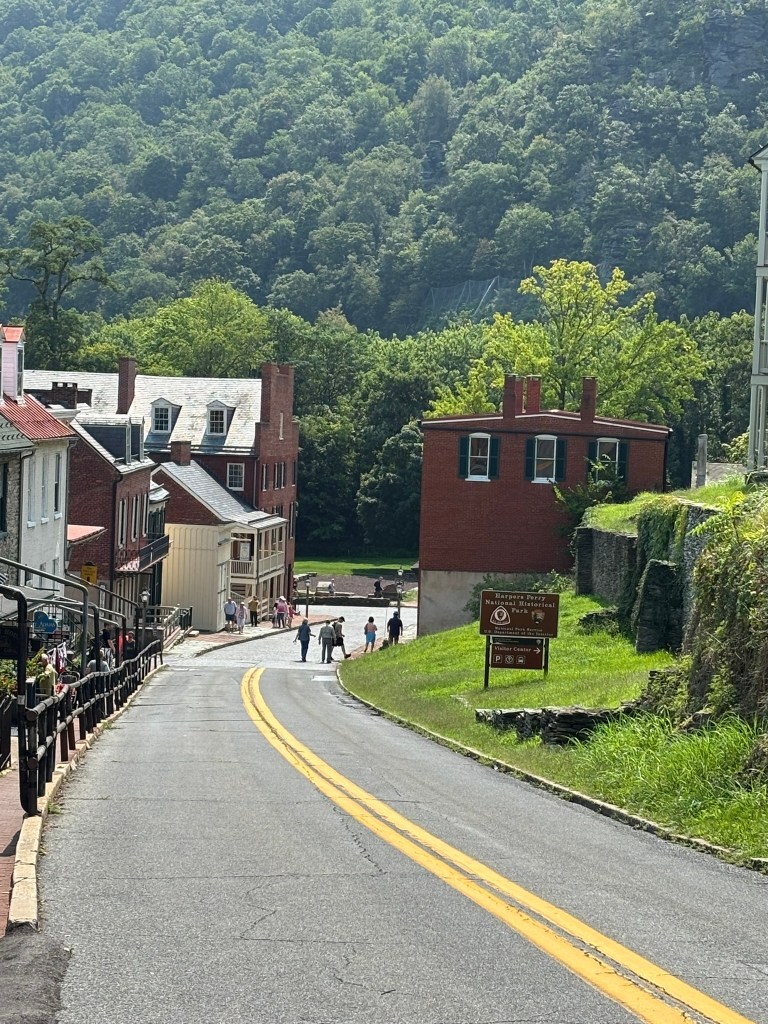
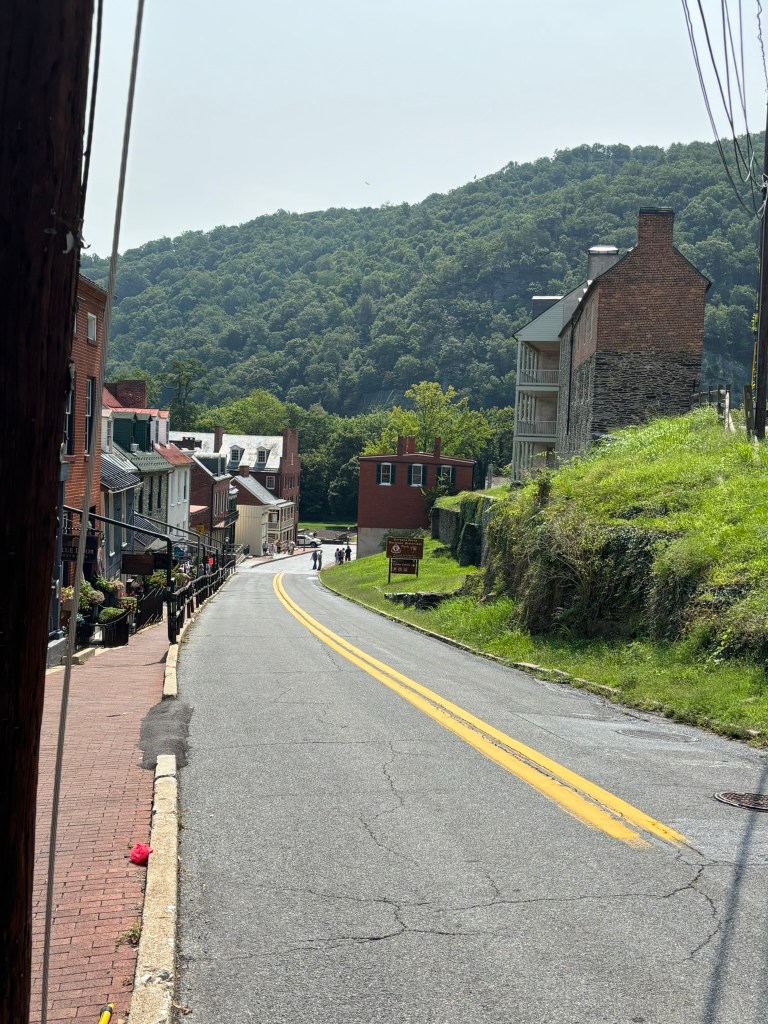
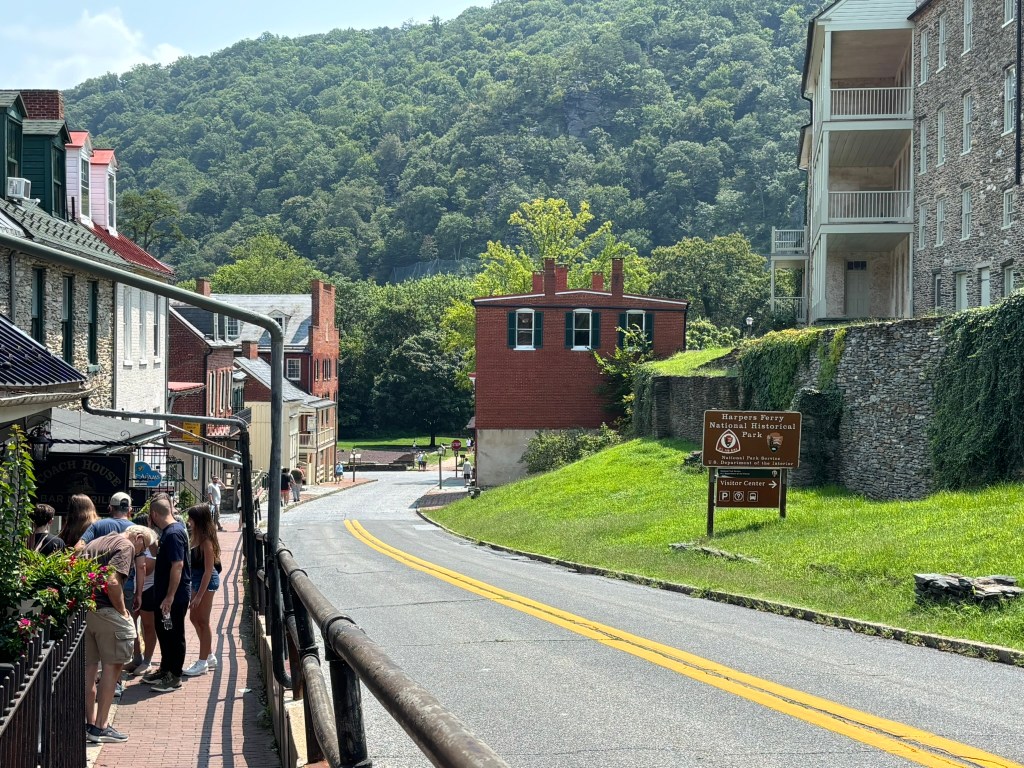
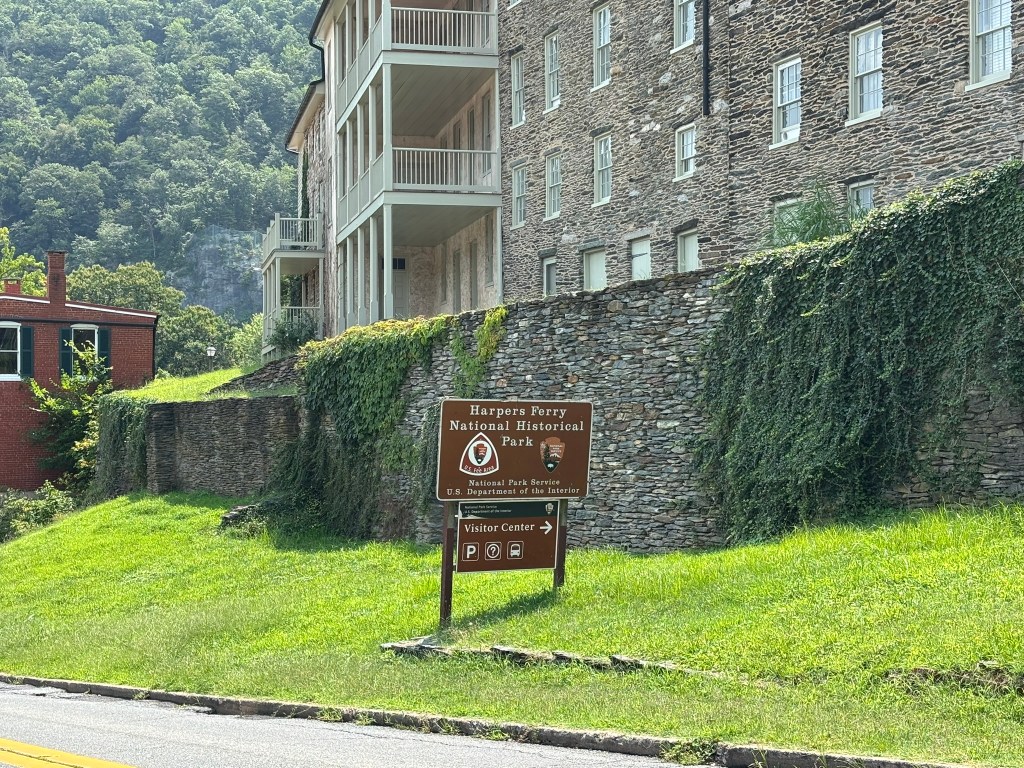
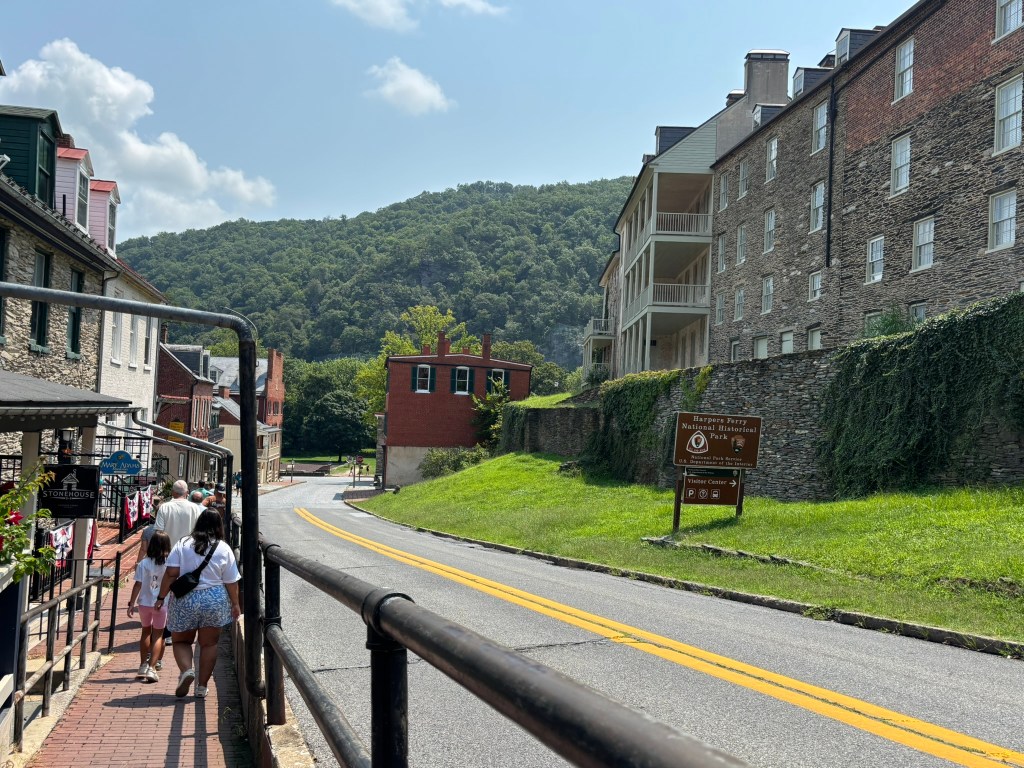
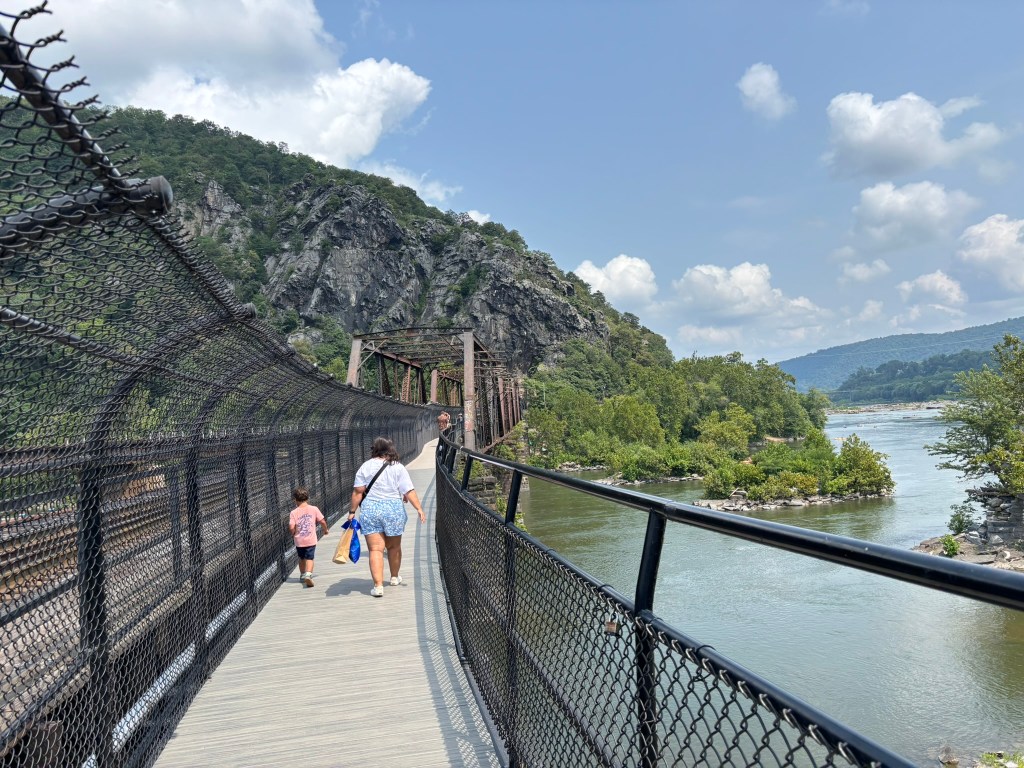
My family and I then walked across a pedestrian bridge that stretches across the Potomac River between West Virginia and Maryland, which offered stunning views of the Potomac and Shenandoah Rivers.
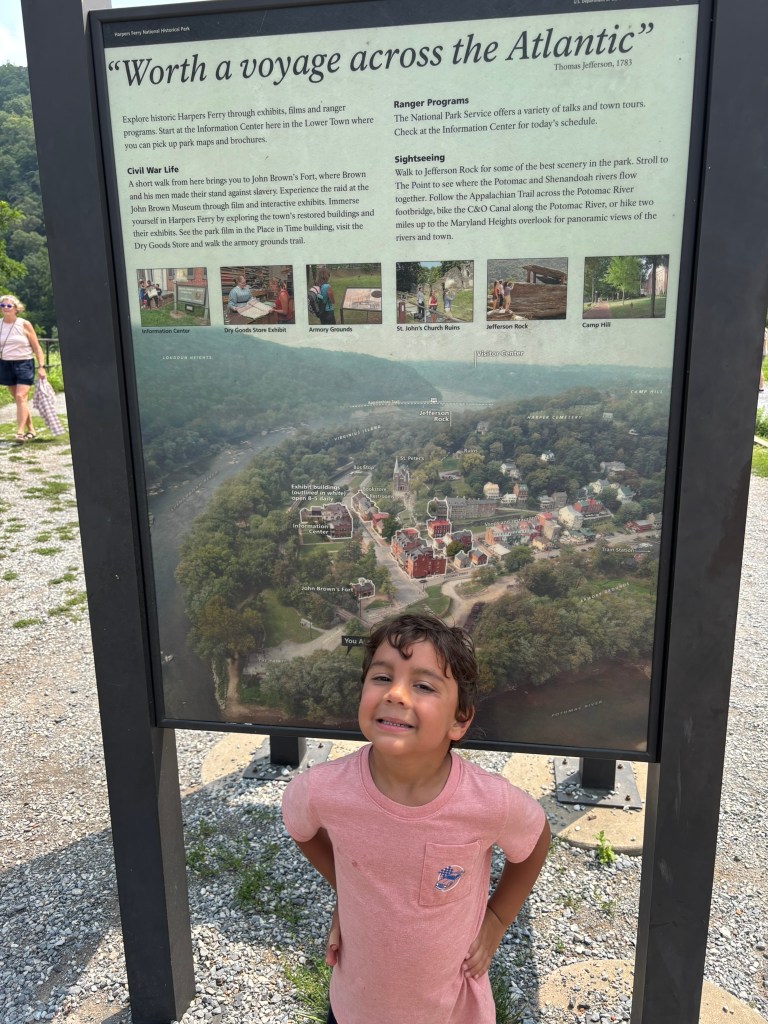
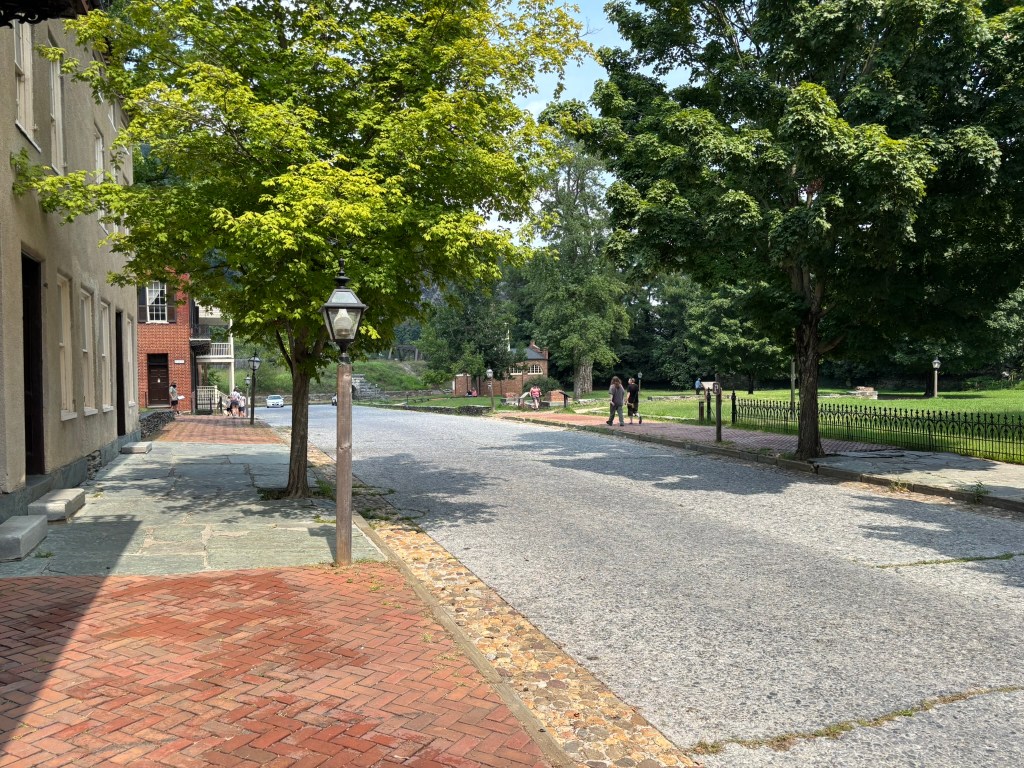
After traversing the river, we headed to the John Brown Museum, which offered more information about Brown and his raid, including videos about the events. We also checked out the Industry Museum and the Harpers Ferry Bookshop, where we picked up more souvenirs.
Final Thoughts
By that point, it was about 3:30, and we decided to head back to our hotel in Charles Town, WV. We had a great time exploring Harpers Ferry. It was fascinating to step foot in a place where such monumental events took place that helped shape the trajectory of our country. As this was my first time there, it was also fascinating to see the local terrain and realize how Harpers Ferry’s strategic location in a mountainous area at the confluence of two major rivers made it such an important place in American history.
It was also fascinating to visit both Antietam and Harpers Ferry one after another because of their close connection and their proximity to one another. Both sites played significant roles in the Civil War, and visiting them together gave me a greater appreciation for the events that unfolded in this region. I would highly recommend touring these two sites!
Make sure that you stay tuned to my Instagram, Facebook, and YouTube accounts, as I will be posting reels of our time at both sites.

