
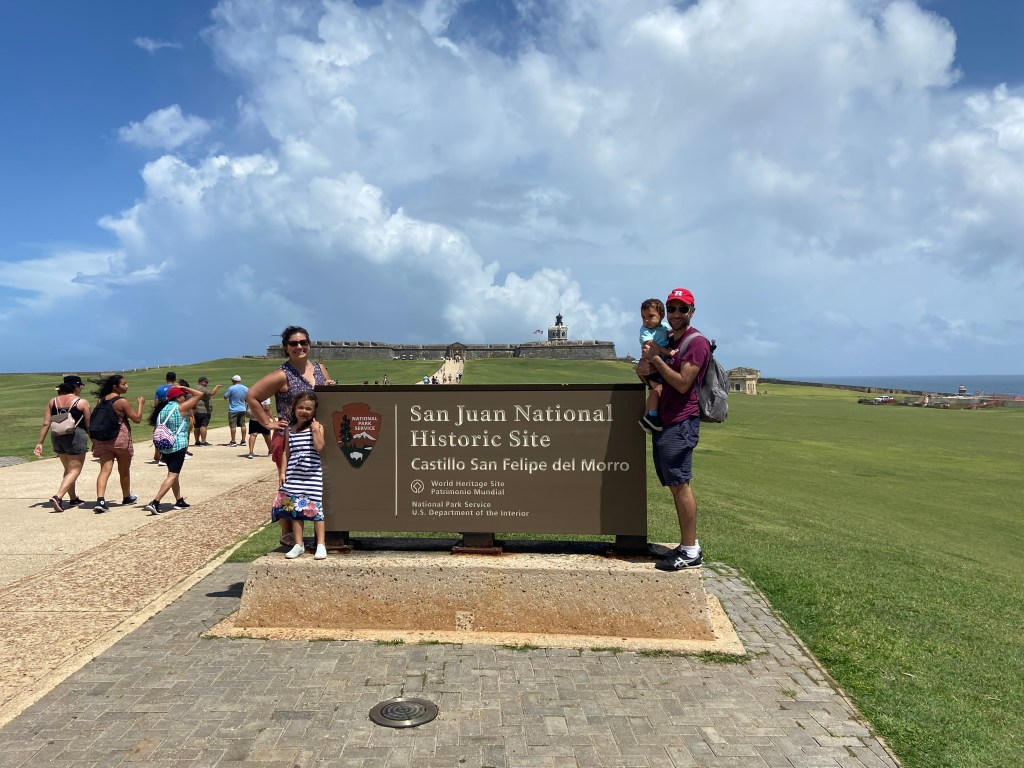
My family and I just spent a week in Isabela, Puerto Rico visiting family there. While most of the week was spent visiting beautiful local beaches and going on local adventures, we did make the 2 hour drive to Old San Juan. I personally had never been to San Juan like my wife had, so I was excited to visit for the first time. The two main sites that we visited there were two historic forts, the Castillo San Felipe del Morro, and the Castillo San Cristobal. Both forts are just a 10 minute walk from one another. Also, if you buy a $10 entry fee for one fort, you get free access to the other if you go by the next day. The kids were free.
Historical Background
Puerto Rico was the home to the Taino people for hundreds of years before European arrival. Christopher Columbus and his men landed in Puerto Rico in 1493 on Columbus’s second voyage. He had originally named the island, San Juan Bautista (St. John the Baptist). It wasn’t until 1508, that Spanish explorer and Conquistador, Juan Ponce de Leon named the island Puerto Rico, “rich port” after exploring the San Juan Bay. The Spanish then established a colony in the region and Ponce de Leon became the governor. Resentment over cruel treatments by Spanish colonizers led to a revolt by the Taino people. The Spanish brutally crushed the revolt and the Spanish built fortified houses.
By the 1530s, the Spanish had new threats from English, Dutch and French privateers seeking to capitalize on Spain’s new found riches. Early in the 1500s, Spain became extremely wealthy from silver and gold coming from their holdings in the New World, particularly in Central and South America.
At this time, Spain claimed the entire Caribbean basin. Besides gold and silver, large quantities of spices and exotic wood added to the wealth of Spain. As a protected harbor at the entrance of the Carribean, San Juan became an important part of Spain’s strategy to protect their American holdings from European competitors.
Castillo San Felipe del Morro
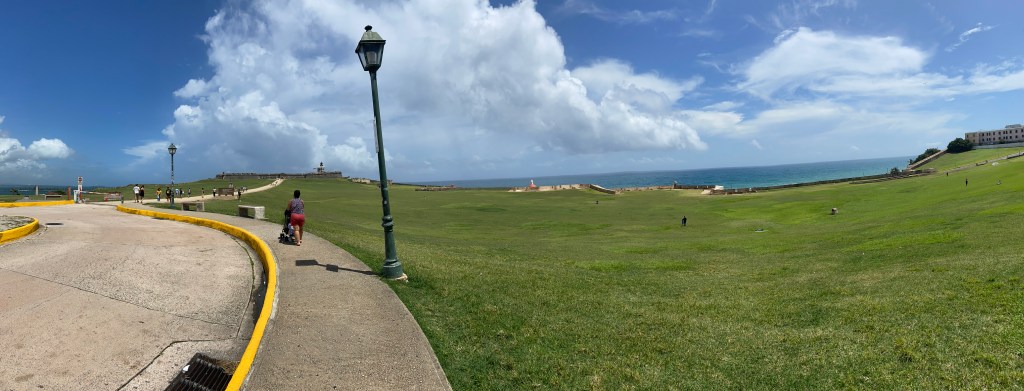
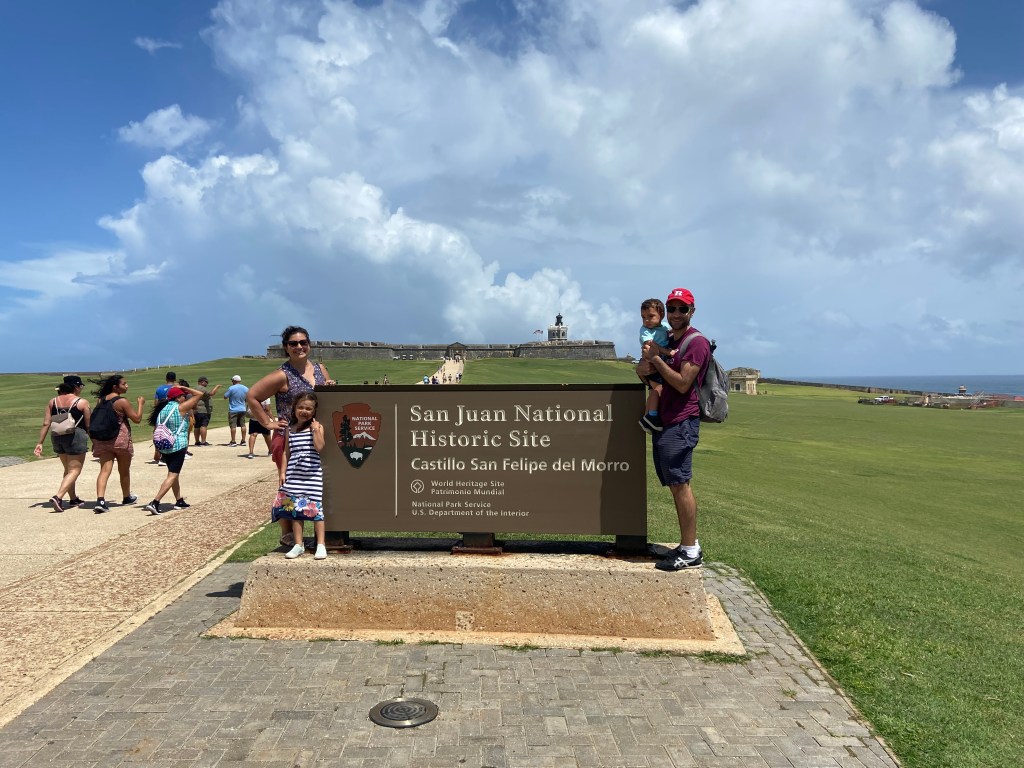
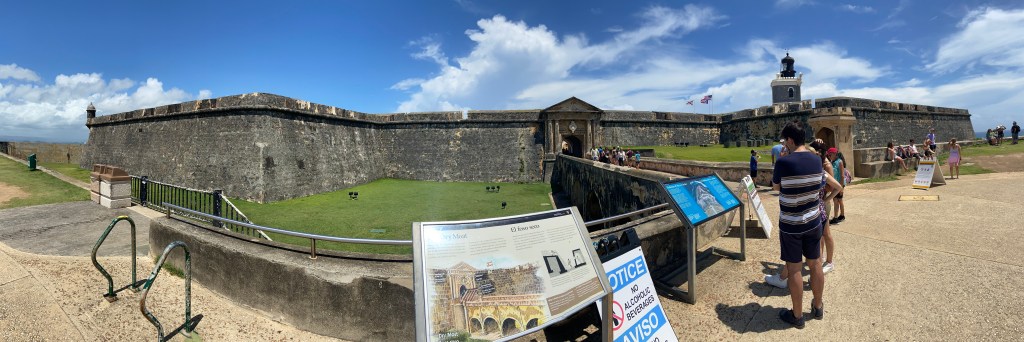
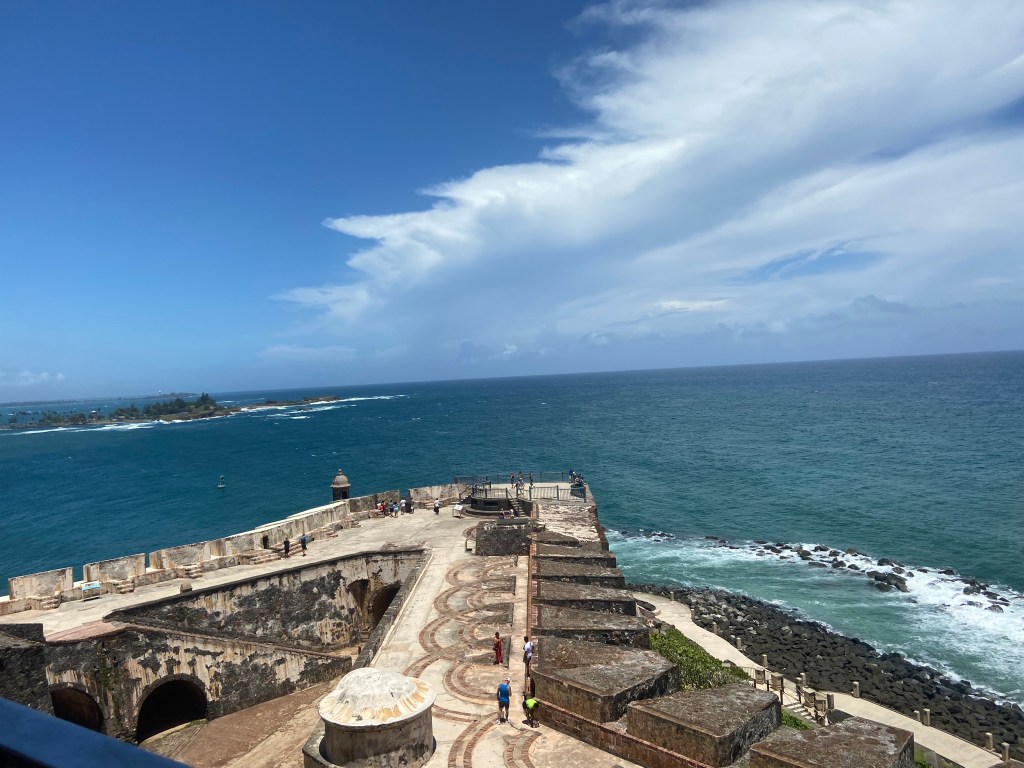
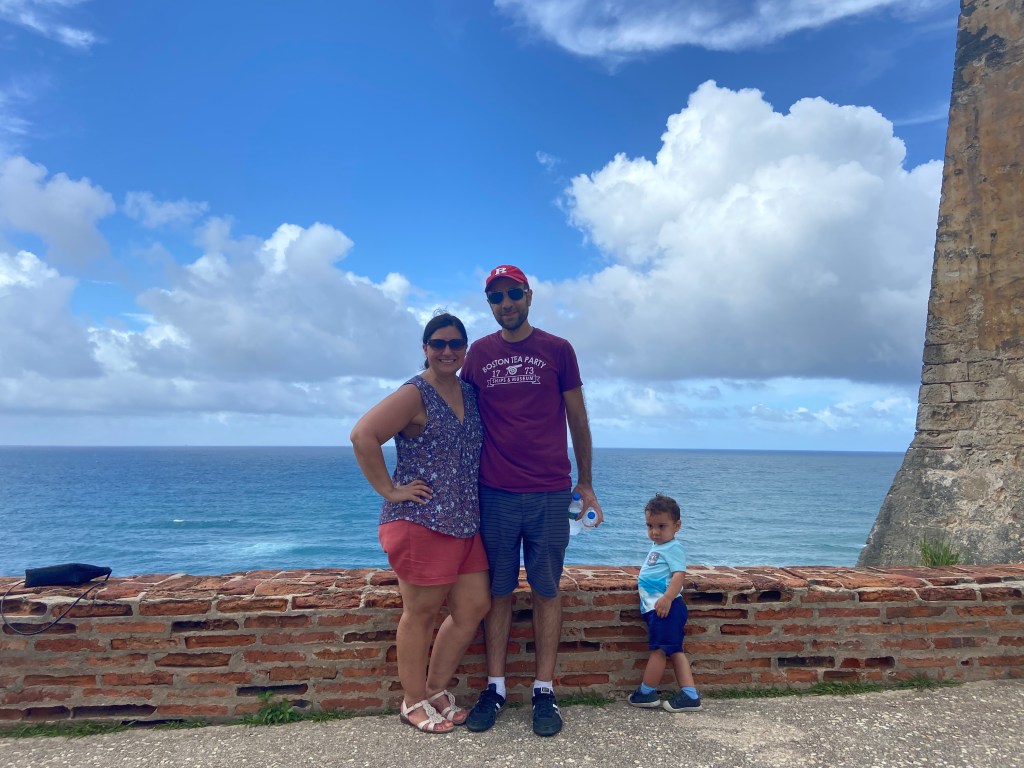
In order to protect the entrance of San Juan Bay from outside intruders, a fort was built in the northwest corner of Old San Juan, called Castillo San Felipe del Morro. This was the first fort that my family and I visited when we arrived at Old San Juan (Pictures below). The construction of the citadel and surrounding walls commenced in 1539 on the orders of King Charles V of Spain. At first, just a proto-fortress was erected while the rest was being built. It was not until 1587 that the fort’s final design was drawn, and arduous labor took years to develop the six level fort. “El Morro” as it came to be called, would go on to become the most feared fort in all of Spain’s colonial fortifications. On the opposite entrance of San Juan Bay, another smaller fort was built called El Canuelo to complement El Morro with defense of the bay.
In 1595, Englishman, Sir Francis Drake, and his navy, unsuccesfully attacked San Juan. He was not able to stand against El Morro and withdrew at the Battle of San Juan (1595).
Another English attack came in 1598, this time by land. The attack by the English was successful as this was the only time in El Morro’s history that a foreign invader was able to take control of the fort. However, just after a few months, the Enligsh troops suffered from an outbreak of dysentary and they were forced to withdraw.
The next time that the El Morro was attacked was in 1625 by the Dutch. El Morro was able to resist the siege and the Dutch were forced to withdraw. However, before leaving the city, the Dutch attackers sacked and burned San Juan.
These attacks convinced the Spaniards to expand their forticactions, and protect San Juan by land. Construction of the city walls surrounding San Juan began in 1634, and by 1650, the town was enclosed on the east, west and south, while natural battlements protected the city along the Atlantic to the north. Another fort, Castillo San Cristobal was also built to protect land invasions. (Castillo San Cristobal will be discussed below as this was the second fort that we visited.)
The sheer intimidation of El Morro kept invaders at bay and it was not until 1797 that the British attacked El Morro again. The British invaded Puerto Rico but were defeated at the Battle of San Juan (1797), again thanks to the impregnable defenses at El Morro.
During the Spanish-American War, El Morro was attacked by a naval bombardment by the United States Navy in 1898. The war ended with the Treaty of Paris (1898) and Spain was forced to cede ownership of Puerto Rico, Cuba, Guam, and the Phillippines to the United States. A lighthouse was replaced and built by the U.S. Army from 1906- 1908 and serves as the highest point of El Morro, standing 180 feet above sea level.
El Morro served as an active U.S. military base during the World Wars. However, after serving its purpose for over 400 years, it was obvious after WW2, that the fort had become obsolete. After 1949, San Juan National Historic Site was established and El Morro became the first section of San Juan’s fortifications to be operated by the National Park Service in Puerto Rico.
El Morro was the first site that I saw in Old San Juan with my family. I was first stunned by the sheer size of the fort, as well as the long walkway to the front entrance. Green grass on both sides angle down to the ocean. It truly was remarkable to walk through the rooms of the fort and see the ingenuity of its construction. Since the fort is so massive, you will spend time going from room to room and level to level. The Park Service does a great job providing information about the role and purpose of each room and provides the history of the Spanish presence in the Caribbean, the strategic importance of San Juan, and the history of the fort. After we had explored the entire fort, my family ventured off to lunch.




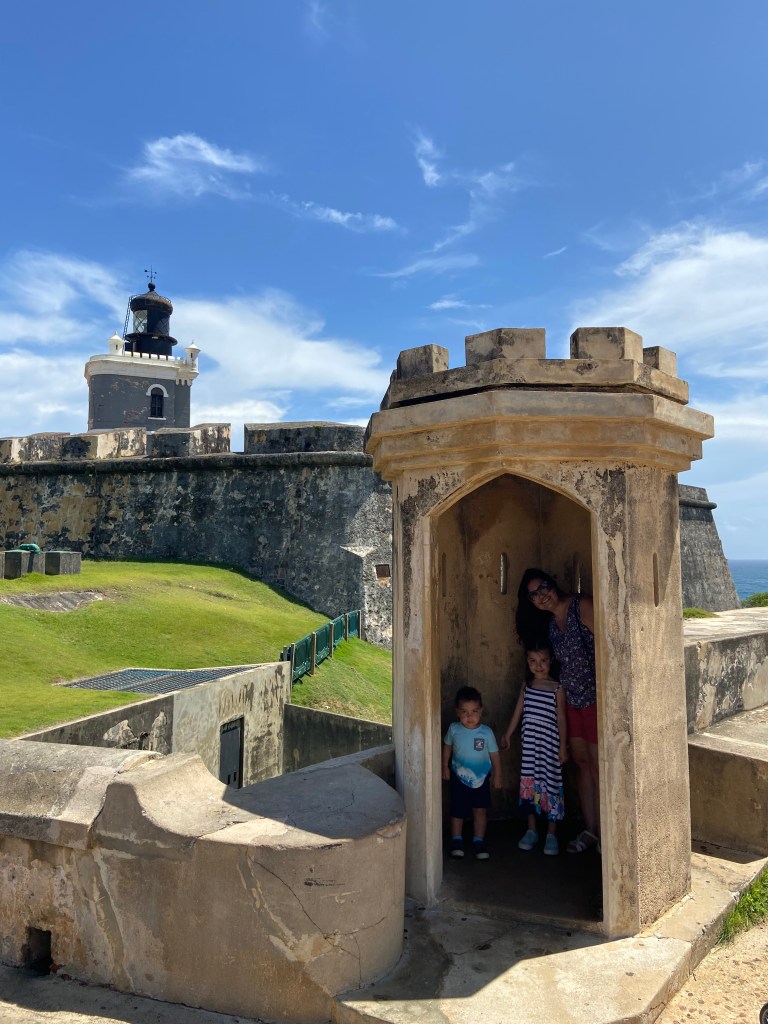
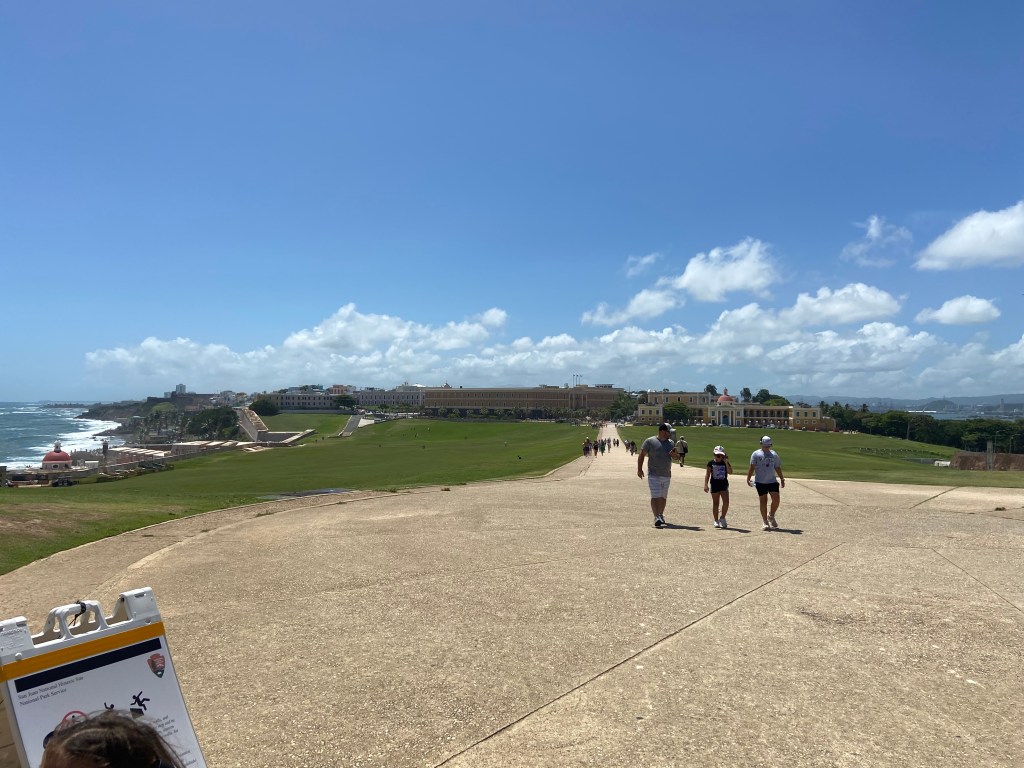
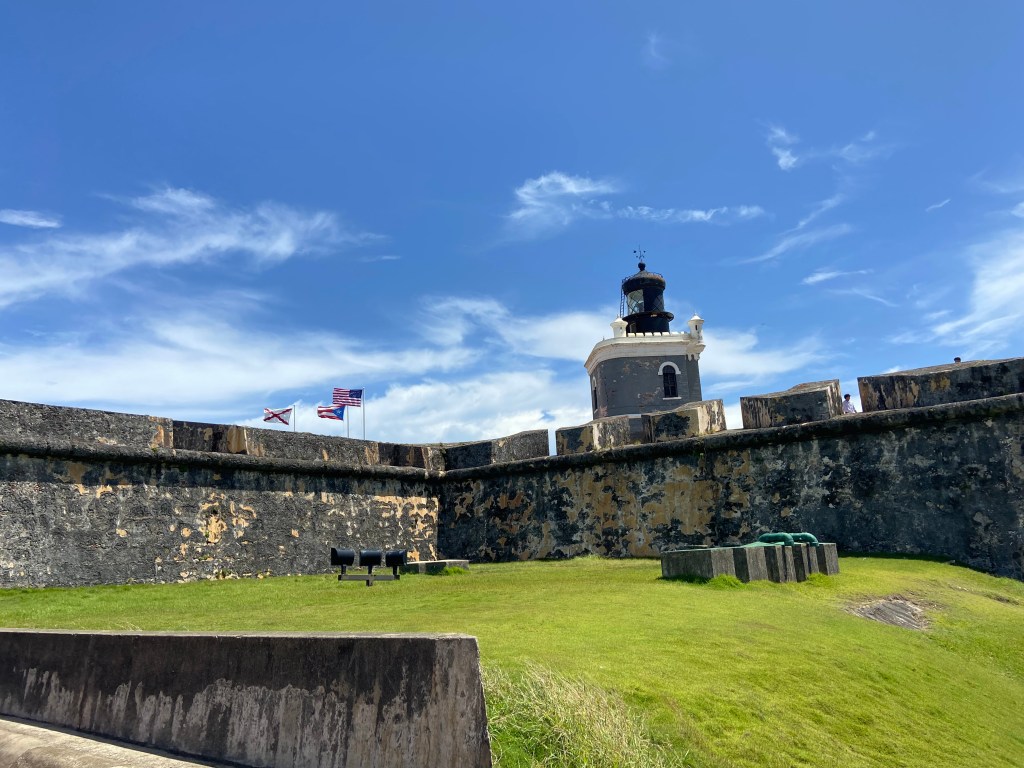
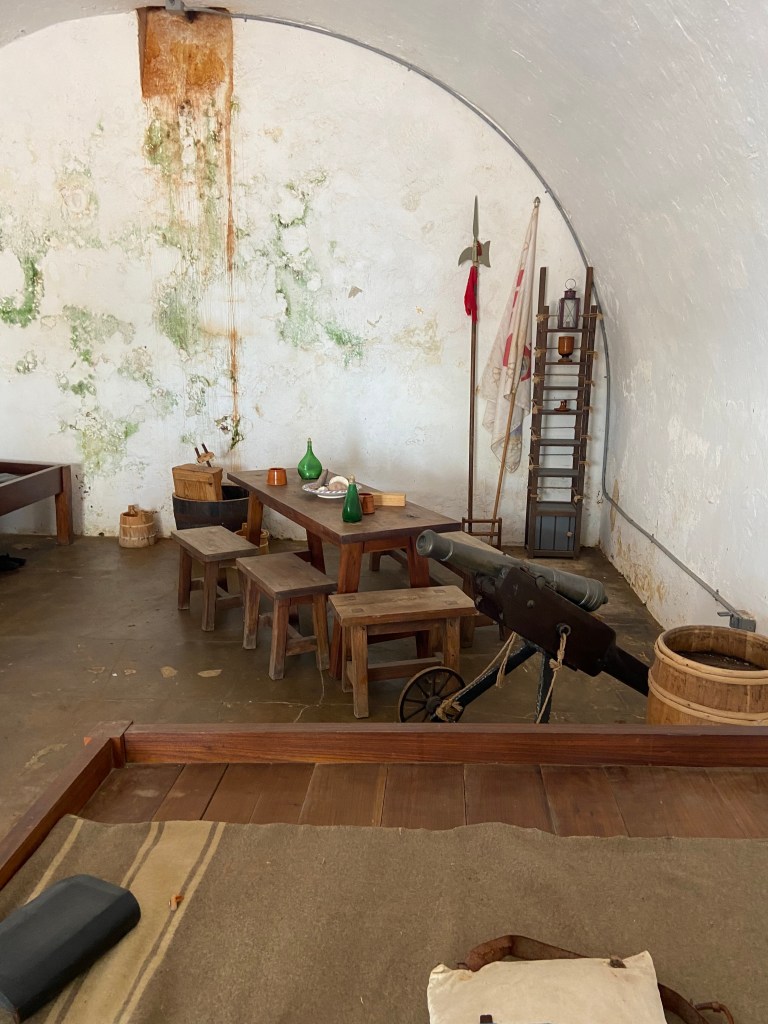
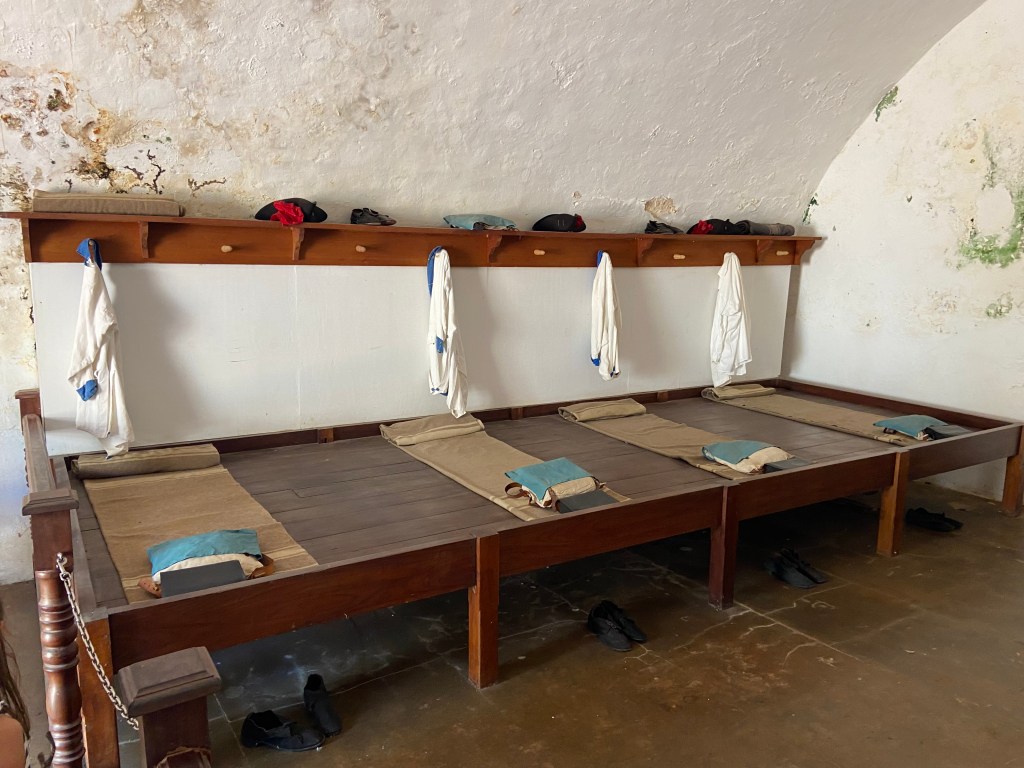
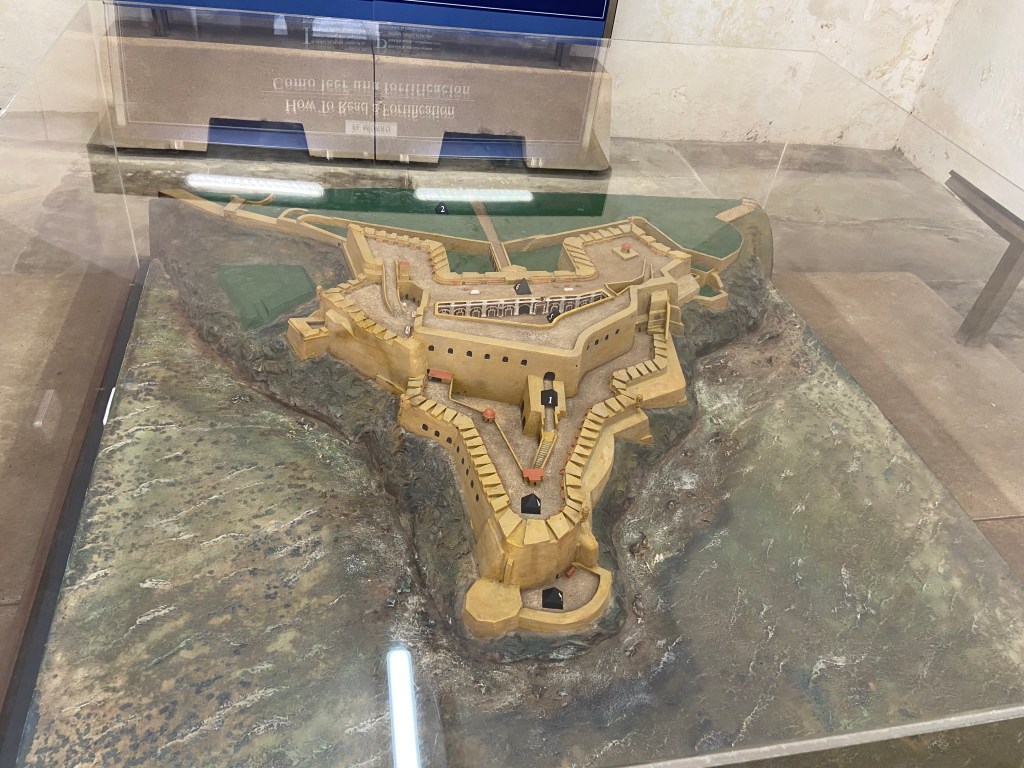


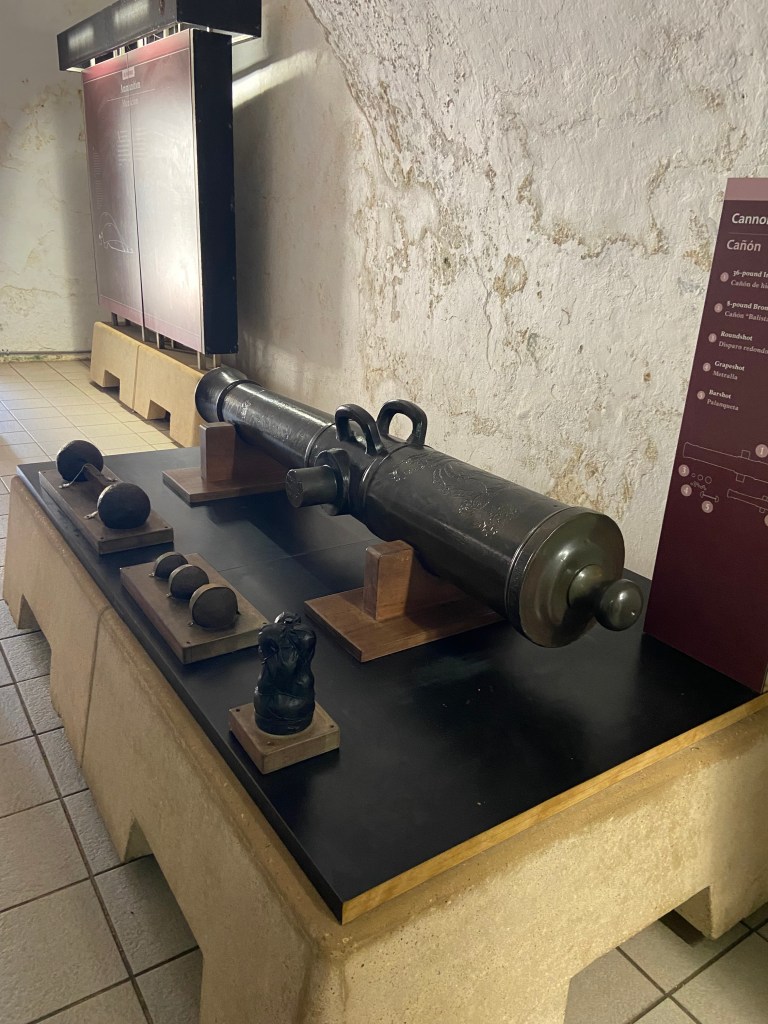
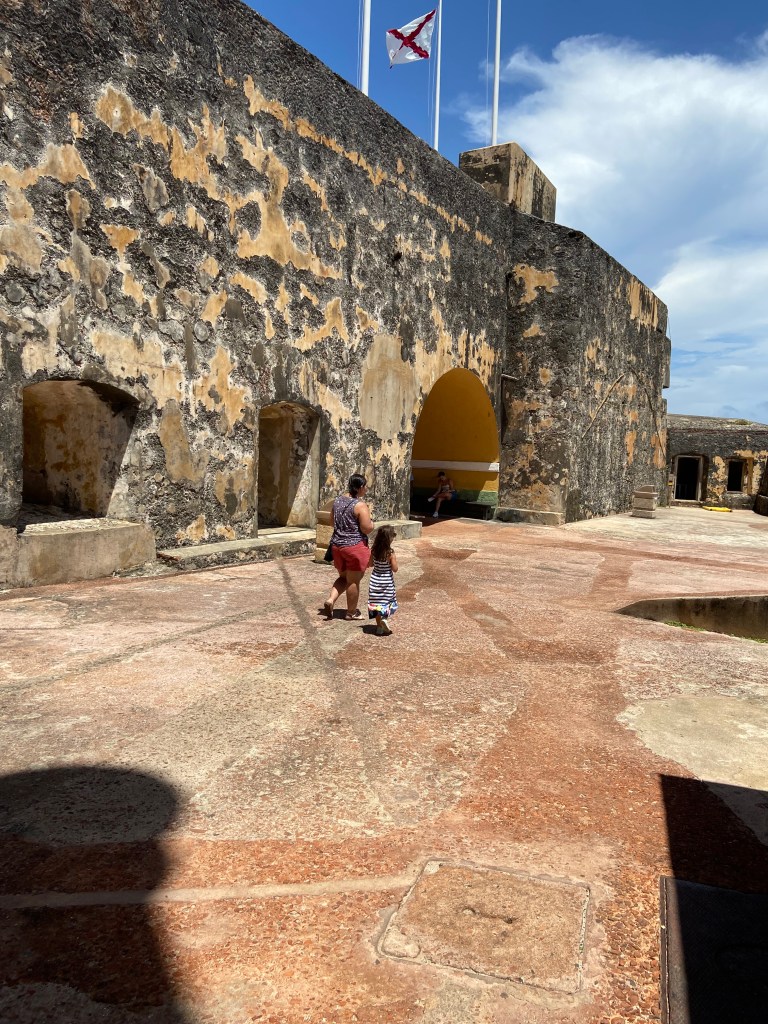
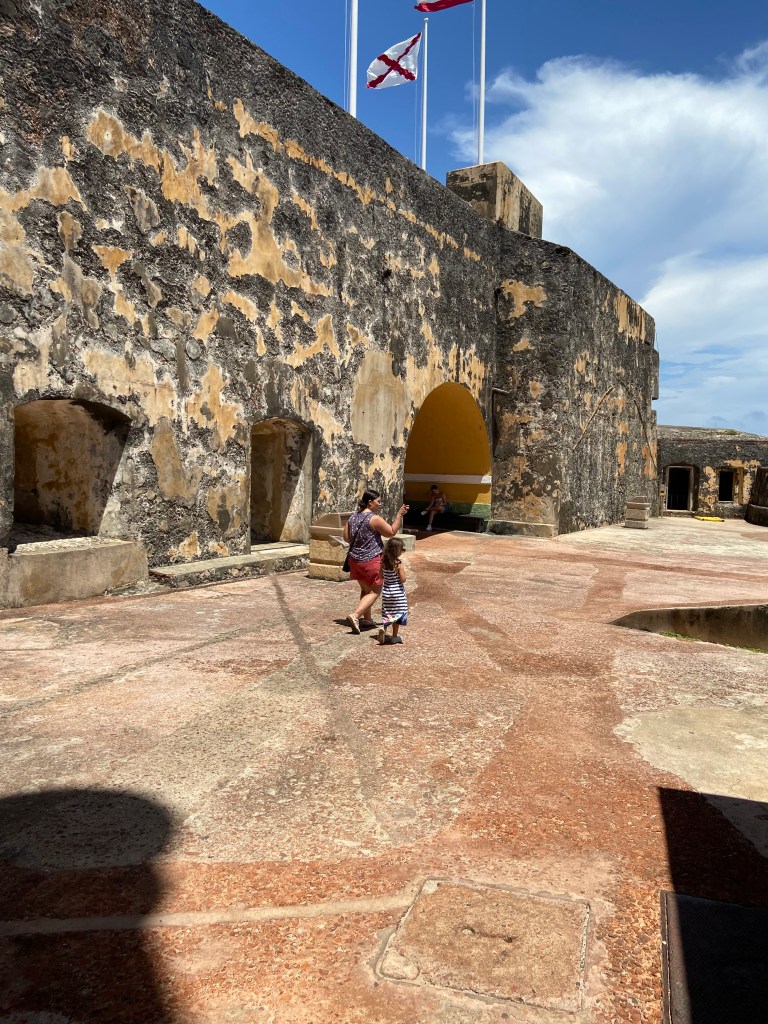

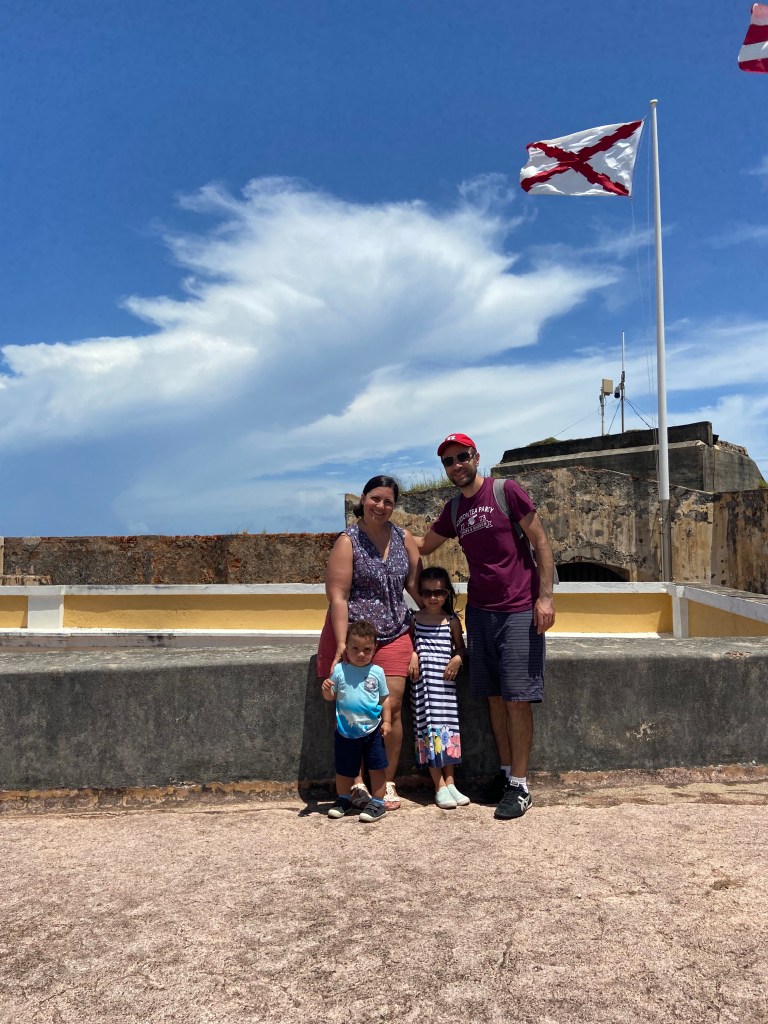
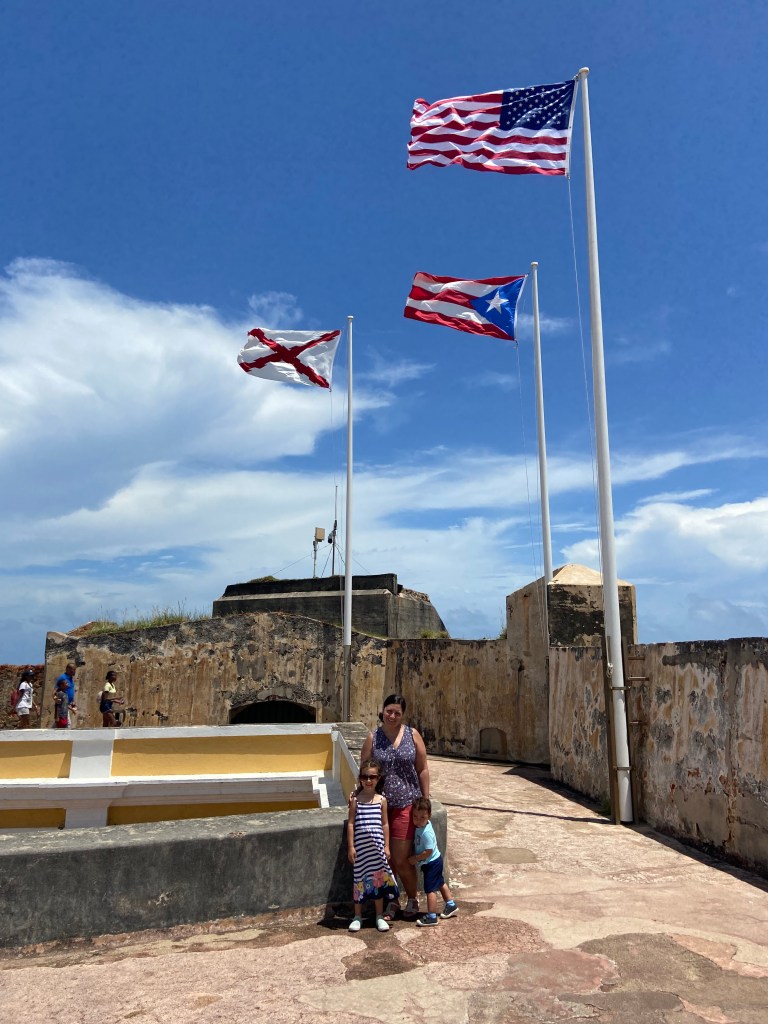
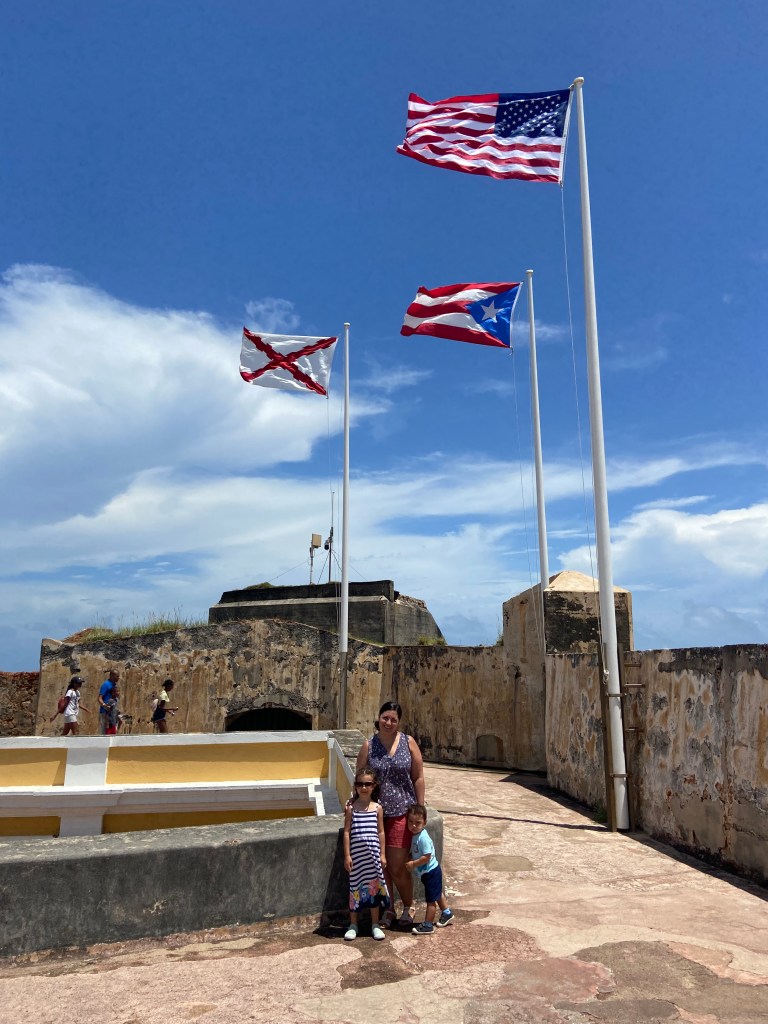
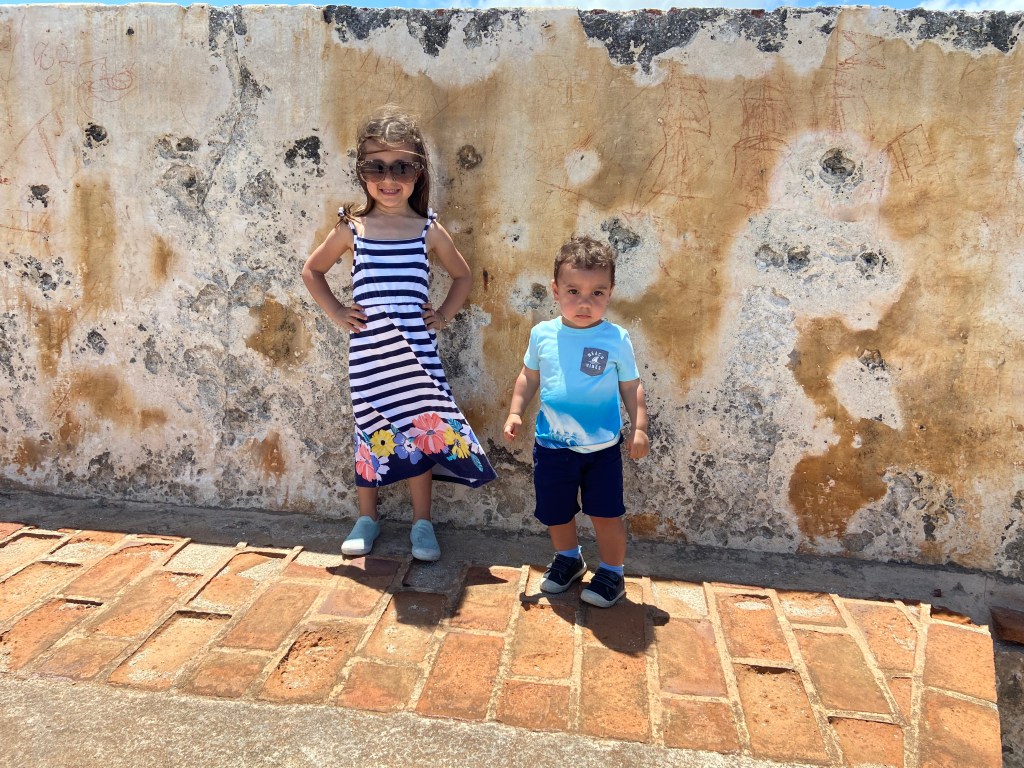

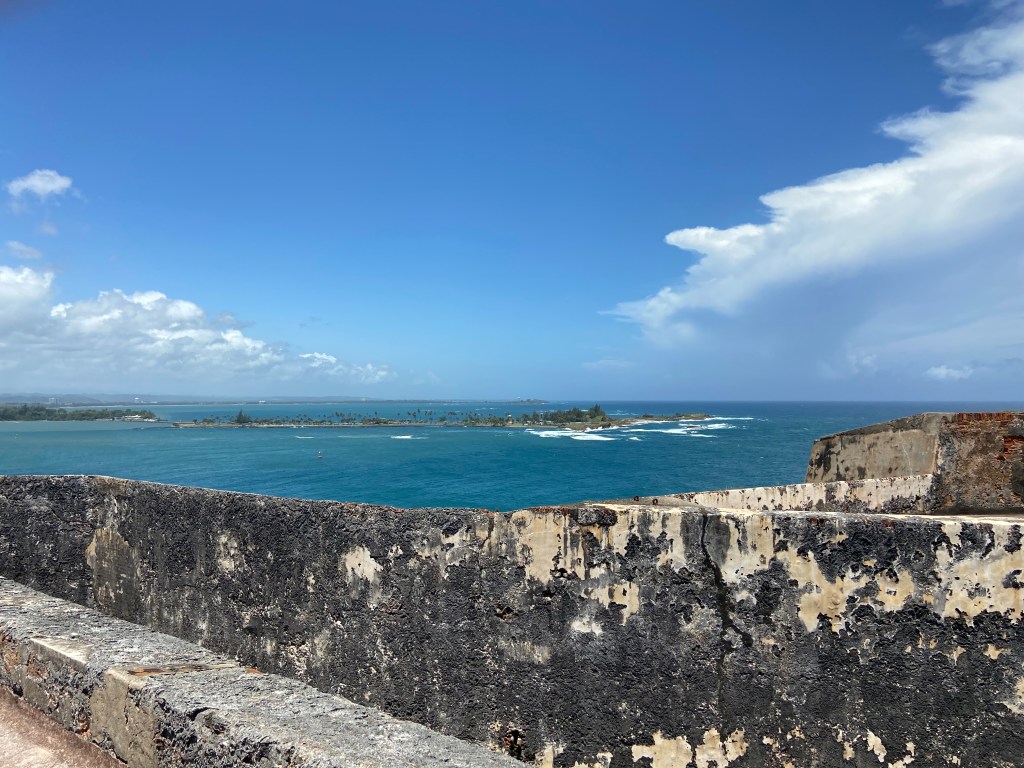

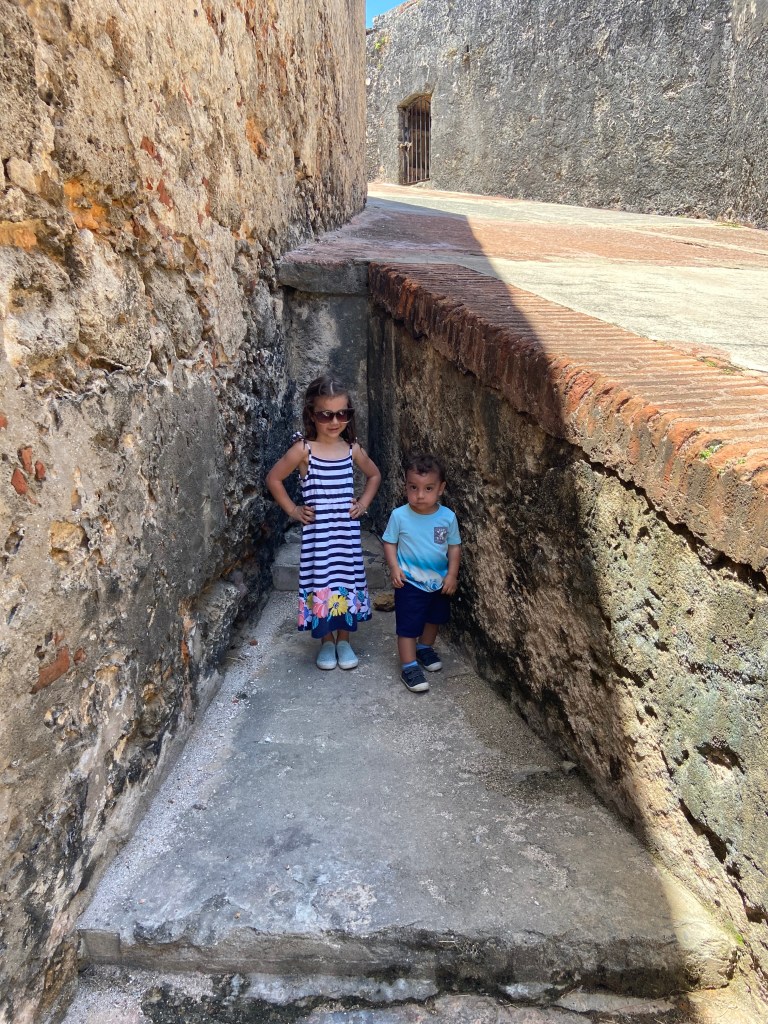
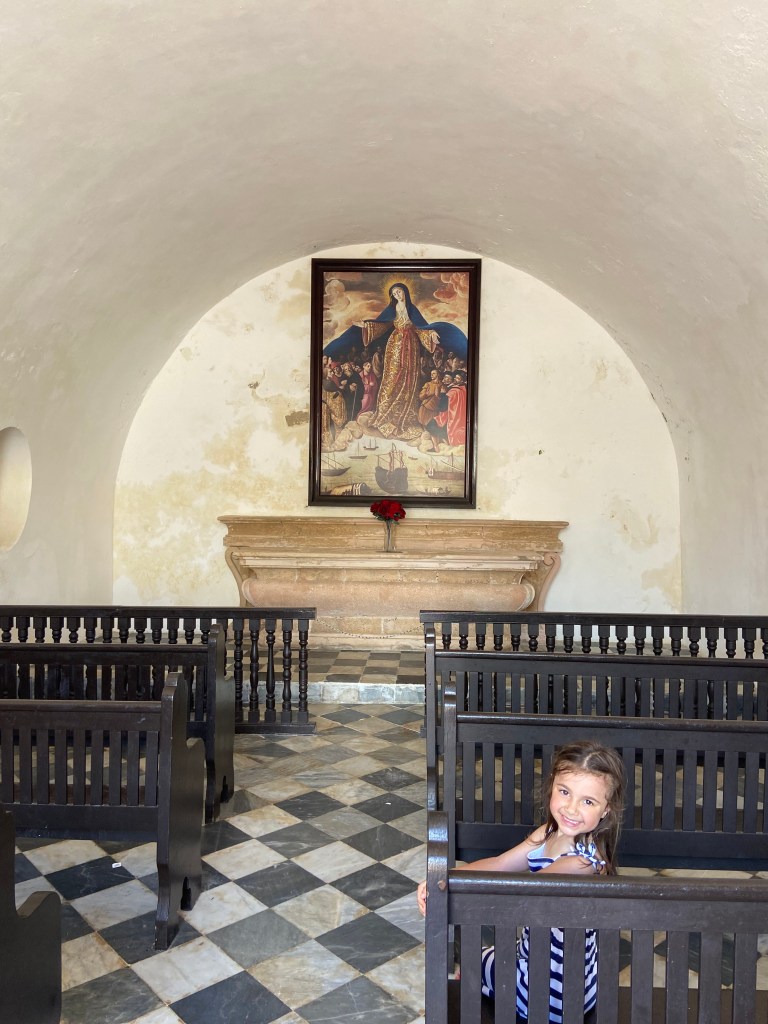
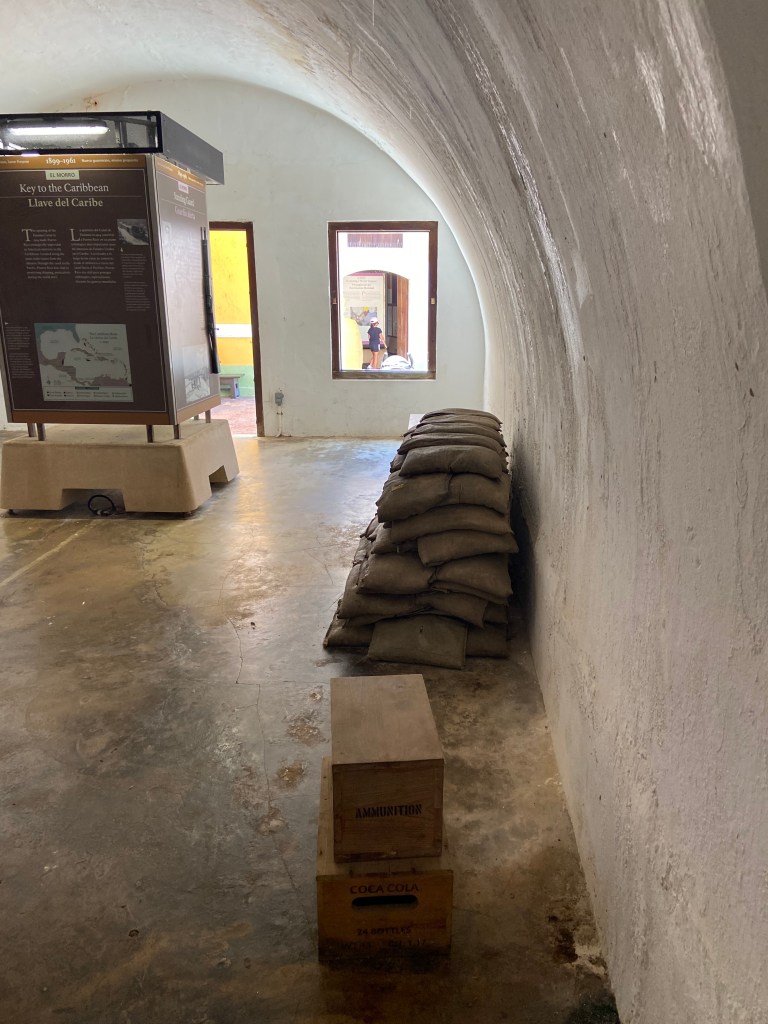
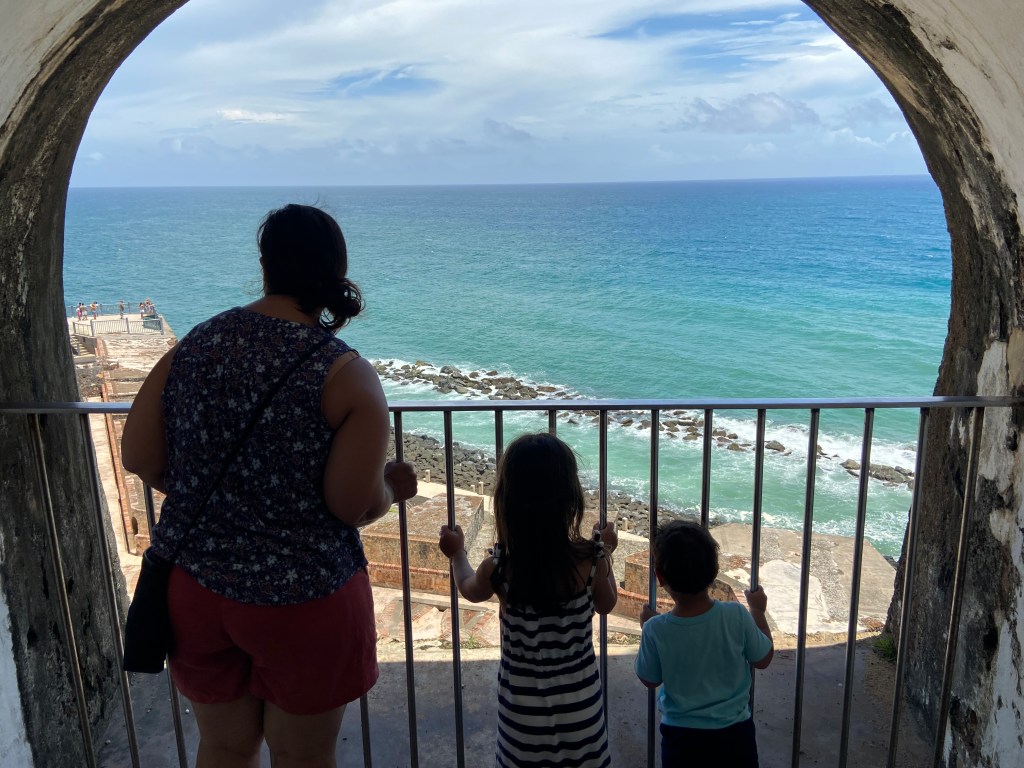
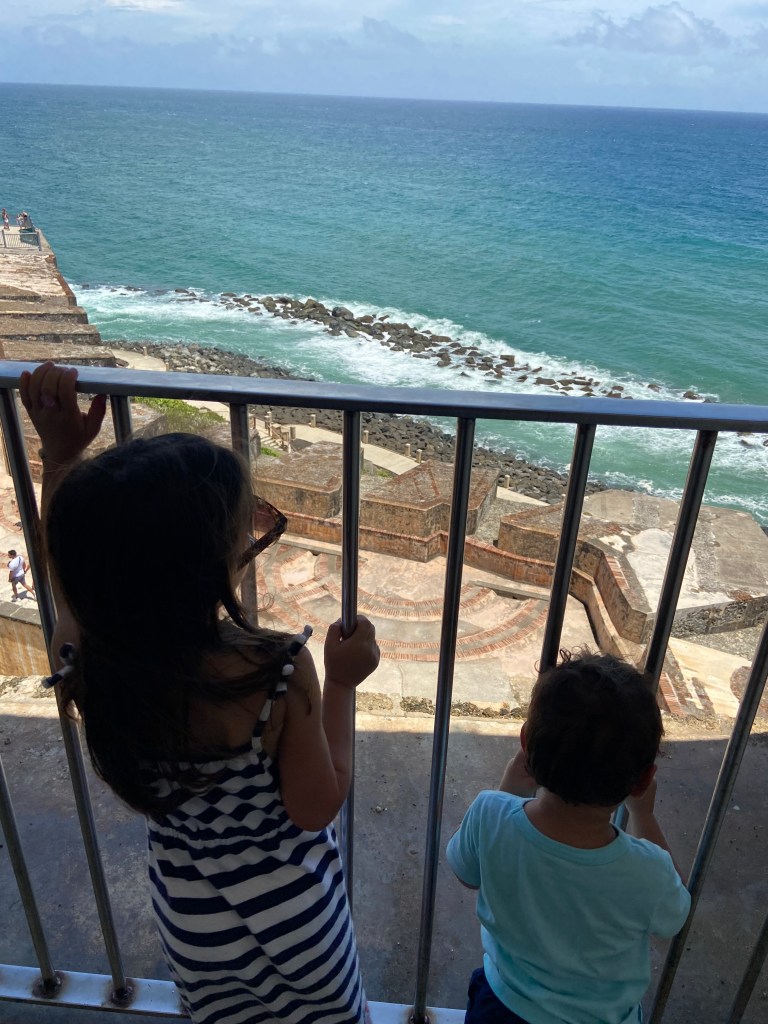
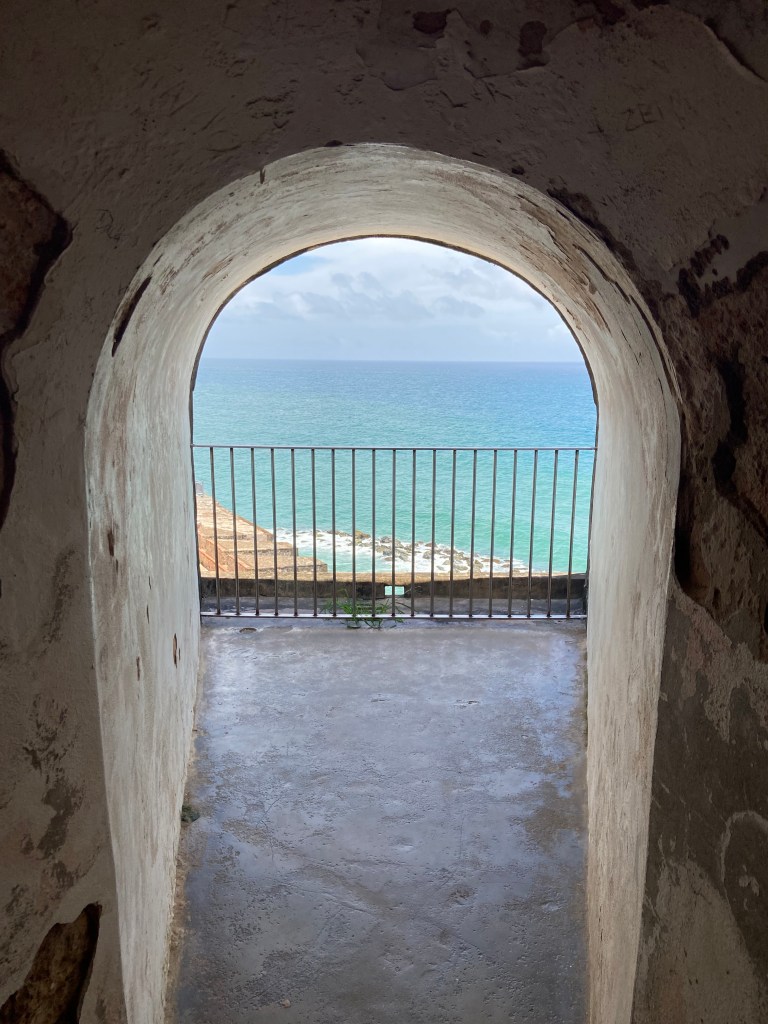
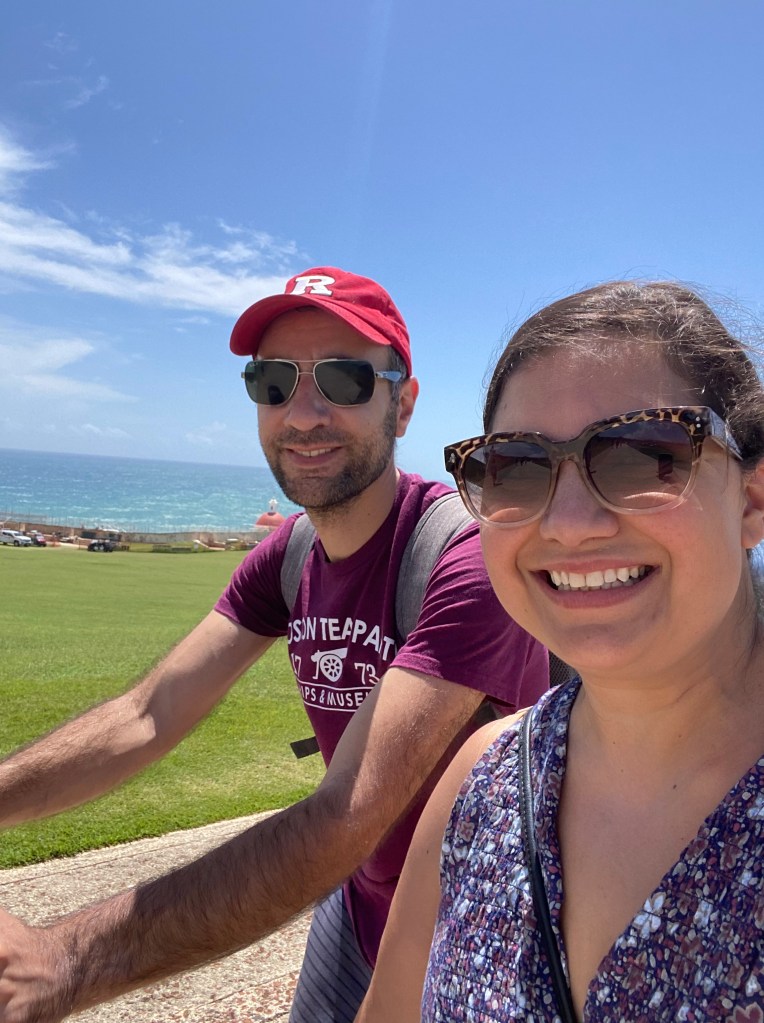
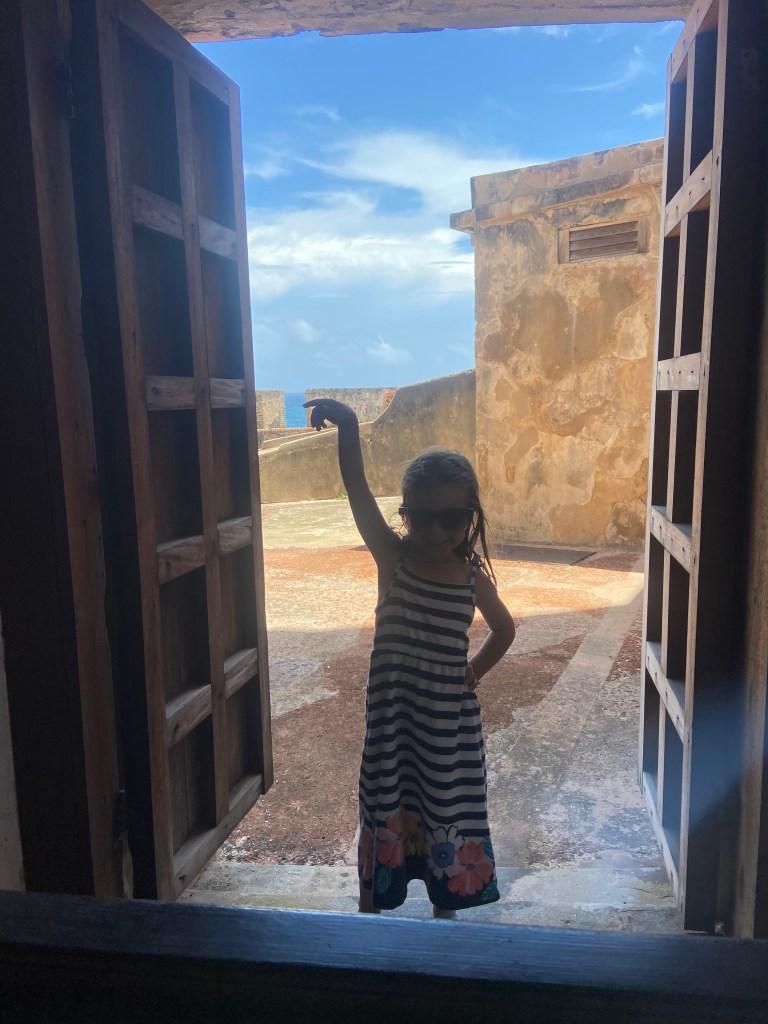

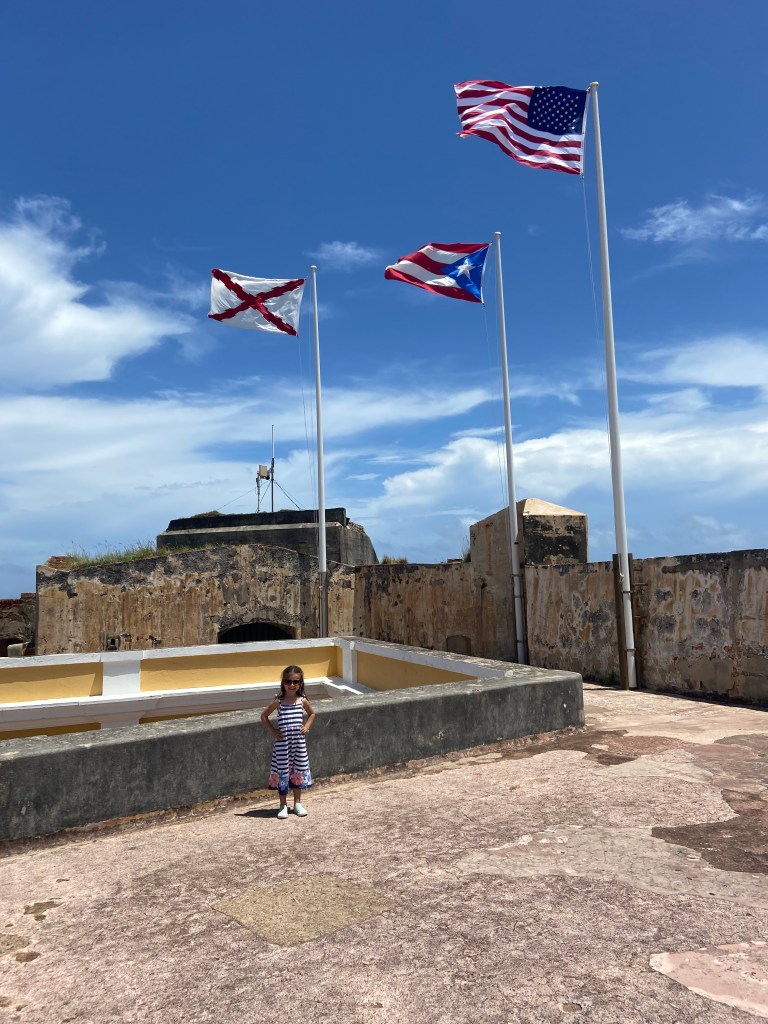
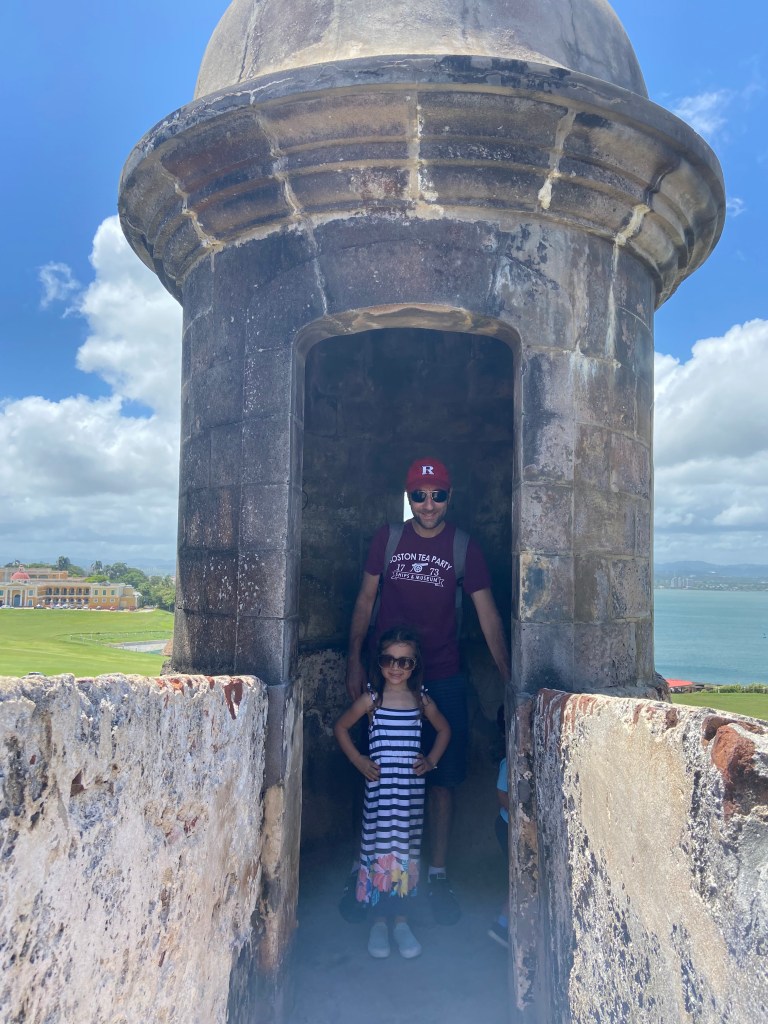

My daughter really wanted to see the umbrellas that we thought hang from the streets in San Juan but after searching for them for a while, we discovered that the umbrellas were taken down and replaced with bells shown in the picture.

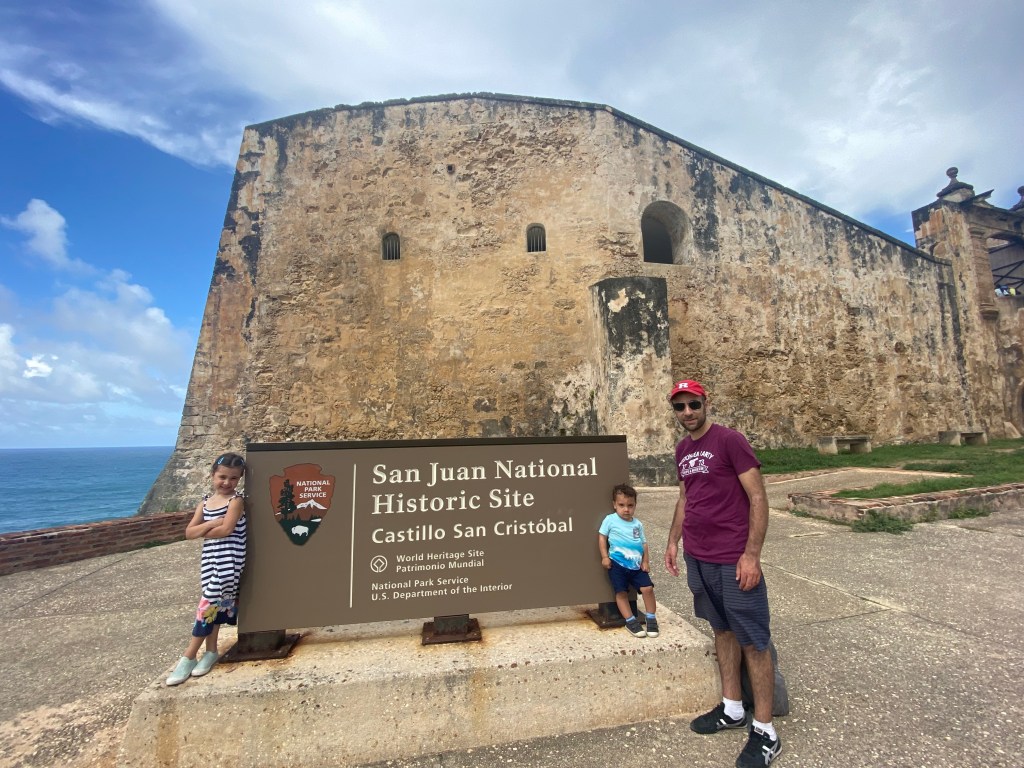
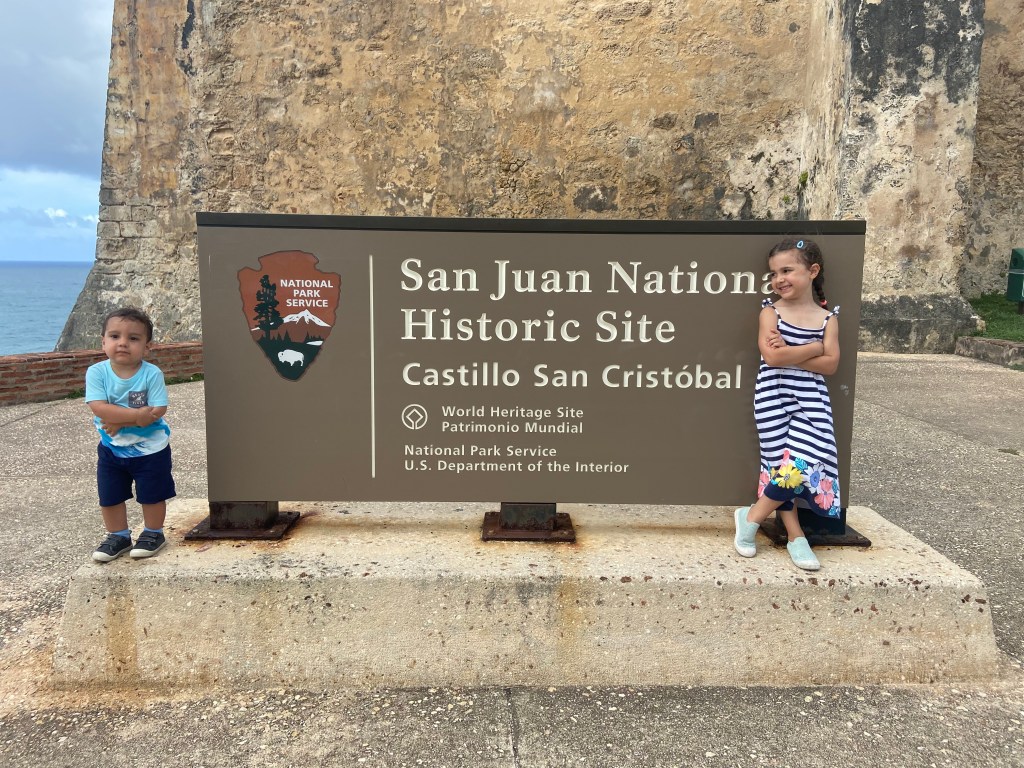
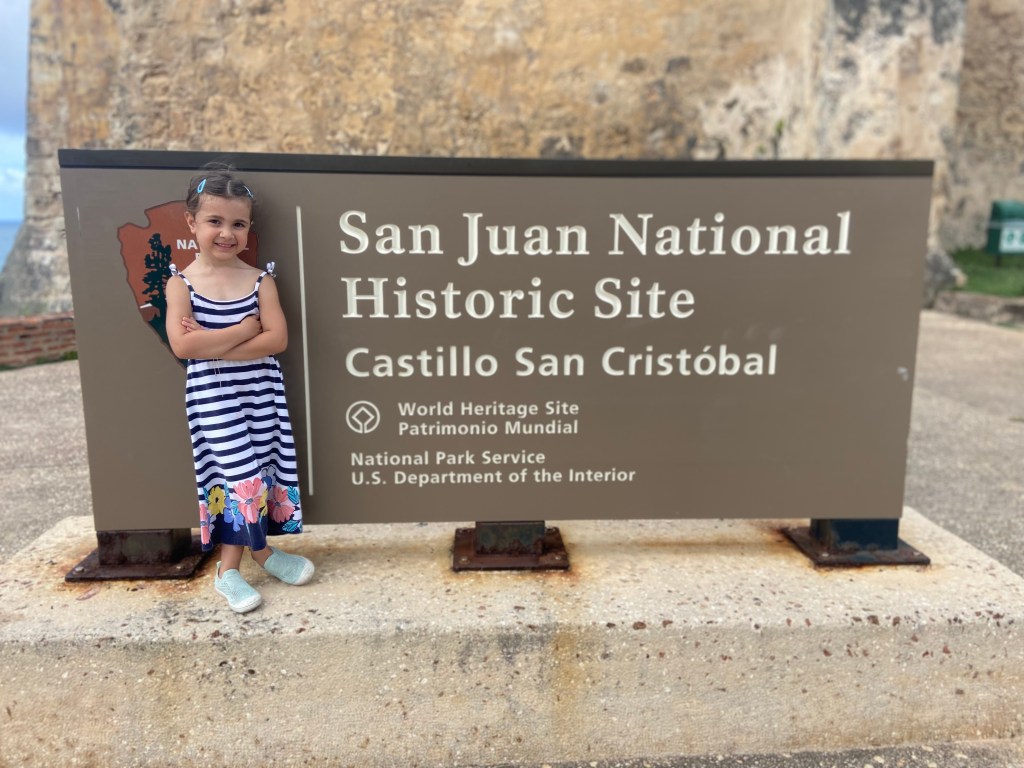
After the slight dissapointment with the lack of colorful umbrellas, my family and I ventured over to Castillo San Cristobal. (My children were troopers because by this point, they were very hot and sweaty but there was no whining or complaining).
Castillo San Cristobal
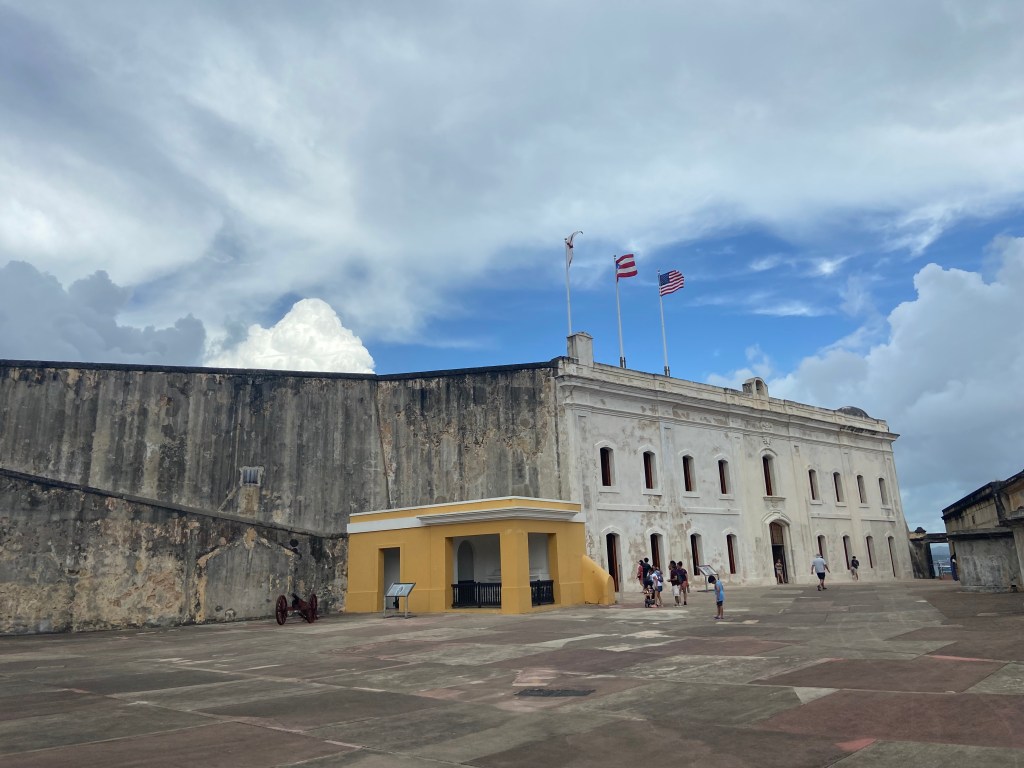
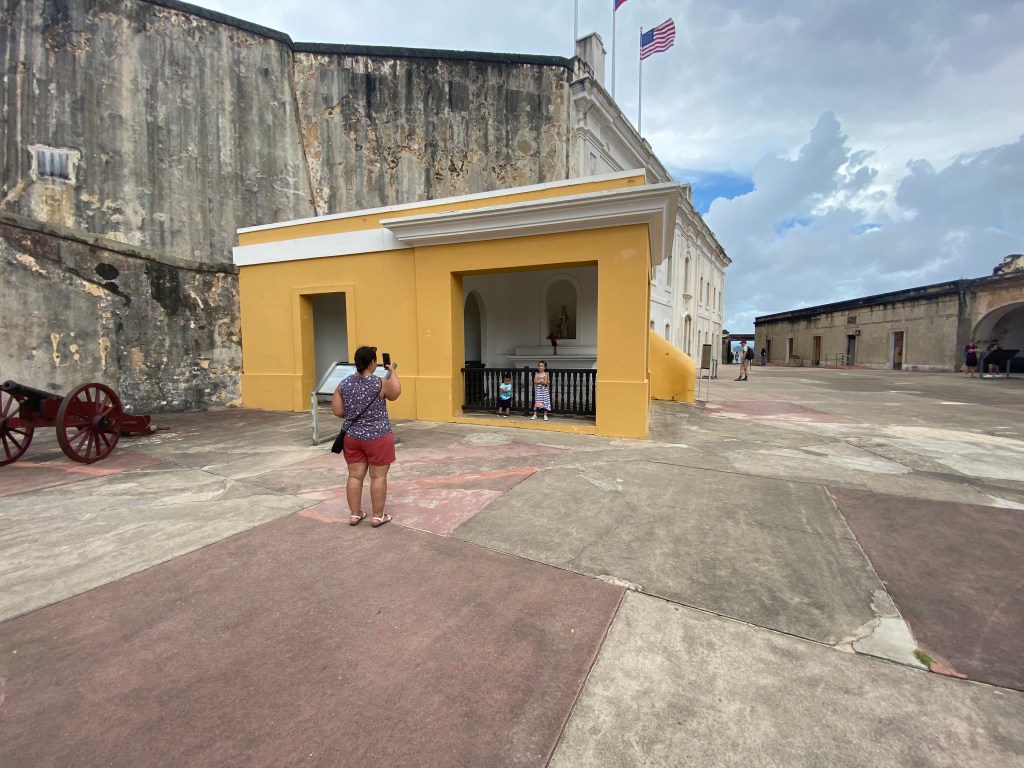
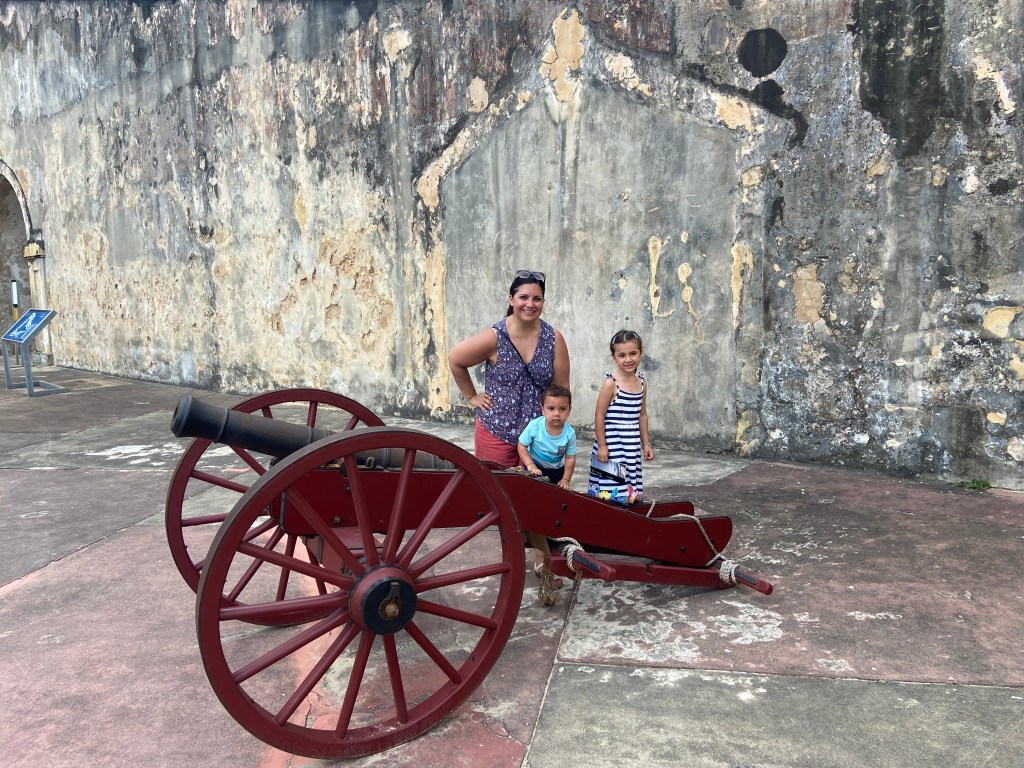
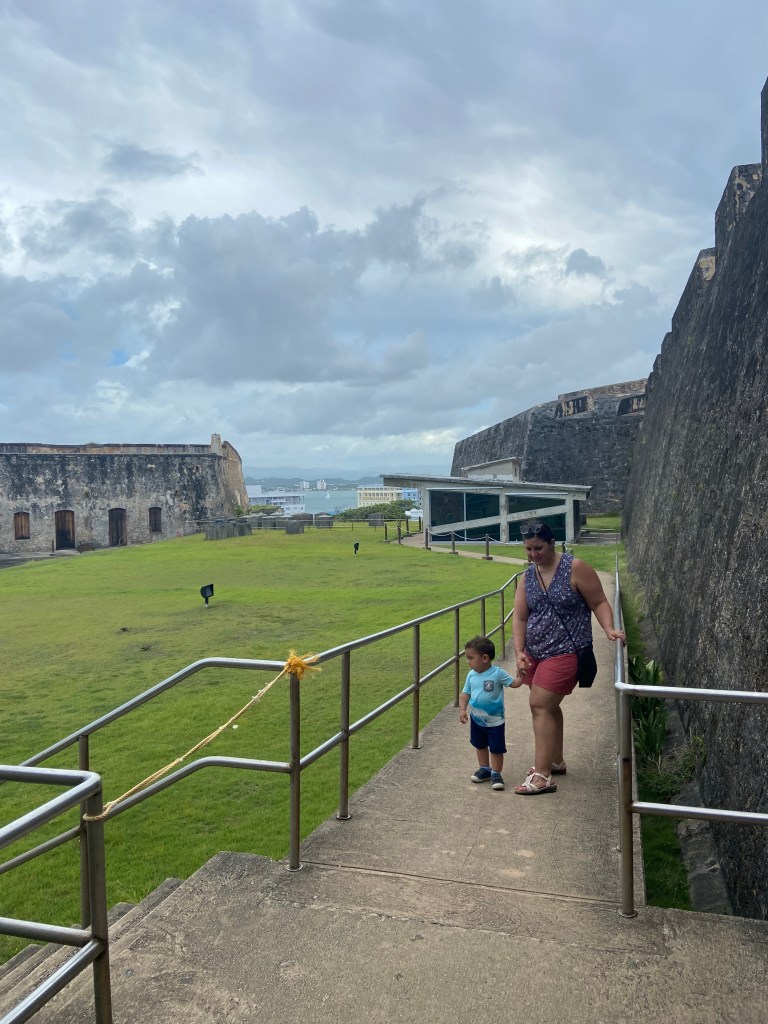
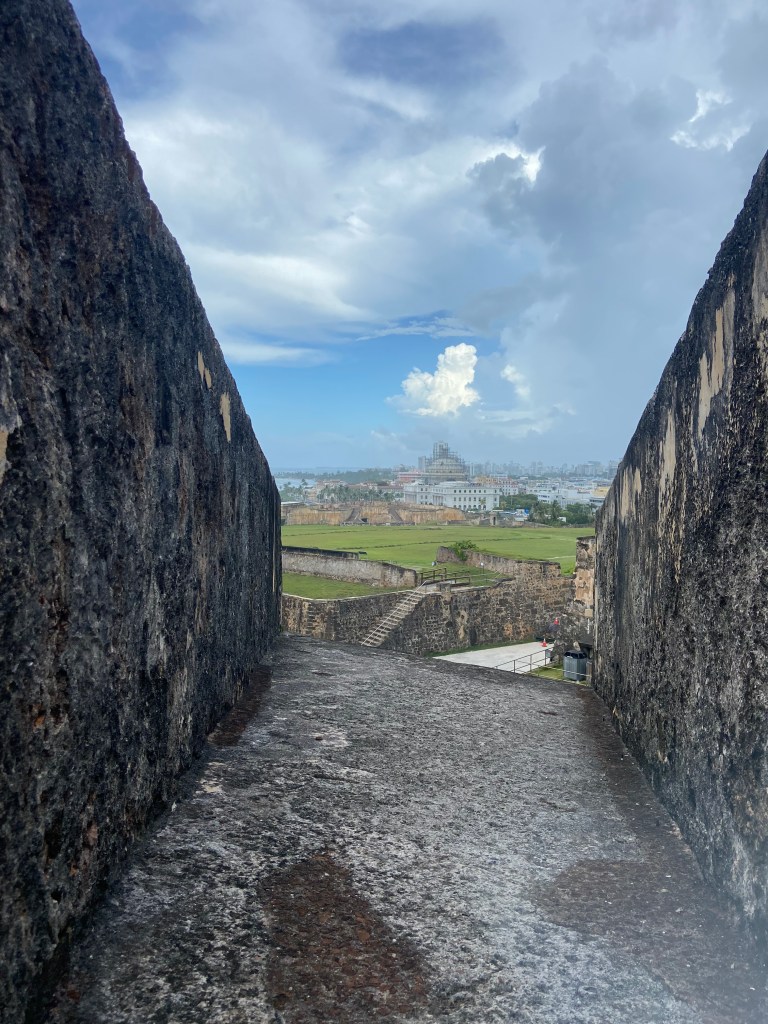
After the devastating attacks by the English and the Dutch, the Spanish expanded its fortifications in San Juan. Besides building city walls, they also built Castillo San Cristobal, considered the largest fort in the Americas, to protect from land attacks. Construction started in 1634. A fortification with three levels, and an extensive series of outer defenses, it took about 150 years to build. When it was finally completed in 1783, it covered 27 acres of land and partly encircled the city of San Juan. In 1897, part of the fort was demolished to ease traffic coming in and out of the city through the city gate. About 1/3 of the fort was destroyed.
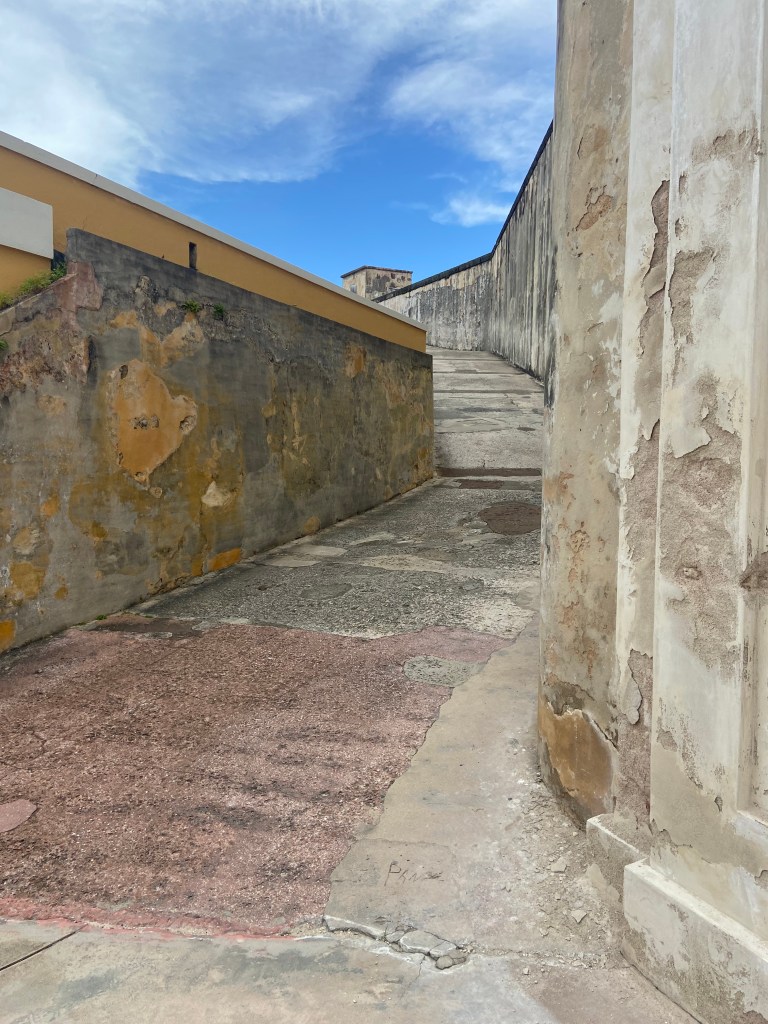
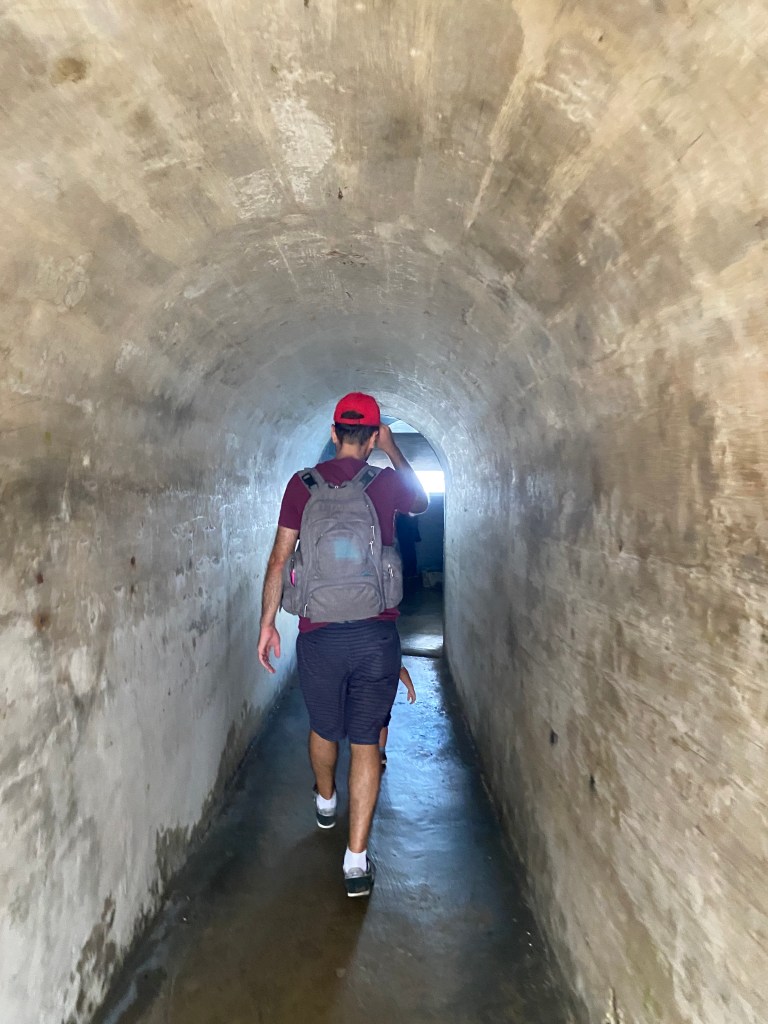
San Cristobal was built with a dry moat (like El Morro) and a series of tunnels to protect soldiers from enemy attacks. My family and I had the opportunity to walk through the longest hidden tunnel that led from the main plaza to an outside section of the fort. My children were brave enough to walk through the dimly lit tunnel.
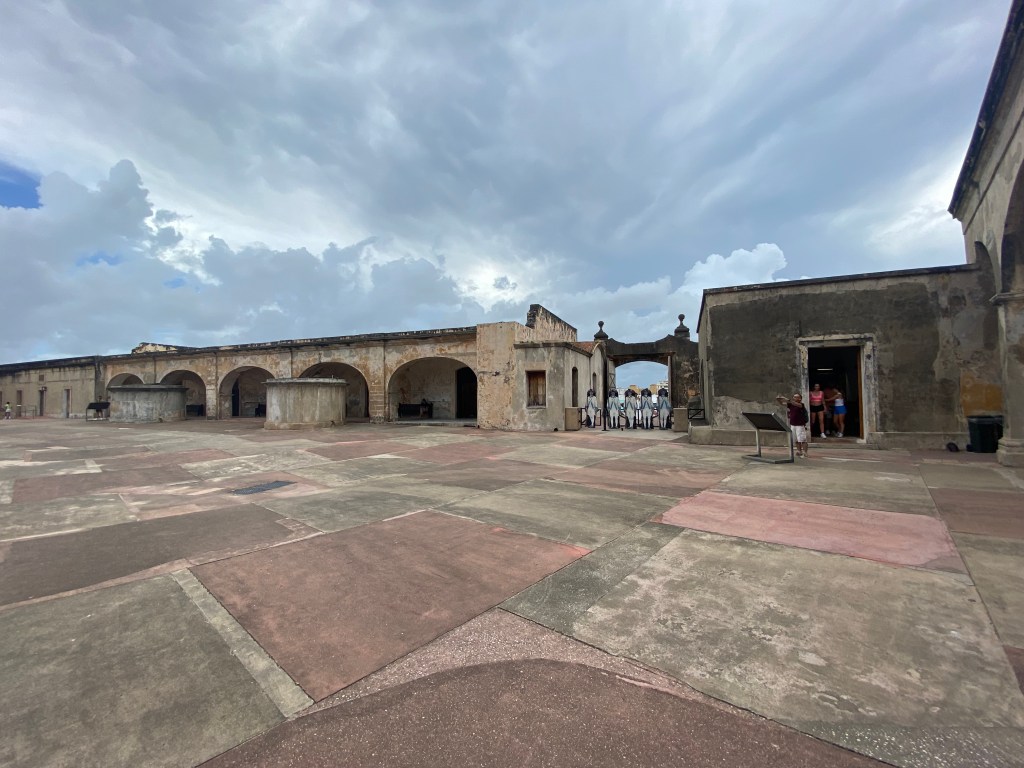
The main plaza of San Cristobal was the heart of the fort. Here, soldiers drilled, were inspected and assembled for formal events. Artillery ramps allowed access to the main firing battery on the dry moat. The fort was designed to catch and retain as much rainwater as possible and the cisterns below held up to 870,000 gallons of water. The cisterns are still functioning today.
Like El Morro, San Cristobal is yet another stunning place to visit because it reflects the power and ingenuity of the Spanish who built it. Such expansive forts remind you of the times they were built, a time when pirates roamed the Caribbean, and when protection was a necessity. The Spanish had built up a tremendous empire, but there were constant threats from their rivals, primarily the French, English, and Dutch. The fortifications built on San Juan were not just to show the might of the empire, but were for the practical purpose of repelling invaders who saw the strategic value of controlling San Juan, and the island of Puerto Rico. The Spanish swelled themselves with gold and silver from the Americas, and San Juan served as a gateway to refuel and restock goods to trade with the rest of the Carribbean and to Central and South America, as well as back to Europe. It’s truly remarkable that Spain was able to retain its hold on San Juan and Puerto Rico for the centuries that it did. This was thanks to their network of fortifications including El Morro and San Cristobal.





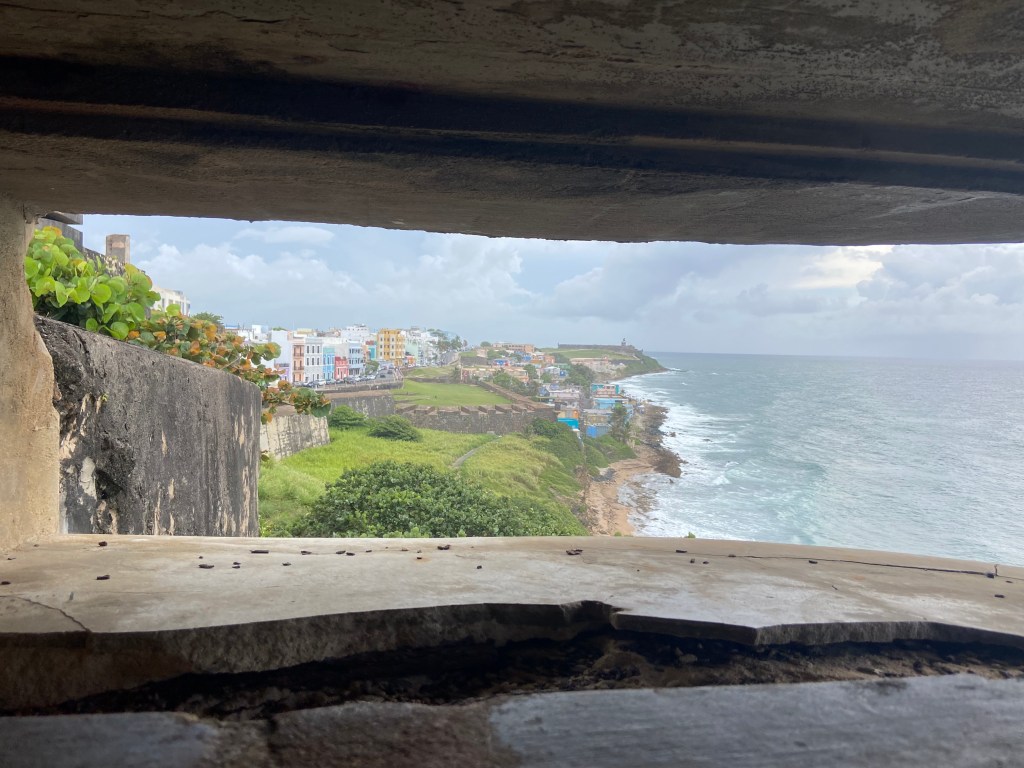

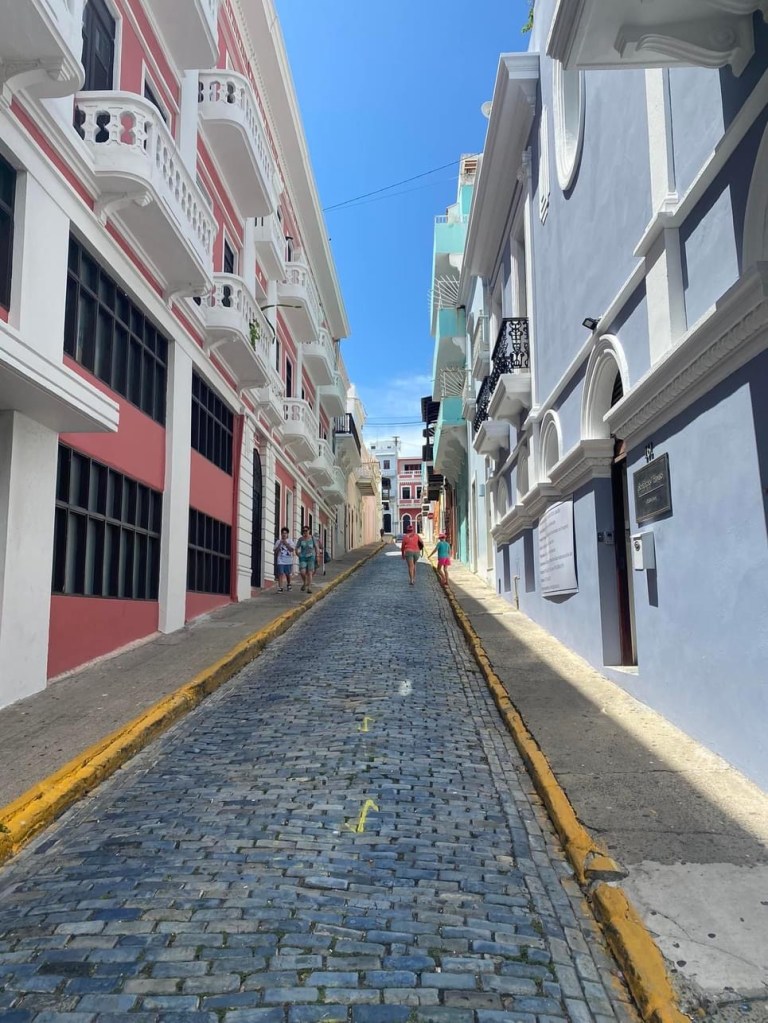
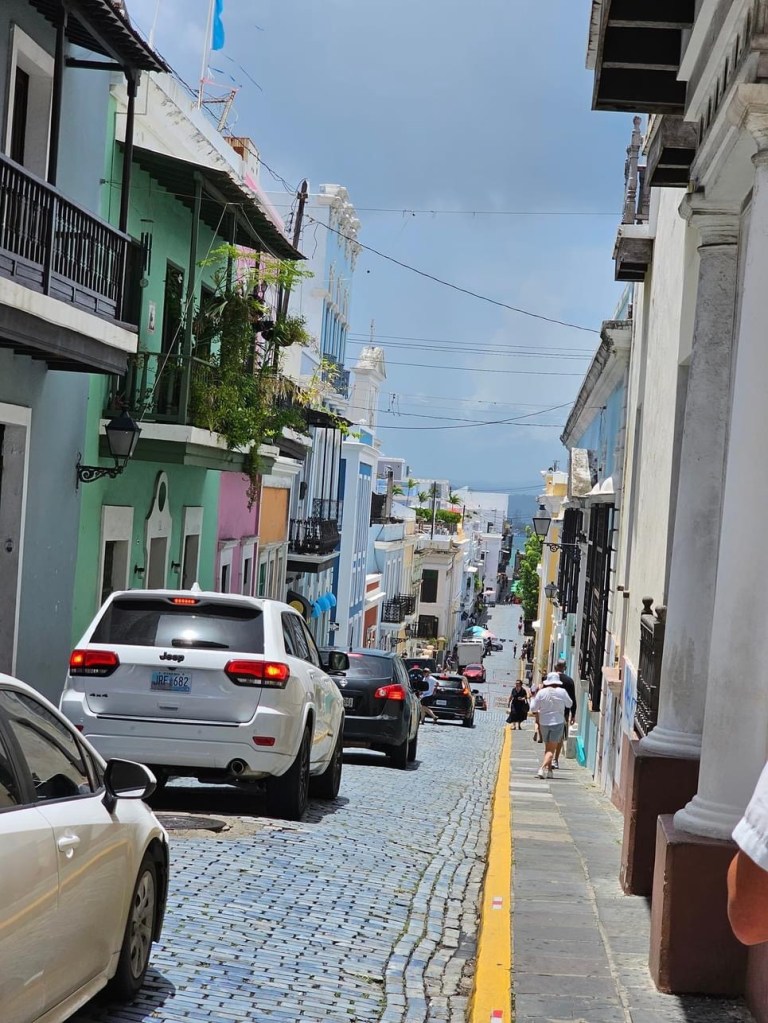
Besides visiting the forts I was also impressed by the old city streets in San Juan. The very narrow, cobblestone streets remind me of European cities that I’ve visited such as Barcelona, Spain or cities in Italy and France. And the bright colors of the buildings give San Juan a very unique and beautiful appeal. After San Cristobal, my family headed to the car and we made the 2 hour ride back to Isabela. I’d love to visit San Juan again soon and visit sites that we missed!



References:
https://www.nps.gov/saju/index.htm
https://vistas.ace.fordham.edu/themes/pre-columbian-images-03/
Related Posts:

 Benevento's History Blog