Social Media/ YouTube

Enter your email to stay updated on new blog posts.

Category: Pennsylvania

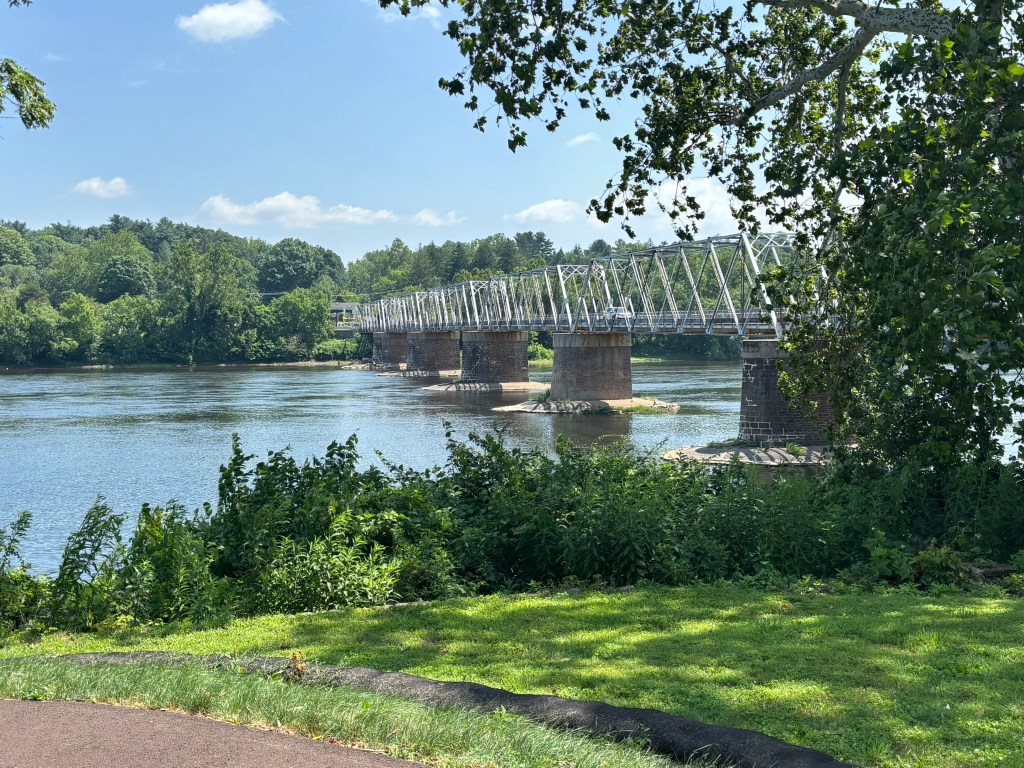
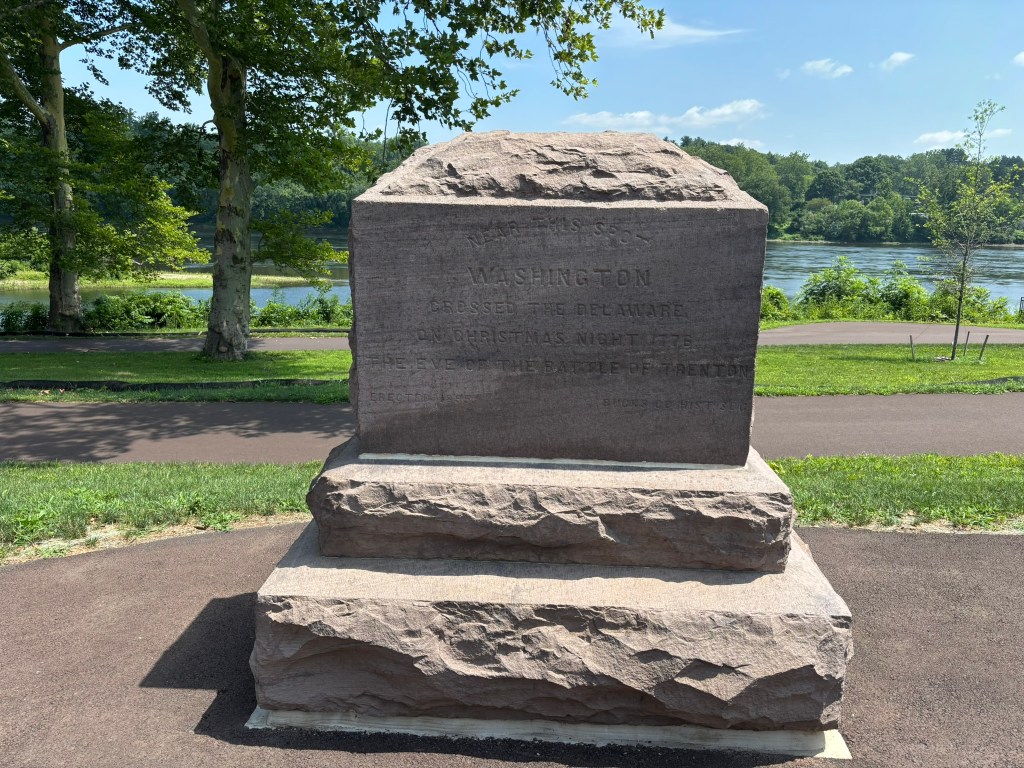
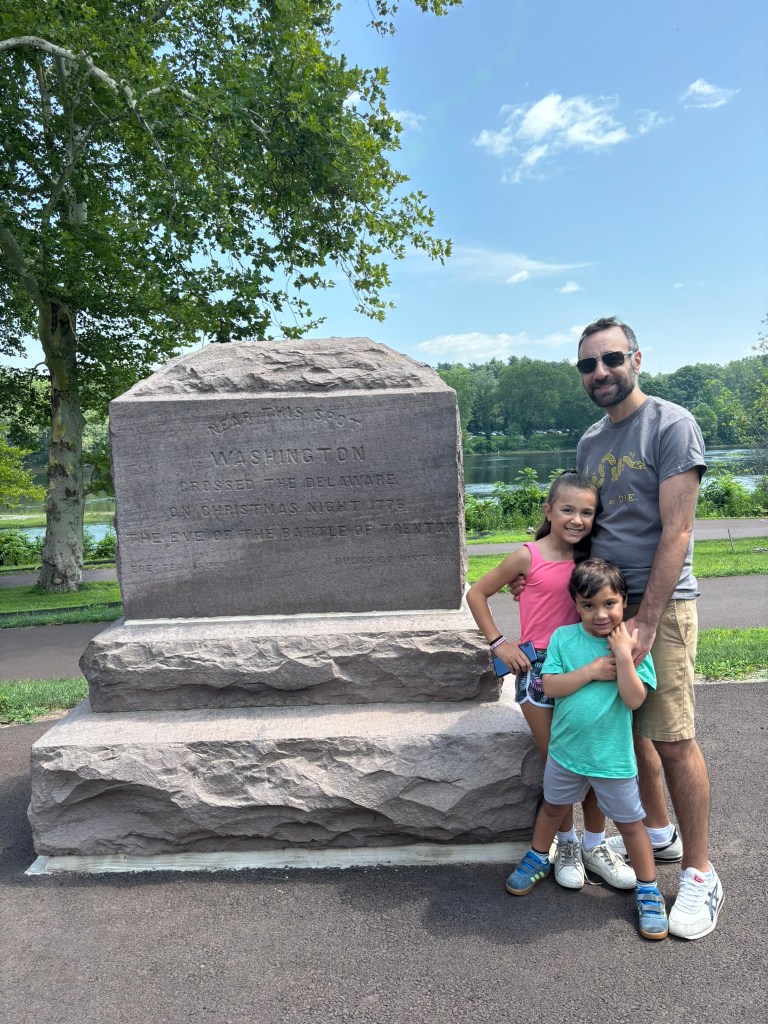
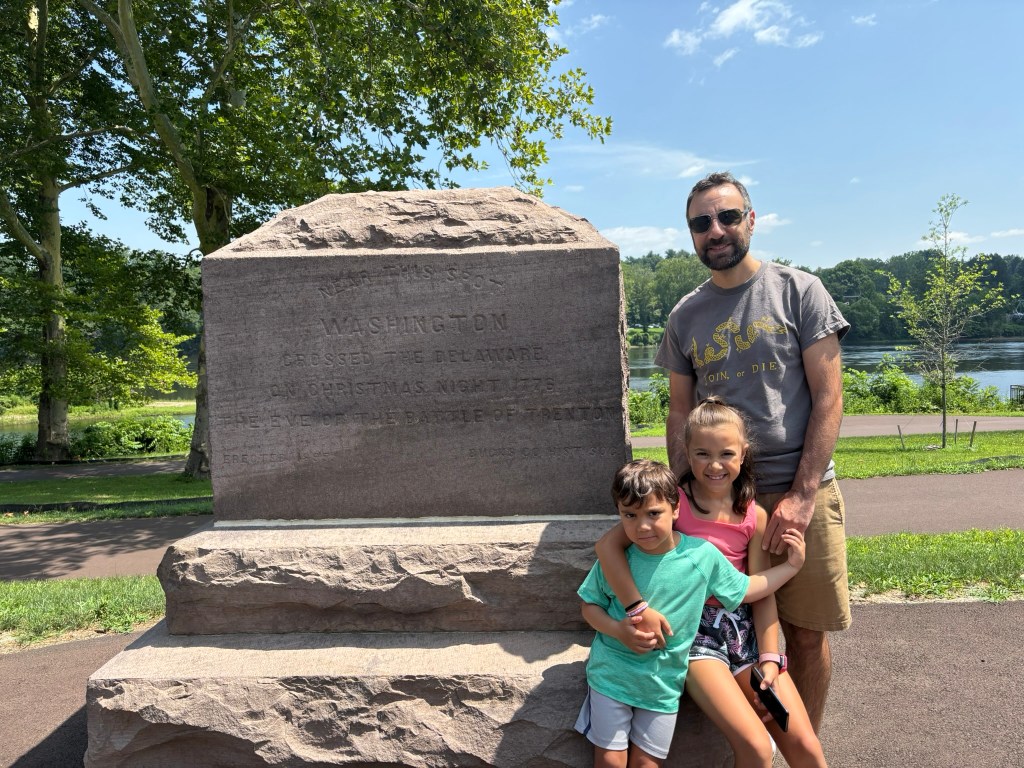
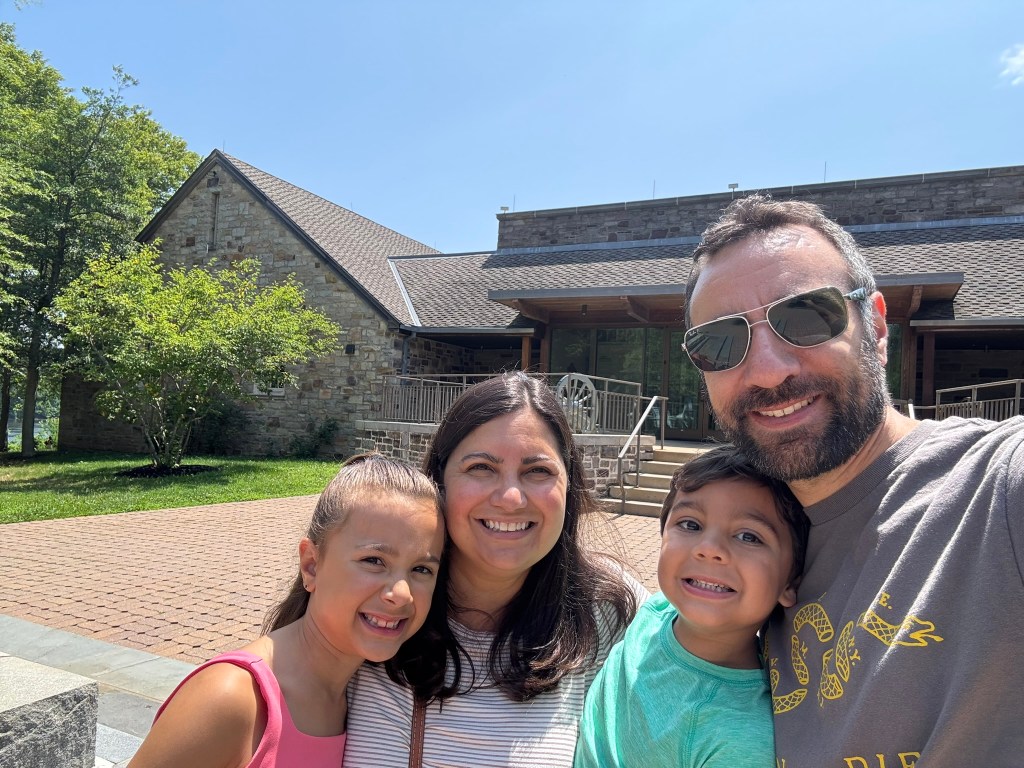
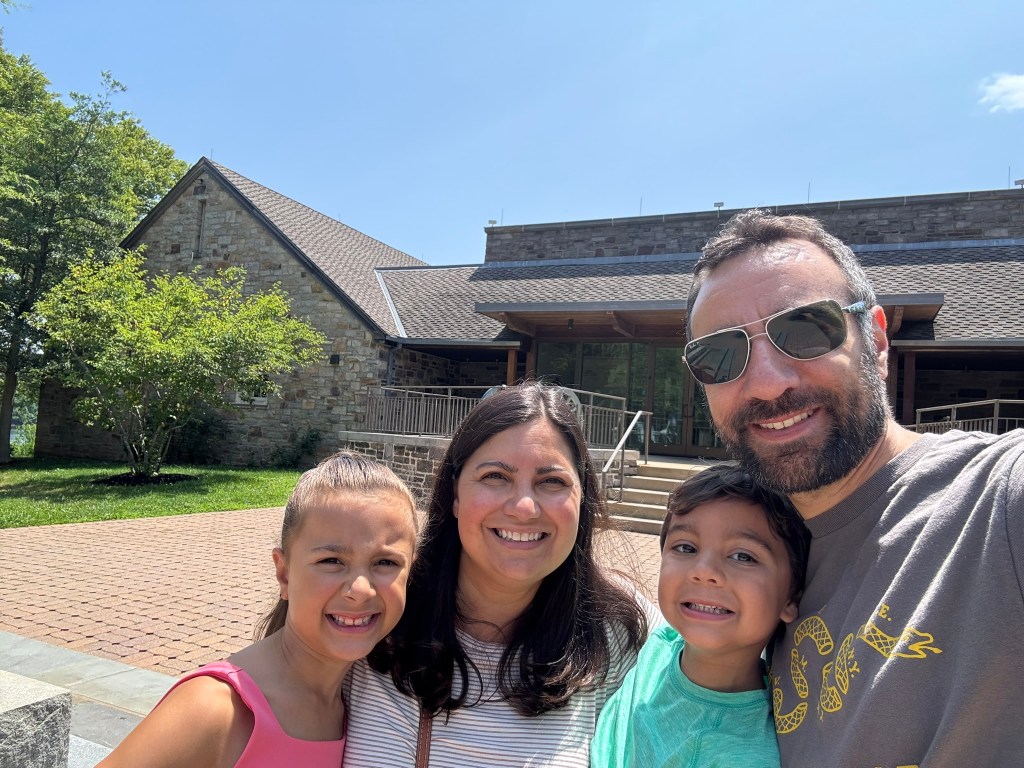
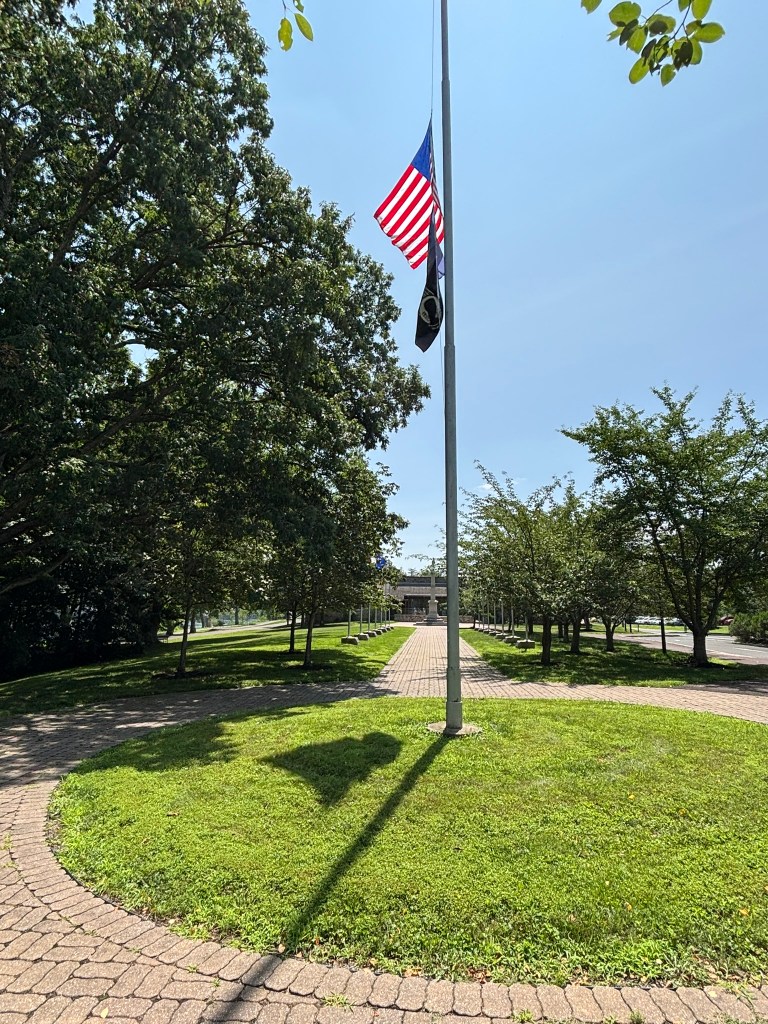
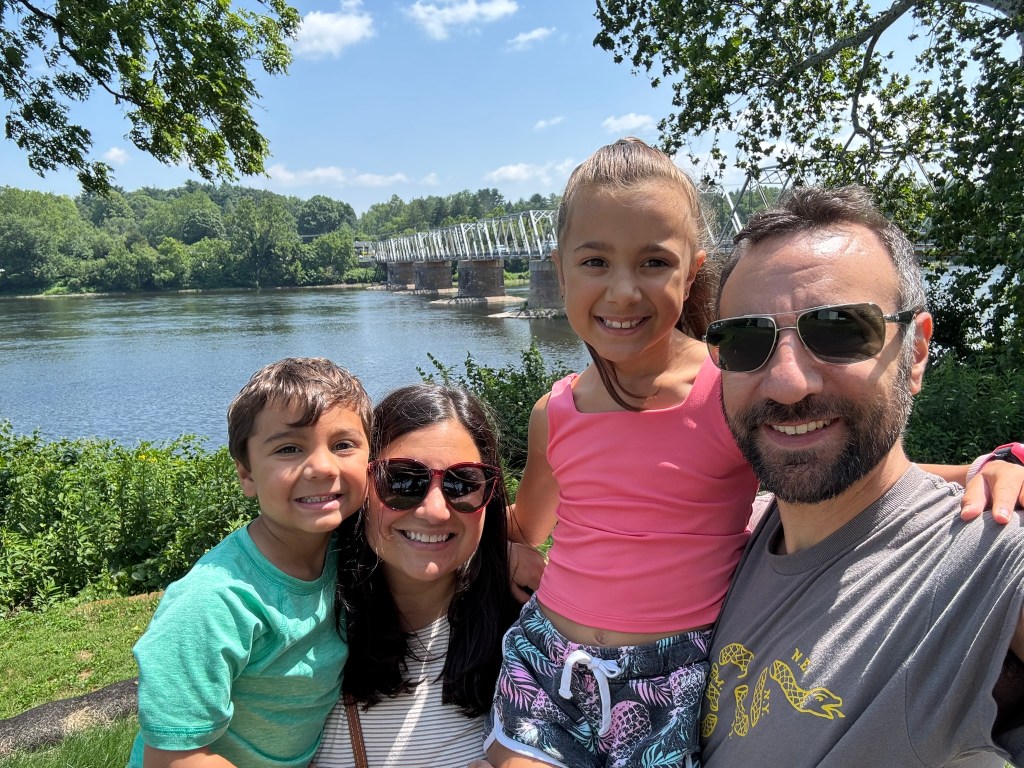
  • This past weekend, my family and I visited Washington Crossing Historic Park in Pennsylvania for the first time. About two years ago, we visited Washington Crossing State Park on the New Jersey side of the Delaware River, which you can read about HERE. However, I’d been wanting to visit the PA side to see where Washington and the brave Continental soldiers embarked on their daring Christmas night crossing of the Delaware en route to attacking the Hessian garrison at Trenton on the morning of December 26, 1776.

    I purchased tickets for the four of us to take part in a one-hour tour called “Crossing the Delaware: A Walking Tour”. Before I get into the details of our day at this historic park, let me first provide some historical context about the importance of this location.

    History

    The story of Washington Crossing Historic Park begins just months after the signing of the Declaration of Independence on July 4, 1776. Although the colonies had boldly declared themselves independent, the new nation soon faced a series of devastating setbacks. That summer and fall, British forces captured New York City and drove General George Washington’s Continental Army out of New York, across New Jersey, and eventually over the Delaware River into Pennsylvania. By December, the American cause appeared to be on the verge of collapse. Soldiers were exhausted, enlistments were about to expire, and many questioned whether the Revolution could survive another campaign.

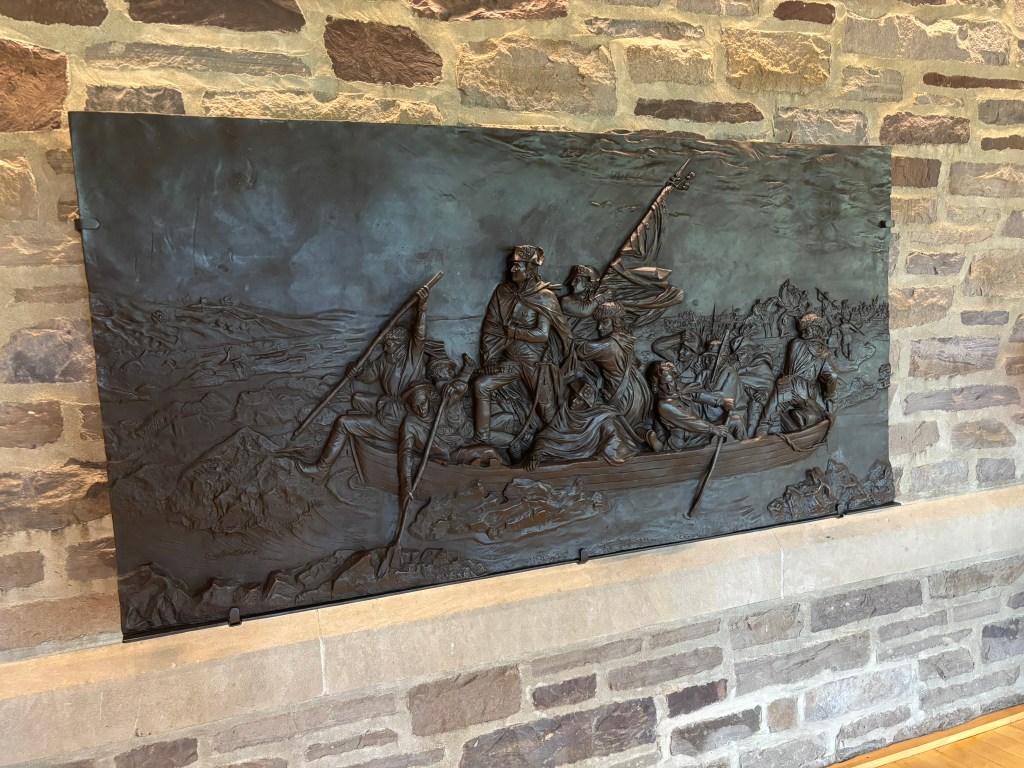
    Refusing to accept defeat, Washington devised one of the boldest military operations in American history. On the night of December 25–26, 1776, his army crossed the icy Delaware River at McConkey’s Ferry under the cover of darkness despite freezing temperatures, dangerous currents, and a fierce winter storm. The surprise attack on the Hessian garrison at Trenton resulted in a decisive American victory, restoring confidence in the Continental Army and inspiring thousands to continue the fight. Just days later, Washington followed with another victory at the Second Battle of Trenton before outmaneuvering British forces to capture Princeton on January 3, 1777. Washington and the Continental Army then took up winter quarters in Morristown.

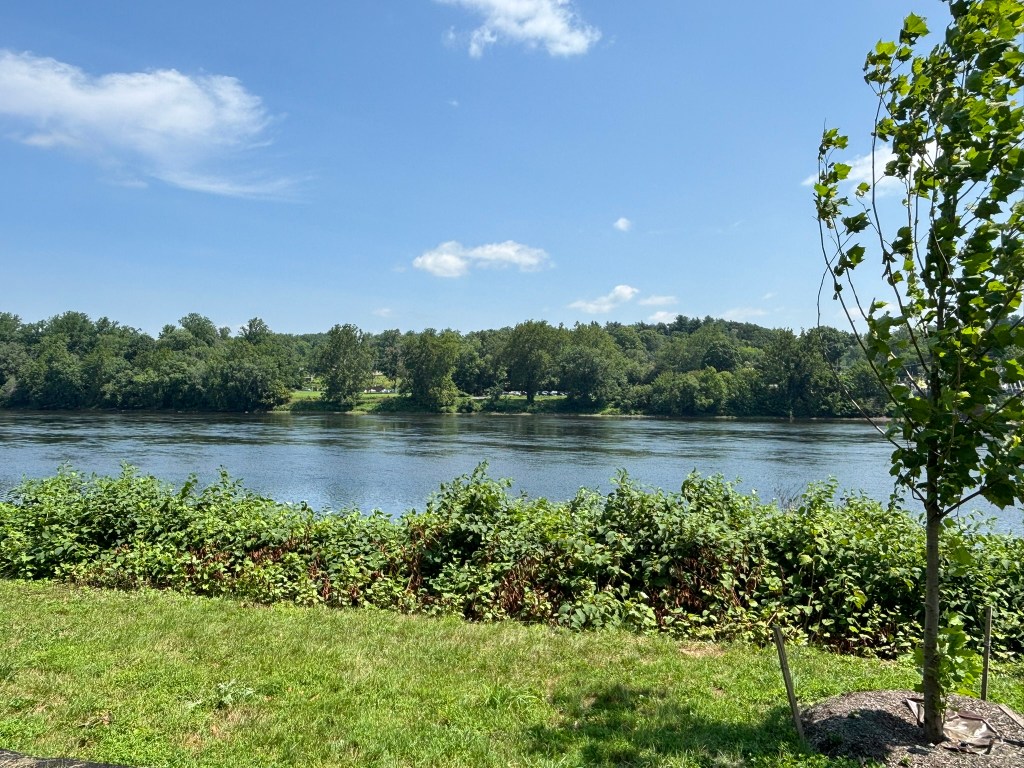
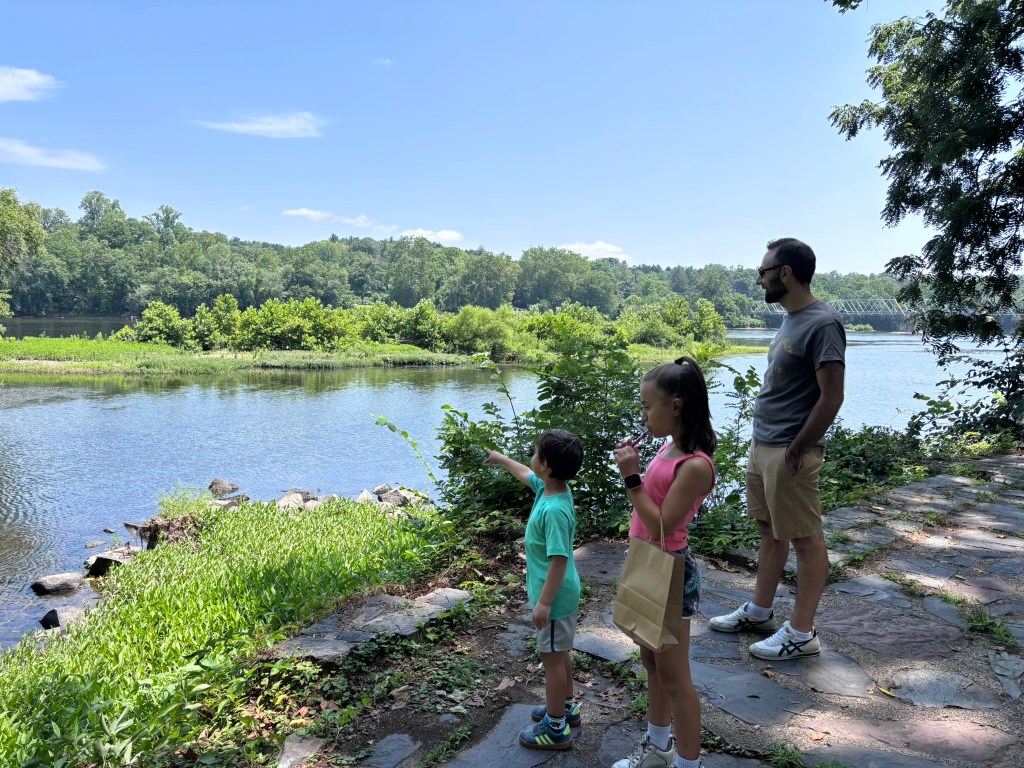
    These events, remembered today as the “Ten Crucial Days,” transformed the American Revolution. What had seemed like a failing rebellion suddenly became a cause with renewed hope and momentum. Historians often point to this remarkable string of victories as the turning point that saved the Revolution at one of its darkest moments. As my family and I walked the grounds of Washington Crossing Historic Park, we were standing where one of the most daring and consequential military operations in American history began.  Looking across the Delaware River, it was humbling to imagine what it must have been like to witness this remarkable event on that cold Christmas night in 1776.

    Our Day

    Visitor Center

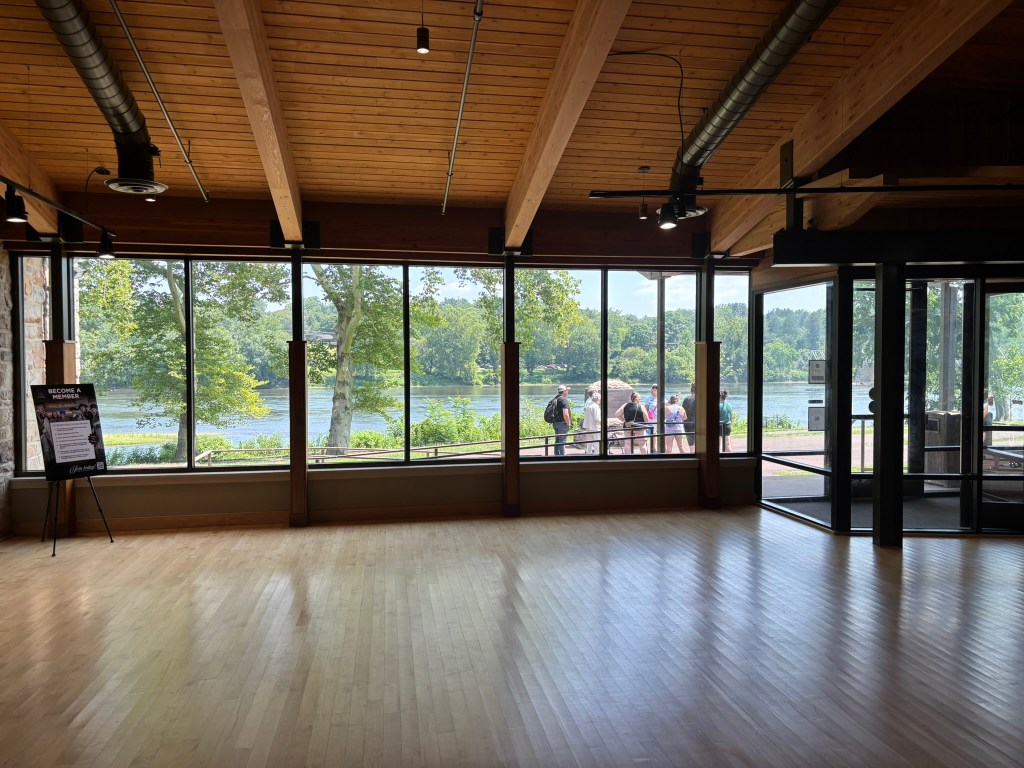
    We arrived at the Visitor Center for our 10:30 a.m. tour, which began with an introductory film that takes visitors from the Stamp Act to the Declaration of Independence to the events of December 1776. The video highlighted Washington’s bold decision to cross the Delaware and explained the significance of the Ten Crucial Days, which concluded with the American victory at Princeton.
    Walking Tour

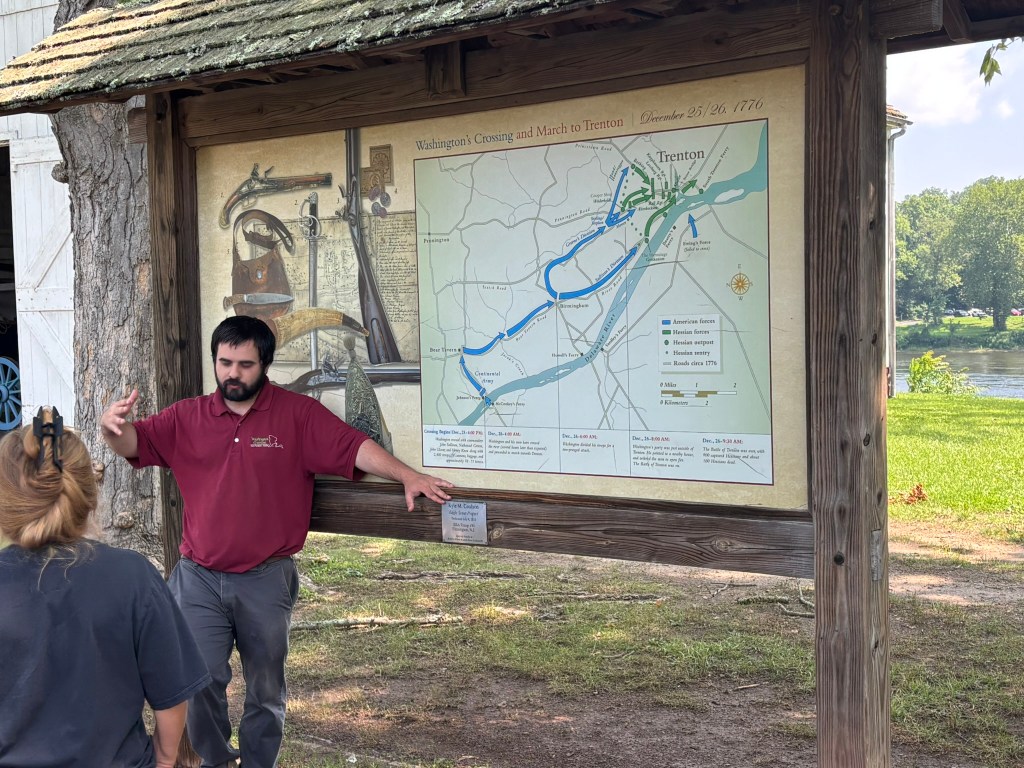
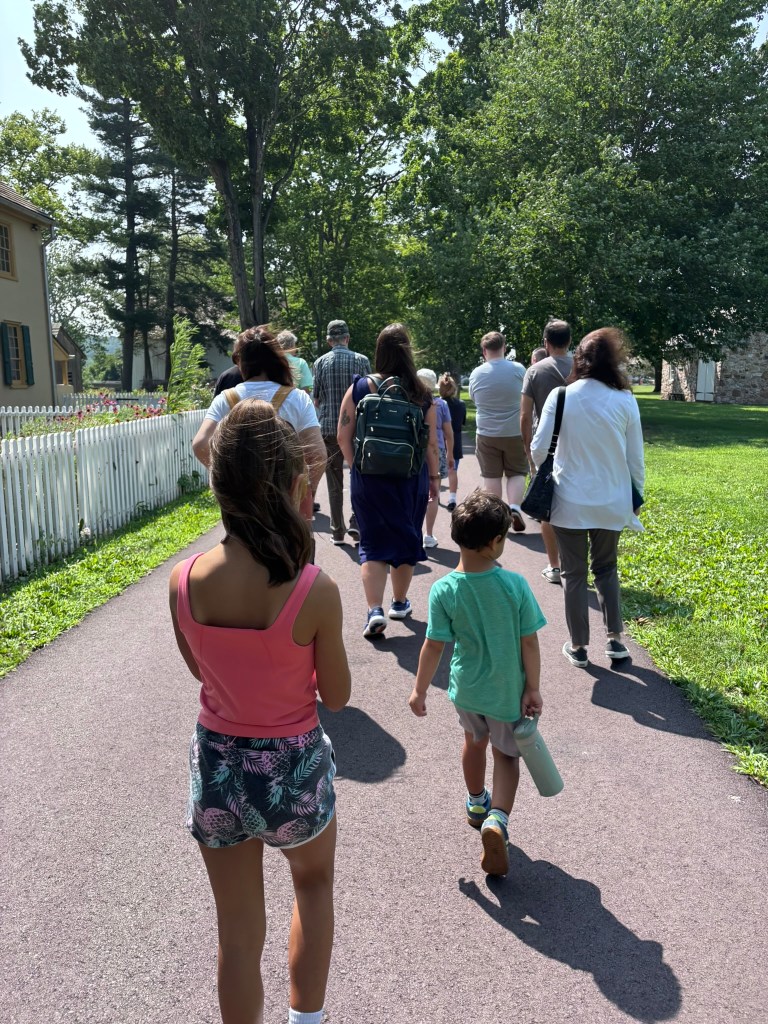
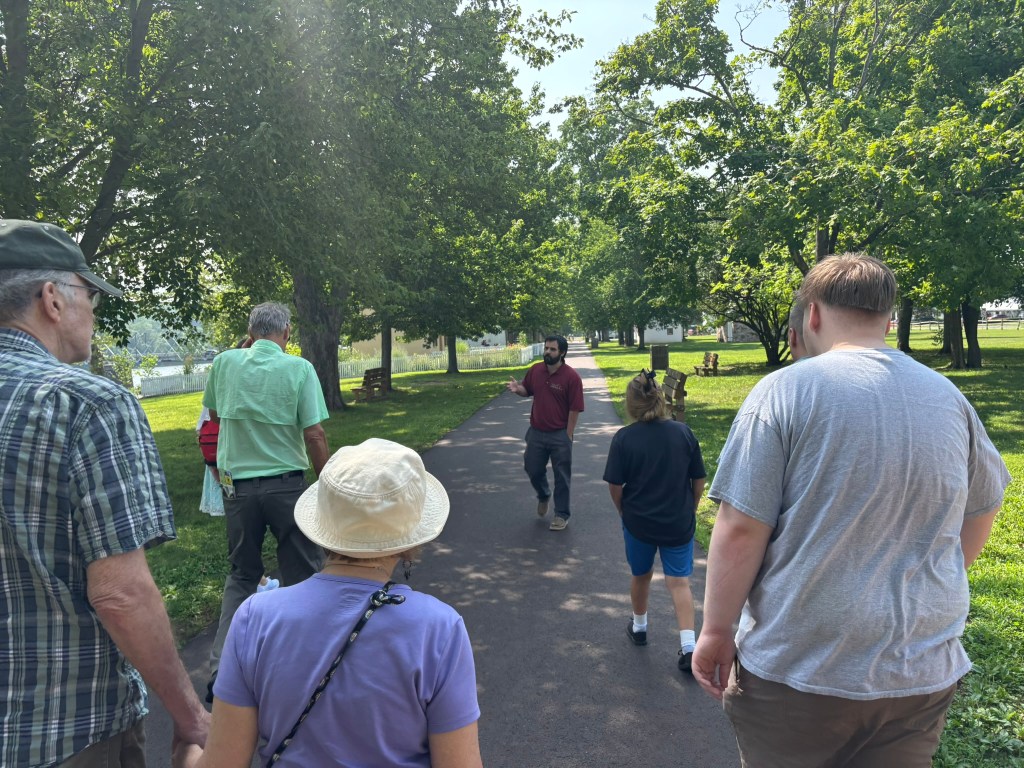
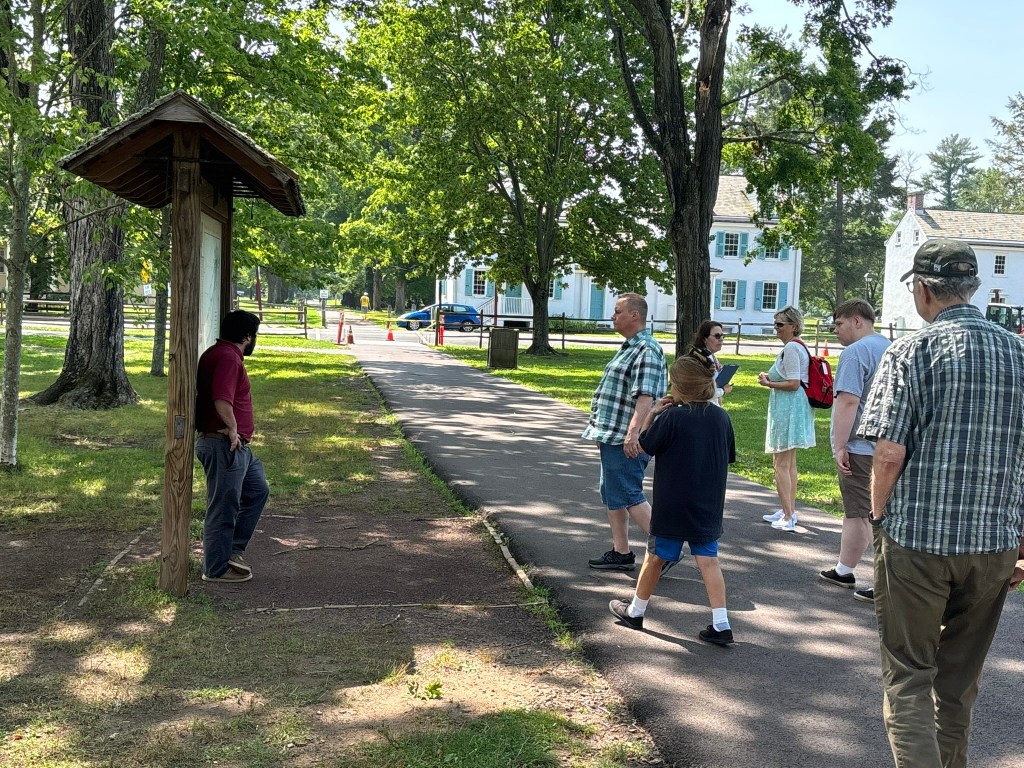
    Our tour guide was excellent and extremely knowledgeable about Washington’s Crossing. He discussed the events leading up to the crossing, taking us from the excitement surrounding the Declaration of Independence to the challenges of the summer and fall of 1776, which ultimately forced Washington’s army into Pennsylvania.
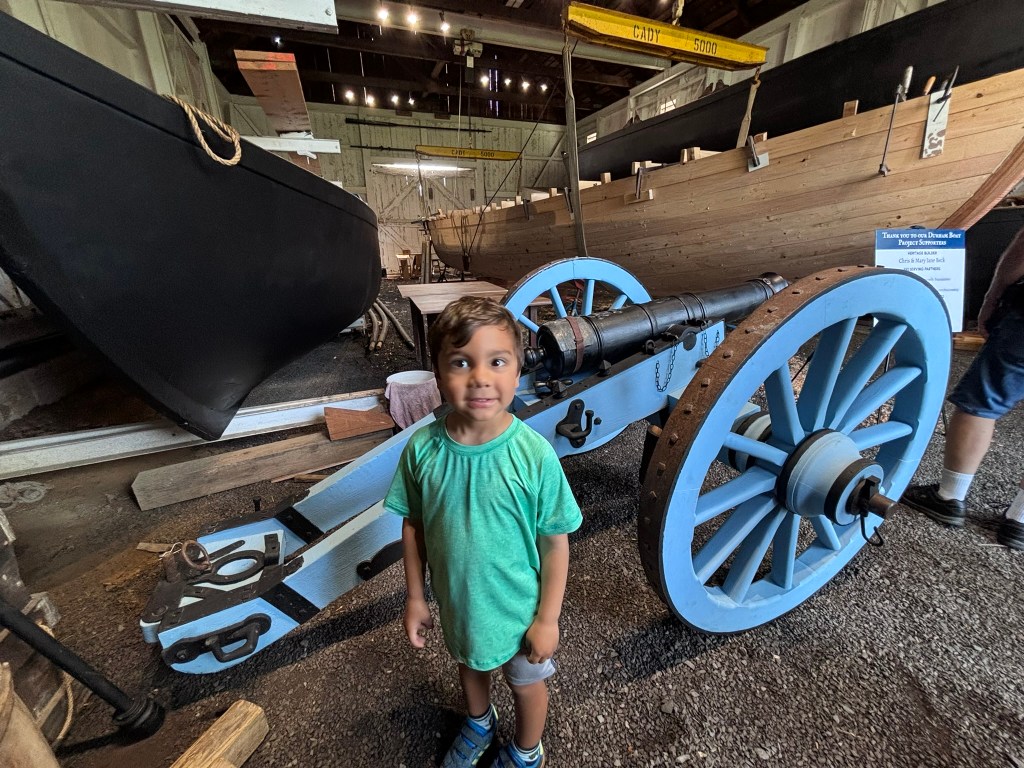
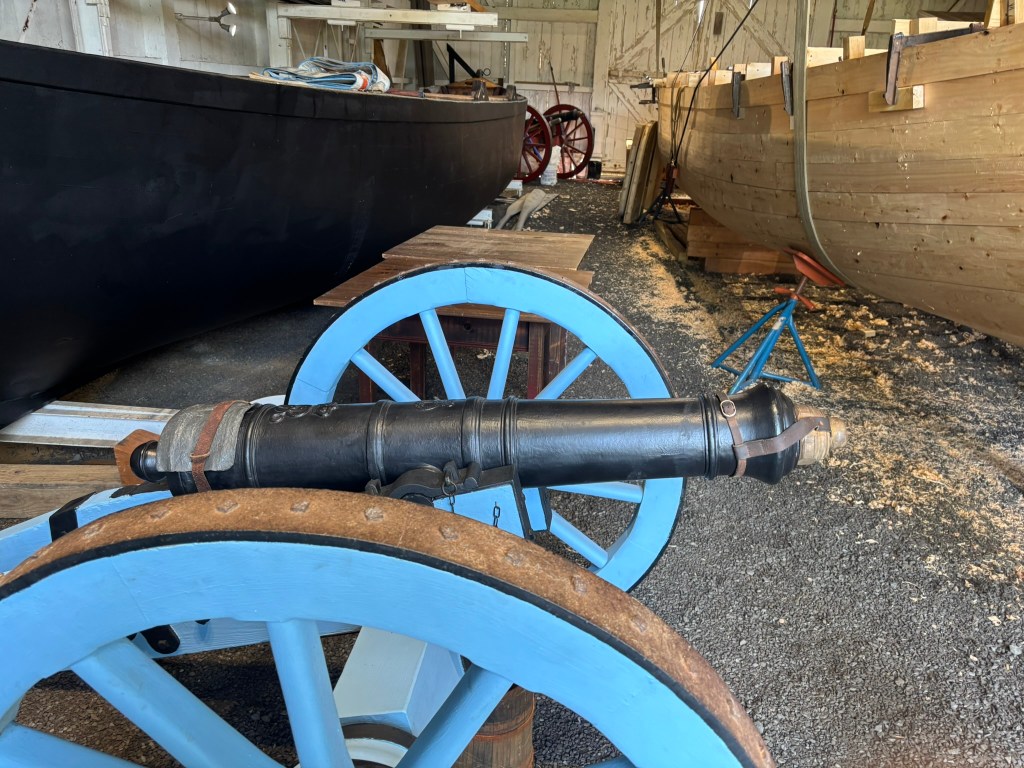
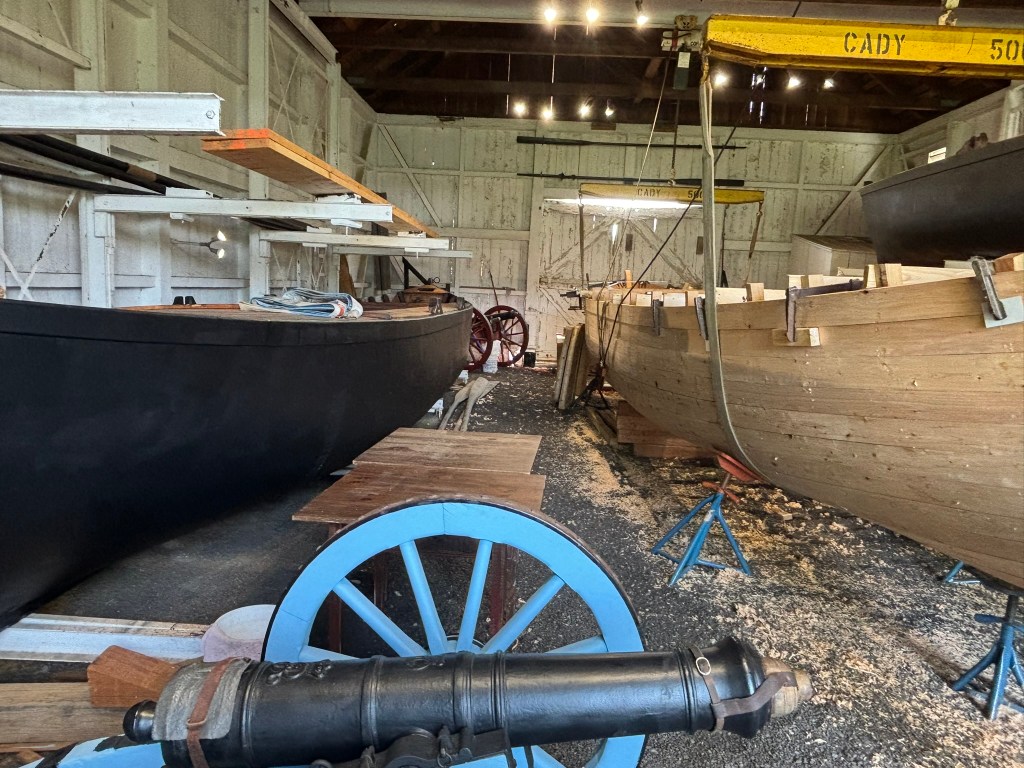
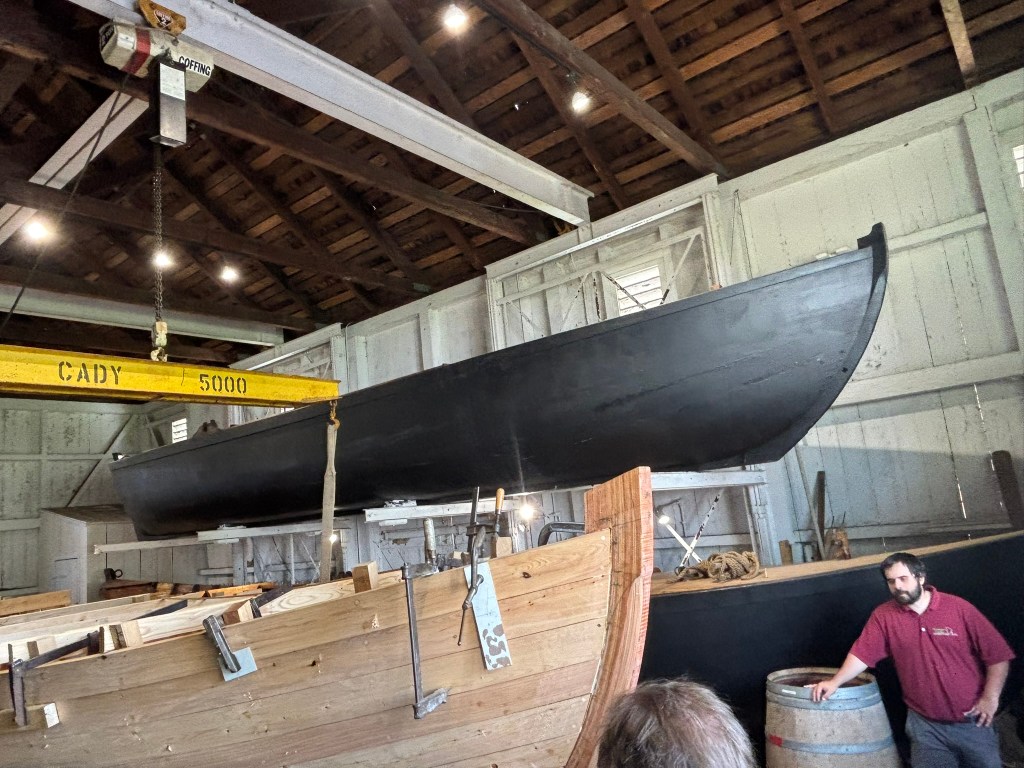
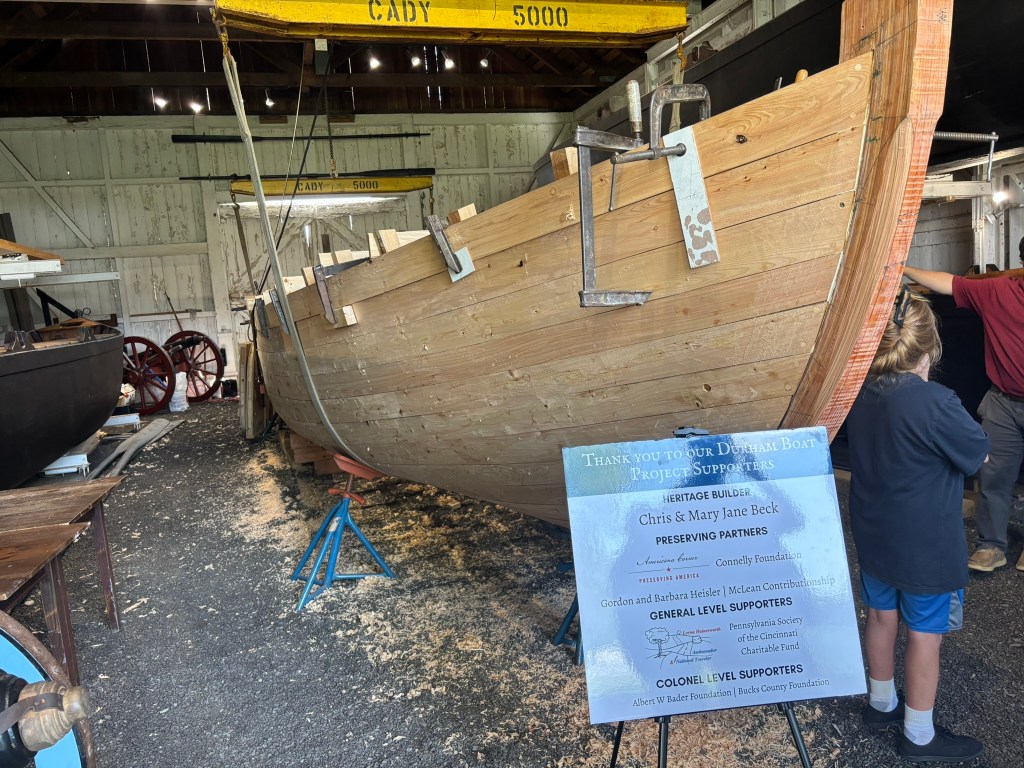
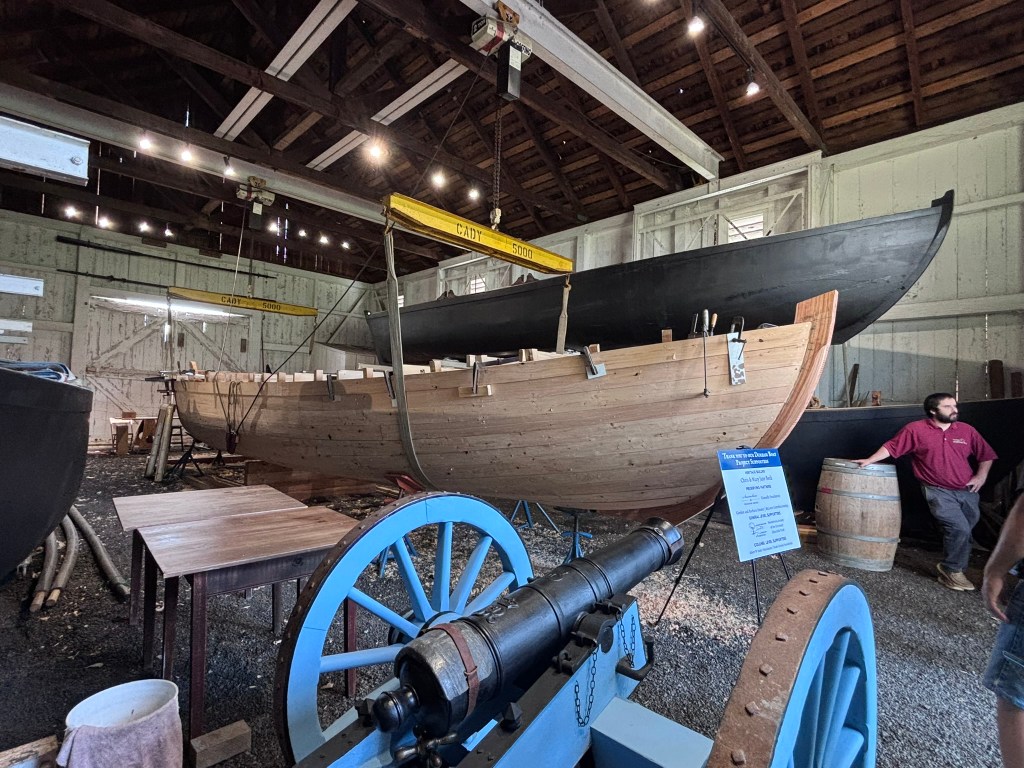
    One aspect of the tour that I found especially fascinating was learning about the Durham boats used during the crossing. These were not military boats but large cargo vessels originally designed to haul iron ore, timber, grain, flour, and other goods along the Delaware River. They measured approximately 60 feet long, 6 feet wide, and 3 feet deep.
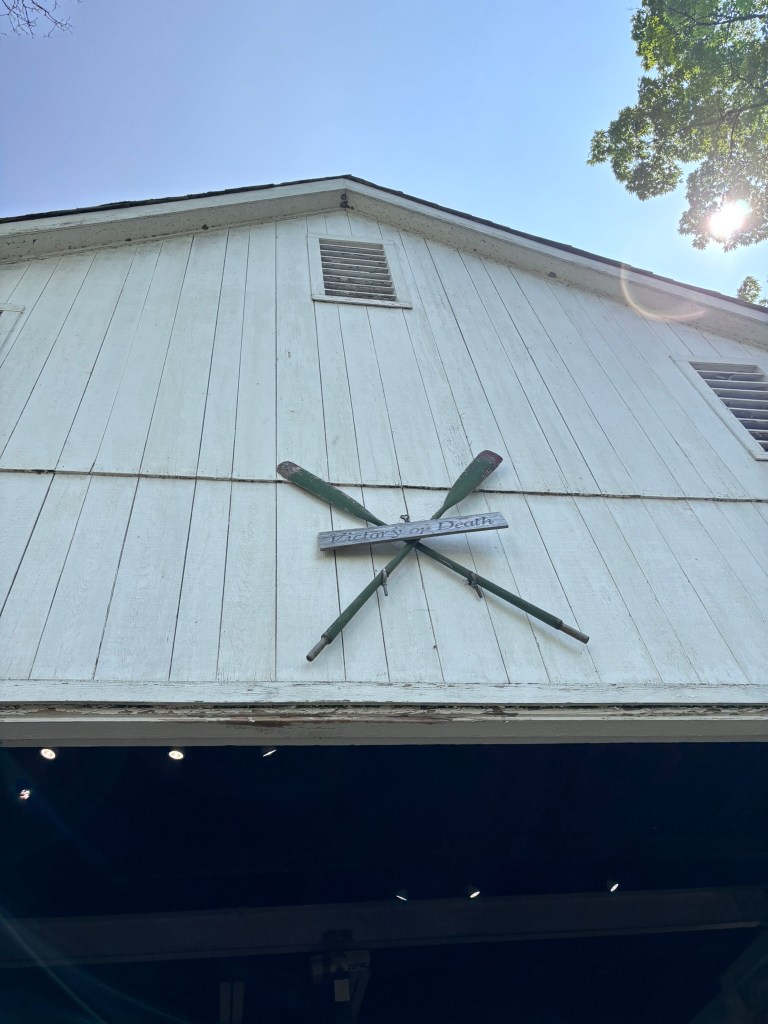
    Our guide also gave us a much greater appreciation for just how difficult the crossing truly was. In fact, a portion of the American force that was supposed to cross the Delaware south of Trenton never made it across. The crossing began on Christmas evening, and Washington’s army, horses, cannons, and supplies were not fully across the river until around 4:00 a.m. on December 26—several hours later than Washington had hoped. 

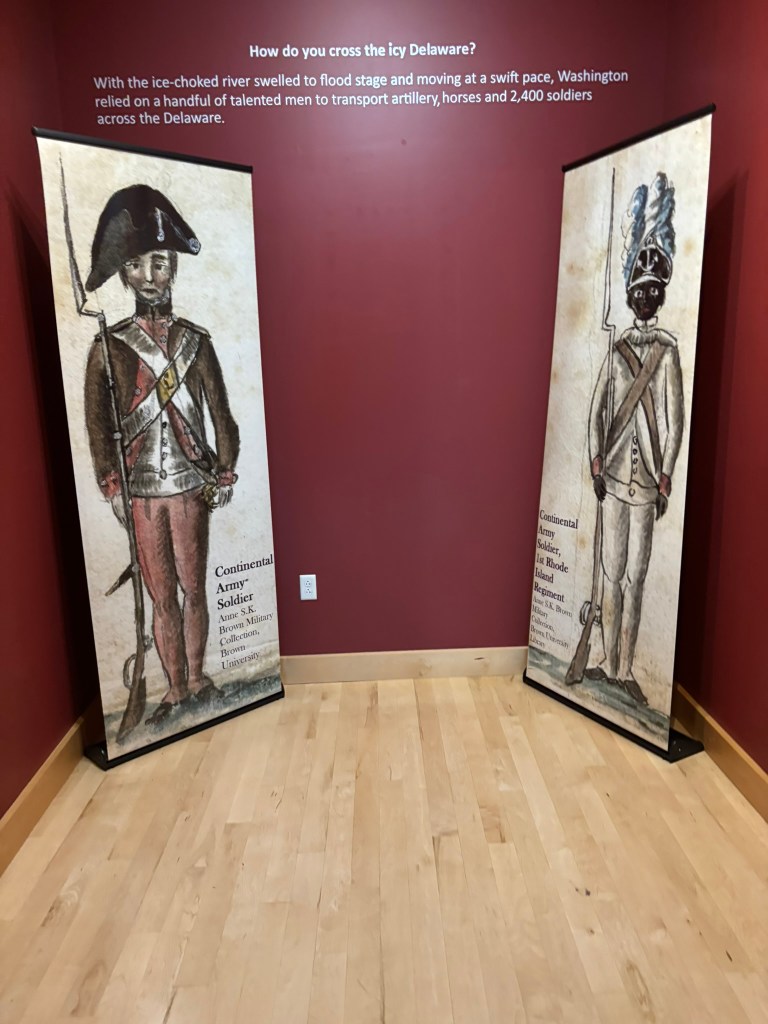
    Our guide explained that the river was running high and fast, while floating ice made every trip across the Delaware extremely dangerous. When you consider that the crossing involved not only nearly 2,400 soldiers but also horses, artillery, and supplies, it becomes easier to appreciate just how daring the operation really was.

    After finally reaching the New Jersey side, the Continental Army still had to march approximately nine miles to Trenton through snow, sleet, and hail. Washington had hoped to launch his surprise attack before daylight, but because of the delays during the crossing, the Continental Army did not attack Trenton until around 8:00 a.m.

    Our tour guide also emphasized the importance of the Ten Crucial Days, which marked a turning point in the American Revolution and revived the Patriot cause. Had this daring undertaking by Washington failed, the outcome of the Revolution may have been very different.
    Exploring the Grounds

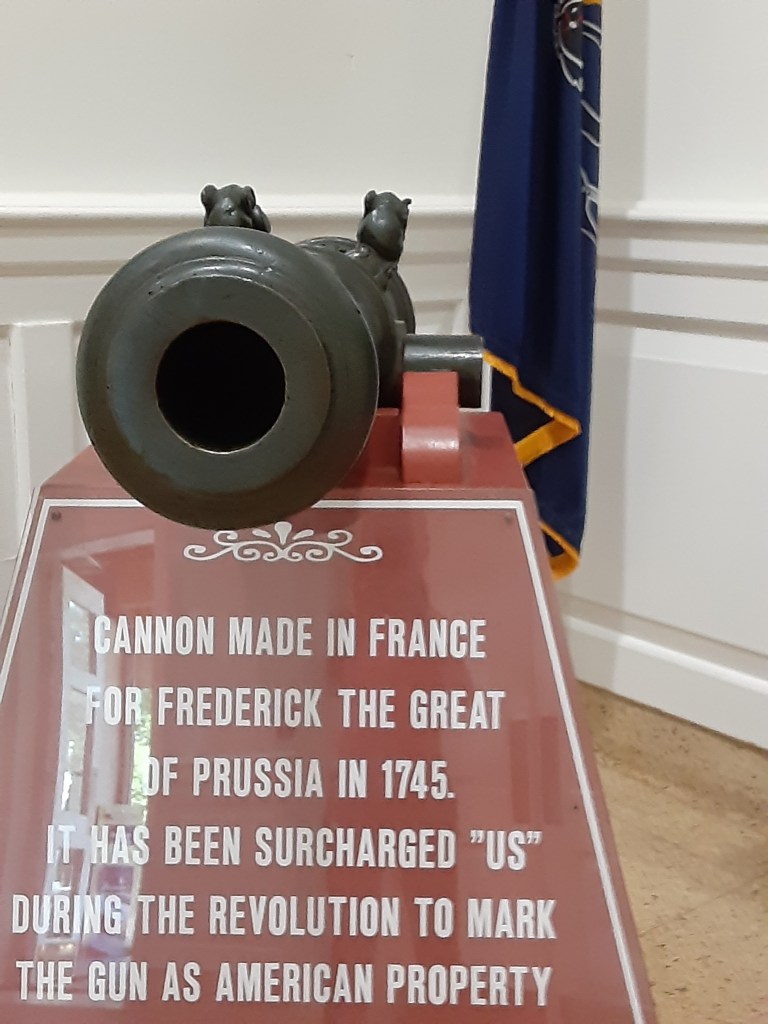
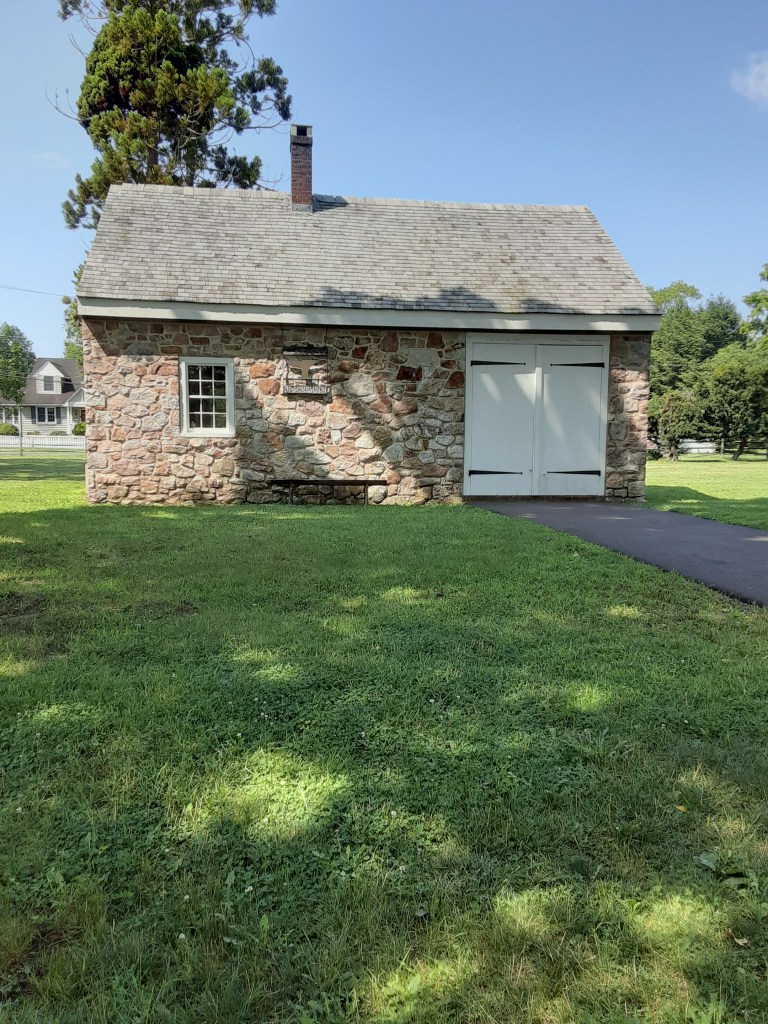
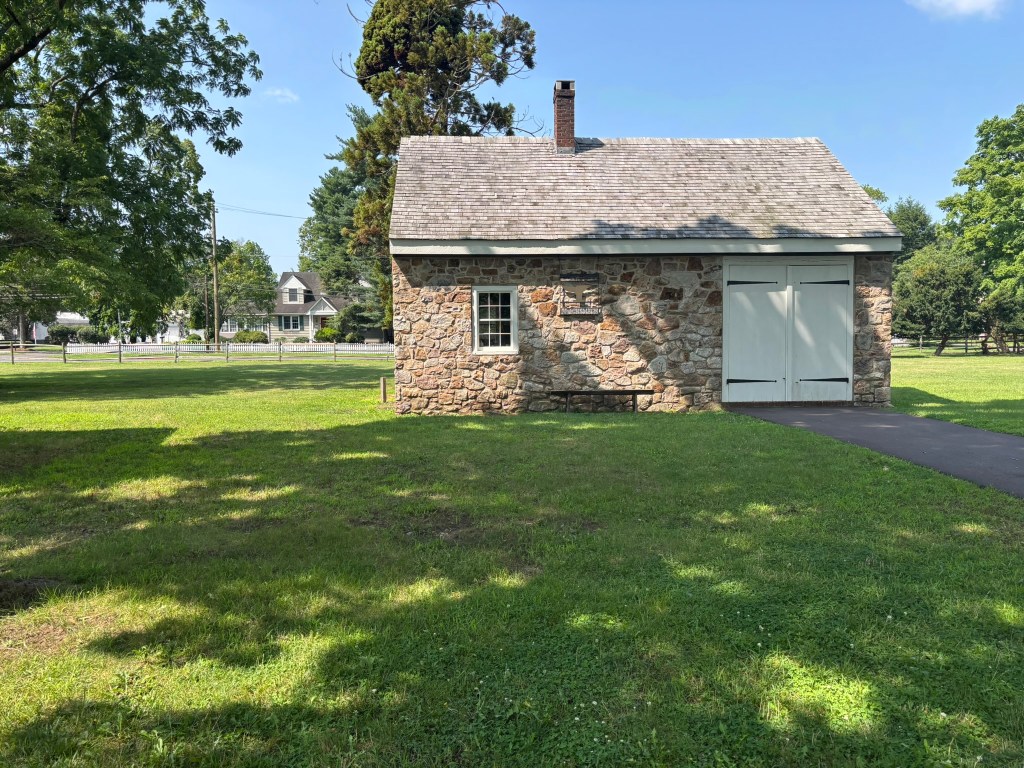
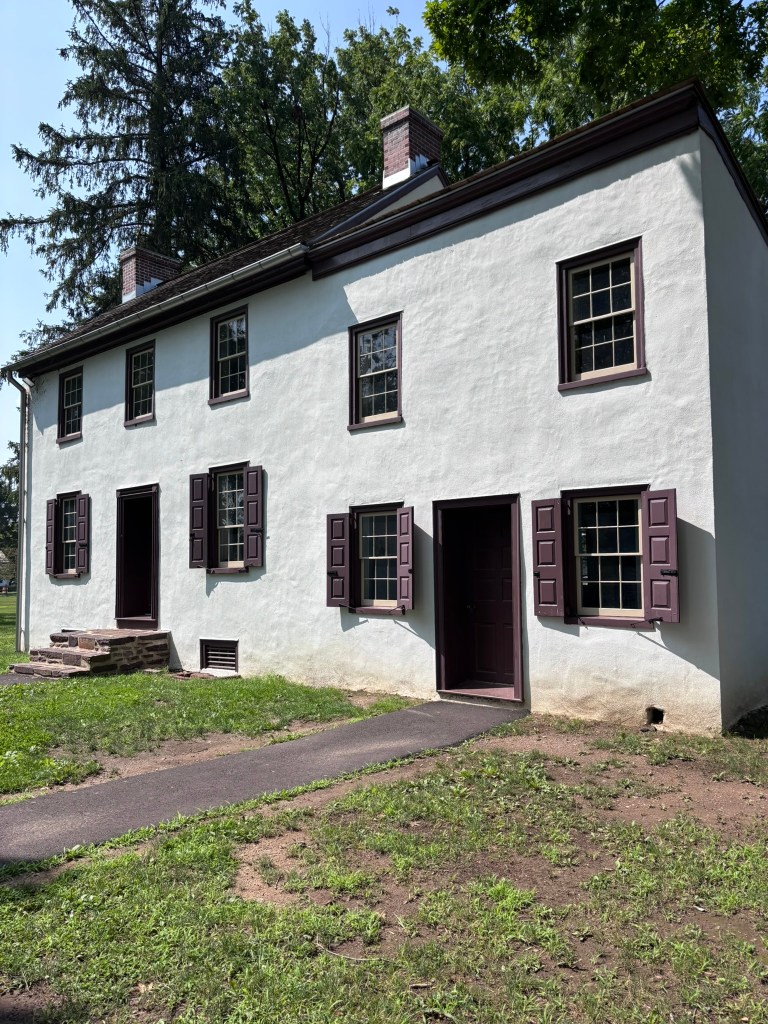
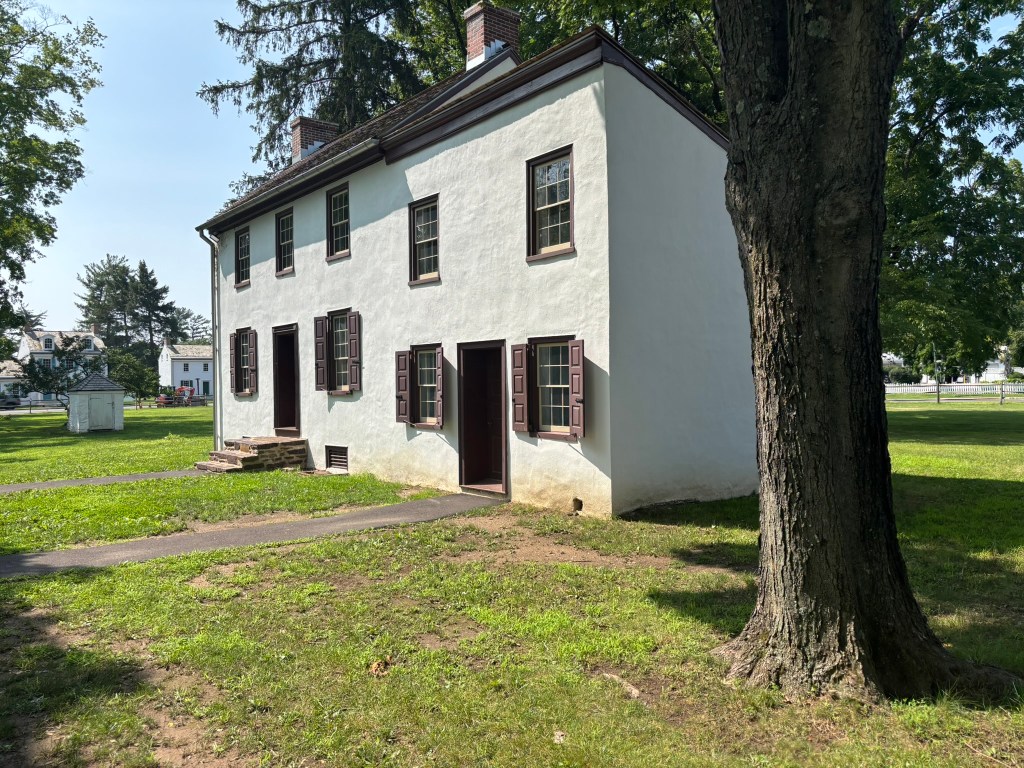
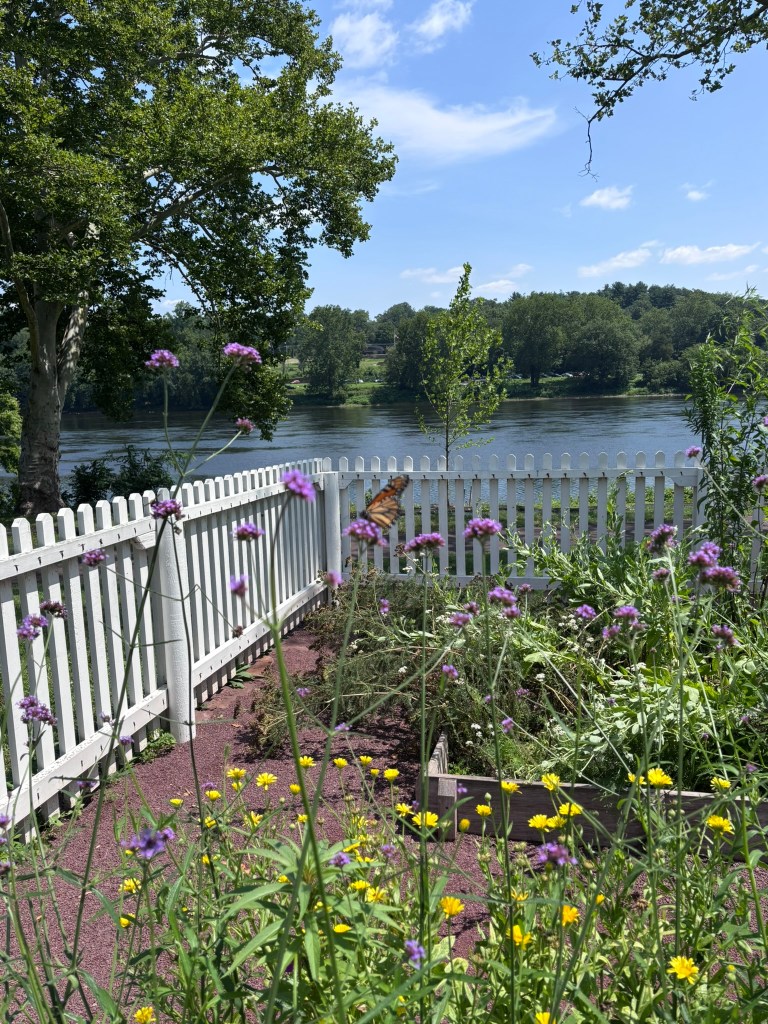
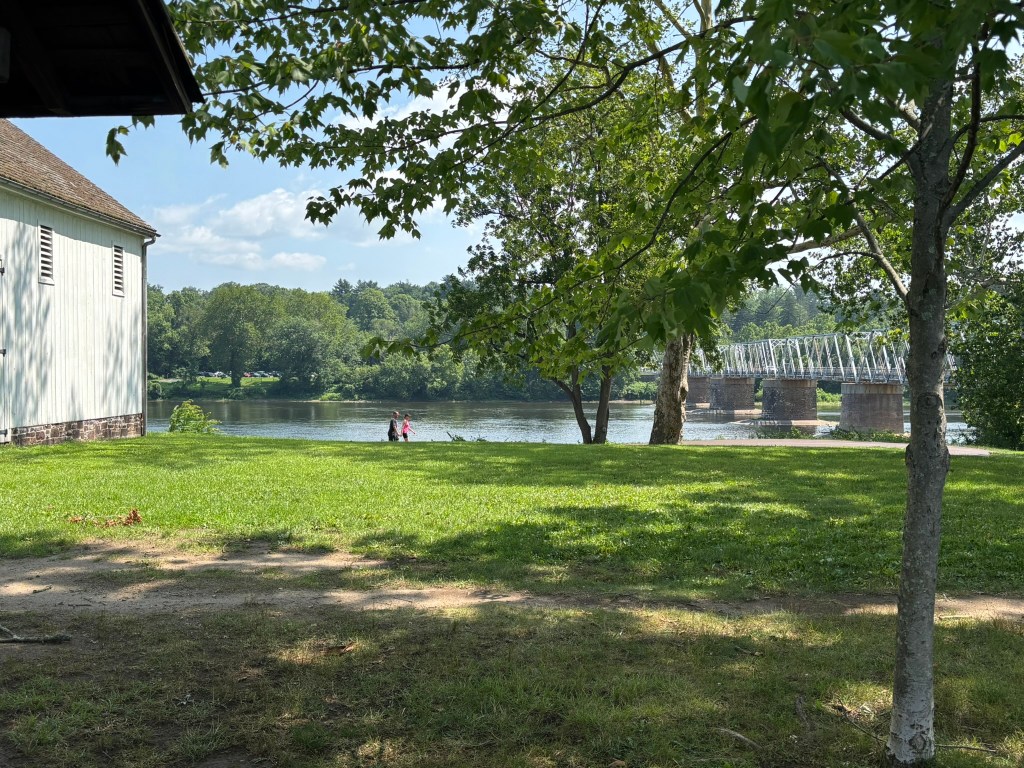
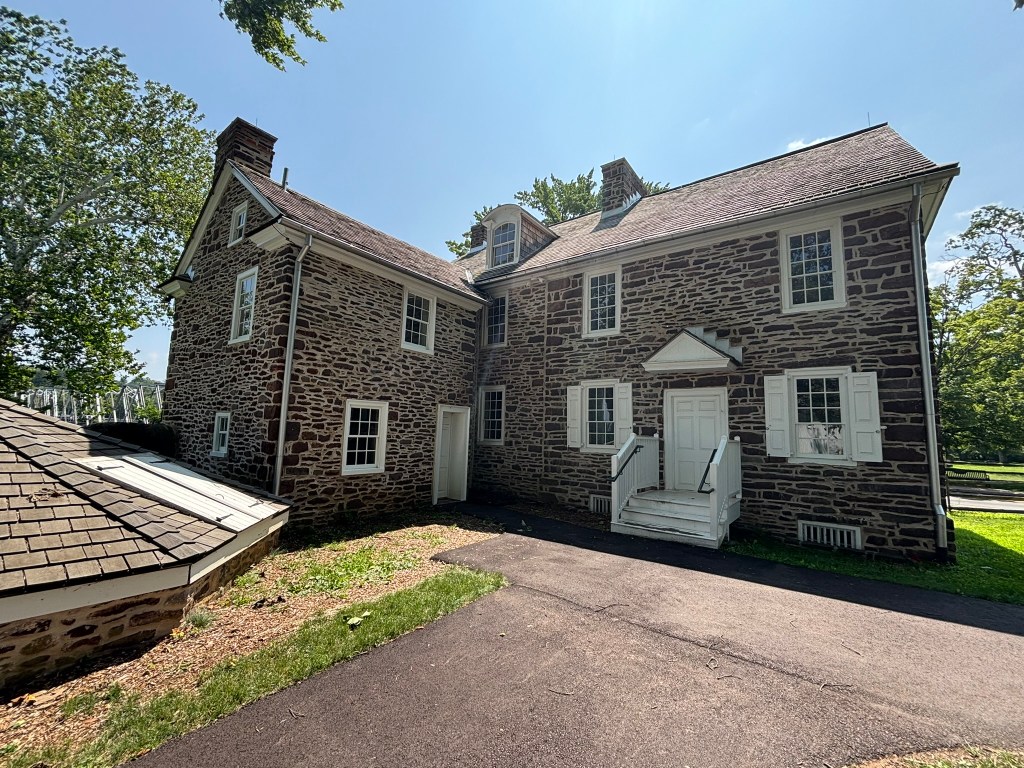
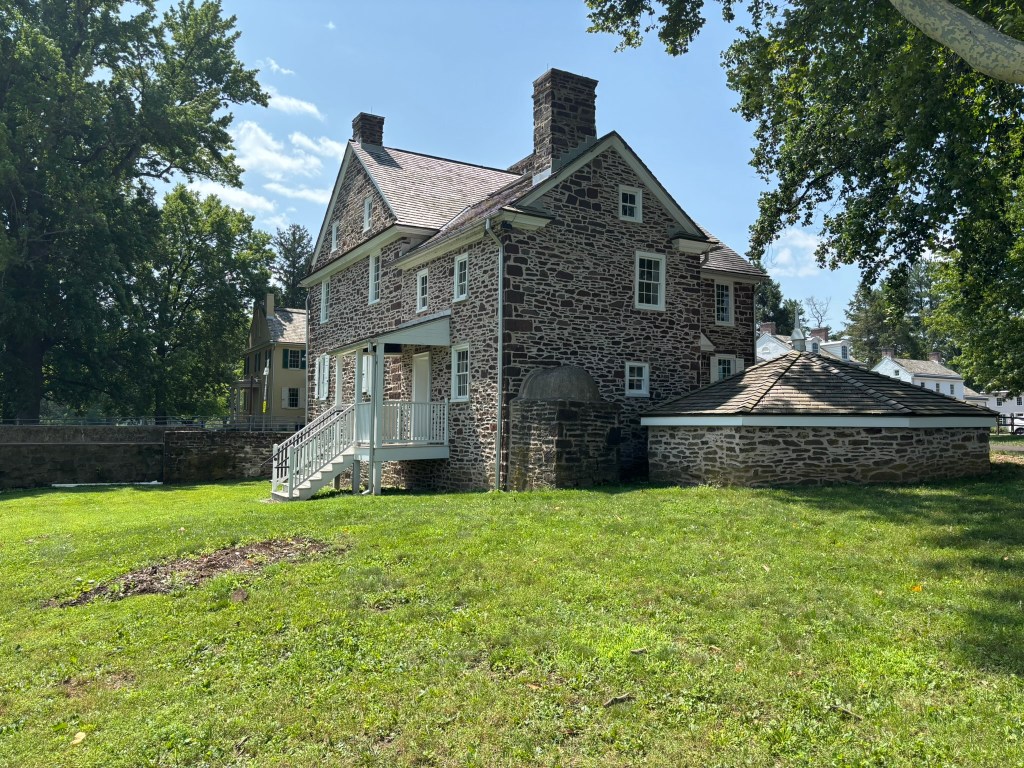
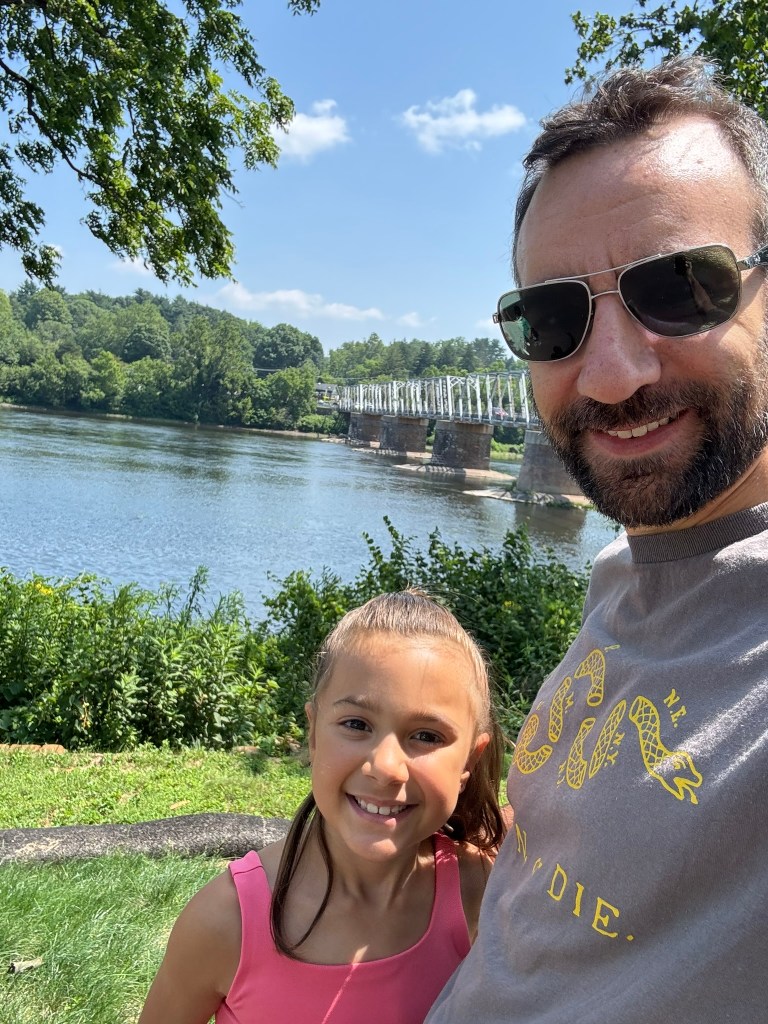
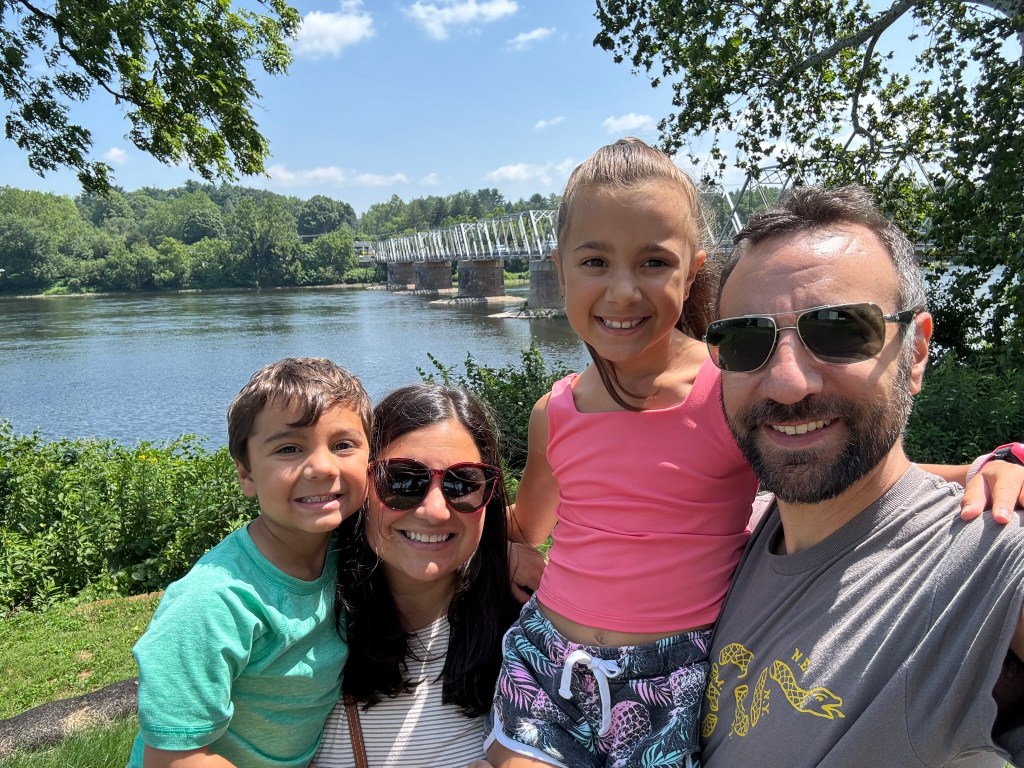
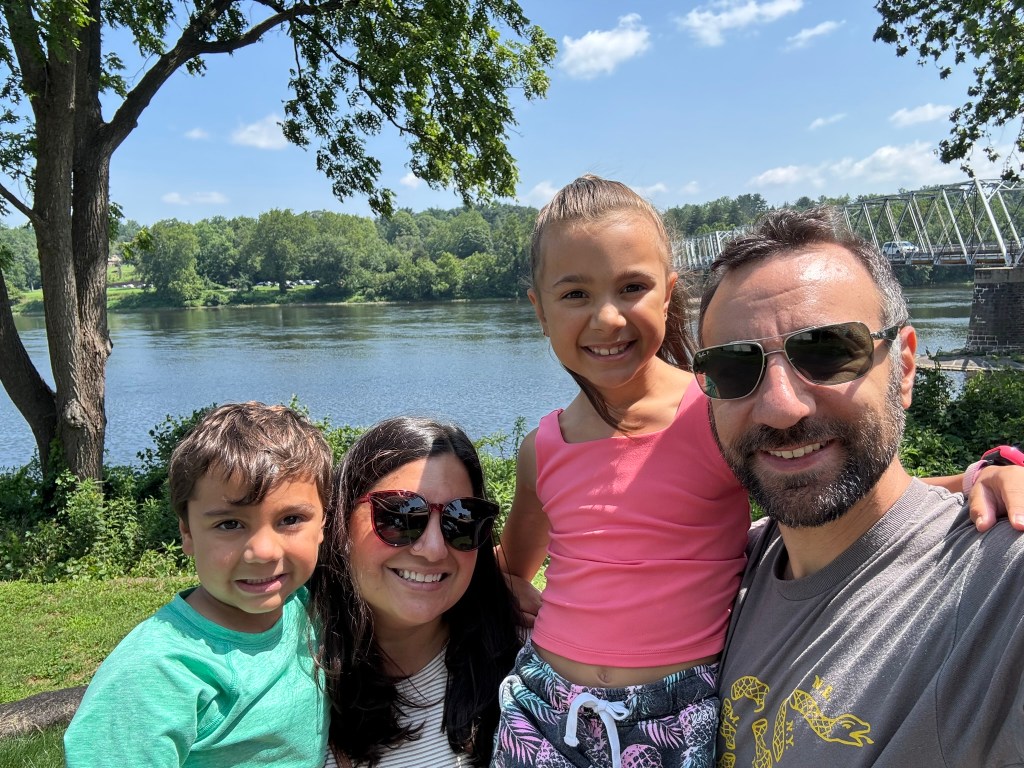
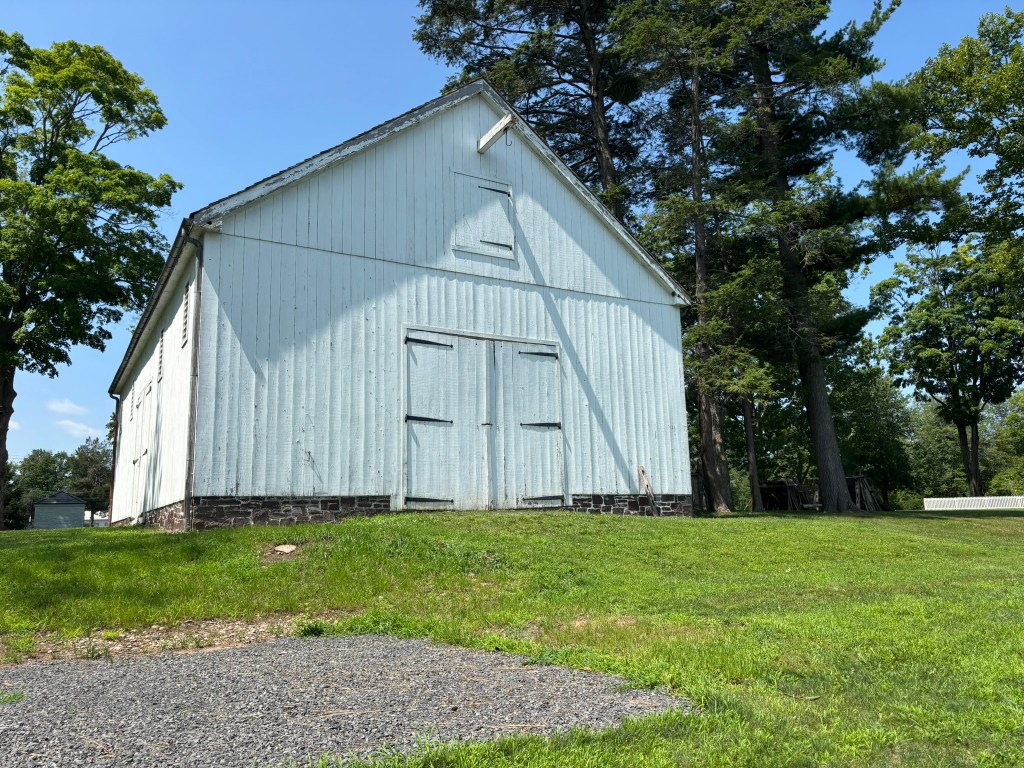
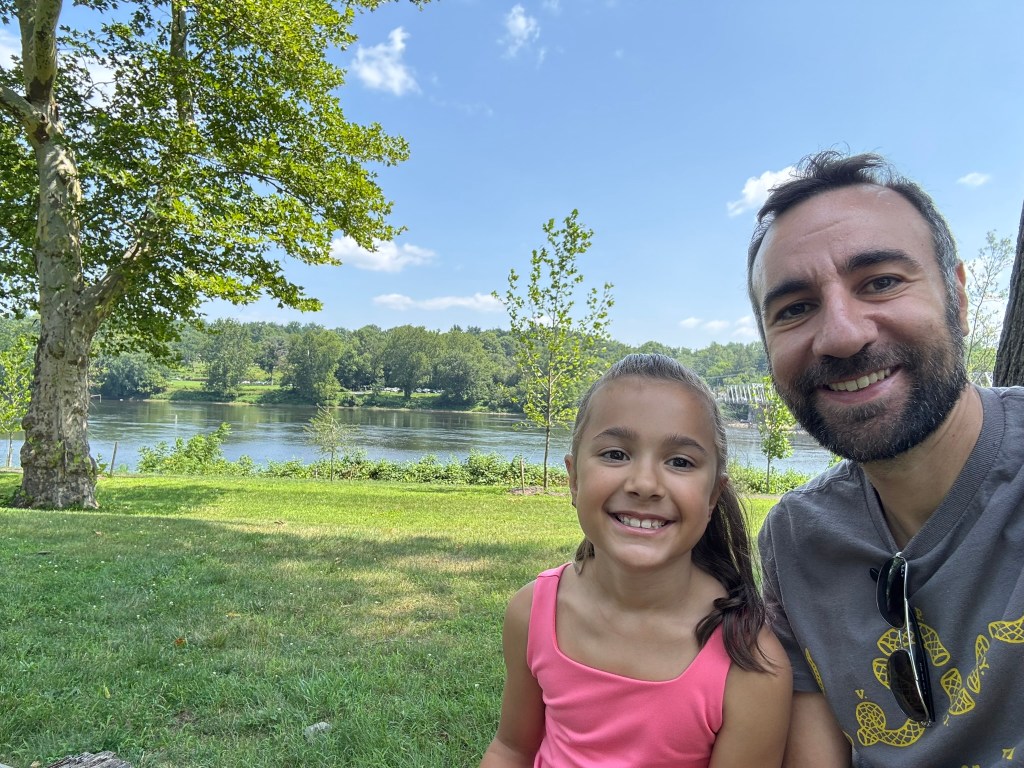
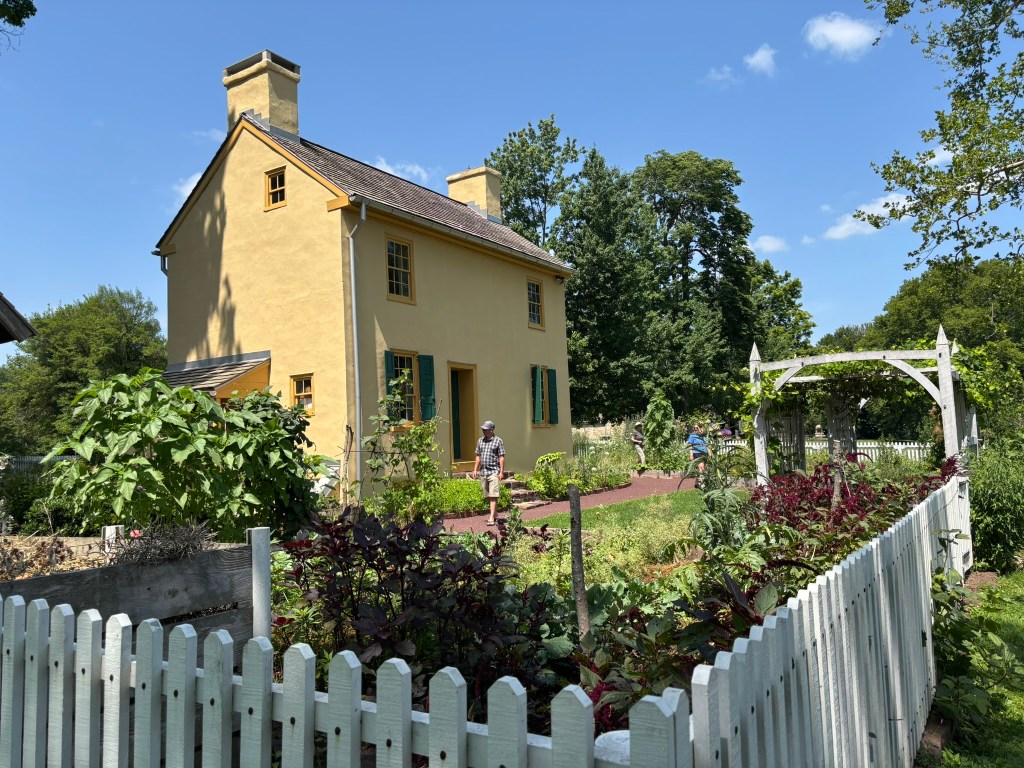
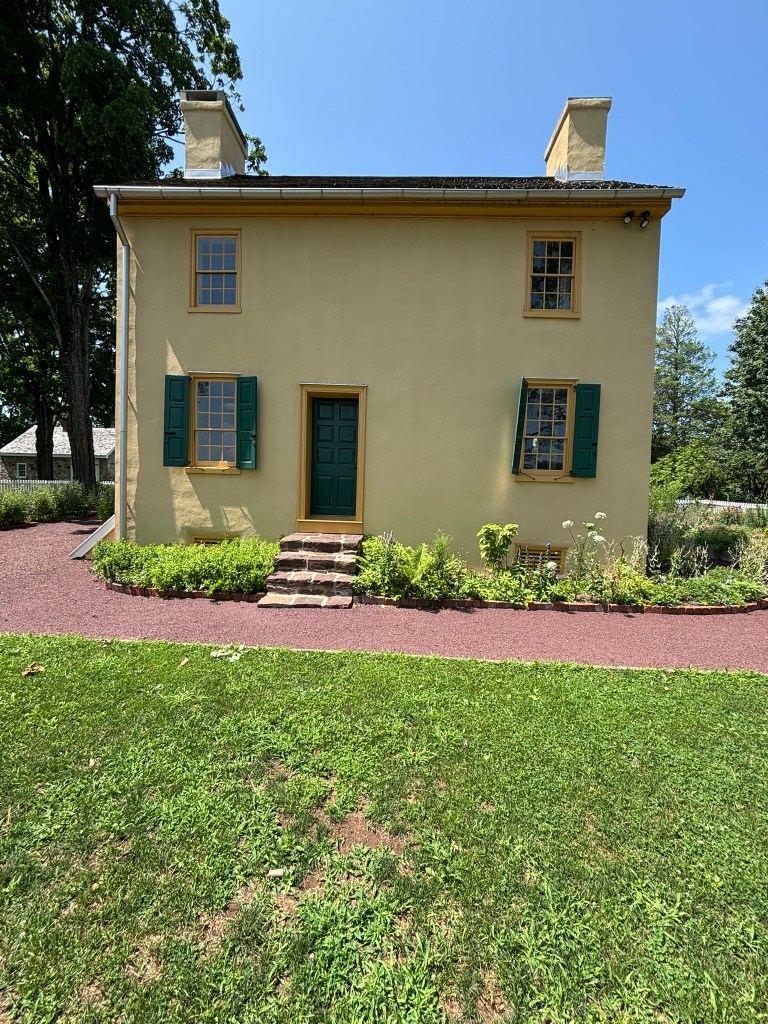
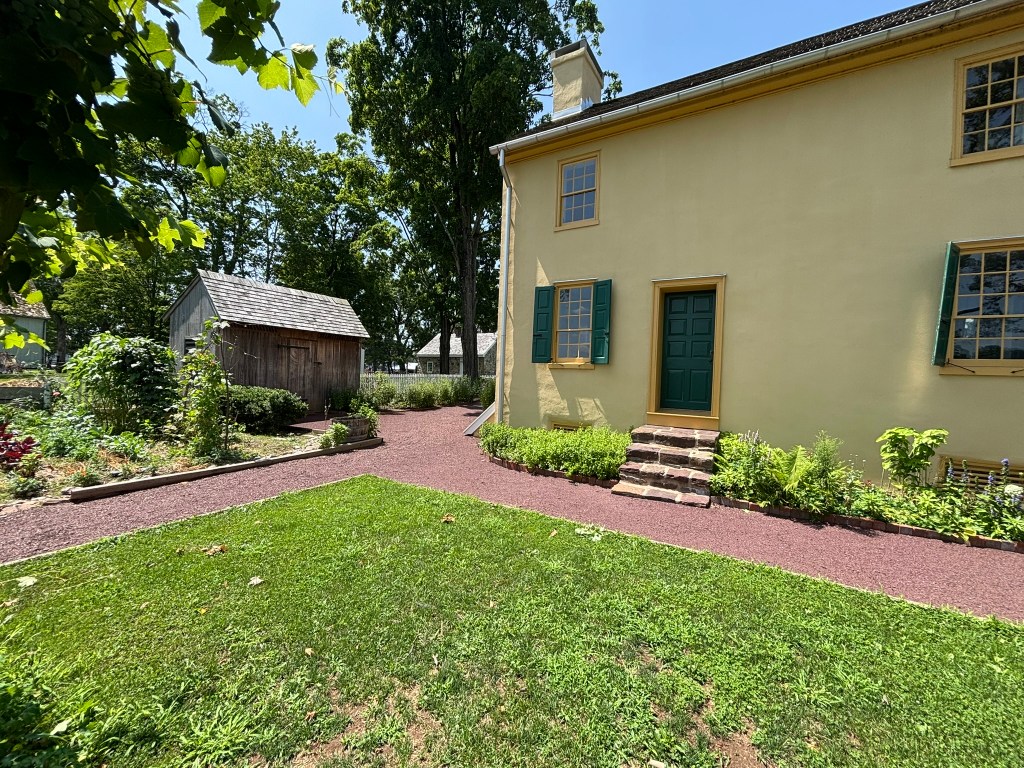
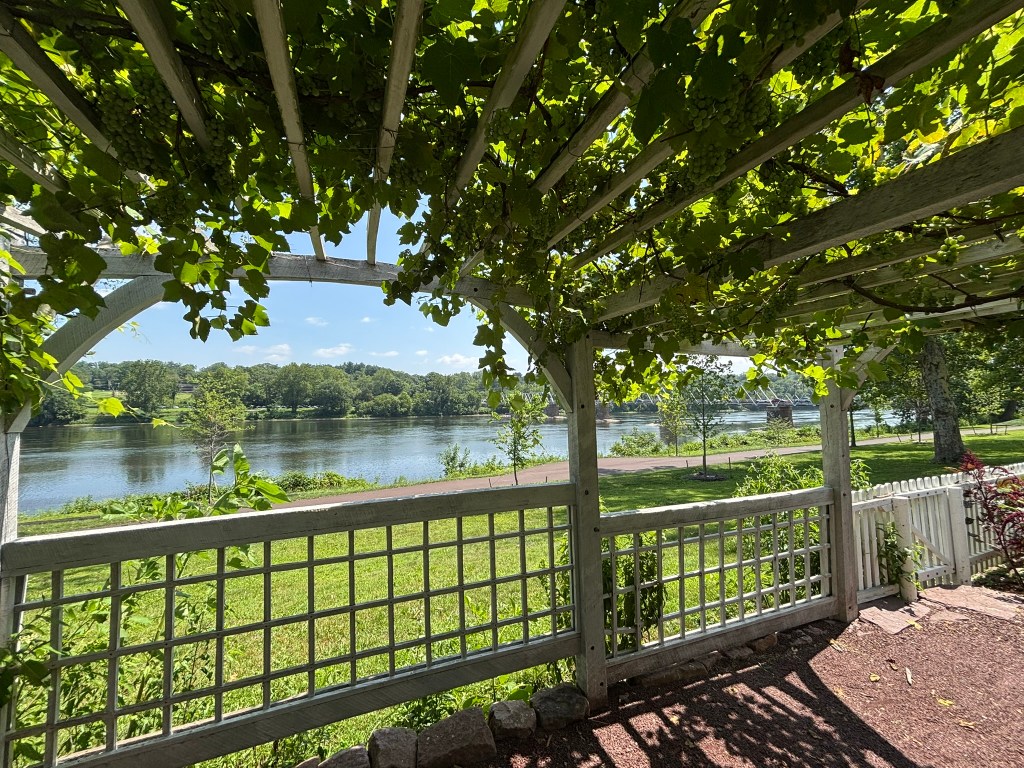
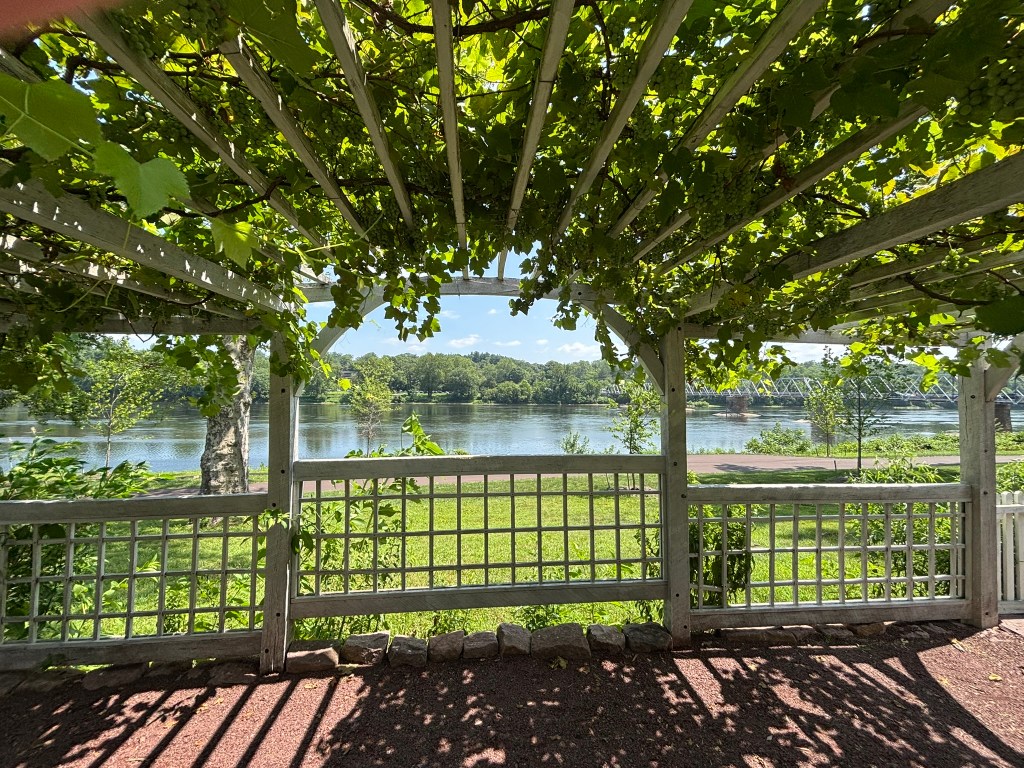
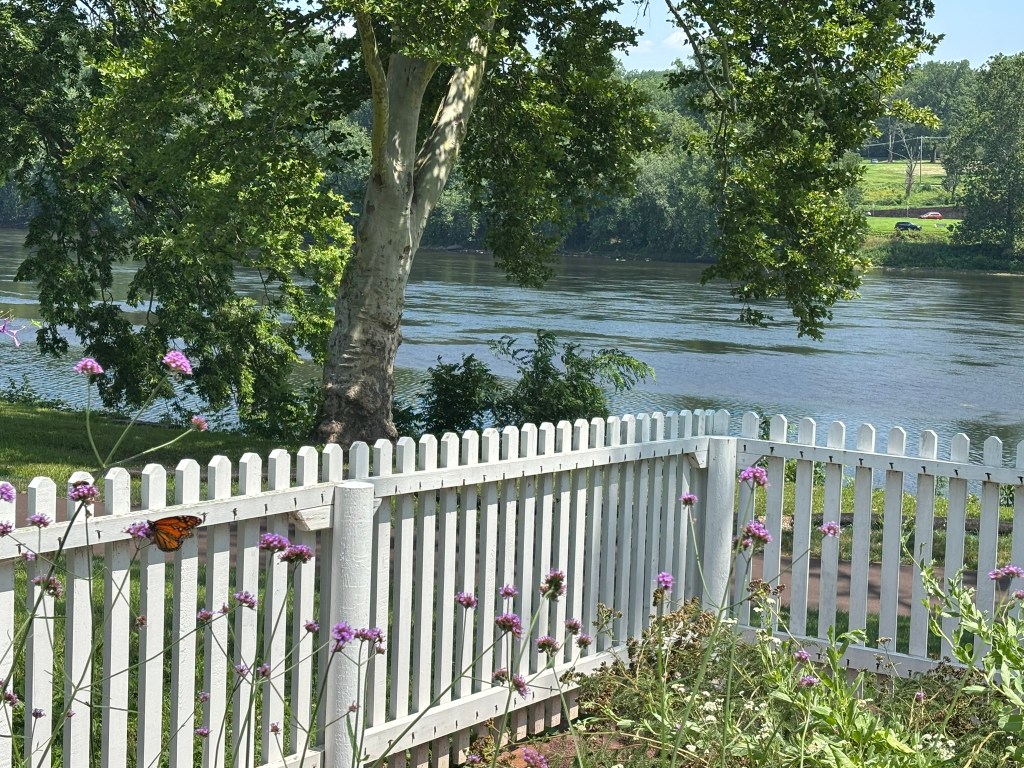
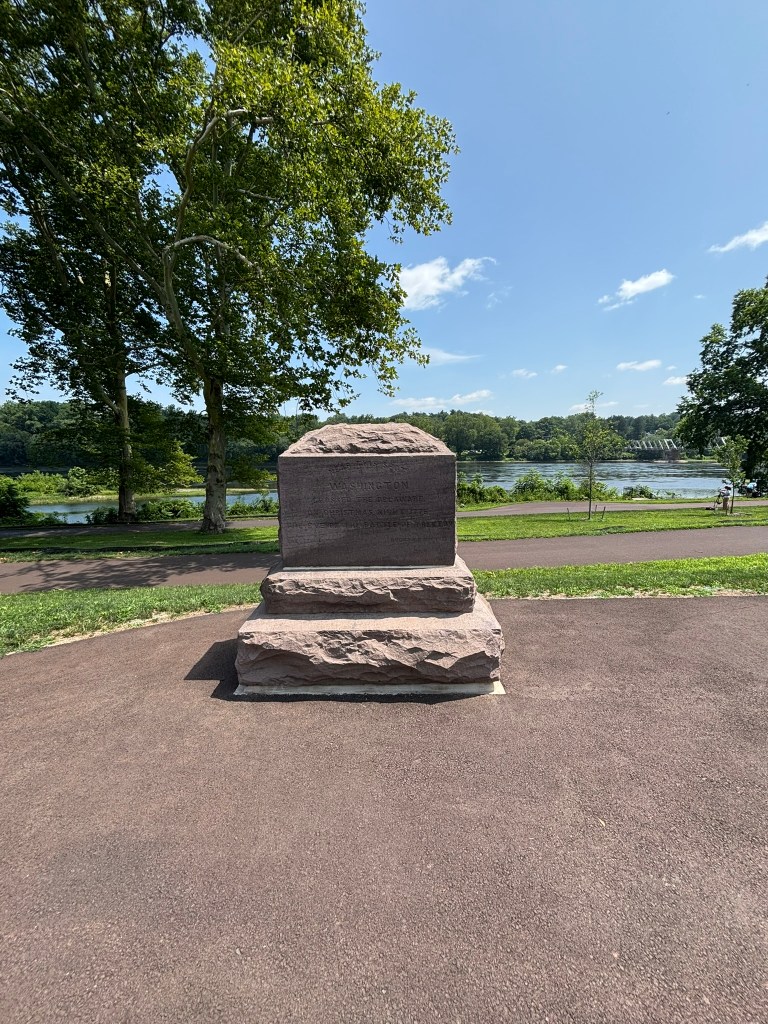
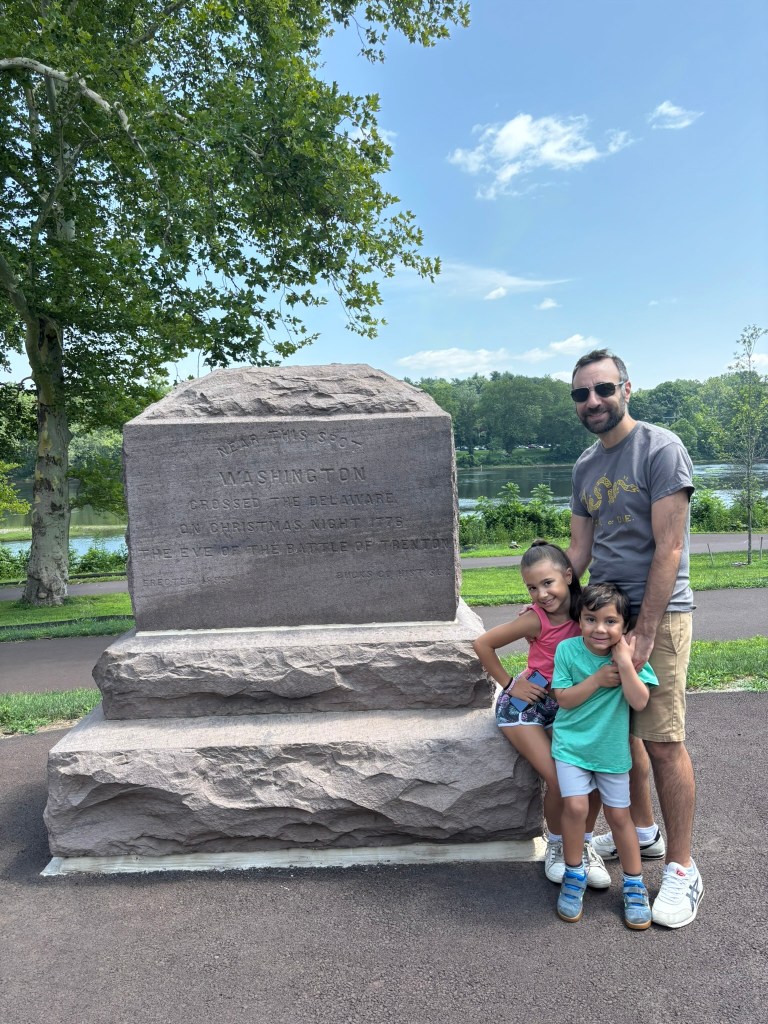
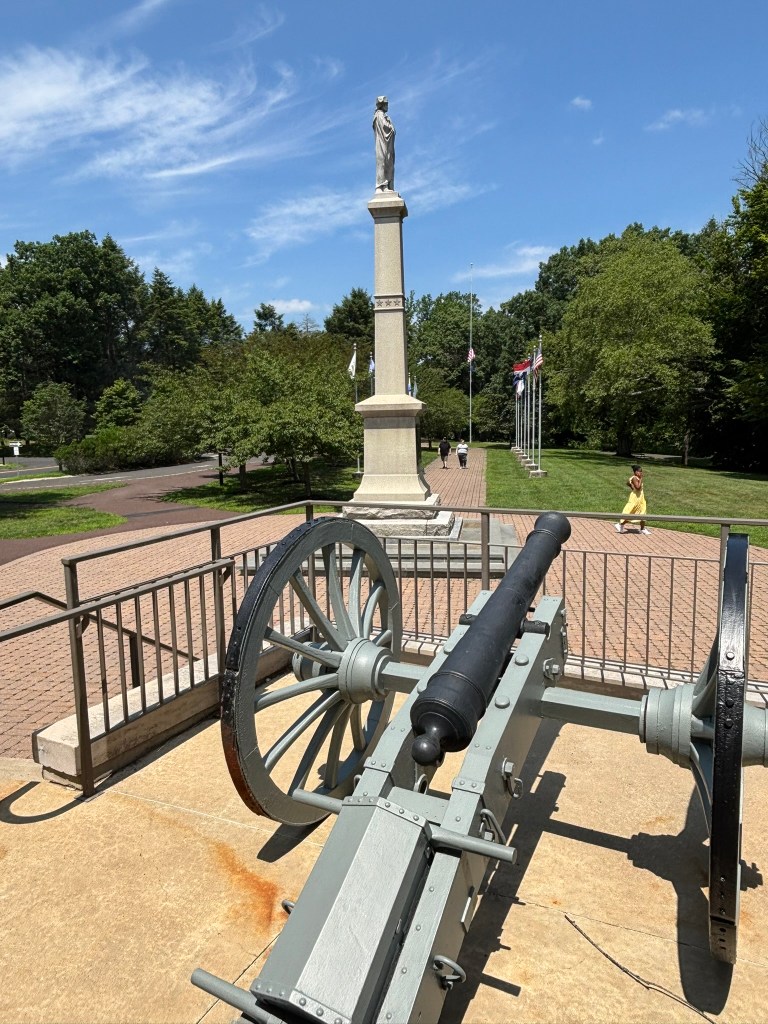
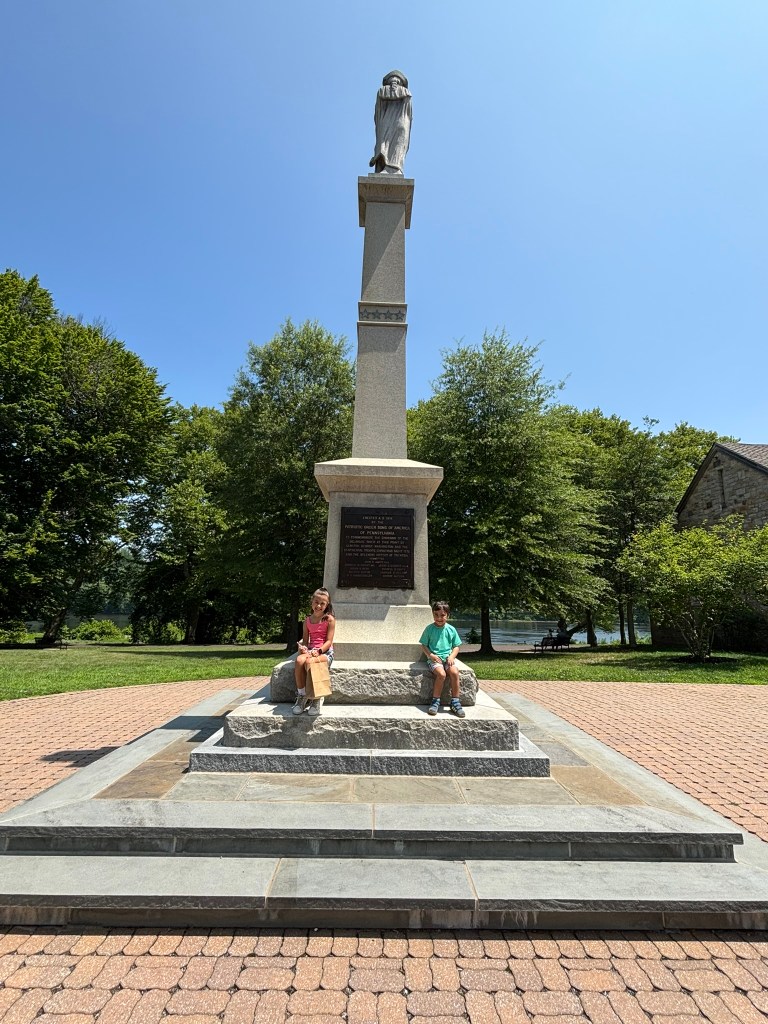
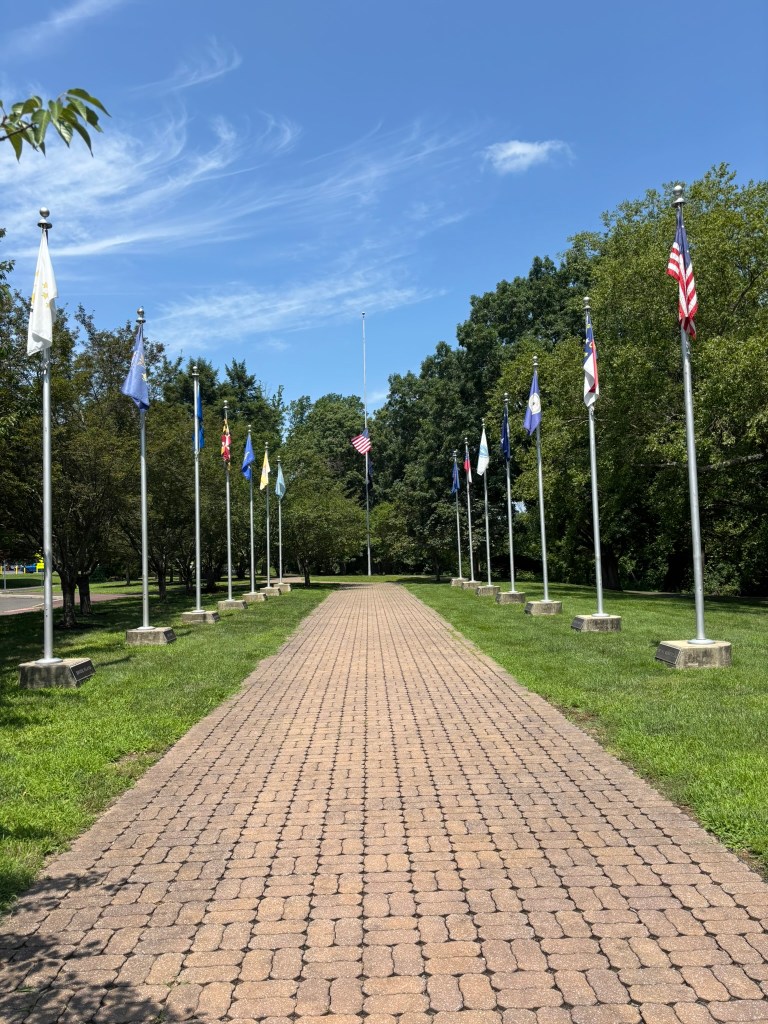
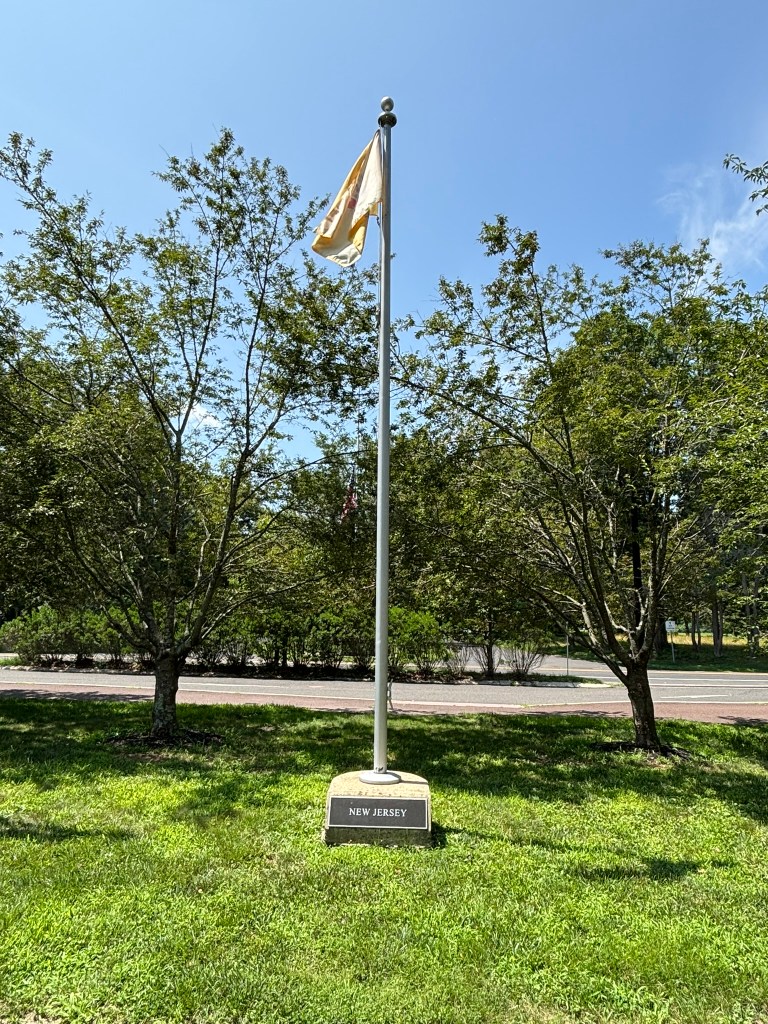
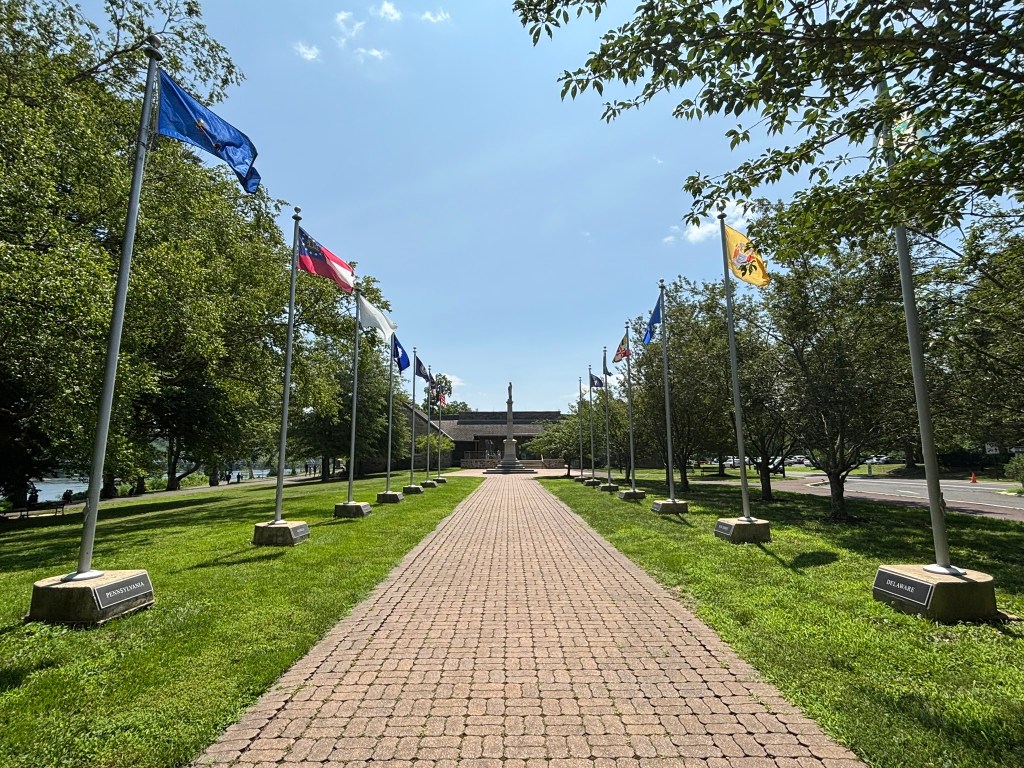
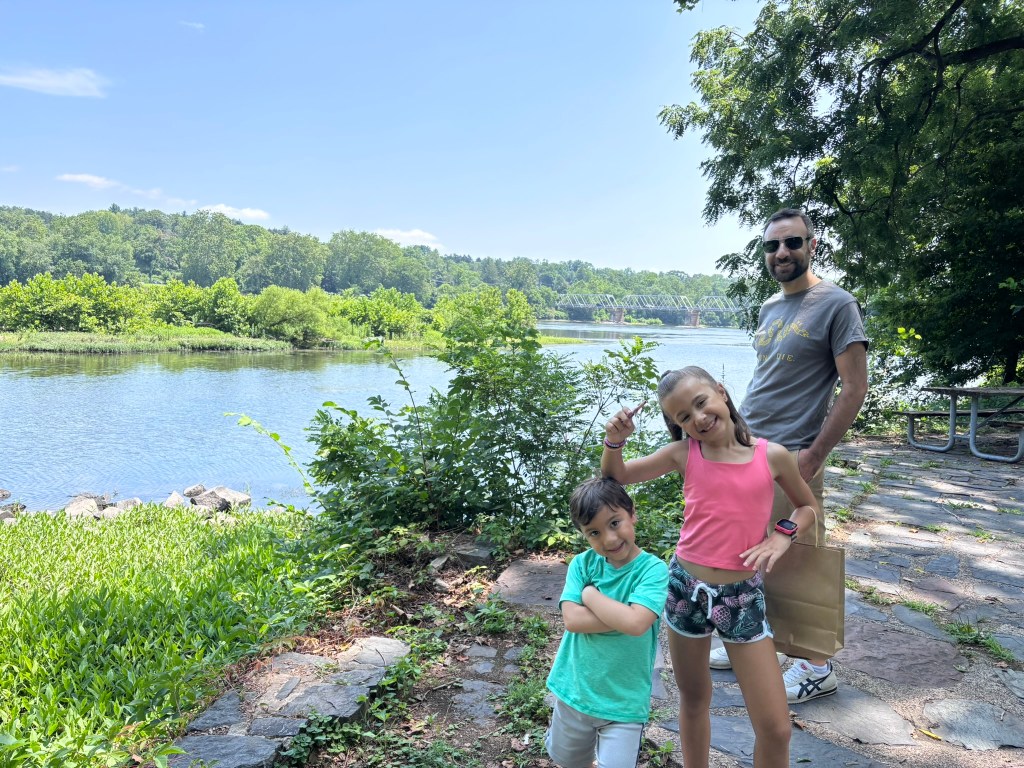
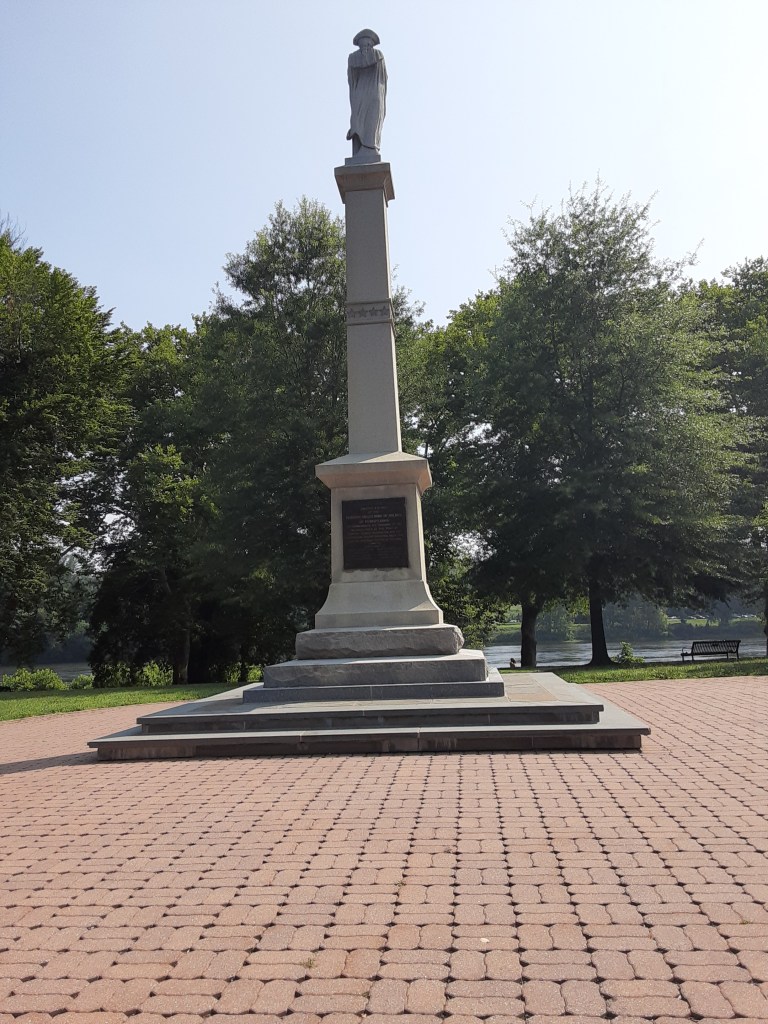
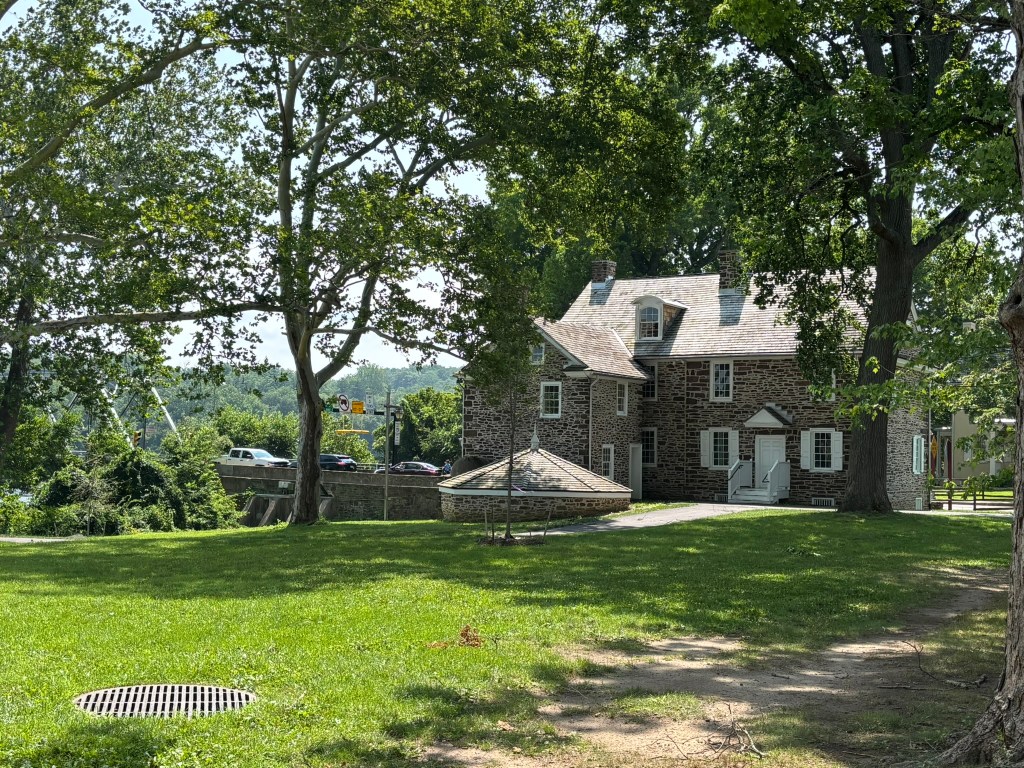
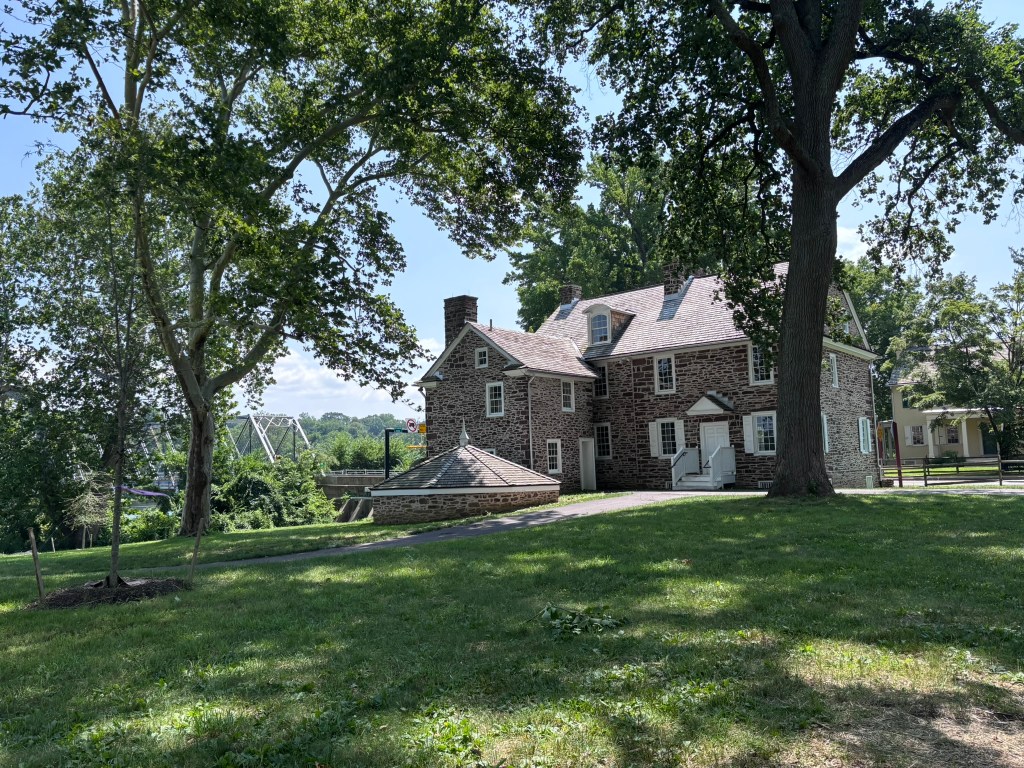
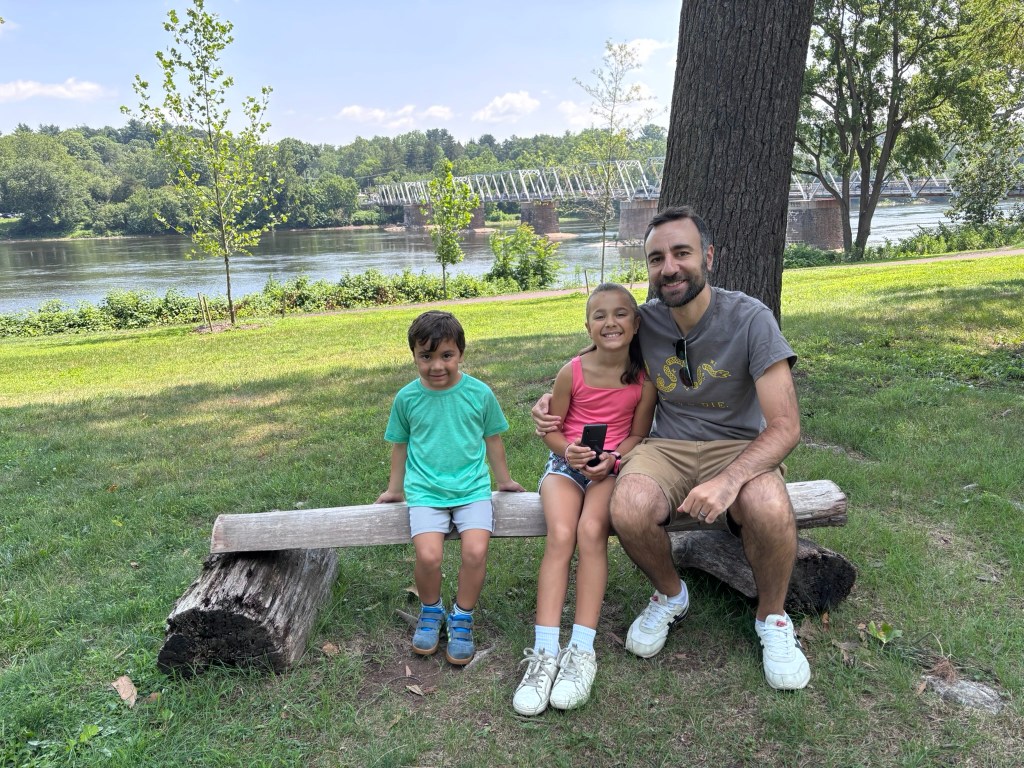
    After our tour, my family and I explored the grounds and took several photos along the Delaware River. We also visited the buildings and gardens throughout the park. McConkey’s Ferry Inn is the only structure on the property that still dates back to 1776, although our tour guide explained that it has changed significantly over the years through additions, renovations, and the replacement of its original wooden exterior with stone.
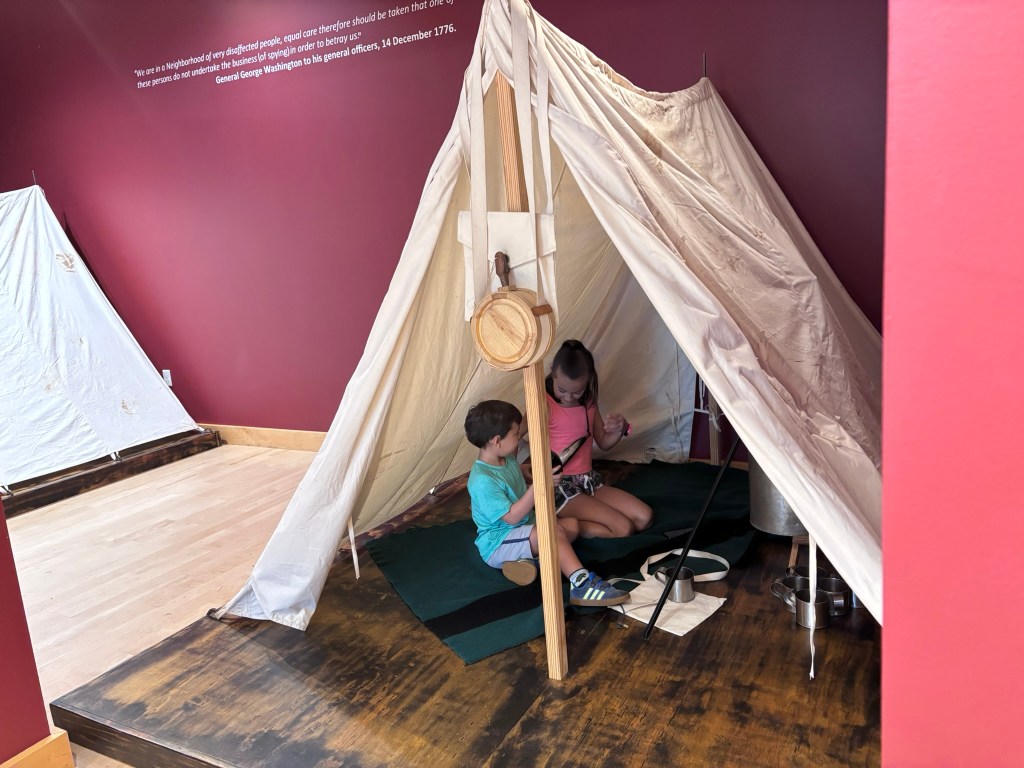
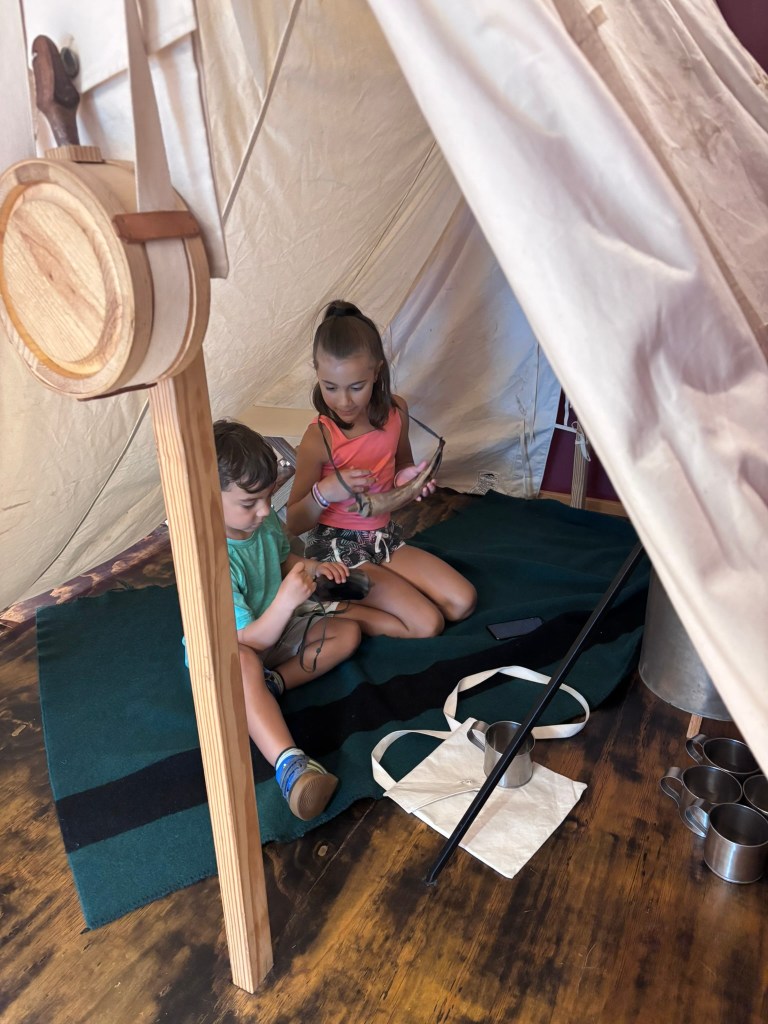
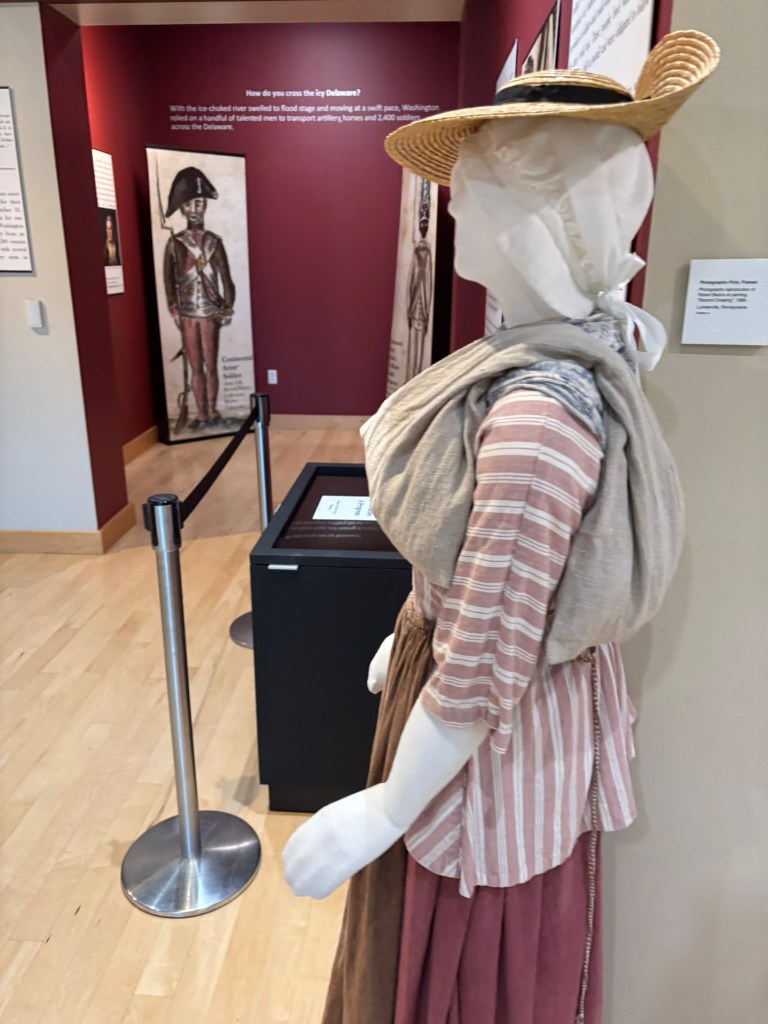
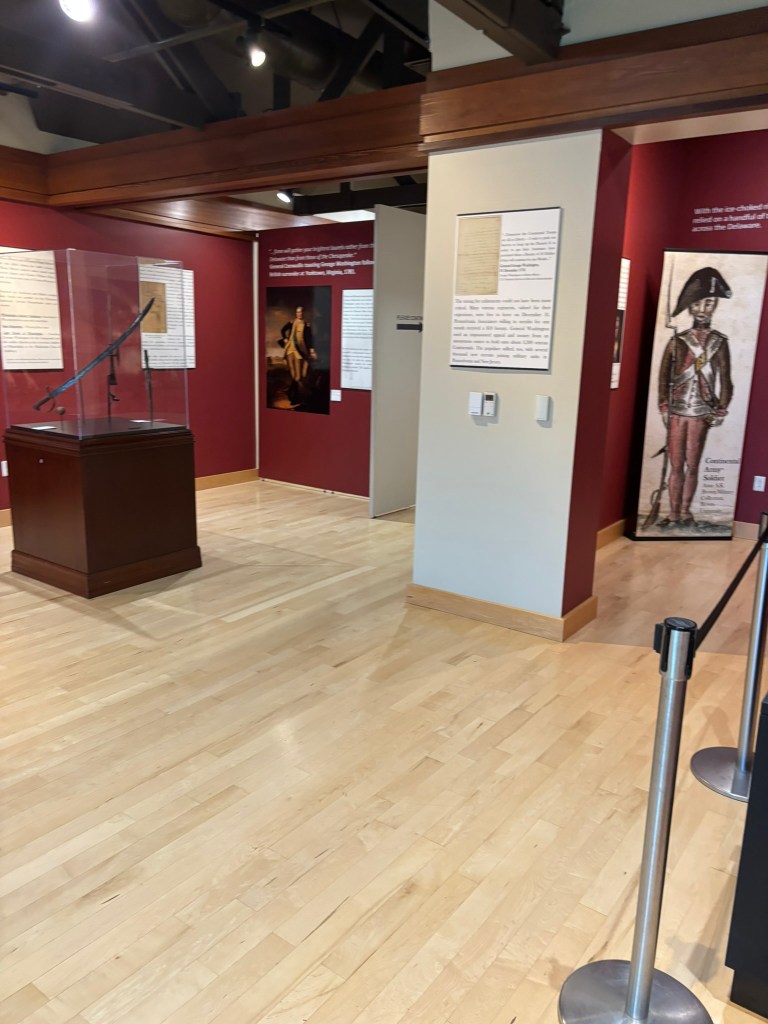
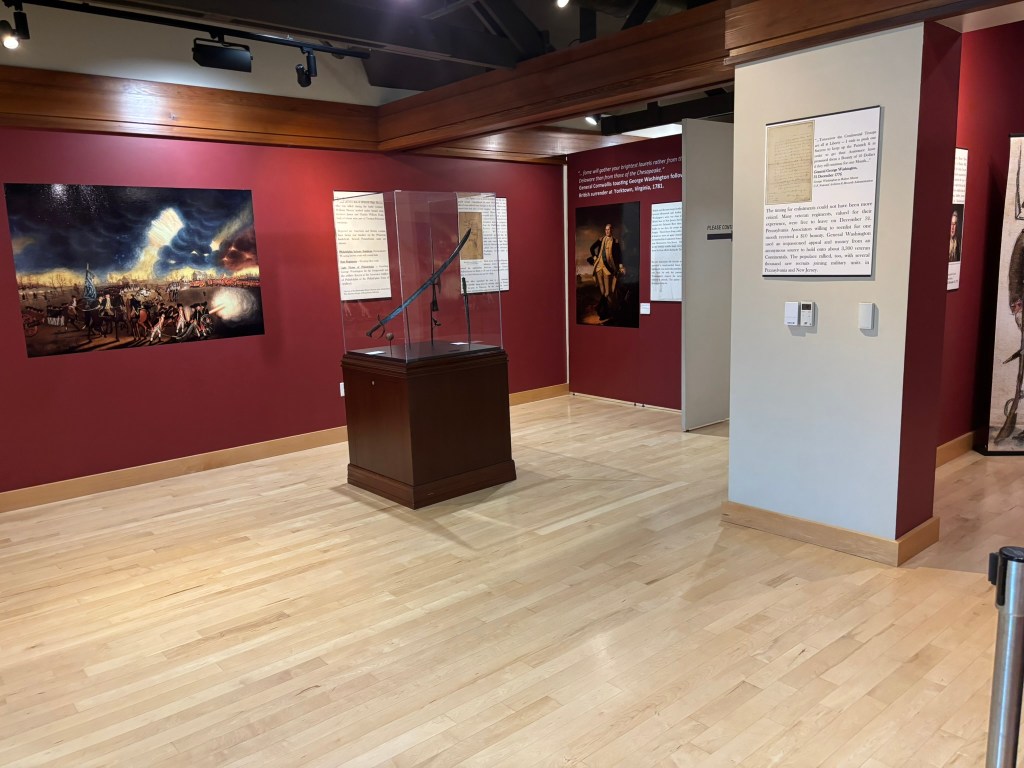
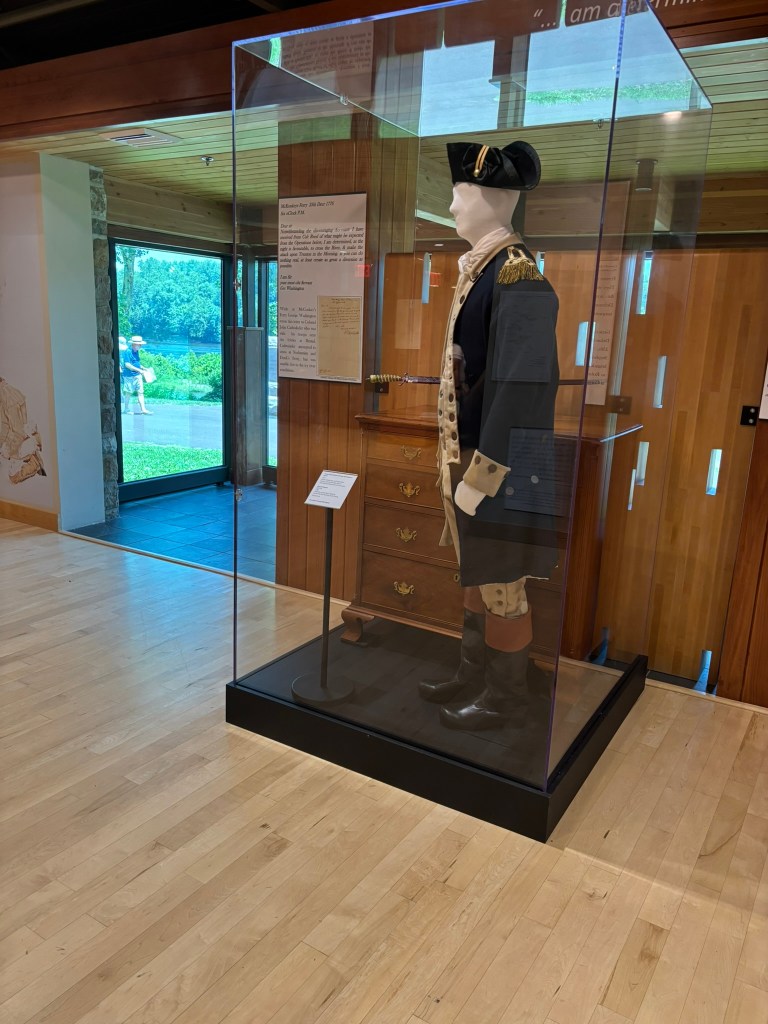
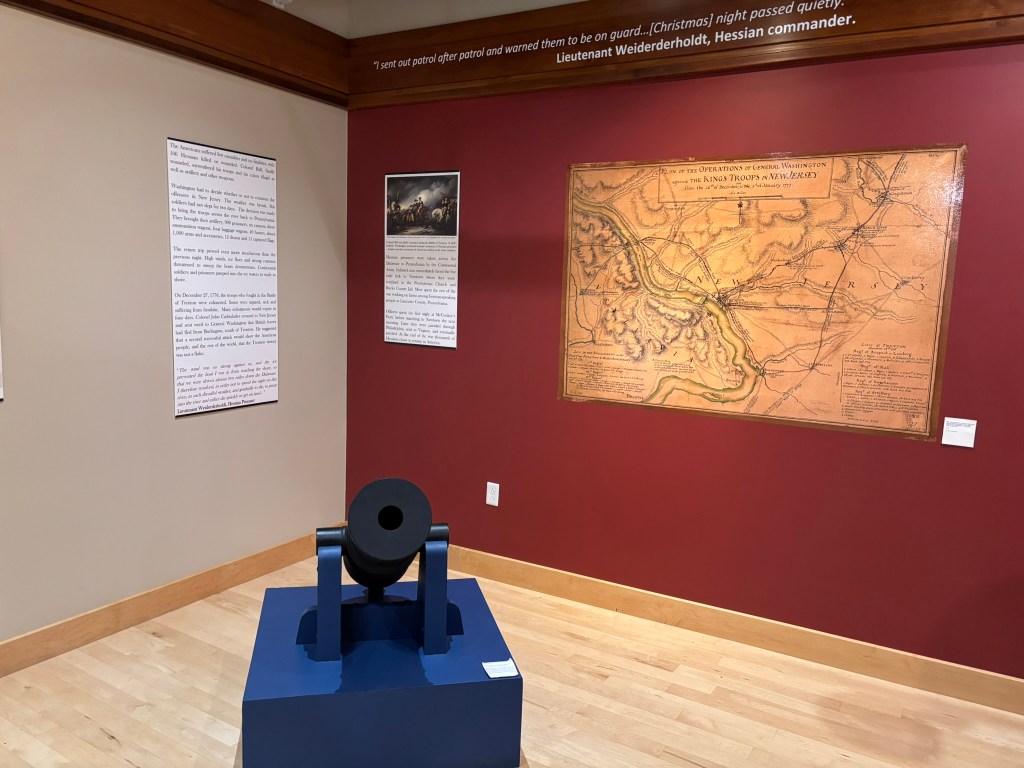
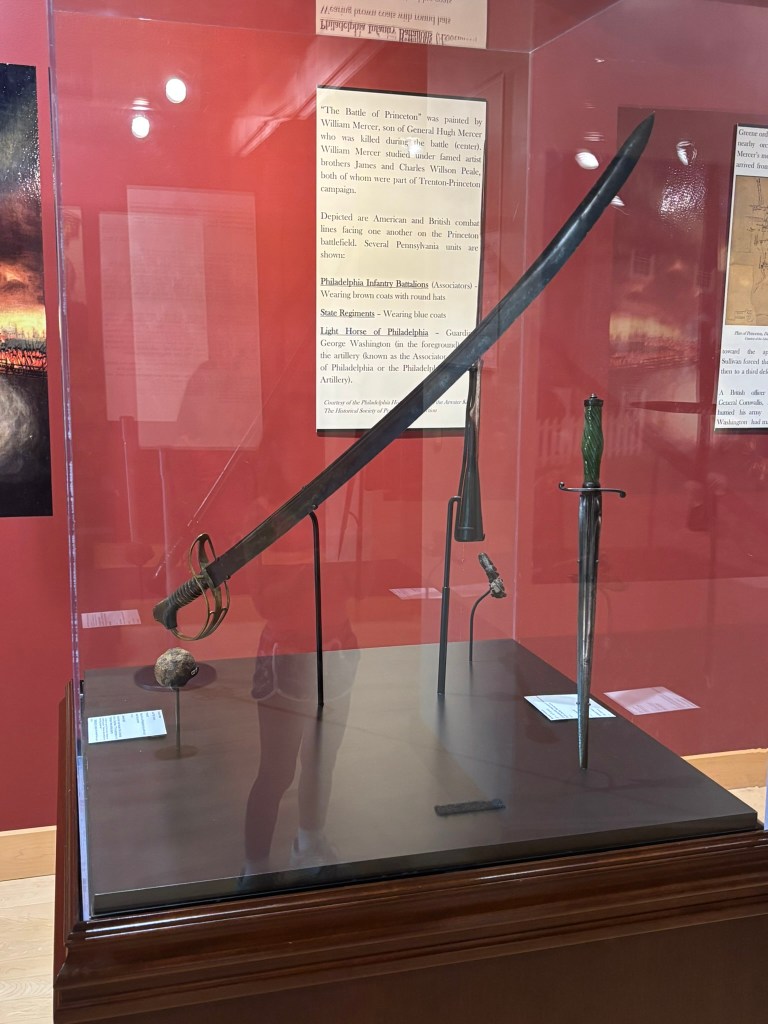
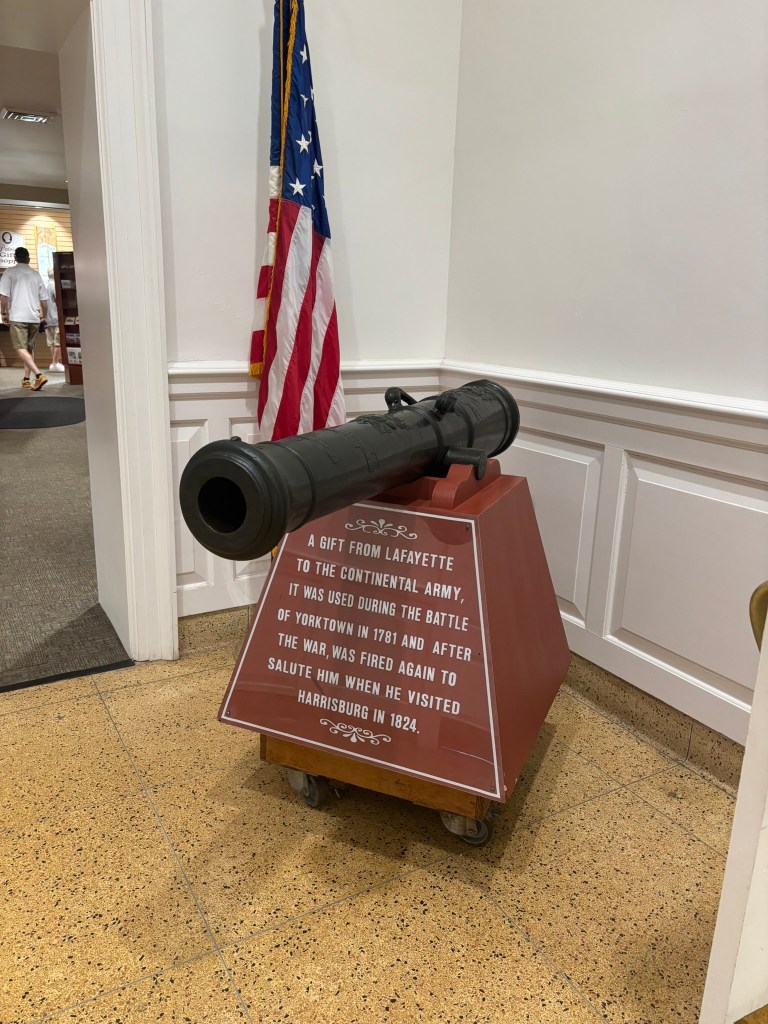
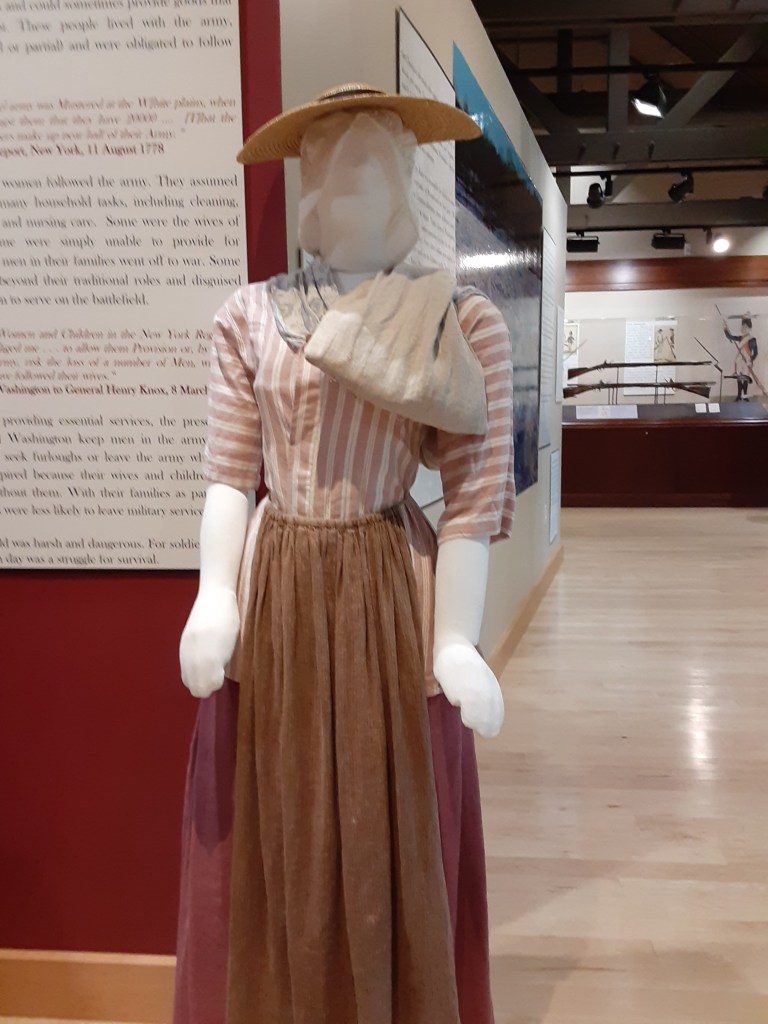
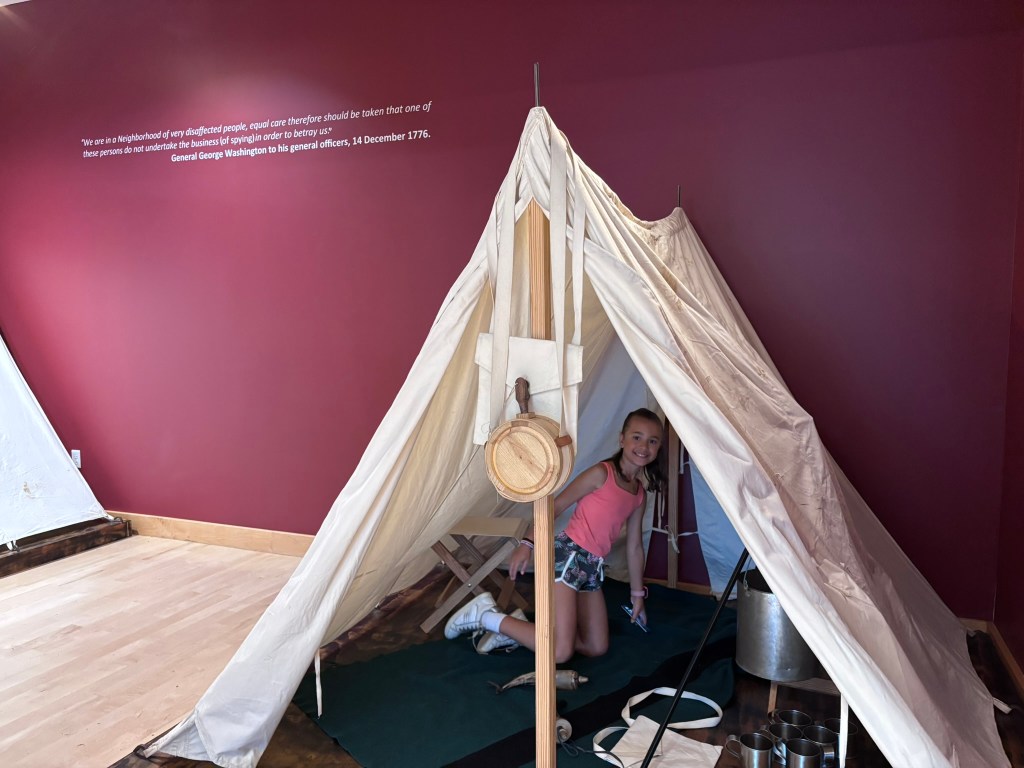
    We then returned to the Visitor Center to explore the exhibit gallery, which features artifacts, paintings, and exhibits related to the American Revolution and Washington’s Crossing. There is also an excellent gift shop where my family and I picked out a few souvenirs.
    Bowman’s Tower

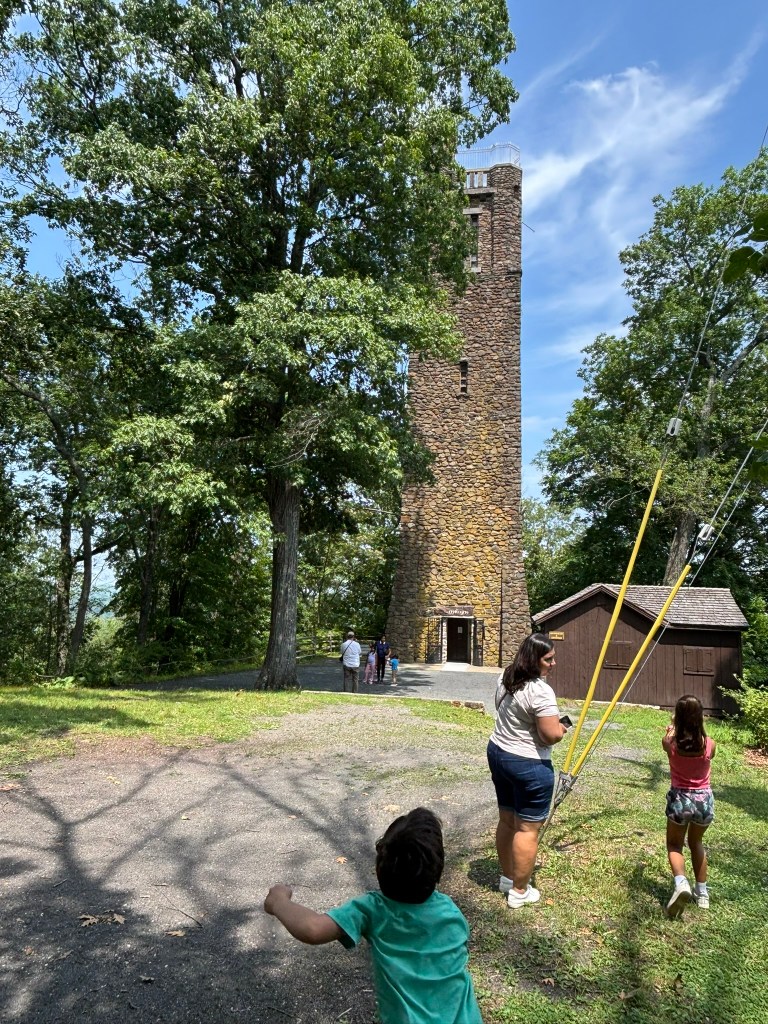
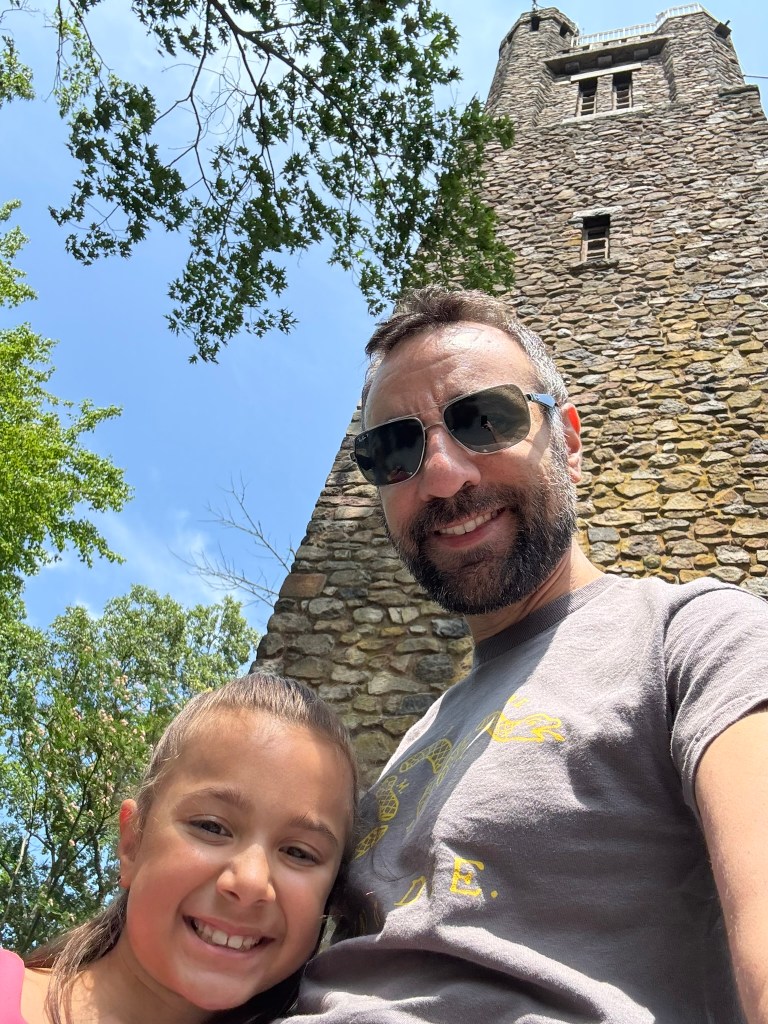
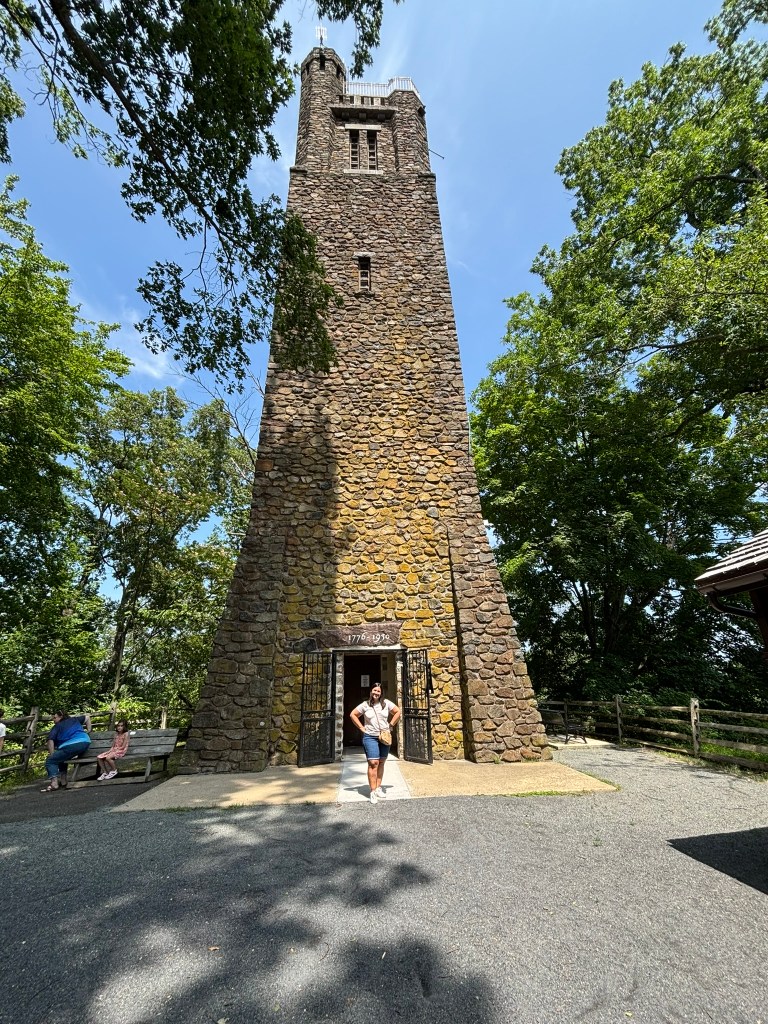
    After leaving the park around 12:30 p.m., my family and I drove about five miles upriver to visit Bowman’s Tower. Before heading to the tower, we stopped for lunch at Bowman’s Tavern, which featured great food, a live jazz band, and a brunch menu. Since it is located just minutes from the tower, I highly recommend stopping there if you’re visiting the area.

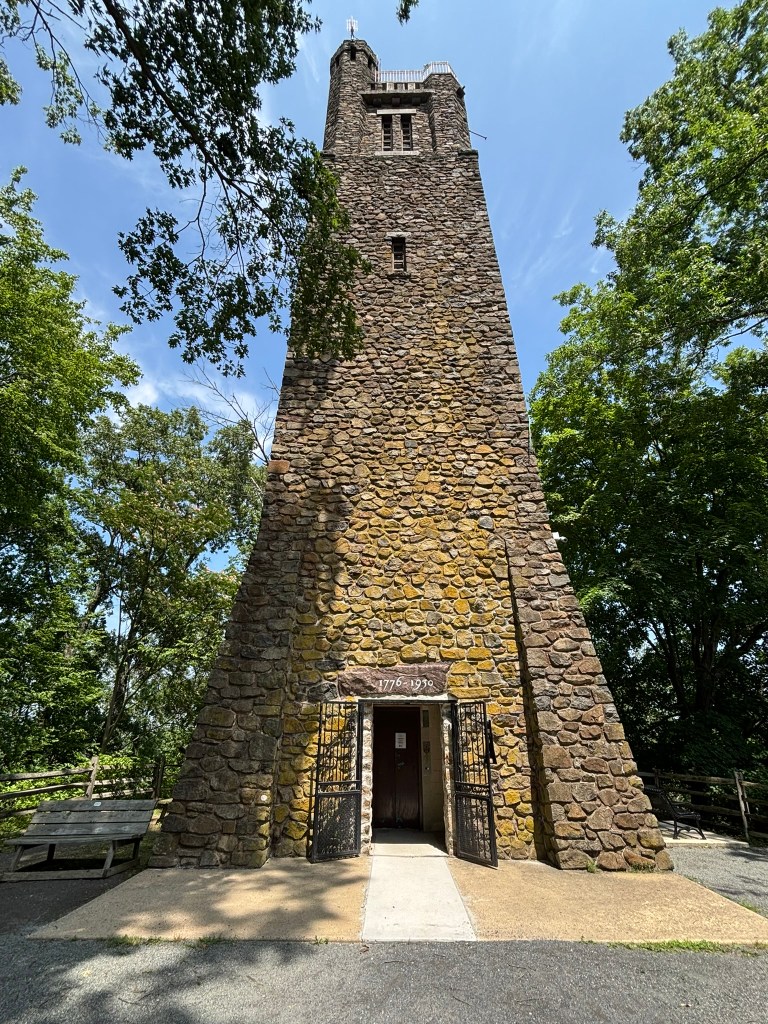
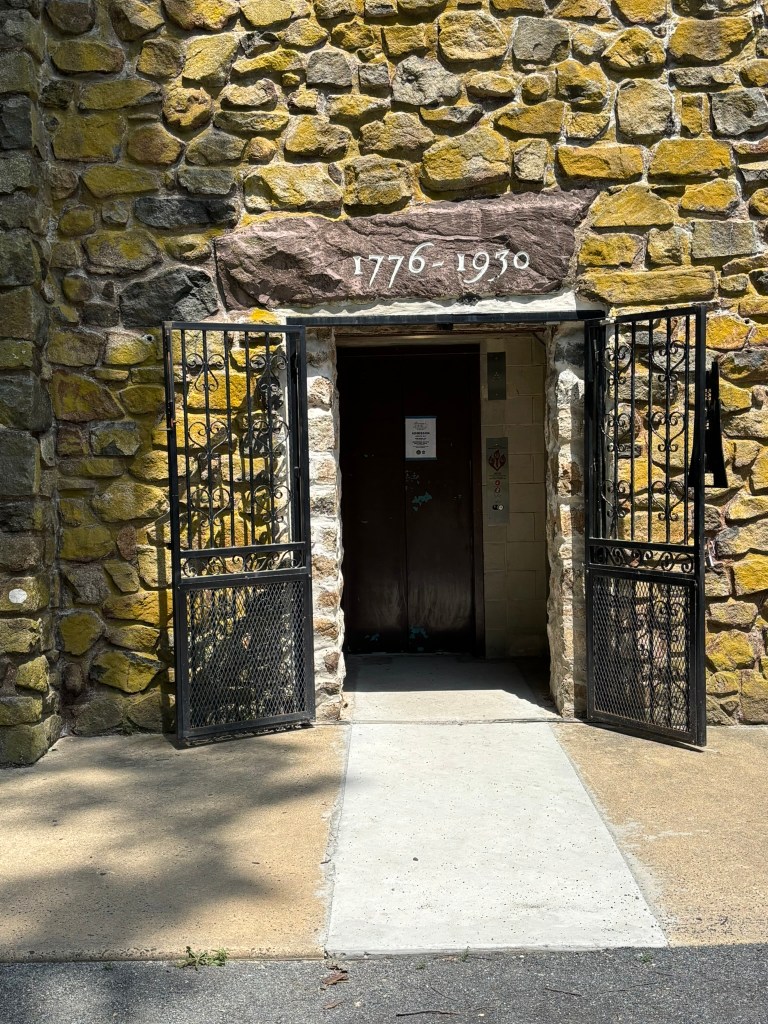
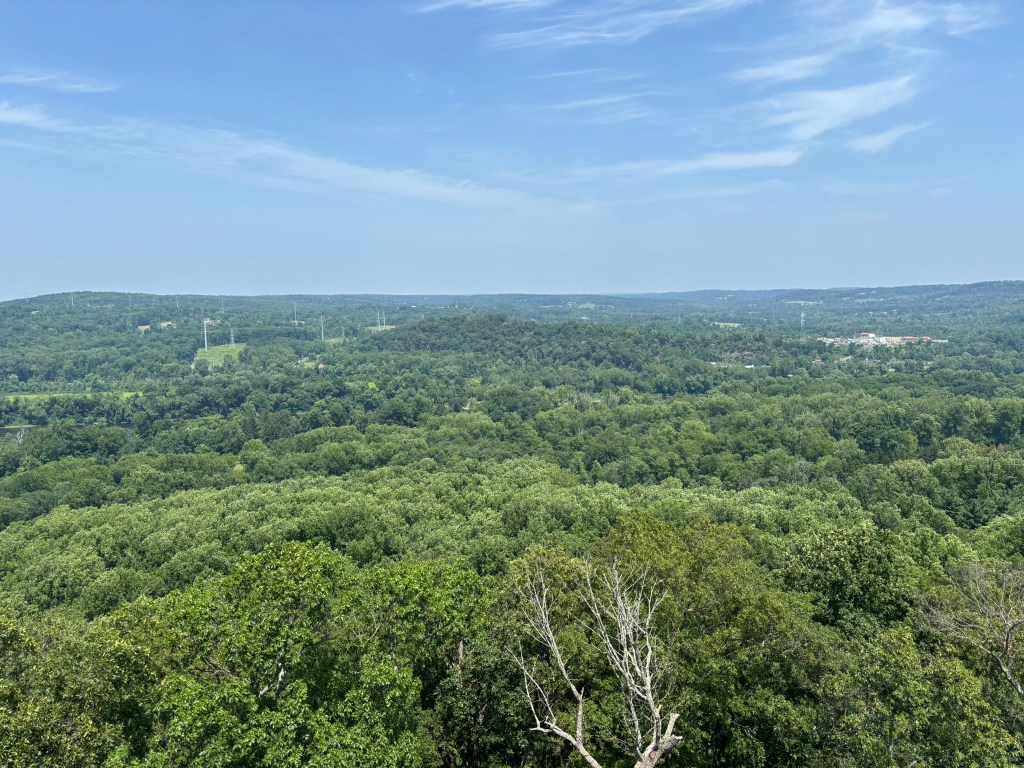
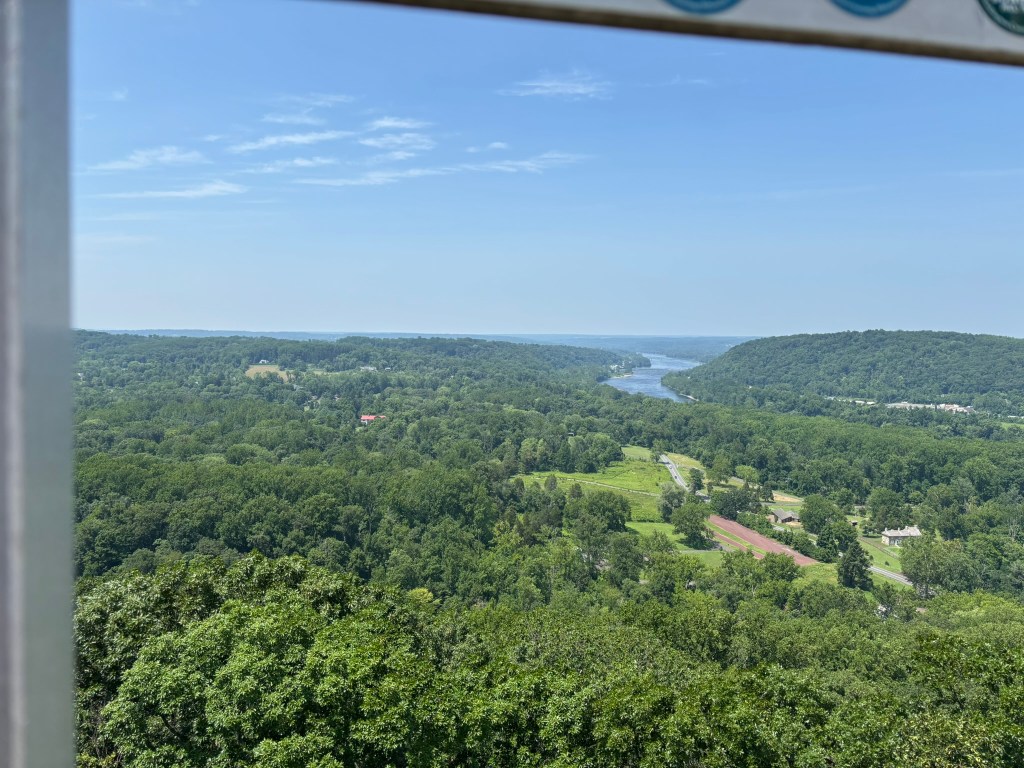
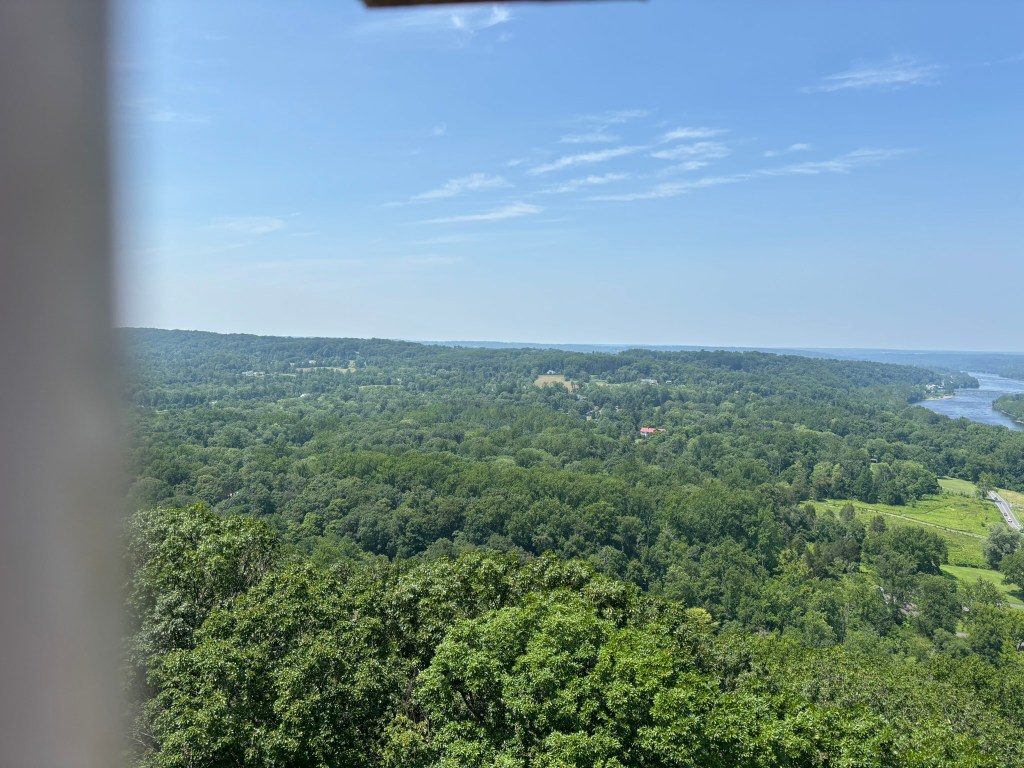
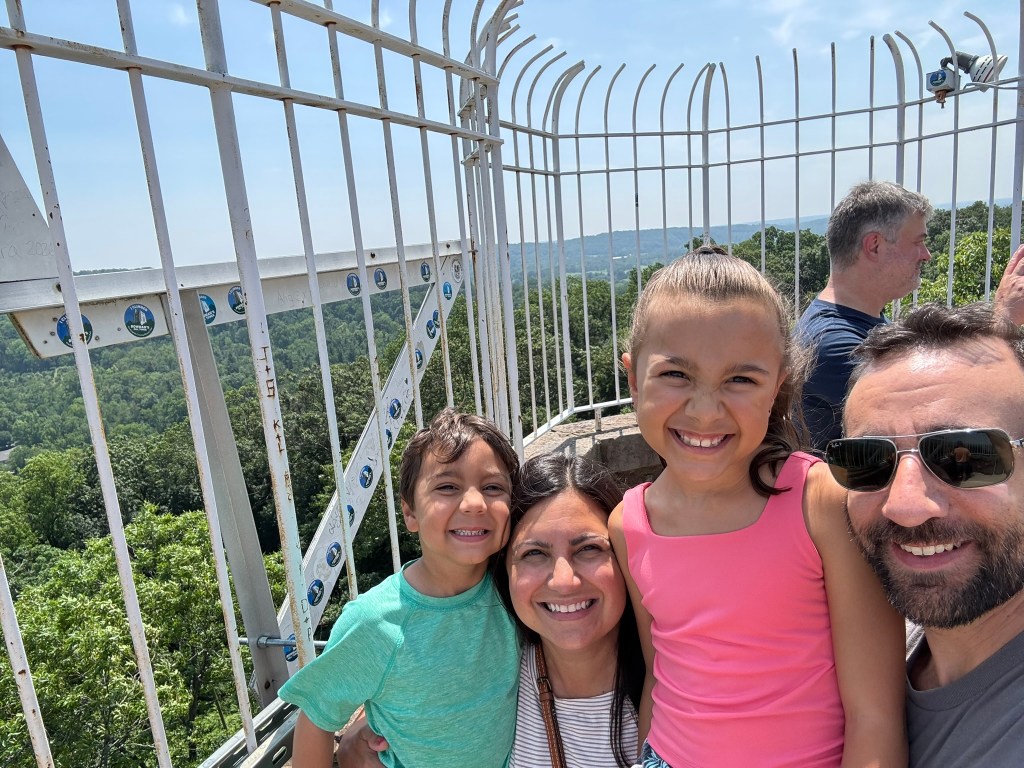
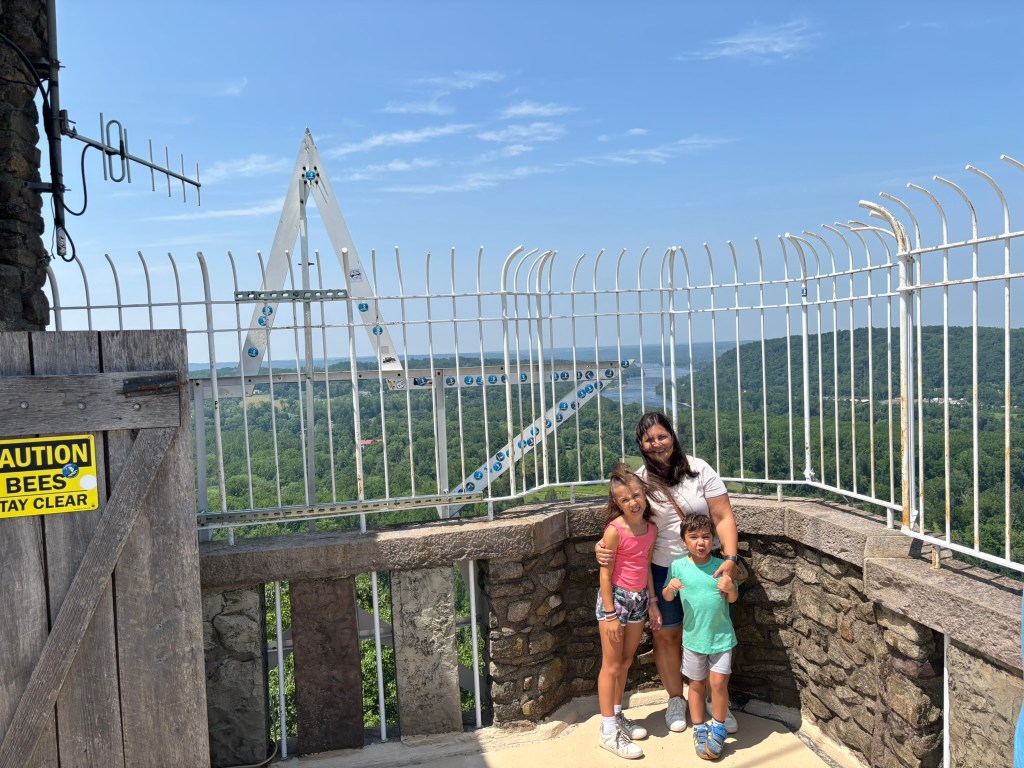
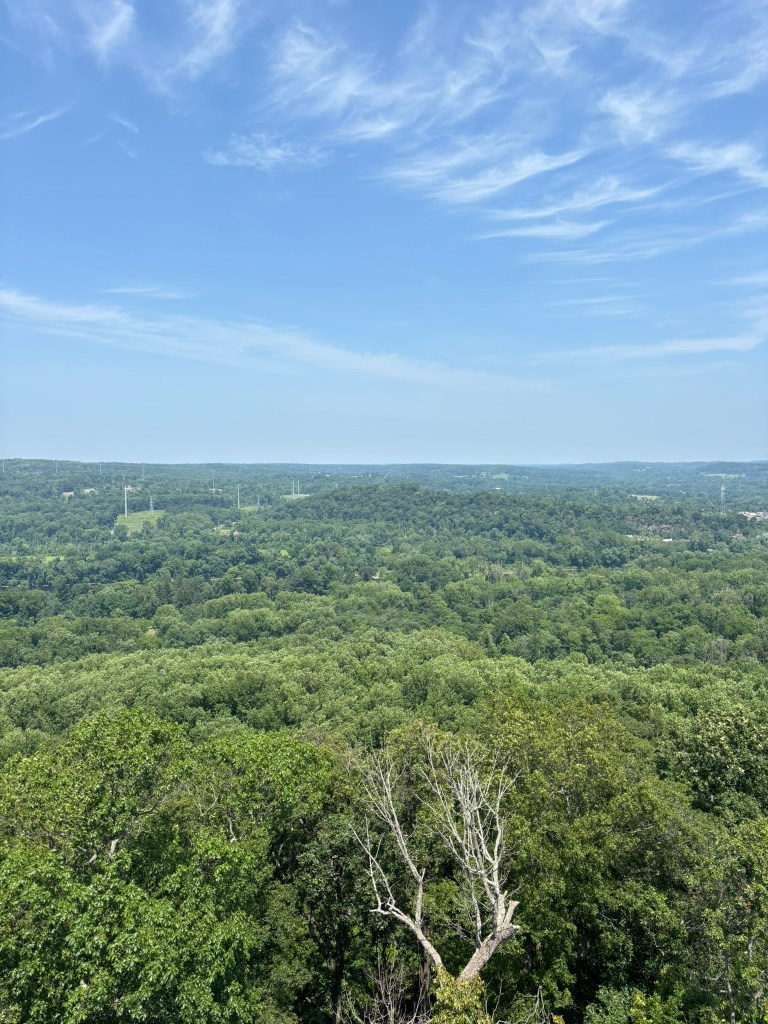
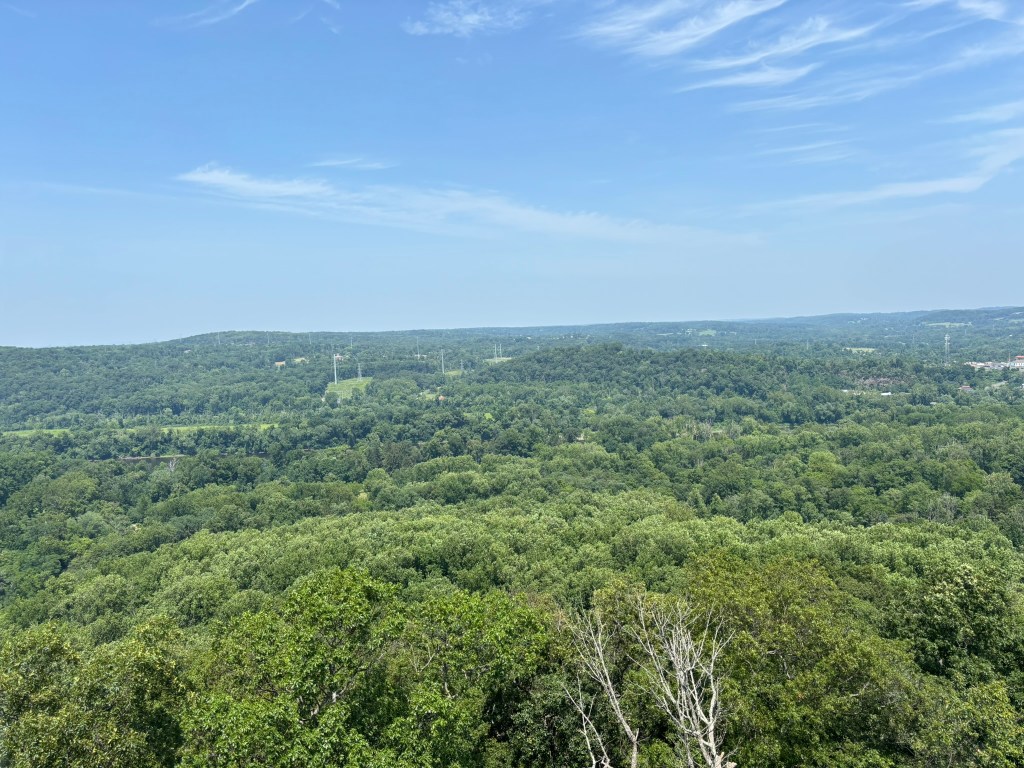
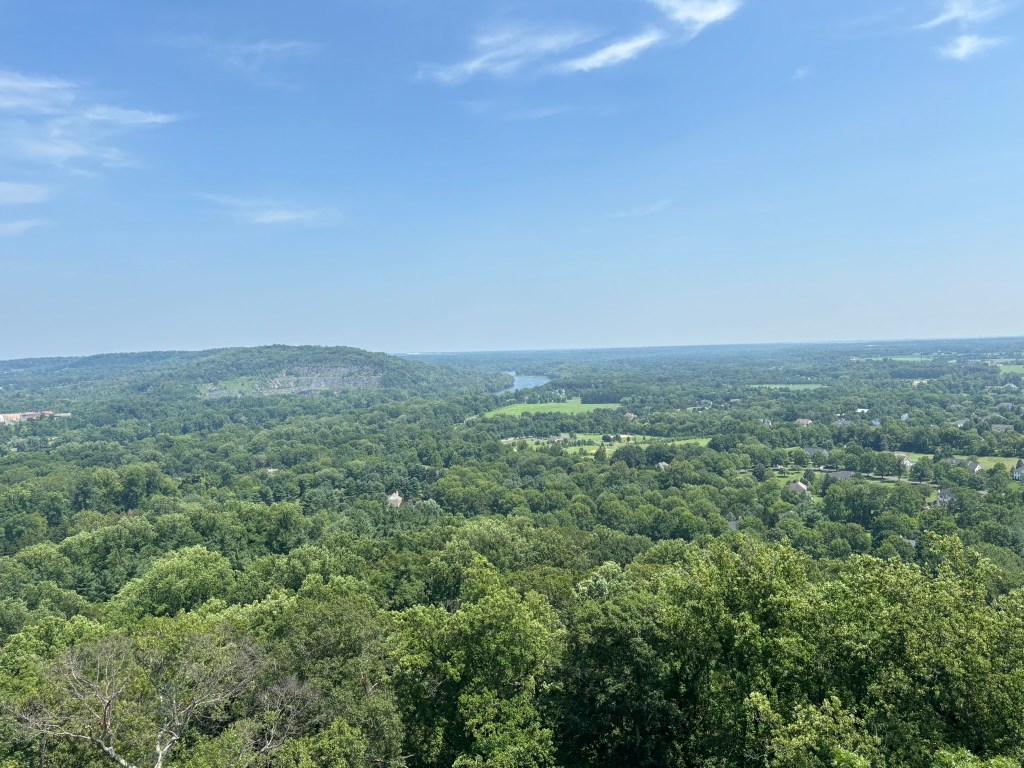
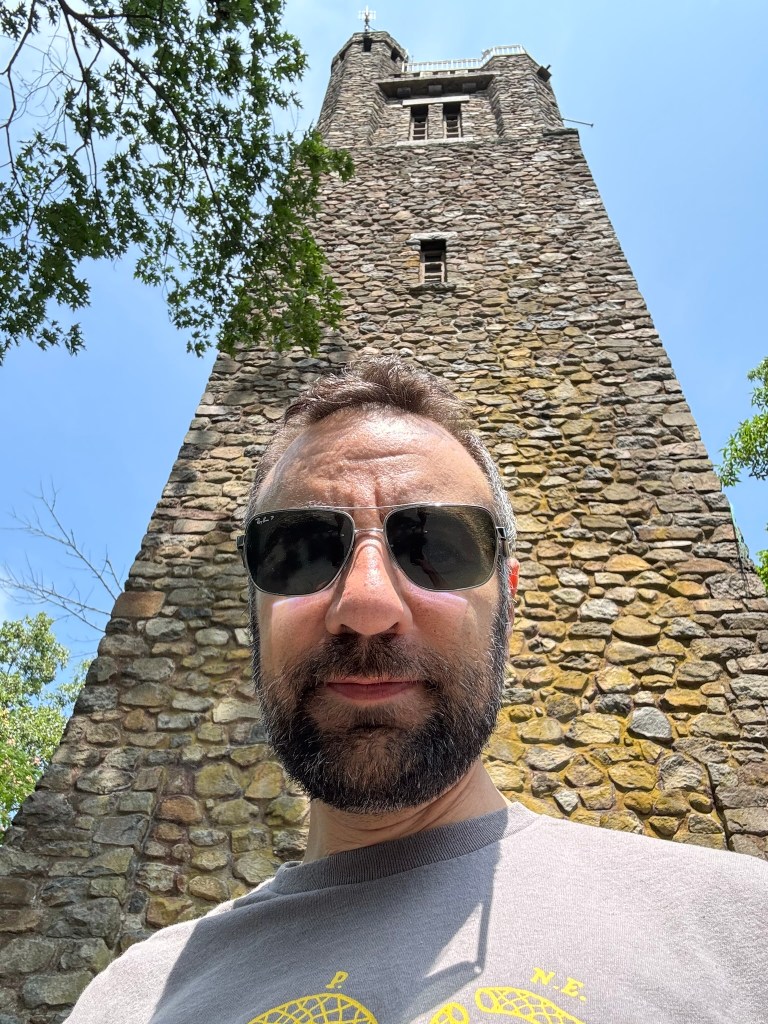
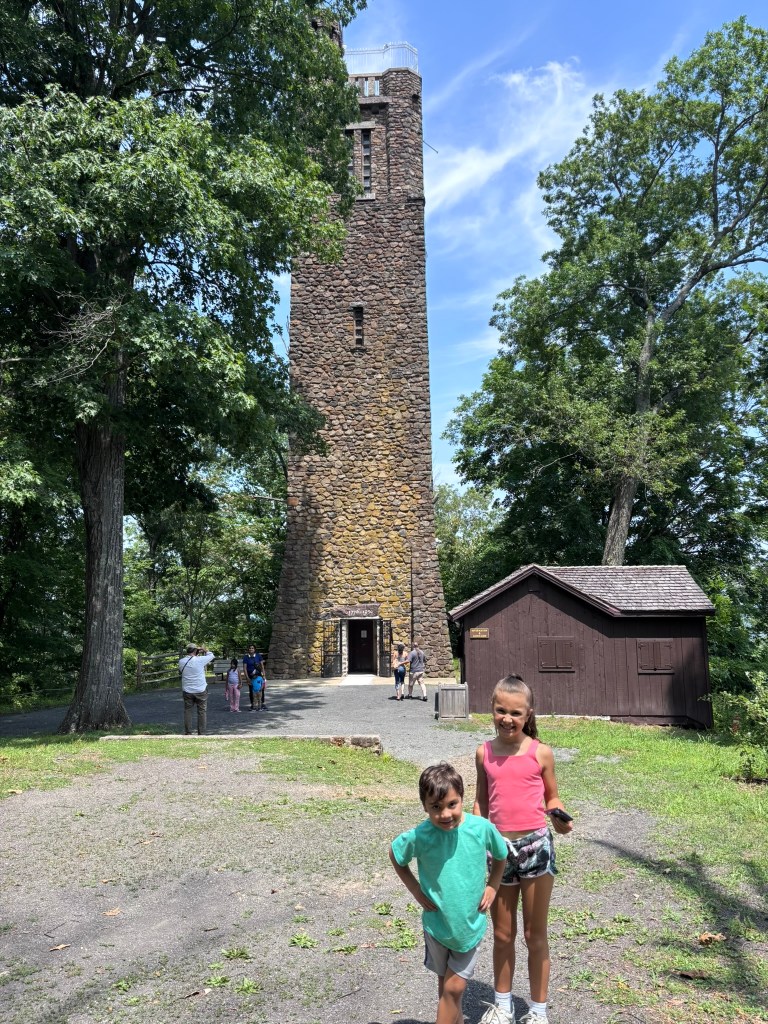
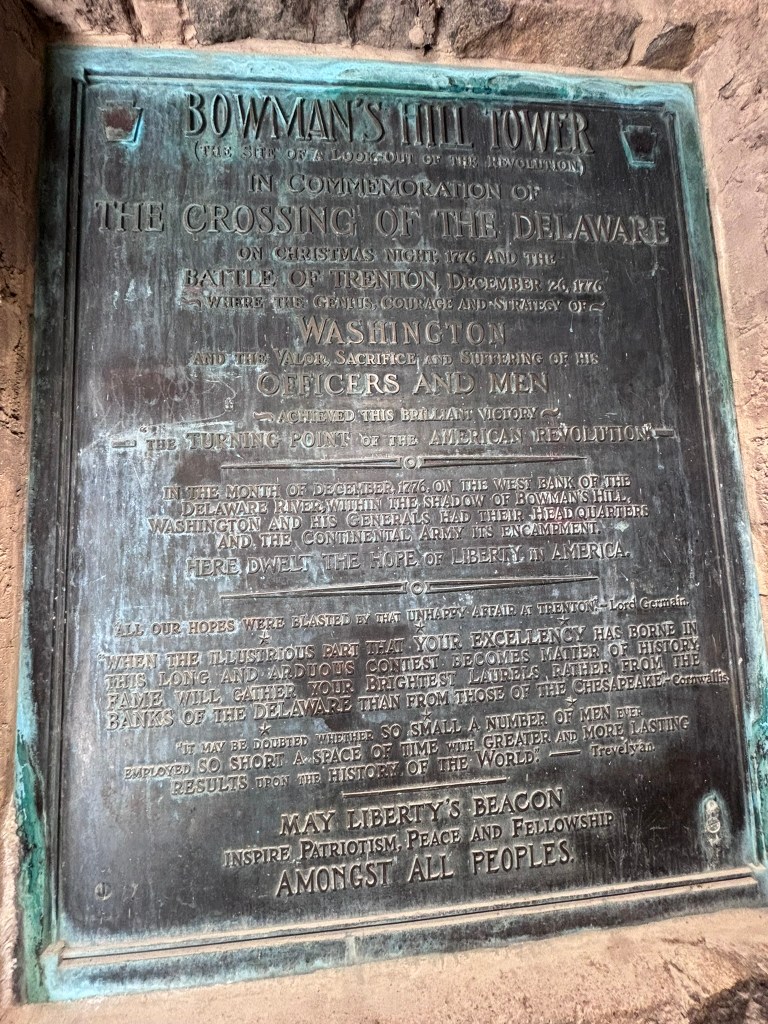
    Built atop Bowman’s Hill, Bowman’s Tower is a 125-foot stone observation tower overlooking the Delaware River Valley. Completed in 1931, the tower was built as a memorial to honor Washington’s Crossing. Although the tower itself is not from the Revolutionary War era, its location offers sweeping views of the landscape that played such a critical role during the campaign of 1776–1777. On a clear day, visitors can see up to 14 miles across Pennsylvania and New Jersey, gaining a unique perspective on the terrain that Washington and his army traversed during the Ten Crucial Days. Today, Bowman’s Tower serves as both a scenic overlook and a reminder of the courage, determination, and sacrifices that helped secure American independence. The views from the top of the tower are breathtaking.
    After visiting Bowman’s Tower, my family and I headed home. There are several other historic sites in the surrounding area, including historic homes and farms, and I’m hoping we’ll have the opportunity to visit them in the future. Washington Crossing Historic Park also hosts numerous events throughout the year, so be sure to check out their website HERE for upcoming programs. The park’s most famous events take place each December with the annual reenactments of Washington’s crossing of the Delaware.  I’m hoping to make it out to witness this event in the future.

    Stay tuned to my Instagram, Facebook, and Youtube accounts for videos from our visit!
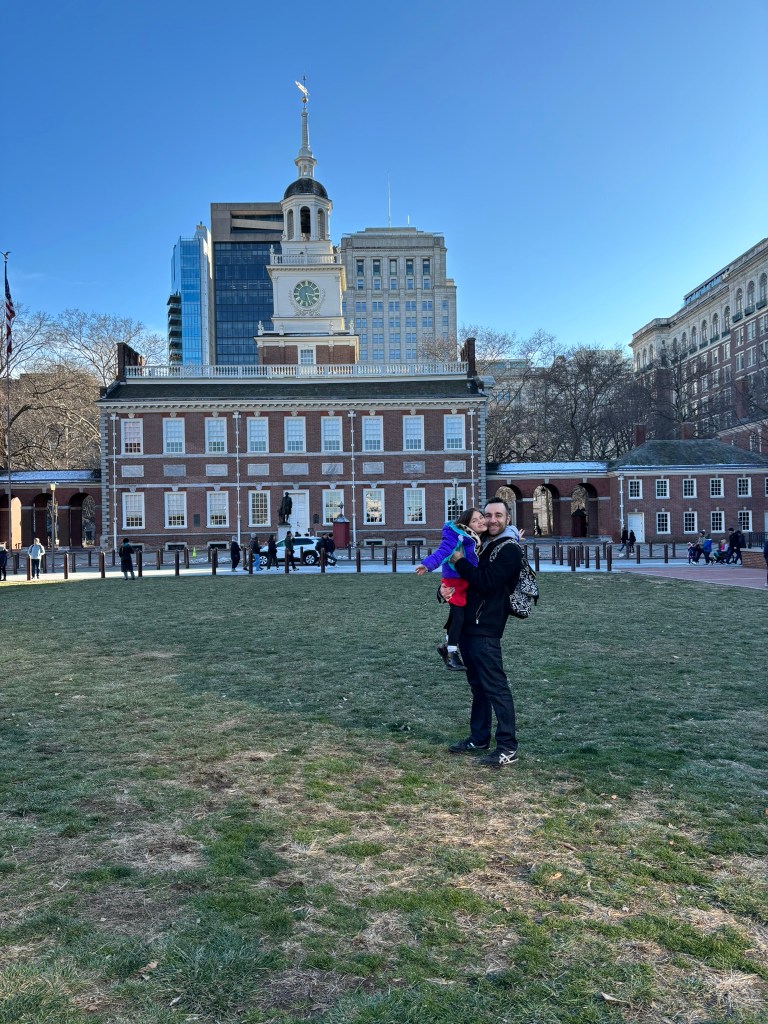
  • My family and I took a trip to Philadelphia for Presidents’ Day weekend.  Day One was seeing historic sites and museums, and Day Two was going to the Please Touch Museum for the kids.  This blog will focus on our visit to the Museum of the American Revolution, The Christ Church Burial Ground with the grave of Ben Franklin, The National Constitution Center, Independence Hall and Congress Hall.

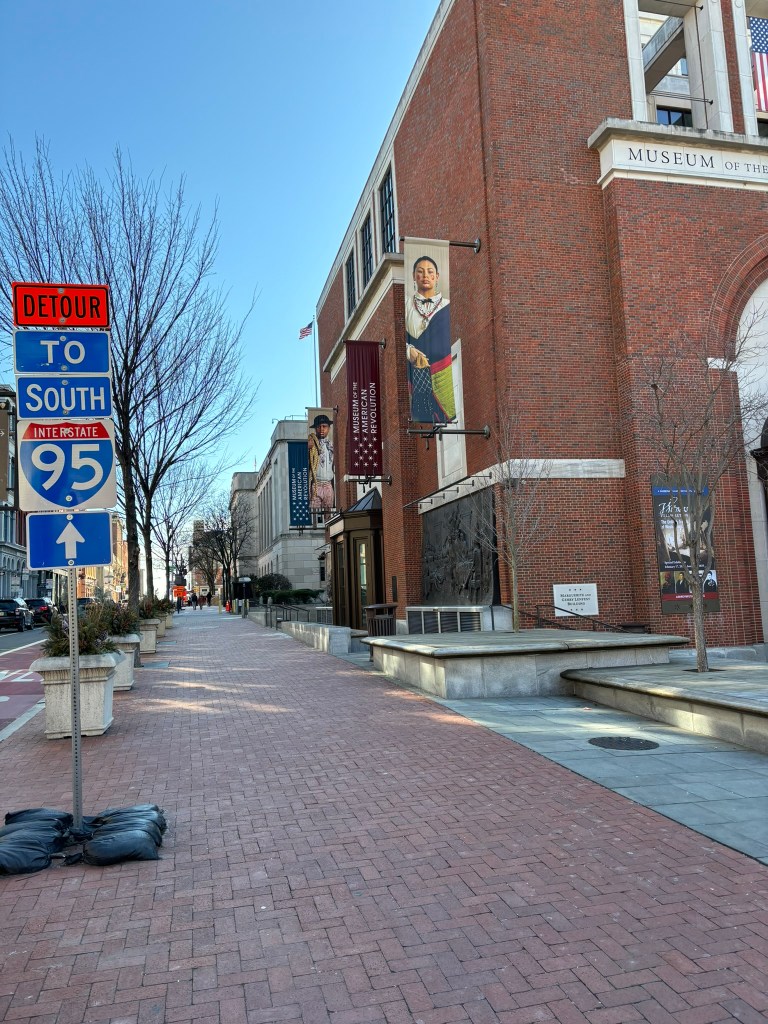
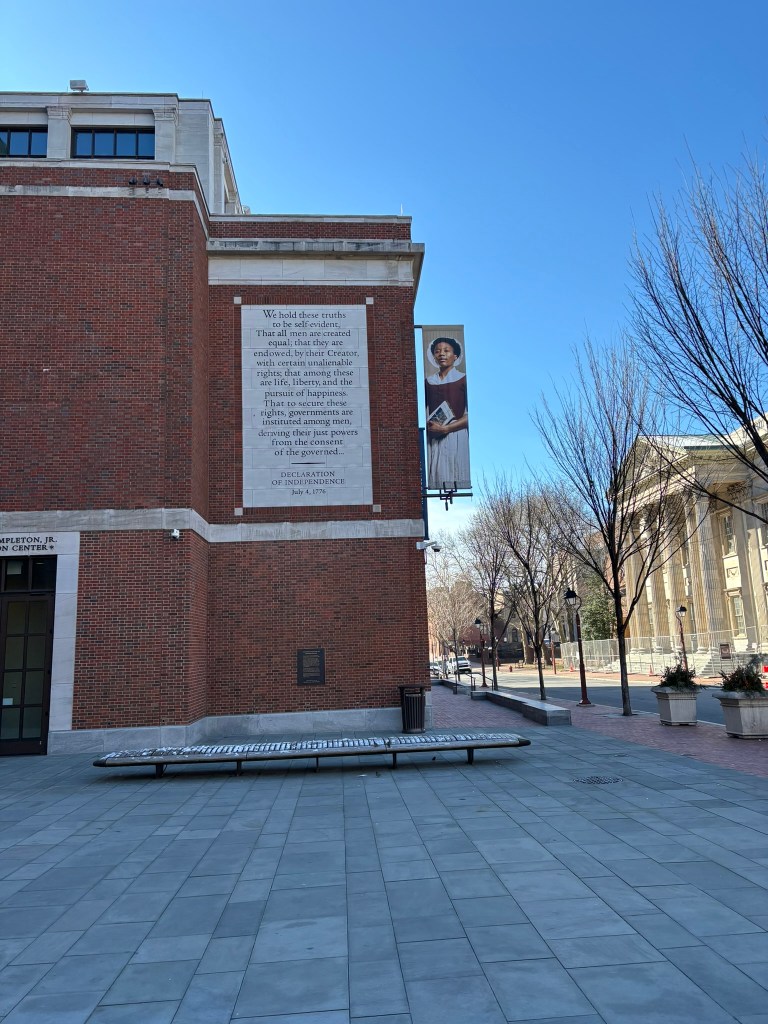
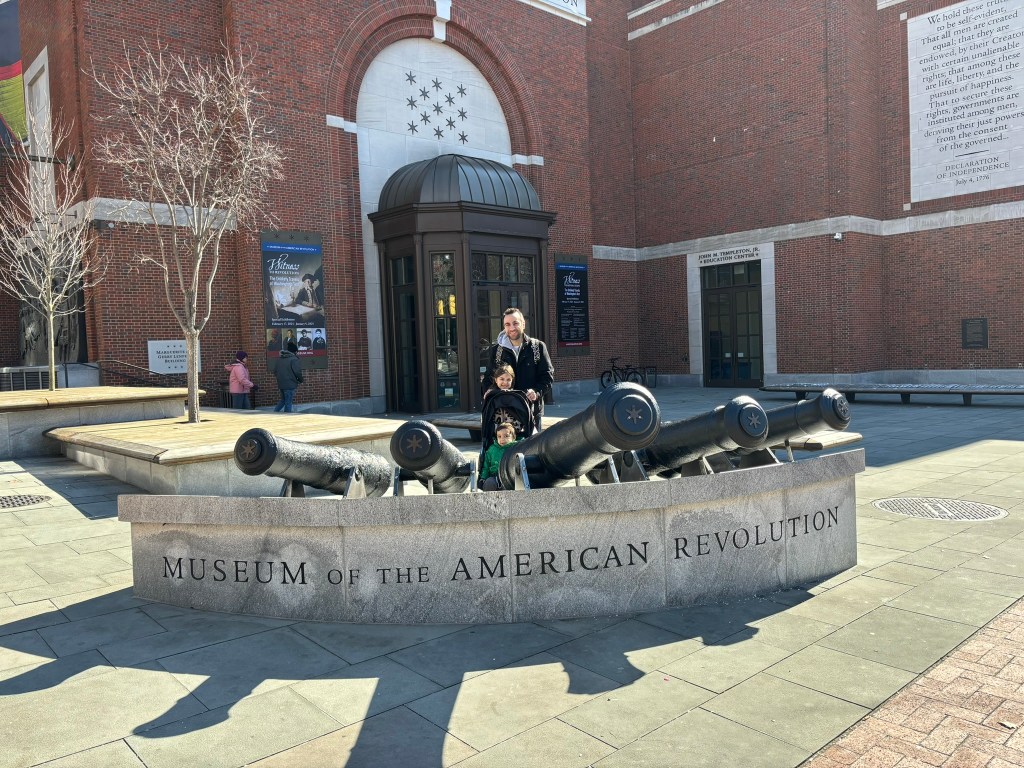
    Museum of the American Revolution

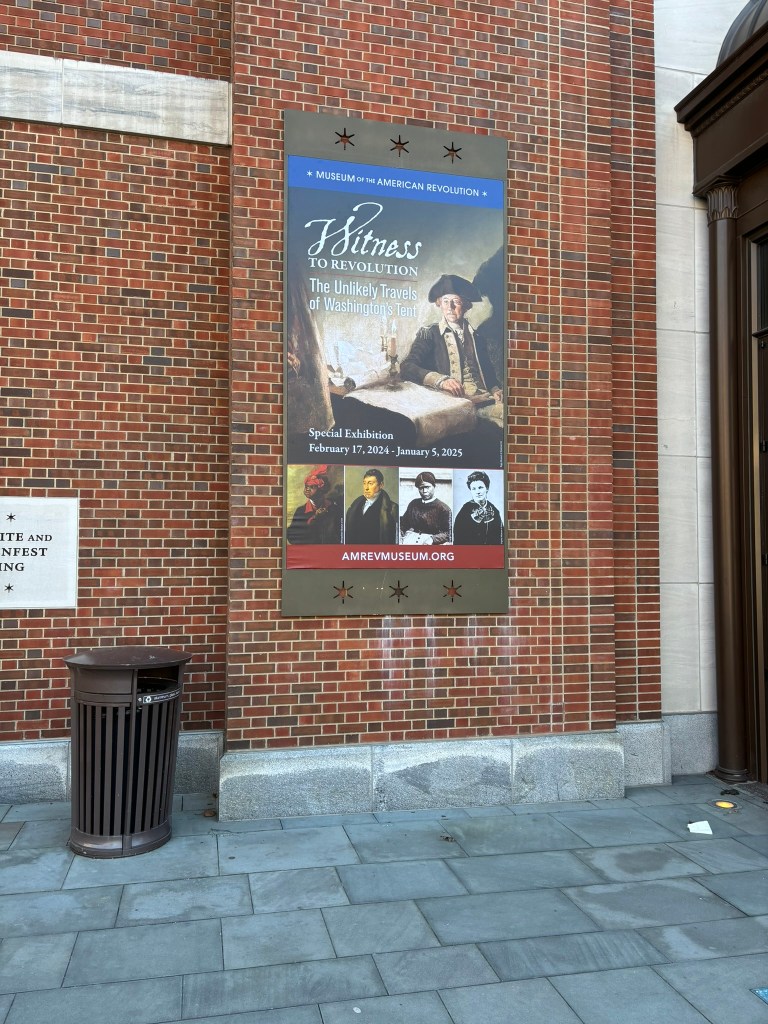
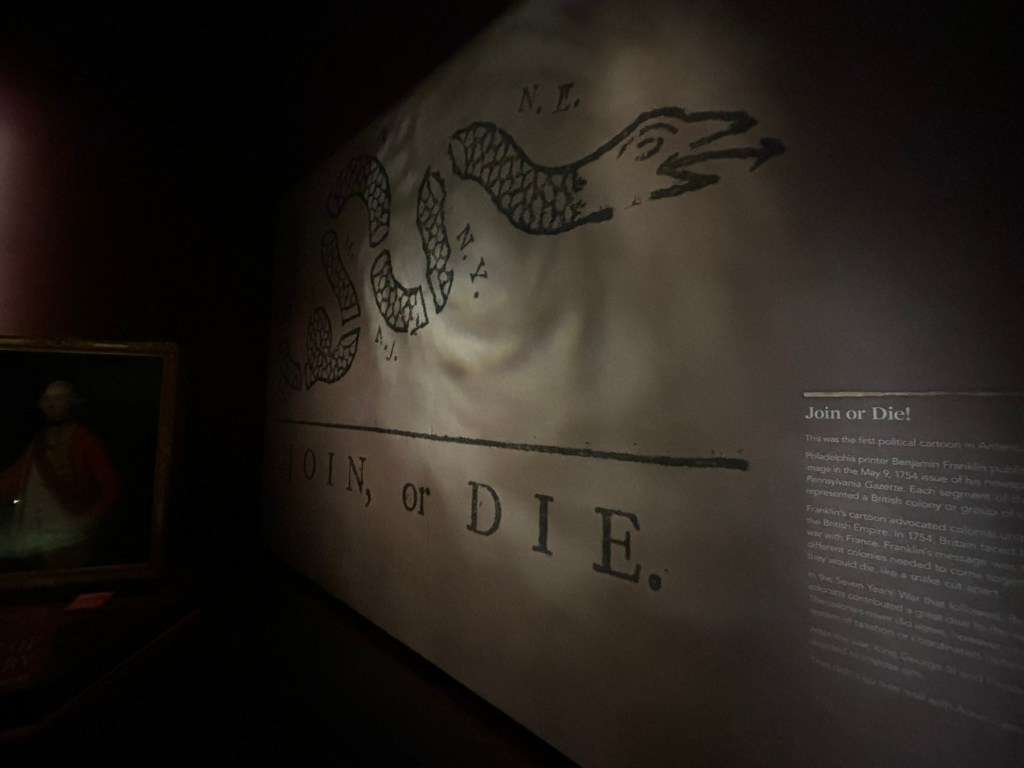
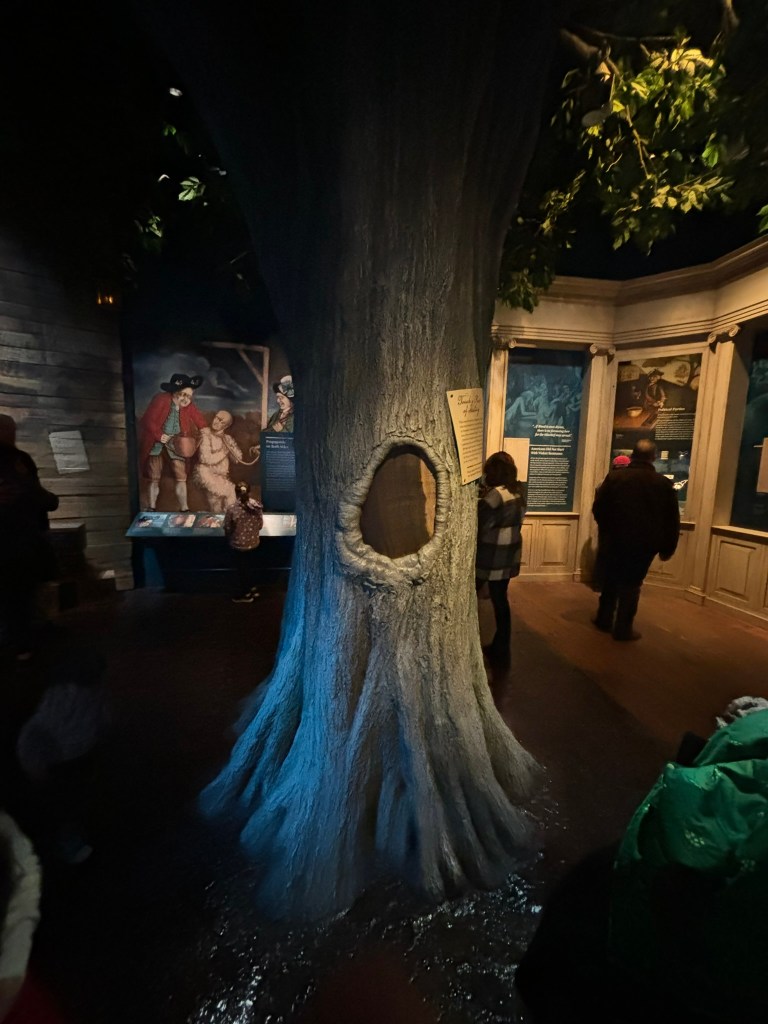
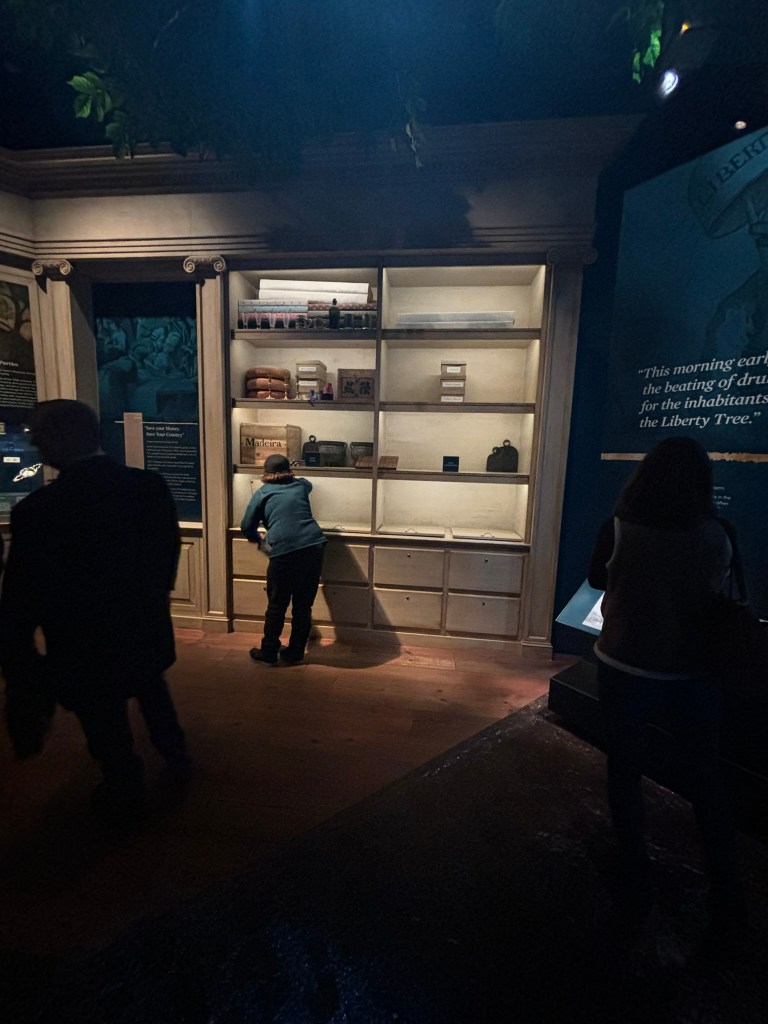
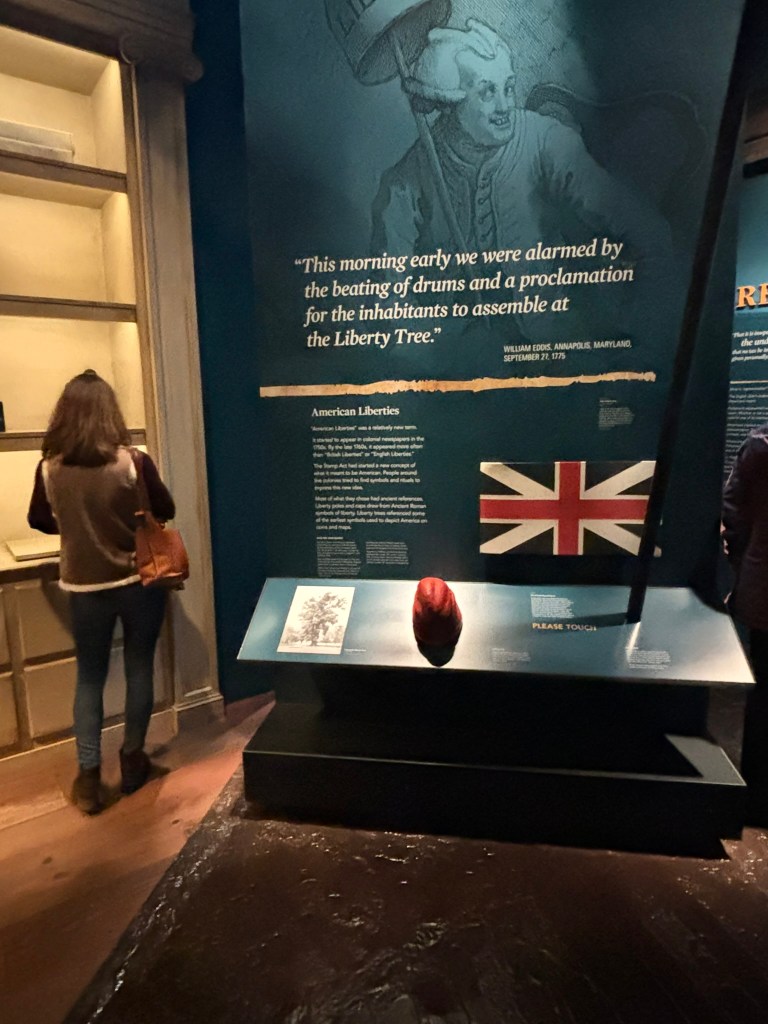
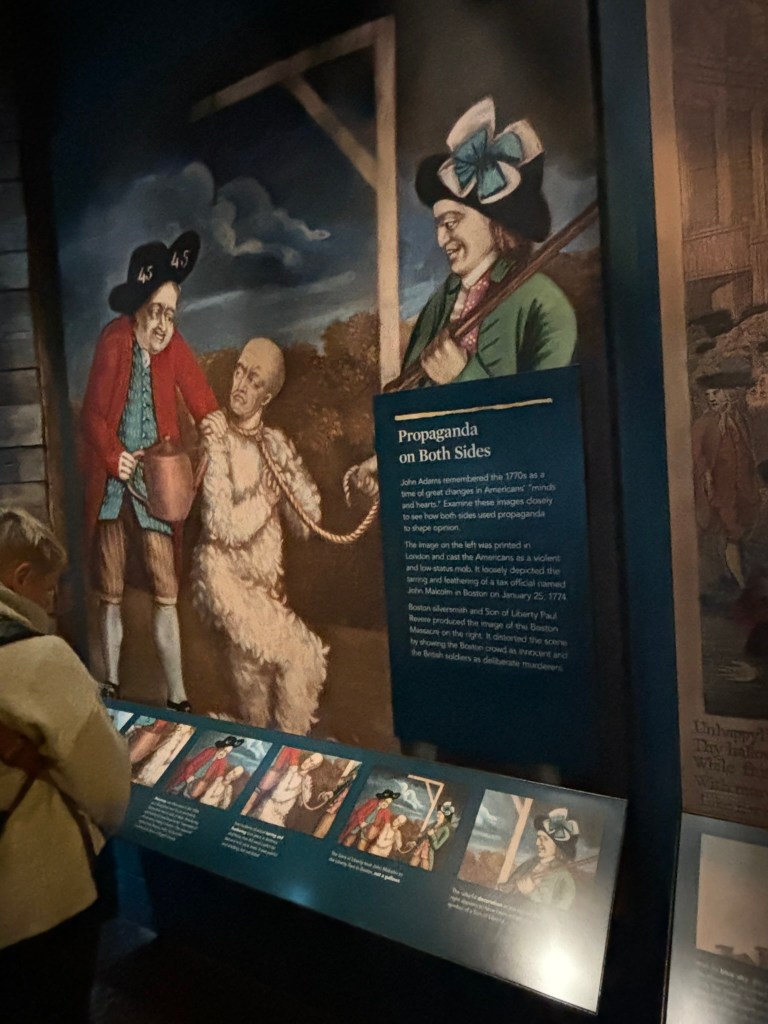
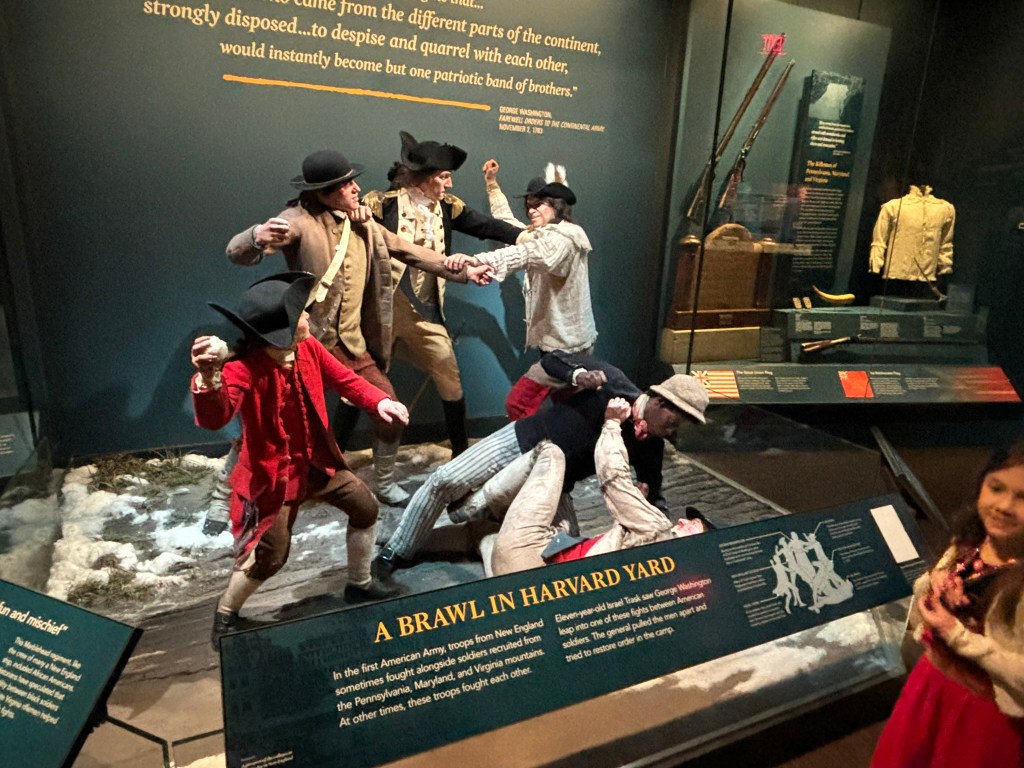
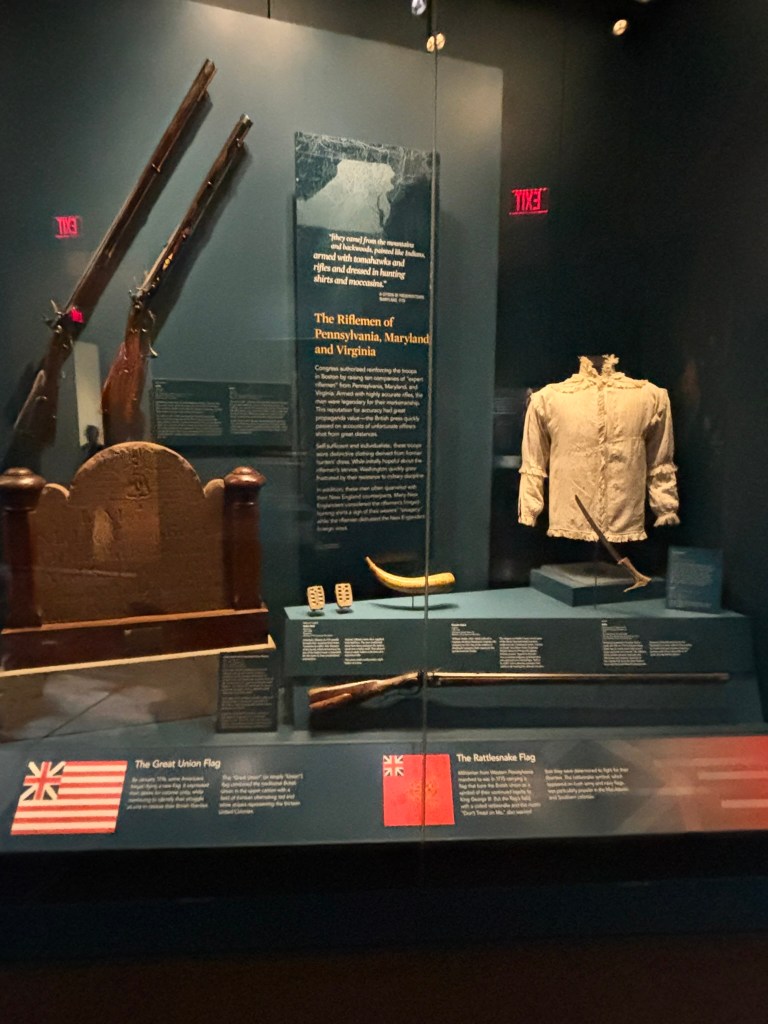
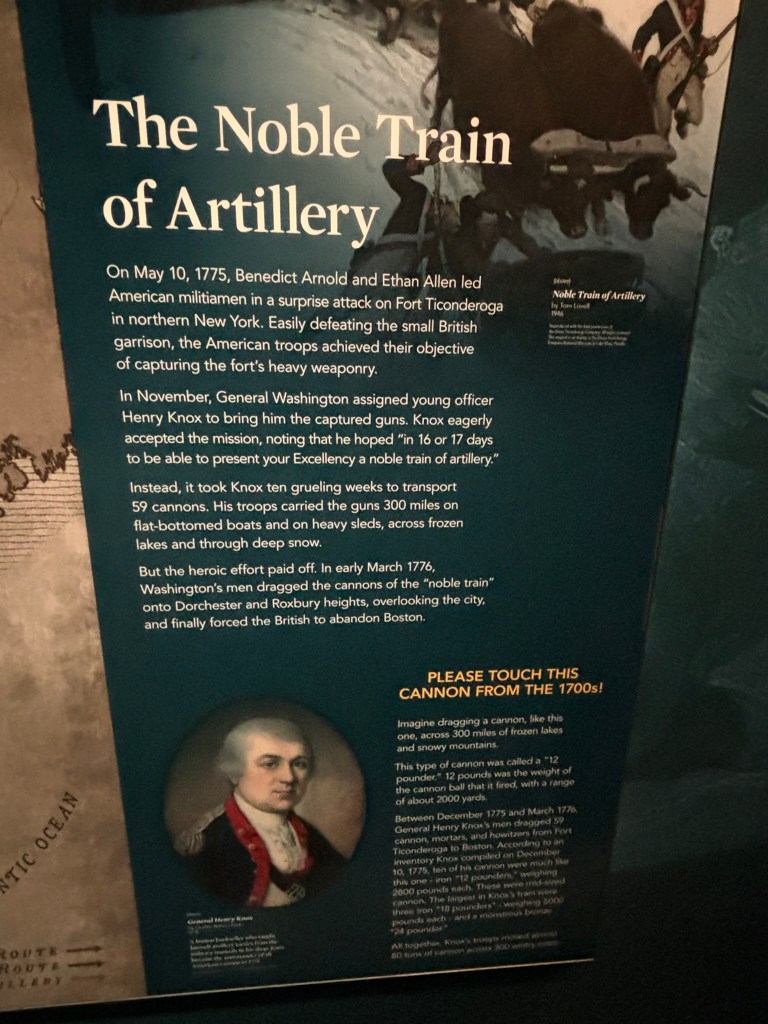
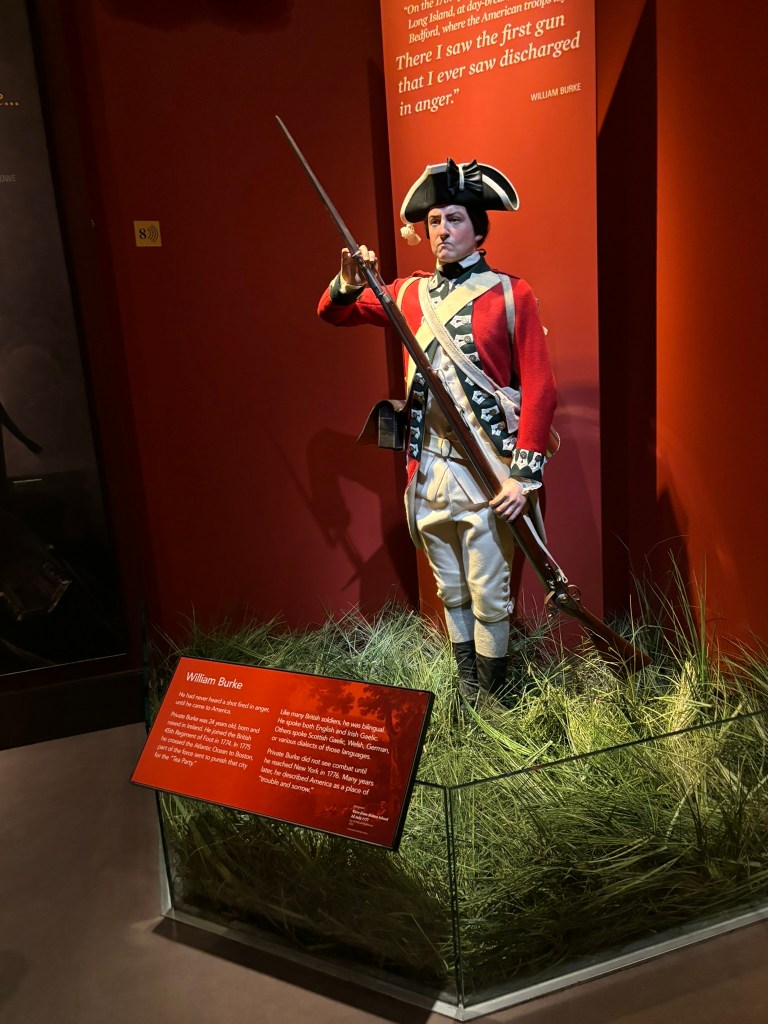
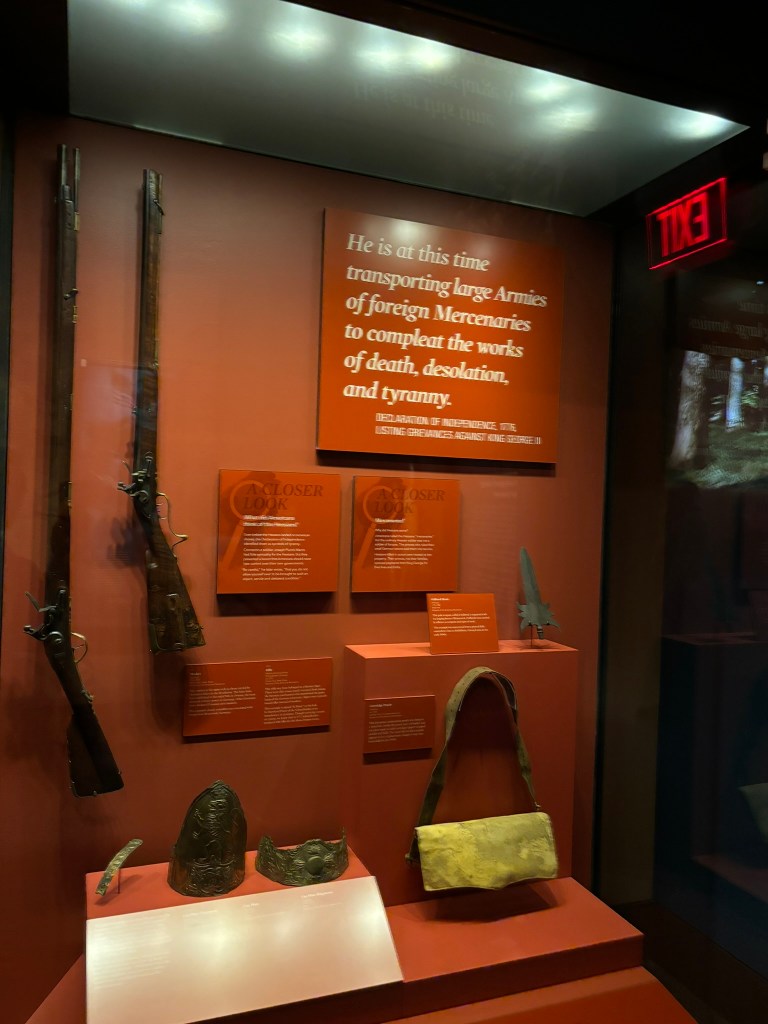
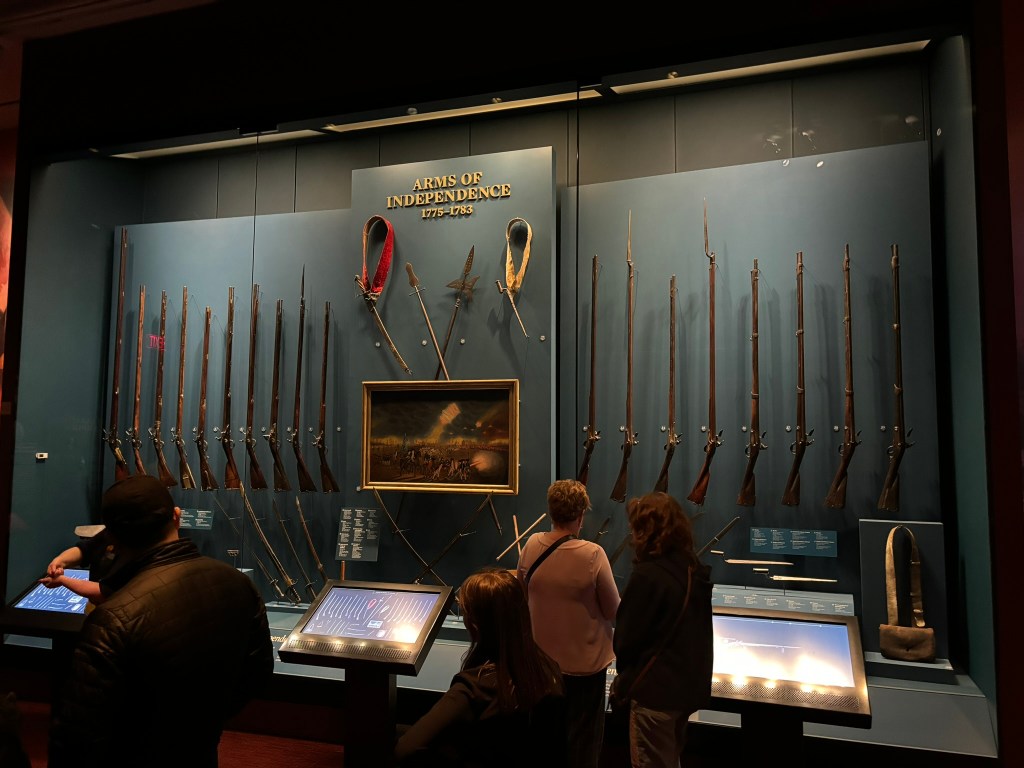
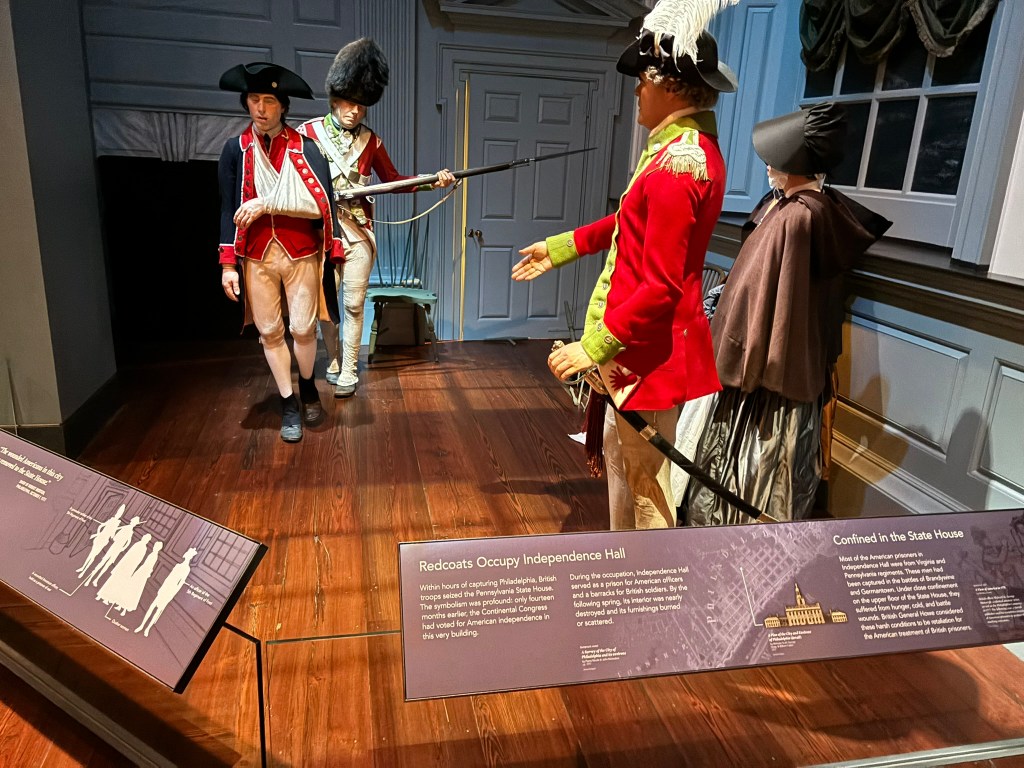
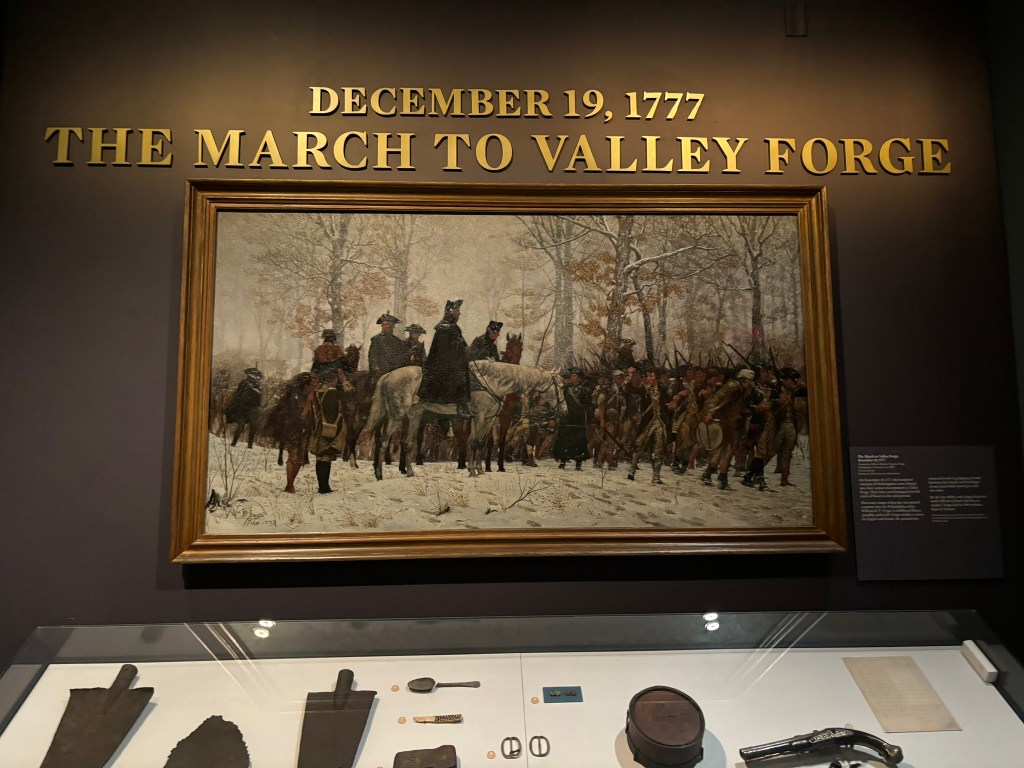
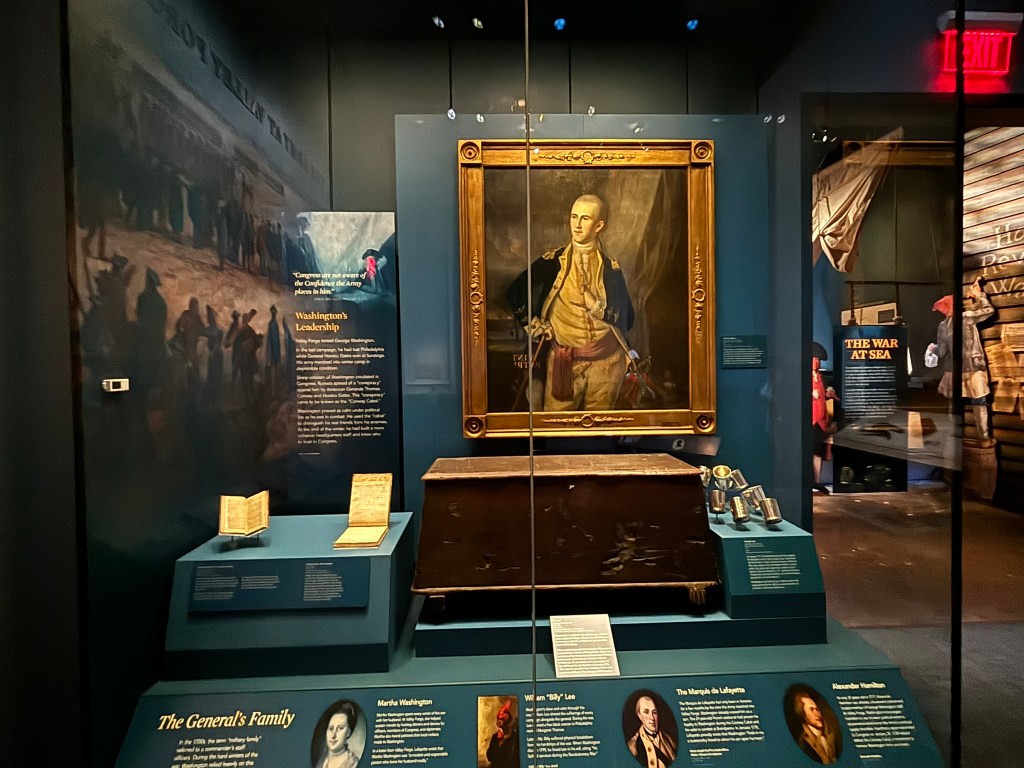
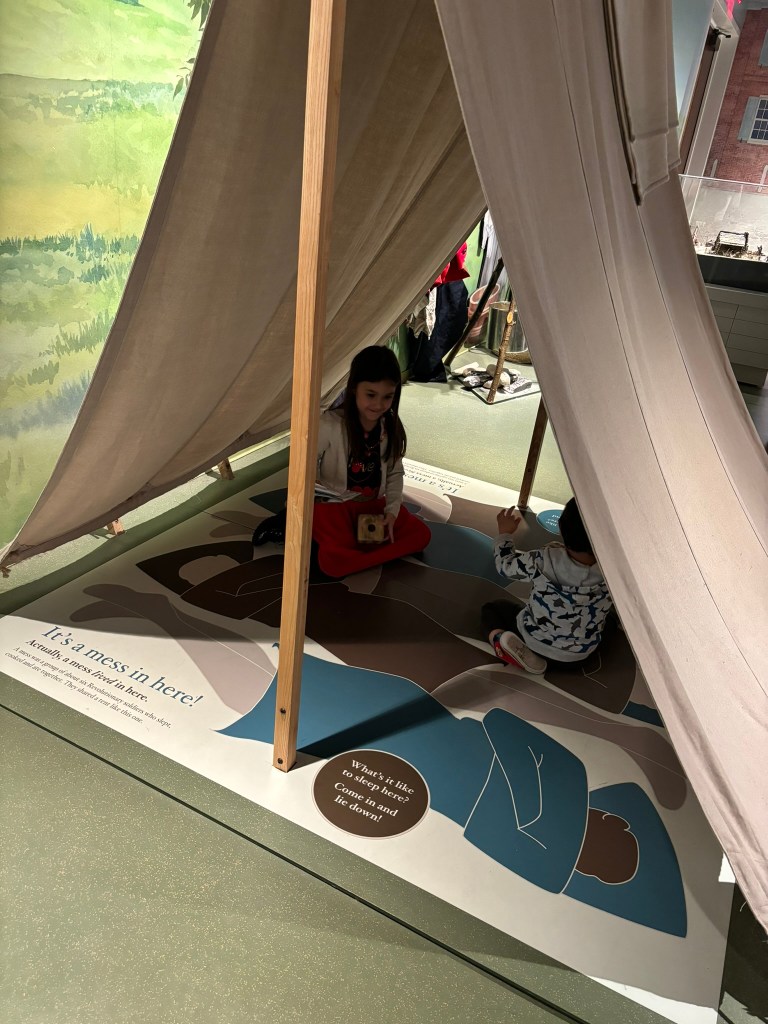
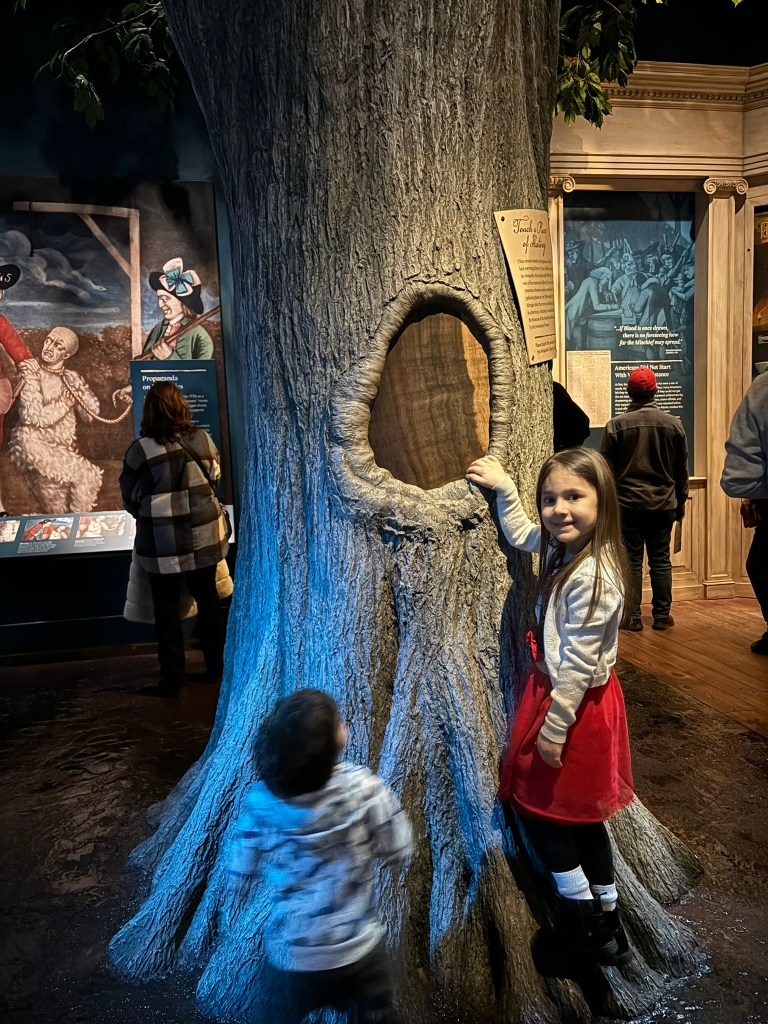
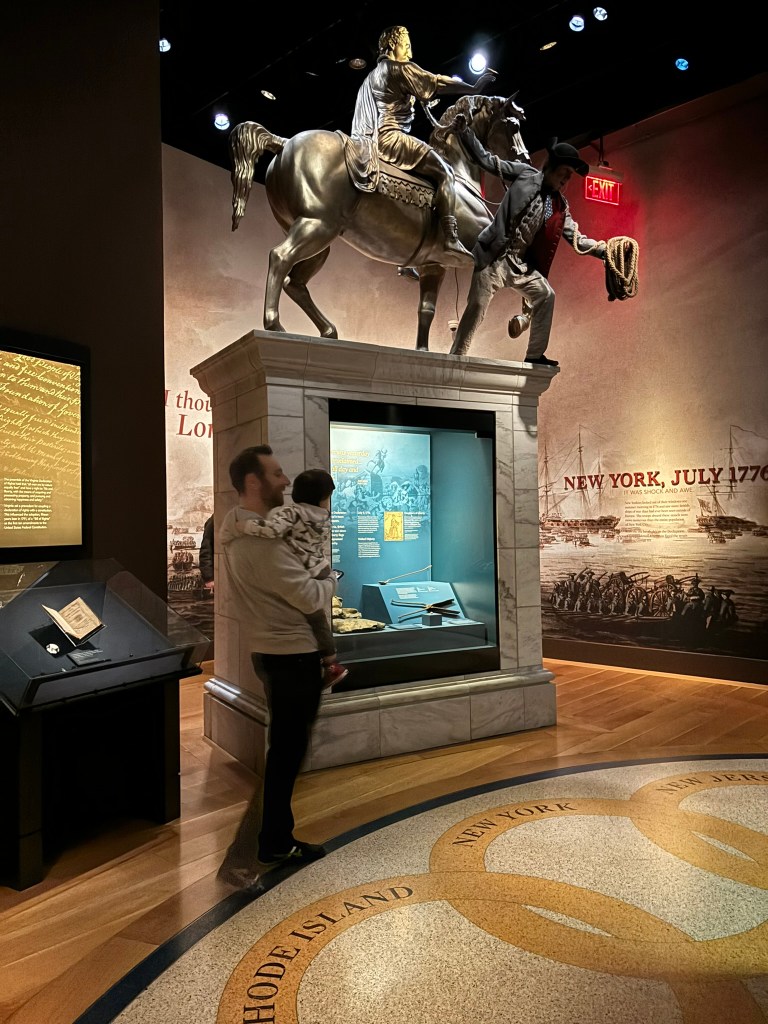
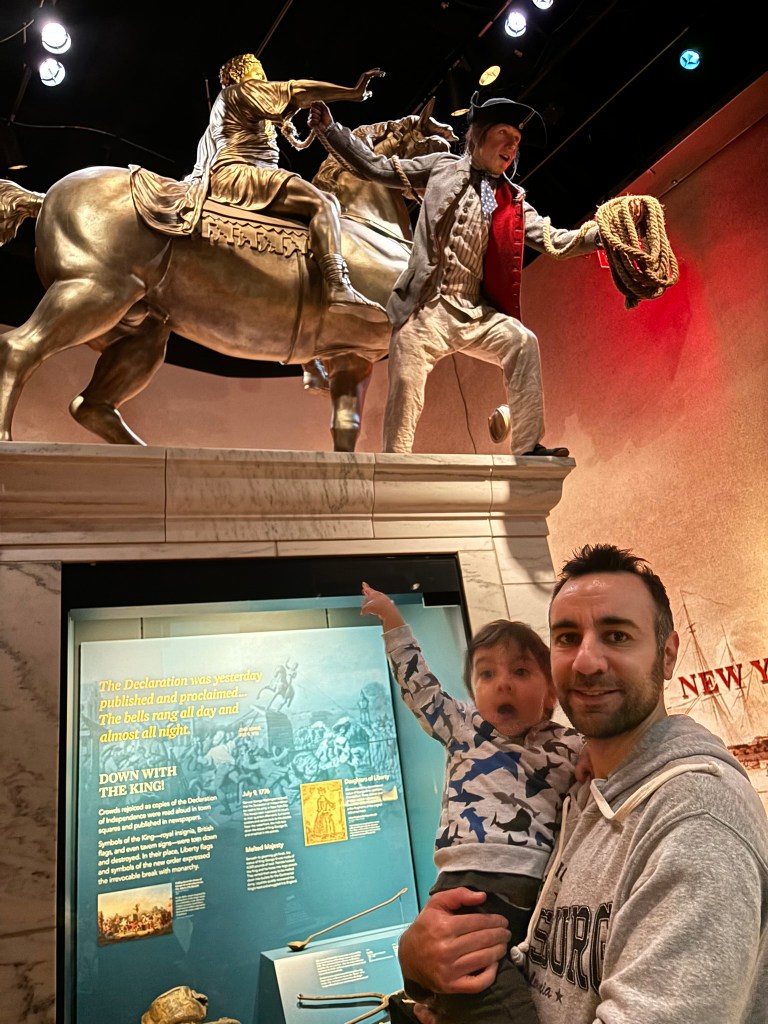
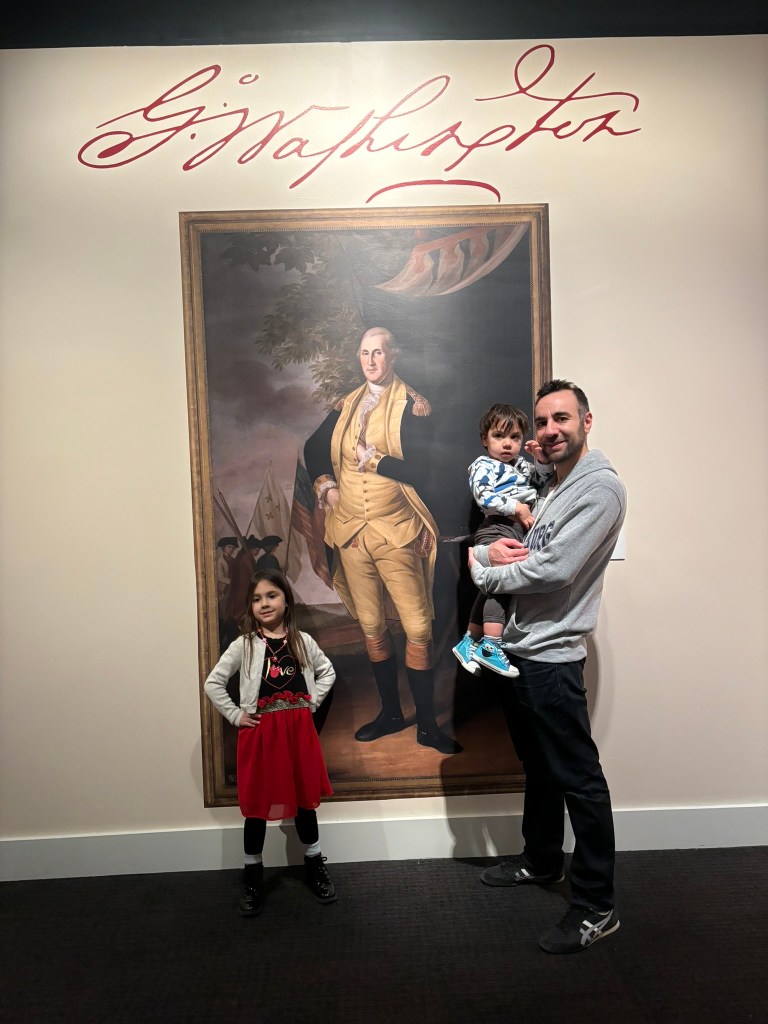
    Our first stop when we arrived in Phili was the Museum of the American Revolution, which was my first visit there.  The special exhibit that opened the day before we arrived is “Witness to History: The Unlikely Travels of Washington’s Tent.”  In my blog post from July 2023, (visit here) my family and I visited Morristown, NJ to see a replica of Washington’s War Tent, and explore inside.  The real, authentic tent is located at the Museum of the American Revolution, and we were able to see it there (the museum did not allow photographs of the tent, but photos can be found here.)  The new exhibit highlights the roughly 250 year journey of Washington’s War Tent as it has passed through the generations and miraculously has survived through not-so-delicate hands to make it to the museum in Philadelphia.  The tent highlights Washington’s commitment to be among his troops and live in similar conditions as them.  Washington was a leader that his troops could relate to and respect.  He did not want to appear as an elitist or authoritarian.  His living quarters were far different from what other European leaders, such as Napoleon, were living in while on campaign.  Before viewing the real tent, you are shown a short video about the Revolution and the journey of the tent through the ages.  The survival of the tent represents the survival of our fragile, delicate and at-times challenged republic.

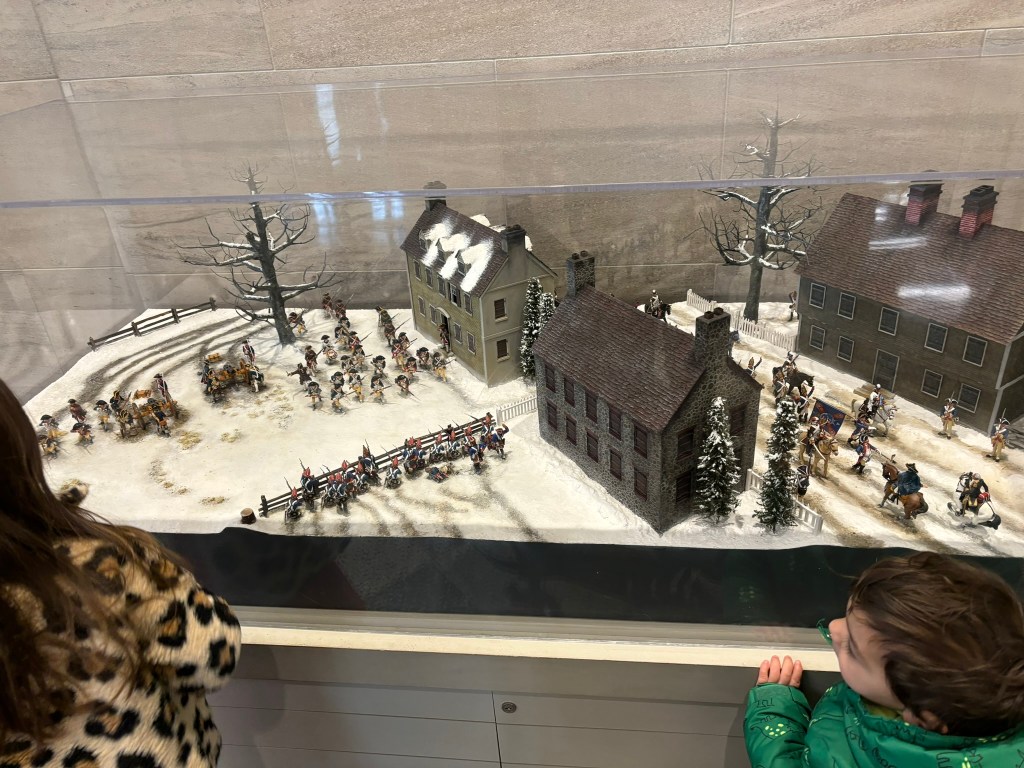
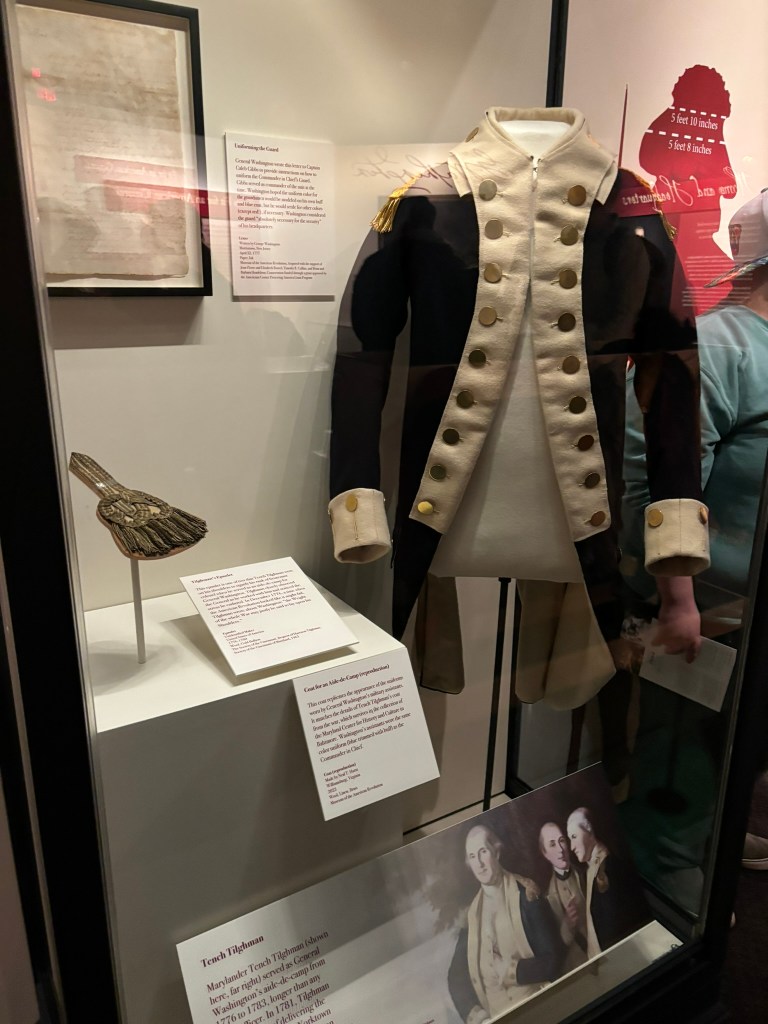
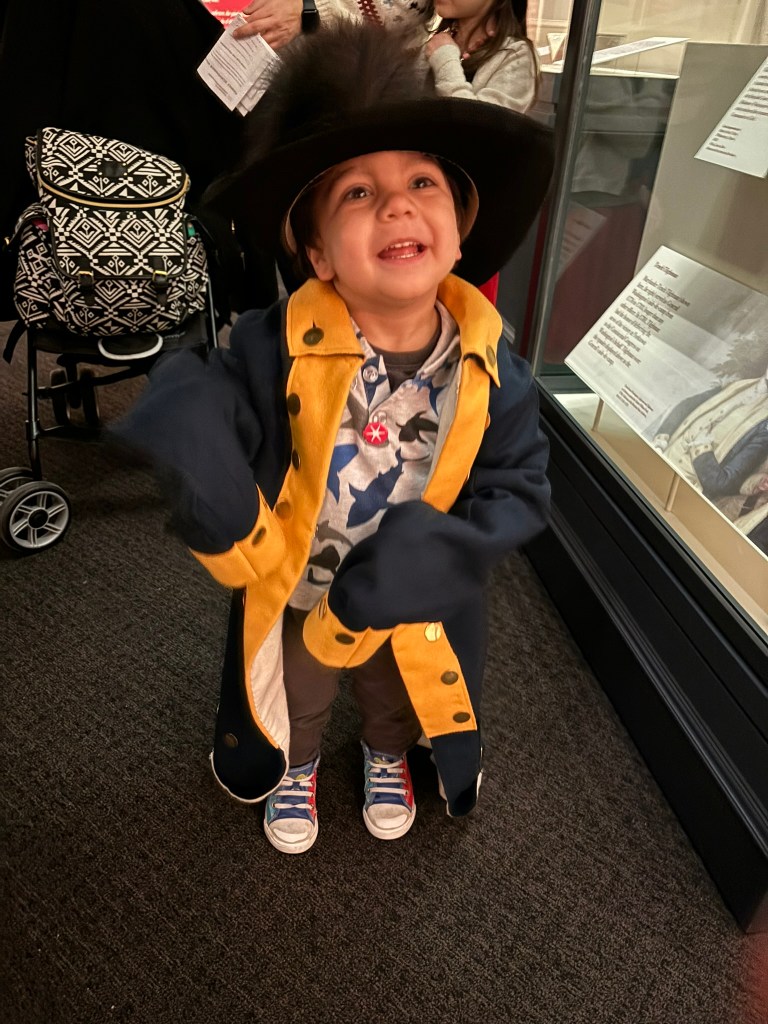
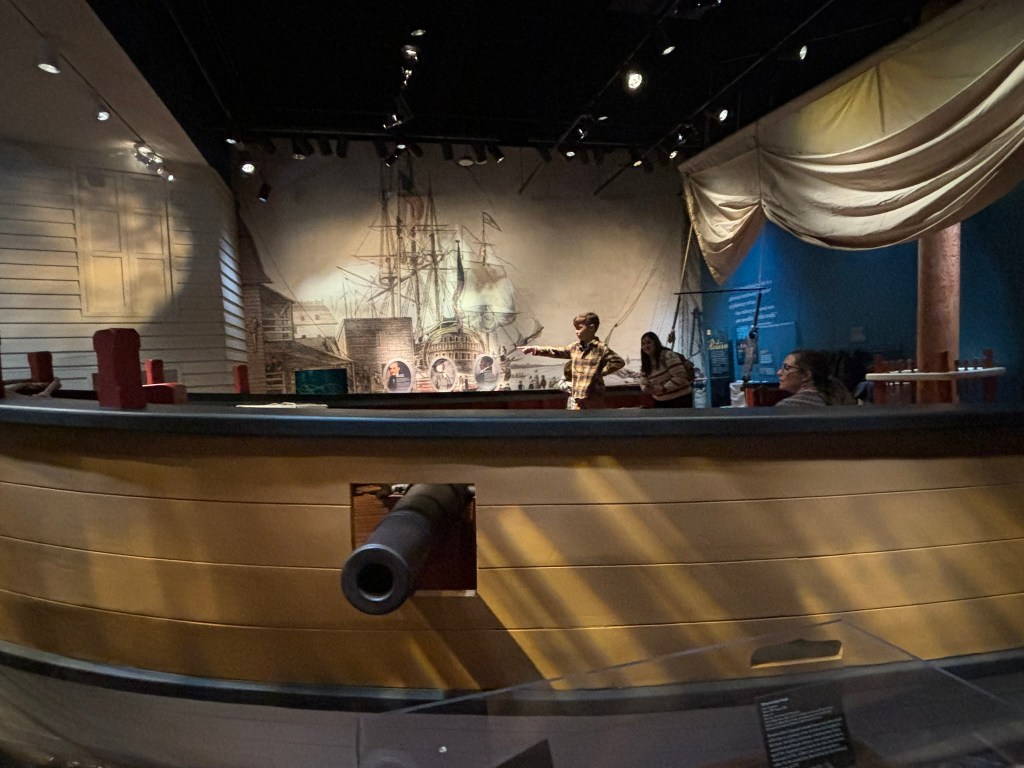
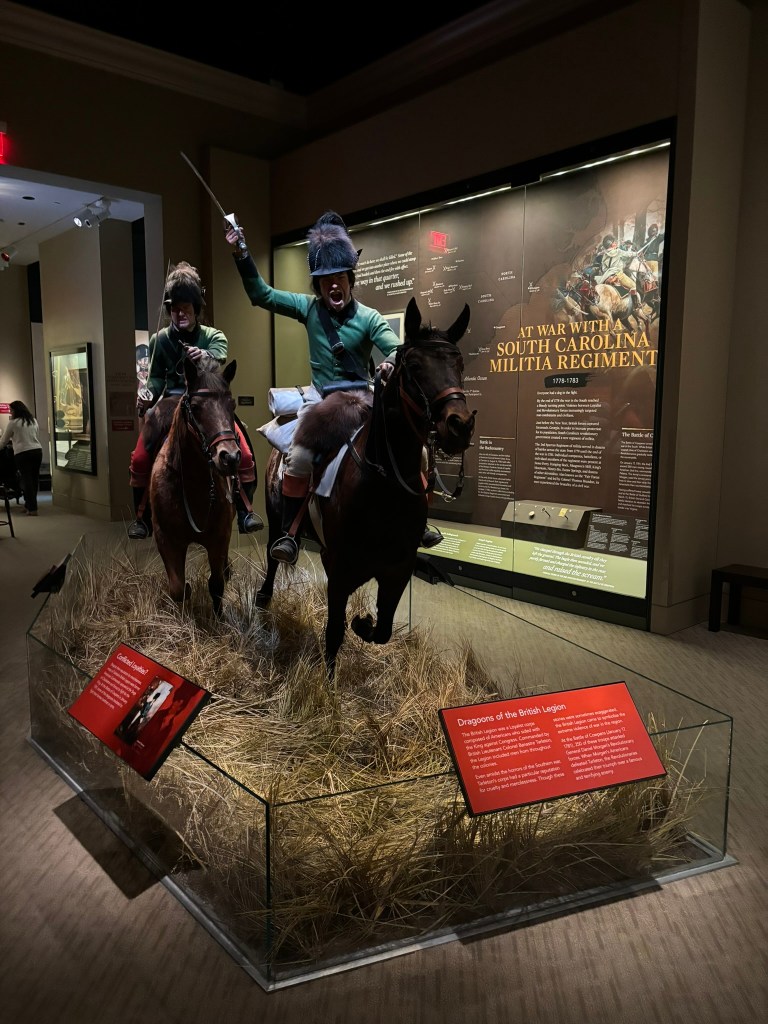
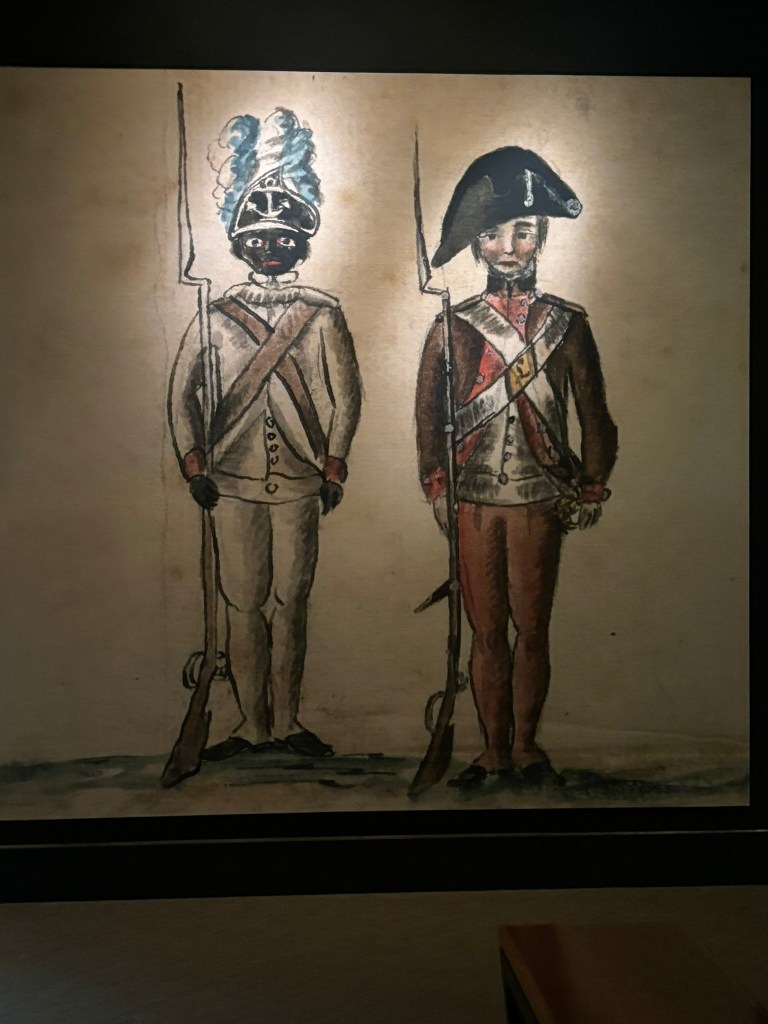
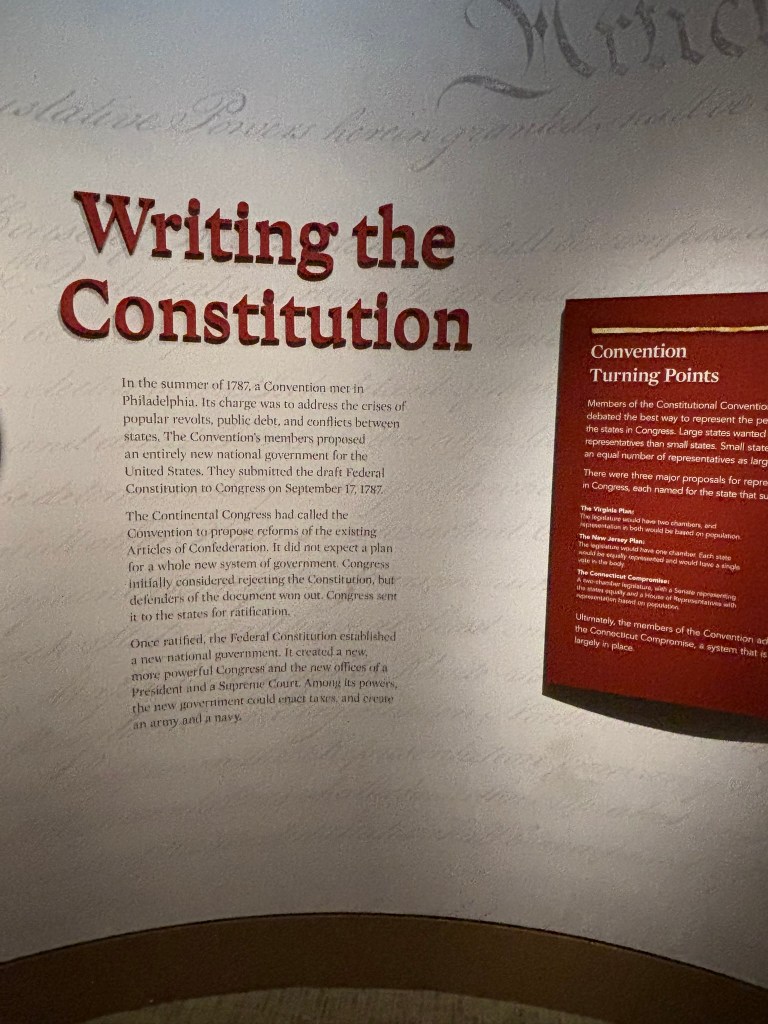
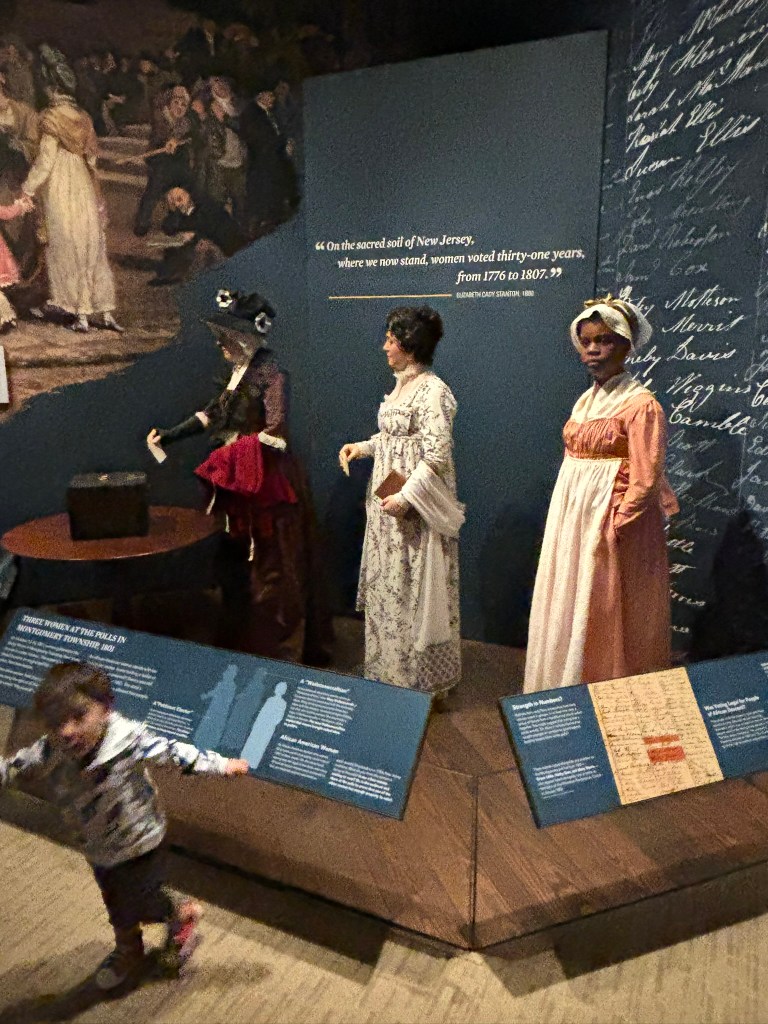
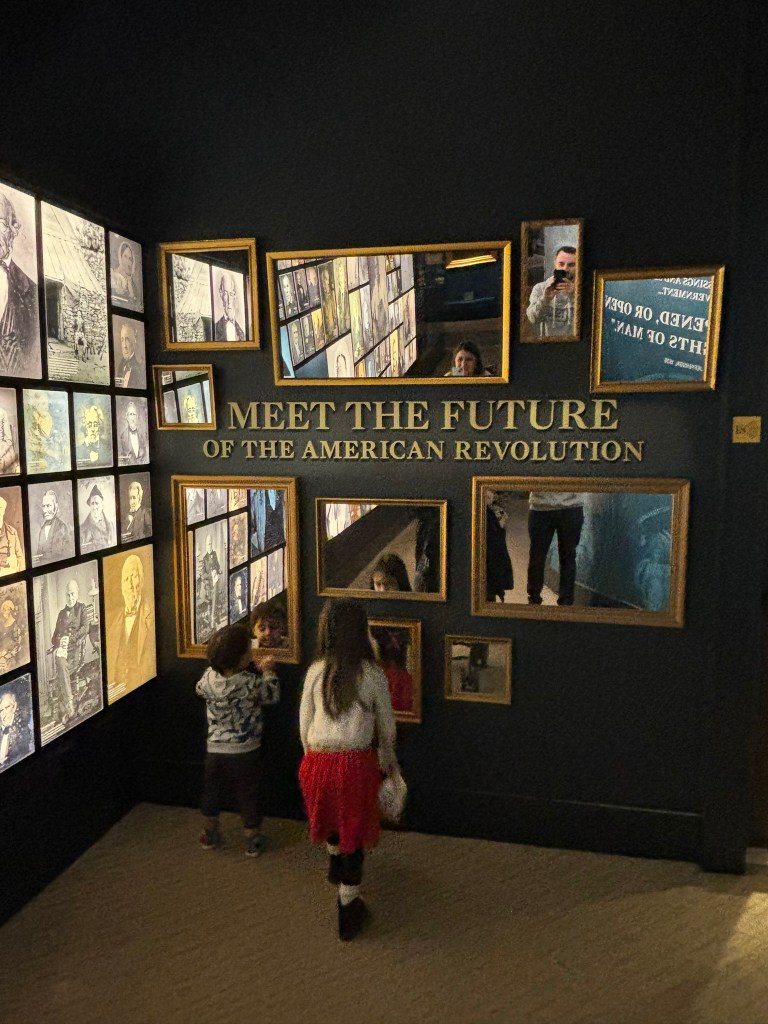
    After we saw the tent and explored the special exhibit about the history of the tent, we journeyed through the rest of the museum.  The main exhibit immerses you in the events of the Revolution, from the French and Indian war, the British taxes, the protests by the colonists, the opening shots at Lexington and Concord, the key events that transpired throughout the war, and the writing of the Constitution.  The exhibit teaches through informative plaques, hands-on learning, videos and artifacts.  It truly is a remarkable museum that everyone needs to visit.  In the basement floor there is also an activity center for kids with hands-on and interactive exhibits.  After our time spent at the museum, we head to lunch.  

    Christ Church Burial Site/ Grave of Ben Franklin

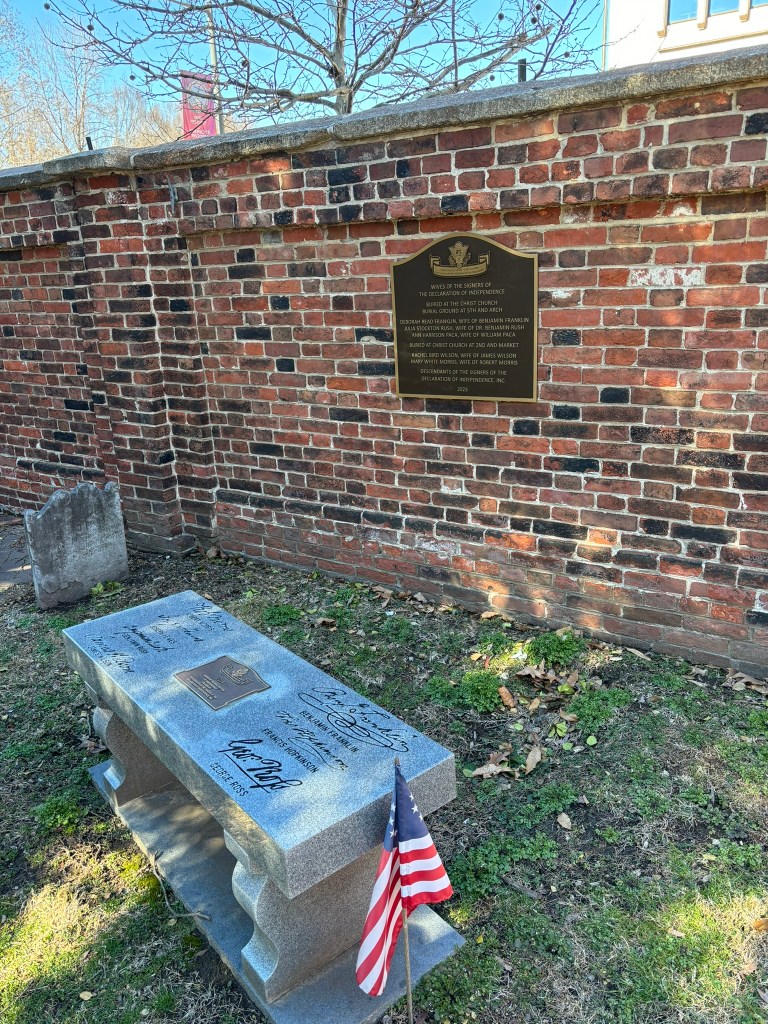
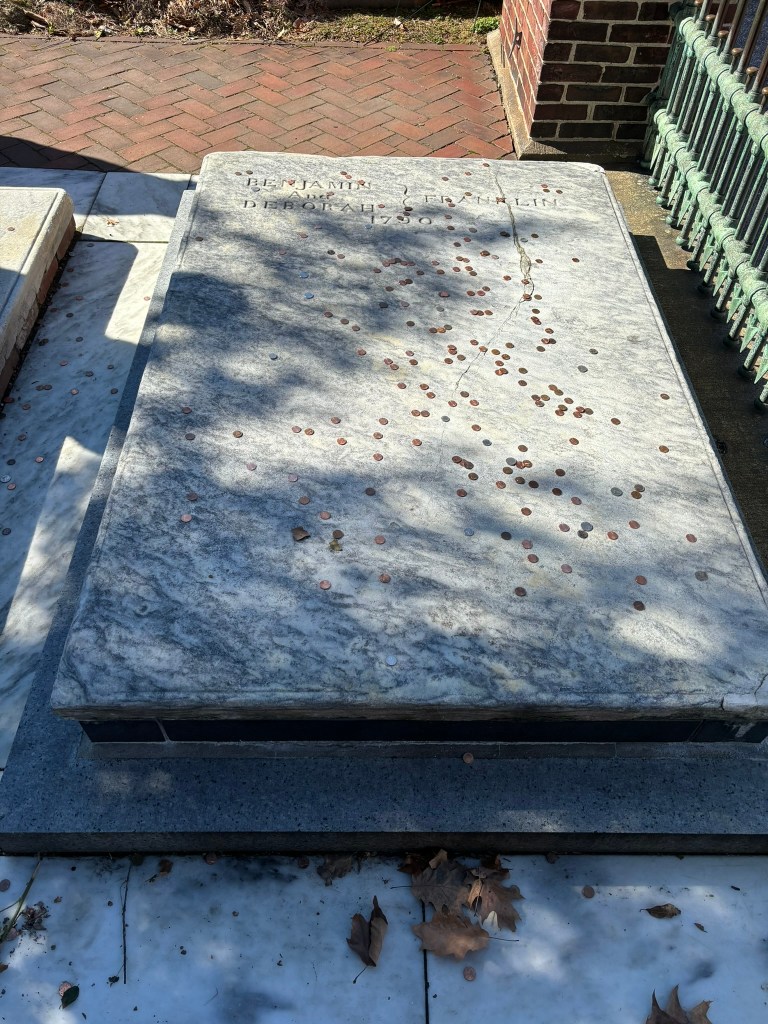
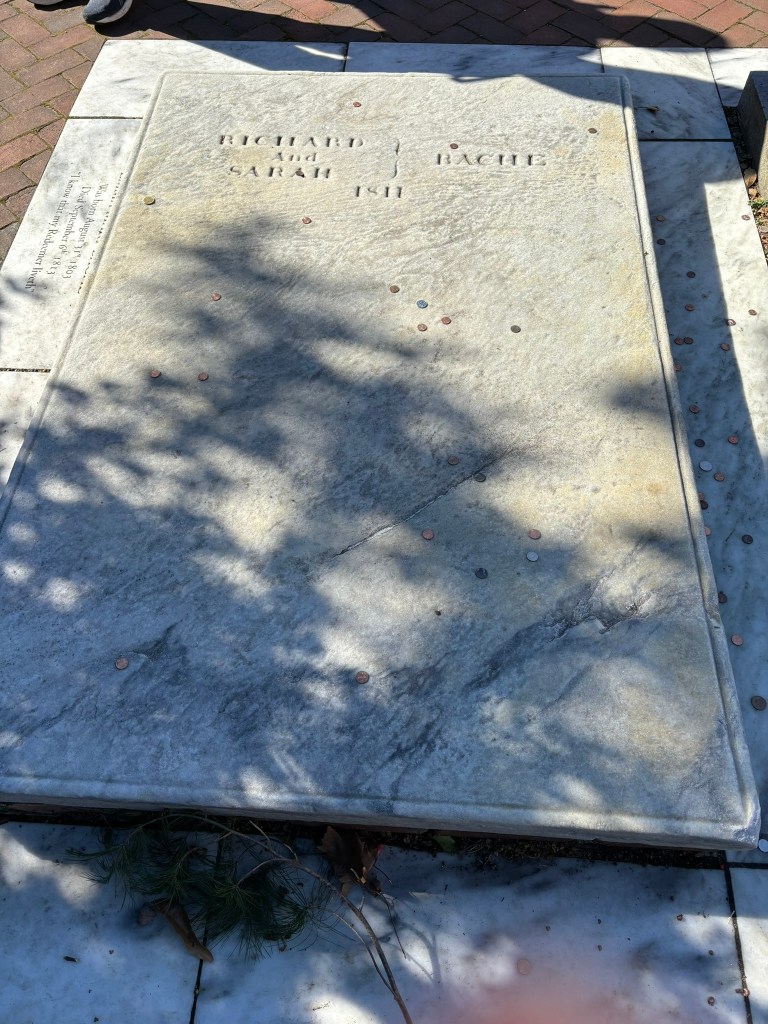
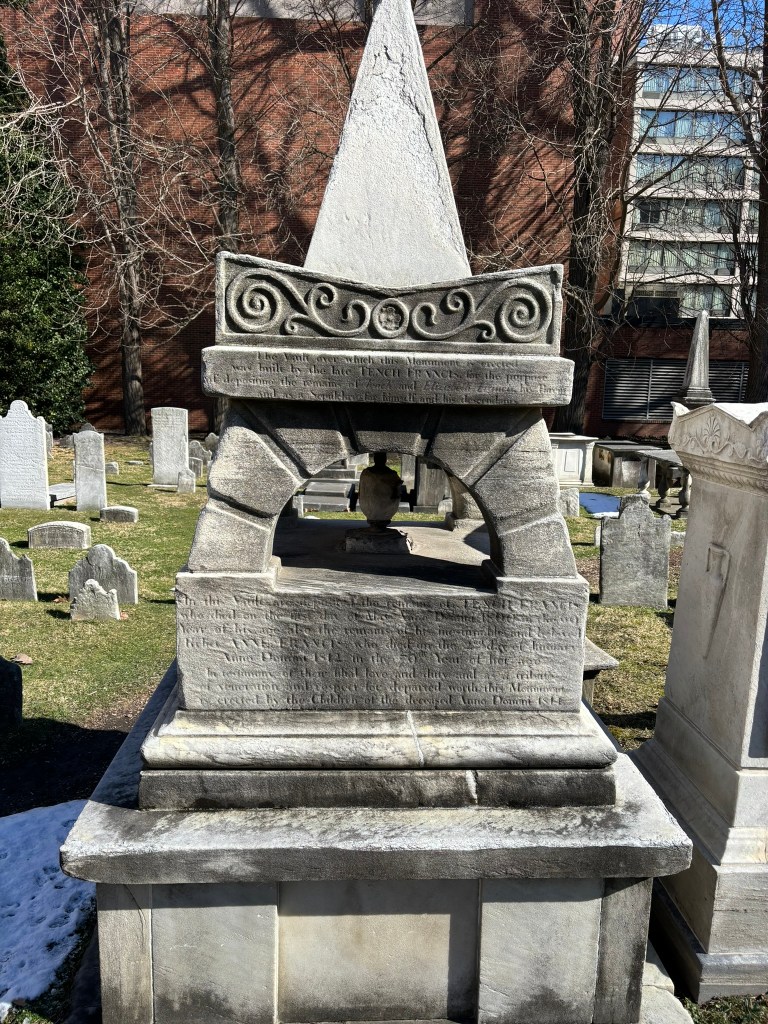
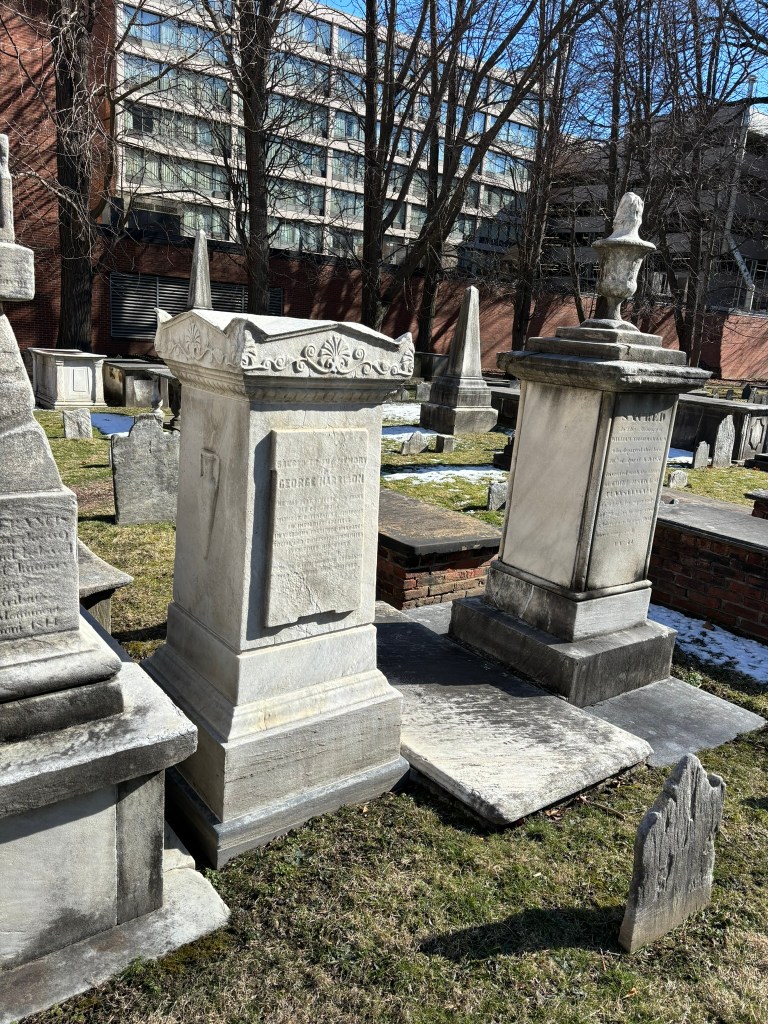
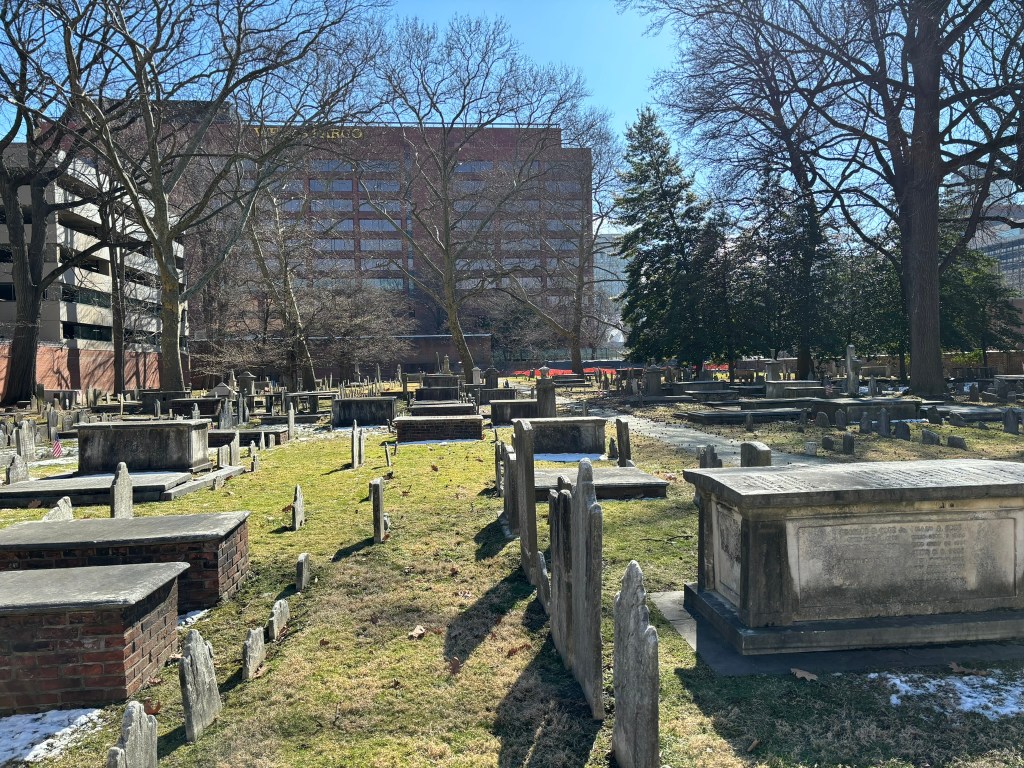
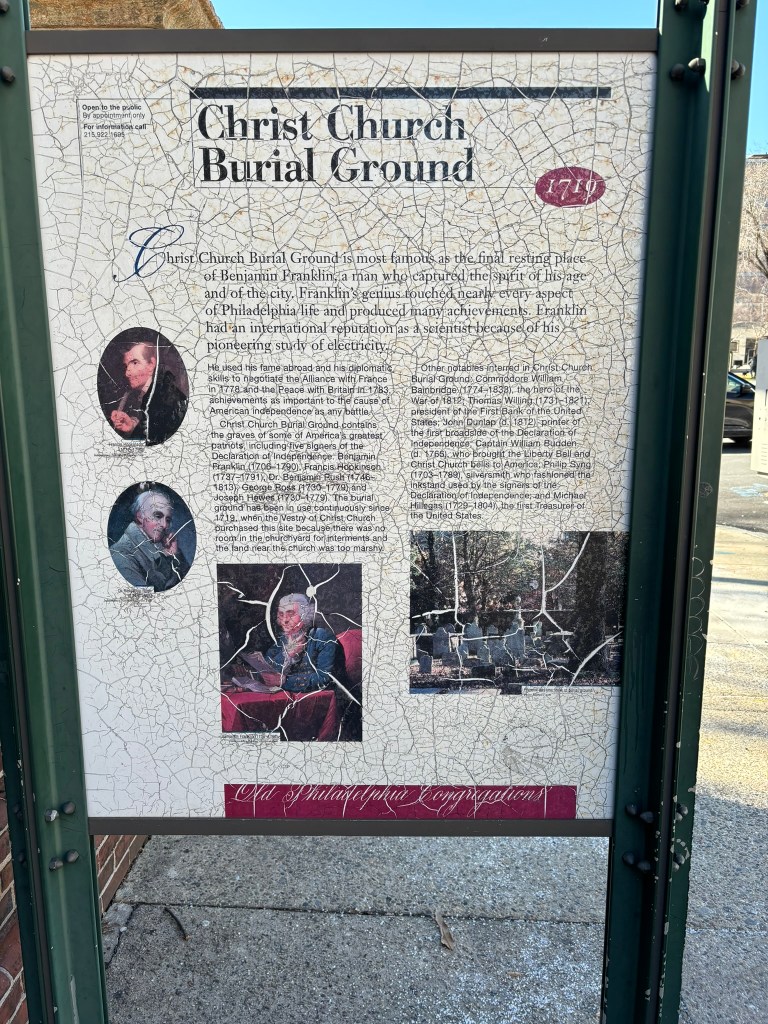
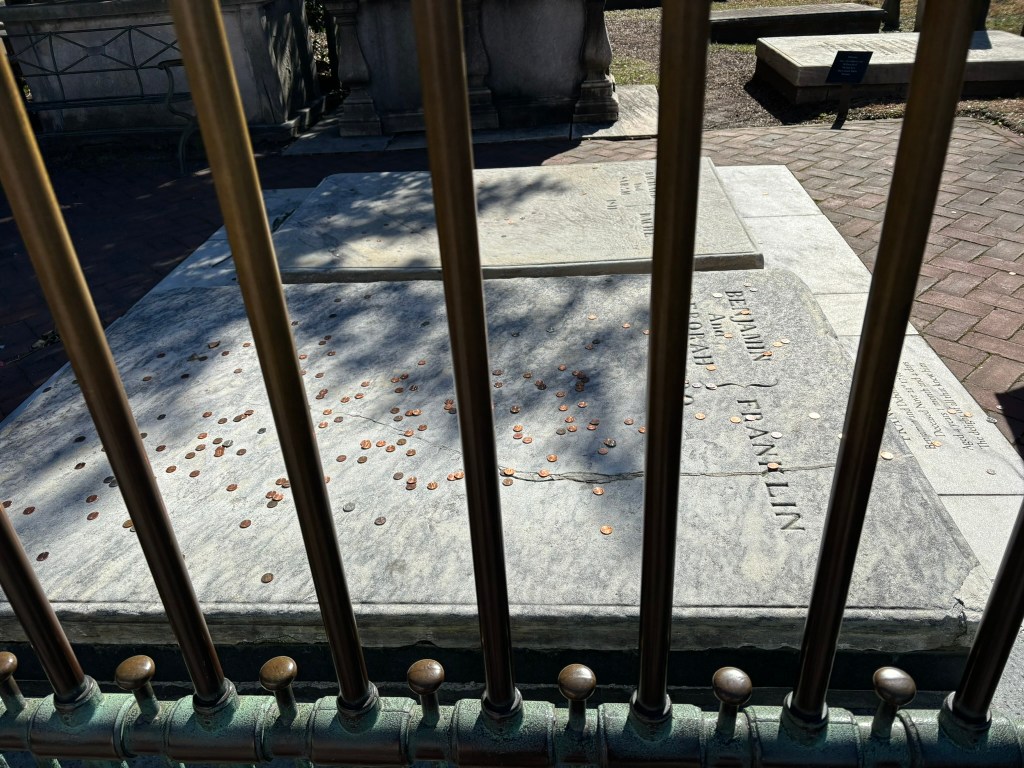
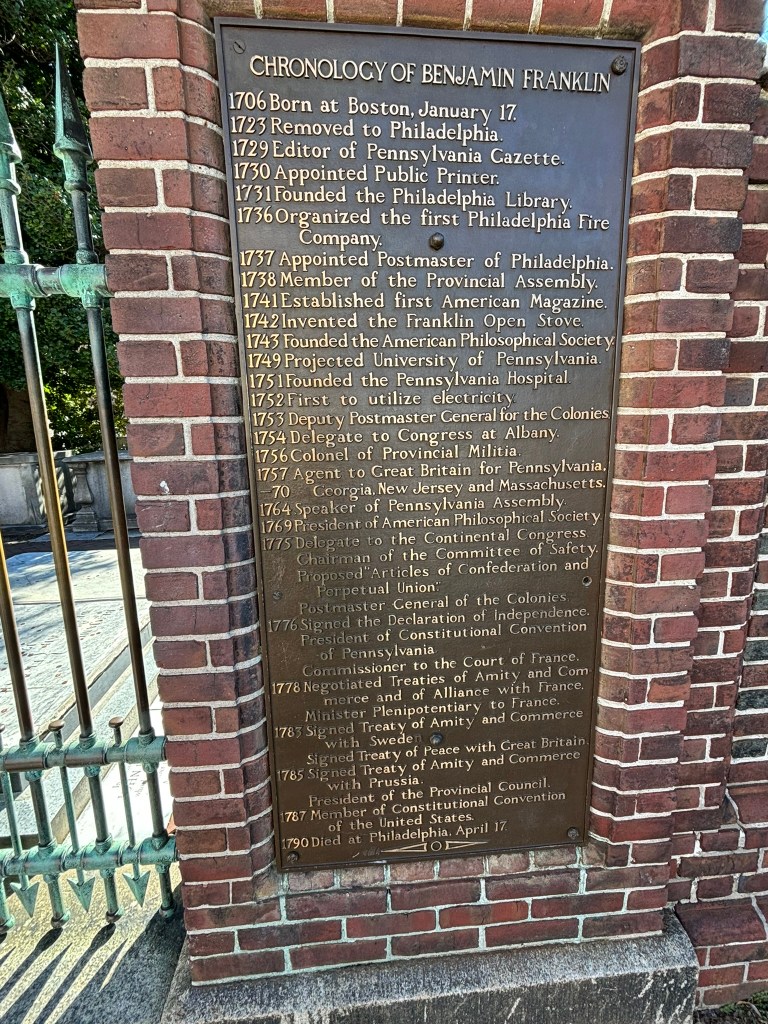
    Our next historical stop was the National Constitution Center, but we first walked past Christ Church Burial Site and visited the grave of Benjamin Franklin.  The graveyard also serves as a final resting place for many other individuals associated with the Revolution. 

    The National Constitution Center

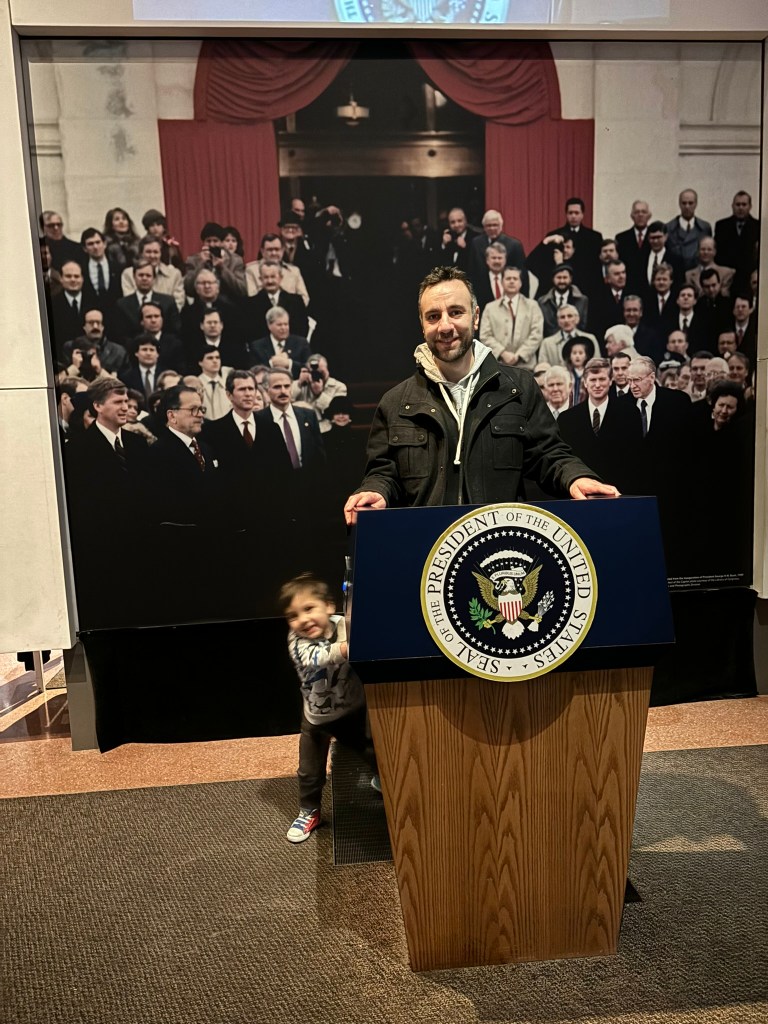
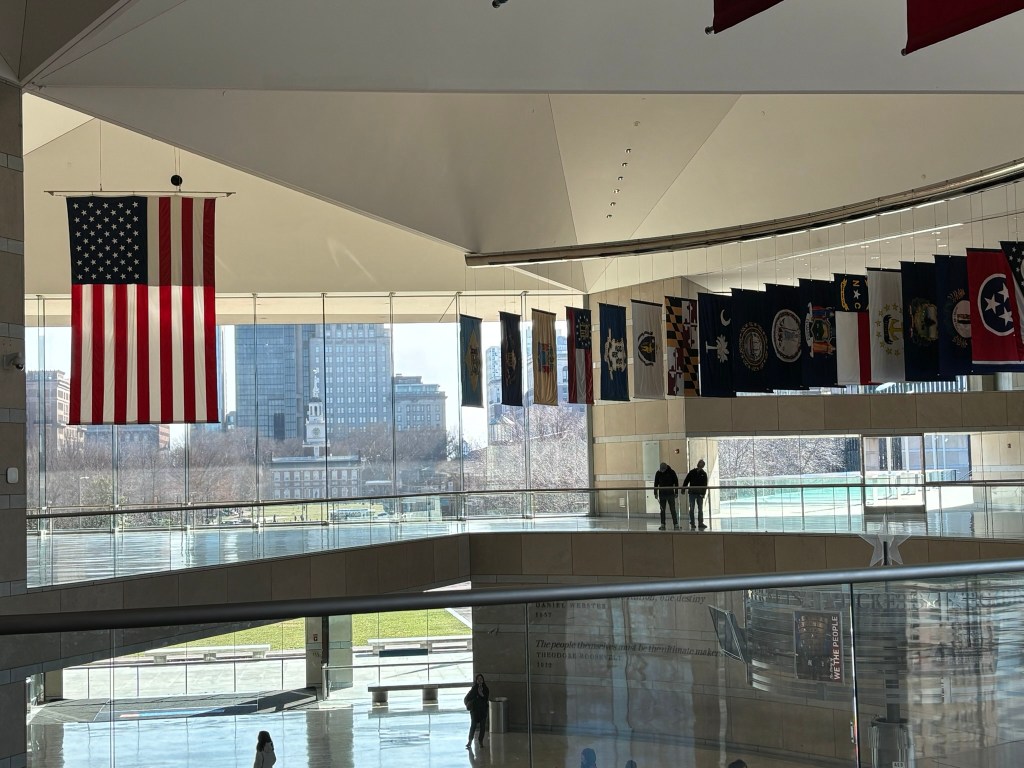
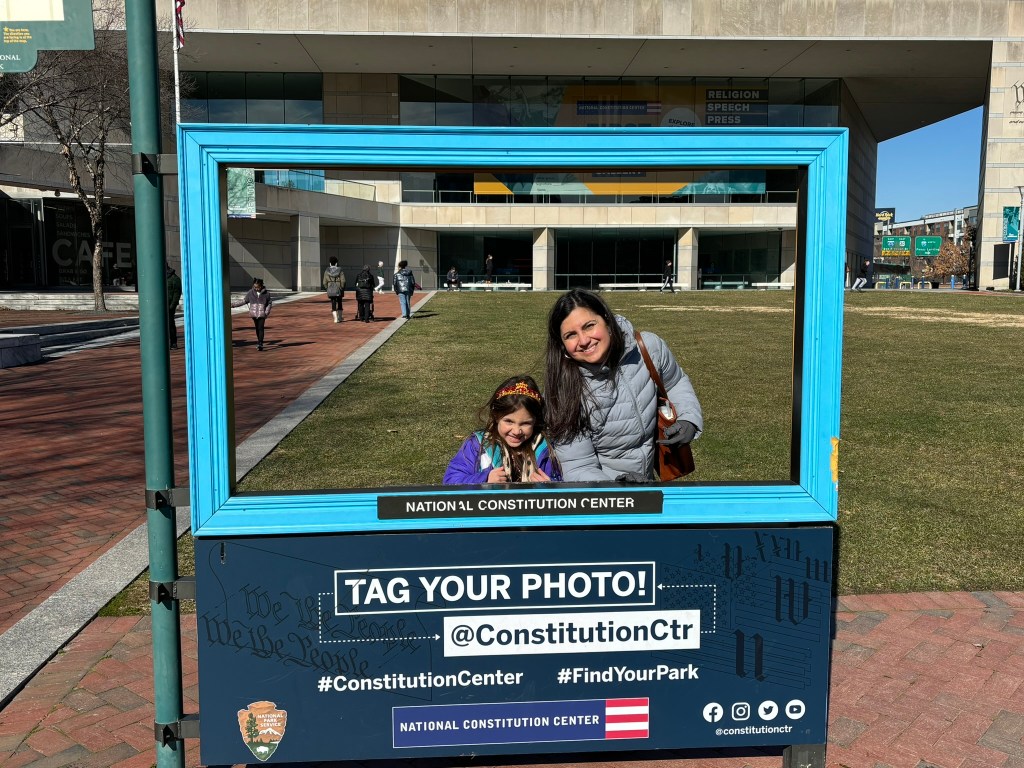
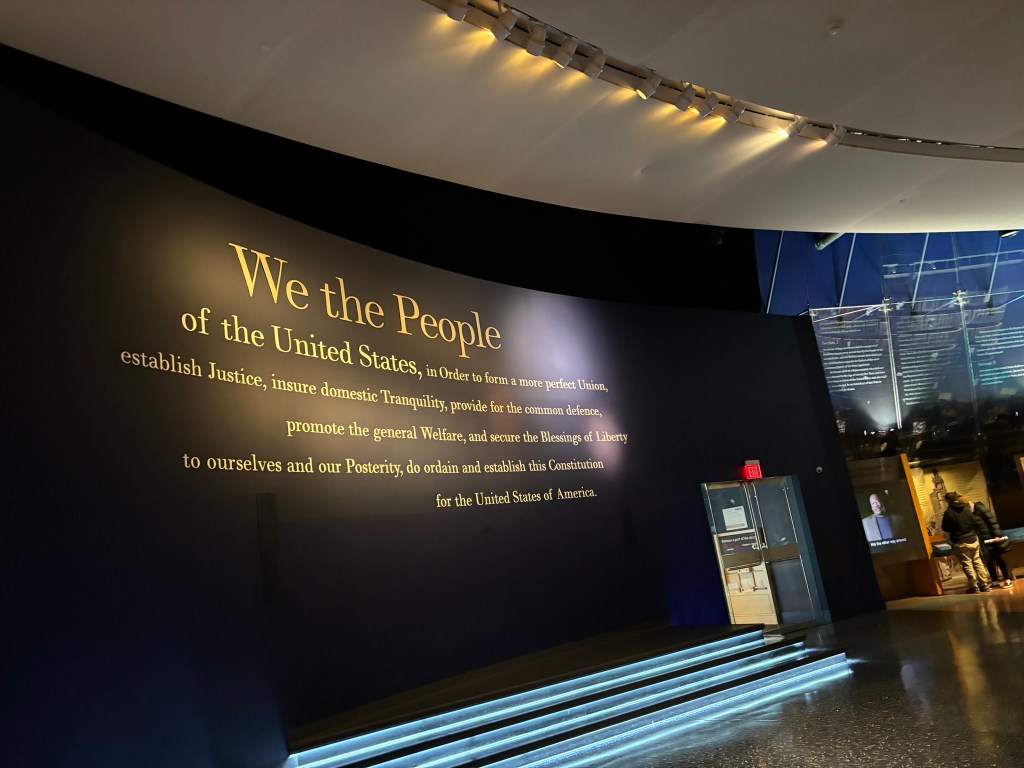
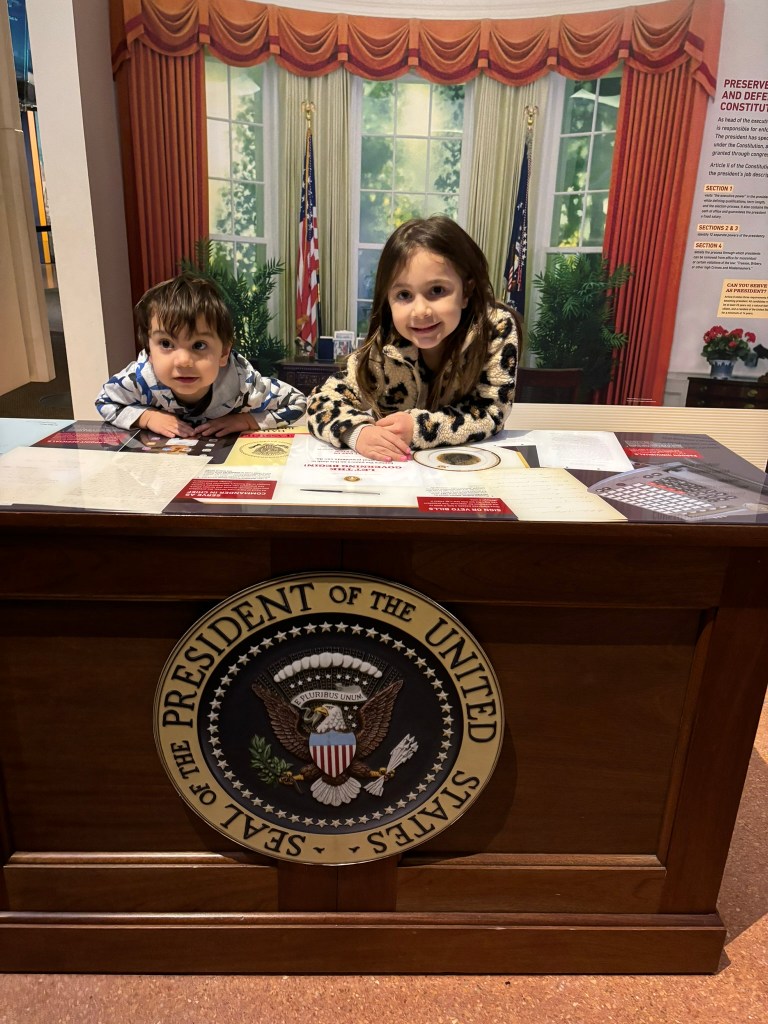
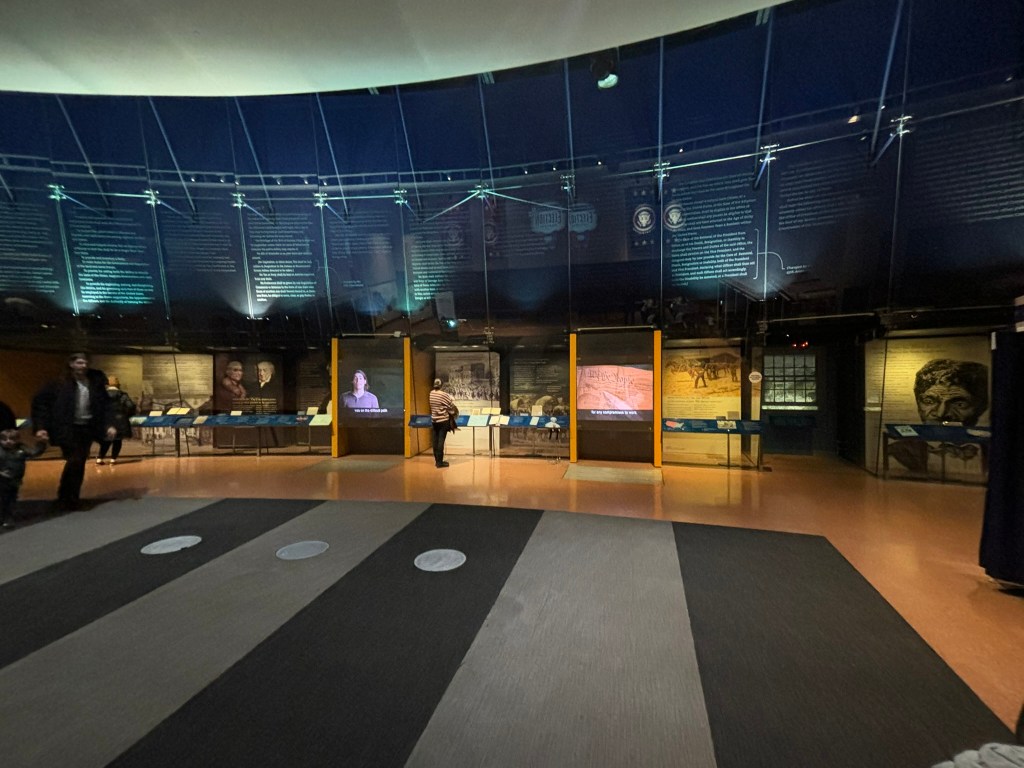
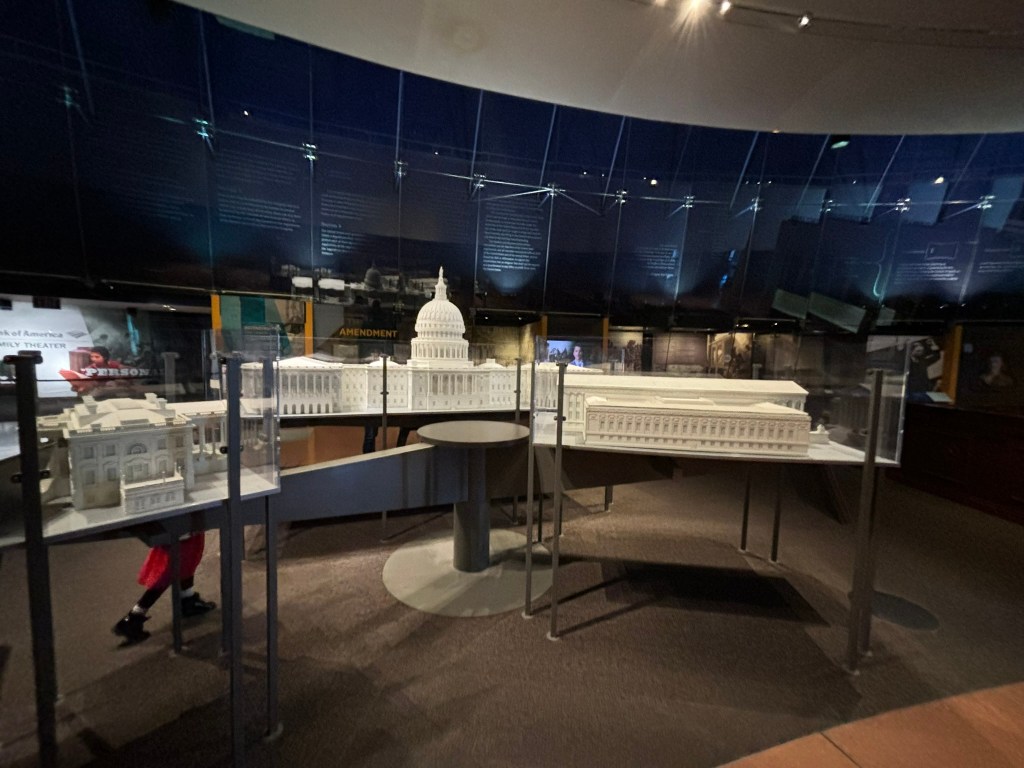
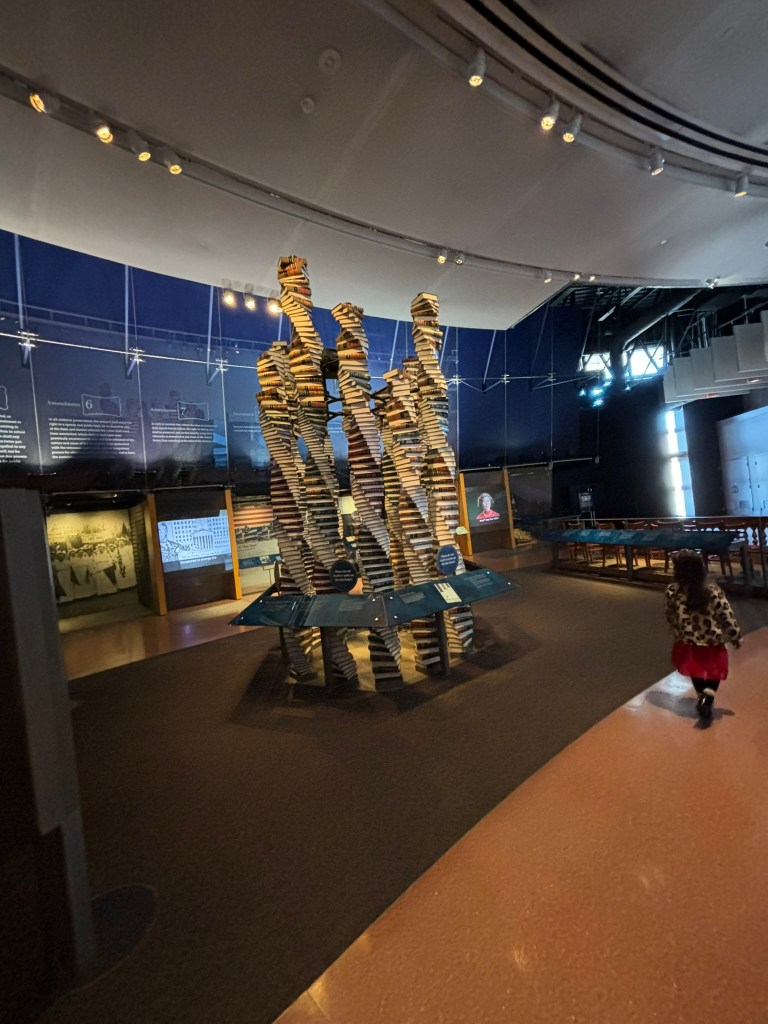
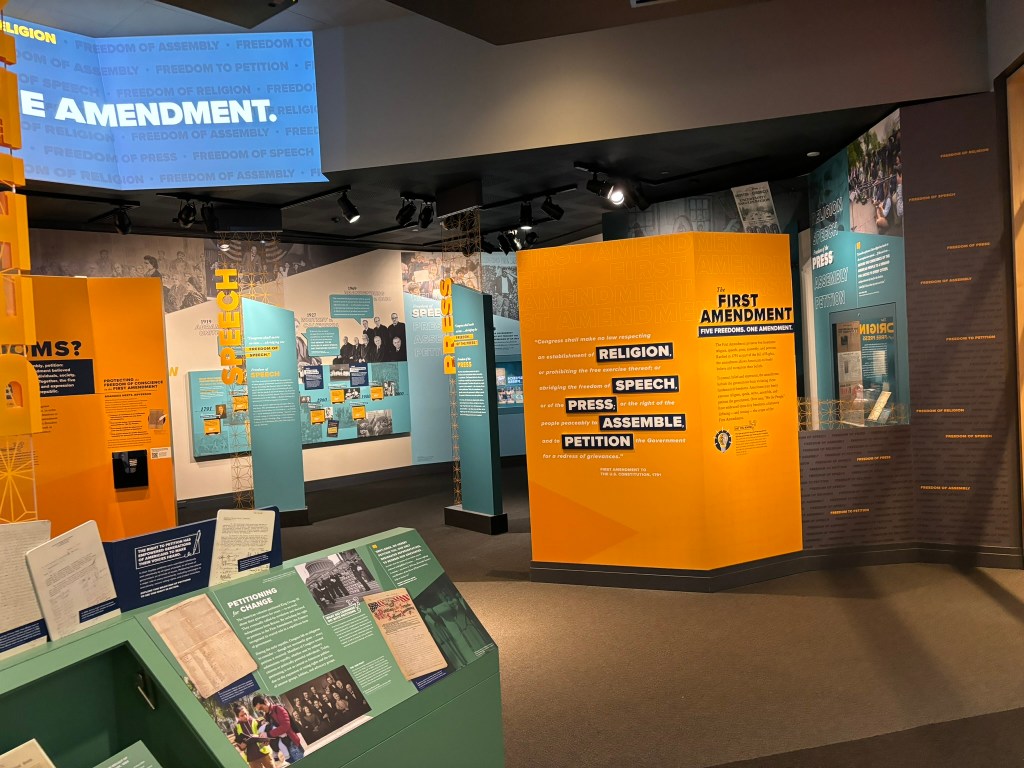
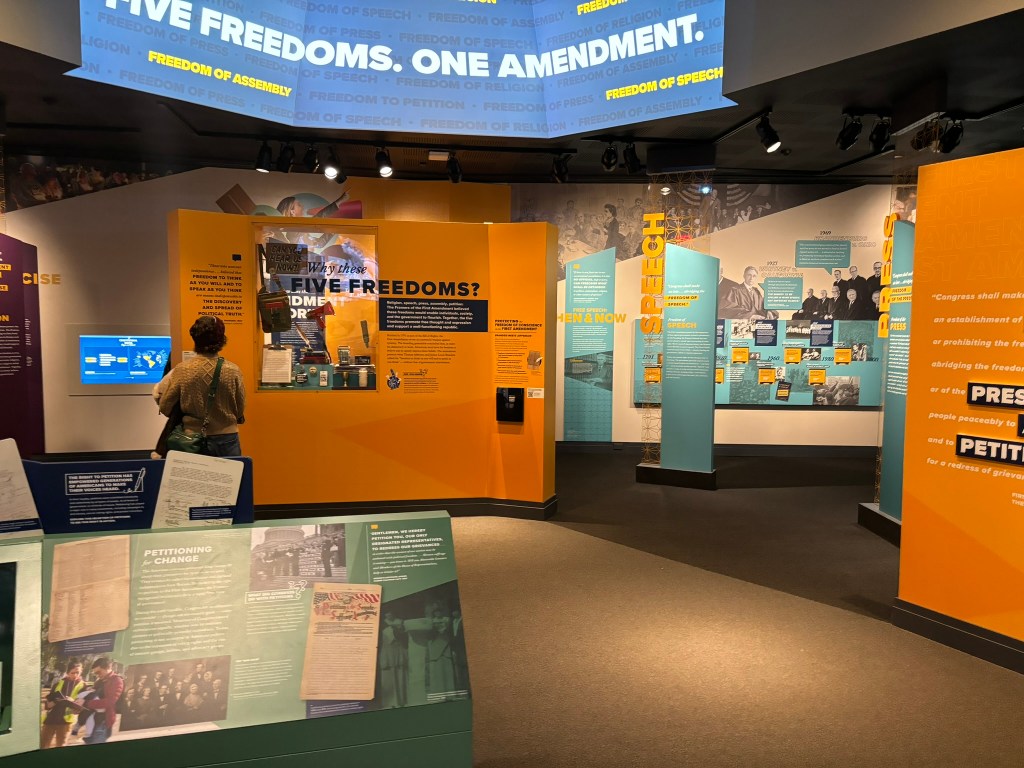
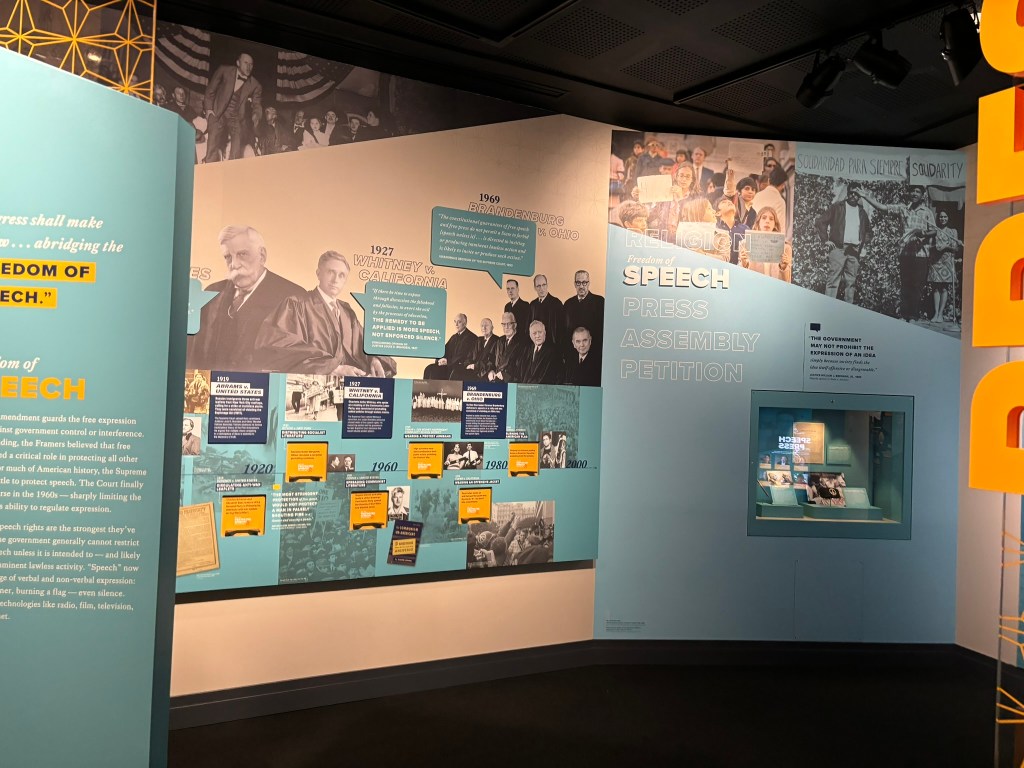
    Our visit to the Constitution Center was also a first time visit.  We first went to the theater and saw a show which was truly inspiring.  The show highlighted, through spoken word and video, the great challenges that the founding fathers had to overcome just to get together and create a brand new government  in an age of monarchies and absolute power.  The show also went into the challenges that the country has faced since the Constitution was written and the amendments added to remedy these challenges.  The show highlighted the fact that we have a government that is not led by a concentration of power in a person or a dynasty.  It is led by us, the American people.  Leaving inspired, we went to other exhibits throughout the Constitution Center which highlighted the first amendment, as well as exhibits on our three branches of government.  

    Independence Hall/ Congress Hall

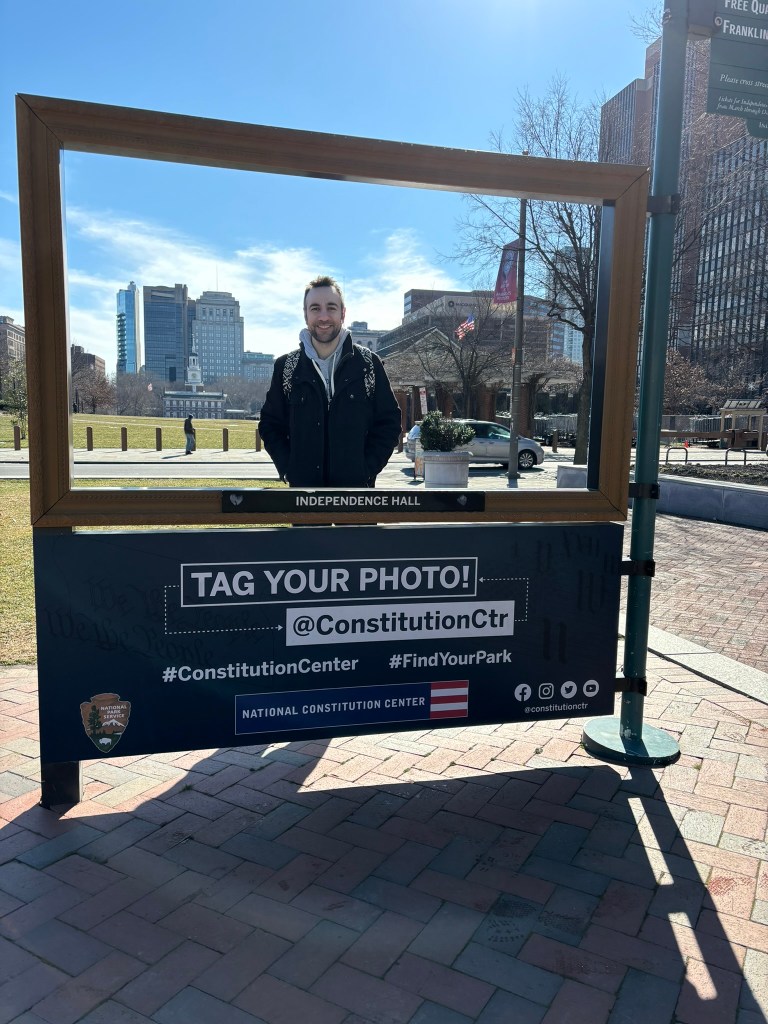
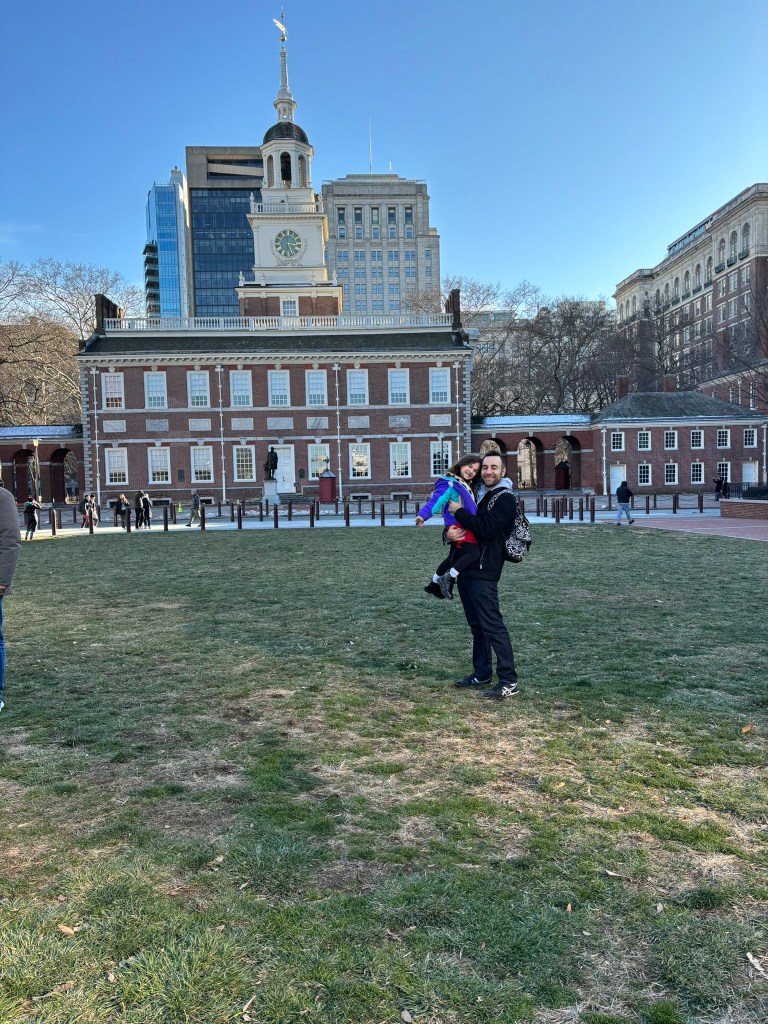
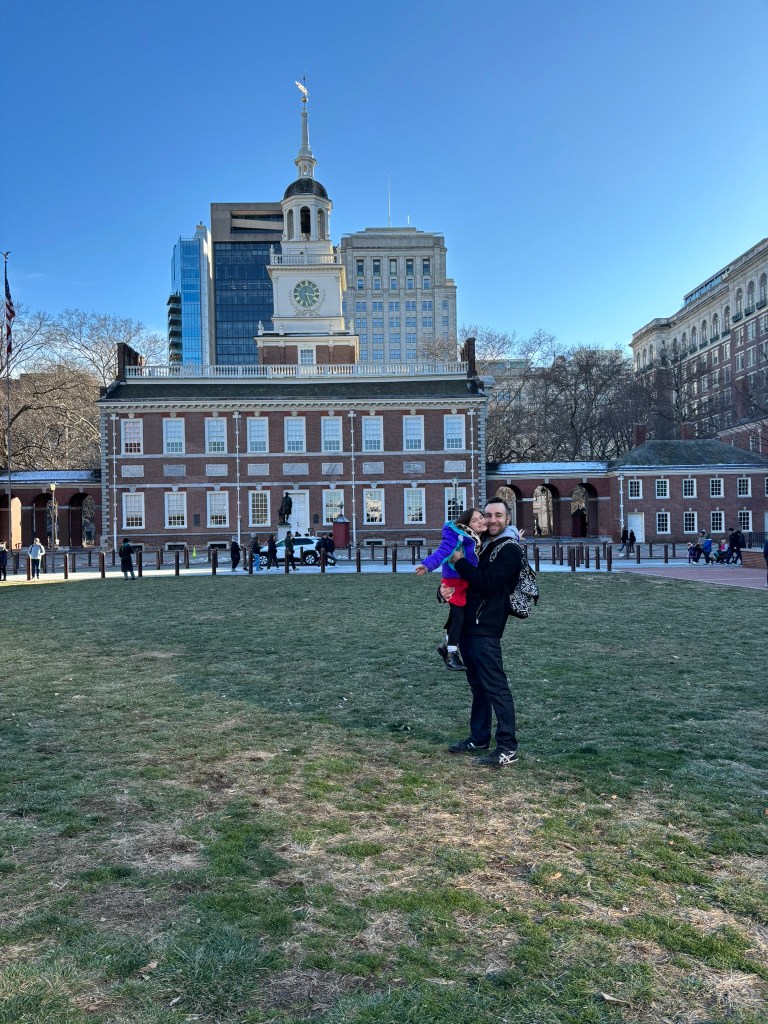
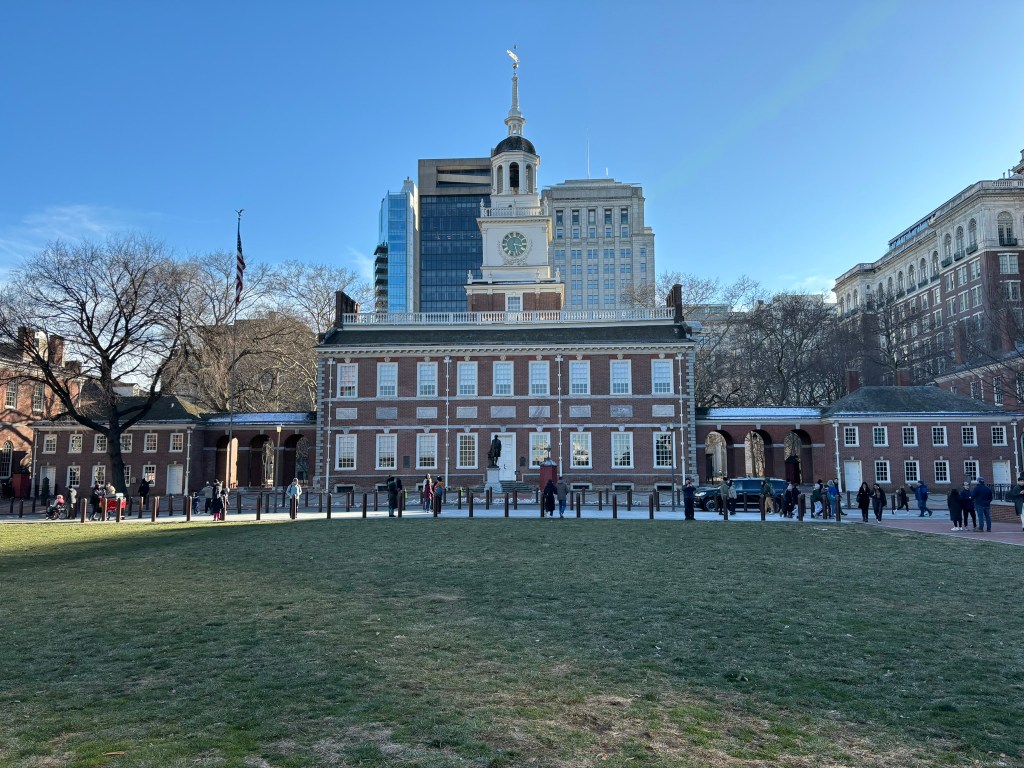
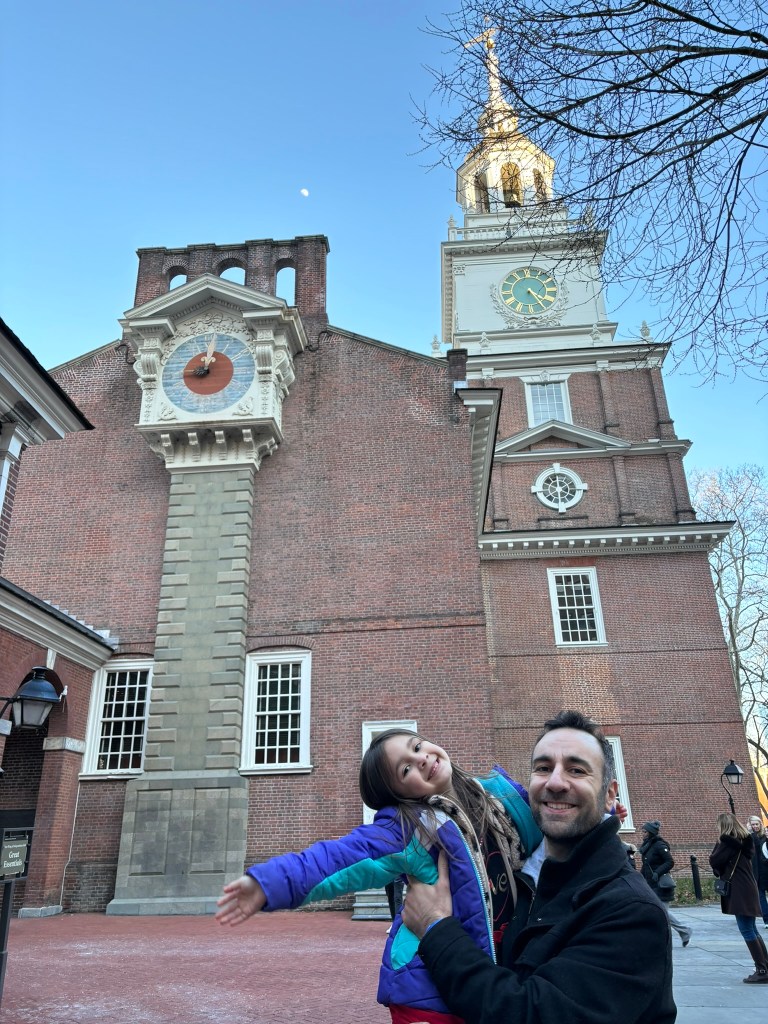
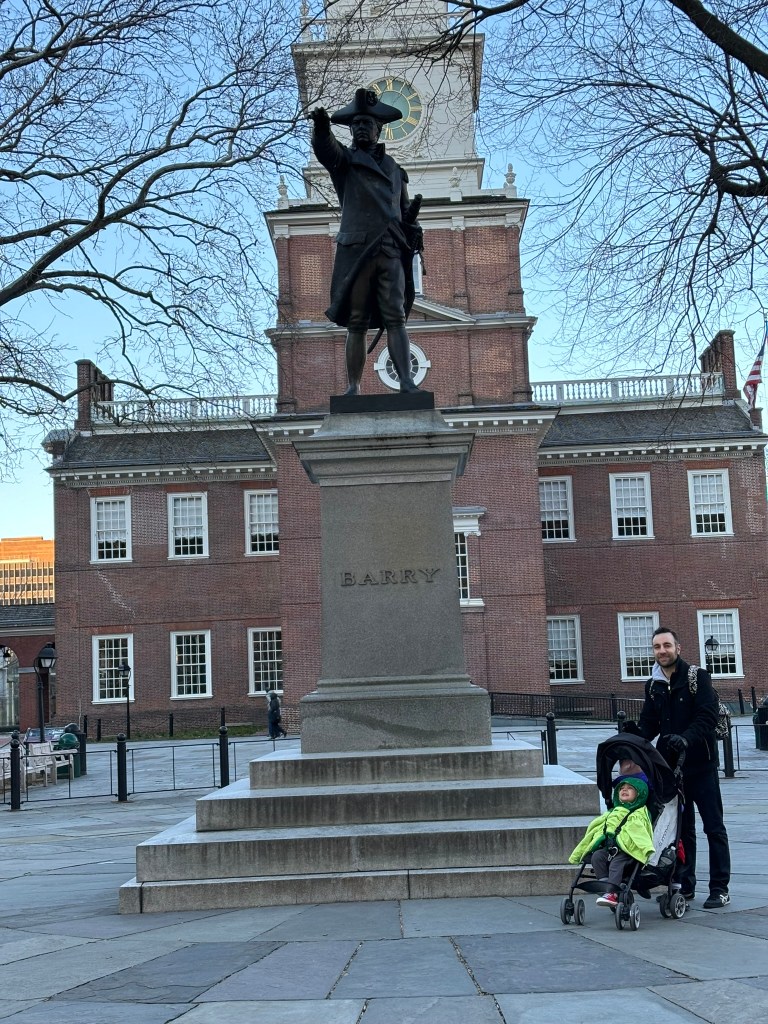
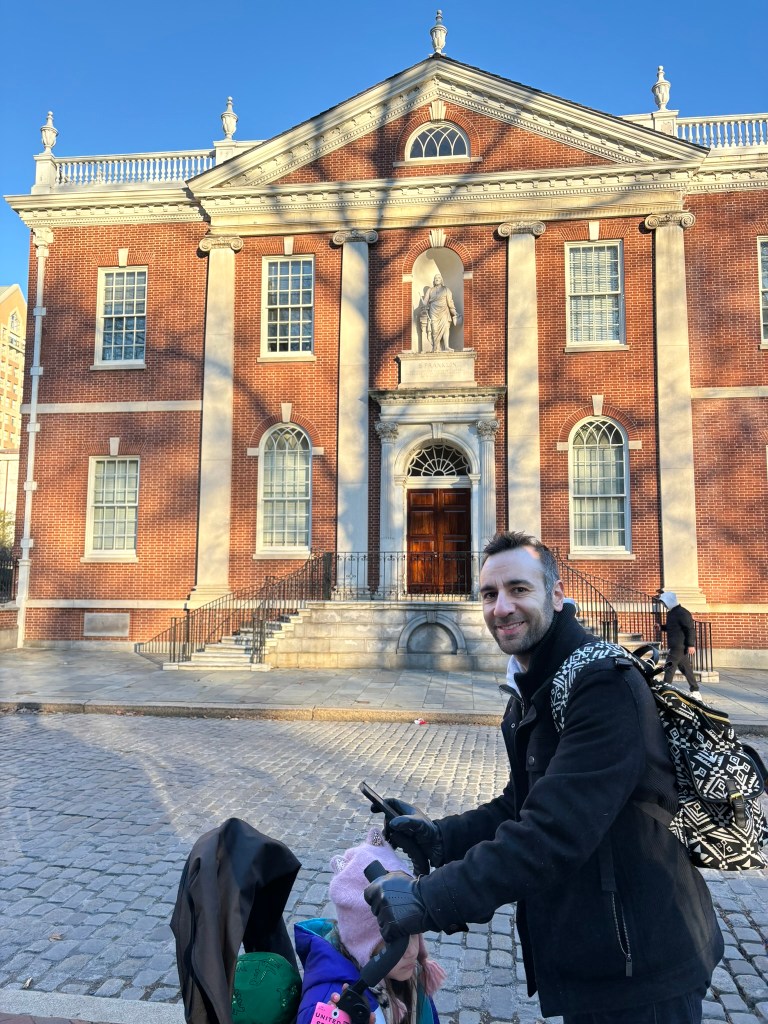
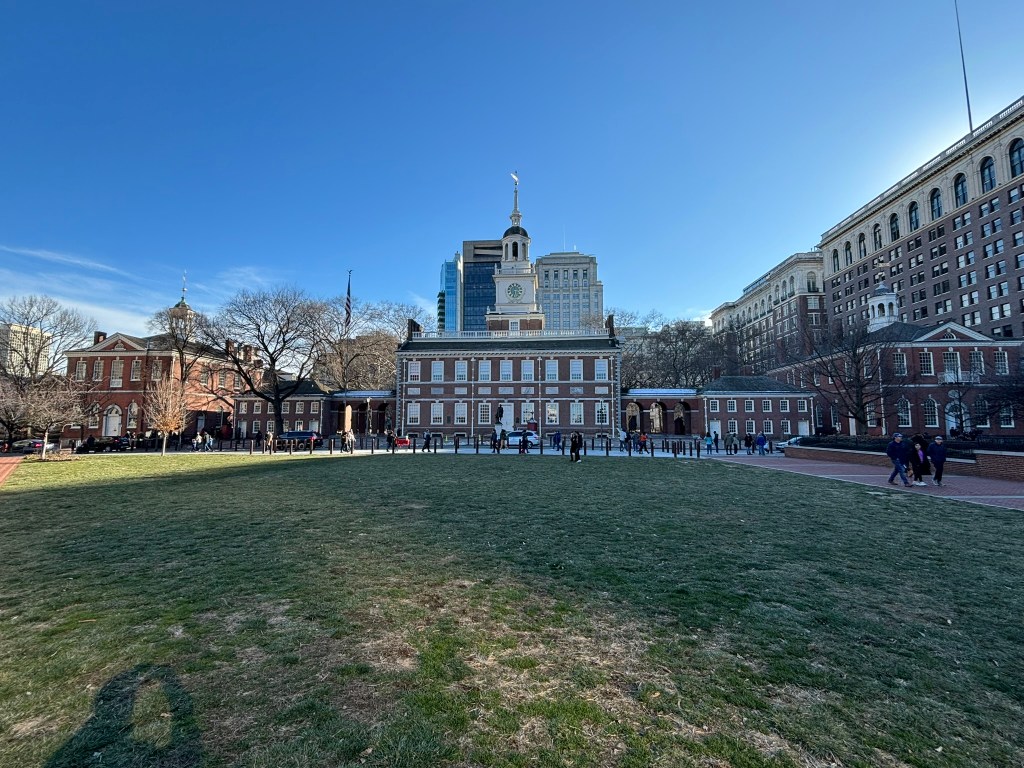
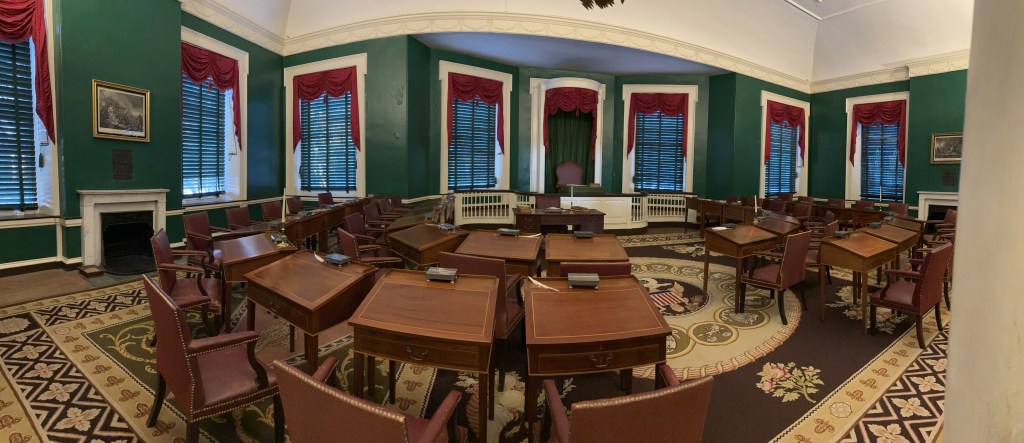
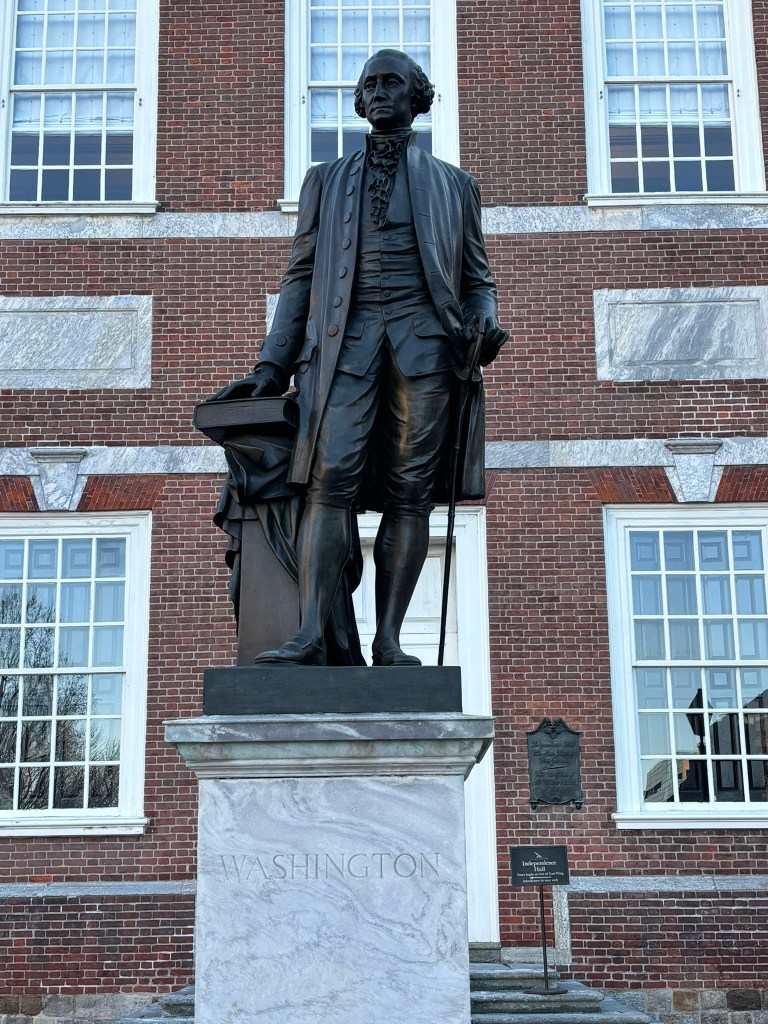
    After we left the Constitution Center we walked the short distance to Independence Hall.  Unfortunately there were no more tickets to get into Independence Hall.  Luckily we had been inside one time previously.  The best we could do was take photos from the outside of this historic building, the location where the Declaration of Independence was signed in 1776, as well as the site where our founding fathers wrote the Constitution throughout the summer of 1787.  The area was crowded with it being Presidents Day Weekend.  It was nice to see many families seeing the historic sites.  

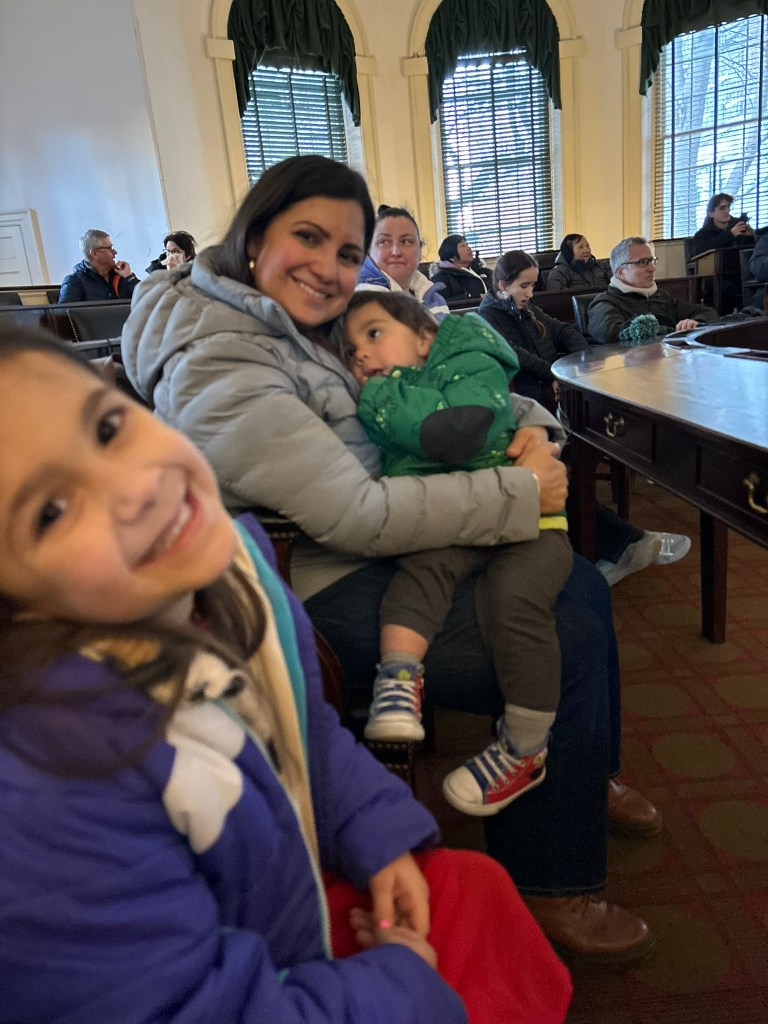
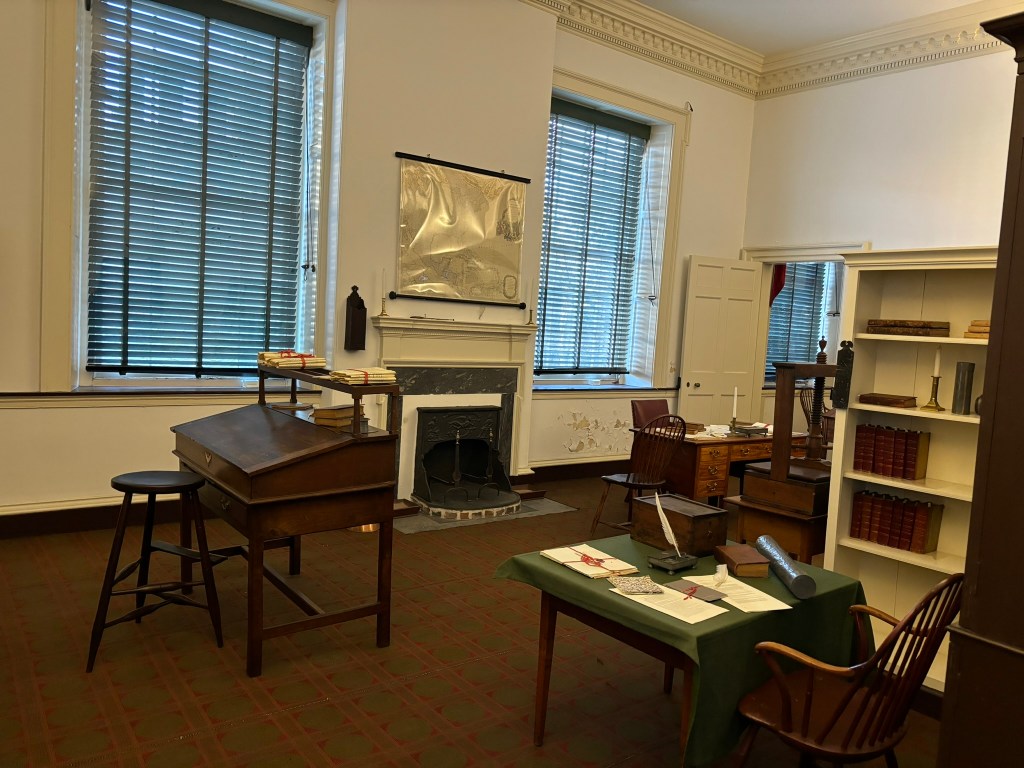
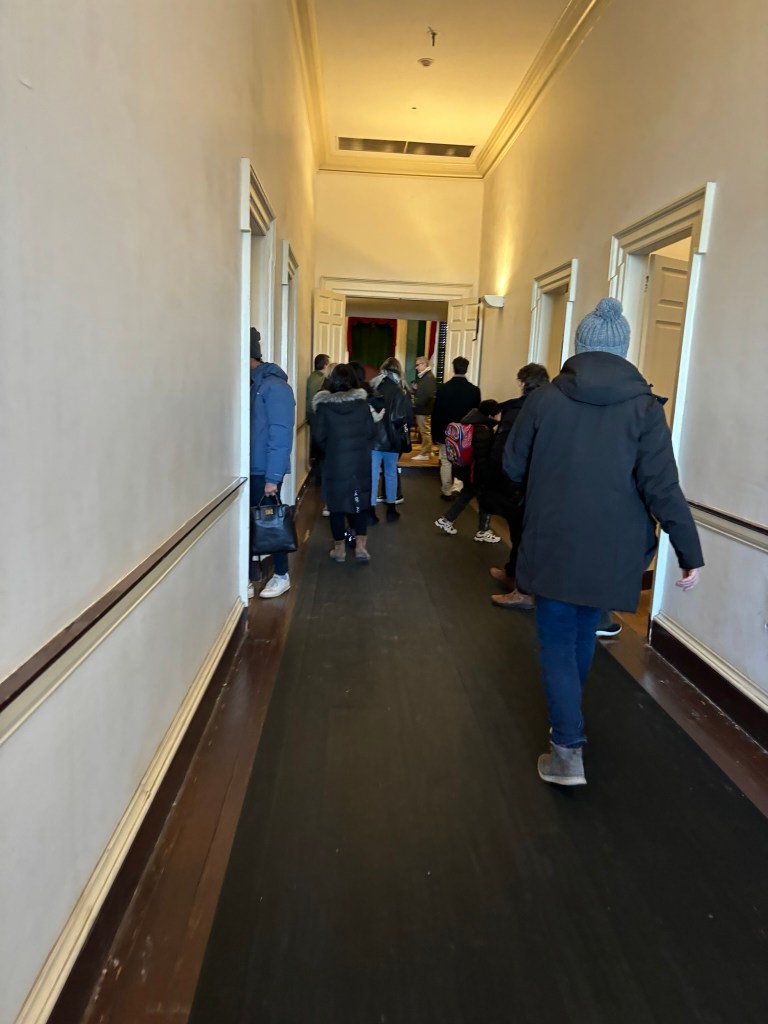
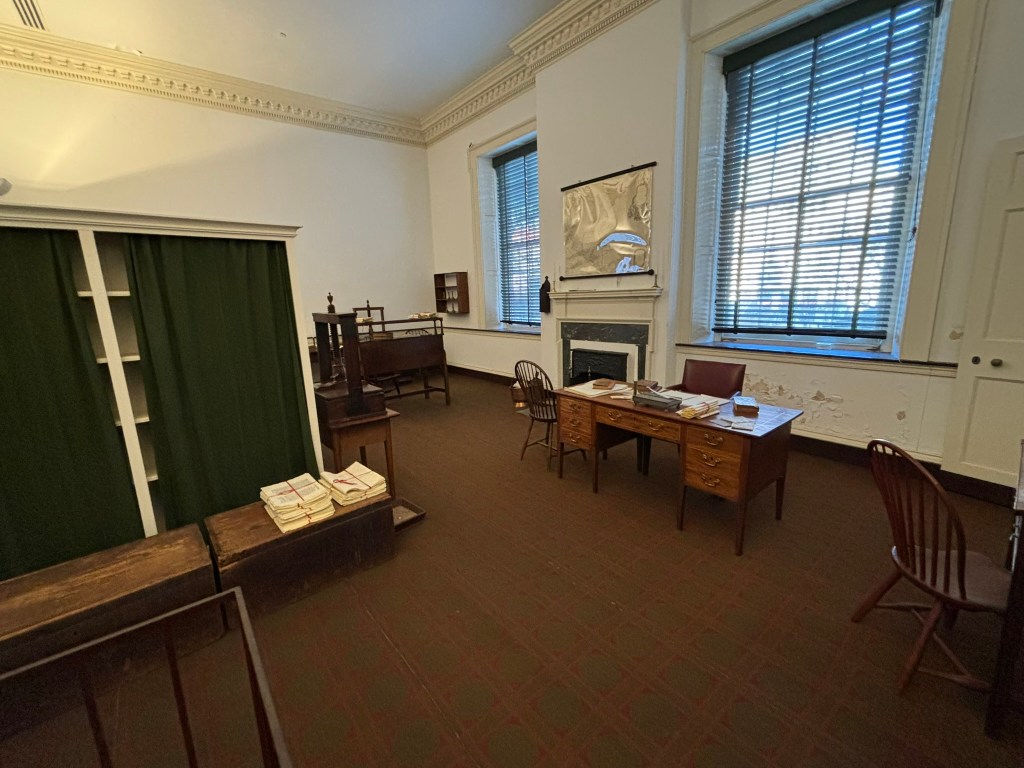
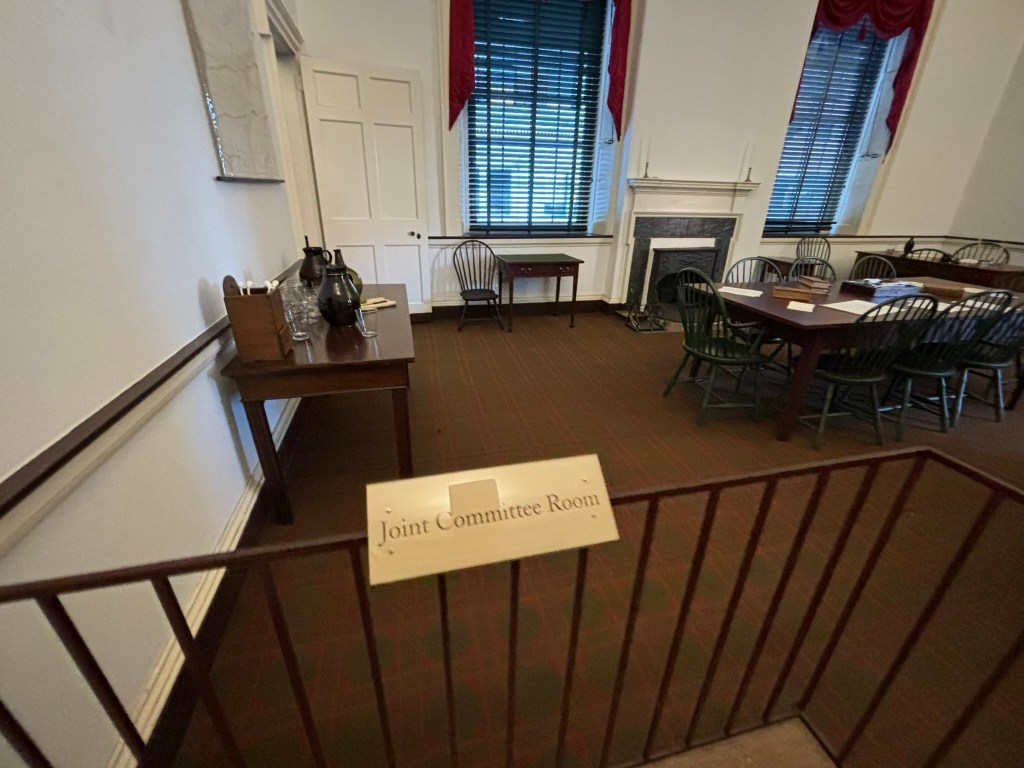
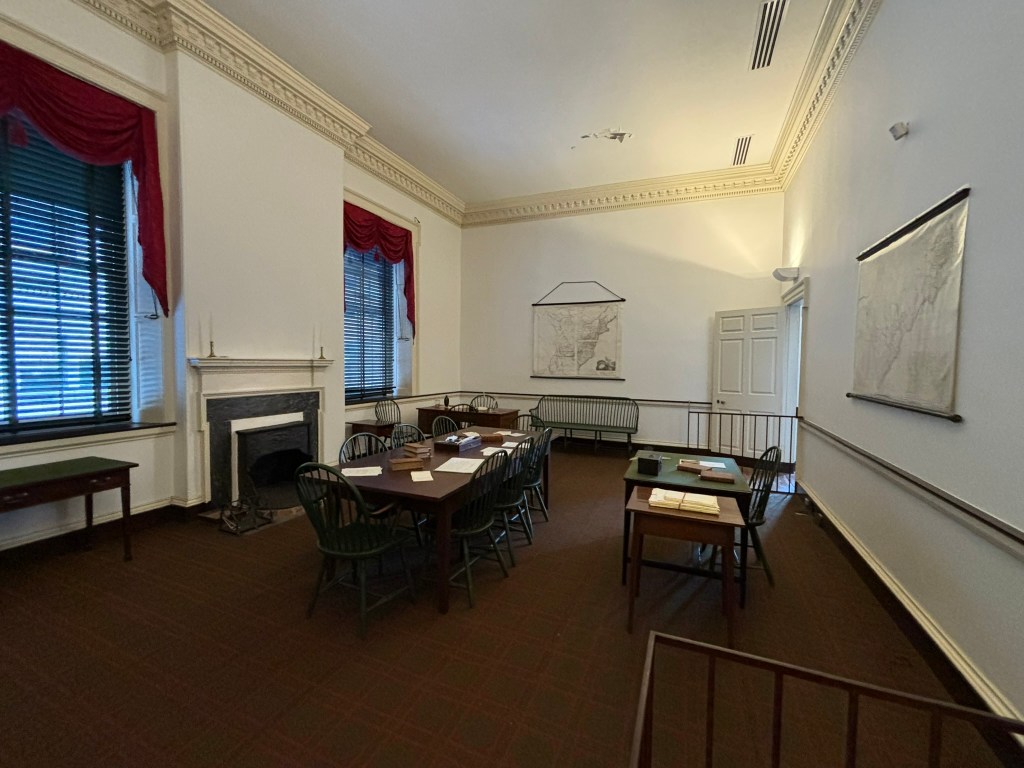
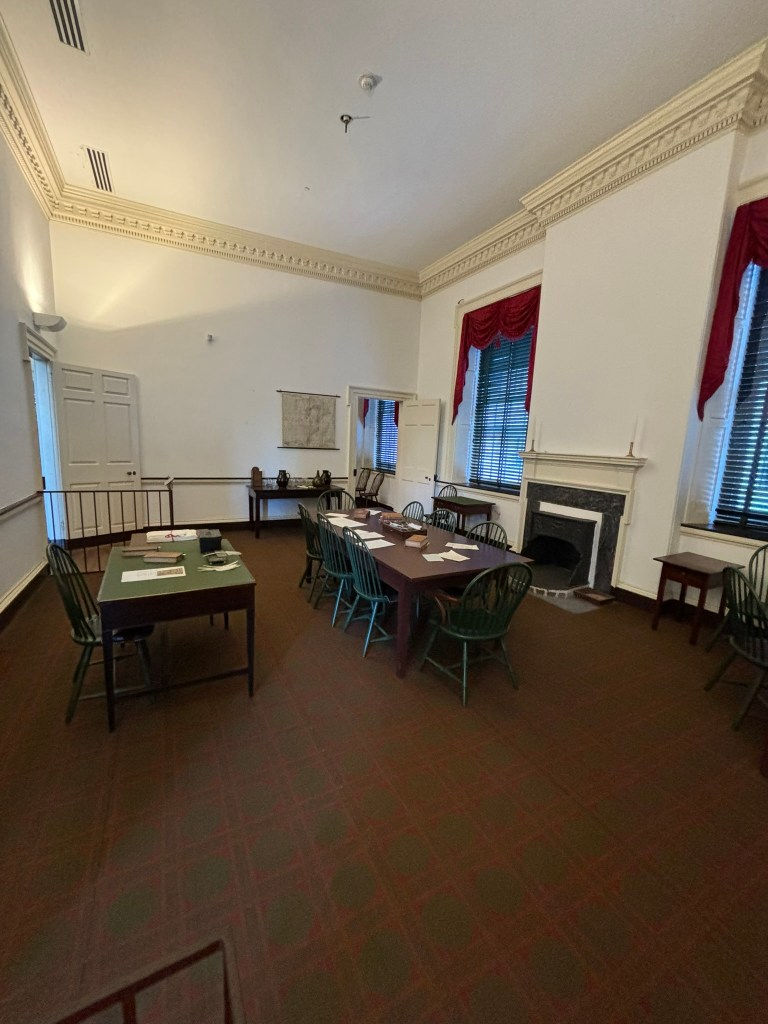
    While we didn’t get to go inside Independence Hall, we did have an opportunity to go in Congress Hall which was a first time visit.  It was truly remarkable to be in the room where the first Congress sat in our nation’s history.  Philadelphia was the nation’s capital from 1790- 1800 while the new capital, Washington DC was being constructed. The 1790s represents one of the most interesting times in our nation’s history.  When the Constitution was written, the framers did not take into account the rise of political parties.  But within Washington’s cabinet, and within the Congress, two separate parties formed during Washington’s two terms in office.  The nascent country experienced the first debates between the Federalist Party (led by Hamilton) and the Democratic-Republicans (led by Jefferson).  Congress Hall witnessed the earliest debates over the size and strength of the national government, the  economy, and foreign allies.  The House of Representatives met on the first floor of Congress Hall, while the senate met on the second floor. When the capital moved to DC in 1800, Congress Hall went back to its original purpose serving as a courthouse.  After leaving Congress Hall, the family headed out for dinner.

    We really enjoyed the historic sites in Philadelphia.  The city was one of the most significant locations from the colonial period, throughout the Revolution, and into the early republic. With significant events taking place like the Constittutional Convention, as well as being the early seat of government, Philadelphia offers much to those interested in the nation’s founding. It is one of the most historic cities in the country, a must visit for all people, especially history nerds.

    Check out the following links to the landmarks visited:

    Museum of the American Revolution

    Christ Church Burial Grounds

    The National Constution Center

    Independence Hall

    Congress Hall

    Check Out My Related Blog Posts Below:

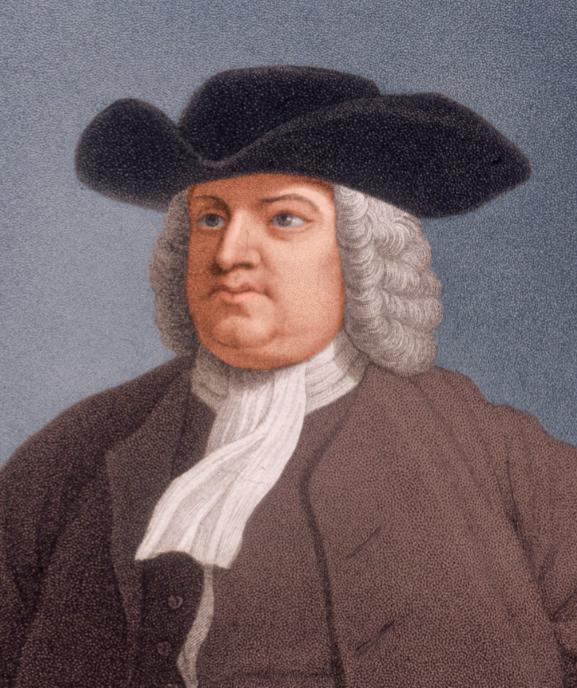
  • My previous two blog posts focused on the lost colony of Roanoke and the first permanent colony of Jamestown. This blog post continues to focus on colonial America, and an individual who could be considered an early founding father: William Penn.

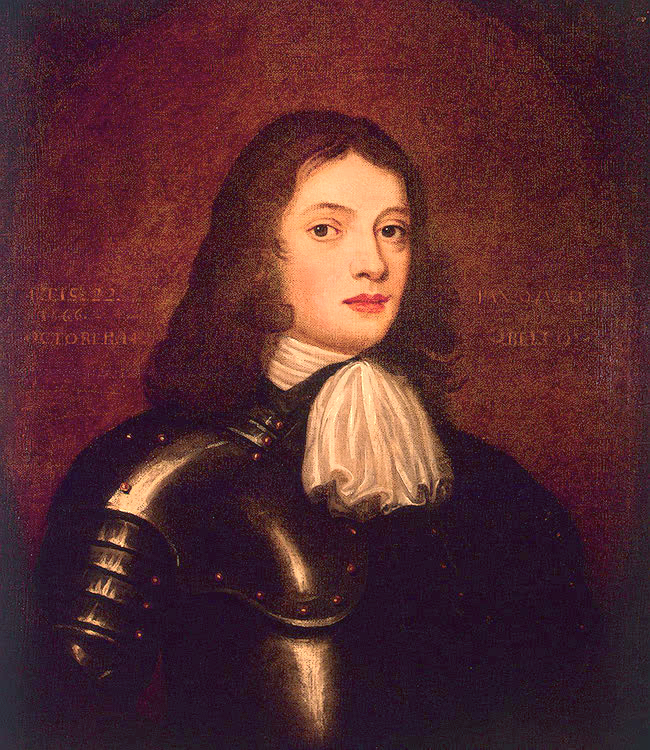
    William Penn (1644-1718) was an English Quaker leader and visionary who founded the Province of Pennsylvania. Penn’s vision of a free and democratic society, based on religious tolerance and peaceful coexistence, was a remarkable achievement in the turbulence of the 17th century.

    Penn’s Early Life and Conversion to Quakerism

    Penn was born in London, the son of Admiral Sir William Penn, a prominent naval officer and politician. Penn received a classical education at Oxford University, but he rebelled against the Anglican Church and was expelled for his religious nonconformity. Penn was influenced by the Puritan movement and by the preaching of Thomas Loe, a Quaker itinerant who visited his family in Ireland.

    Quakersim, or the Society of Friends, was a radical sect of Christianity that emerged during the English Civil Wars (1642- 1651). They rejected the authority of the clergy, the sacraments, and the rituals of the established church. They believed in the “inner light” which guided every individual, and in the equality of all people before God, which caused them to be quite liberal for the times. They also refused to swear oaths and pay tithes, and they opposed war. Quakers were persecuted by both the royalist and the parliamentary factions, and many were imprisoned, fined, or executed for their faith.

    Penn joined the Quakers in 1667 after hearing Loe preach again in the town of Cork, Ireland. He became a devoted follower and a prolific writer and defender of Quaker doctrines. He also became a close friend and associate of George Fox, the founder of Quakerism. Penn suffered several arrests and imprisonments for his public preaching and publishing. He engaged in debates and controversies with other religious groups, such as the Baptists, the Presbyterians, and the Catholics.

    Penn’s Vision of a Holy Experiment

    Penn was not only a religious thinker, but also a political activist and idealist. He advocated for democracy, religious freedom, and human rights. He wrote several proposals for a union of the English colonies in America, and for a European federation of states. He also dreamed of creating a new society in America where Quakers and other persecuted religious minorities could live in peace and harmony.

    In 1681, Penn received a royal charter from King Charles II, granting him a large tract of land in North America, in payment of a debt owed to his father. The land, which Penn named Pennsylvania, “Penn’s Woods”, included the present-day states of Pennsylvania and Delaware. Penn saw this as an opportunity to establish his “holy experiment”, a model of a Christian commonwealth based on the principles of justice, brotherly love, and liberty of conscience.

    Penn sailed to America in 1682, and founded Philadelphia, the City of Brotherly Love, on the banks of the Delaware River. He also drafted a Frame of Government for Pennsylvania, which provided for a representative assembly, an elected governor, and a system of courts. He guaranteed freedom of worship and civil rights for all inhabitants, regardless of their faith. Penn established a fair and friendly relationship with the Native Americans, who welcomed him as a peacemaker. He wrote them a letter acknowledging past mistreatments towards the Natives, but Penn assured them that he came in peace and hoped for friendly relations. He negotiated several treaties with the Lenape and other tribes, and paid them for their land. He also invited them to join his colony as equal citizens.

    Penn’s colony attracted thousands of settlers from various backgrounds and countries, such as England, Wales, Ireland, Scotland, Germany, France, and Holland. Many of them were Quakers, but others were Mennonites, Lutherans, Moravians, Amish, Catholics, Jews, and others. Pennsylvania became a diverse and prosperous colony, and a beacon of religious tolerance and social reform.

    Penn’s Legacy and Influence

    Penn returned to England in 1684 to deal with political and financial troubles. The Penn family often had tensions with the Calvert family (The founders of Maryland). He visited America again in 1699, but he spent most of his later years in his homeland. He died in 1718, and did not profit at all from his colony. Penn was scammed by his business manager, Philip Ford, who embezzled money from Penn’s estate. Despite this, Penn’s vison of creating a colony of equality and freedom had a lasting impact on North America. Penn was a man ahead of his time, and his colony of Pennsylvania remained a haven for religious freedom and a center of culture and education in America. His democratic principles and his vision of a federal union inspired the framers of the U.S. Constitution. His writings and his example also influenced many leaders and movements for social justice, such as the abolitionists, the suffragists, and civil rights activists.

    William Penn was a man of faith, courage, and vision, who dared to challenge the status quo and create a new society. He was a man who lived up to his motto: “Love is the hardest lesson in Christianity; but, for that reason, it should be most our care to learn it.”.

    Sources:

    William Penn | Biography, Religion, Significance, & Facts. https://www.britannica.com/biography/William-Penn-English-Quaker-leader-and-colonist

    William Penn – US History. https://www.ushistory.org/penn/

    Brief Biography of William Penn – US History. https://www.ushistory.org/penn/bio.htm