Social Media

Enter your email to stay updated on new blog posts.

Category: Nathanael Greene

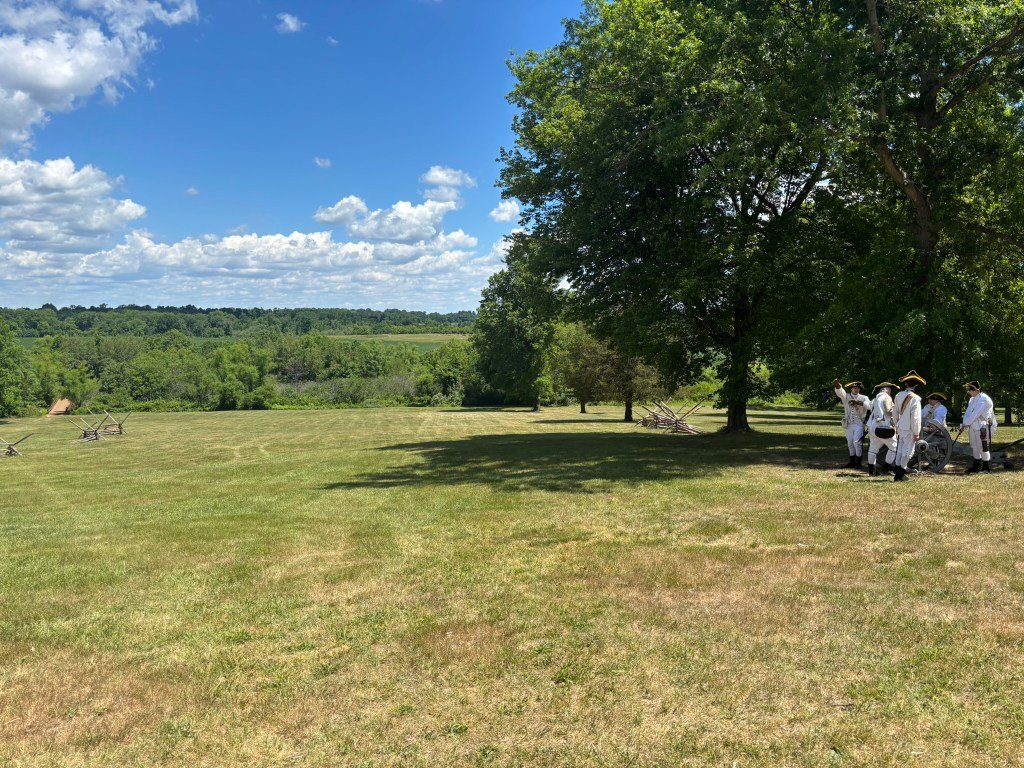
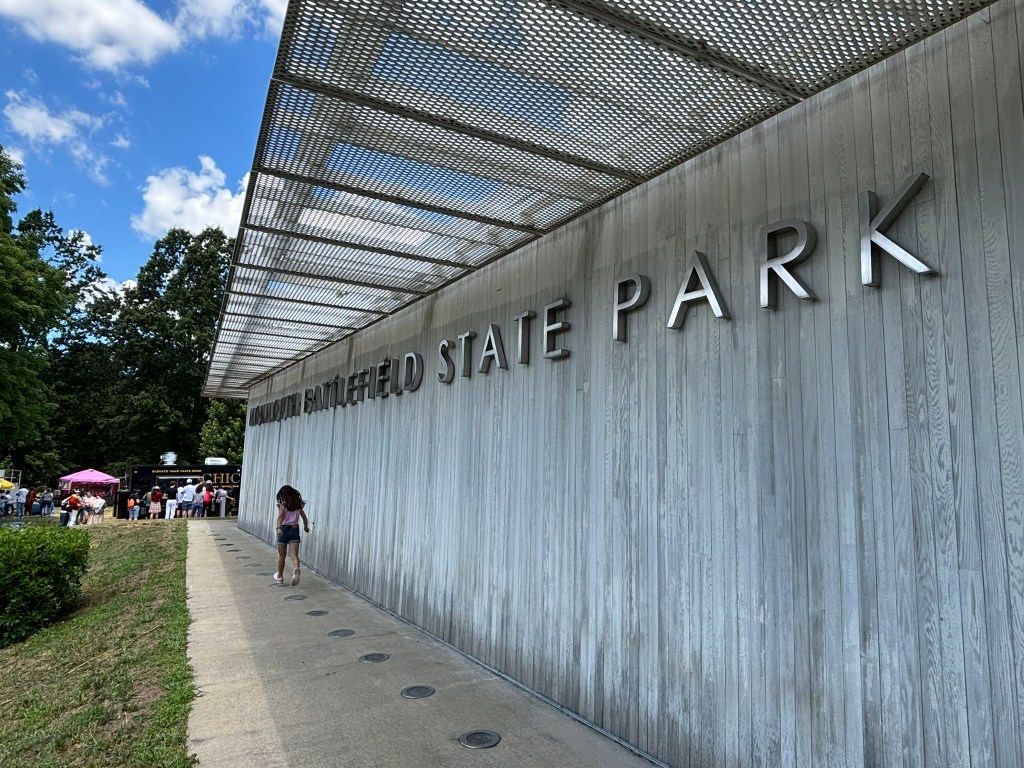
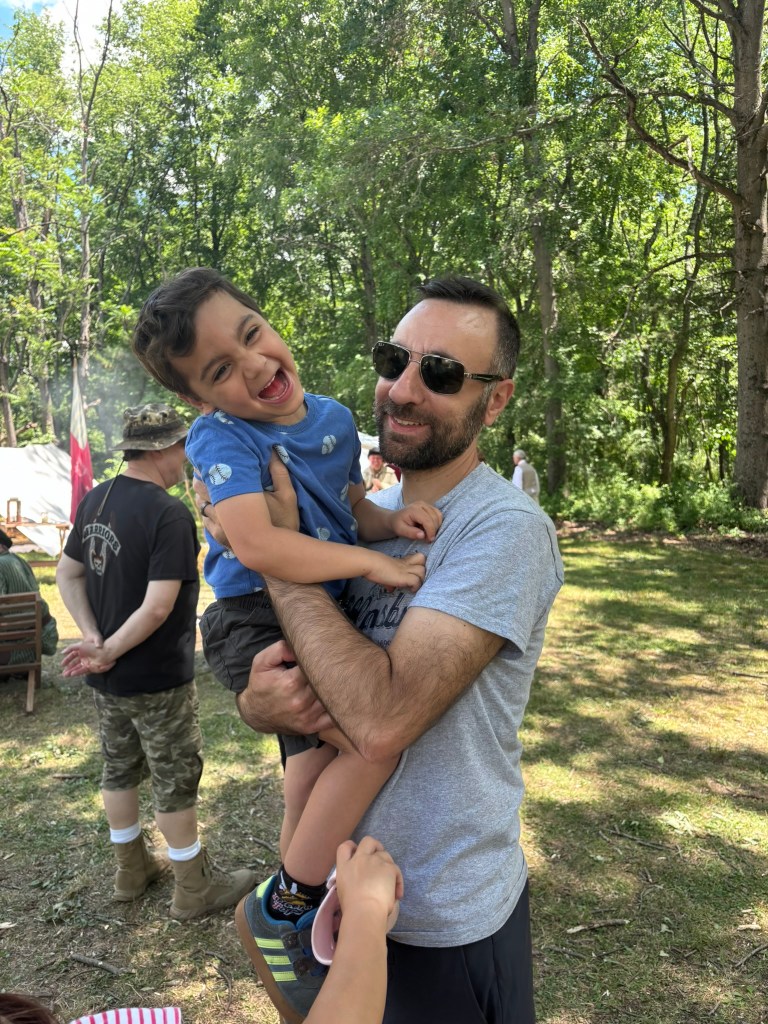
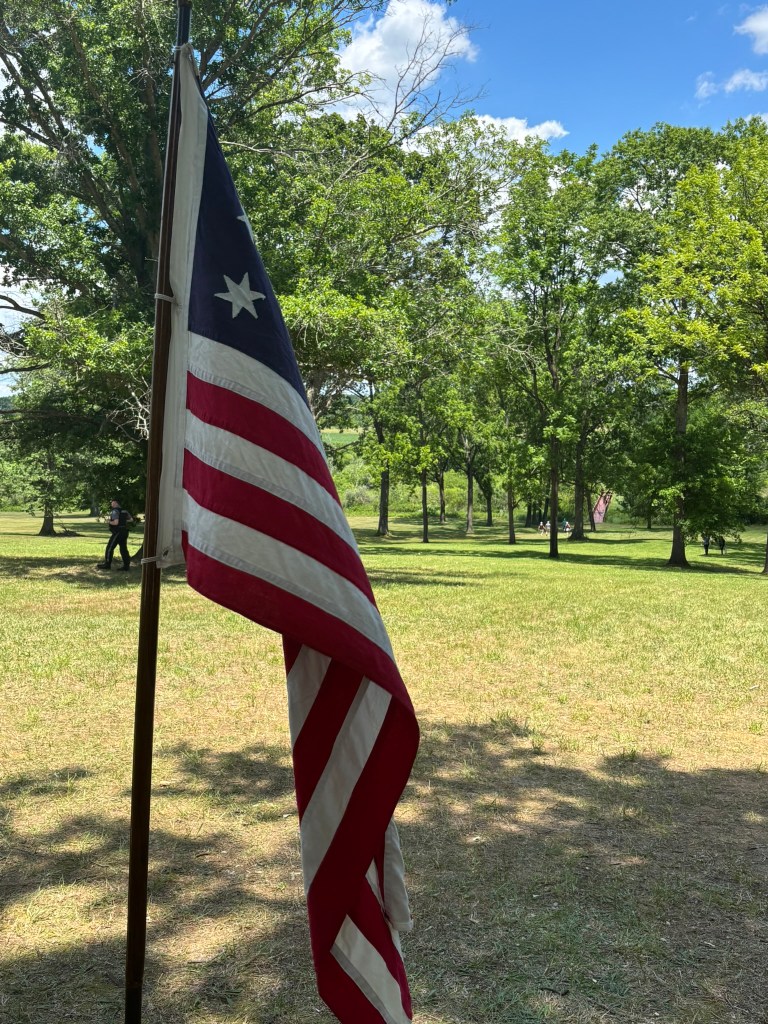
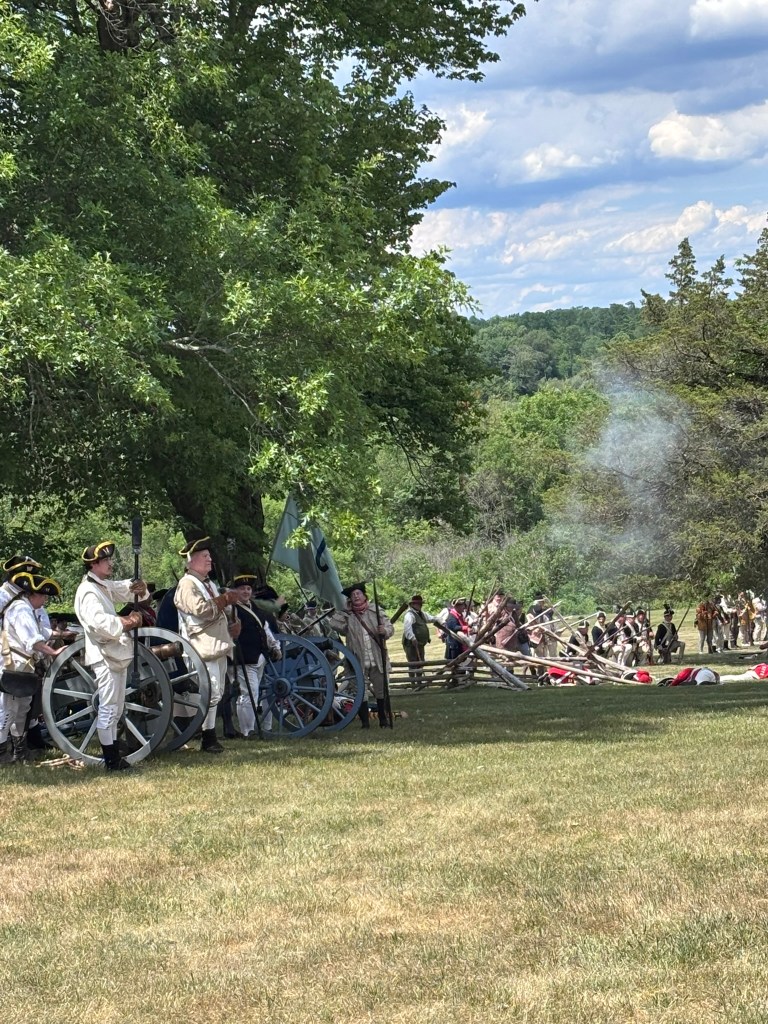
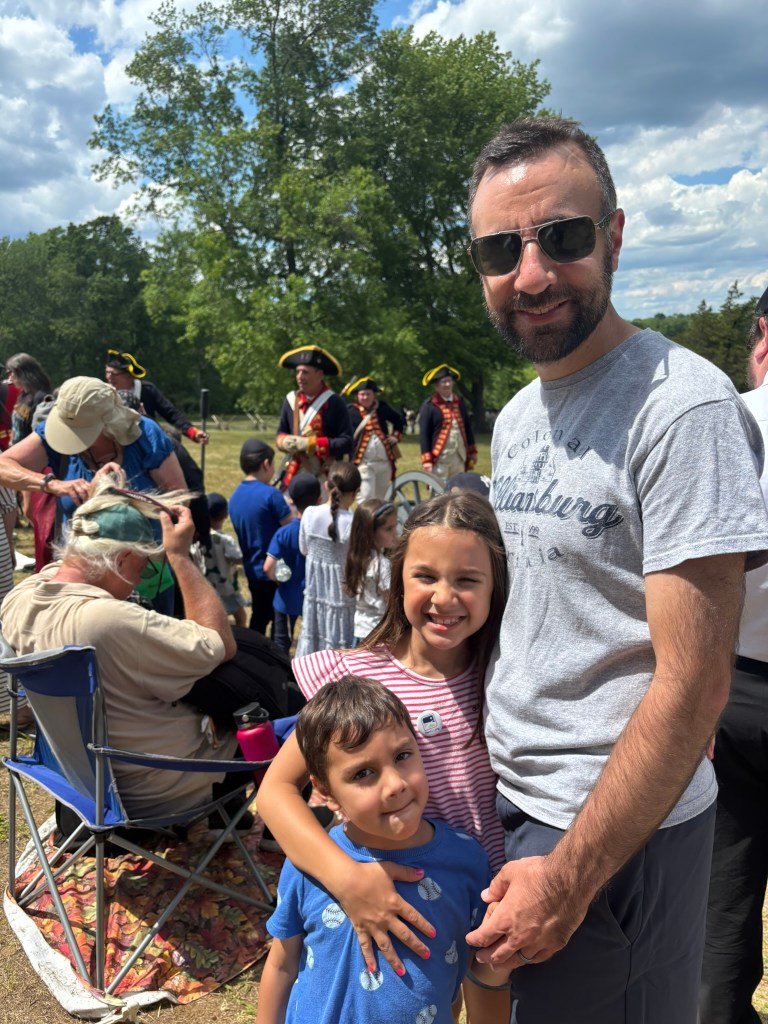
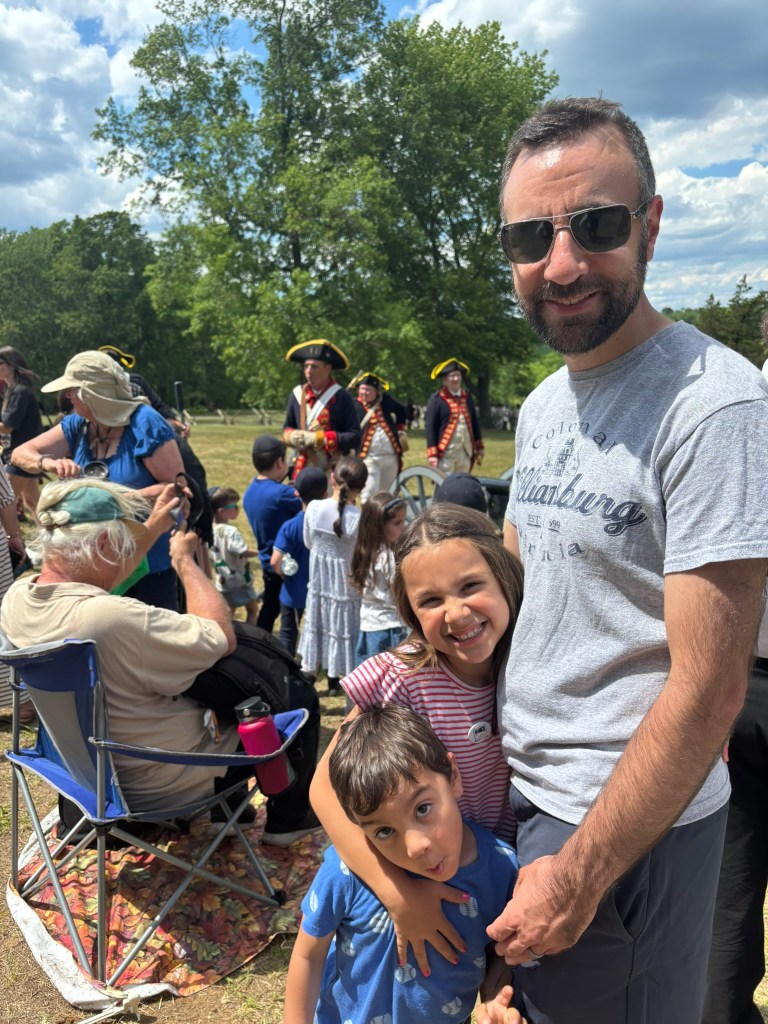
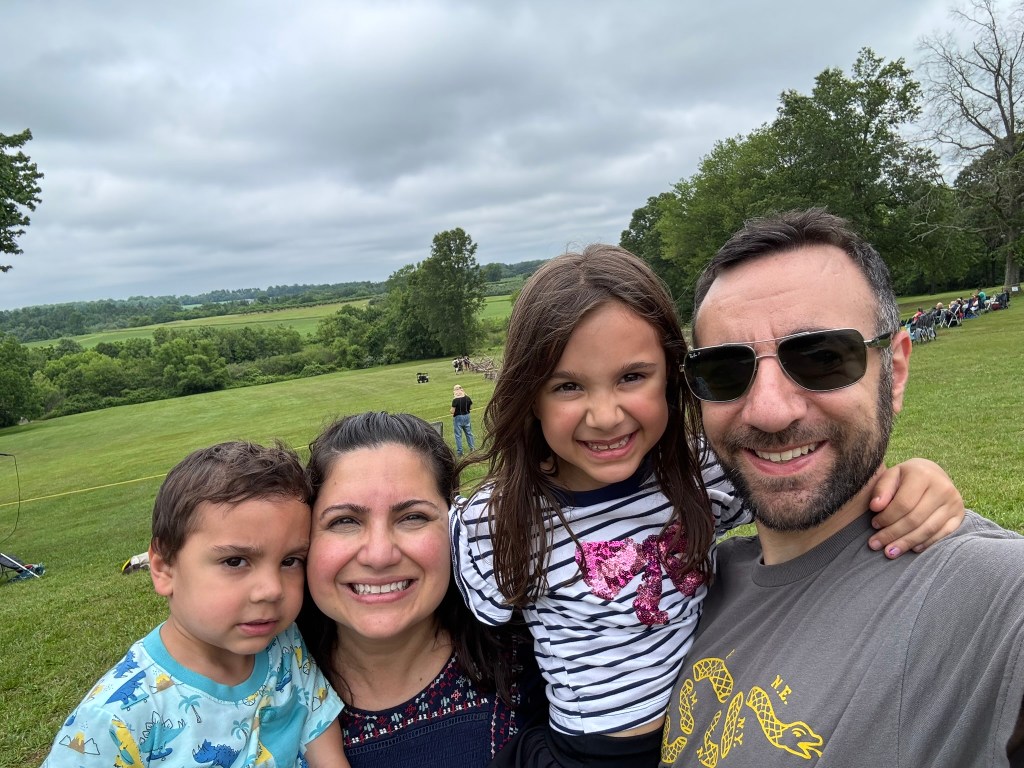
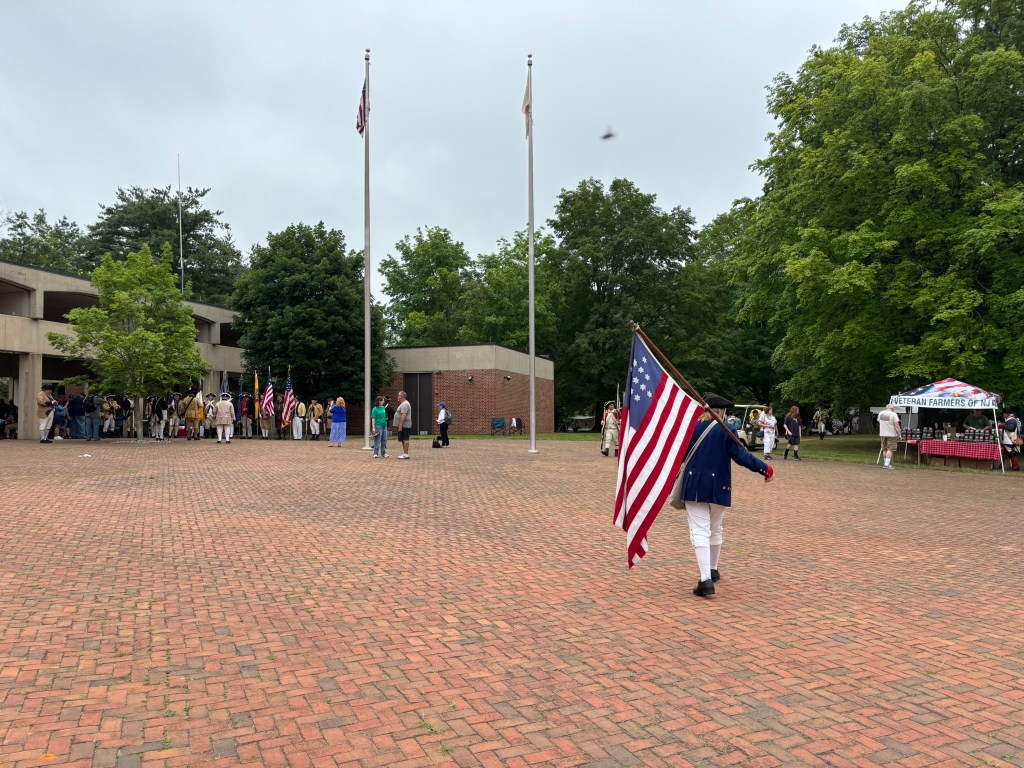
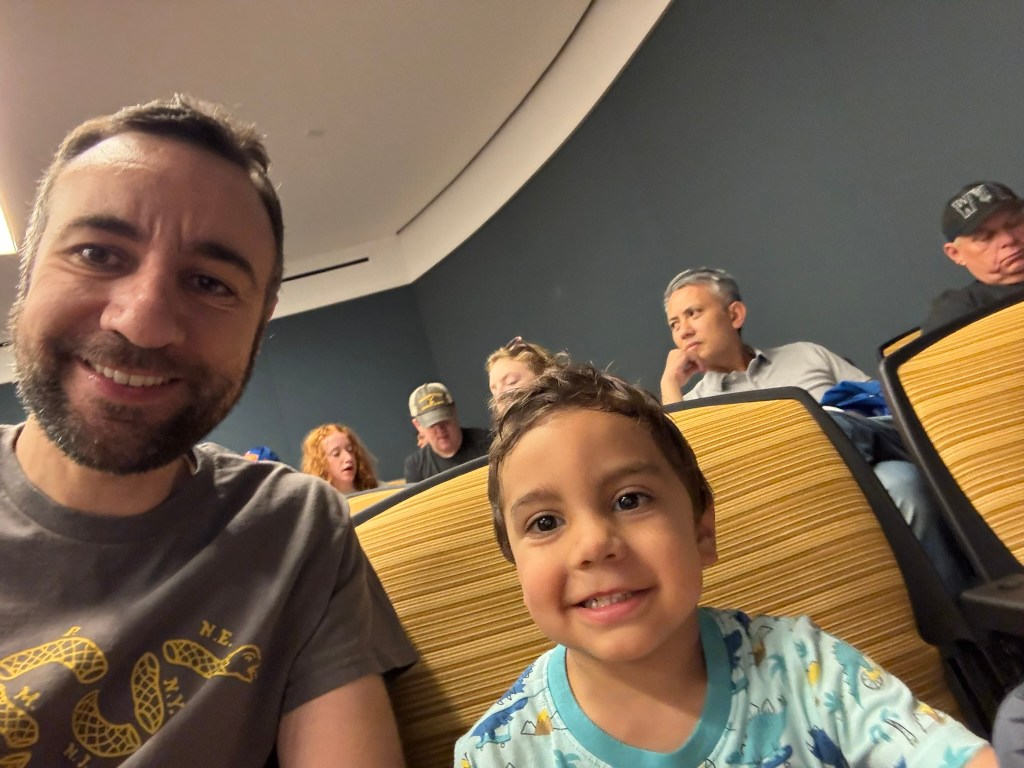
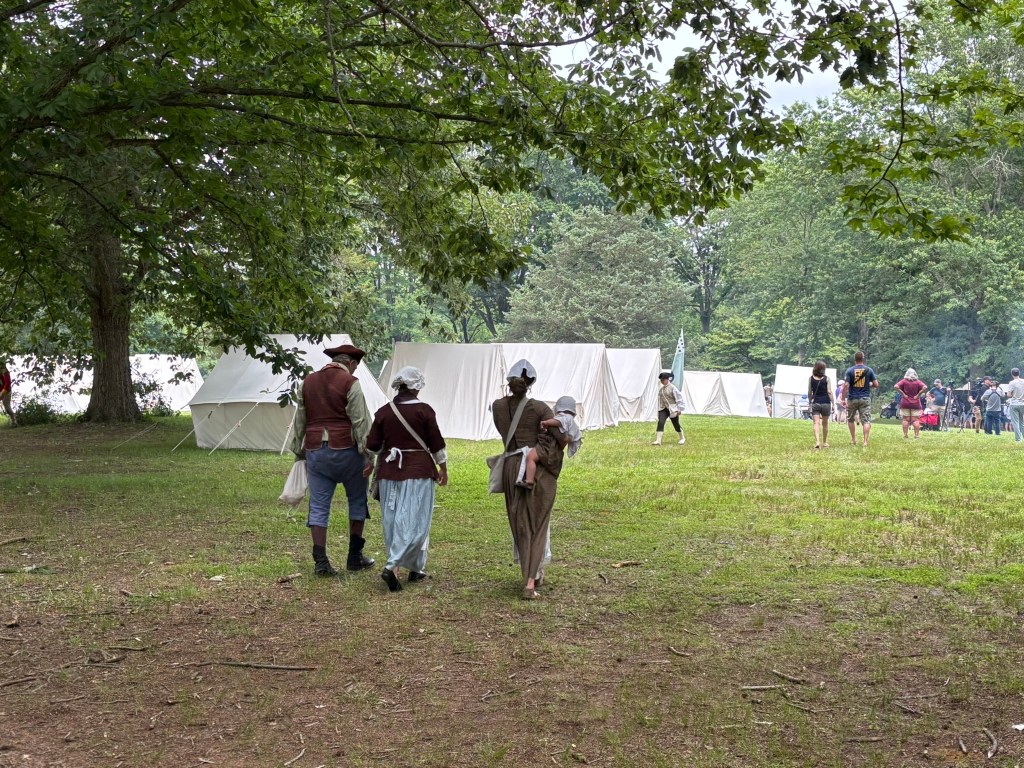
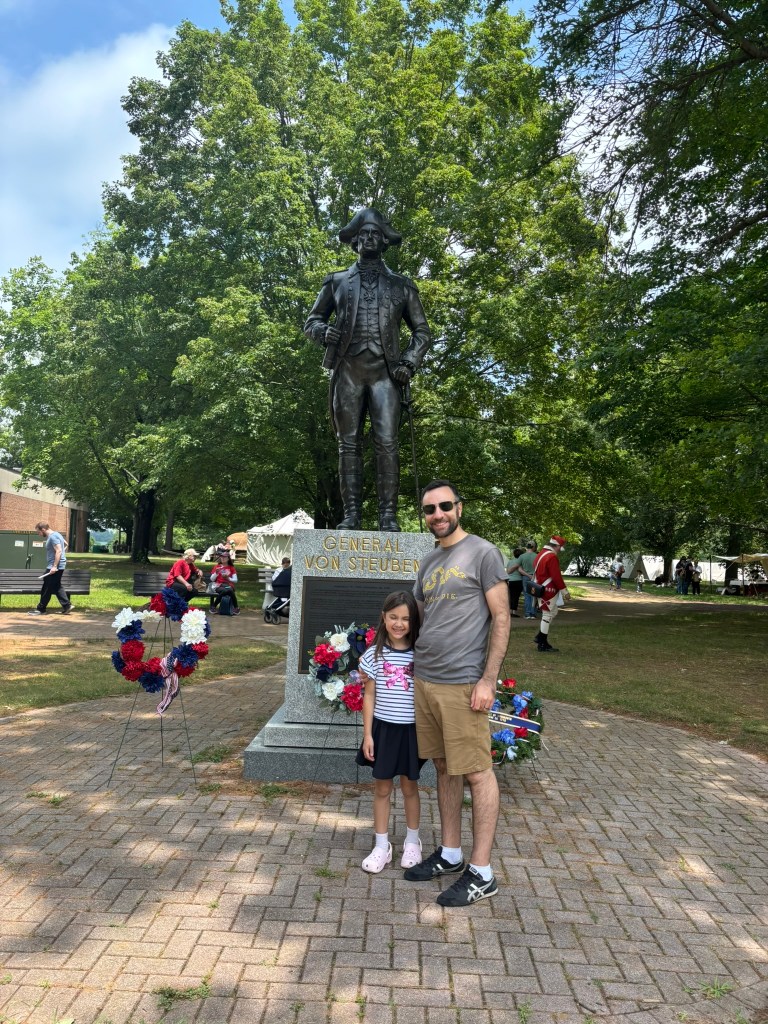
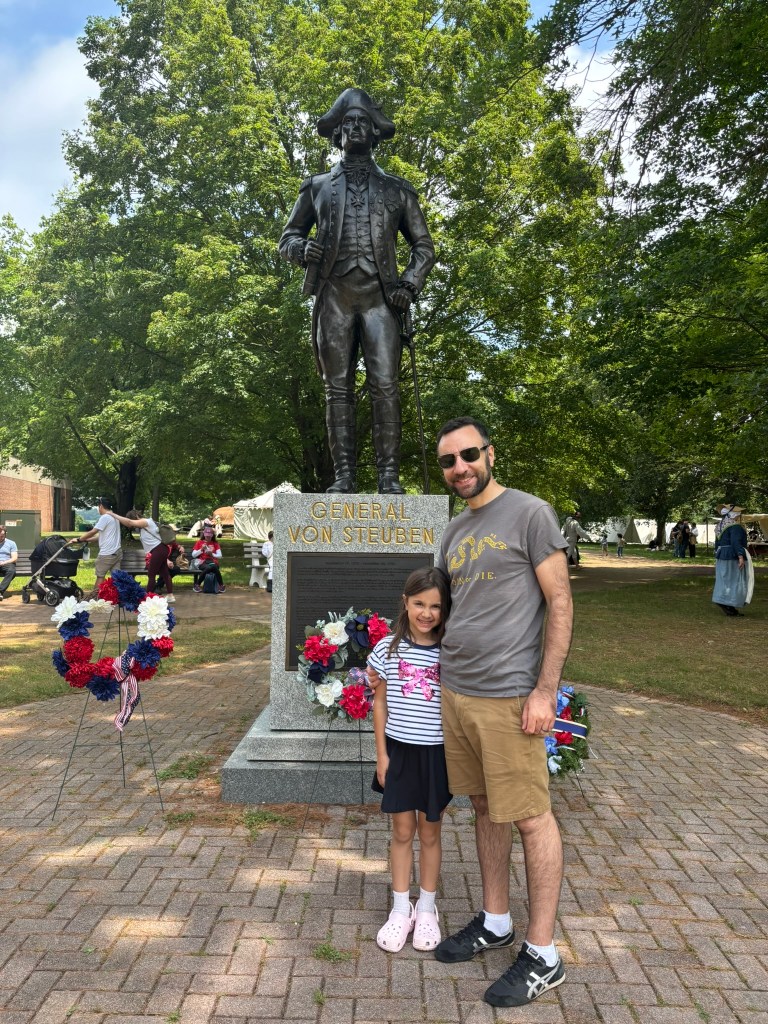
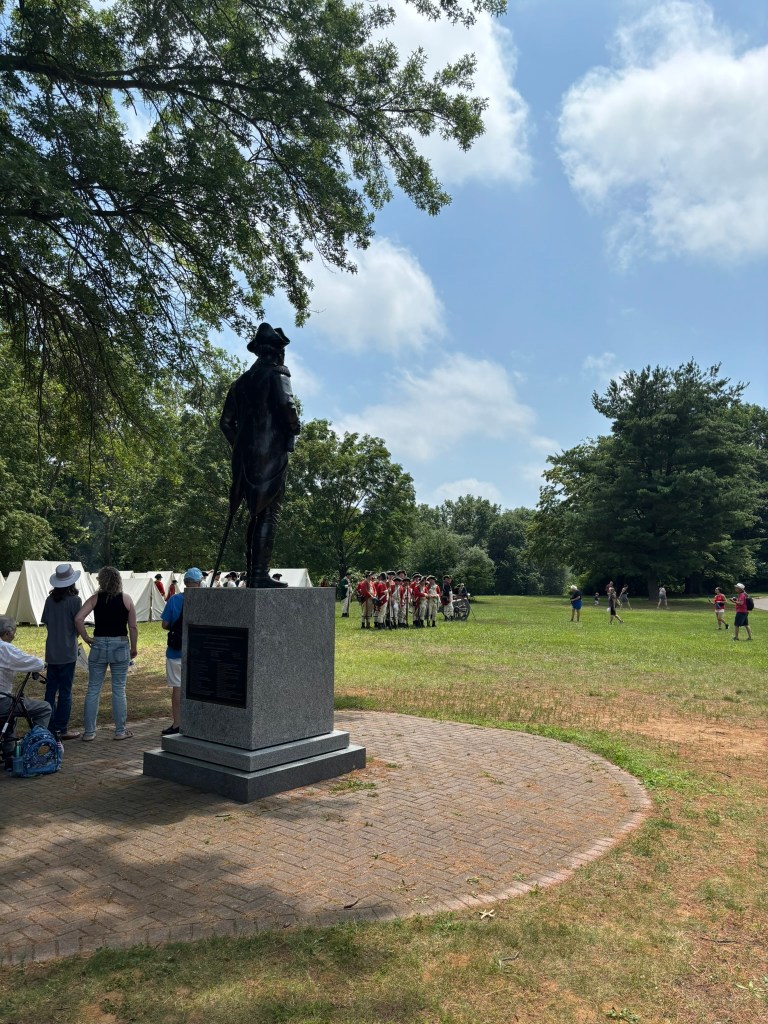
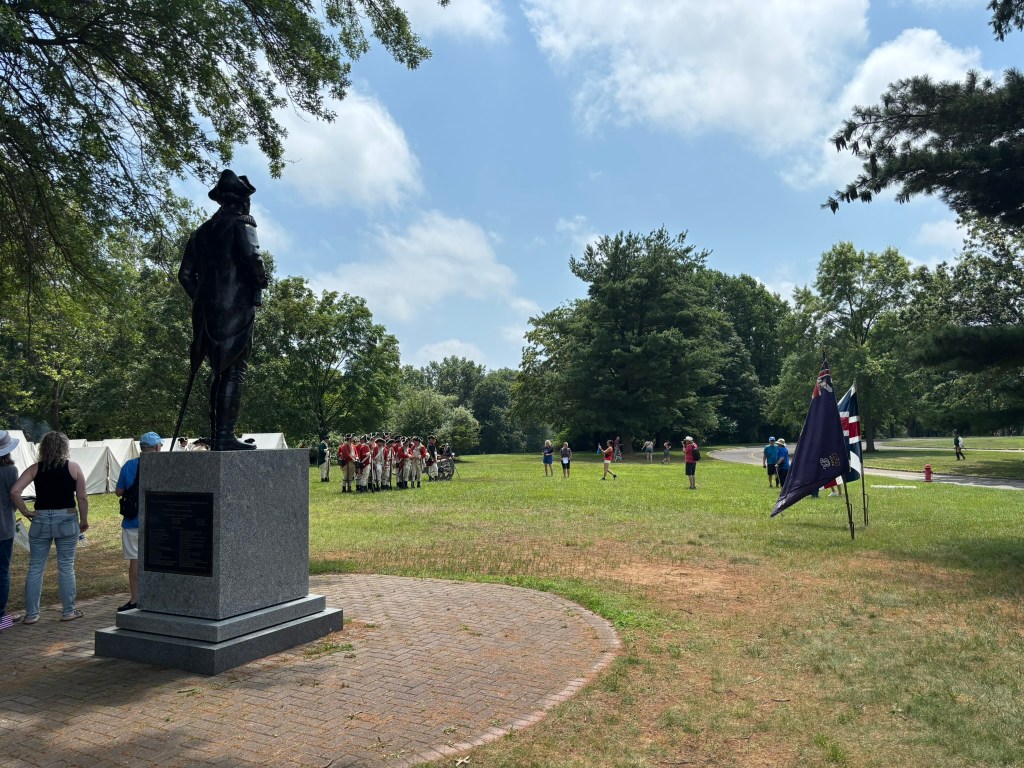
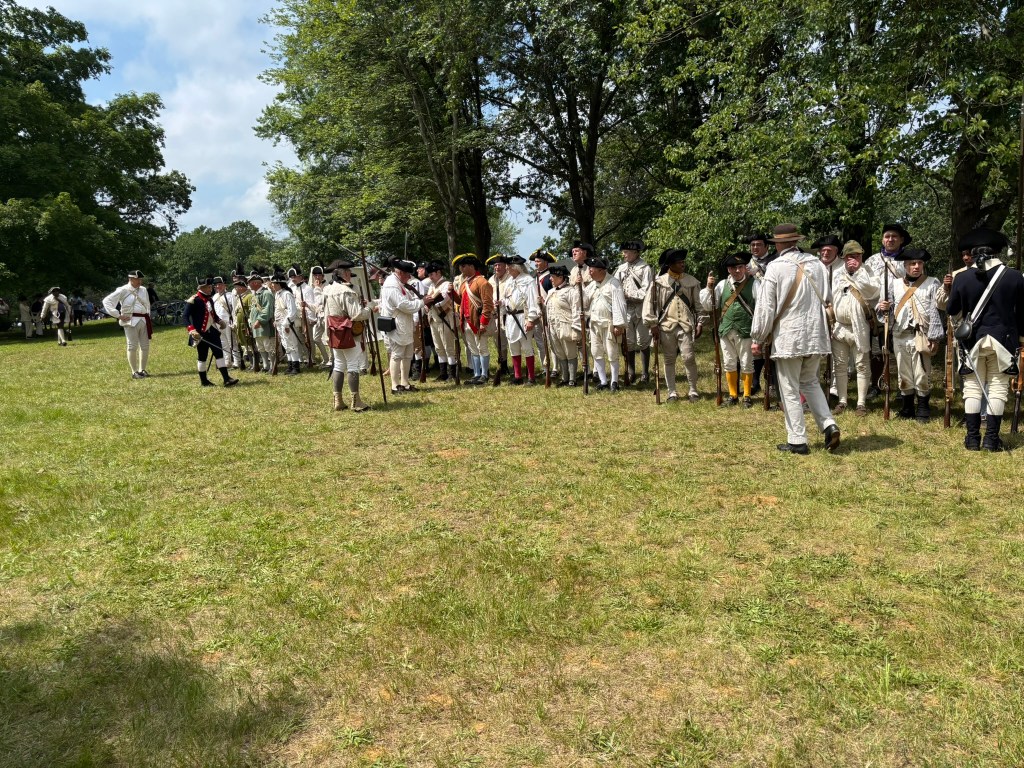
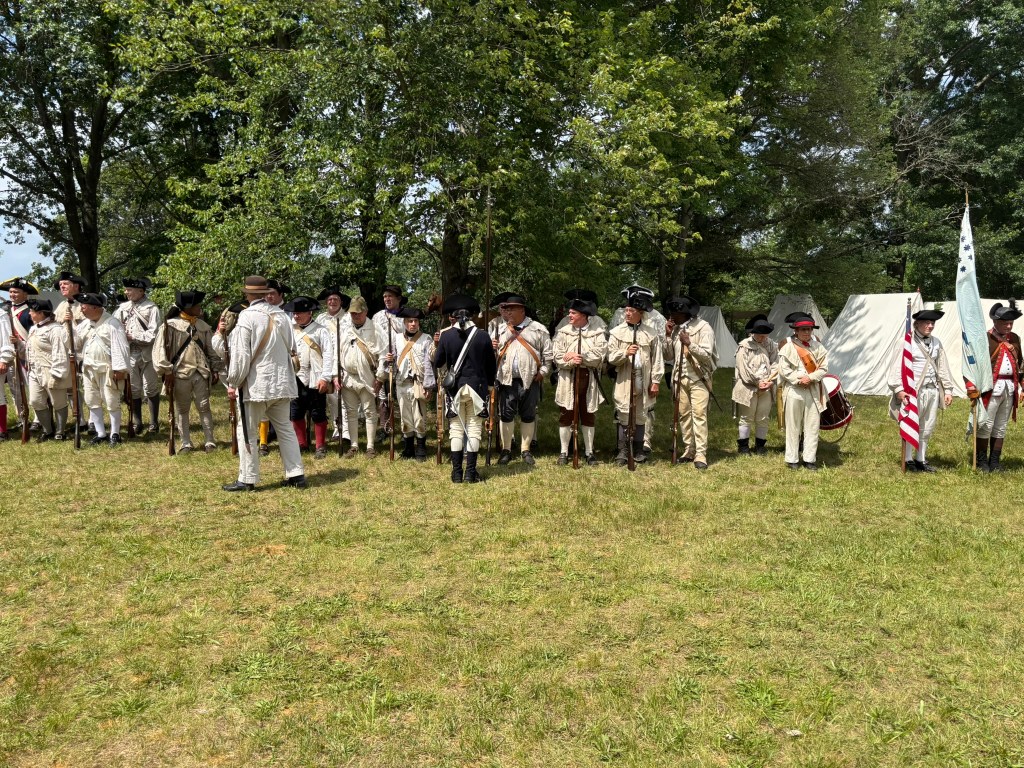
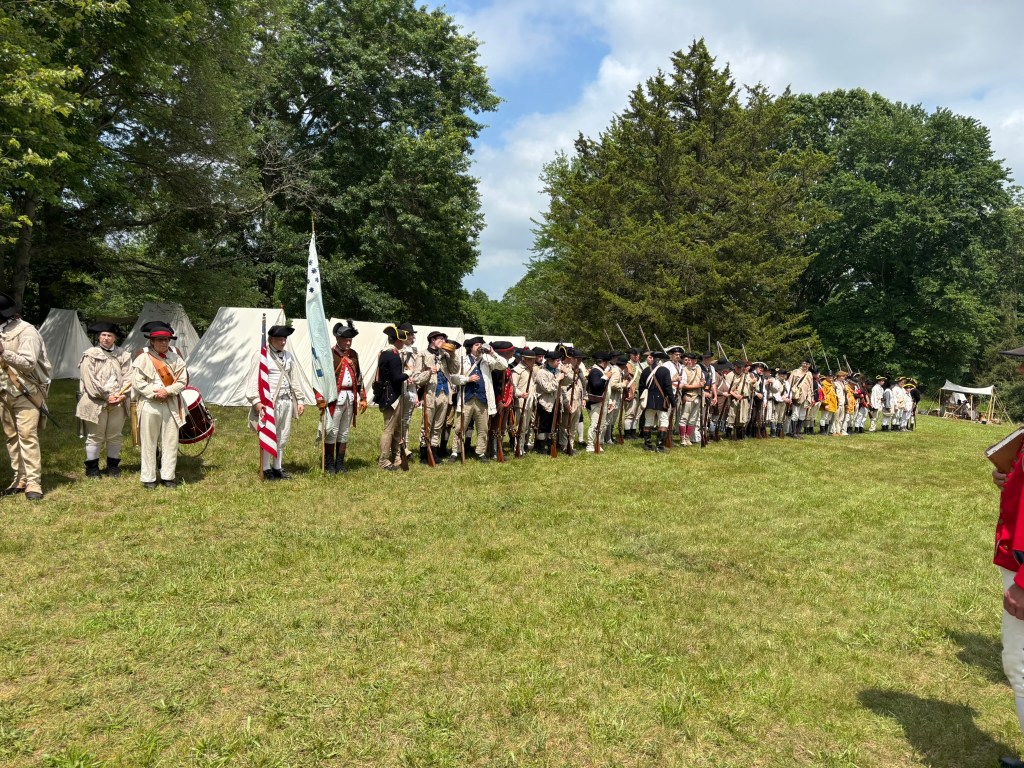
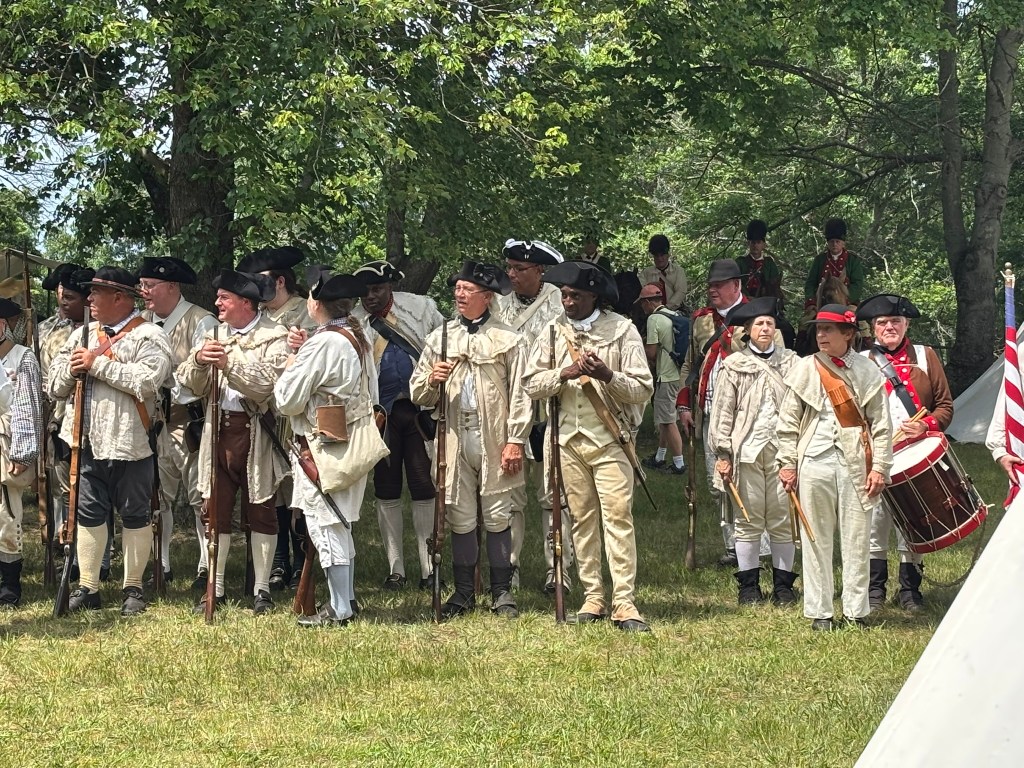
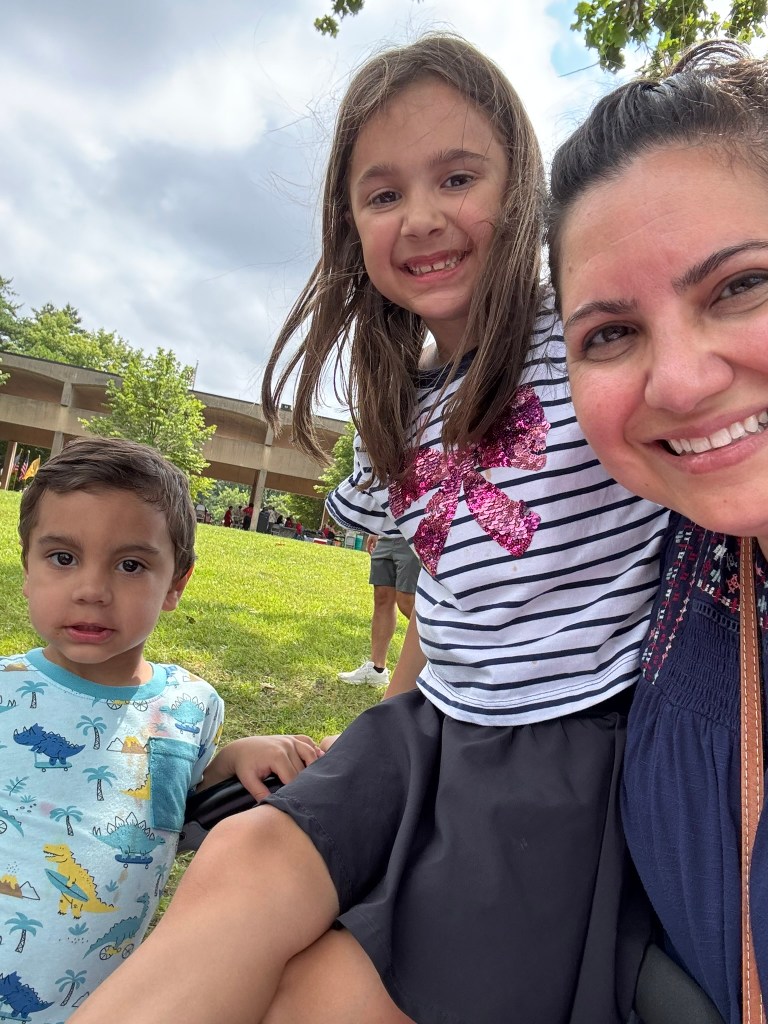
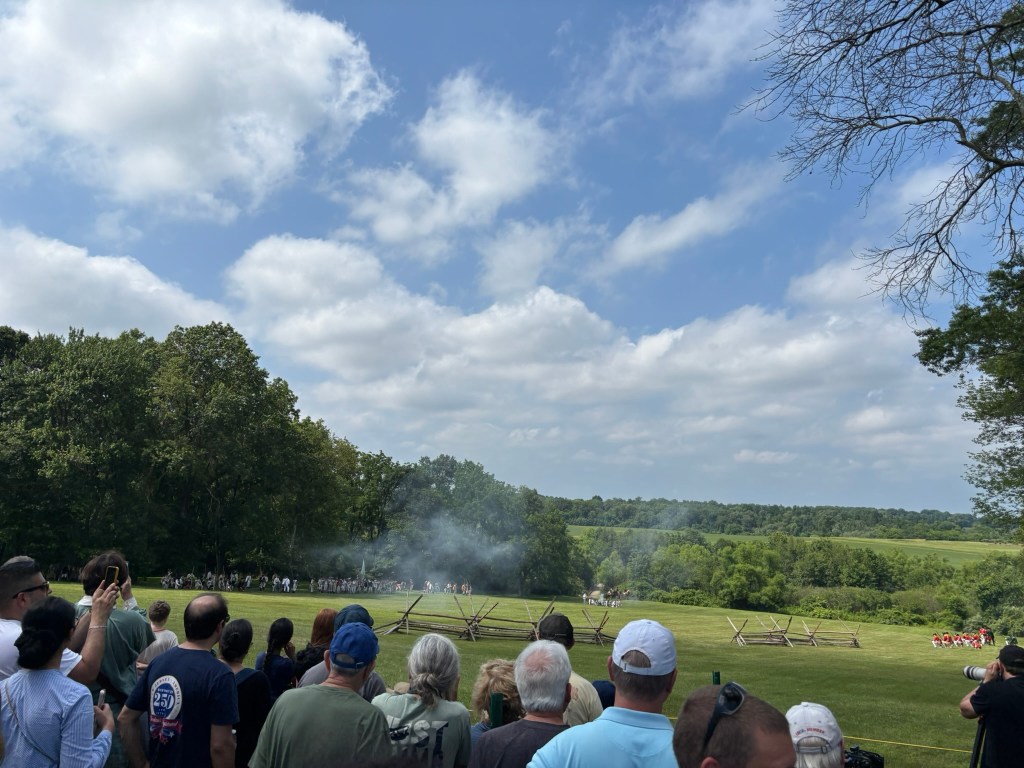
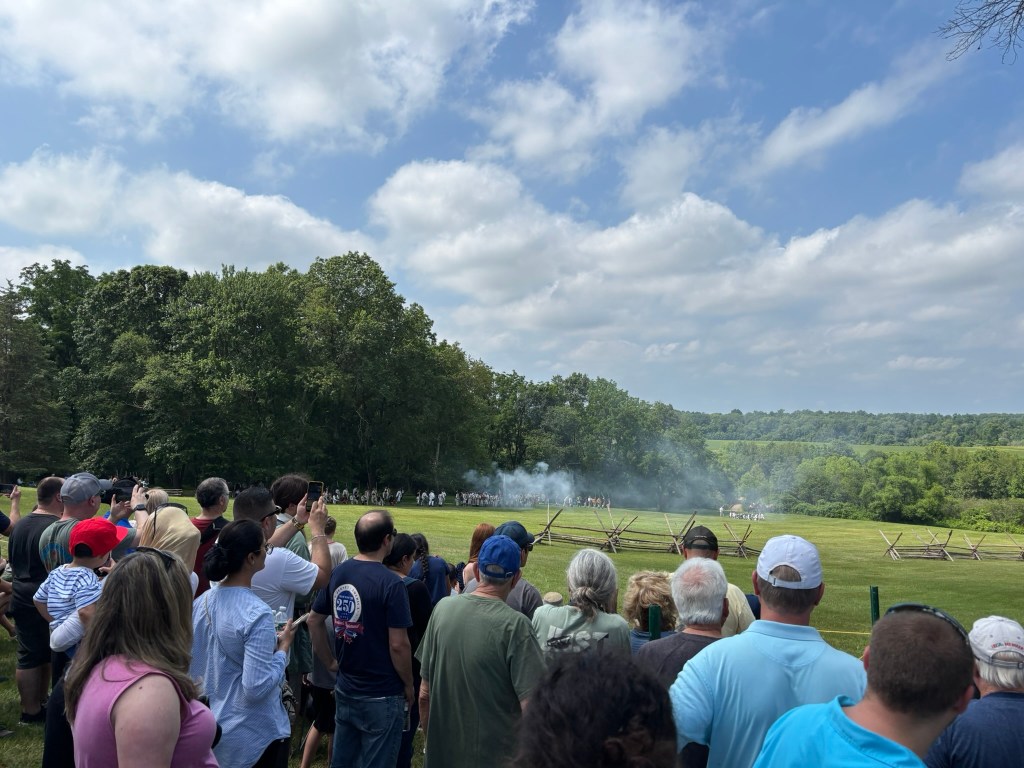
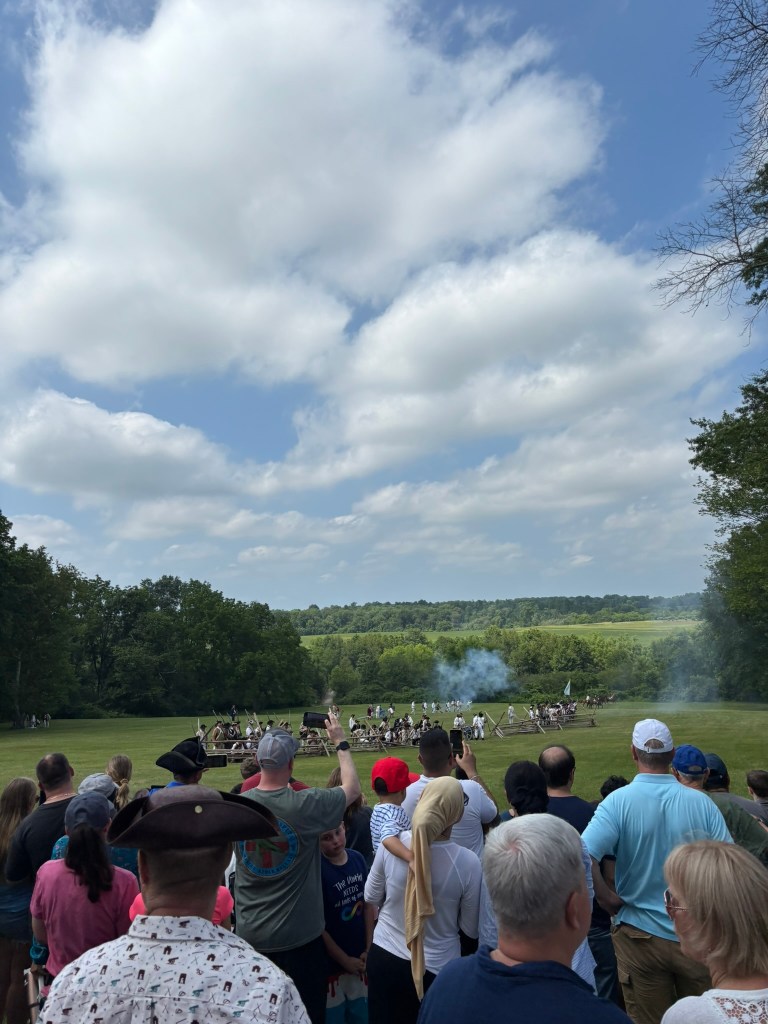
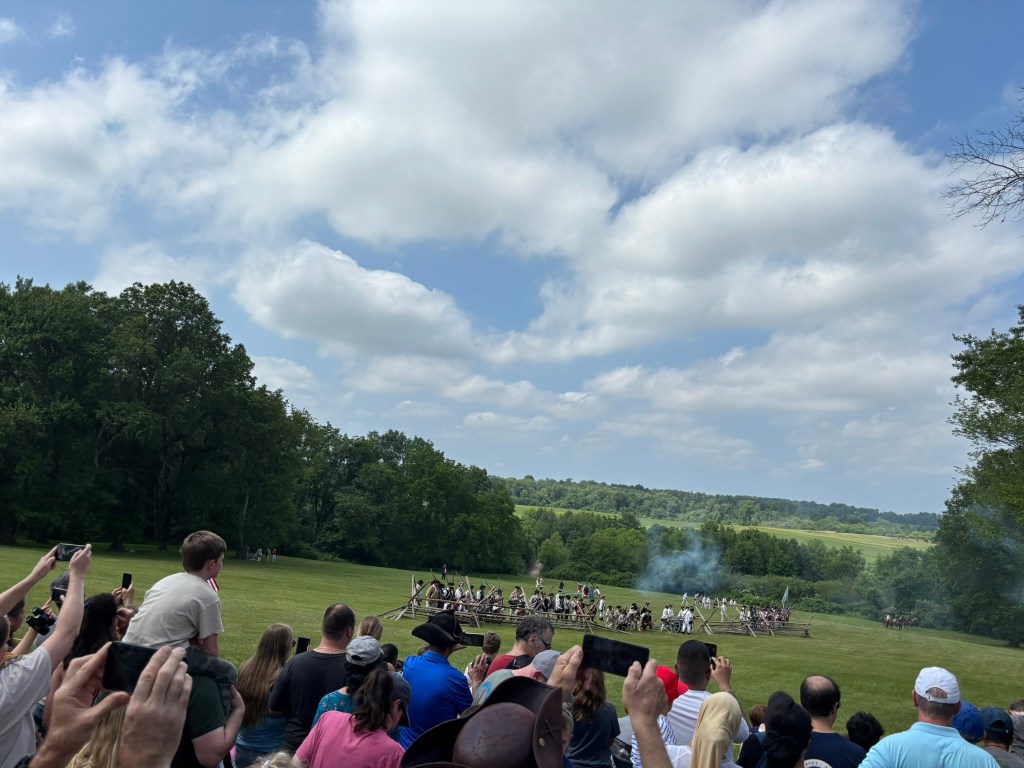
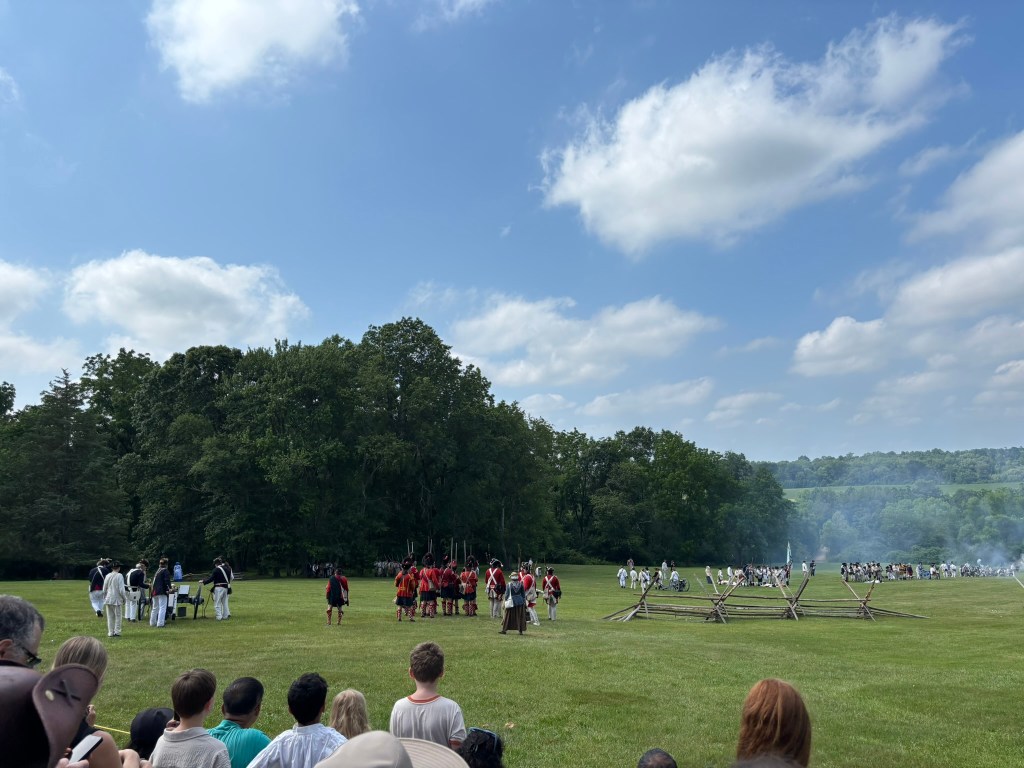
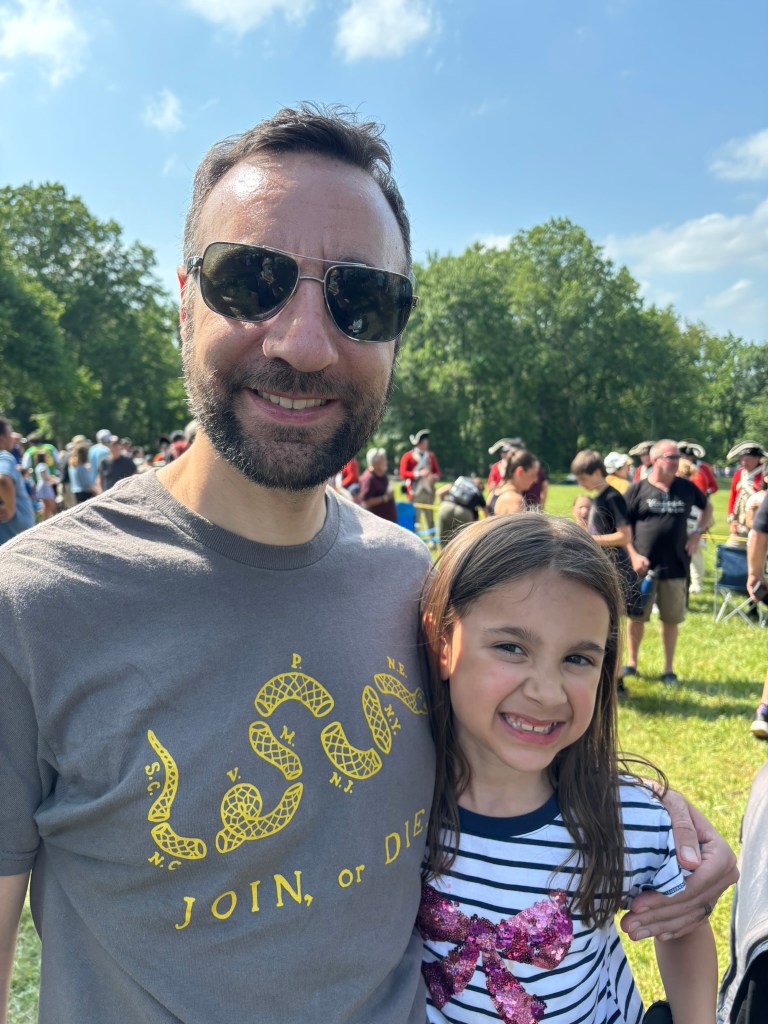
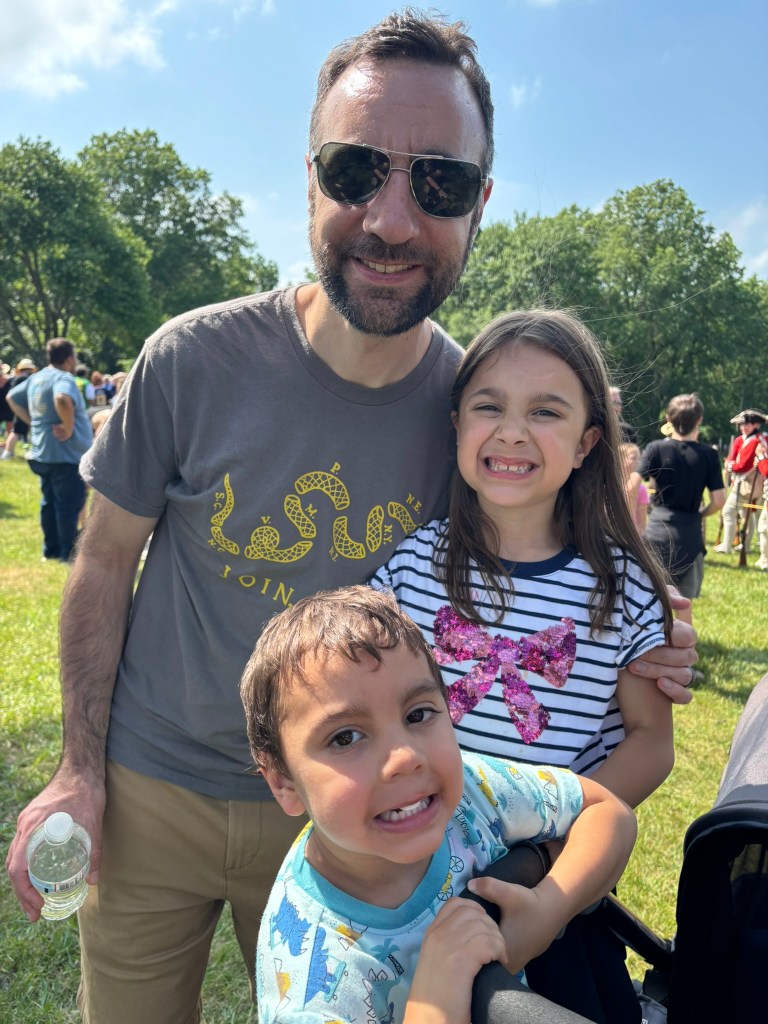
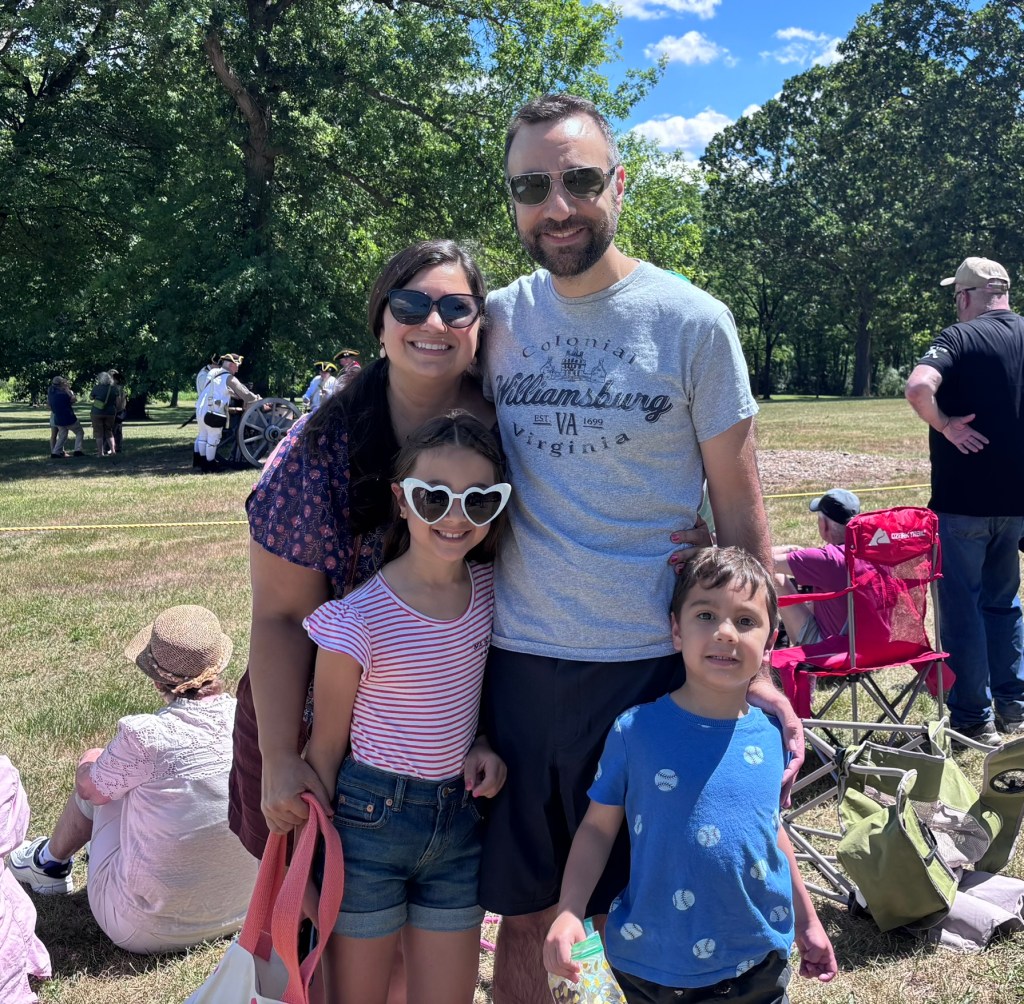
  • On Sunday, June 21st, my family and I attended the Annual Battle of Monmouth Reenactment at Monmouth Battlefield State Park. It just so happened to fall on Father’s Day, and of course this was my choice for how to spend the day. The annual event takes place each year on both Saturday and Sunday. This was our third consecutive year attending.

    The event commemorates the Battle of Monmouth, fought on June 28, 1778, between the Continental Army and the British Army. The reenactment did not disappoint and drew a tremendous crowd over both days. If you have any interest in the American Revolution, this is an event you should definitely add to your calendar.

    History

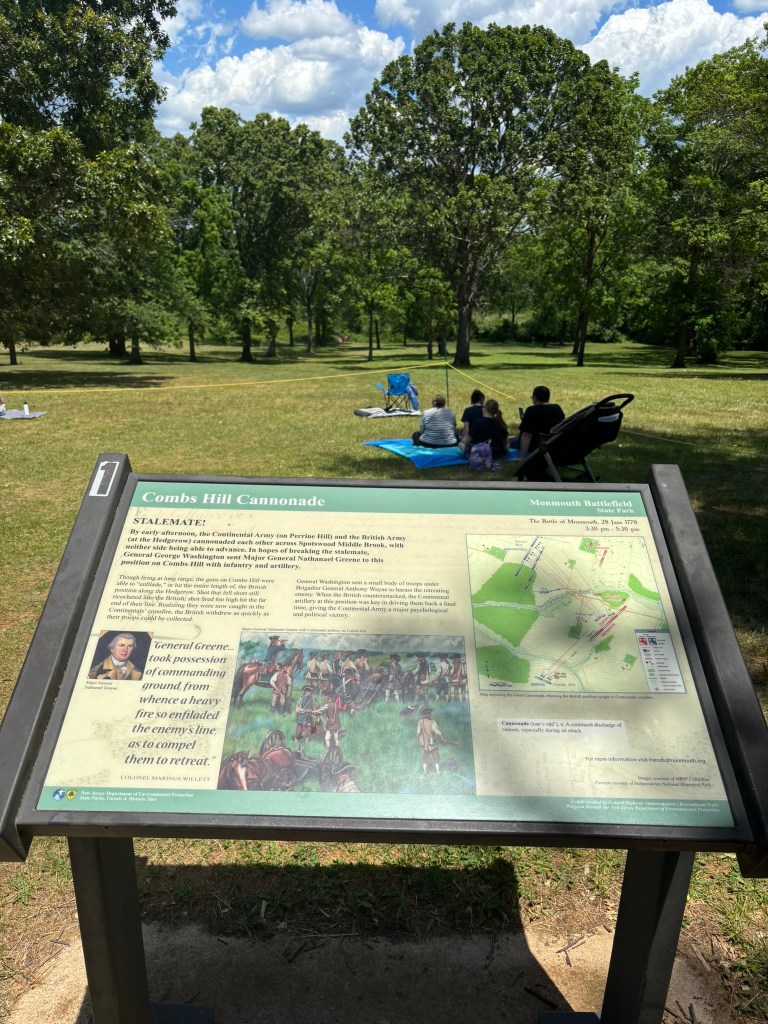
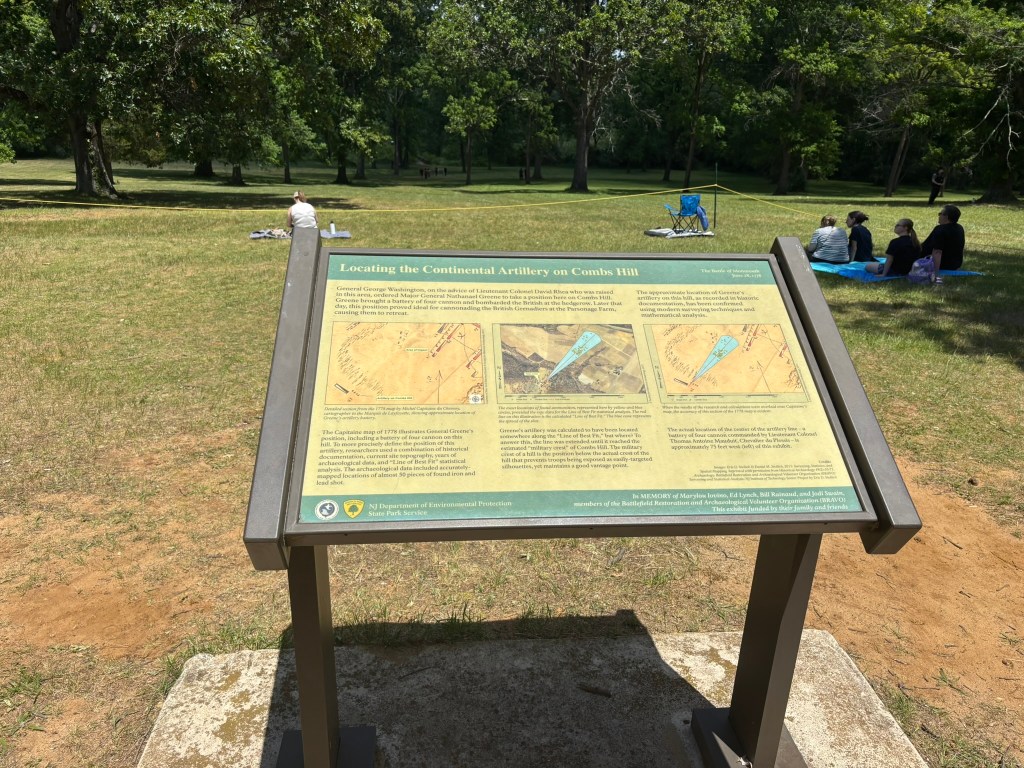
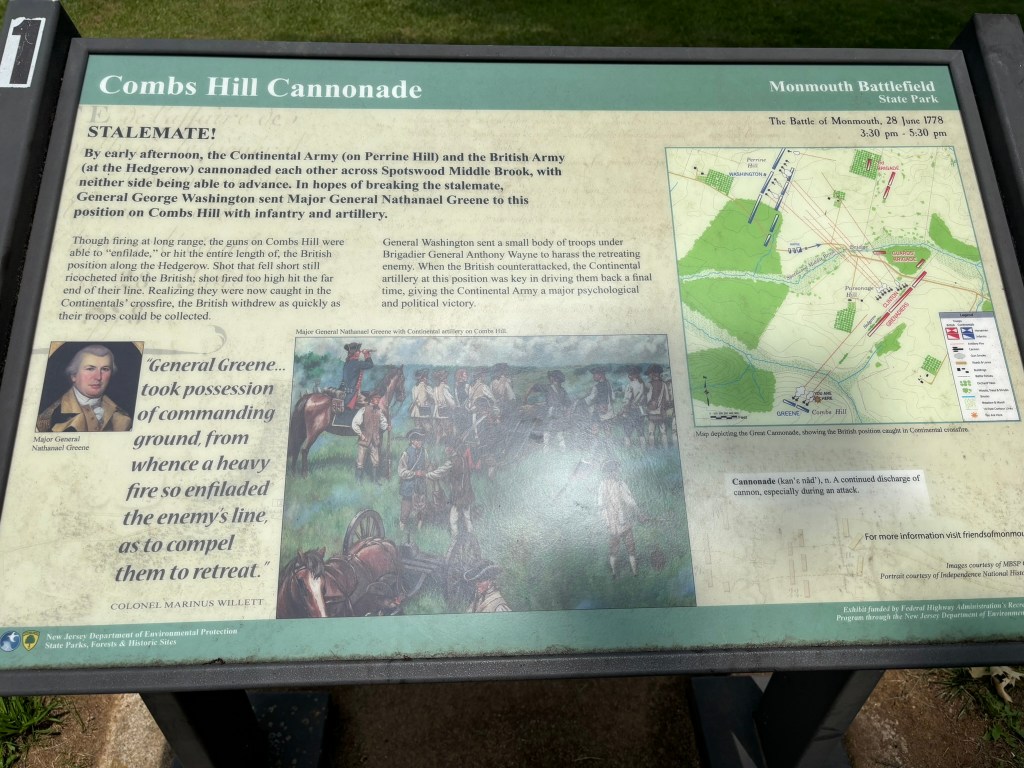
    While the Battle of Monmouth did not produce a major strategic victory for the Continental Army, it was one of the most significant engagements of the Revolutionary War in both scale and symbolism. As one of the largest battles of the war in terms of manpower, it demonstrated that the Patriot forces could stand toe-to-toe with the British Army in open combat. It also featured the largest artillery duel of the Revolution and marked a major turning point in the professionalism of the Continental Army.

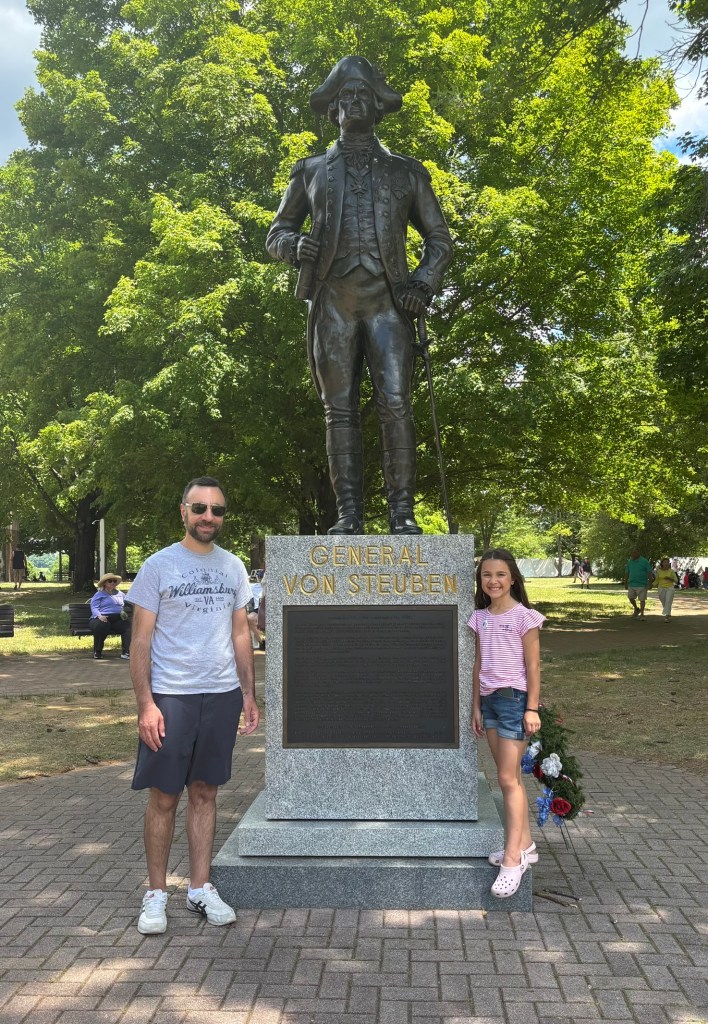
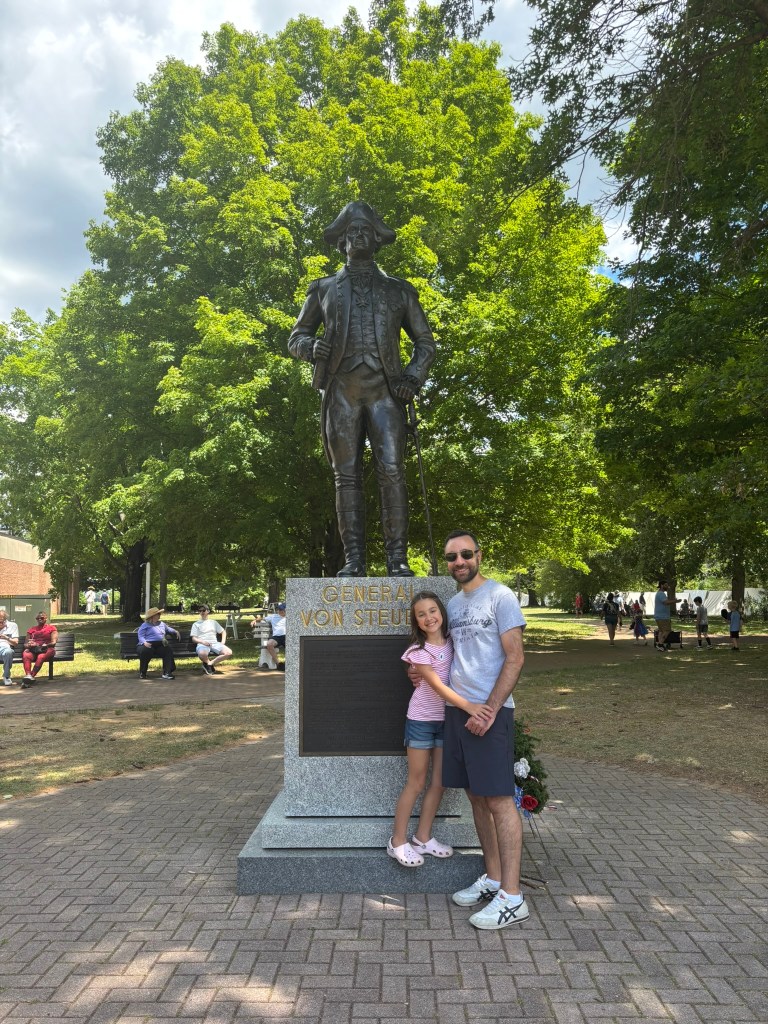
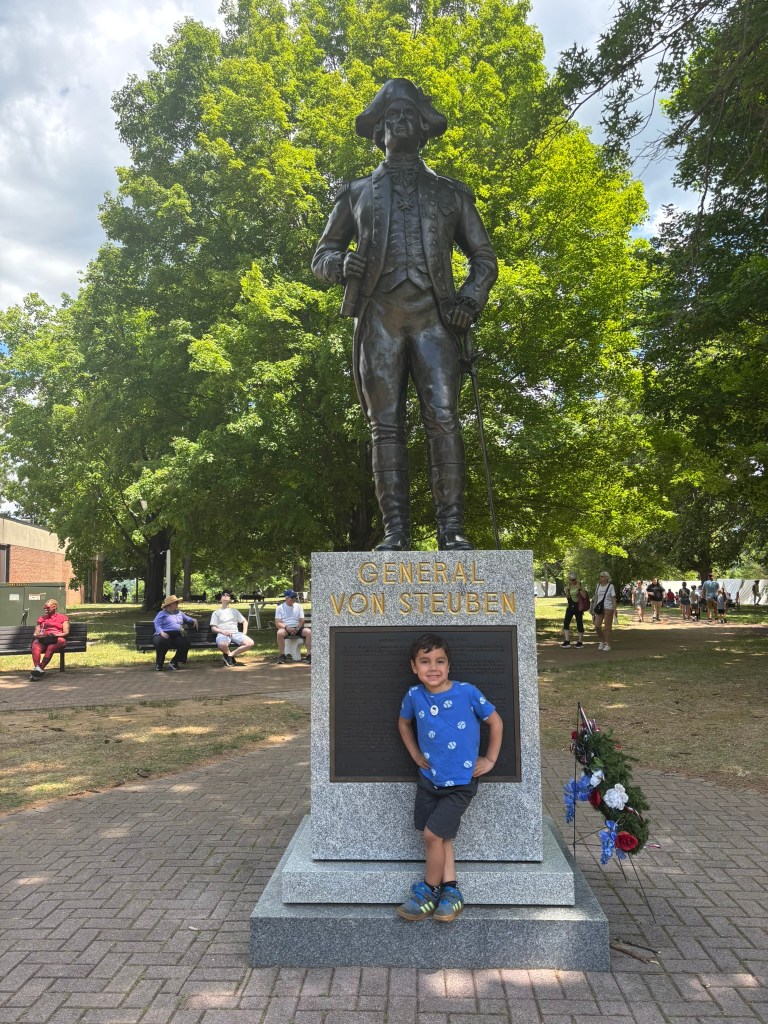
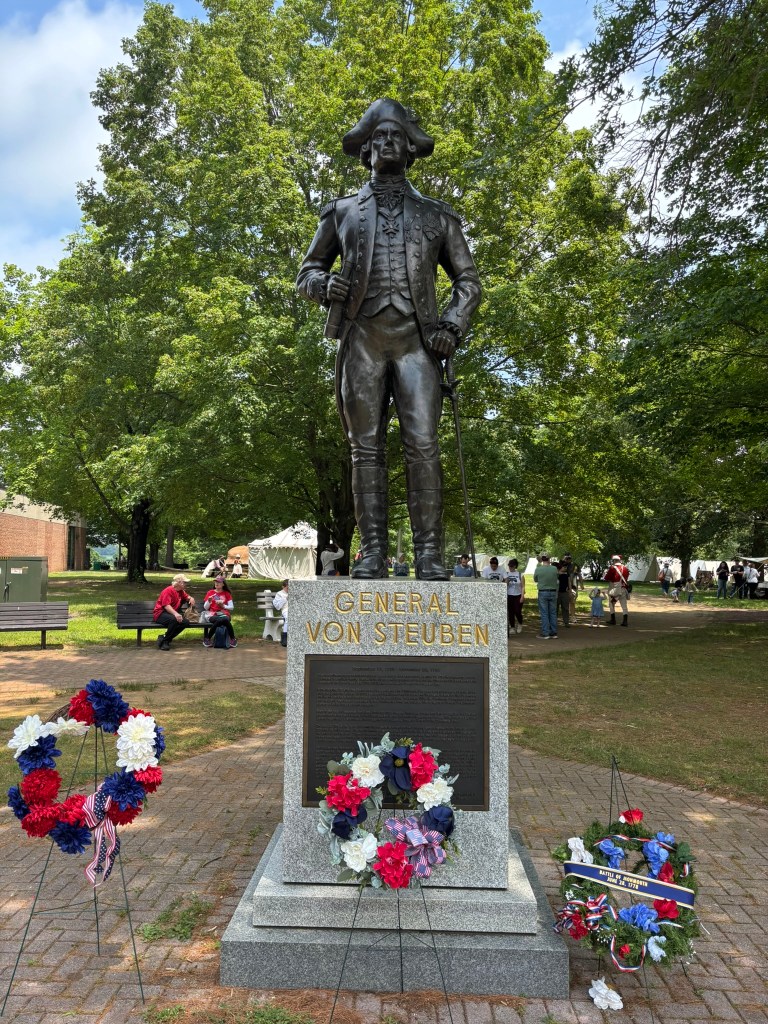
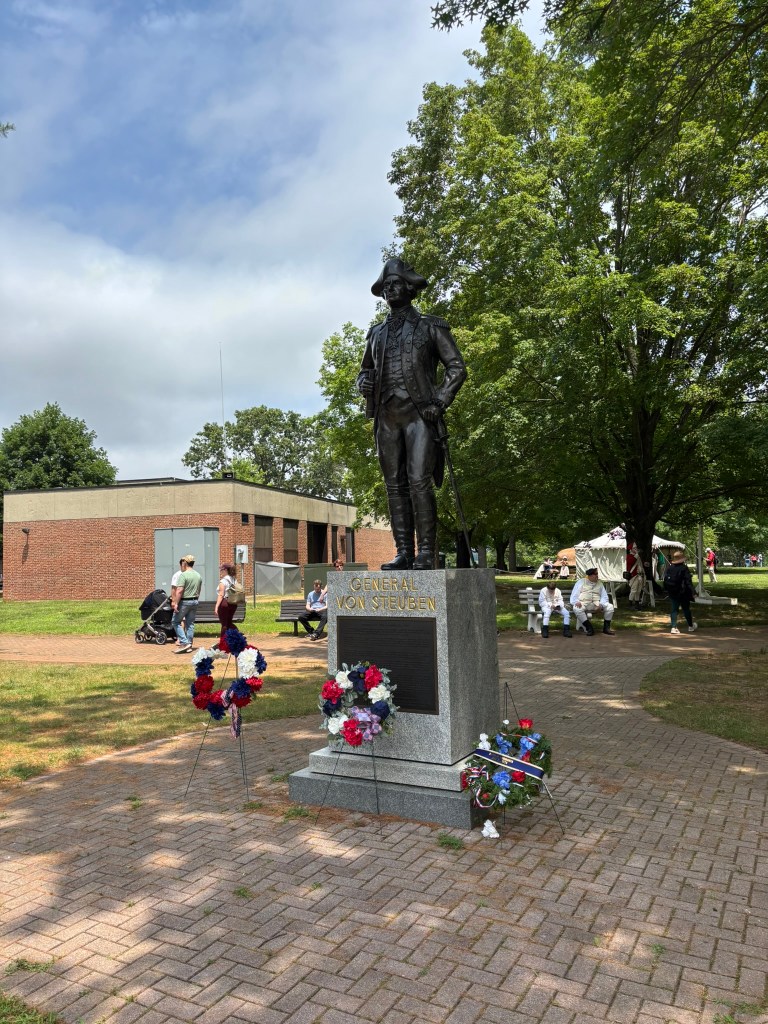
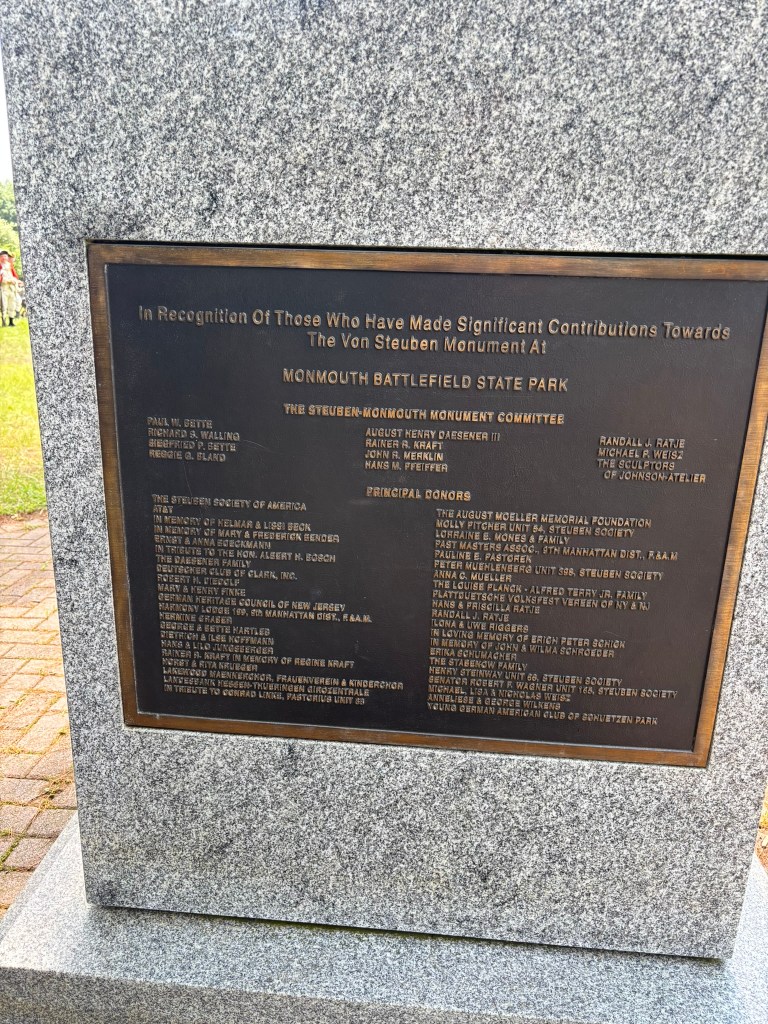
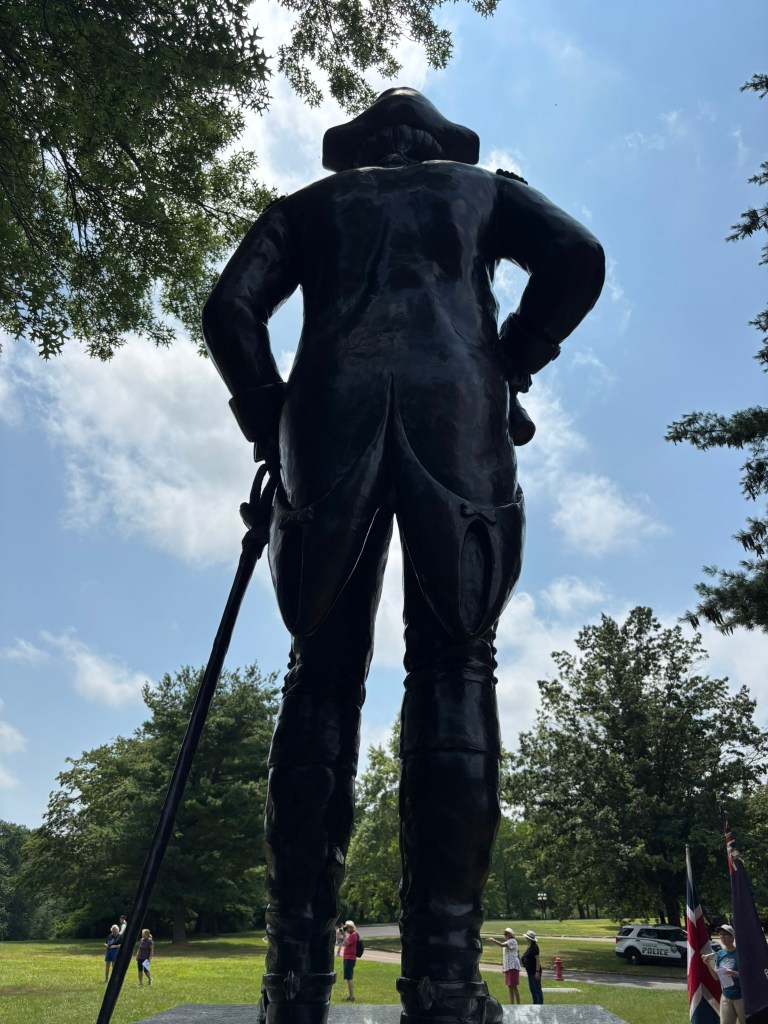
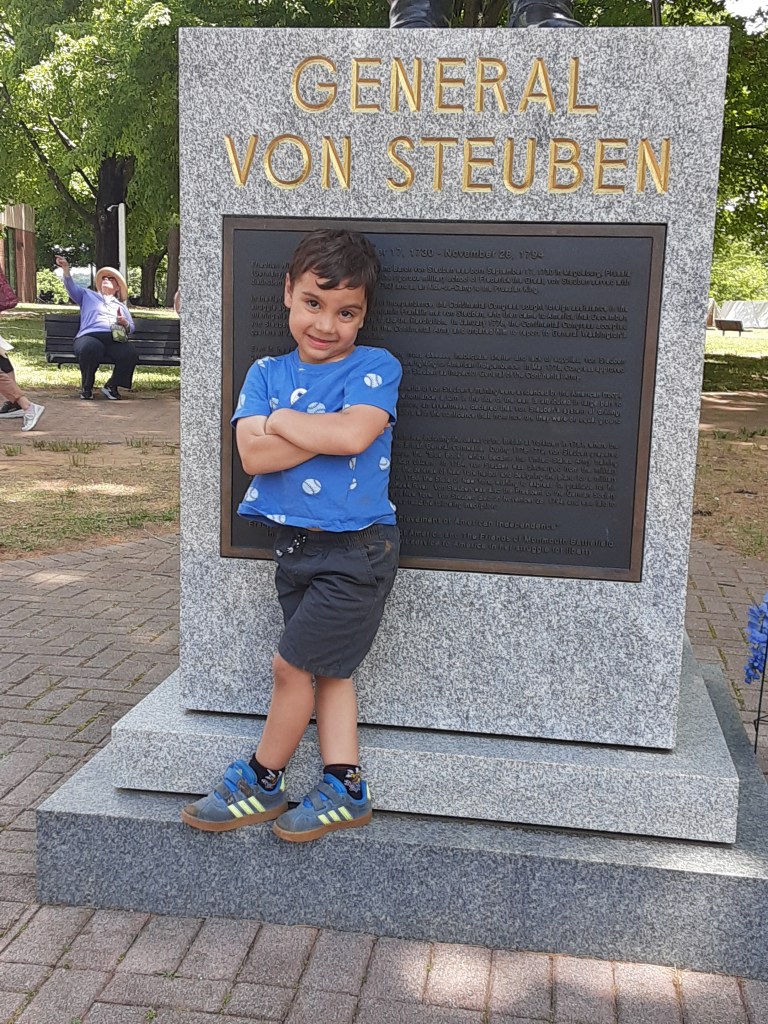
    After enduring the grueling winter at Valley Forge, where months of rigorous drilling under the Prussian officer Baron Friedrich von Steuben transformed Washington’s soldiers into a disciplined fighting force, the Continentals finally had the opportunity to prove themselves on the battlefield. At Monmouth, the results of that training were evident.

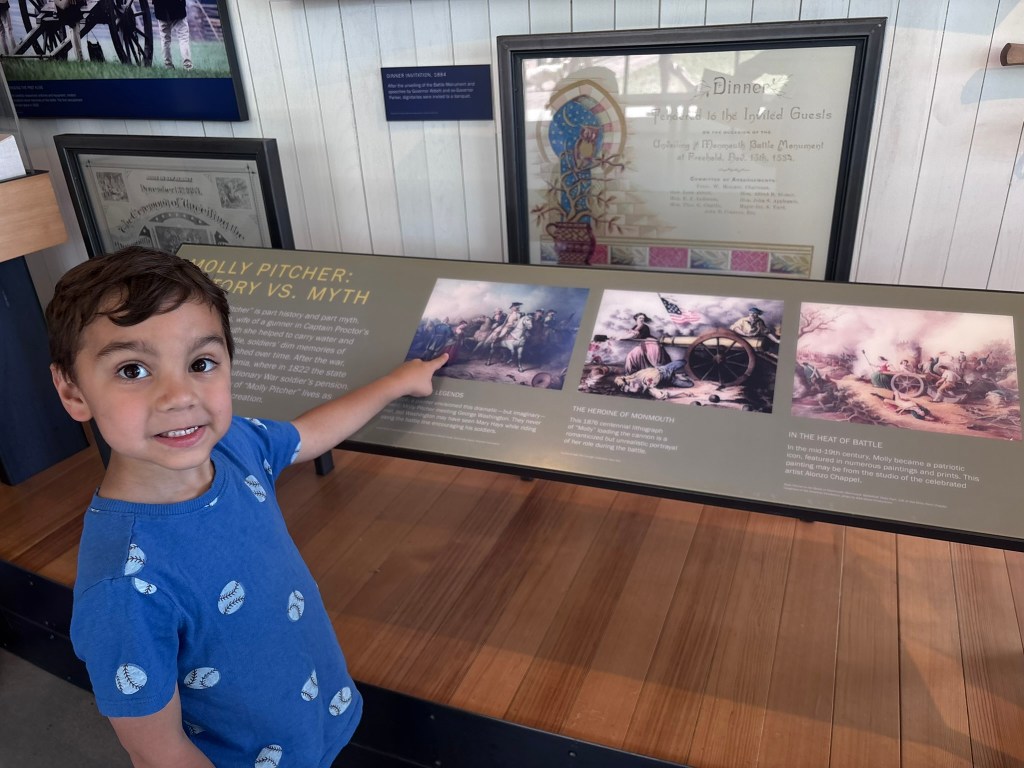
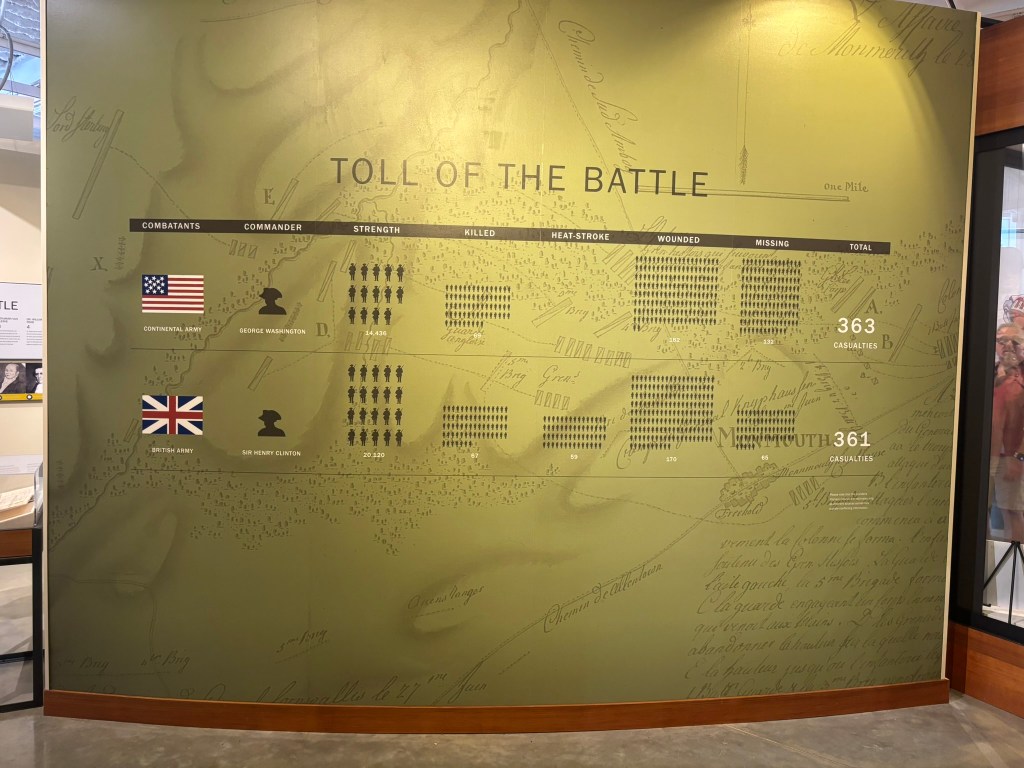
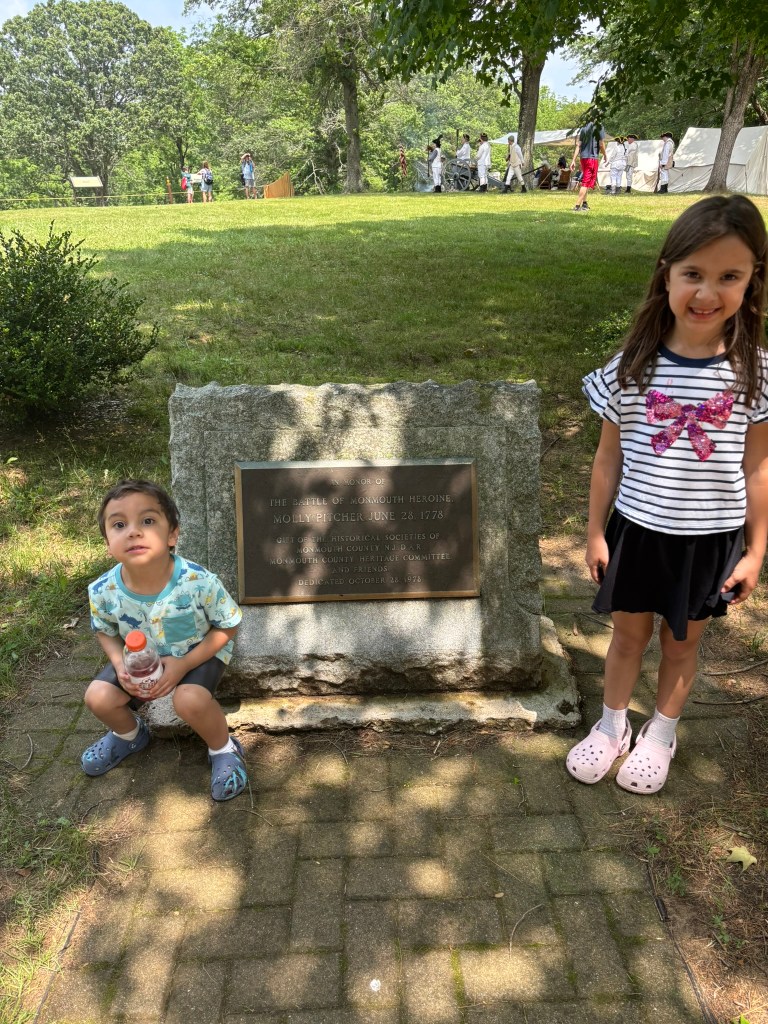
    The battle is also remembered for its brutal heat, with temperatures reportedly climbing to nearly 100 degrees. Despite the intensity of the fighting, the British resumed their planned march toward New York during the night, allowing General George Washington to claim the battle as a moral victory for the American cause. Monmouth is also famous for the legendary story of Molly Pitcher, who is honored throughout the battlefield for her courage during the fighting.

    Event

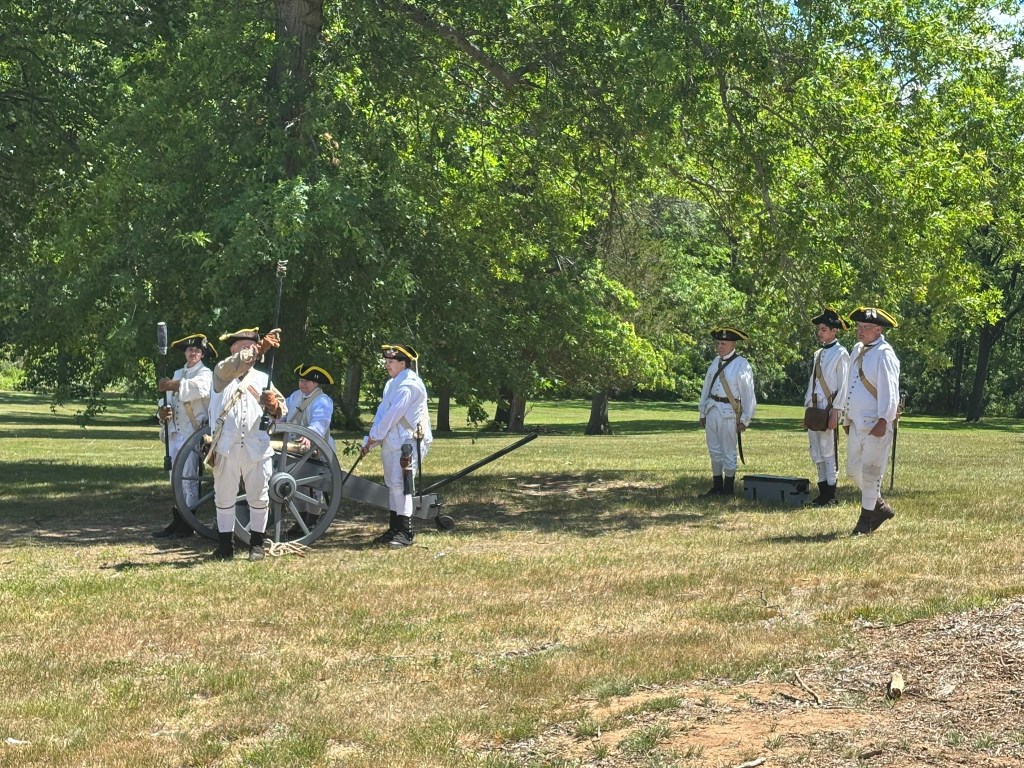
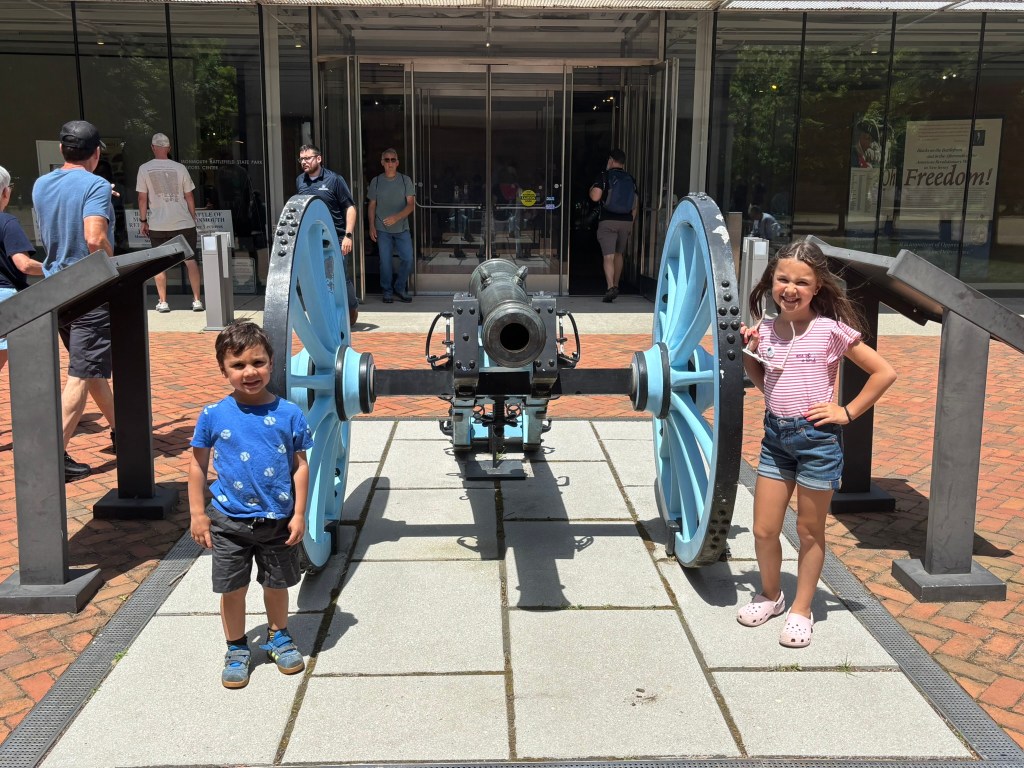
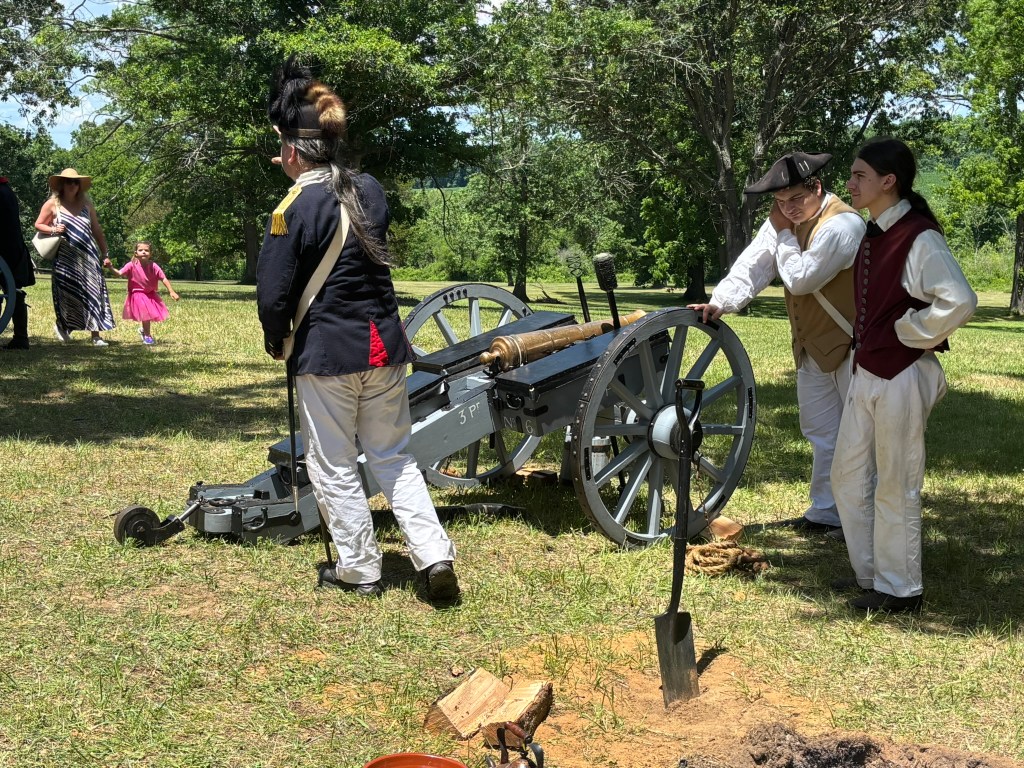
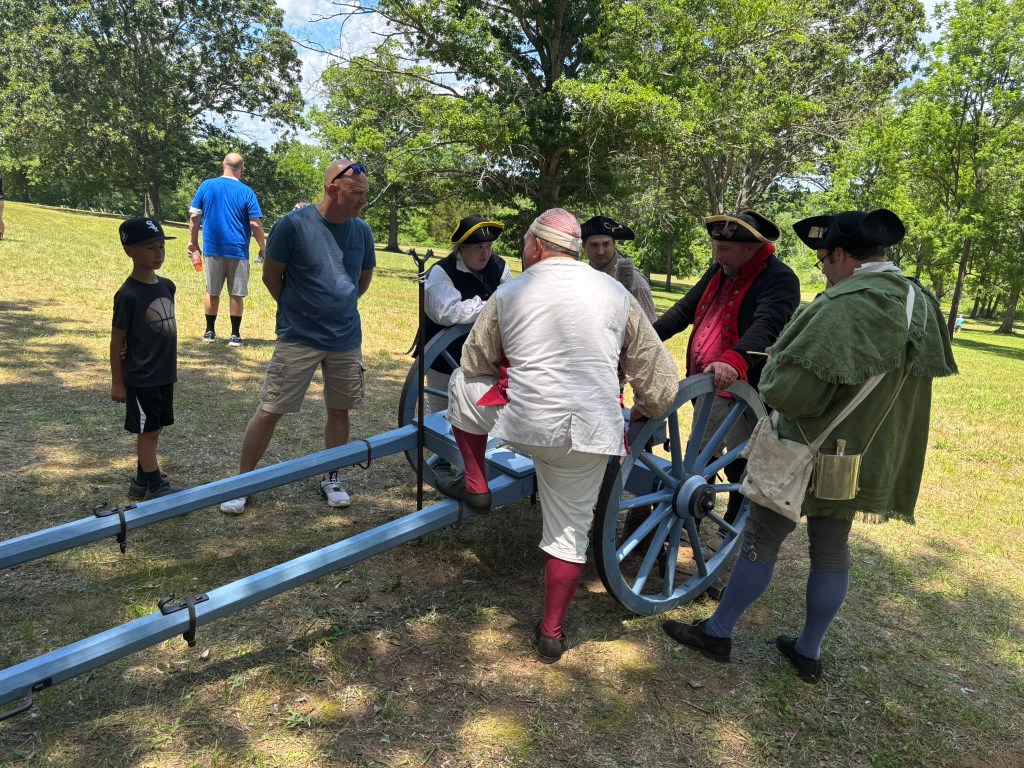
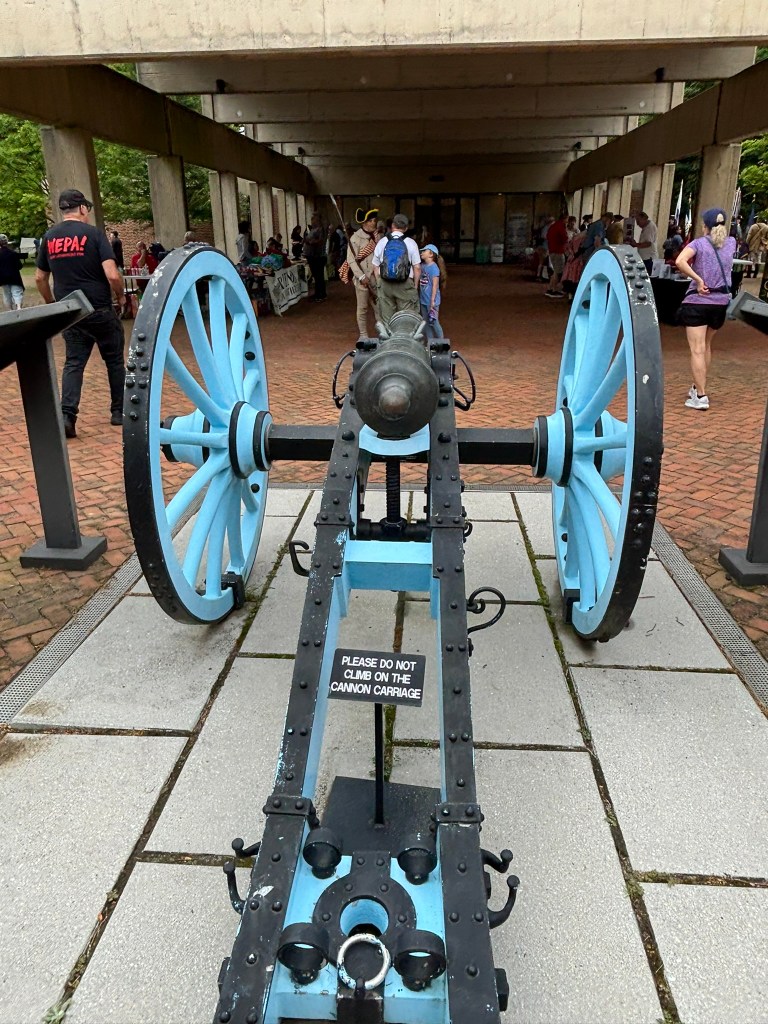
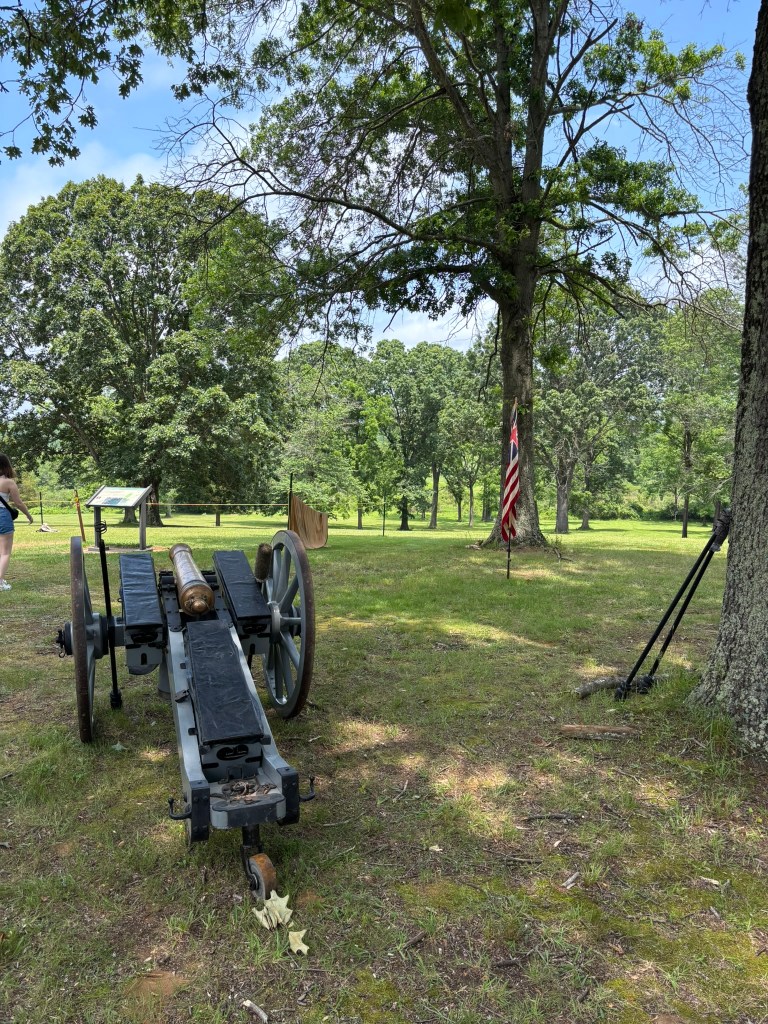
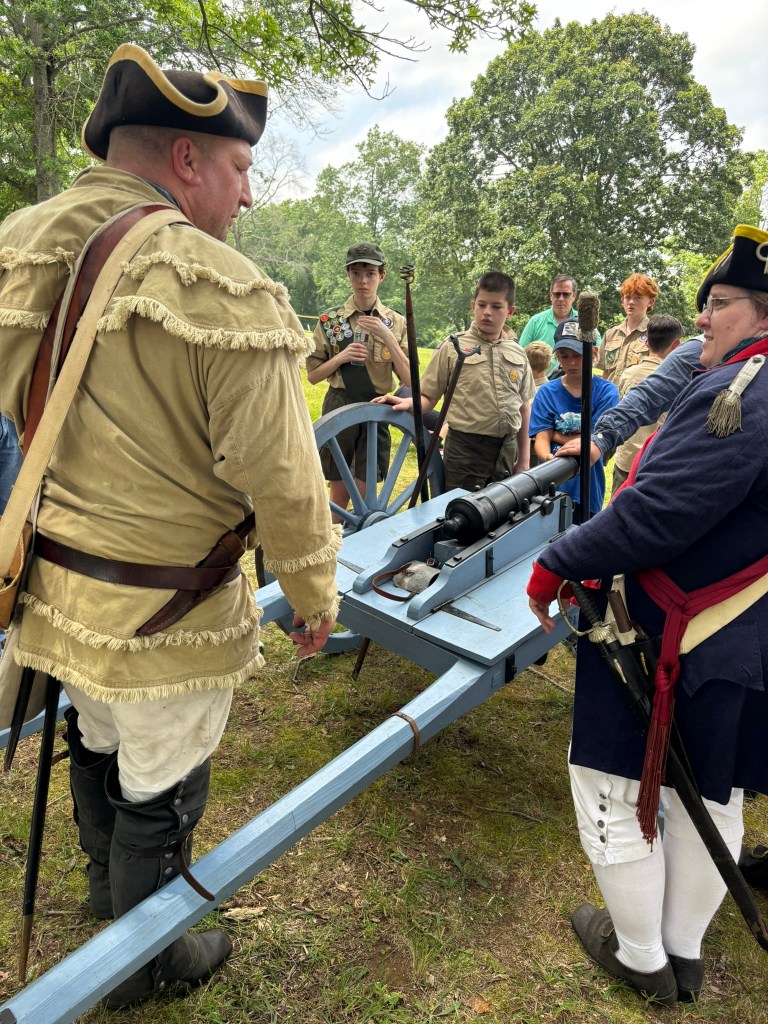
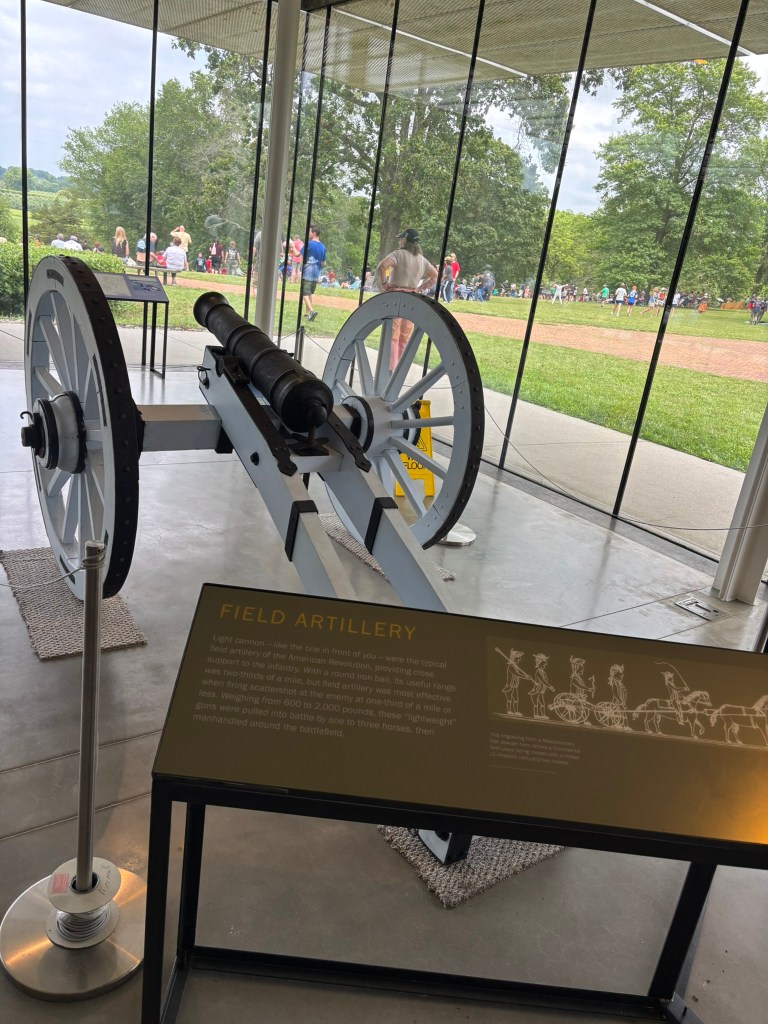
    My family and I arrived at the park just before 11:30 a.m., just in time for the cannon firing demonstration. The reenactor explaining the operation of the cannon and its role on an eighteenth-century battlefield was both entertaining and informative. If you’d like to see the demonstration in action—and especially the battle itself—be sure to check out the reels on my social media pages.
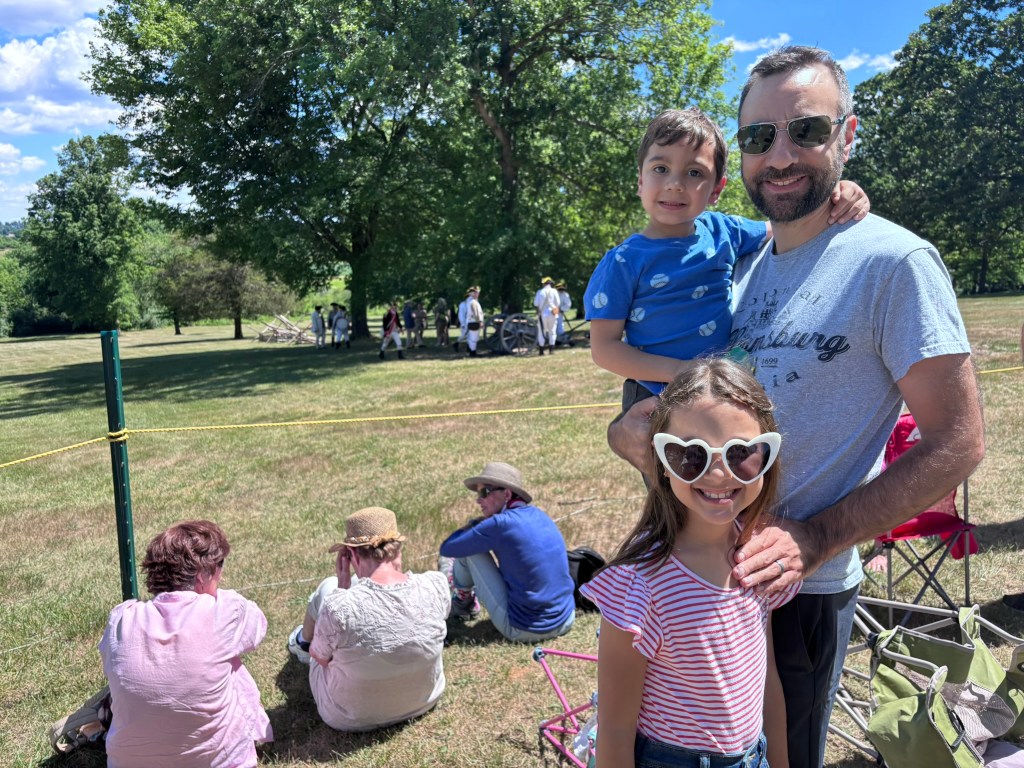
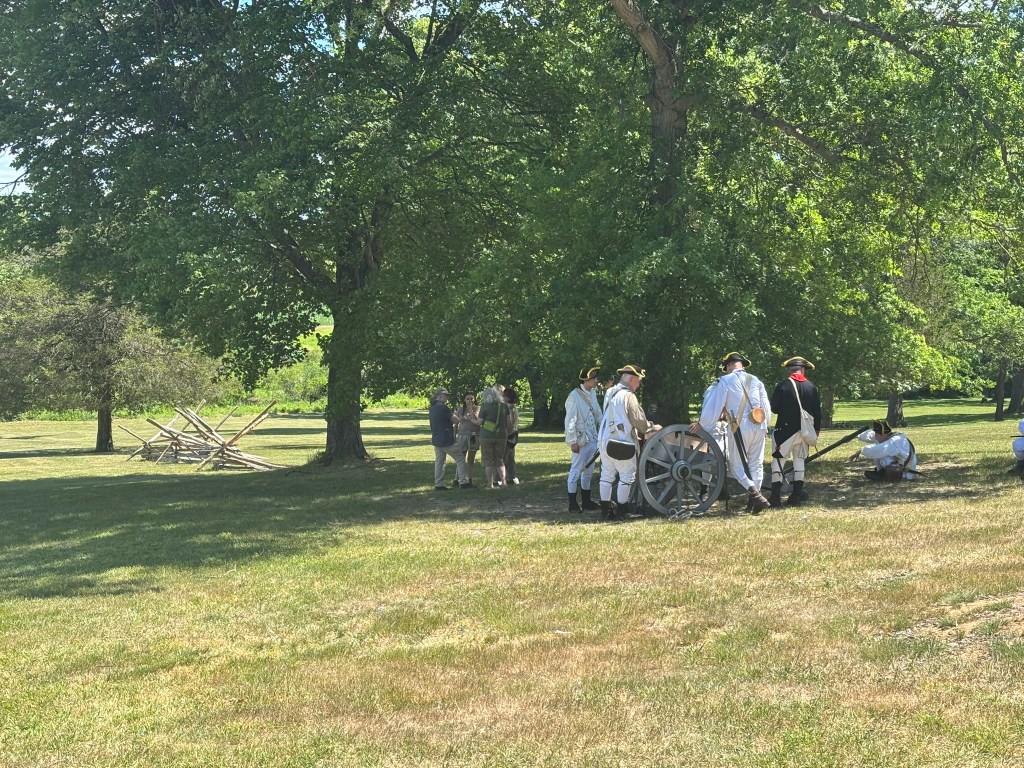
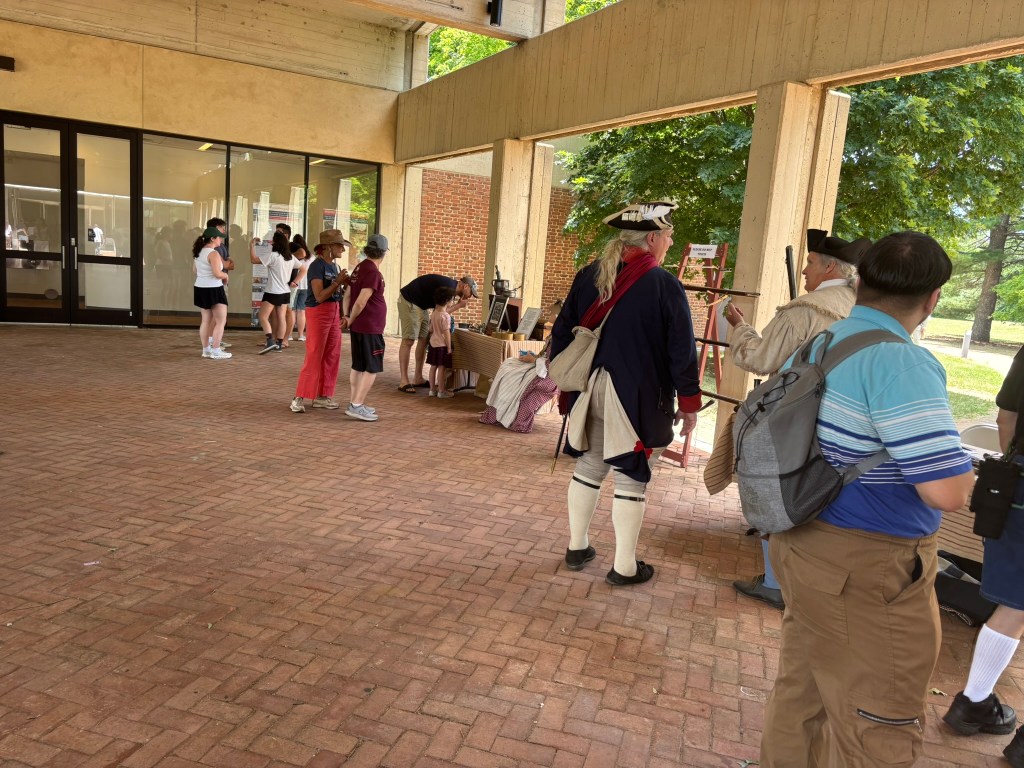
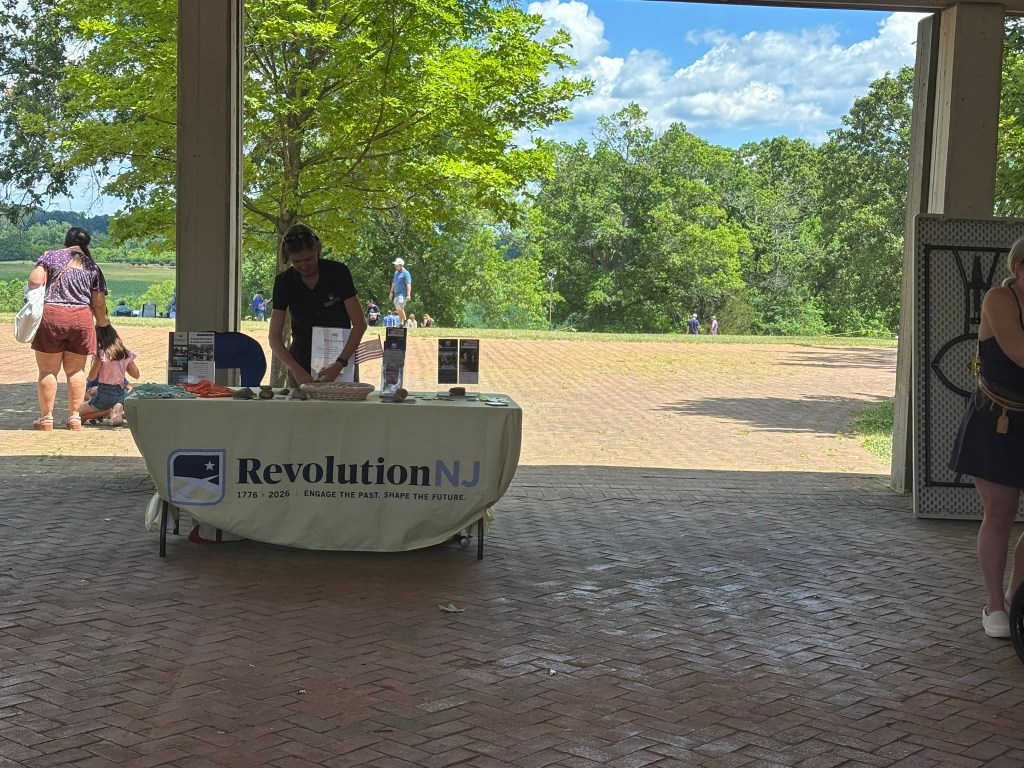
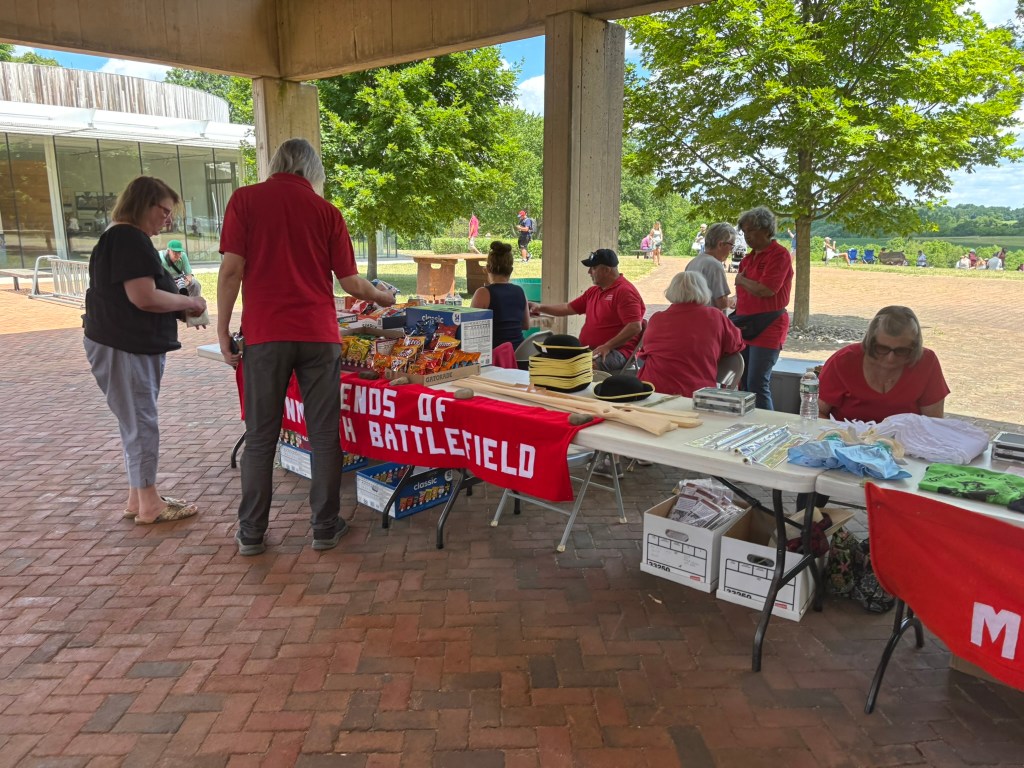
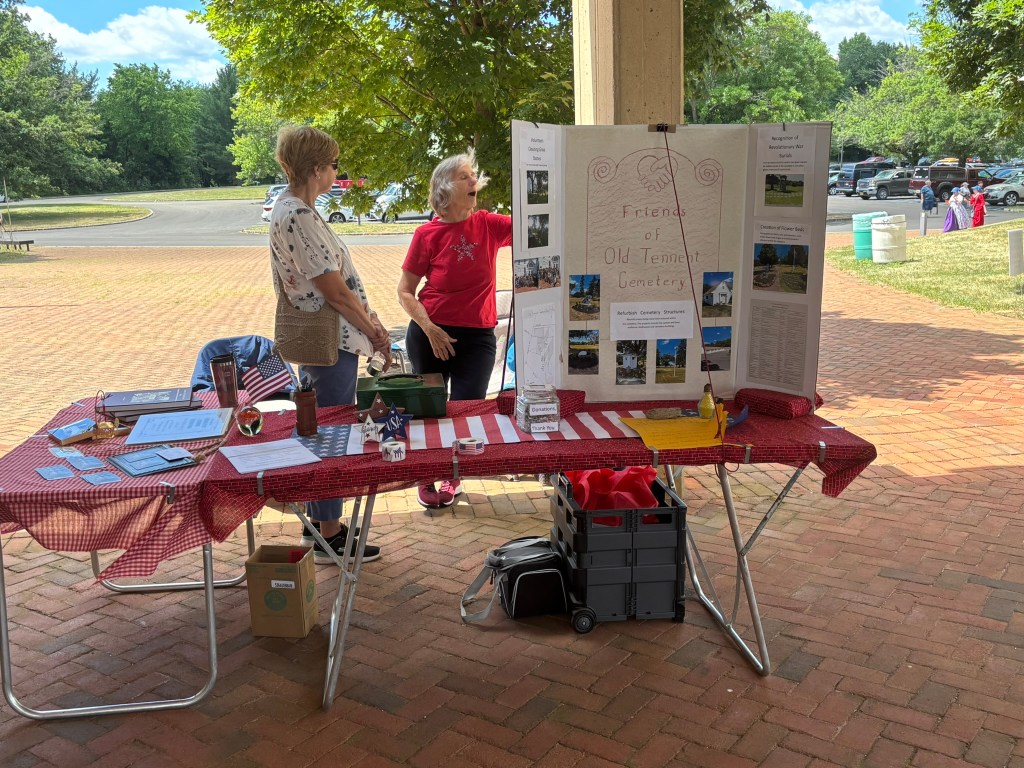
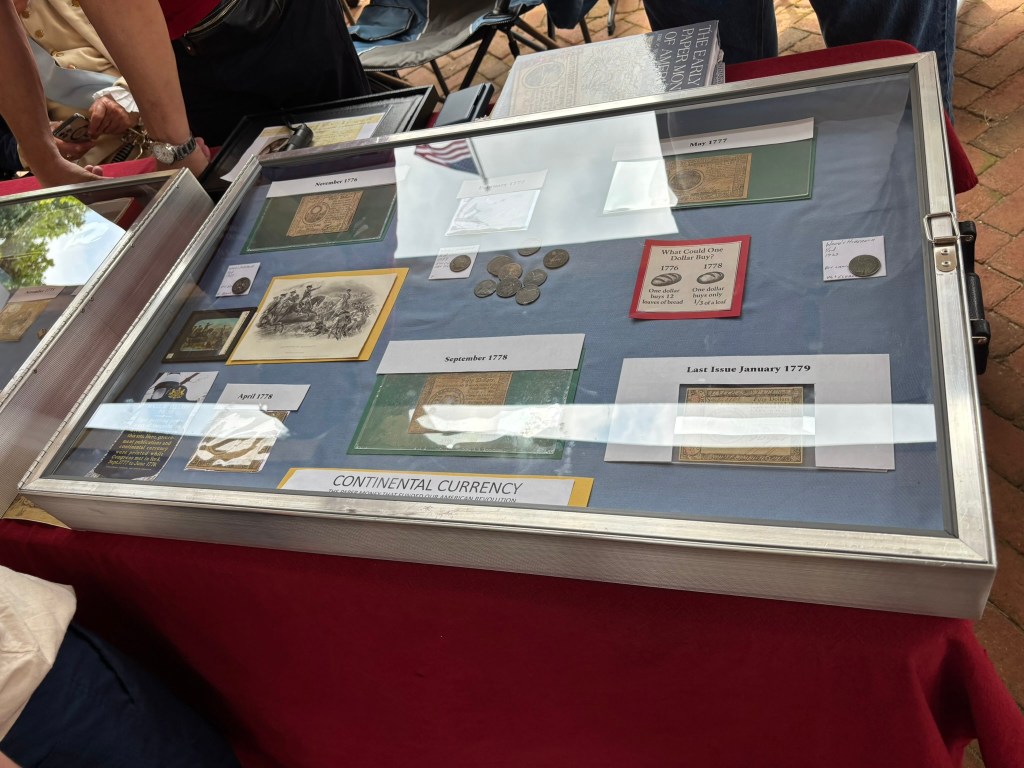
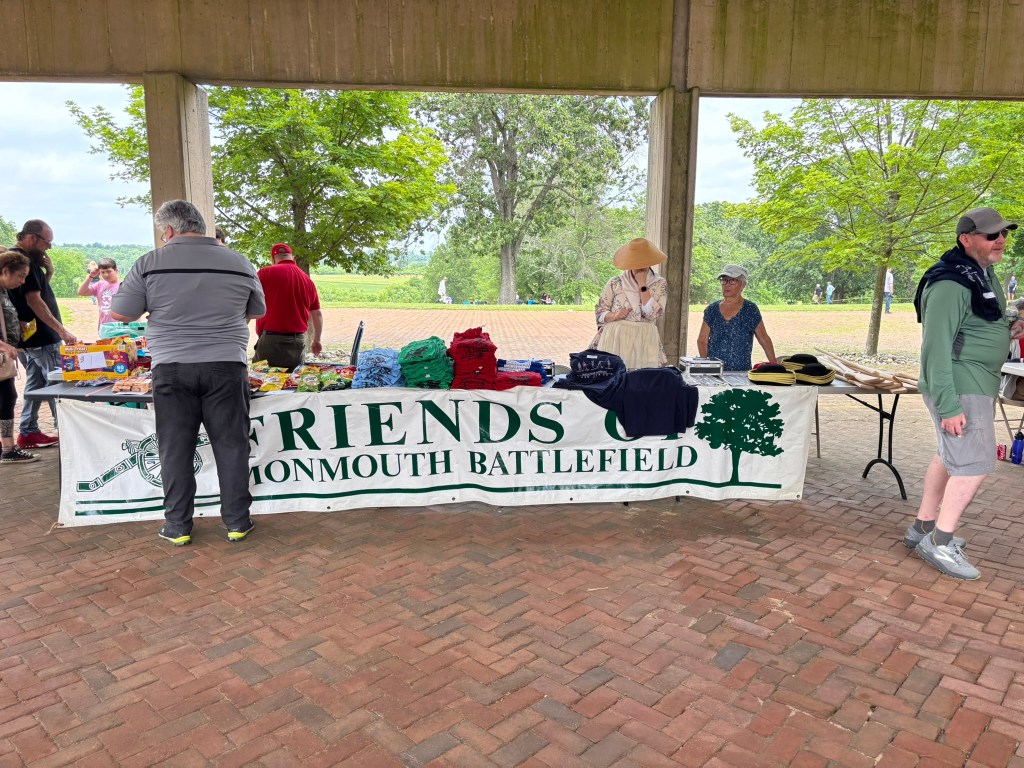
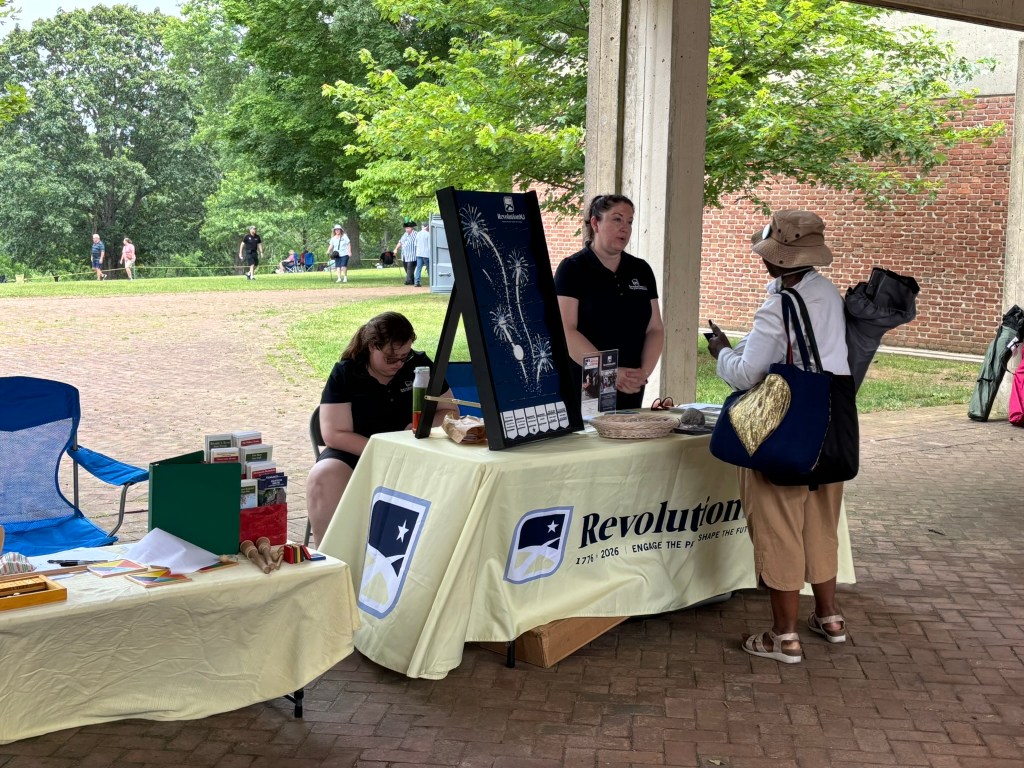
    After the cannon demonstration, I made a round to the vendors stationed on site. I was able to speak to a rep. from Revolution NJ whom I am a proud partner with. There were also tables from the Monmouth County Historical Society, Friends of Monmouth Battlefield, and Friends of Old Tennant Cemetery, among others.
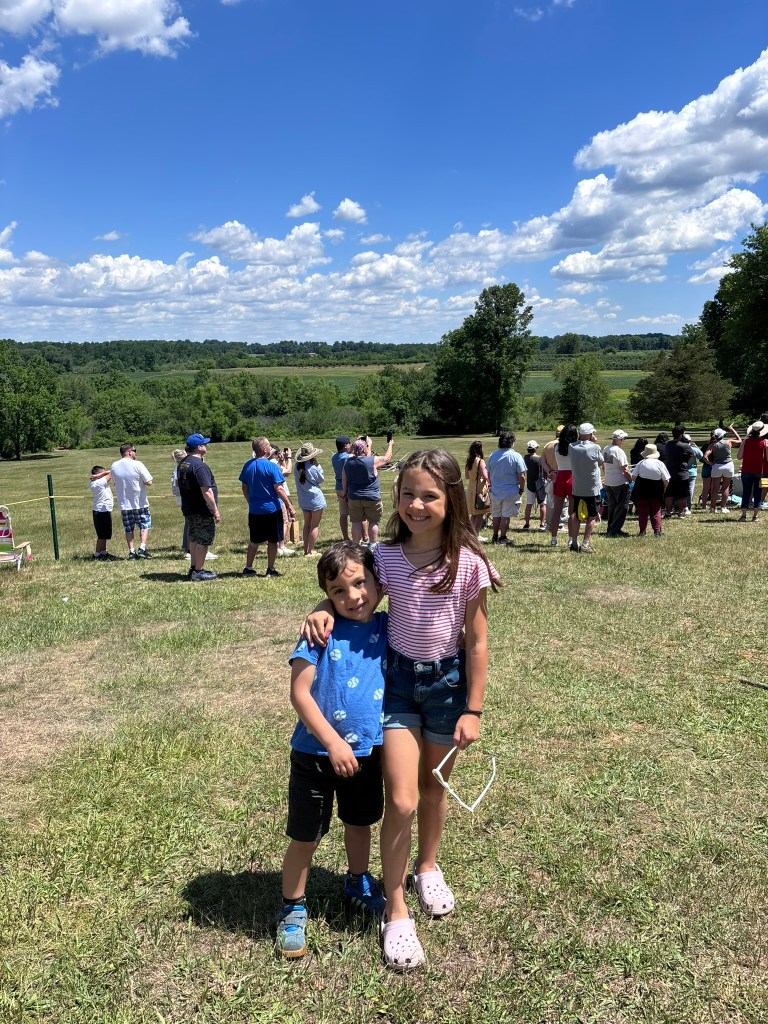
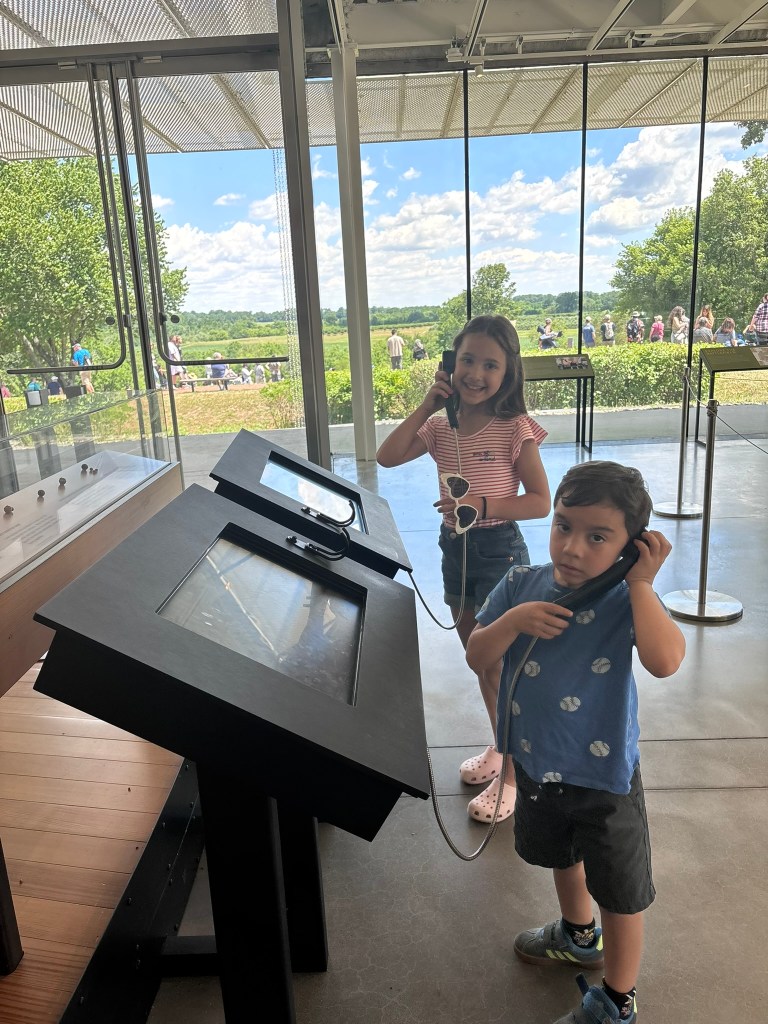
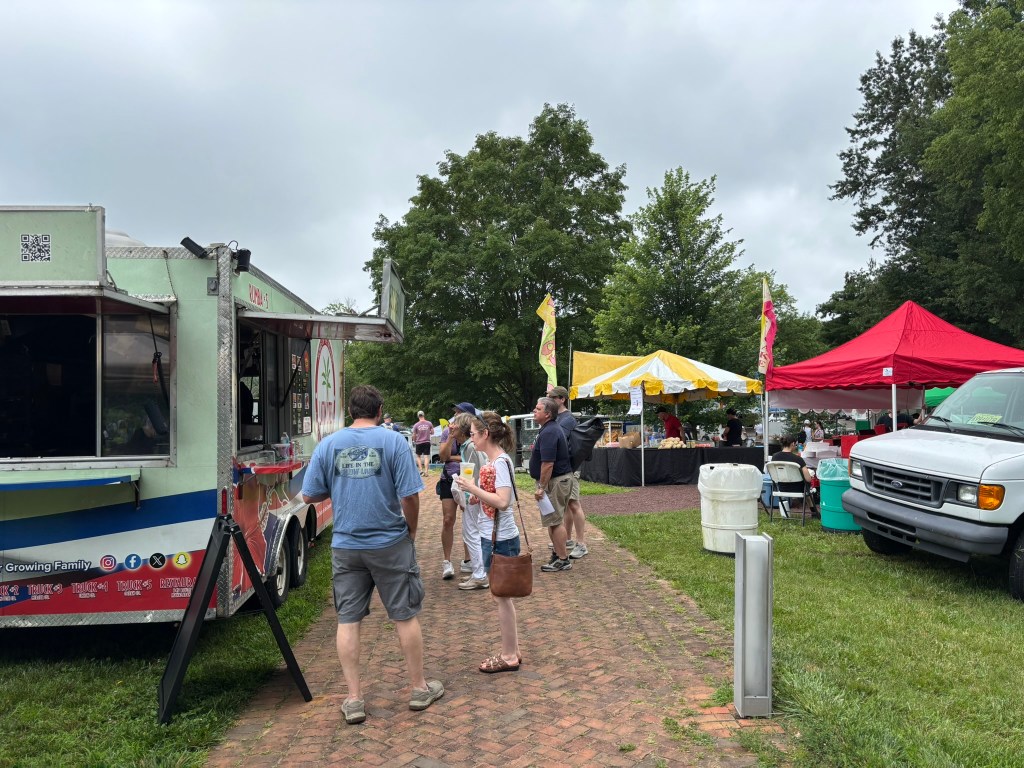
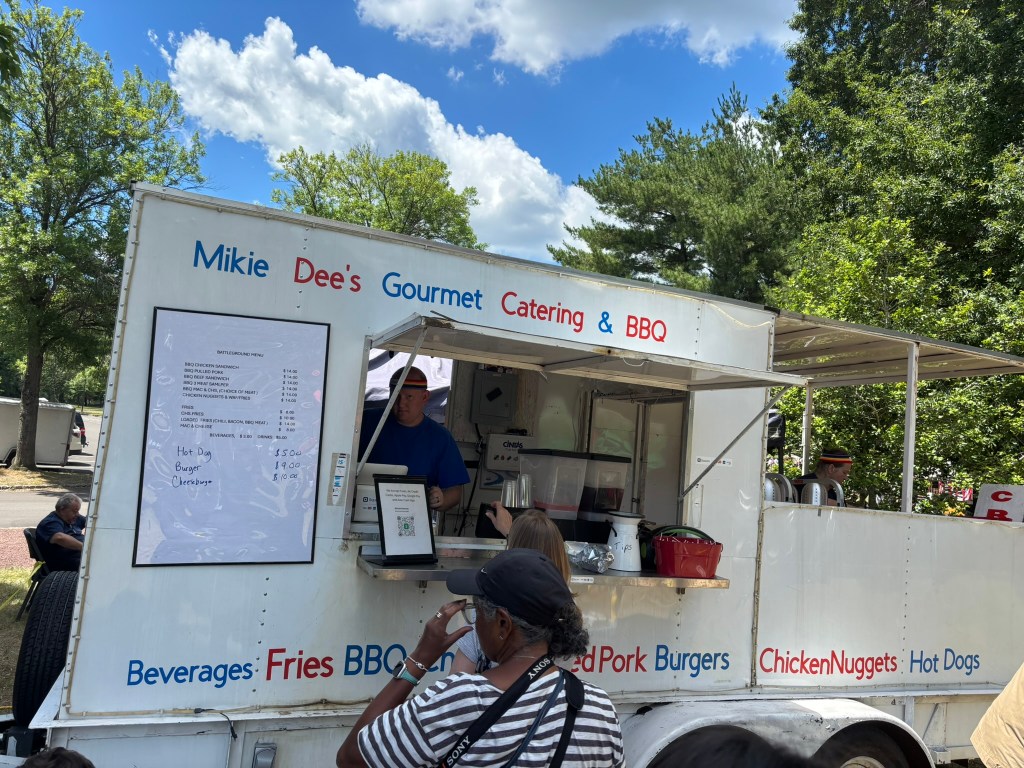
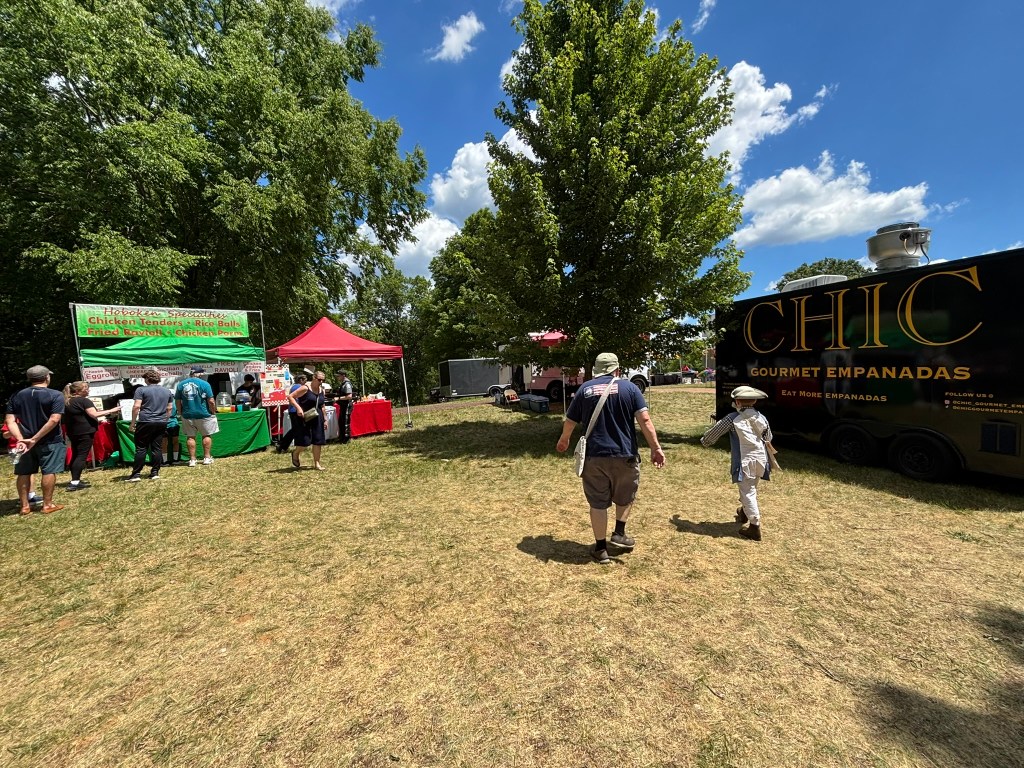
    My family and I headed over to the food trucks for lunch. The event offers a nice variety of food options, along with plenty of shaded picnic tables where families can relax and enjoy a meal.
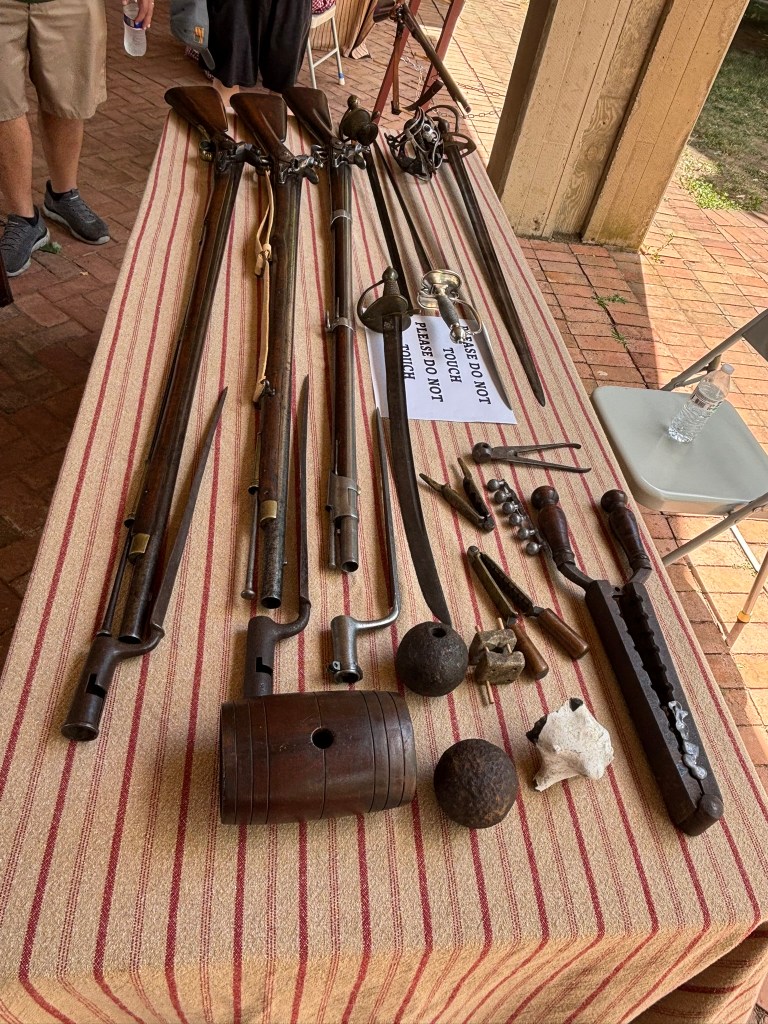
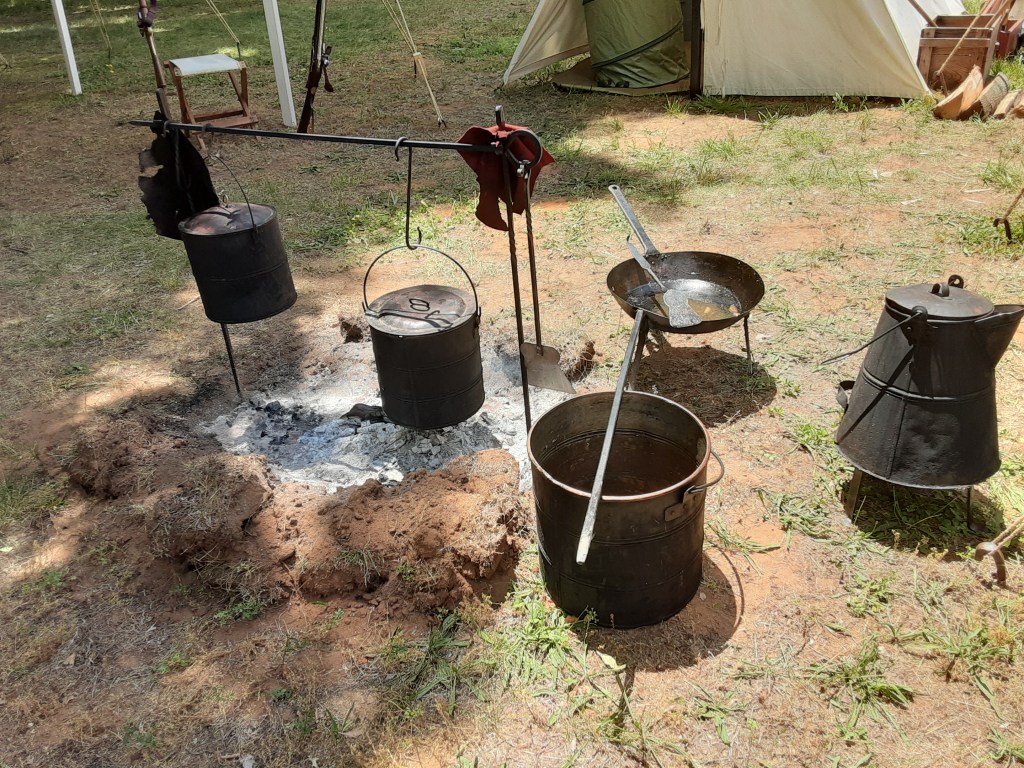
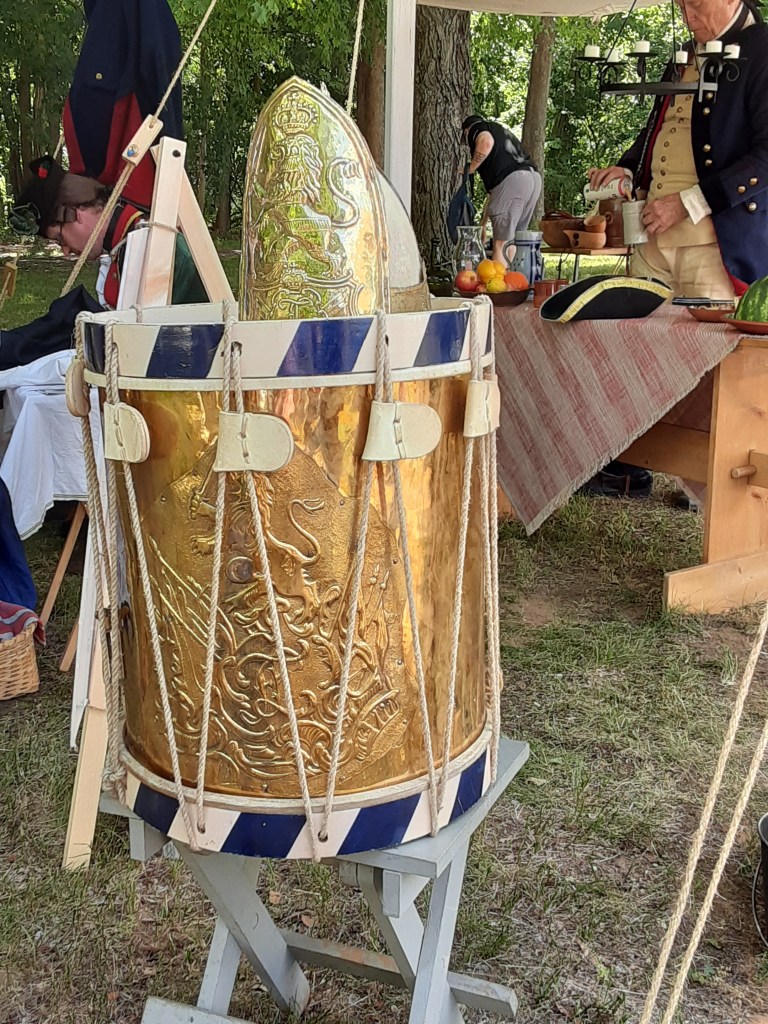
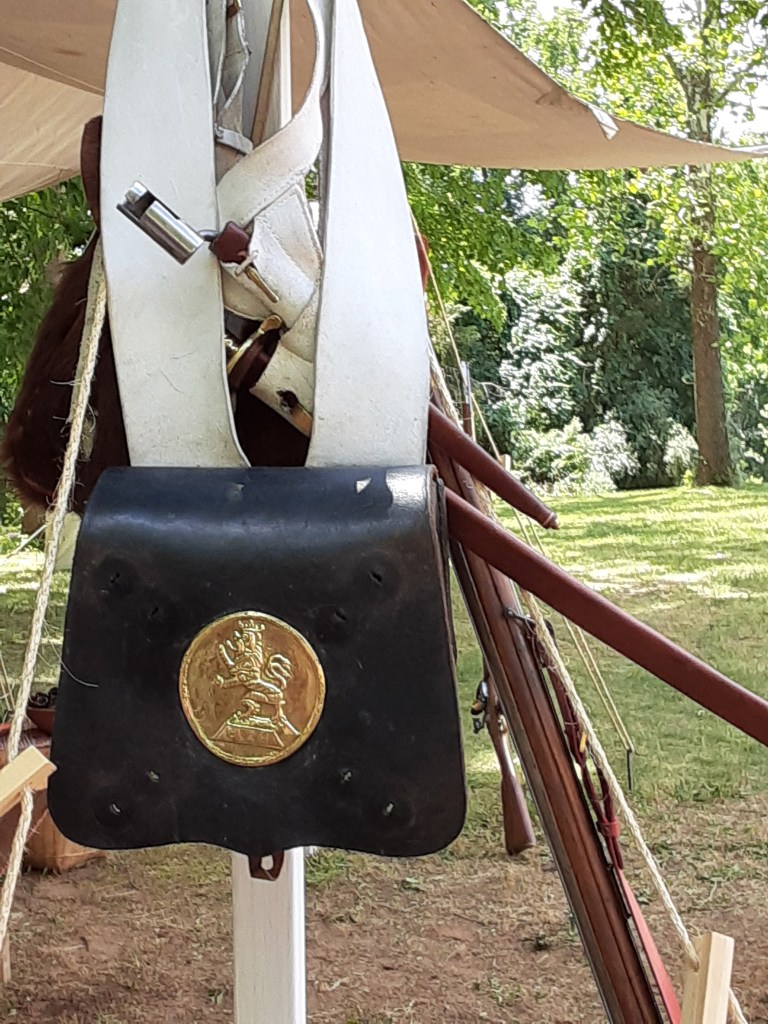
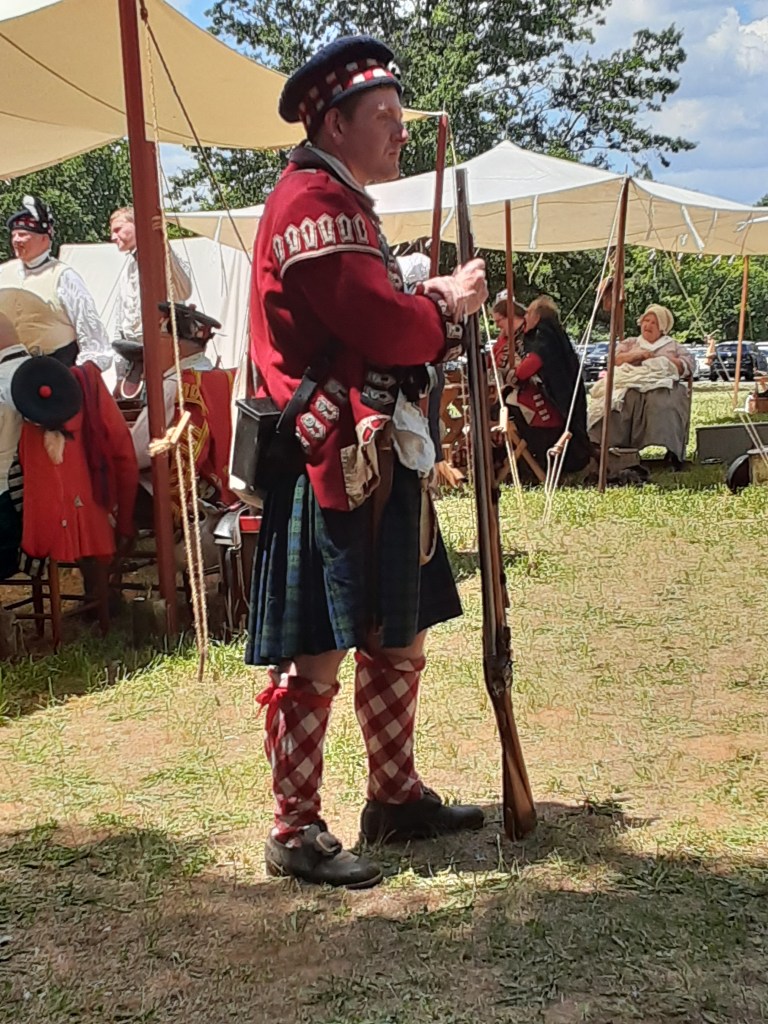
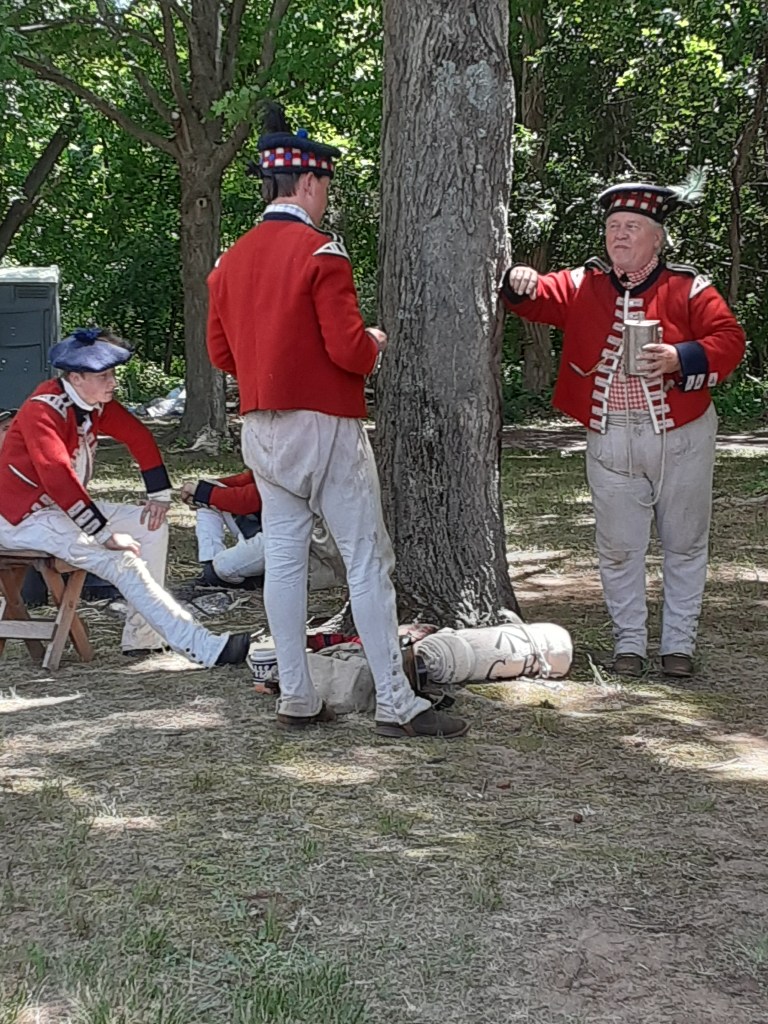
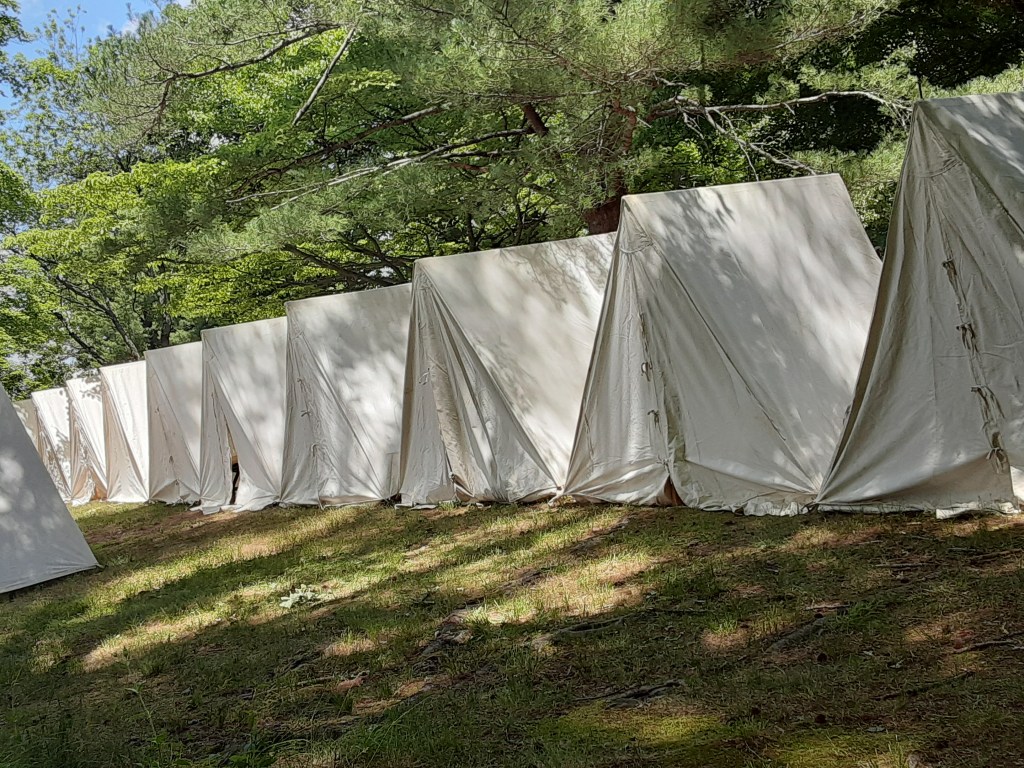
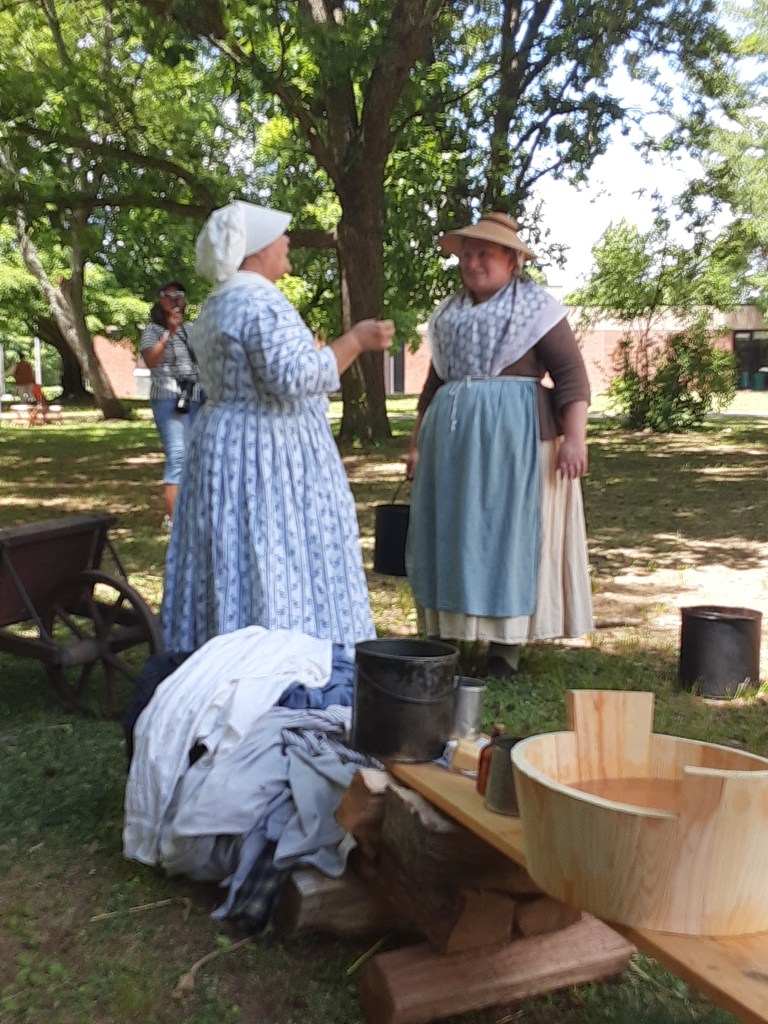
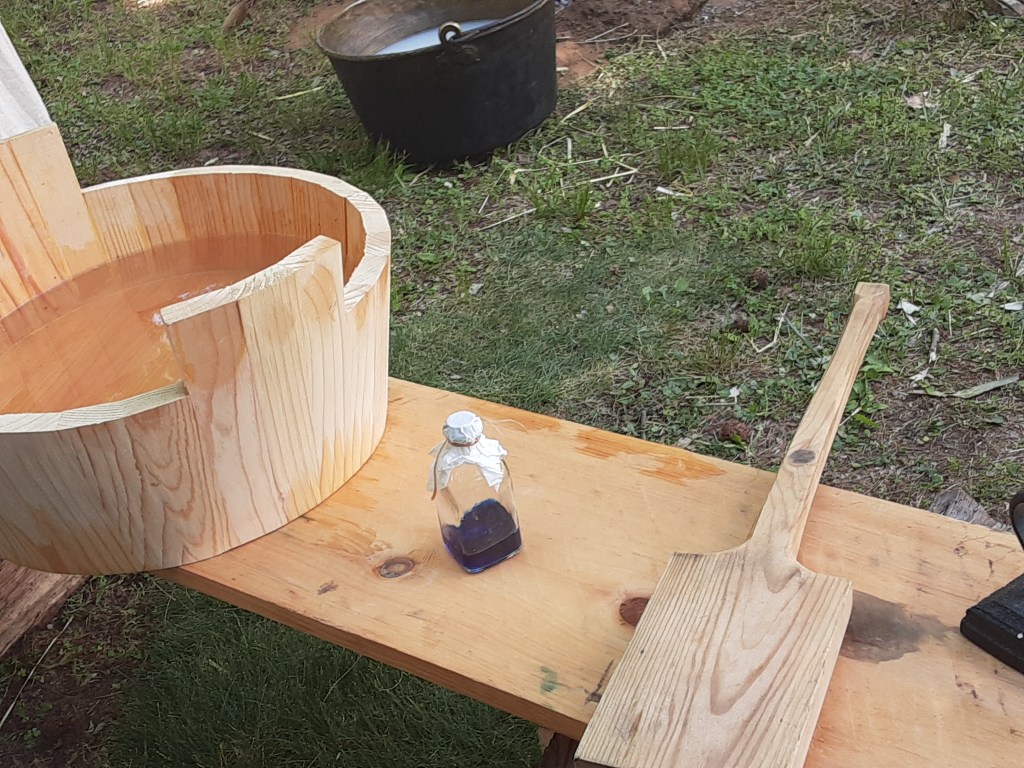
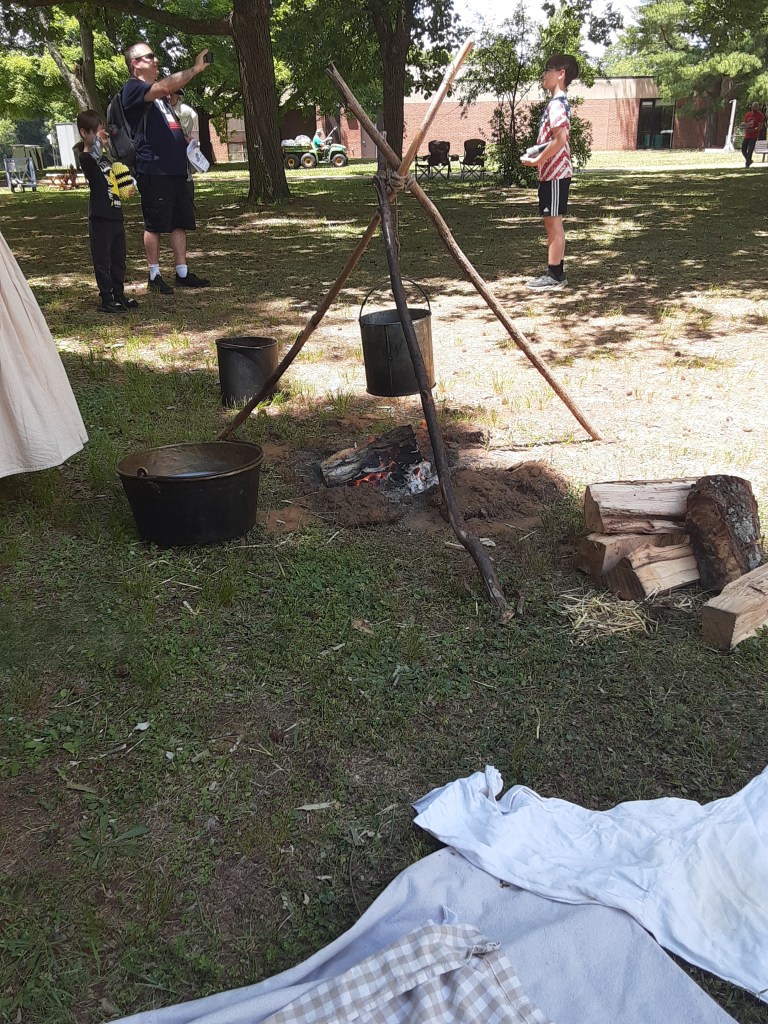
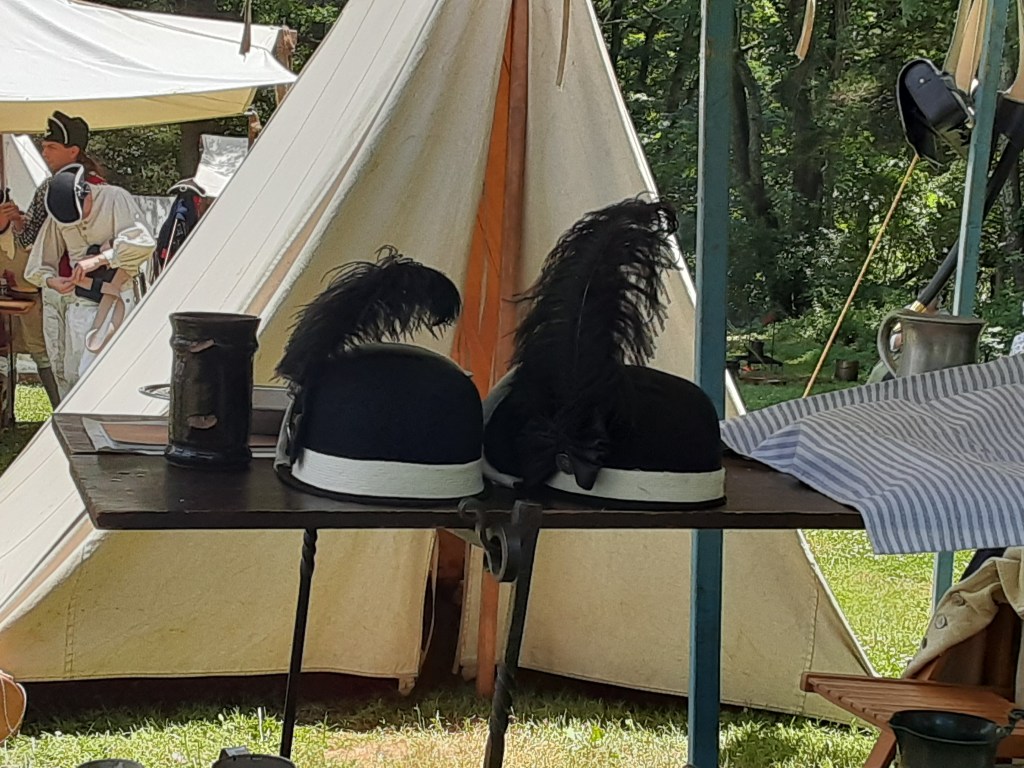
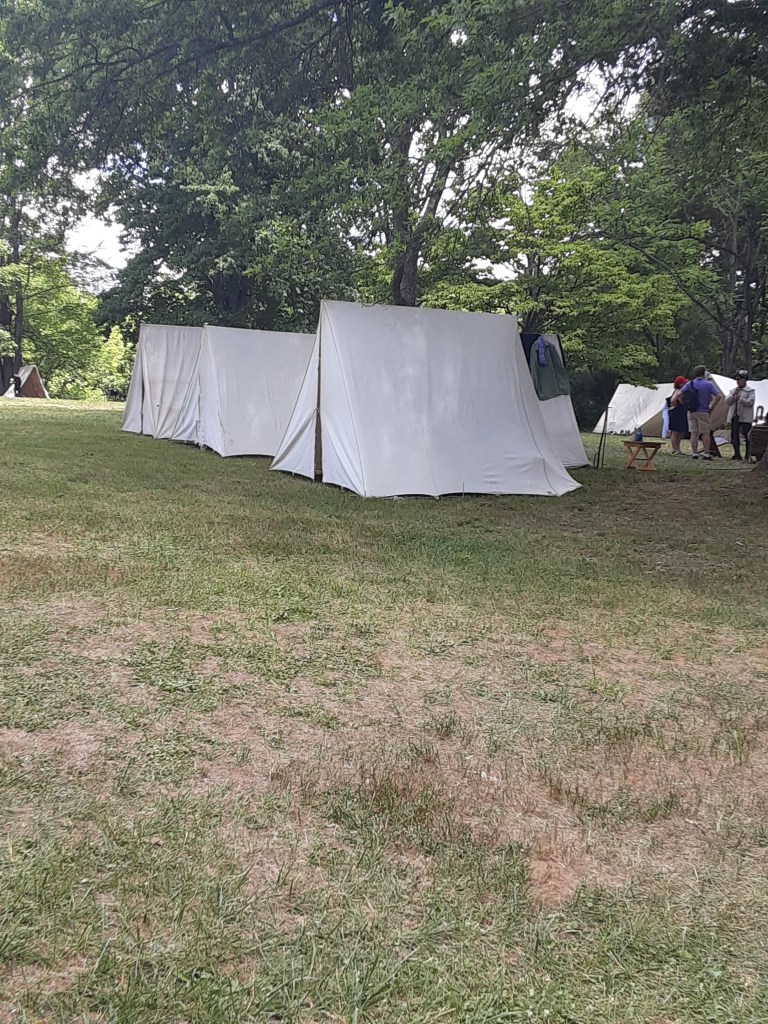
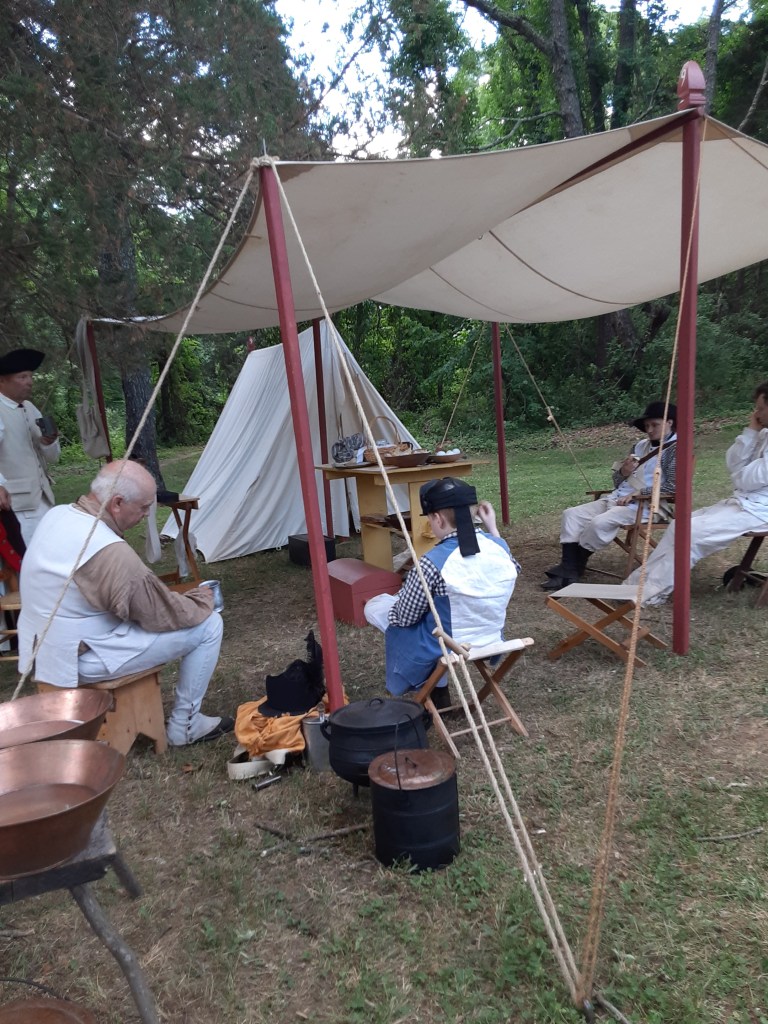
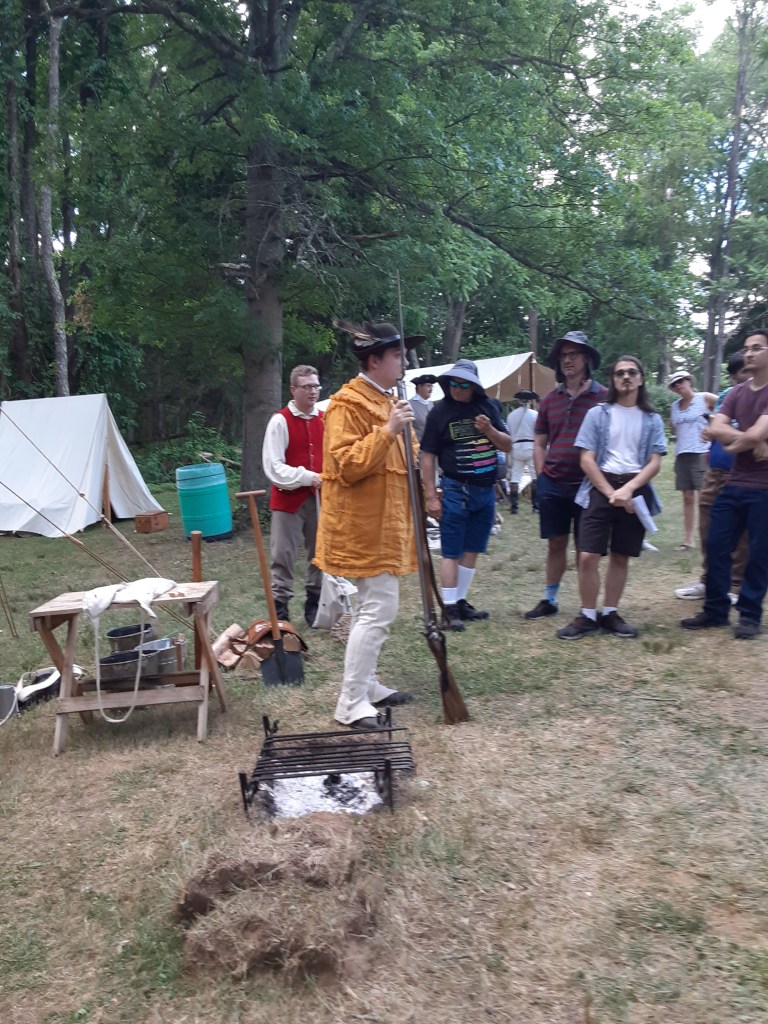
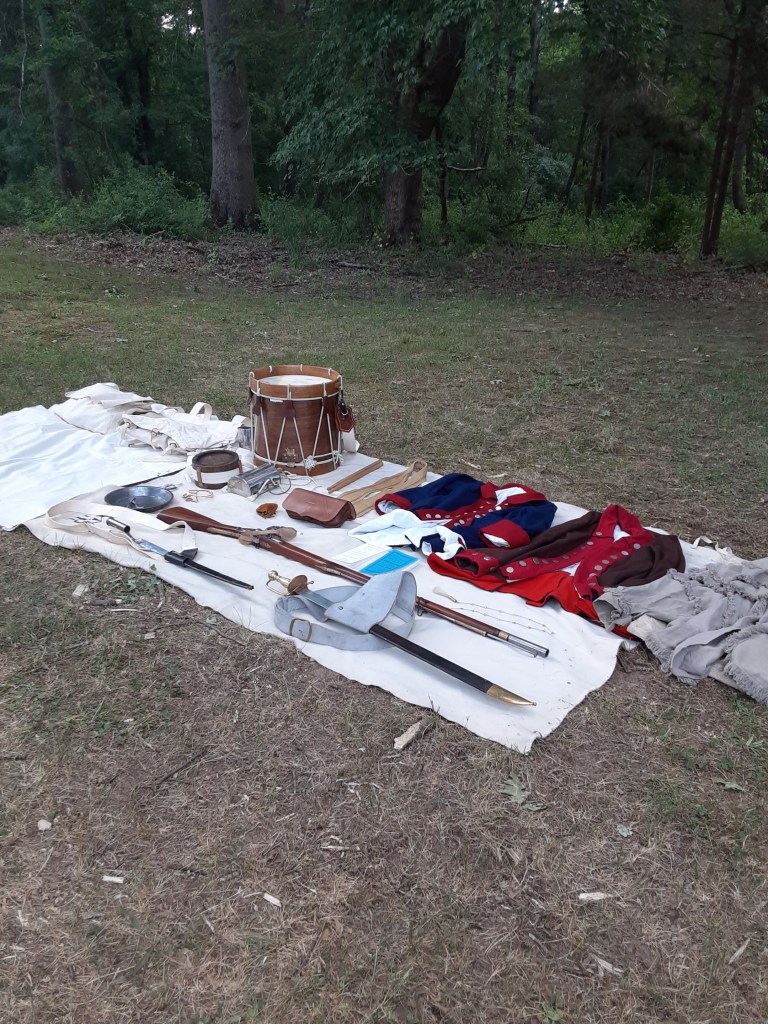
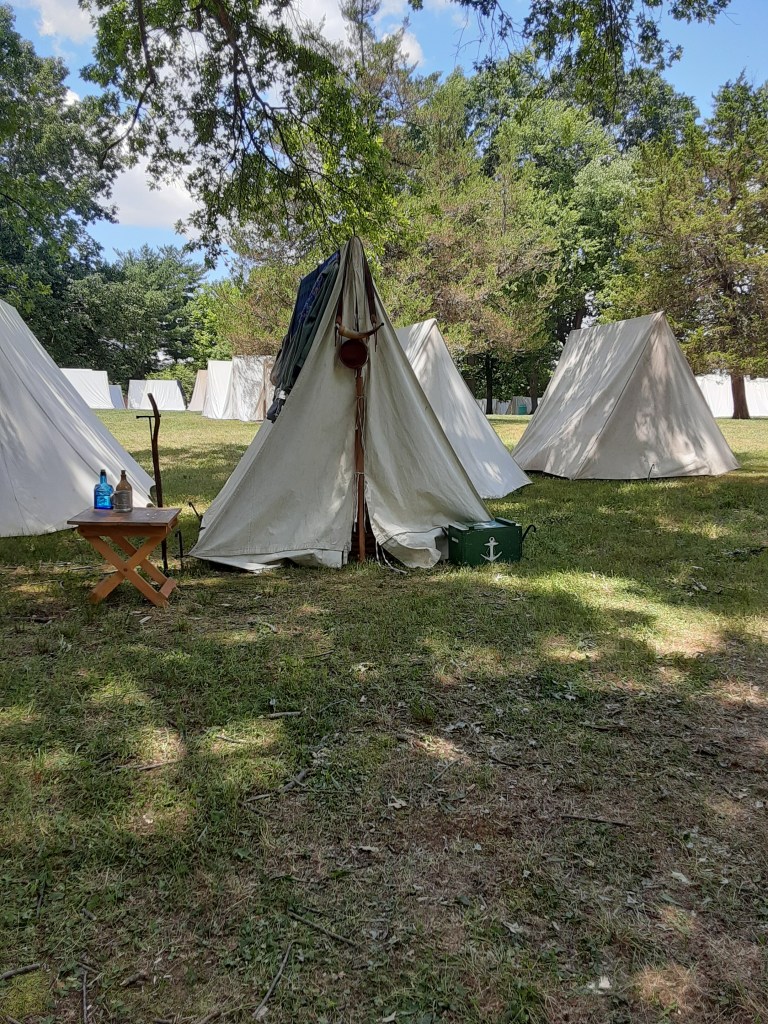
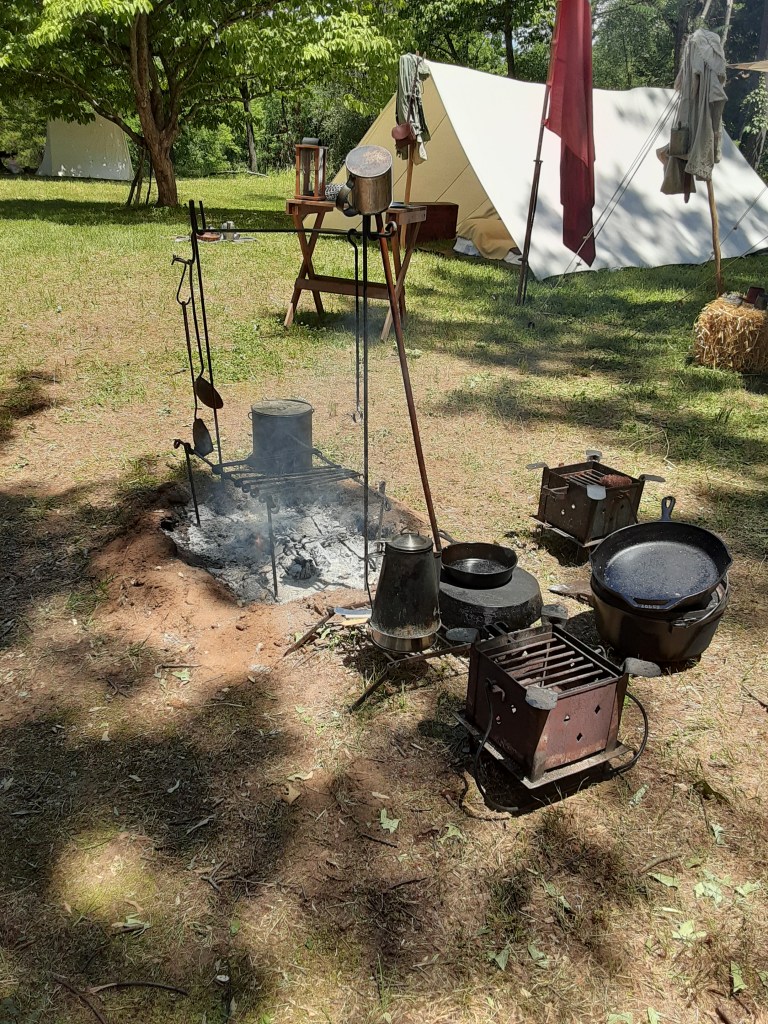
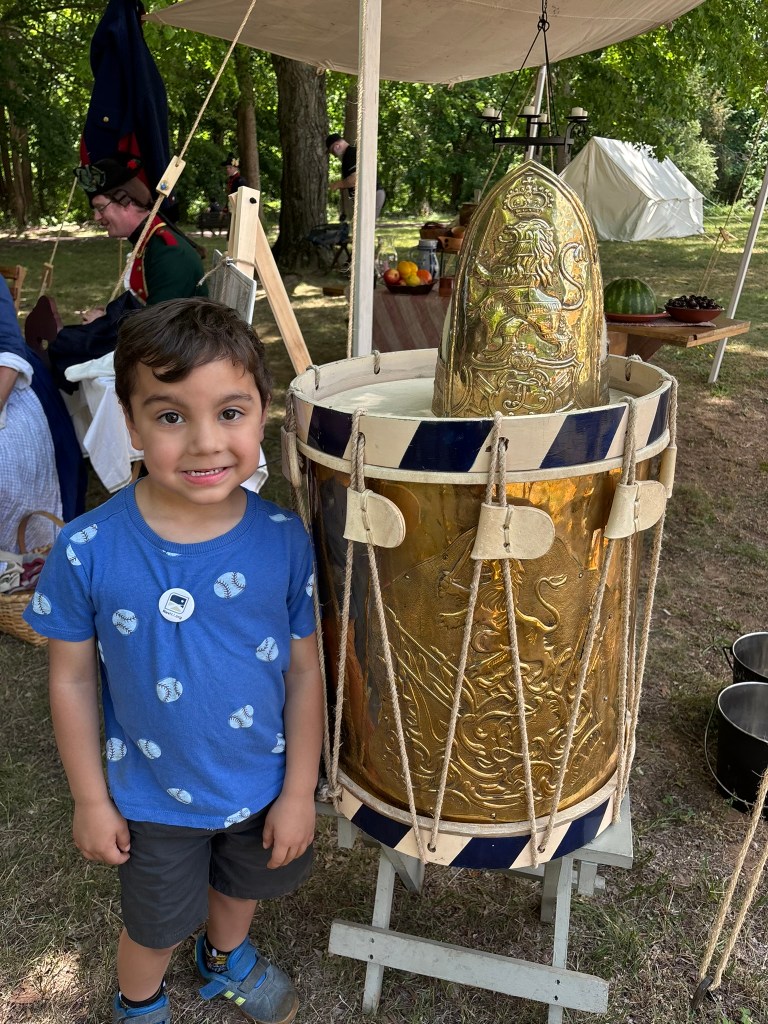
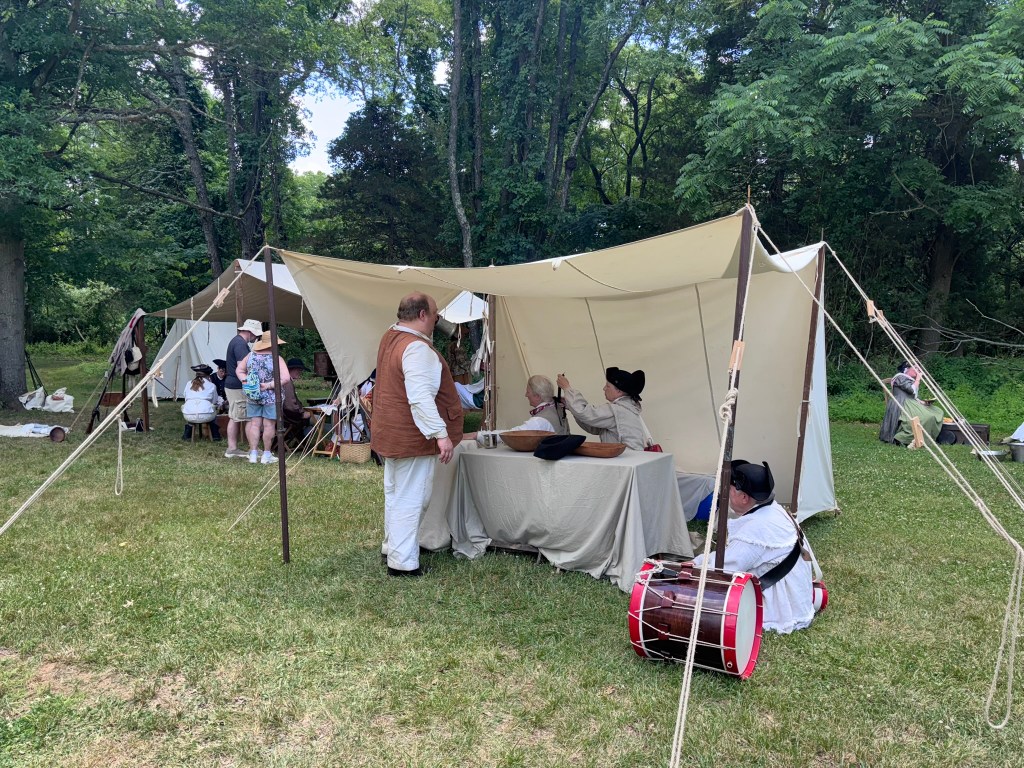
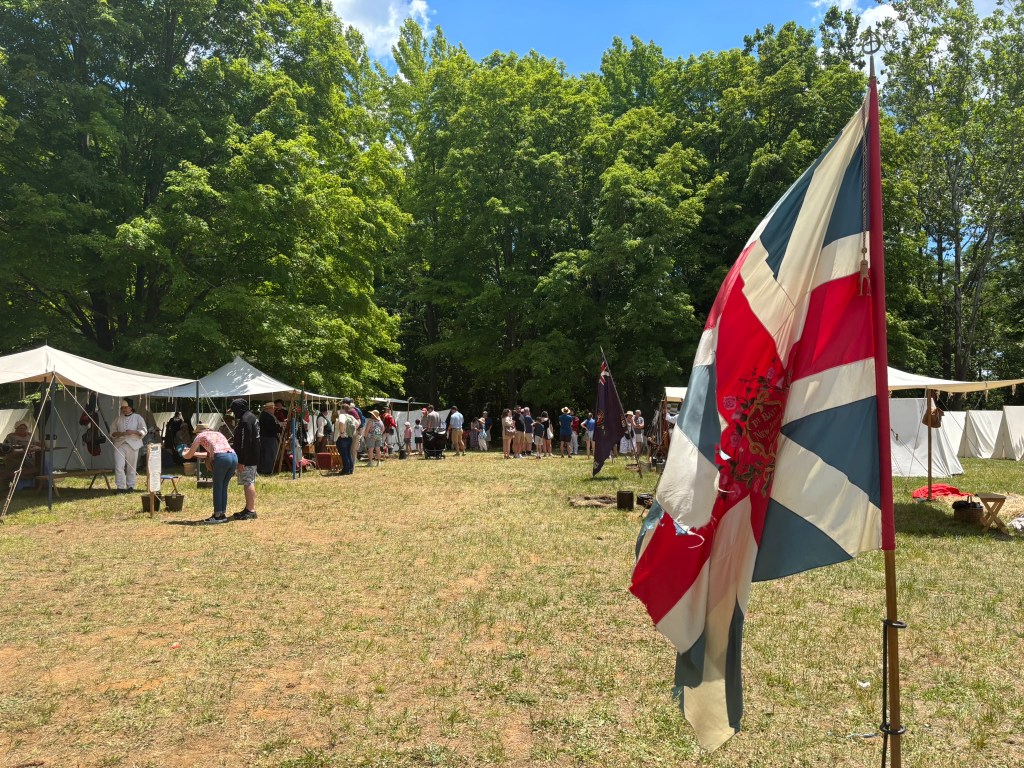
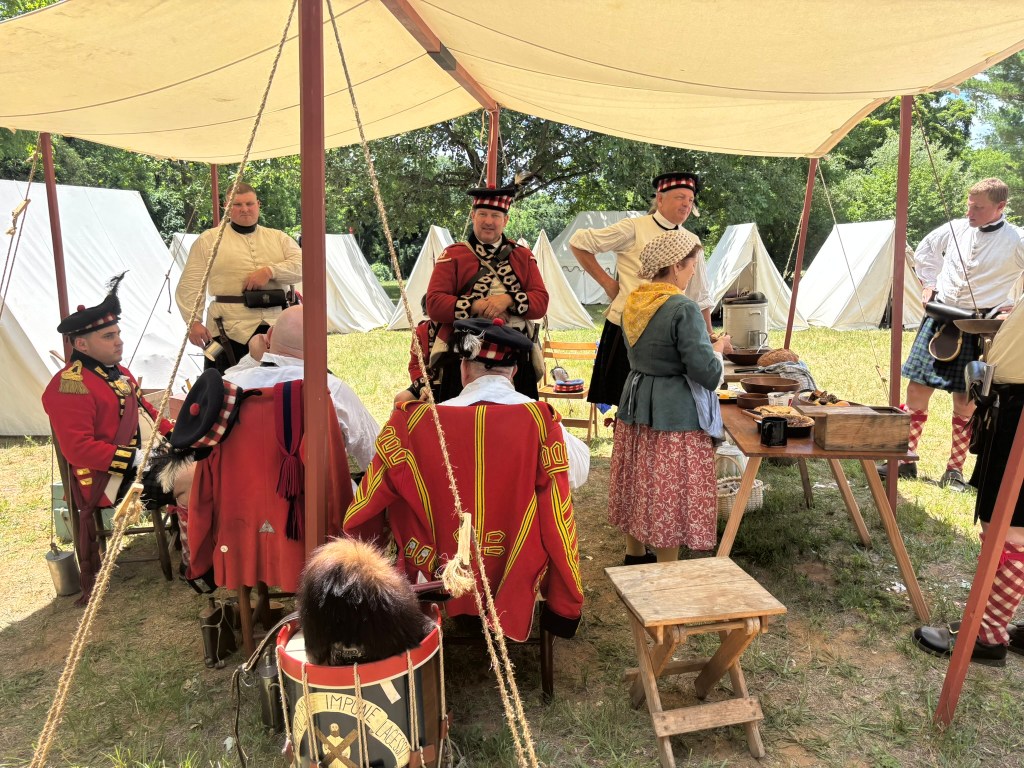
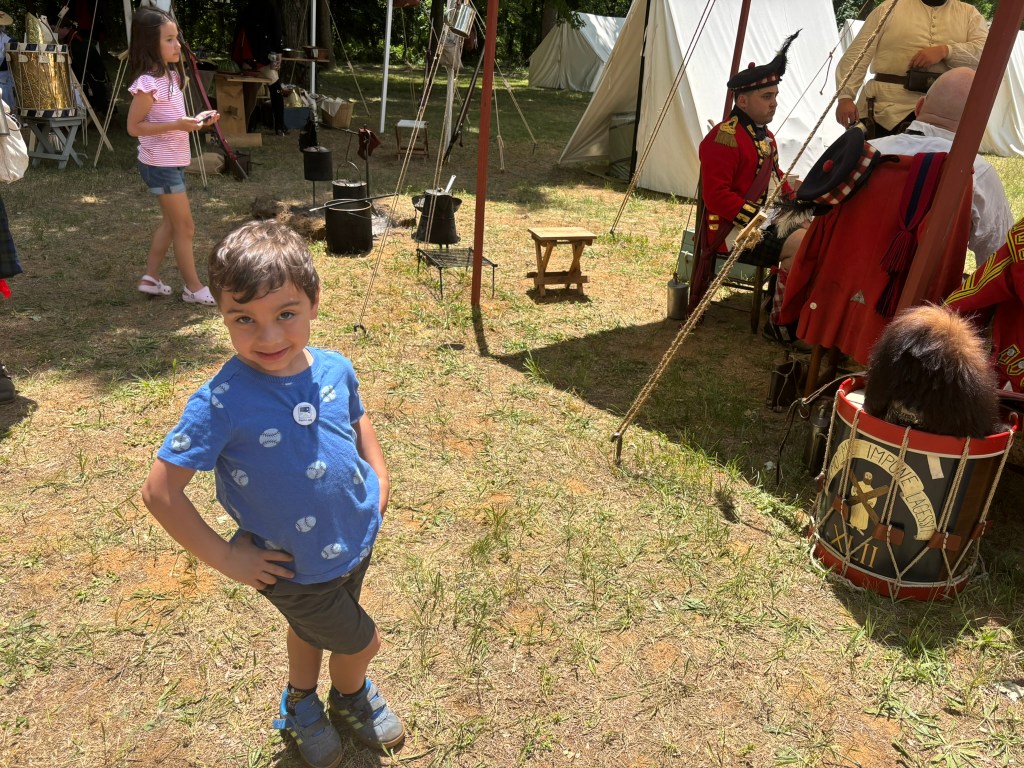
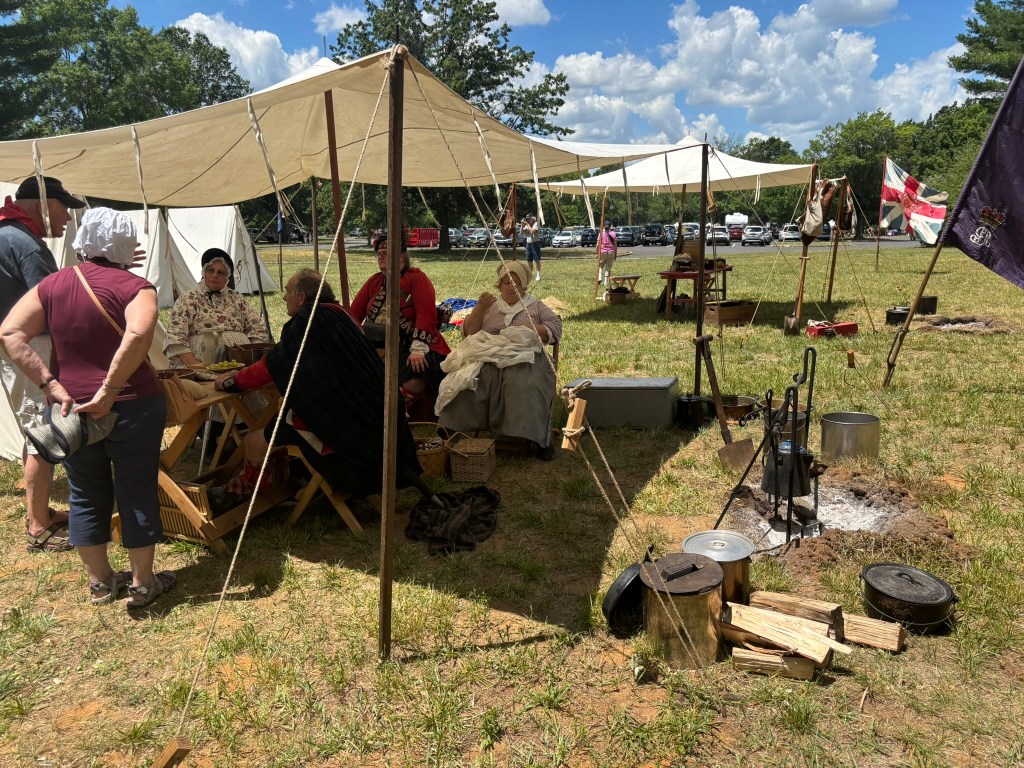
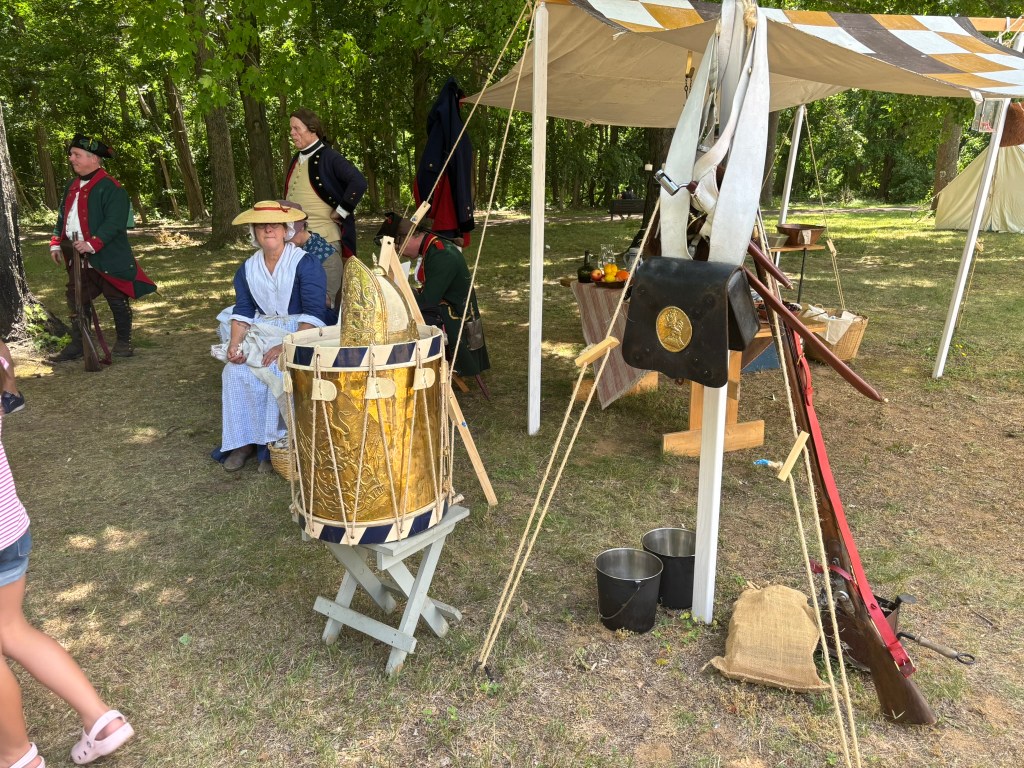
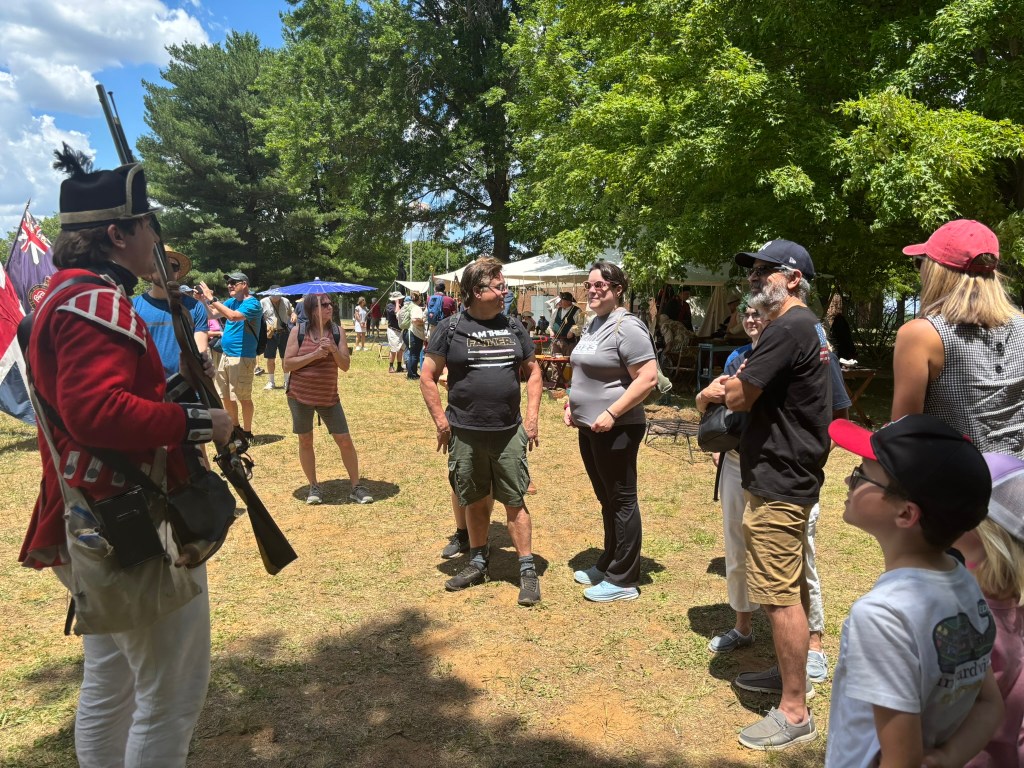
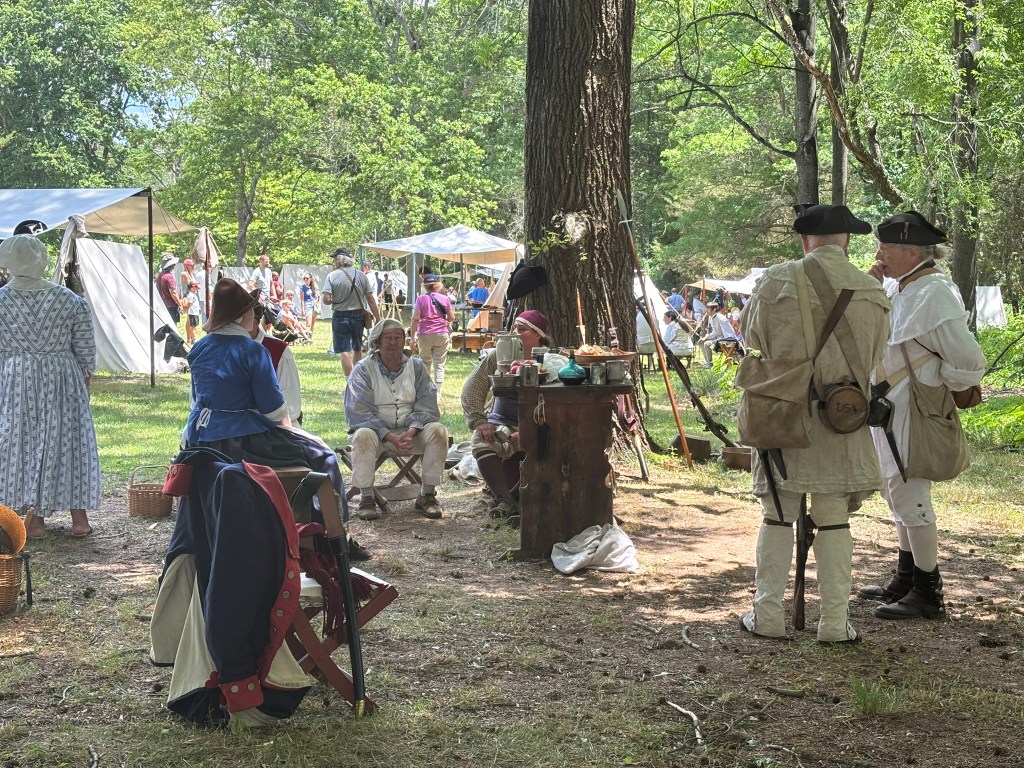
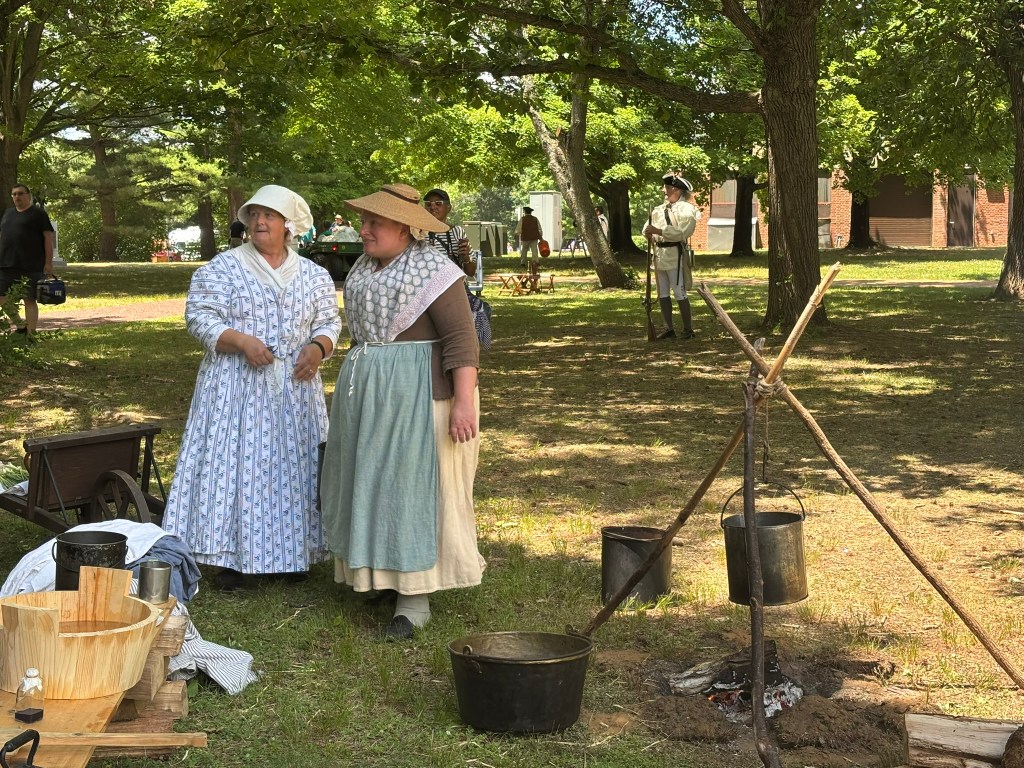
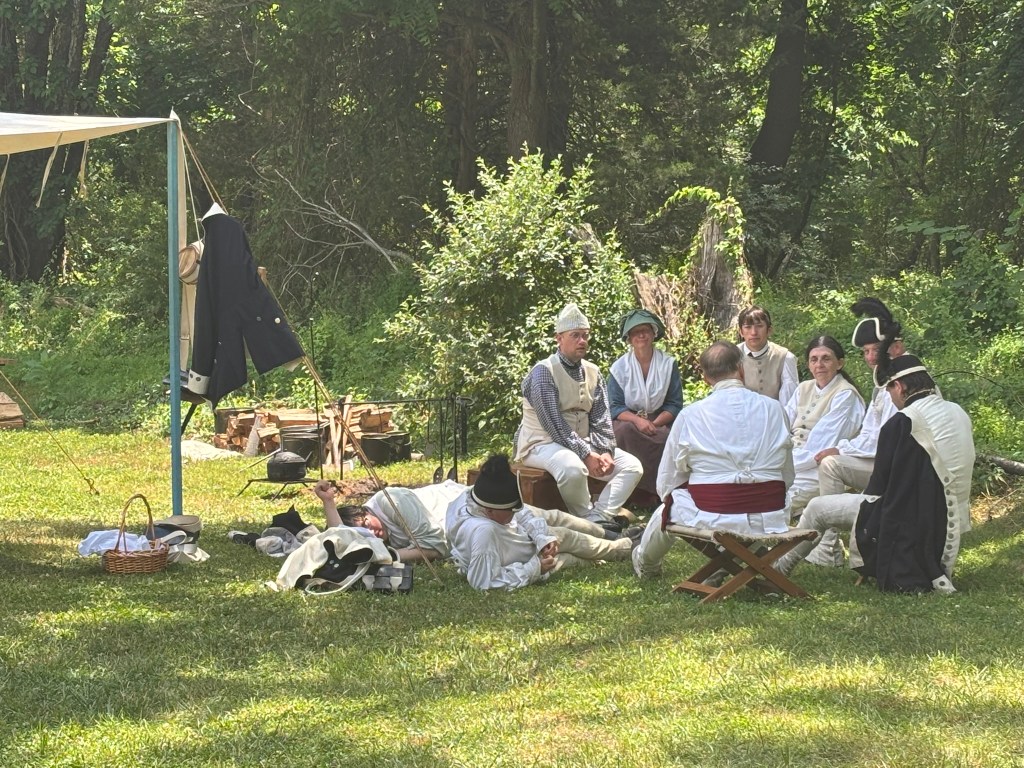
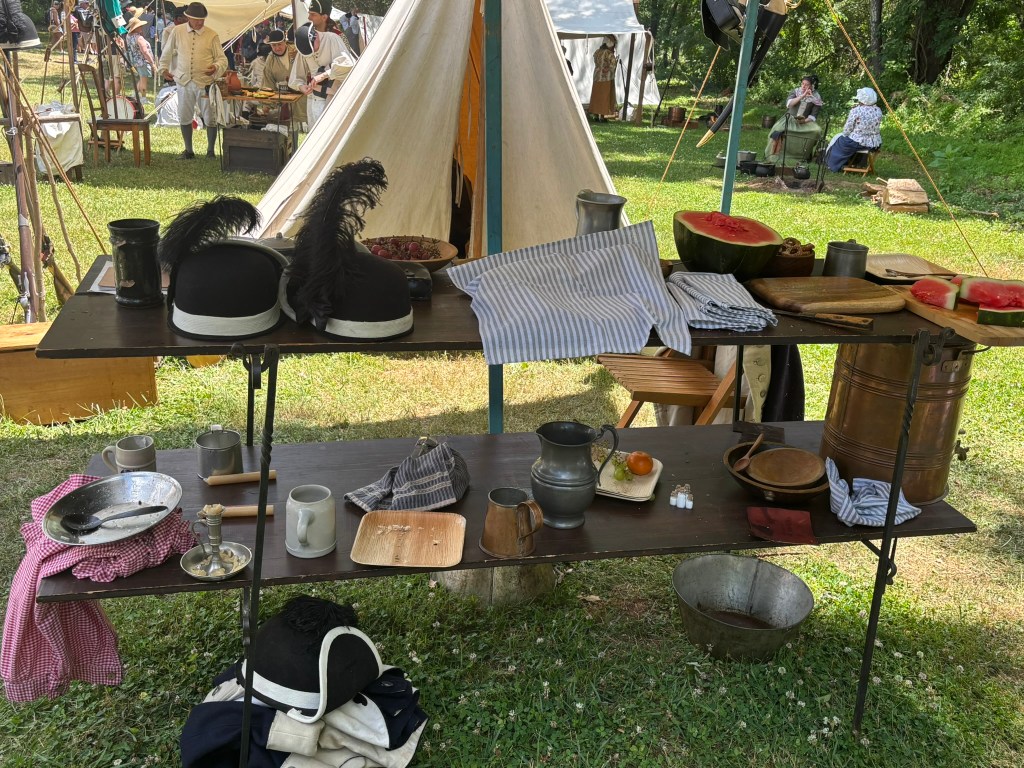
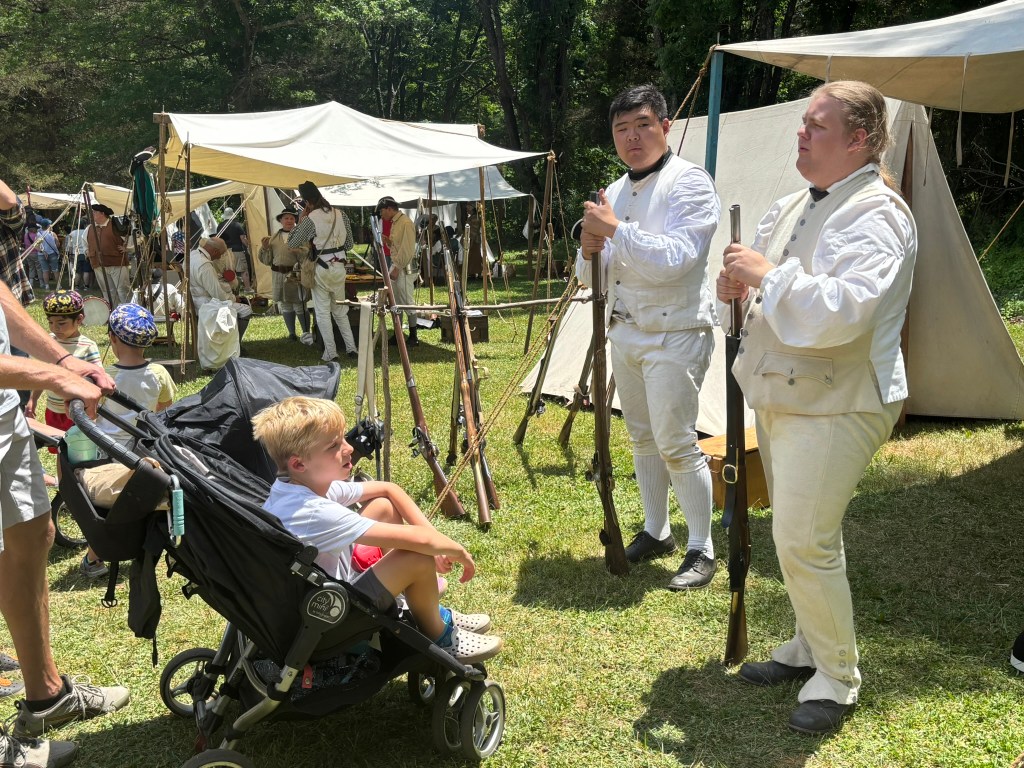
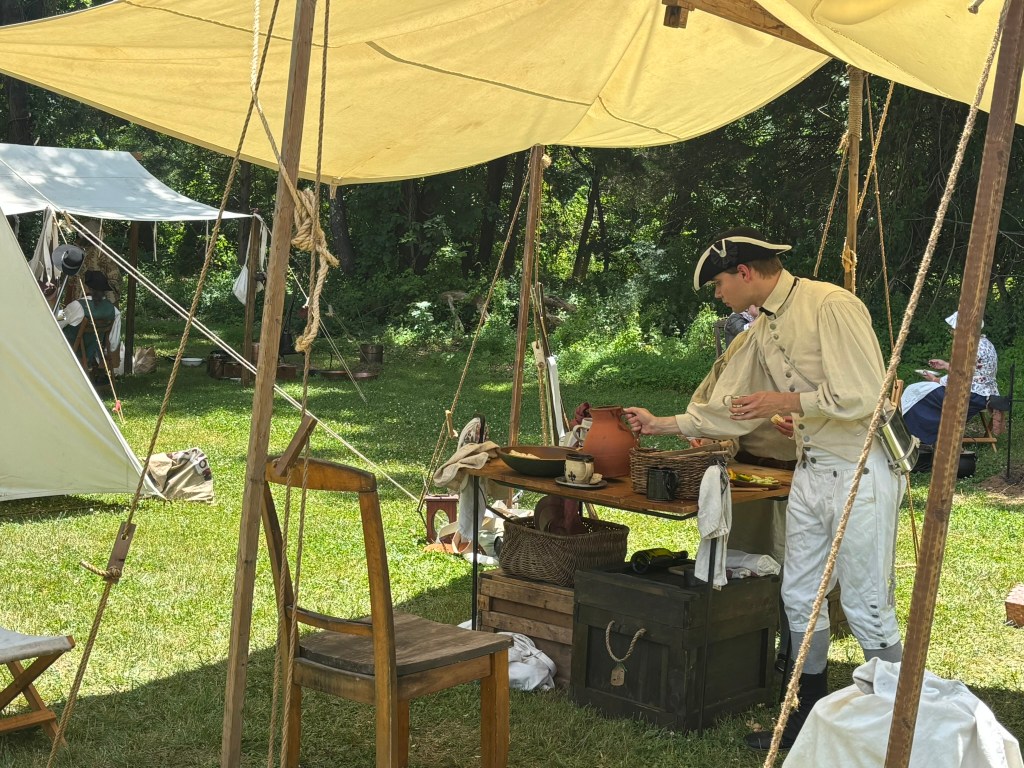
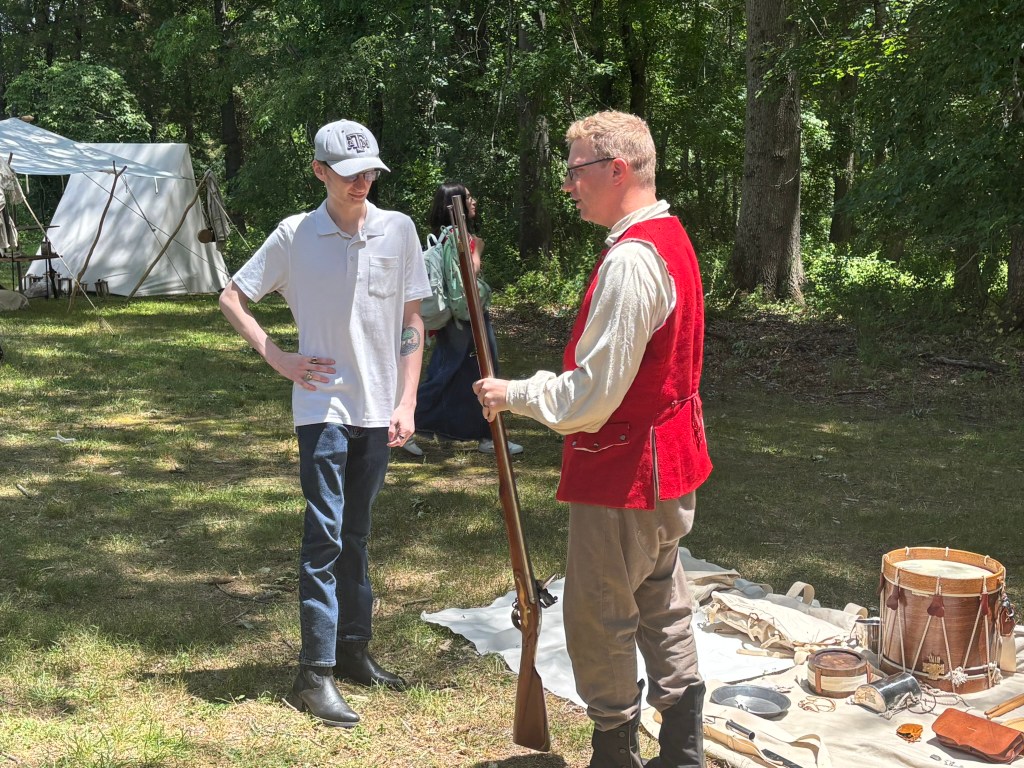
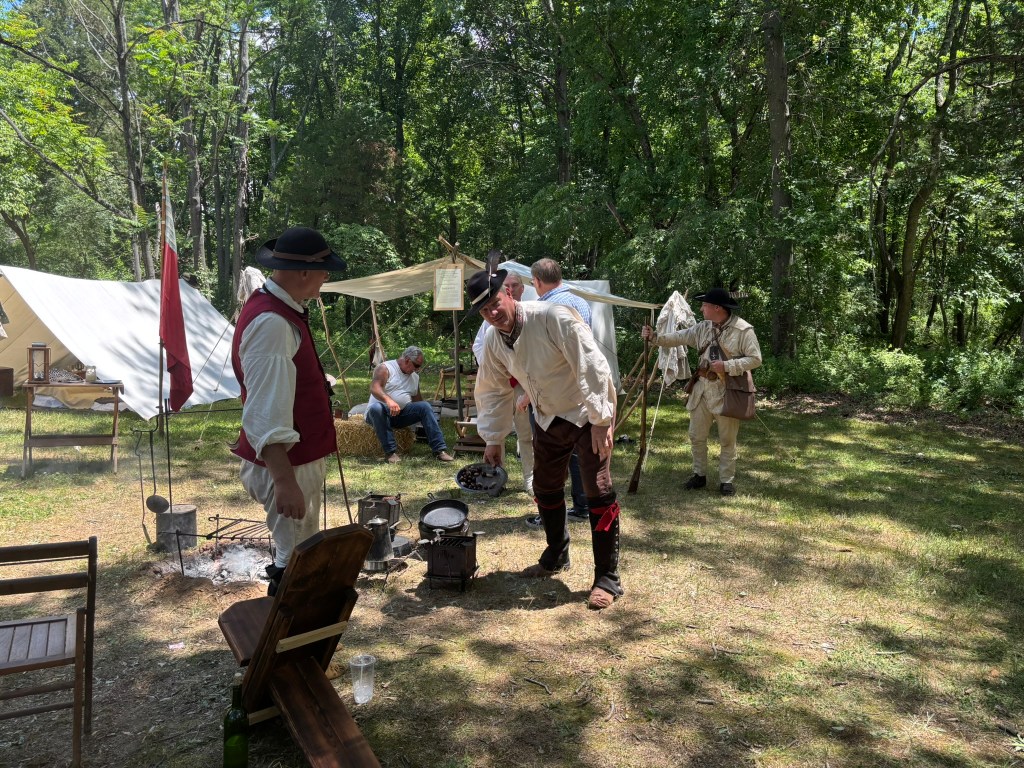
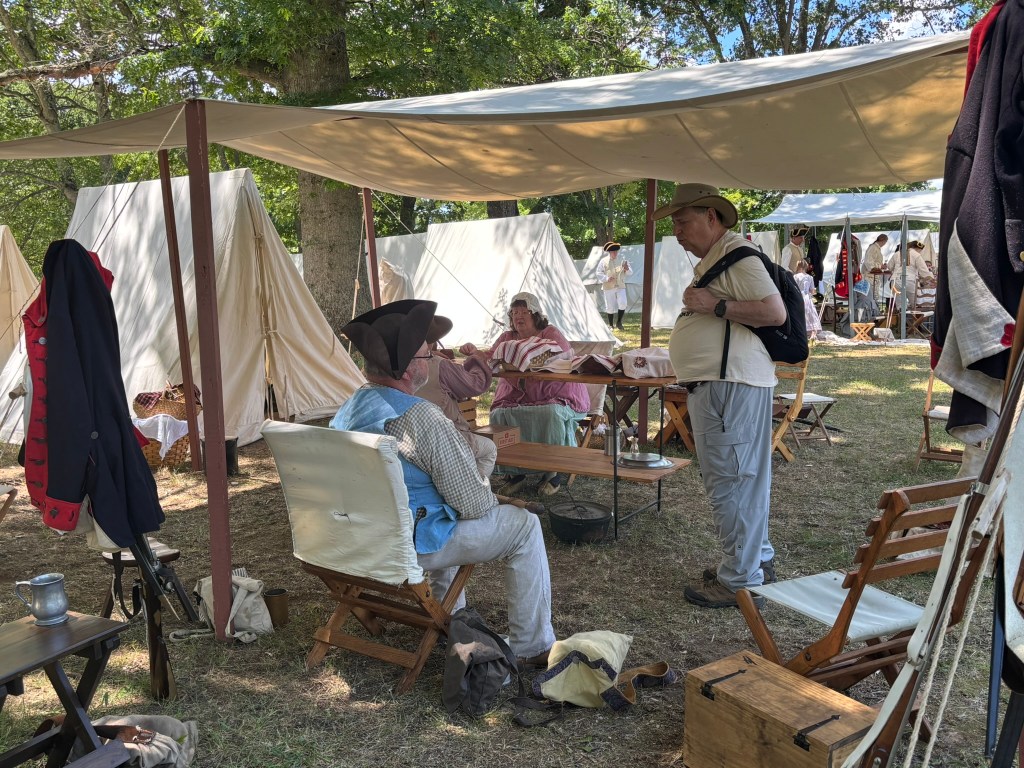
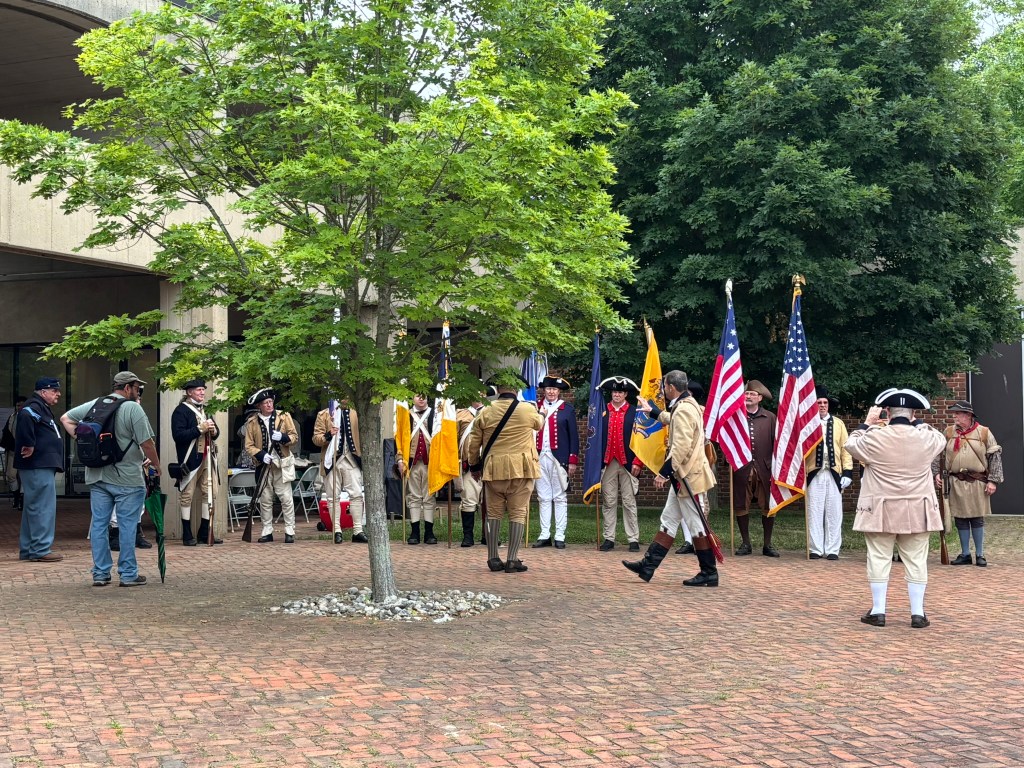
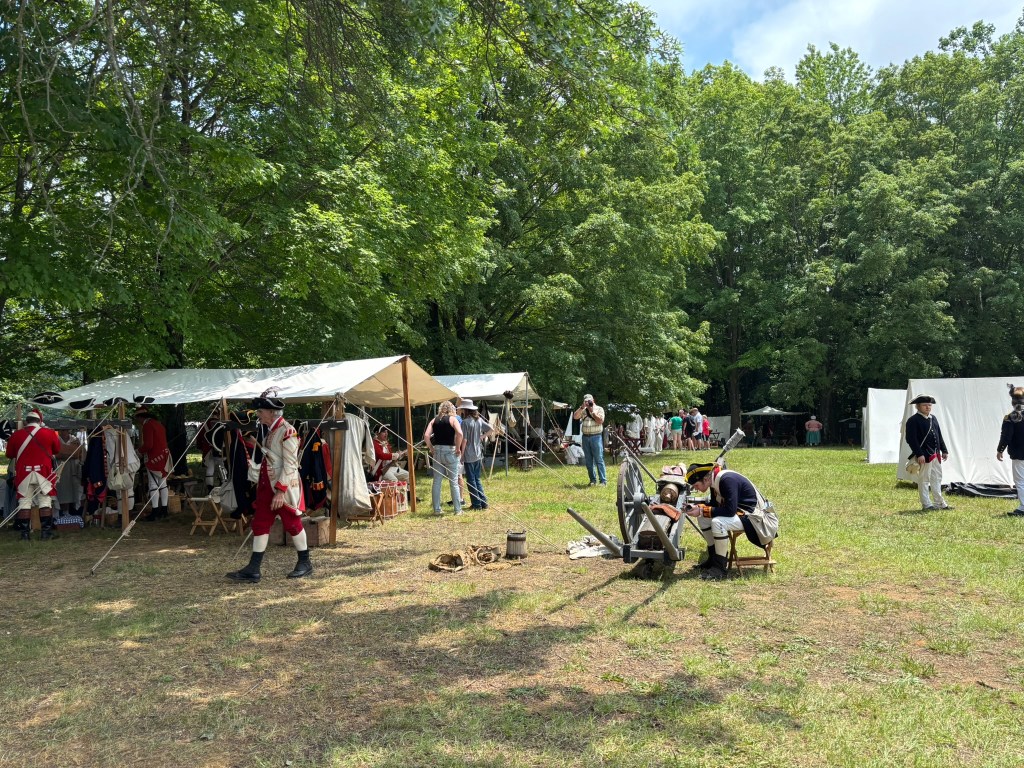
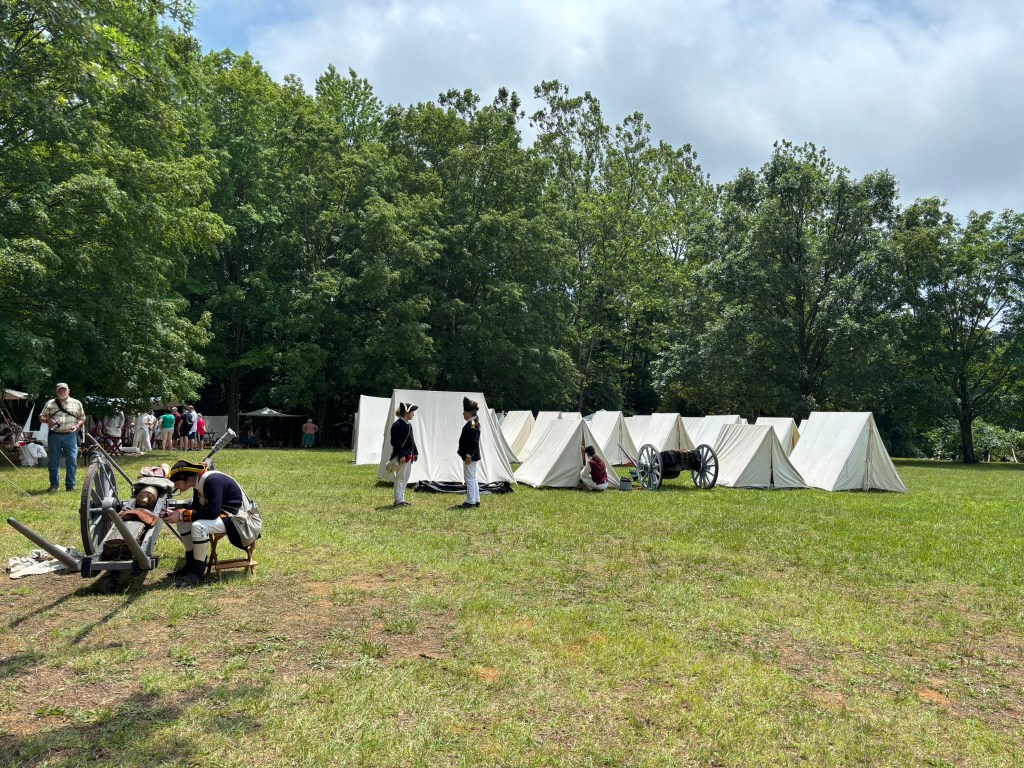
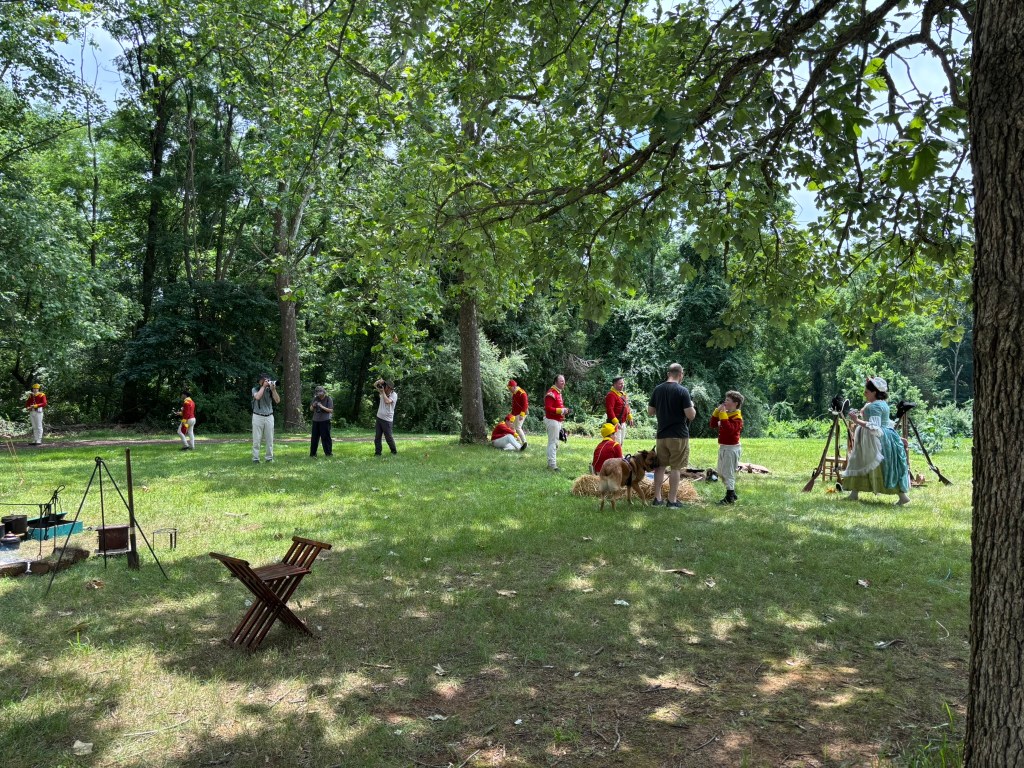
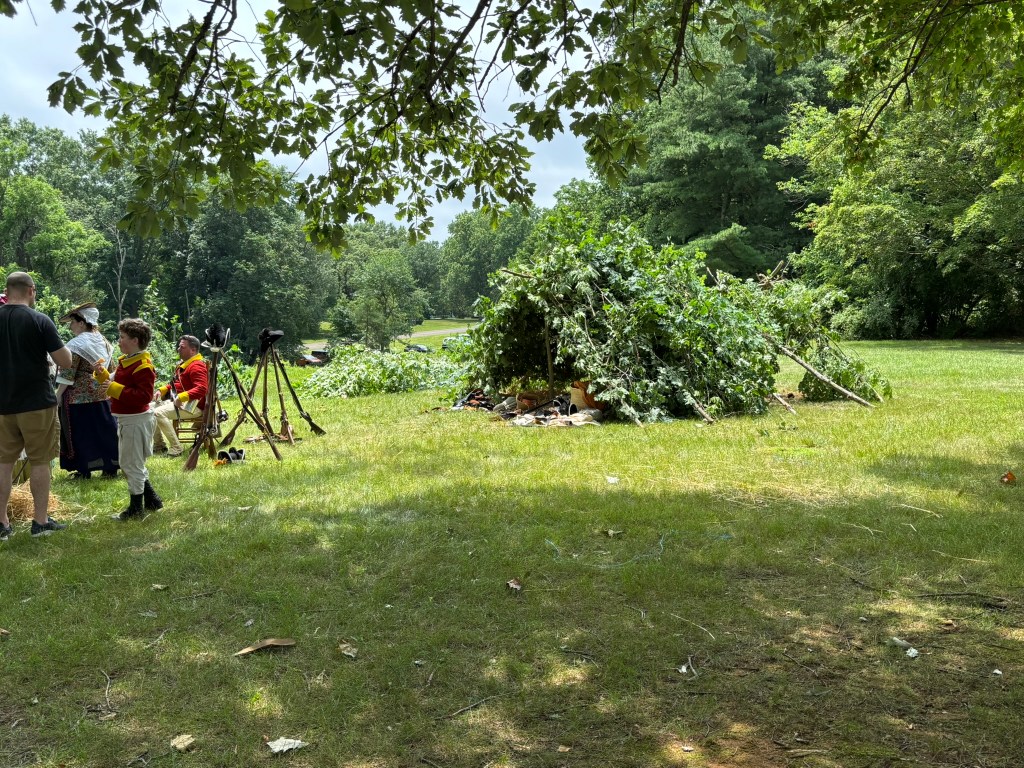
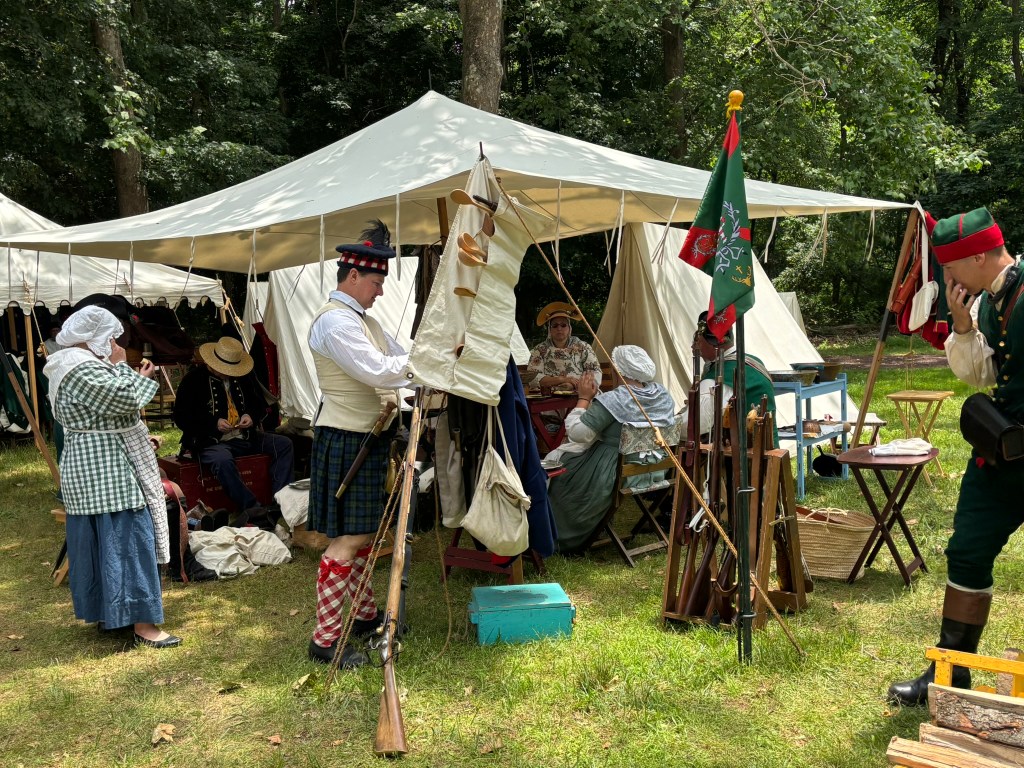
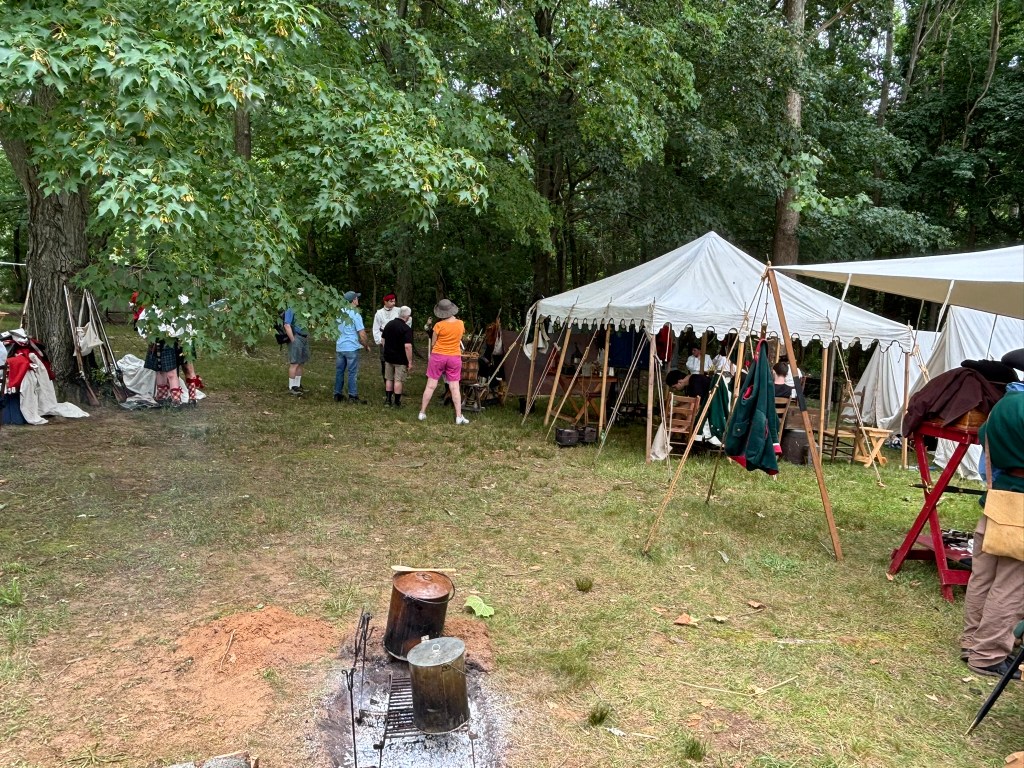
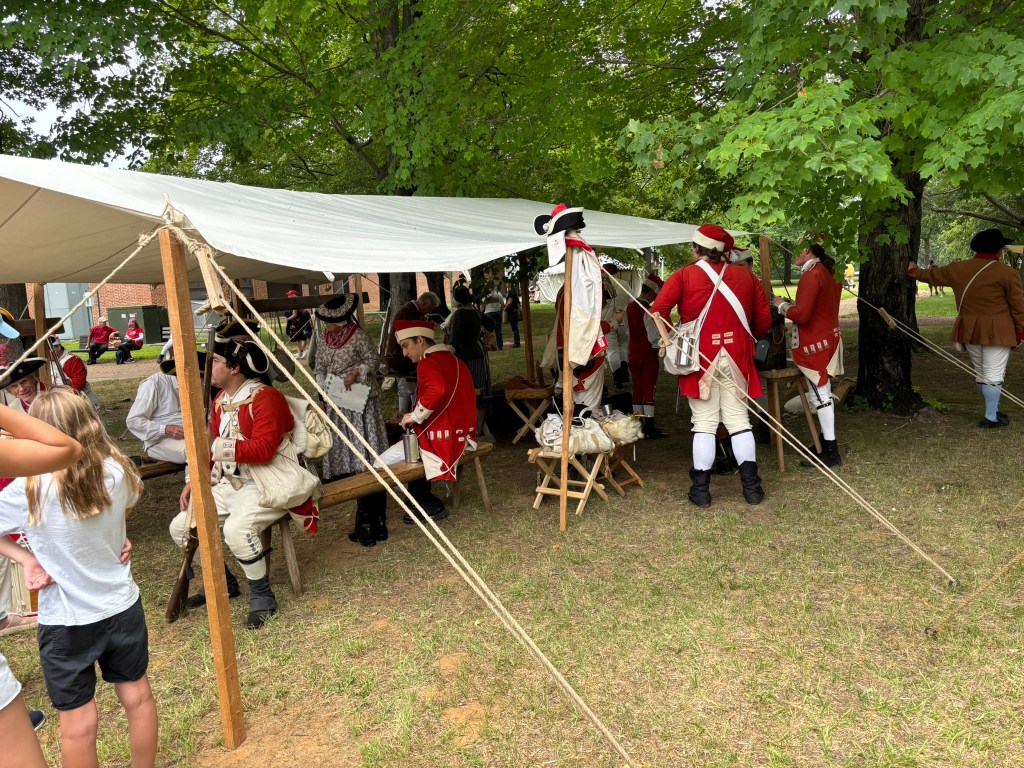
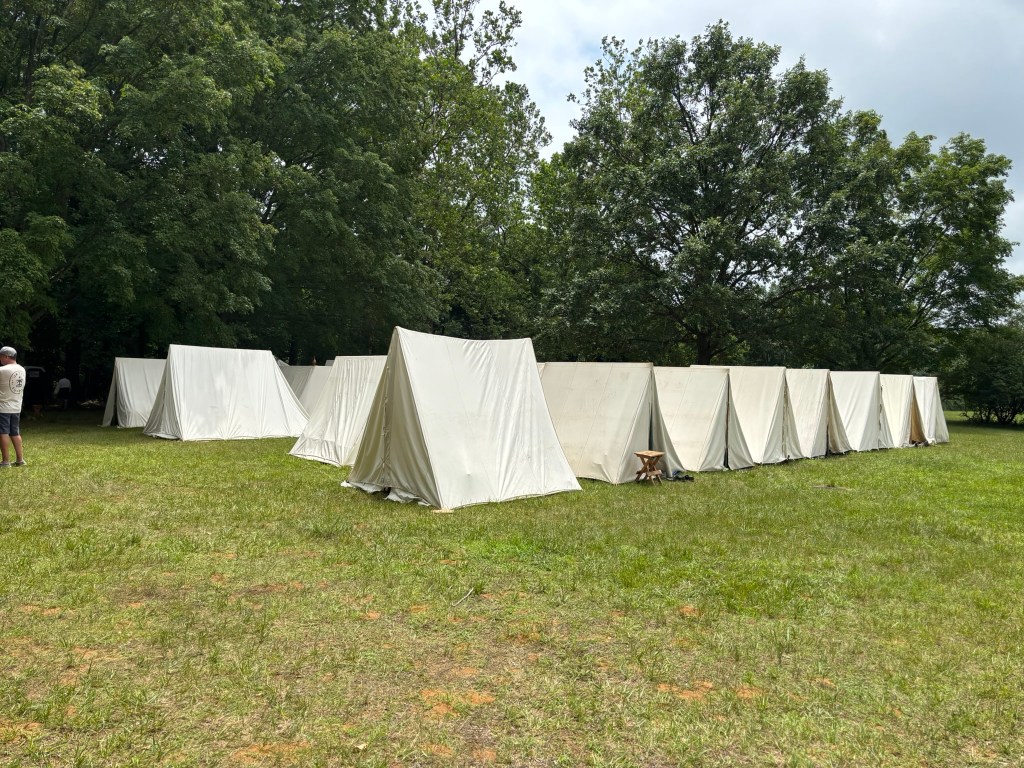
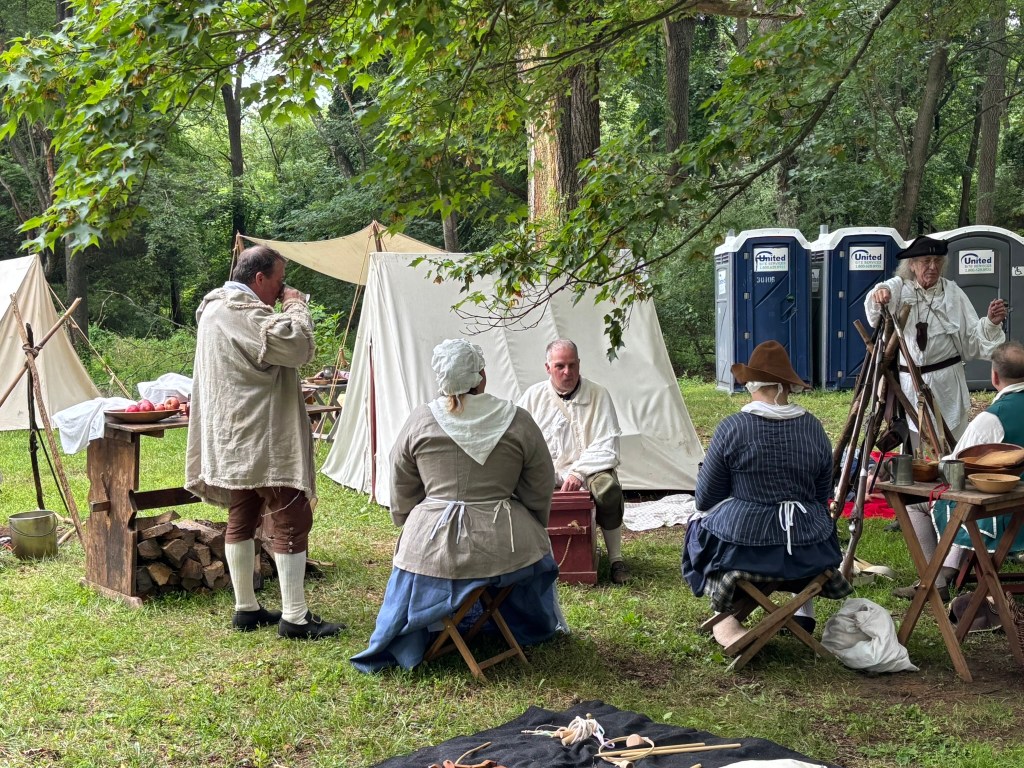
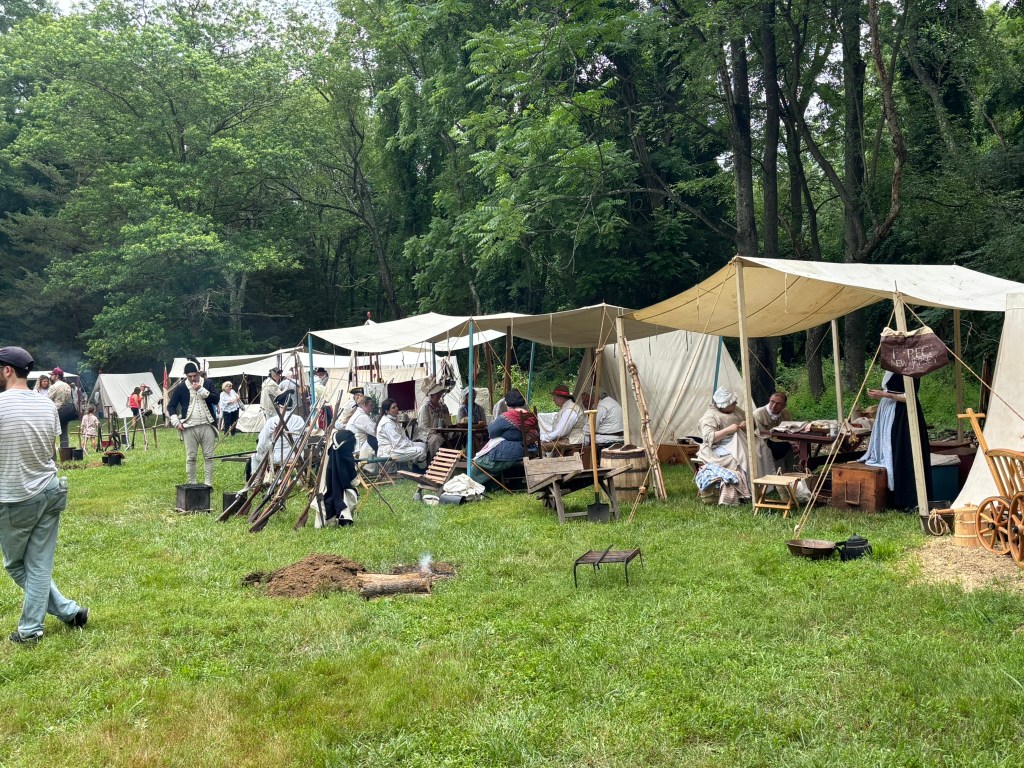
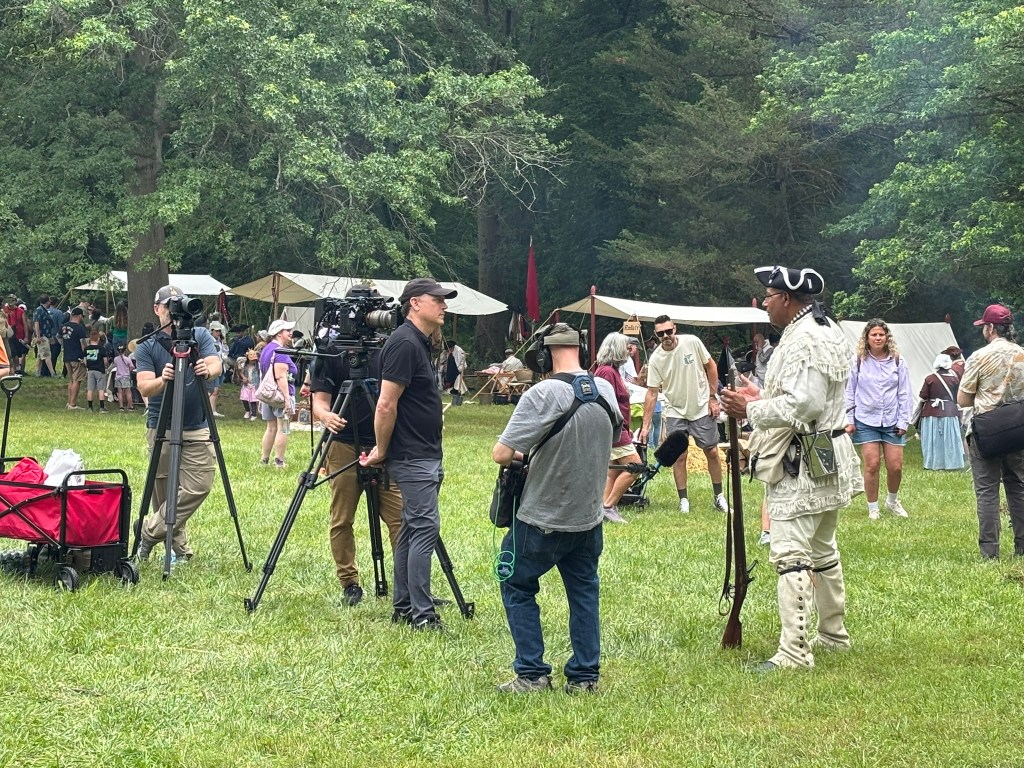
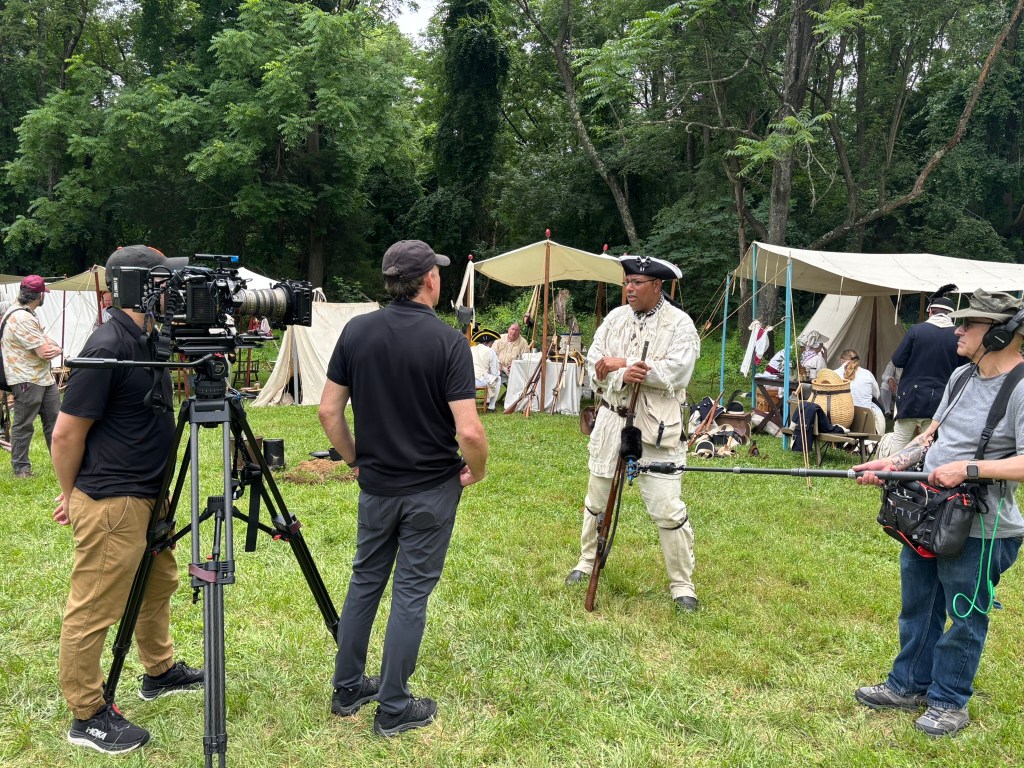
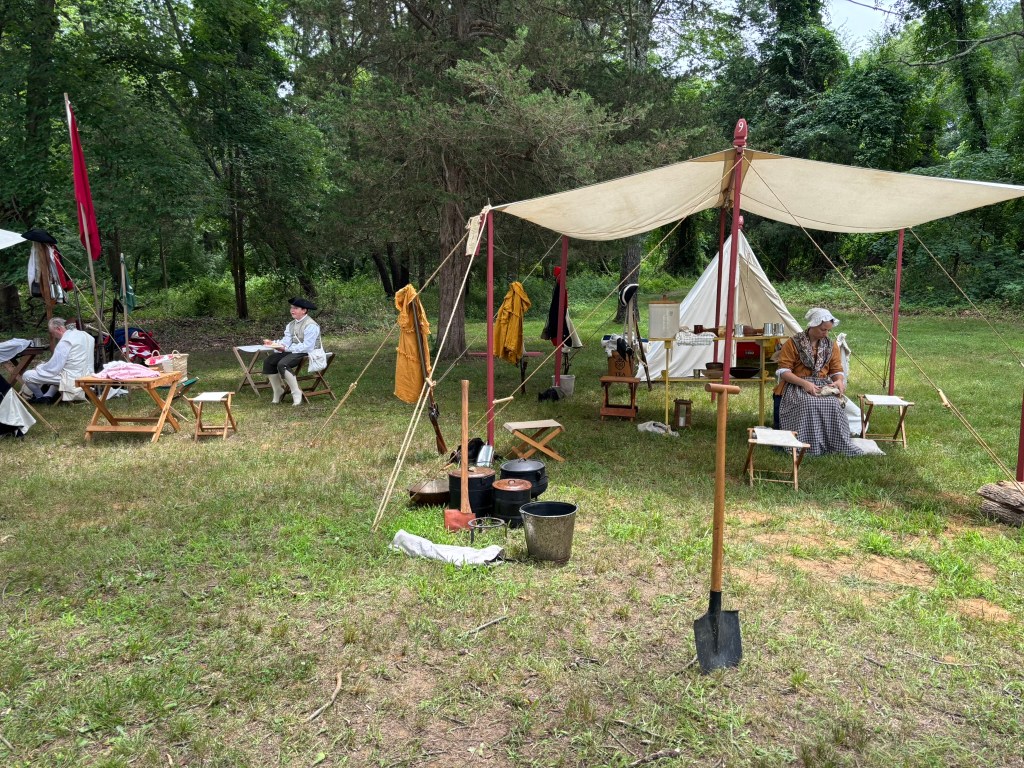
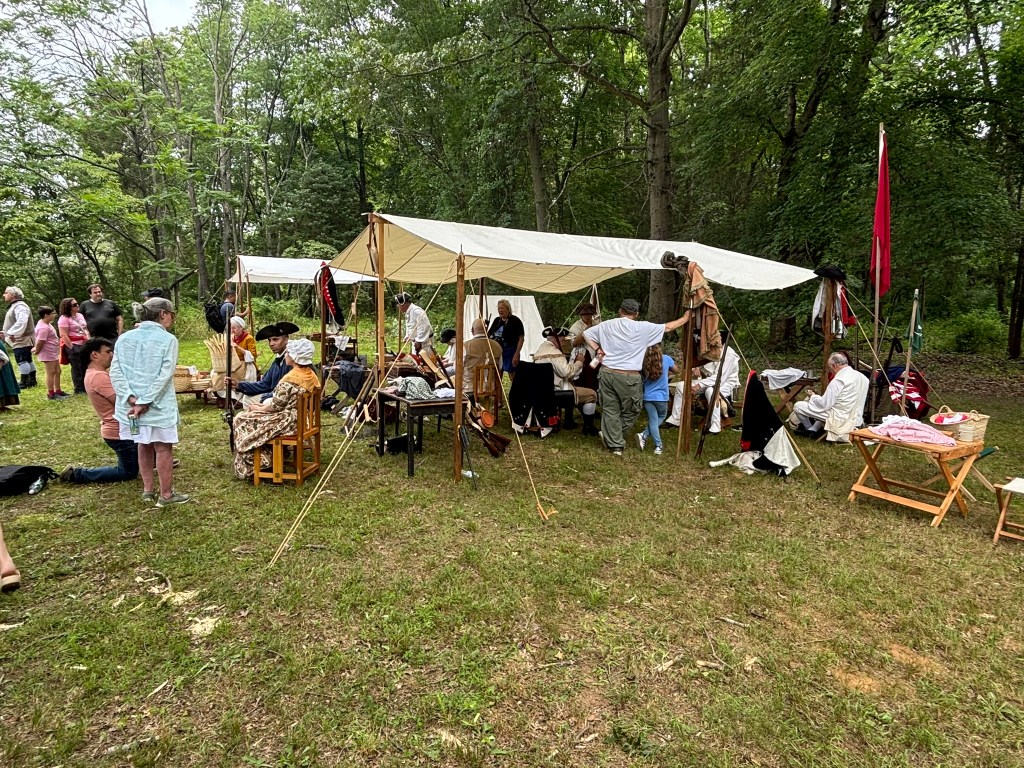
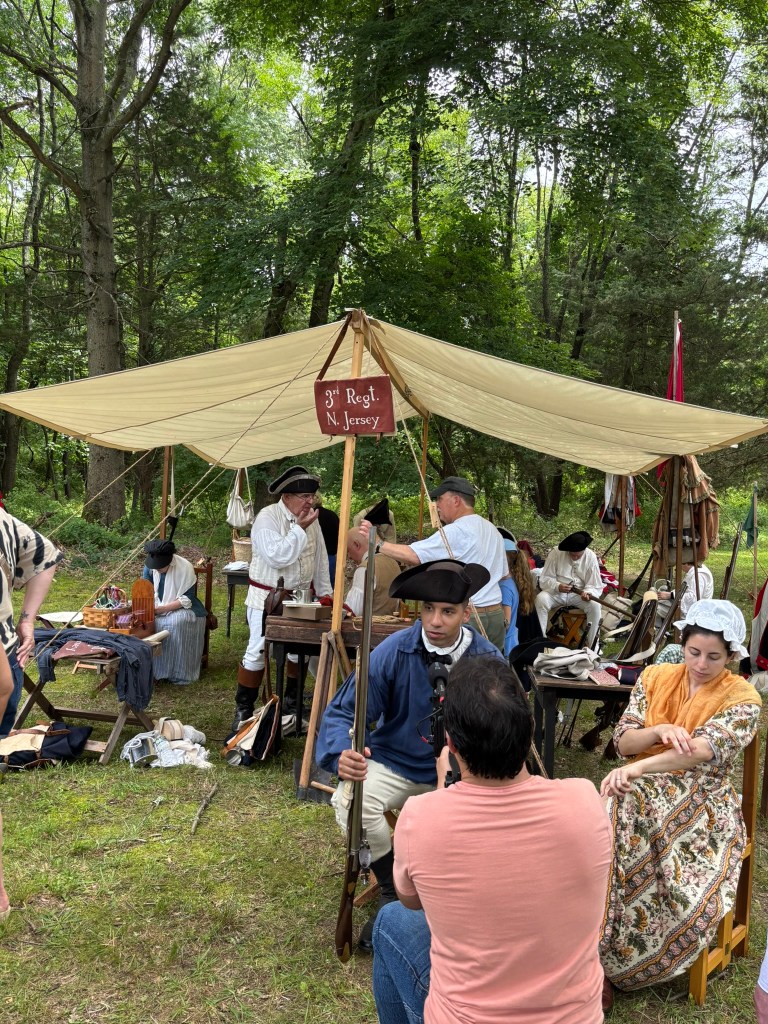
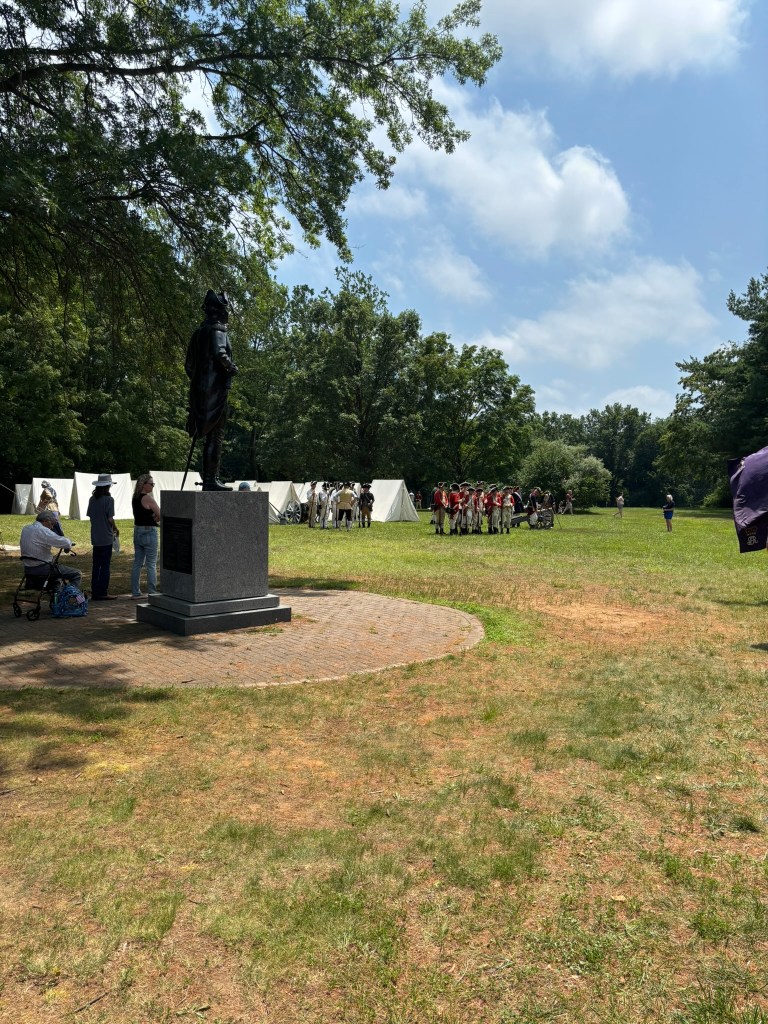
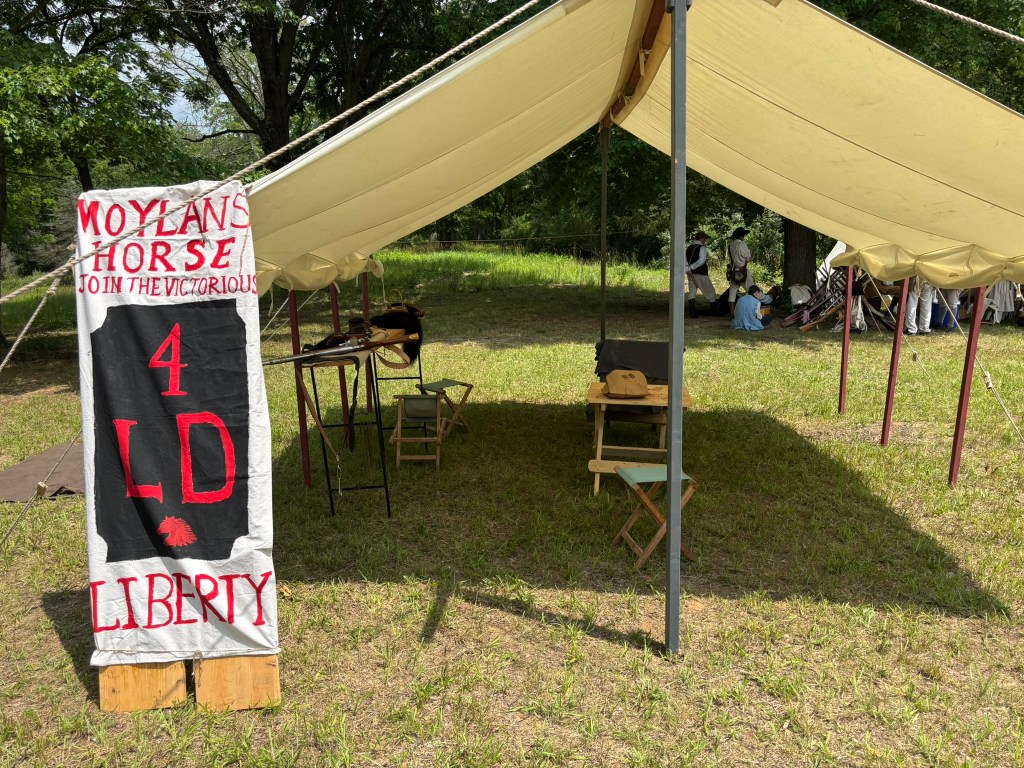
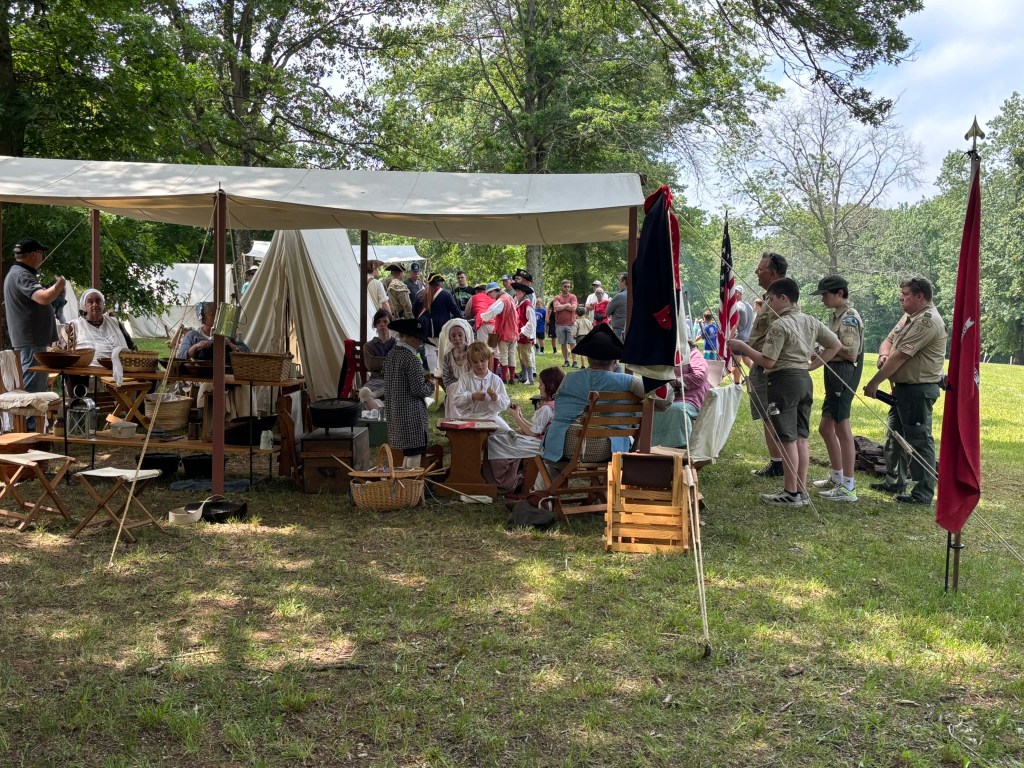
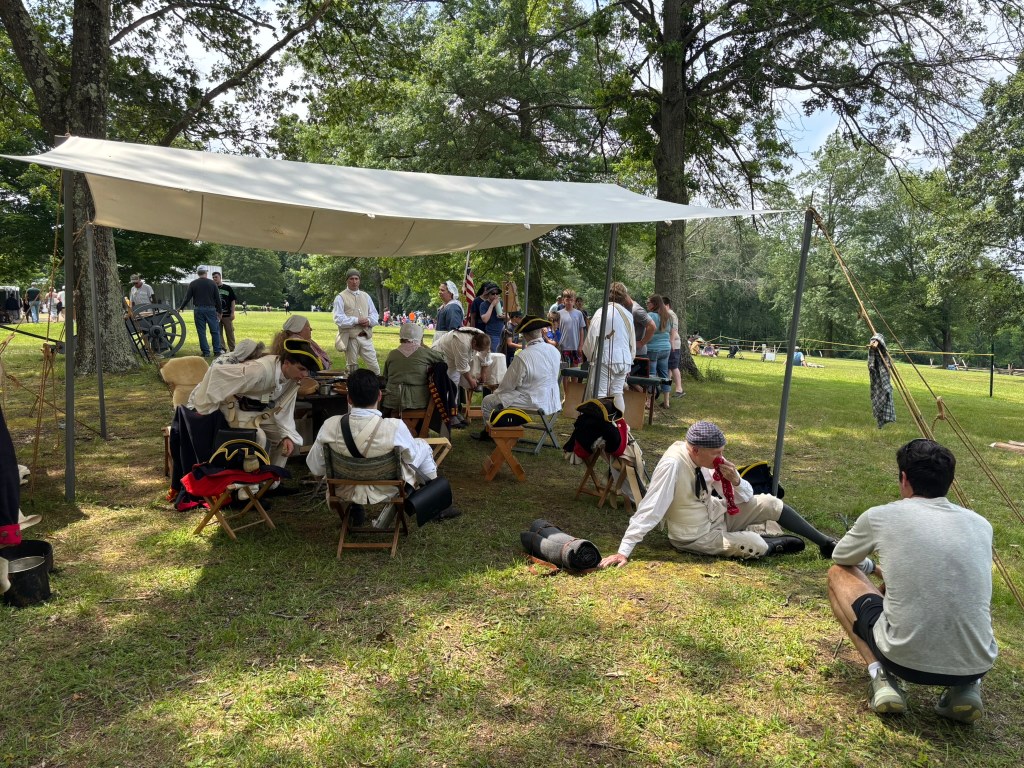
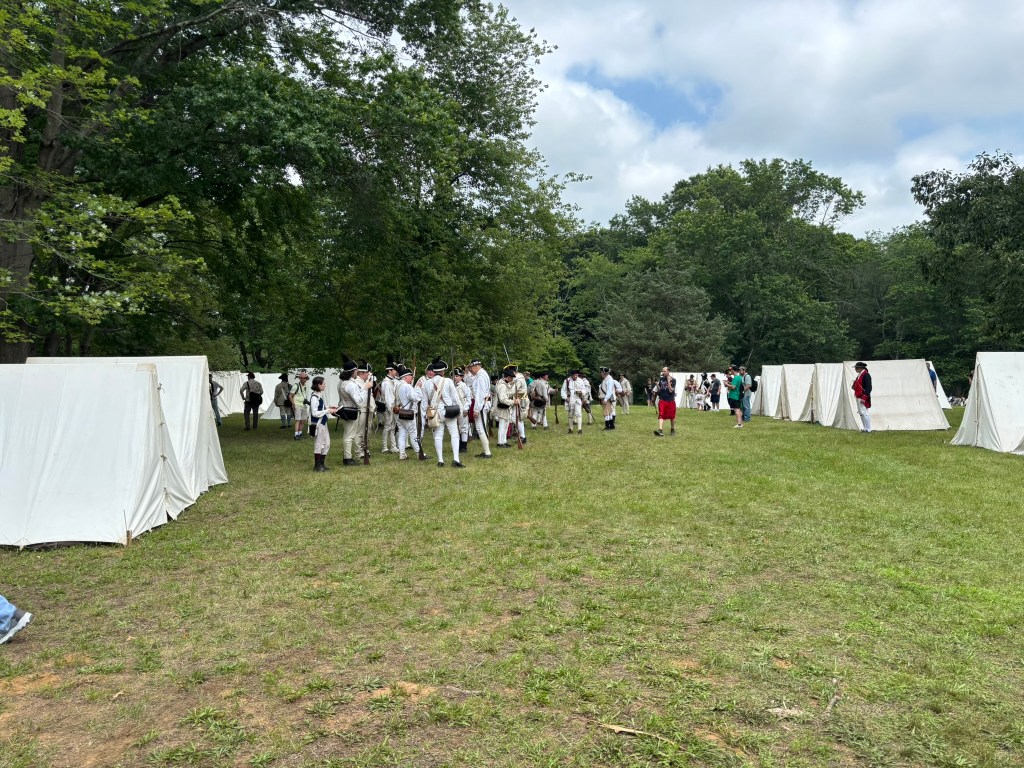
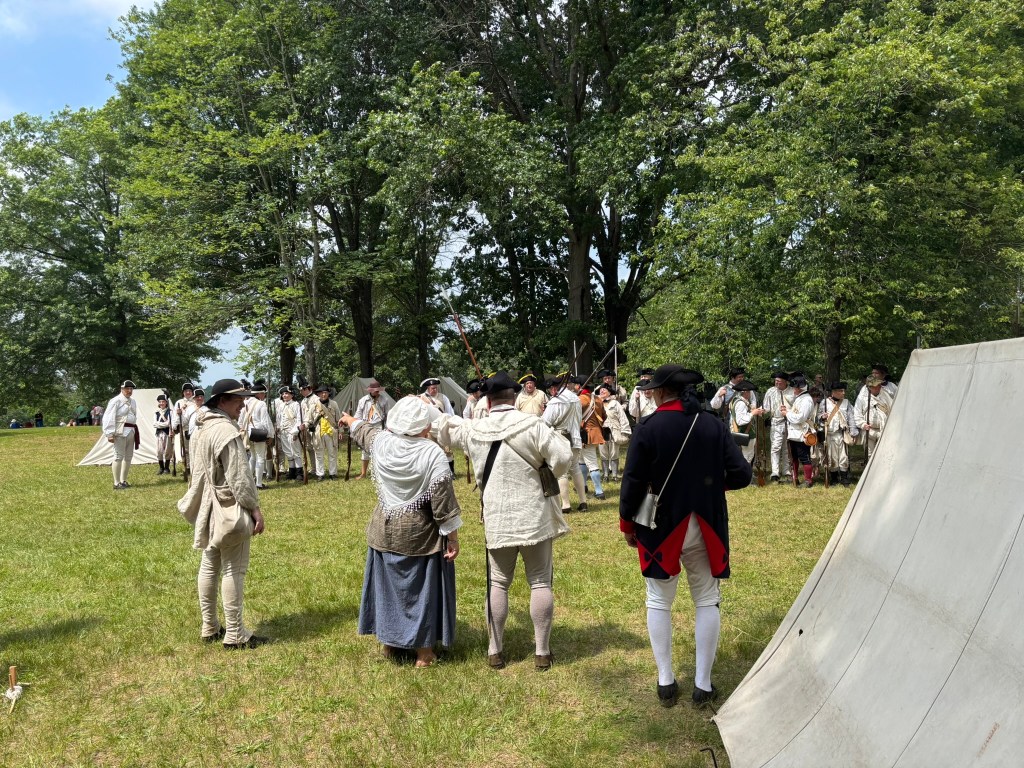
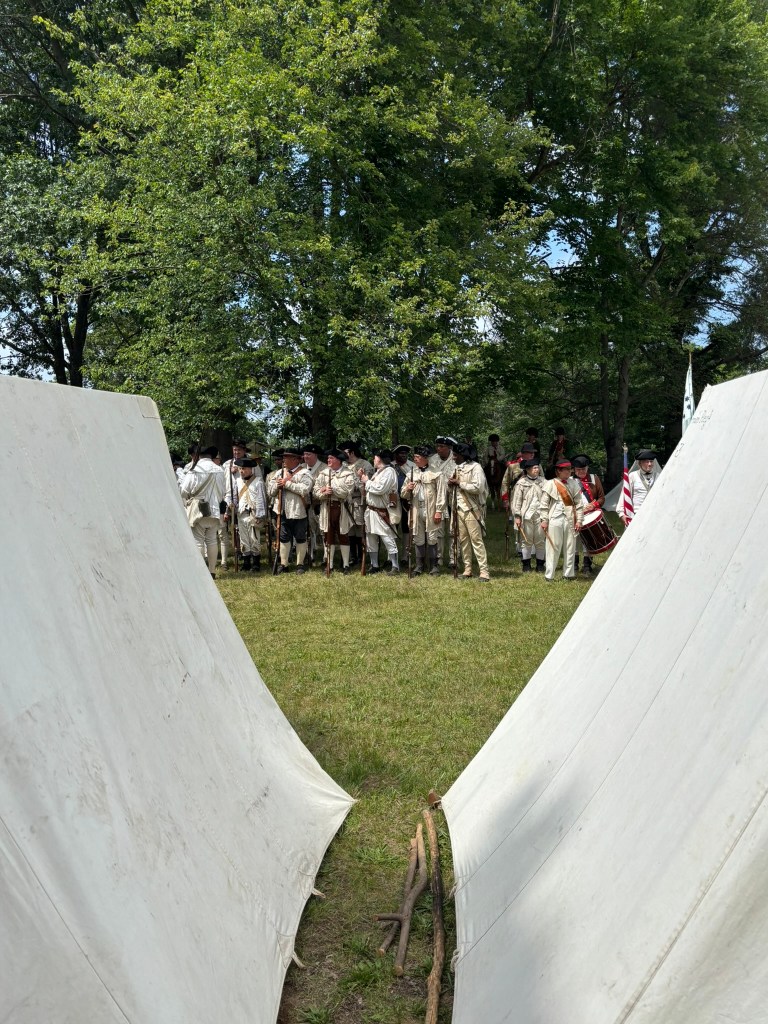
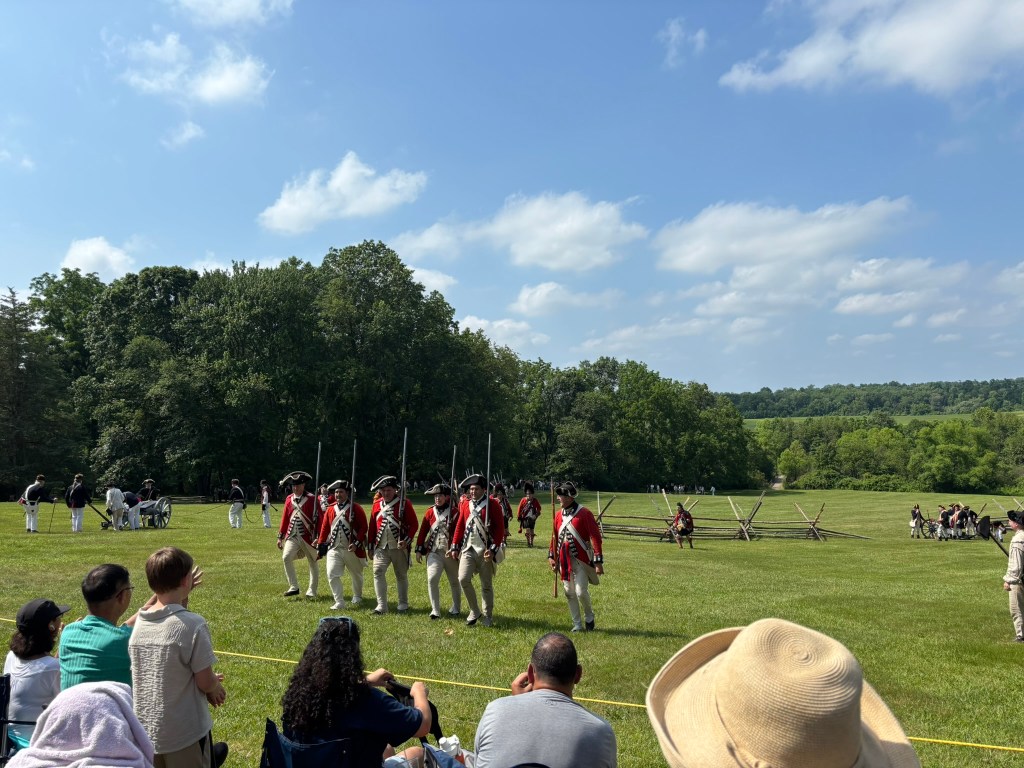
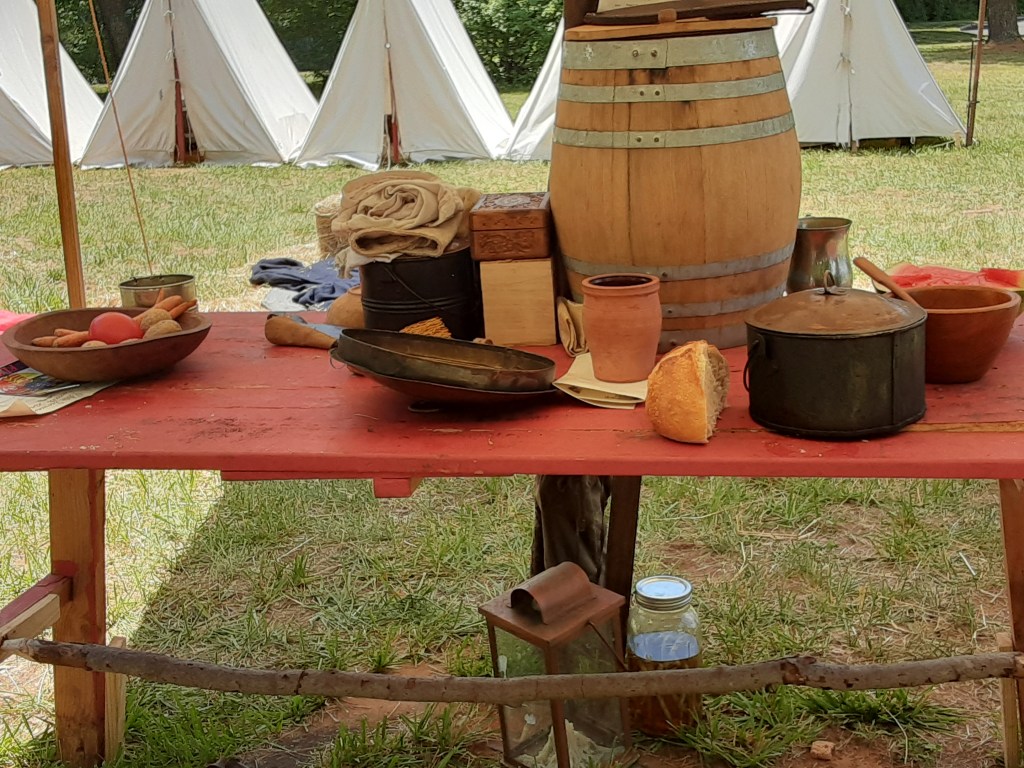
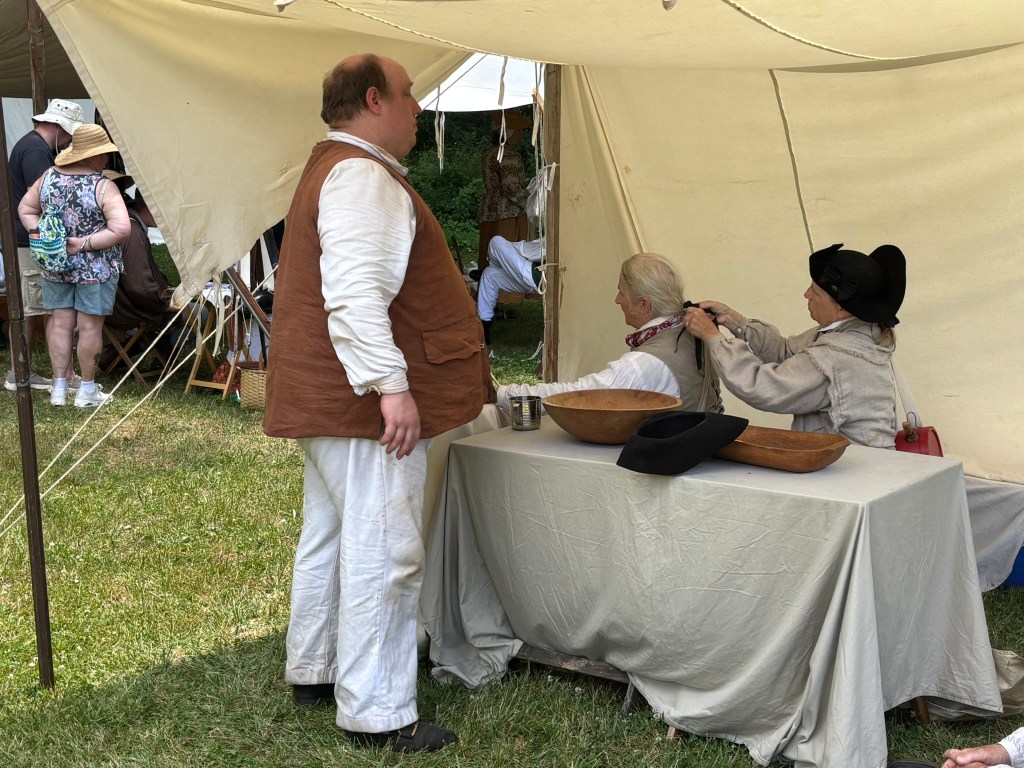
    After lunch, we made our way through the military encampments. The reenactors do an outstanding job recreating life in a Revolutionary War camp. Soldiers could be seen preparing equipment, cooking meals, tending campfires, and carrying out the many everyday tasks that kept an eighteenth-century army functioning. One of the best parts of visiting the camps is talking with the reenactors themselves. They are incredibly knowledgeable and always eager to answer questions about life during the Revolution.

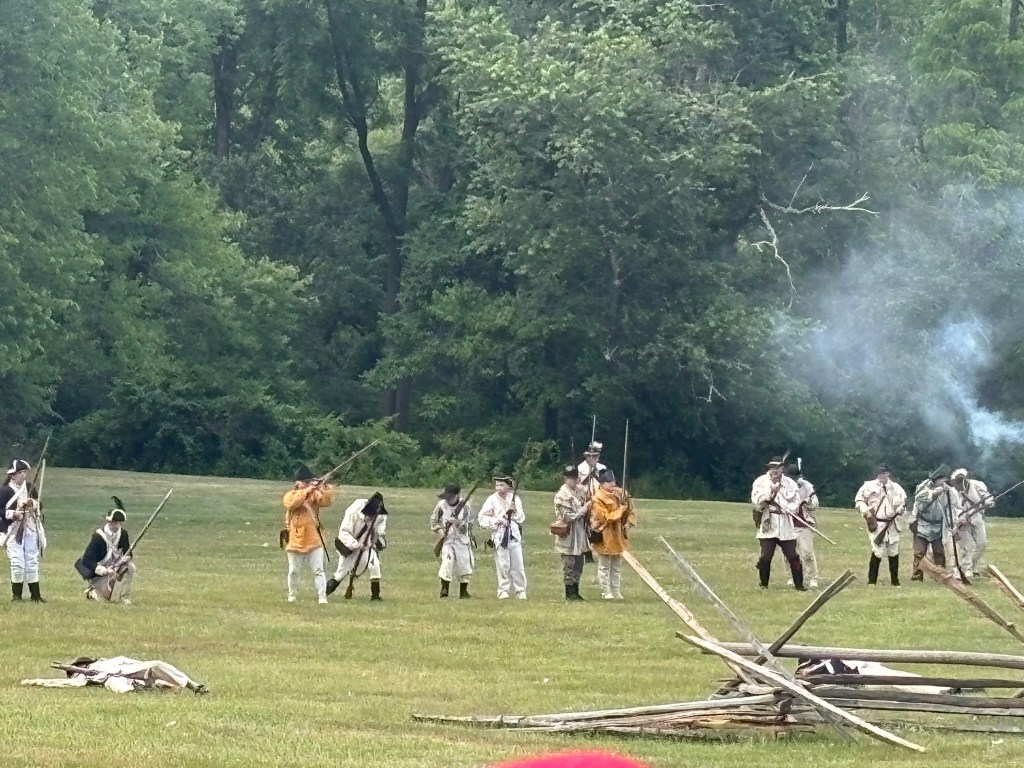
    During one conversation, my family and I learned about the role of the riflemen. Unlike the regular infantry, riflemen were often deployed ahead of the main army, using the cover of the woods to harass British troops and target officers from long distances.
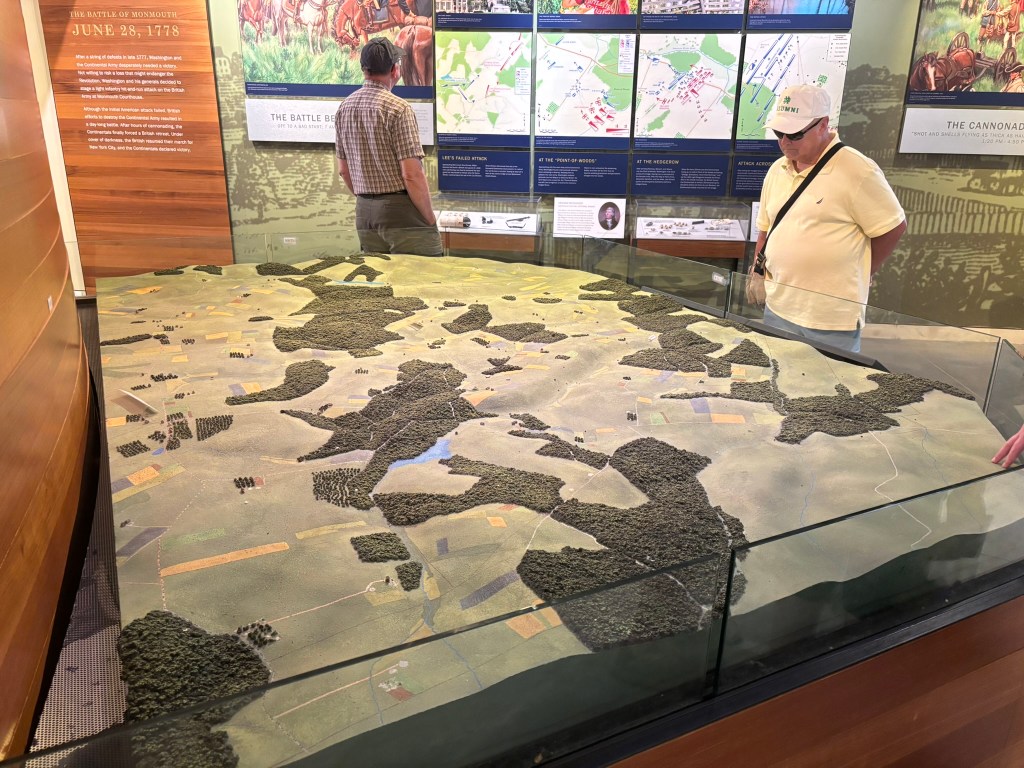
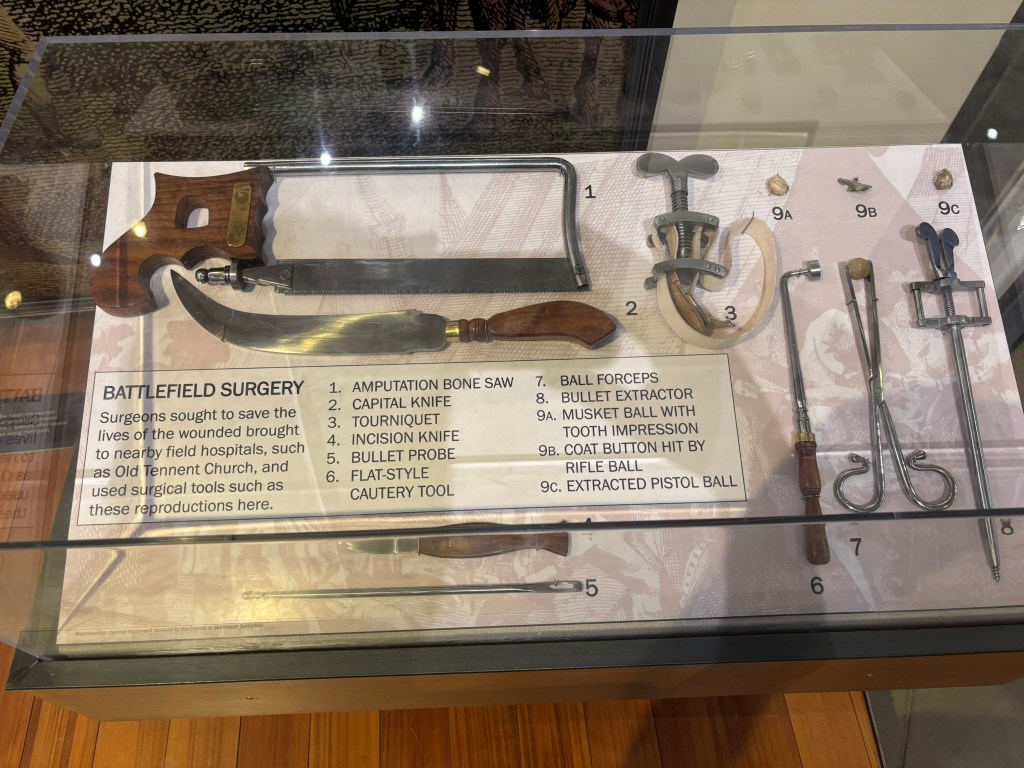
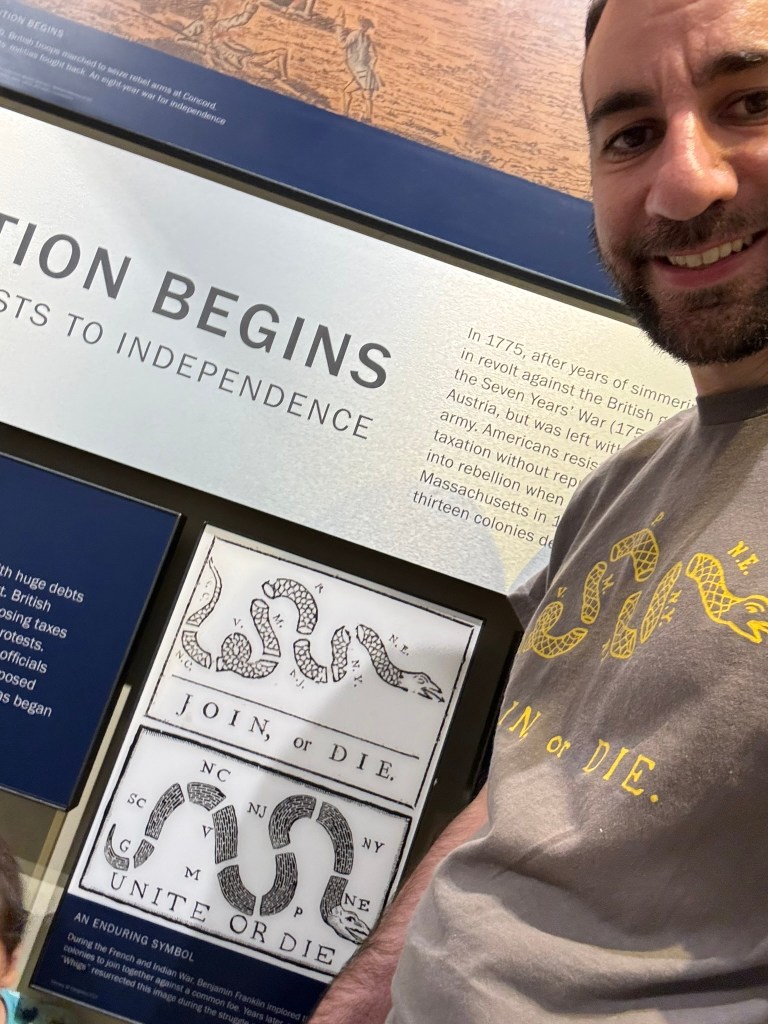
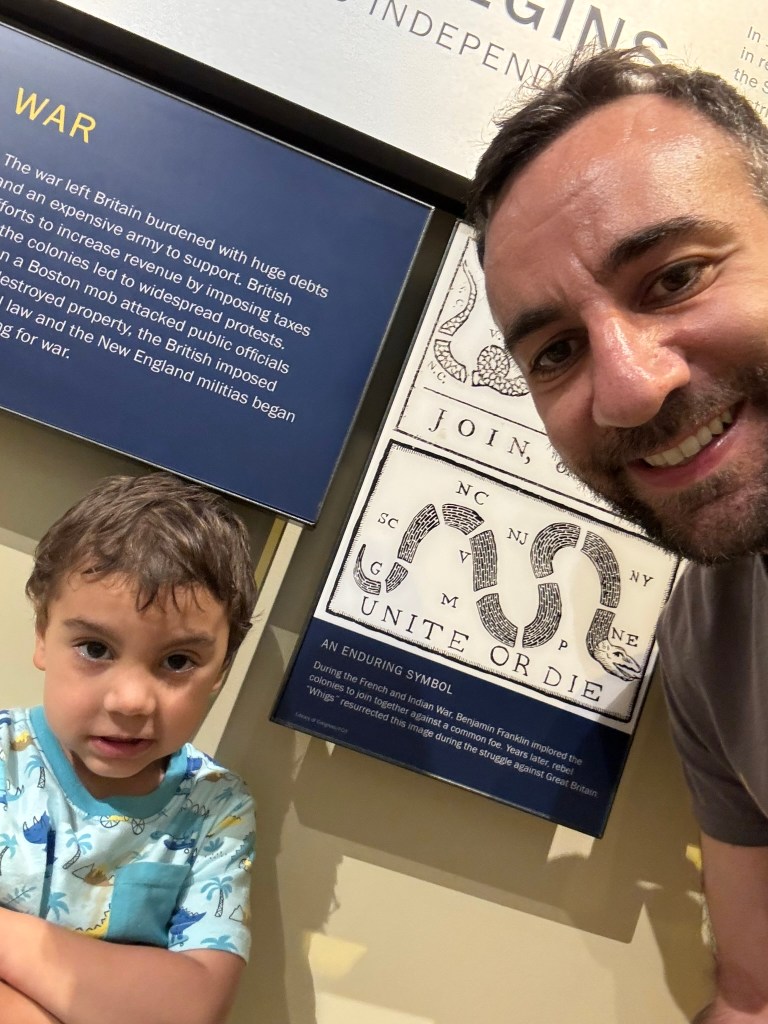
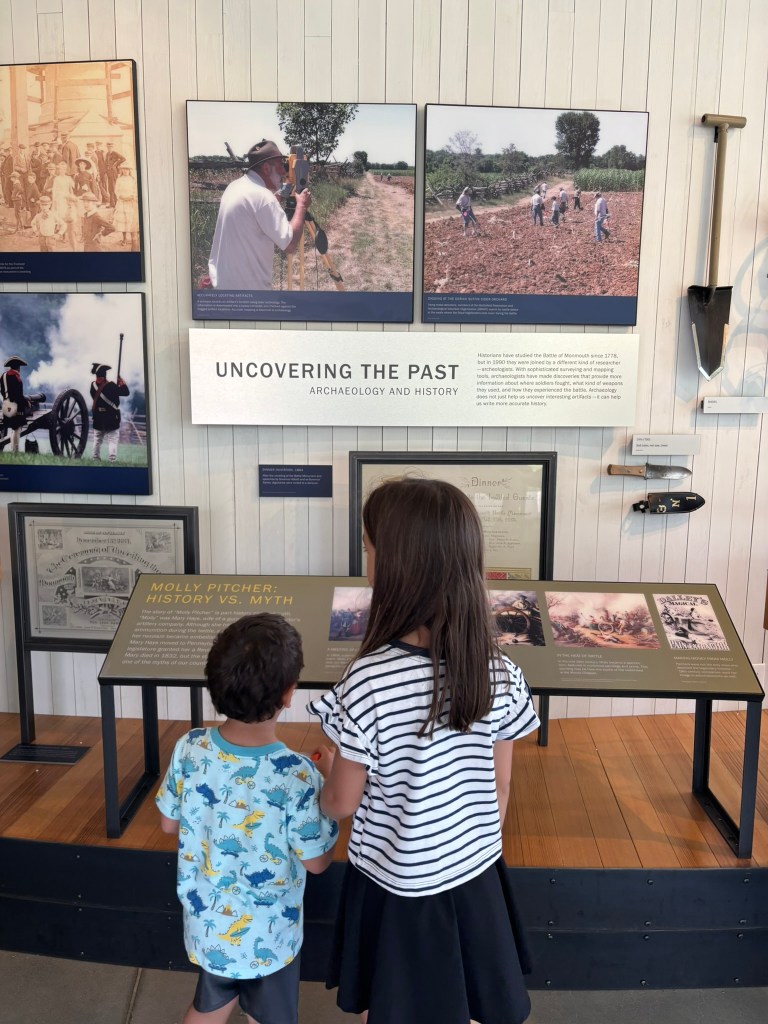
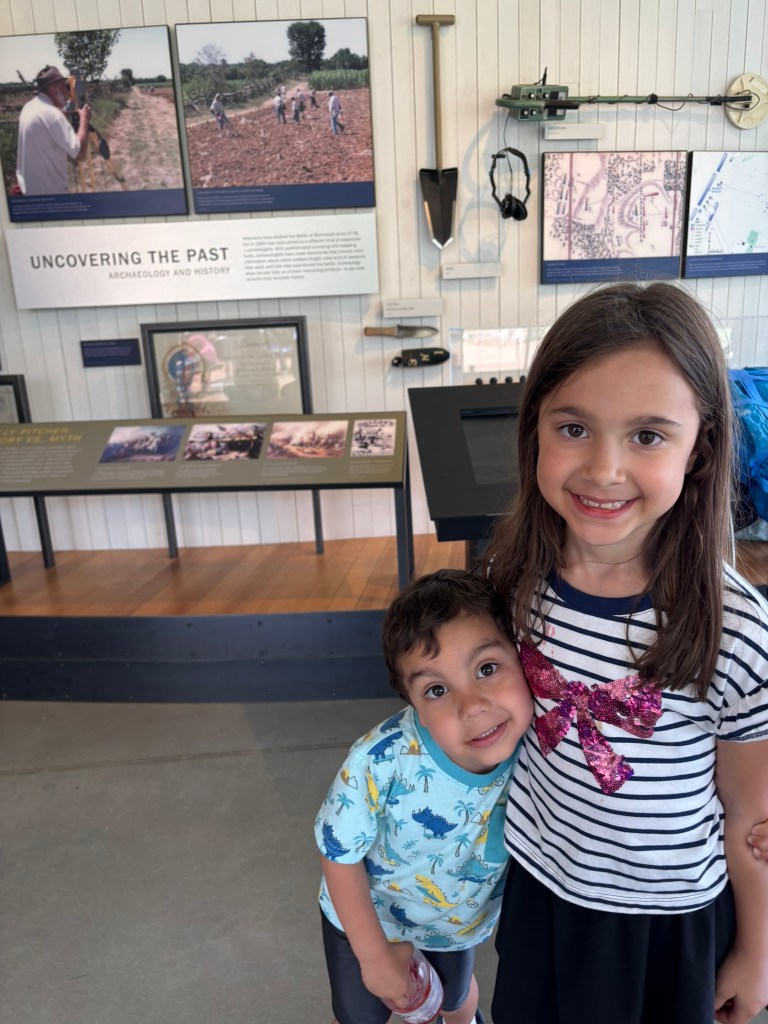
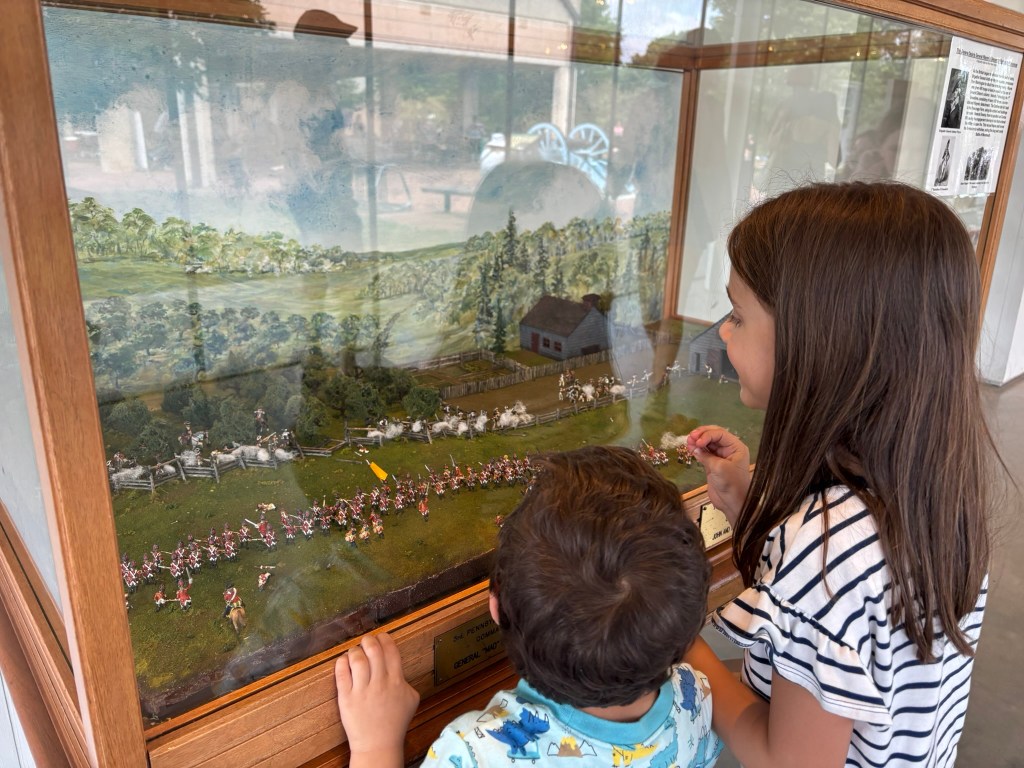
    My family went off for some ice cream while I spent a little time exploring the museum inside the visitor center. Around 1:30 p.m., I returned to the encampments to watch the soldiers prepare to march onto the battlefield.

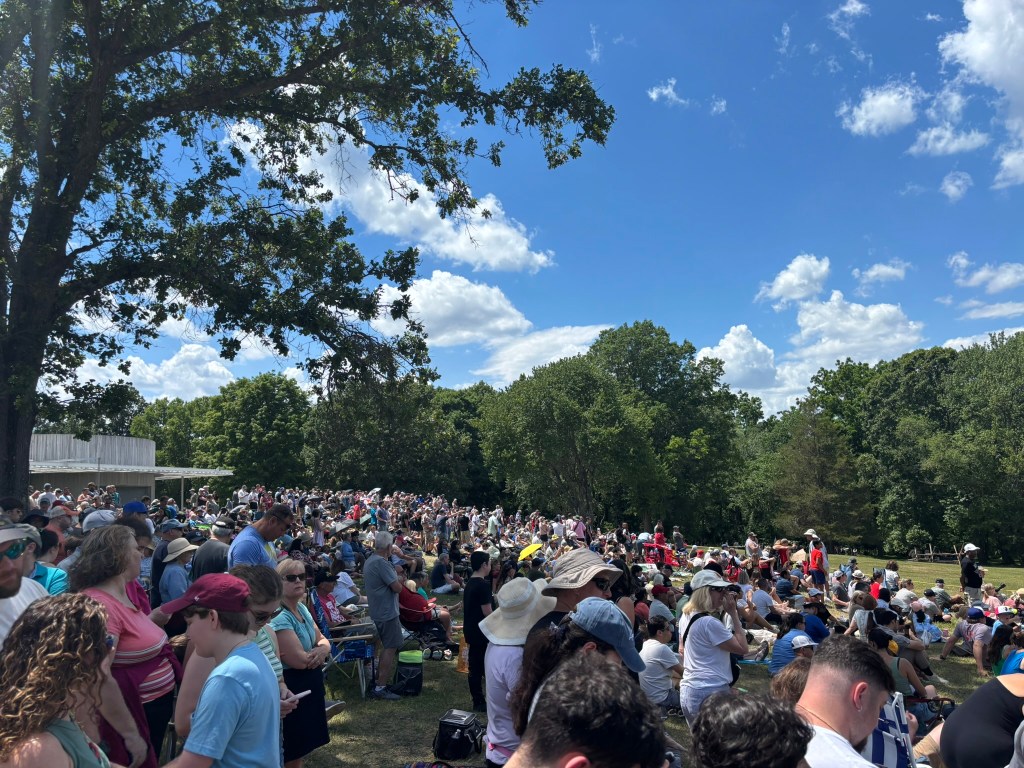
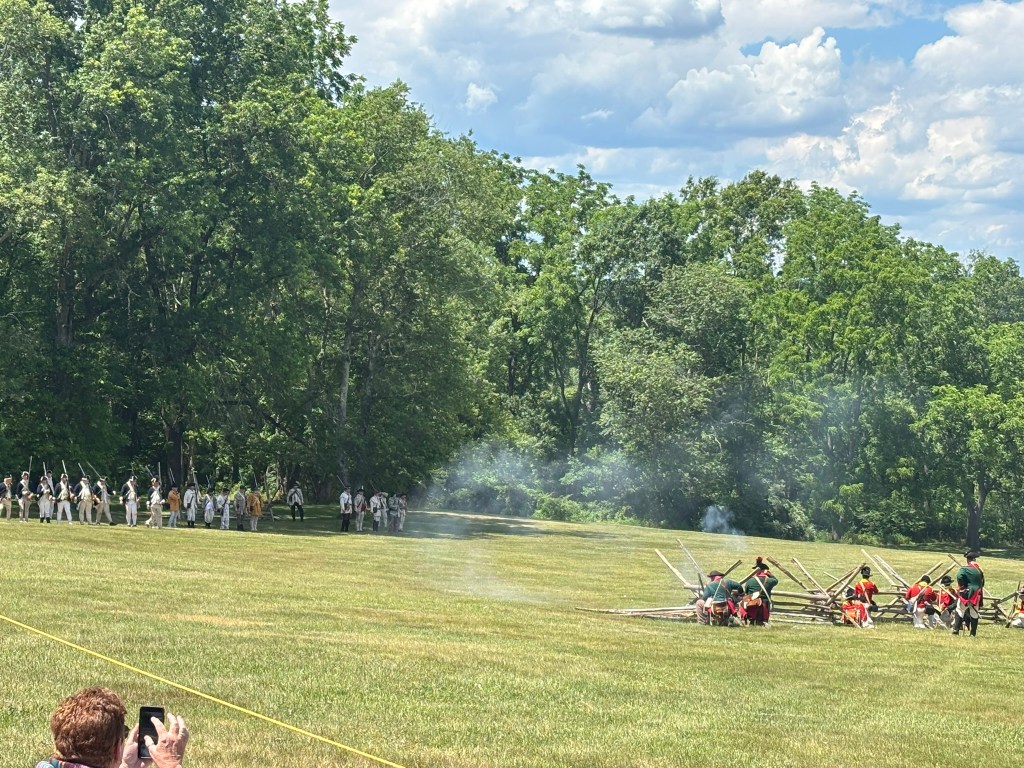
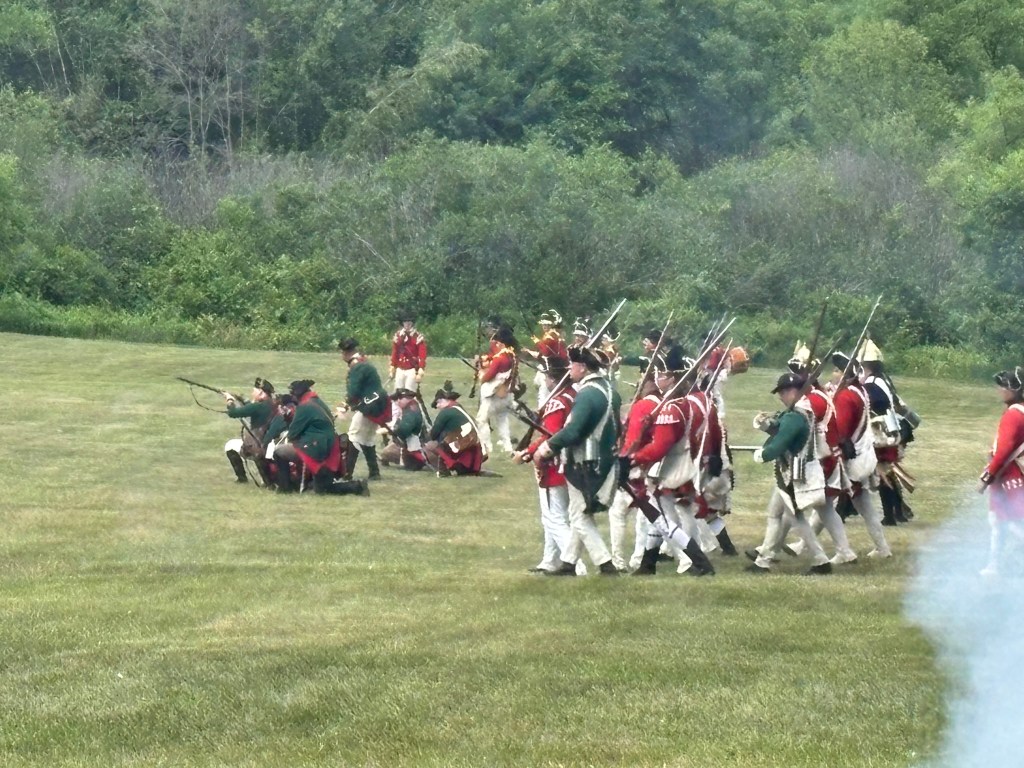
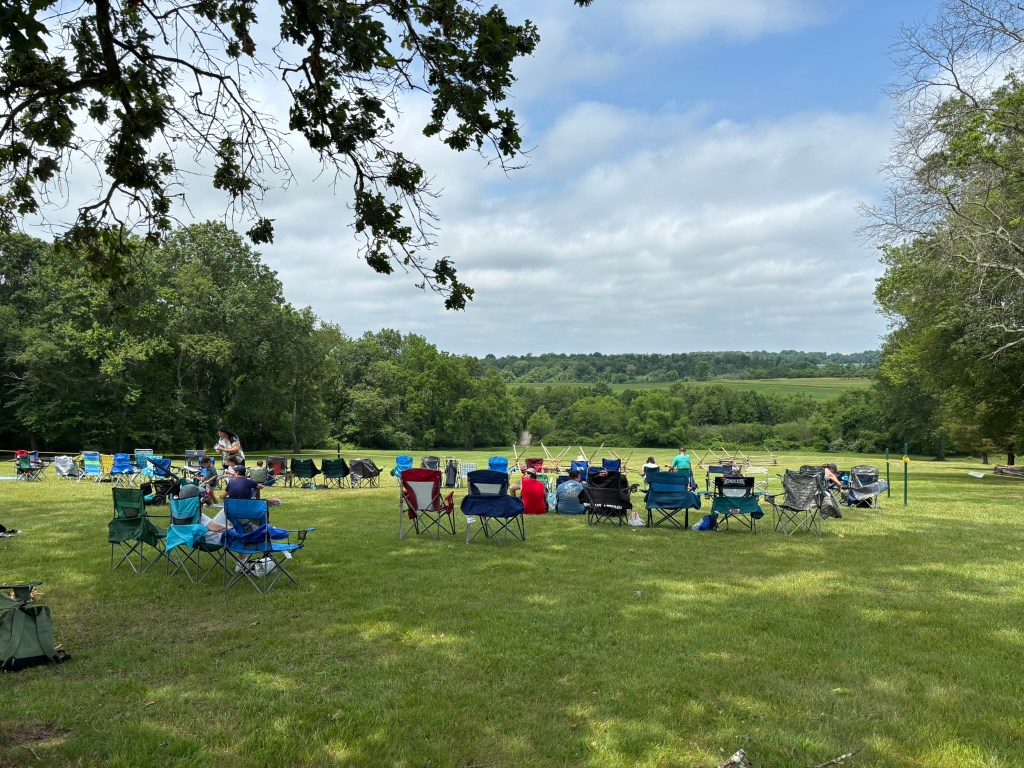
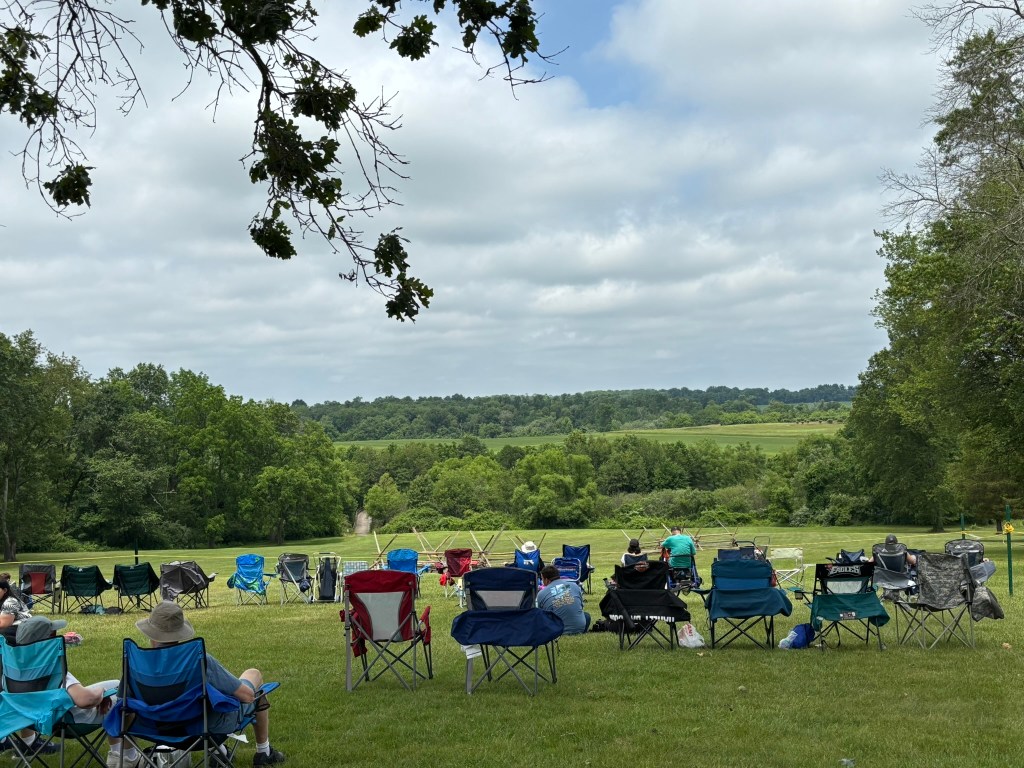
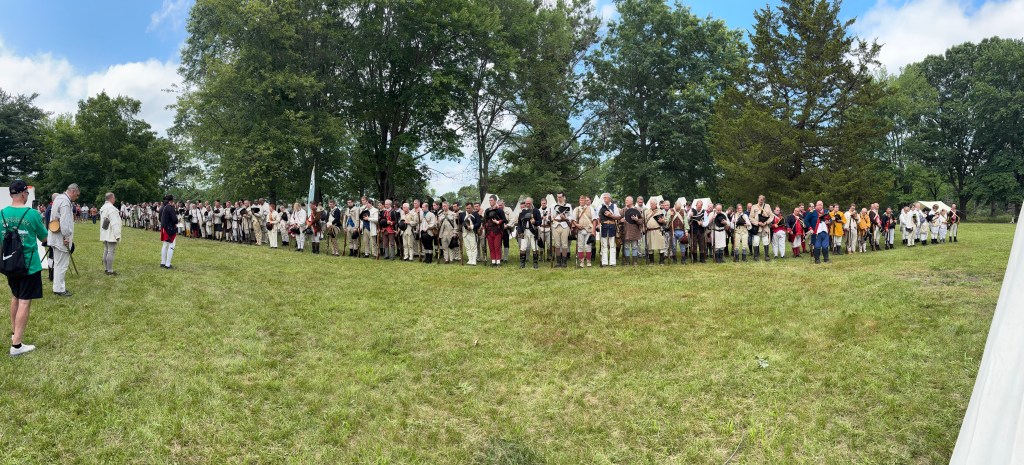
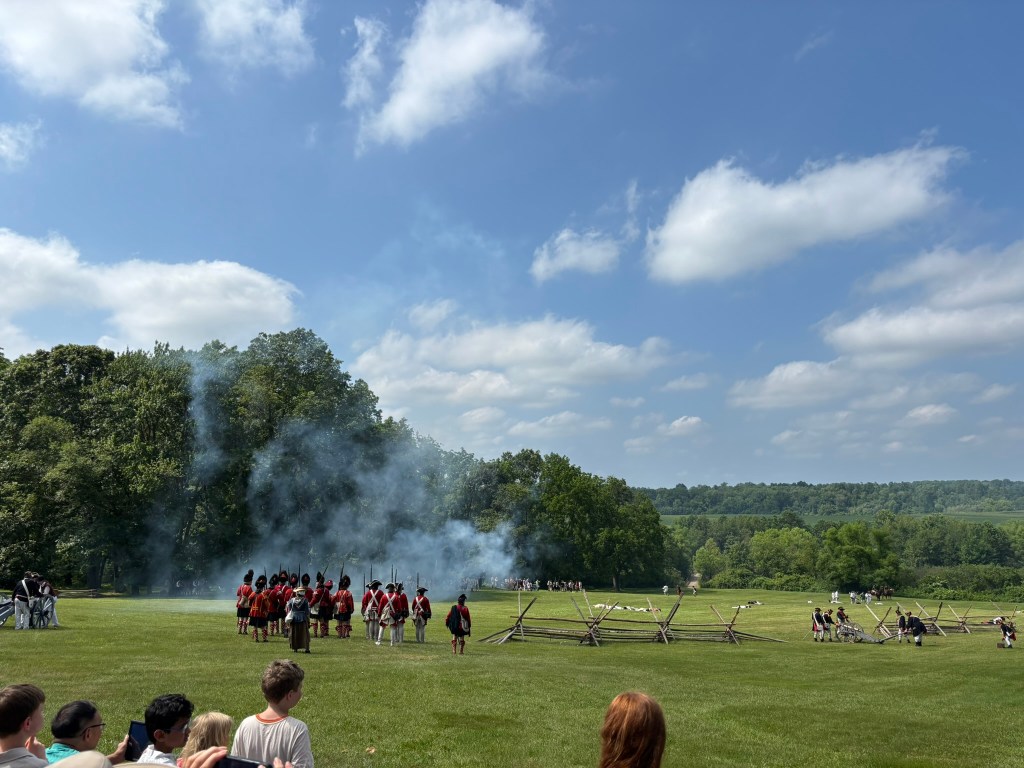
    The reenactment began promptly at 2:00 p.m. Once again, I was struck by the sheer size of the crowd that had gathered to watch. It was wonderful to see so many people come out to learn about and celebrate an important chapter of American history.

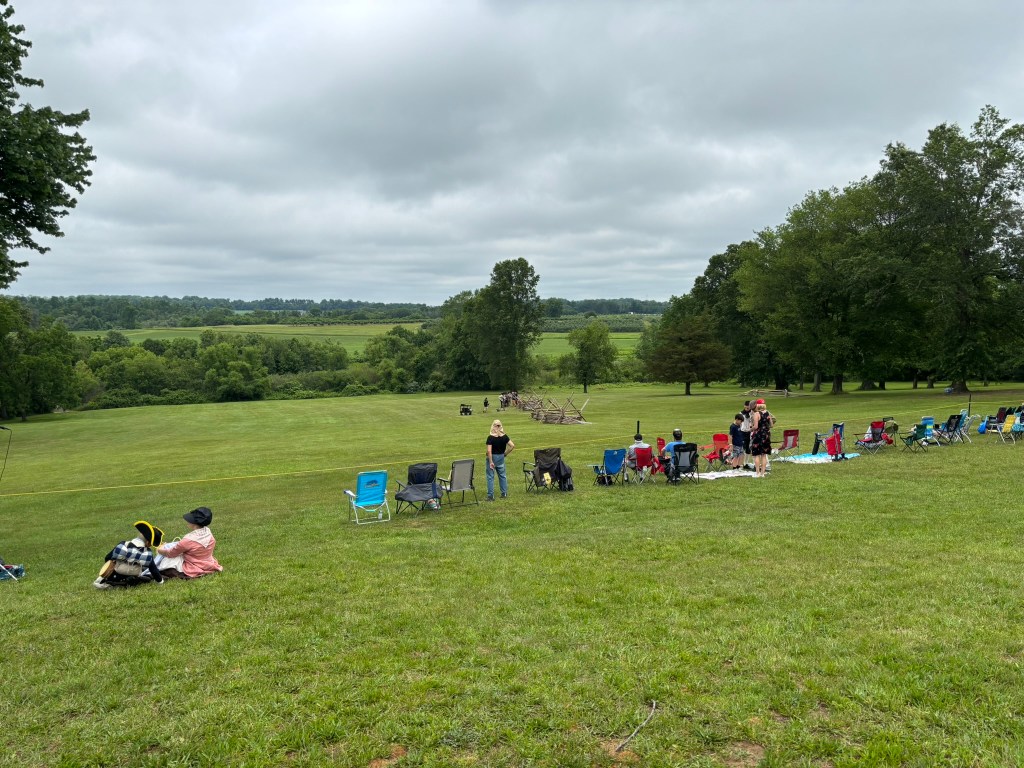
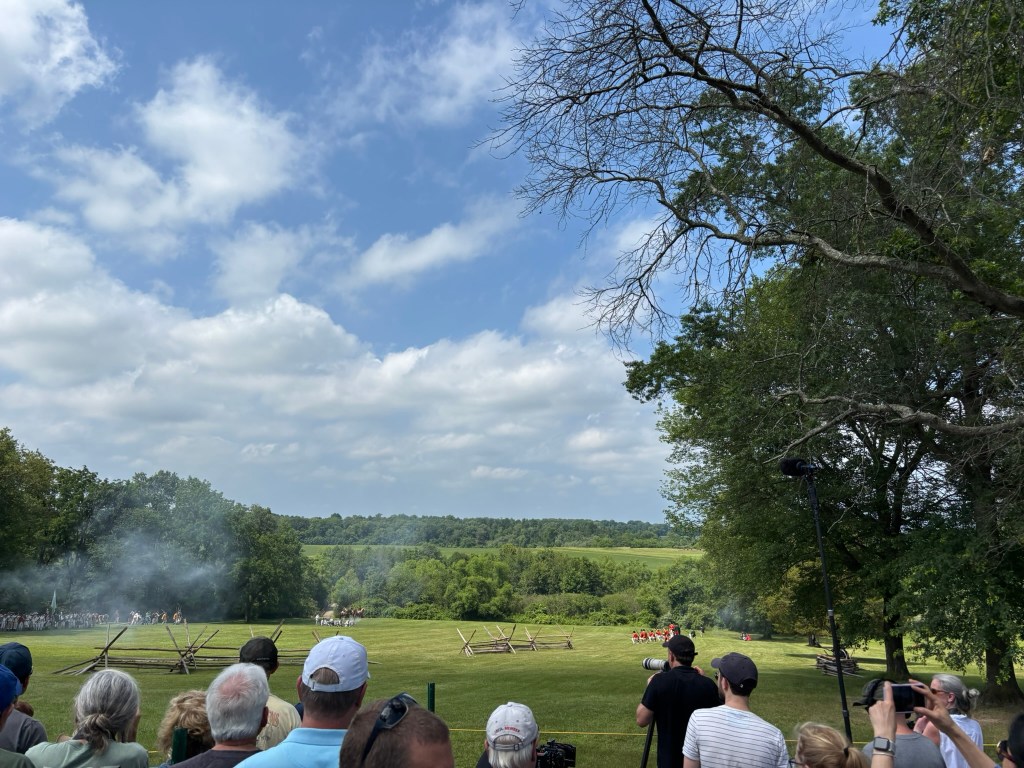
    I managed to find a great viewing spot near the battlefield. As I mentioned earlier, be sure to check out my social media pages for video clips of the action, as I was able to get quality footage of the battle. I continue to be impressed by the dedication of the reenactors. Despite the heat, they put on an outstanding performance each year and provide visitors with a vivid glimpse of what combat may have looked and sounded like on a battlefield in 1778.  The reenactment concluded at 2:30, with the Continental Army driving the British from the field.

    Before heading home, my family and I stopped by the vendor tents near the parking area. I picked up a pocket-sized Declaration of Independence for display in my new classroom from Liberty & Co. Revolutionary Gifts. They have tons of great items associated with the revolution like signs, candles, hats, shirts and more!

    If you’ve never attended the Battle of Monmouth Reenactment, I can’t recommend it highly enough. Whether you’re a lifelong history enthusiast or simply looking for a fun family outing, there is something here for everyone. Between the authentic military camps, educational demonstrations, knowledgeable reenactors, museum exhibits, food vendors, and the impressive battle reenactment itself, the event does a remarkable job bringing the American Revolution to life.

    Reading about history in a book is one thing, but standing on the very ground where soldiers fought nearly 250 years ago offers a completely different perspective. Events like this help preserve our nation’s history while allowing a new generation to experience it firsthand.  For more information check out Friends of Monmouth Battlefield.

    Make sure to check out my Instagram and Facebook in the coming days for videos of the event.

    Also, check out similar blog posts below:

  • On June 28th, my family and I returned to the annual reenactment of the Battle of Monmouth, held in honor of the historic battle that took place on the same date in 1778. This marked our second year attending, and once again, the event did not disappoint. Among Revolutionary War reenactments, this is the largest I’ve experienced—both in terms of visitor turnout and the impressive number of dedicated reenactors who attend. If you have any interest in the American Revolution, this event is not to be missed. You can read about our experience from last year in 2024 [HERE].

    While the Battle of Monmouth did not yield a major strategic advantage for the Continental Army, it was a significant engagement in terms of scale and symbolism. As one of the largest battles of the Revolutionary War in terms of manpower, it demonstrated that the Patriot forces could stand toe-to-toe with the British in open combat. It featured the largest artillery duel of the war and marked a turning point in the professionalism of the Continental Army. After the grueling winter at Valley Forge, where relentless drilling under the Prussian officer Friedrich von Steuben transformed the army into a disciplined fighting force, the Continentals finally had the chance to prove their strength on the battlefield. The results were evident at Monmouth.

    The battle is also remembered for its extreme heat, with temperatures reportedly reaching 100 degrees. Despite the intensity of the fighting, the British continued their retreat from Philadelphia to New York the following night as originally planned, allowing General George Washington to claim the battle as a moral victory for the American cause.
    Monmouth is also famous for the legendary heroics of Molly Pitcher, who is honored at the battlefield park for her bravery in the thick of combat.

    My family and I arrived at the park around 11:30 a.m., planning to have an early lunch before attending a 12:15 p.m. program about Molly Pitcher. One of the great things about this event is the variety of food trucks on site, which makes it easy to feed the kids without needing to stop along the way. There are several different food options available—we opted for empanadas from Latin Bites.
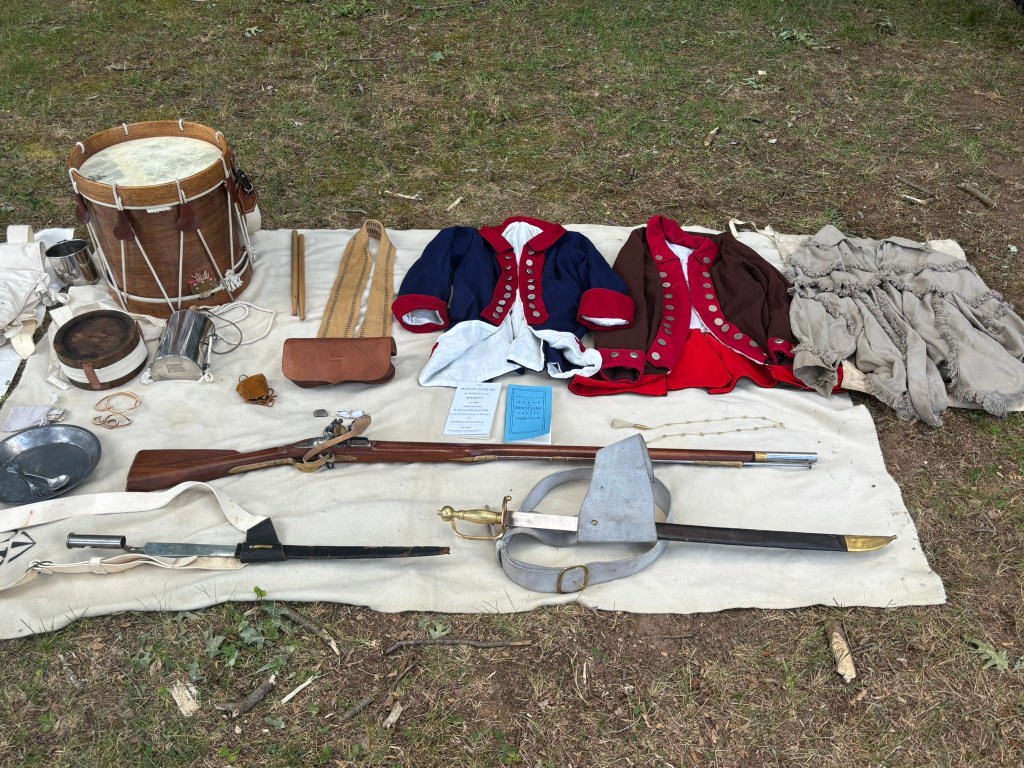
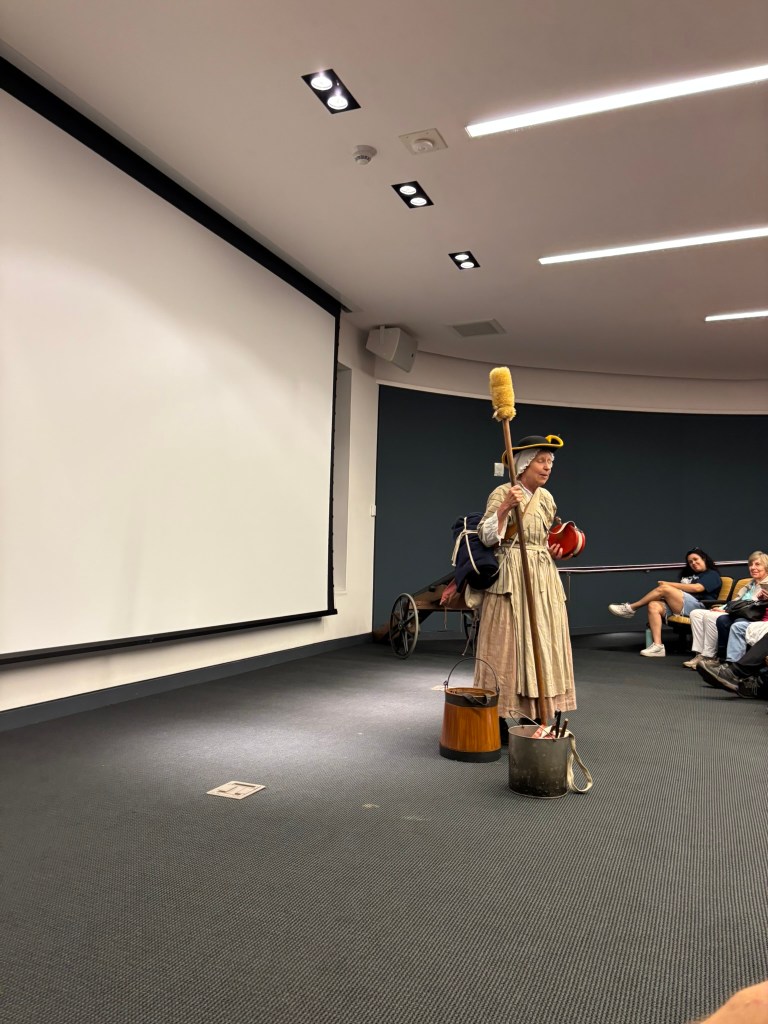
    After lunch, we made our way to the auditorium for a program entitled “Over Here, Molly Pitcher.” Historian Stacy Roth portrayed Molly Pitcher, speaking in character as the famed Revolutionary War figure reflecting back on her life in the 1820s. Her performance focused primarily on Molly’s experiences during the war, with special emphasis on the events of the June 1778 Battle of Monmouth. The program lasted about an hour and offered an engaging and informative look into this legendary figure’s story.
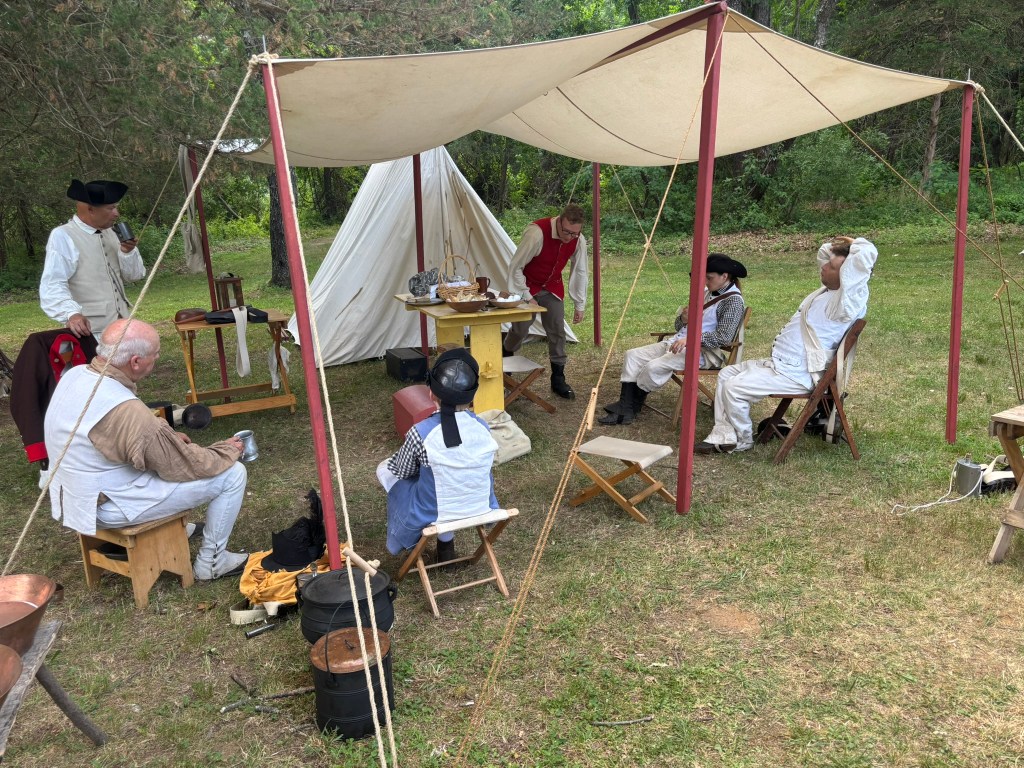
    Next, my family and I explored the many encampments set up across the grounds. The experience is truly immersive—designed to make you feel as if you’ve stepped back into a Revolutionary War encampment. Bonfires crackled, soldiers prepared for battle, and women carried out daily chores like cooking. The reenactors did an excellent job bringing the scene to life and were incredibly knowledgeable and friendly when we asked questions.

    We then made our way over to the tables hosted by various historical groups and organizations. I had the chance to speak with members of RevNJ, a group I’m a Proud Partner with. Among the other participants were representatives from Washington Crossing Historic Park (PA), who brought along fascinating displays—including authentic examples of Continental currency used during the Revolutionary War. Also present were the Friends of Monmouth Battlefield, the Daughters of the American Revolution – Middletown Chapter, and other groups.

    At 1:30, a children’s musket drill drew a large crowd. The reenactor leading the session did an excellent job explaining the process of loading and reloading a musket, presenting the information in a way that was both informative and engaging for the kids.

    Afterward, I made another round through the encampments, where I watched fife and drum demonstrations and spoke with reenactors who were teaching about the artillery used at the Battle of Monmouth. They gave a thorough explanation of how canister shot was deployed in combat.

    Between 2:30 and 3:00, I observed the soldiers preparing for the reenactment battle—listening to their orders, forming ranks, and taking part in a pre-battle prayer. At 3:00 they marched onto the battlefield.

    The reenactment of the Battle of Monmouth is truly a sight to see. As far as I know, it’s the only place in New Jersey where you can witness such an accurate recreation of a Revolutionary War battle (someone correct me if I’m wrong). When I’m watching the battle, what always strikes me is the strategy used in 18th-century warfare: lines of soldiers standing shoulder to shoulder, loading and firing in unison. It must have been terrifying to be so vulnerable, and yet this formation was the most practical method of combat at the time. Muskets were so inaccurate, that massed volleys from a line were the most effective way to have any chance of hitting the enemy.

    The battle reenactment lasted about 30 minutes. Once it wrapped up around 3:30, my family and I began making our way back to the car. On the way, we stopped by some of the tent shops, browsed around, and made a couple of purchases before heading home.

    For anyone interested in the American Revolution, this is a must-attend event. The encampments are immersive, the reenactments are fantastic, and the entire experience offers something for all ages. I highly recommend it.

    Be sure to check out my Instagram and Facebook pages, where I’ll be uploading Reels from the event. These short videos give a great glimpse into what the day is like for anyone considering attending in the future.
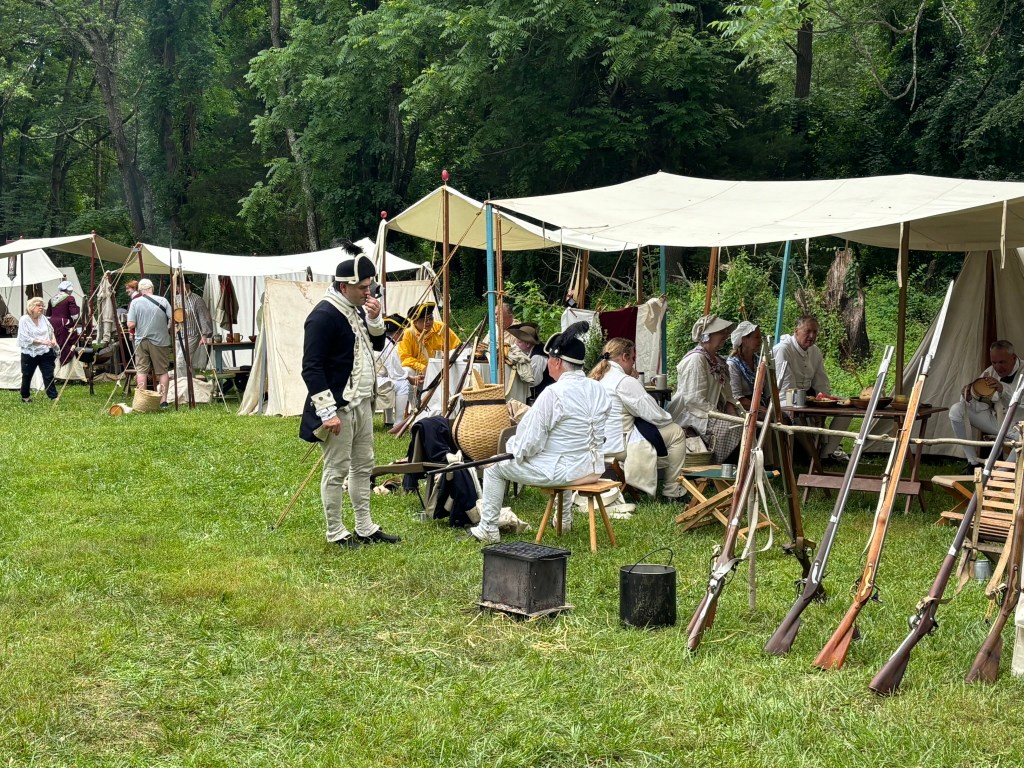
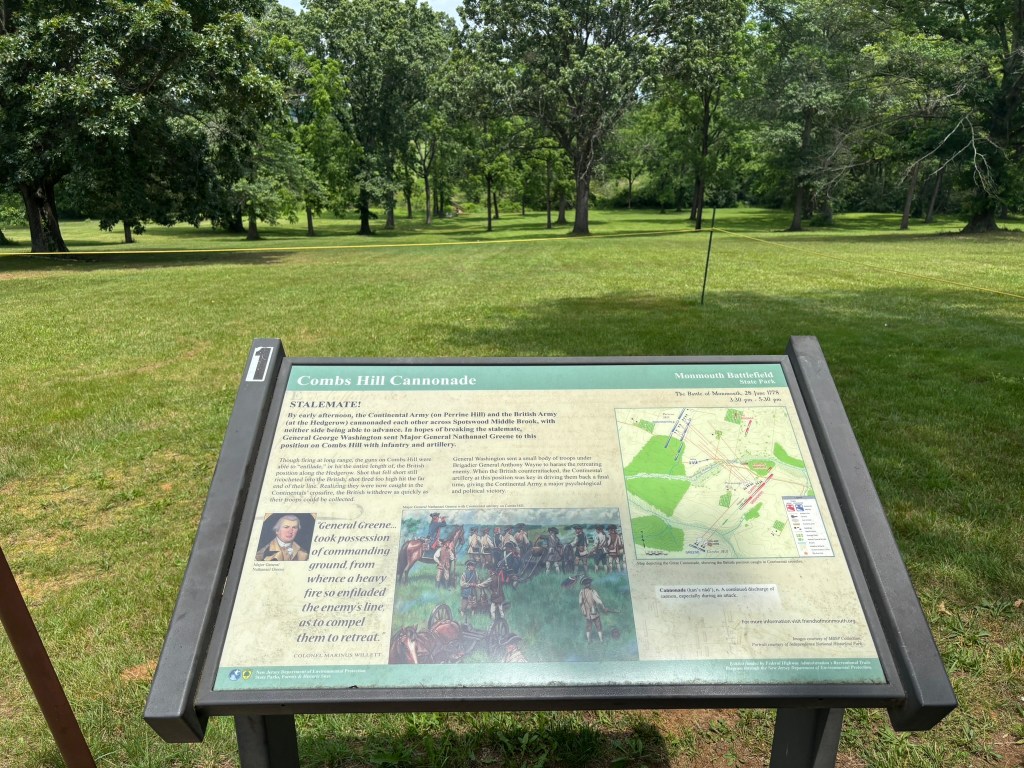
    Also, make sure to visit the websites for the Friends of Monmouth Battlefield and Monmouth Battlefield State Park to learn more about this historic site and future events.

    Check out related posts below:

  • The Line of Splendor: A Novel of Nathanael Greene and the American Revolution” is a historical novel written by Salina Baker.  In her novel, she brings to life a figure who deserves more fame and recognition for his pivotal role in the Revolution.  Nathanael Greene was a selfless general and leader who fought valiantly to defend his country and provide for his troops. He was a man who defied the odds and was placed in a position of power and leadership, a favorite of General George Washington.   He was a man willing to put everything on the line for the independence and freedom of the United States.  

    Baker’s book picks up with Nathanael Greene’s life early in the 1770s when Nathanael is about the age of thirty.  At this time, there were growing tensions in the American Colonies with Mother England.  Shortly before the war broke out, Nathanael married his wife Caty in 1774, and Baker does a masterful job weaving their relationship into the story of his time in the war.  

    Baker’s work is a fascinating depiction of Nathanael Greene and the American Revolution.  Readers of history often read facts and descriptions of events, which Baker provides.  But she also takes the reader into the thoughts and conversations of Nathanael Greene, as well as other key figures in his life.  Baker’s novel is a reminder to the reader that the generals and soldiers who fought in the Revolutionary War were not mythical figures who fought a war that would inevitably end in an American victory.  These were real men with real emotions carrying their insecurities and flaws, while experiencing the highs and many lows of the war.  Greene was central to many of the key battles early in the war, from the siege of Boston, to the debacle of New York, to the triumph of Washington’s crossing of the Delaware, to the trying times at Valley Forge.  Greene held a tremendous weight on his shoulders throughout the war, especially when he led the Southern Army late in the war during the Southern Campaign.   

    Historically, the Southern battles often receive less attention than the battles earlier in the war in the North.  But Baker paints a clear and detailed picture of the challenges of the Southern Campaign.  Nathanael had to lead his men while enduring extremely difficult conditions, including desertions, humid weather, mosquitoes, widespread diseases, and long, nearly constant marches.  Baker vividly describes the scenes of the war: camplife, the battlefield, the civil war between Patriots and Loyalists, the chases between the Continental Army and the British Army, the losses and victories, the difficult decisions that Greene had to make as General, the tensions and disagreements with the Continental Congress, and the ultimate triumph of the Revolutionary cause.  Greene fought tooth and nail for his troops, and was greatly admired amongst the men that he led.

    While conducting the war, Greene ached for his wife and small children, who he was unable to see through long stretches of time.  Besides depicting the emotions of Nathanael, the novel also describes the perspectives and feelings of his wife Caty, who had to constantly struggle with the reality of her husband being away at war, while trying to raise small children without a father.  Throughout her novel, Baker brings the reader through a plethora of emotions from joy and triumph, to tragedy and despair.  She takes you into Nathanael’s stressors such as his financial woes, and his doubts about his own ability to lead.  

    From reading the novel, it is quite clear that Baker has conducted substantial research on Nathanael Greene and the American Revolution.  She gives extensive detail on Nathanael’s life at home, within army camps, commanding battles, and his travels throughout the states.  She provides us with dialogue that fills in the gaps of historical records.  Baker used primary and secondary sources for her research, and she seamlessly incorporates many letters that Nathanel wrote and received, both from his family and from his leading generals.  Baker uses her first hand experiences and studies at landmarks of Greene’s life, including the battlefields that he fought on.  

    The novel was difficult to put down, written in a style that is easy to read.  The reader becomes emotionally attached to the main character as the novel progresses, and feels all of the human emotions that Nathanael felt throughout the war and its aftermath.  When the reader encounters the challenges that Nathanael had to deal with, they are left with an even greater respect for those who served in the military and fought for freedom.  Nathanael Greene and his troops made overwhelming sacrifices to fight for the United States.  Nathanael sacrificed his personal life, his financial life, and his family life to gain victory for a new nation.  The reader encounters his inner struggles with the decisions that he made.  

    I highly recommend this novel for any type of reader, especially those who have a love for historical figures or events.  It is a story that entertains, leaves you on the edge of your seat, and provides you with a new and broader perspective on an important historical leader.  Nathanael Greene was a central figure in one of the most important events in human history.  Salina Baker, in this tremendous novel, is shining a light on the legacy of this great man.  Purchase a copy of the book here—> Amazon

    Overall rating: 5/5 stars

    Check out related blog posts below: