
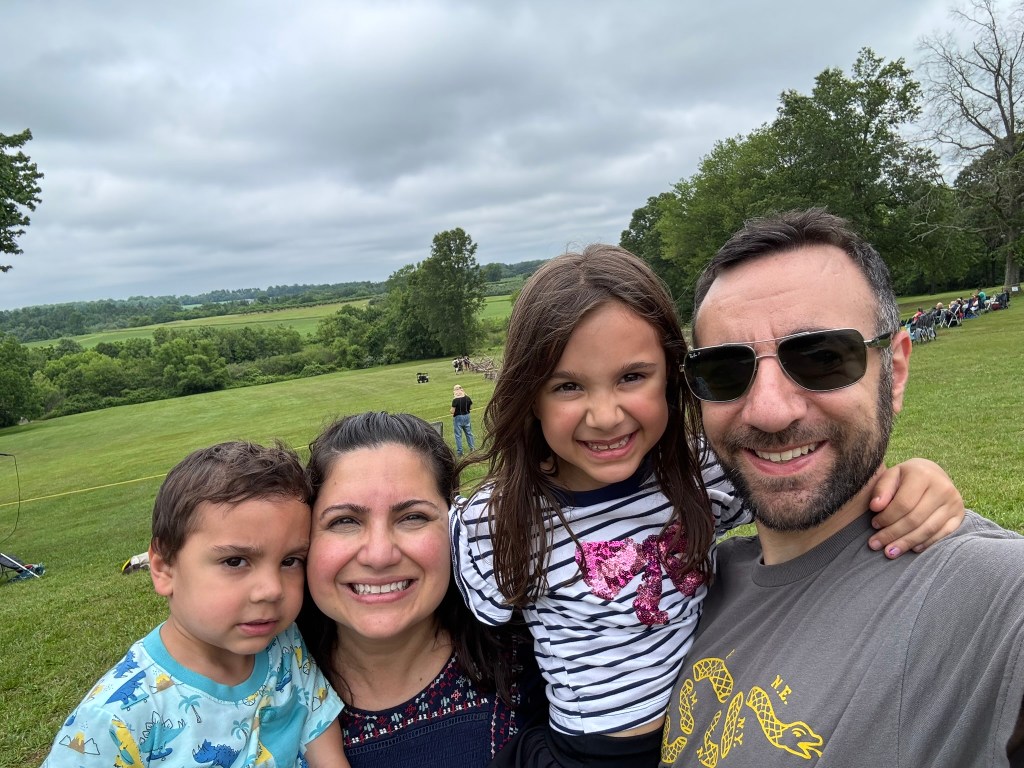
On June 28th, my family and I returned to the annual reenactment of the Battle of Monmouth, held in honor of the historic battle that took place on the same date in 1778. This marked our second year attending, and once again, the event did not disappoint. Among Revolutionary War reenactments, this is the largest I’ve experienced—both in terms of visitor turnout and the impressive number of dedicated reenactors who attend. If you have any interest in the American Revolution, this event is not to be missed. You can read about our experience from last year in 2024 [HERE].
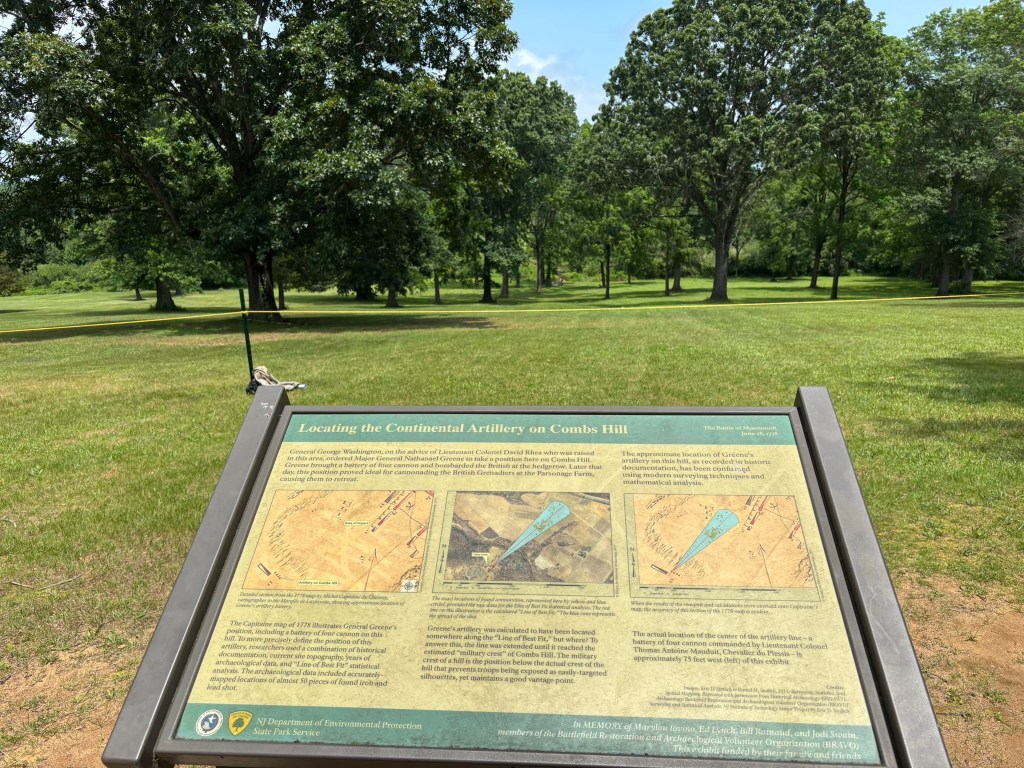
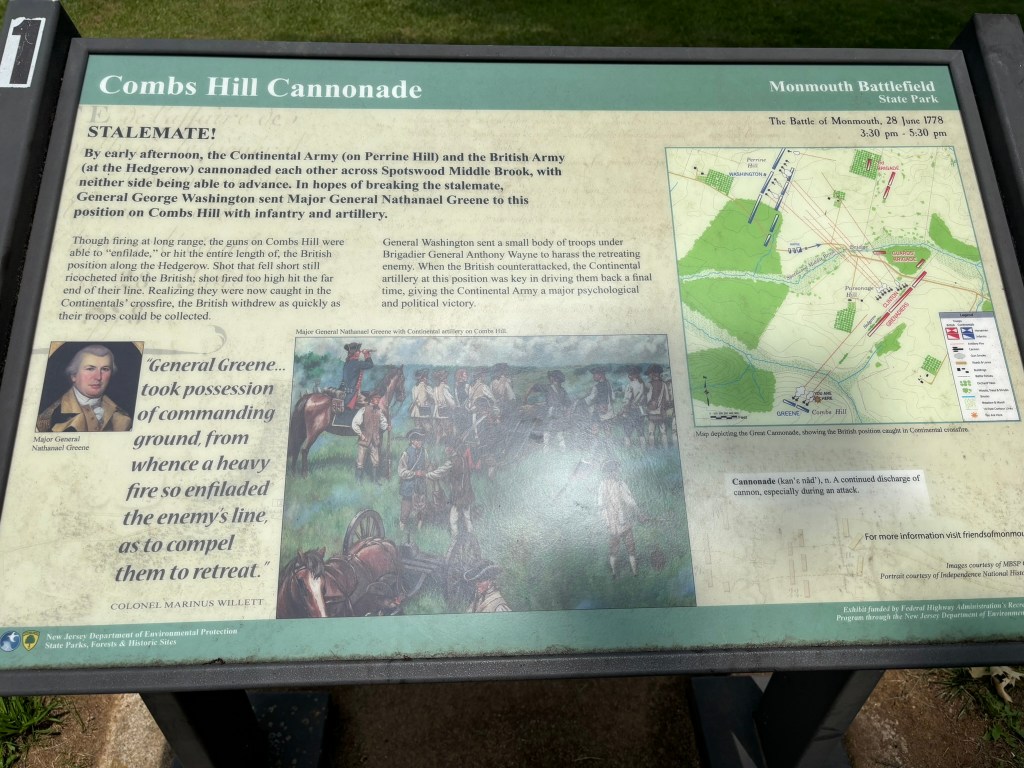
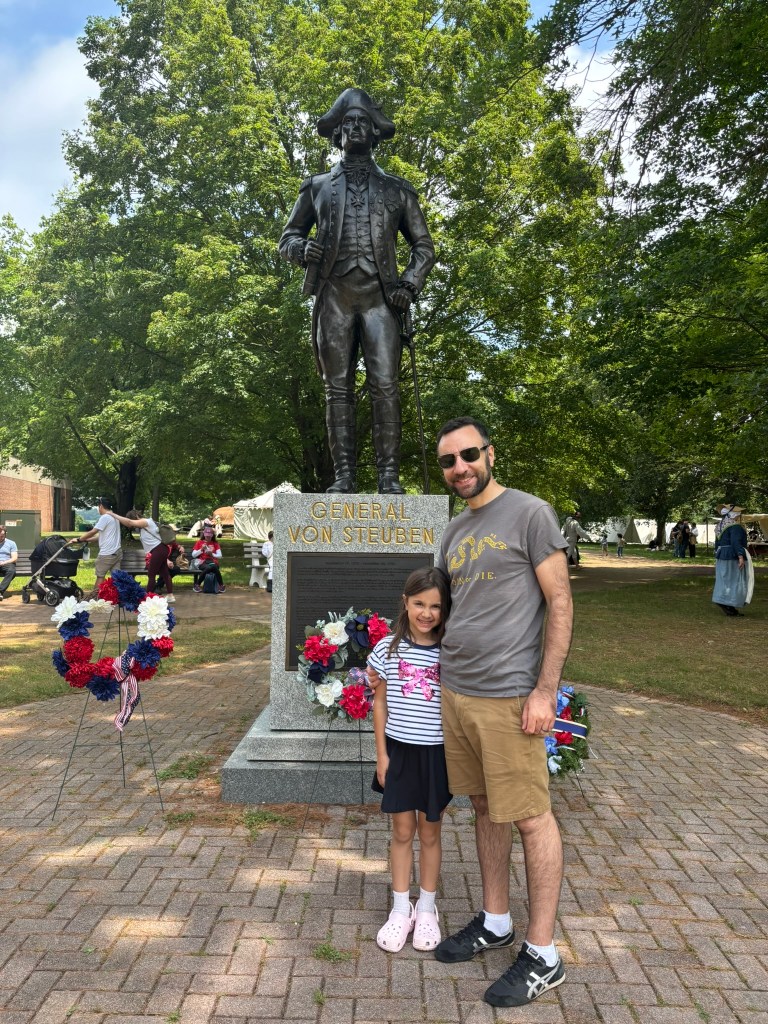
While the Battle of Monmouth did not yield a major strategic advantage for the Continental Army, it was a significant engagement in terms of scale and symbolism. As one of the largest battles of the Revolutionary War in terms of manpower, it demonstrated that the Patriot forces could stand toe-to-toe with the British in open combat. It featured the largest artillery duel of the war and marked a turning point in the professionalism of the Continental Army. After the grueling winter at Valley Forge, where relentless drilling under the Prussian officer Friedrich von Steuben transformed the army into a disciplined fighting force, the Continentals finally had the chance to prove their strength on the battlefield. The results were evident at Monmouth.
The battle is also remembered for its extreme heat, with temperatures reportedly reaching 100 degrees. Despite the intensity of the fighting, the British continued their retreat from Philadelphia to New York the following night as originally planned, allowing General George Washington to claim the battle as a moral victory for the American cause.
Monmouth is also famous for the legendary heroics of Molly Pitcher, who is honored at the battlefield park for her bravery in the thick of combat.
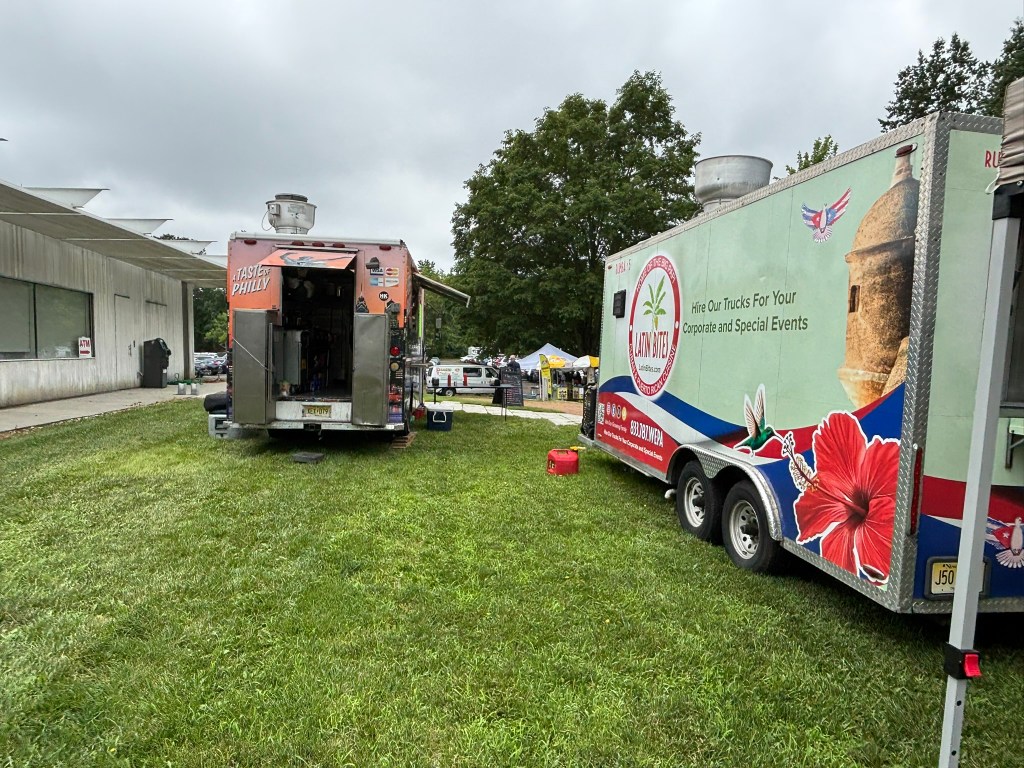
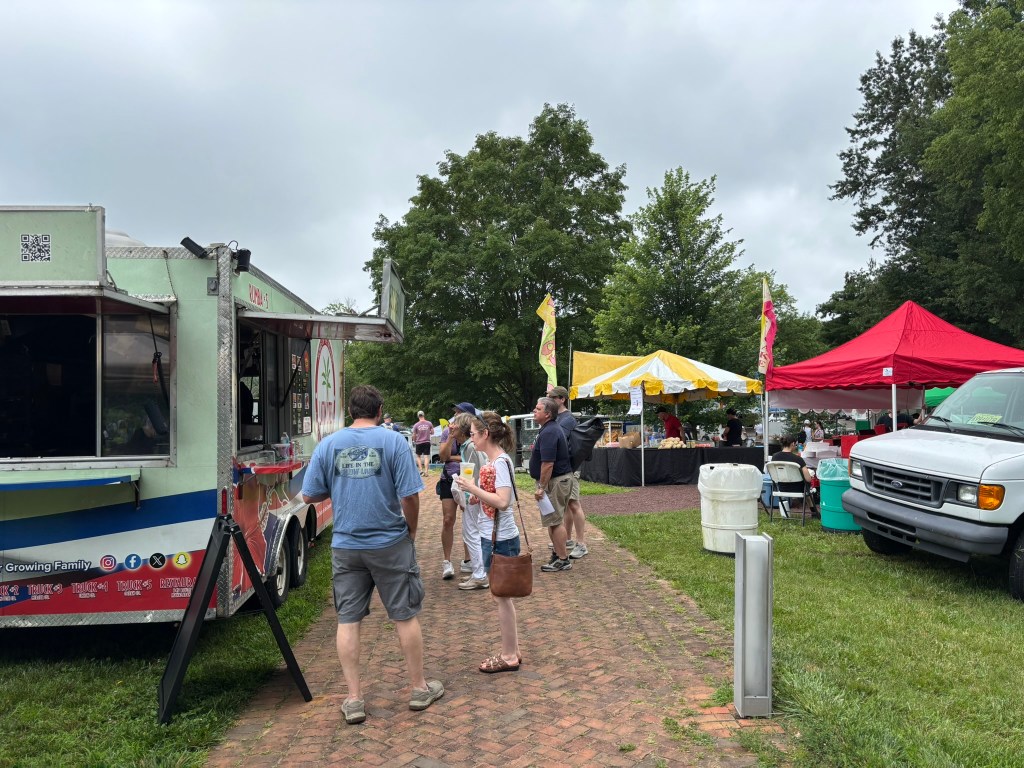
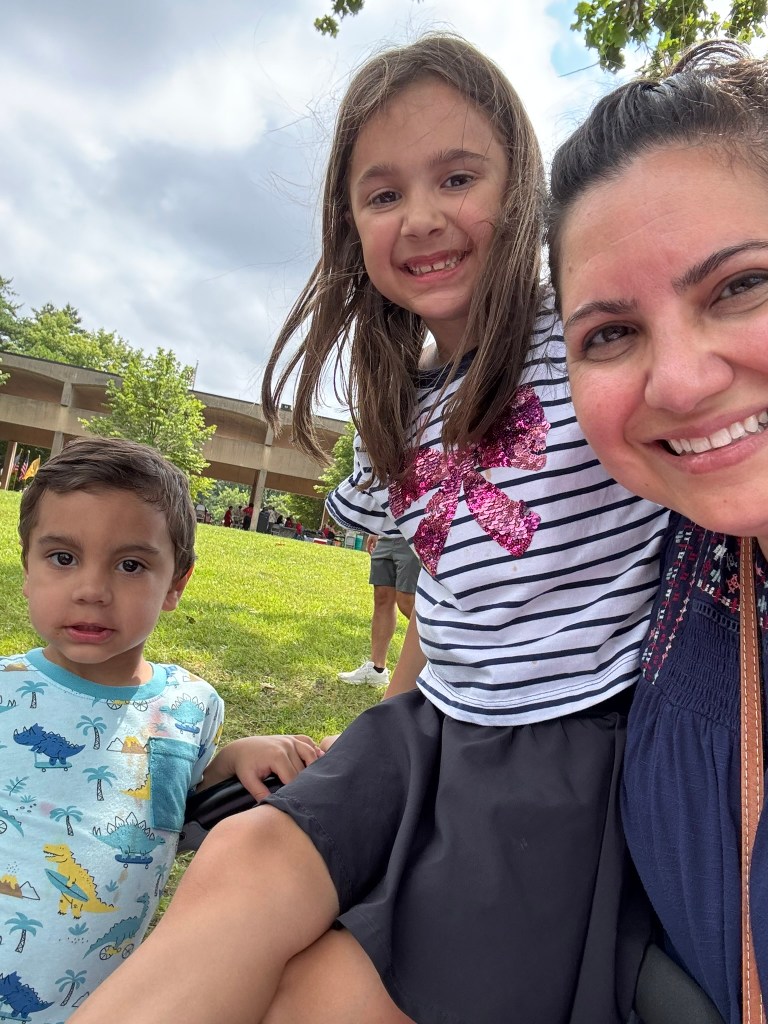
My family and I arrived at the park around 11:30 a.m., planning to have an early lunch before attending a 12:15 p.m. program about Molly Pitcher. One of the great things about this event is the variety of food trucks on site, which makes it easy to feed the kids without needing to stop along the way. There are several different food options available—we opted for empanadas from Latin Bites.
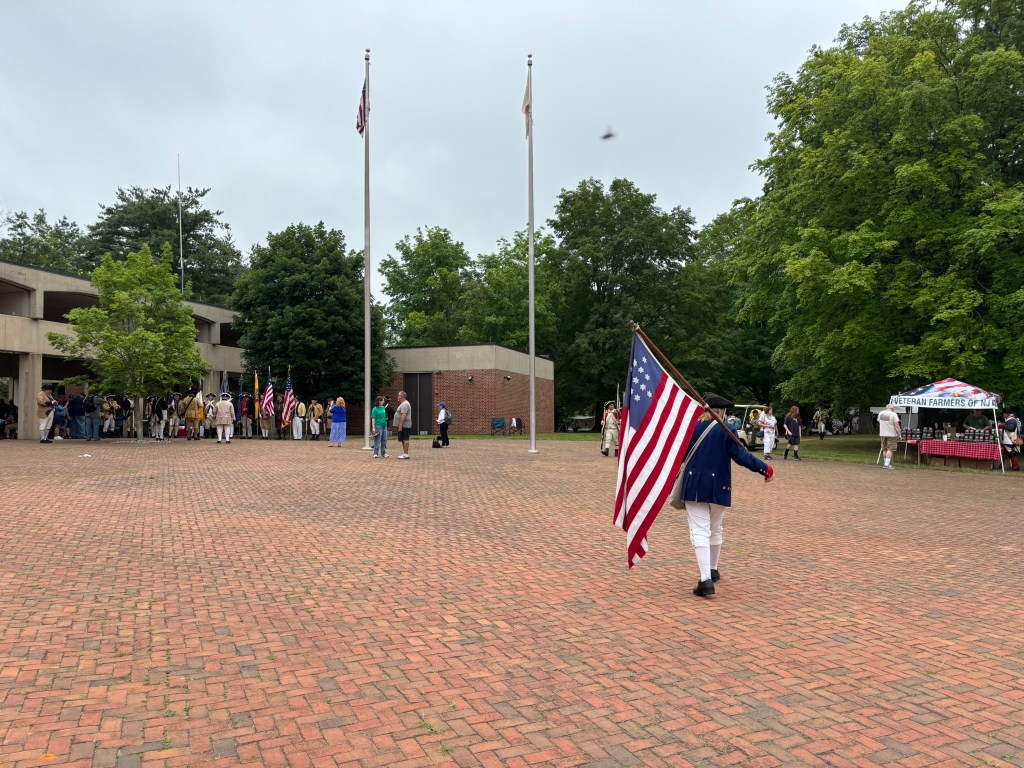

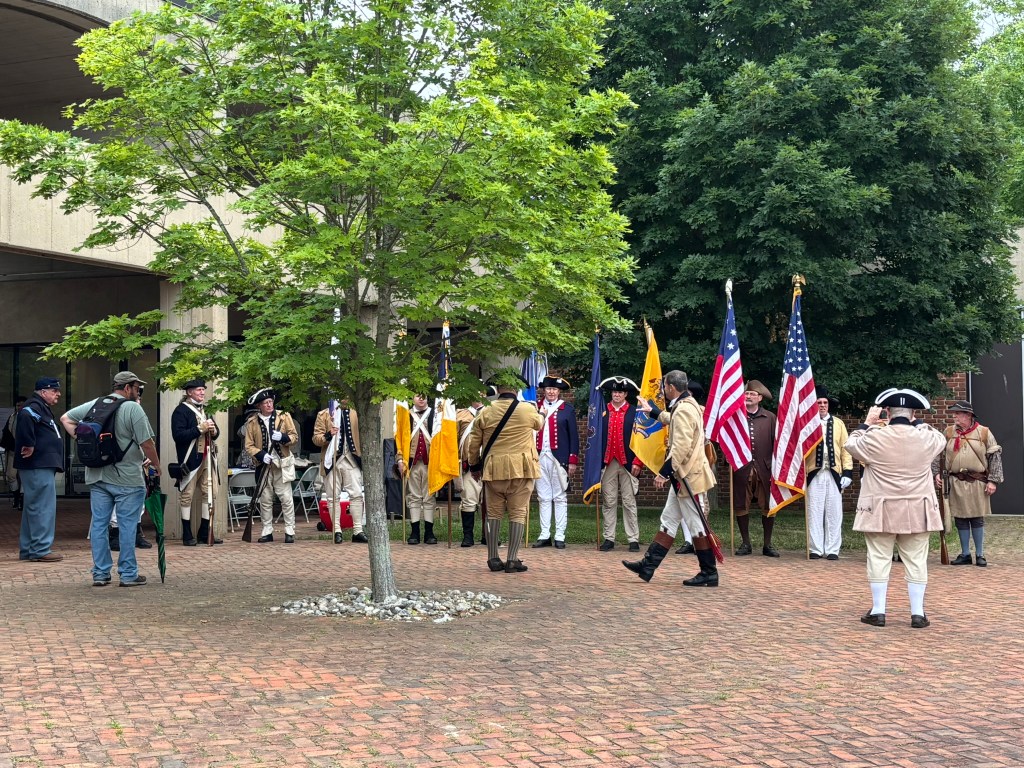


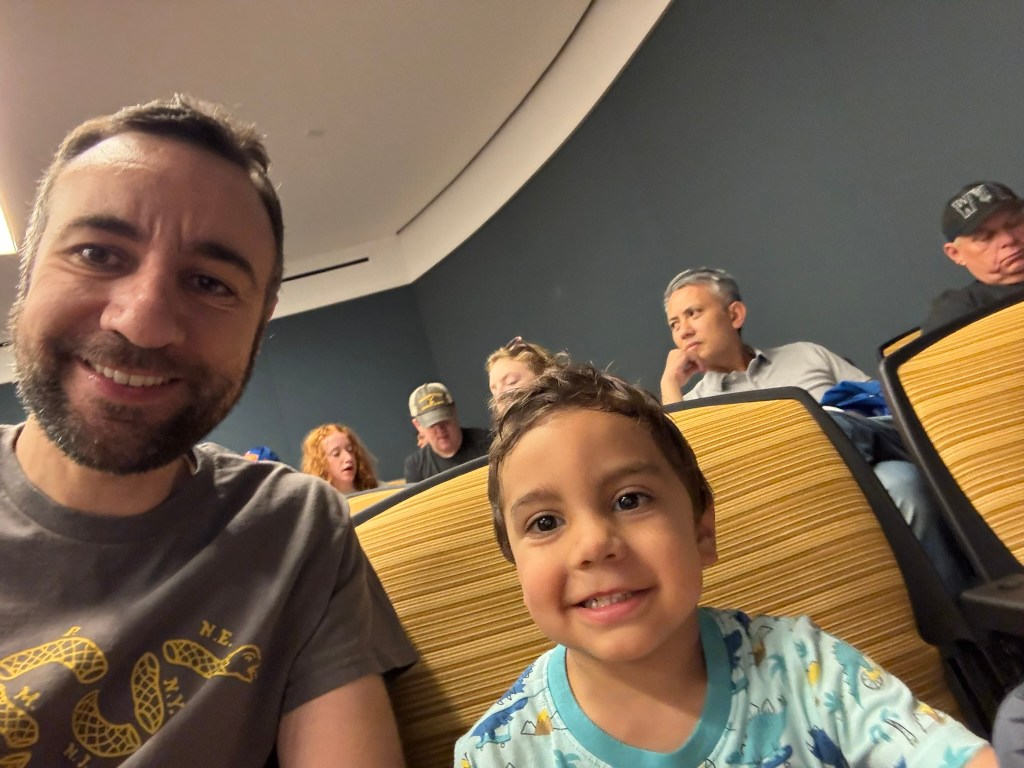
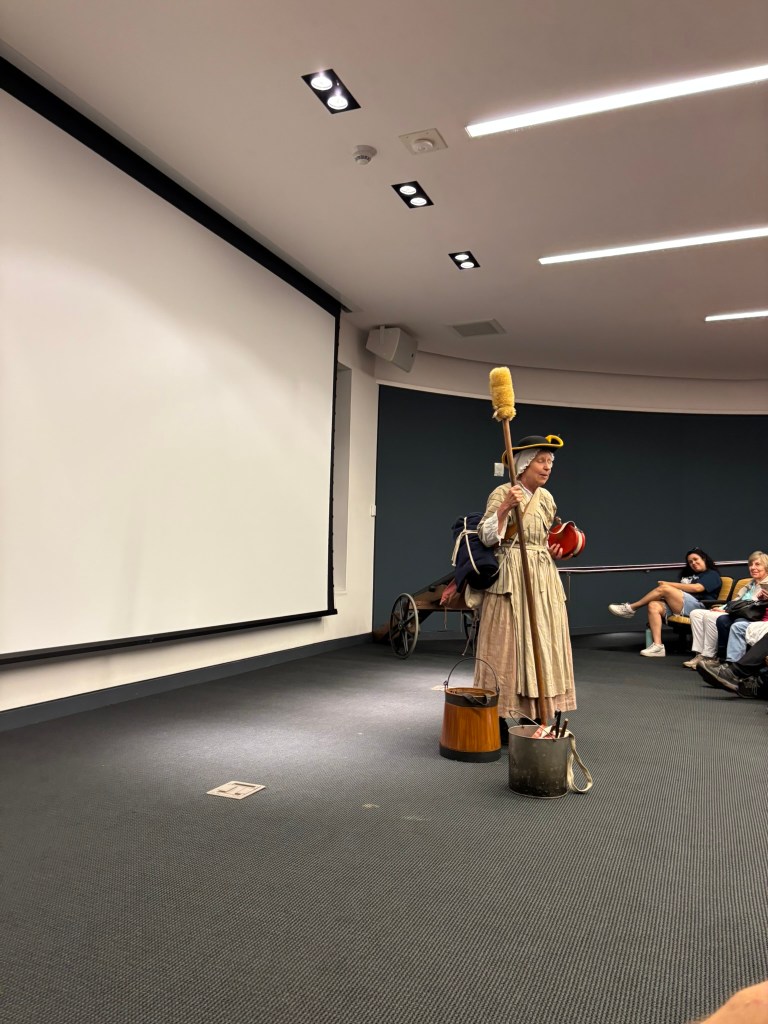
After lunch, we made our way to the auditorium for a program entitled “Over Here, Molly Pitcher.” Historian Stacy Roth portrayed Molly Pitcher, speaking in character as the famed Revolutionary War figure reflecting back on her life in the 1820s. Her performance focused primarily on Molly’s experiences during the war, with special emphasis on the events of the June 1778 Battle of Monmouth. The program lasted about an hour and offered an engaging and informative look into this legendary figure’s story.

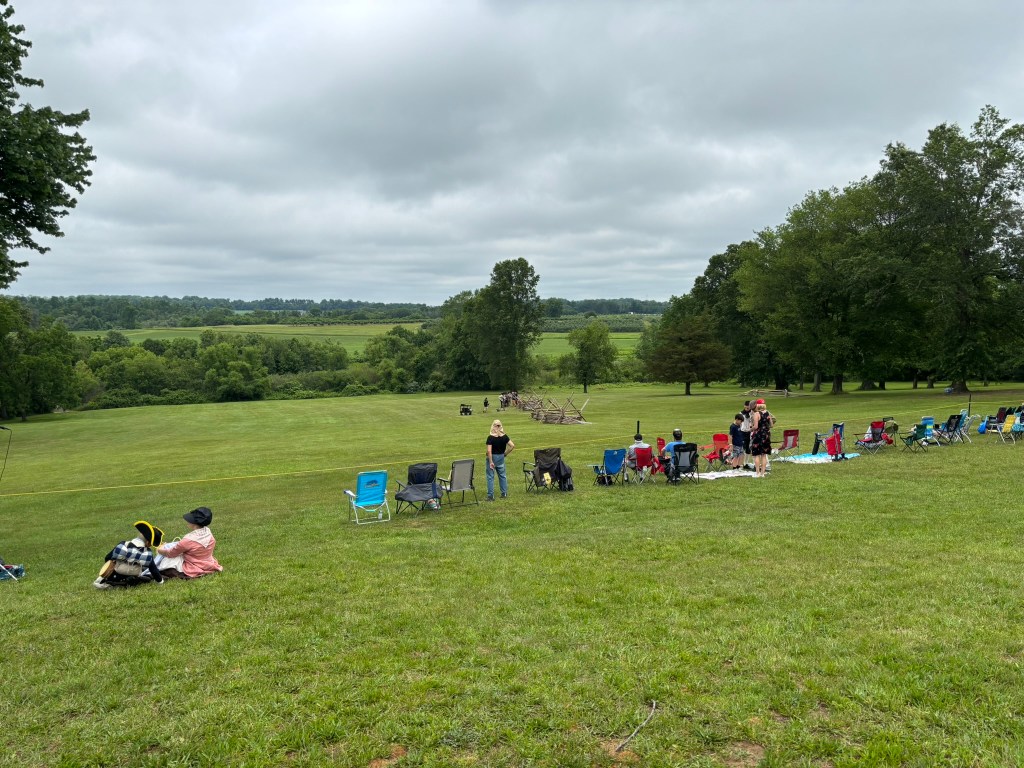
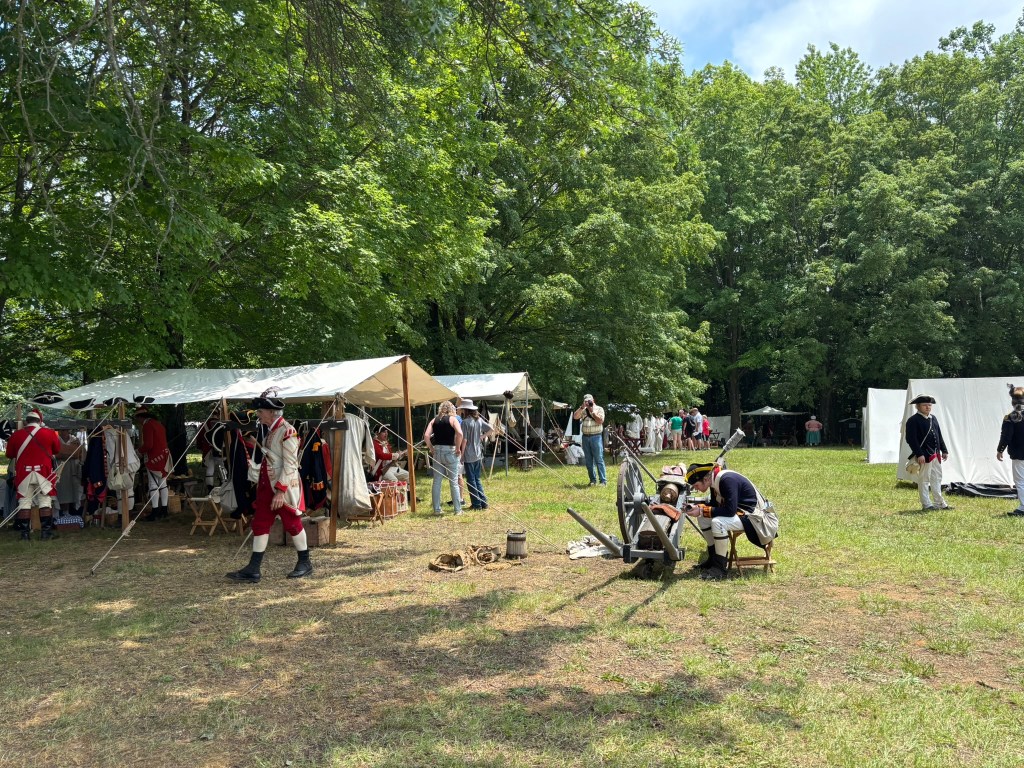
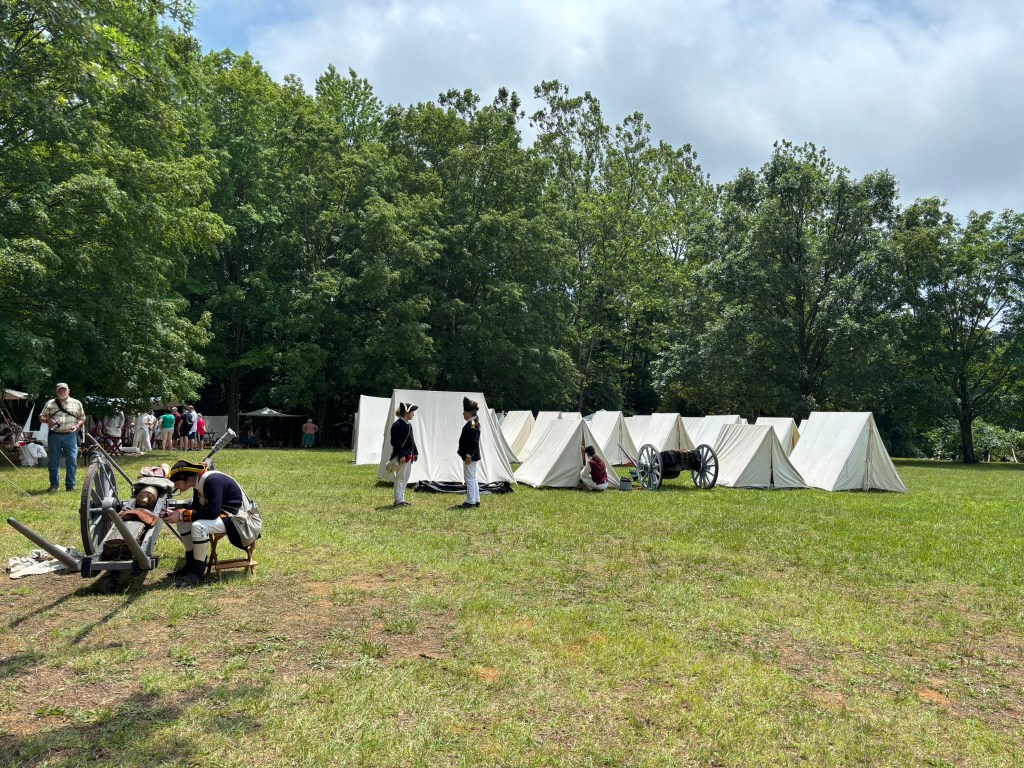
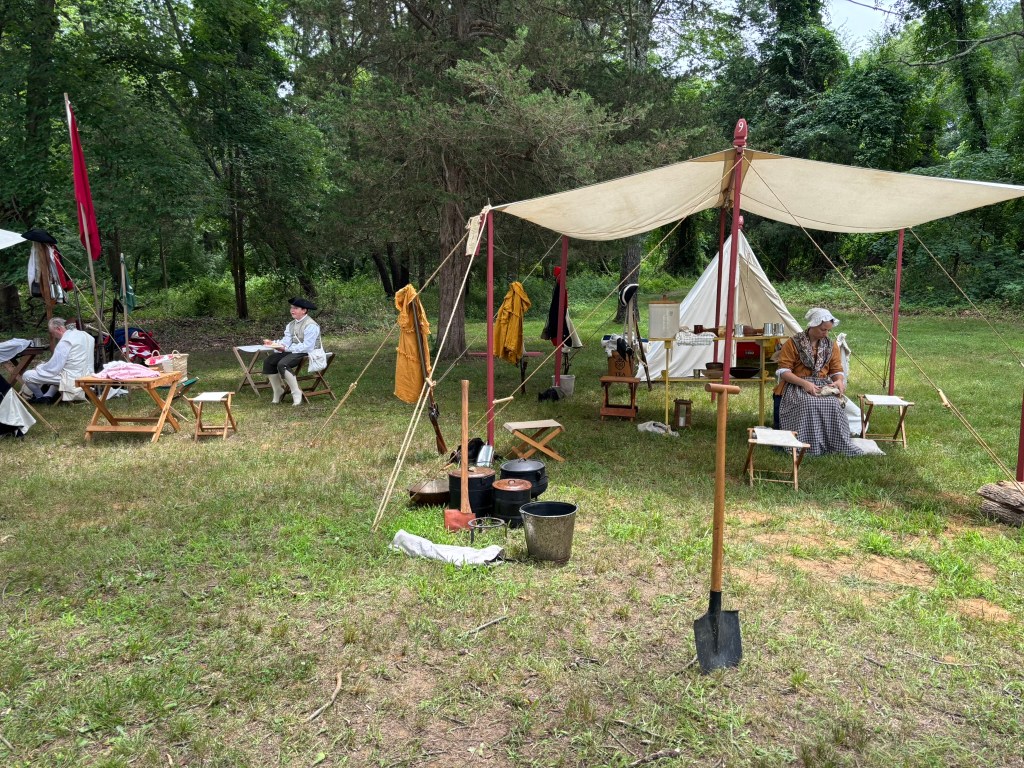
Next, my family and I explored the many encampments set up across the grounds. The experience is truly immersive—designed to make you feel as if you’ve stepped back into a Revolutionary War encampment. Bonfires crackled, soldiers prepared for battle, and women carried out daily chores like cooking. The reenactors did an excellent job bringing the scene to life and were incredibly knowledgeable and friendly when we asked questions.
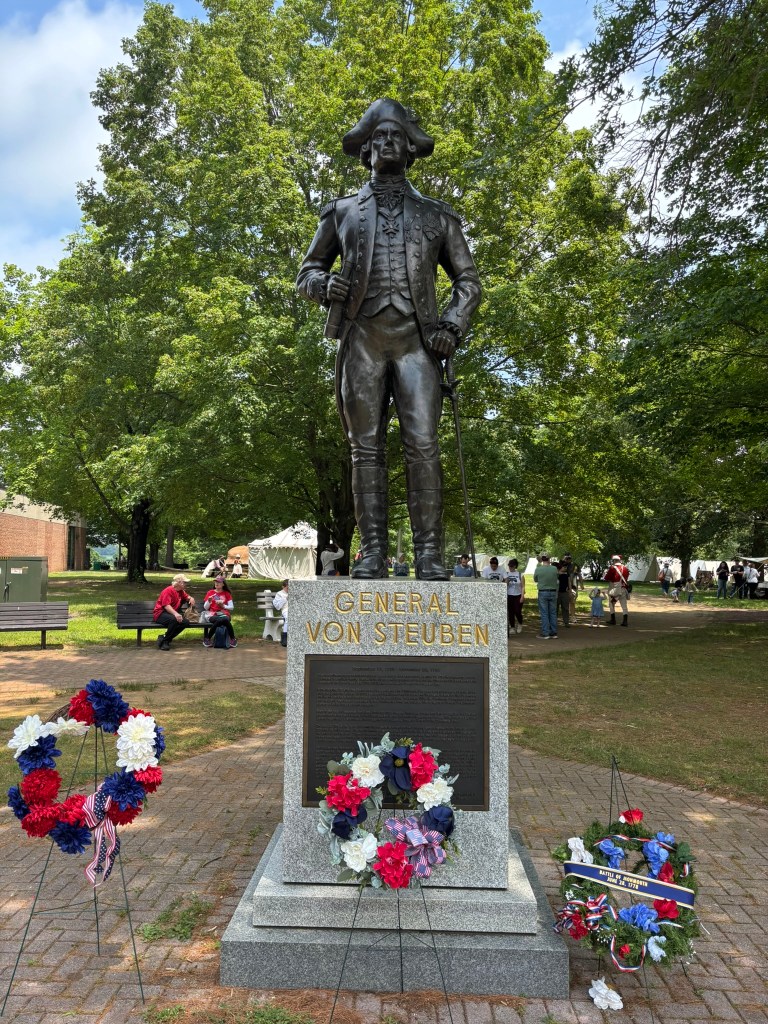
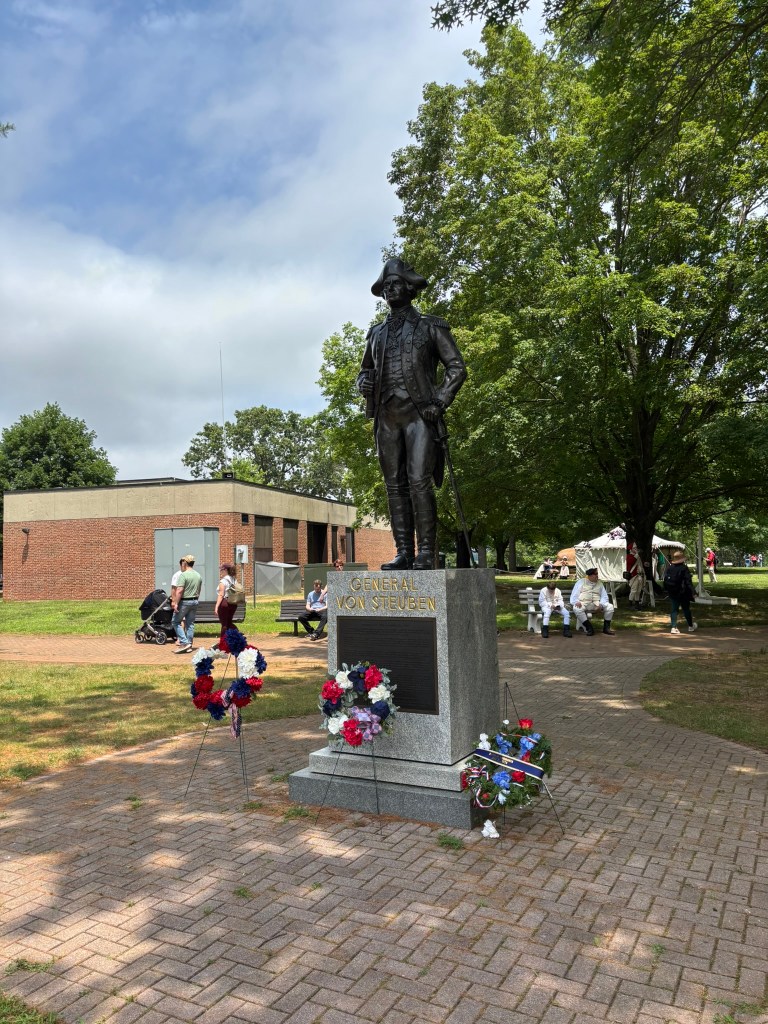

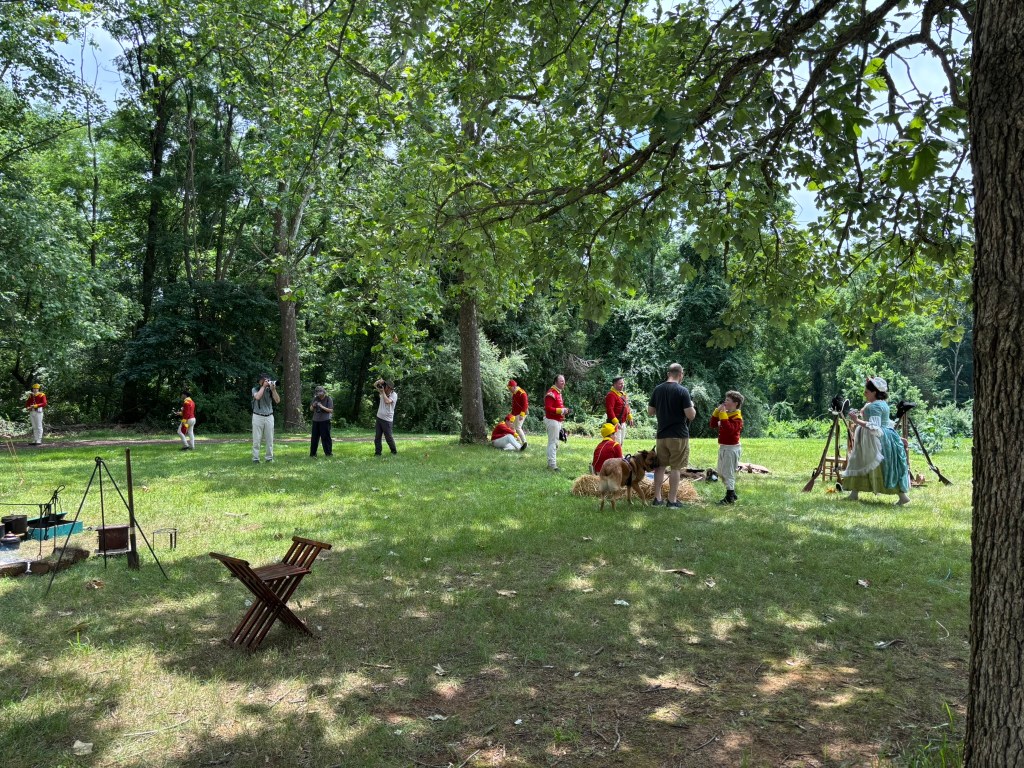
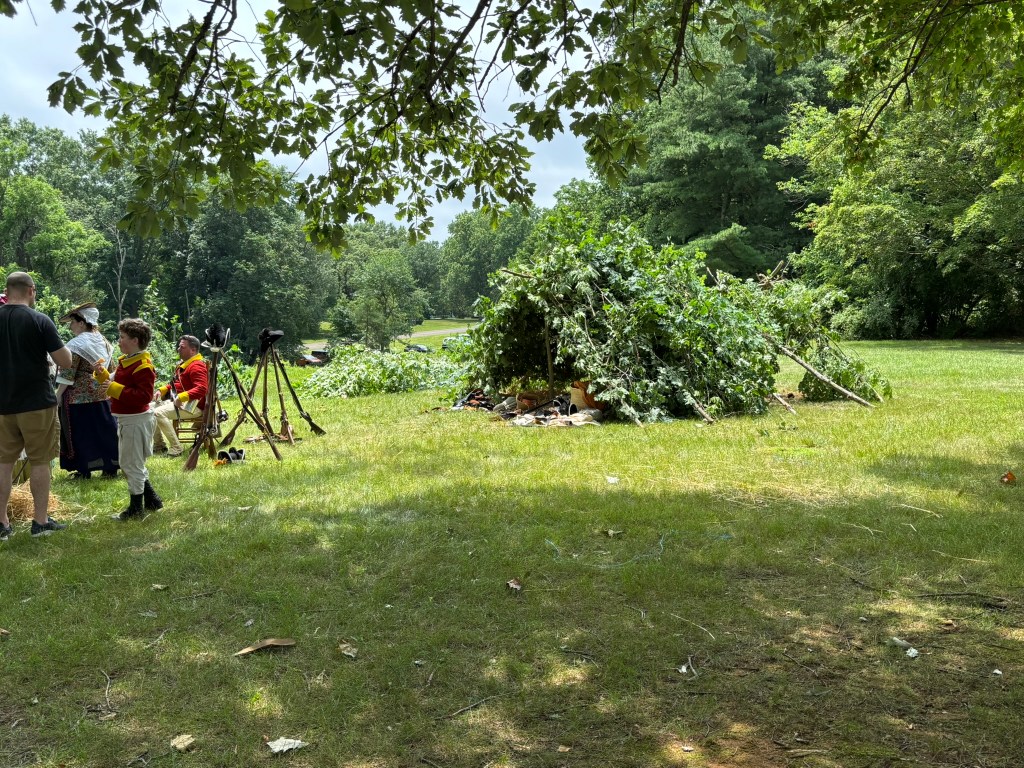
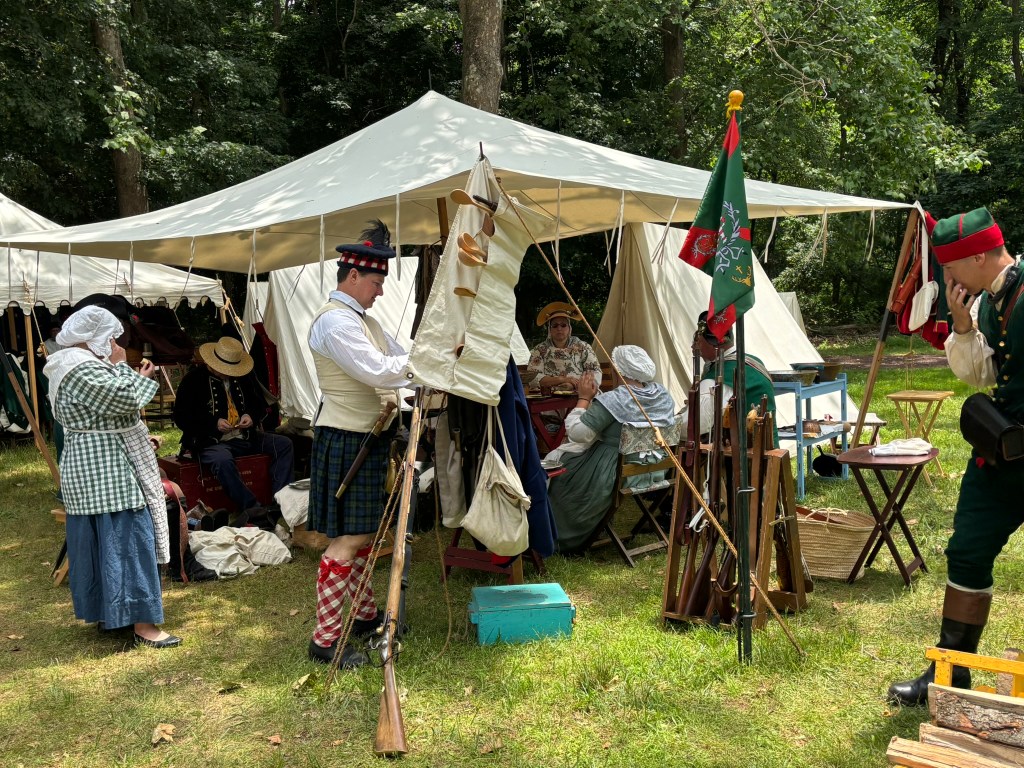
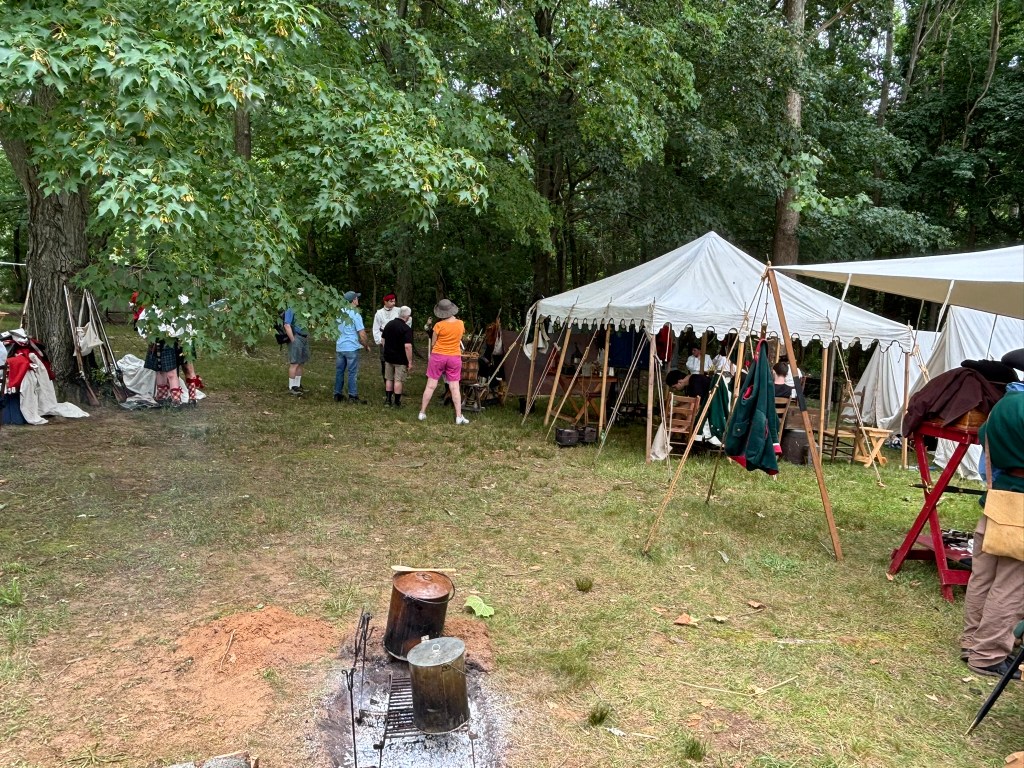
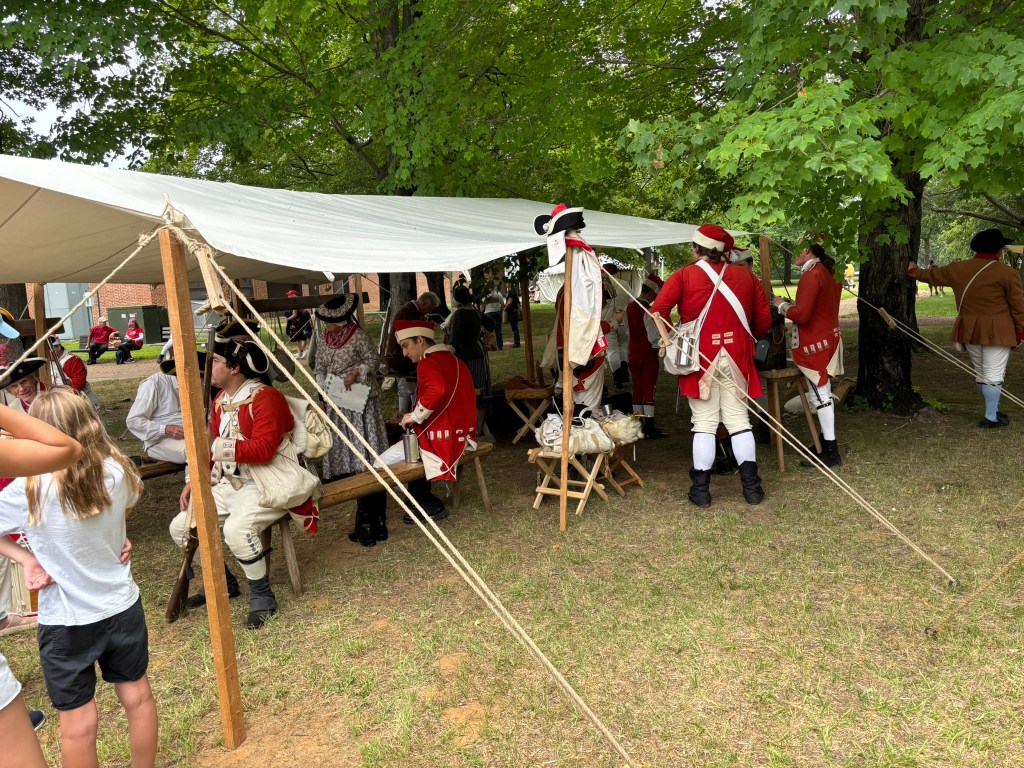
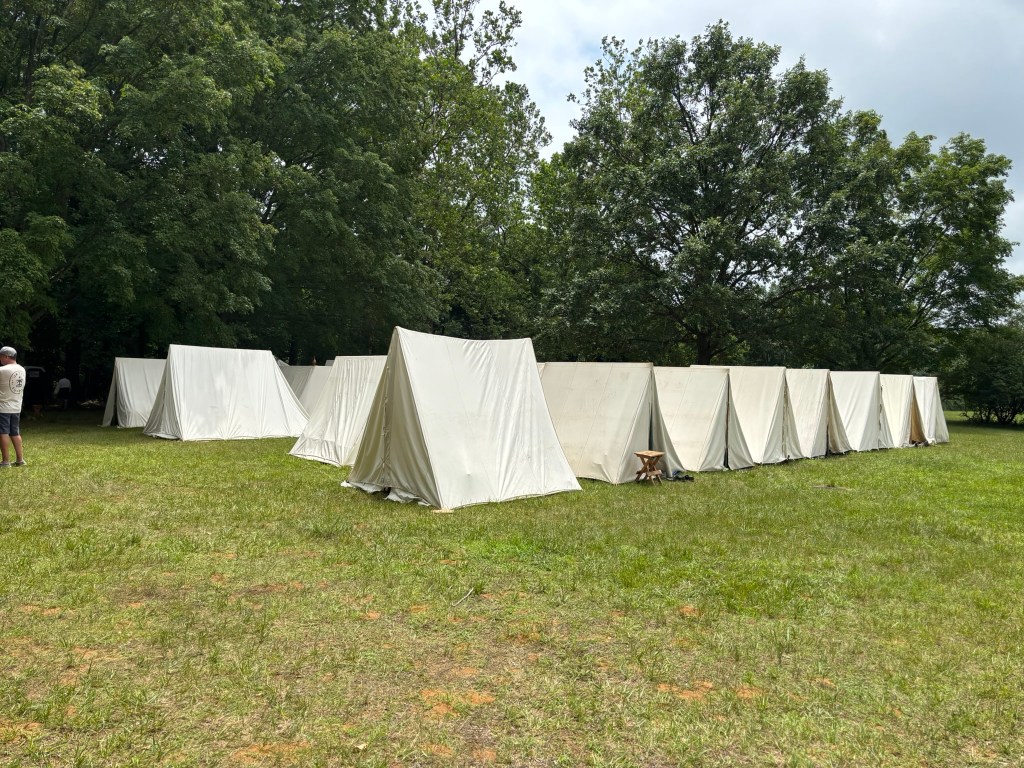
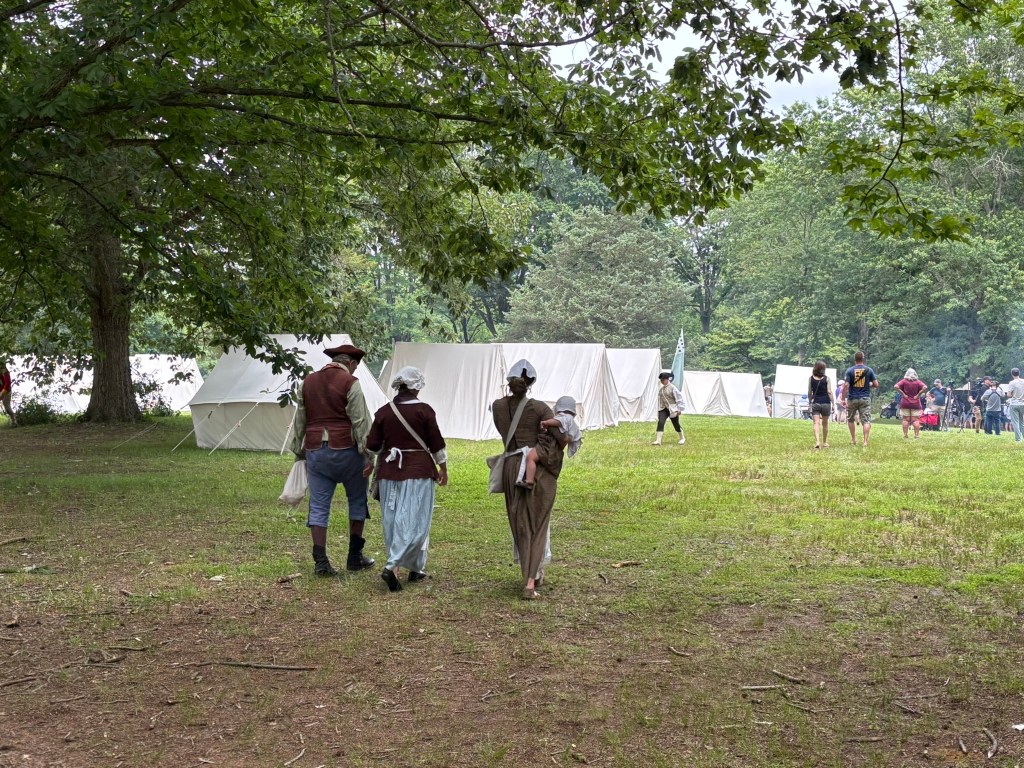
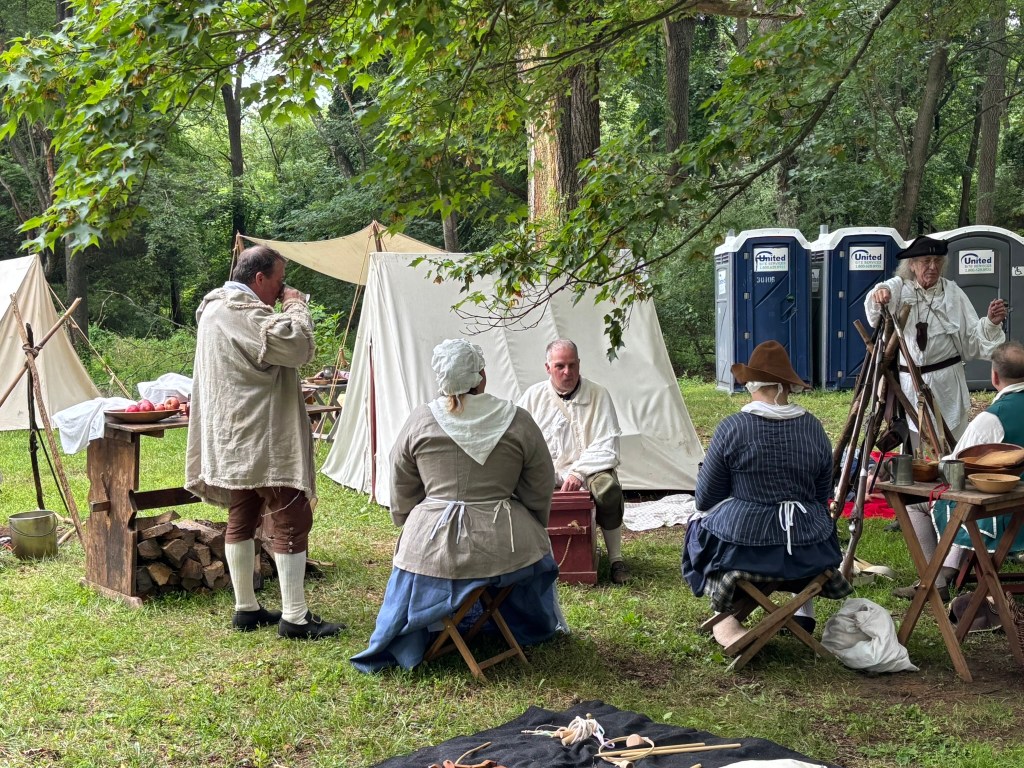
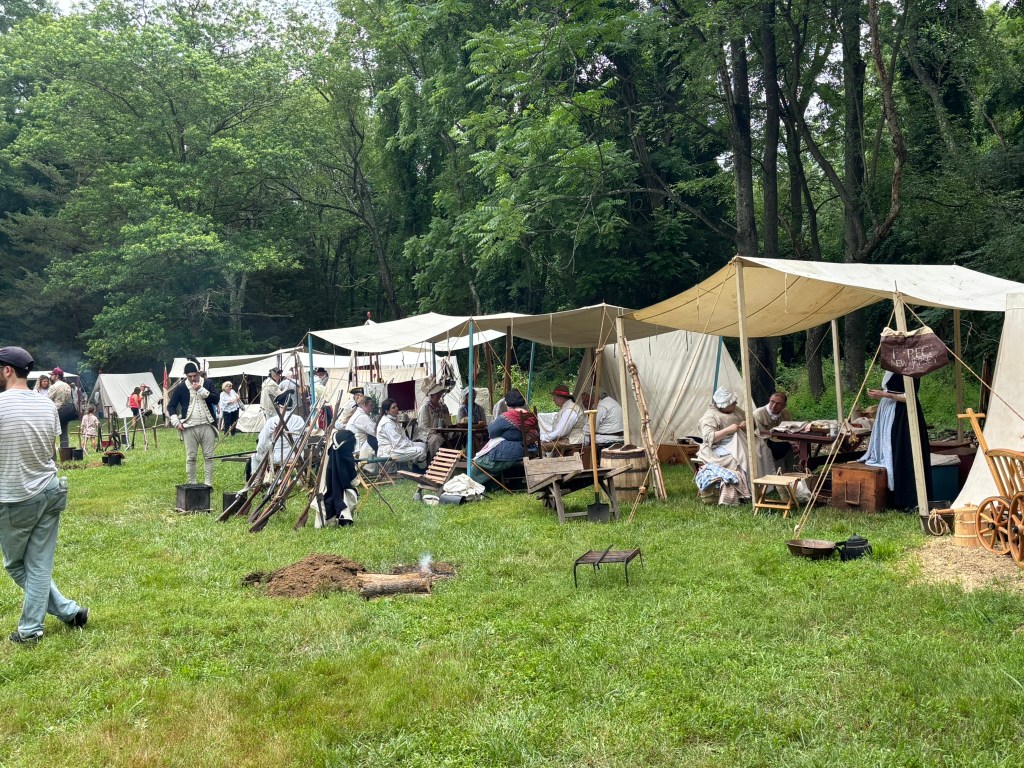
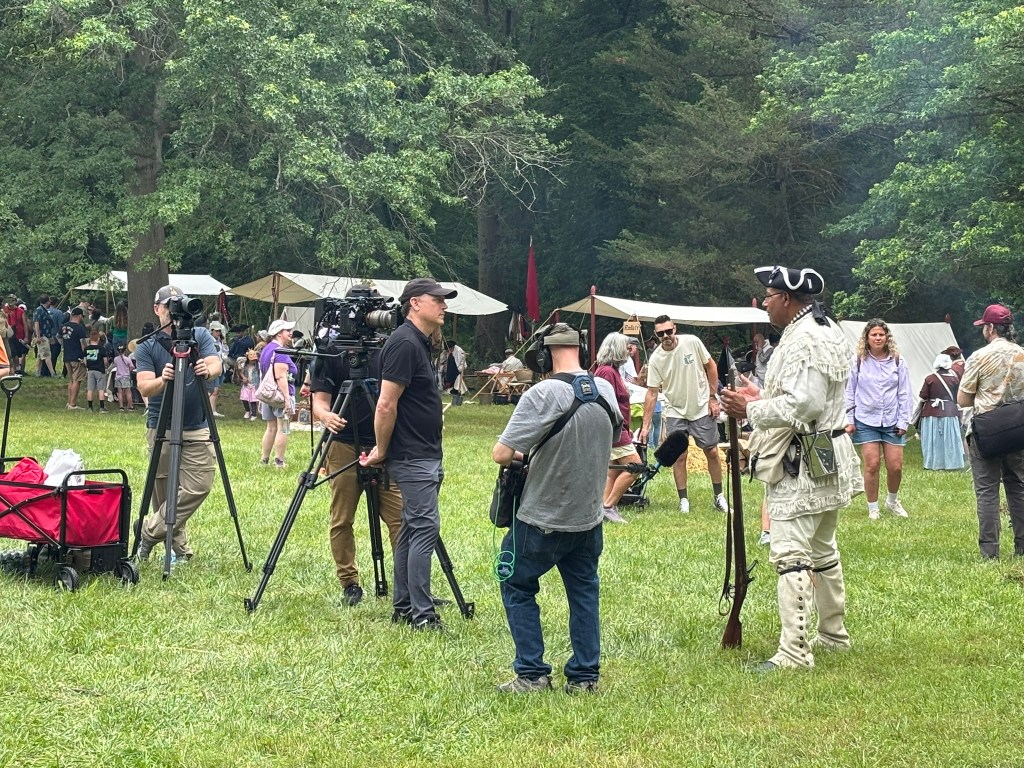
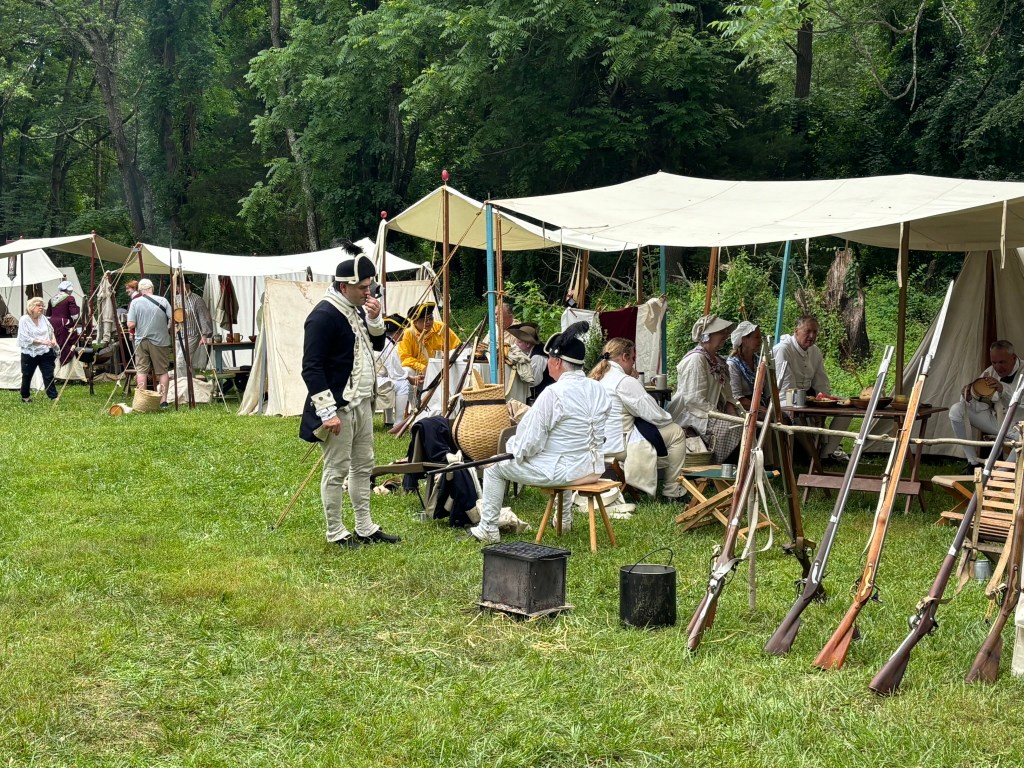
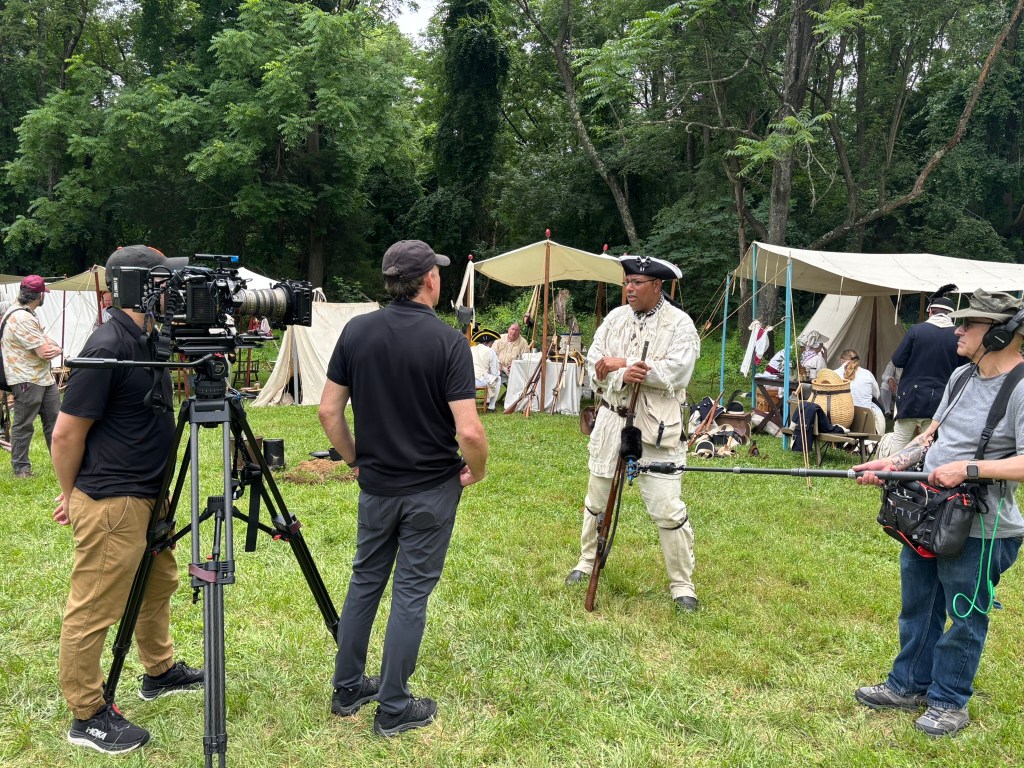

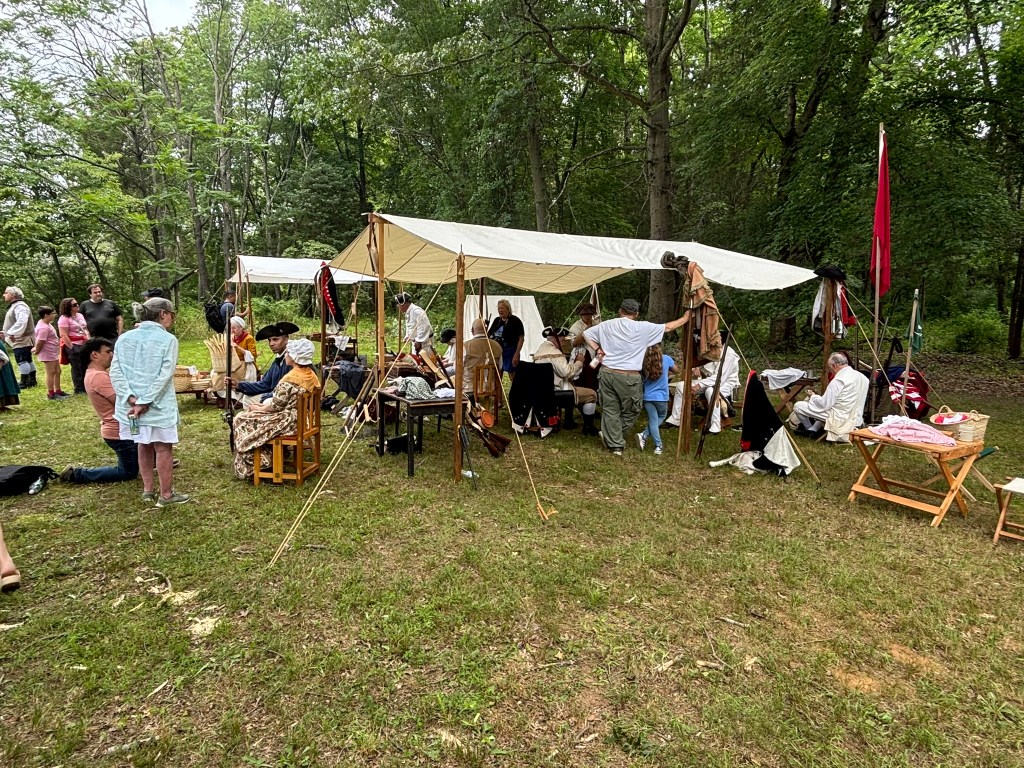
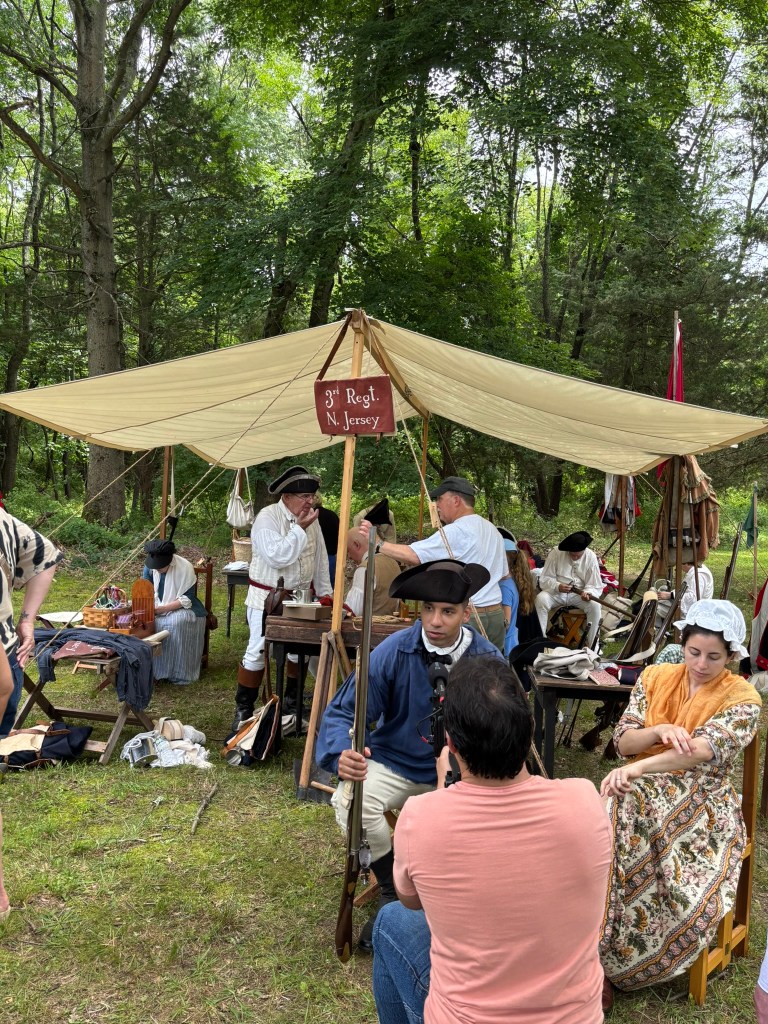
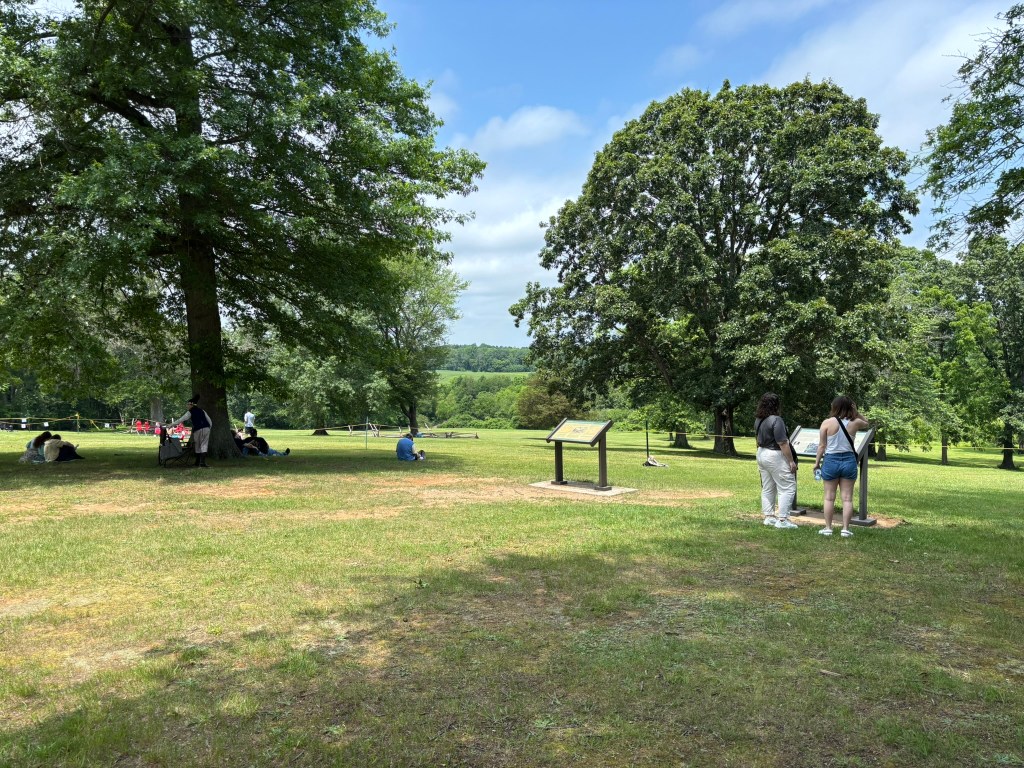
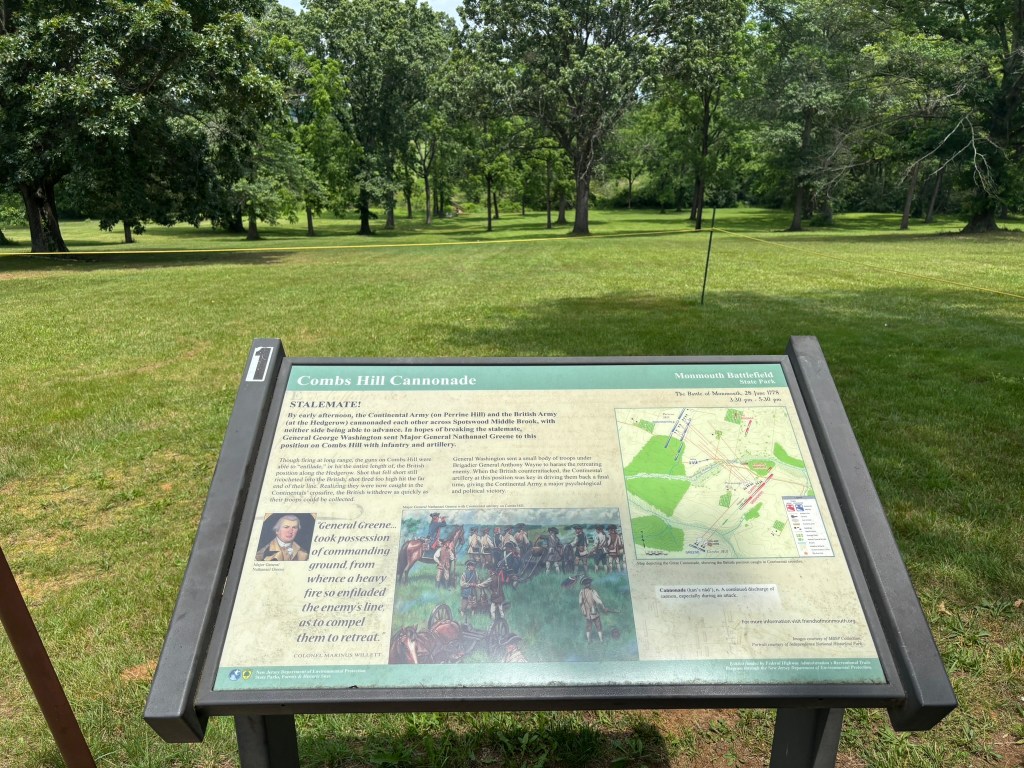
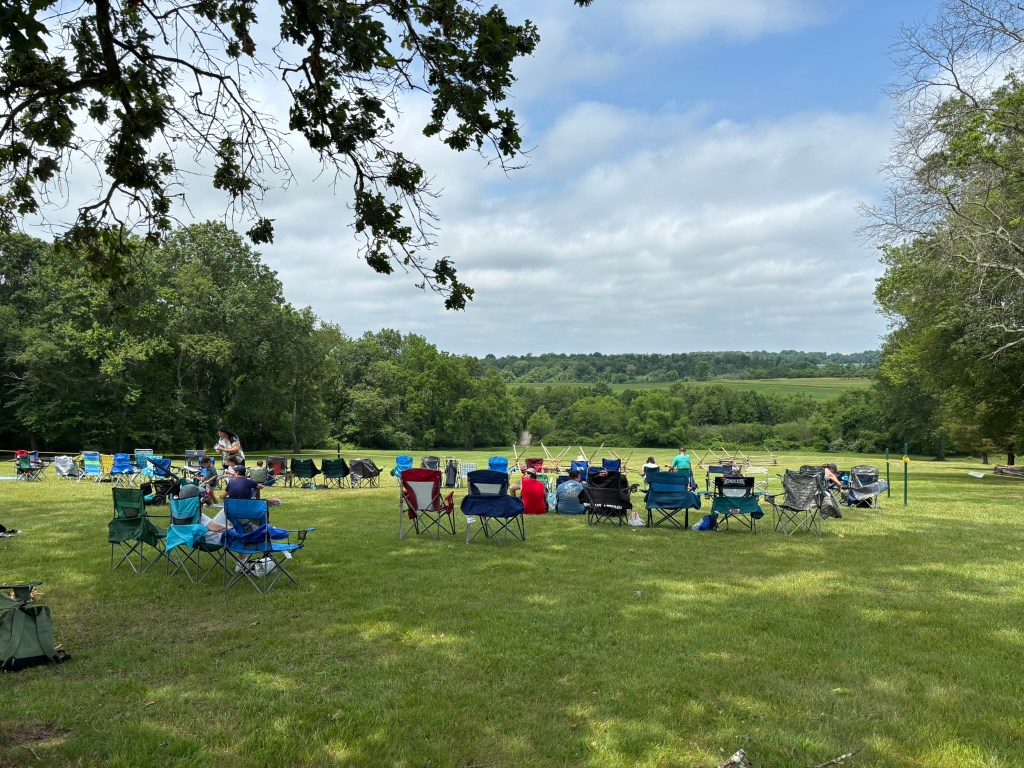
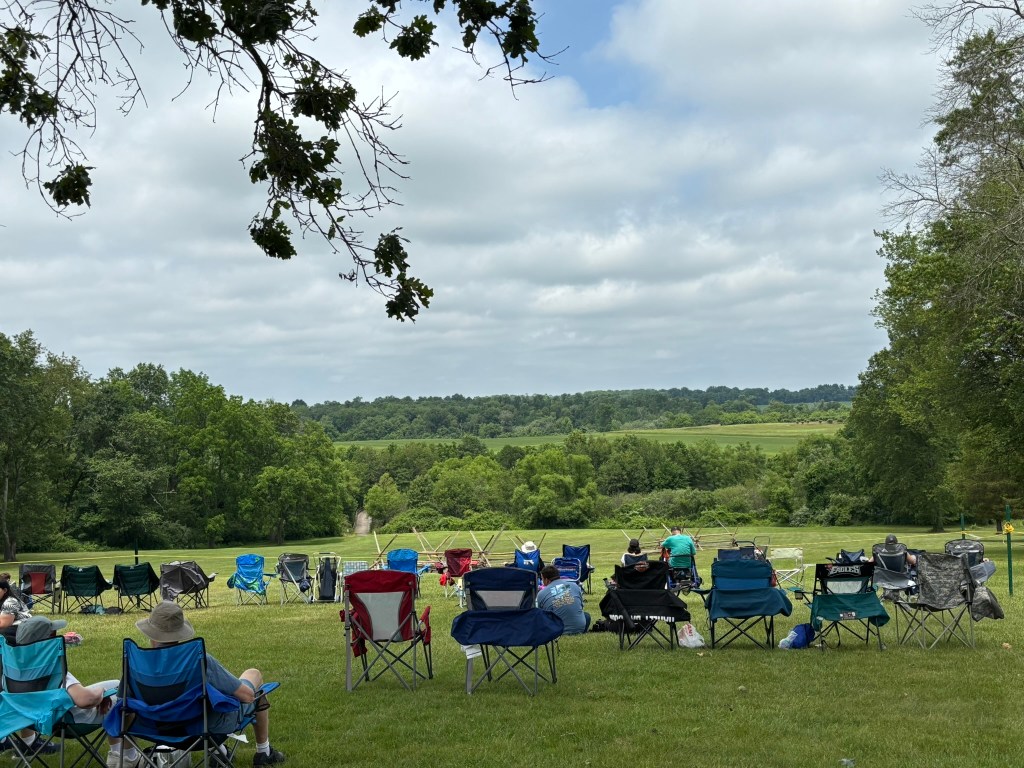
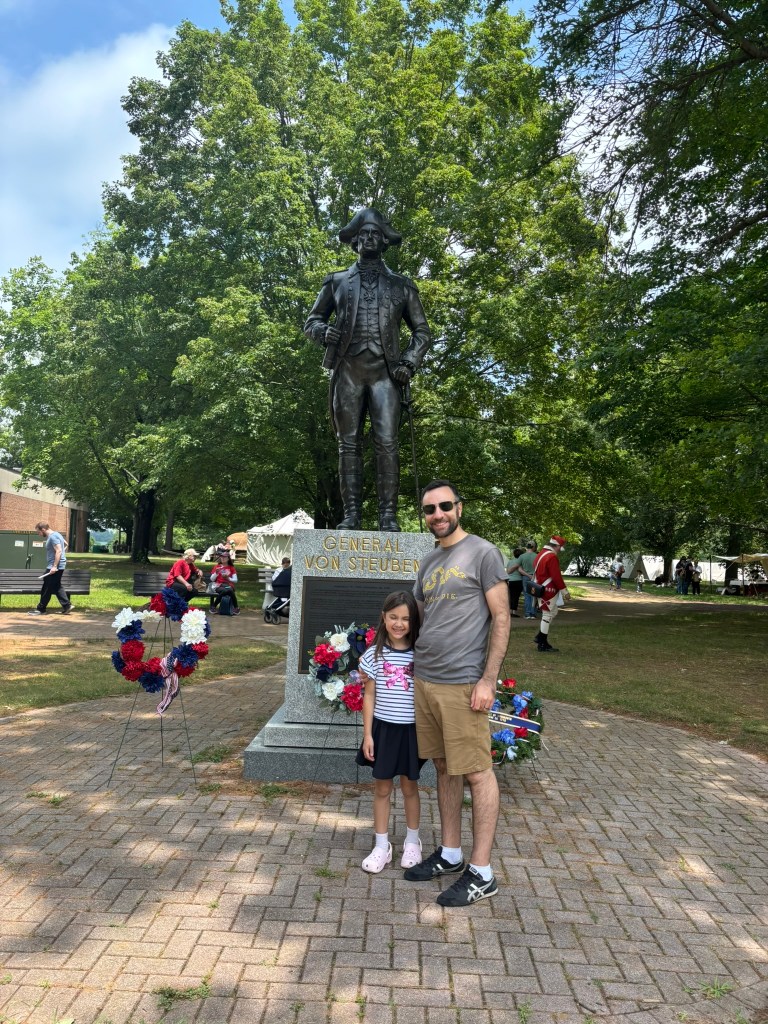
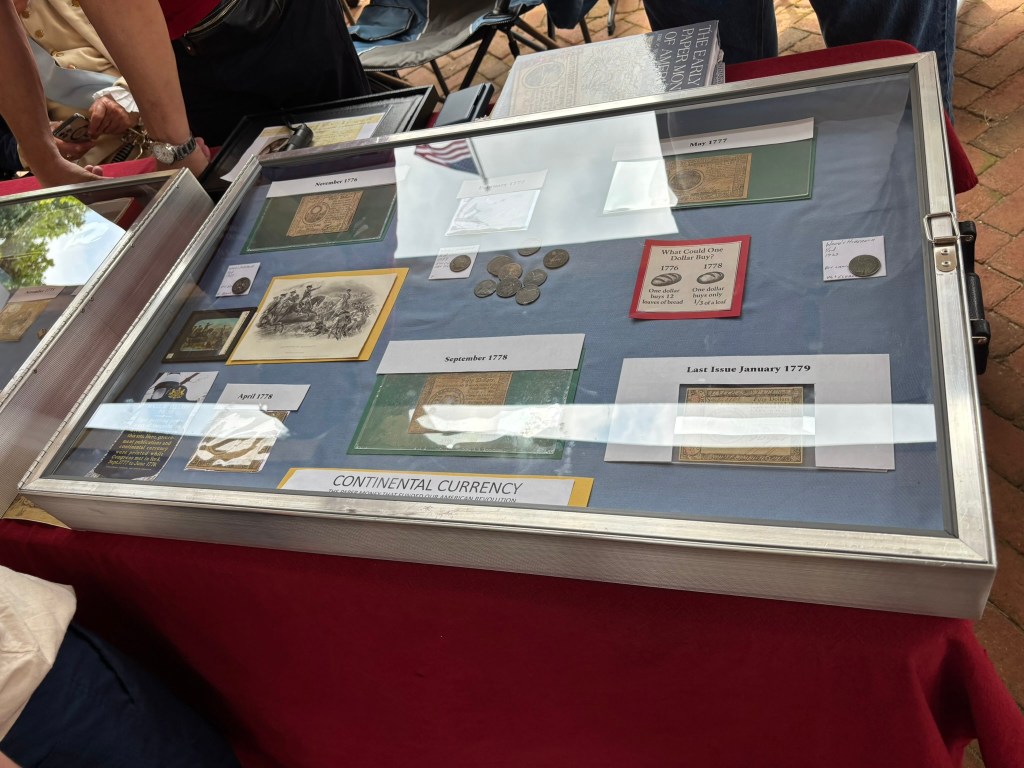
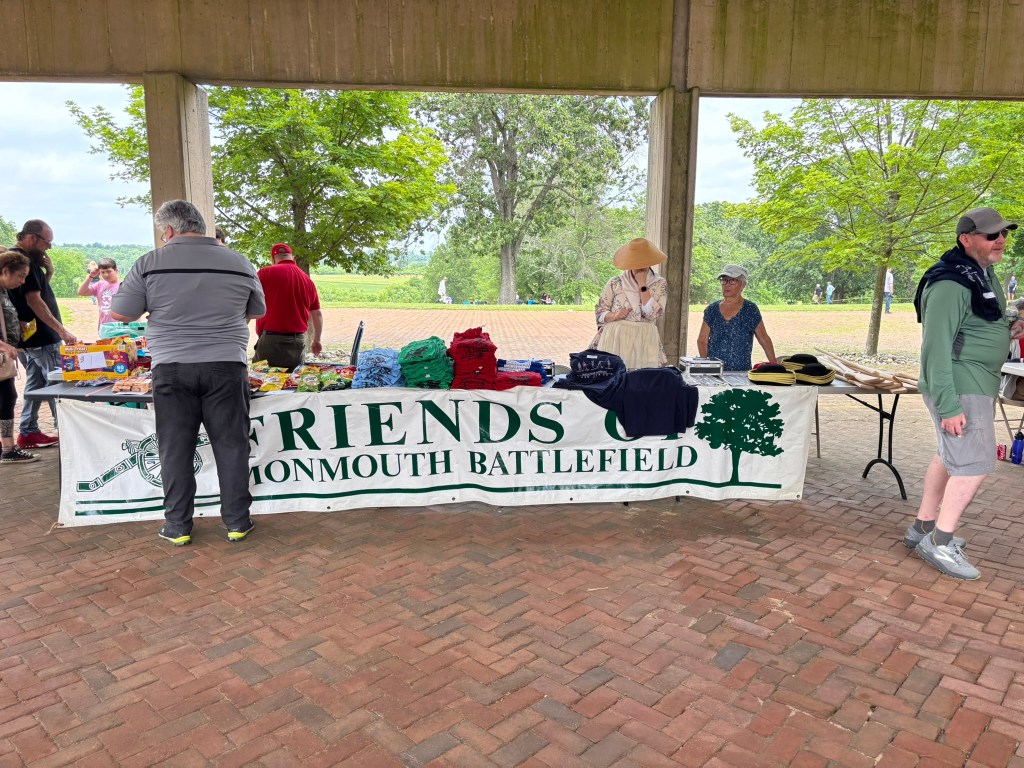
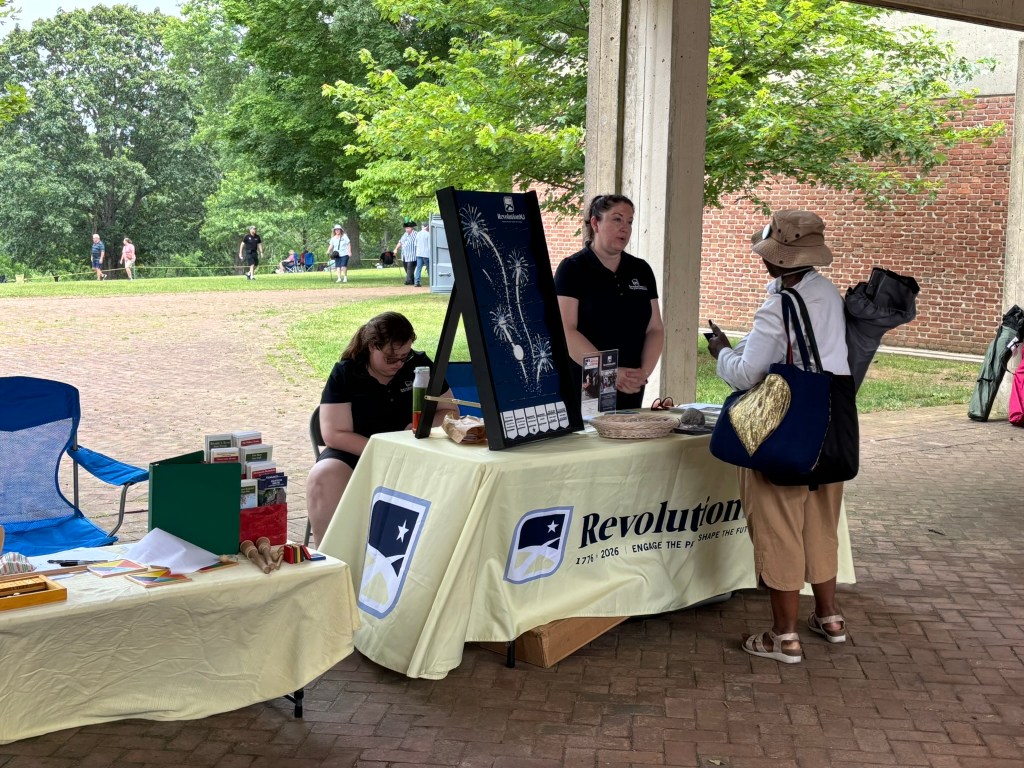
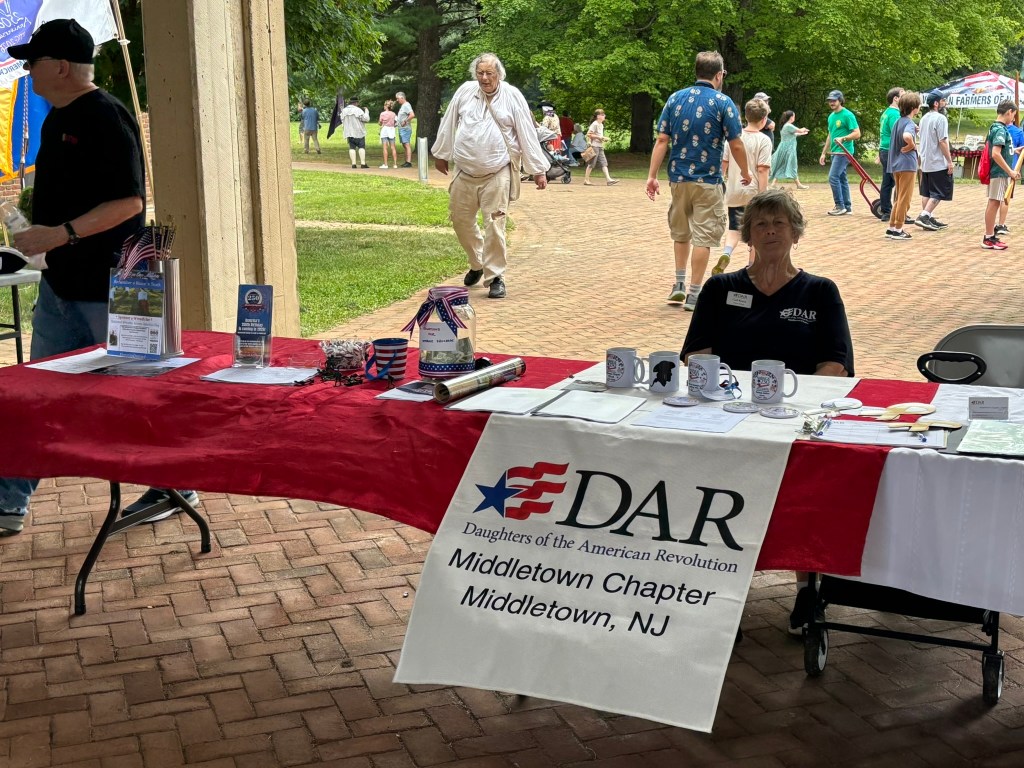
We then made our way over to the tables hosted by various historical groups and organizations. I had the chance to speak with members of RevNJ, a group I’m a Proud Partner with. Among the other participants were representatives from Washington Crossing Historic Park (PA), who brought along fascinating displays—including authentic examples of Continental currency used during the Revolutionary War. Also present were the Friends of Monmouth Battlefield, the Daughters of the American Revolution – Middletown Chapter, and other groups.
At 1:30, a children’s musket drill drew a large crowd. The reenactor leading the session did an excellent job explaining the process of loading and reloading a musket, presenting the information in a way that was both informative and engaging for the kids.
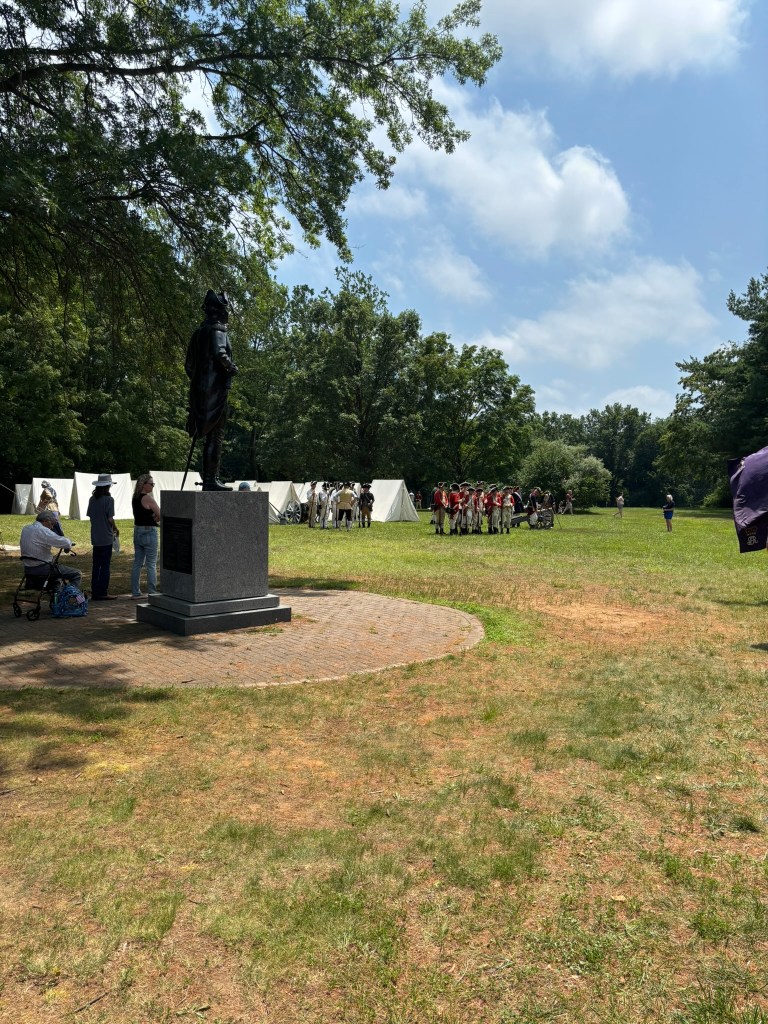
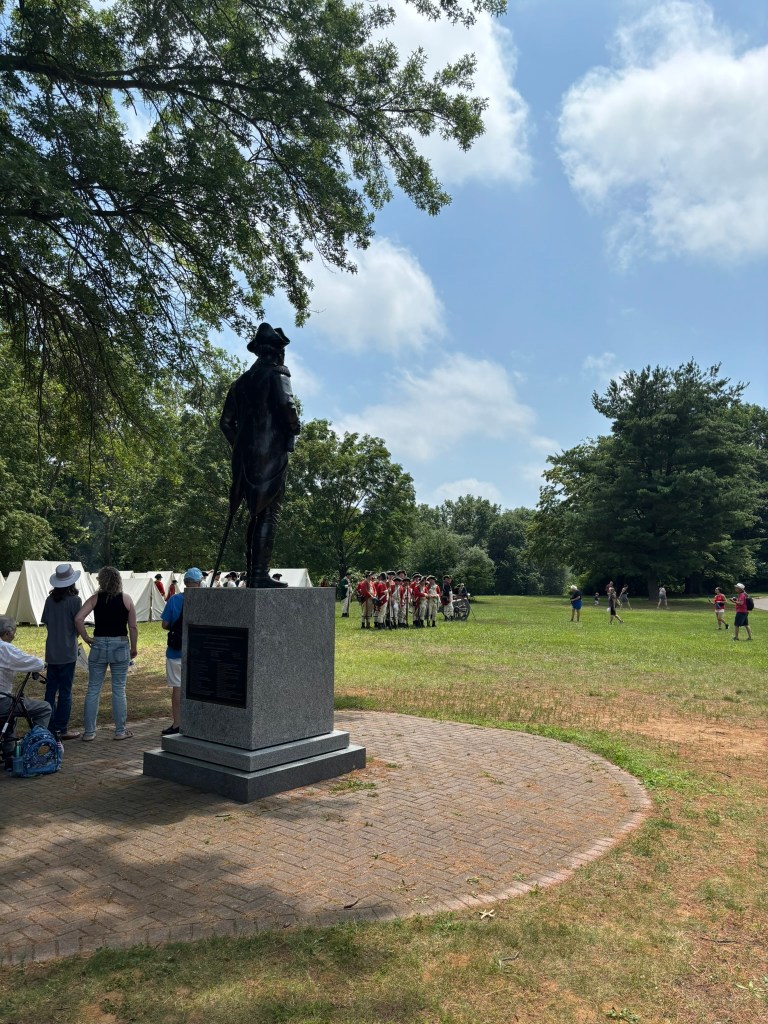
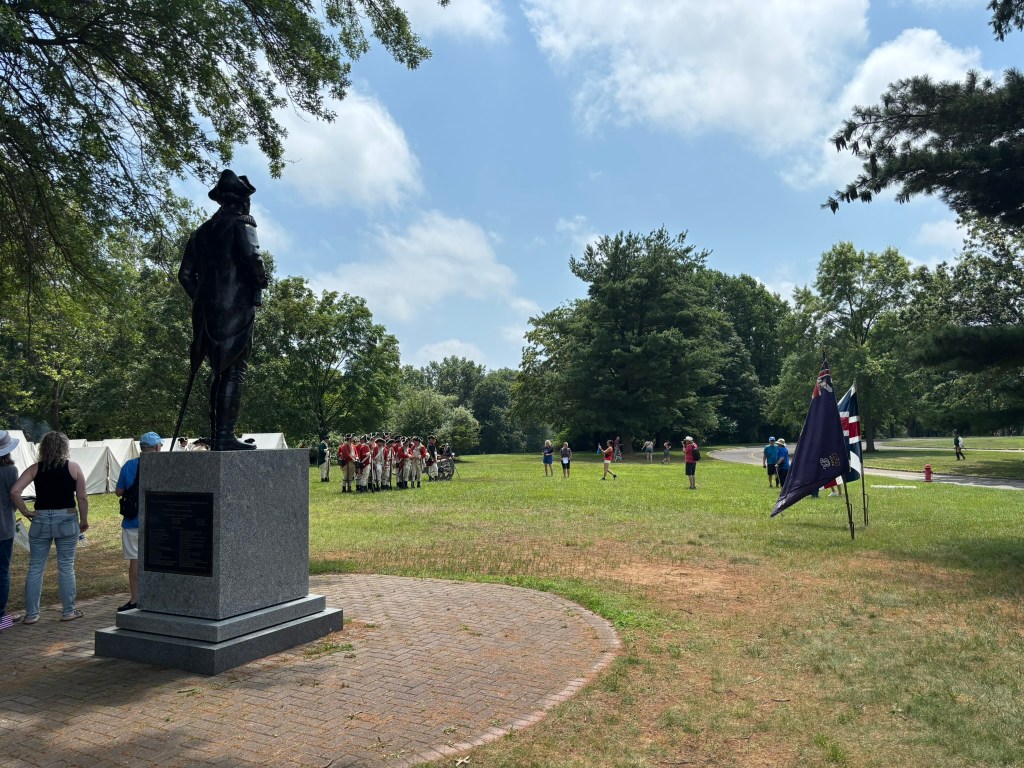
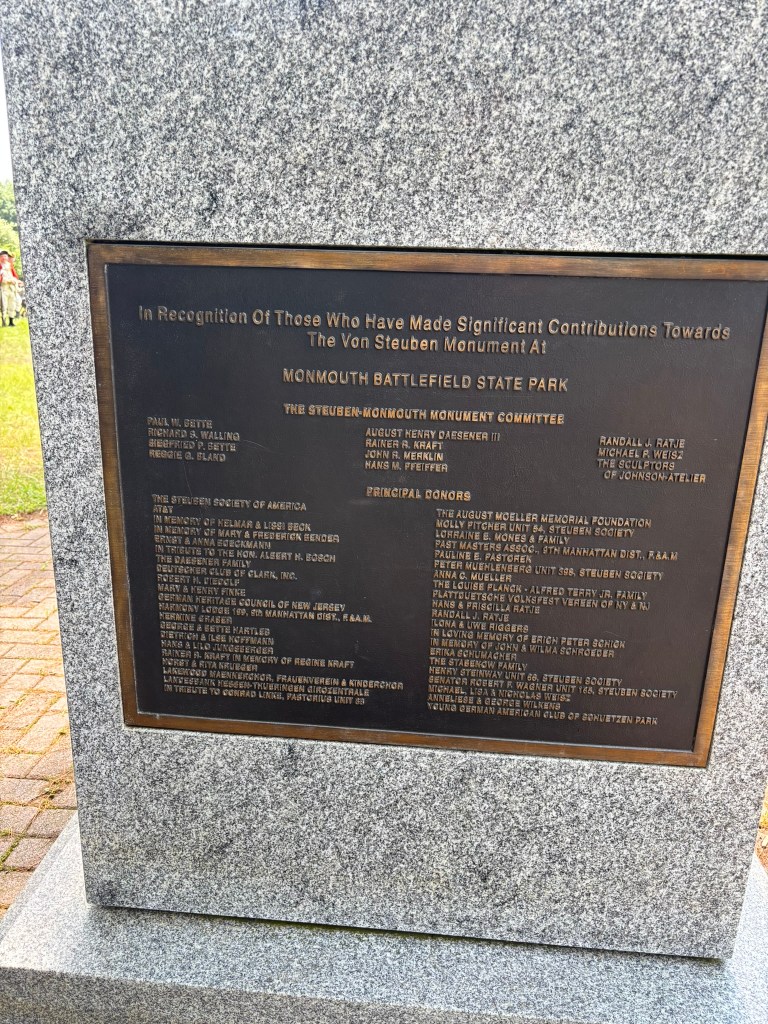
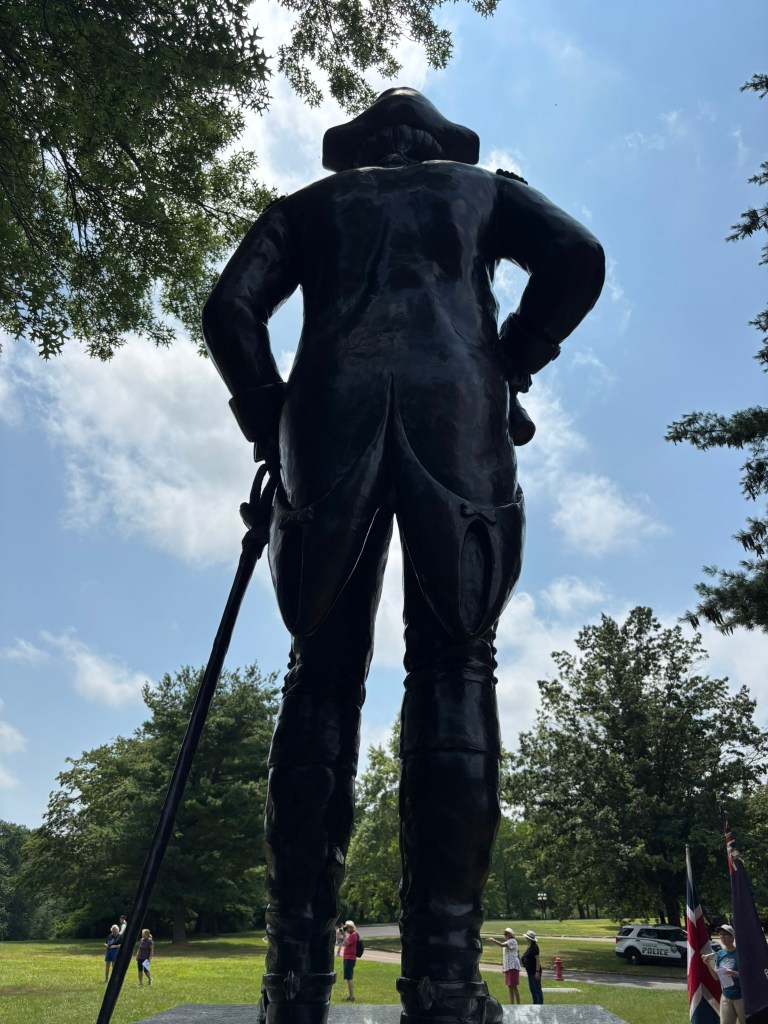

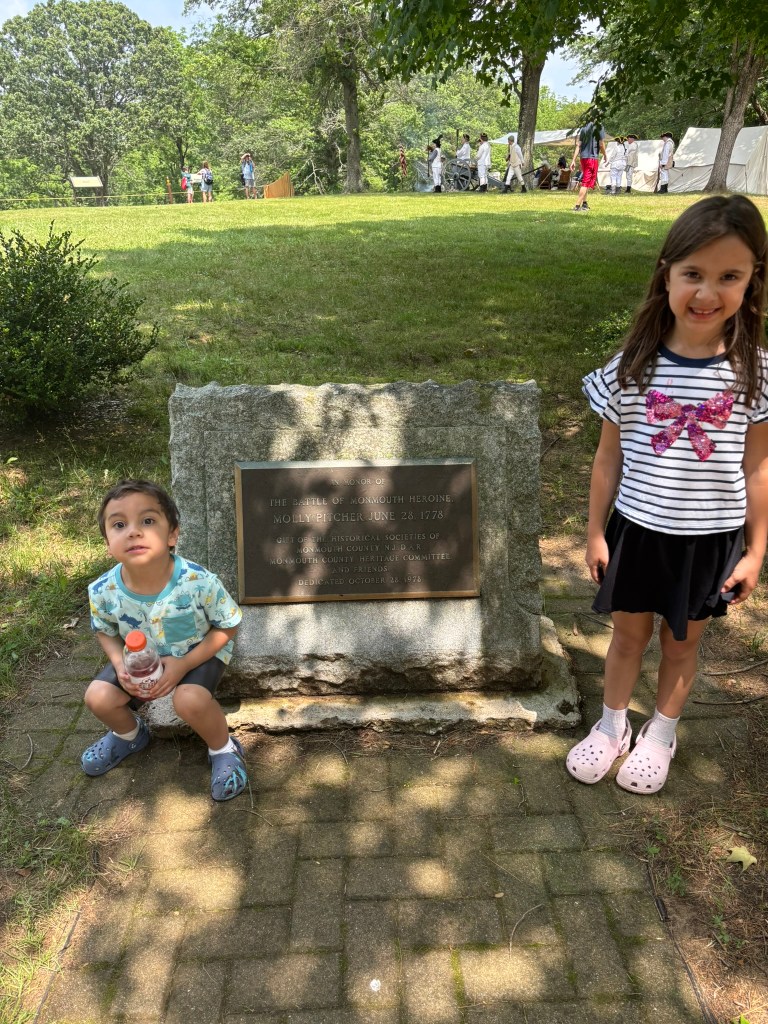
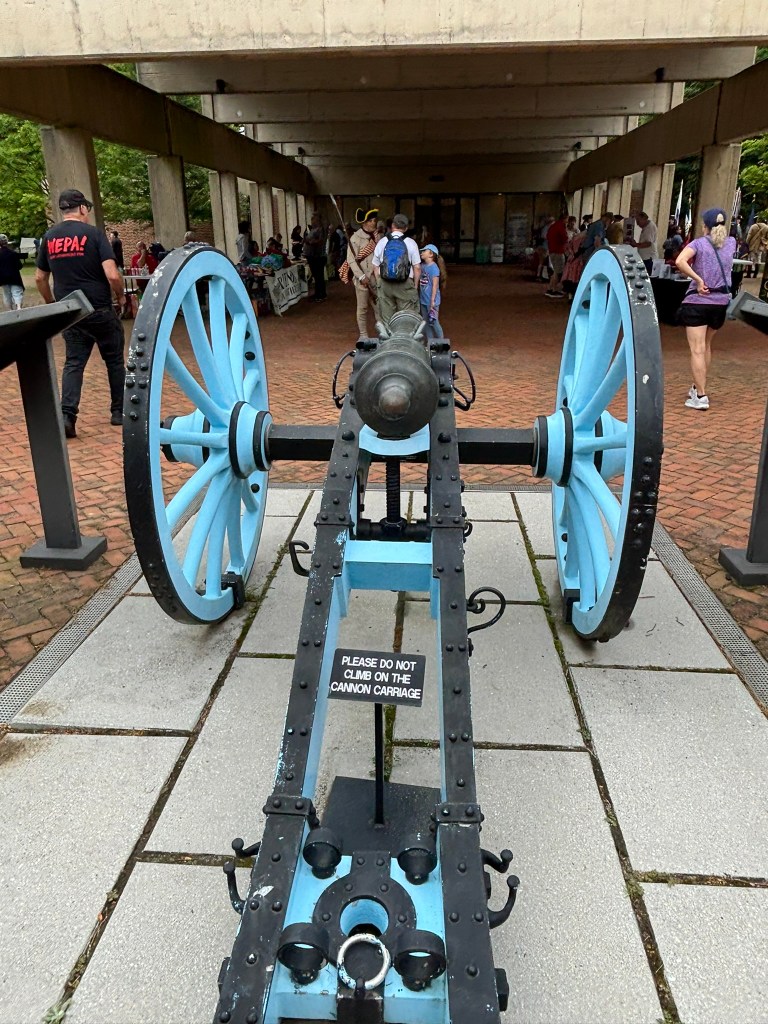
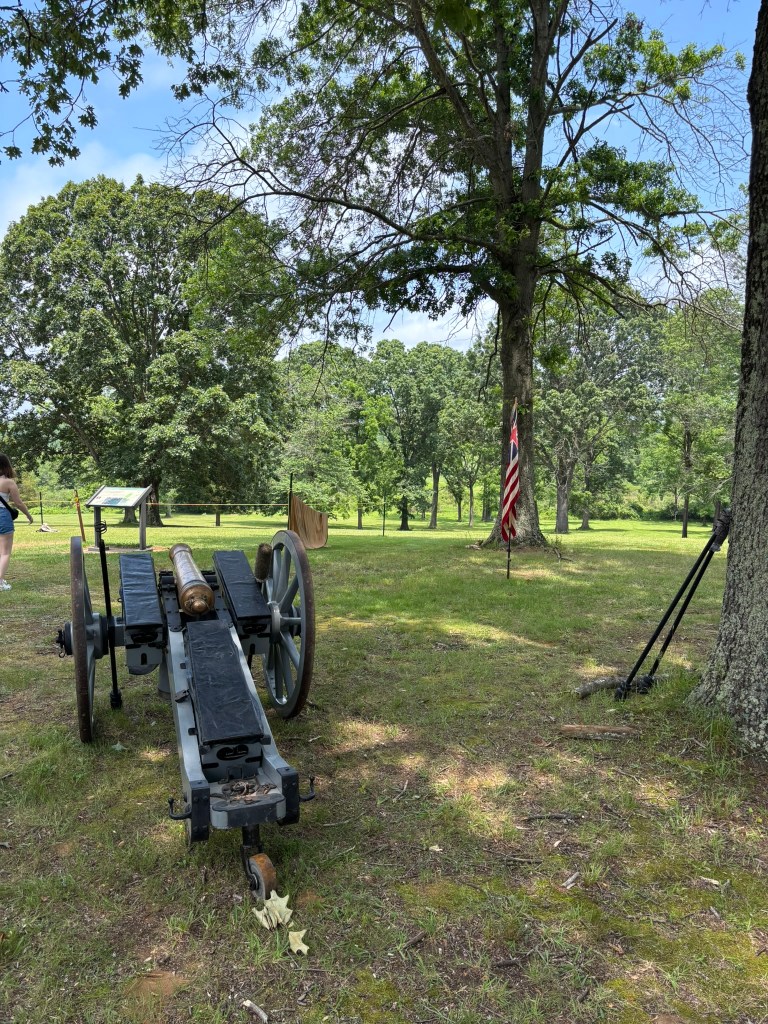
Afterward, I made another round through the encampments, where I watched fife and drum demonstrations and spoke with reenactors who were teaching about the artillery used at the Battle of Monmouth. They gave a thorough explanation of how canister shot was deployed in combat.
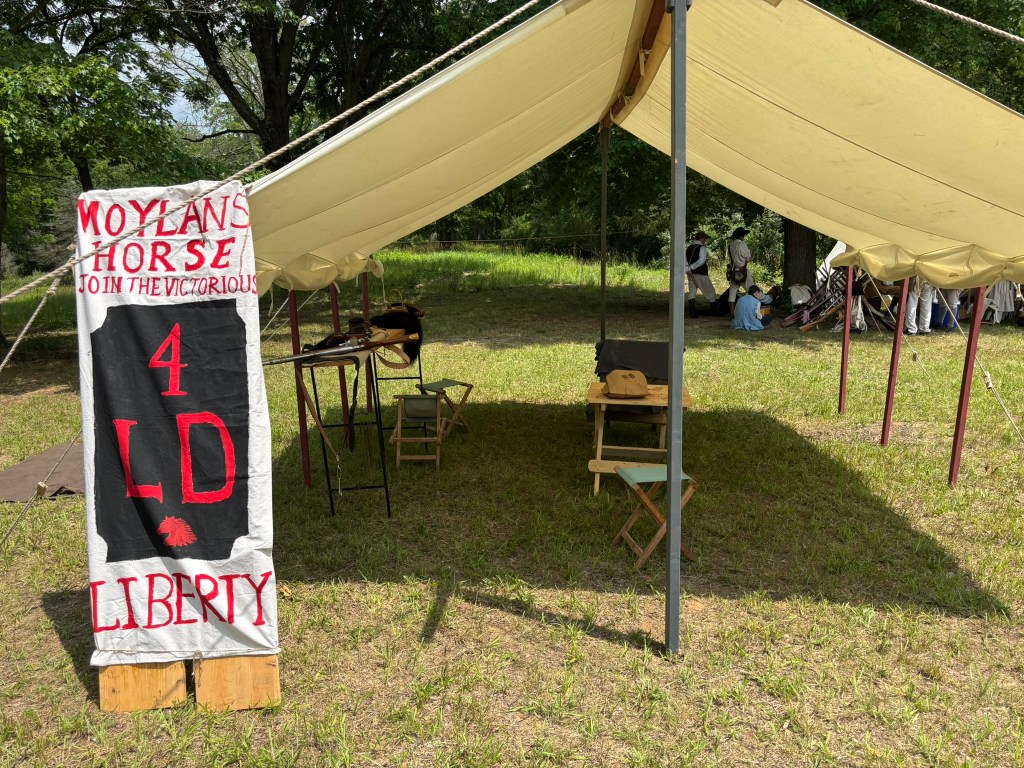
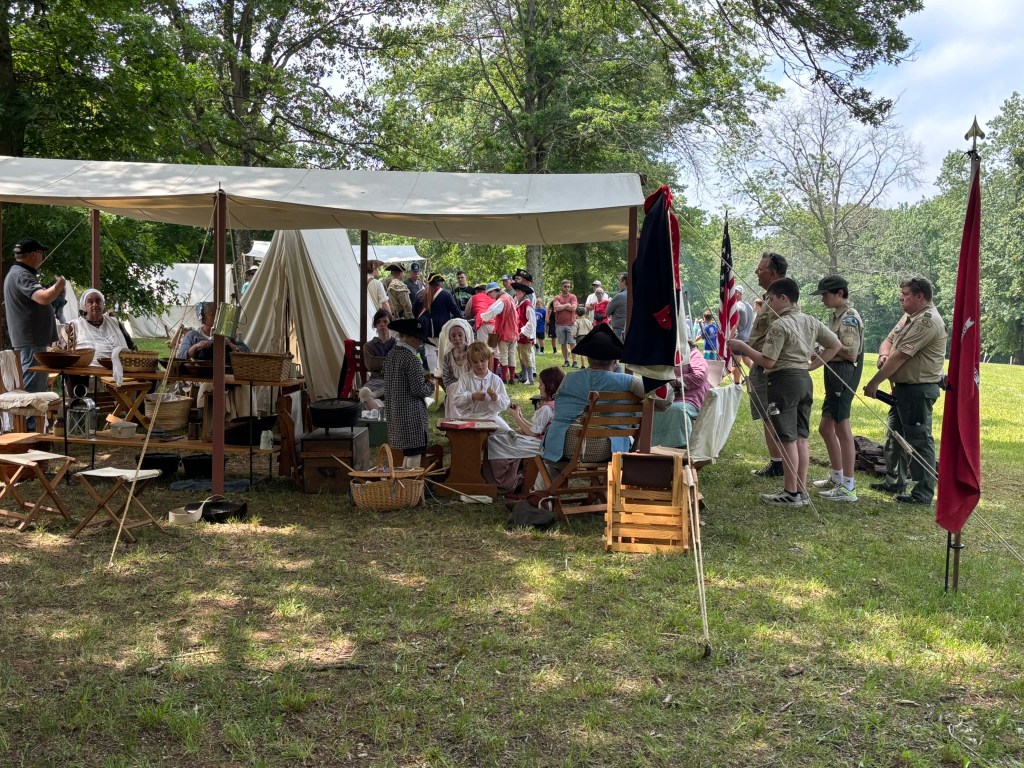
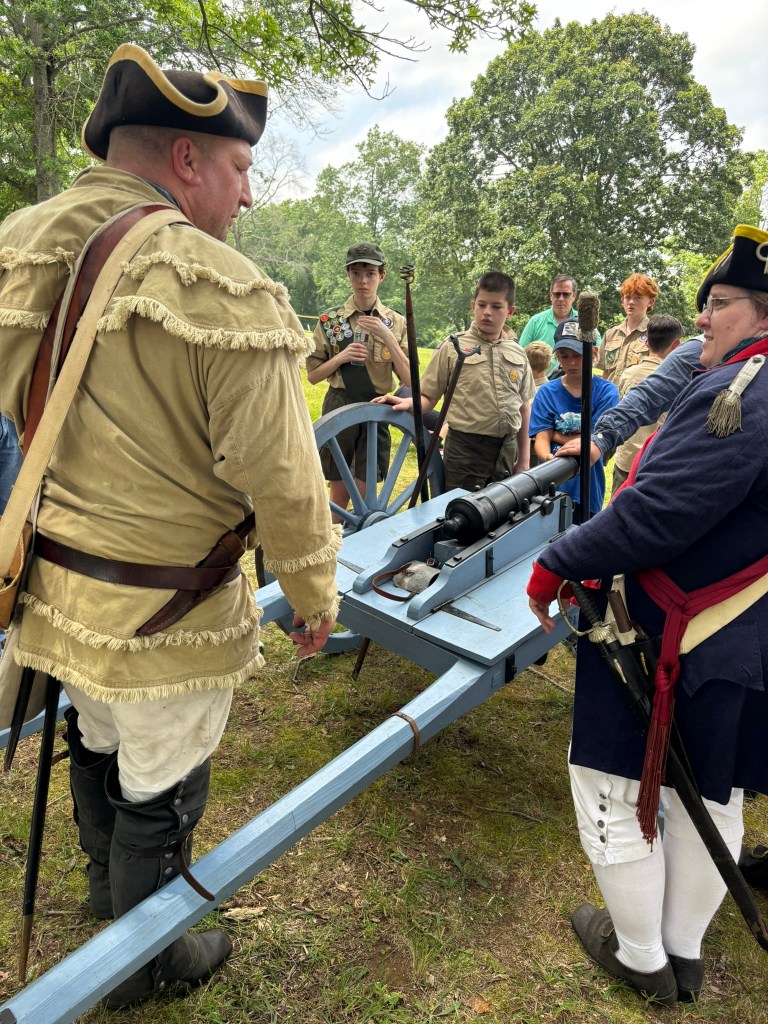
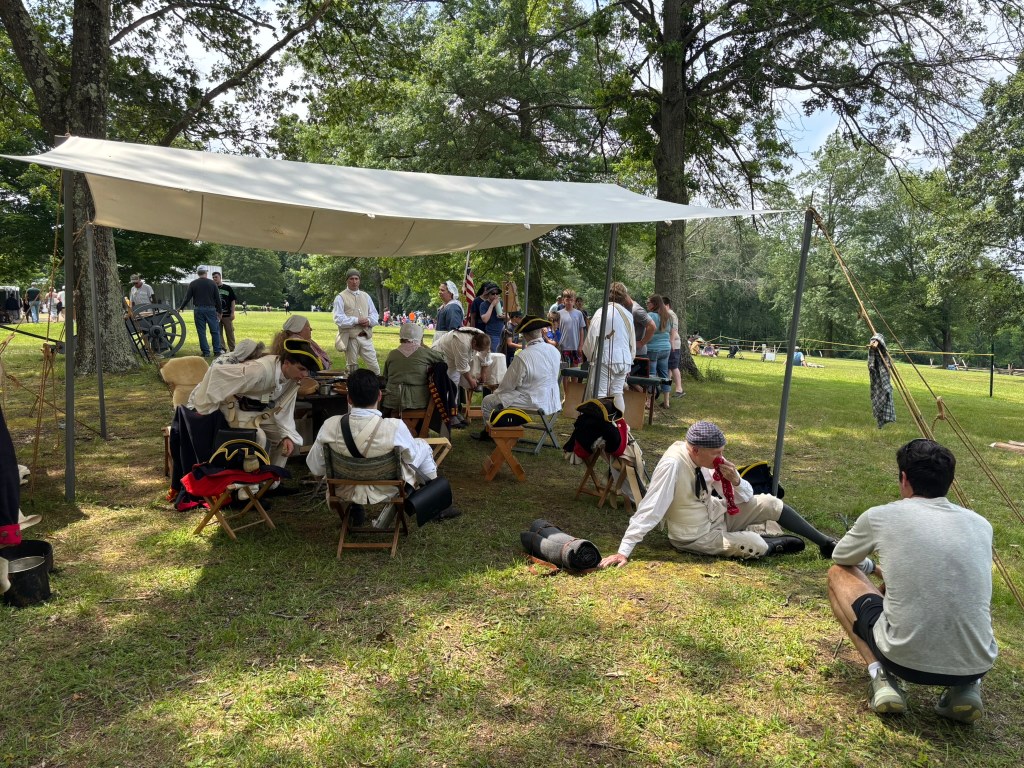

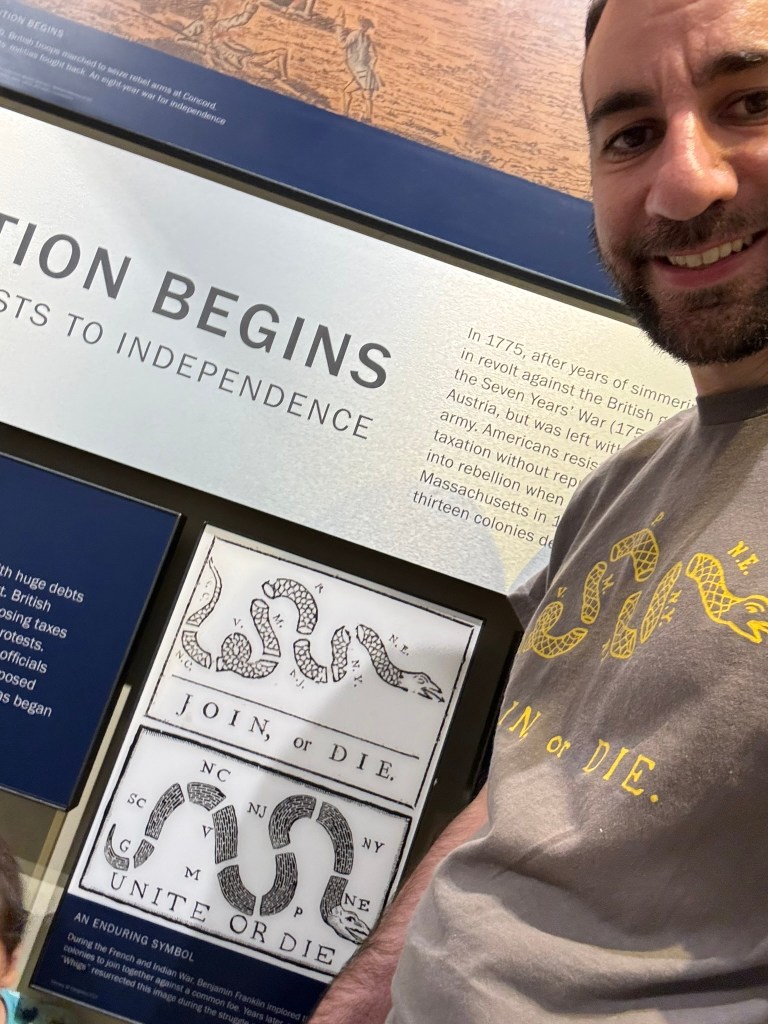
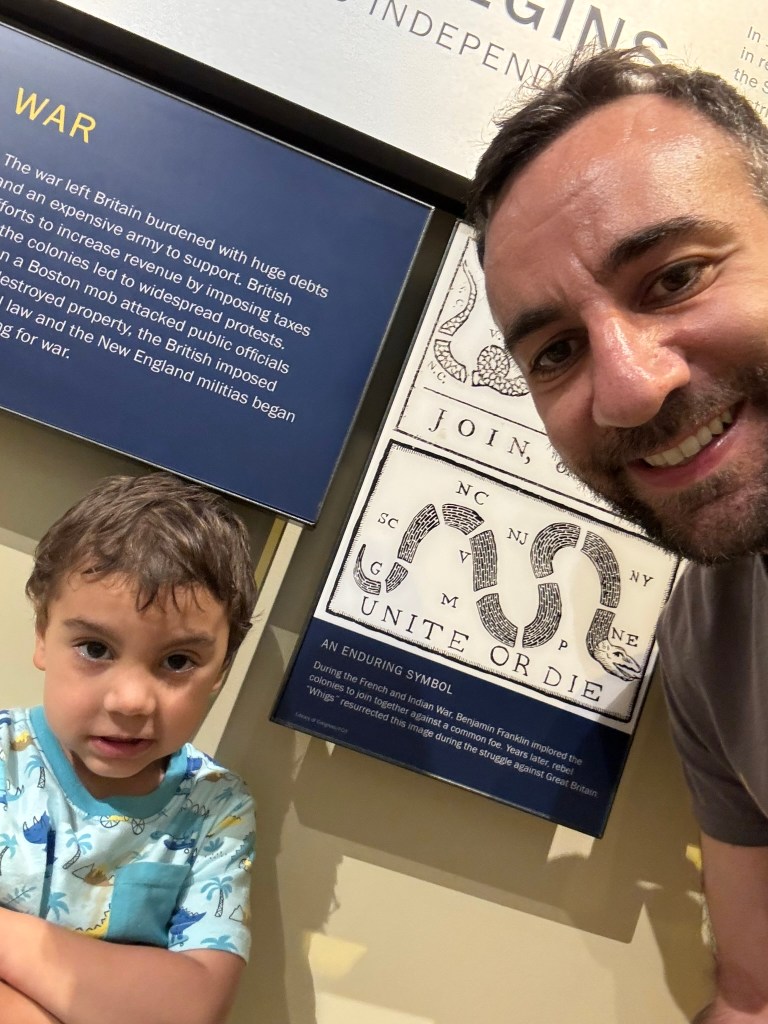
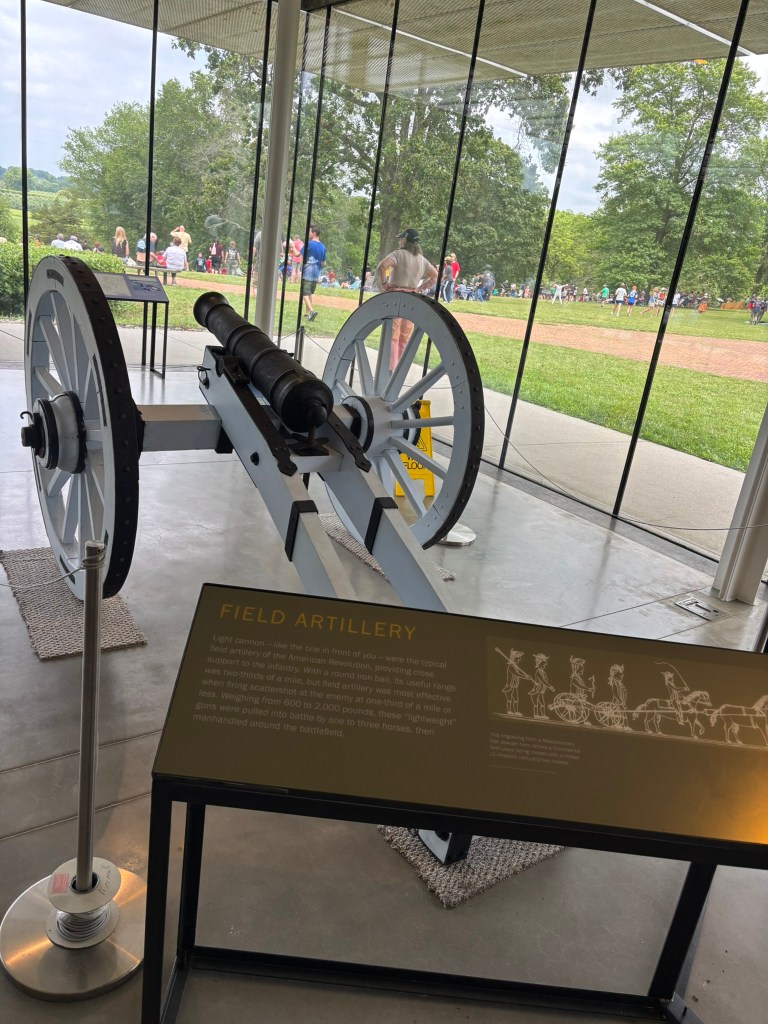
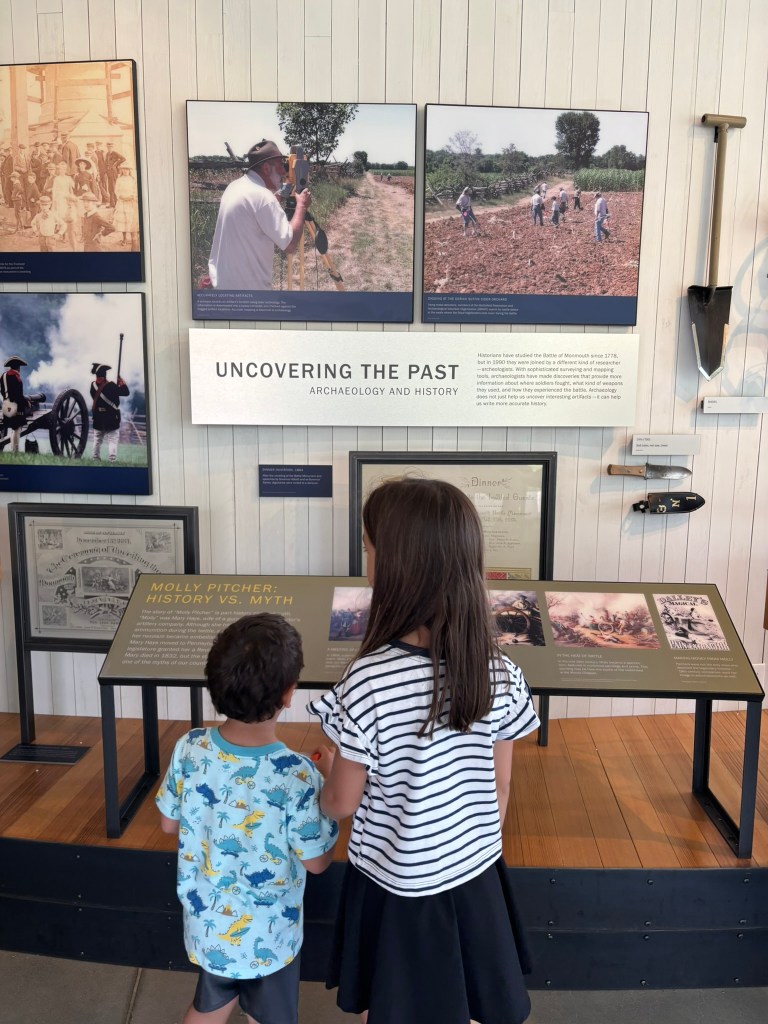
Between 2:30 and 3:00, I observed the soldiers preparing for the reenactment battle—listening to their orders, forming ranks, and taking part in a pre-battle prayer. At 3:00 they marched onto the battlefield.
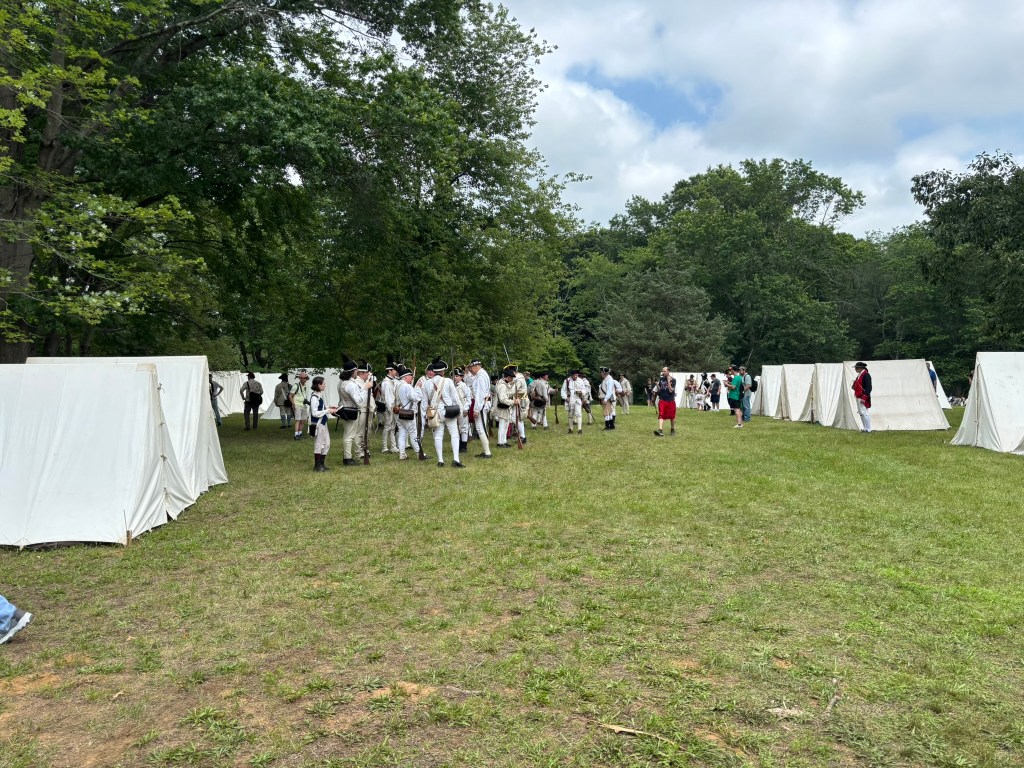
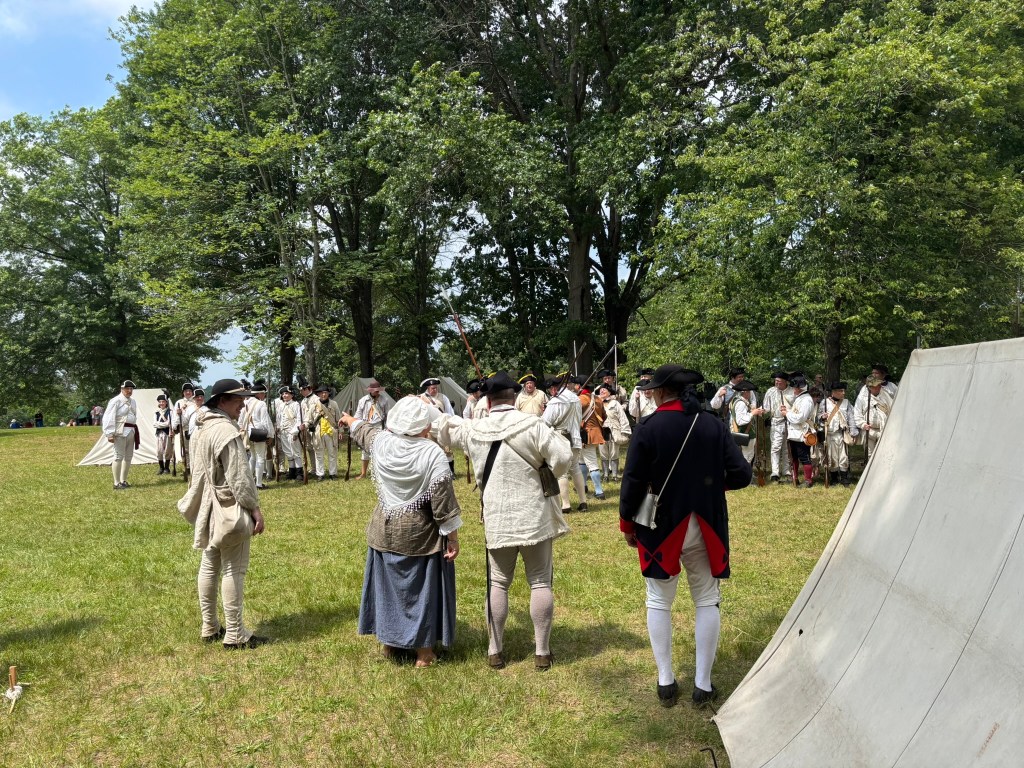
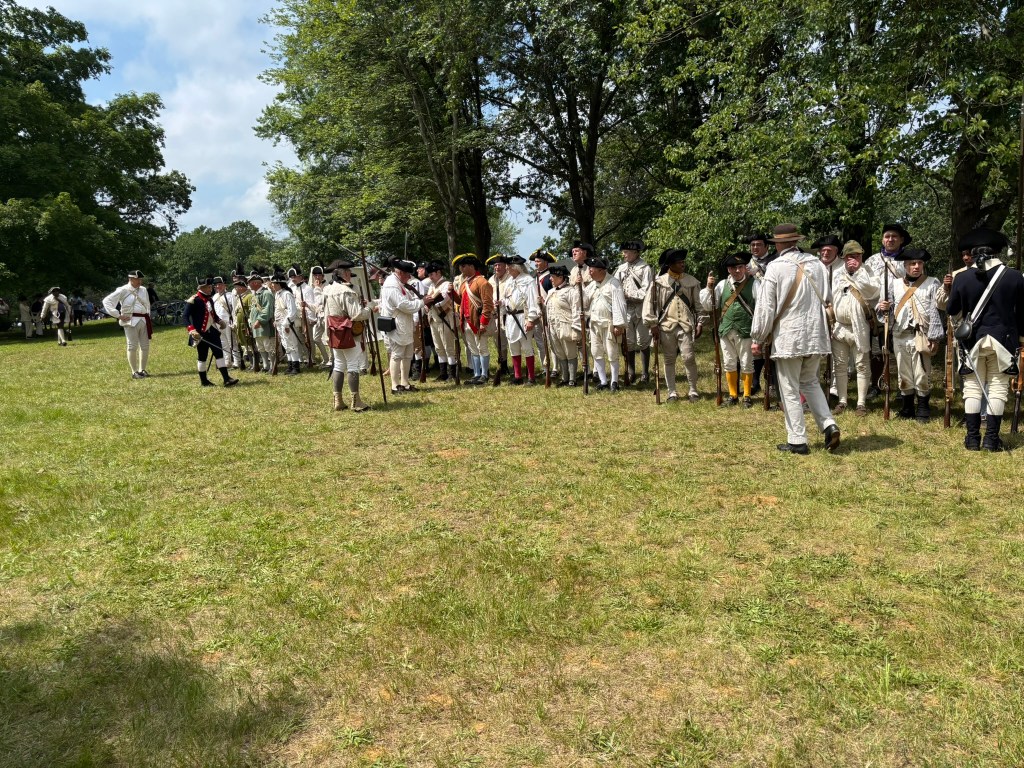
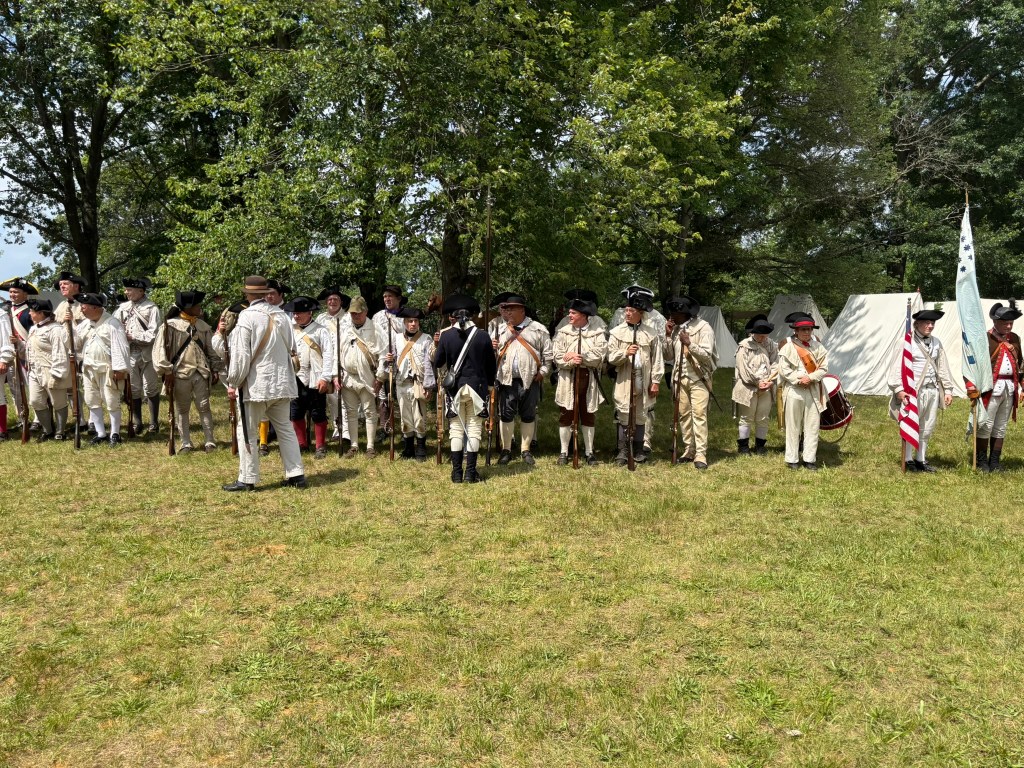
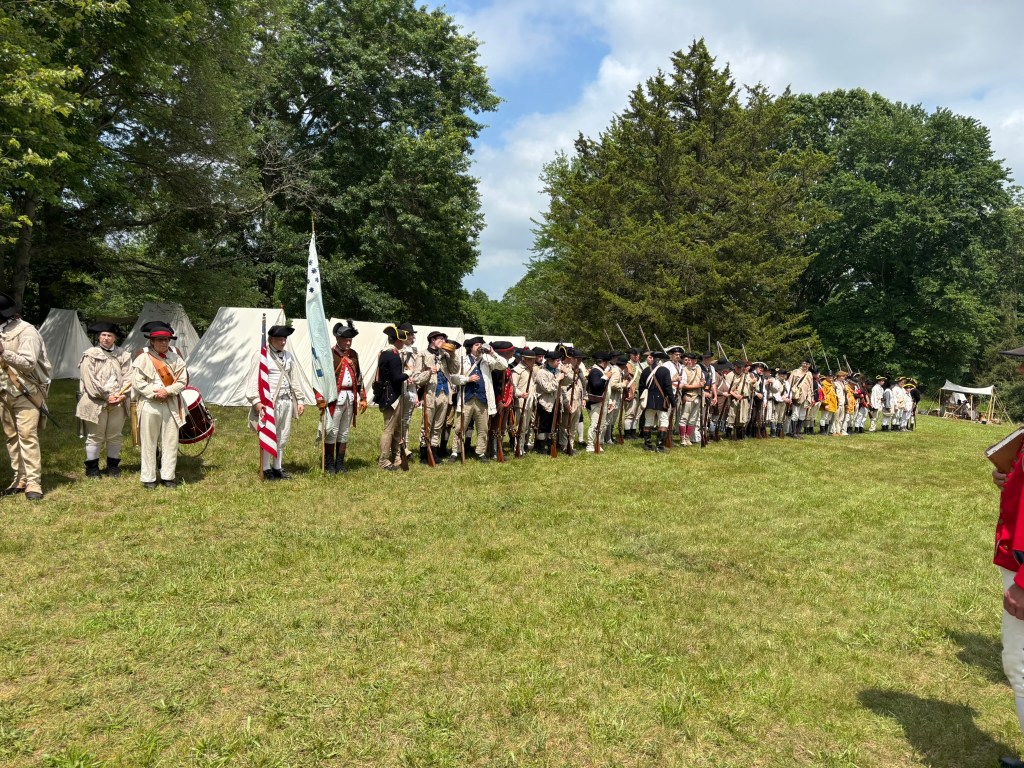
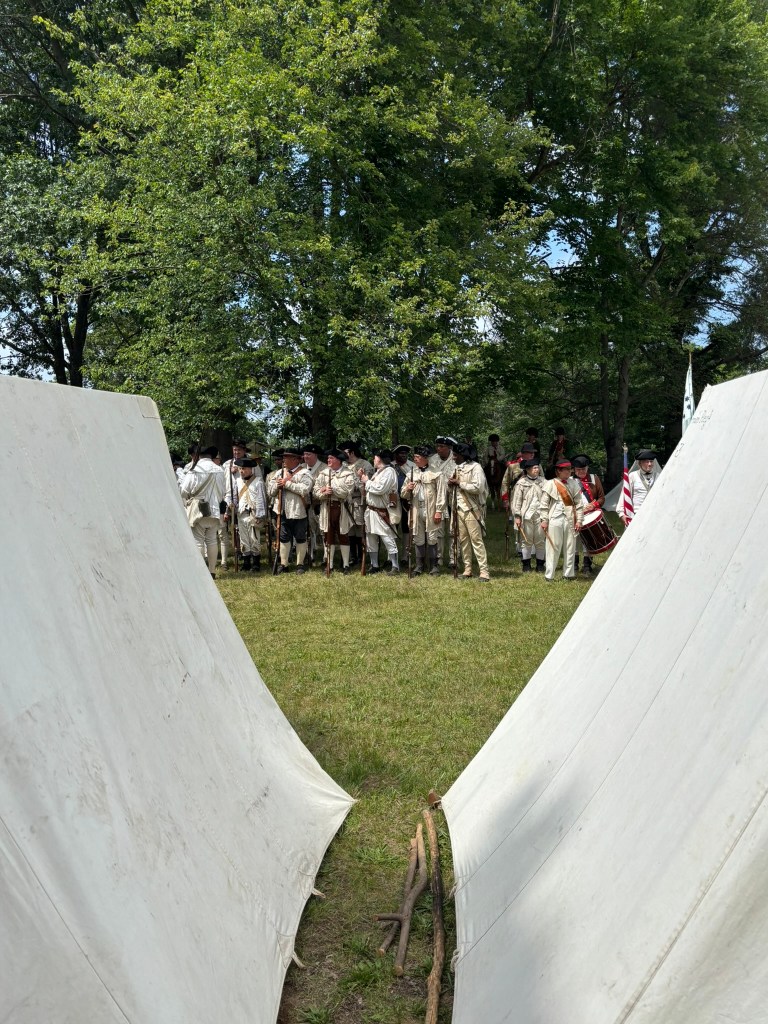
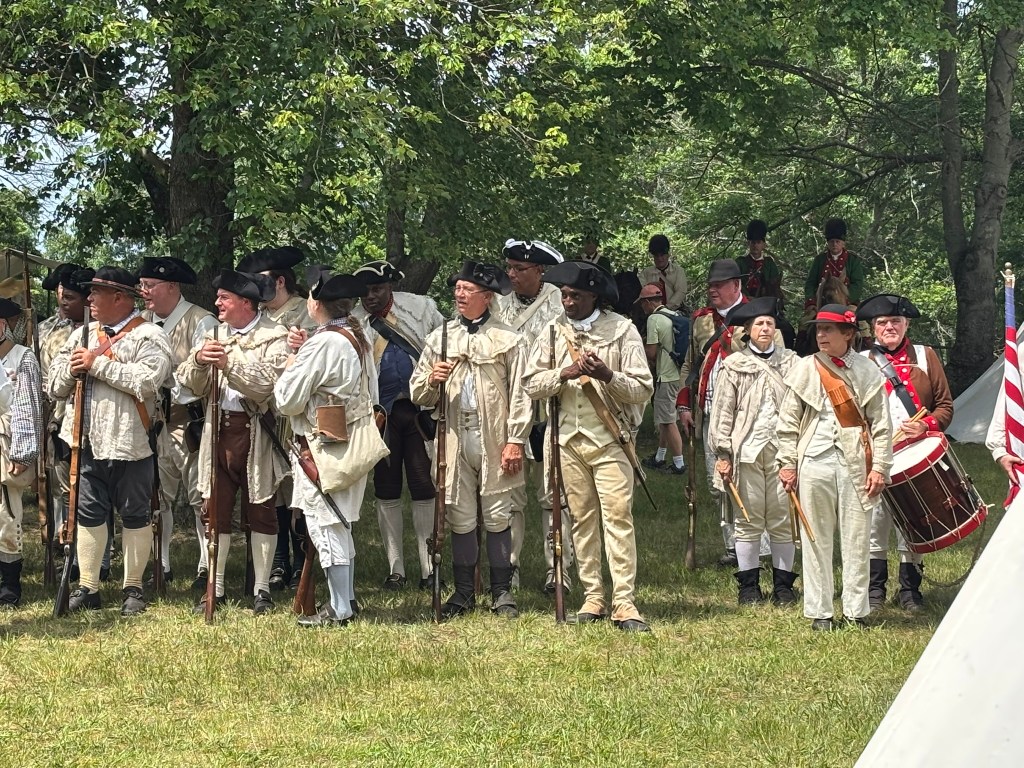
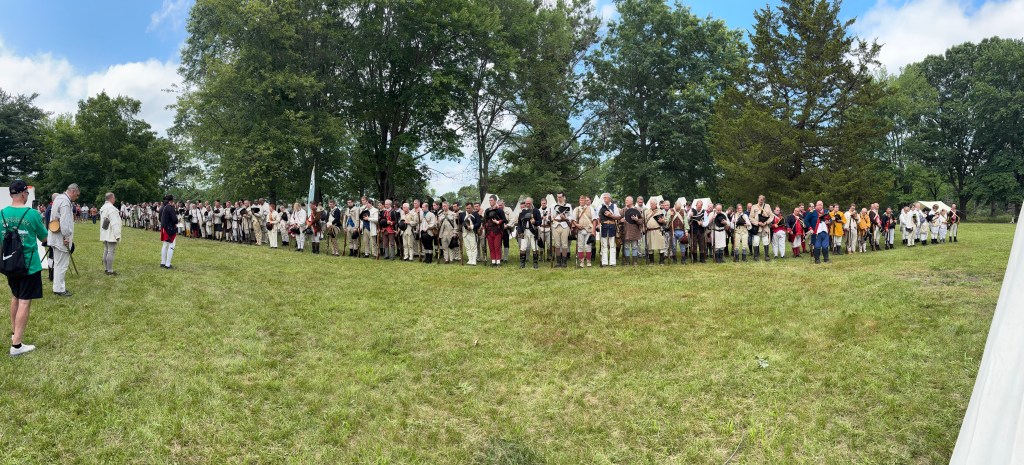
The reenactment of the Battle of Monmouth is truly a sight to see. As far as I know, it’s the only place in New Jersey where you can witness such an accurate recreation of a Revolutionary War battle (someone correct me if I’m wrong). When I’m watching the battle, what always strikes me is the strategy used in 18th-century warfare: lines of soldiers standing shoulder to shoulder, loading and firing in unison. It must have been terrifying to be so vulnerable, and yet this formation was the most practical method of combat at the time. Muskets were so inaccurate, that massed volleys from a line were the most effective way to have any chance of hitting the enemy.
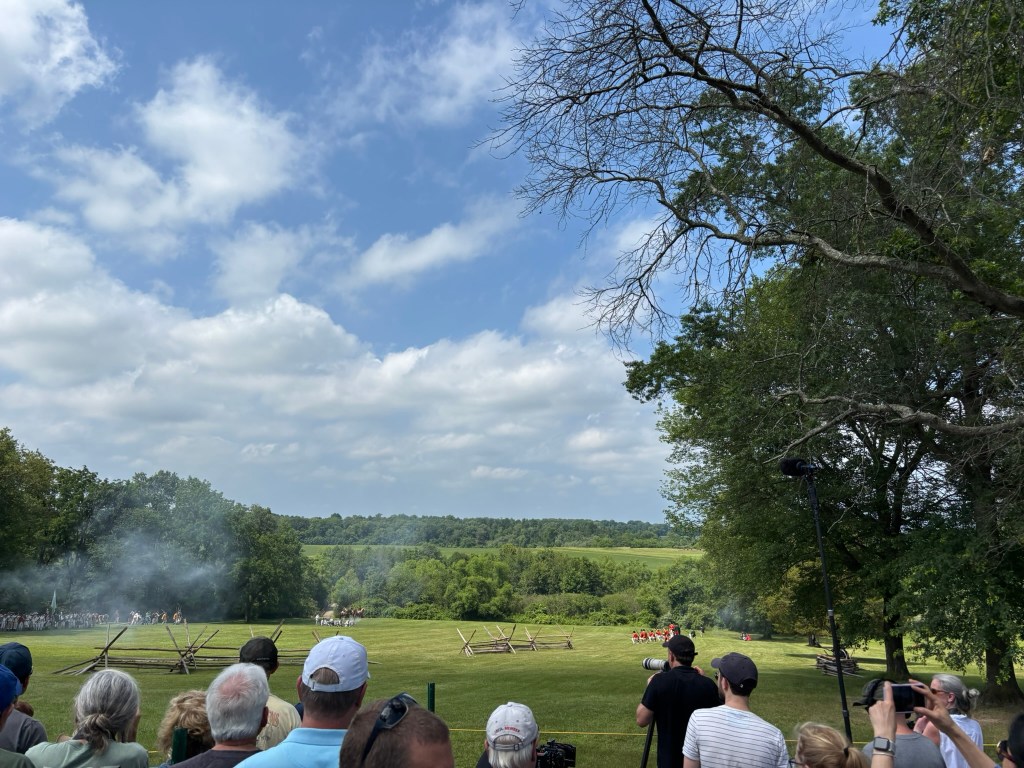
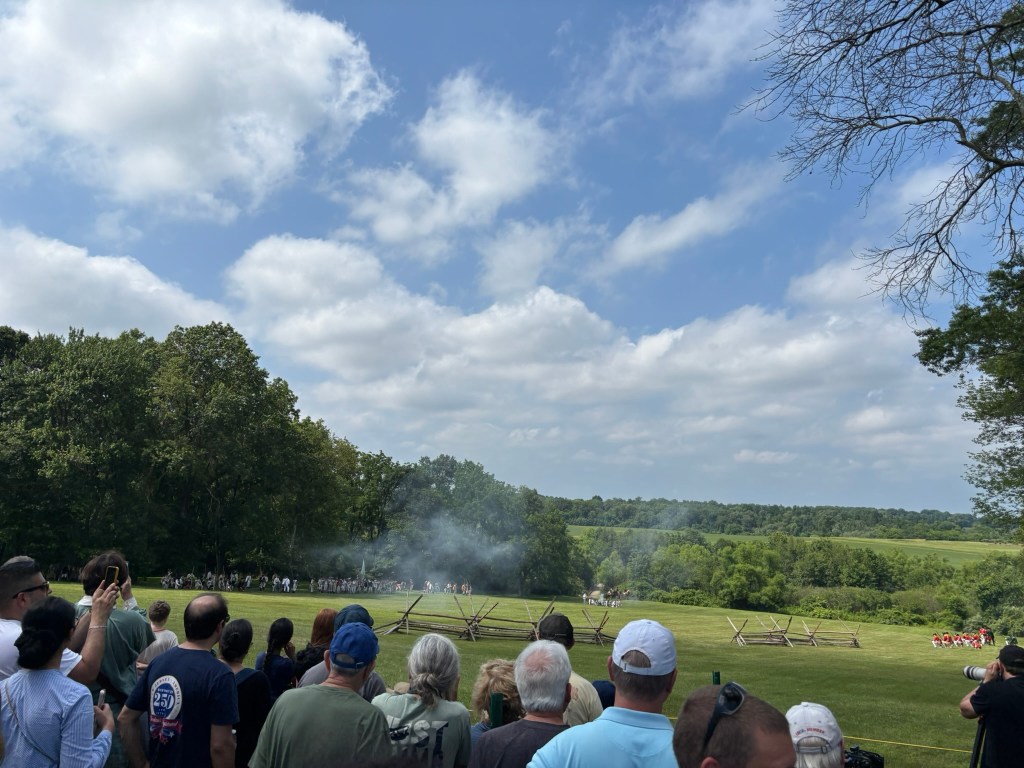
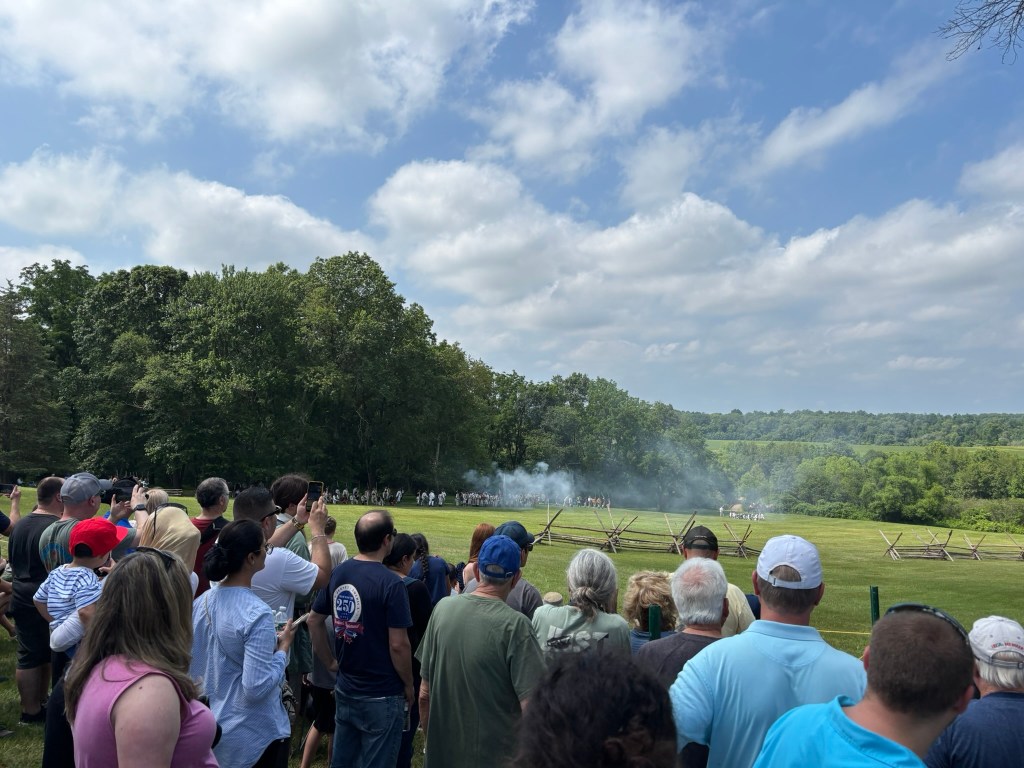
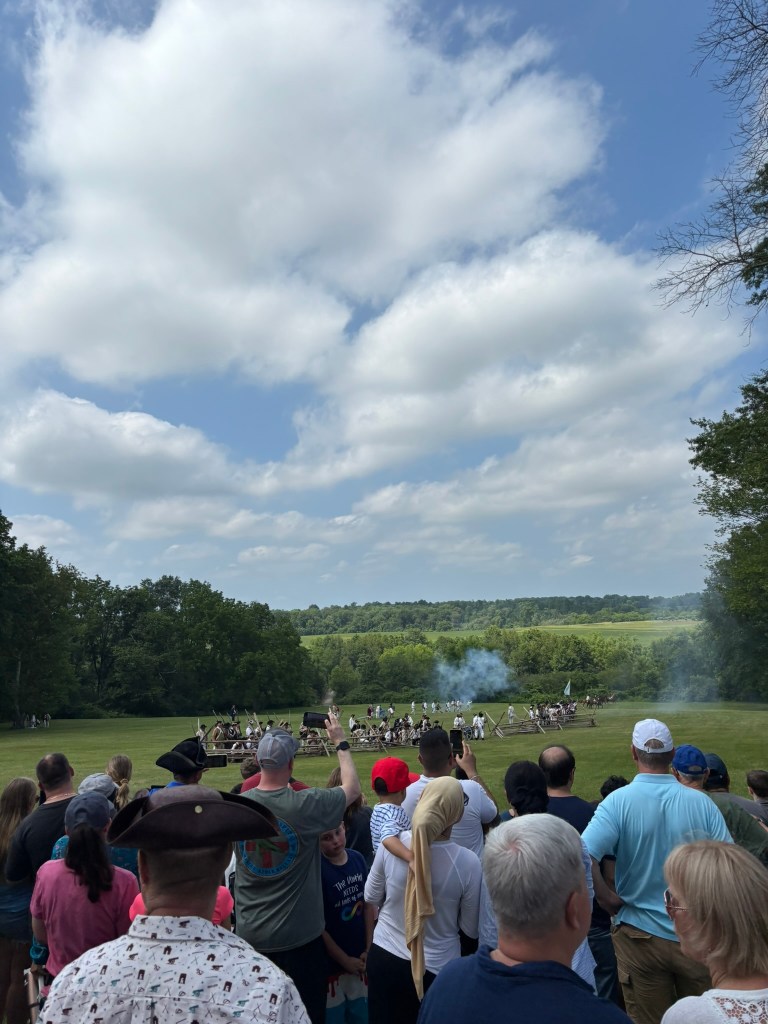
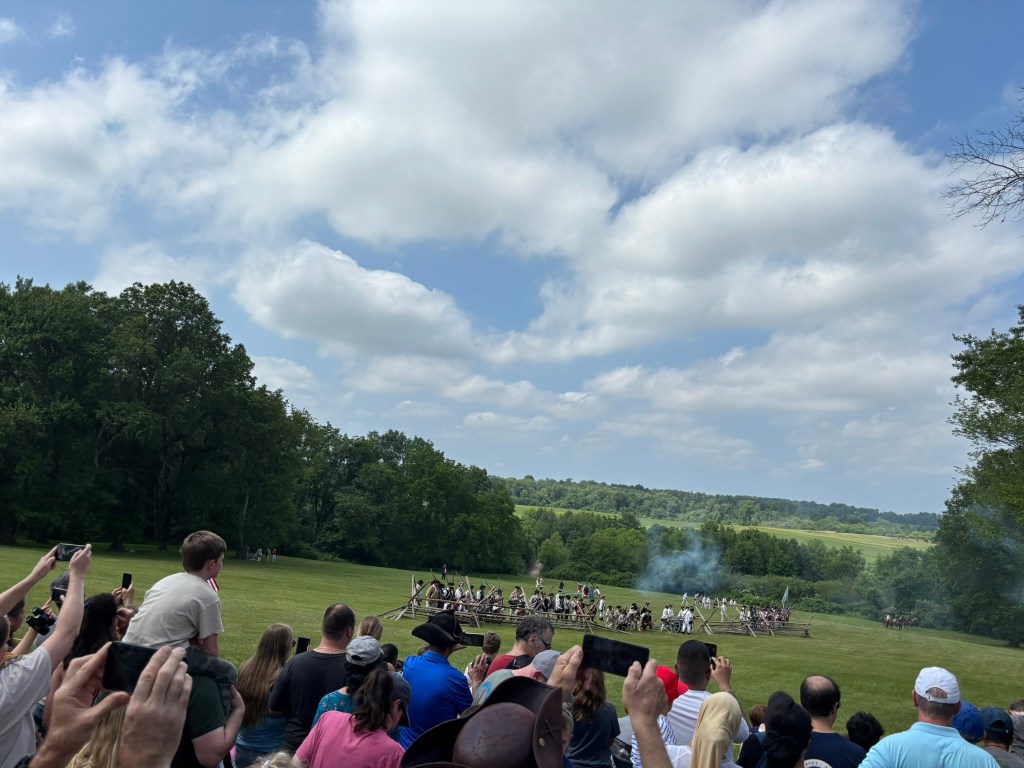

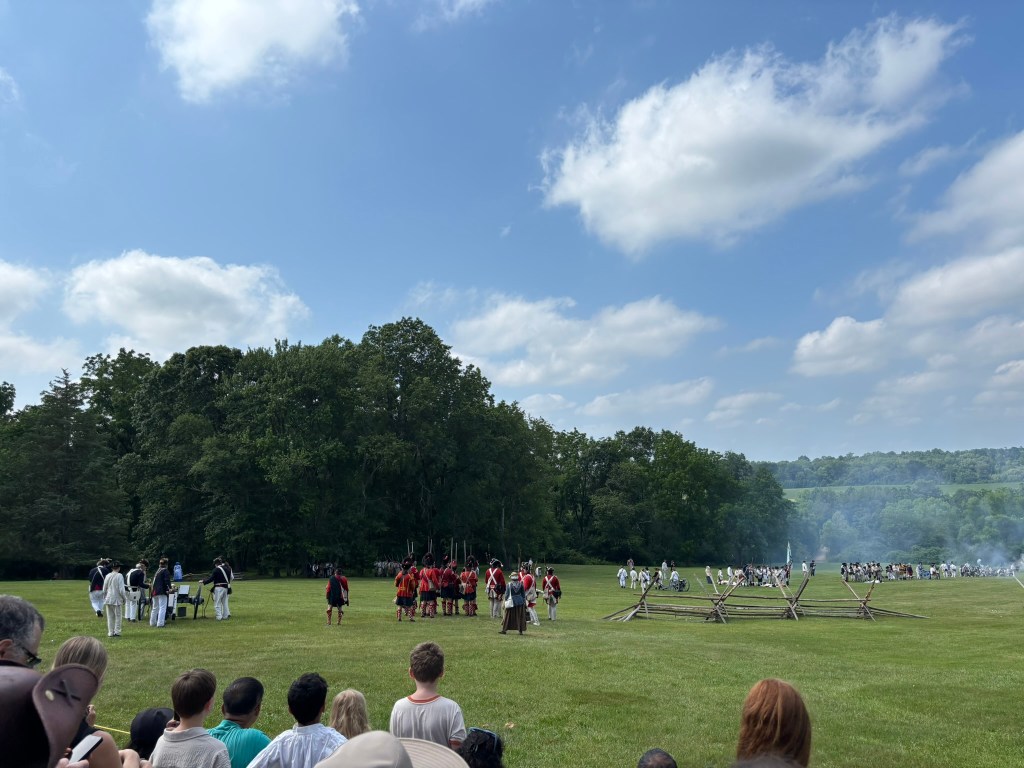
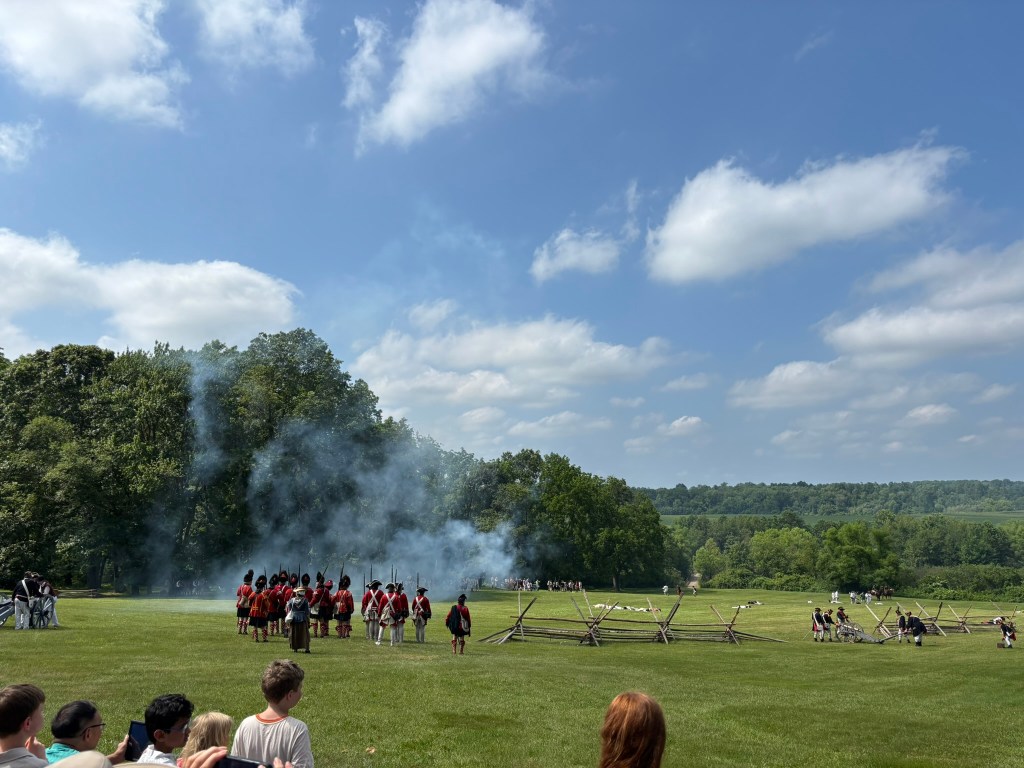


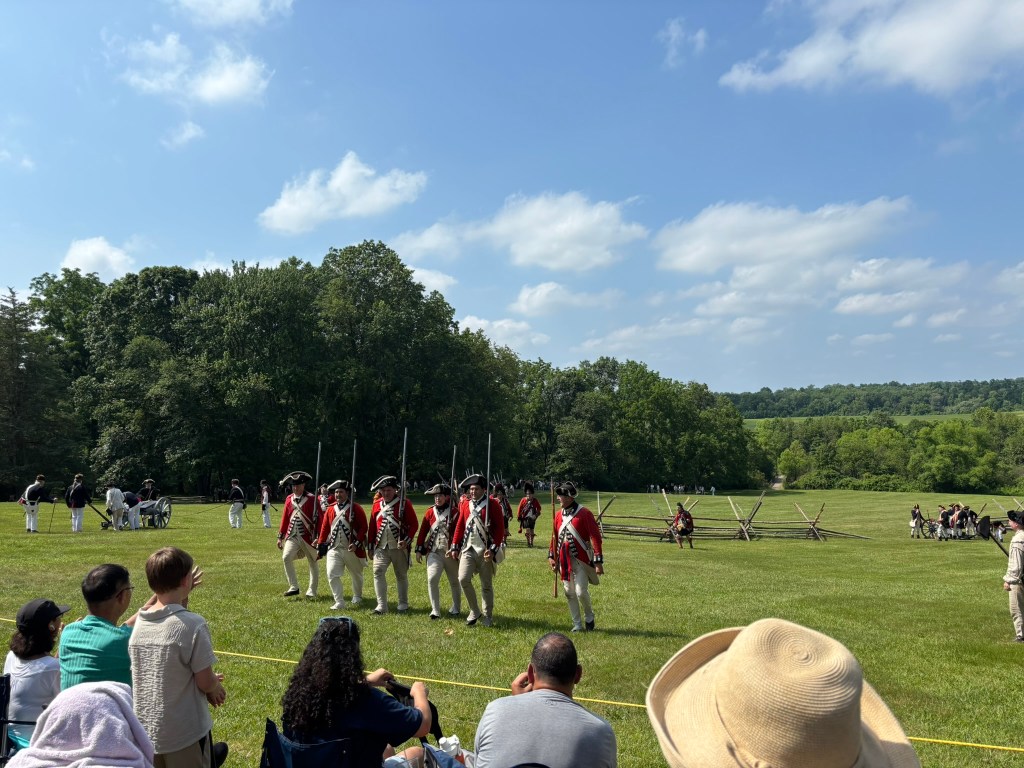
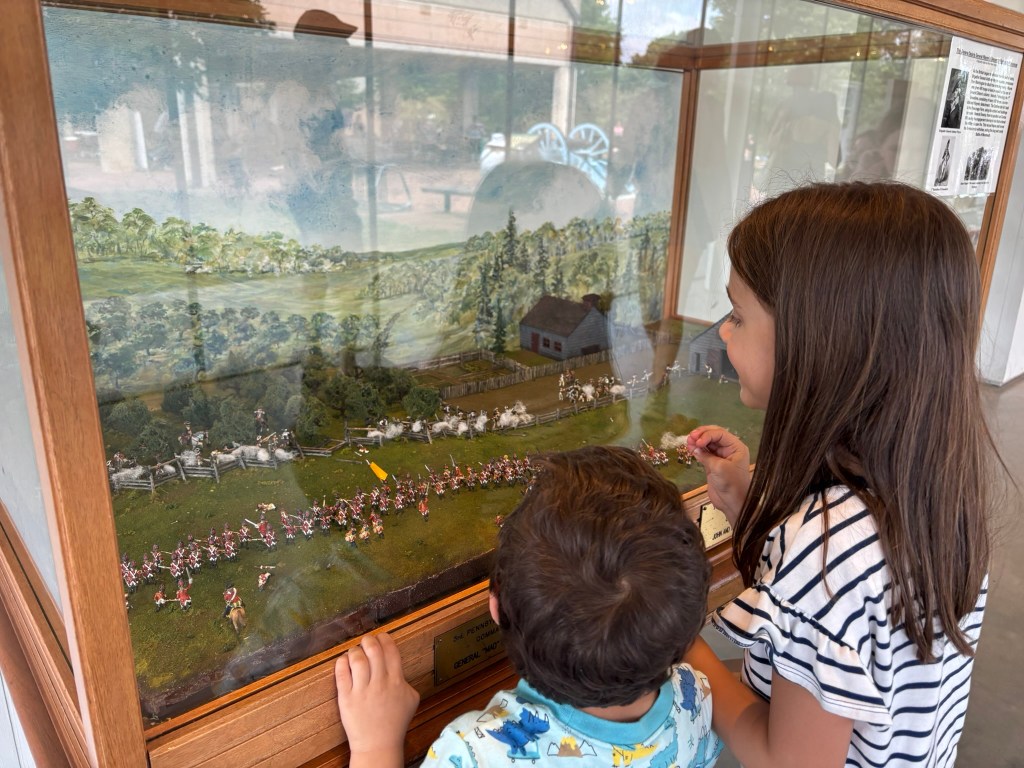
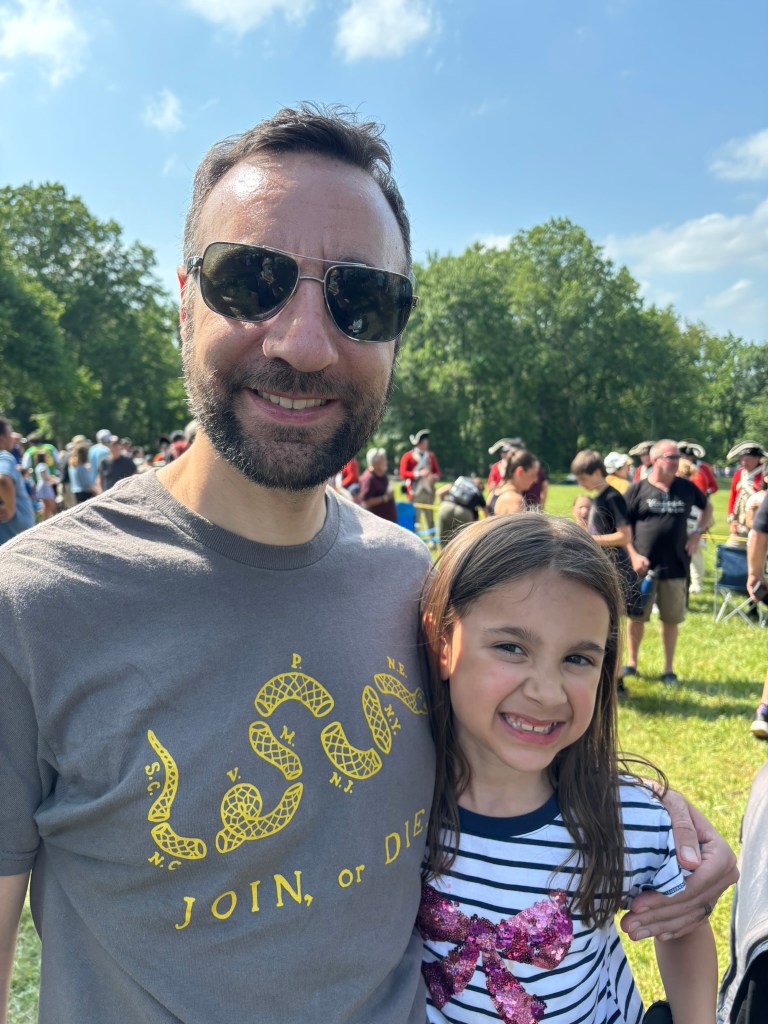
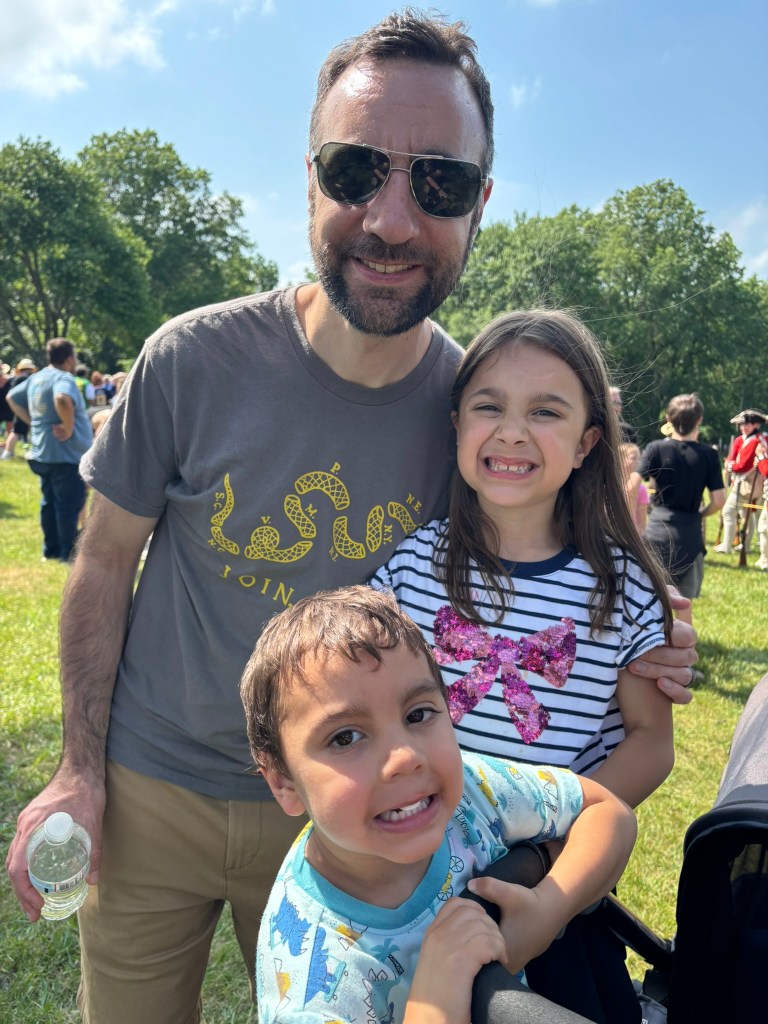
The battle reenactment lasted about 30 minutes. Once it wrapped up around 3:30, my family and I began making our way back to the car. On the way, we stopped by some of the tent shops, browsed around, and made a couple of purchases before heading home.
For anyone interested in the American Revolution, this is a must-attend event. The encampments are immersive, the reenactments are fantastic, and the entire experience offers something for all ages. I highly recommend it.
Be sure to check out my Instagram and Facebook pages, where I’ll be uploading Reels from the event. These short videos give a great glimpse into what the day is like for anyone considering attending in the future.
Also, make sure to visit the websites for the Friends of Monmouth Battlefield and Monmouth Battlefield State Park to learn more about this historic site and future events.
Check out related posts below:

 Benevento's History Blog