
Over the summer I was able to watch a few historical movies, and a documentary. Below are my assigned grades for the films/ documentaries and an explanation. If you’ve seen any of these and you have differing or similar opinions, please share in the comments.
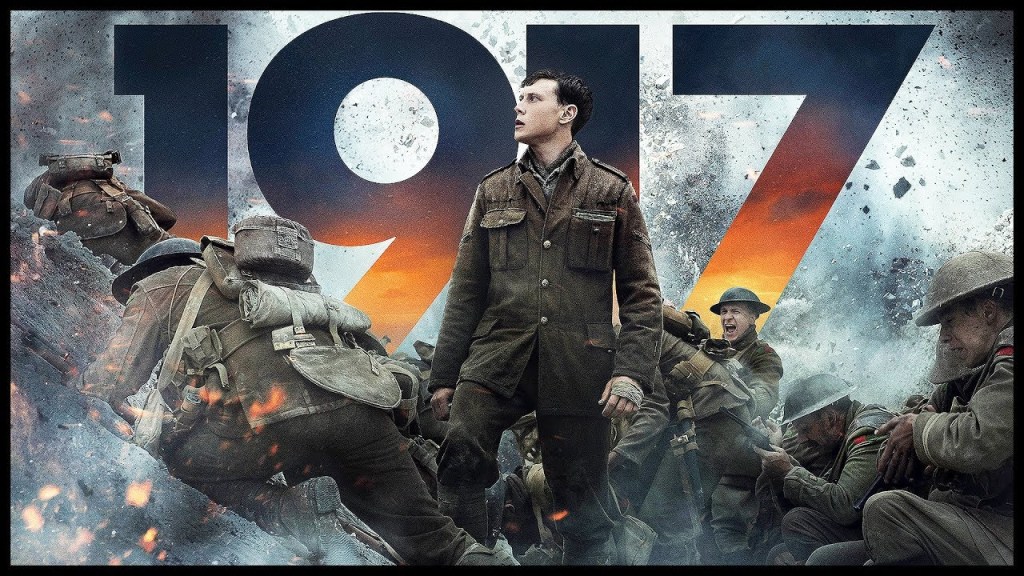
1917
Grade: A
1917 follows two British soldiers in World War I who are tasked with delivering a crucial message across enemy lines with the intent of saving over a thousand of their fellow British soldiers. Their journey takes them from their own trenches, across the deadly expanse of No Man’s Land, and deep into hostile territory—risking everything at every step. As a viewer, you are drawn into this gripping and immersive experience, a story of grit, courage, and determination that keeps you on the edge of your seat. The film also offers a haunting glimpse into the brutal conditions of World War I, making its impact both thrilling and sobering.
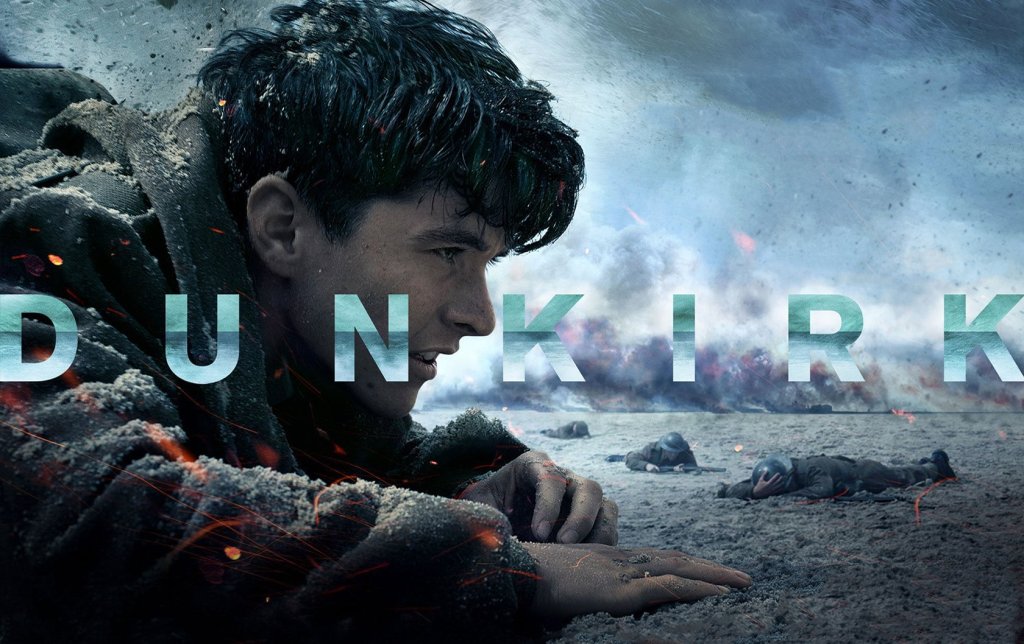
Dunkirk
Grade: B+
Dunkirk is a gripping World War II thriller that captures the desperate evacuation of Allied forces from Dunkirk, France, in May 1940. The story unfolds through three interwoven perspectives—air, land, and sea—highlighting the heroism that defined the operation. In particular, the film honors the civilians who risked everything by sailing their own boats across the Channel to rescue stranded soldiers. Themes of sacrifice and courage run throughout, as men put their lives on the line to save others. The evacuation itself was extraordinary, far exceeding expectations. With its relentless tension and immersive action, Dunkirk places you at the heart of this pivotal moment in history, allowing you to experience the immense challenges the Allies had to overcome for survival.
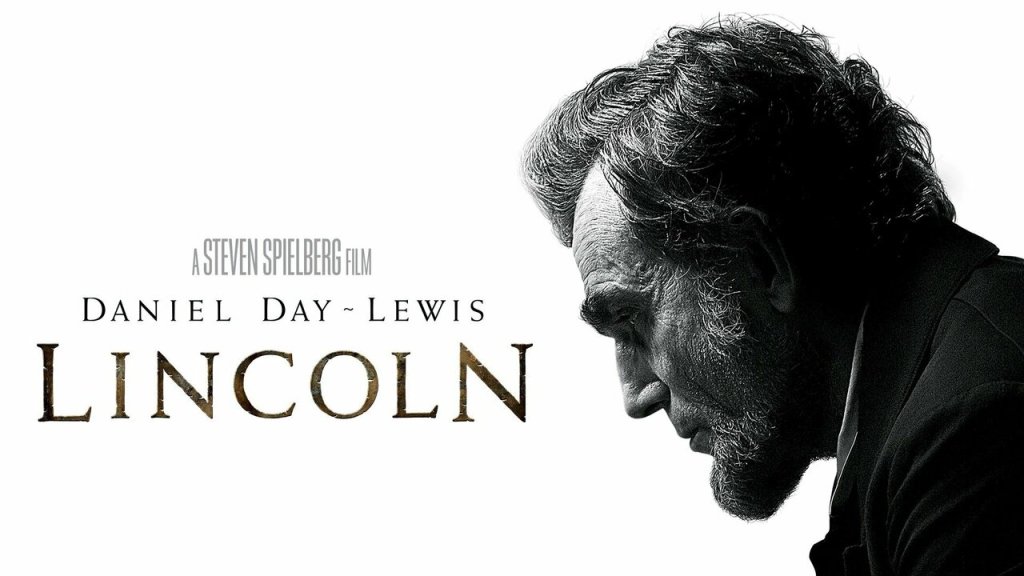
Lincoln
Grade: A-
I first saw Lincoln when it was in theaters in 2012, before I was teaching full-time and before I had developed a deeper appreciation and admiration for Abraham Lincoln. At the time, I also knew little about the fight to pass the 13th Amendment—the amendment that abolished slavery. Watching it again now, I enjoyed the film even more than the first time.
Lincoln remains one of the most fascinating figures in American history—not only for what he accomplished during his presidency, but also for his remarkable leadership, political skill, sharp wit, and the many personal tragedies he endured. This movie does an excellent job portraying that many-sided Lincoln.
The film primarily focuses on the last three to four months of his life, from January to April 1865, centering on his determined efforts to push the 13th Amendment through Congress. To achieve this, Lincoln and his allies resorted to extraordinary—even questionable—measures to secure the necessary votes. The performances are outstanding, and the film captures Lincoln’s grit, resolve, and humanity.
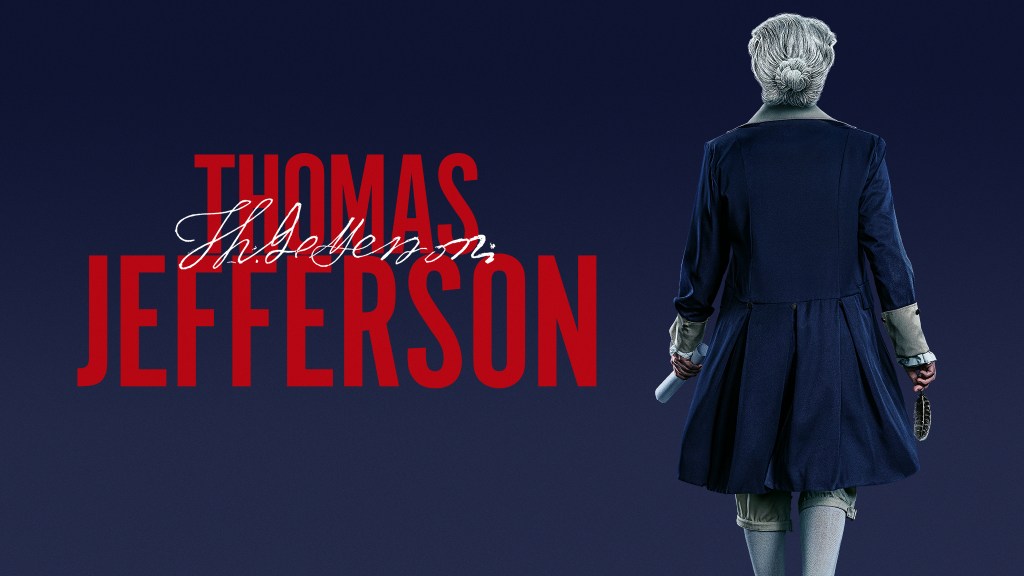
Thomas Jefferson
Grade: C
My commentary on this documentary is a bit longer than the others.
Thomas Jefferson is a six-part documentary about the Founding Father and third president of the United States. Each episode runs about an hour, covering his life from his early years through the Revolutionary era, his authorship of the Declaration of Independence, his time as governor of Virginia, his personal life and tragedies, his service as ambassador to France, his complicated relationship with Sally Hemings, his return to America and role in Washington’s cabinet, and finally his two terms as president. The last episode examines his later years, death, and lasting legacy.
Overall, the documentary was a mixed bag for me. Some parts I enjoyed, while others left me disappointed.
On the positive side, I learned quite a bit. The series shed light on parts of Jefferson’s life I was less familiar with—his upbringing and early years, his time as Virginia’s governor during the Revolution, and his tenure as minister to France. I appreciated learning more about these often-overlooked chapters of his life. The commentators were knowledgeable experts, and I enjoyed the little-known details they brought forward.
However, there were several aspects I wasn’t as fond of. First, I expected the documentary to follow the format of other recent History Channel presidential series such as ones on Washington, Grant, Lincoln, TR, and FDR. Those productions blended historians’ commentary with reenactments featuring actors portraying scenes from the subject’s life. Thomas Jefferson, in contrast, relied almost entirely on historian commentary. While there was an actor portraying Jefferson, he had no dialogue—just silent shots of him writing or performing tasks. I preferred the earlier format and found this version less engaging.
Another critique I have of the documentary was the fact that it did not highlight the Virginia and Kentucky Resolutions written in 1799 which, to me, were significant for later history. These resolutions were enormously significant, shaping the Nullification Crisis of the 1830s and influencing the ideas that later led to the Civil War.
Another weakness was how overly critical and one-sided some commentators were toward Jefferson. The documentary clearly made a point to provide a more critical view of Jefferson, which is fine. But in my opinion, they overcompensated. In their effort to criticize Jefferson, they didn’t provide a fair balance between the good and the bad. This was particularly true in the last episode which focused on his death and legacy. For some of the commentators, their assessment of Jefferson’s legacy was almost entirely negative, and some of them attacked aspects of Jefferson’s life that he had little to no control over. While I’m fine with historical figures being criticized for their downfalls and they should be, I would have appreciated a more balanced view on his legacy, highlighting the good and the bad in a fair way that represents his impact, without there being a clear agenda to attack. By ending the documentary with negative attacks, the series overshadowed Jefferson’s accomplishments and achievements.
Please comment if you have an opinion on any of these.
Check out similar posts below:


 Benevento's History Blog