
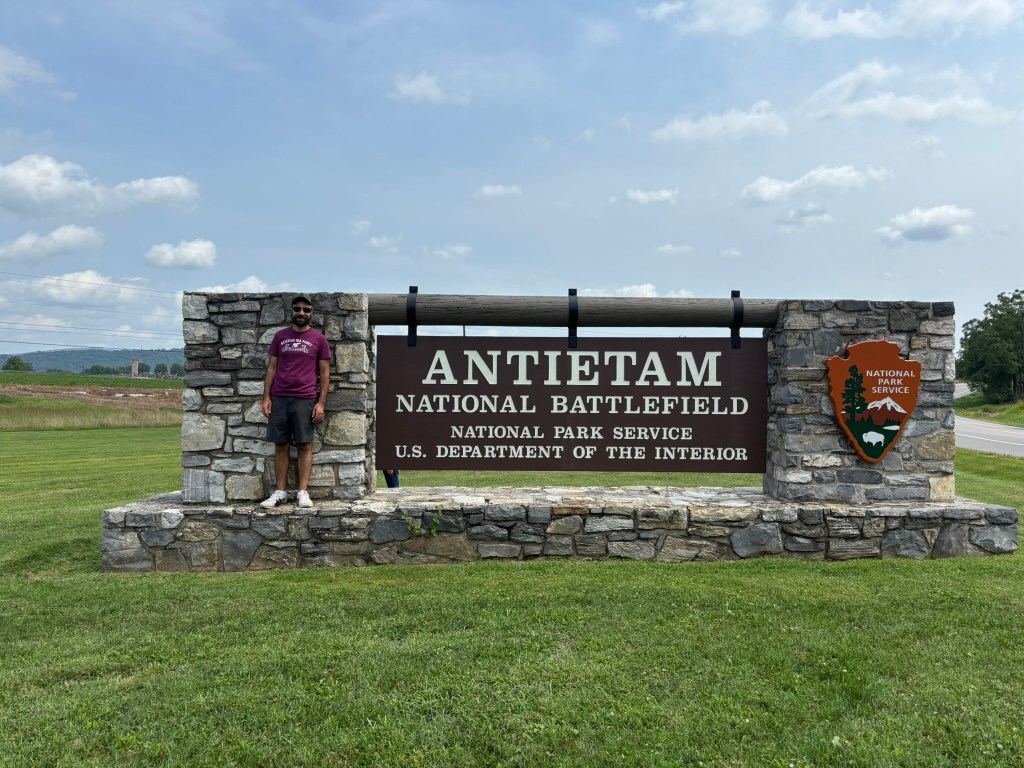
My family and I went on a trip to Antietam National Battlefield in Maryland, and Harpers Ferry, West Virginia, two significant Civil War sites that I’ve wanted to see for a long time. For the kids, we stopped at Adventure Park USA in Monrovia, MD, on the first day before heading to our hotel at the Hampton Inn & Suites in Charles Town, West Virginia. We went to Antietam on Day 2 for a four-hour tour of the battlefield. On Day 3, we did a 2.5-hour tour in Harpers Ferry, followed by lunch and some time wandering around to see different sites and shops. Then on Day 4, we packed our belongings and went to Crystal Grottoes Caverns in Boonsboro, MD, where we toured the amazing caves there. We then headed back to New Jersey.
This blog post will focus entirely on our time at Antietam Battlefield. The Civil War is one of my favorite topics to teach because I find the causes of the war and the battles themselves so fascinating. It’s hard to fathom the sheer devastation of the war and the permanent impact that the conflict had on our country. The first time I visited a Civil War battlefield was in 2023 at Gettysburg, which you can read about in two parts here (Part 1) and here (Part 2).
Antietam was another site that I had wanted to visit. Living in New Jersey, Gettysburg and Antietam are two of the major Civil War battlefields closest to me. The ride out from New Jersey was about four hours. Antietam was one of the most significant battles of the Civil War and had an enormous impact on the trajectory of the war, the goals of the Union, and the direction of the country.
Significance of the Battle
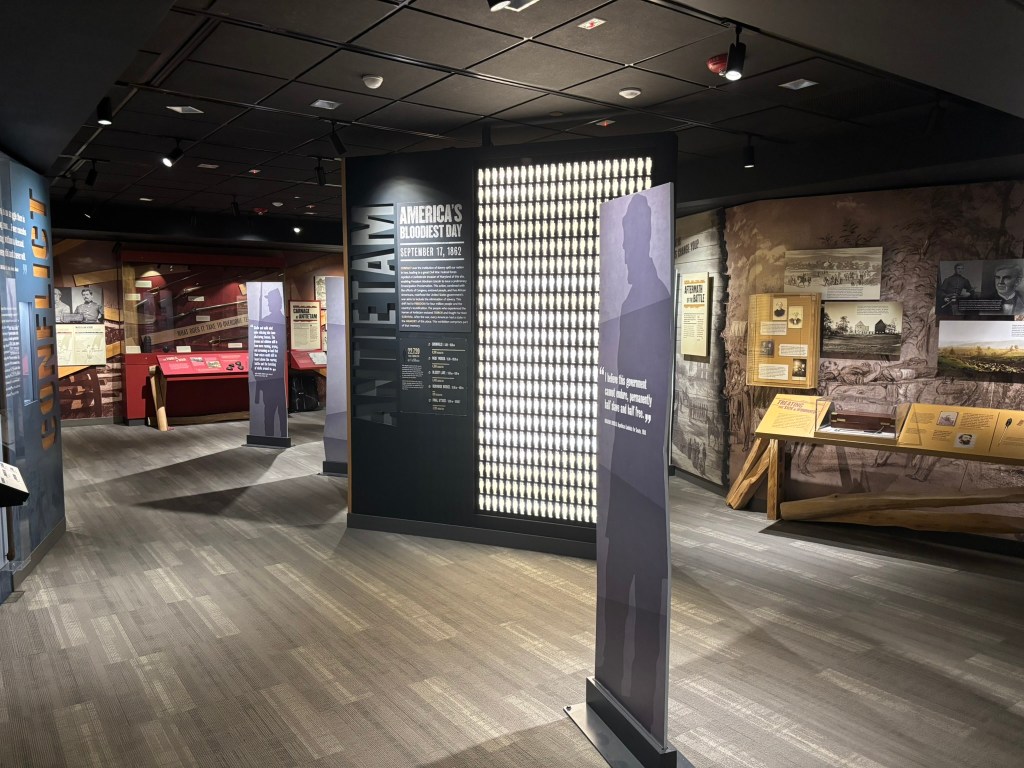
In September 1862, Confederate General Robert E. Lee led his Army of Northern Virginia across the Potomac River into Maryland, launching the Confederacy’s first major invasion of the North. Lee hoped that a successful campaign on Northern soil could weaken Northern support for the war and potentially encourage European powers such as Great Britain and France to recognize the Confederacy. Union forces under General George B. McClellan pursued Lee into Maryland, and the two armies met near Sharpsburg along Antietam Creek on September 17, 1862. The resulting Battle of Antietam became the bloodiest single day in American history, with approximately 23,000 soldiers killed, wounded, or missing in just twelve hours of fighting.
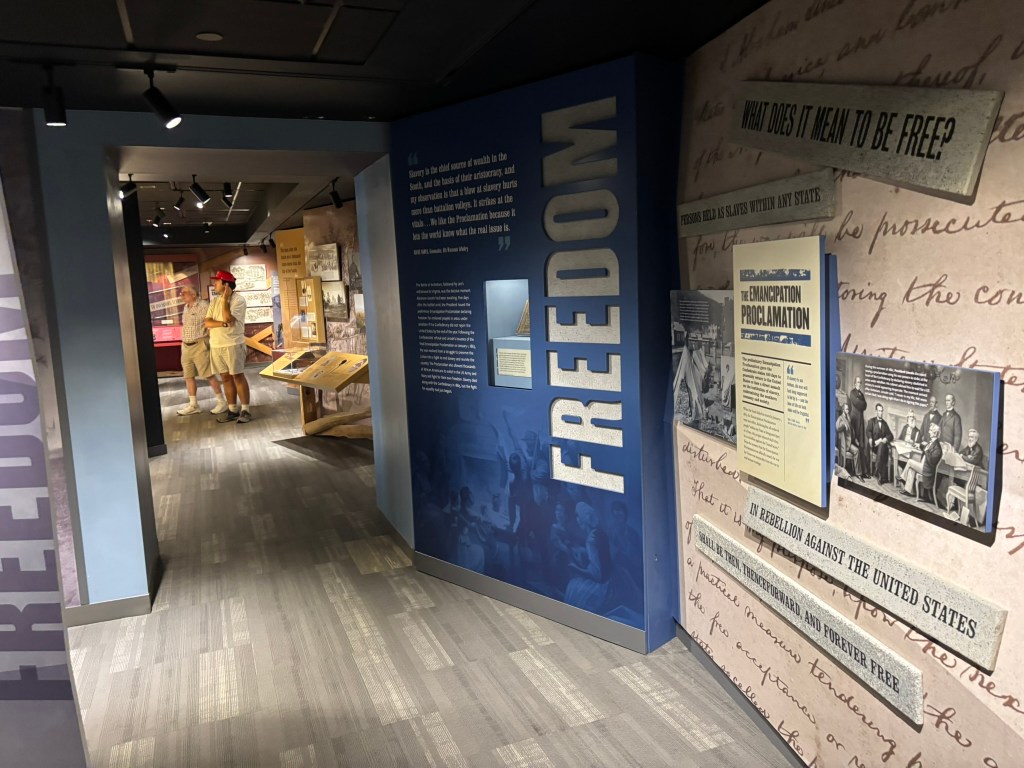
Although neither army won a decisive tactical victory on the battlefield, Antietam was an important strategic victory for the Union. Lee was forced to abandon his invasion and retreat across the Potomac River into Virginia. More importantly, the Confederate withdrawal gave President Abraham Lincoln the military success he had been waiting for to announce the Preliminary Emancipation Proclamation. Five days after the battle, on September 22, Lincoln declared that enslaved people in states still in rebellion on January 1, 1863, would be declared free. Until this point, Lincoln had publicly emphasized preserving the Union as the primary purpose of the war. The Emancipation Proclamation fundamentally changed the conflict by making the destruction of slavery an official Union war aim as well.
This change also had major international consequences. Great Britain and France had considered recognizing or assisting the Confederacy, but Antietam and the Emancipation Proclamation made that possibility far less likely. European governments would now have to openly support a slaveholding Confederacy against a Union fighting not only to preserve the nation, but also against slavery. Neither Britain nor France ultimately recognized the Confederacy. For this reason, Antietam was far more than an incredibly bloody battle—it helped stop Lee’s first invasion of the North, discouraged foreign recognition of the Confederacy, and transformed the Civil War into a struggle that would ultimately determine the fate of slavery in the United States.
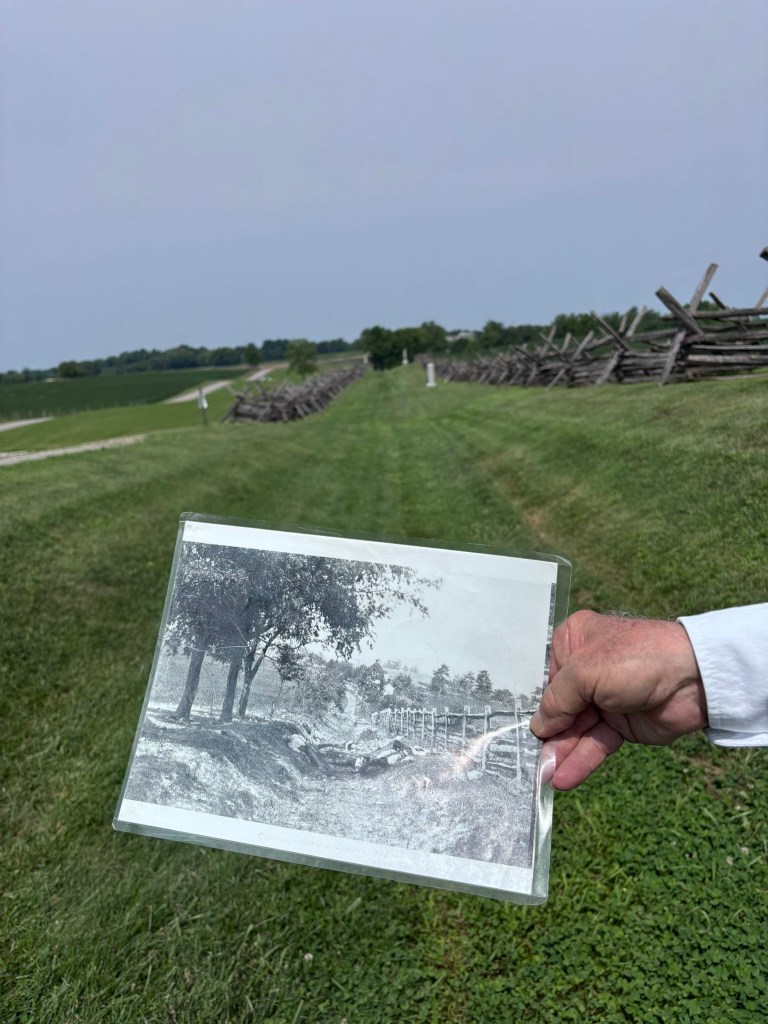
The Battle of Antietam was also significant because it brought the brutal reality of the Civil War directly to the American public. In the days following the battle, photographer Alexander Gardner and his assistant James Gibson, working for the studio of famed photographer Mathew Brady, traveled to Antietam and photographed the battlefield, including shocking images of dead soldiers lying where they had fallen. Brady later displayed the photographs at his New York City gallery in an exhibition titled The Dead of Antietam. Although Americans had read newspaper accounts describing the enormous casualties of the war, these photographs allowed civilians to actually see its destruction and human cost. For many Americans far from the battlefields, the images provided an unprecedented and disturbing view of the realities of war and helped transform how the public experienced the Civil War.
Our Day
I booked a private tour through Antietam Battlefield Guides (https://antietamguides.com/) for just my family and me. As I have gone on many tours over the last few years, I have some words of wisdom: book tours through the battlefield organization so that you get an expert guide who knows the battlefield. Do not book tours through a site like Viator for something like this. The tour guide you get through the battlefield organization will likely be much more knowledgeable, which will provide you with a much more immersive experience. The tour guide has a huge impact on your experience. I’ve learned this lesson.
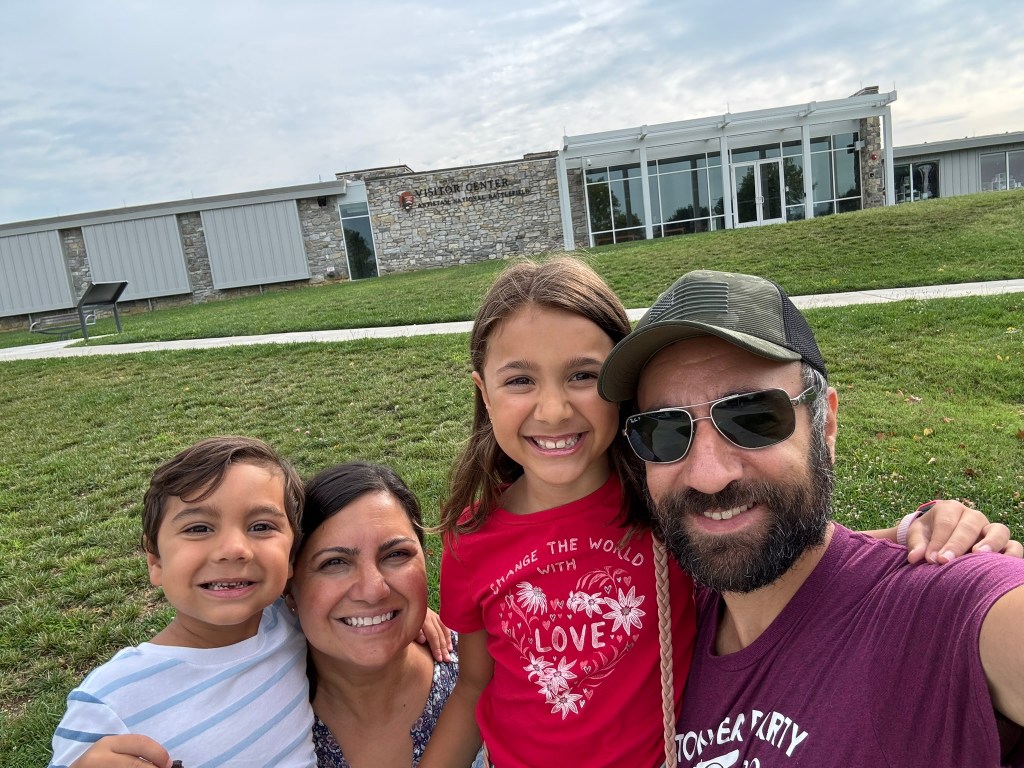
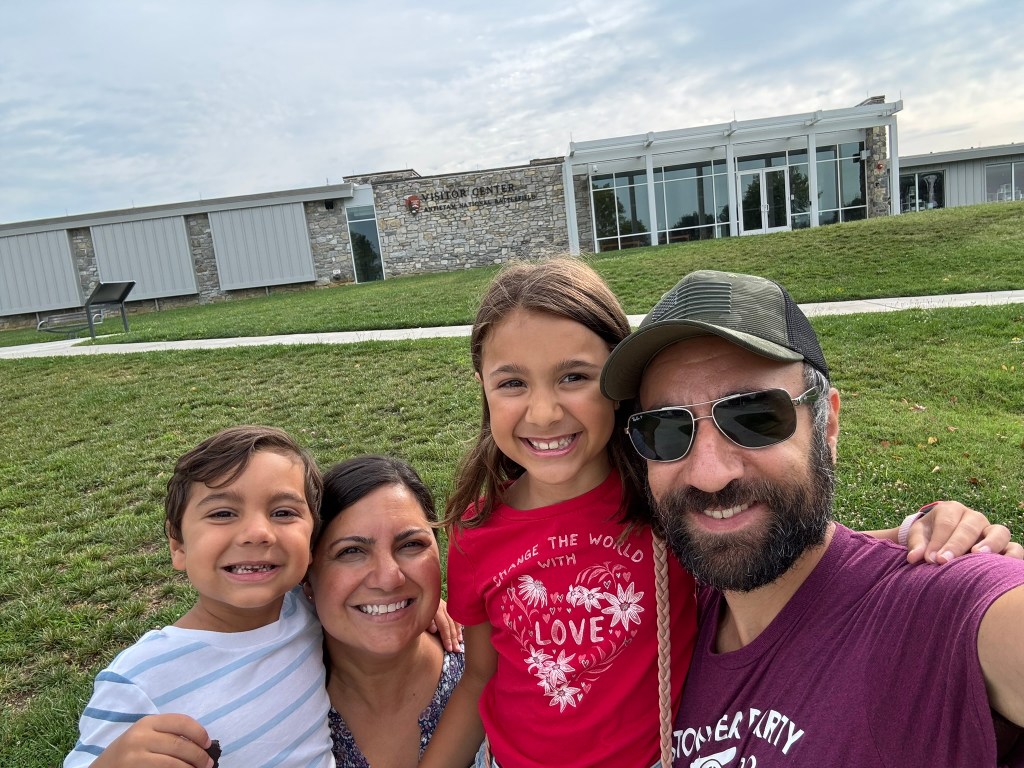
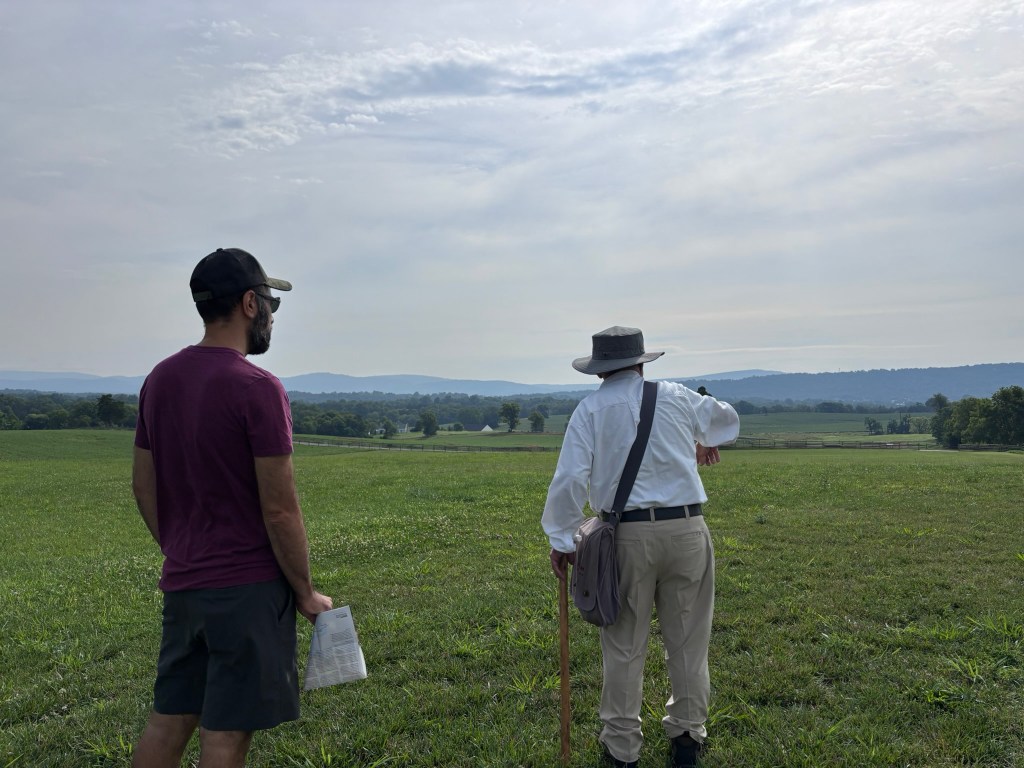
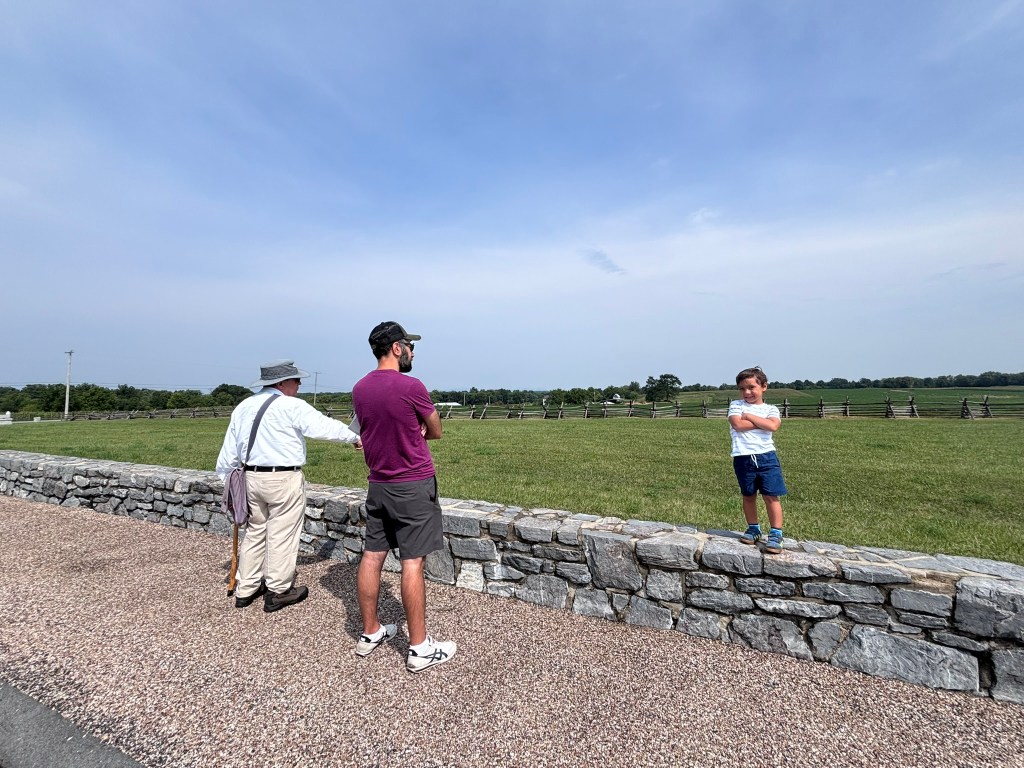
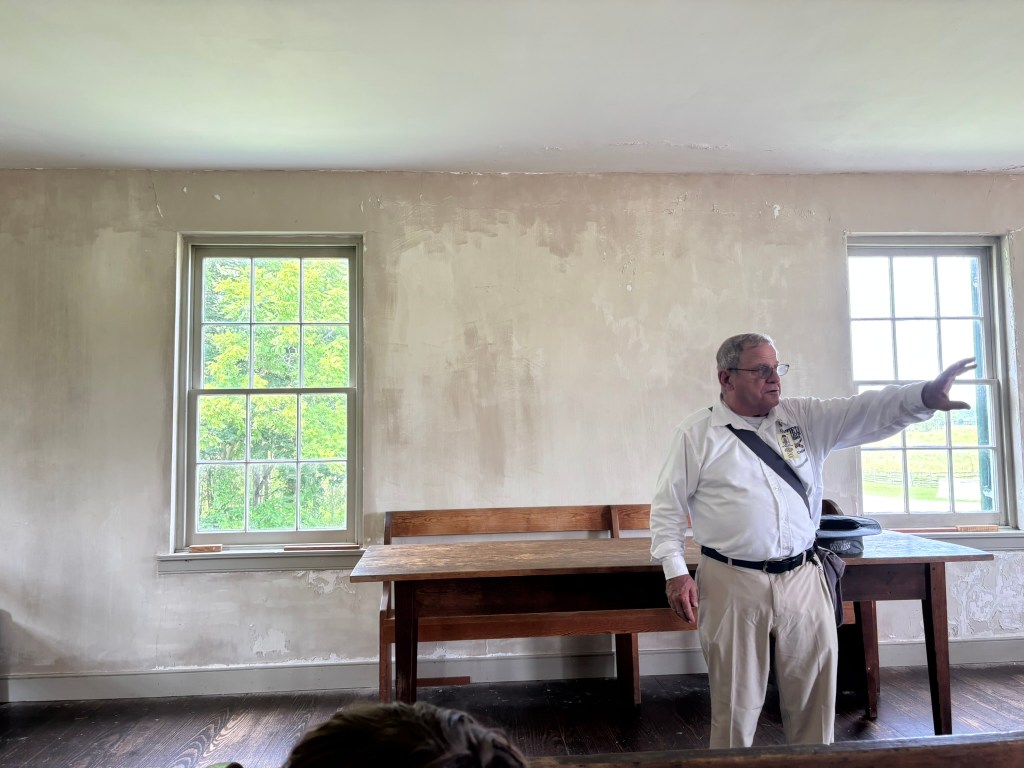
Our tour guide at Antietam was John Michael Priest, a retired history teacher who has written numerous books about Civil War battles, including Antietam. He was incredibly knowledgeable and loved talking about the battle so much that he did a great job explaining it over the course of four hours.
We booked a tour from 10 a.m. to 2 p.m., and before our tour began, we watched an introductory film that started at 9:30 and focused on the Battle of Antietam and its significance.
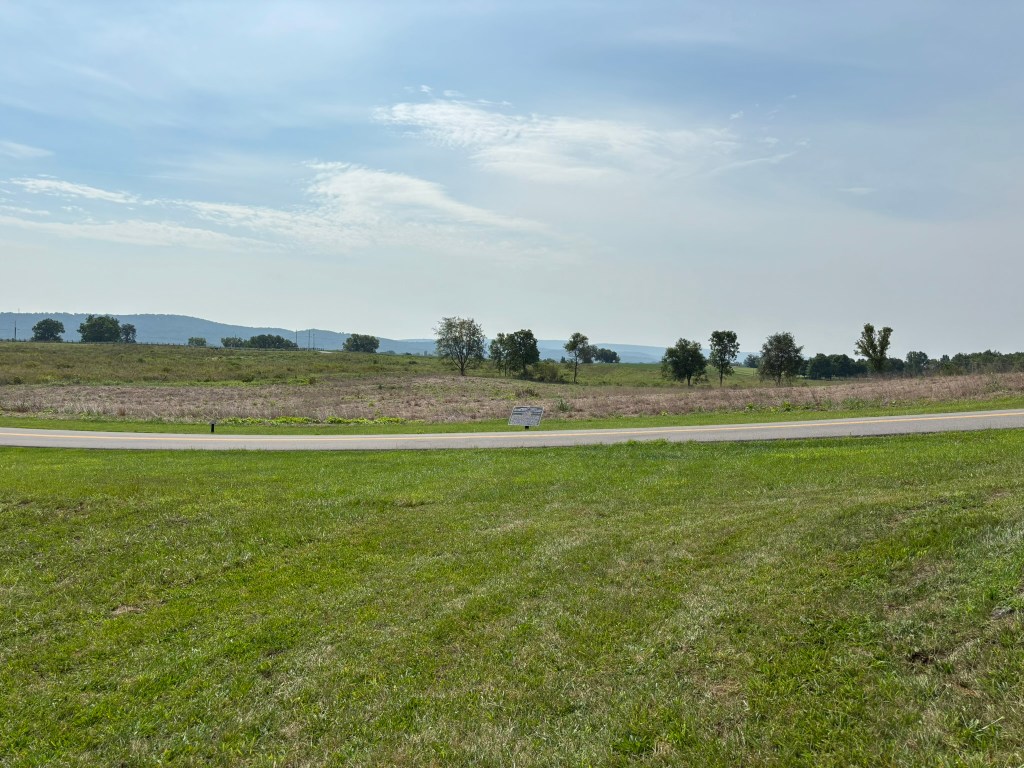
For me, the four-hour tour flew by because John was so knowledgeable about every detail of the battlefield. We generally toured the battlefield by moving from sites on the northern end and working our way south. Historians often explain the battle in three phases—morning, midday, and afternoon—but as John explained, this is really an oversimplification. Fighting in different areas of the battlefield overlapped.
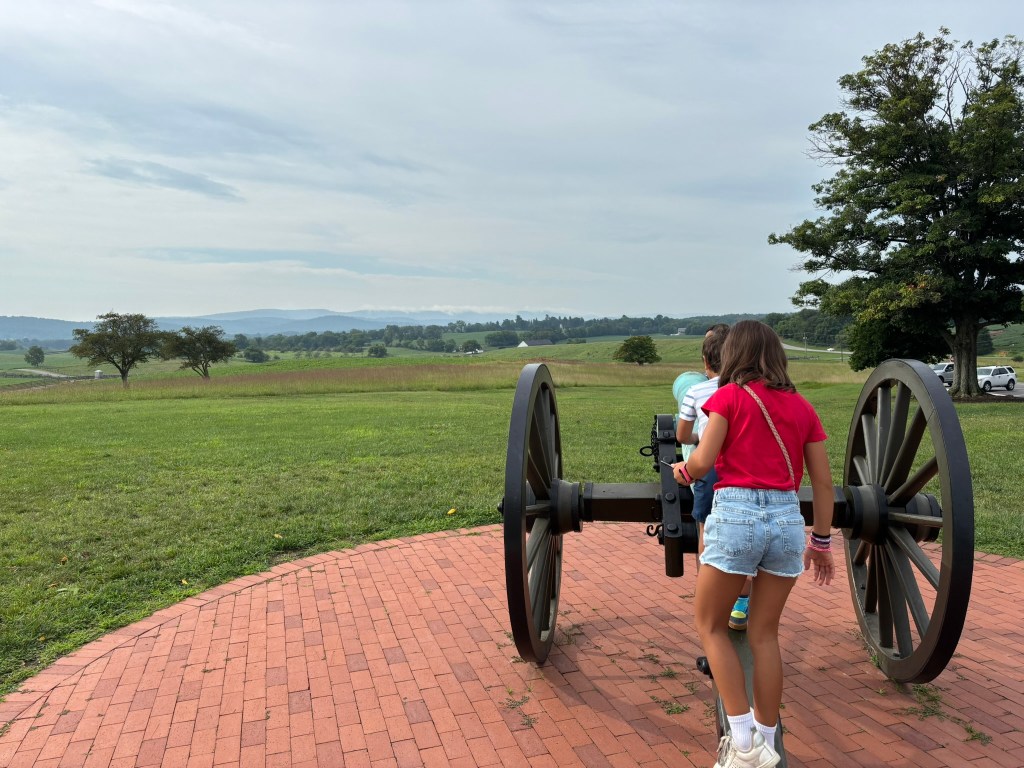
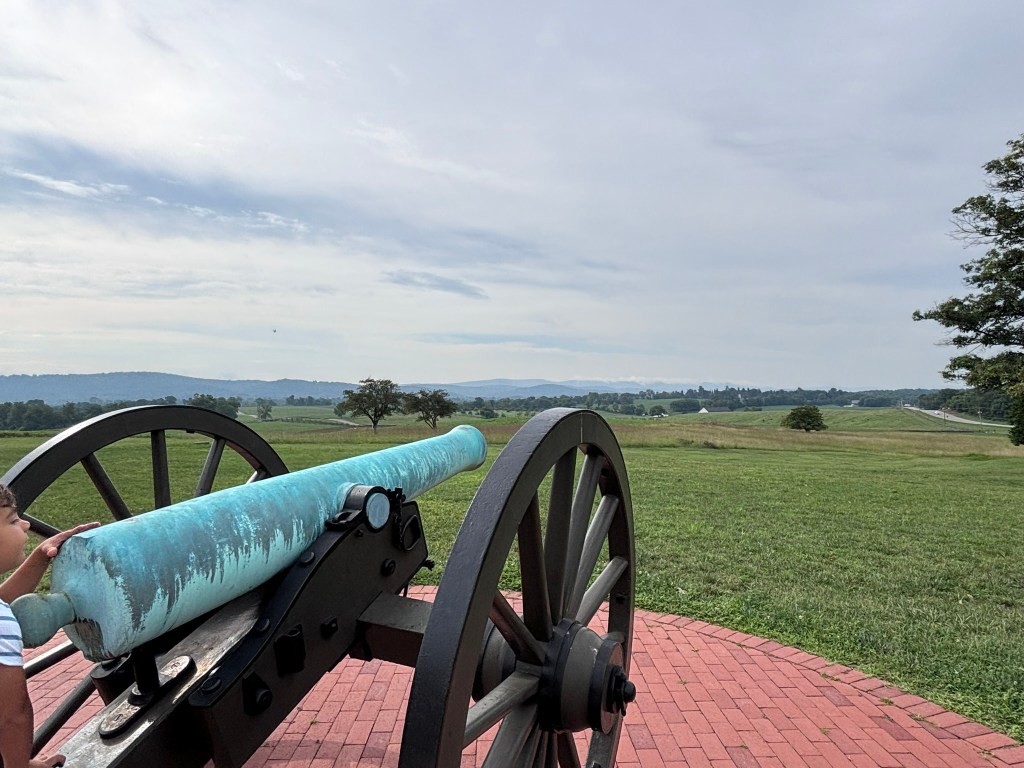
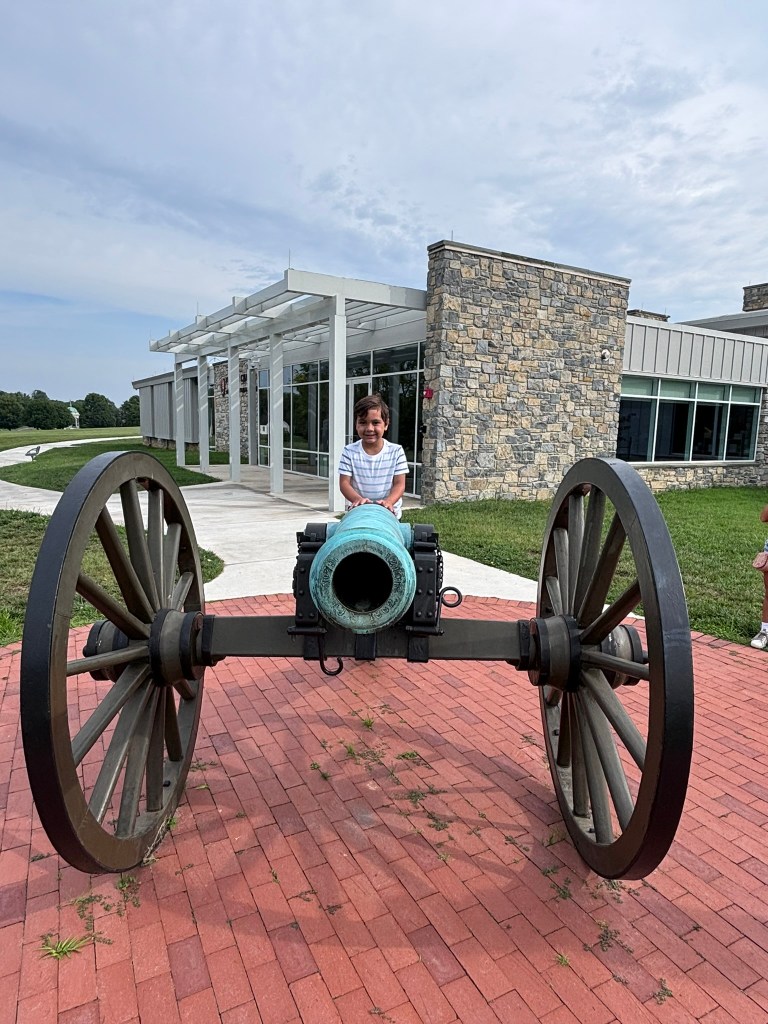
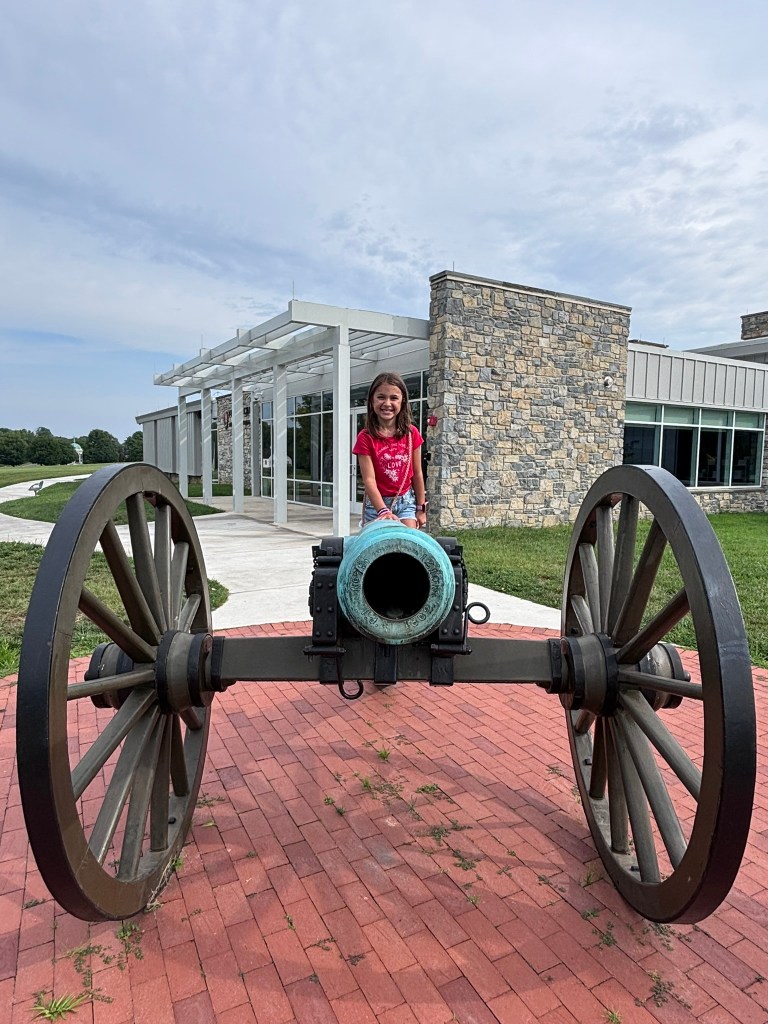
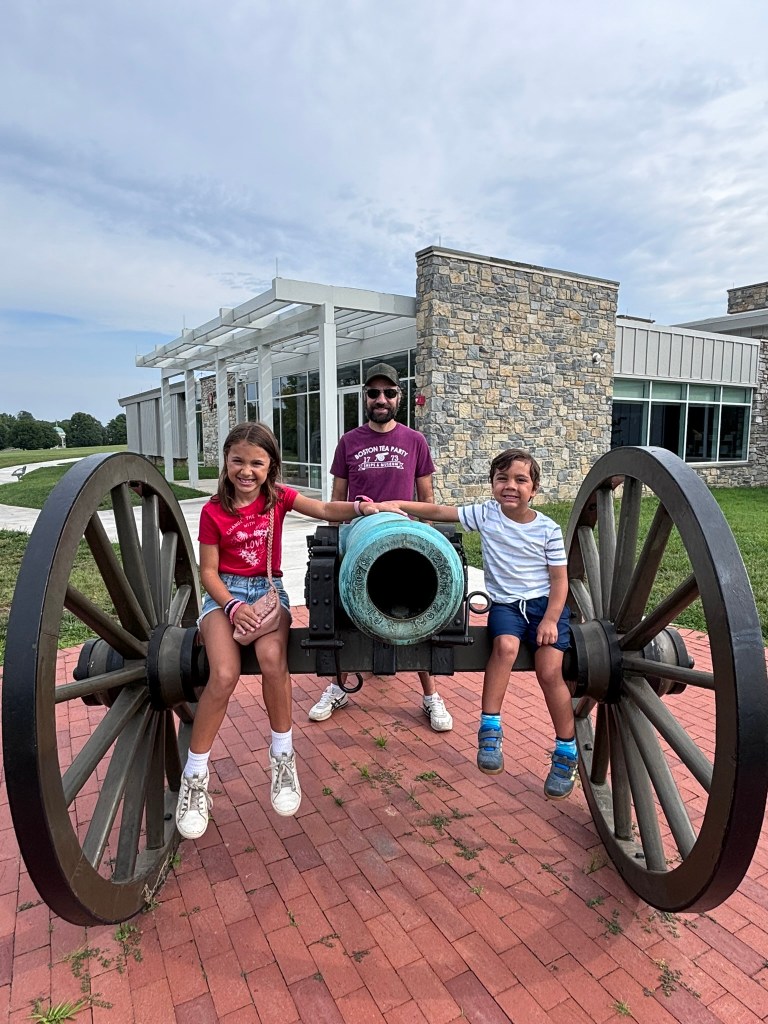
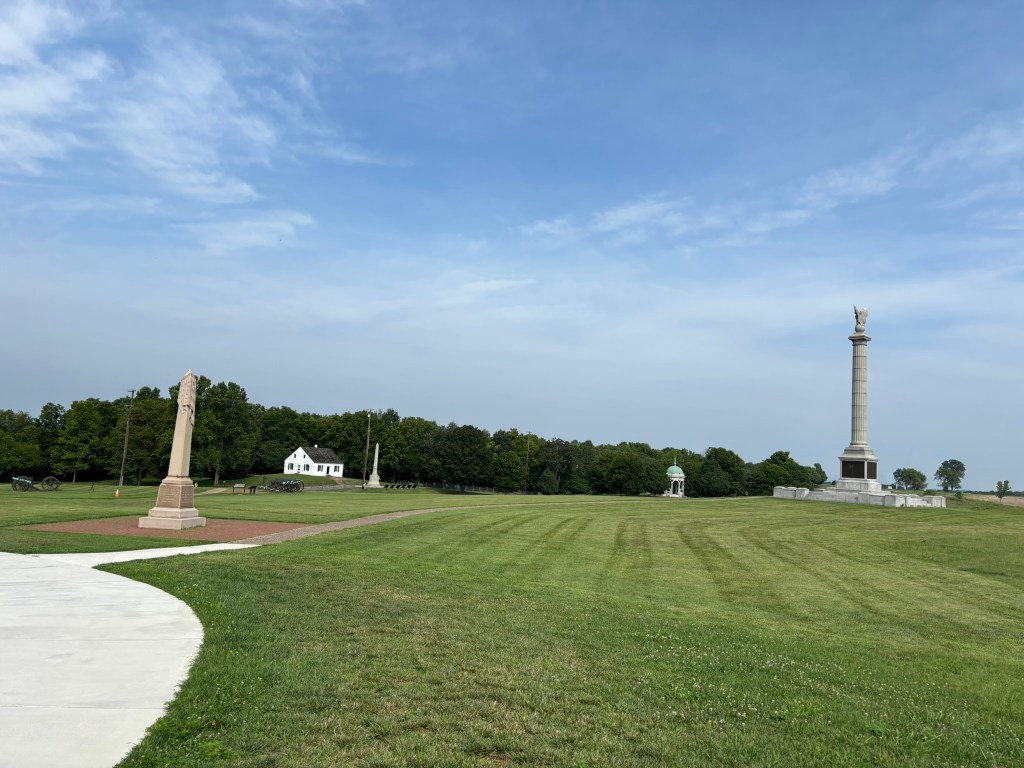
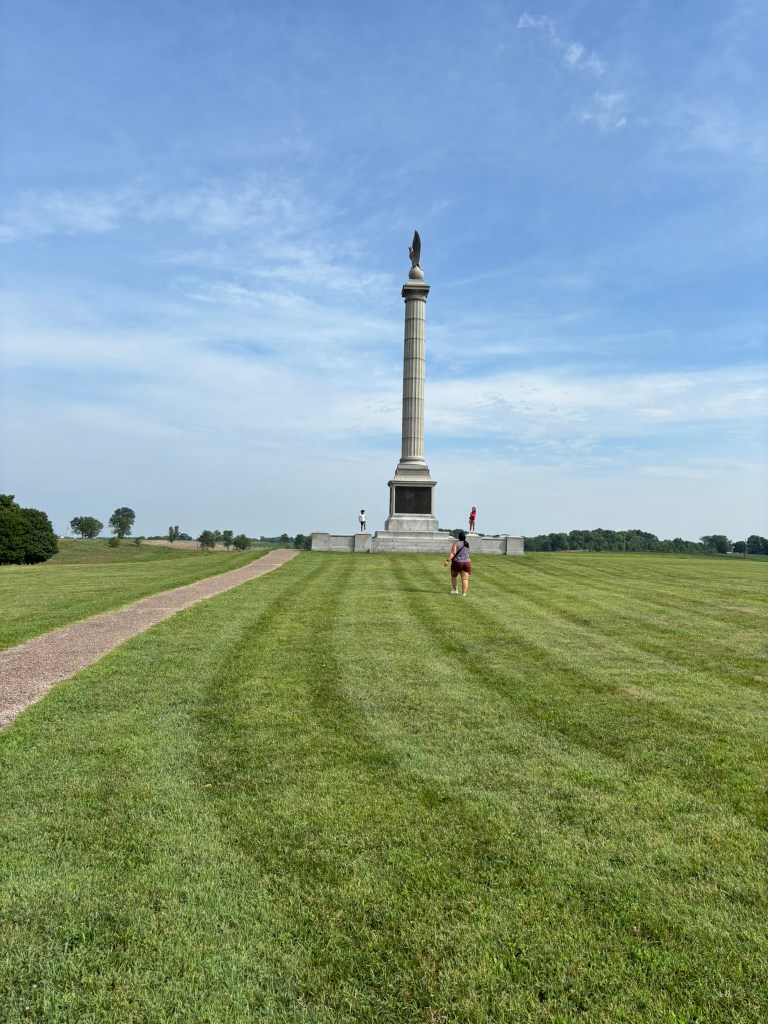
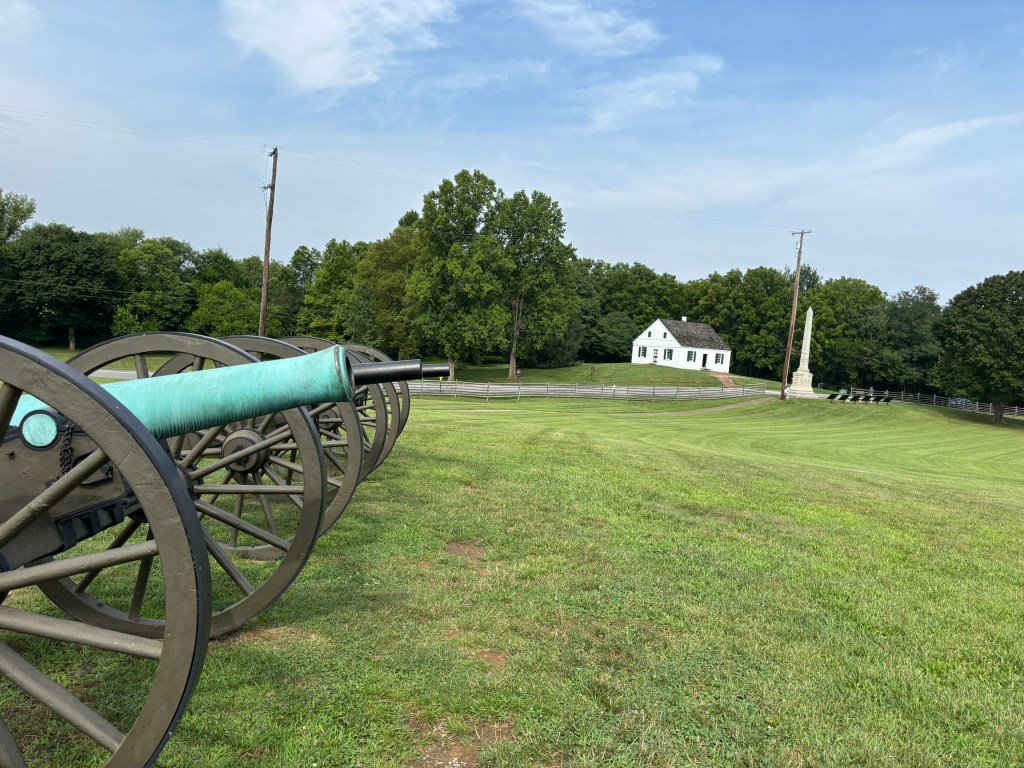
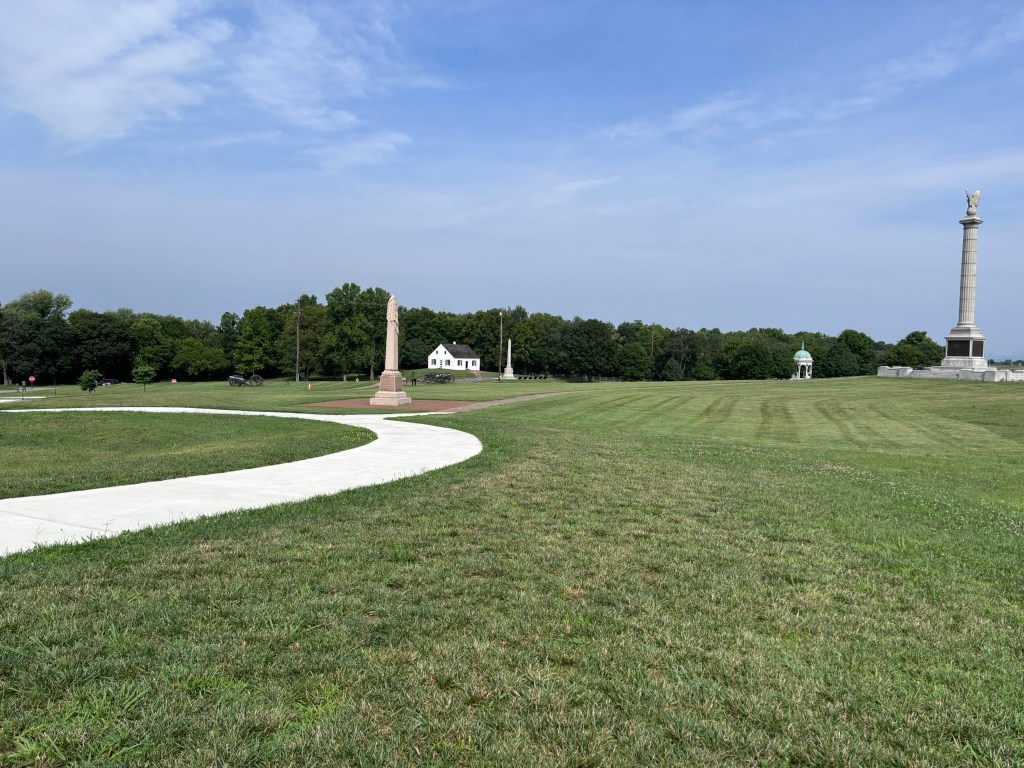
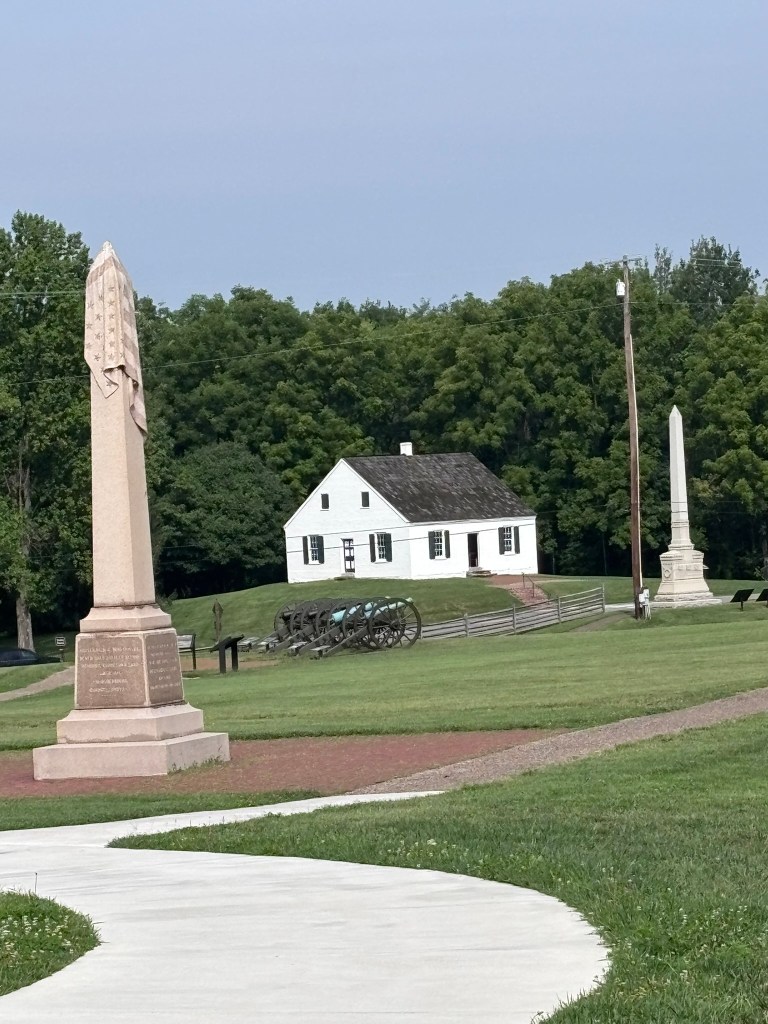
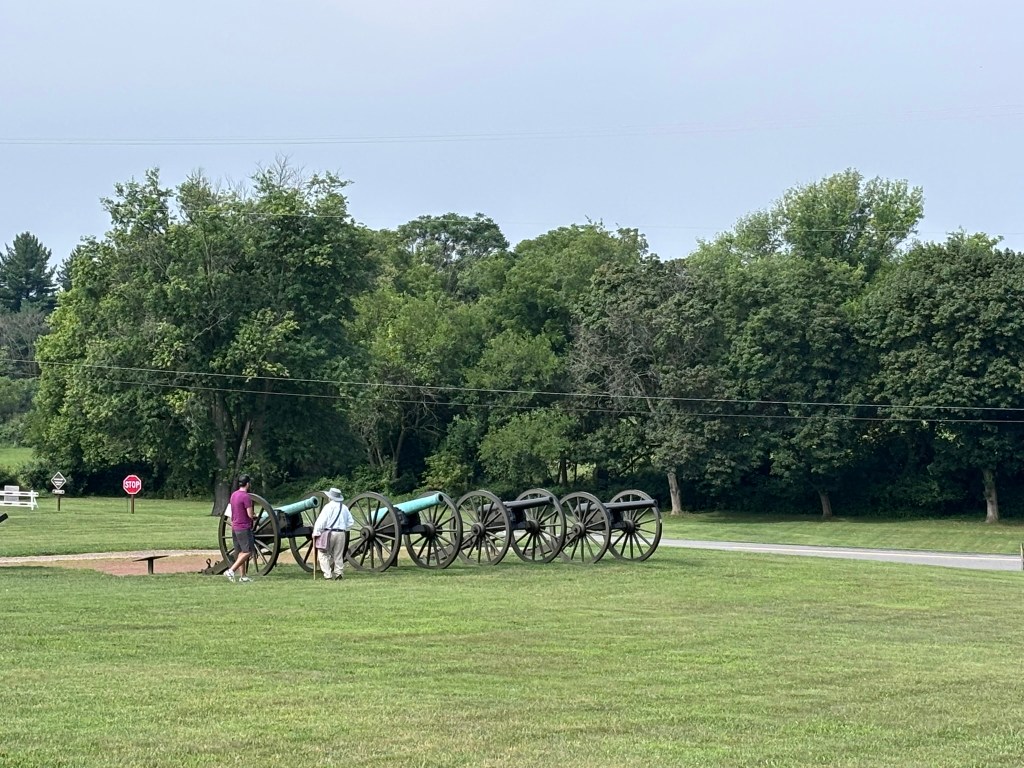
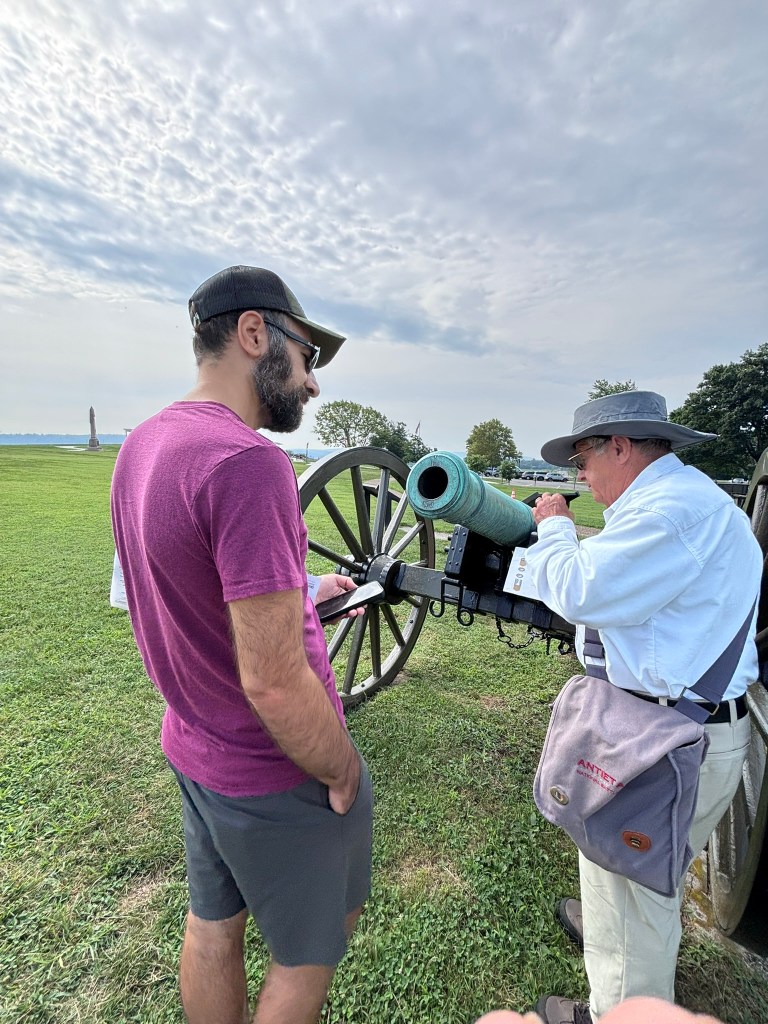
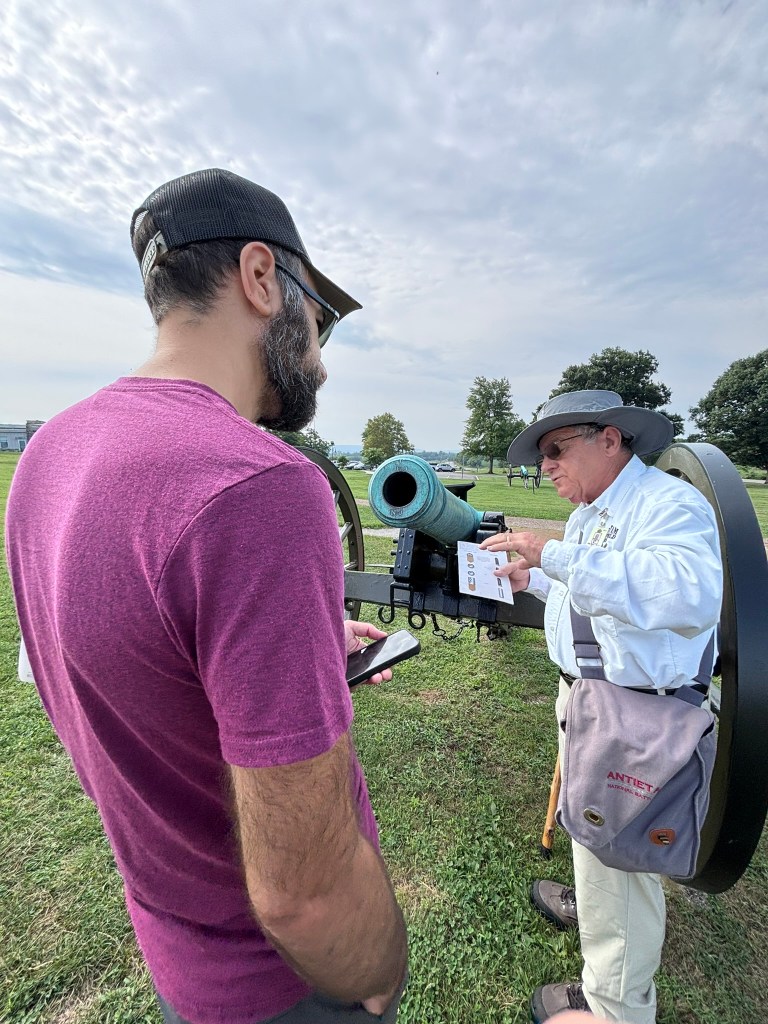
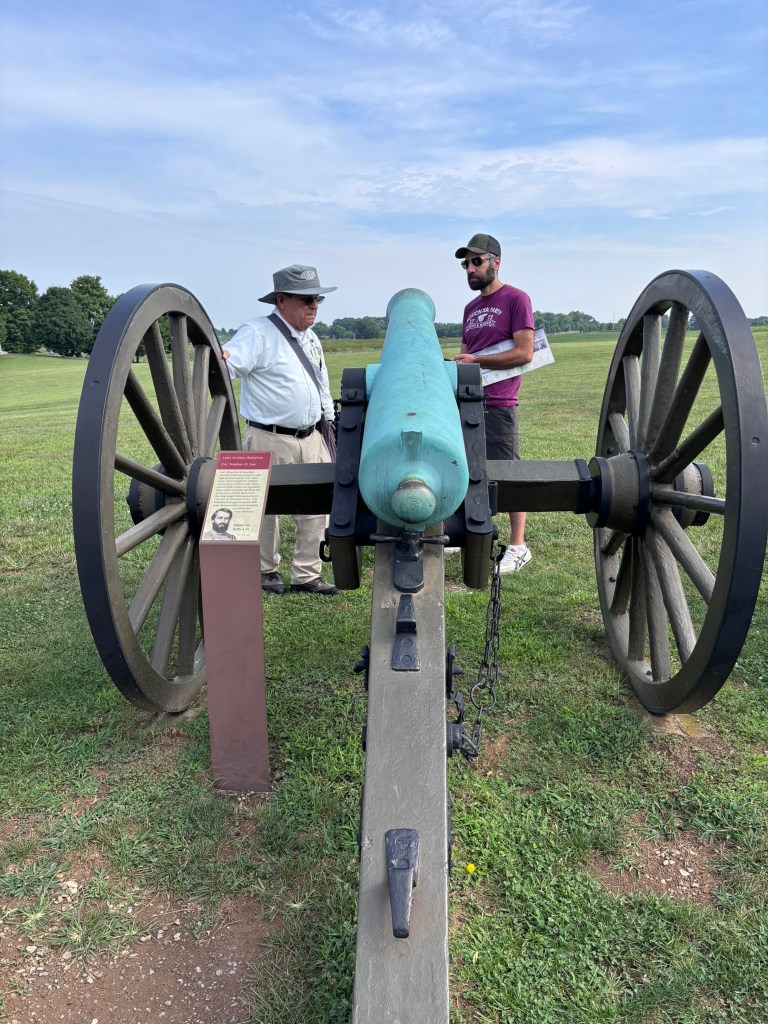
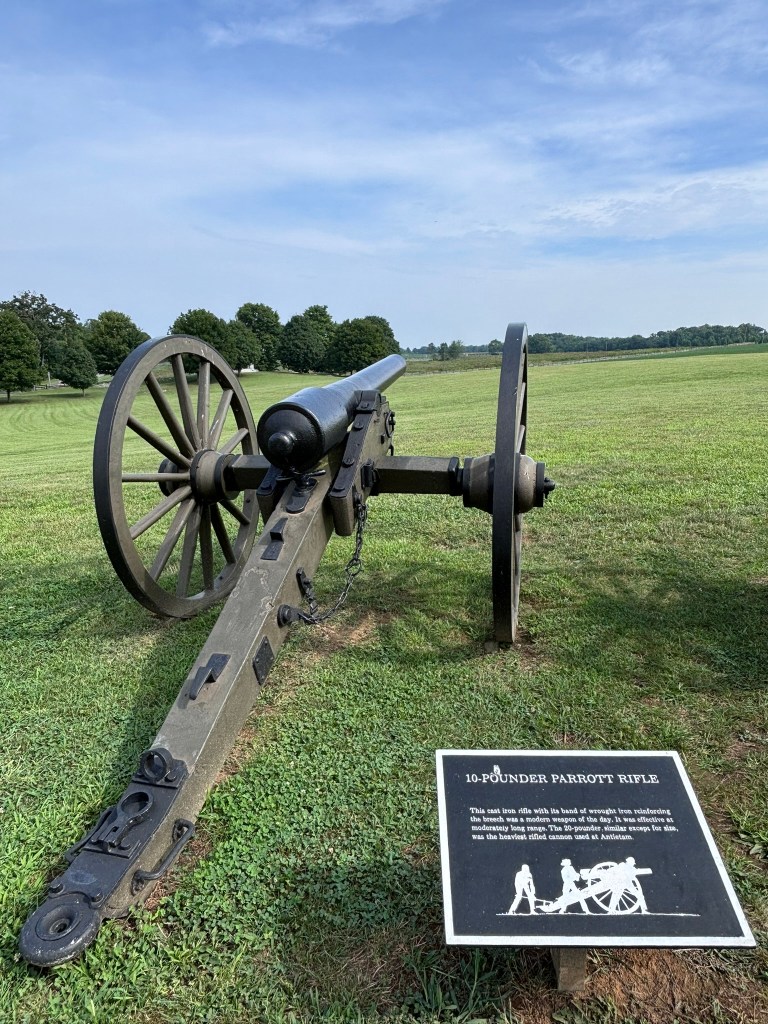
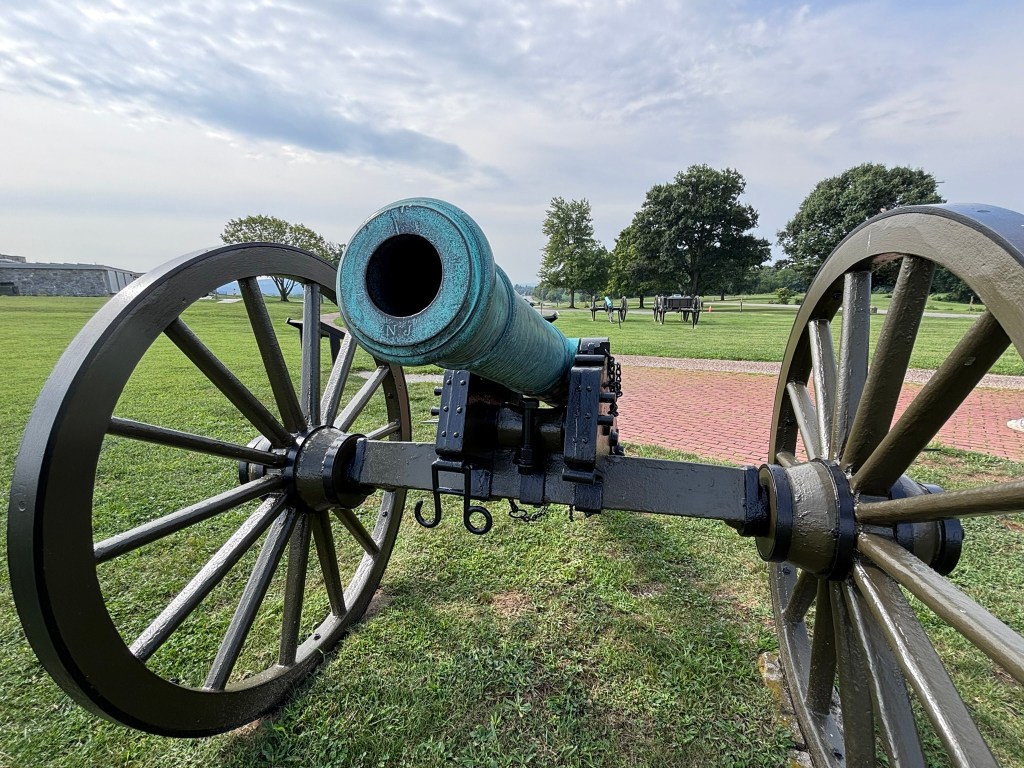
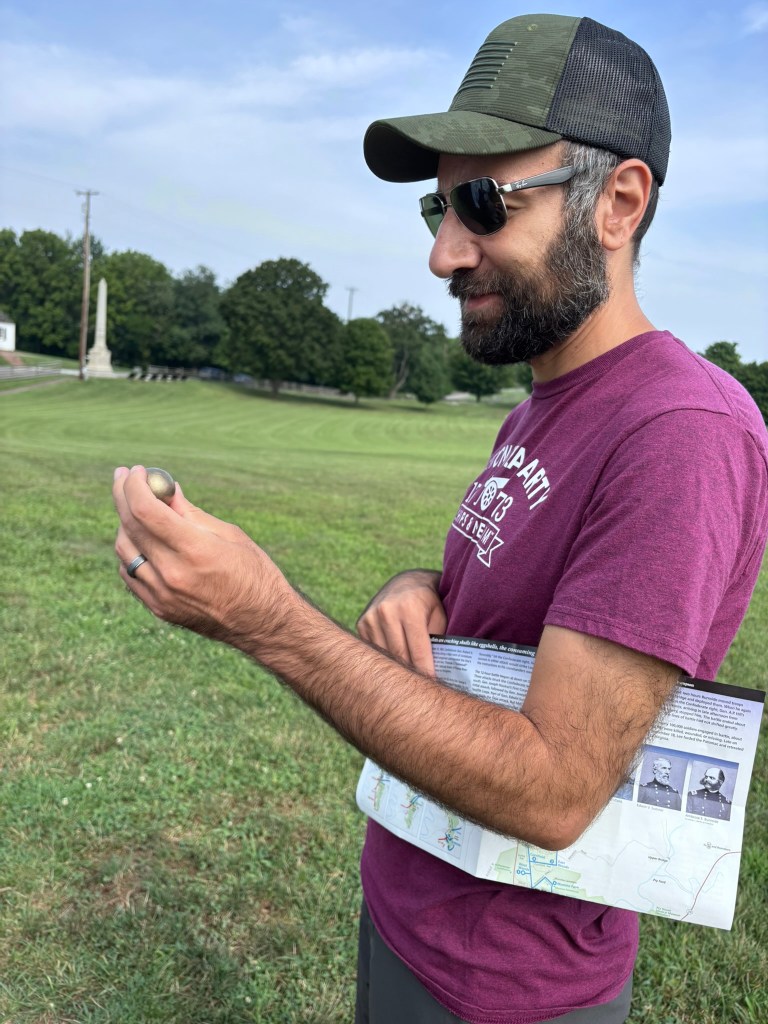
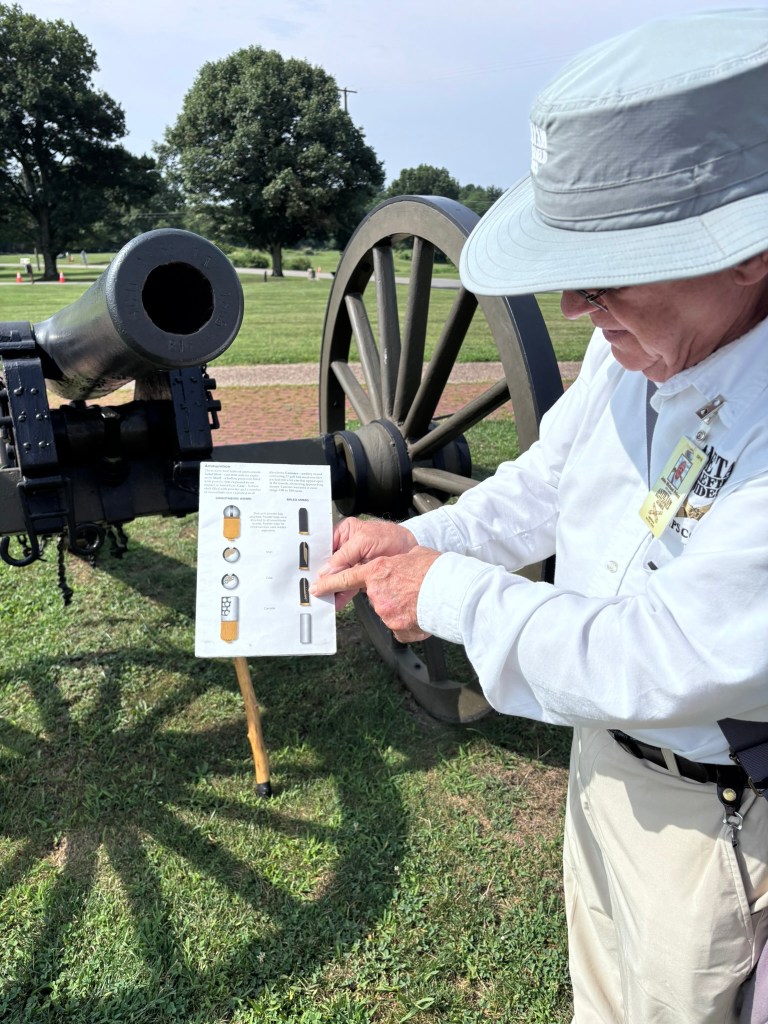
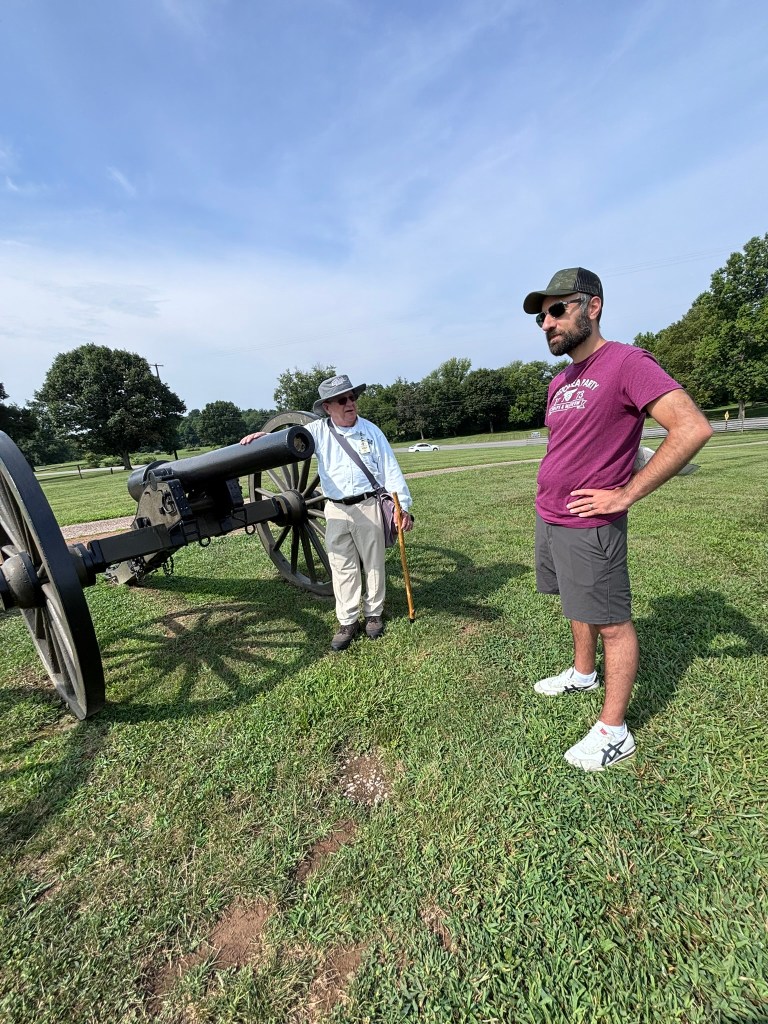
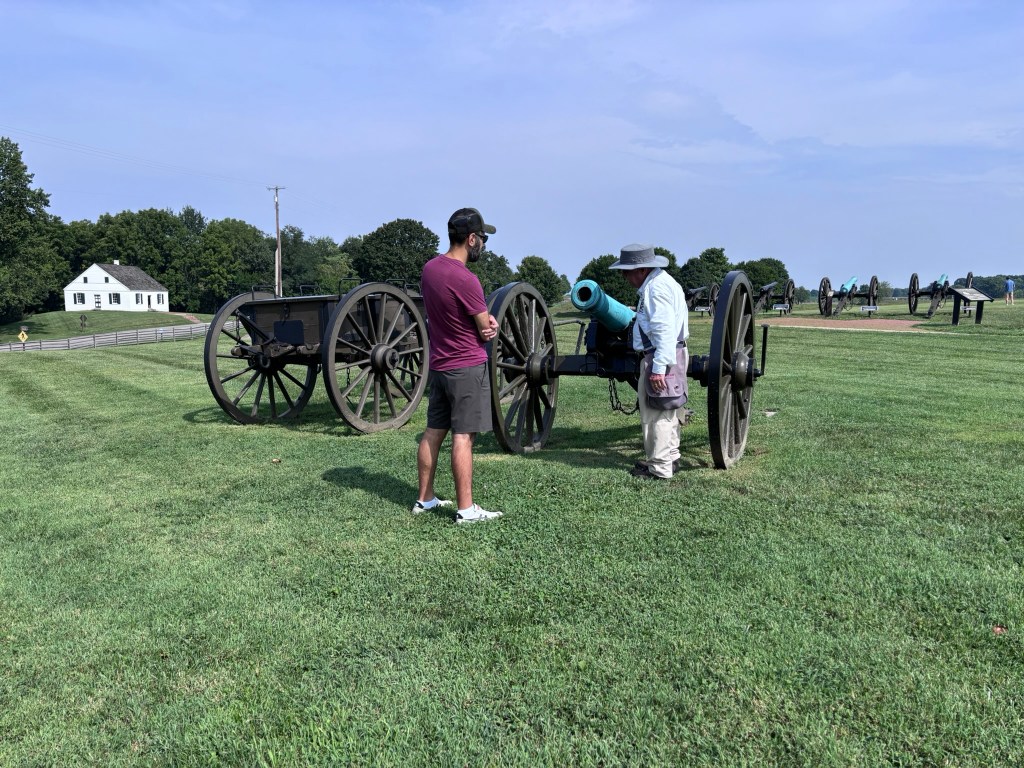
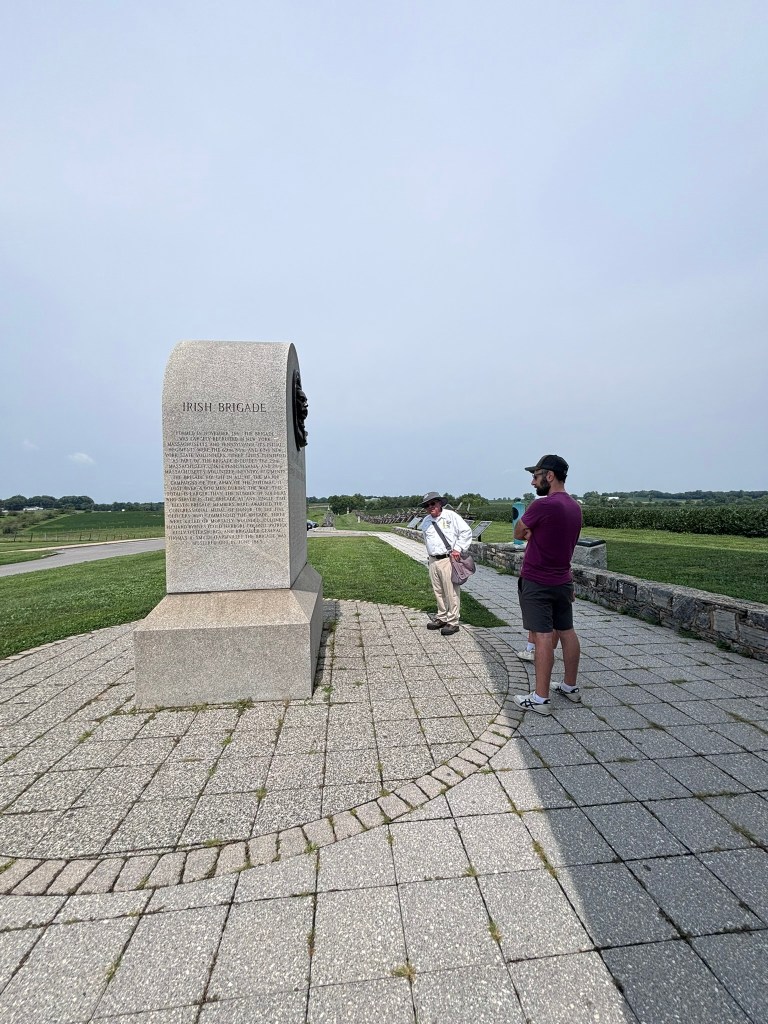
What I personally enjoyed about a four-hour tour is that it allowed John to really show off his knowledge about the details of the battle. We started off the tour by walking over to a row of four cannons—two smoothbore cannons and two rifled cannons. John did an excellent job providing details about each of them.
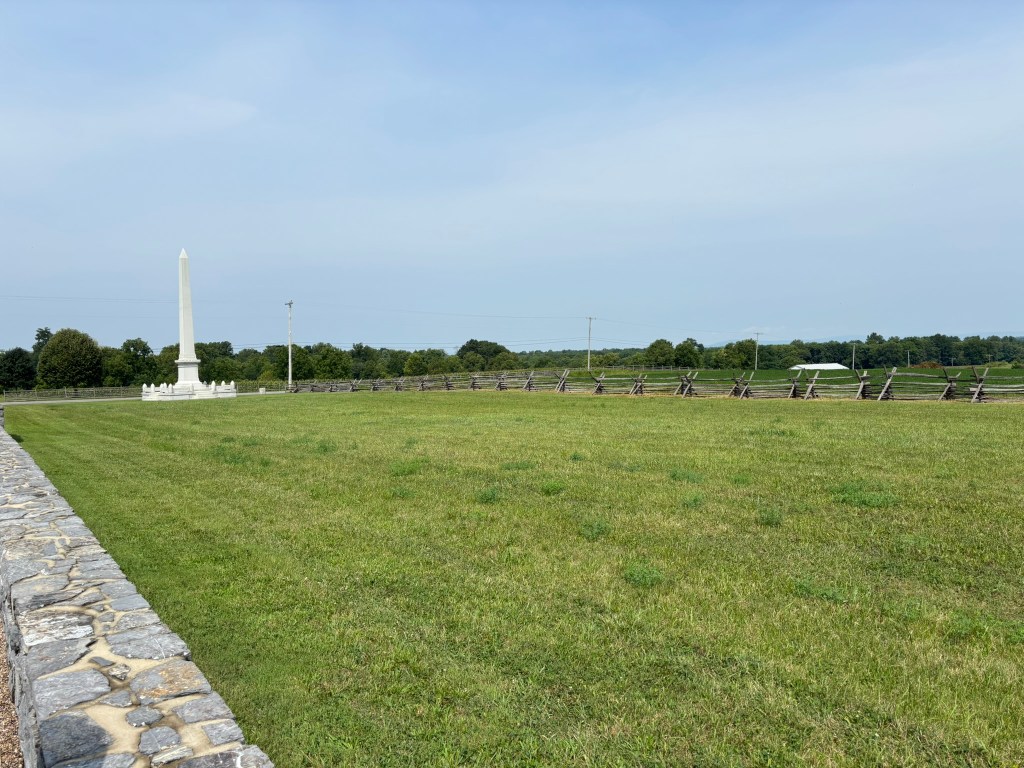
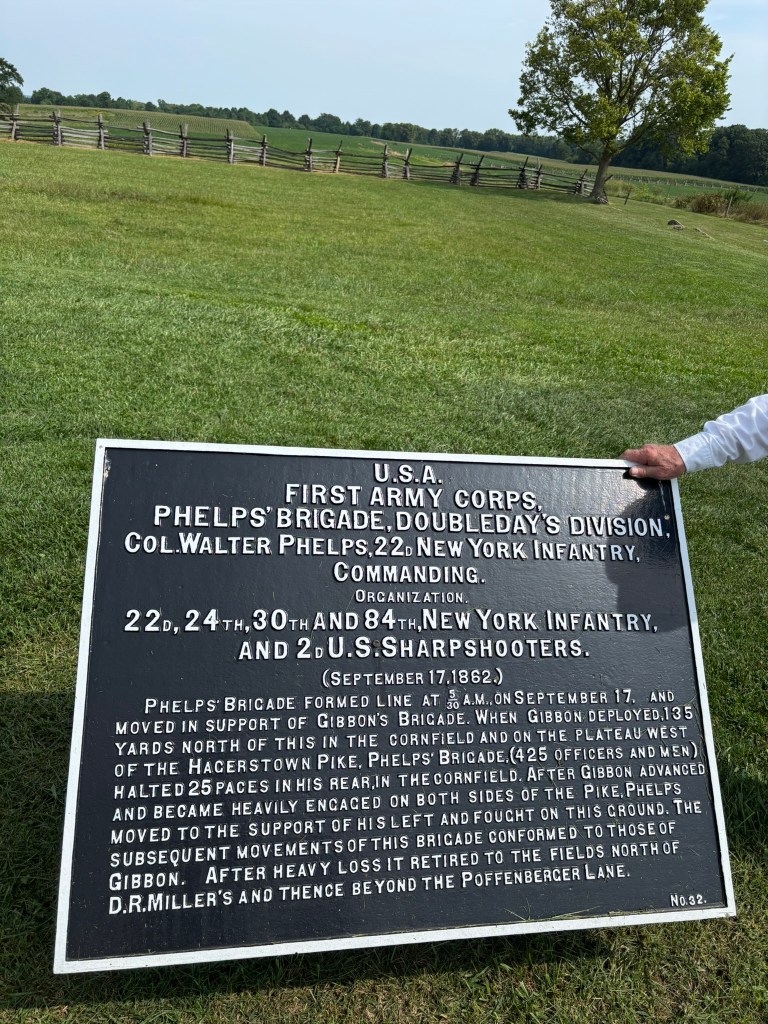
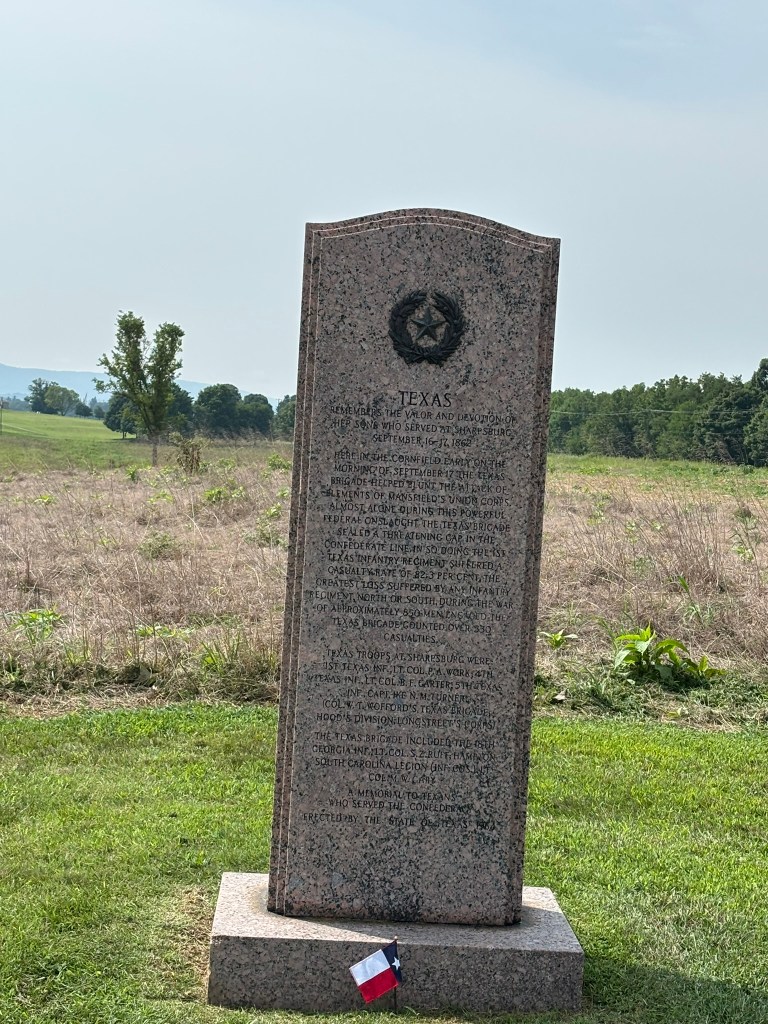
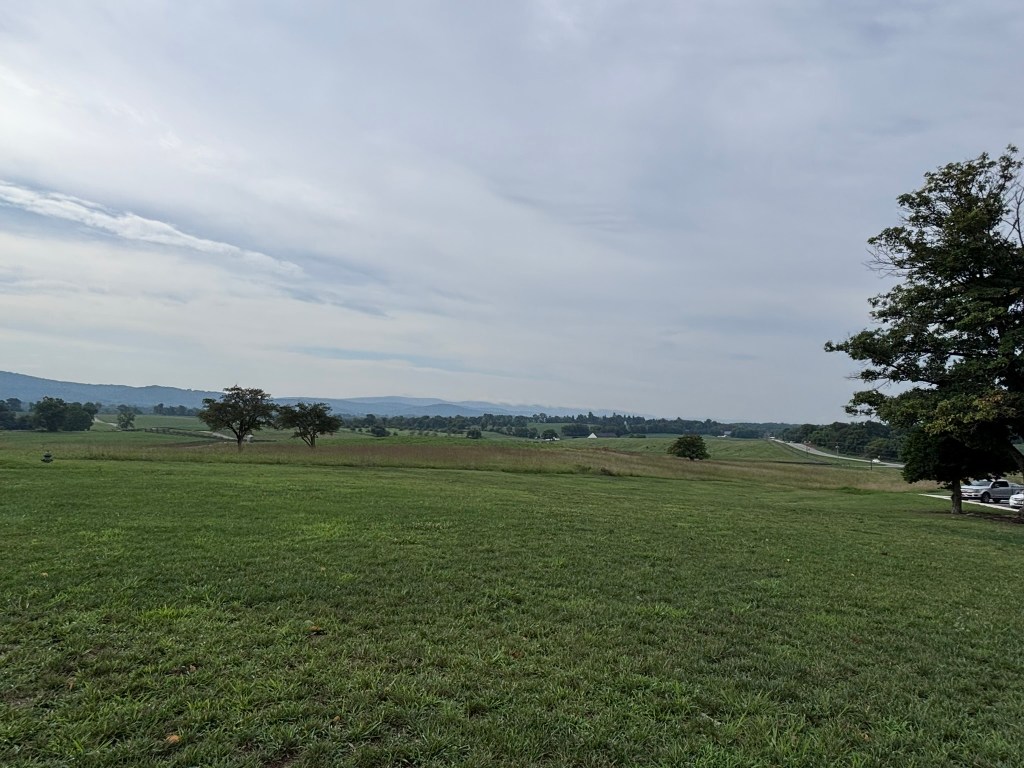
Miller’s Cornfield
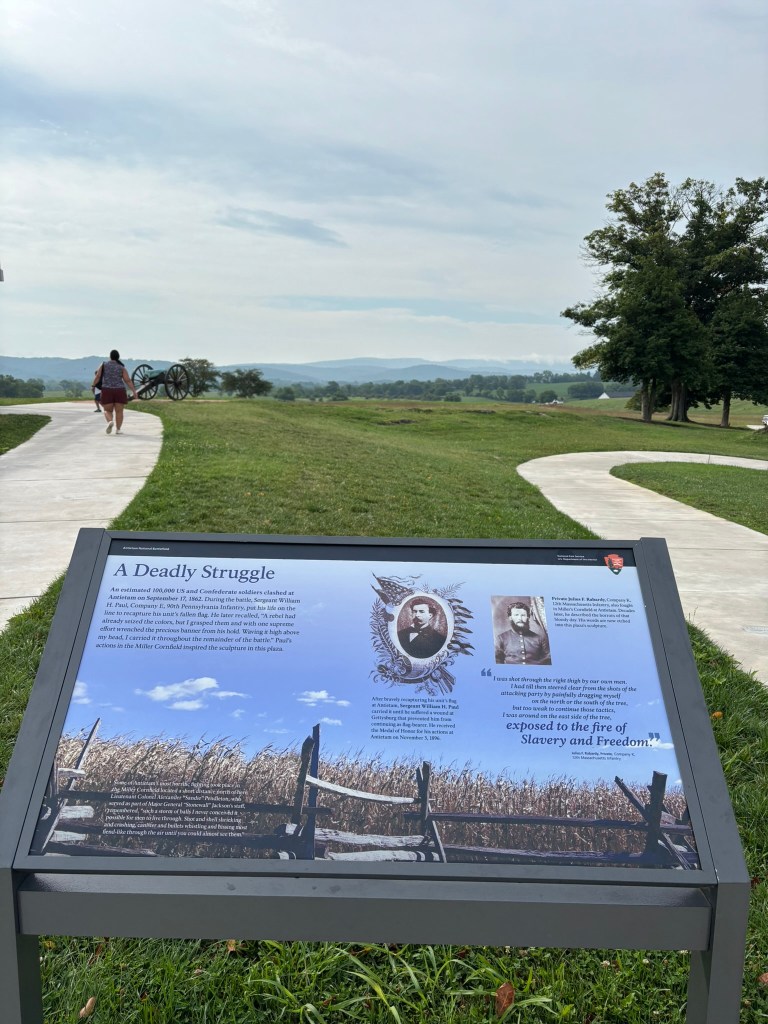
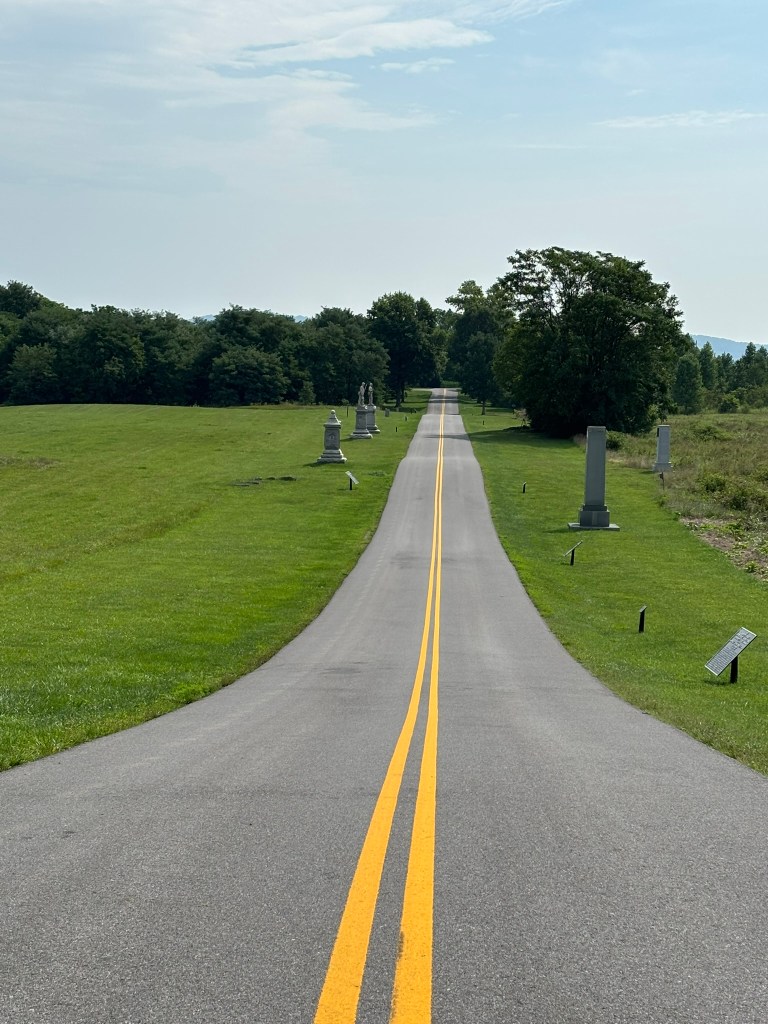
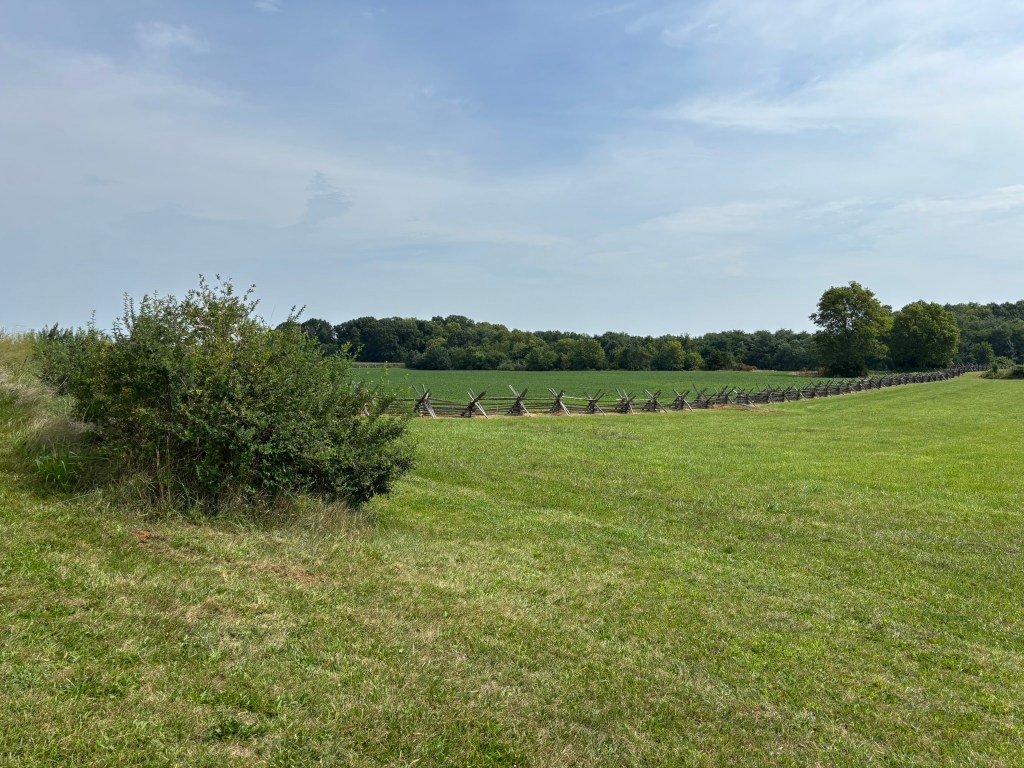
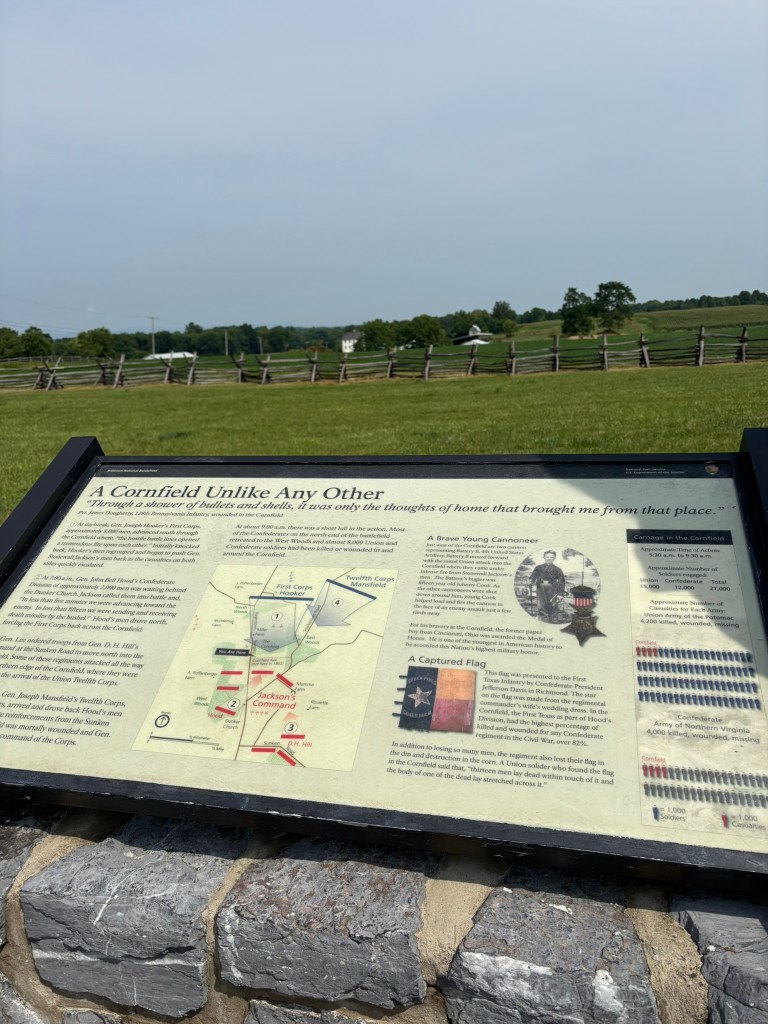
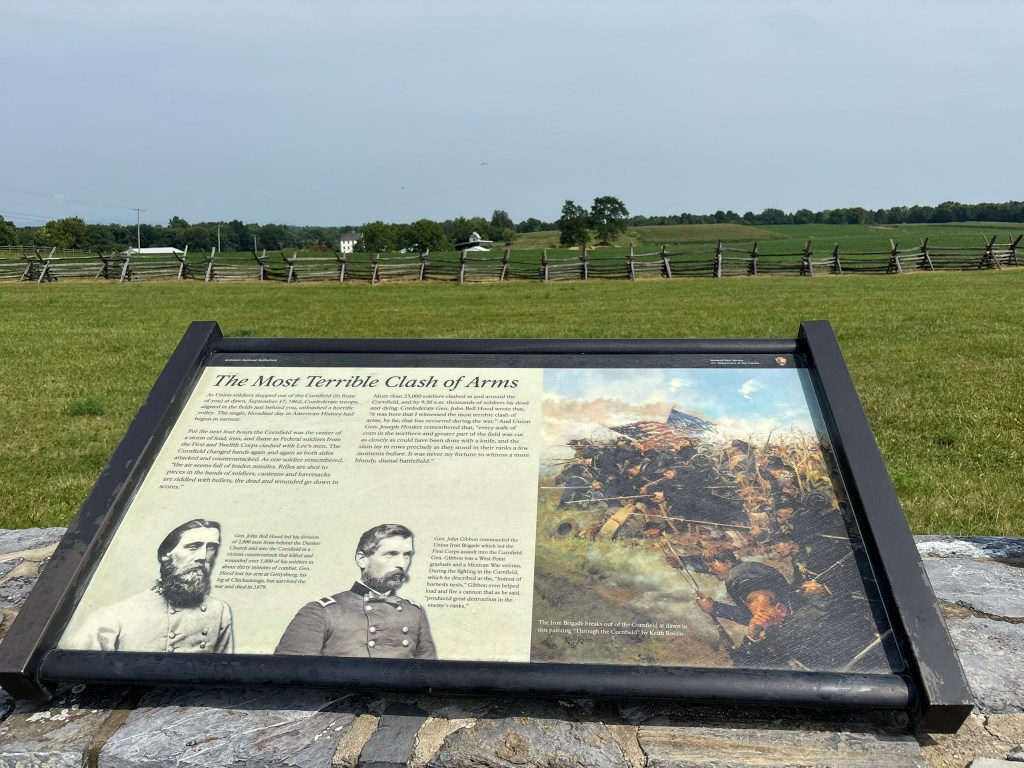
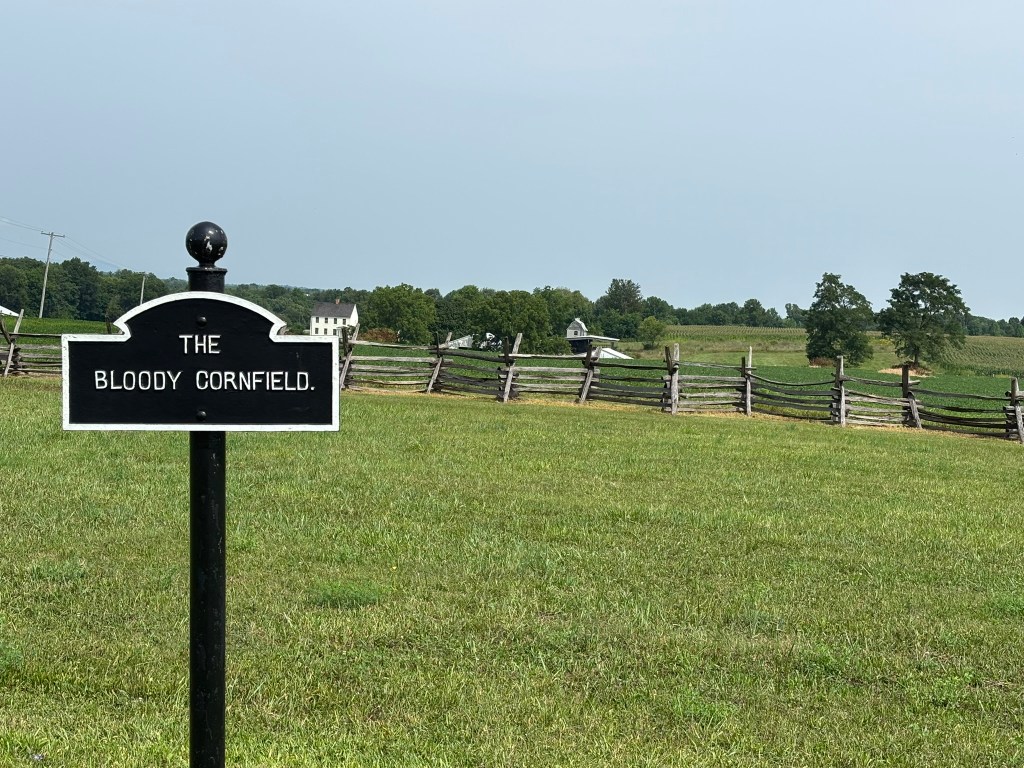
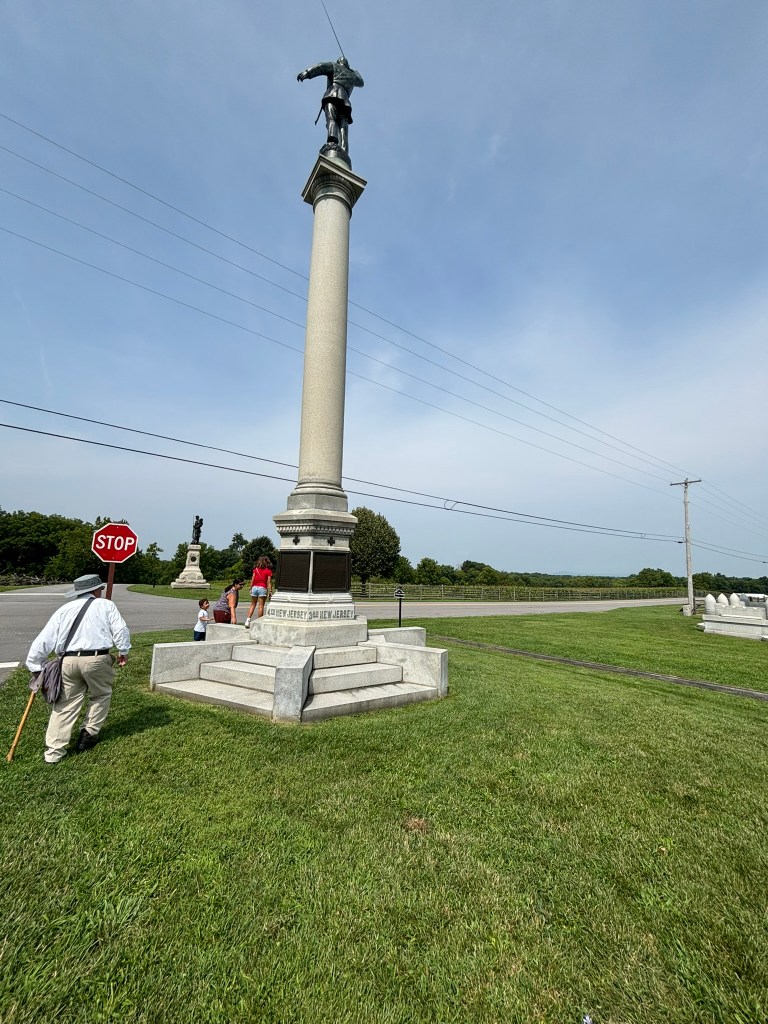
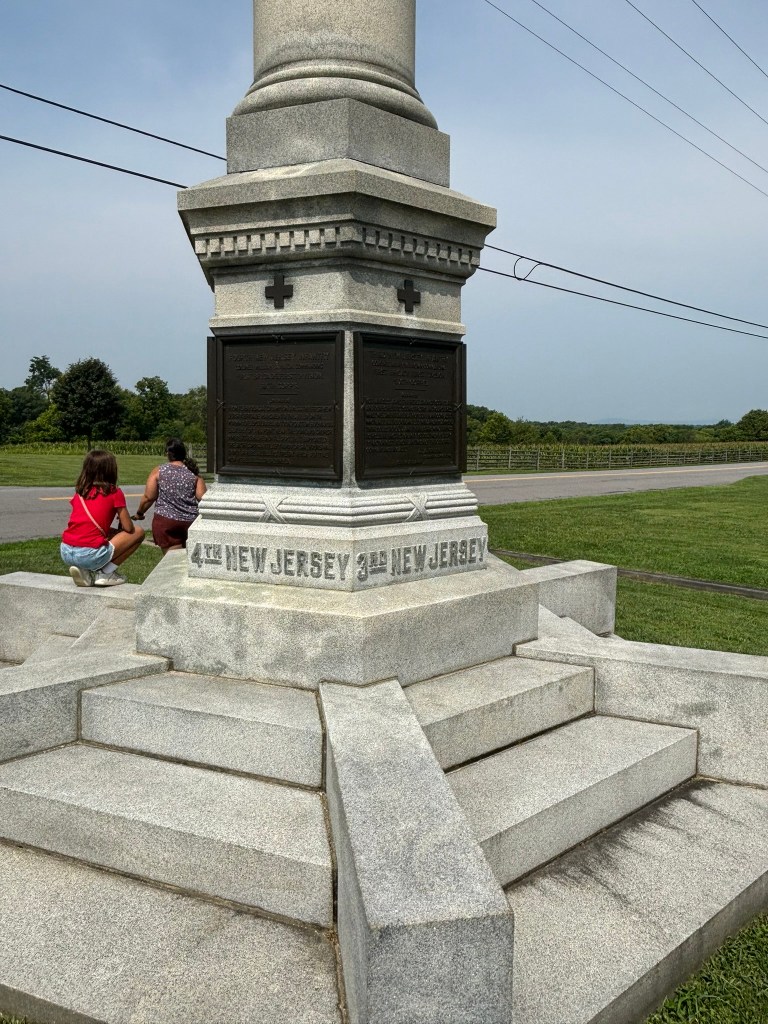
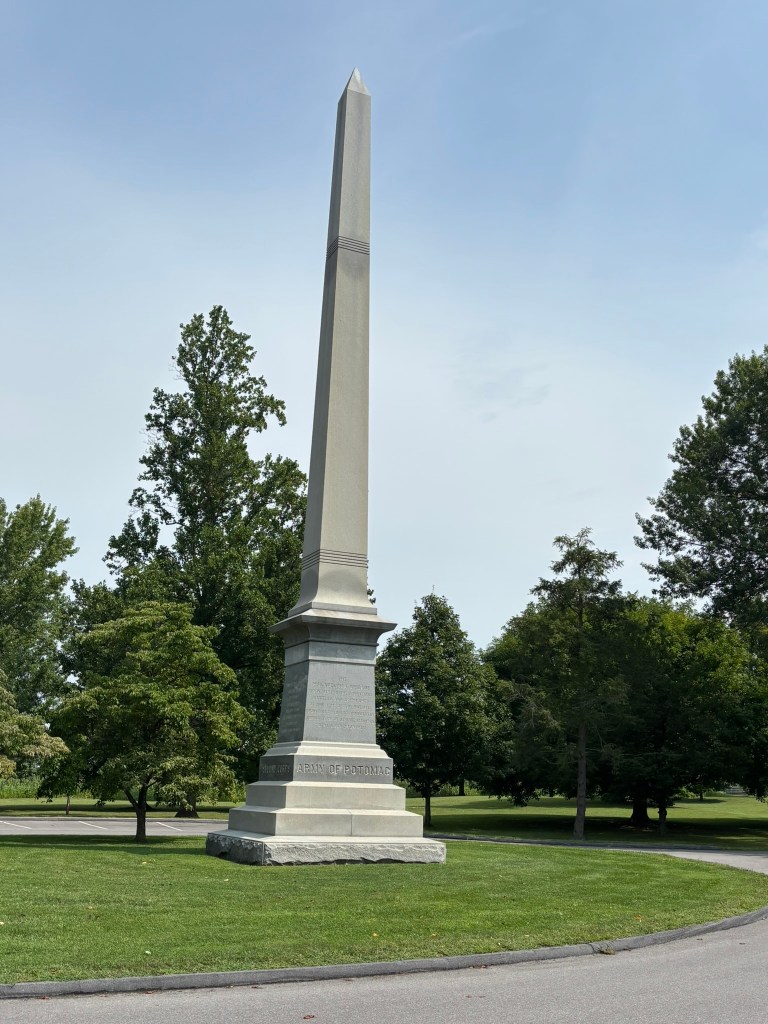
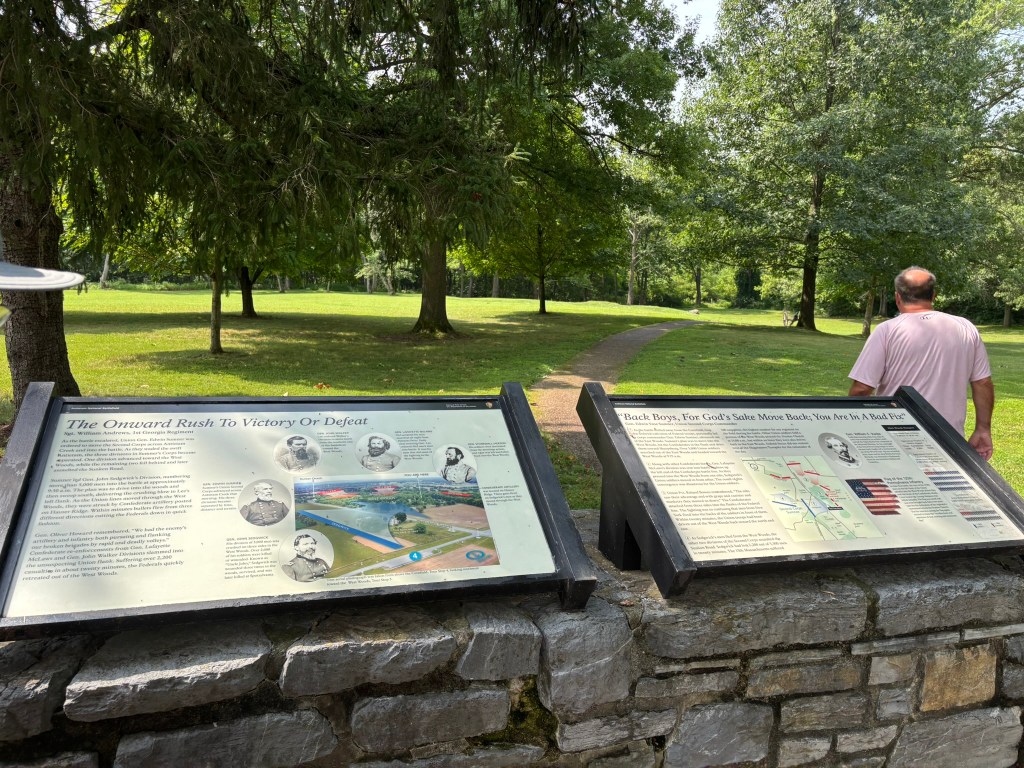
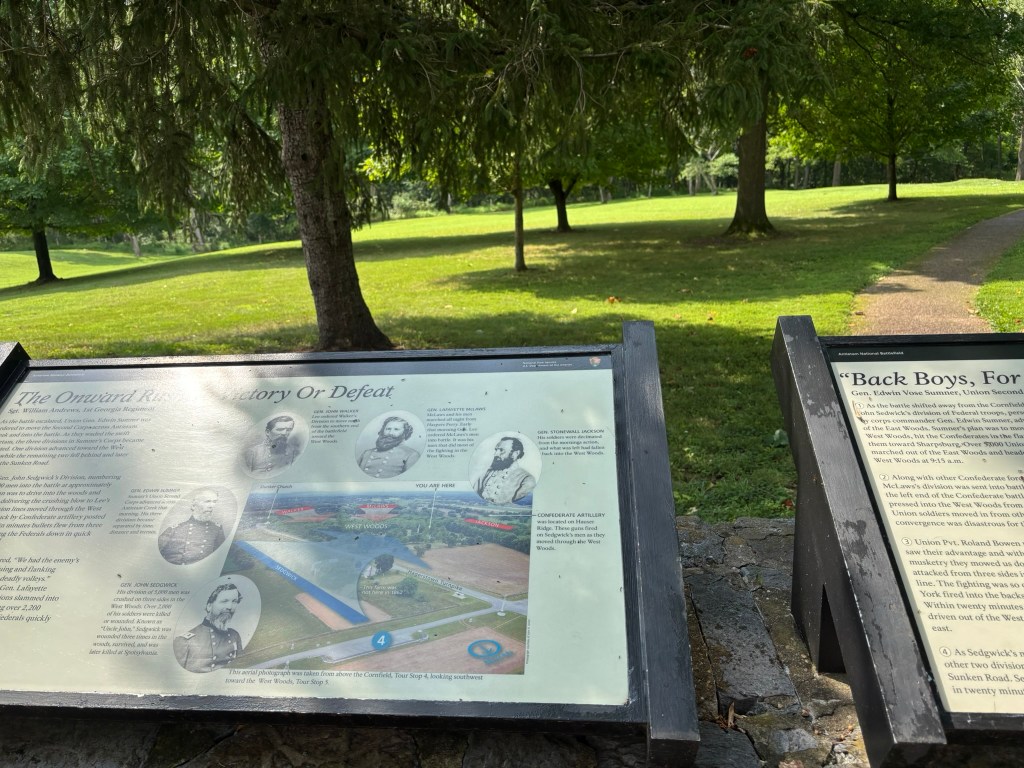
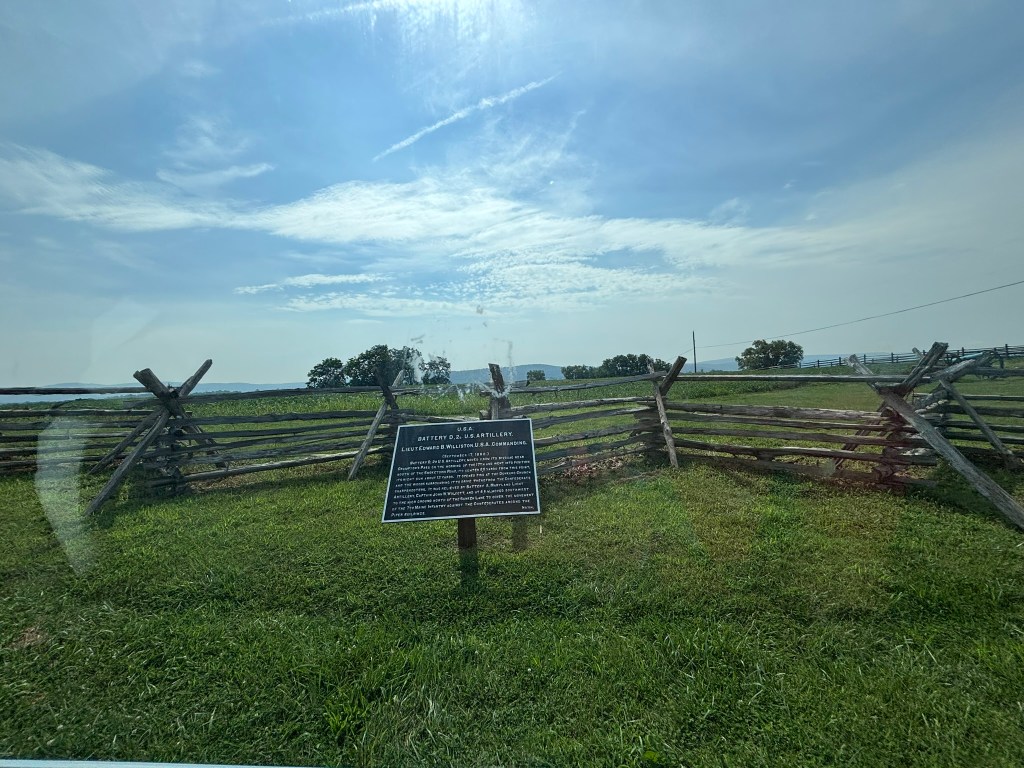
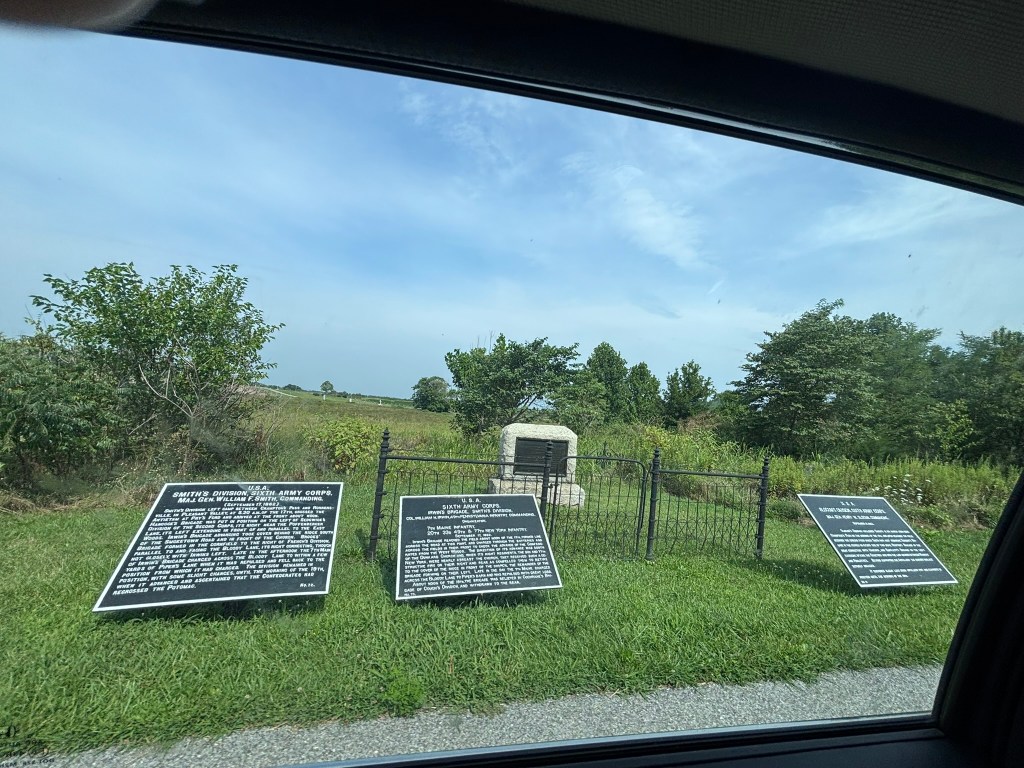
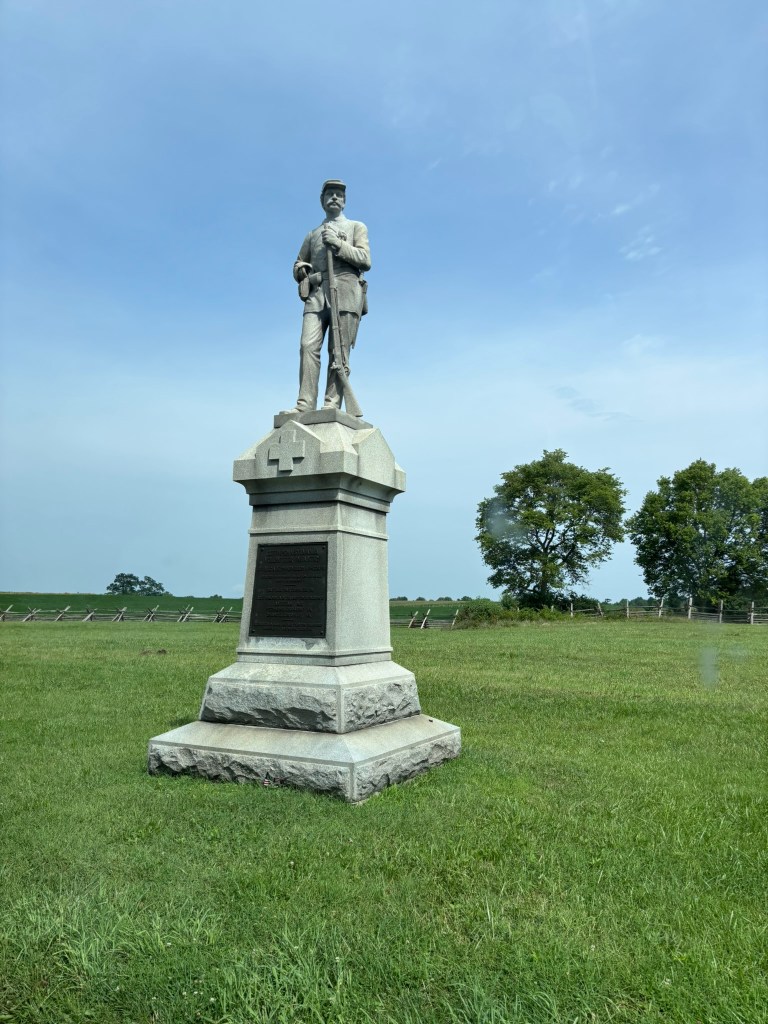
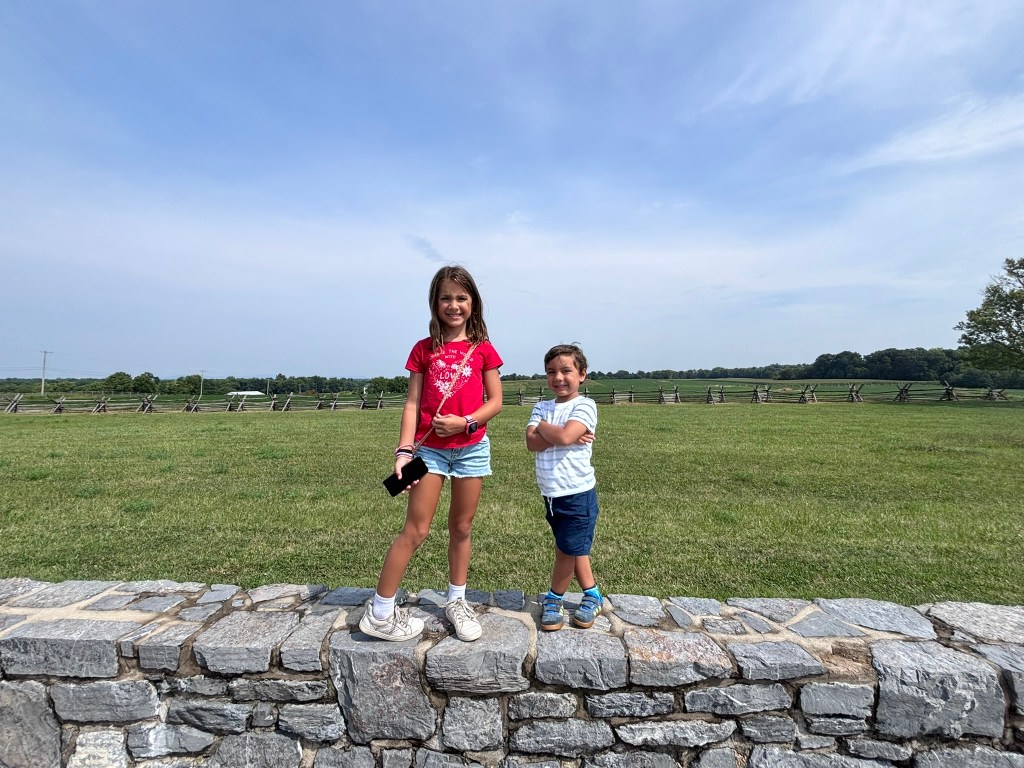
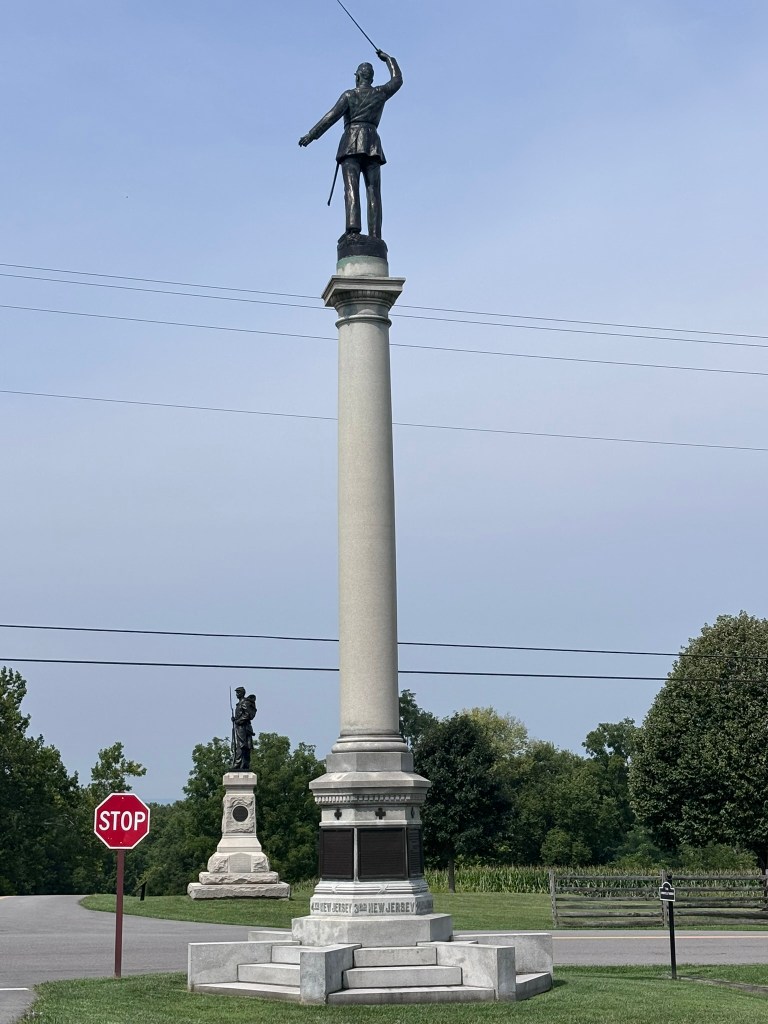
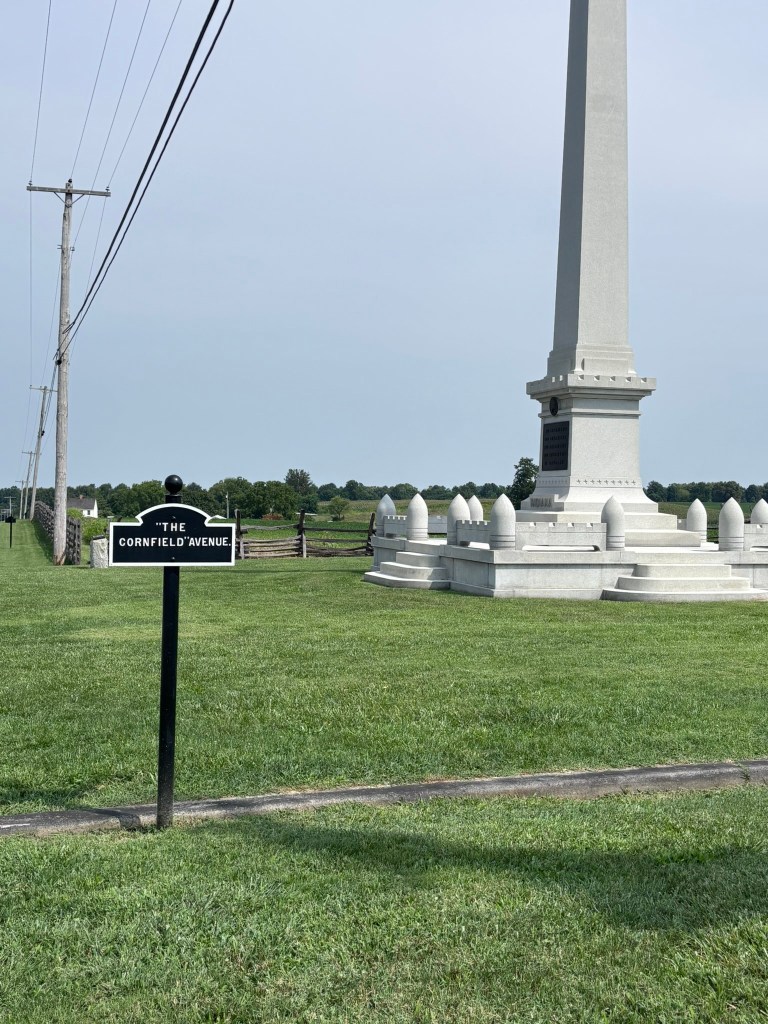
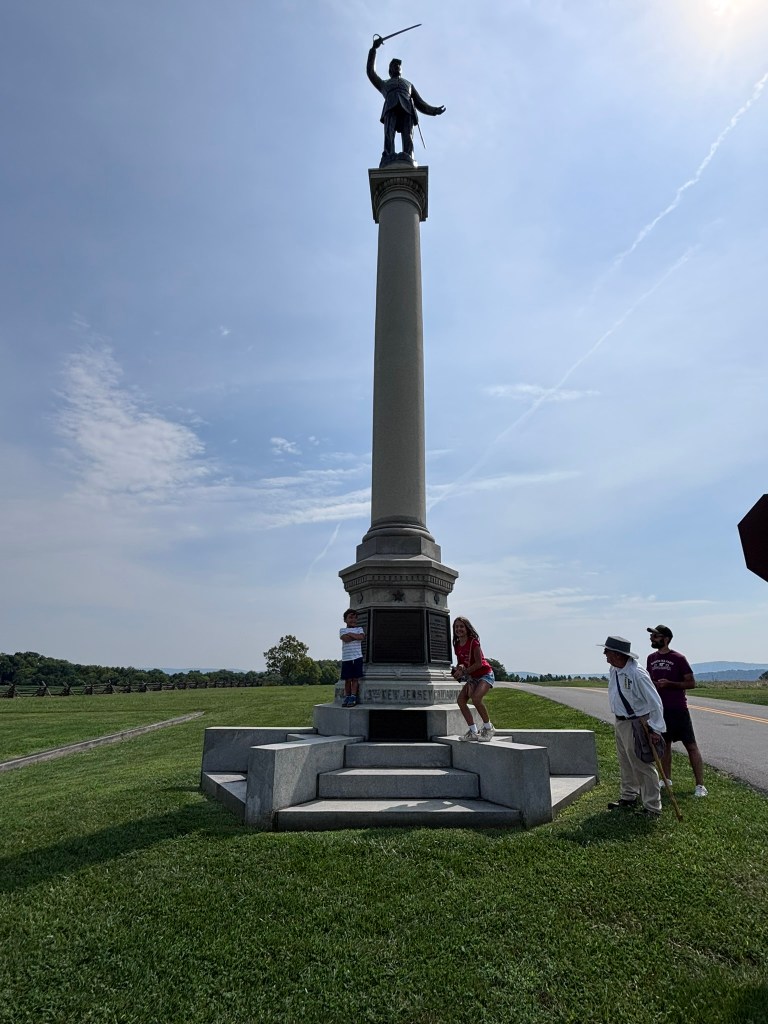
We then headed over to where Miller’s Cornfield was located during the morning phase of the battle. The Cornfield changed hands numerous times, and the fighting was incredibly fierce and bloody. It’s hard to fathom what the troops must have experienced with such low visibility and the violent chaos that ensued there.
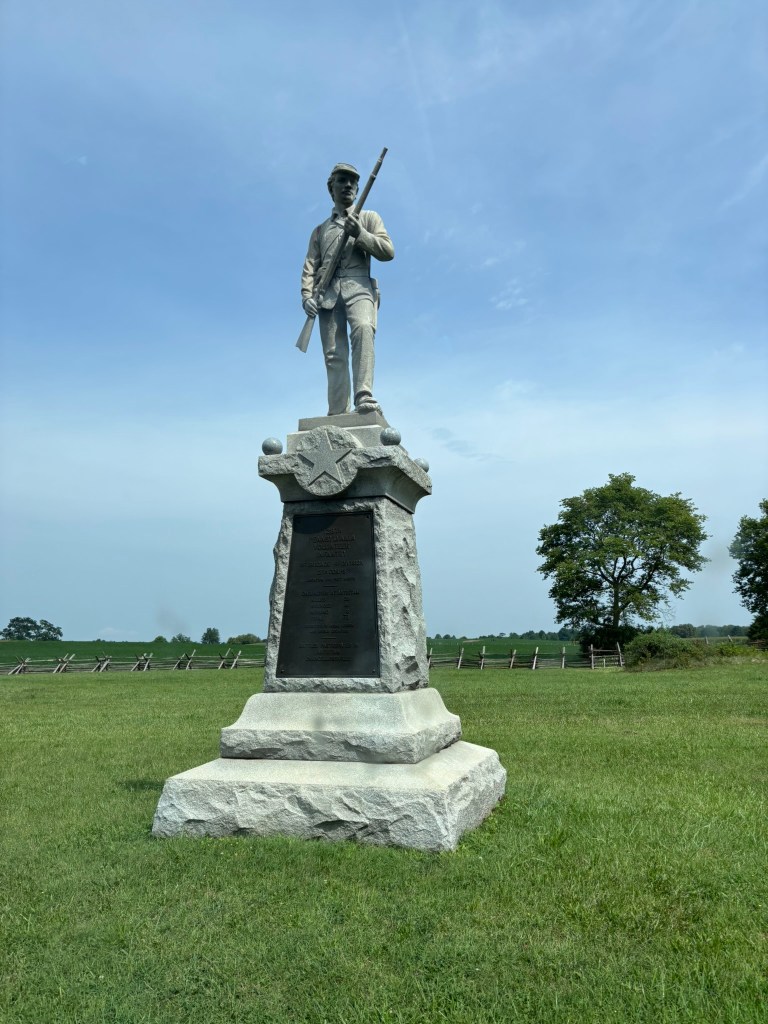
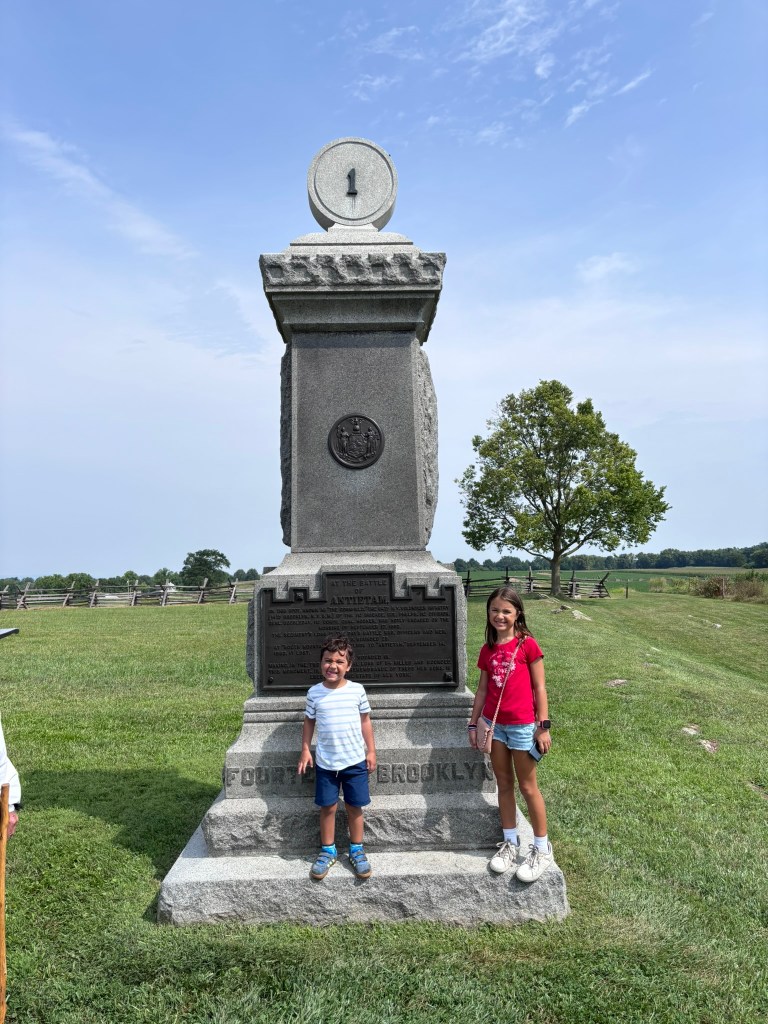
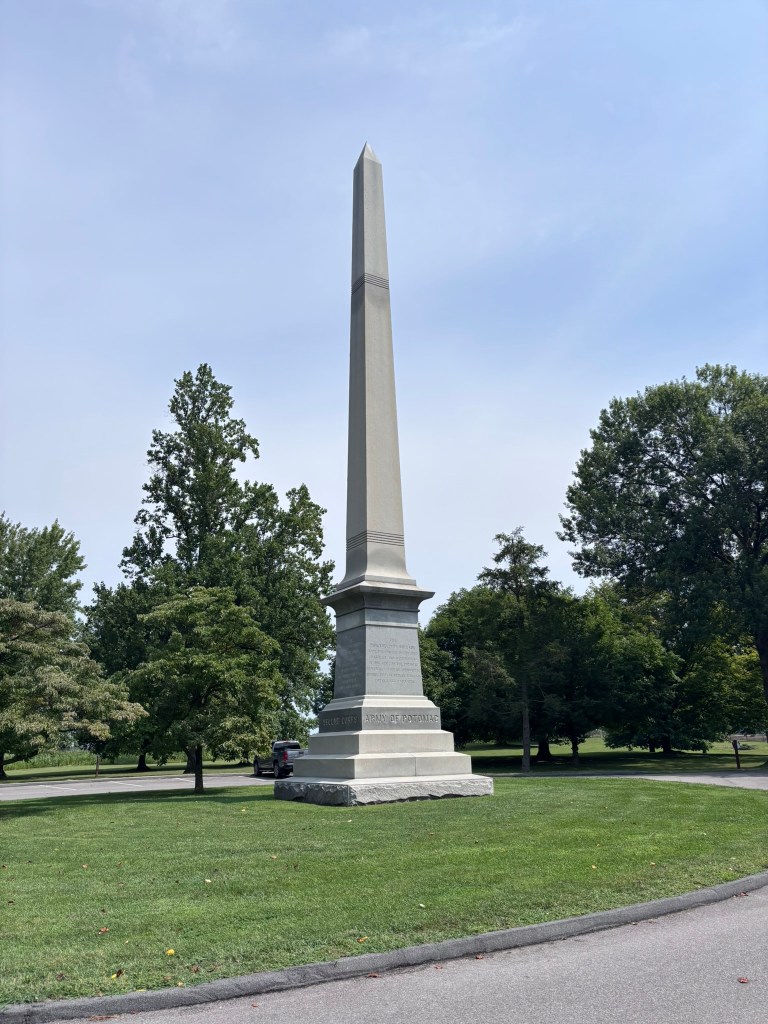
The Sunken Road
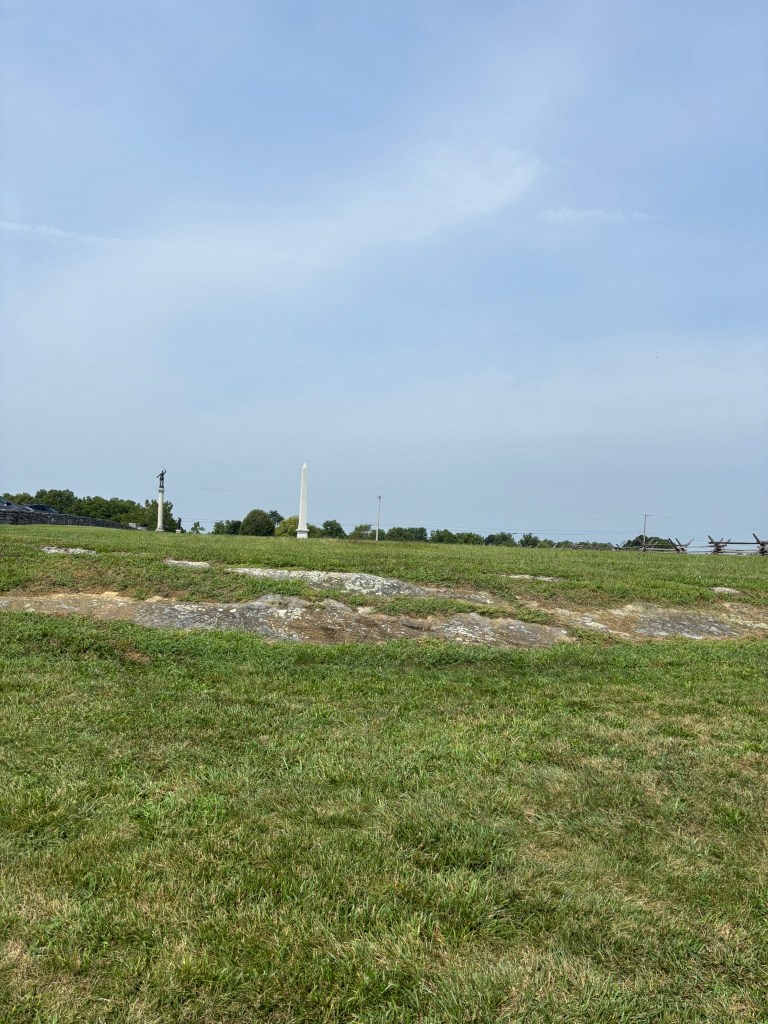
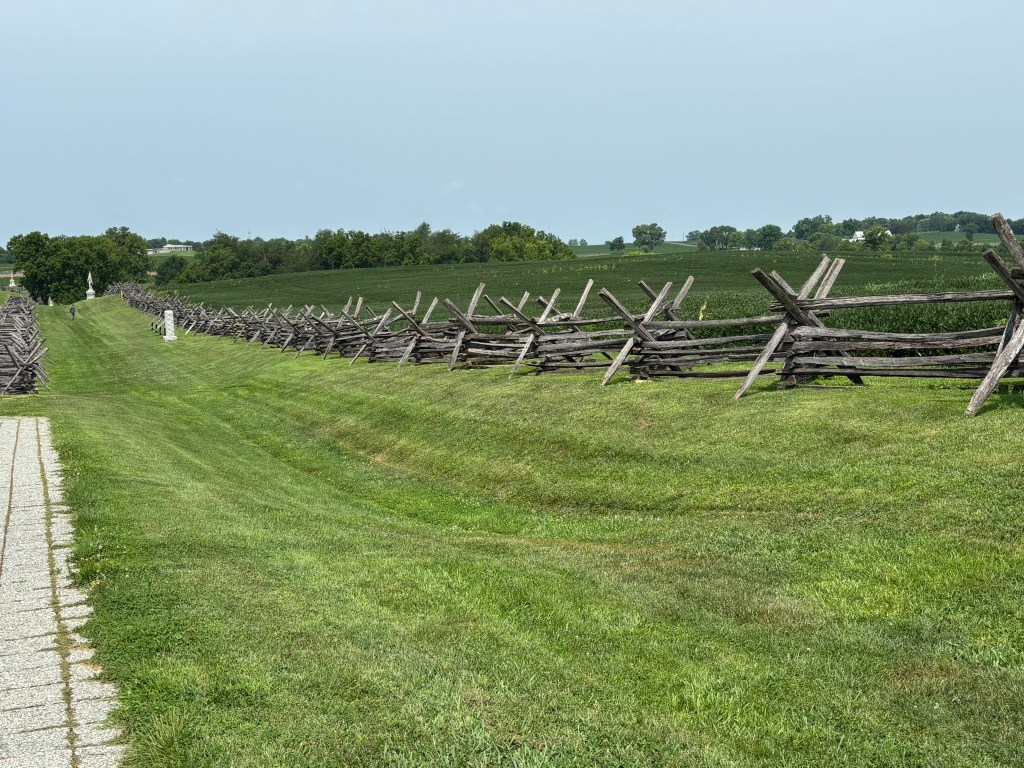
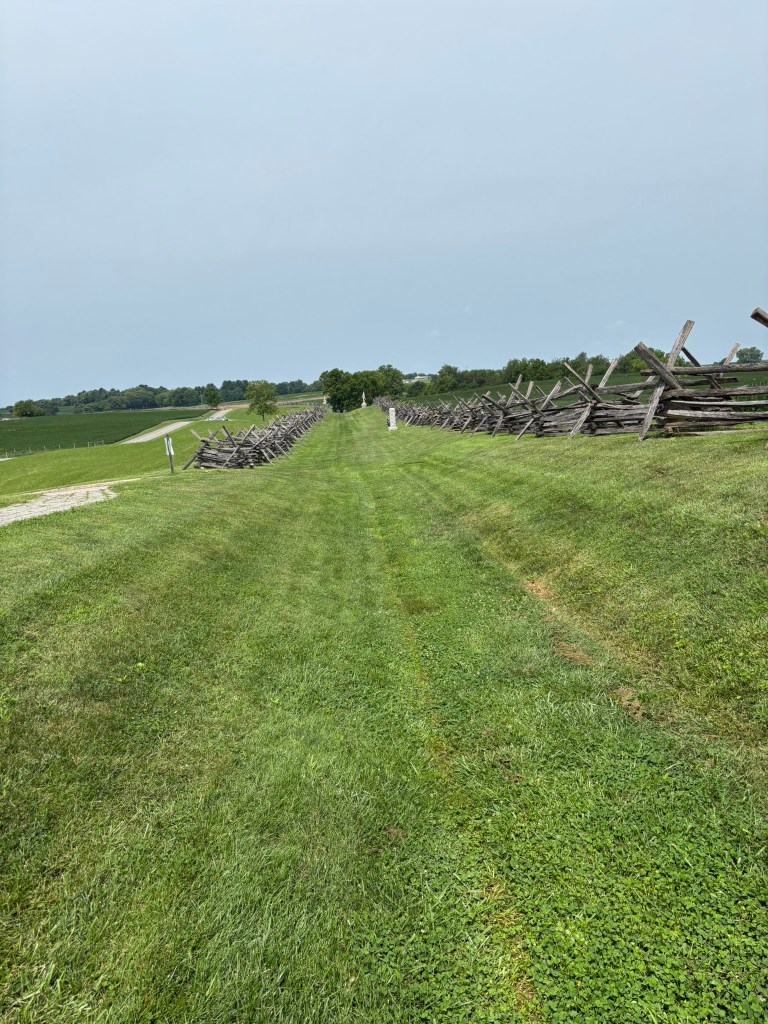
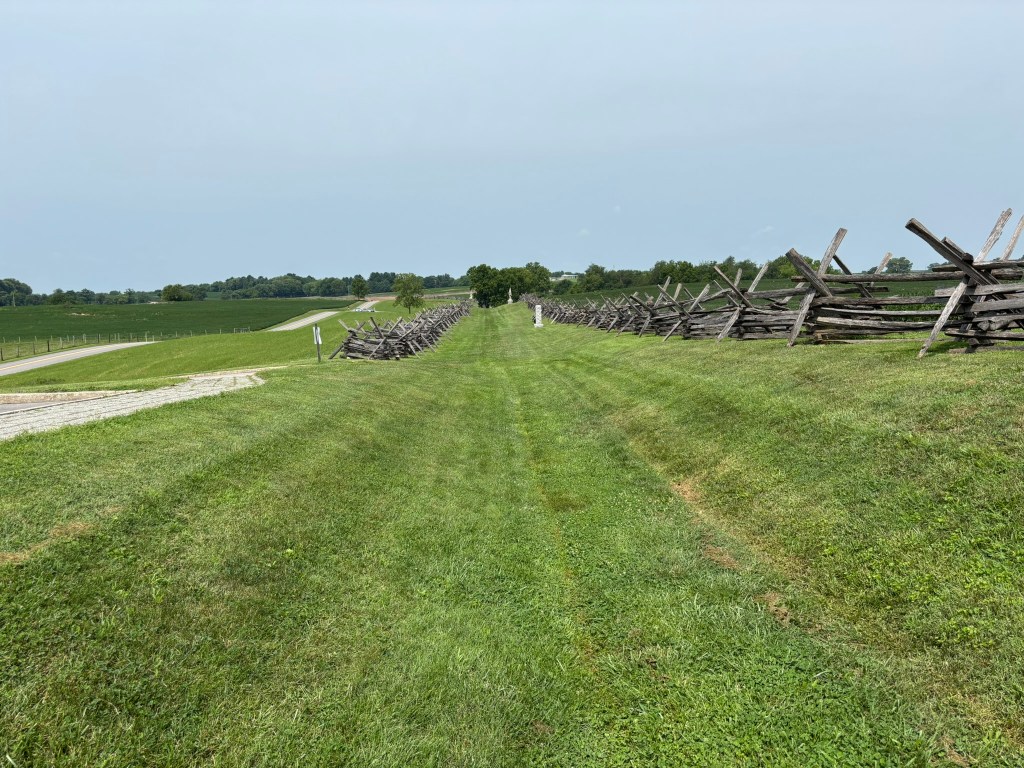
We made our way over to the Sunken Road, or “Bloody Lane”. The Sunken Road was the site of some of the fiercest fighting at Antietam, where Confederate soldiers used the naturally sunken farm road as a defensive position. After hours of combat, Union troops broke through the Confederate line, leaving the road filled with dead and wounded soldiers and giving it its infamous nickname.
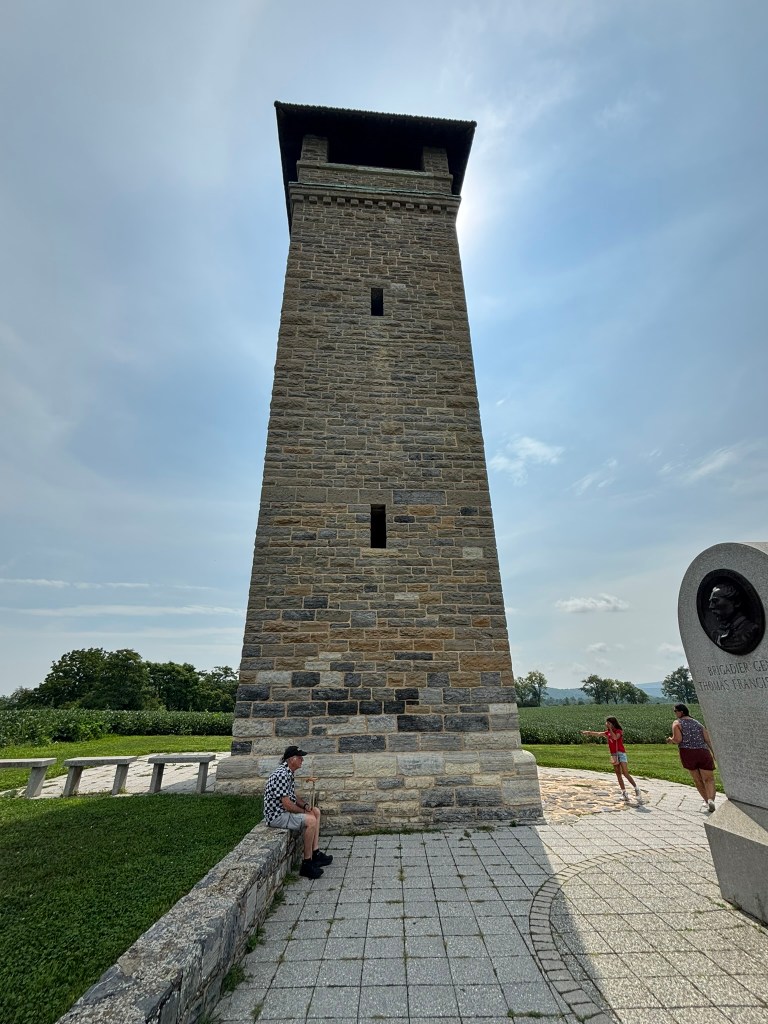
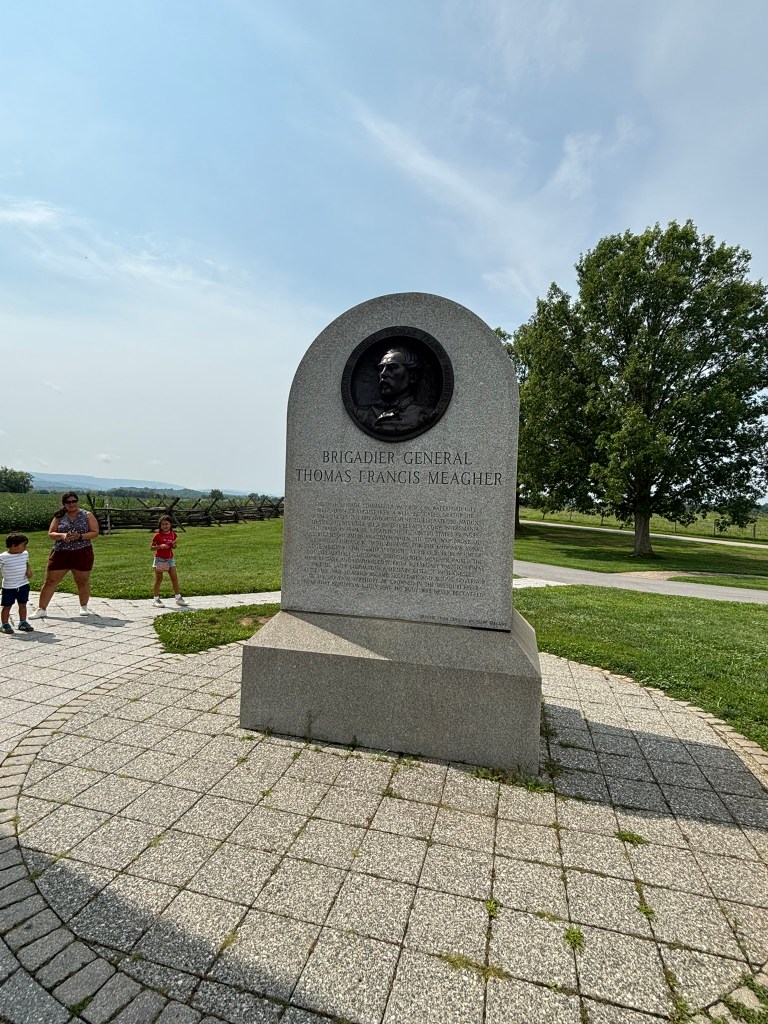
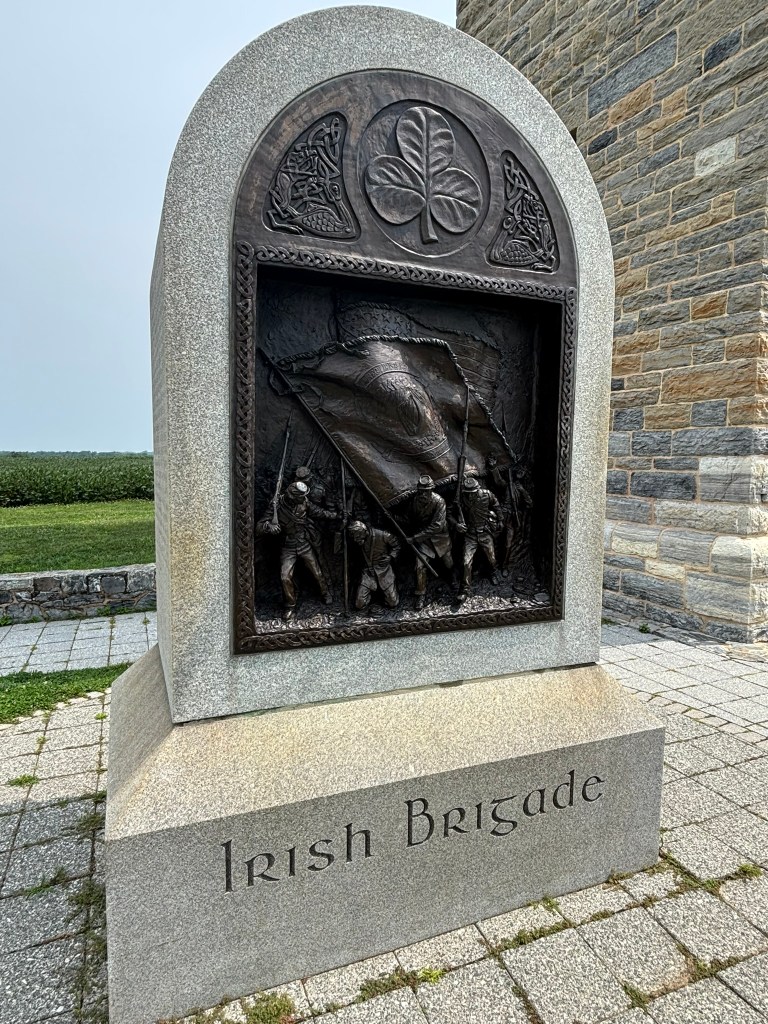
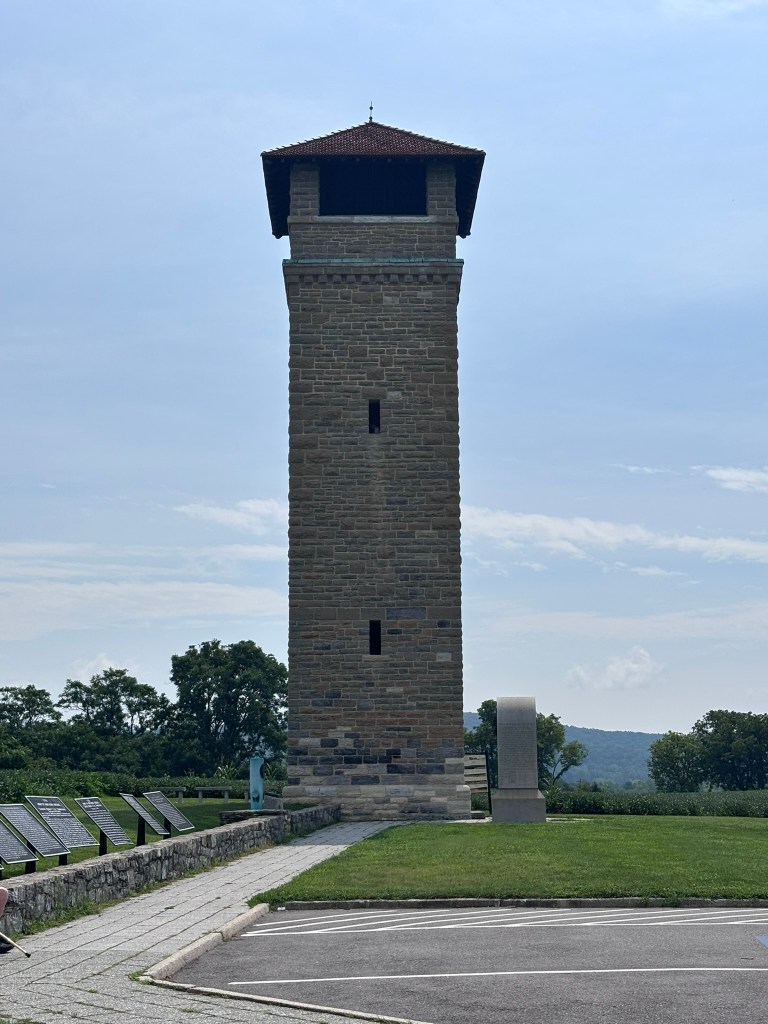
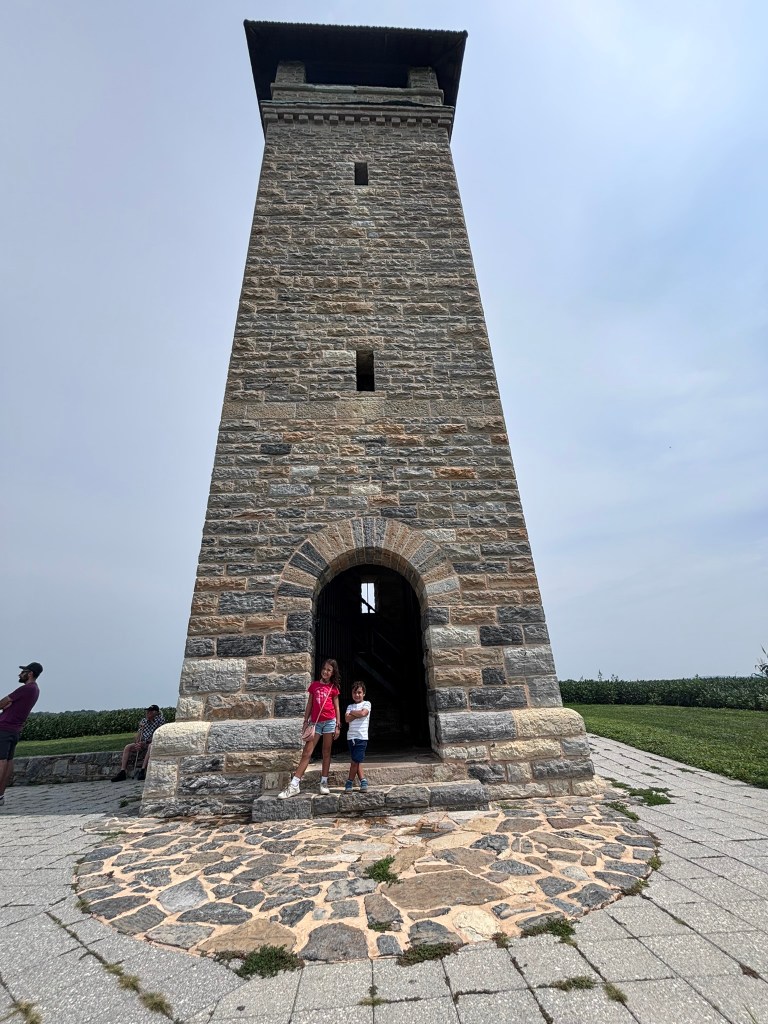
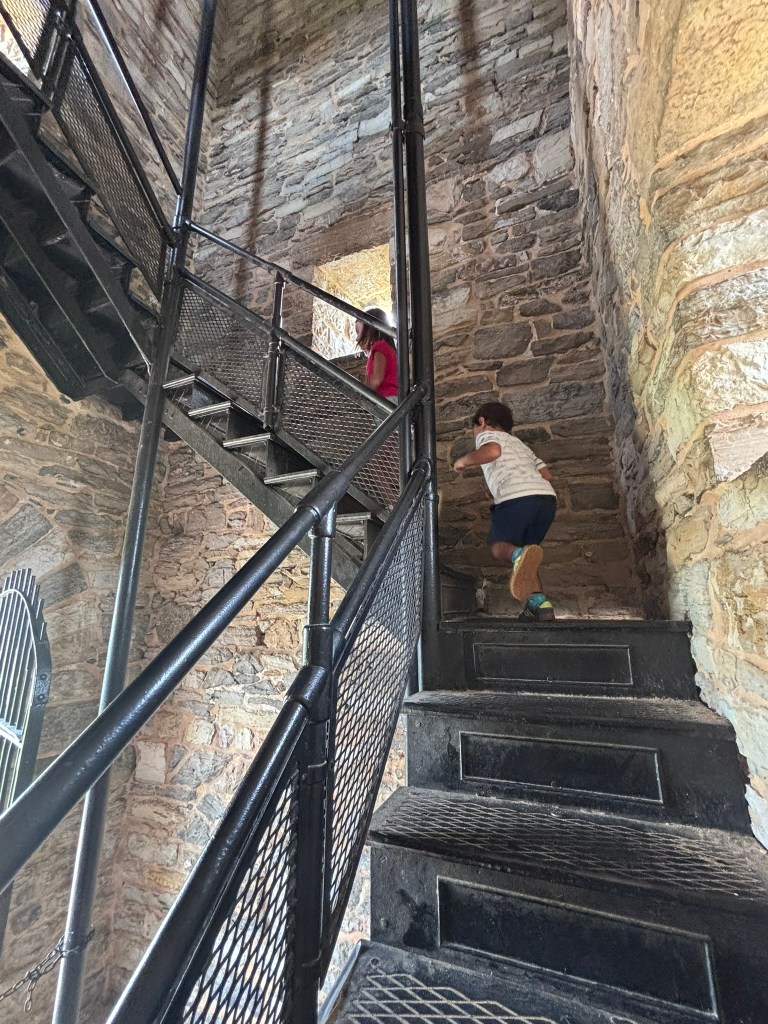
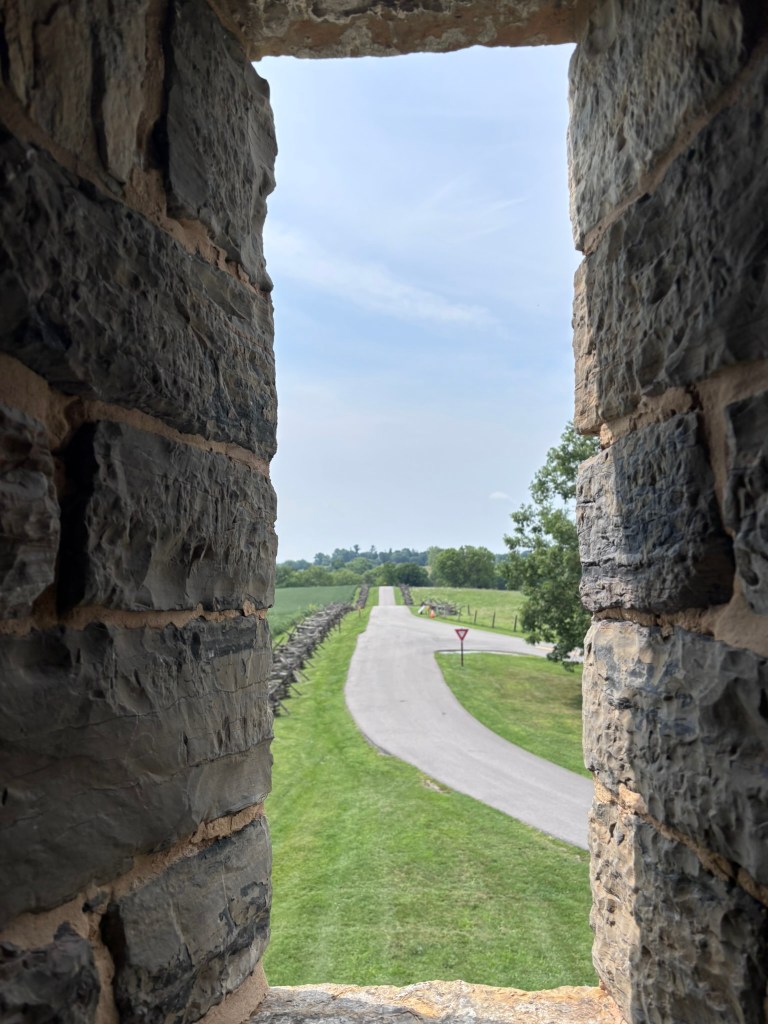
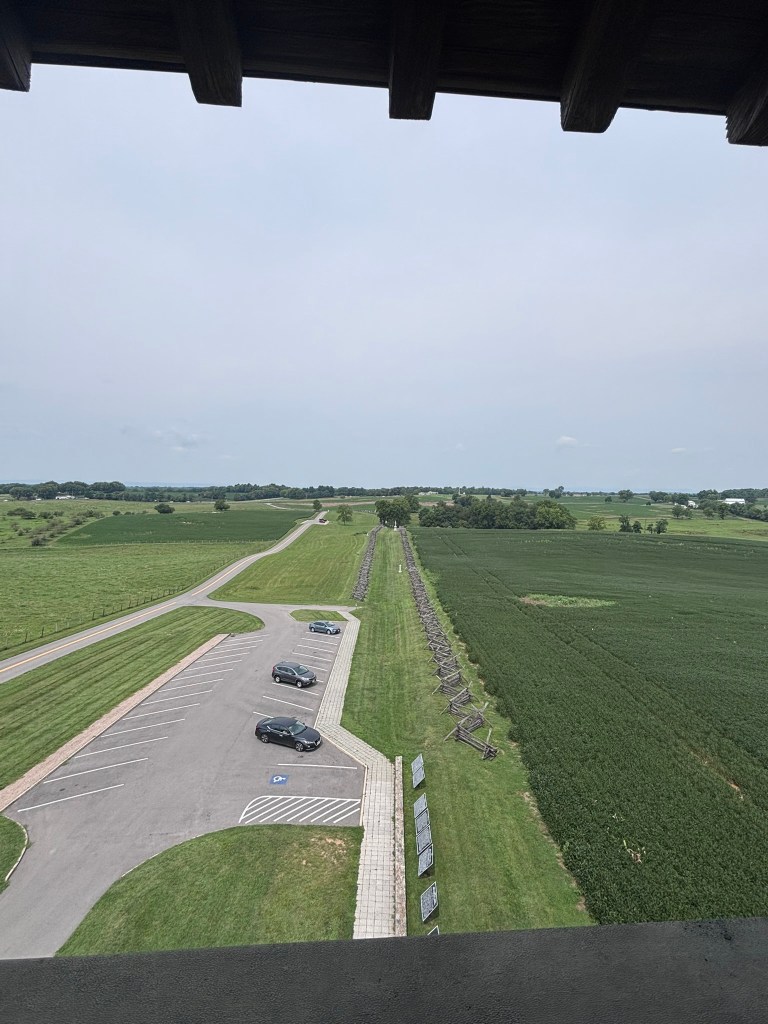
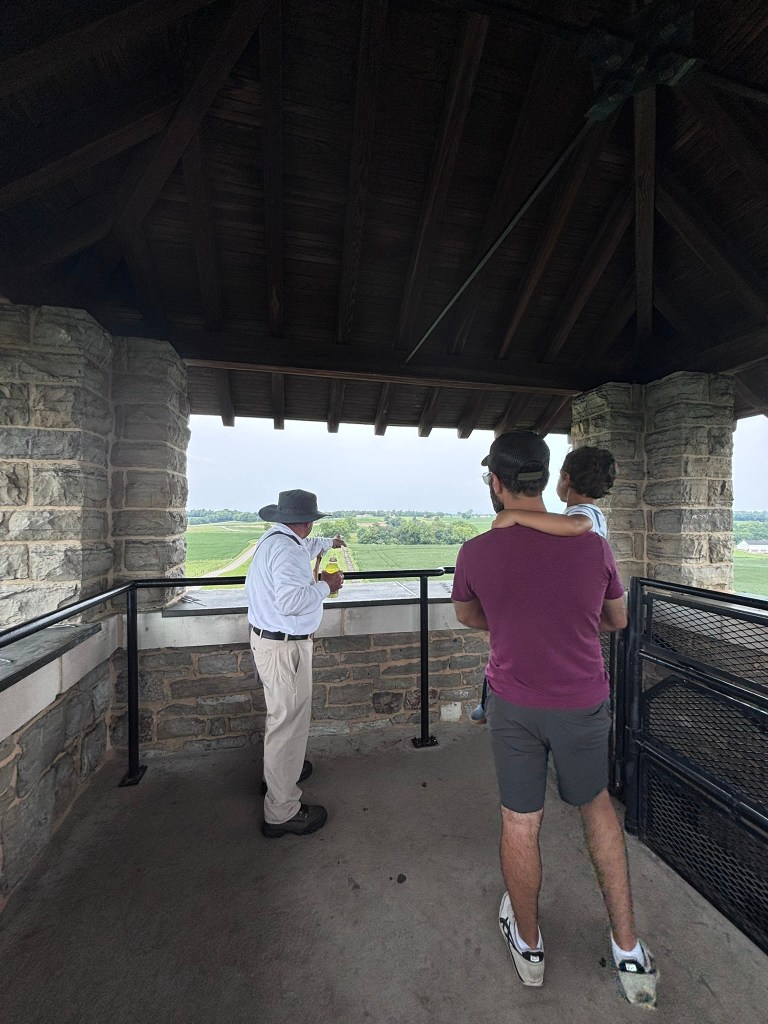
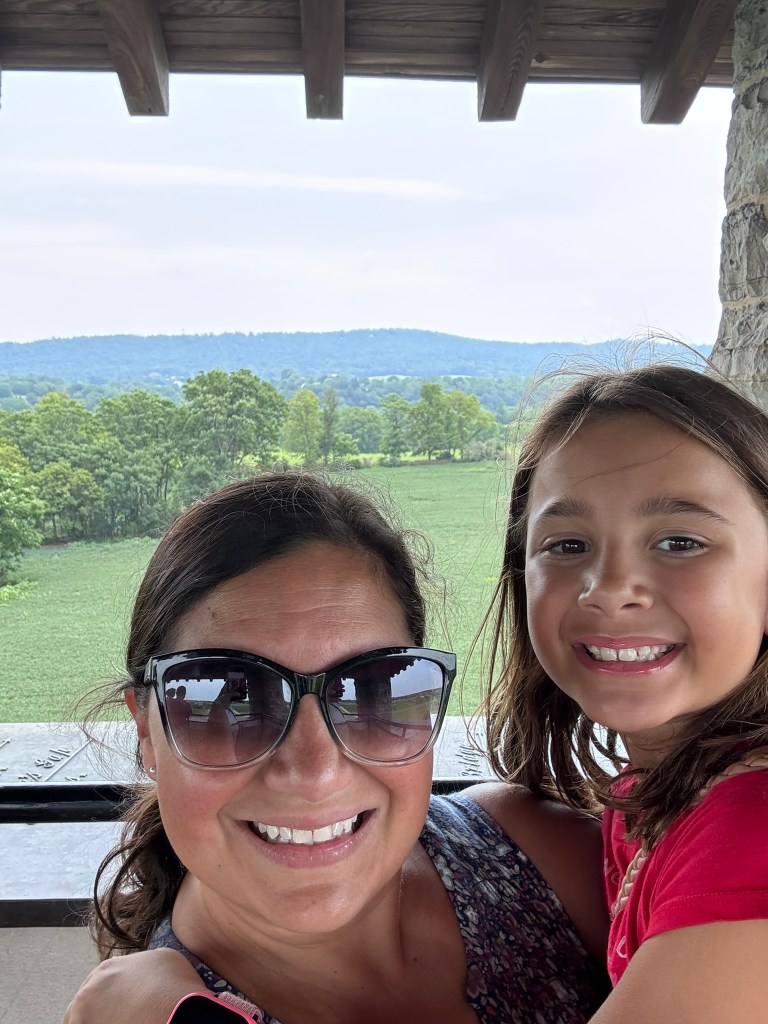
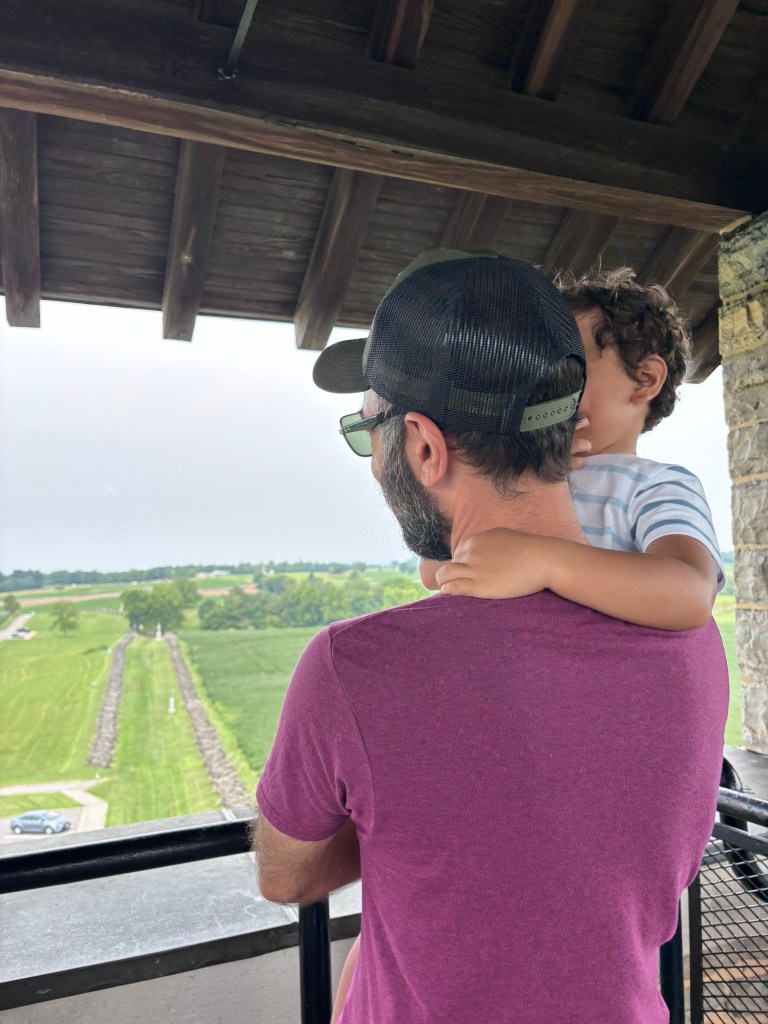
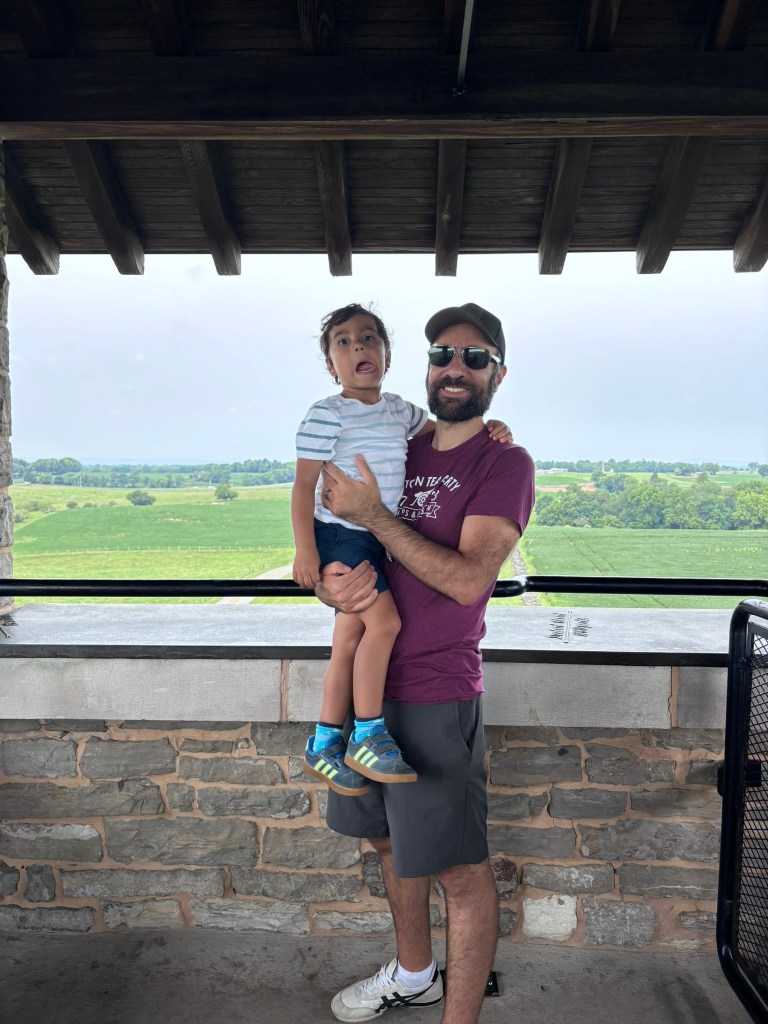
We climbed the observation tower, which gives you a 360-degree view of the battlefield. John used this aerial view to provide details about the middle phase of the battle, including specific troop movements and the size of both armies at different points. John could point to a single area of the battlefield and explain exactly what was happening there at different times during the battle.
Burnside’s Bridge
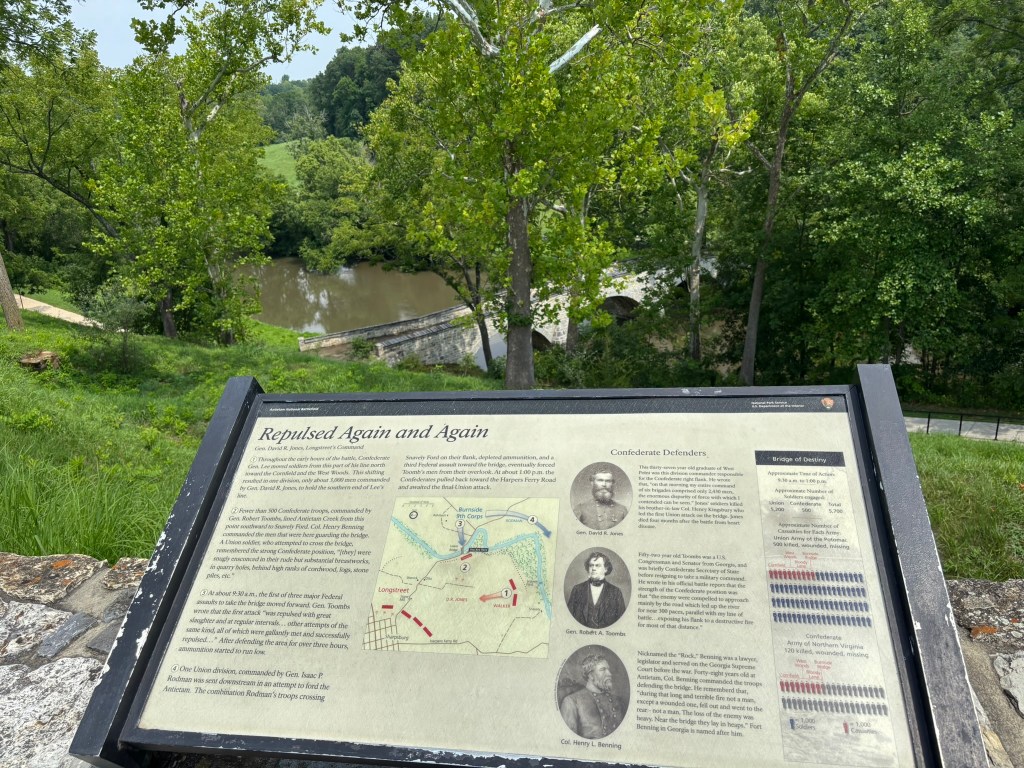
We eventually made our way over to Burnside’s Bridge, which is on the southern end of the battlefield. It’s fascinating as a teacher to have taught about the Civil War and the Battle of Antietam for 12 years and finally see these sites in person. It gives me a completely different perspective on the battle when I’ve seen the landscape firsthand. Burnside’s Bridge is a landmark on the battlefield that I’ve have seen in old photographs, but to finally see it and walk across the bridge was fascinating. Standing there also gives you a much better sense of the difficult position that Union troops faced as they attempted to cross the bridge under Confederate fire.
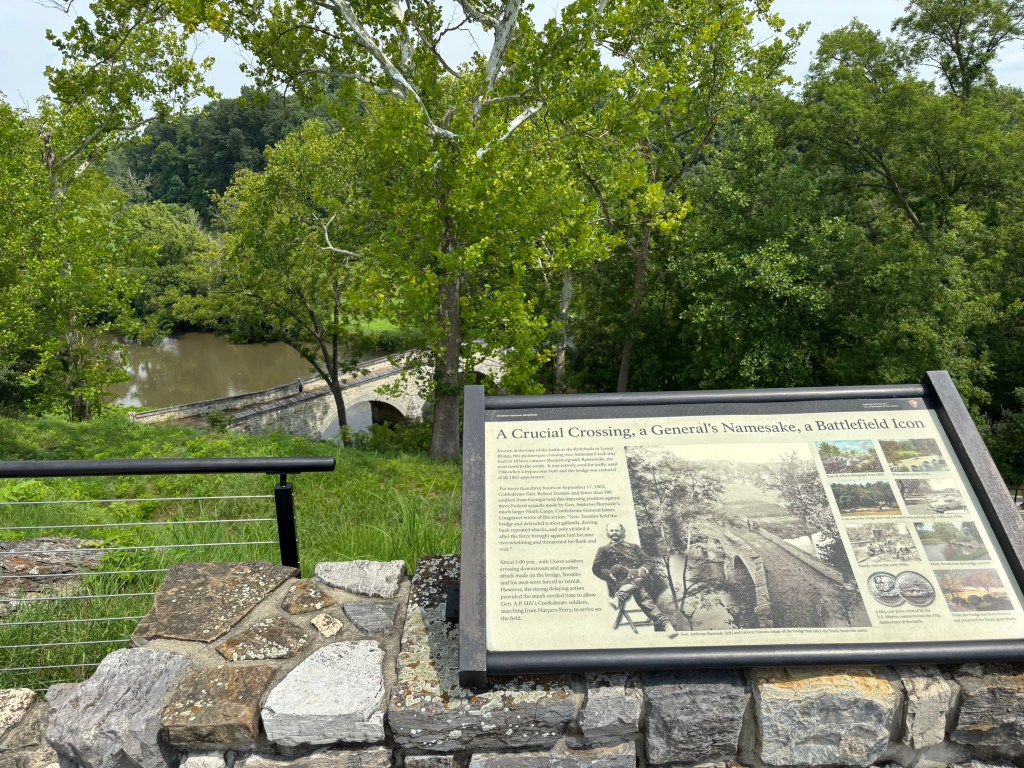
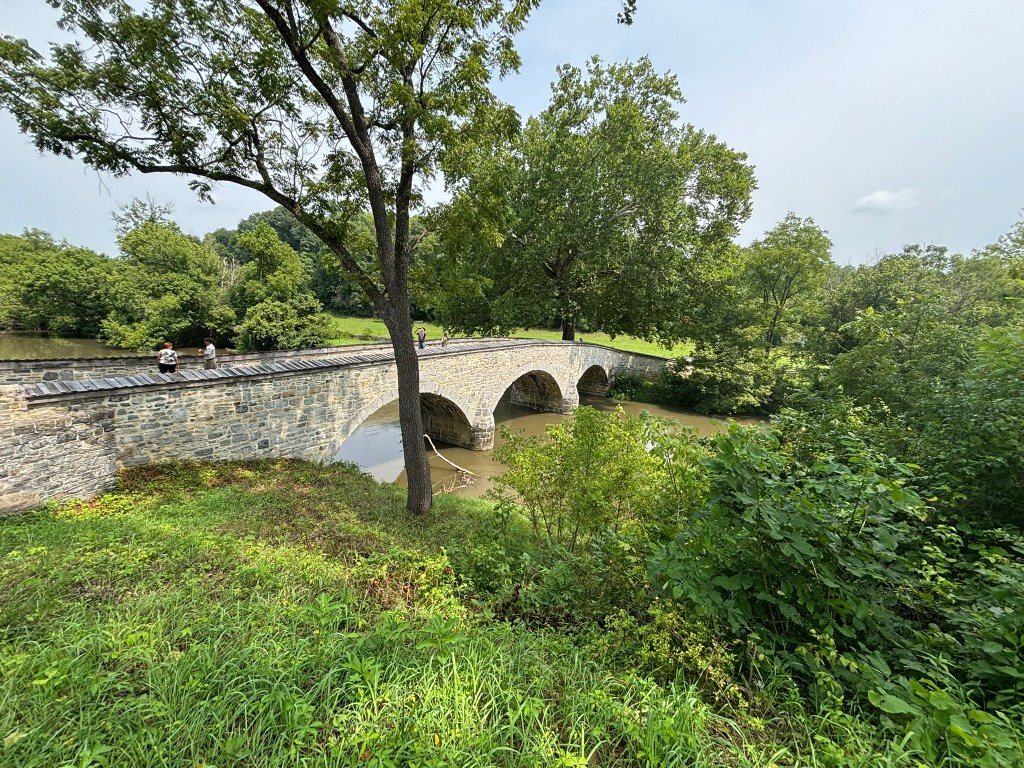
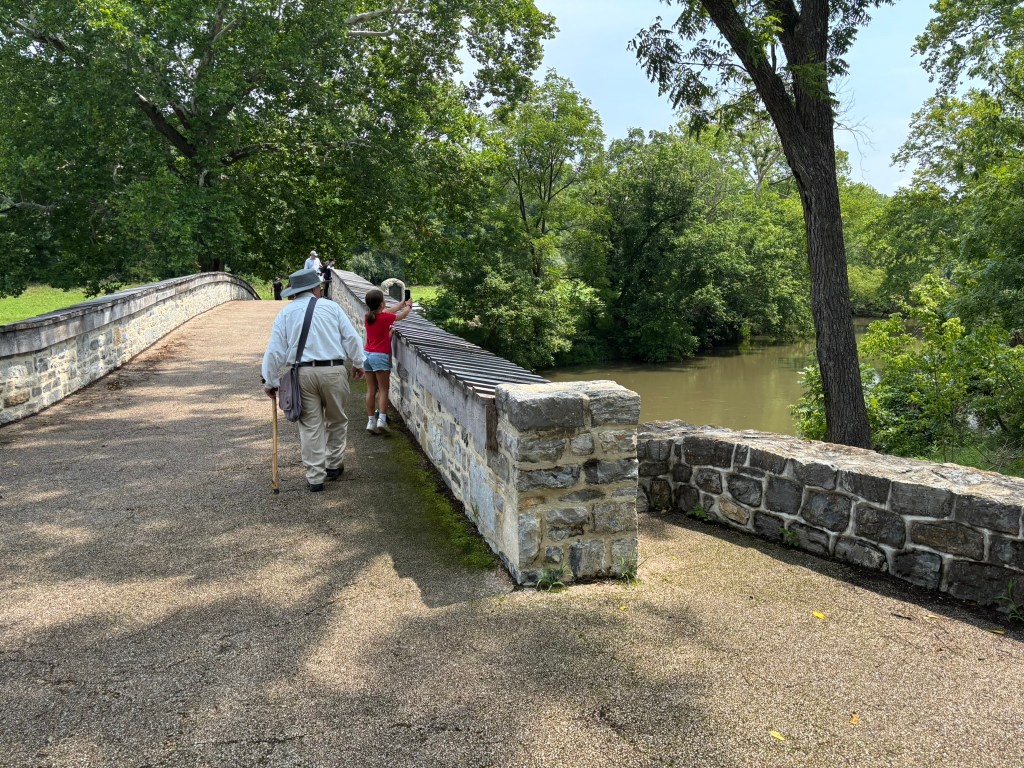
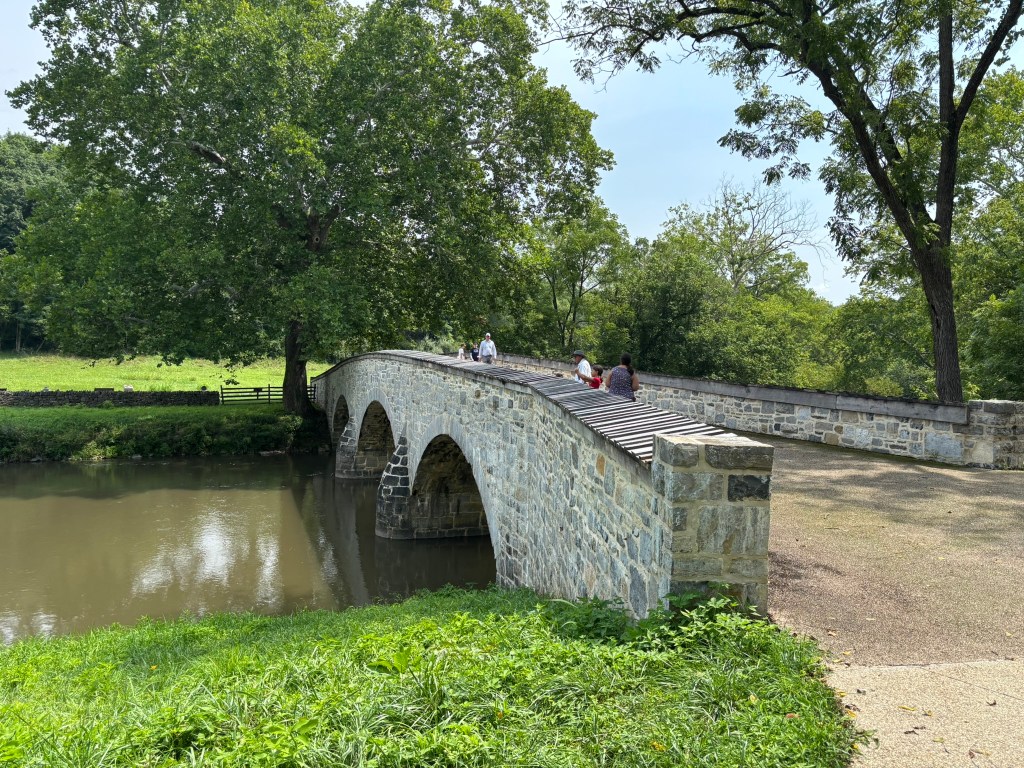
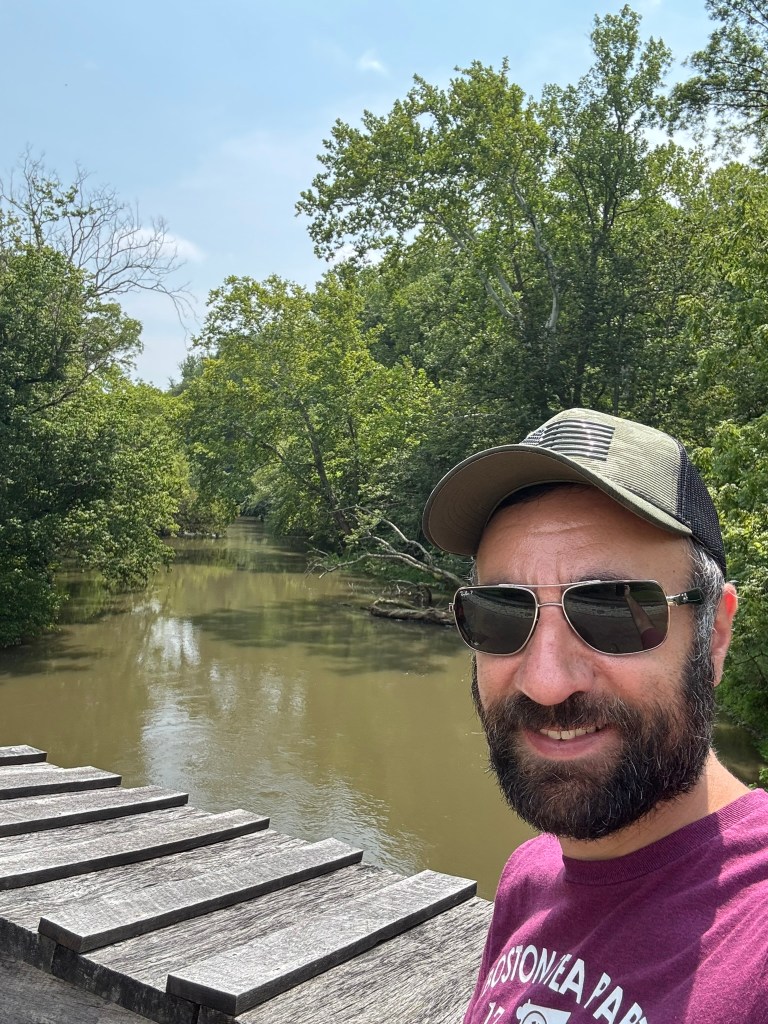
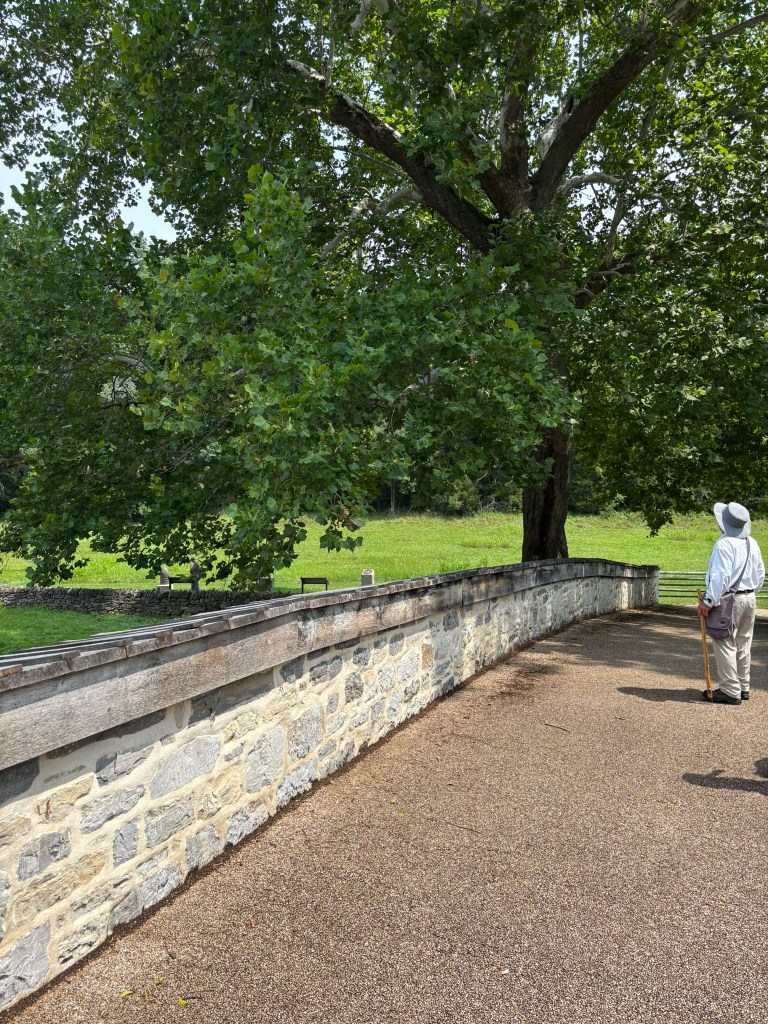
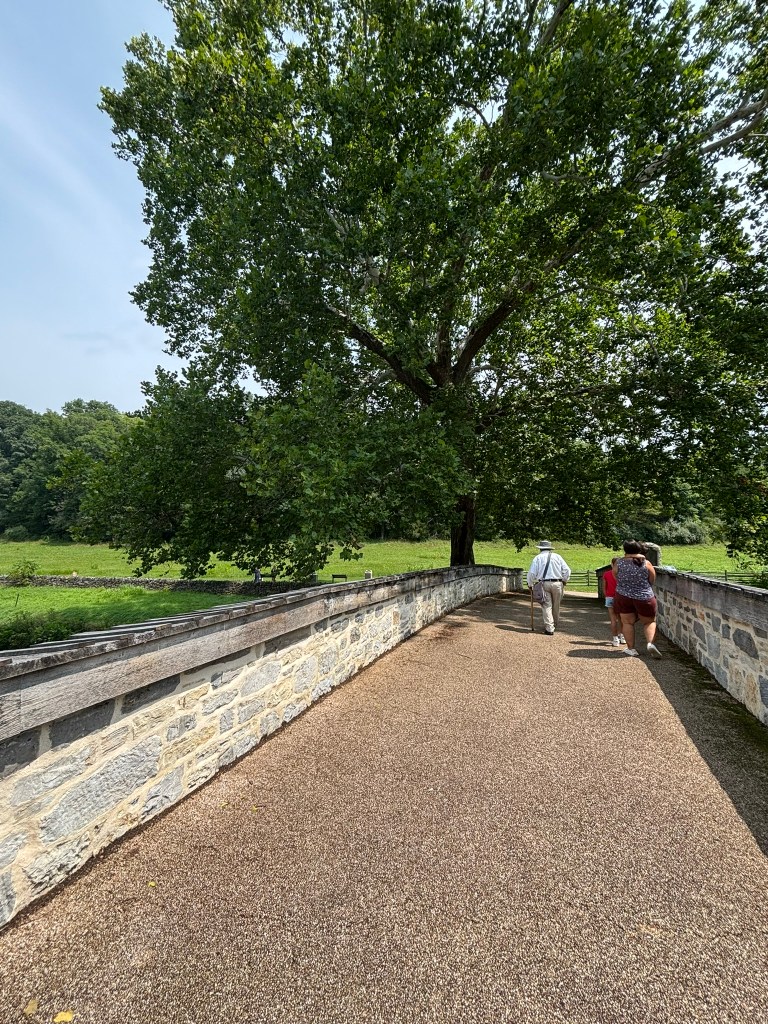
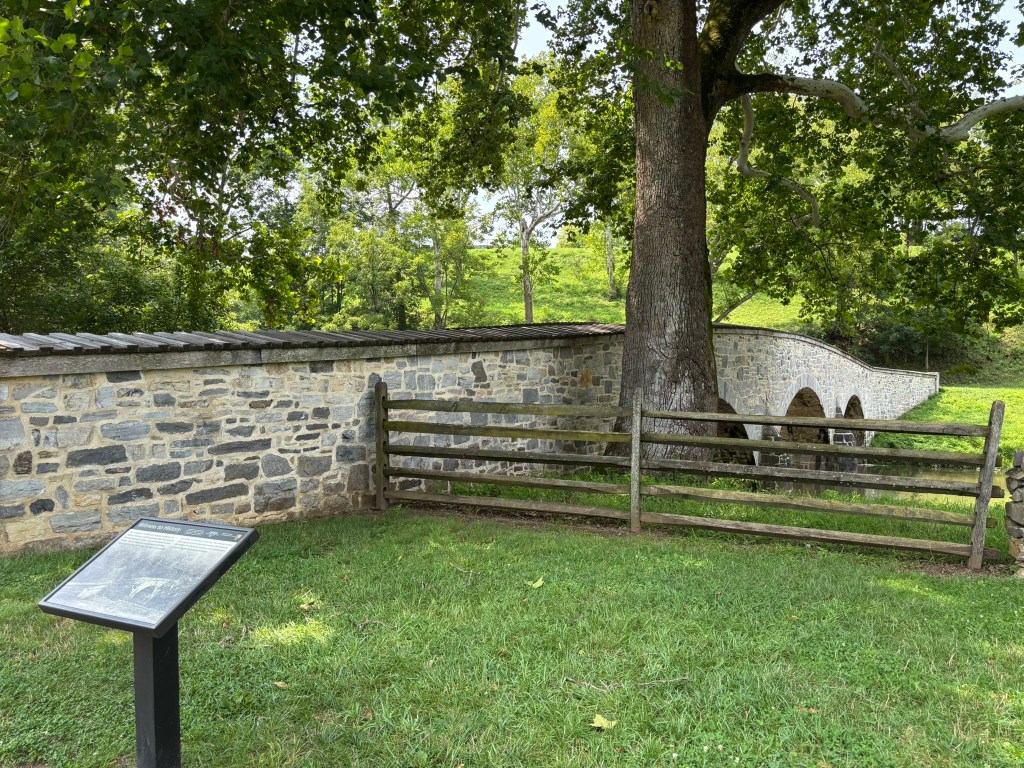
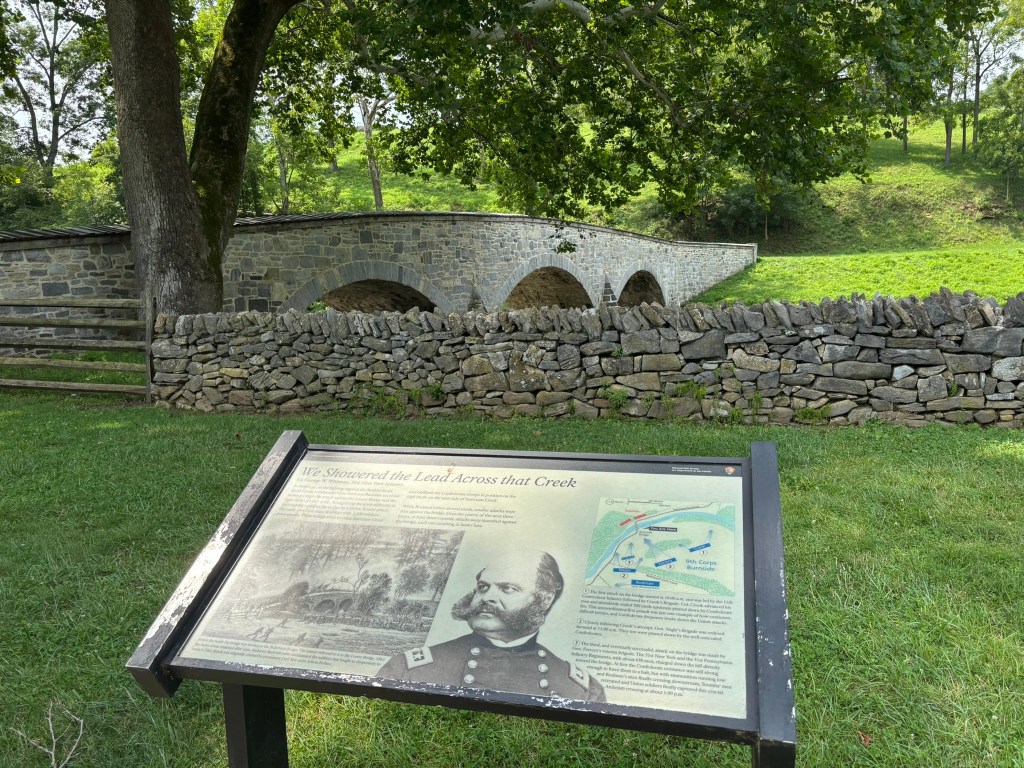
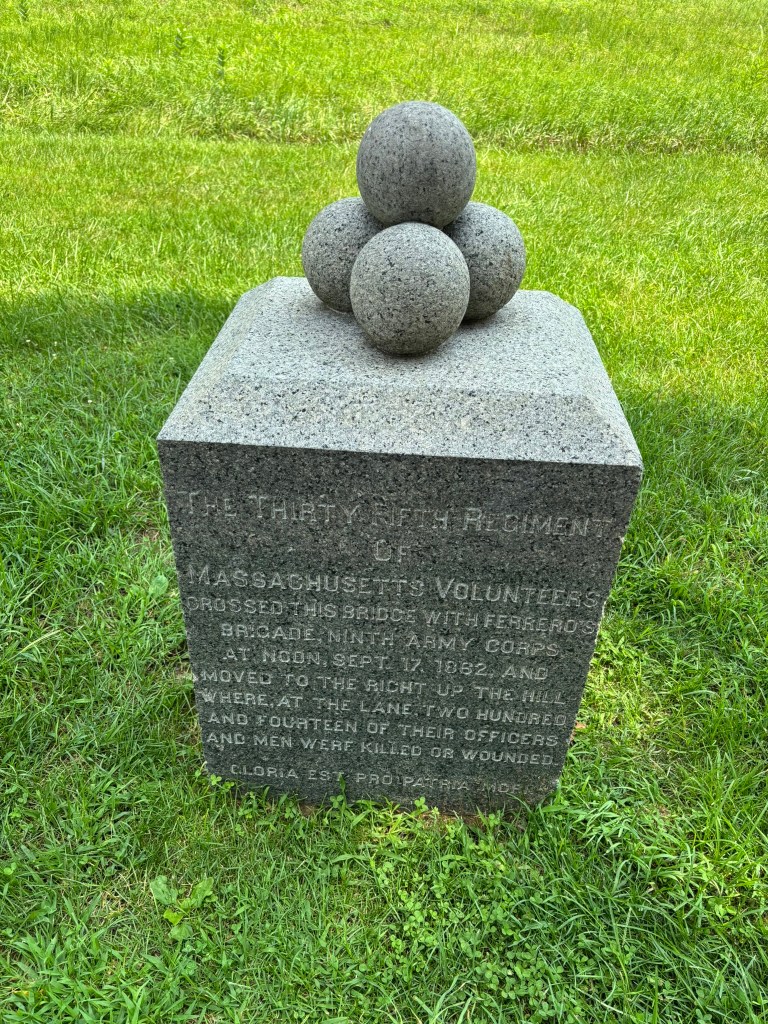
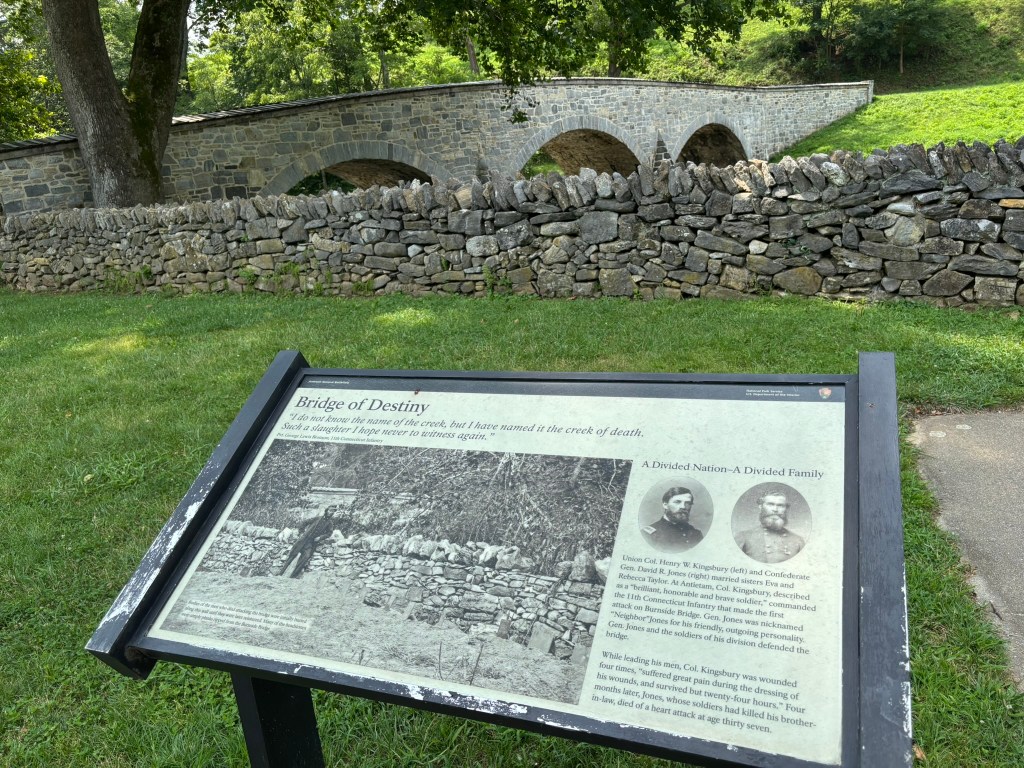
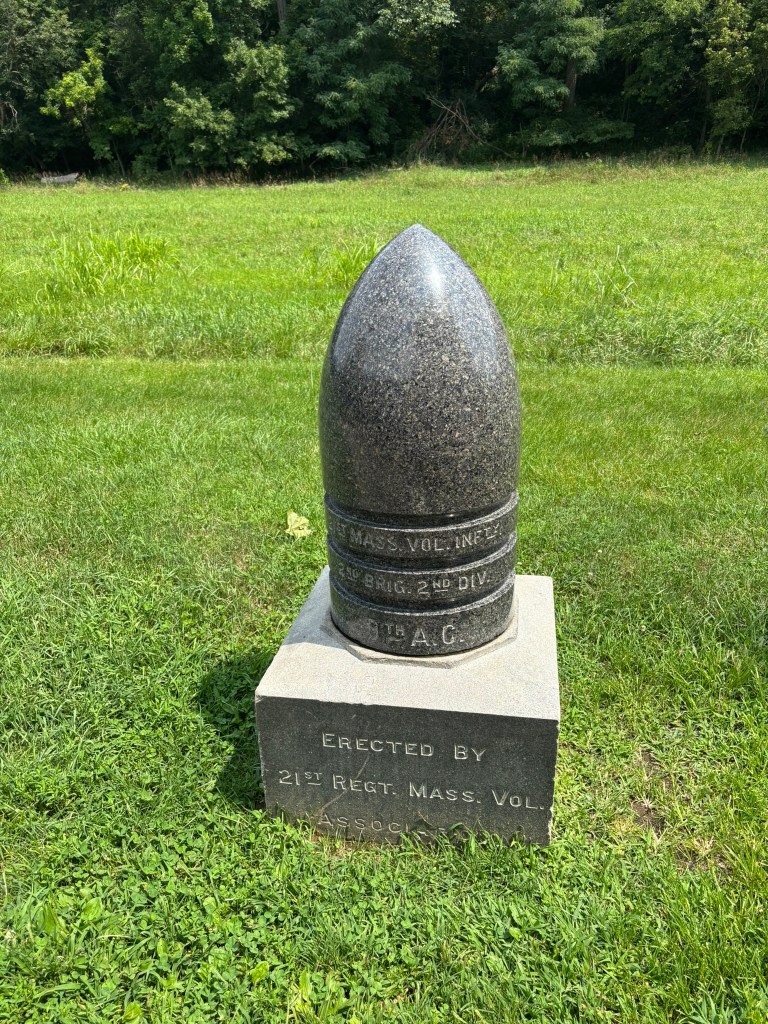
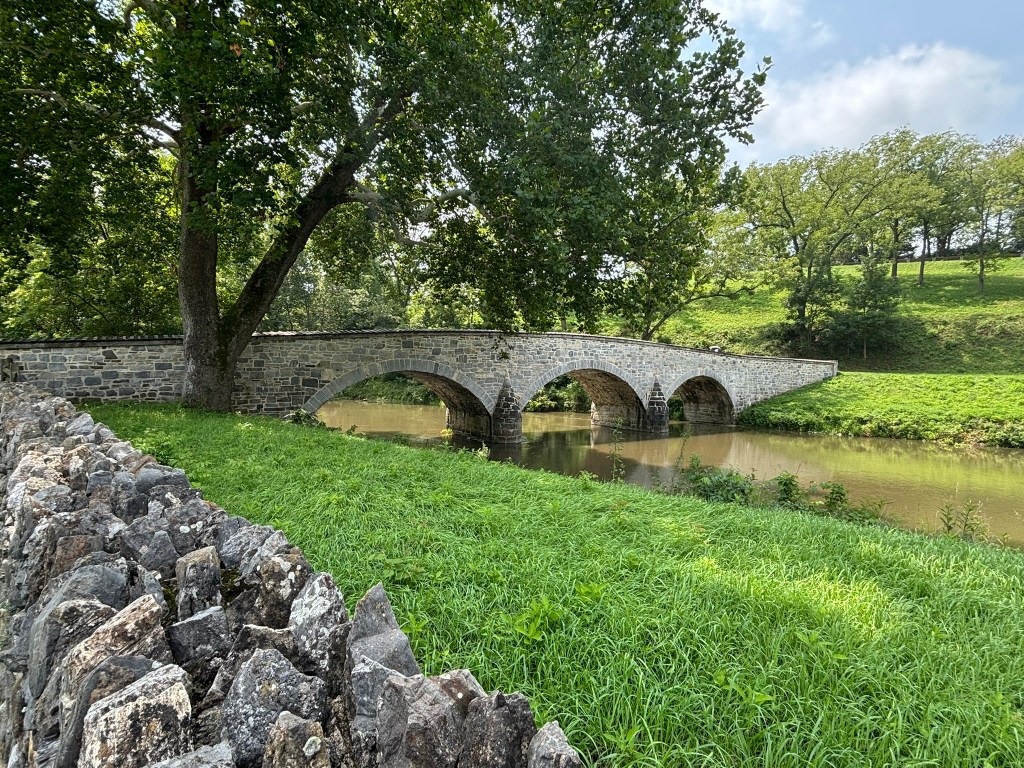
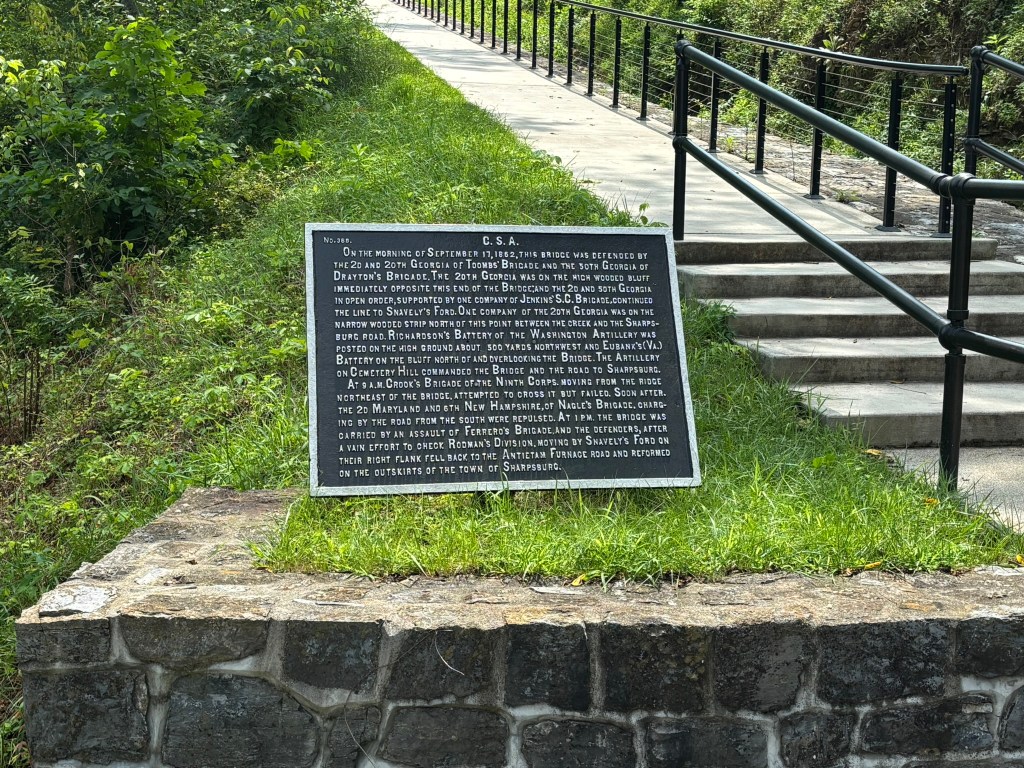
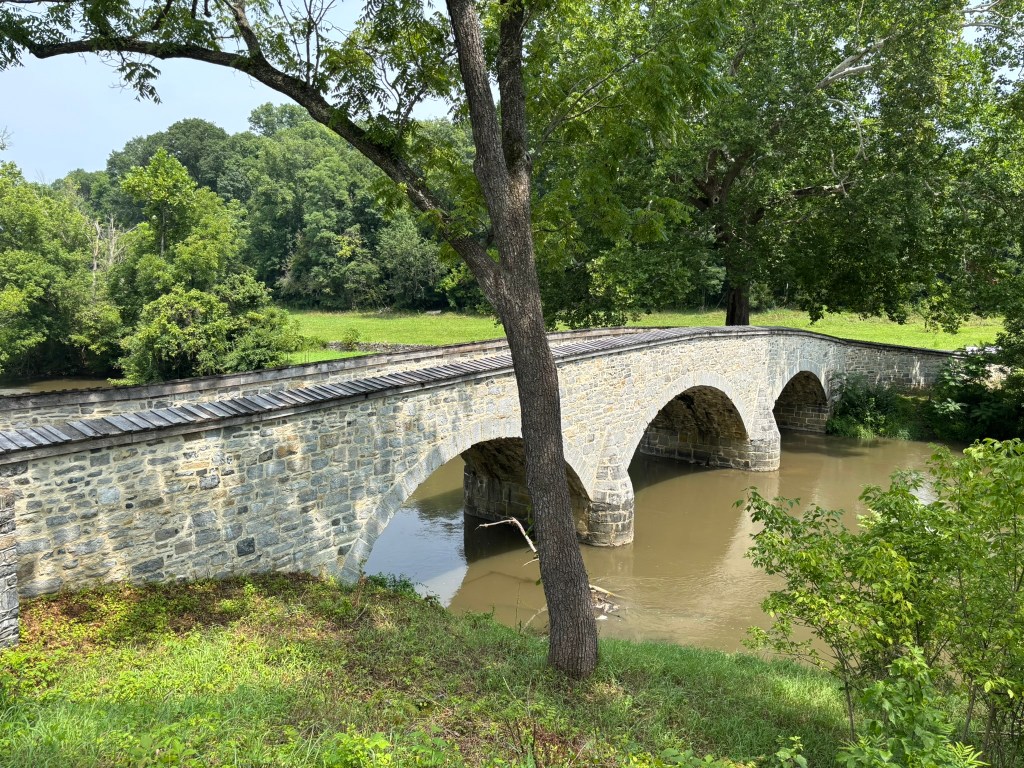
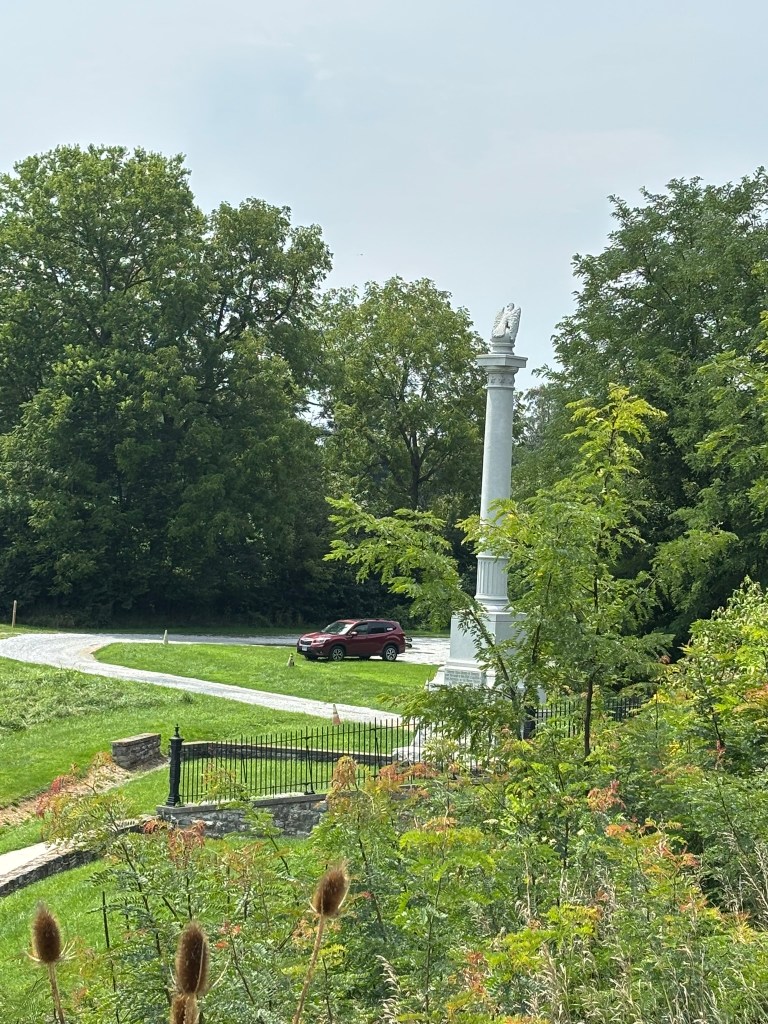
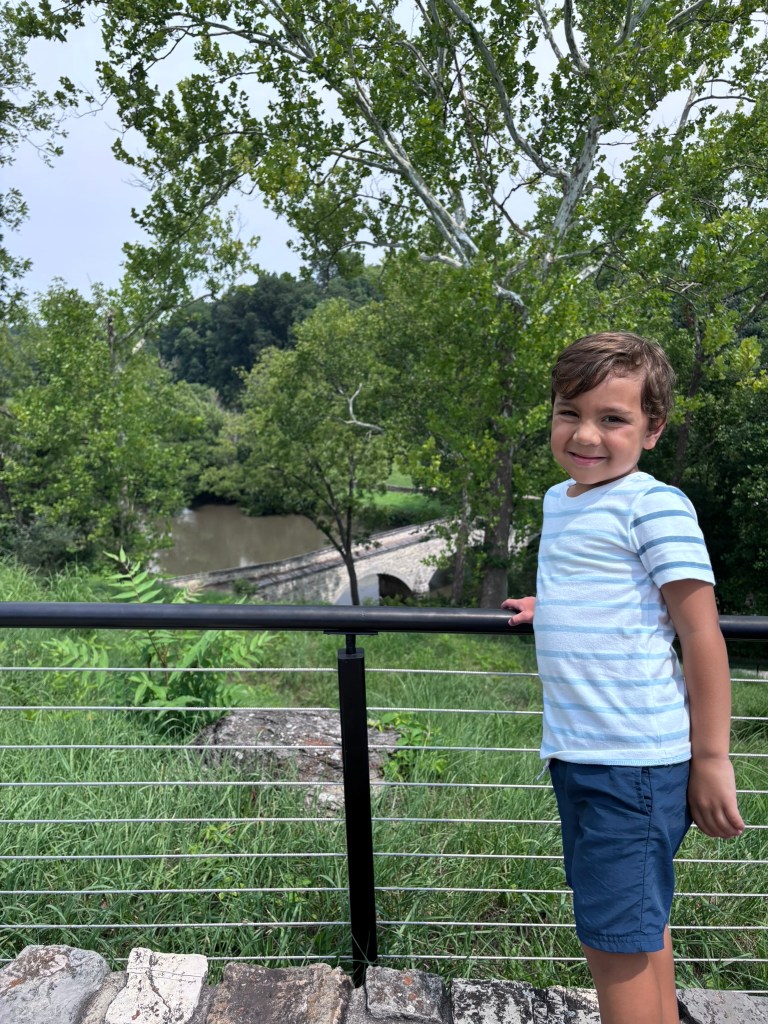
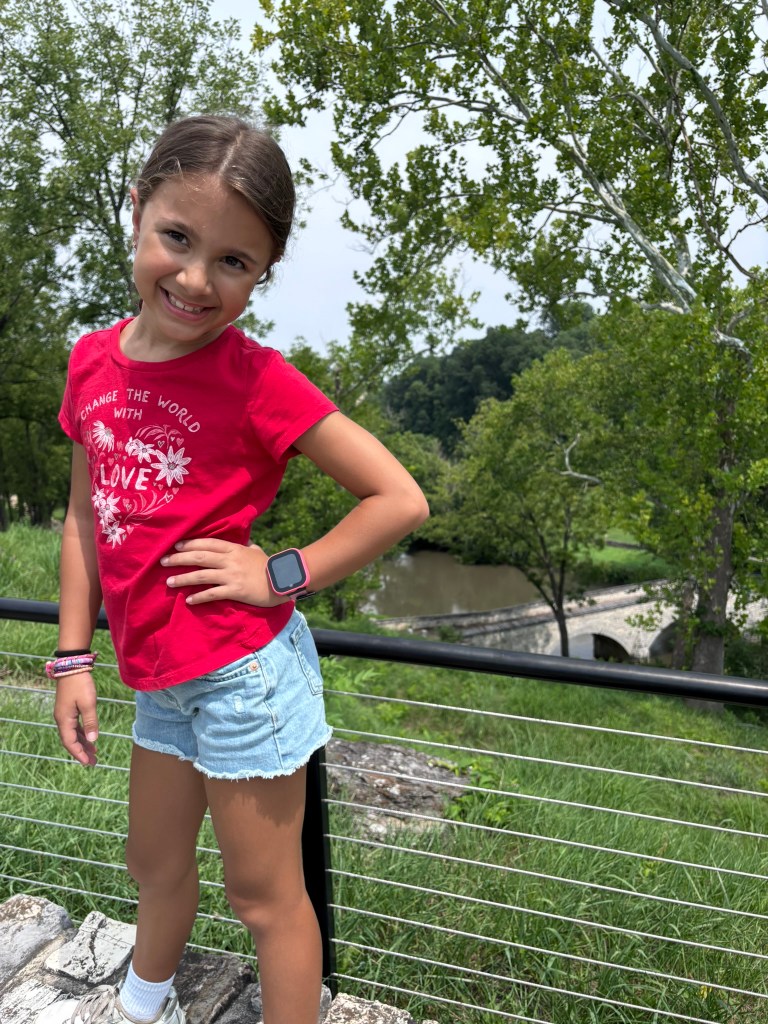
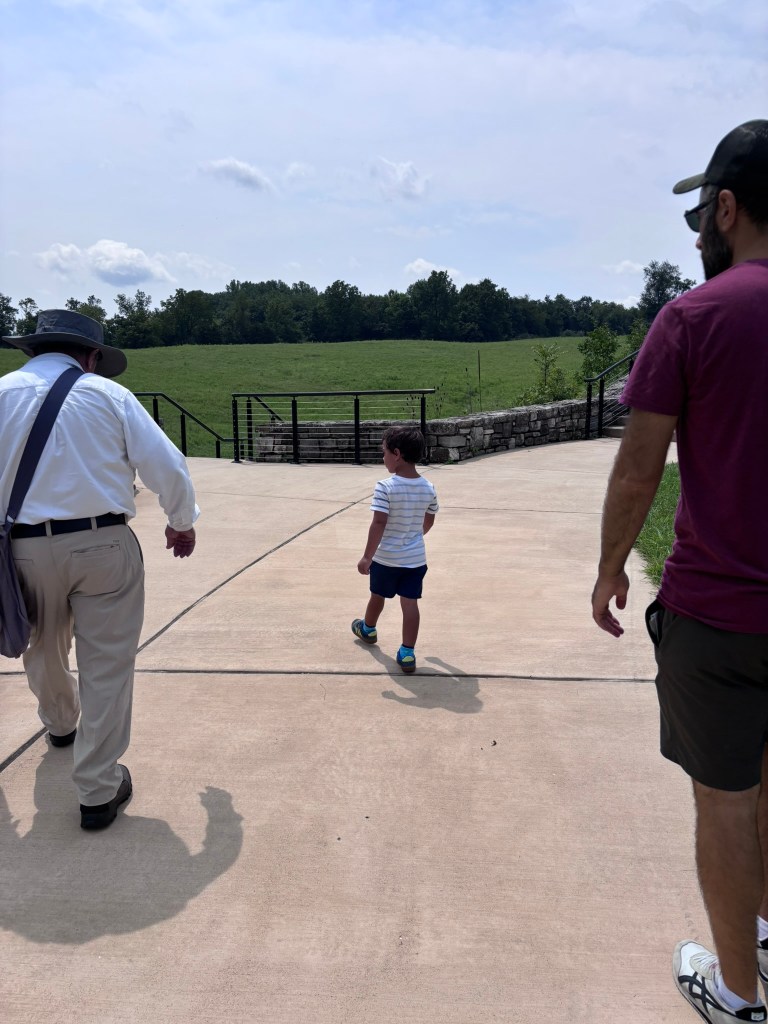
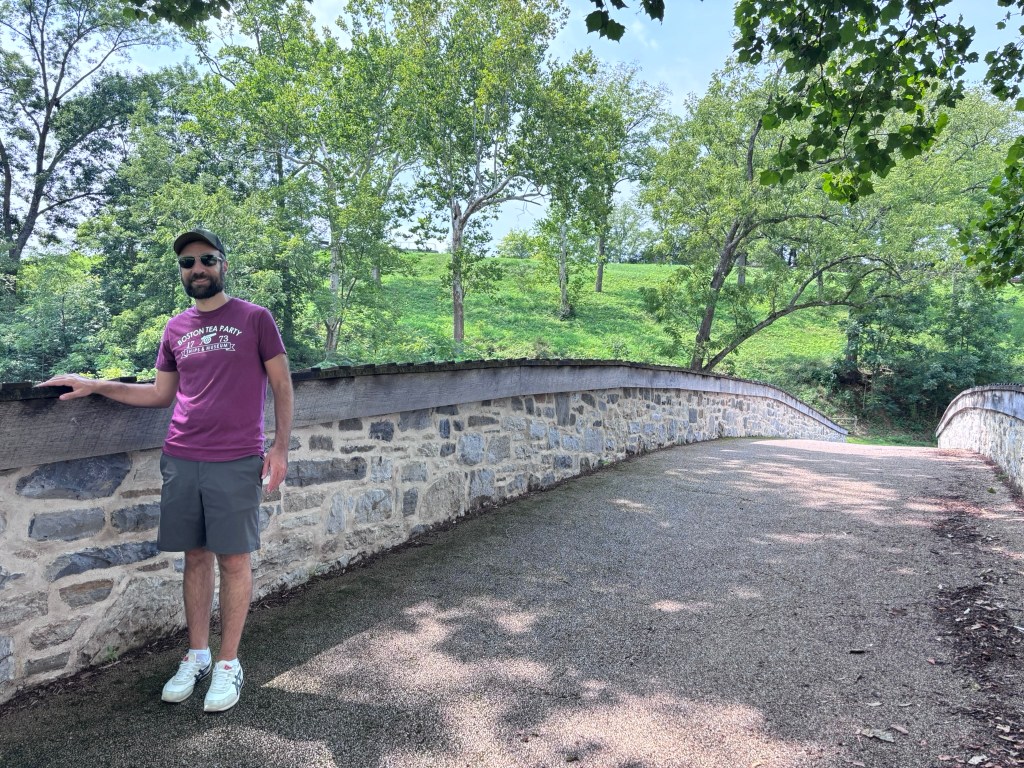
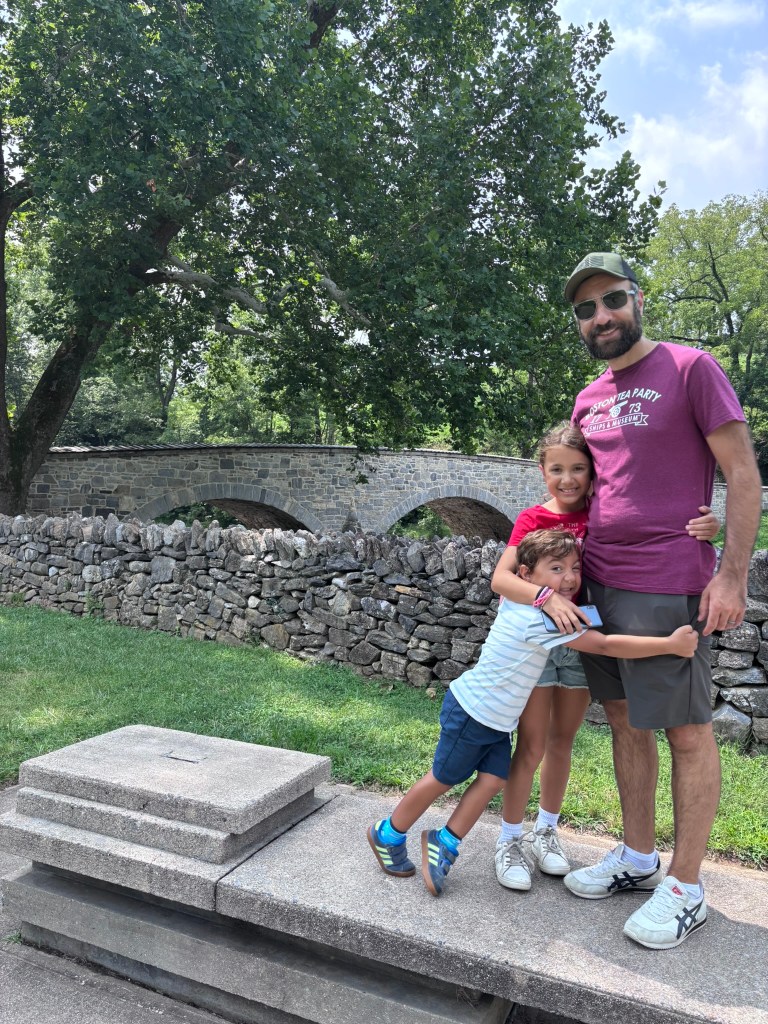
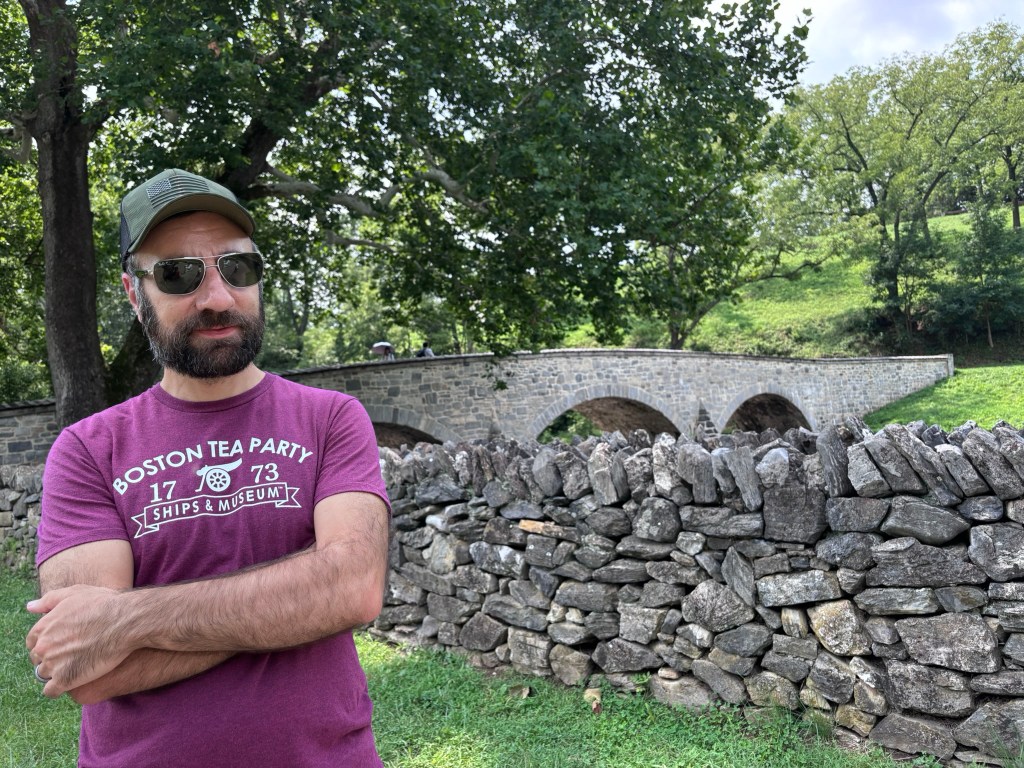
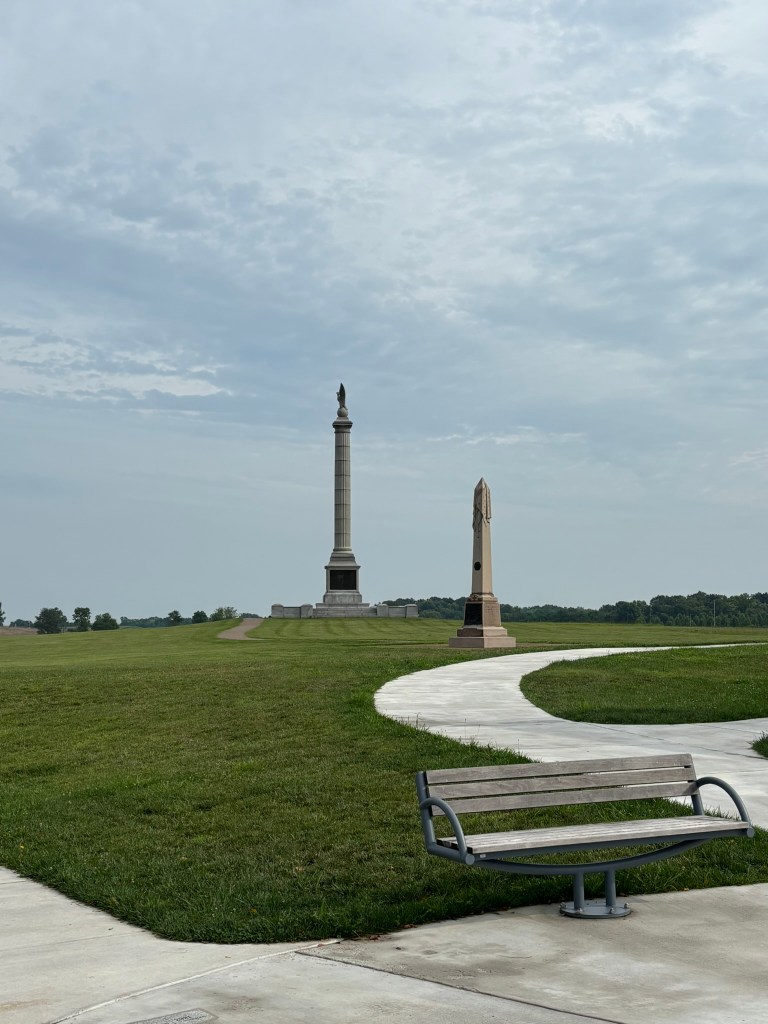
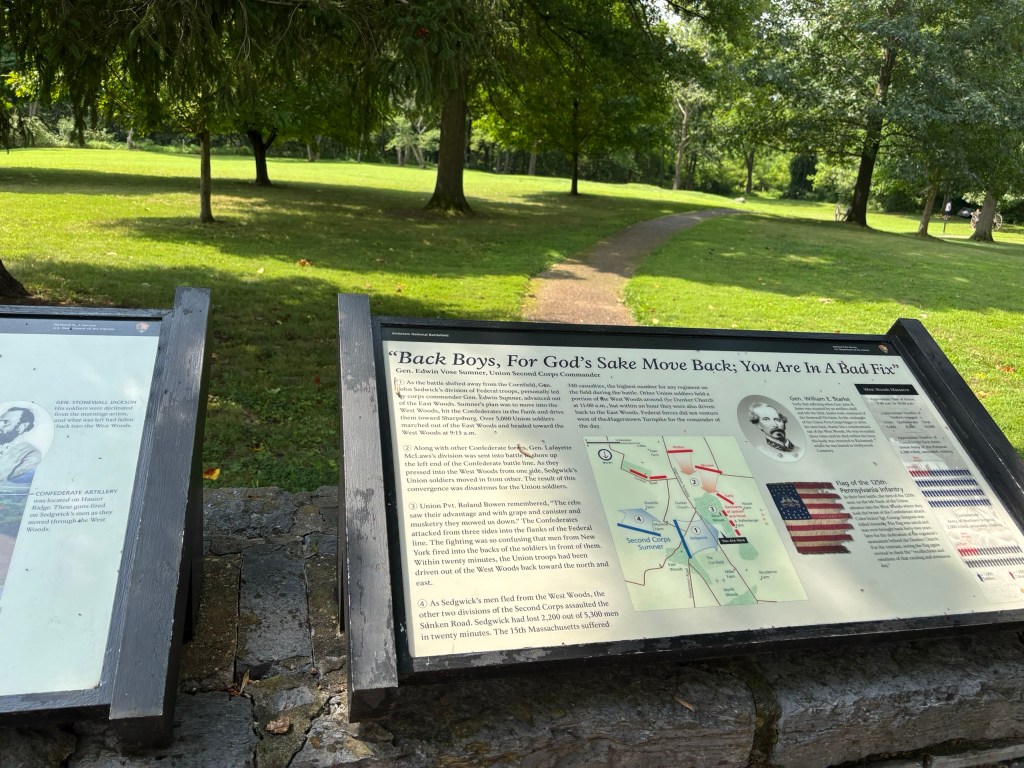
We made a couple of other stops on the battlefield where John explained the later phases of the battle. We also circled back closer to the visitor center, where he showed us the West Woods, the site of heavy fighting during the battle.
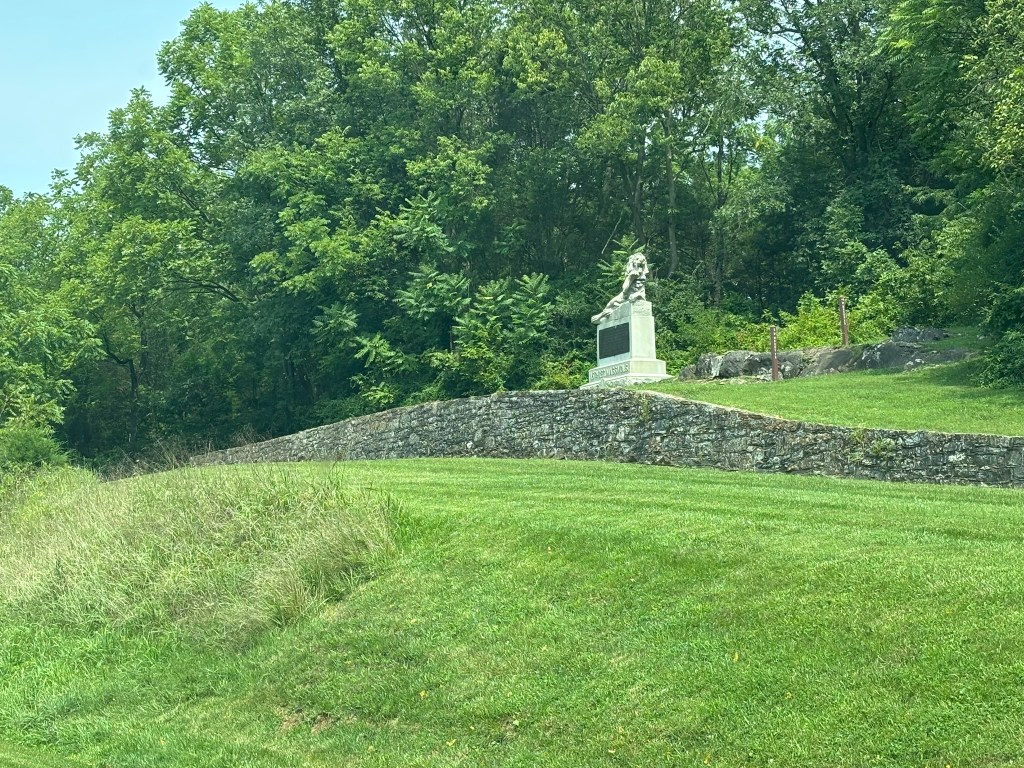
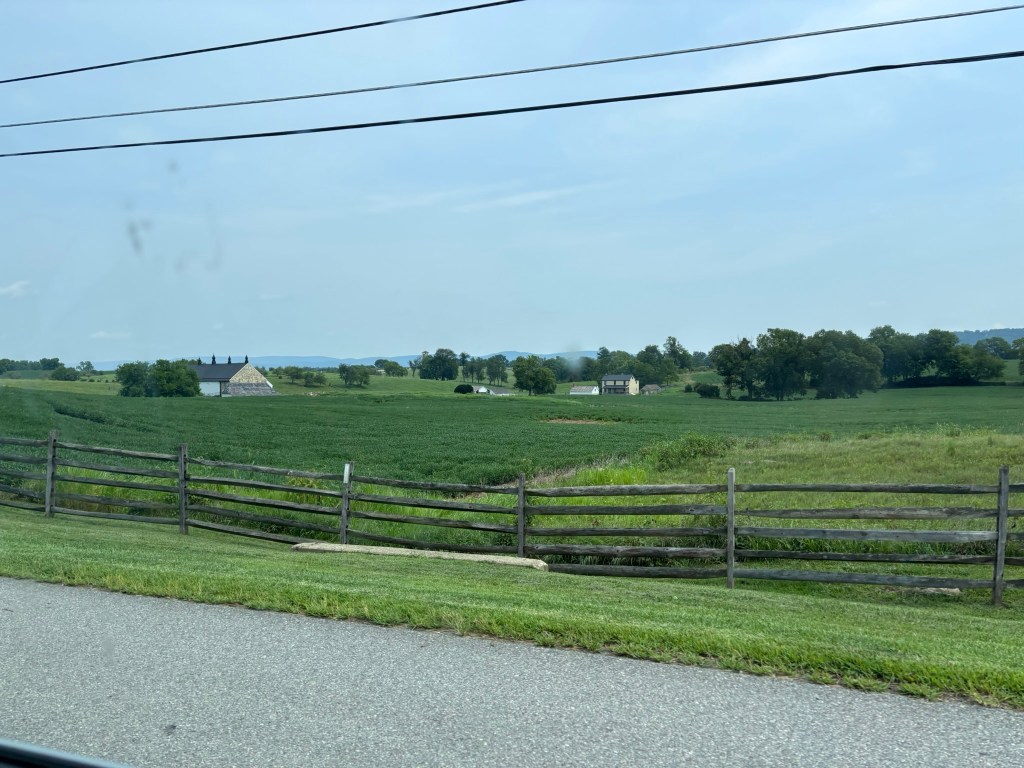
The Dunker Church
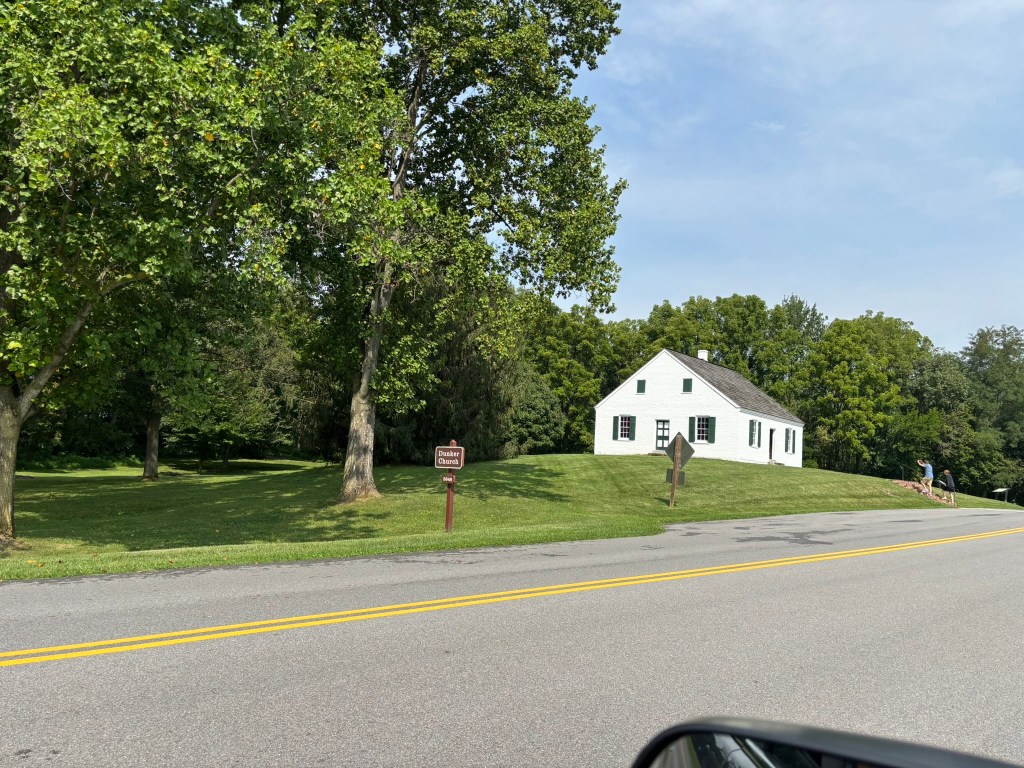
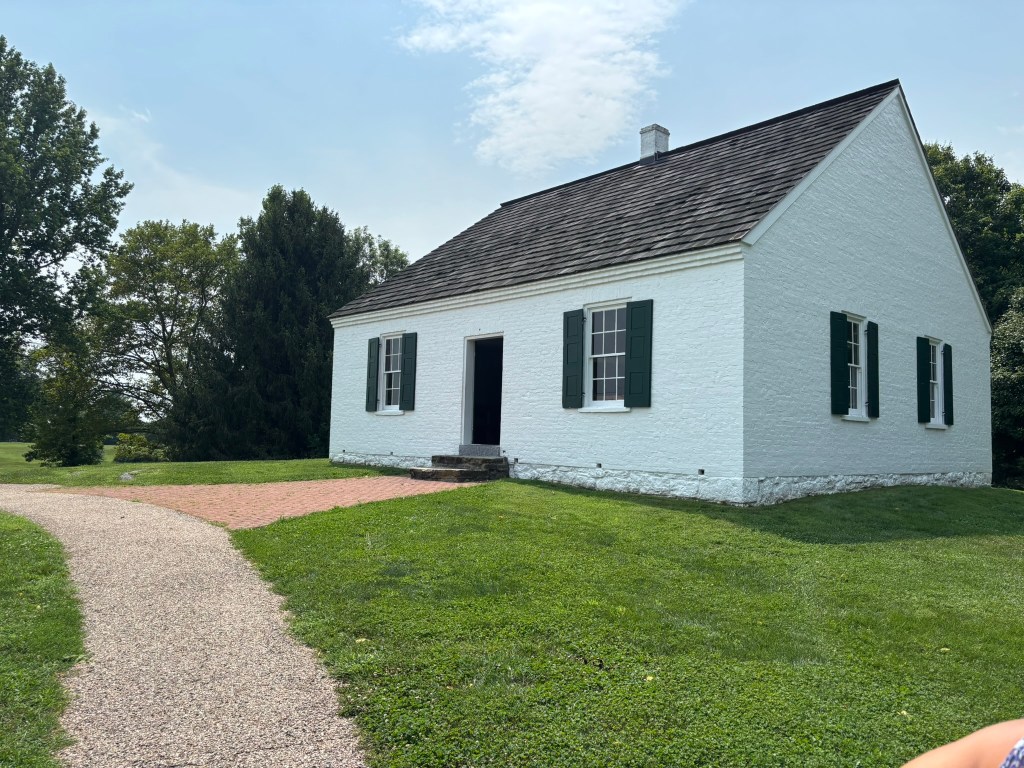
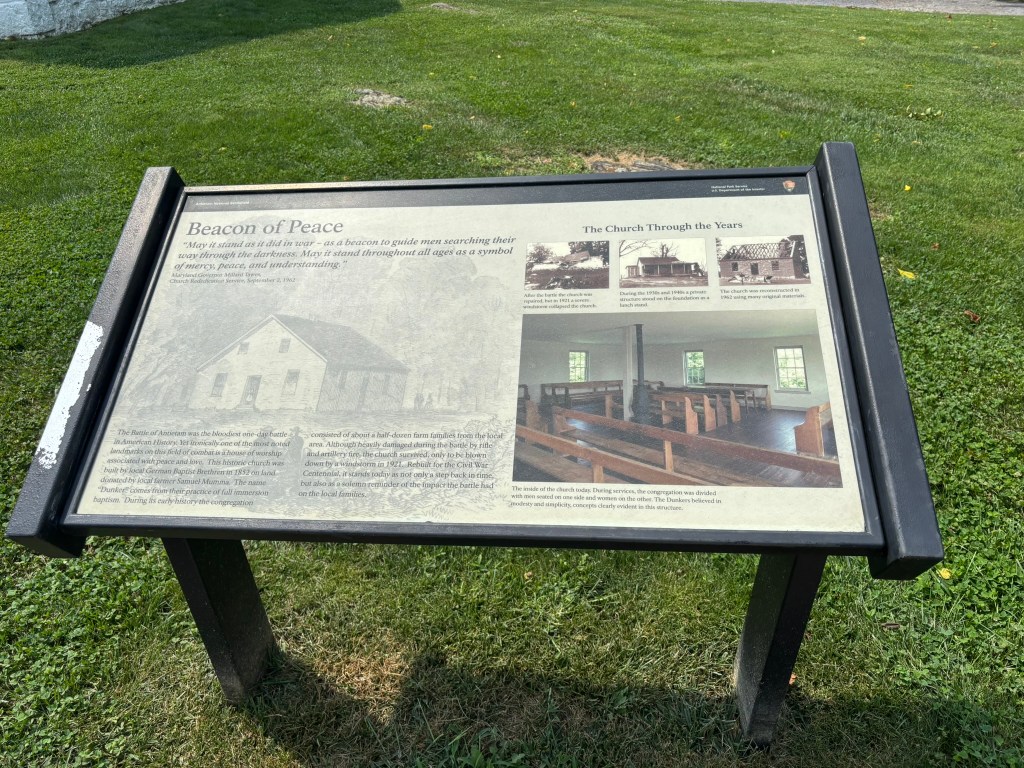
We also made a stop at the Dunker Church, which was a key landmark on the battlefield and is visible in famous photographs taken in the aftermath of the battle. The original church was damaged by rifle and artillery fire during the battle and was later repaired. In 1921, a violent storm destroyed the building. The Dunker Church that stands today was reconstructed on the original foundation in 1962, using as much of the original material as possible.
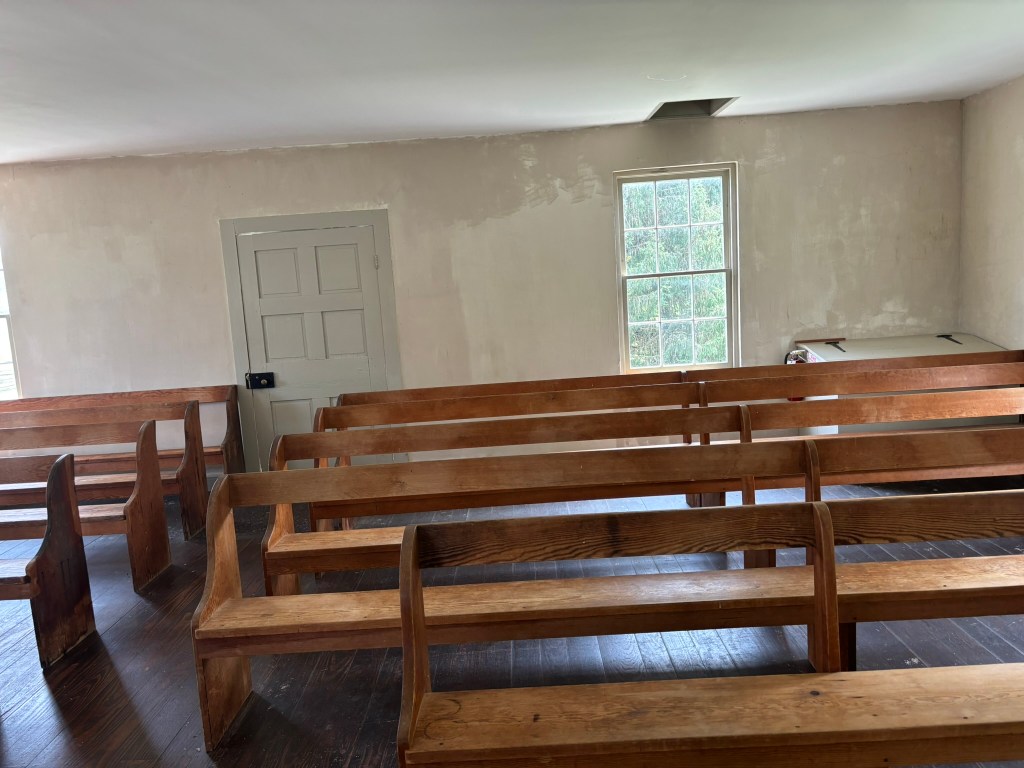
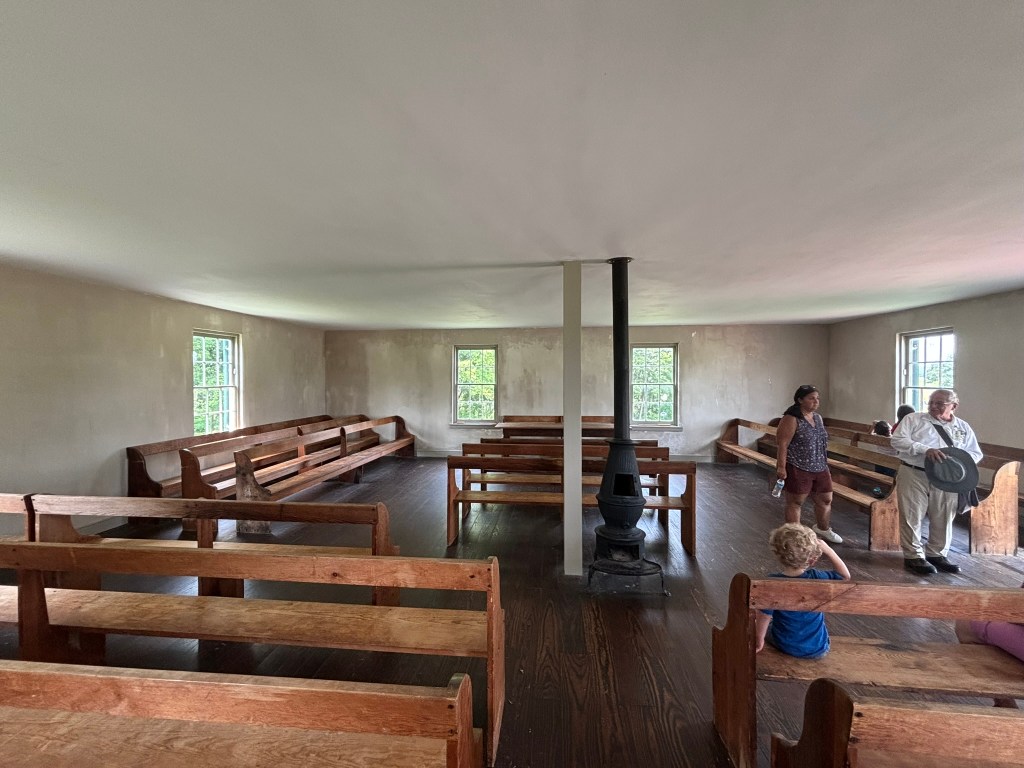
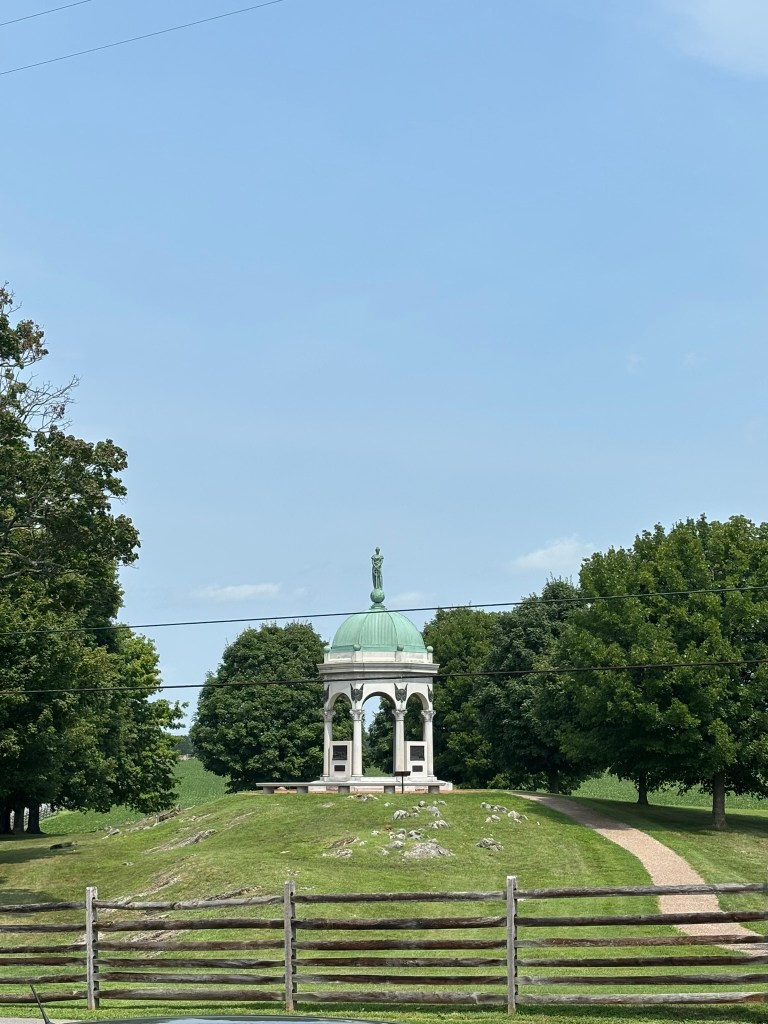
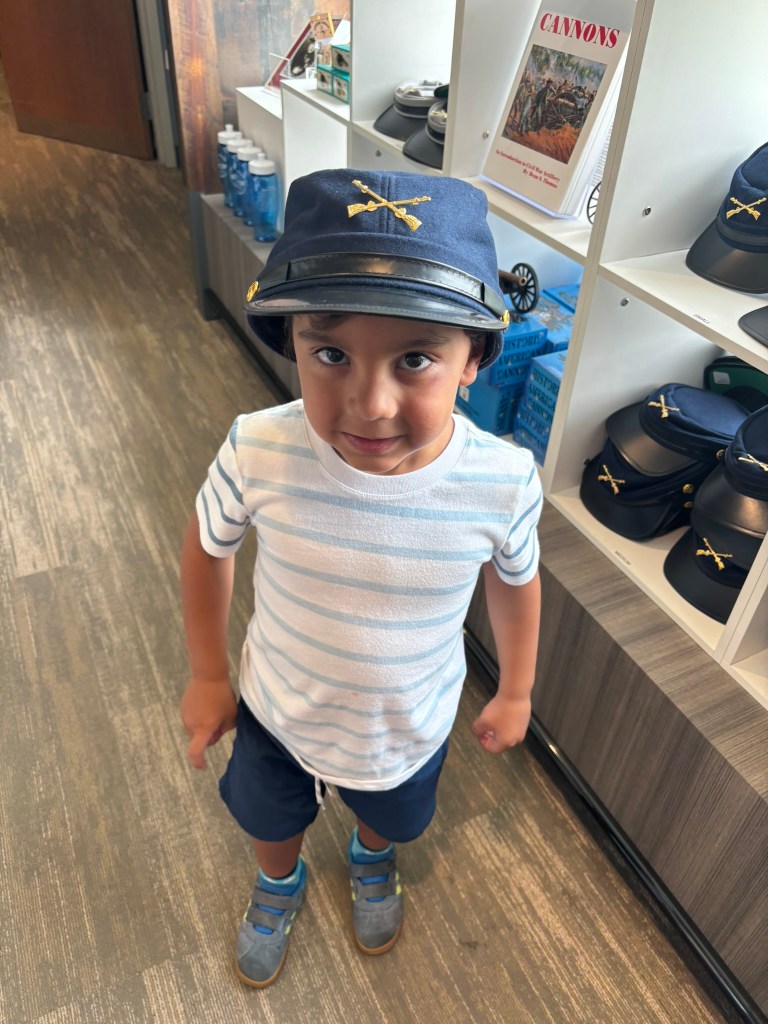
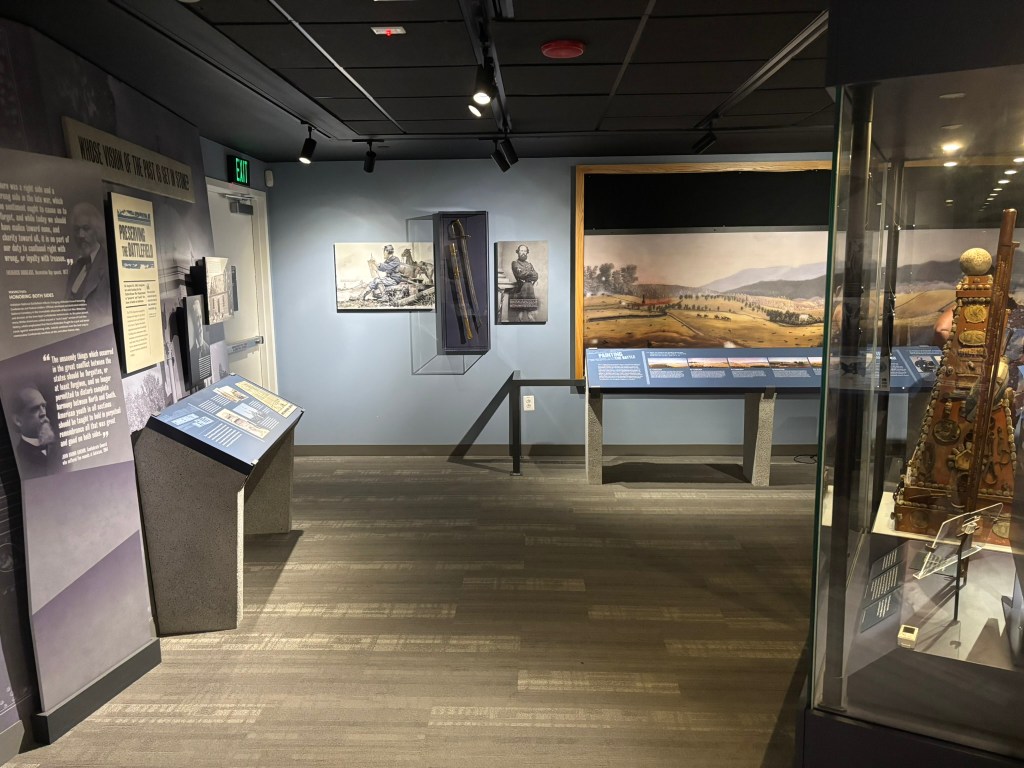
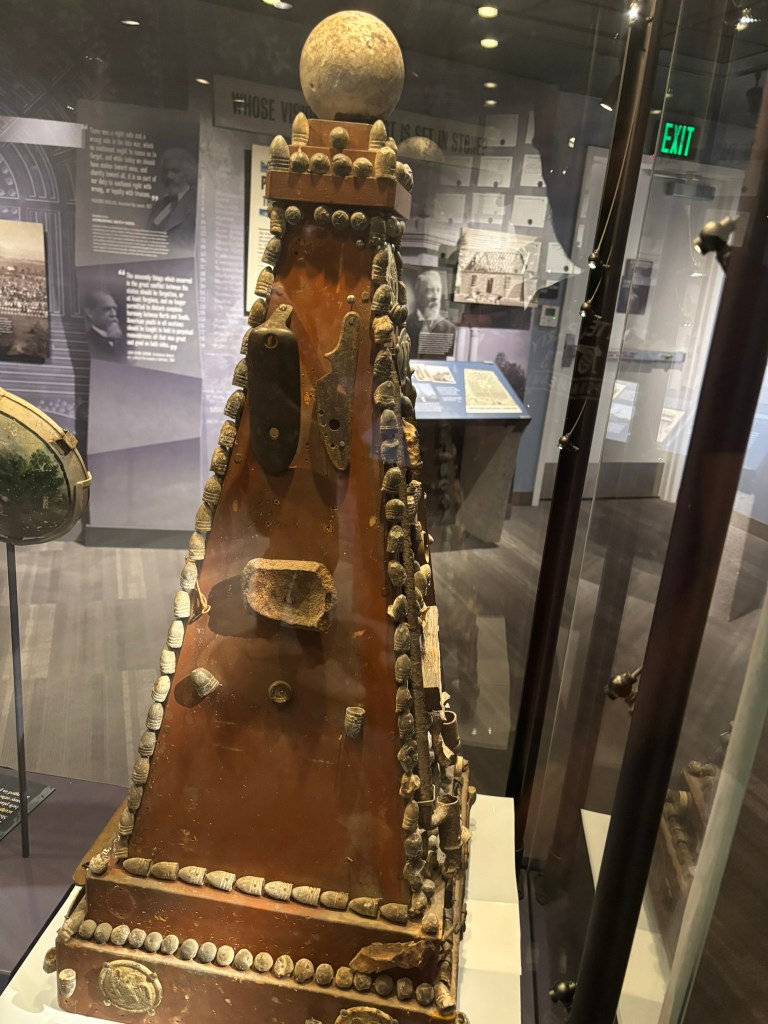
After the Dunker Church, our private tour concluded and we headed back into the visitor center. We bought a few souvenirs, and then we headed into the museum gallery, which has exhibits, signs, and artifacts that tell the story of Antietam.
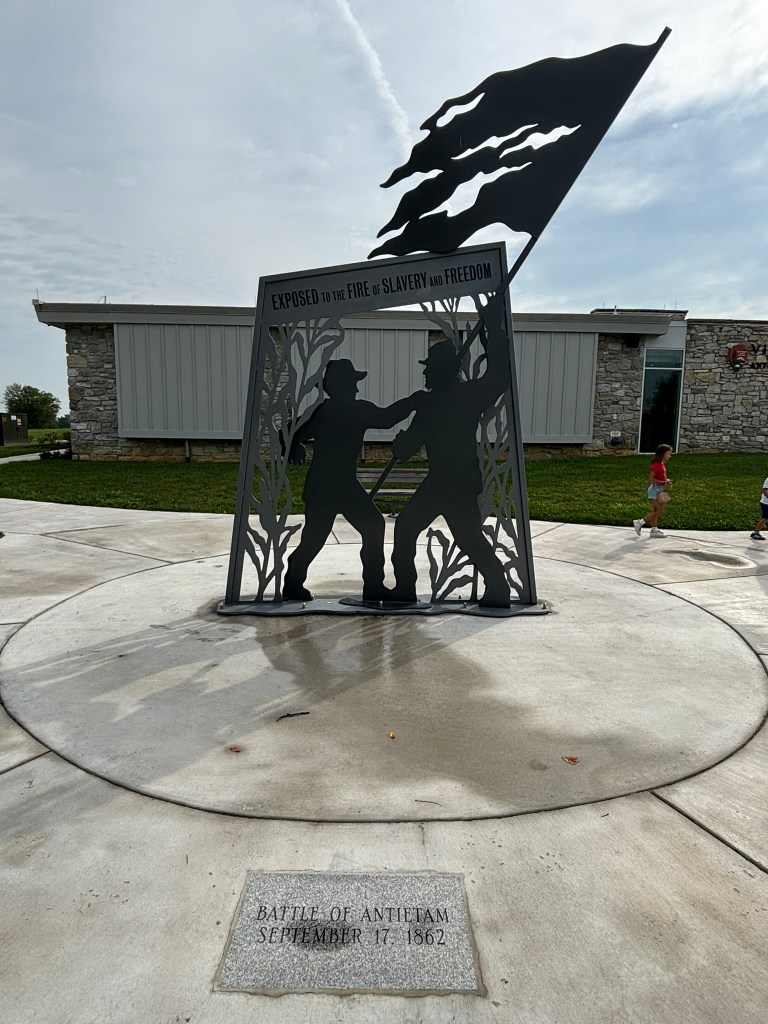
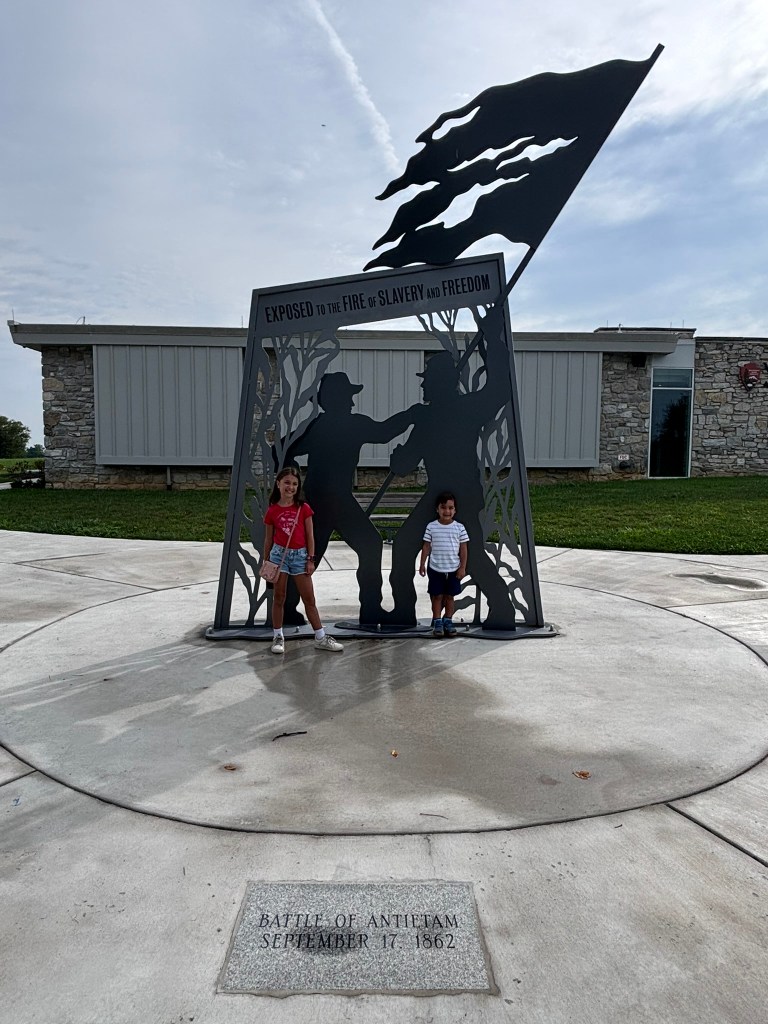
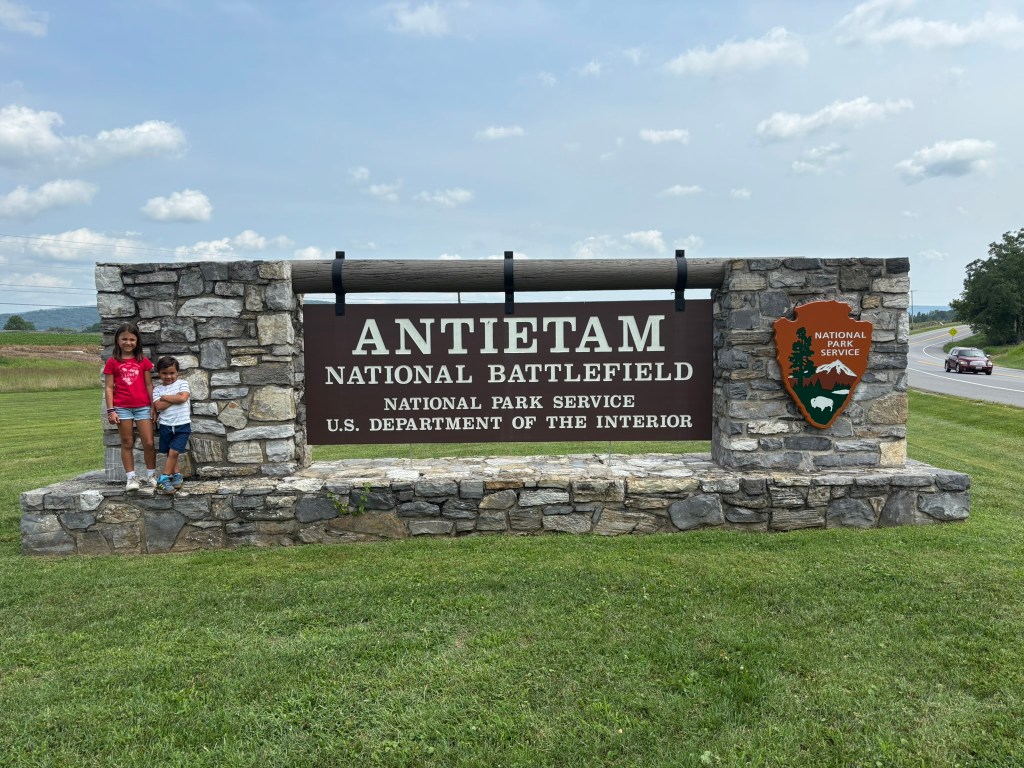
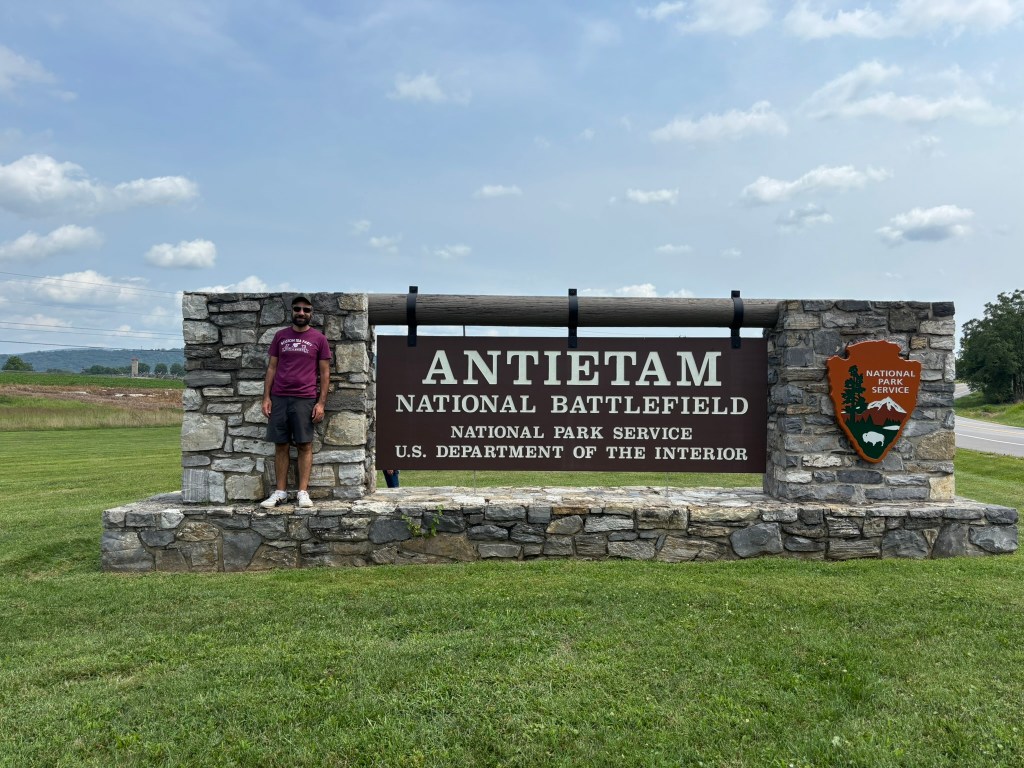
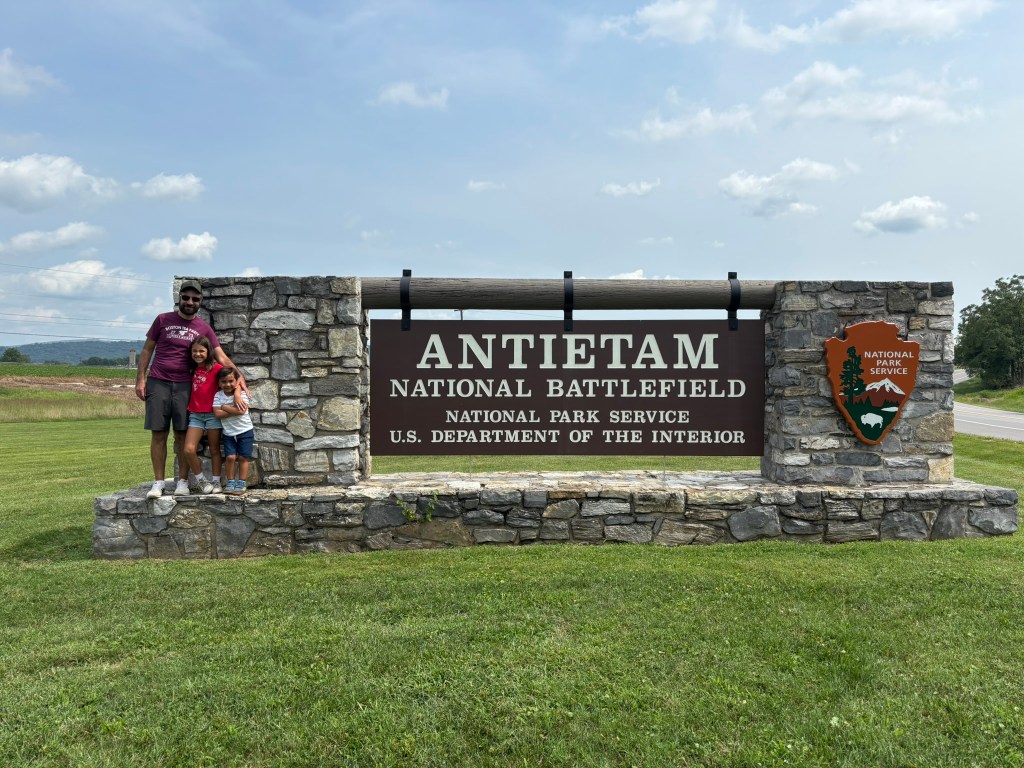
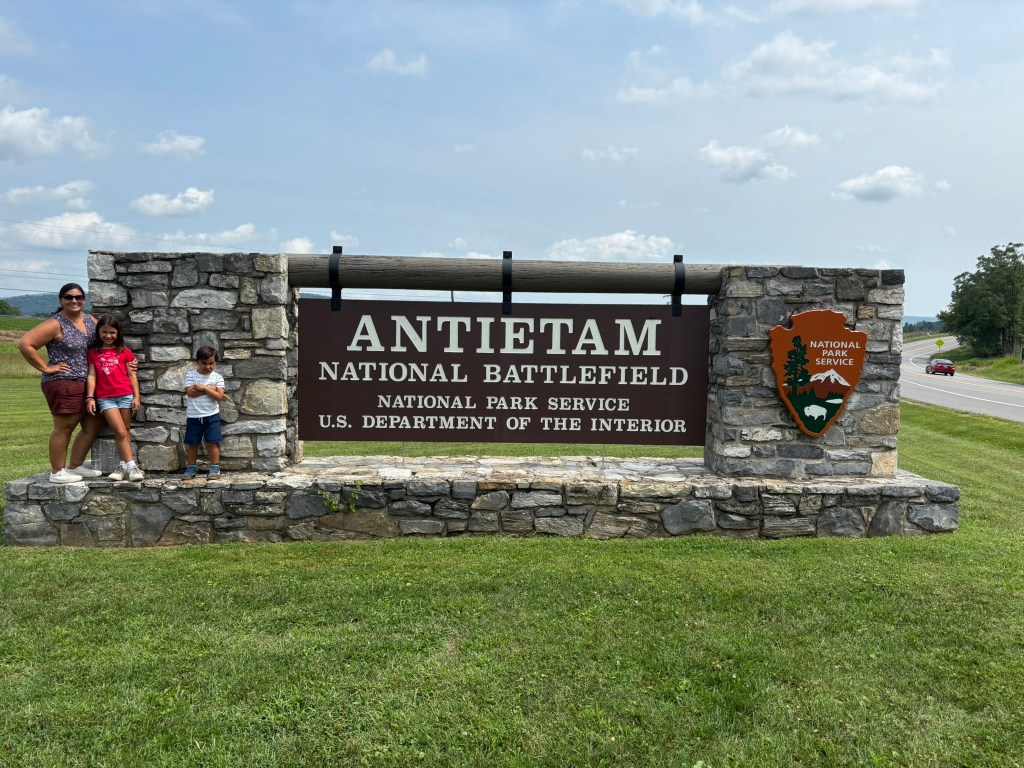
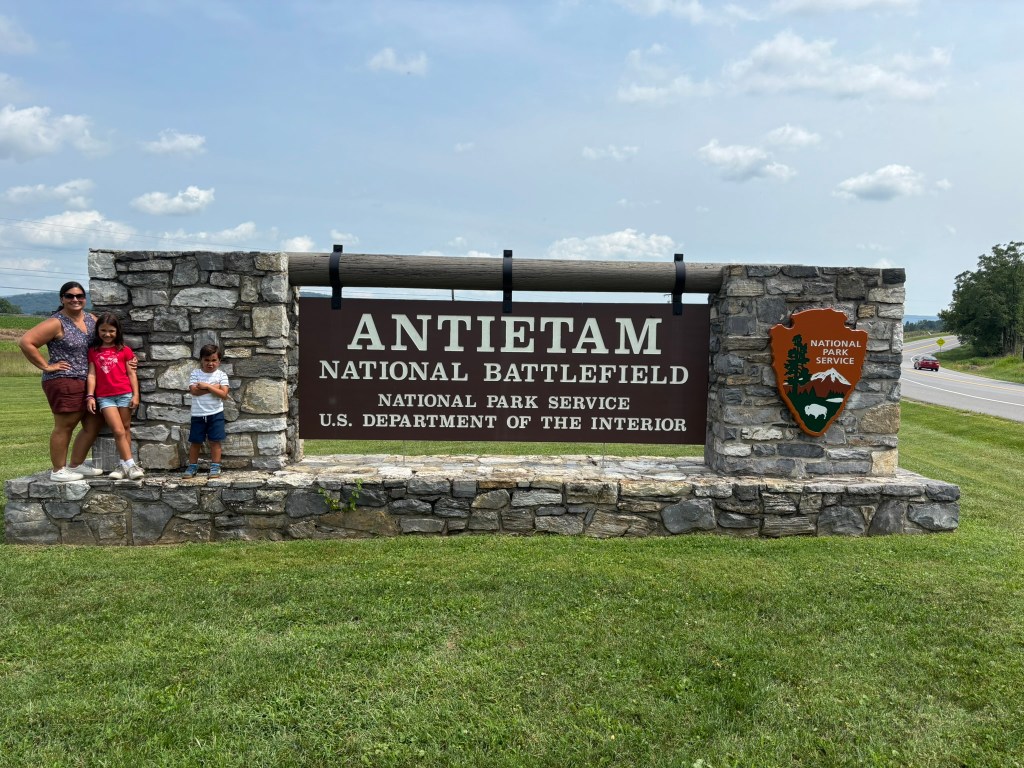
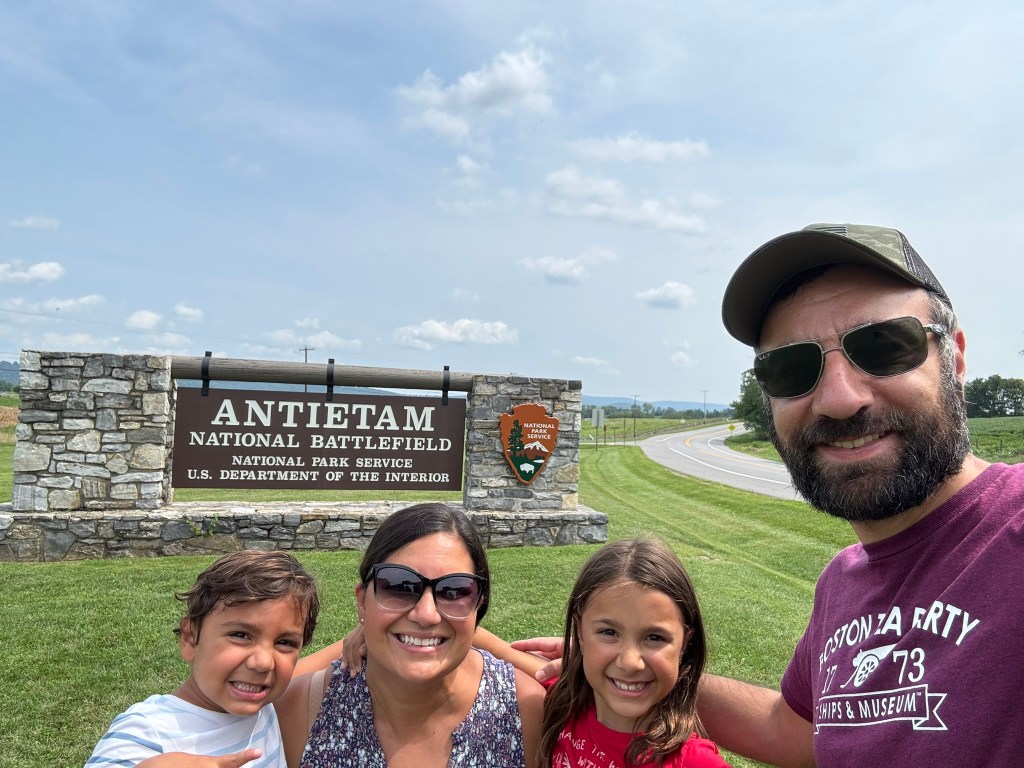
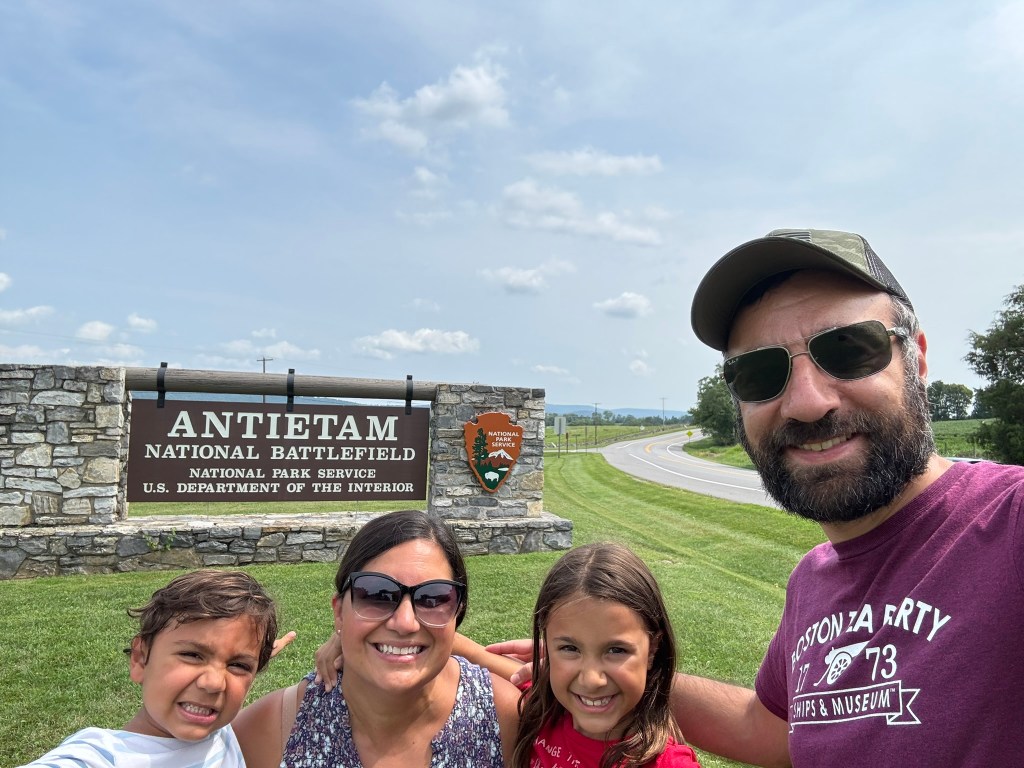
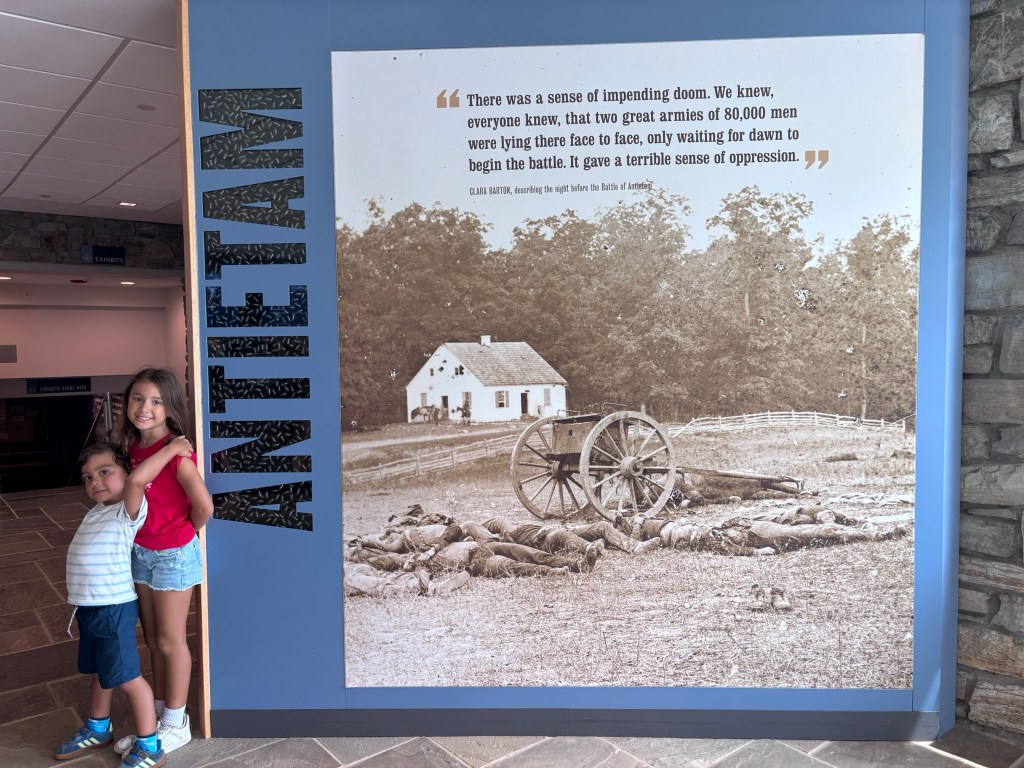
After our time in the gallery, my family and I had to take some photos in front of the Antietam sign. We then drove the 30 minutes back to our hotel in Charles Town, WV.
Final Thoughts
As mentioned above, I highly recommend doing a tour through Antietam Battlefield Guides. We did a four-hour tour, which gave our tour guide a chance to provide extensive details of the different phases of the battle. If a four-hour tour seems long, there are also options for two-or three-hour tours. Personally, I felt that since I had never been to Antietam before and don’t know when I’ll be back, I really wanted to do a deep dive into the battle. My wife and kids did a great job considering the length of the tour. We were also lucky with good weather, and it wasn’t too hot despite it being August in Maryland.
I highly recommend this tour if you are interested in the Civil War and want to learn more about one of the most significant battles in American history.
Stay tuned because my next blog post will discuss our private tour the next day at Harpers Ferry, WV.
Make sure to check out my Instagram, Facebook, and Youtube accounts as I will be posting reels in the coming days!

