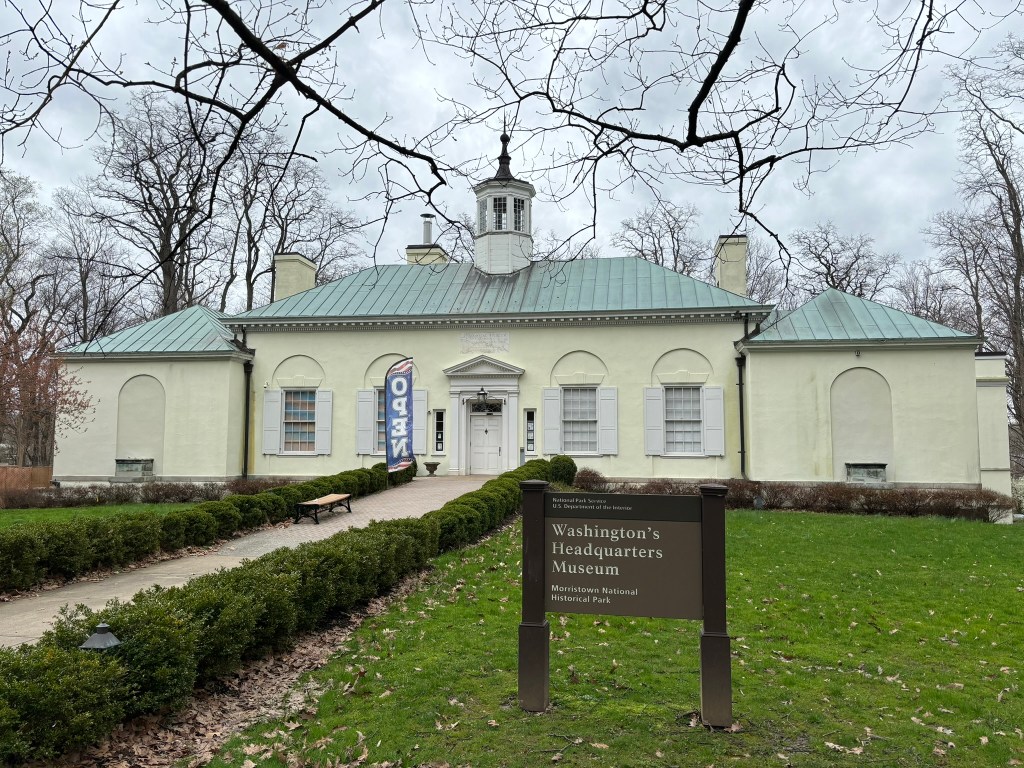
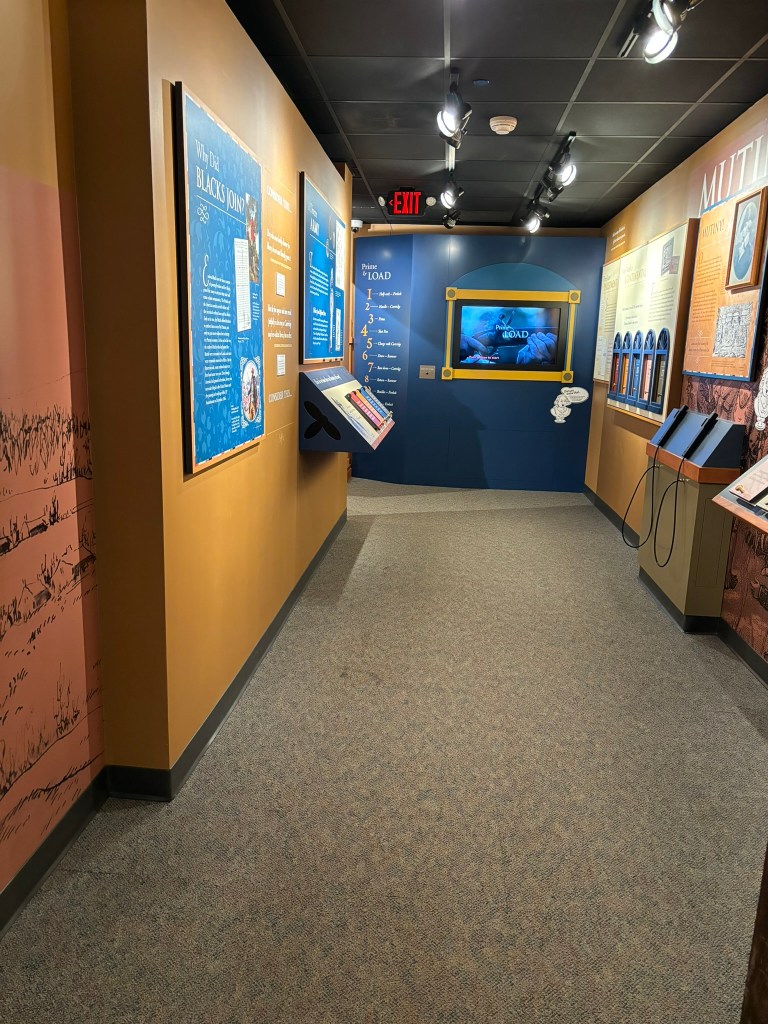
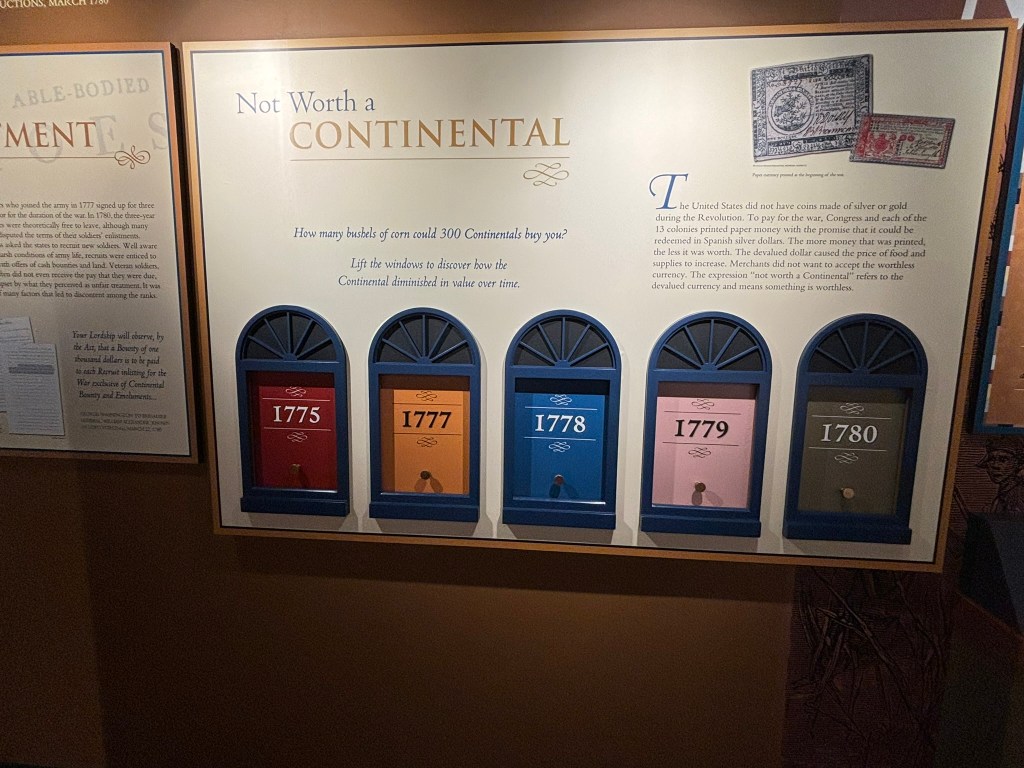
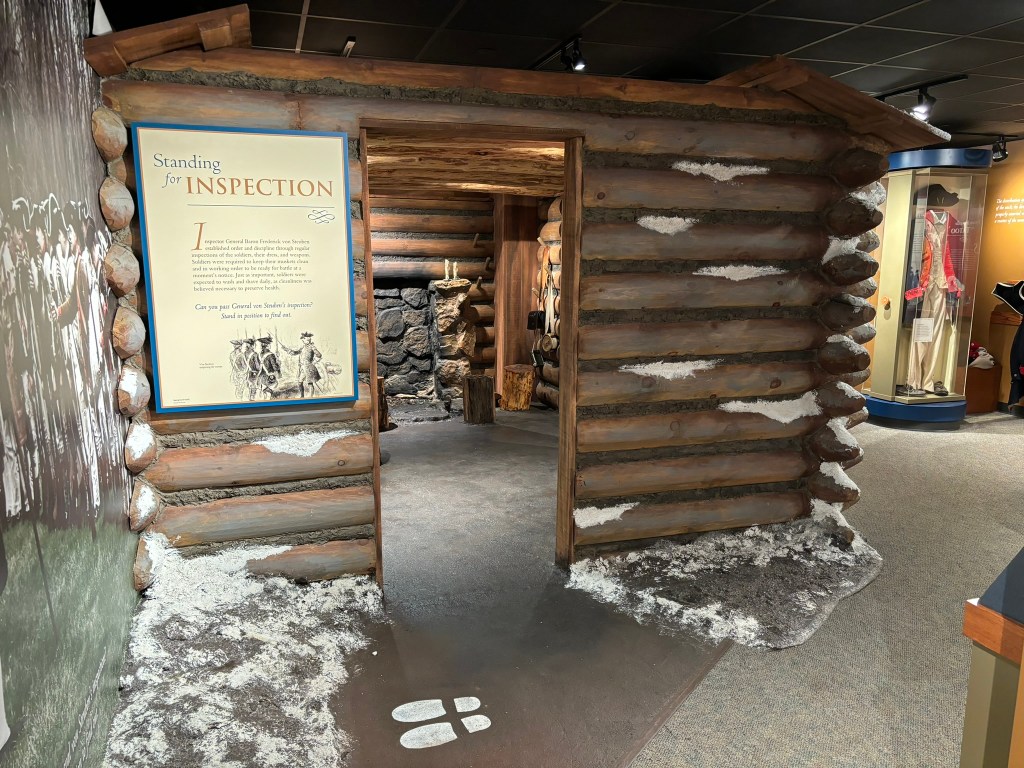
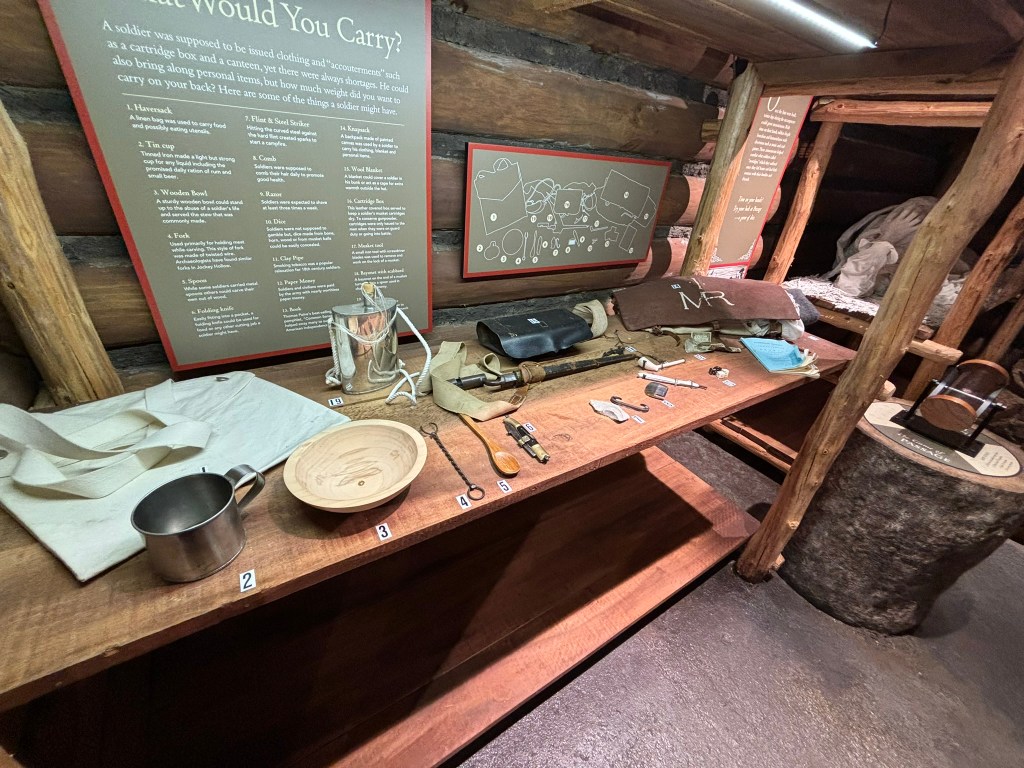
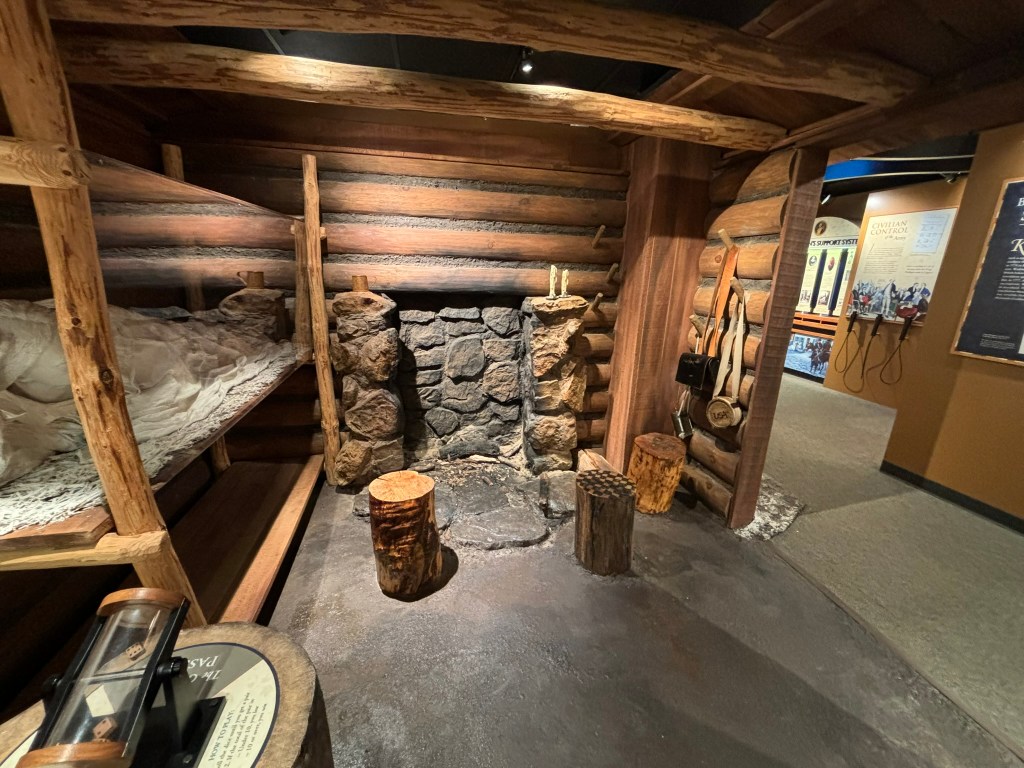
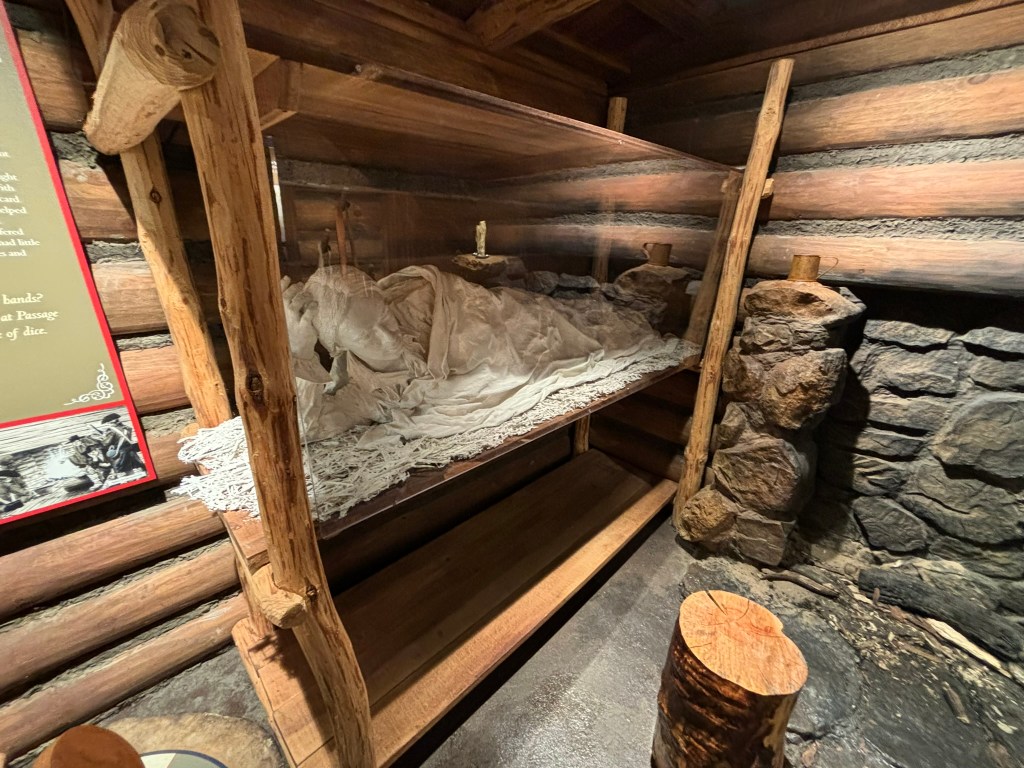
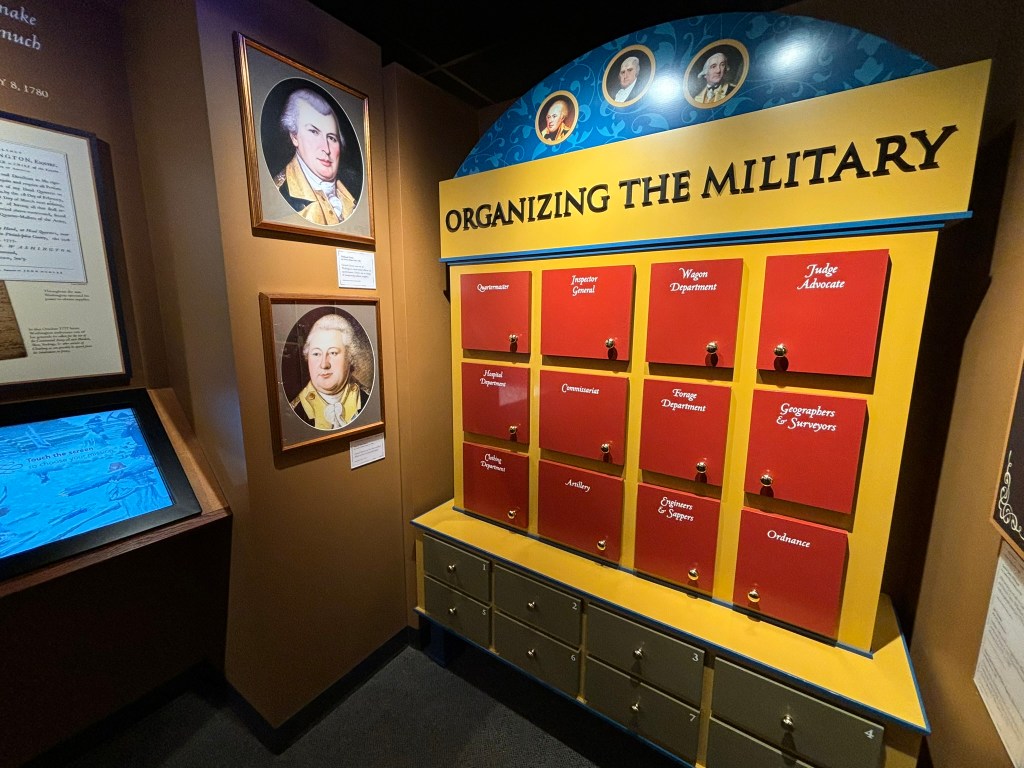
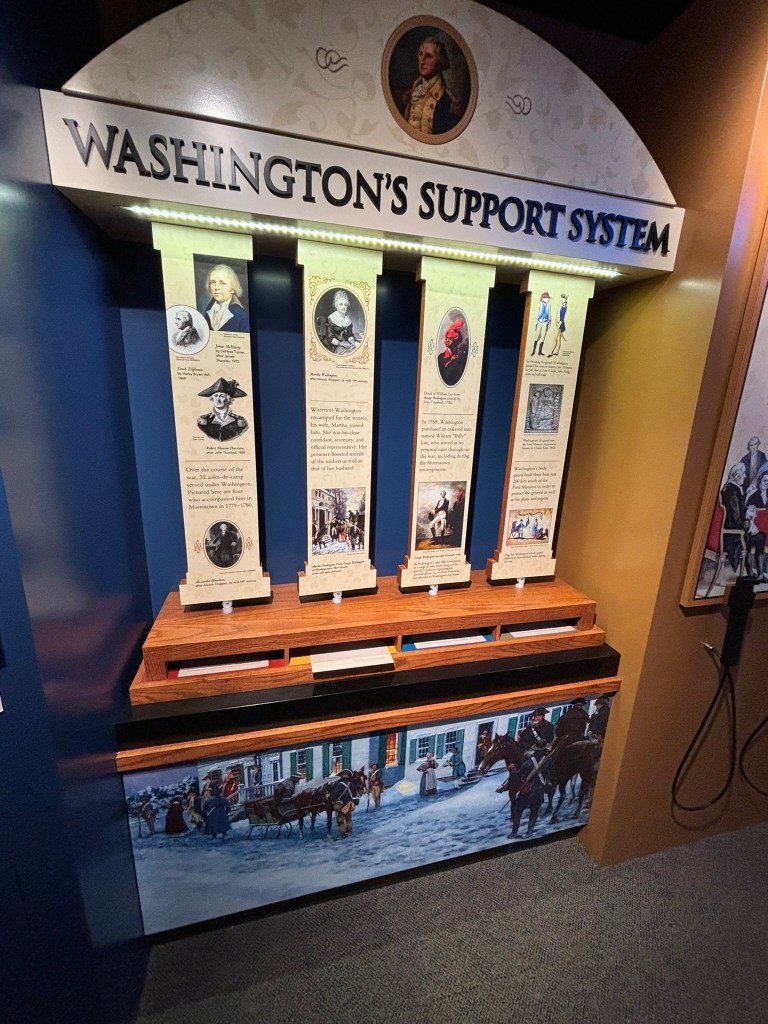
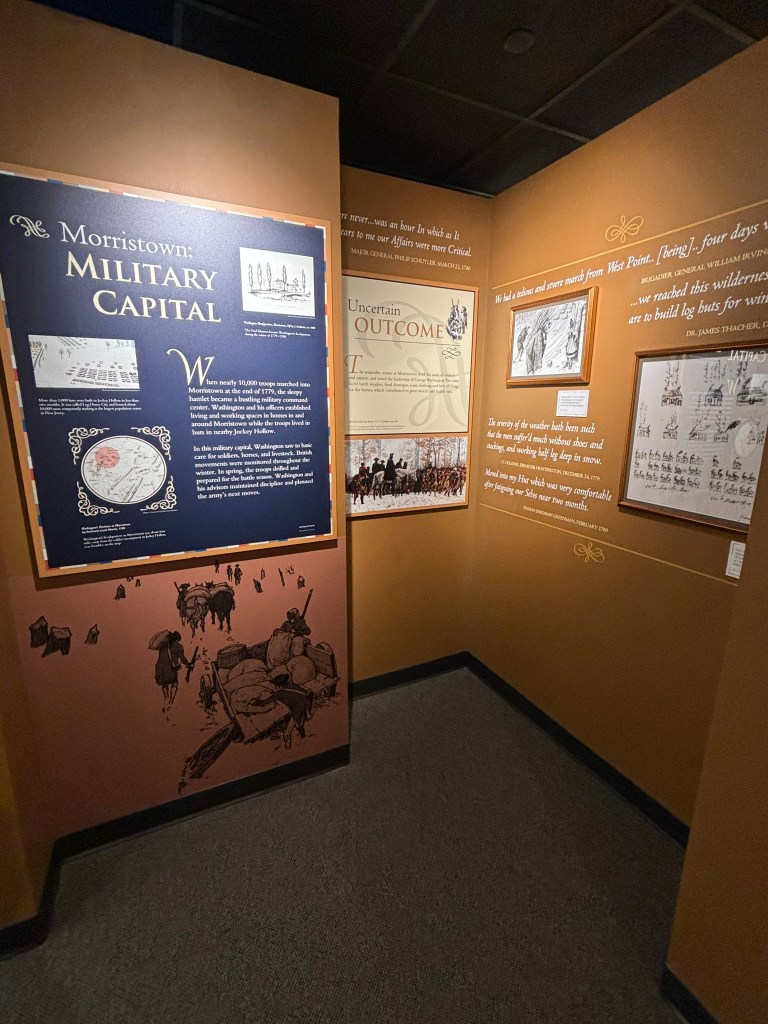
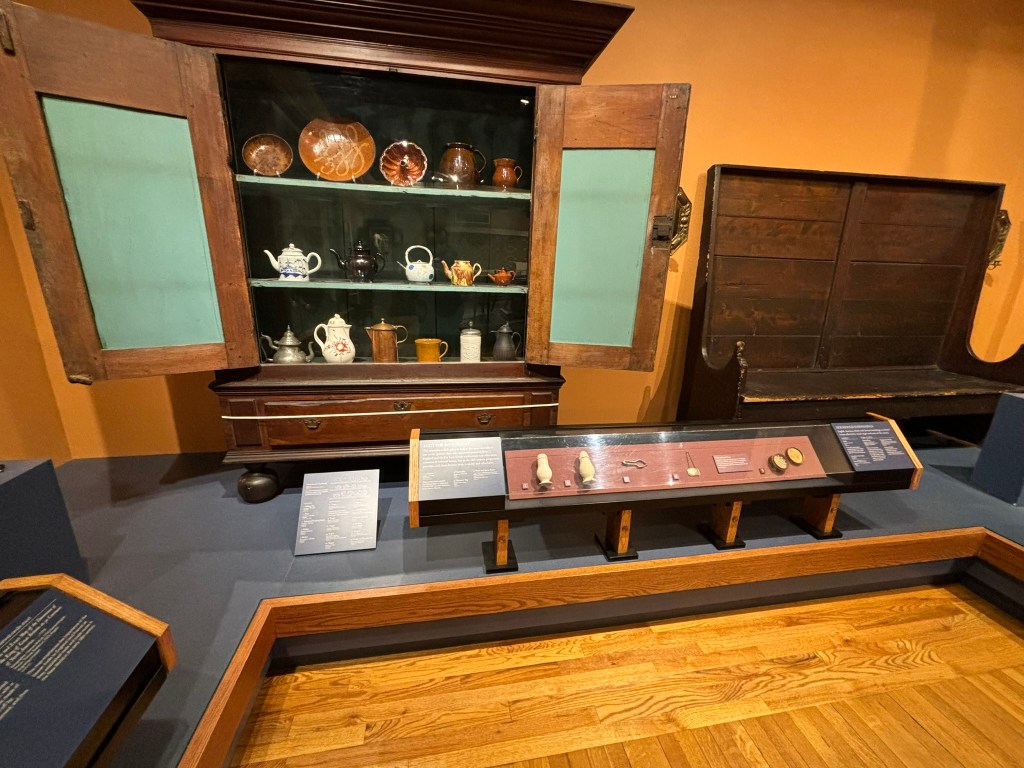
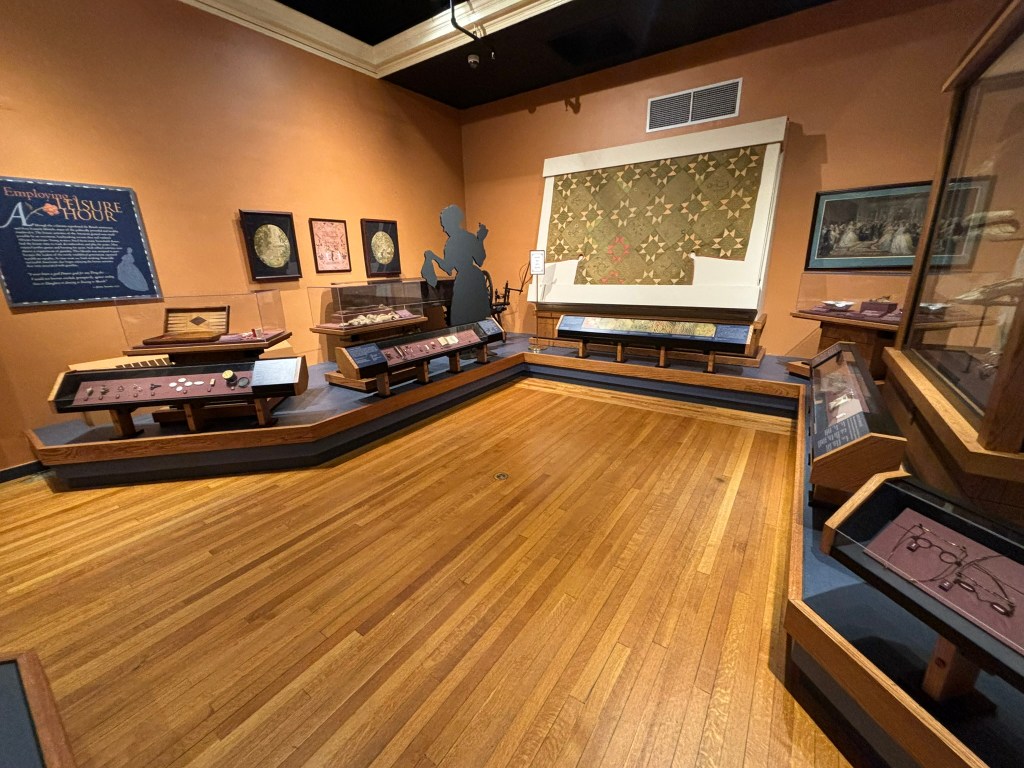
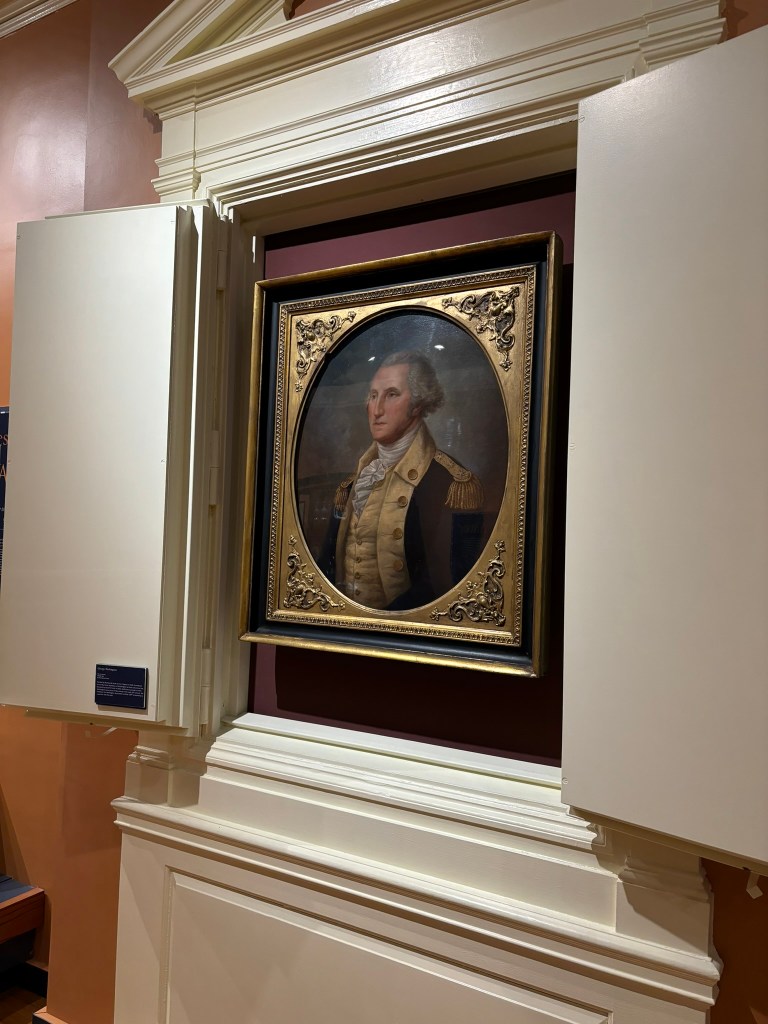
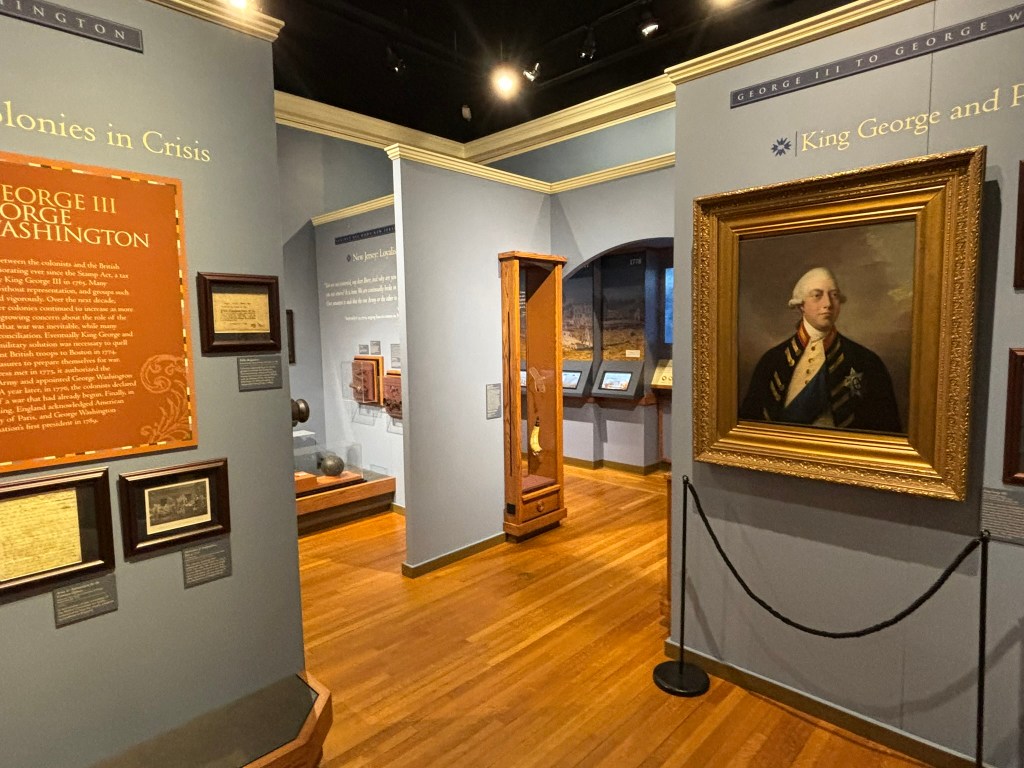
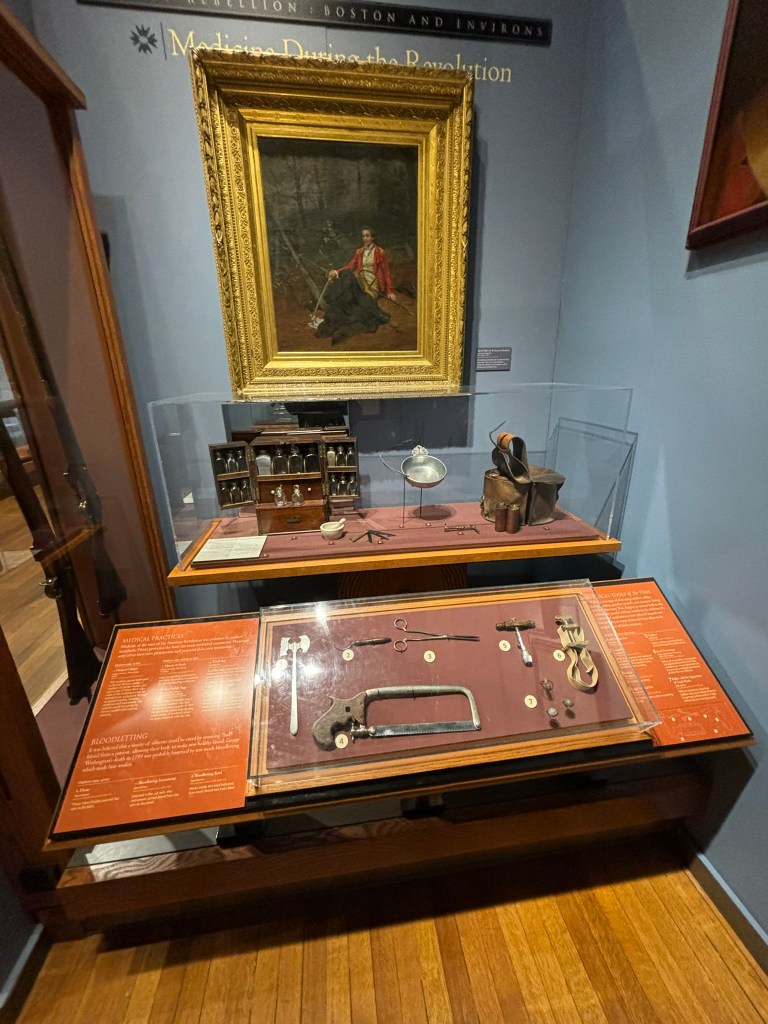
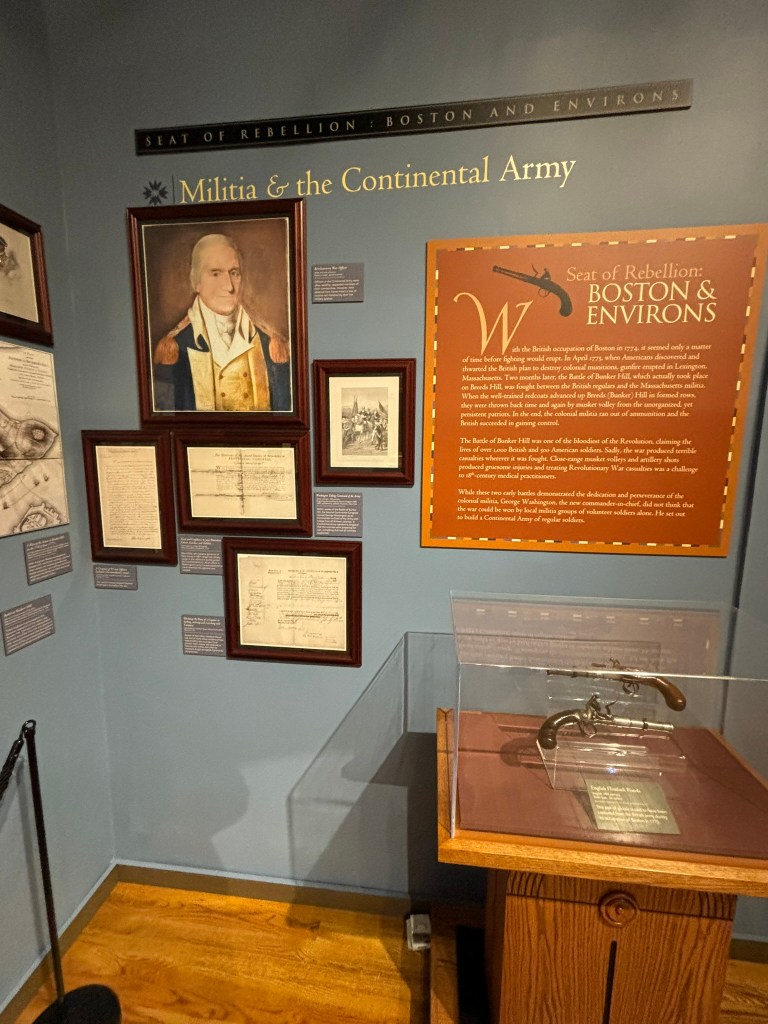
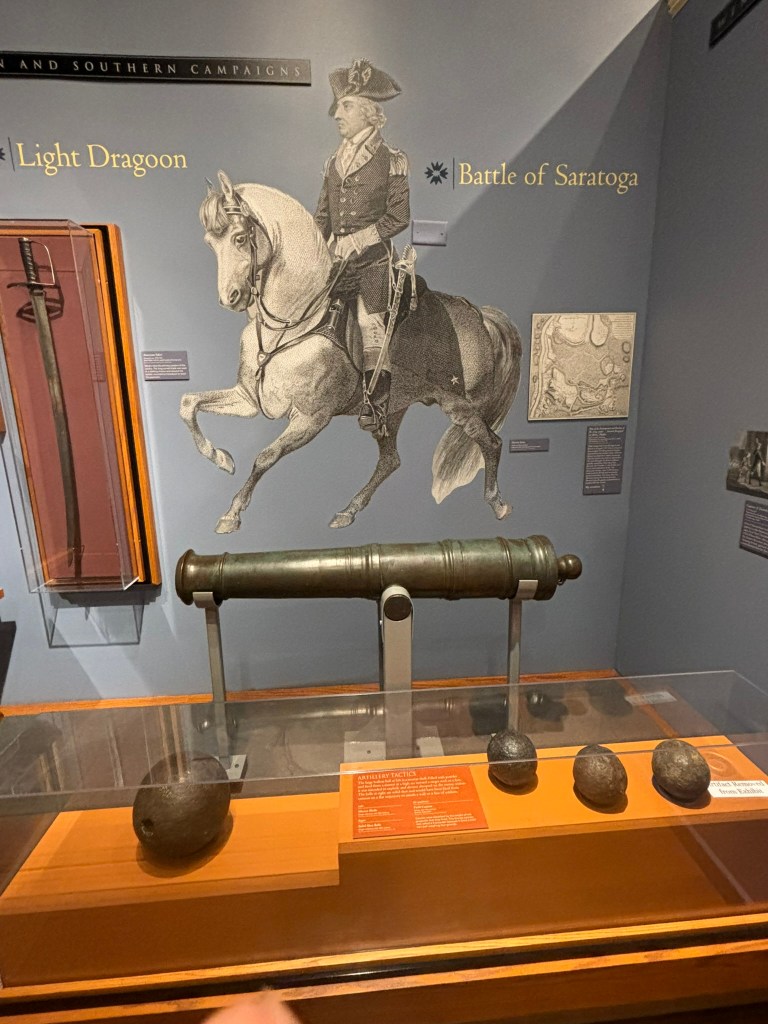
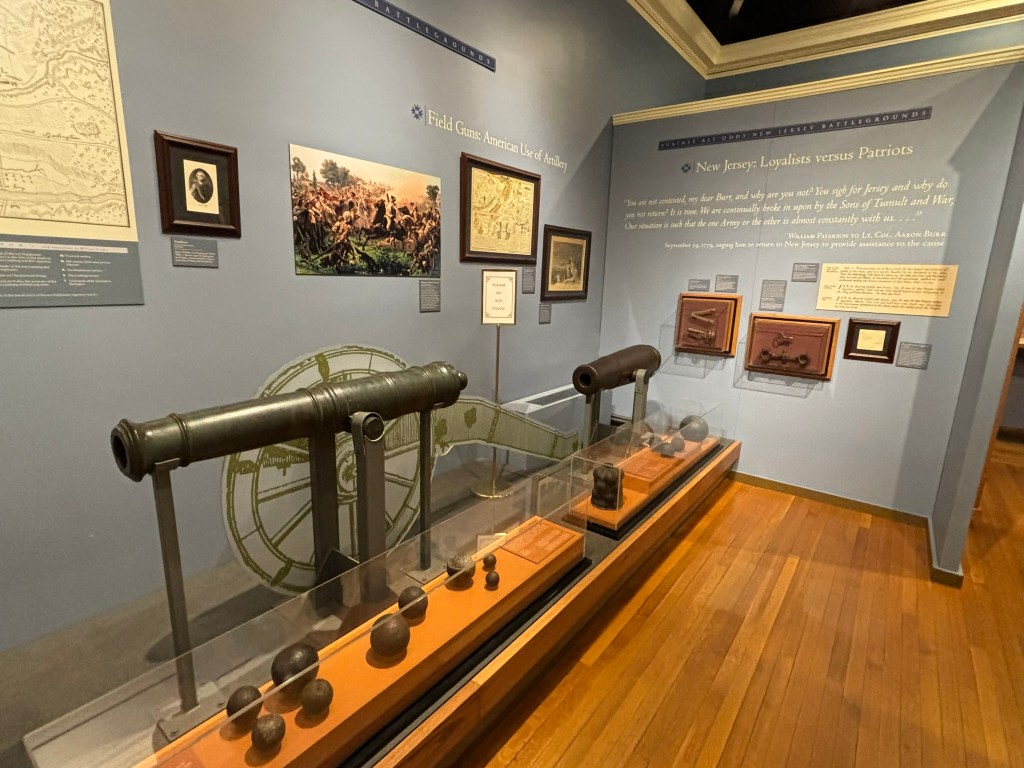
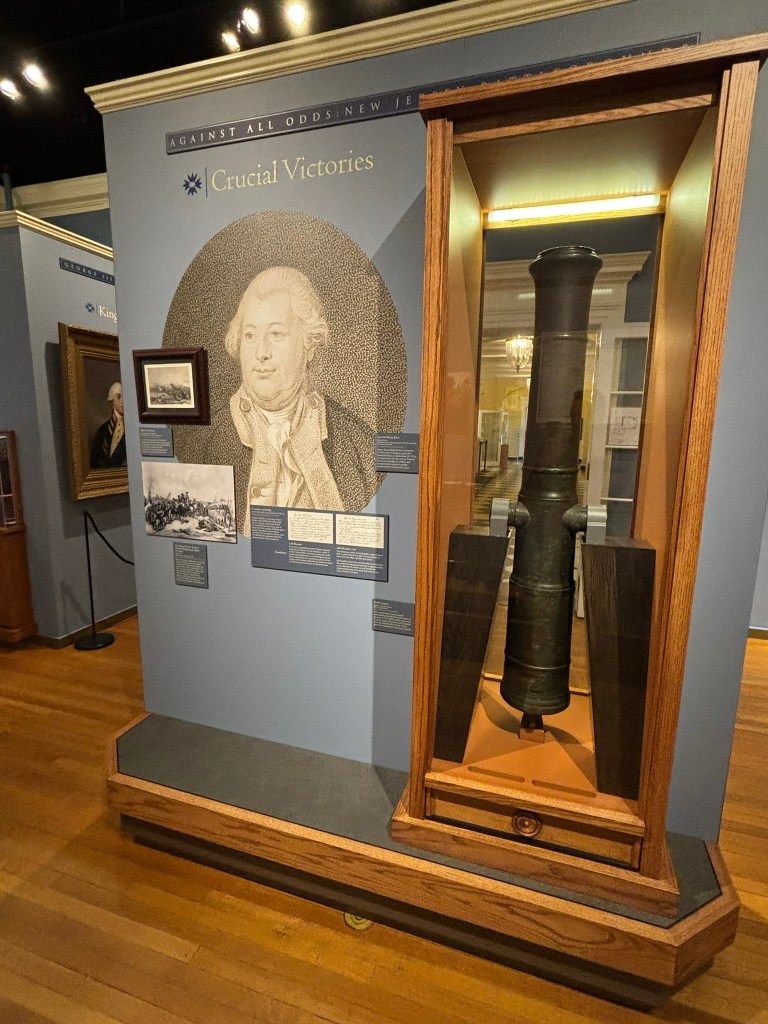
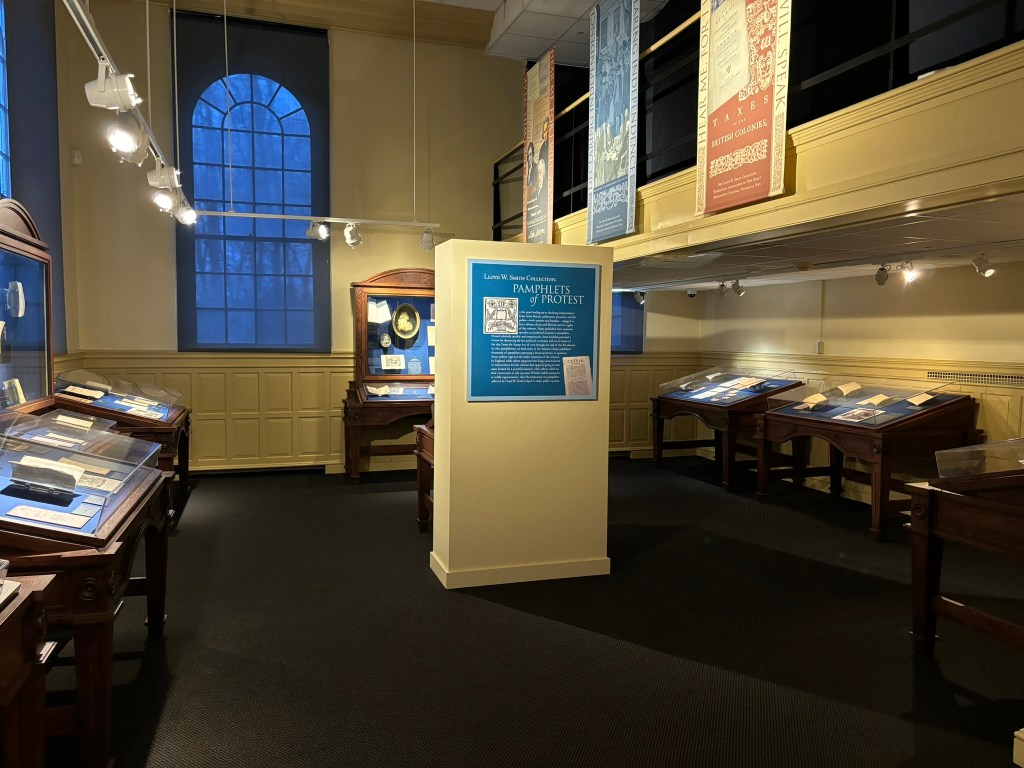
This past weekend, I had an opportunity to visit Washington’s Headquarters in Morristown. The site is significant as the location of Ford Mansion, Washington’s headquarters during the winter of 1779- 1780. The museum highlights the events of the American Revolution, with a specific focus on Washington’s role. At the musuem, there are interactive exhibits (which are also great for kids), informative signs, extensive artifacts and pamphlets dating back to the Revolution, as well as a gift shop. Anyone interested in the revolution needs to visit this site. When you get an opportunity, you can also tour Ford Mansion and see where Washington lived during crucial days of the war.
My family and I took a trip to Philadelphia for Presidents’ Day weekend. Day One was seeing historic sites and museums, and Day Two was going to the Please Touch Museum for the kids. This blog will focus on our visit to the Museum of the American Revolution, The Christ Church Burial Ground with the grave of Ben Franklin, The National Constitution Center, Independence Hall and Congress Hall.
Museum of the American Revolution
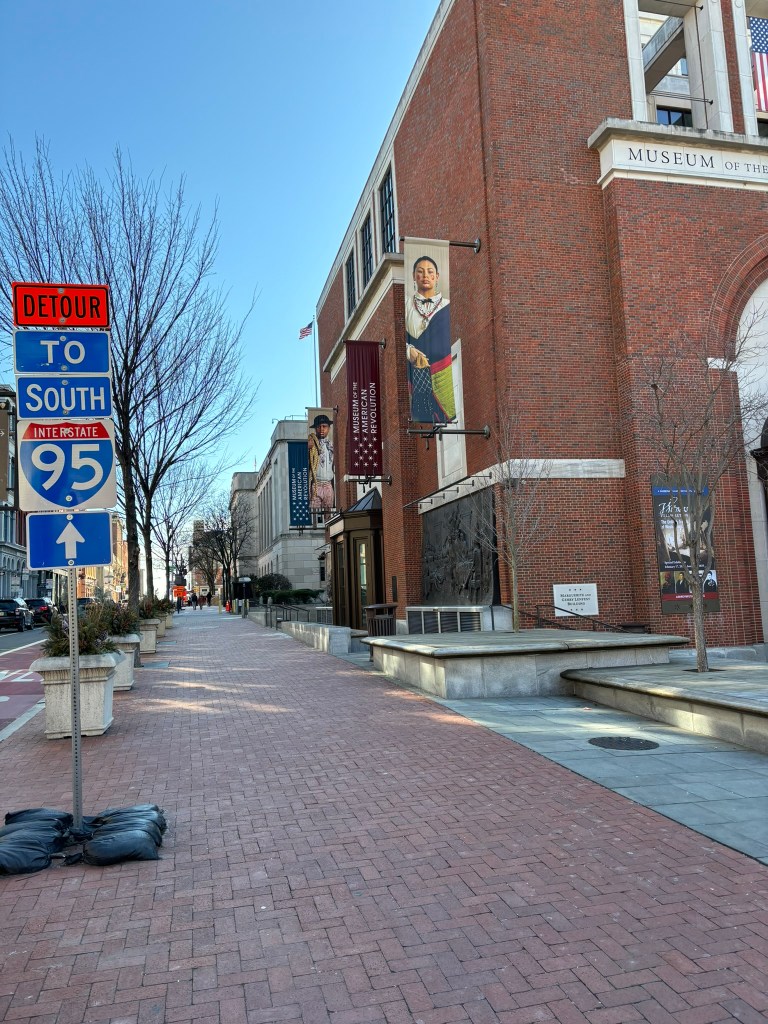
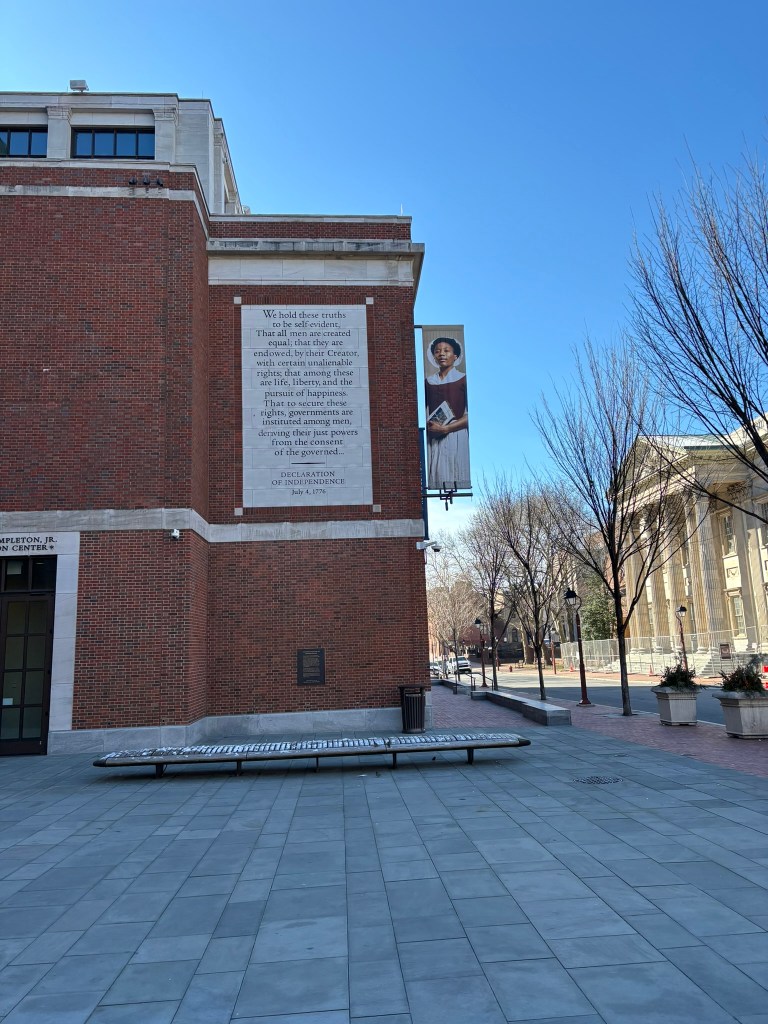
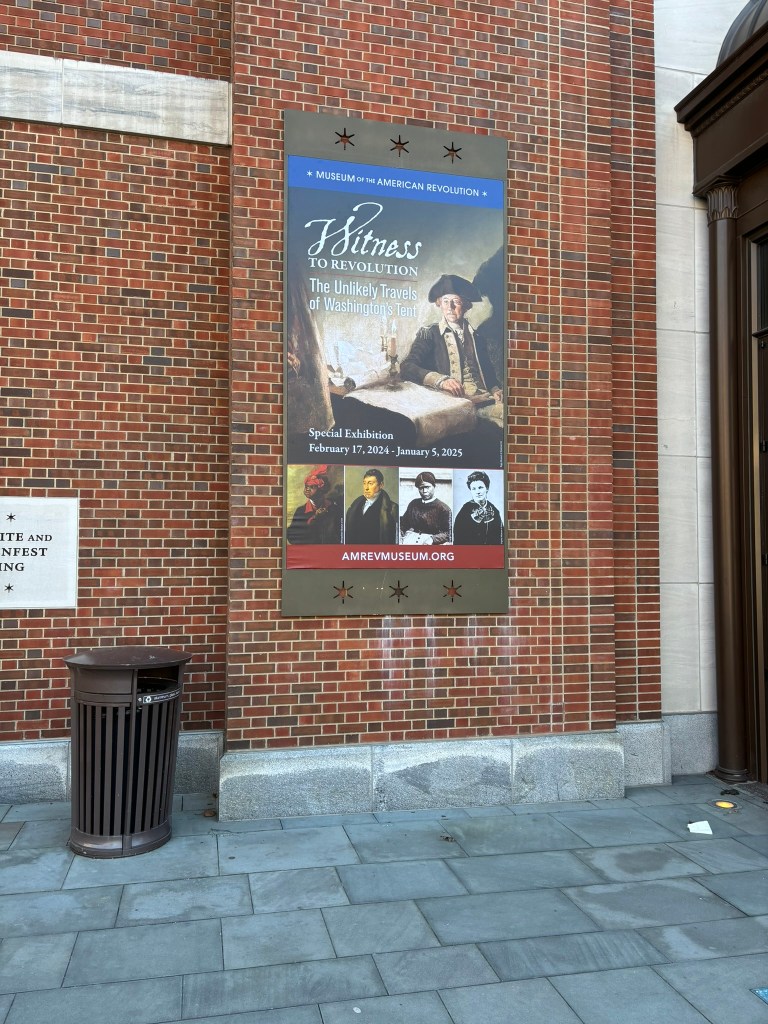
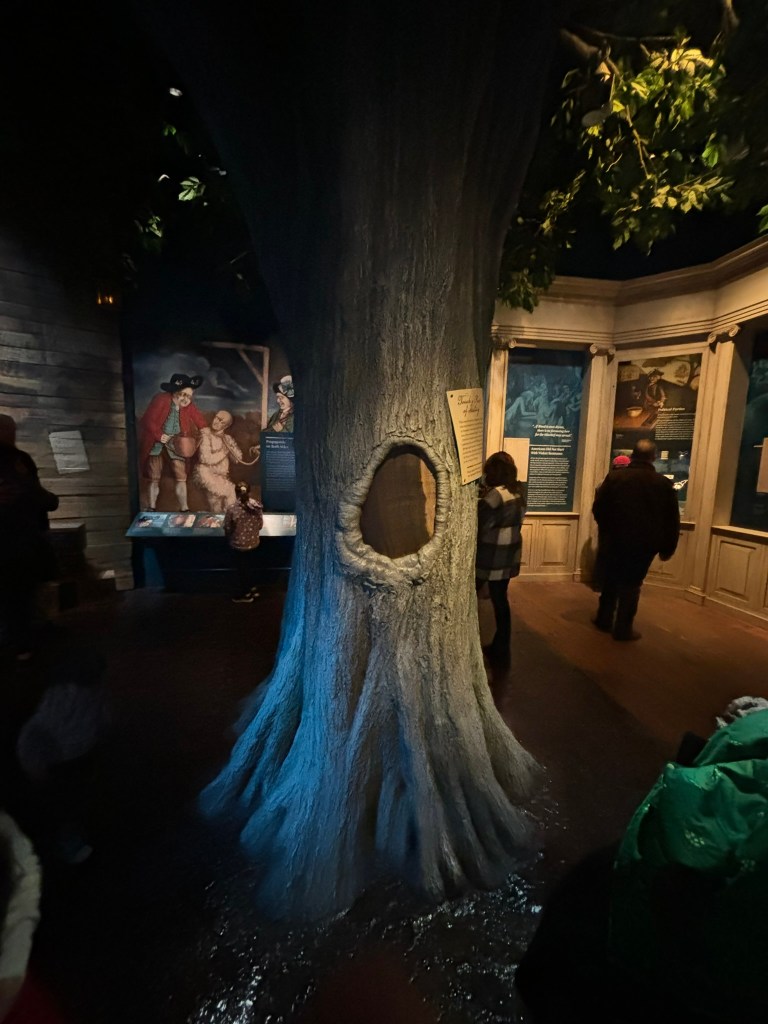
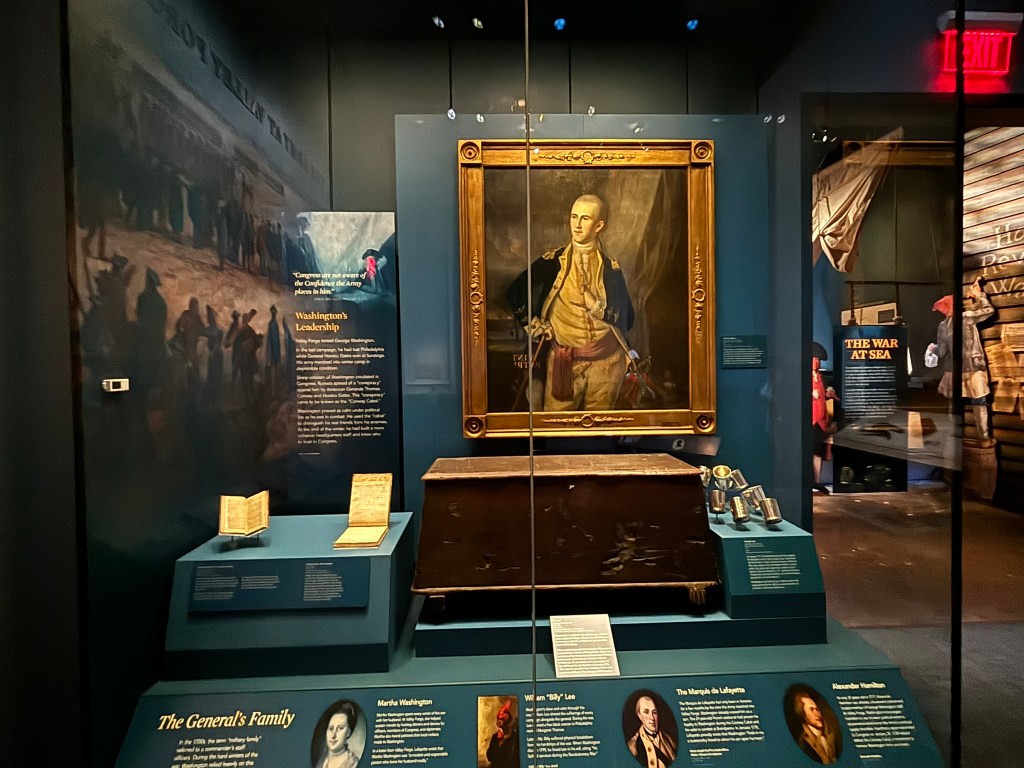
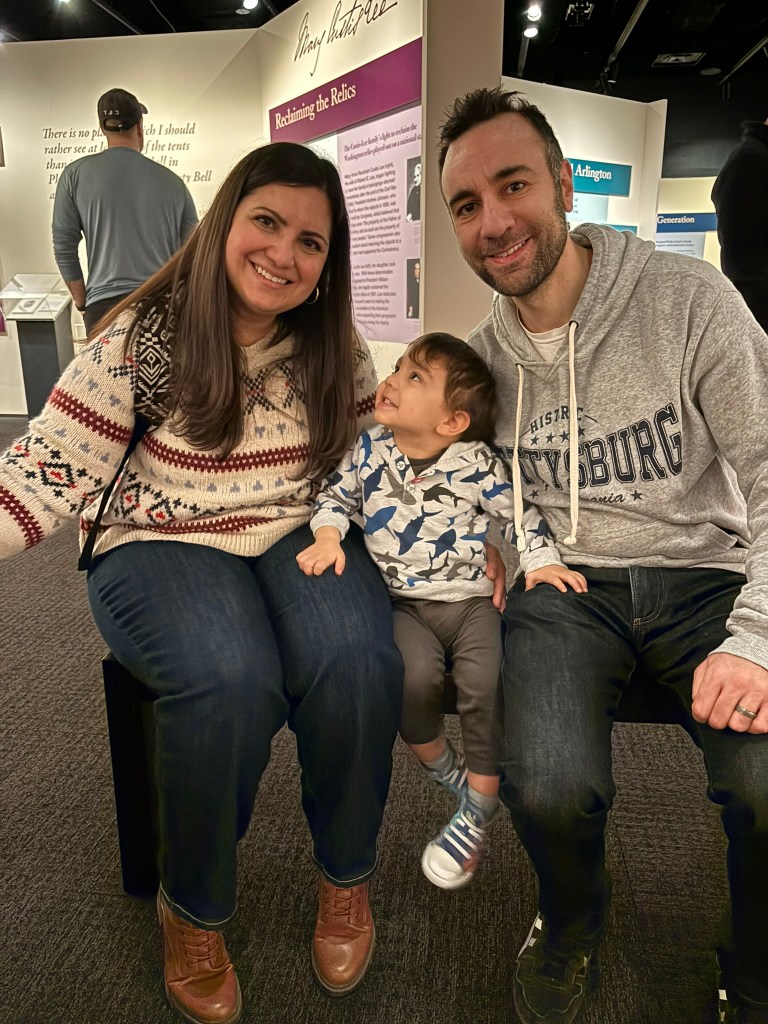
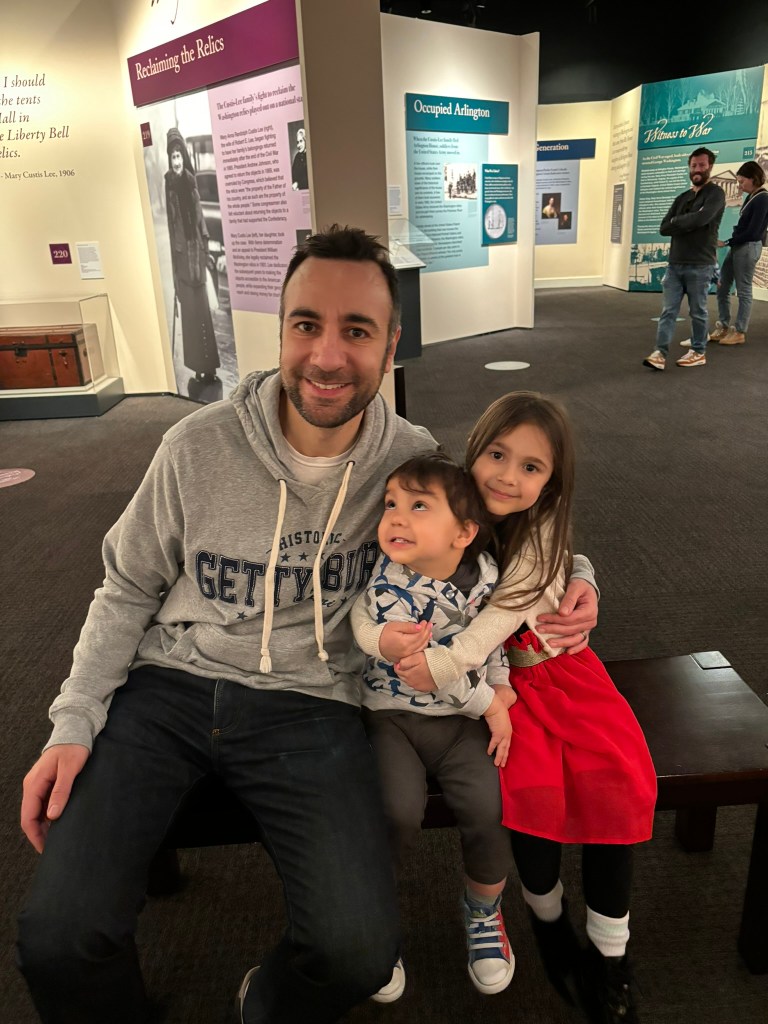
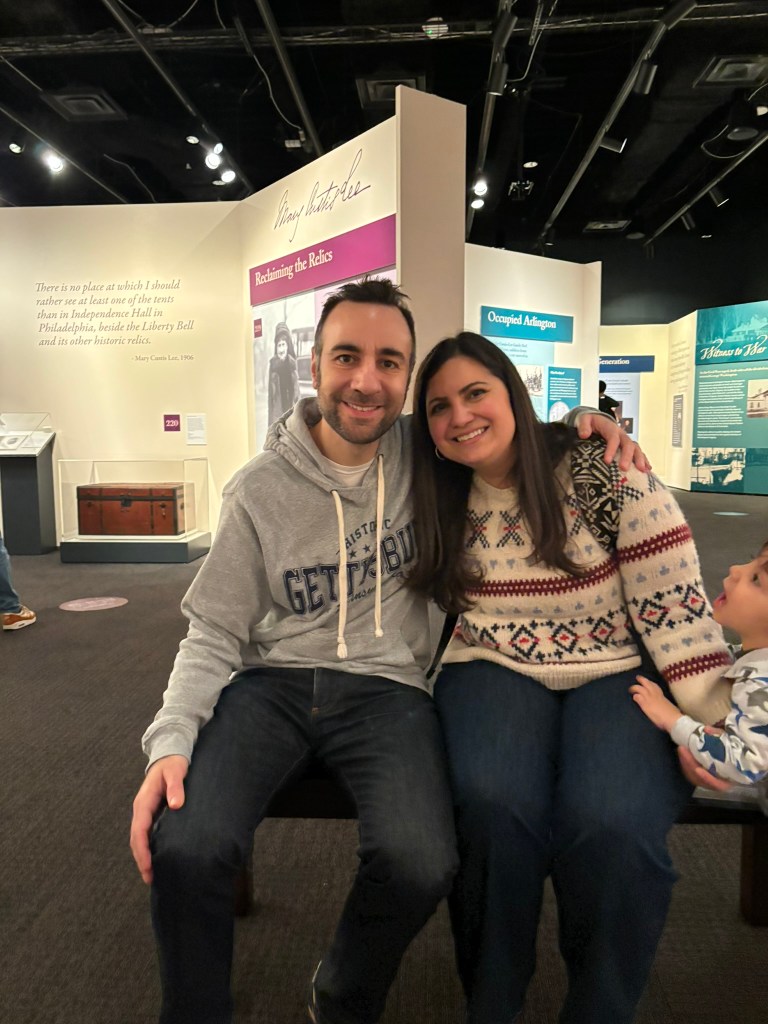
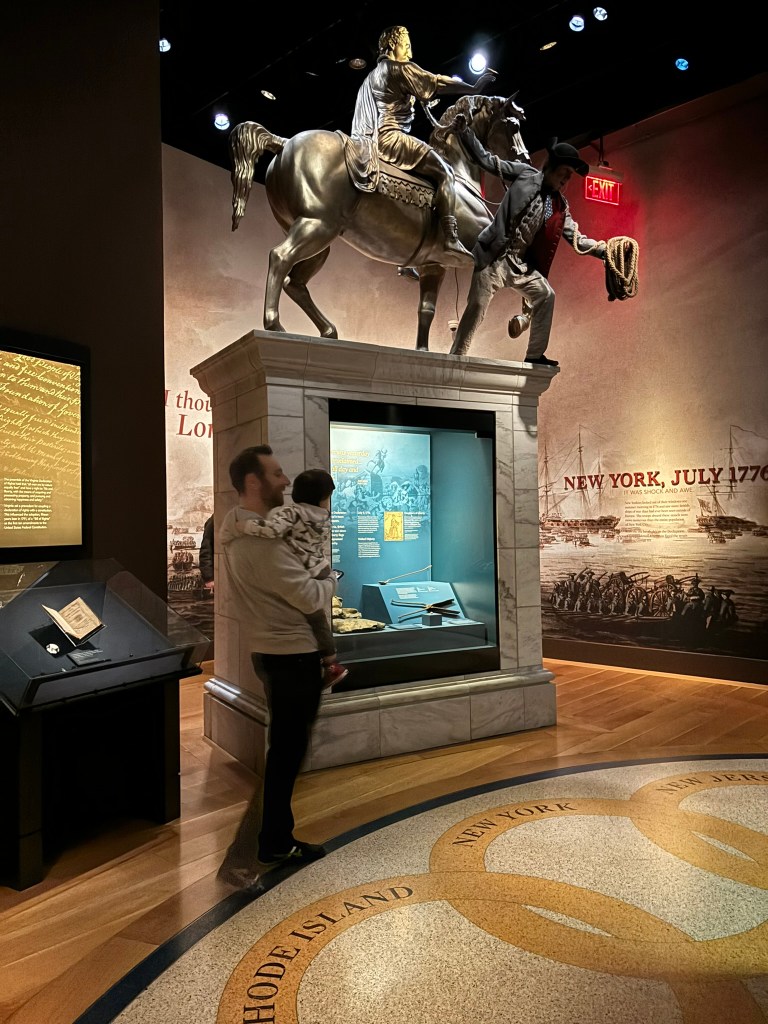
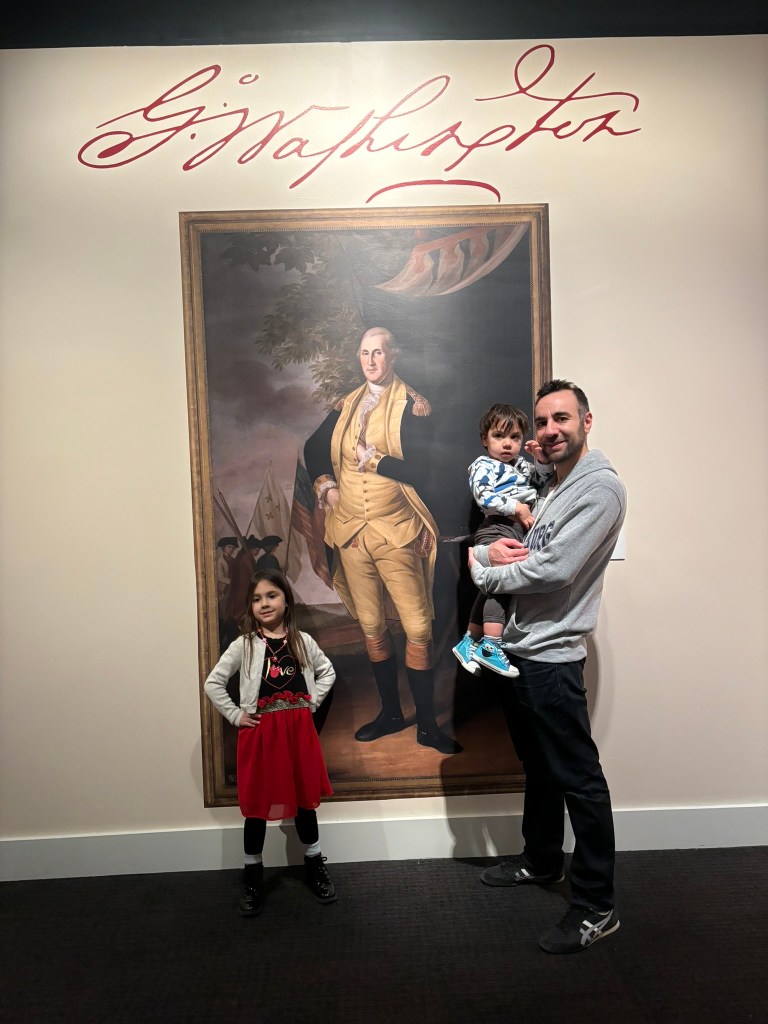
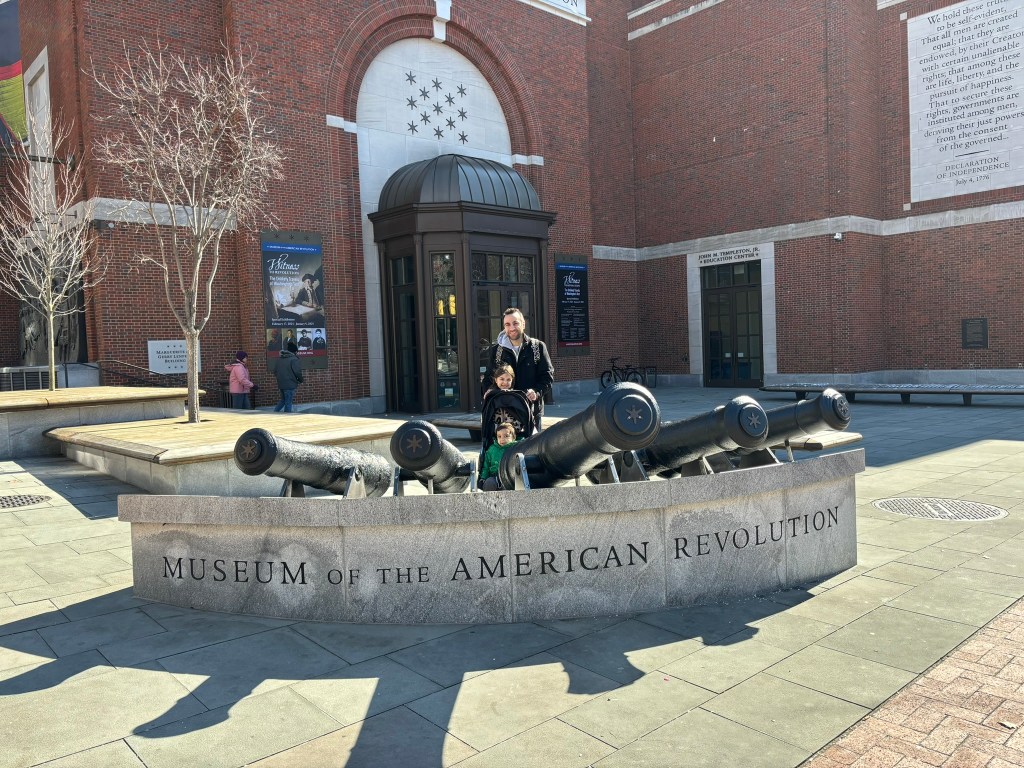
Our first stop when we arrived in Phili was the Museum of the American Revolution, which was my first visit there. The special exhibit that opened the day before we arrived is “Witness to History: The Unlikely Travels of Washington’s Tent.” In my blog post from July 2023, (visit here) my family and I visited Morristown, NJ to see a replica of Washington’s War Tent, and explore inside. The real, authentic tent is located at the Museum of the American Revolution, and we were able to see it there (the museum did not allow photographs of the tent, but photos can be found here.) The new exhibit highlights the roughly 250 year journey of Washington’s War Tent as it has passed through the generations and miraculously has survived through not-so-delicate hands to make it to the museum in Philadelphia. The tent highlights Washington’s commitment to be among his troops and live in similar conditions as them. Washington was a leader that his troops could relate to and respect. He did not want to appear as an elitist or authoritarian. His living quarters were far different from what other European leaders, such as Napoleon, were living in while on campaign. Before viewing the real tent, you are shown a short video about the Revolution and the journey of the tent through the ages. The survival of the tent represents the survival of our fragile, delicate and at-times challenged republic.
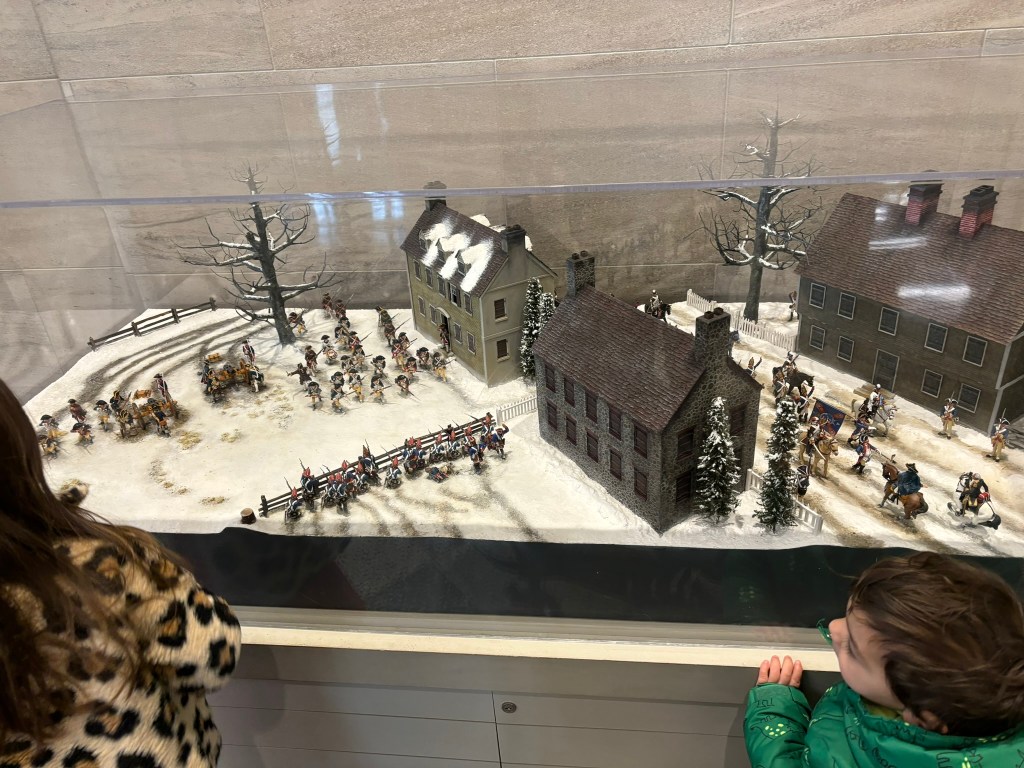
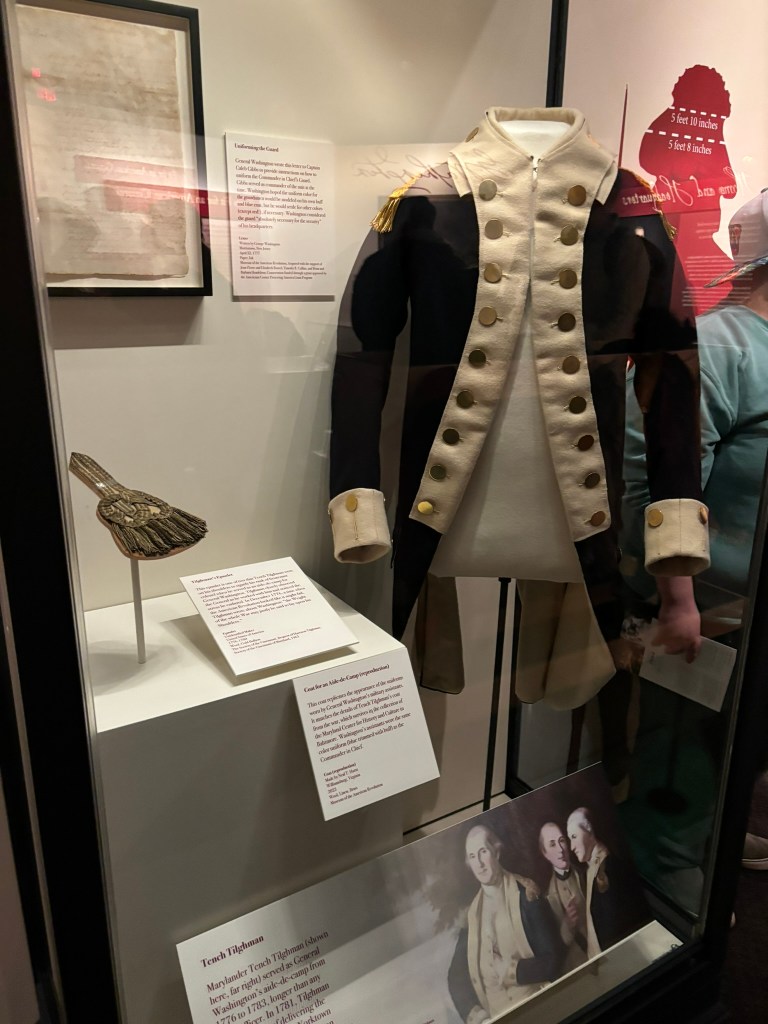
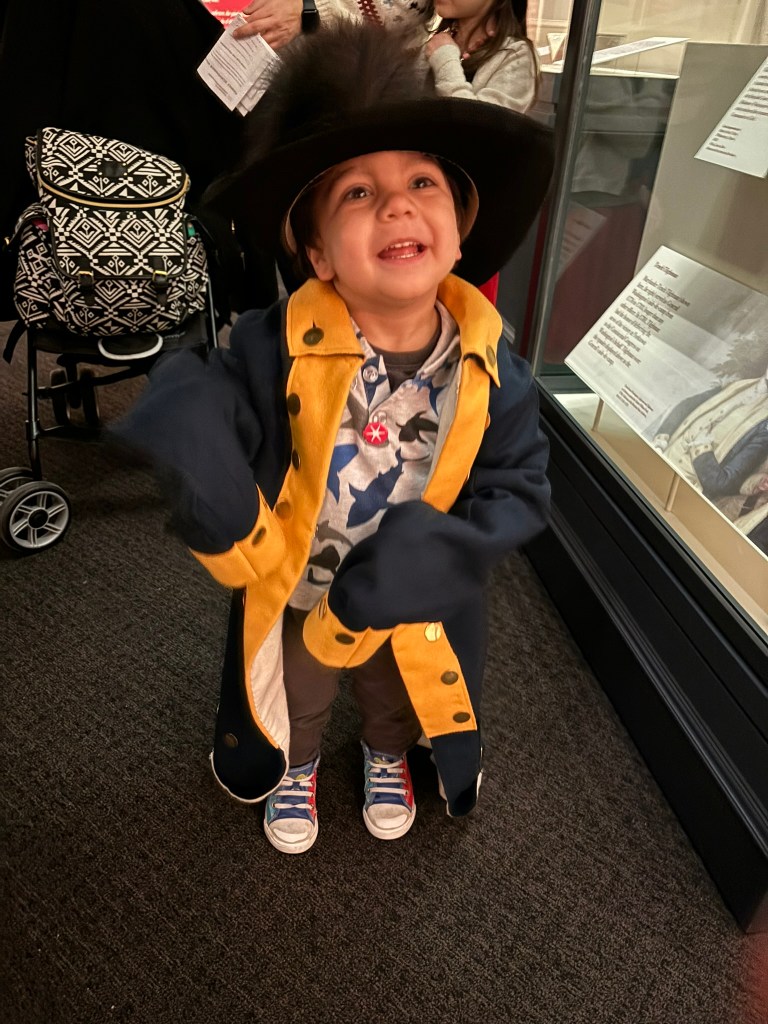
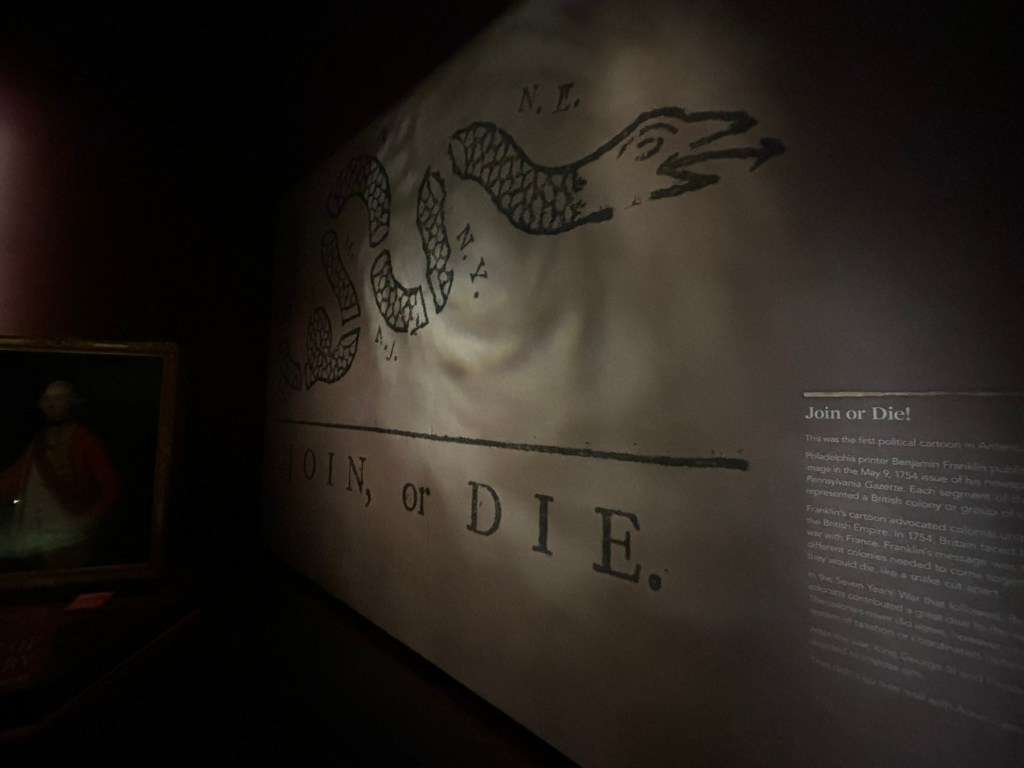
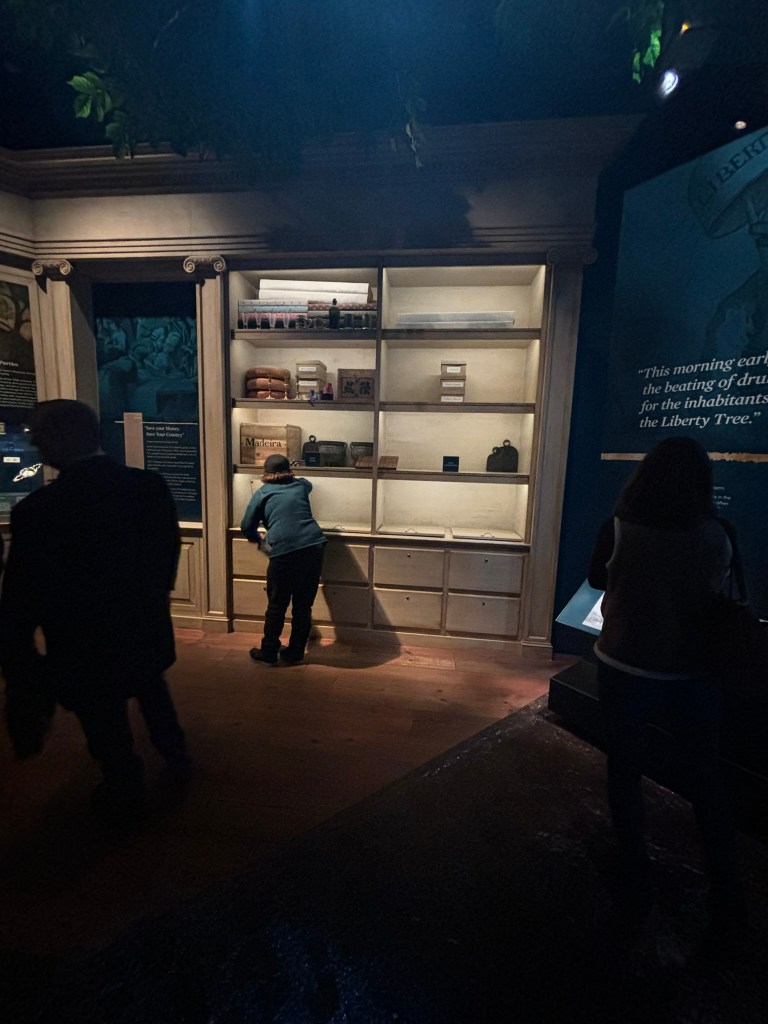
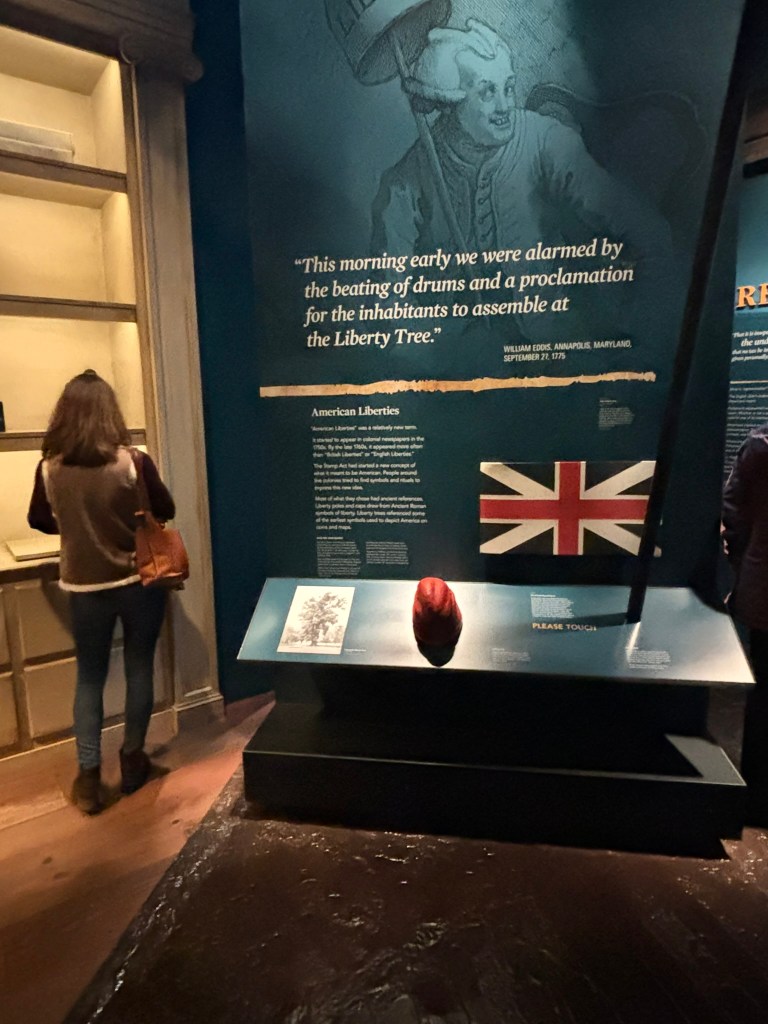
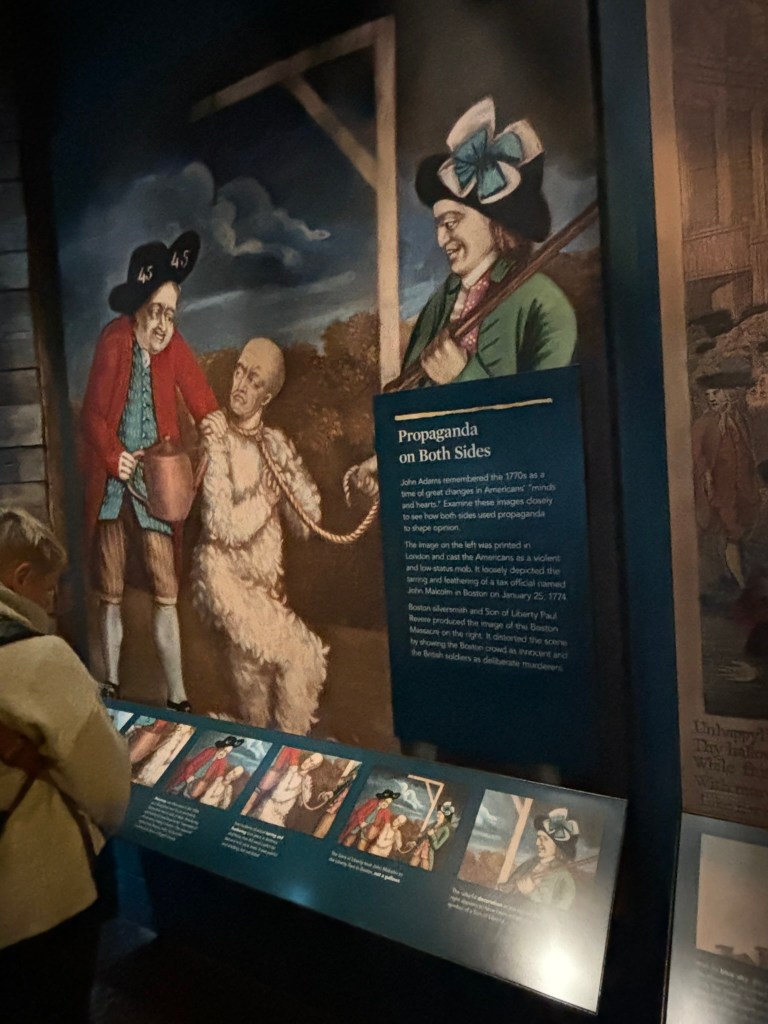
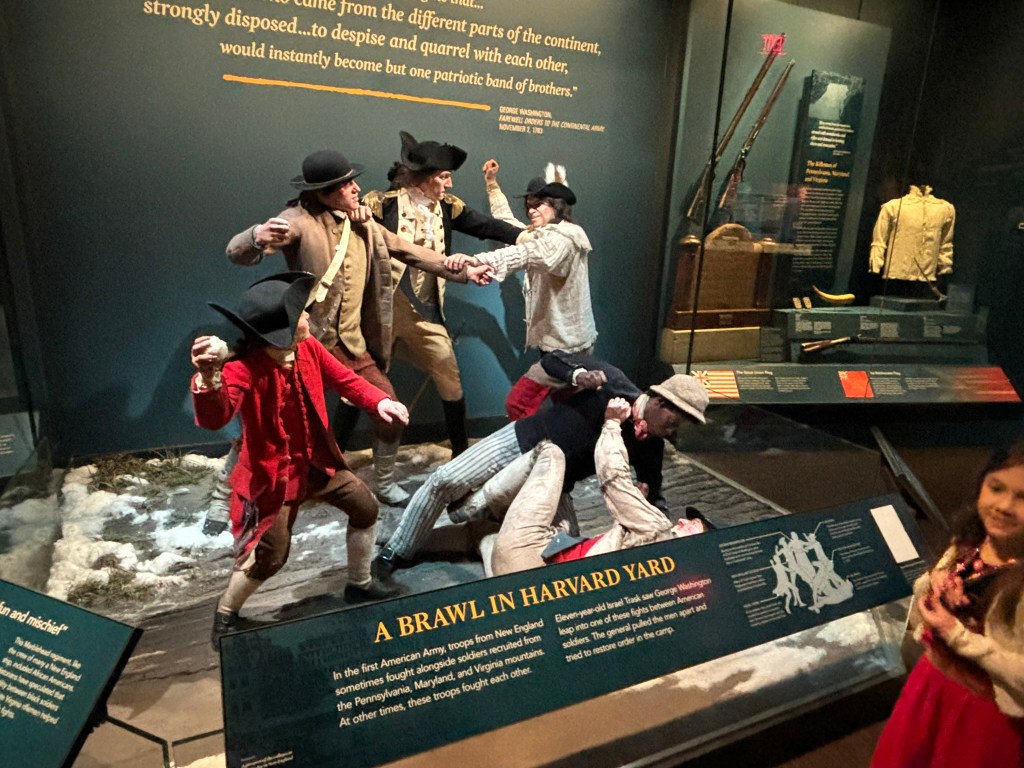
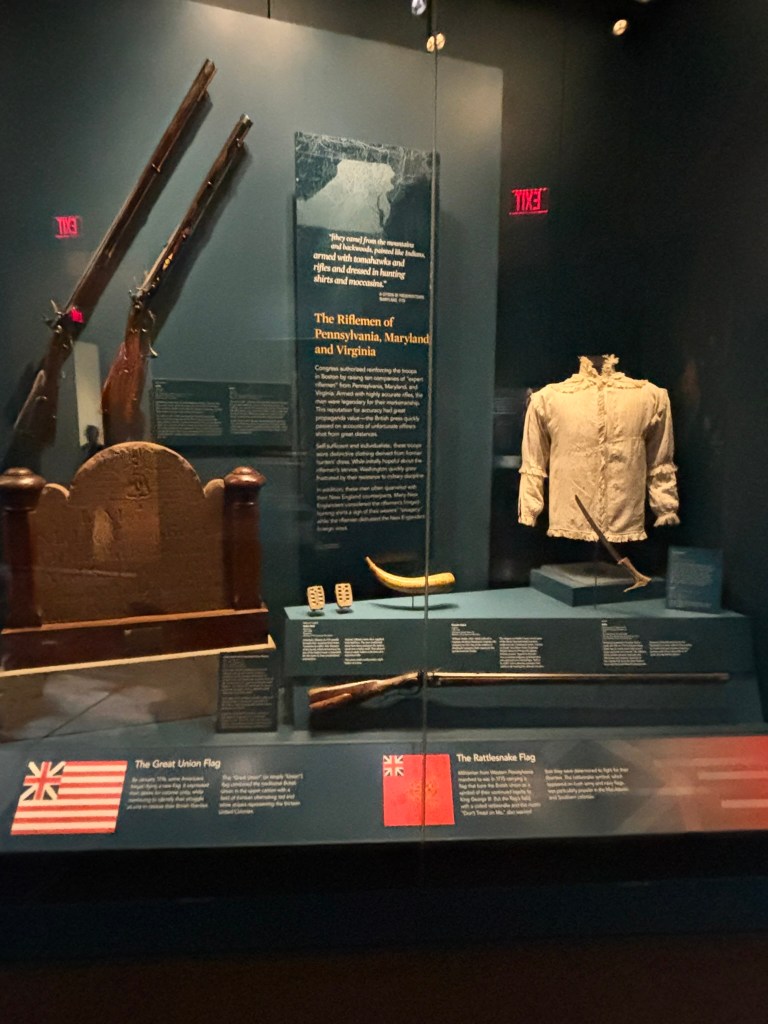
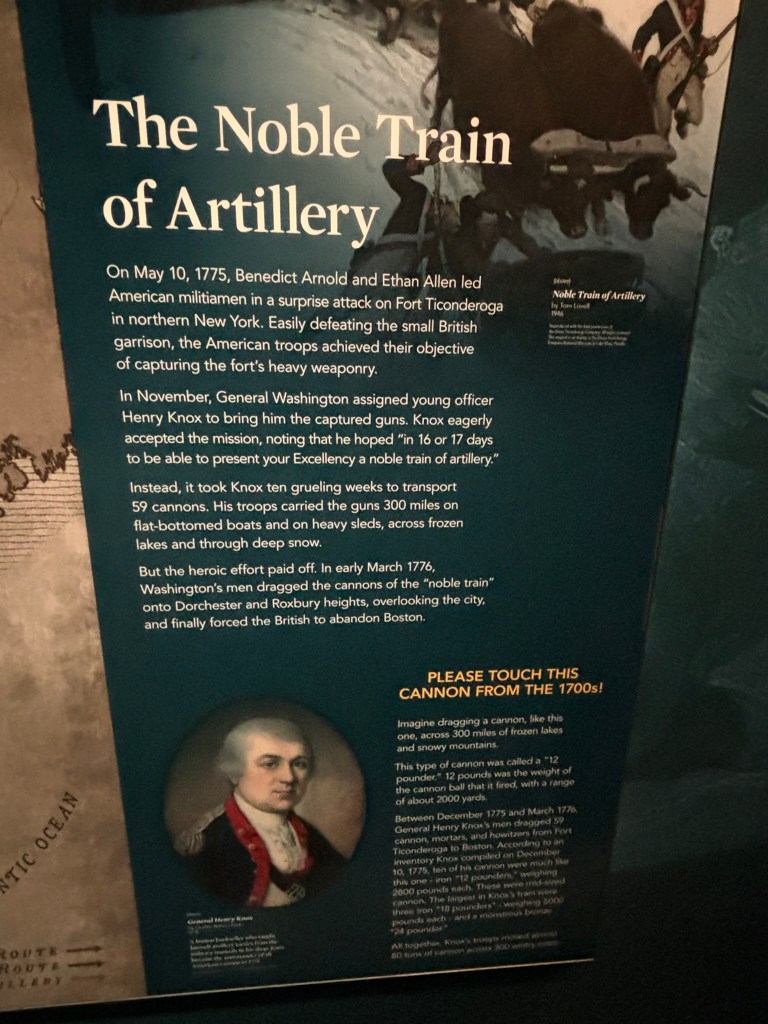
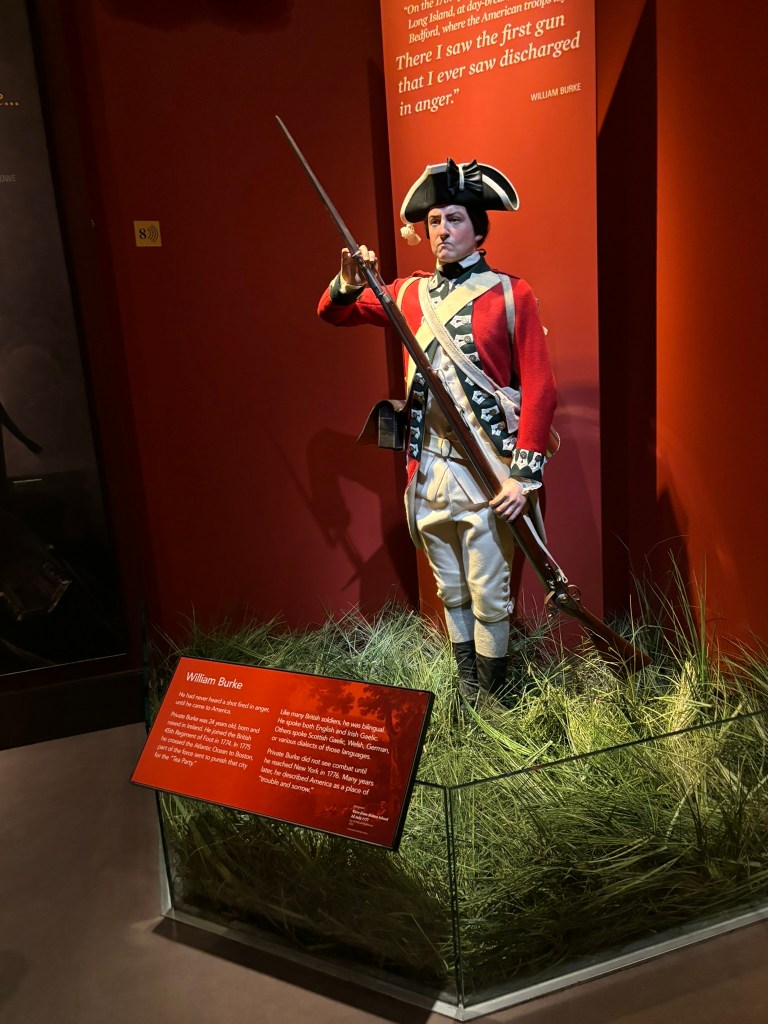
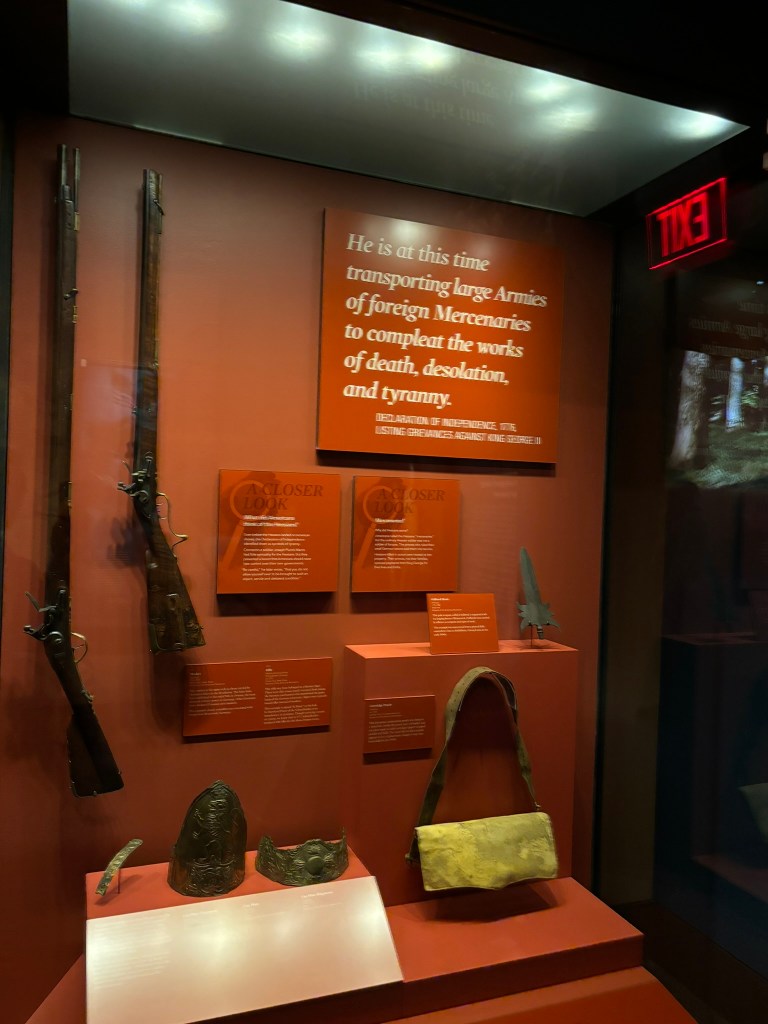
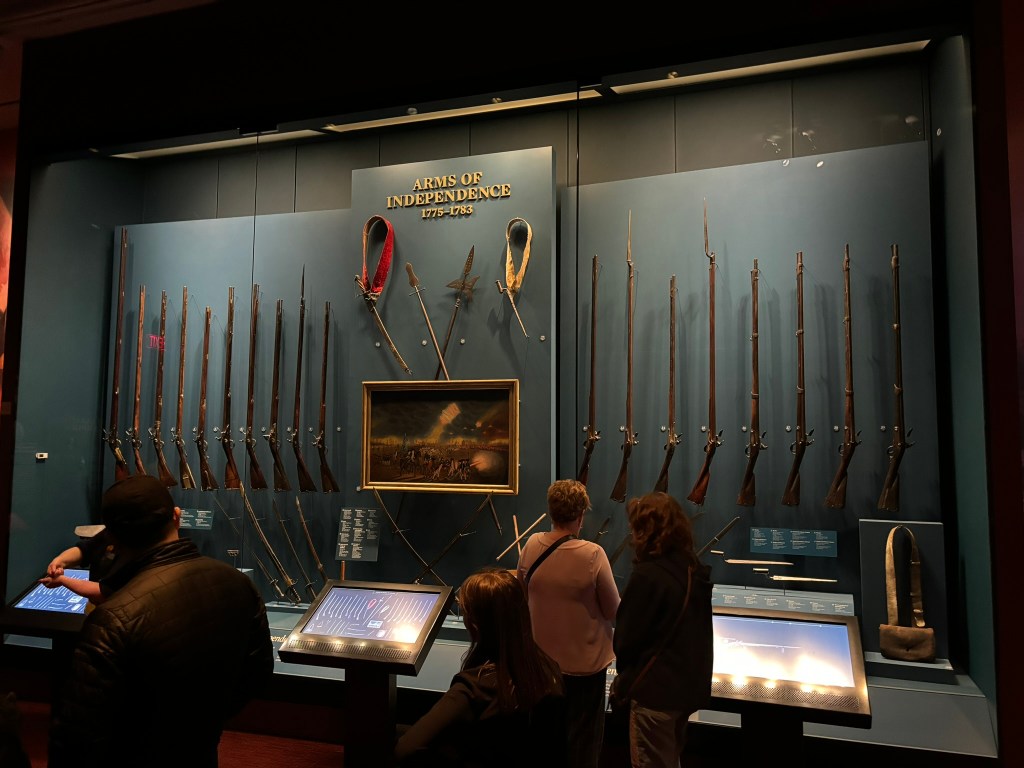
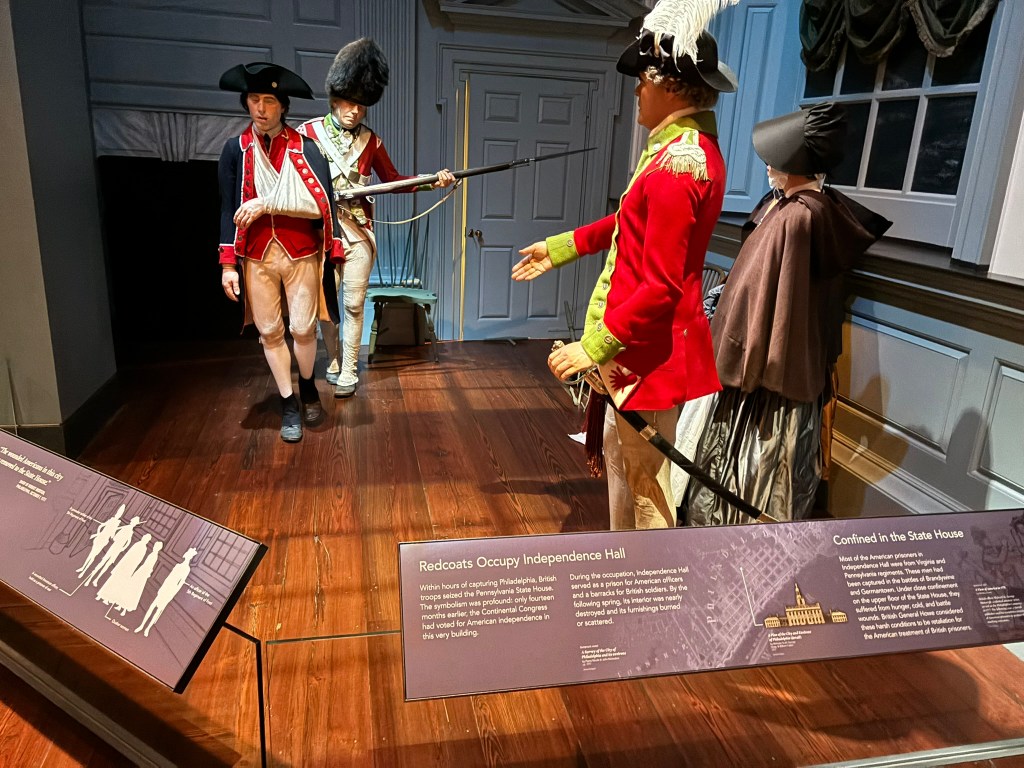
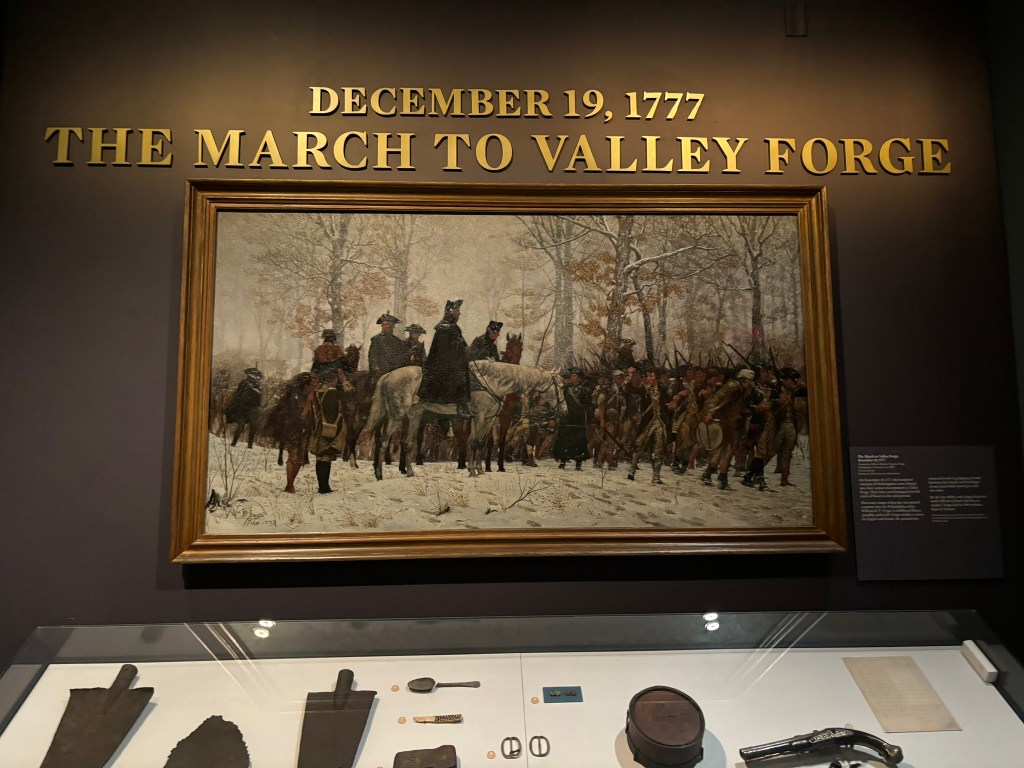
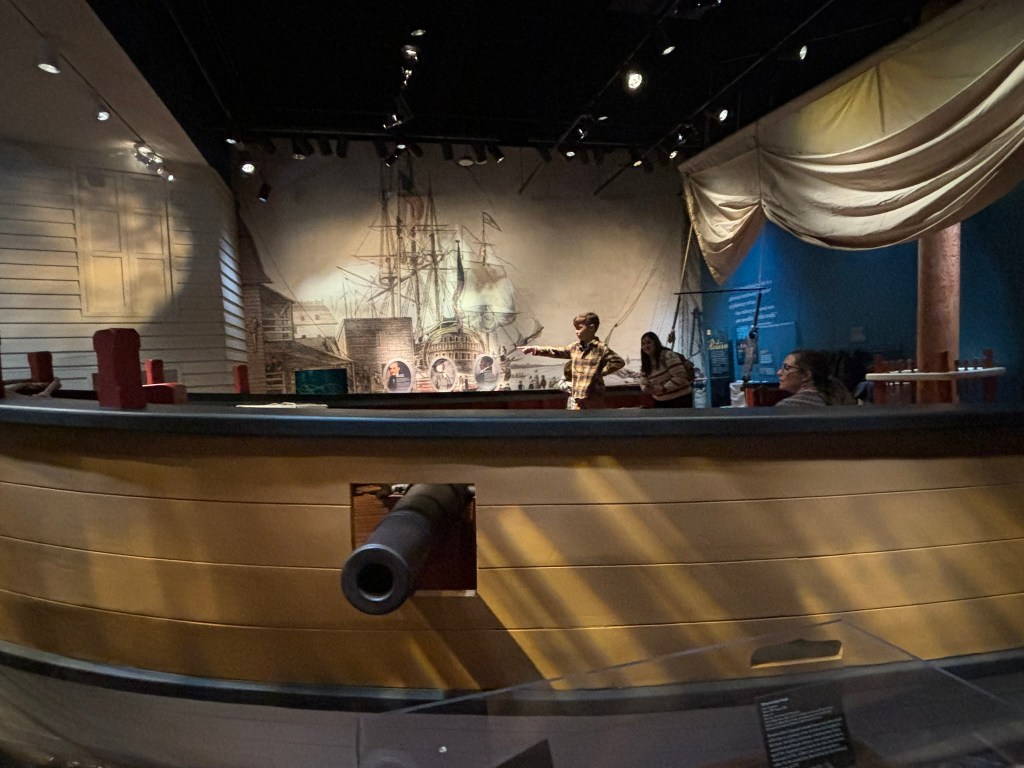
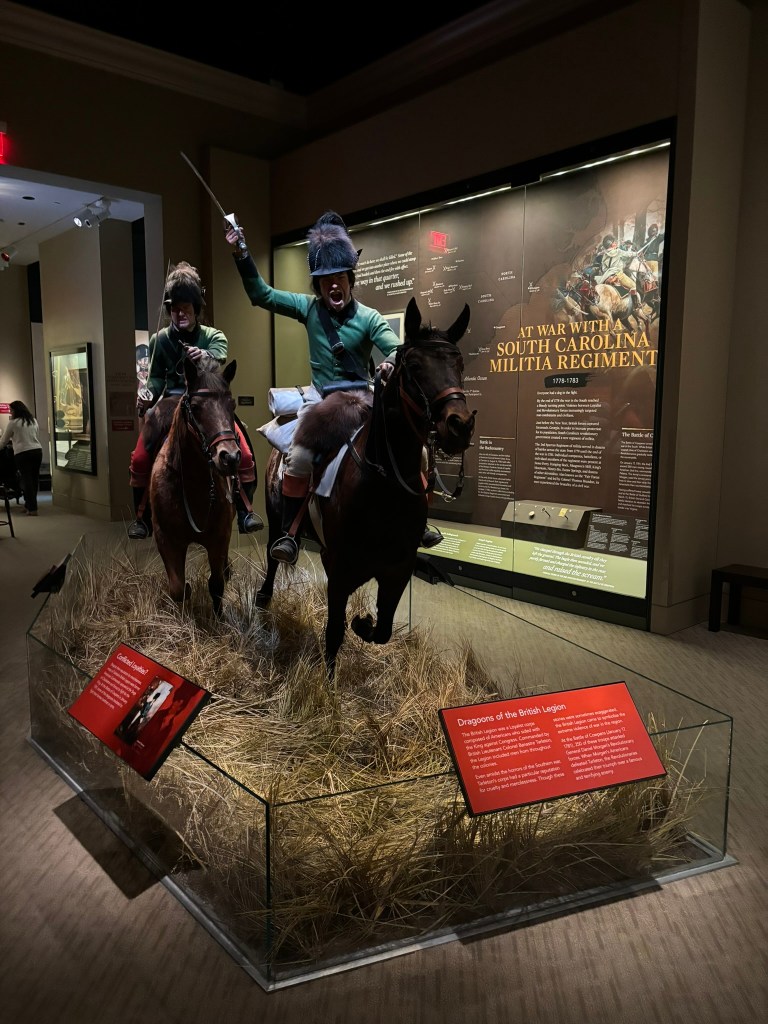
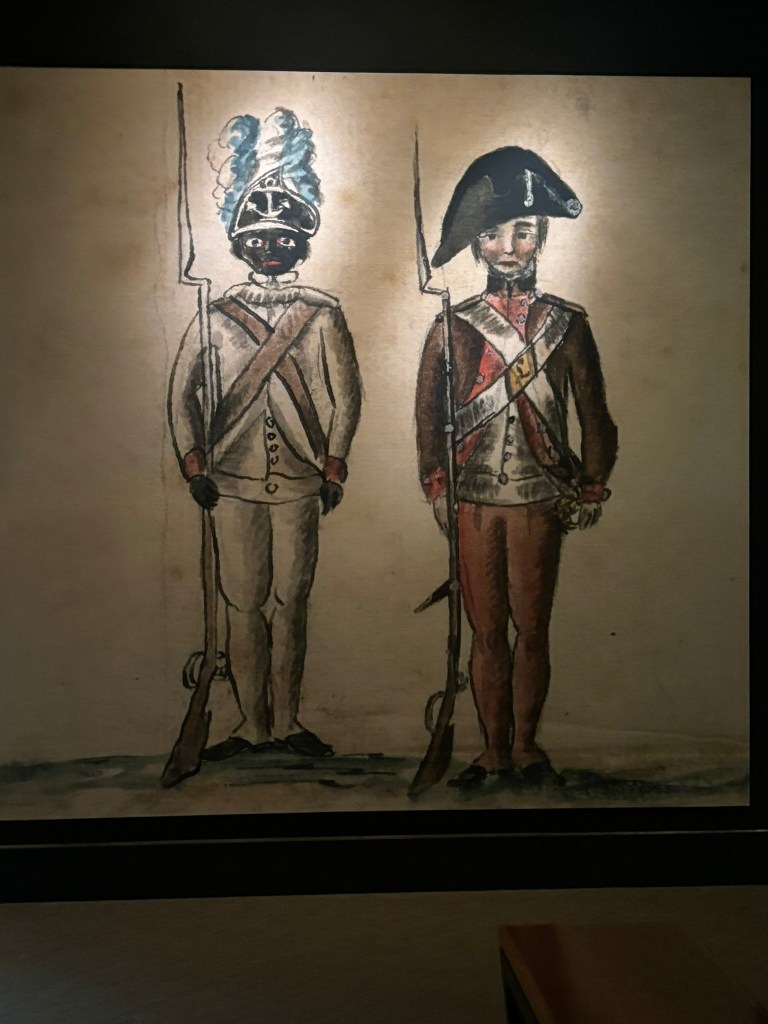
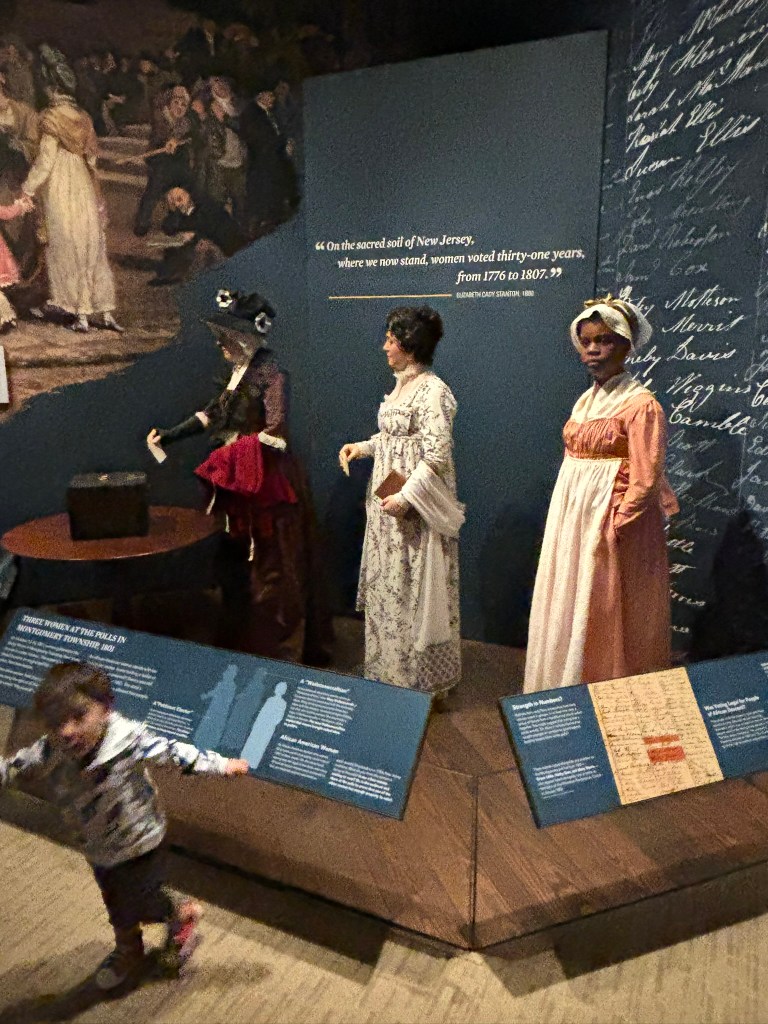
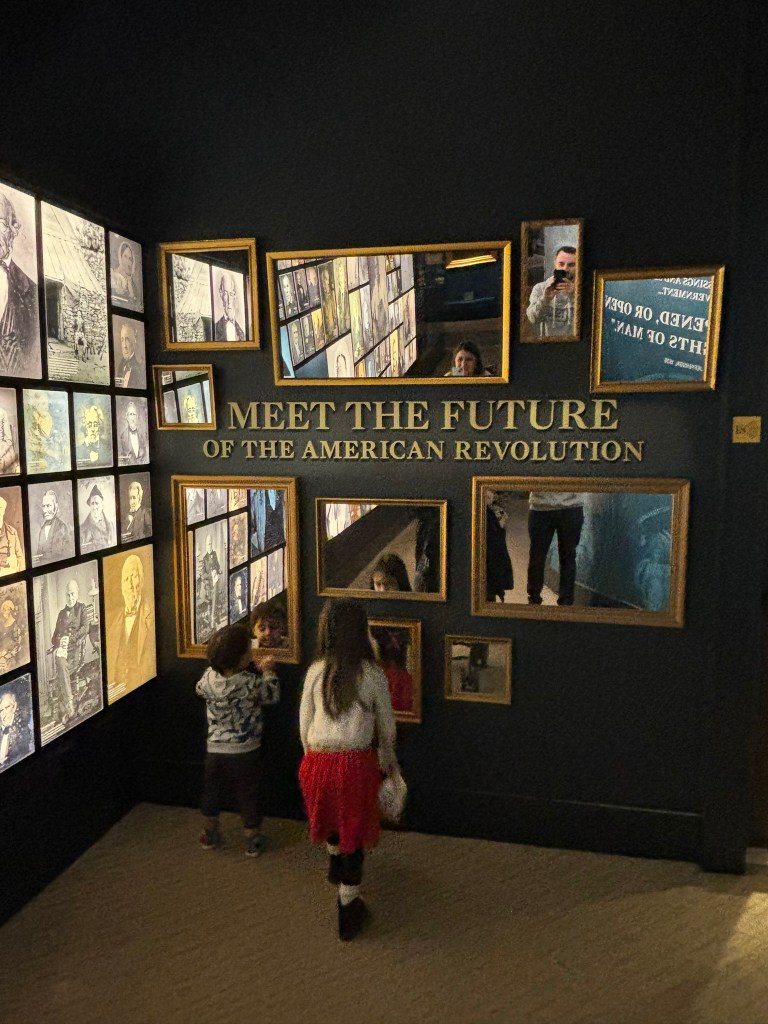
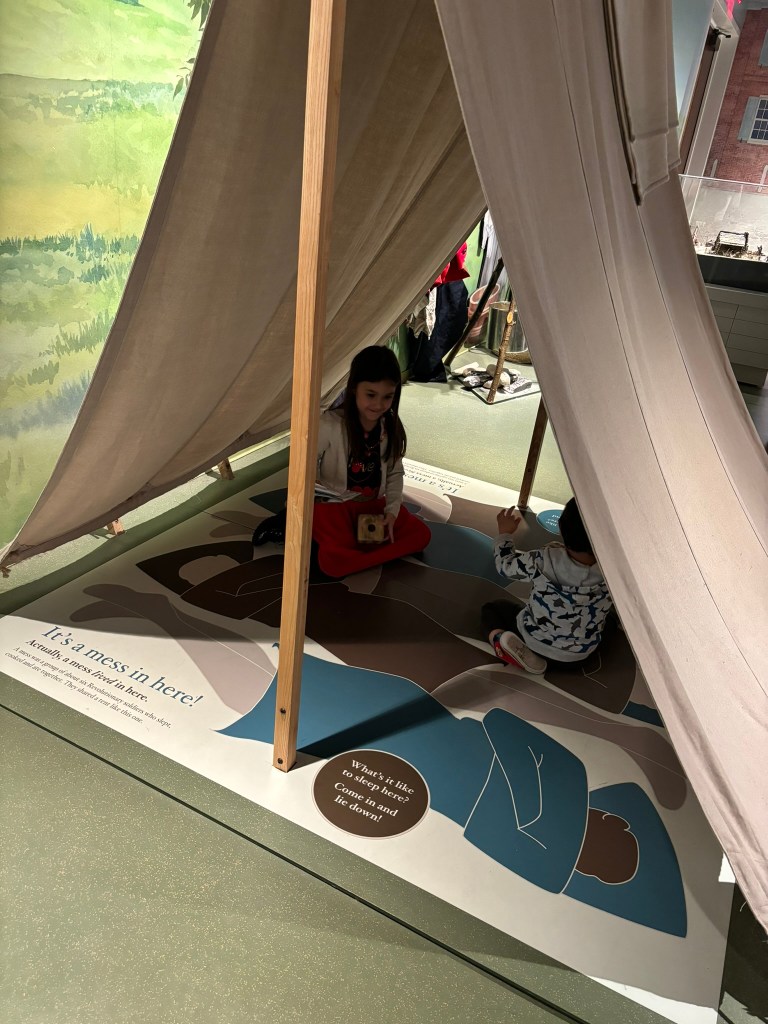
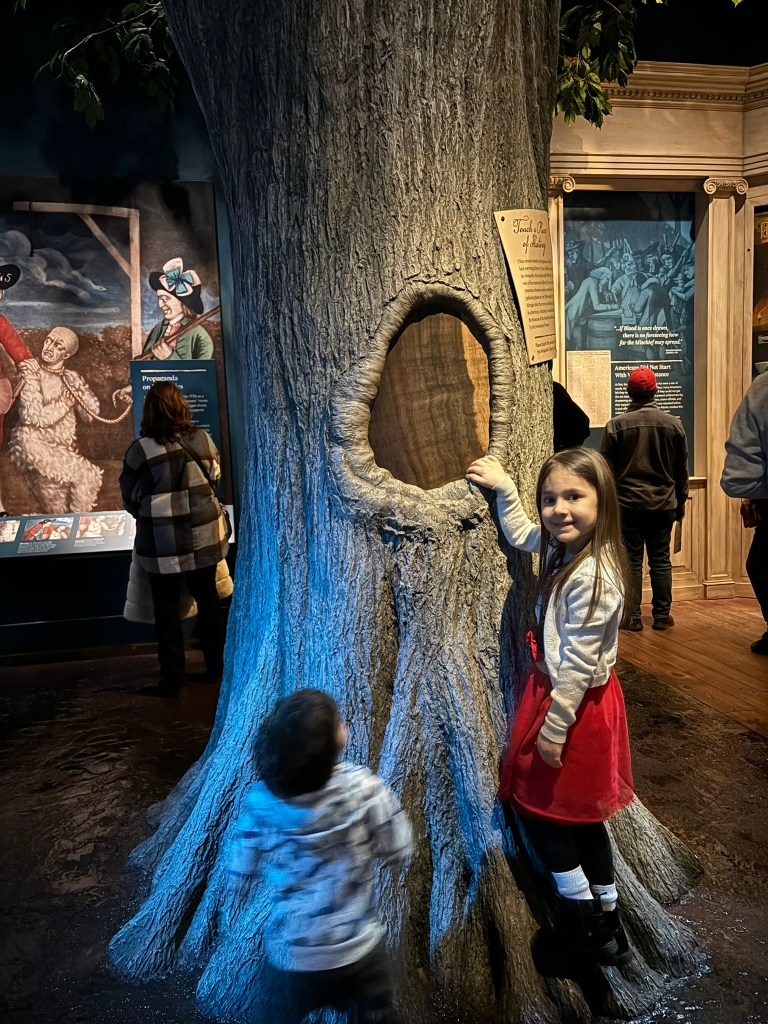
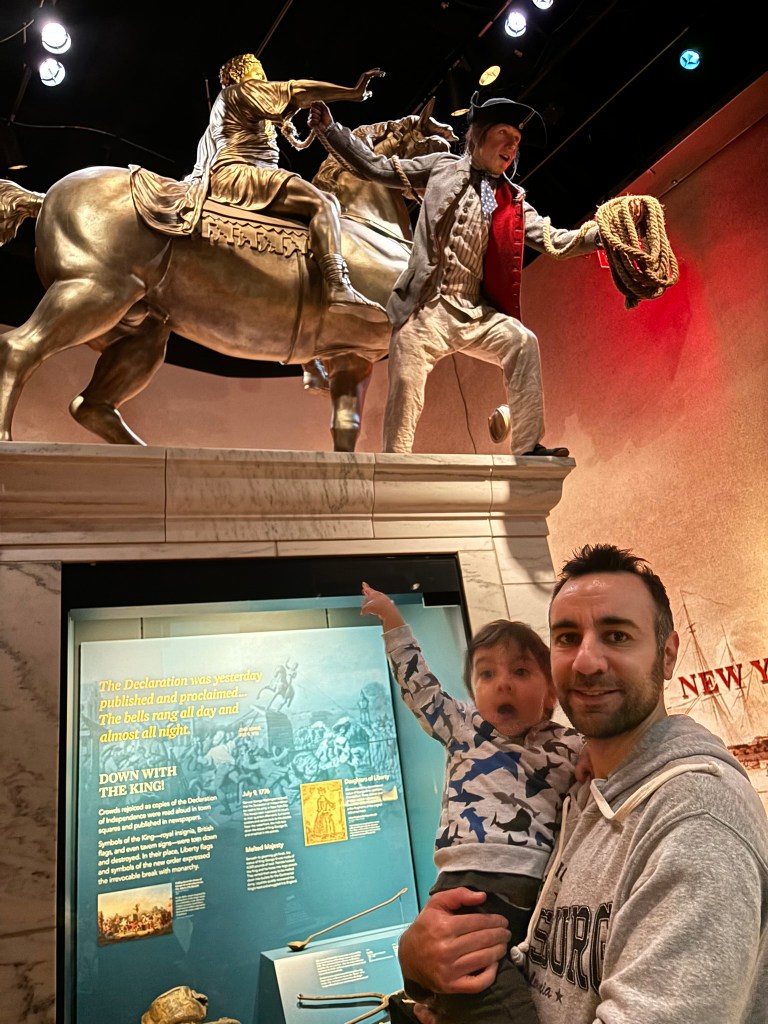
After we saw the tent and explored the special exhibit about the history of the tent, we journeyed through the rest of the museum. The main exhibit immerses you in the events of the Revolution, from the French and Indian war, the British taxes, the protests by the colonists, the opening shots at Lexington and Concord, the key events that transpired throughout the war, and the writing of the Constitution. The exhibit teaches through informative plaques, hands-on learning, videos and artifacts. It truly is a remarkable museum that everyone needs to visit. In the basement floor there is also an activity center for kids with hands-on and interactive exhibits. After our time spent at the museum, we head to lunch.
Christ Church Burial Site/ Grave of Ben Franklin
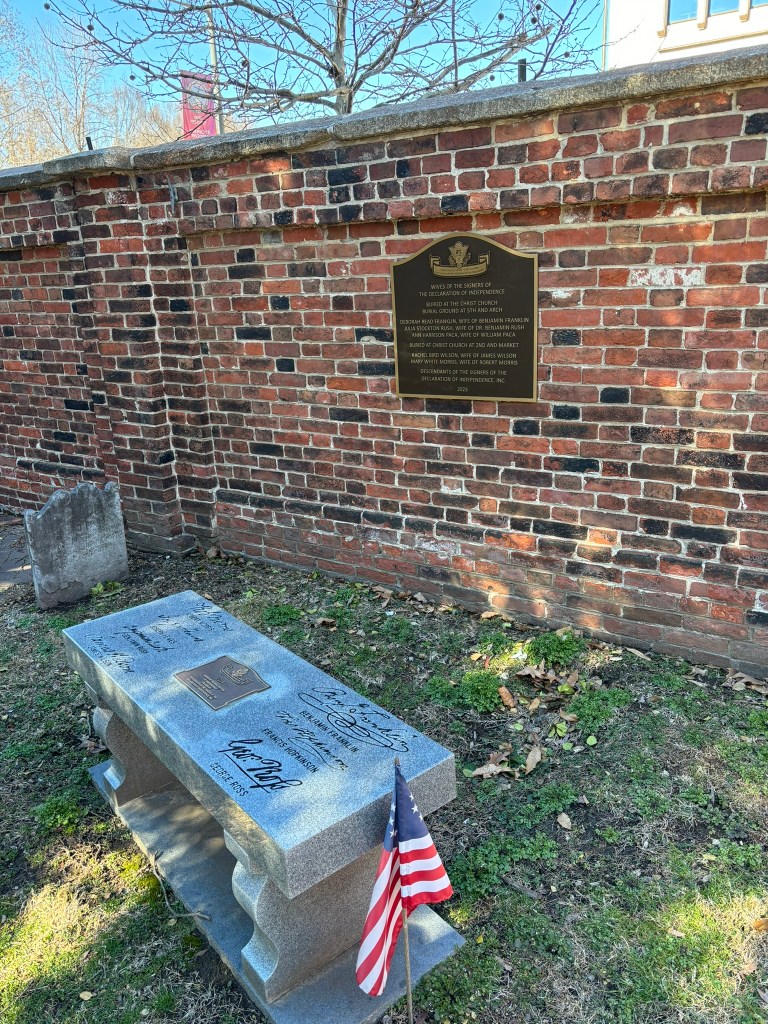
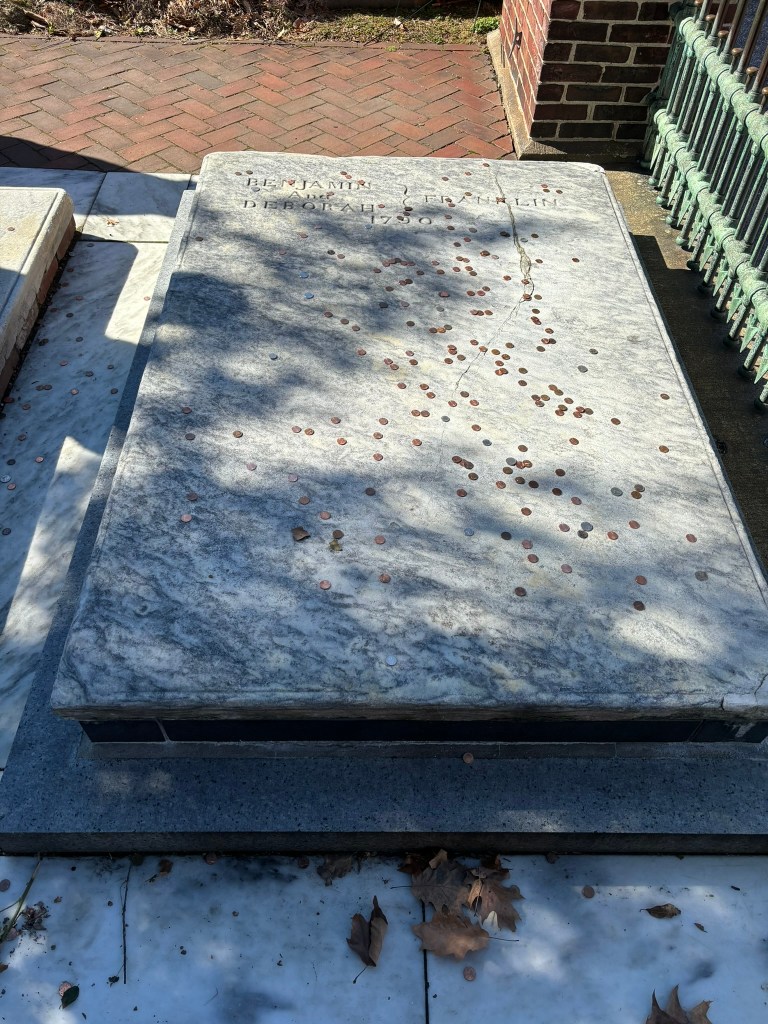
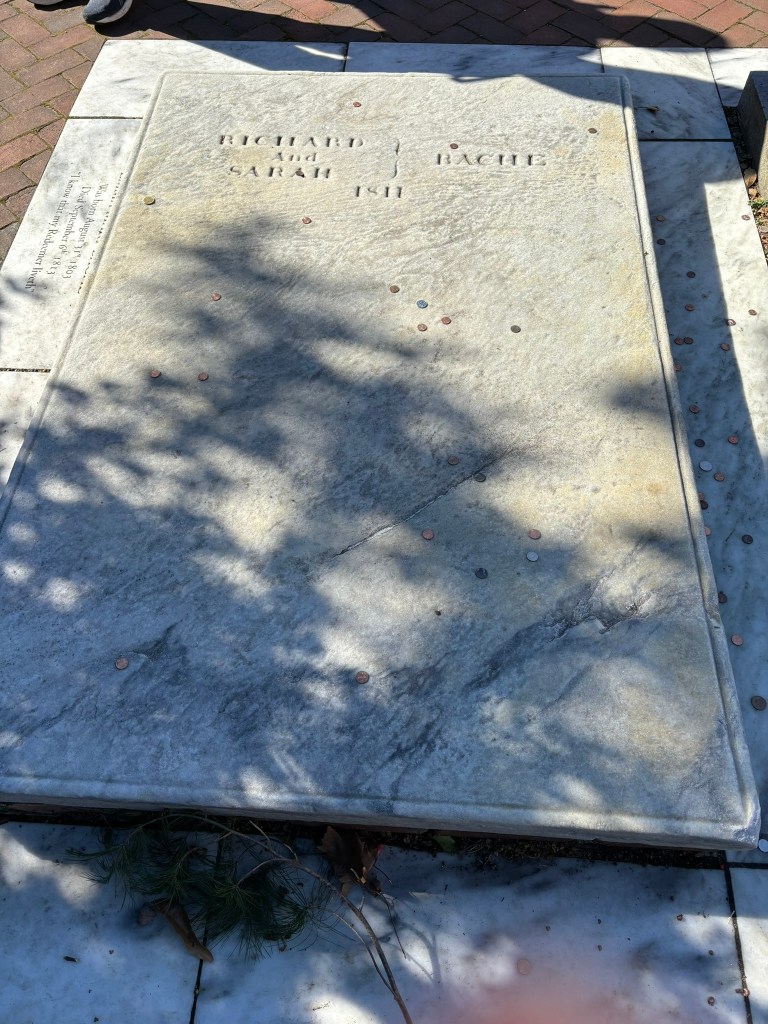
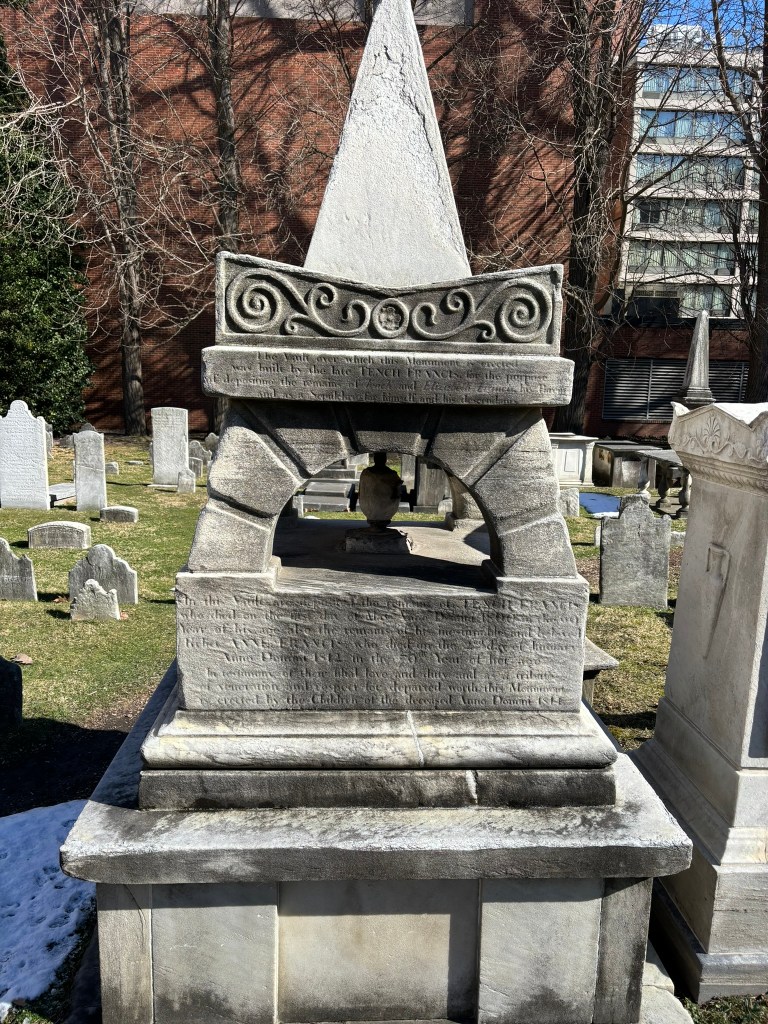
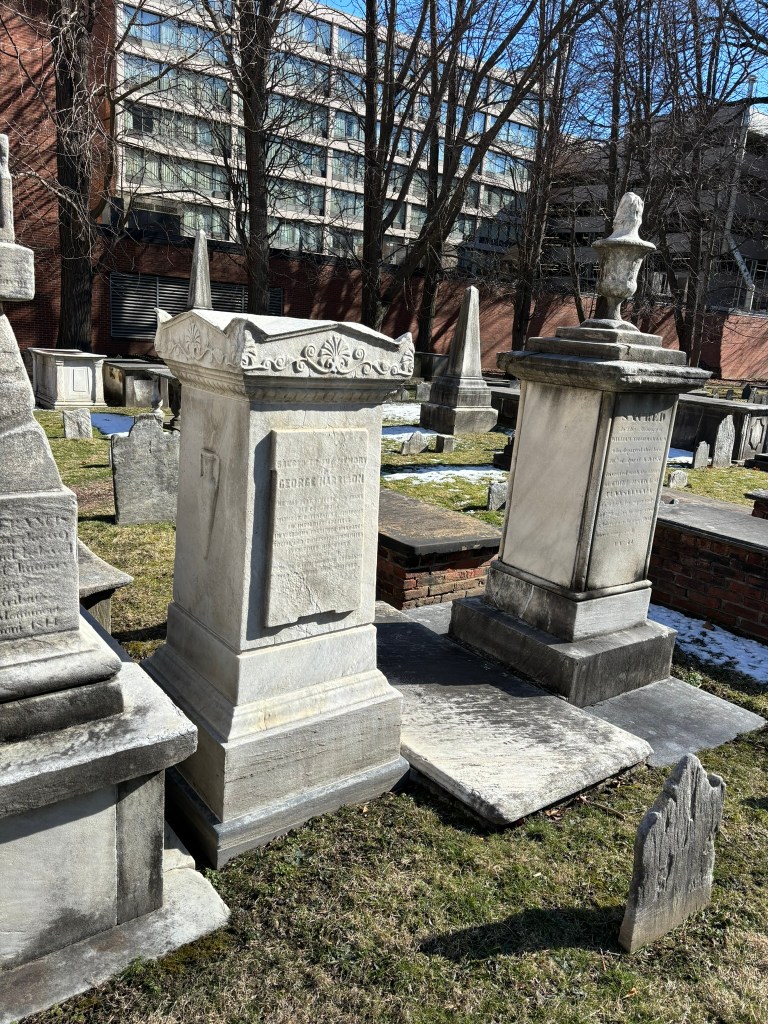
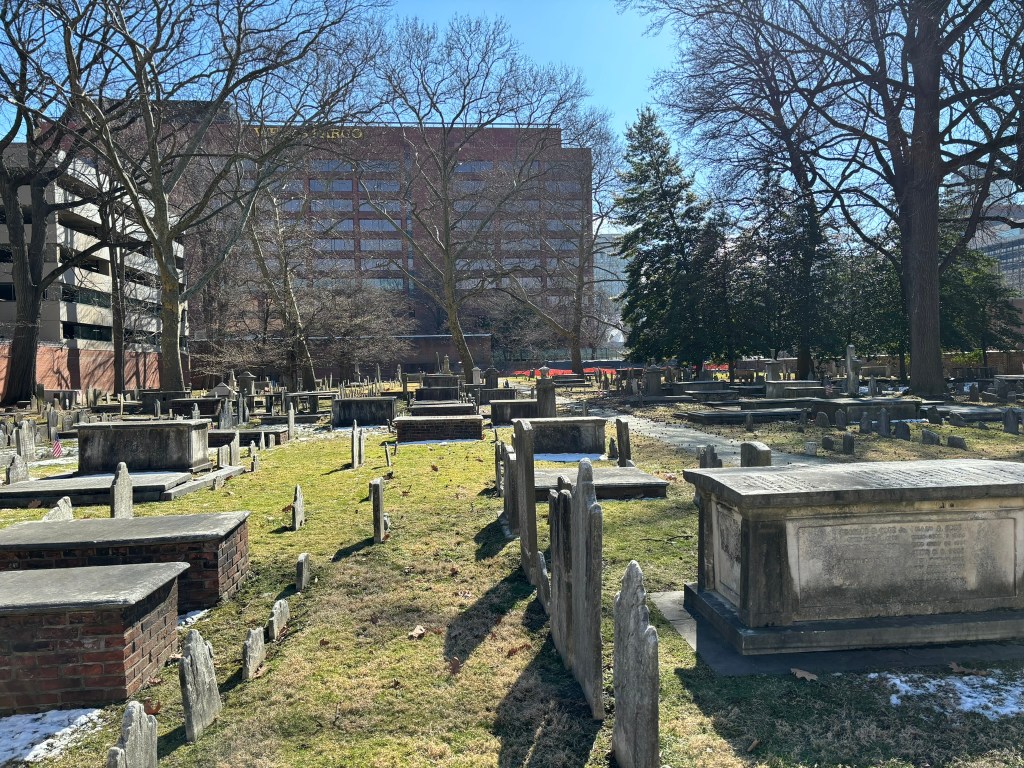
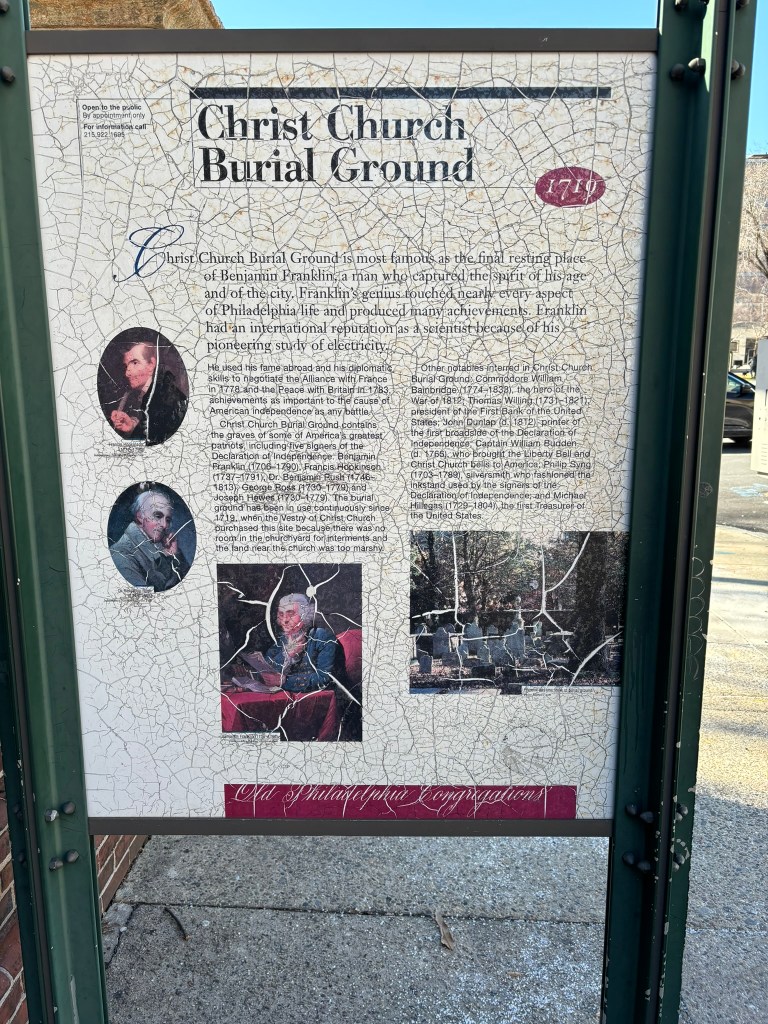
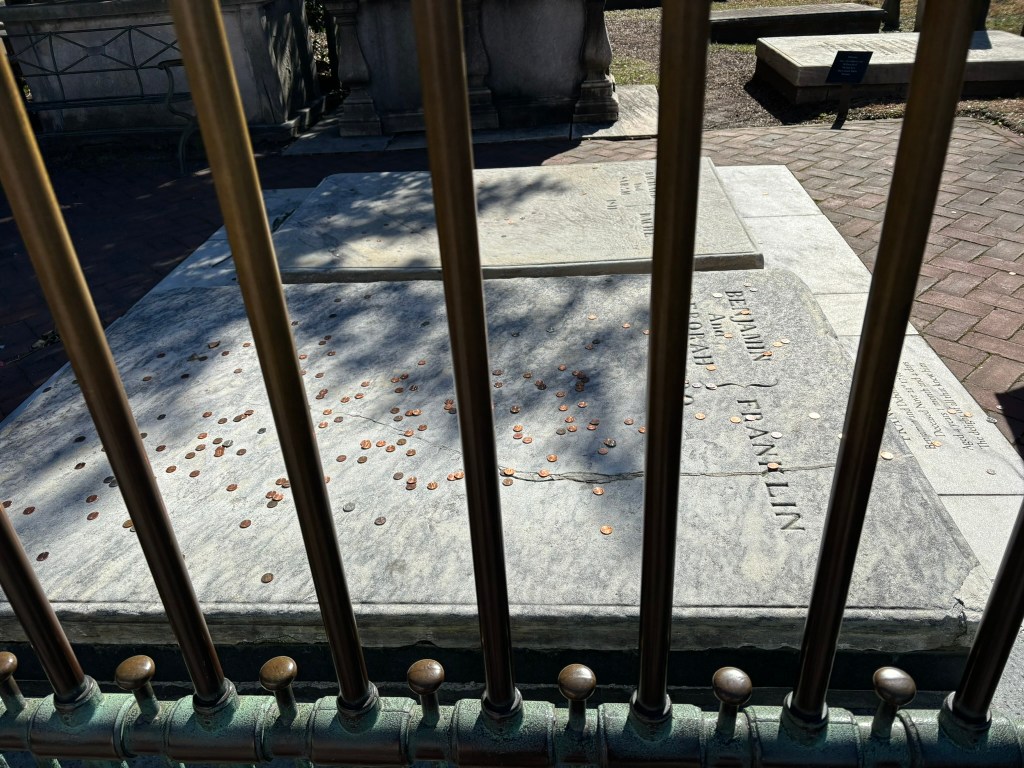
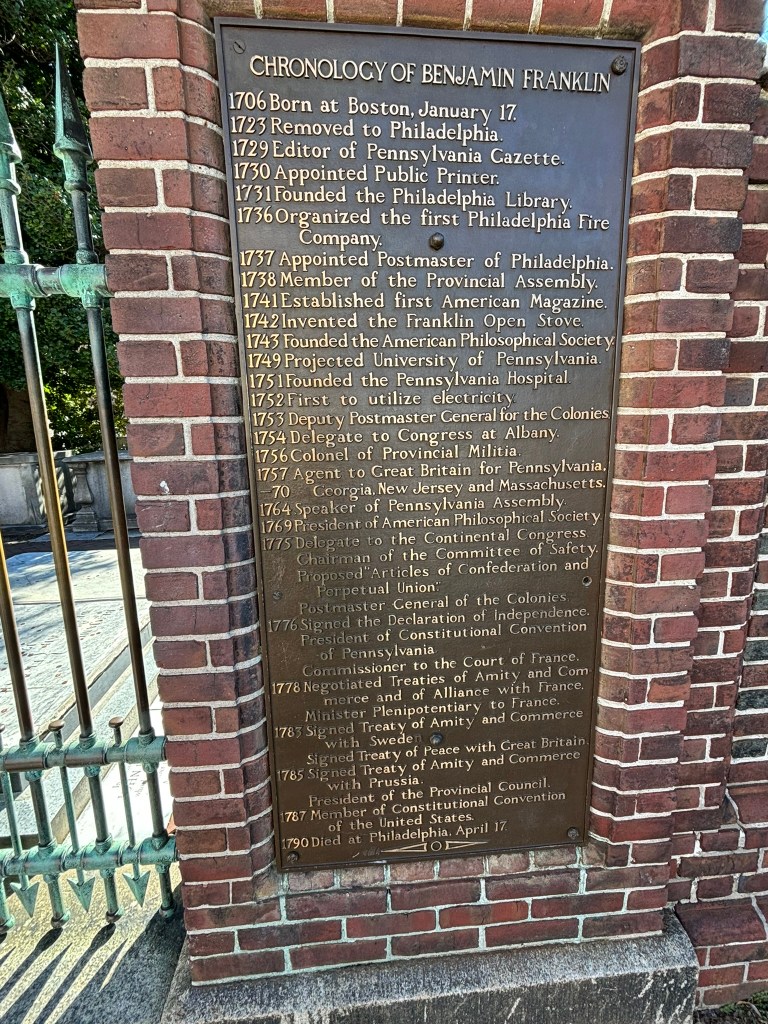
Our next historical stop was the National Constitution Center, but we first walked past Christ Church Burial Site and visited the grave of Benjamin Franklin. The graveyard also serves as a final resting place for many other individuals associated with the Revolution.
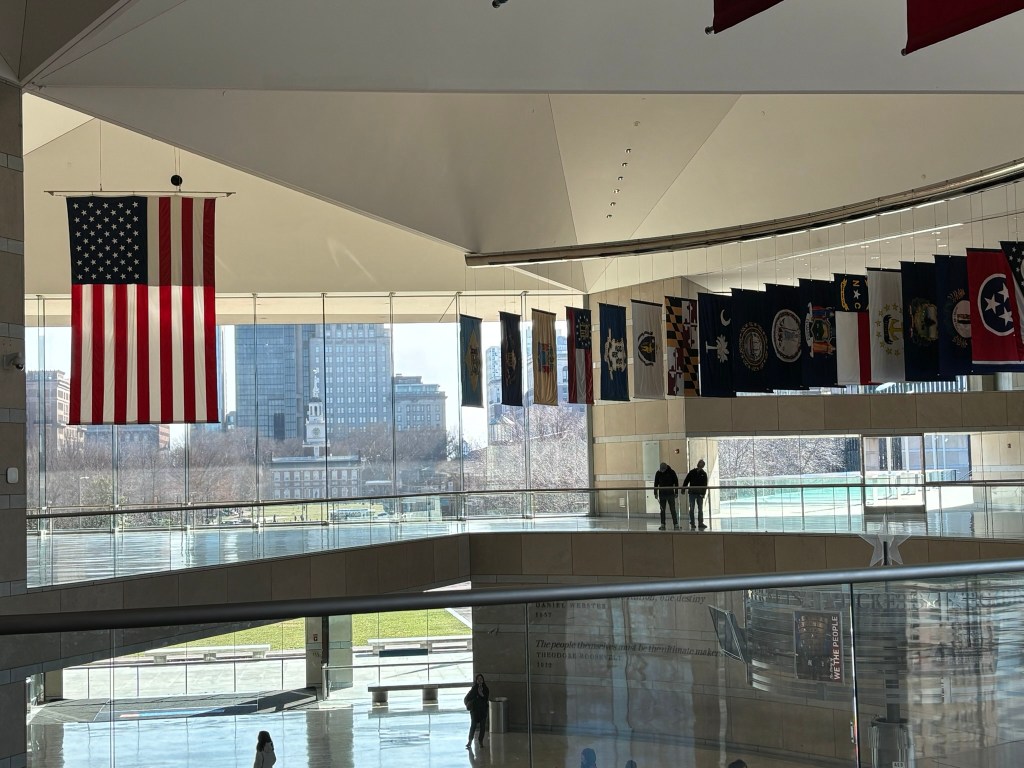
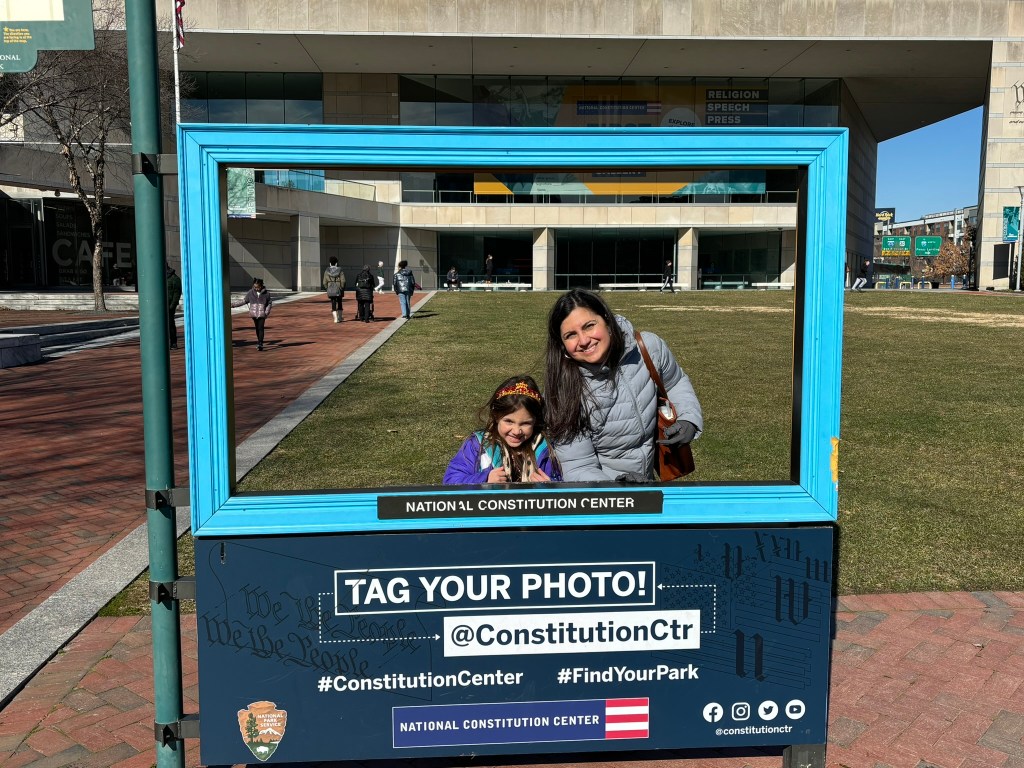
The National Constitution Center
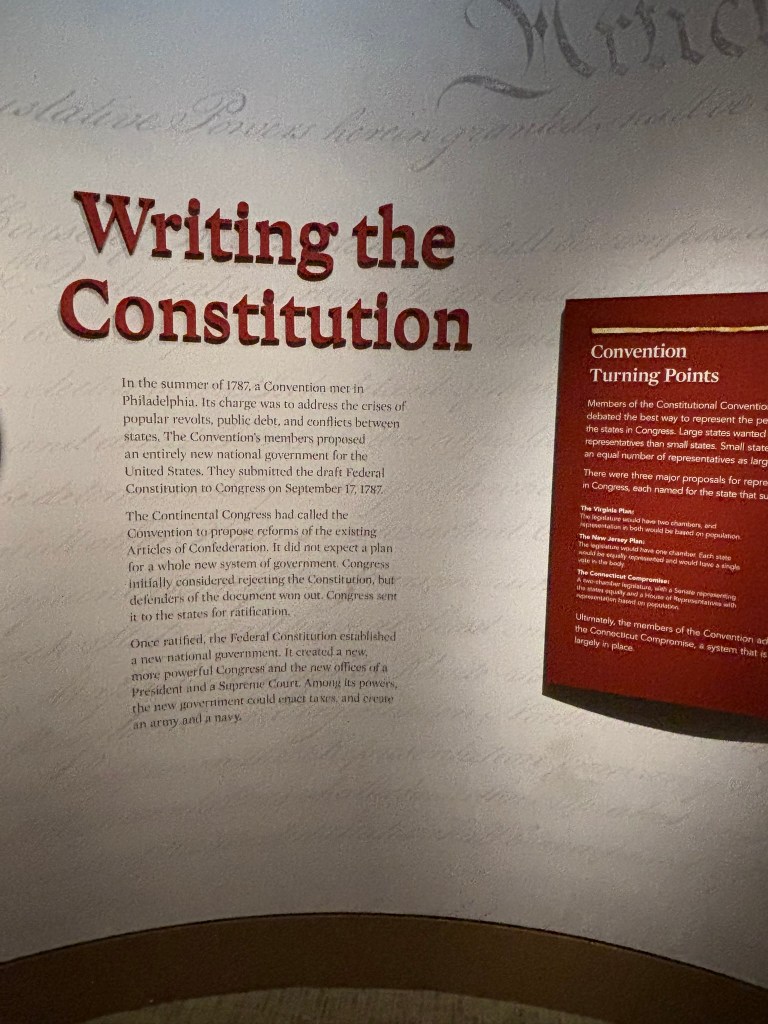
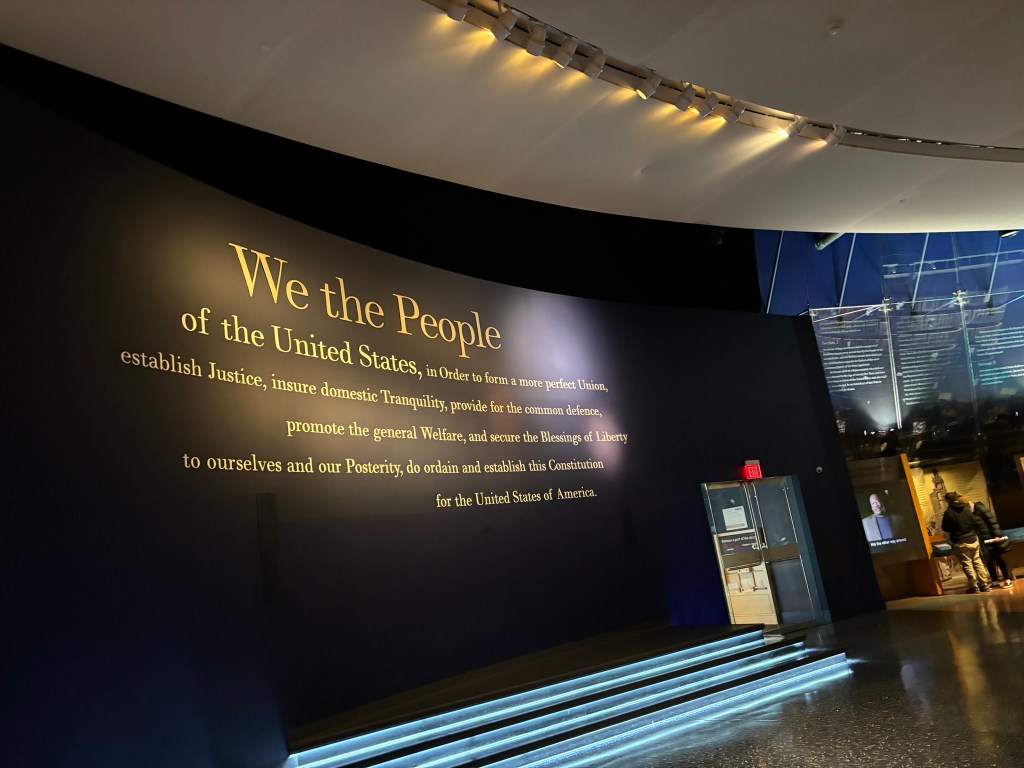
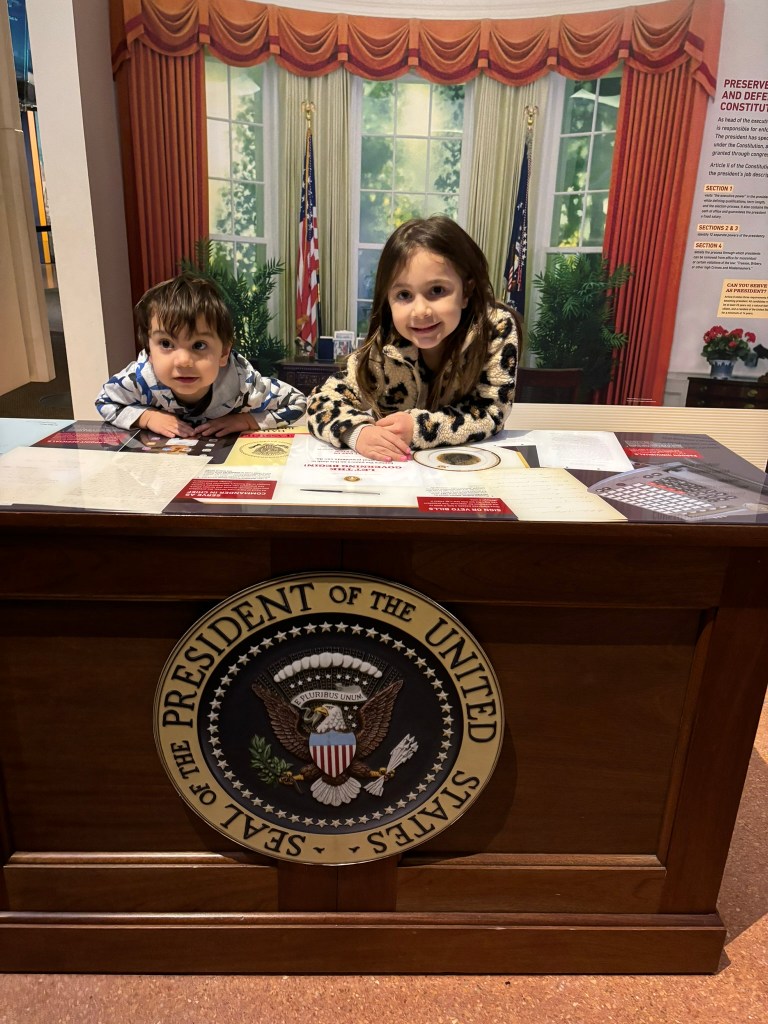
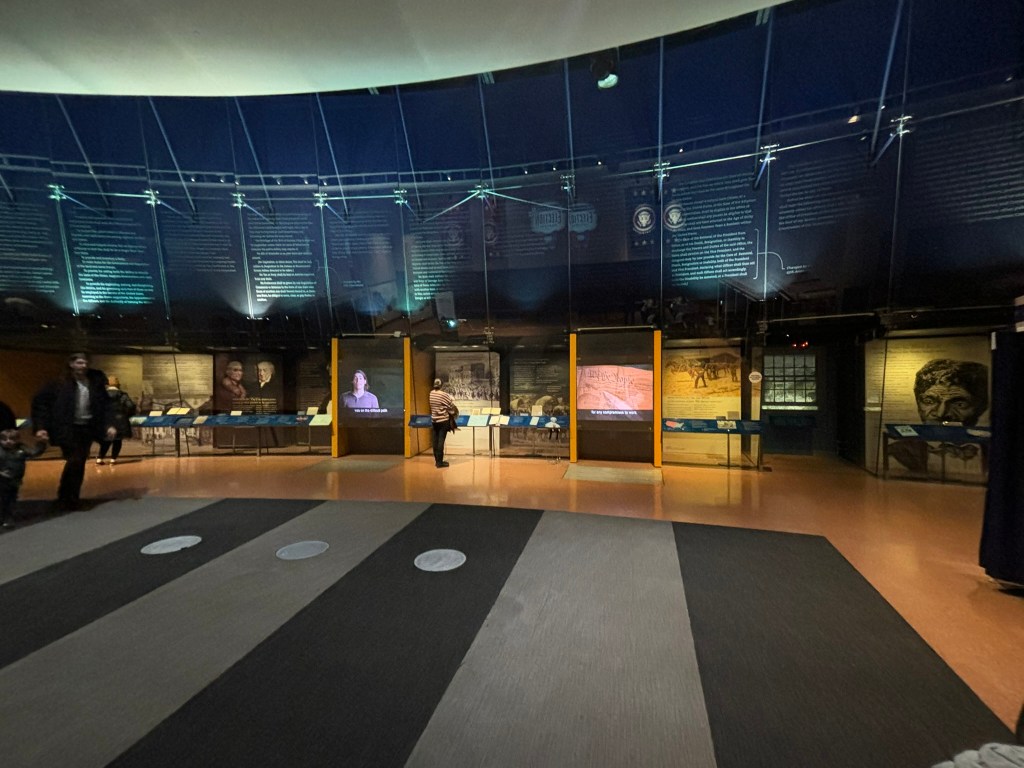
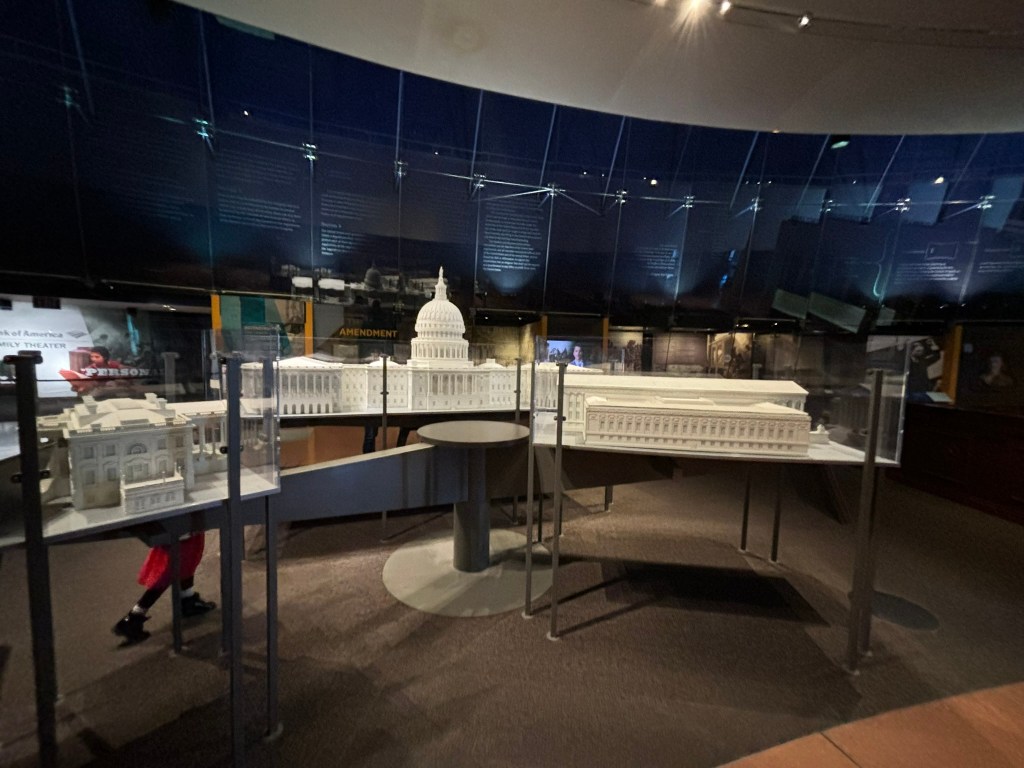
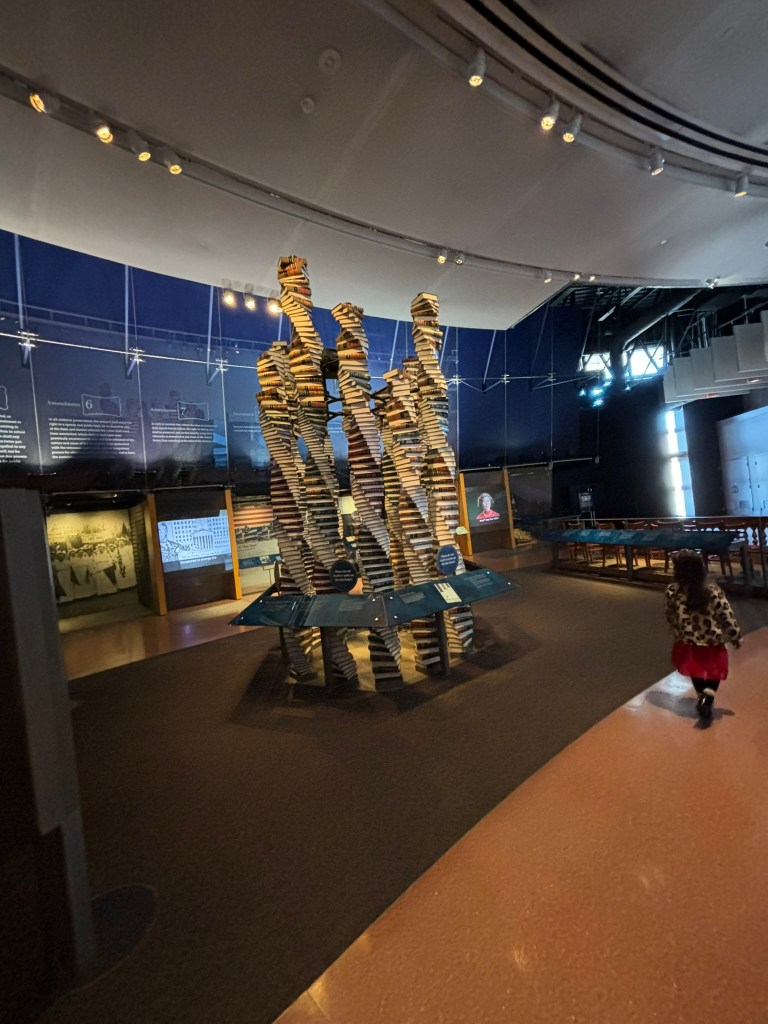
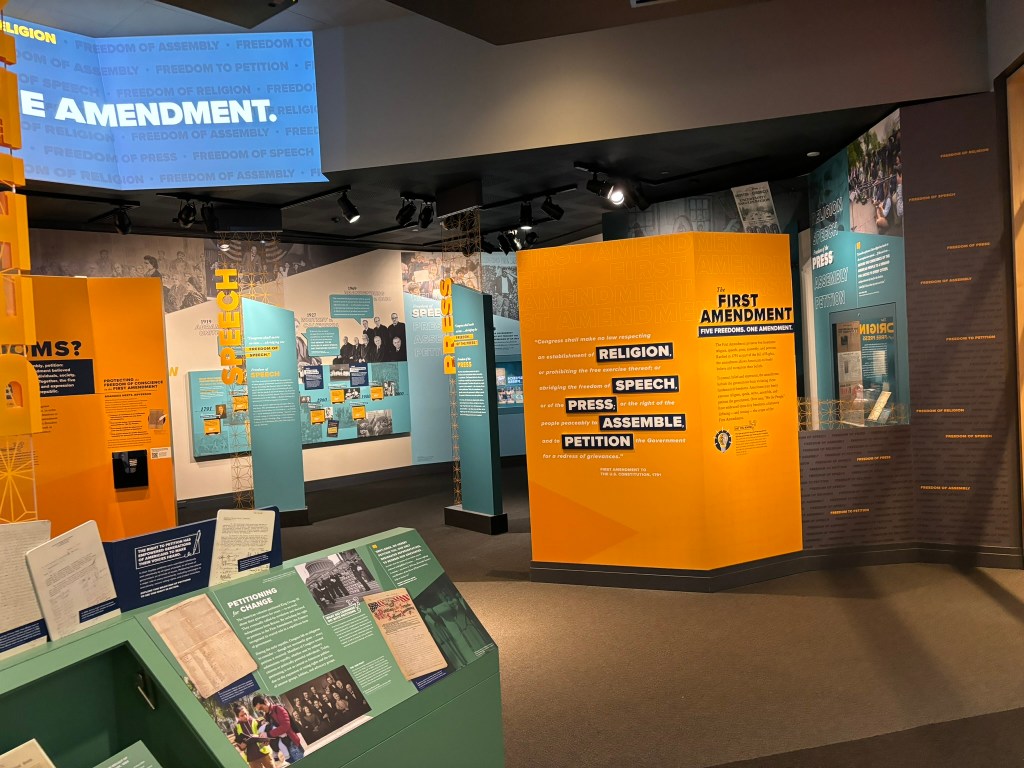
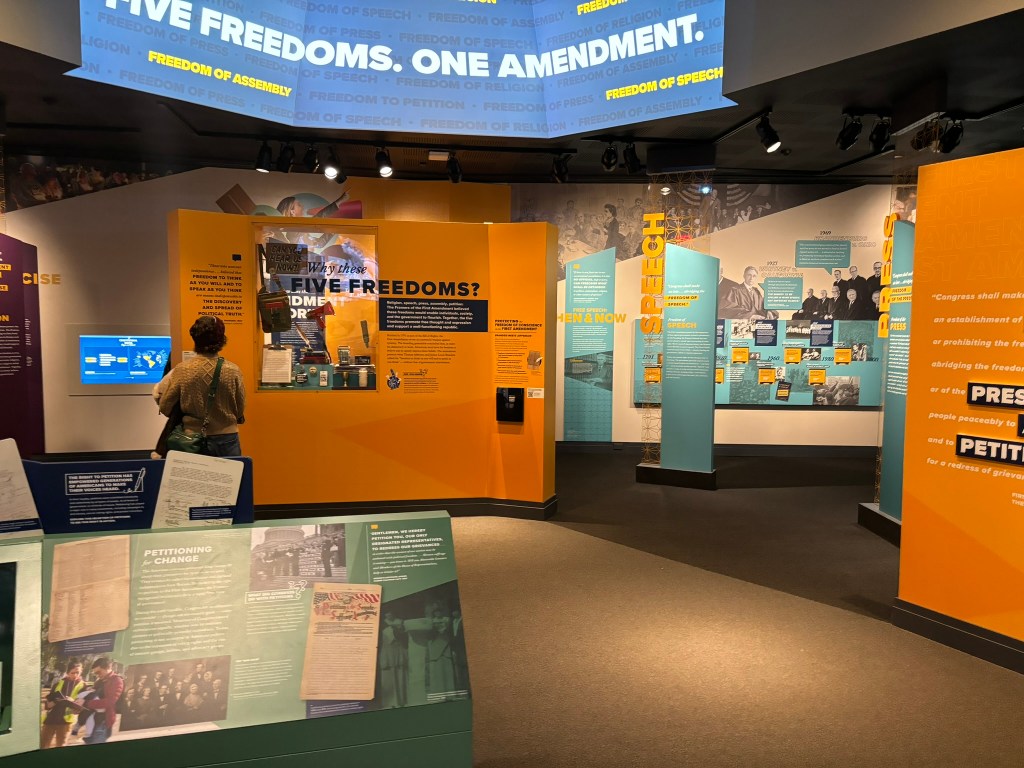
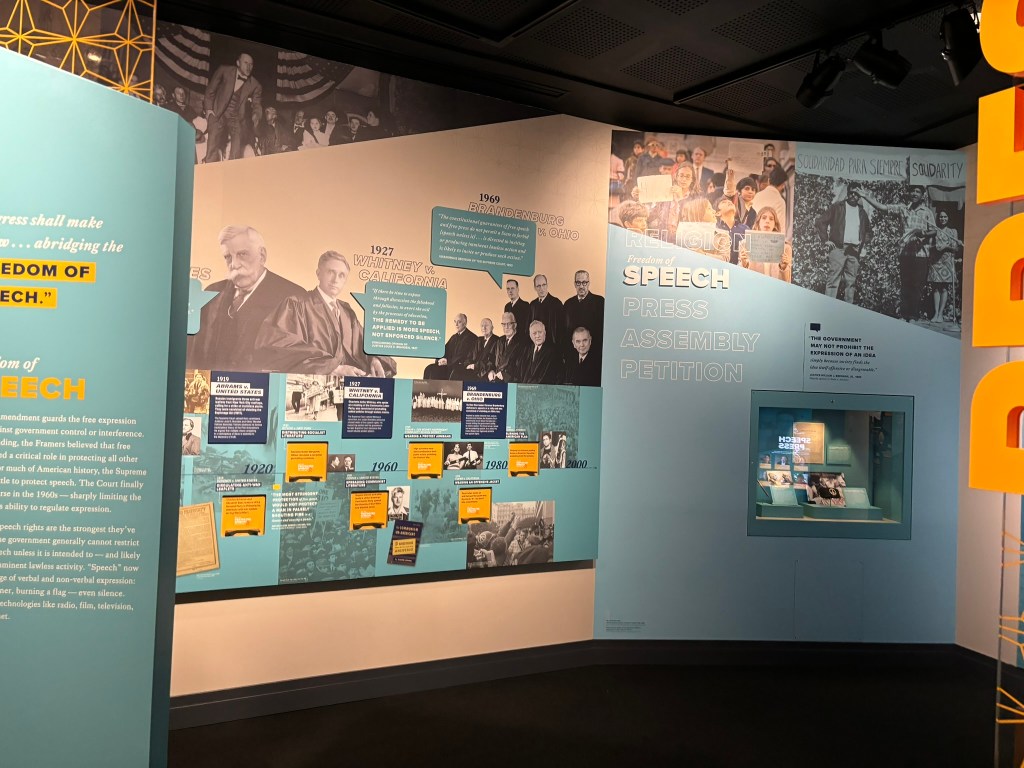
Our visit to the Constitution Center was also a first time visit. We first went to the theater and saw a show which was truly inspiring. The show highlighted, through spoken word and video, the great challenges that the founding fathers had to overcome just to get together and create a brand new government in an age of monarchies and absolute power. The show also went into the challenges that the country has faced since the Constitution was written and the amendments added to remedy these challenges. The show highlighted the fact that we have a government that is not led by a concentration of power in a person or a dynasty. It is led by us, the American people. Leaving inspired, we went to other exhibits throughout the Constitution Center which highlighted the first amendment, as well as exhibits on our three branches of government.
Independence Hall/ Congress Hall
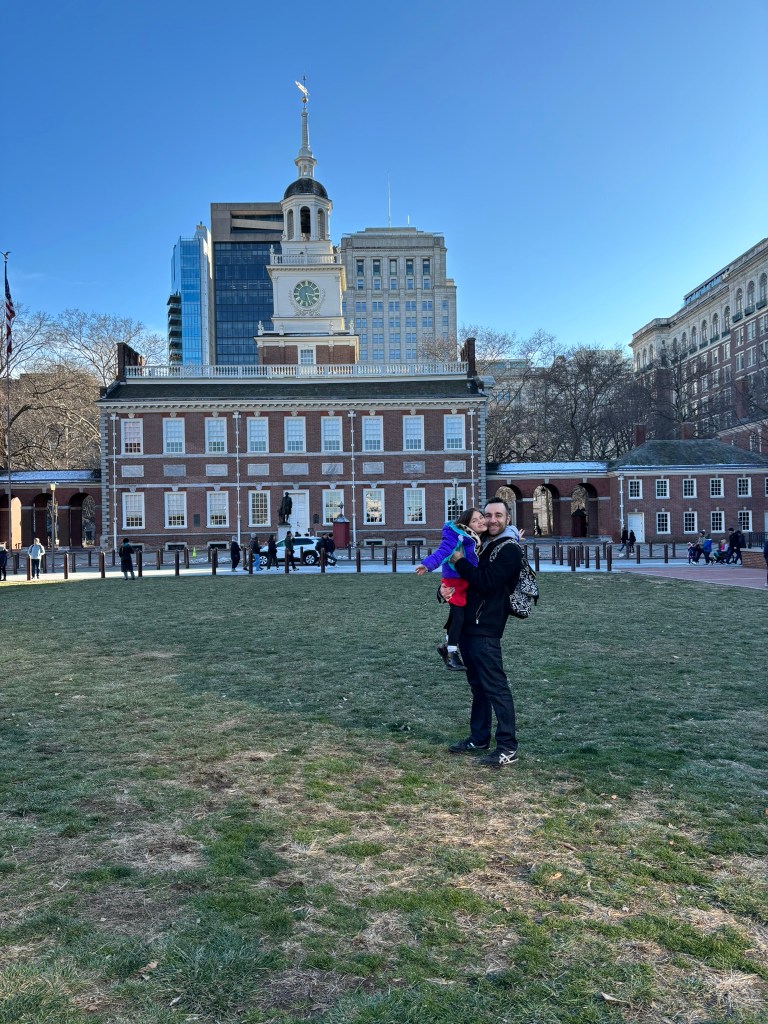
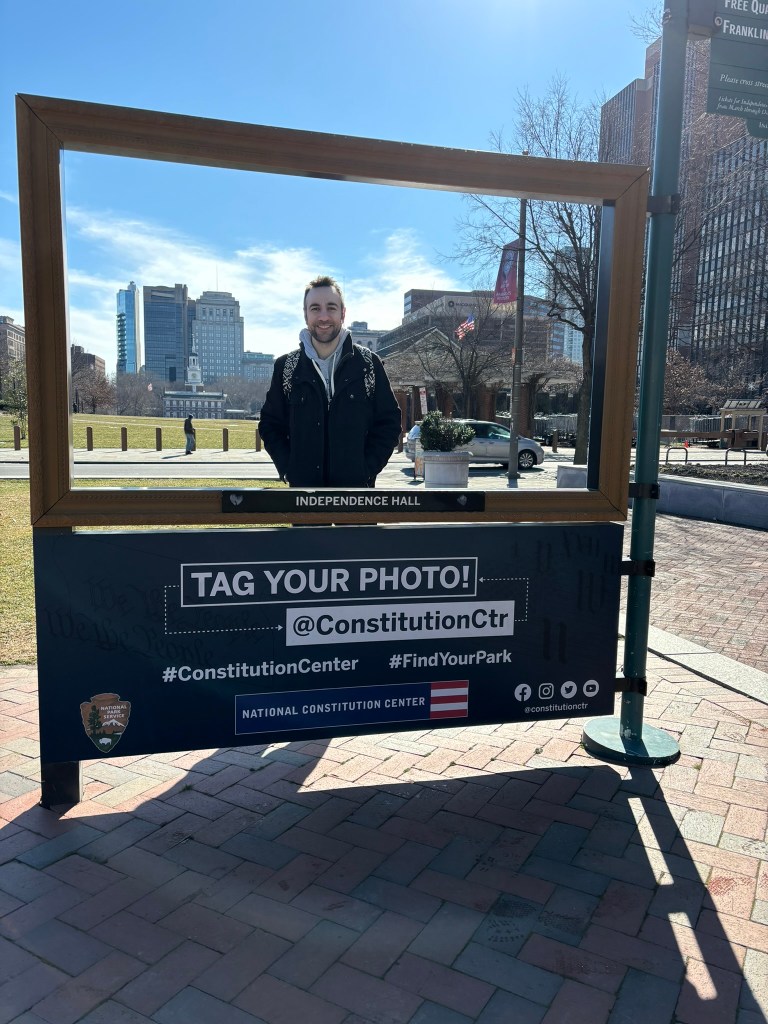
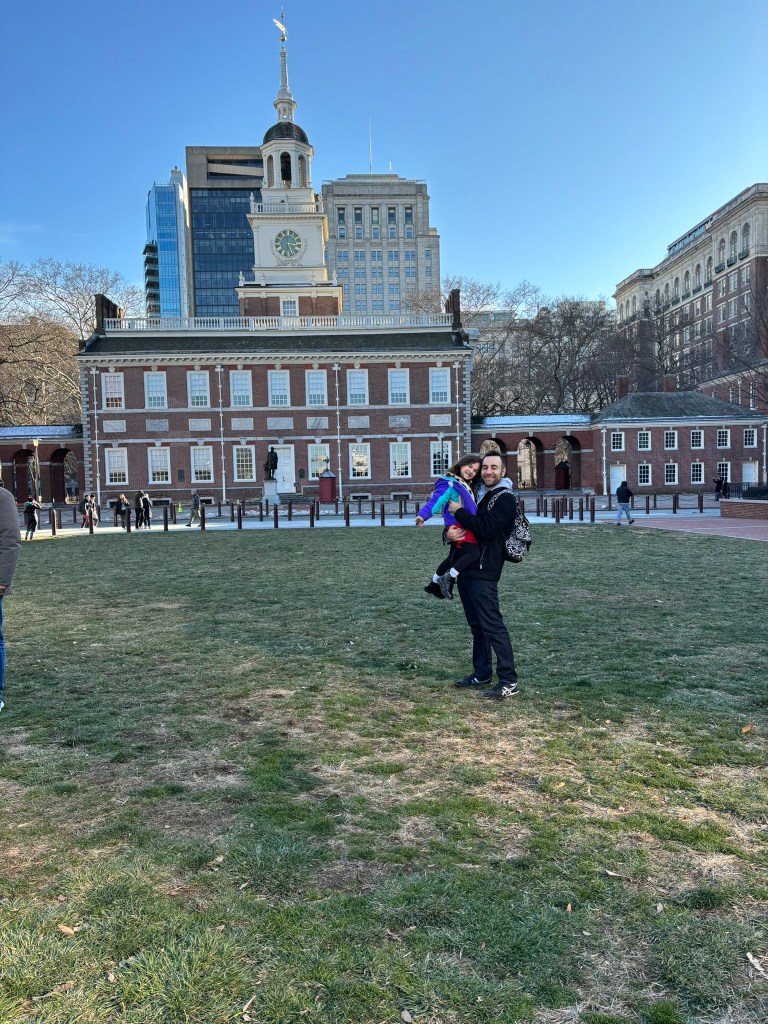
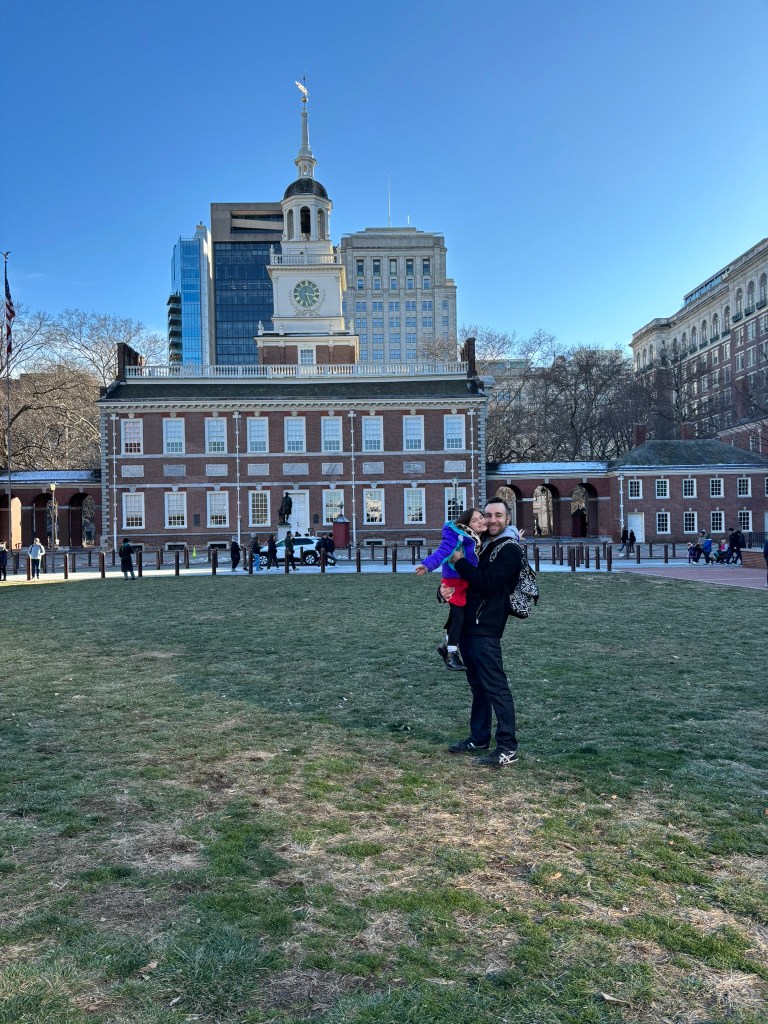
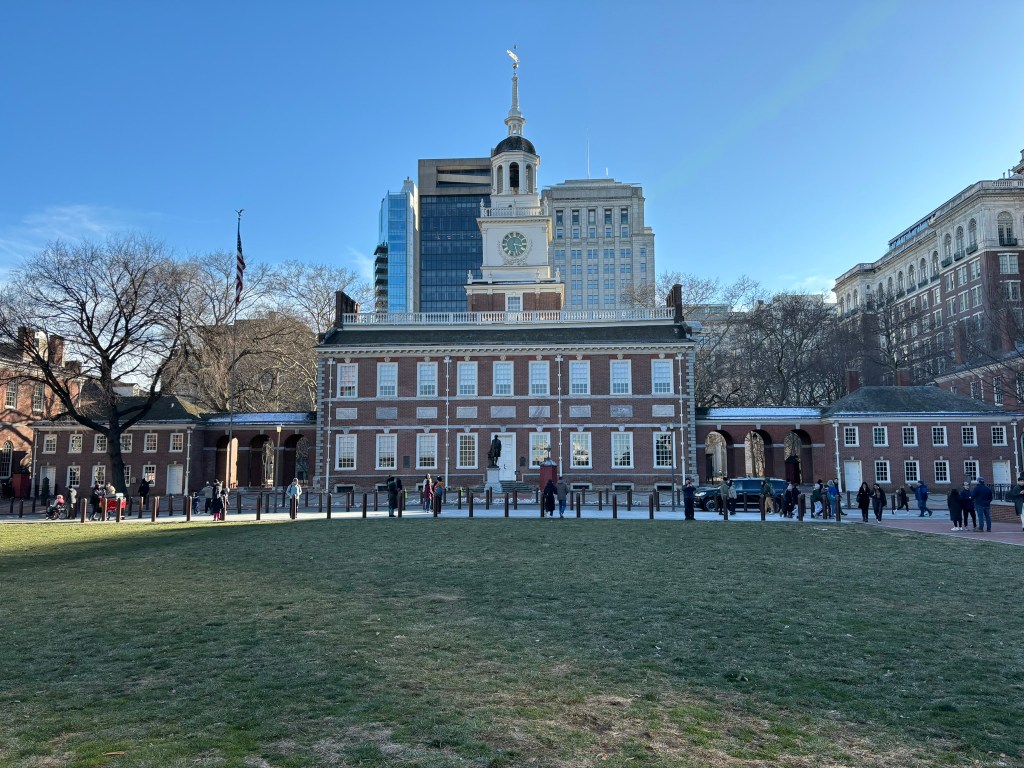
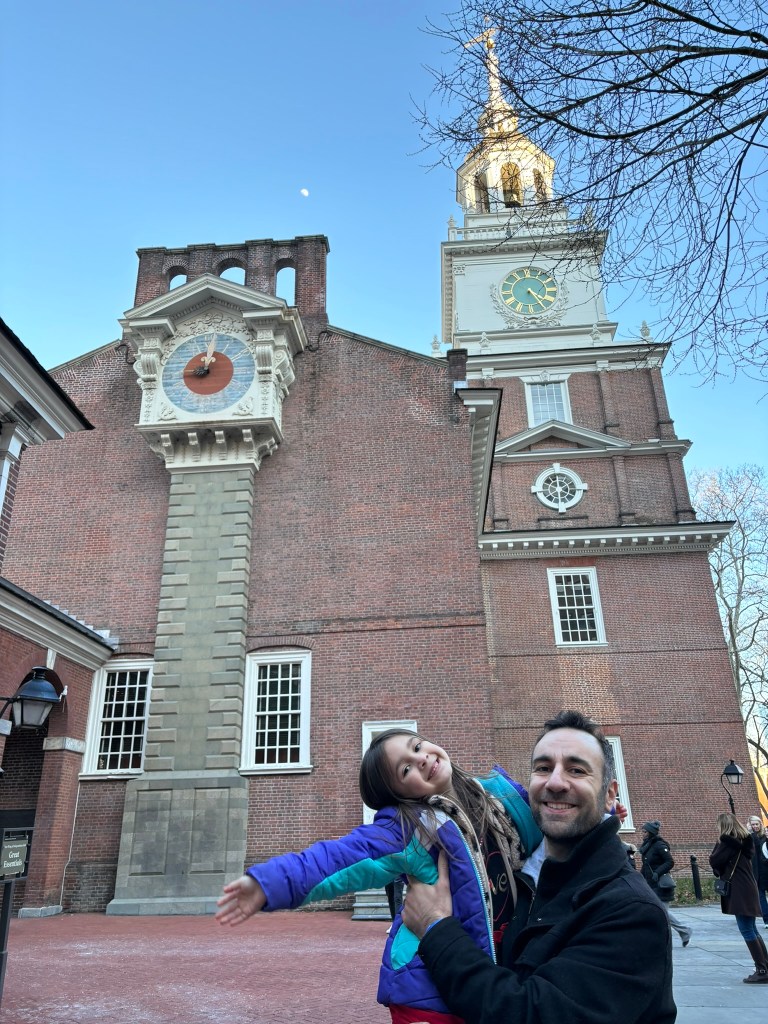
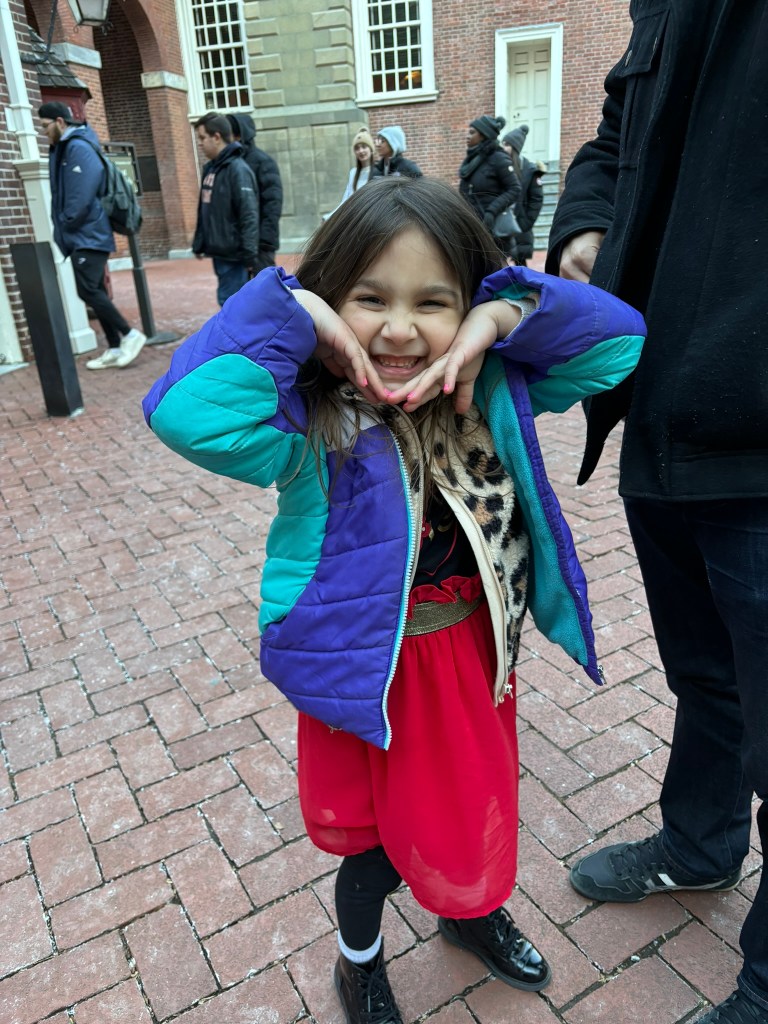
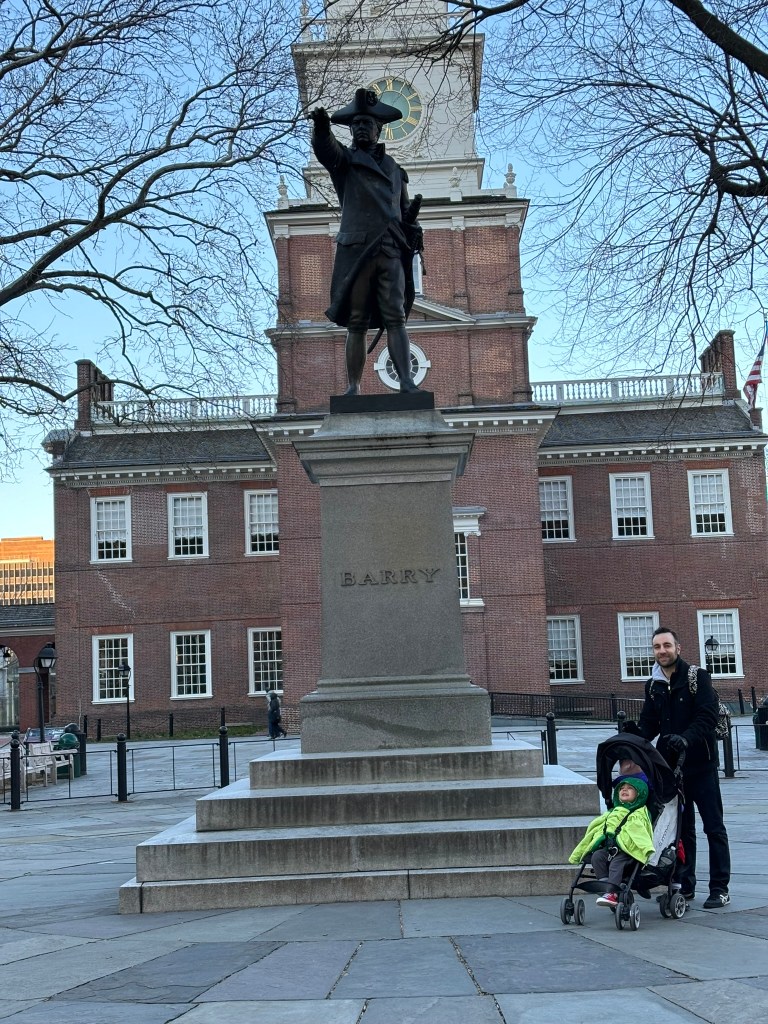
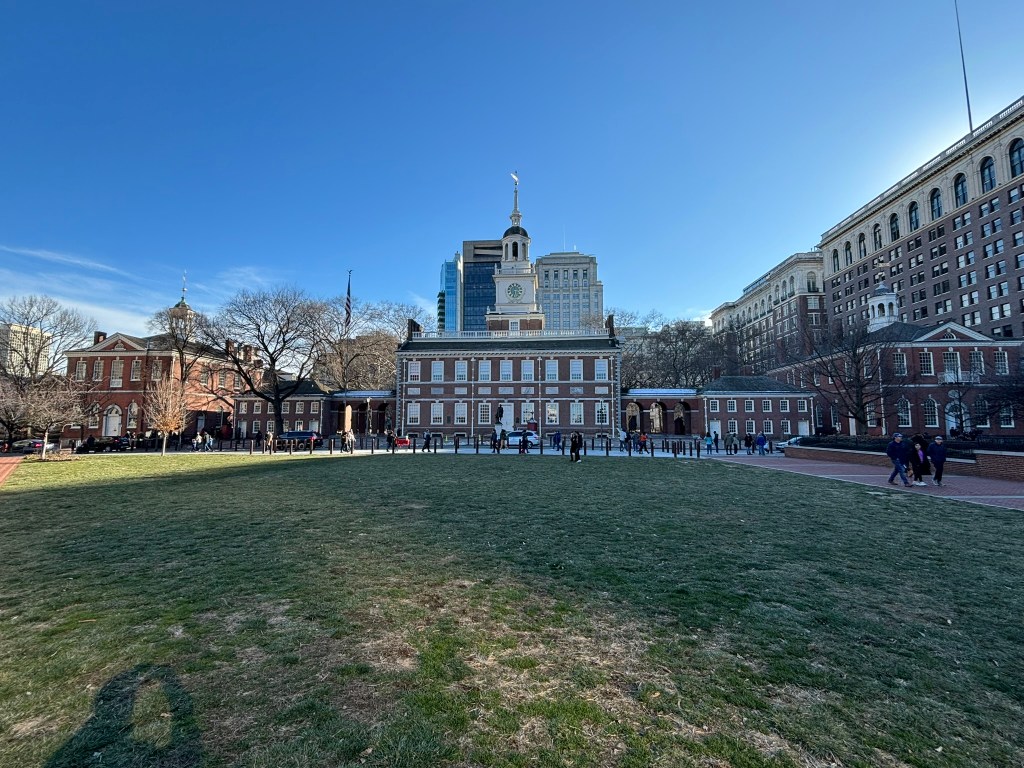
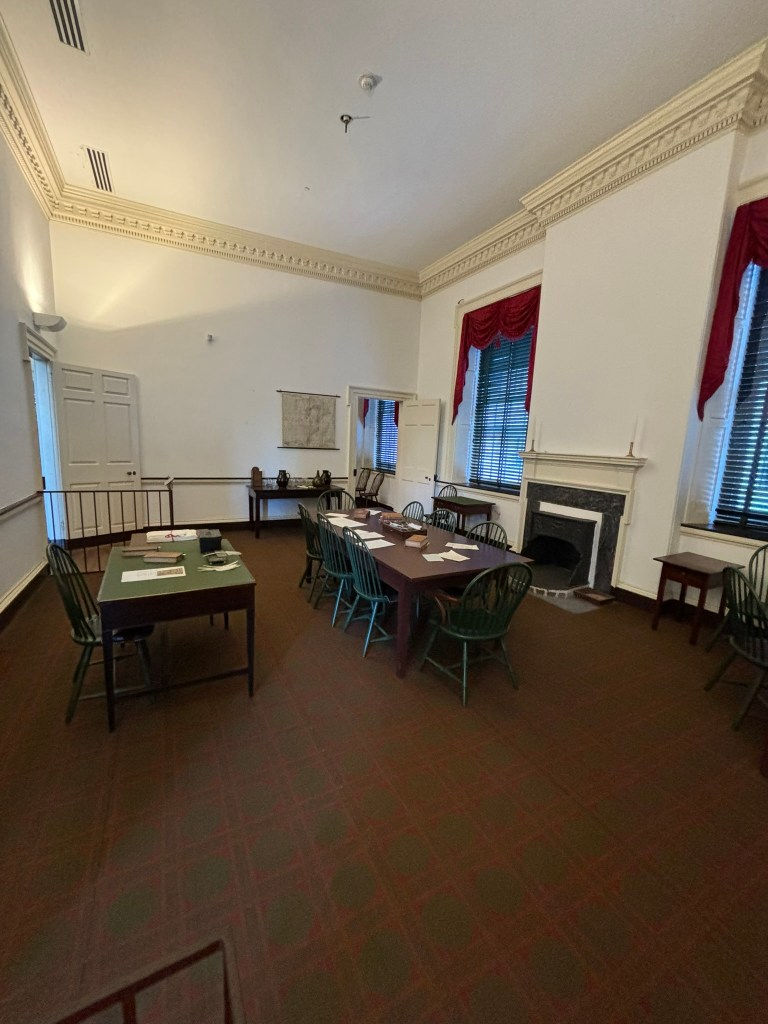
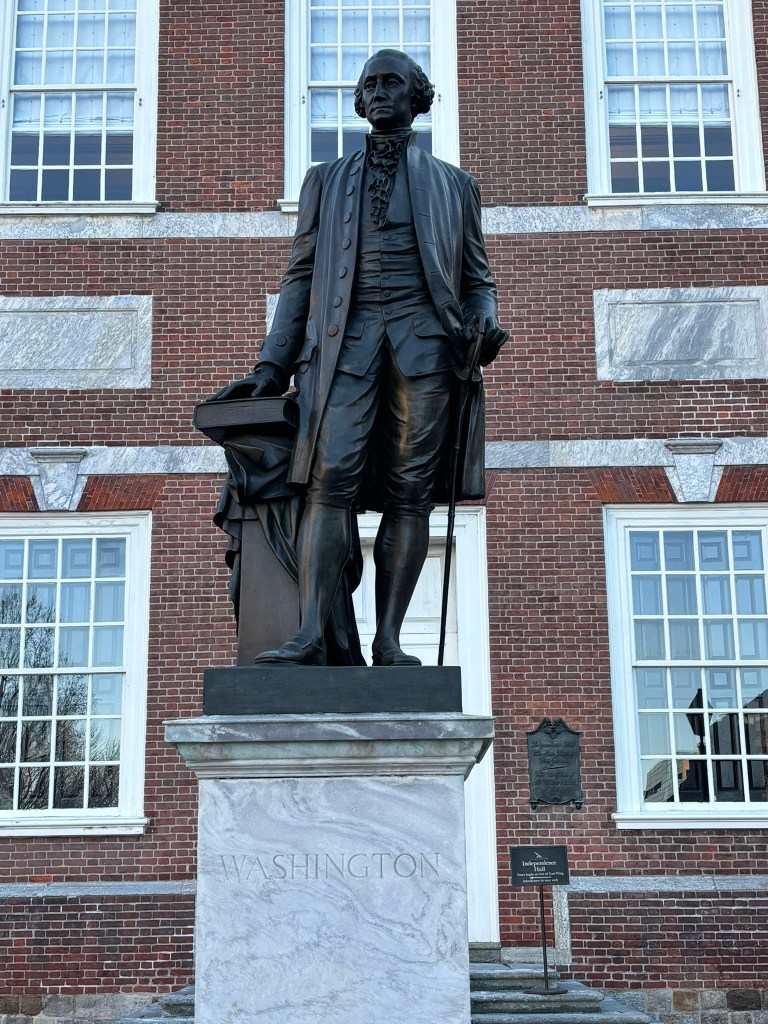
After we left the Constitution Center we walked the short distance to Independence Hall. Unfortunately there were no more tickets to get into Independence Hall. Luckily we had been inside one time previously. The best we could do was take photos from the outside of this historic building, the location where the Declaration of Independence was signed in 1776, as well as the site where our founding fathers wrote the Constitution throughout the summer of 1787. The area was crowded with it being Presidents Day Weekend. It was nice to see many families seeing the historic sites.
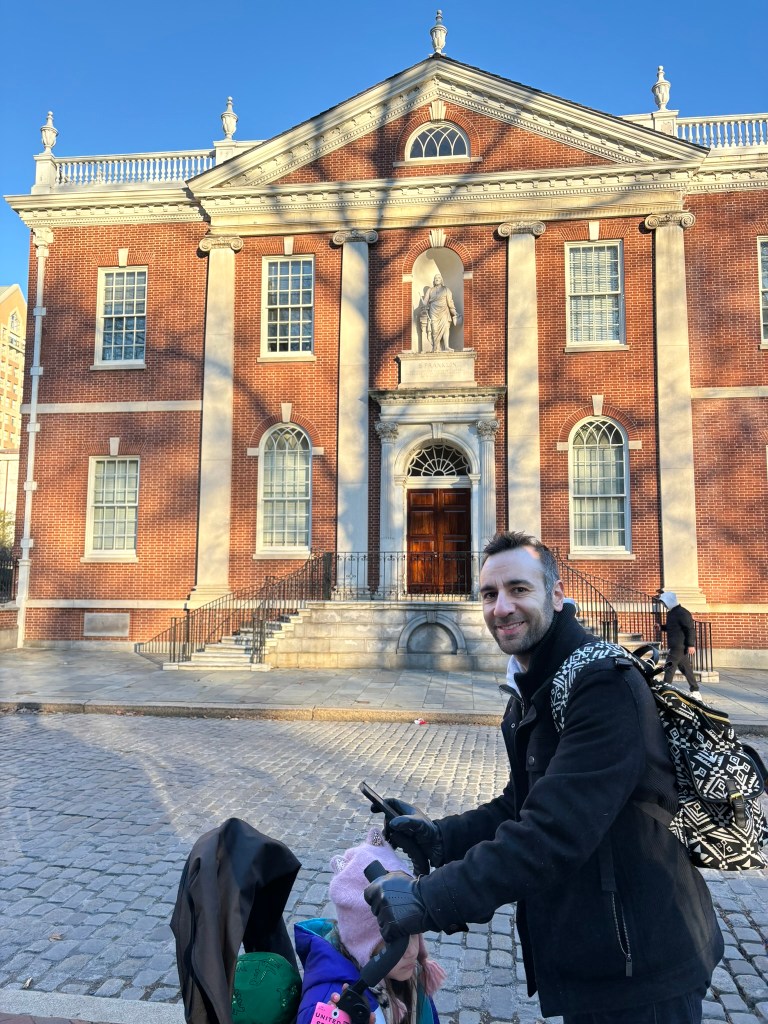
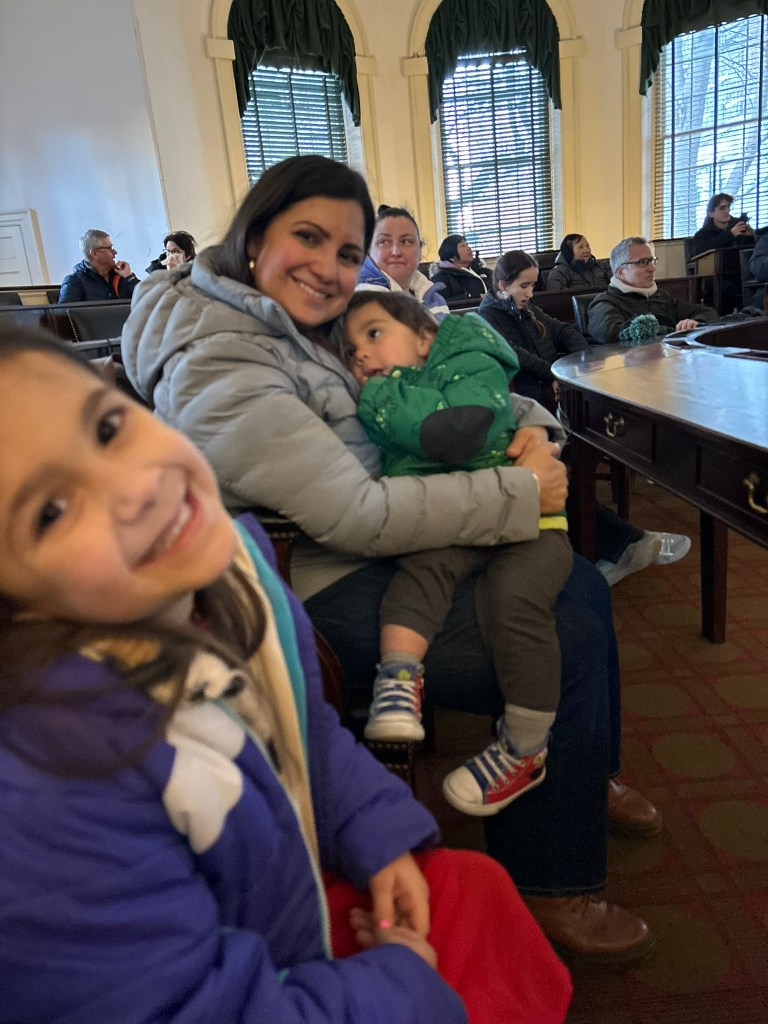
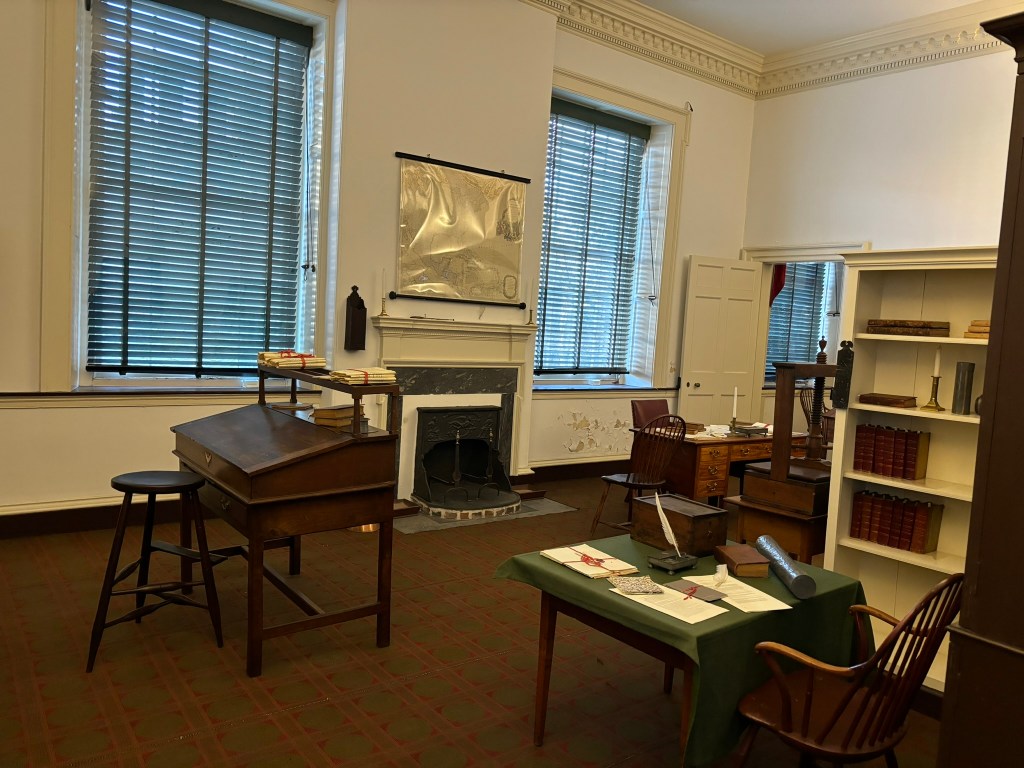
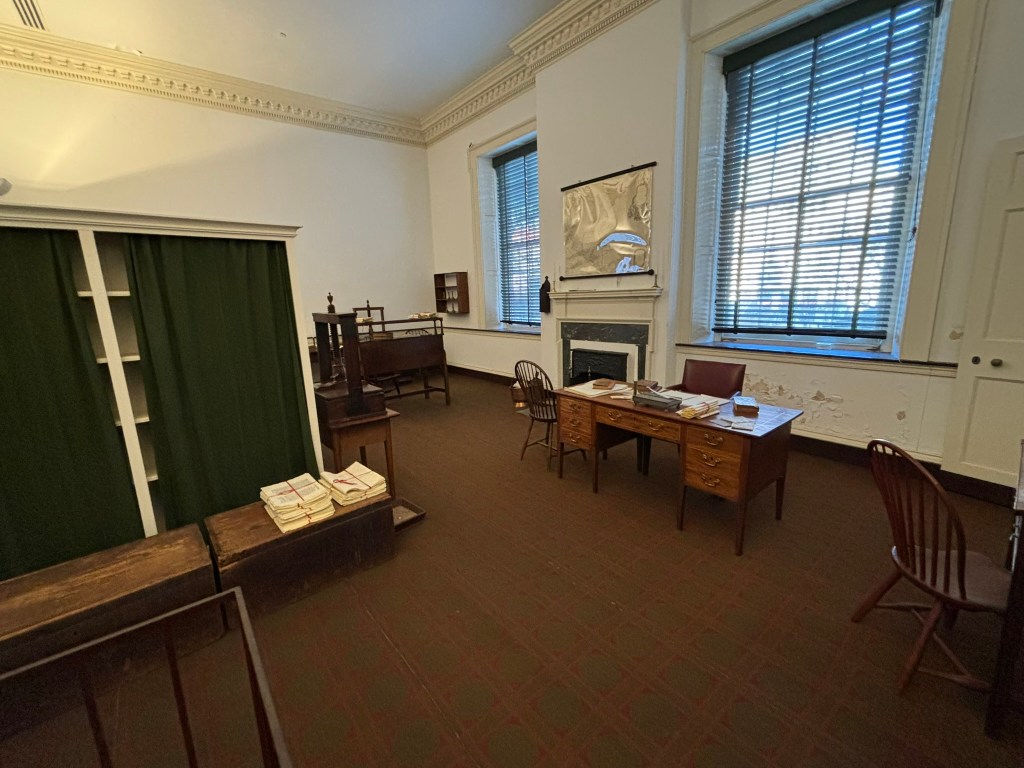
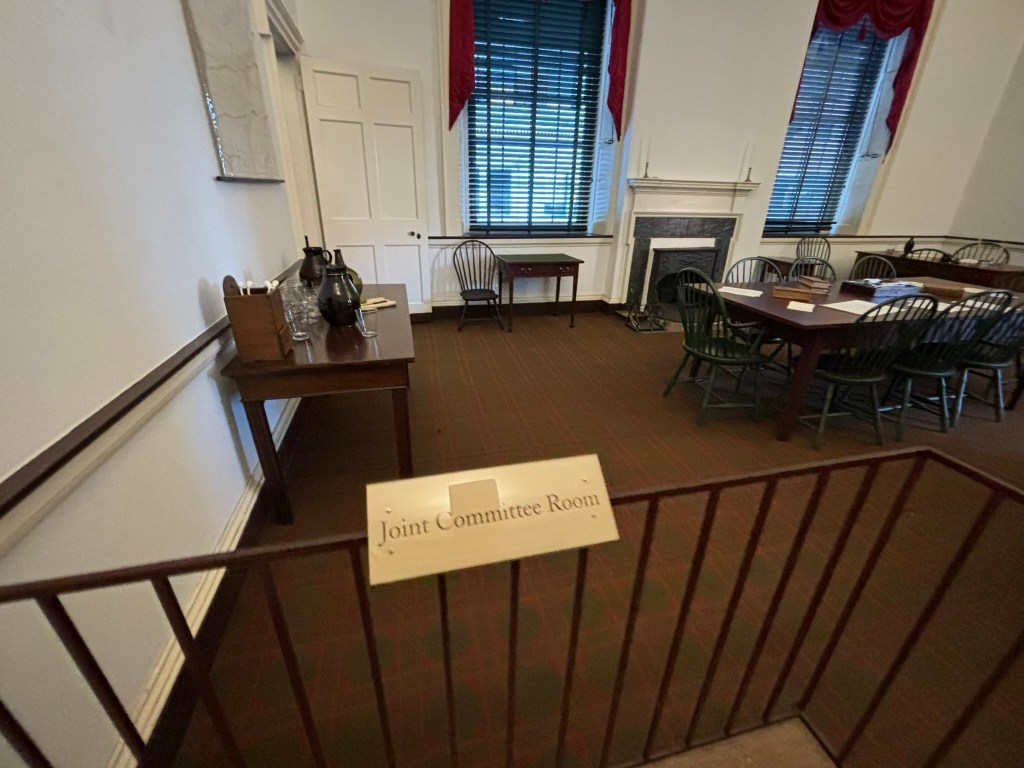
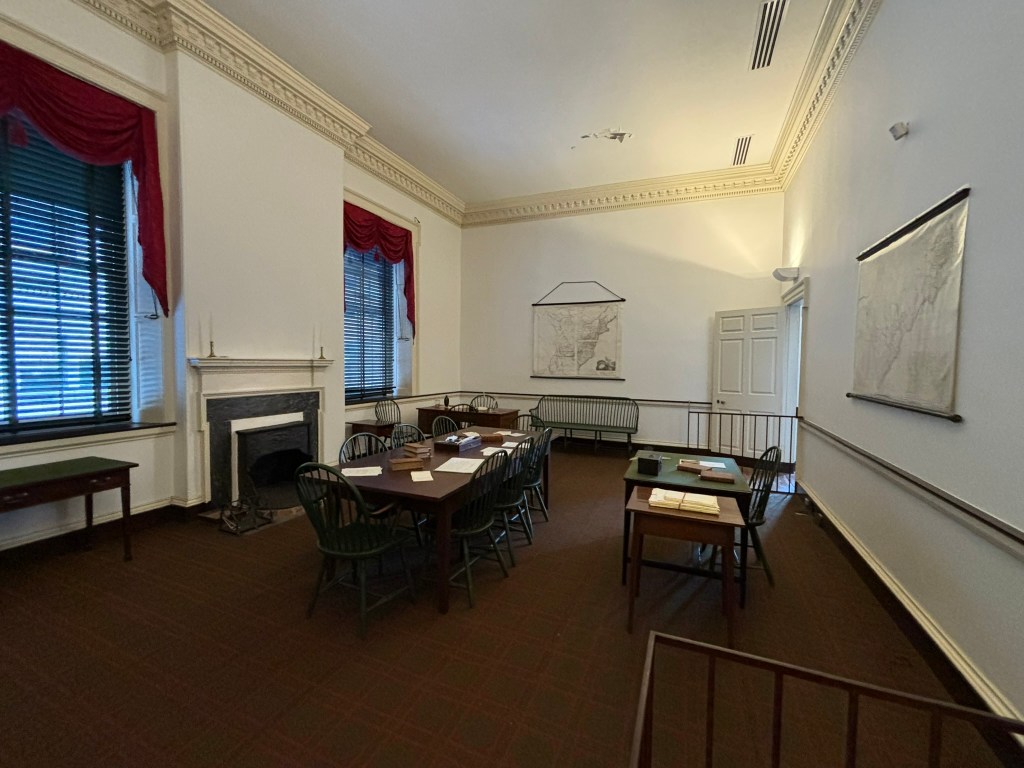
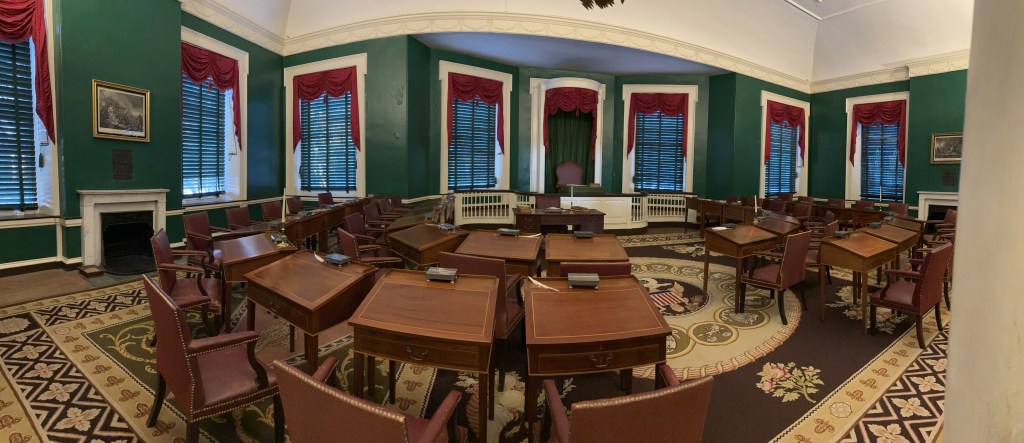
While we didn’t get to go inside Independence Hall, we did have an opportunity to go in Congress Hall which was a first time visit. It was truly remarkable to be in the room where the first Congress sat in our nation’s history. Philadelphia was the nation’s capital from 1790- 1800 while the new capital, Washington DC was being constructed. The 1790s represents one of the most interesting times in our nation’s history. When the Constitution was written, the framers did not take into account the rise of political parties. But within Washington’s cabinet, and within the Congress, two separate parties formed during Washington’s two terms in office. The nascent country experienced the first debates between the Federalist Party (led by Hamilton) and the Democratic-Republicans (led by Jefferson). Congress Hall witnessed the earliest debates over the size and strength of the national government, the economy, and foreign allies. The House of Representatives met on the first floor of Congress Hall, while the senate met on the second floor. When the capital moved to DC in 1800, Congress Hall went back to its original purpose serving as a courthouse. After leaving Congress Hall, the family headed out for dinner.
We really enjoyed the historic sites in Philadelphia. The city was one of the most significant locations from the colonial period, throughout the Revolution, and into the early republic. With significant events taking place like the Constittutional Convention, as well as being the early seat of government, Philadelphia offers much to those interested in the nation’s founding. It is one of the most historic cities in the country, a must visit for all people, especially history nerds.
Check out the following links to the landmarks visited:
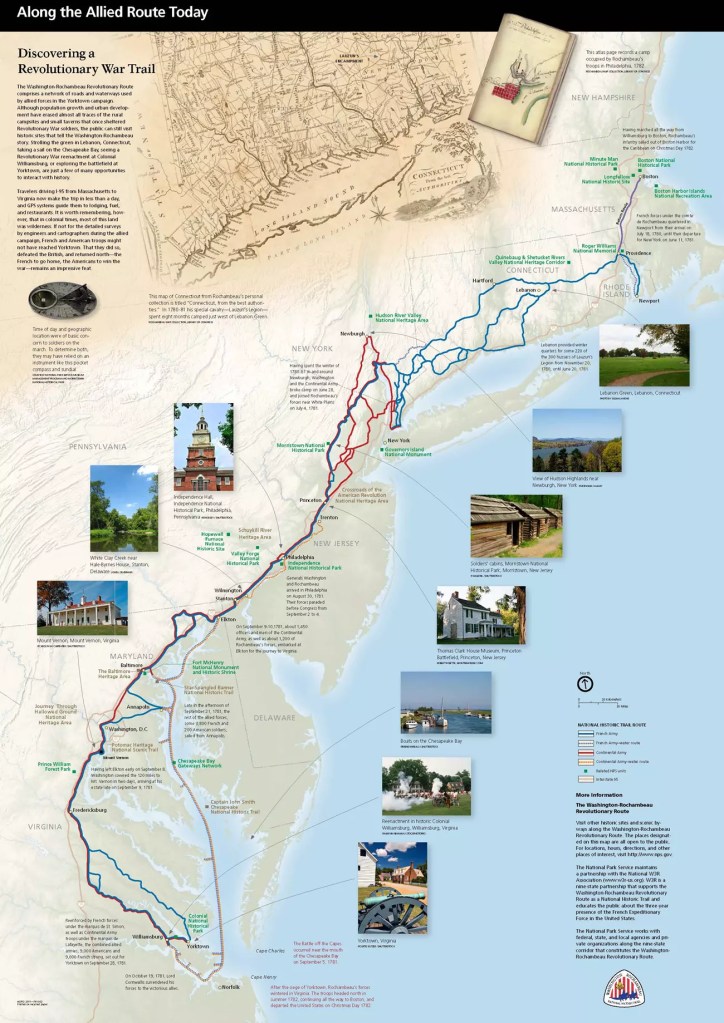
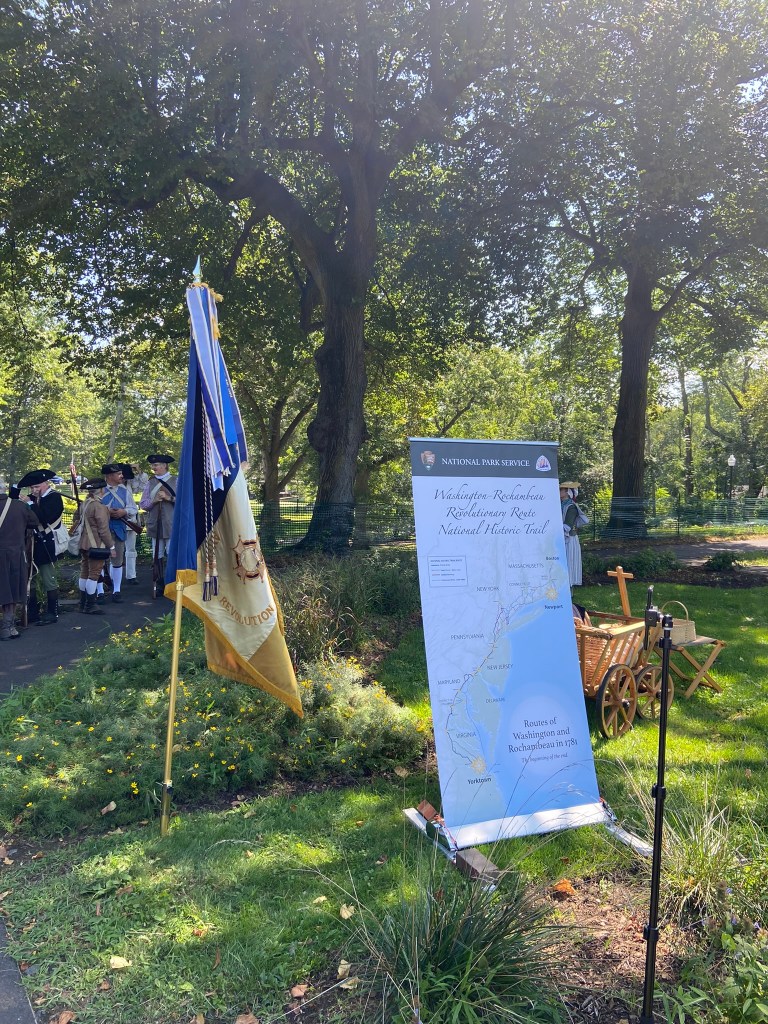
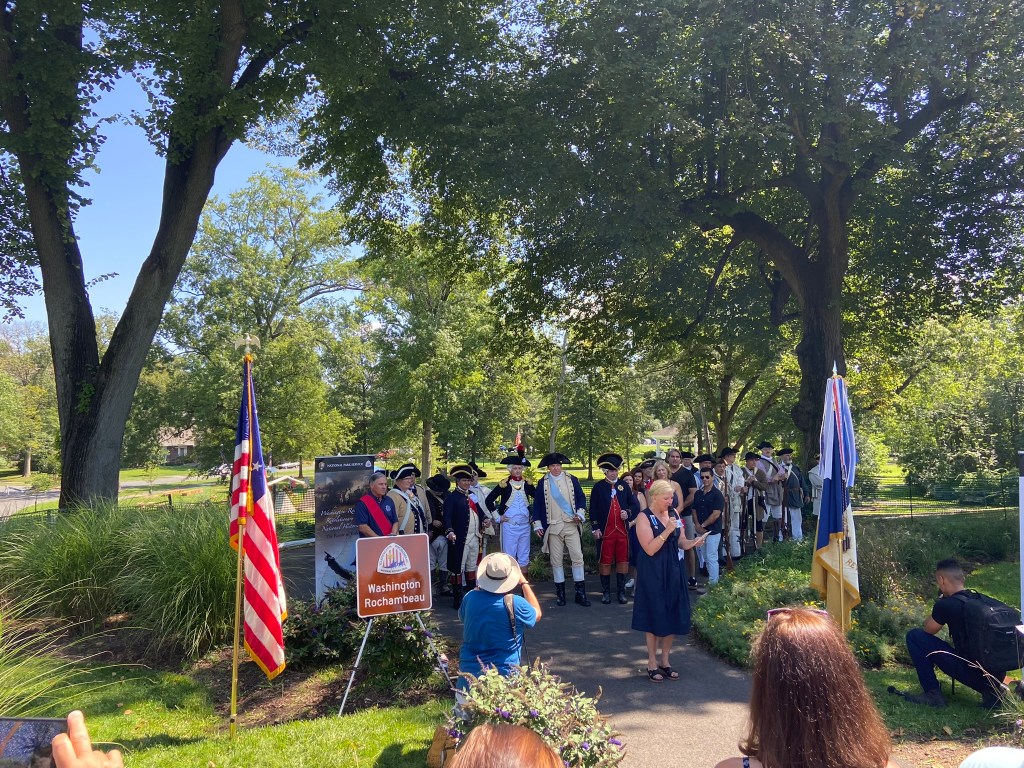
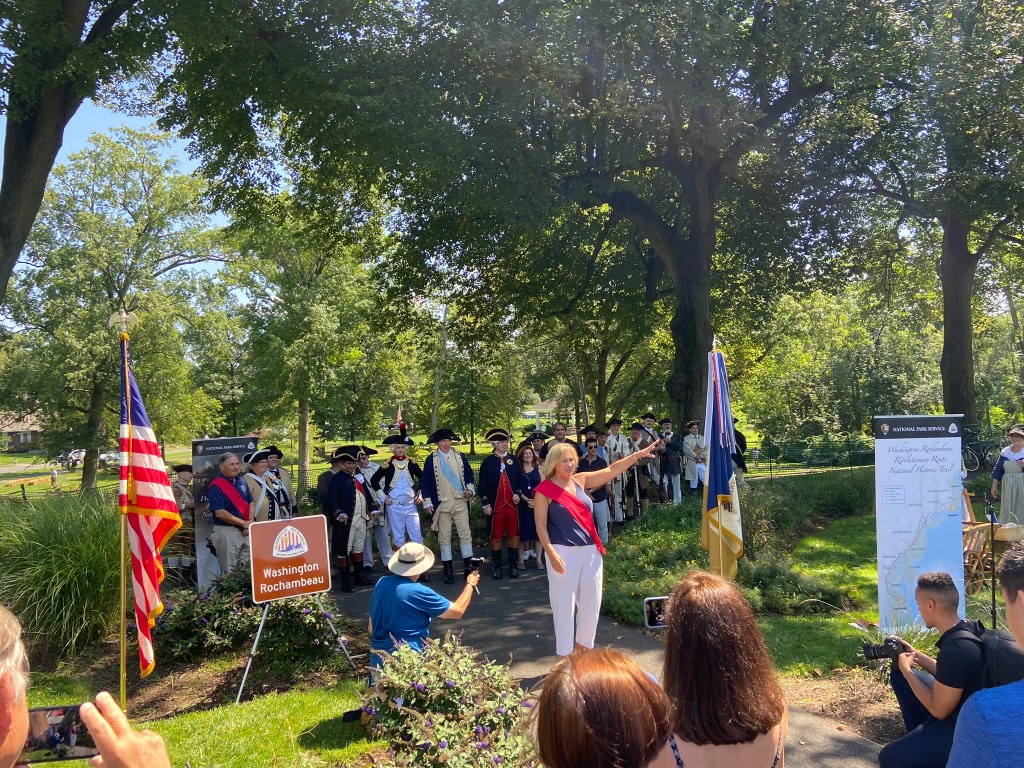
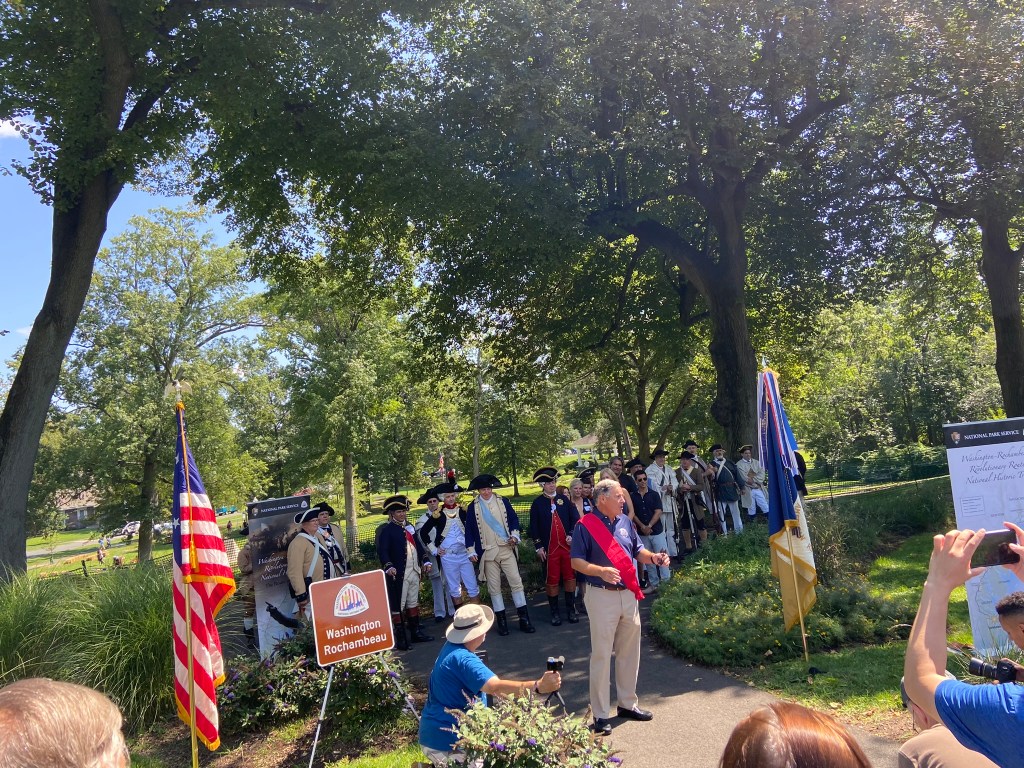
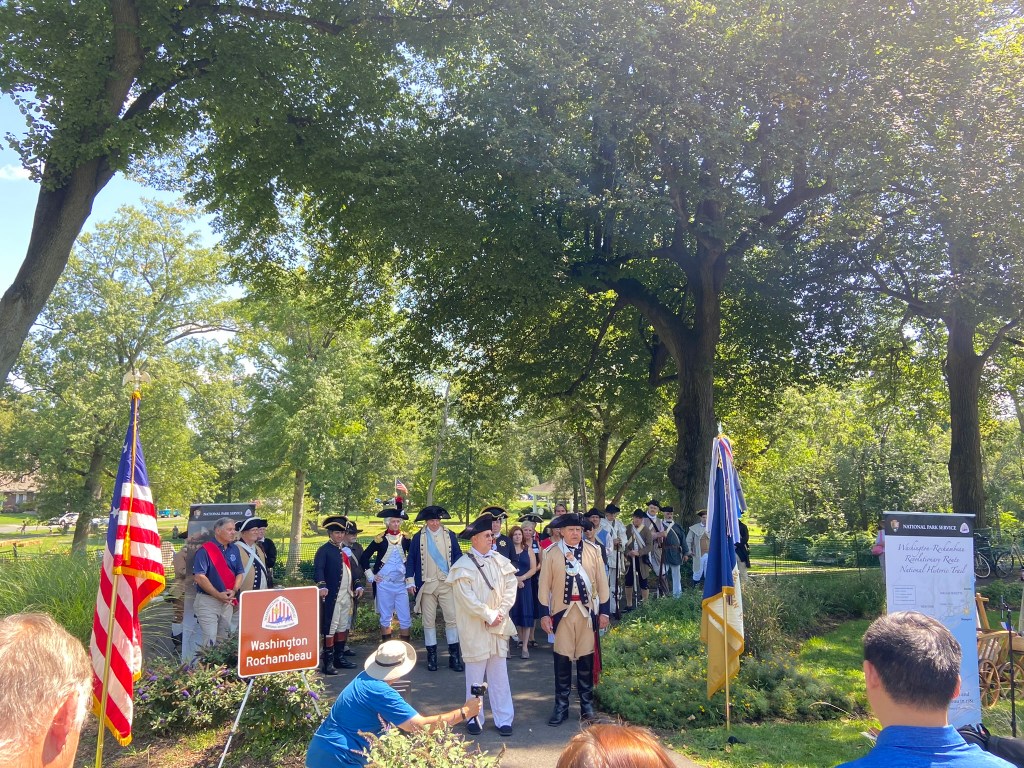
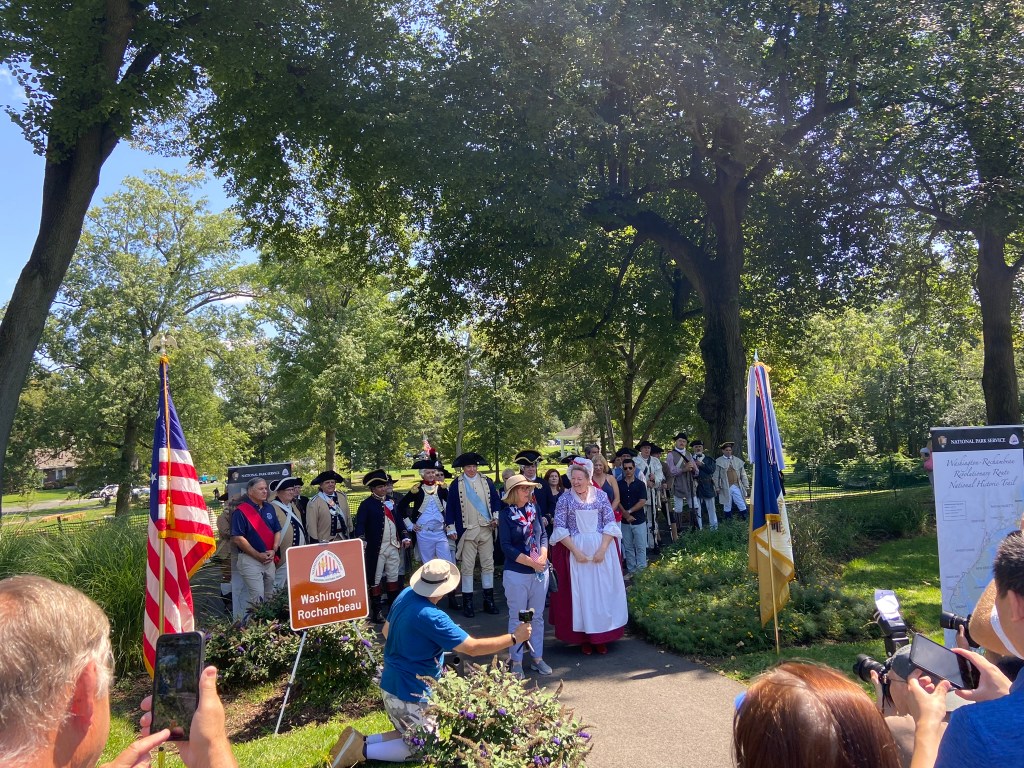
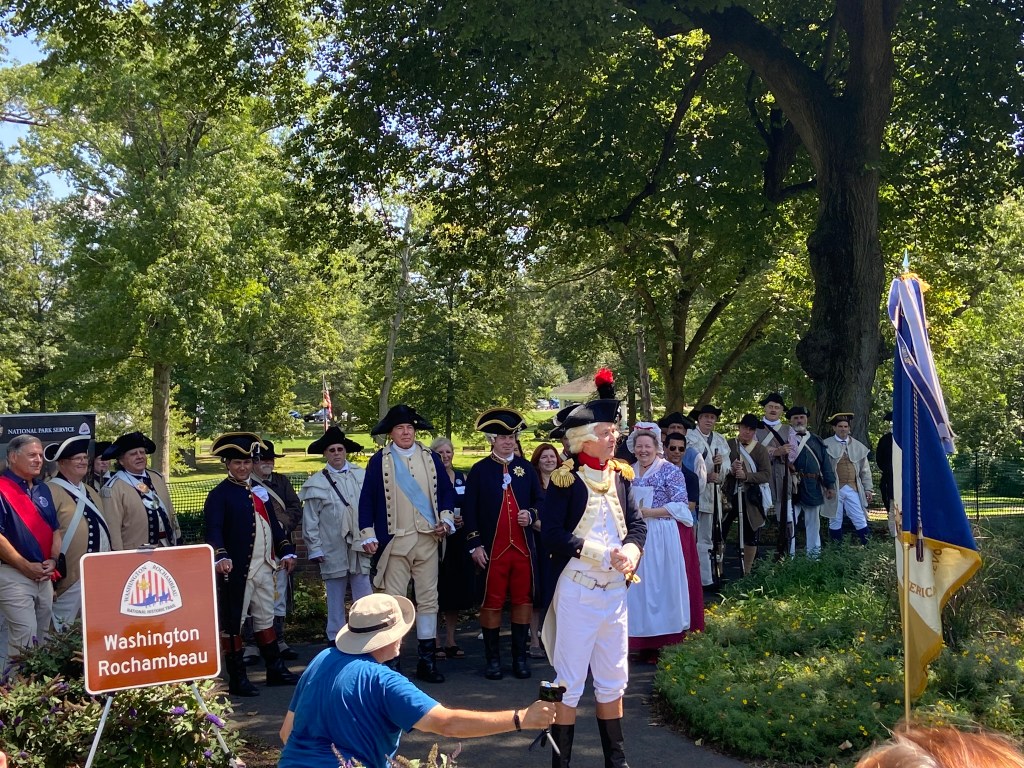
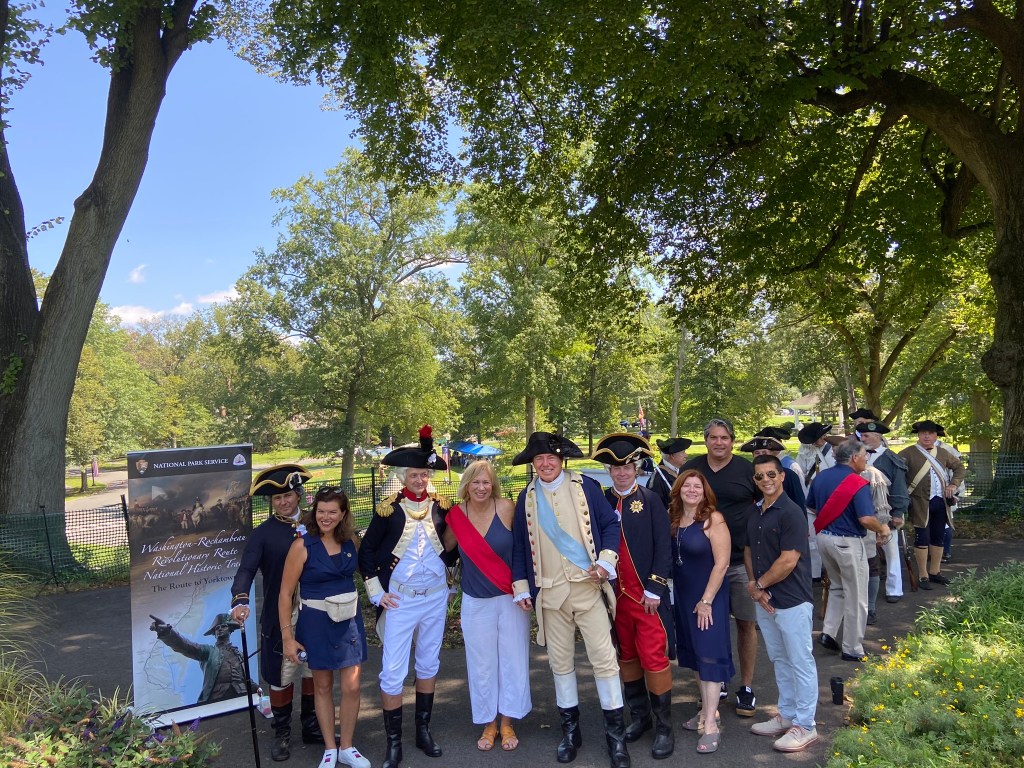
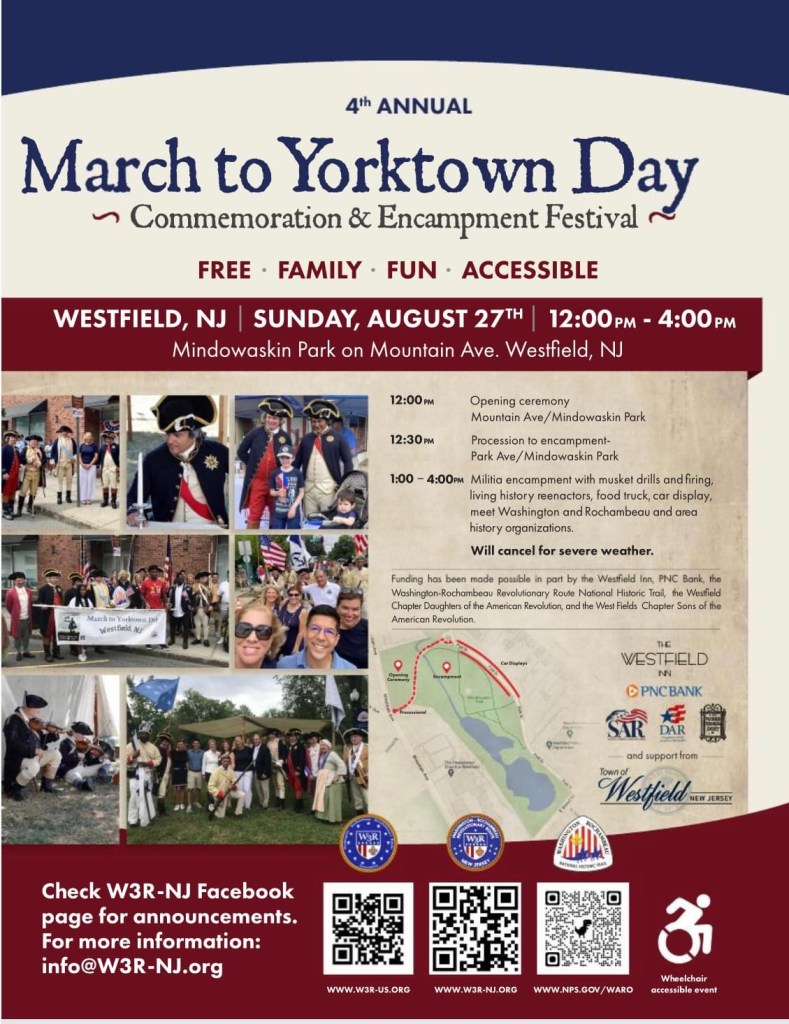
On August 27th, my daughter and I attended the 4th Annual March to Yorktown Day in Westfield, NJ. The event was run by the Washington-Rochambeau Revolutionary Route Association New Jersey (W3R-NJ) to commemorate the day (August 29th, 1781) that General Benjamin Lincoln’s line of the Continental Army, passed through Westfield, NJ on their way to Yorktown, Virginia. The French Army, led by the Comte de Rochambeau, took a route to the west of the Continental Army before the two armies met up outside Princeton, NJ. The Washington-Rochambeau Revolutionary Route highlights the route that the American and French armies took from Newport, Rhode Island, to Yorktown, Virginia, which culminated in the defeat of the British Army in The Siege of Yorktown in October 1781. The Washington-Rochambeau Trail is a unit of the National Park Service.
Map from the National Park Service
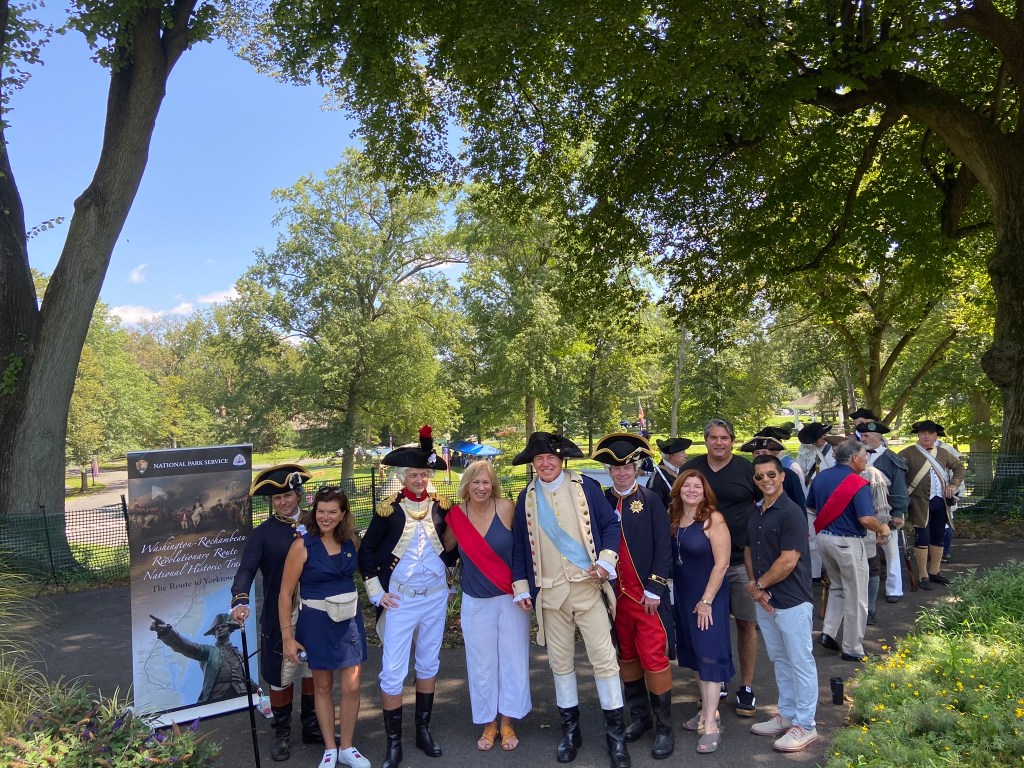
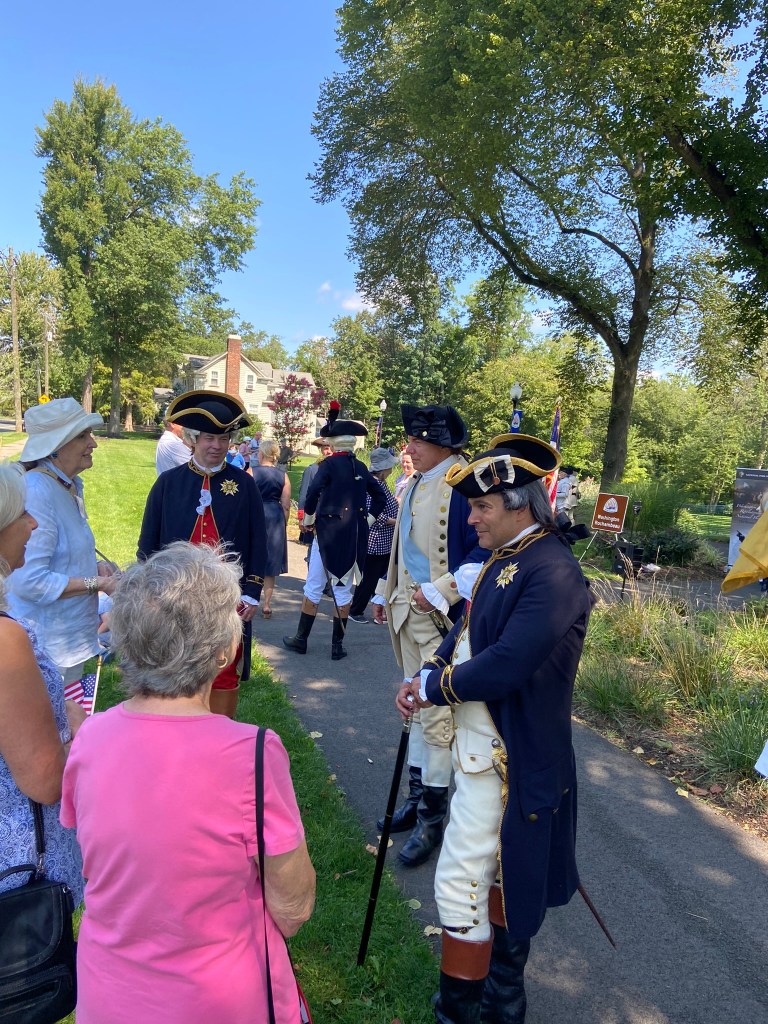
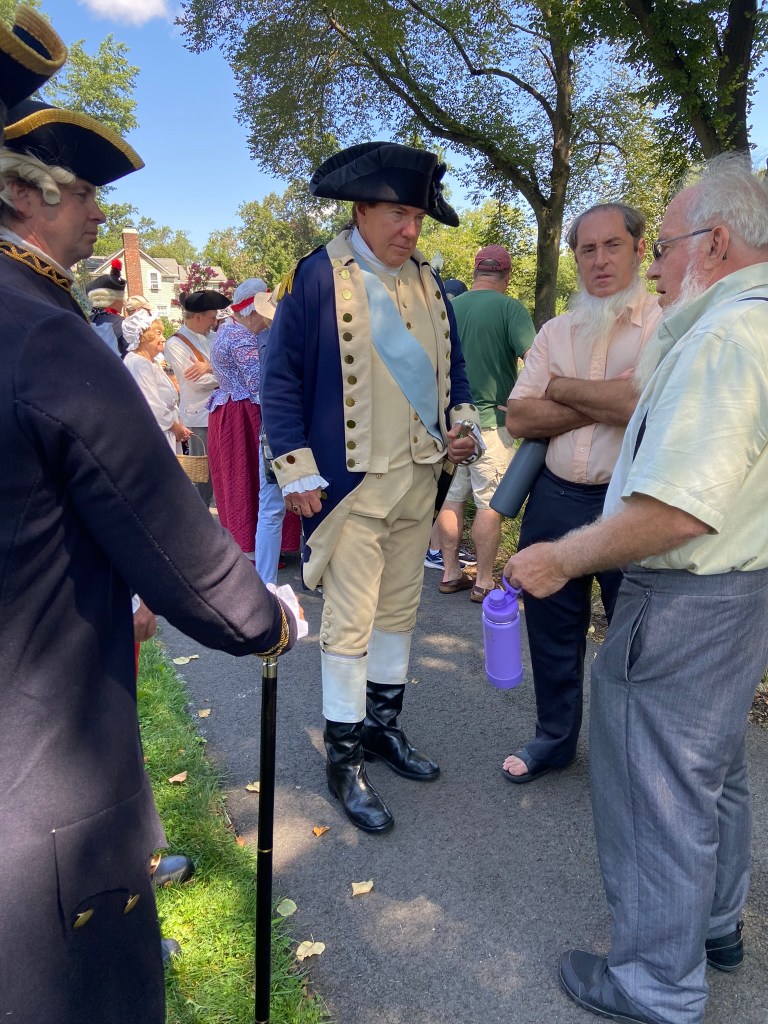
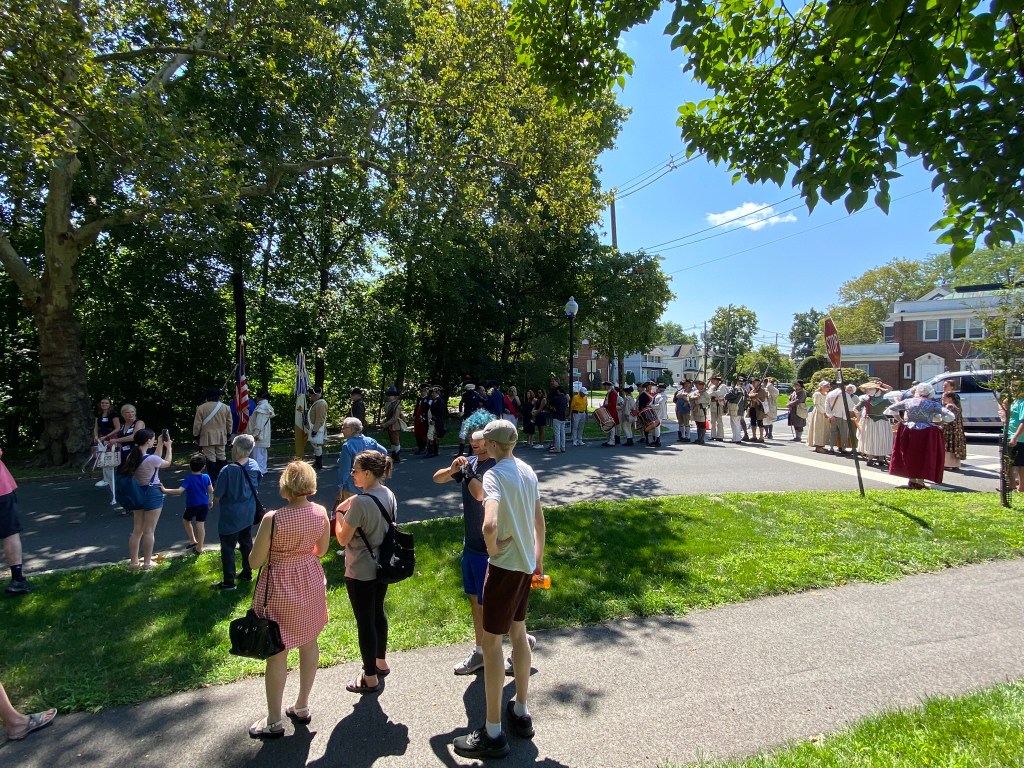
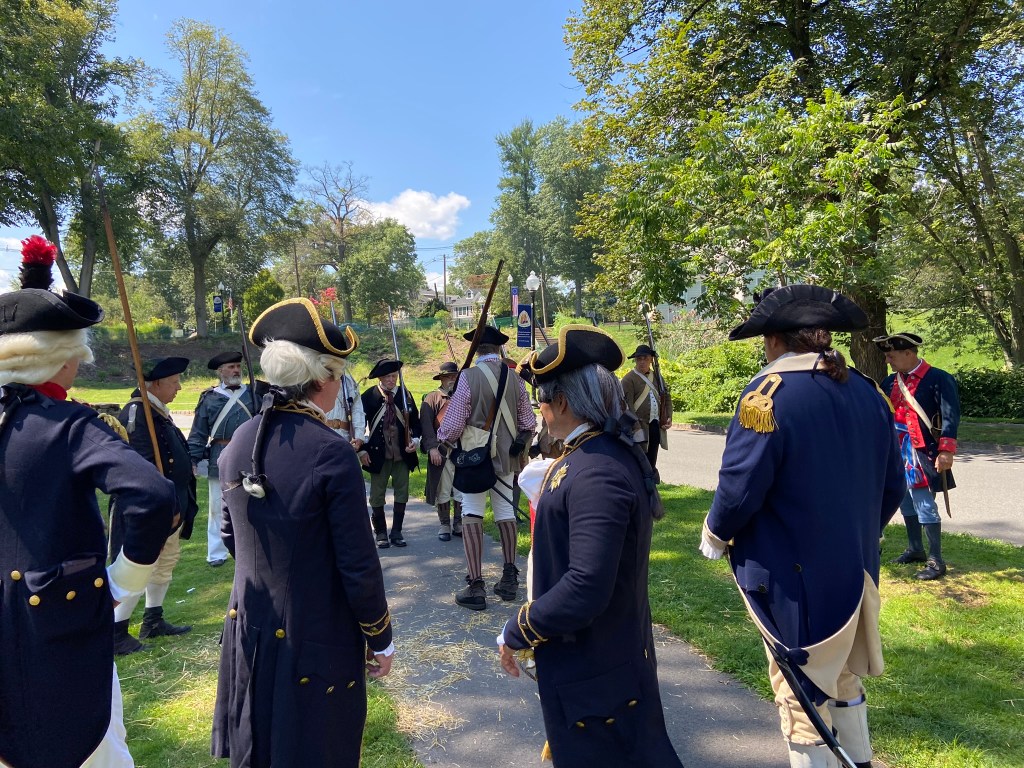
The event began with an opening ceremony at Mindowskin Park. Re-enactors included Washington, Rochambeau, General Chastellux, and the Marquis de Lafayatte. Speakers during the opening ceremony included Julie Diddel, W3R-NJ Chair, who explained the significance of the Washington-Rochambeau Historical Route, as well as Westfield’s role in the Revolution. She did a fantastic job organizing and running the event. Speakers also included Westfield mayor Shelley Brindle, State Senator Jon Bramnick, and others.
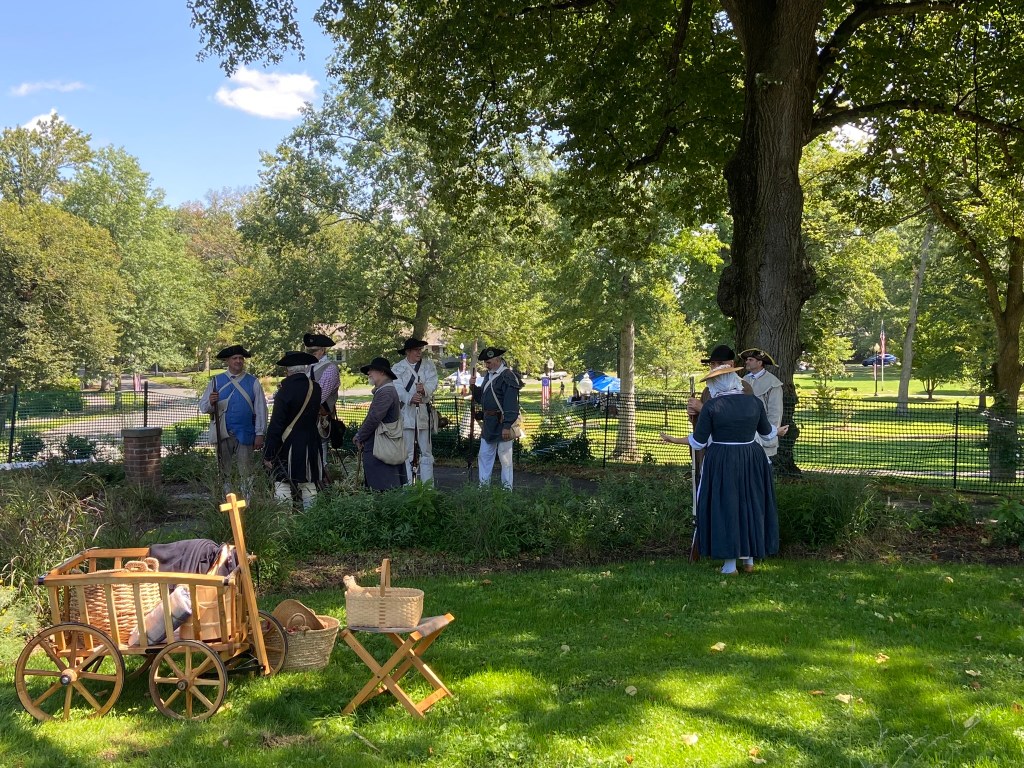
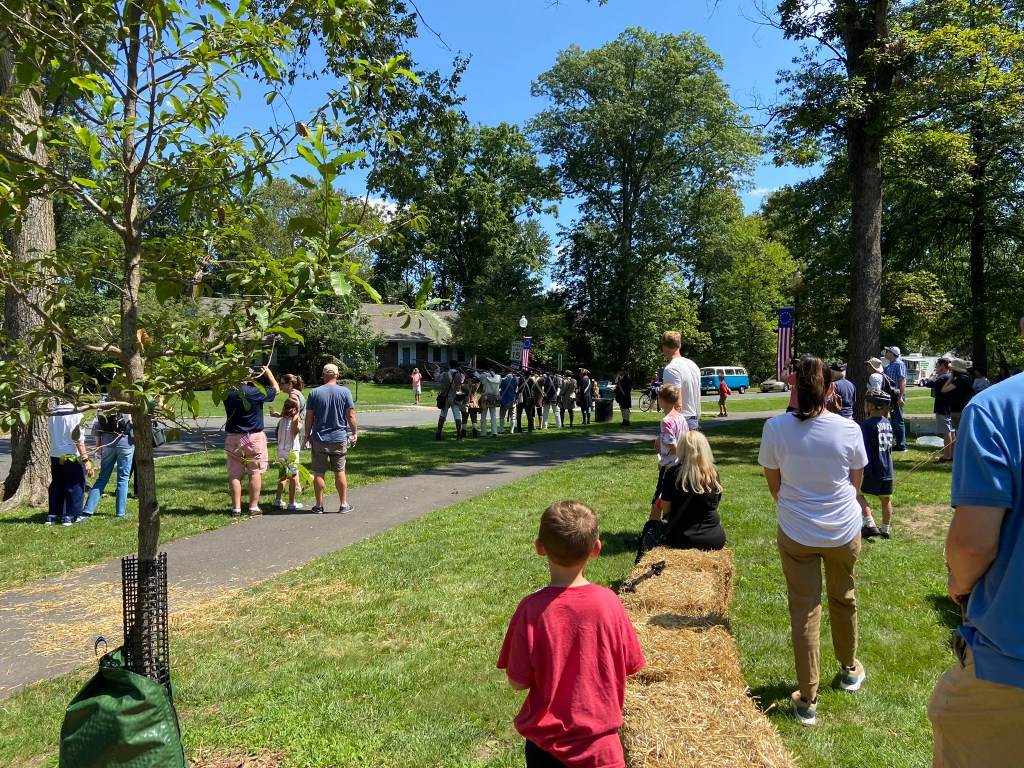
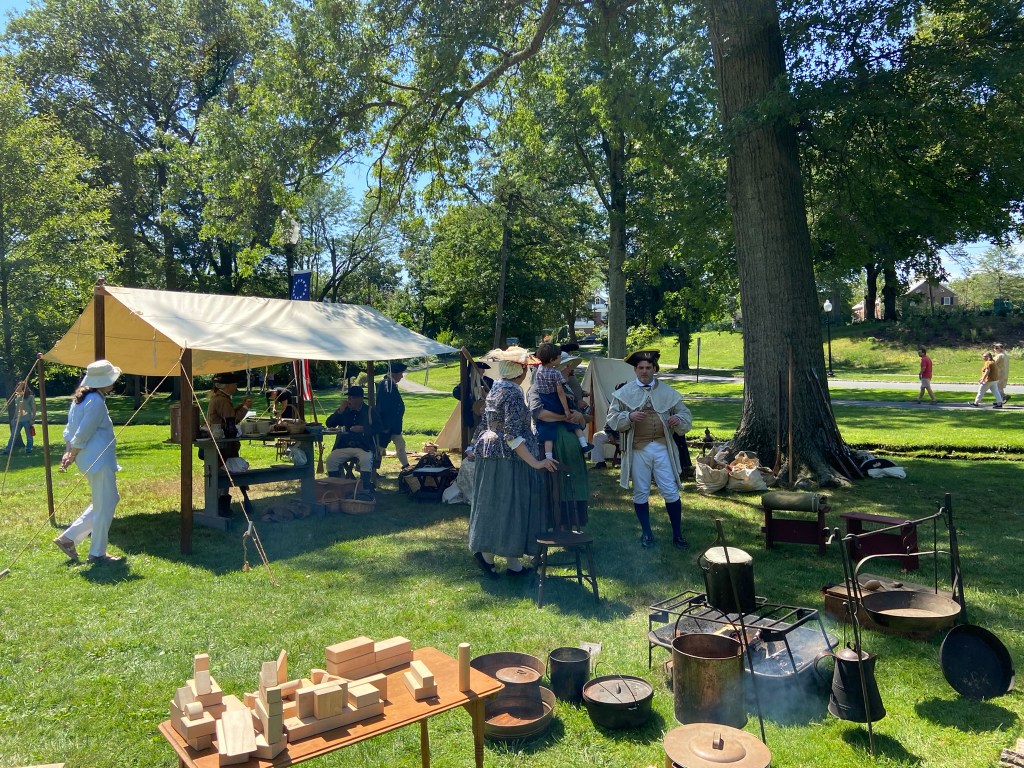
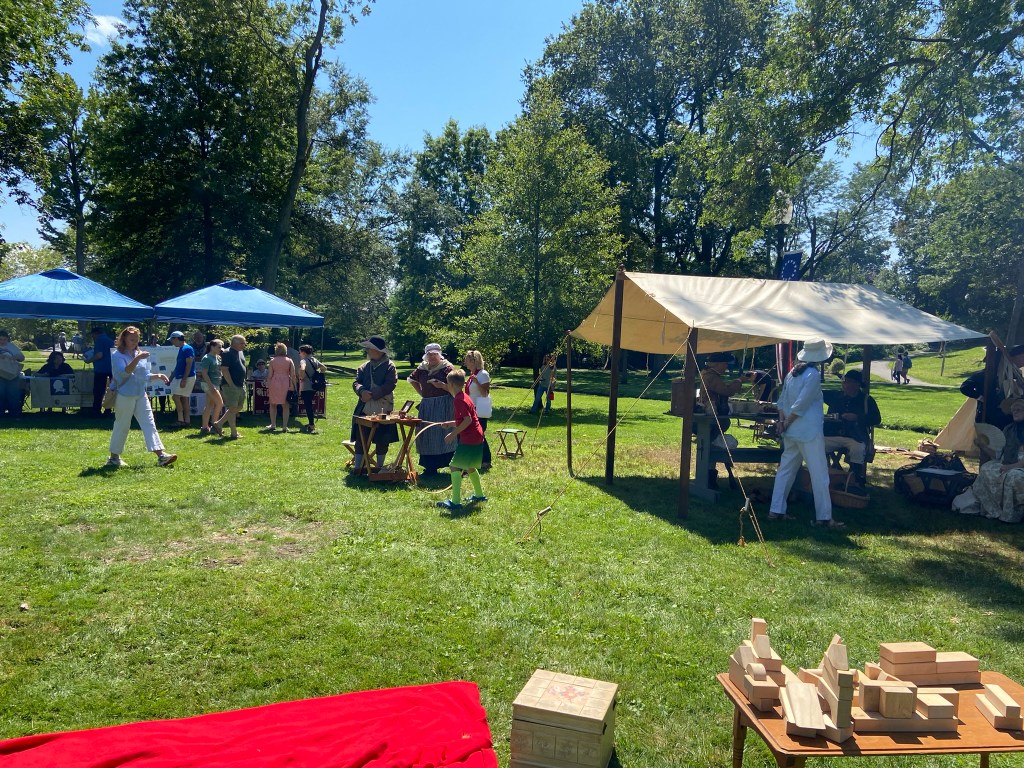
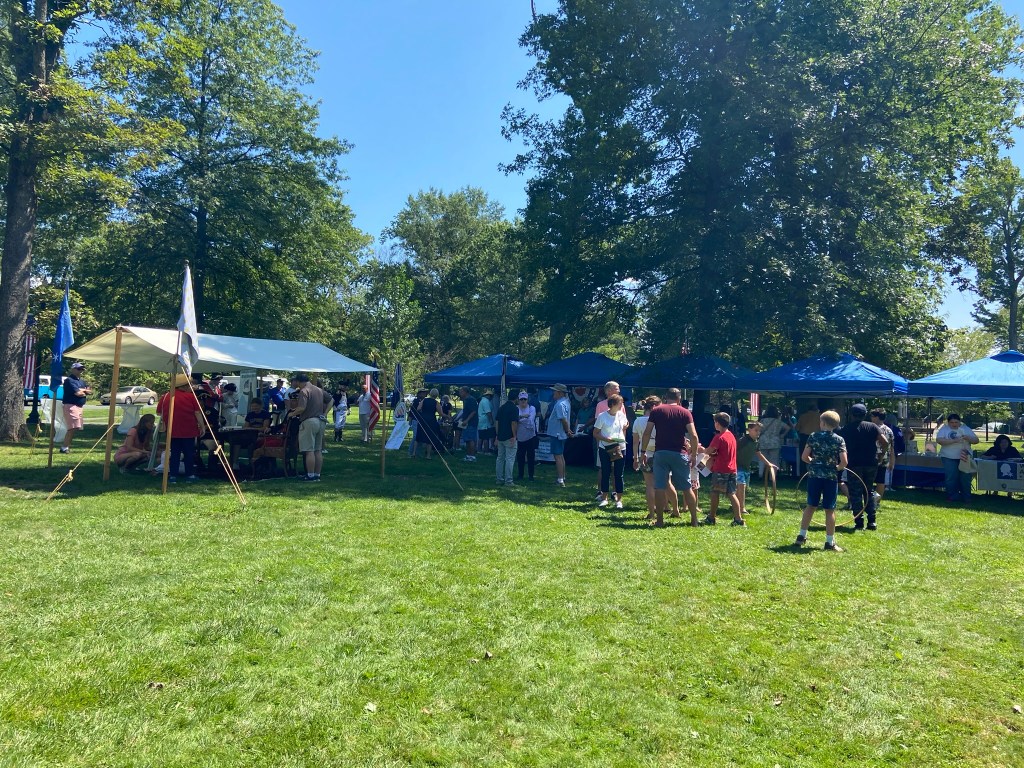
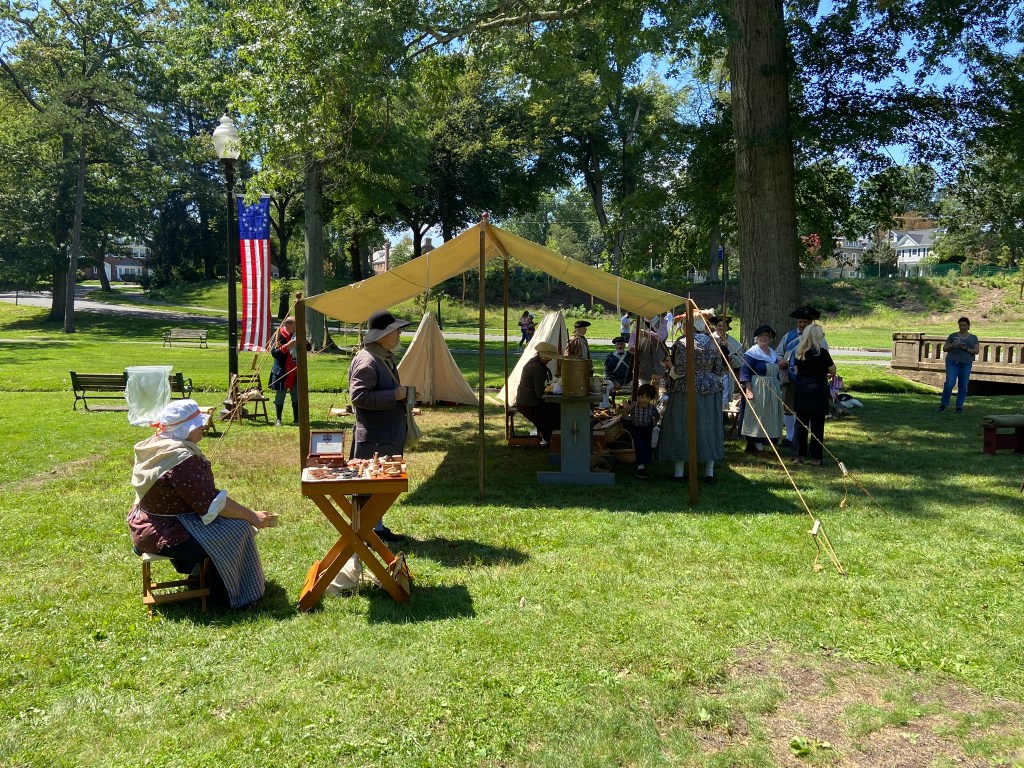
Following the opening ceremonies, the crowd marched into the center of Mindowskin Park, led by Washington and Rochambeau. The park took on the form of a Revolutionary Era militia encampment with colonial games, cooking demonstrations, and frequent marches, drills and musket firing from the soldiers.
Local history organizations set up tents and provided information. Organizations included the Washington Association of New Jersey, the Chatham Historical Society, the Union Township Historical Society, the Princeton Battlefield Society, the Miller-Cory House Musuem, the Westfield Chapter of the Daughters of the American Revolution and others. Music was provided througout the event by fife and drums which took you back to the 18th century.
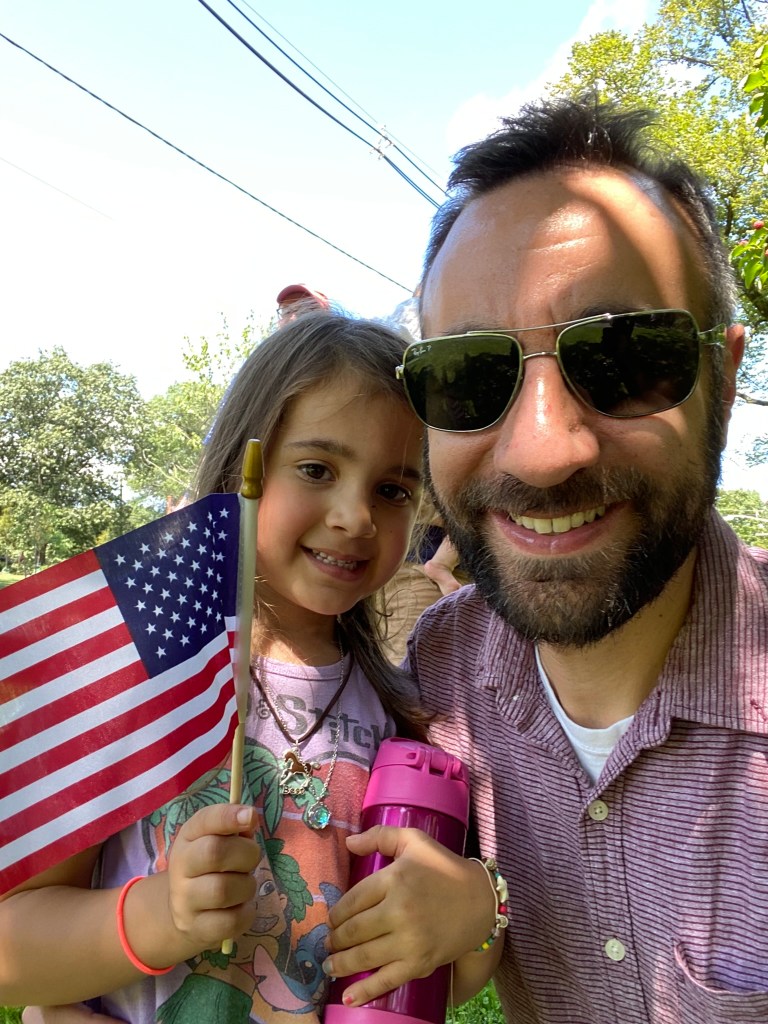
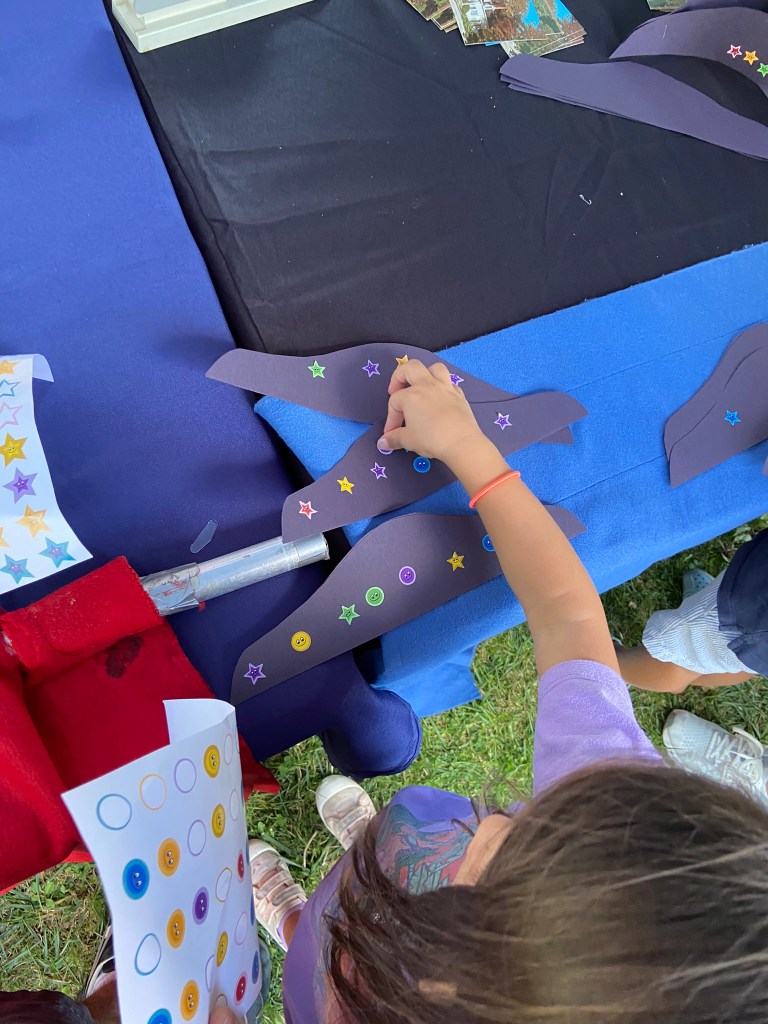
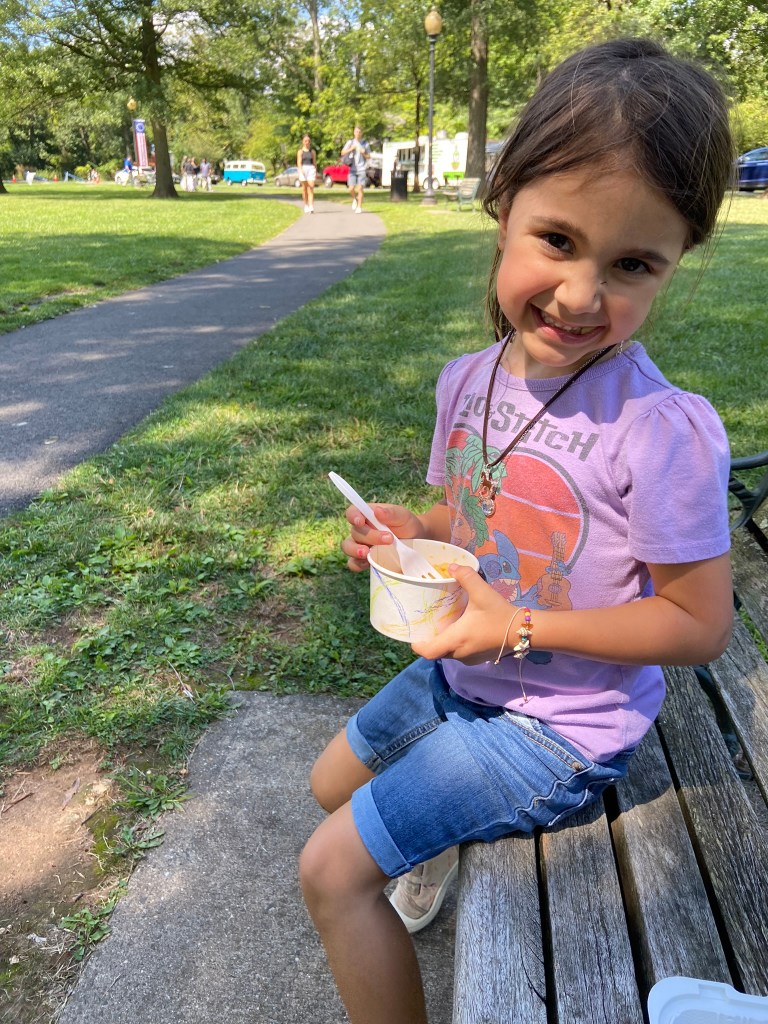
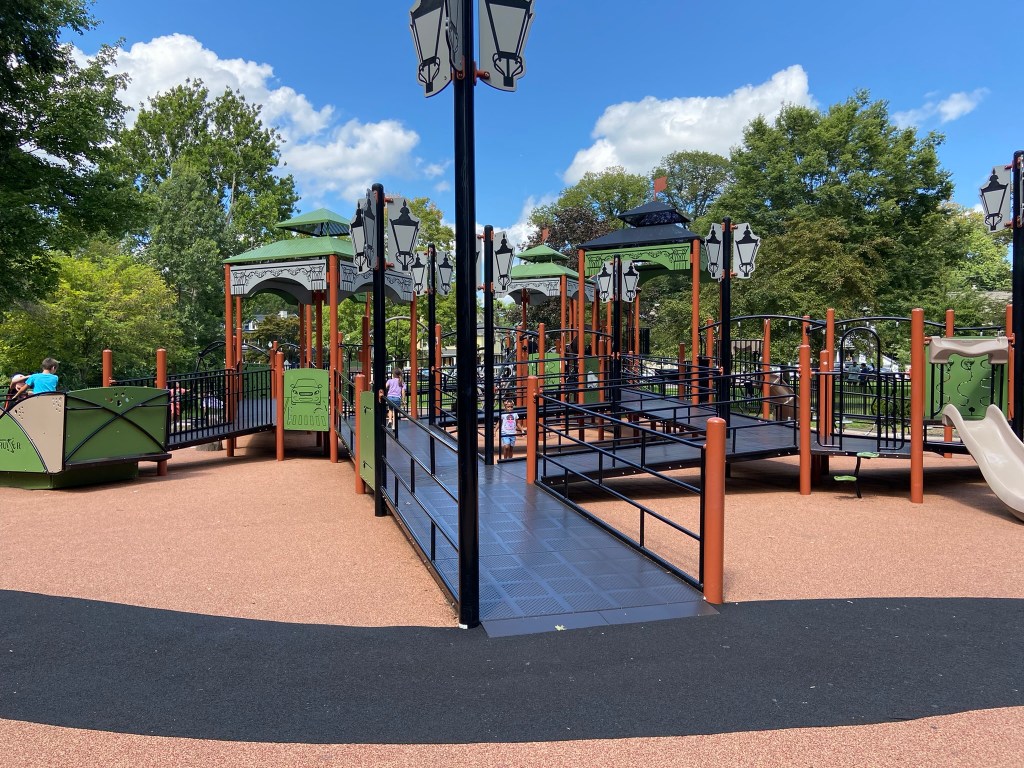
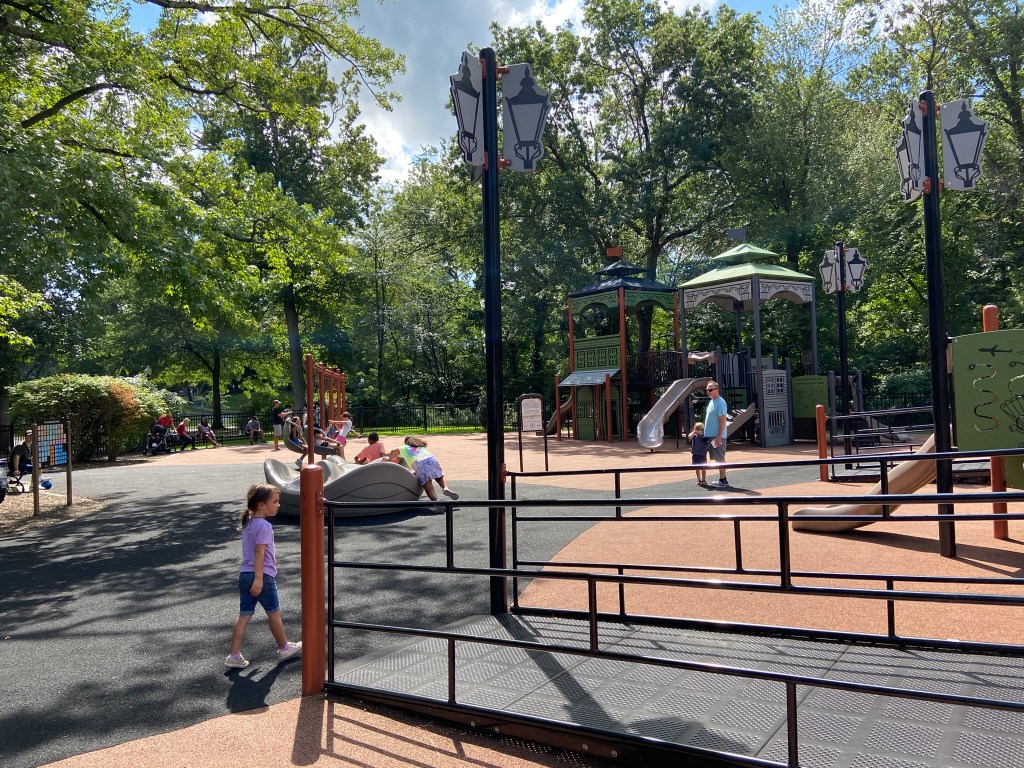
My daughter and I chatted with the re-enactors as well as members of the different historical groups there. We tried out colonial games and learned about colonial encampment cooking. There was a Family Flava food truck at the event so my daughter and I had lunch on a park bench. After we ate, we found out that Mindowskin Park has a beautiful playground that my daugher really enjoyed. I had to bribe her to leave with a stop at the ice cream truck.
My daughter and I had a wonderful time at the March to Yorktown Day in Westfield. The event was another reminder of the rich history in New Jersey and the strong ties that the state has to the American Revolution. The Washington-Rochambeau Revolutionary Route Association New Jersey did a great job providing an event that was fun and informative for all ages. I look forward to attending again next year!
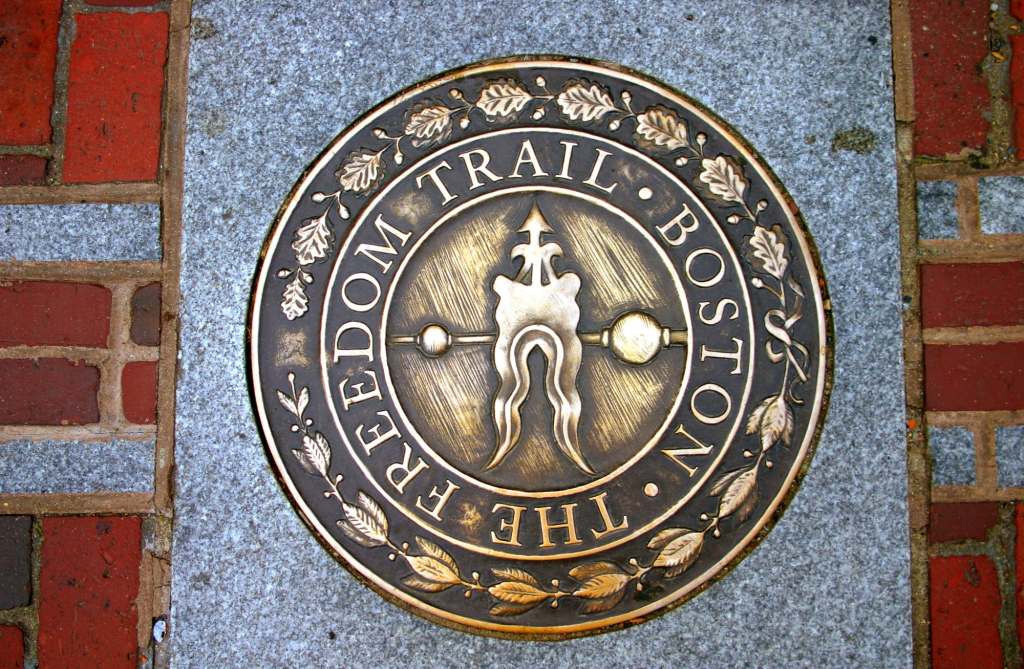
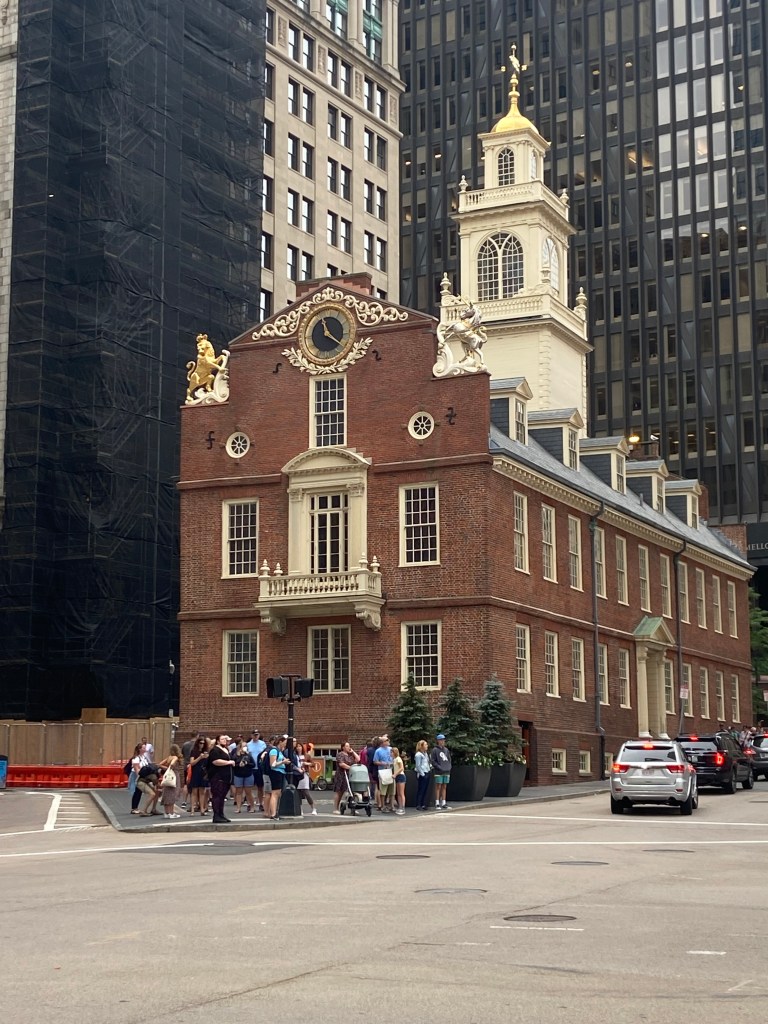
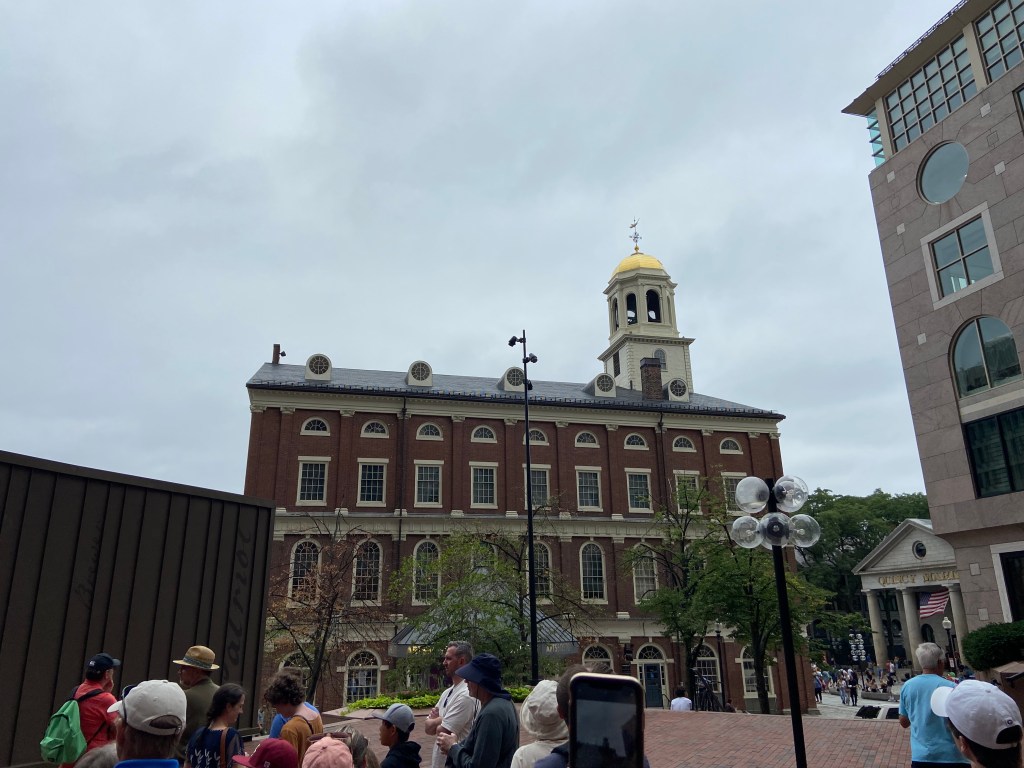
As a follow up to my three-part blog on the Massachusetts Bay Colony, this blog will focus on historic sites to visit in Boston, which was settled in 1630 and became the major city of the region. In 2020, I took a History course on Colonial America, and for one of the projects, I had to research colonial sites to visit in Jamestown, VA, Charleston, SC, and Boston, MA. In researching Boston sites, I primarily used the Freedom Trail website (https://www.thefreedomtrail.org). Then in August 2022, my family and I were able to travel to Boston for the first time, and see most of the sites on the Freedom Trail, and those that I had researched two years prior. Boston is the most historic city in the country, and one of the oldest. When considering the lead up to the American Revolution, most of the major events took place in the city of Boston, including the many protests against British acts such as the Stamp Act (1765) , the Townshend Acts (1767) and the Tea Act (1773). Boston witnessed the Boston Massacre (1770) and the Boston Tea Party (1773). It was the epicenter of agitations between the colonists and the British crown between 1765- 1775 leading to Lexington and Concord. Boston was always a city that I felt that I needed to visit and it was wonderful to finally get there last summer. The structures and landmarks that still stand are reminders of those events that led up to the conflict, and the people who fought for freedom.
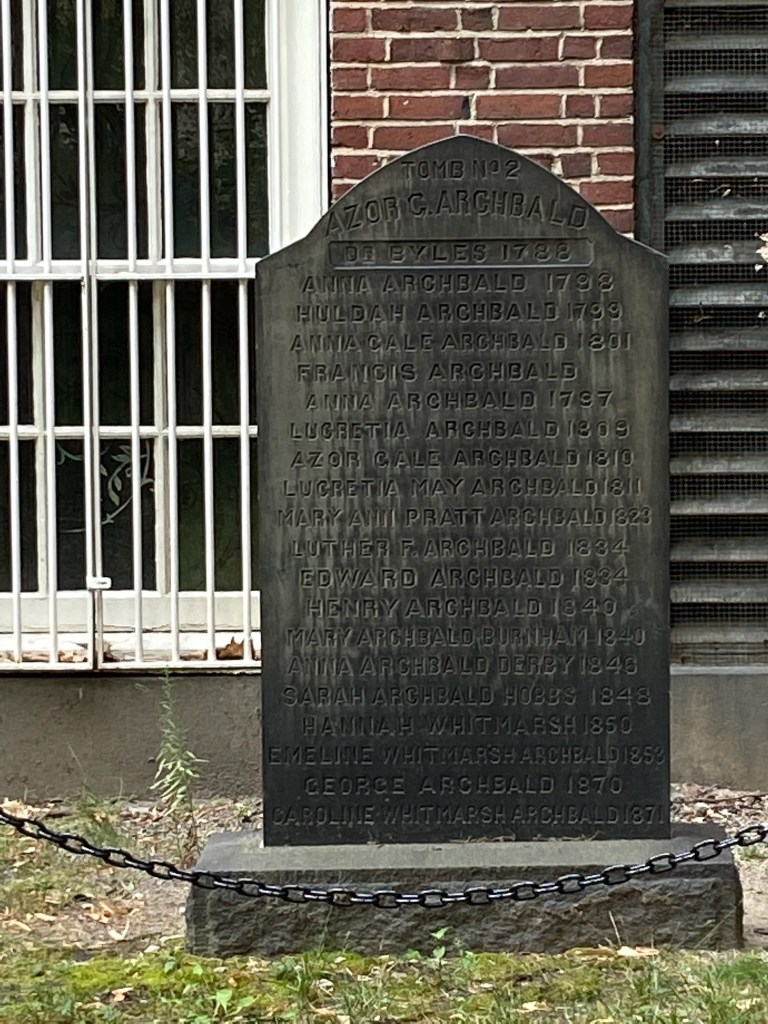
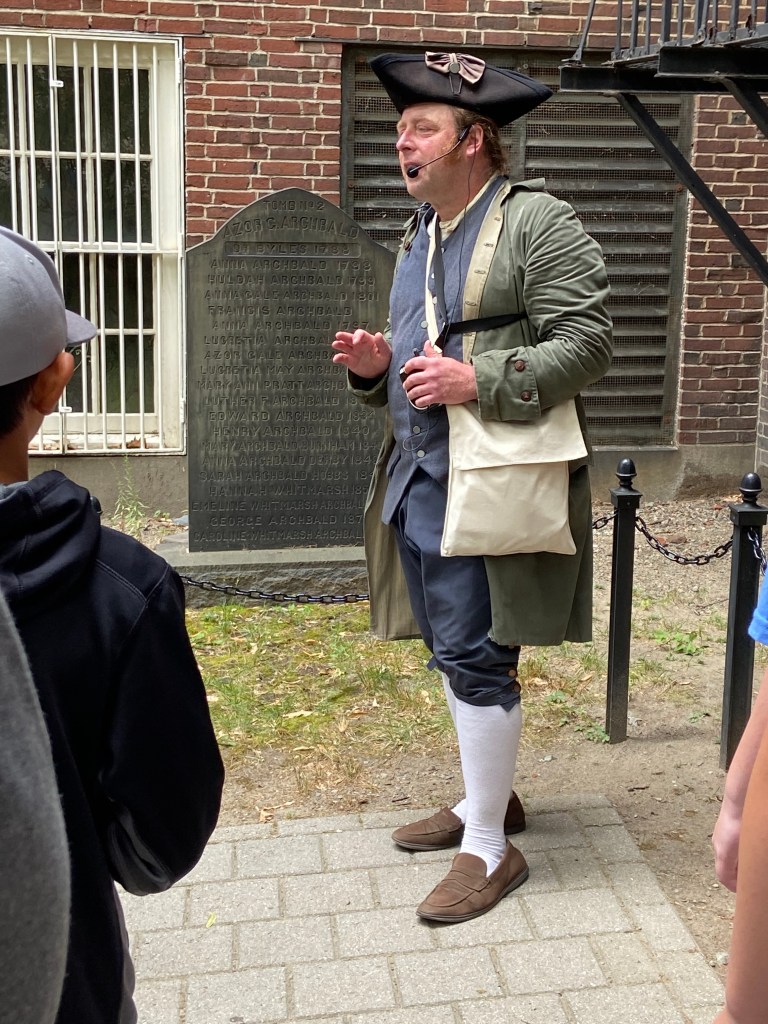
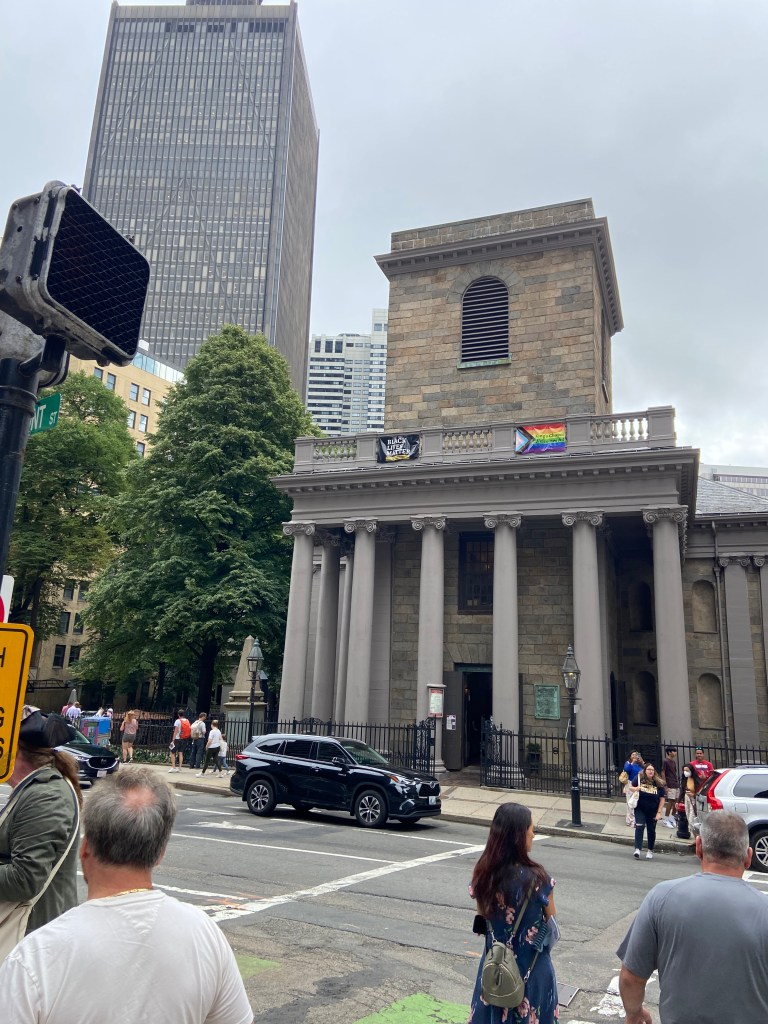
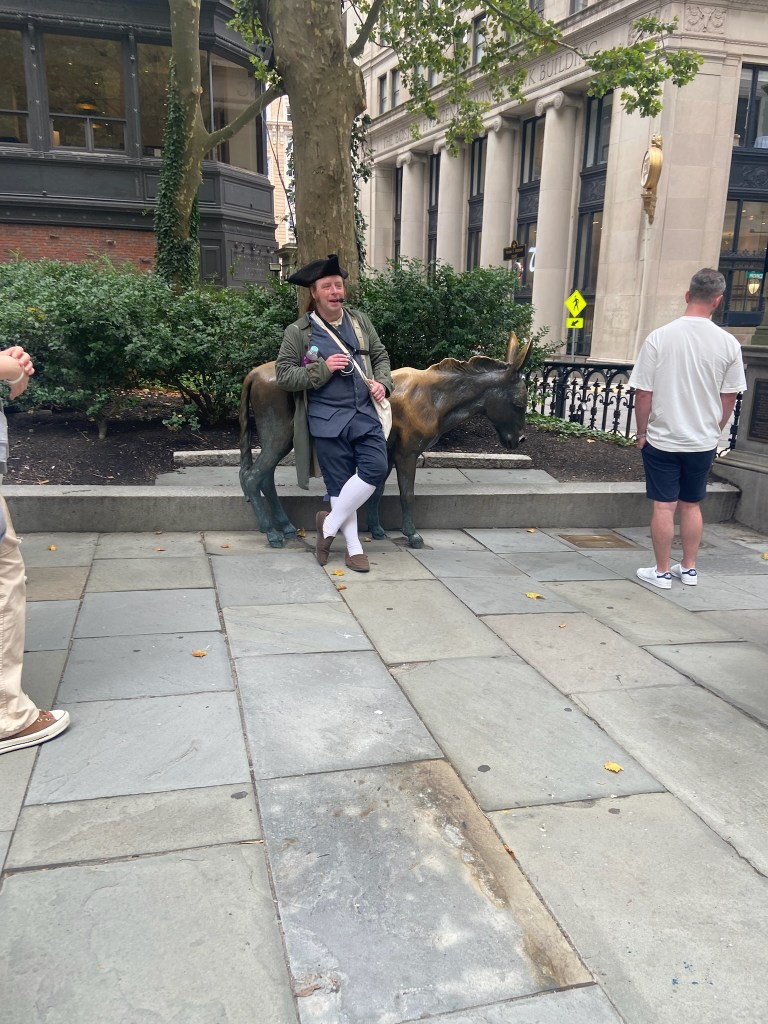
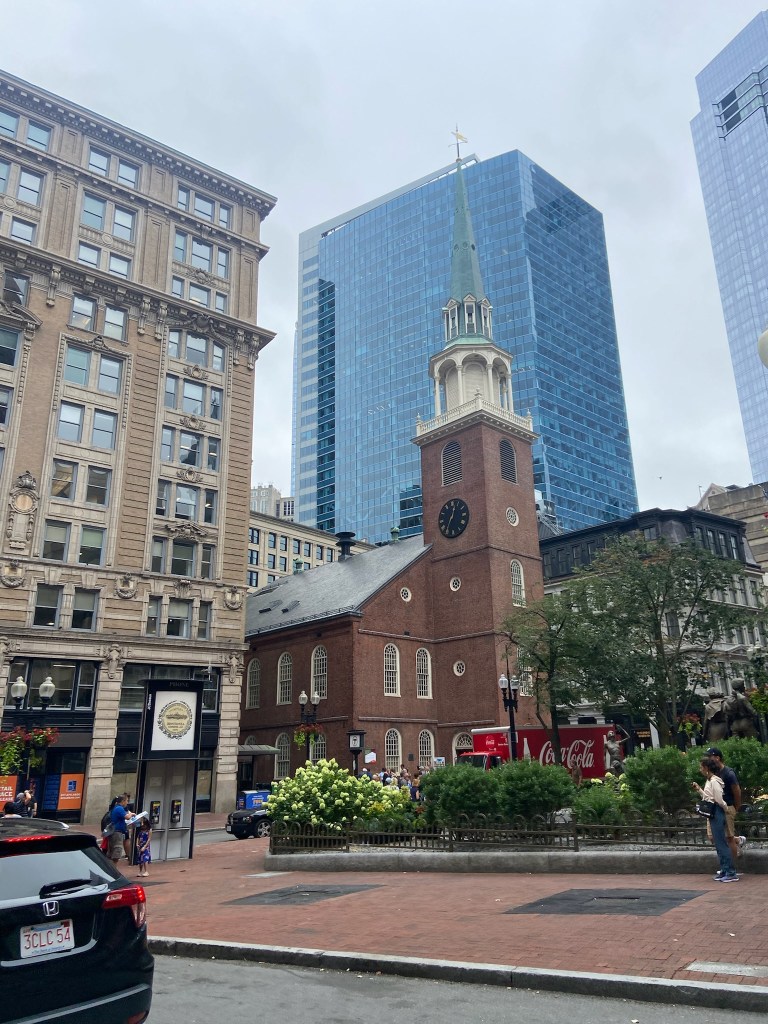
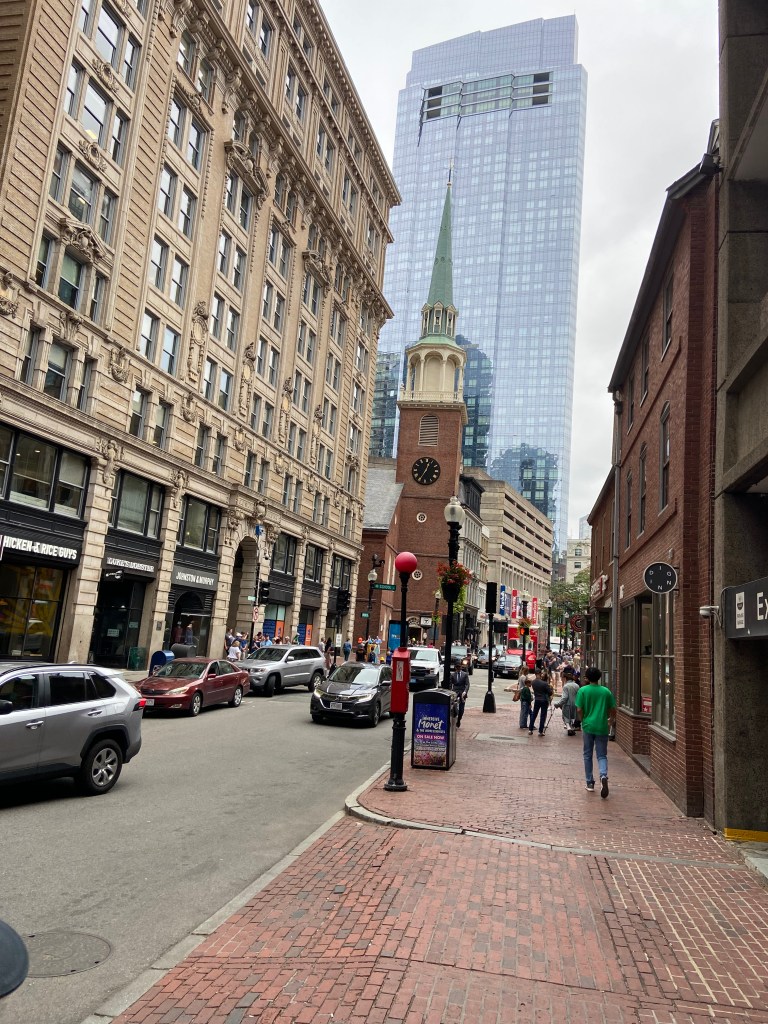
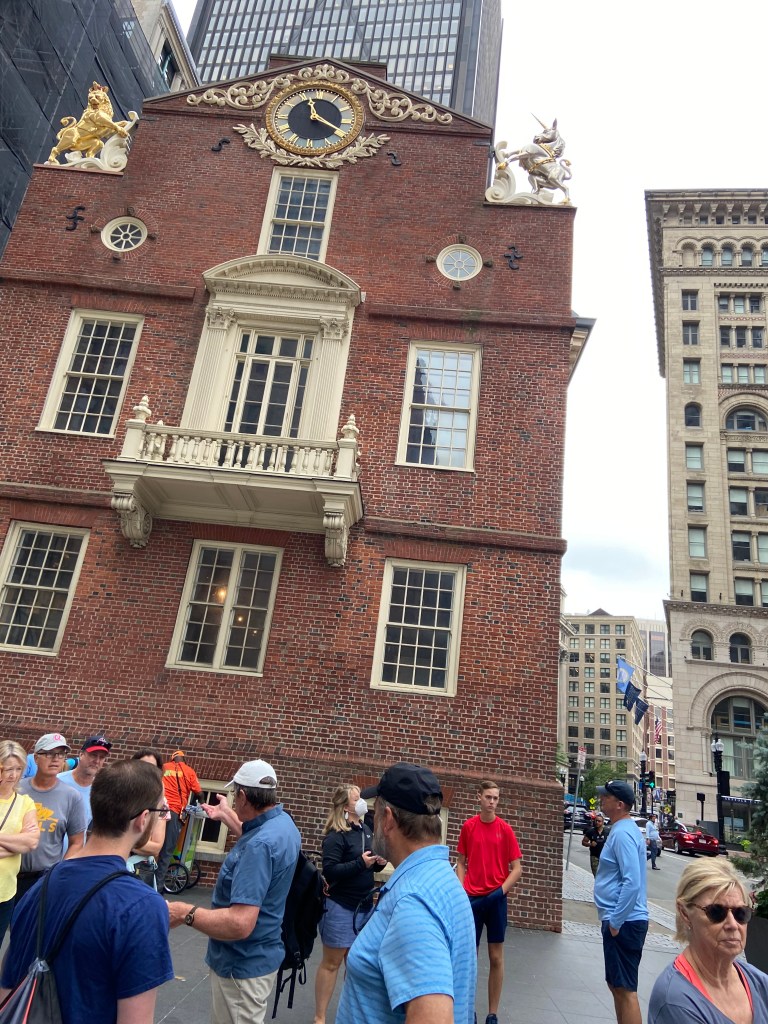
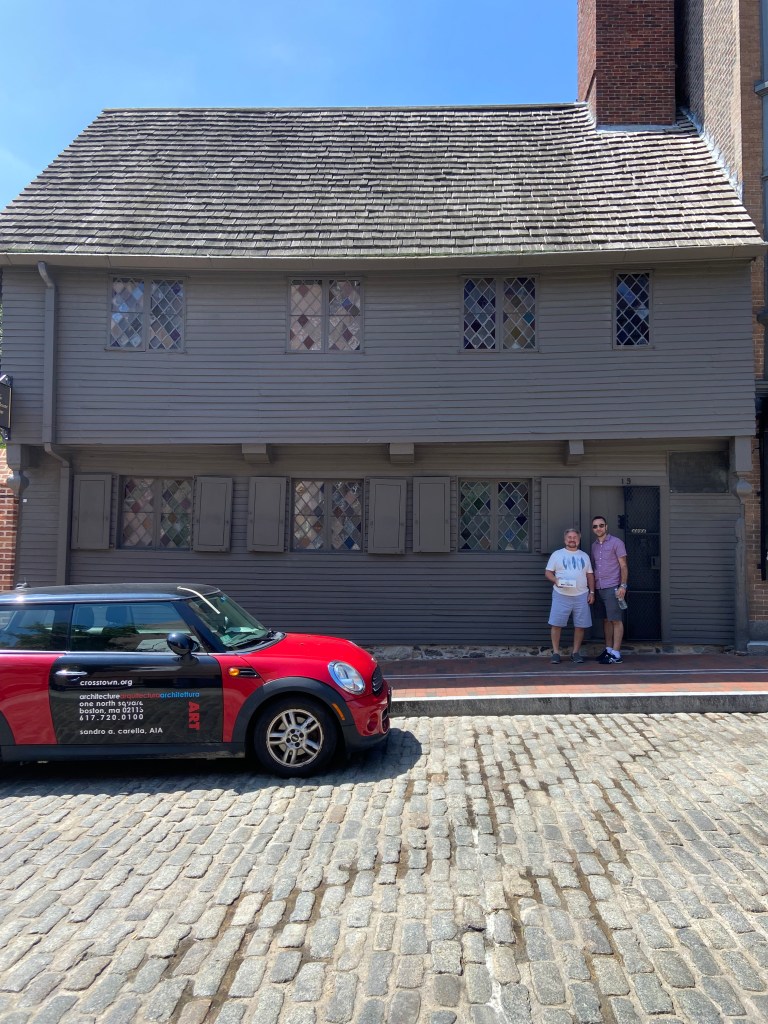
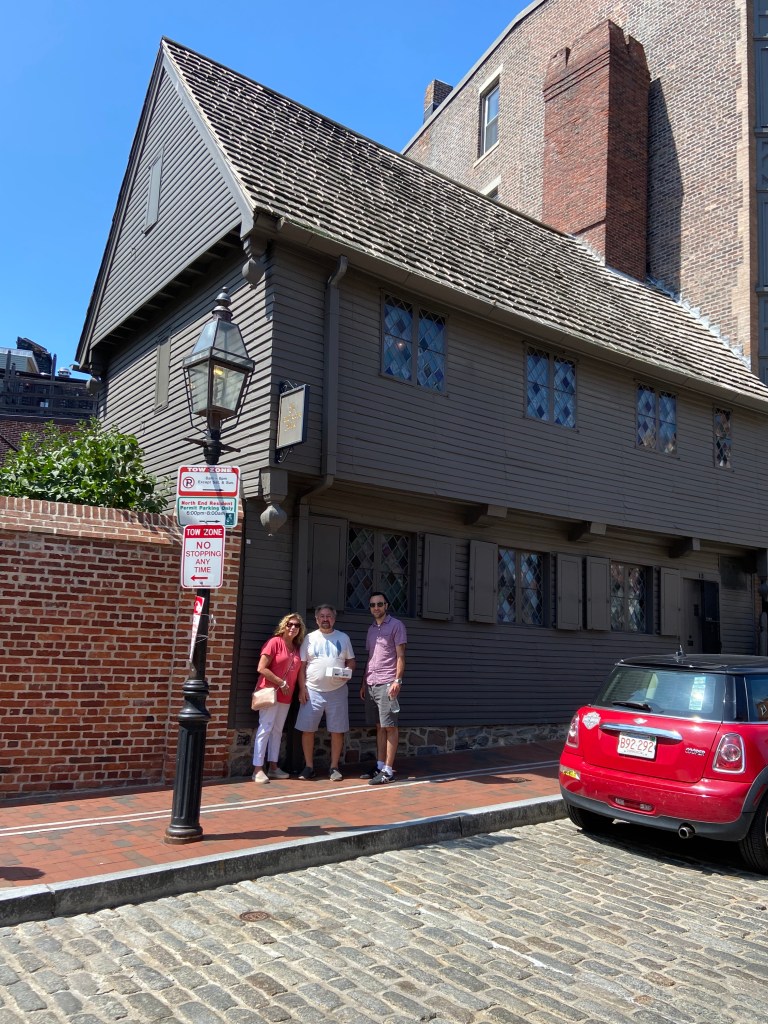
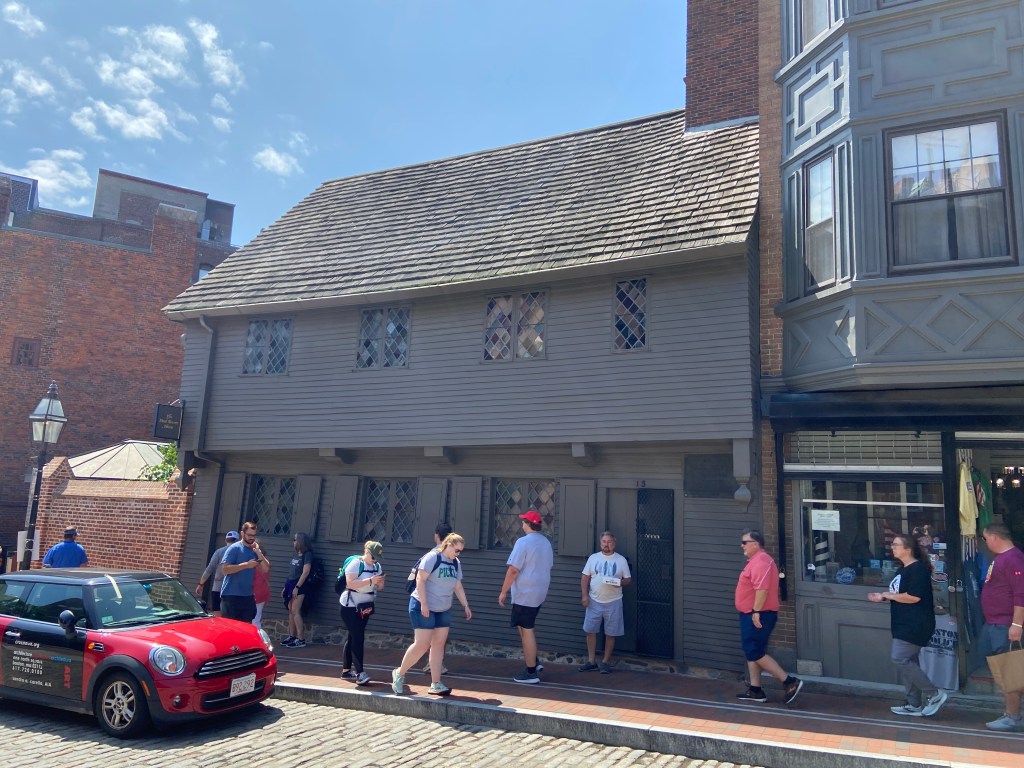
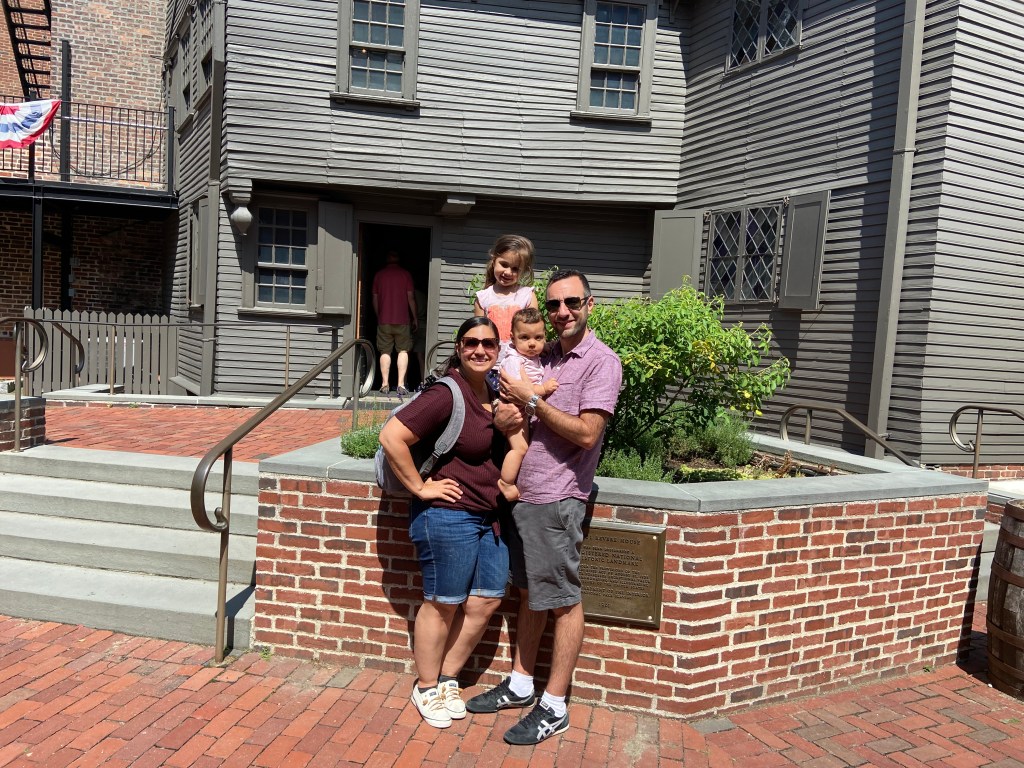
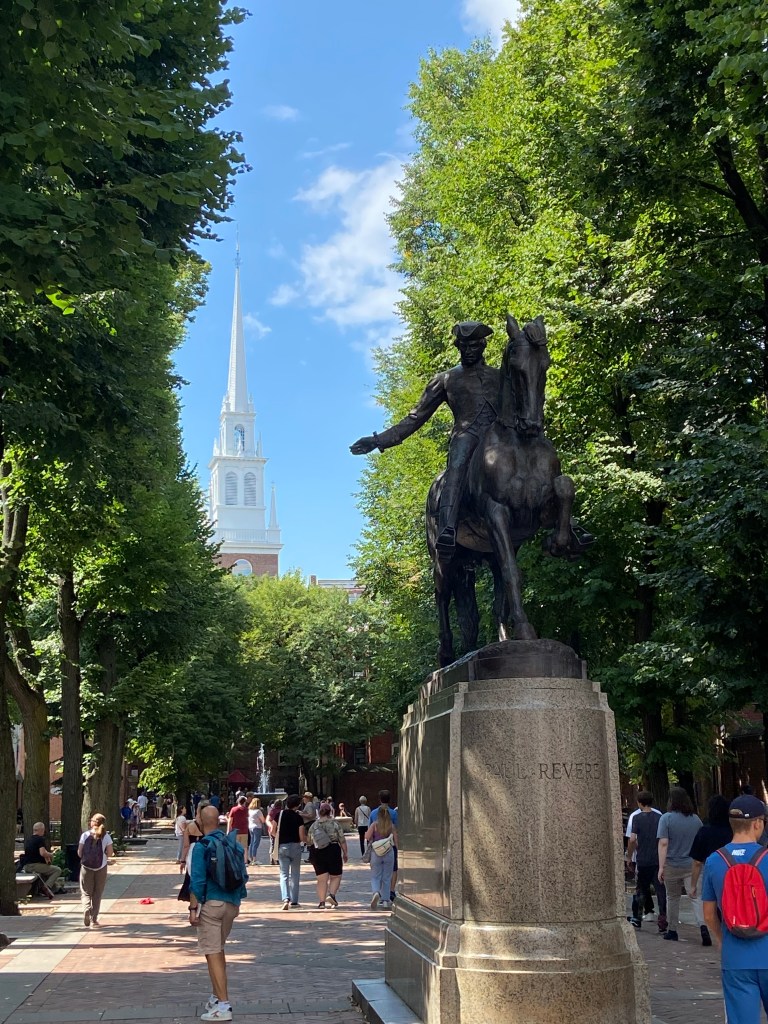
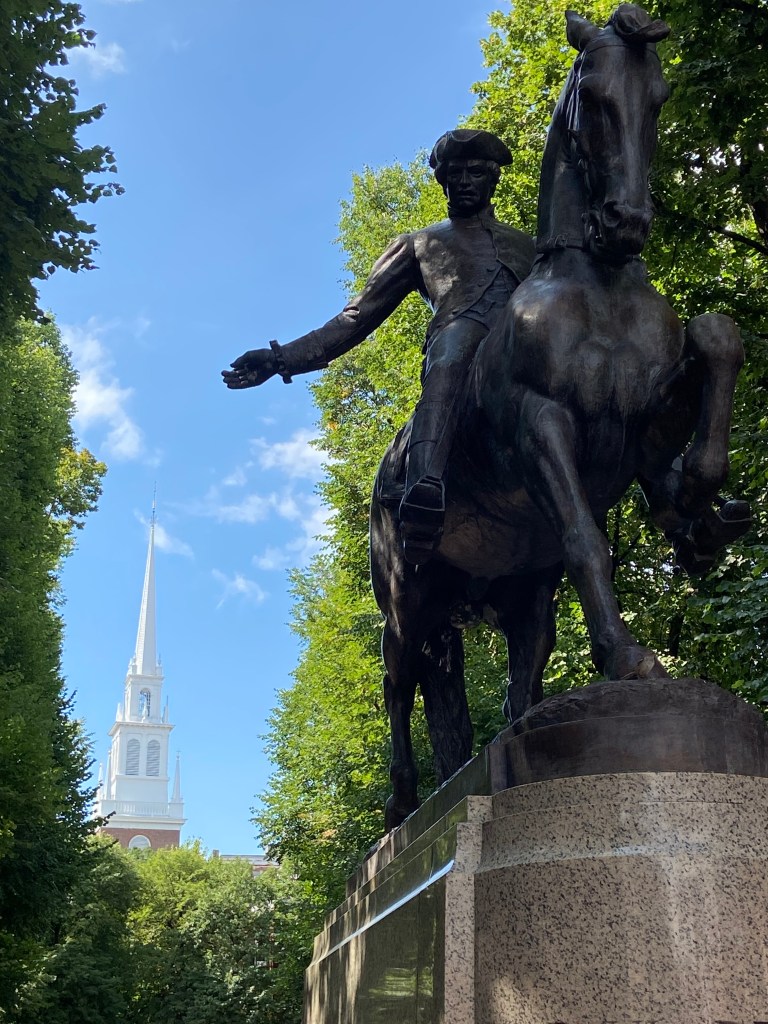
I highly suggest visiting Boston and going on the Freedom Trail with a tour guide. I particularly recommend you take your tour with Jeremiah Poope. He was extremely knowledgable and entertaining. In all of his anecdotes, he added engaging and sometimes comical tidbits. He truly made it a worthwhile experience for anyone with any level of interest and knowledge in history. We went on the “Walk Into History” Tour but there are other options as well. Below is a list of sites on the “Walk Into History” Tour. The tour ends at #11 Fanueil Hall, but Paul Revere’s House and the Old North Church are just a short walk away. Next to each site is a link to its page on the Freedom Trail website for more information about its history and significance. I’ve also included our personal photos from some of the sites.
Other sites to see that we didn’t have a chance to see this time included the USS Constitution and the Bunker Hill Monument. I’d also love to go to Fenway Park some day.
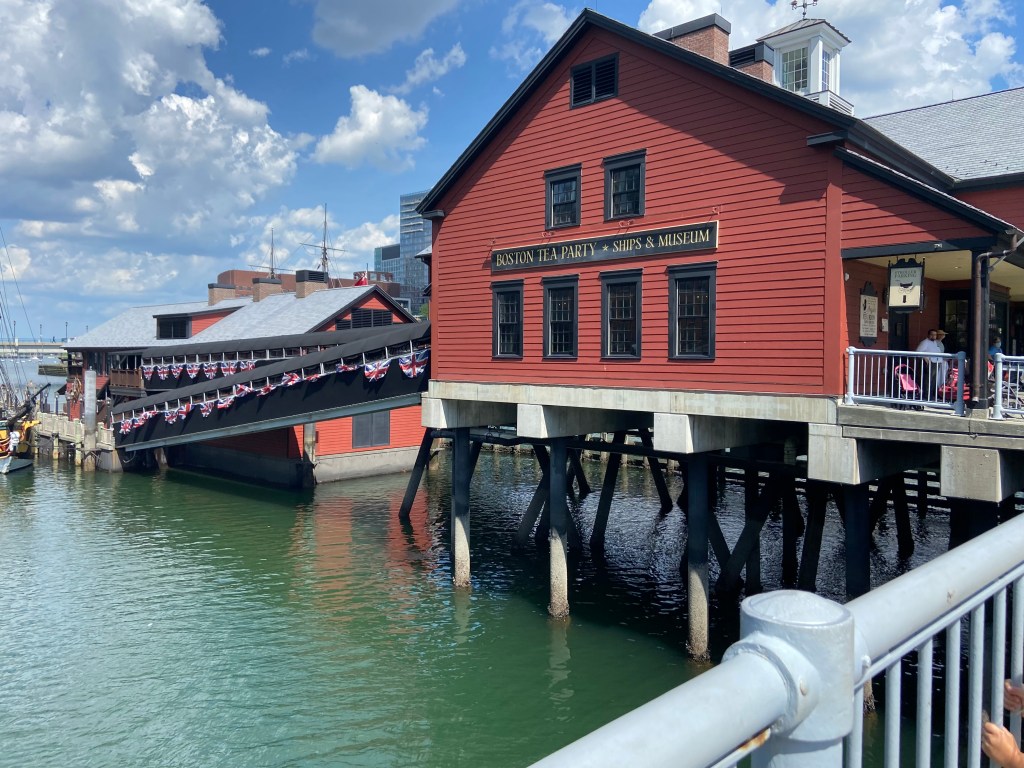
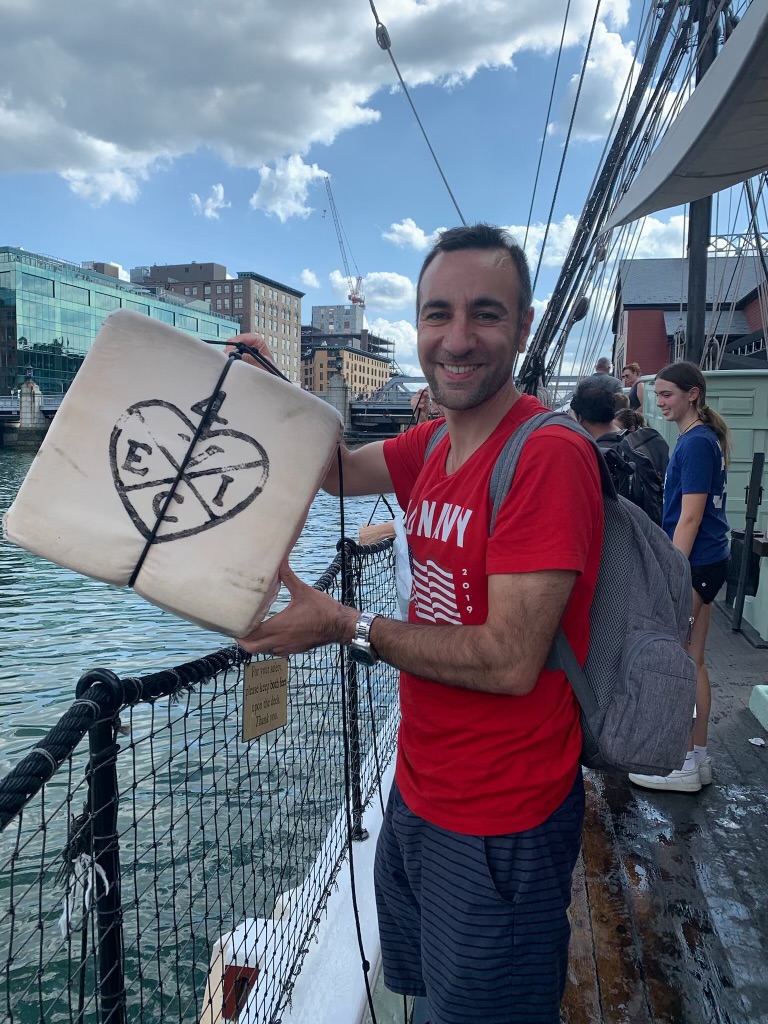
Besides the Freedom Trail, we also went to the Boston Tea Party Ships & Museum and I would highly recommend getting tickets. You first enter the “Meeting House” where live reenactors plan the Boston Tea Party and rally you and the other visitors as the colonists. You then have an opportunity to go on board and explore an 18th century ship and then throw British Tea into the harbor. You also watch, on a theater screen (Minutemen Theater) the events of Lexington and Concord. They also had a great gift shop and tea room. Overall, we had a wonderful Boston trip considering that this was our first time. For the kids, we also went to the Boston Aquarium and the Children’s Museum which we all really enjoyed. We’re looking forward to going back!
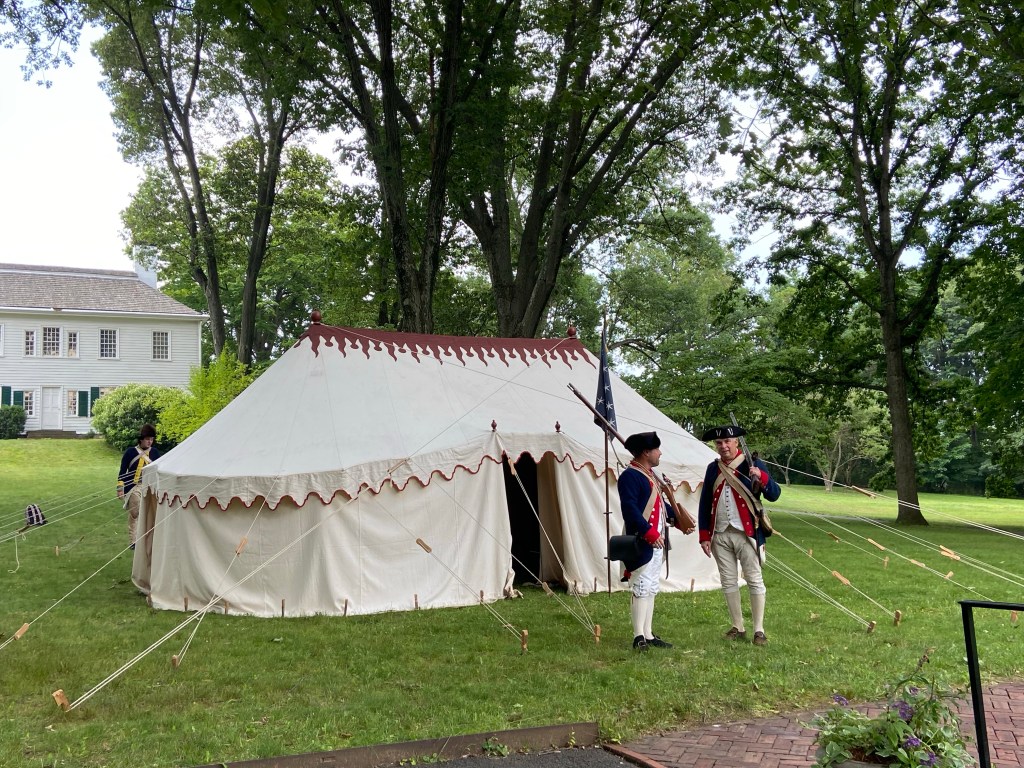
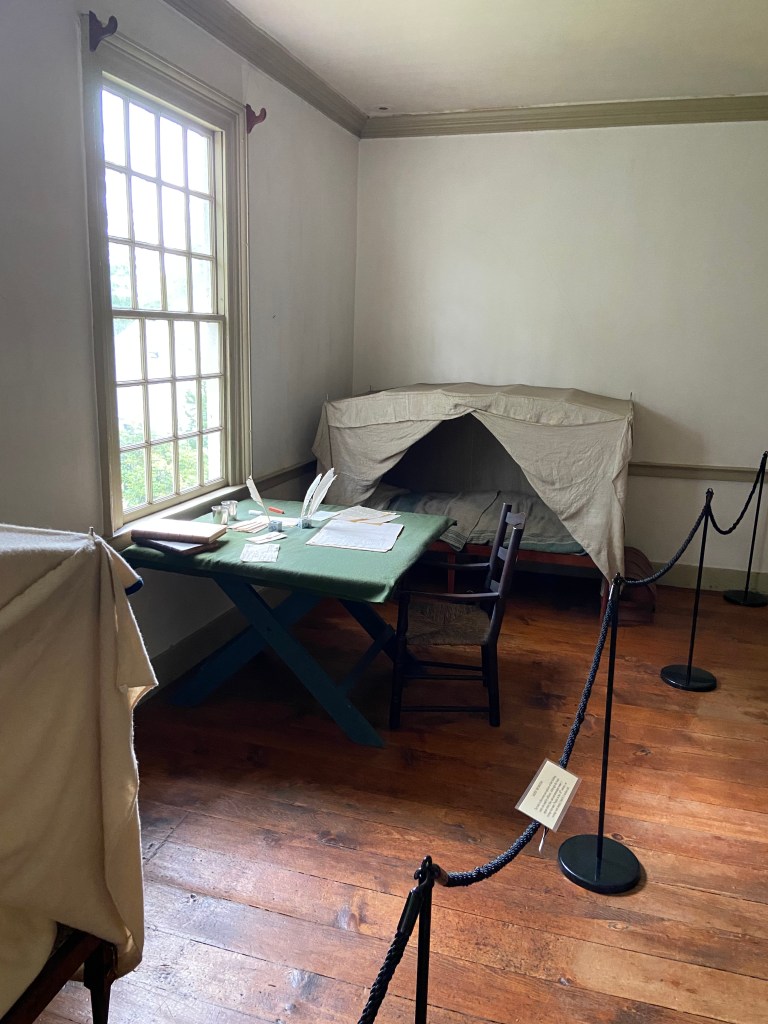
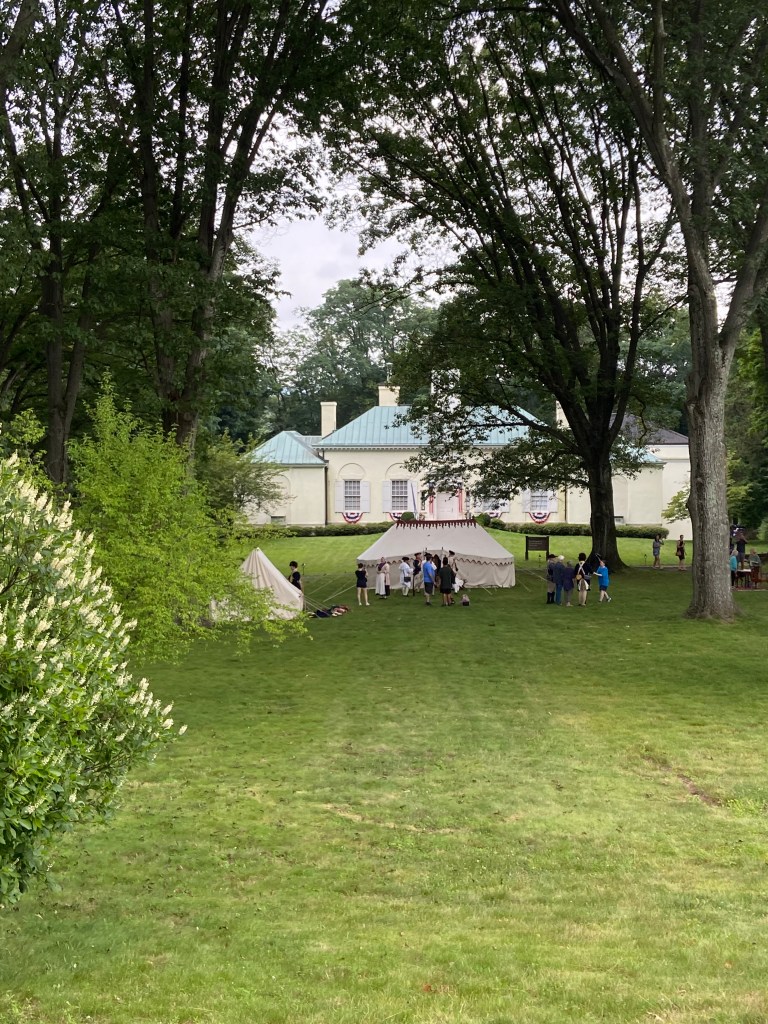
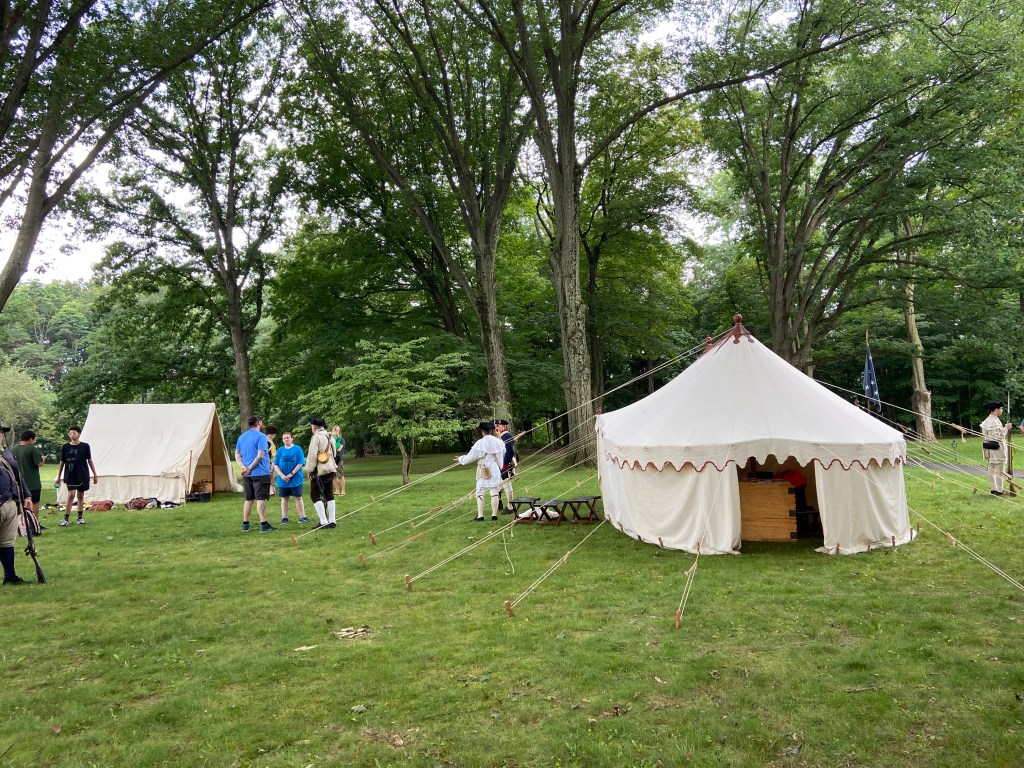
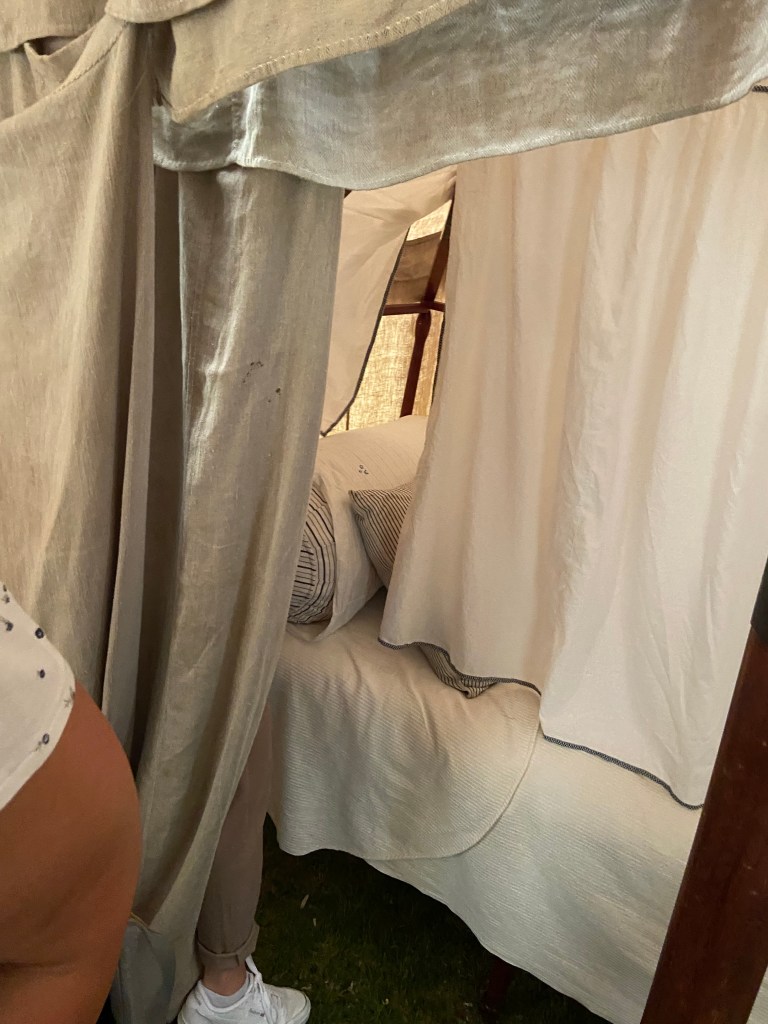
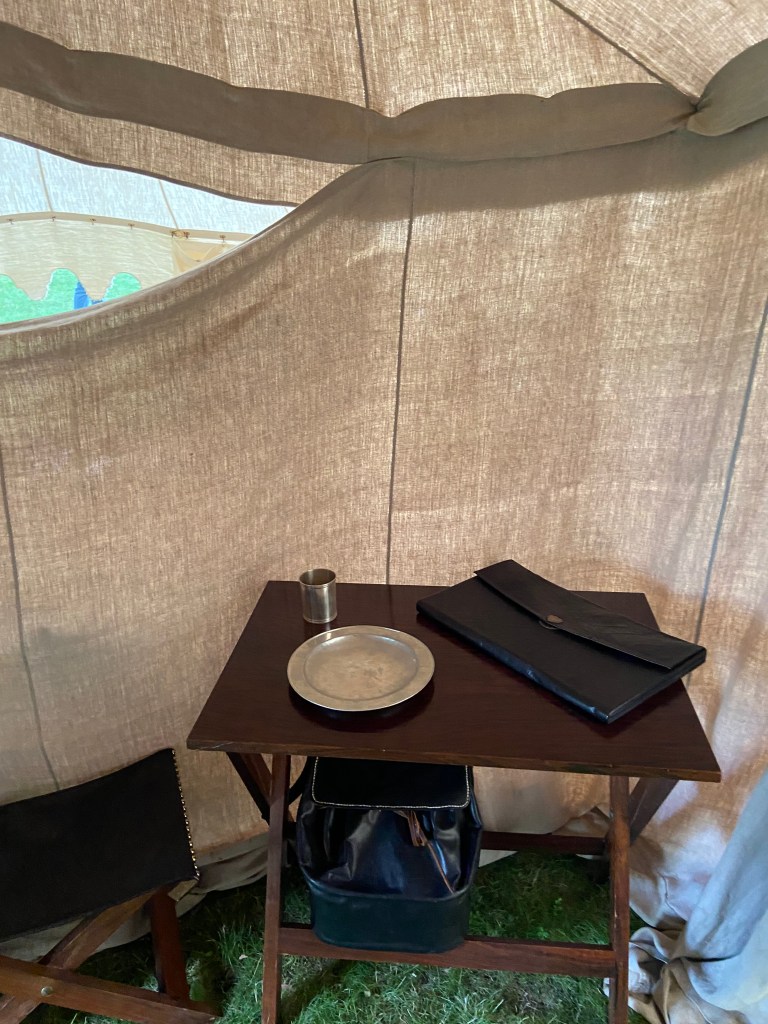
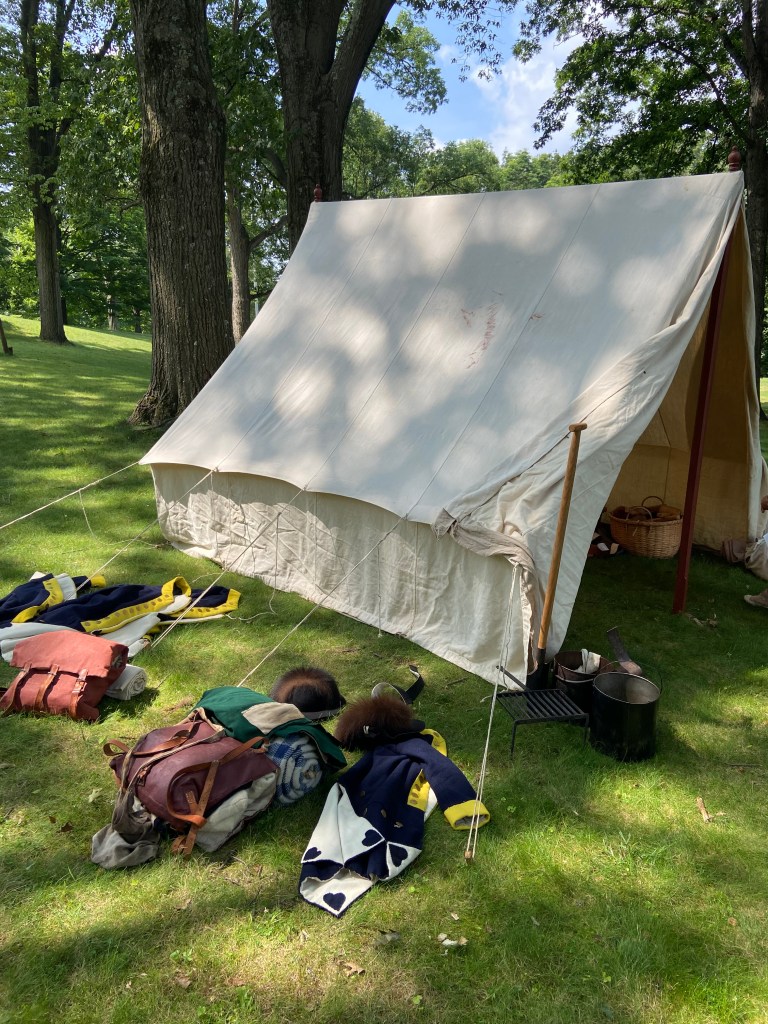
This past weekend I took the family to Washington’s Headquarters in Morristown, NJ. Throughout the week they hosted an event entitled “Red, White and You: Celebrating Independence Week at Washington’s Headquarters!” During the weekend they hosted the Museum of the American Revolution’s “First Oval Office Project,” which includes a full-scale replica of George Washington’s sleeping and operational tents that served as his mobile command and sleeping quarters while on campaign during the American Revolution. The tent and day’s programming was sponsored by the Washington Association of New Jersey.
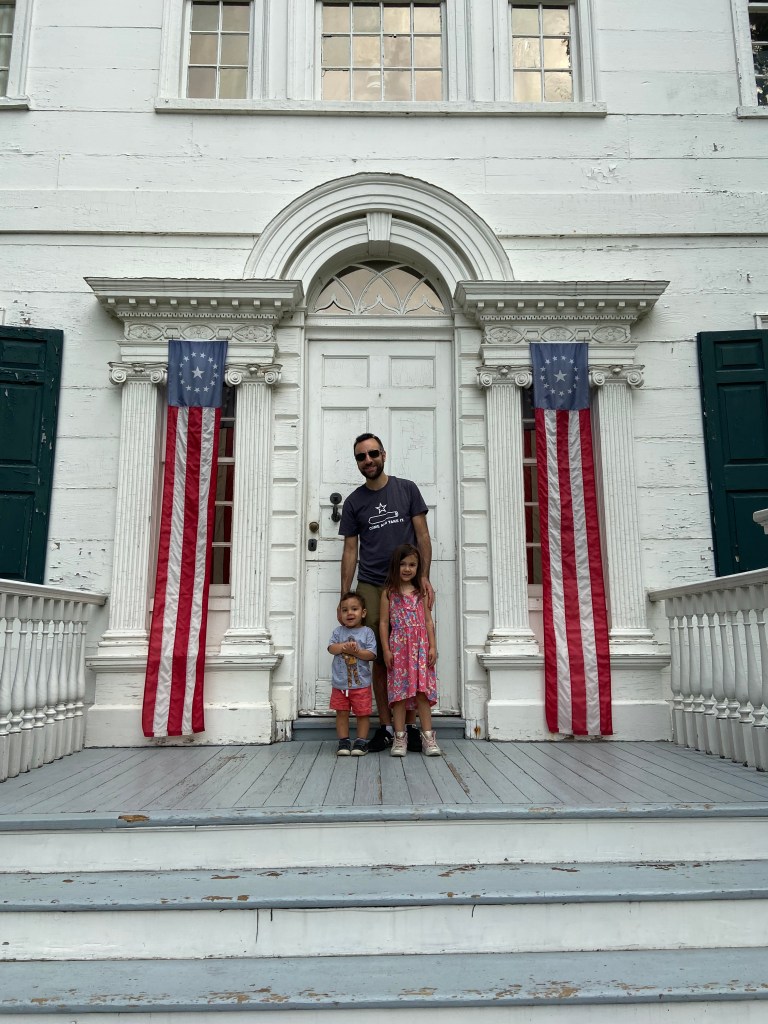
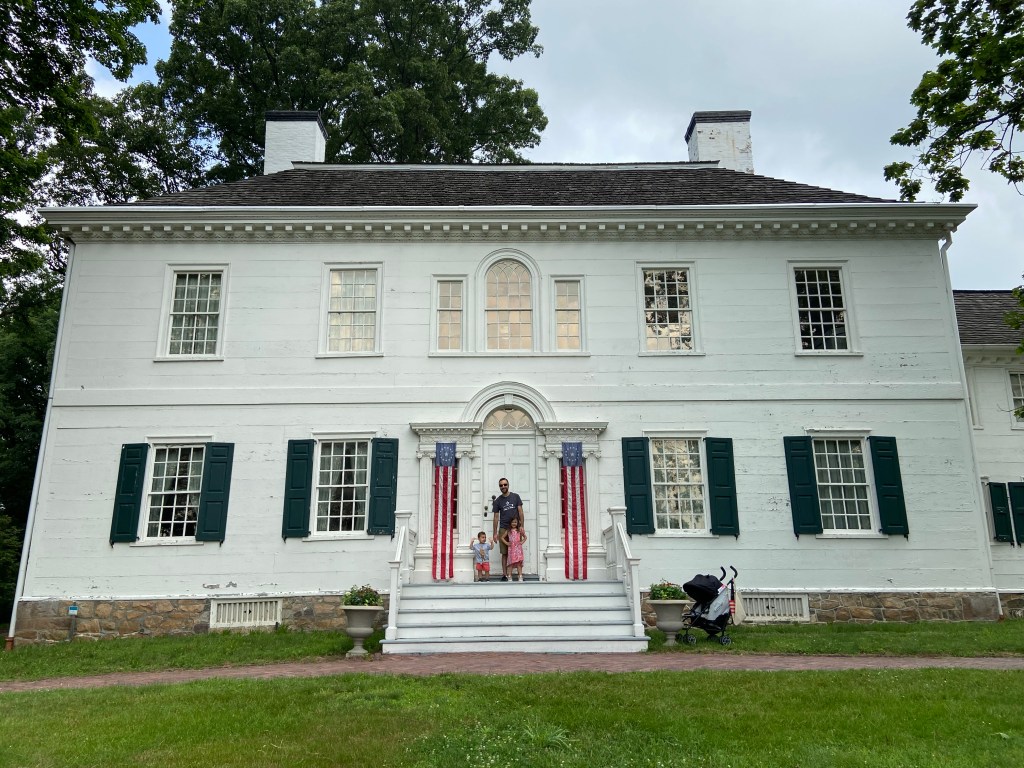
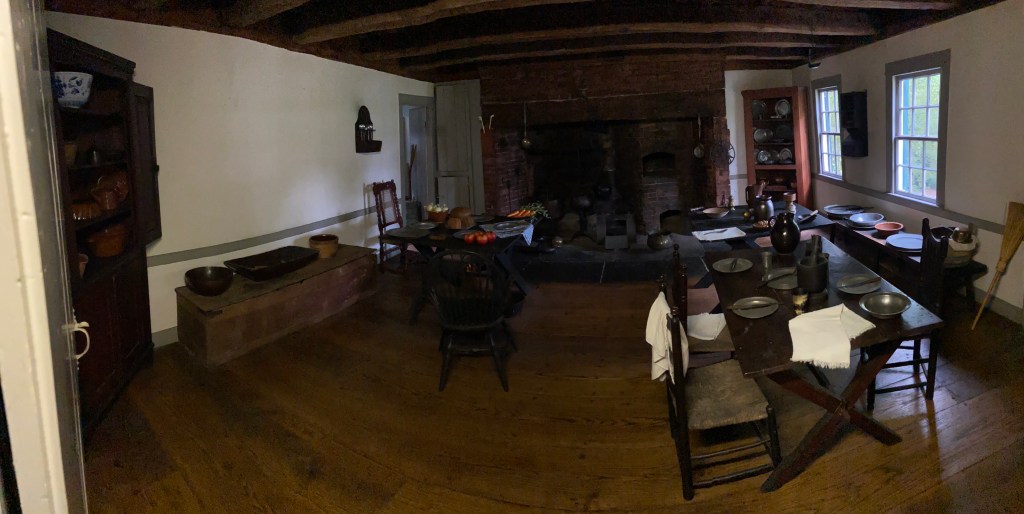
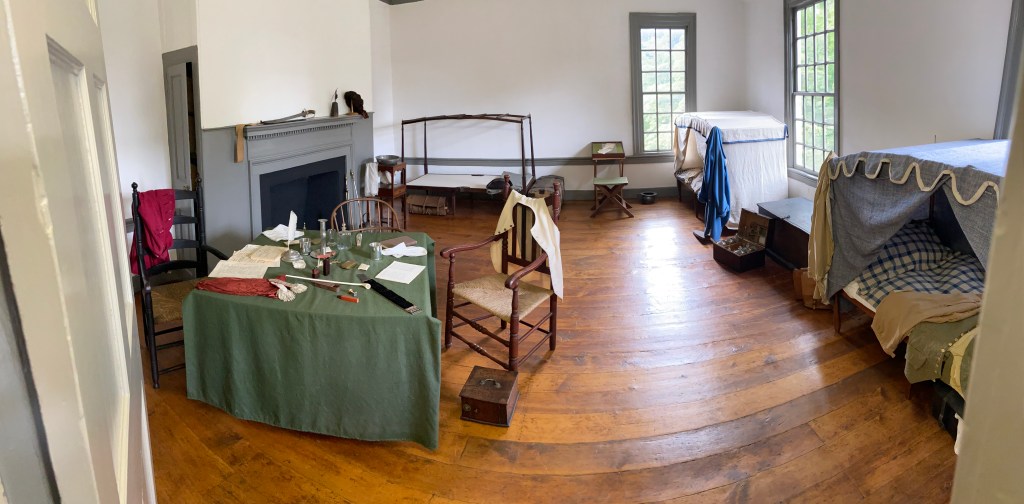
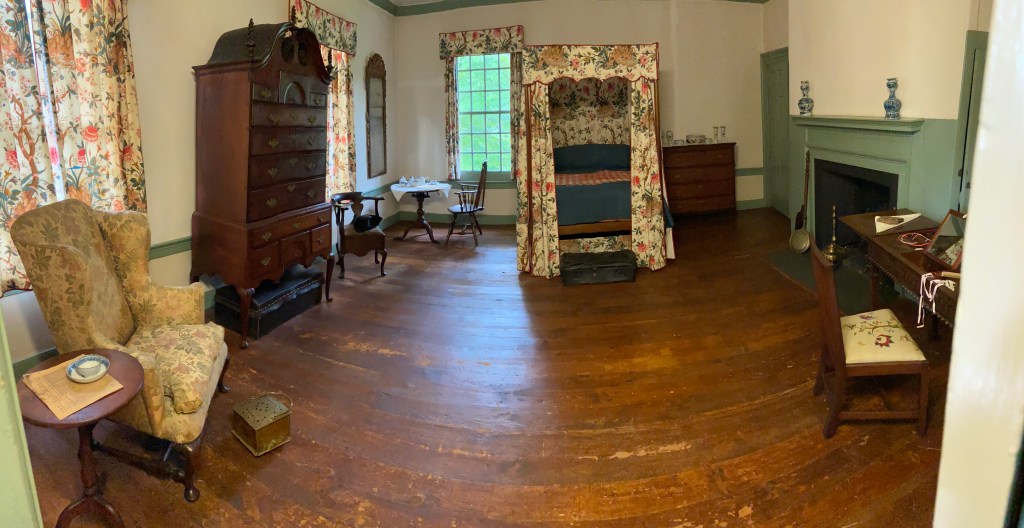
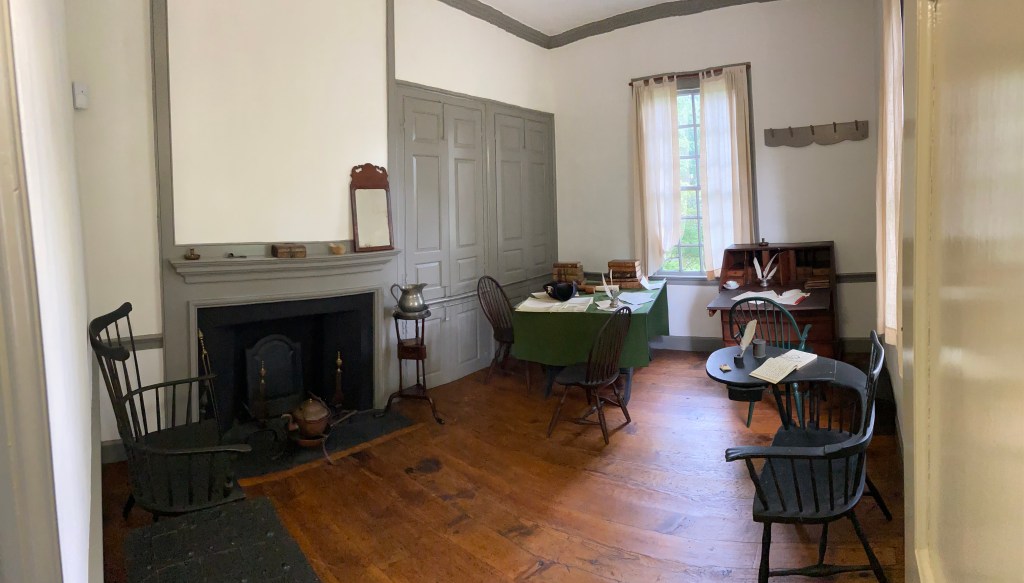
While I had been to Washington’s Headquarters Museum many times for the galleries and book talks, I had not had an opportunity to tour the Ford Mansion. The mansion was open to the public for the weekend events. Since the family and I arrived to Washington’s Headquarters fairly early, we decided to tour the mansion first, and then visit Washington’s War Tent. The guides stationed throughout the mansion were extremely helpful in answering all of our questions about the mansion and Washington’s stay there.
Ford Mansion
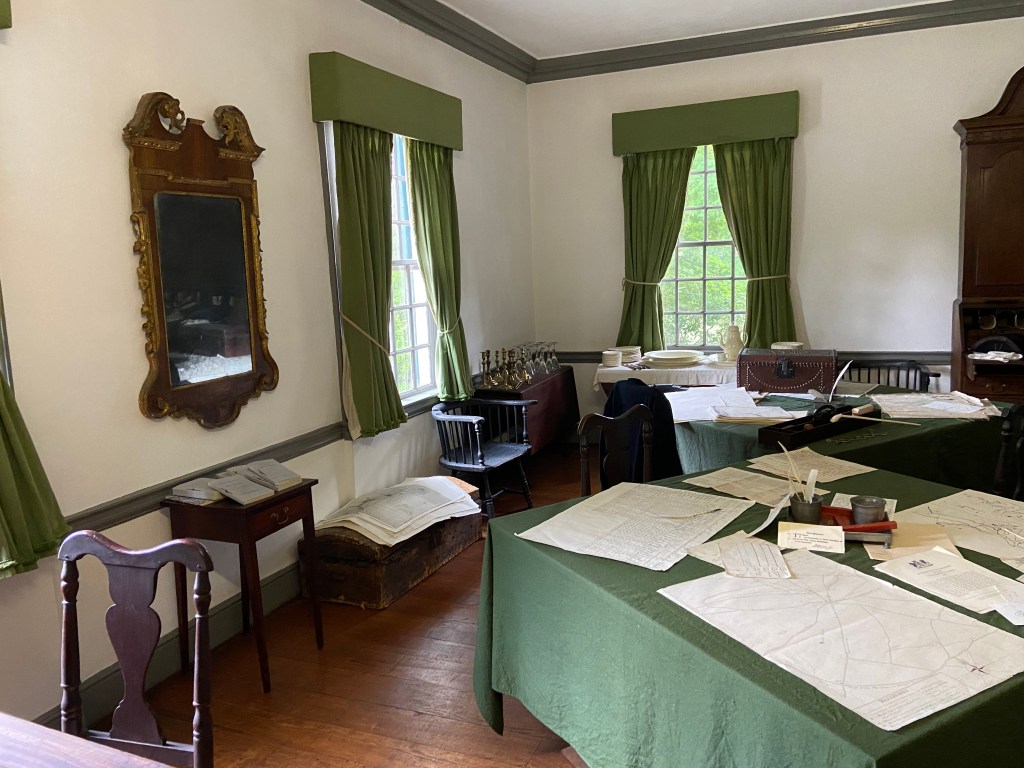
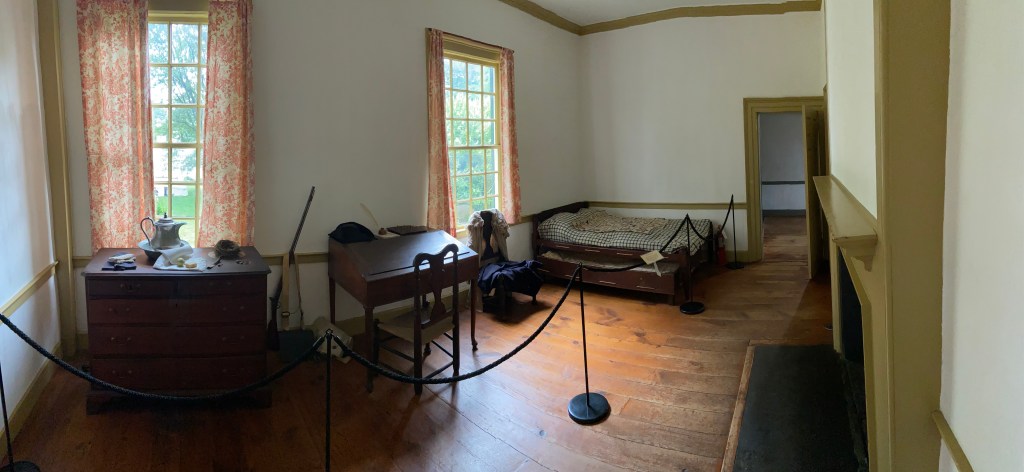
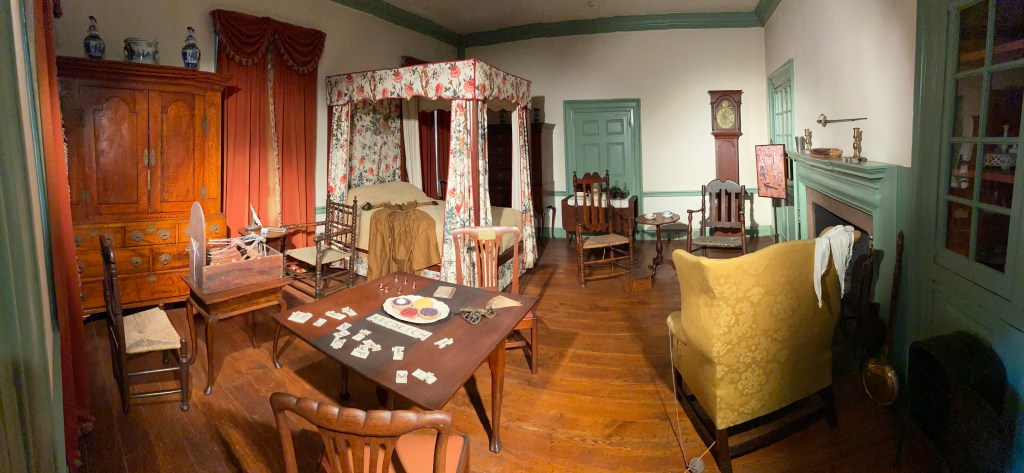
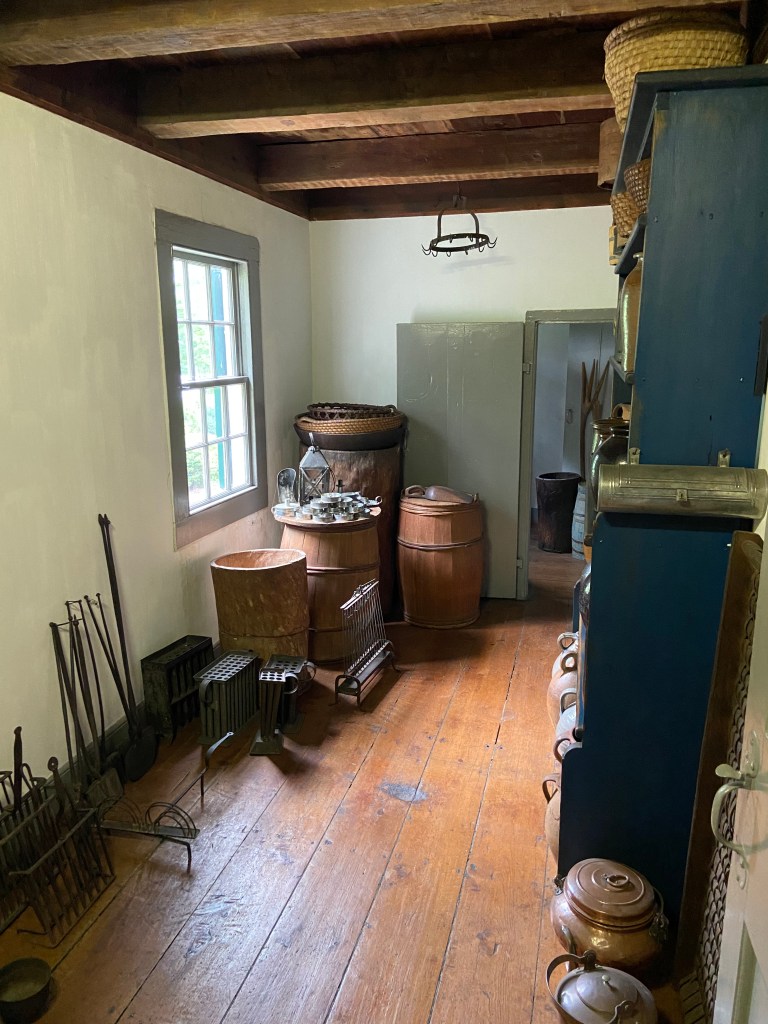
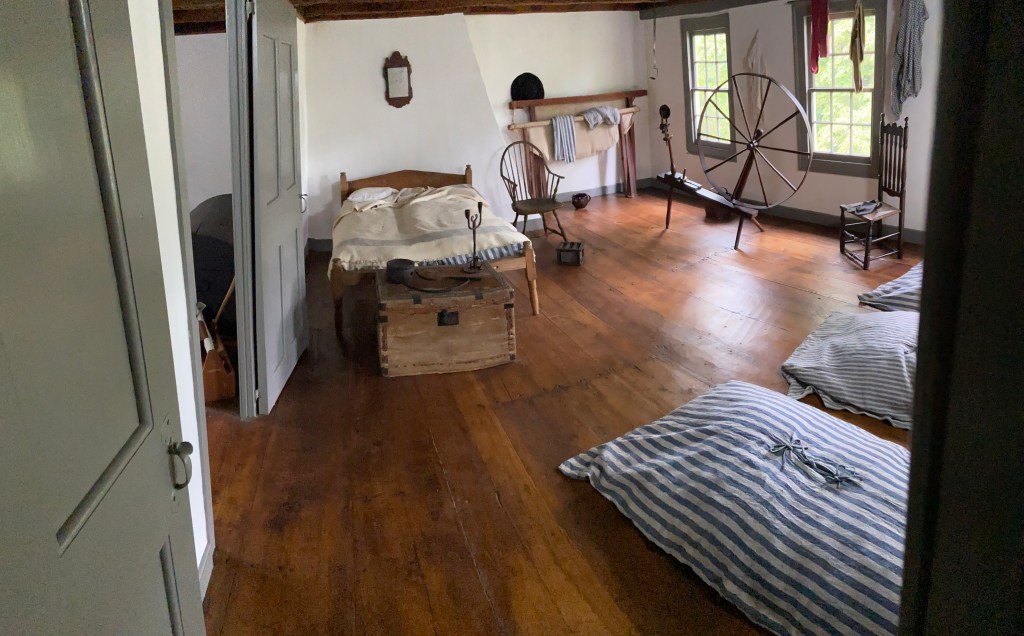
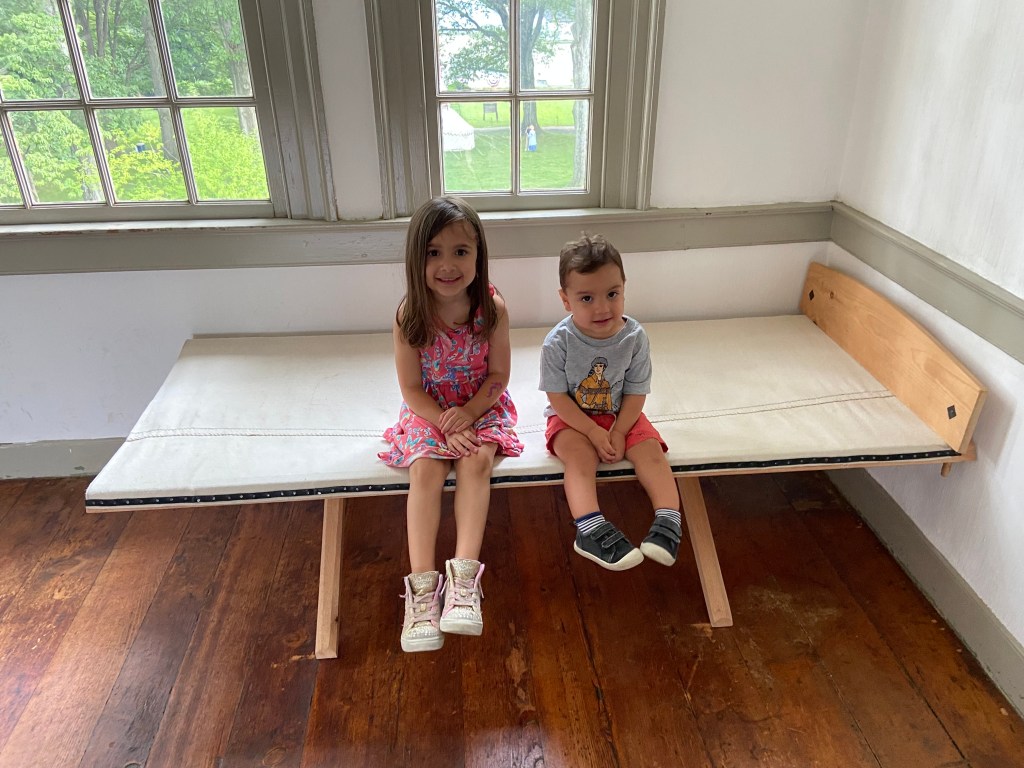
The Ford Mansion was the home of Jacob Ford, Jr, an iron manufacturer and his family. Ford served as a colonel in the Morris County Militia during the Revolution. However, Ford died in January 1777 of pneumonia, and his wife Theodosia was left to raise their four children. Theodosia allowed George Washington to use the mansion as his headquarters in the winter of 1779-1780. With the American capital in Philadelphia and the British capital in Manhattan, the location of Morristown allowed Washington to keep a close eye on the British, while sending letters to the Continental Congress. Washington also liked Morristown’s “defensible terrain, important communication routes, and access to critical resources.” He arrived in Dec. 1779 and stayed until June 1780. The winter of ‘79-’80 was exceptionally brutal. While Washington was quartered at the Ford Mansion, the army built a small village of huts at Jockey Hollow about 5 miles away. Along with George came his wife Martha, five aides-de-camp, including Alexander Hamilton, eighteen servants, and a number of visiting dignitaries and guards. Theodosia and the children stayed in rooms on the first floor while Washington and his entourage occupied rooms on the top floor. While staying at the Ford Mansion, the Commander in Chief of the Continental Army was busy running the affairs of the war, including making sure his army was supplied with their necessities, and frequently writing correspondence with his commanders. After Washington’s six month stay, the Ford family continued to live in the house until the 1870s. Today, the house is furnished to reflect how it would have appeared in Washington’s day.
Washington’s War Tent
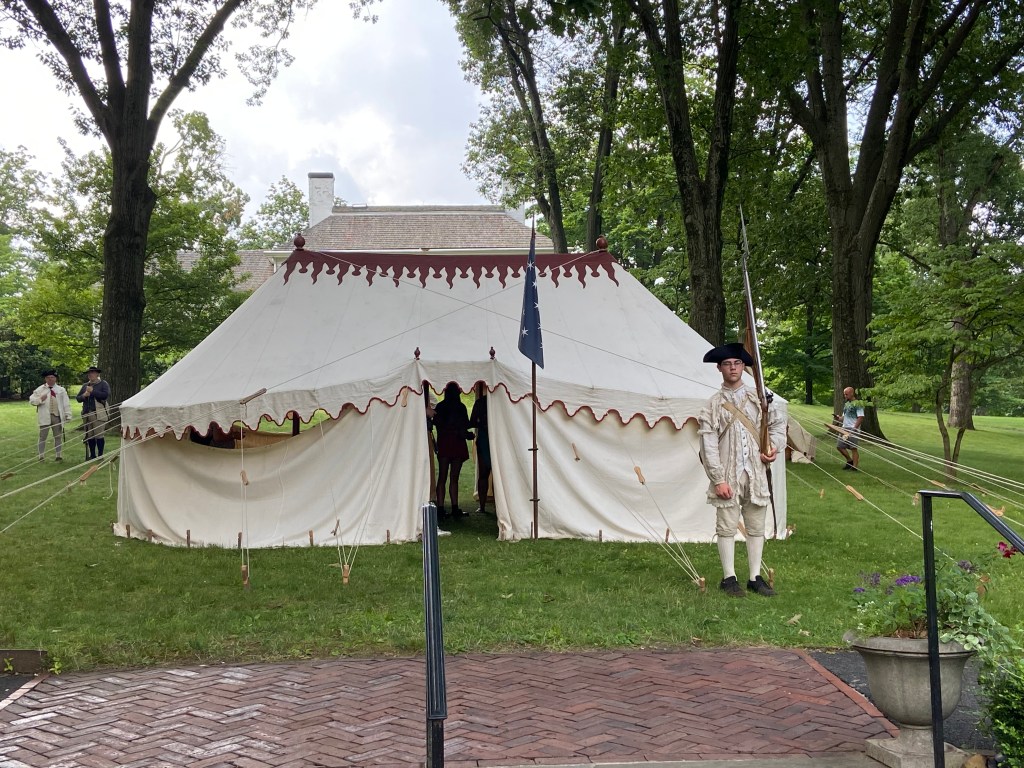
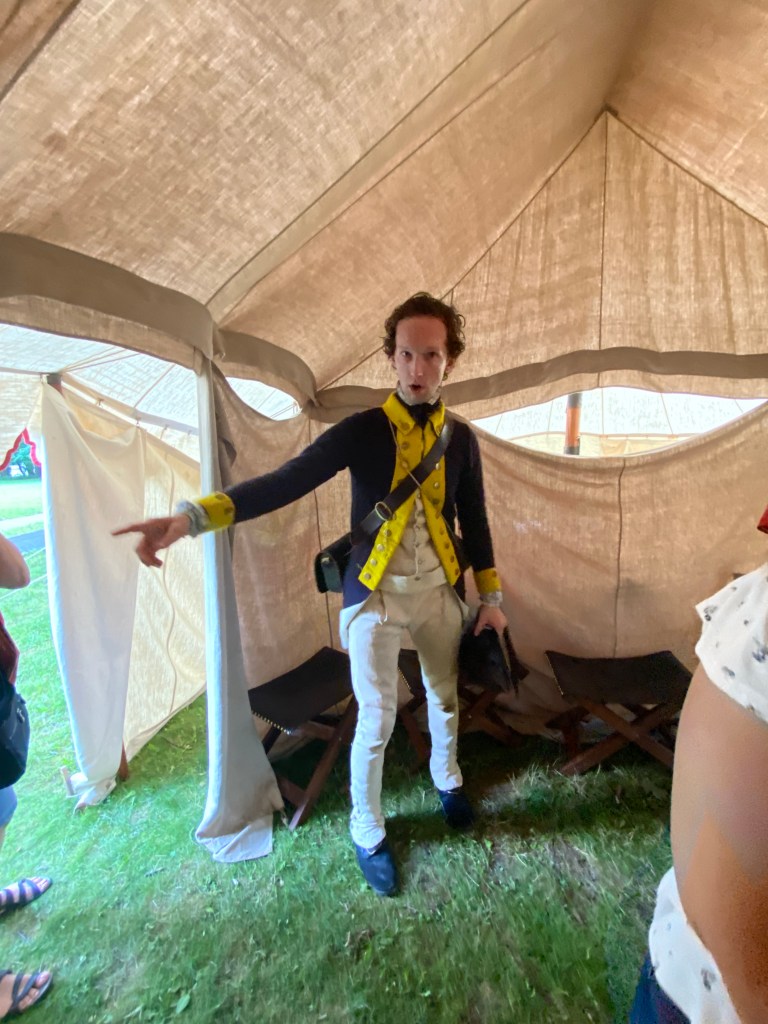
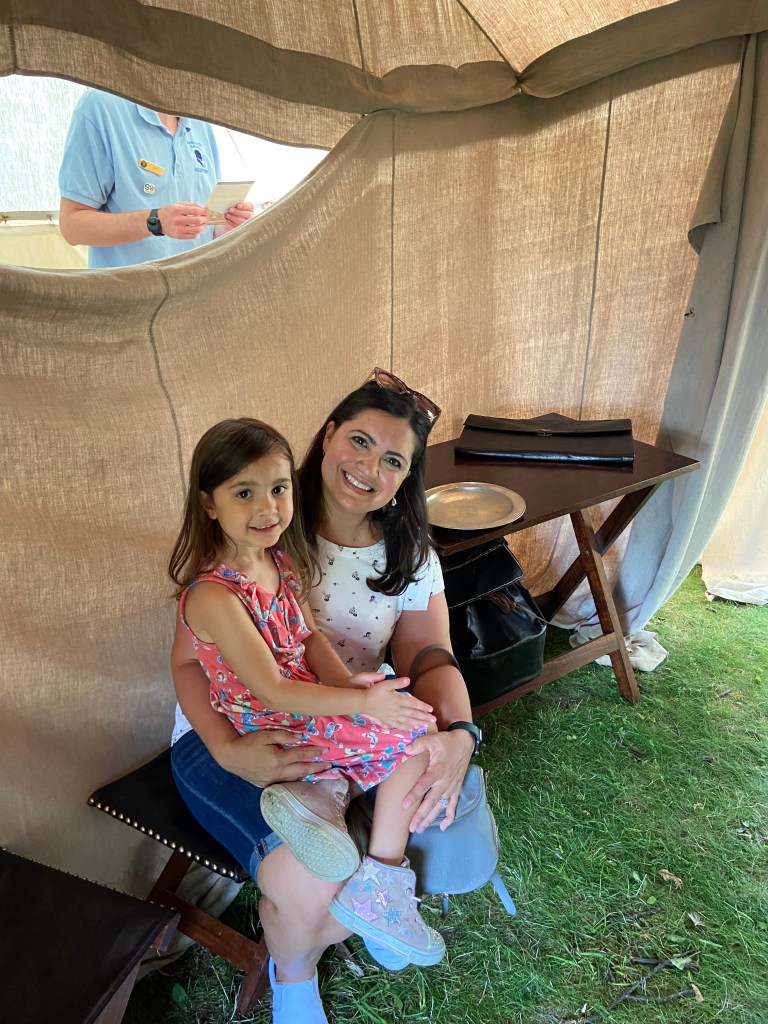
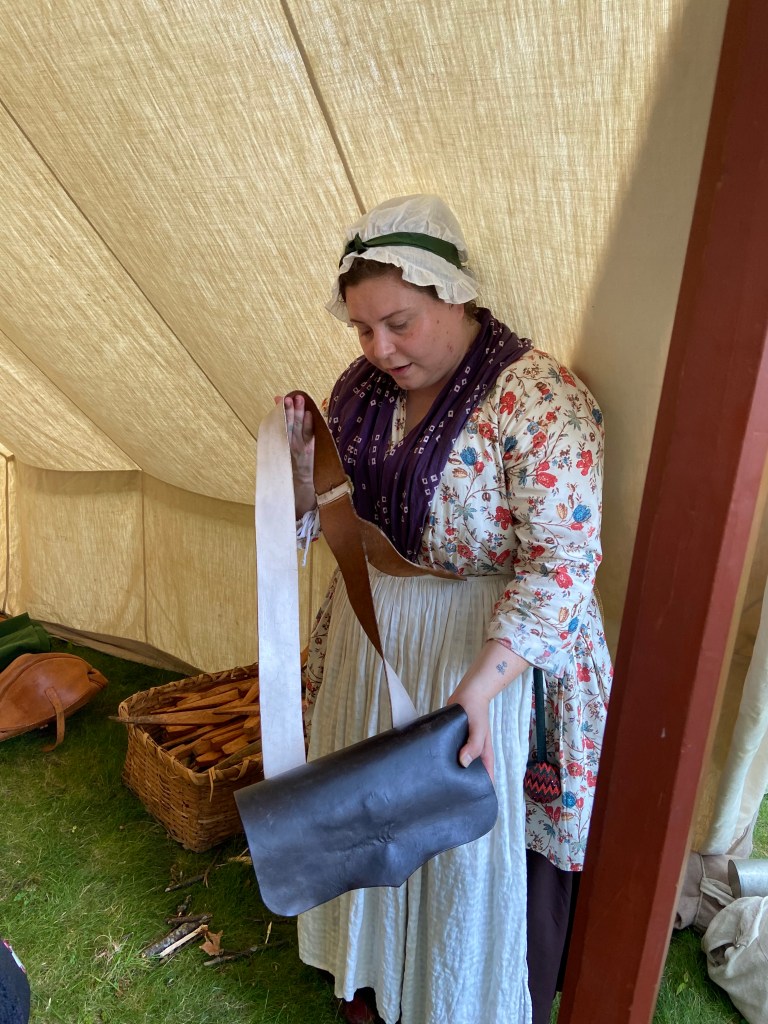
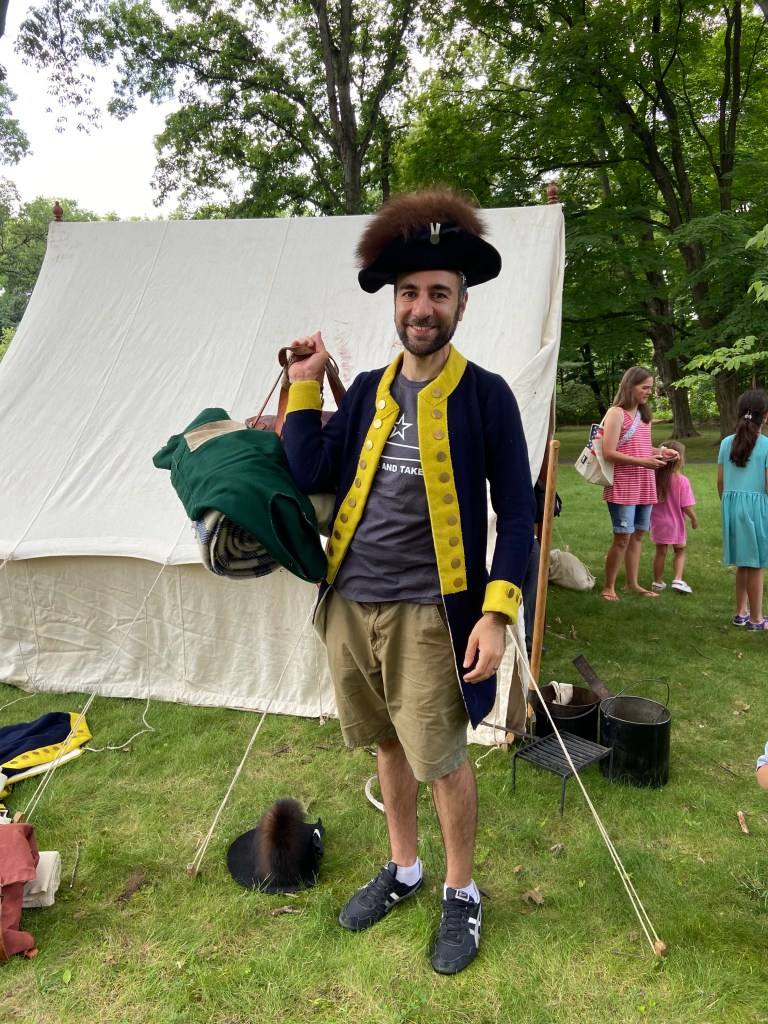
Washington’s War Tent displayed at Morristown this past weekend was a replica of the real one which was preserved after Washington’s life and is now located at the Museum of the American Revolution in Philadelphia. The tent remained with the descendants of Martha Washington’s family until it was sold to the museum collection’s founder, Reverend W. Herbert Burk in 1909. While you can view the original at the museum, you cannot go inside it. The replica was created in order to allow visitors to see what it was like inside Washington’s quarters while he was out on campaign with his army. Washington and his aides used the tent to conduct business, write correspondence and also for sleeping. Personally, going inside the tent was a reminder of the conditions that Washington and his aides had to deal with (it was exceptionally humid this weekend). It showed that Washington, even with his stature, had to brave the elements much like his soldiers did while he was out on campaign. This setting was much different than the comfort he would have had while staying at the Ford Mansion.
Rochambeau & Washington
There were many reenactors (from the Museum of the American Revolution) at the event and they were extremely informative. They were experts on their topic and you could tell that they loved talking about the tent and the Revolution. One demonstrator was an expert on women in the American Revolution and spoke in detail about Deborah Sampson who had dressed up like a man so that she could fight in the war. Another demonstrator discussed how surveyors during Washington’s time would have measured the land using very simple tools such as chains, stakes and a compass. While my family and I had to leave to go eat lunch, there were more speakers and demonstrations happening in the afternoon that we unfortunately missed. The collaboration of the Museum of the American Revolution (https://www.amrevmuseum.org), the Washington Association of New Jersey (https://wanj.org), and the Morristown National Historical Park (https://www.nps.gov/morr/index.htm) all did a fantastic job hosting a fun, informative and engaging experience. The First Oval Office Project has further events coming up in Rhode Island and New York. Check out upcoming events here: https://www.amrevmuseum.org/learn-and-explore/first-oval-office-project/first-oval-office-project-programs-and-events


































 Benevento's History Blog