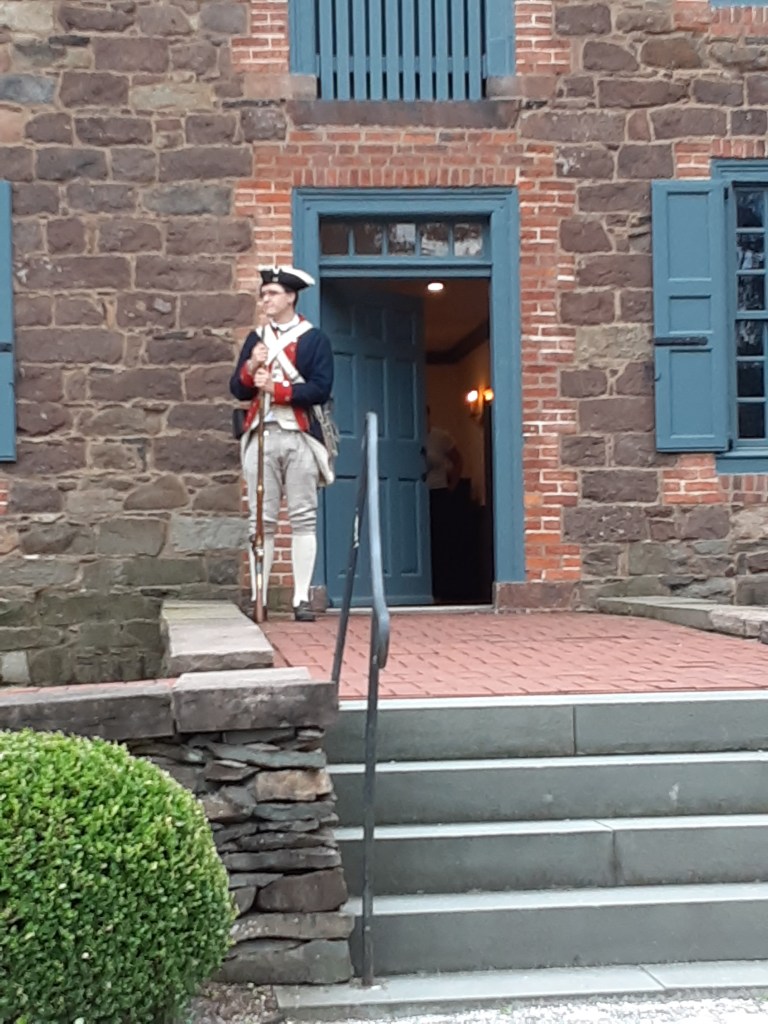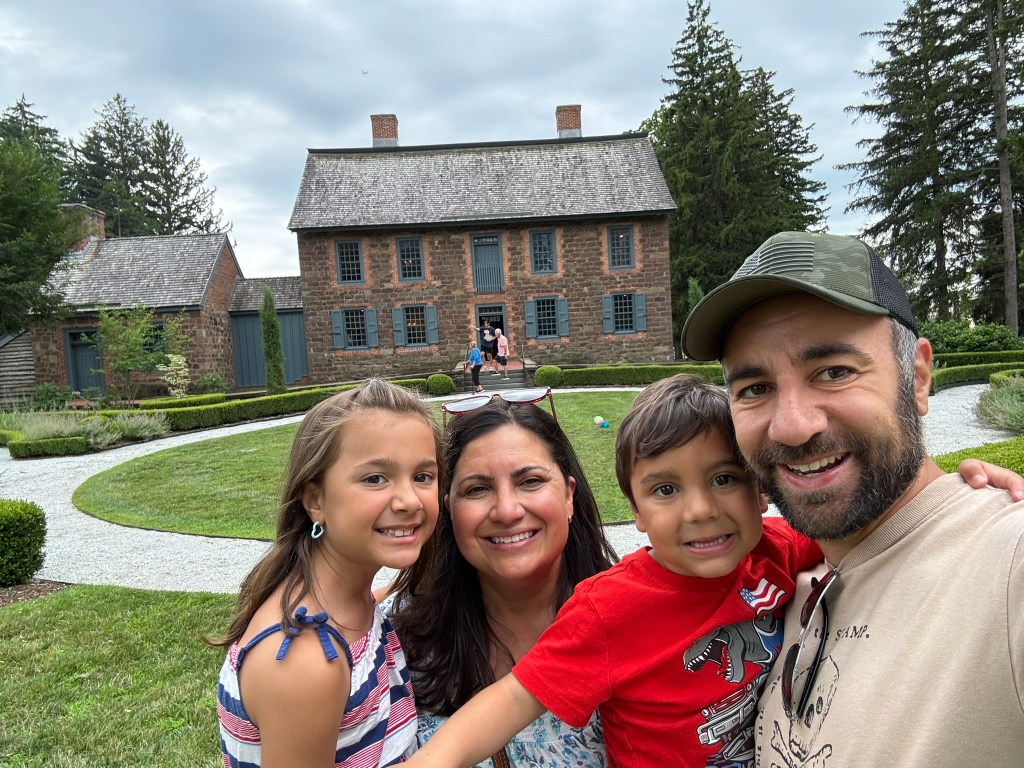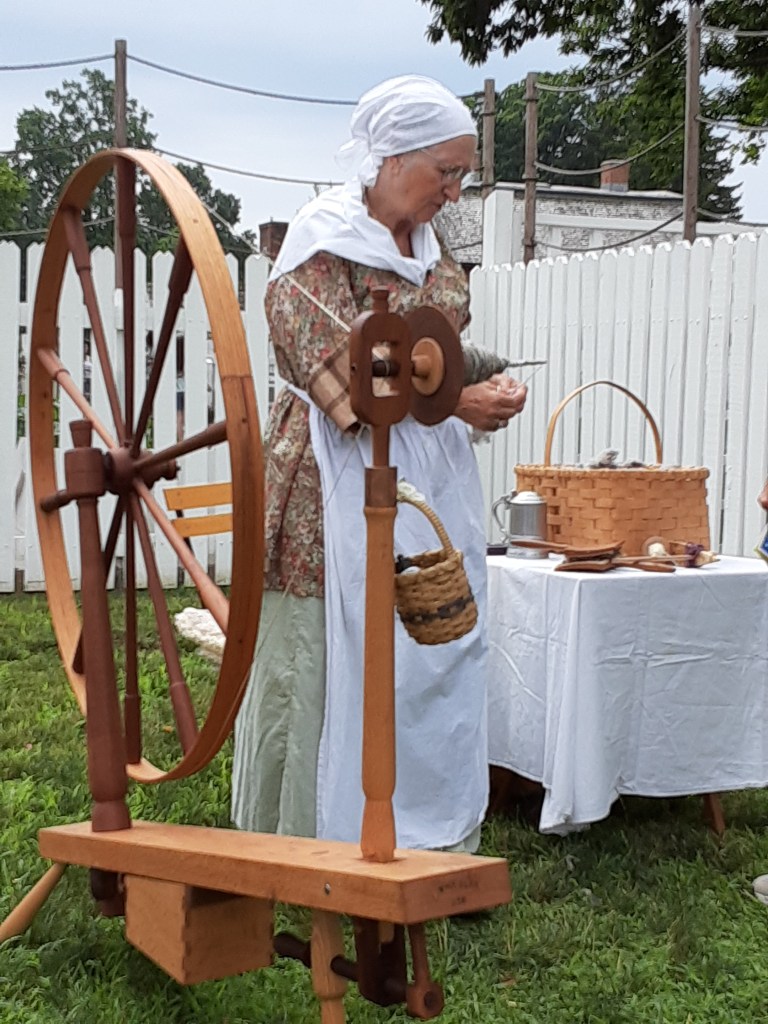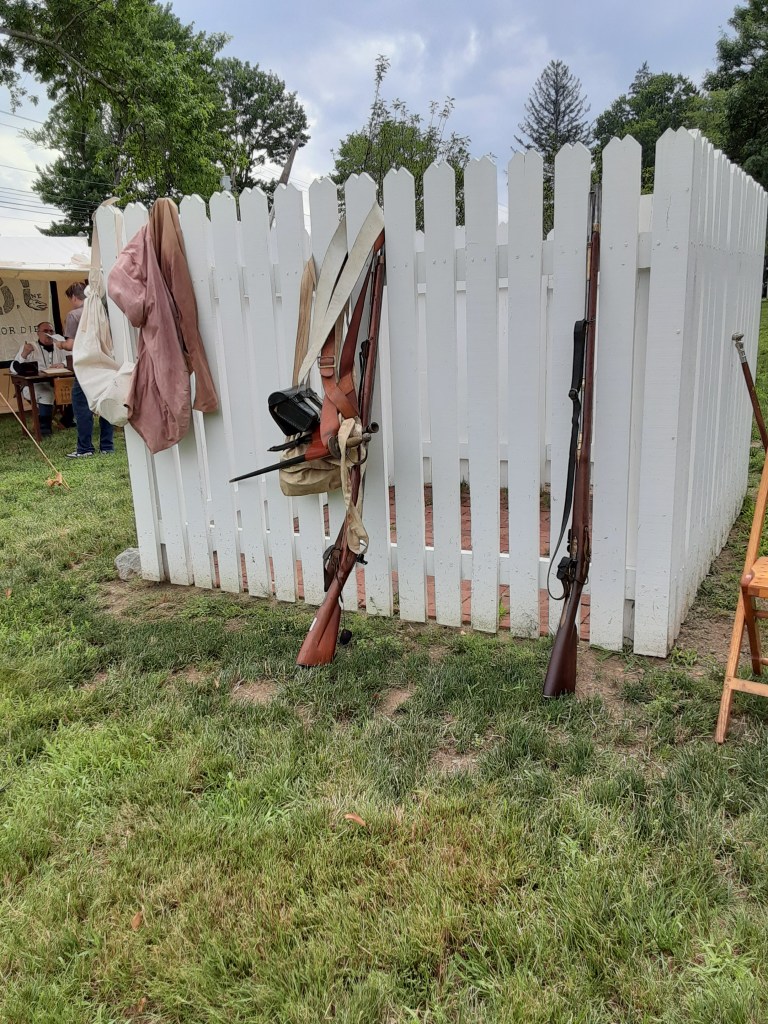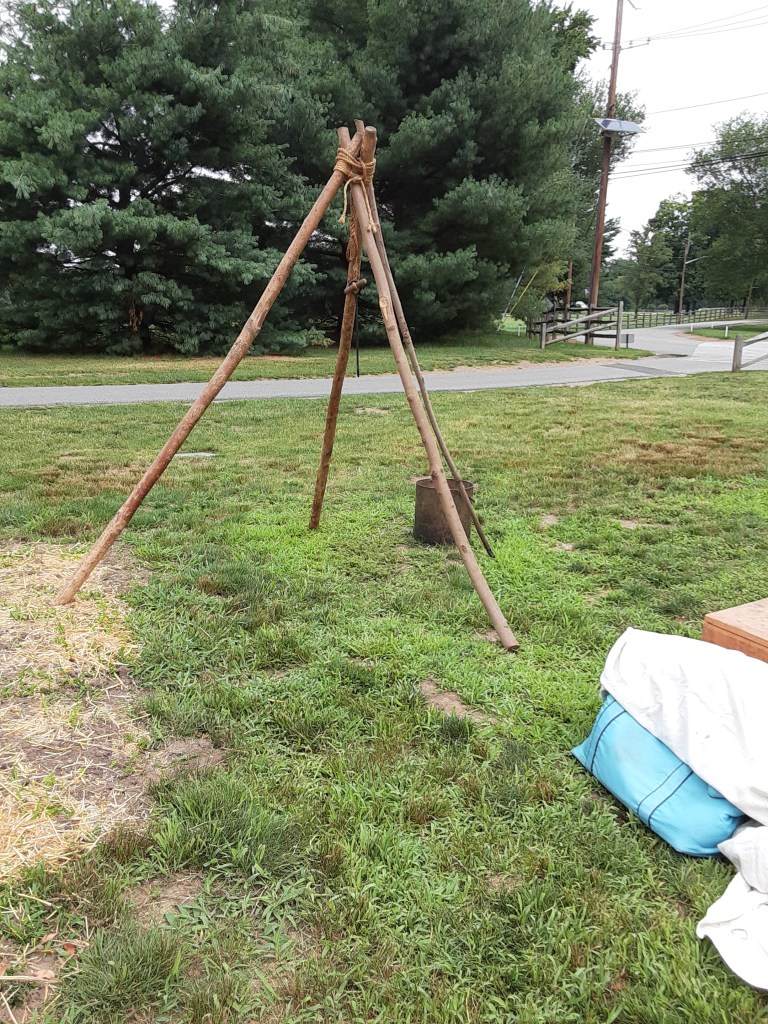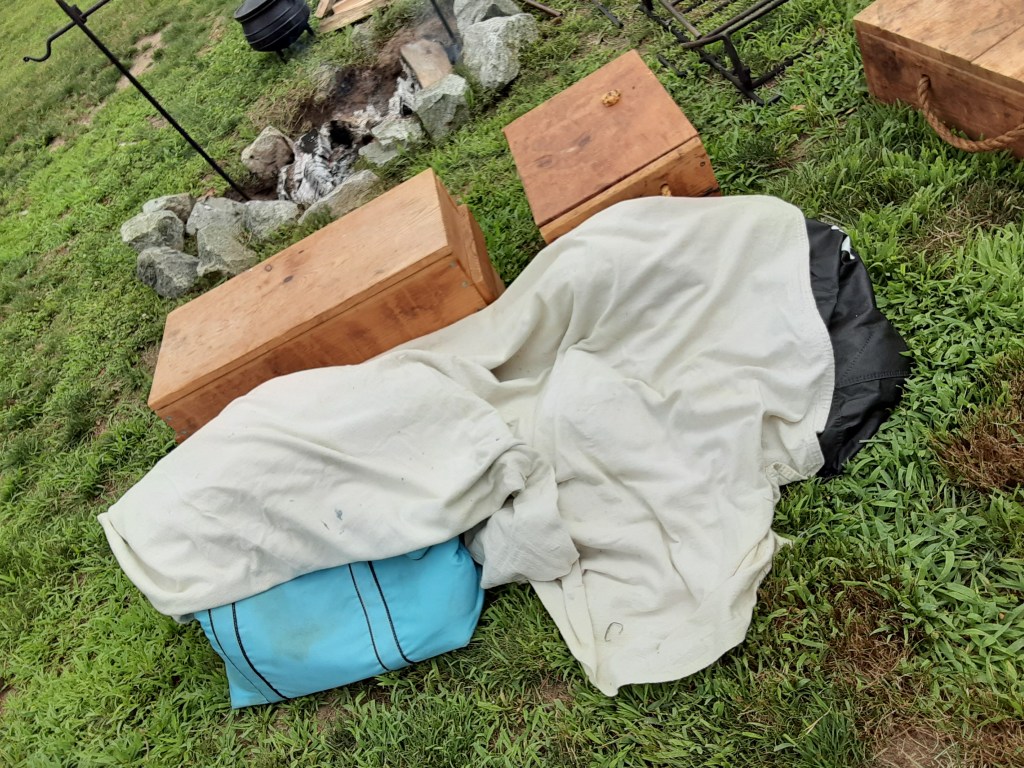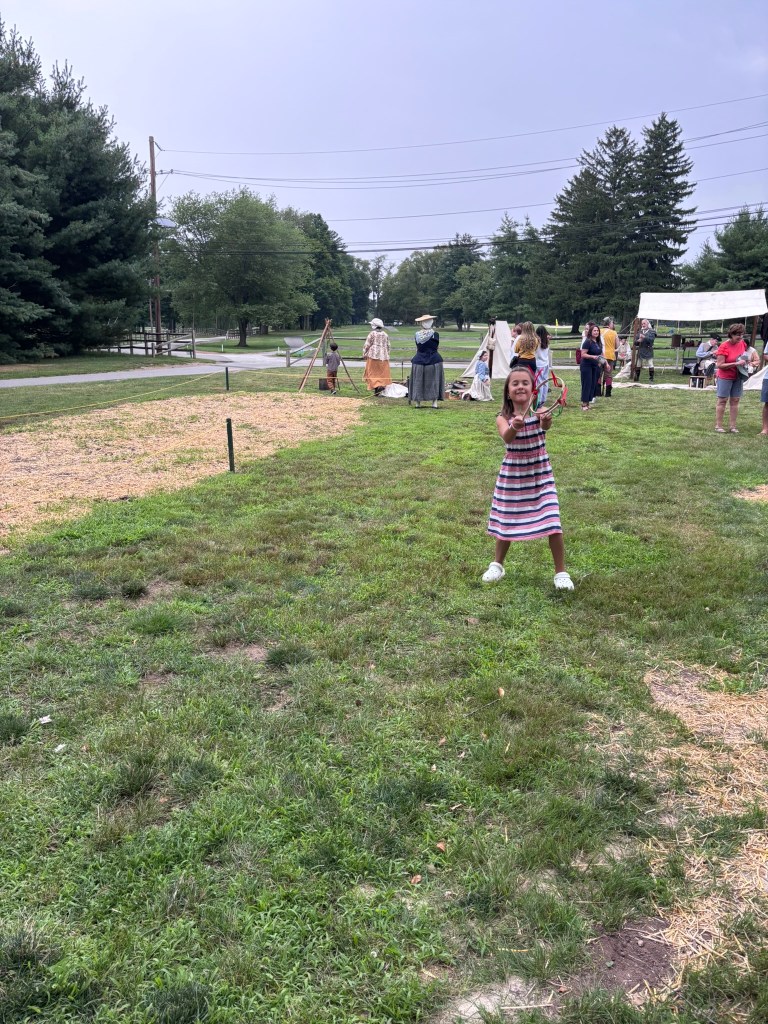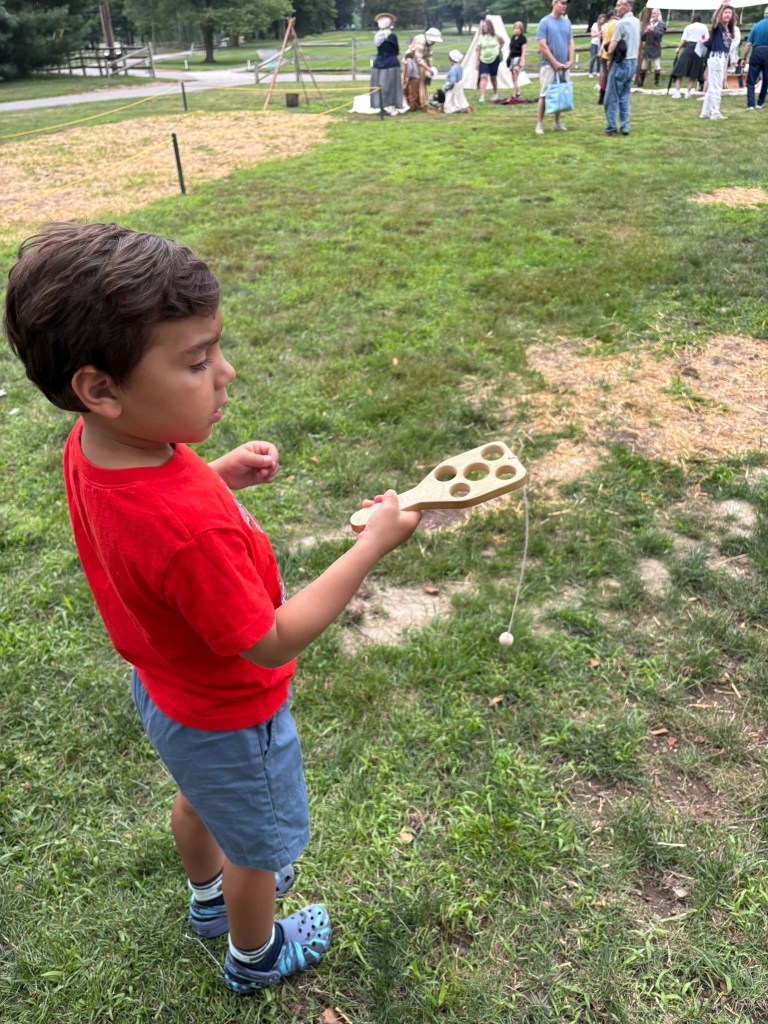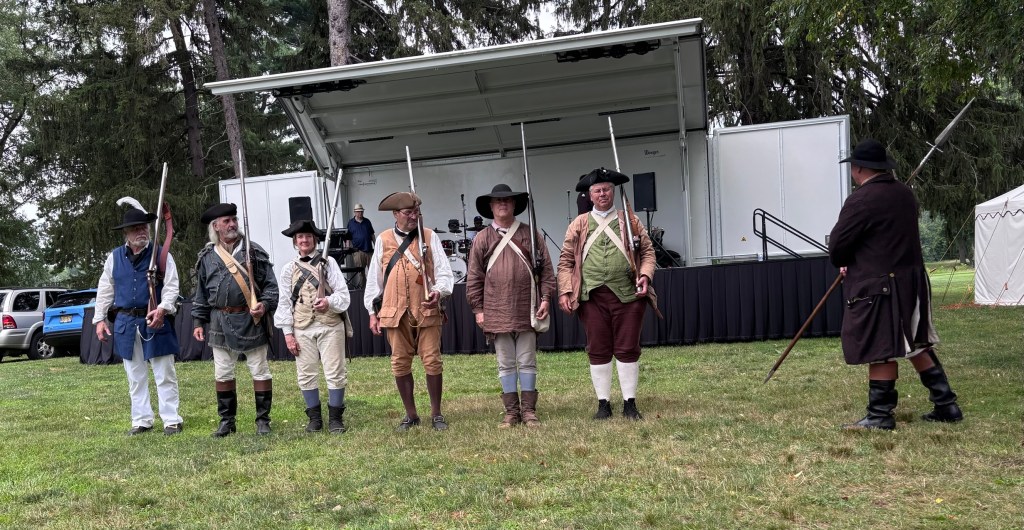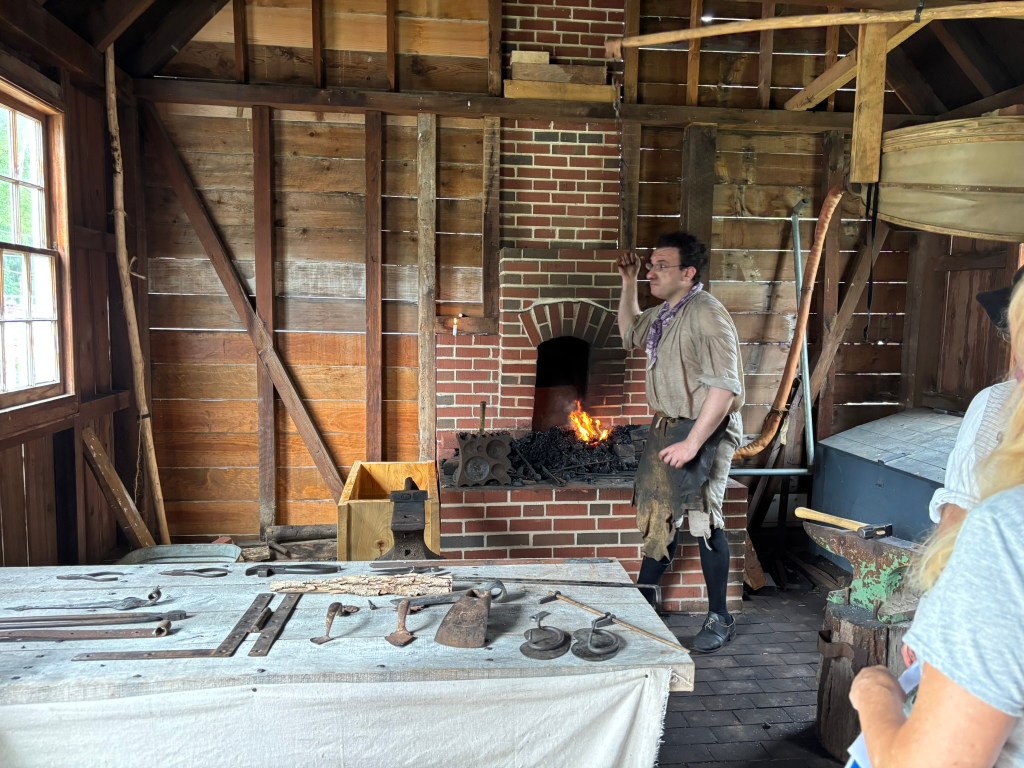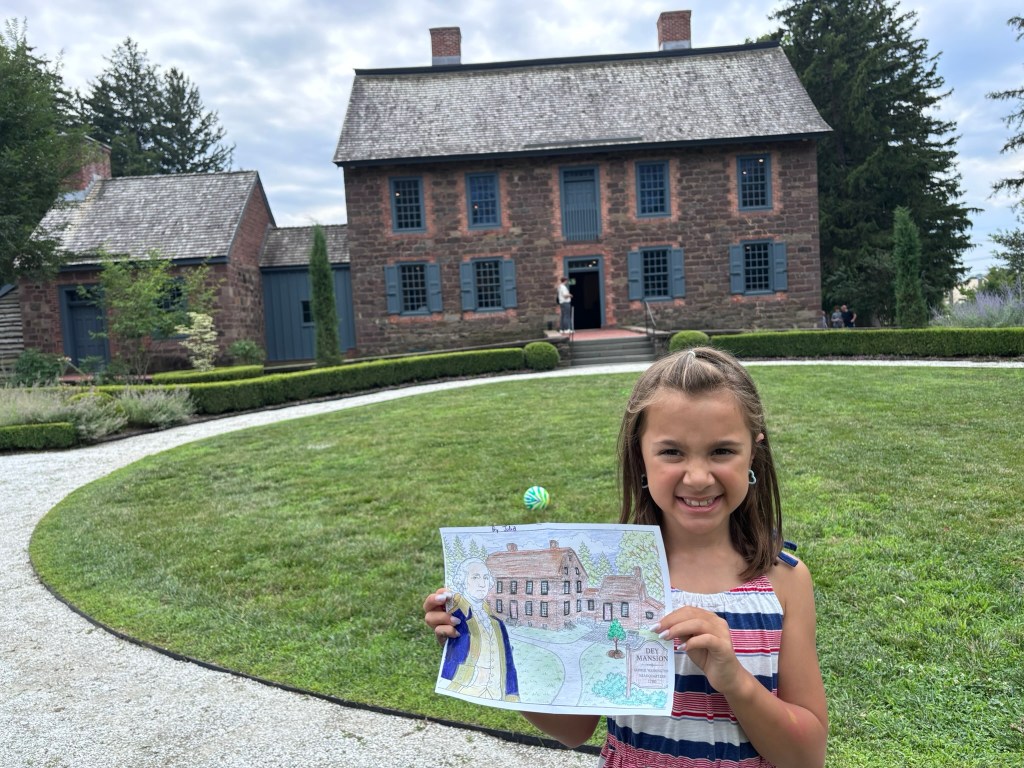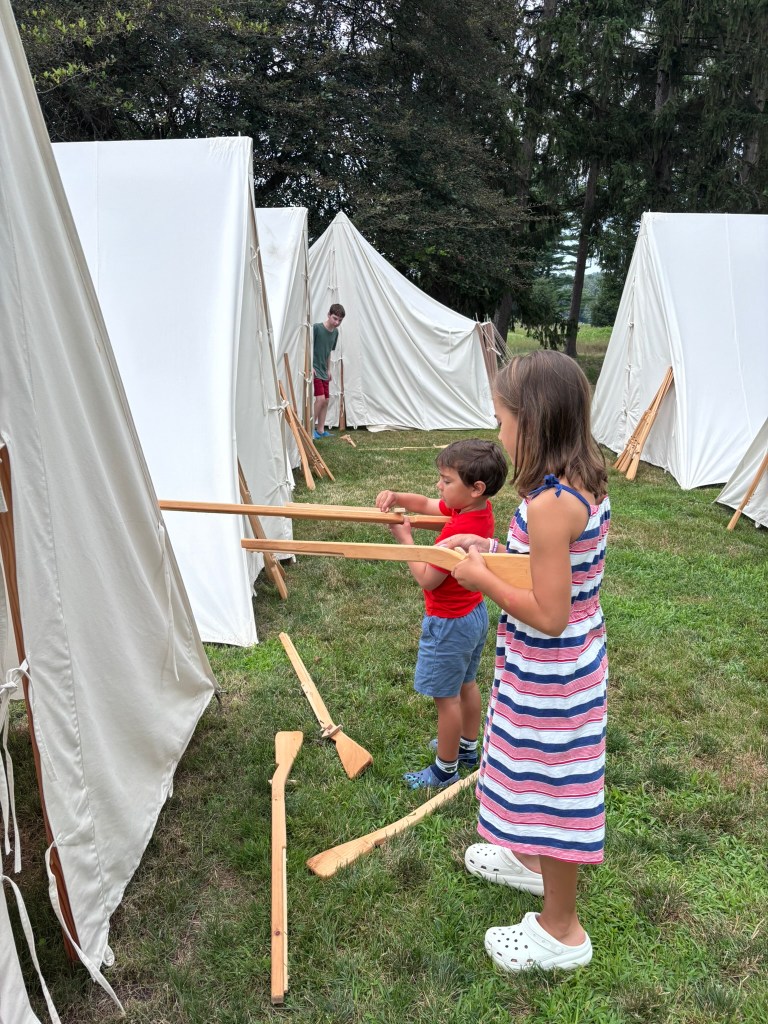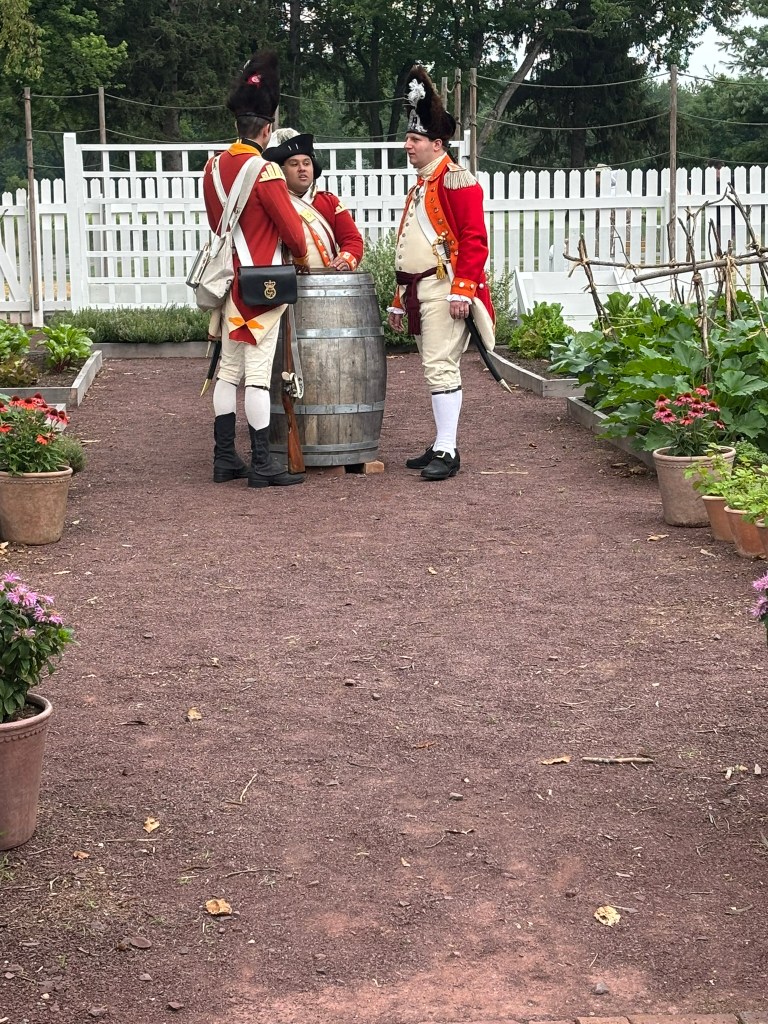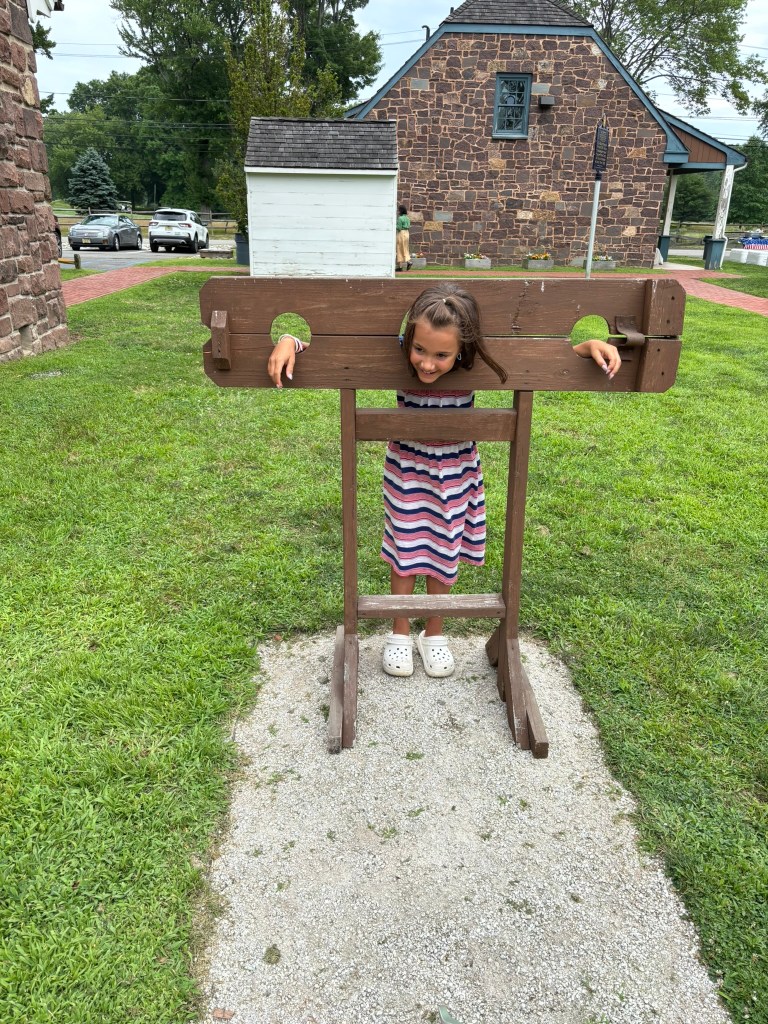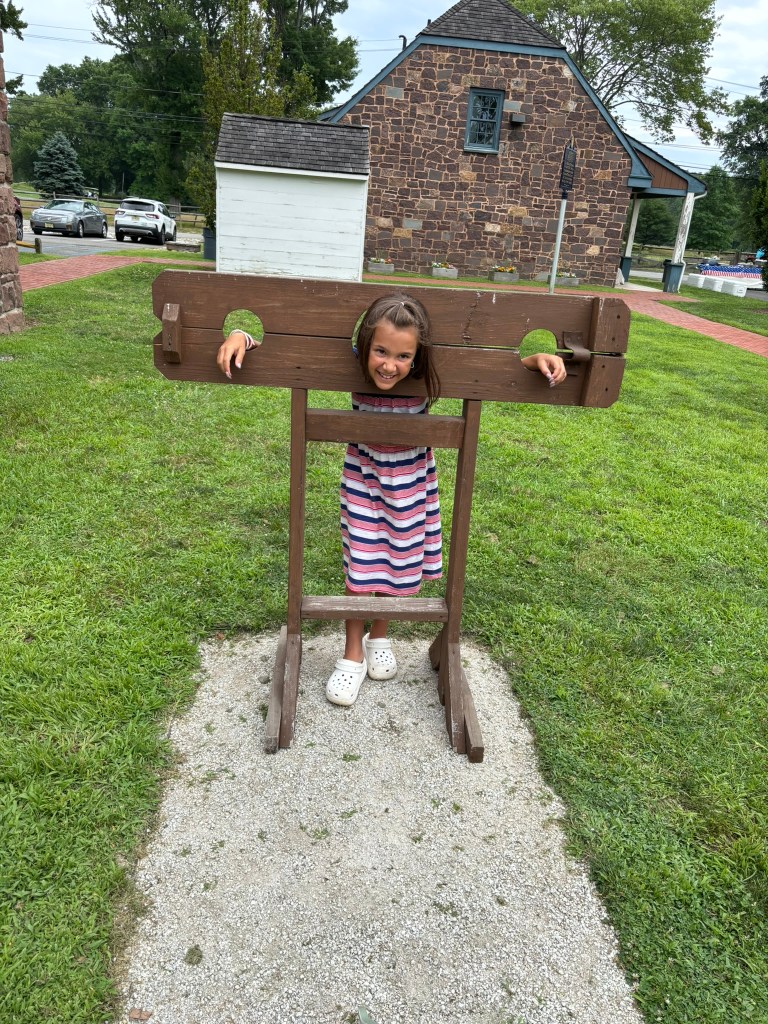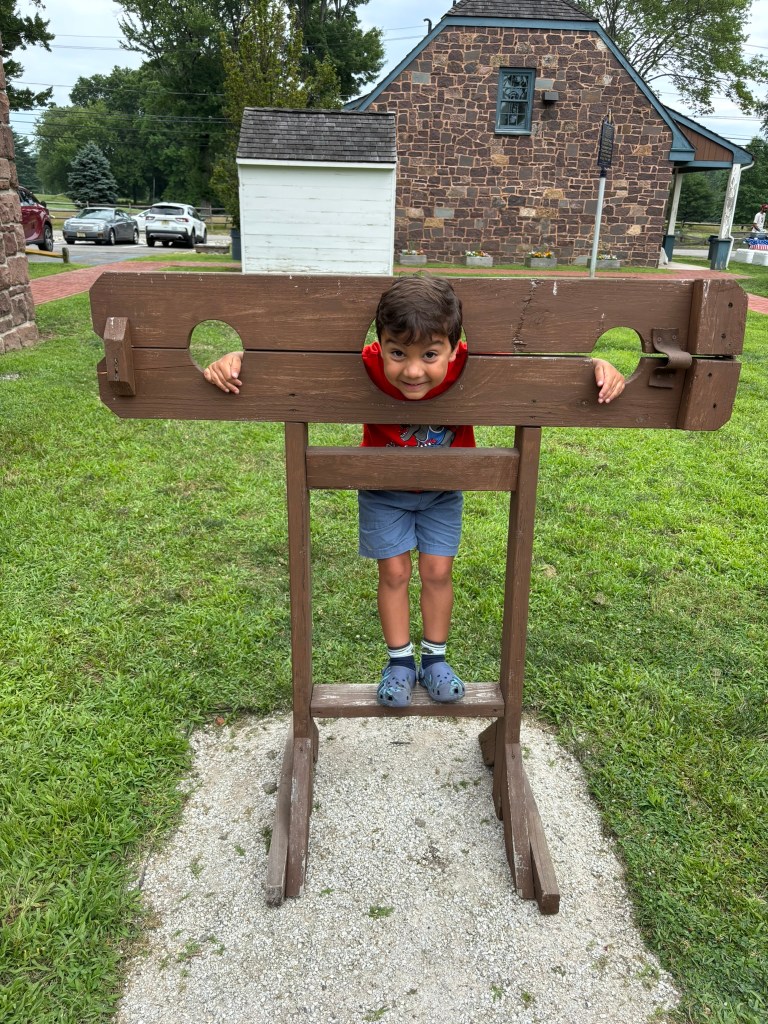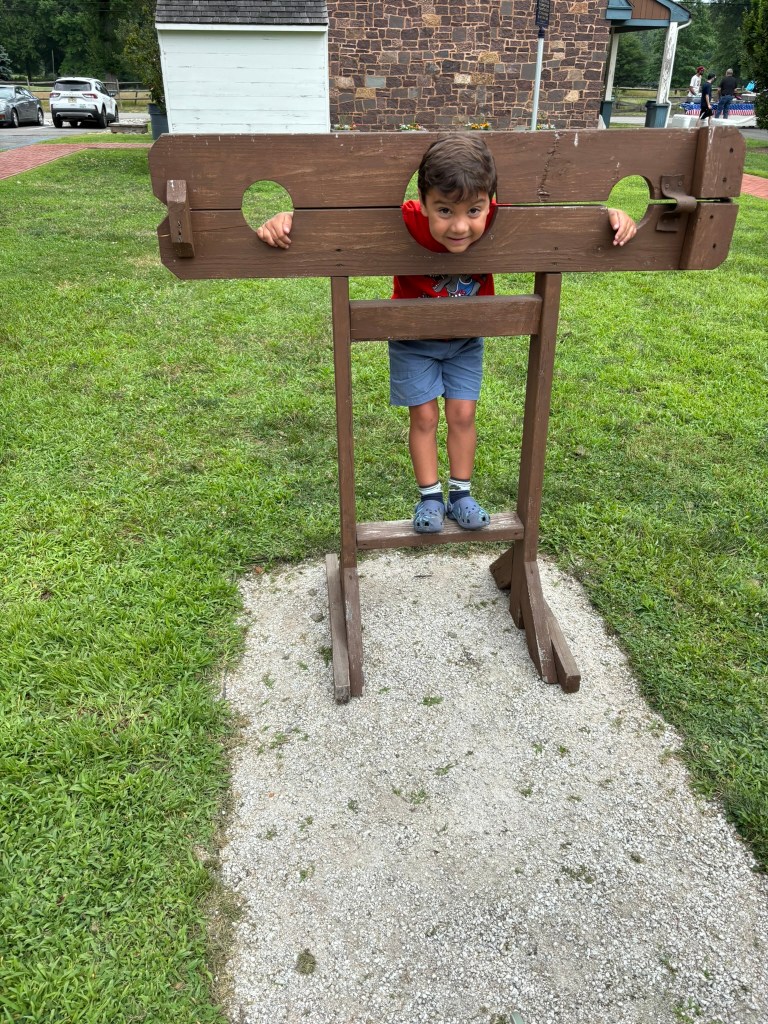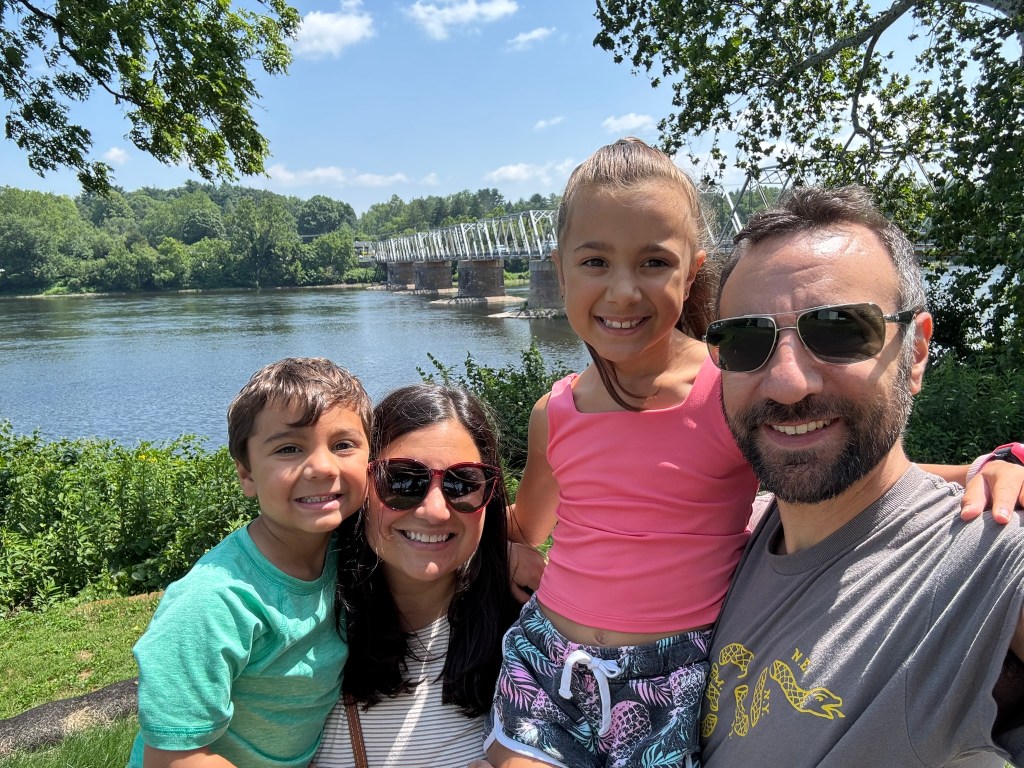
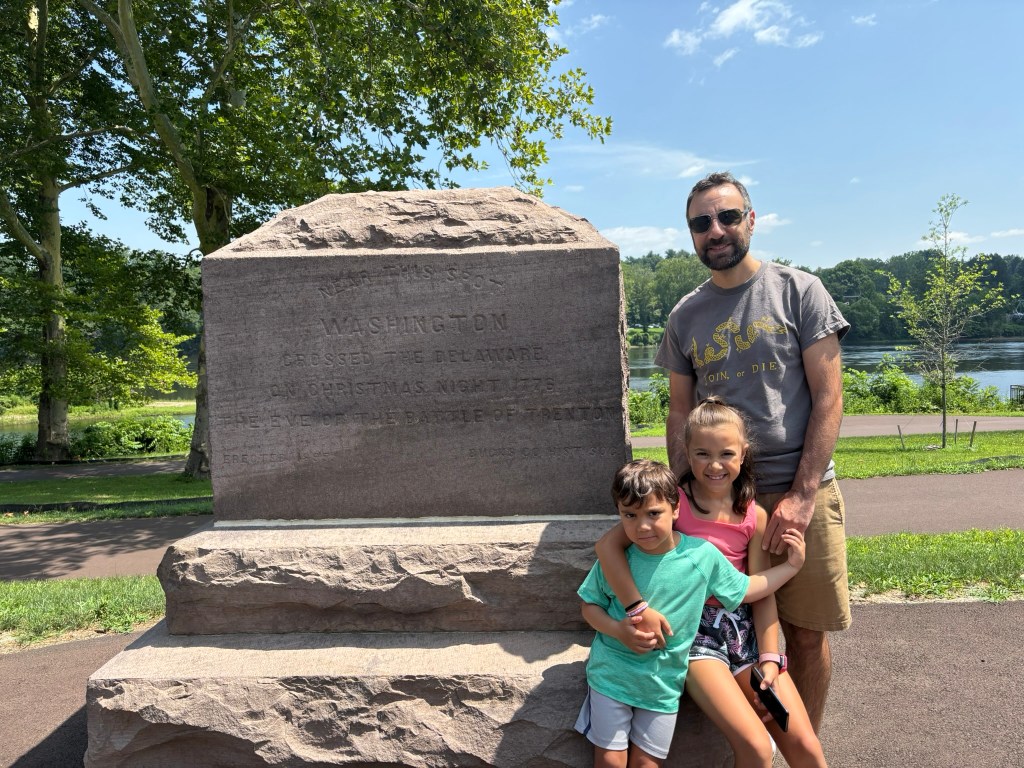
This past weekend, my family and I visited Washington Crossing Historic Park in Pennsylvania for the first time. About two years ago, we visited Washington Crossing State Park on the New Jersey side of the Delaware River, which you can read about HERE. However, I’d been wanting to visit the PA side to see where Washington and the brave Continental soldiers embarked on their daring Christmas night crossing of the Delaware en route to attacking the Hessian garrison at Trenton on the morning of December 26, 1776.
I purchased tickets for the four of us to take part in a one-hour tour called “Crossing the Delaware: A Walking Tour”. Before I get into the details of our day at this historic park, let me first provide some historical context about the importance of this location.
History
The story of Washington Crossing Historic Park begins just months after the signing of the Declaration of Independence on July 4, 1776. Although the colonies had boldly declared themselves independent, the new nation soon faced a series of devastating setbacks. That summer and fall, British forces captured New York City and drove General George Washington’s Continental Army out of New York, across New Jersey, and eventually over the Delaware River into Pennsylvania. By December, the American cause appeared to be on the verge of collapse. Soldiers were exhausted, enlistments were about to expire, and many questioned whether the Revolution could survive another campaign.
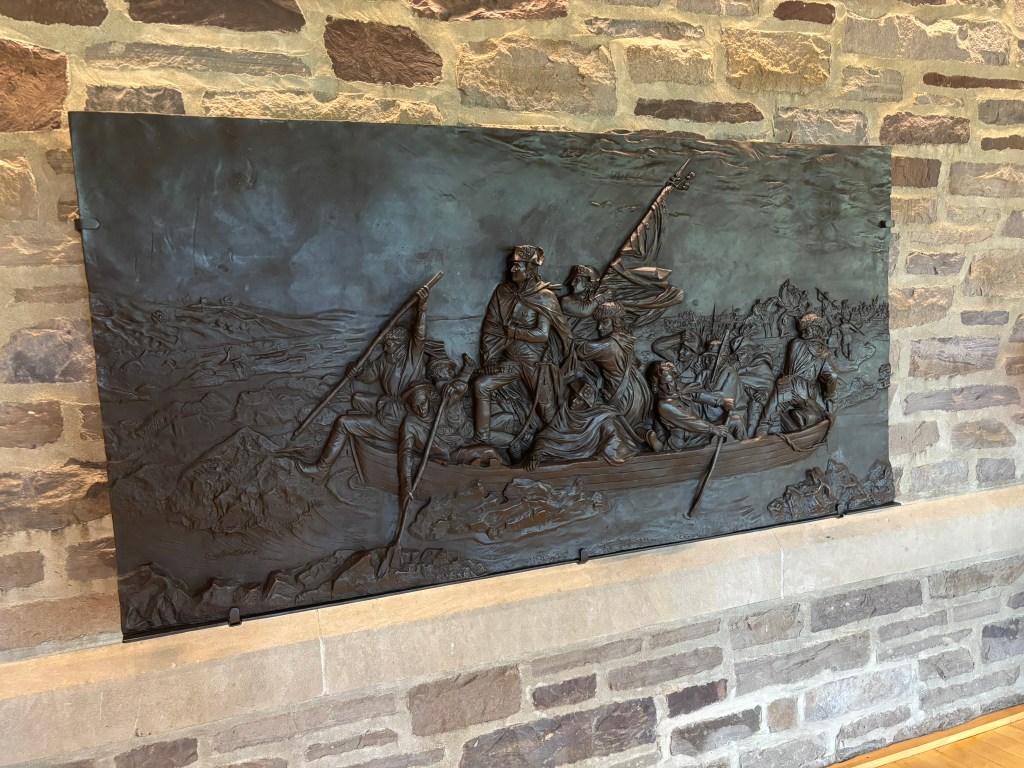
Refusing to accept defeat, Washington devised one of the boldest military operations in American history. On the night of December 25–26, 1776, his army crossed the icy Delaware River at McConkey’s Ferry under the cover of darkness despite freezing temperatures, dangerous currents, and a fierce winter storm. The surprise attack on the Hessian garrison at Trenton resulted in a decisive American victory, restoring confidence in the Continental Army and inspiring thousands to continue the fight. Just days later, Washington followed with another victory at the Second Battle of Trenton before outmaneuvering British forces to capture Princeton on January 3, 1777. Washington and the Continental Army then took up winter quarters in Morristown.
These events, remembered today as the “Ten Crucial Days,” transformed the American Revolution. What had seemed like a failing rebellion suddenly became a cause with renewed hope and momentum. Historians often point to this remarkable string of victories as the turning point that saved the Revolution at one of its darkest moments. As my family and I walked the grounds of Washington Crossing Historic Park, we were standing where one of the most daring and consequential military operations in American history began. Looking across the Delaware River, it was humbling to imagine what it must have been like to witness this remarkable event on that cold Christmas night in 1776.
Our Day
Visitor Center
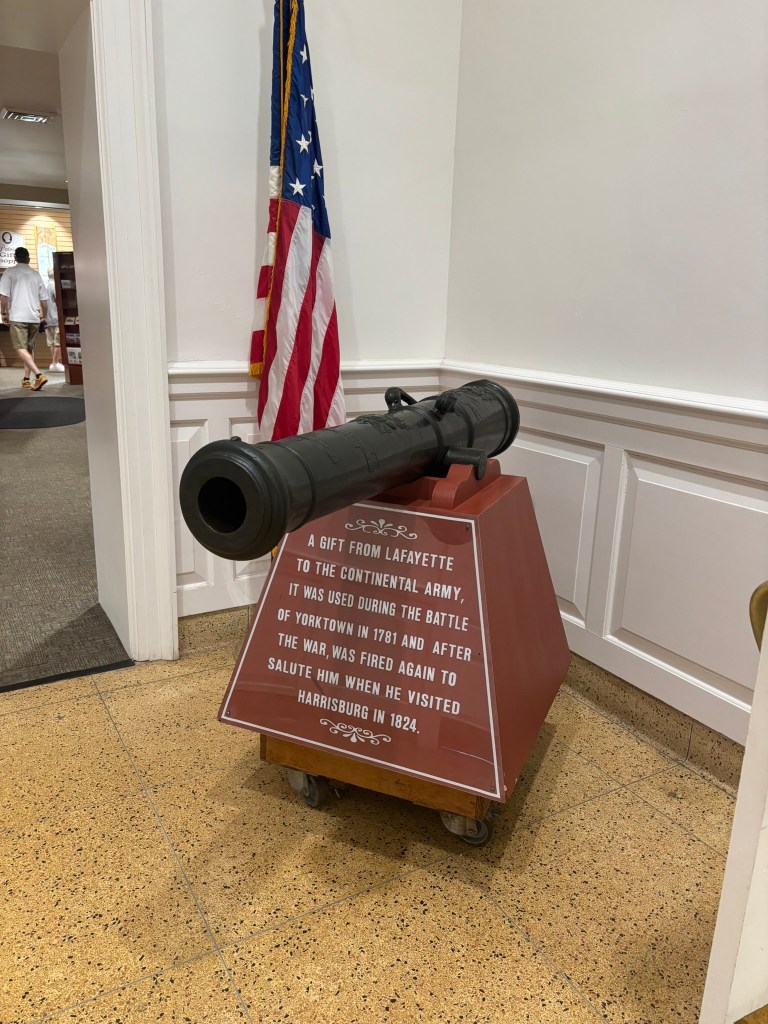
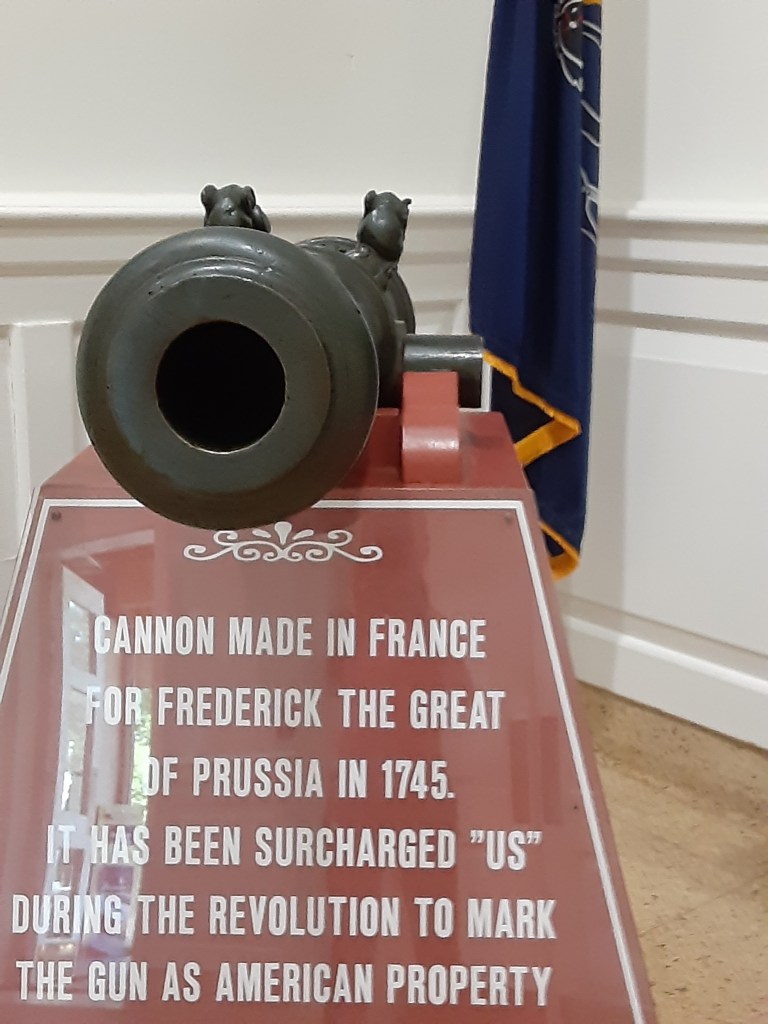
We arrived at the Visitor Center for our 10:30 a.m. tour, which began with an introductory film that takes visitors from the Stamp Act to the Declaration of Independence to the events of December 1776. The video highlighted Washington’s bold decision to cross the Delaware and explained the significance of the Ten Crucial Days, which concluded with the American victory at Princeton.
Walking Tour
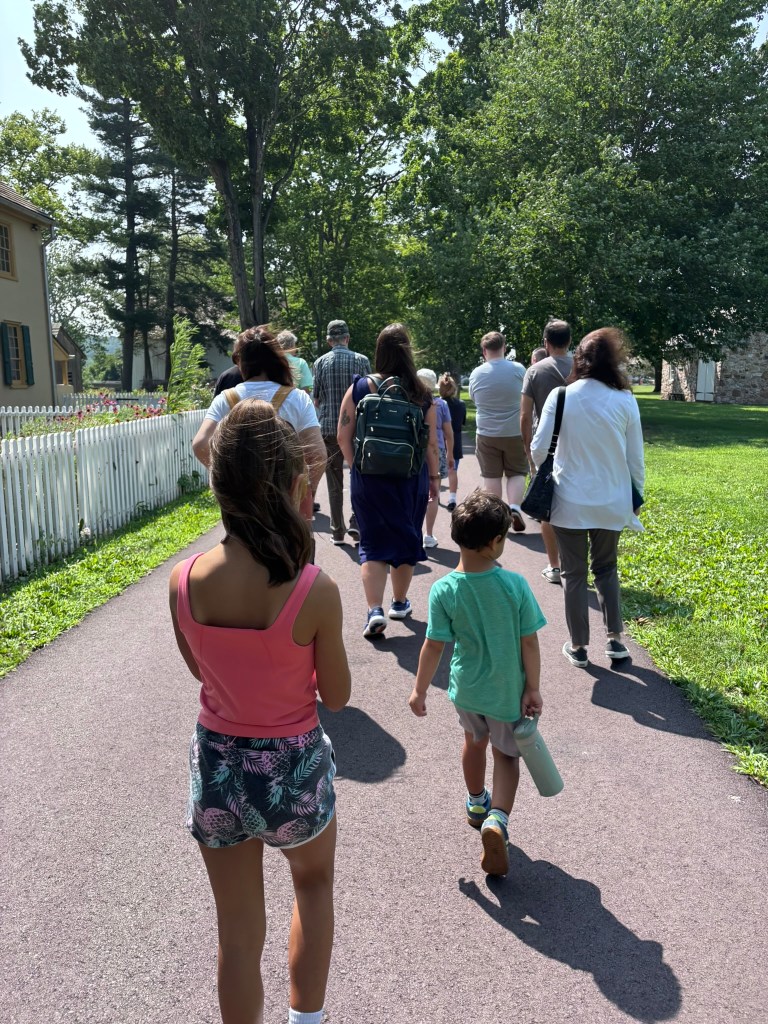
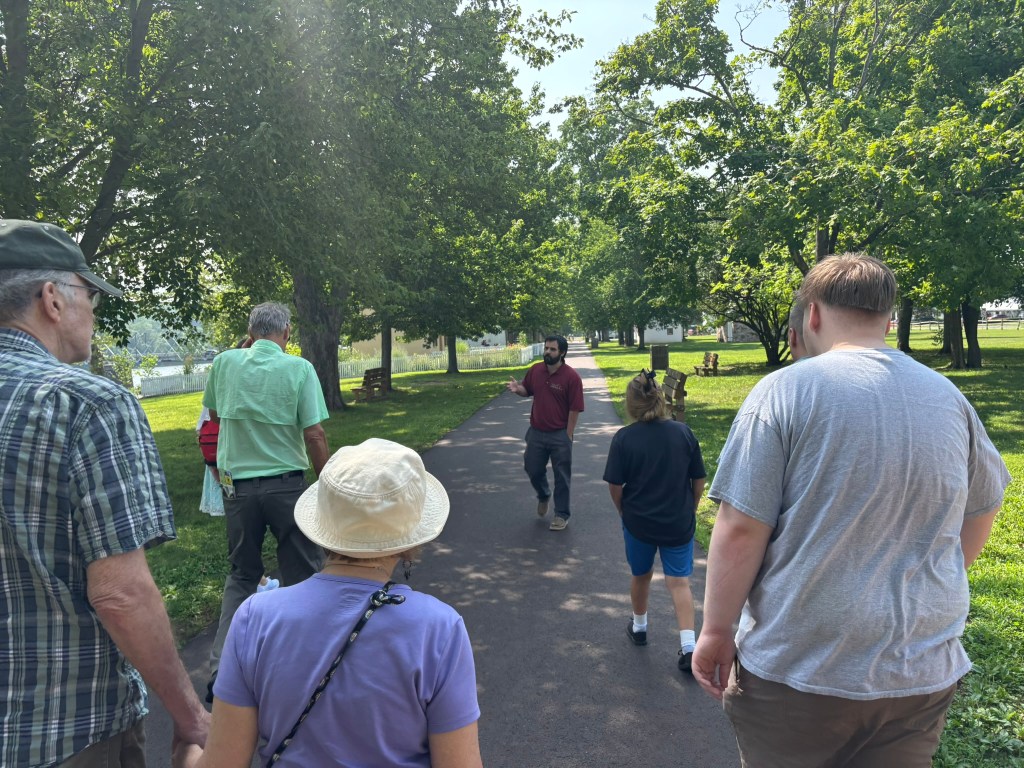
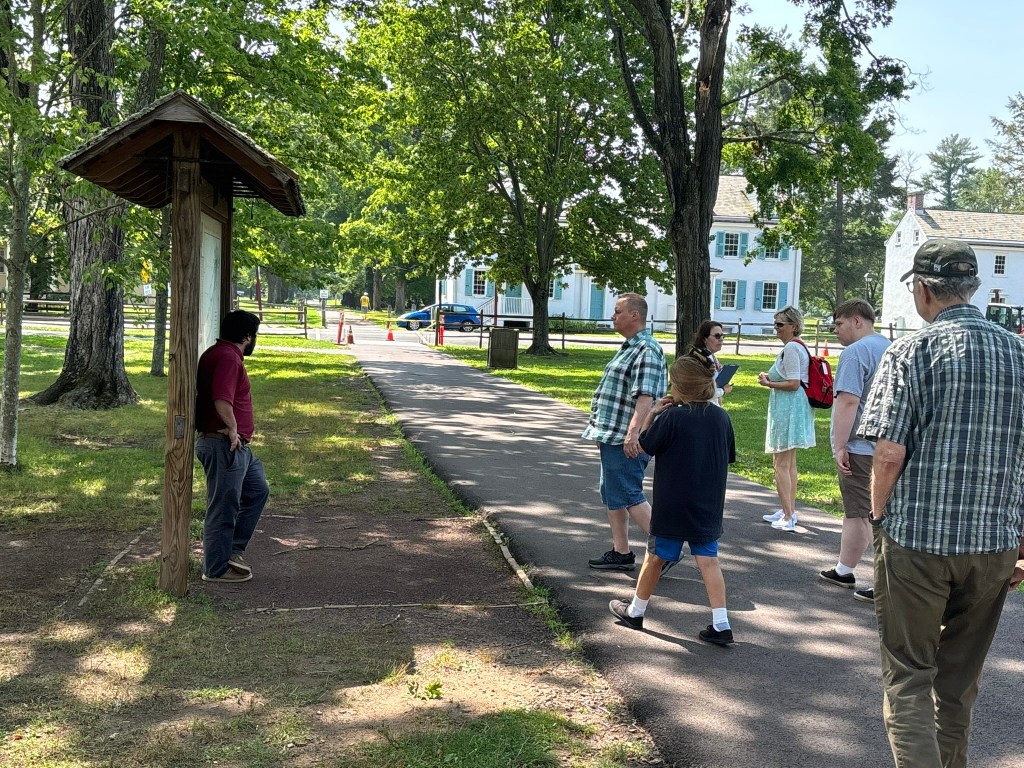
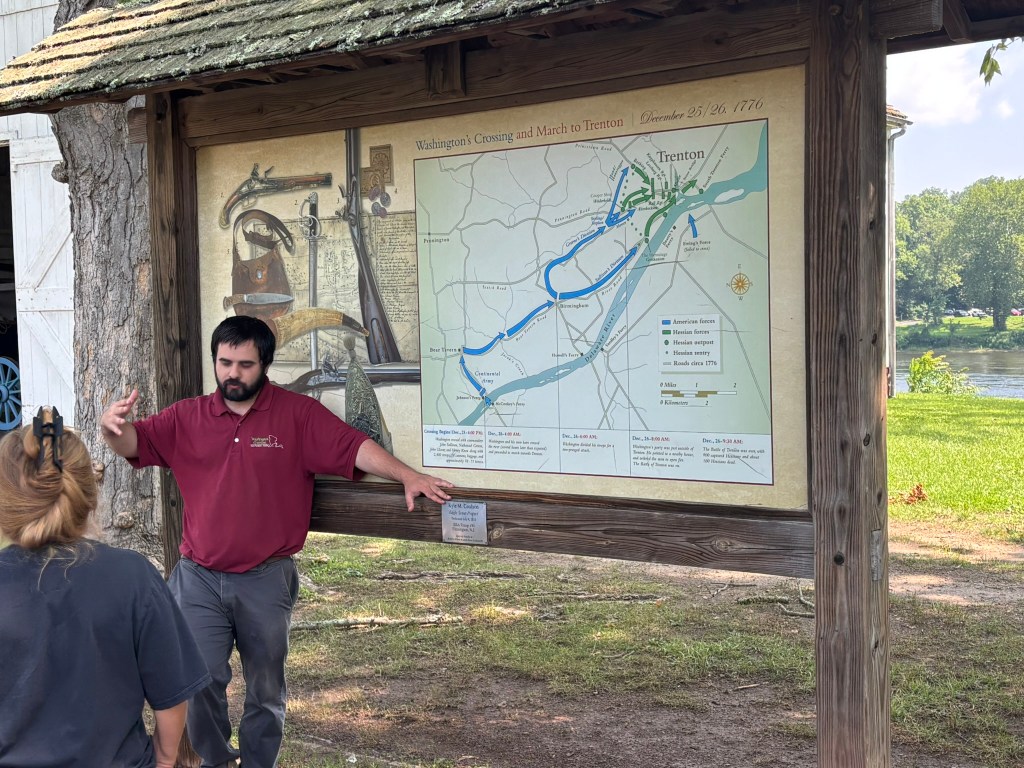
Our tour guide was excellent and extremely knowledgeable about Washington’s Crossing. He discussed the events leading up to the crossing, taking us from the excitement surrounding the Declaration of Independence to the challenges of the summer and fall of 1776, which ultimately forced Washington’s army into Pennsylvania.
One aspect of the tour that I found especially fascinating was learning about the Durham boats used during the crossing. These were not military boats but large cargo vessels originally designed to haul iron ore, timber, grain, flour, and other goods along the Delaware River. They measured approximately 60 feet long, 6 feet wide, and 3 feet deep.
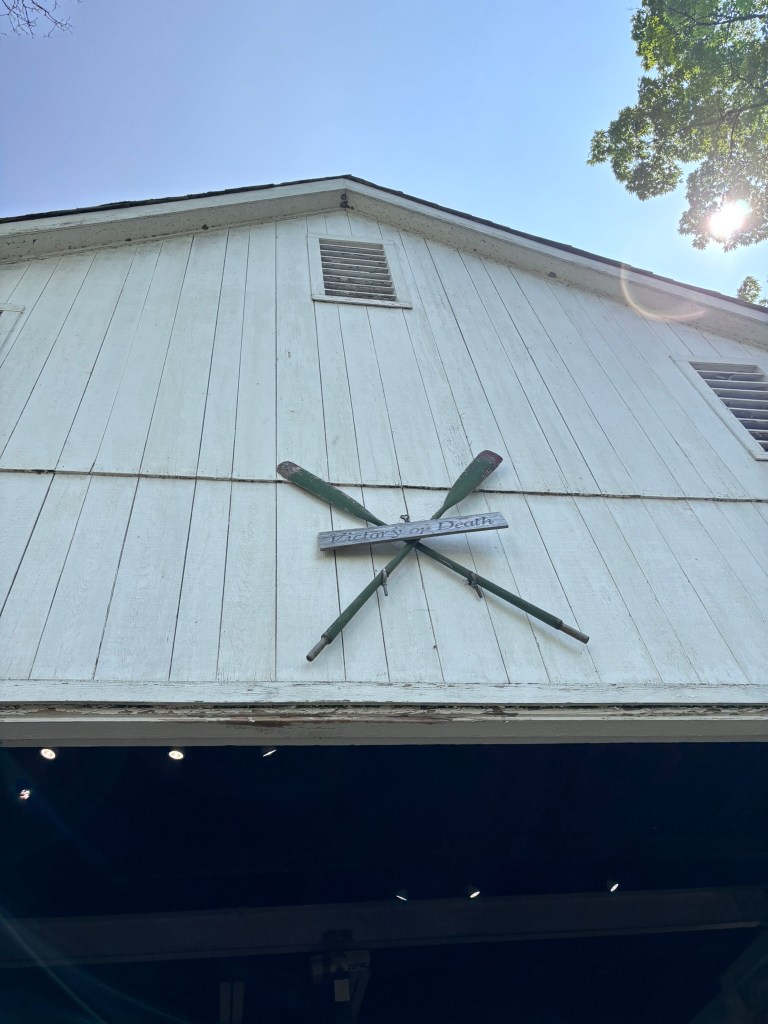
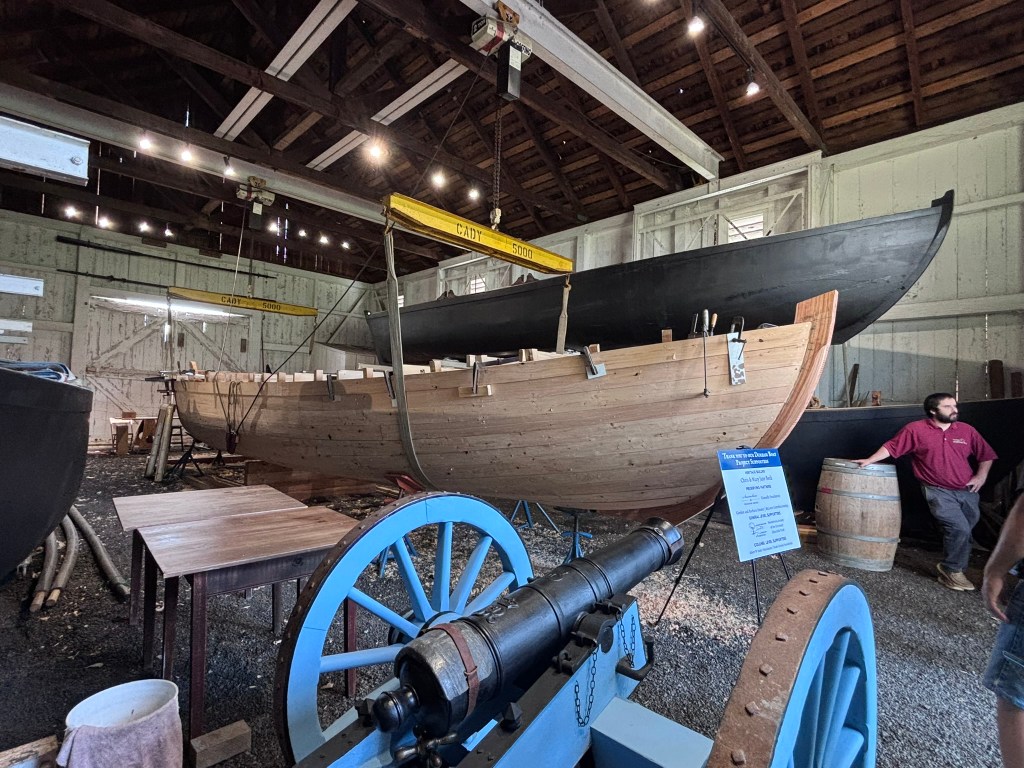
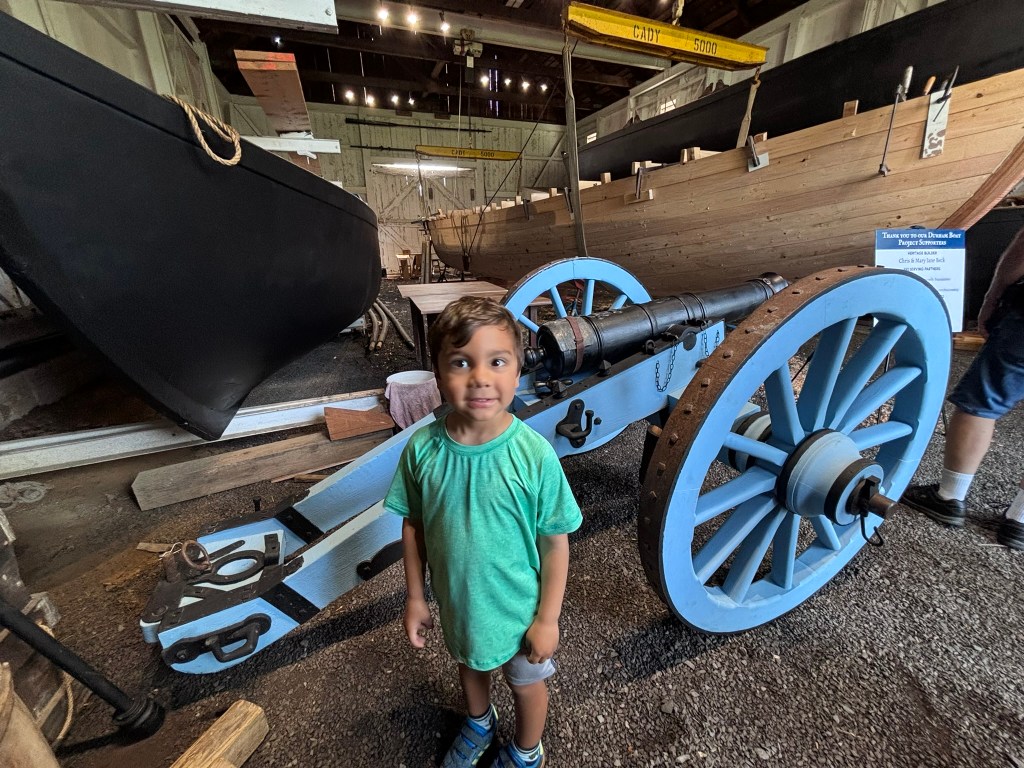
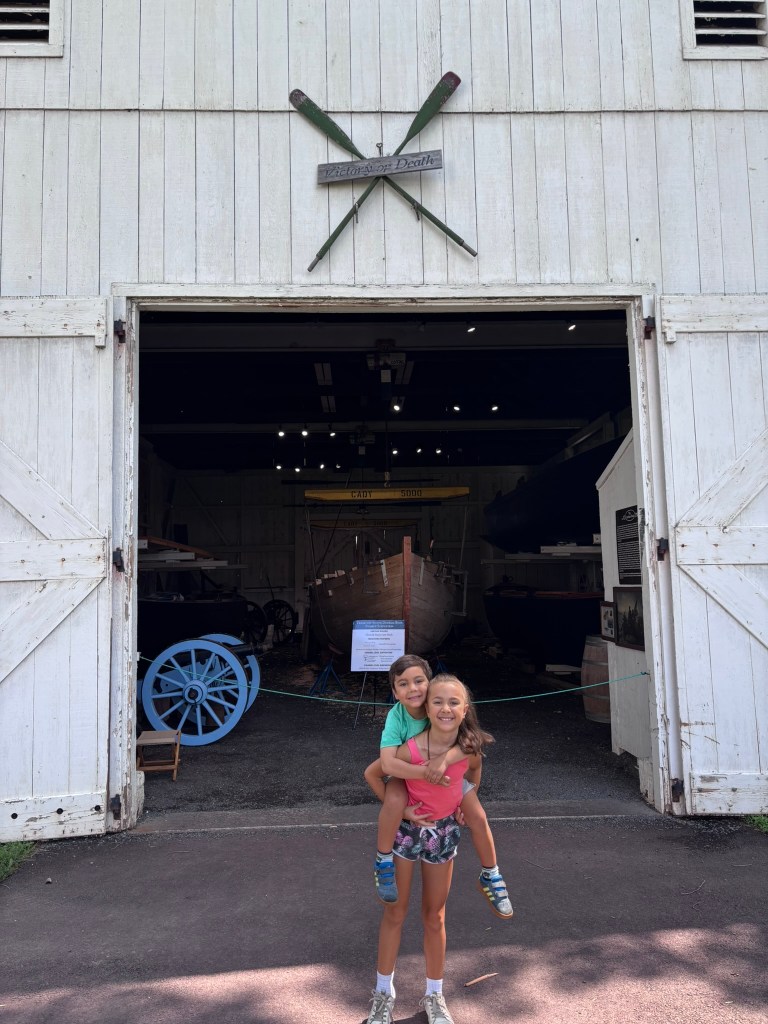
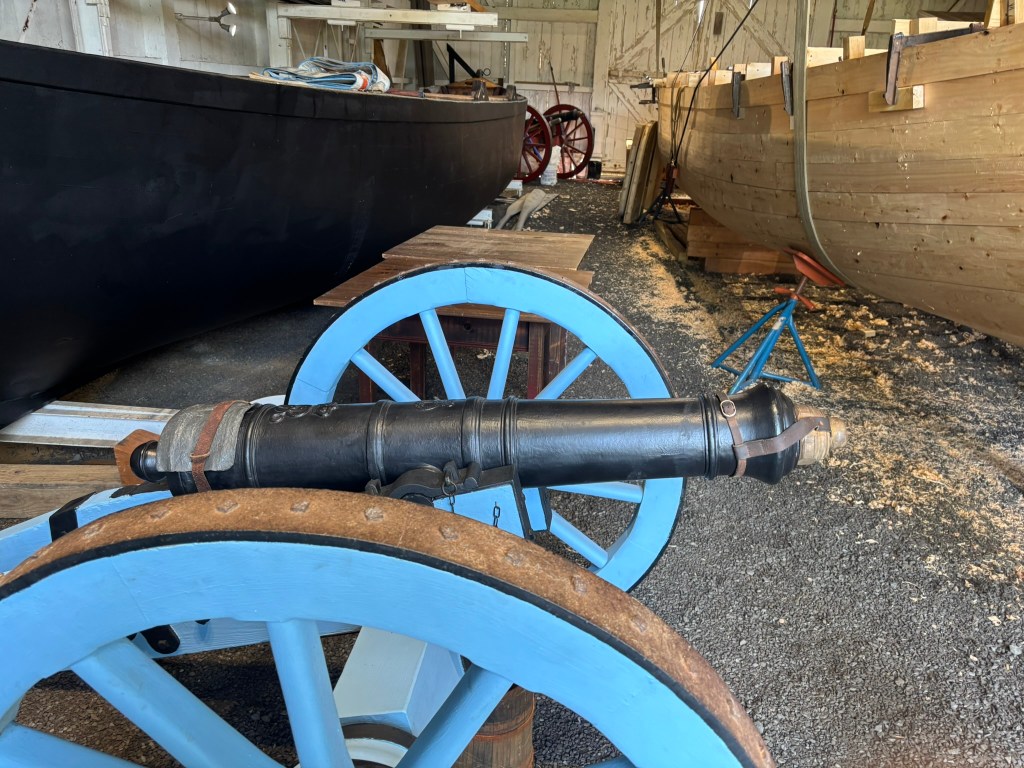
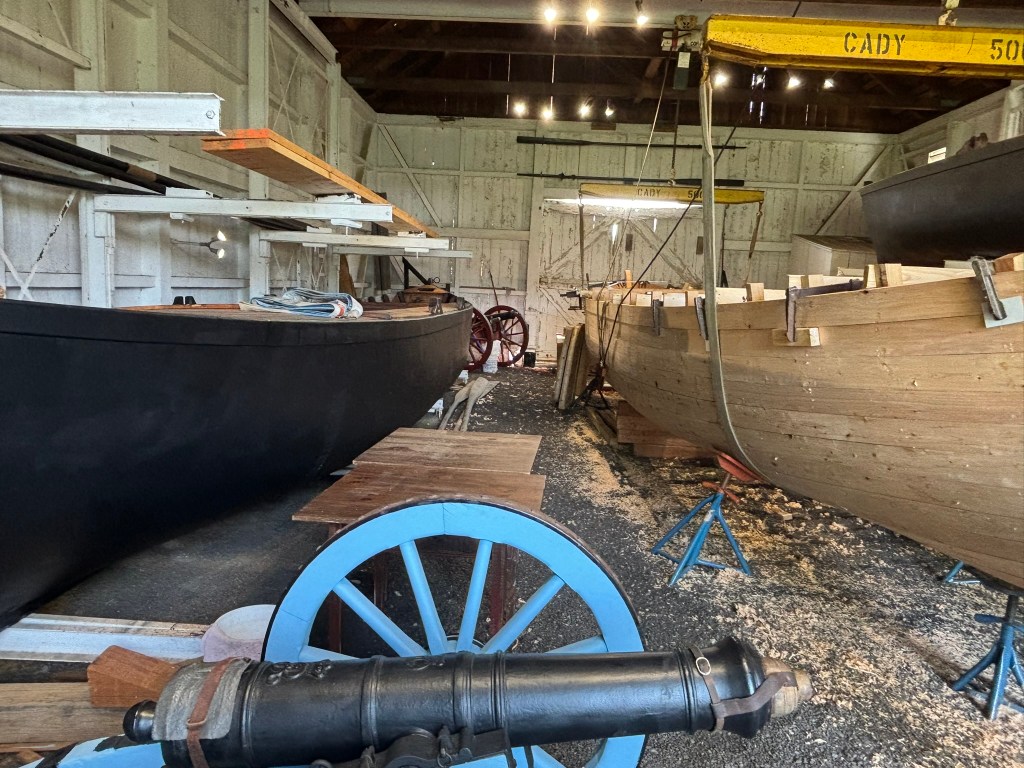
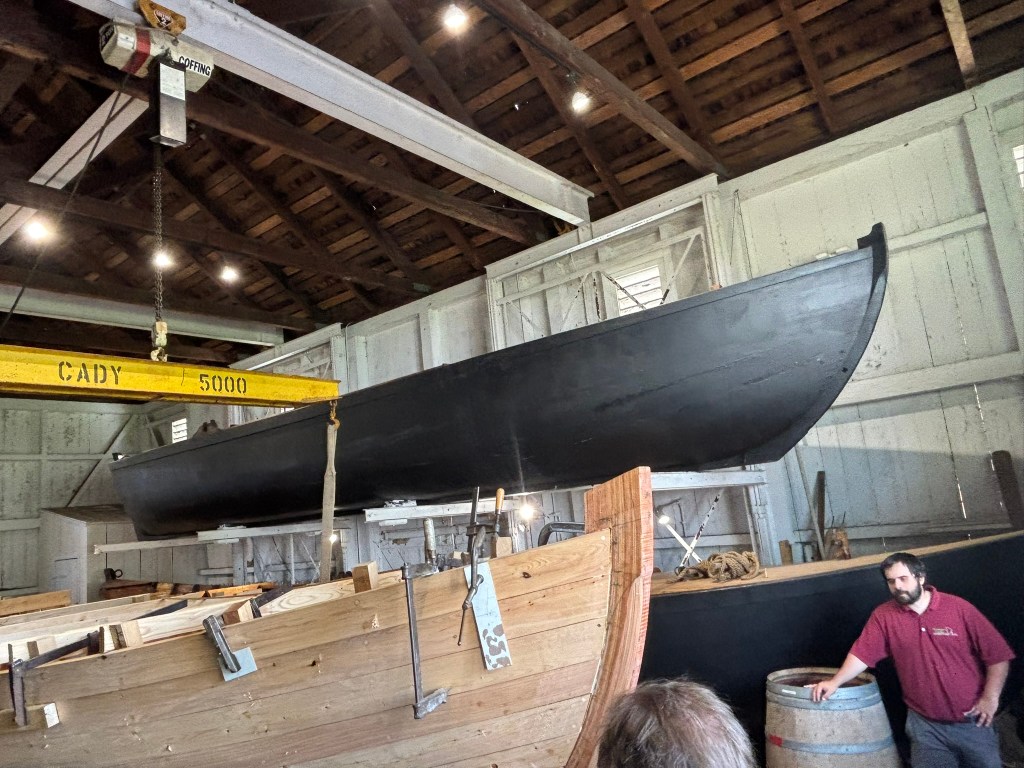
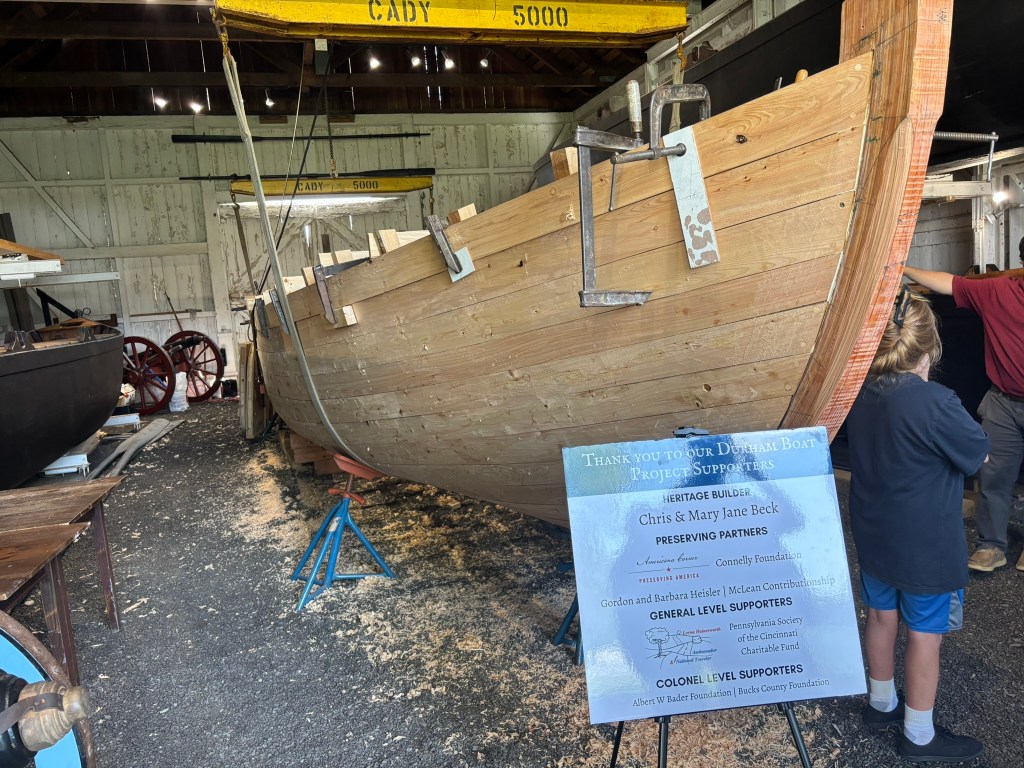
Our guide also gave us a much greater appreciation for just how difficult the crossing truly was. In fact, a portion of the American force that was supposed to cross the Delaware south of Trenton never made it across. The crossing began on Christmas evening, and Washington’s army, horses, cannons, and supplies were not fully across the river until around 4:00 a.m. on December 26—several hours later than Washington had hoped.
Our guide explained that the river was running high and fast, while floating ice made every trip across the Delaware extremely dangerous. When you consider that the crossing involved not only nearly 2,400 soldiers but also horses, artillery, and supplies, it becomes easier to appreciate just how daring the operation really was.
After finally reaching the New Jersey side, the Continental Army still had to march approximately nine miles to Trenton through snow, sleet, and hail. Washington had hoped to launch his surprise attack before daylight, but because of the delays during the crossing, the Continental Army did not attack Trenton until around 8:00 a.m.
Our tour guide also emphasized the importance of the Ten Crucial Days, which marked a turning point in the American Revolution and revived the Patriot cause. Had this daring undertaking by Washington failed, the outcome of the Revolution may have been very different.
Exploring the Grounds
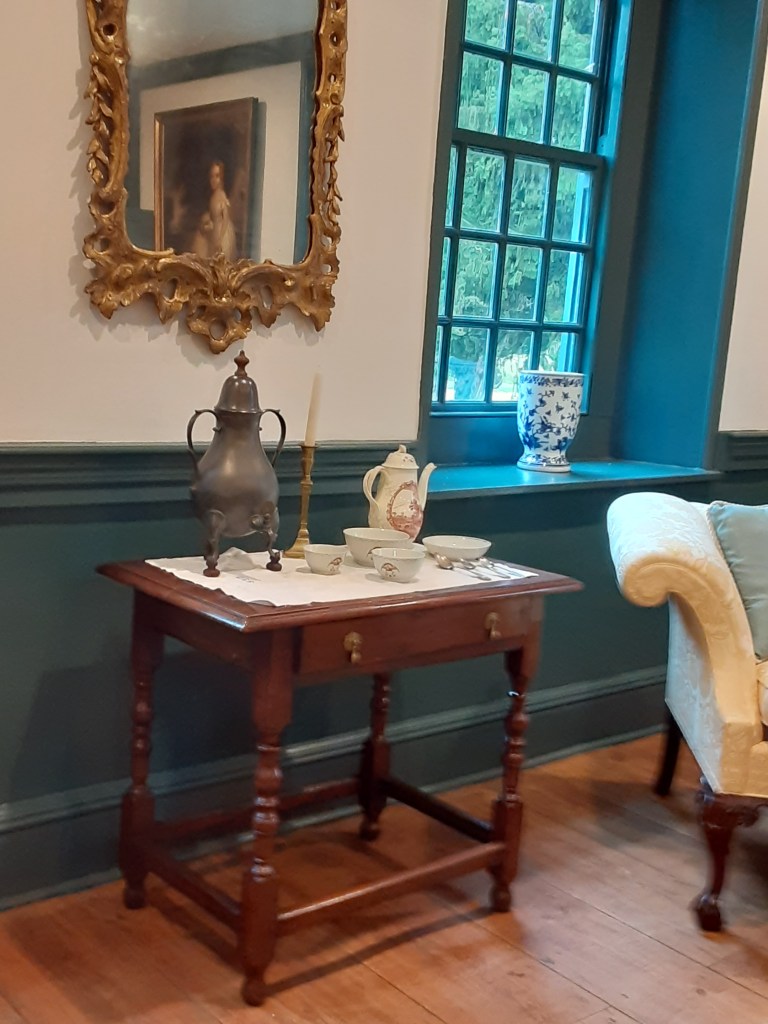
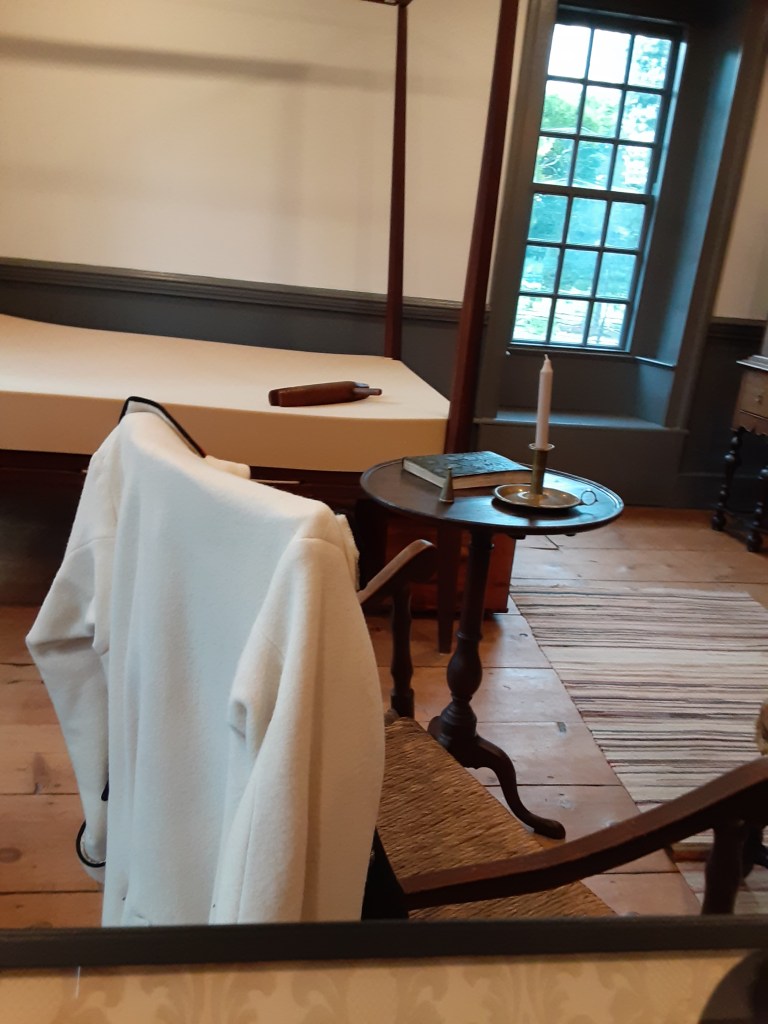
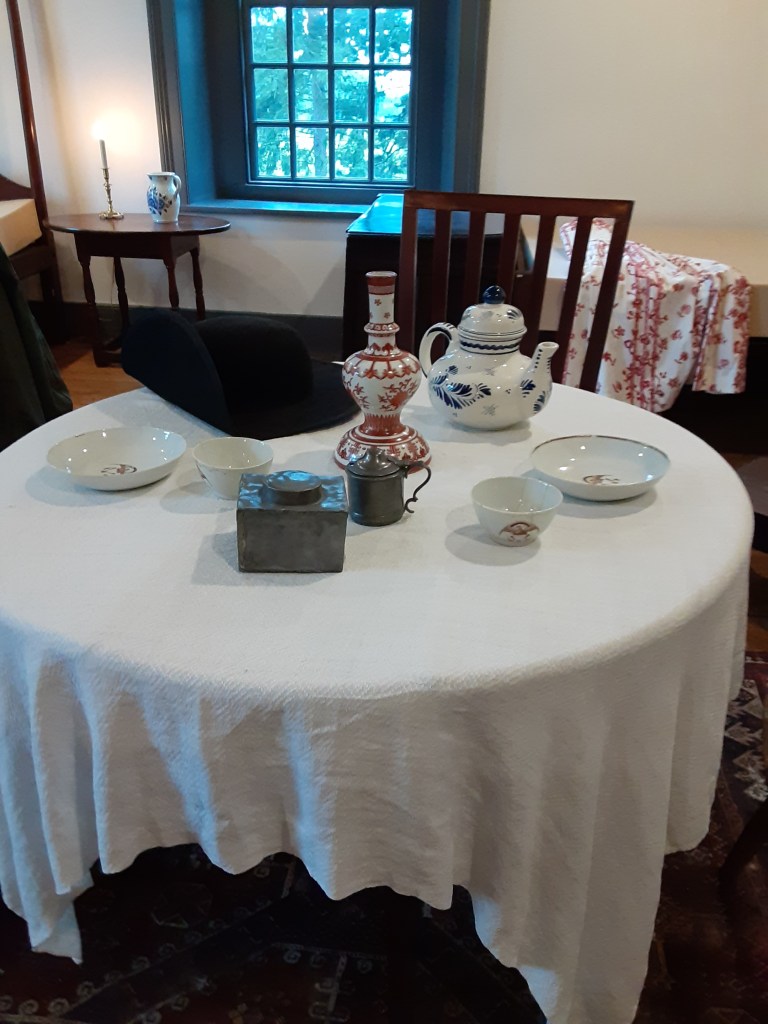
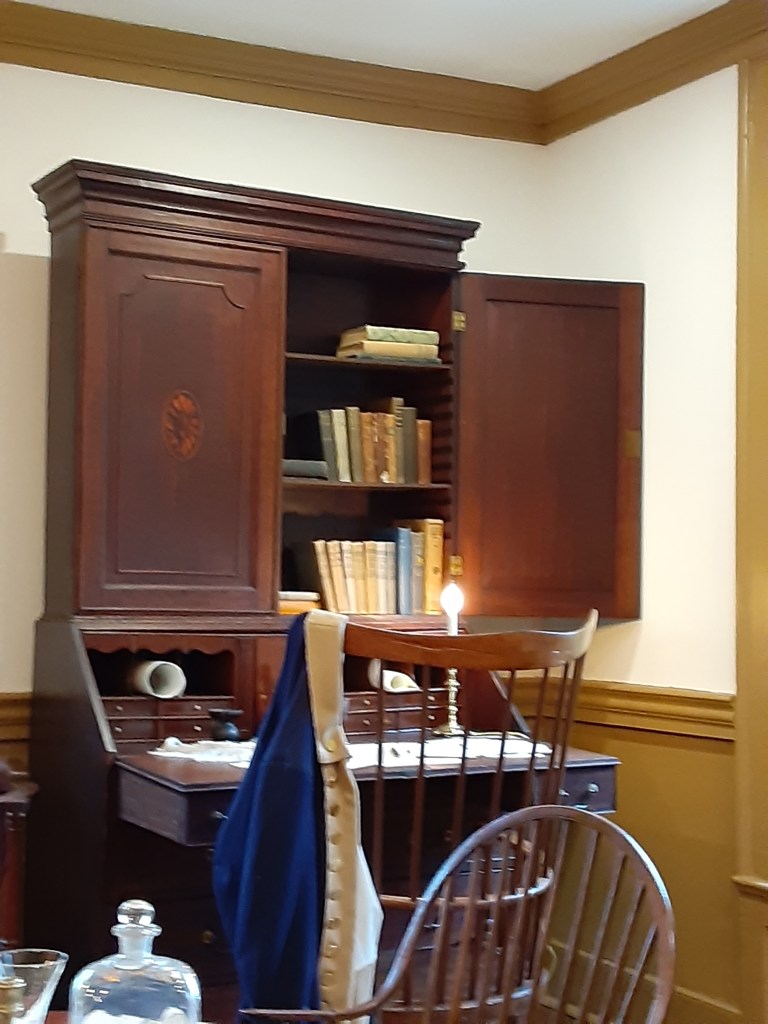
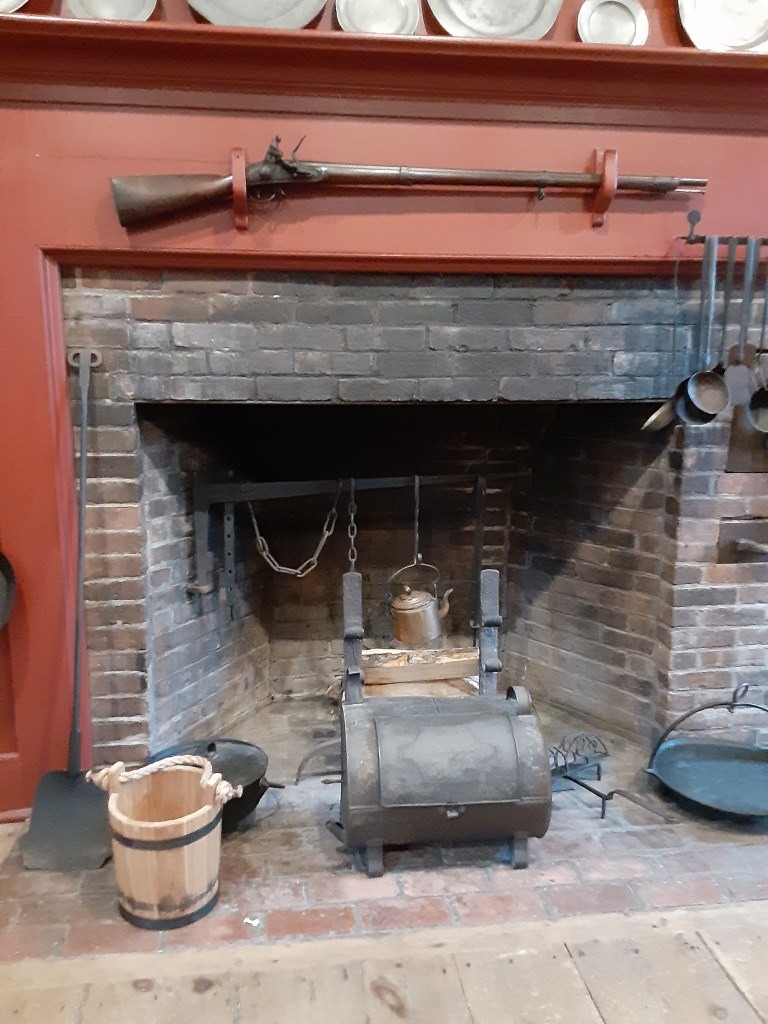
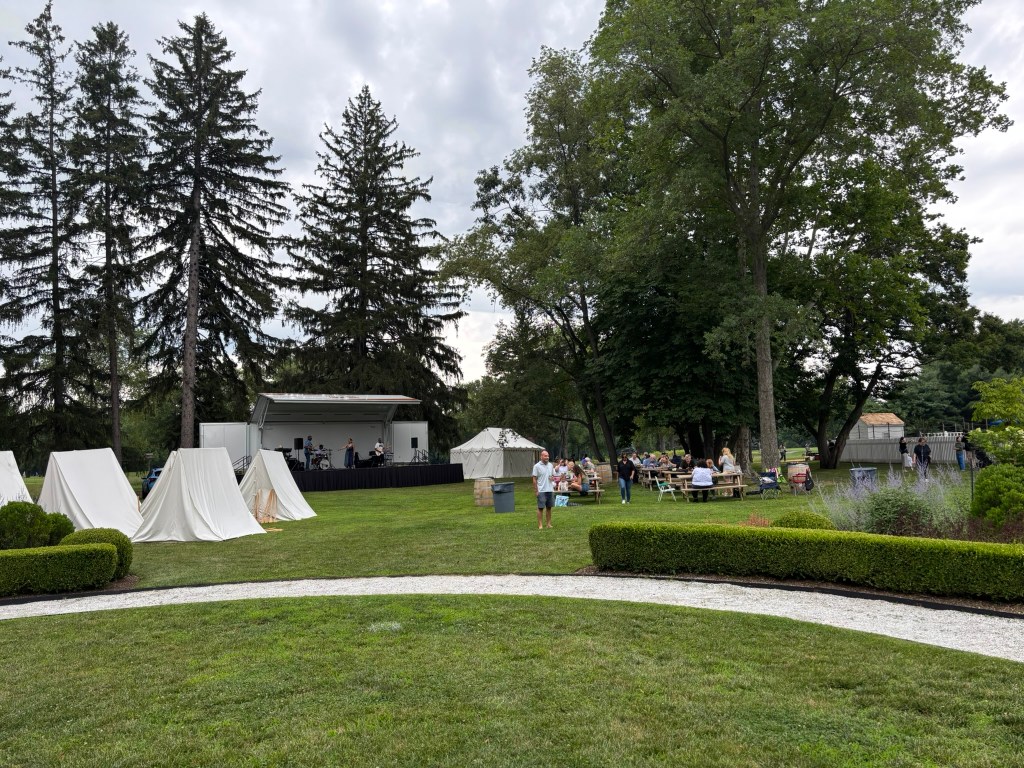
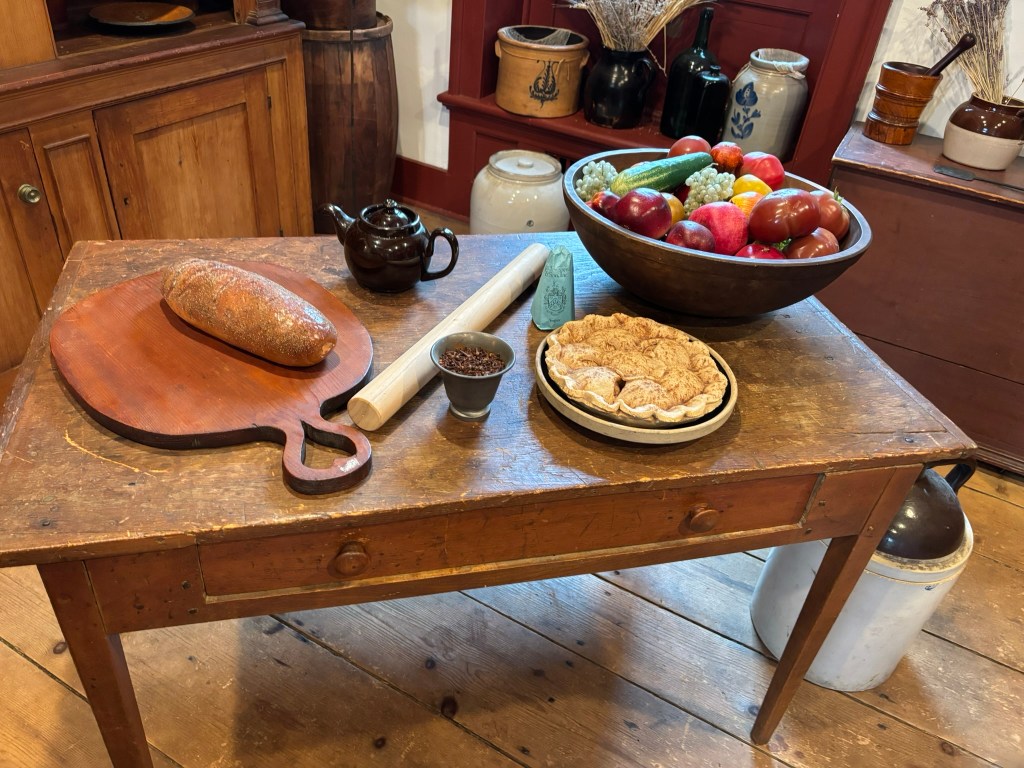
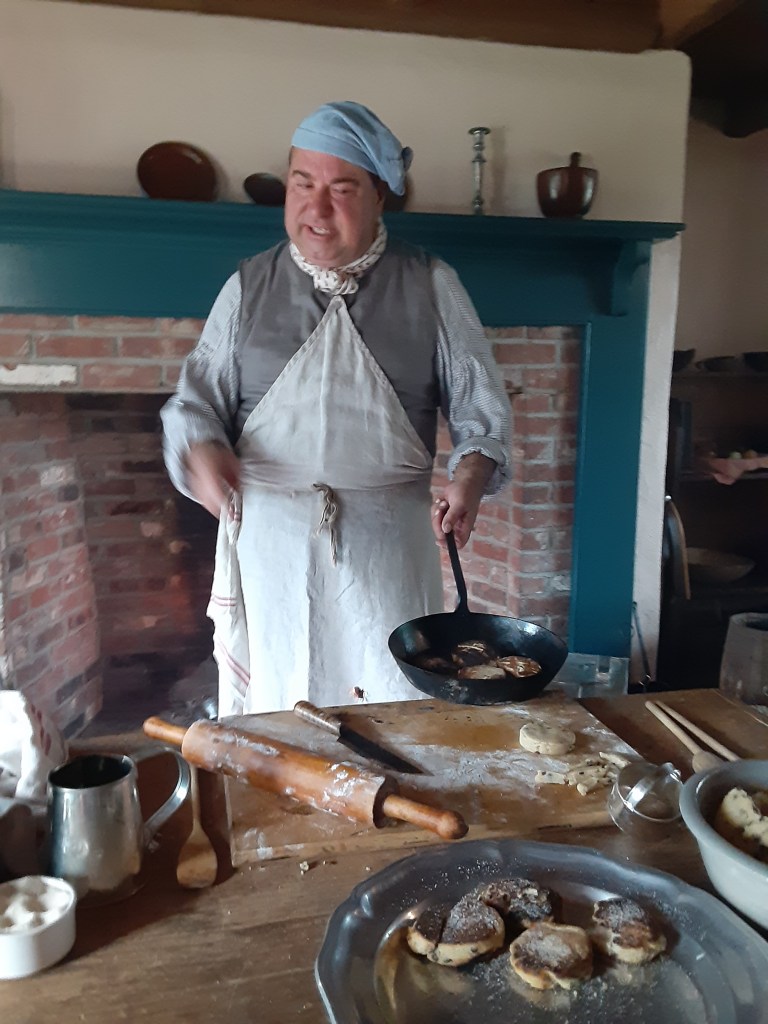
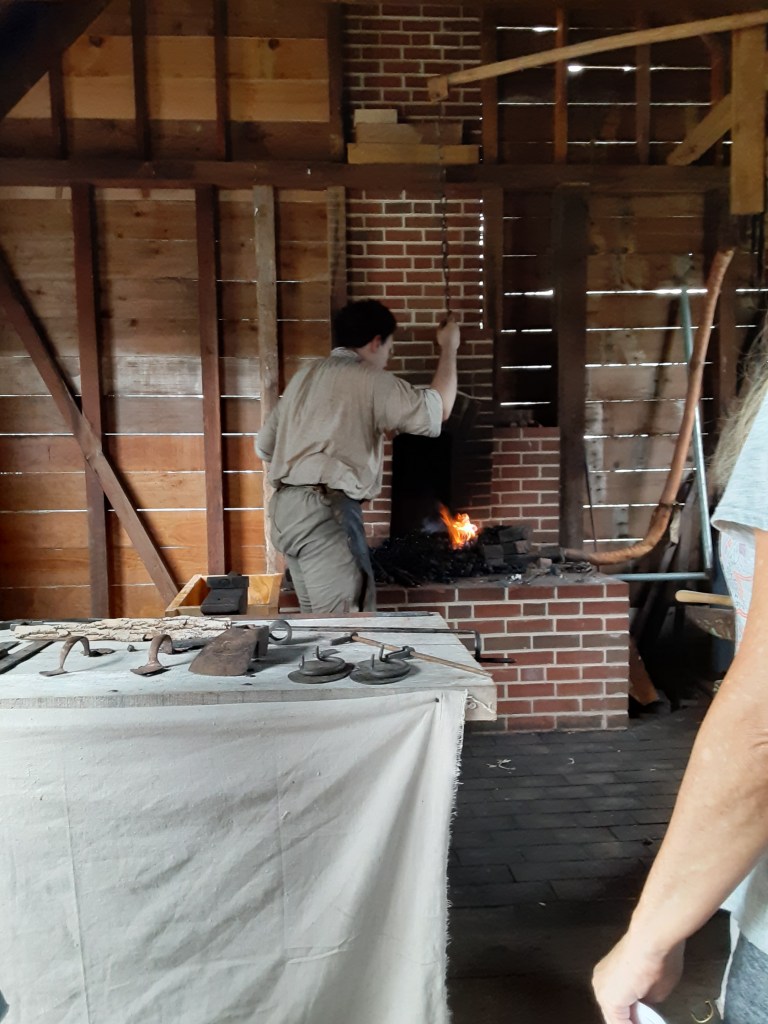
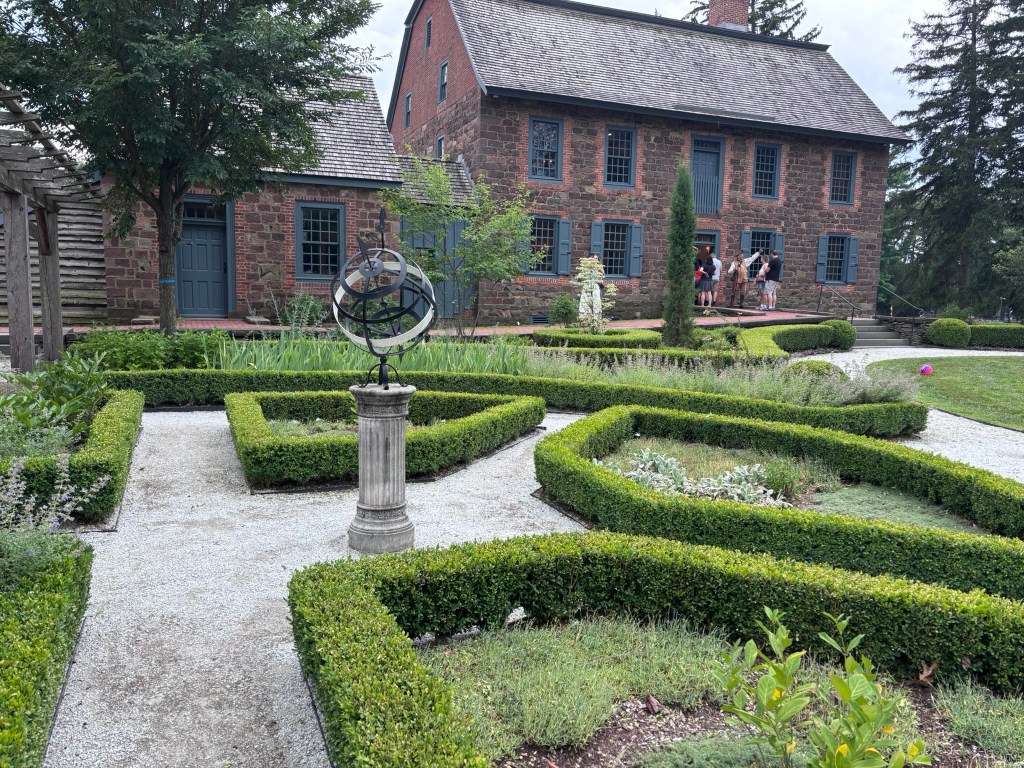
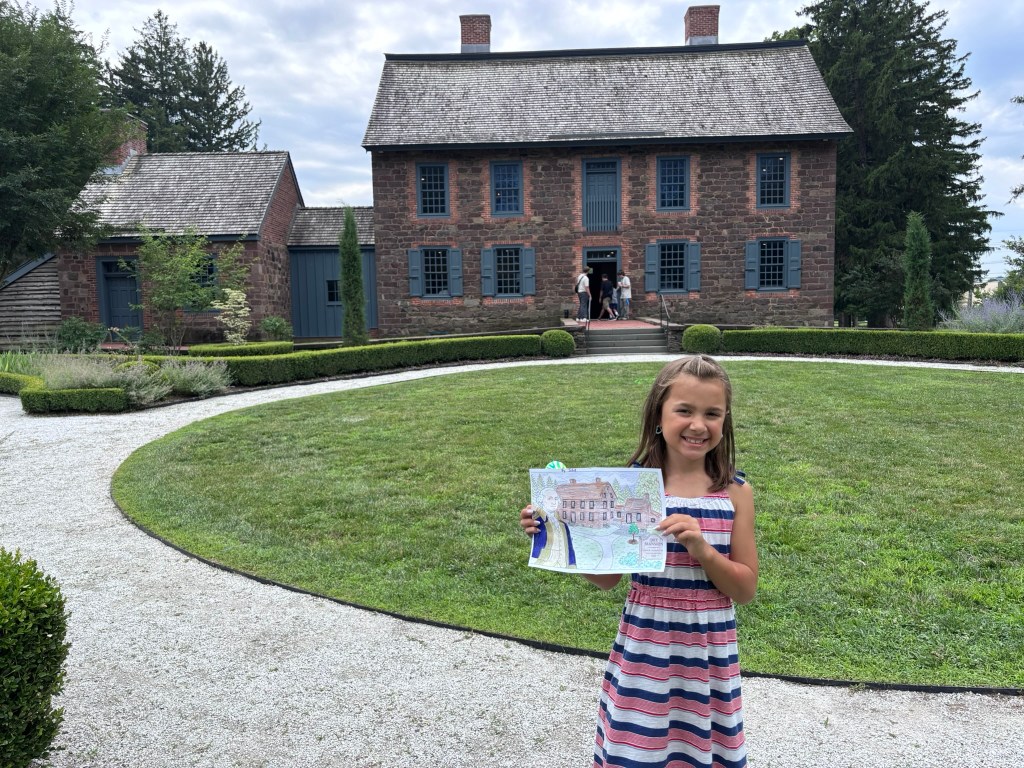
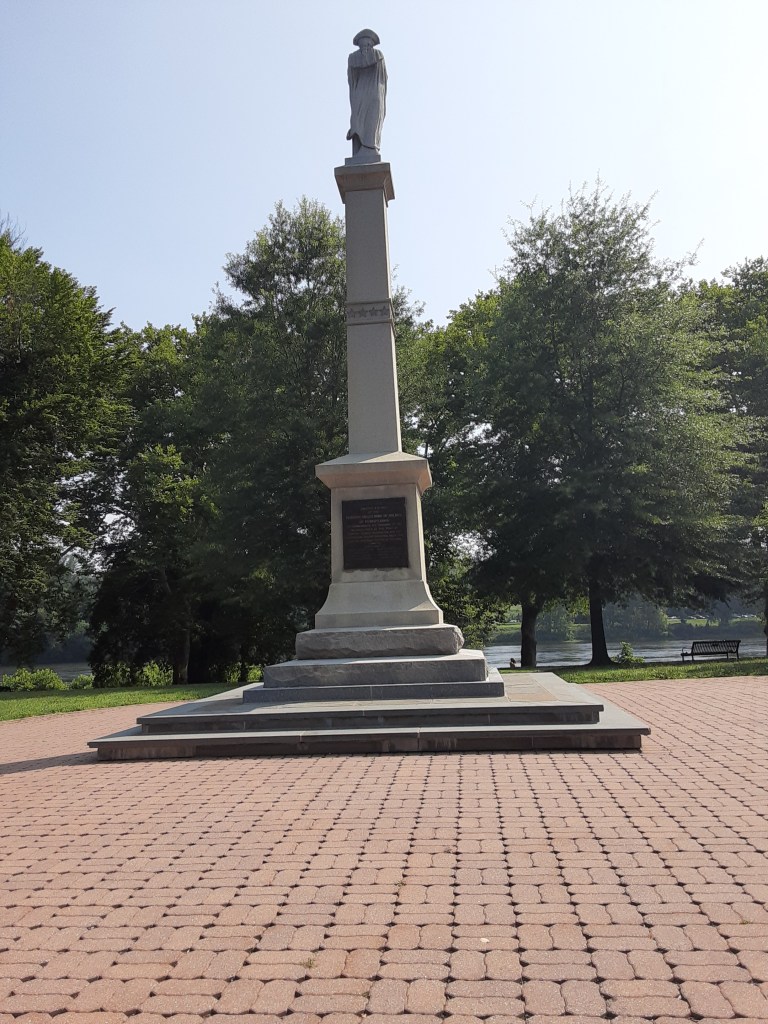
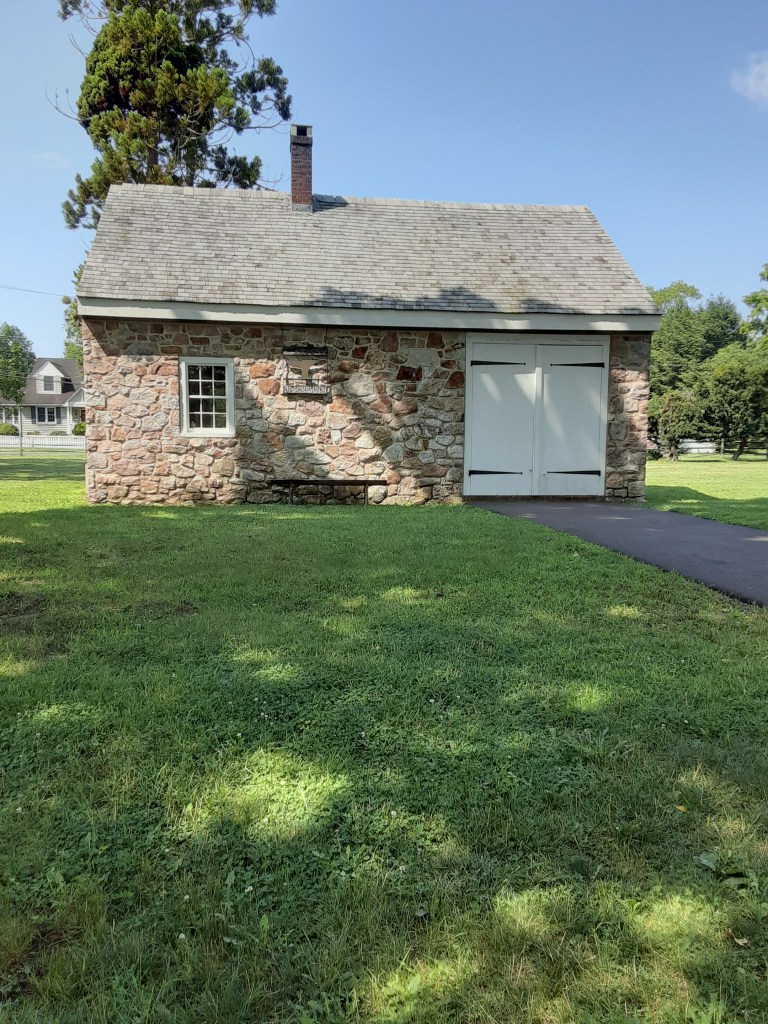
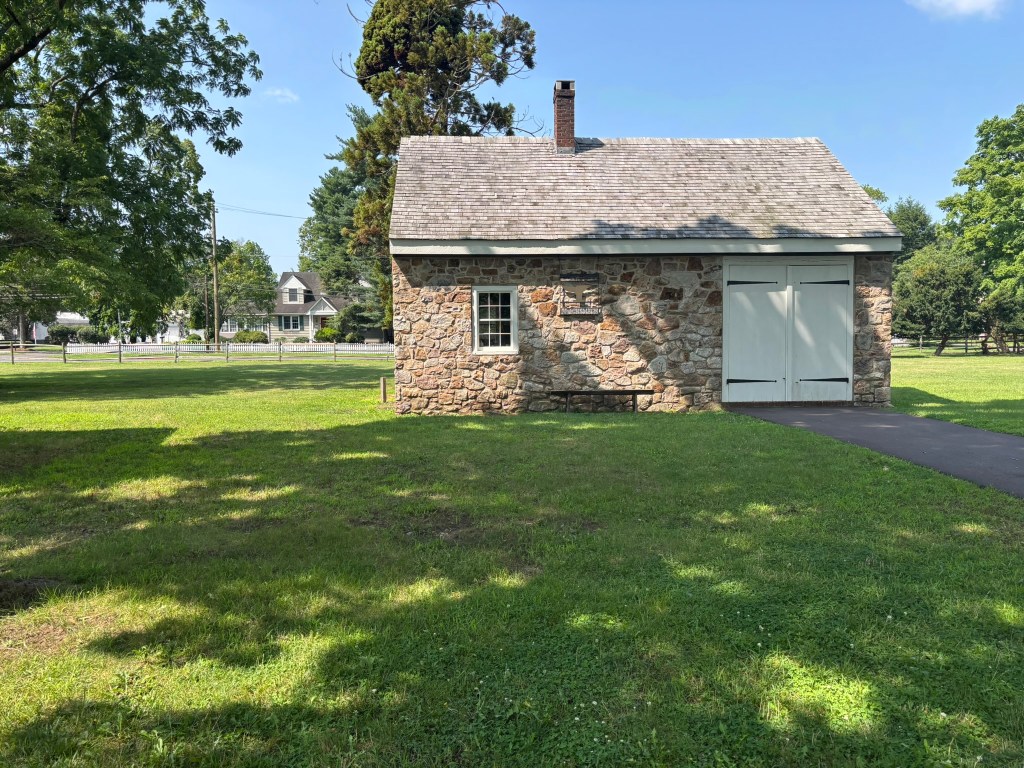
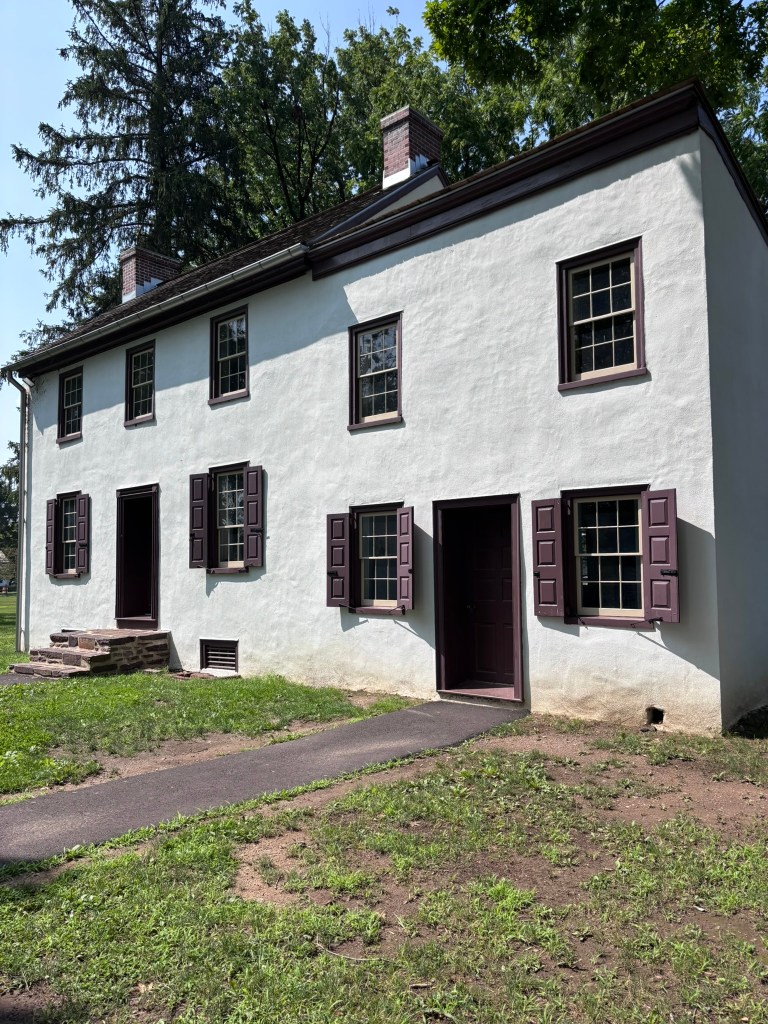
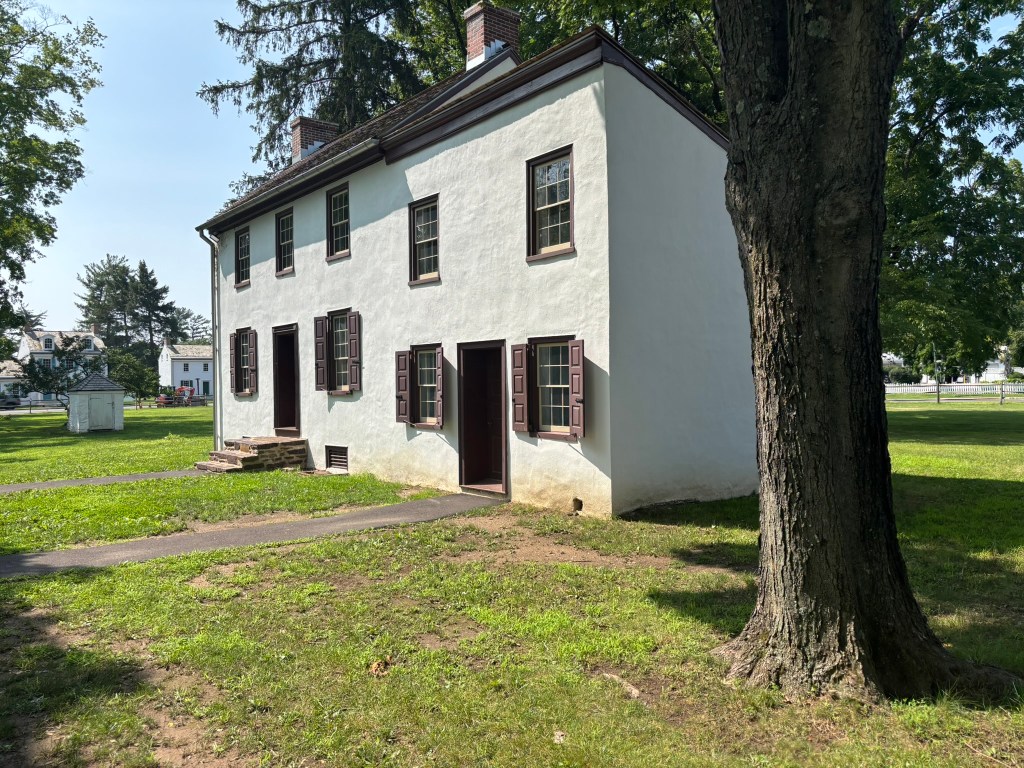
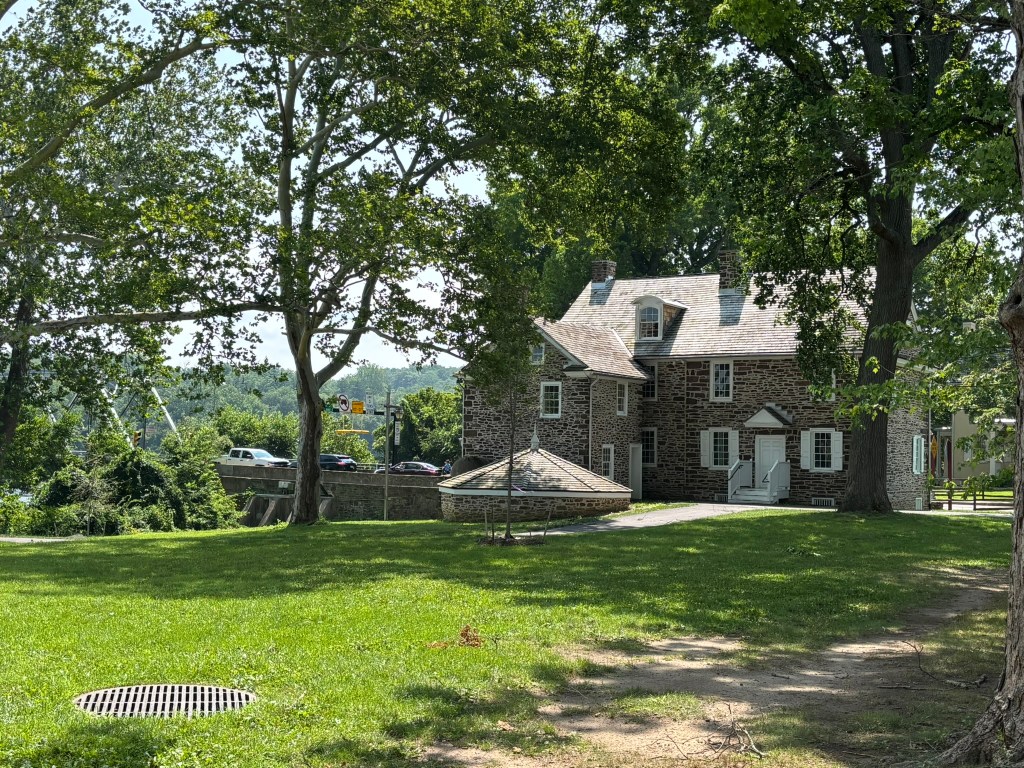
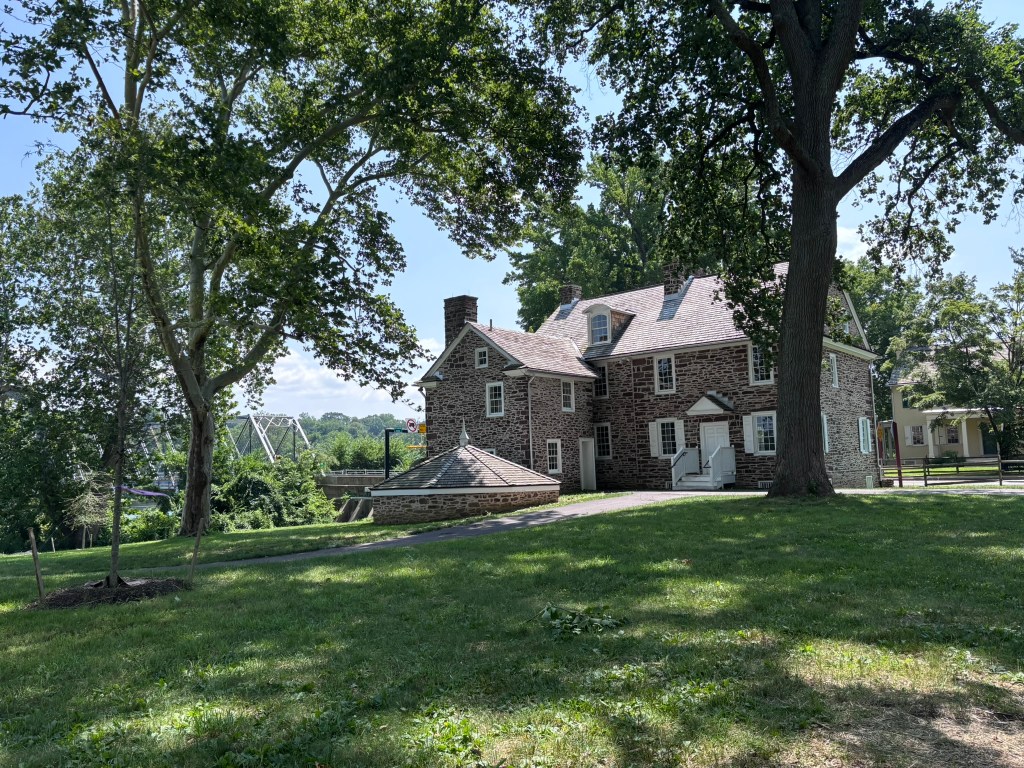
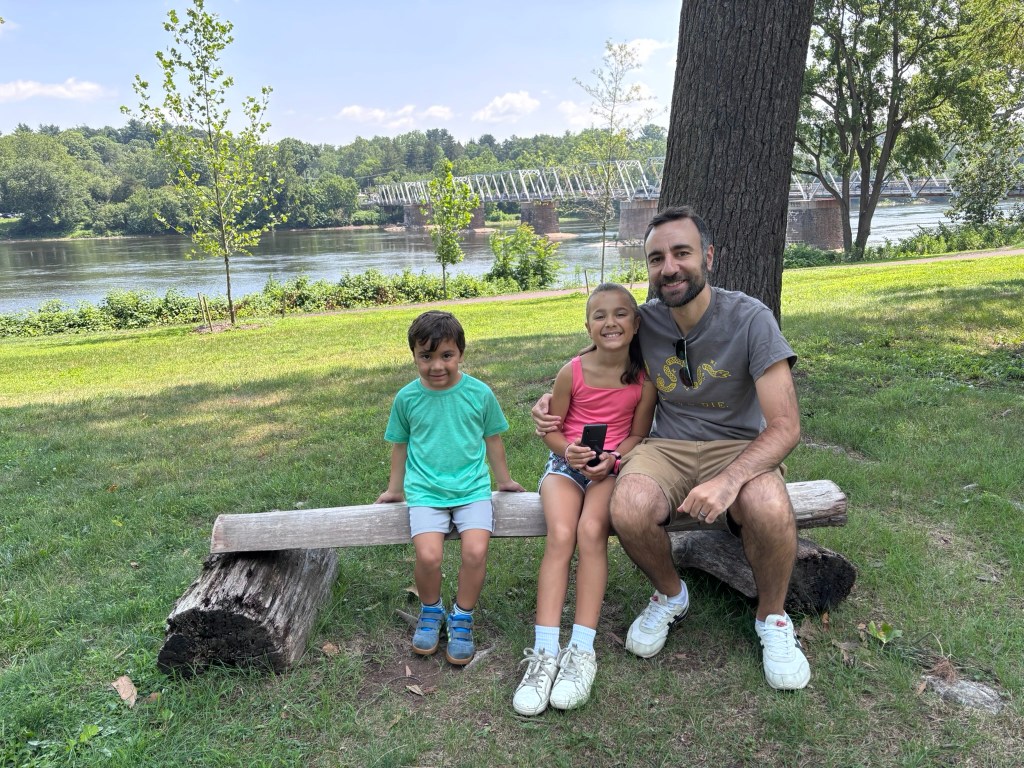
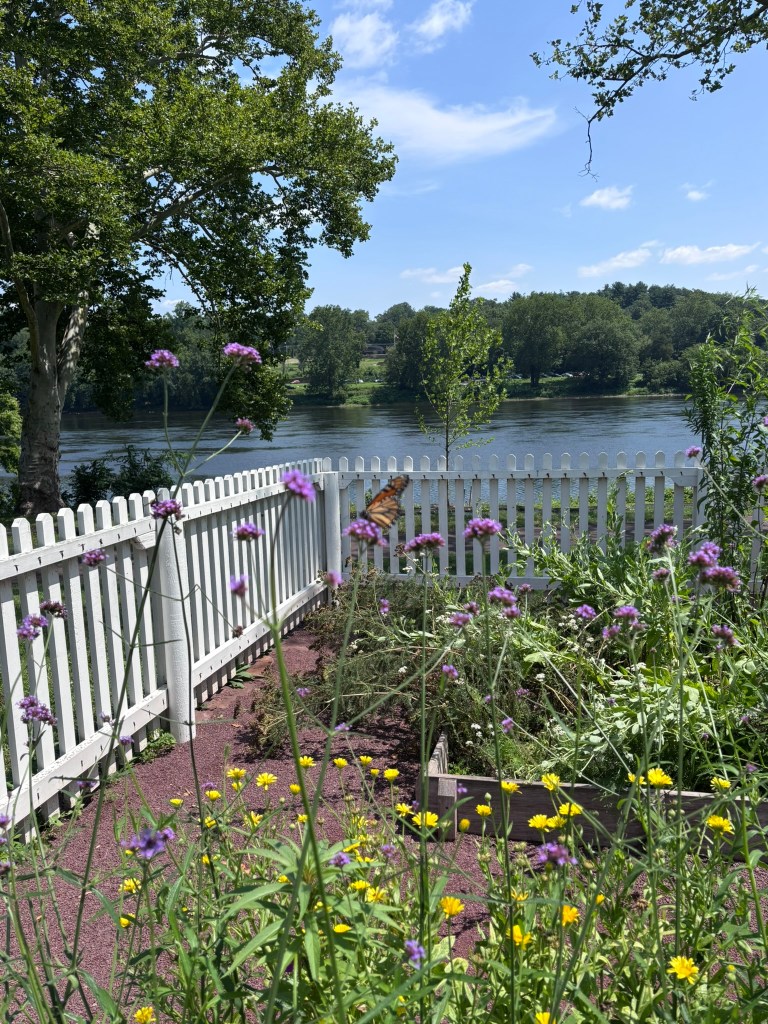
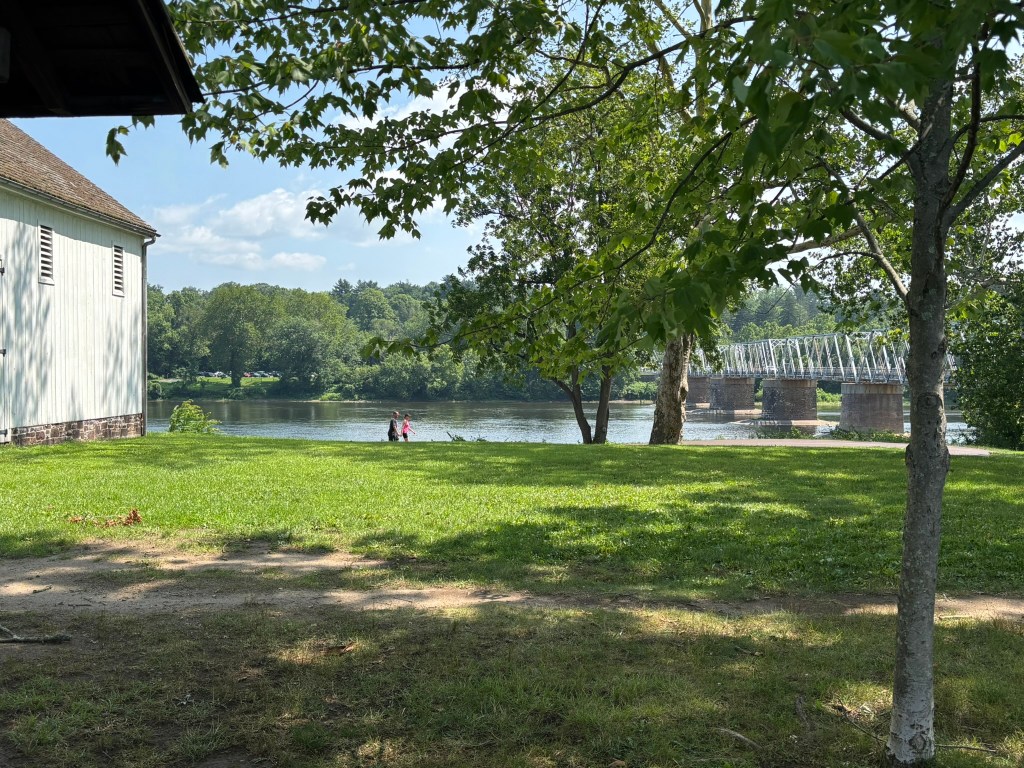
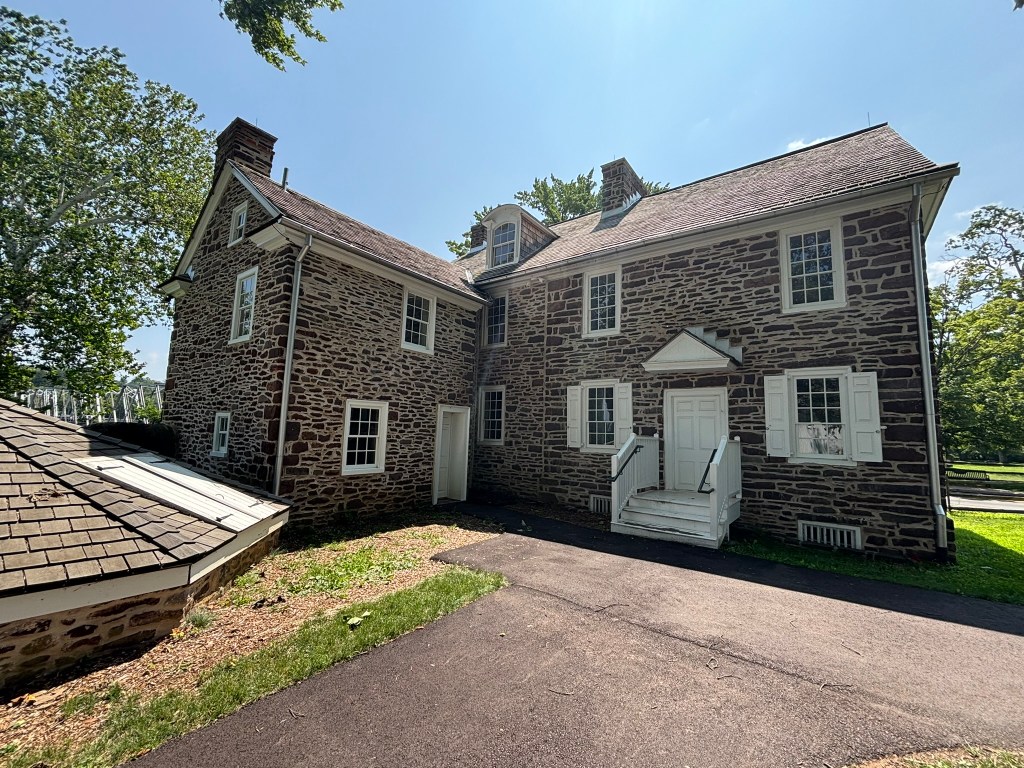
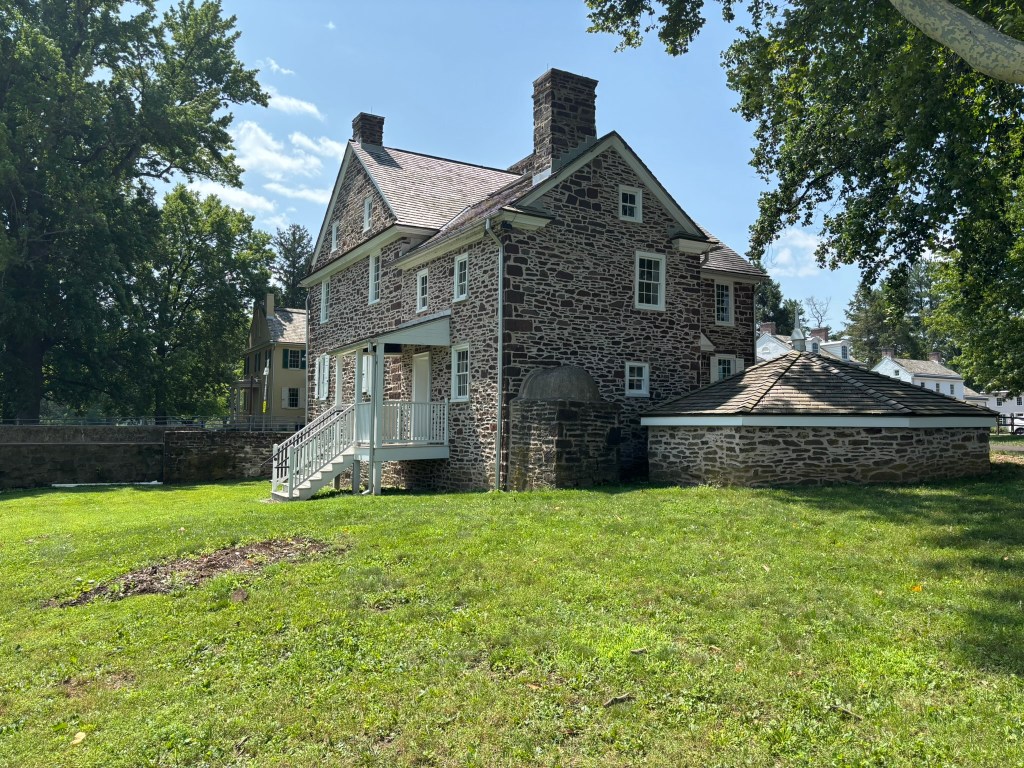
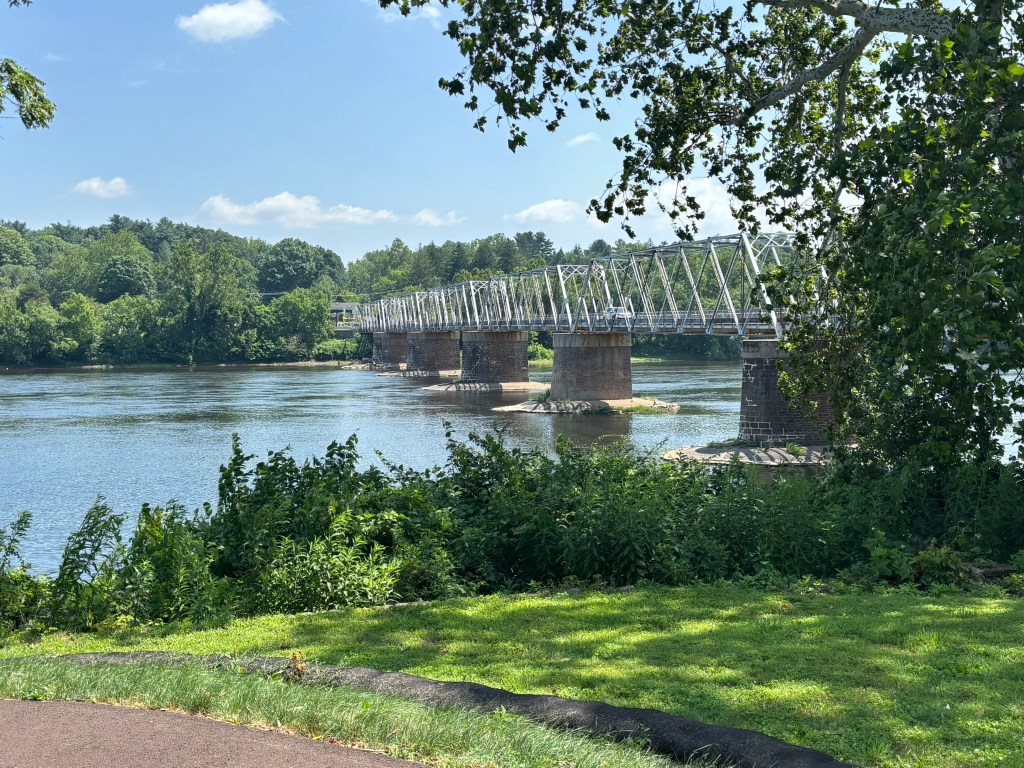
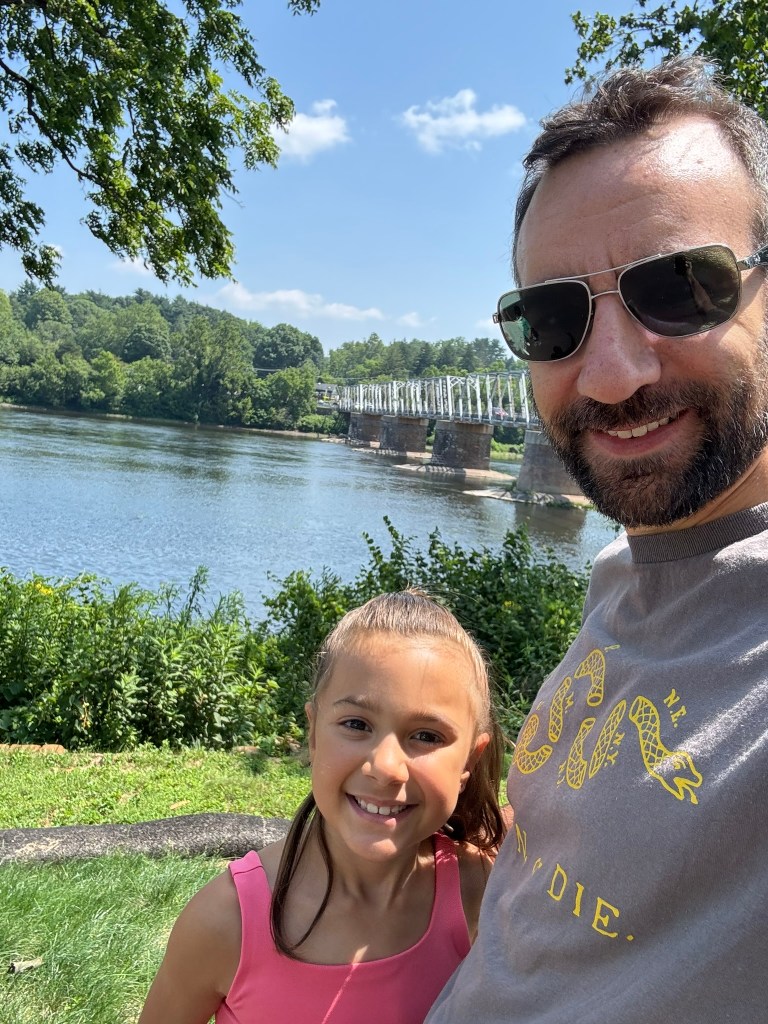
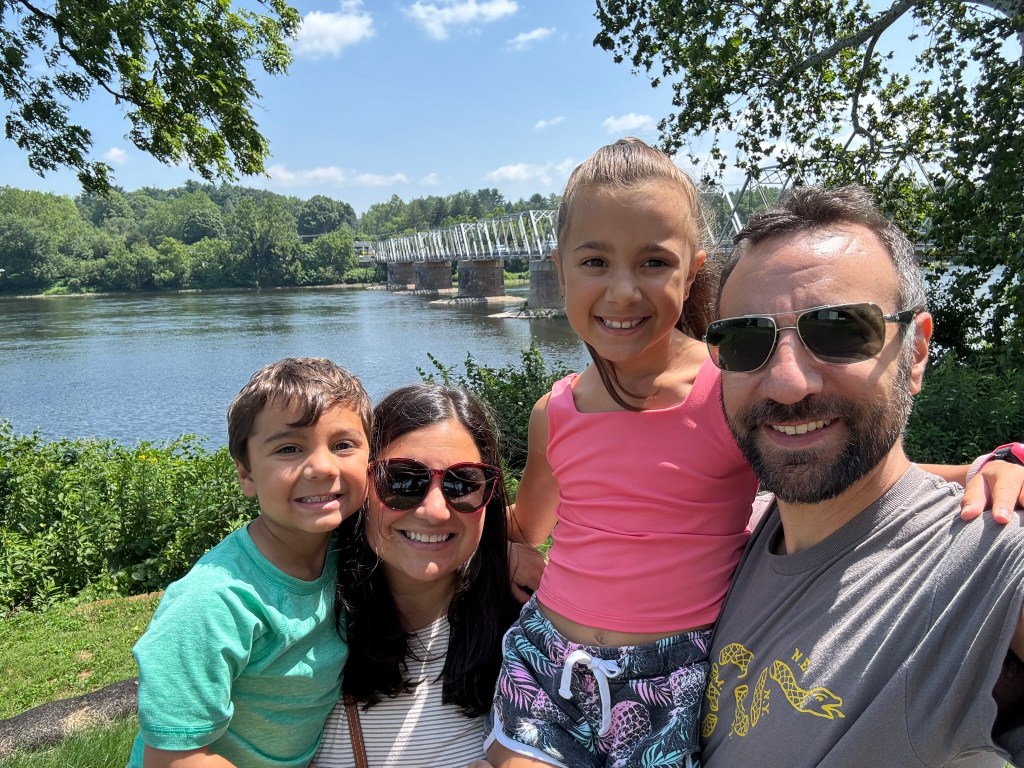
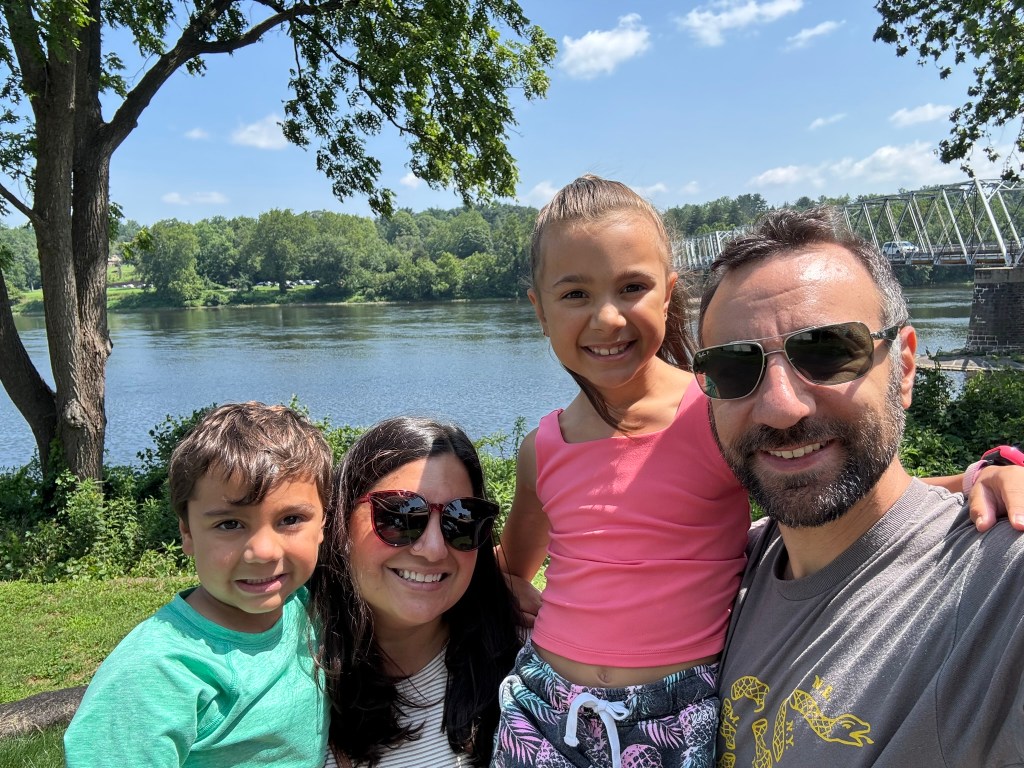
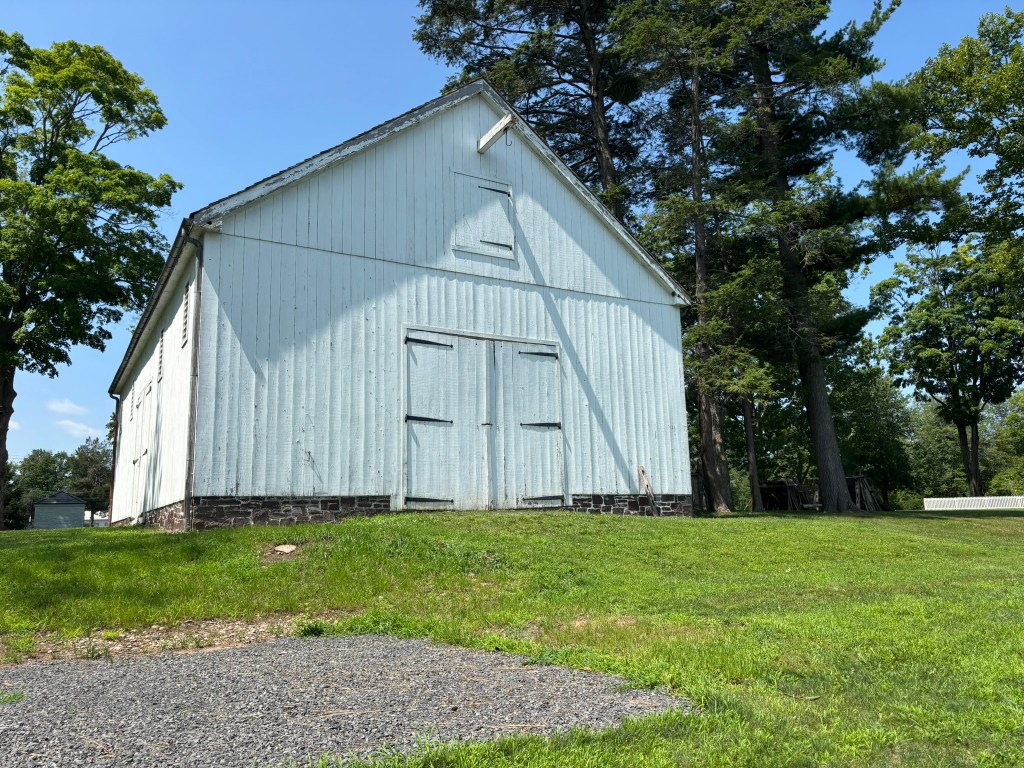
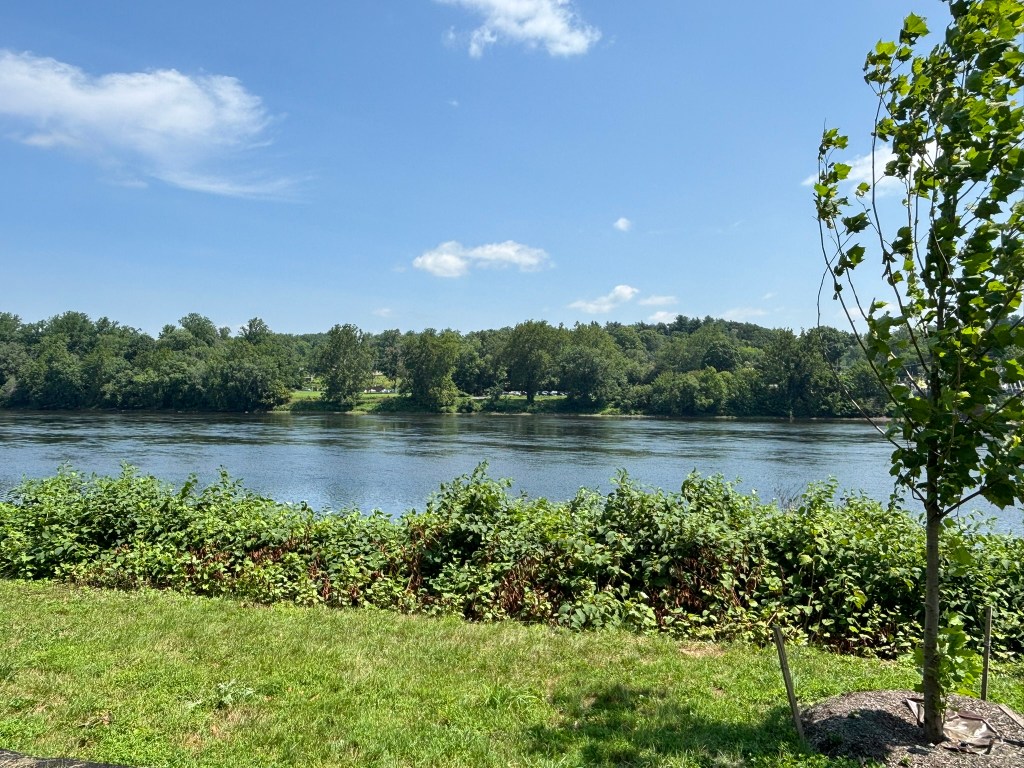
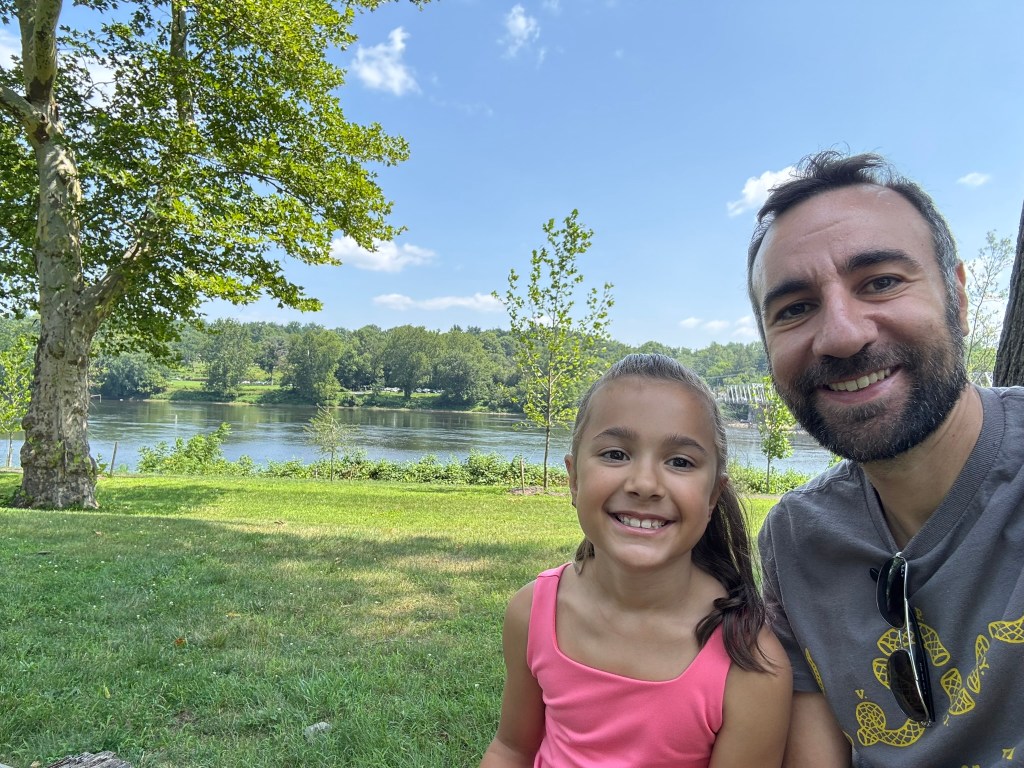
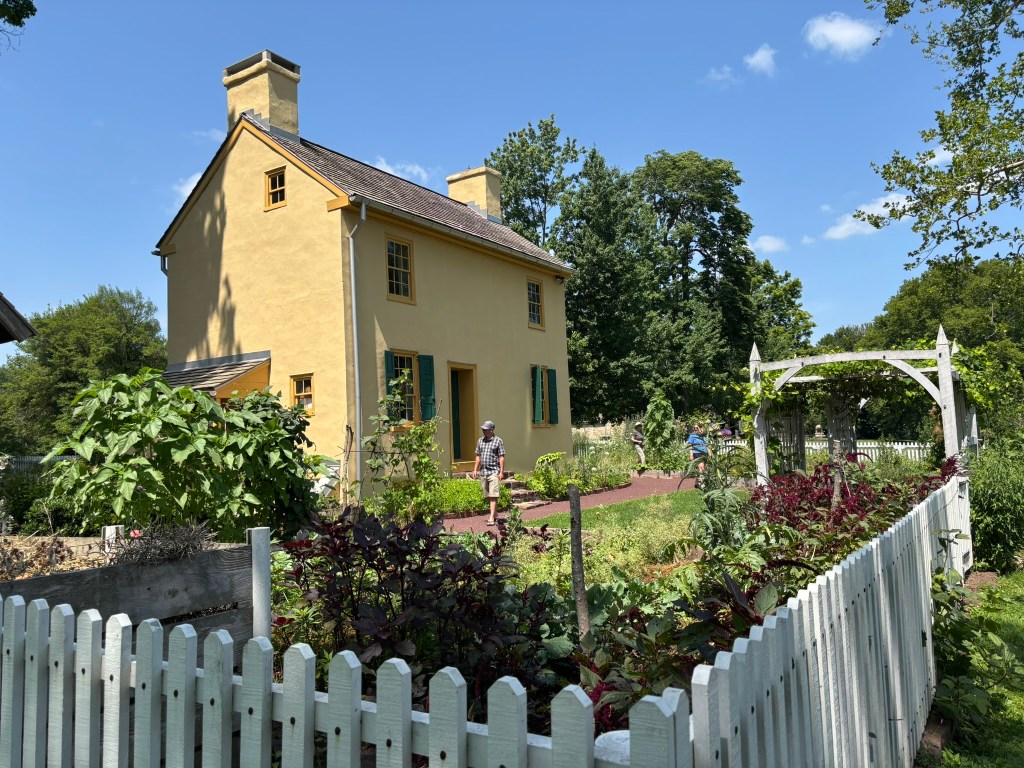
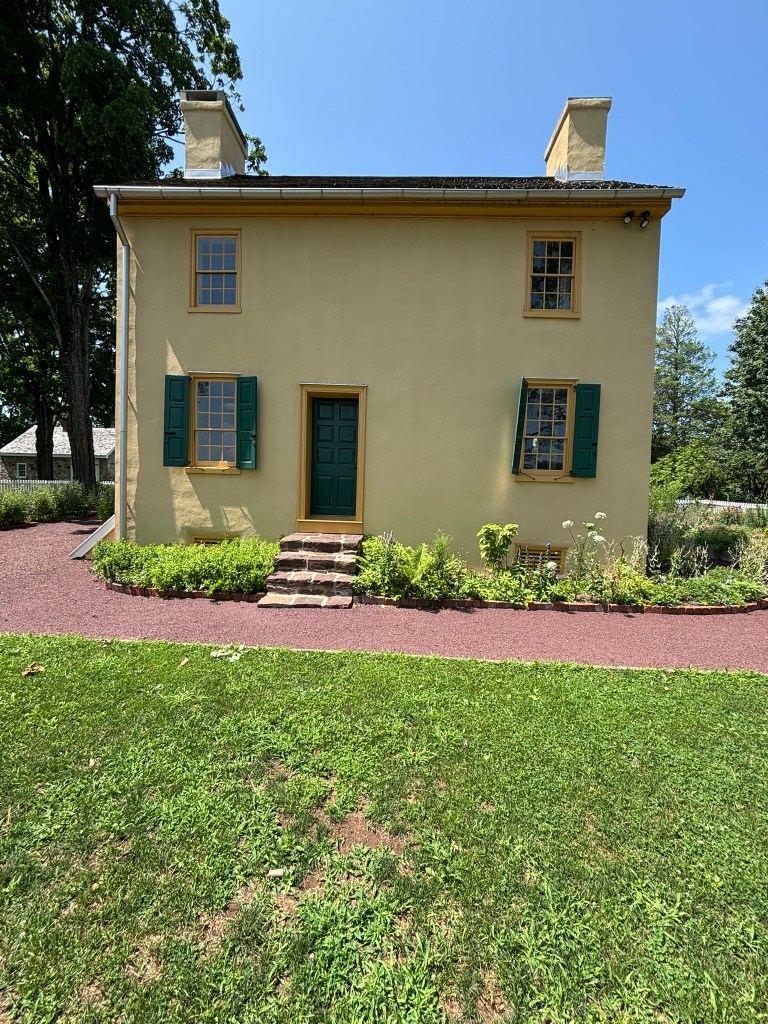
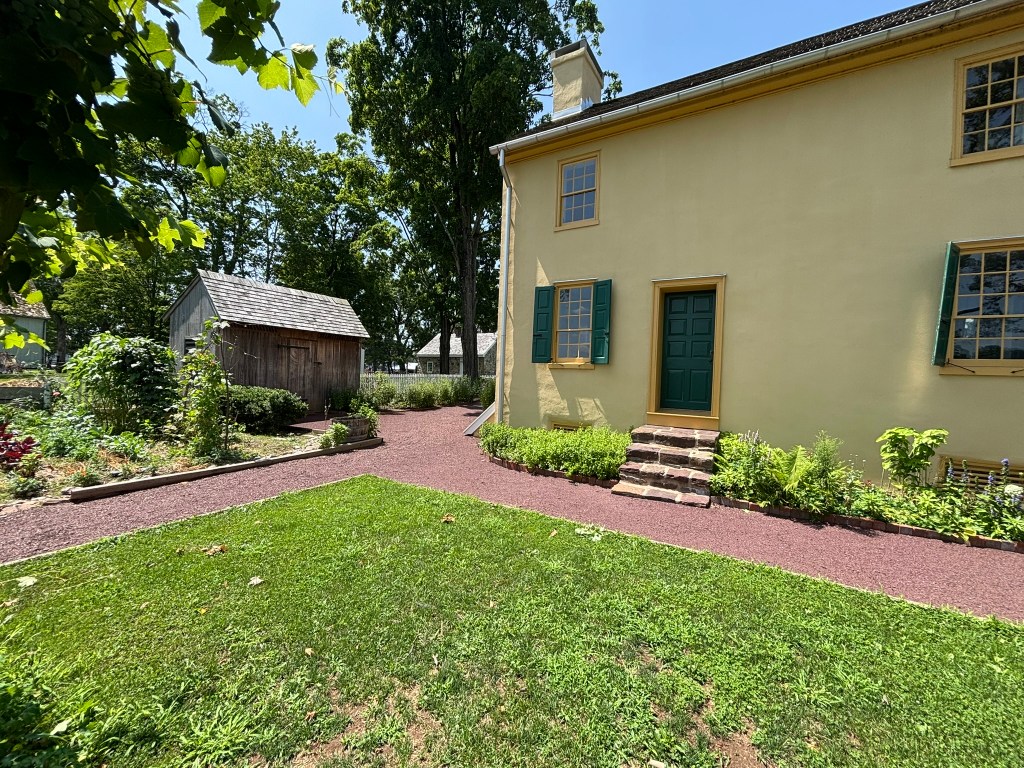
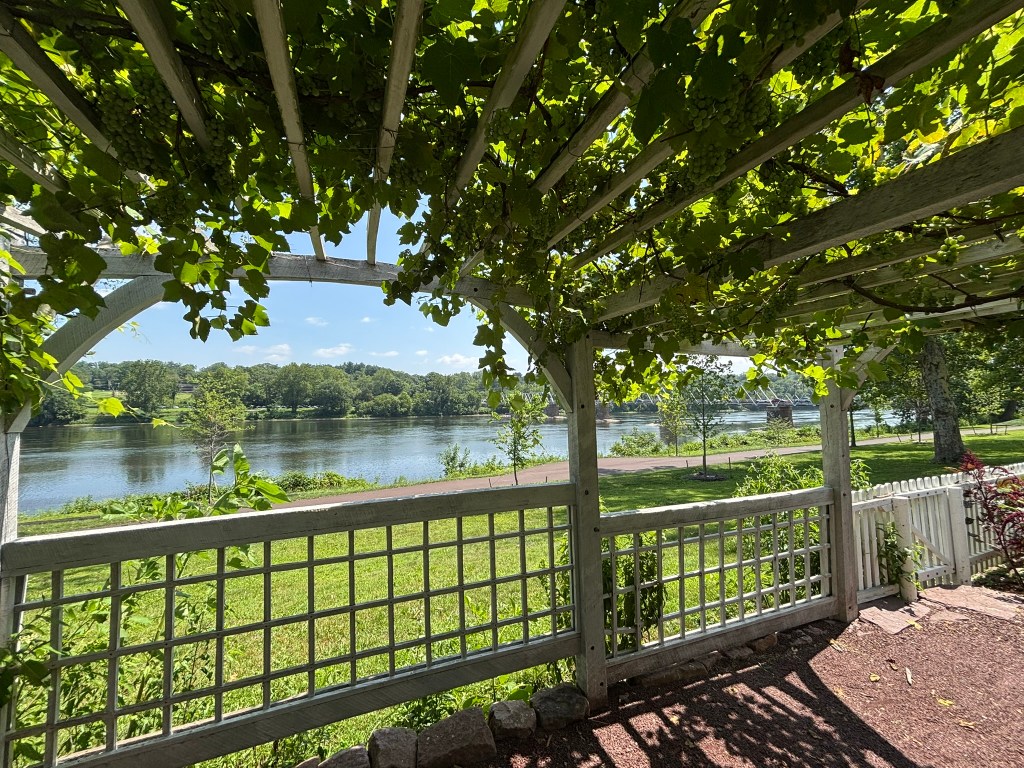
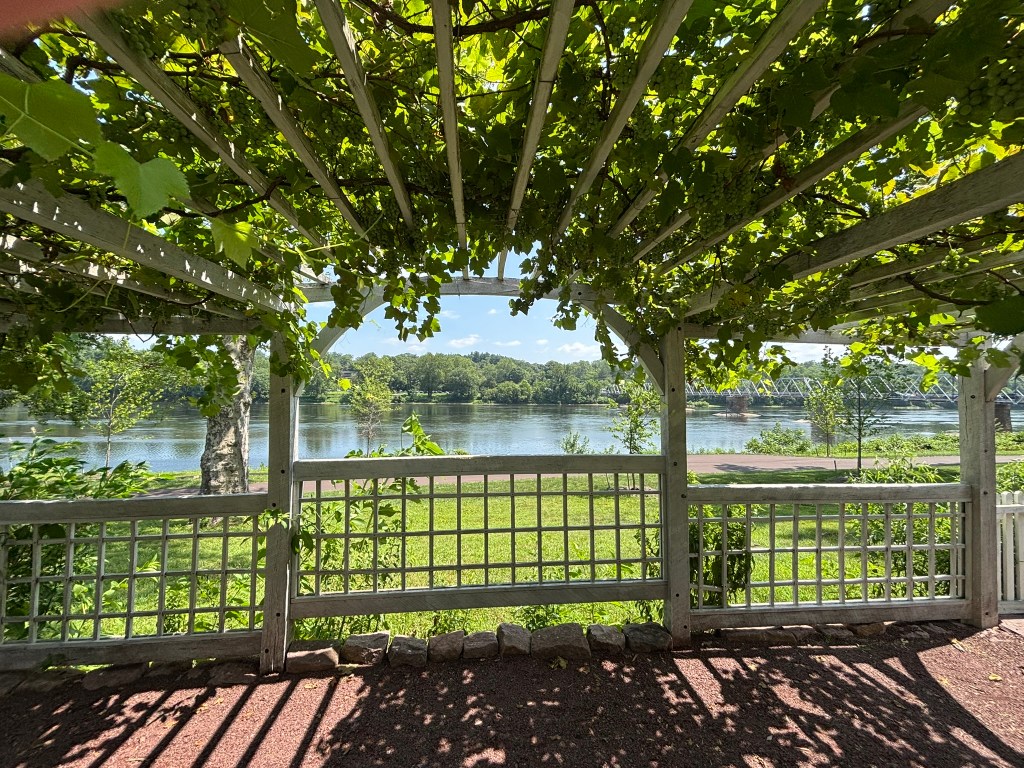
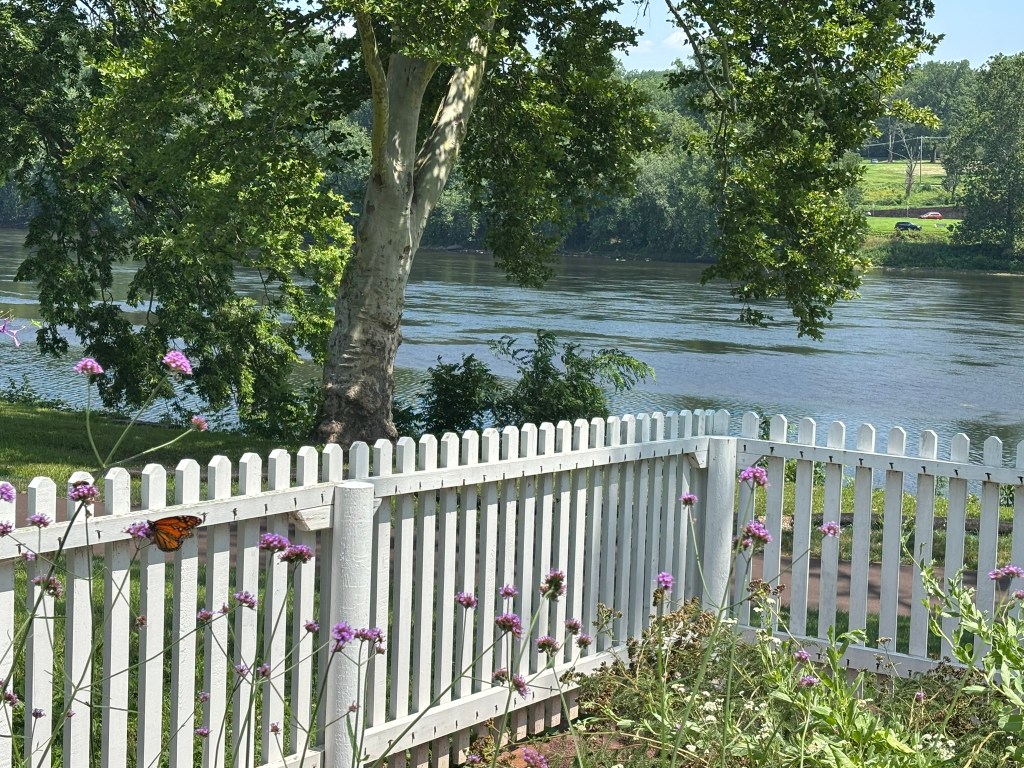
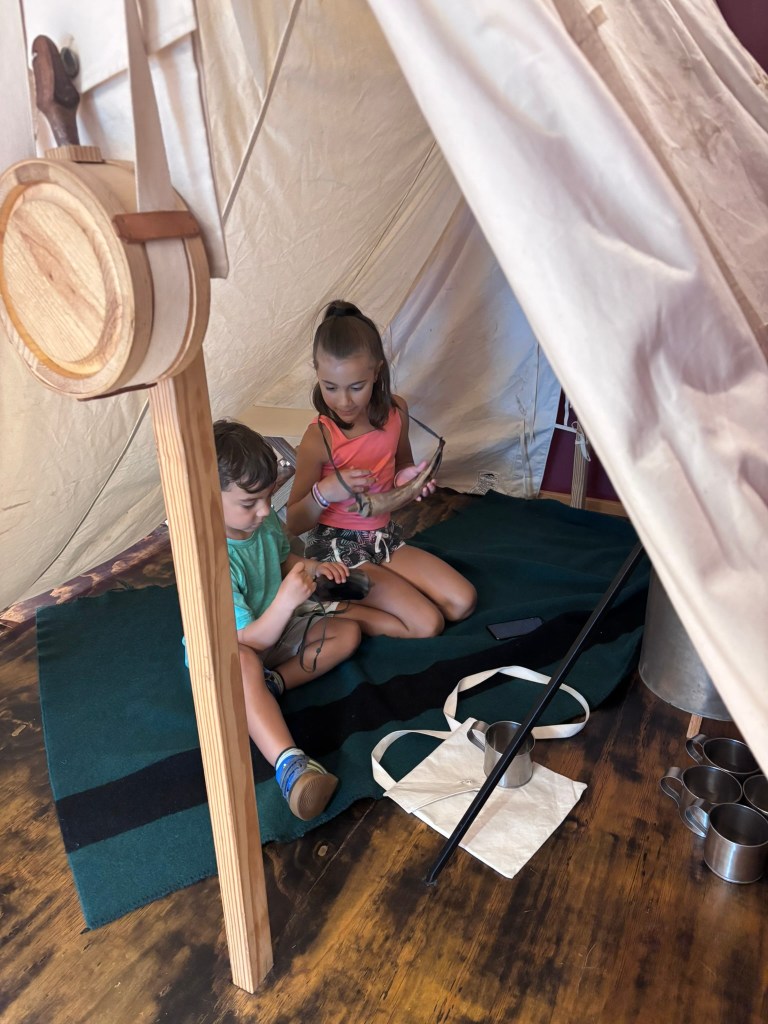
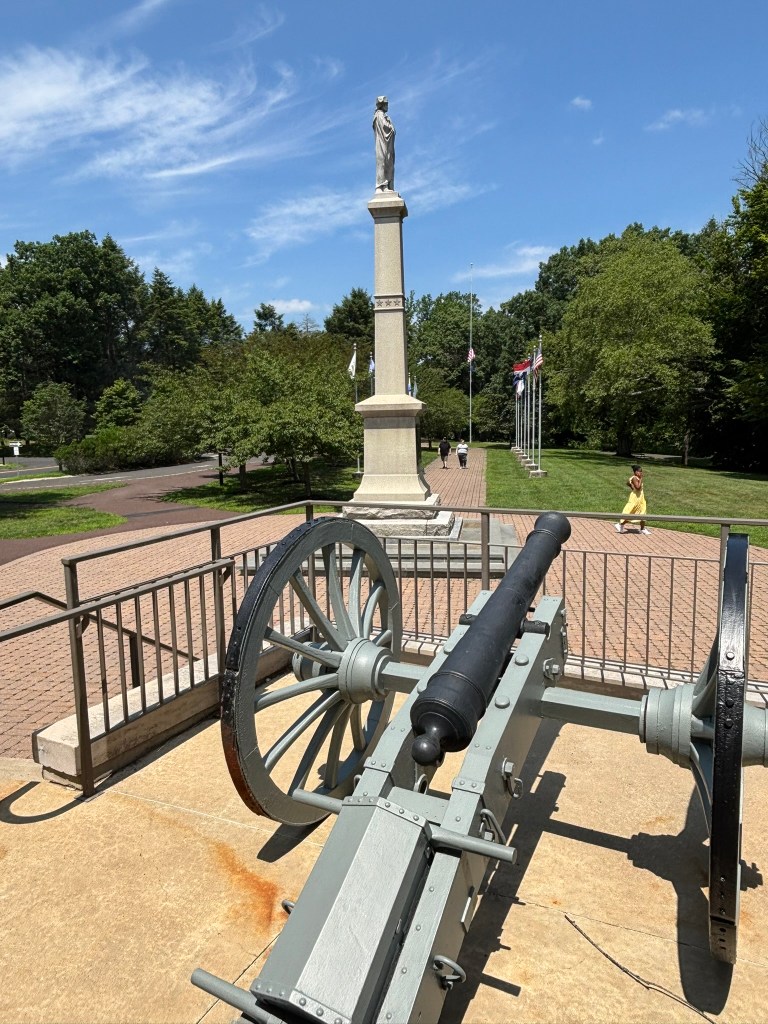
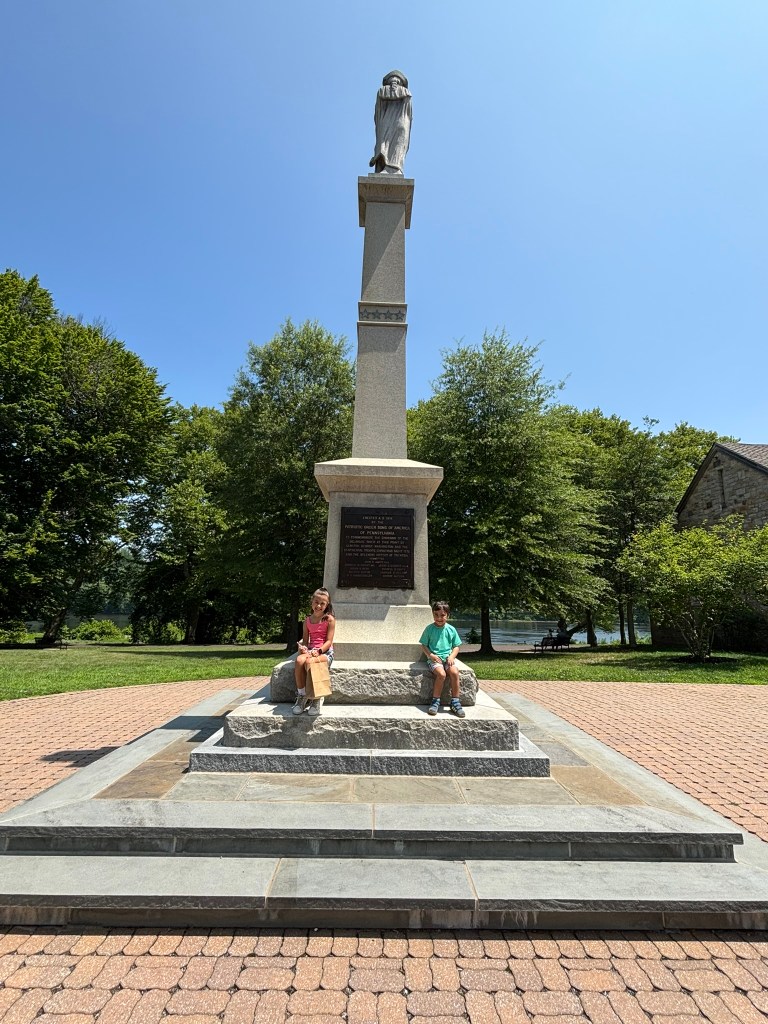
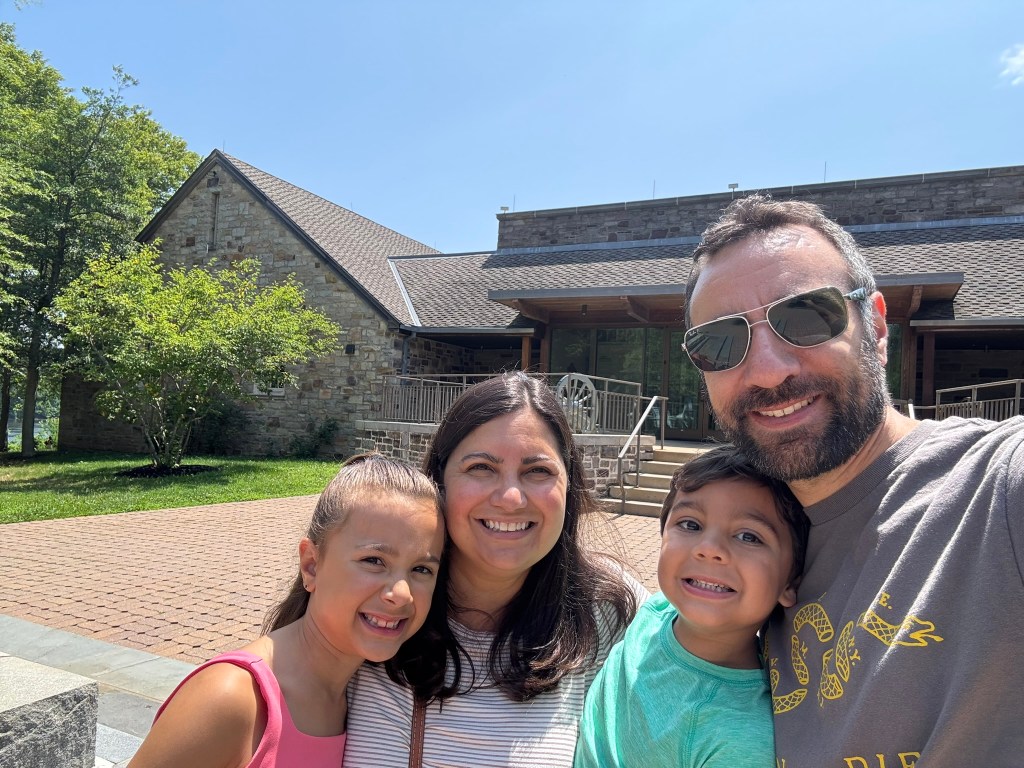
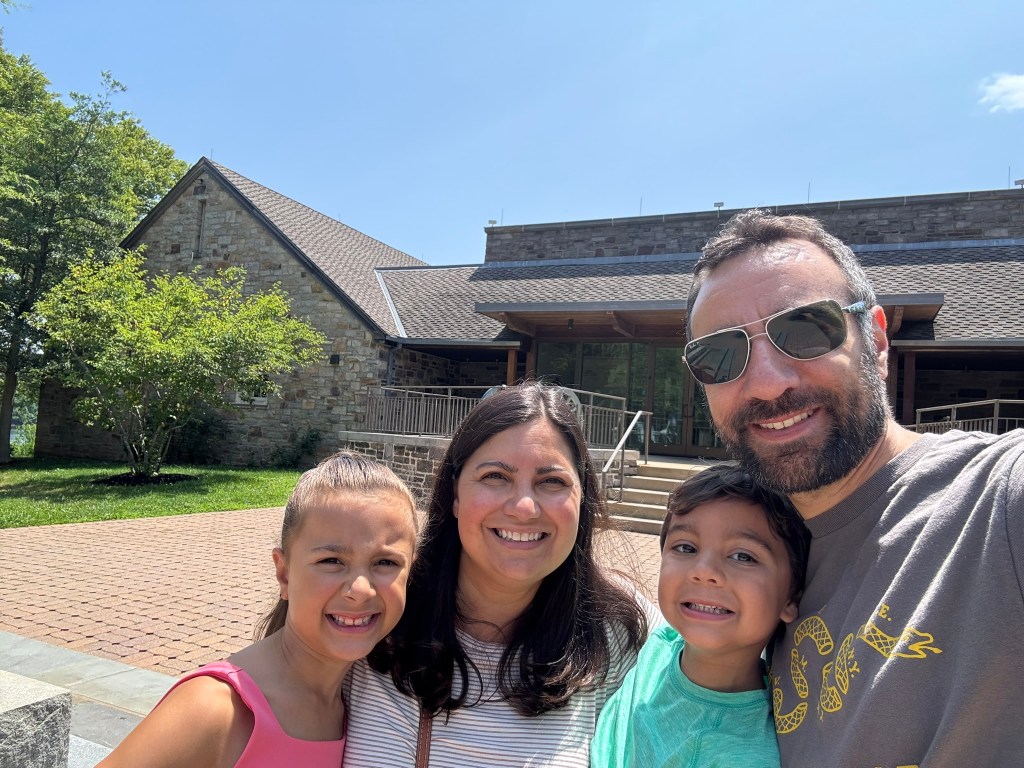
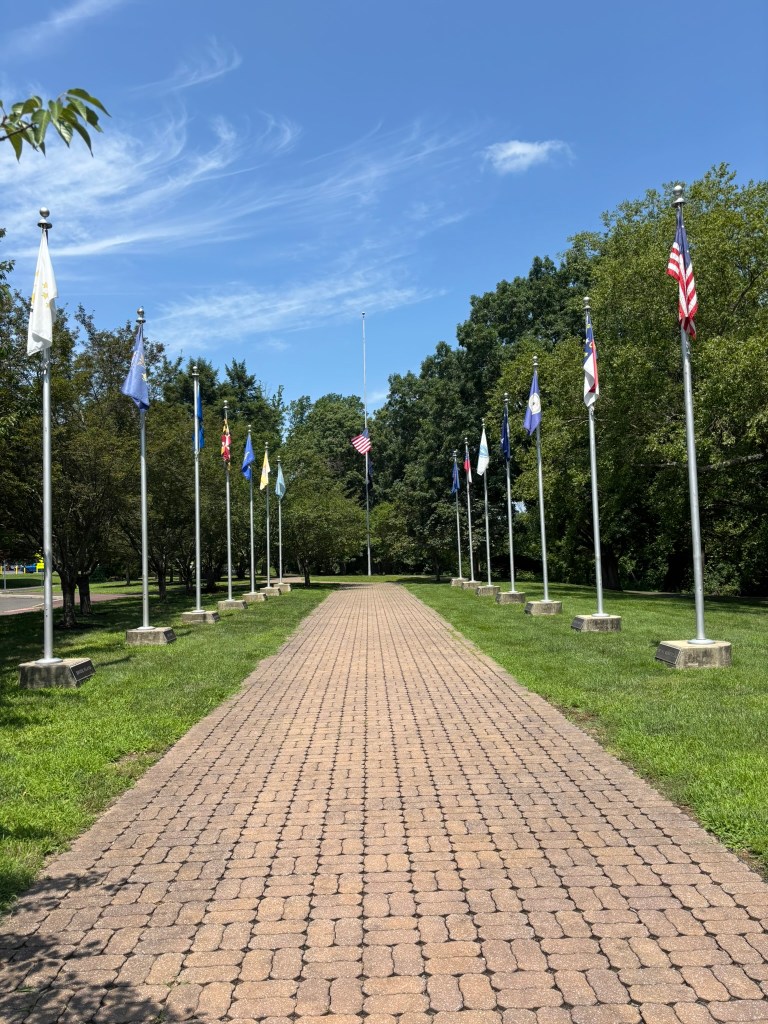
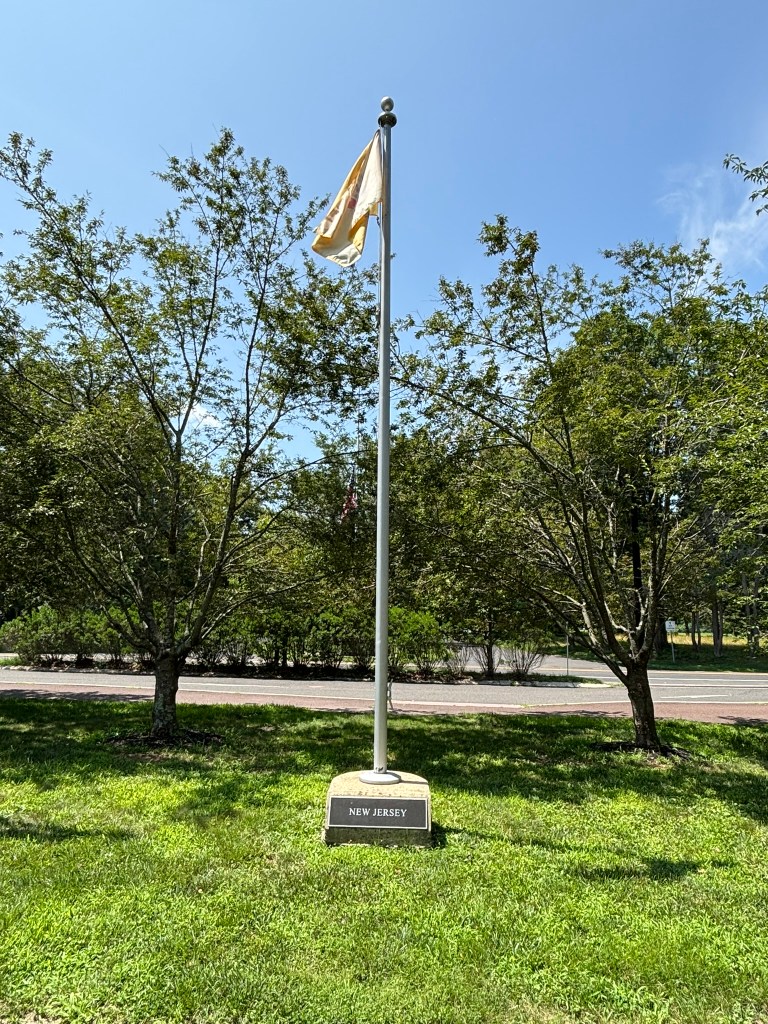
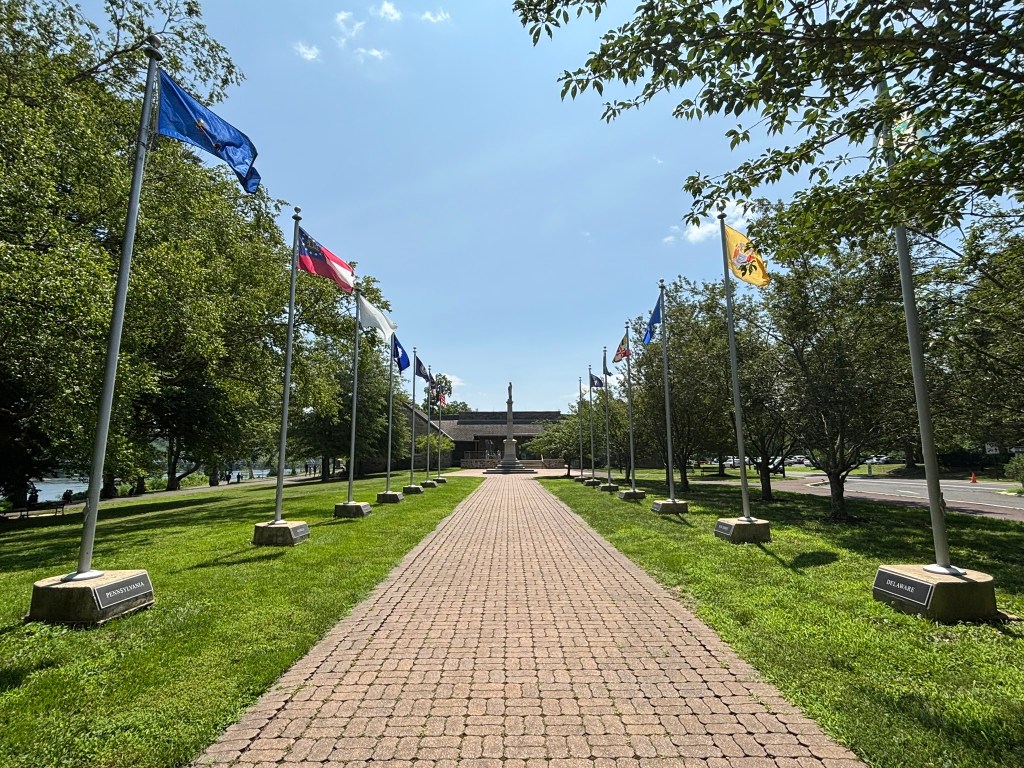
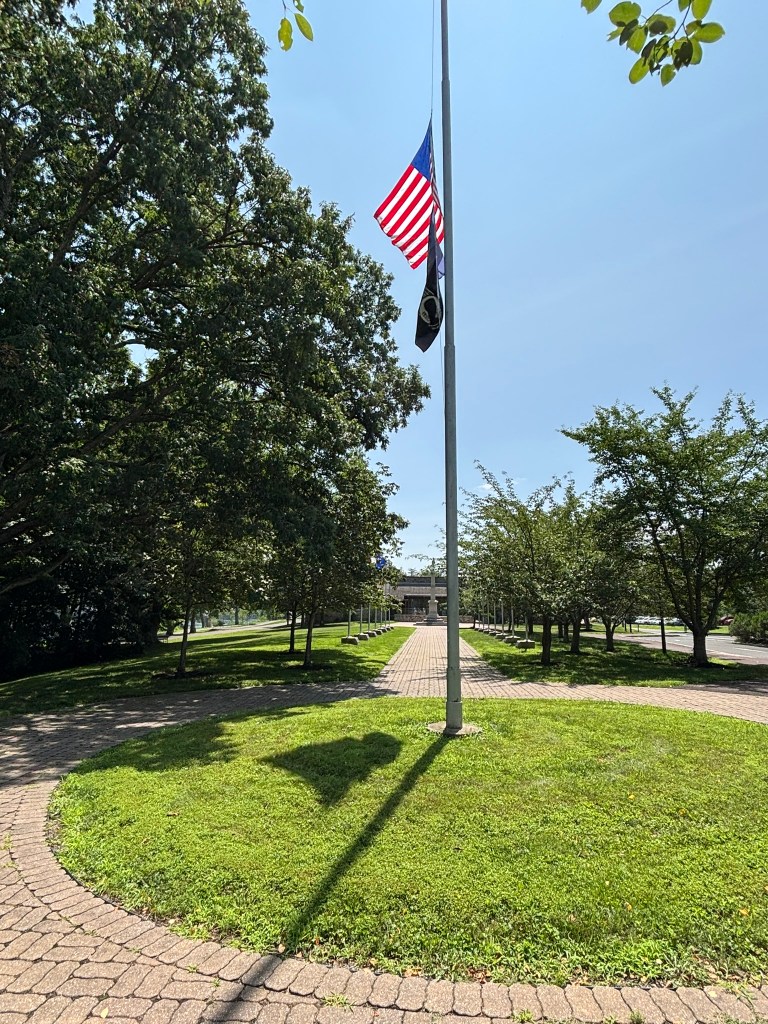
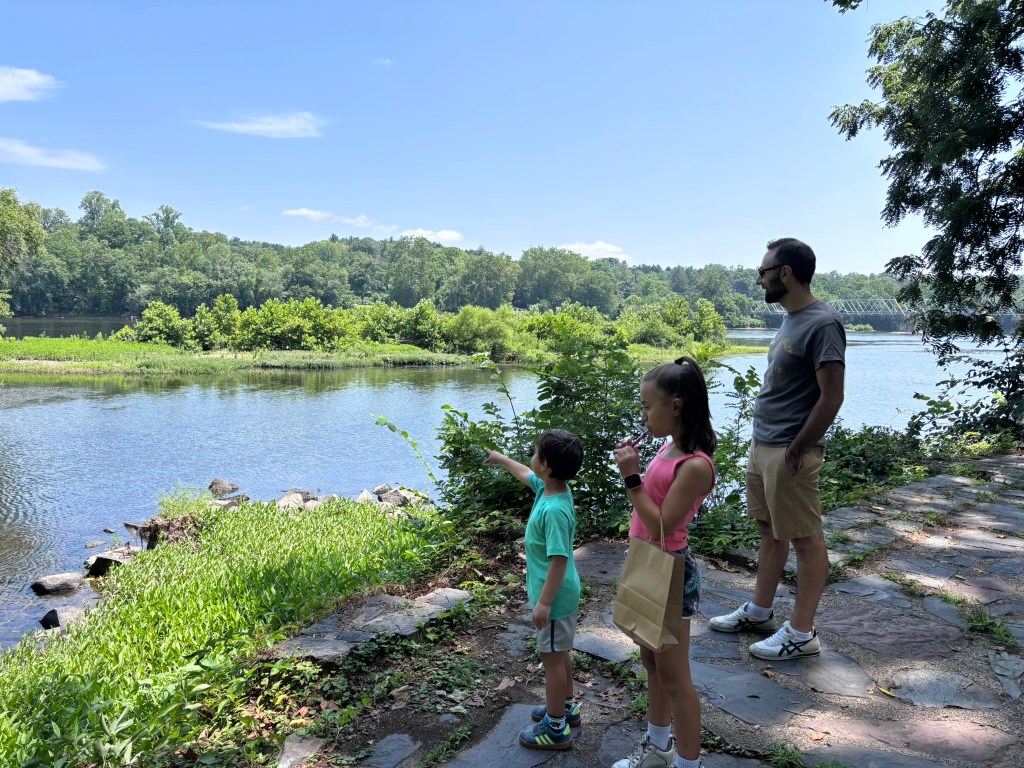
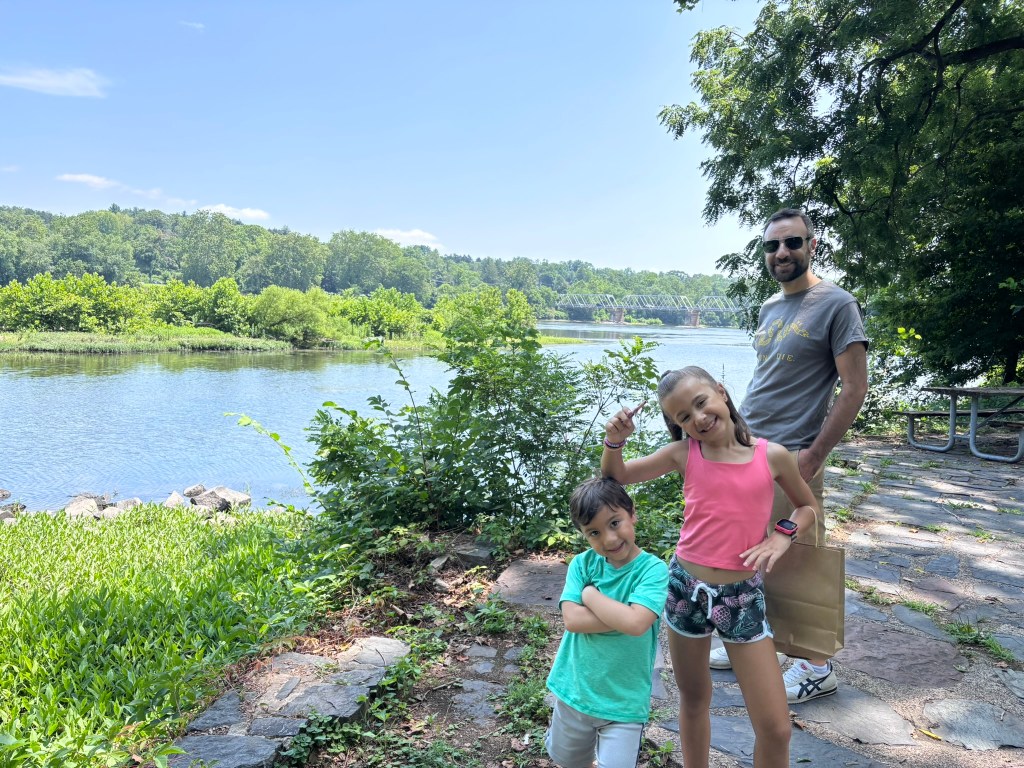
After our tour, my family and I explored the grounds and took several photos along the Delaware River. We also visited the buildings and gardens throughout the park. McConkey’s Ferry Inn is the only structure on the property that still dates back to 1776, although our tour guide explained that it has changed significantly over the years through additions, renovations, and the replacement of its original wooden exterior with stone.



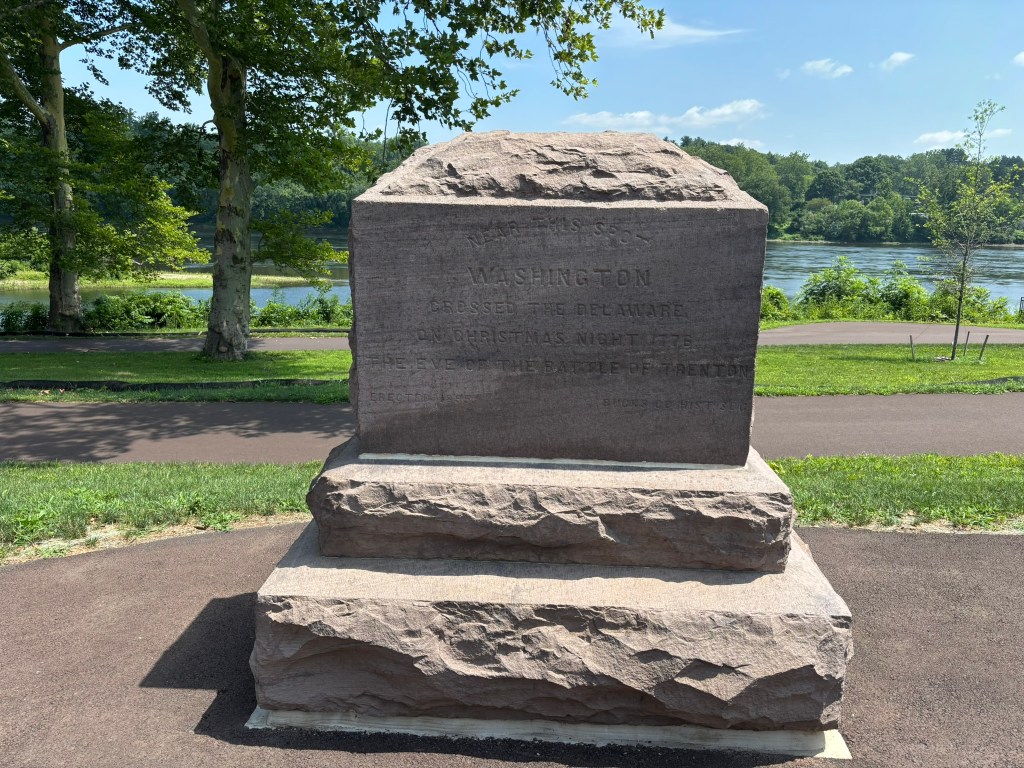
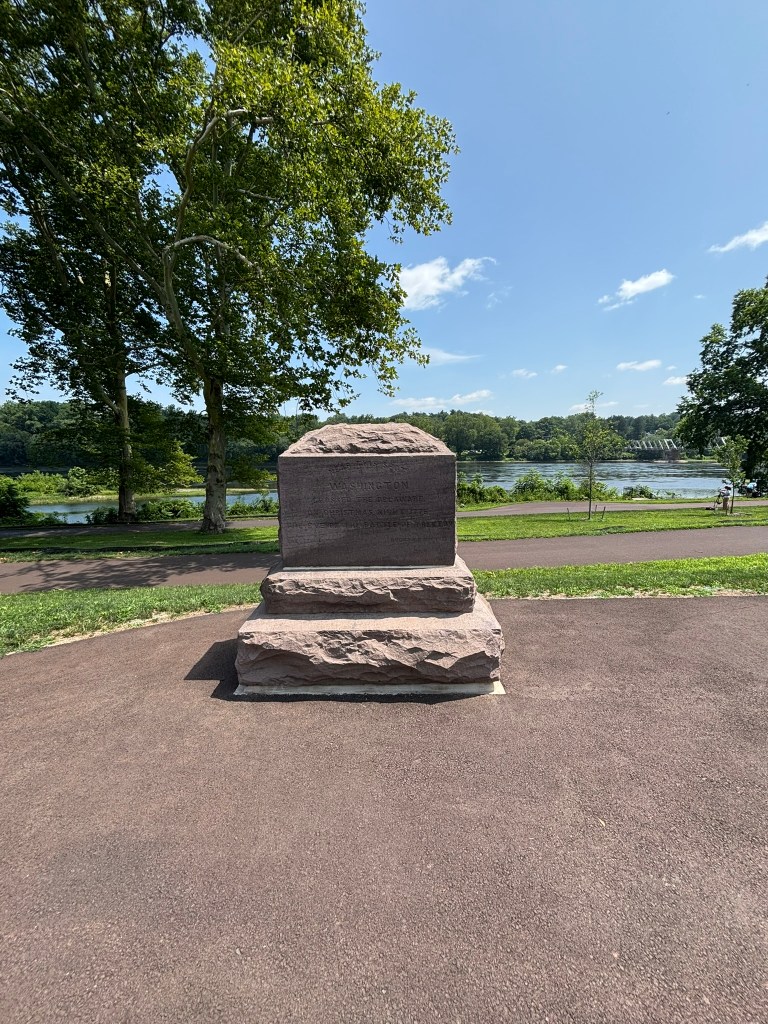
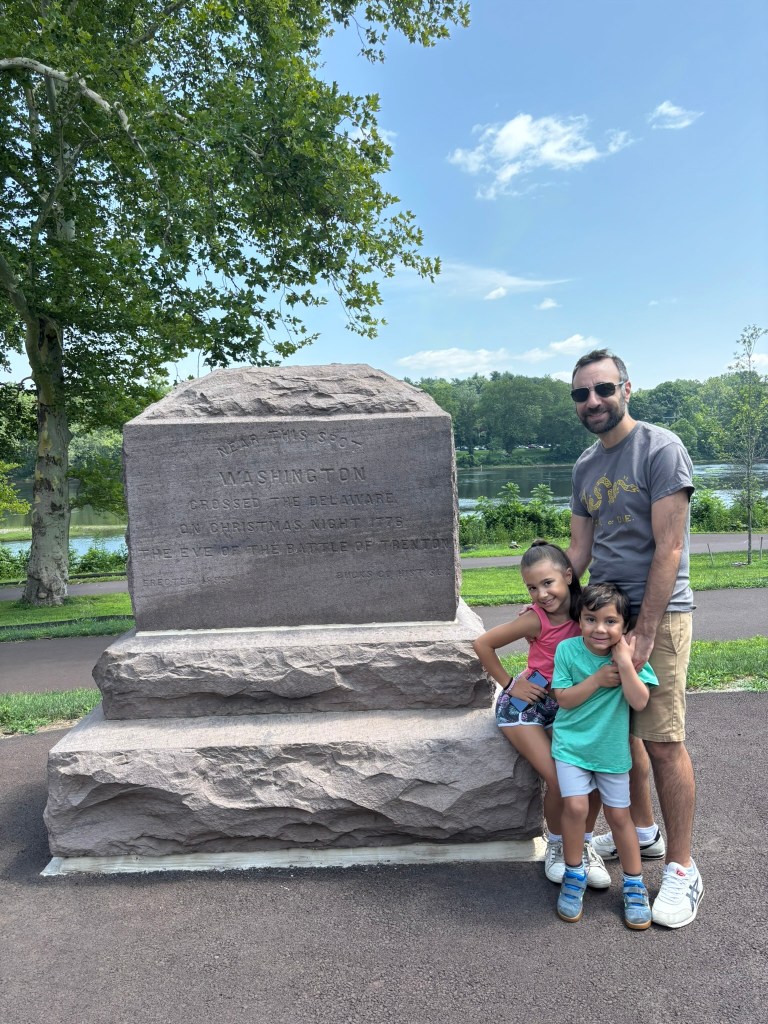
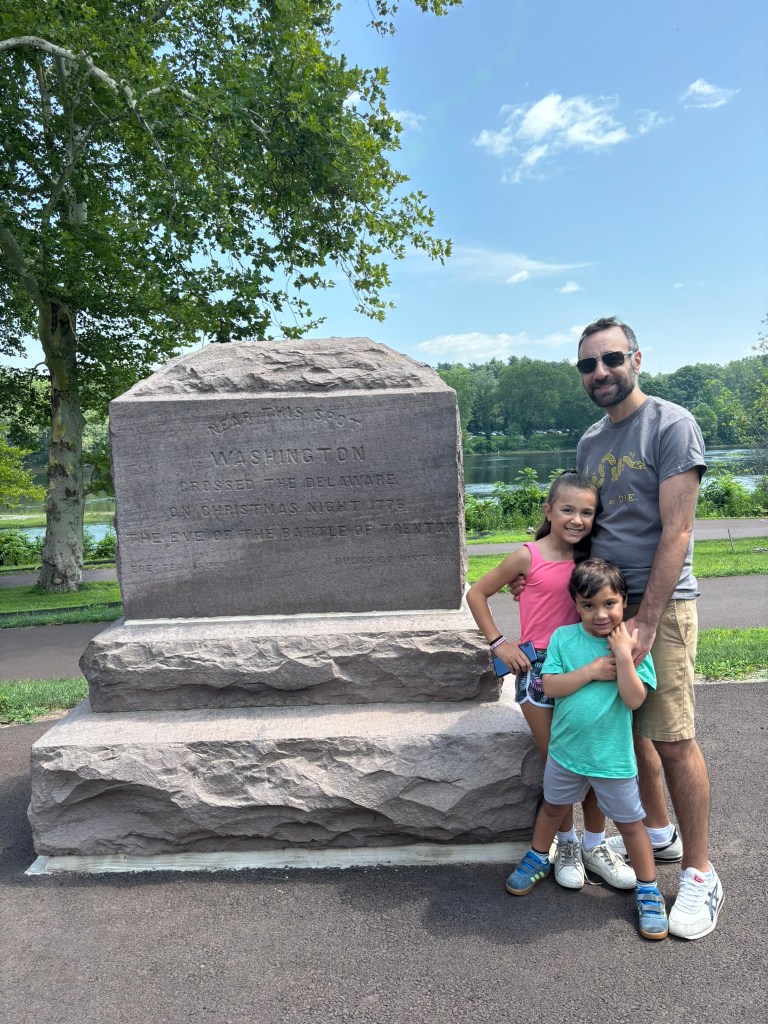
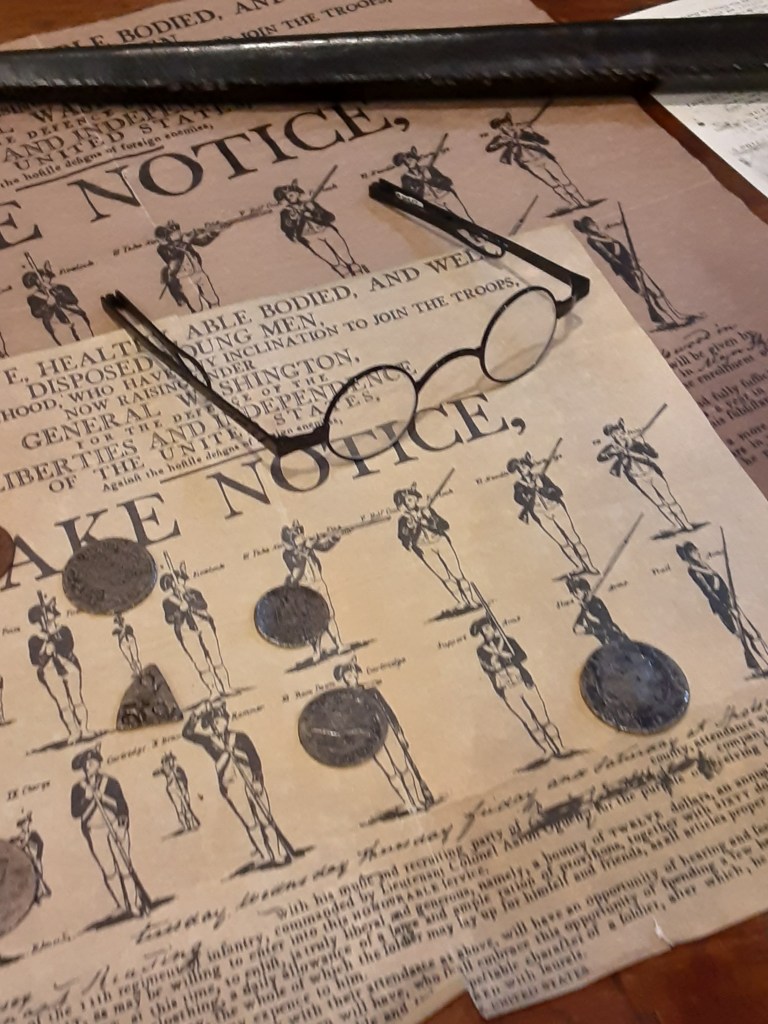
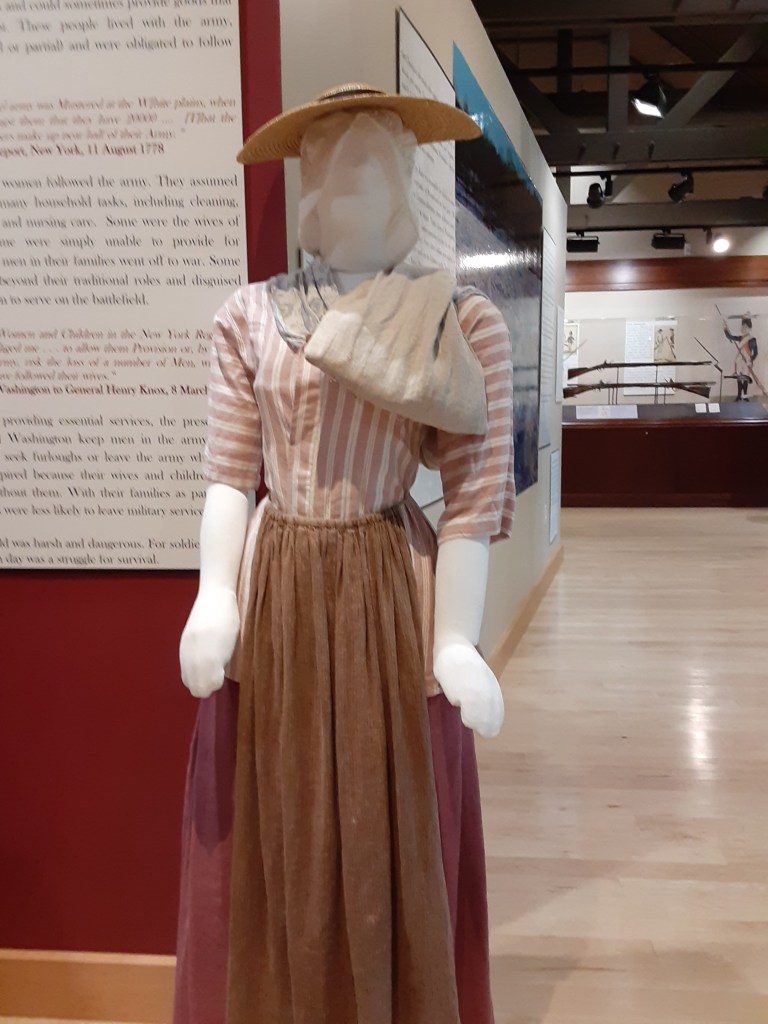
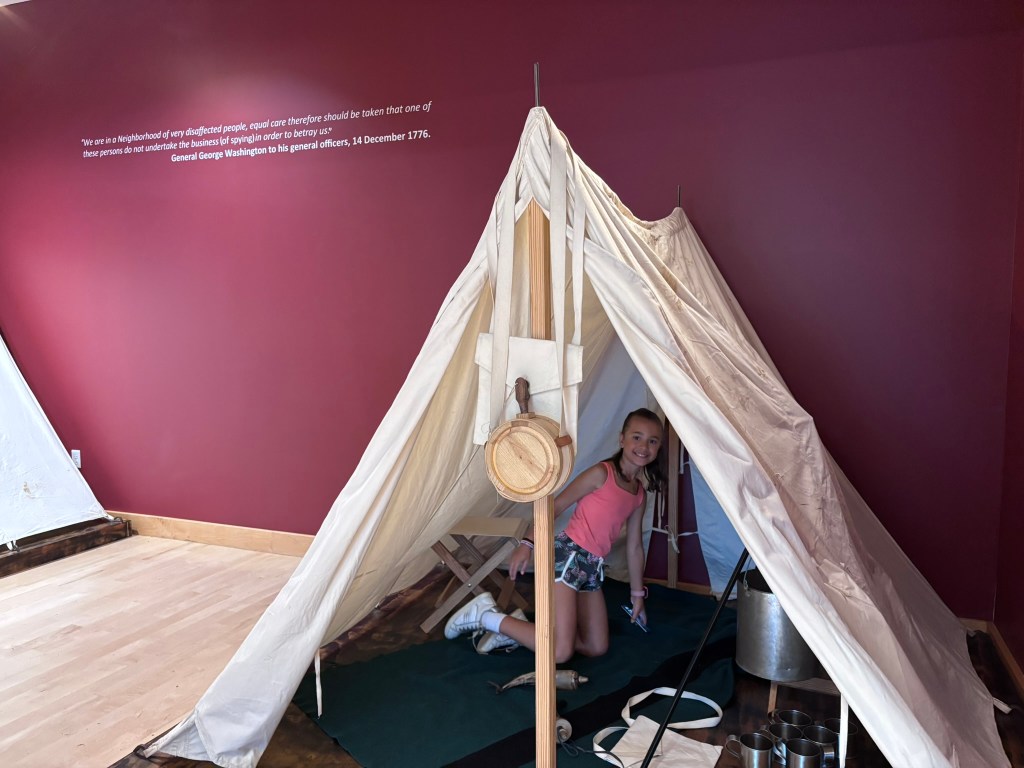
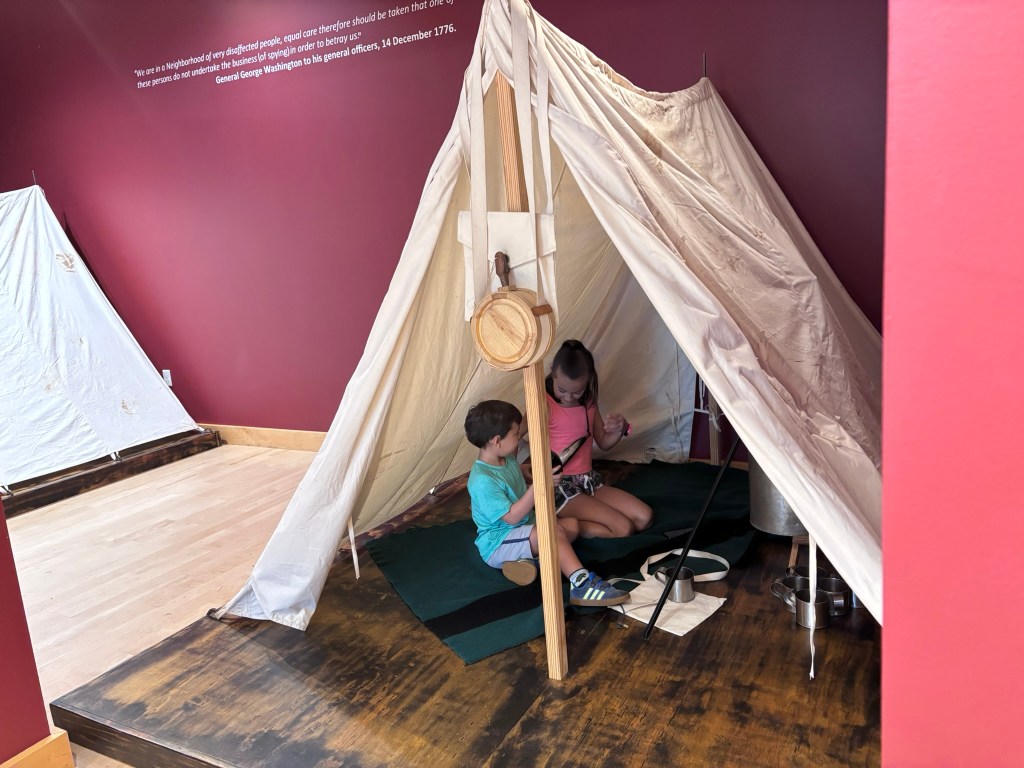
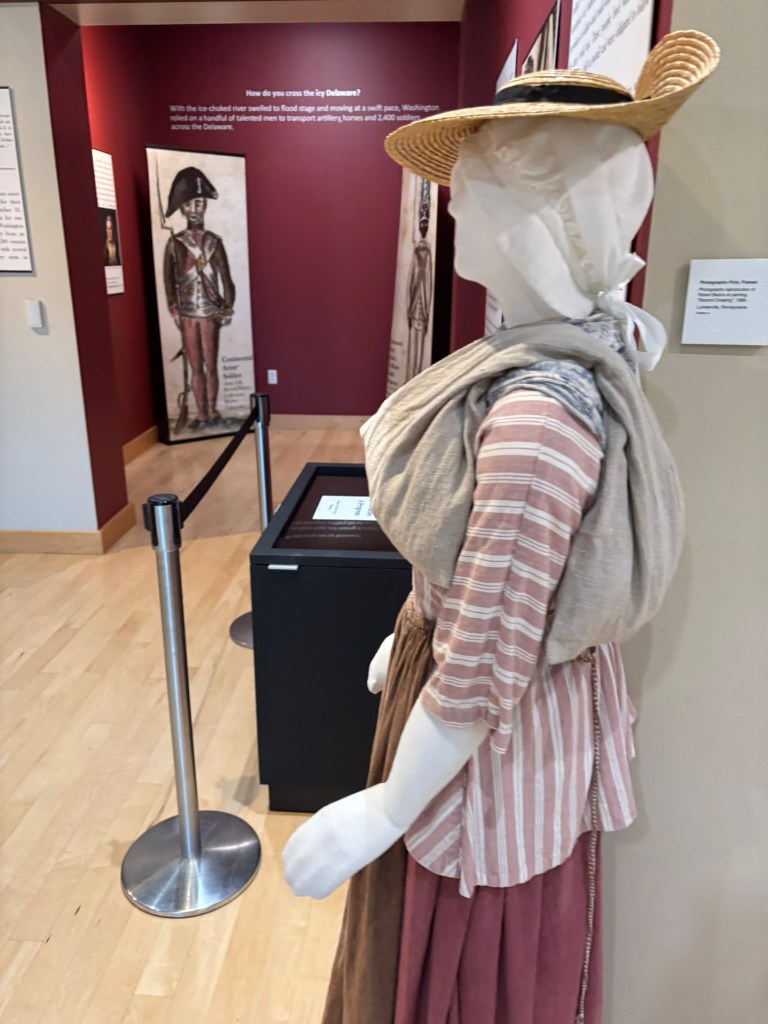
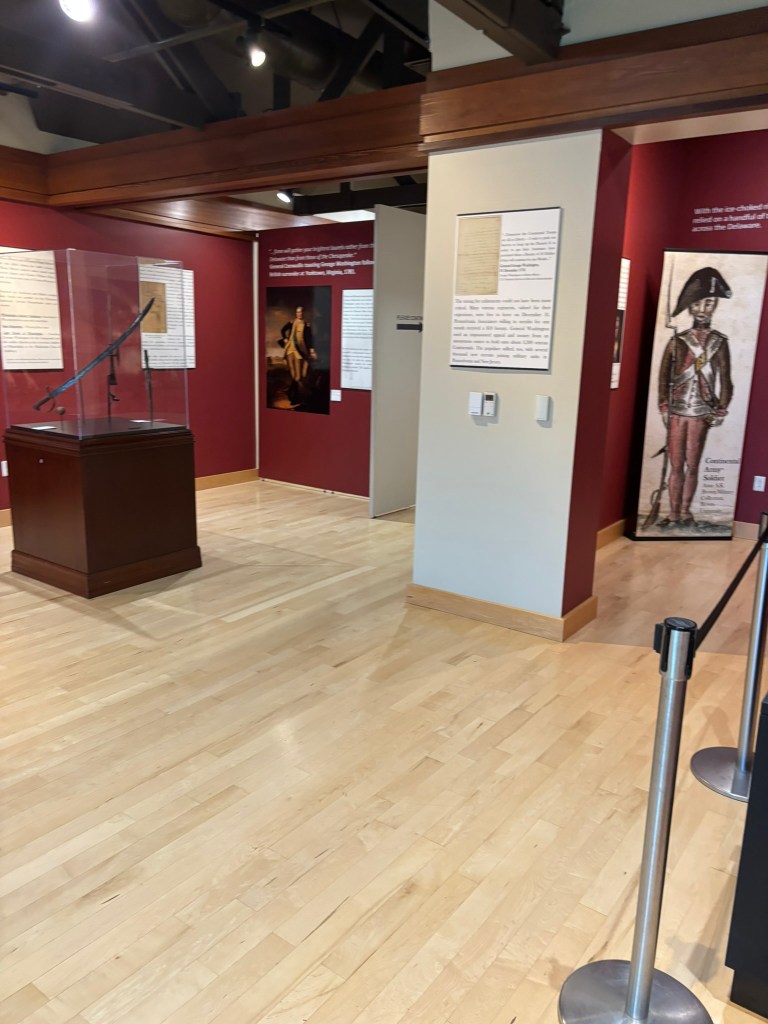
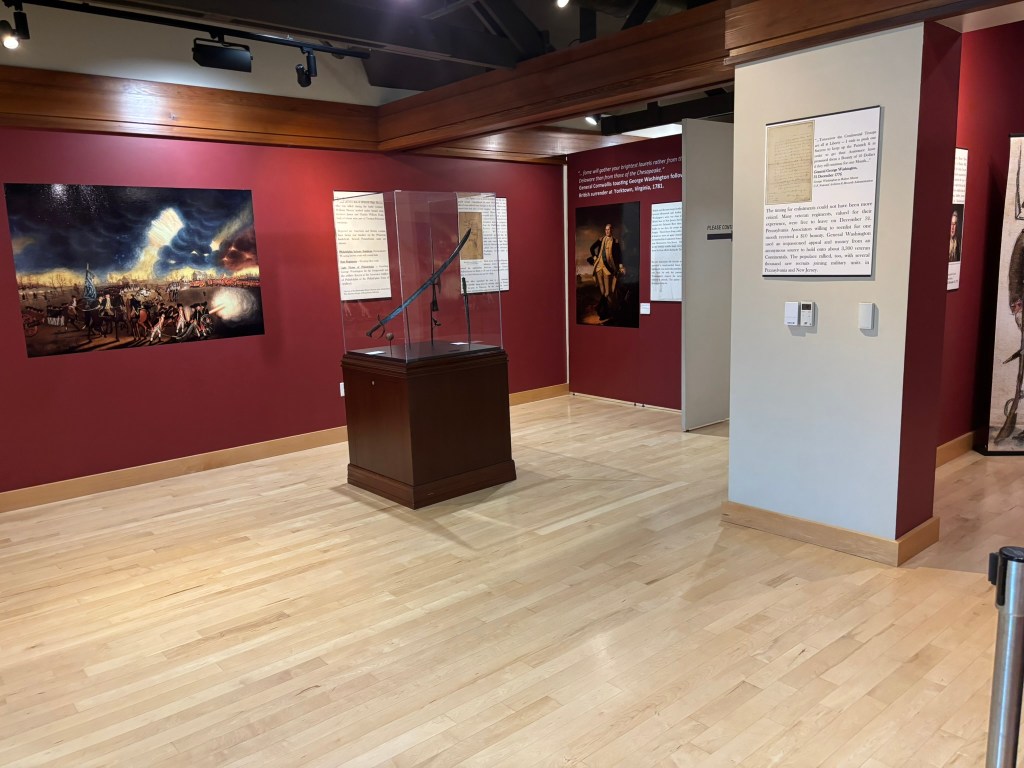
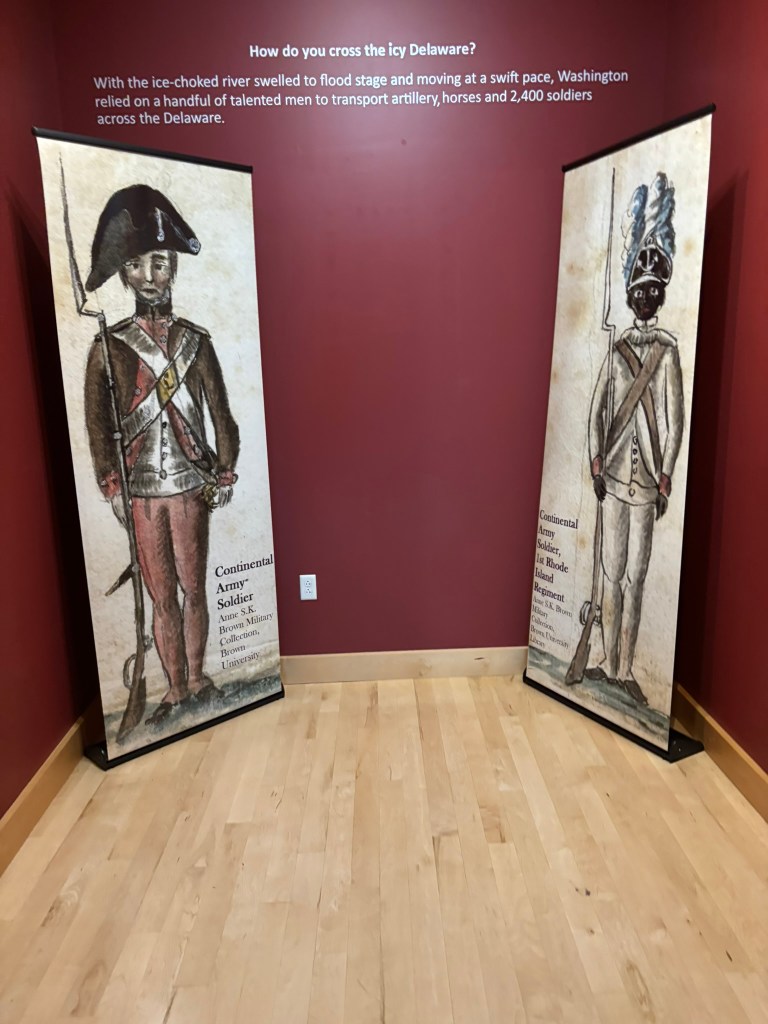
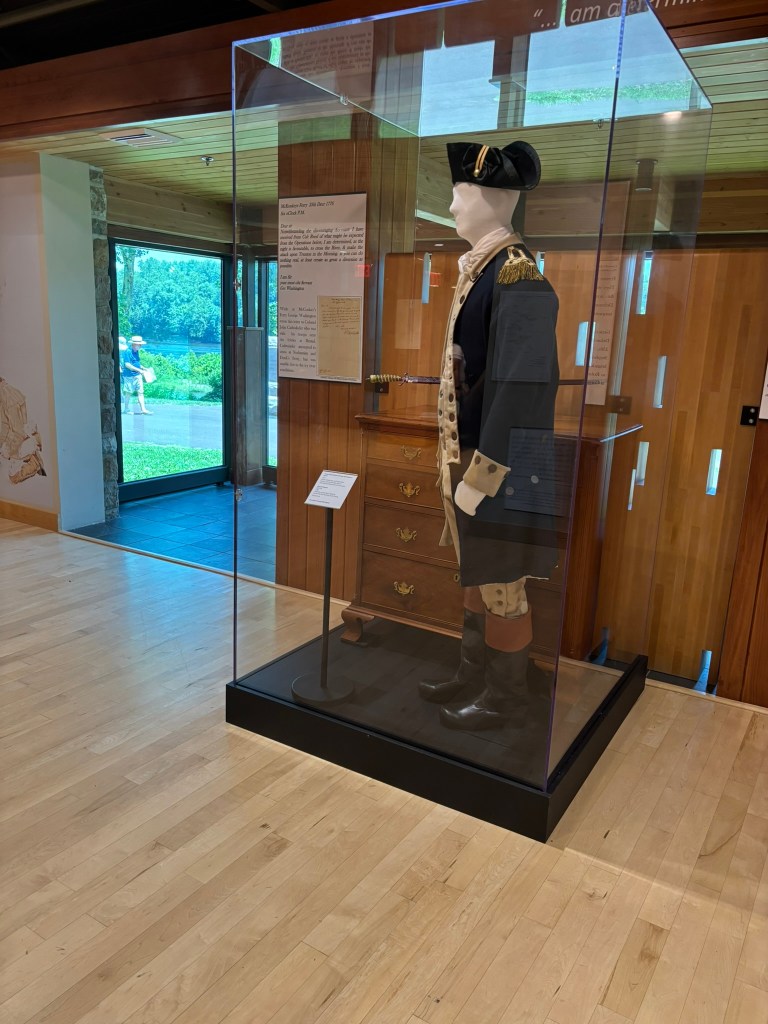
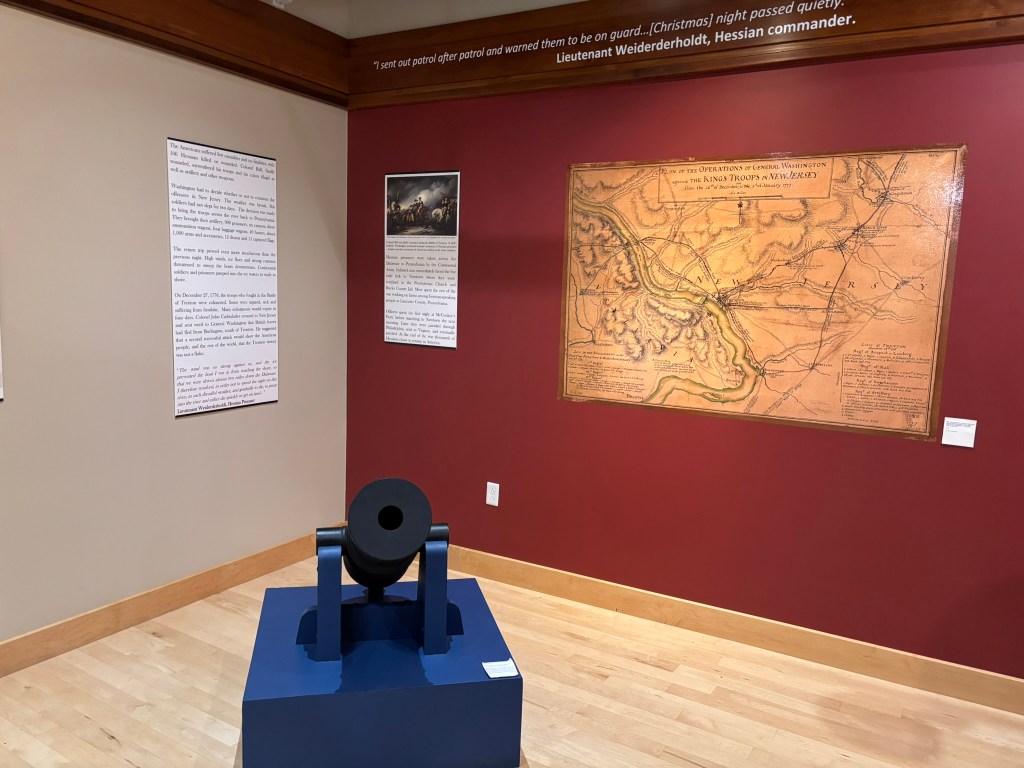
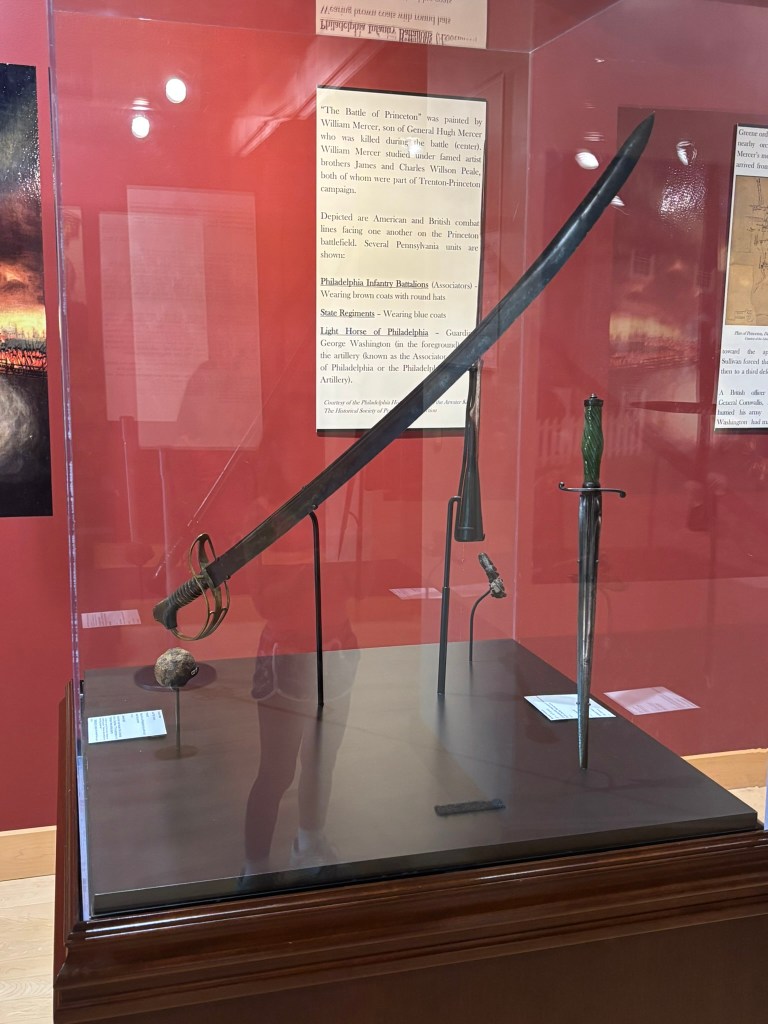
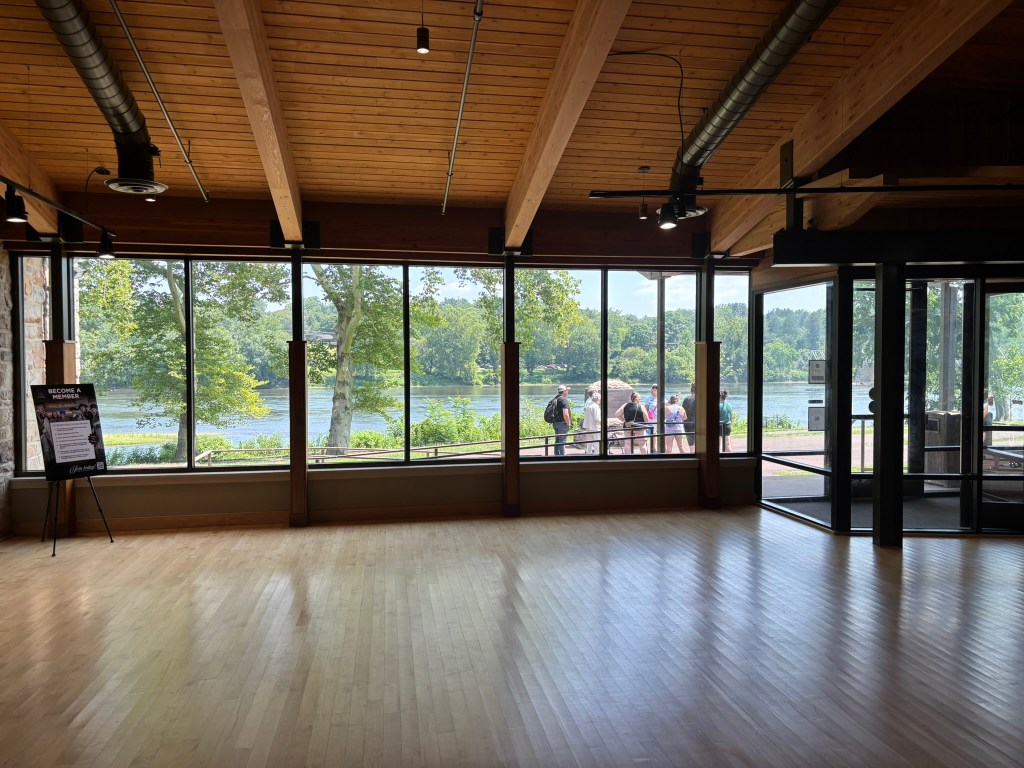
We then returned to the Visitor Center to explore the exhibit gallery, which features artifacts, paintings, and exhibits related to the American Revolution and Washington’s Crossing. There is also an excellent gift shop where my family and I picked out a few souvenirs.
Bowman’s Tower
After leaving the park around 12:30 p.m., my family and I drove about five miles upriver to visit Bowman’s Tower. Before heading to the tower, we stopped for lunch at Bowman’s Tavern, which featured great food, a live jazz band, and a brunch menu. Since it is located just minutes from the tower, I highly recommend stopping there if you’re visiting the area.
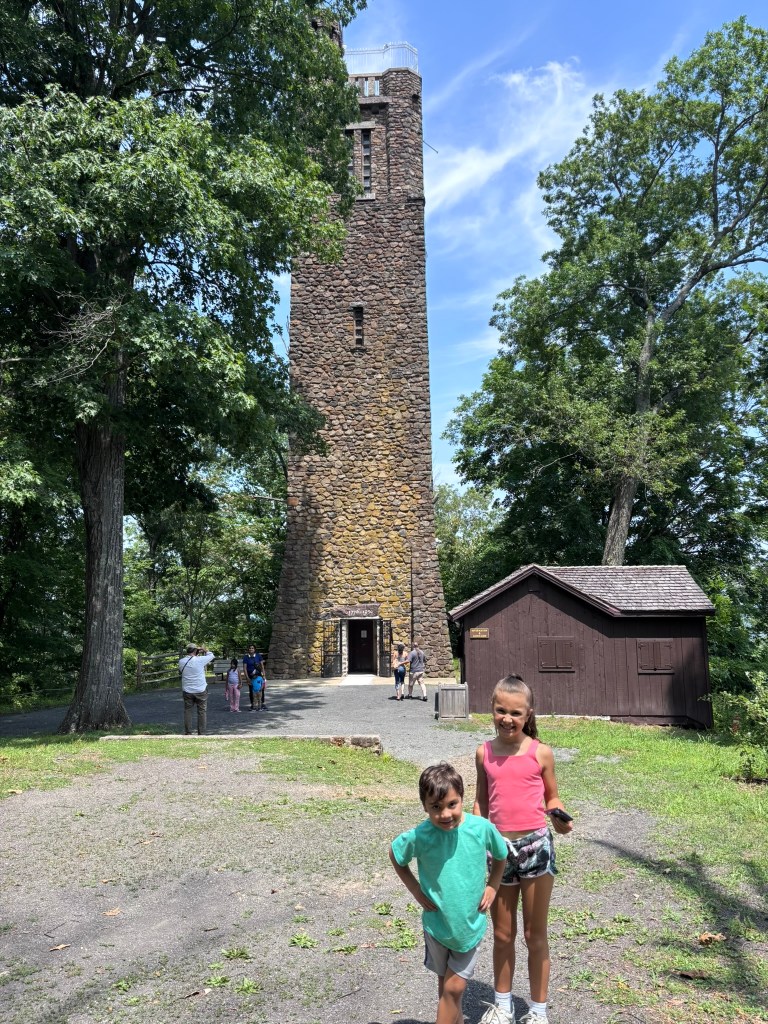
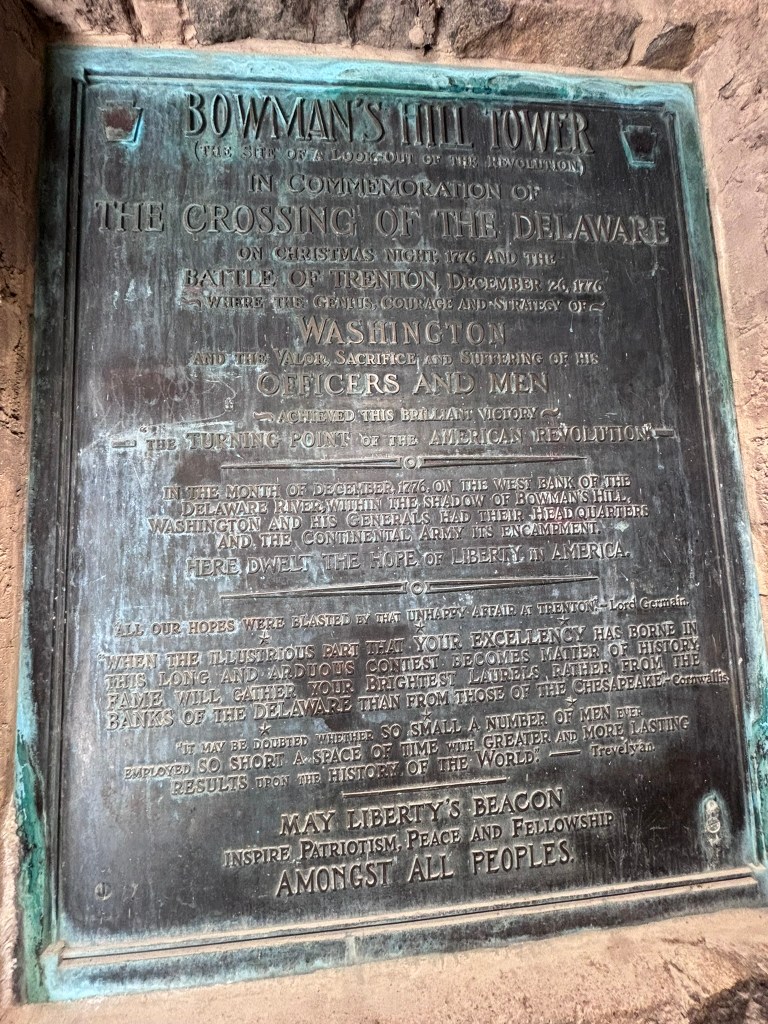
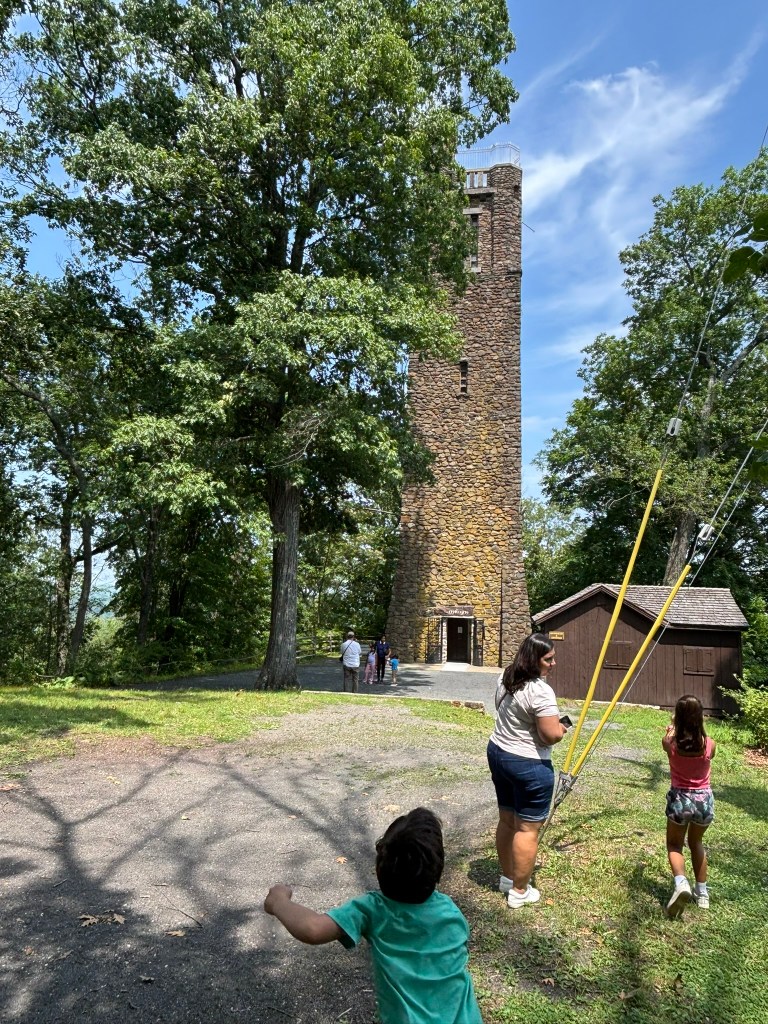
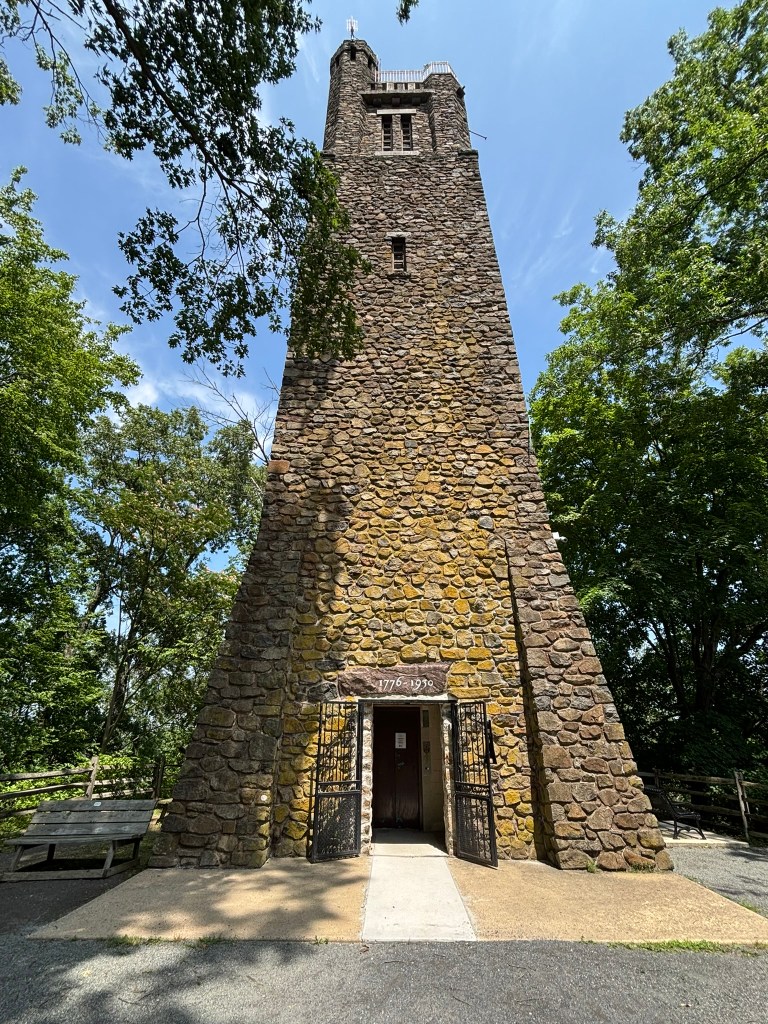
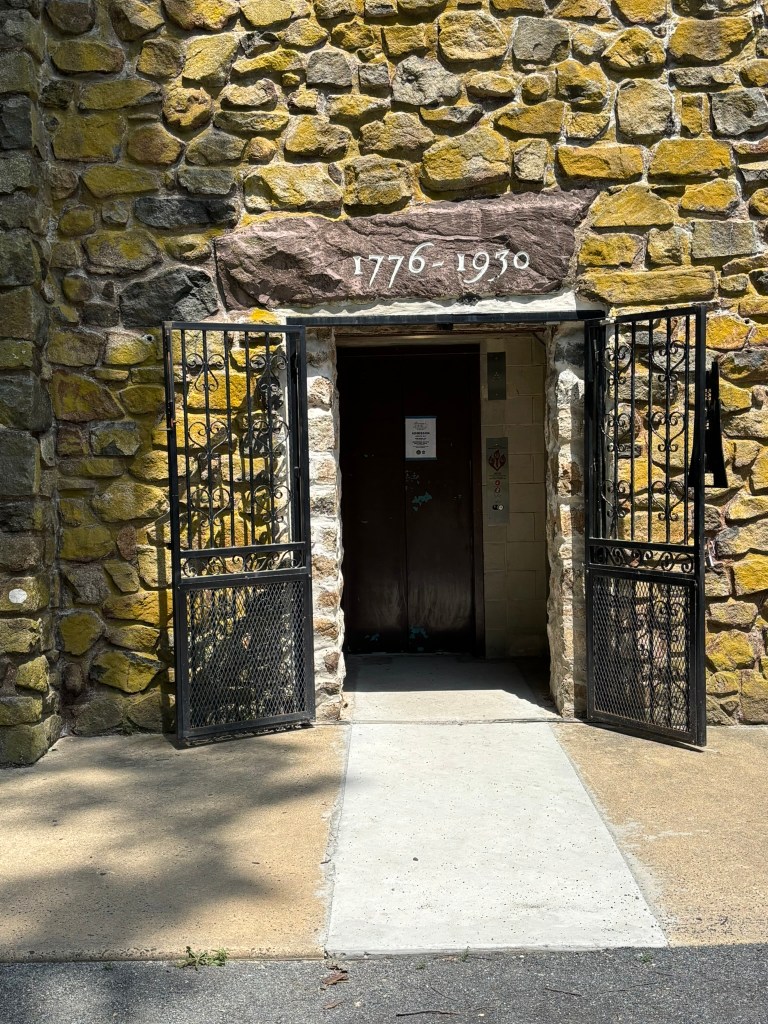
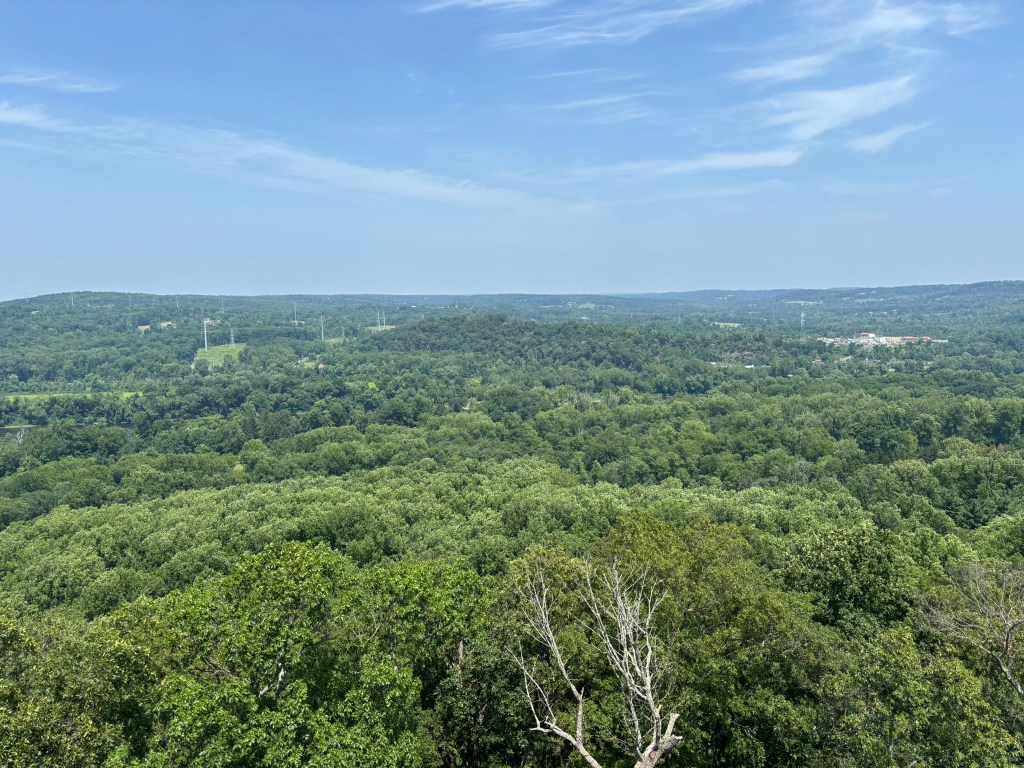
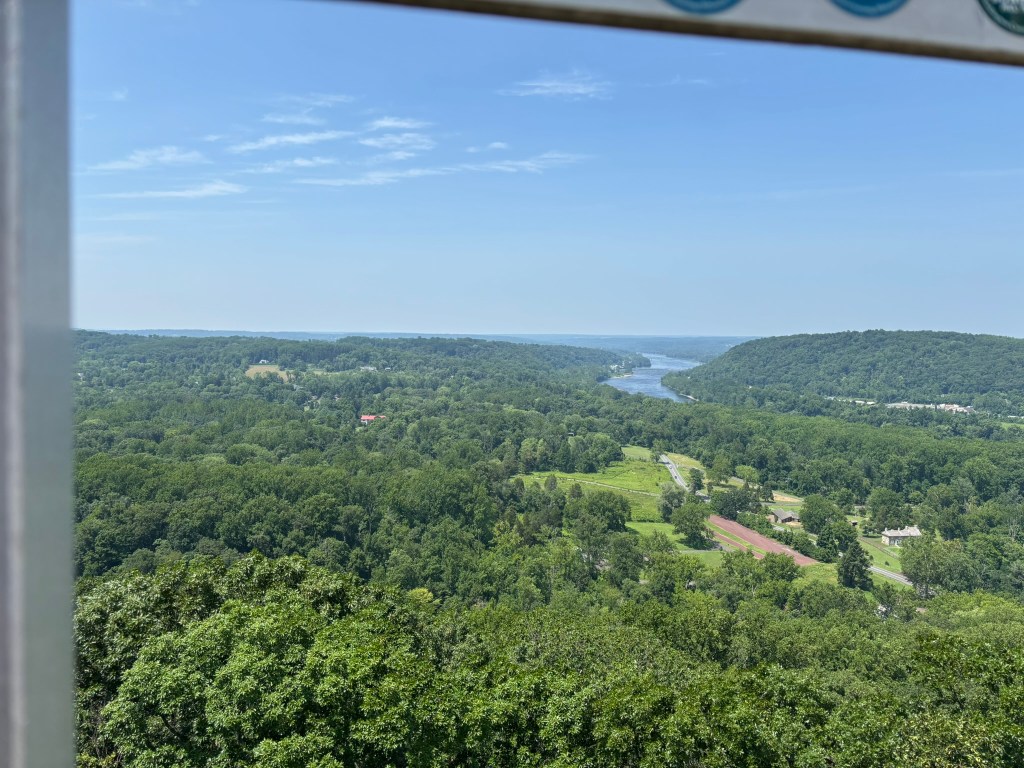
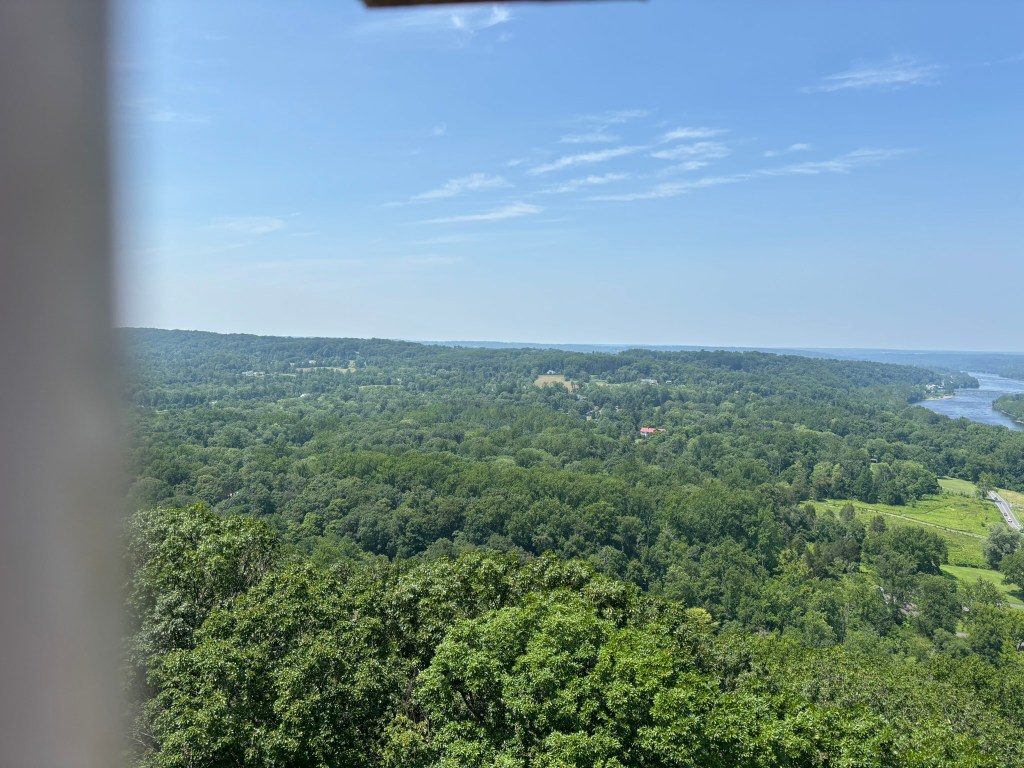
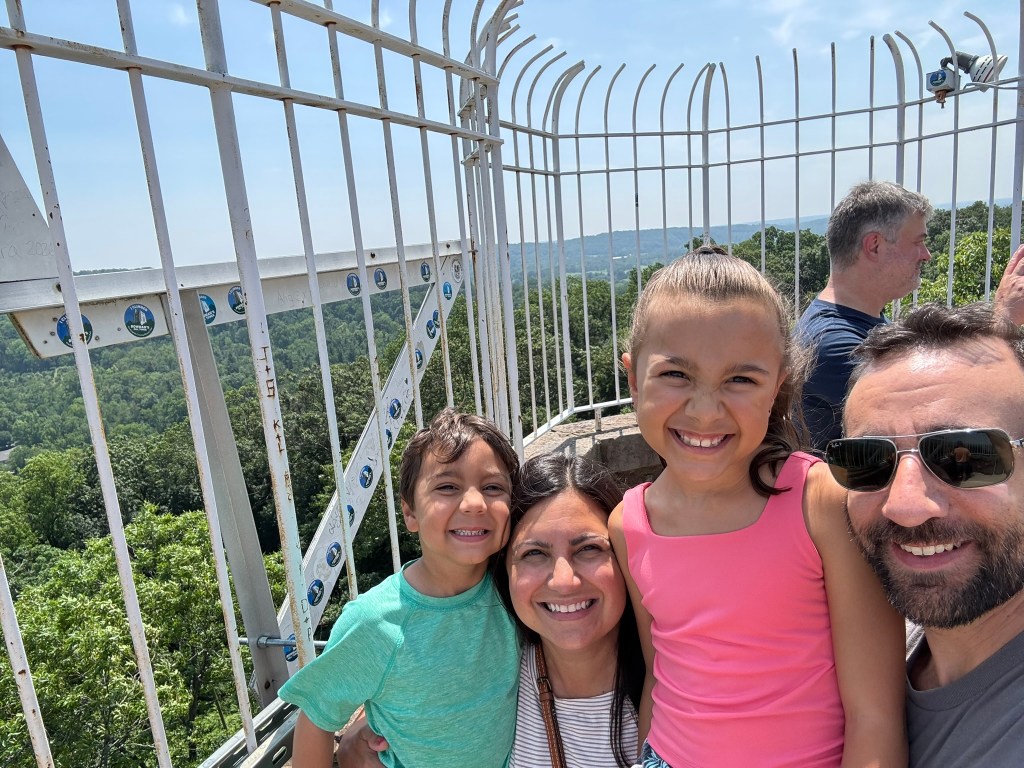
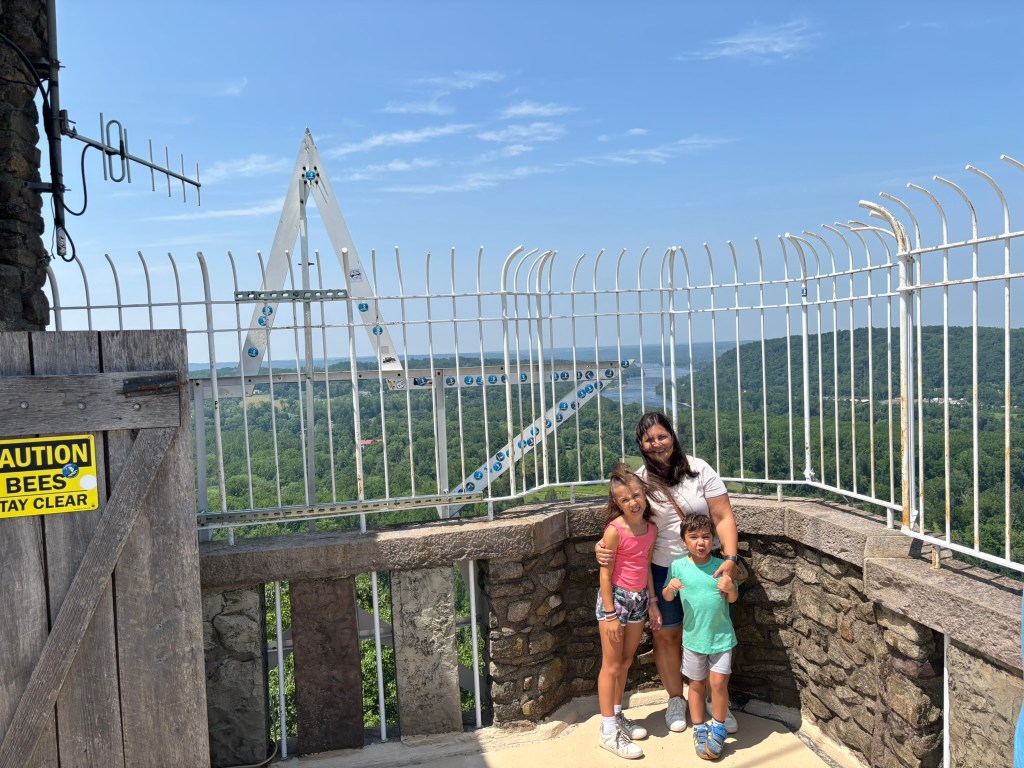
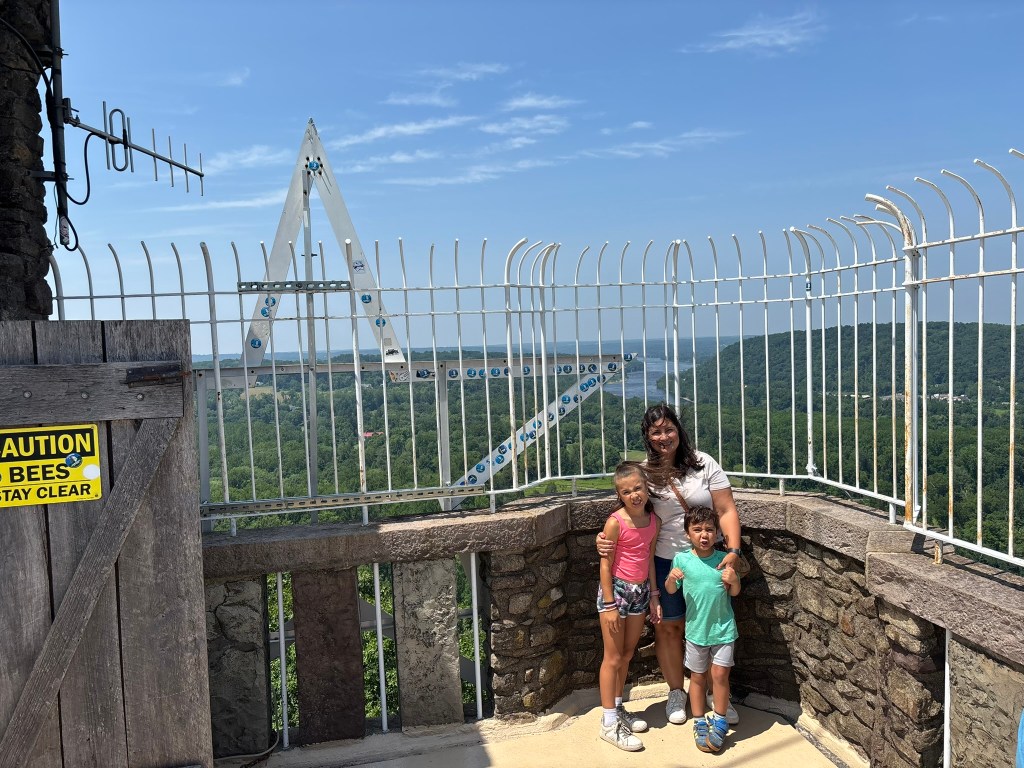
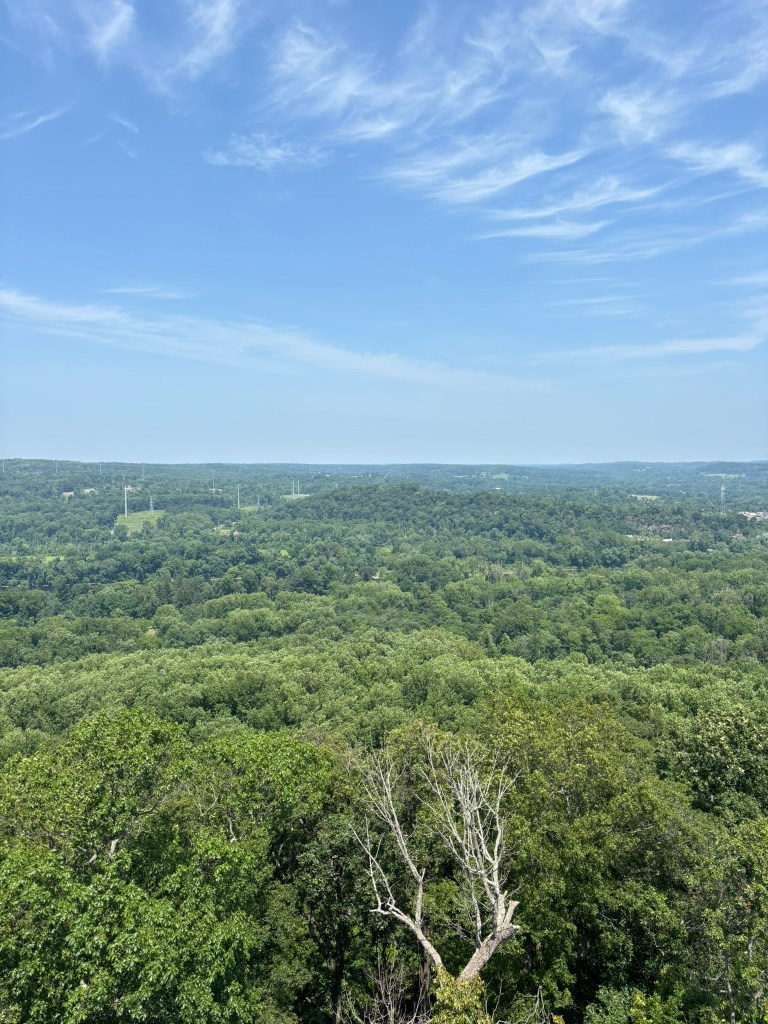
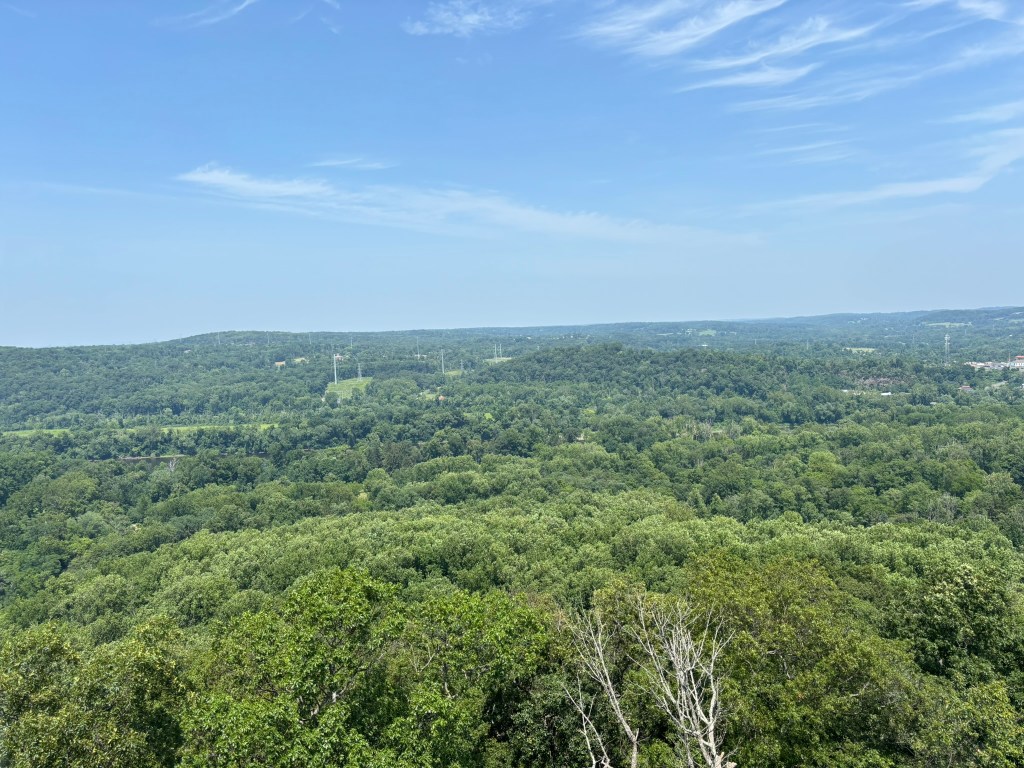
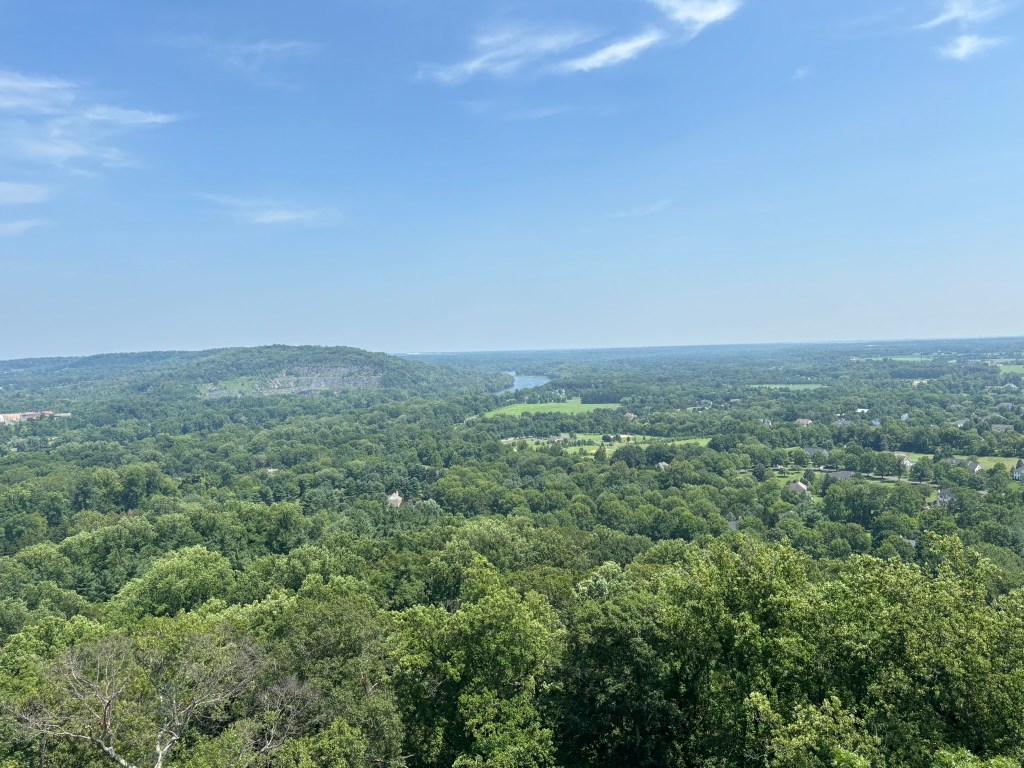
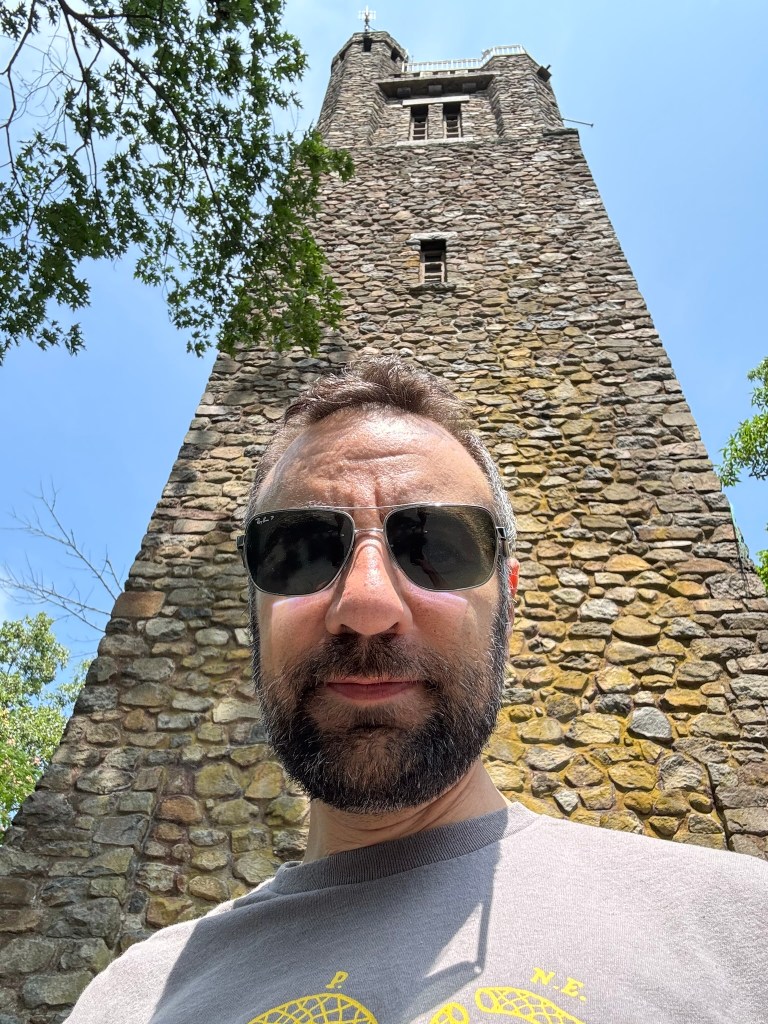
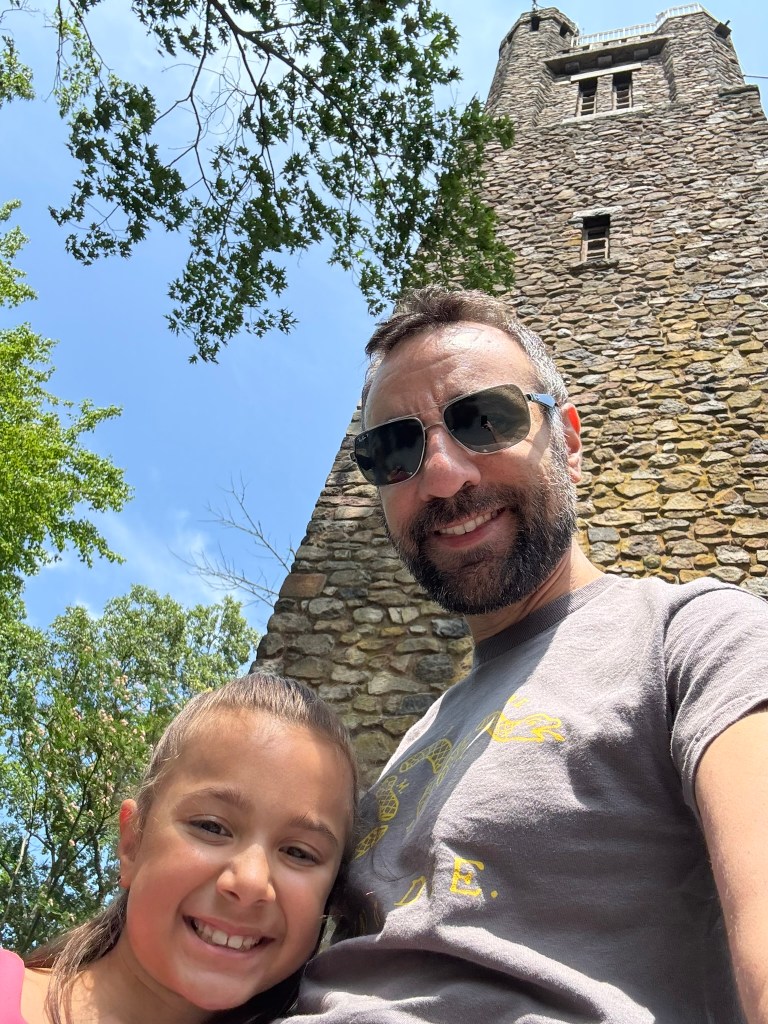
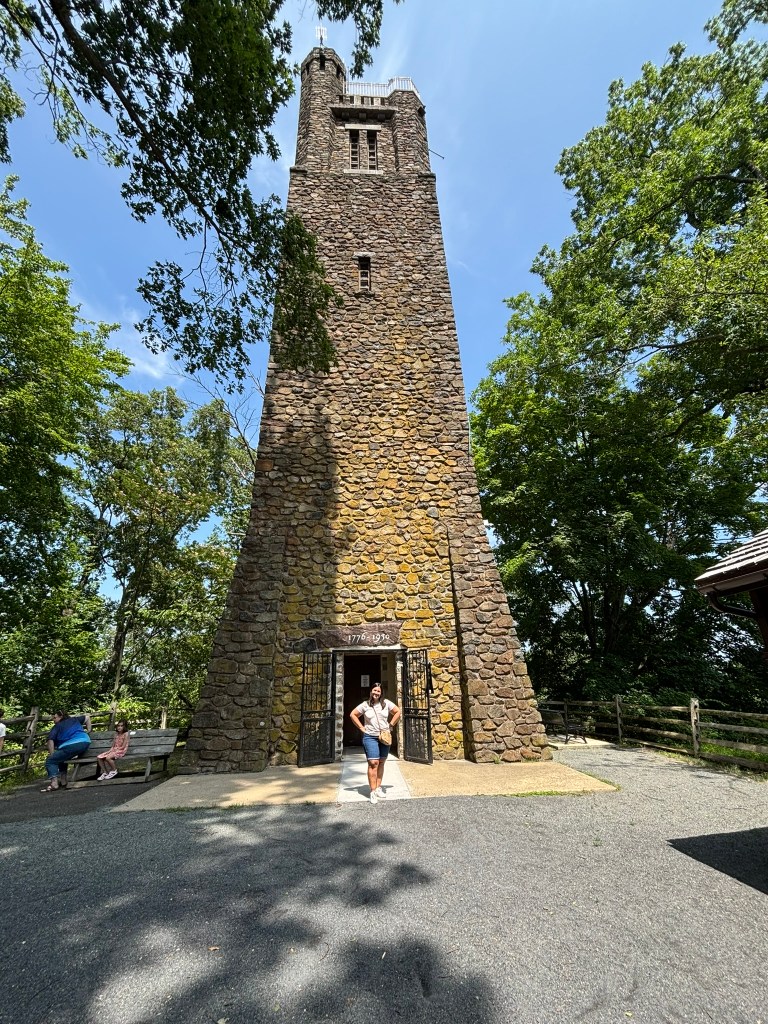
Built atop Bowman’s Hill, Bowman’s Tower is a 125-foot stone observation tower overlooking the Delaware River Valley. Completed in 1931, the tower was built as a memorial to honor Washington’s Crossing. Although the tower itself is not from the Revolutionary War era, its location offers sweeping views of the landscape that played such a critical role during the campaign of 1776–1777. On a clear day, visitors can see up to 14 miles across Pennsylvania and New Jersey, gaining a unique perspective on the terrain that Washington and his army traversed during the Ten Crucial Days. Today, Bowman’s Tower serves as both a scenic overlook and a reminder of the courage, determination, and sacrifices that helped secure American independence. The views from the top of the tower are breathtaking.
After visiting Bowman’s Tower, my family and I headed home. There are several other historic sites in the surrounding area, including historic homes and farms, and I’m hoping we’ll have the opportunity to visit them in the future. Washington Crossing Historic Park also hosts numerous events throughout the year, so be sure to check out their website HERE for upcoming programs. The park’s most famous events take place each December with the annual reenactments of Washington’s crossing of the Delaware. I’m hoping to make it out to witness this event in the future.
Stay tuned to my Instagram, Facebook, and Youtube accounts for videos from our visit!