Social Media/ YouTube

Enter your email to stay updated on new blog posts.

Month: June 2026

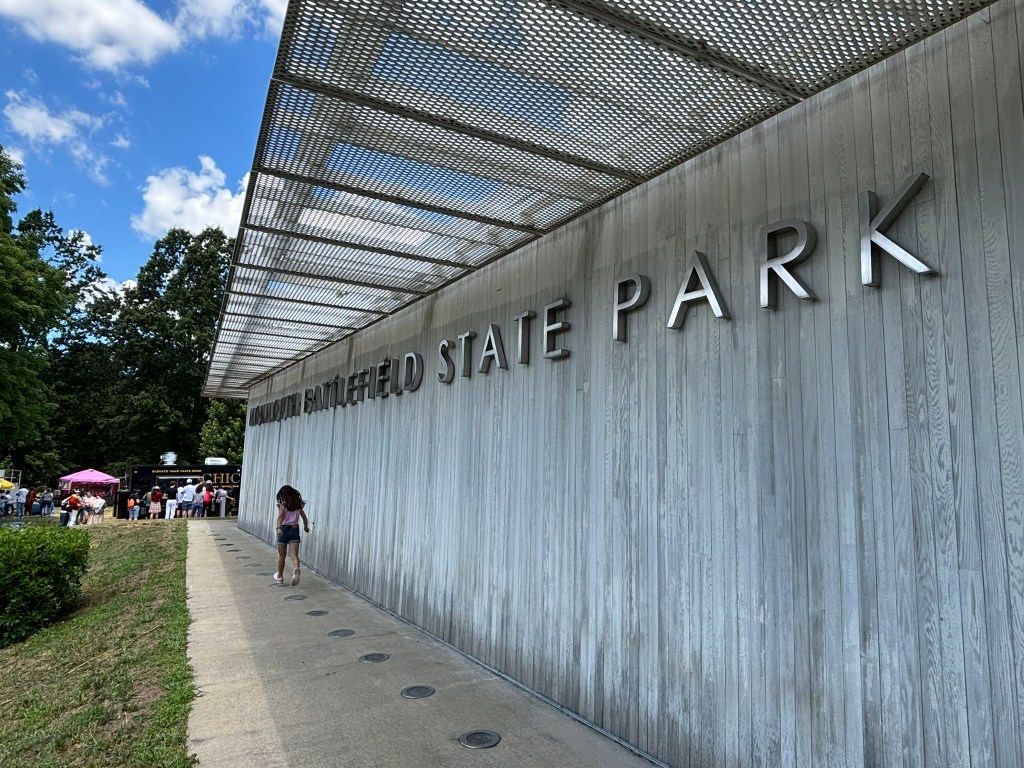
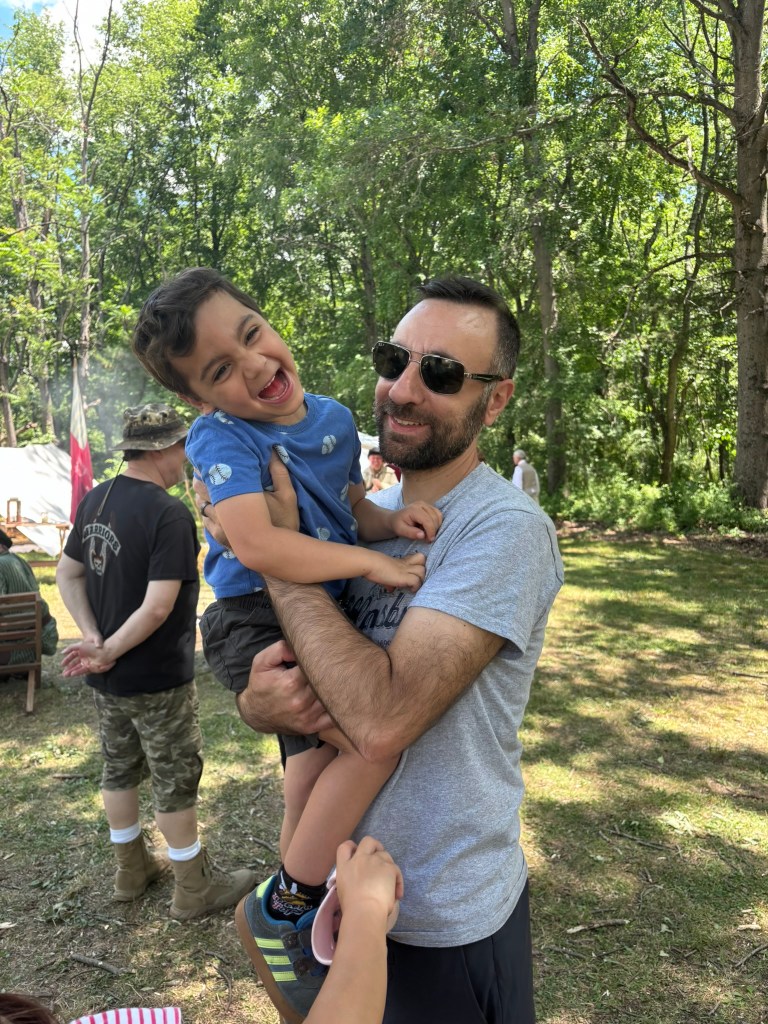
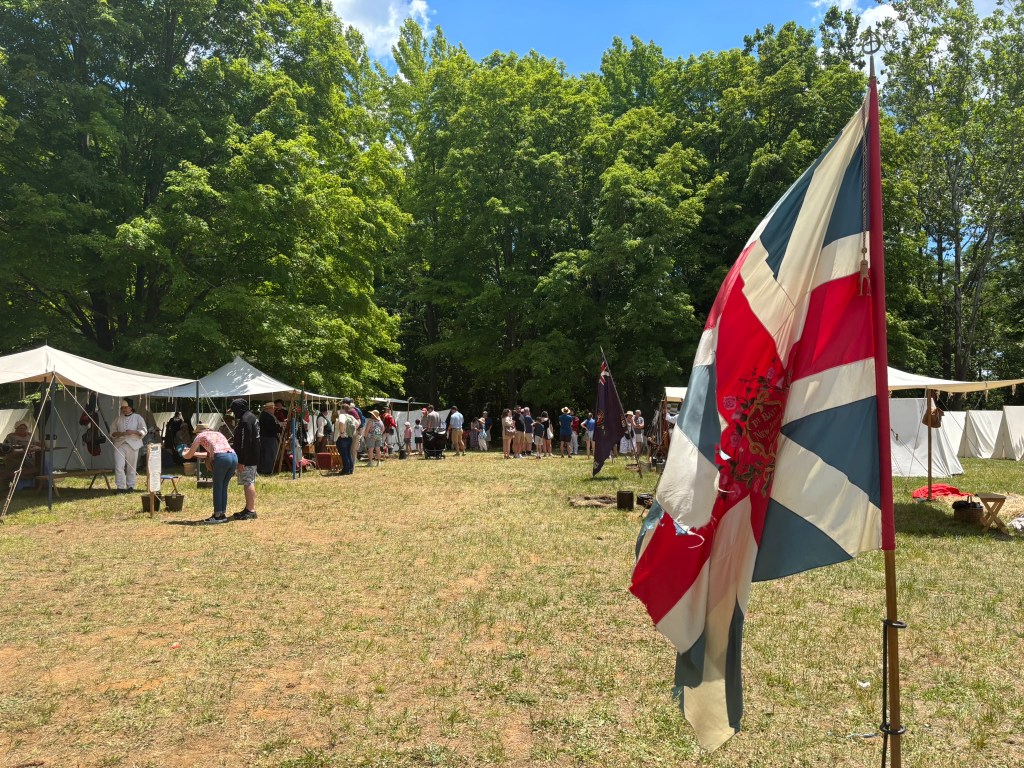
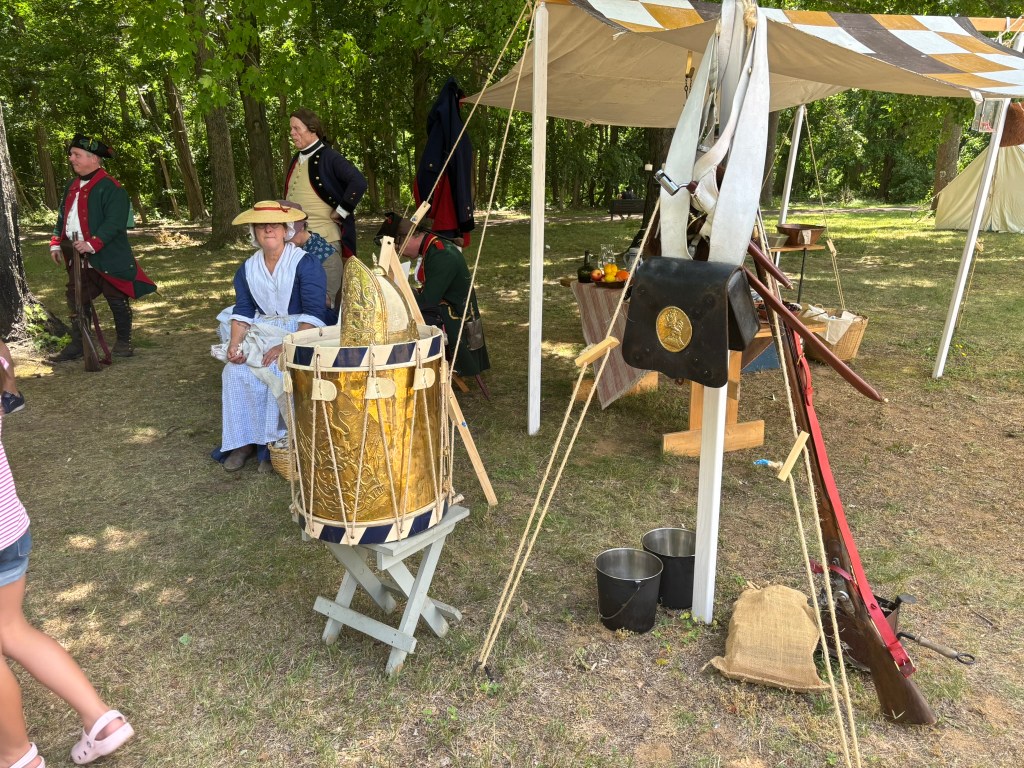
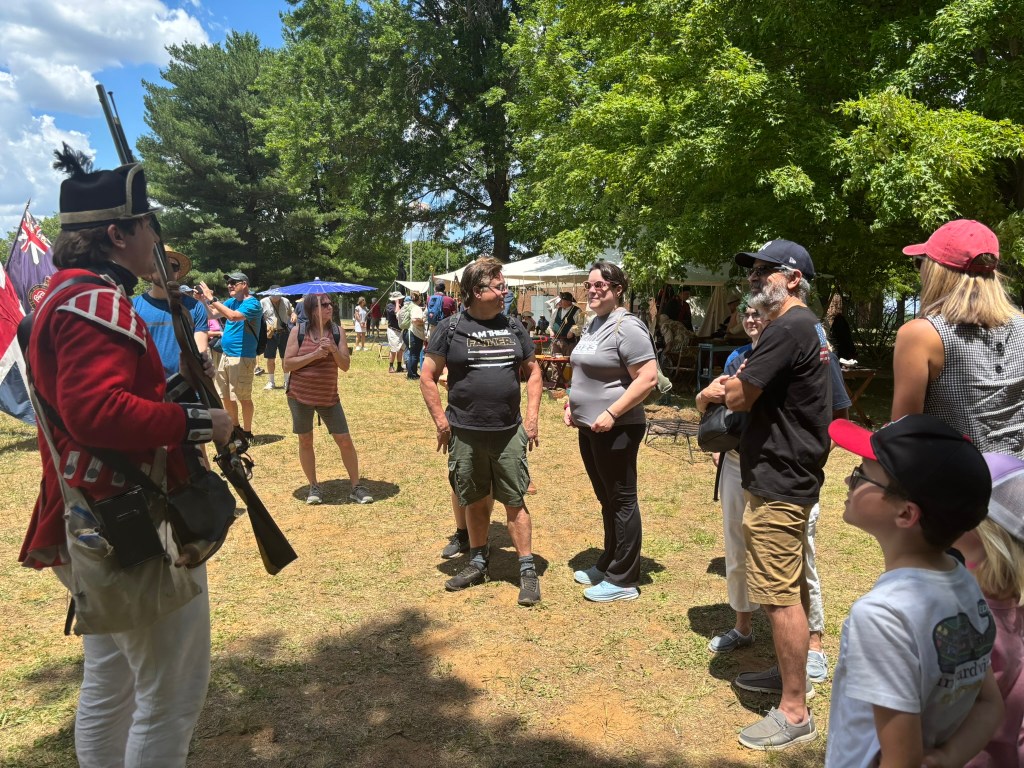
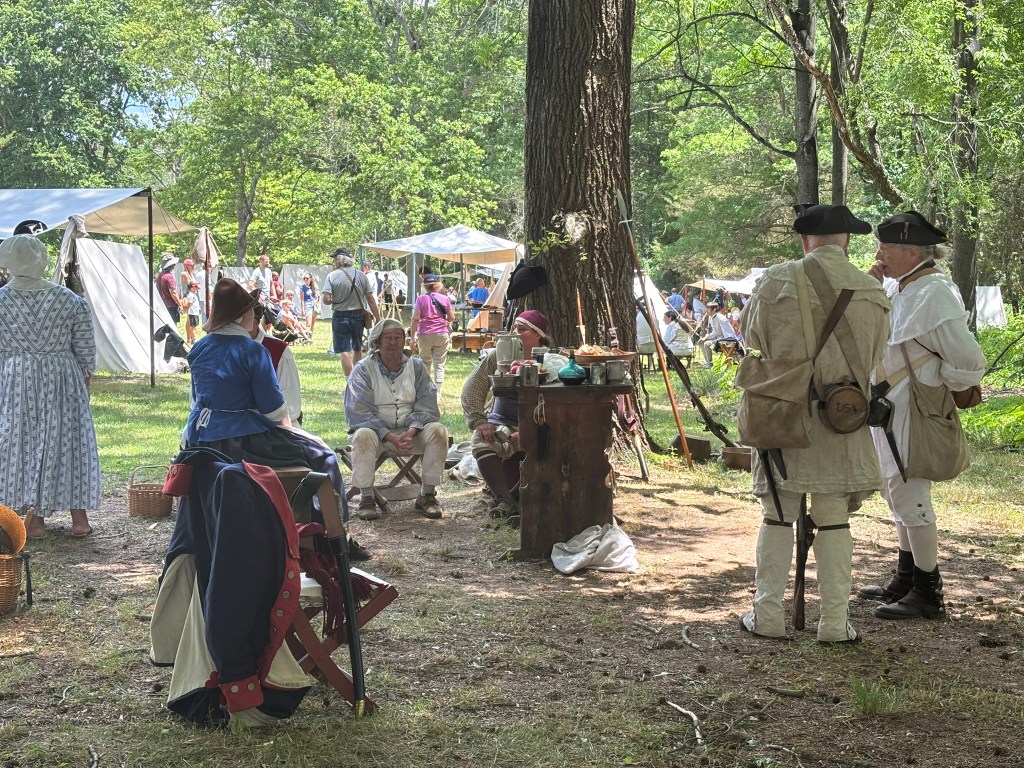
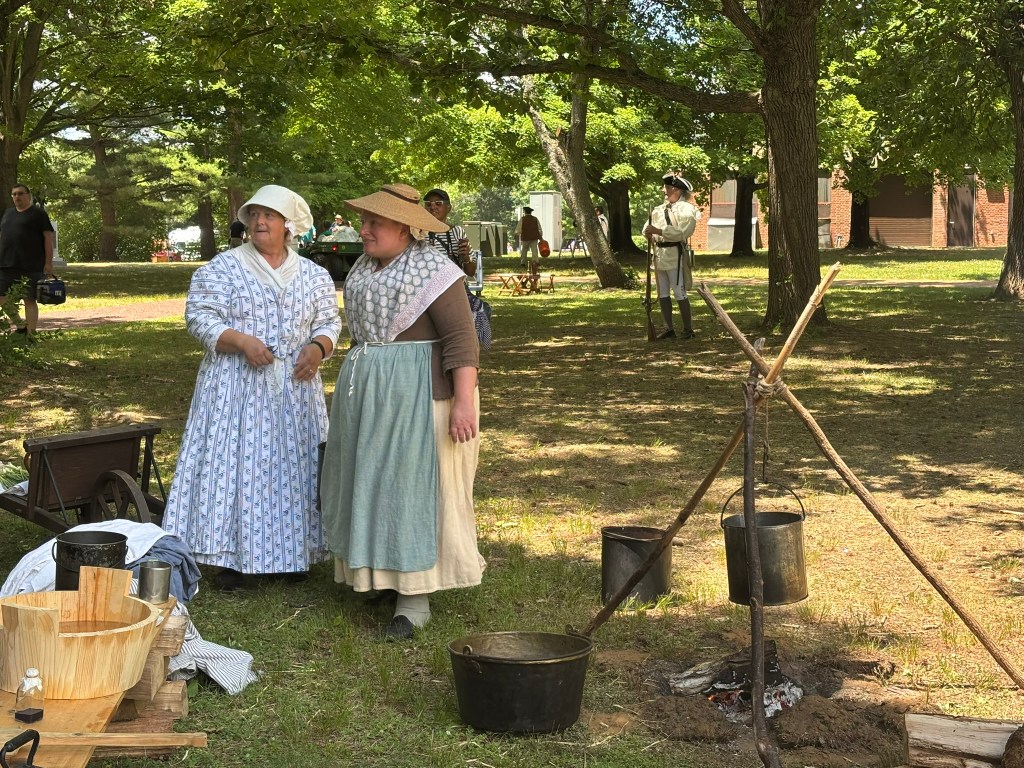
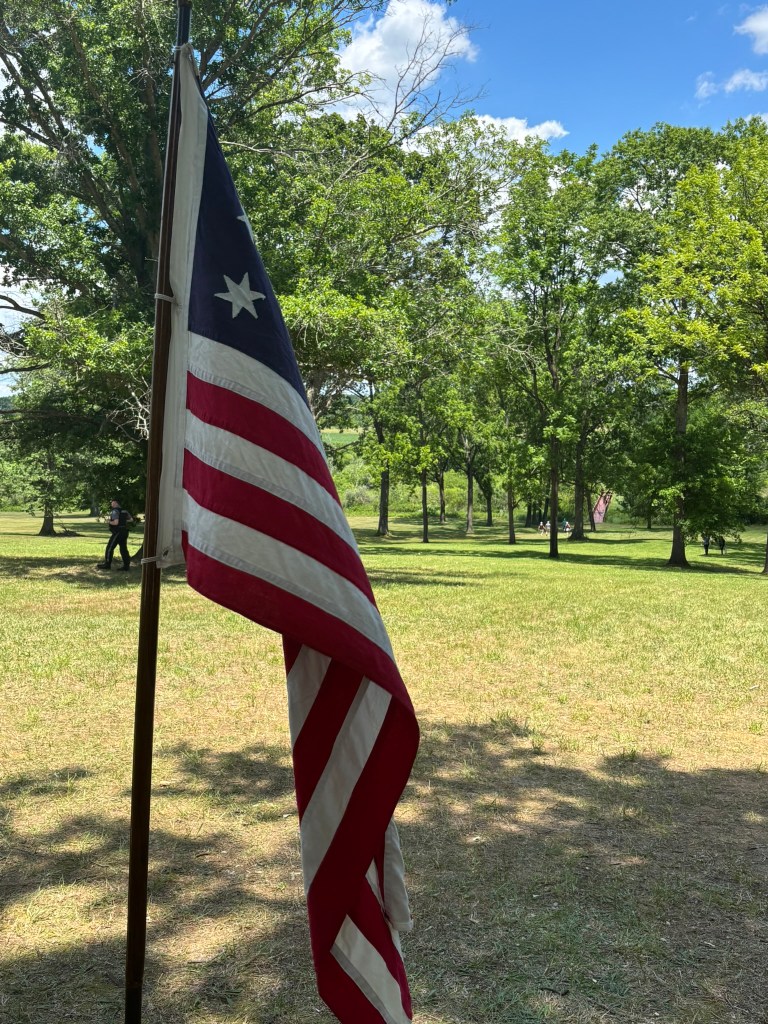
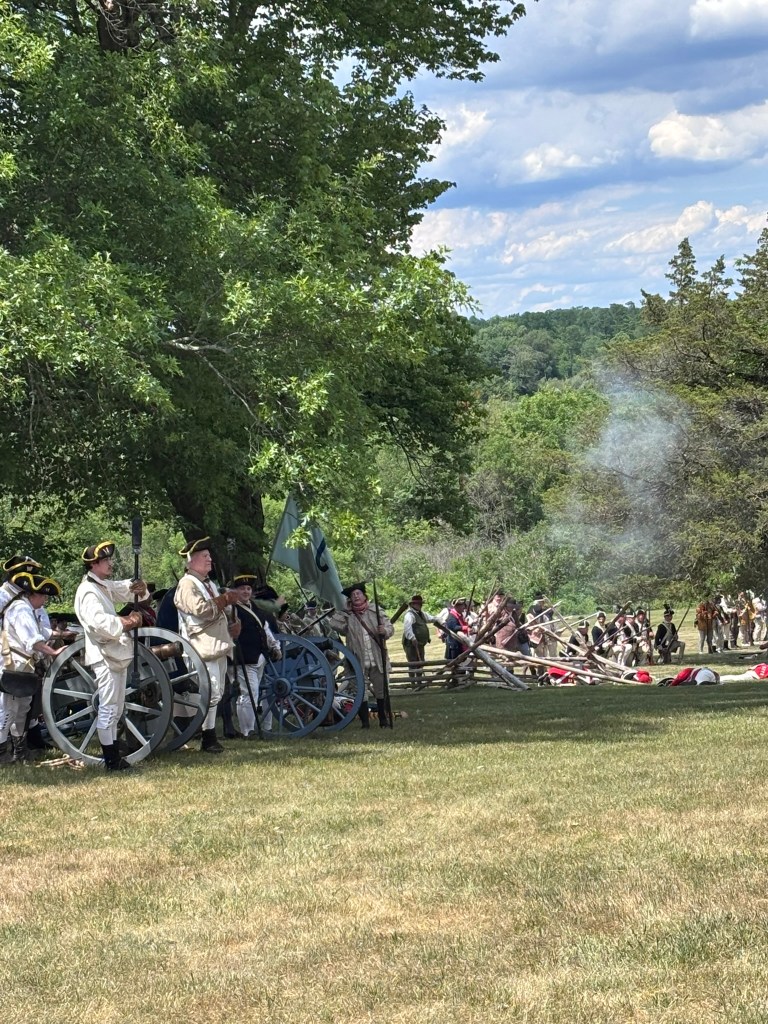
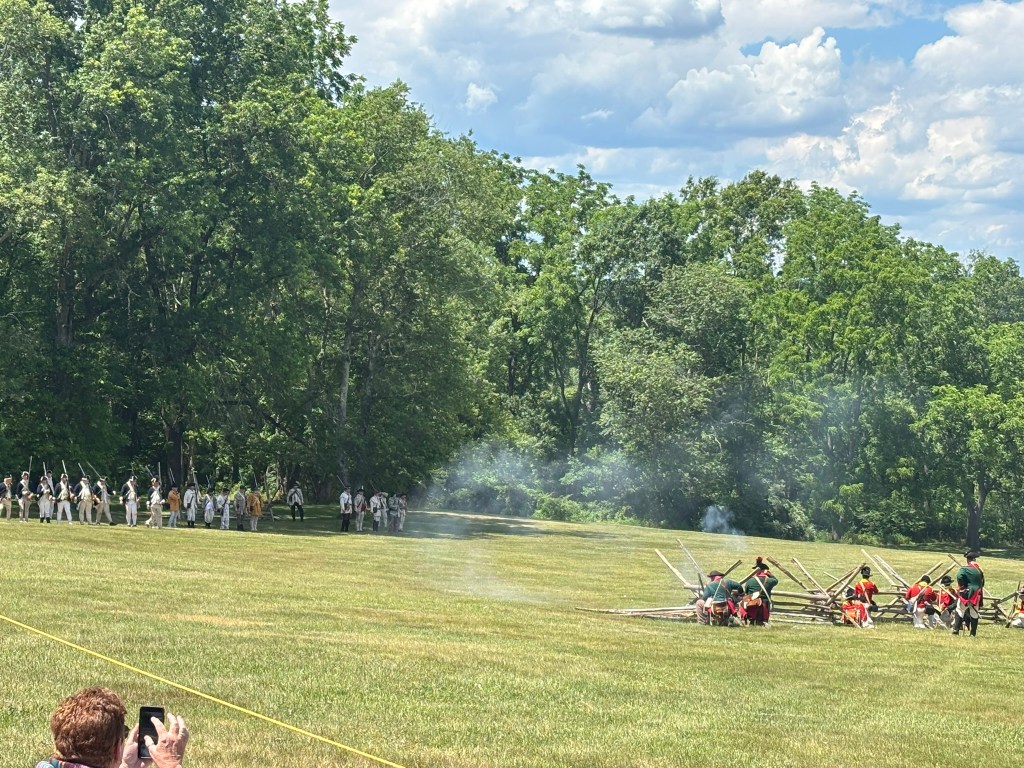
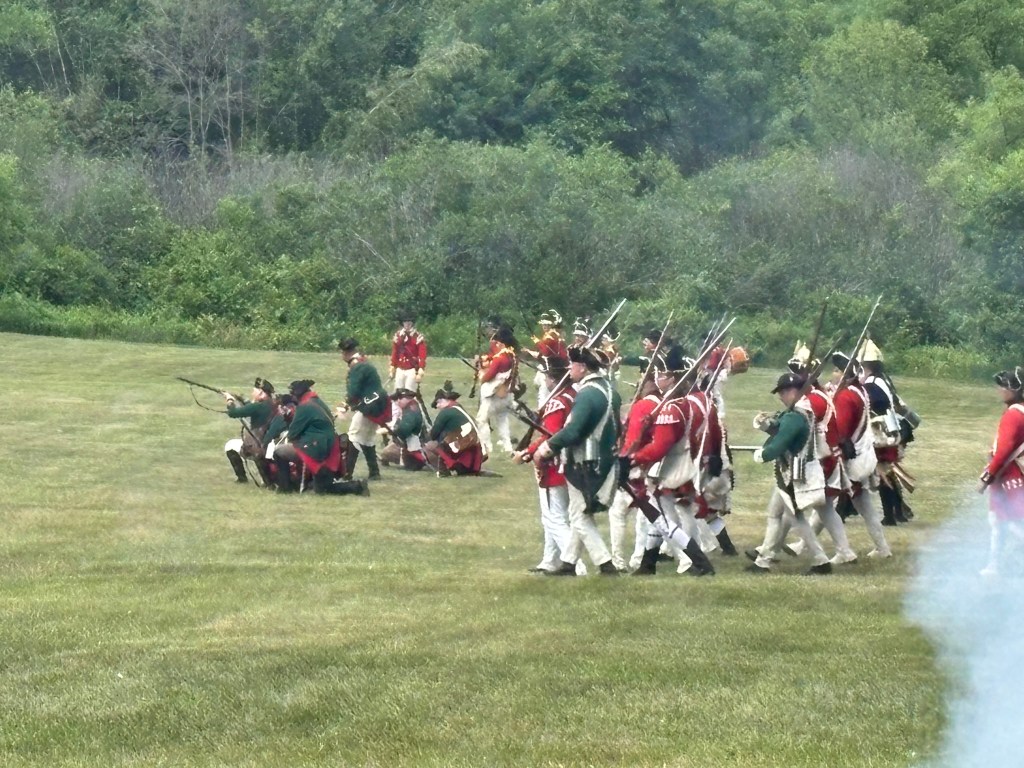
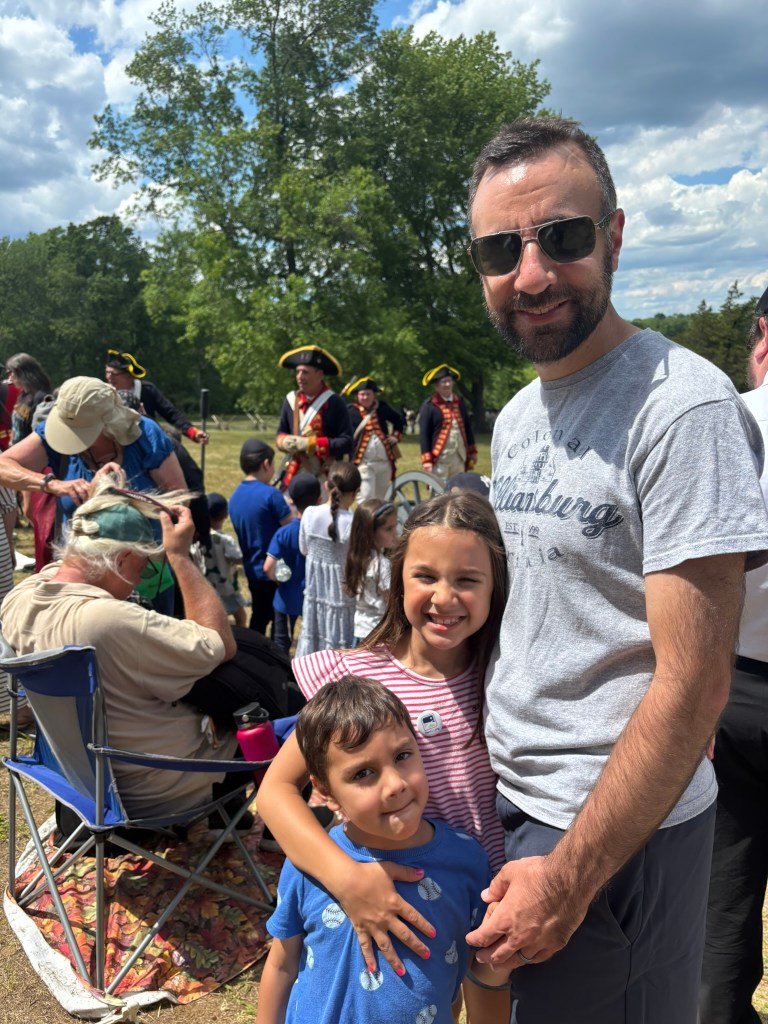
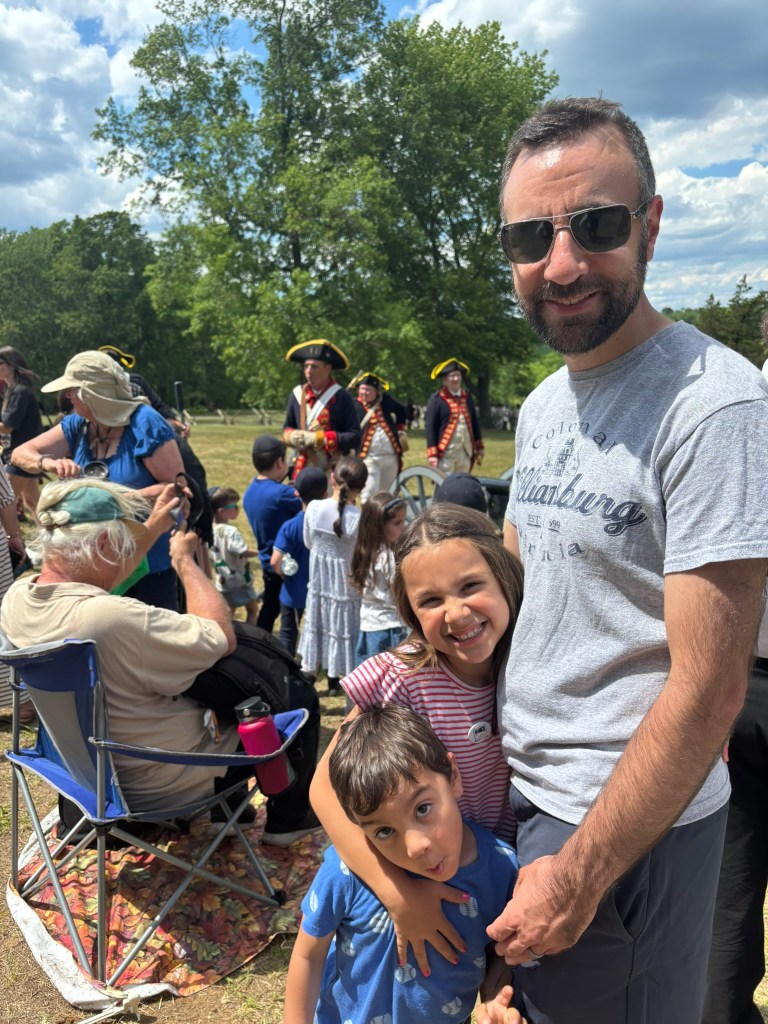
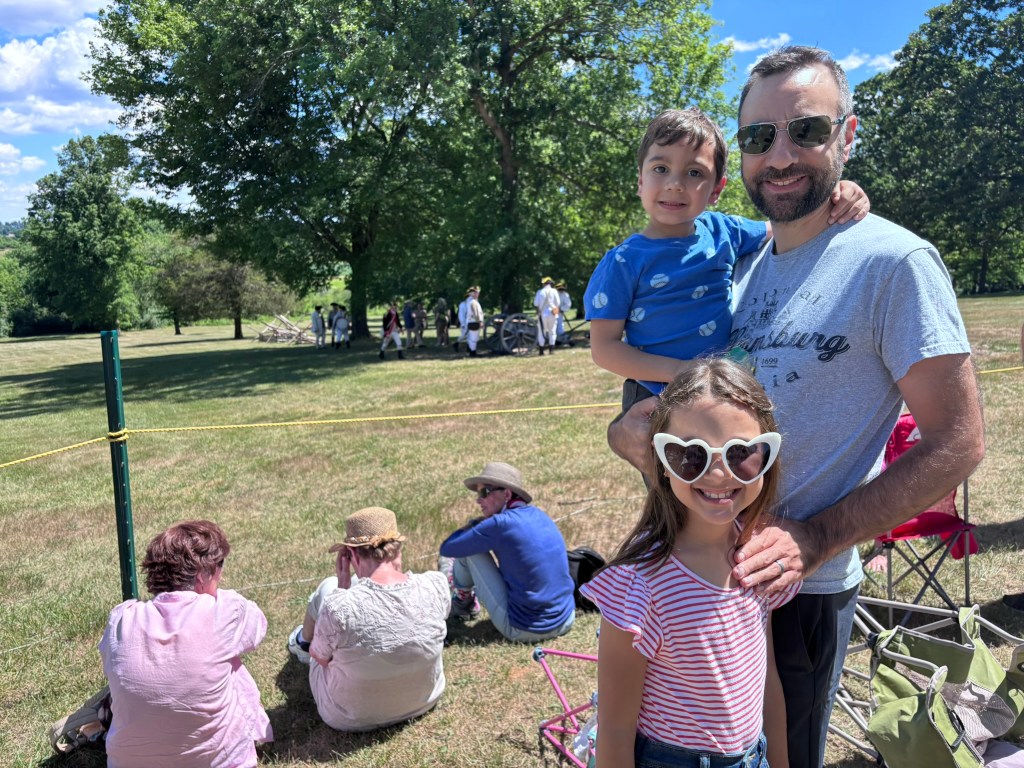
  • On Sunday, June 21st, my family and I attended the Annual Battle of Monmouth Reenactment at Monmouth Battlefield State Park. It just so happened to fall on Father’s Day, and of course this was my choice for how to spend the day. The annual event takes place each year on both Saturday and Sunday. This was our third consecutive year attending.

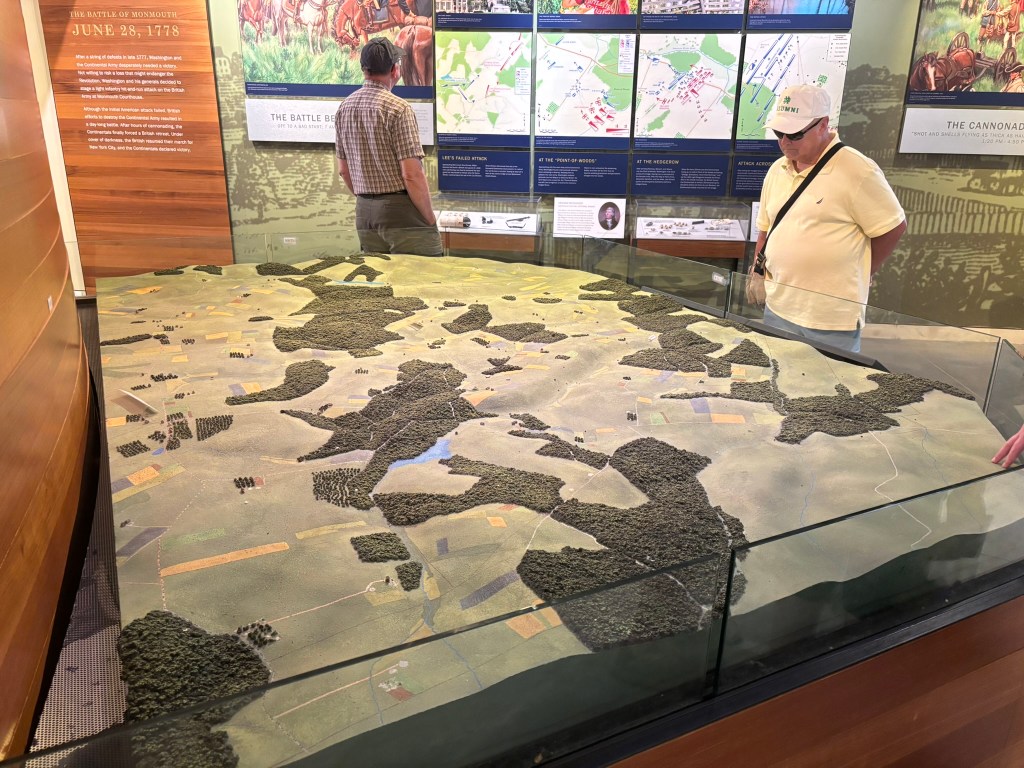
    The event commemorates the Battle of Monmouth, fought on June 28, 1778, between the Continental Army and the British Army. The reenactment did not disappoint and drew a tremendous crowd over both days. If you have any interest in the American Revolution, this is an event you should definitely add to your calendar.

    History

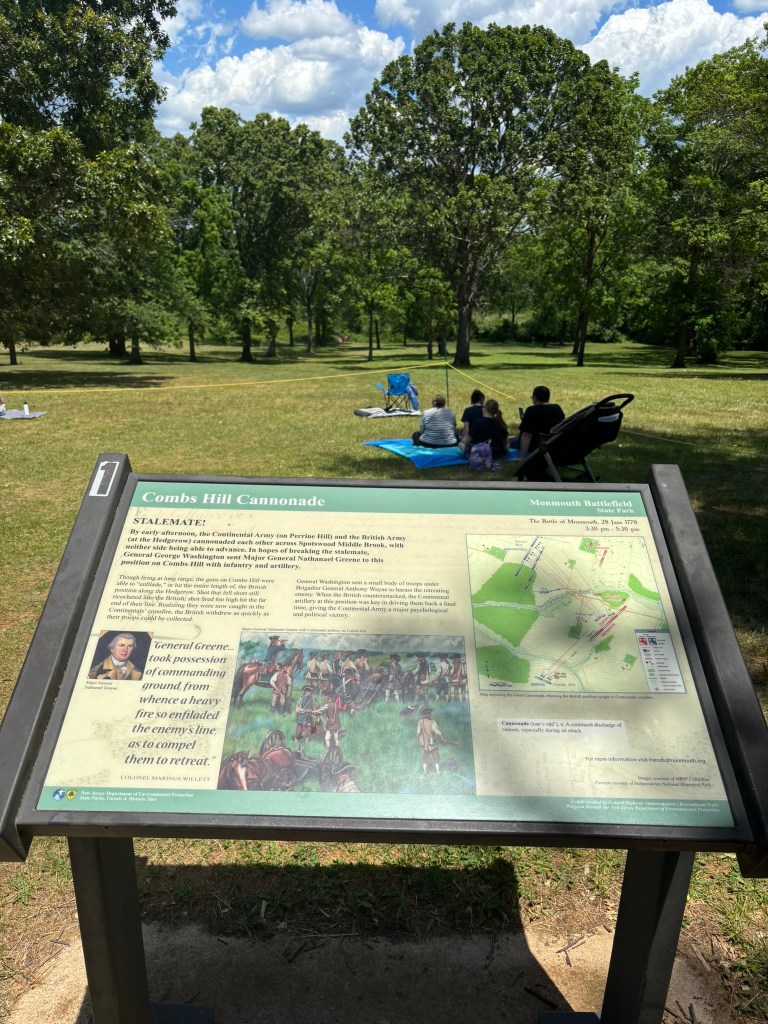
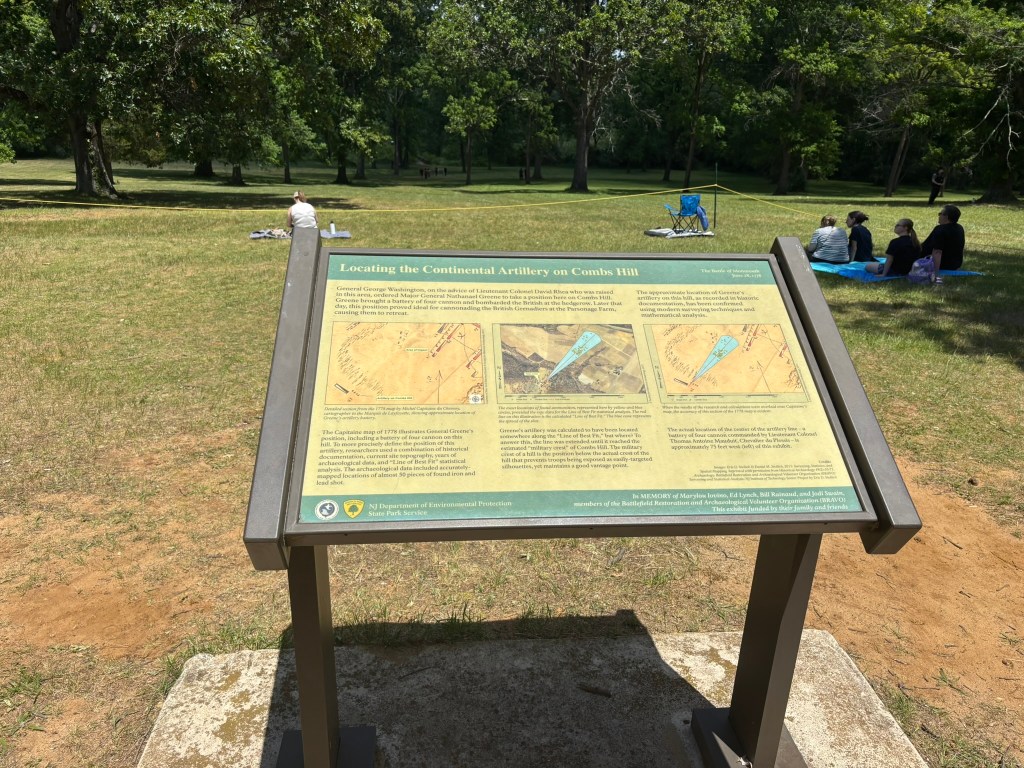
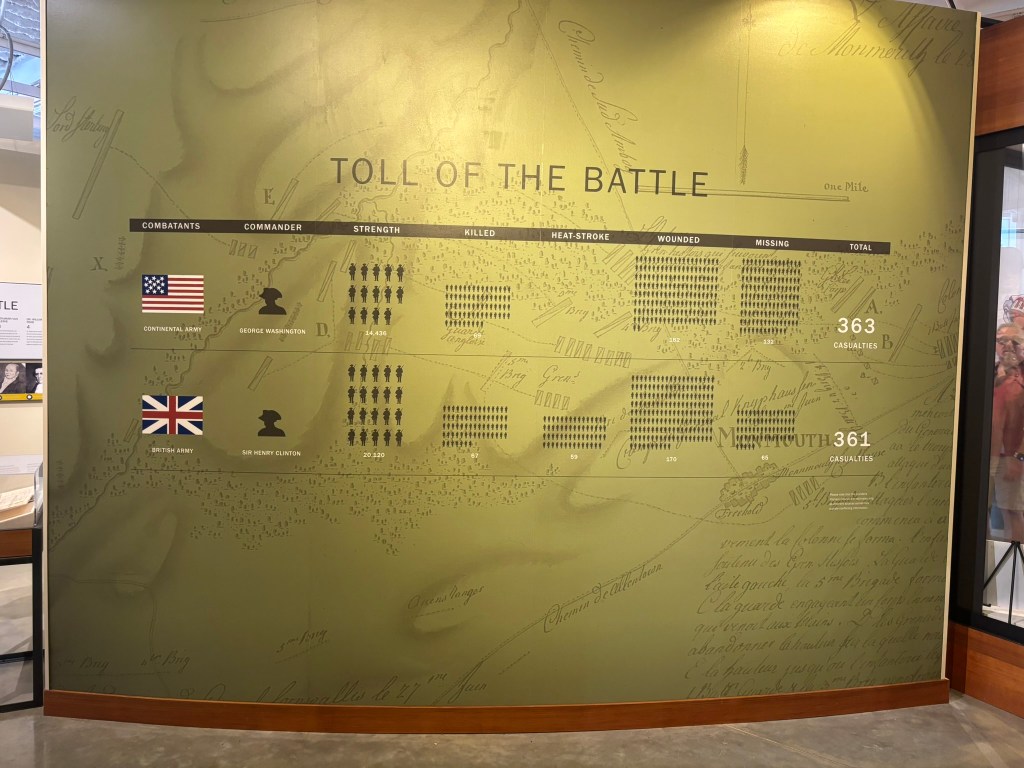
    While the Battle of Monmouth did not produce a major strategic victory for the Continental Army, it was one of the most significant engagements of the Revolutionary War in both scale and symbolism. As one of the largest battles of the war in terms of manpower, it demonstrated that the Patriot forces could stand toe-to-toe with the British Army in open combat. It also featured the largest artillery duel of the Revolution and marked a major turning point in the professionalism of the Continental Army.

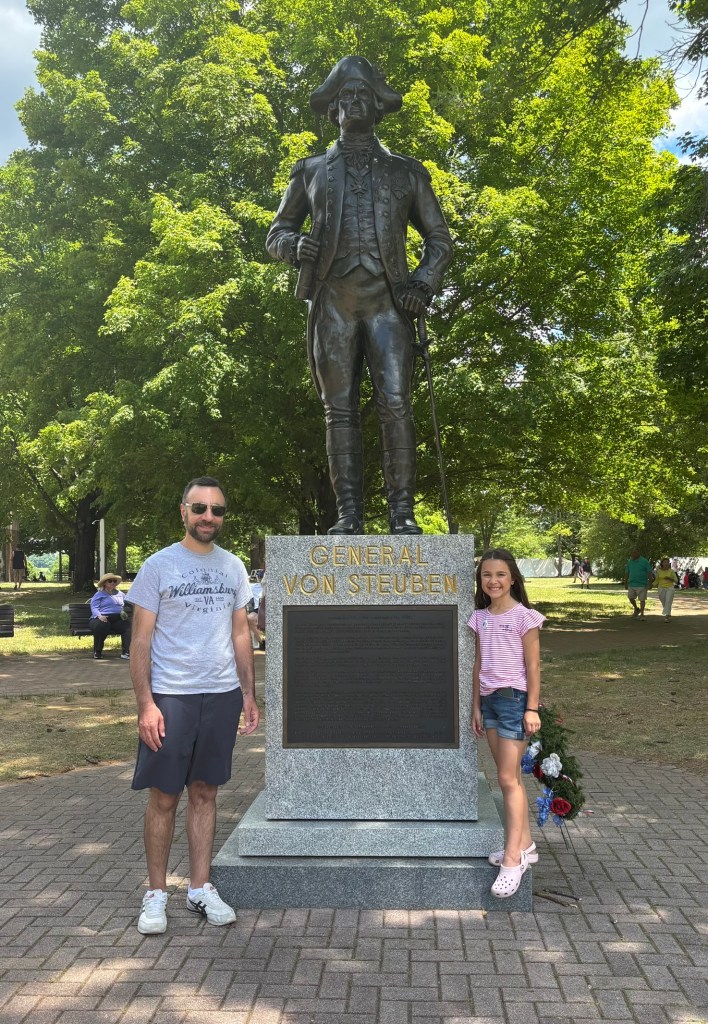
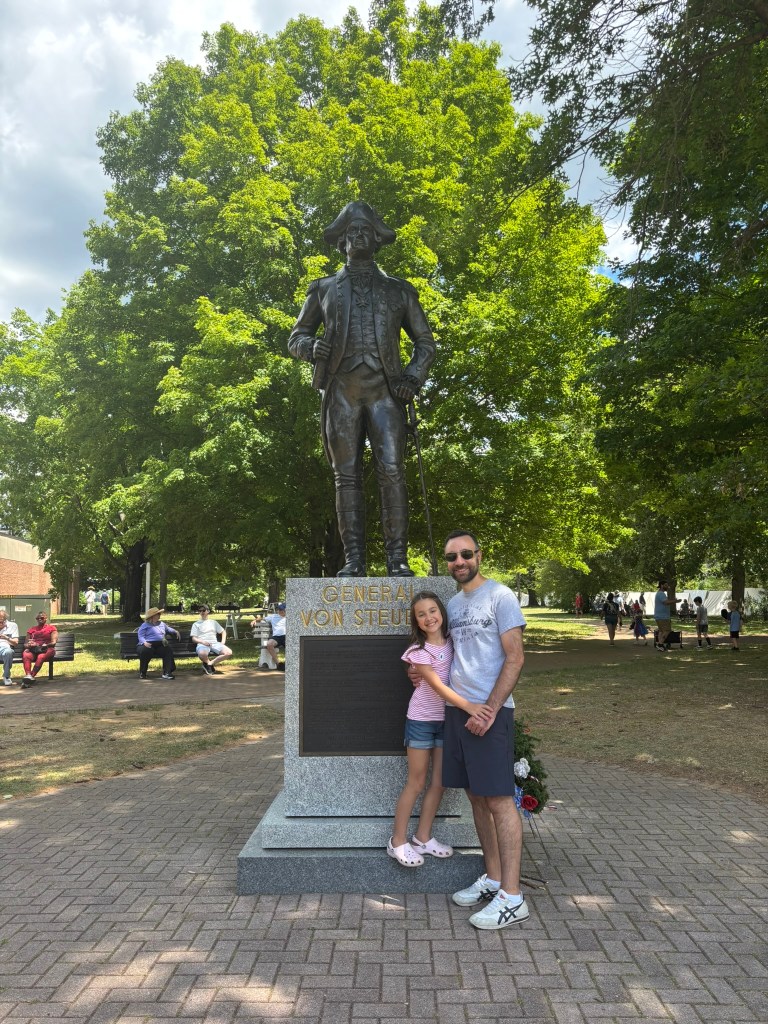
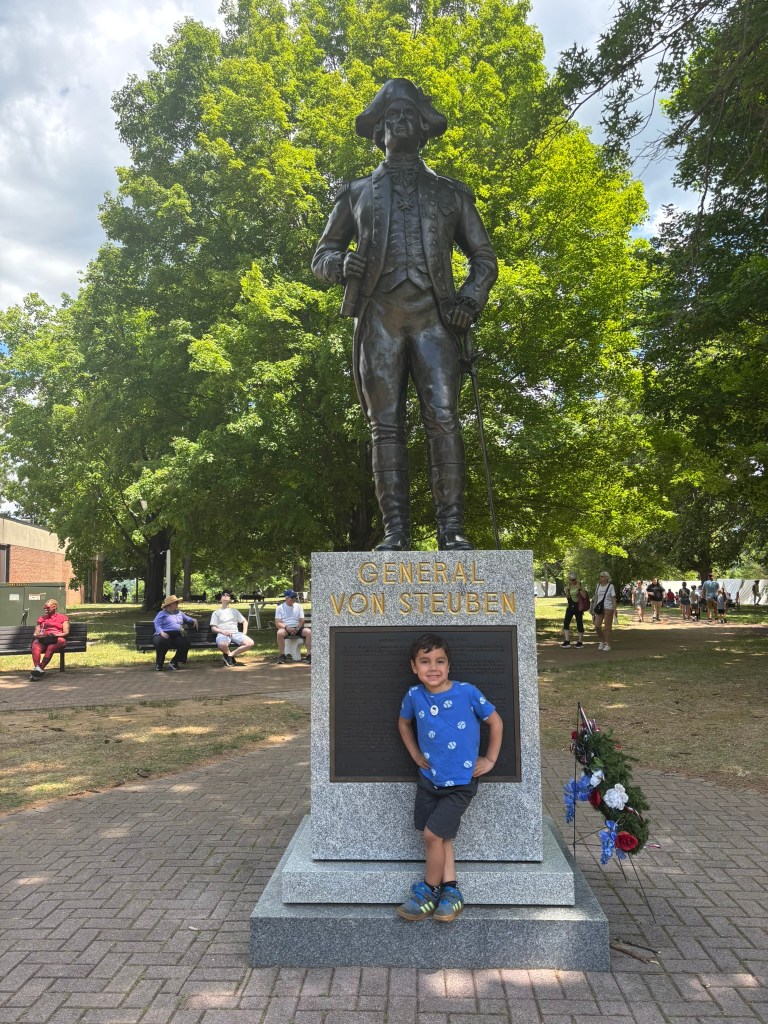
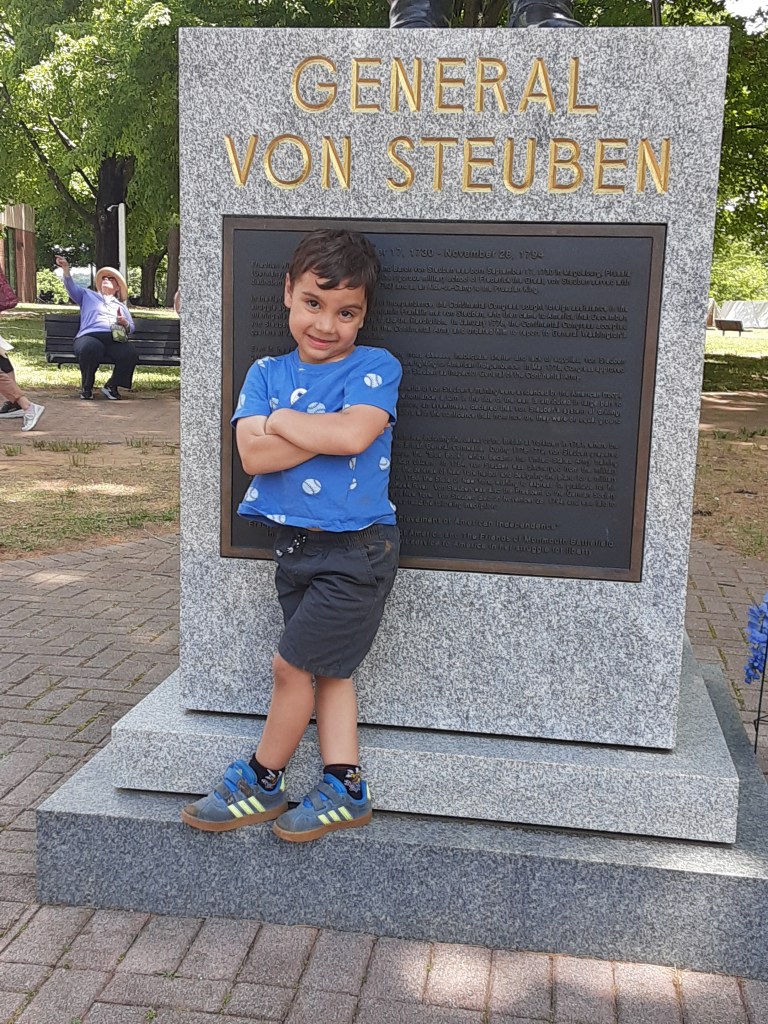
    After enduring the grueling winter at Valley Forge, where months of rigorous drilling under the Prussian officer Baron Friedrich von Steuben transformed Washington’s soldiers into a disciplined fighting force, the Continentals finally had the opportunity to prove themselves on the battlefield. At Monmouth, the results of that training were evident.

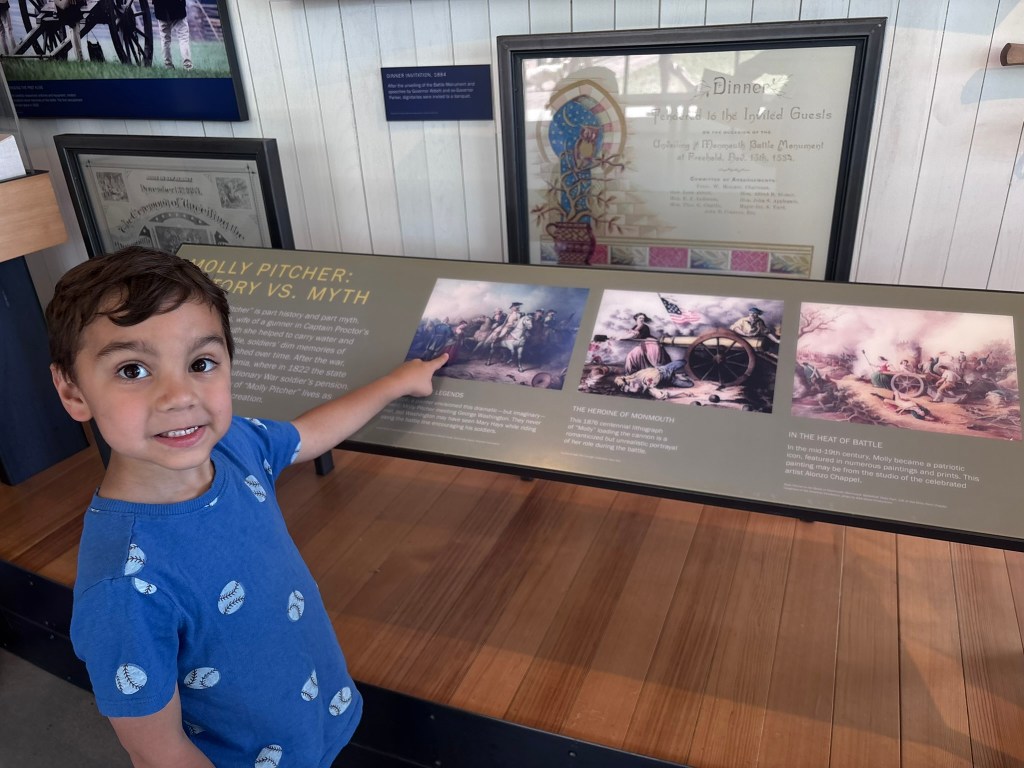
    The battle is also remembered for its brutal heat, with temperatures reportedly climbing to nearly 100 degrees. Despite the intensity of the fighting, the British resumed their planned march toward New York during the night, allowing General George Washington to claim the battle as a moral victory for the American cause. Monmouth is also famous for the legendary story of Molly Pitcher, who is honored throughout the battlefield for her courage during the fighting.

    Event

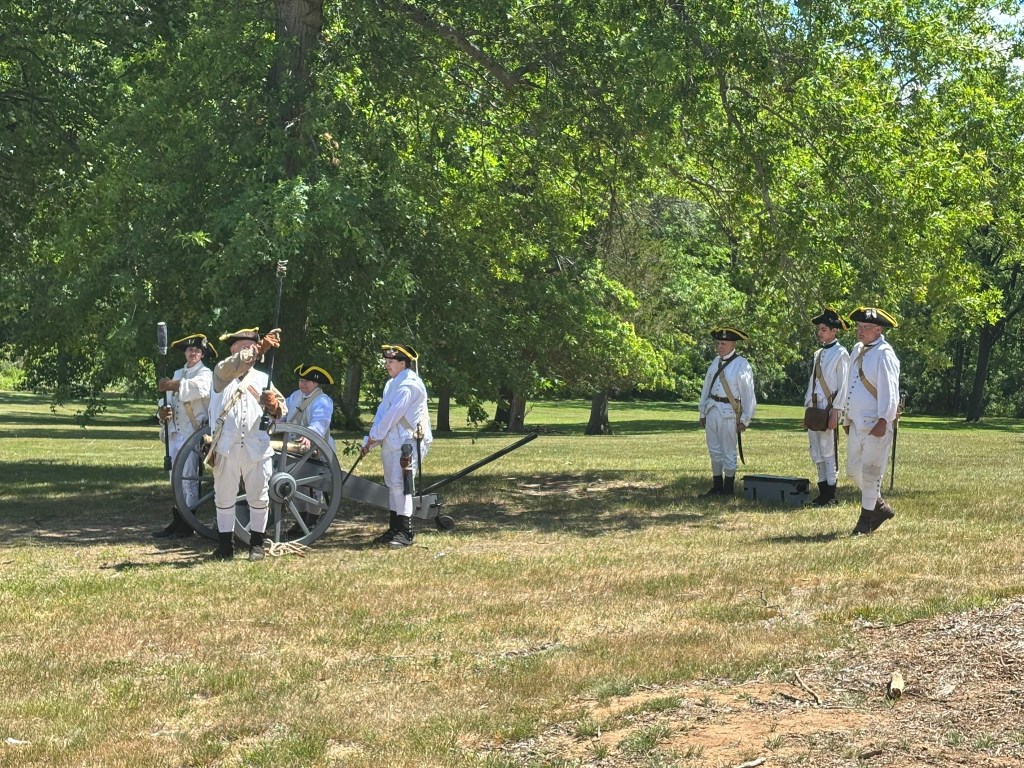
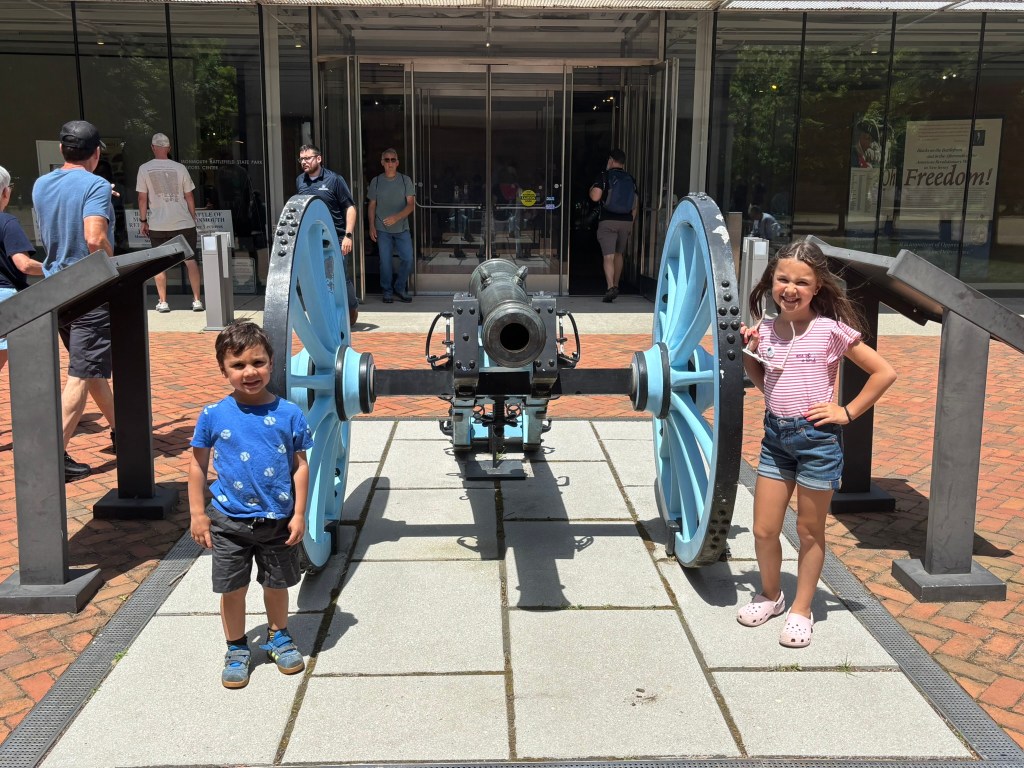
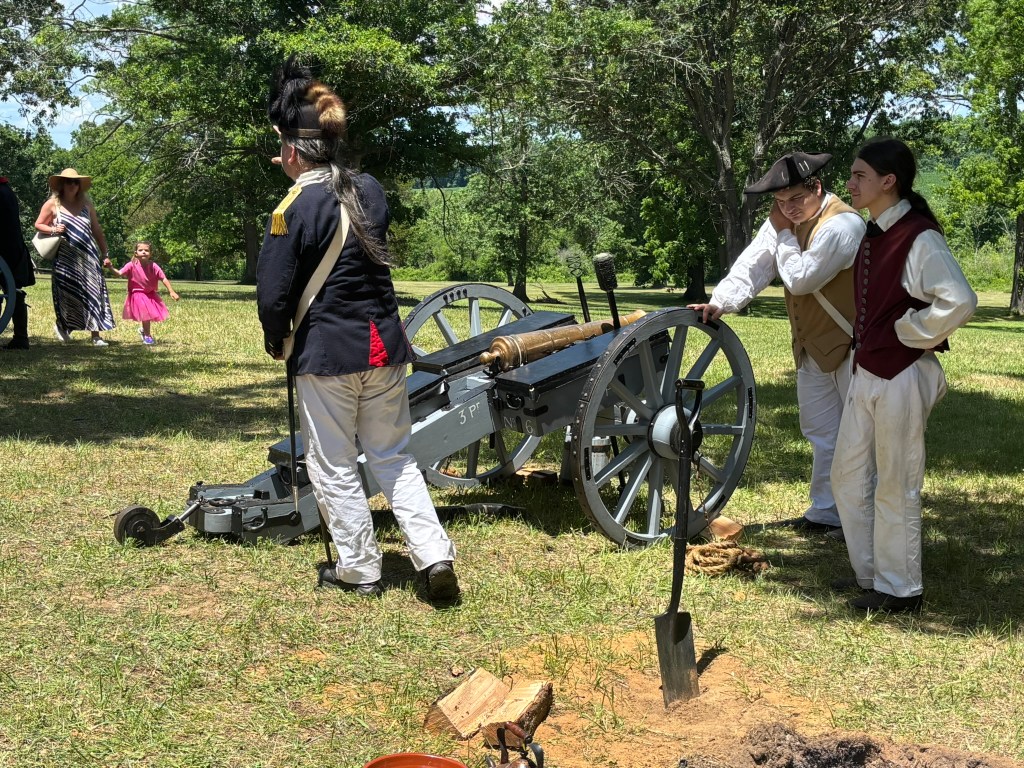
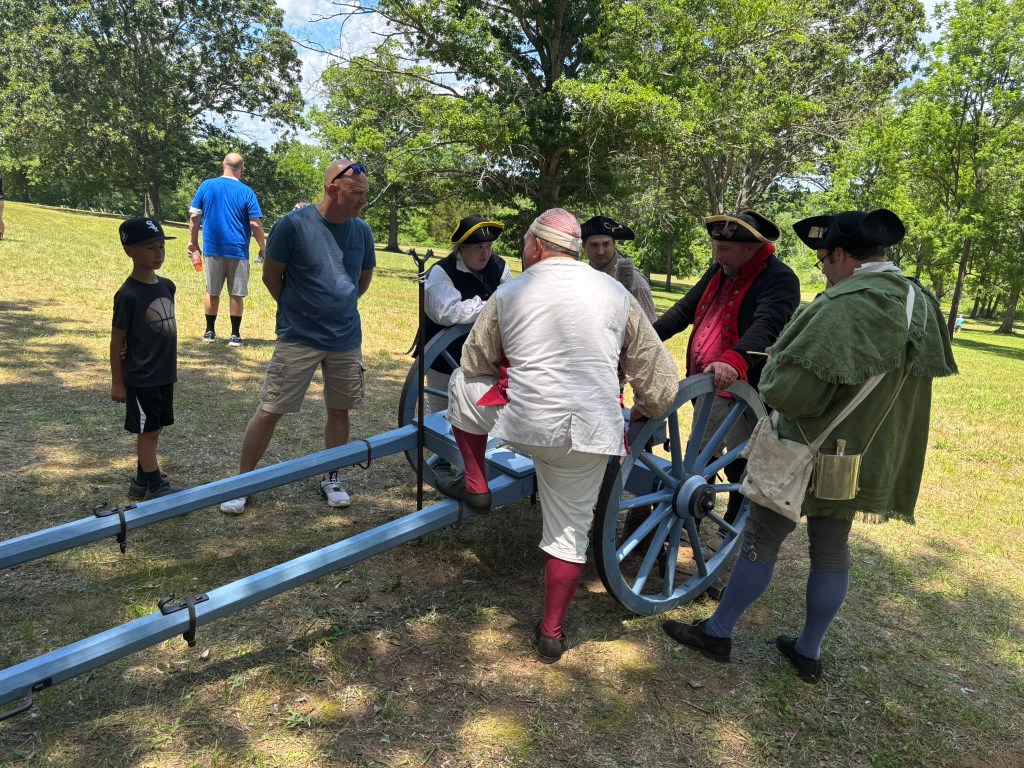
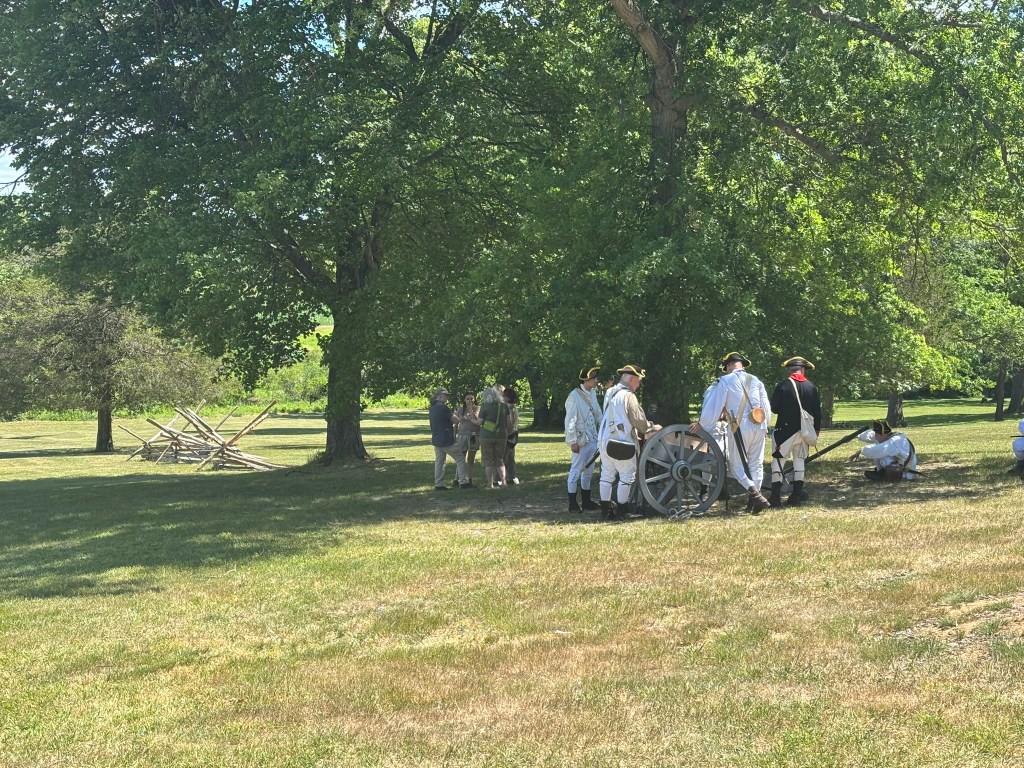
    My family and I arrived at the park just before 11:30 a.m., just in time for the cannon firing demonstration. The reenactor explaining the operation of the cannon and its role on an eighteenth-century battlefield was both entertaining and informative. If you’d like to see the demonstration in action—and especially the battle itself—be sure to check out the reels on my social media pages.
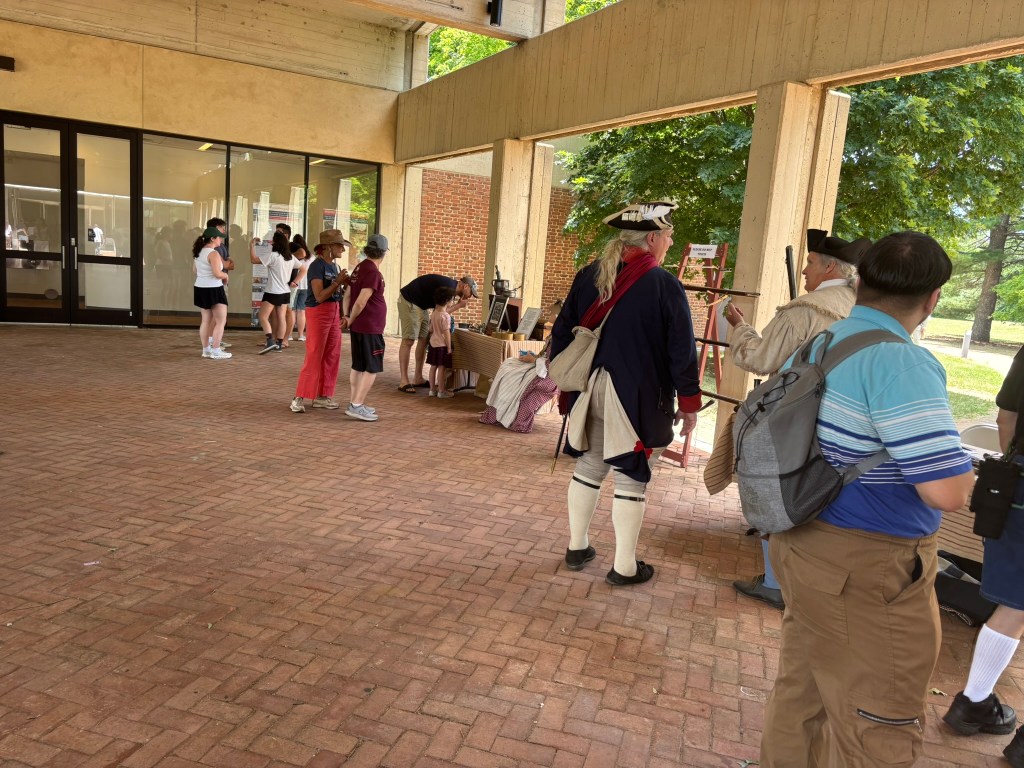
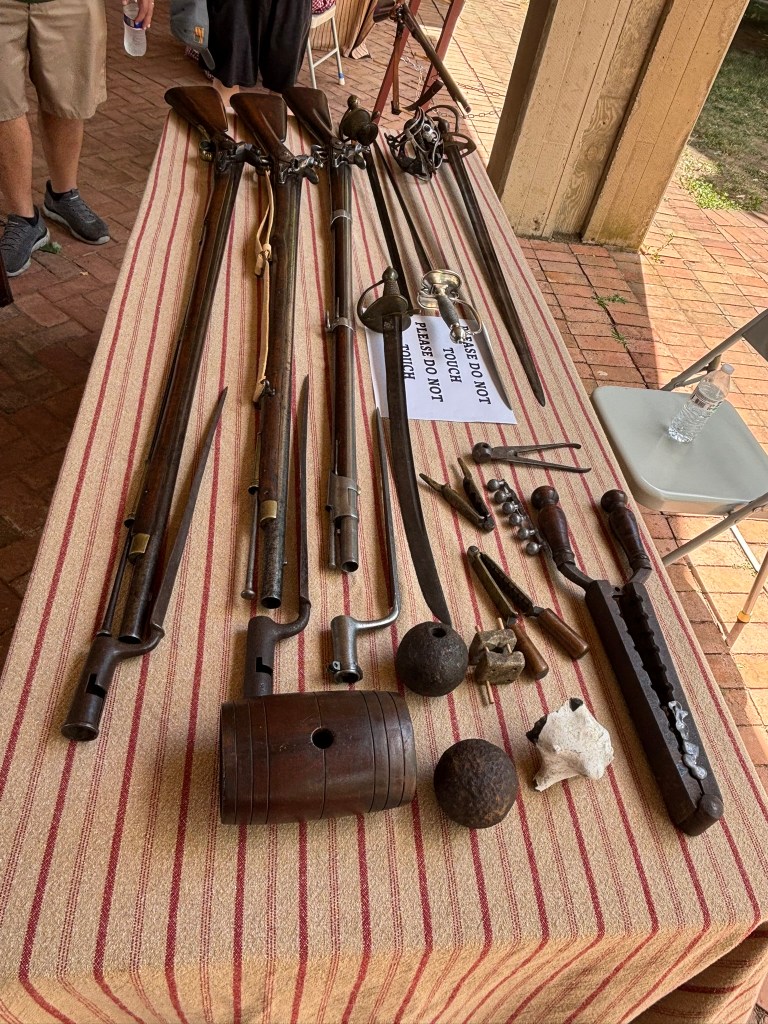
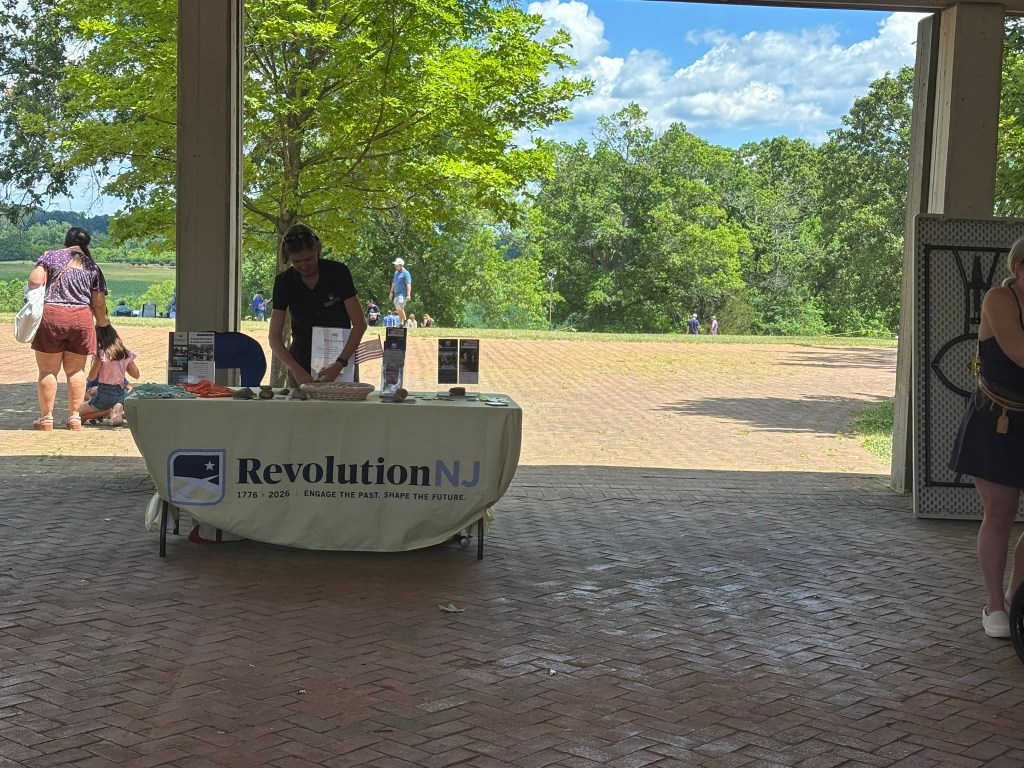
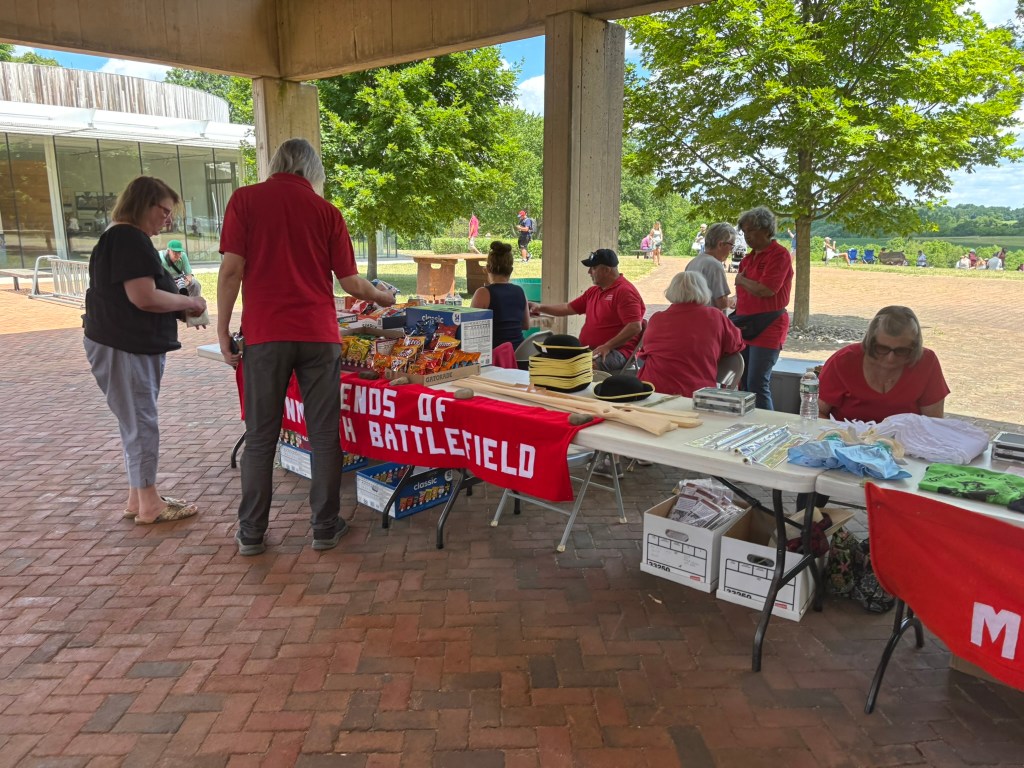
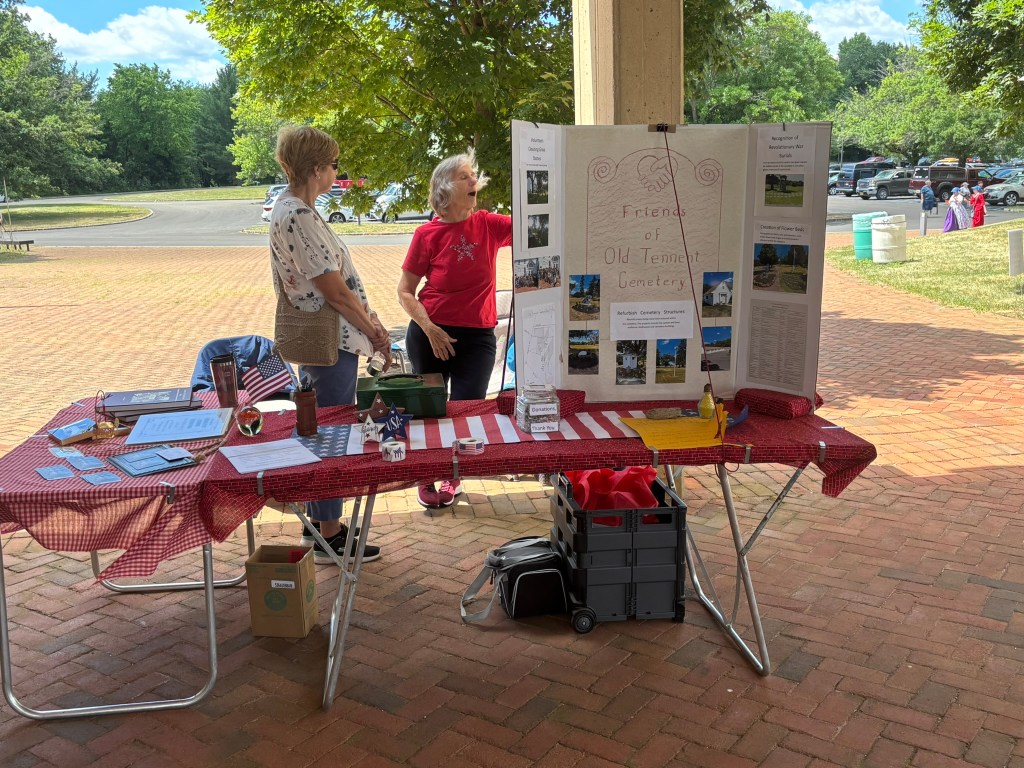
    After the cannon demonstration, I made a round to the vendors stationed on site. I was able to speak to a rep. from Revolution NJ whom I am a proud partner with. There were also tables from the Monmouth County Historical Society, Friends of Monmouth Battlefield, and Friends of Old Tennant Cemetery, among others.
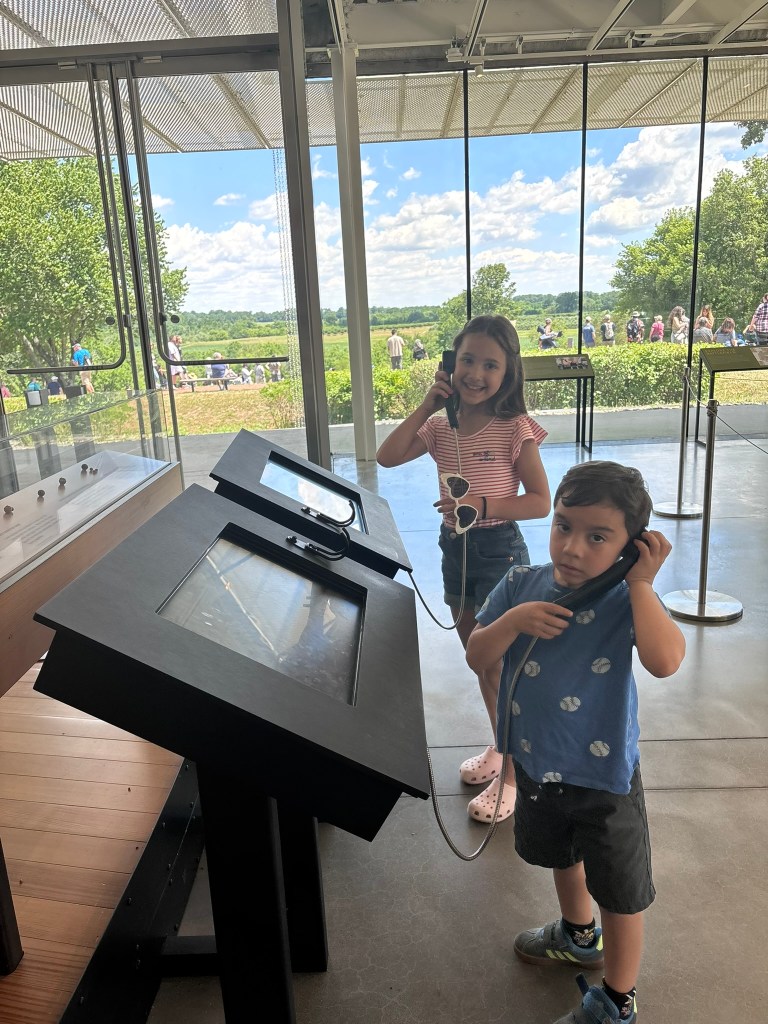
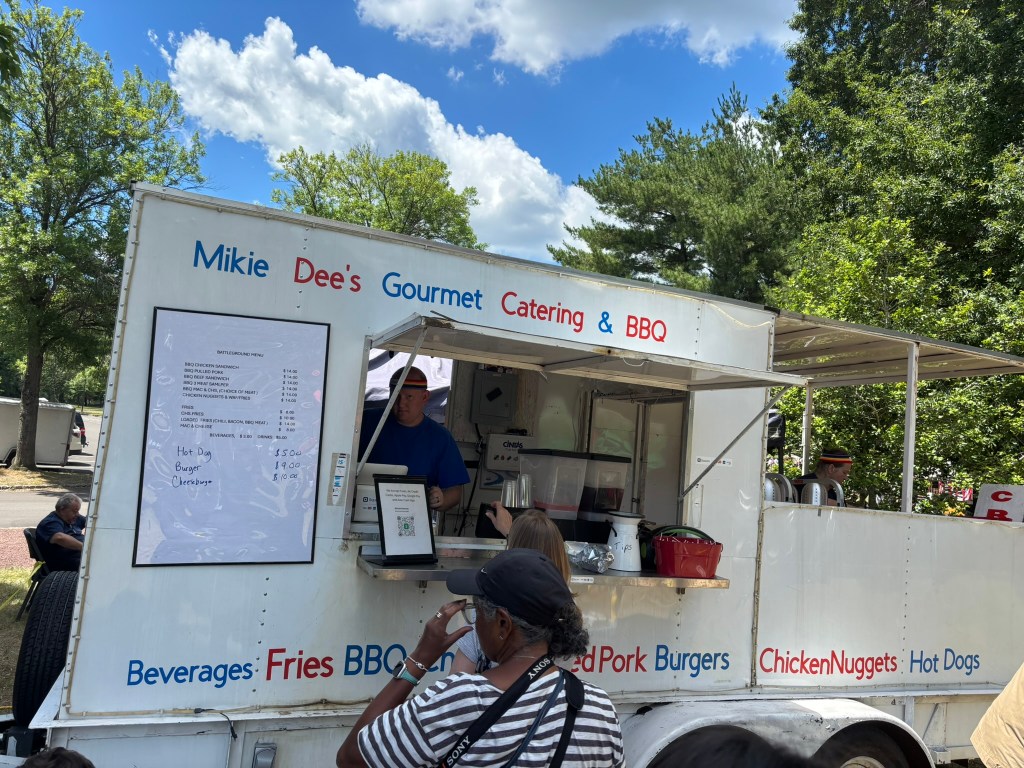
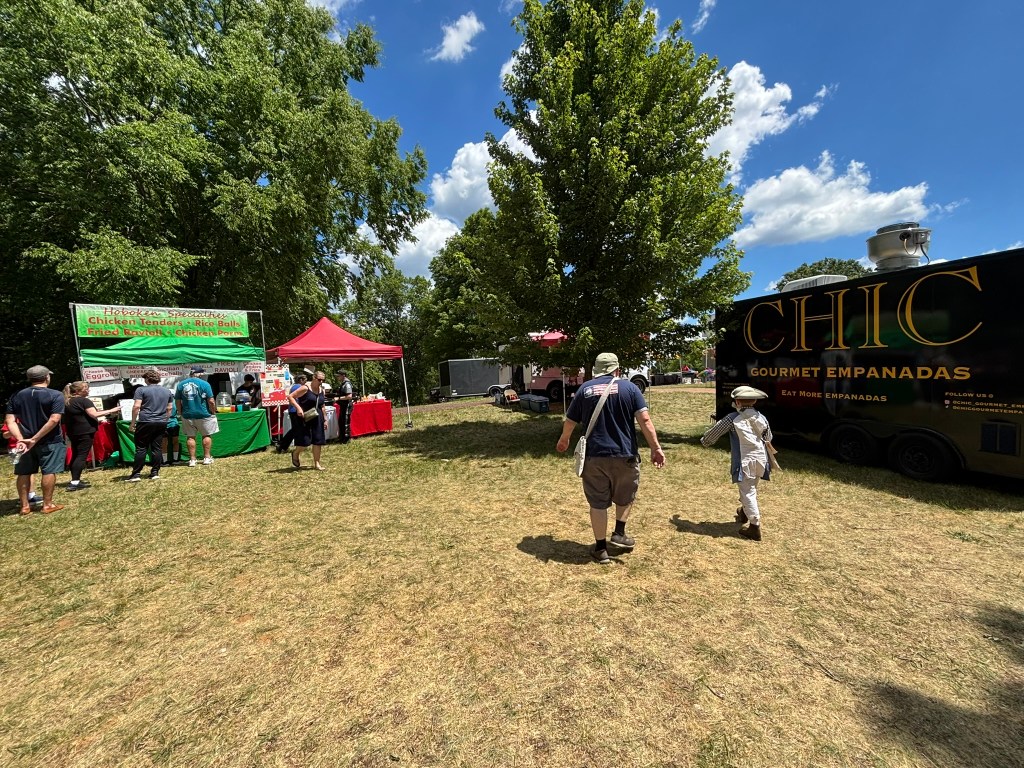
    My family and I headed over to the food trucks for lunch. The event offers a nice variety of food options, along with plenty of shaded picnic tables where families can relax and enjoy a meal.
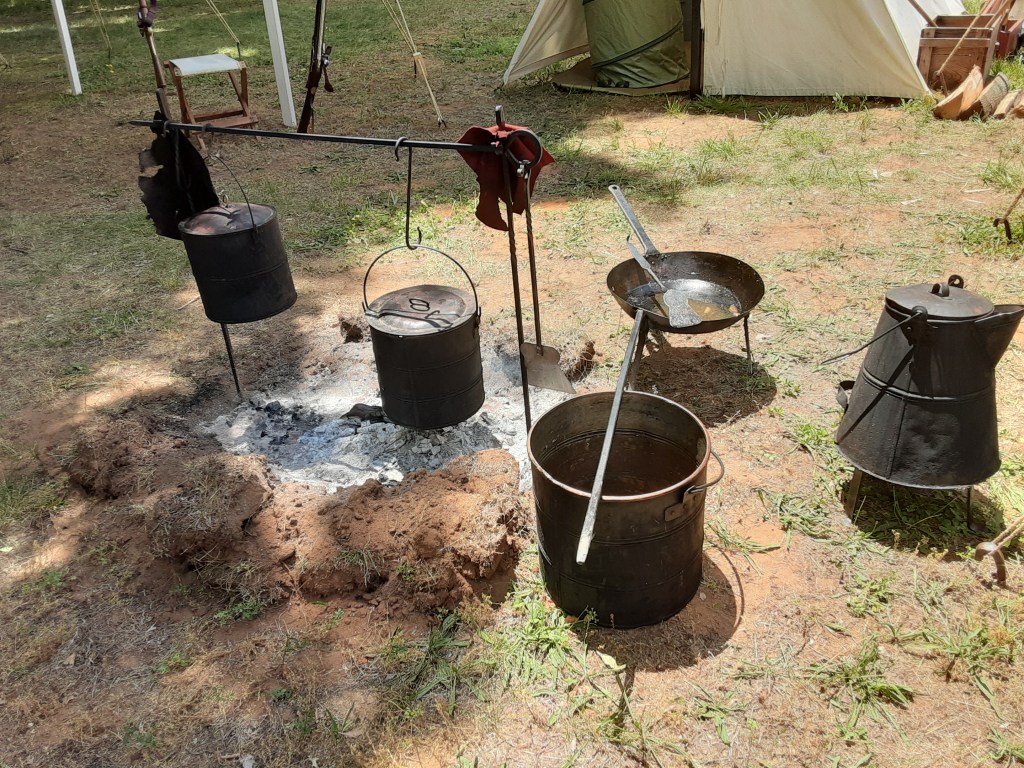
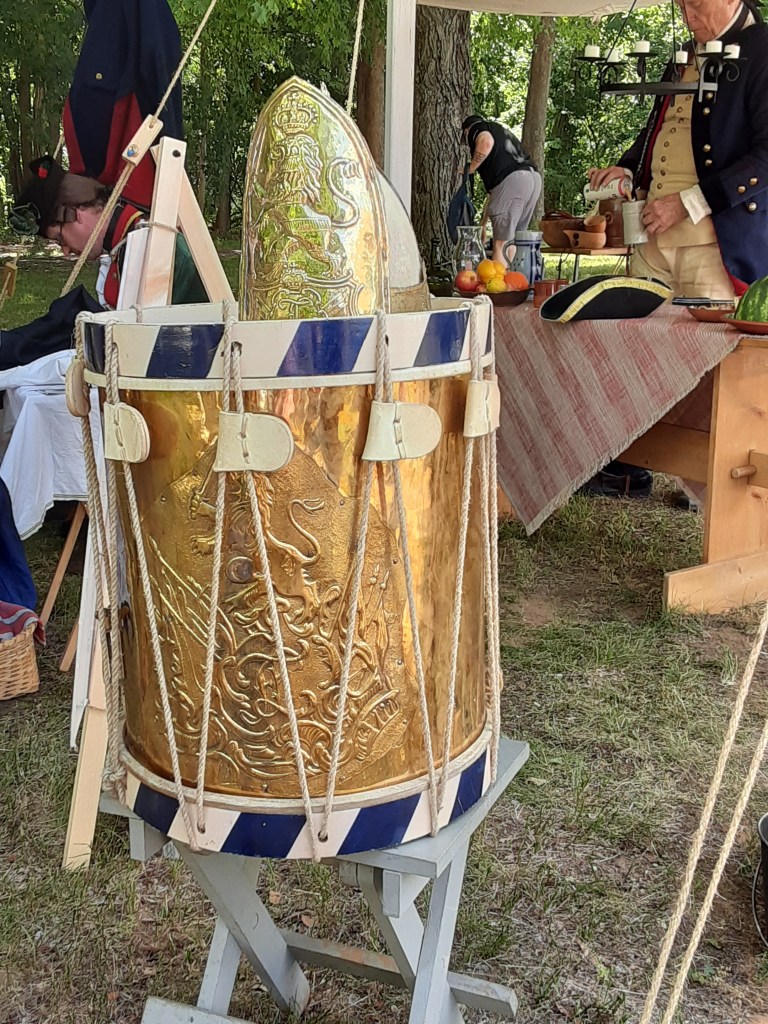
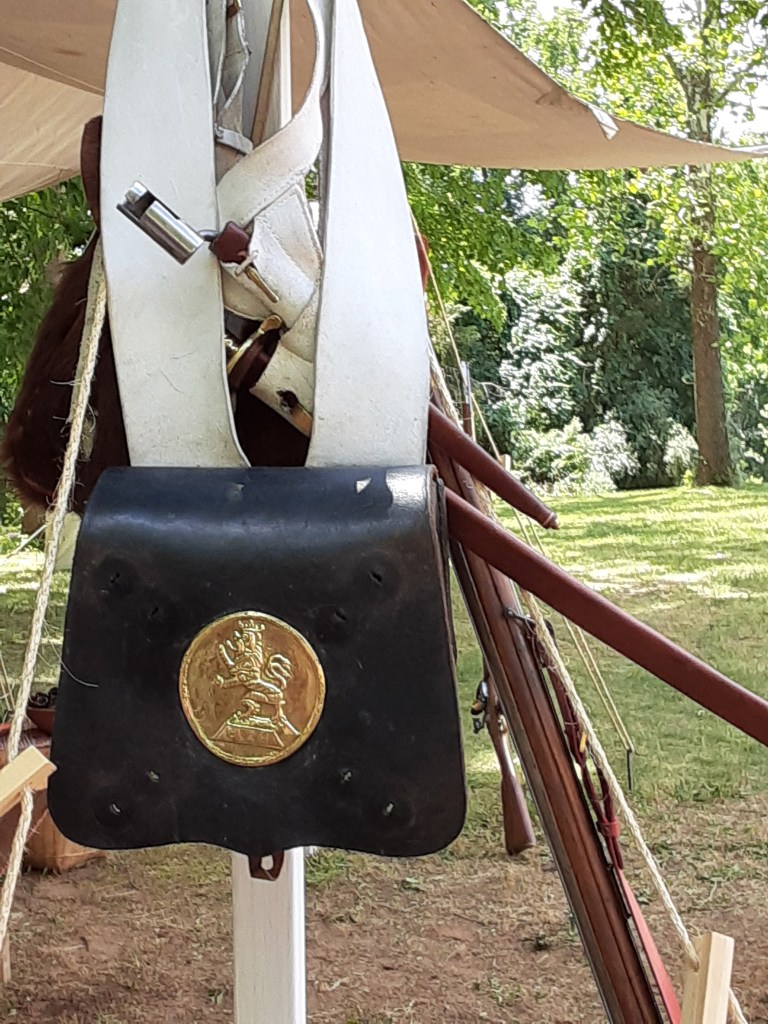
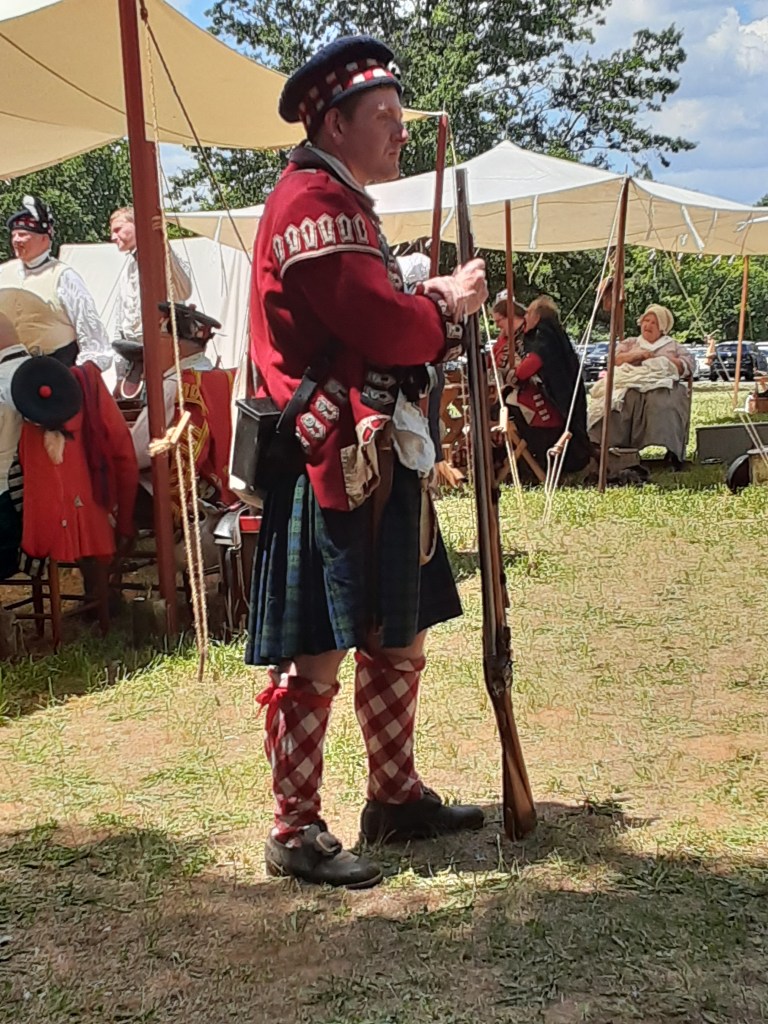
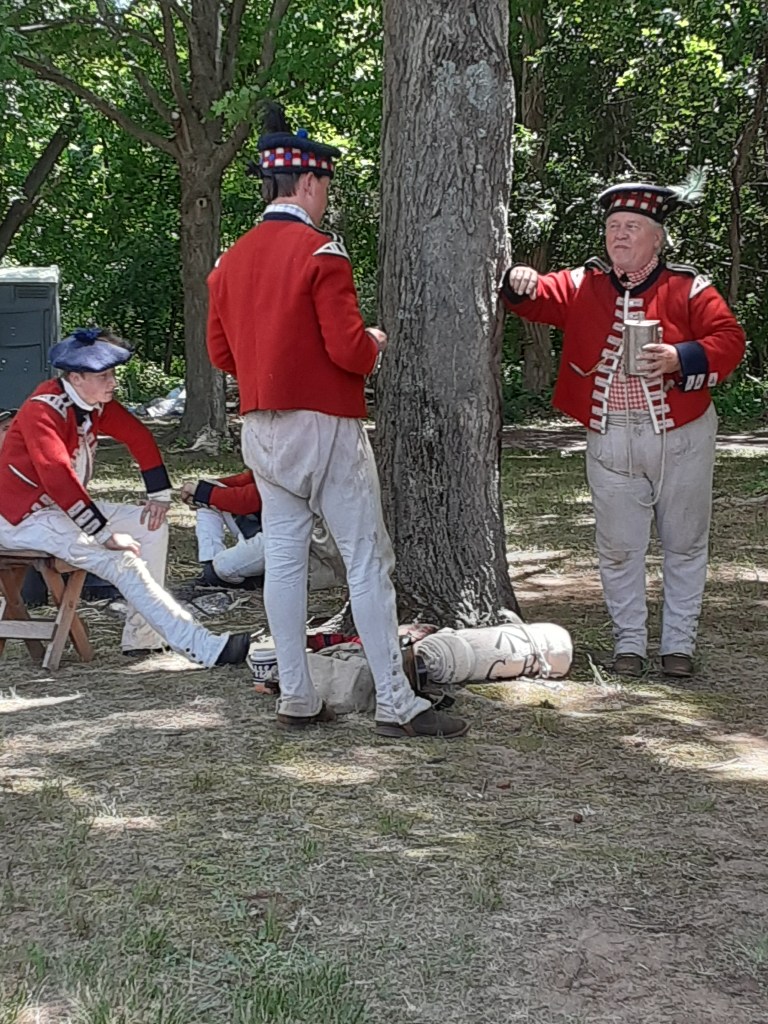
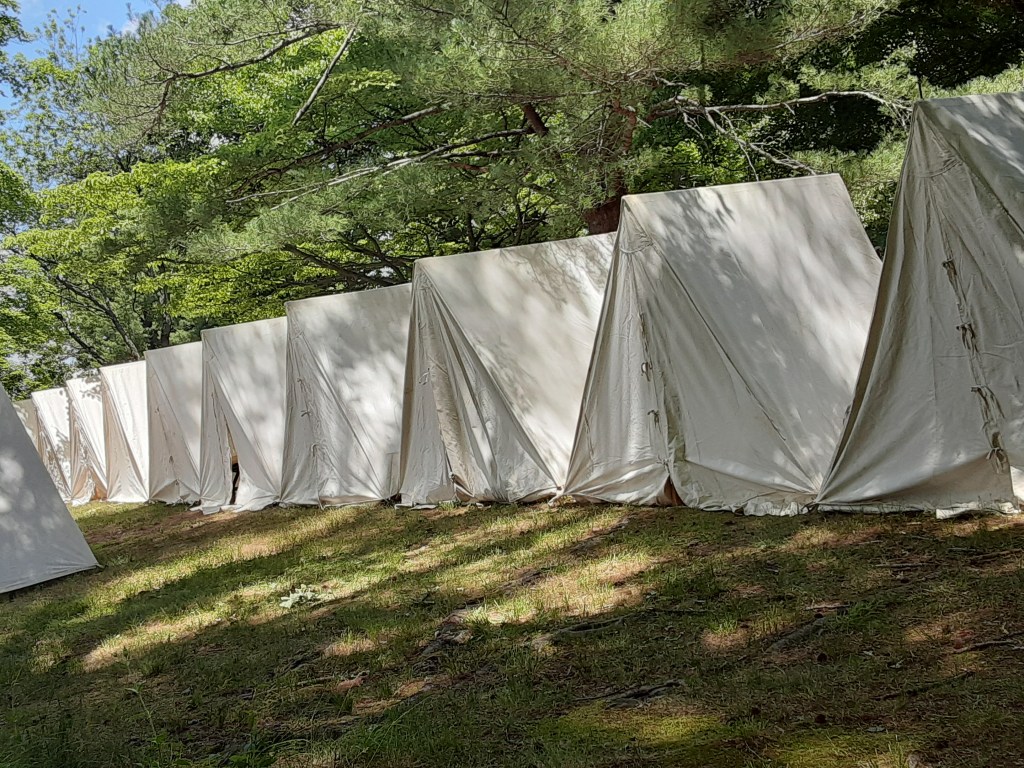
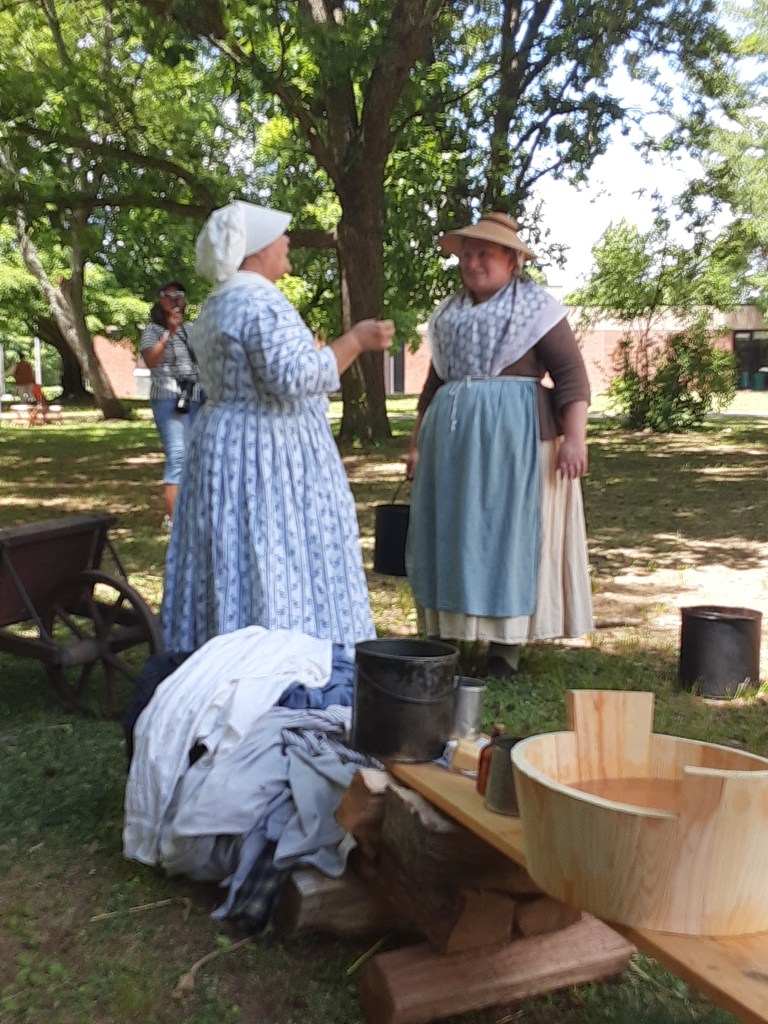
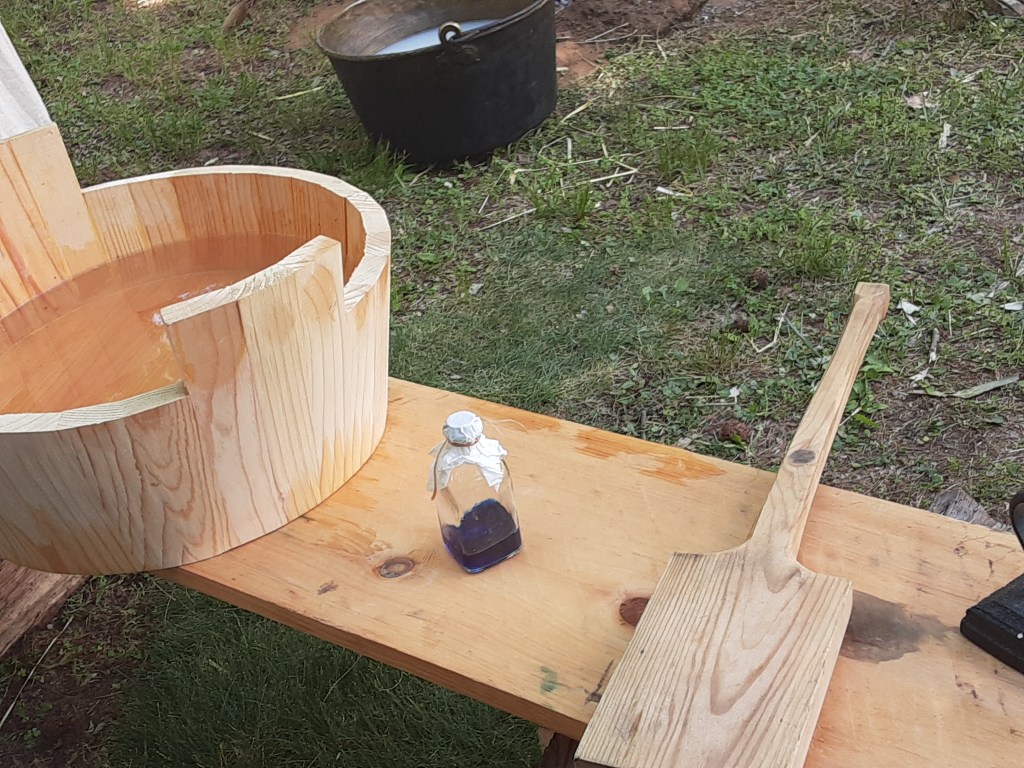
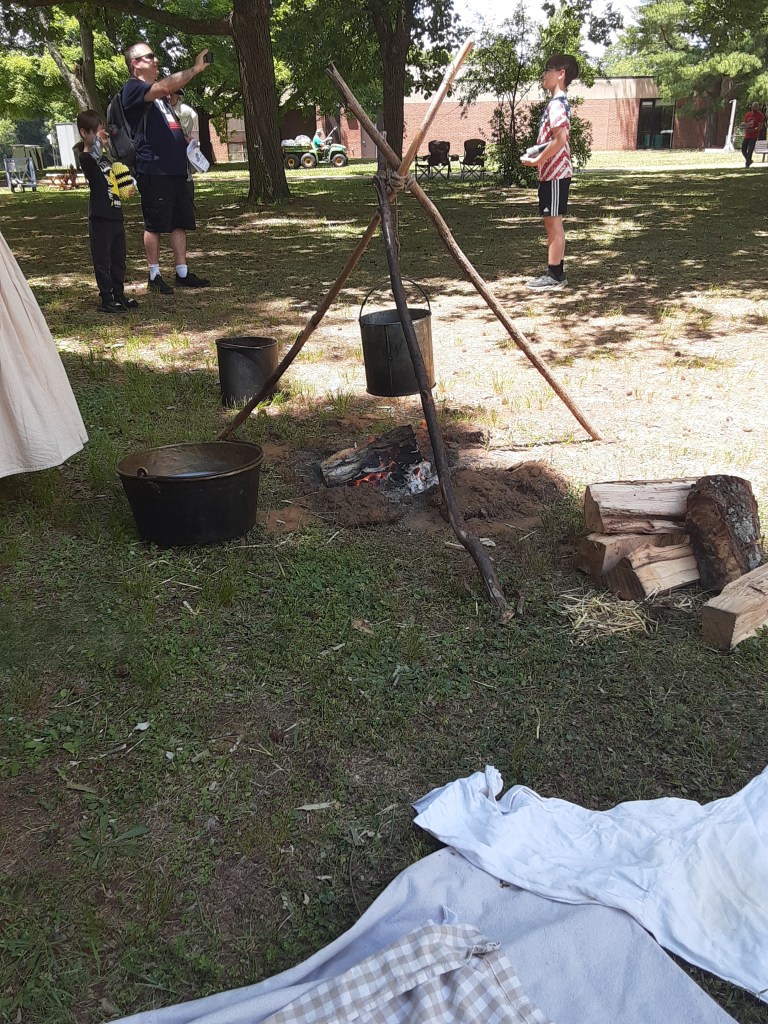
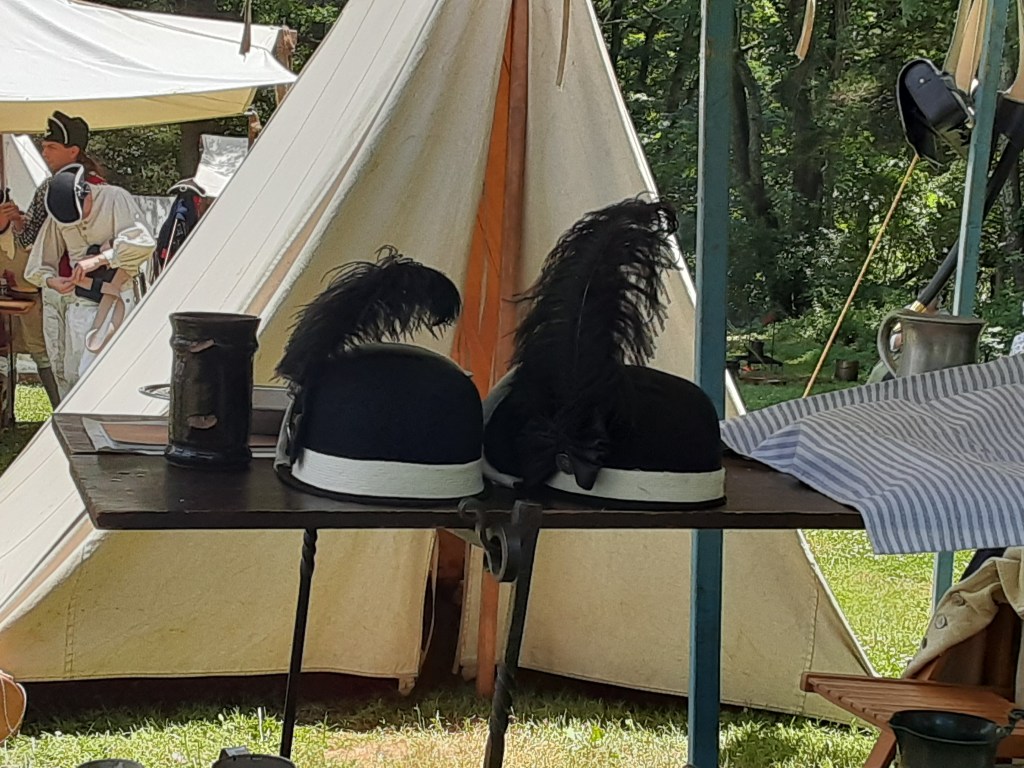
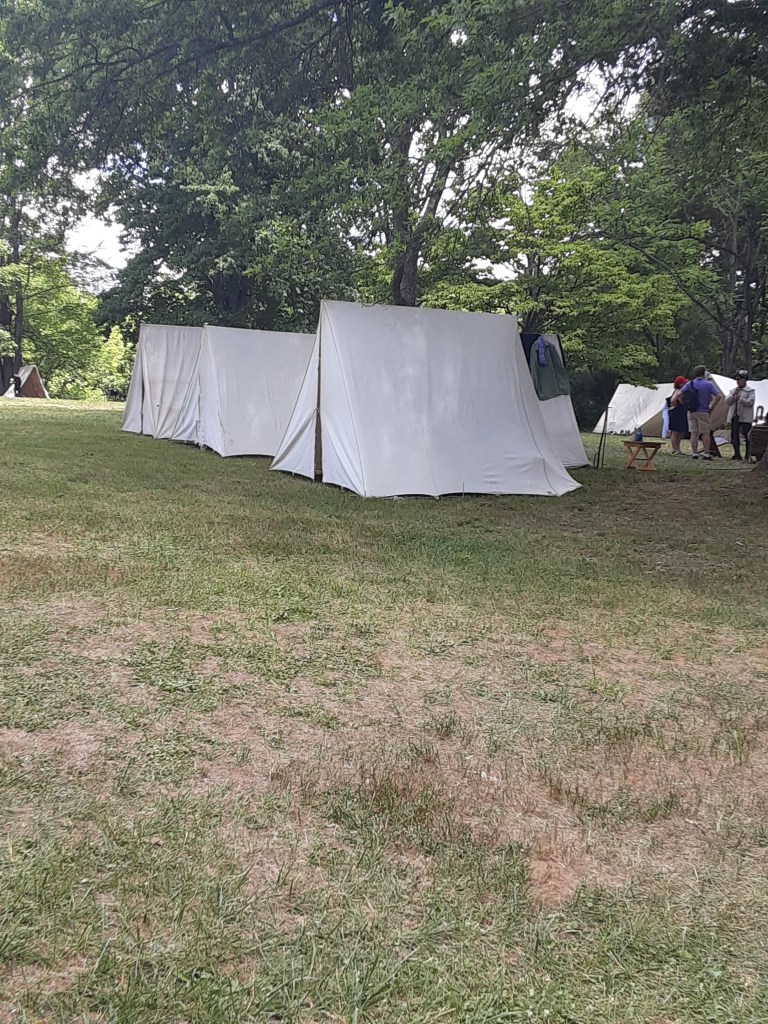
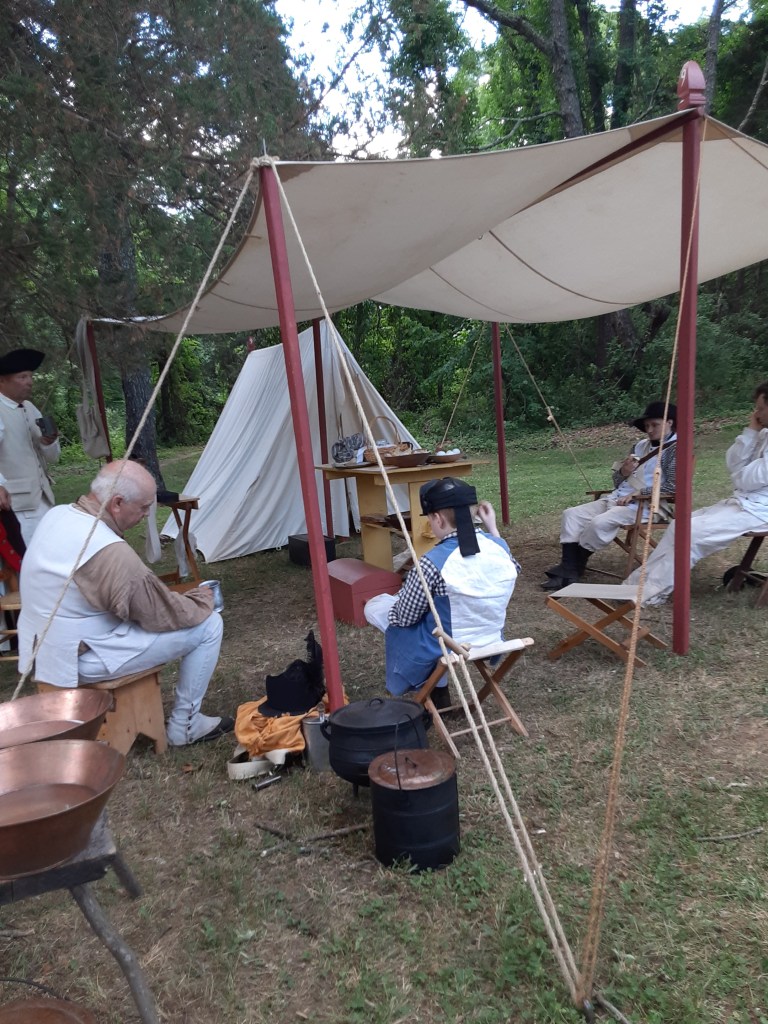
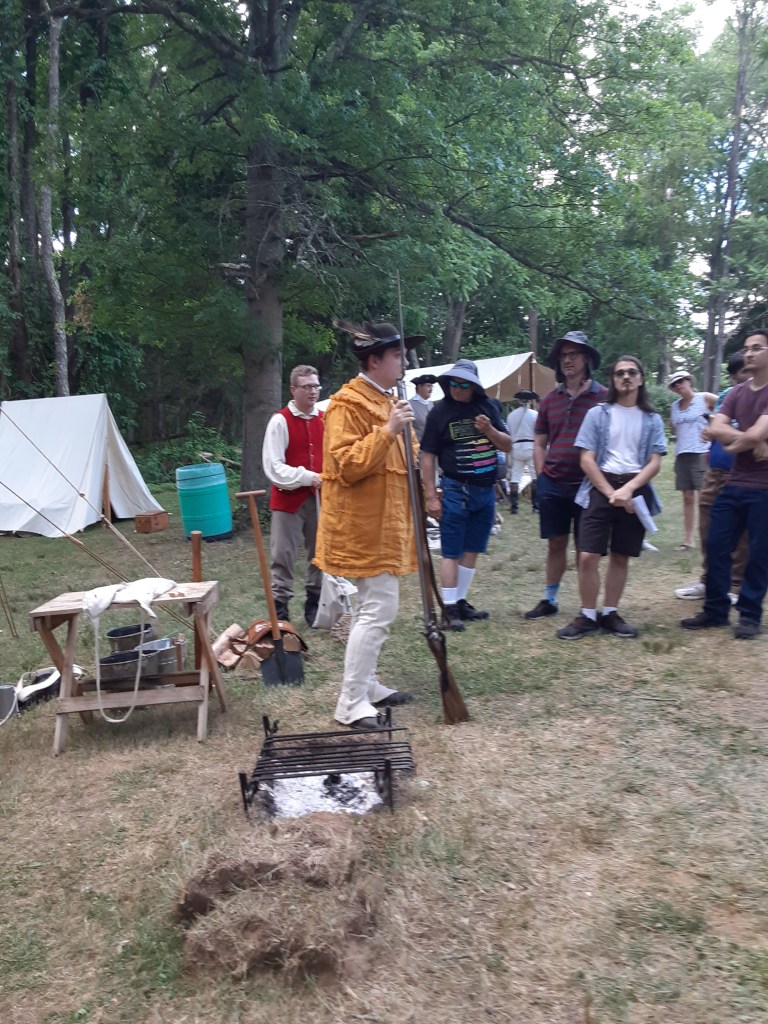
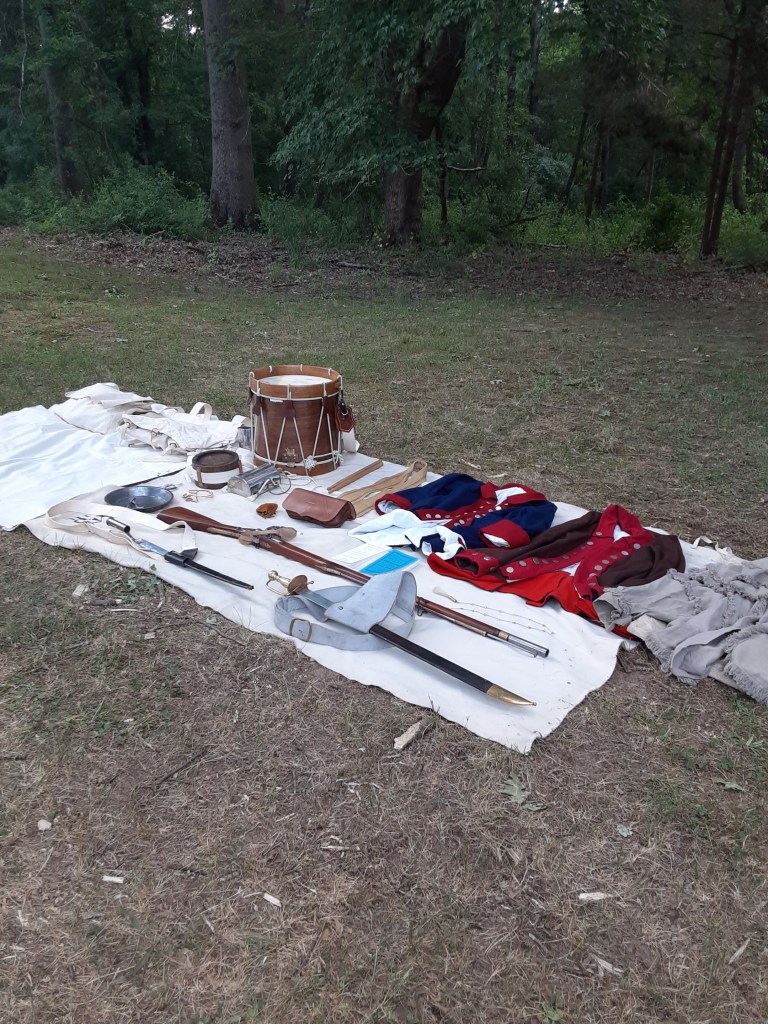
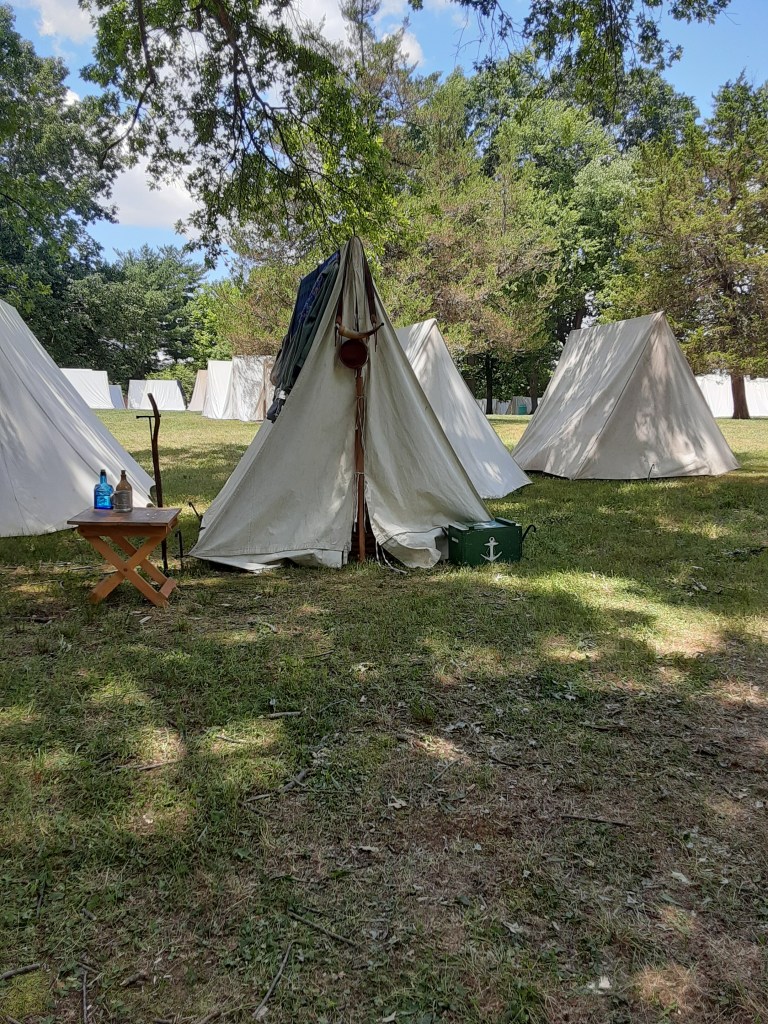
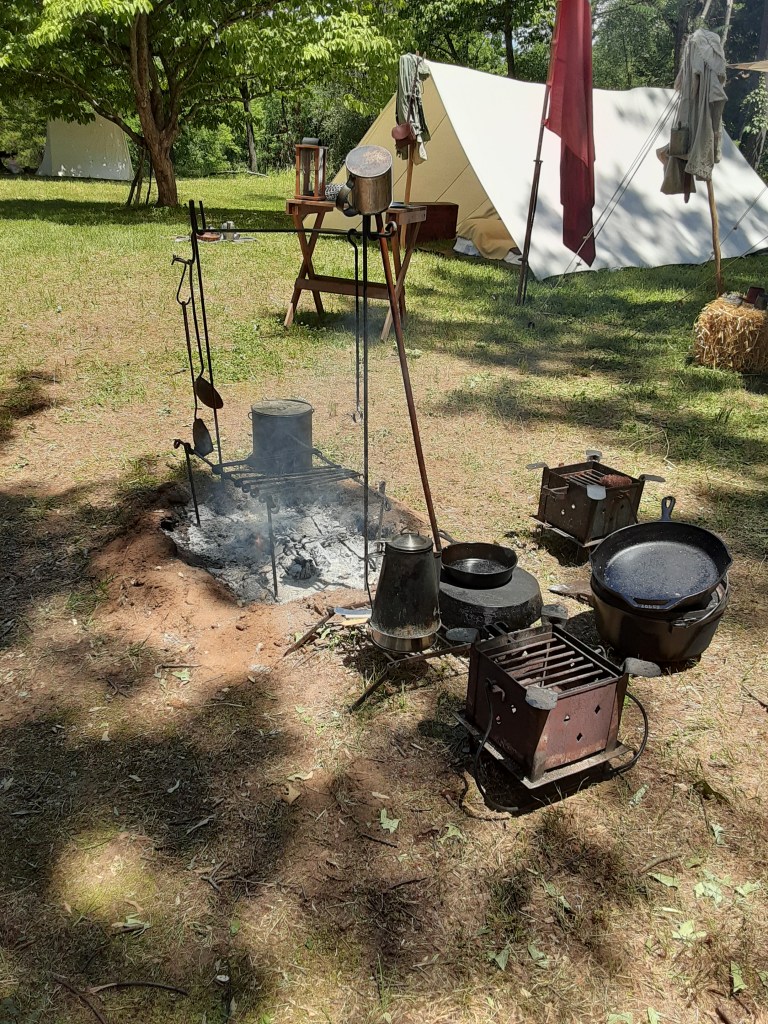
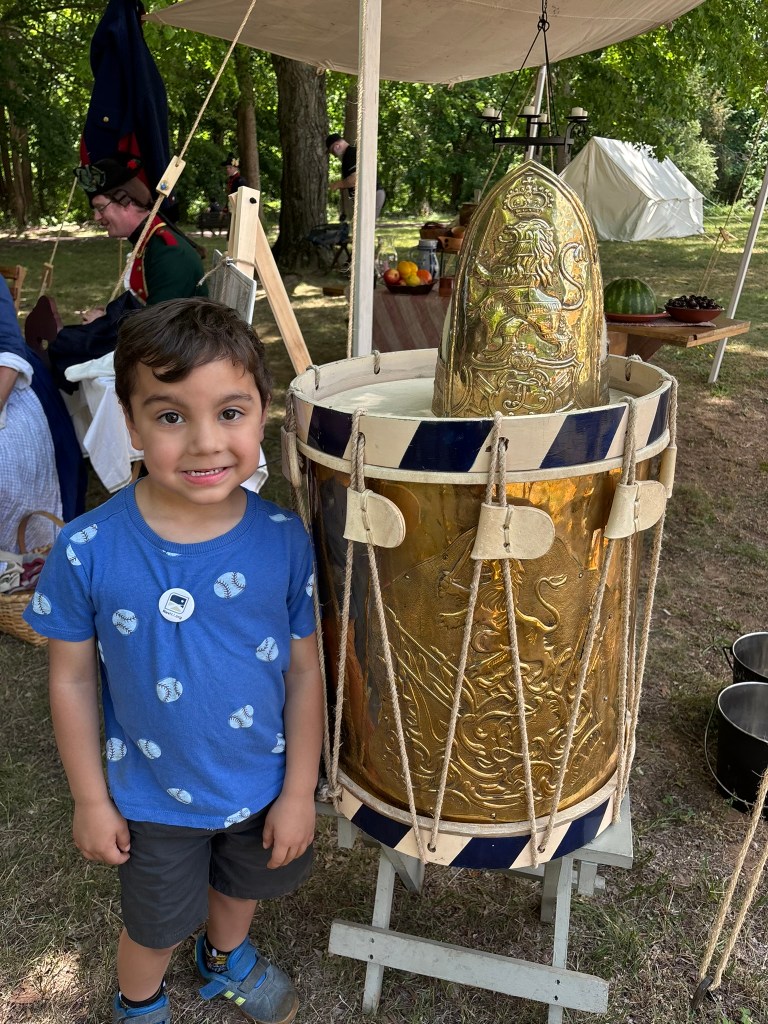
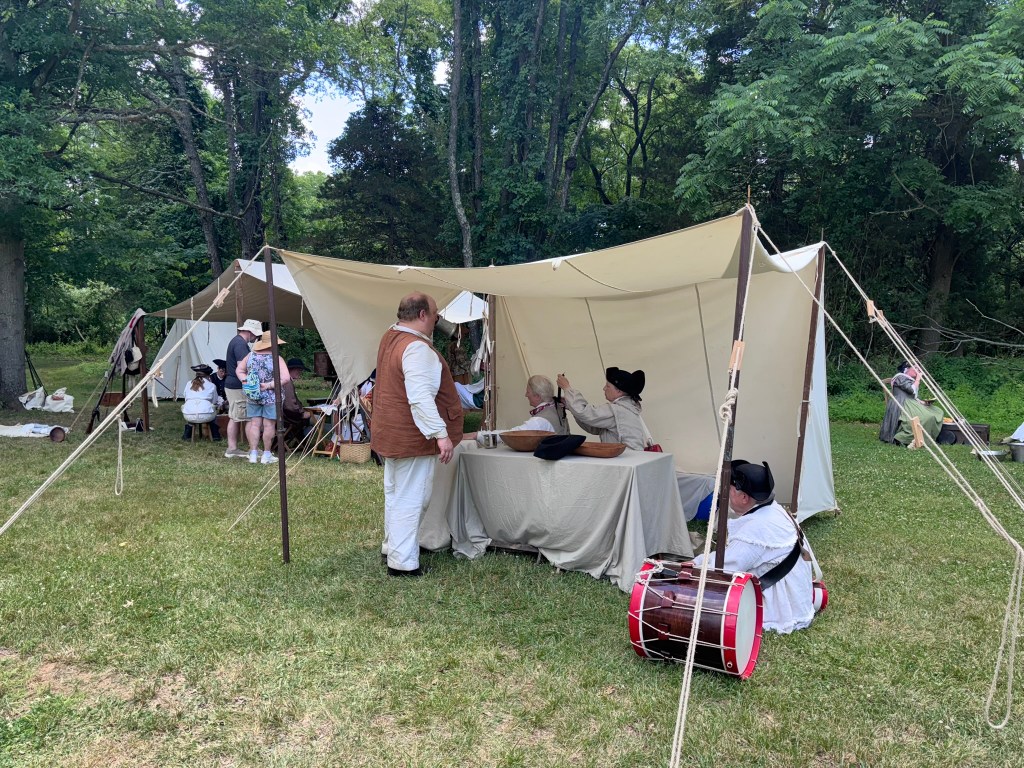
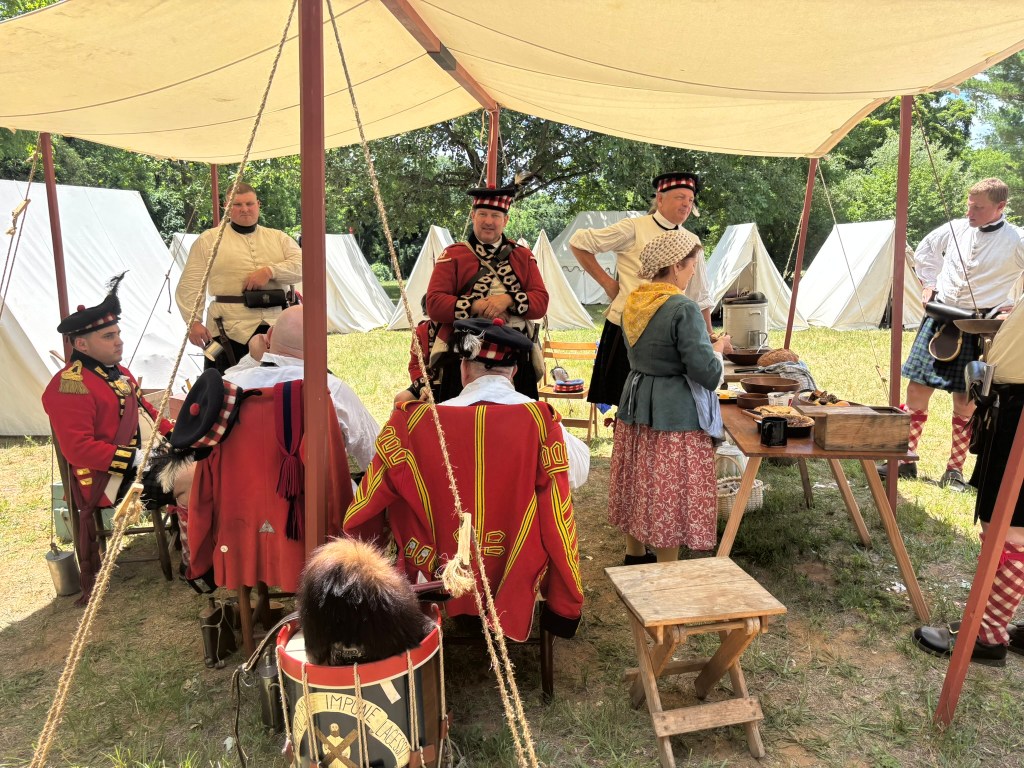
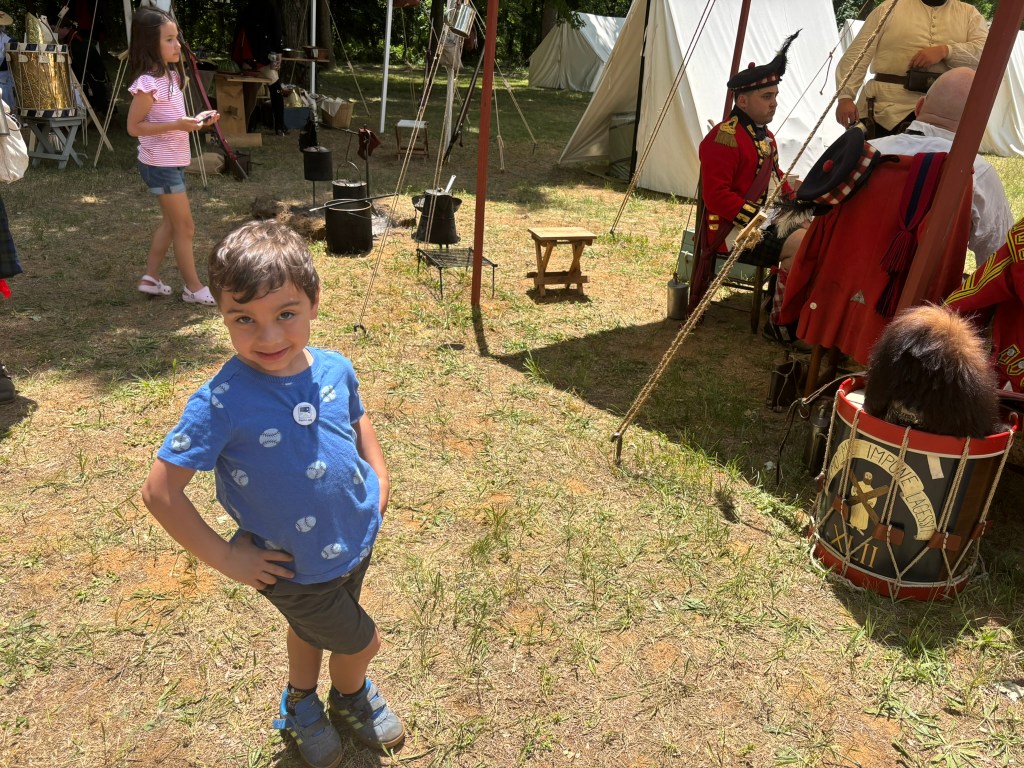
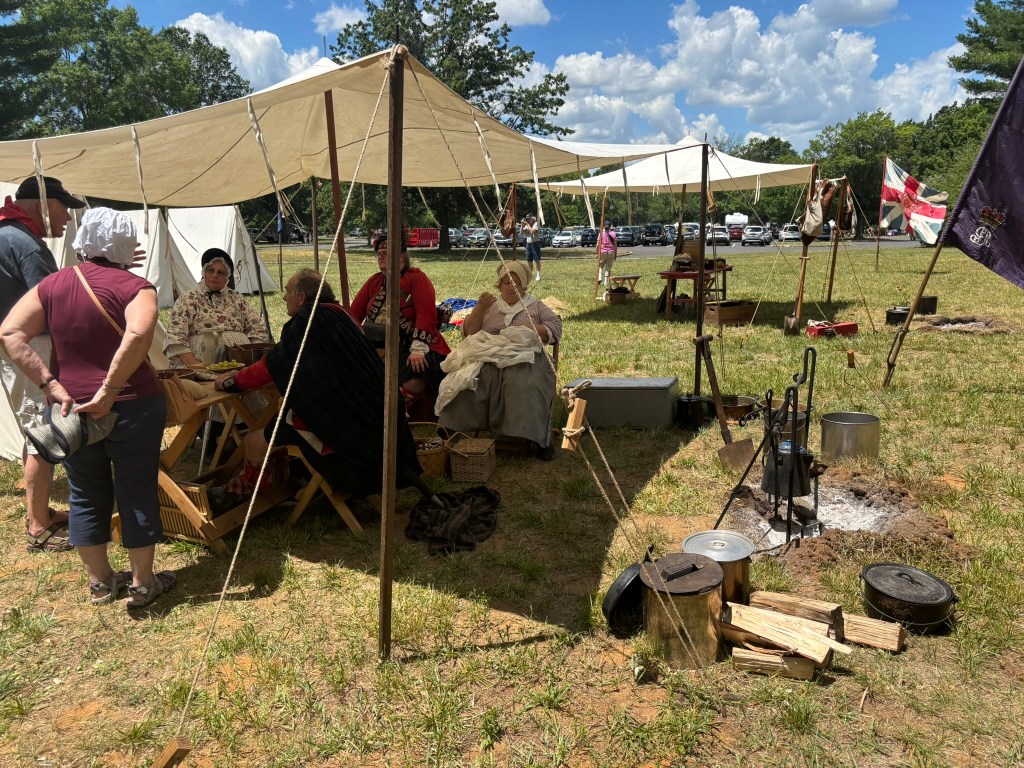
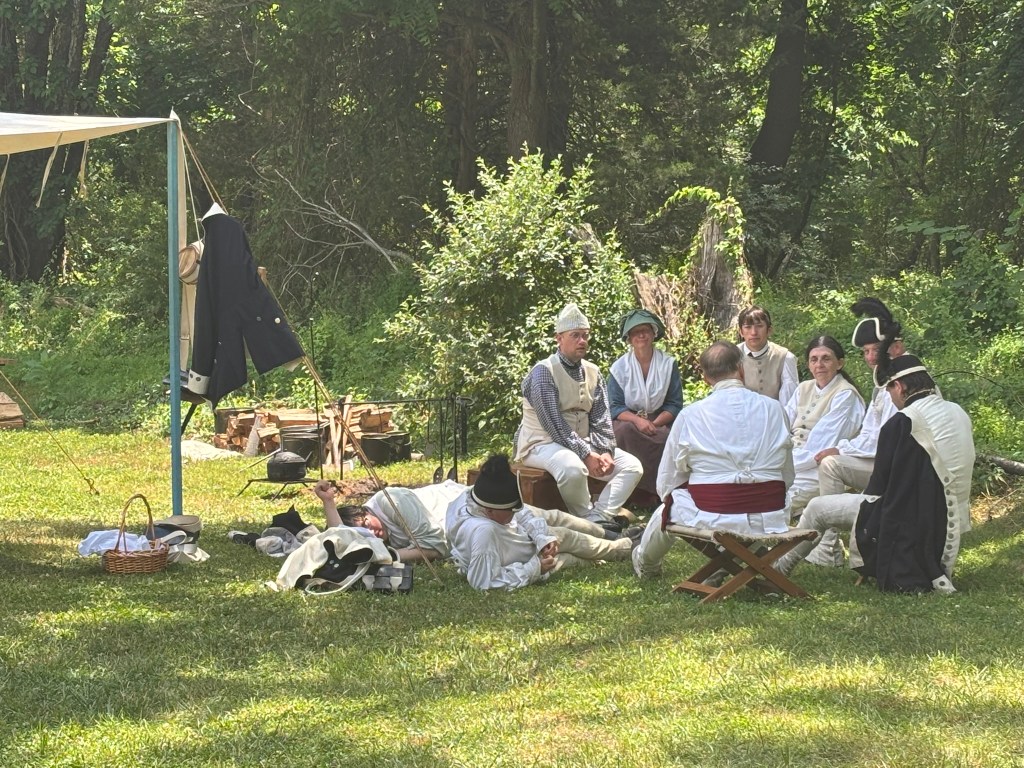
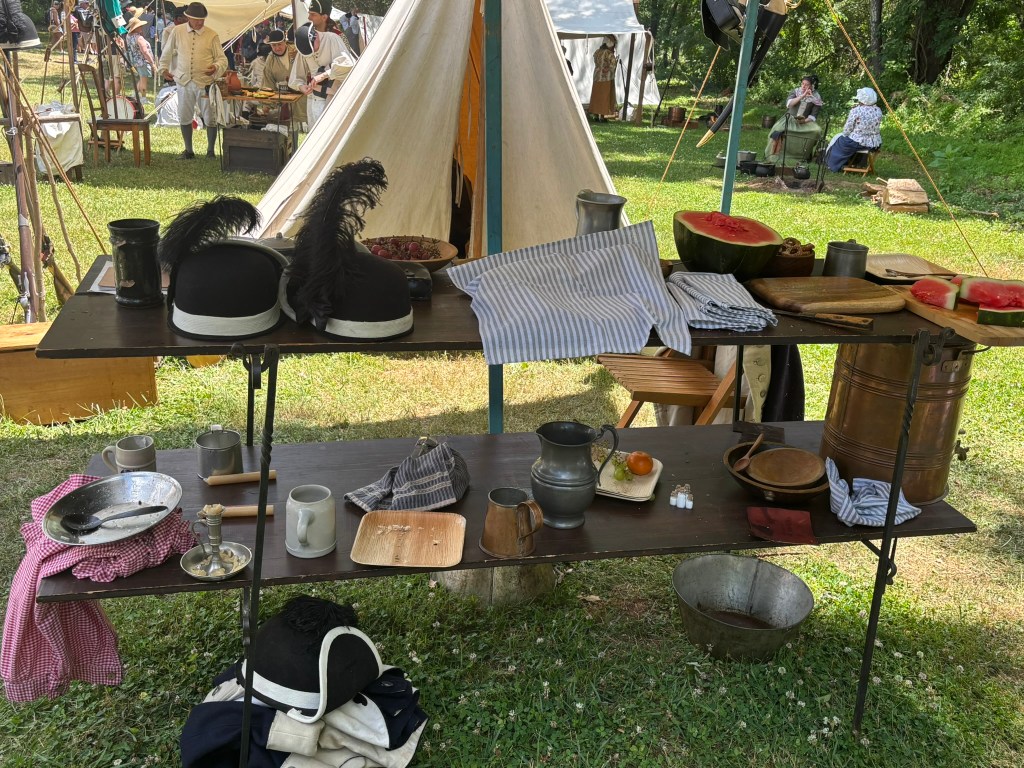
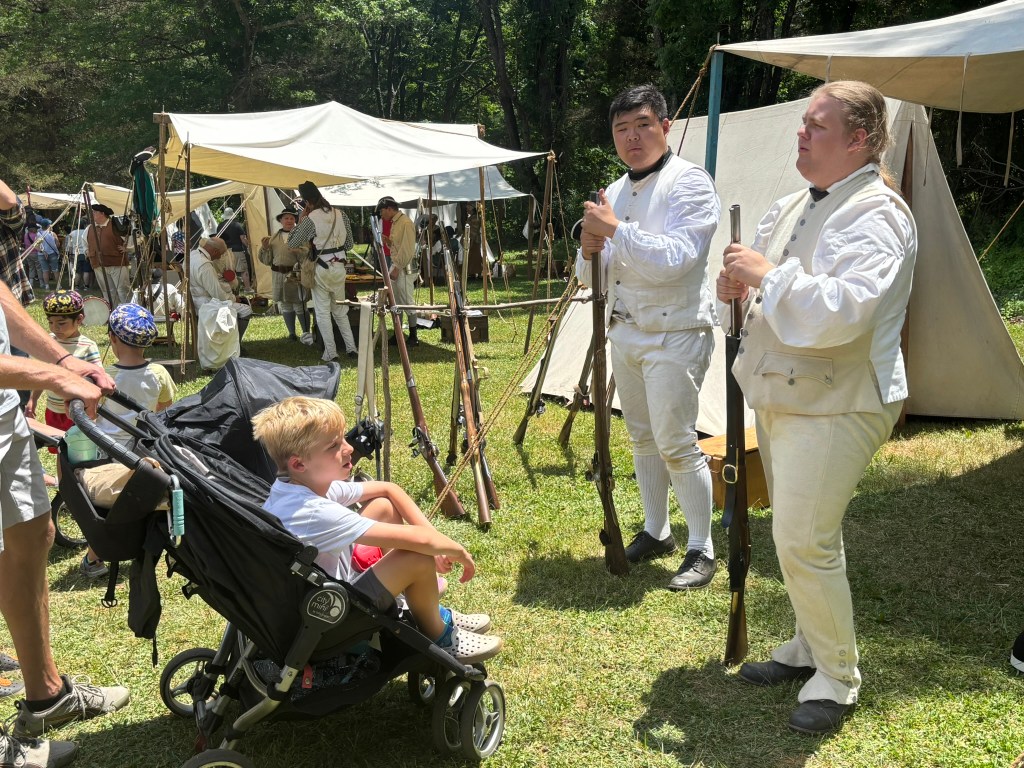
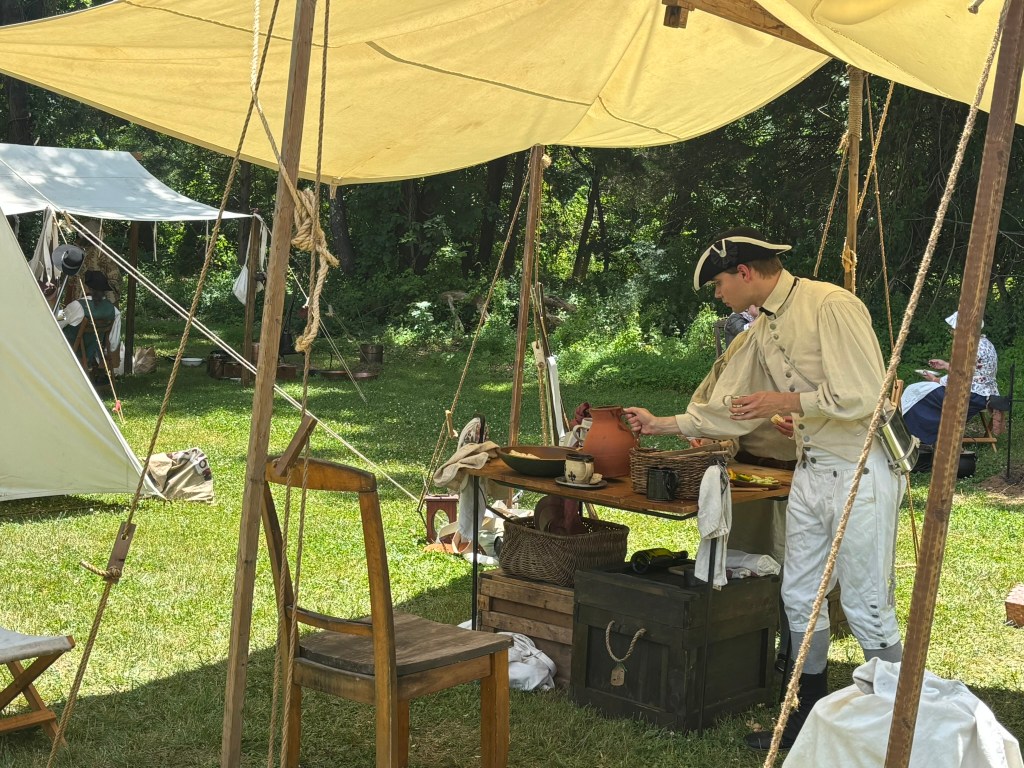
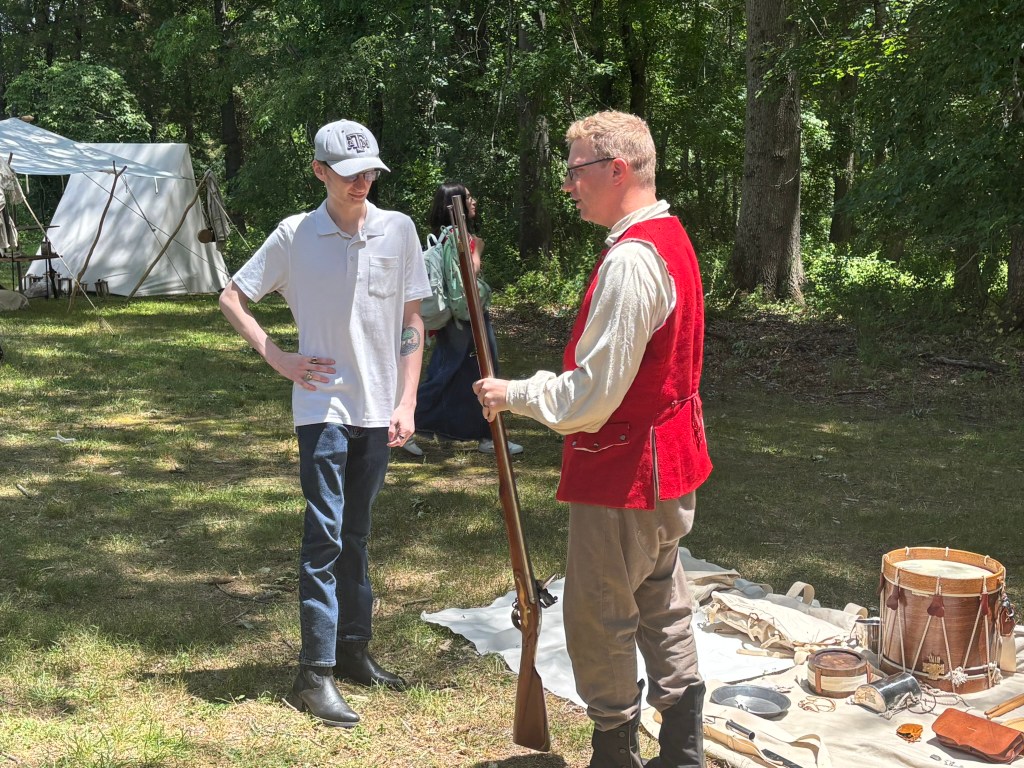
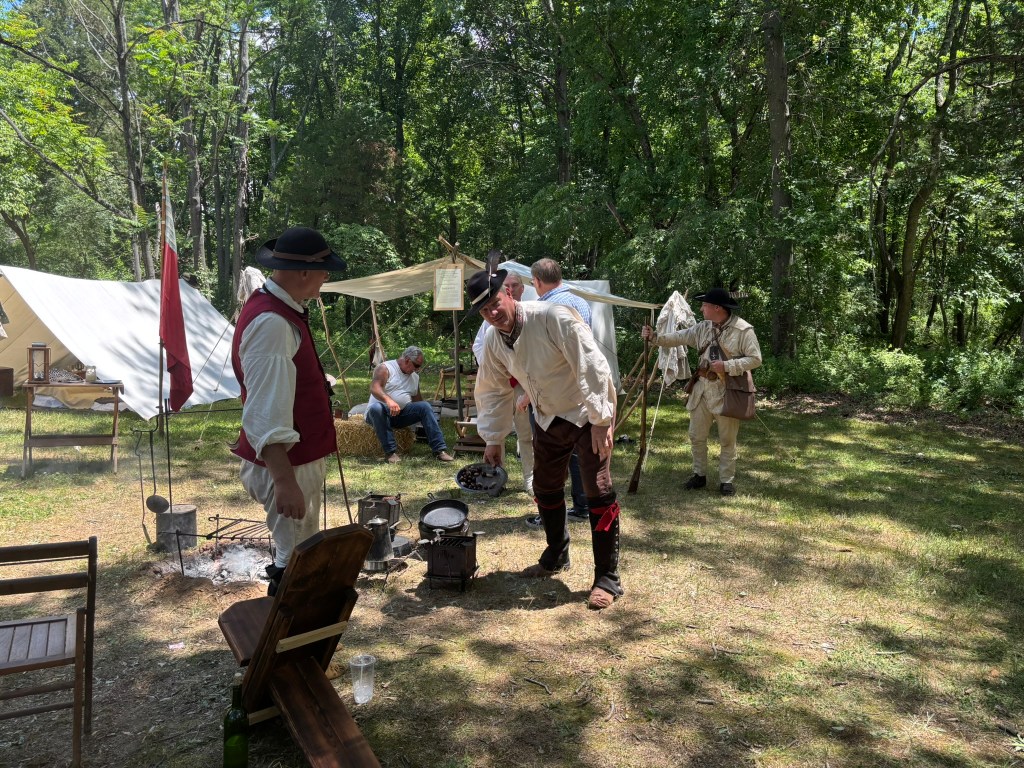
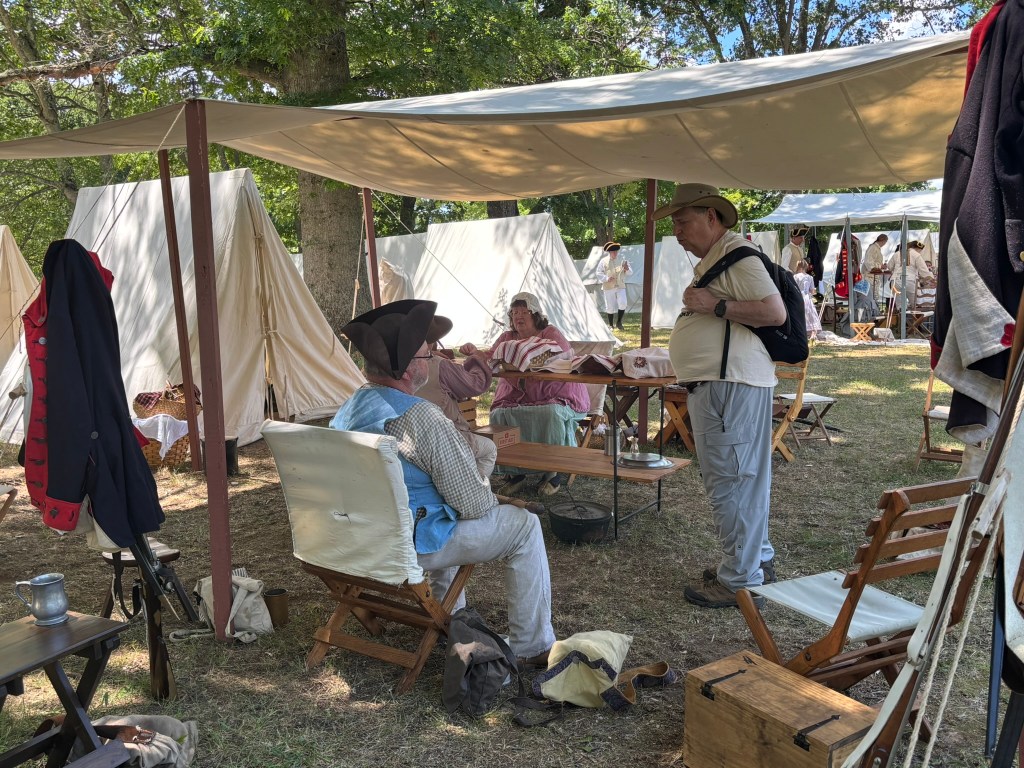
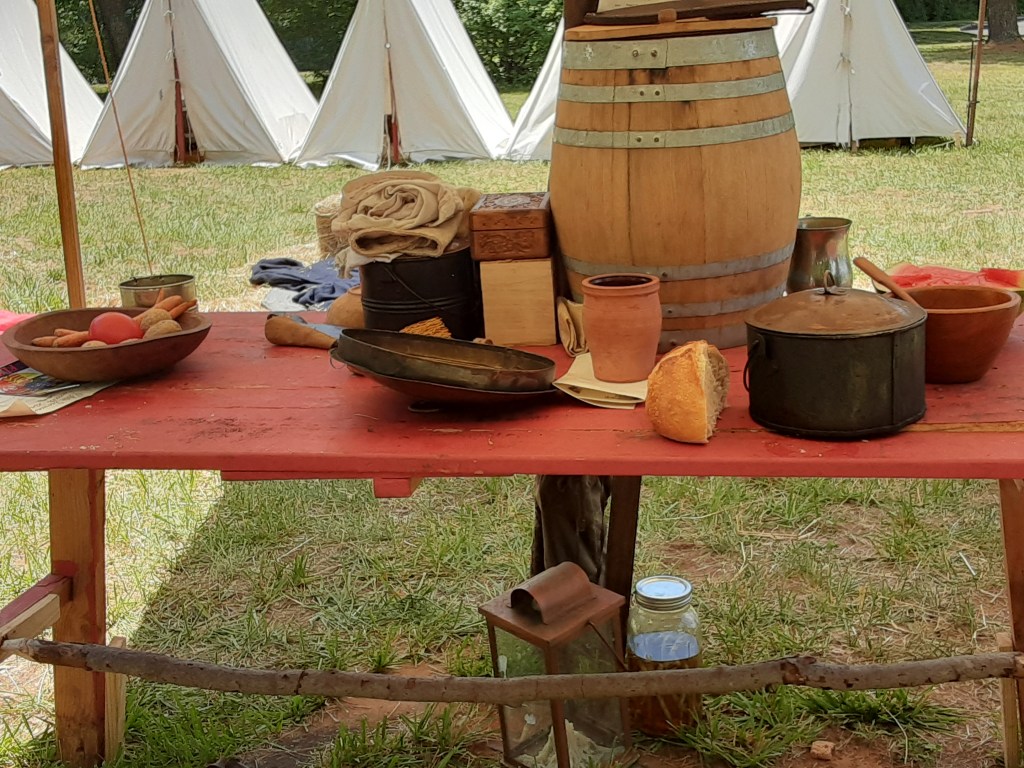
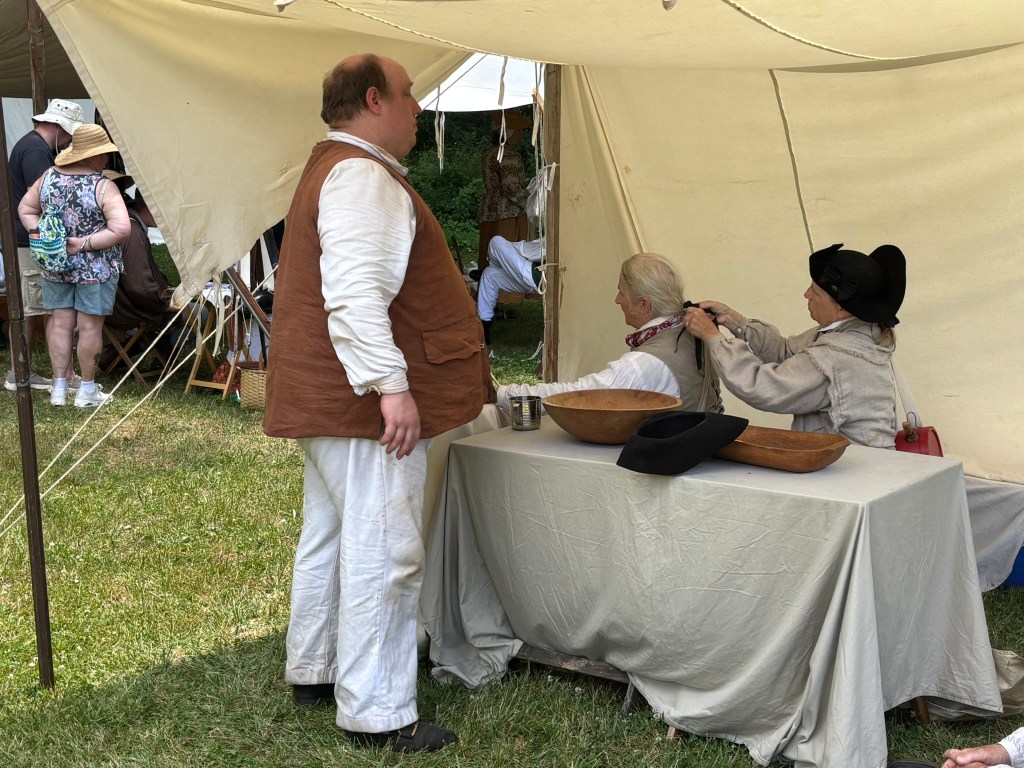
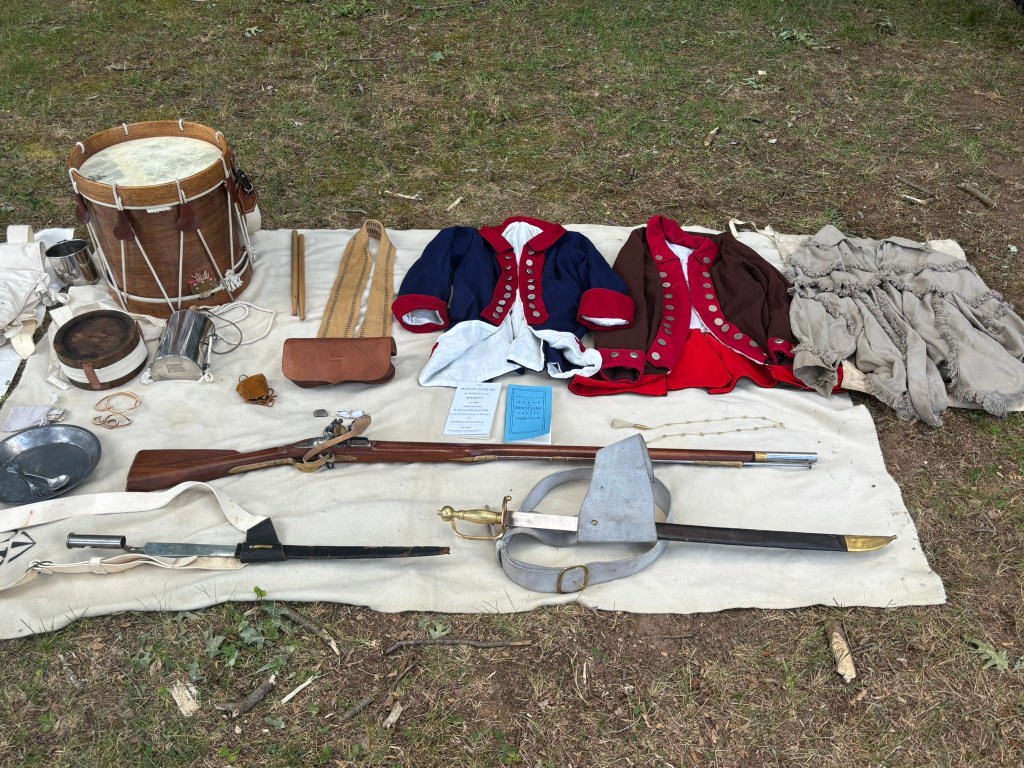
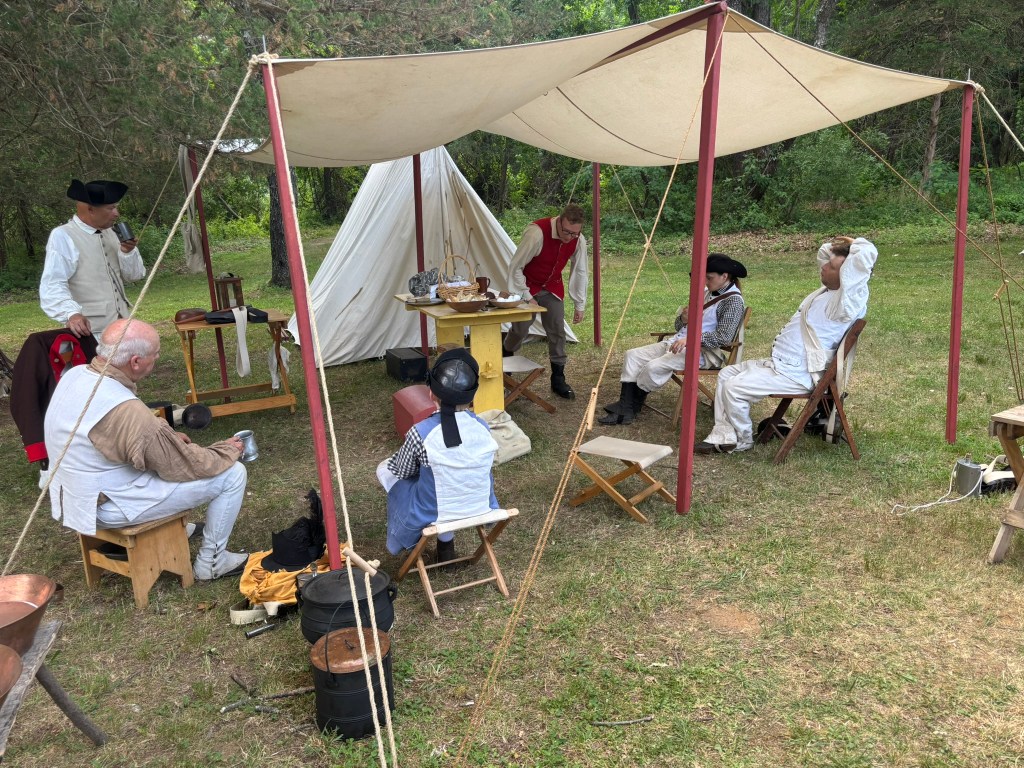
    After lunch, we made our way through the military encampments. The reenactors do an outstanding job recreating life in a Revolutionary War camp. Soldiers could be seen preparing equipment, cooking meals, tending campfires, and carrying out the many everyday tasks that kept an eighteenth-century army functioning. One of the best parts of visiting the camps is talking with the reenactors themselves. They are incredibly knowledgeable and always eager to answer questions about life during the Revolution.

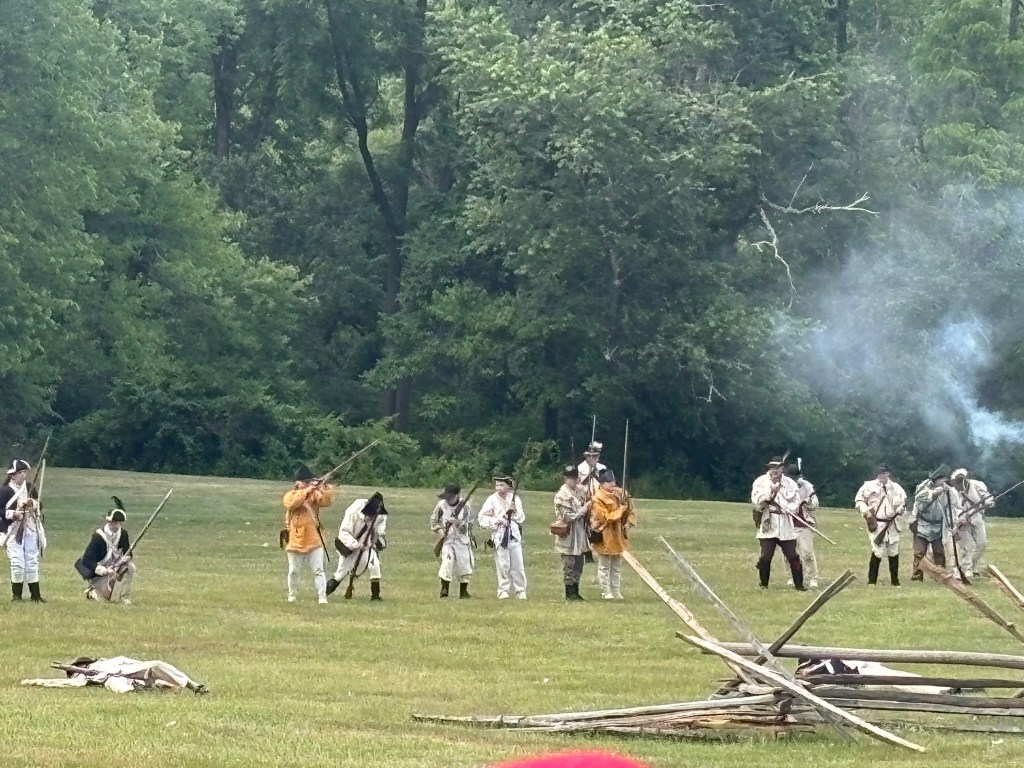
    During one conversation, my family and I learned about the role of the riflemen. Unlike the regular infantry, riflemen were often deployed ahead of the main army, using the cover of the woods to harass British troops and target officers from long distances.
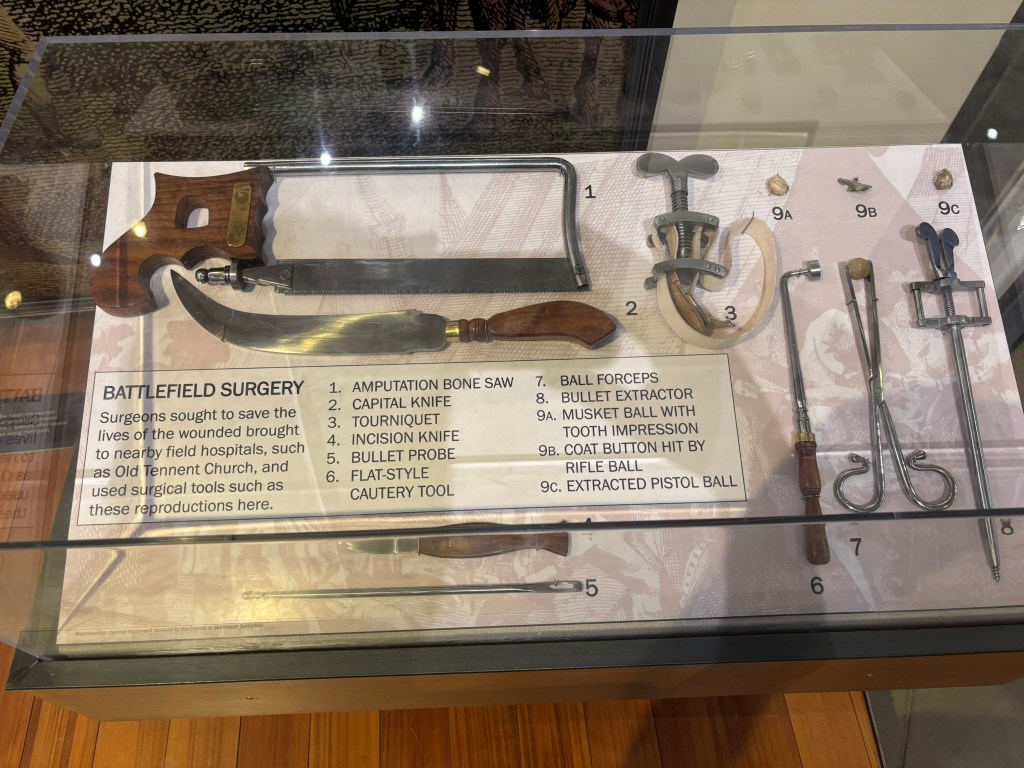
    My family went off for some ice cream while I spent a little time exploring the museum inside the visitor center. Around 1:30 p.m., I returned to the encampments to watch the soldiers prepare to march onto the battlefield.

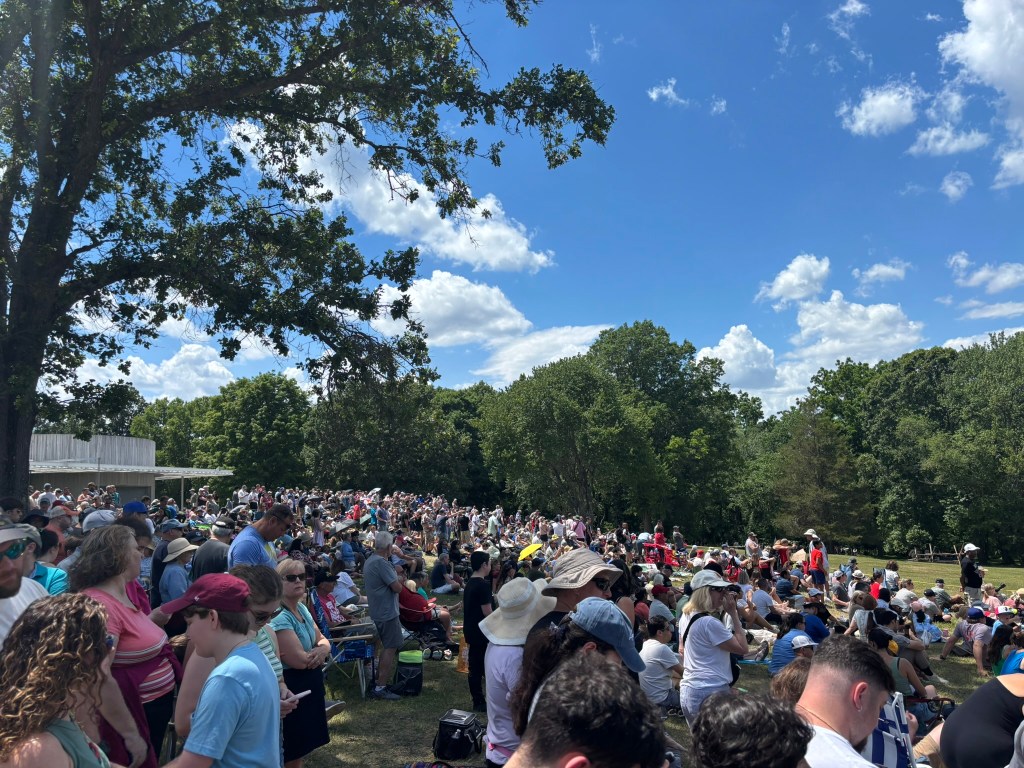
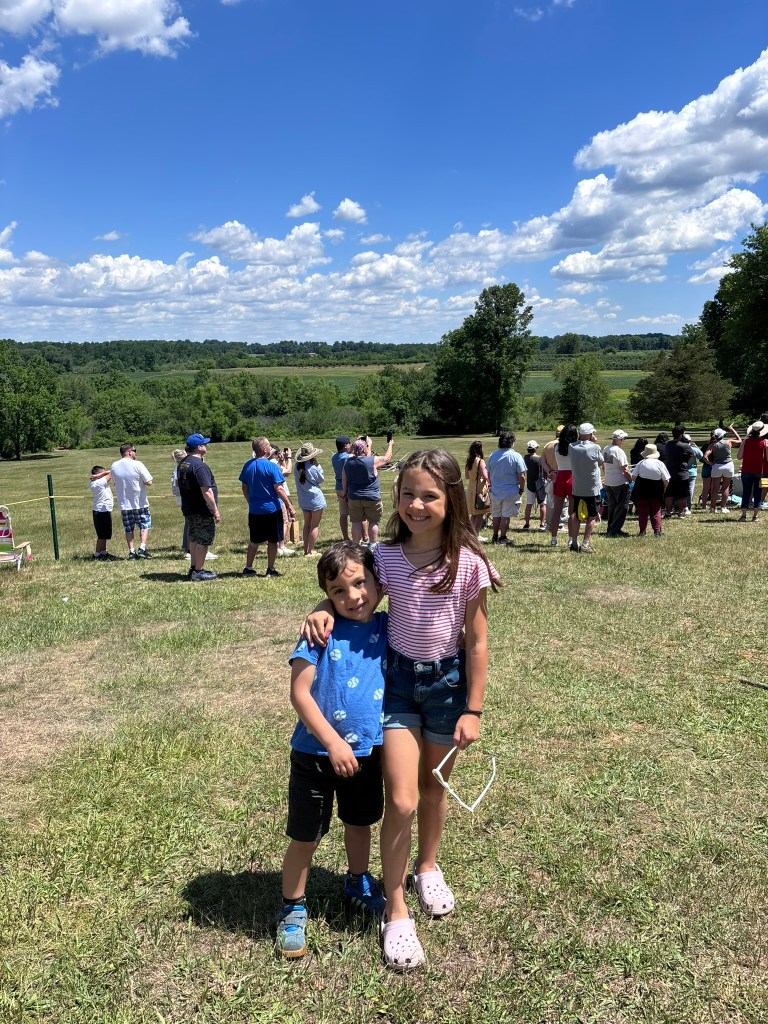
    The reenactment began promptly at 2:00 p.m. Once again, I was struck by the sheer size of the crowd that had gathered to watch. It was wonderful to see so many people come out to learn about and celebrate an important chapter of American history.

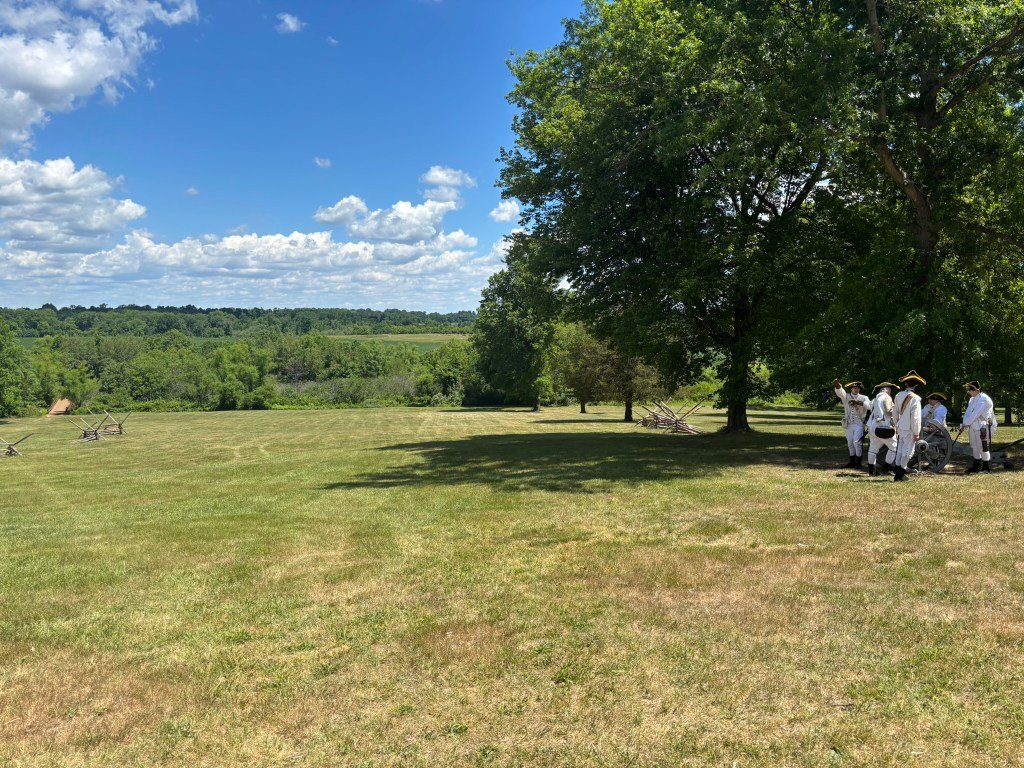
    I managed to find a great viewing spot near the battlefield. As I mentioned earlier, be sure to check out my social media pages for video clips of the action, as I was able to get quality footage of the battle. I continue to be impressed by the dedication of the reenactors. Despite the heat, they put on an outstanding performance each year and provide visitors with a vivid glimpse of what combat may have looked and sounded like on a battlefield in 1778.  The reenactment concluded at 2:30, with the Continental Army driving the British from the field.

    Before heading home, my family and I stopped by the vendor tents near the parking area. I picked up a pocket-sized Declaration of Independence for display in my new classroom from Liberty & Co. Revolutionary Gifts. They have tons of great items associated with the revolution like signs, candles, hats, shirts and more!

    If you’ve never attended the Battle of Monmouth Reenactment, I can’t recommend it highly enough. Whether you’re a lifelong history enthusiast or simply looking for a fun family outing, there is something here for everyone. Between the authentic military camps, educational demonstrations, knowledgeable reenactors, museum exhibits, food vendors, and the impressive battle reenactment itself, the event does a remarkable job bringing the American Revolution to life.

    Reading about history in a book is one thing, but standing on the very ground where soldiers fought nearly 250 years ago offers a completely different perspective. Events like this help preserve our nation’s history while allowing a new generation to experience it firsthand.  For more information check out Friends of Monmouth Battlefield.

    Make sure to check out my Instagram, Facebook, and Youtube pages for videos of the event.

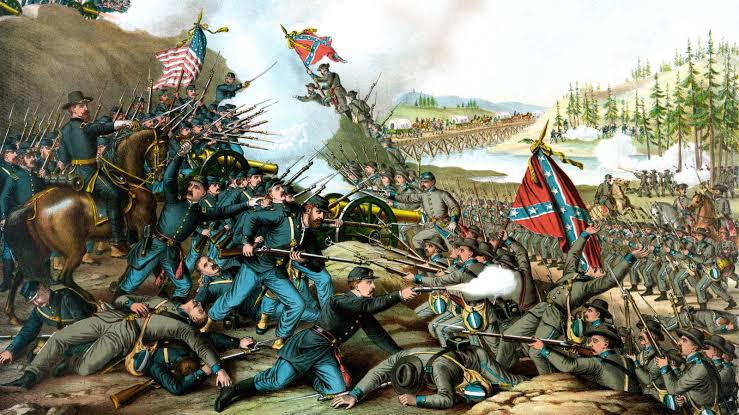
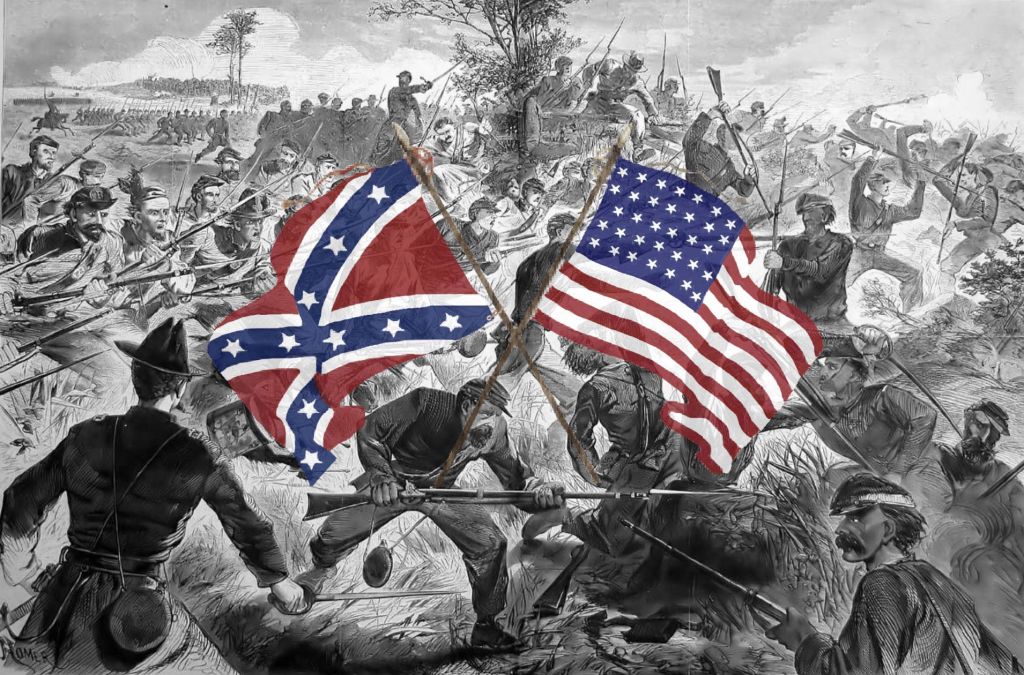
  • I recently finished teaching the Civil War, and for much of the beginning of the unit, we focus on the main causes leading up to the war between 1850 and 1860. While slavery was unquestionably the central cause of the Civil War, there were numerous interconnected causes that all revolved around the slavery debate. There were the states’ rights and nullification debates, the cultural and economic differences between North and South, the moral contradictions of slavery, and the repeated failure of political compromises. However, the sub-cause that I want to focus on in this blog post is the power struggle between the North and South—particularly the fight over western lands.
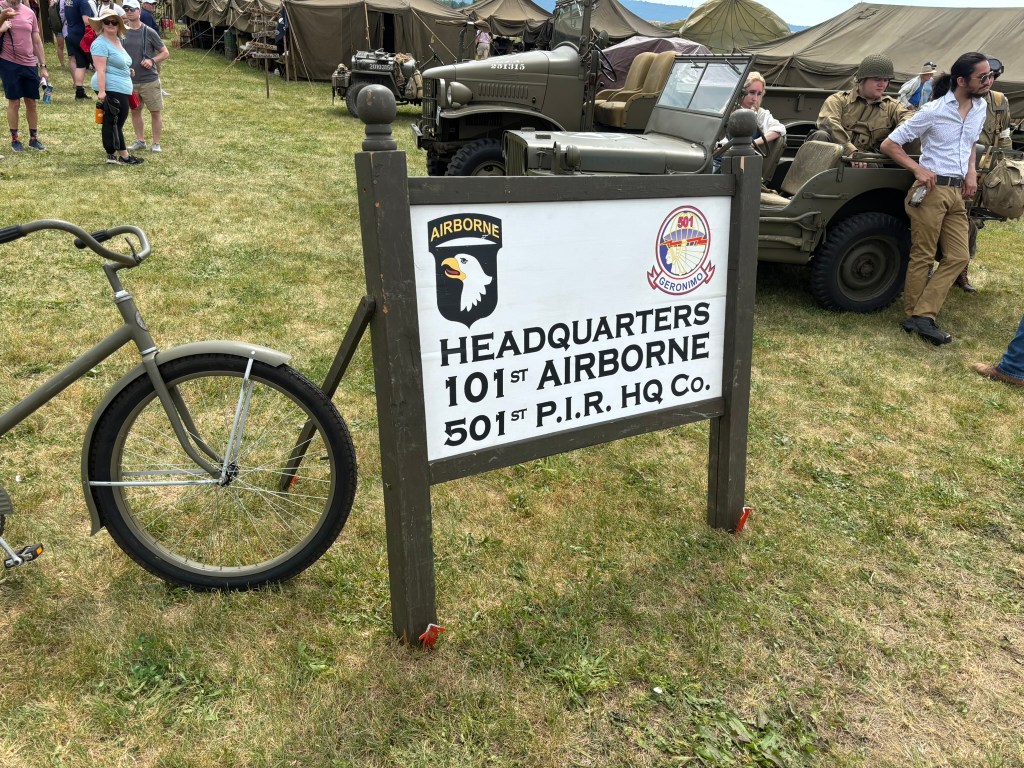
    Someone at a recent history event shared an analogy that I thought perfectly captured the causes of the Civil War. They described the causes as a bicycle wheel. Slavery is the hub in the center, while all of the other causes are like the spokes extending outward. While teaching this material this year, it struck me just how important the competition over western lands became in building the tensions between the North and South.
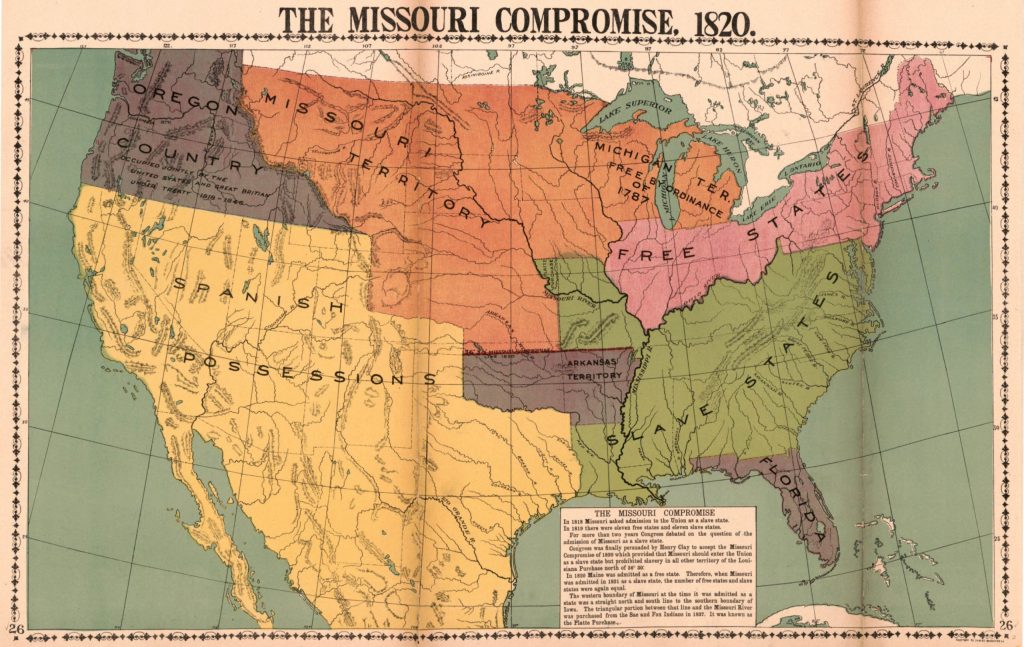
    When discussing the road to the Civil War, one of the earliest major developments was the Missouri Compromise of 1820. Although it was passed forty years before the Civil War began, it planted the seeds for future conflict. At the time, there were an equal number of free and slave states, meaning each side had equal representation in the Senate. Maintaining that balance became critically important because Southern leaders feared being outvoted by Northern senators, while Northerners feared growing Southern political influence—particularly over the issue of slavery.

    When Missouri sought admission to the Union as a slave state, many Northerners worried that the balance would be upset. The compromise allowed Missouri to enter as a slave state while Maine entered as a free state, preserving the balance in the Senate. Congress also drew a line across the Louisiana Purchase at 36°30′ north latitude, Missouri’s southern border. Slavery would be permitted in the Louisiana Purchase south of that line and prohibited north of it, with the exception of Missouri itself.

    What made the Missouri Compromise especially significant was not simply the solution it provided, but the heated debates that surrounded it. For the first time, Northerners and Southerners openly discussed ideas such as “secession,” “disunion,” and even “civil war.” Once the compromise was reached, it appeared that the crisis had been resolved. However, one lasting consequence remained: a physical boundary had now been drawn separating free and slave territories.

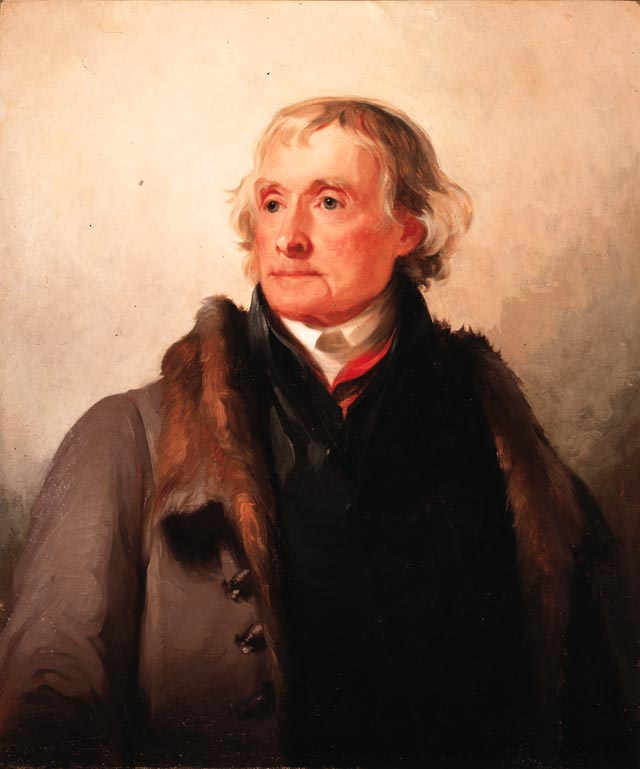
    Even Thomas Jefferson, at the age of seventy-seven, feared for the nation’s future when he wrote:

    “This momentous question, like a fire bell in the night, awakened and filled me with terror. I considered it at once as the knell of the Union. It is hushed, indeed, for the moment. But this is a reprieve only, not a final sentence. A geographical line, coinciding with a marked principle, moral and political, once conceived and held up to the angry passions of men, will never be obliterated; and every new irritation will mark it deeper and deeper.”

    Jefferson’s warning proved remarkably prophetic. He recognized that once Americans began dividing themselves along a geographical line tied to the issue of slavery, each new disagreement would only deepen the divide between North and South.

    When we think about the causes of the Civil War during the Antebellum Period, it becomes clear that a political power struggle developed between the two regions. Increasingly, many Northerners and Southerners viewed one another through an “us versus them” mentality. Although tensions did not erupt again on a large scale until the 1850s, the identities of the North and South continued to grow further apart.

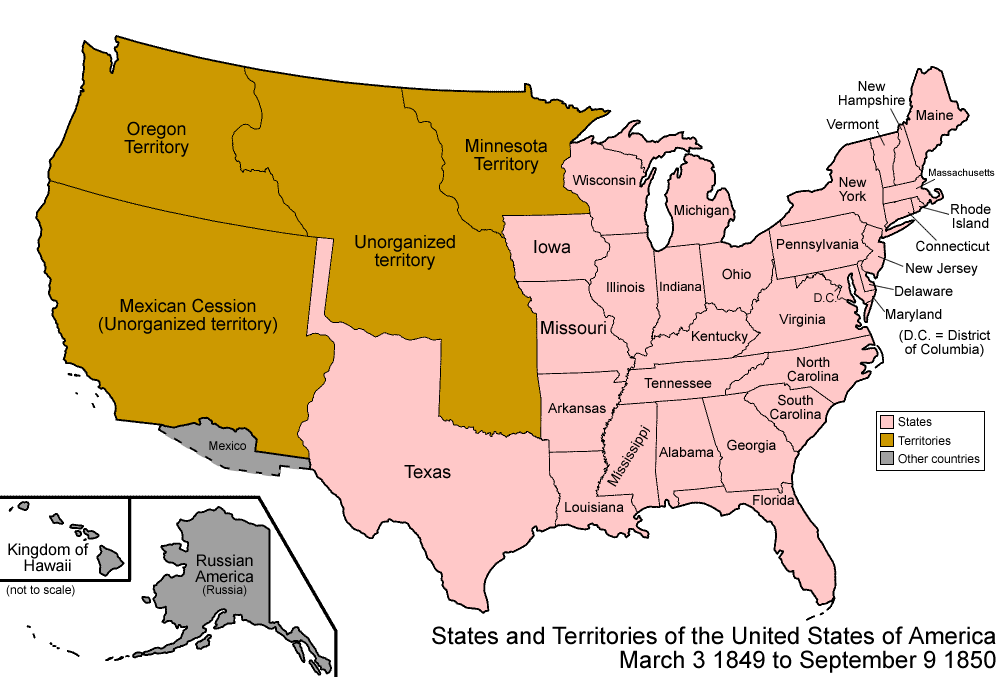
    In the nineteenth century, land represented wealth, opportunity, political power, and economic influence. Following the Mexican-American War, the United States acquired approximately 530,000 square miles of new territory. One often-overlooked sub-cause of the Civil War was the fierce competition between Northerners and Southerners over who would control that land.

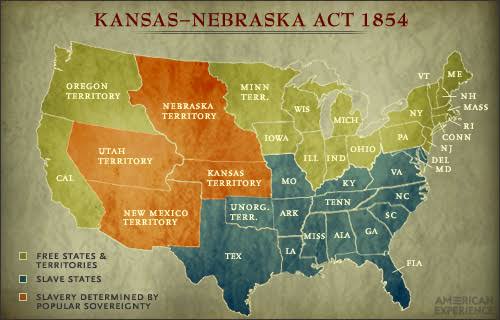
    The essential questions became: Would these new territories permit slavery? Which side would gain greater influence in the Senate? Attempts to settle the issue went terribly wrong, particularly with the Kansas-Nebraska Act of 1854. Under the principle of popular sovereignty, settlers in the territories of Kansas and Nebraska would vote to decide whether slavery would be allowed. Pro-slavery and anti-slavery supporters flooded into Kansas in an effort to influence the outcome, and violence soon erupted. By 1856, the territory had earned the nickname “Bleeding Kansas.”

    Northerners hoped that free laborers would settle these western lands, while many Southerners envisioned plantations worked by enslaved laborers. Each side understood that controlling the West meant expanding not only its economy but also its political power and influence over the future of the nation.

    By the 1850s, the North and South had begun to see themselves almost as separate nations. It is therefore understandable why each region sought to expand its influence into the western territories. At precisely the same time Americans embraced the idea of Manifest Destiny, Northerners and Southerners found themselves competing over what kind of nation would emerge in those new lands. Controlling western territory would strengthen each region’s economy, reinforce its way of life, and shape the future balance of political power.

    Many Northerners hoped slavery would gradually disappear by preventing its expansion into the western territories. Southerners argued that the Constitution protected slavery and that they had every right to bring enslaved people into the new territories. Land meant wealth. Land meant power. Neither side was willing to surrender either.

    As the decade progressed, tensions between the North and South continued to escalate. Compromises increasingly failed because neither side was willing to sacrifice its political influence or its vision for the nation’s future. Eventually, both sides became willing to fight for what they believed.

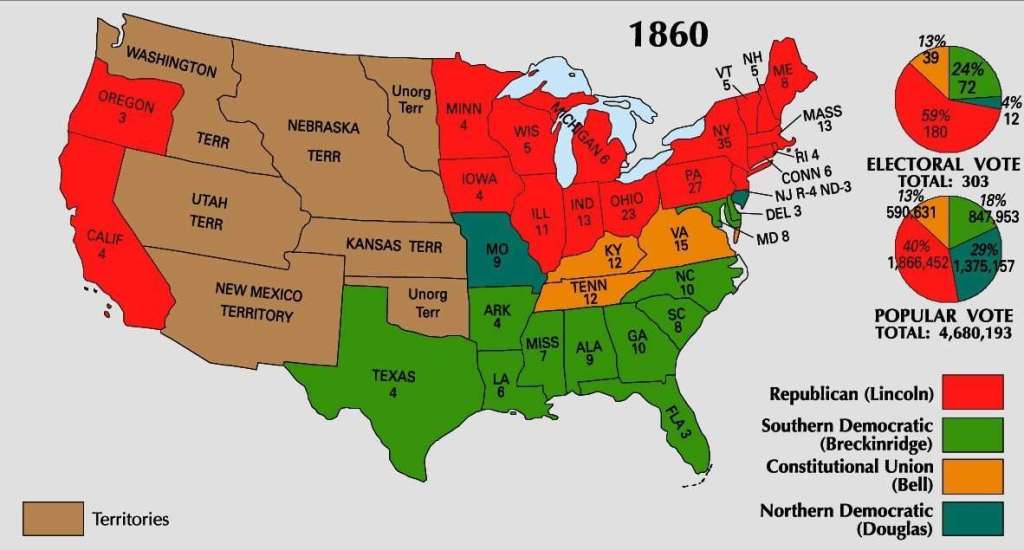
    The election of Abraham Lincoln in 1860 proved to be the final straw for many Southerners. Lincoln became the first president elected on a Republican platform opposing the expansion of slavery into the western territories. Many Southern leaders believed they would soon be permanently outnumbered politically and concluded that they would be better off forming their own nation to preserve slavery and their influence. Northerners, meanwhile, were determined to preserve the Union. They rejected both nullification and the right of states to secede from the United States.

    When compromise finally collapsed, war broke out in 1861, leading to the deadliest conflict in American history. The struggle over western lands had never been simply about geography. It was ultimately a struggle over political power, economic systems, and the future of slavery itself. By the end of the war in 1865, the Union had been preserved, slavery had been abolished, and the western territories ultimately developed as free labor territories rather than slaveholding ones.

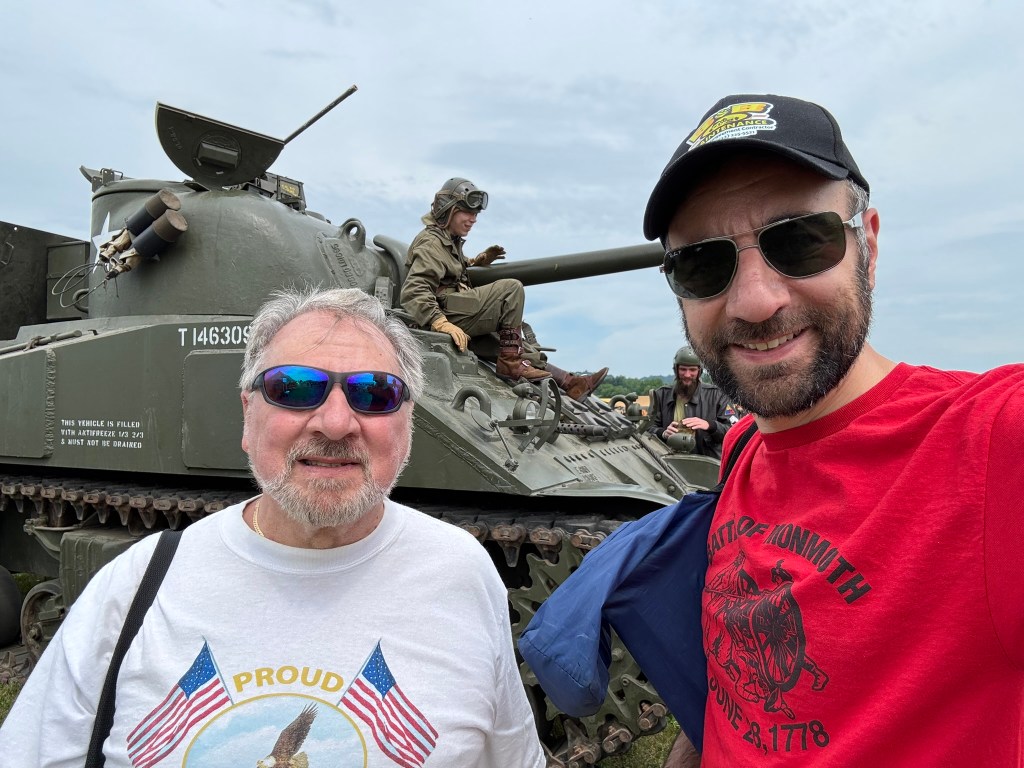
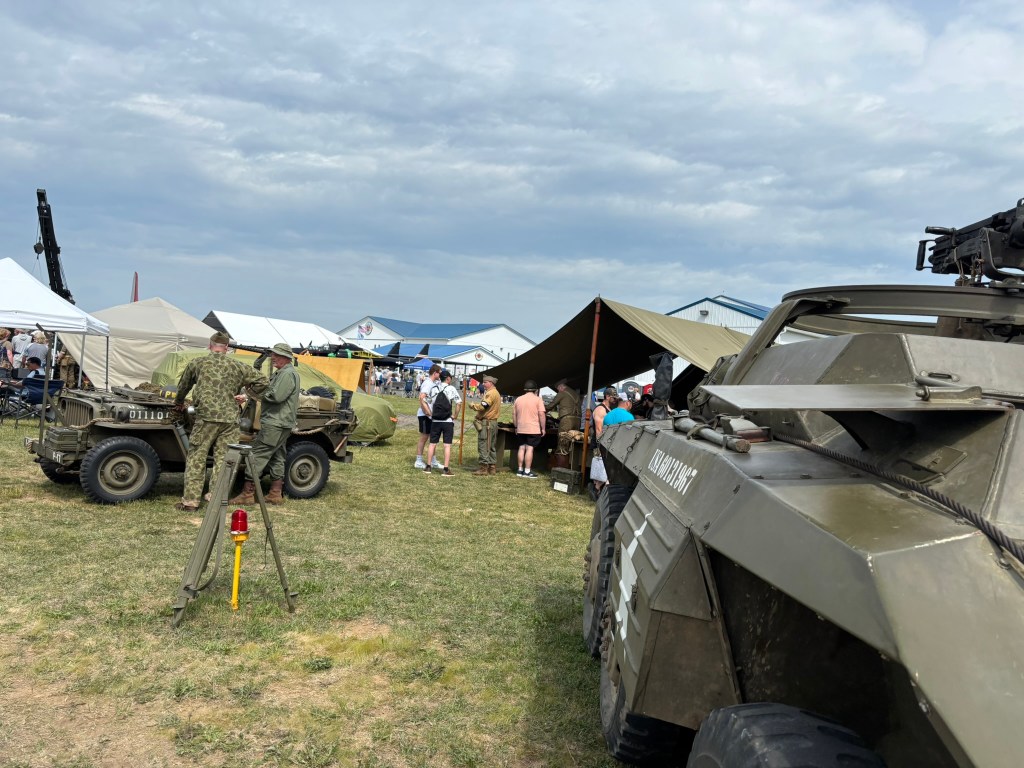
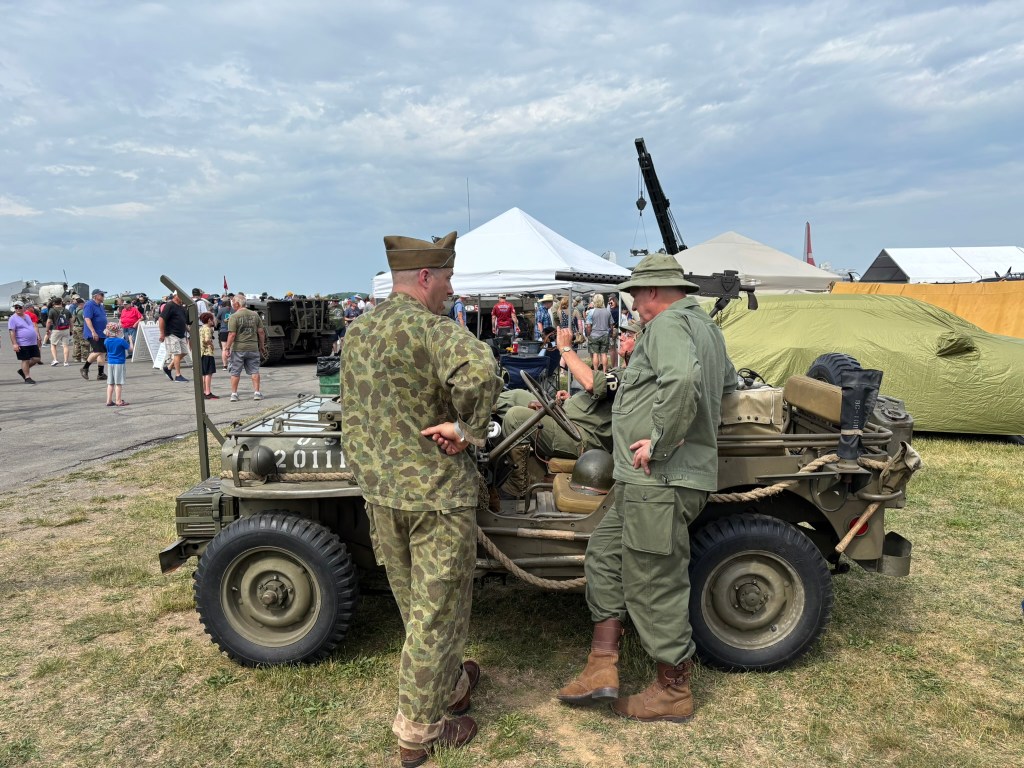
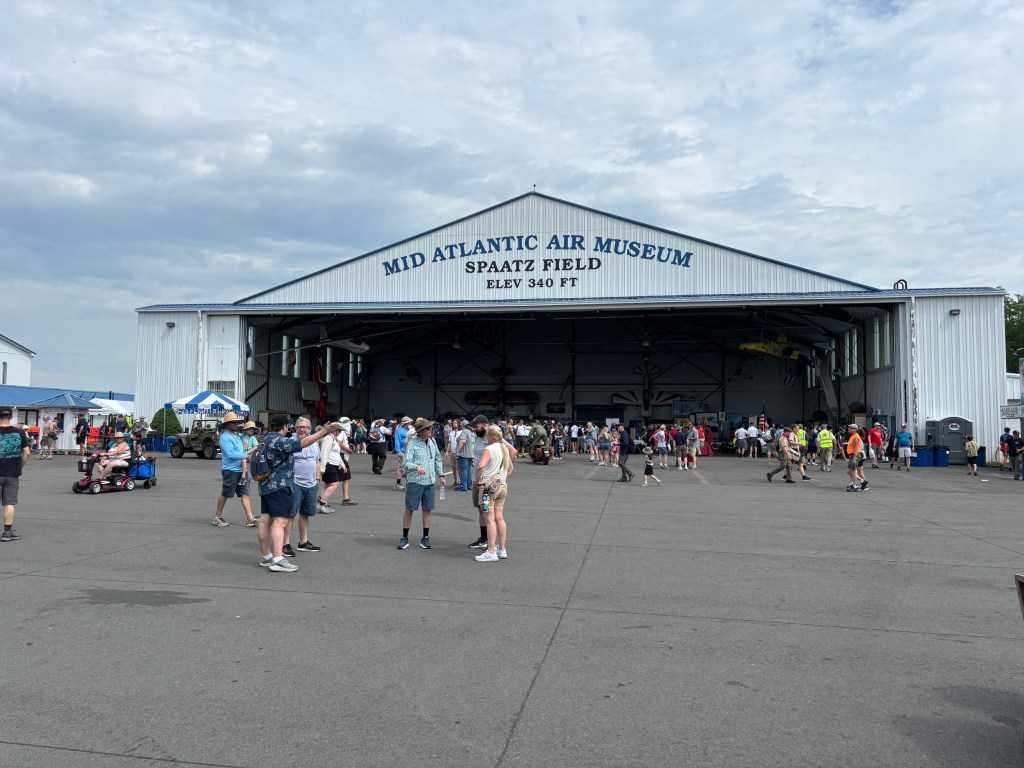
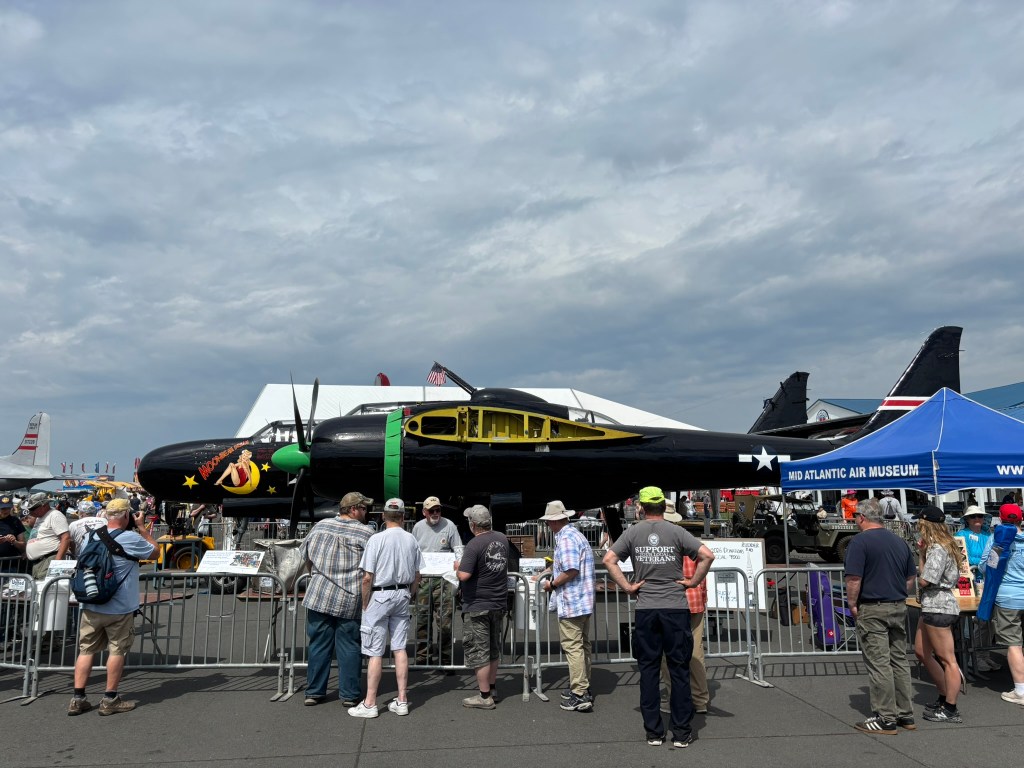
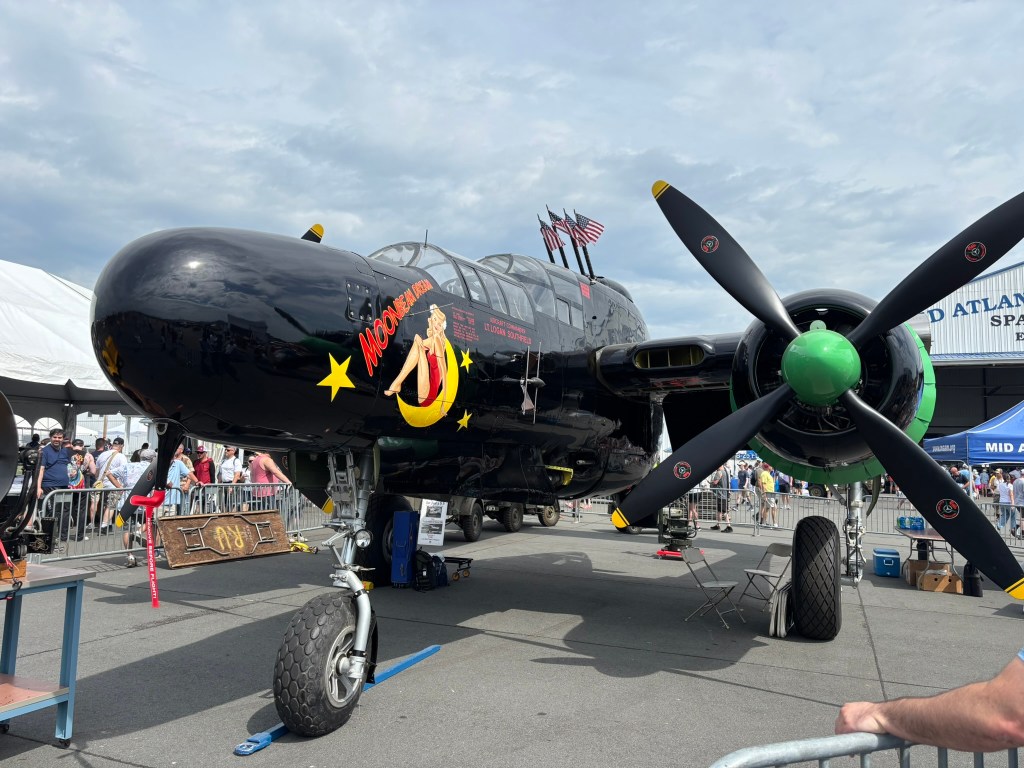
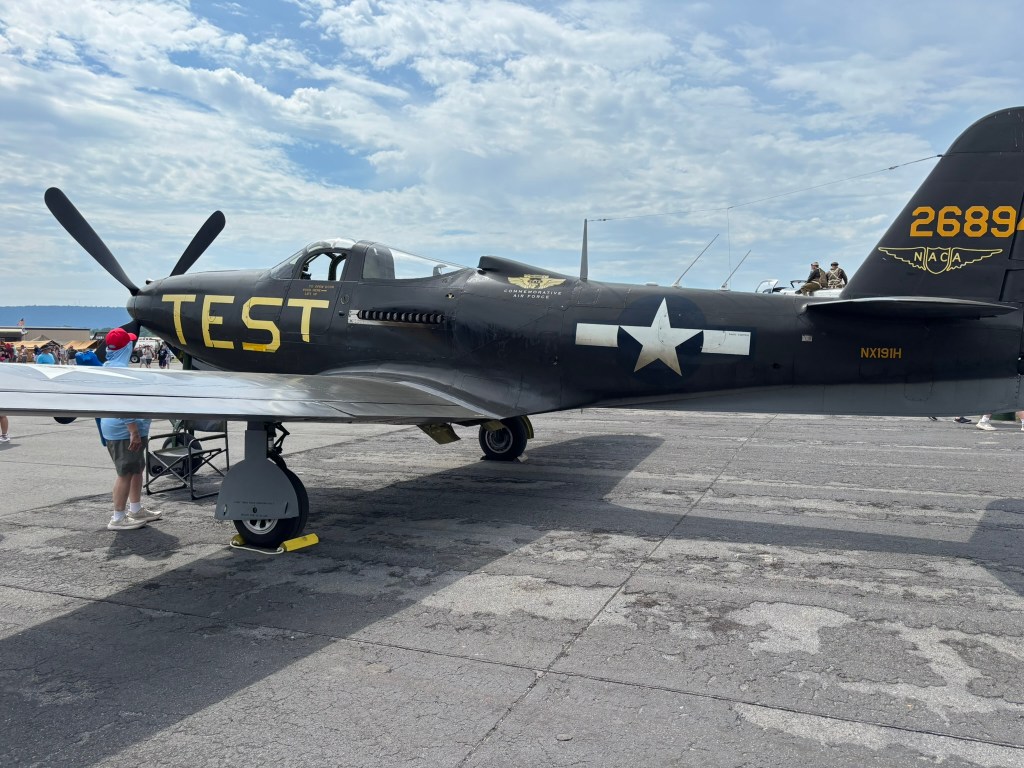
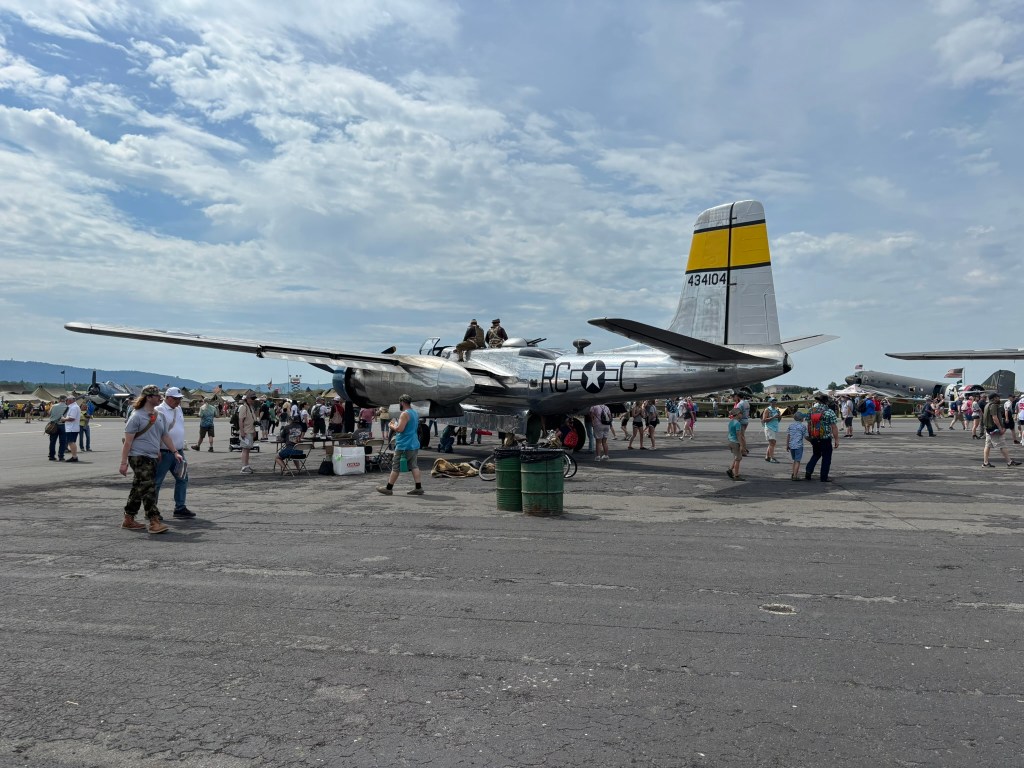
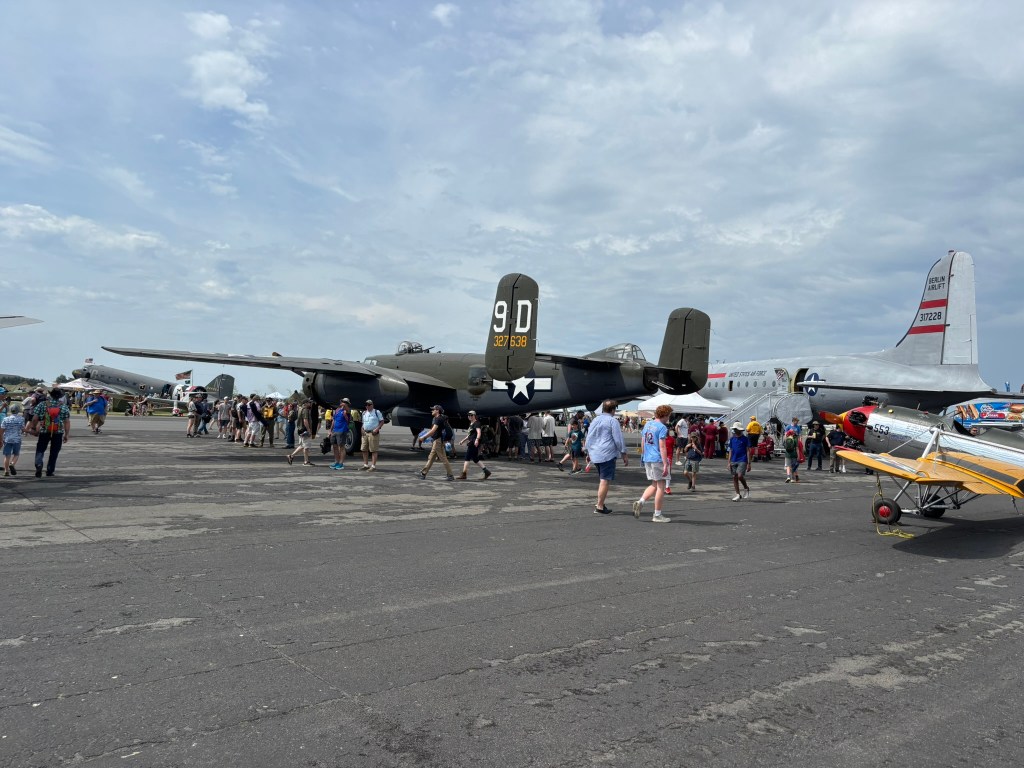
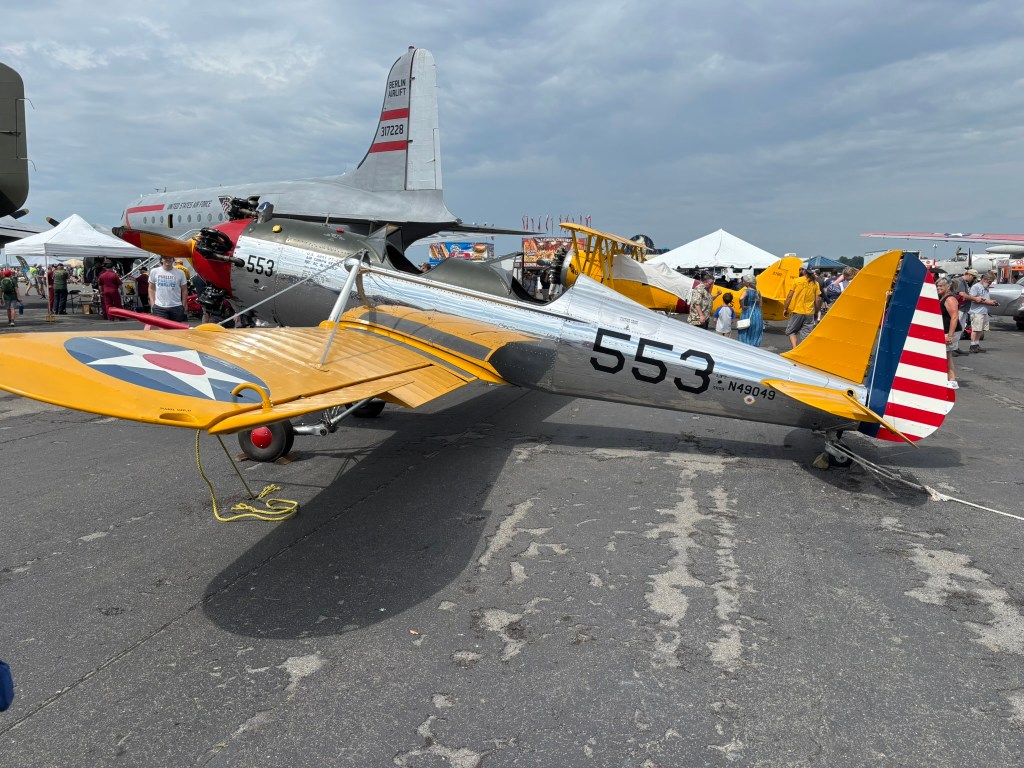
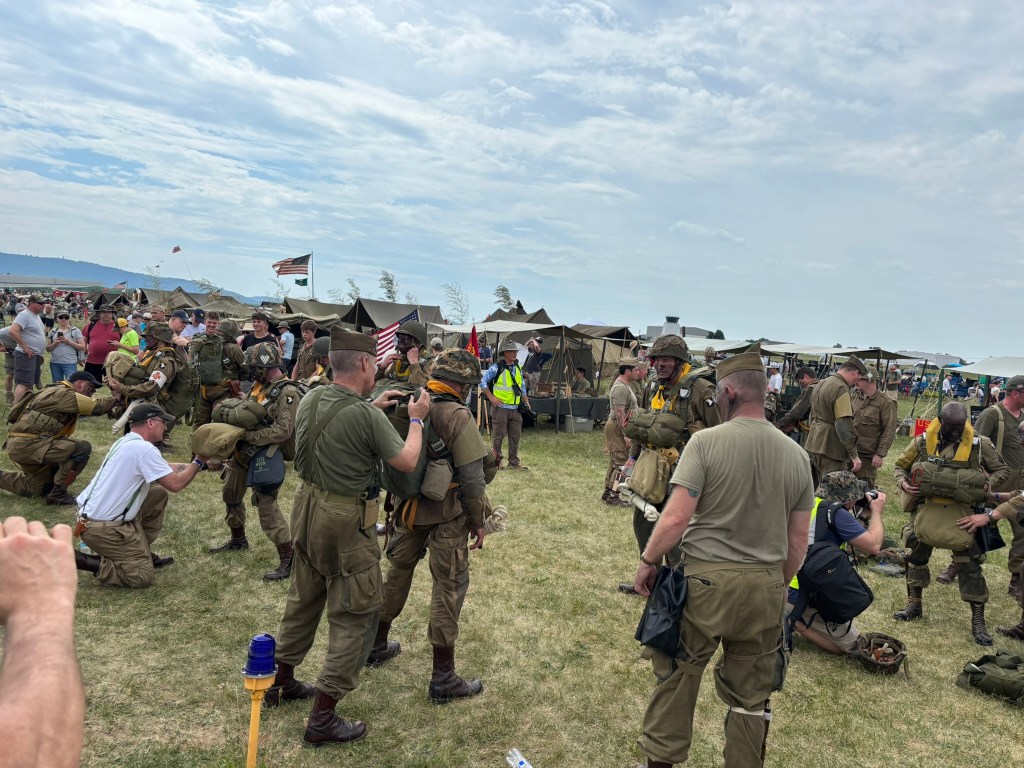
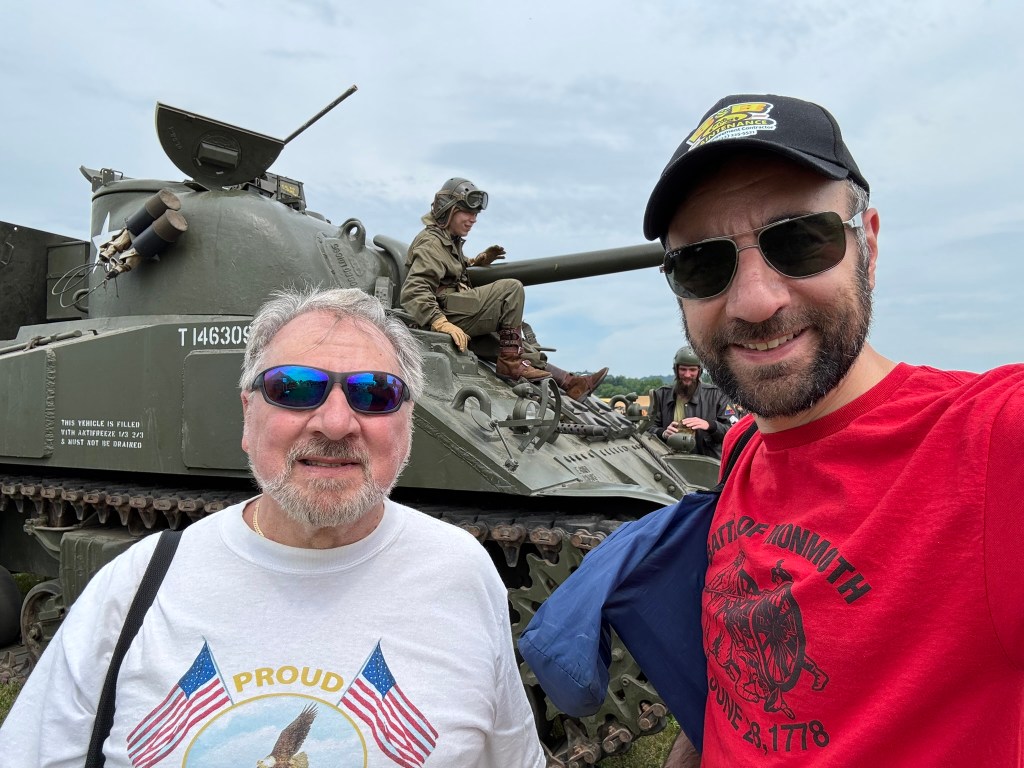
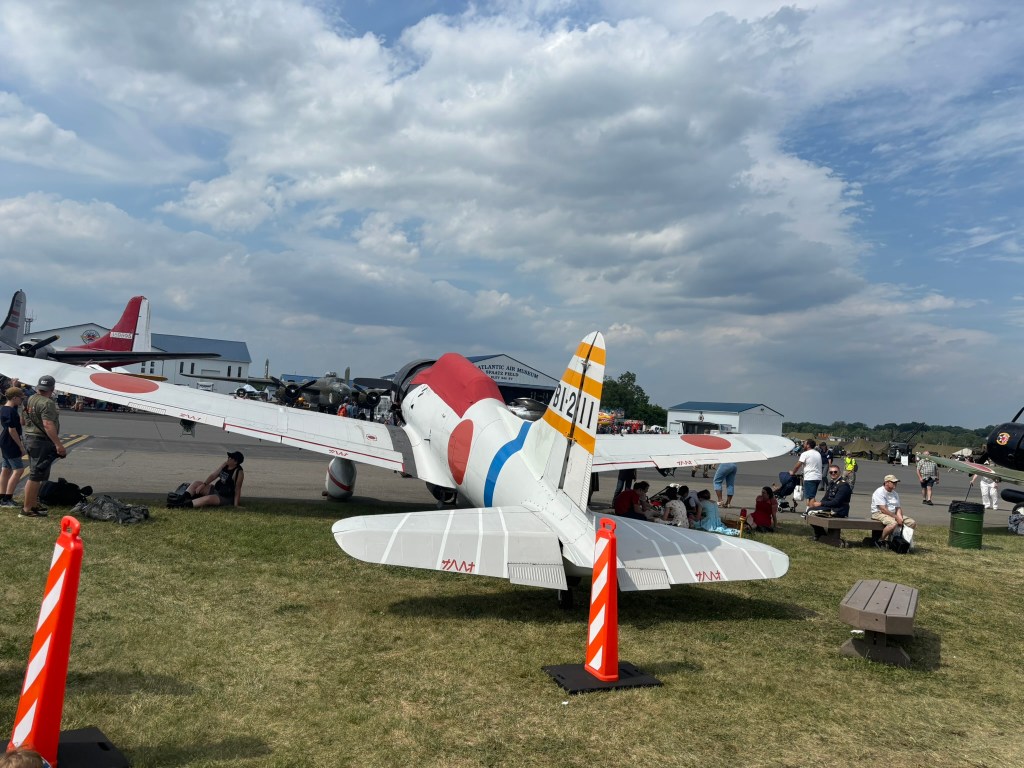
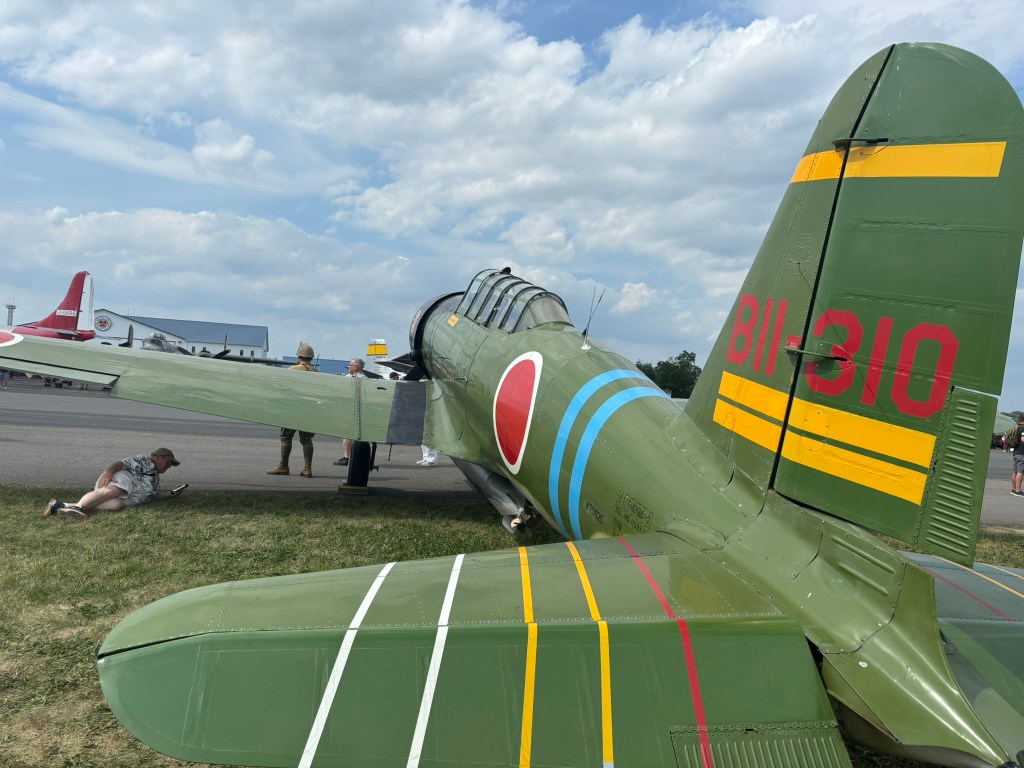
  • Few events make it onto my calendar every year, but the Annual World War II Weekend at the Mid-Atlantic Air Museum in Reading, PA is one of them. On Saturday, June 6, my dad and I returned to Reading, Pennsylvania for the 35th annual event.  This was my fourth consecutive year attending and my dad’s sixth. The event has become a great father-and-son tradition that never disappoints. The event ran from Friday, June 5th through Sunday, June 7th.  We made the two-hour drive to Reading and, after parking, were able to get on a shuttle bus rather quickly.
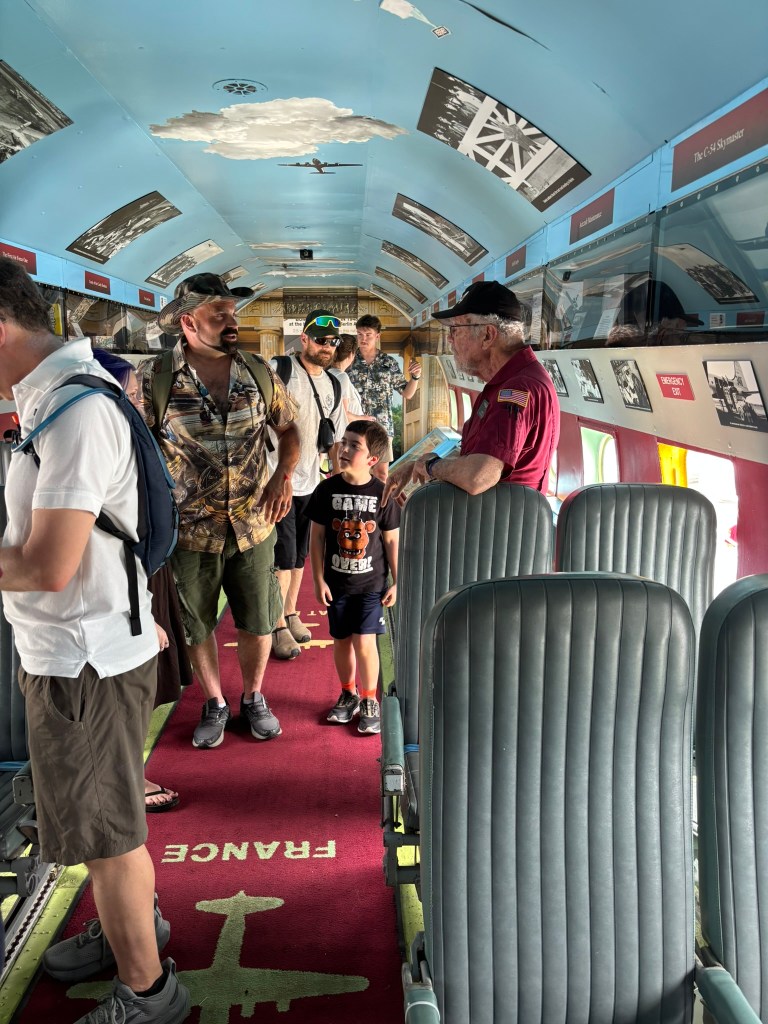
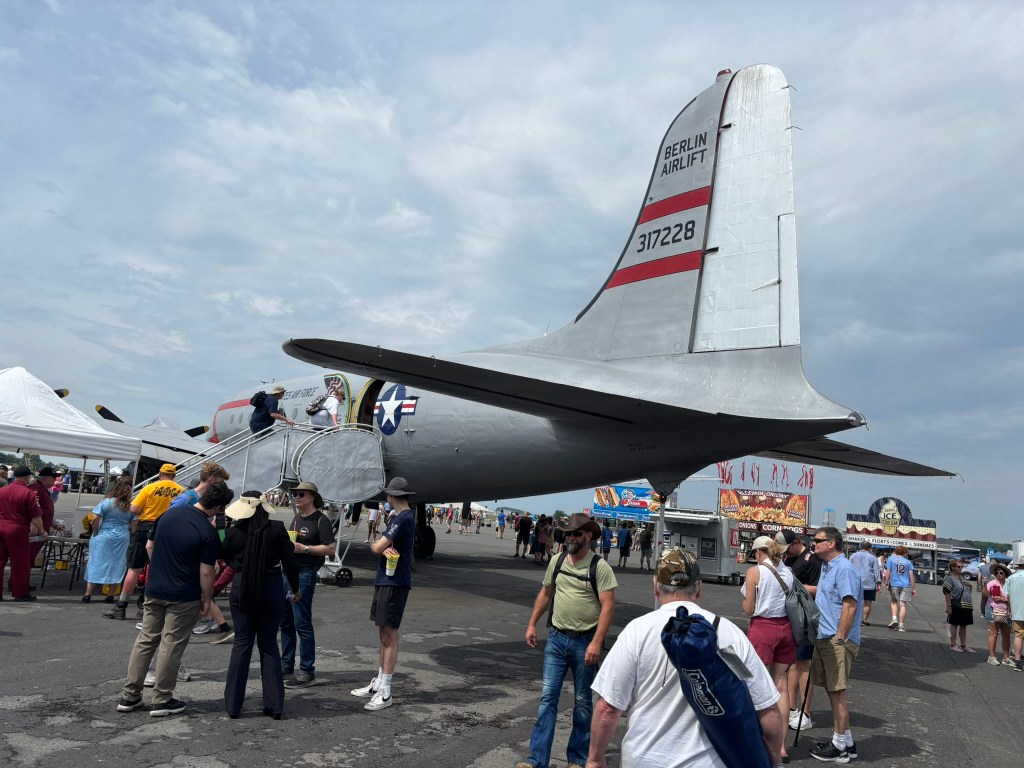
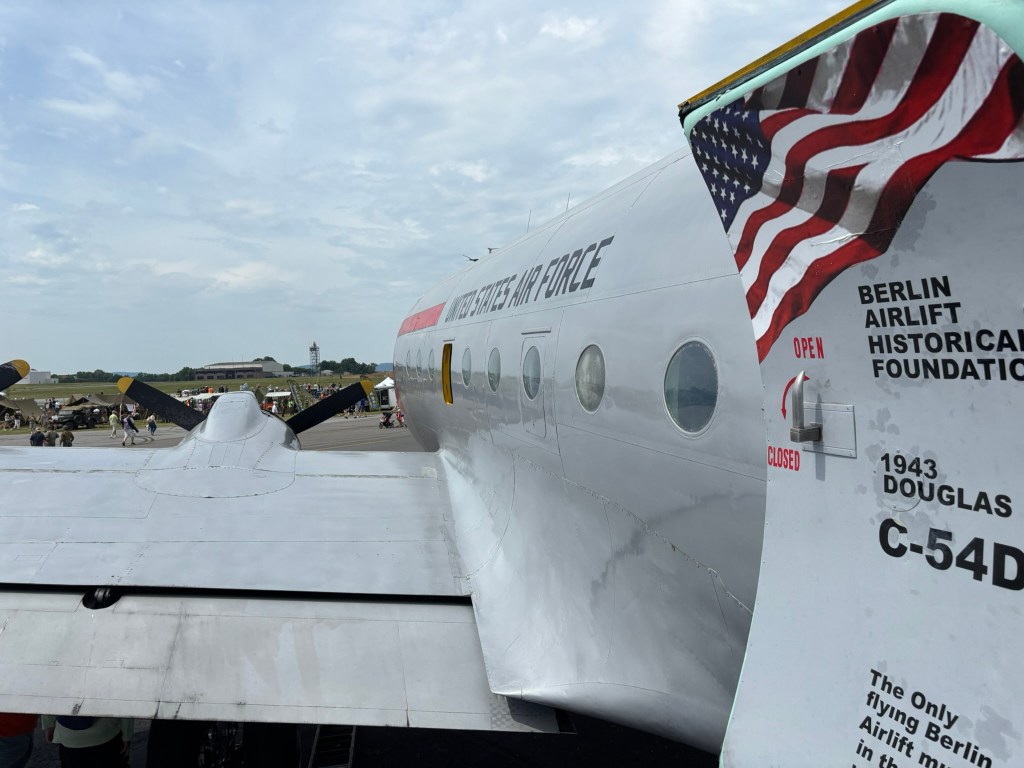
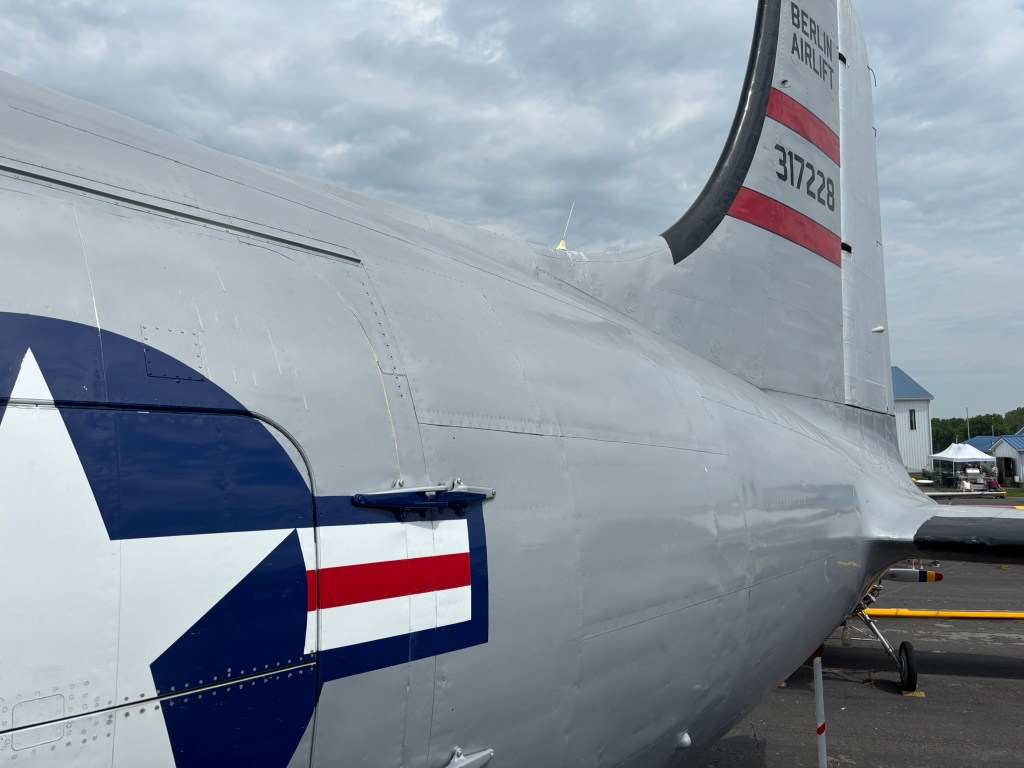
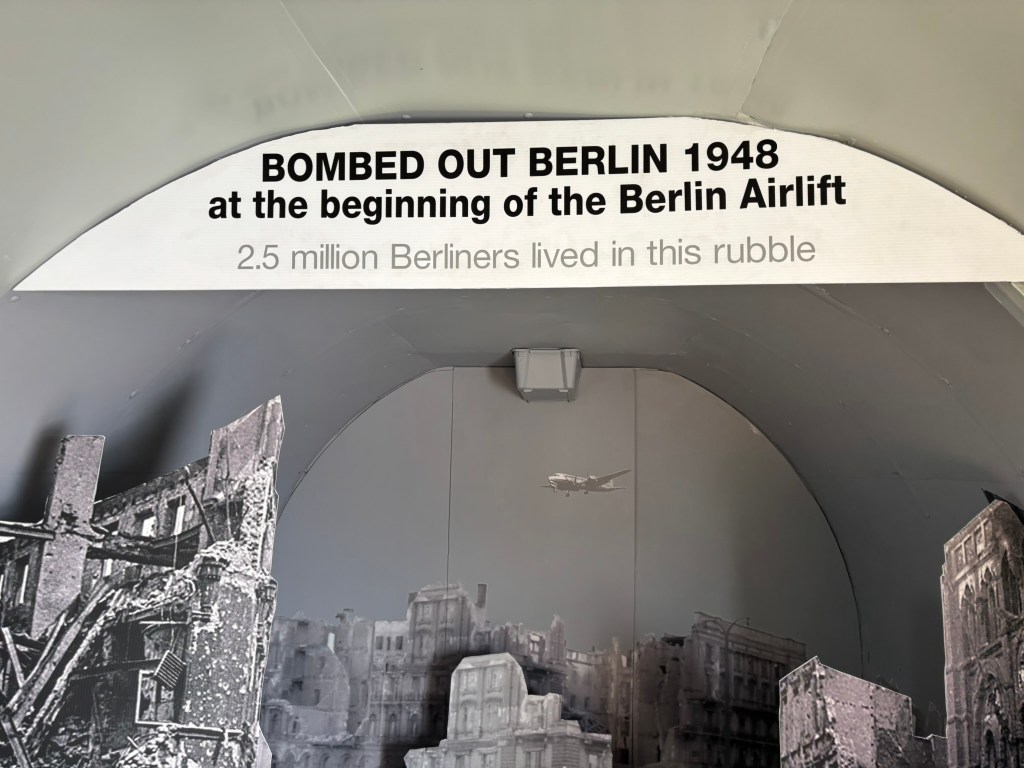
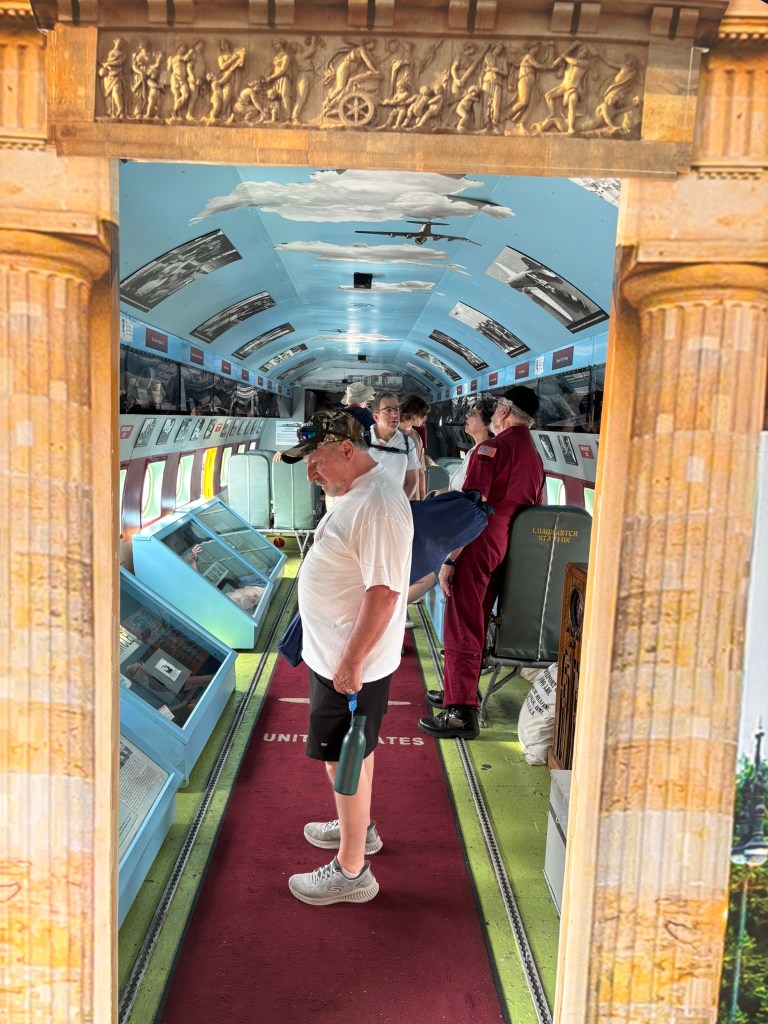
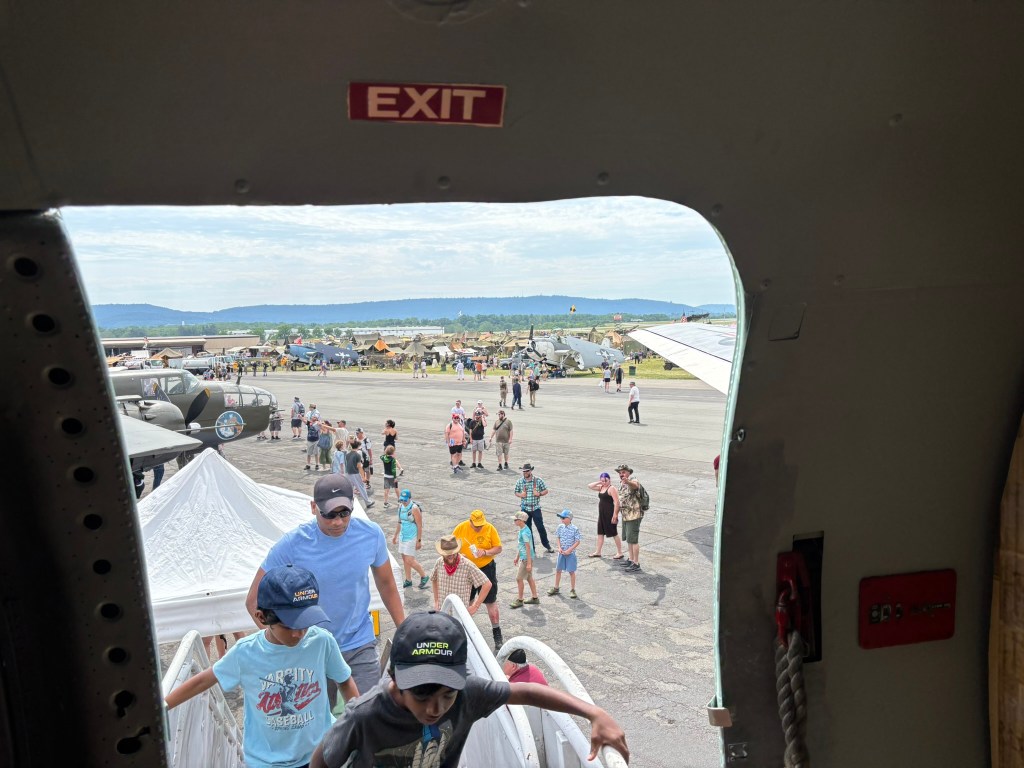
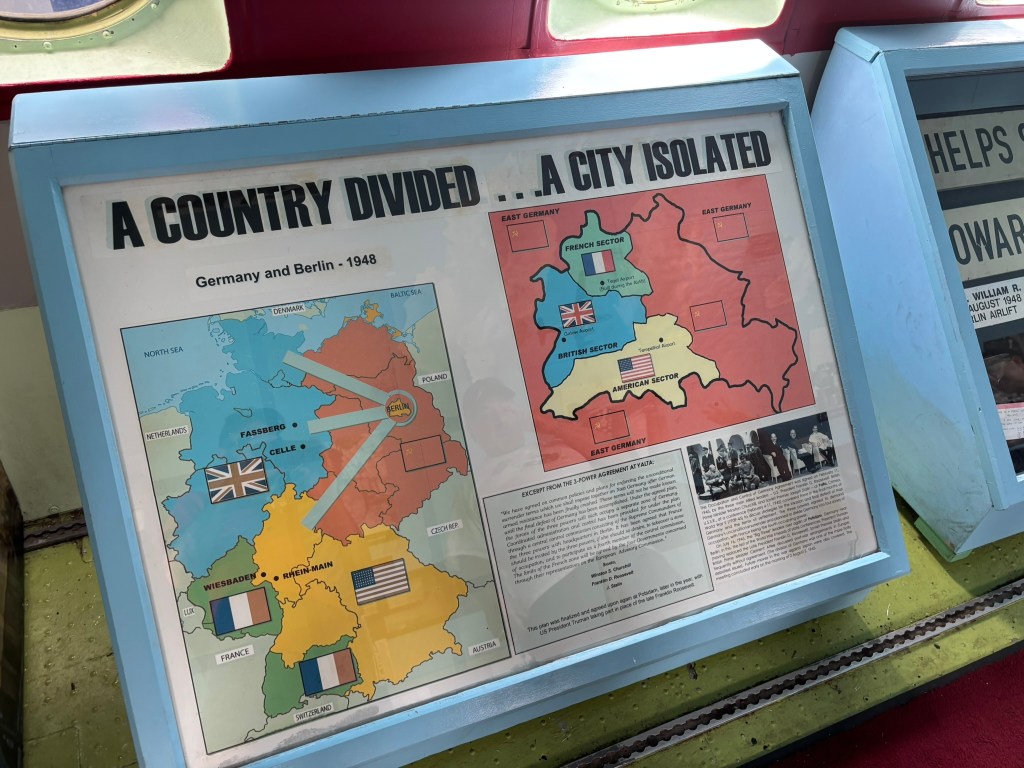
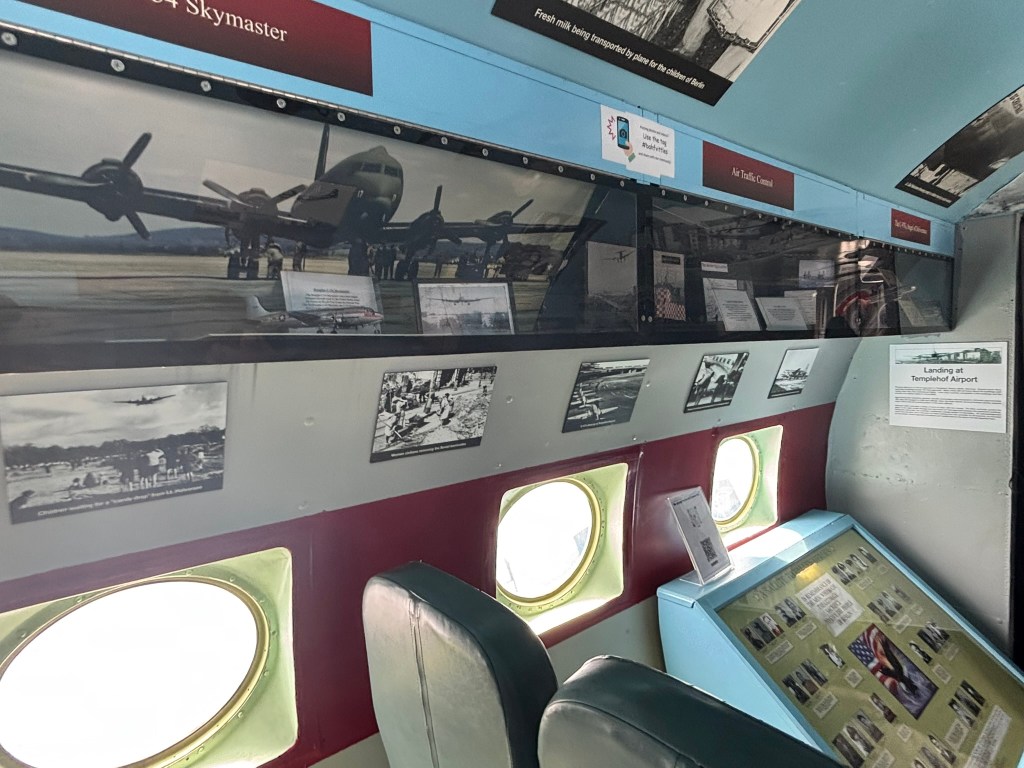
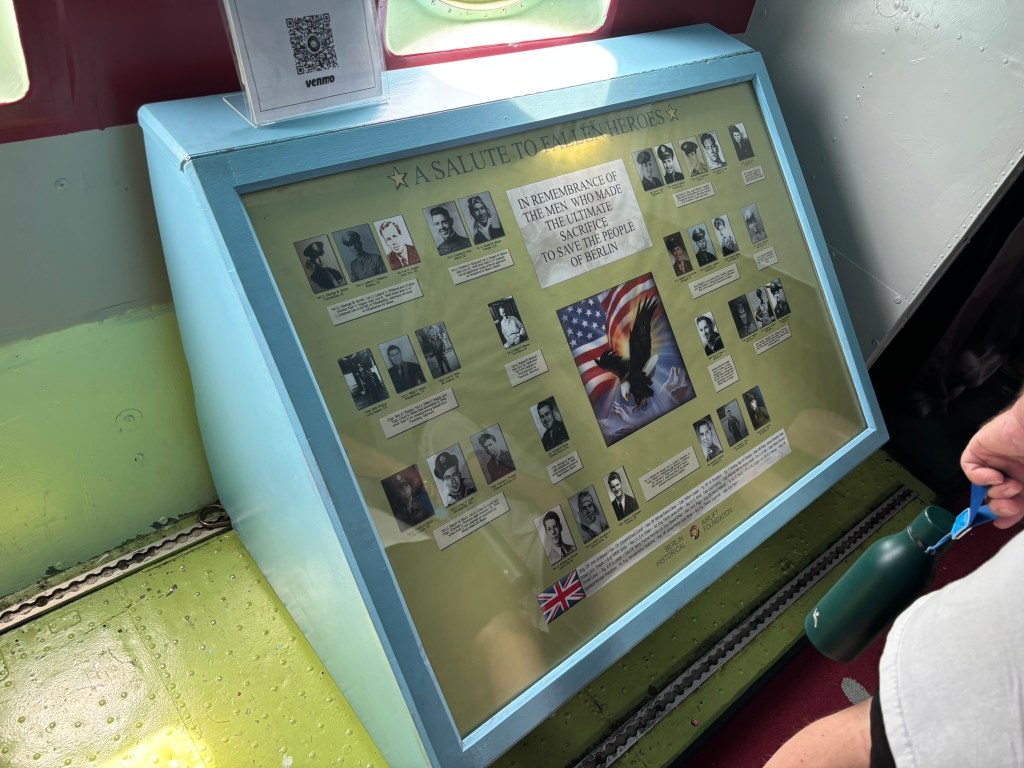
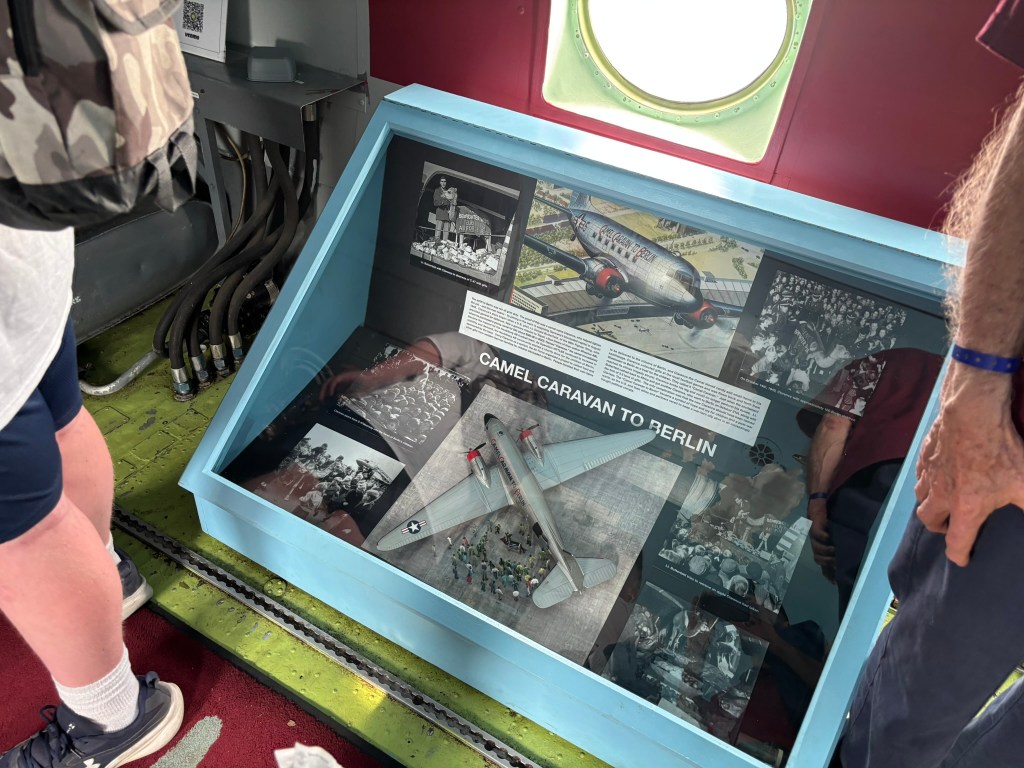
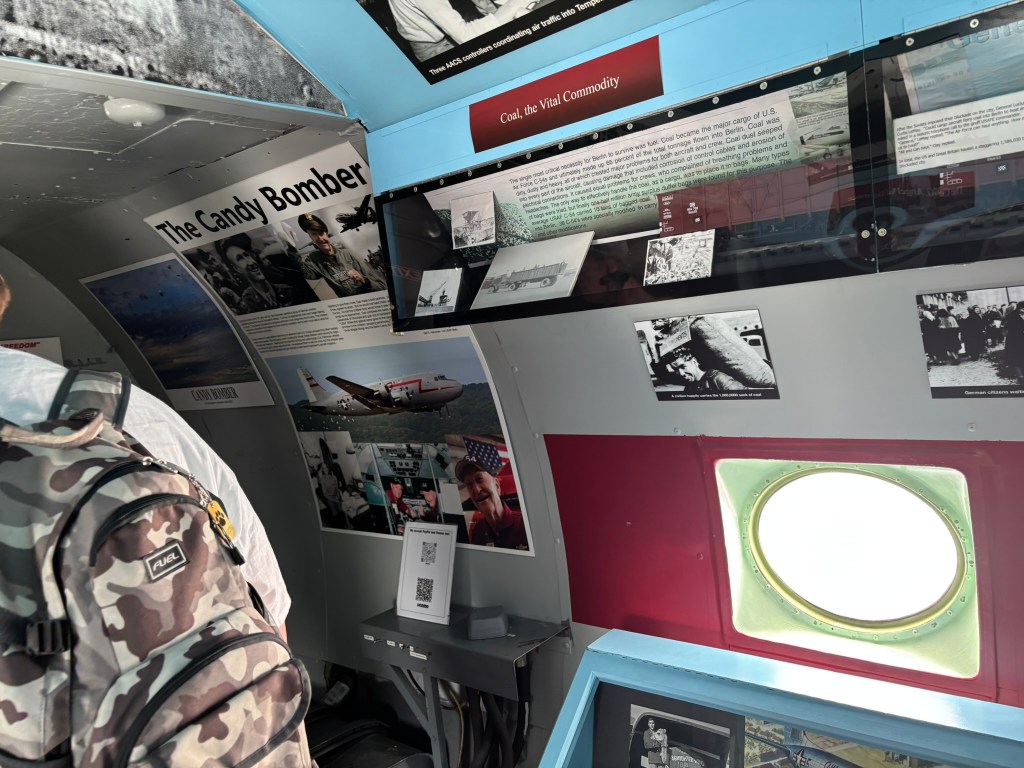
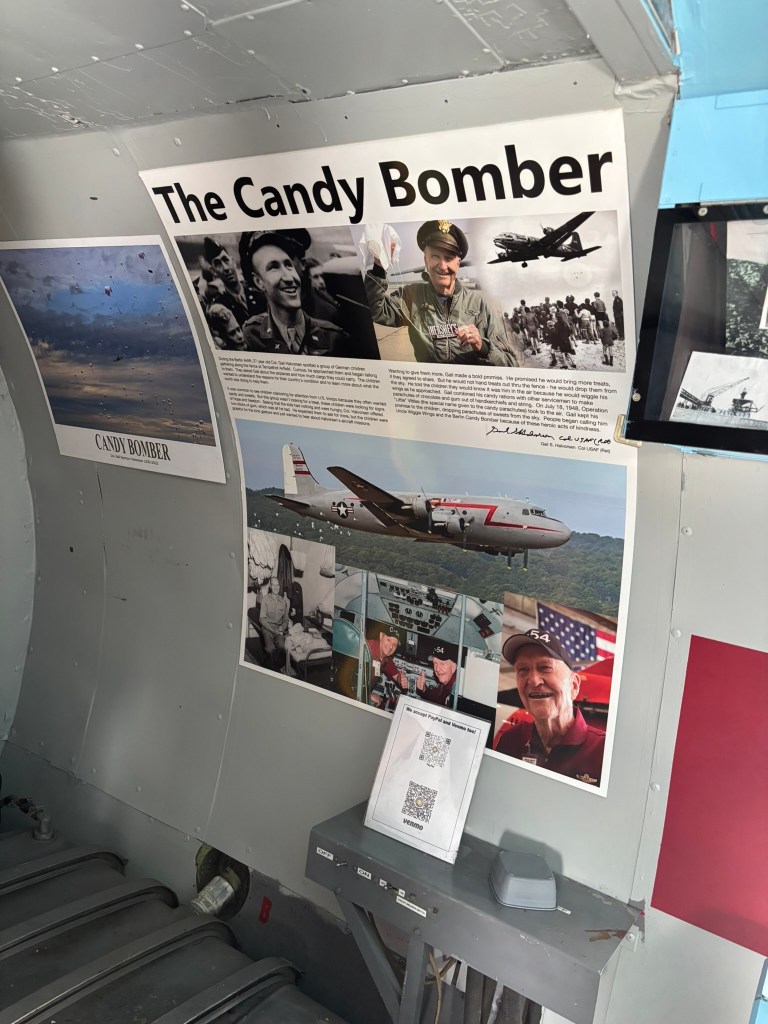
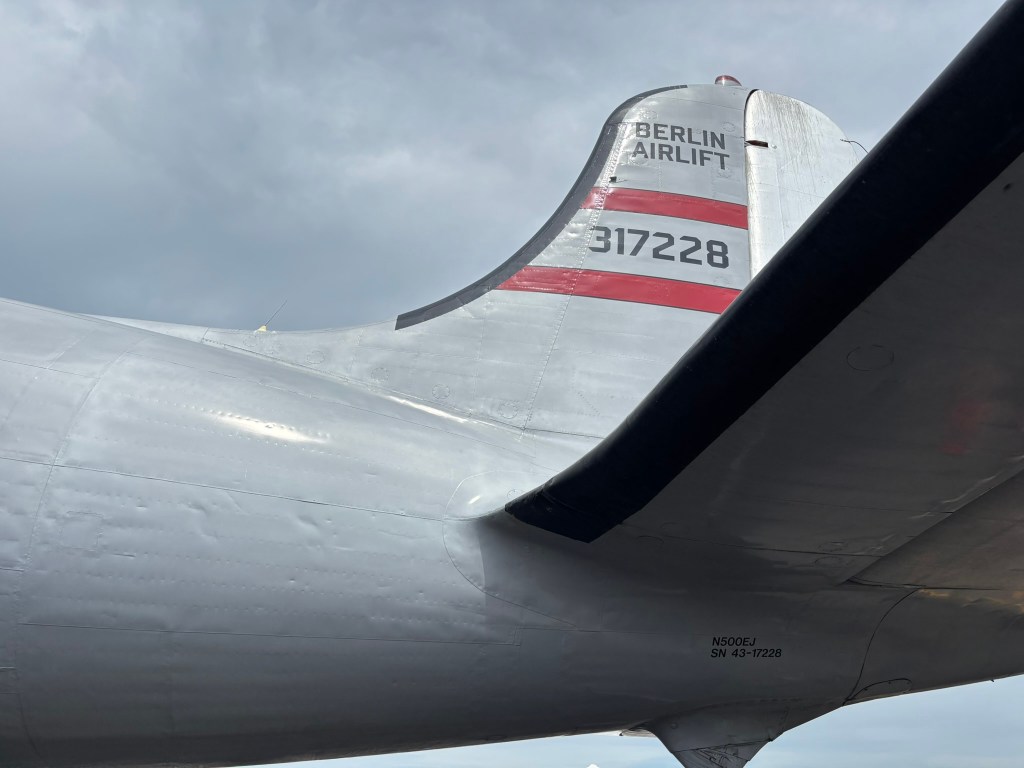
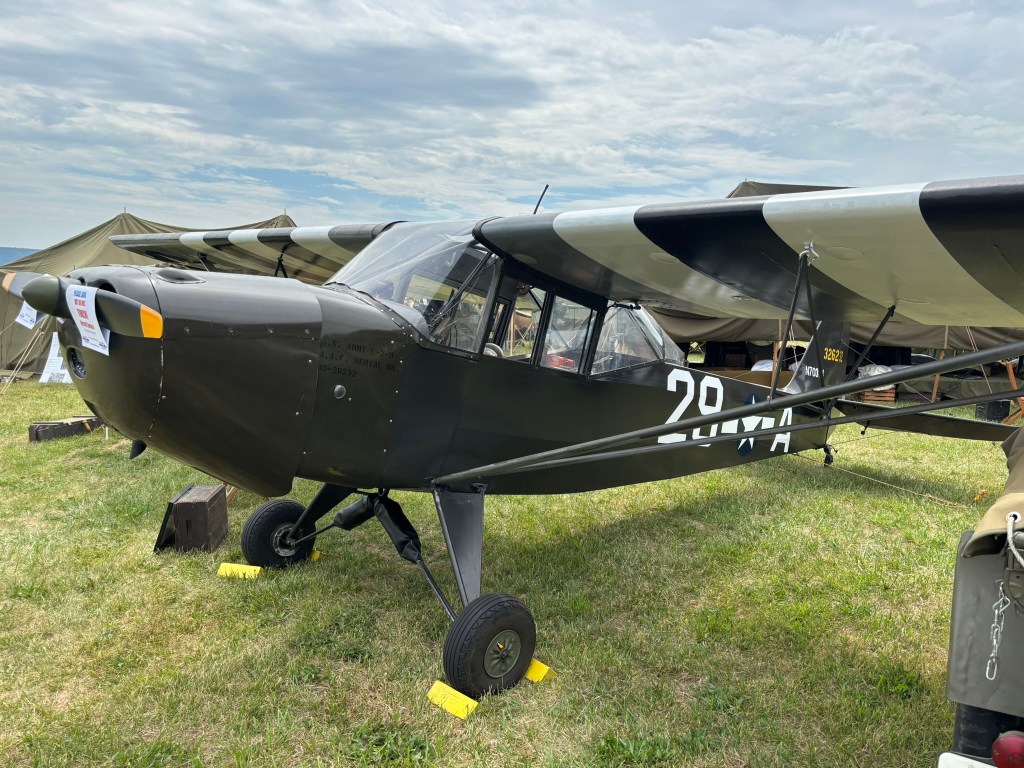
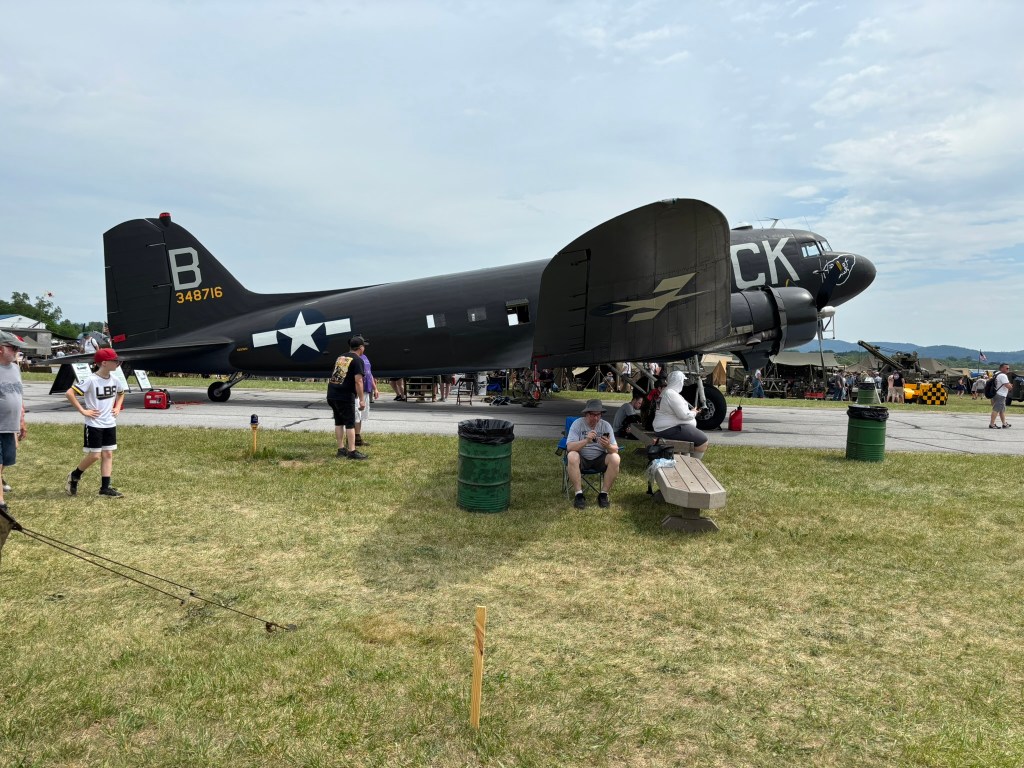
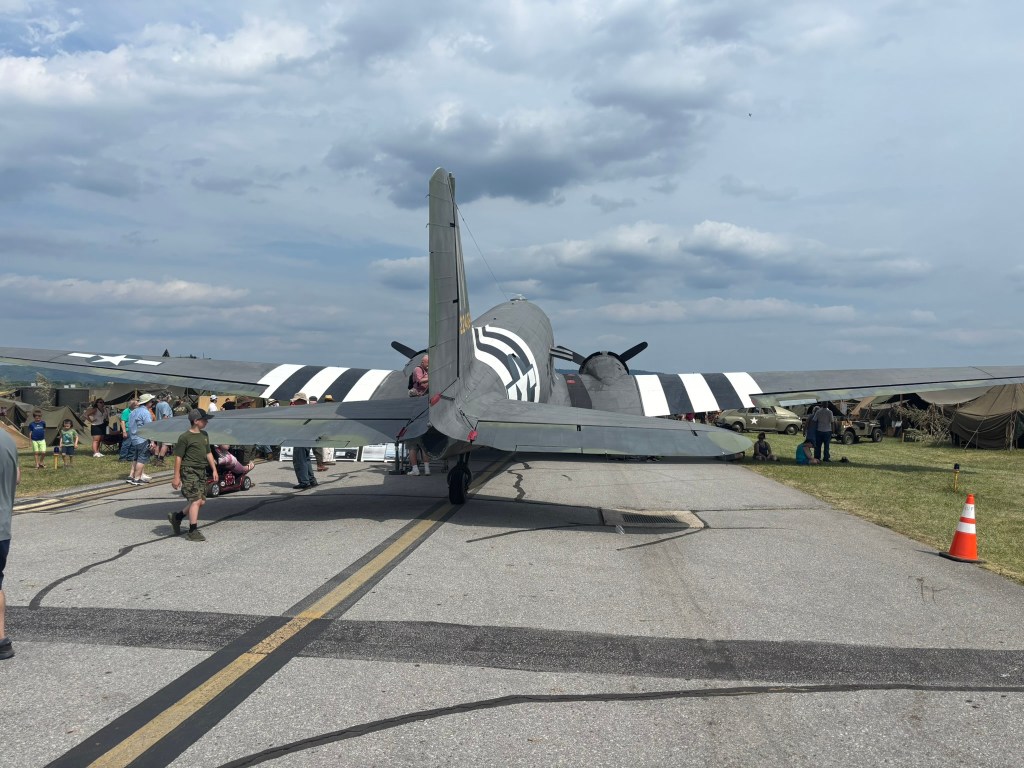
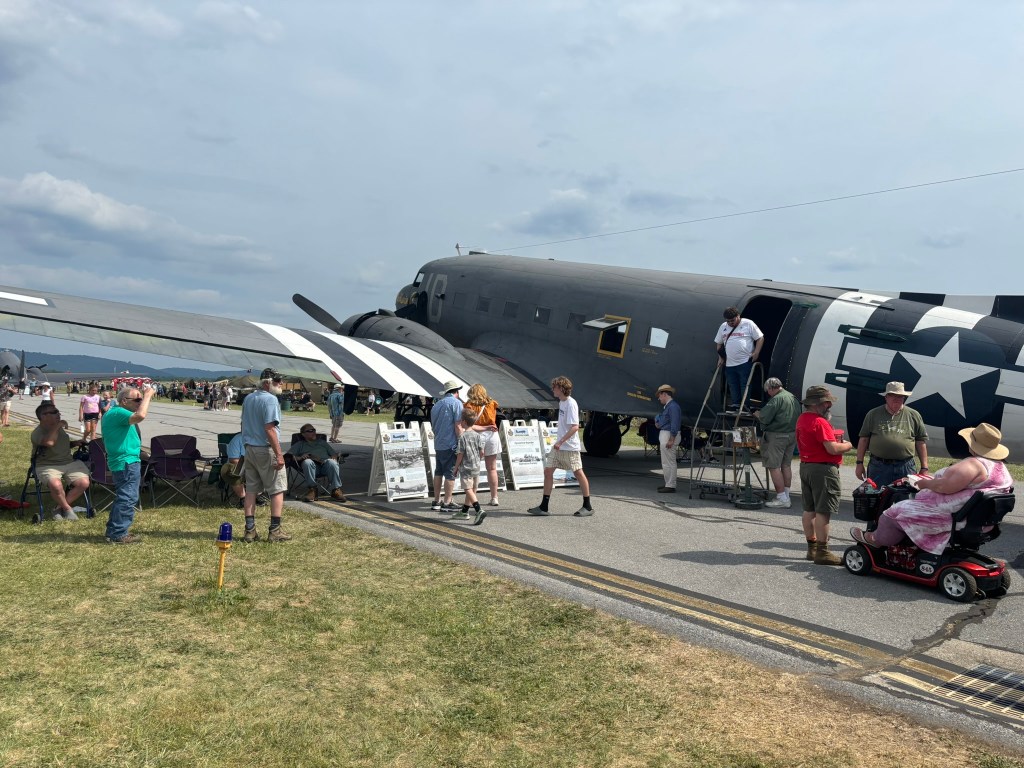
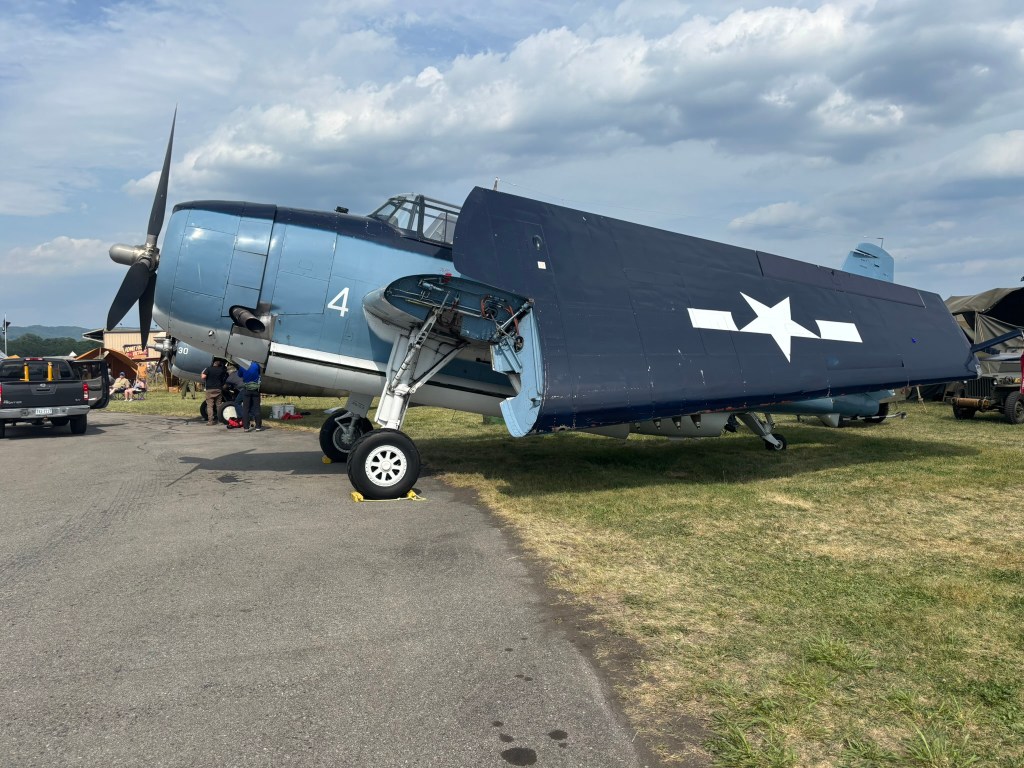
    It was a hot day, but it was well worth it. When we arrived, we made our way through the aircraft displays and, for the first time, were able to go inside a 1943 Douglas C-54D aircraft. The C-54 was the workhorse of the Berlin Airlift in 1948–1949. After World War II ended, the Soviet Union blockaded West Berlin in an effort to force the Western Allies out of the city, creating one of the first major crises of the Cold War. For nearly fifteen months, the United States and Great Britain airlifted food, fuel, and other supplies to the people of West Berlin. By May 1949, the Soviet Union lifted the blockade. Today, the aircraft has been transformed into a flying museum and, remarkably, still takes to the skies like many of the other planes on display.
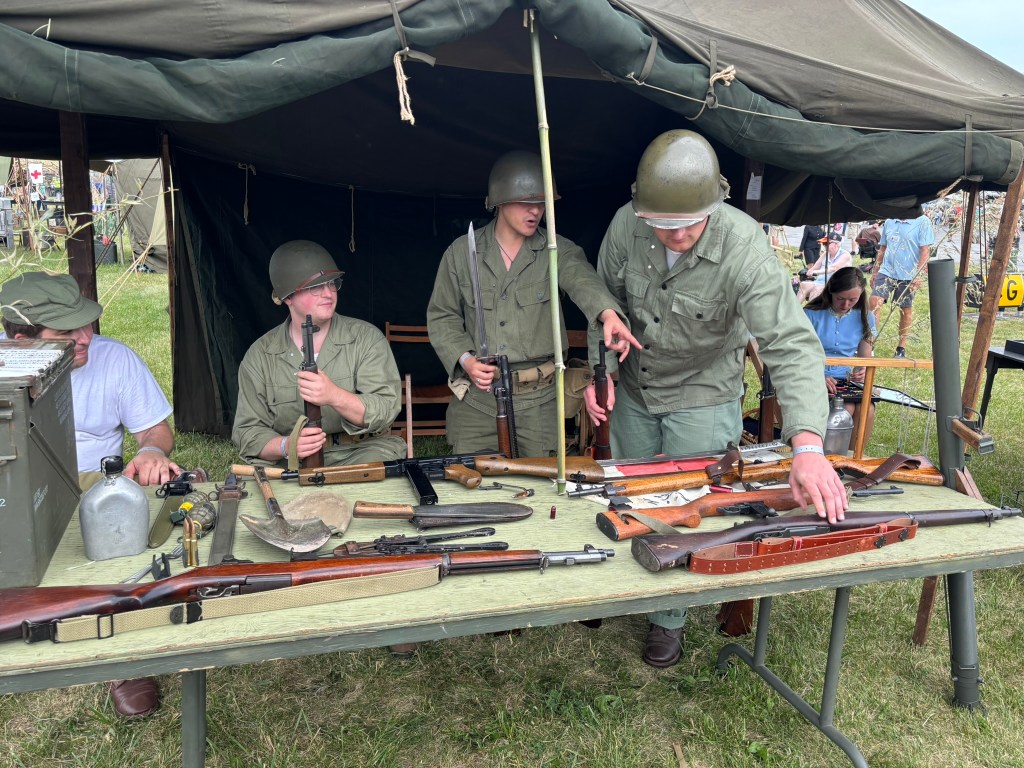
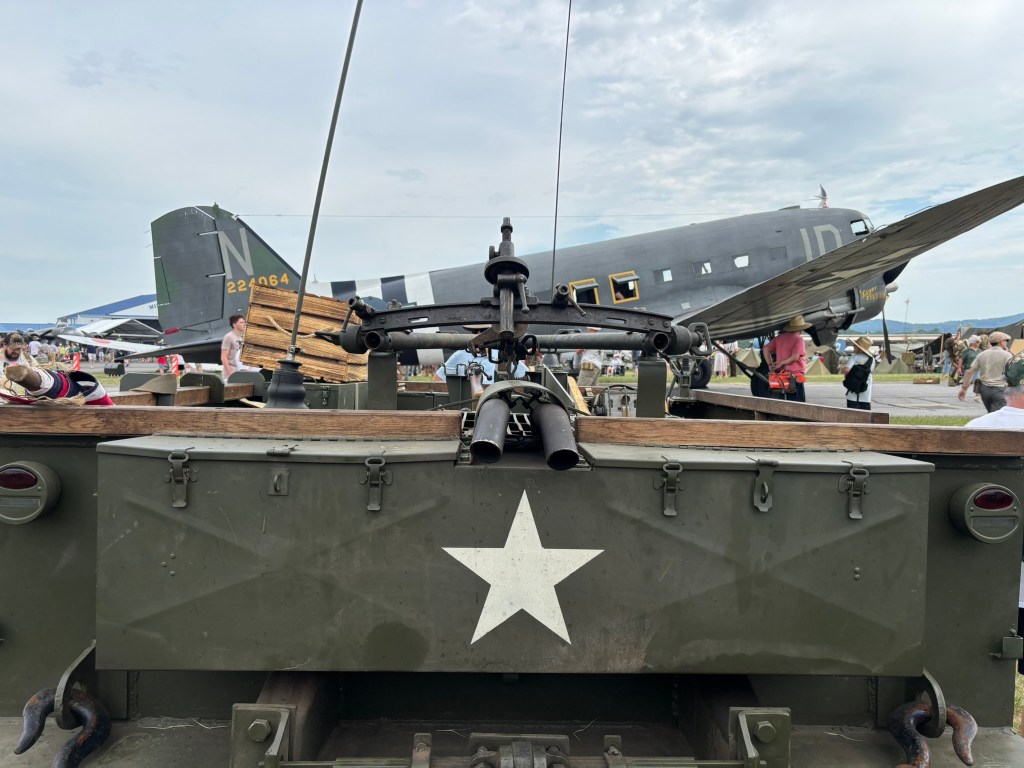
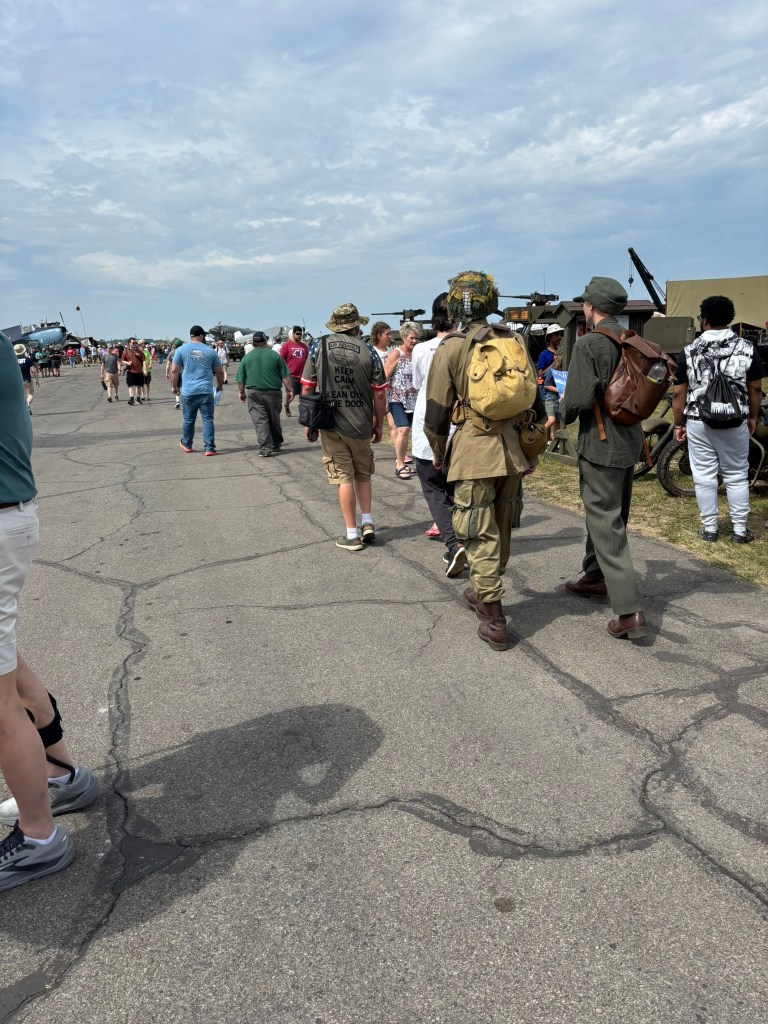
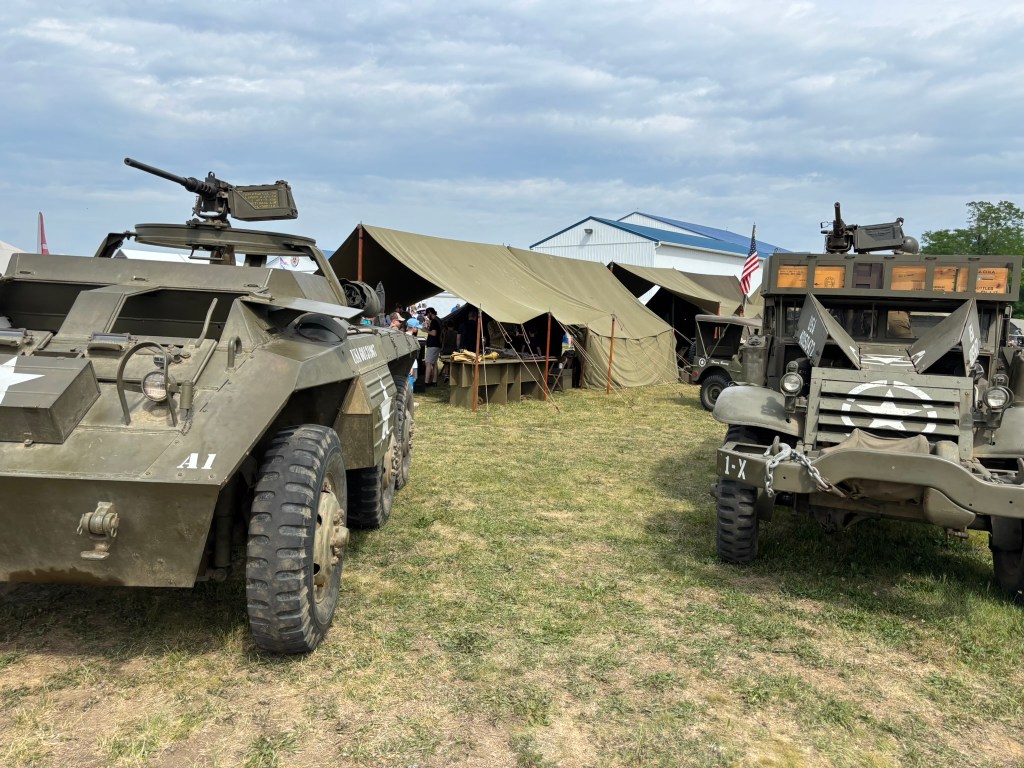
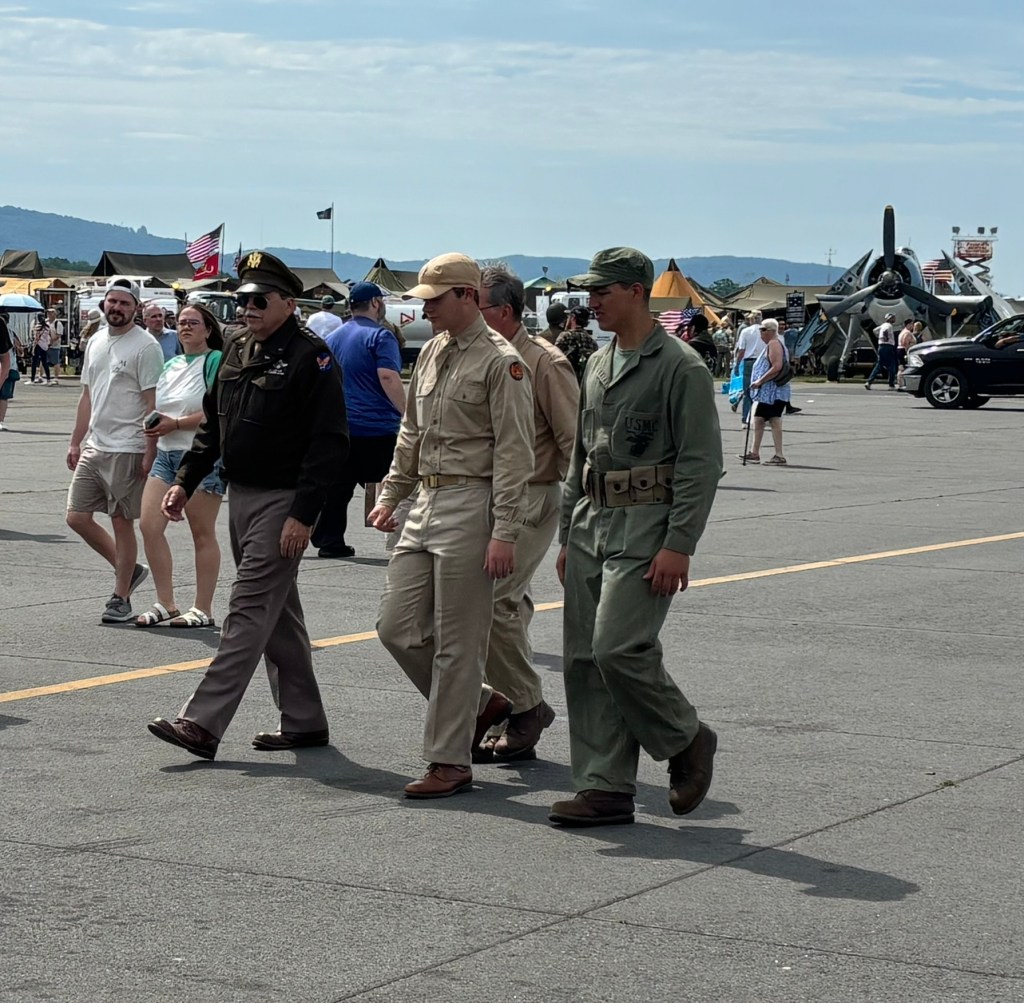
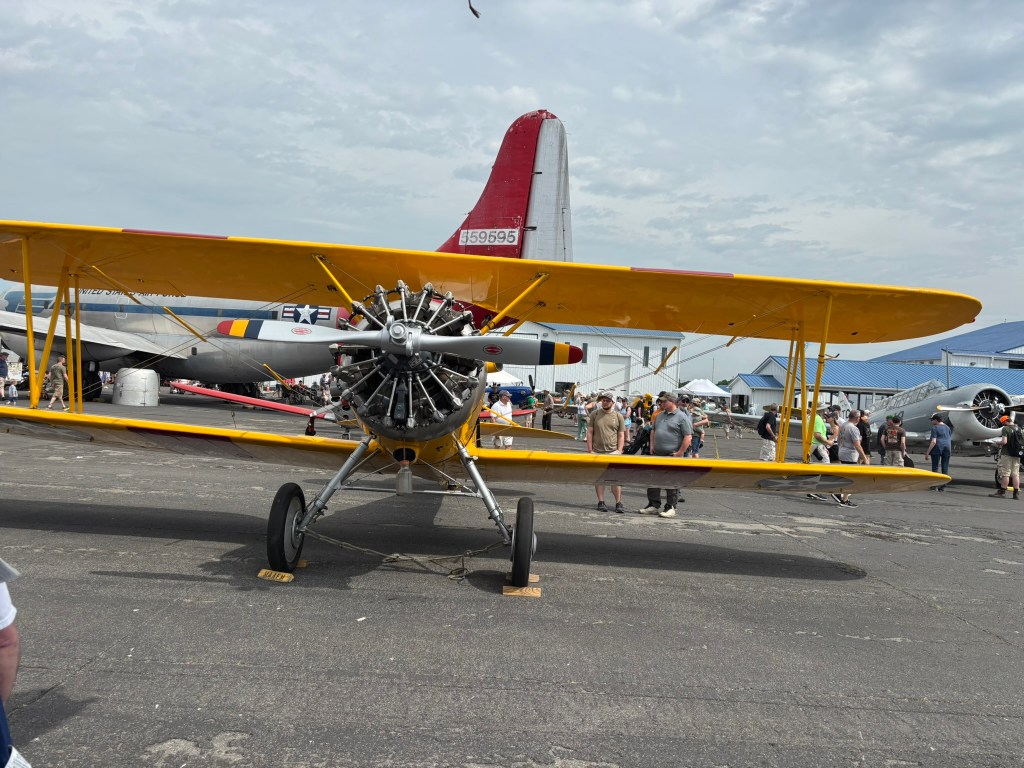
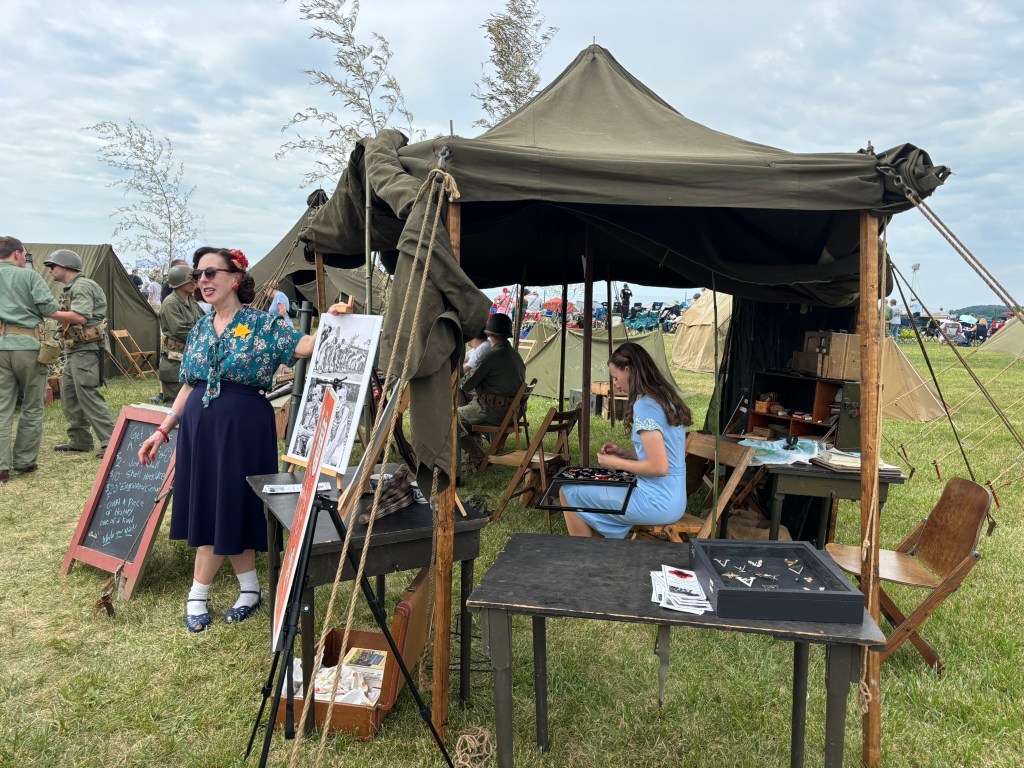
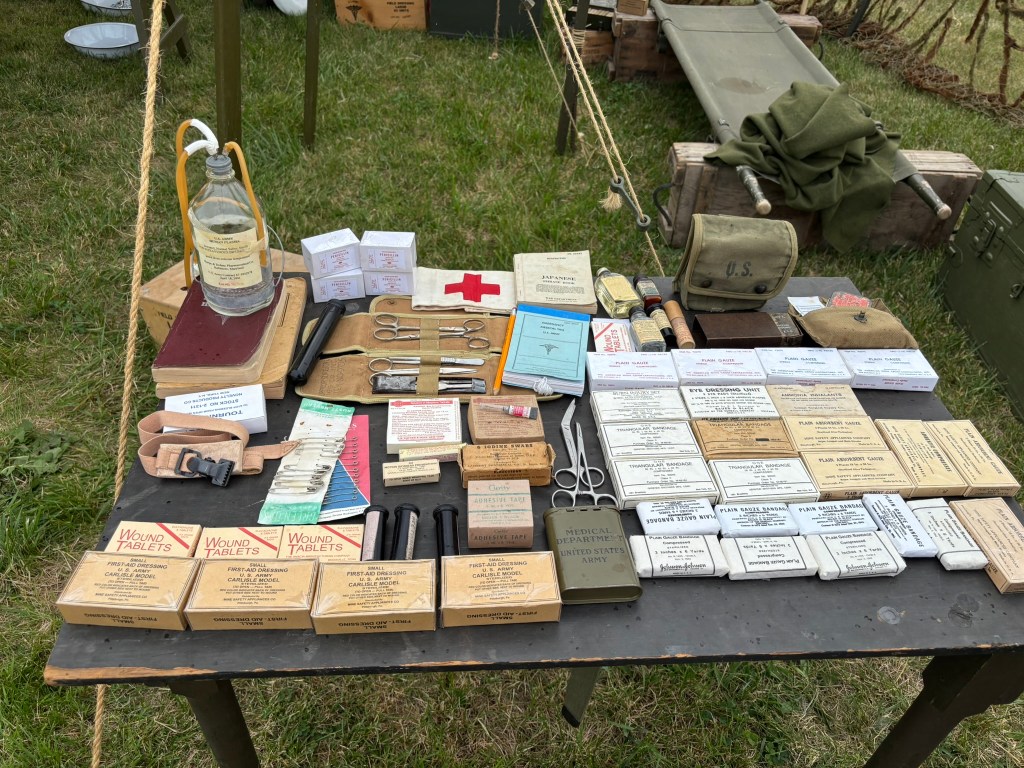
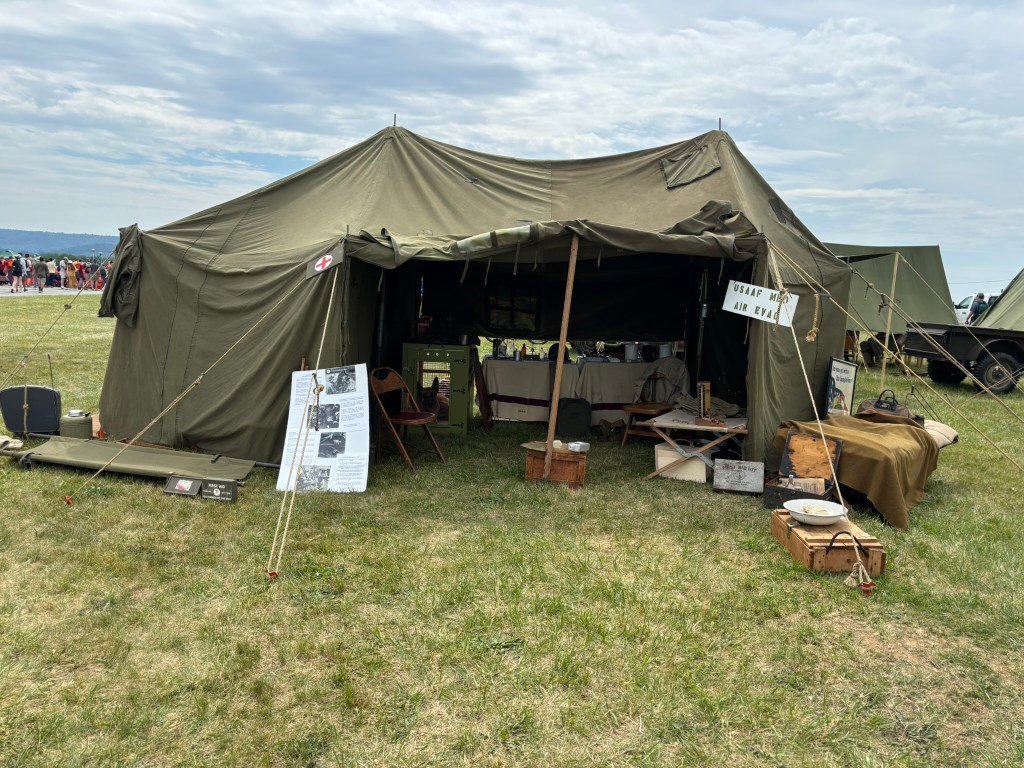
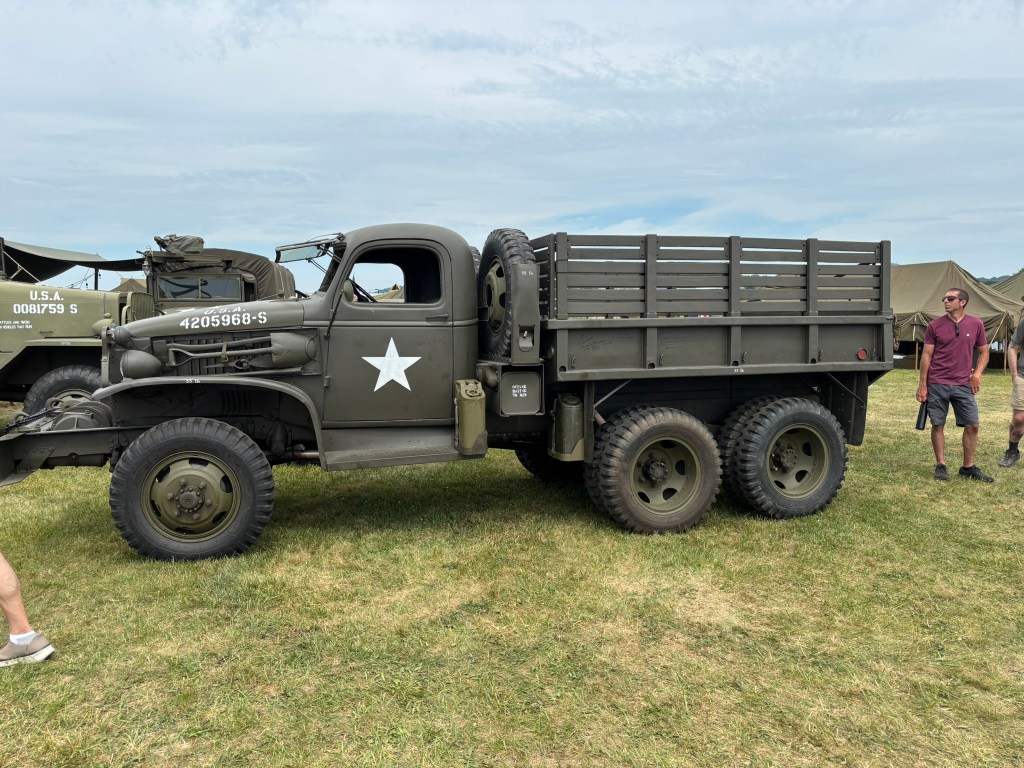
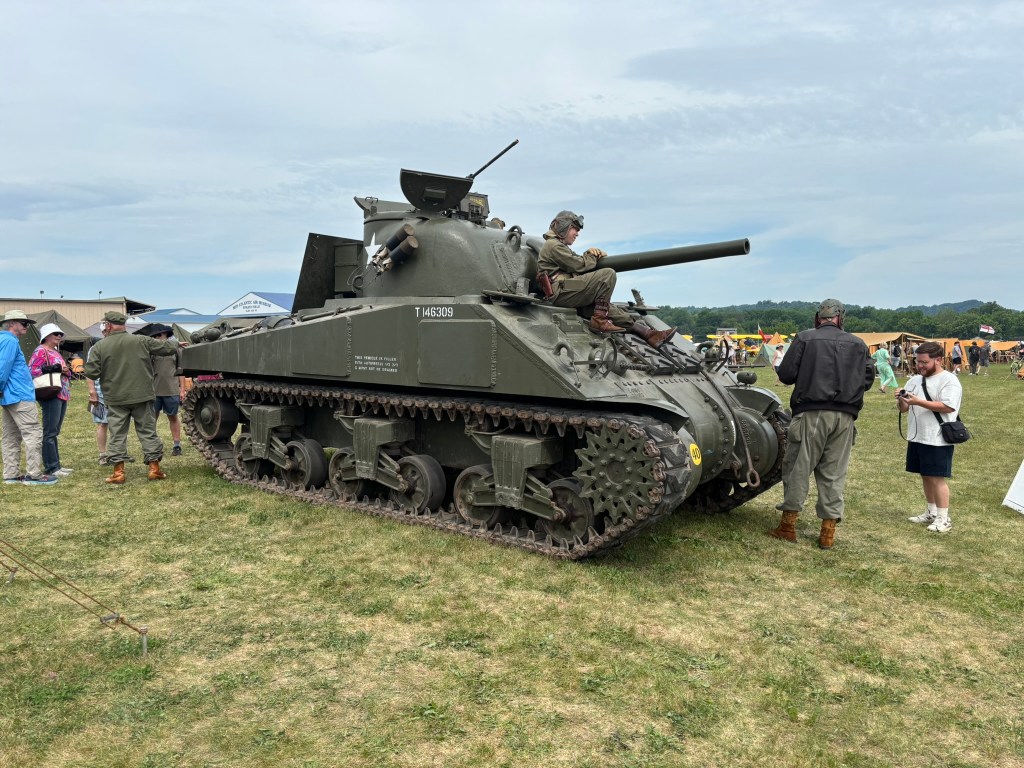
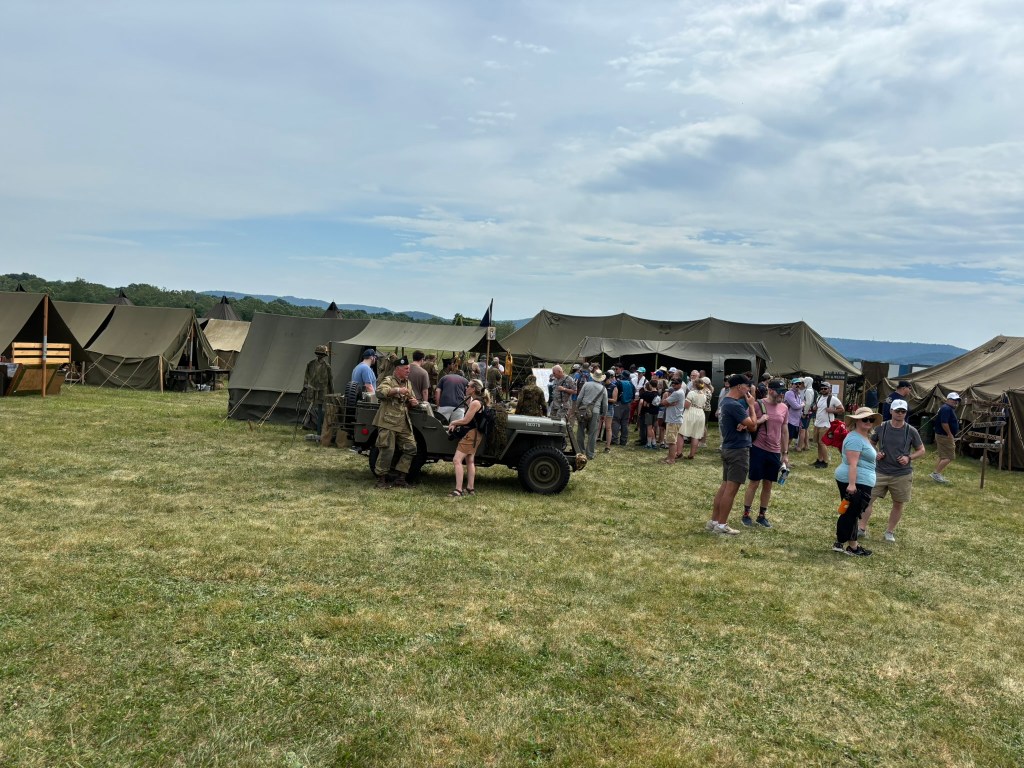
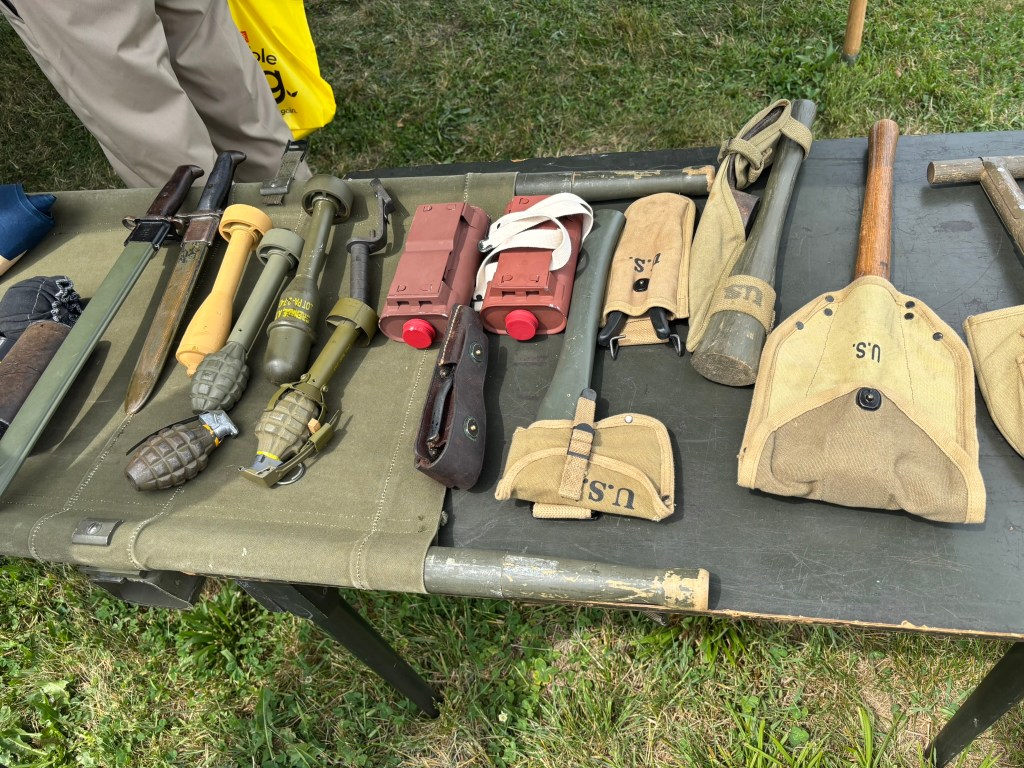
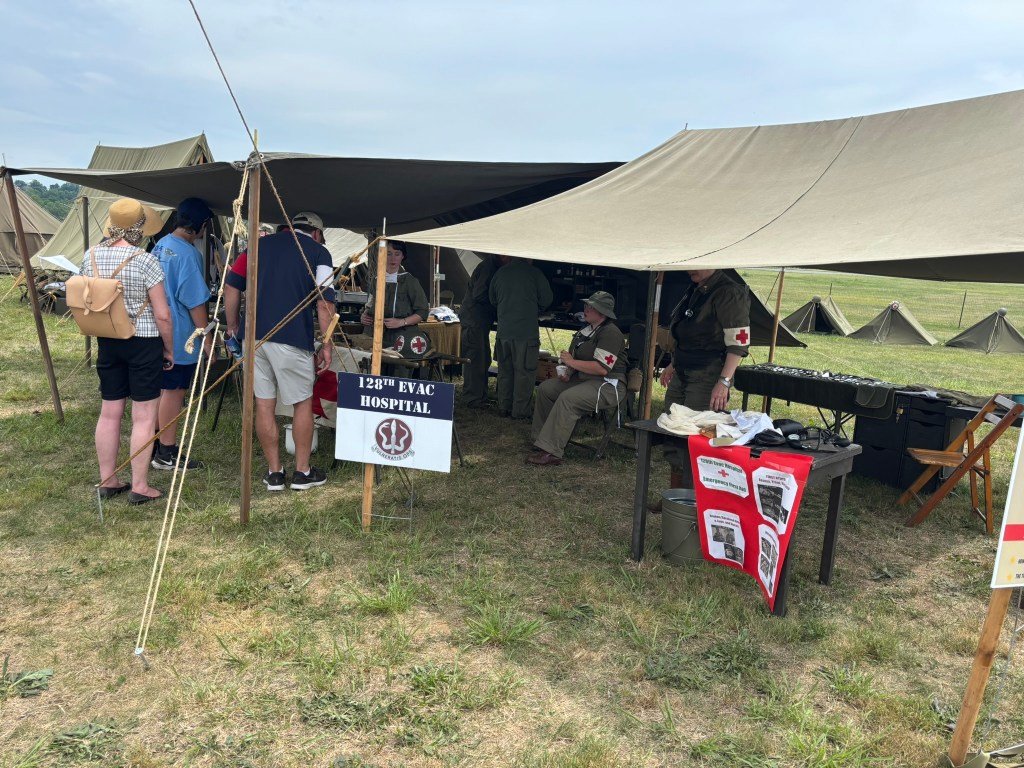
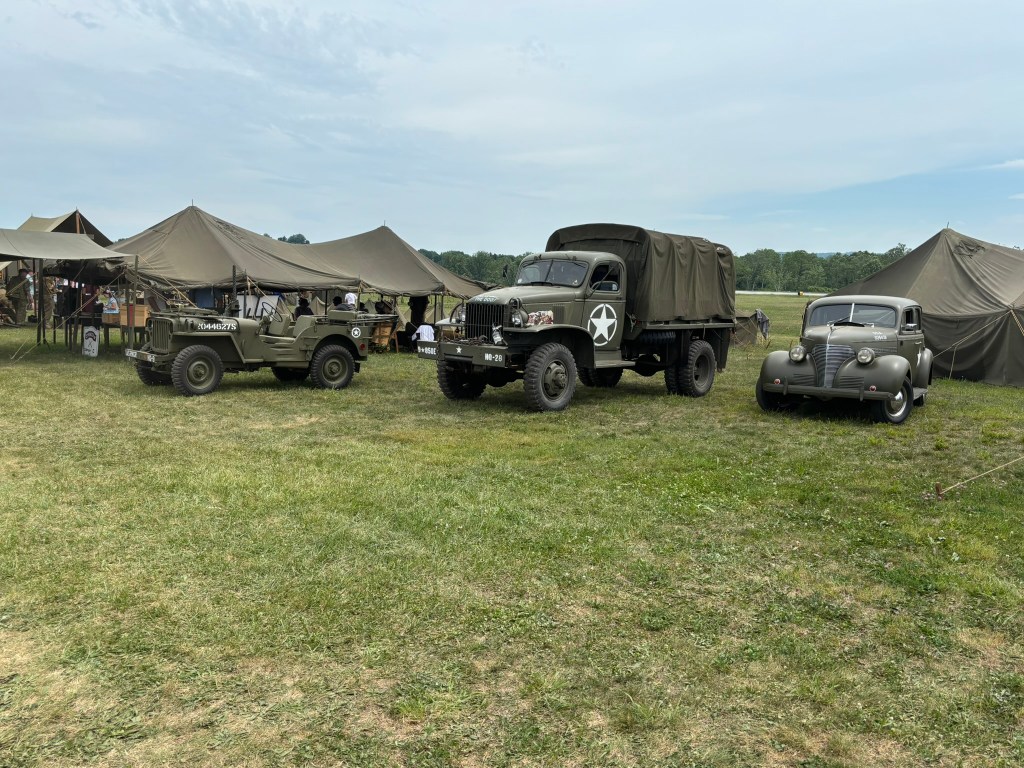
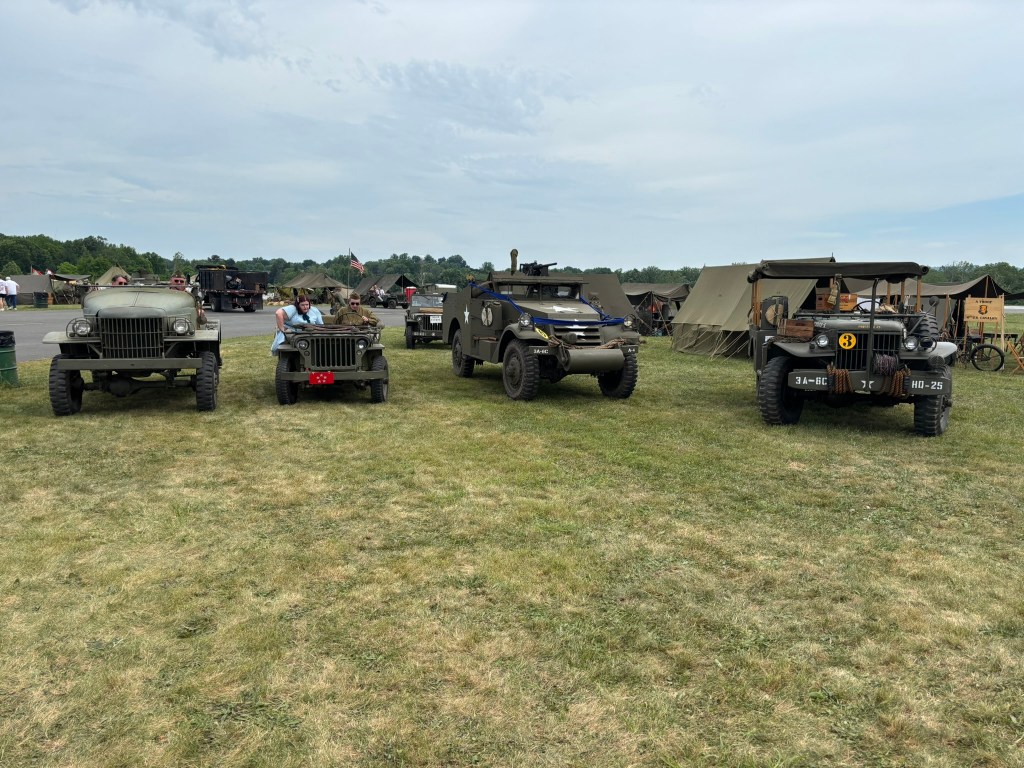
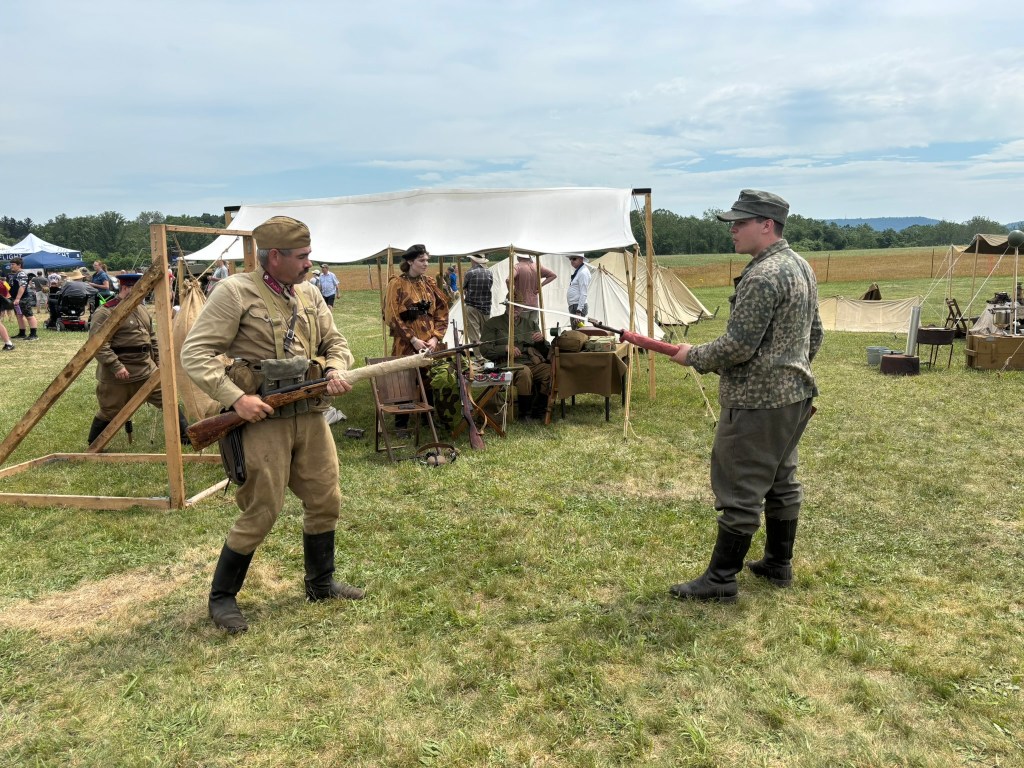
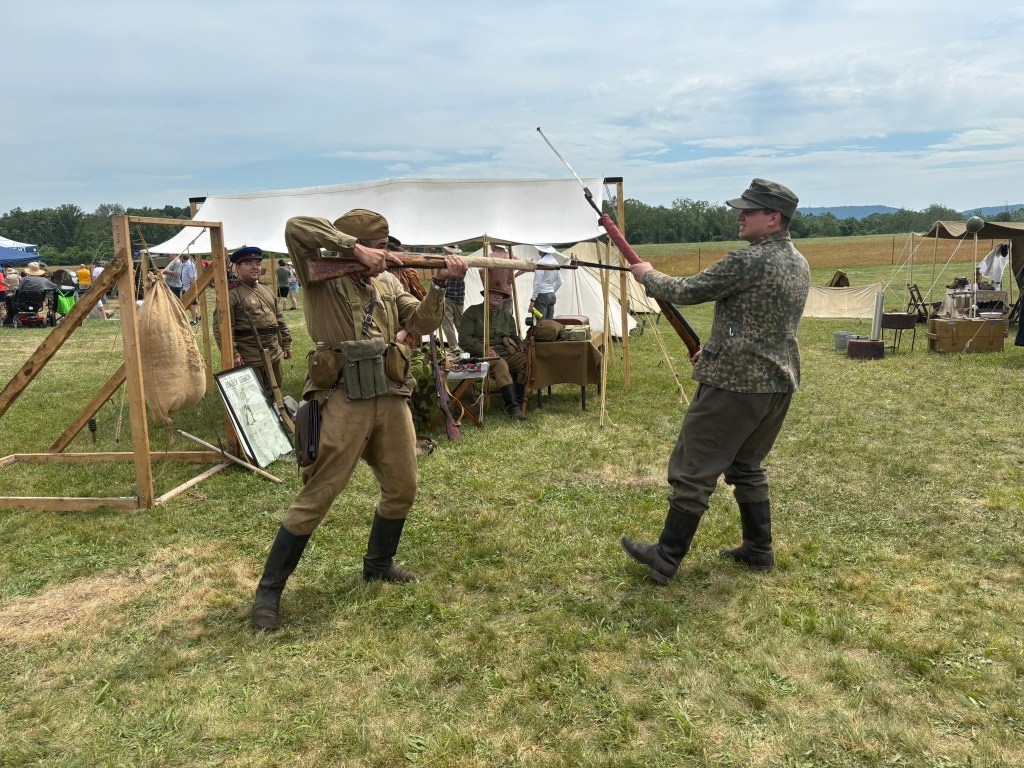
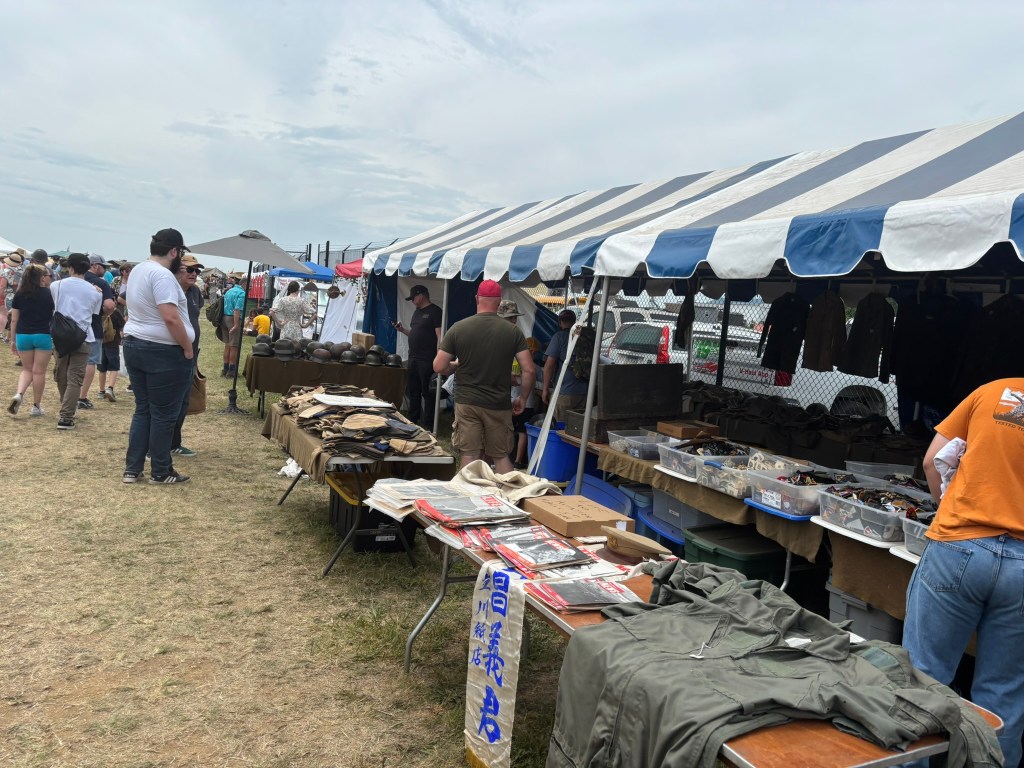
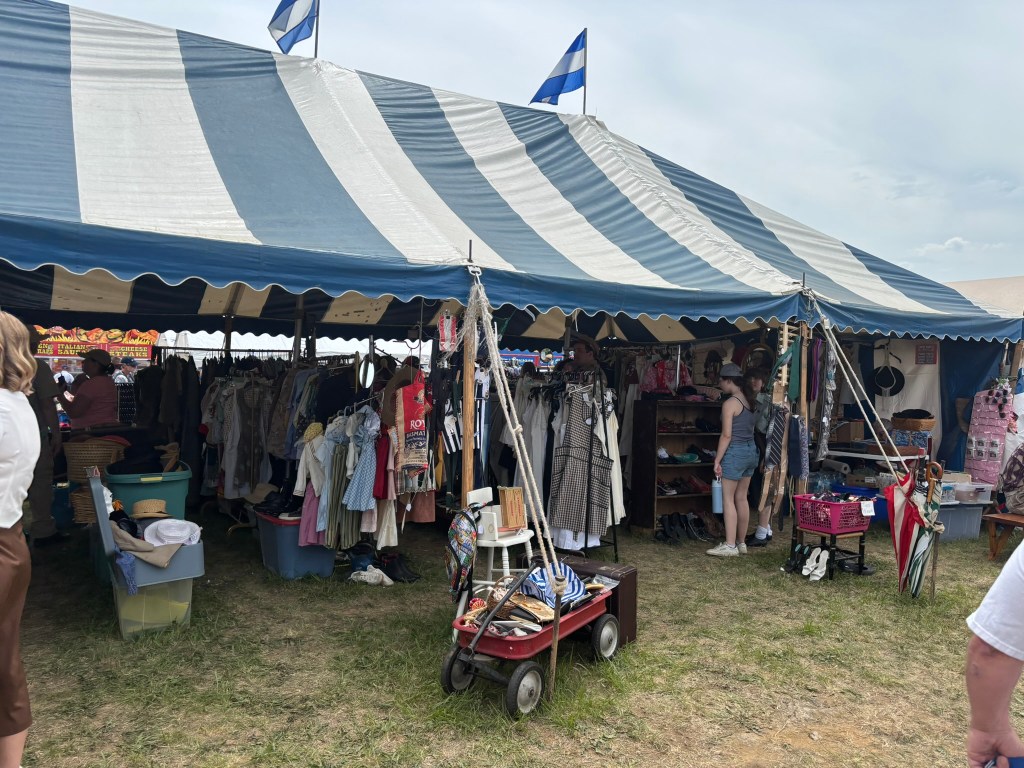
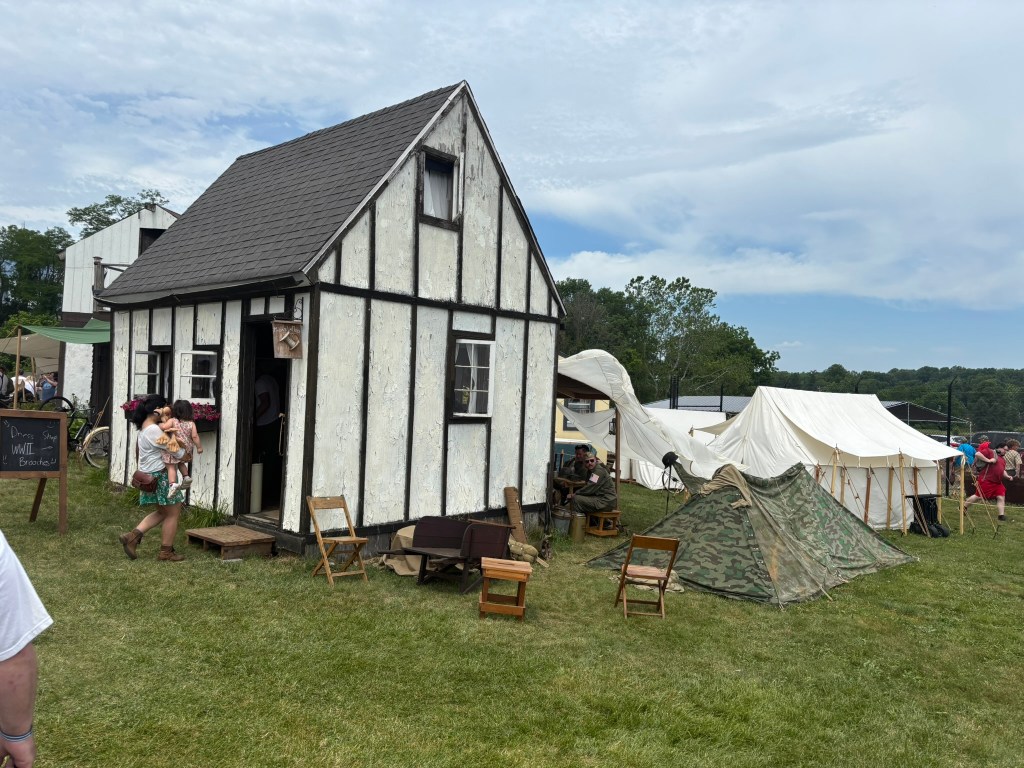
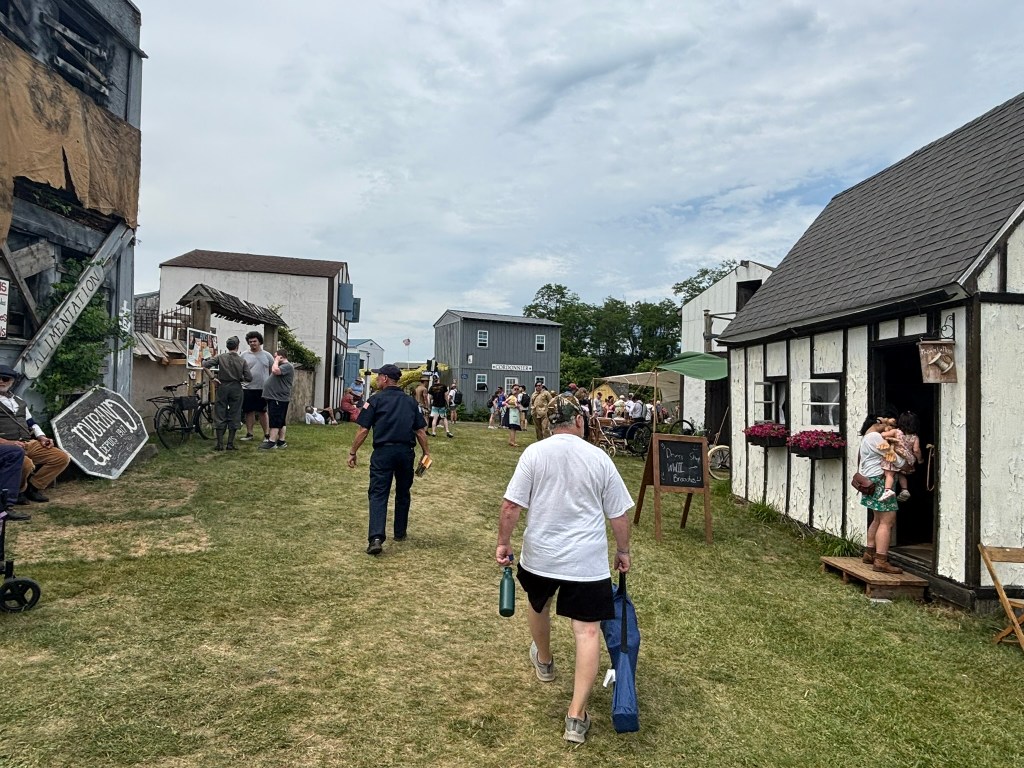
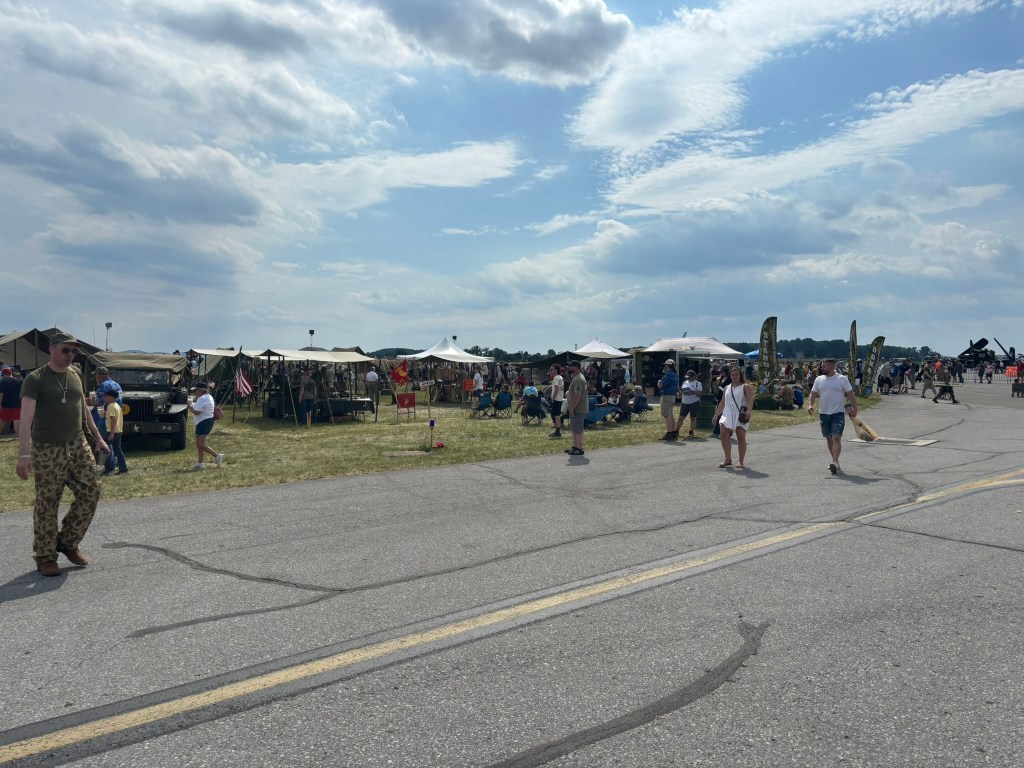
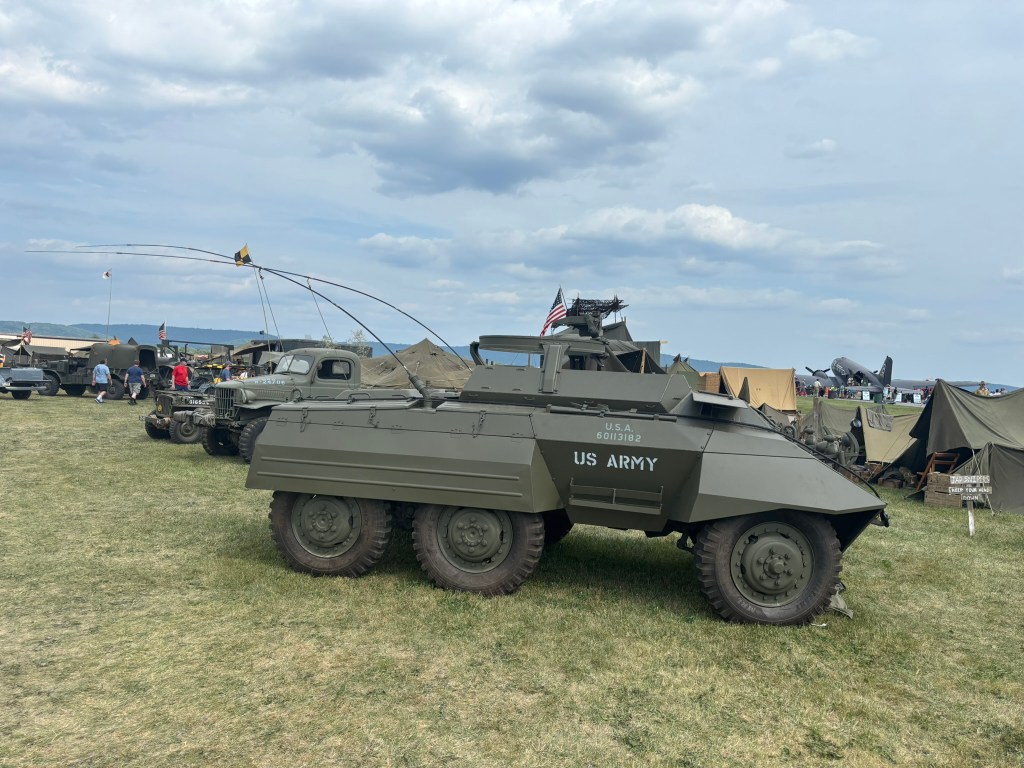
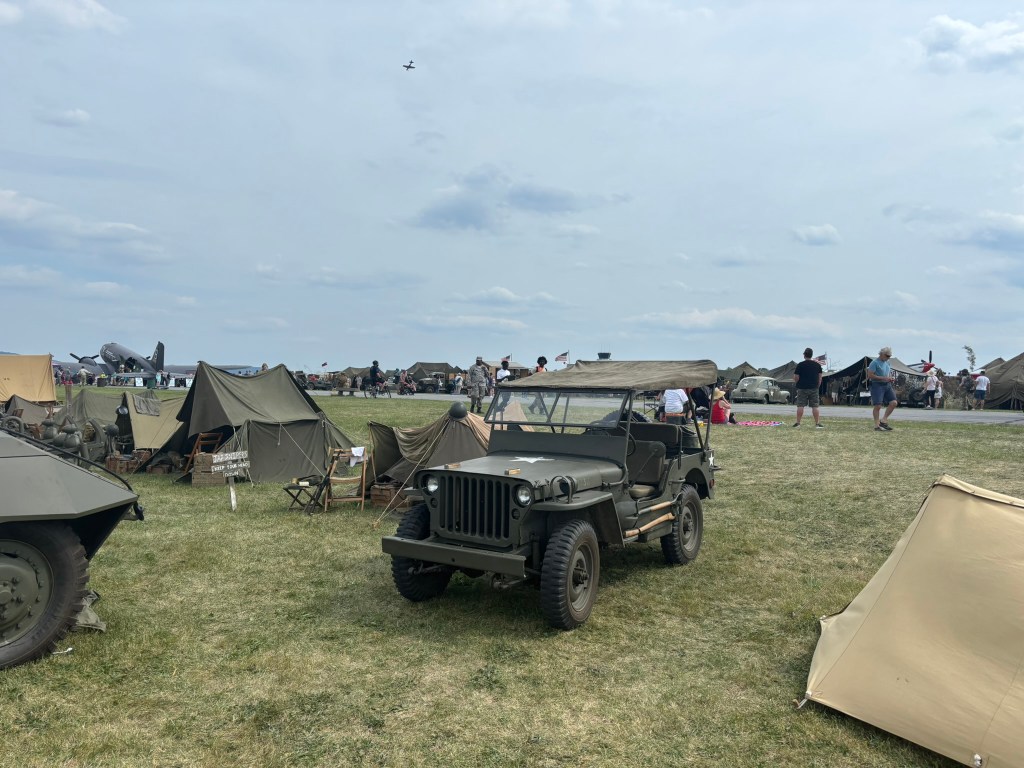
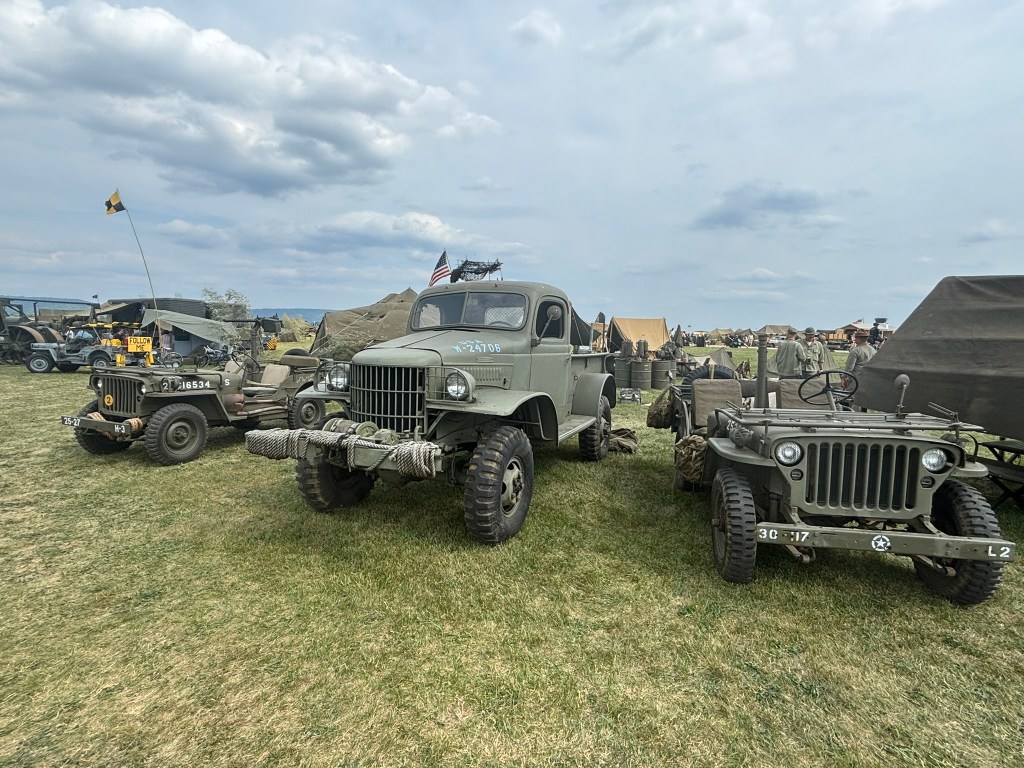
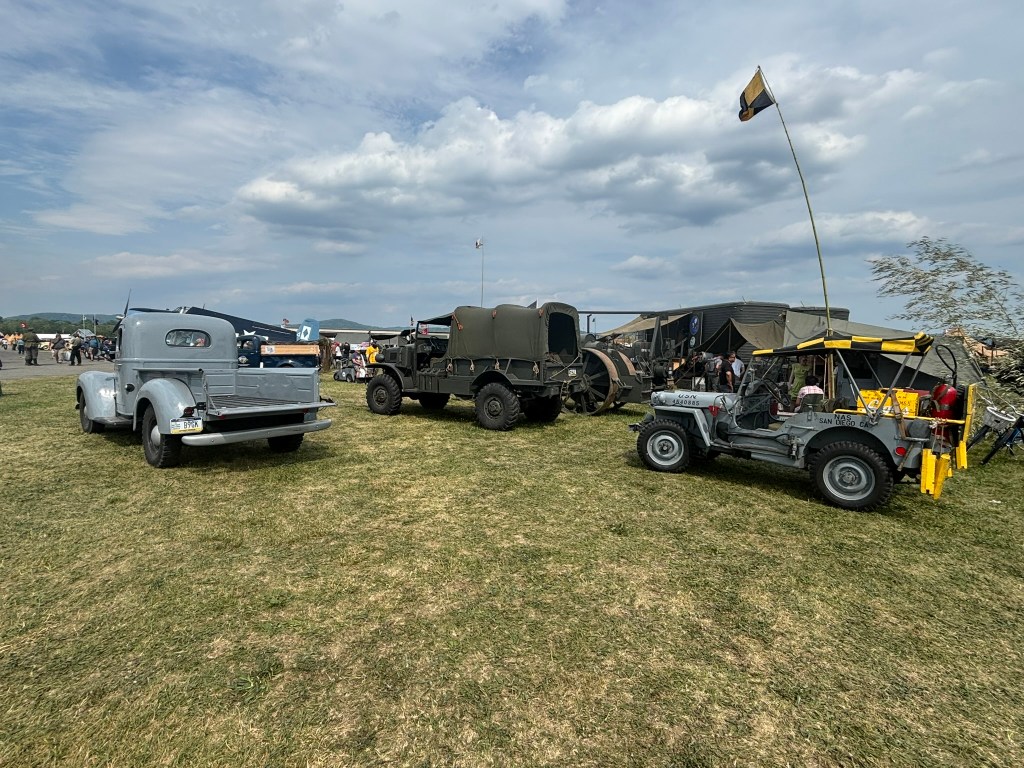
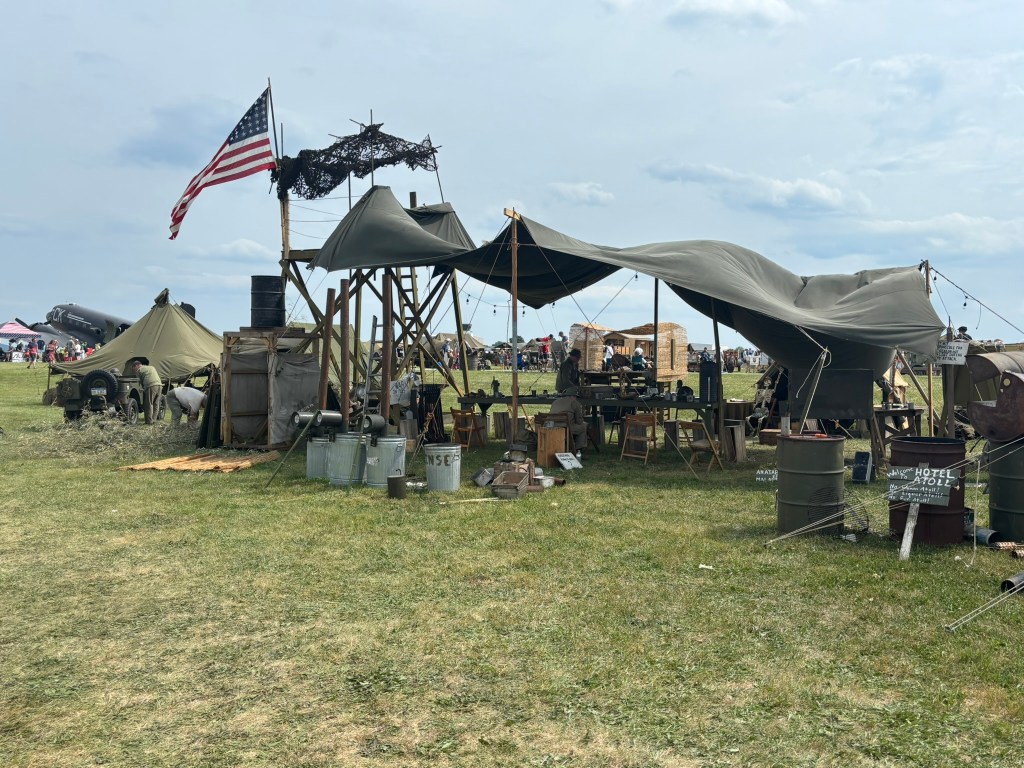
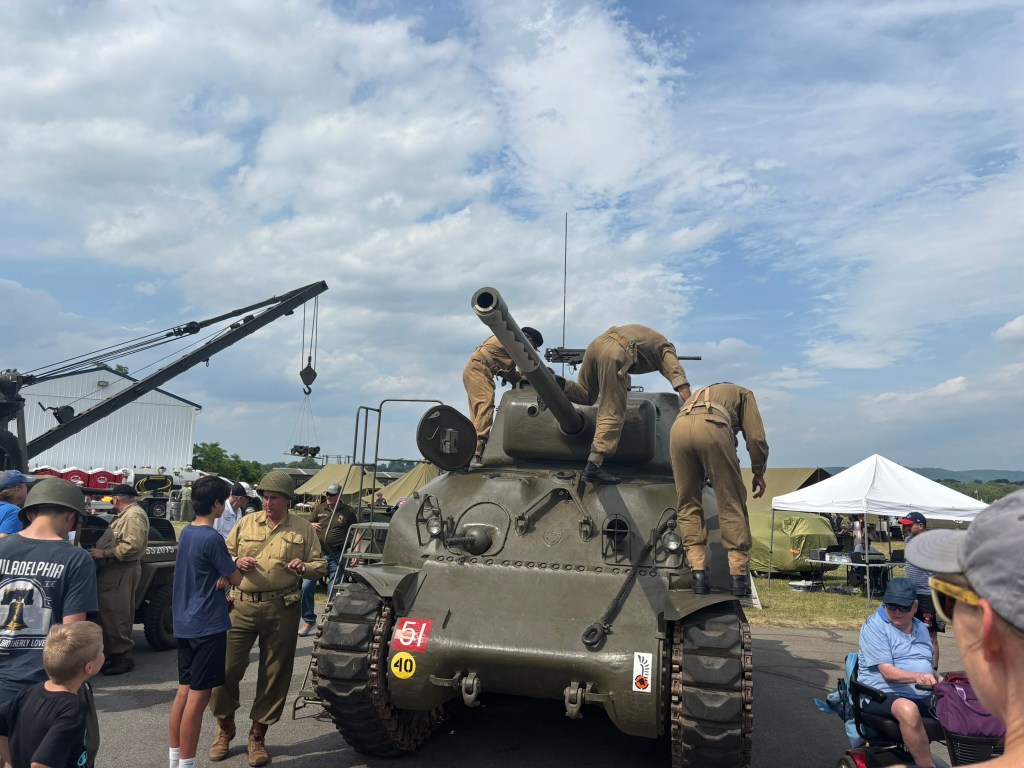
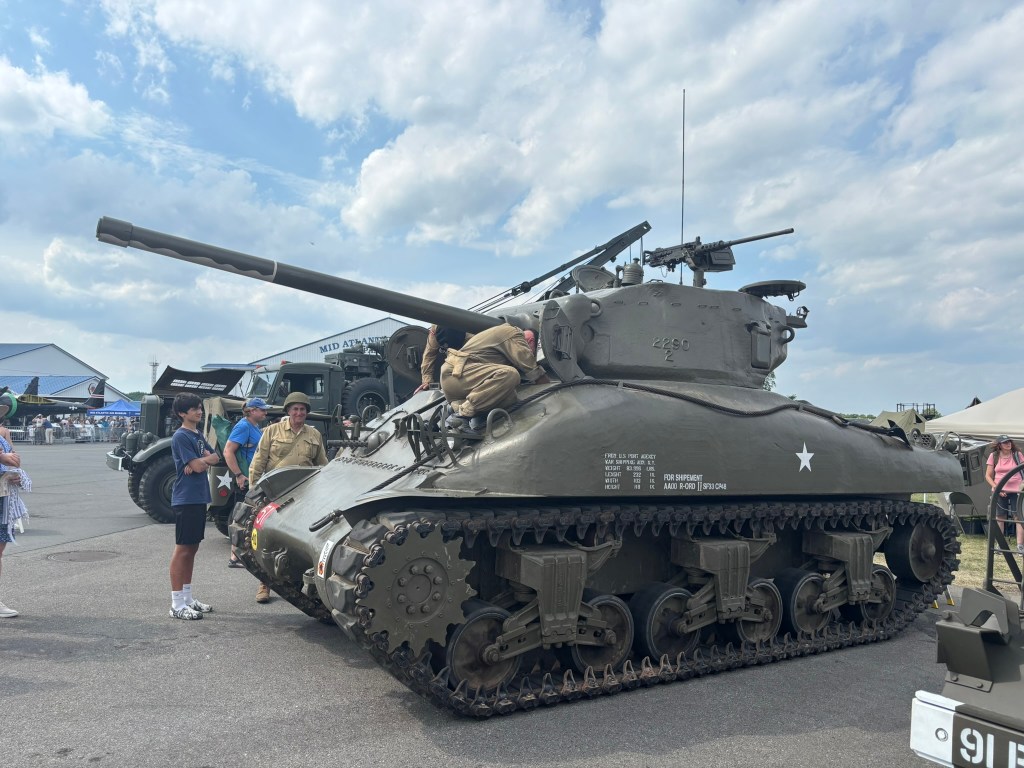
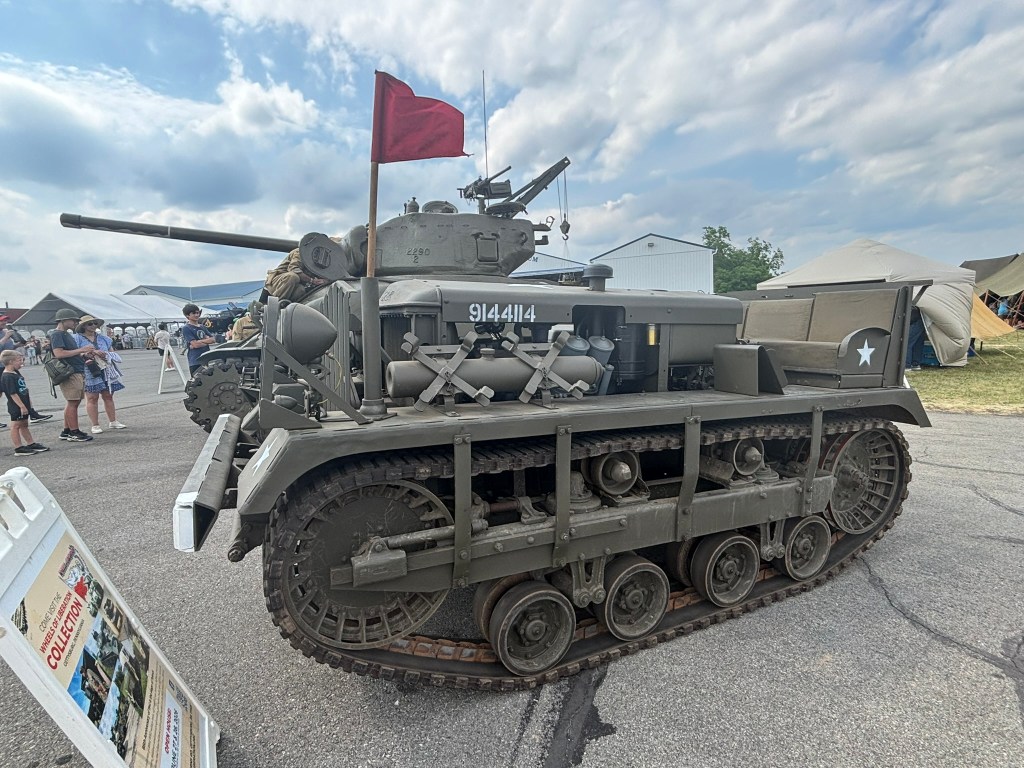
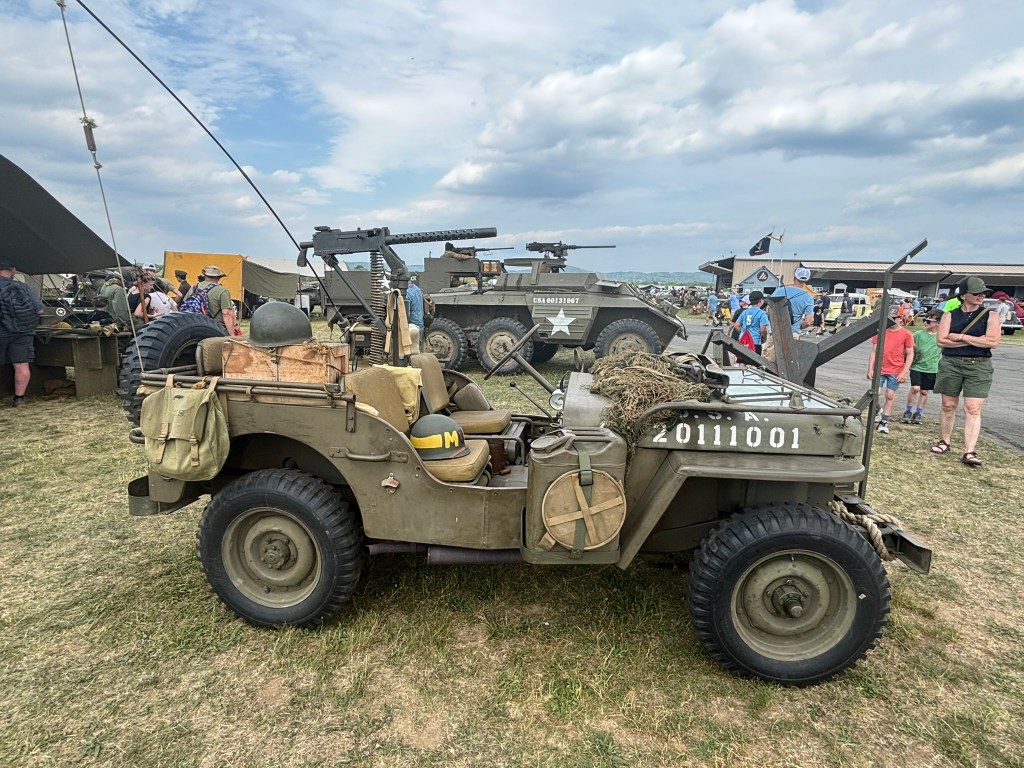
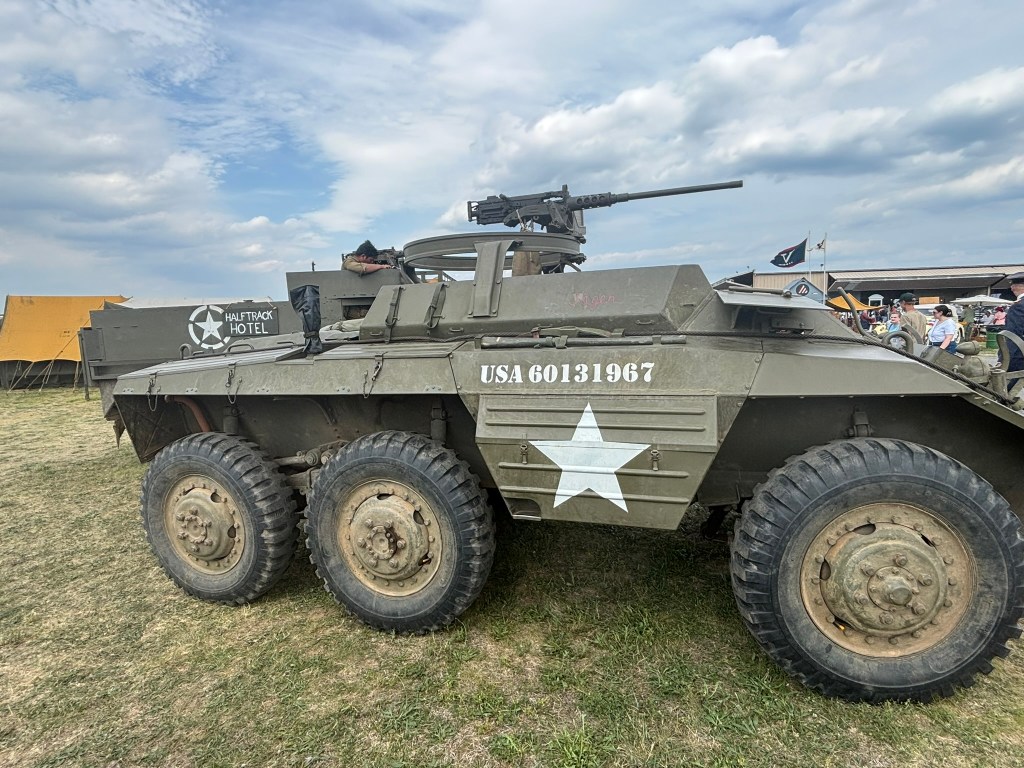
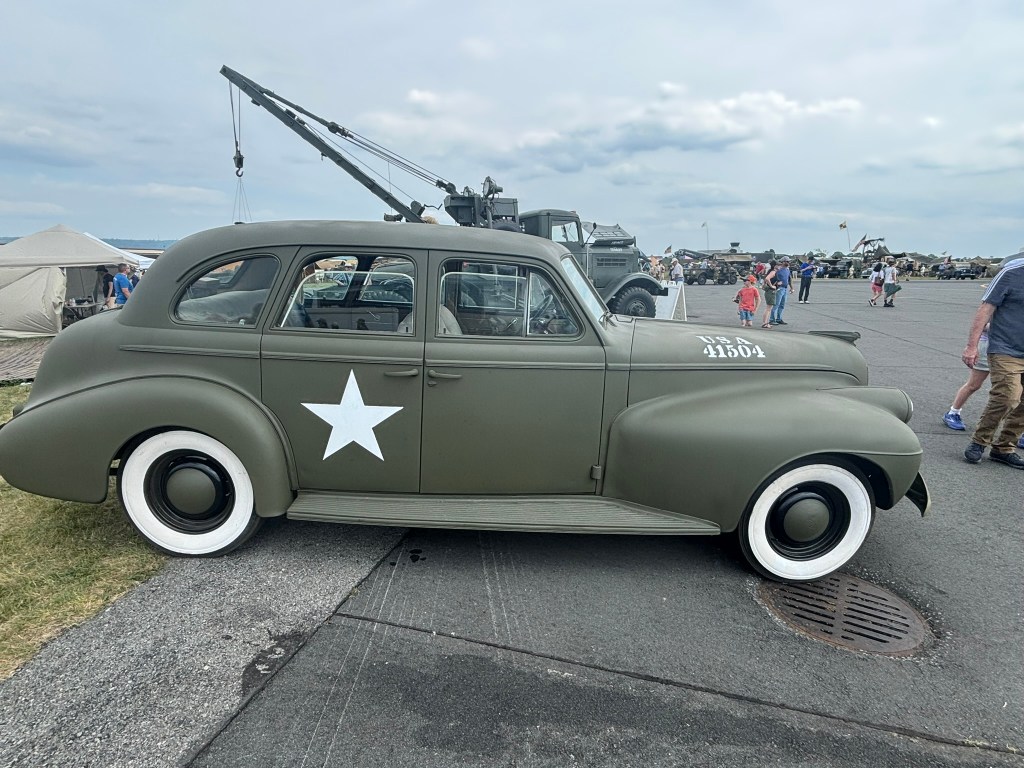
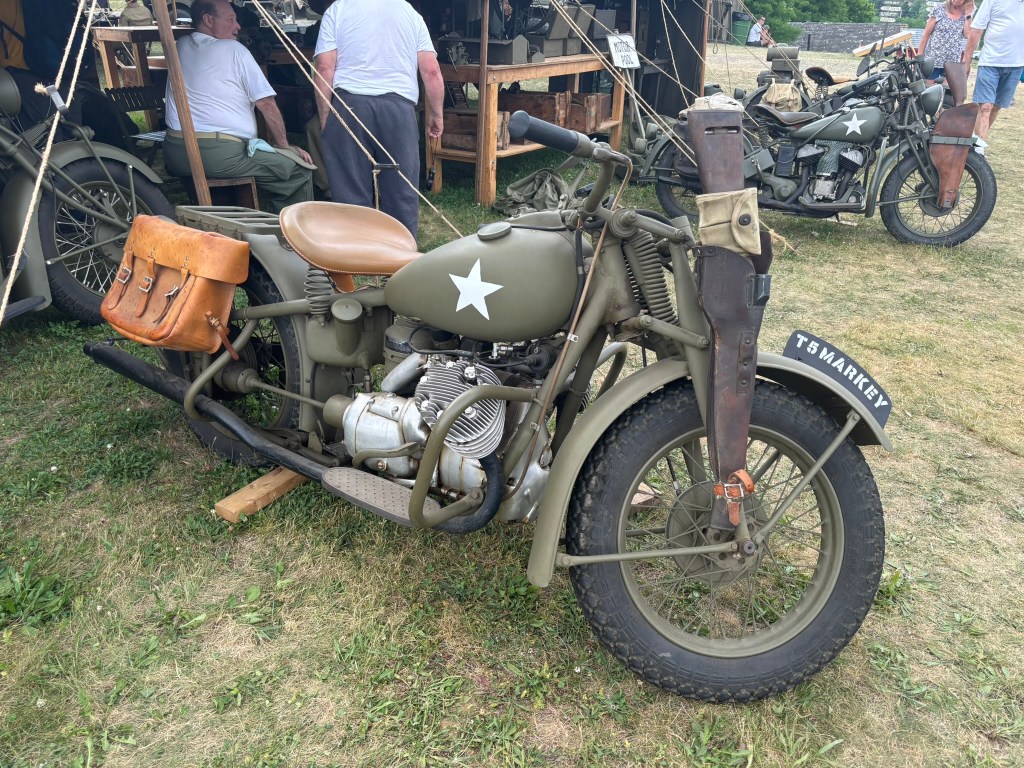
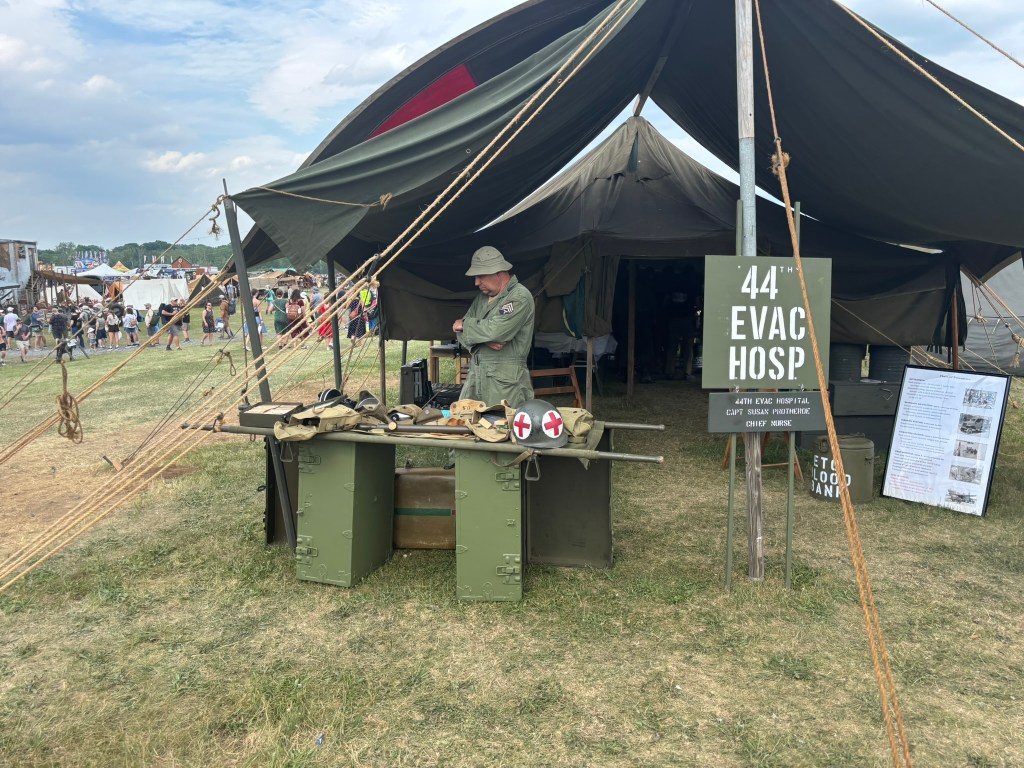
    After exiting the aircraft, my dad and I made our way through the various military camps. Every year, I am amazed by the amount of time and dedication required to set up the camps that stretch across the grounds. The reenactors are extremely knowledgeable and eager to share details about what was necessary to serve during the war. As you walk through the camps, you almost feel as though you are stepping back in time. Weapons, equipment, supplies, and everyday necessities are all on display, serving as reminders of what soldiers endured when they were not on the battlefield.

    At about 11:30 a.m., we stopped at one of the food trucks for lunch before finding a spot near the airfield to watch the afternoon airshow. Around 12:30 p.m., paratroopers jumped from an aircraft, an event you can check out on my social media pages in the coming days. My video captures the first of two jumps. The paratroopers were especially brave considering the windy conditions on Saturday, yet they proceeded with the demonstration anyway.

    The airshow was highly entertaining, and it is always a pleasure to watch The Jersey Jerks, an airshow team that consistently puts on an impressive performance. Other pilots also took to the skies to showcase many of the aircraft that had been on display throughout the grounds. You can also check out my social media pages for videos of the airshow.

    My dad and I watched the flying demonstrations until nearly 4:00 p.m. Afterward, we took one final walk around the event before heading toward the shuttle buses. However, when we saw the long line waiting for transportation back to the parking area, we decided to get an Uber instead.

    What’s great about World War II Weekend is that the event draws a huge crowd, yet the Reading airport grounds are so expansive—and there are so many camps, exhibits, and aircraft to explore—that it never feels overcrowded.  

    It was especially meaningful to attend the event on the 82nd anniversary of D-Day. It is encouraging to see so many people come together to learn about World War II and honor those who served during the conflict. If you have never made the trip to Reading for World War II Weekend, I highly recommend it.

    For more information about the event, visit: https://maam.org/wwii/