
As a teacher, I went back to school this past week. My blog was started on my last day of school in June, and therefore, I had the summer to devote attention to it. Now that I’m back at school, I will do my best to juggle the preparation for class and the writing of the blog. As I move forward, it’s likely that topics and discussions in class will inspire the articles in this blog.
When you start a new year, you have new faces in the room, you start the curriculum over again, and we go over student skills that we’ll develop throughout the year. You begin the year asking the basic questions. One of which is: Why study history? I’ve had students throughout my career who are not interested in the subject at all. I’ve had numerous students ask me why do we have to learn it.

To me, history is the most essential subject in school because all students need to learn its life lessons. I know that mathematicians, scientists, and others are indespensible to civilization. They are the geniuses of society that invent and push technology and medical advancements forward. But not everyone in school is going to be a mathematician or a scientist. History and the Social Studies reach all students because they are members of our society and all will become voting citizens (Unless they move overseas of course). Therefore, on a basic level, students need to understand Civics: how our government works, the roles of each branch of government, and their responsibilities and duties as a citizen. They need to understand how these institutions came about and the struggles that people faced to fight for free elections. We need active and informed citizens. If citizens stopped taking part in the democratic process, then we no longer have a democratic process. Citizens need an understanding of trends in history when choosing a politician, in order to figure out what has worked in the past.

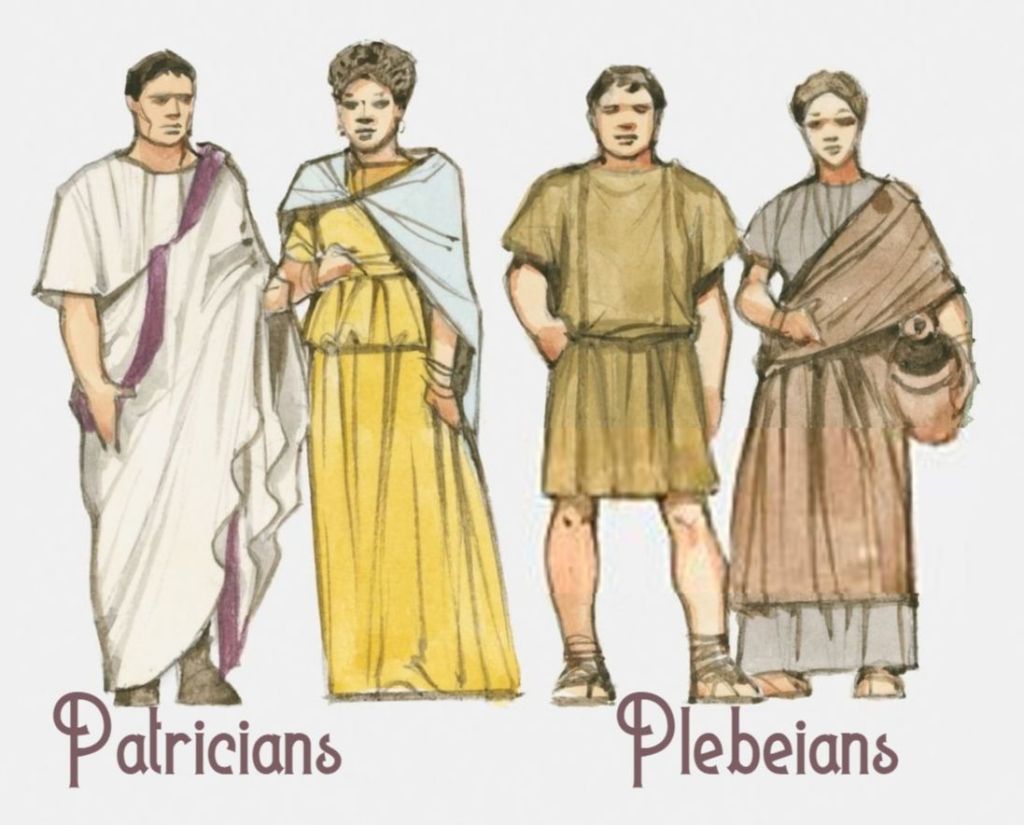
It’s been said time and time again, that History repeats itself. As someone who has taught Ancient World, Modern World, and US History, this is entirely true. I can teach an event in one subject area that reminds me of an event in another subject area. For example, at one time I was teaching both Modern World History and Ancient World History. One day I was teaching the Modern World History class that before the Industrial Revolution there was an Agricultural Revolution. Large landowners improved farming methods and found more efficient ways to produce crops quicker and more effectively using better technology. They began buying out the land of smaller poor farmers who were then forced to move to the cities (and would become the labor supply for the Industrial Revolution to happen). The next class period I was teaching my Ancient World class about Ancient Rome. I taught how the upper, aristocratic Patrician Class was buying out the land and property of the Plebeian class (The commoners). This led to strikes and anger amongst the Plebeians. There are many moments like this in my teaching experience, where content in one class sounds similar to content in another, even if the events are a thousand years apart. For this example, I also connect the content to today, how large corporations like Walmart, Amazon or Target have put small companies out of business. My point is that these common themes in different historical eras happen all of the time. I’ve seen common trends as well when teaching leaders, wars, and revolutions. I am constantly making connections between different time periods and places. Throughout history, human nature has not changed, and therefore, many of the social, political, and economic issues of, say, Ancient Rome are the exact same issues today. The circumstances have changed slightly, but the core issues are the same.
We must learn about all aspects of the past: the good, the bad and the ugly, so that we don’t repeat the same mistakes. There are many aspects of America’s past that we should not be proud of, and the same applies to every country around the world. We must not hide from history, we must not remove it, we must learn about it, and understand why it happened. Every historical event has causes and effects. We must analyze these historical events so that we make informed decisions later. We should see the repetitive nature of historical events, and avoid the ones that had negative consequences. Through modern lenses, we see that famous historical figures were imperfect human beings who in some ways, were selfish and looked out for their own self-interest. We are all imperfect beings and will probably be judged by later generations as well. Imperfect human beings have been capable of some truly remarkable achievements.
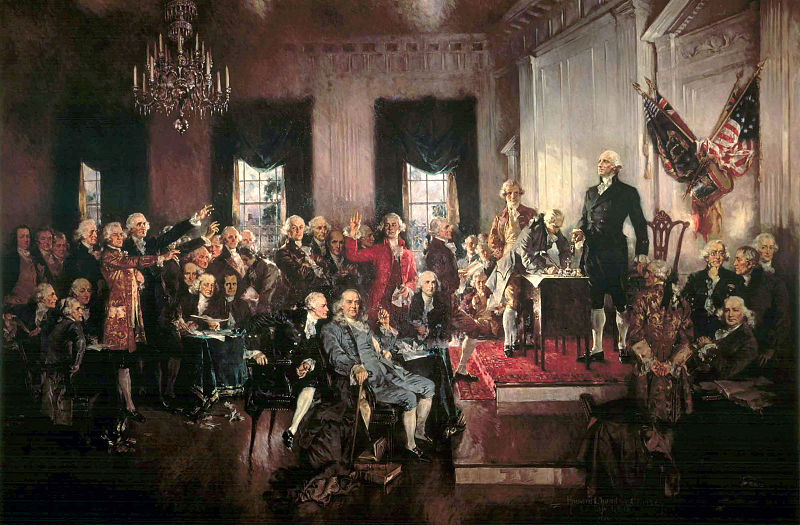
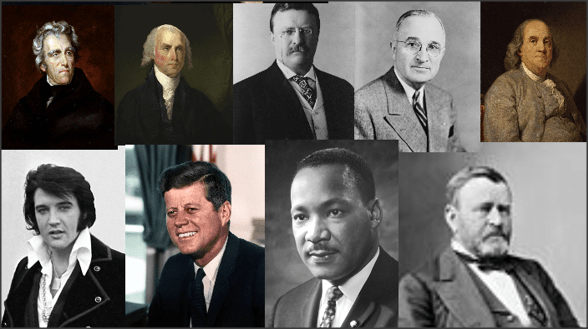
Even though they were imperfect, there are plenty of inspiring historical figures to learn about. I love learning about these figures and how they were able to accomplish all that they did. Even evil historical figures that we should not emulate, are still at least interesting. We just need to be aware that there are still individuals out there in the world who may want to rise to power for entirely selfish, self-serving reasons.
To me, it’s interesting to learn about different time periods, and my interests are vast, whether that’s Ancient Egypt, Ancient Greece, Ancient Rome, the Renaissance, the American Revolution, the Civil War, etc. etc.. I enjoy getting immersed in the different cultures of historical time periods, and putting myself in the shoes of those who lived during that time. The culture can include the arts, the architecture, the music, or the styles of dress. By highlighting the culture, history can be fun for students and anyone else. History tells a non-fiction story. The characters are real, the events are real (even if they’re debated) and the outcomes are long-lasting. Everything in your world today was impacted by events and people of yesterday: the streets you drive on, the buildings you see, the business you work for, your daily routines, the holidays we celebrate, and every aspect of today’s culture.
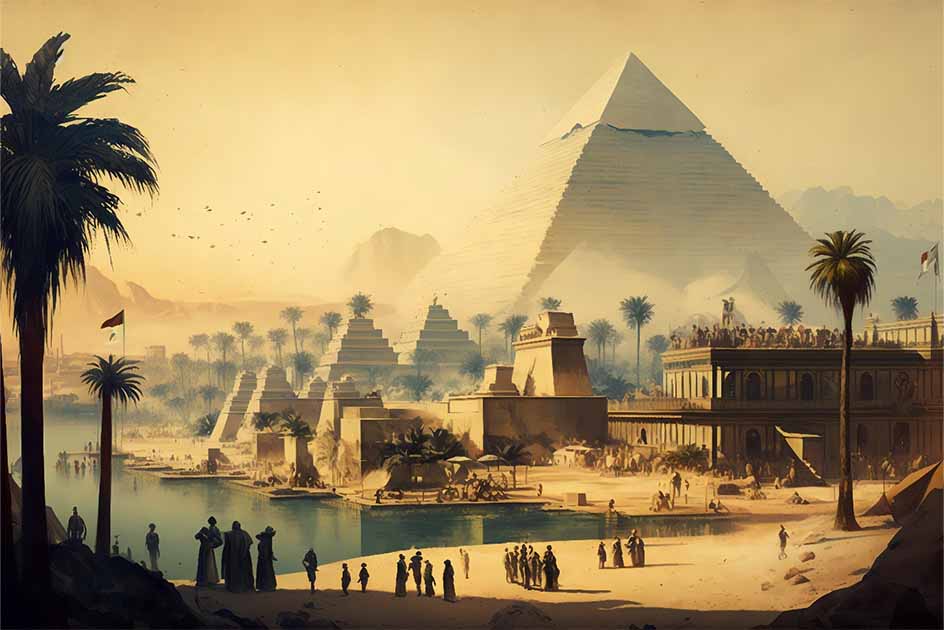
Why else study history? History informs our personal decisions. History informs our politicians who make and enforce our laws. History tells us important lessons about our economy. Societies and groups of people have to go through hardship sometimes, and the silver lining of these tough times: the people who survive and later generations learn important lessons. After the Great Depression, for example, the government tightened up laws dealing with our economy, the stock market, and banking. Lessons have been learned from difficult times such as during warfare. After the tyrannical rule in many European monarchies of the early modern period, violent revolutions overthrew their governments. All countries around the world have at some point experienced a violent revolution or civil war. It’s an unfortunate fact that groups of people have to endure very tough times. Later generations benefit from the sacrifices that were made by earlier generations.
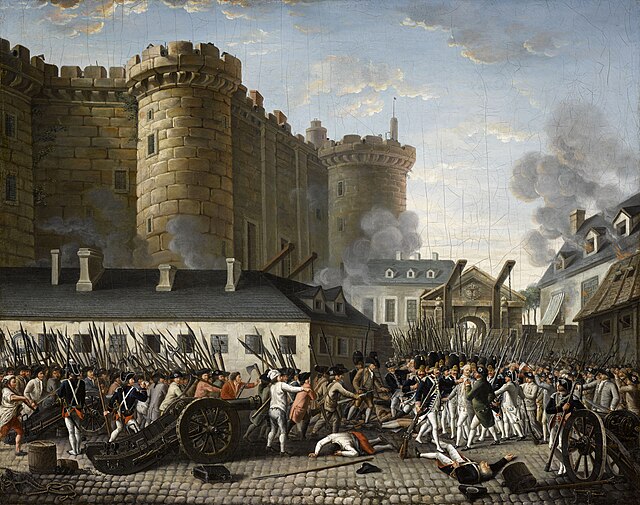
History tells us how we have developed as a human race and it definitely has not always been in a straight, upward trajectory. The fall of the glory of Ancient Rome led to a thousand years of difficult times in the Middle Ages in Europe. Many people went from living in advanced Roman cities with plumbing and running water, to being spread out on Medieval manors, working for a lord, with no shot at upward mobility. Throughout the middle ages many cities decayed and became the ruins that revealed the glory of an earlier time. Any previous great civilization that has crumbled should be studied. The causes of their decline should serve as warnings for our own great civilization. No civilization is invincible. Any civilization can become susceptible to stagnation, decay or decline.
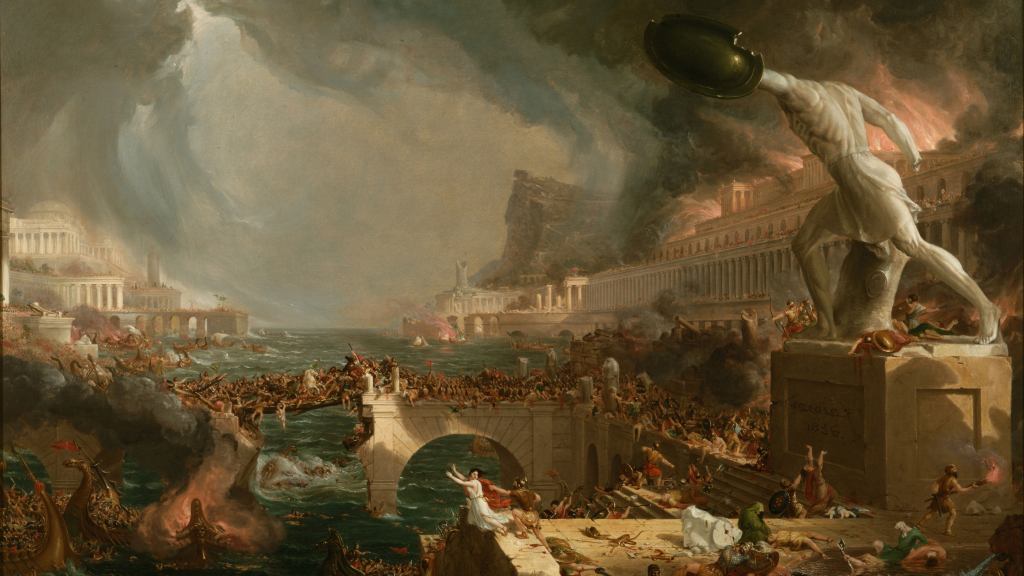
There is much to learn in history concerning dates, events, people, and social movements. Trends come and go, but human nature always remains, and human nature is very complex. Are humans naturally good, are they naturally bad, are they selfish, are they greedy, are they altruistic, are they loving, are they violent? Are they all of these characteristics at the same time? These are all of the debates that are to be had when studying historical events: the good, the bad and the ugly. History tells our story from the dawn of mankind, to the earliest civilizations, to the present day. How did we get here? Where are we going?
So why study history? There are endless reasons, and if you have thoughts on the matter, please mention them in the comments.
 Benevento's History Blog